Folder designs interfaces, publications, and systems for organizing, encountering, and carrying information forward. We help museums, universities, civic institutions, and others engaged in the stewardship and sharing of knowledge create ways for language, media, and material to surface and endure.
We are interested in what happens to information over time, and how form can reveal the connections that give it meaning. Projects come in a variety of configurations rooted in partnerships that honor the material and its strategic presentation.
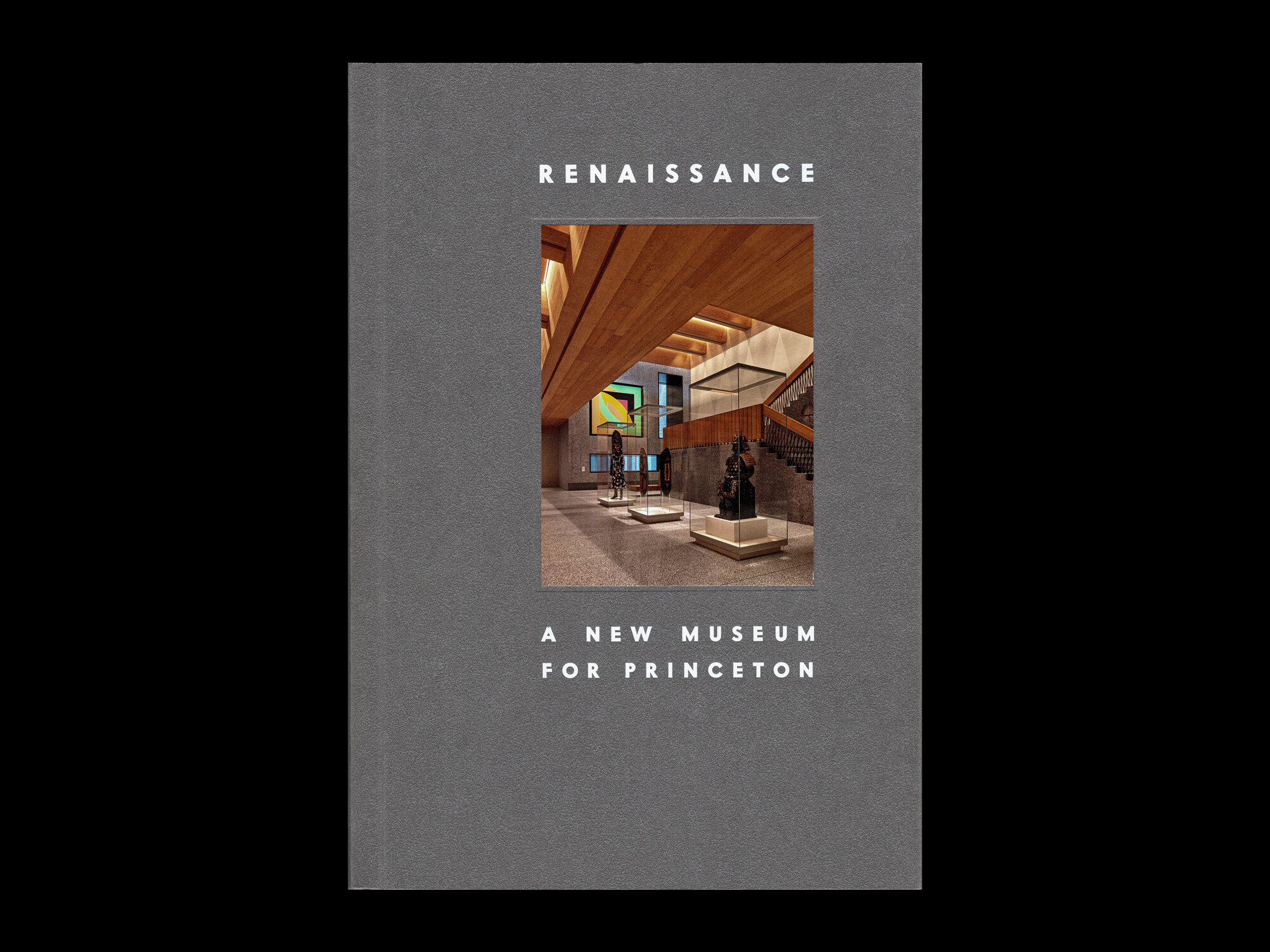
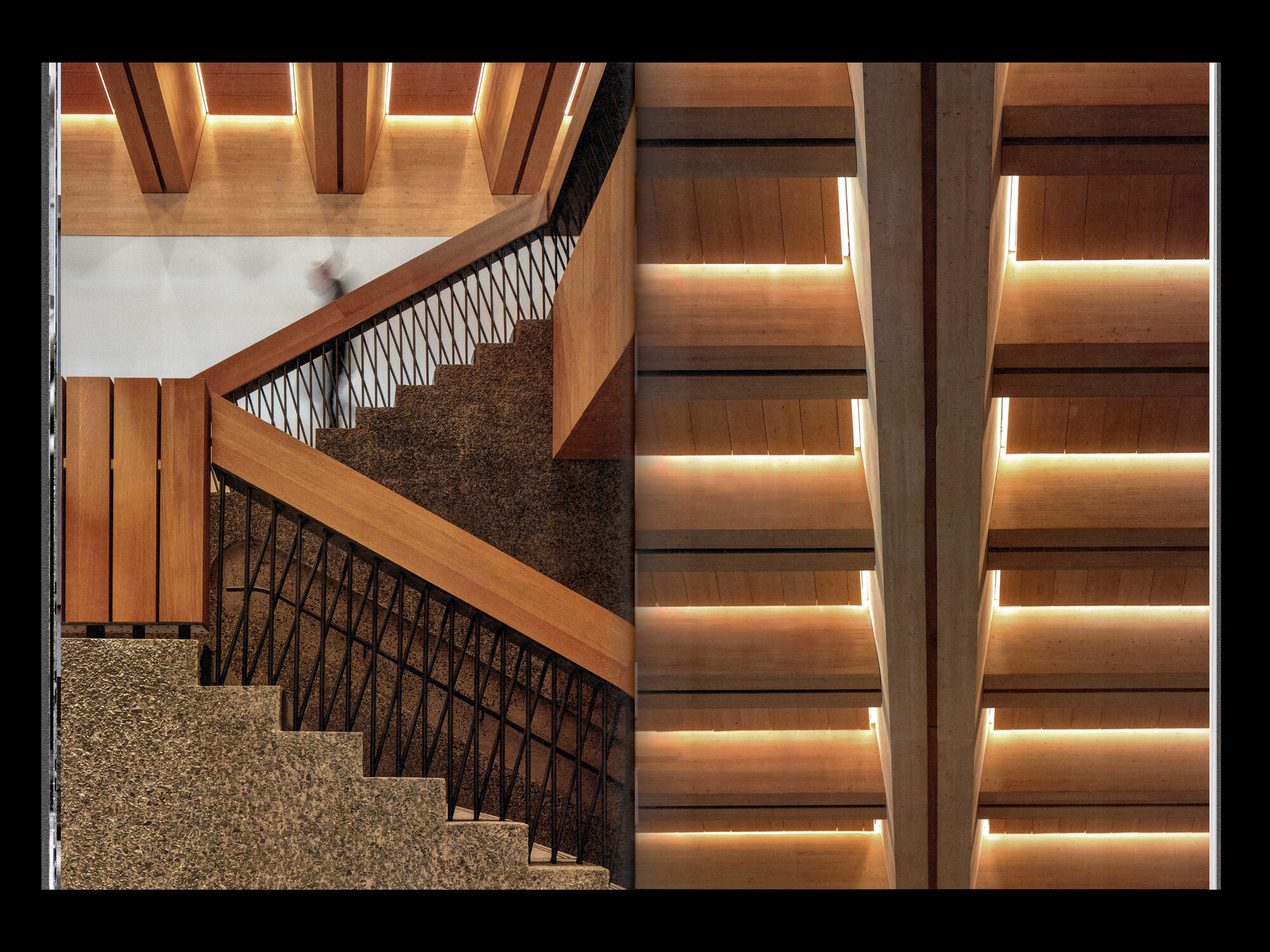
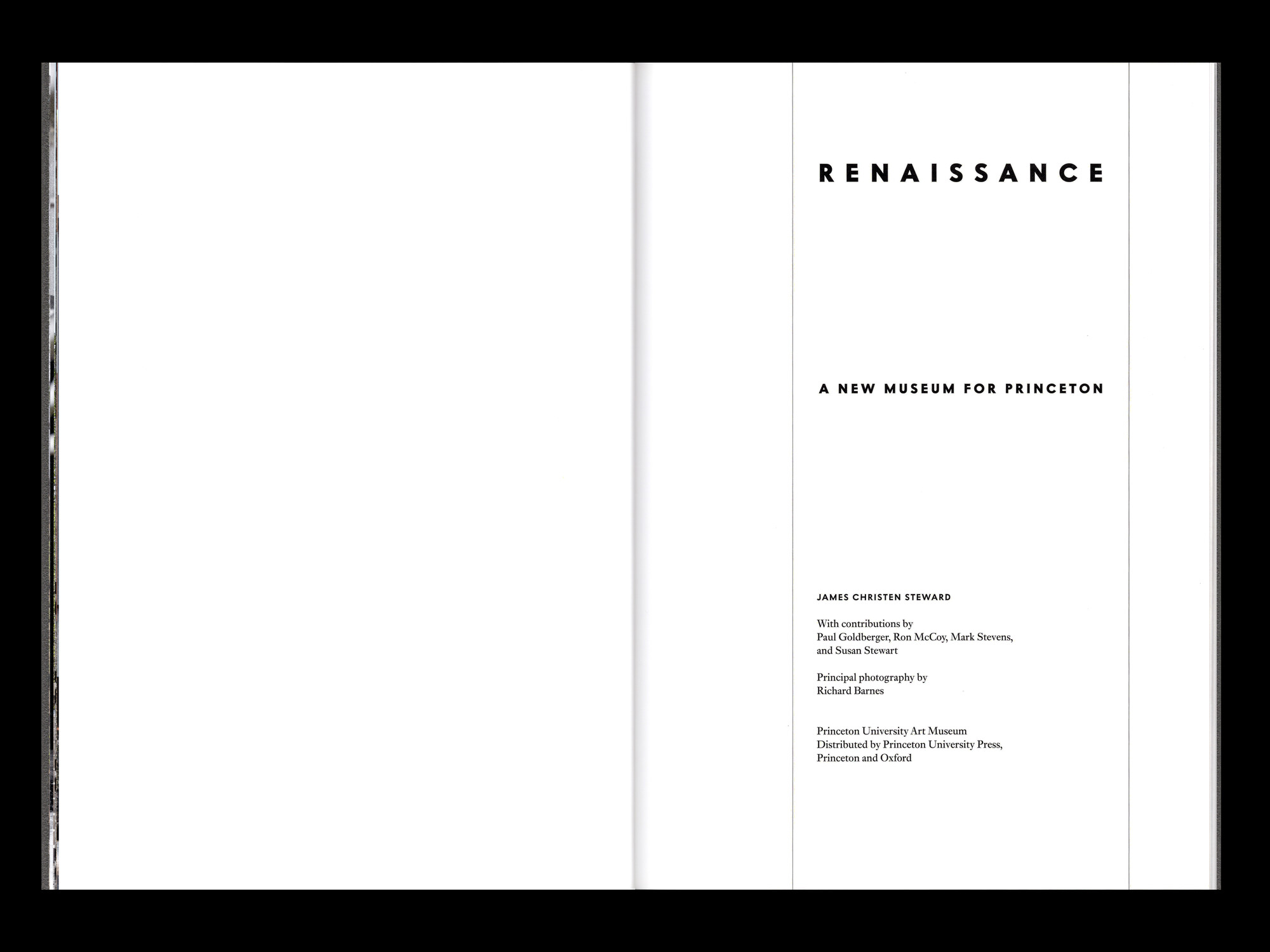
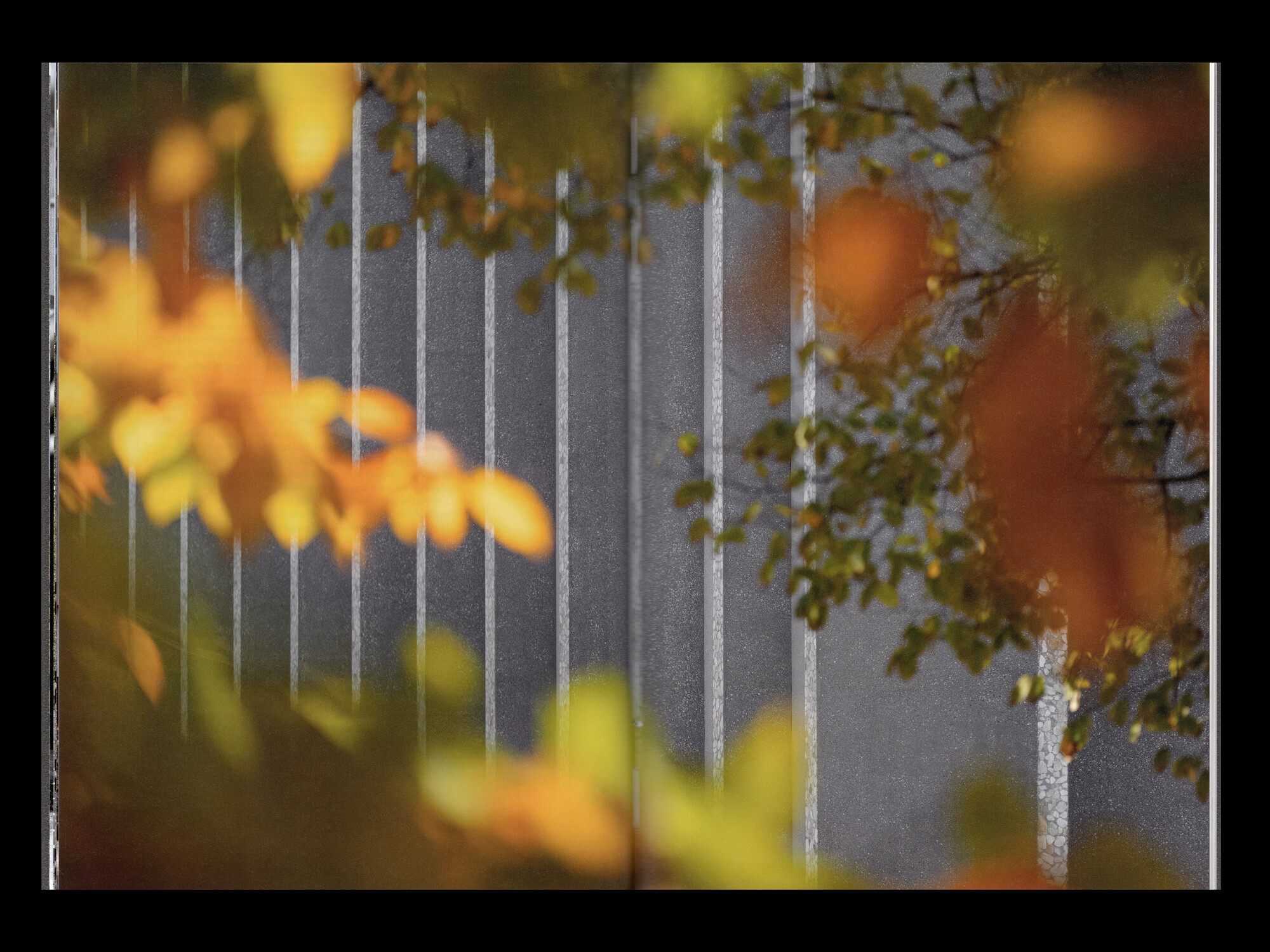
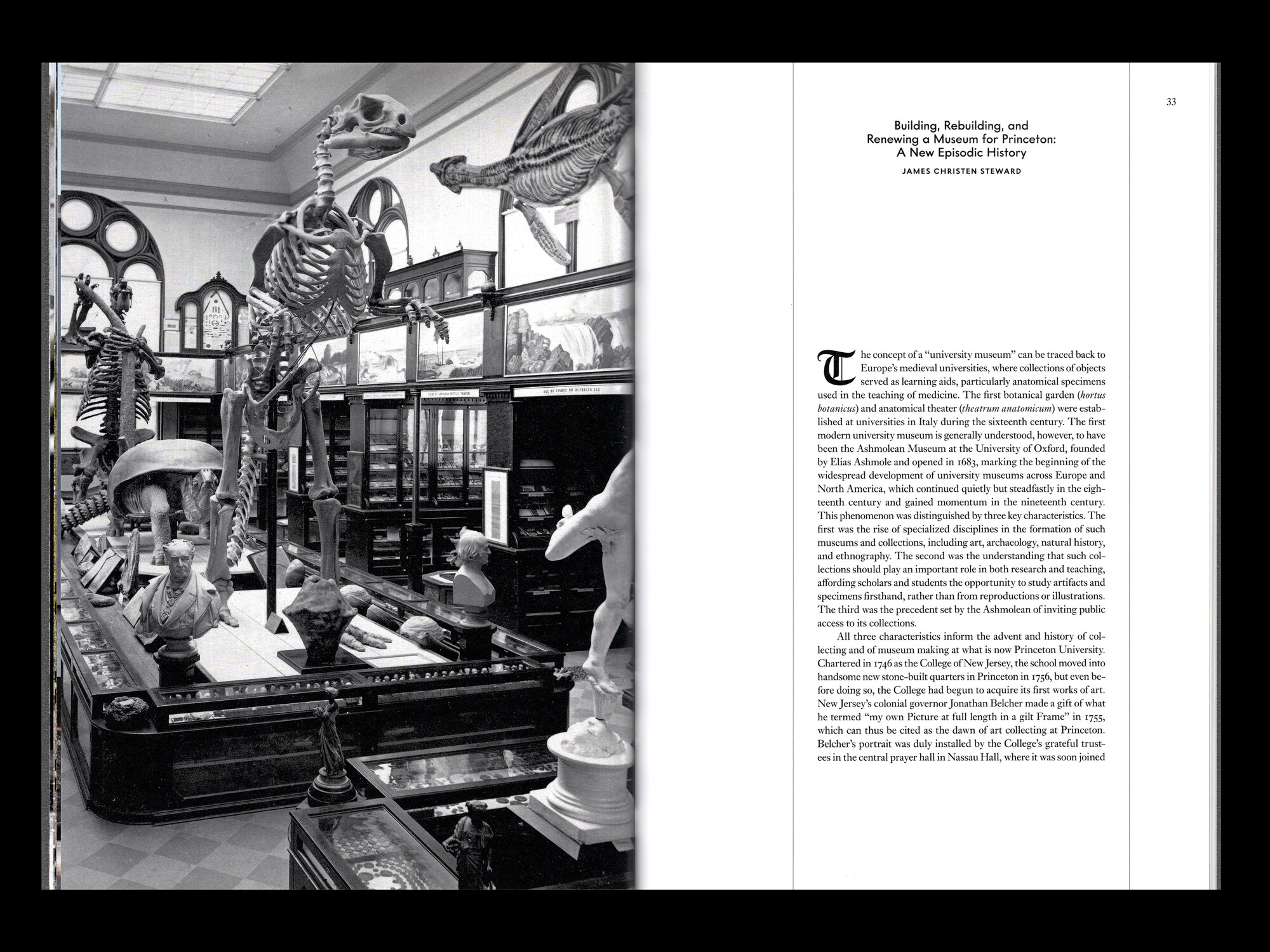
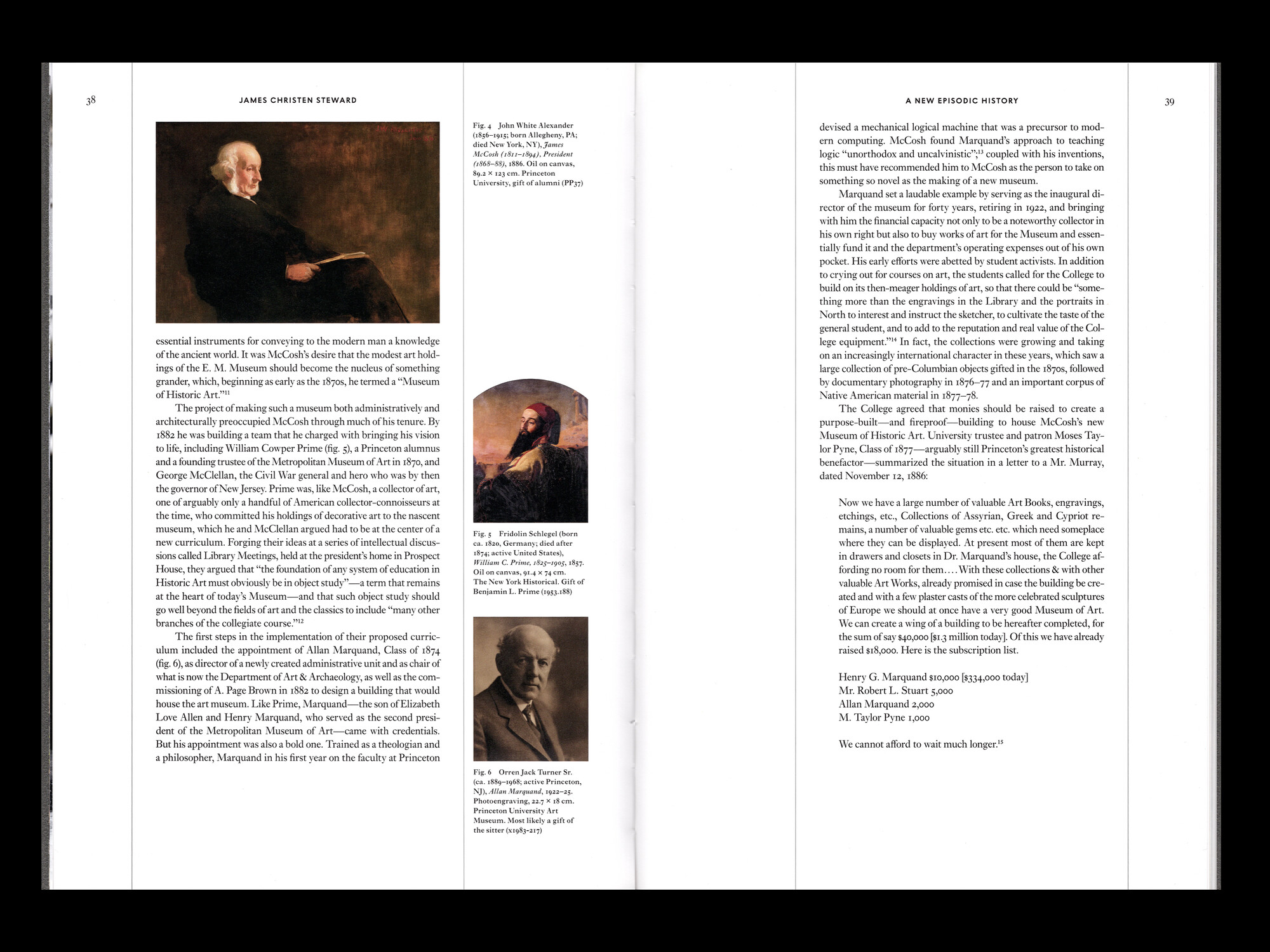
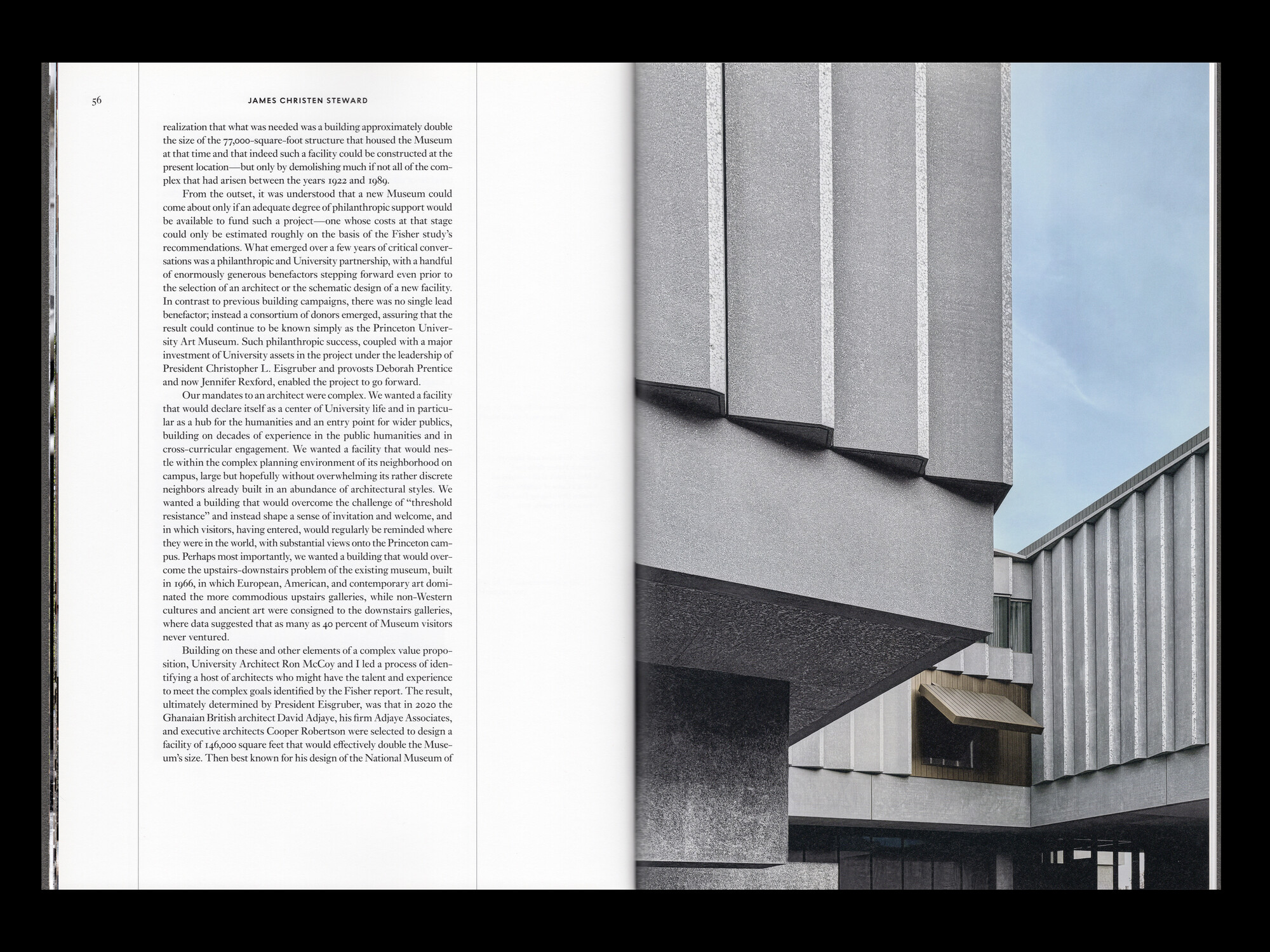
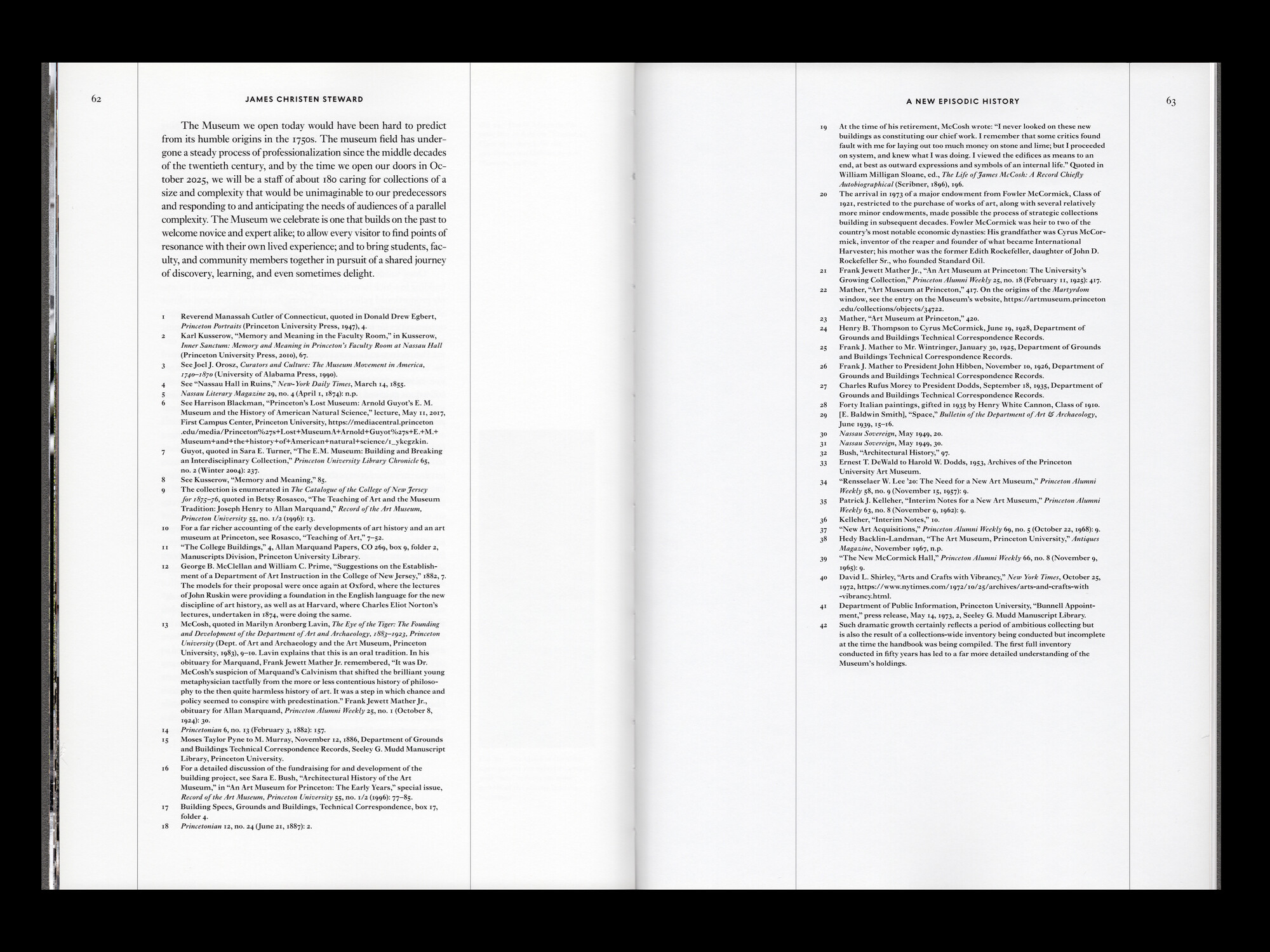
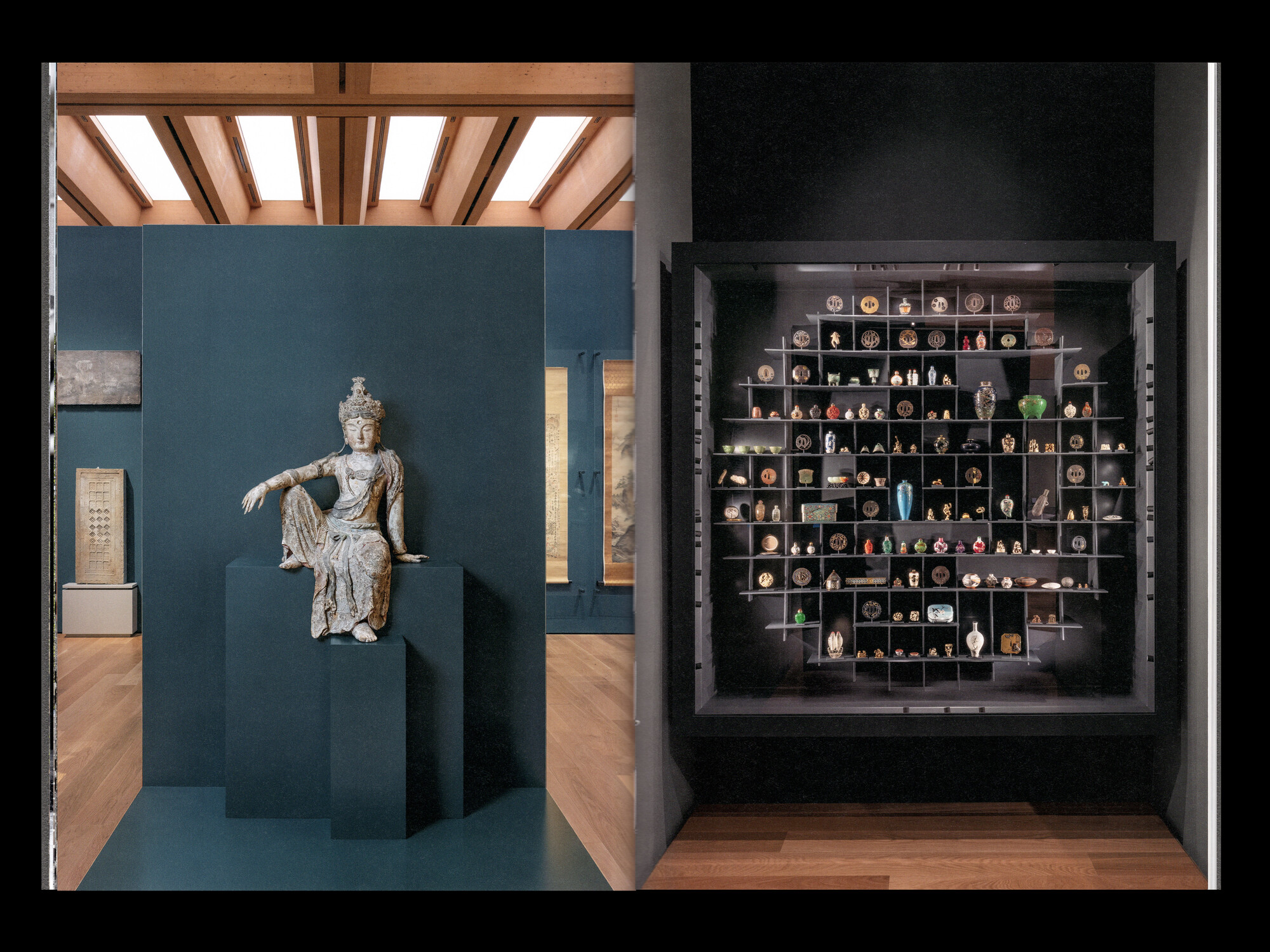
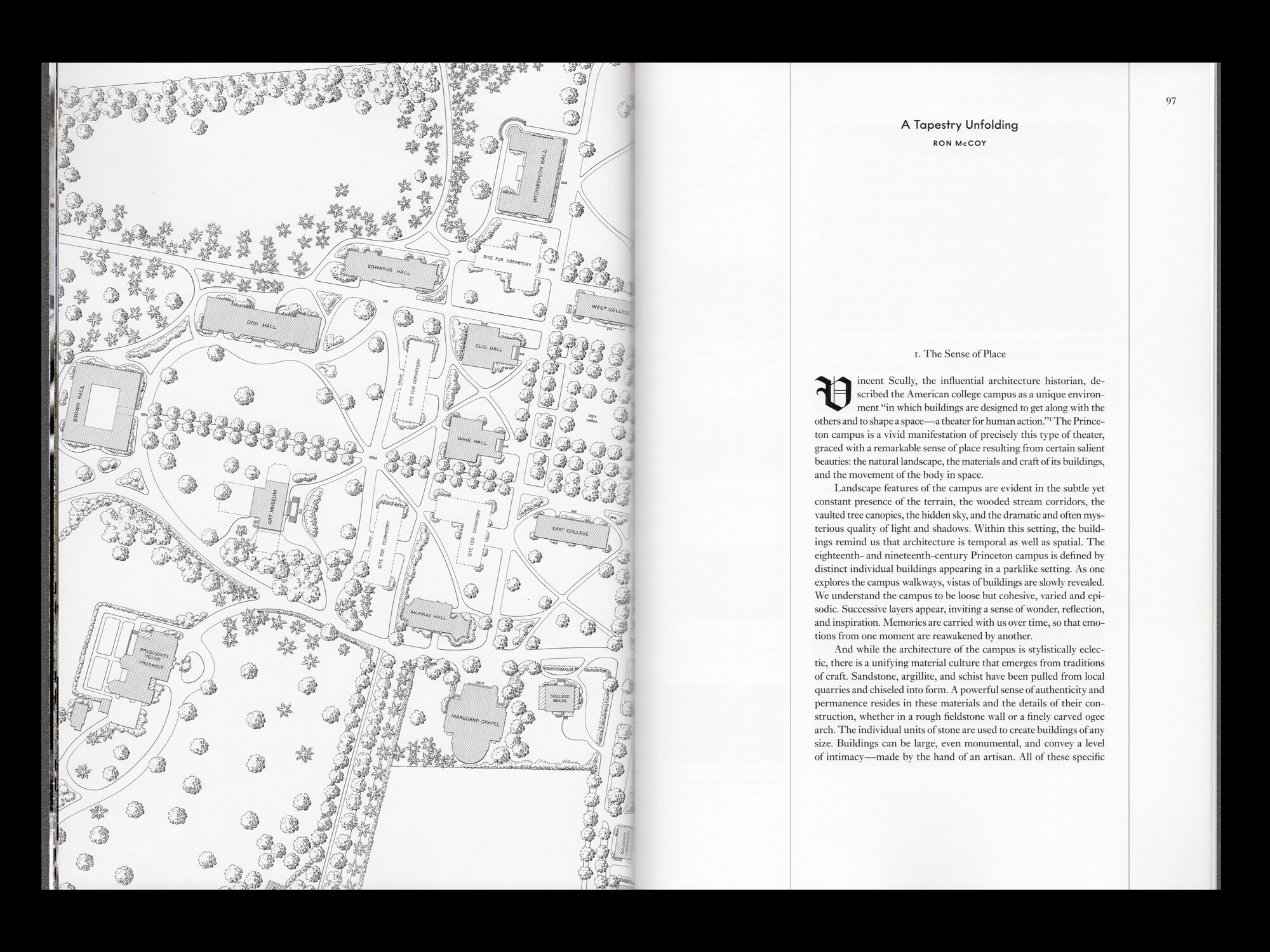
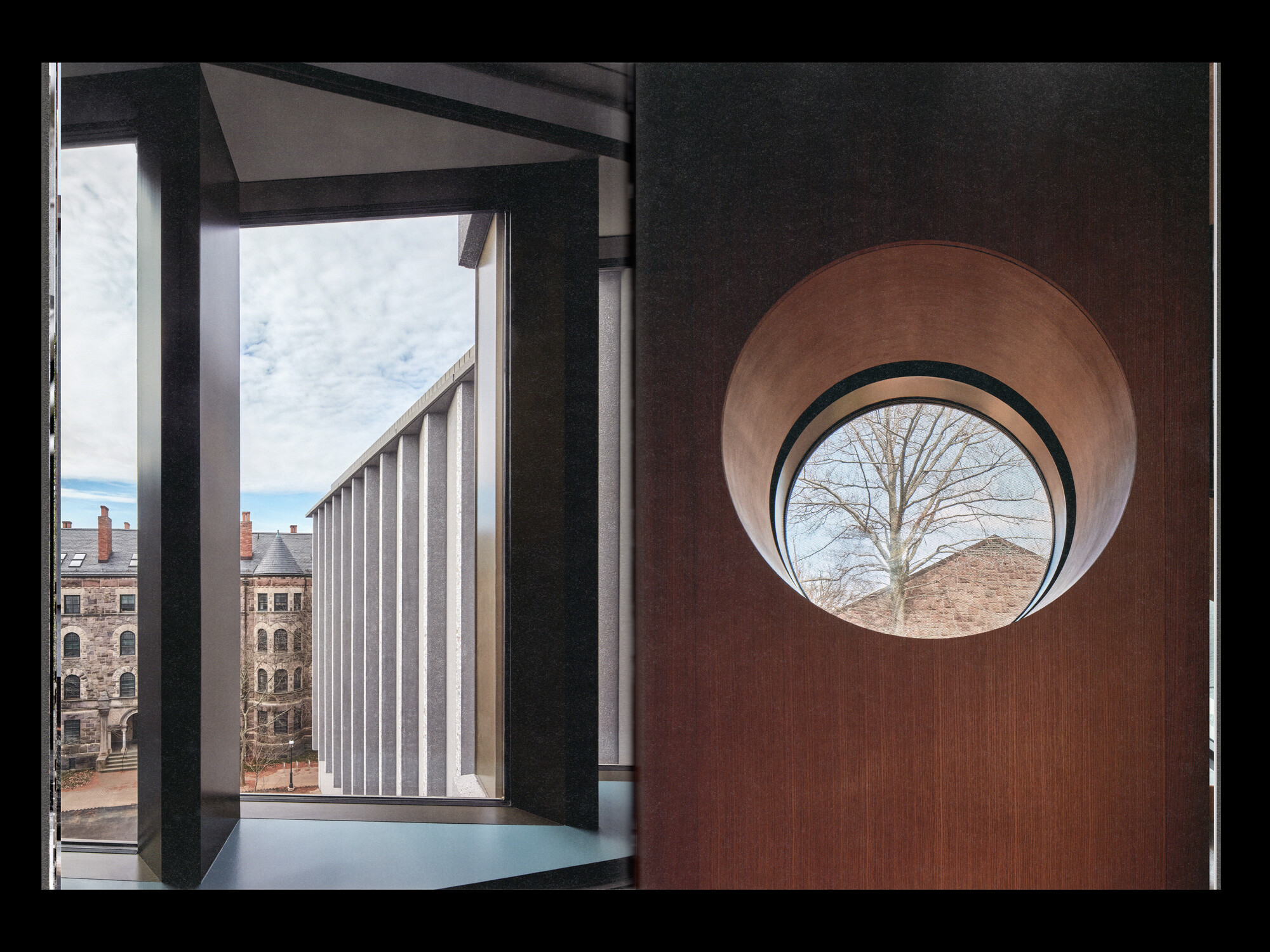
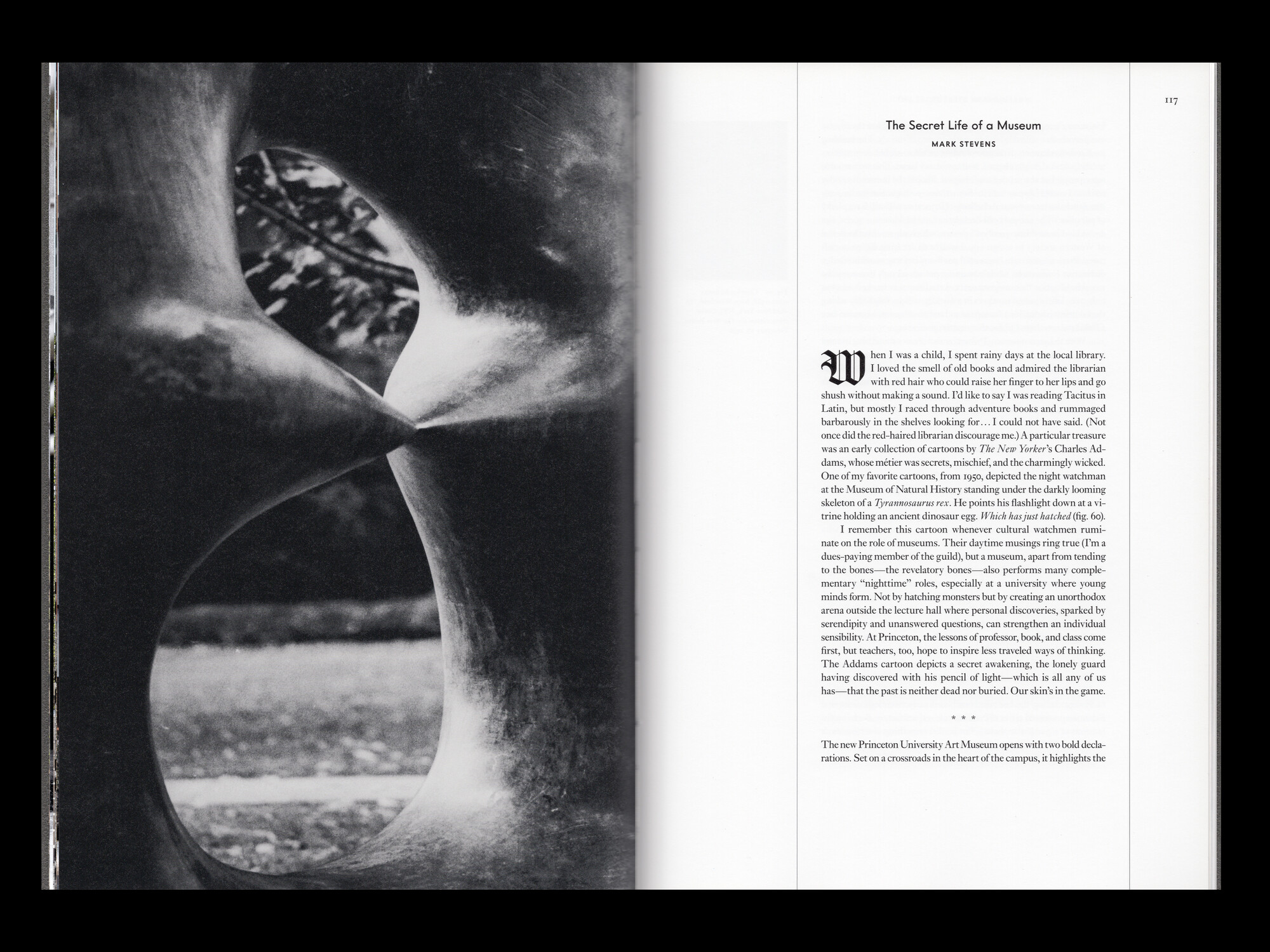
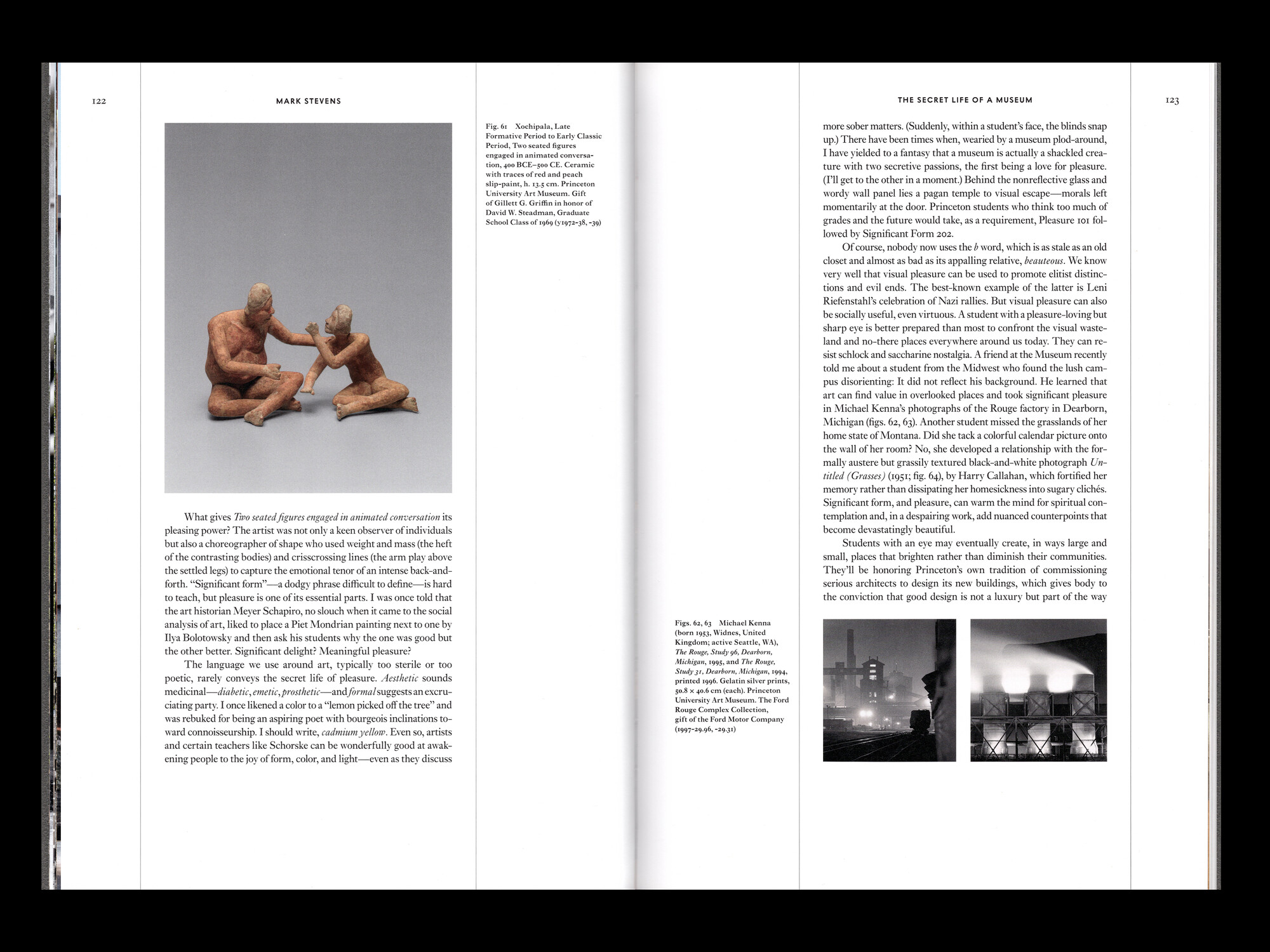
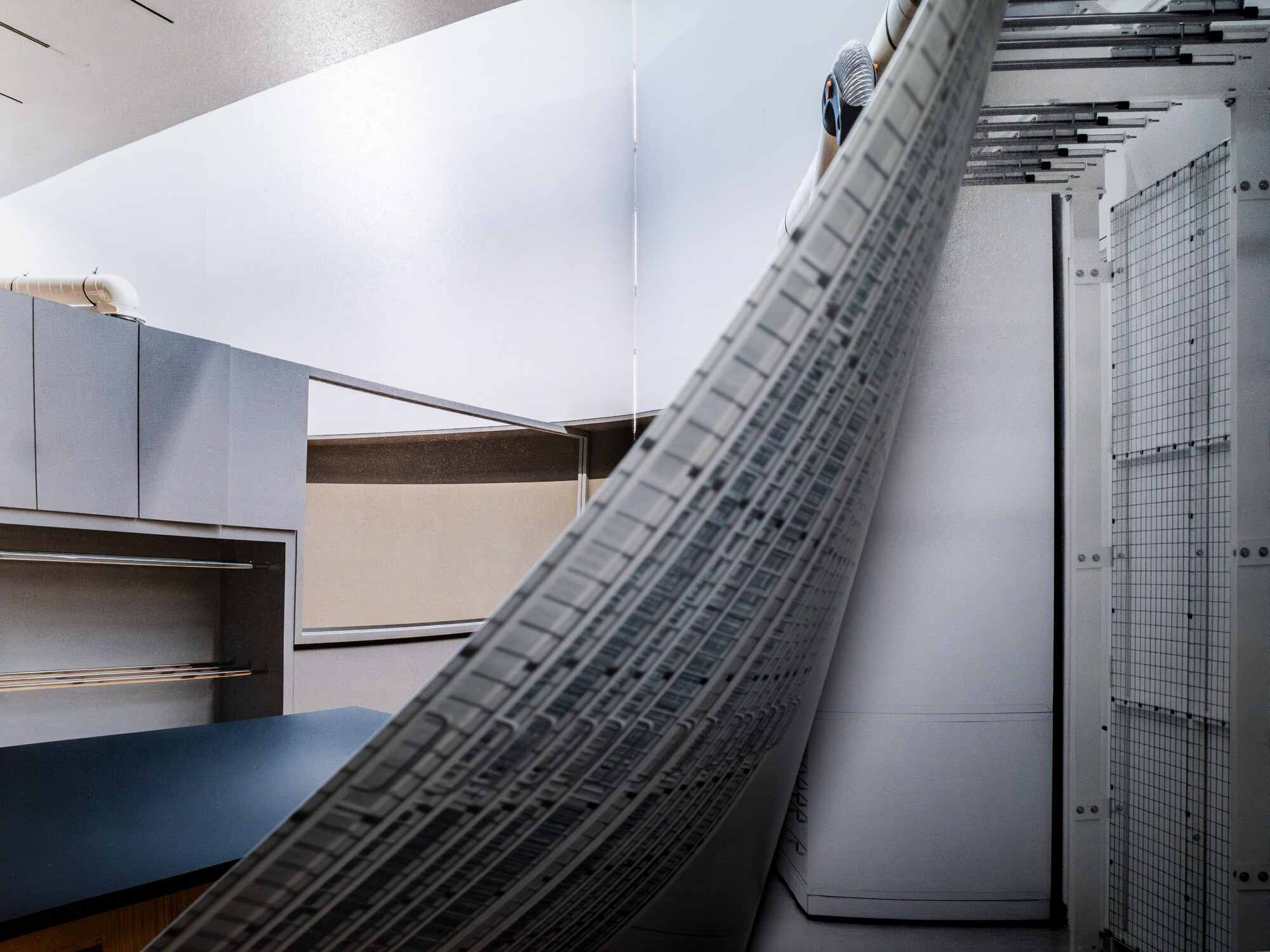
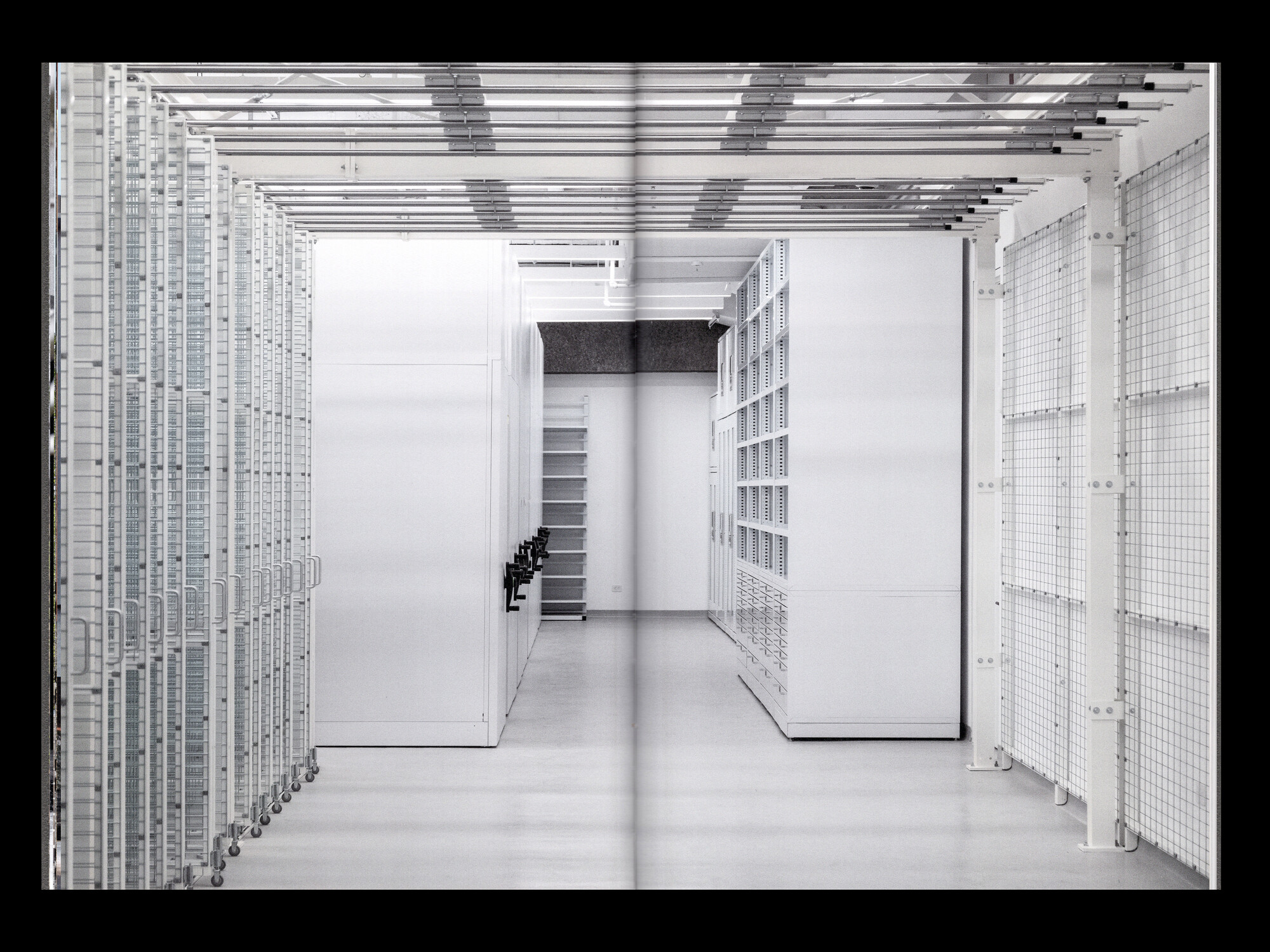
Renaissance: A New Museum for Princeton marks the completion and reopening of the new Princeton University Art Museum. Shot in its final year of construction, Richard Barnes’s photographs show the building across changing seasons and in relation to the surrounding campus. An essay by museum director James Christen Steward along with contributions by Paul Goldberger, Ron McCoy, Mark Stevens, and Susan Stewart contextualize the project within Princeton’s unique architectural history and the museum’s significance in campus life.
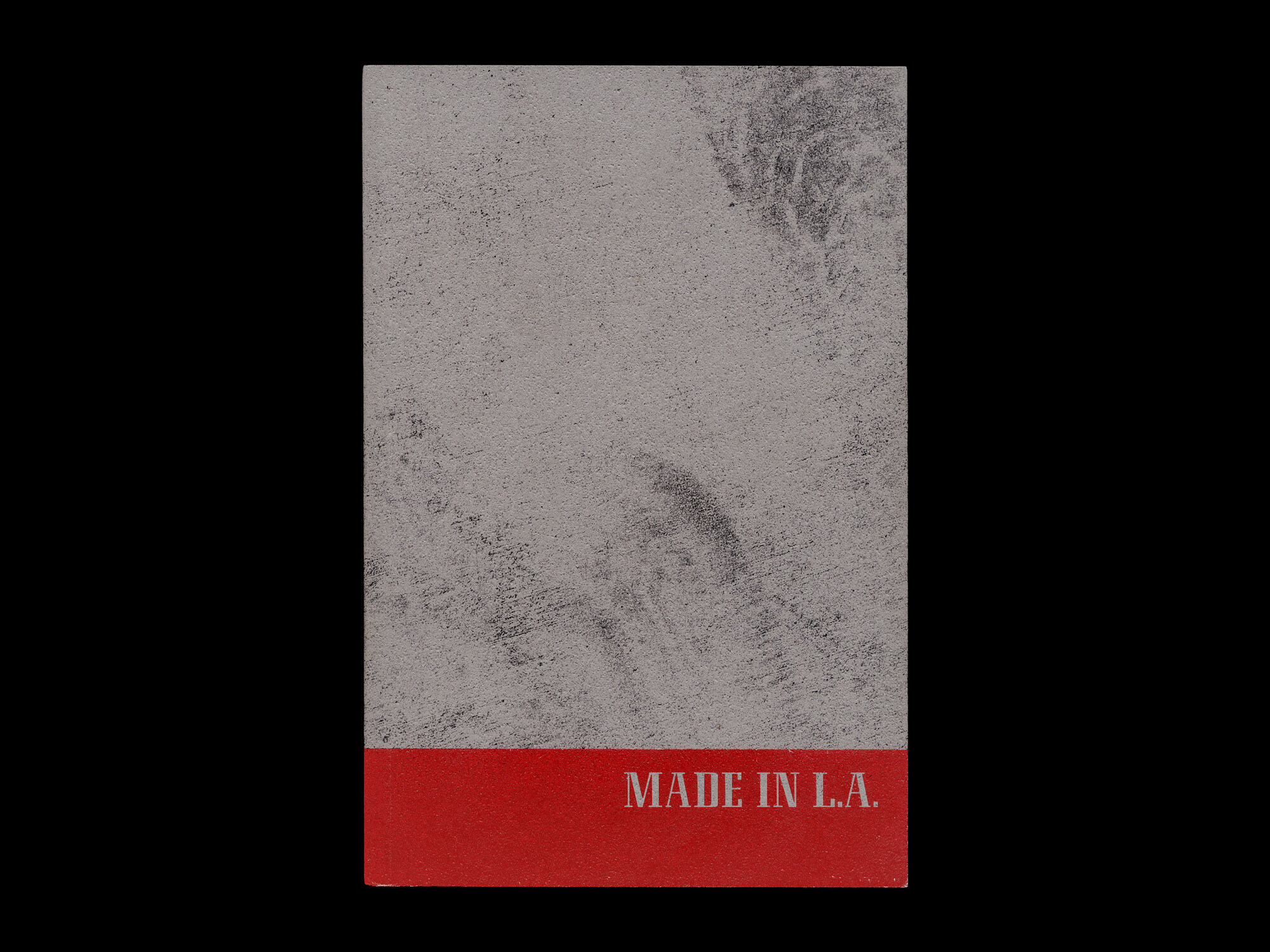
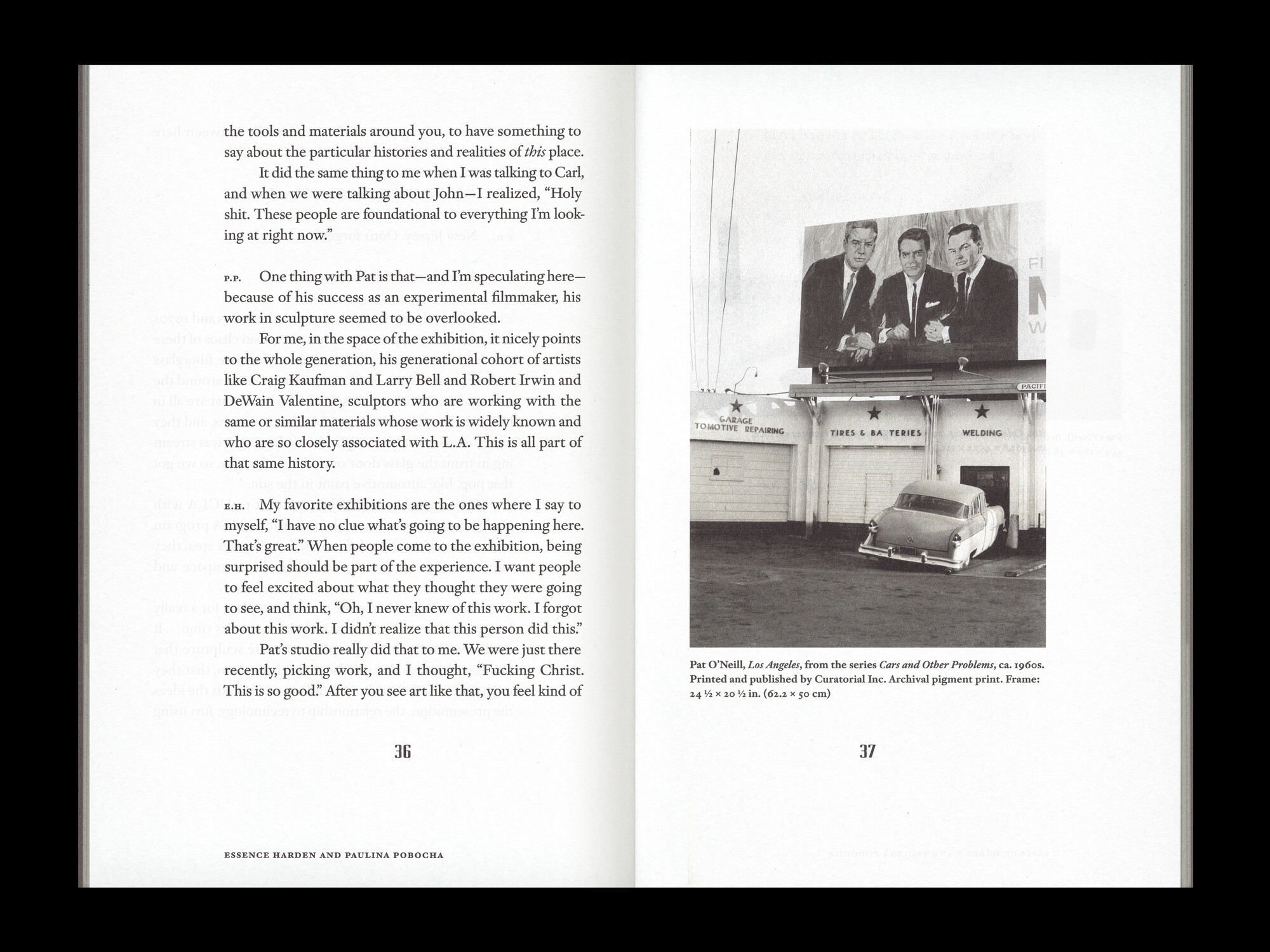
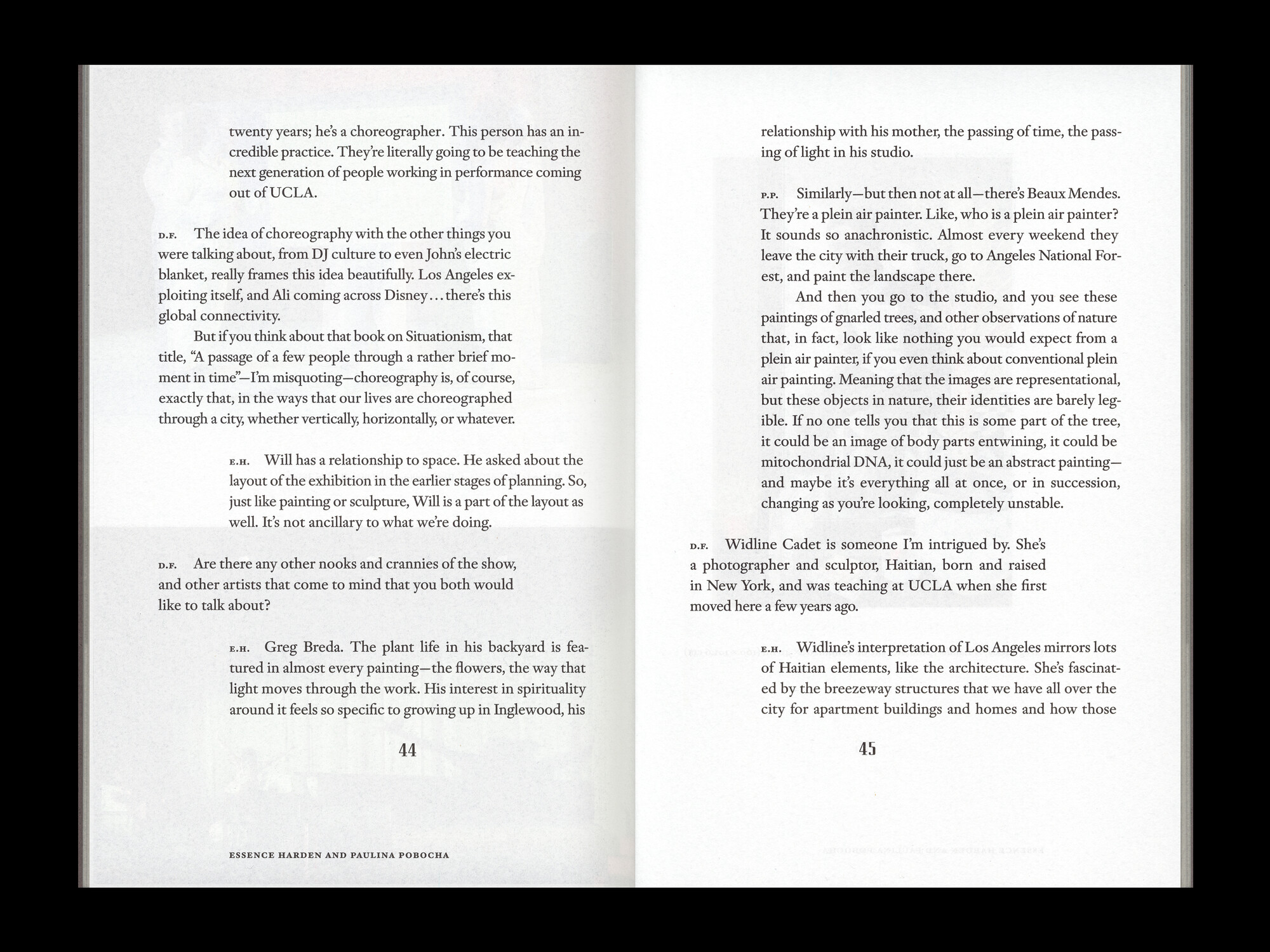
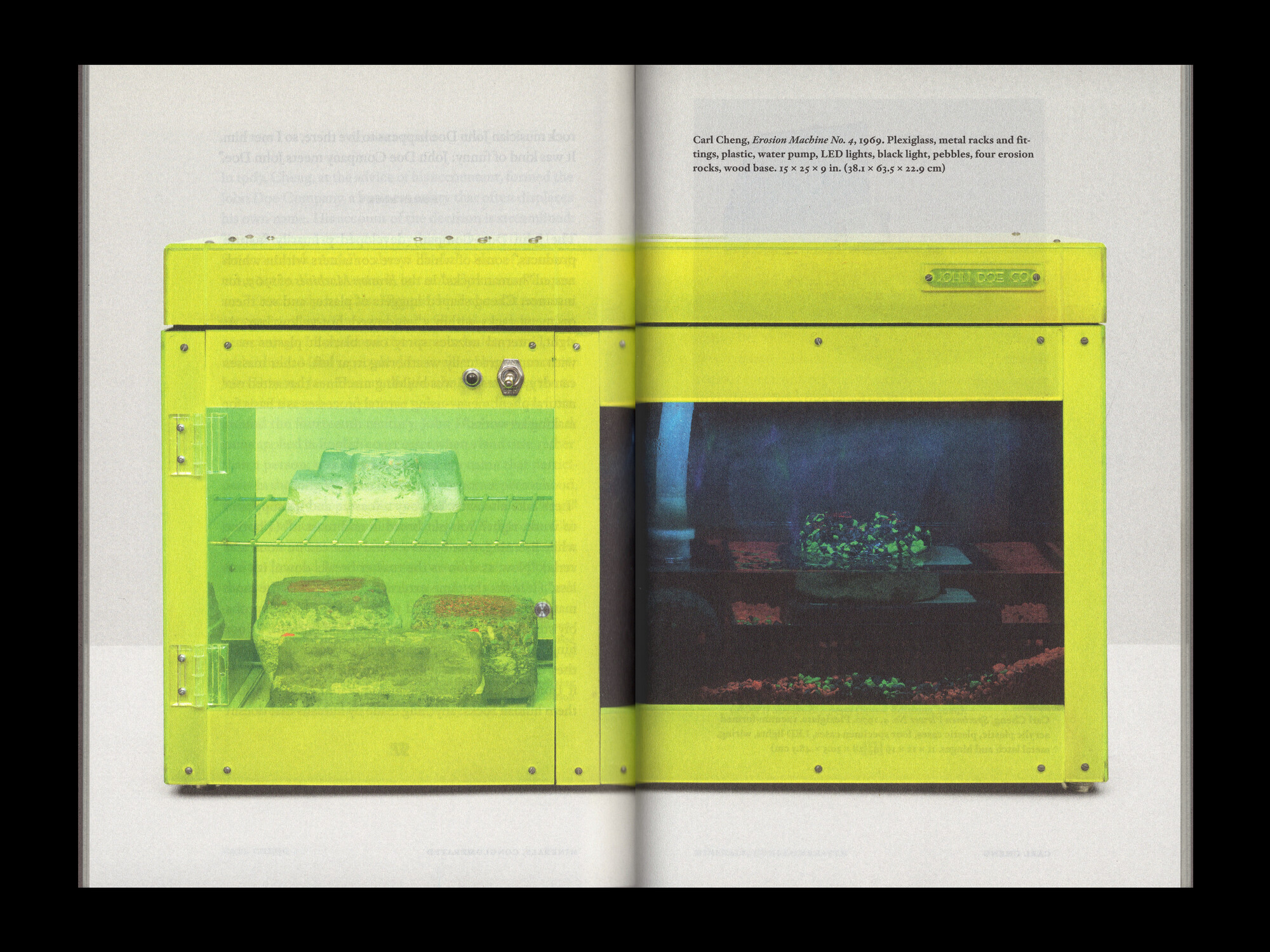
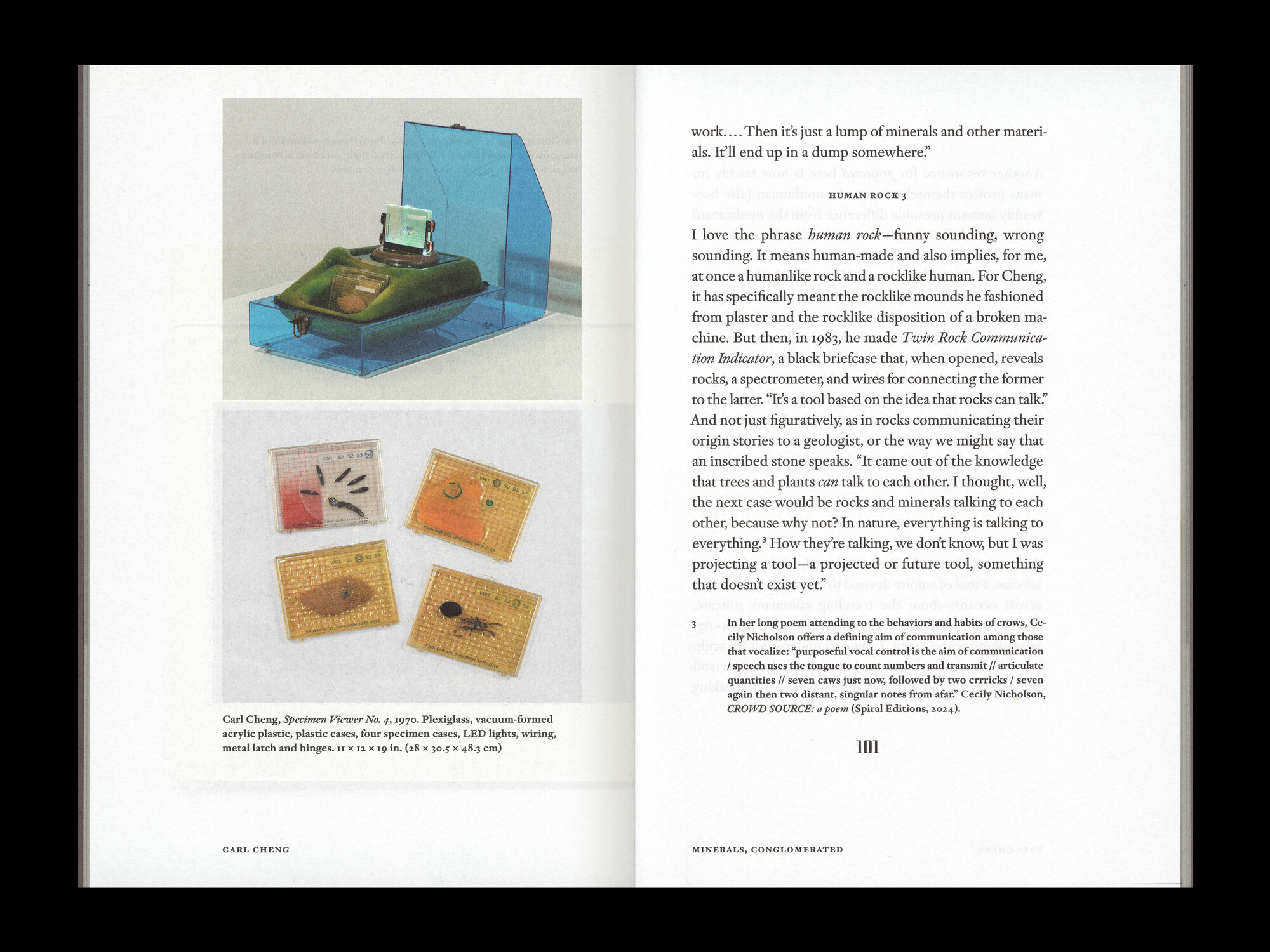
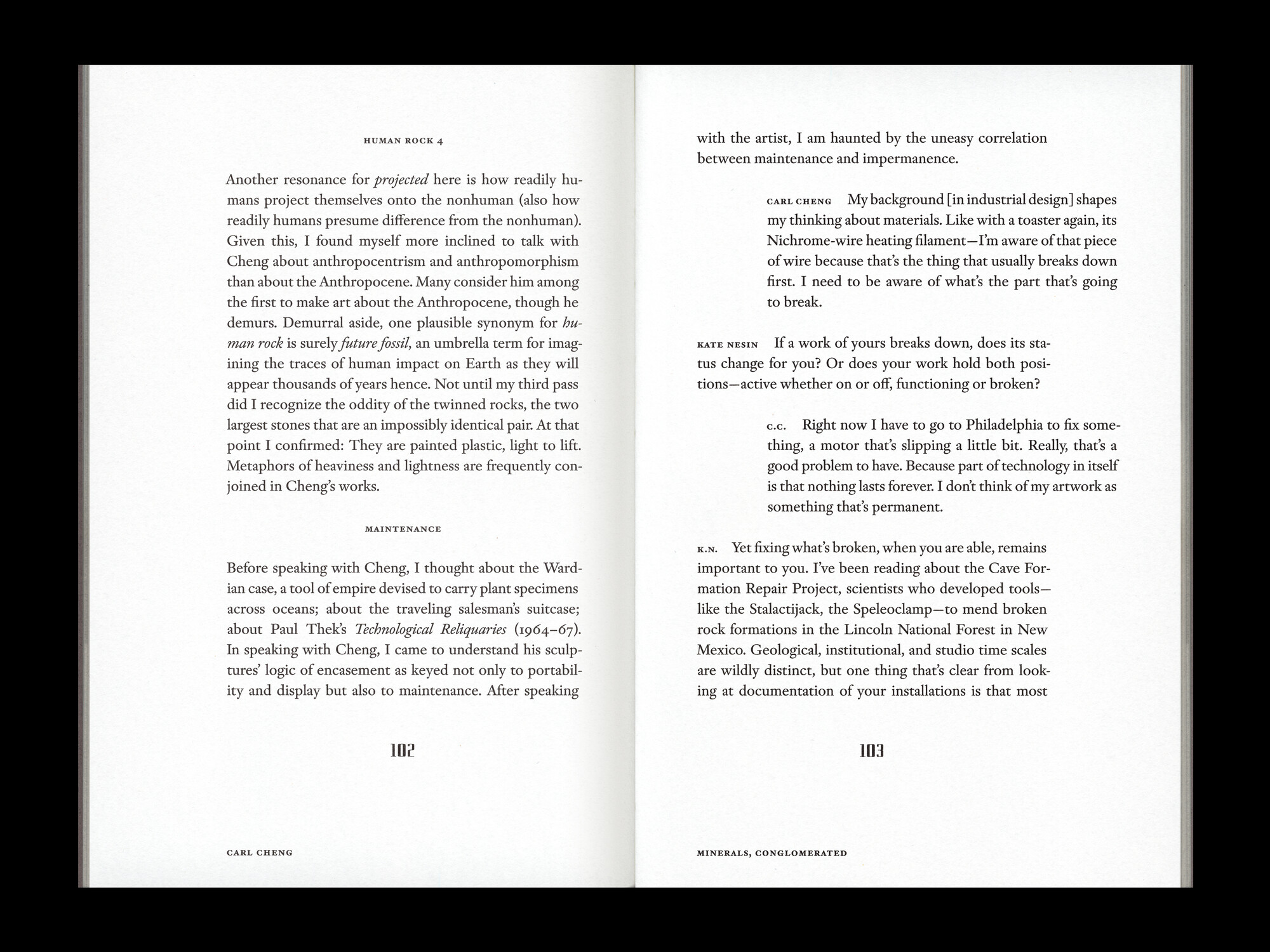
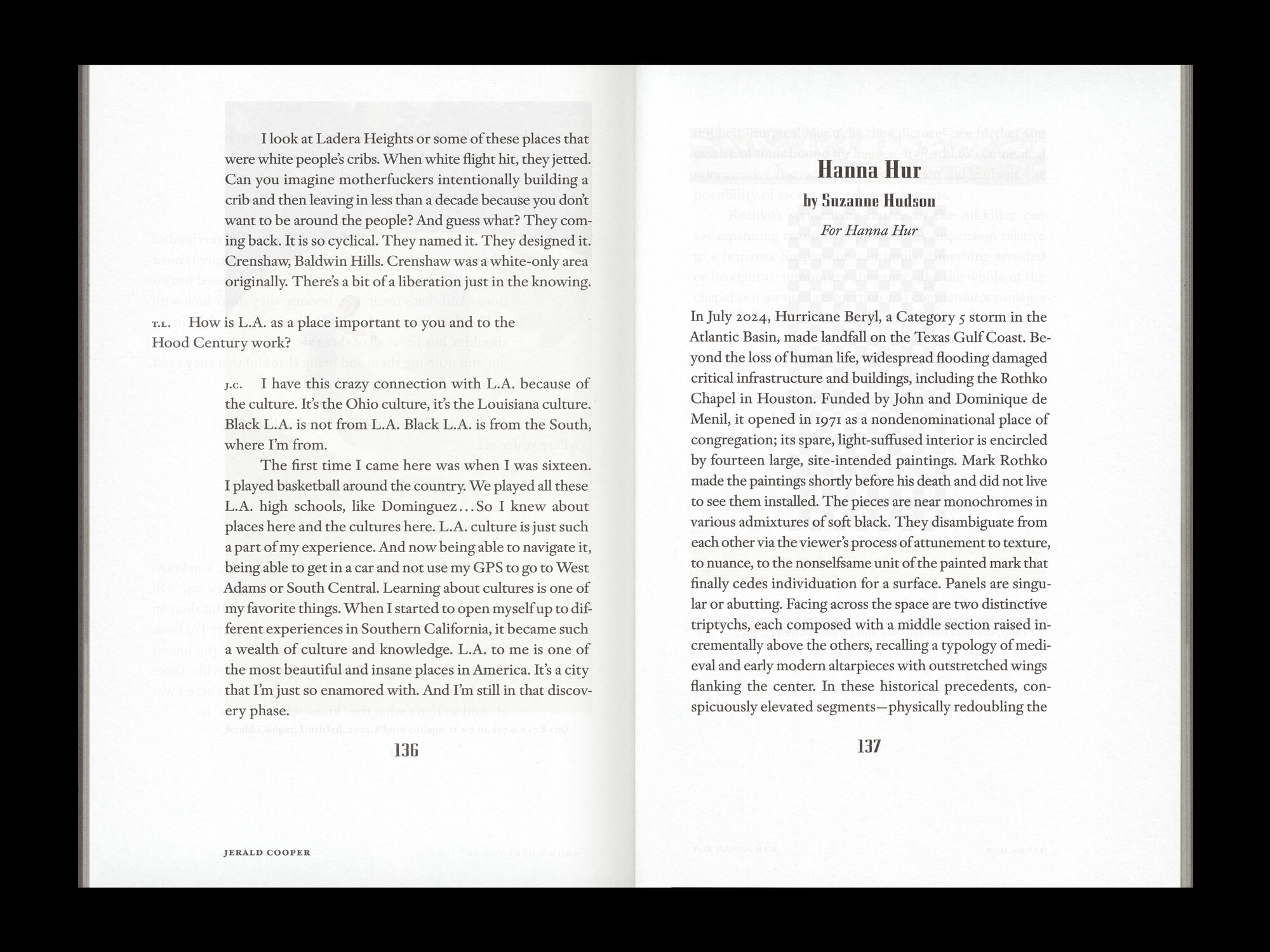
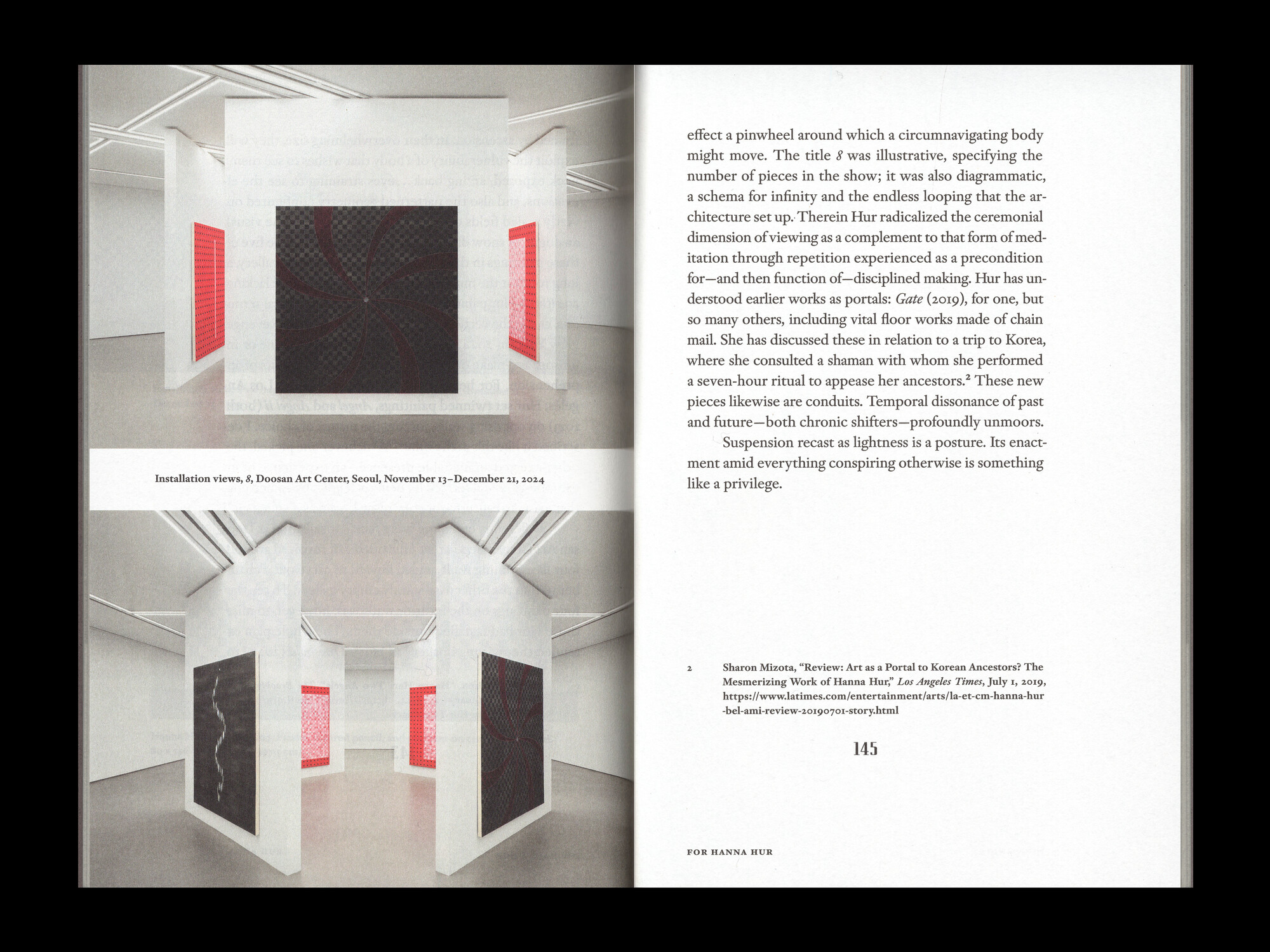
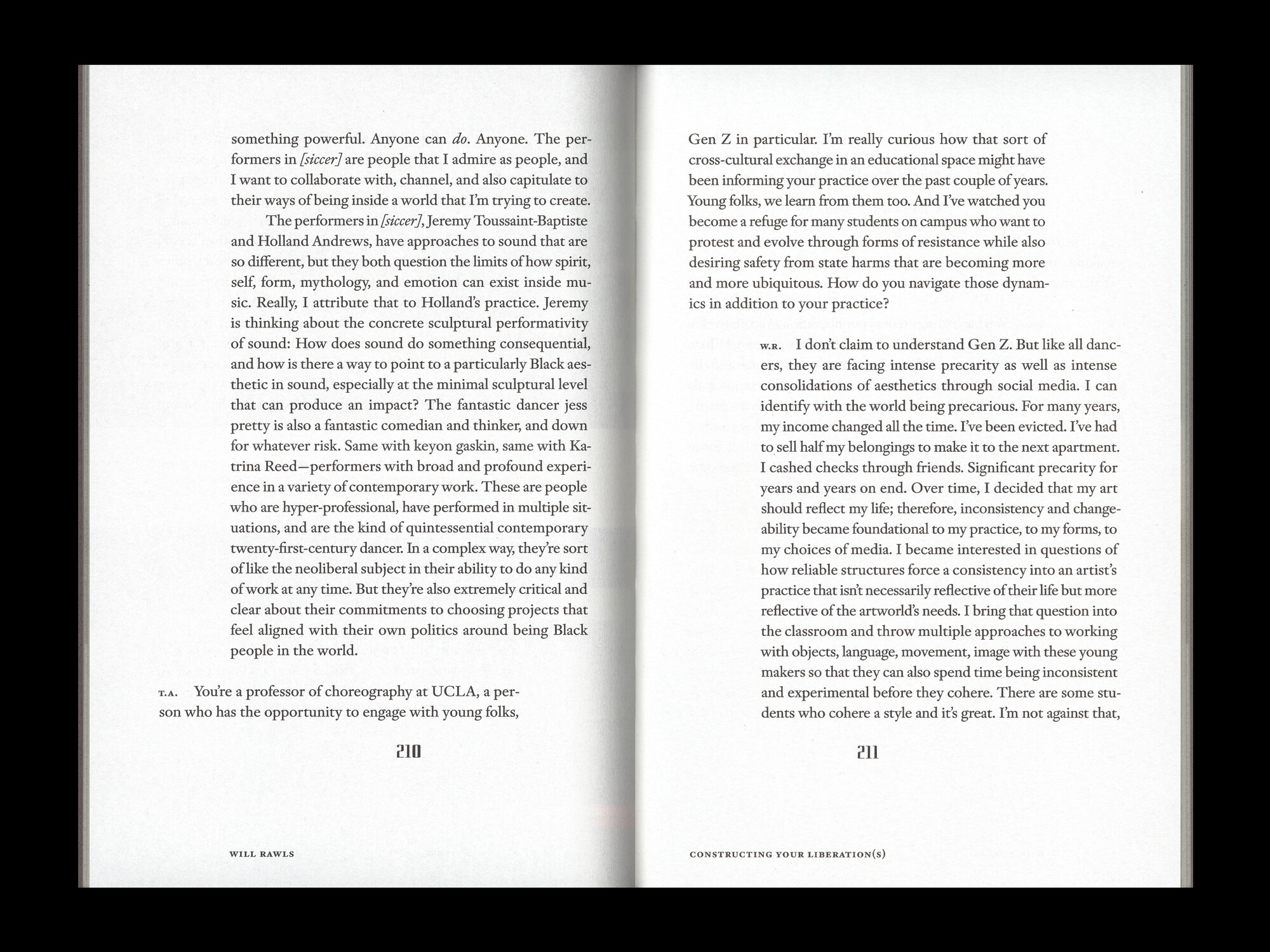
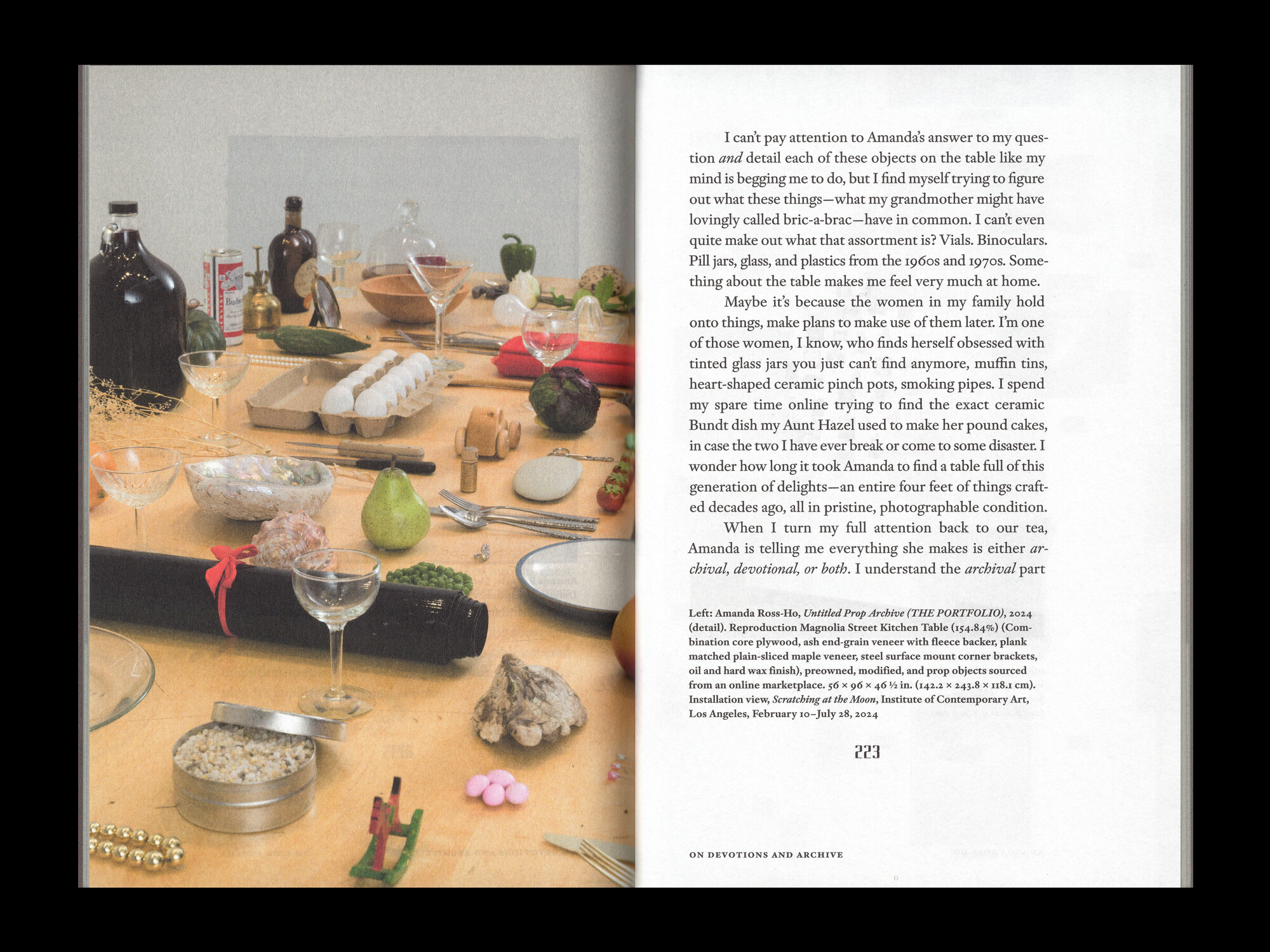
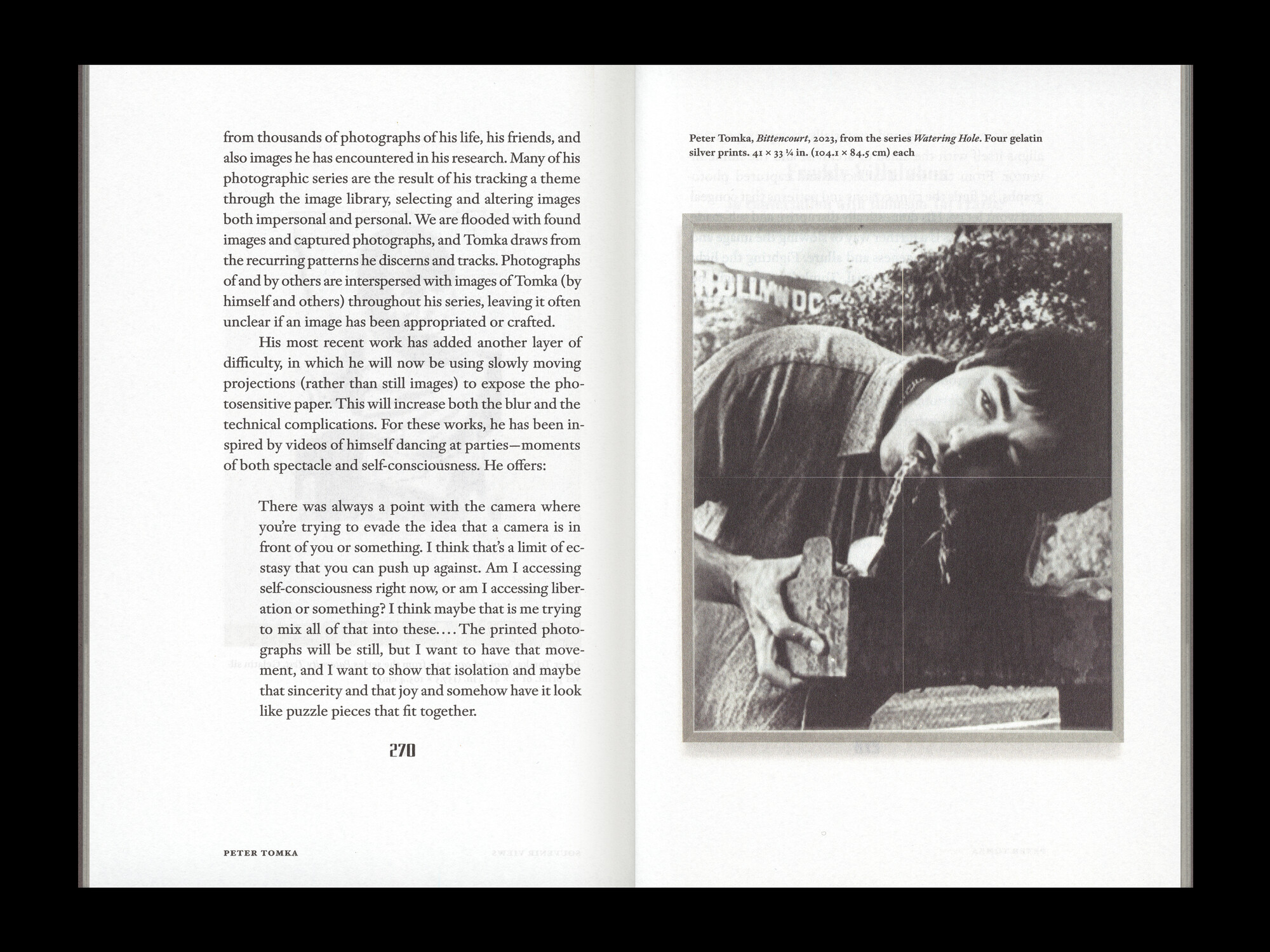
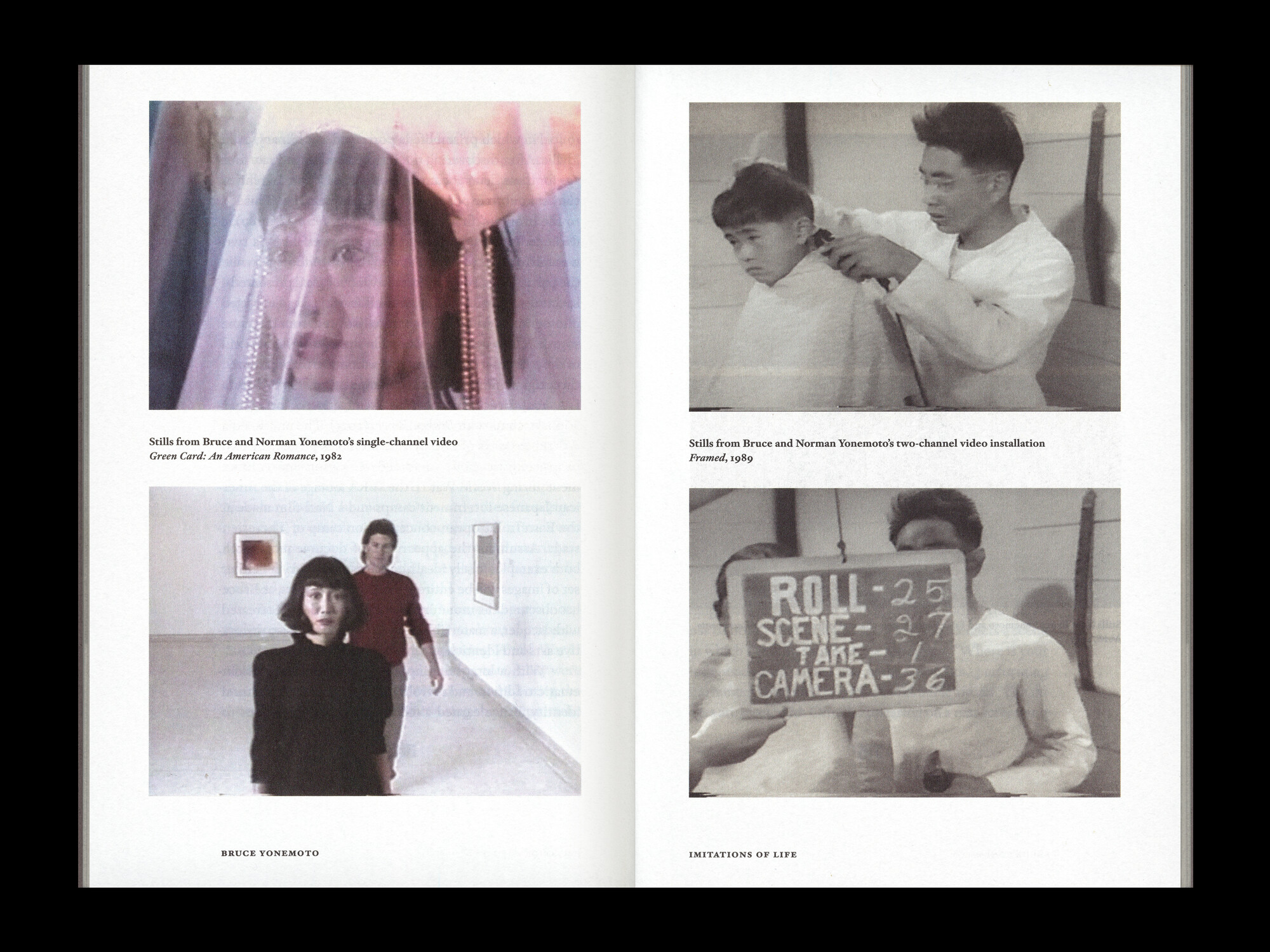
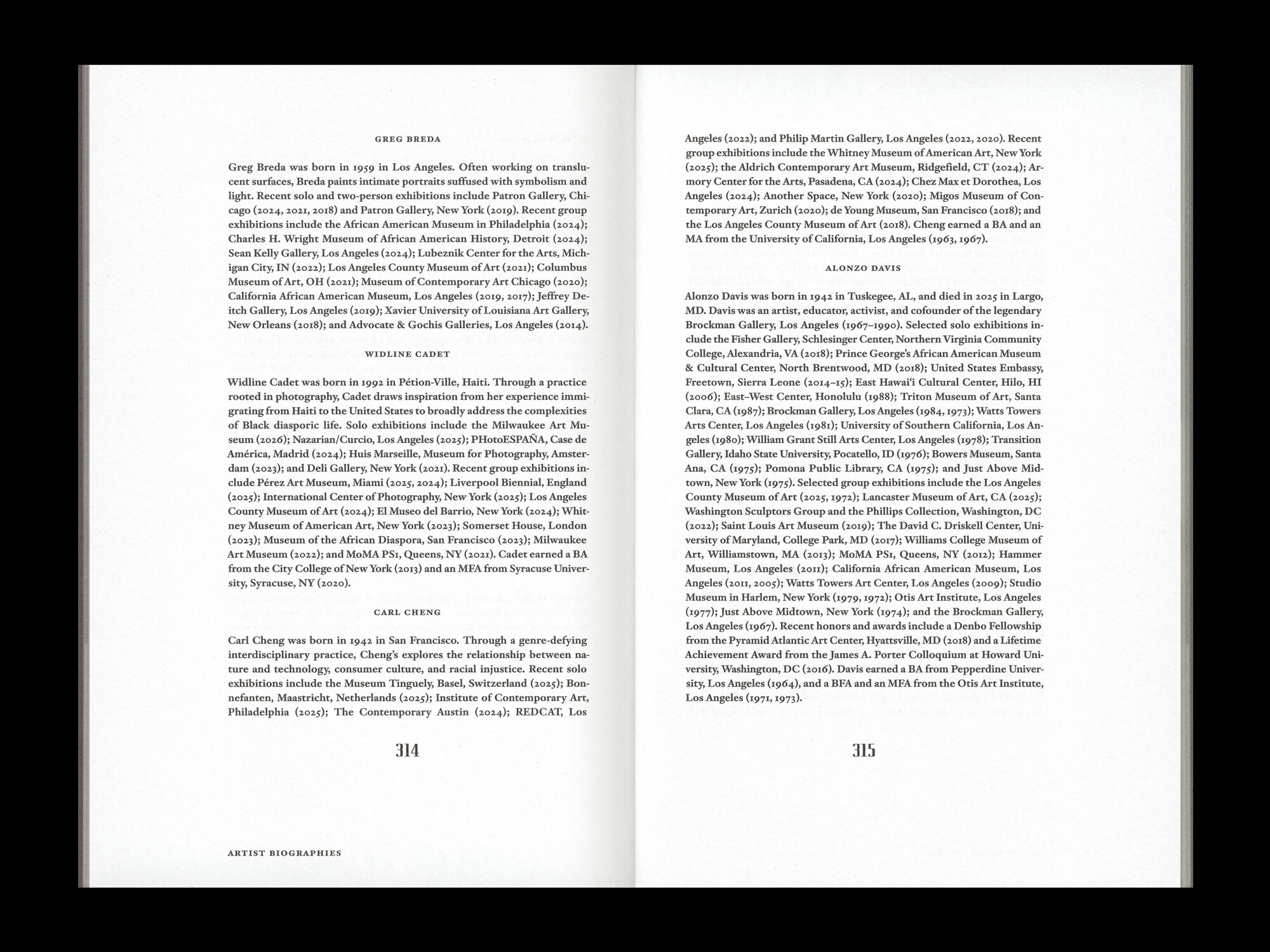
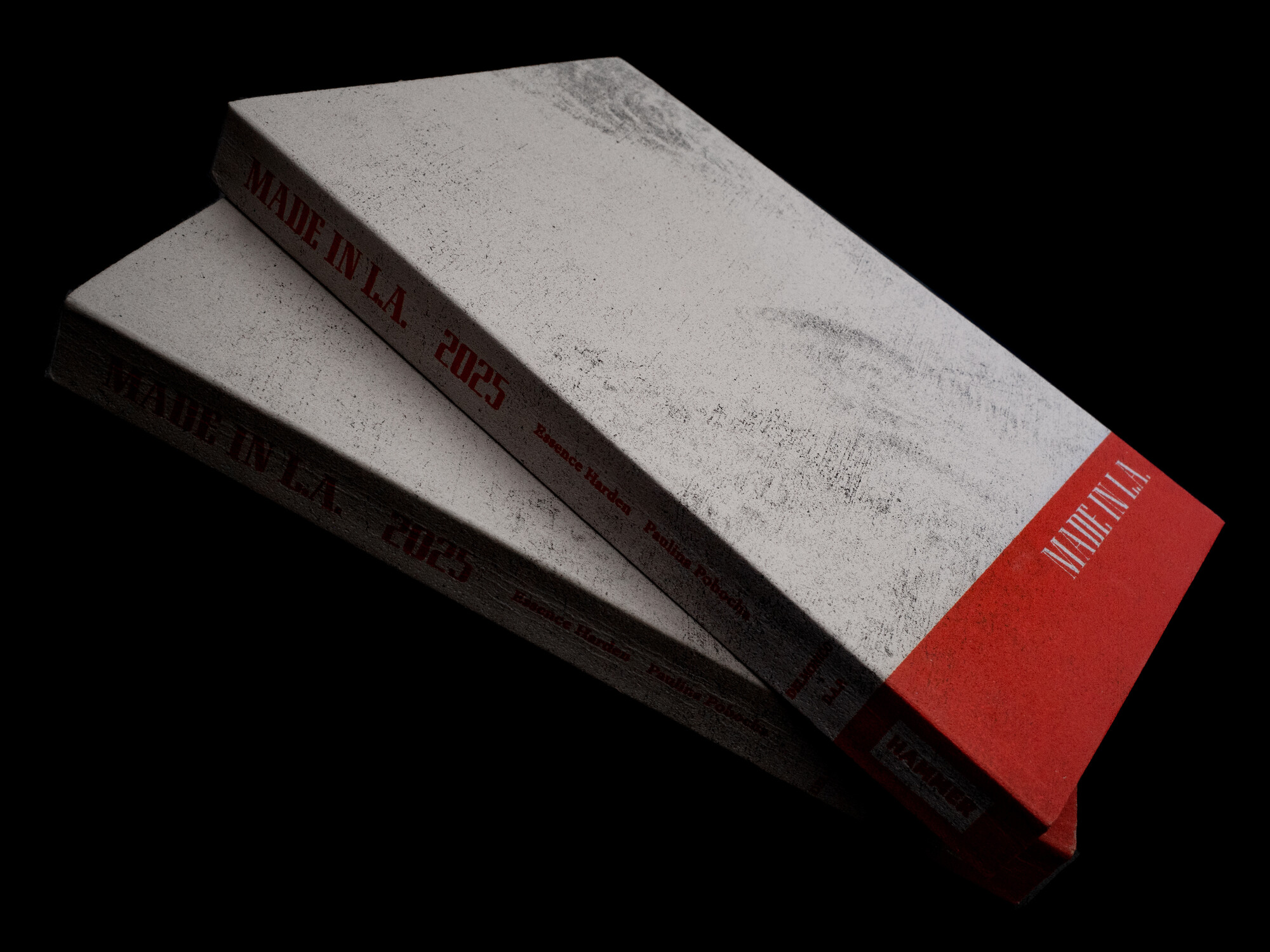
Made in L.A. 2025 is the catalog for the Hammer Museum’s seventh iteration of its signature showcase for Los Angeles contemporary art, spotlighting emerging and under-recognized local practitioners. Conceived as a reader rather than a direct documentation of the exhibition, conversations with the artists and supporting artwork are gathered in a compact paperback, with its construction and materials gesturing toward the streets of Los Angeles.
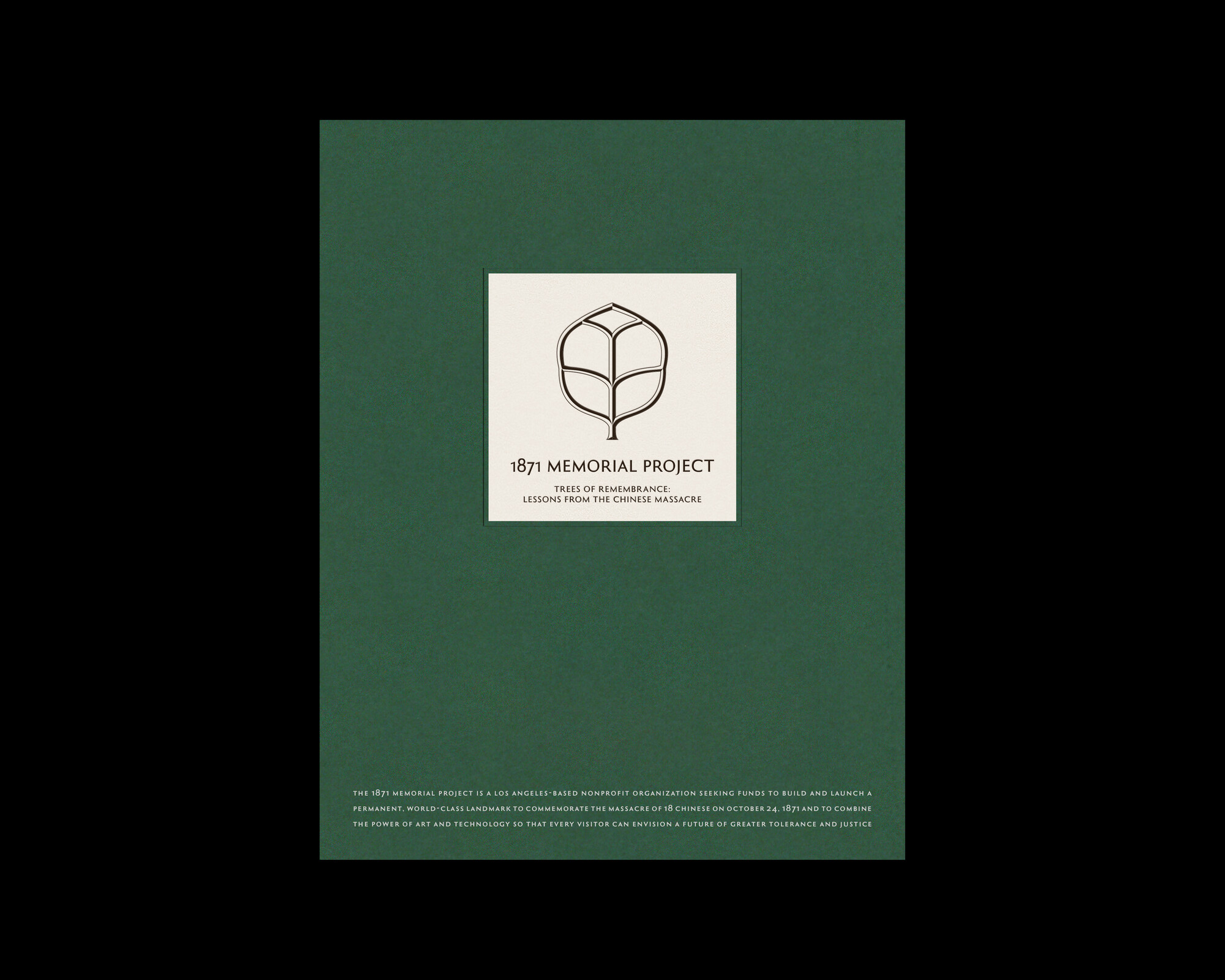
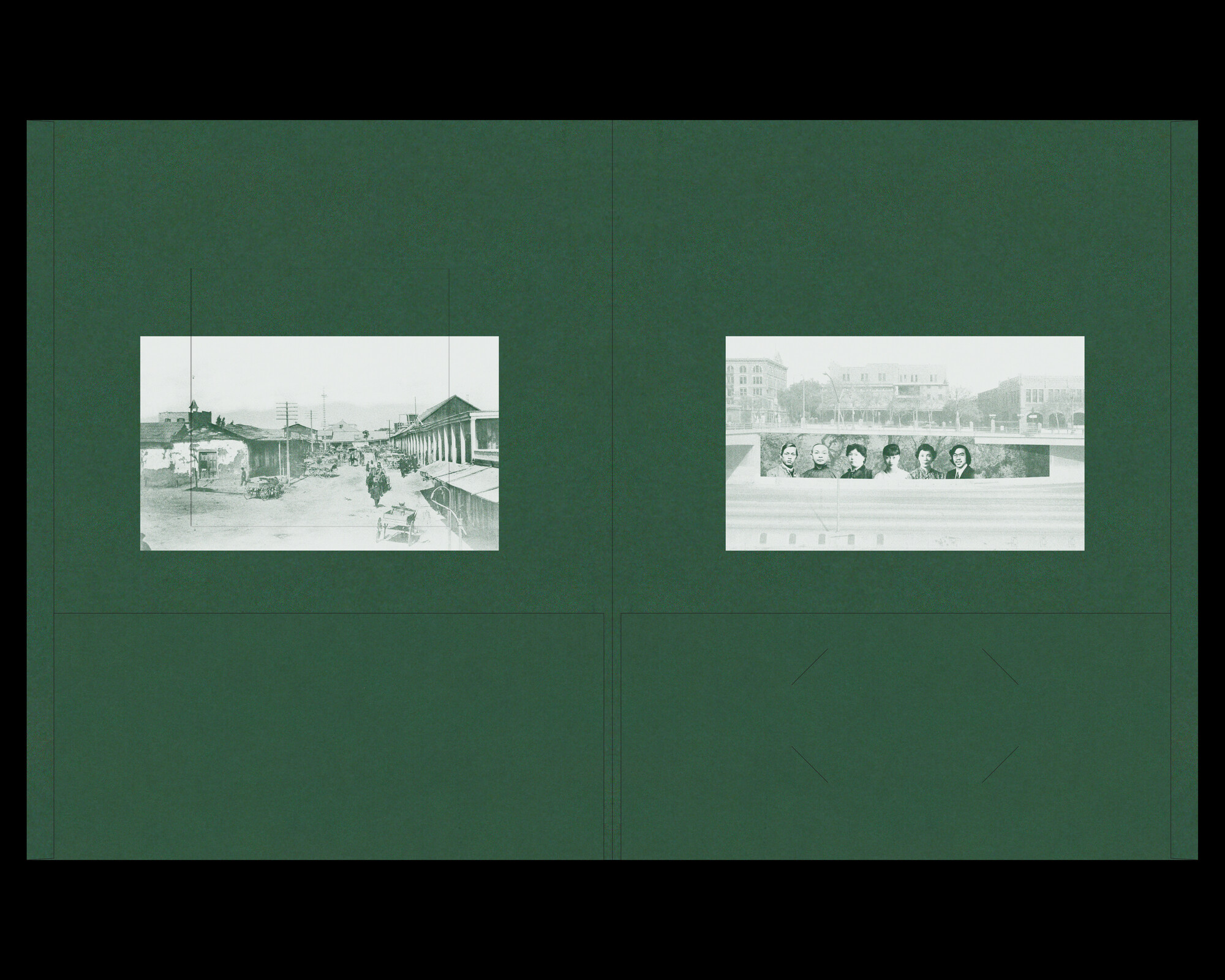
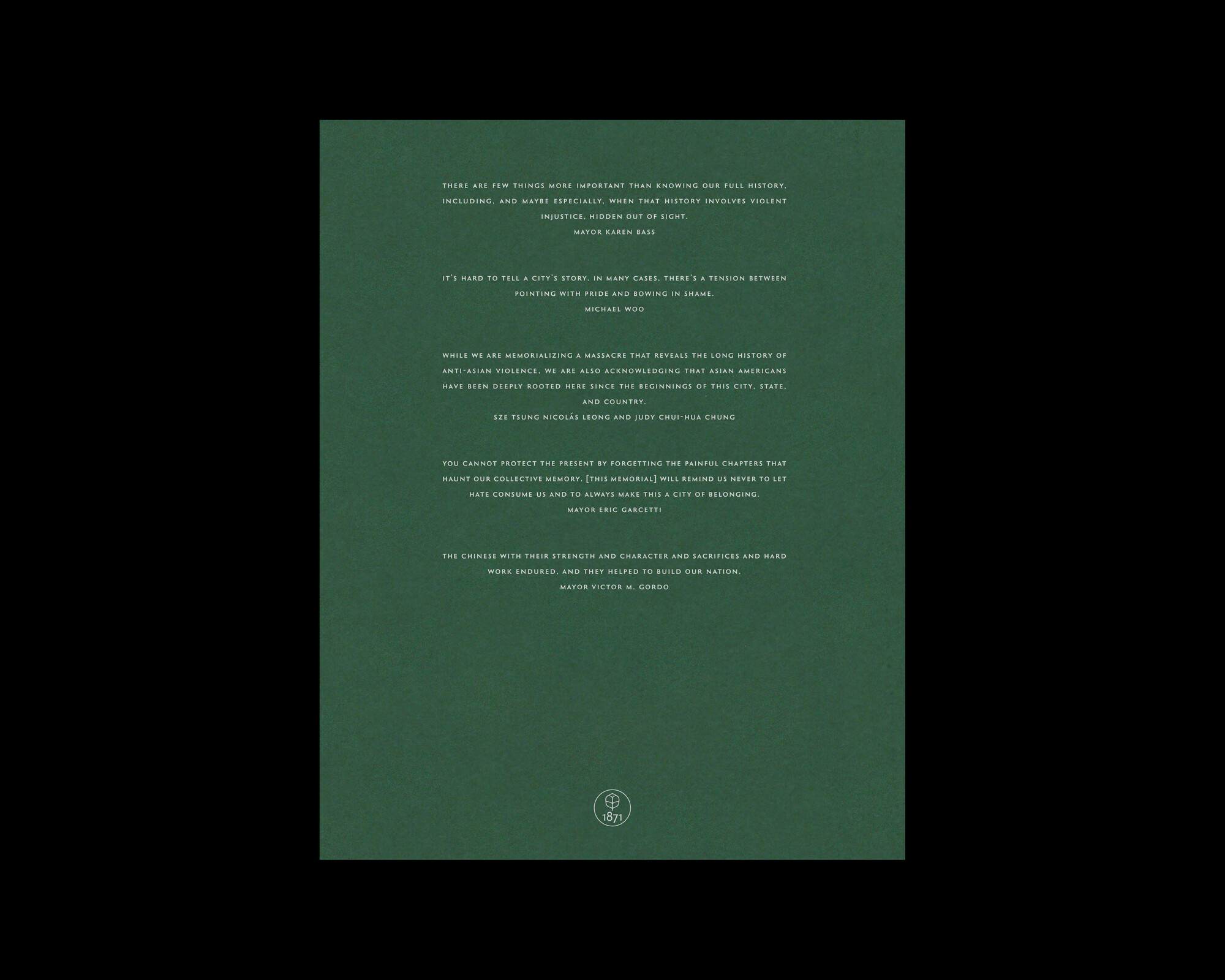
The 1871 Memorial Project supports the construction of a physical memorial near the Chinese American Museum to honor the victims of the 1871 Chinese Massacre. The project comes out of an open call from the City of Los Angeles Department of Cultural Affairs. Artist Sze Tsung Nicolás Leong and writer Judy Chui-Hua Chung’s design centers around guardian banyan trees in Sze Yup (四邑) where the first waves of Chinese immigrants to the United States originate.
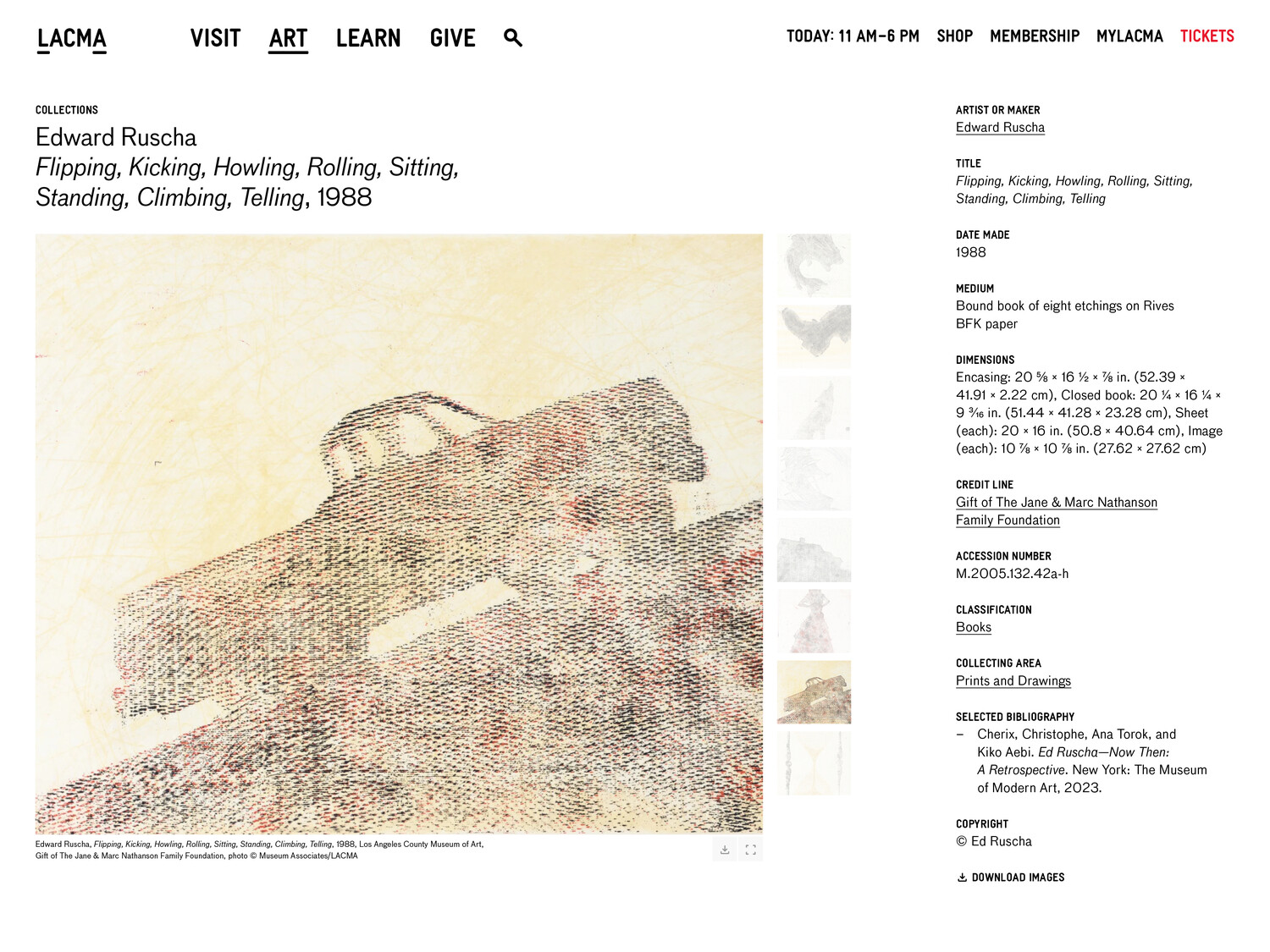
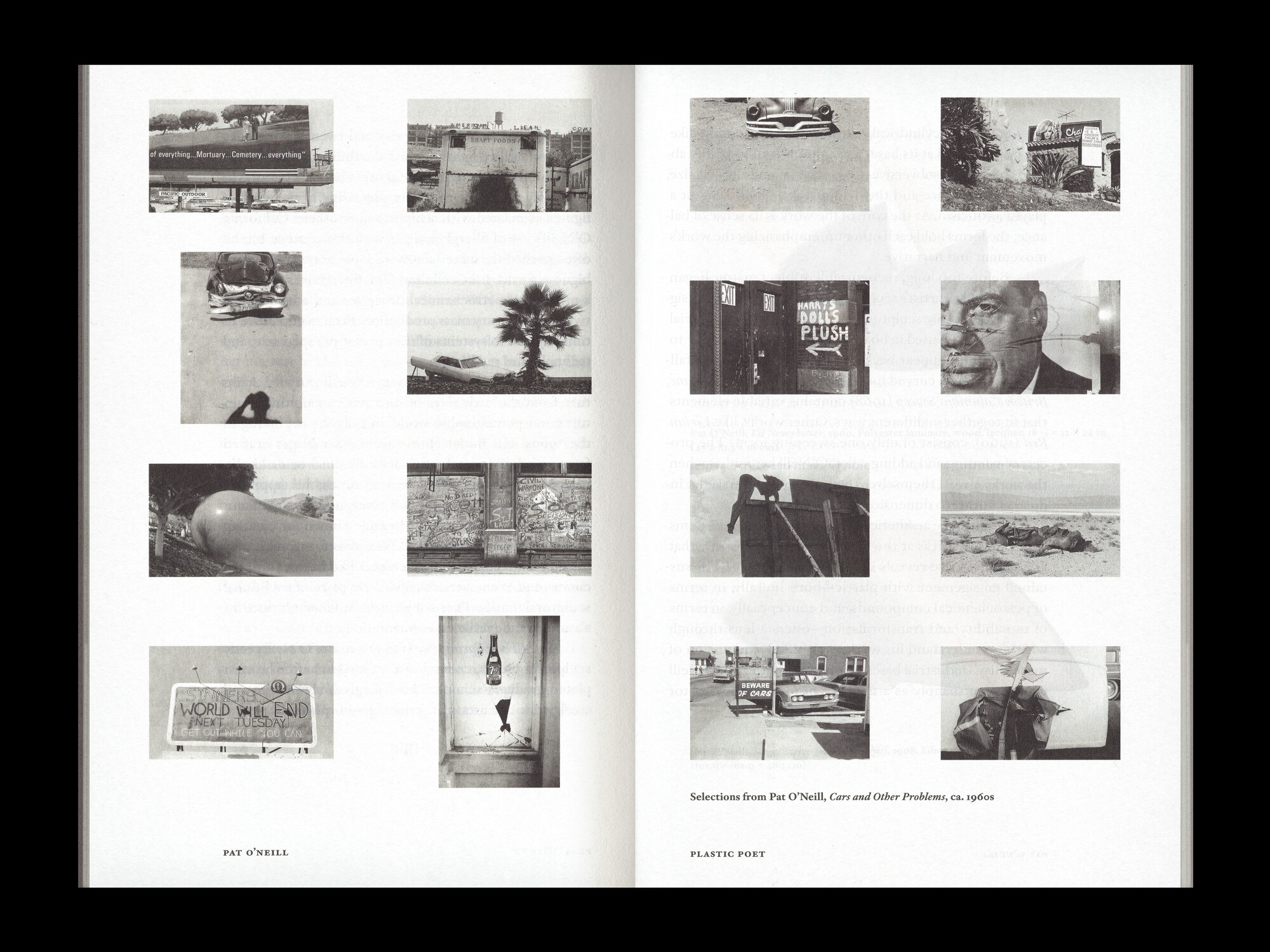
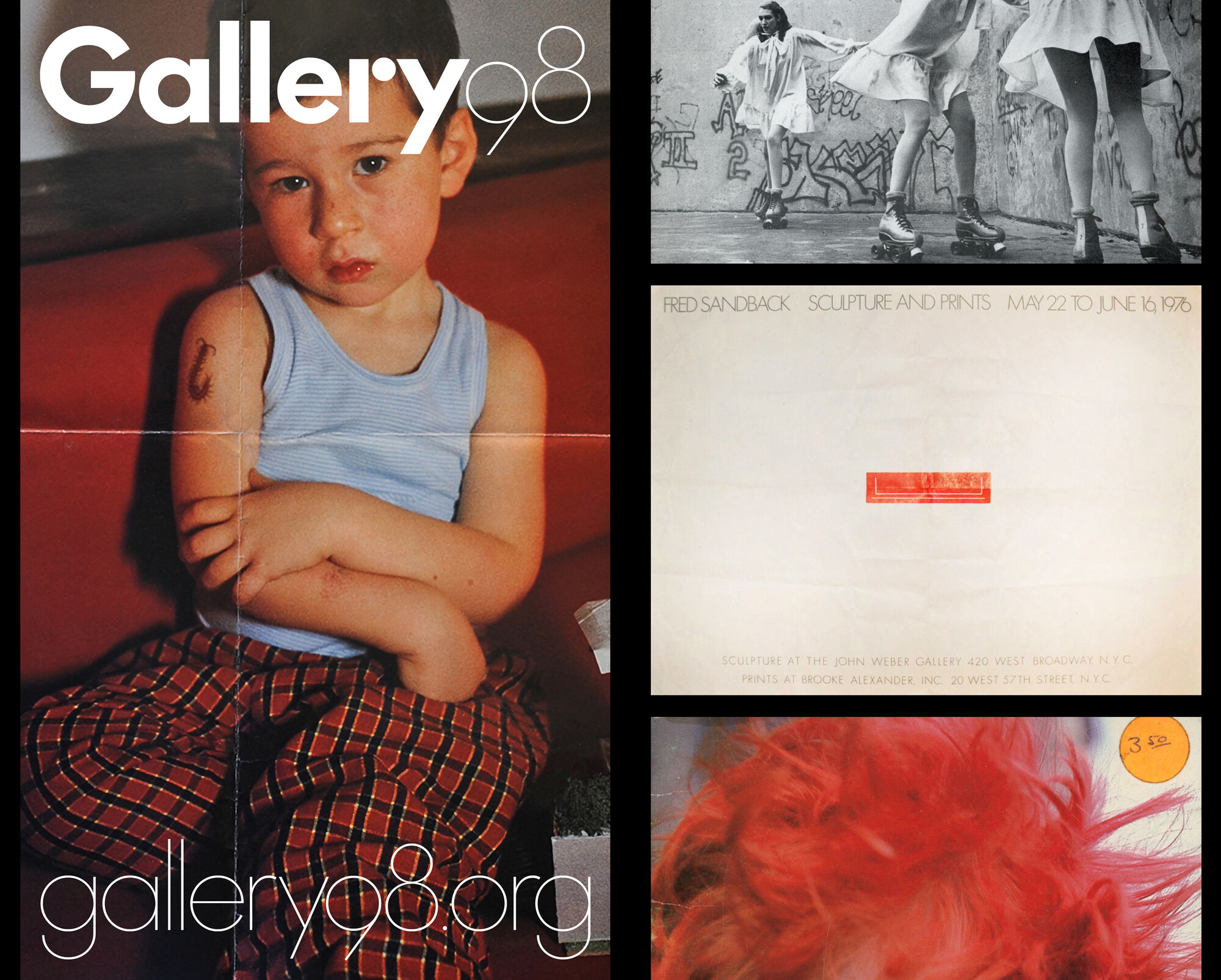
Gallery 98 is an active online archive for curator Marc H. Miller’s collection of arts ephemera from the 1960s–1990s, centered around his long involvement in the New York art world. The collection catalogs thousands of items across announcement cards, posters, and publications connected through artists, galleries, nightclubs, and themes, while retaining the hand-built nature of Miller’s practice.
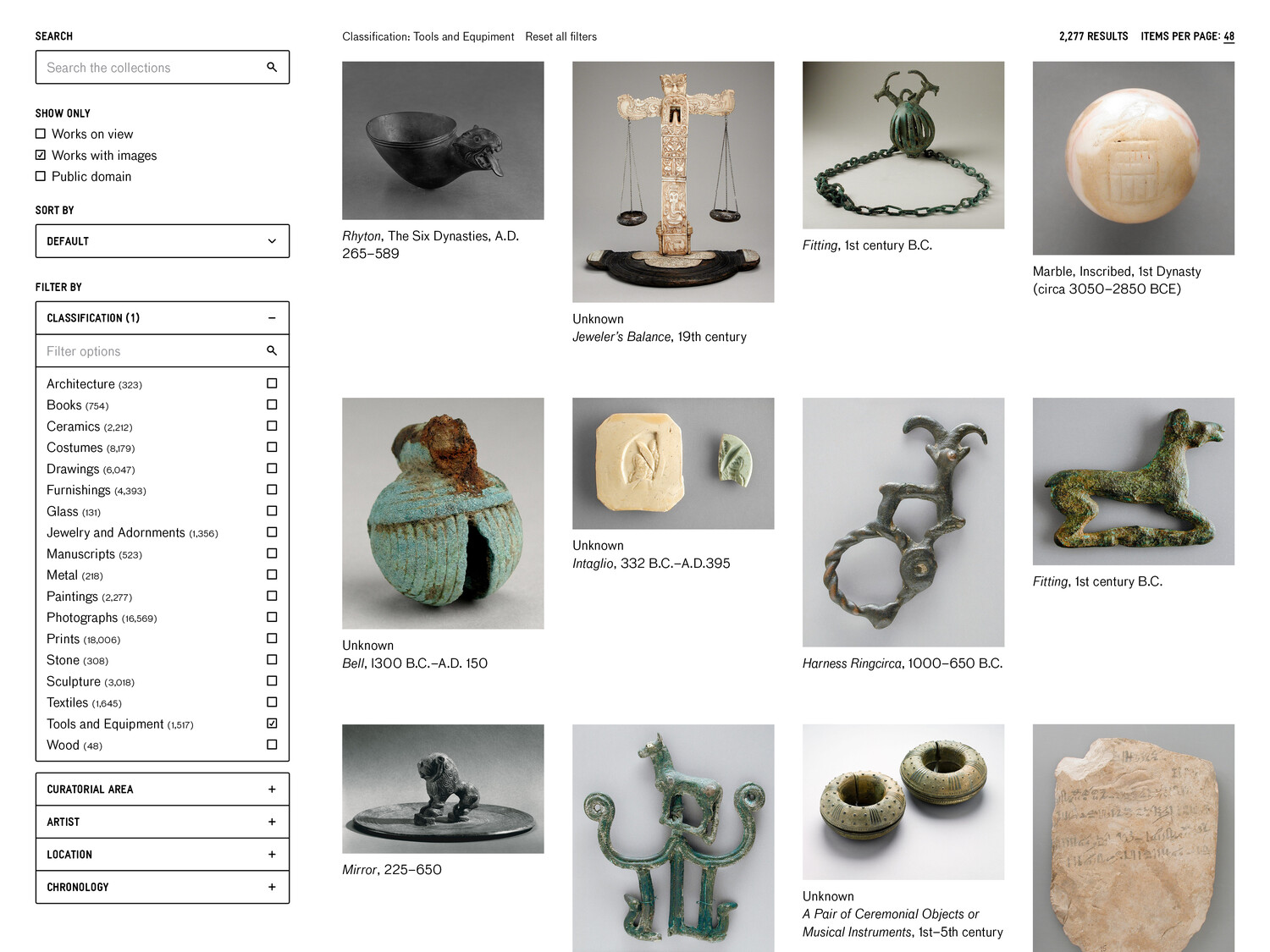
The Carnegie Museum of Art is the first museum in the United States dedicated to collecting art of its times. In other words, it’s the first museum dedicated to contemporary art. The website features an expressive typography forward approach which maintains its legibility through a robust and modular design system, and is reflected in its data model and backend user experience.