Folder designs interfaces, publications, and systems for organizing, encountering, and carrying information forward. We help museums, universities, civic institutions, and others engaged in the stewardship and sharing of knowledge create ways for language, media, and material to surface and endure.
We are interested in what happens to information over time, and how form can reveal the connections that give it meaning. Projects come in a variety of configurations rooted in partnerships that honor the material and its strategic presentation.
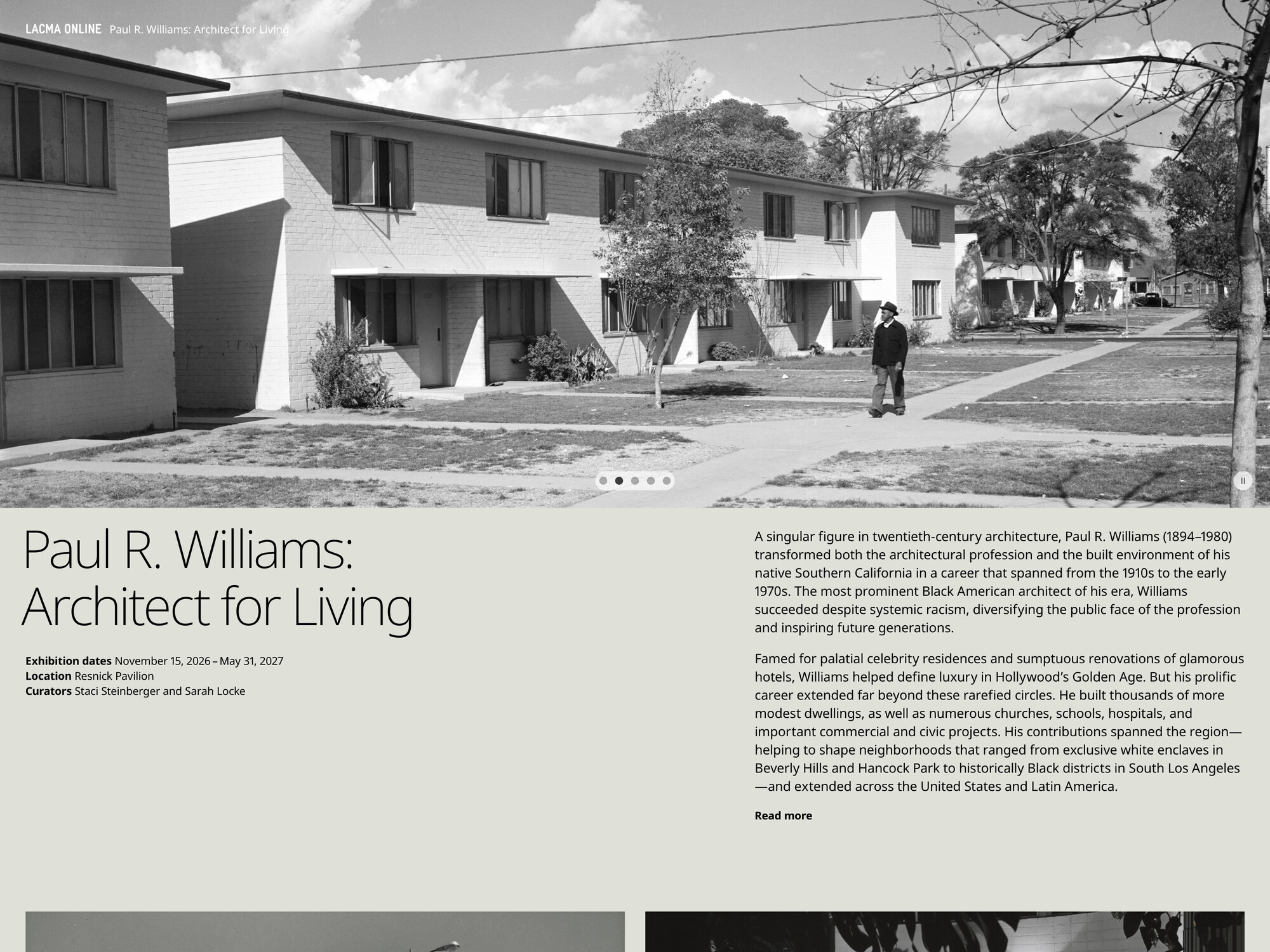
A singular figure in twentieth-century architecture, Paul R. Williams (1894–1980) transformed both the architectural profession and the built environment of his native Southern California in a career that spanned from the 1910s to the early 1970s. The most prominent Black American architect of his era, Williams succeeded despite systemic racism, diversifying the public face of the profession and inspiring future generations.
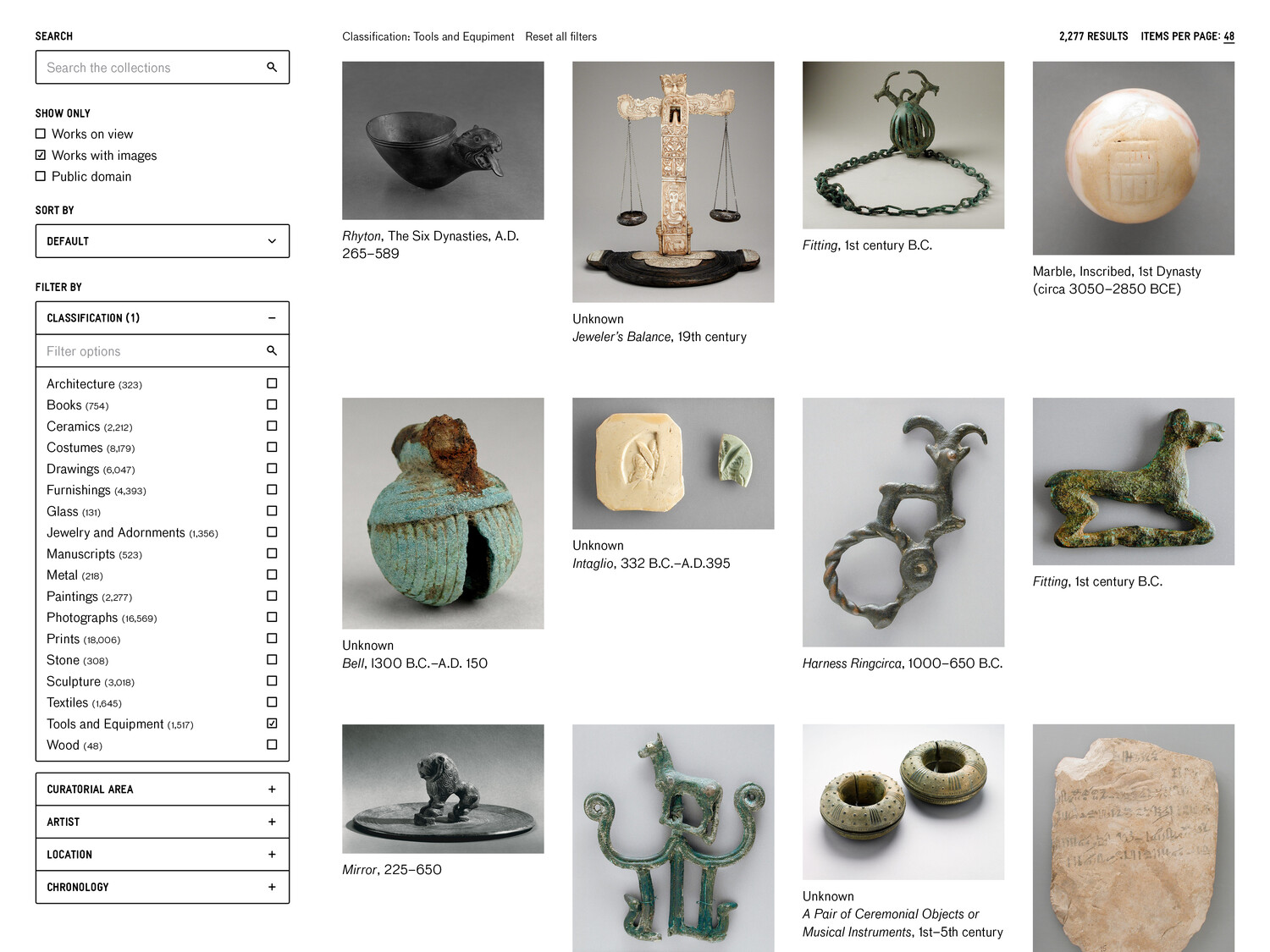
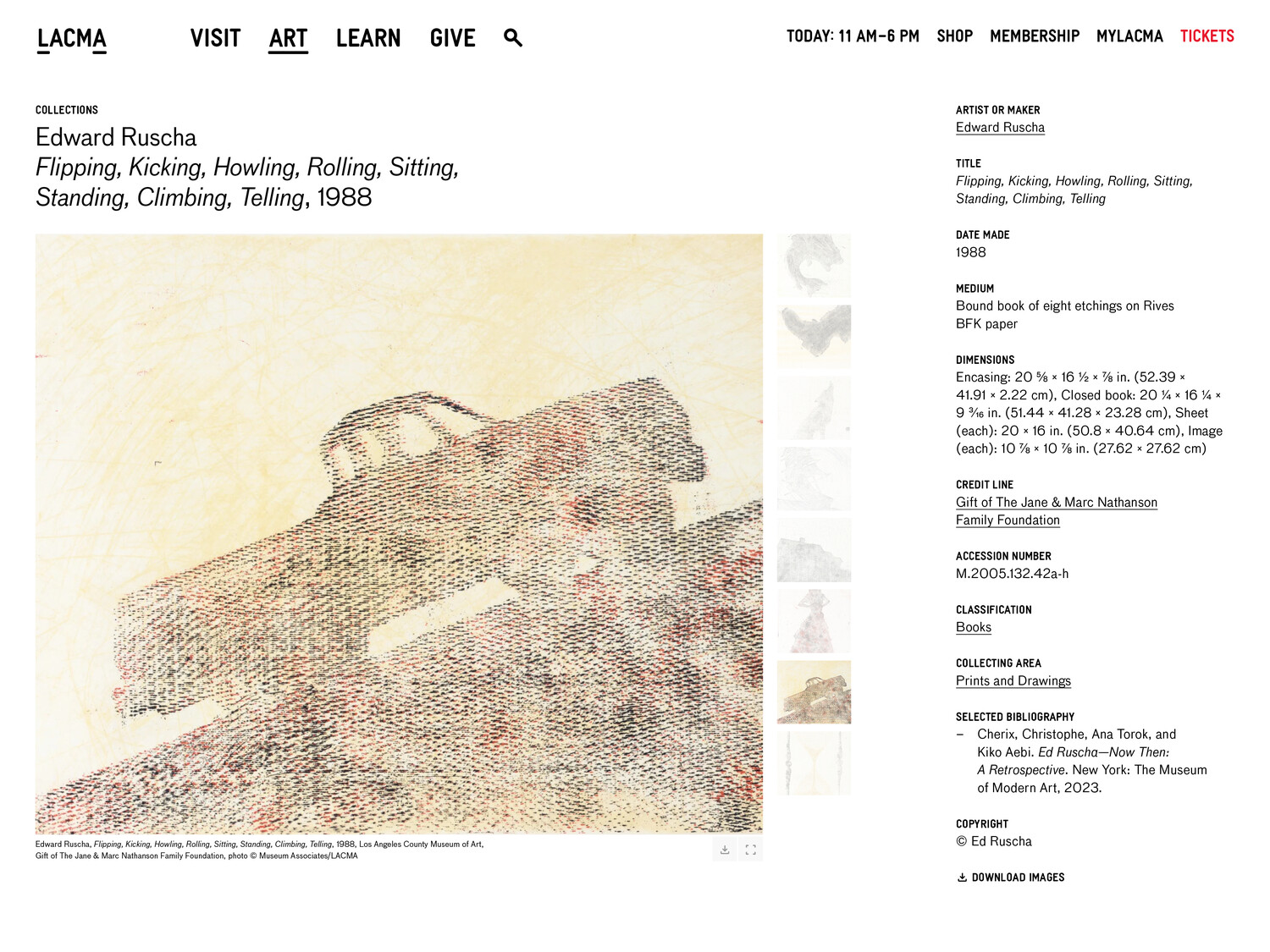
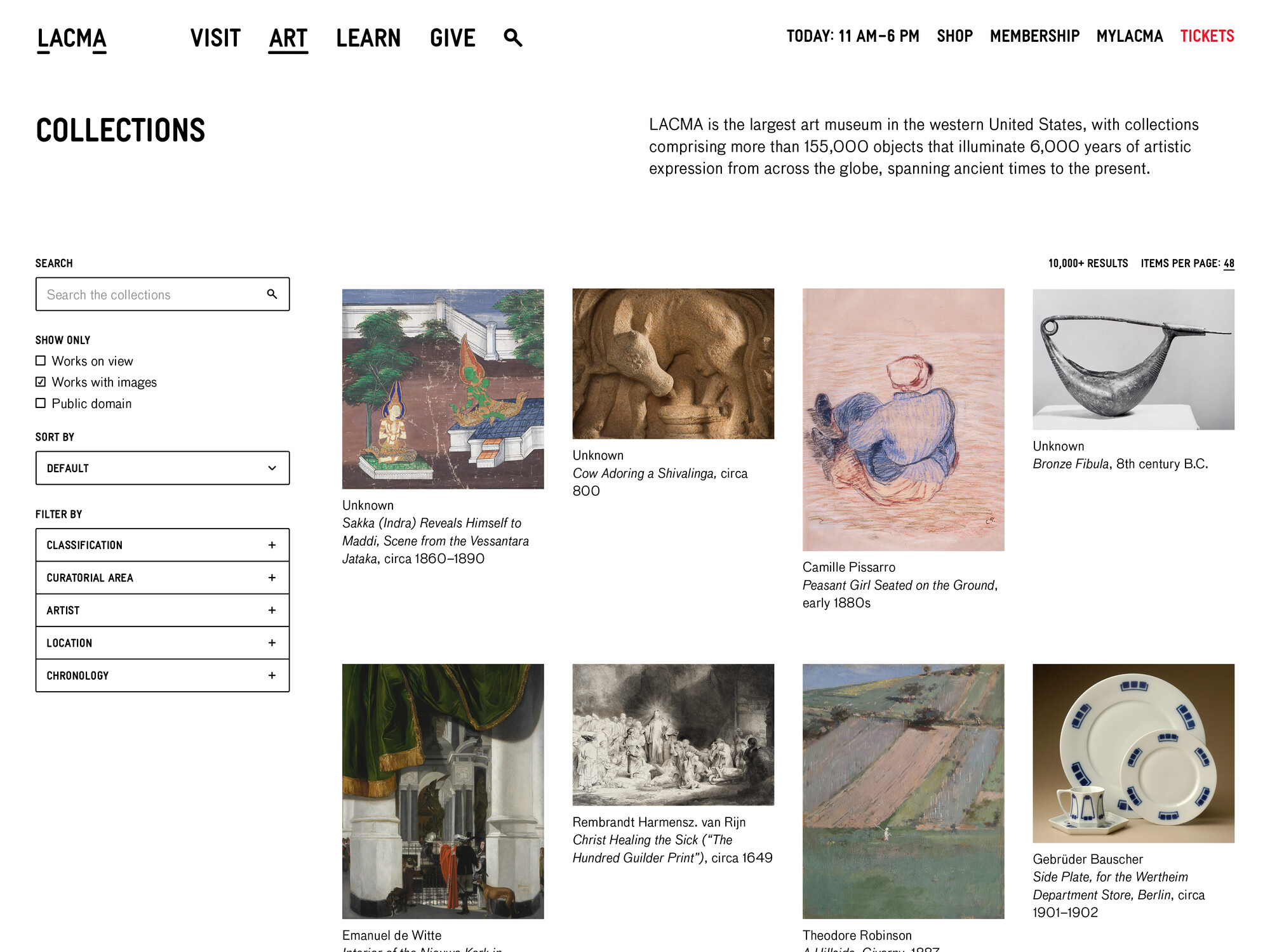
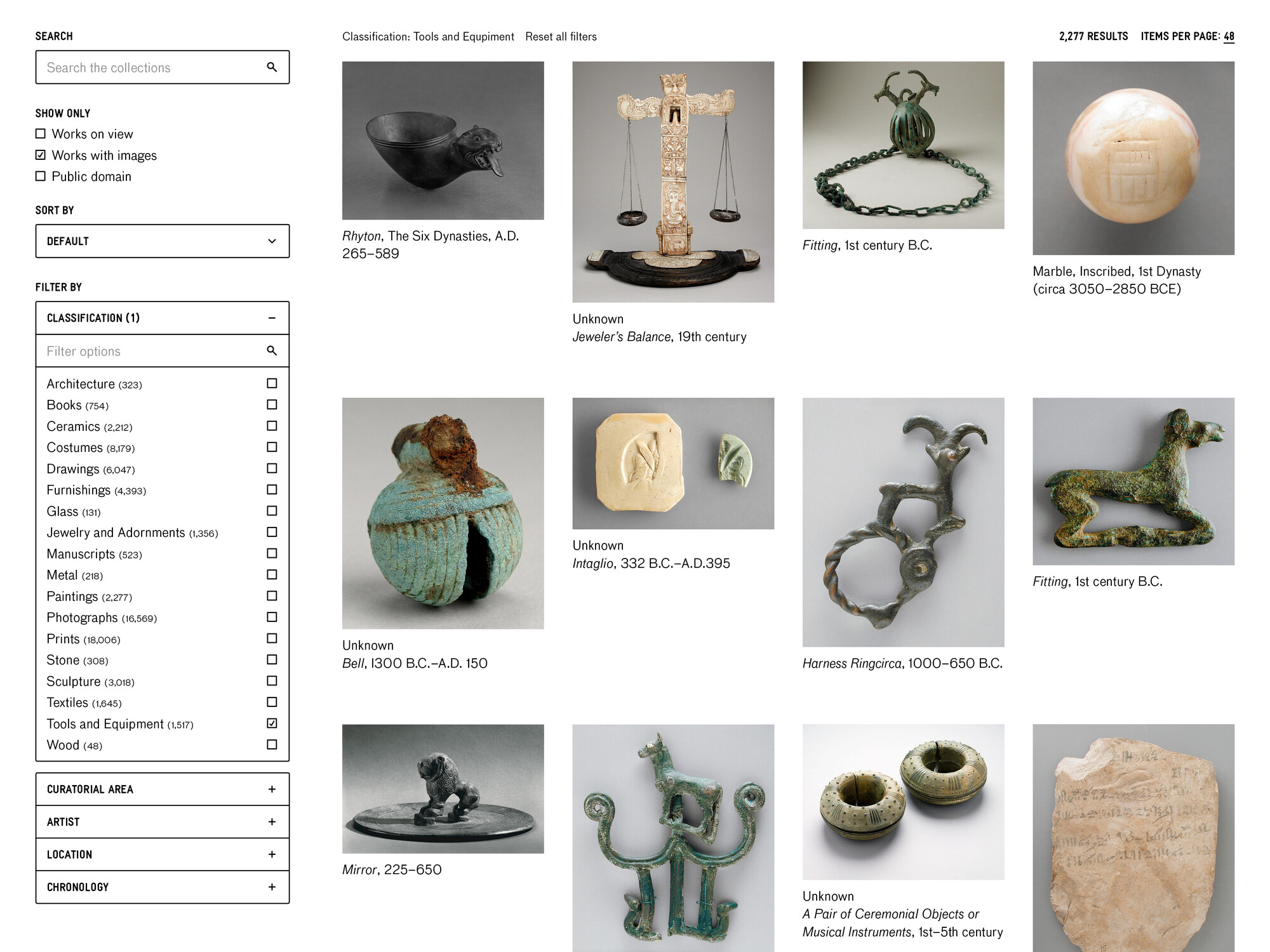
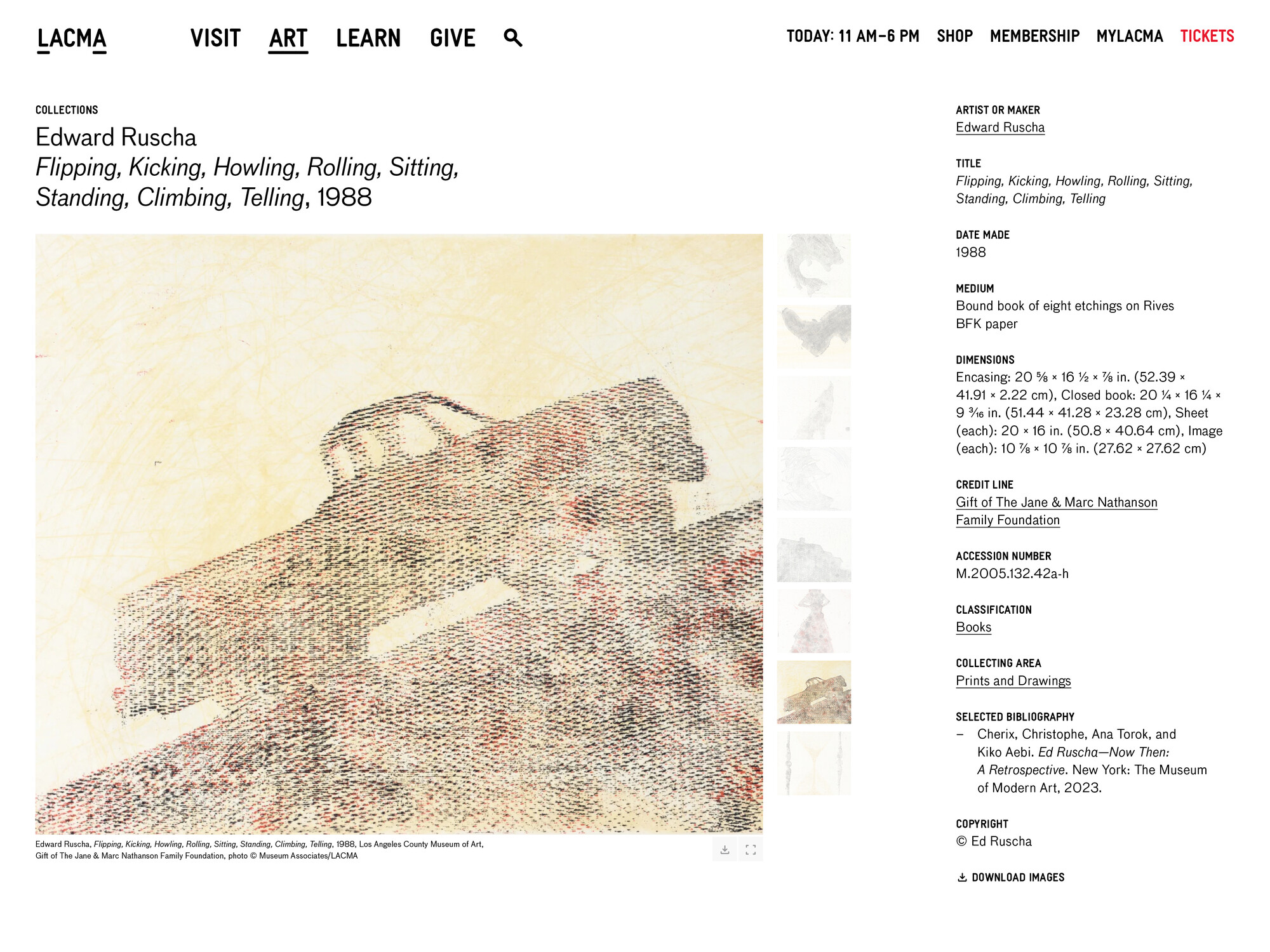
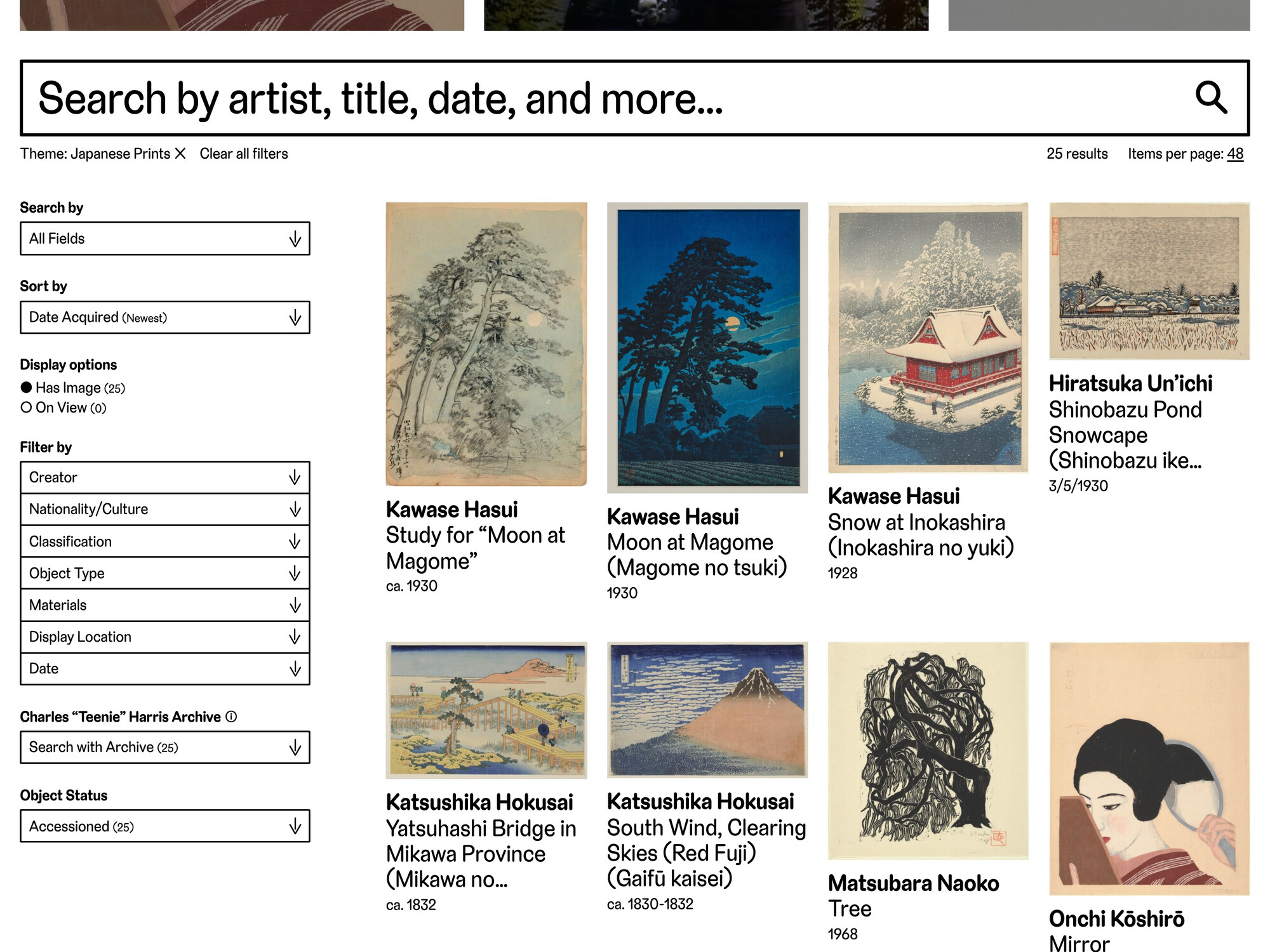
The Los Angeles County Museum of Art houses the largest museum collection in the western United States. The new online platform comprises of a cleanly rebuilt data endpoint paired with a restrained interface design that gives nuanced object records common structure while preserving distinctions in attribution, dating, and depth of scholarship.
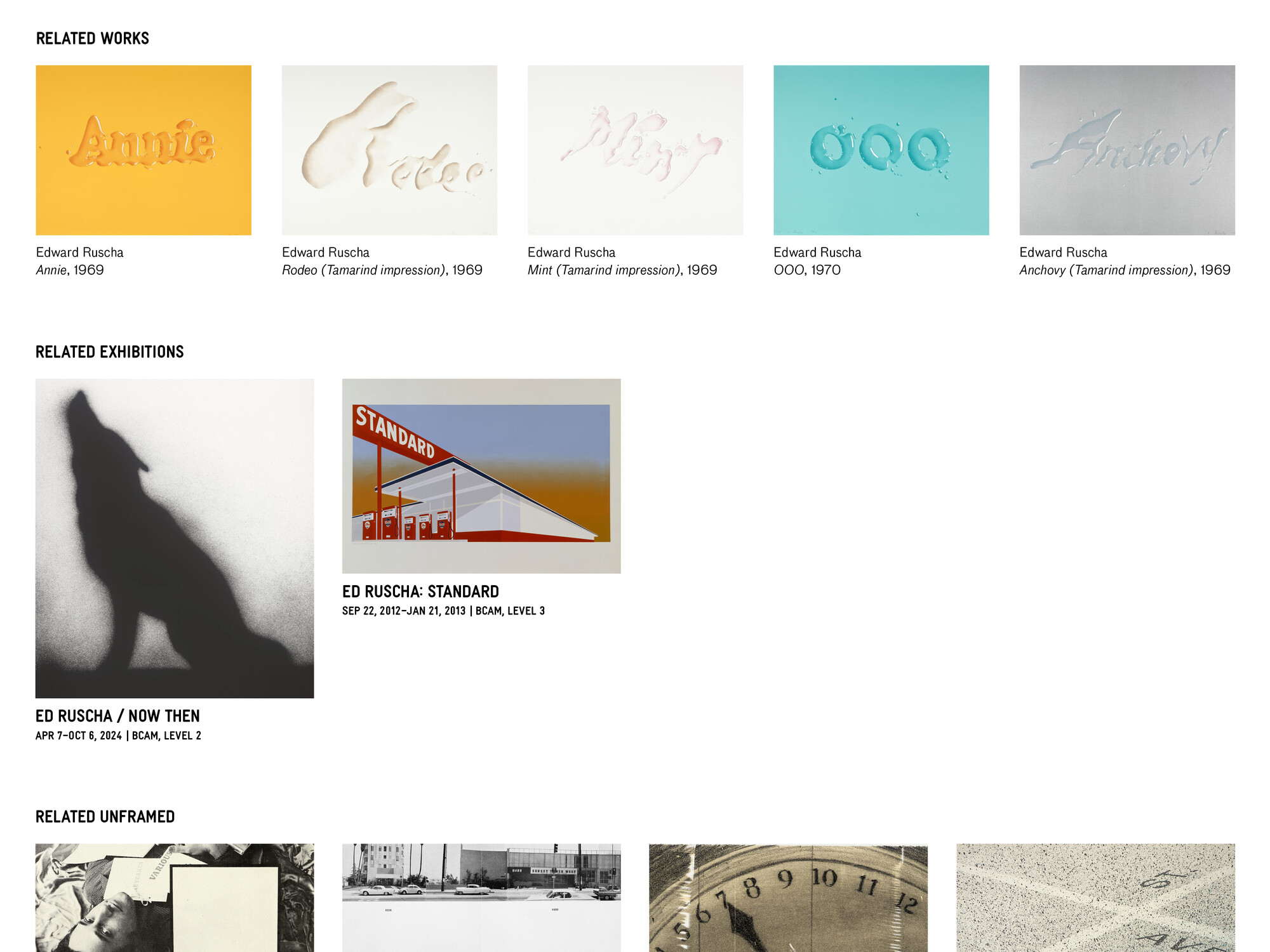
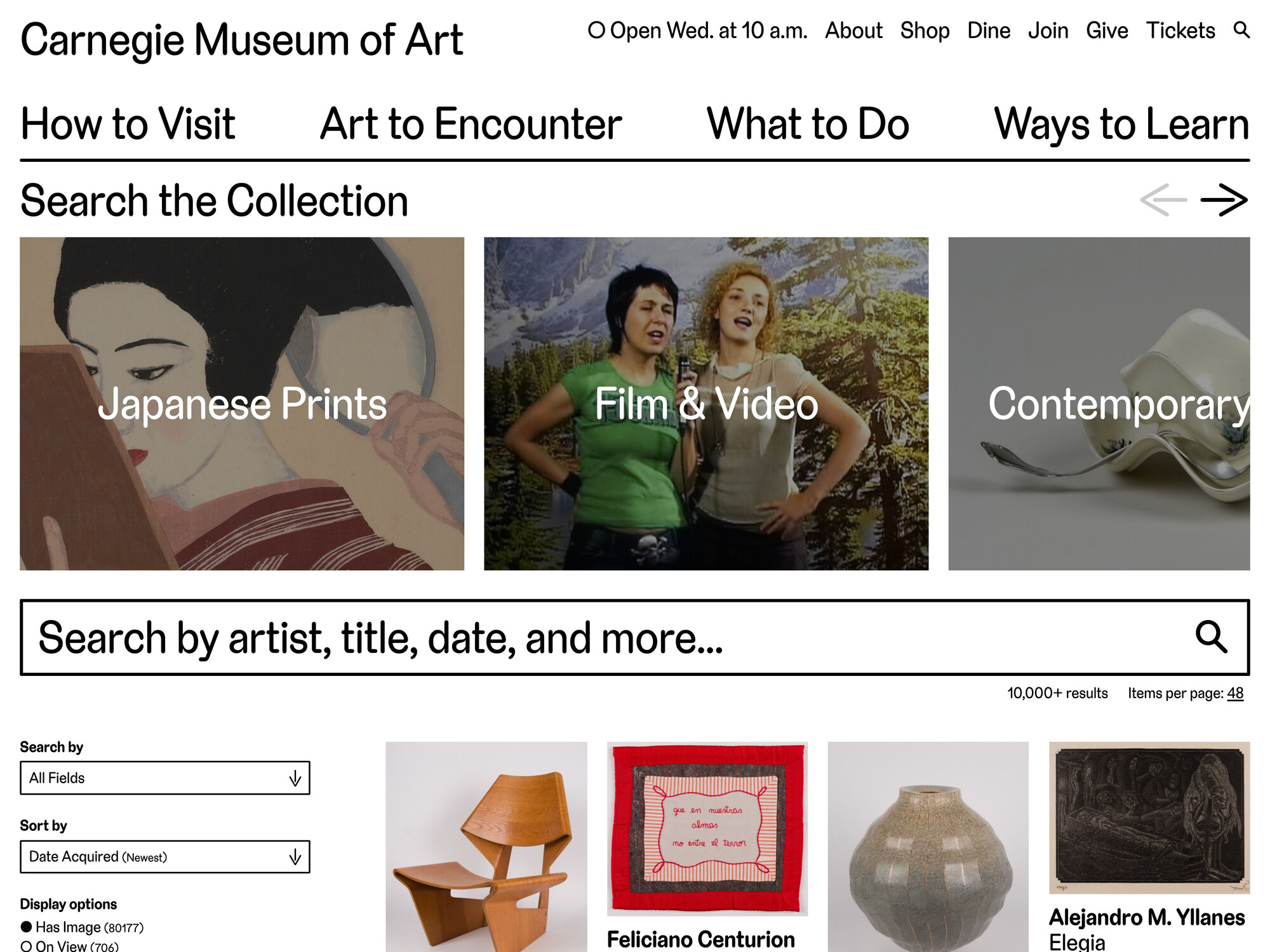
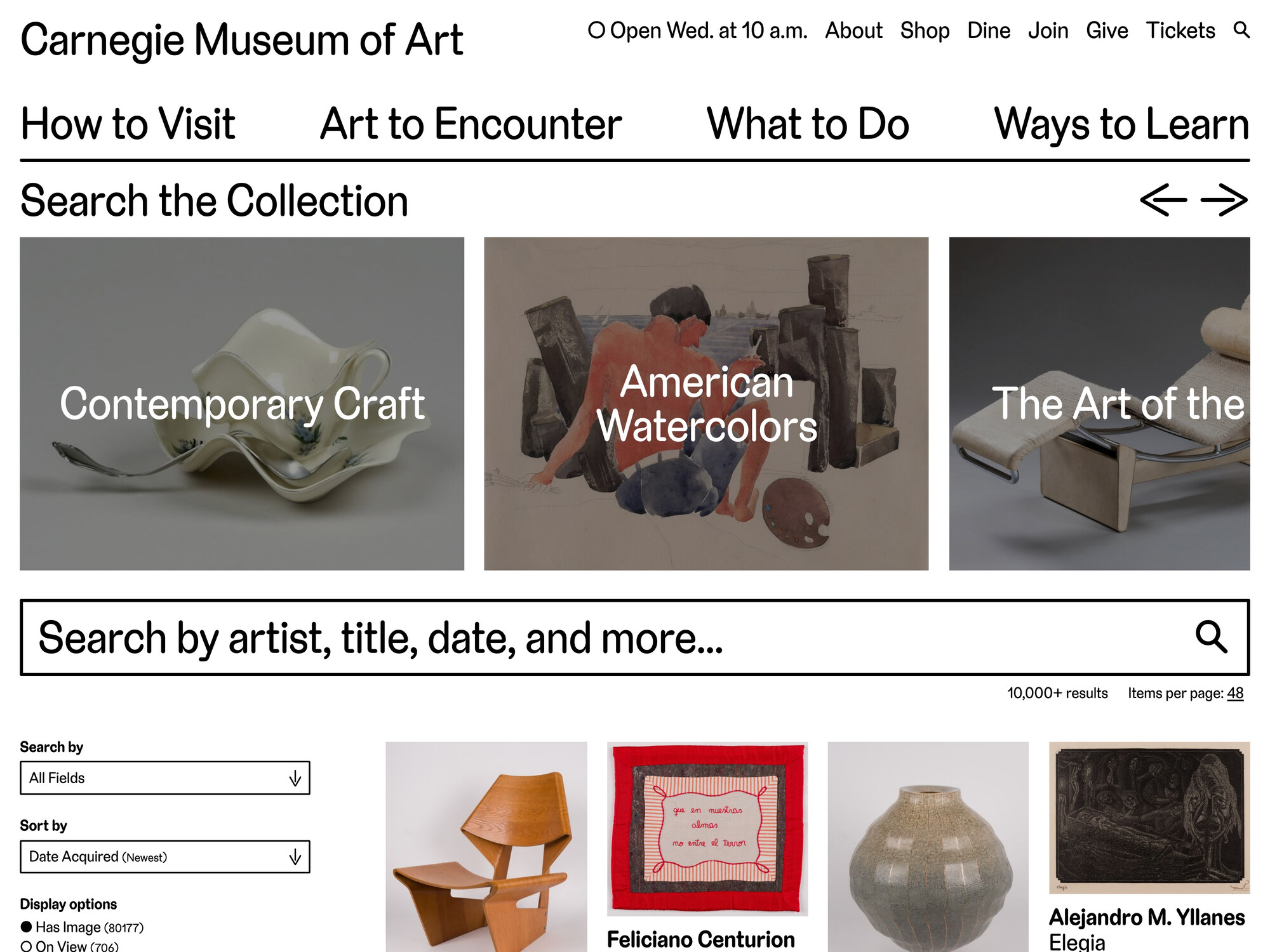
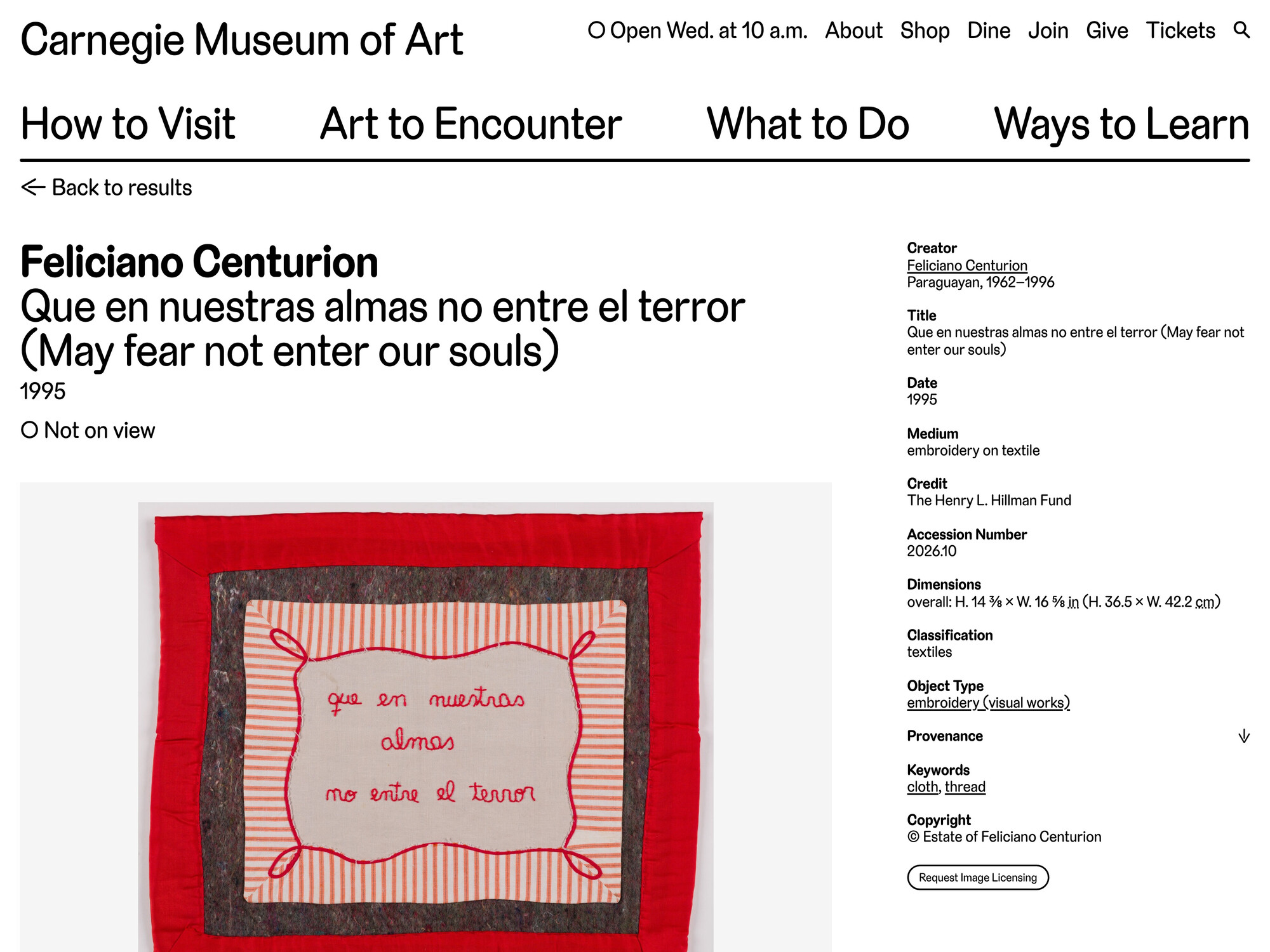
Expanded from our previous work on Carnegie Museum of Art’s online catalogue, the collections website opens us closer study of the collection by connecting individual works with group records, exhibition histories, and associated texts. The collection’s development is more readily traced through museum programs including it’s growth through the Carnegie International, North America's longest-running recurring exhibition of international contemporary art.
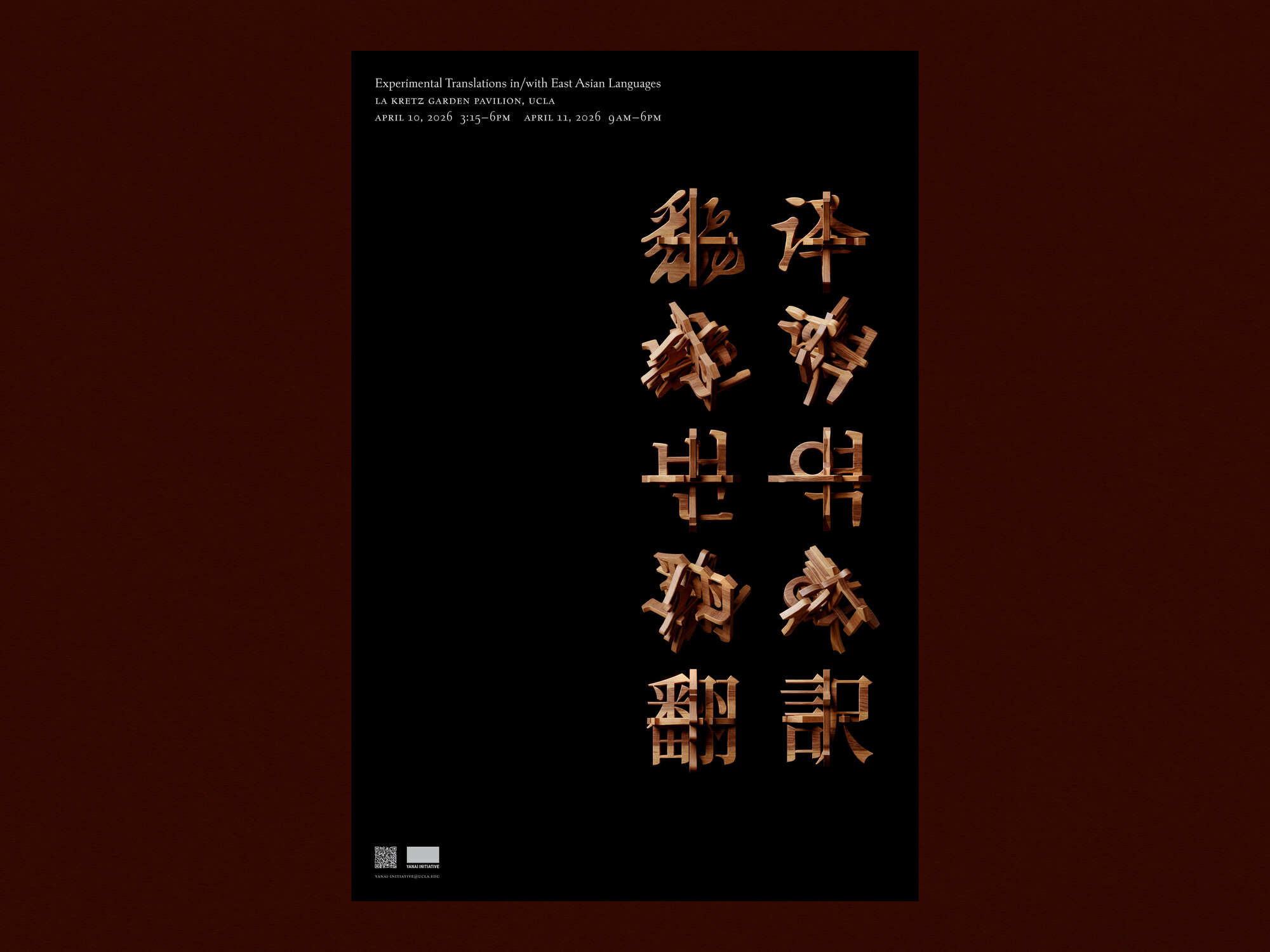
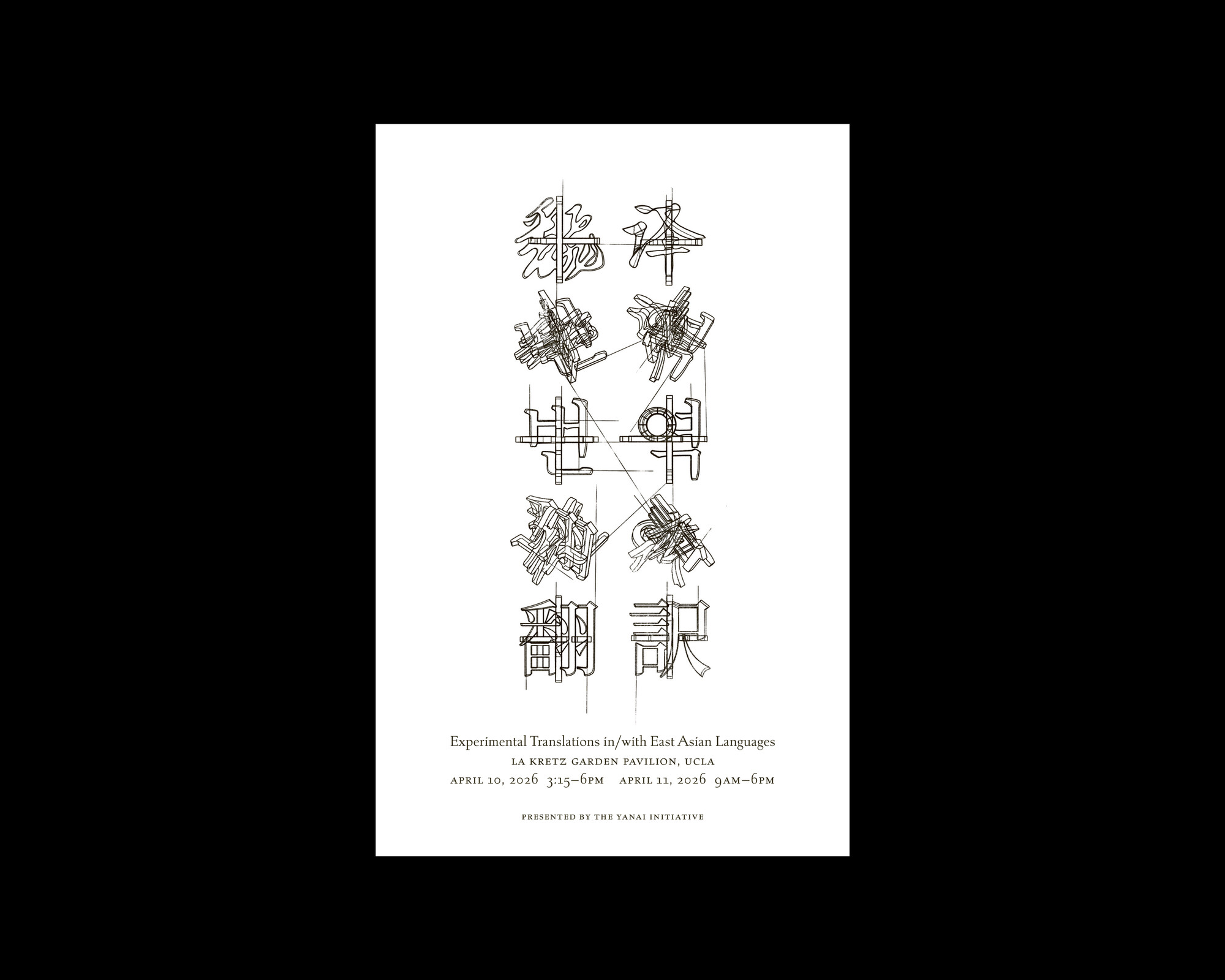
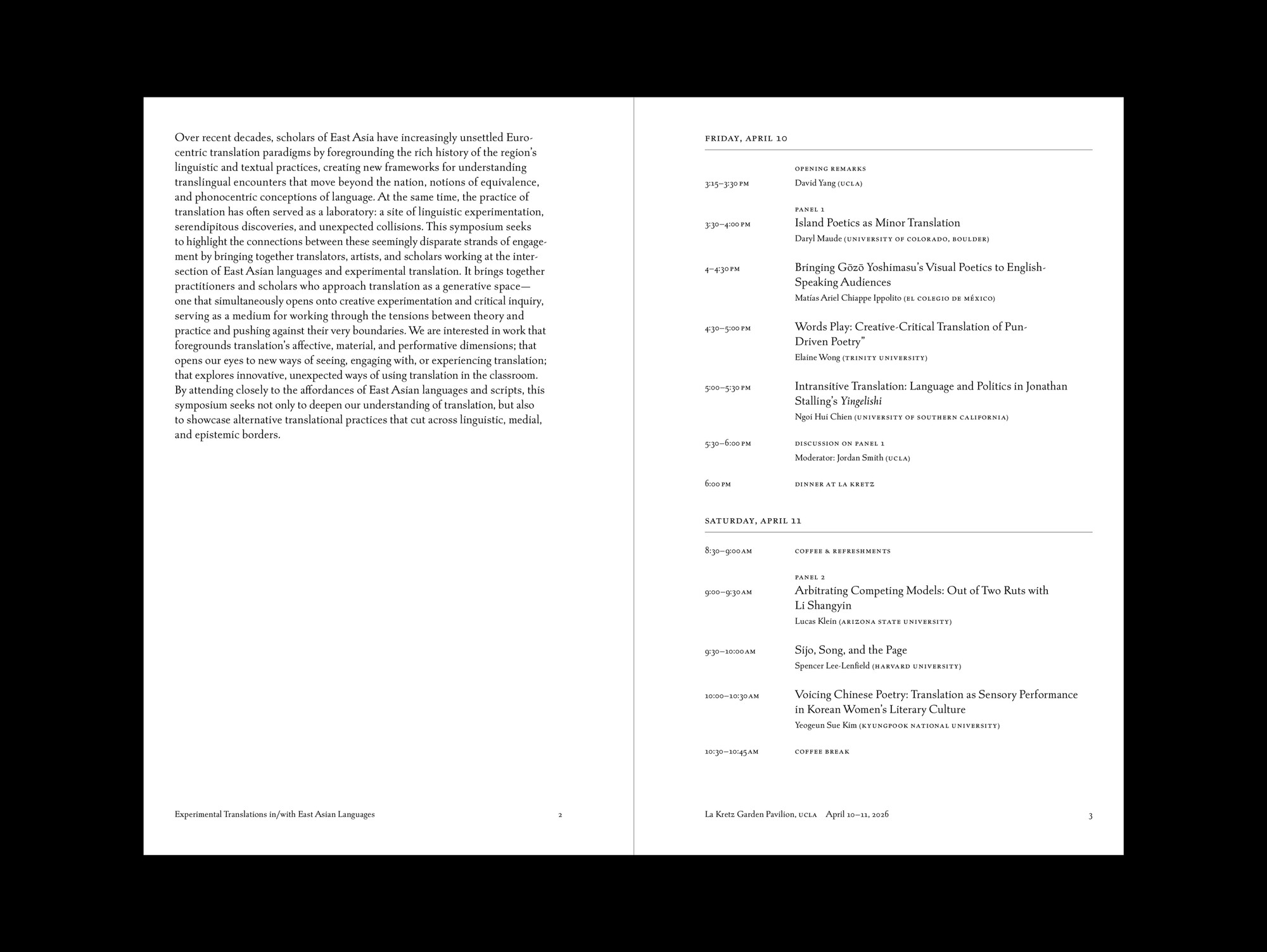
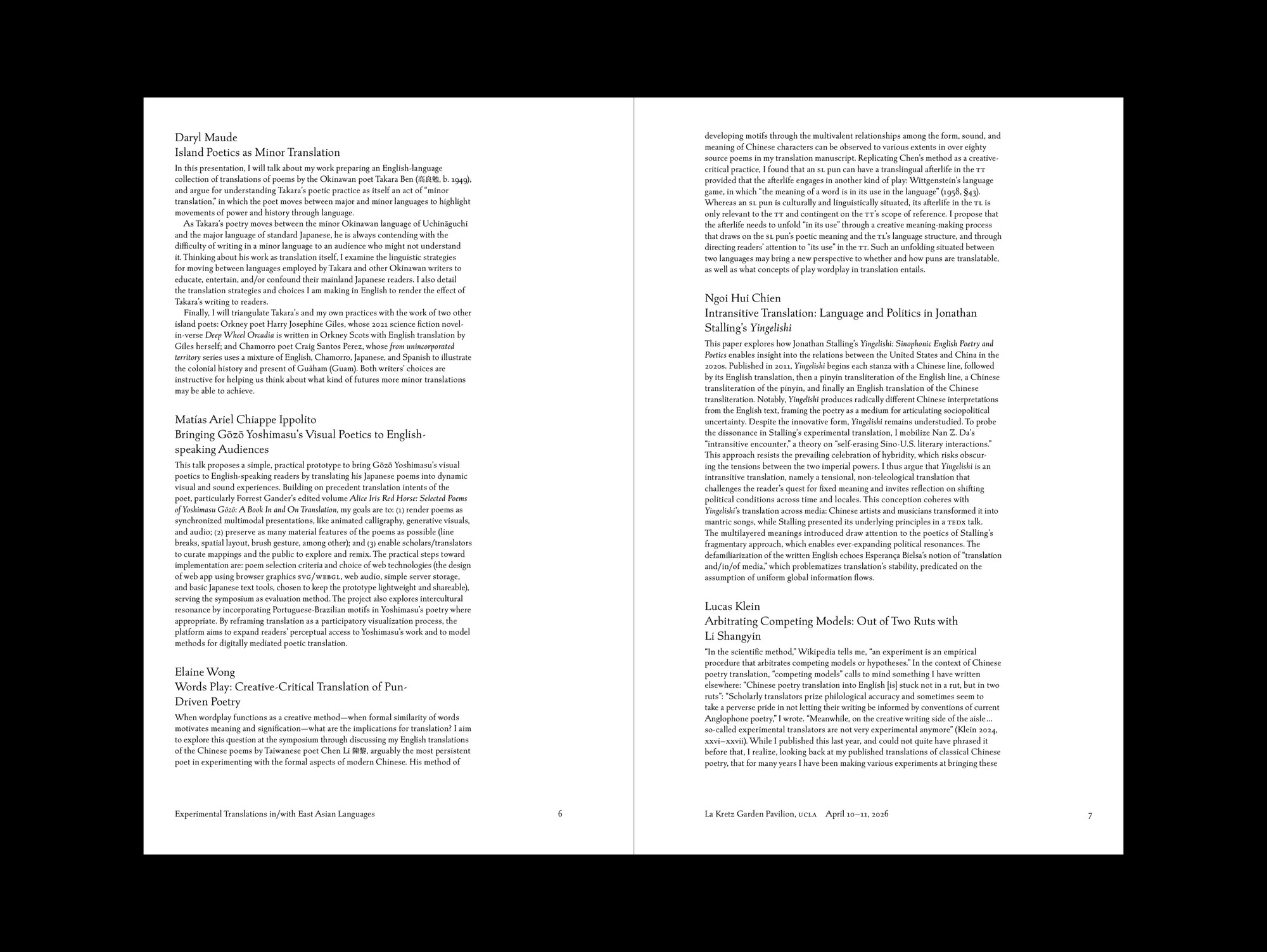
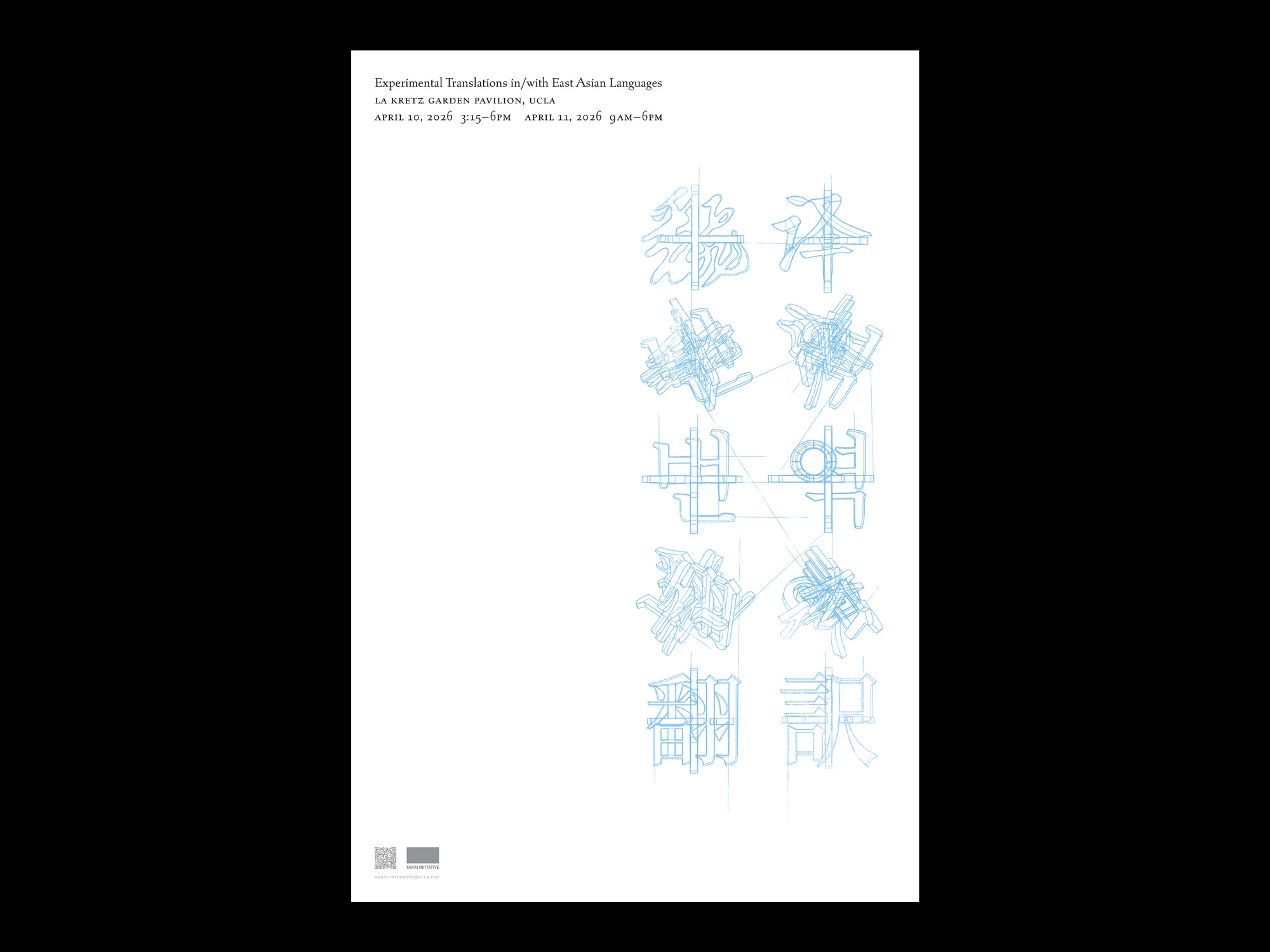
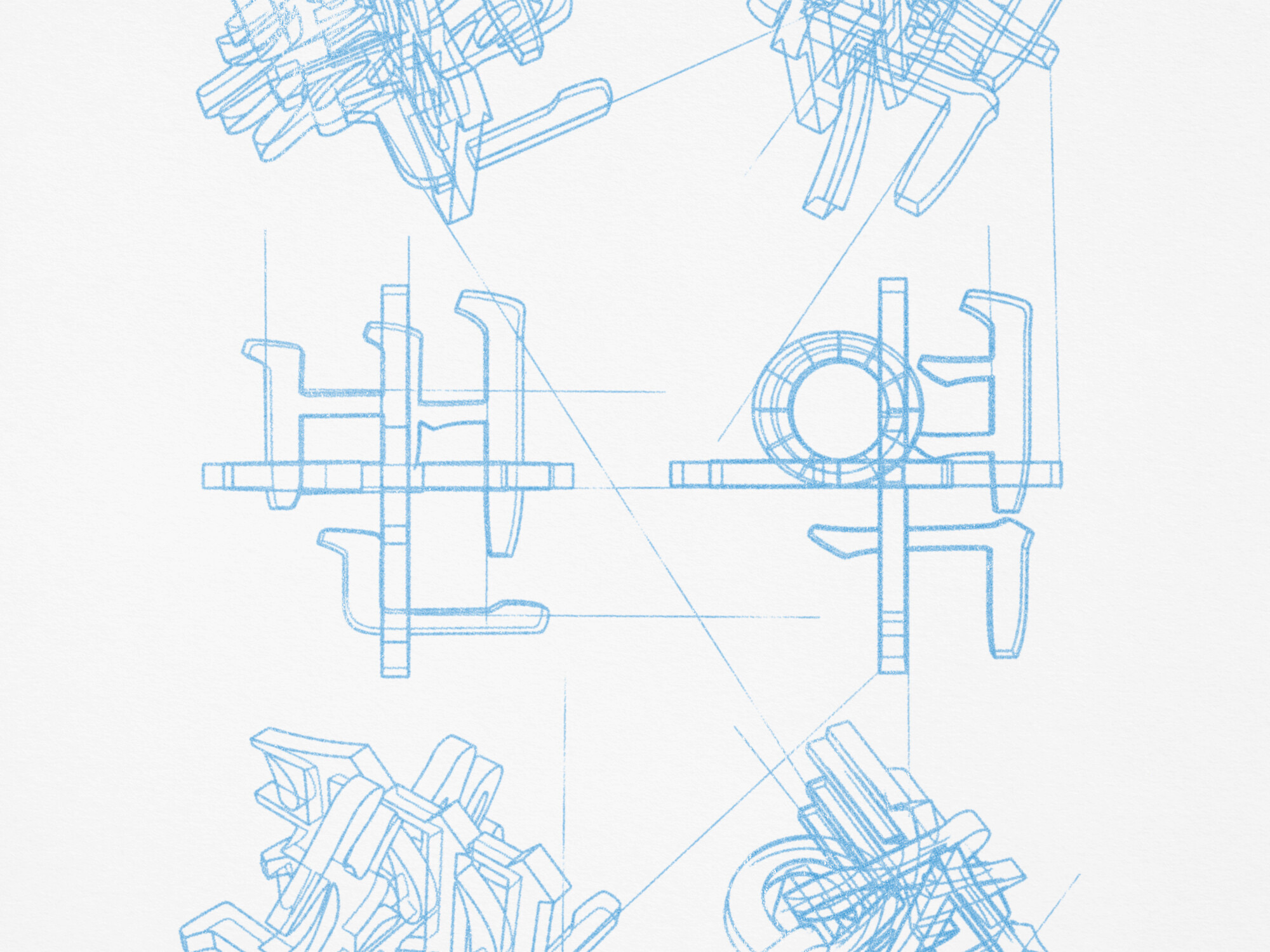
Hosted at UCLA, Experimental Translations in/with East Asian Languages was a translingual laboratory challenging Eurocentric models by exploring East Asian translation through visual poetics, media materiality, and radical creative formats. The word “translation,” in Chinese, Korean, and Japanese, is built as one wood-joined object, shown from five angles as it moves between the three scripts.
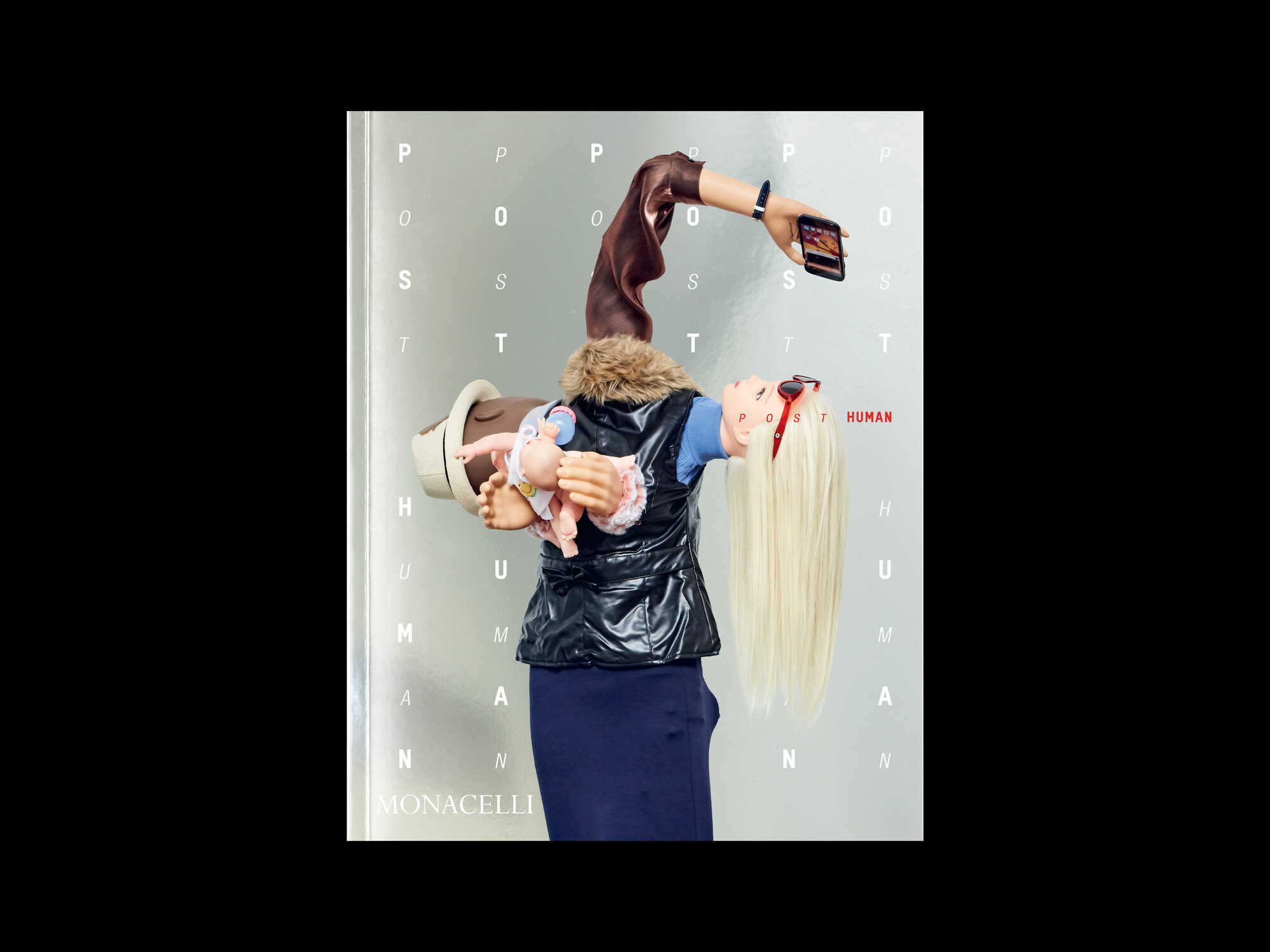
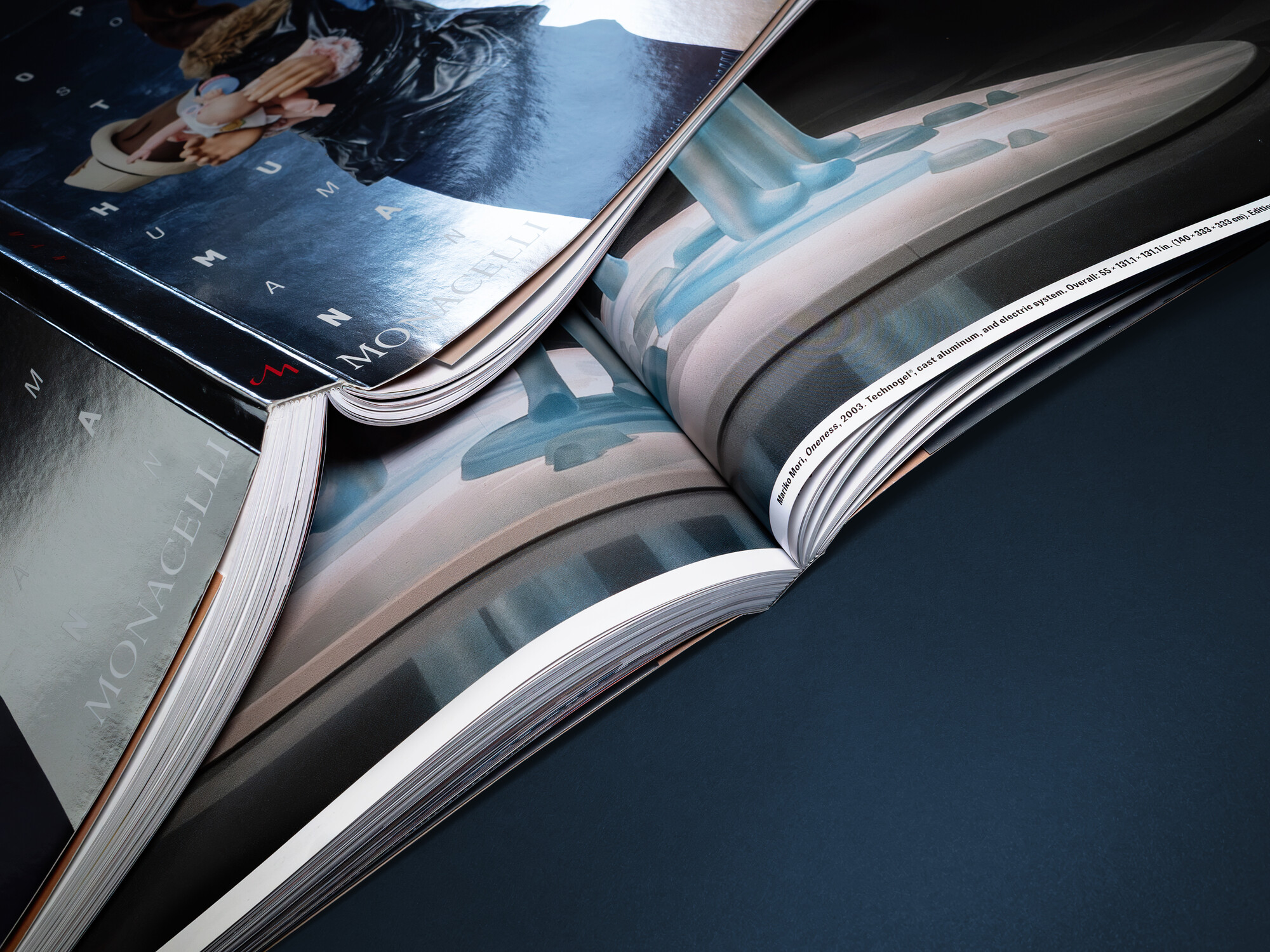
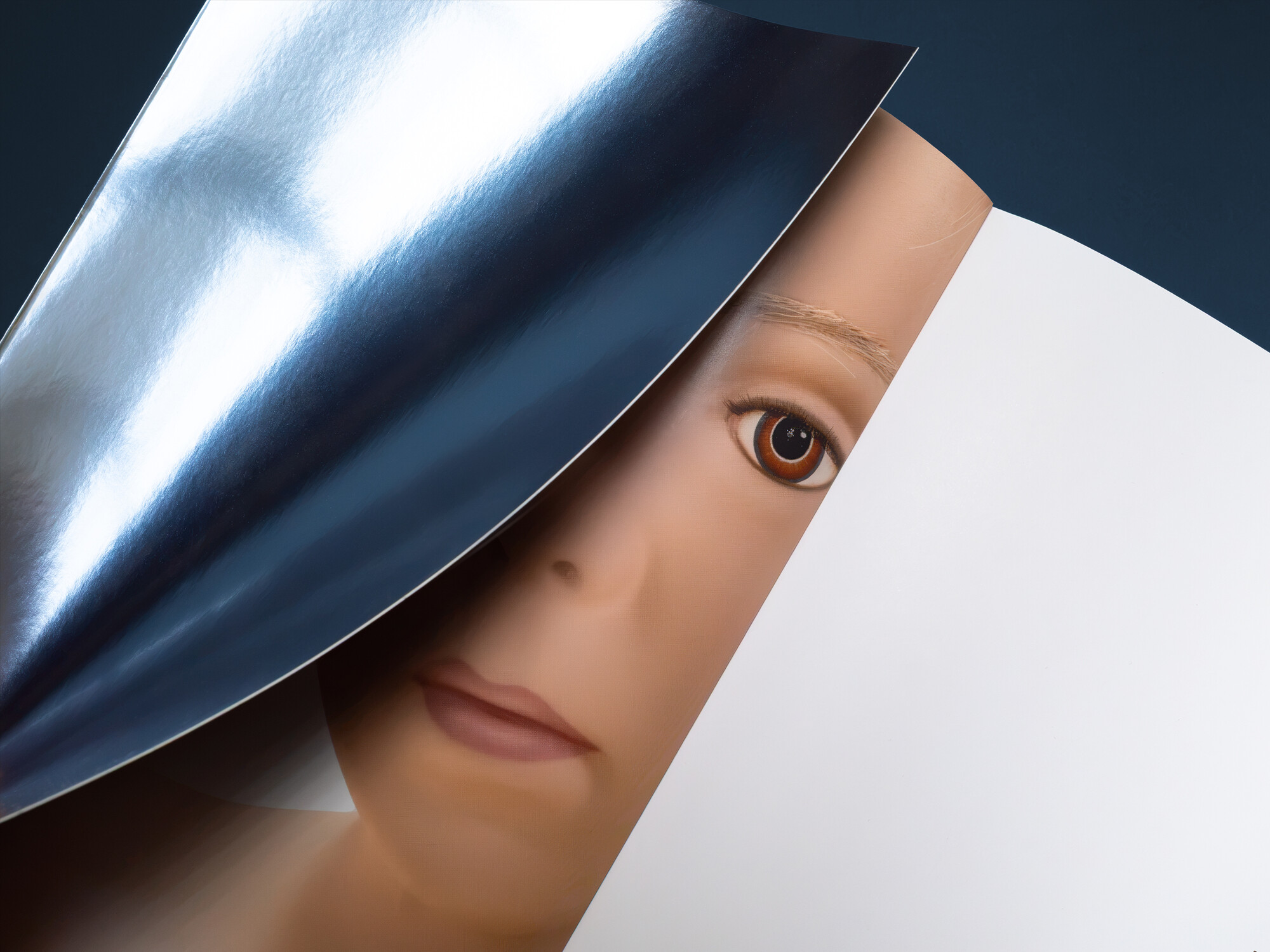
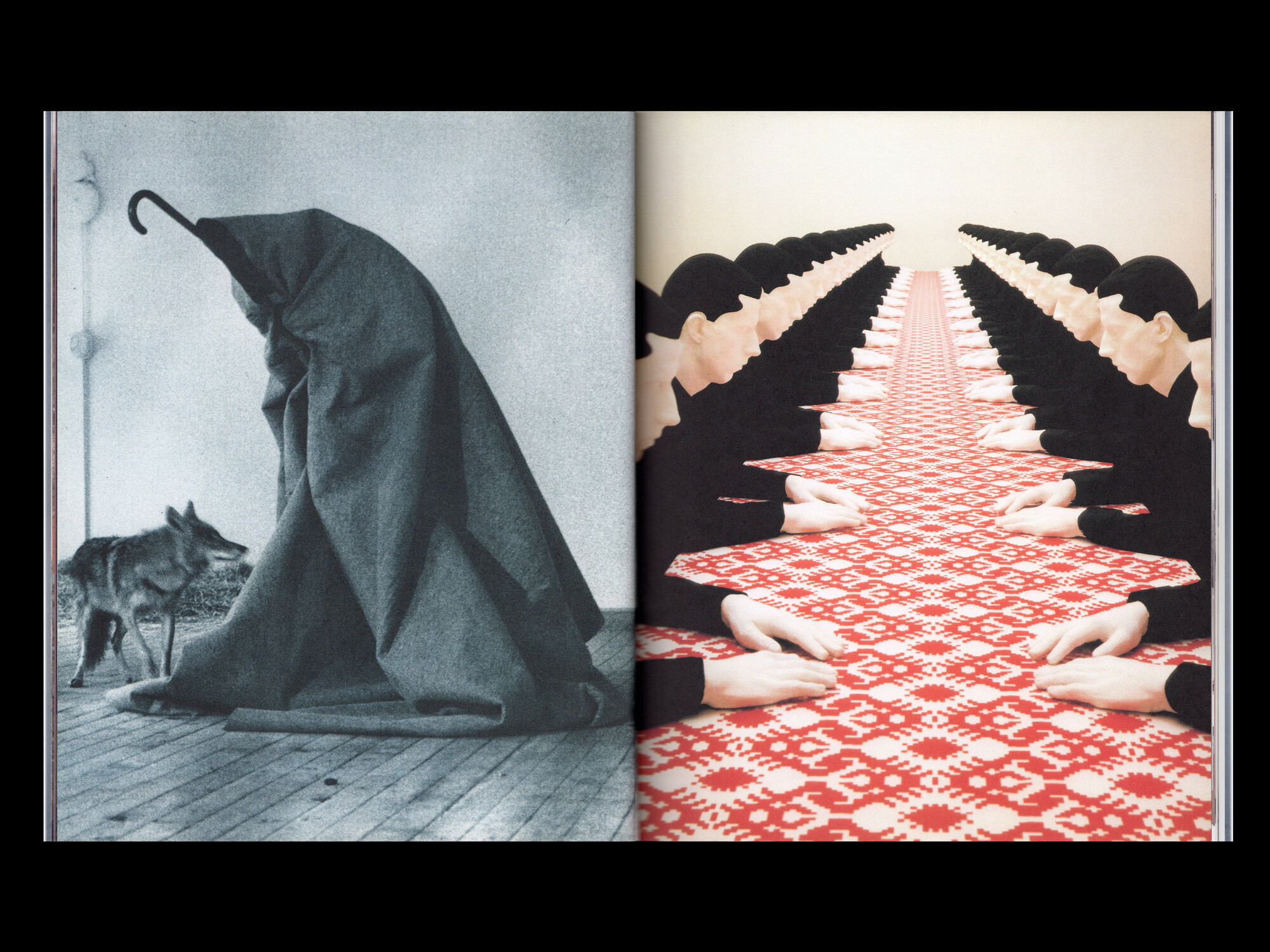
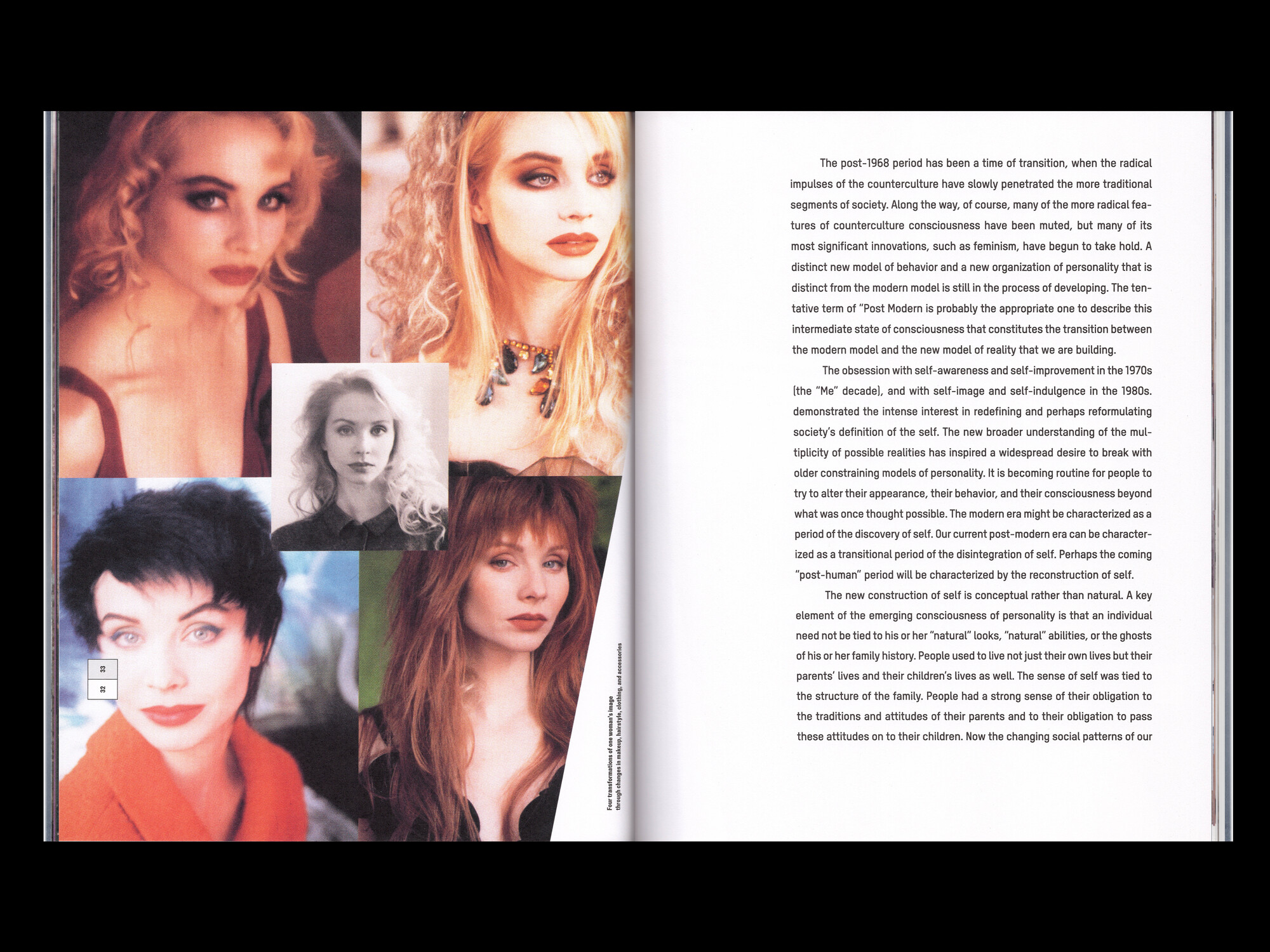
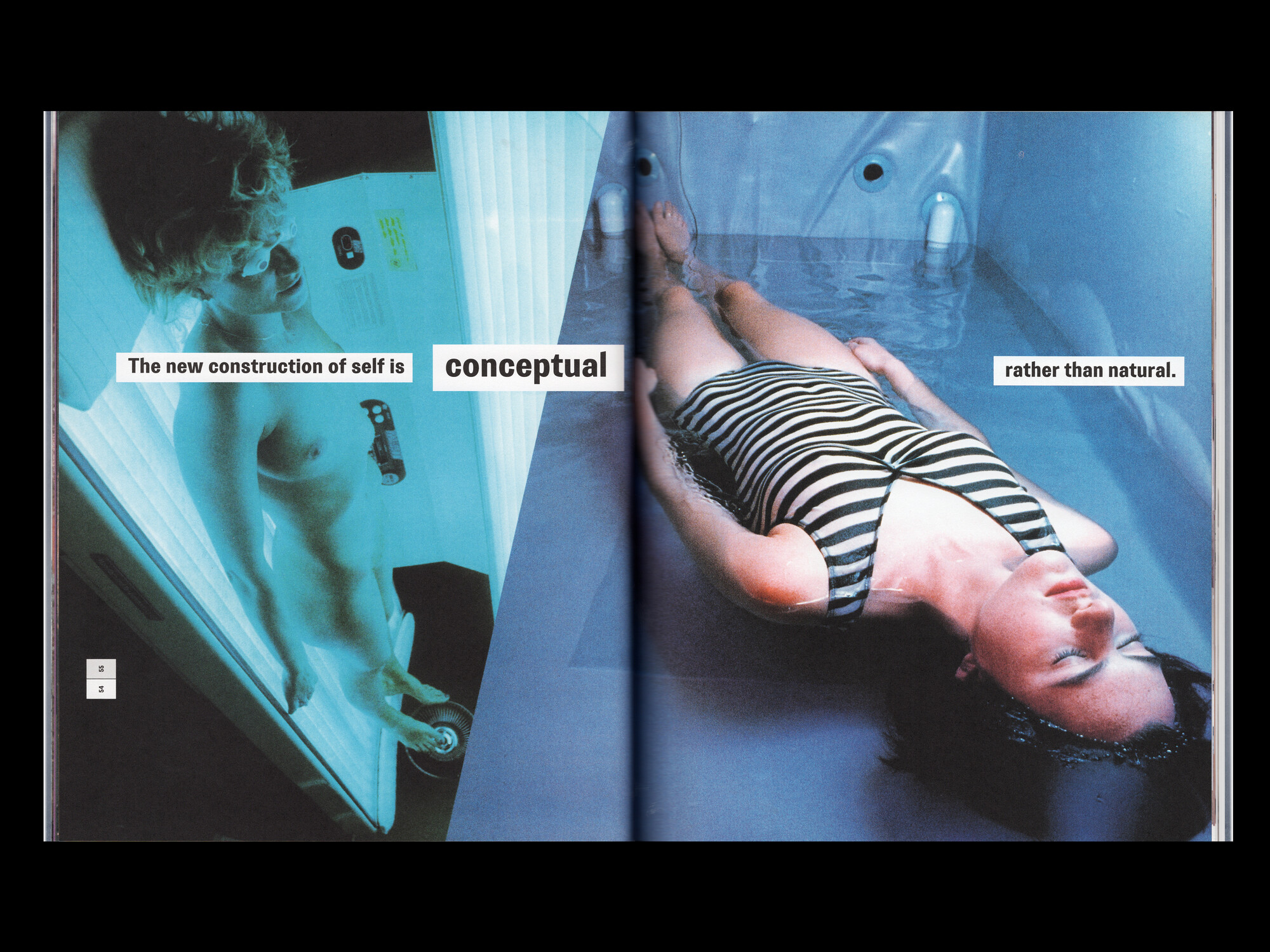
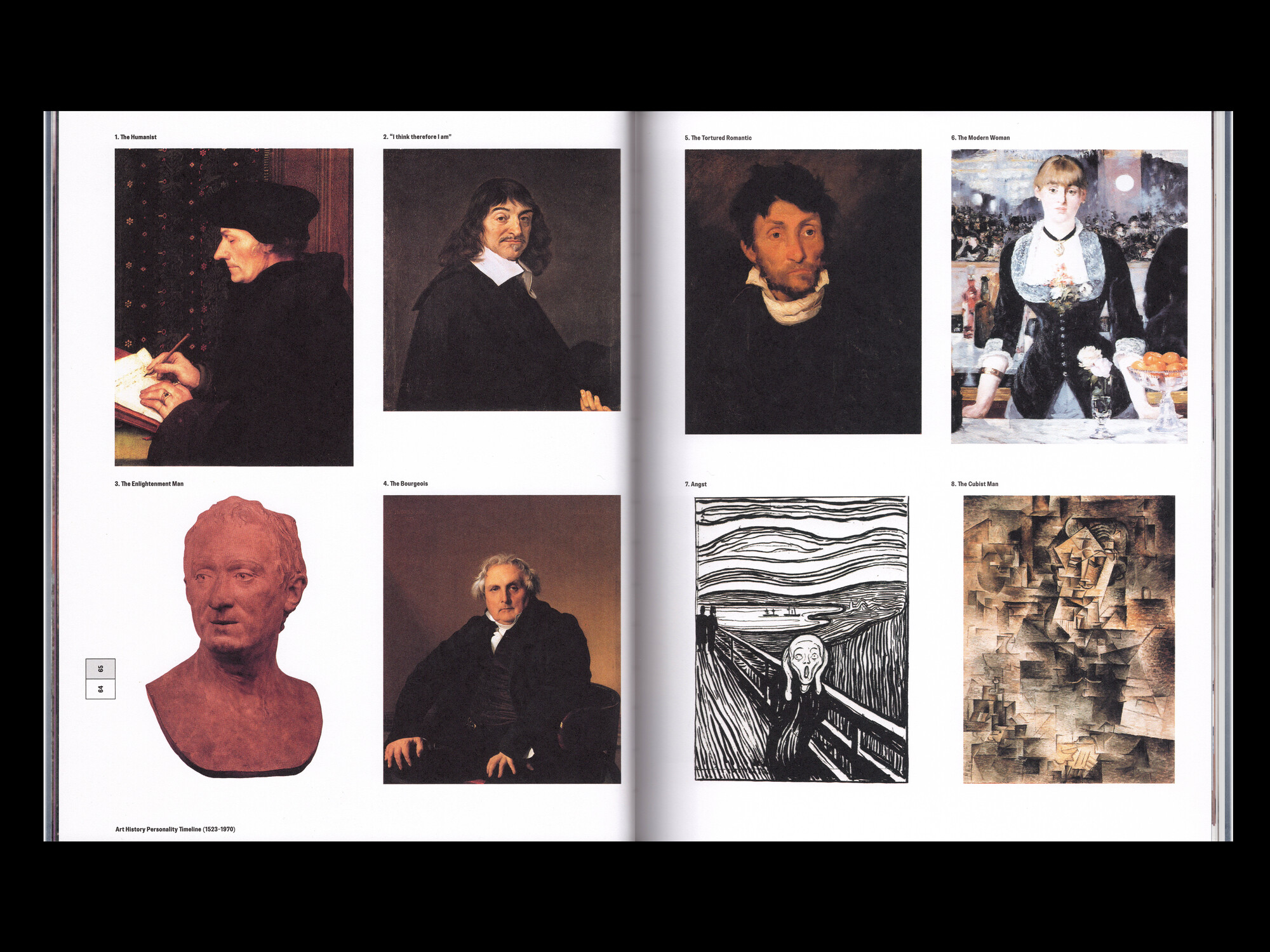
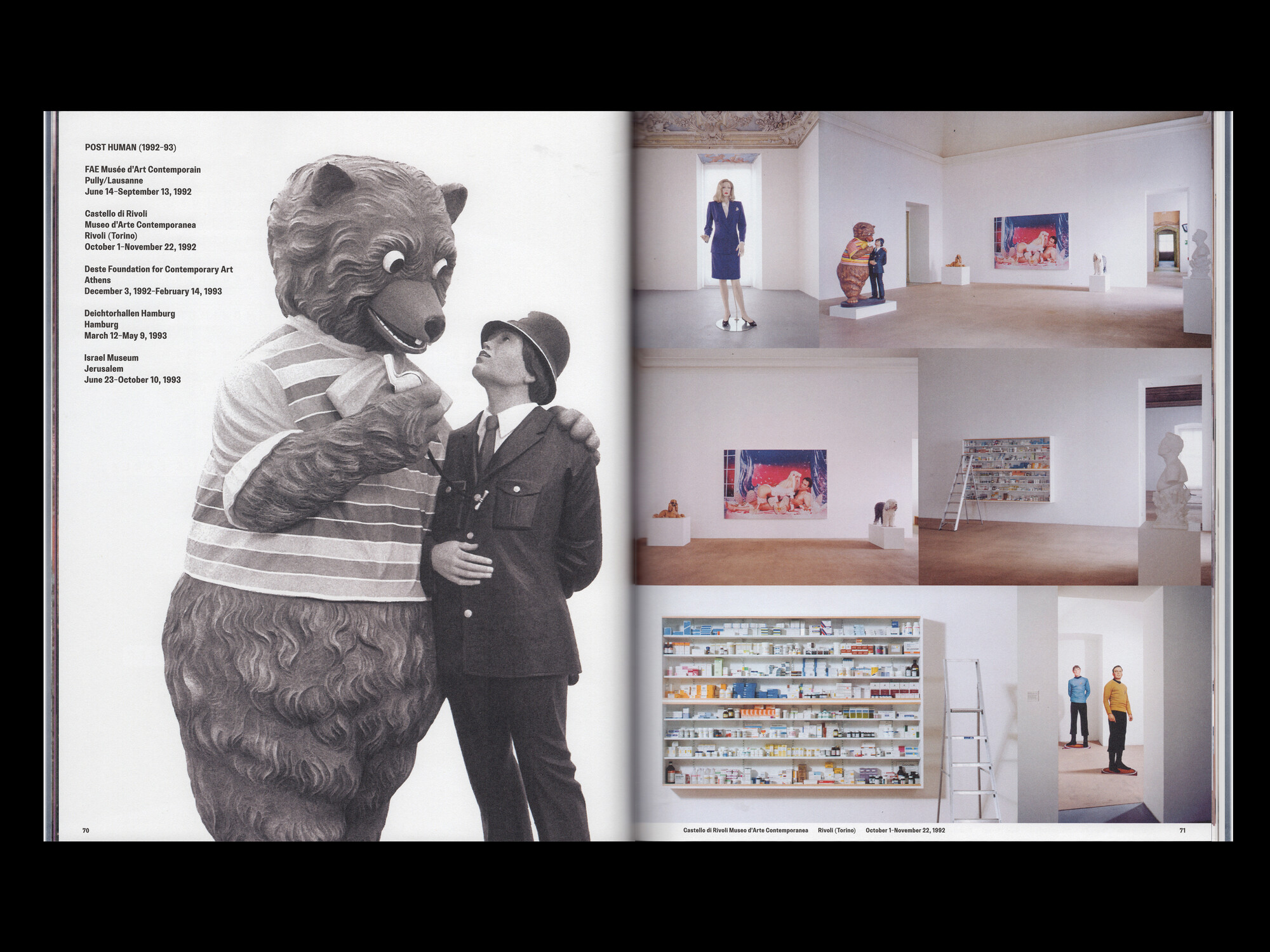
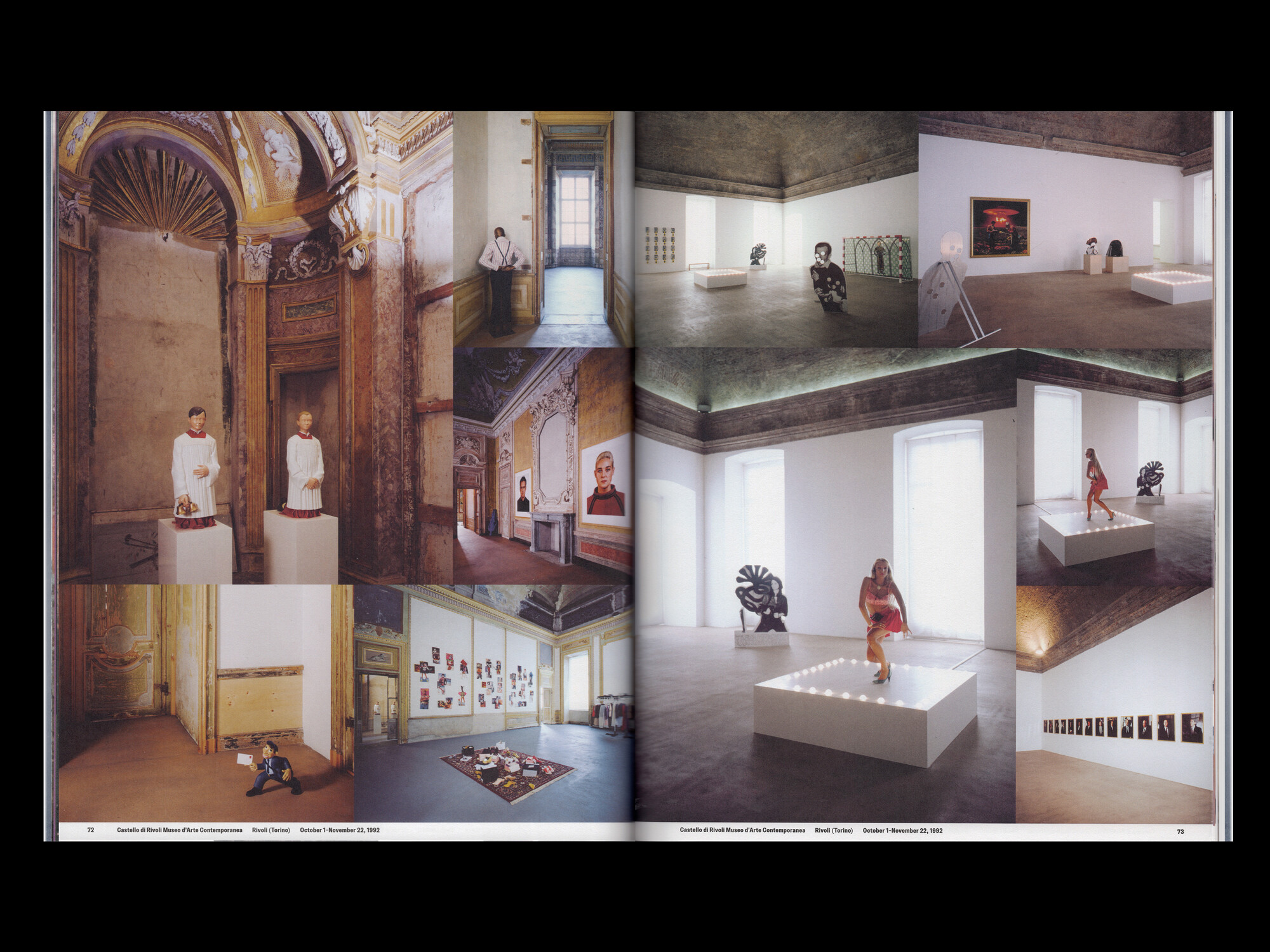
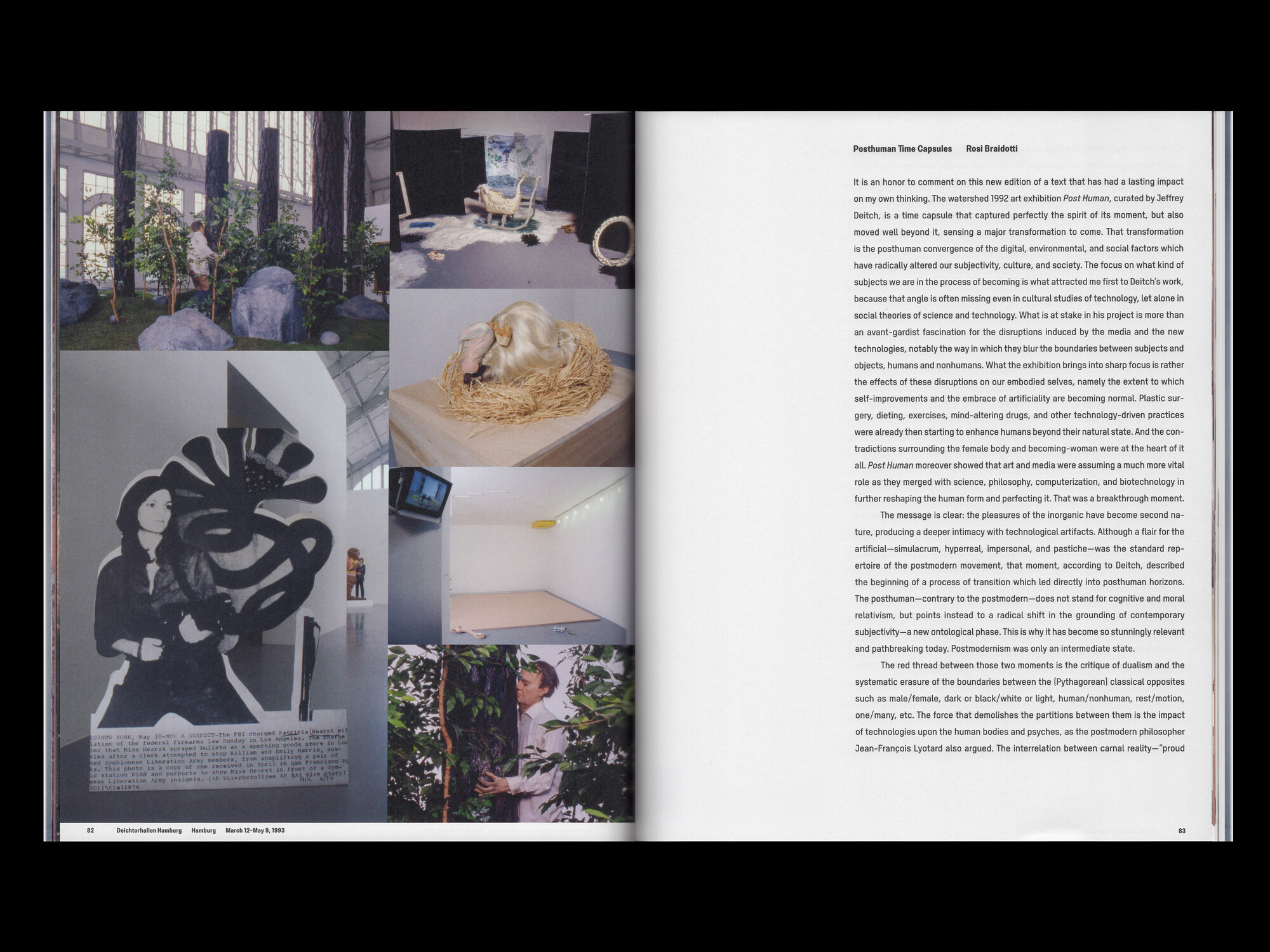
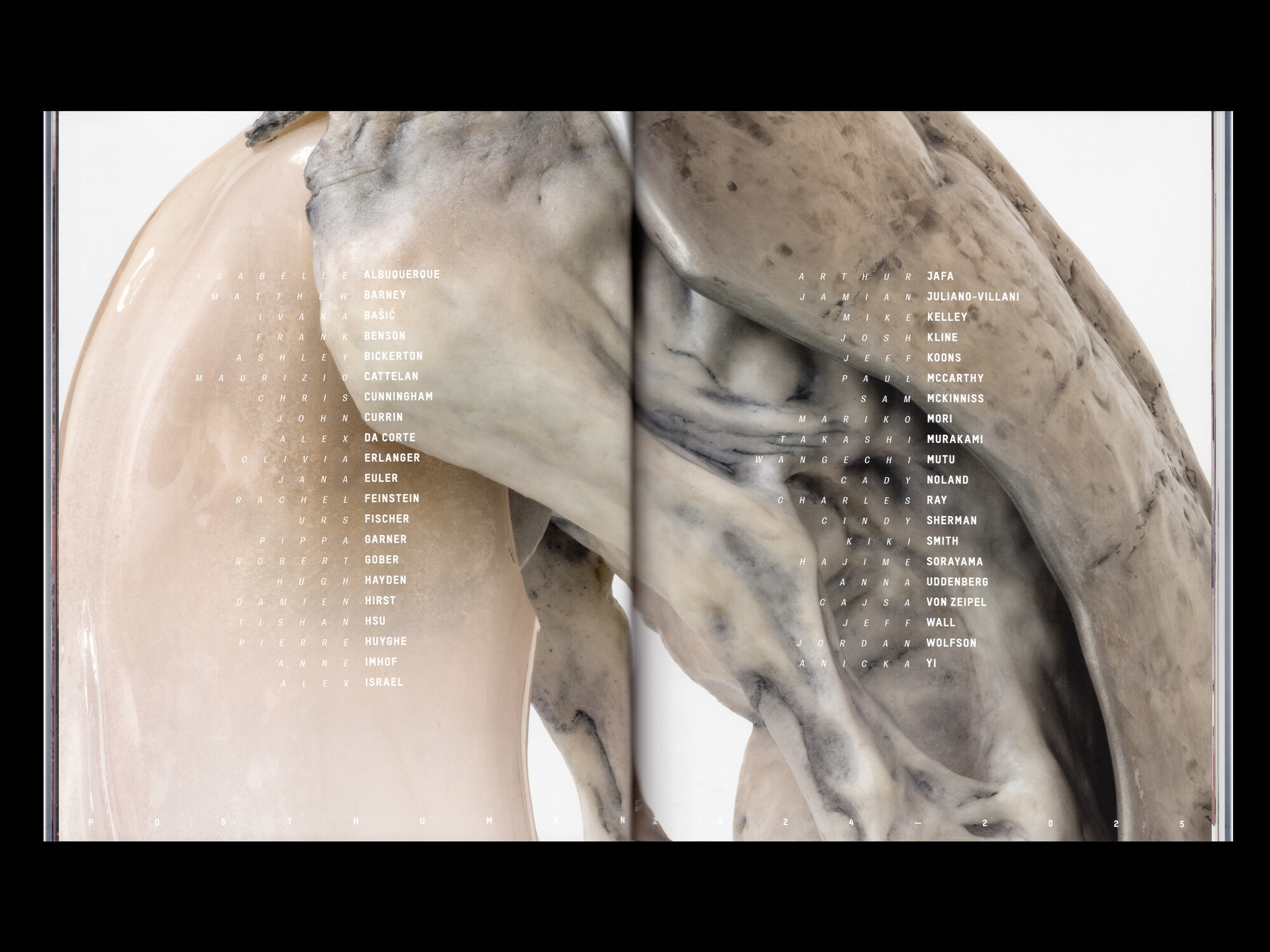
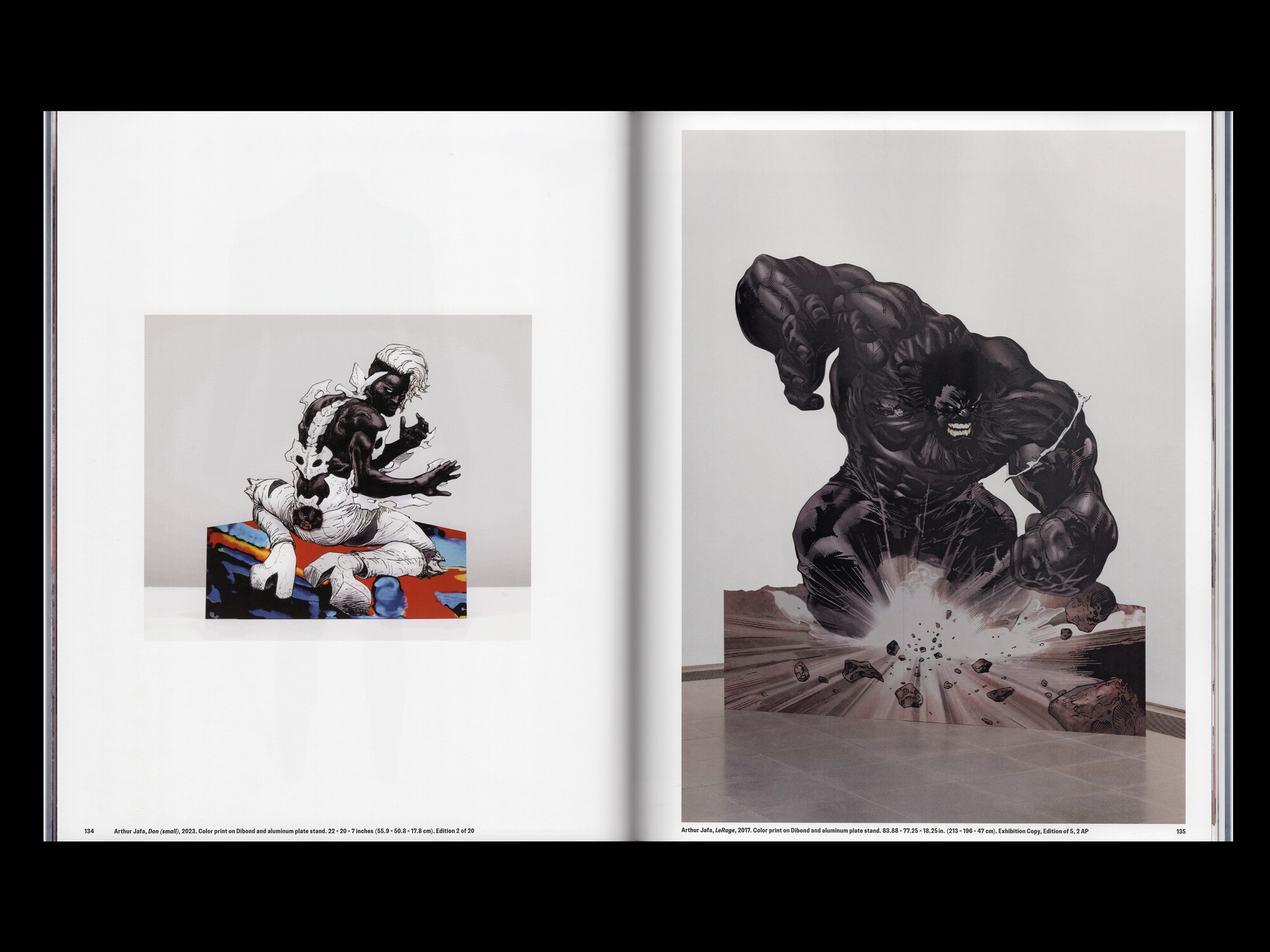
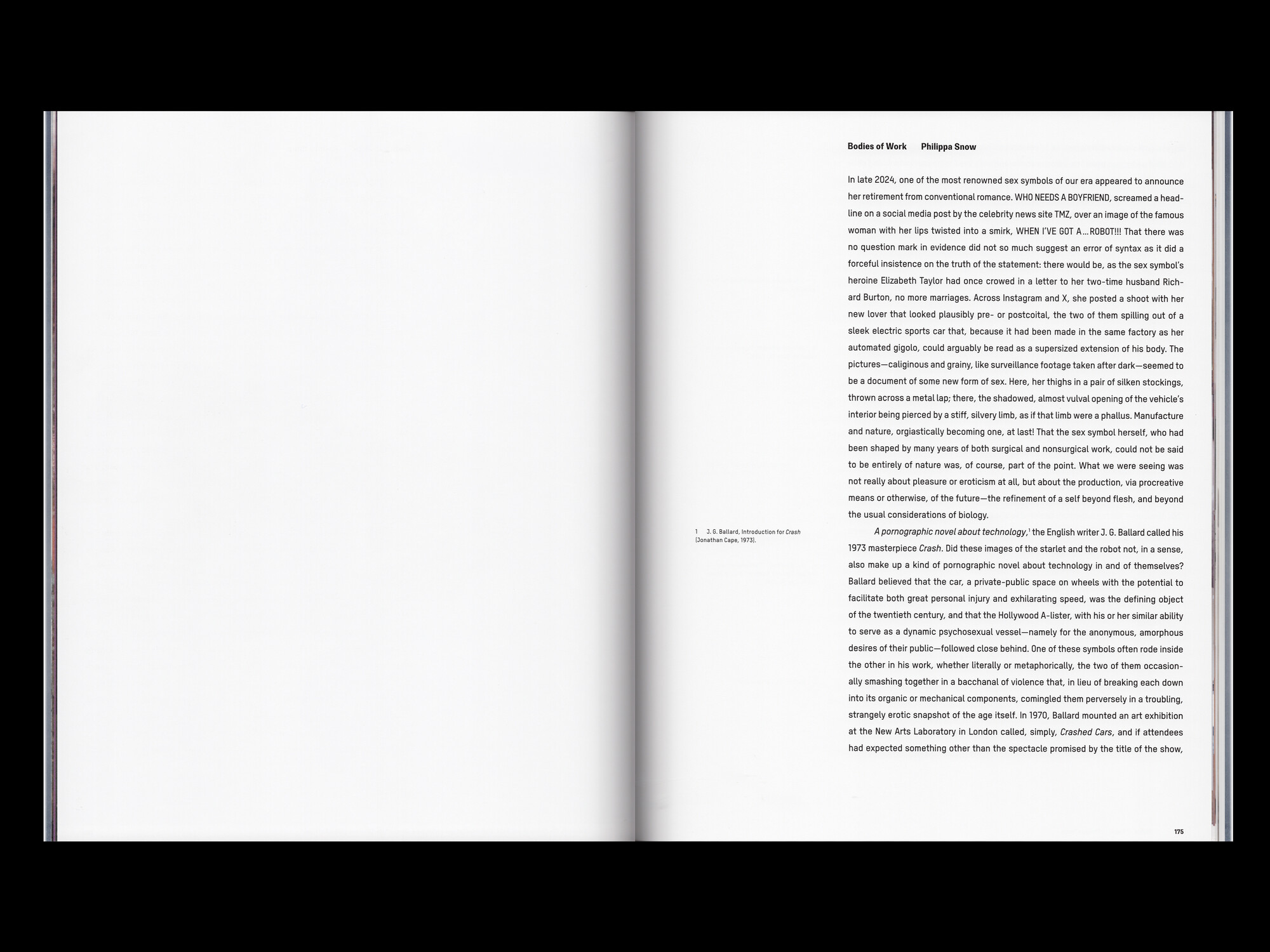
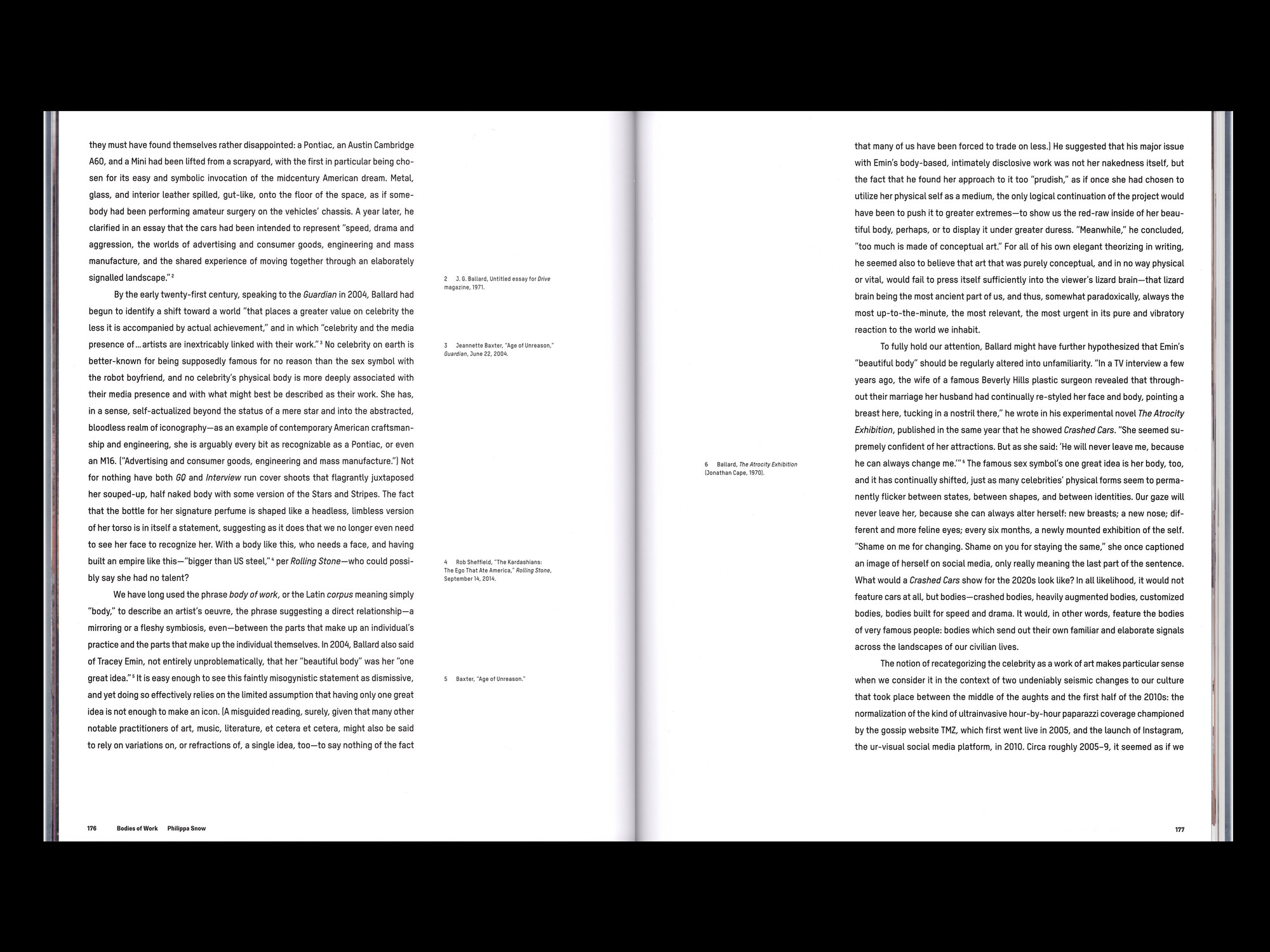
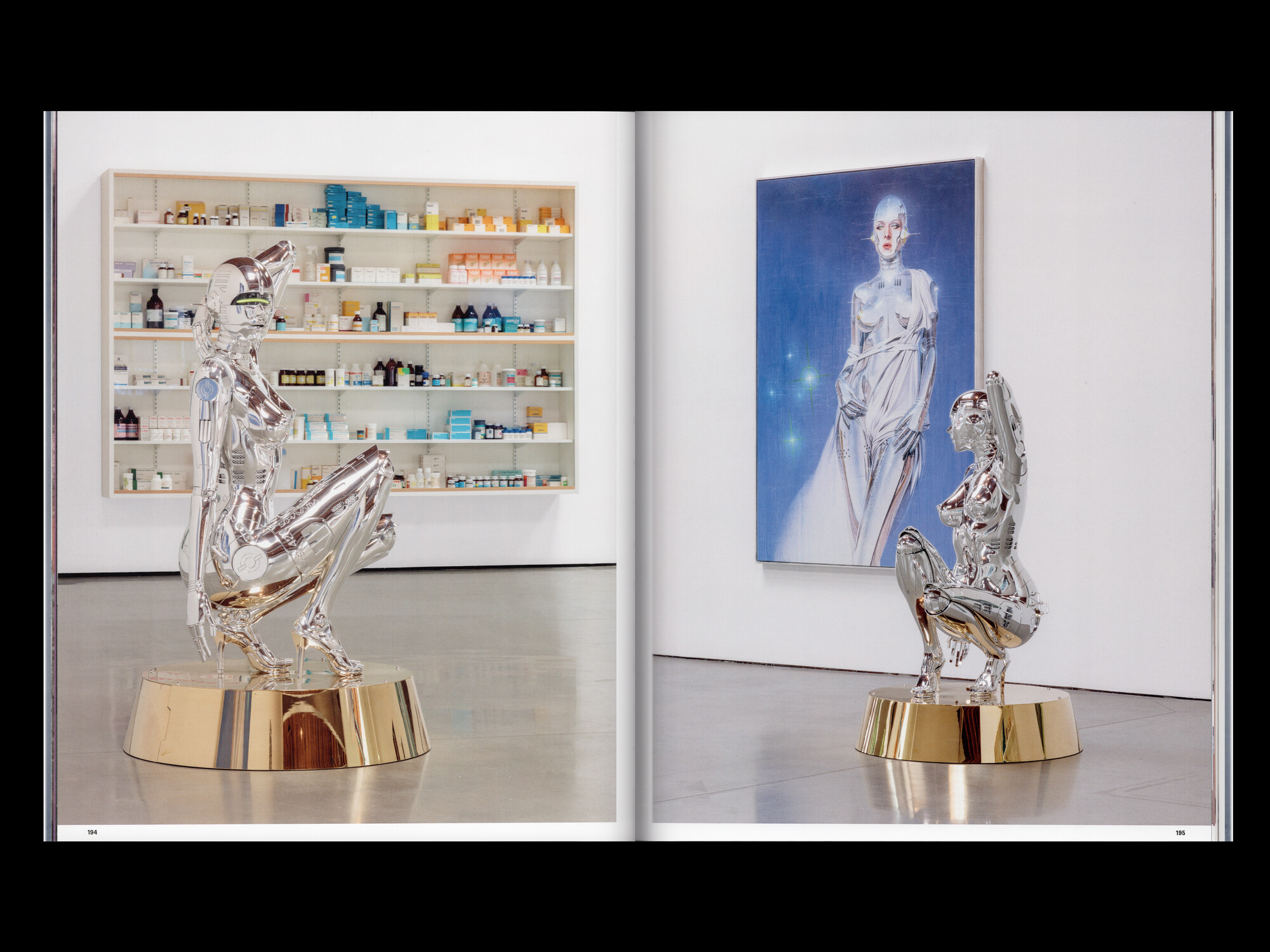
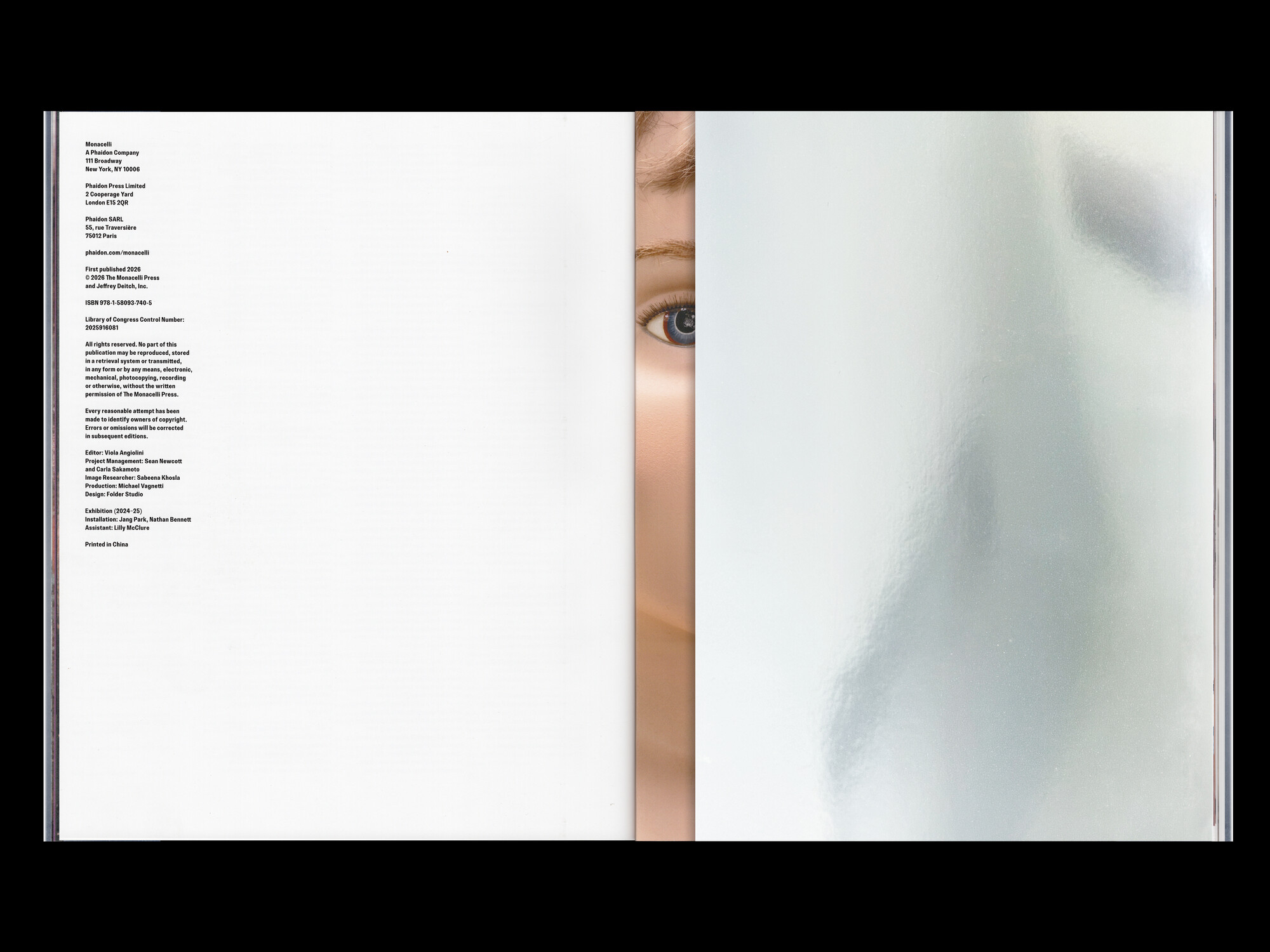
Post Human documents the 2024 revival of Jeffrey Deitch’s foundational 1992 exhibition. The original exhibition featured thirty-six artists working at the intersection of the body and technology and helped set the agenda for 1990s art discourse. The 2024 exhibition brings original participants into dial ogue with a new generation, expanding the discussion to contemporary concepts of technology and the body.
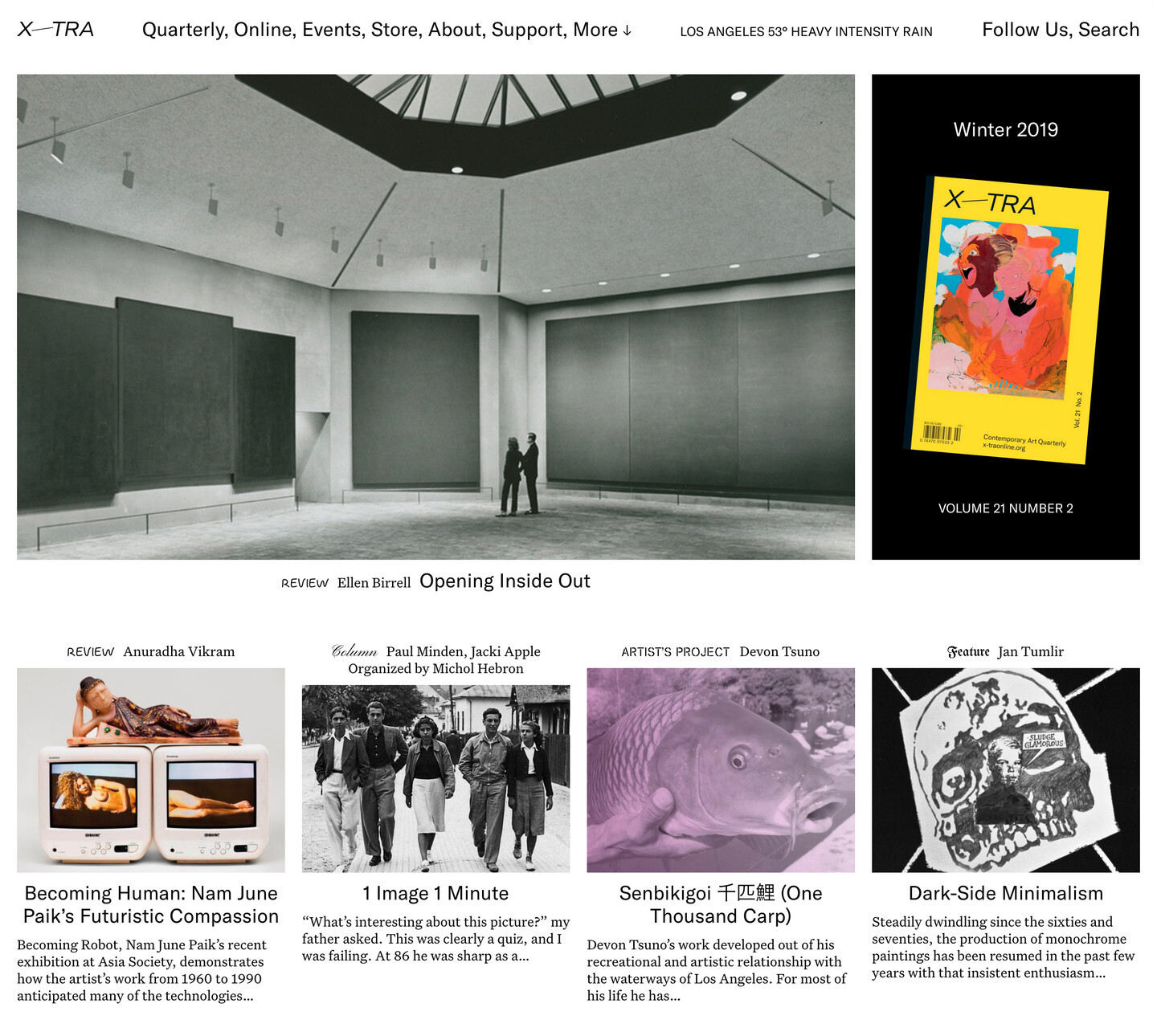
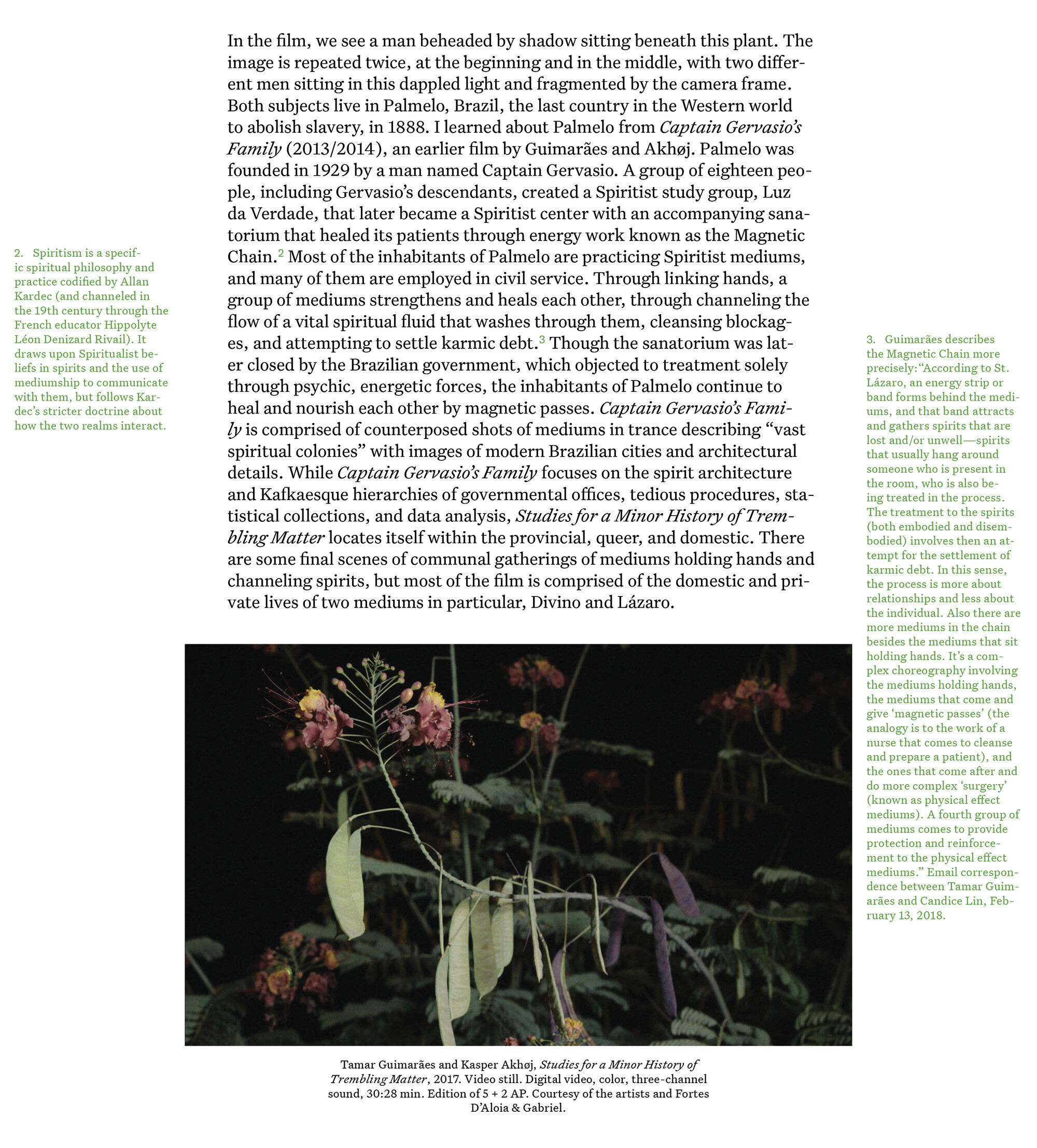
X-TRA Contemporary Art Journal, the longest running LA art journal, ended its run in Spring 2024 after 26 years of publishing. The website houses a complete catalog of essays, reviews, interviews, and artist projects into a reading environment organized by issue, contributor, and series. Built to support ongoing publishing alongside the back catalogue, it continues as a free archive following the journal’s closure.
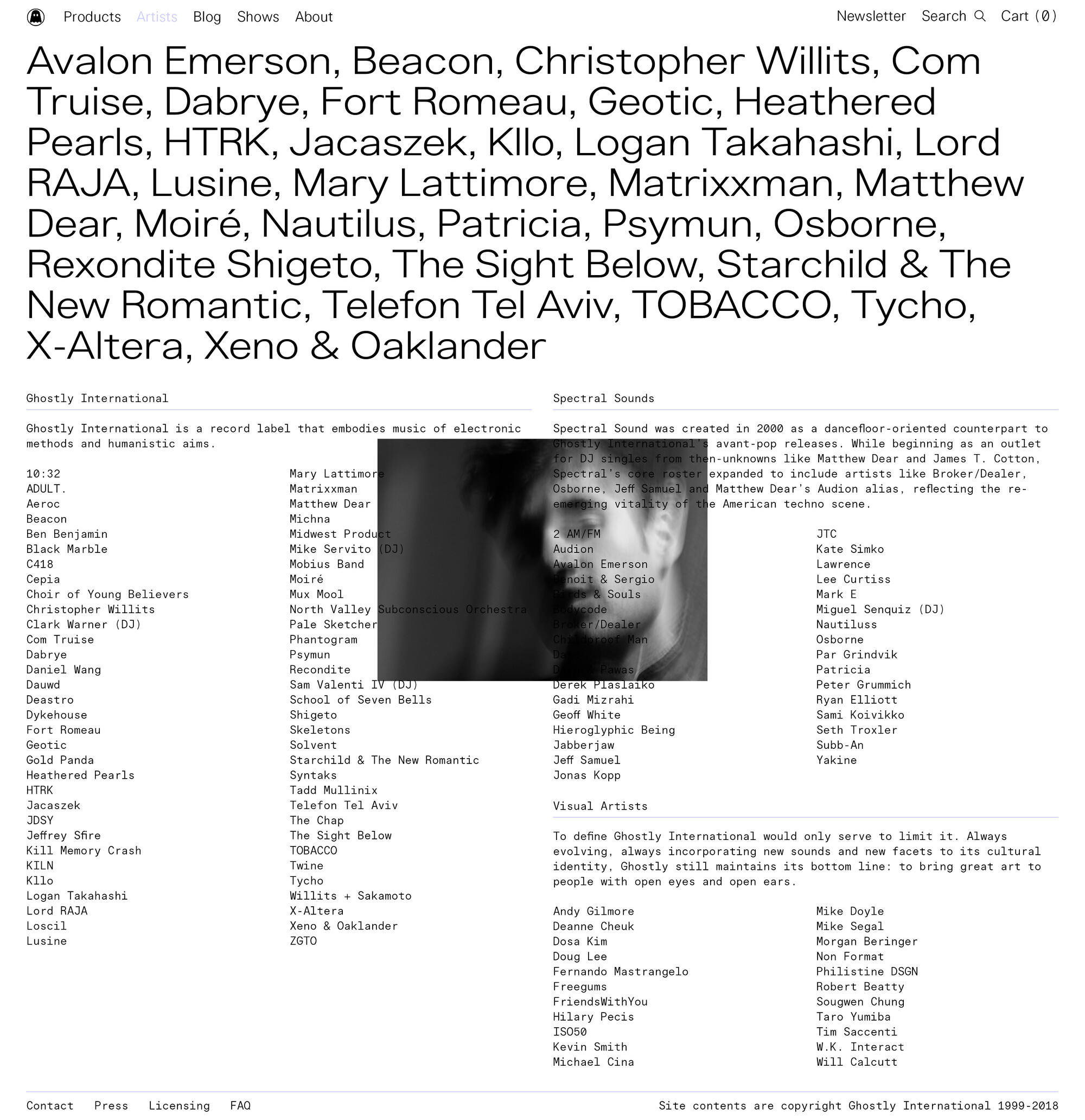
Ghostly International is a pioneering American independent record label and art company founded in 1999, merging boundary-pushing music with museum-grade graphic design and curated objects. The website is a full-featured web store and online archive, documenting it’s historic run and broad influence across genres.