Folder designs interfaces, publications, and systems for organizing, encountering, and carrying information forward. We help museums, universities, civic institutions, and others engaged in the stewardship and sharing of knowledge create ways for language, media, and material to surface and endure.
We are interested in what happens to information over time, and how form can reveal the connections that give it meaning. Projects come in a variety of configurations rooted in partnerships that honor the material and its strategic presentation.
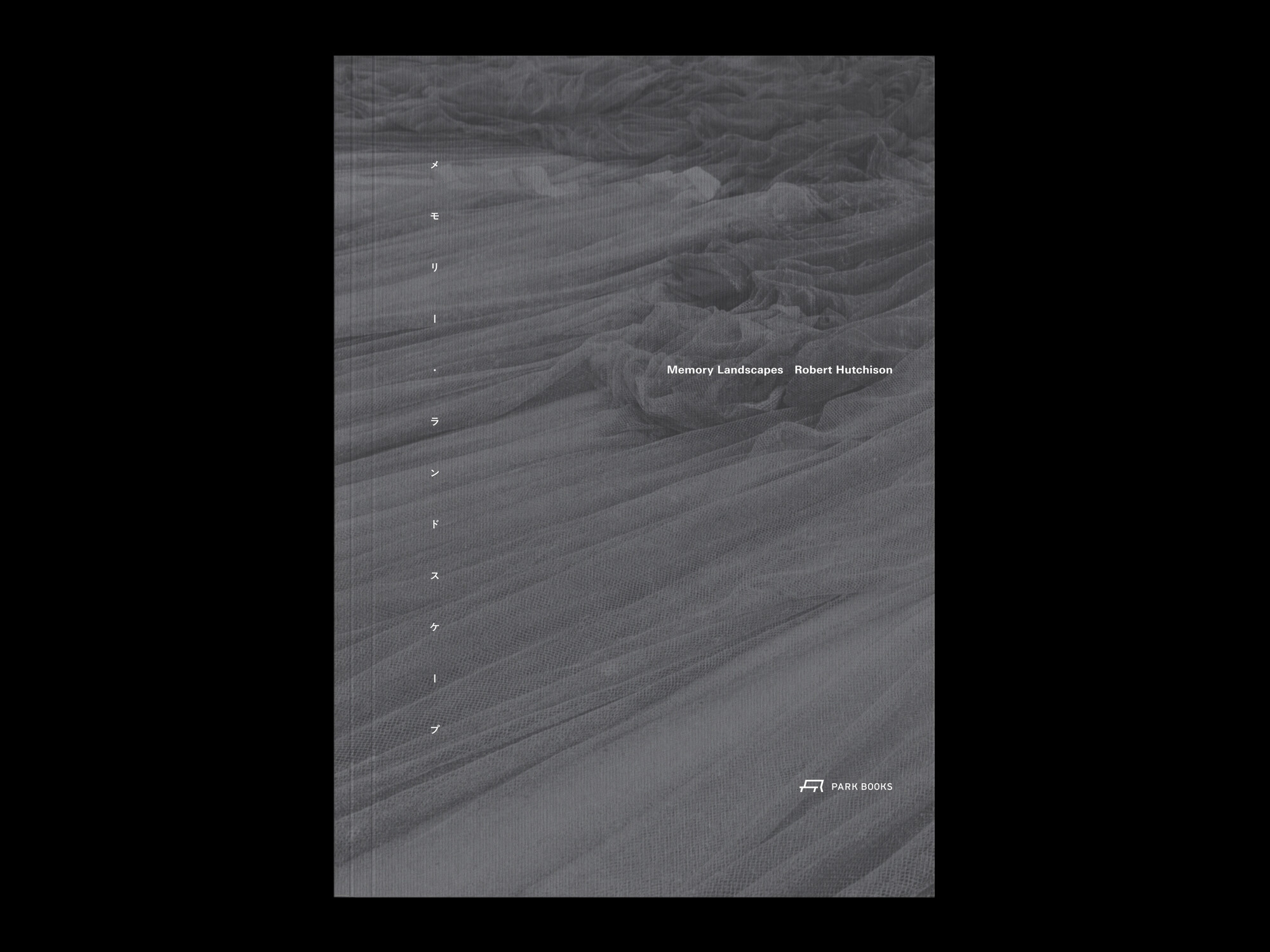
Memory Landscapes presents a body of work developed by Robert Hutchison Architecture across decades, addressing the seawalls built along Japan’s Tohoku coast after the 2011 earthquake and tsunami. These proposals, which include contributions from Hutchison’s firm along with Japanese architects, artists, and community members, consider how collective memory might inform the future of fishing communities these walls protect while at the same time separating them from the sea.
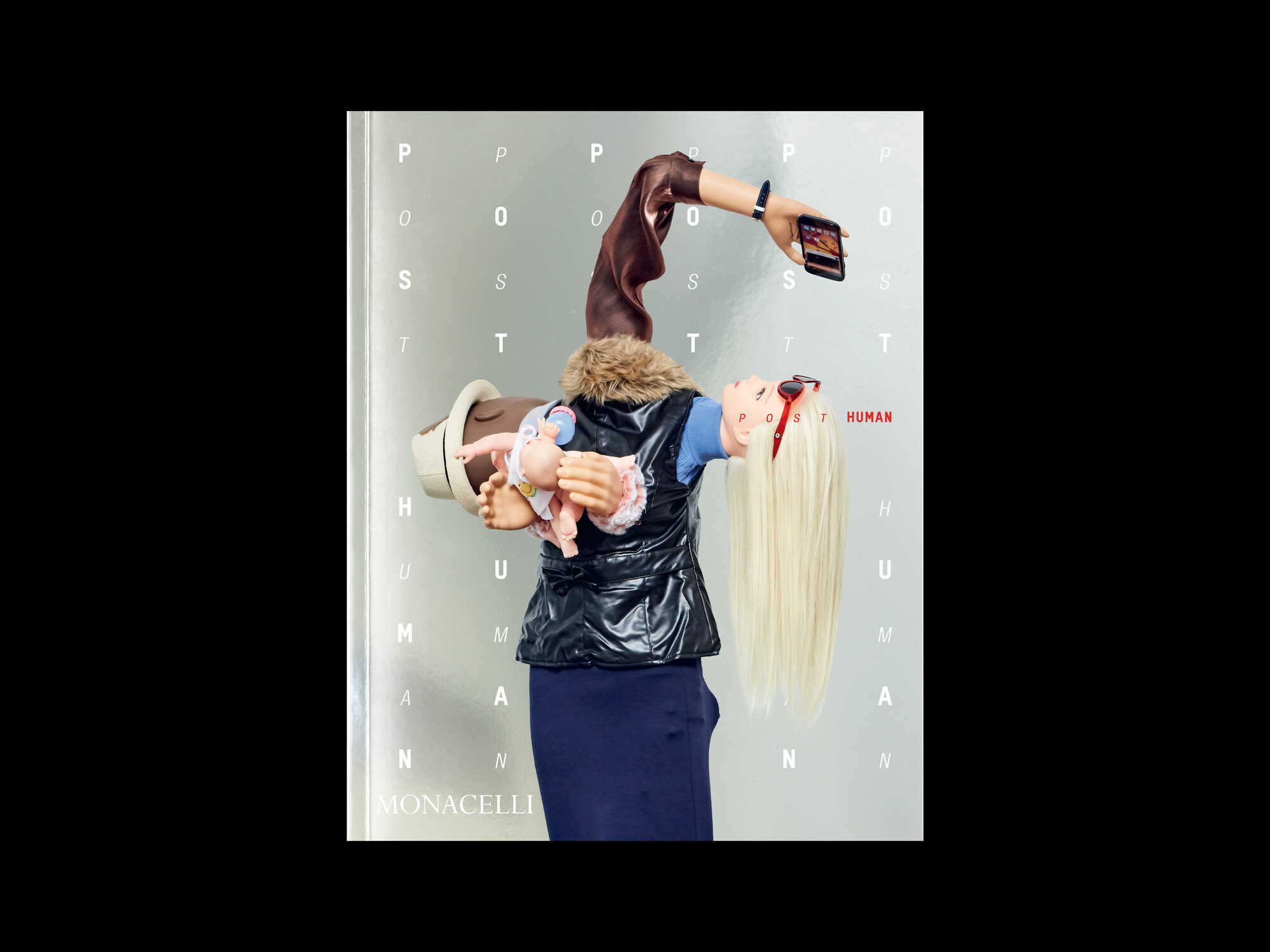
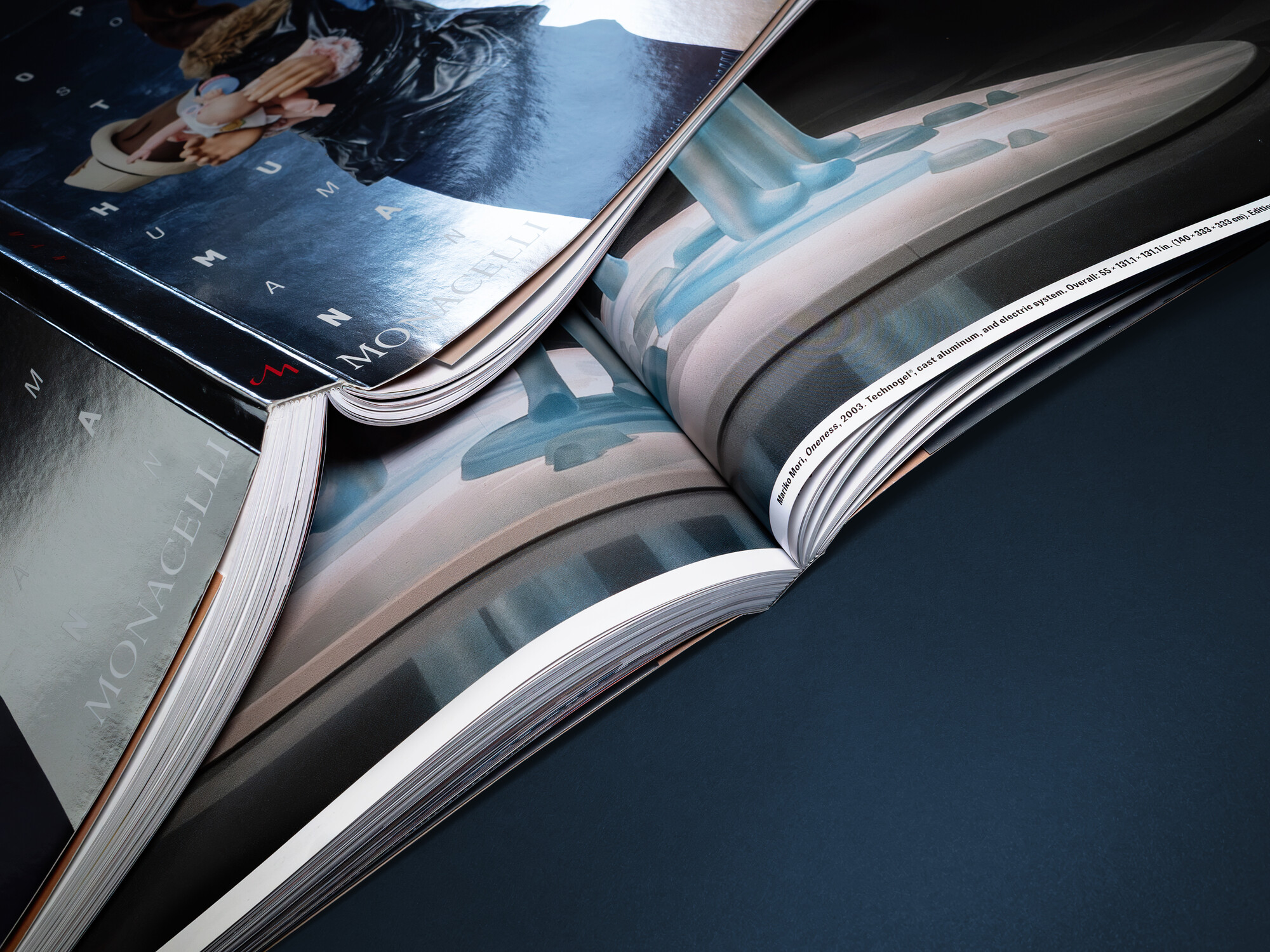
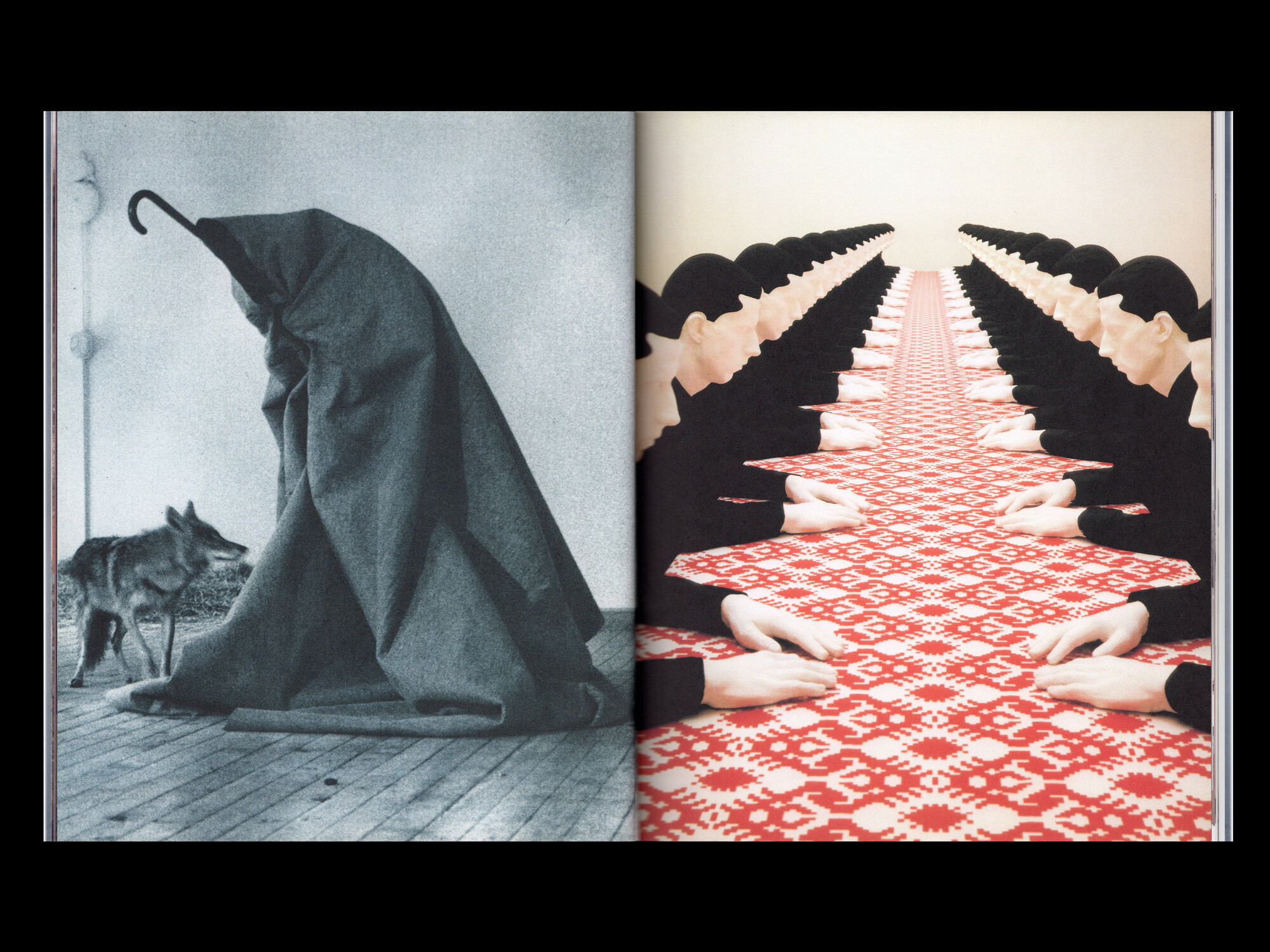
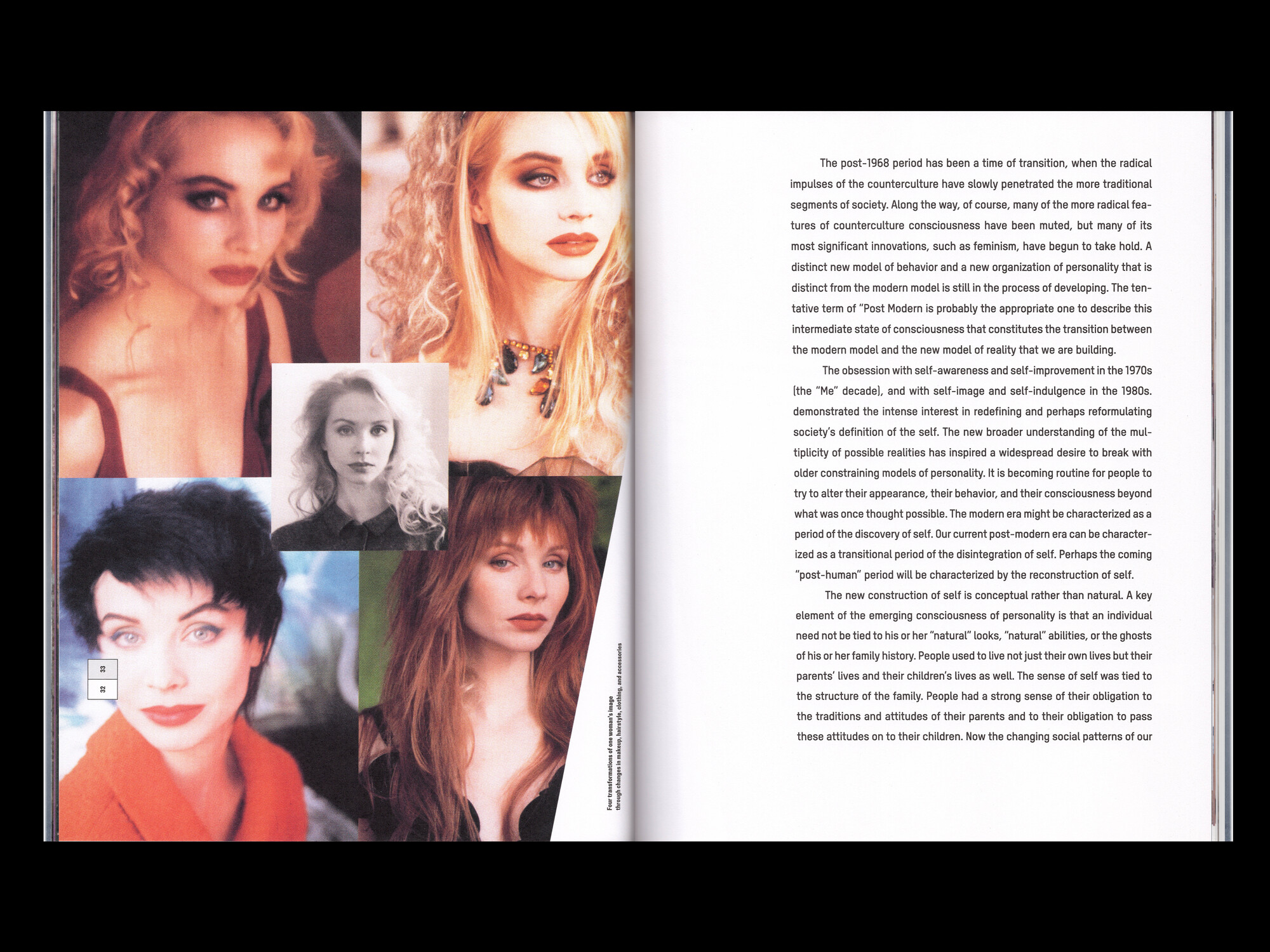
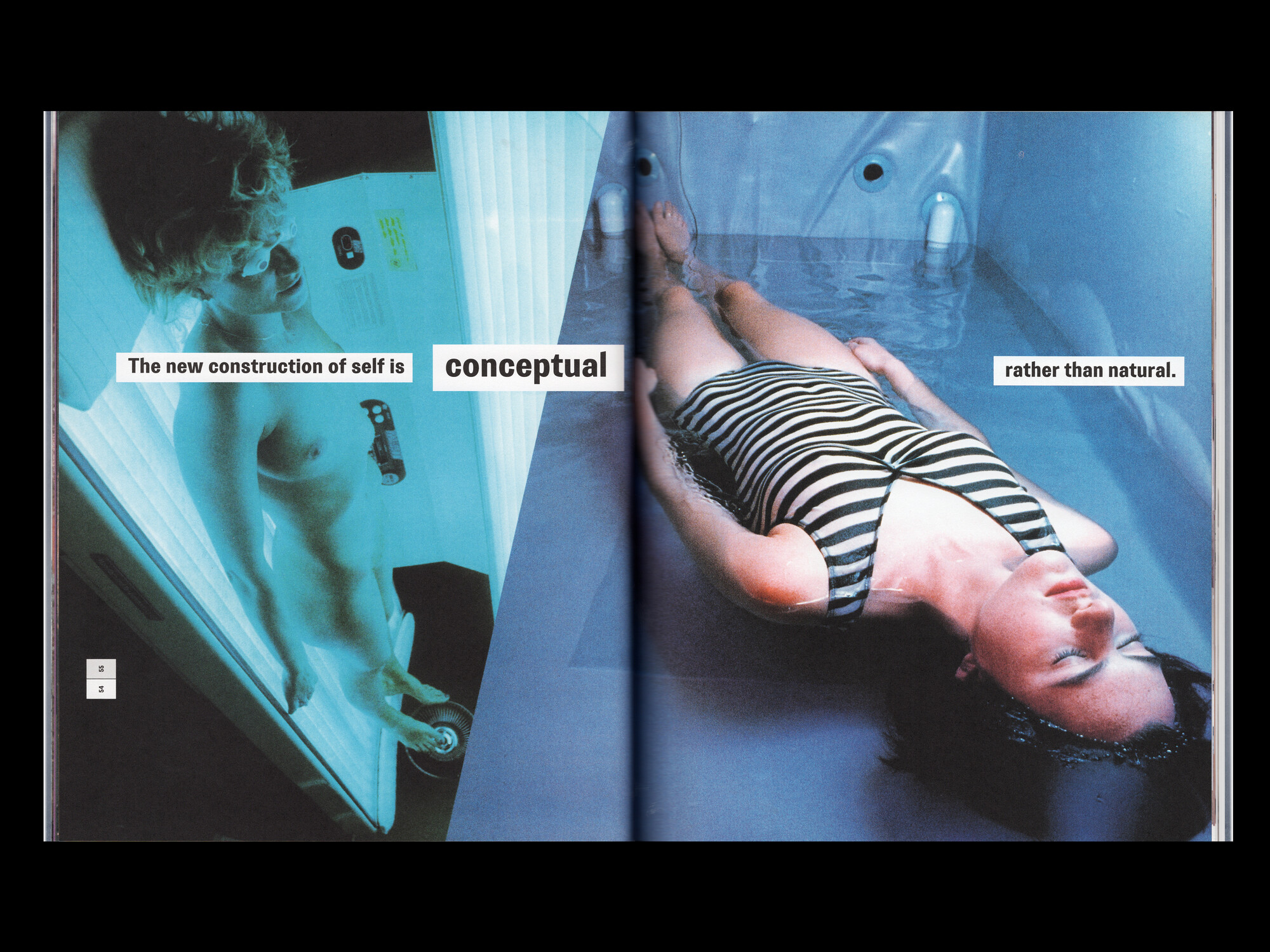
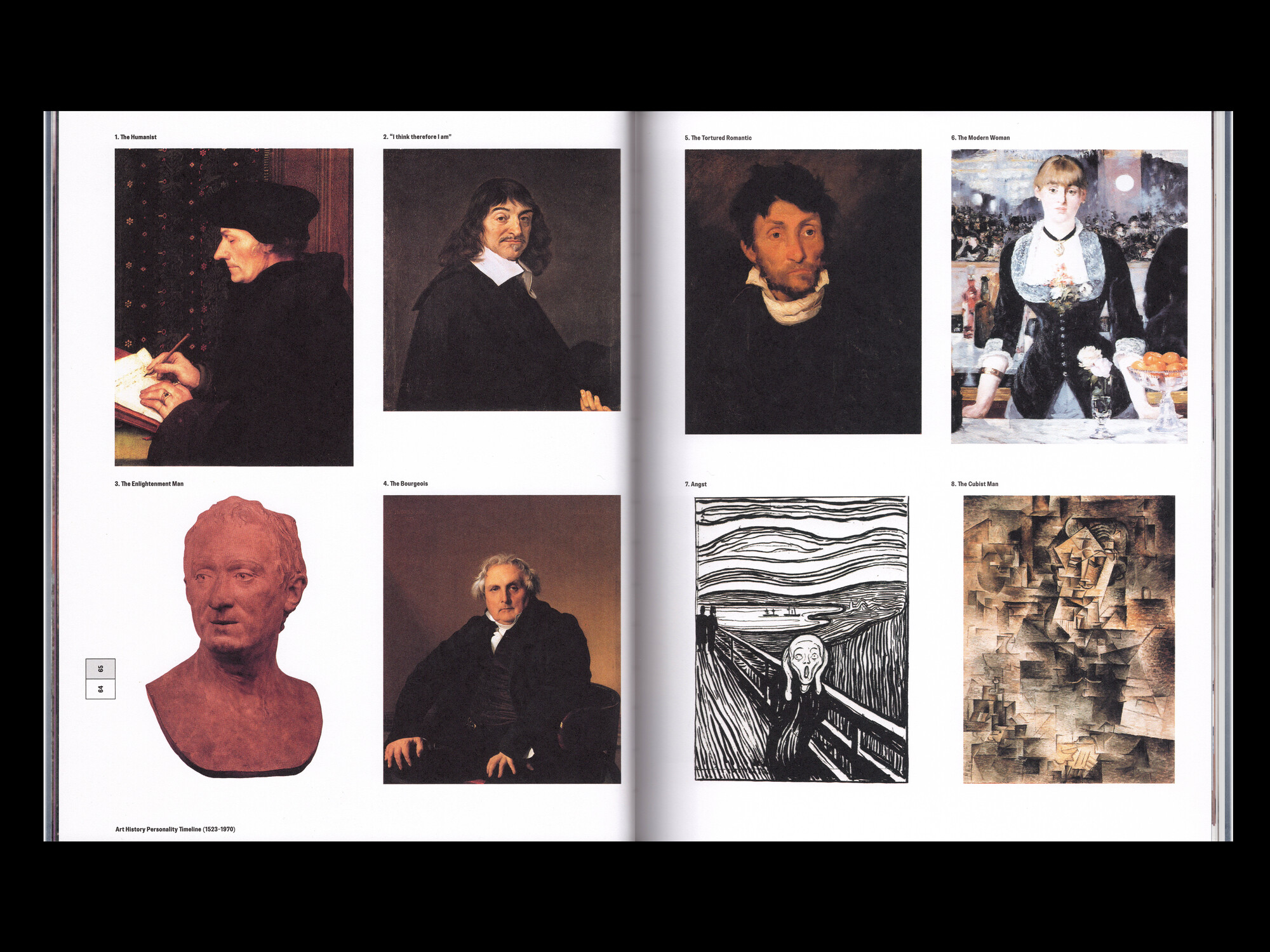
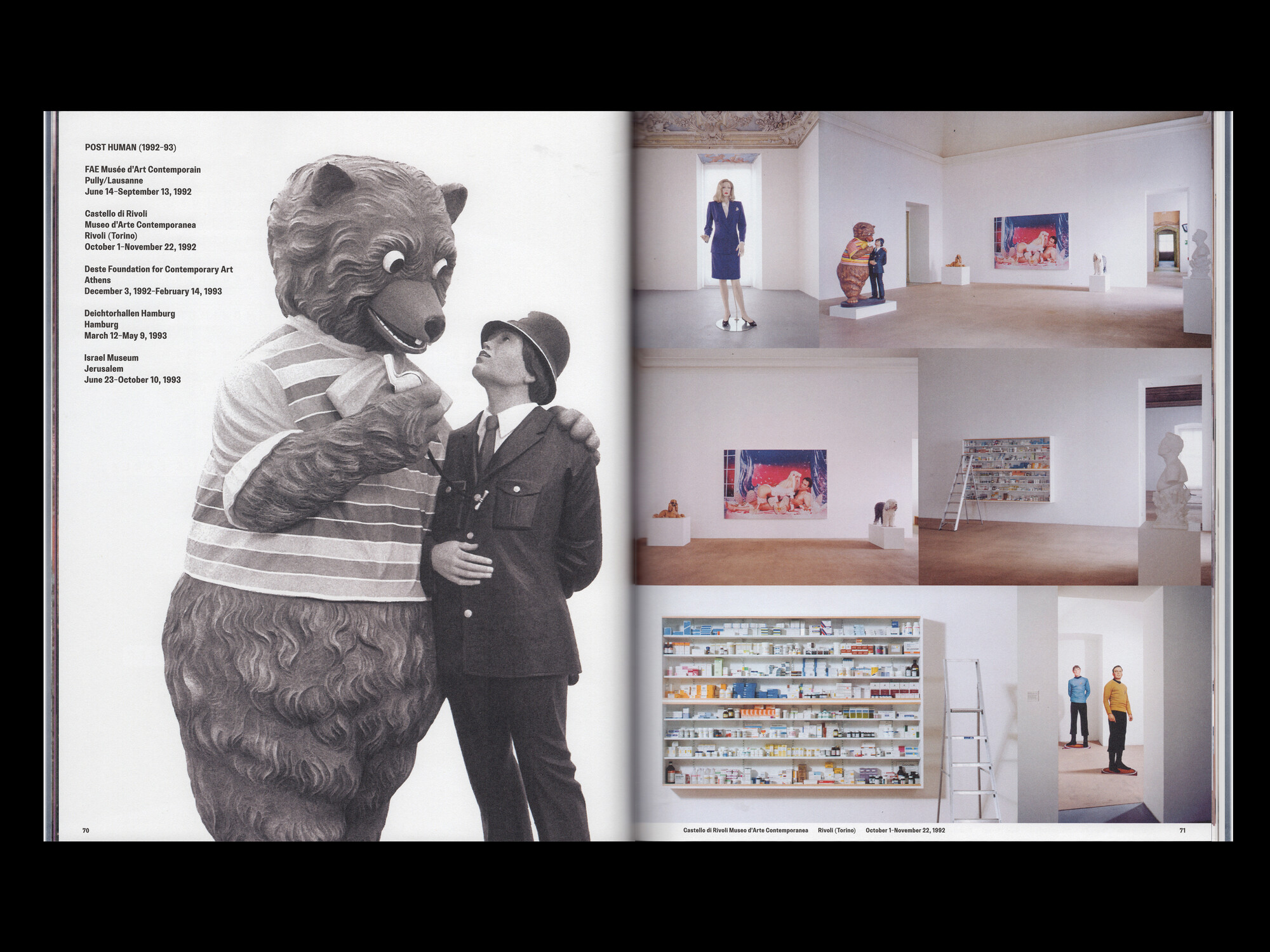
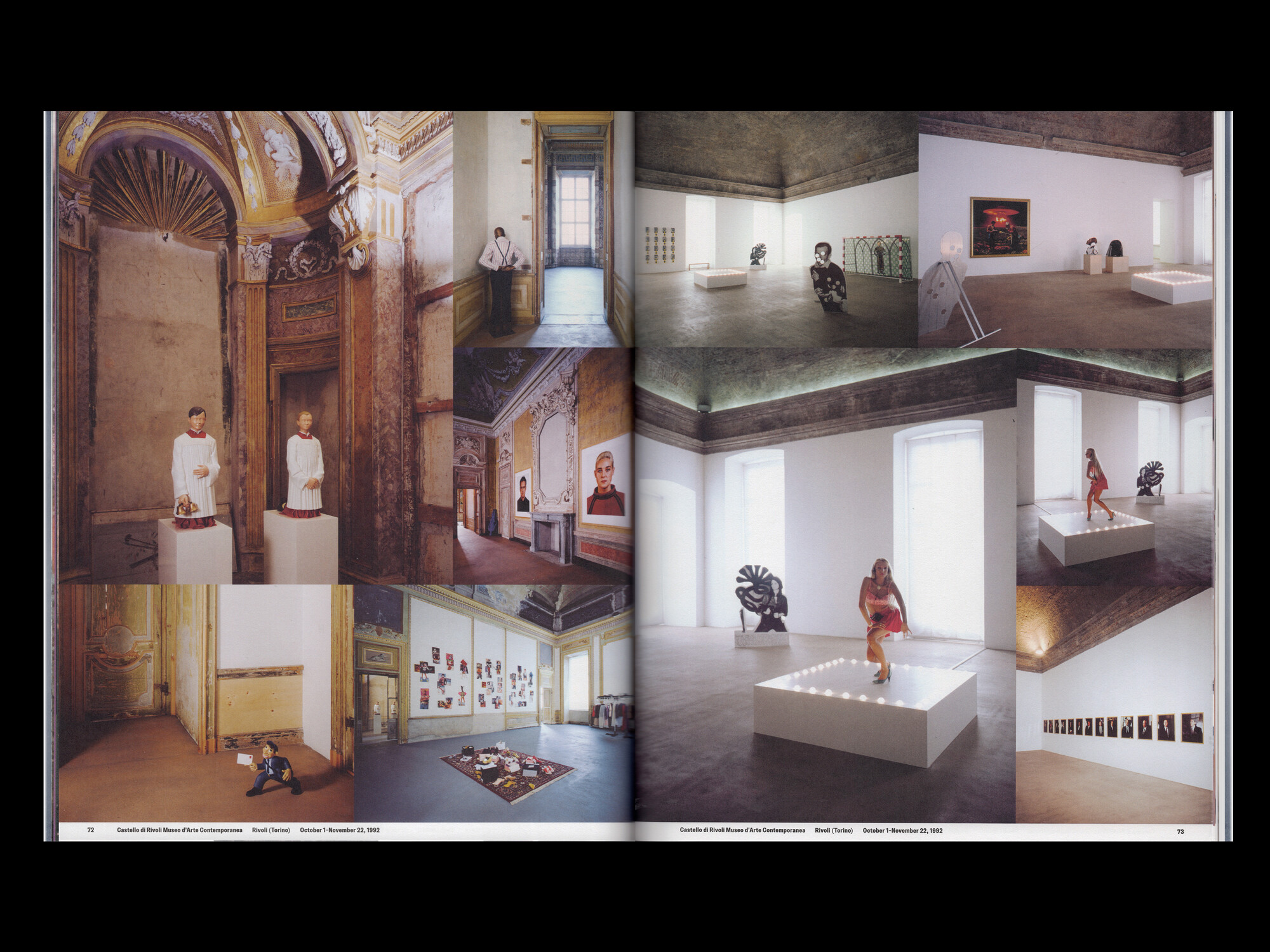
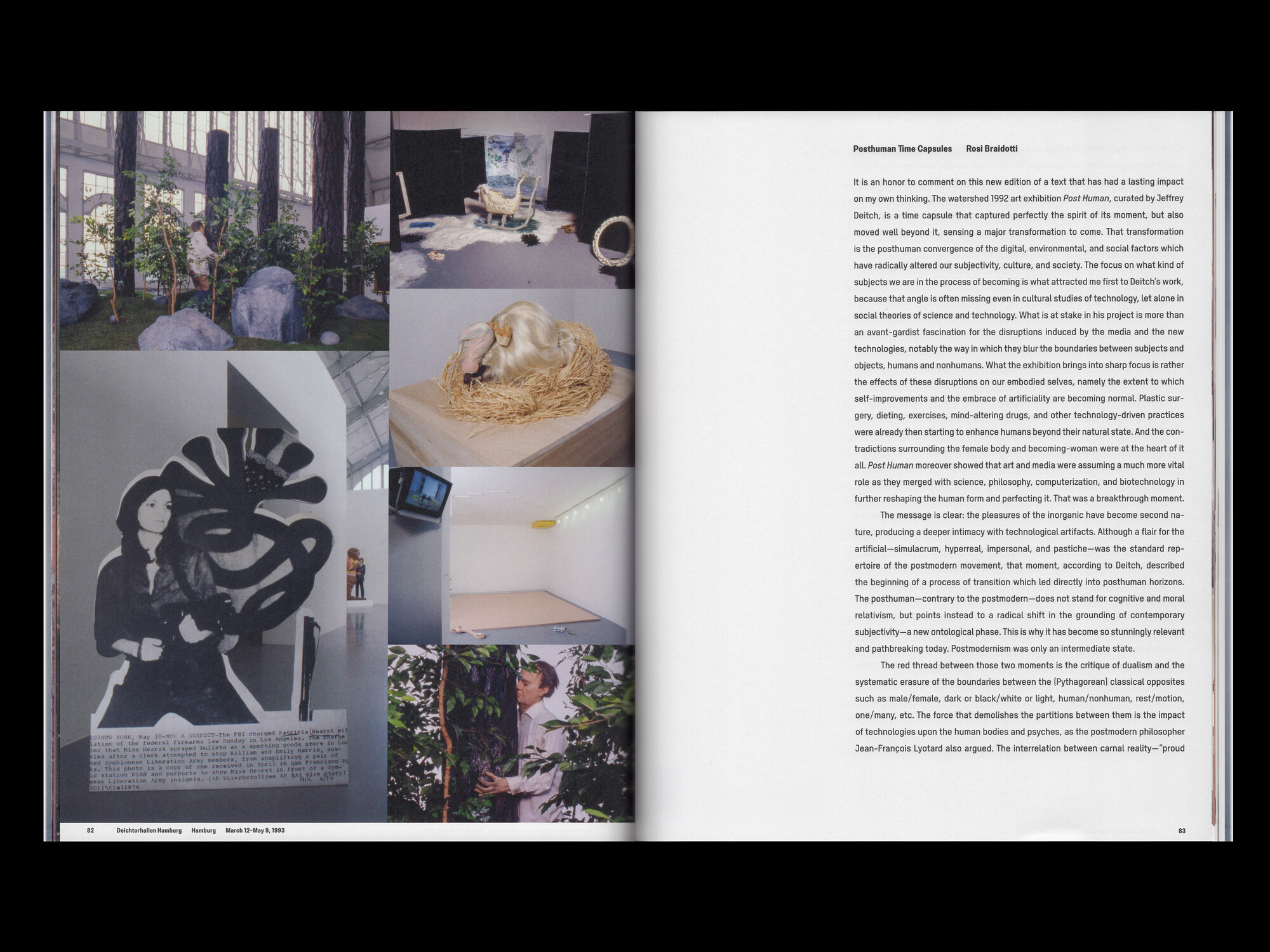
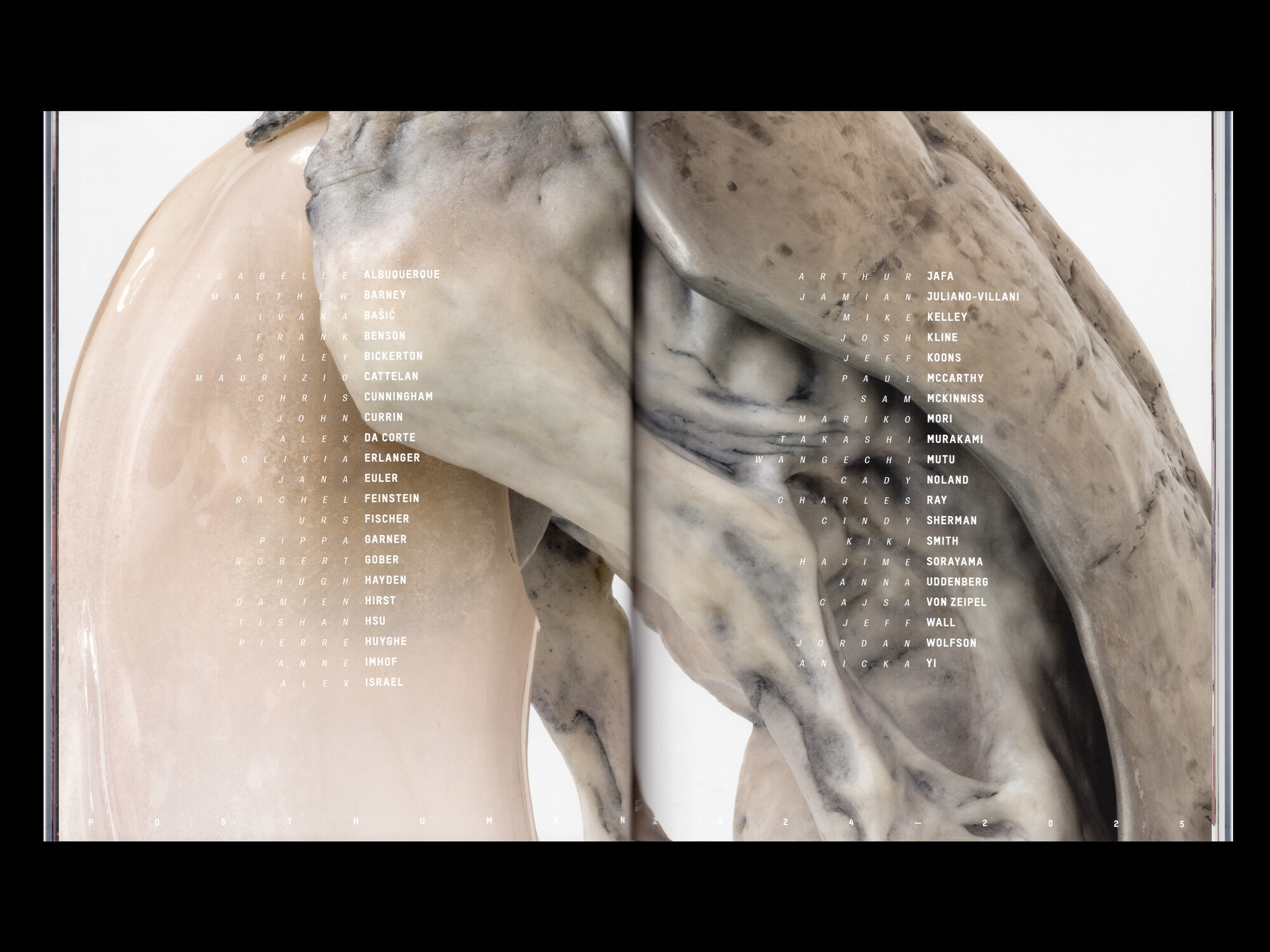
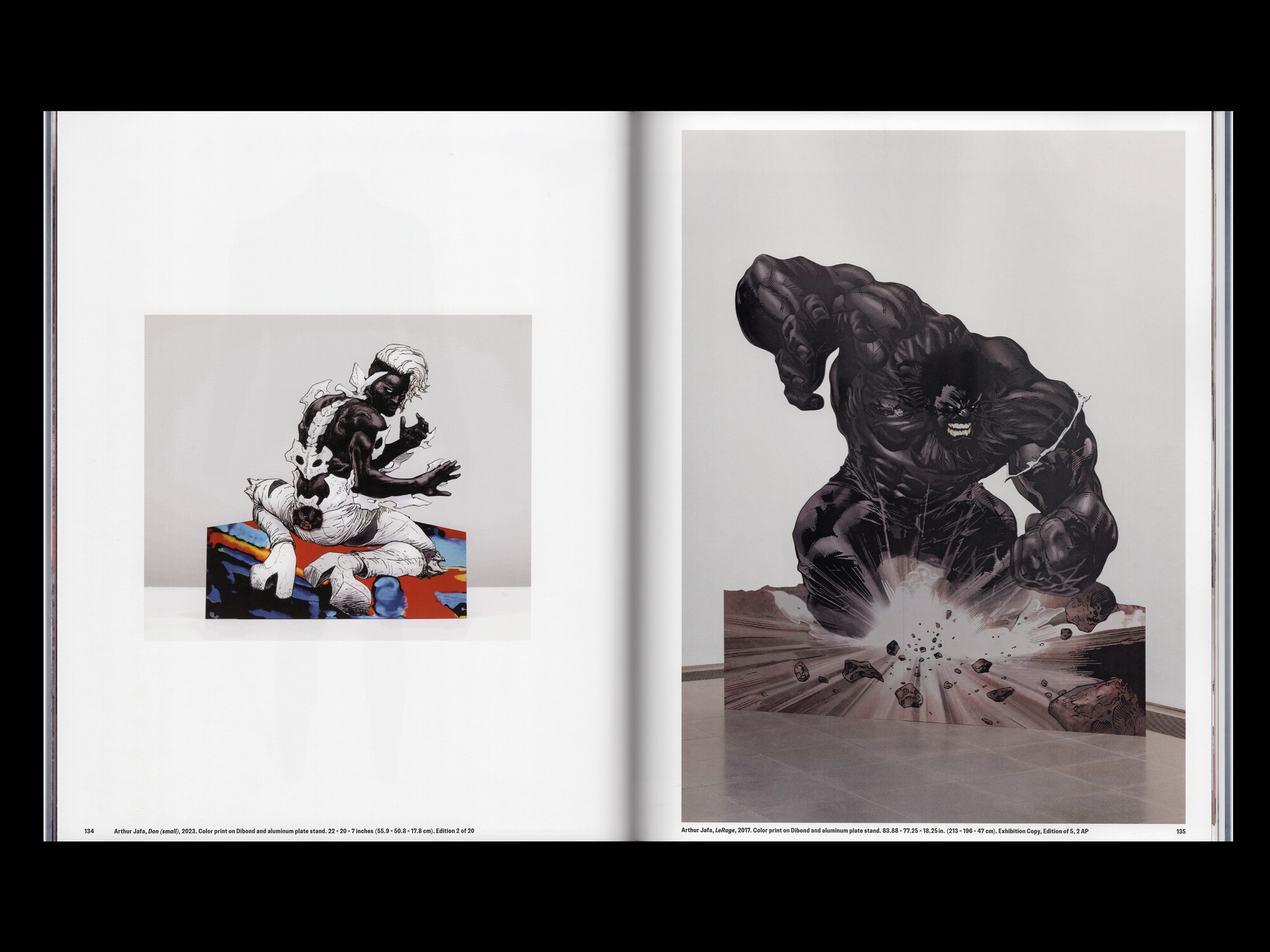
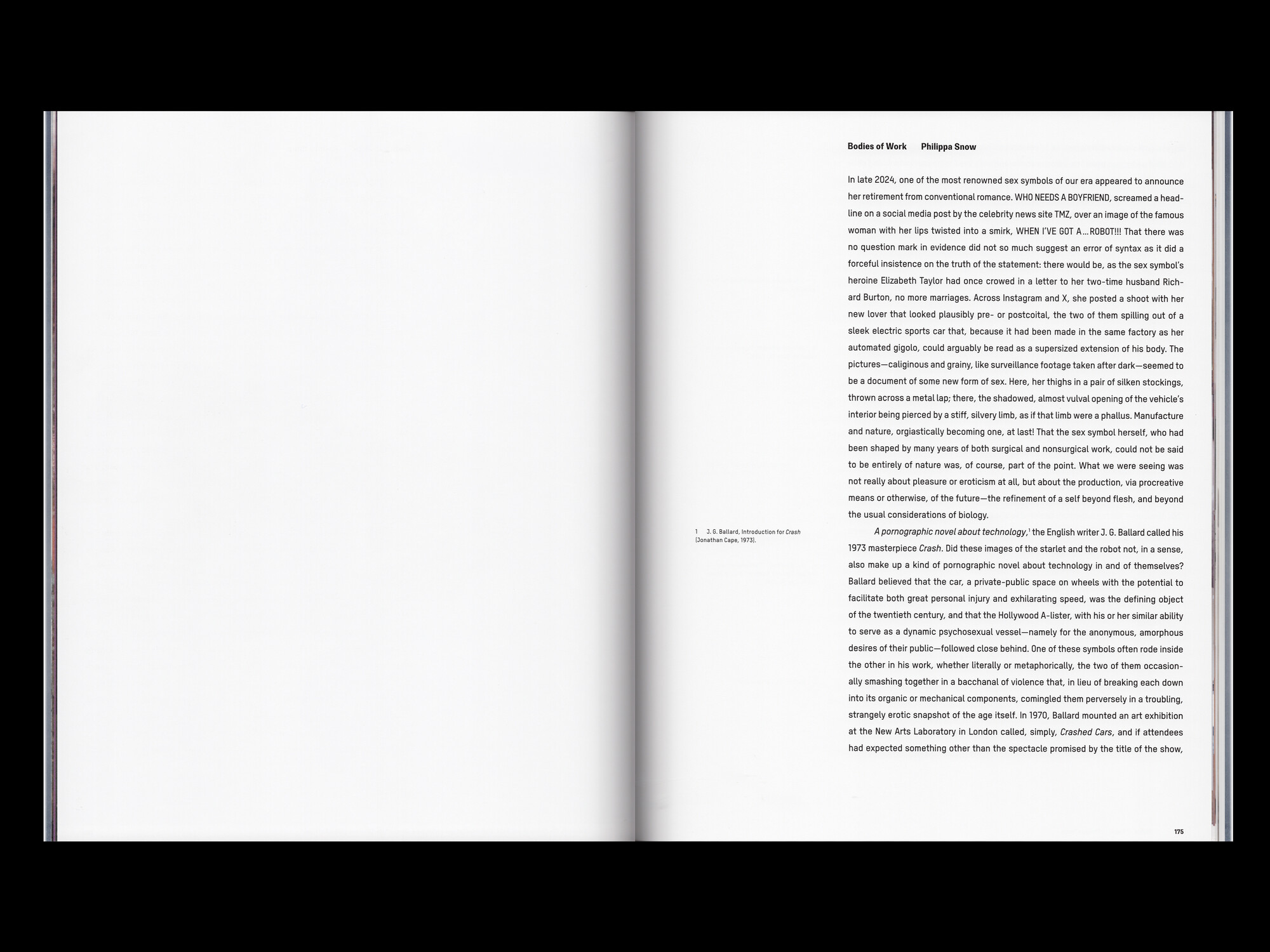
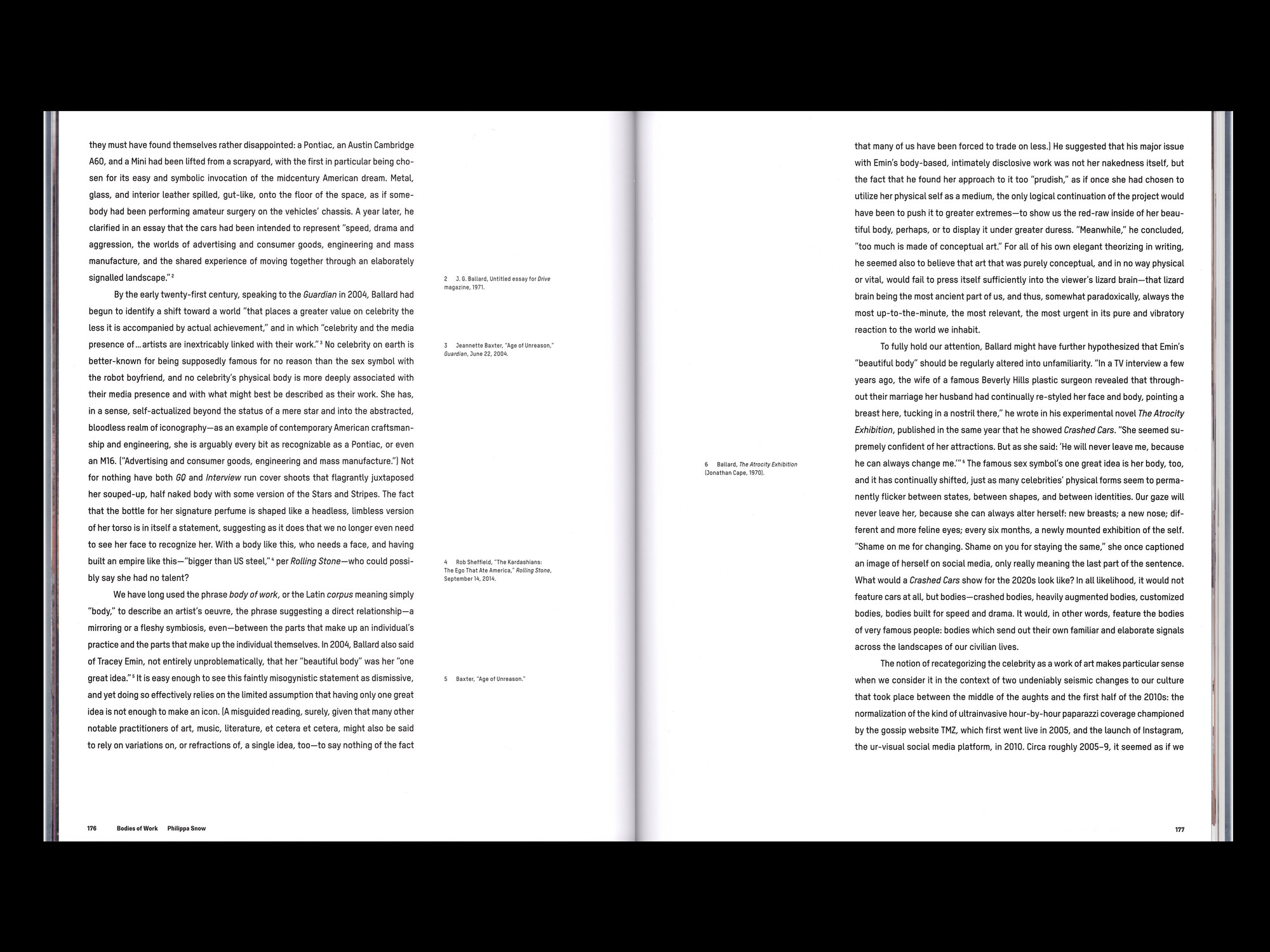
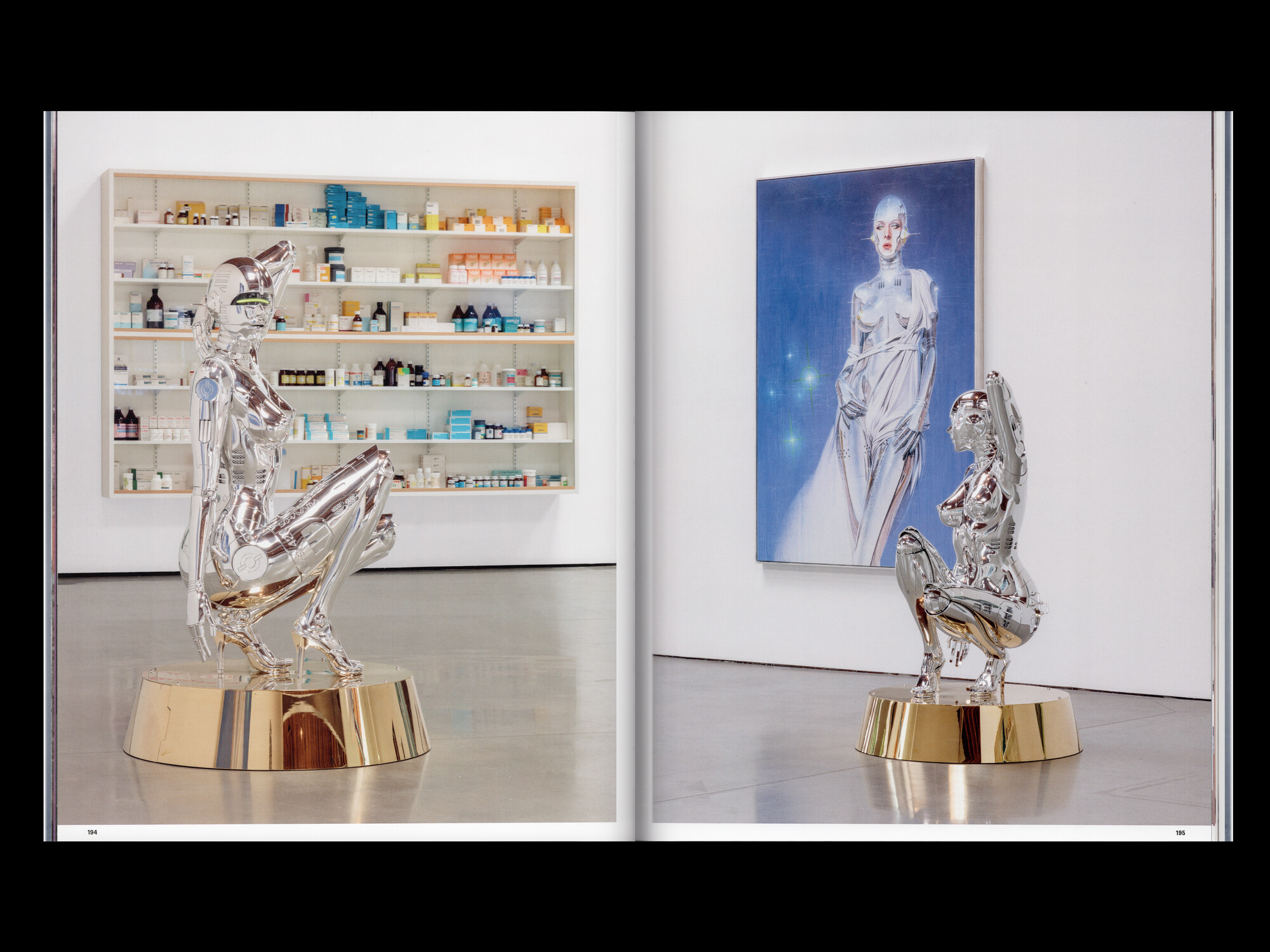
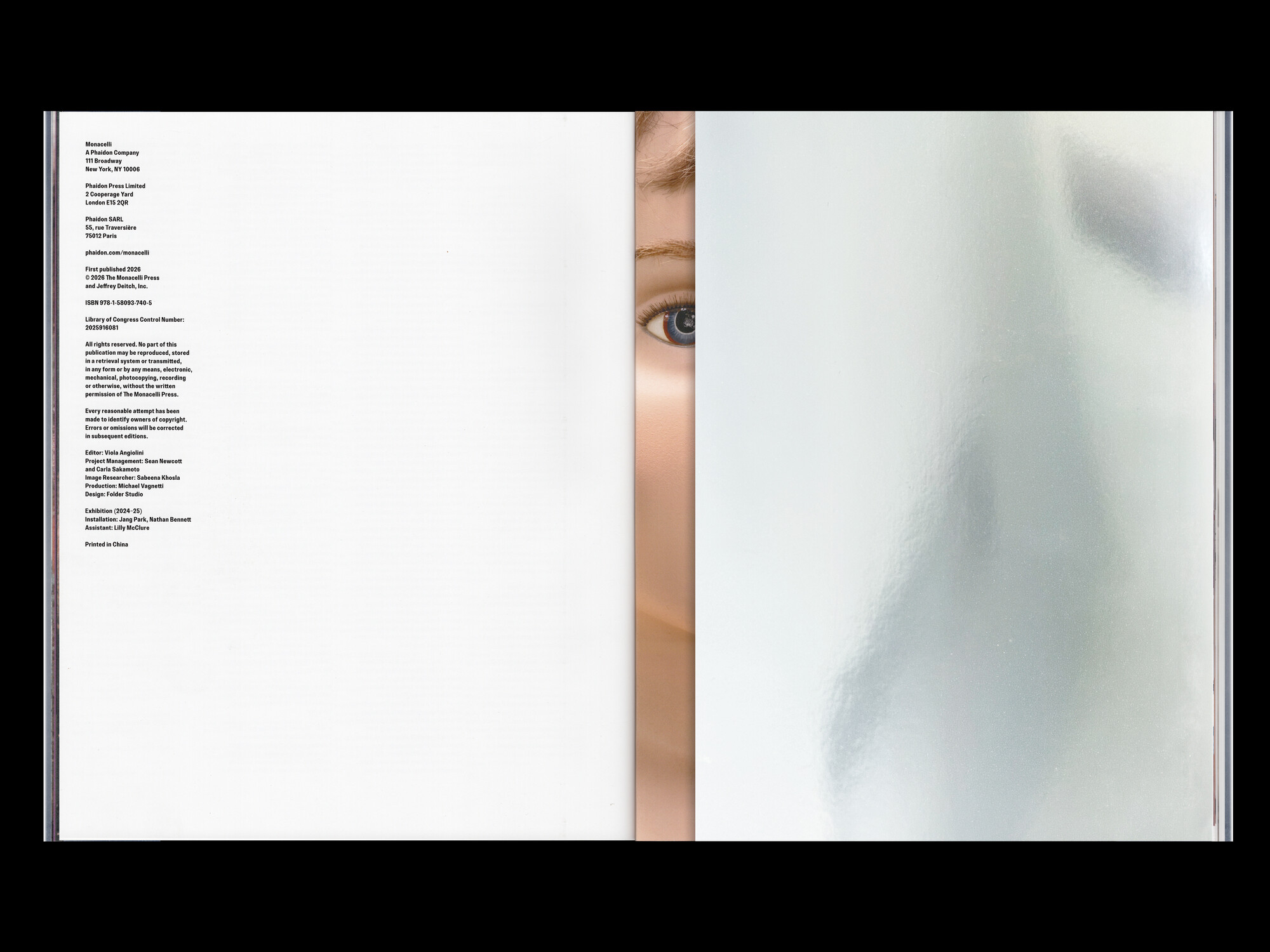
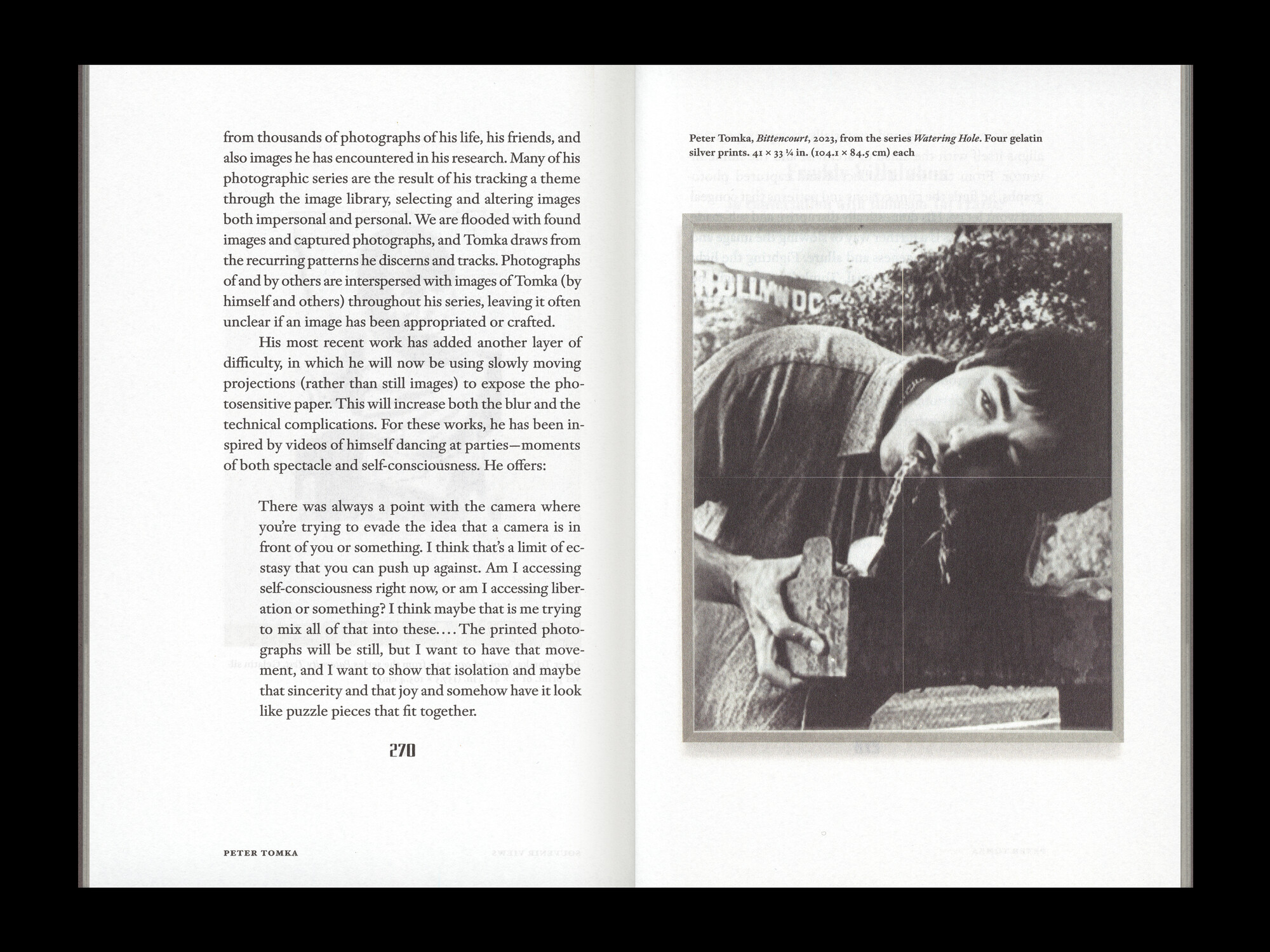
Post Human documents the 2024 revival of Jeffrey Deitch’s foundational 1992 exhibition. The original exhibition featured thirty-six artists working at the intersection of the body and technology and helped set the agenda for 1990s art discourse. The 2024 exhibition brings original participants into dial ogue with a new generation, expanding the discussion to contemporary concepts of technology and the body.
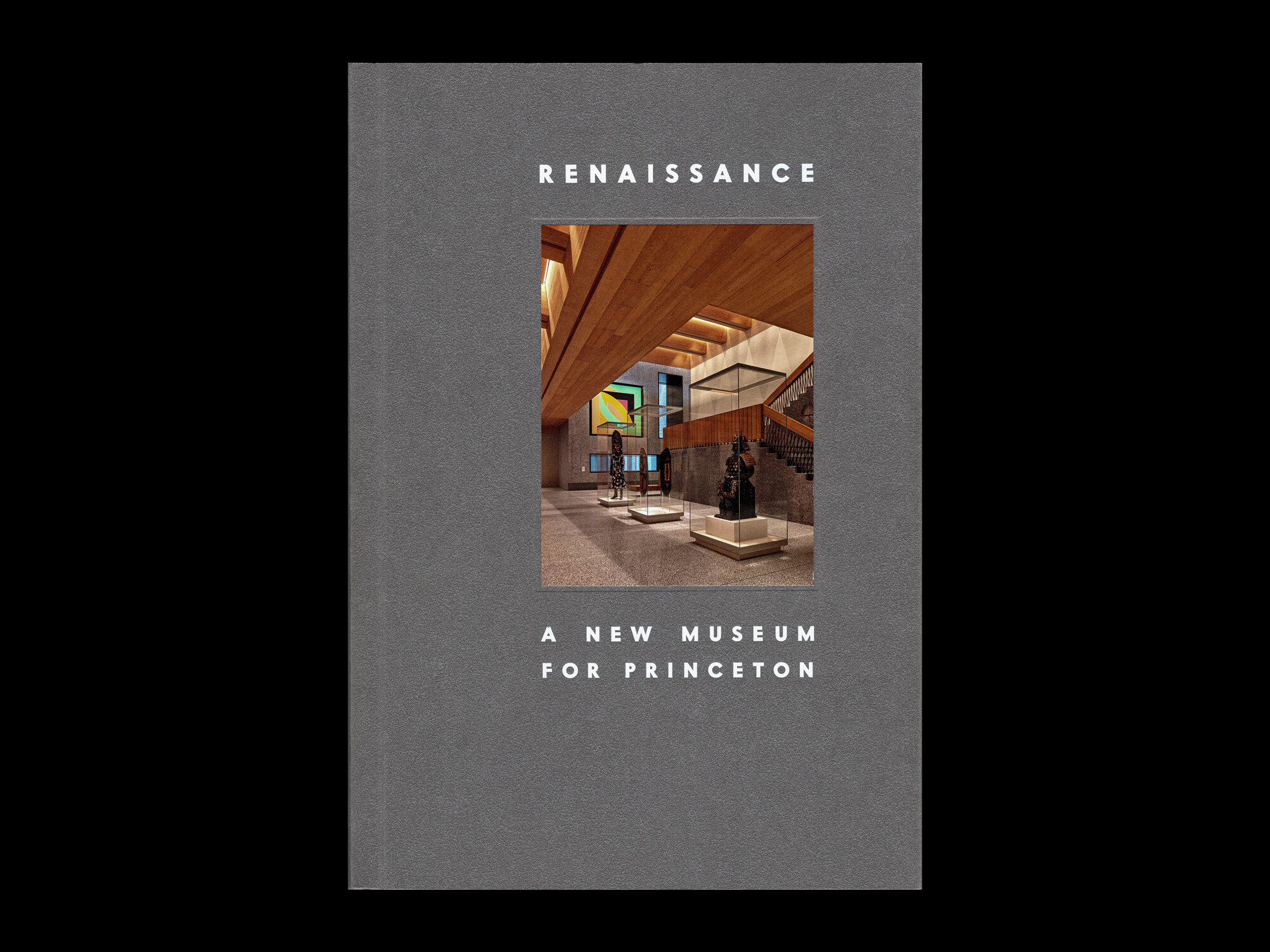
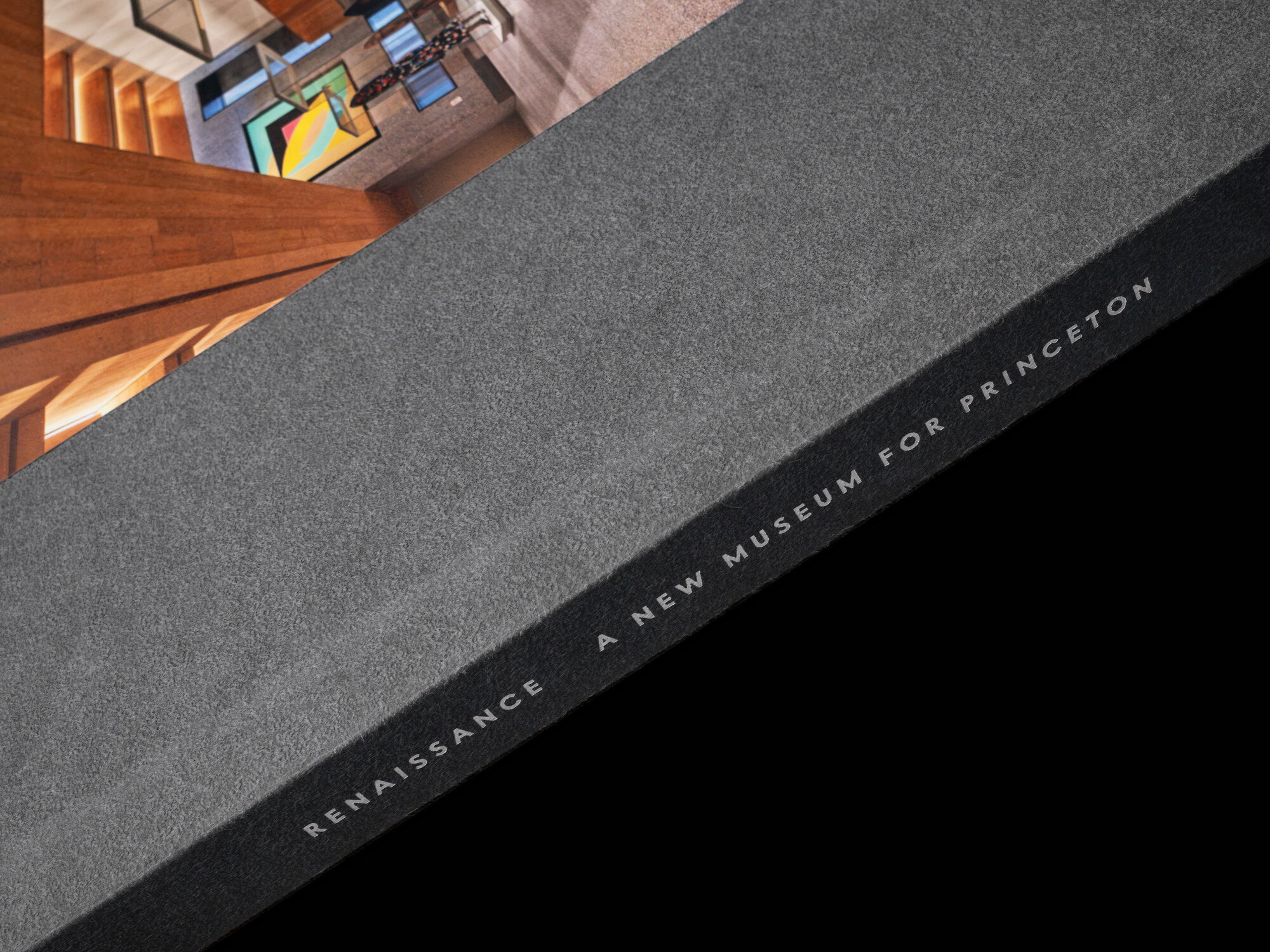
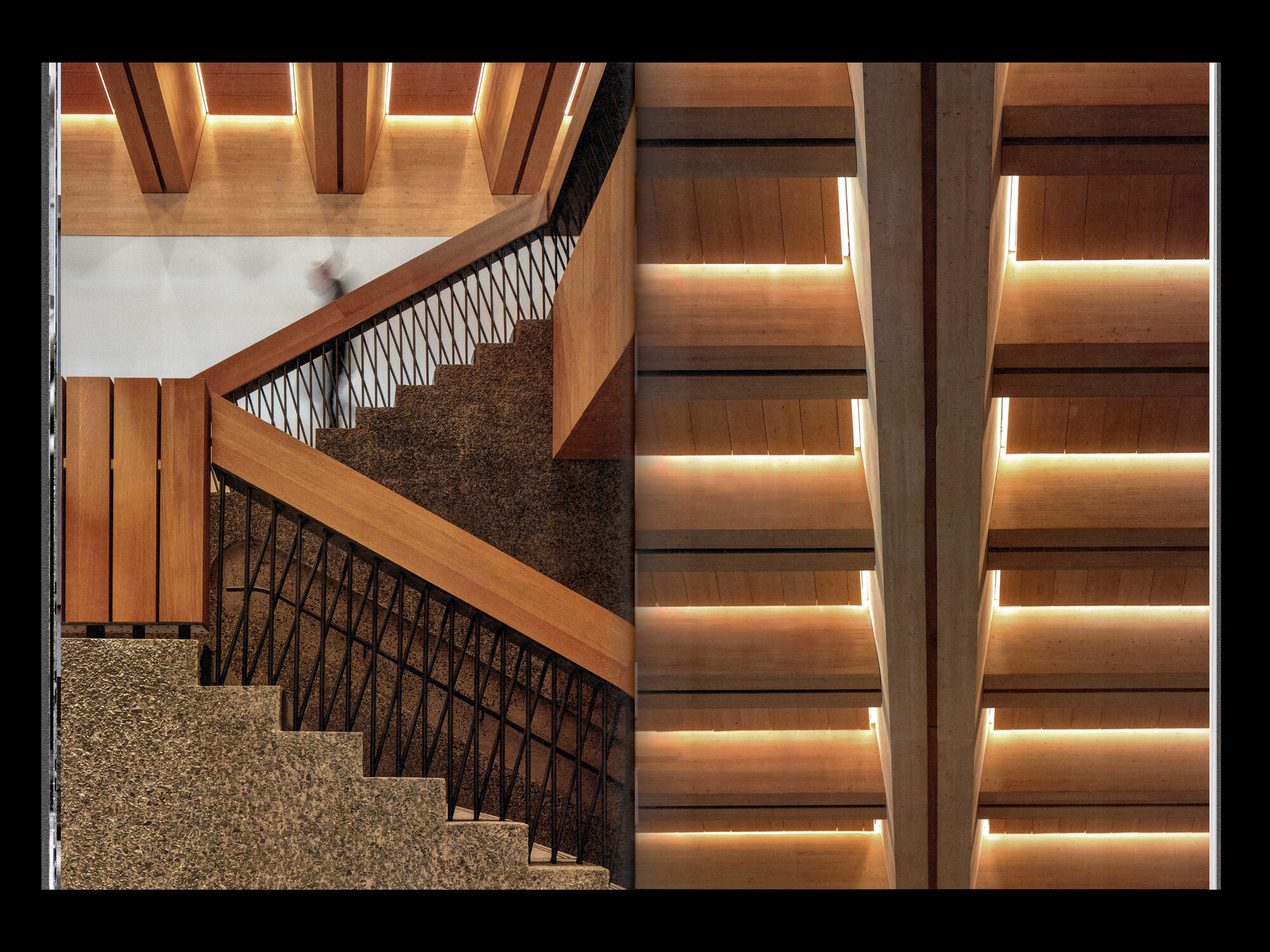
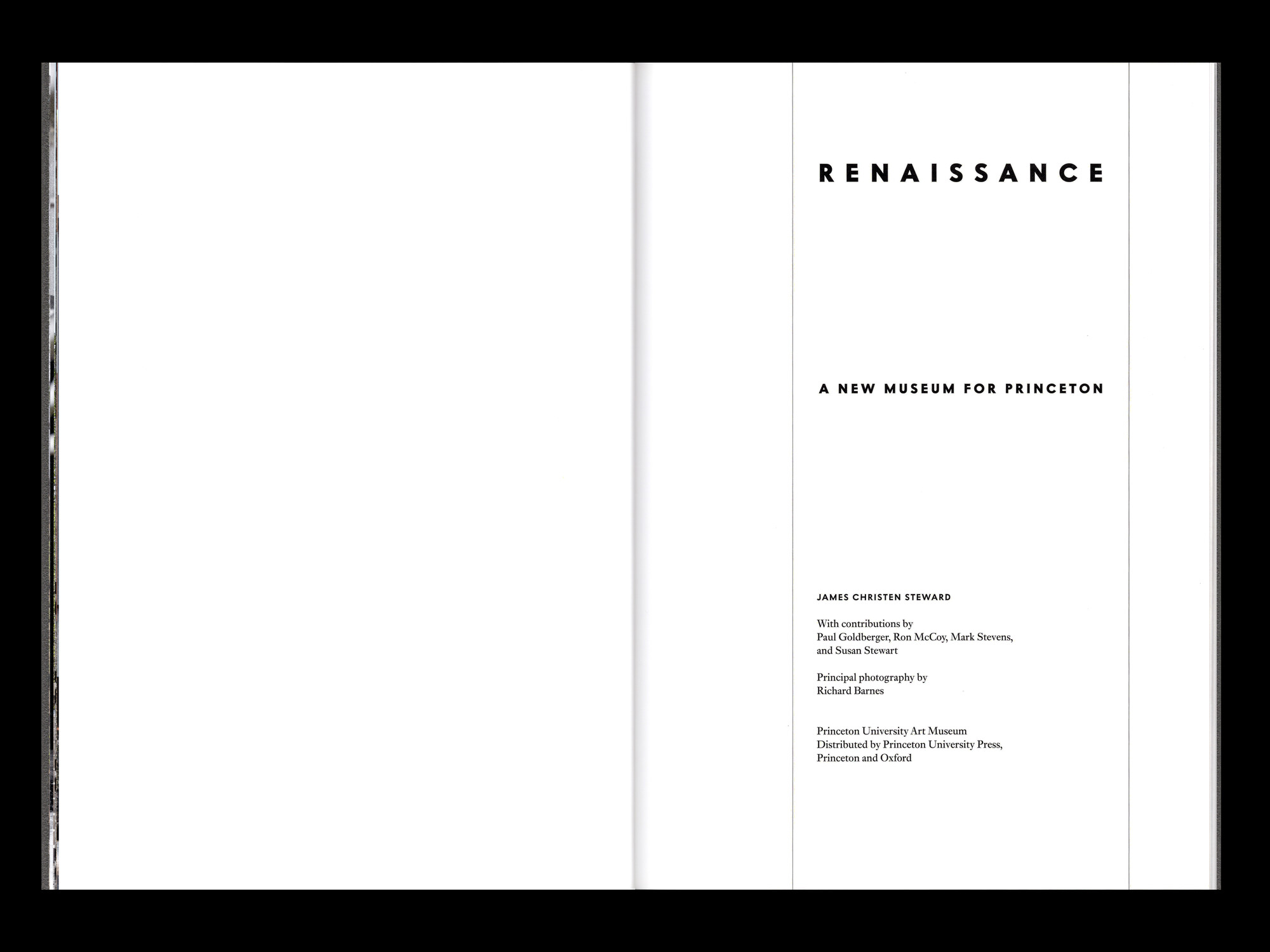
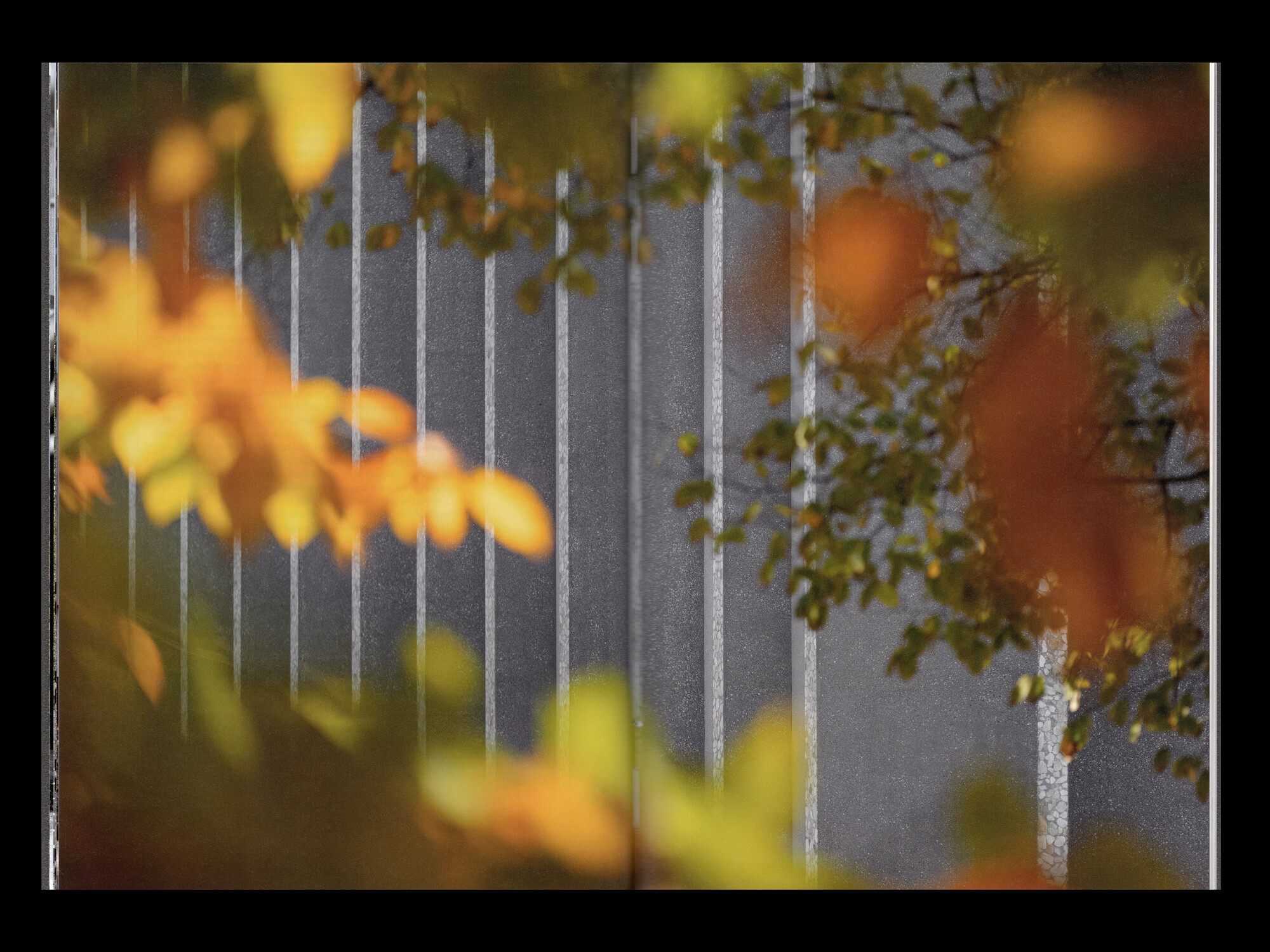
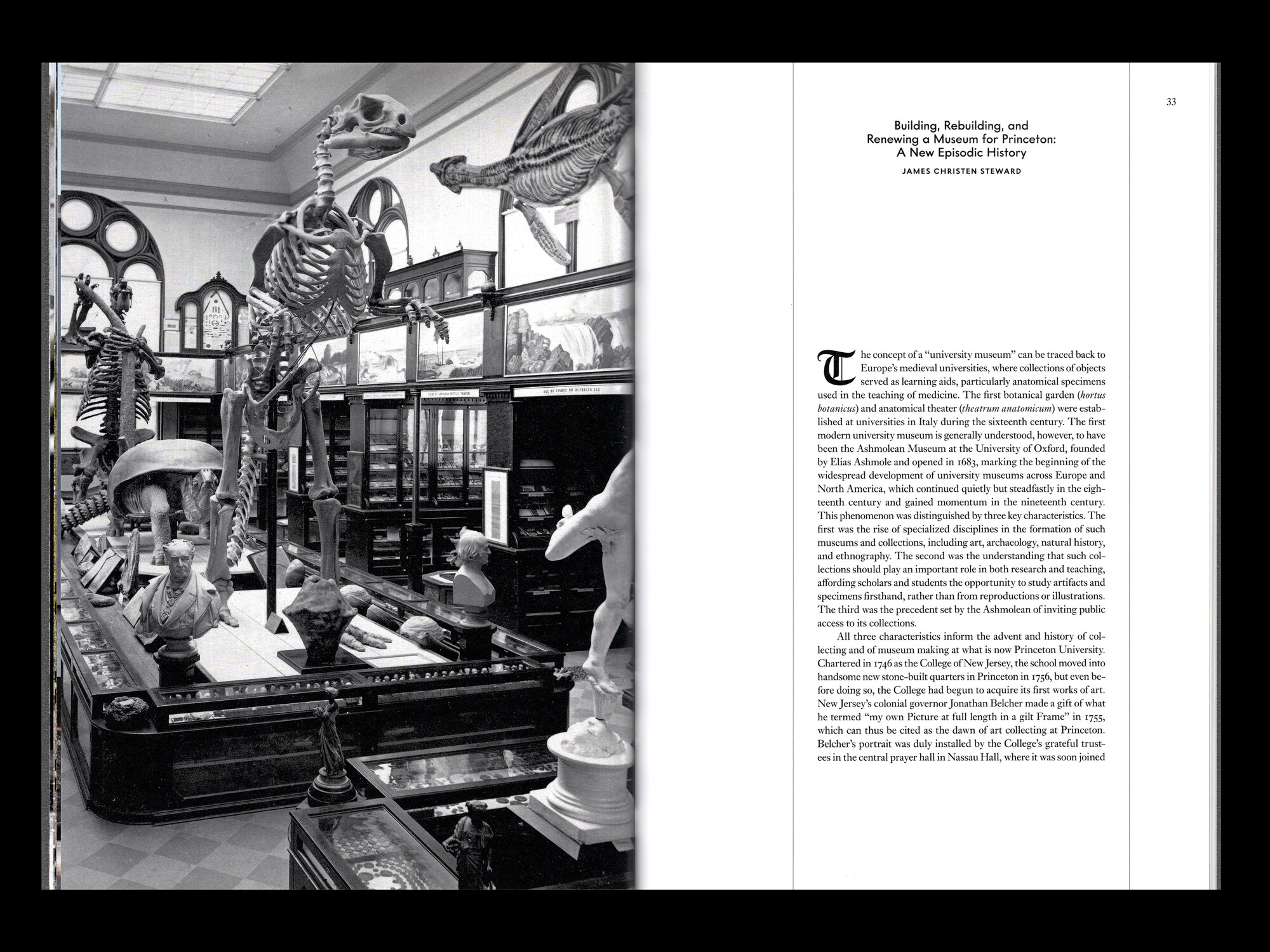
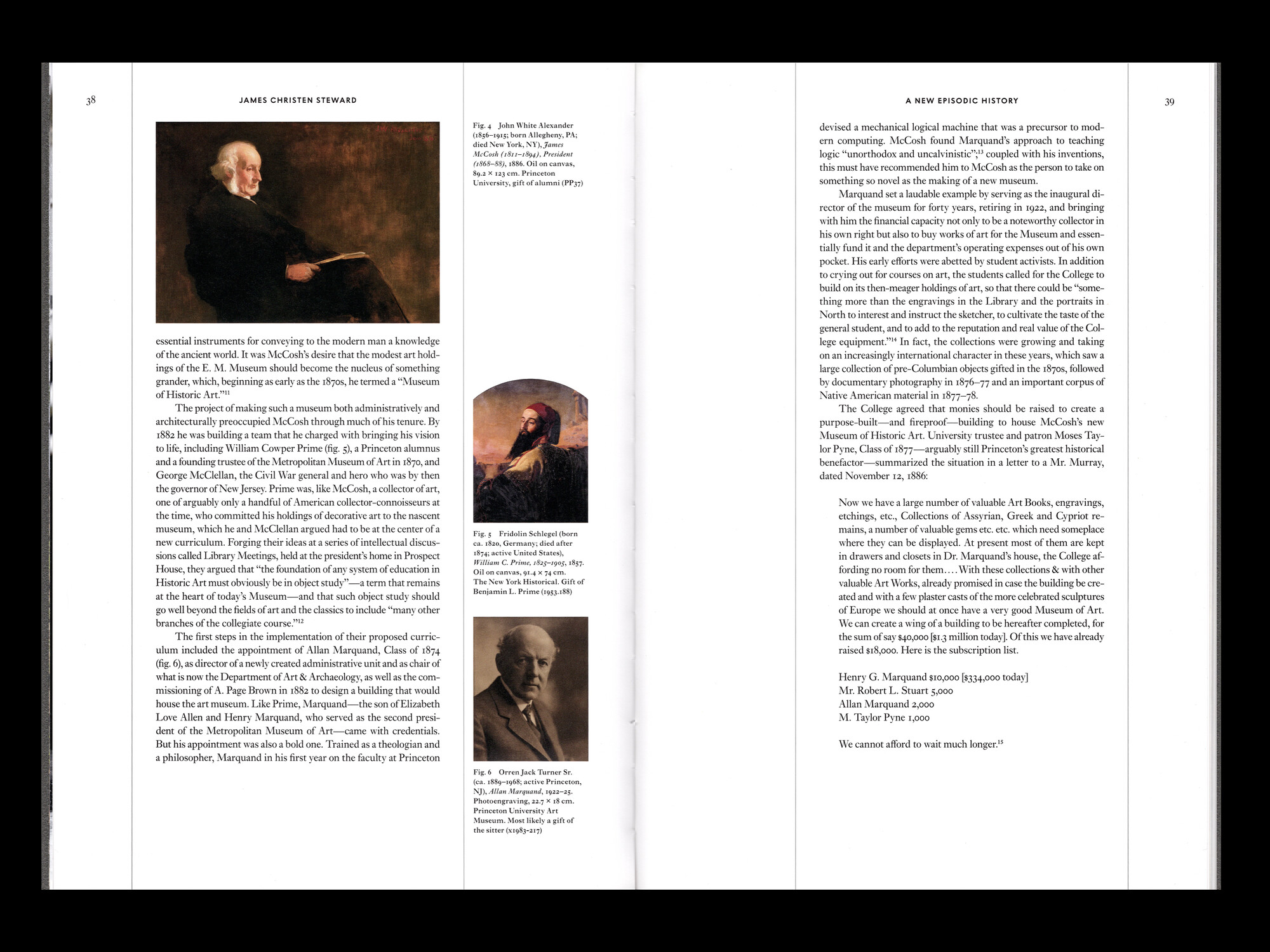
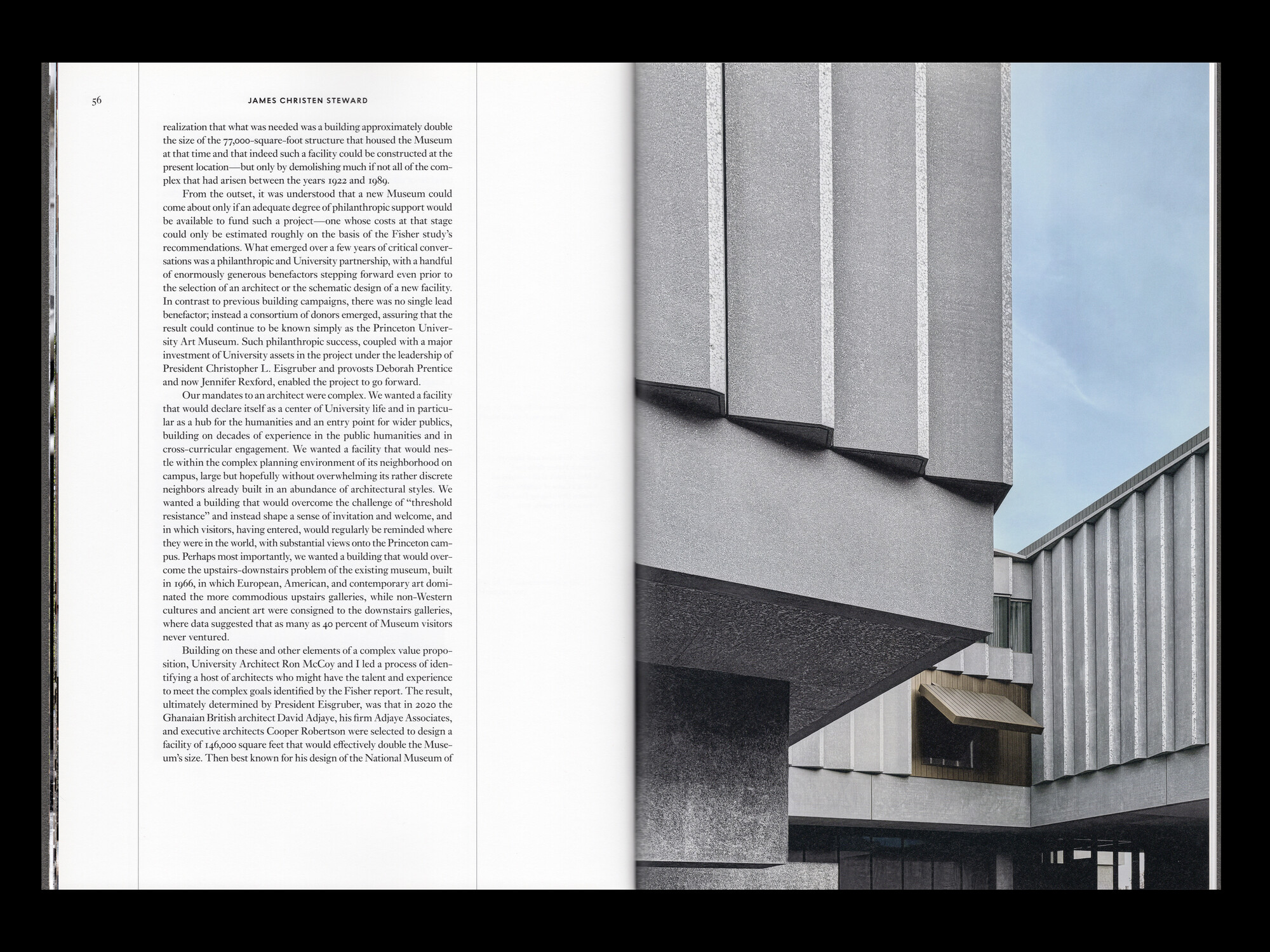
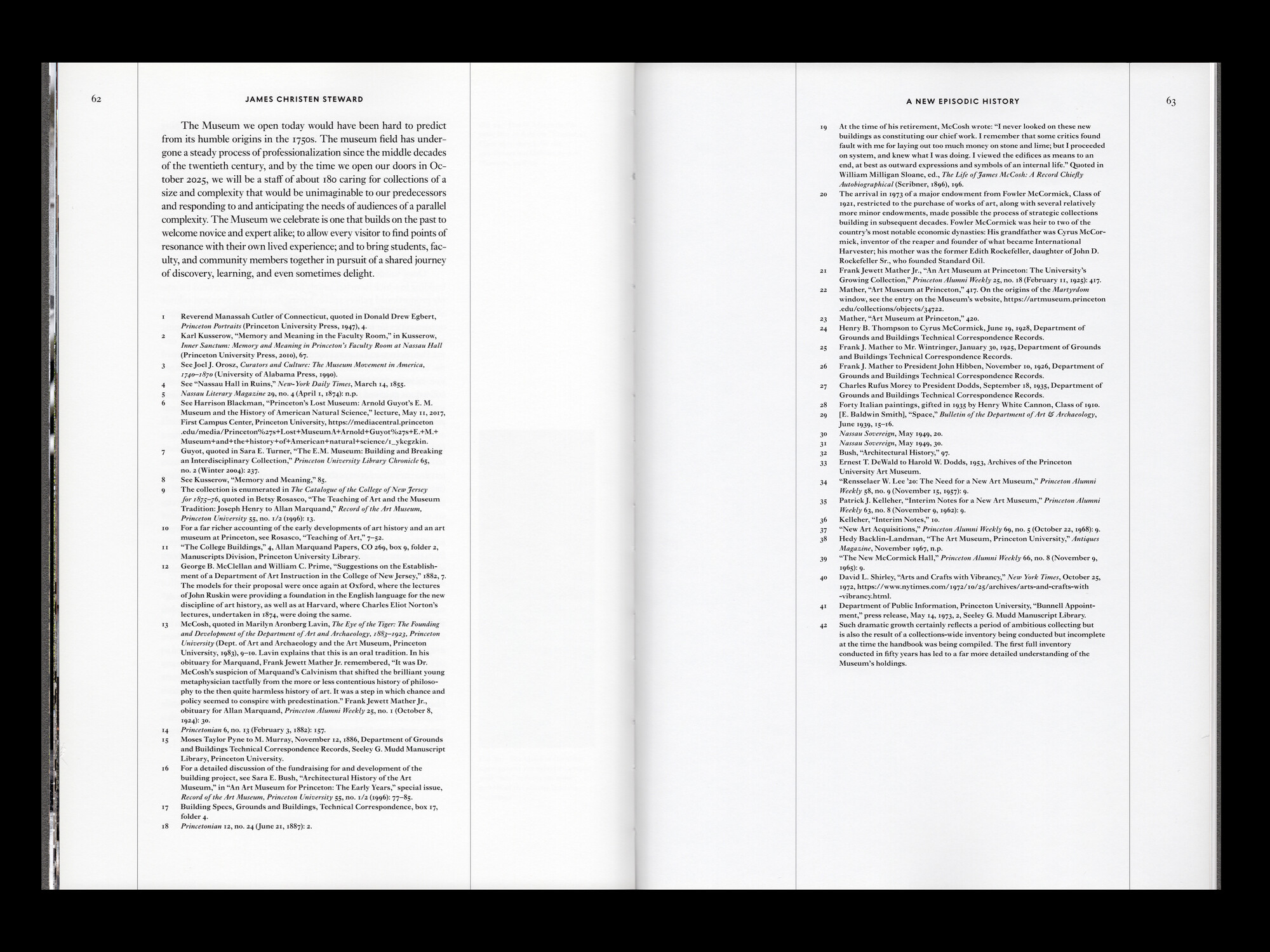
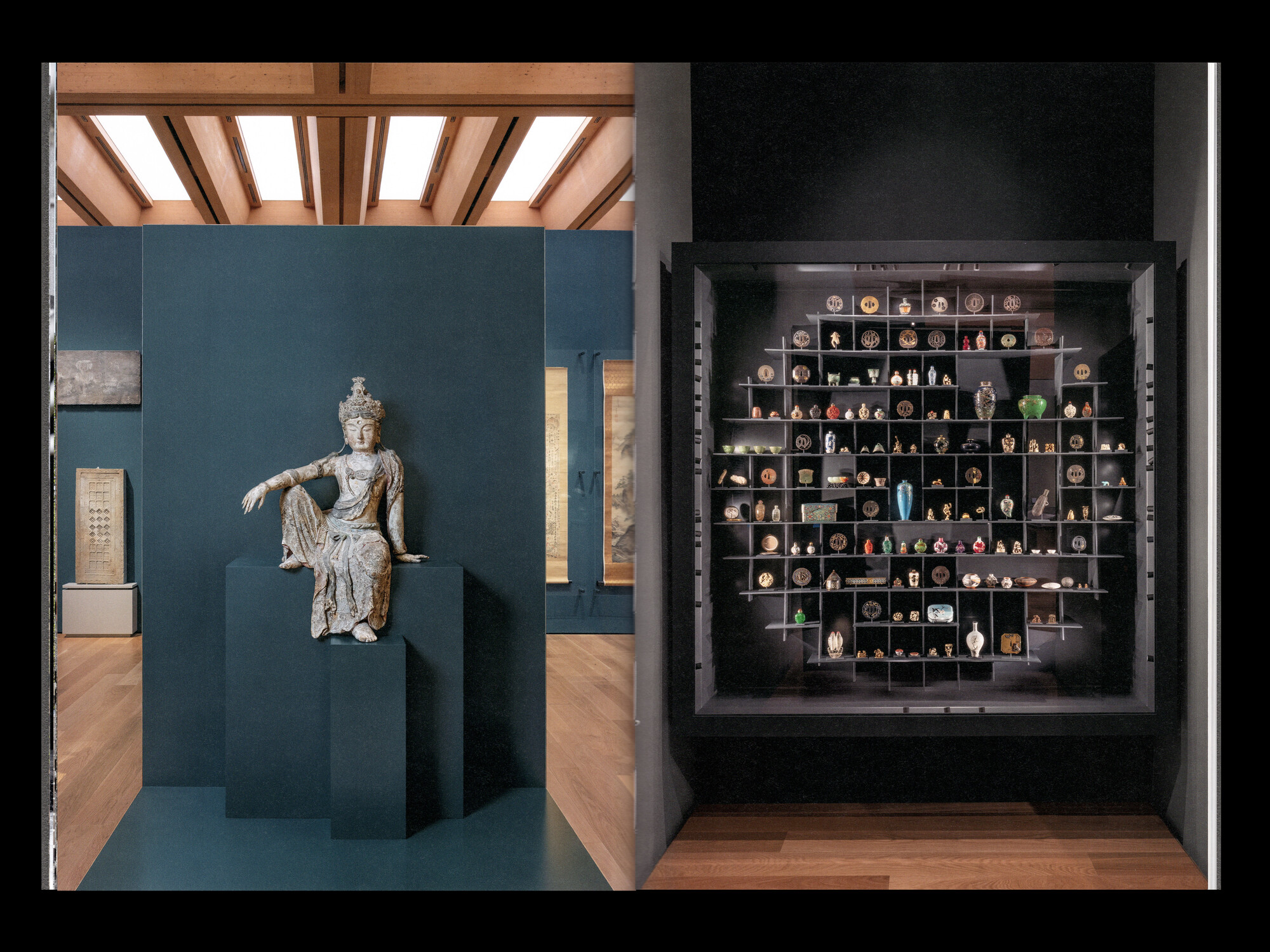
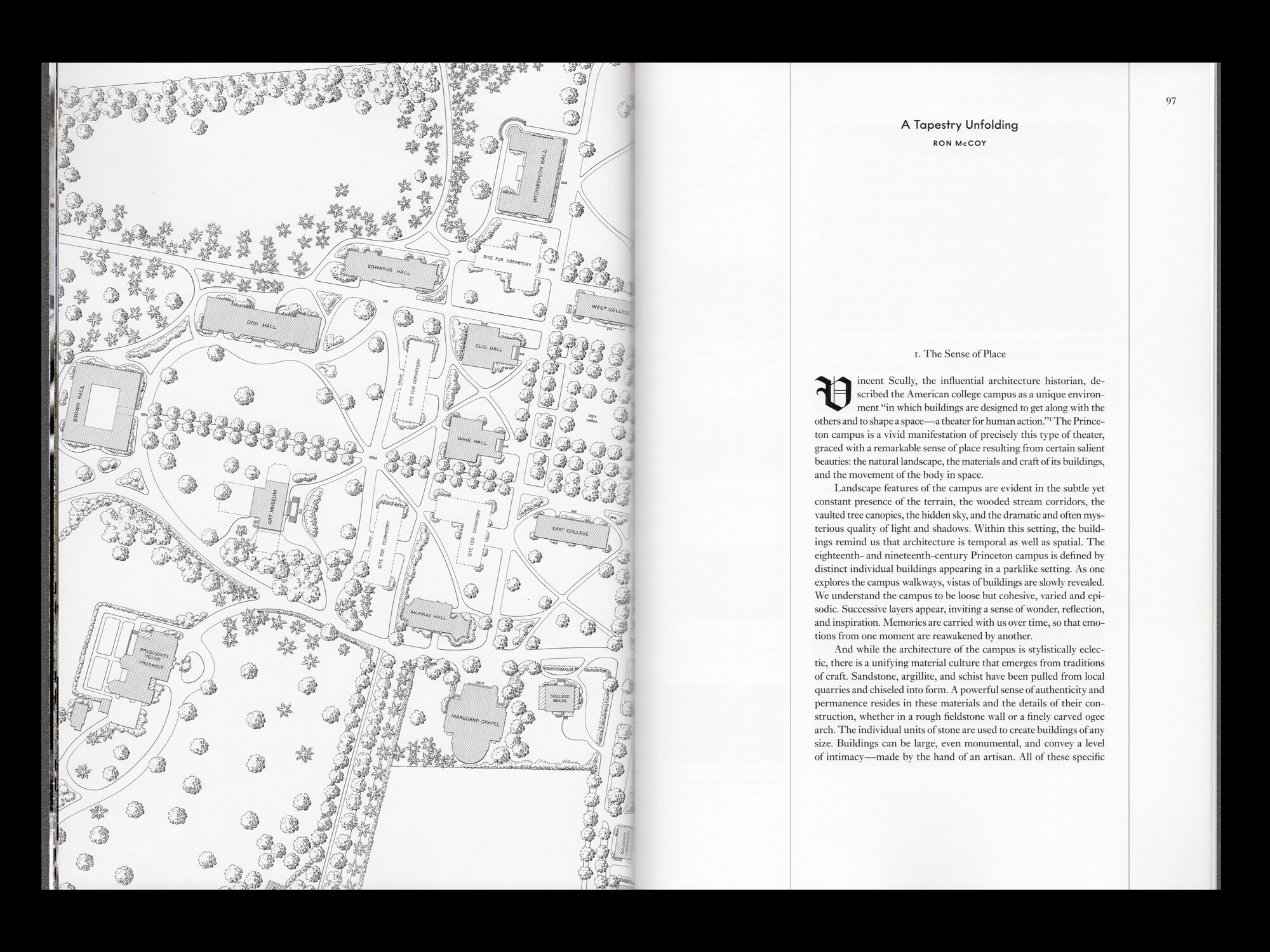
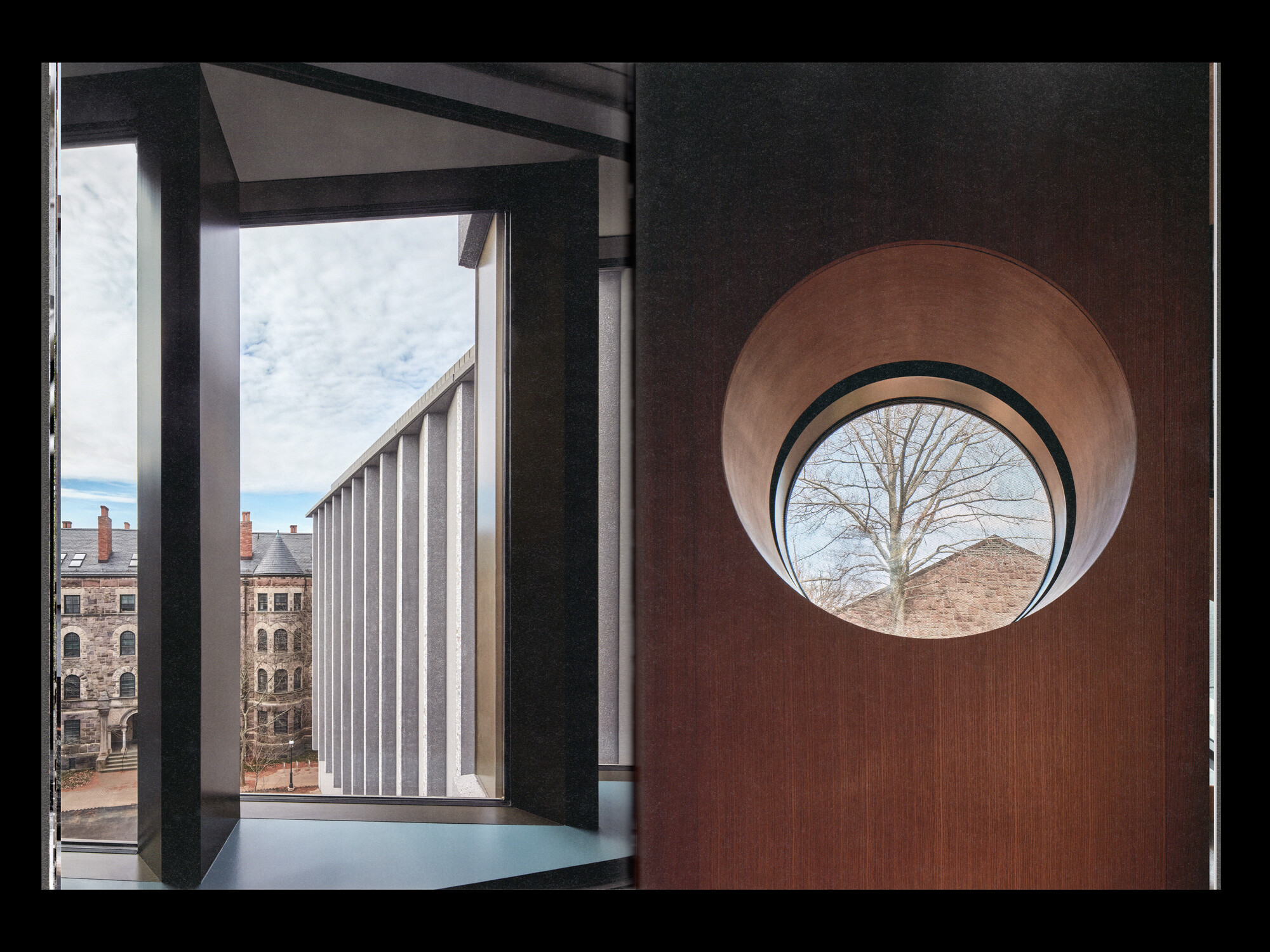
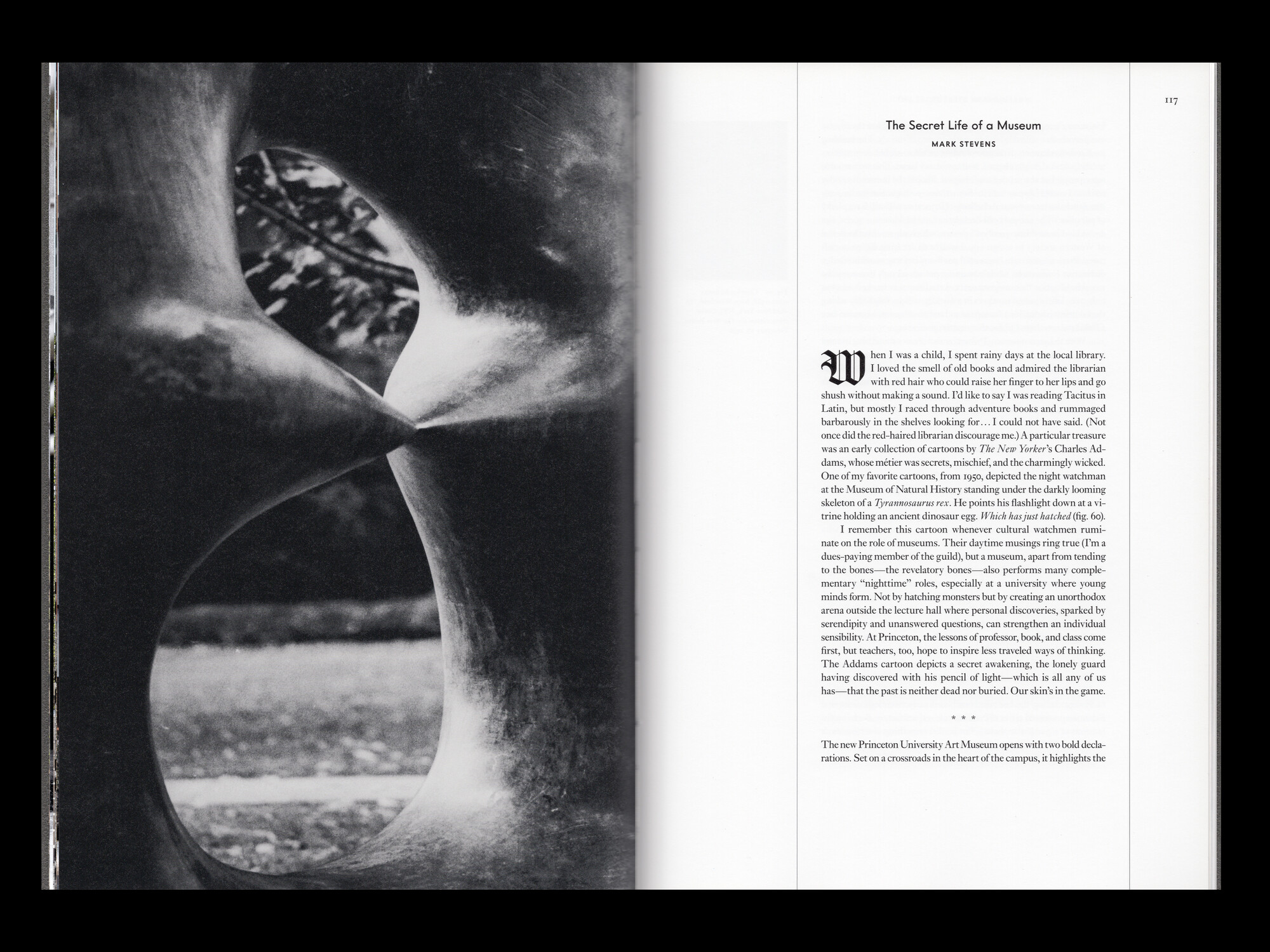
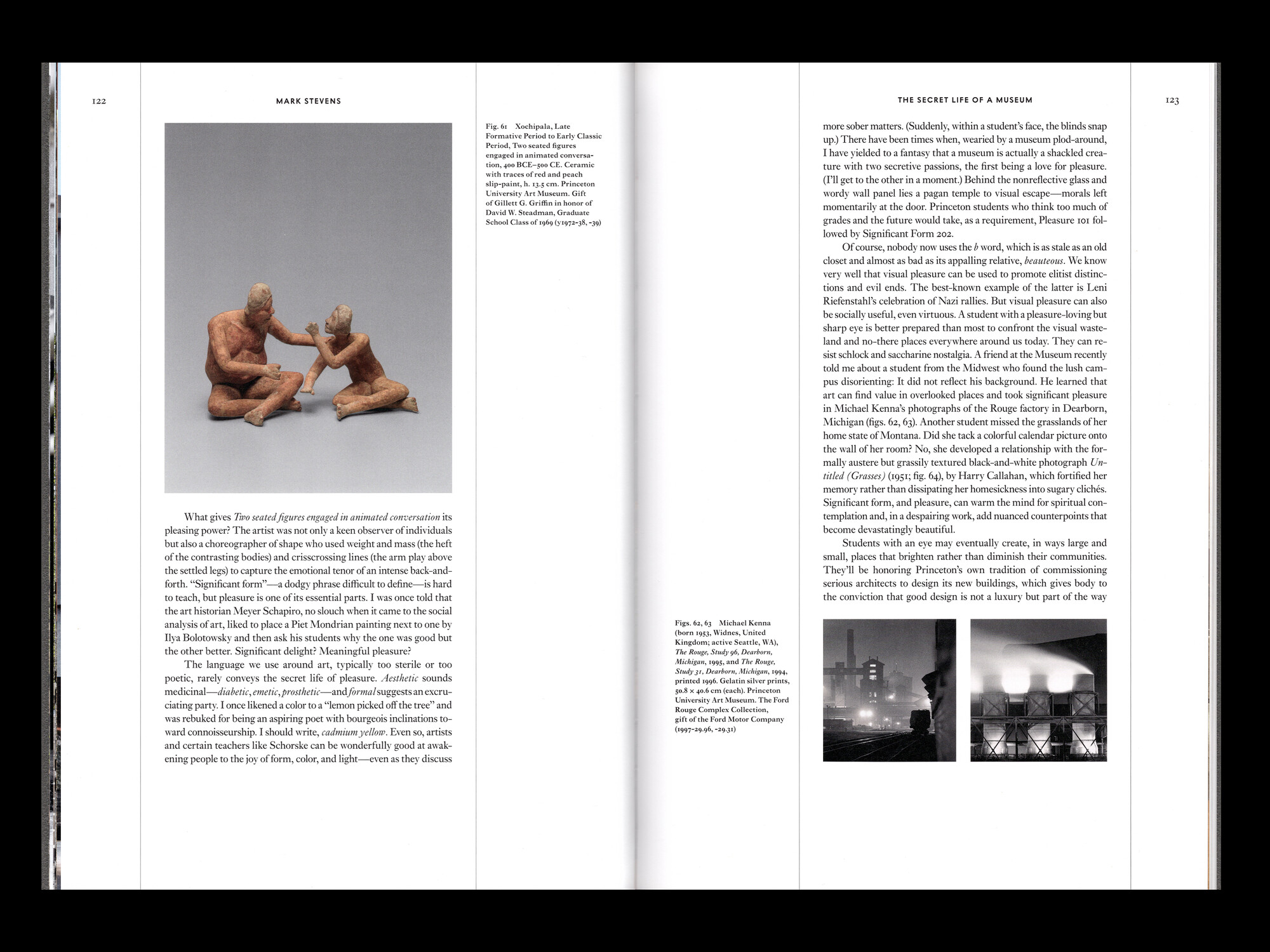
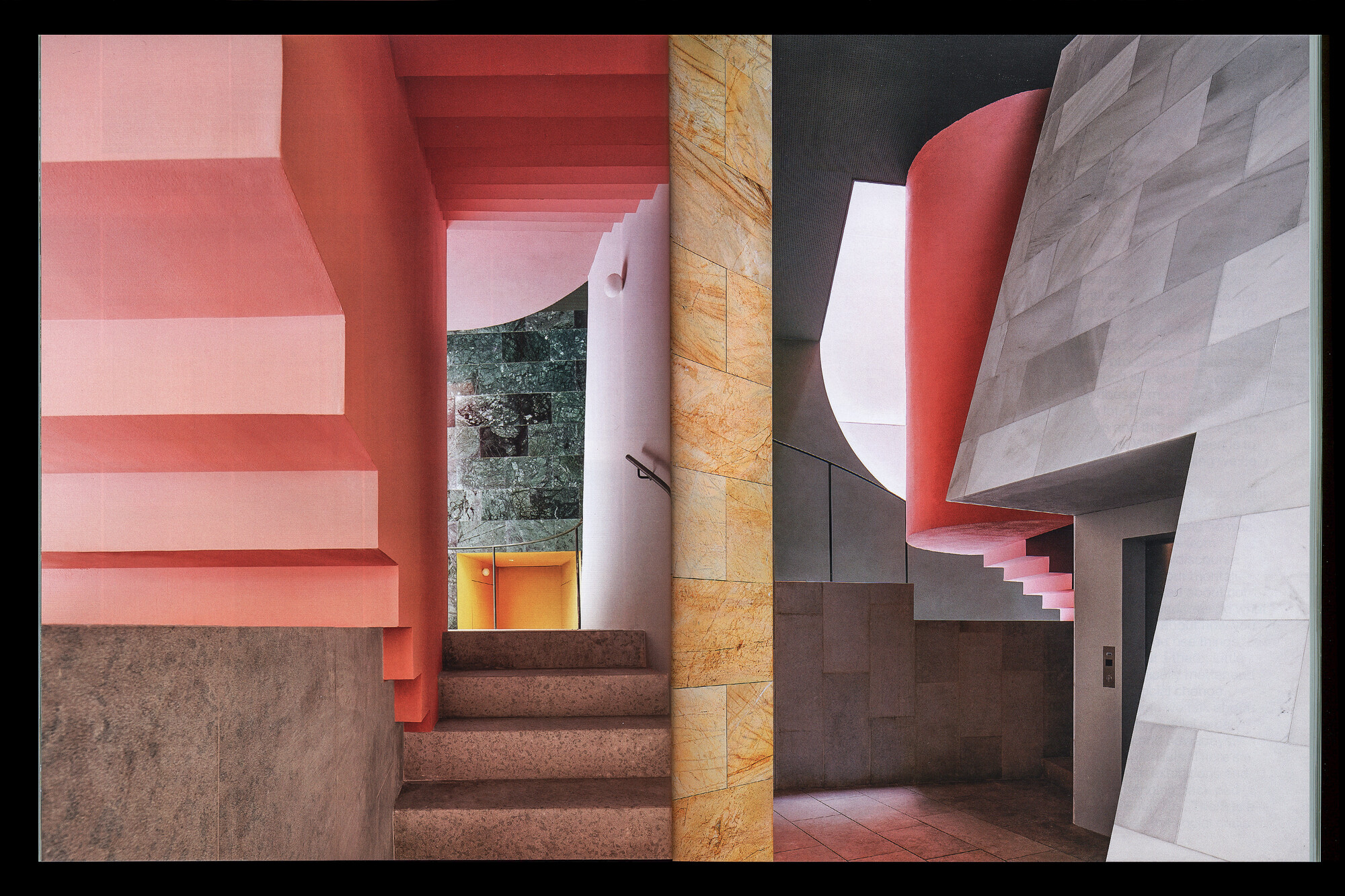
Renaissance: A New Museum for Princeton marks the completion and reopening of the new Princeton University Art Museum. Shot in its final year of construction, Richard Barnes’s photographs show the building across changing seasons and in relation to the surrounding campus. An essay by museum director James Christen Steward along with contributions by Paul Goldberger, Ron McCoy, Mark Stevens, and Susan Stewart contextualize the project within Princeton’s unique architectural history and the museum’s significance in campus life.
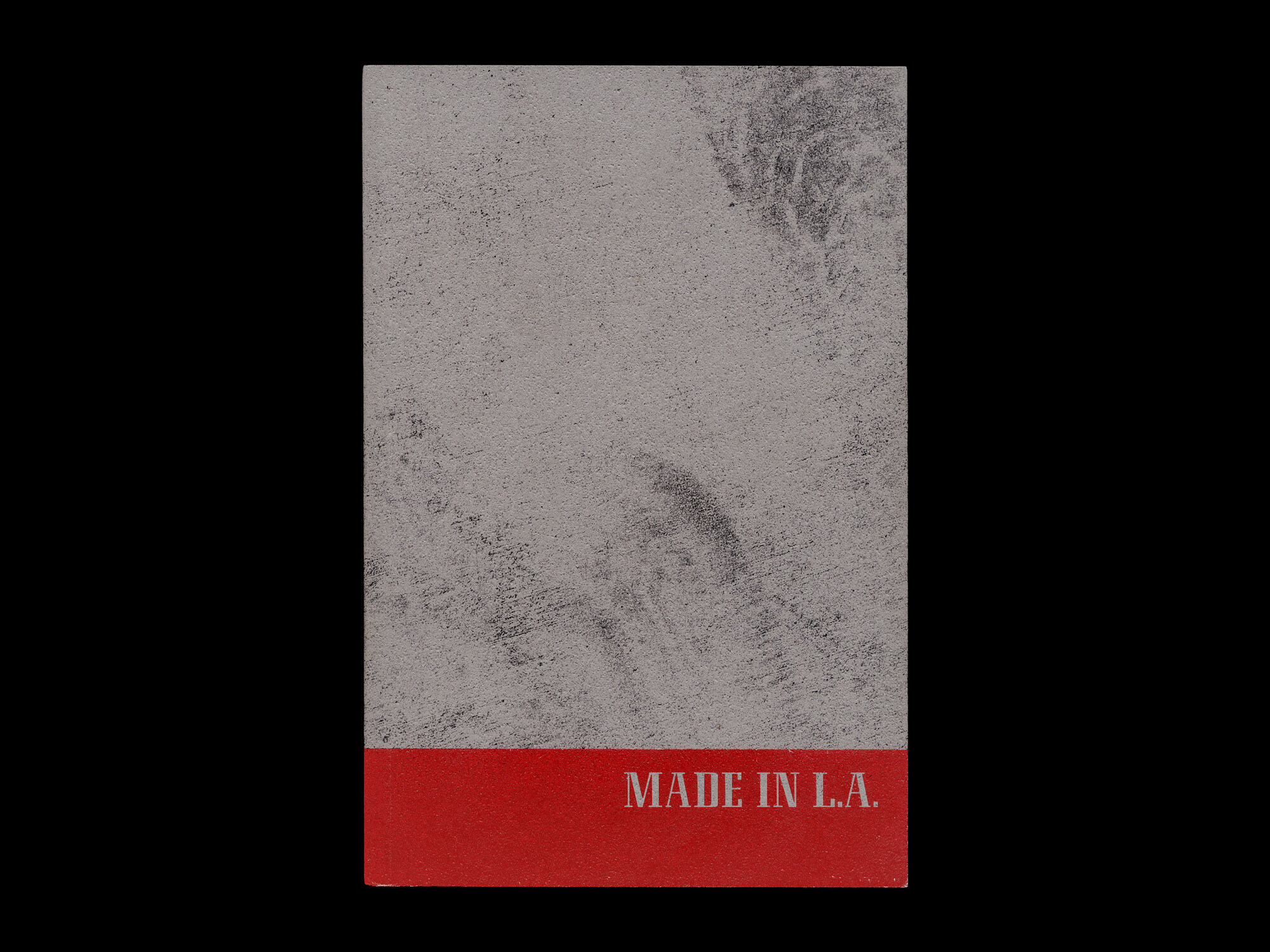
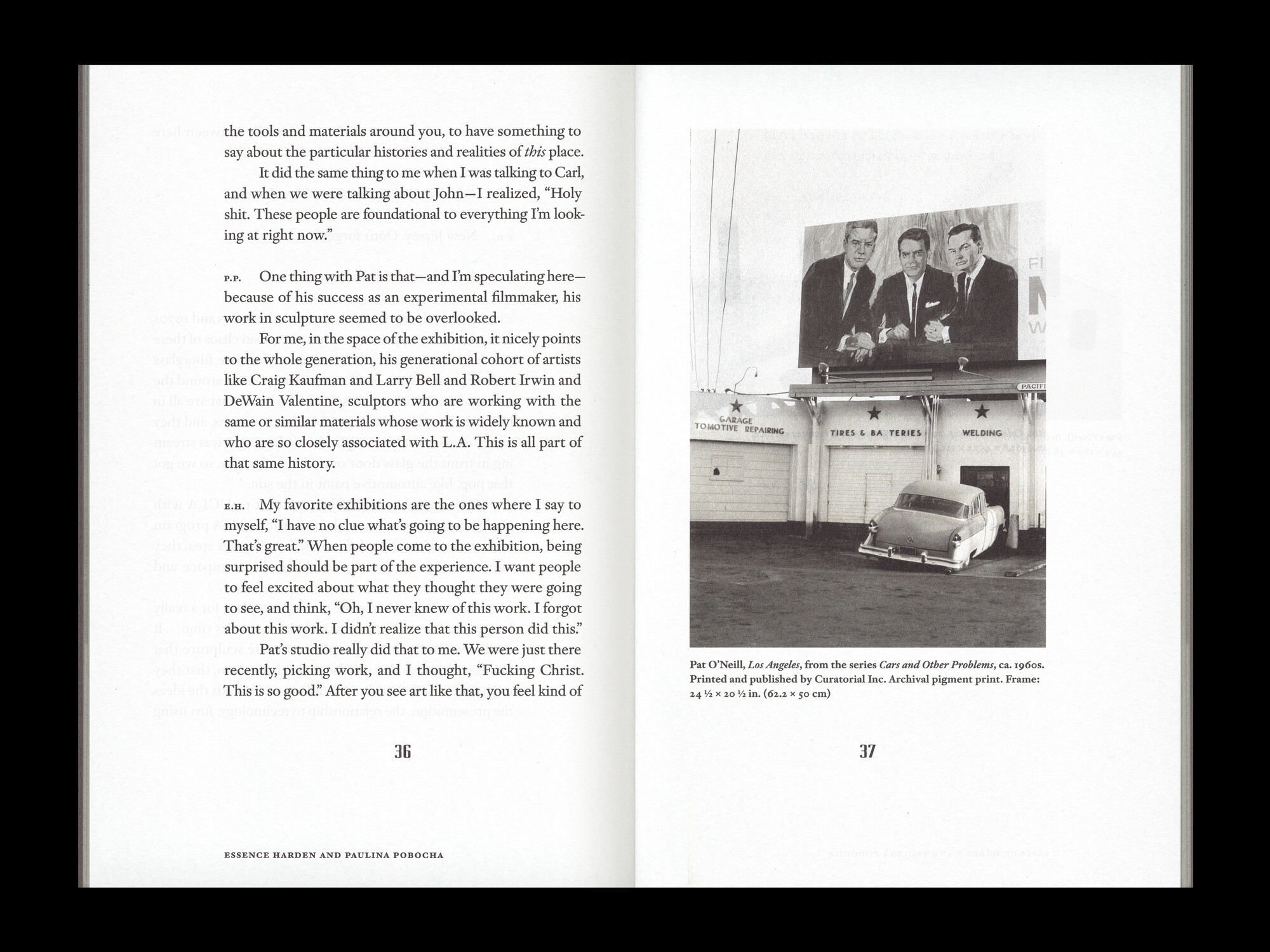
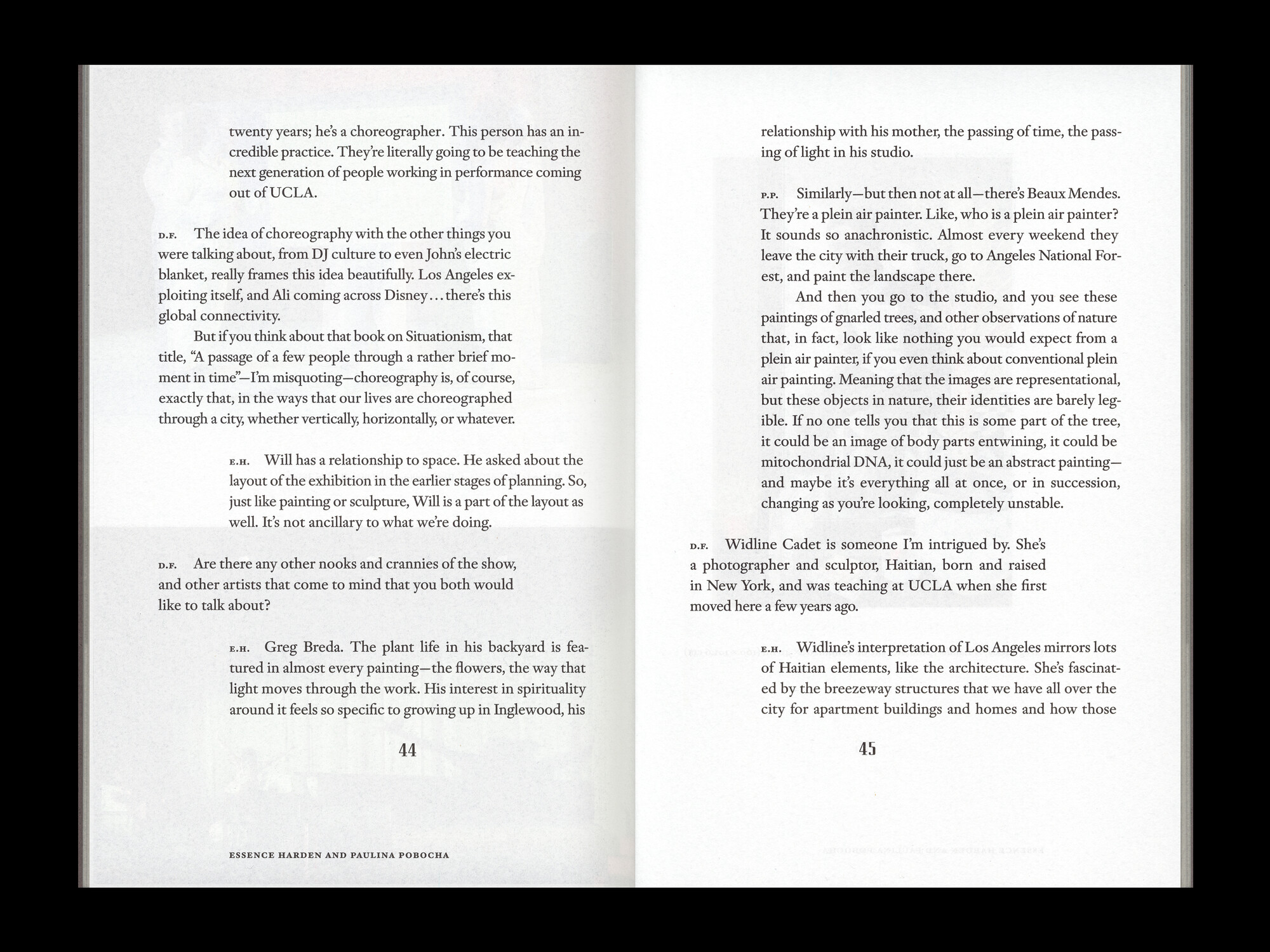
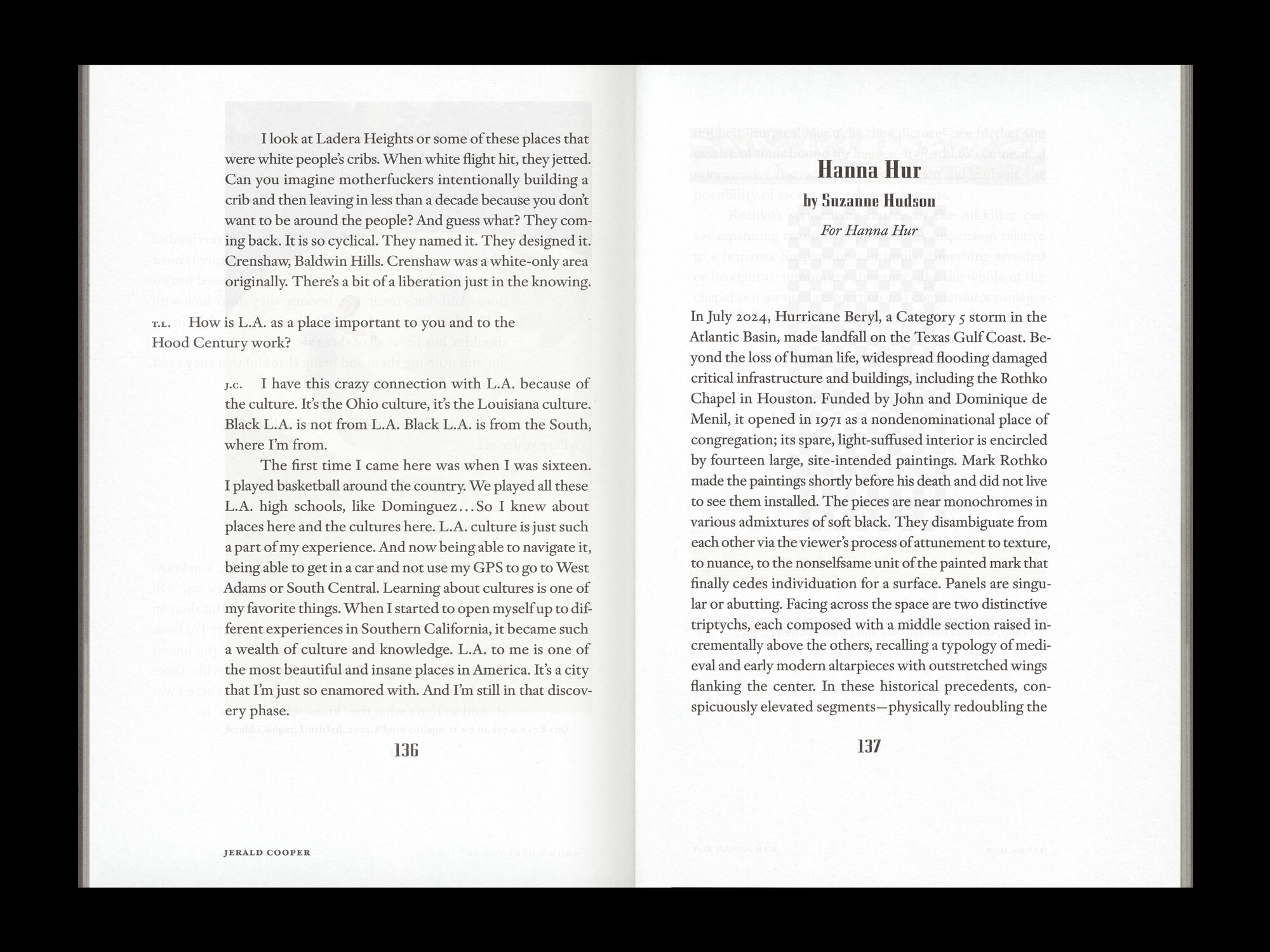
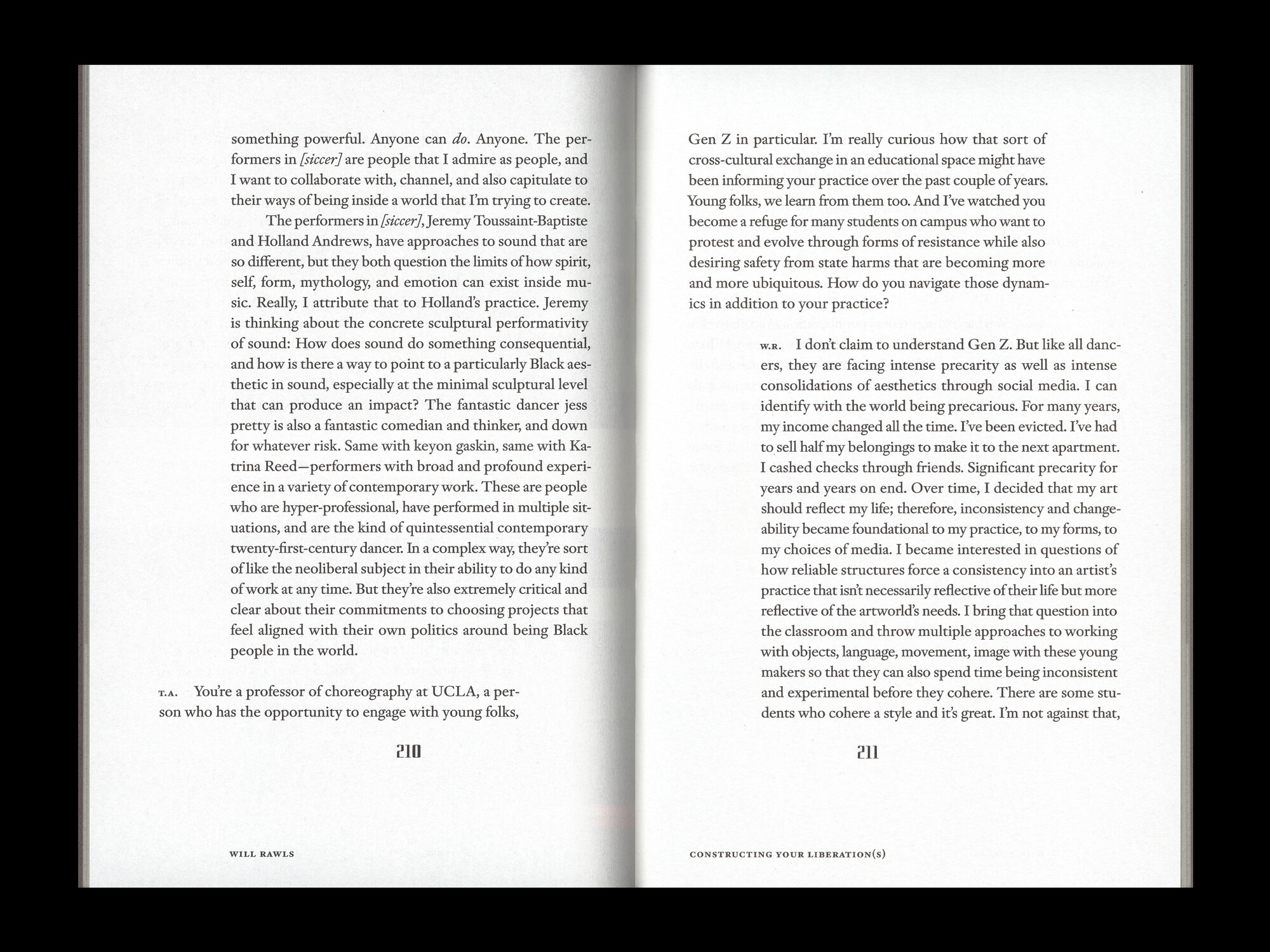
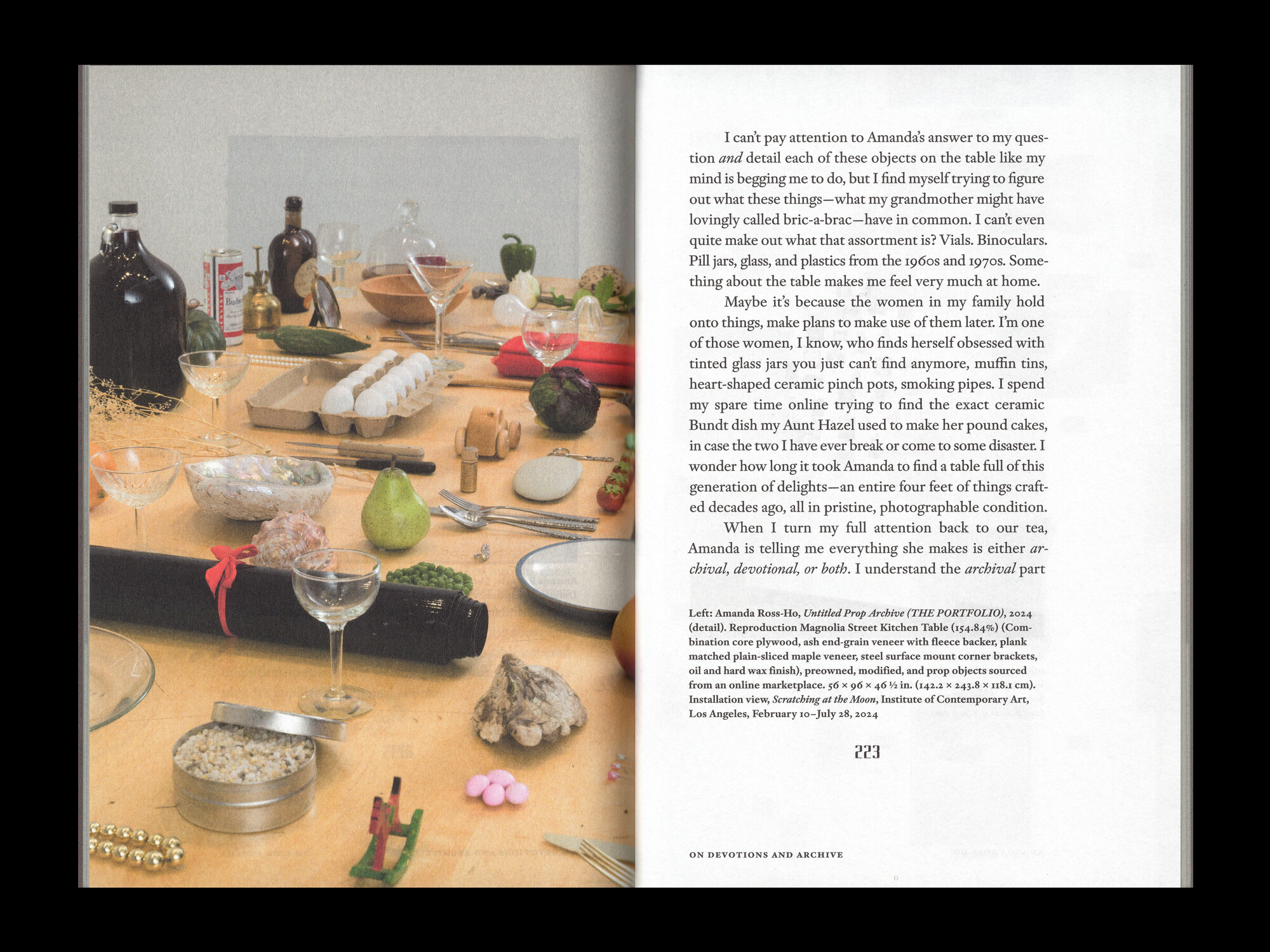
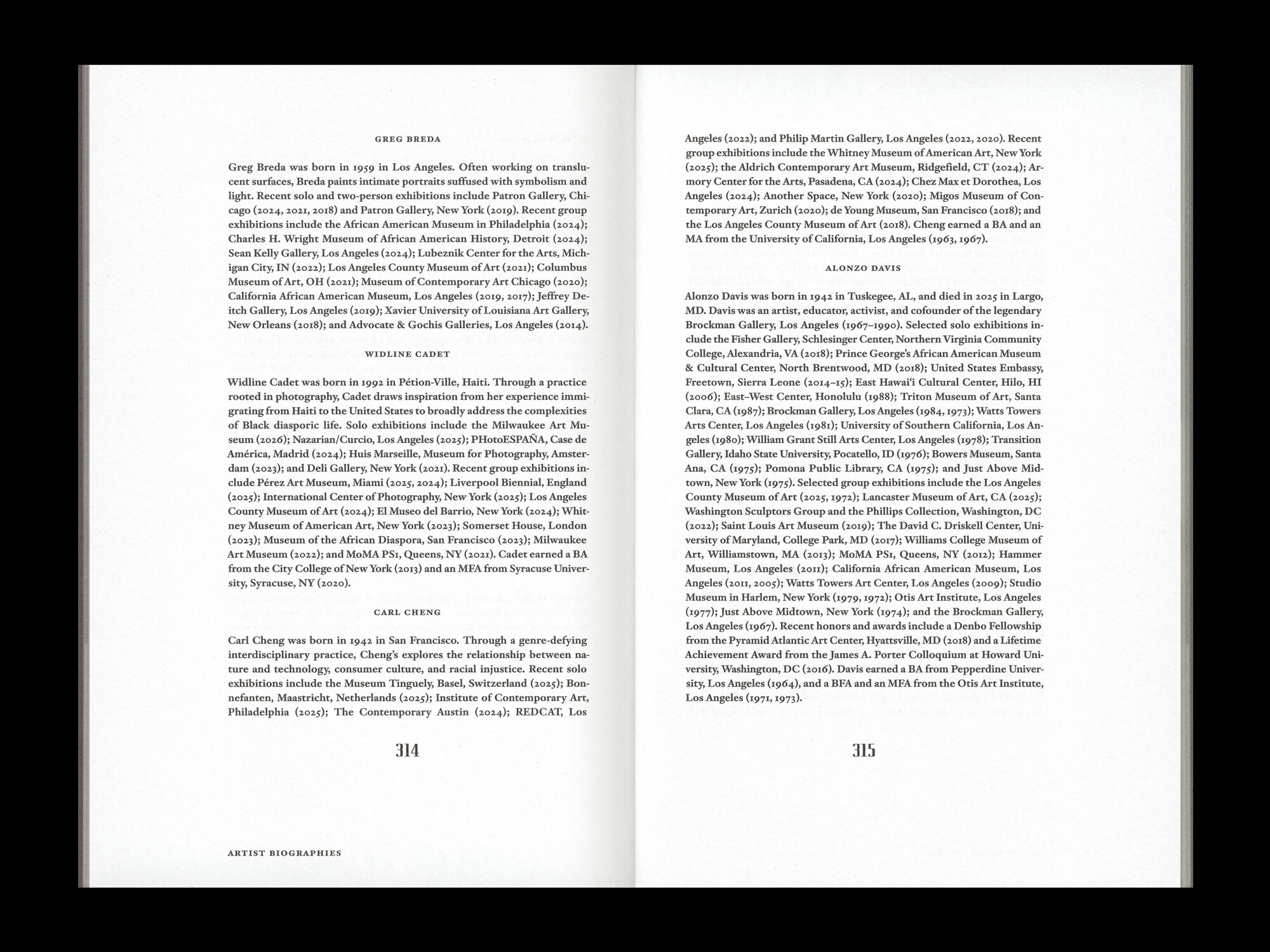
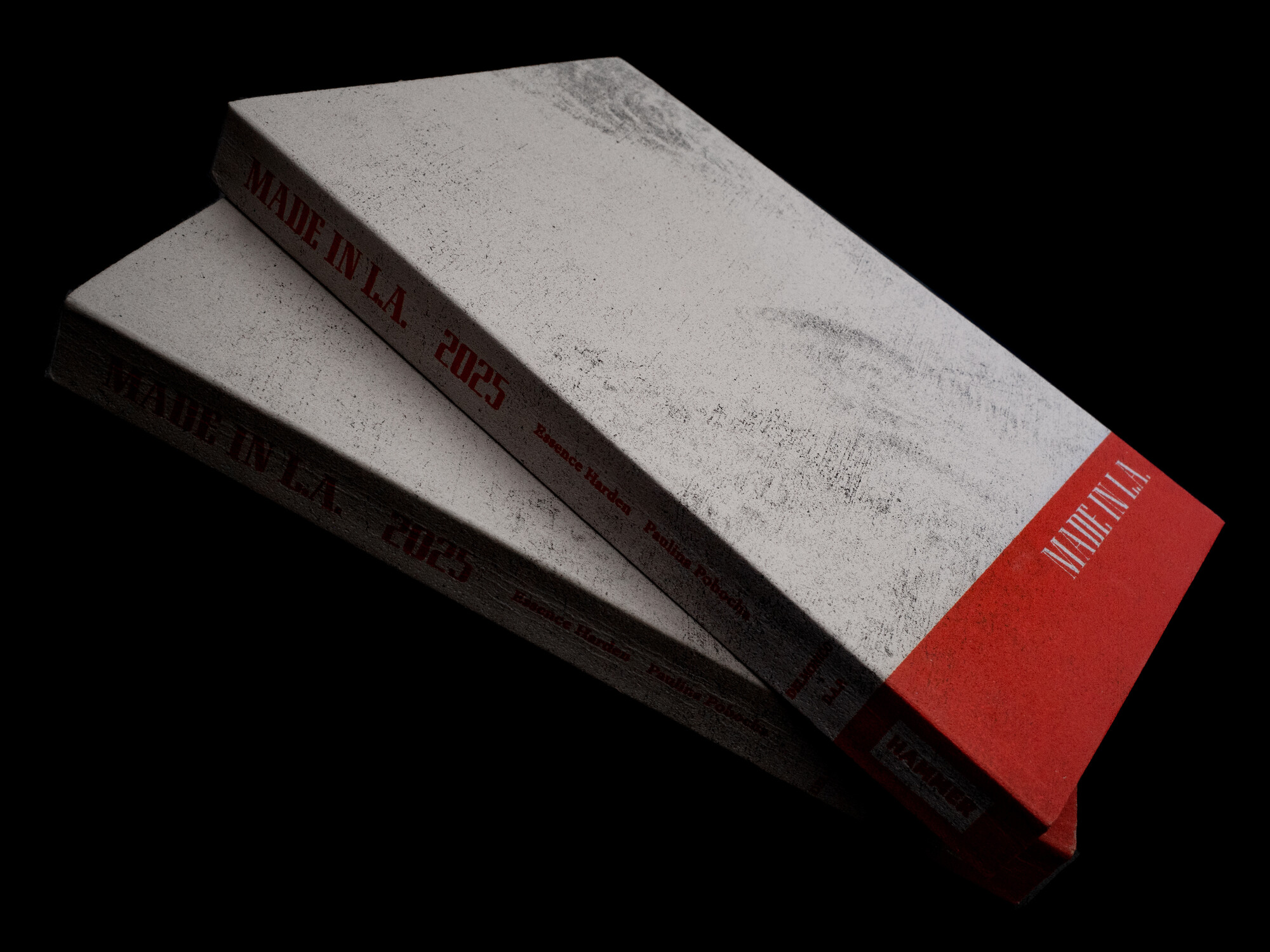
Made in L.A. 2025 is the catalog for the Hammer Museum’s seventh iteration of its signature showcase for Los Angeles contemporary art, spotlighting emerging and under-recognized local practitioners. Conceived as a reader rather than a direct documentation of the exhibition, conversations with the artists and supporting artwork are gathered in a compact paperback, with its construction and materials gesturing toward the streets of Los Angeles.
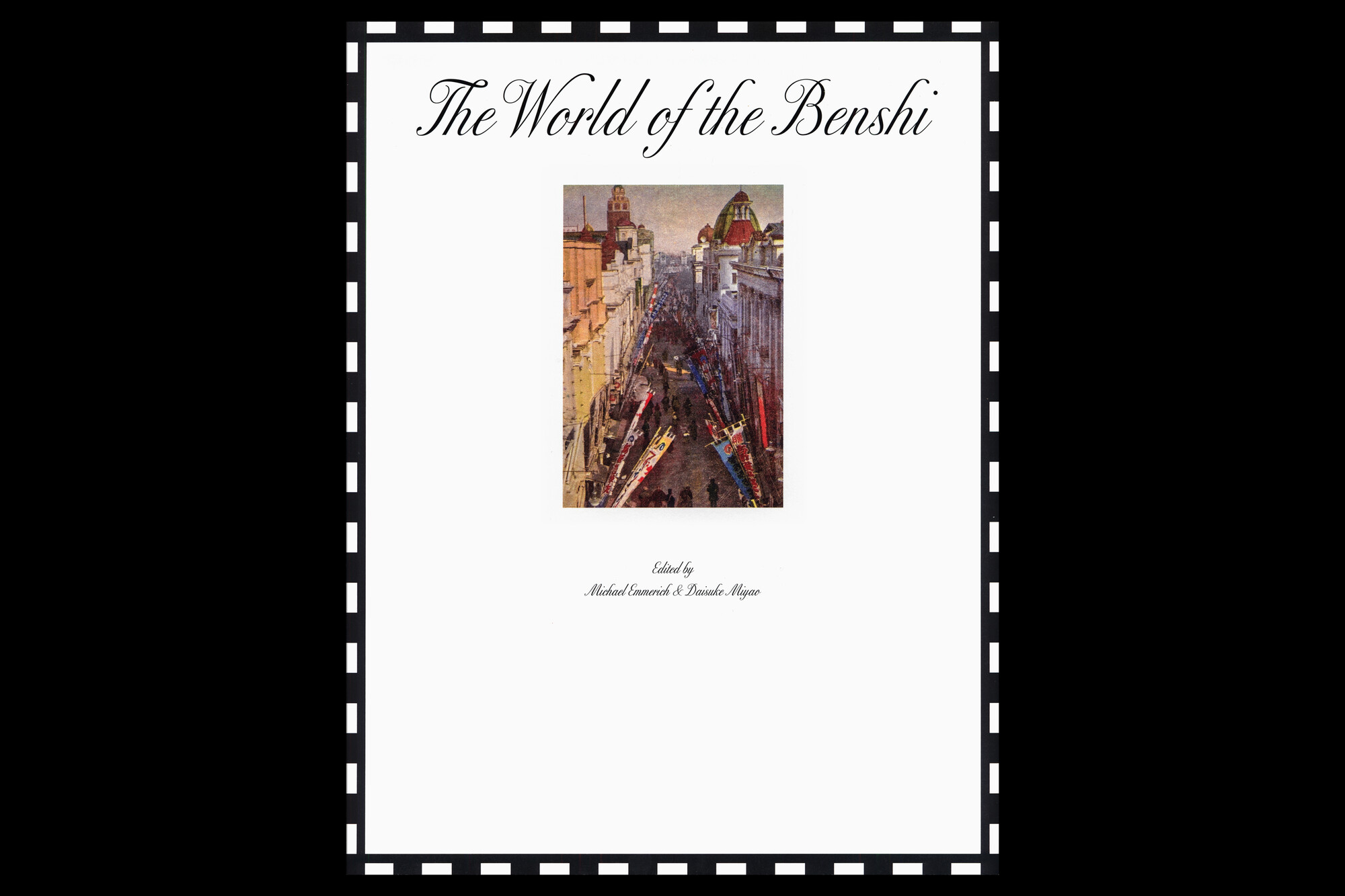
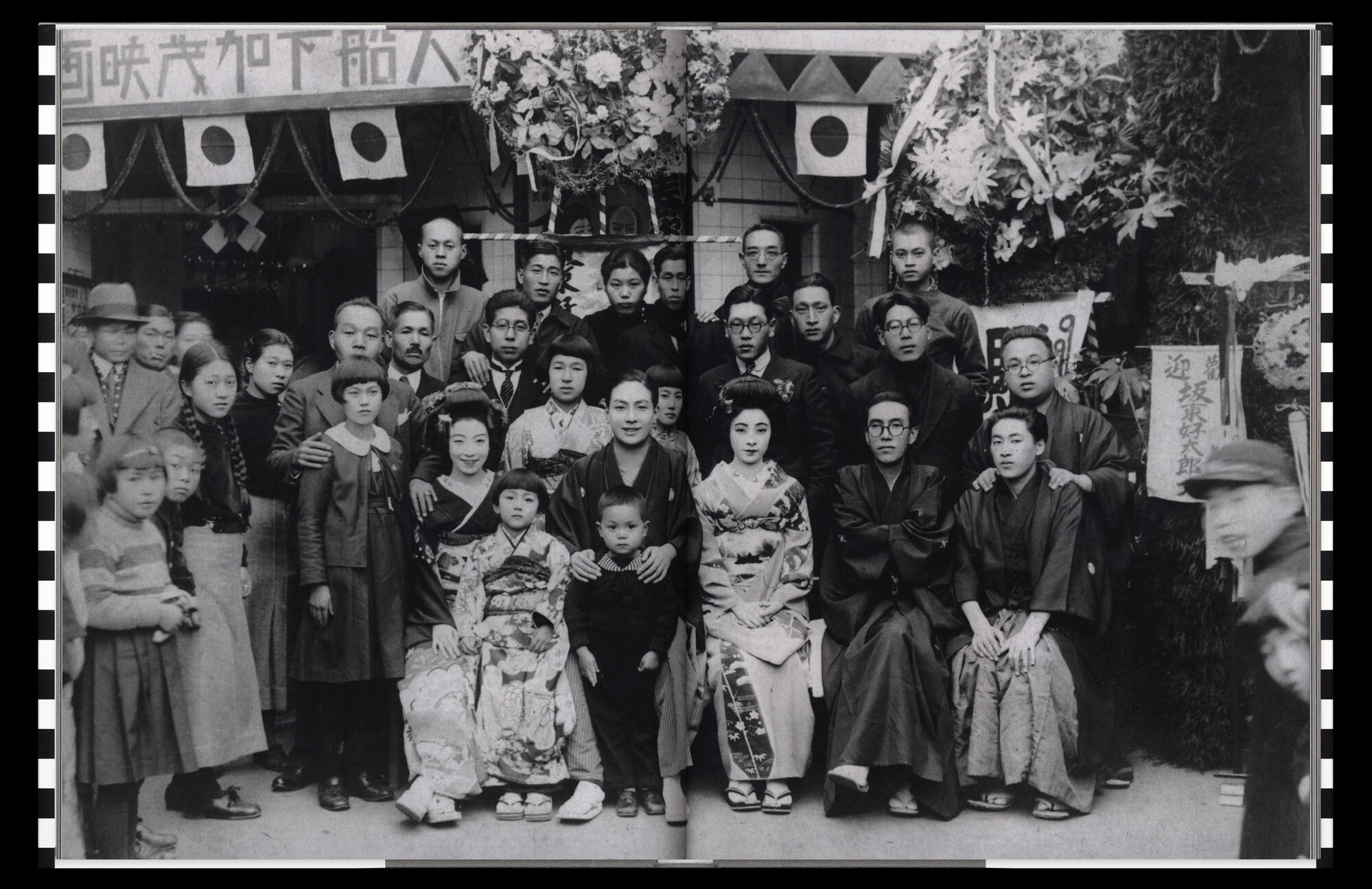
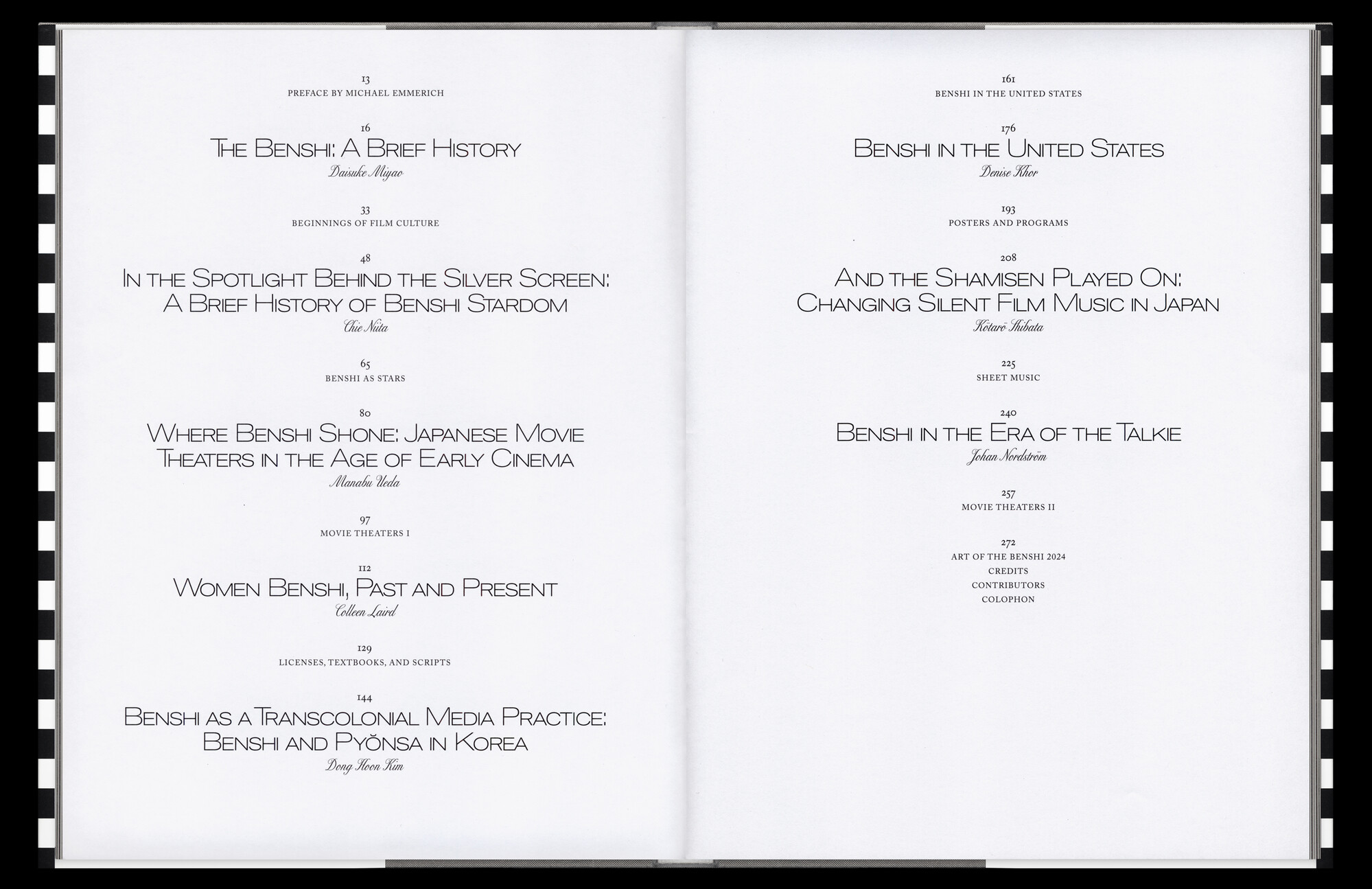
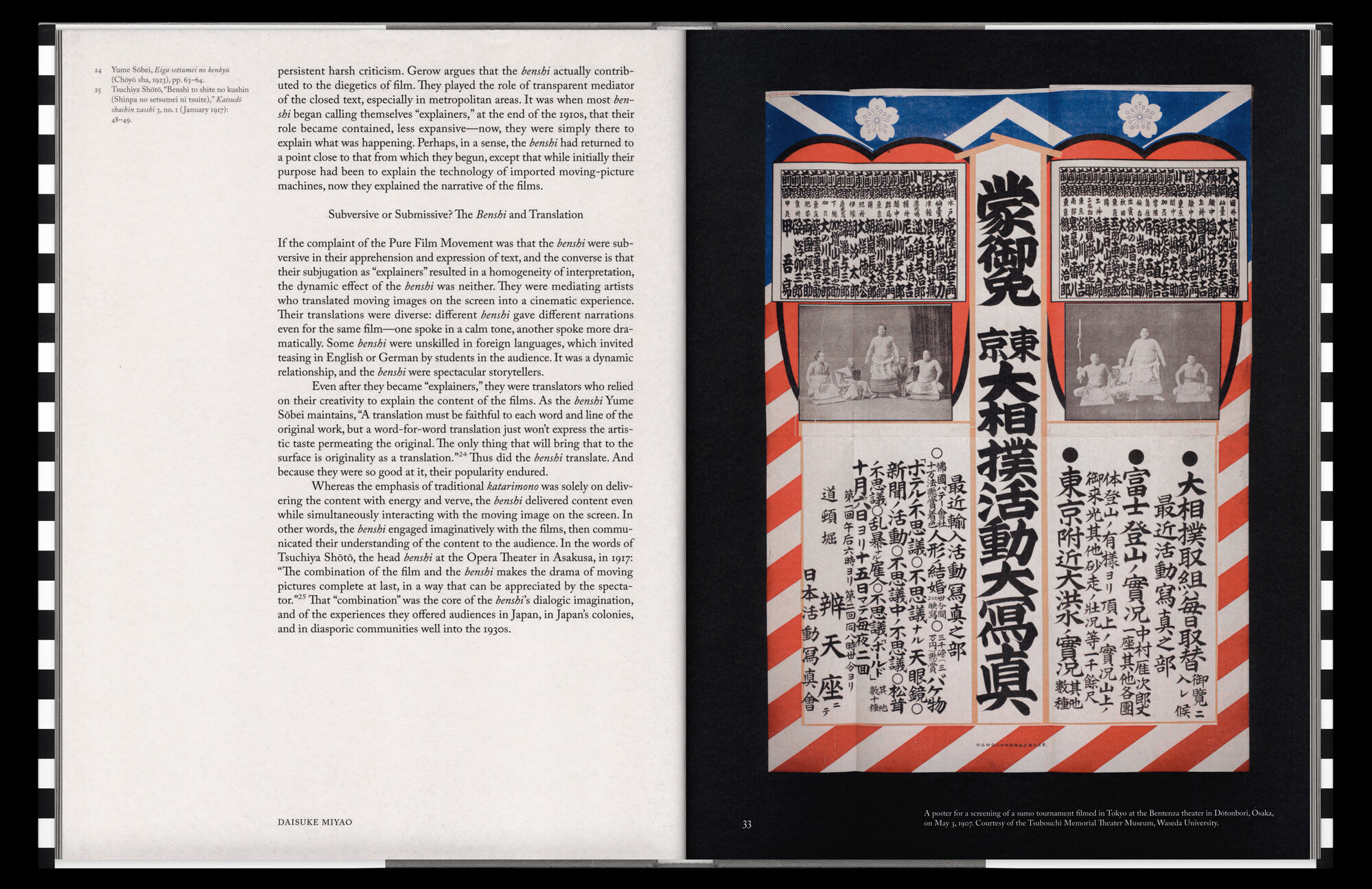
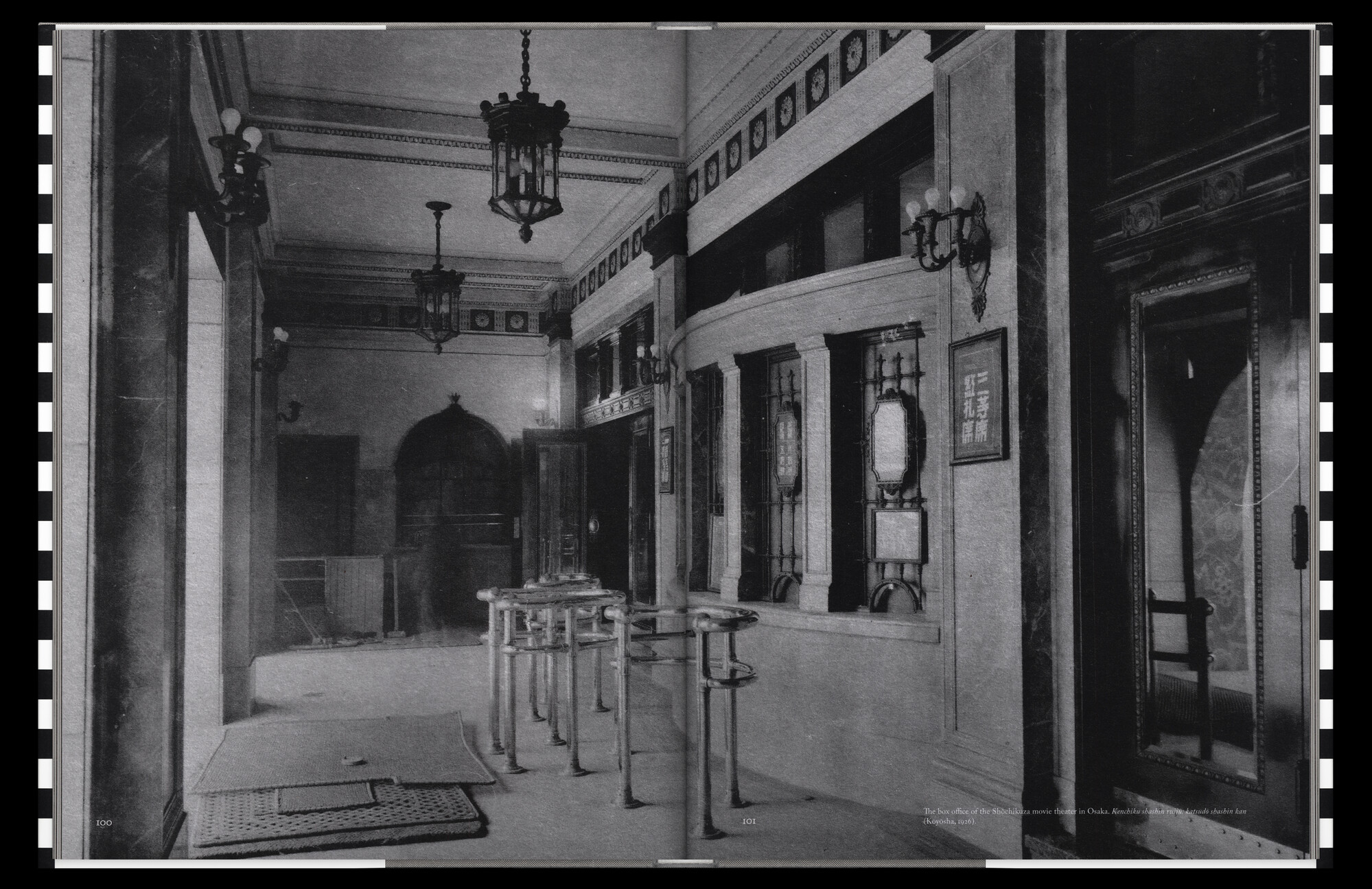
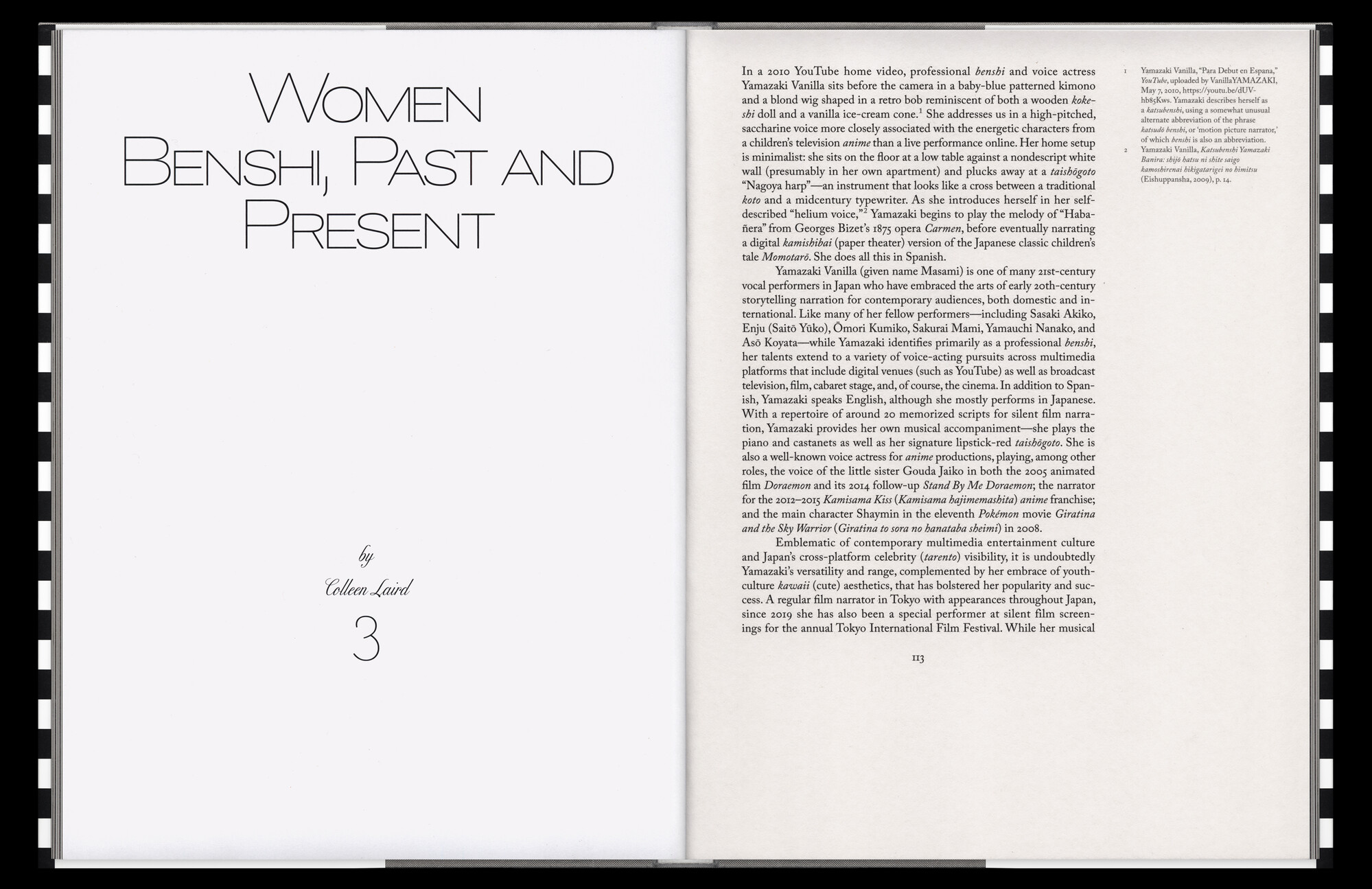
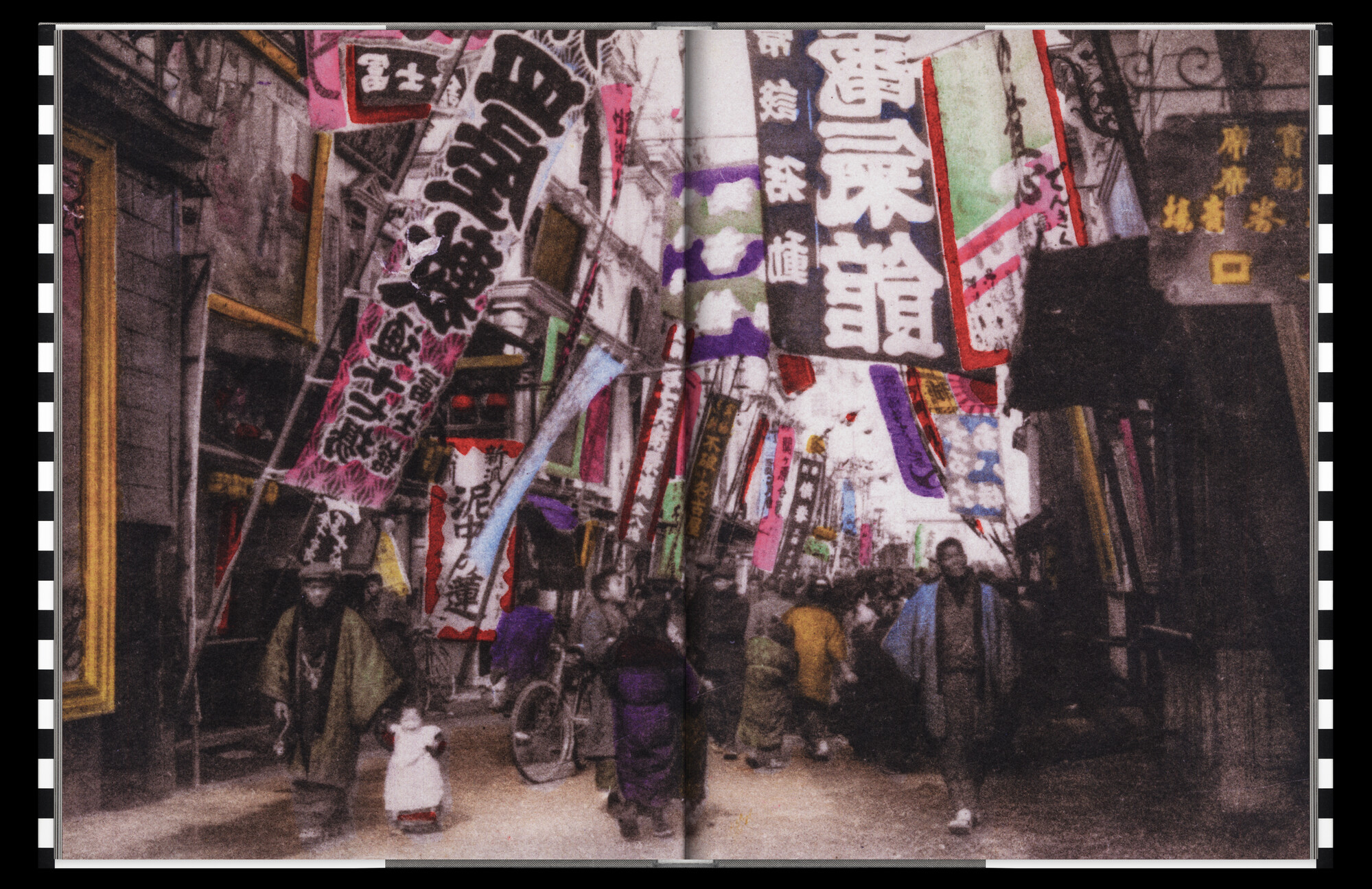
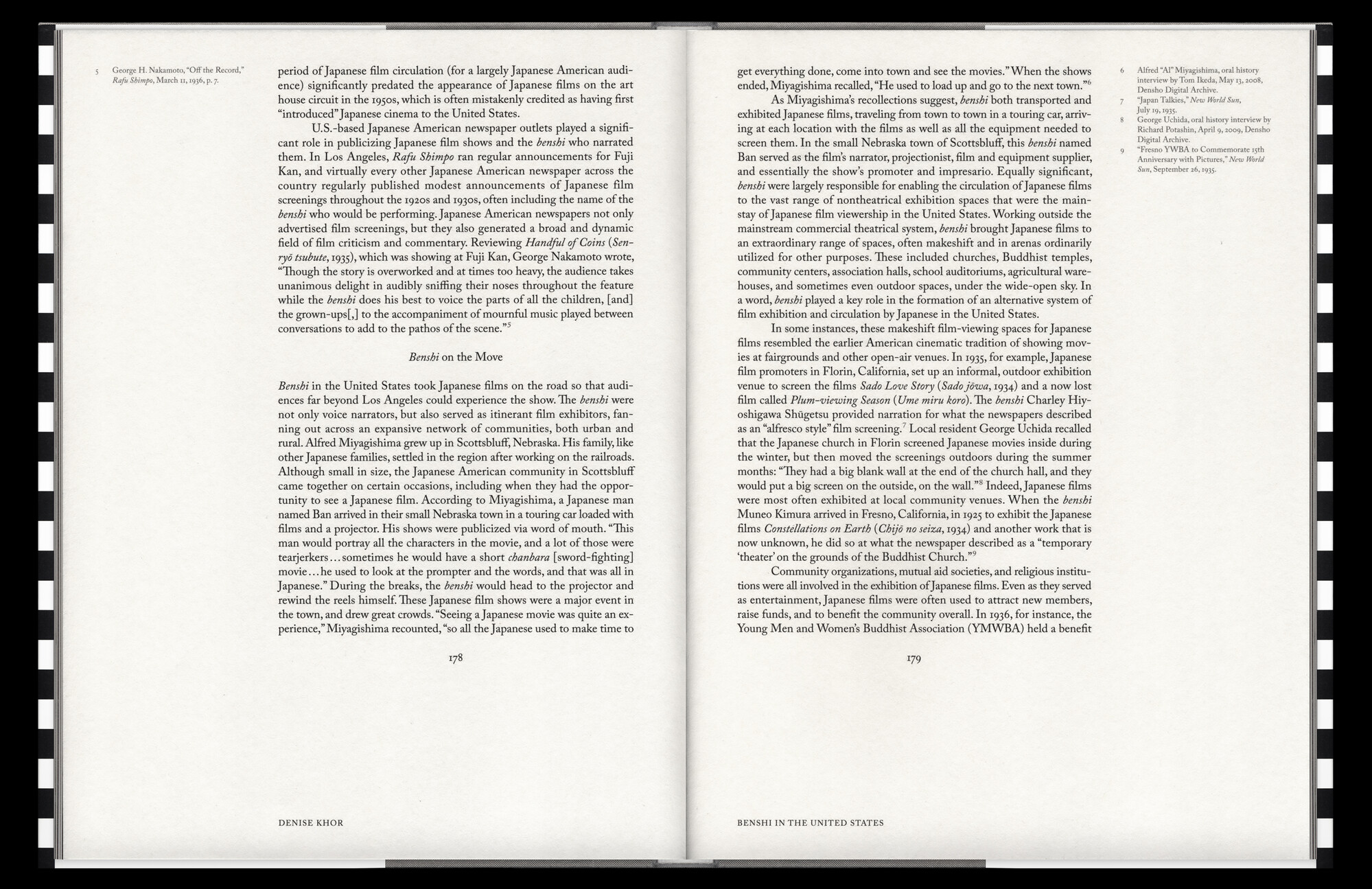
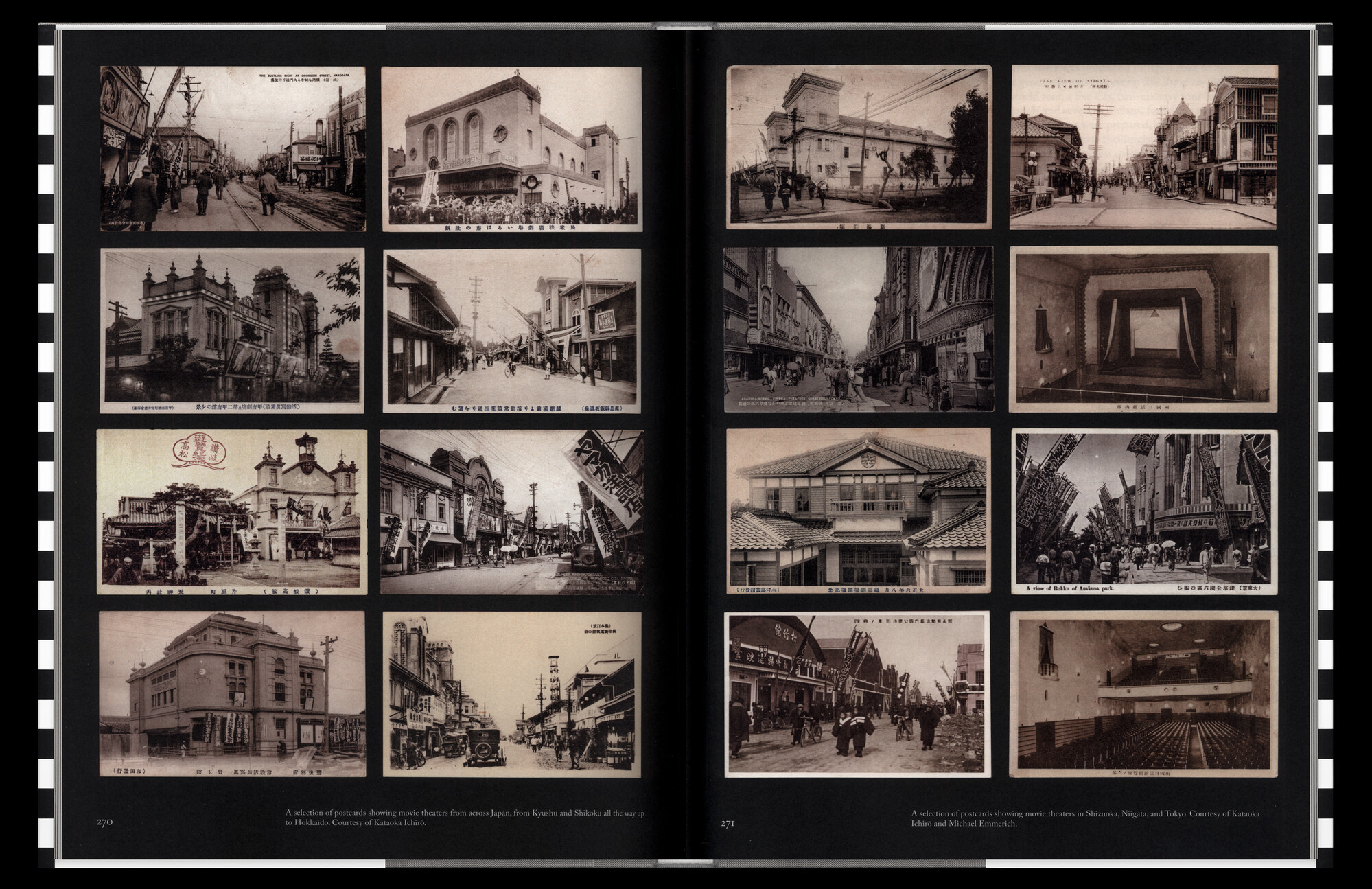
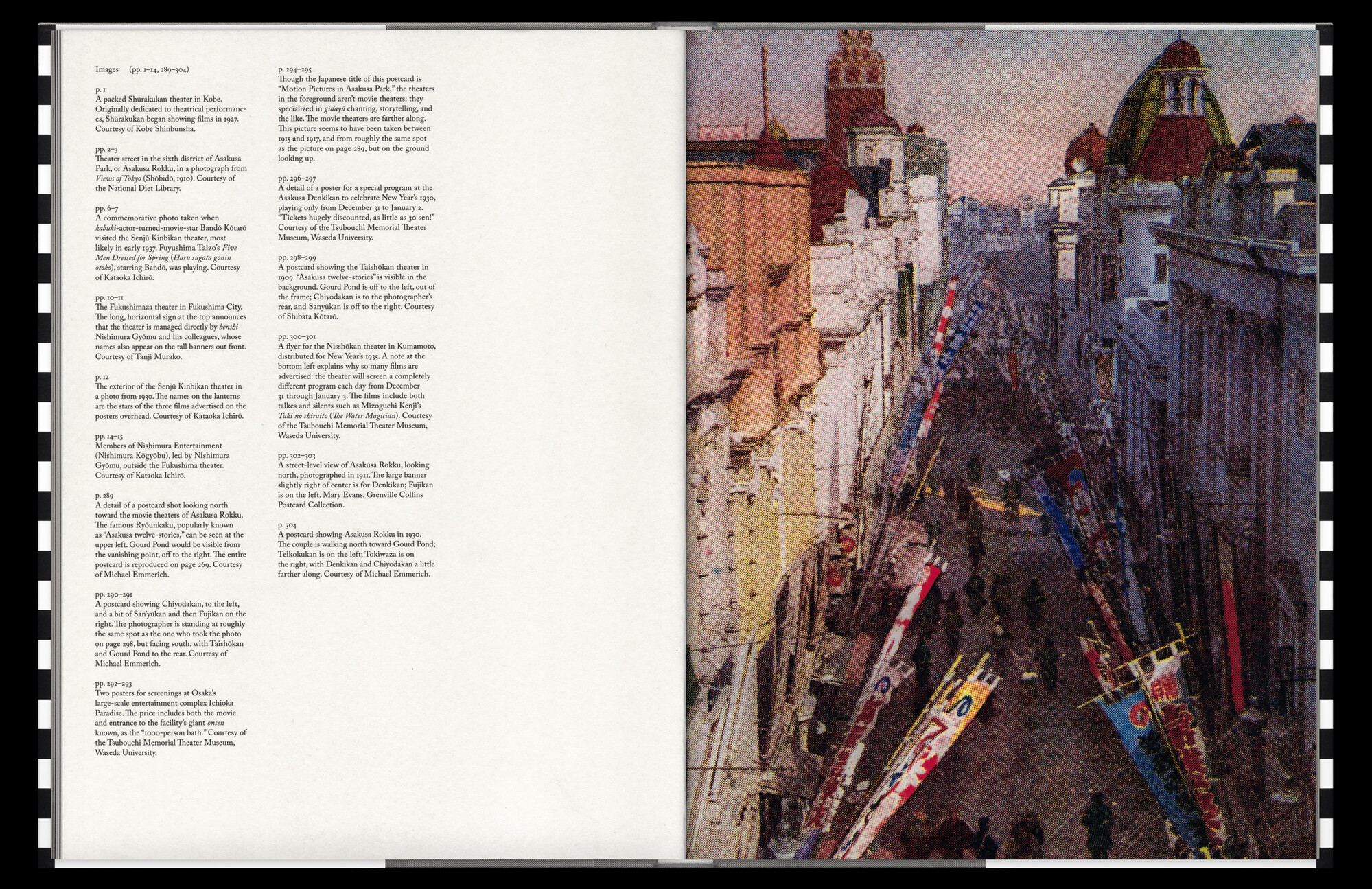
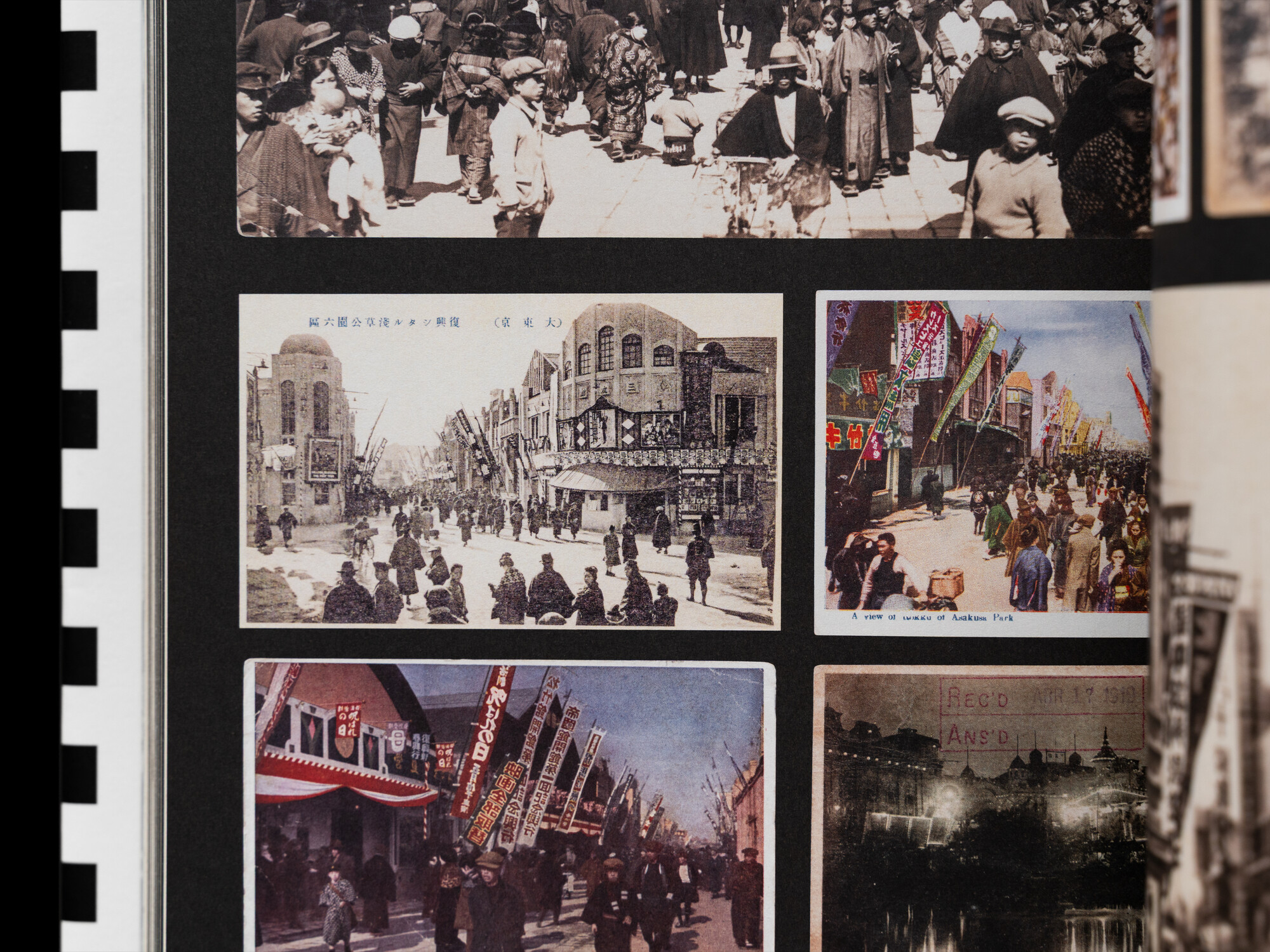
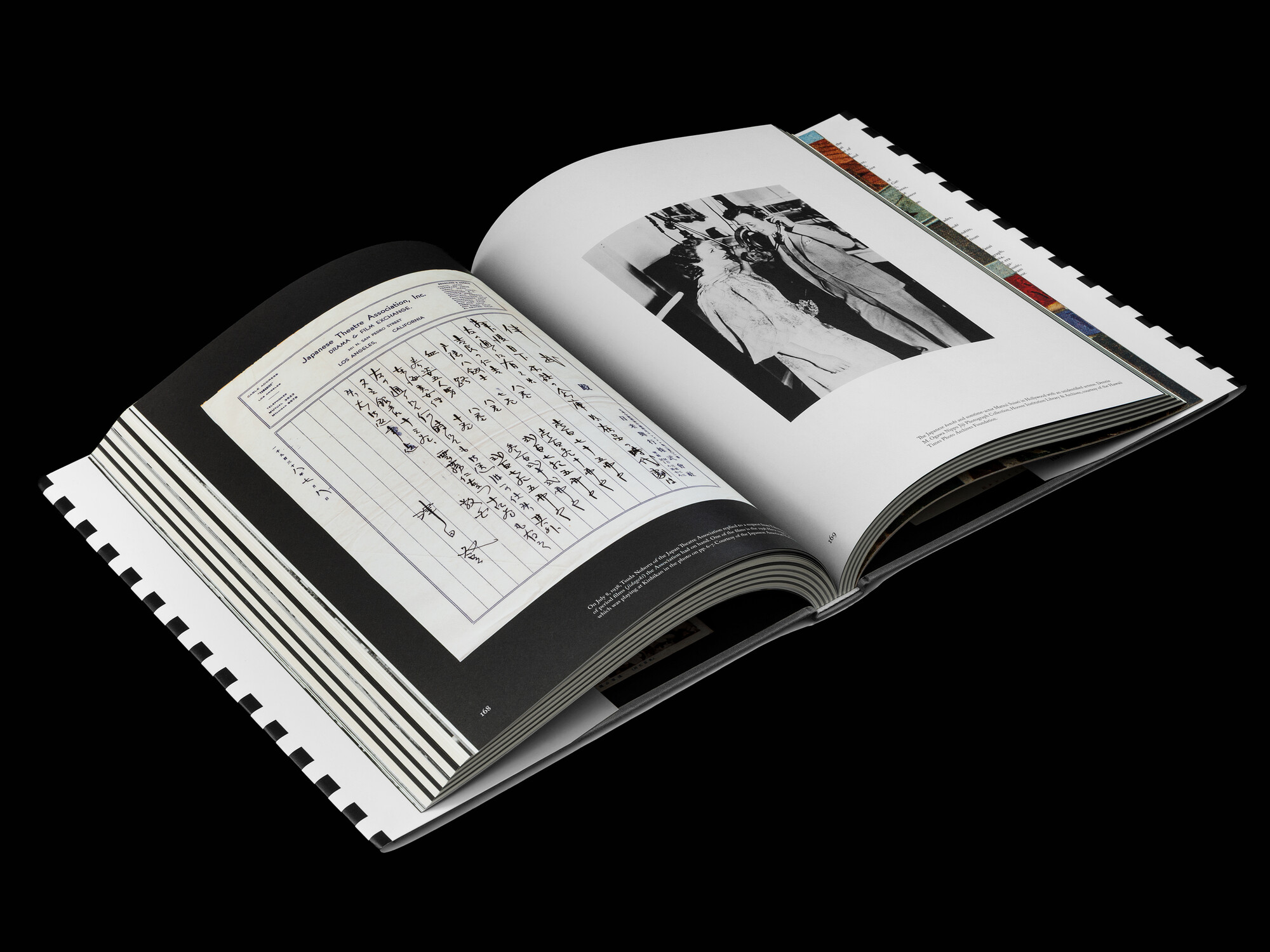
The World of the Benshi is a companion volume to the Art of the Benshi world tour organized by the Yanai Initiative for Globalizing Japanese Humanities. The book features more than 300 rare images compiled from archives and private collections around the world, showcasing historic movie theaters, promotional materials, and rare film stills. Essays uncover the phenomenon of the benshi stardom, evolution of the theater architecture, how live performance changed in Japan in the silent film era.
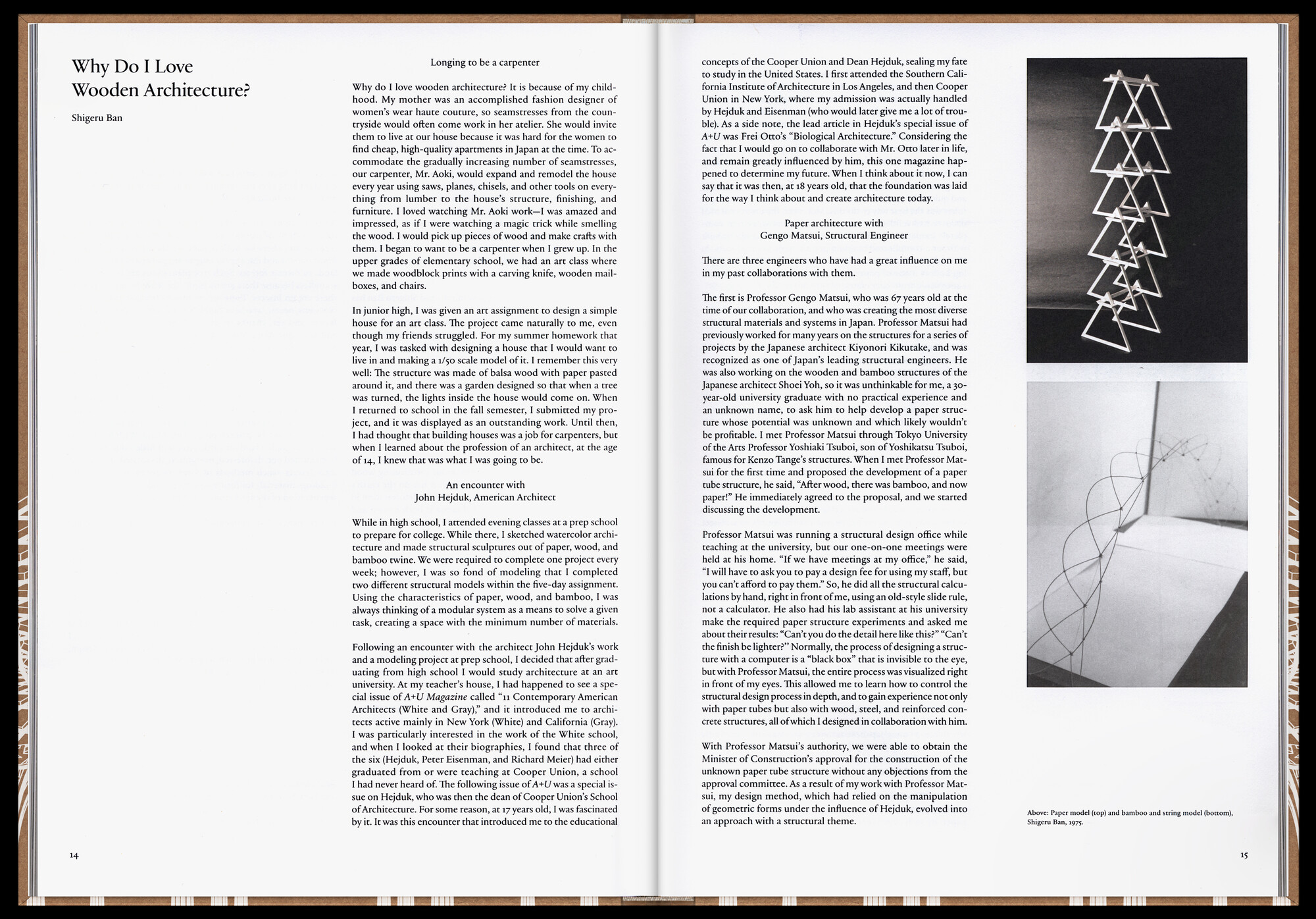
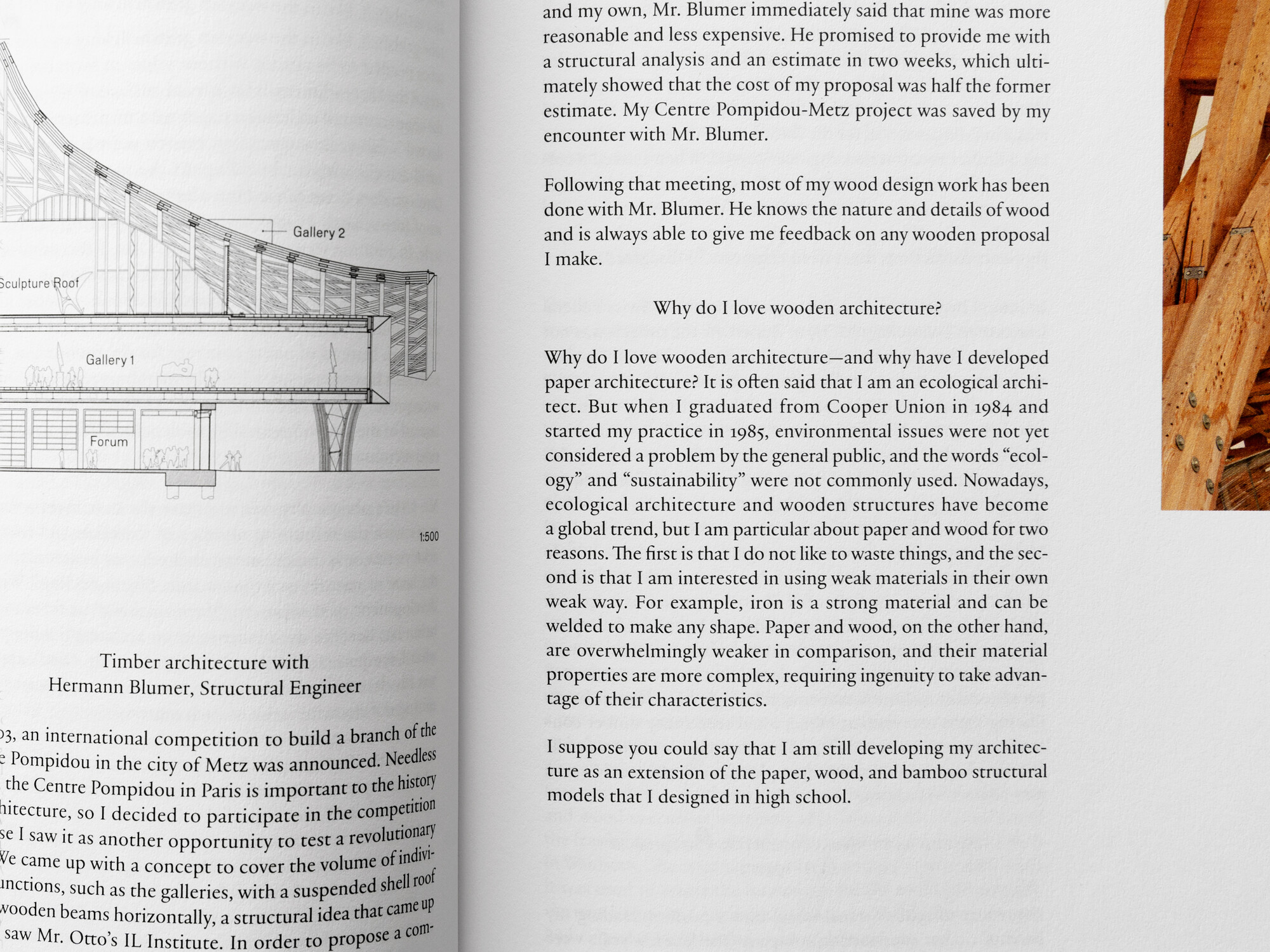
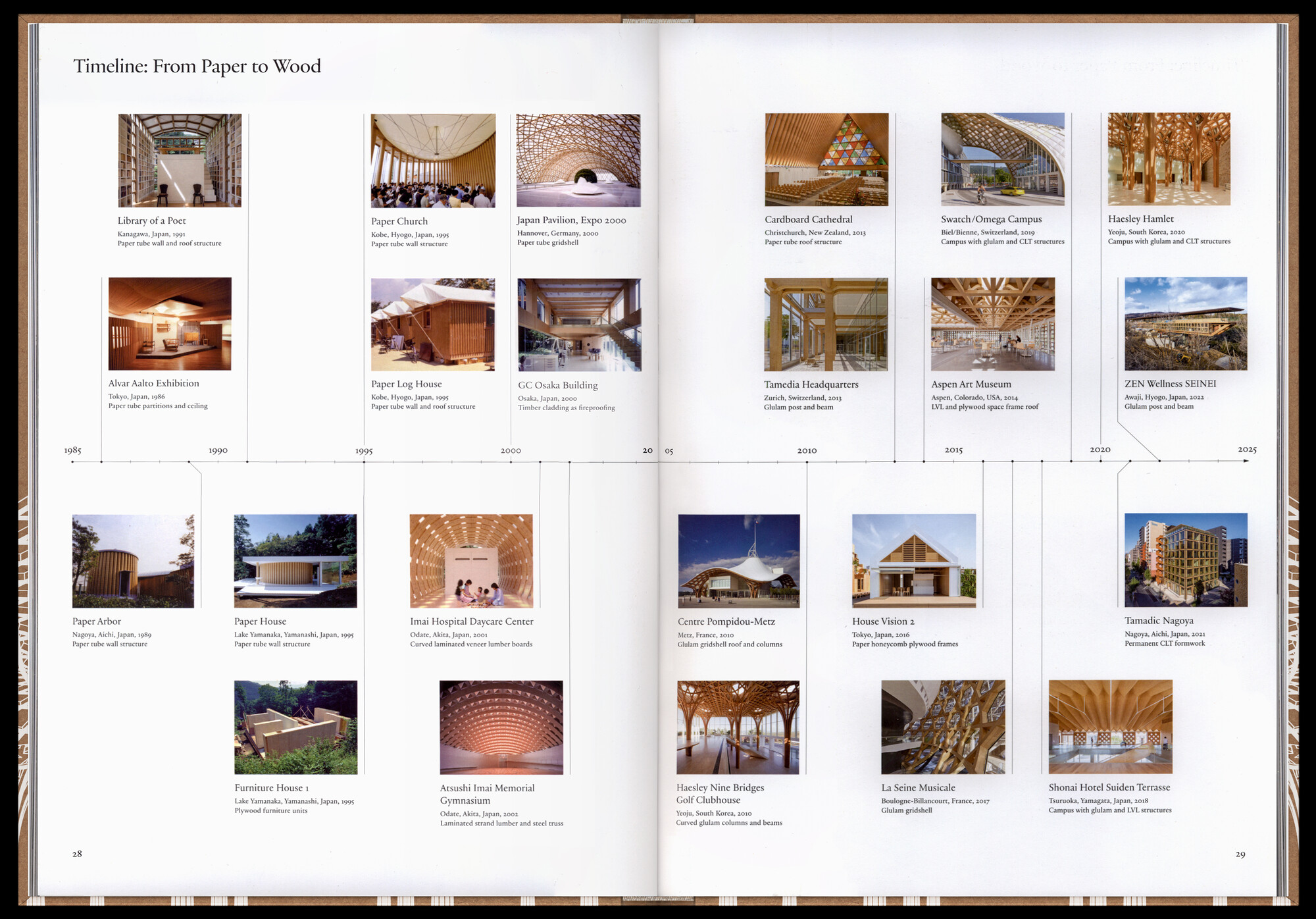
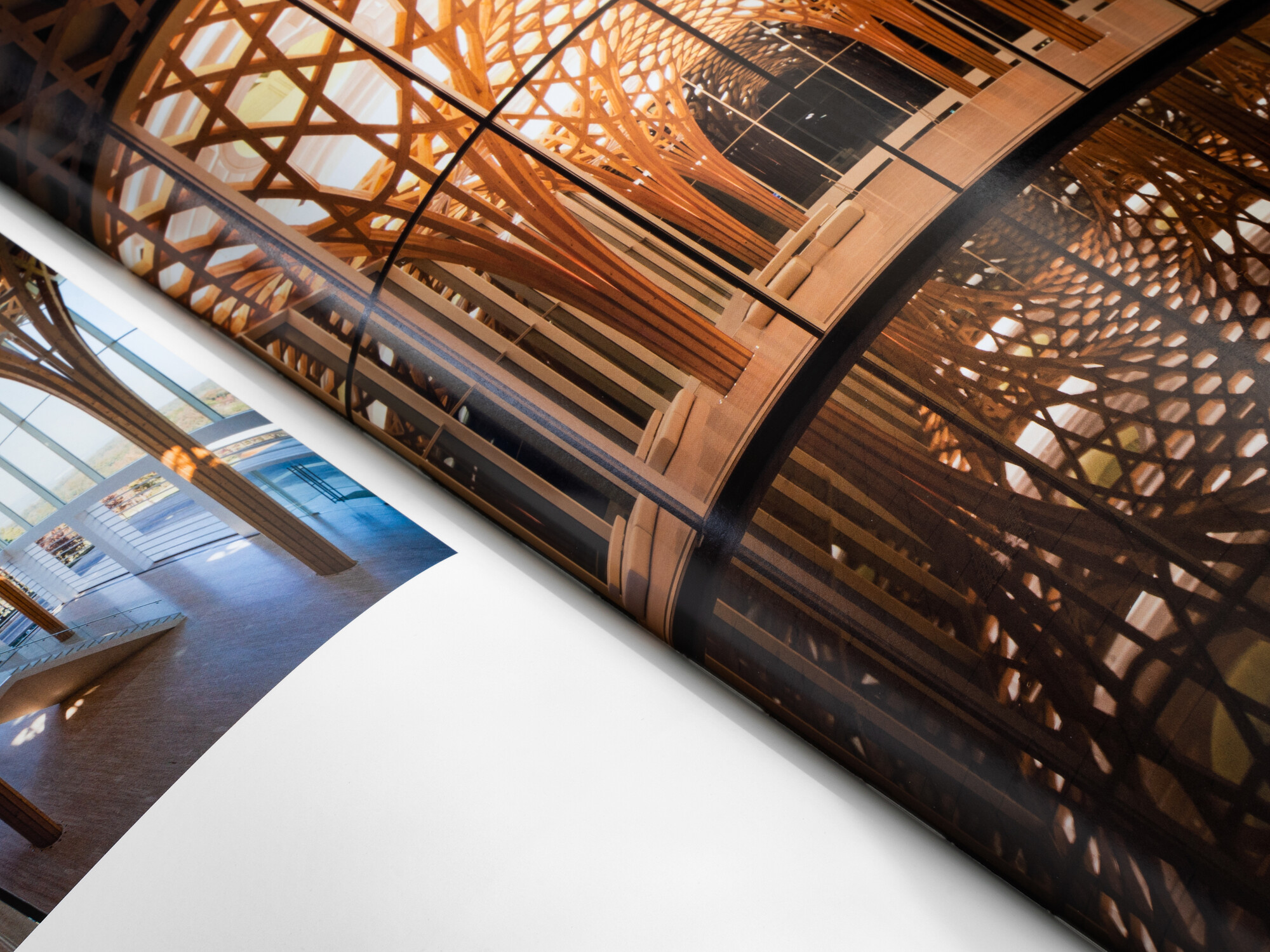
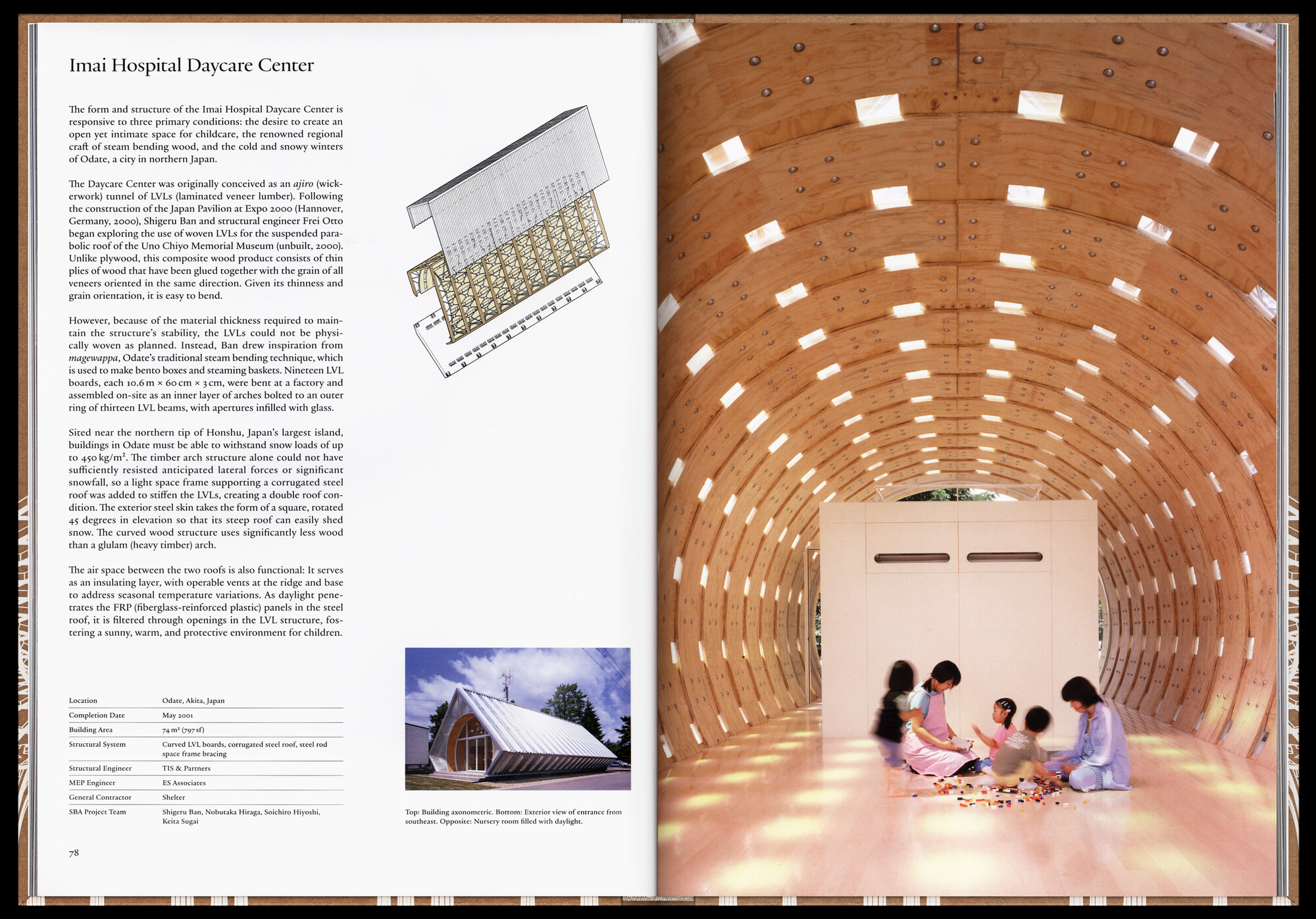
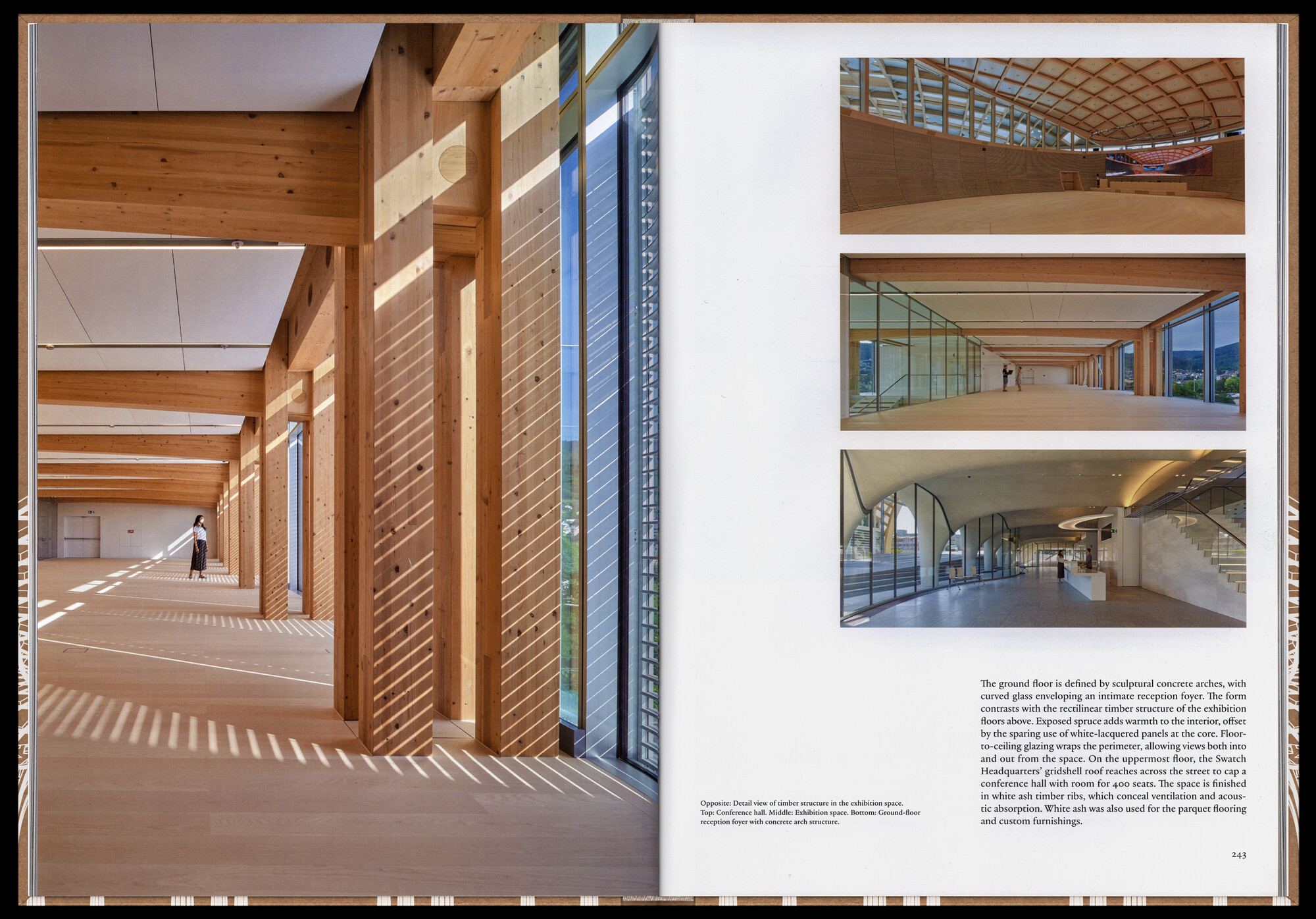
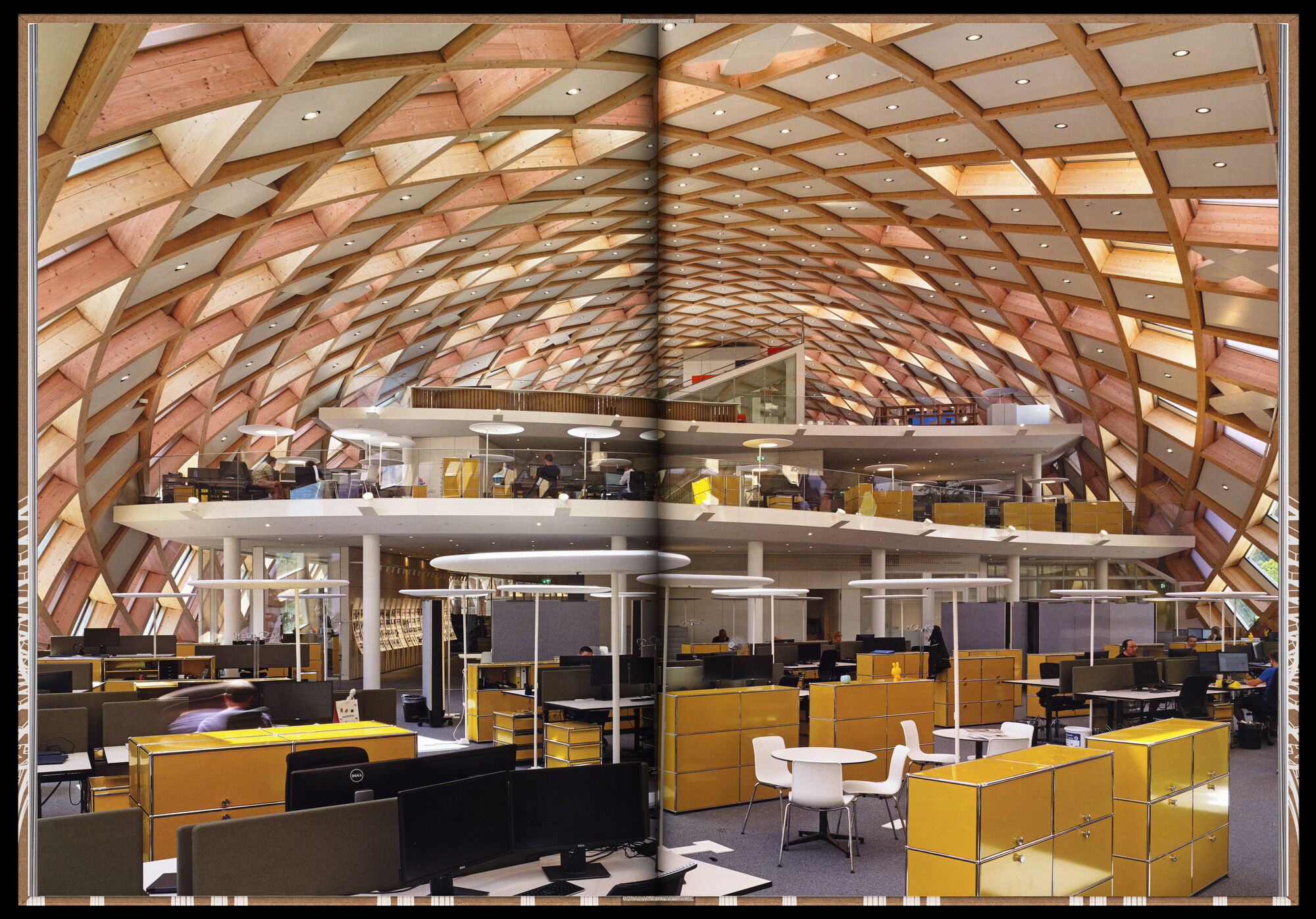
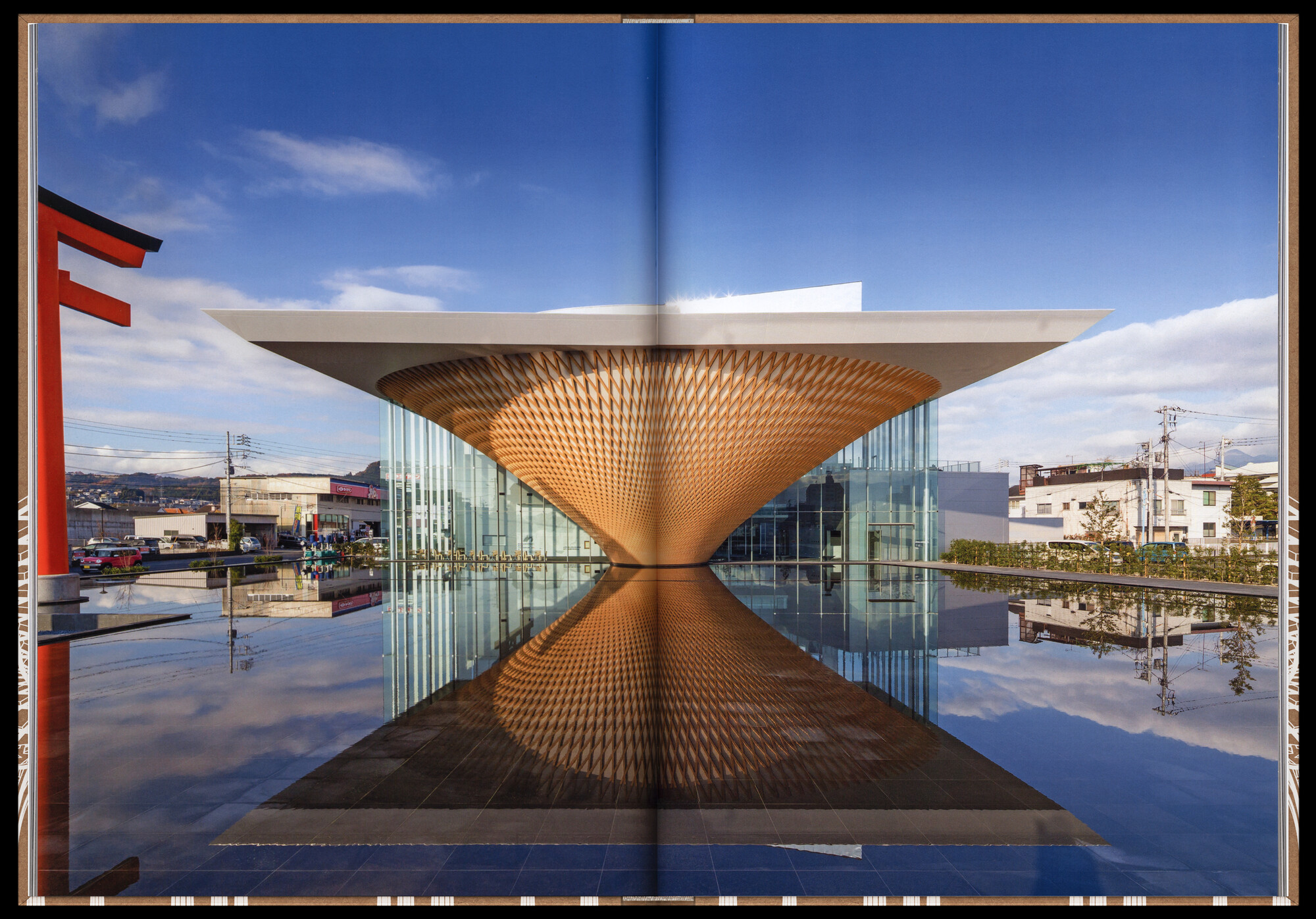
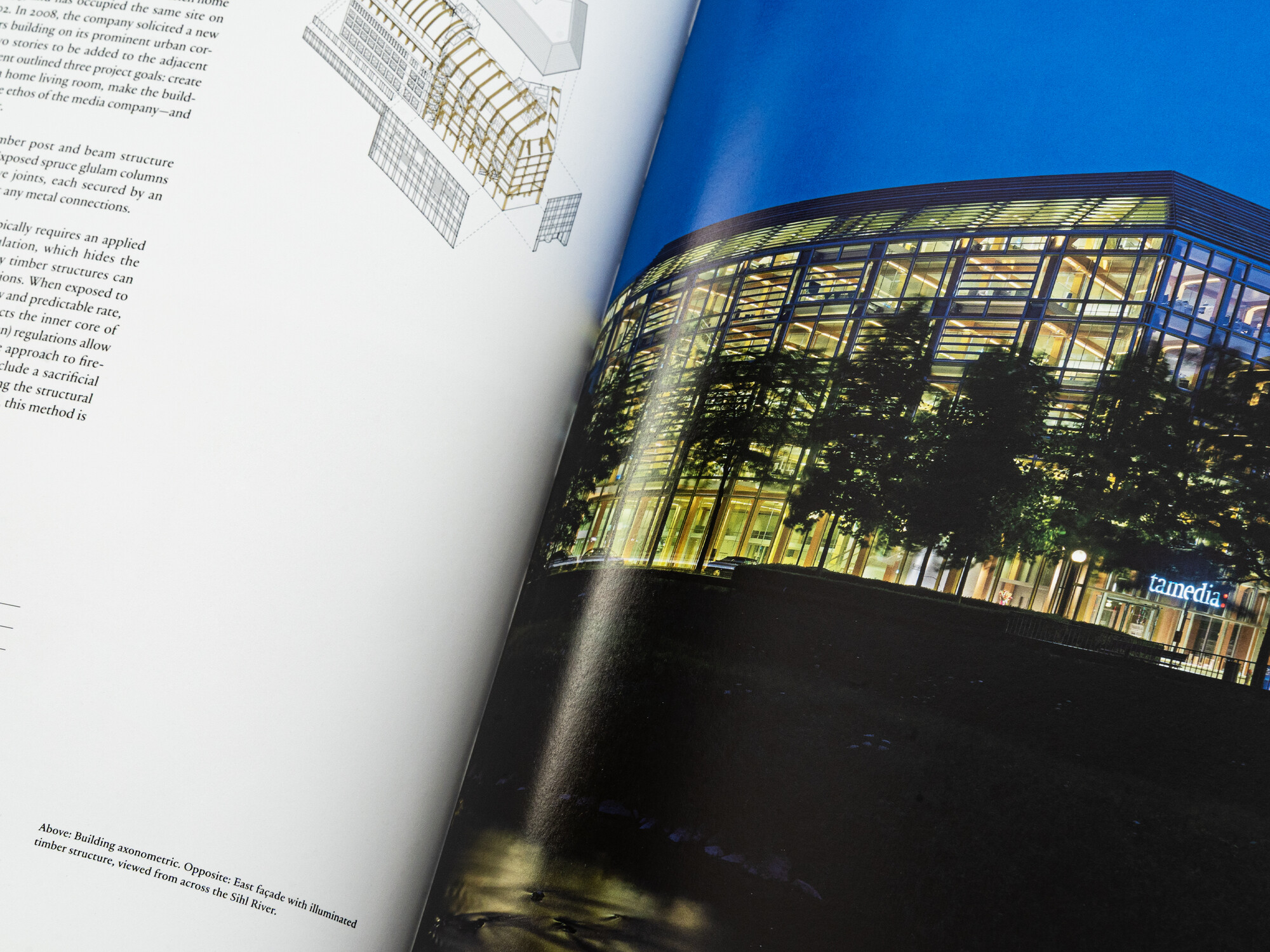
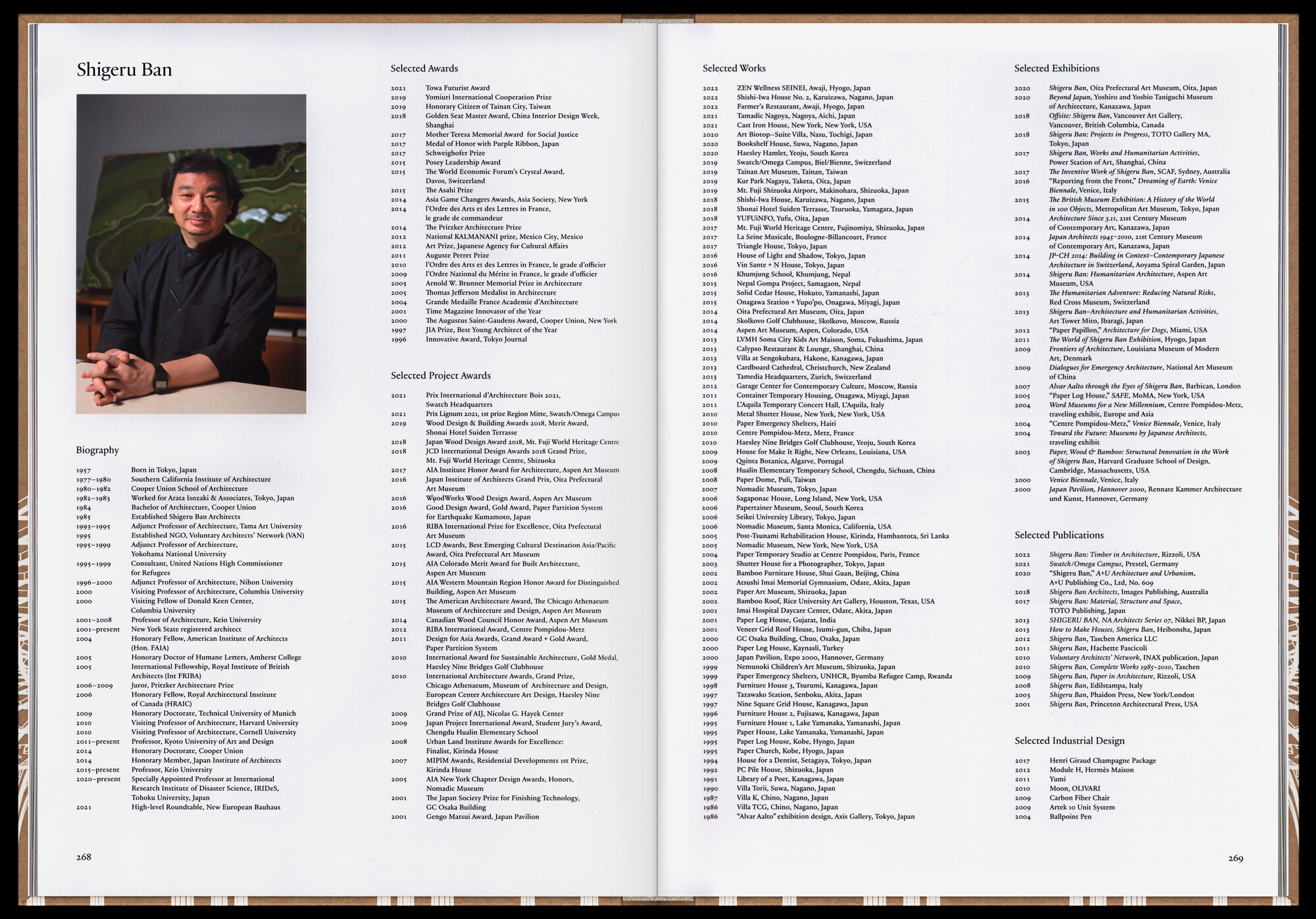
Shigeru Ban: Timber in Architecture presents 45 works from concept through construction, demonstrating the challenges and merits of wood buildings through essays, technical drawings, and photographs. This work continues on learnings presented in Shigeru Ban: Paper in Architecture as it traces Ban’s contributions to the evolution of mass timber as a commercially viable, highly competitive structural solution in a variety of forms.
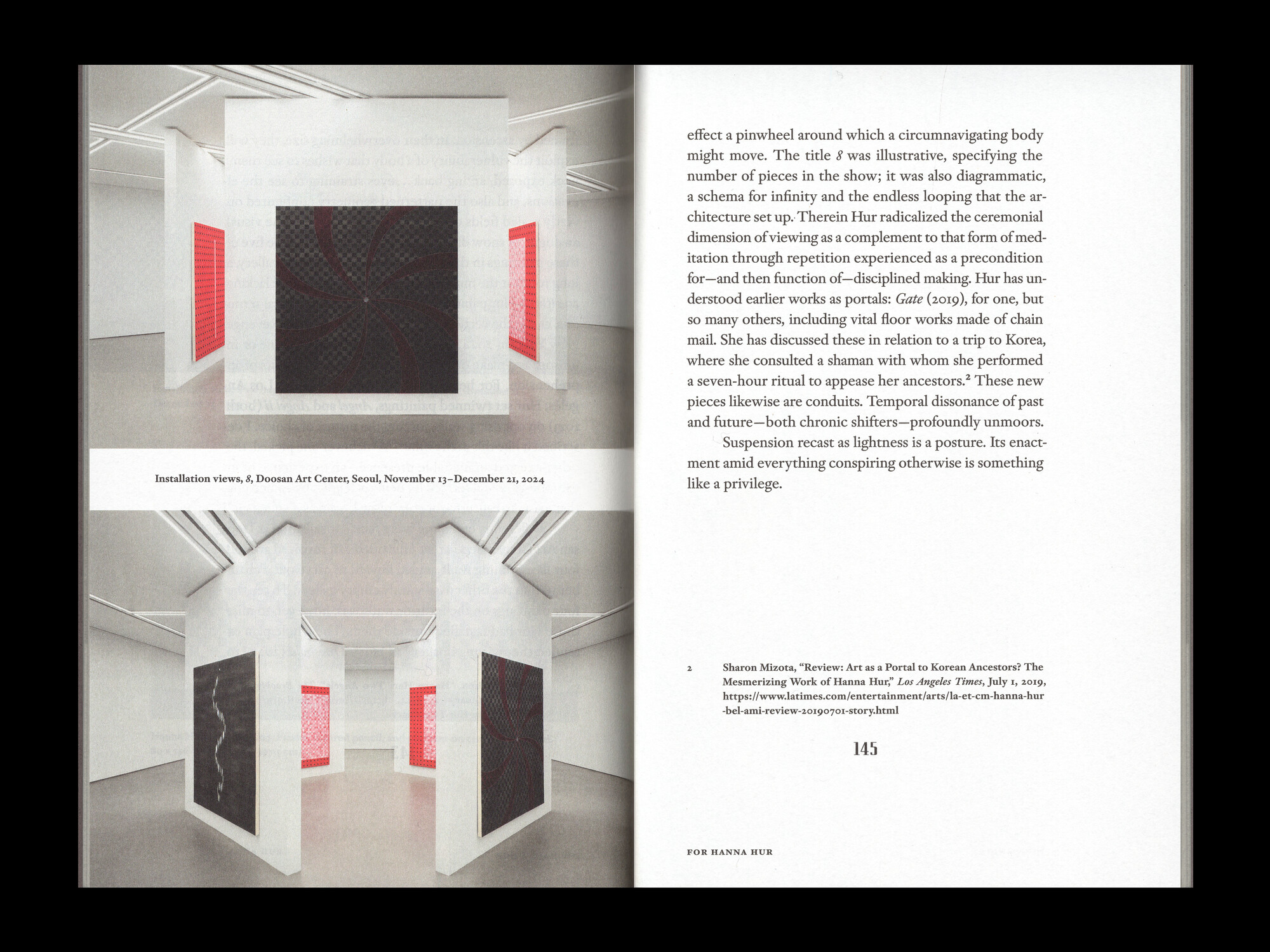
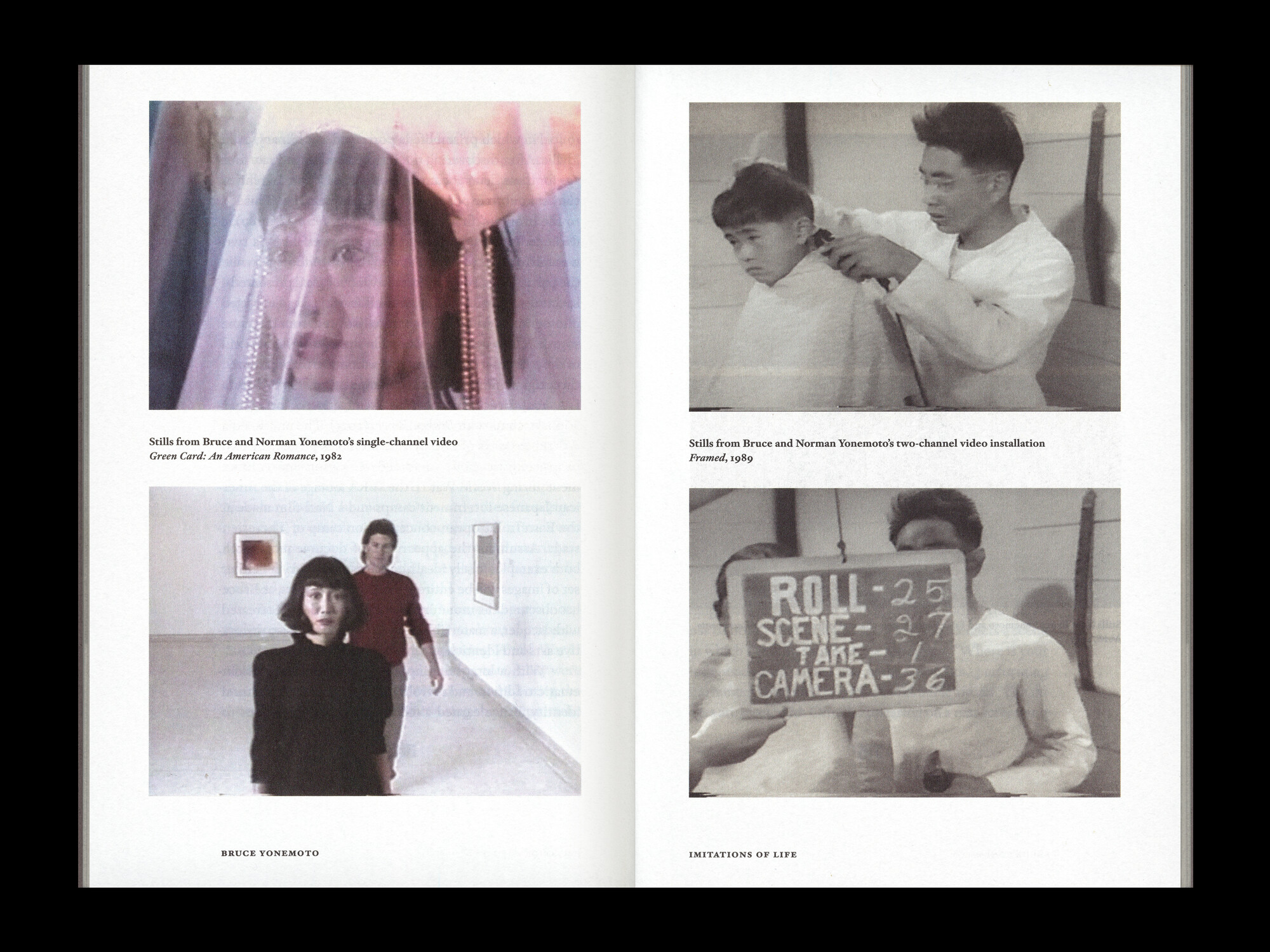
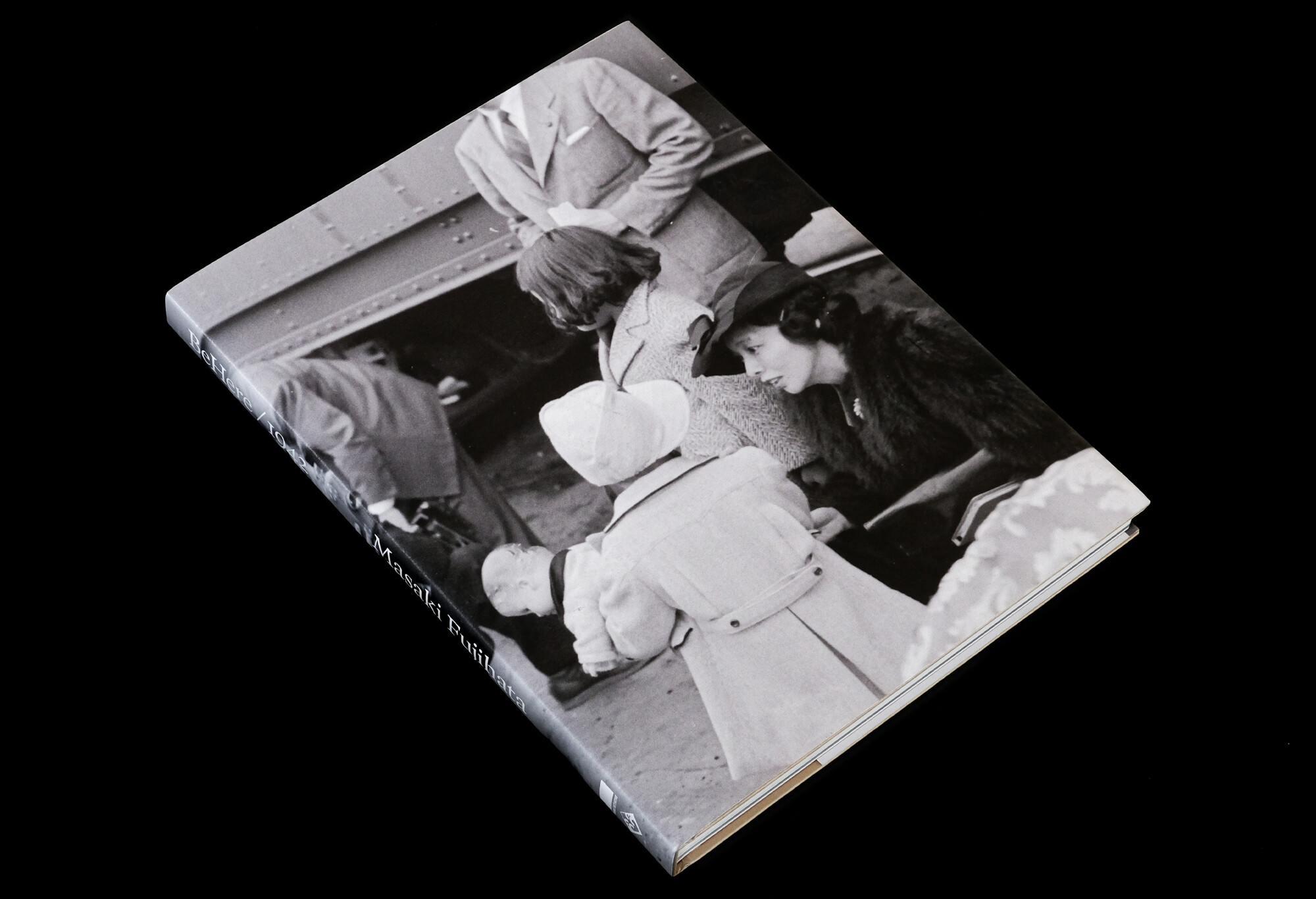
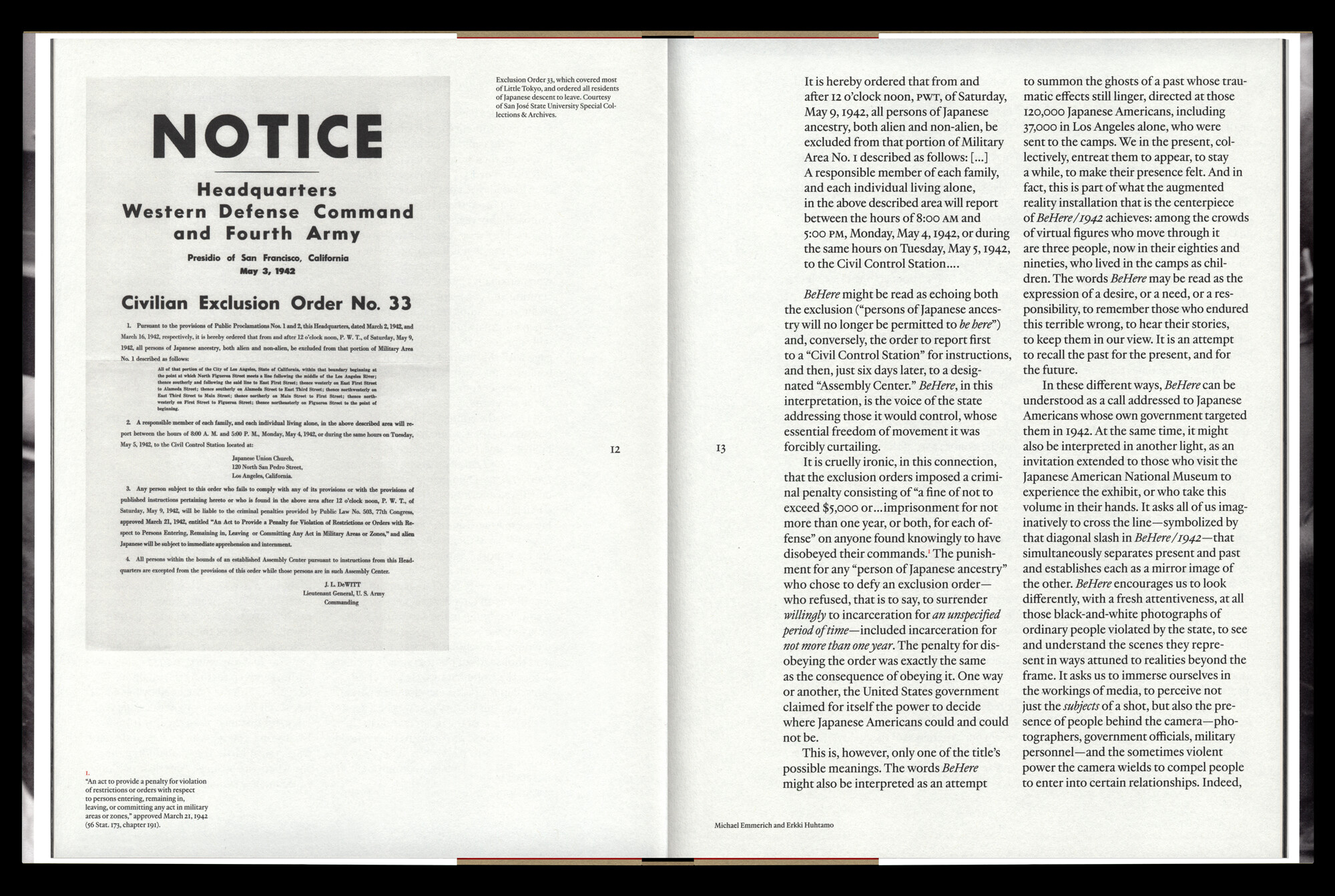
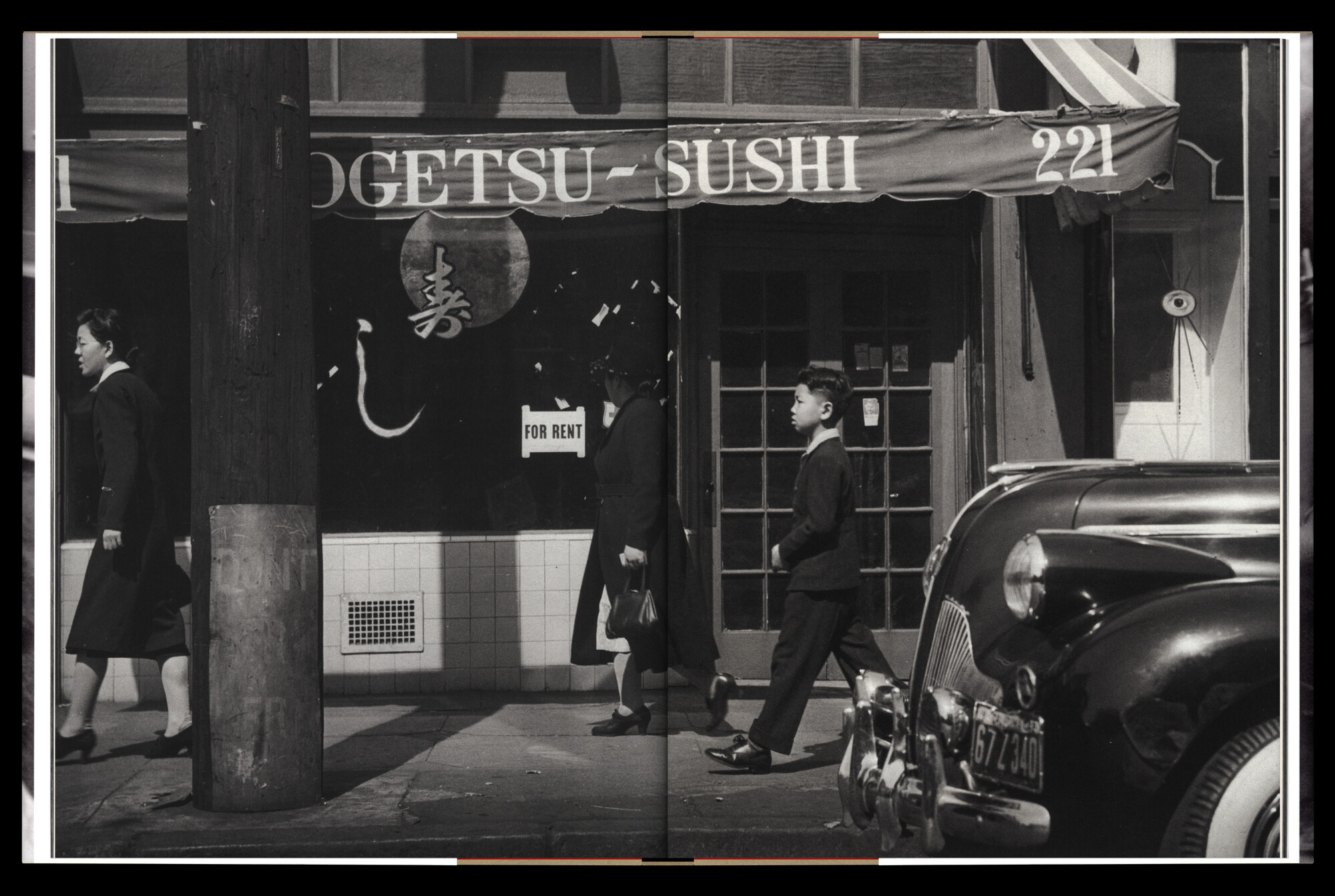
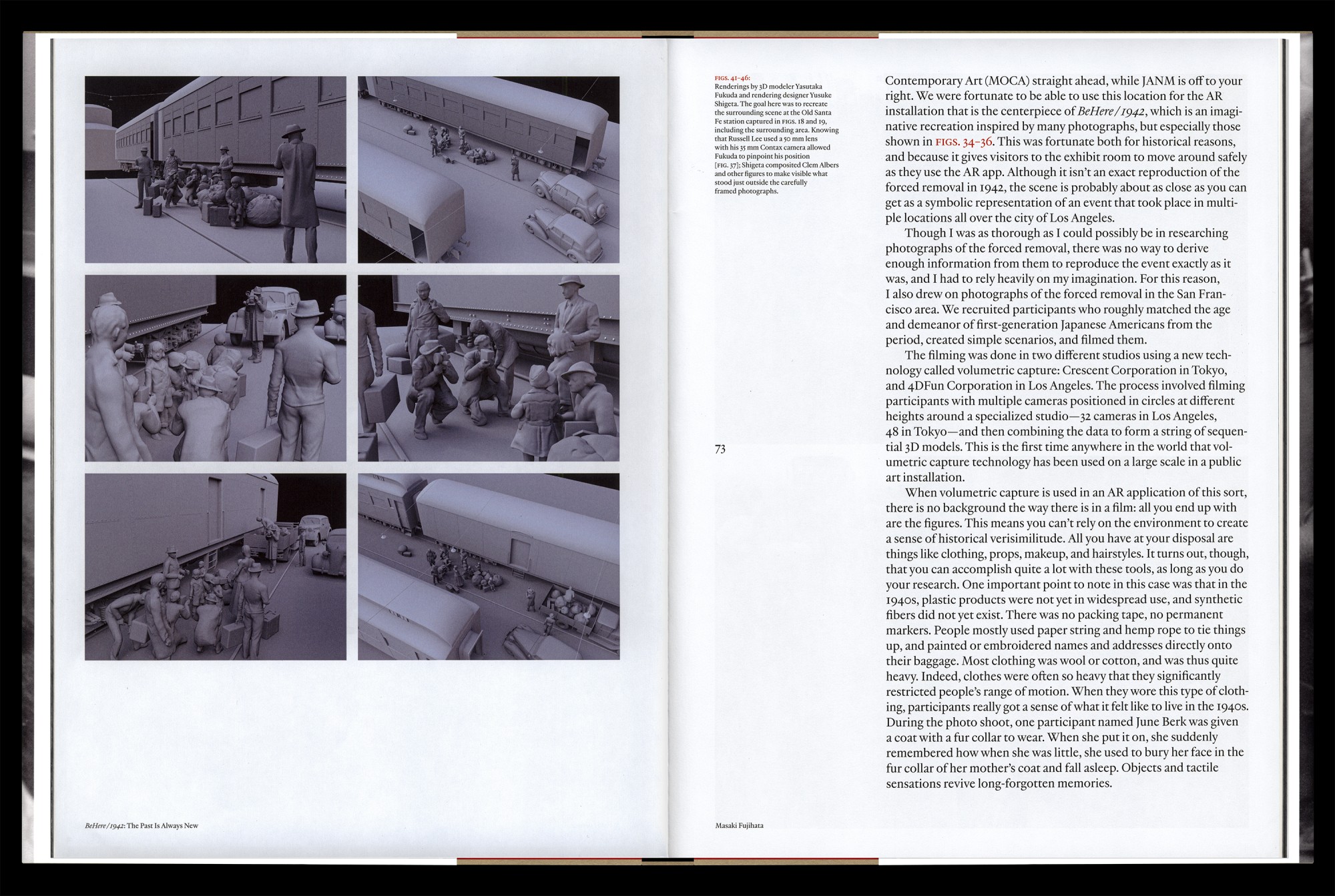
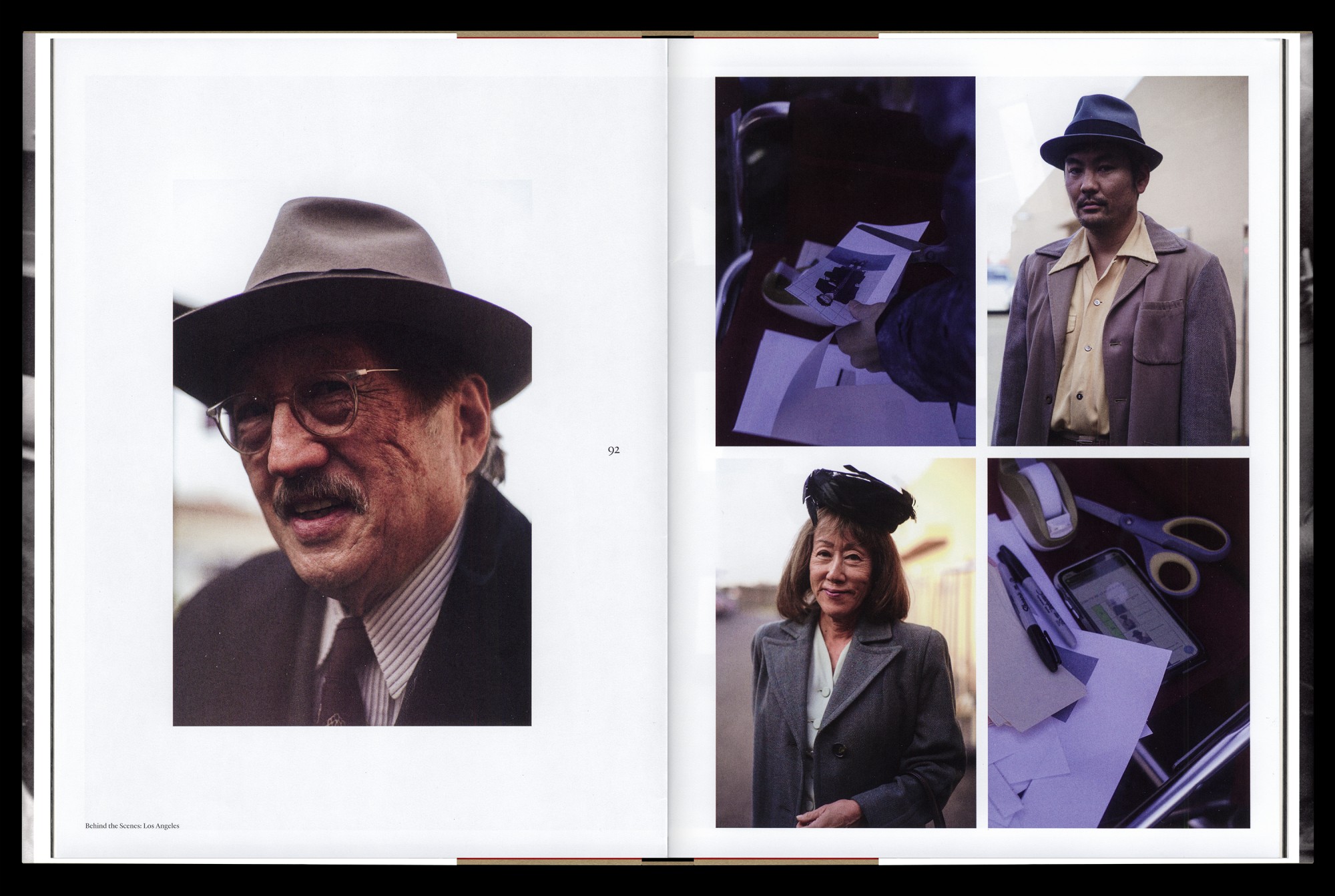
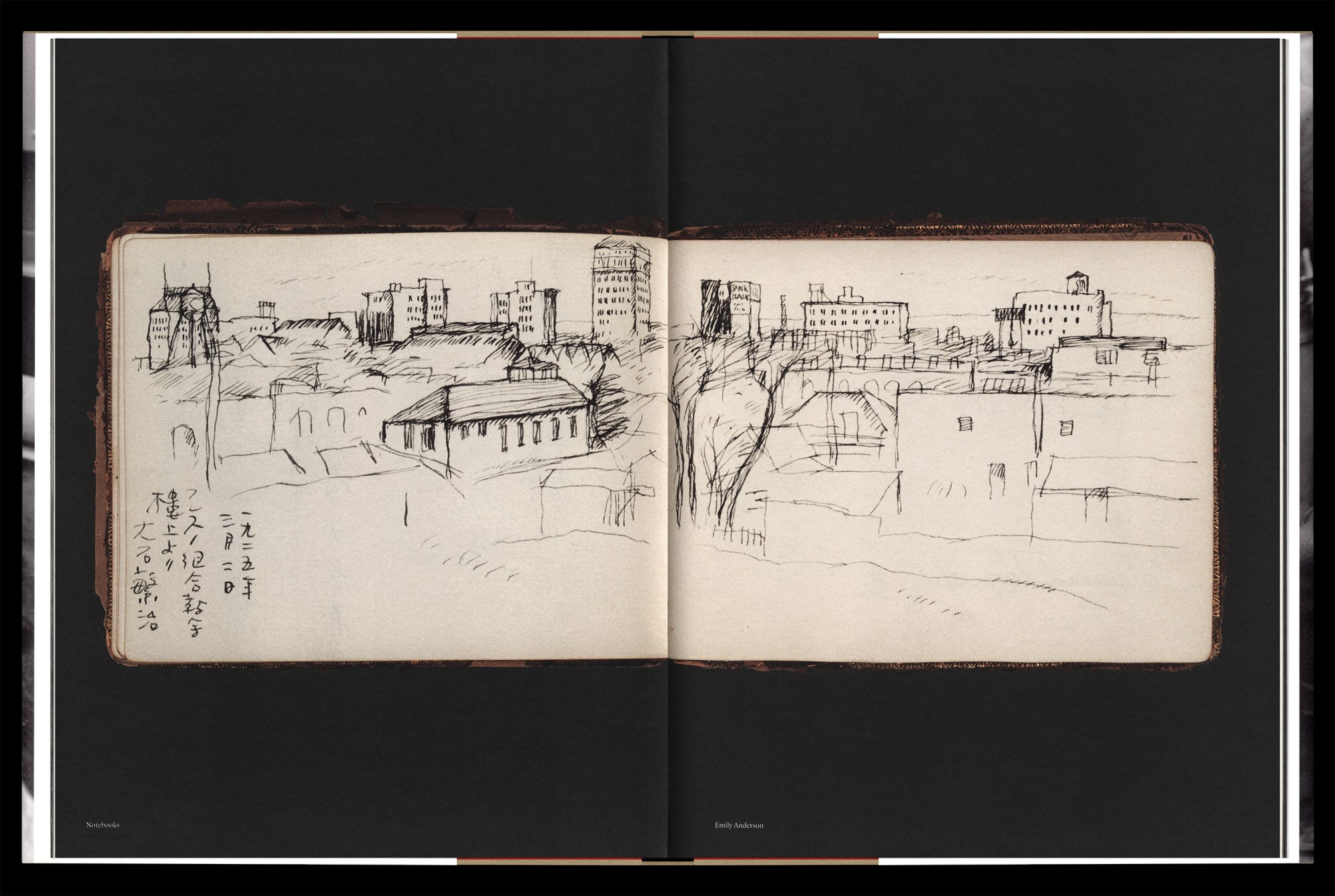
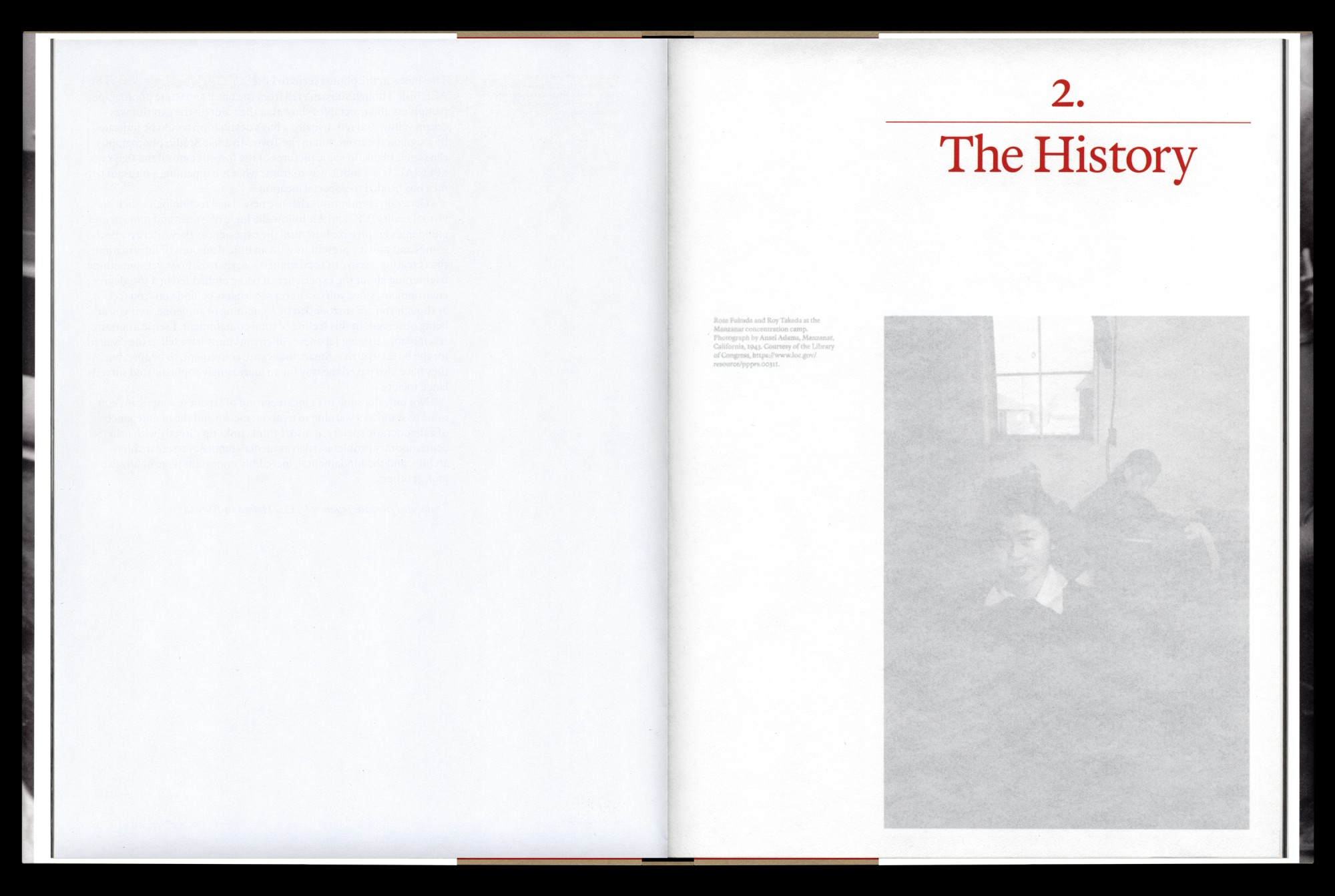
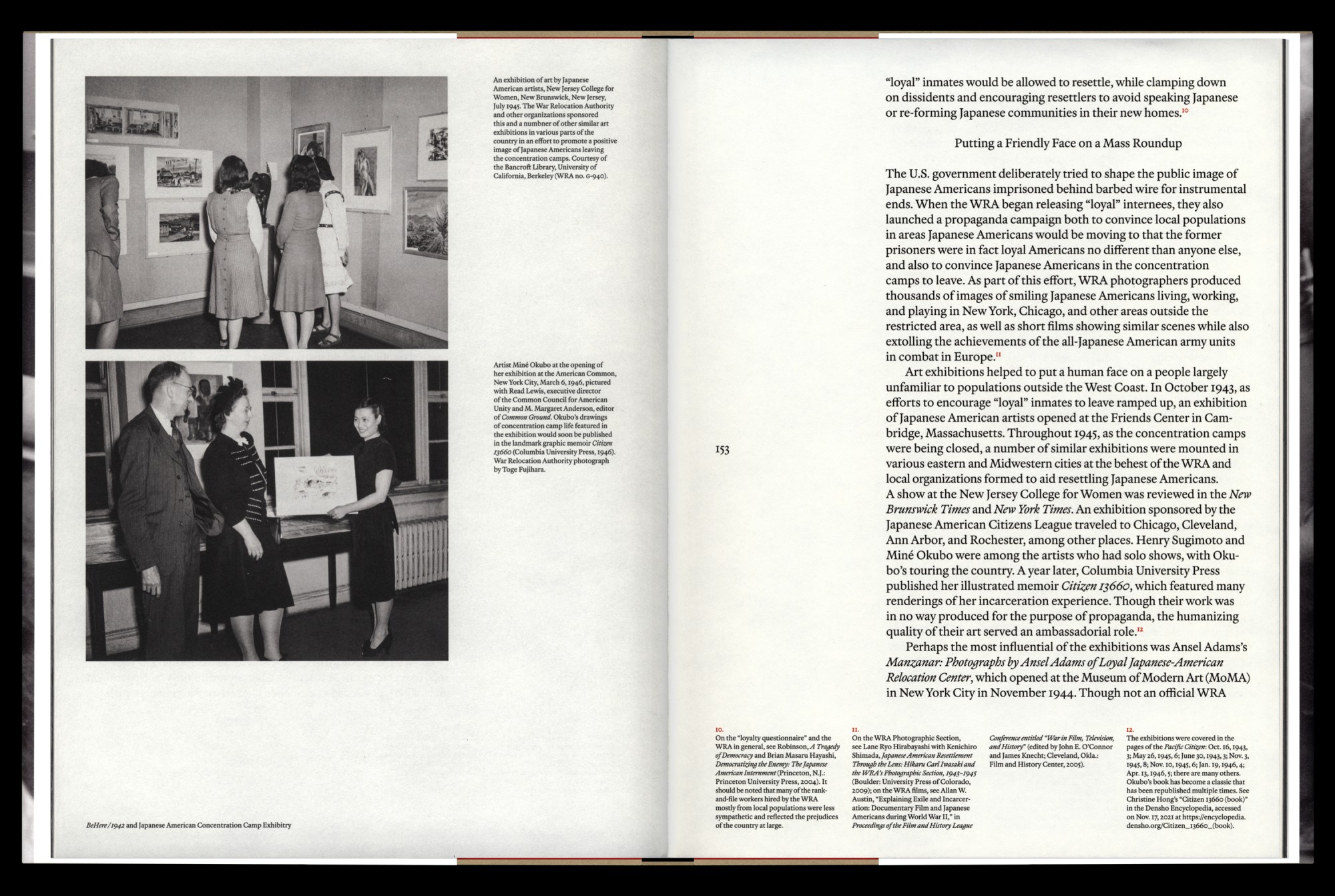
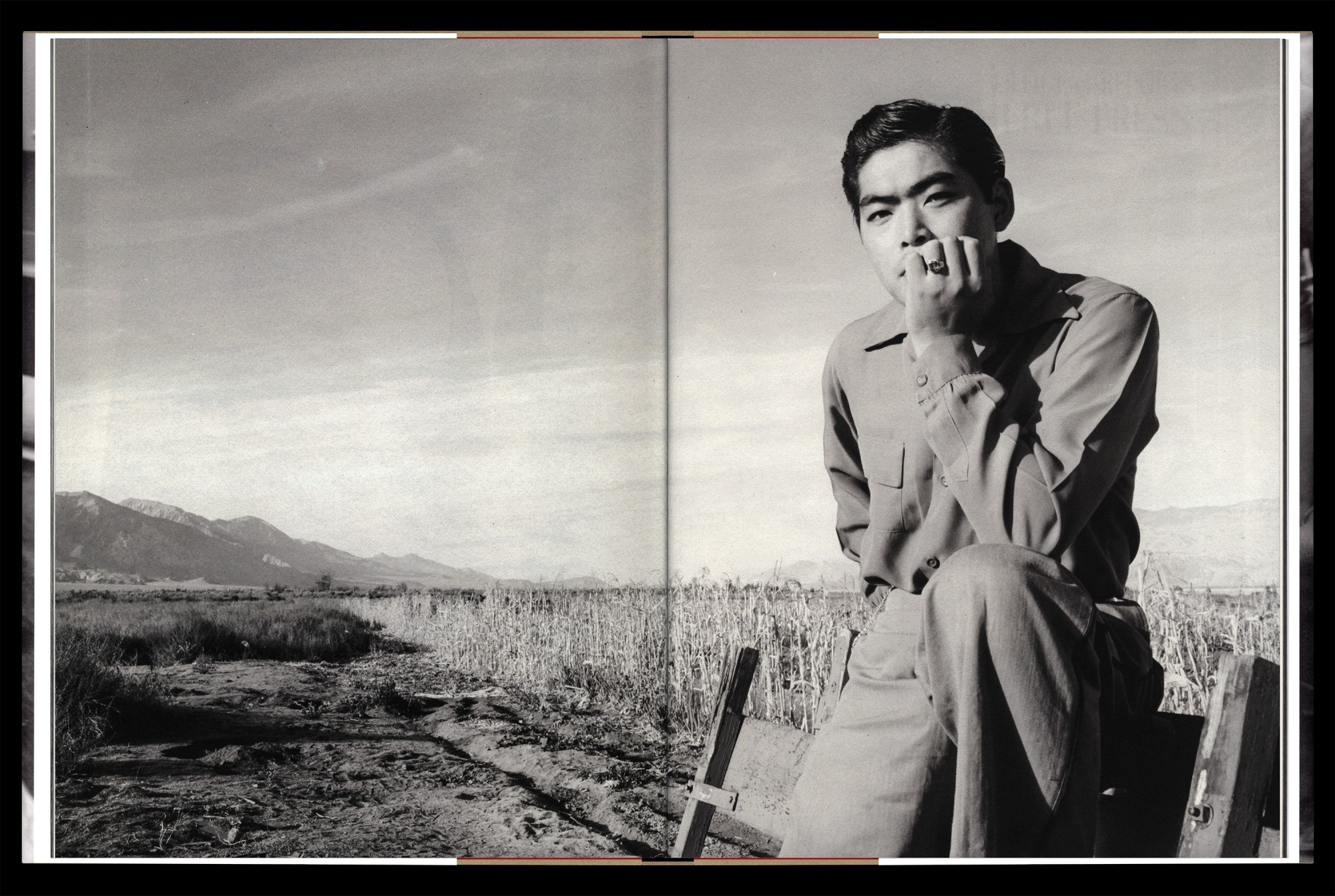
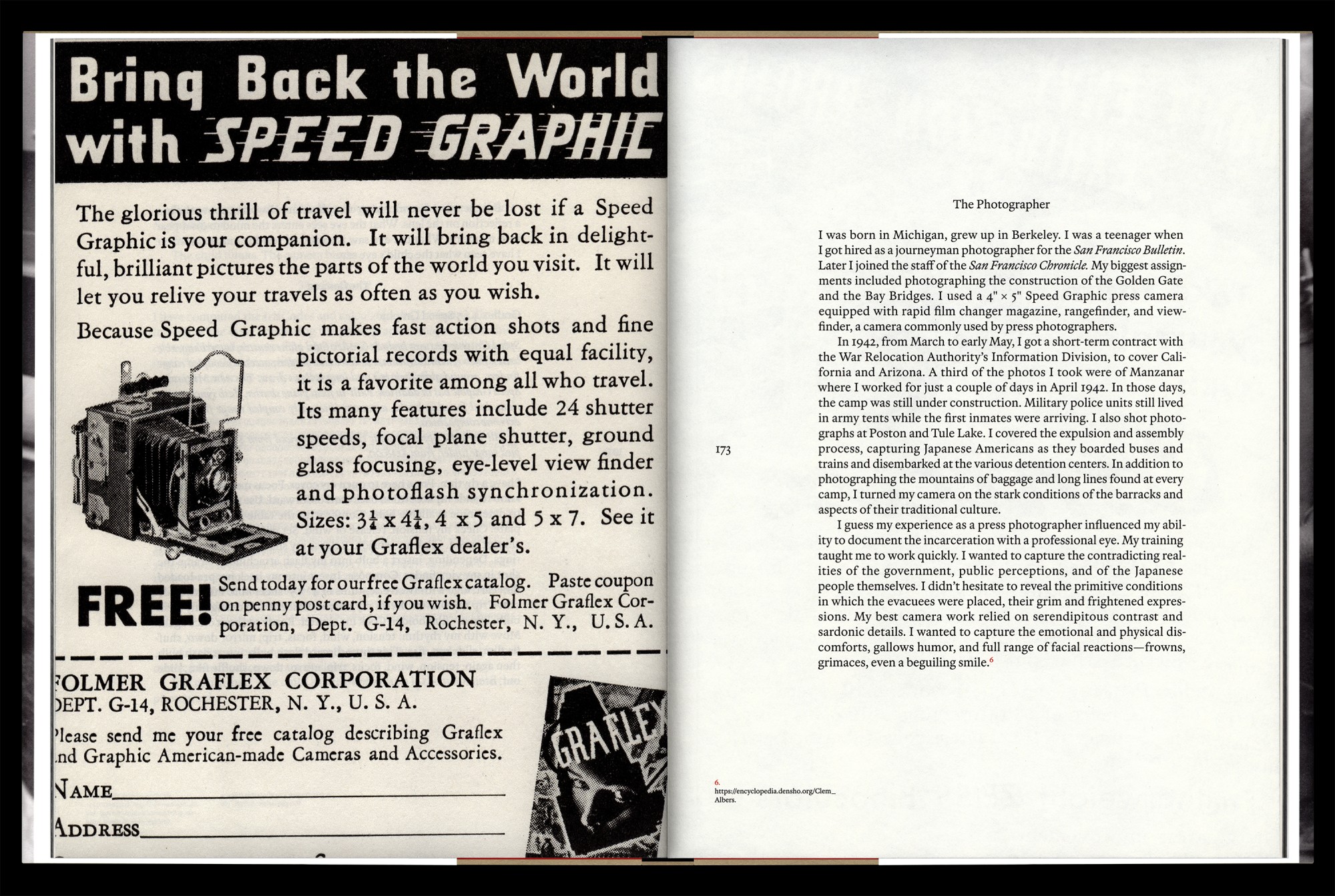
BeHere / 1942 is the companion book to media artist Masaki Fujihata’s project and exhibition at the Japanese American National Museum reframing the historic forced incarceration of Japanese Americans during World War II through photographic detective work and re-examination through augmented reality. This volume contains a variety of contributions each of which engages with the history of the incarceration and its representation in photographs and exhibitions.
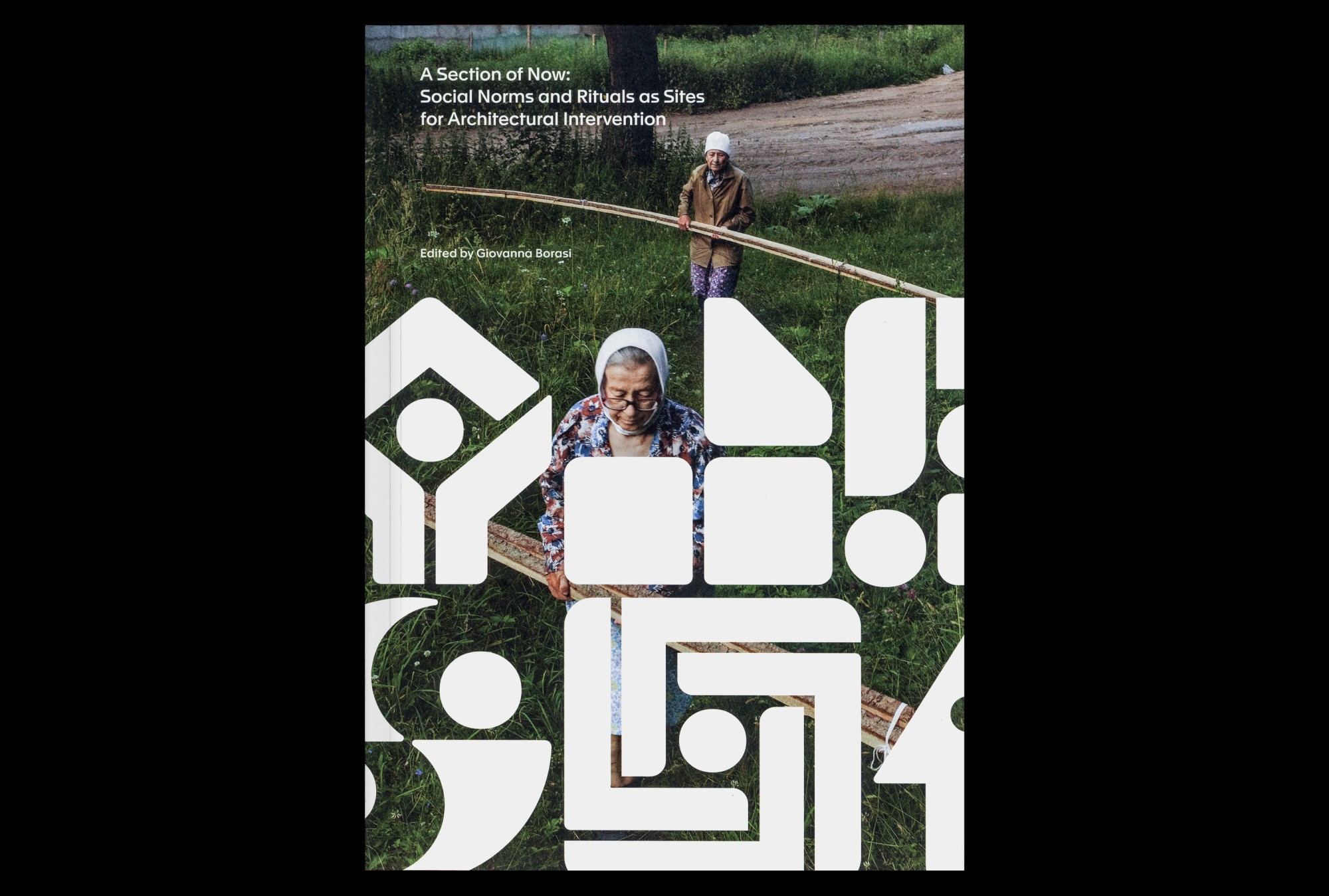
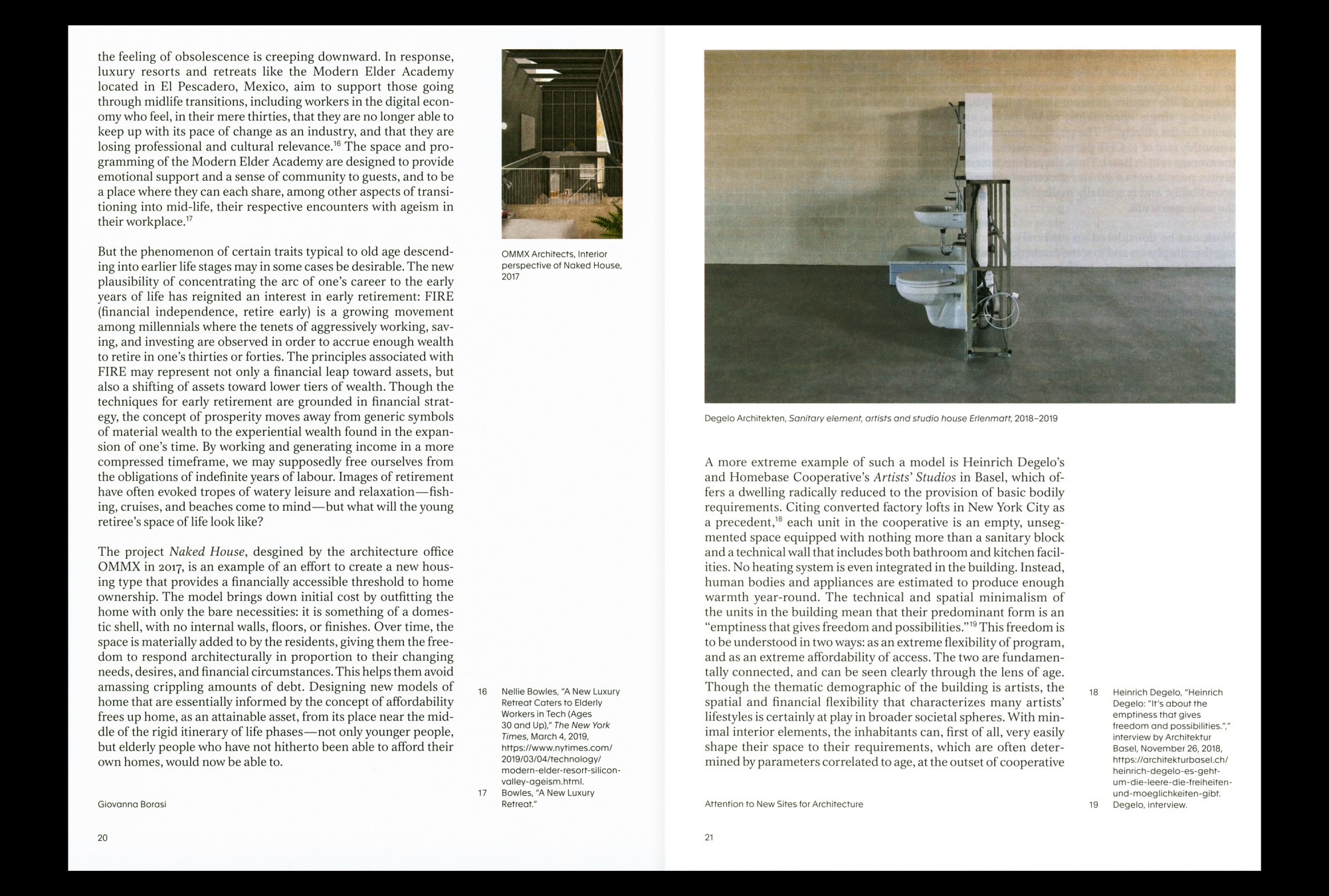
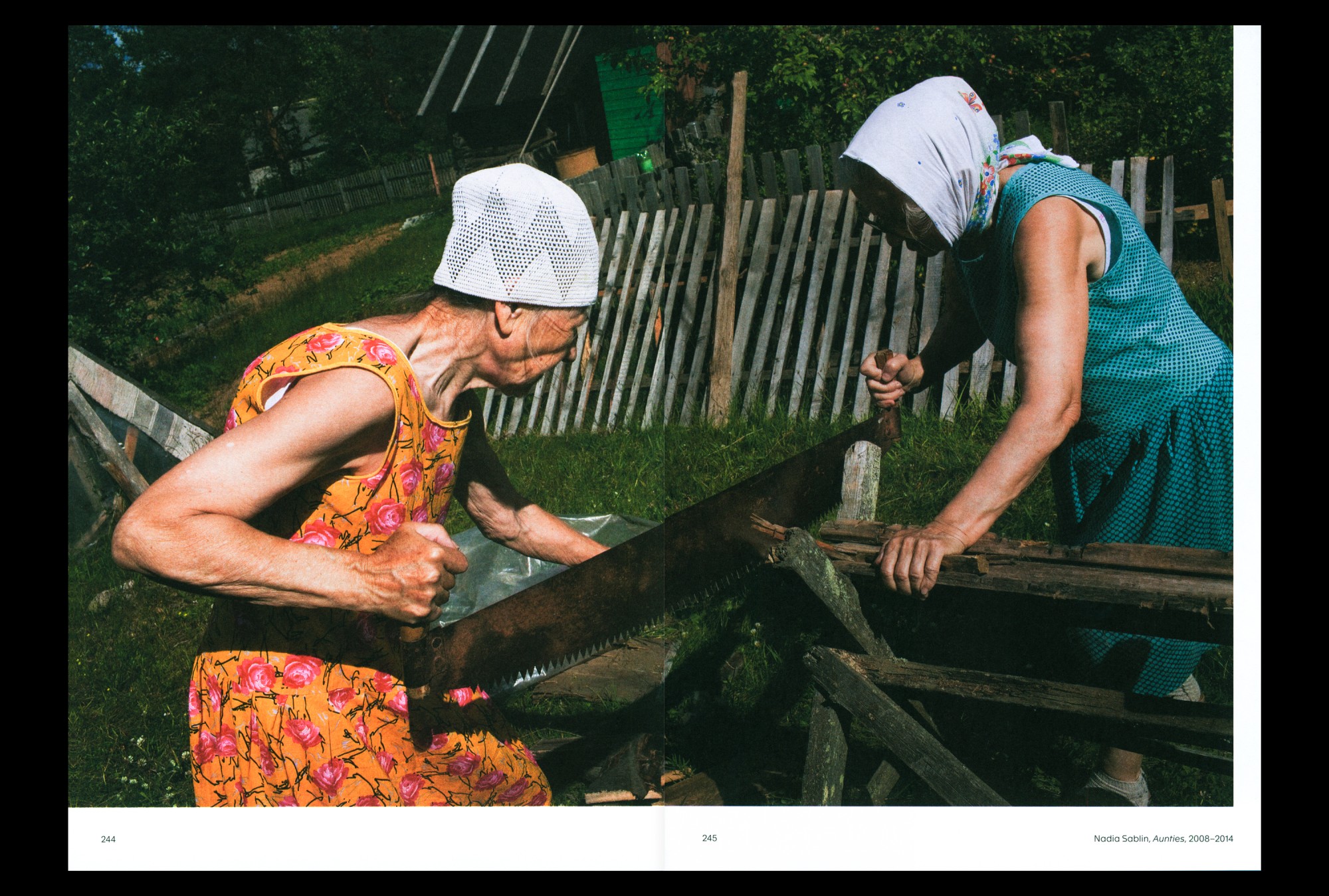
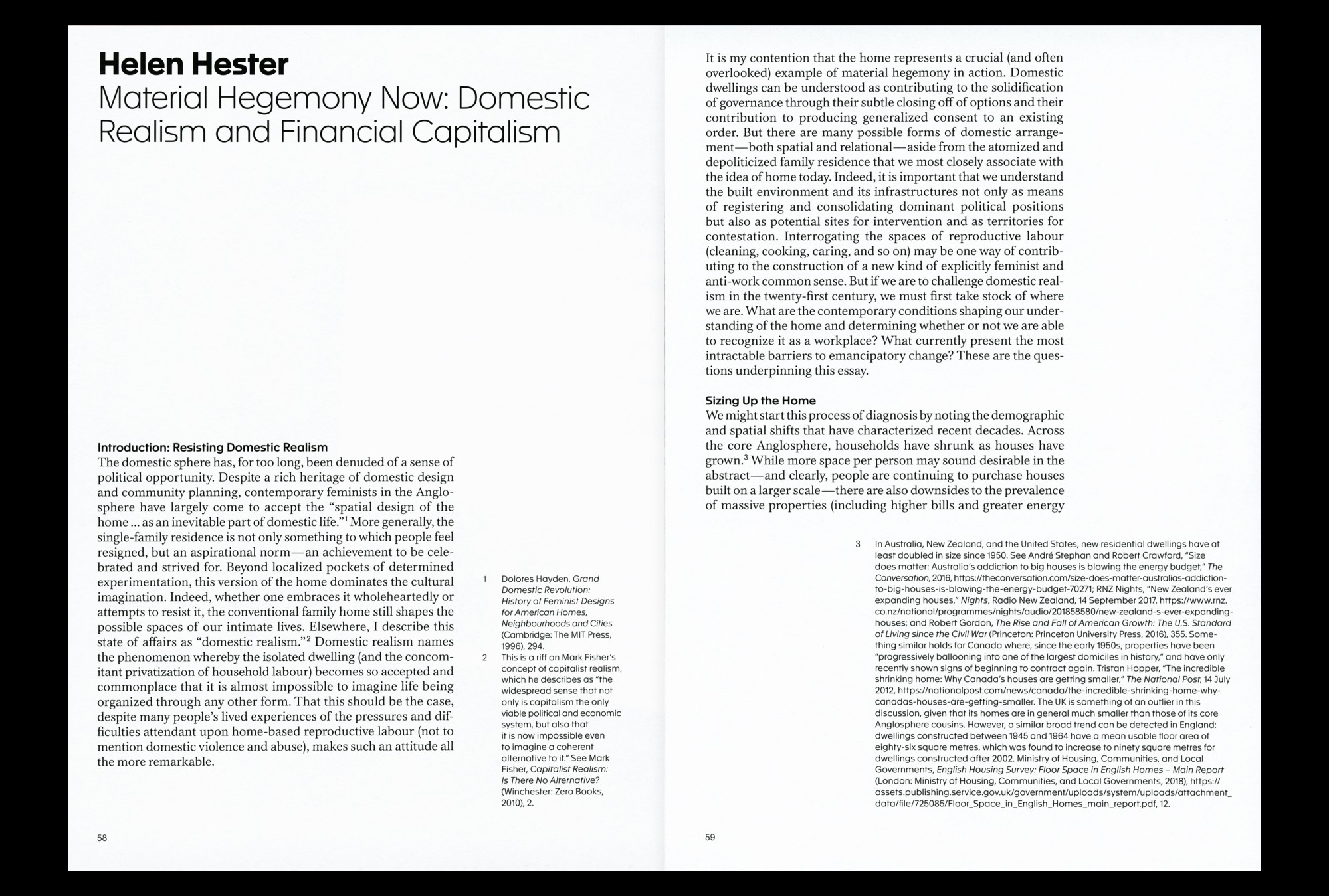
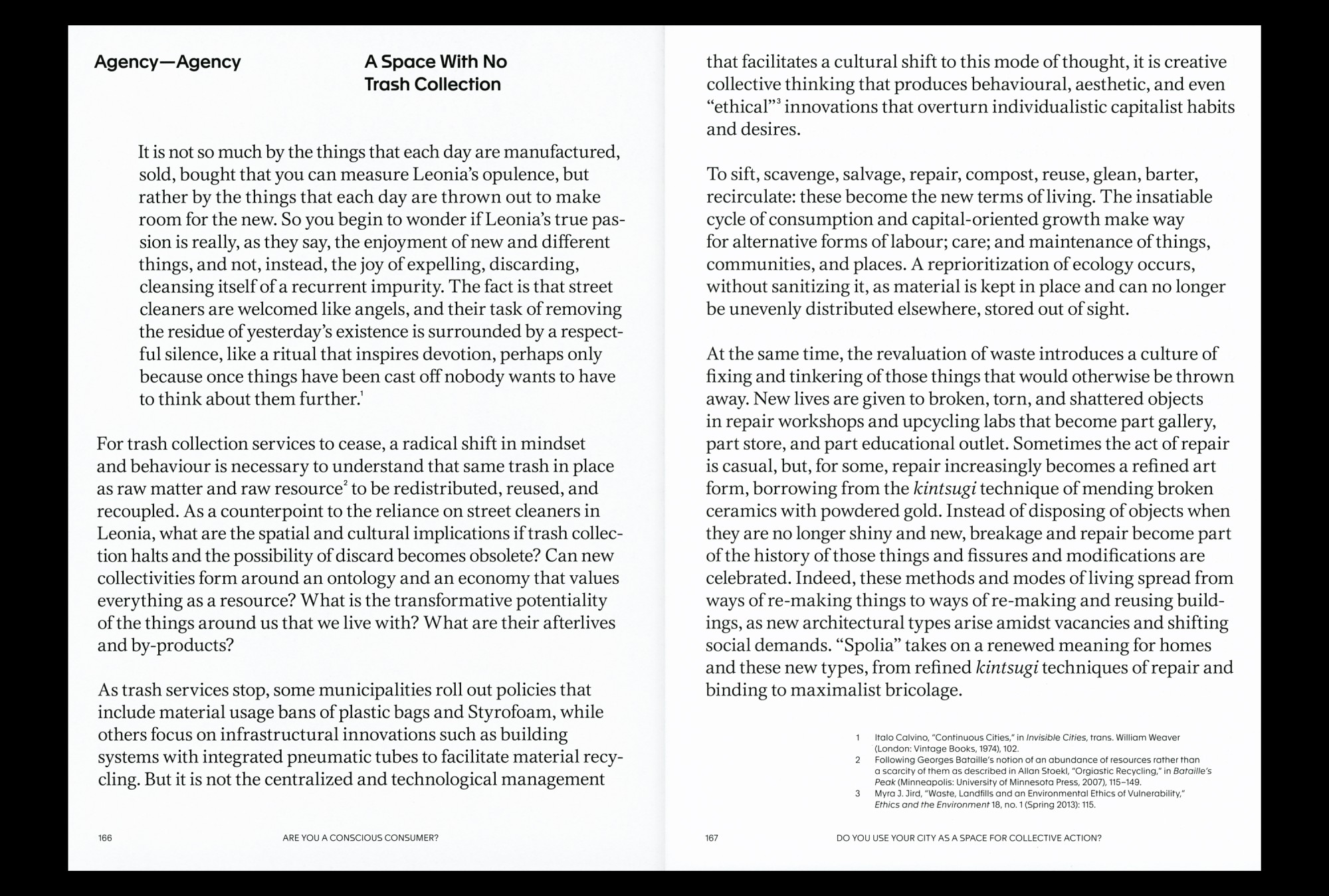
A Section of Now: Social Norms and Rituals as Sites for Architectural Intervention is the companion publication to the exhibition presented by the Canadian Centre for Architecture. The reader, published in both French and English, brings projects presented in the show into contact with critical essays by sociologists, technologists, and cultural critics diagnosing the meta-societal landscapes on which the architecture intervenes.
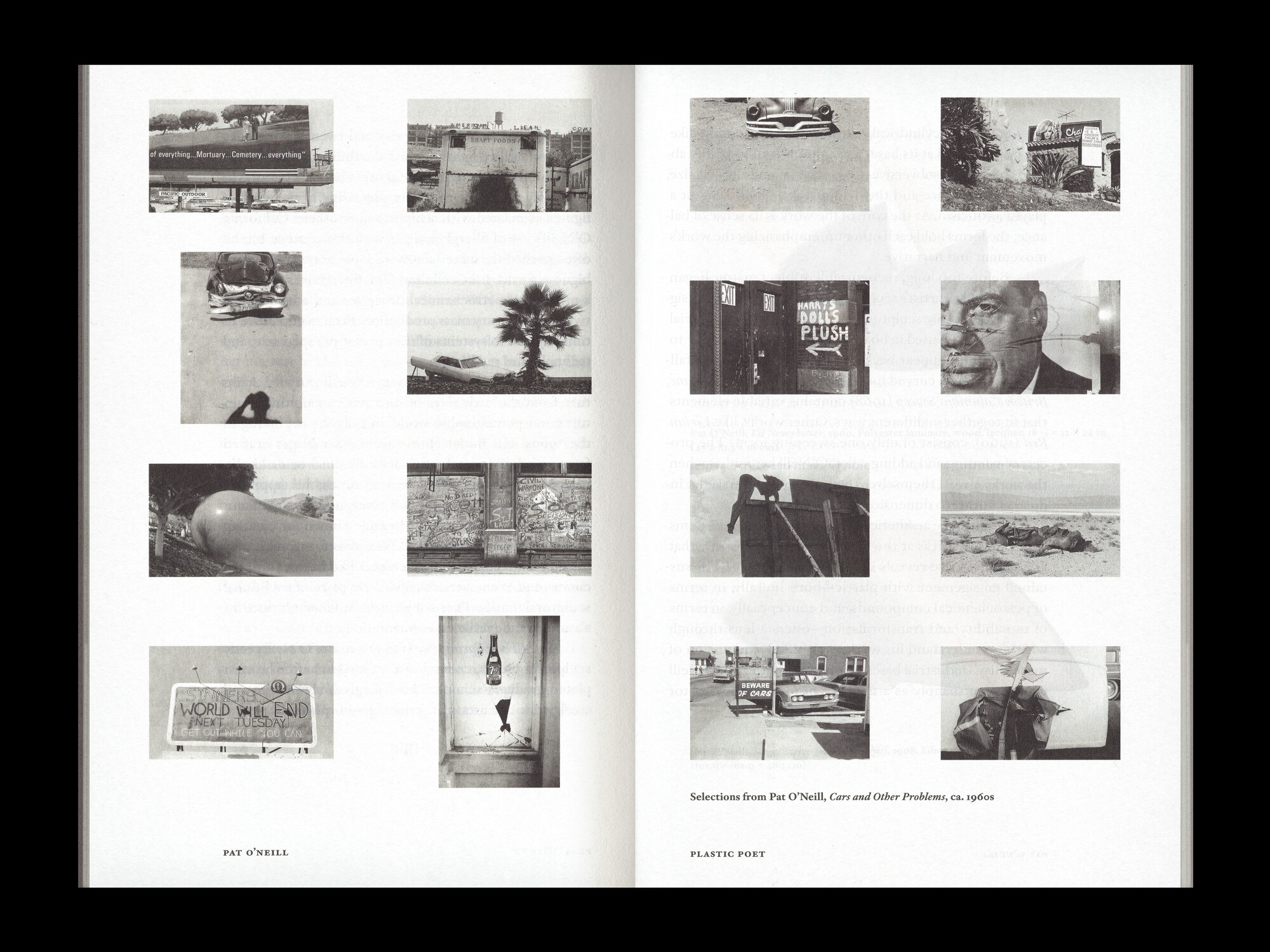
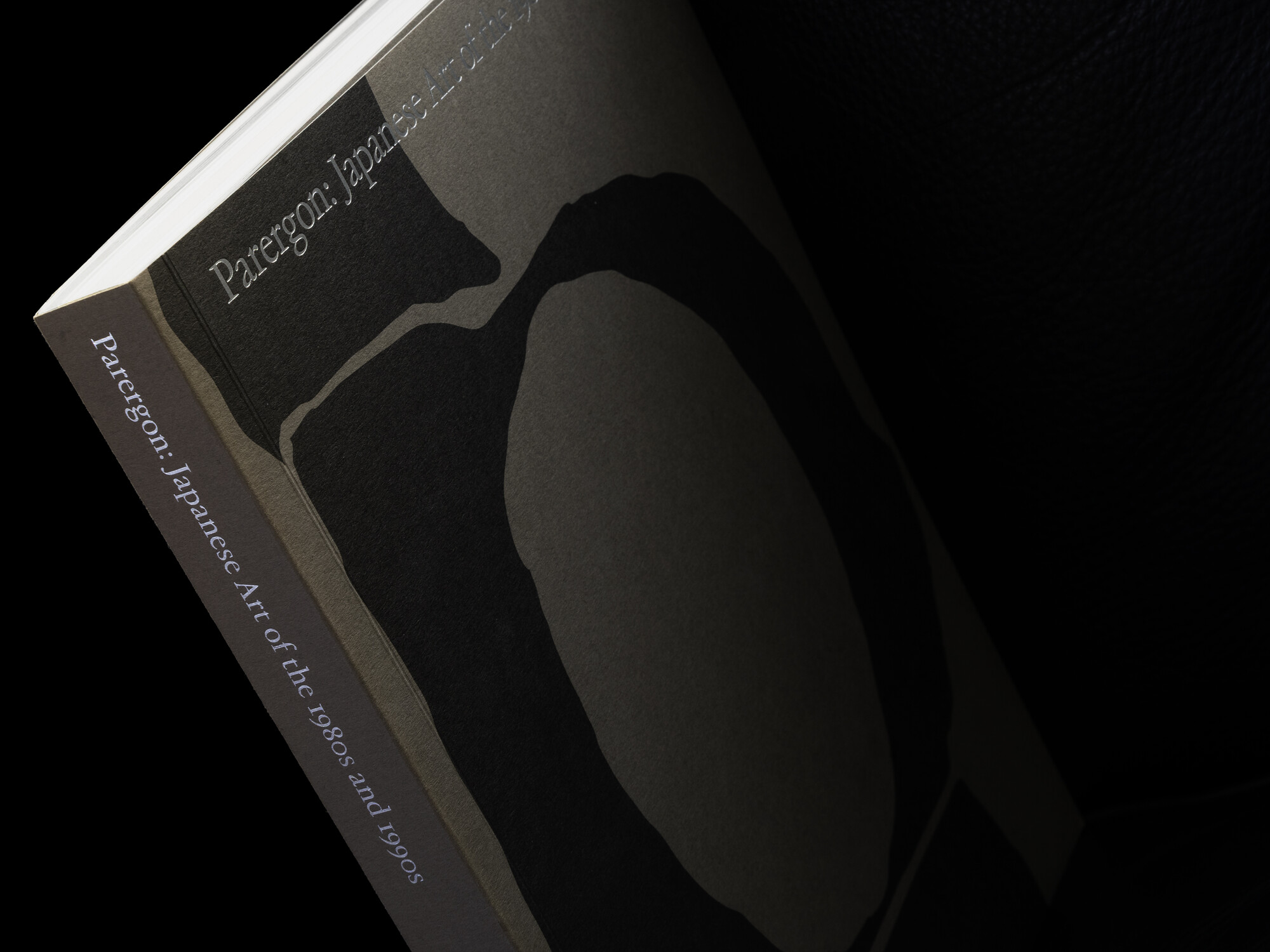
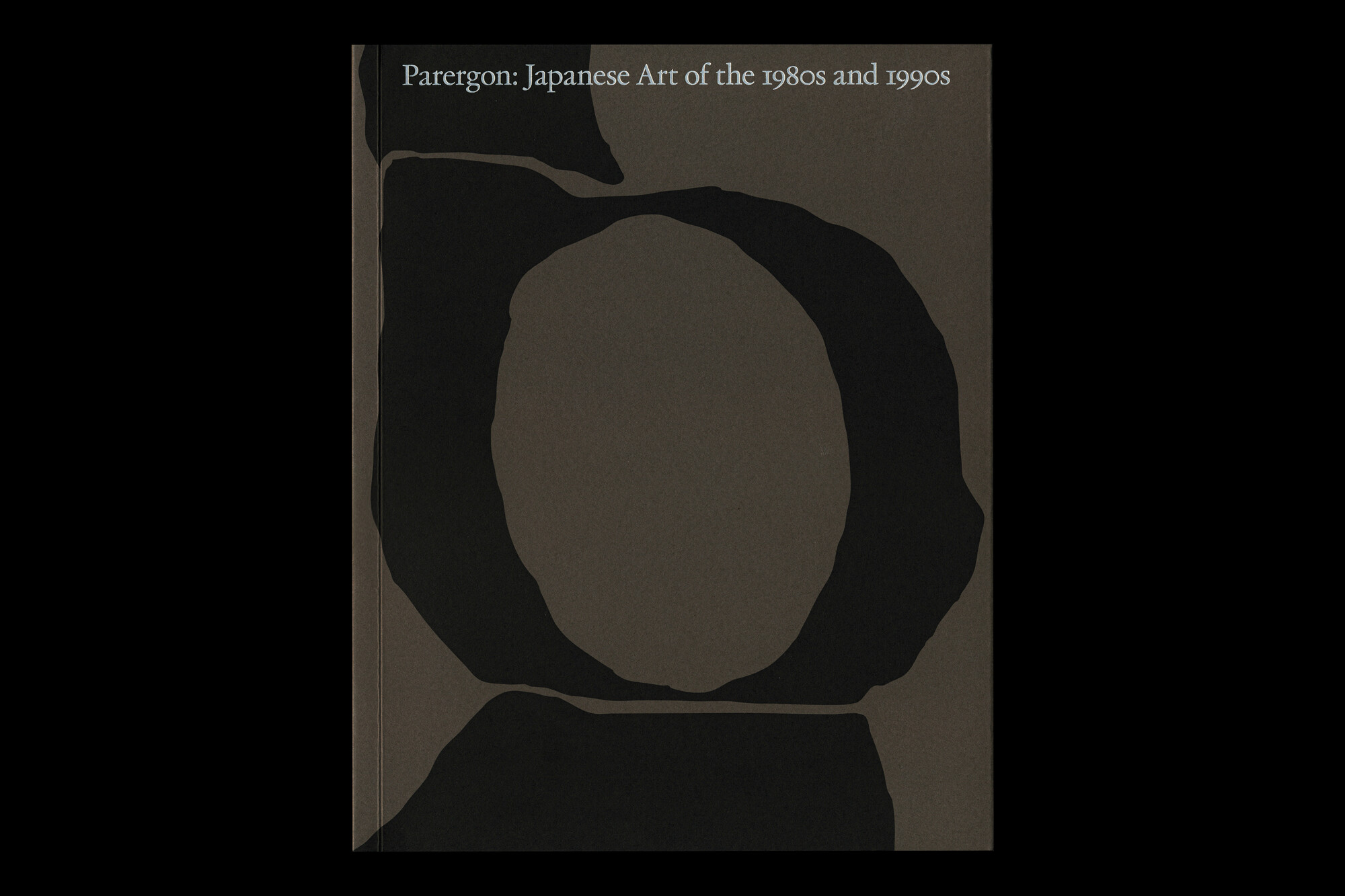
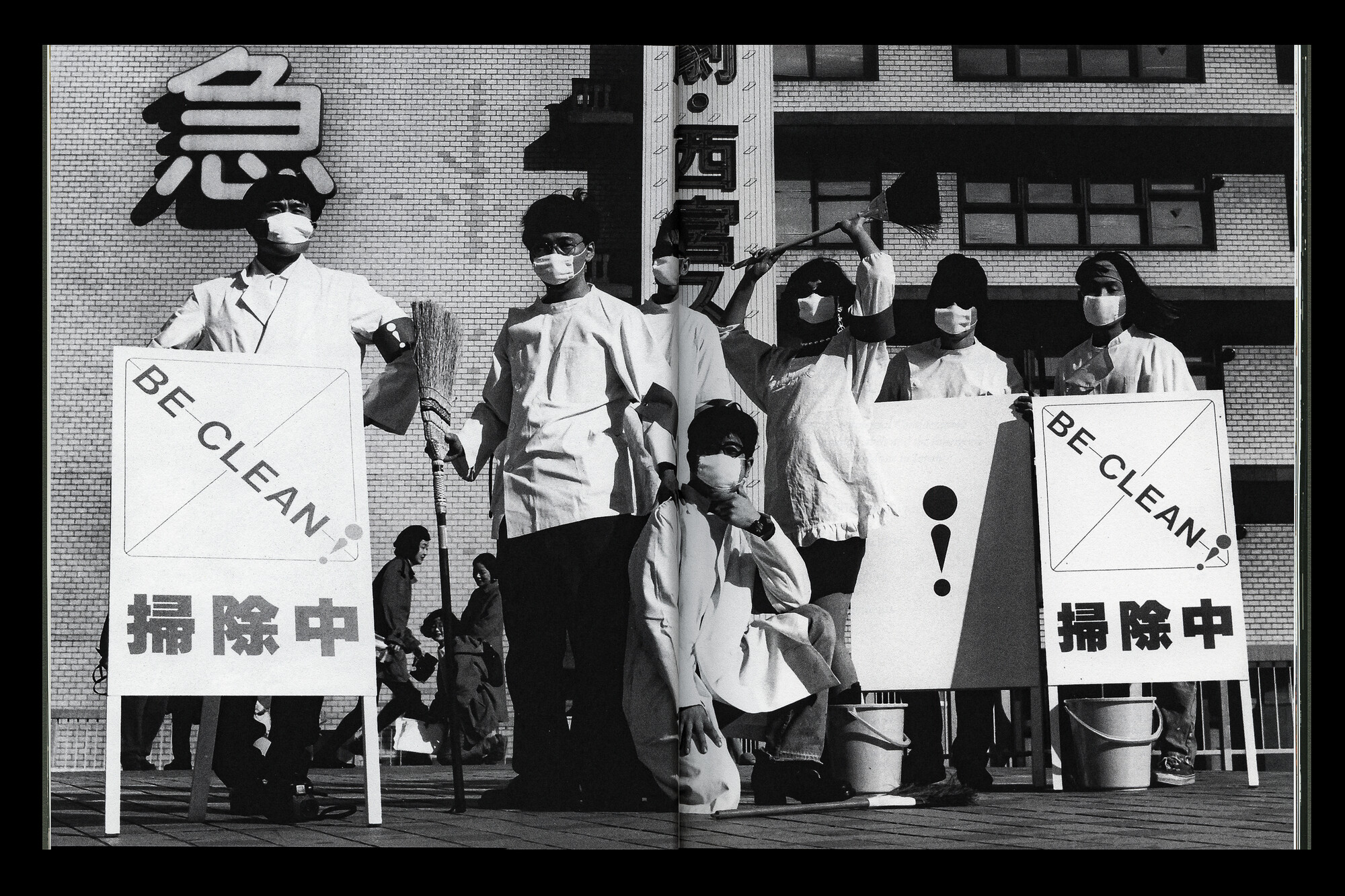
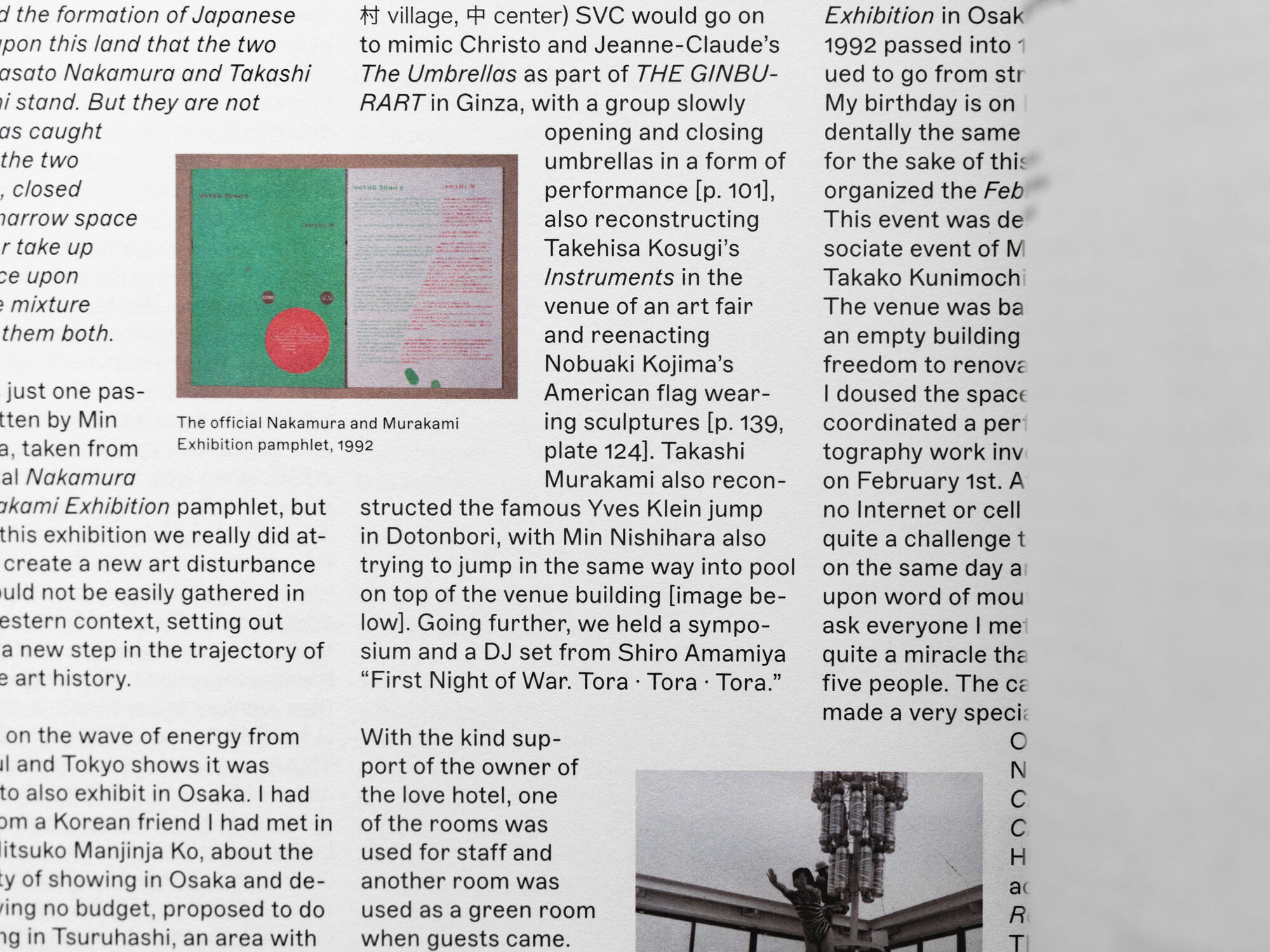
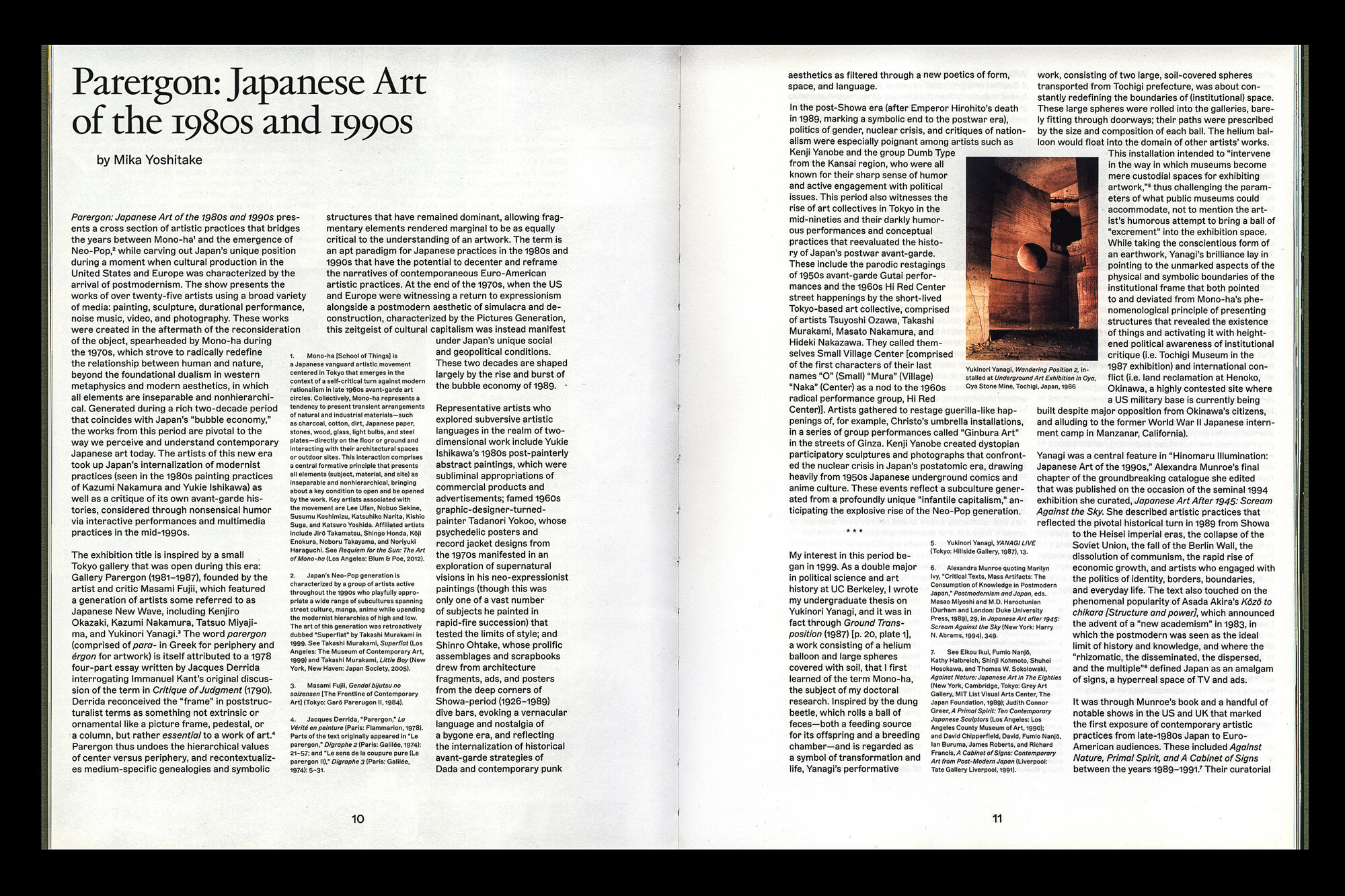
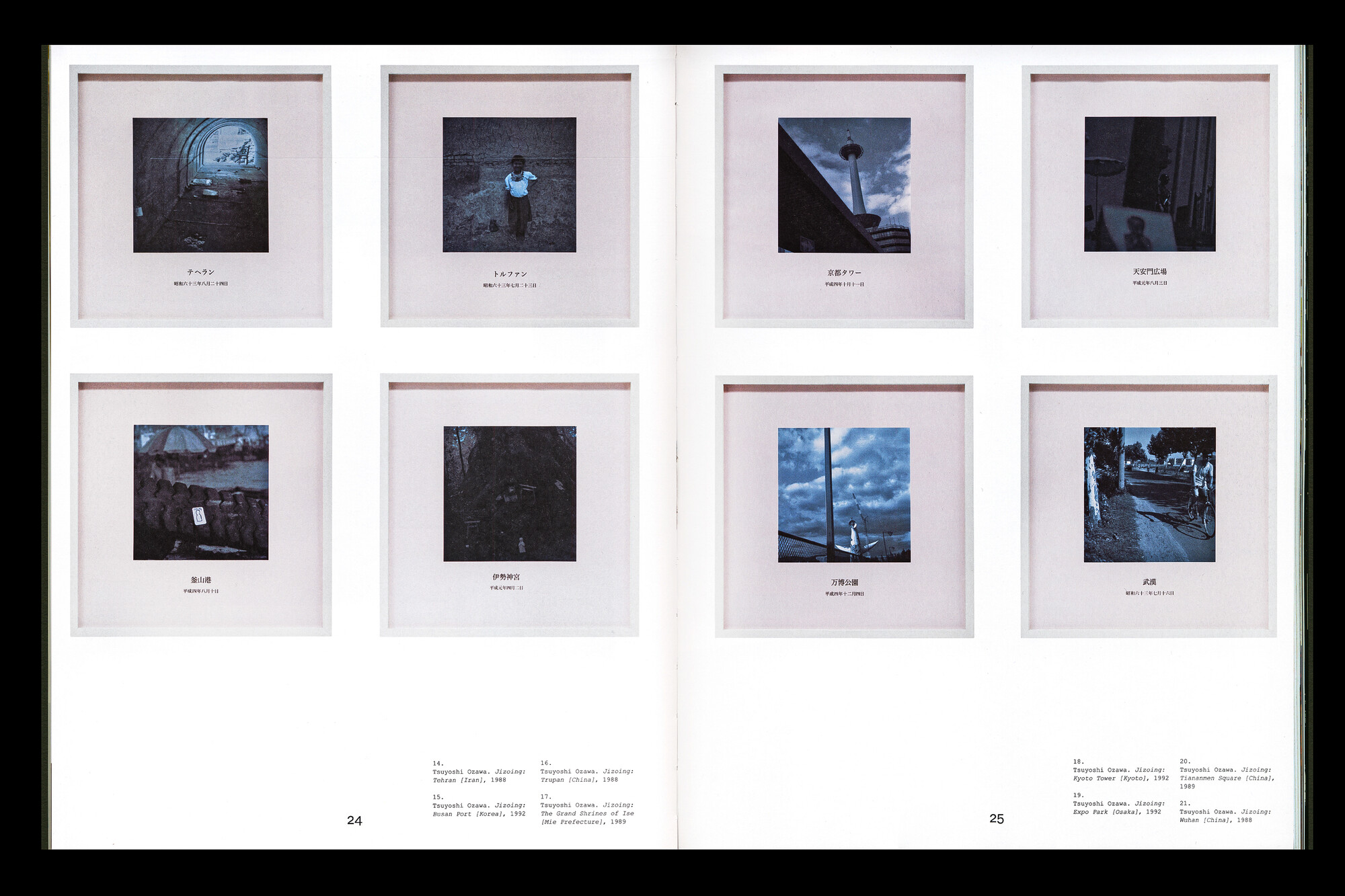
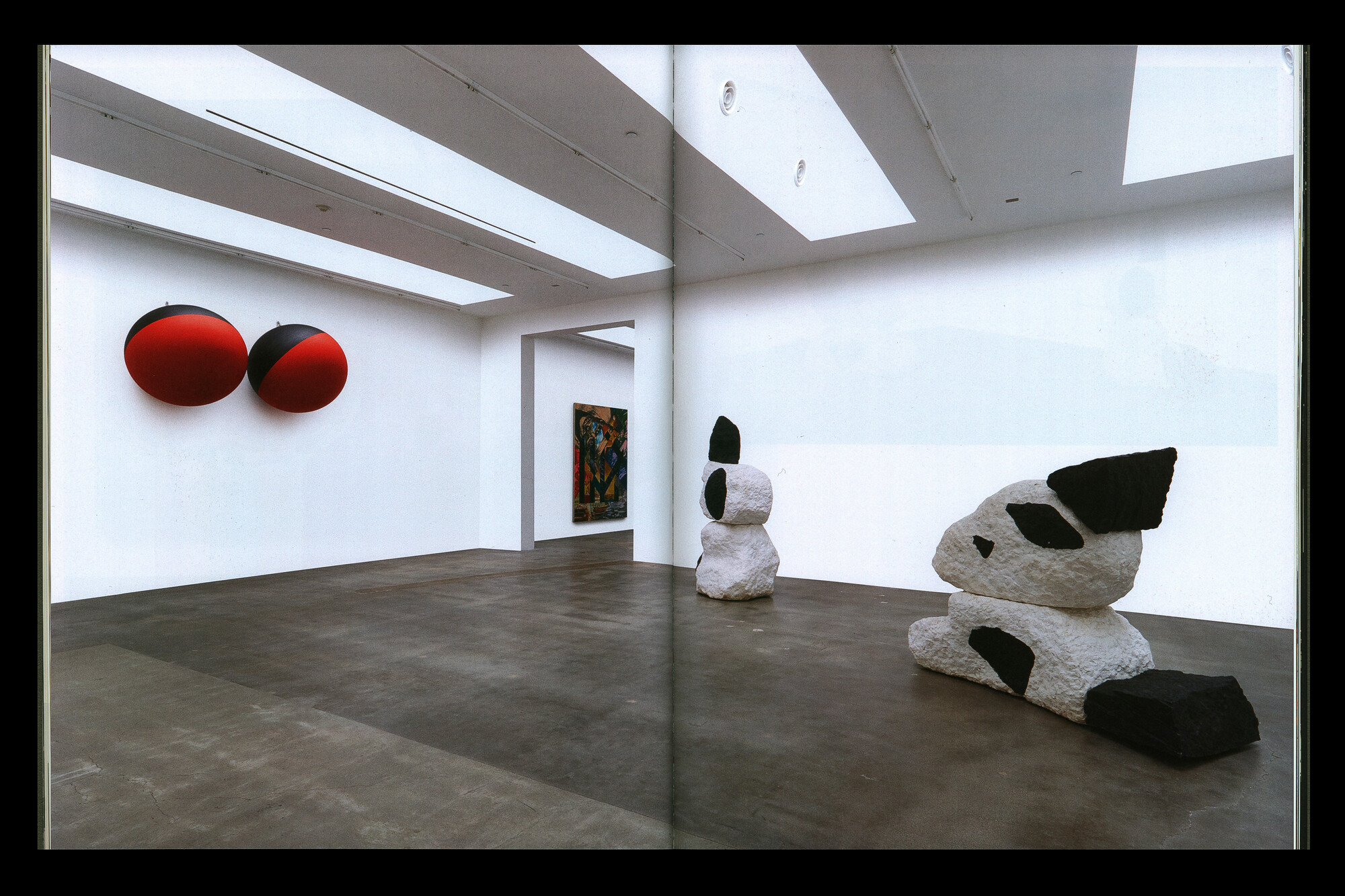
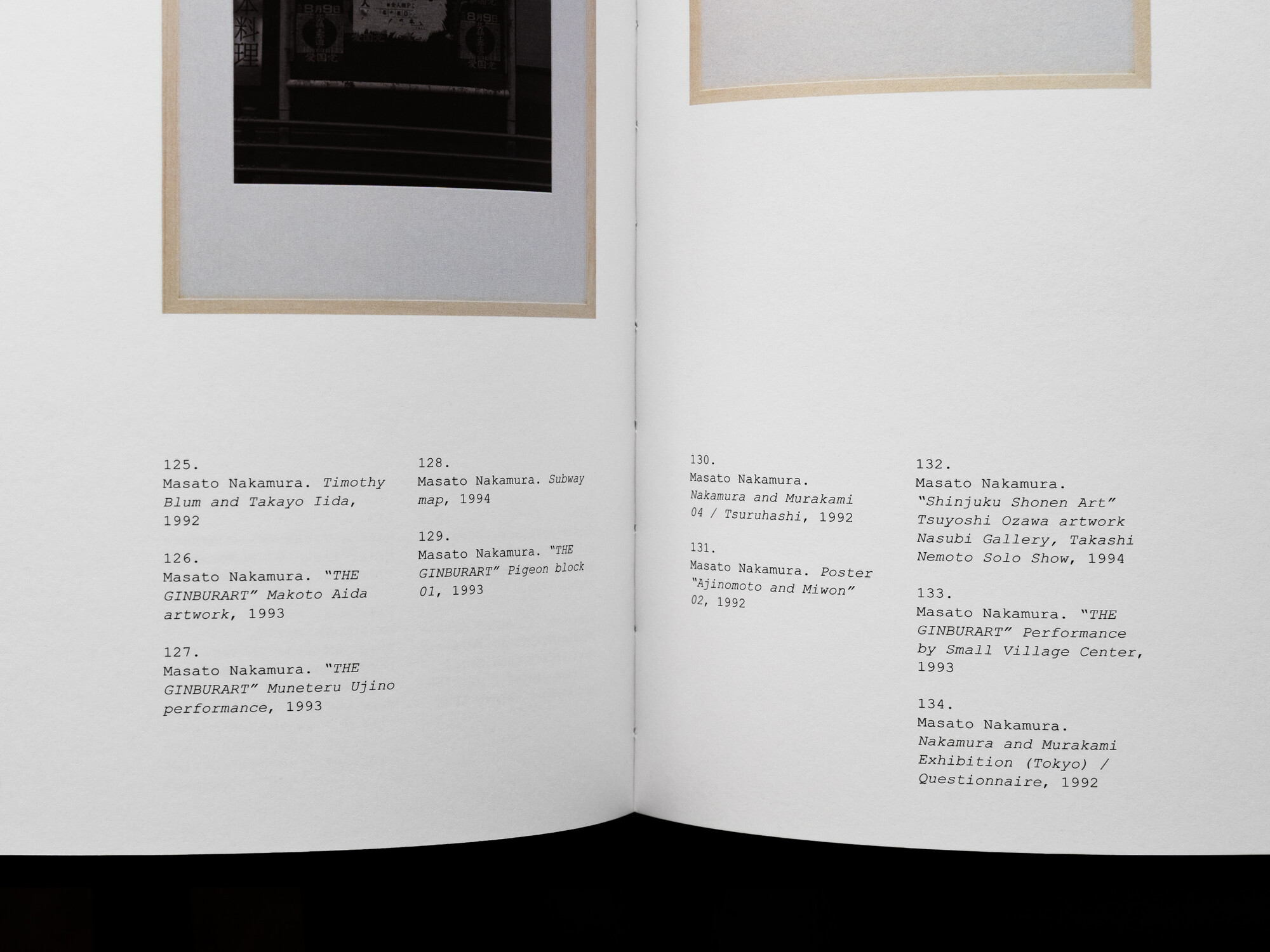
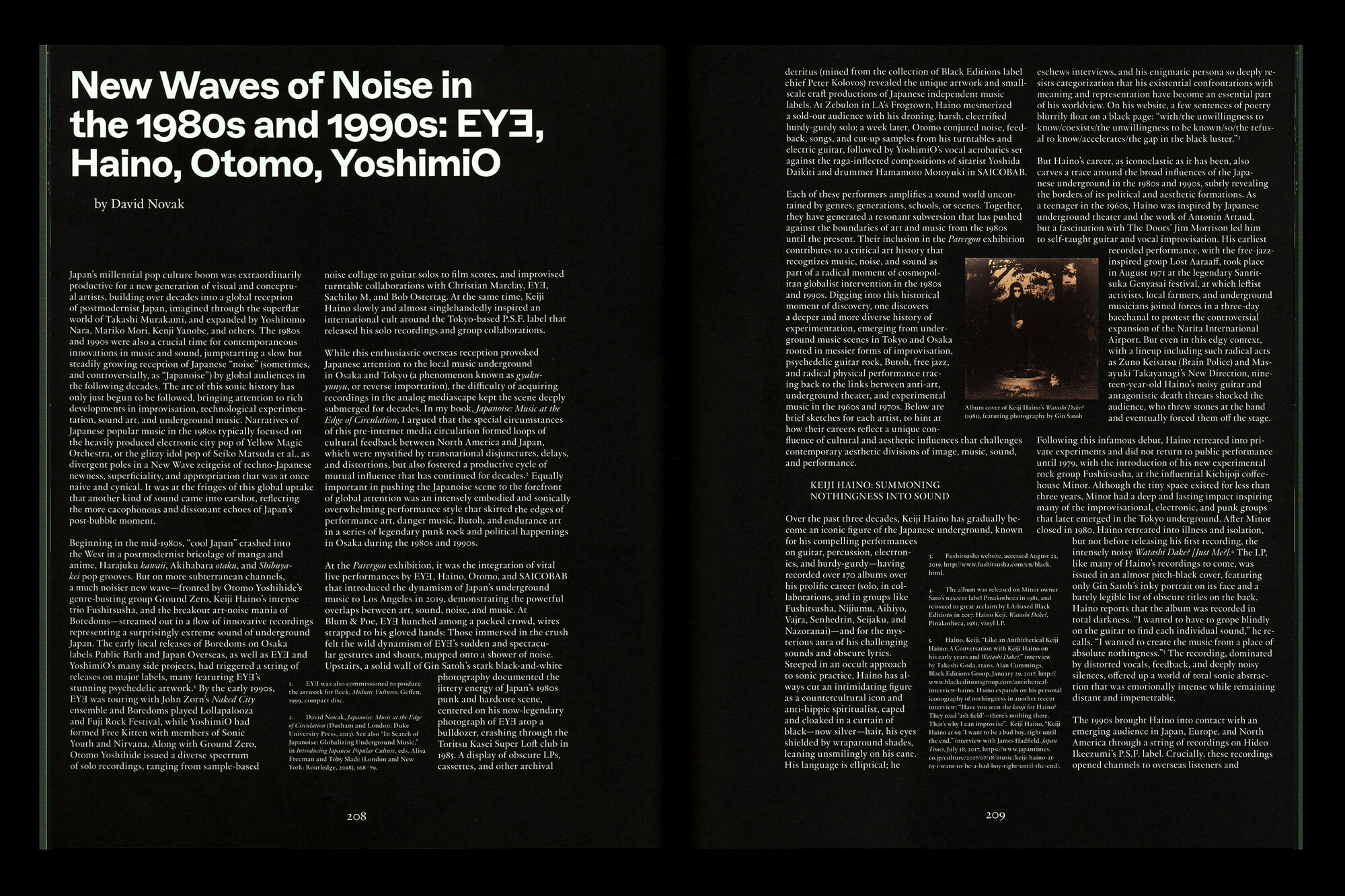
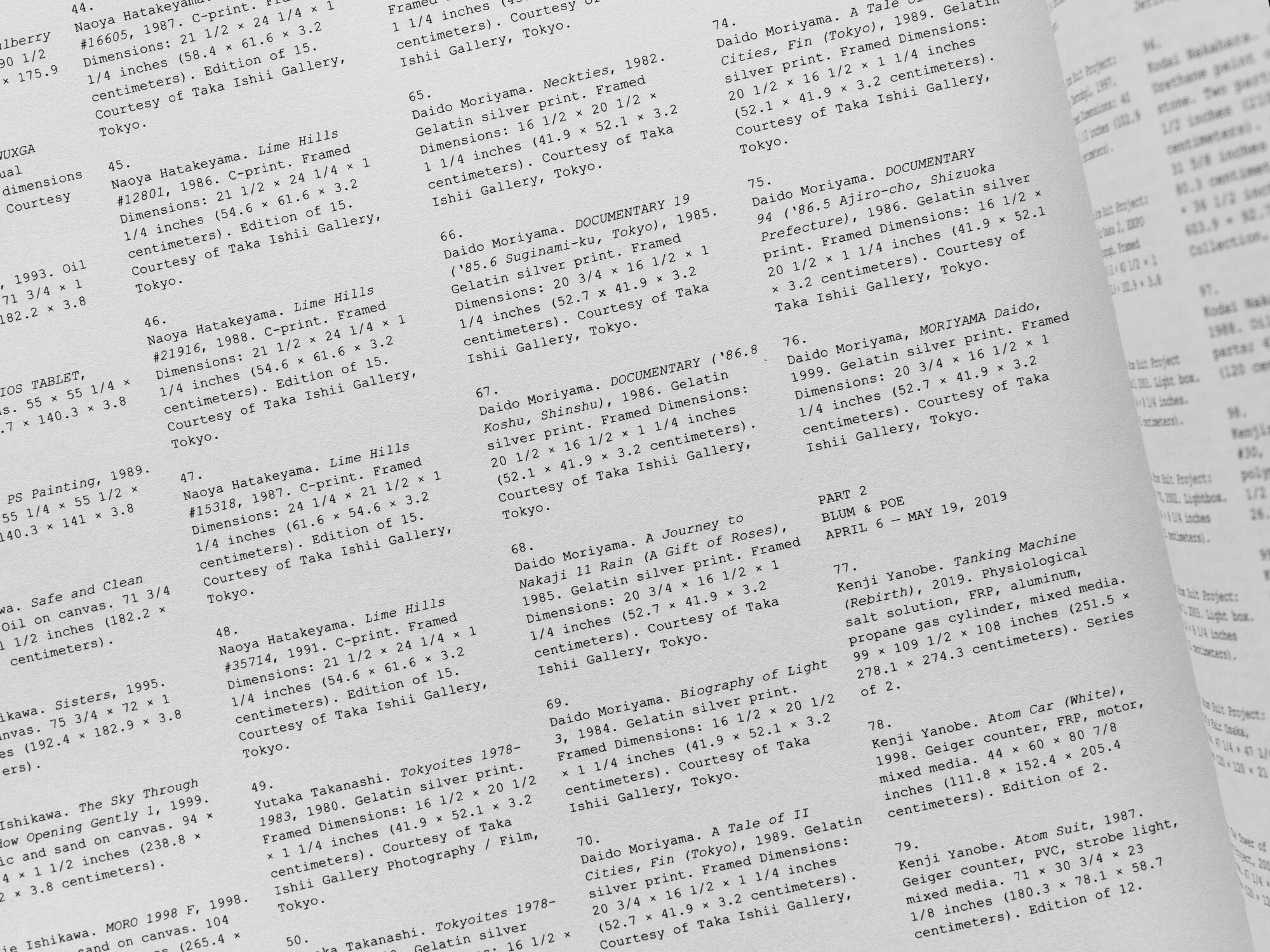
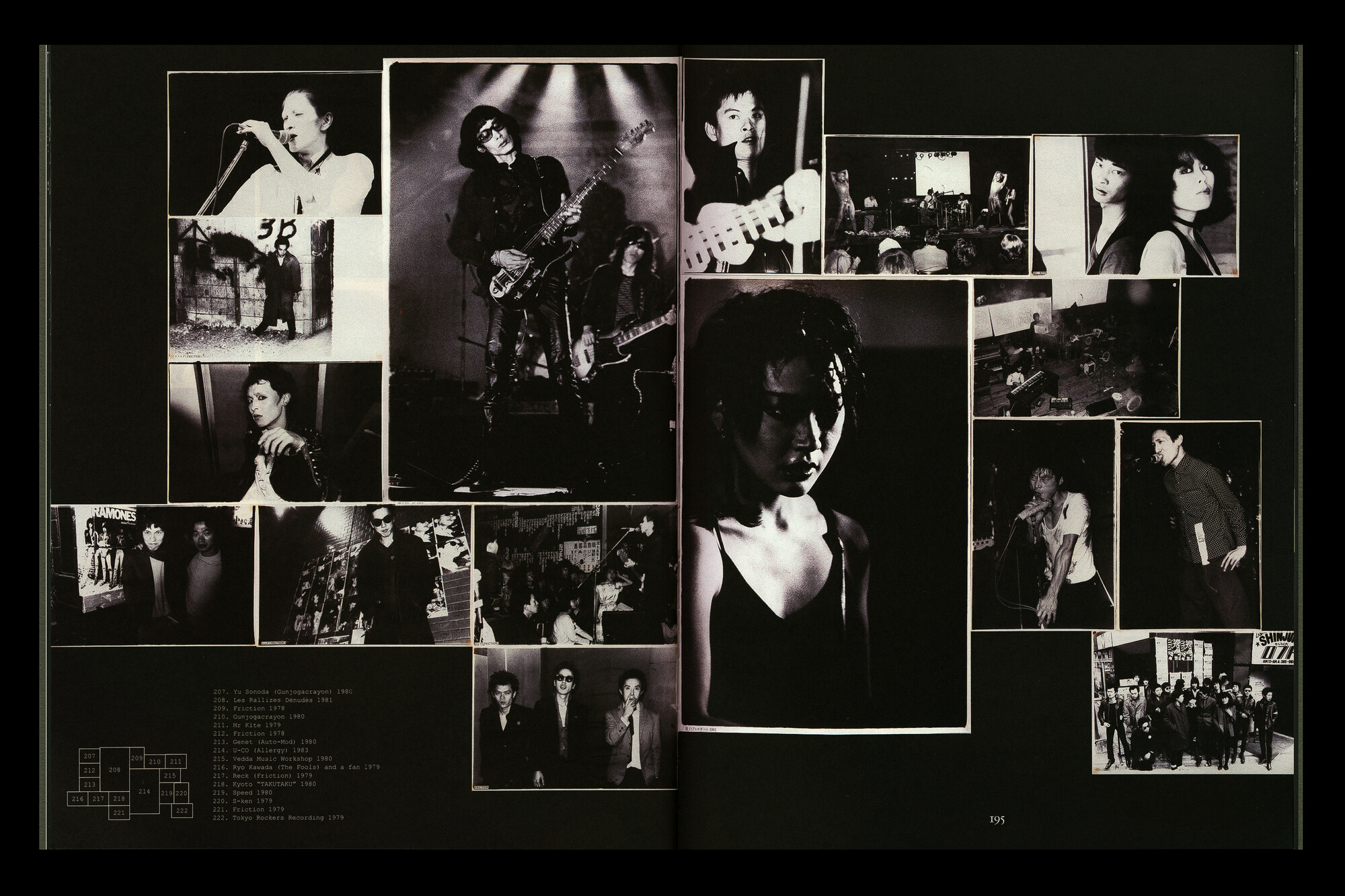
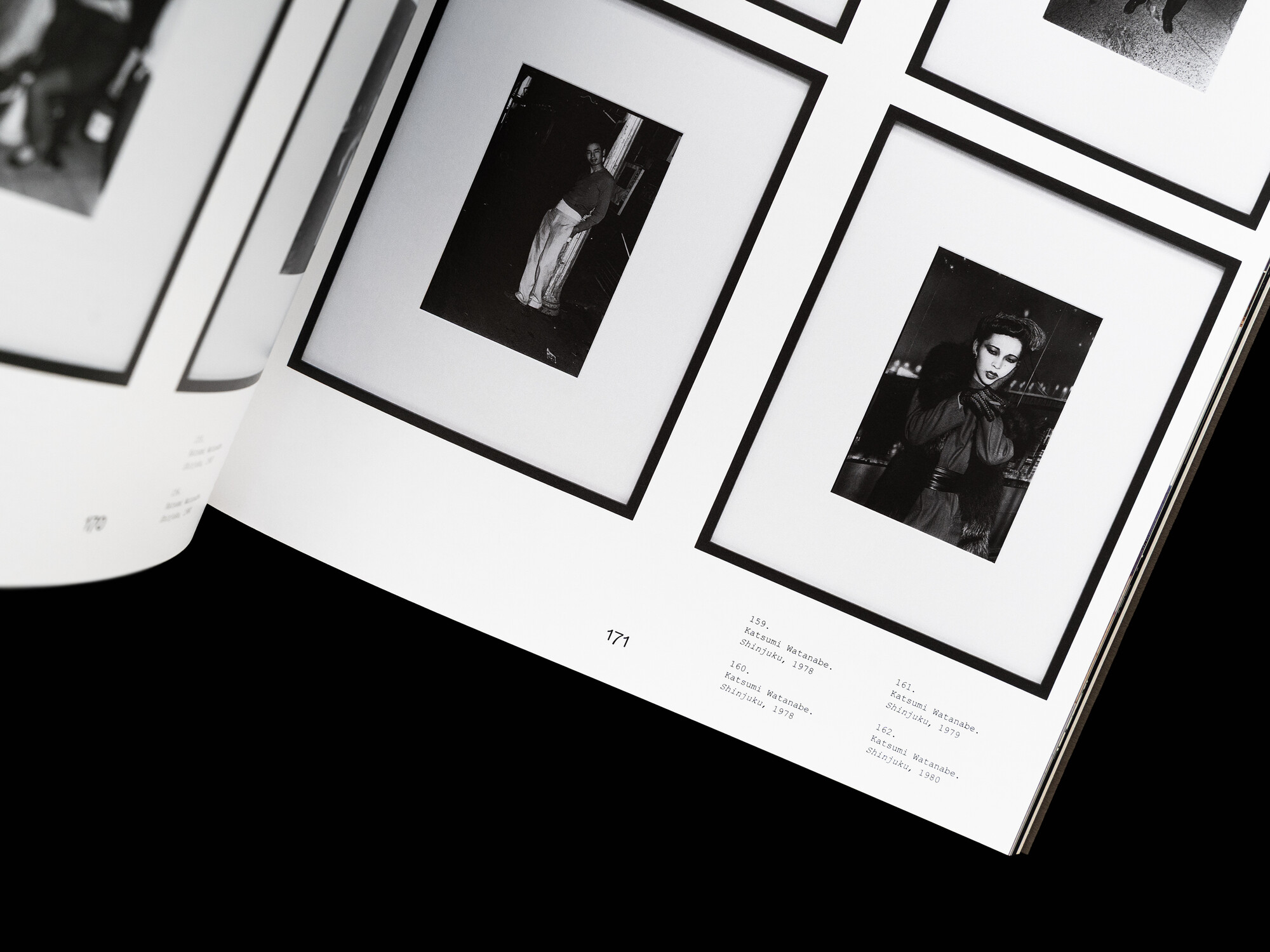
Parergon: Japanese Art of the 1980s and 1990s is the exhibition catalog for the landmark two-part exhibition curated by Mika Yoshitake at Blum & Poe. It is a definitive English-language primer and primary text for a largely undocumented period of Japanese art history, between the 1970s Mono-ha movement and the Neo-Pop era. The catalog features performance photography, installation shots, curatorial essays, socio-political analysis, textimonials, artist interviews, underground noise profiles, and music ephemera.
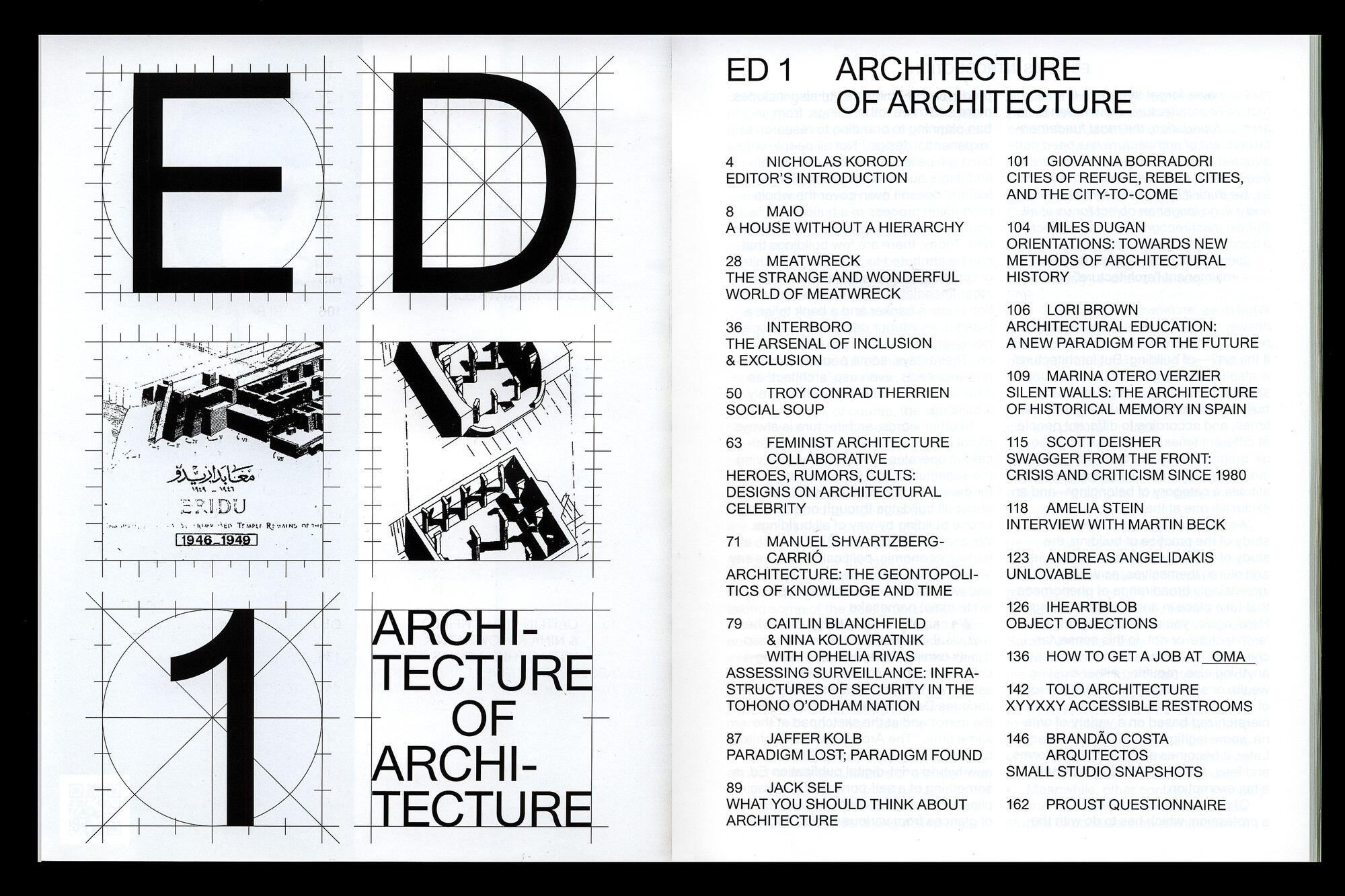
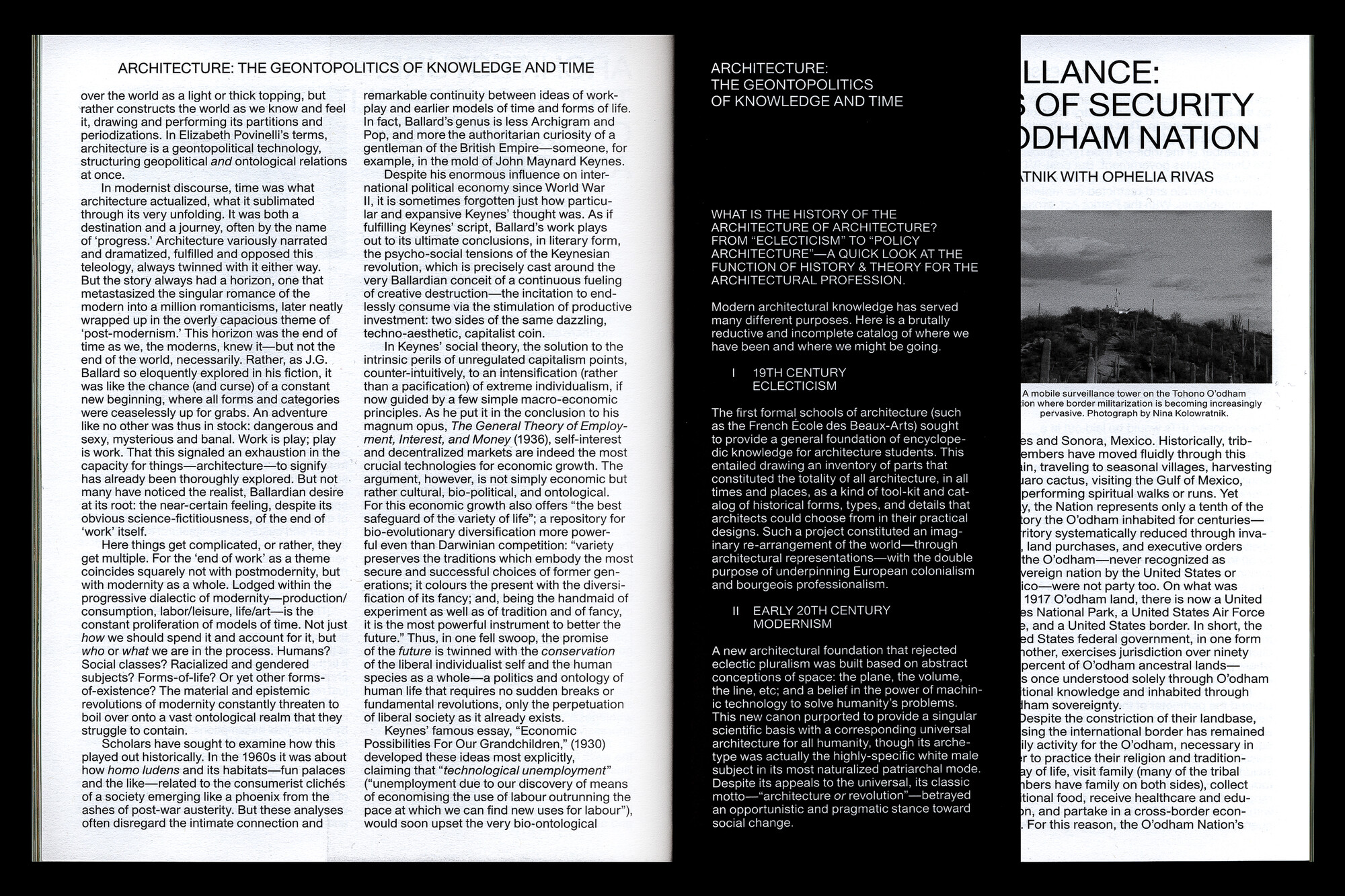
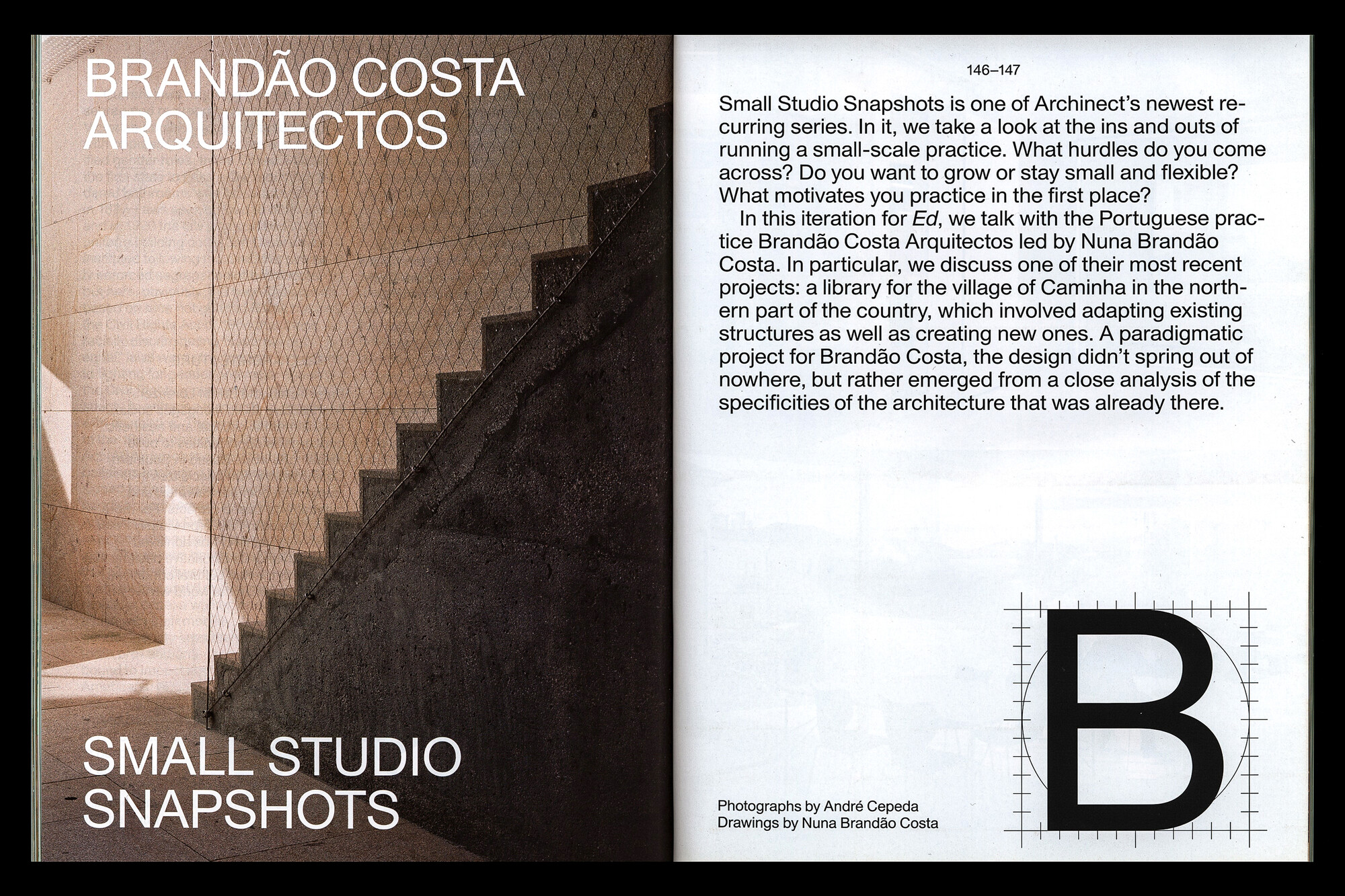
Inaugural issue of Ed, Archinect’s print magazine. Examines how architecture operates within broader social, economic, and technological systems, and considers how the discipline might be reimagined through alternative frameworks of practice and thought. More info
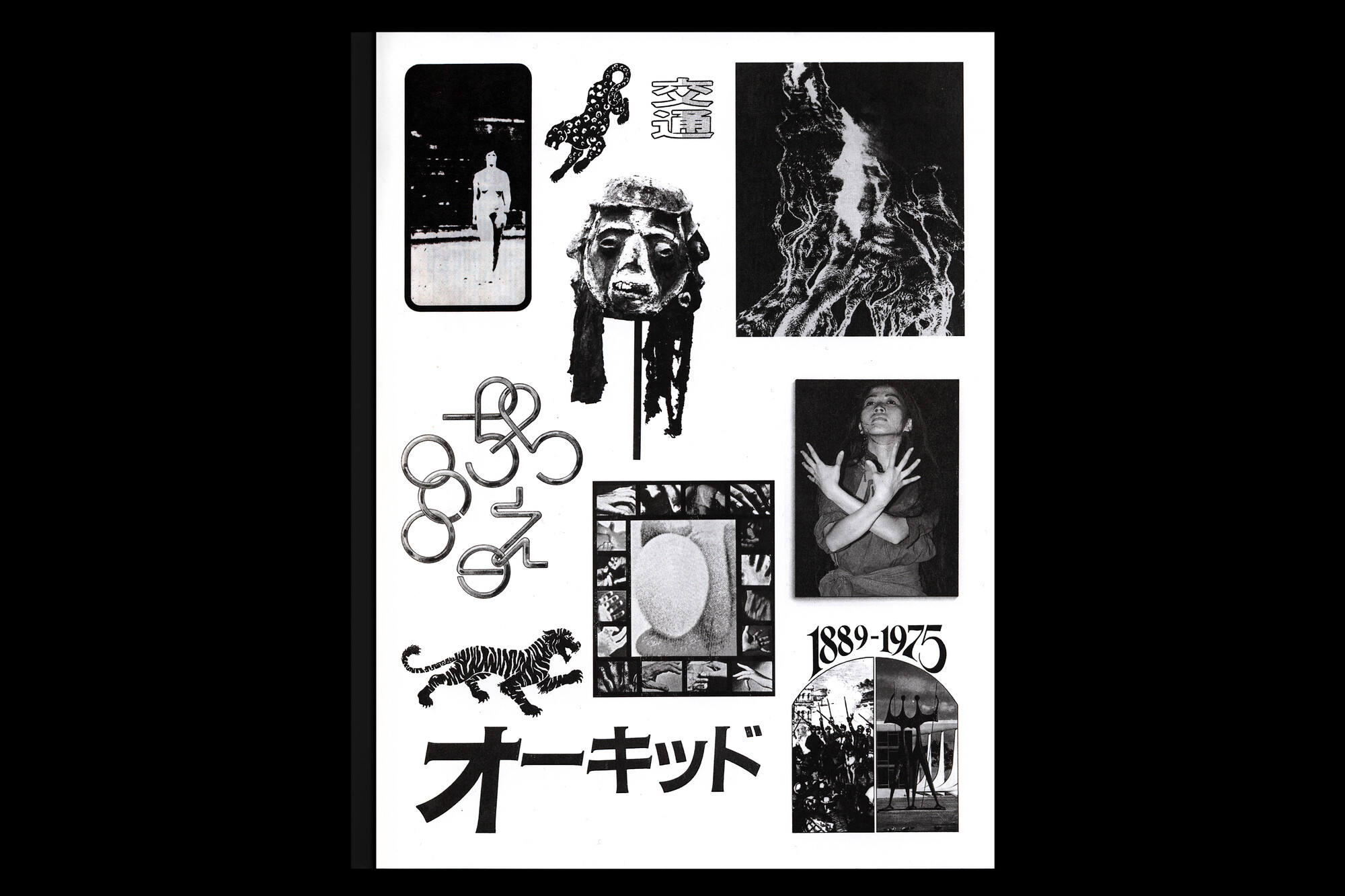
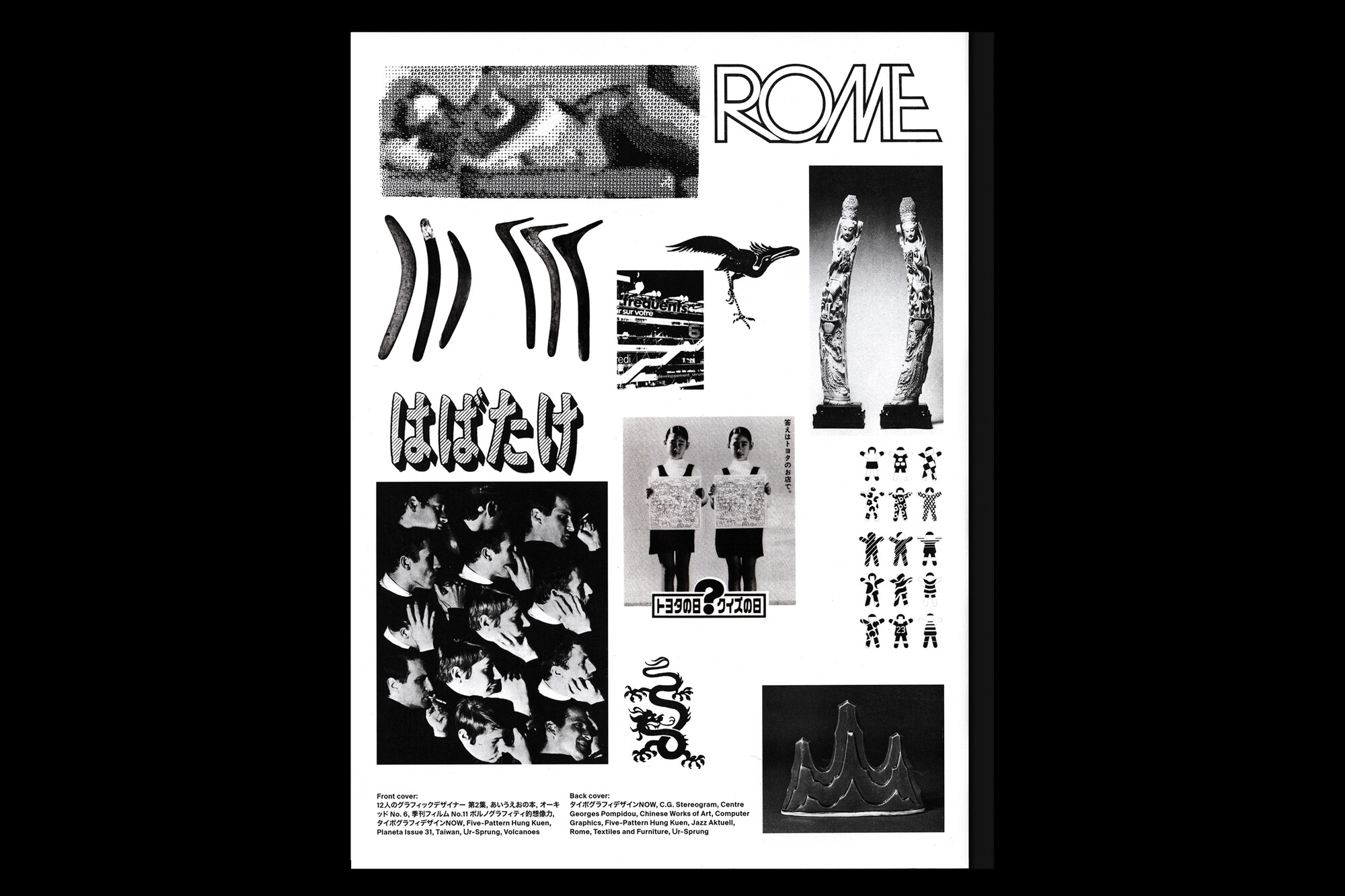
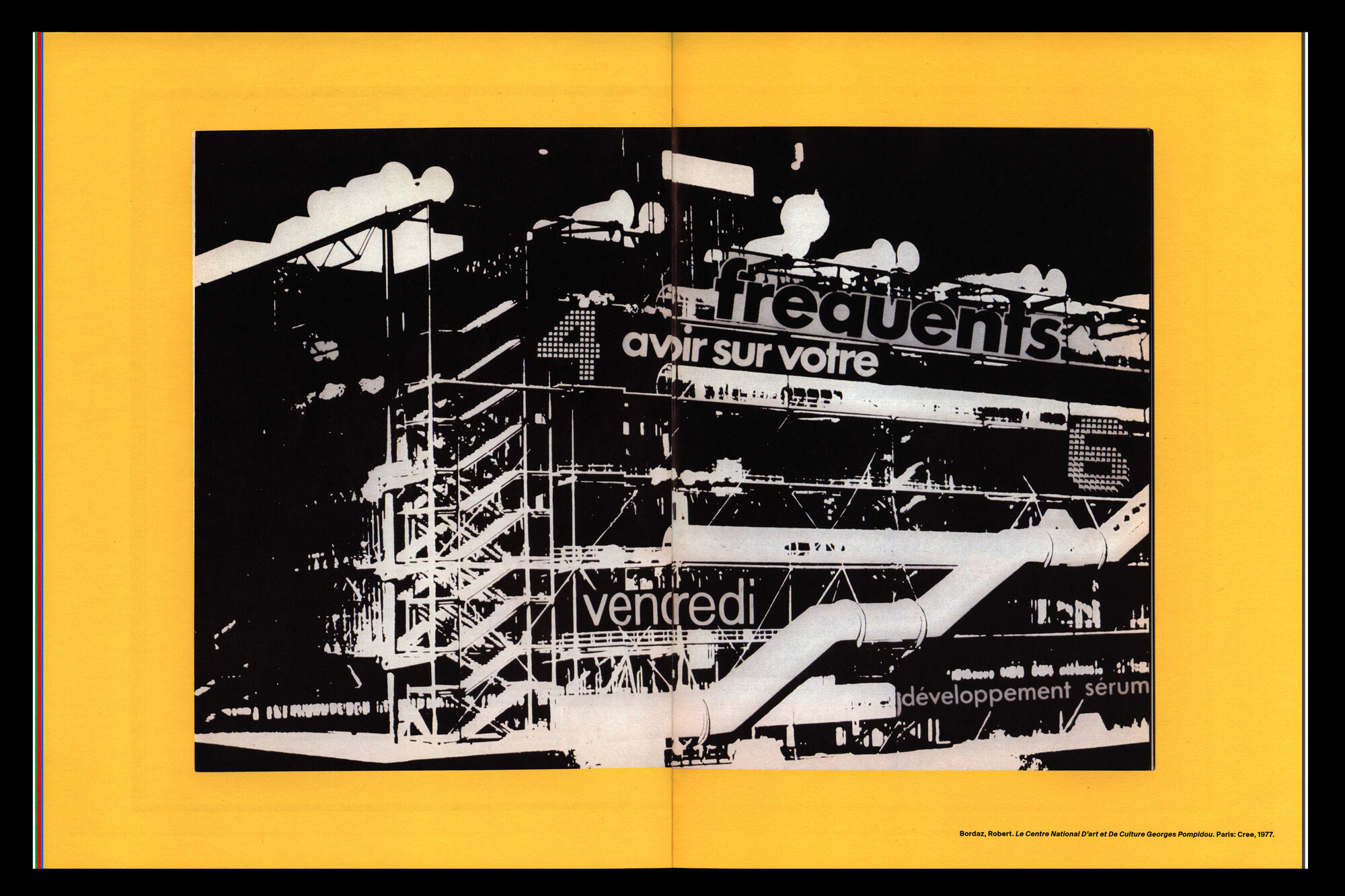
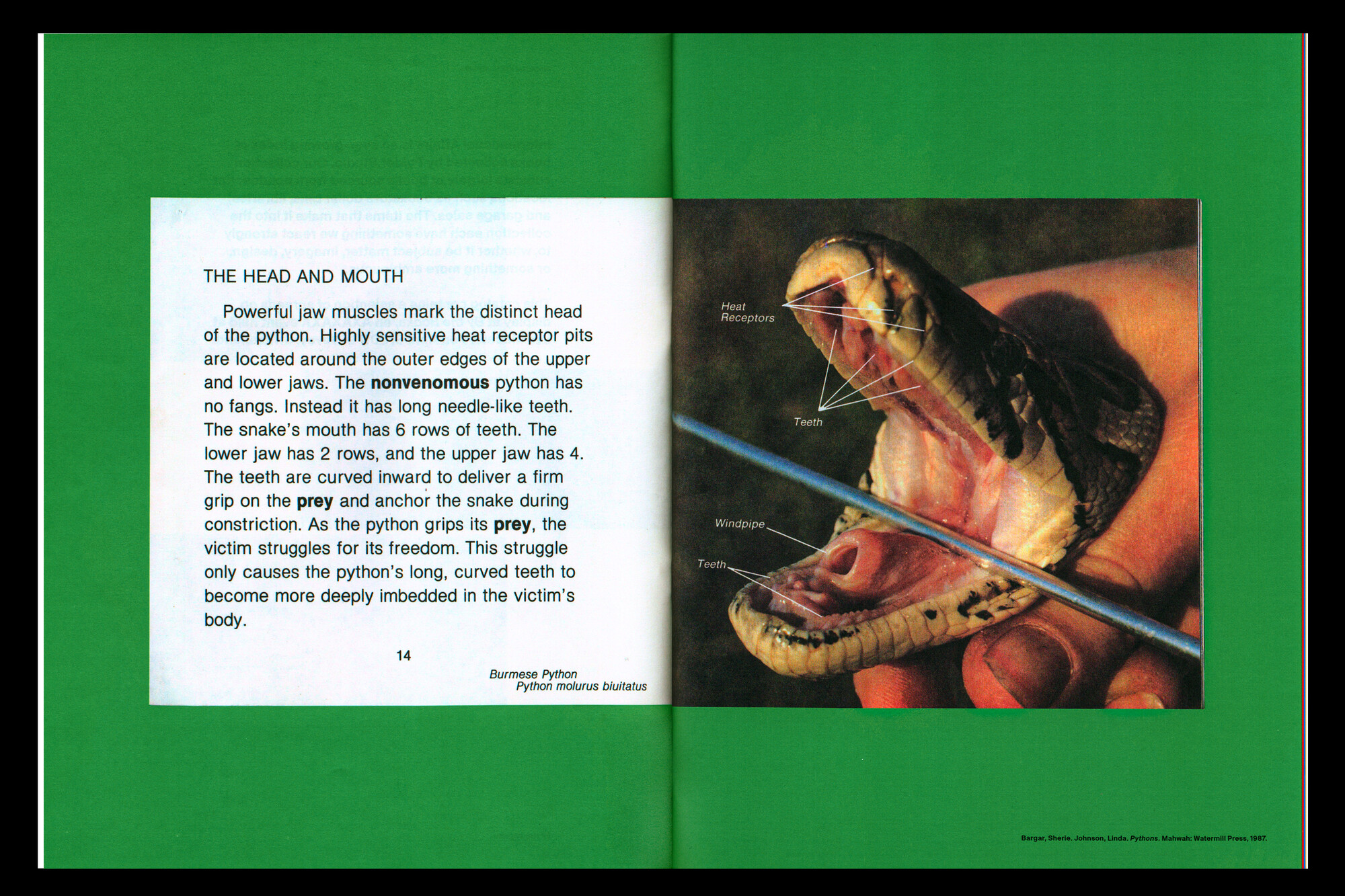
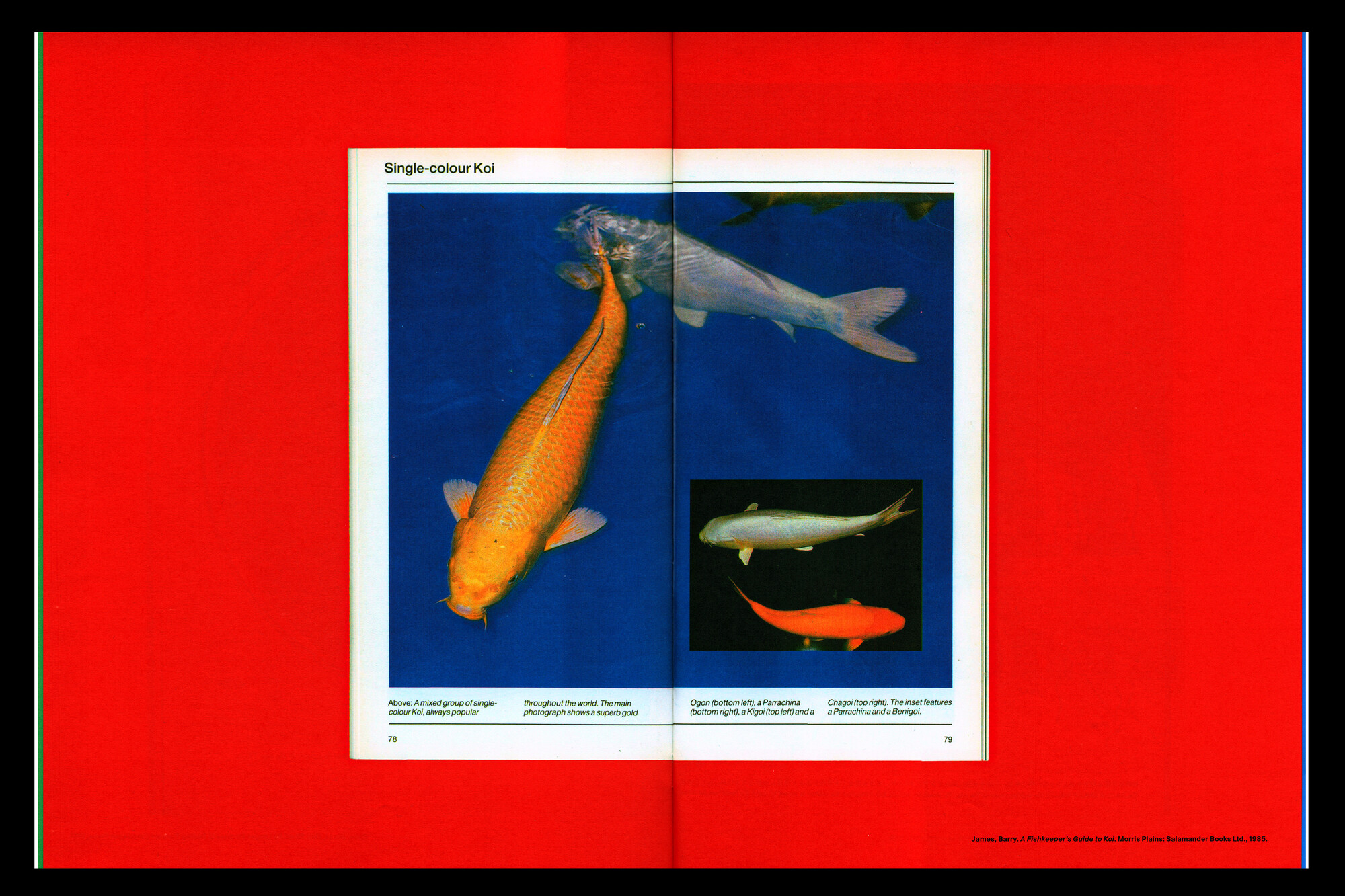
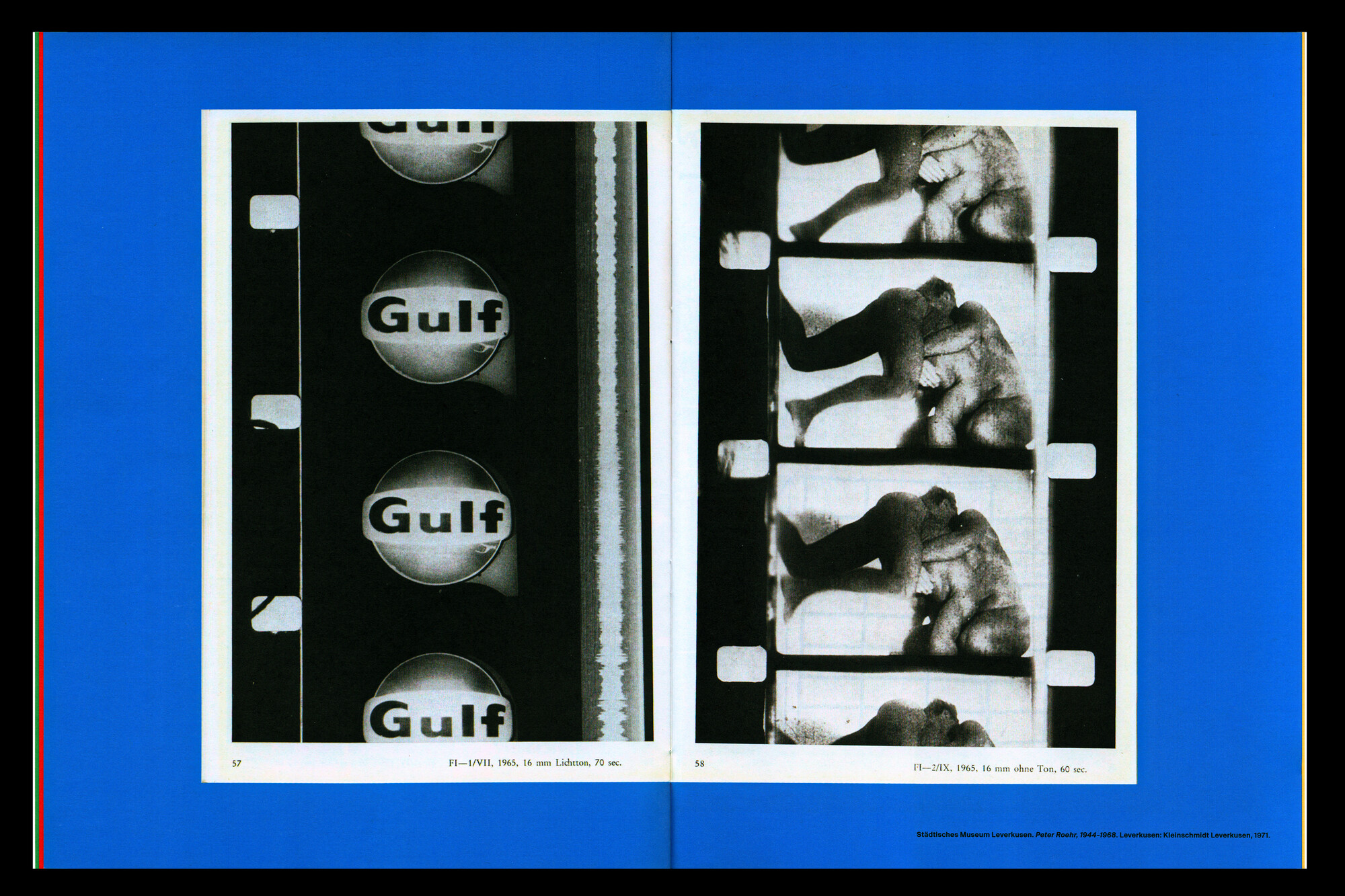
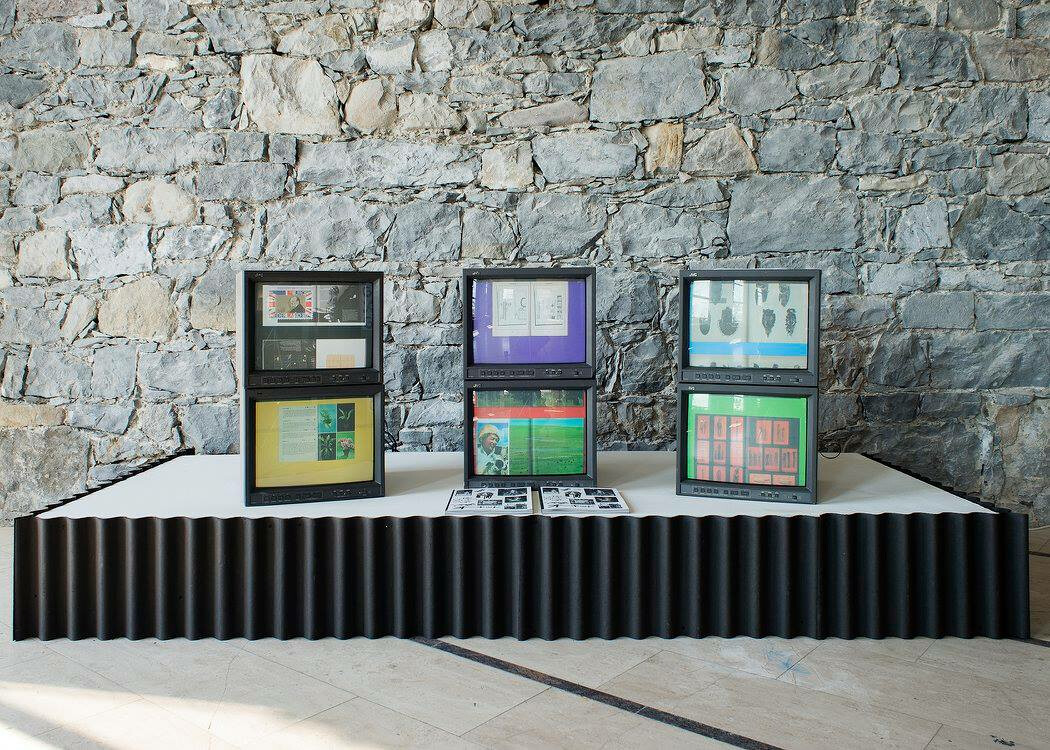
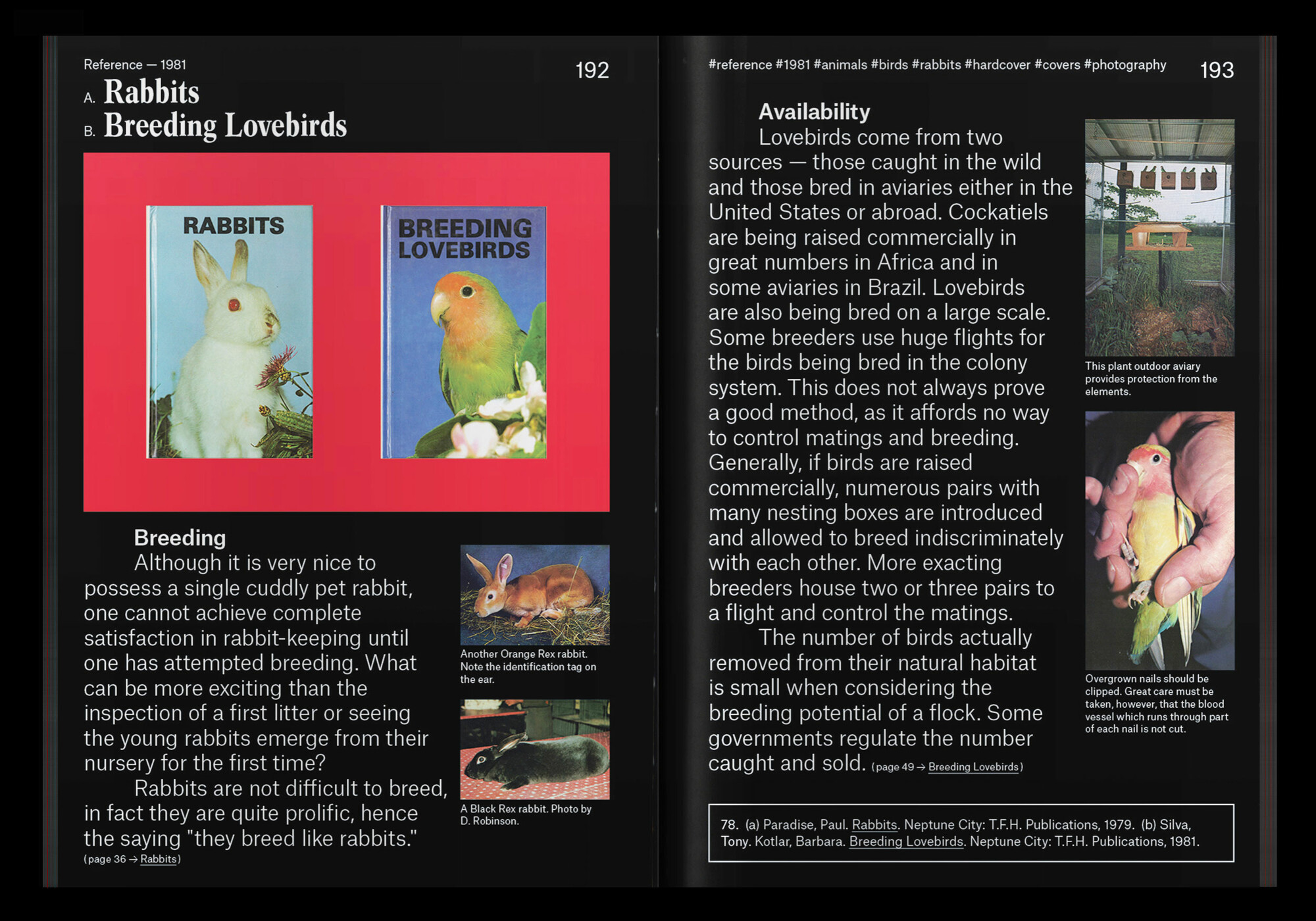
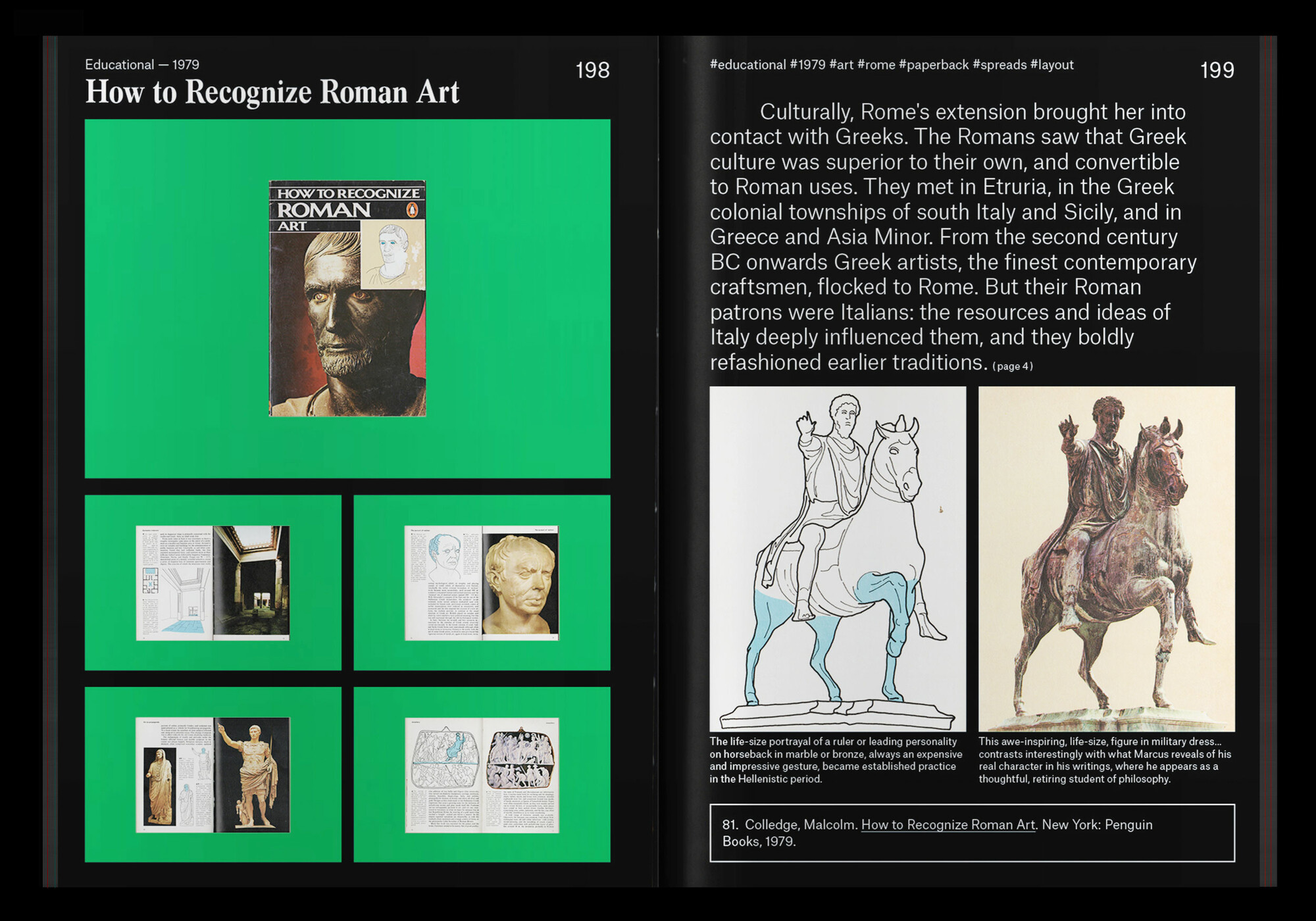
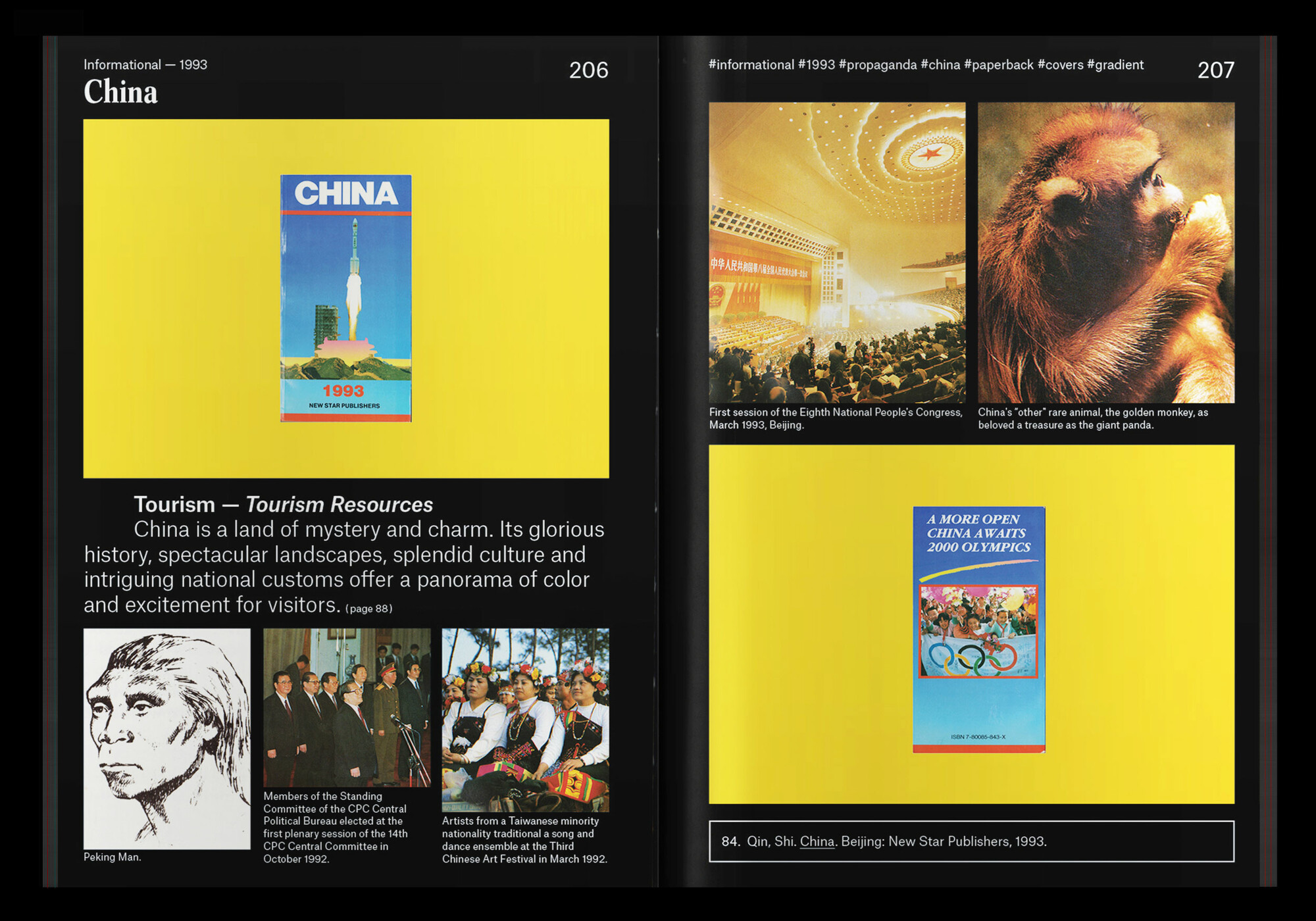
Book featuring spreads from Informational Affairs, the studio’s ongoing collection of found books. Produced for By the Books, an exhibition organized by AXAXAXA in Vevey, Switzerland.
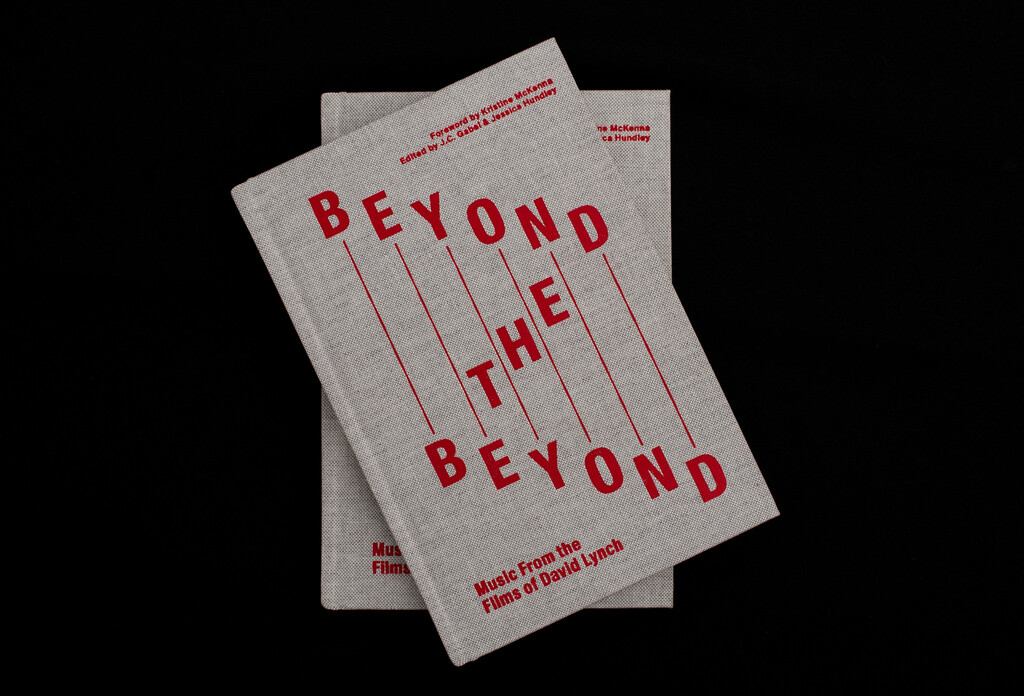
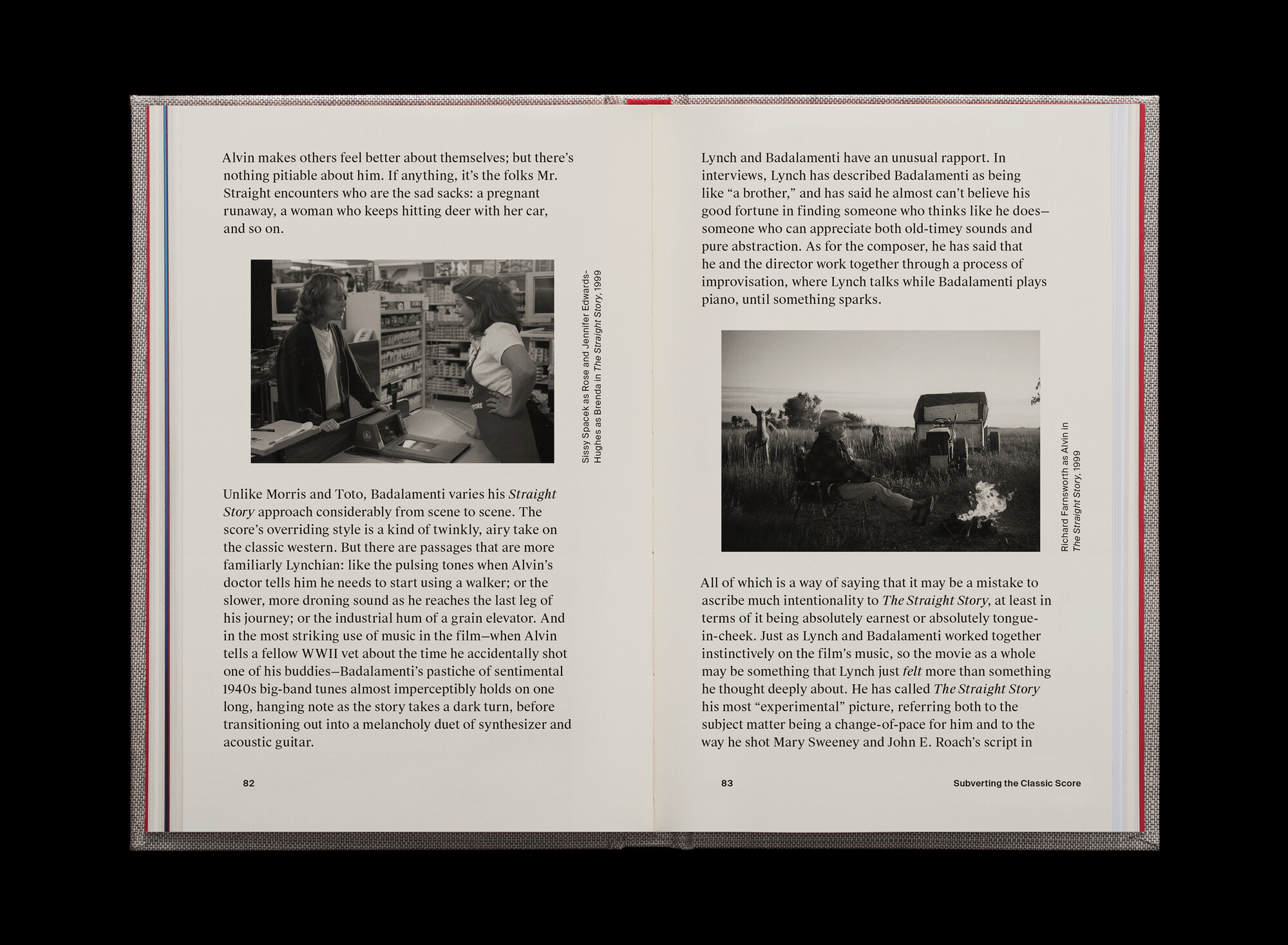
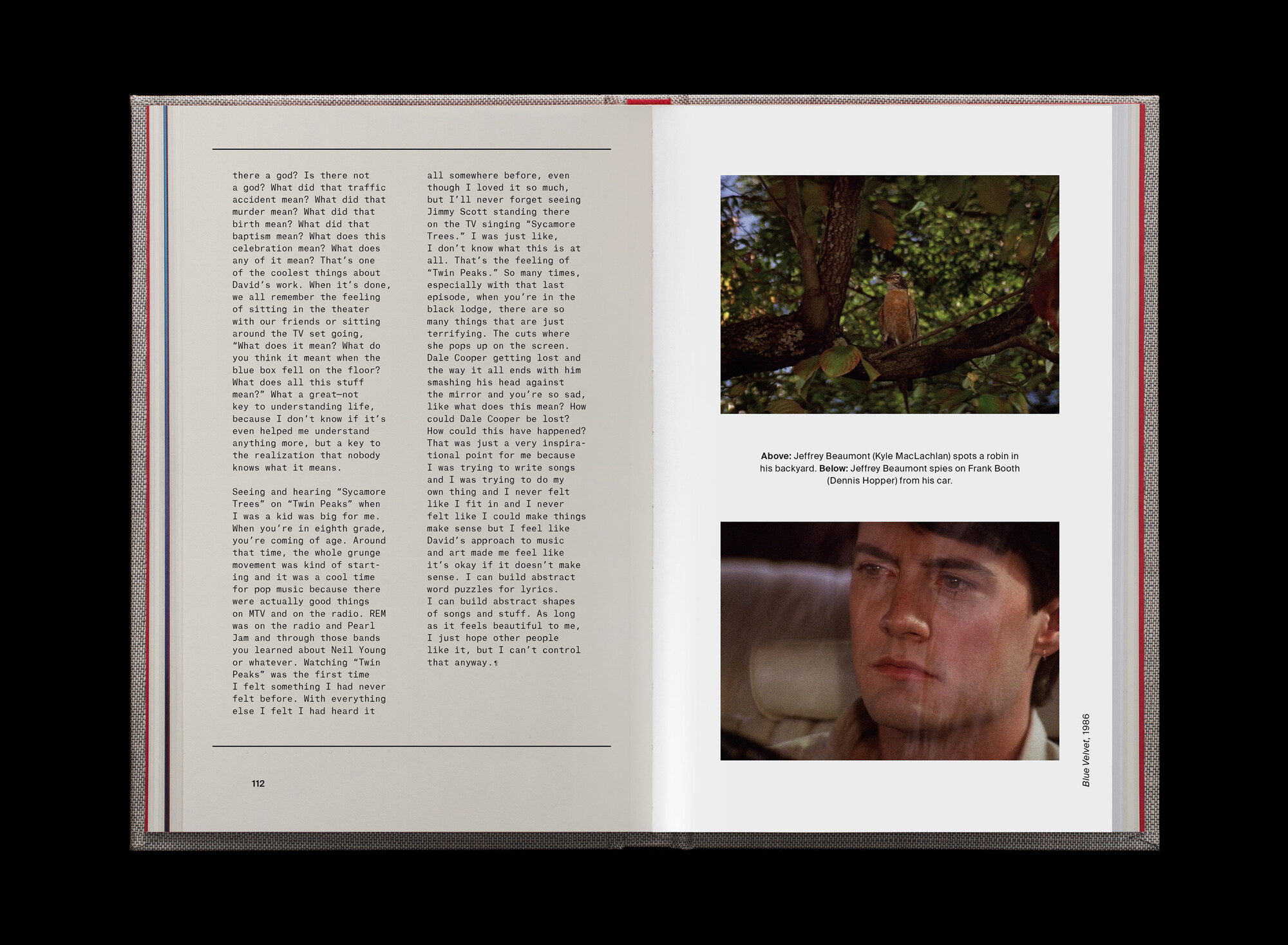
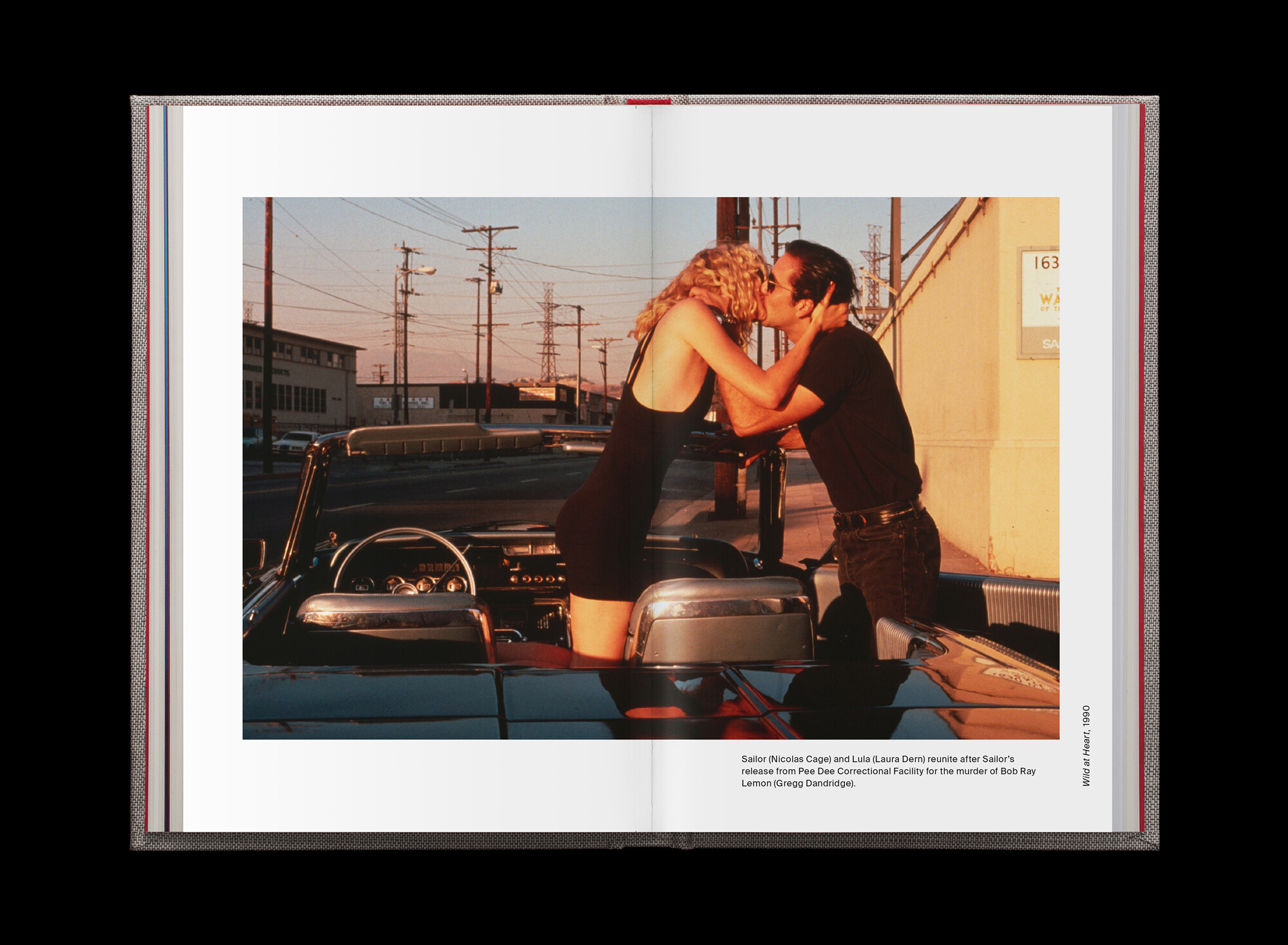
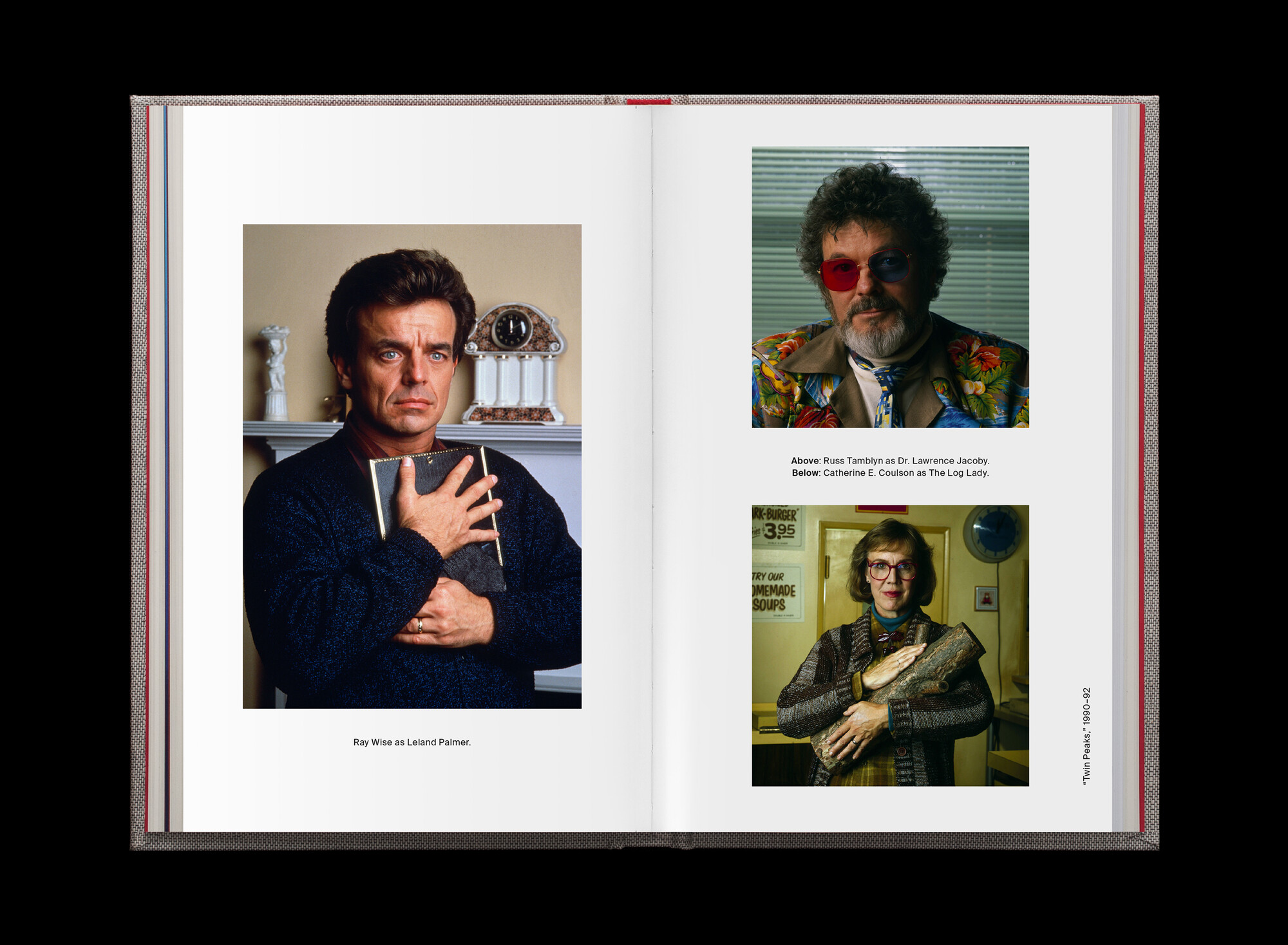
Book for the David Lynch Foundation featuring essays and interviews on the role of music in David Lynch’s creative practice. Published as a companion to The Music of David Lynch concert event, connecting his work in film and sound through conversation, archival materials, and performance. More info ⎘
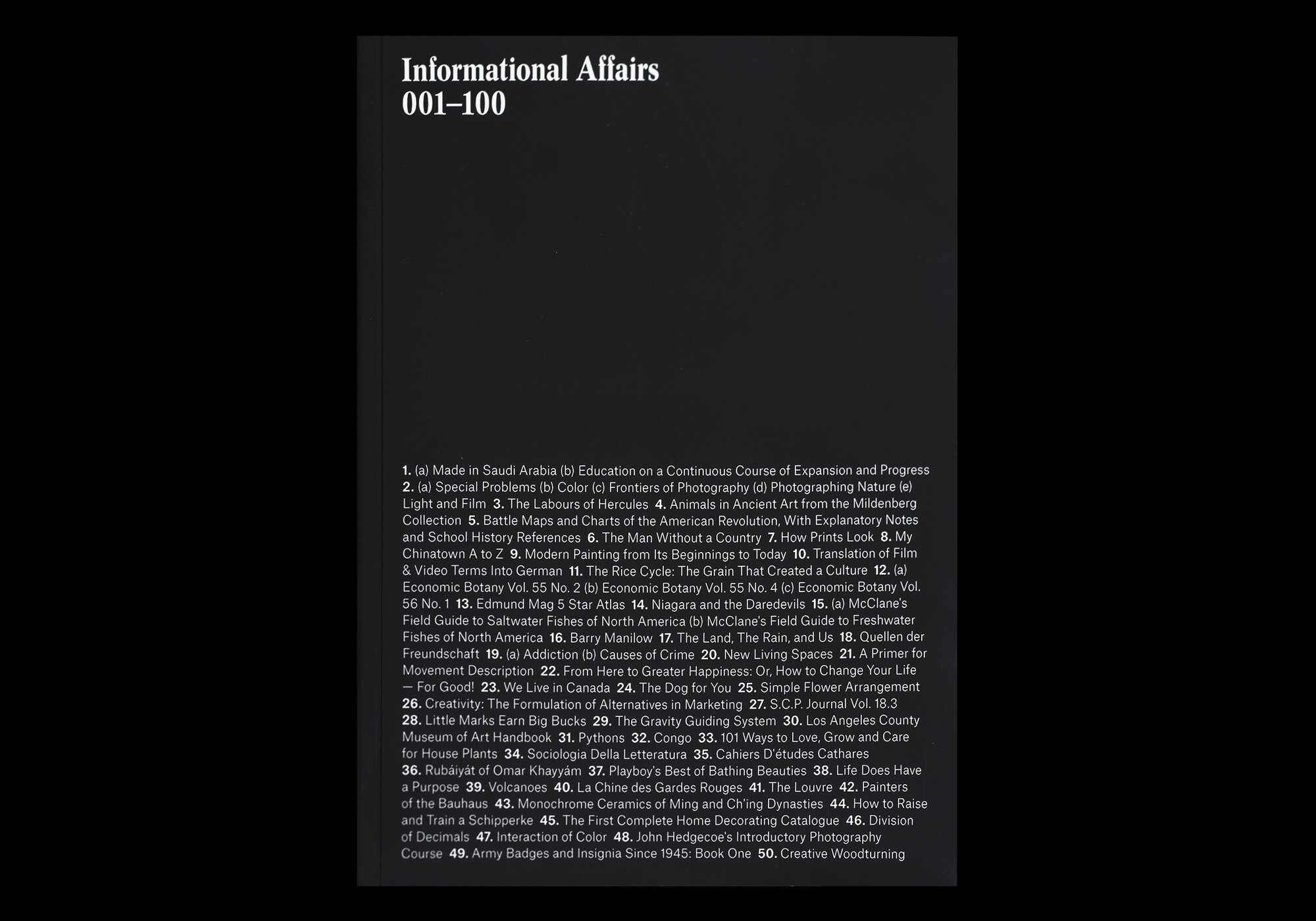
Anthology of the first one hundred books from Informational Affairs, the studio’s ongoing collection of found and secondhand books. Documents the project’s early focus on publishing, collecting, and design as forms of research.