Folder designs interfaces, publications, and systems for organizing, encountering, and carrying information forward. We help museums, universities, civic institutions, and others engaged in the stewardship and sharing of knowledge create ways for language, media, and material to surface and endure.
We are interested in what happens to information over time, and how form can reveal the connections that give it meaning. Projects come in a variety of configurations rooted in partnerships that honor the material and its strategic presentation.
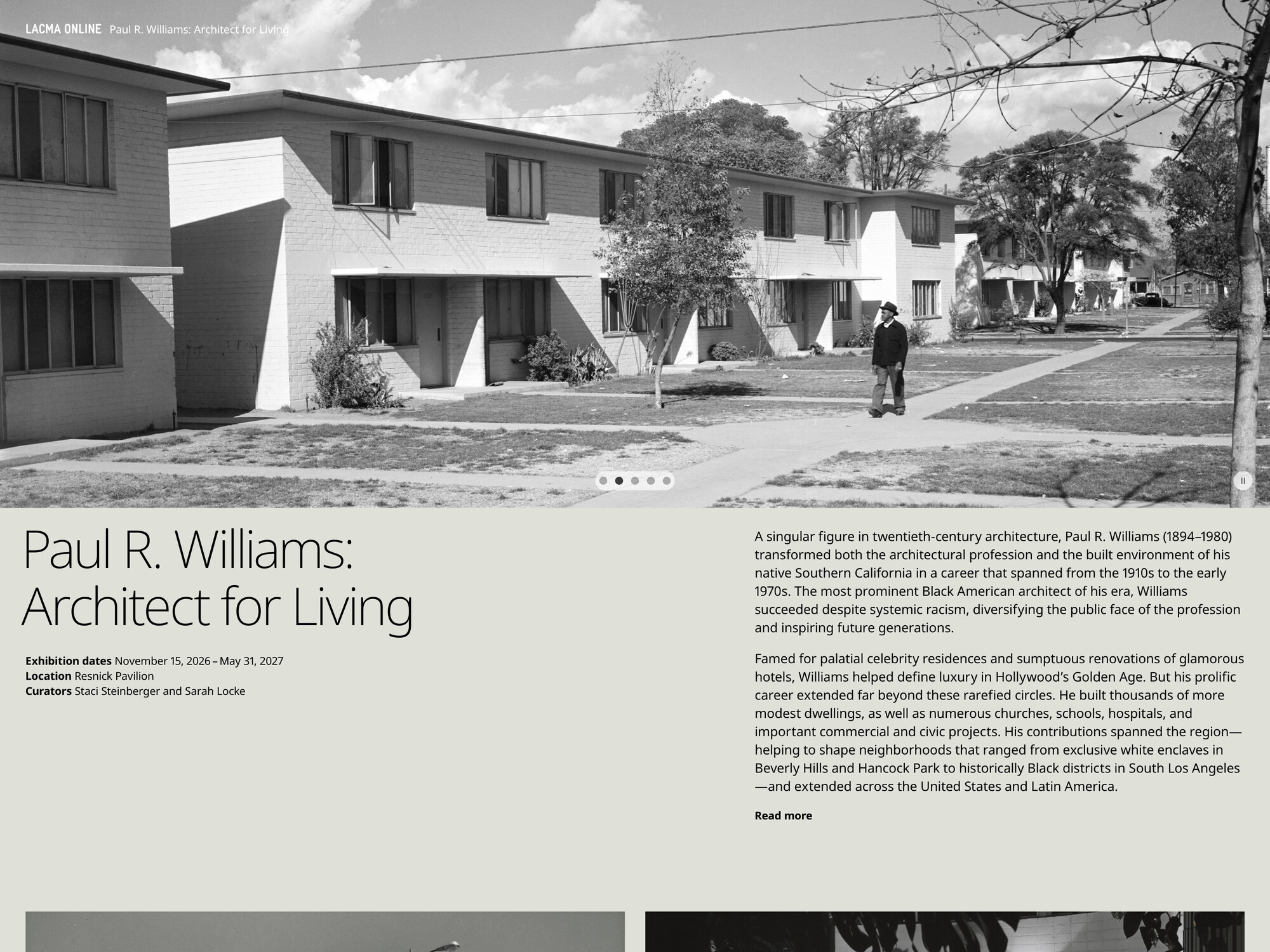
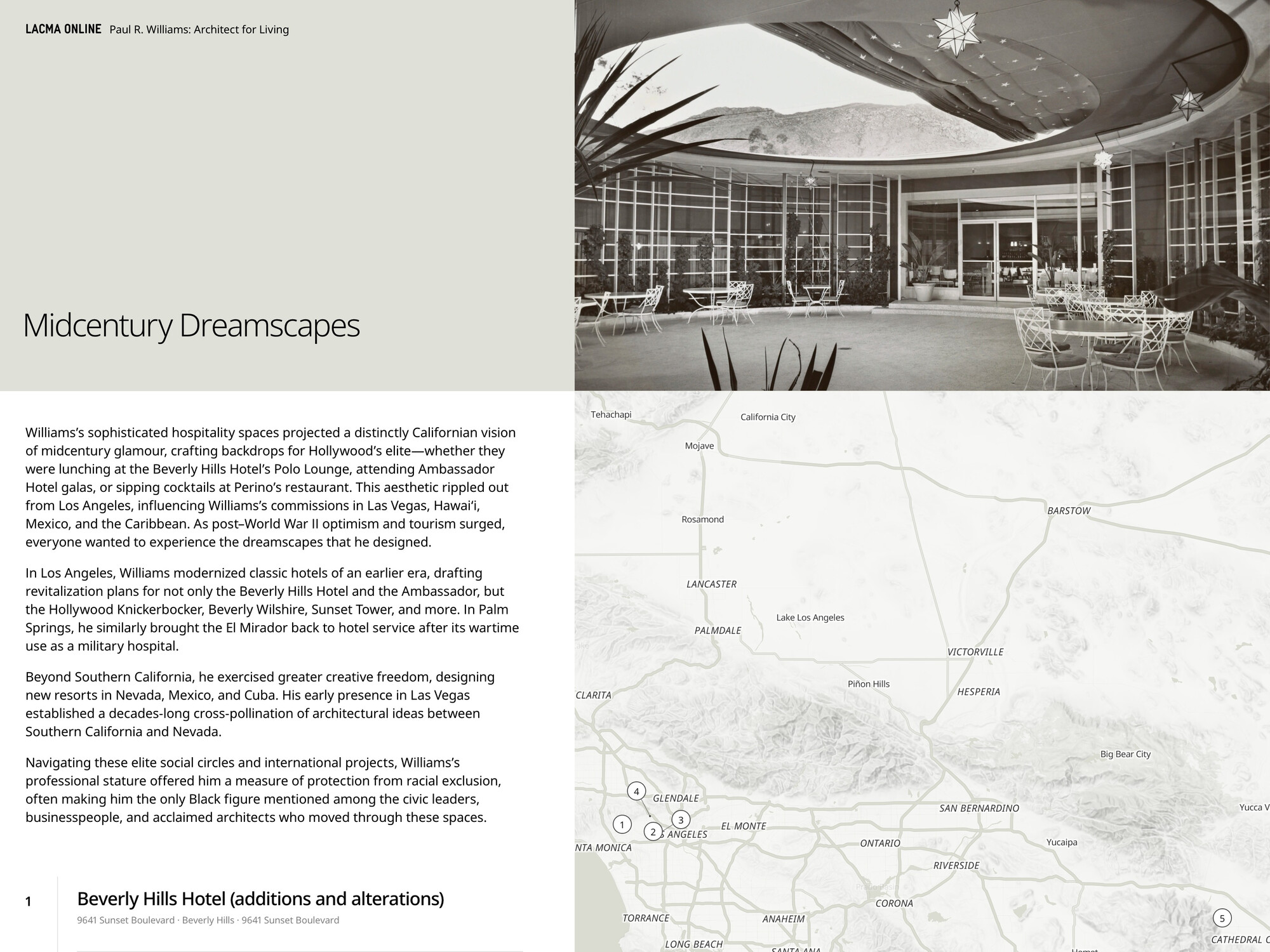
A singular figure in twentieth-century architecture, Paul R. Williams (1894–1980) transformed both the architectural profession and the built environment of his native Southern California in a career that spanned from the 1910s to the early 1970s. The most prominent Black American architect of his era, Williams succeeded despite systemic racism, diversifying the public face of the profession and inspiring future generations.
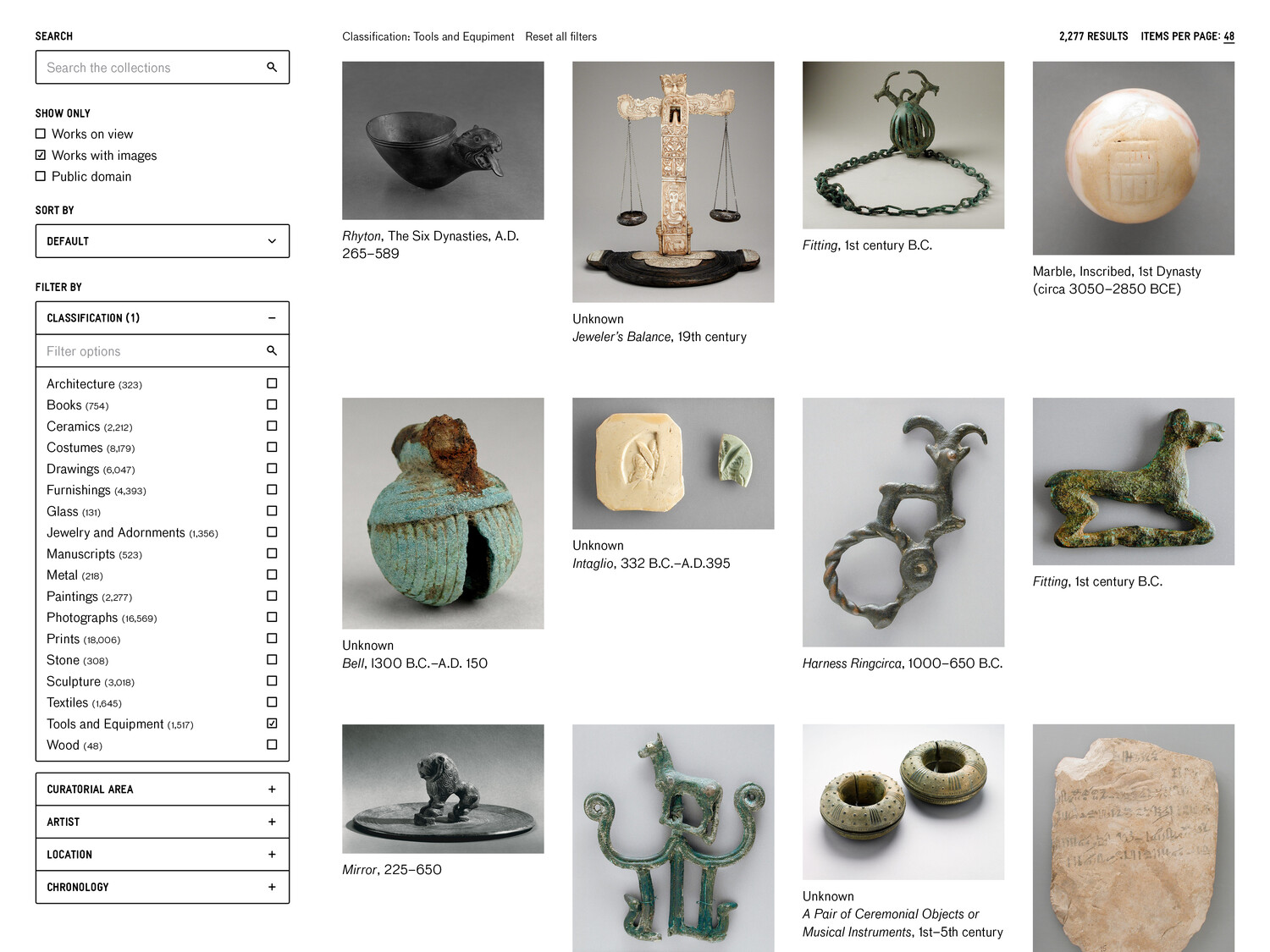
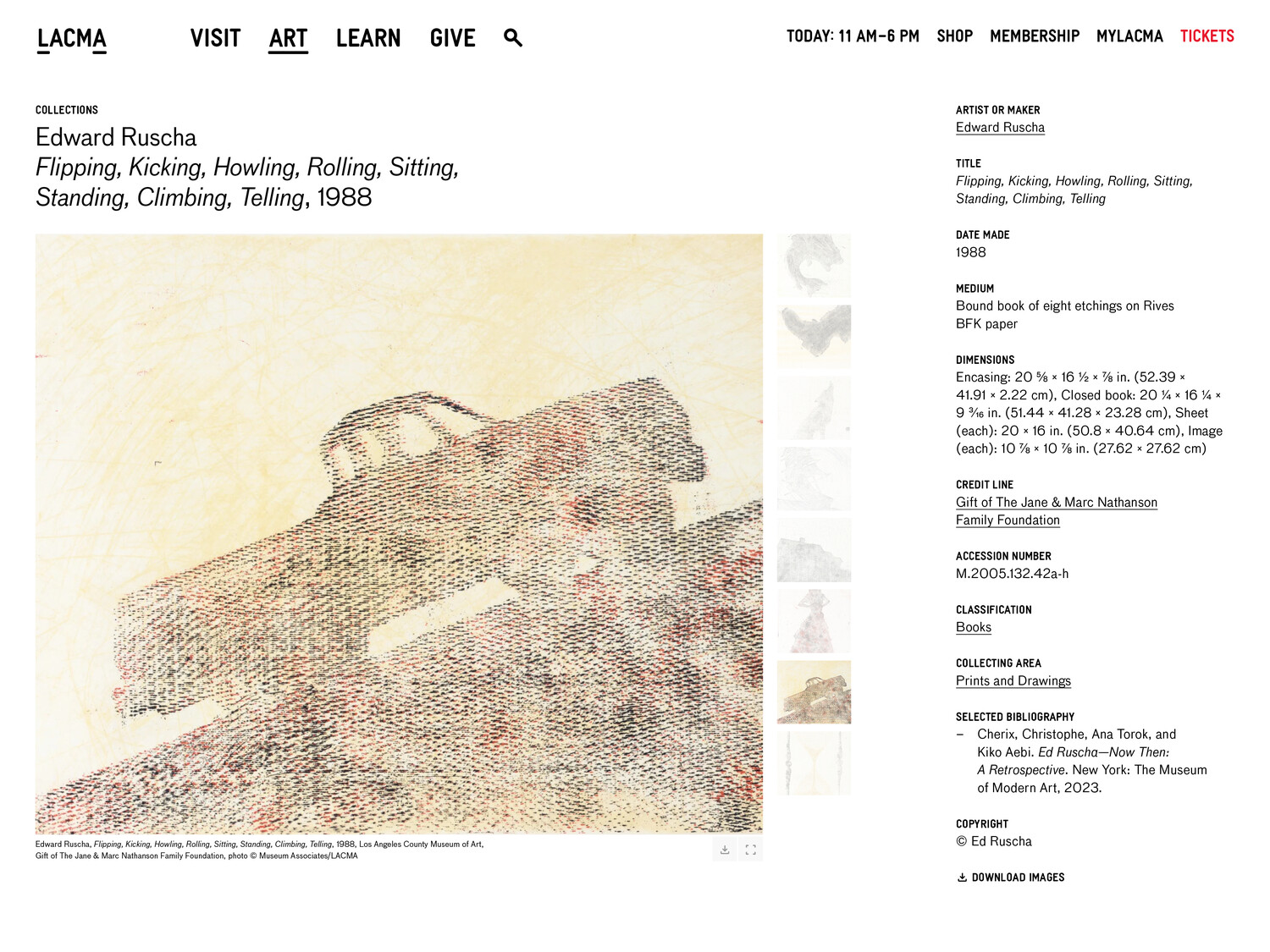
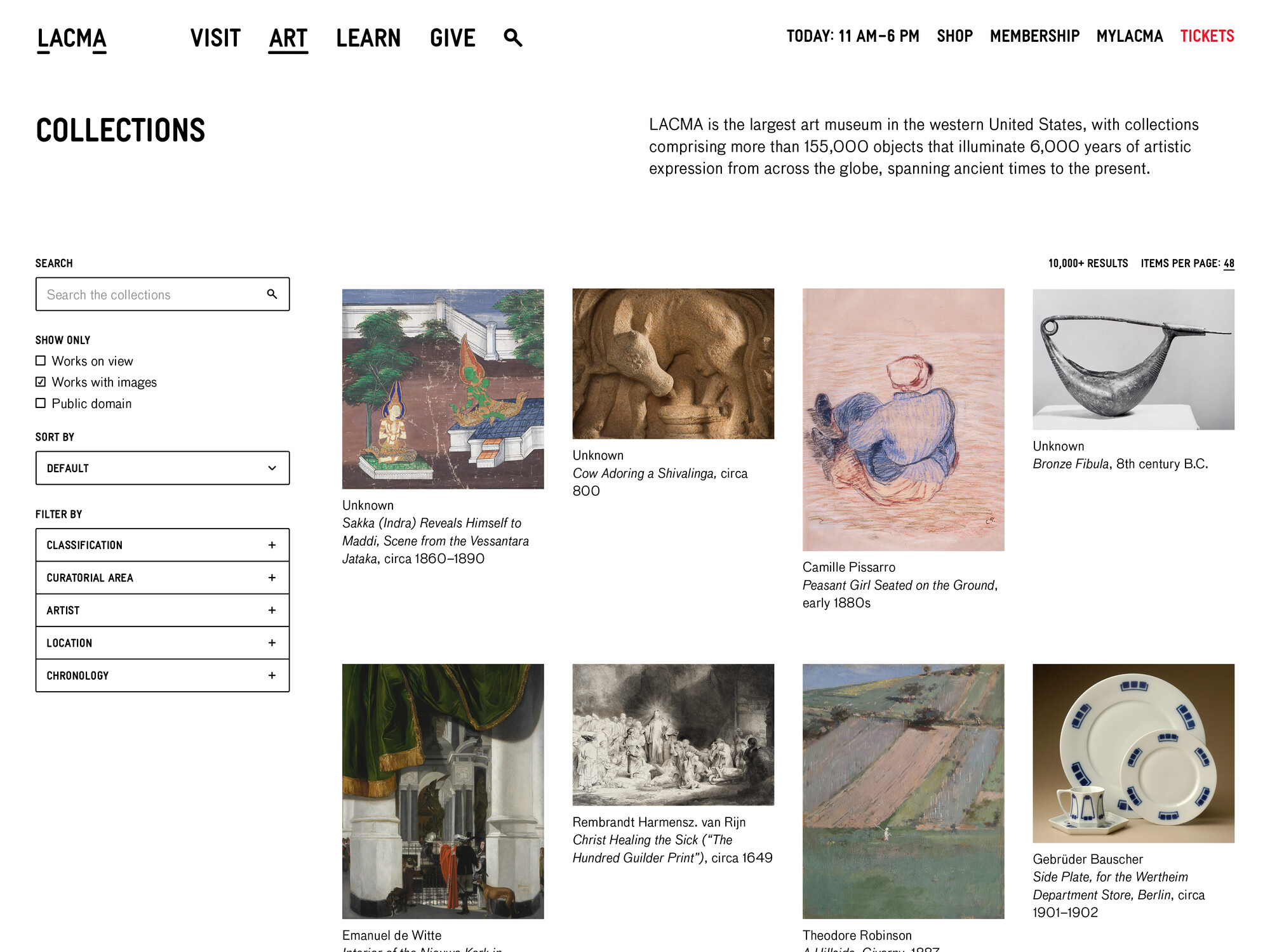
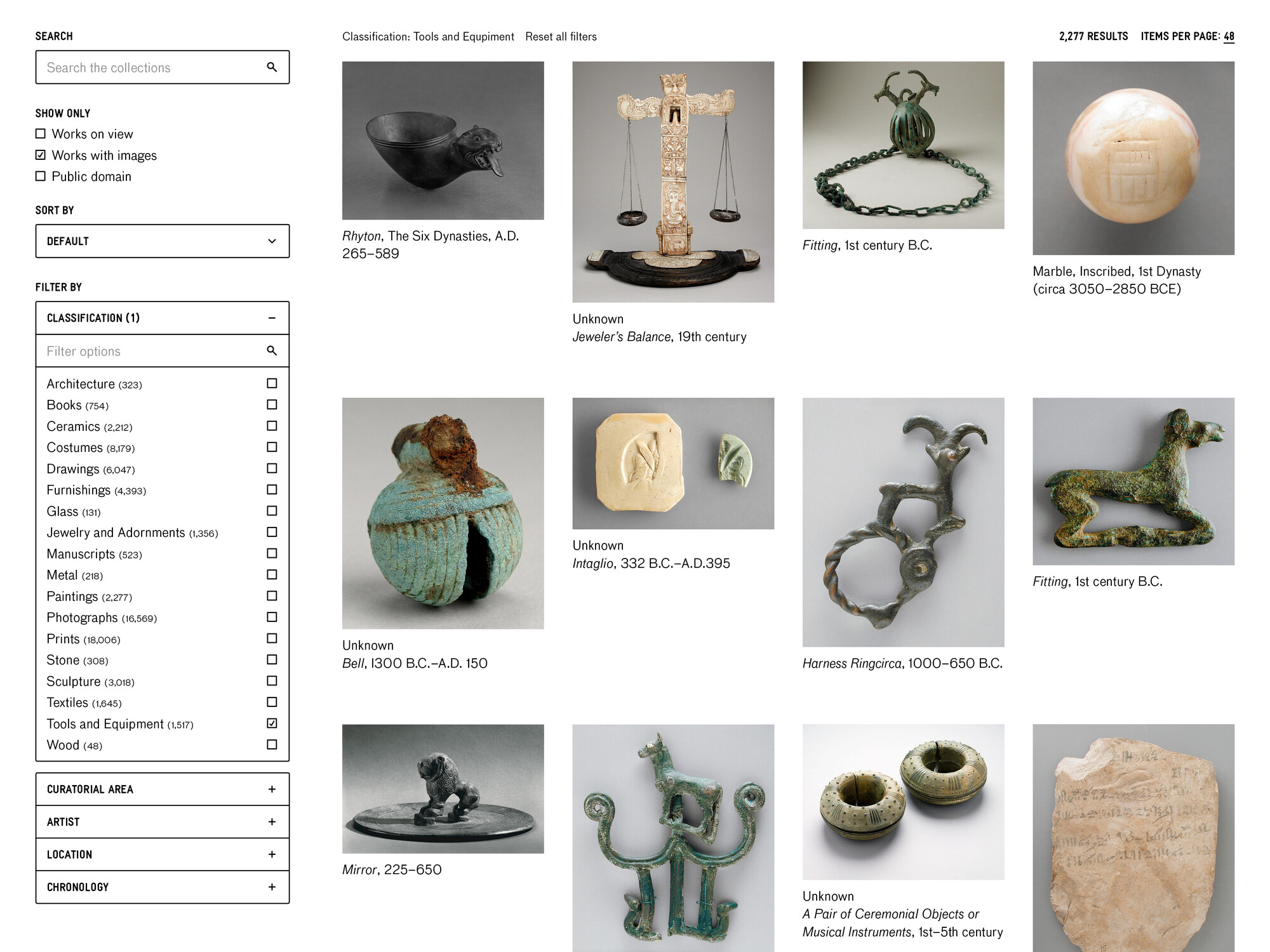
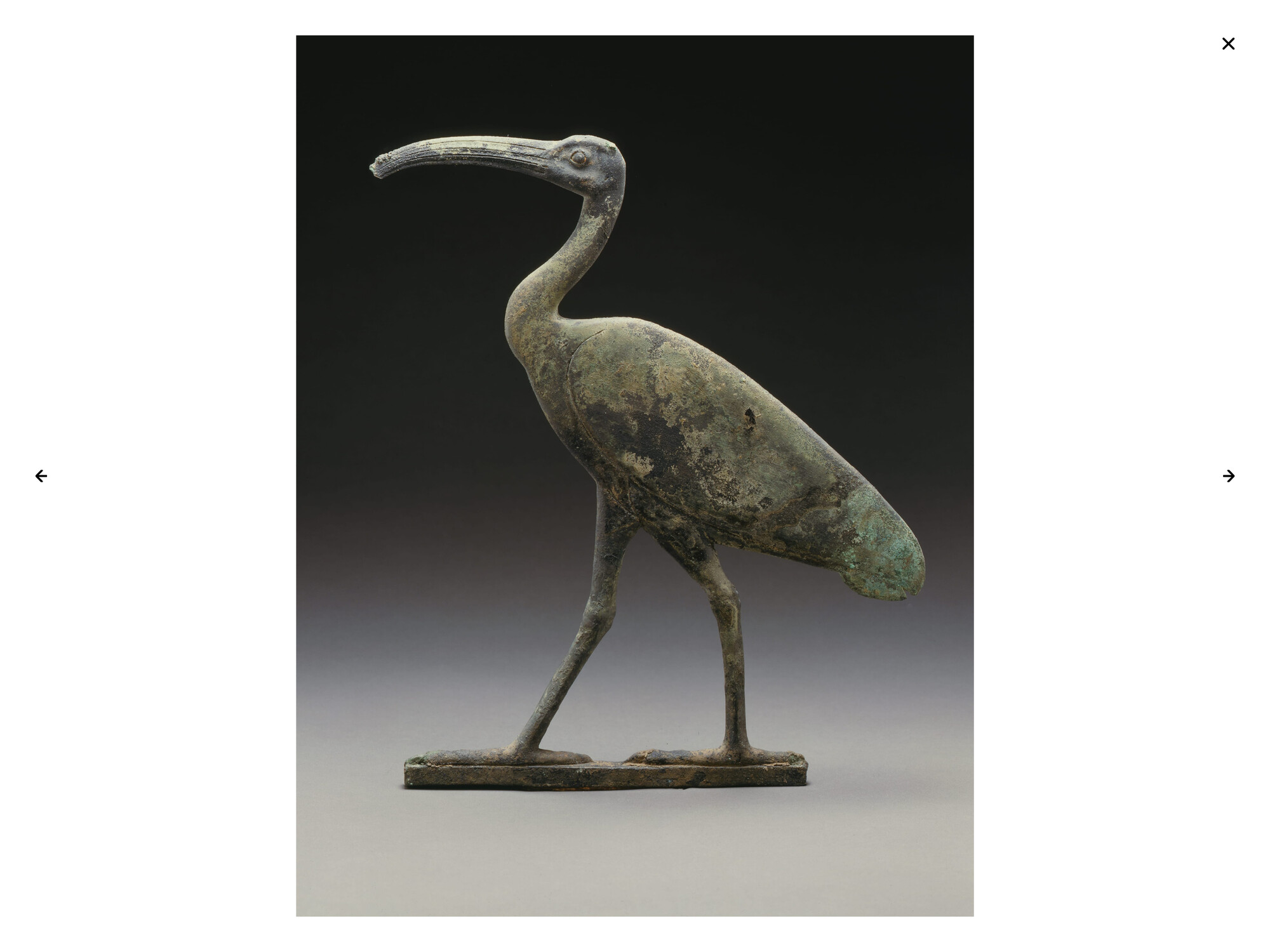
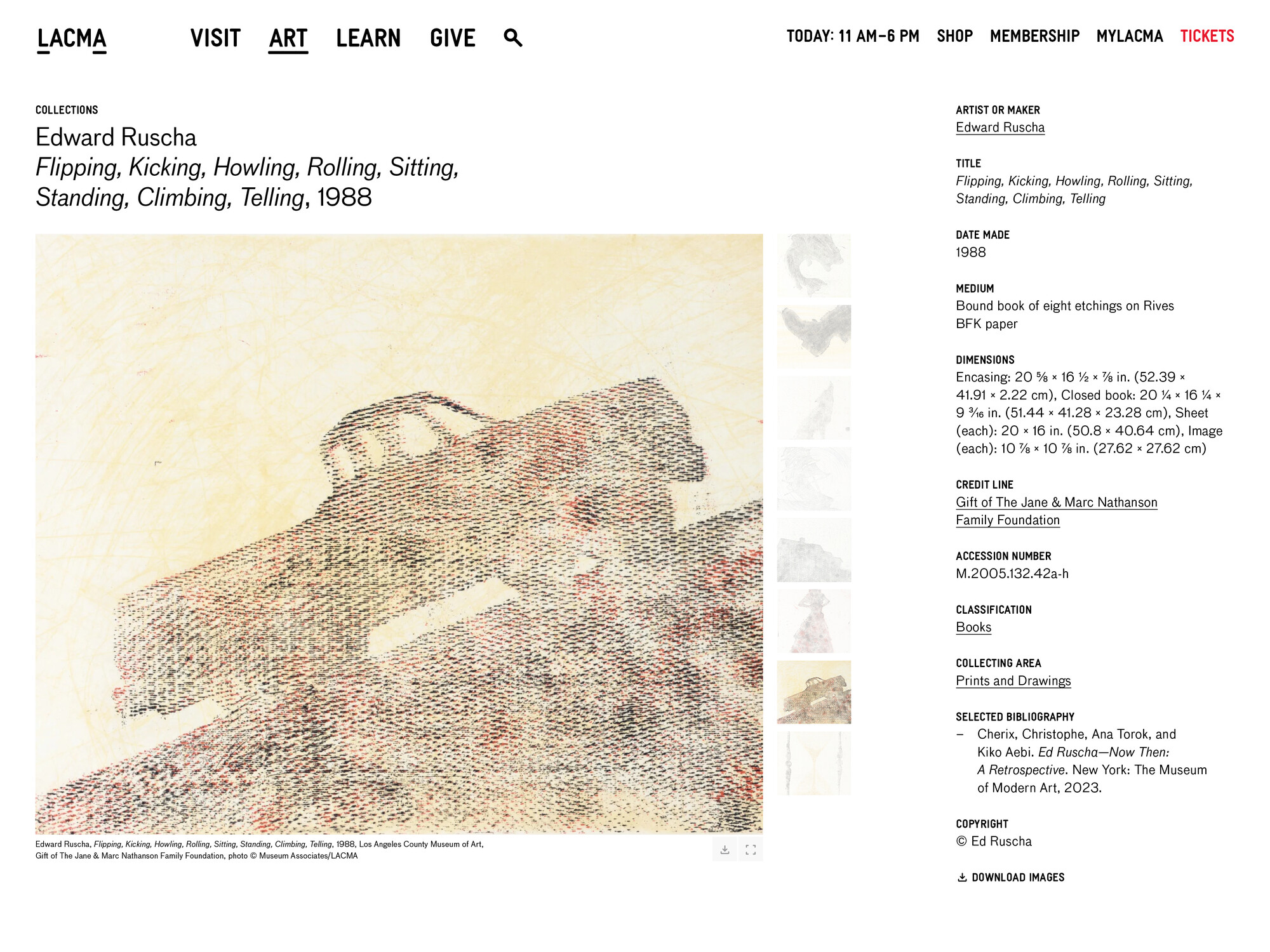
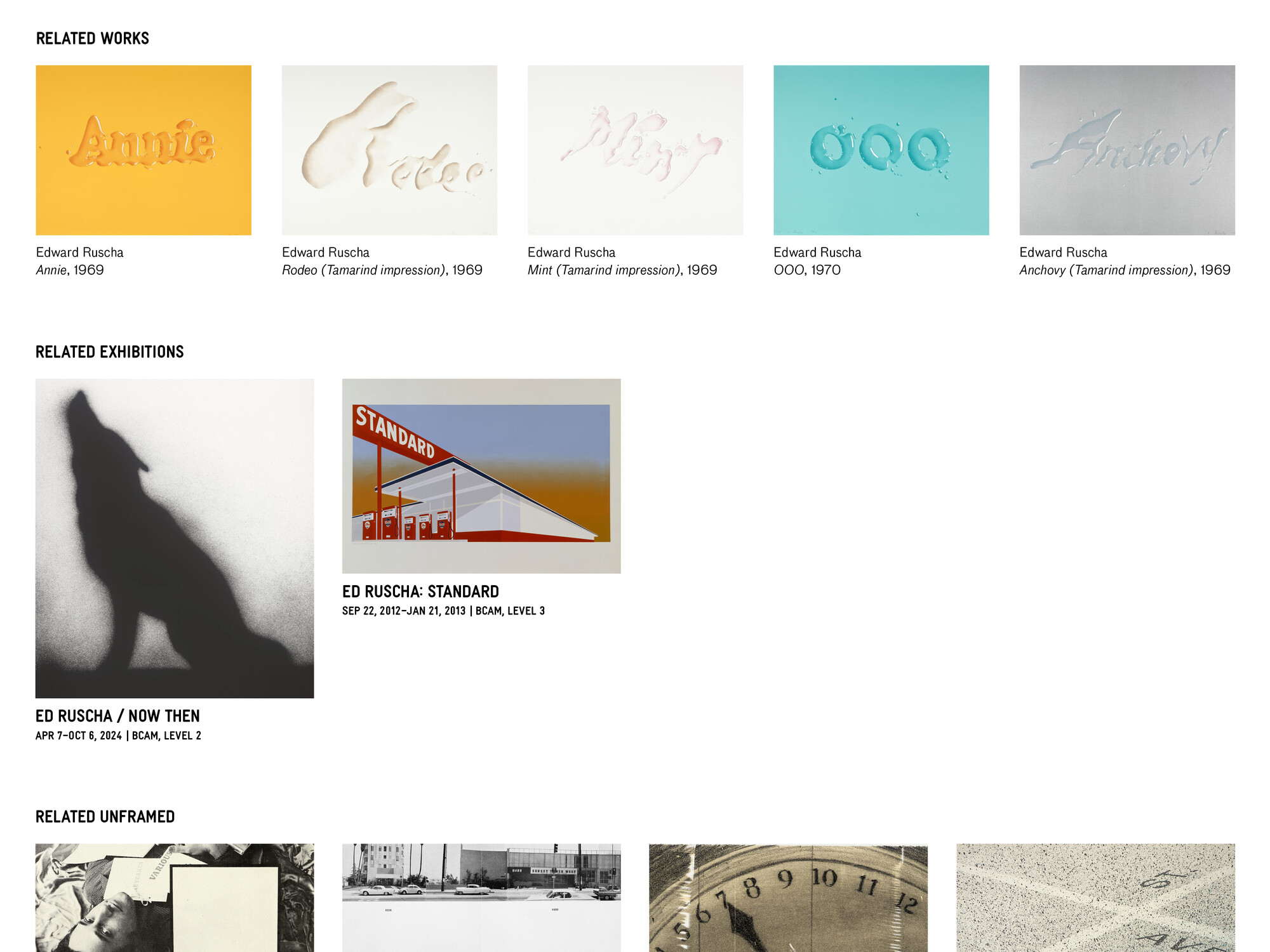
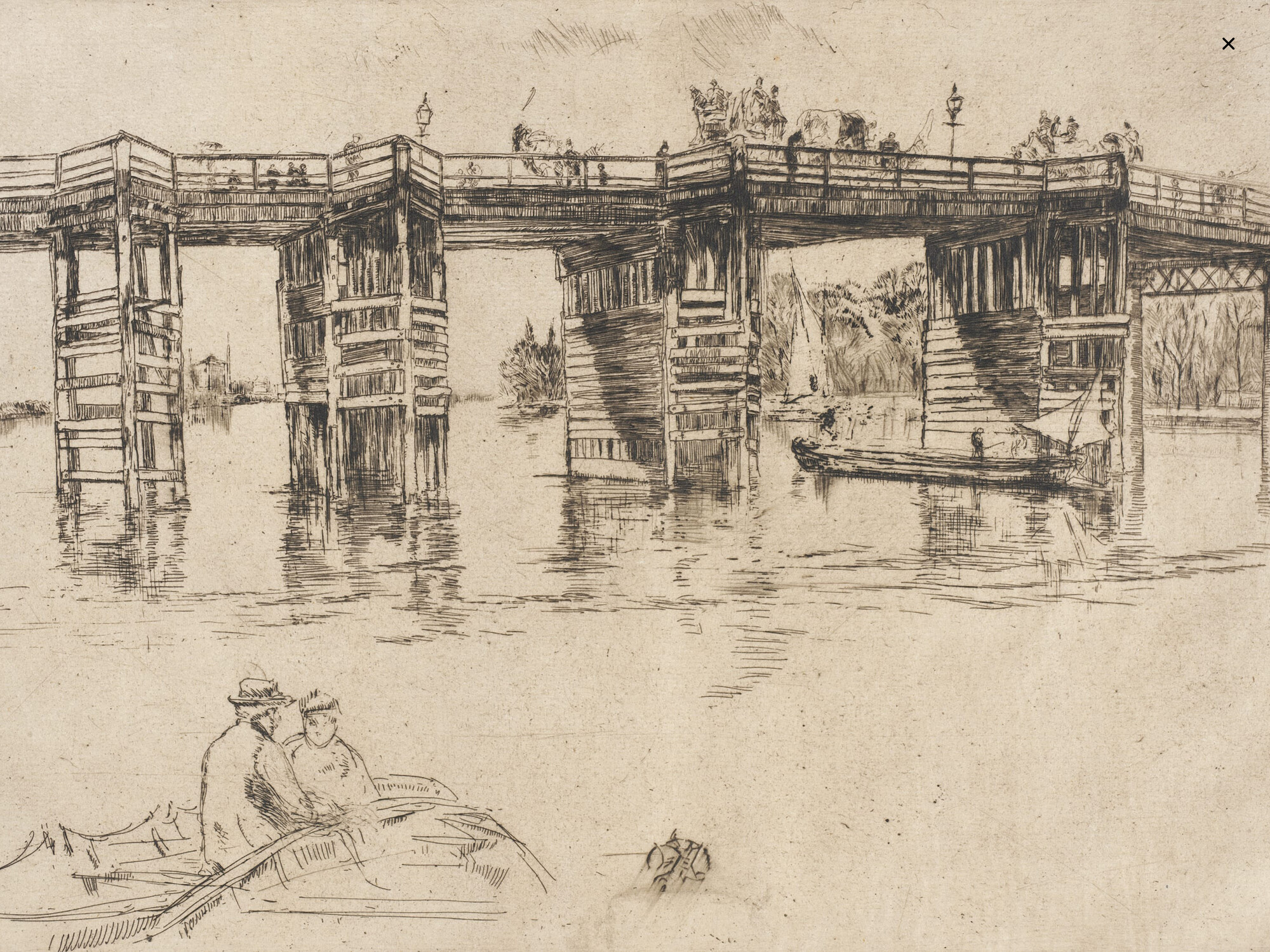
The Los Angeles County Museum of Art houses the largest museum collection in the western United States. The new online platform comprises of a cleanly rebuilt data endpoint paired with a restrained interface design that gives nuanced object records common structure while preserving distinctions in attribution, dating, and depth of scholarship.
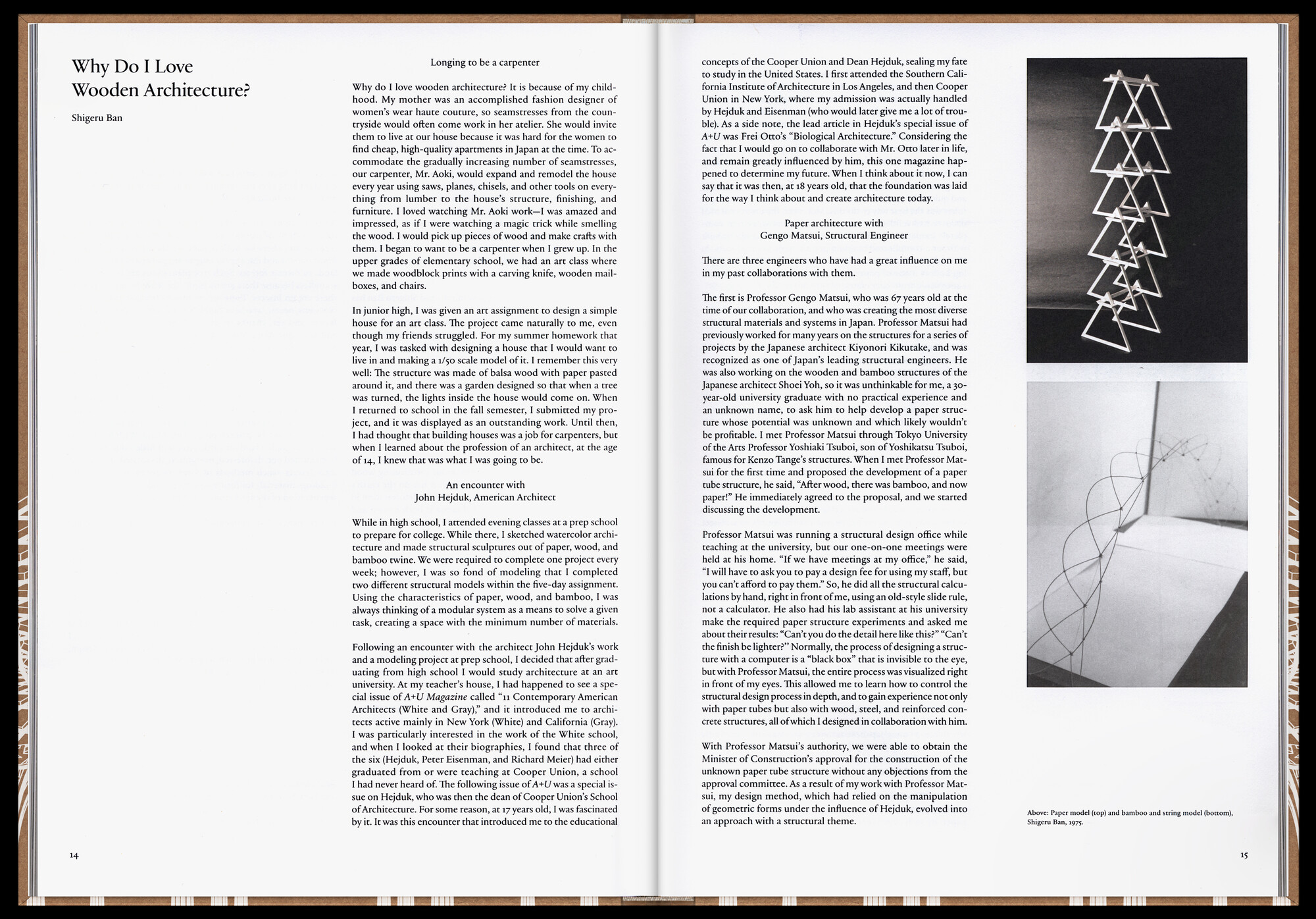
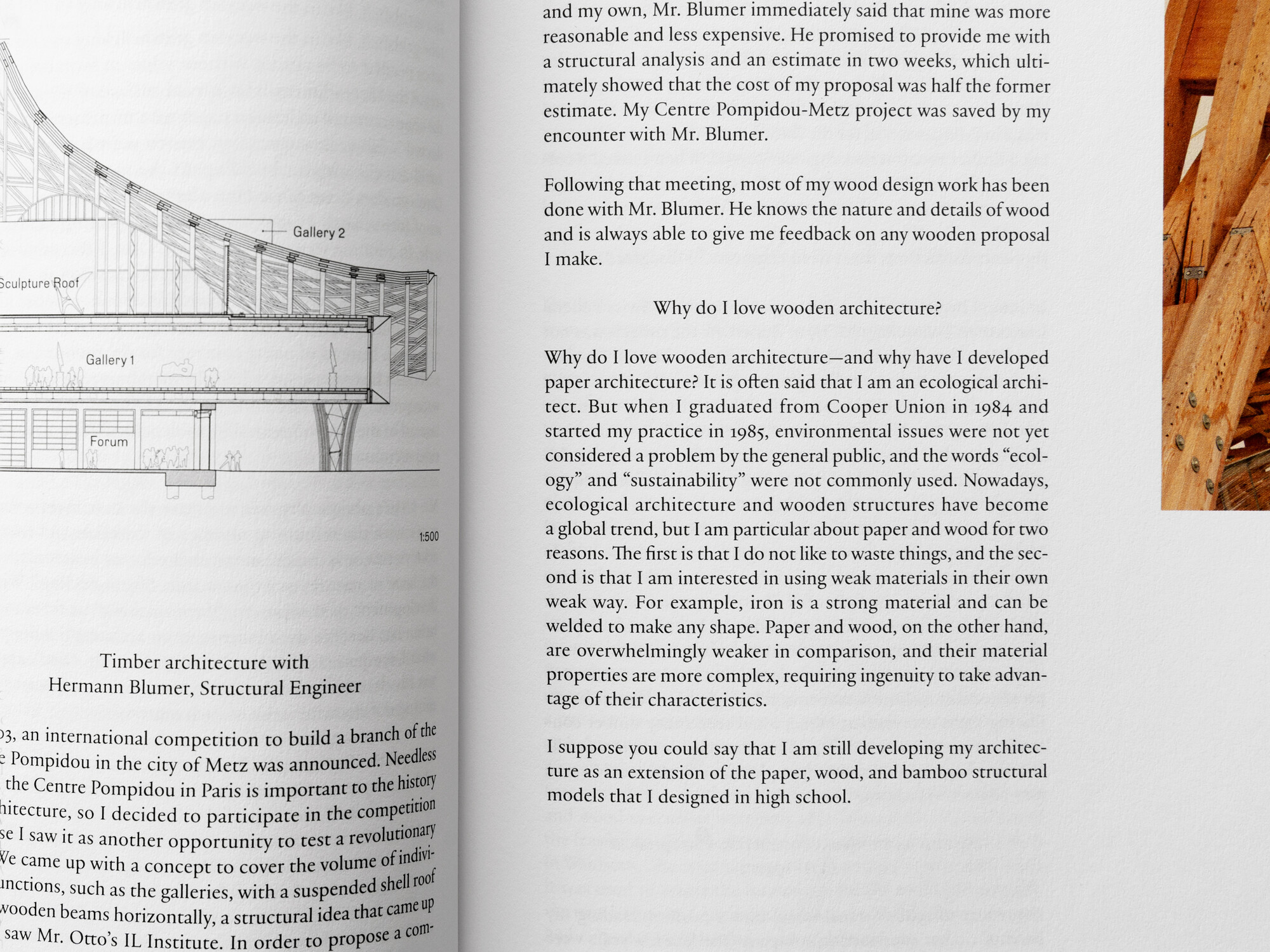
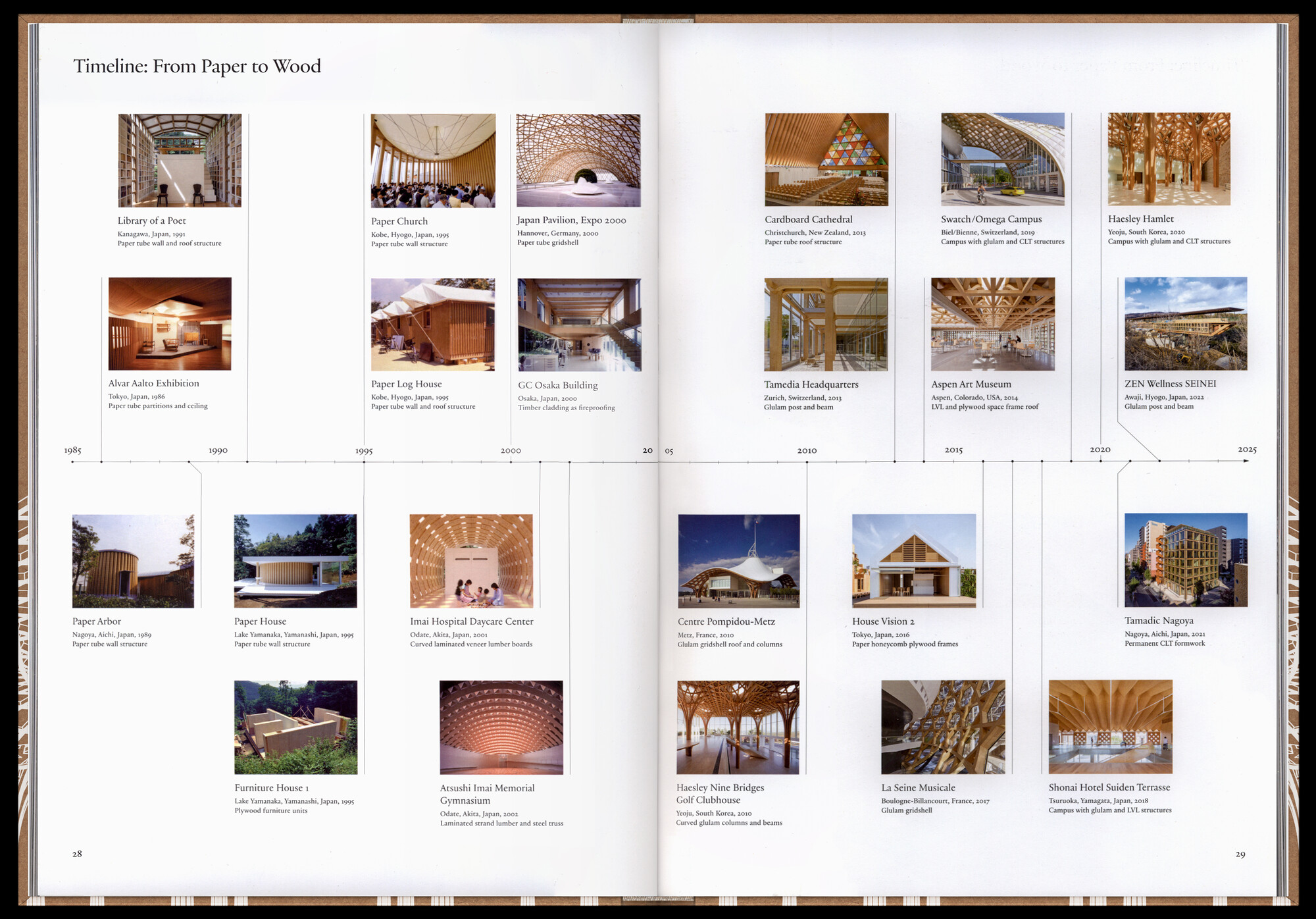
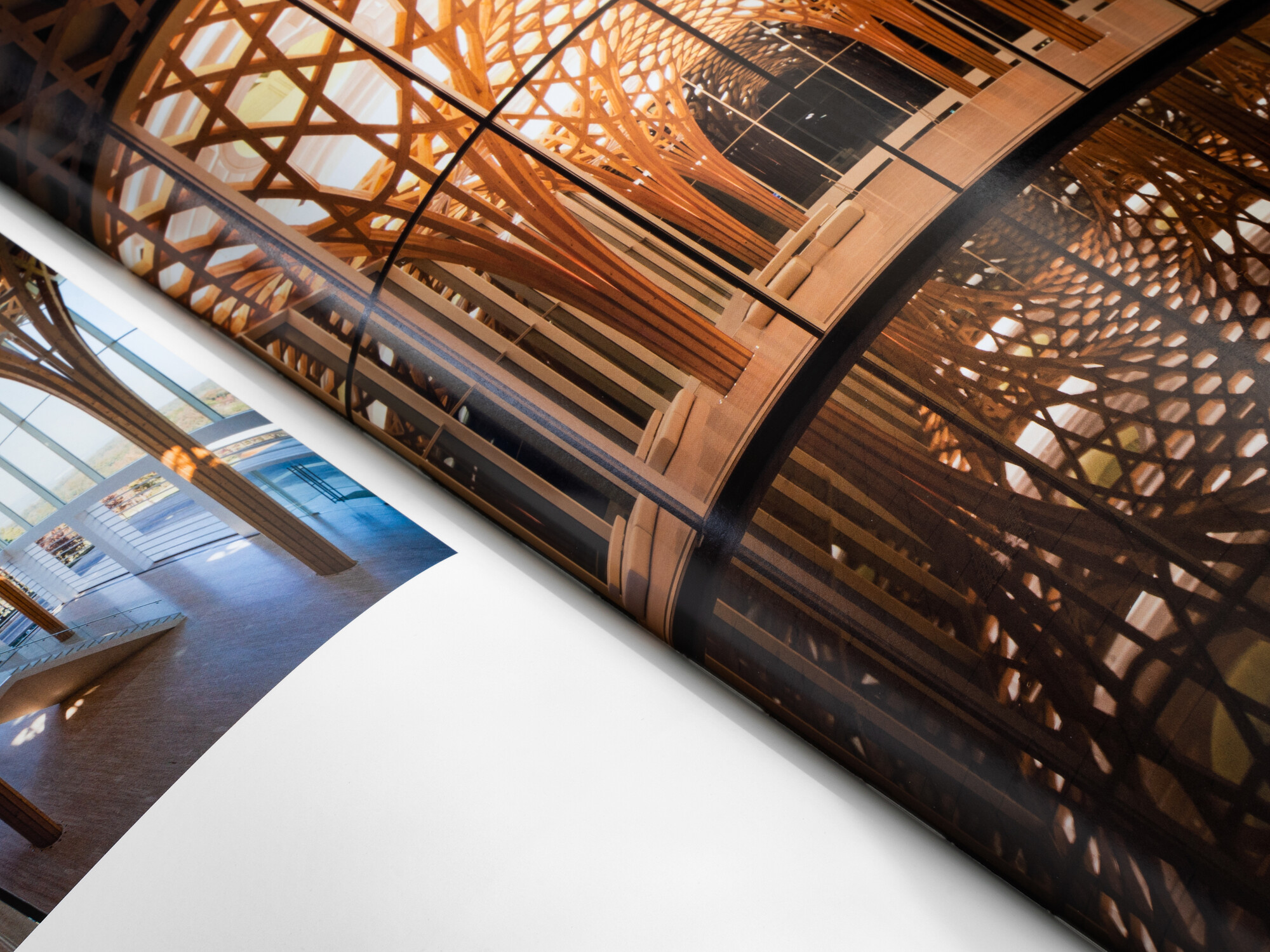
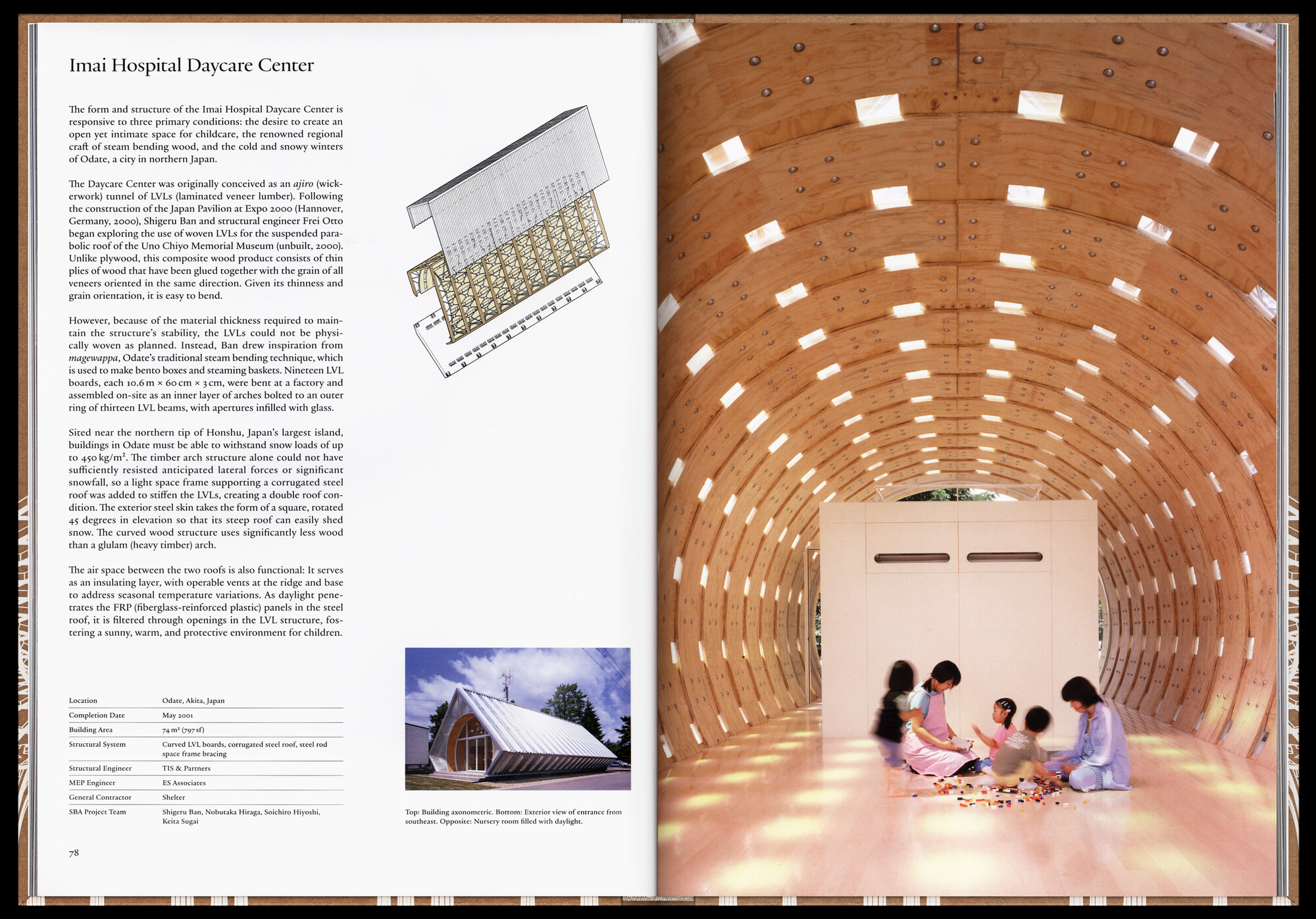
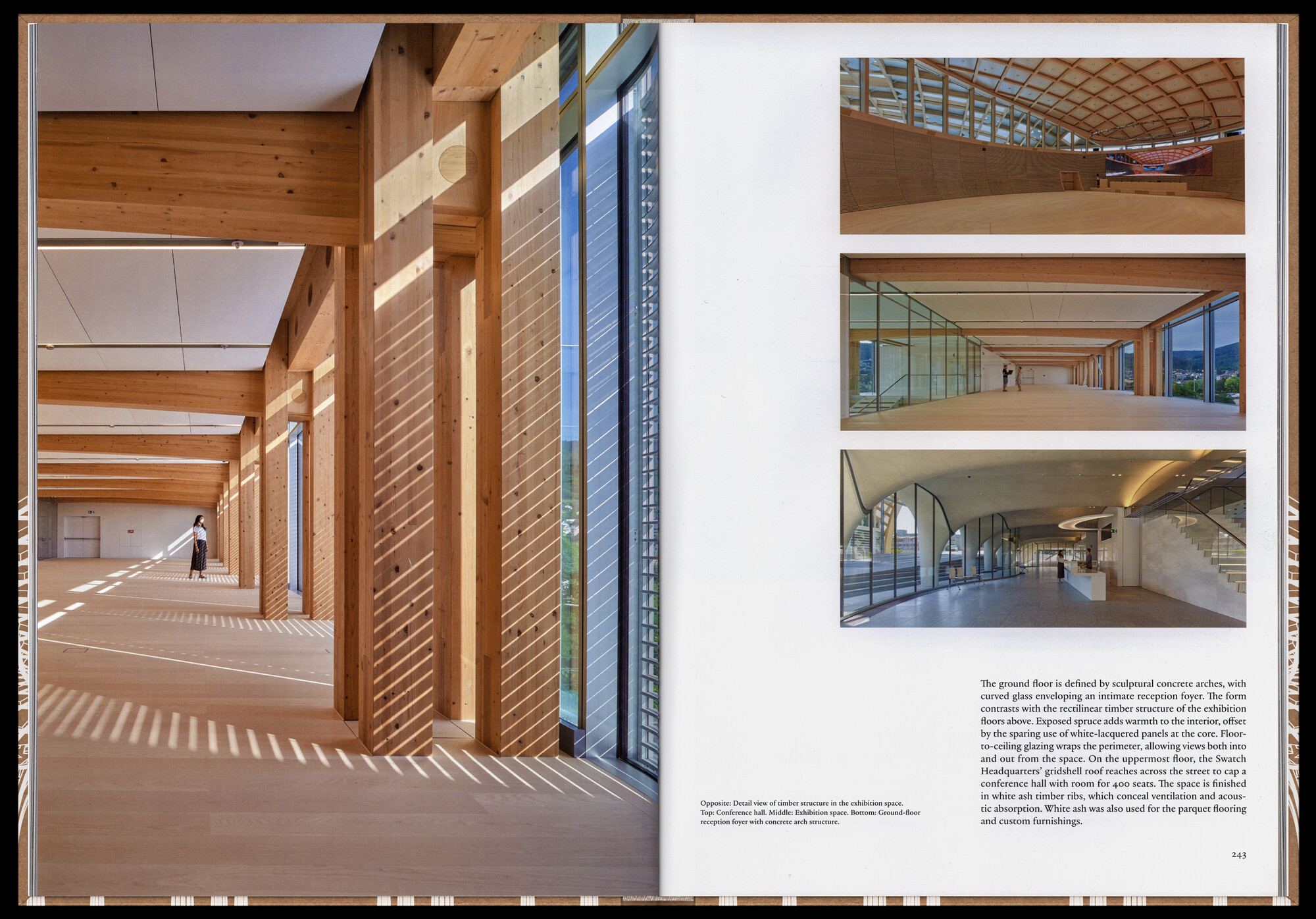
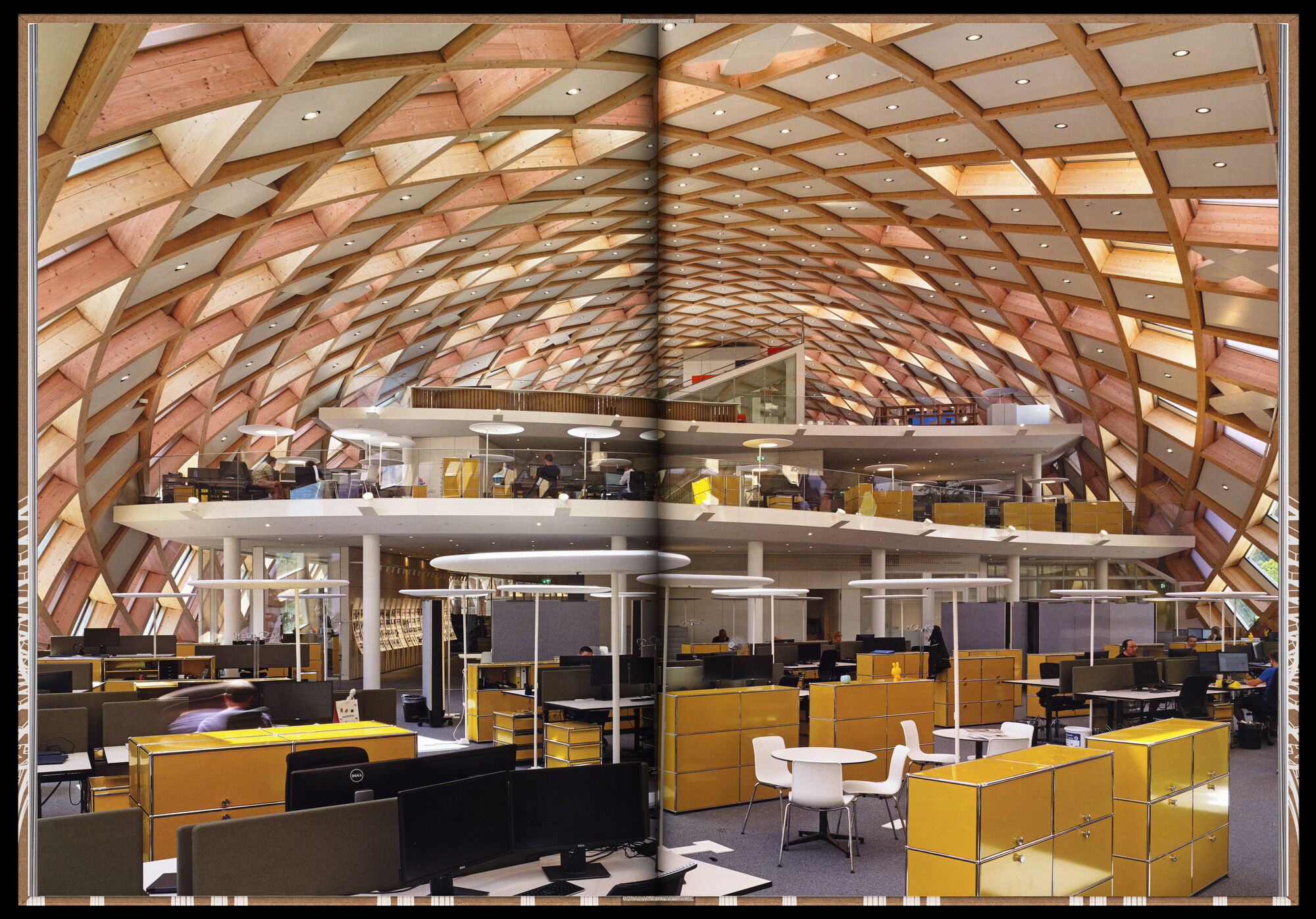
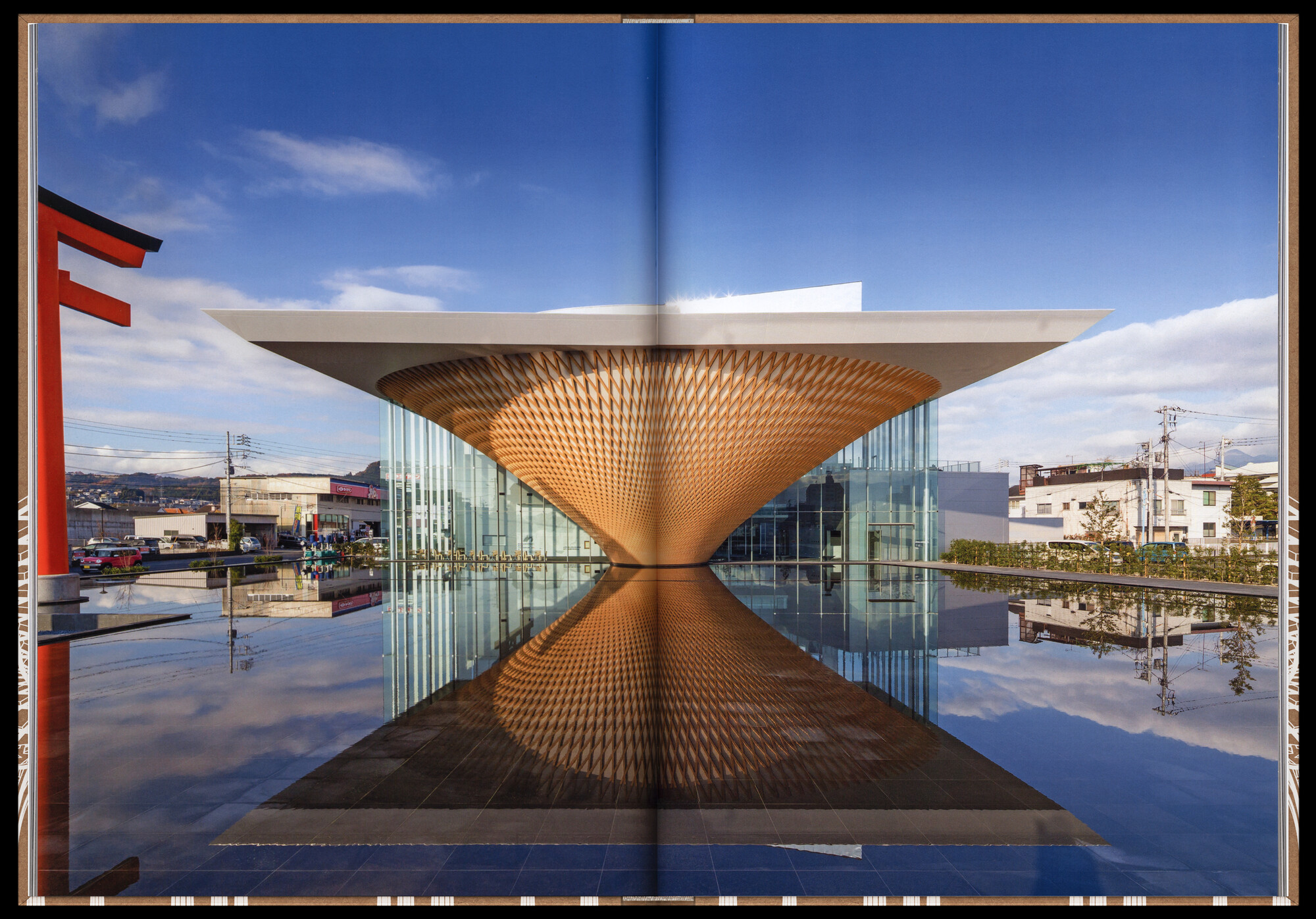
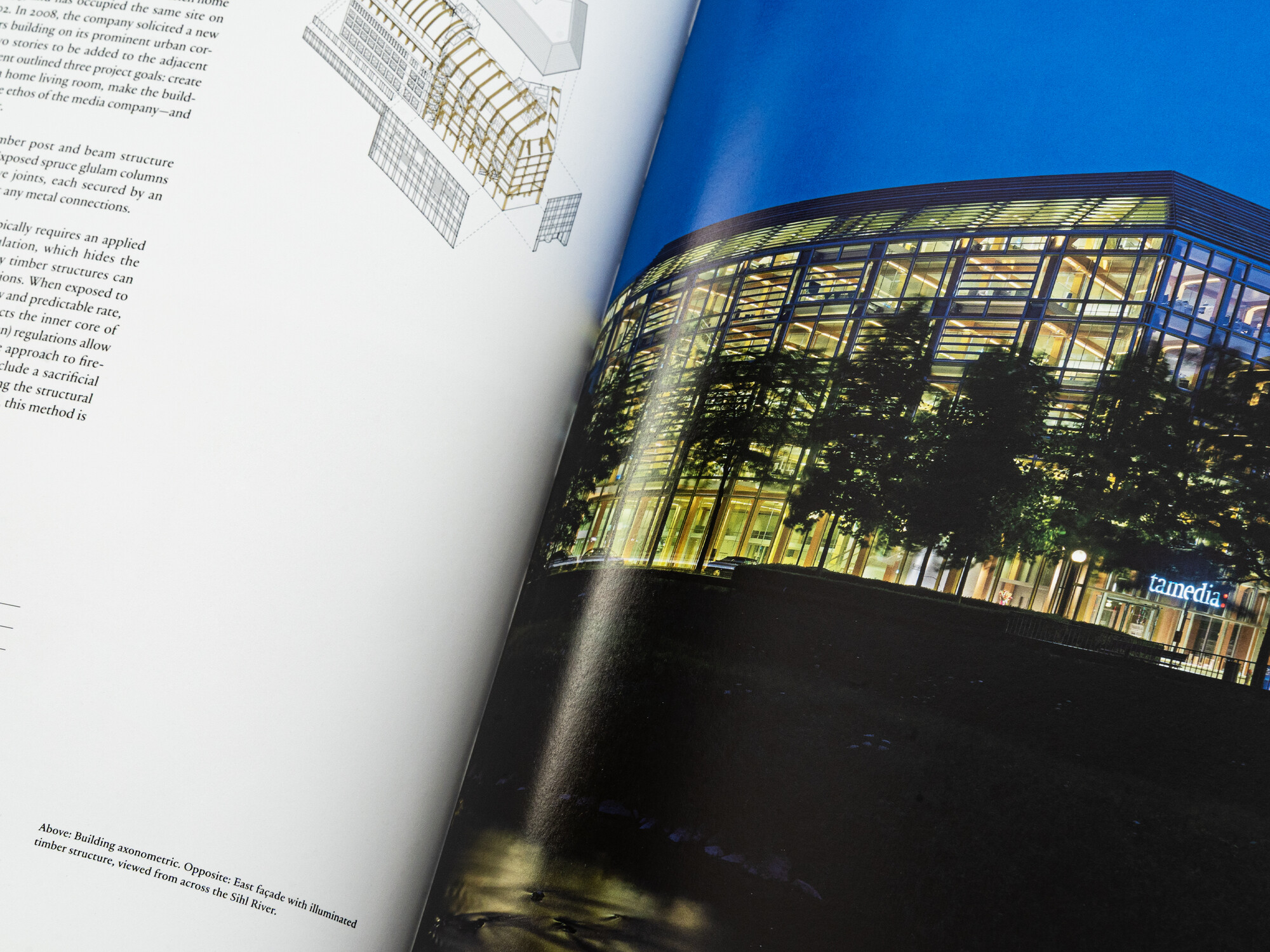
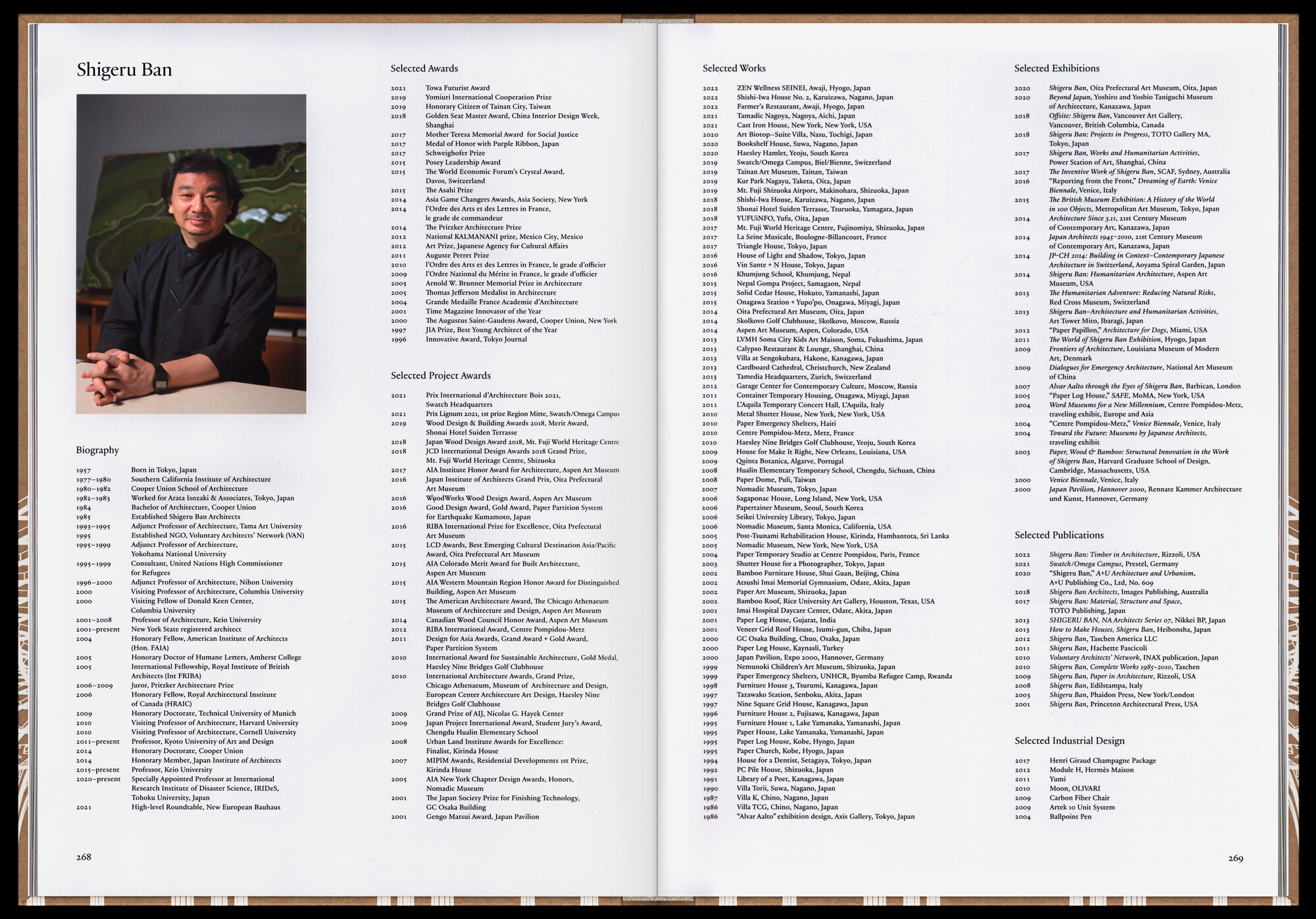
Shigeru Ban: Timber in Architecture presents 45 works from concept through construction, demonstrating the challenges and merits of wood buildings through essays, technical drawings, and photographs. This work continues on learnings presented in Shigeru Ban: Paper in Architecture as it traces Ban’s contributions to the evolution of mass timber as a commercially viable, highly competitive structural solution in a variety of forms.