Folder designs interfaces, publications, and systems for organizing, encountering, and carrying information forward. We help museums, universities, civic institutions, and others engaged in the stewardship and sharing of knowledge create ways for language, media, and material to surface and endure.
We are interested in what happens to information over time, and how form can reveal the connections that give it meaning. Projects come in a variety of configurations rooted in partnerships that honor the material and its strategic presentation.
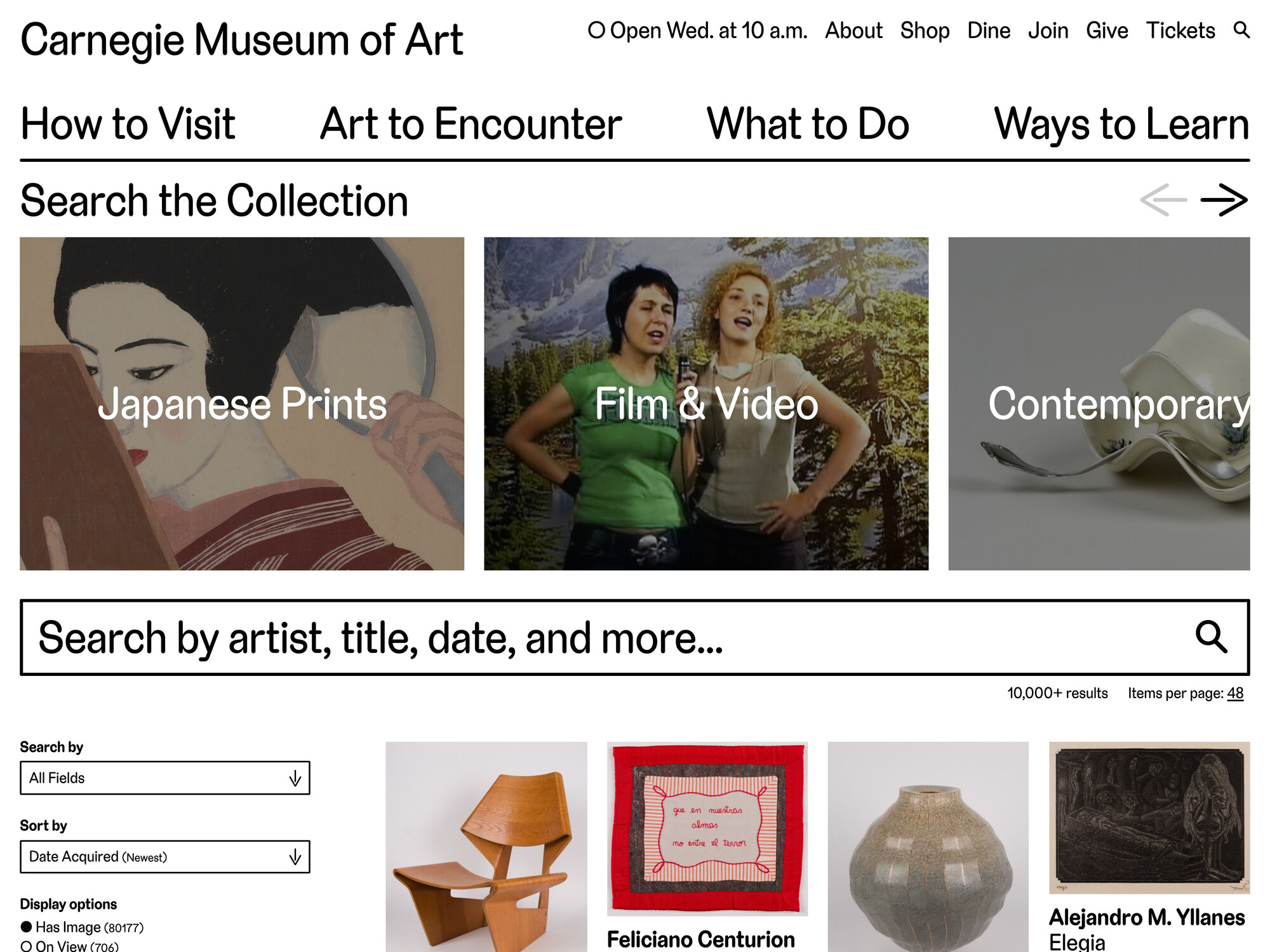
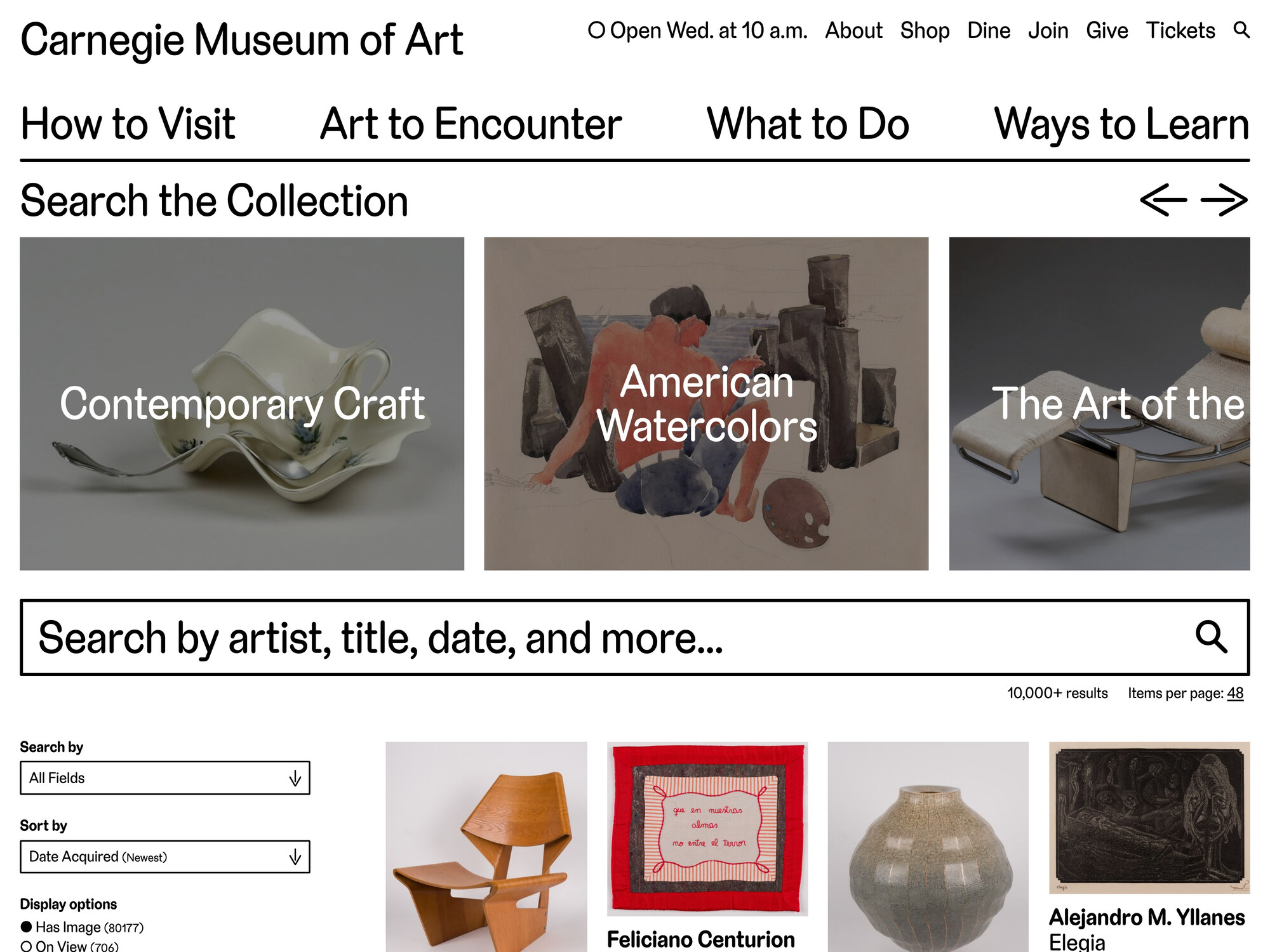
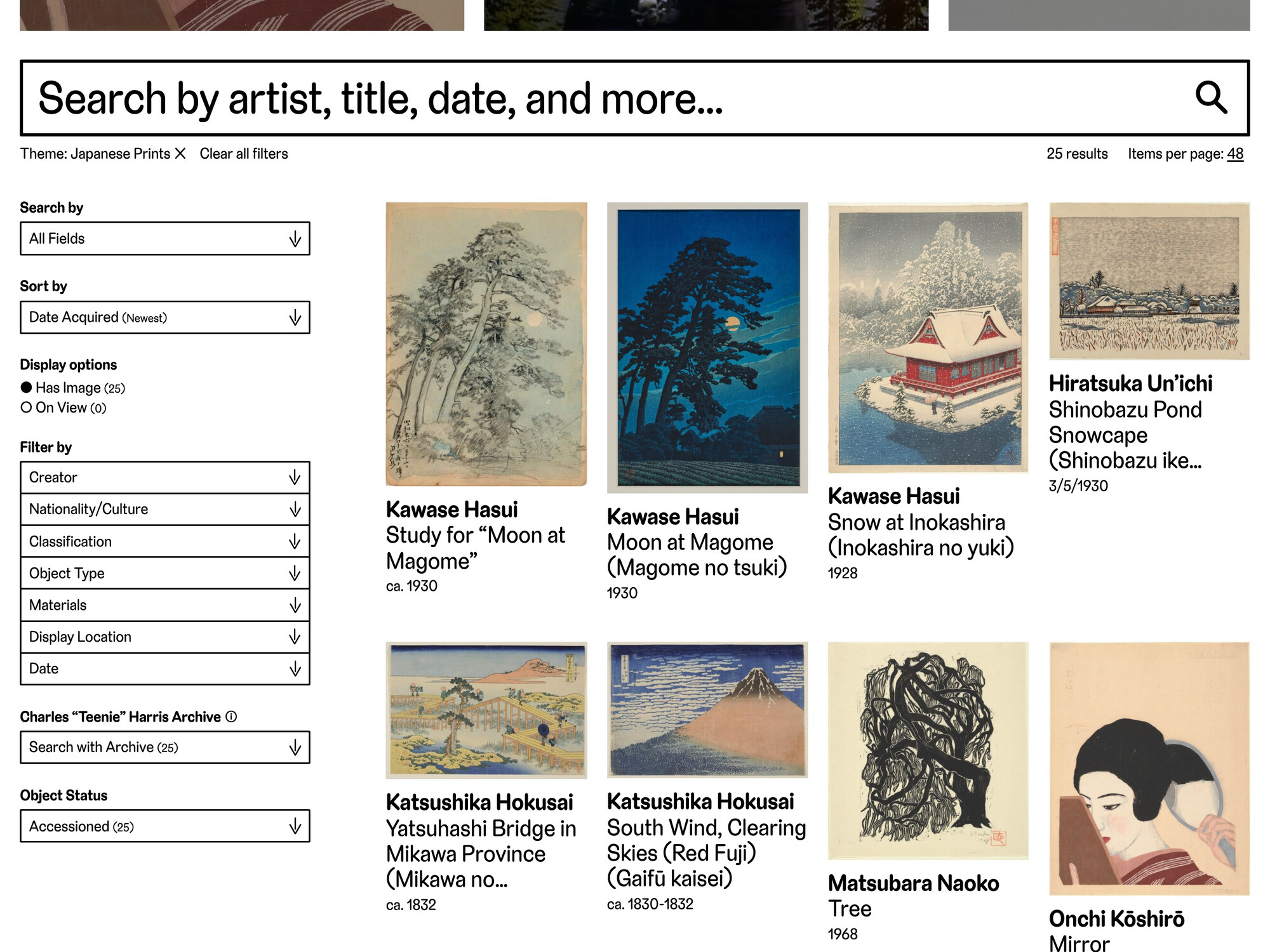
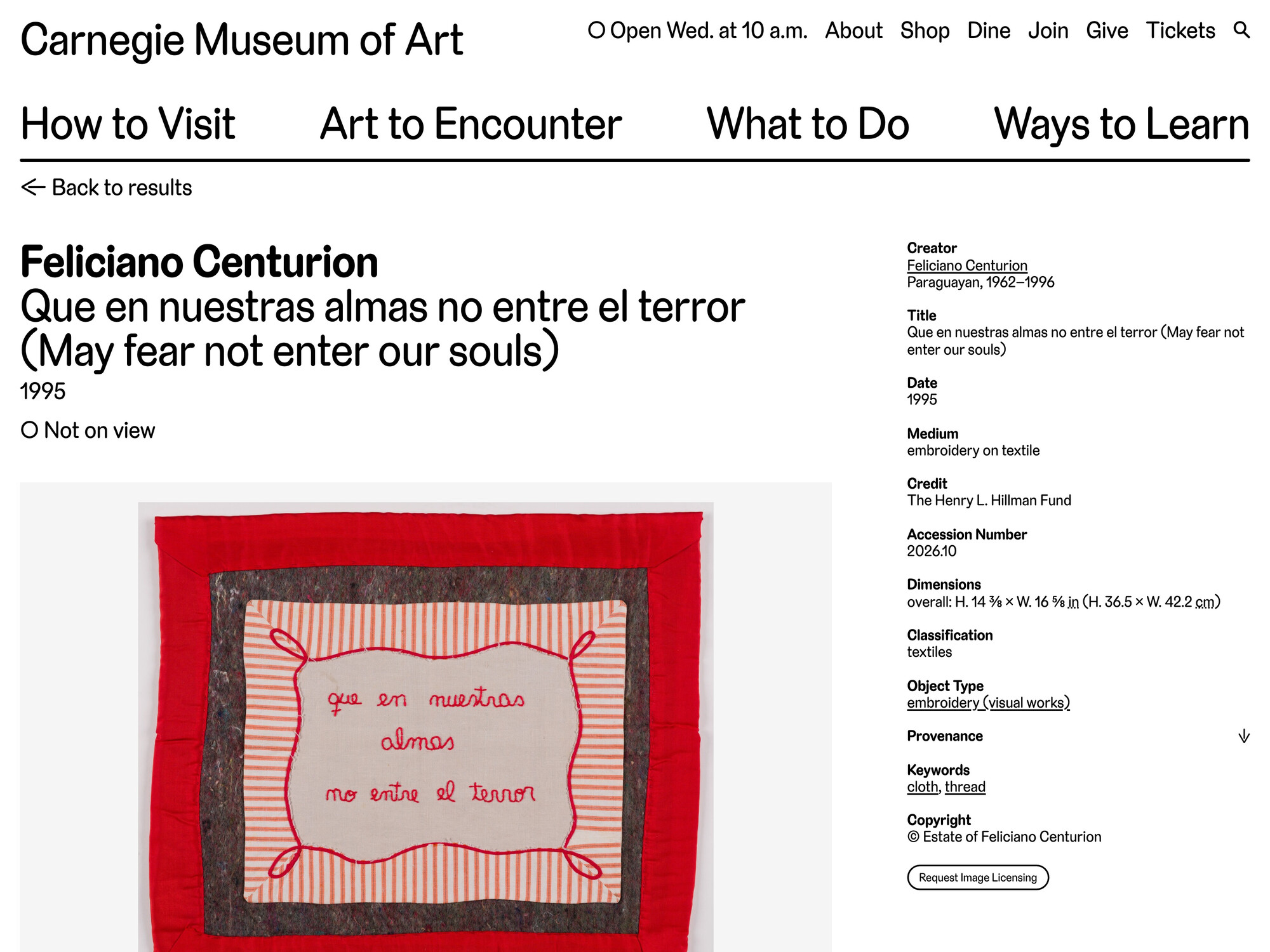
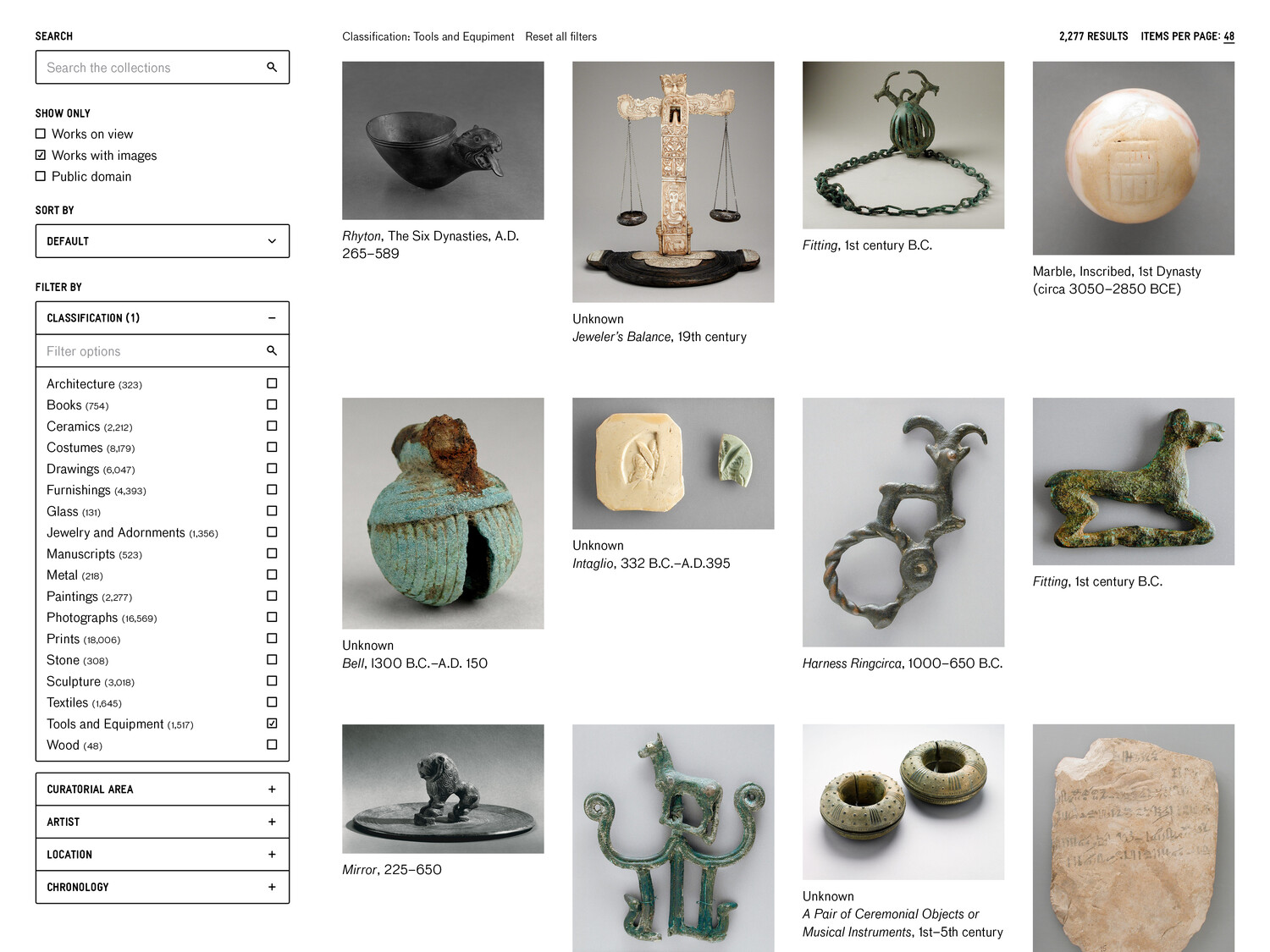
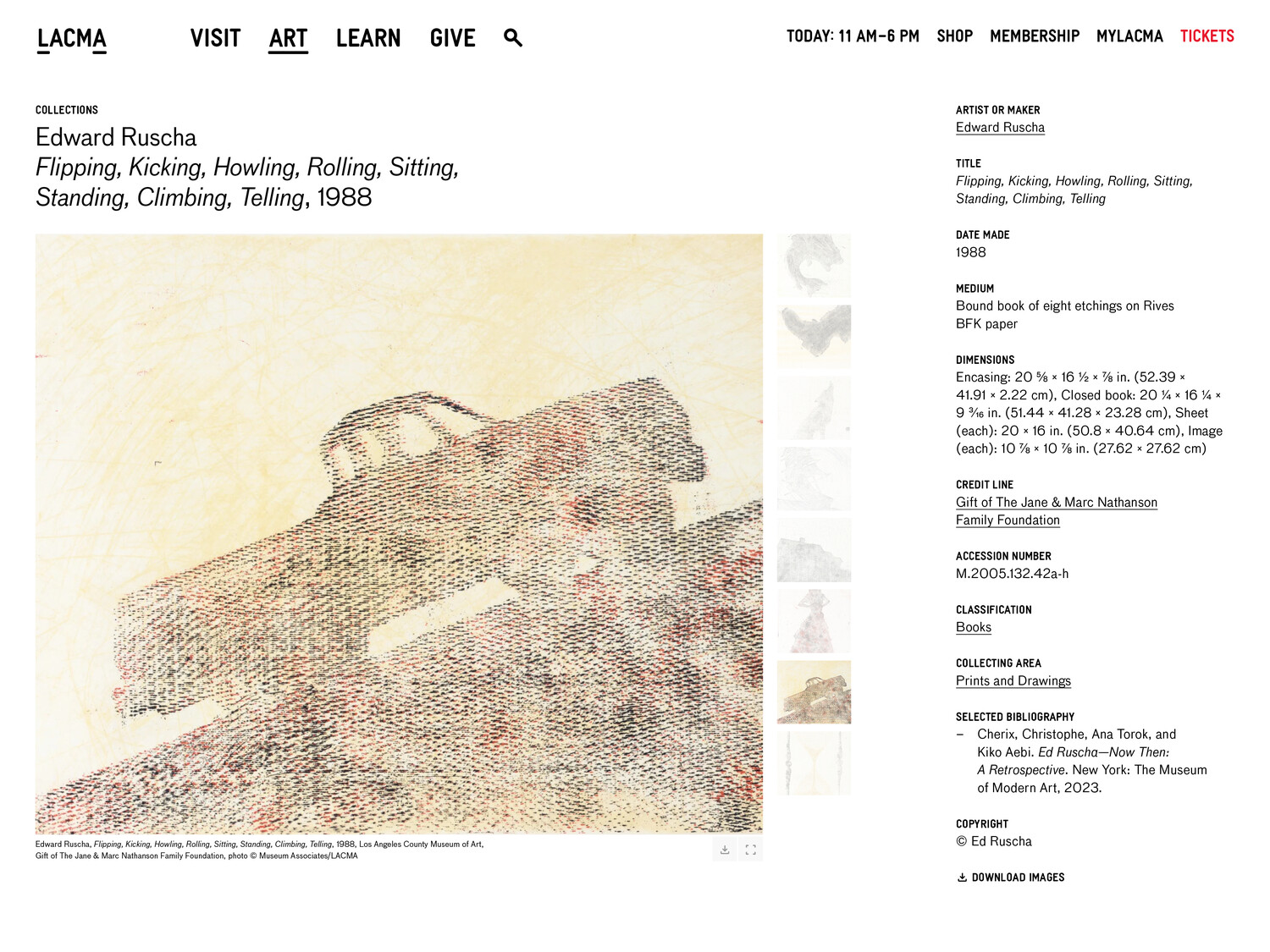
Expanded from our previous work on Carnegie Museum of Art’s online catalogue, the collections website opens us closer study of the collection by connecting individual works with group records, exhibition histories, and associated texts. The collection’s development is more readily traced through museum programs including it’s growth through the Carnegie International, North America's longest-running recurring exhibition of international contemporary art.
The Carnegie Museum of Art is the first museum in the United States dedicated to collecting art of its times. In other words, it’s the first museum dedicated to contemporary art. The website features an expressive typography forward approach which maintains its legibility through a robust and modular design system, and is reflected in its data model and backend user experience.
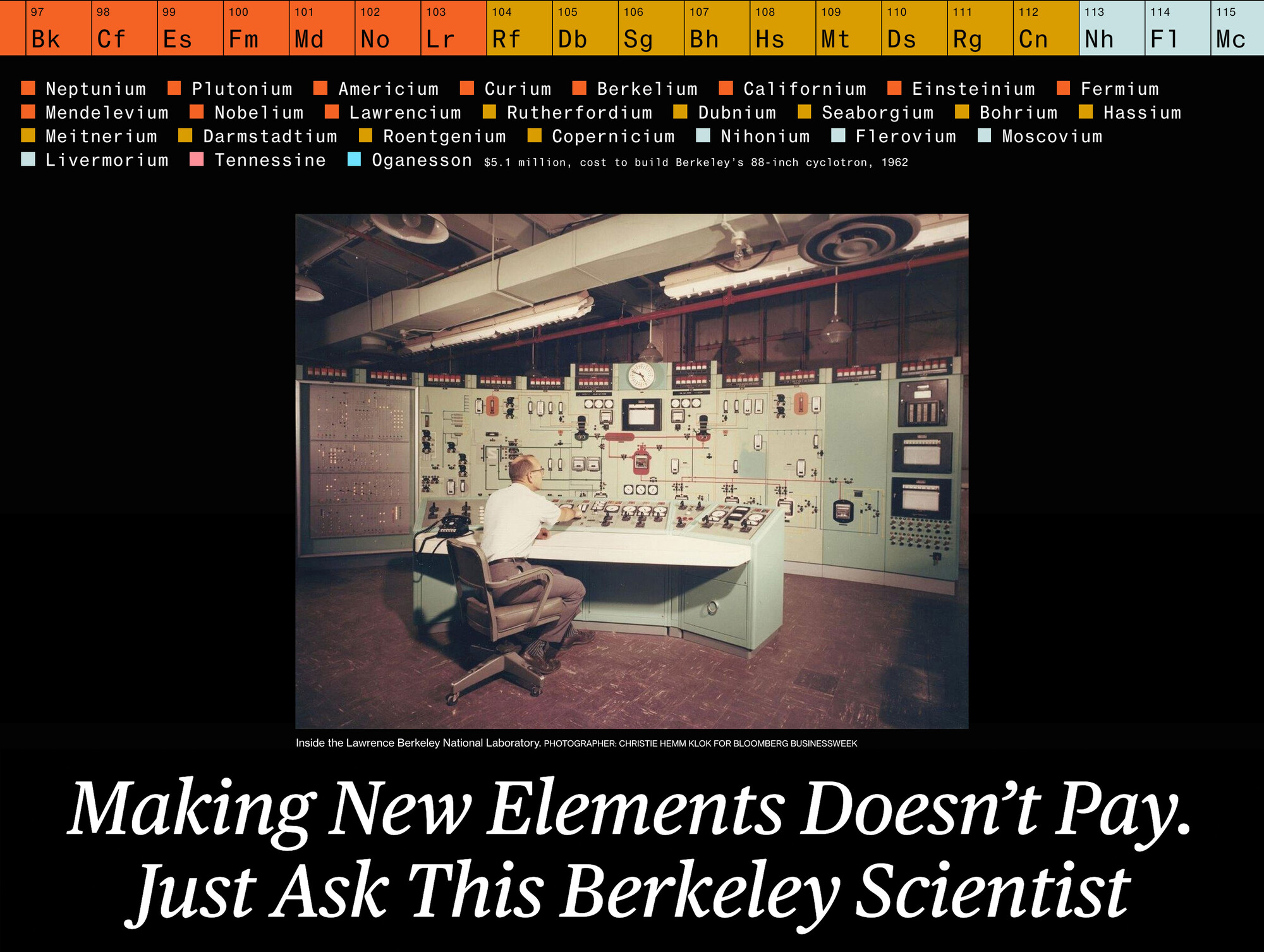
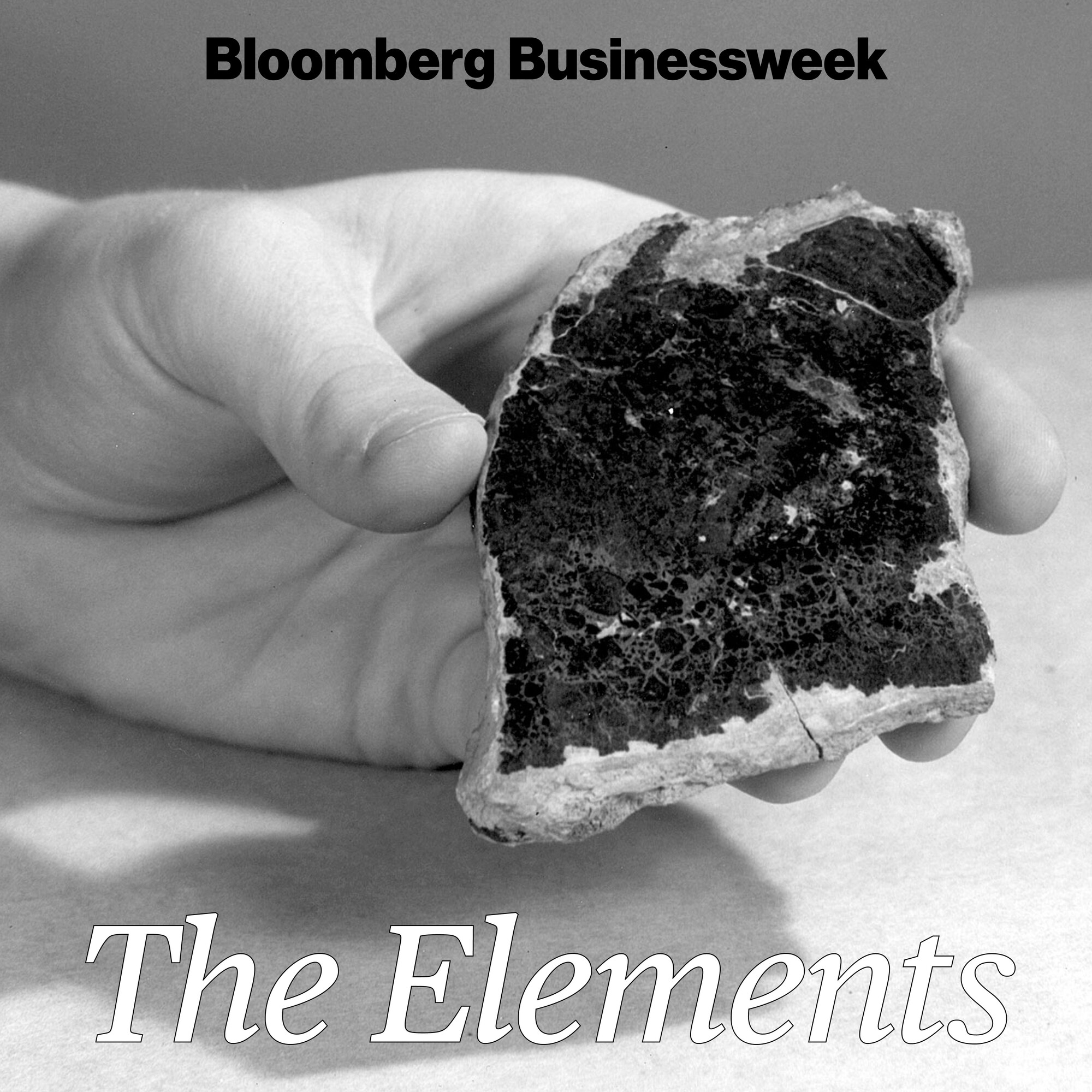
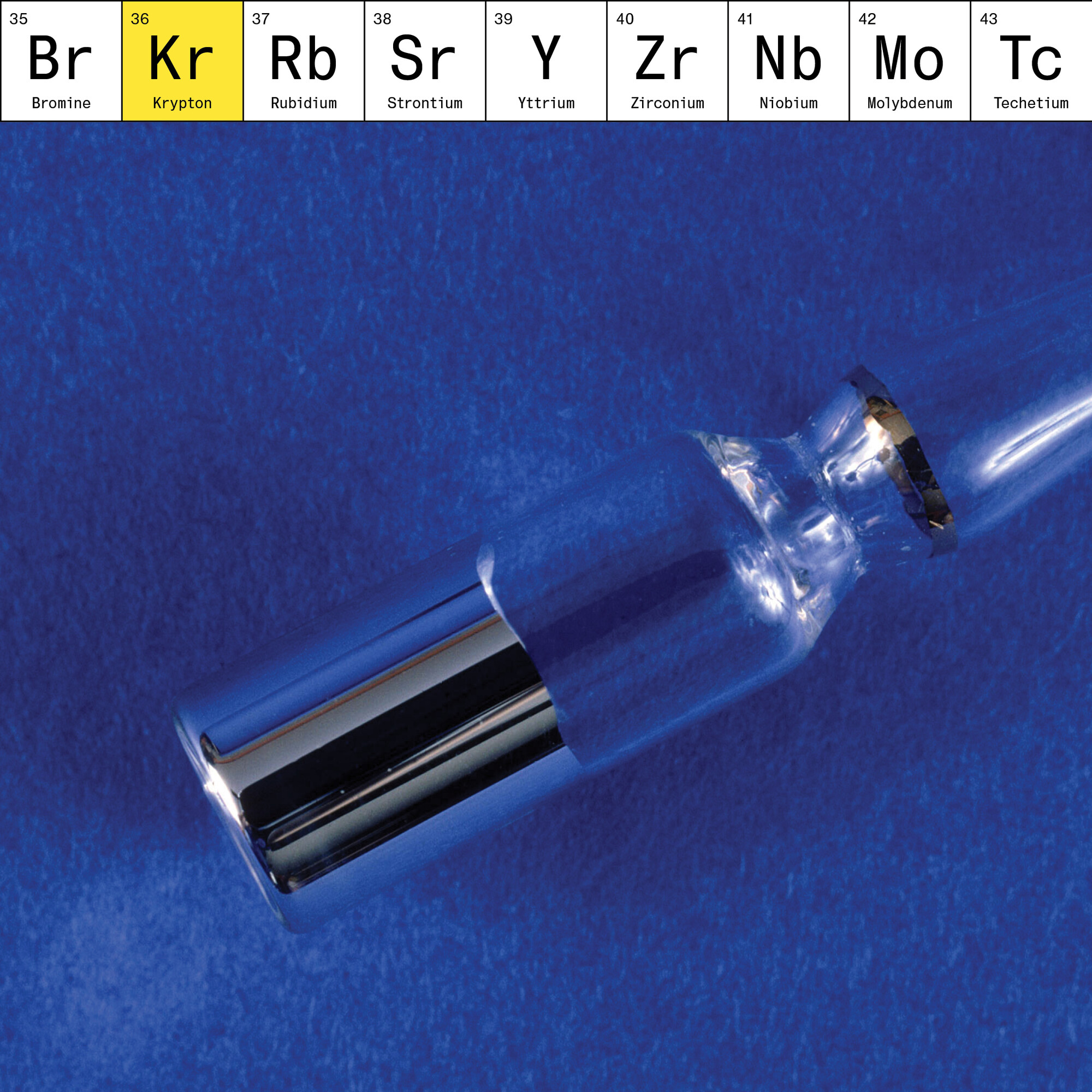
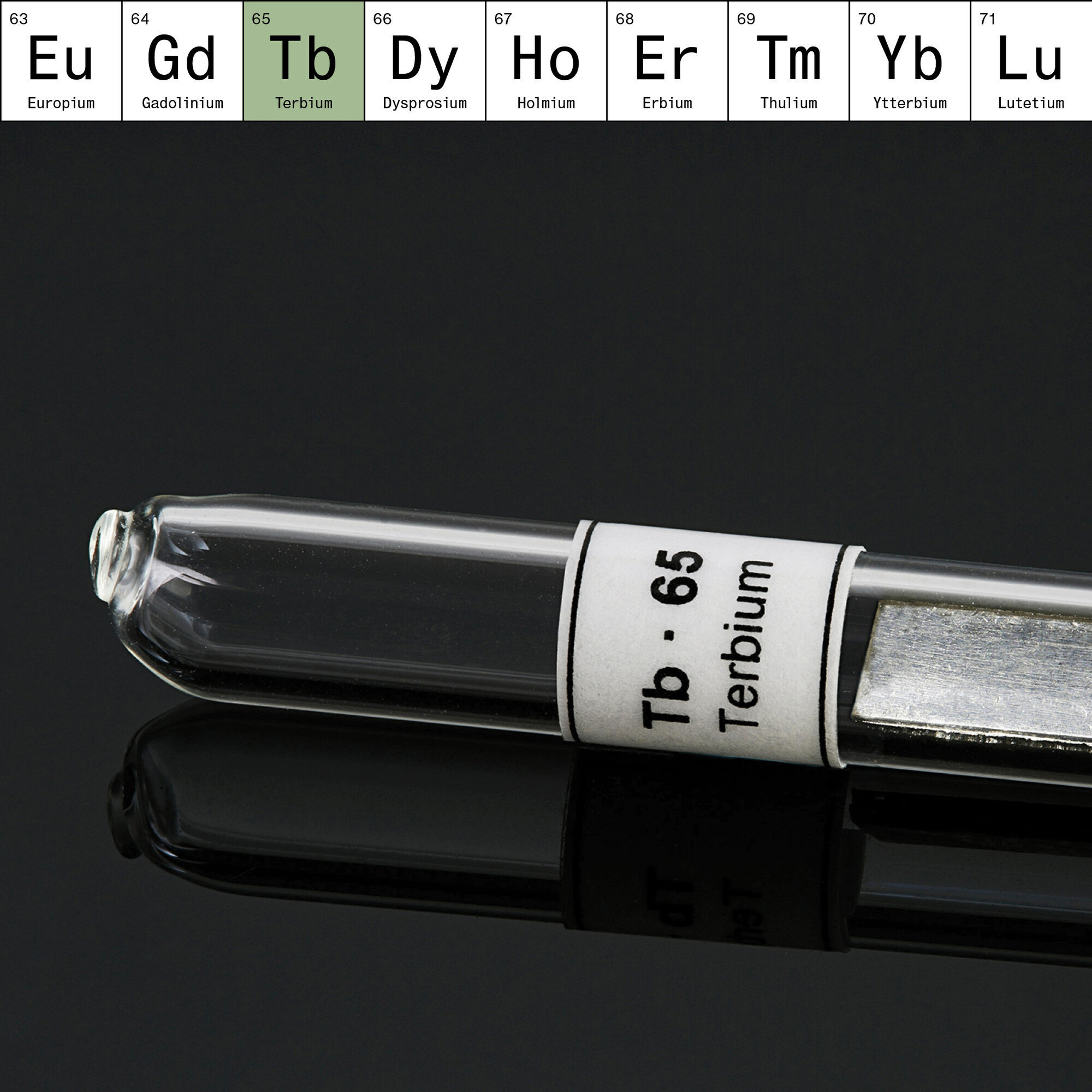
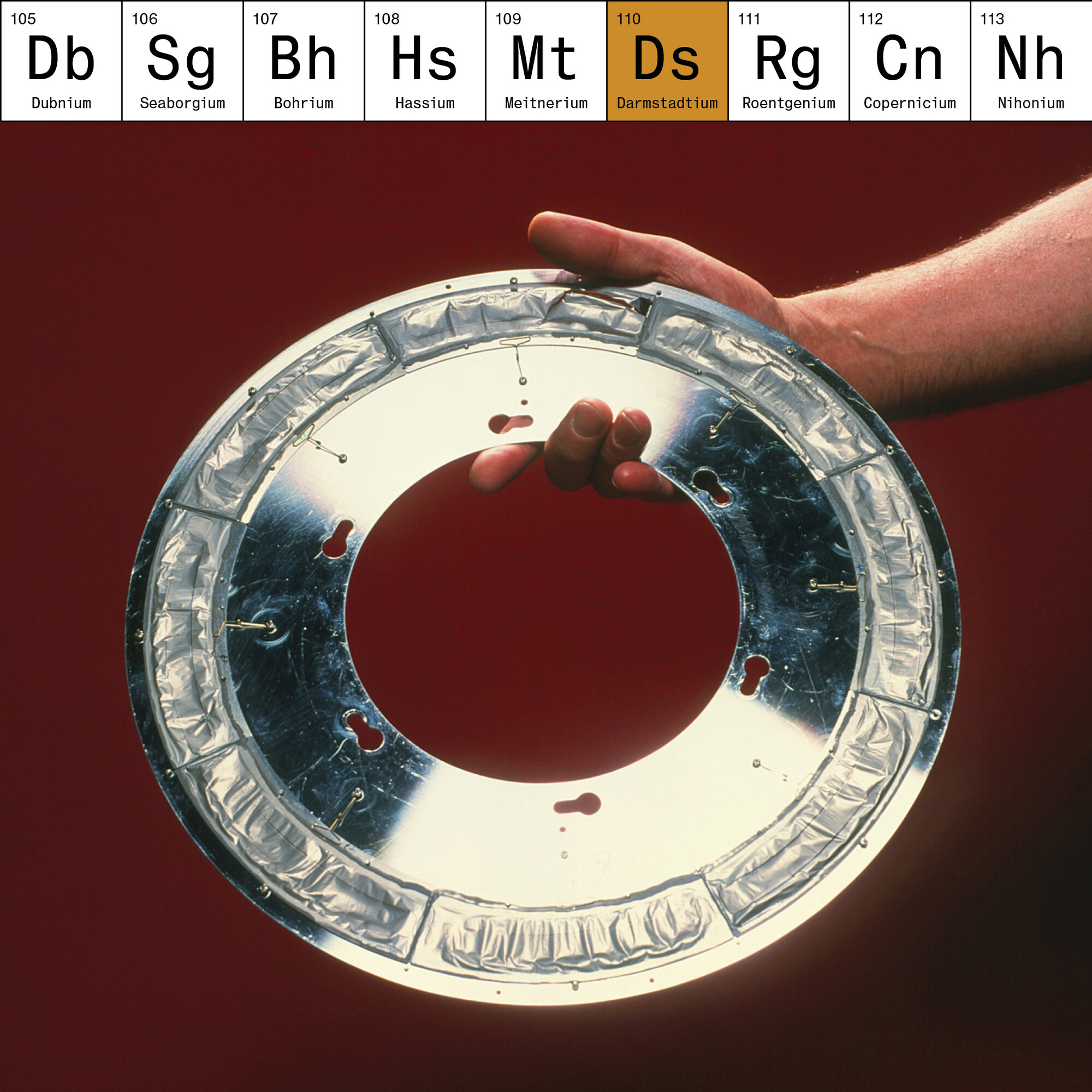
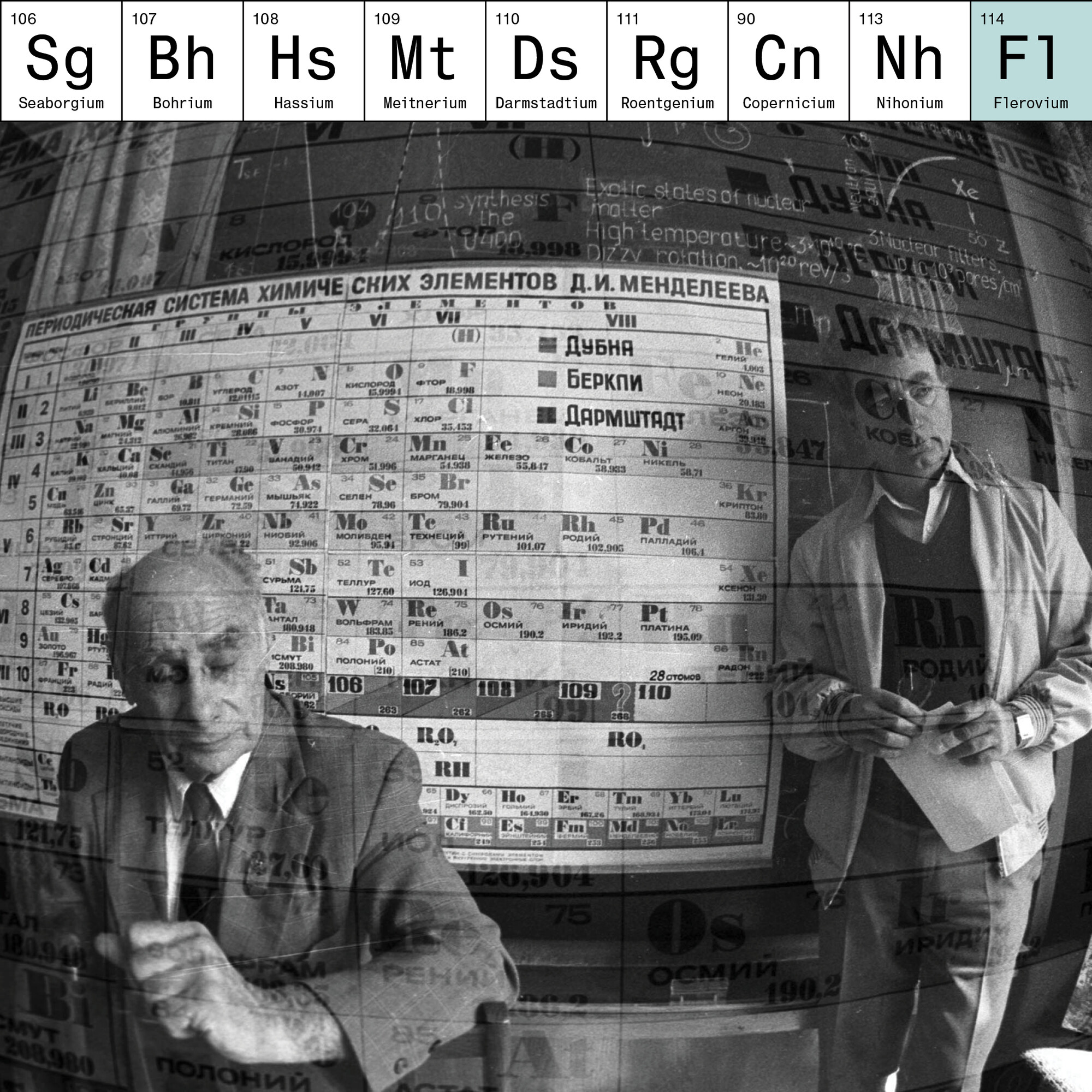
Bloomberg Businessweek’s special “Elements” issue is themed around the 150th anniversary of Dmitri Mendeleev’s periodic table—using it as a lens through which to examine supply chain vulnerabilities, national security, climate change, and the physical limits of the digital age. Stories feature Apple, Boeing, De Beers, Green Science Policy Institute, Greenland Minerals Ltd., Helium One, Jacobsen Salt Co., Lawrence Berkeley National Laboratory, and many more.
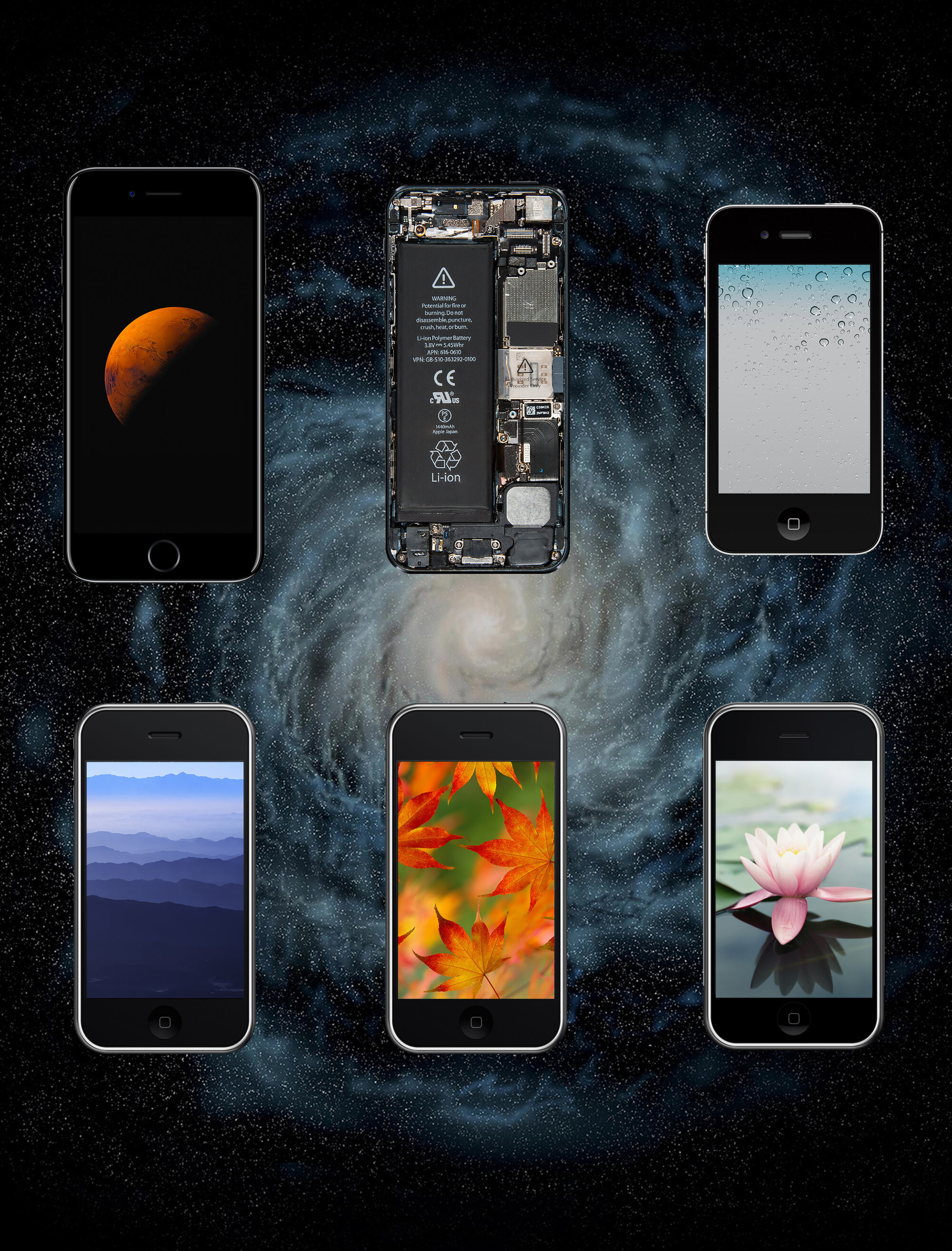
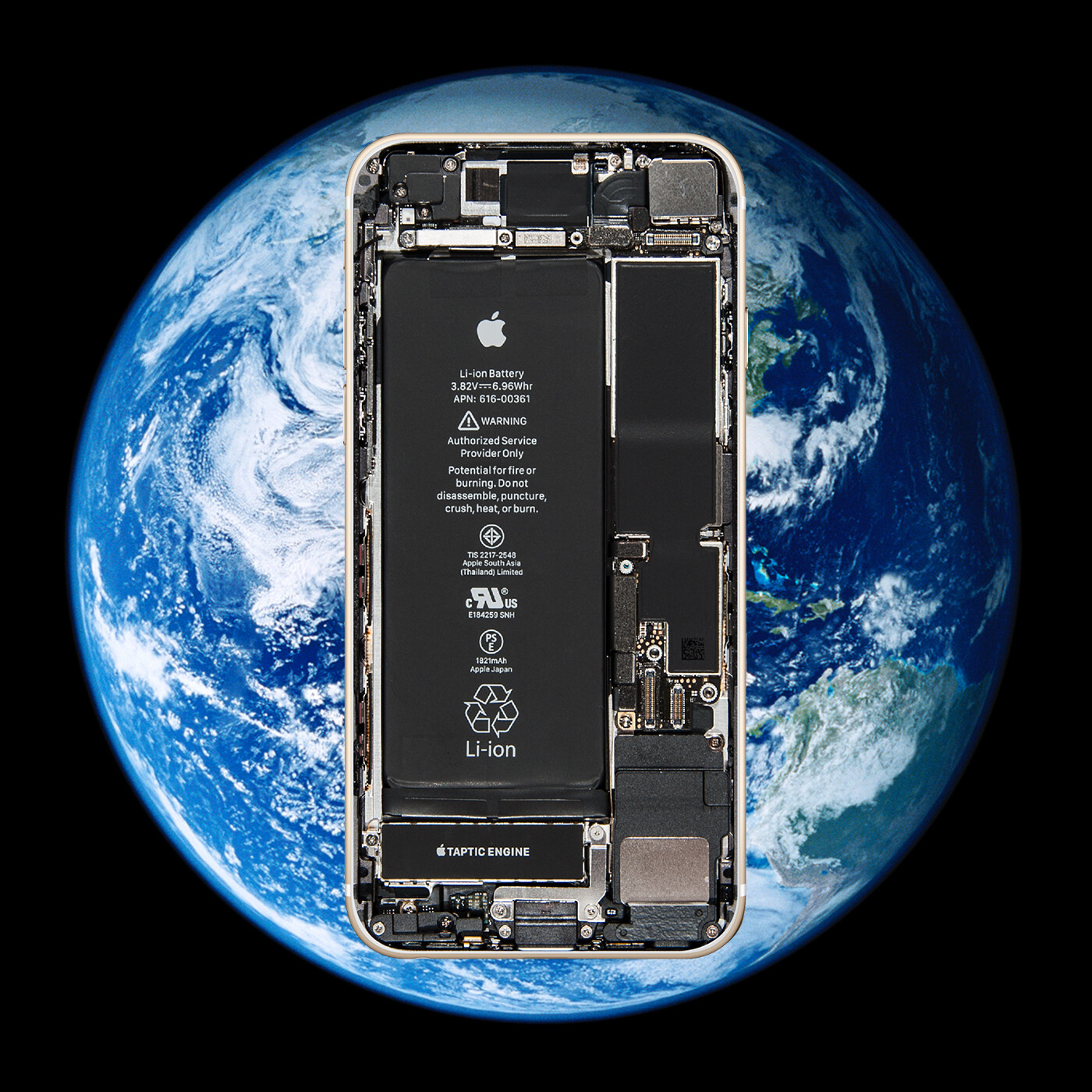
Online feature for Bloomberg Businessweek visualizing the global supply chain behind Apple’s iPhone. Illustrates where materials originate, how they’re assembled, and the economic systems that sustain their production. Read online ⎘