Folder designs interfaces, publications, and systems for organizing, encountering, and carrying information forward. We help museums, universities, civic institutions, and others engaged in the stewardship and sharing of knowledge create ways for language, media, and material to surface and endure.
We are interested in what happens to information over time, and how form can reveal the connections that give it meaning. Projects come in a variety of configurations rooted in partnerships that honor the material and its strategic presentation.
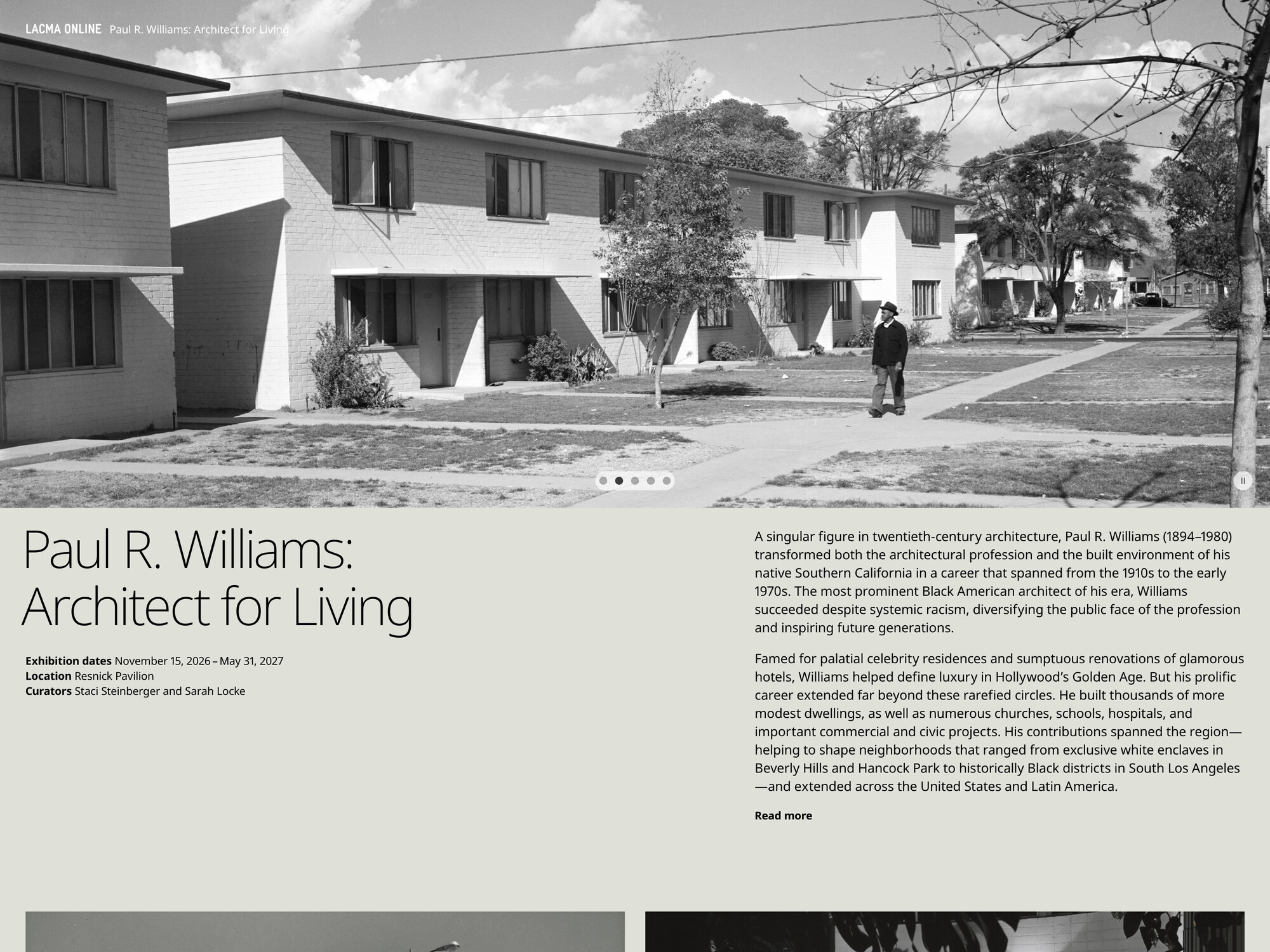
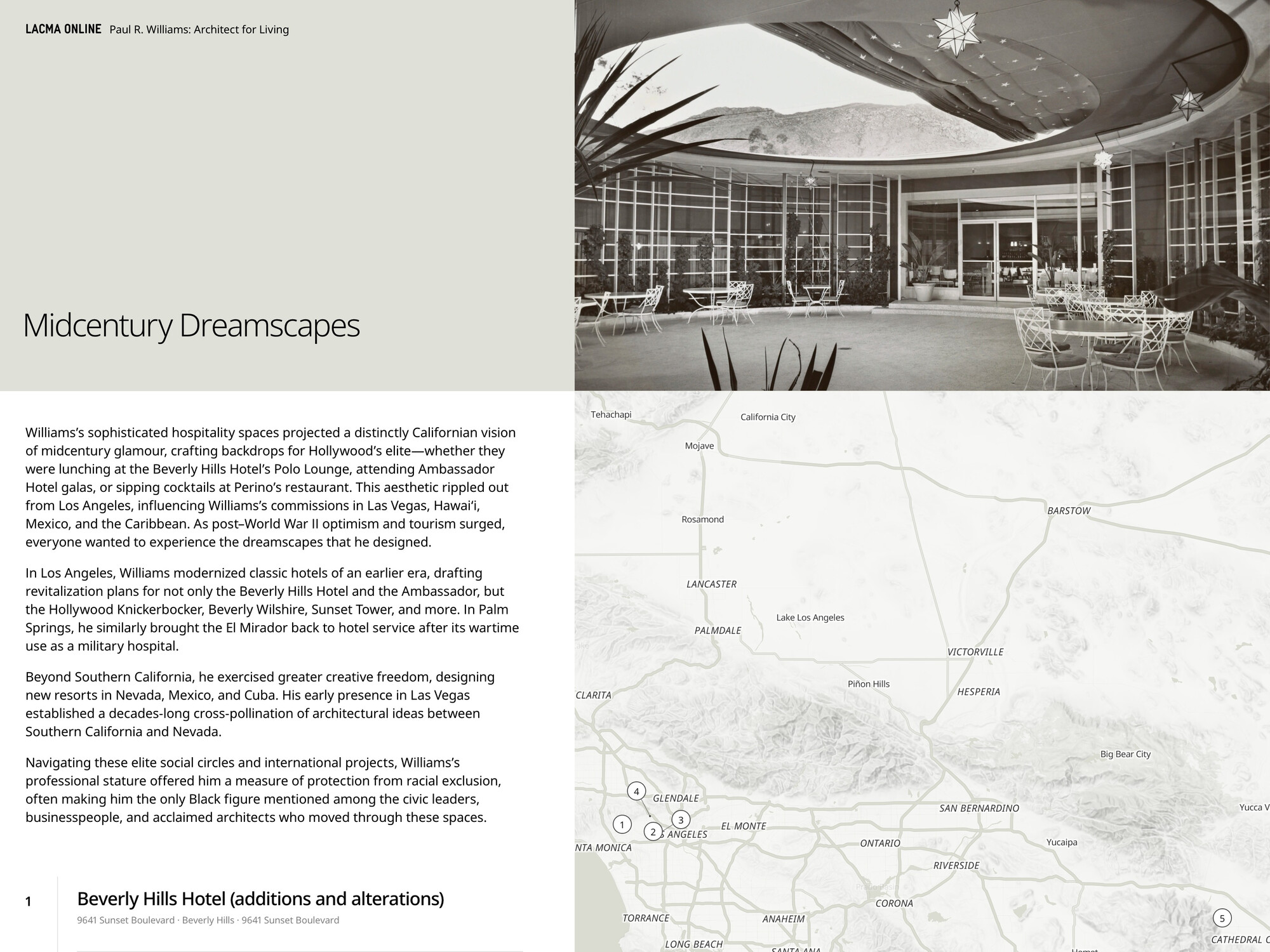
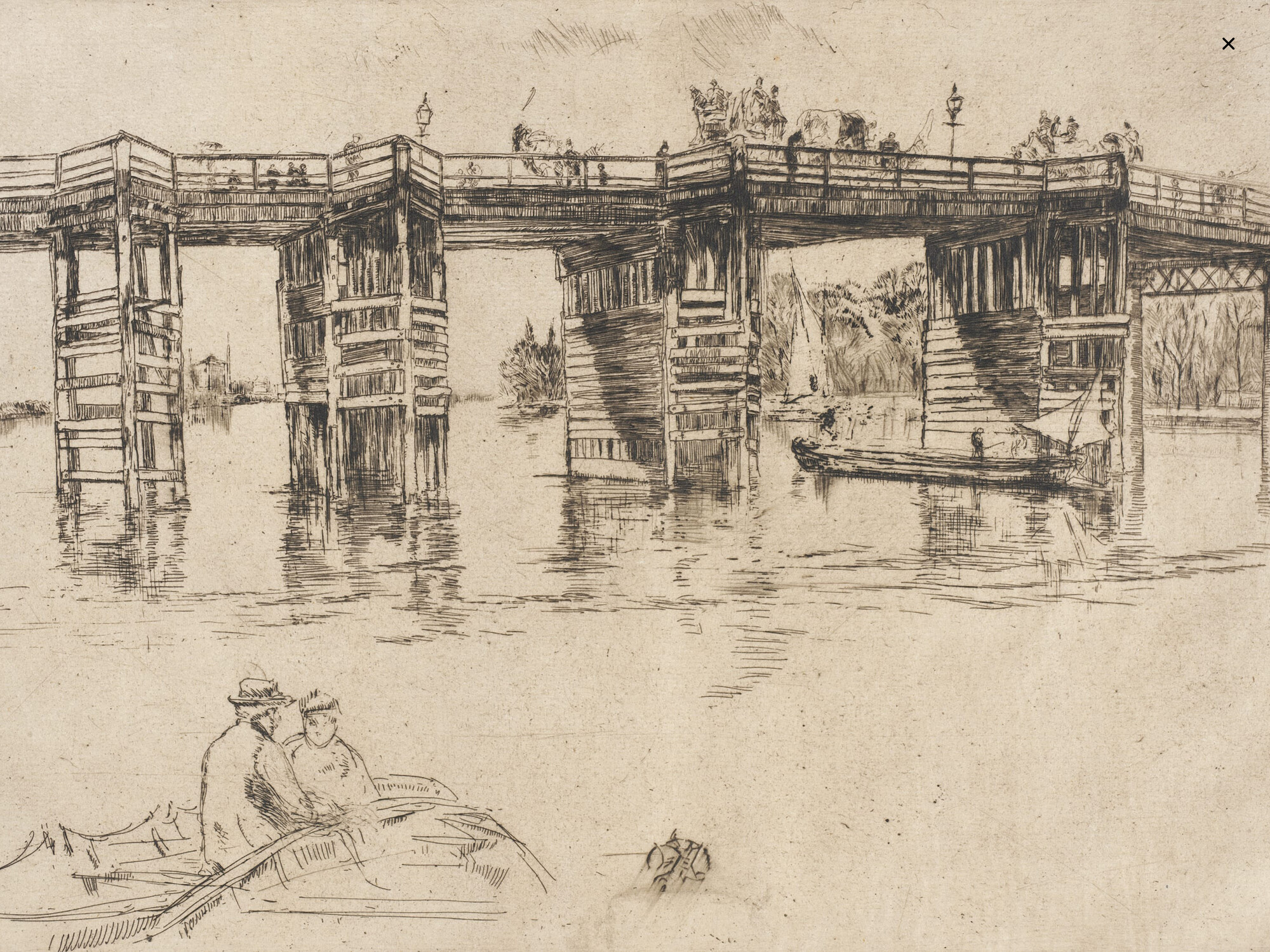
A singular figure in twentieth-century architecture, Paul R. Williams (1894–1980) transformed both the architectural profession and the built environment of his native Southern California in a career that spanned from the 1910s to the early 1970s. The most prominent Black American architect of his era, Williams succeeded despite systemic racism, diversifying the public face of the profession and inspiring future generations.
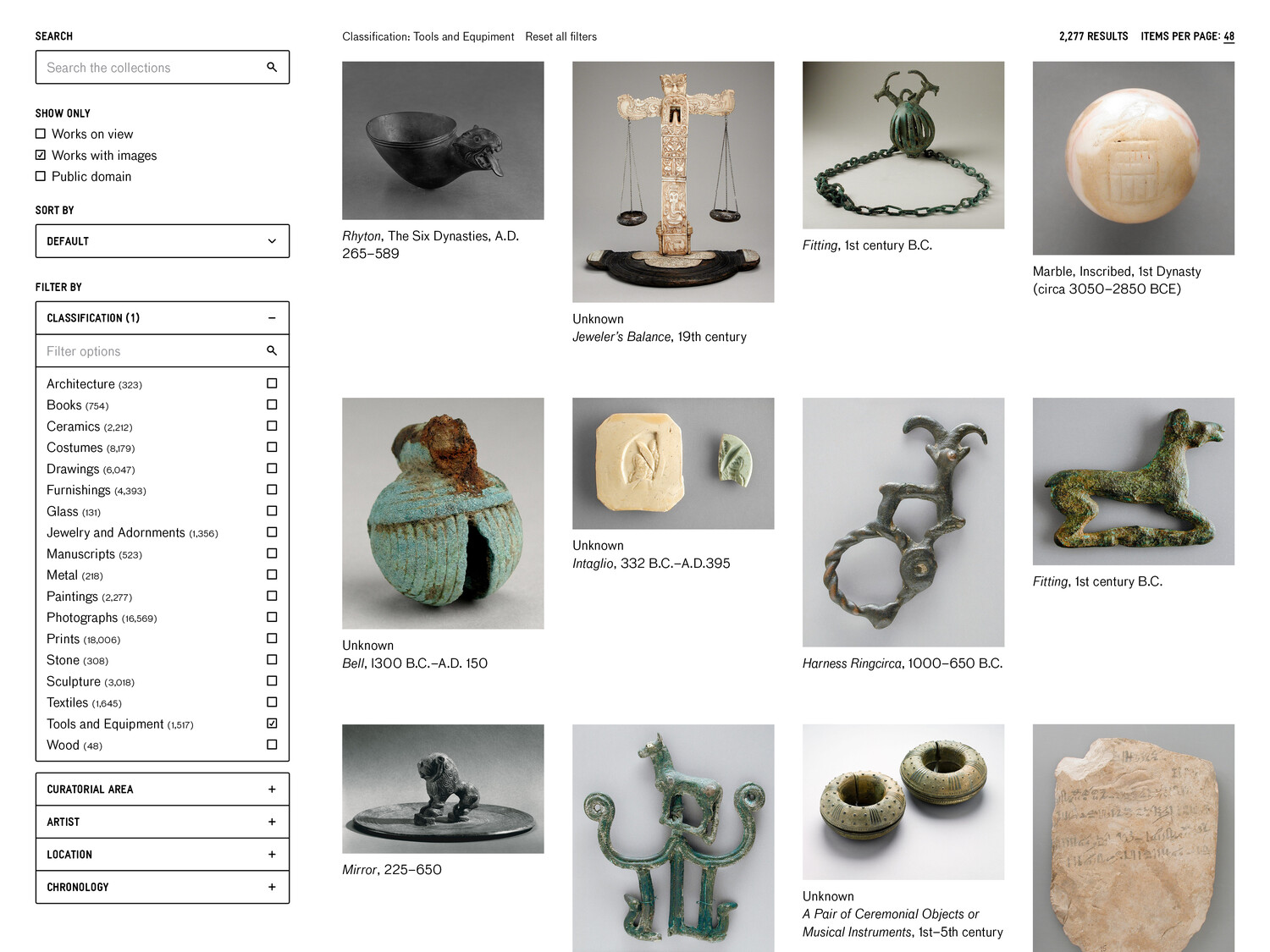
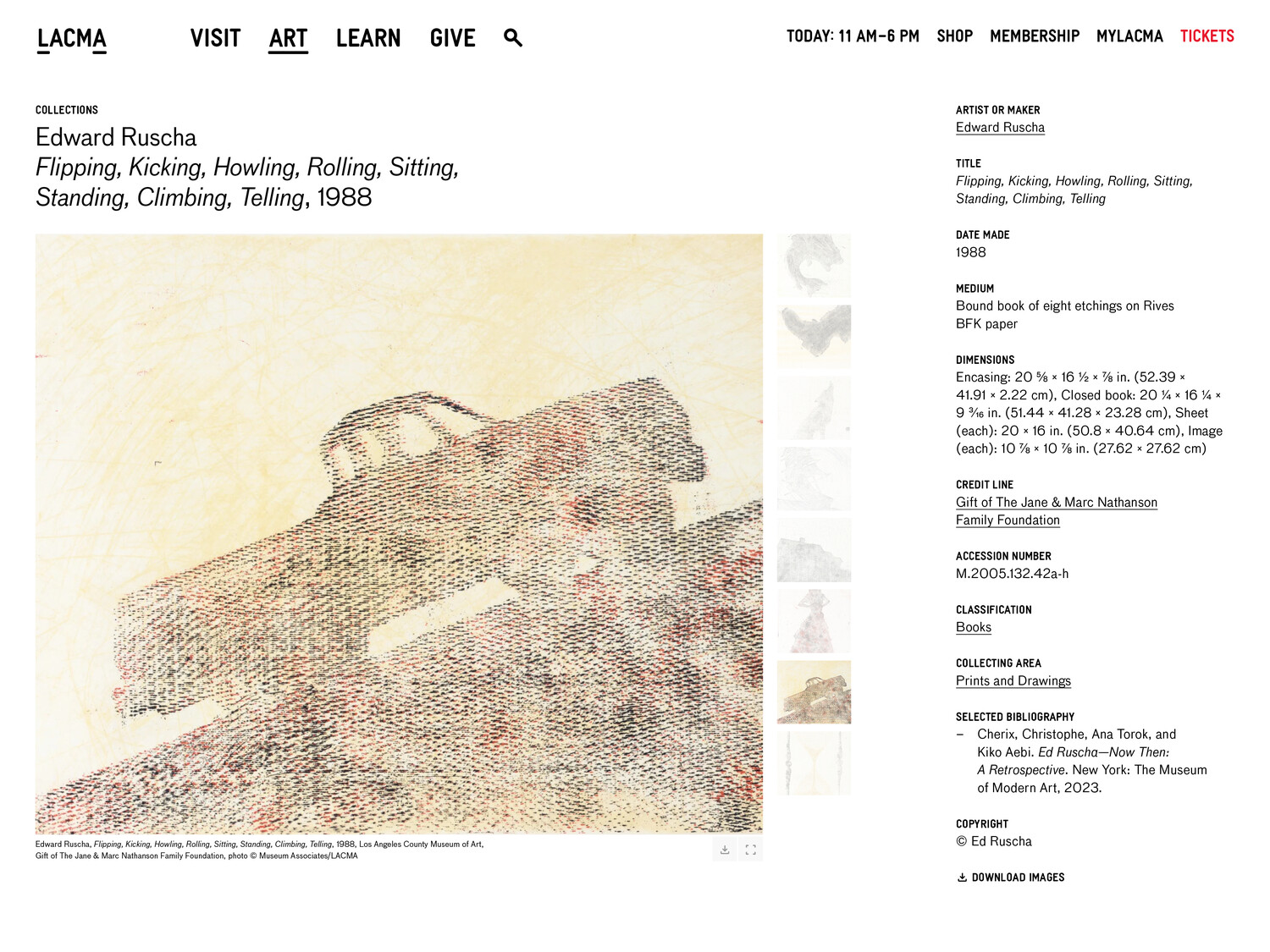
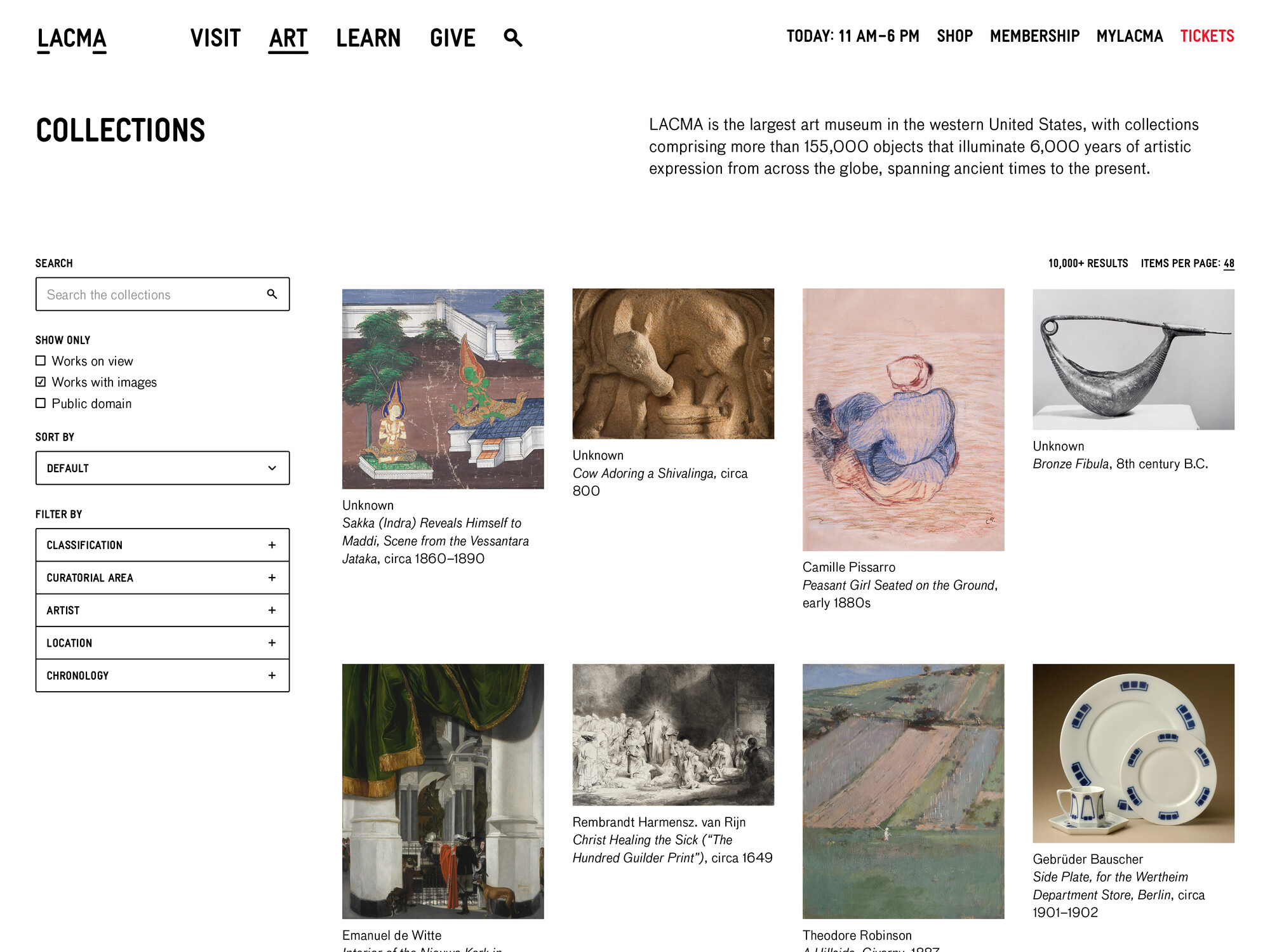
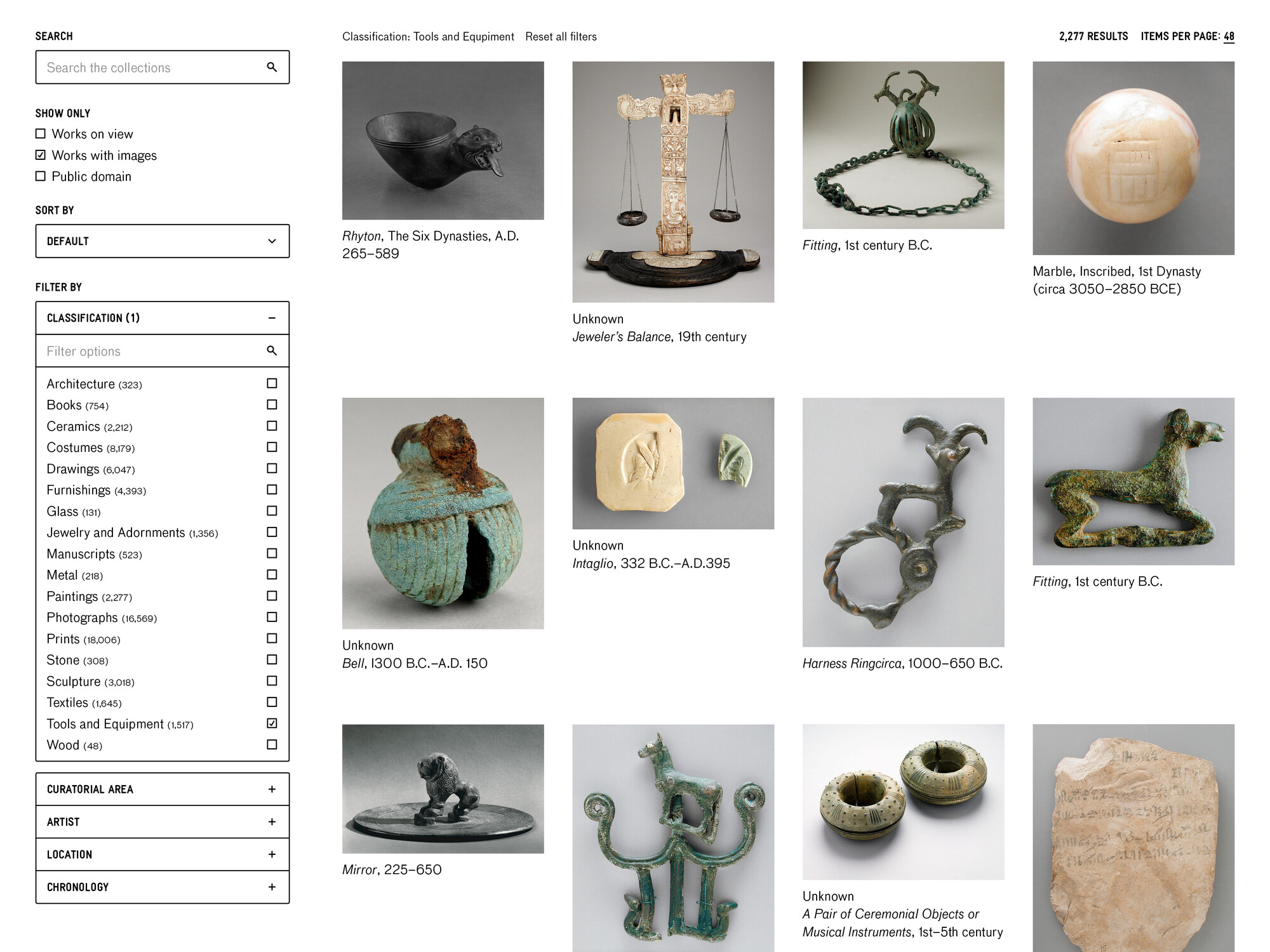
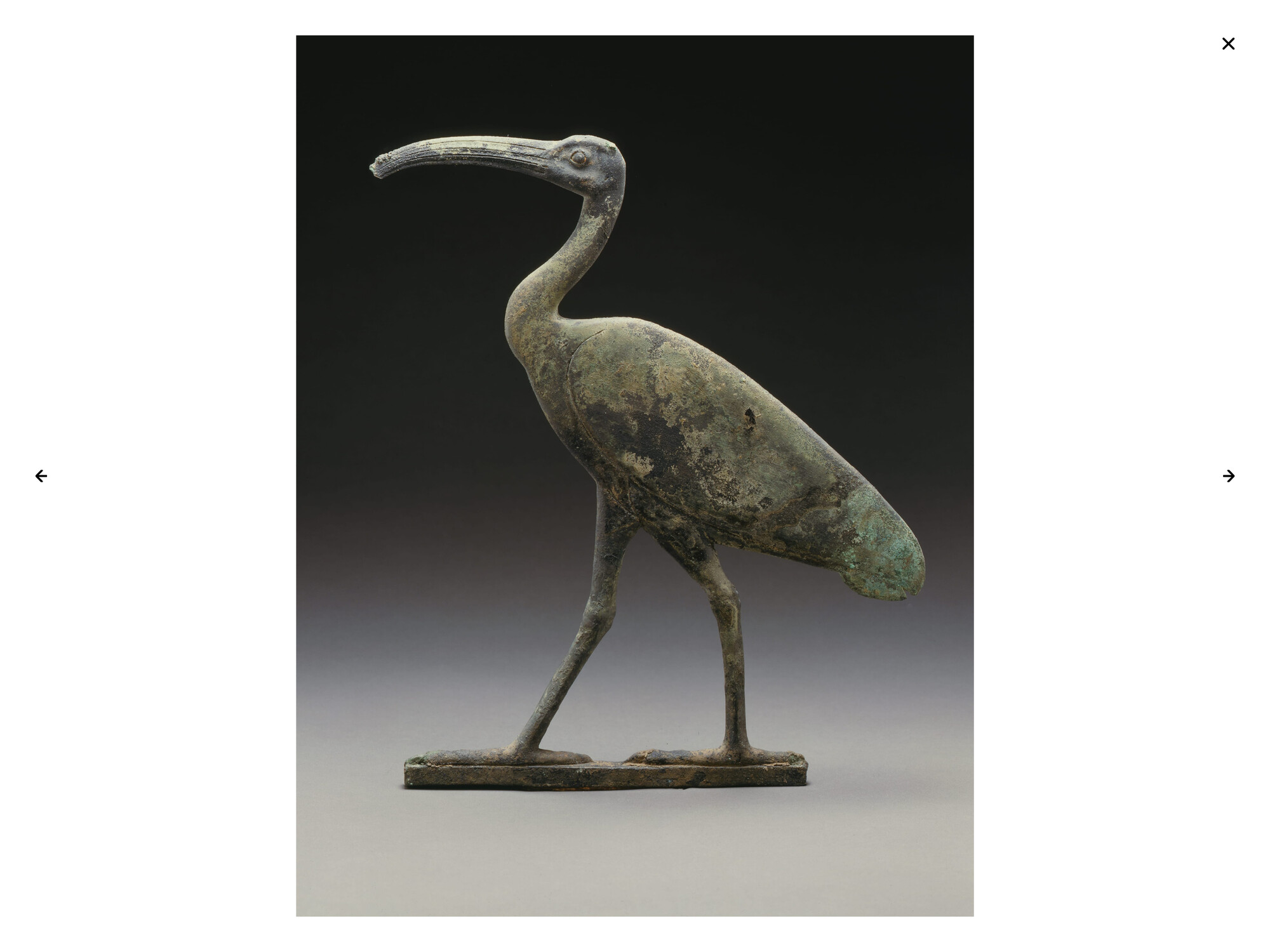
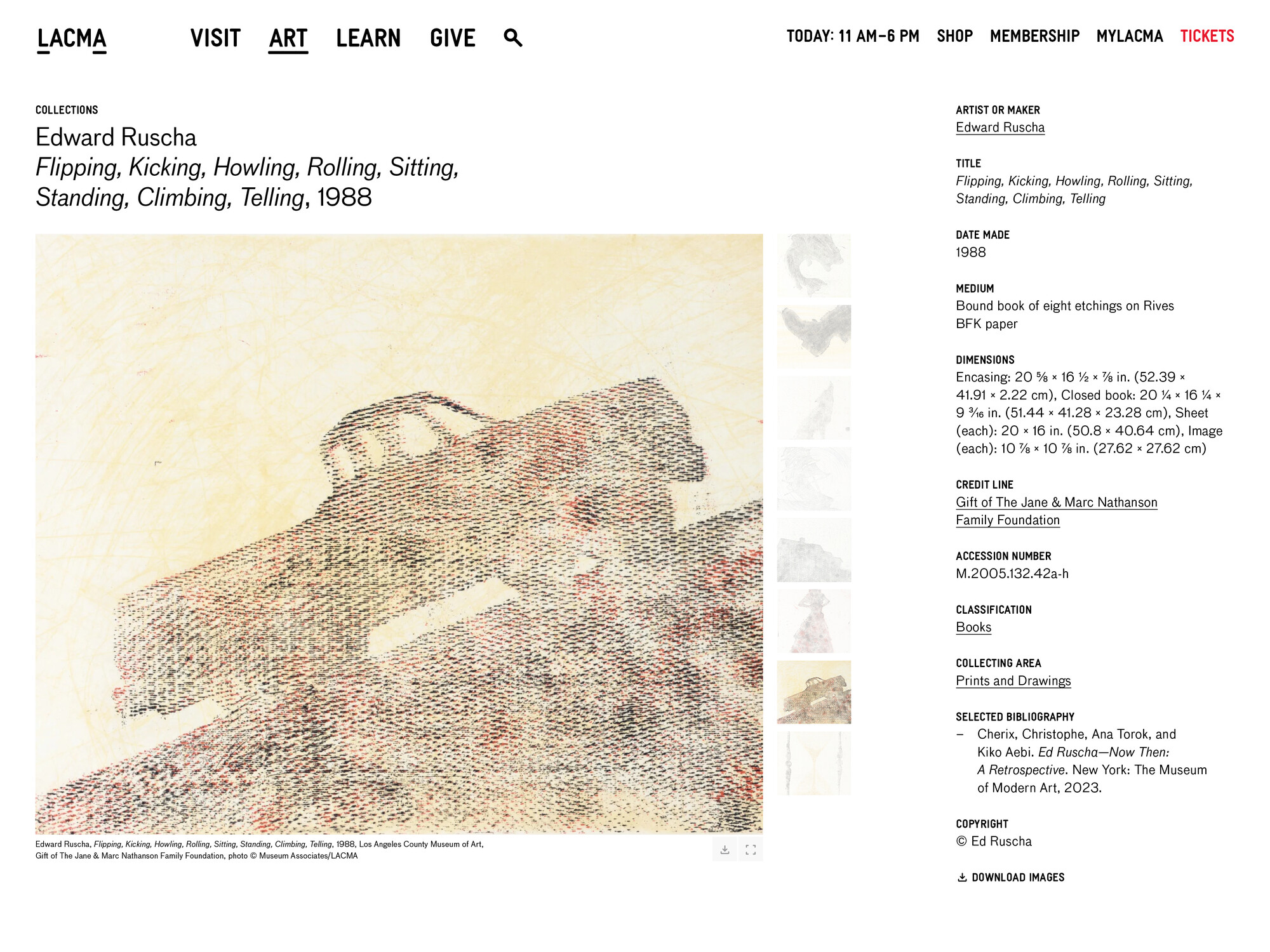
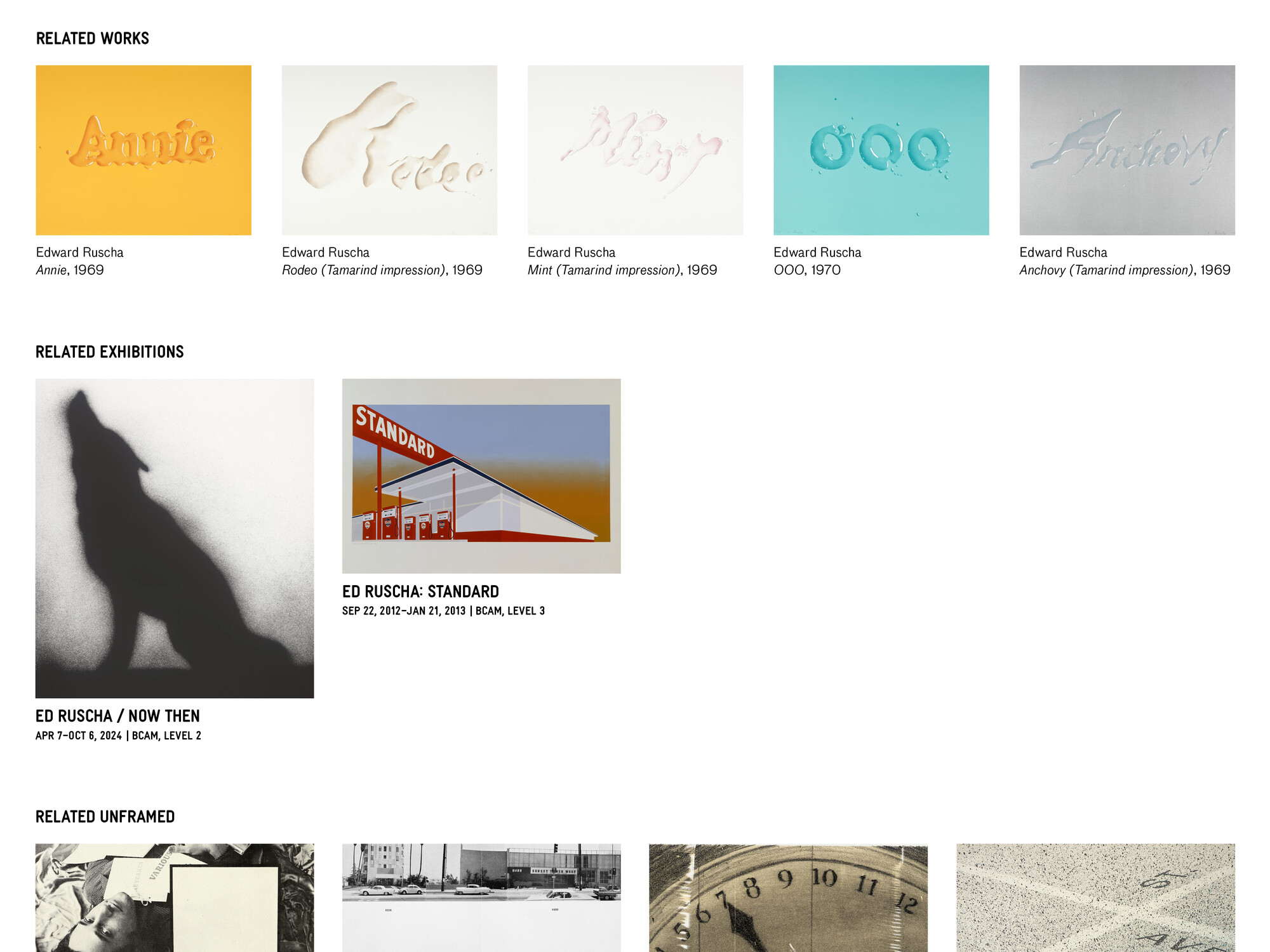
The Los Angeles County Museum of Art houses the largest museum collection in the western United States. The new online platform comprises of a cleanly rebuilt data endpoint paired with a restrained interface design that gives nuanced object records common structure while preserving distinctions in attribution, dating, and depth of scholarship.
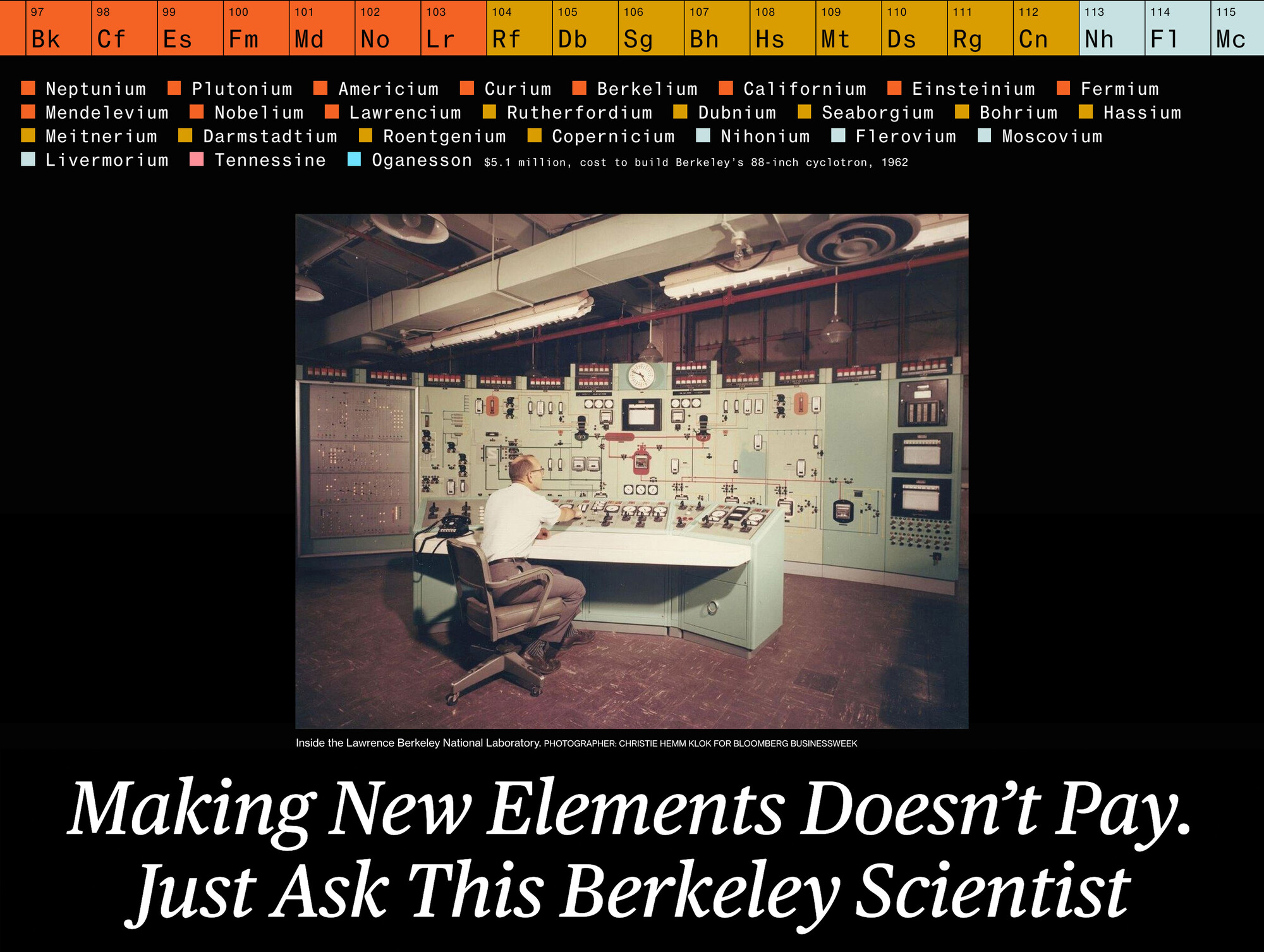
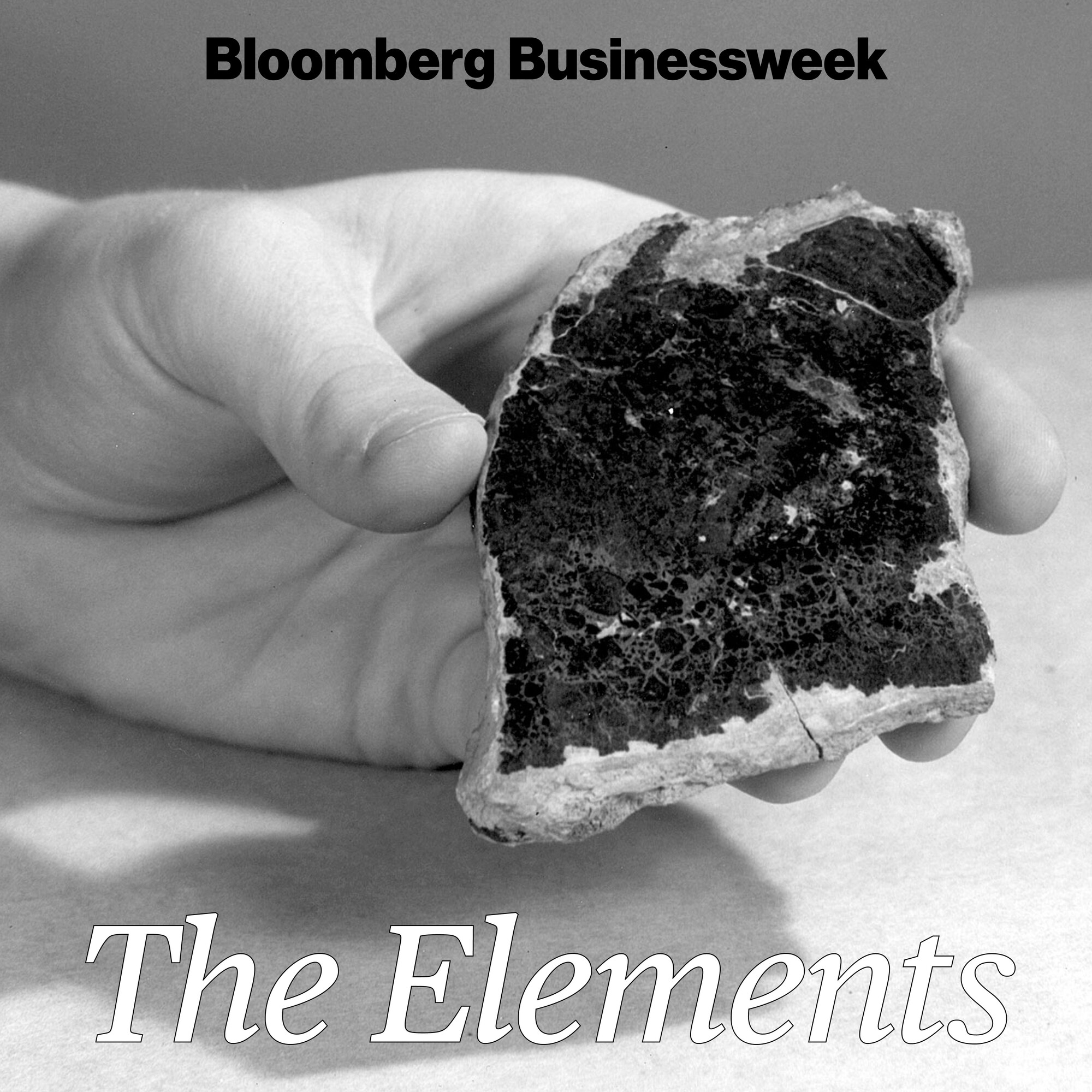
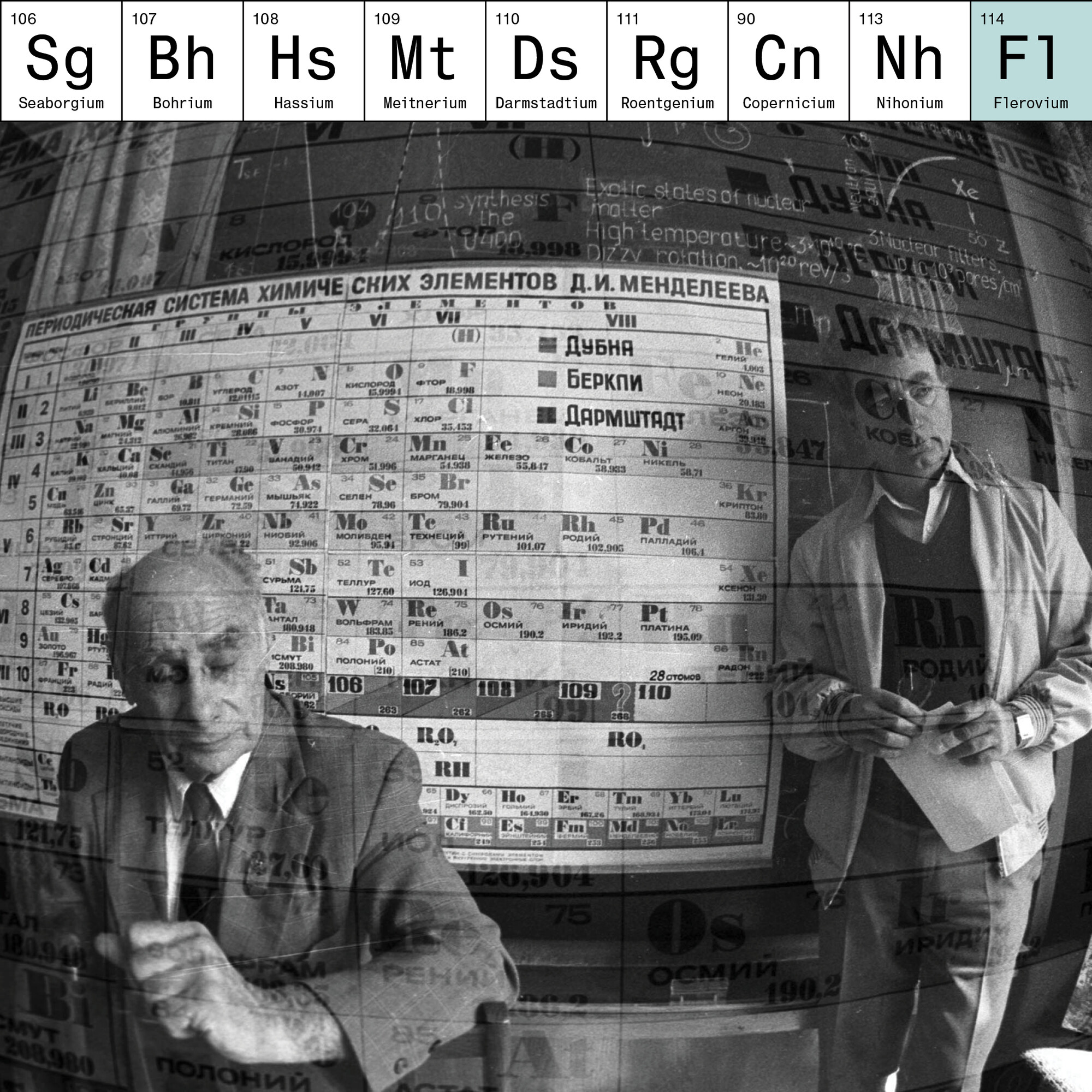
Bloomberg Businessweek’s special “Elements” issue is themed around the 150th anniversary of Dmitri Mendeleev’s periodic table—using it as a lens through which to examine supply chain vulnerabilities, national security, climate change, and the physical limits of the digital age. Stories feature Apple, Boeing, De Beers, Green Science Policy Institute, Greenland Minerals Ltd., Helium One, Jacobsen Salt Co., Lawrence Berkeley National Laboratory, and many more.
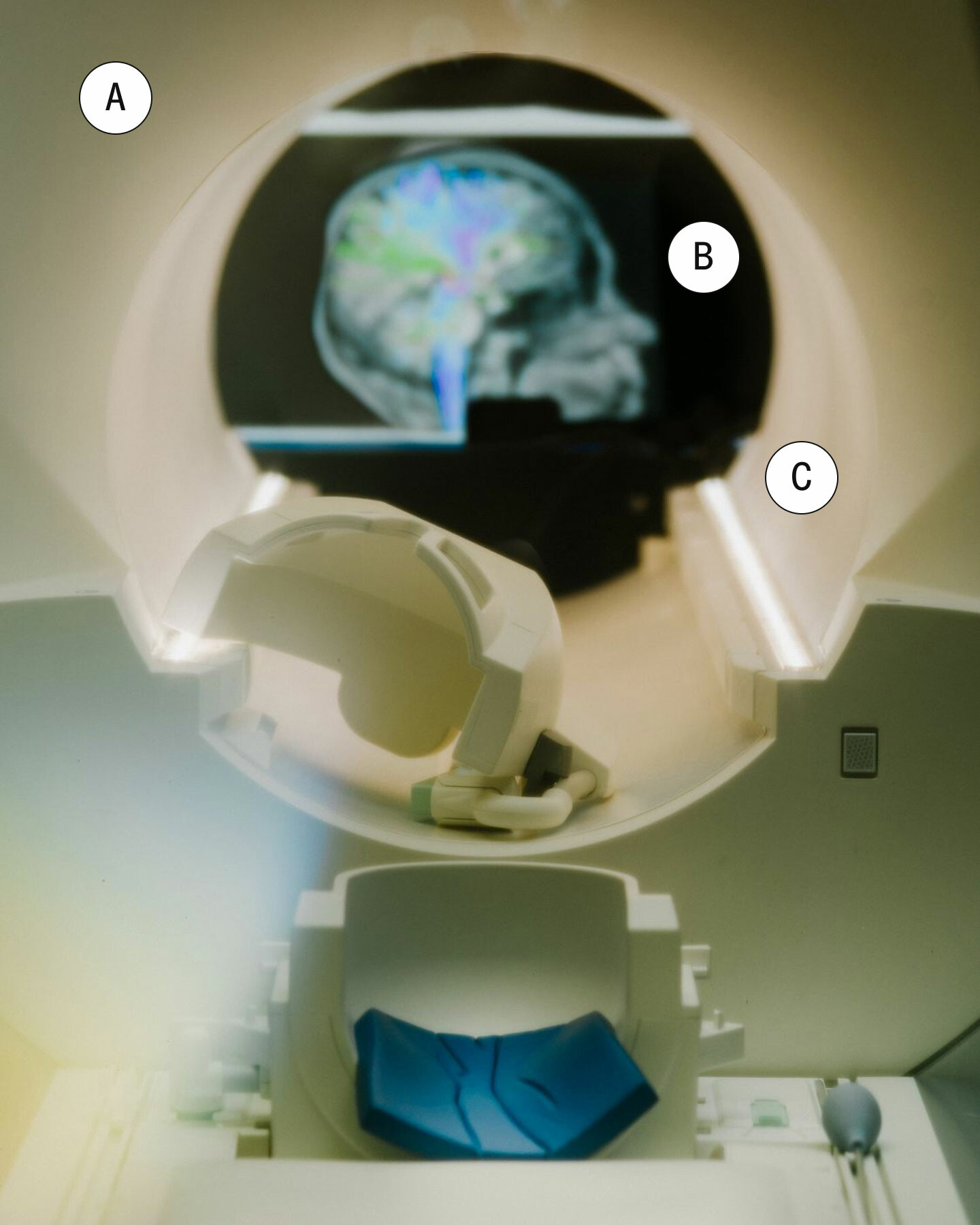
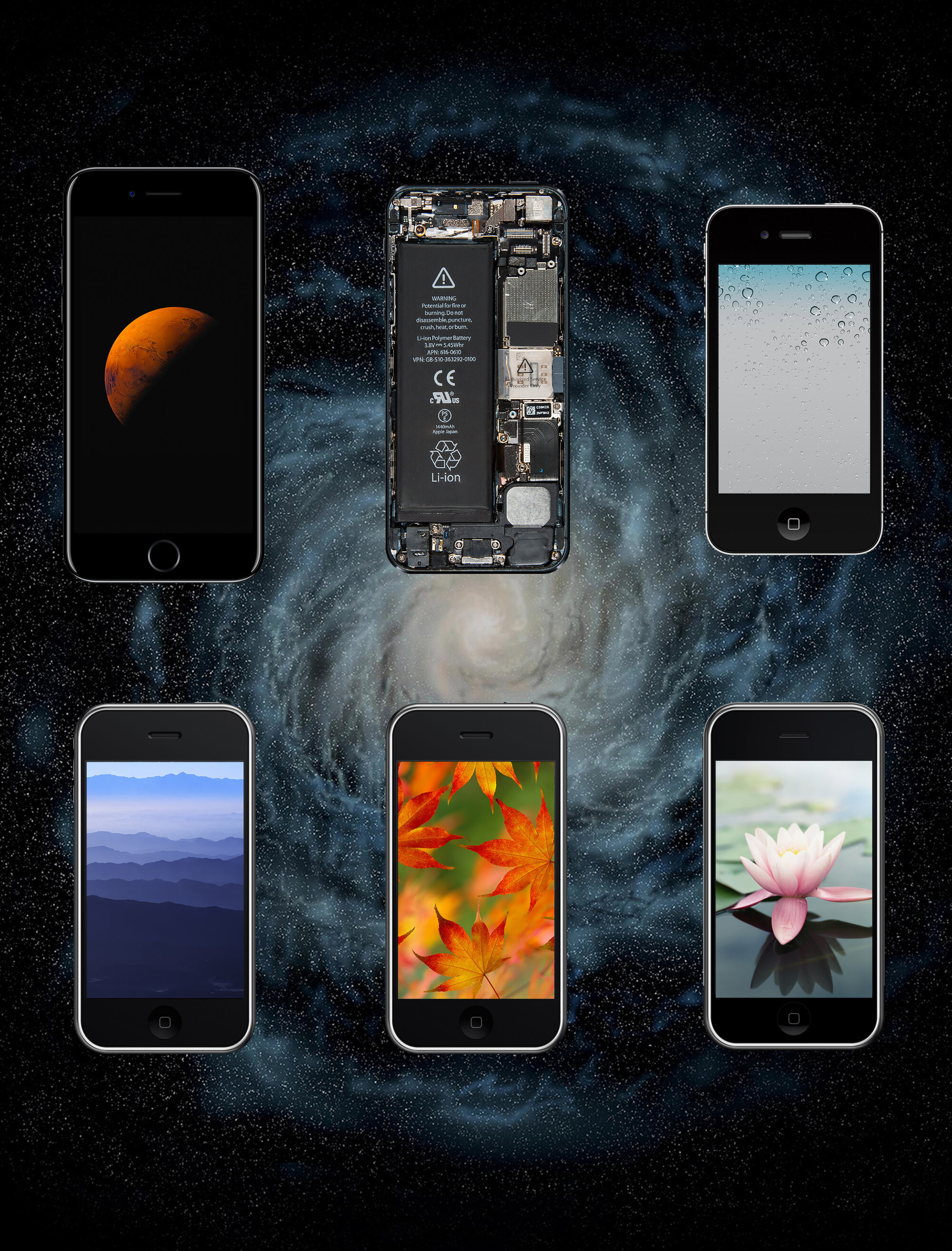
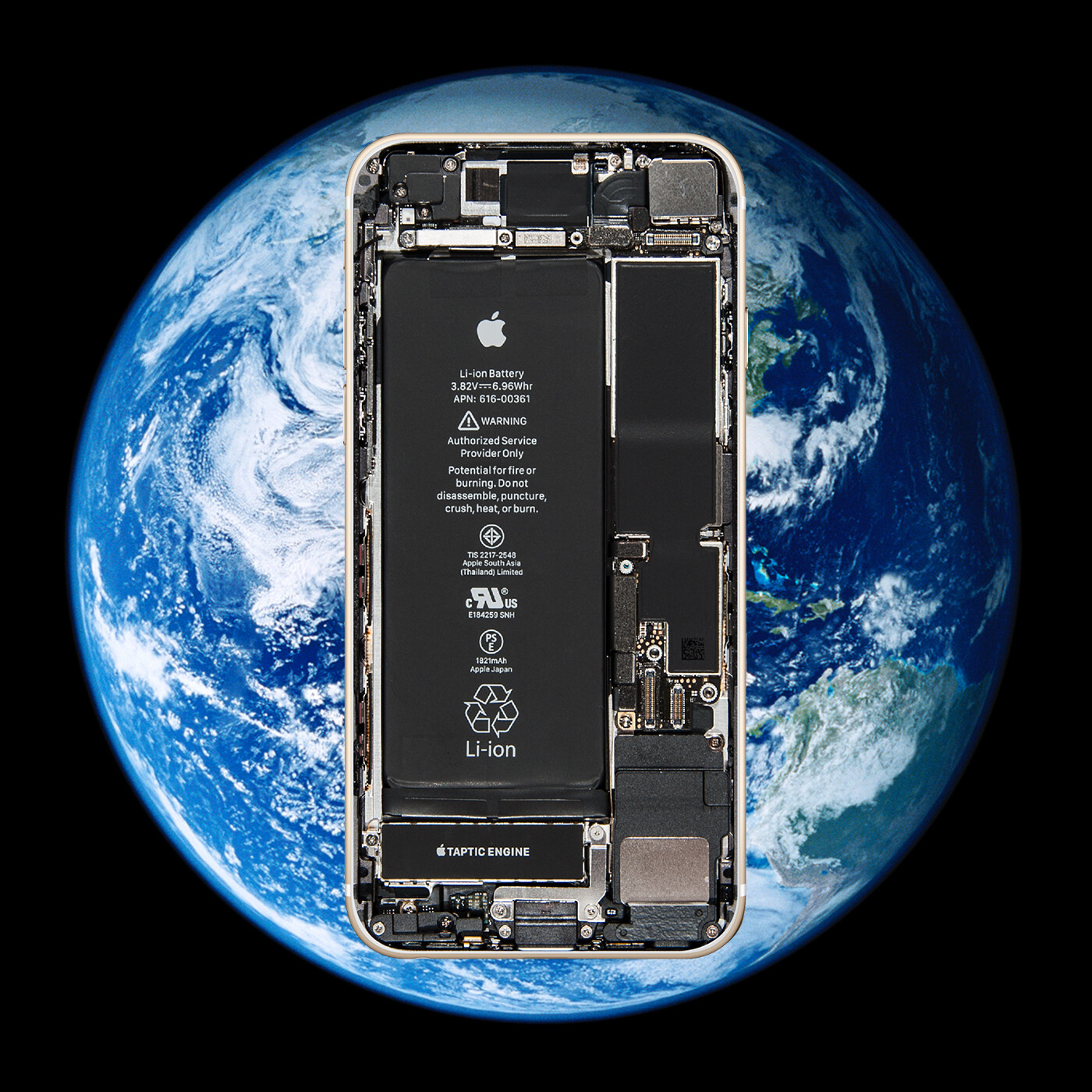
Online feature for Bloomberg Businessweek visualizing the global supply chain behind Apple’s iPhone. Illustrates where materials originate, how they’re assembled, and the economic systems that sustain their production. Read online ⎘