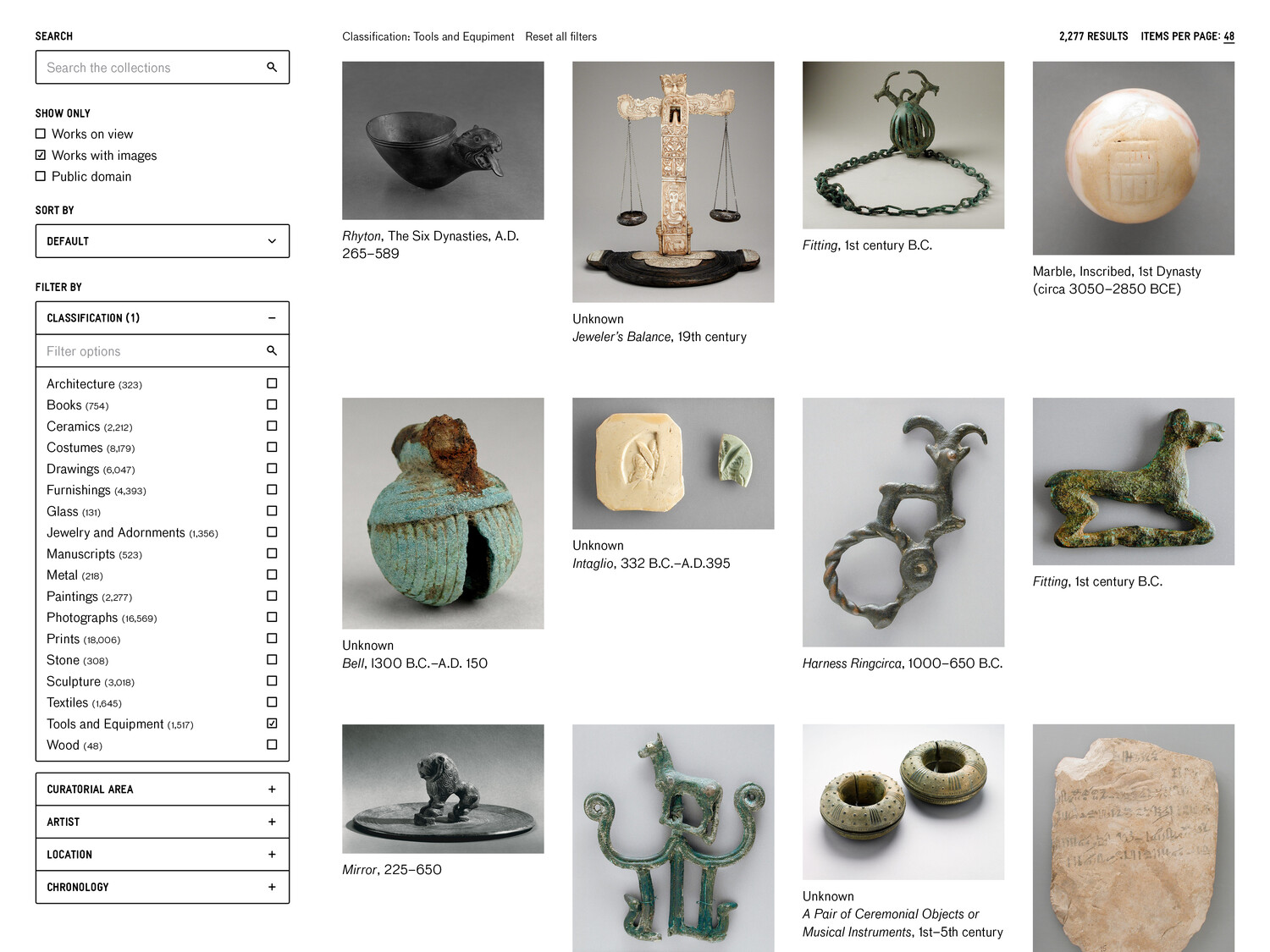
Folder designs interfaces, publications, and systems for organizing, encountering, and carrying information forward. We help museums, universities, civic institutions, and others engaged in the stewardship and sharing of knowledge create ways for language, media, and material to surface and endure.
We are interested in what happens to information over time, and how form can reveal the connections that give it meaning. Projects come in a variety of configurations rooted in partnerships that honor the material and its strategic presentation.
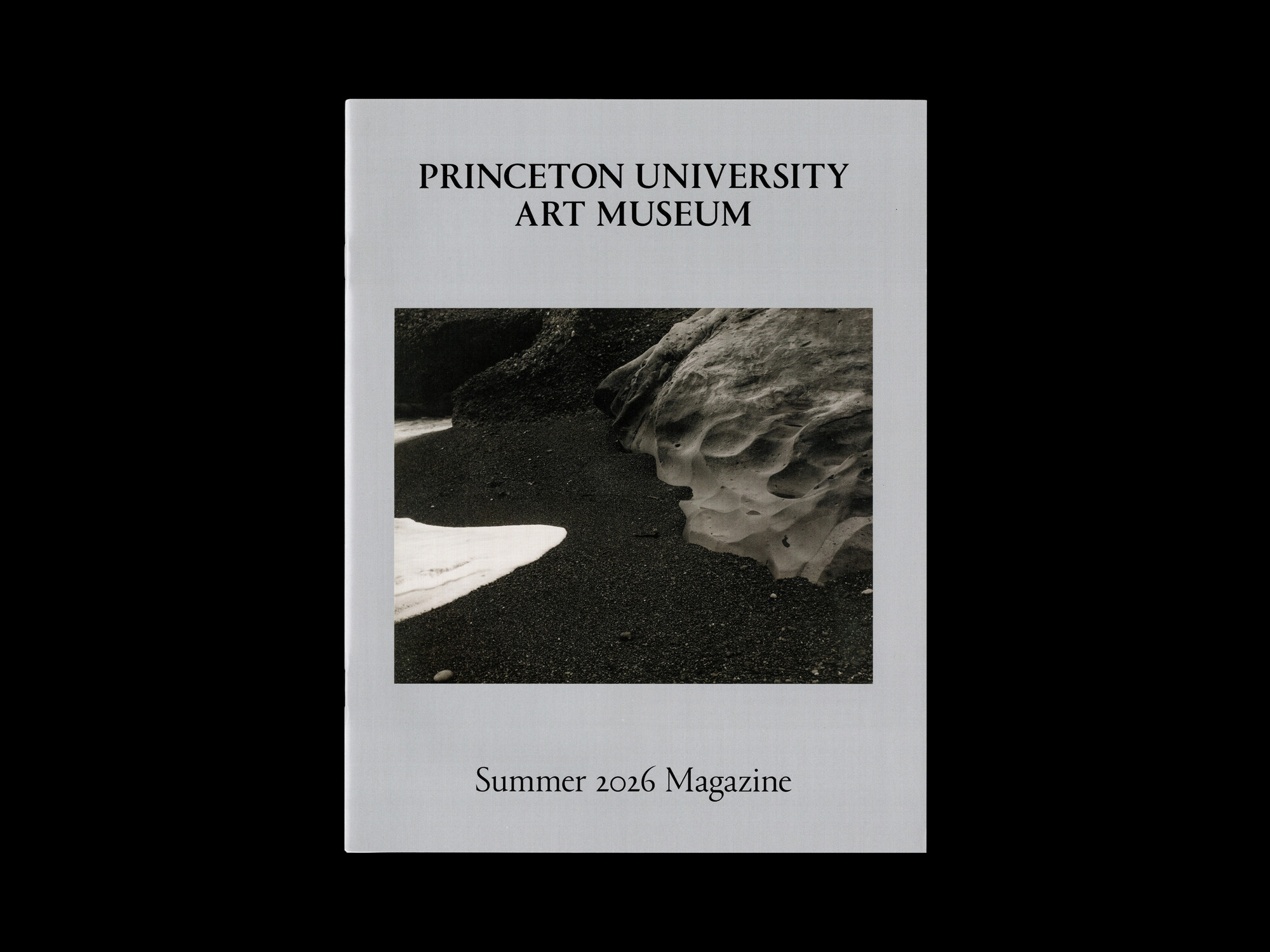
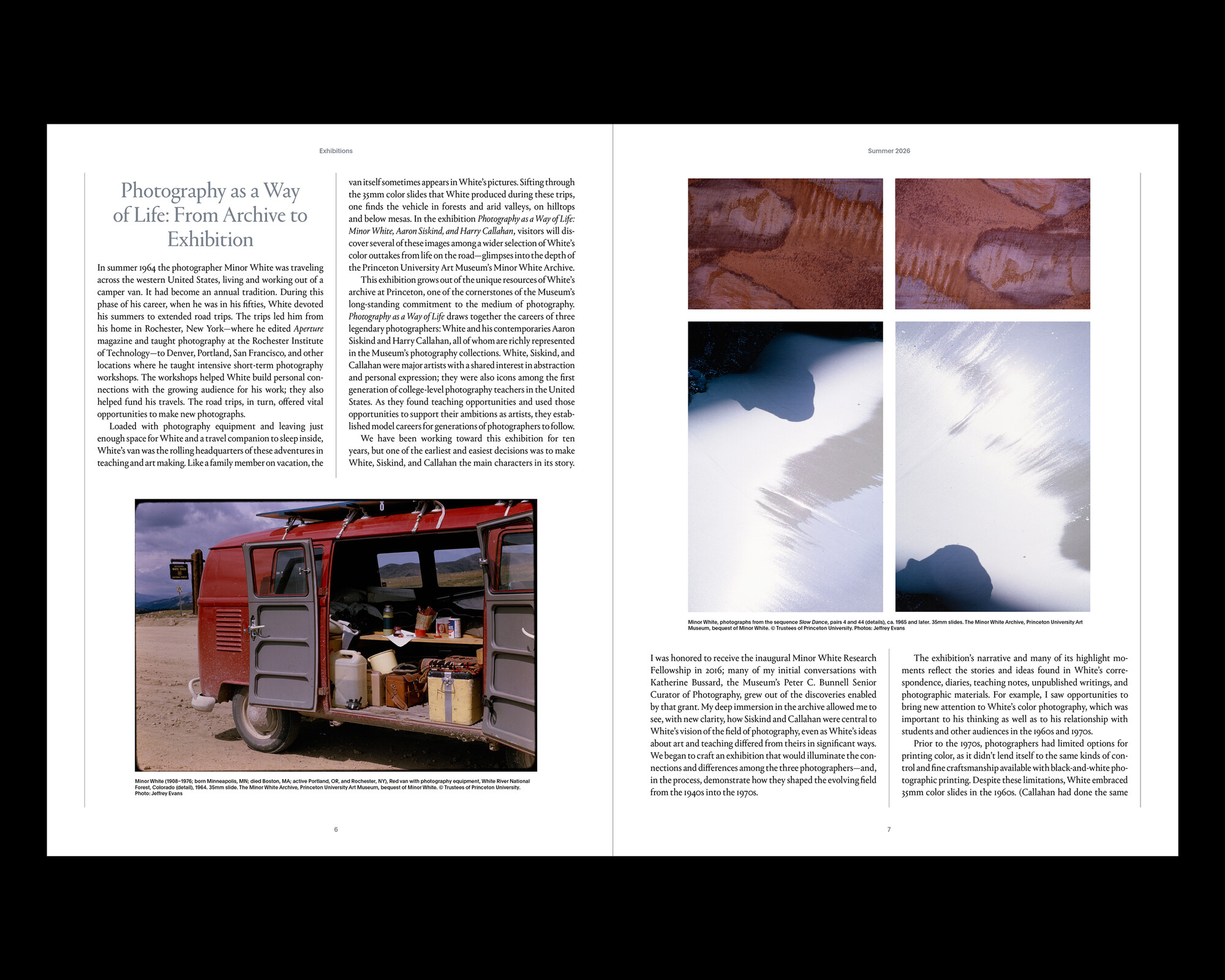
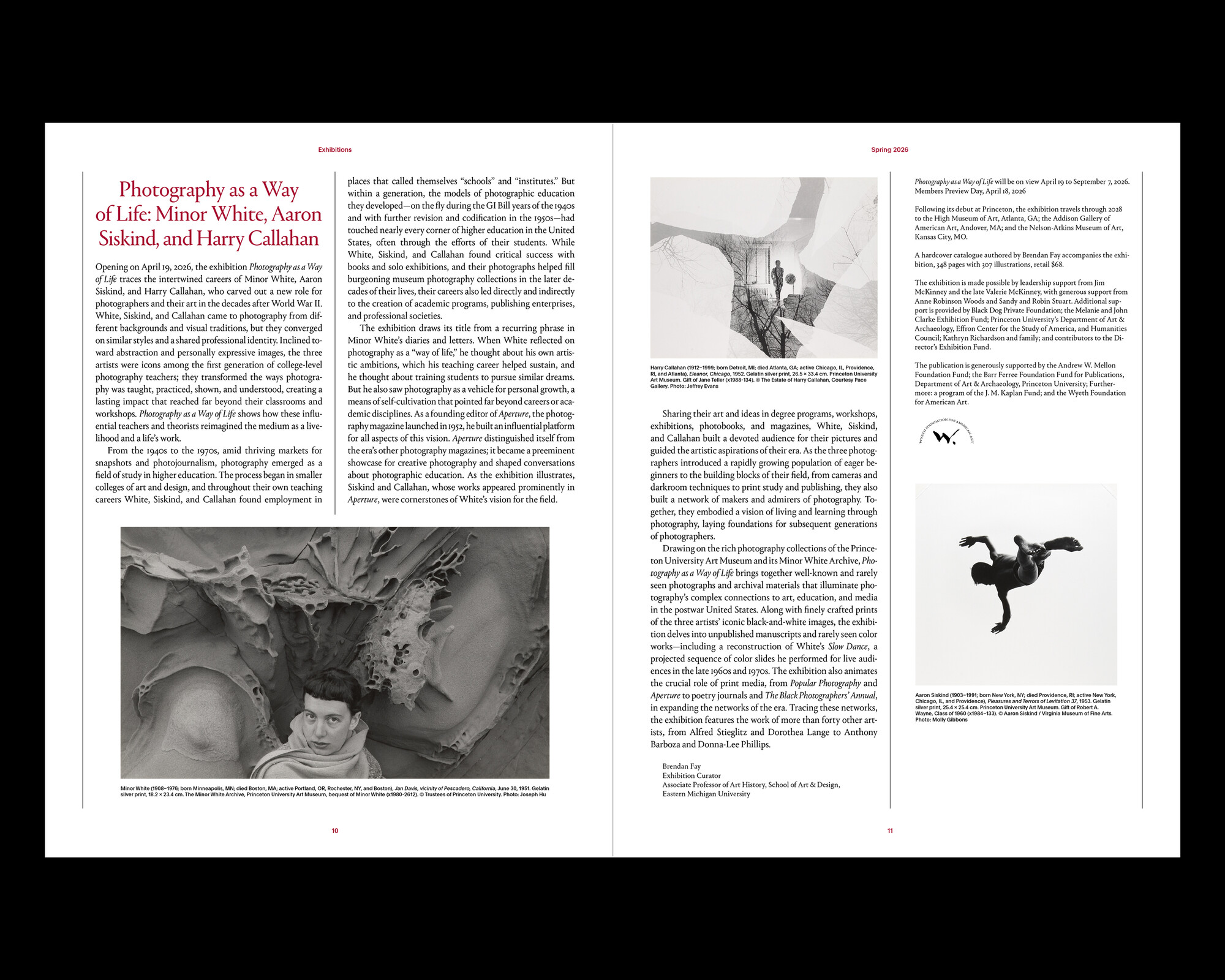
The Summer 2026 issue of the magazine features Minor White’s Two Waves and Pitted Rock on its cover highlighting PUAM’s summer exhibition Photography as a Way of Life. The show examines the overlapping careers of Minor White, Aaron Siskind, and Harry Callahan who redefined photography in the mid-twentieth century.
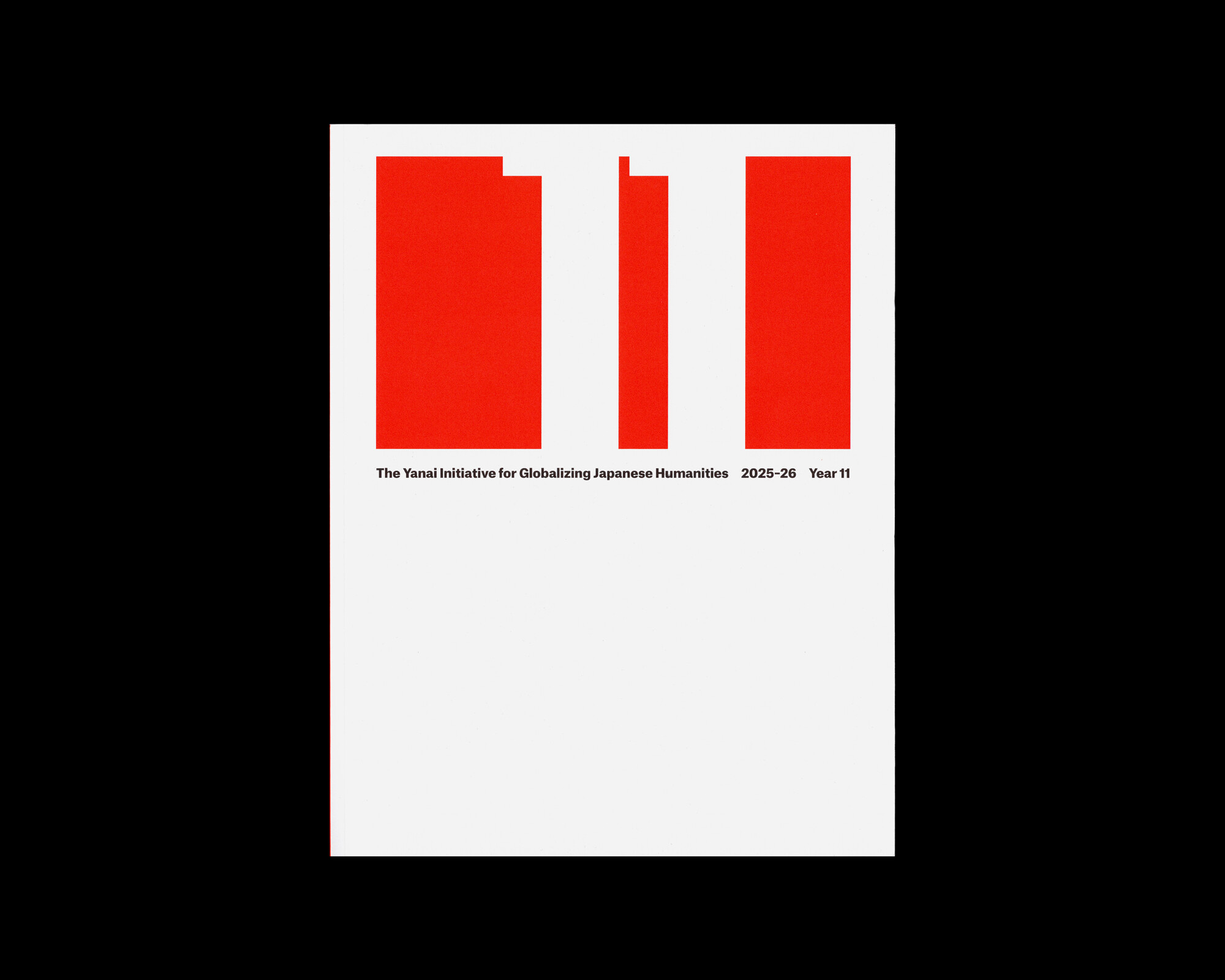
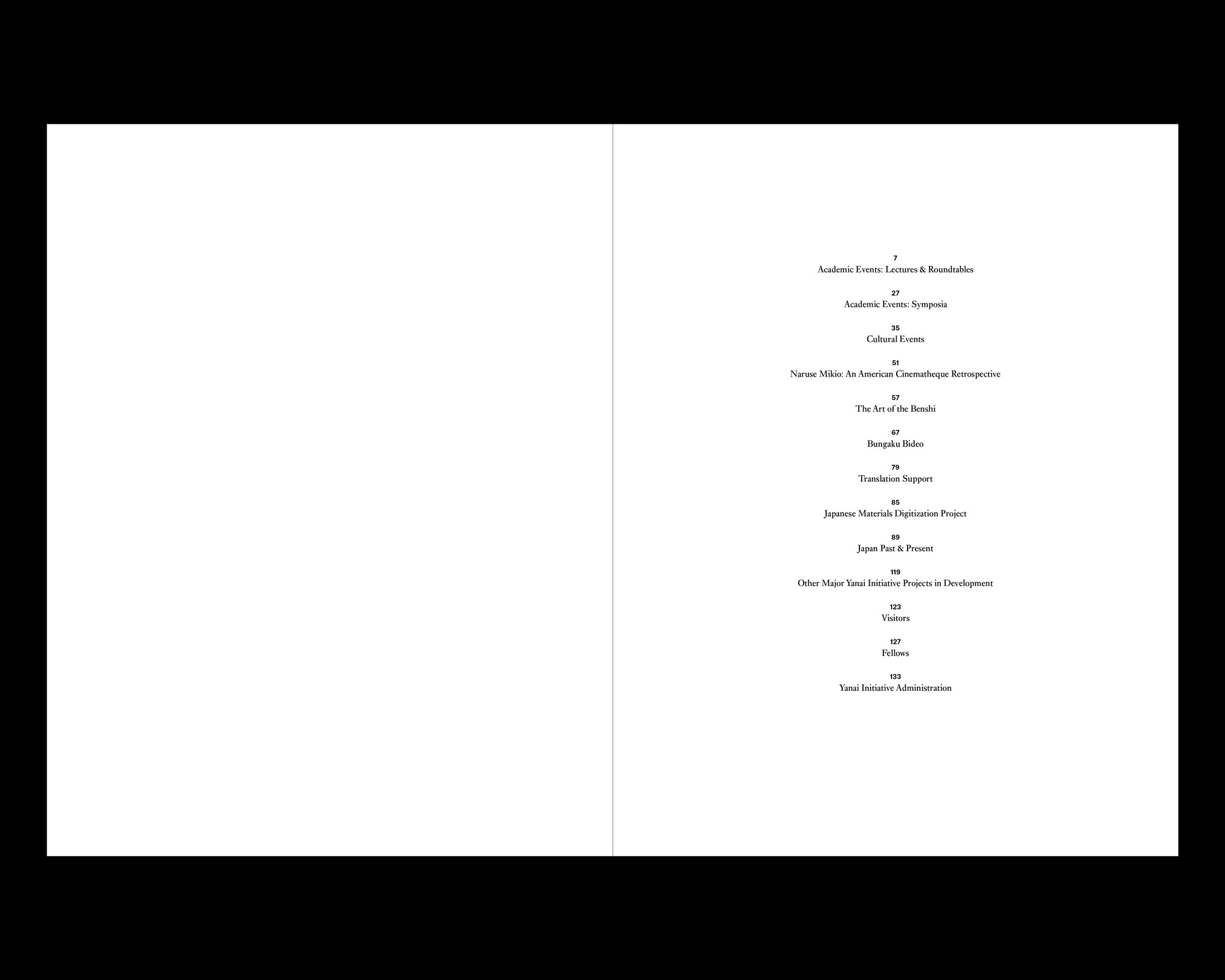
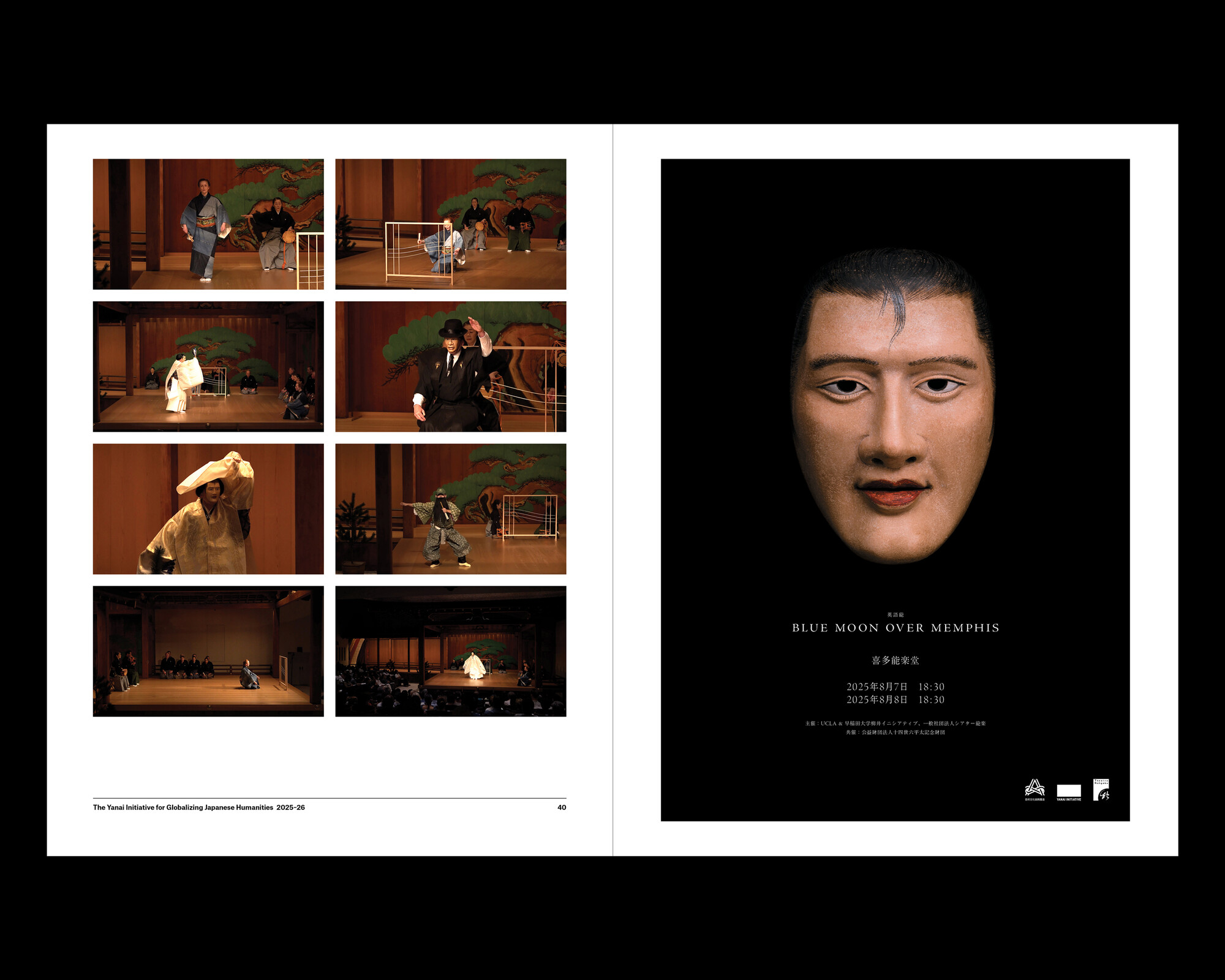
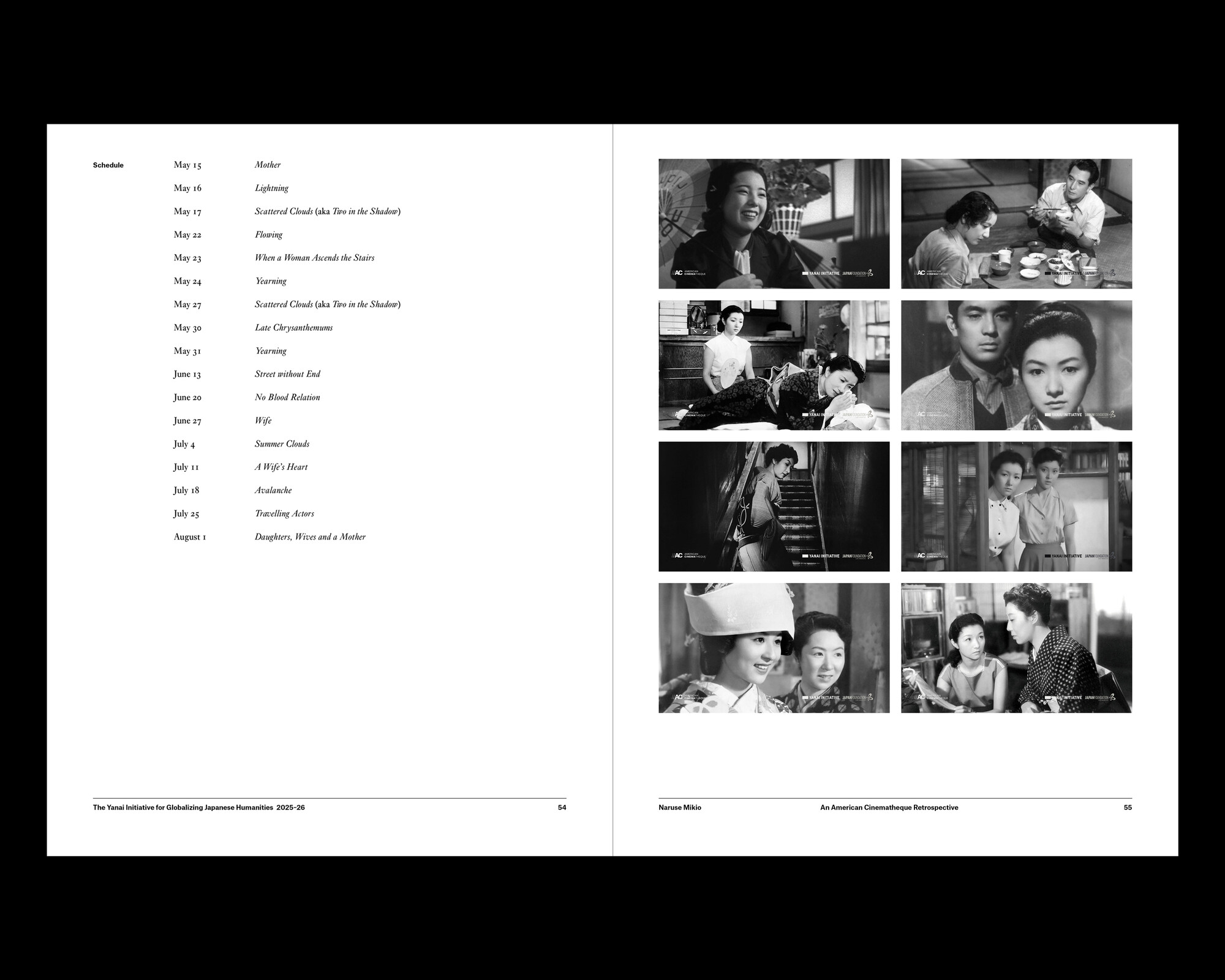
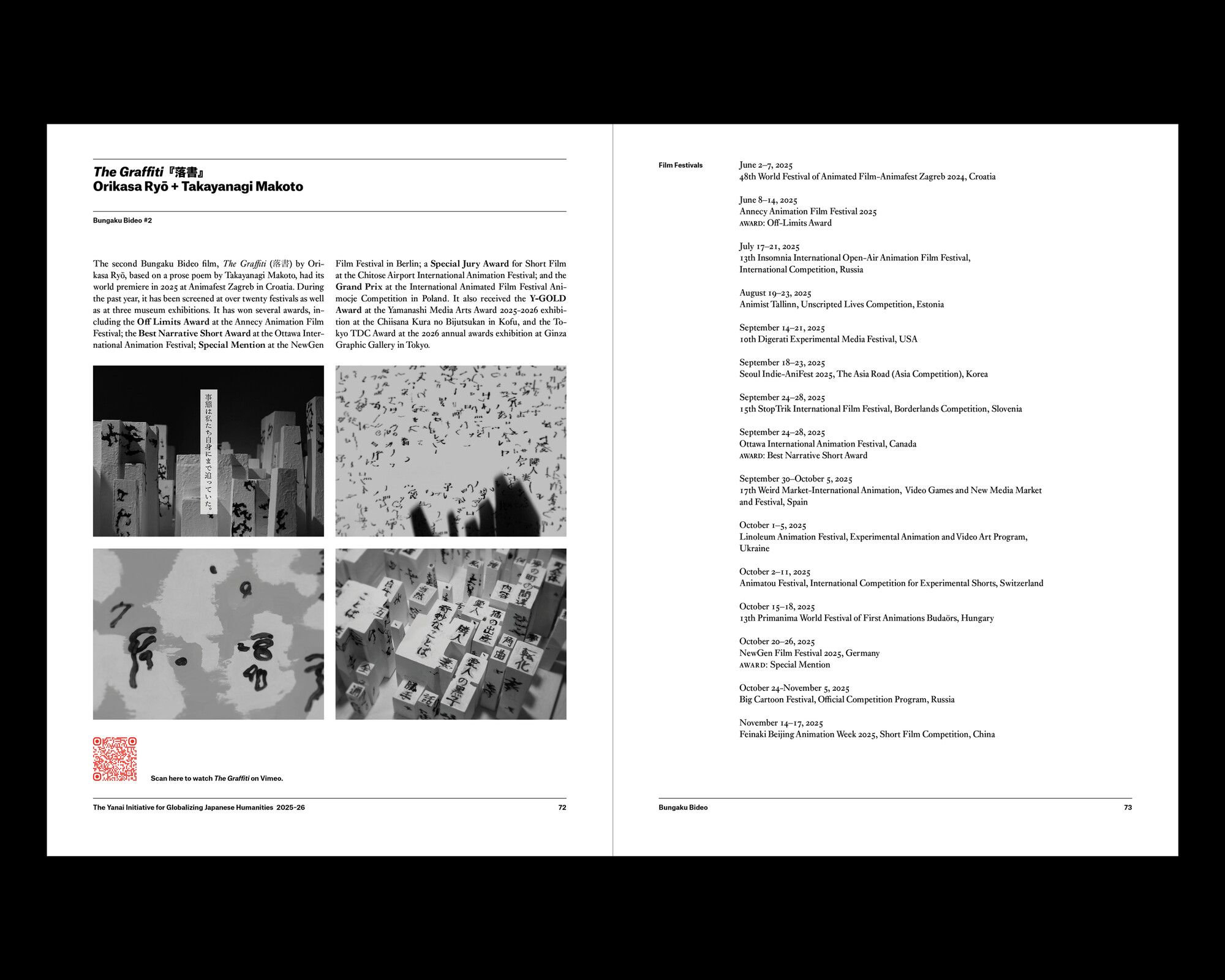
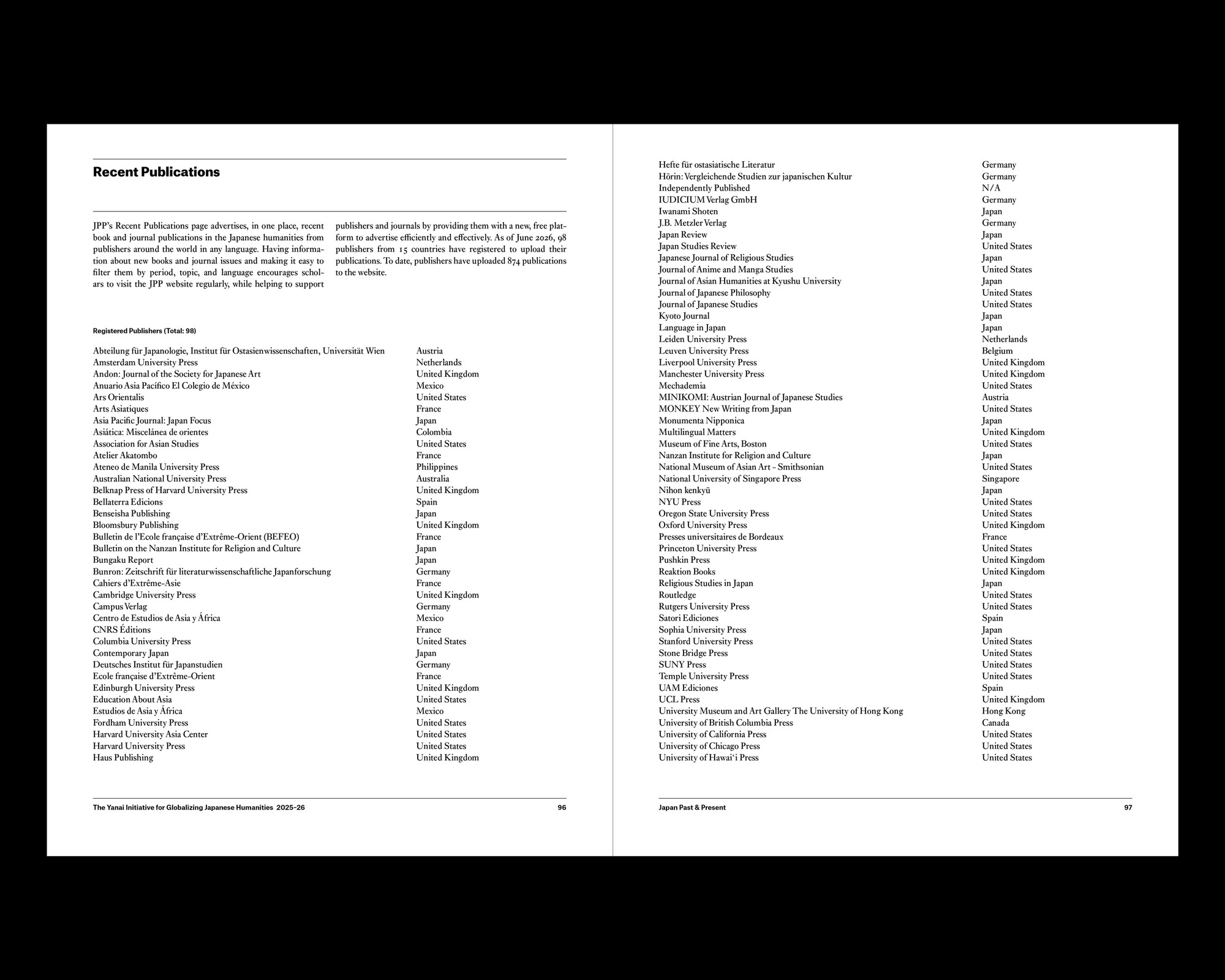
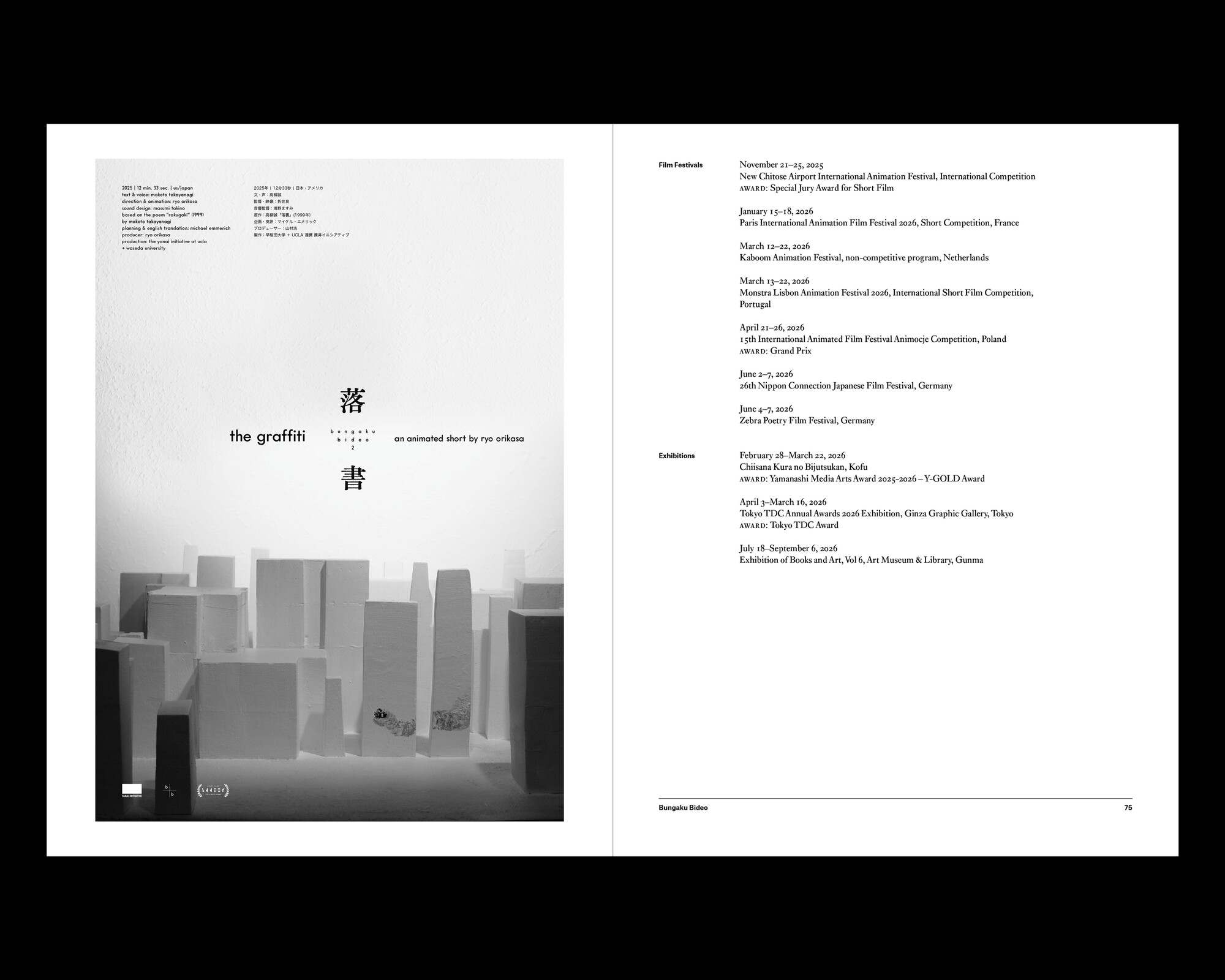
Annual report for a year that featured a Naruse Mikio retrospective, The Art of the Benshi world tour, Bungaku Bideo literary animation series, English-language nō performances, Japanese Materials Digitization Project, Japan Past & Present, emerging literary translator mentorships, and Strangers Press’s Kanata translation series.
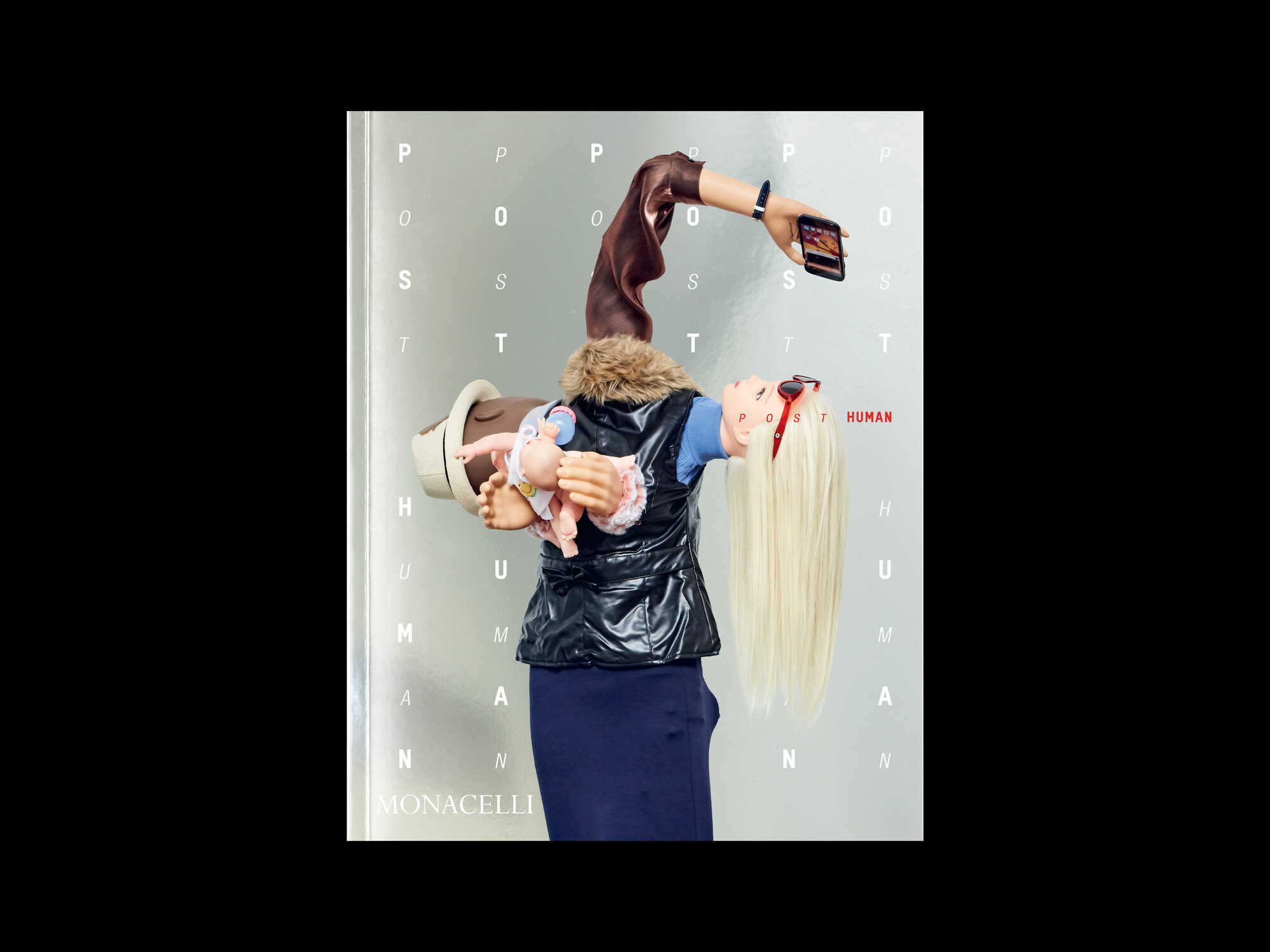
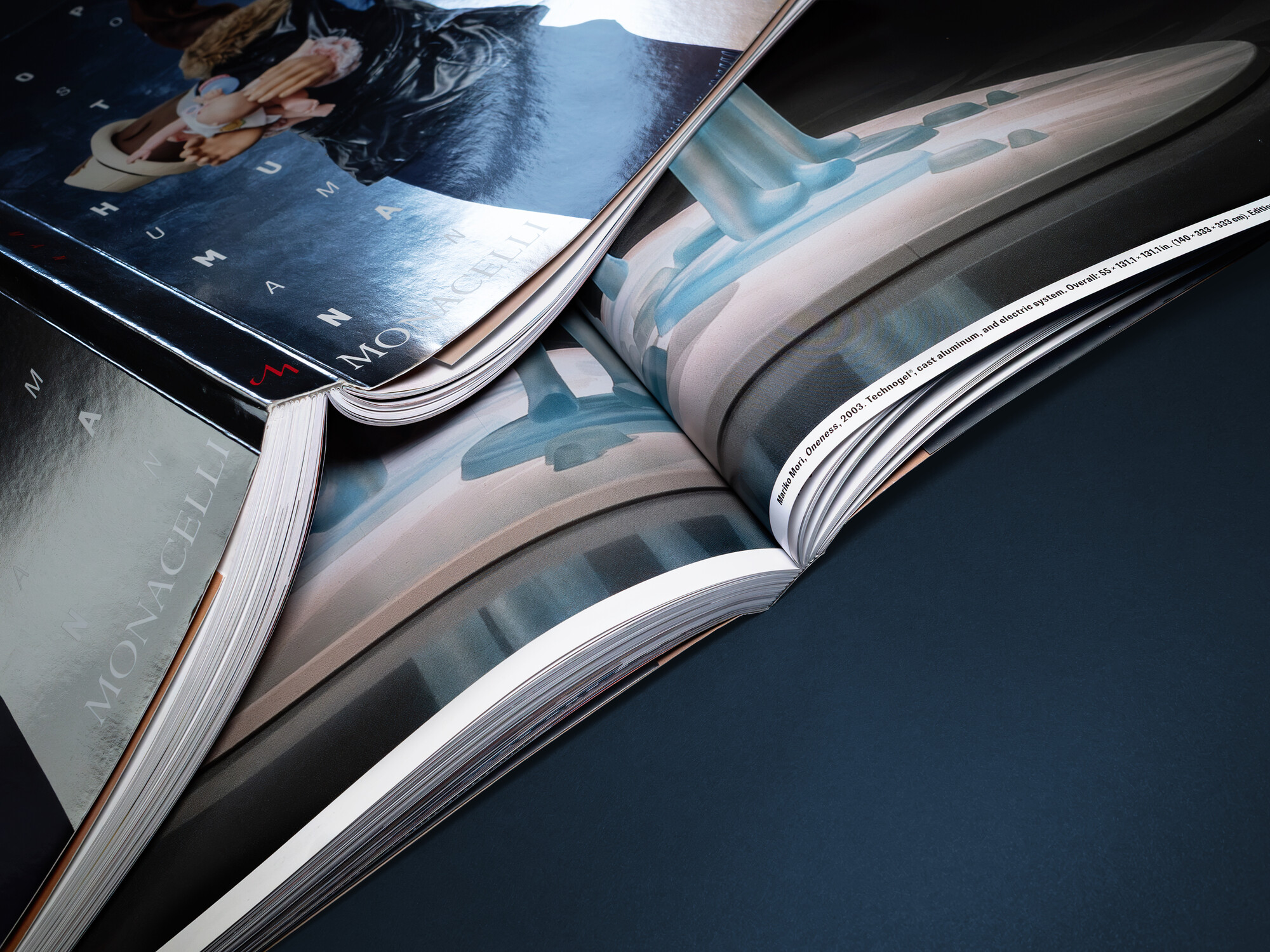
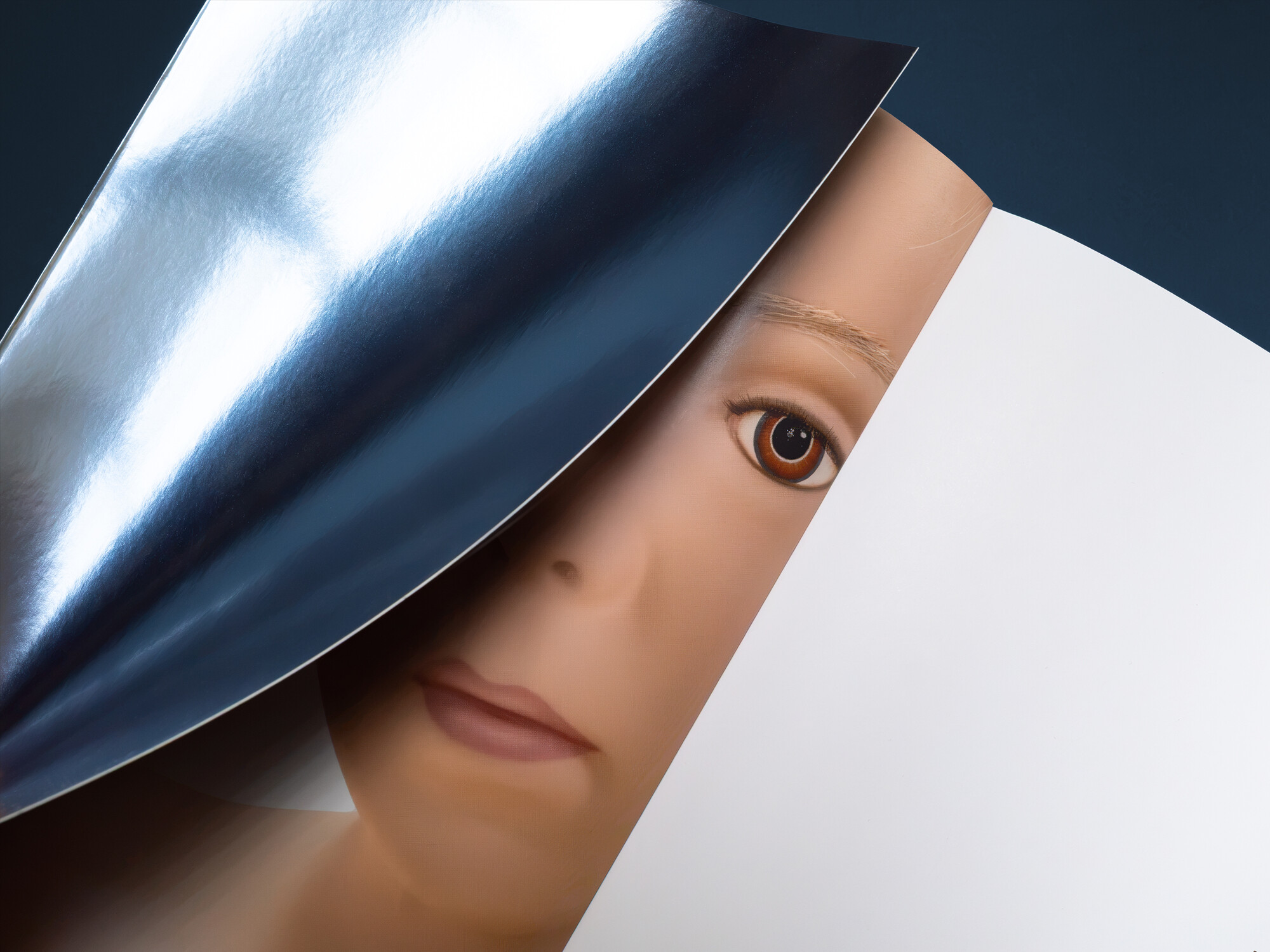
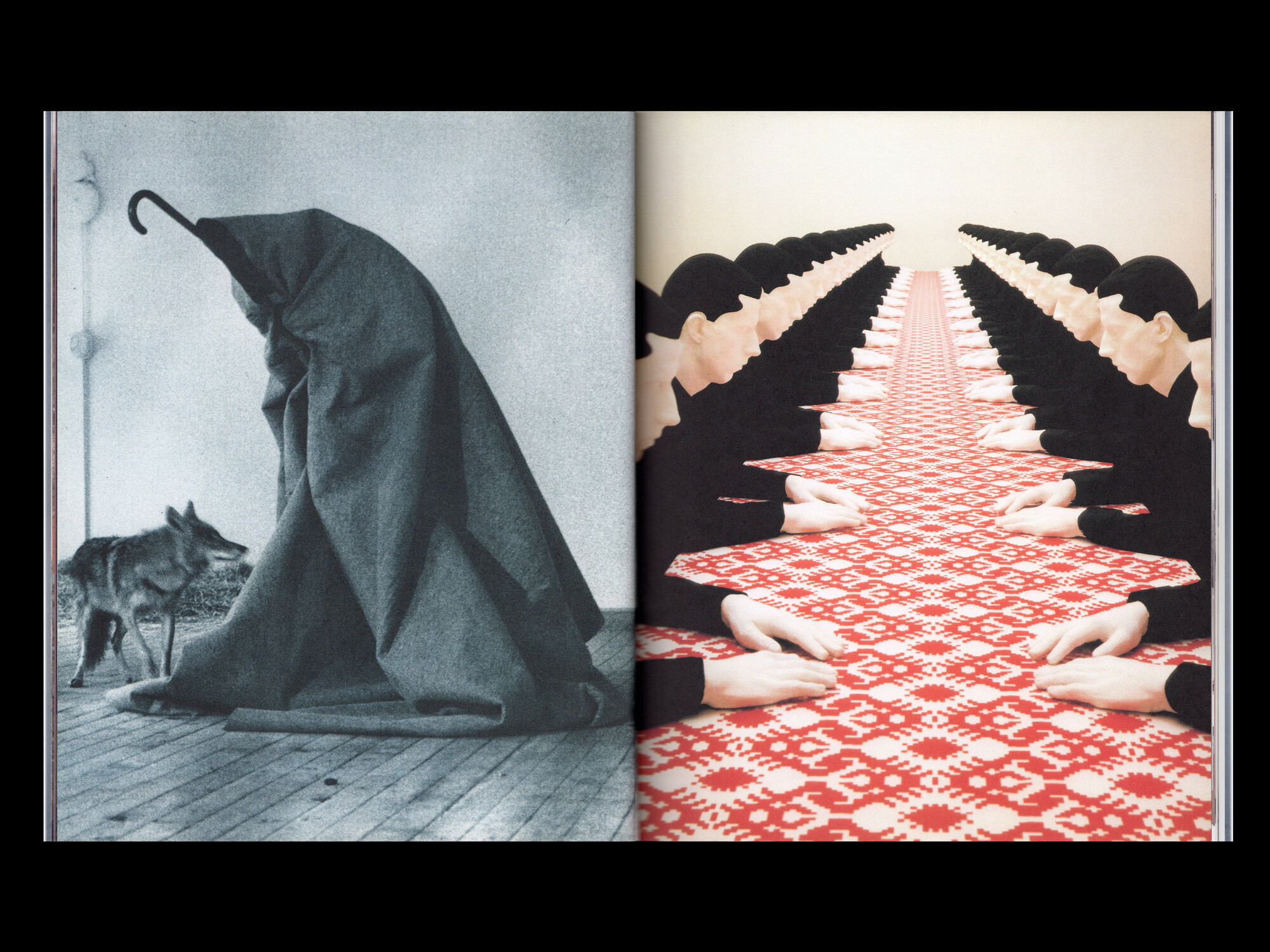
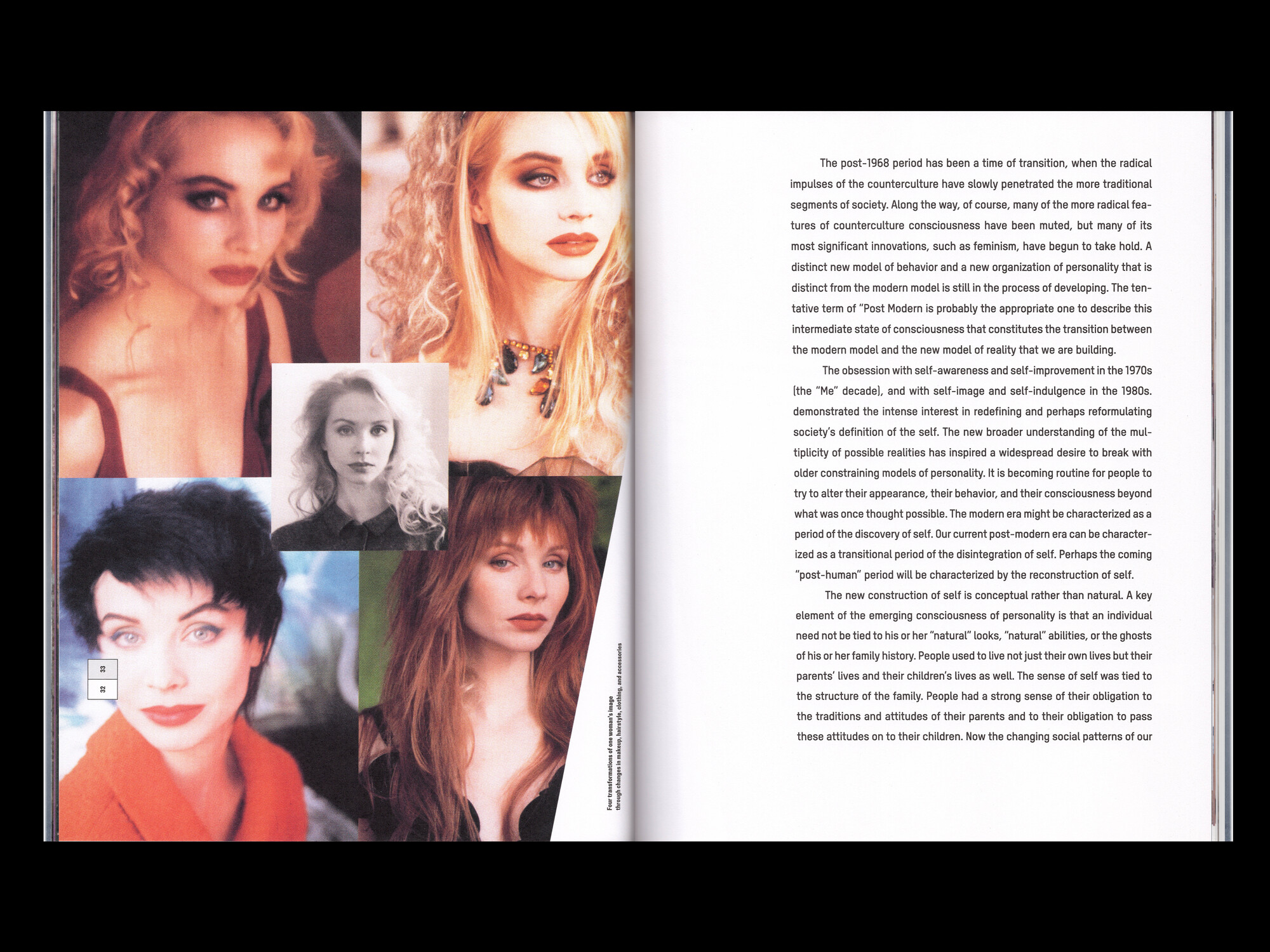
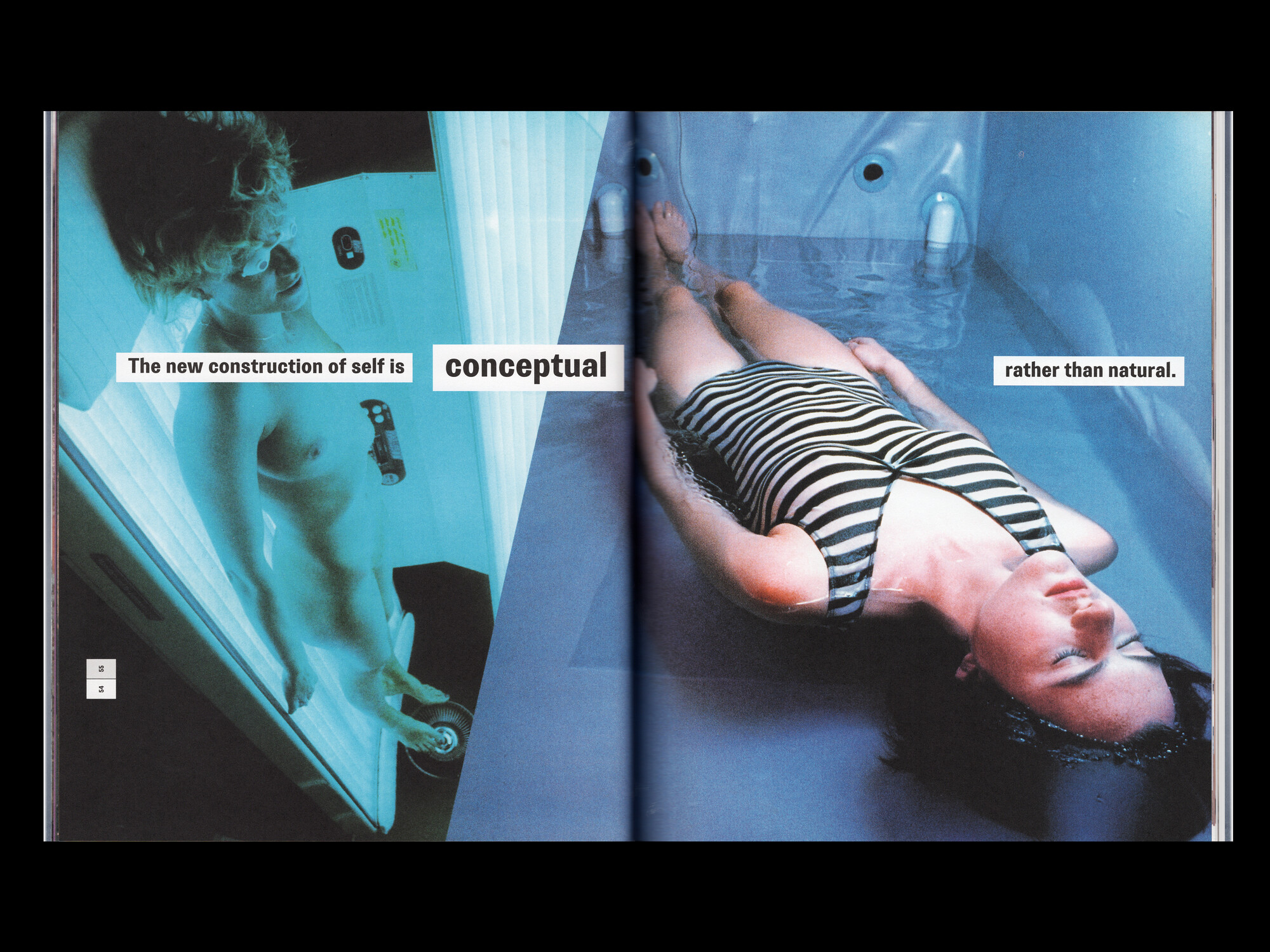
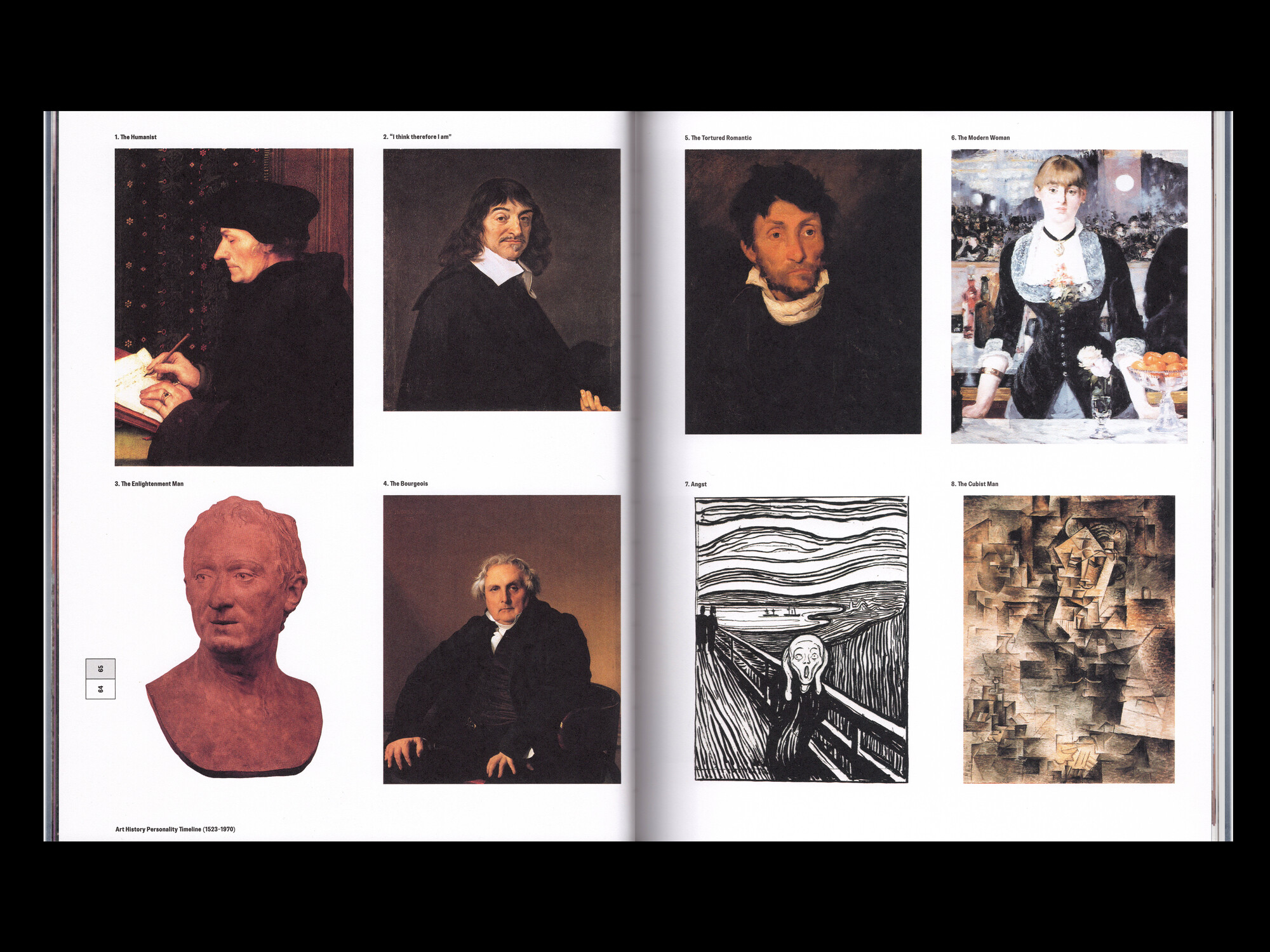
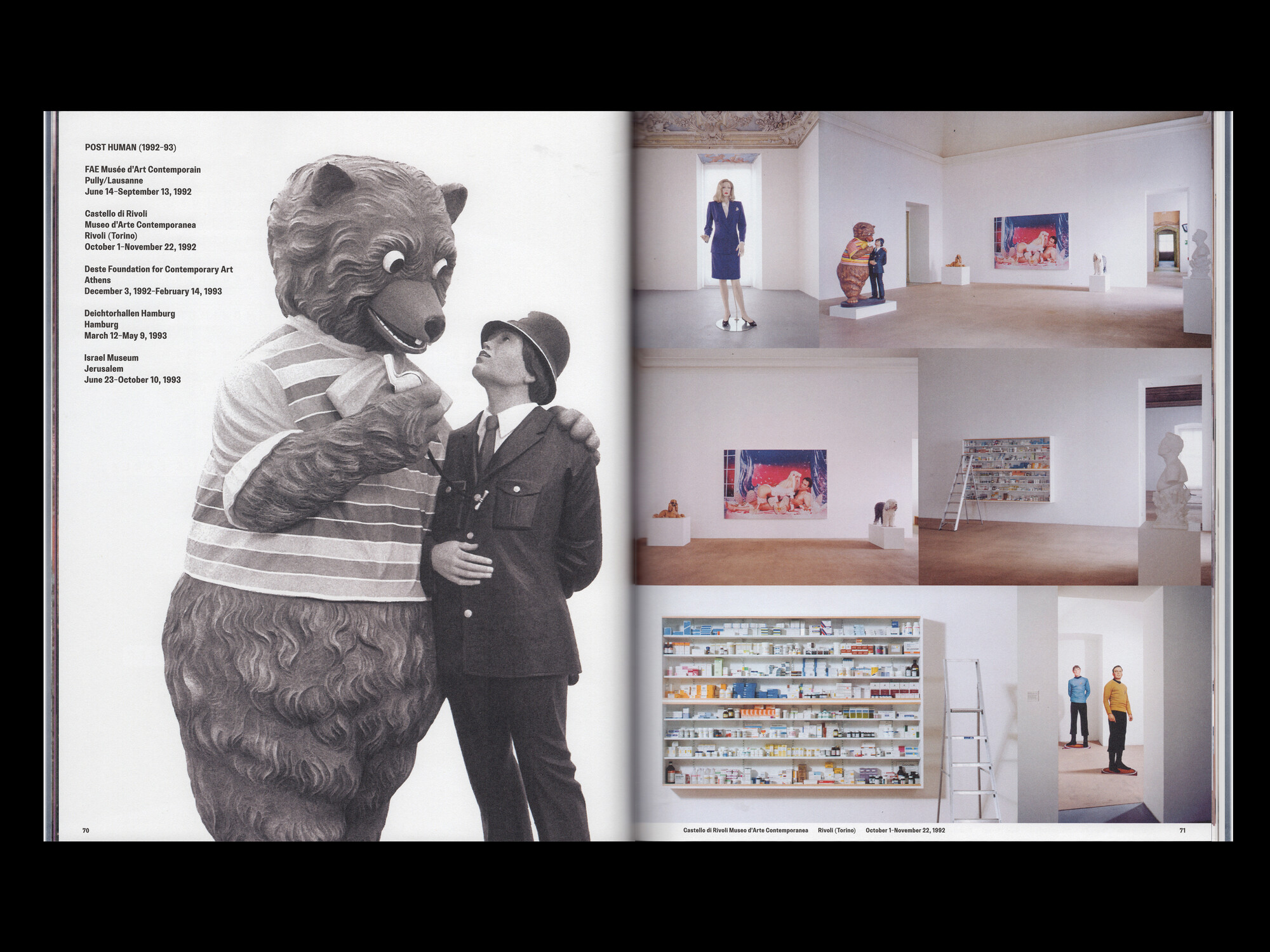
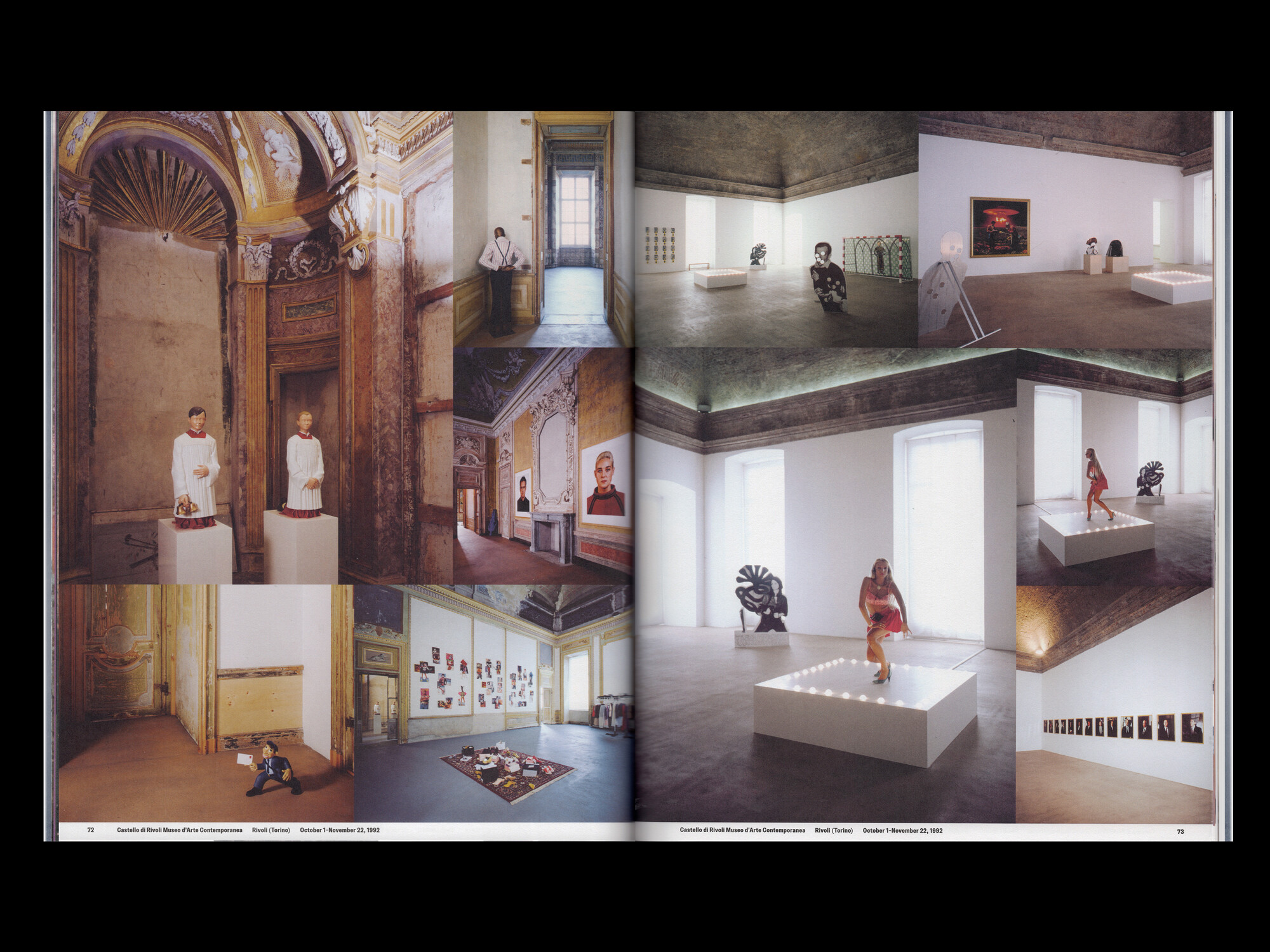
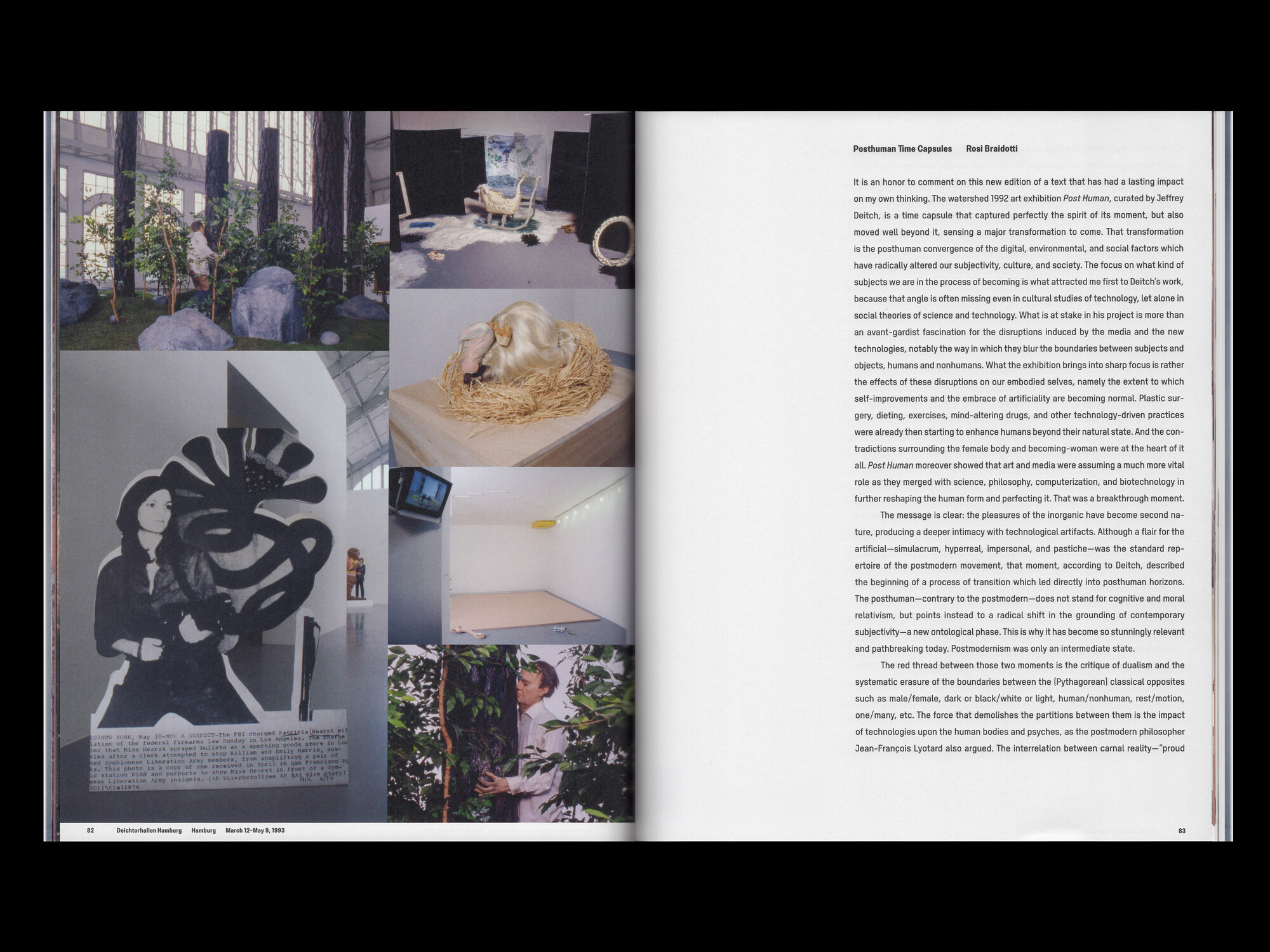
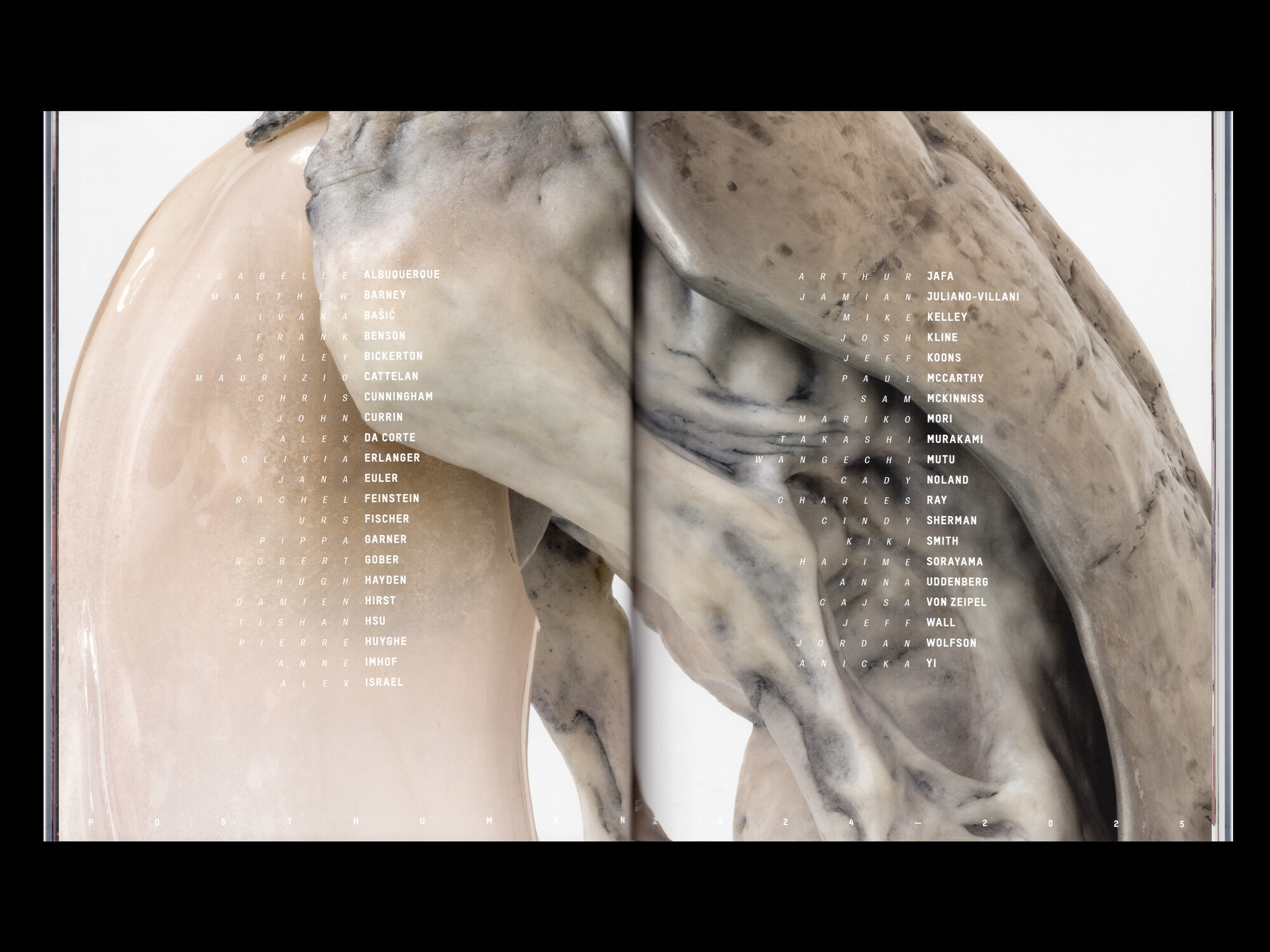
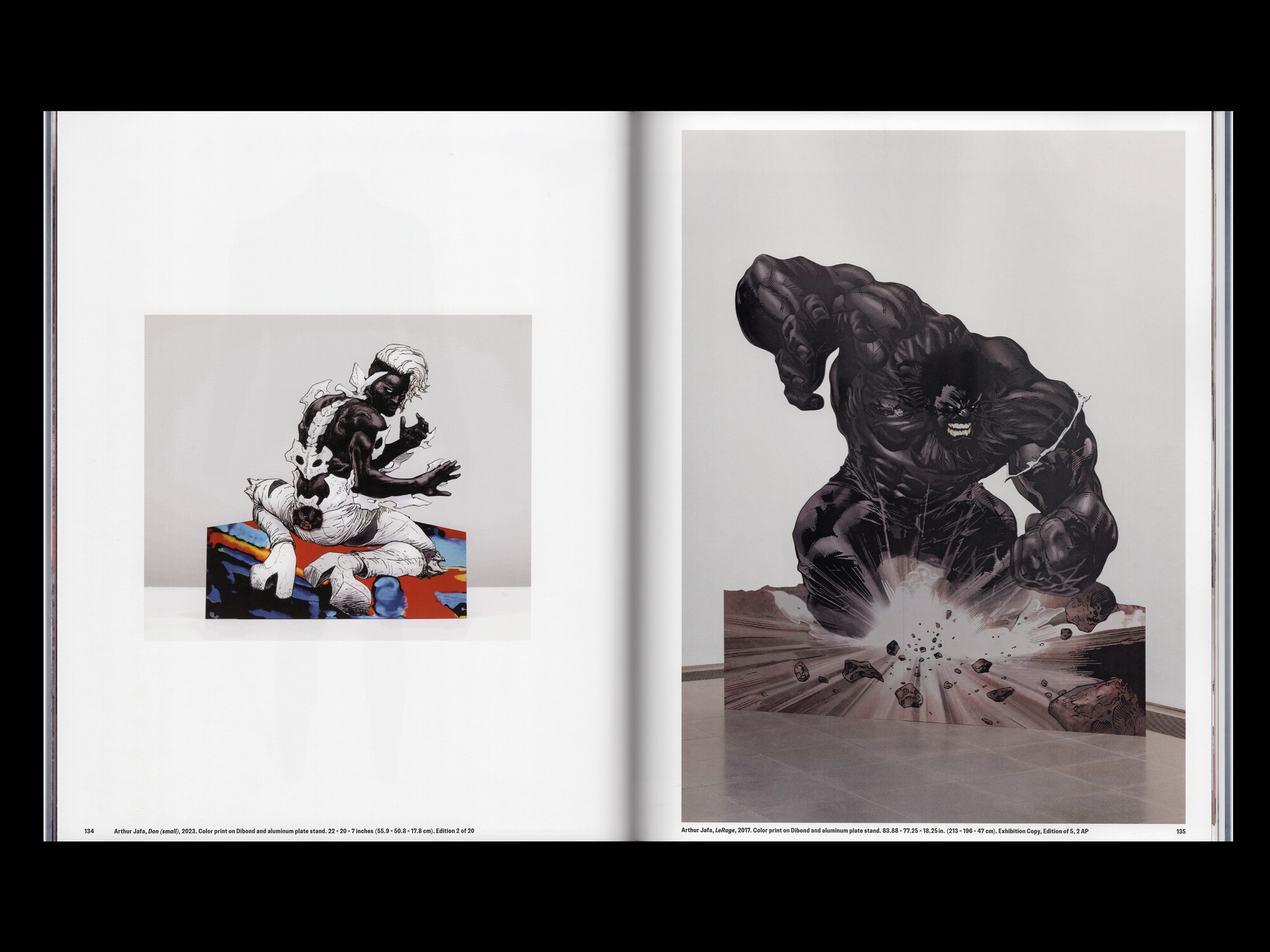
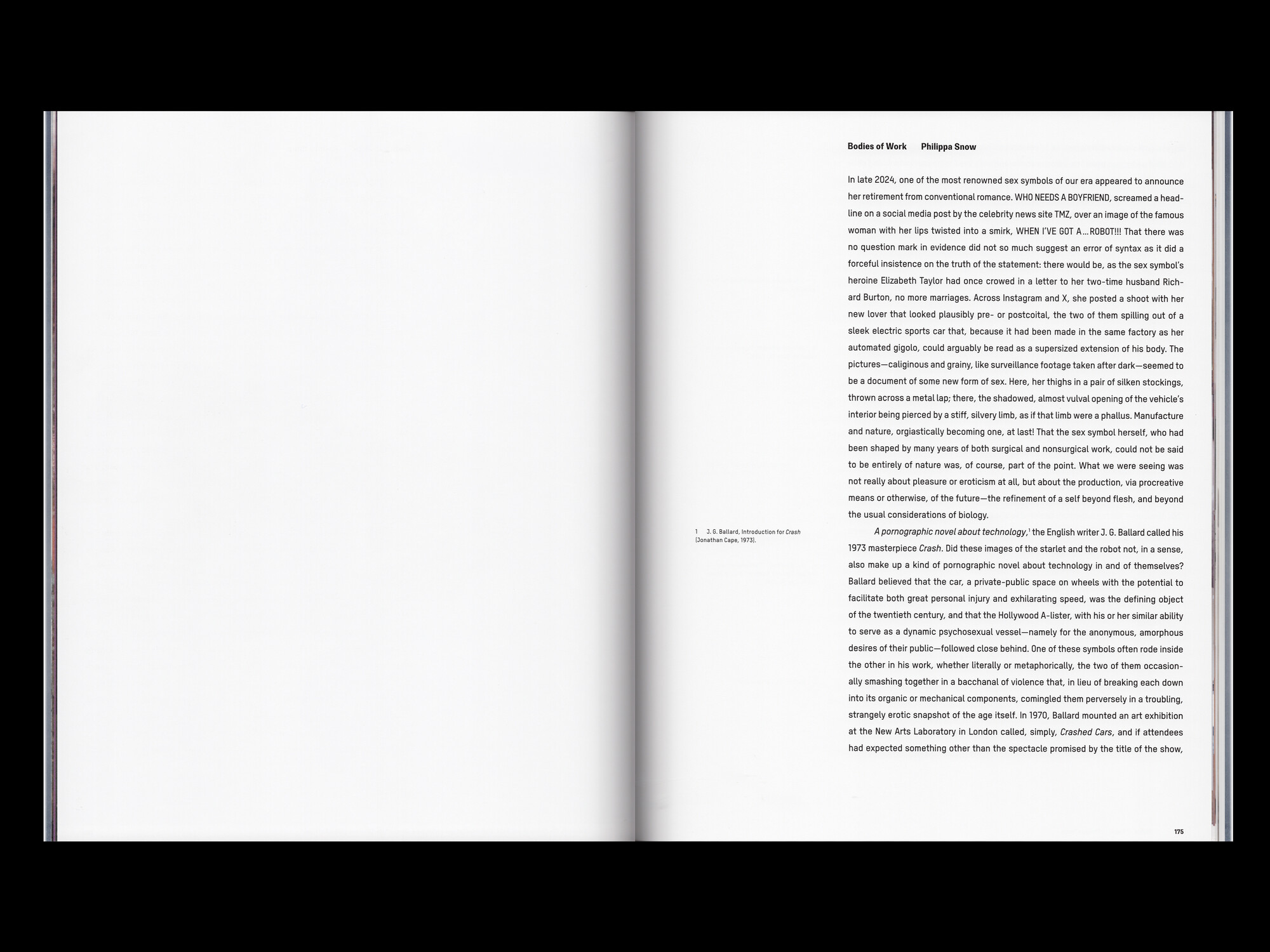
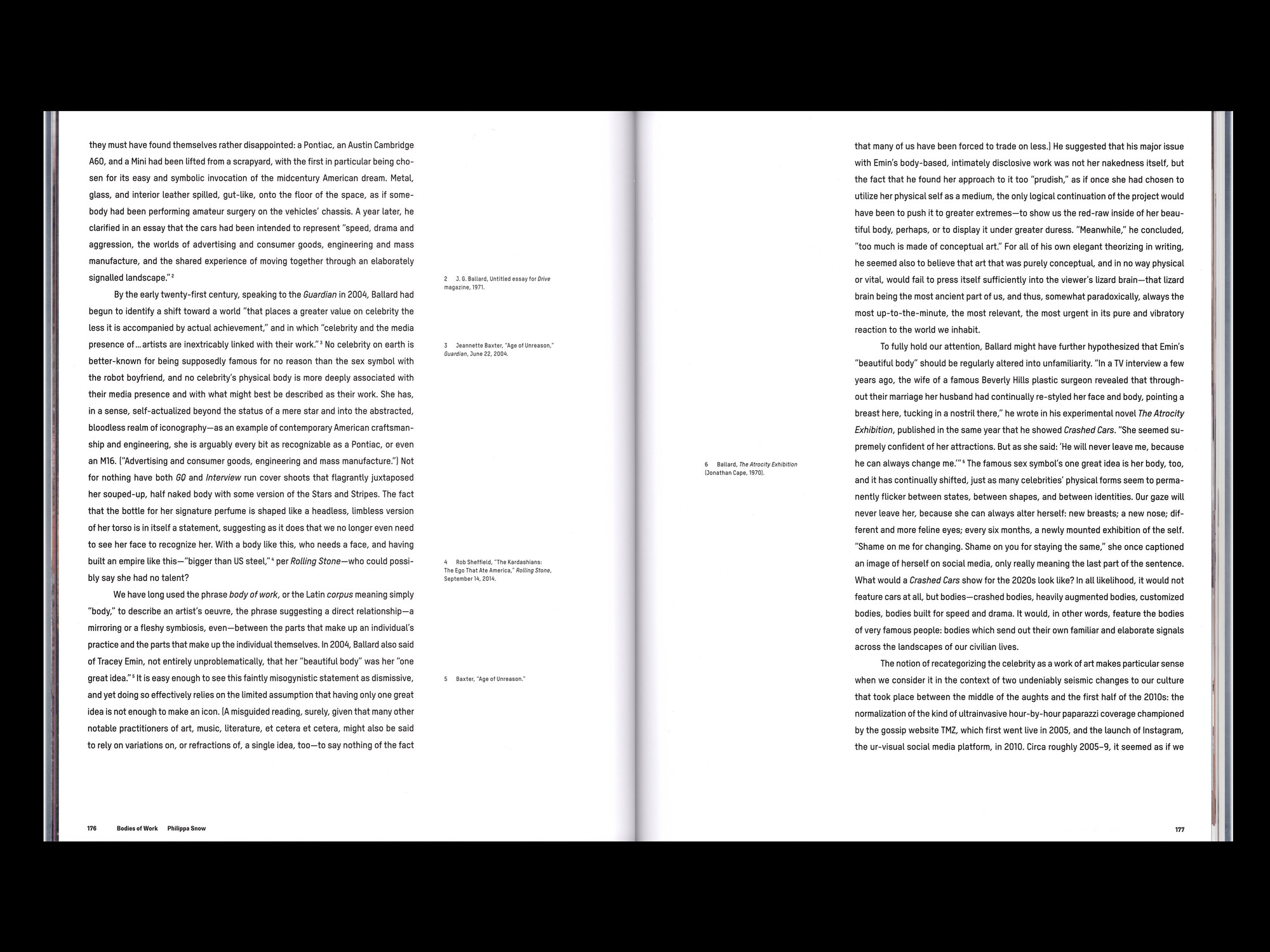
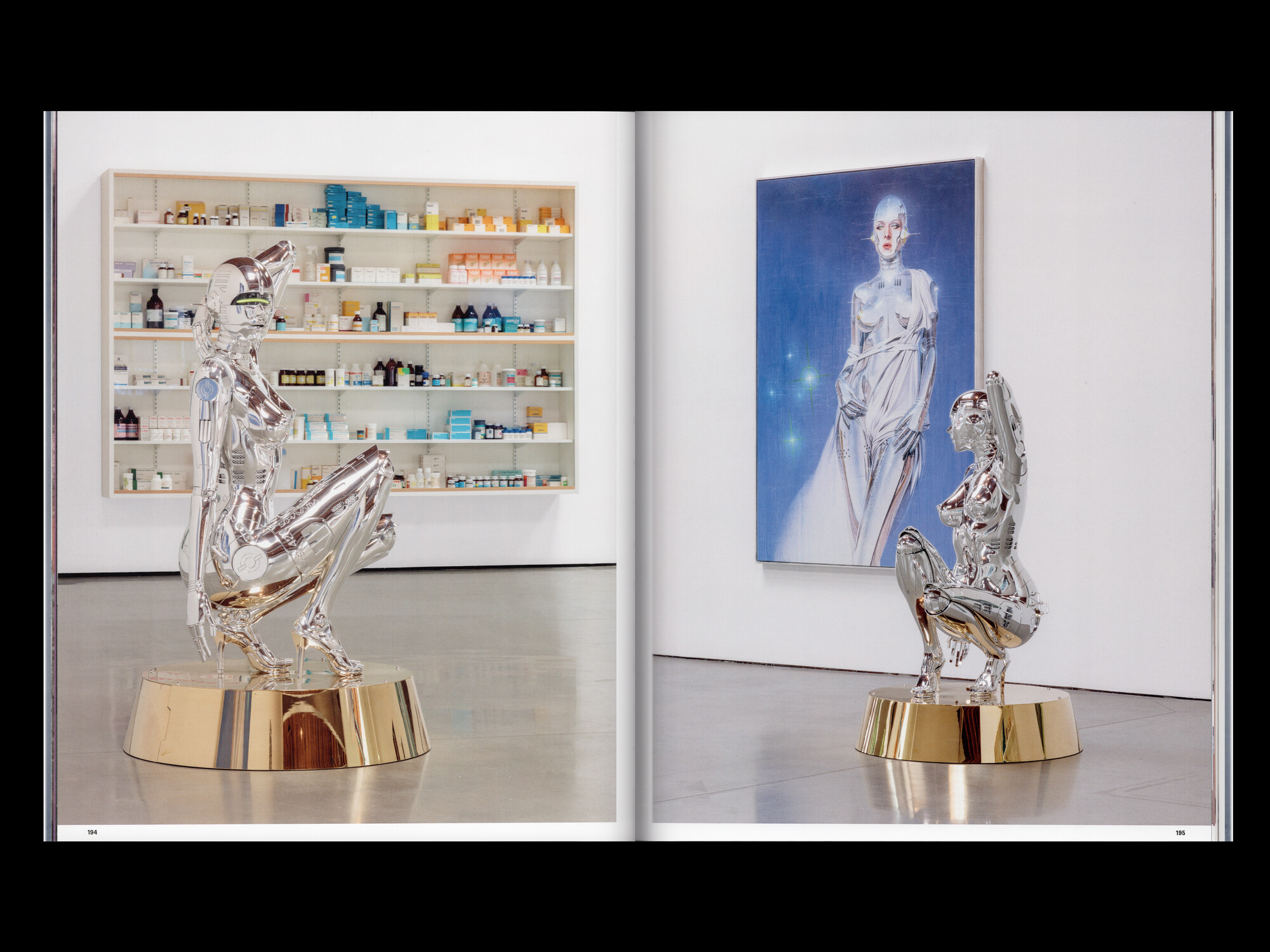
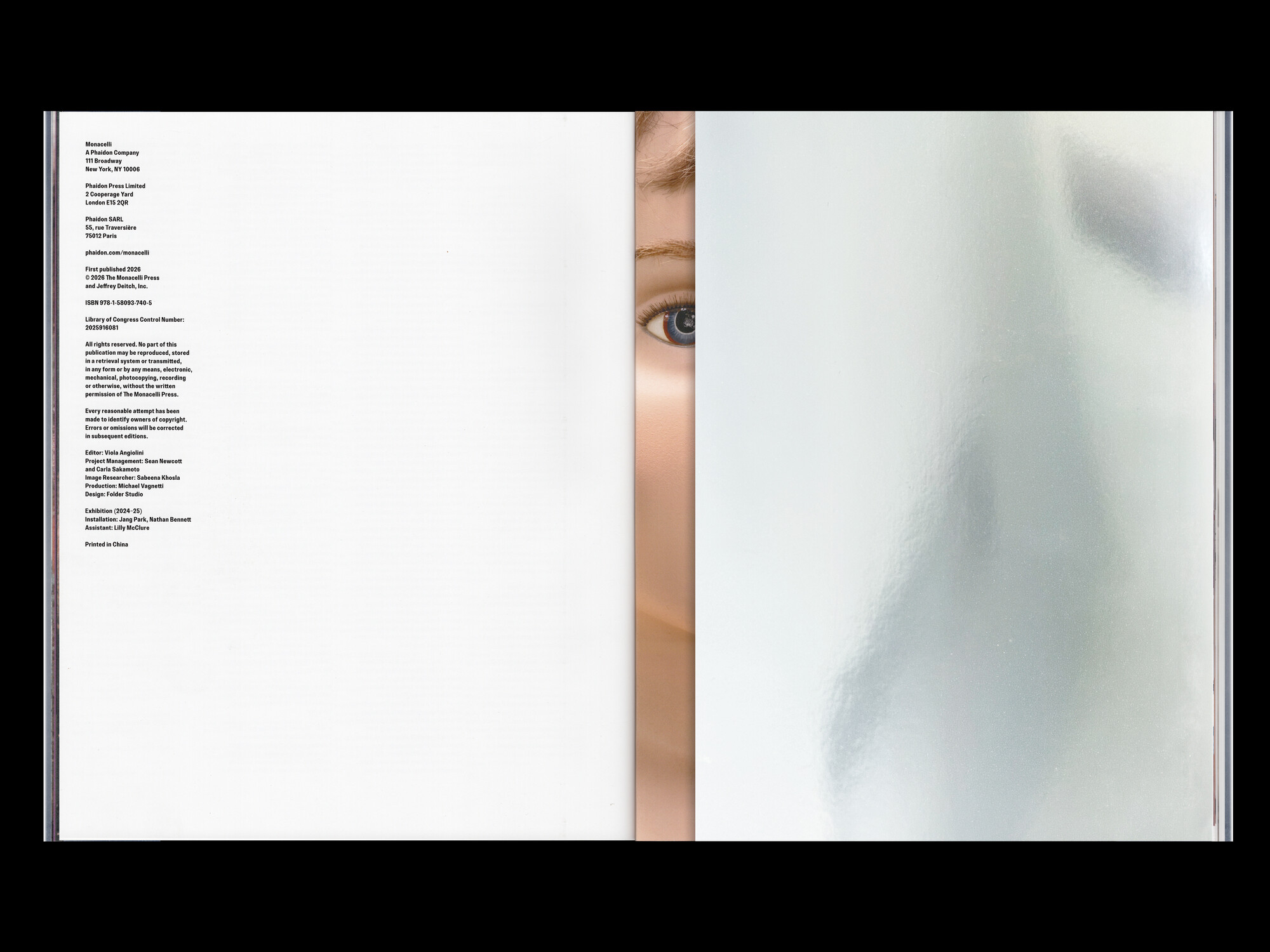
Post Human documents the 2024 revival of Jeffrey Deitch’s foundational 1992 exhibition. The original exhibition featured thirty-six artists working at the intersection of the body and technology and helped set the agenda for 1990s art discourse. The 2024 exhibition brings original participants into dial ogue with a new generation, expanding the discussion to contemporary concepts of technology and the body.
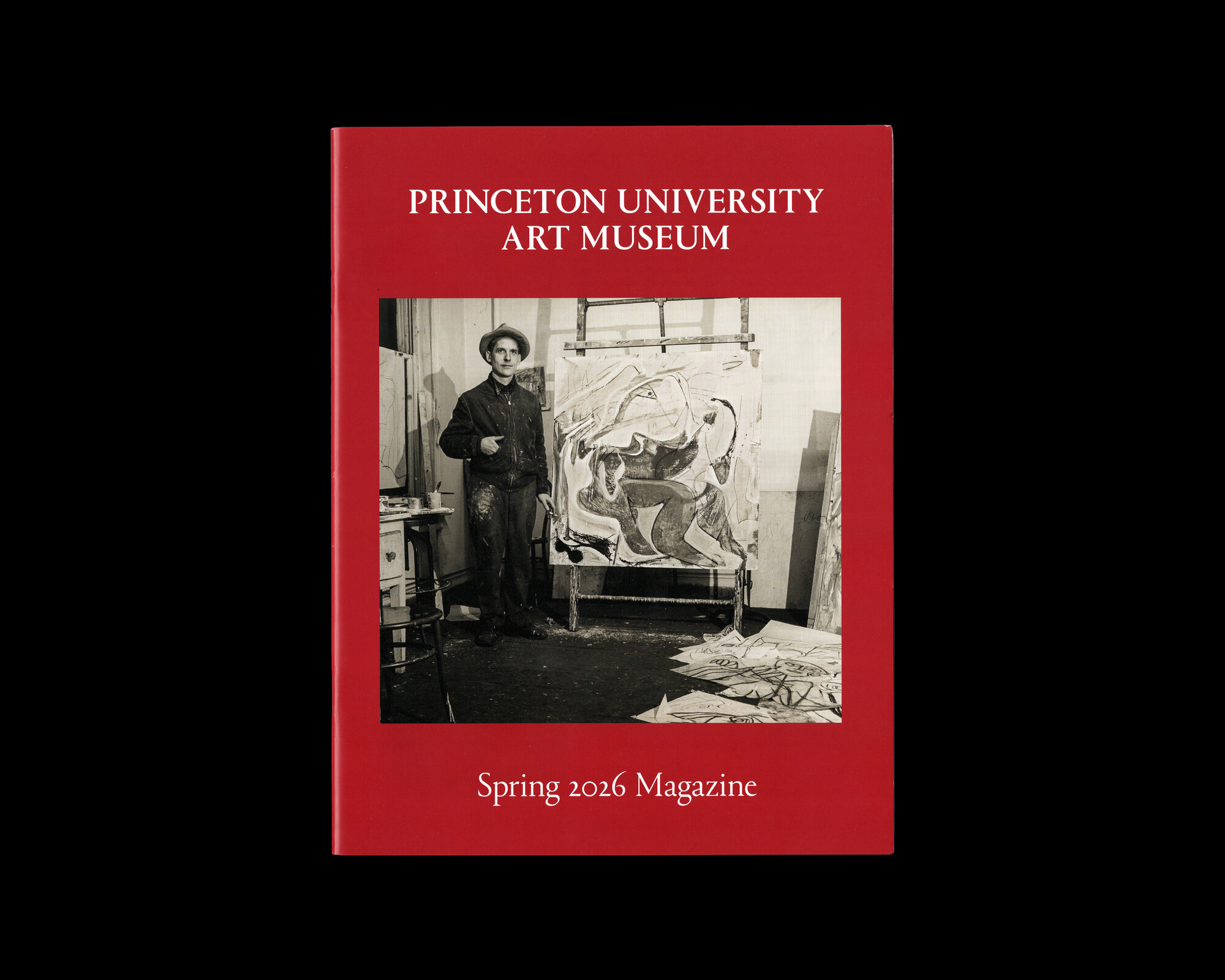
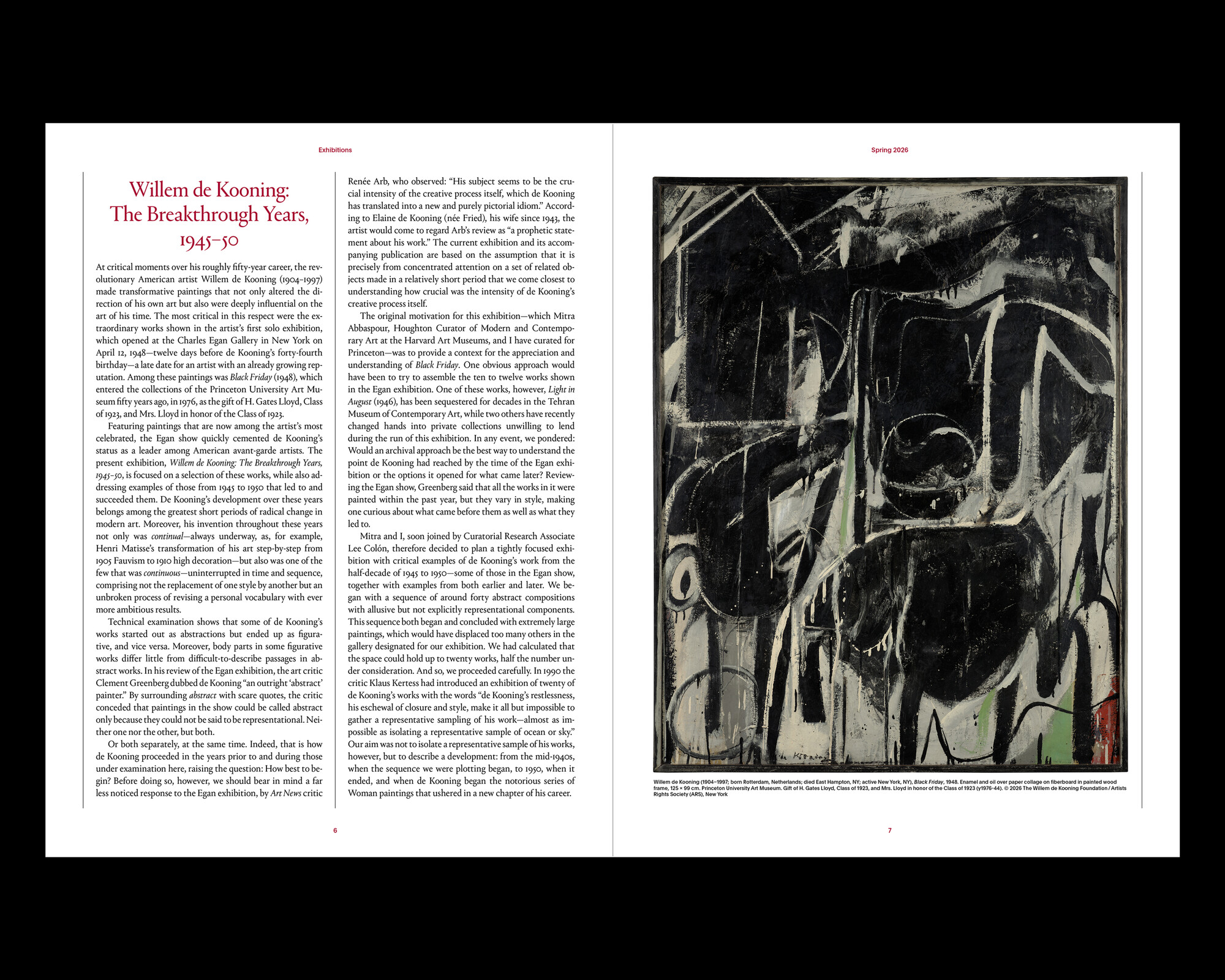
The Spring 2026 issue of the magazine features Willem de Kooning: The Breakthrough Years, 1945–50, with an archival photograph of the artist in his studio on the cover. The show exhibits 18 tightly selected masterworks sourced from more than a dozen prestigious museums and private collections, looking at the 5-year window where de Kooning formulated the visual language that would define his entire career.
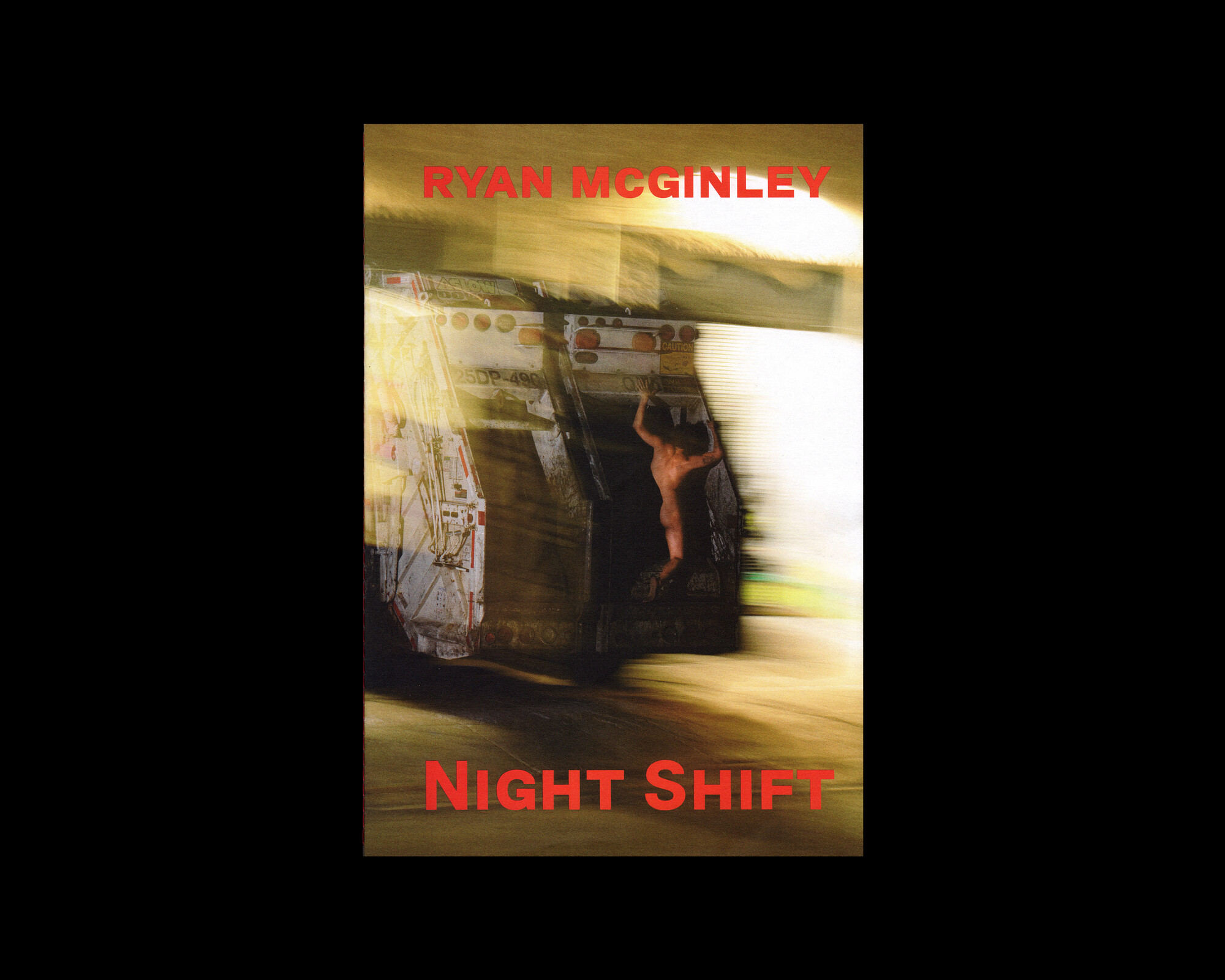
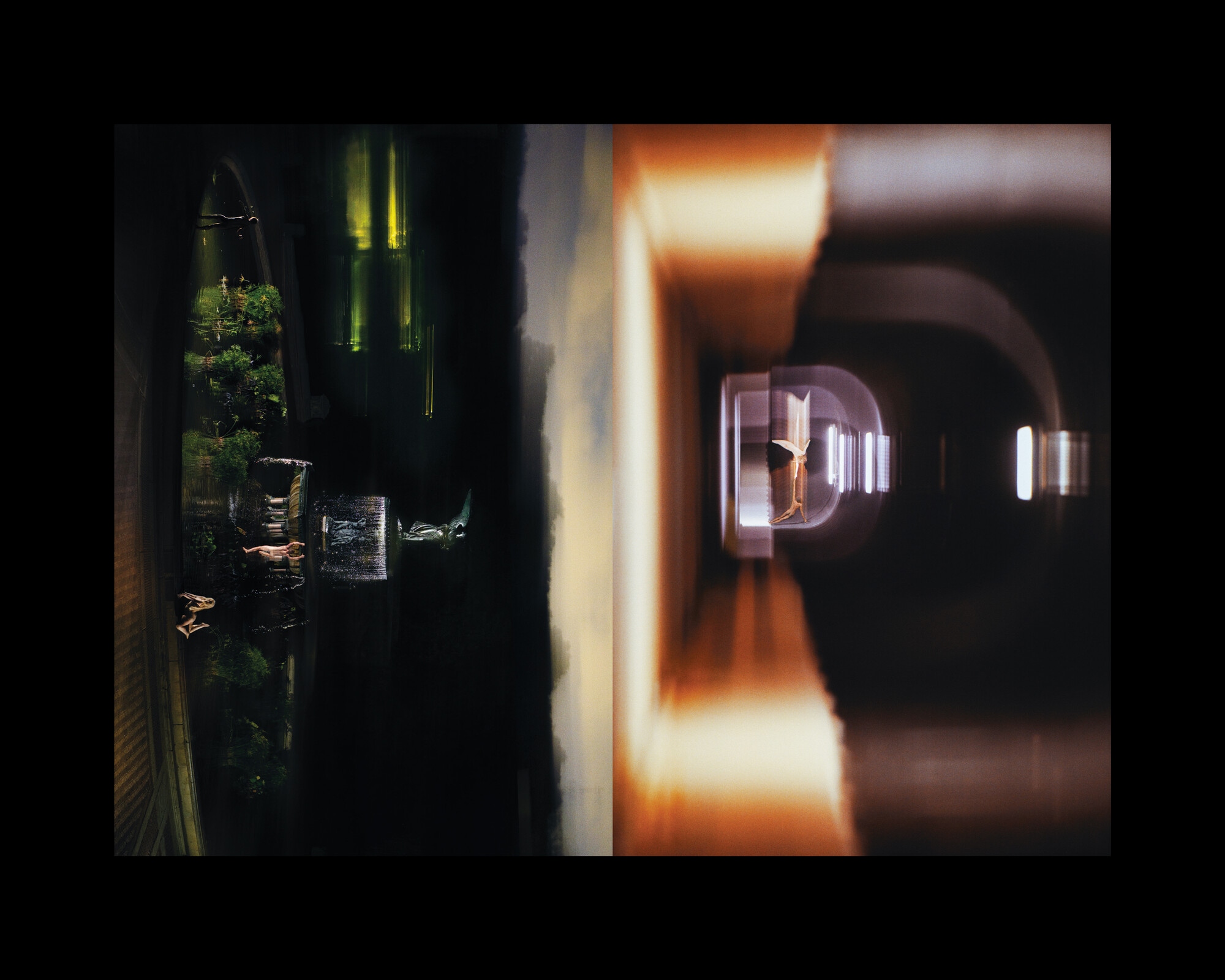
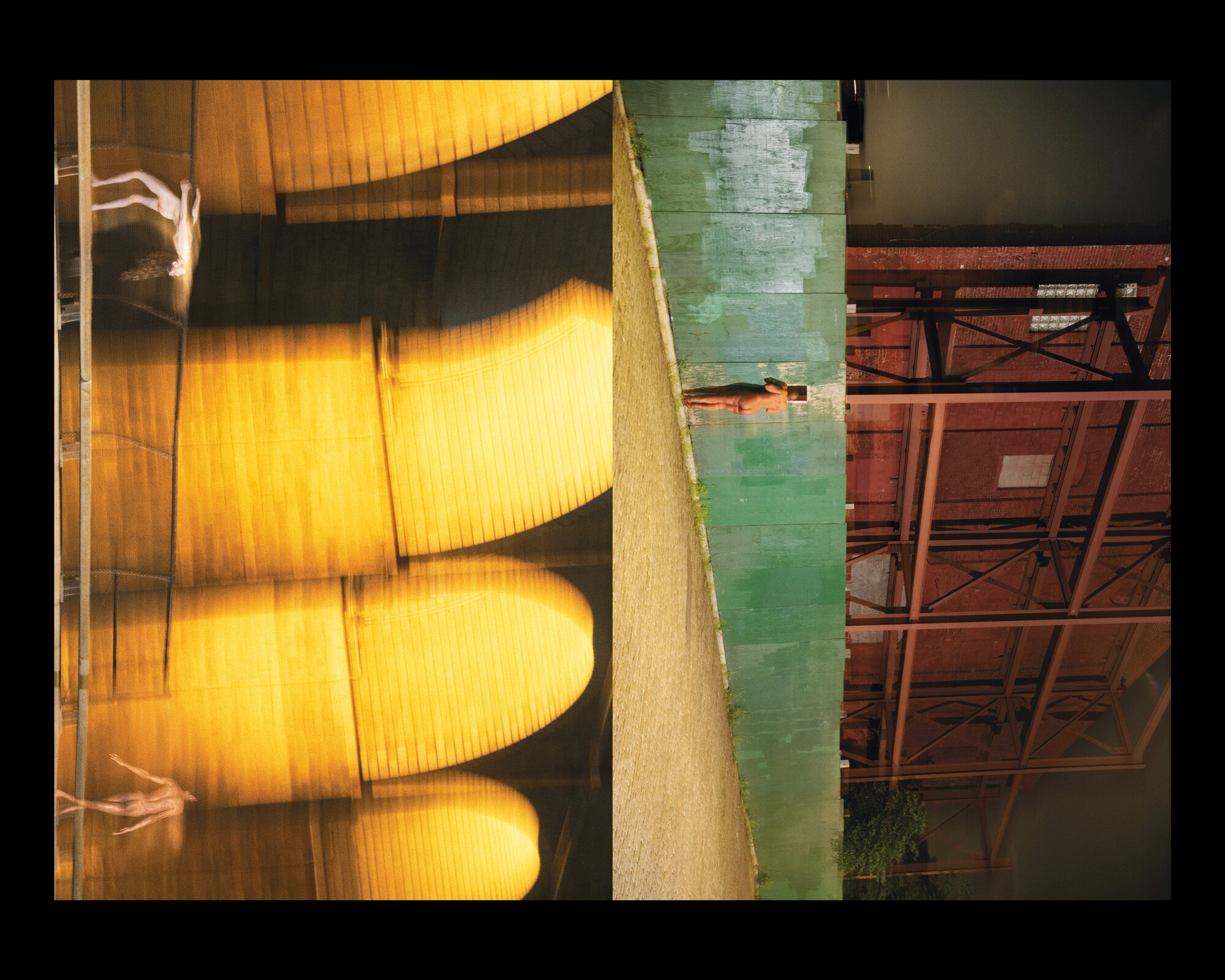
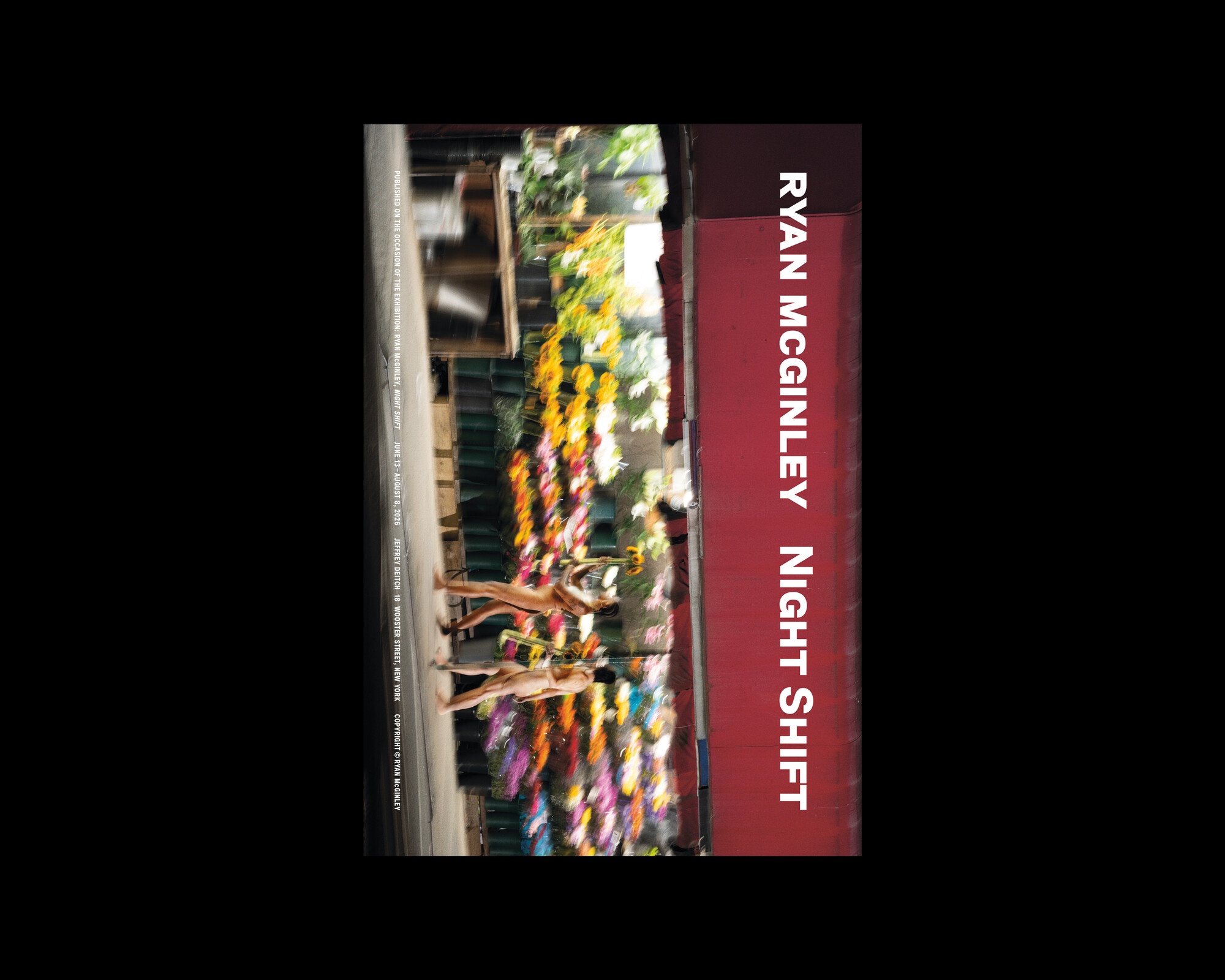
Limited-edition exhibition zine for Ryan McGinley’s first solo show in nearly a decade. Shot exclusively from Sunday through Tuesday between 9 pm and 5 am across all five boroughs of New York City during a self-imposed graveyard shift.
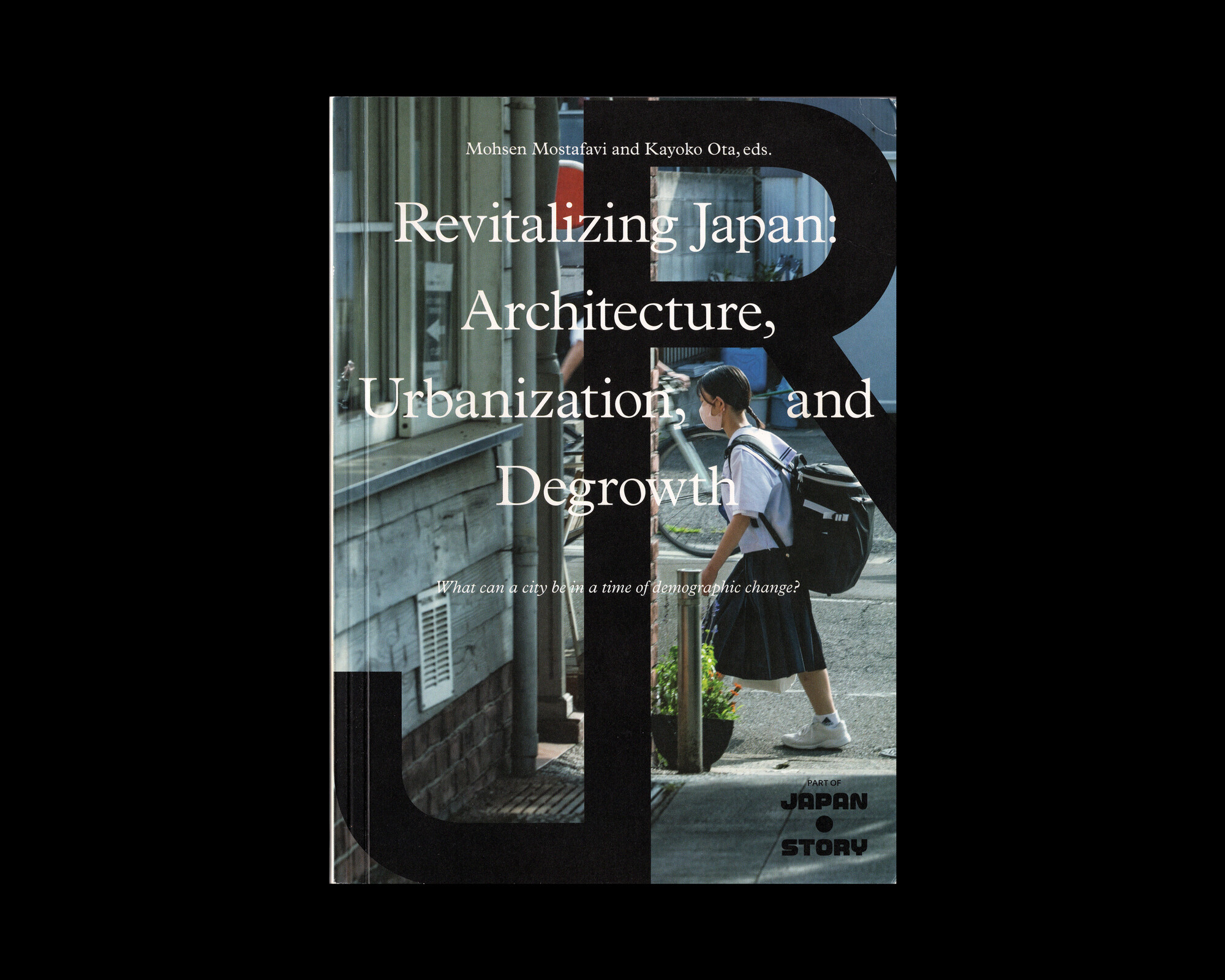
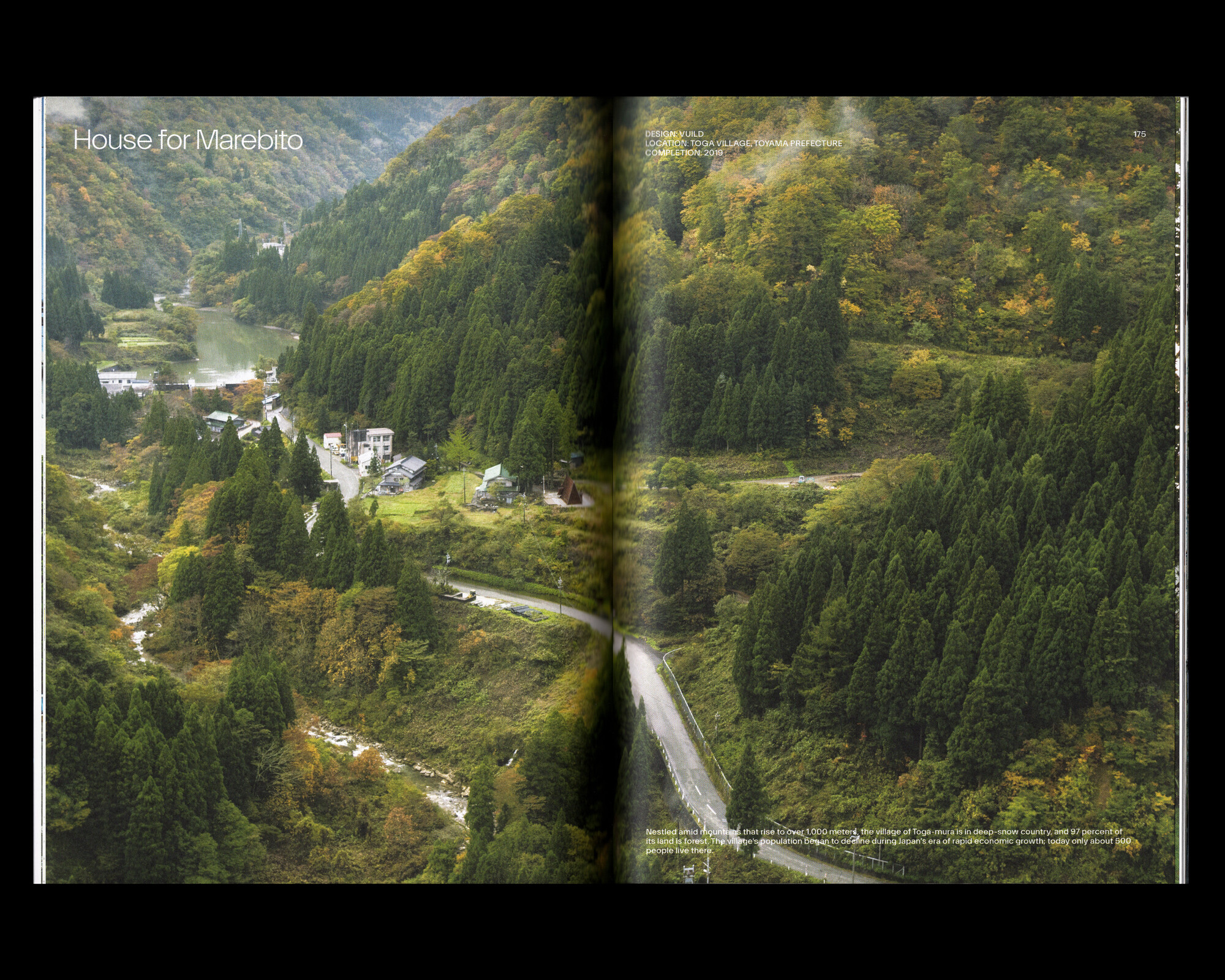
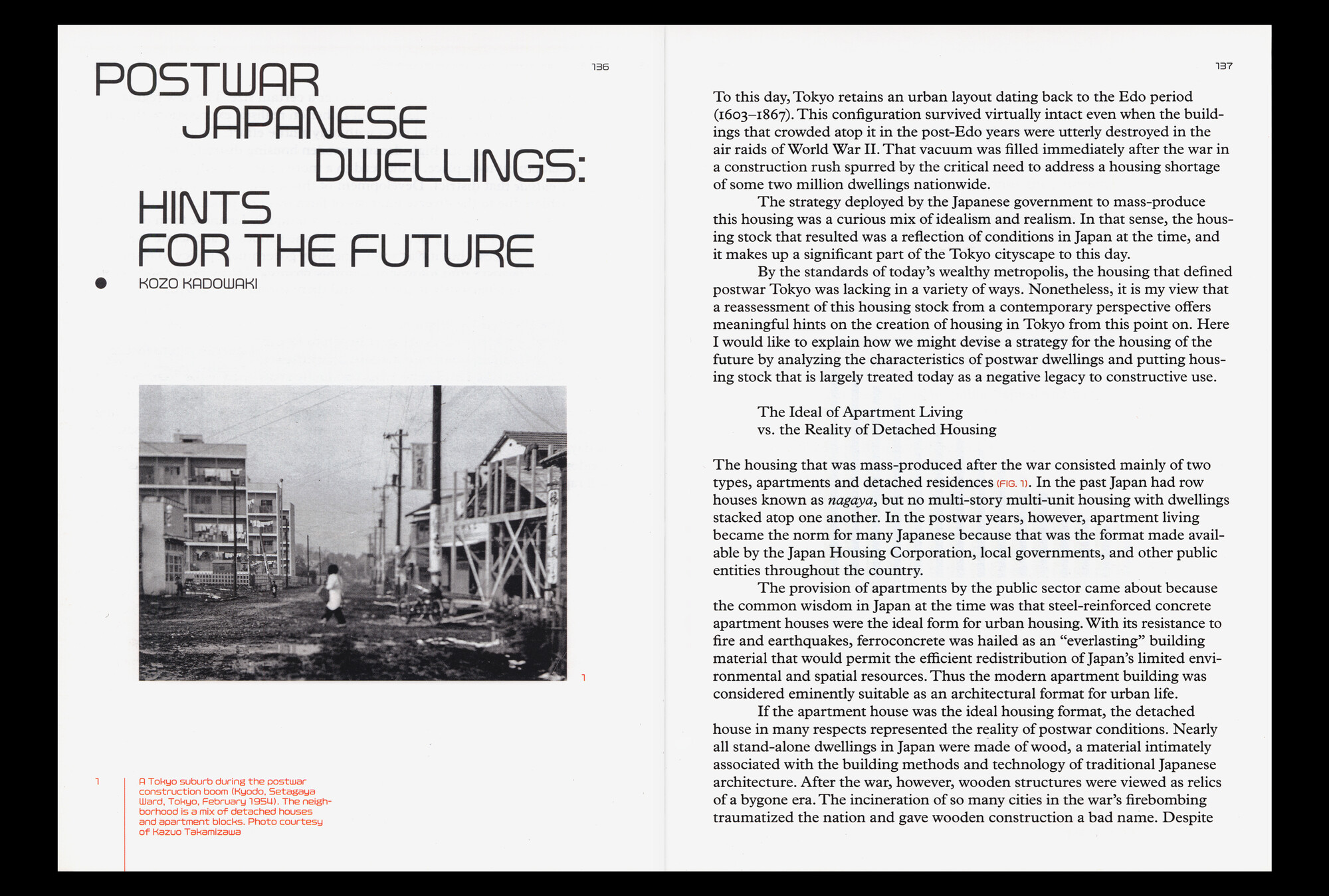
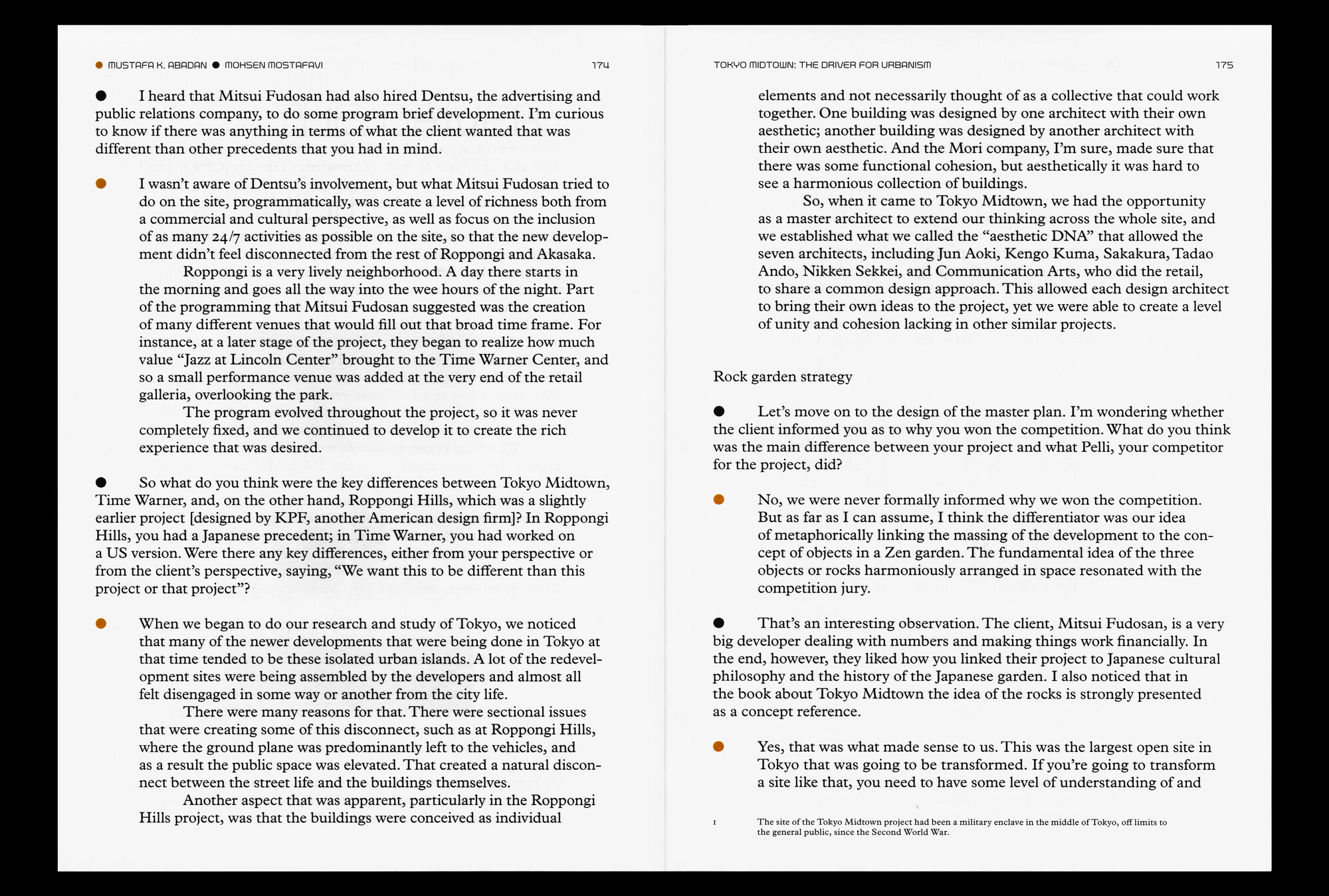
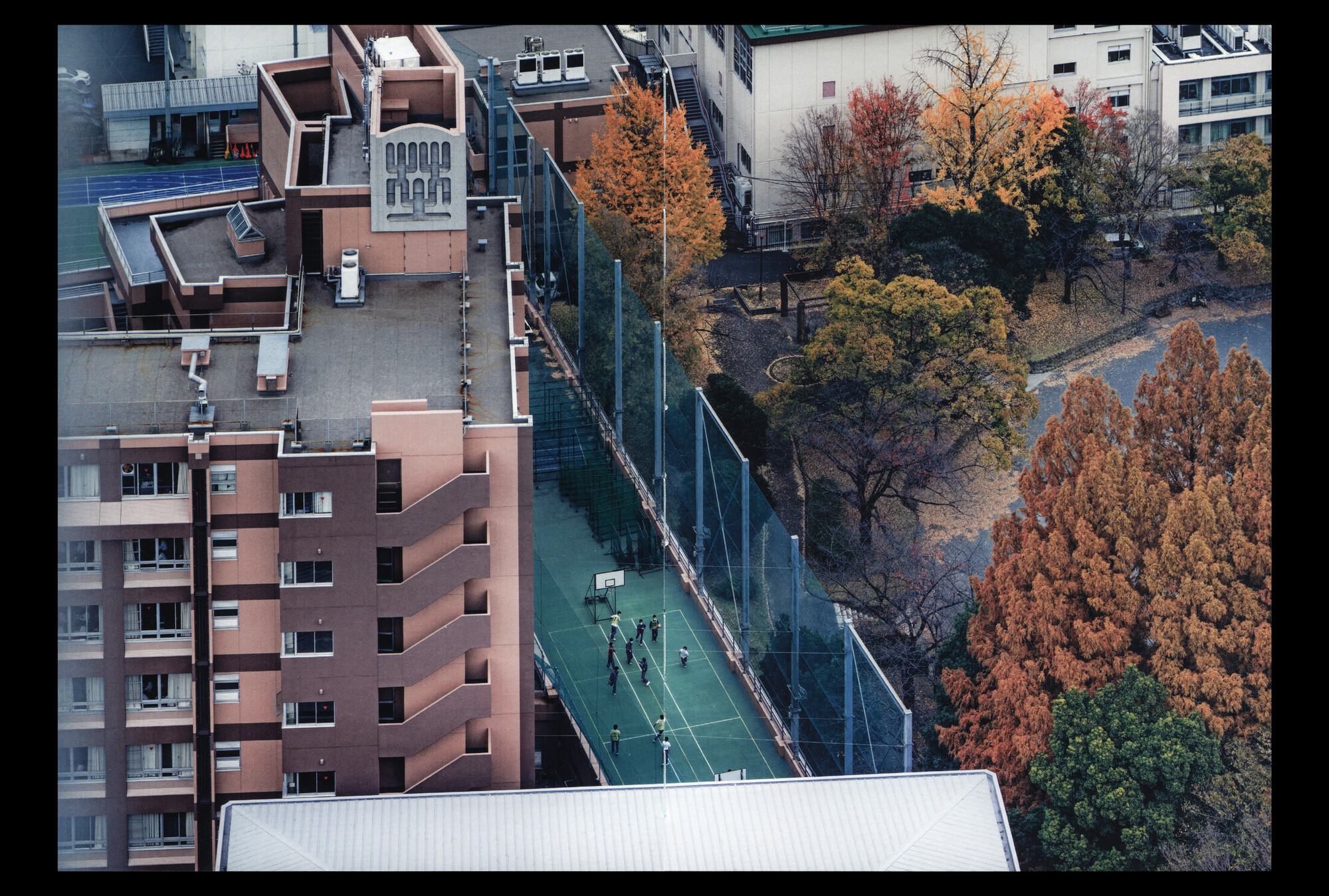
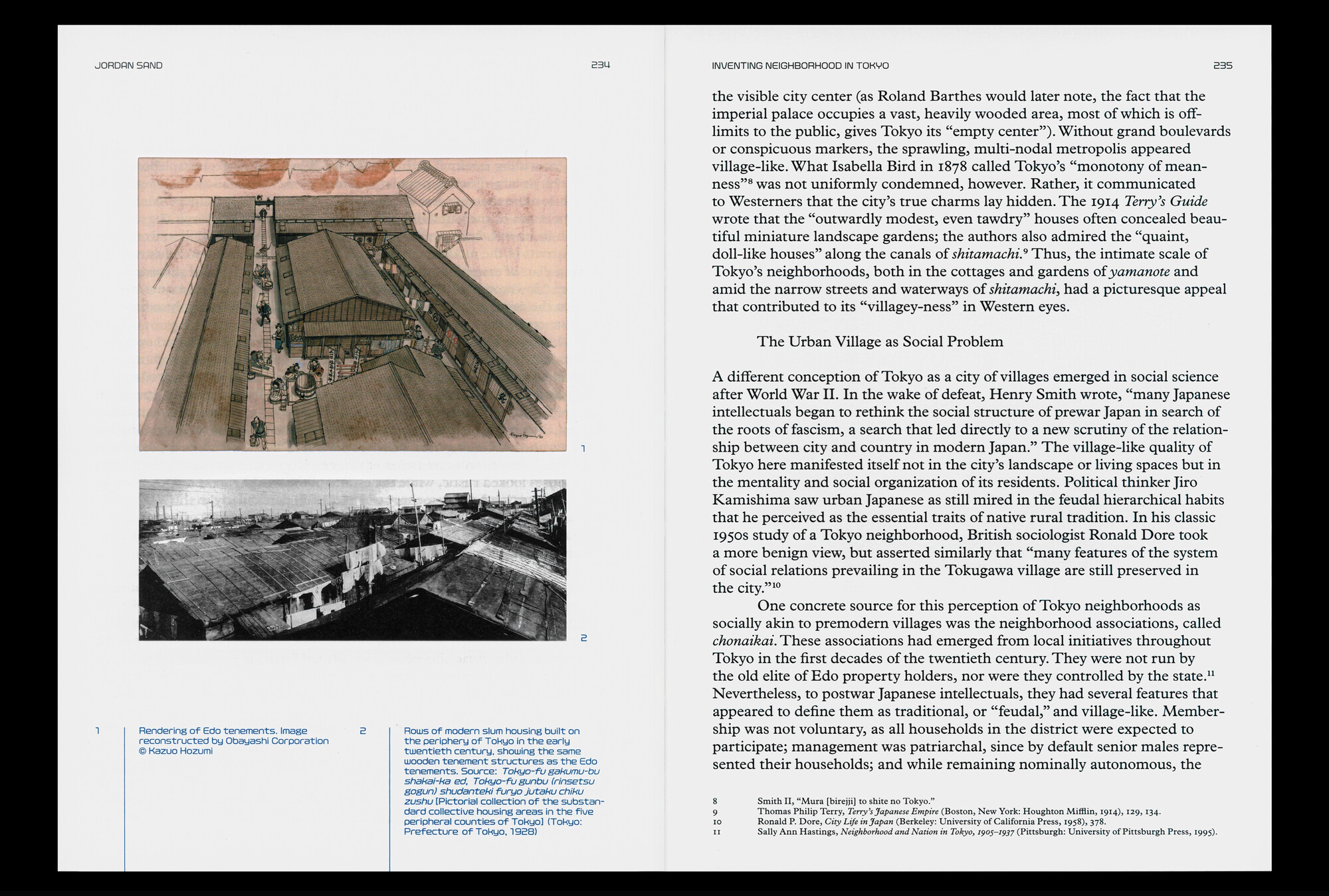
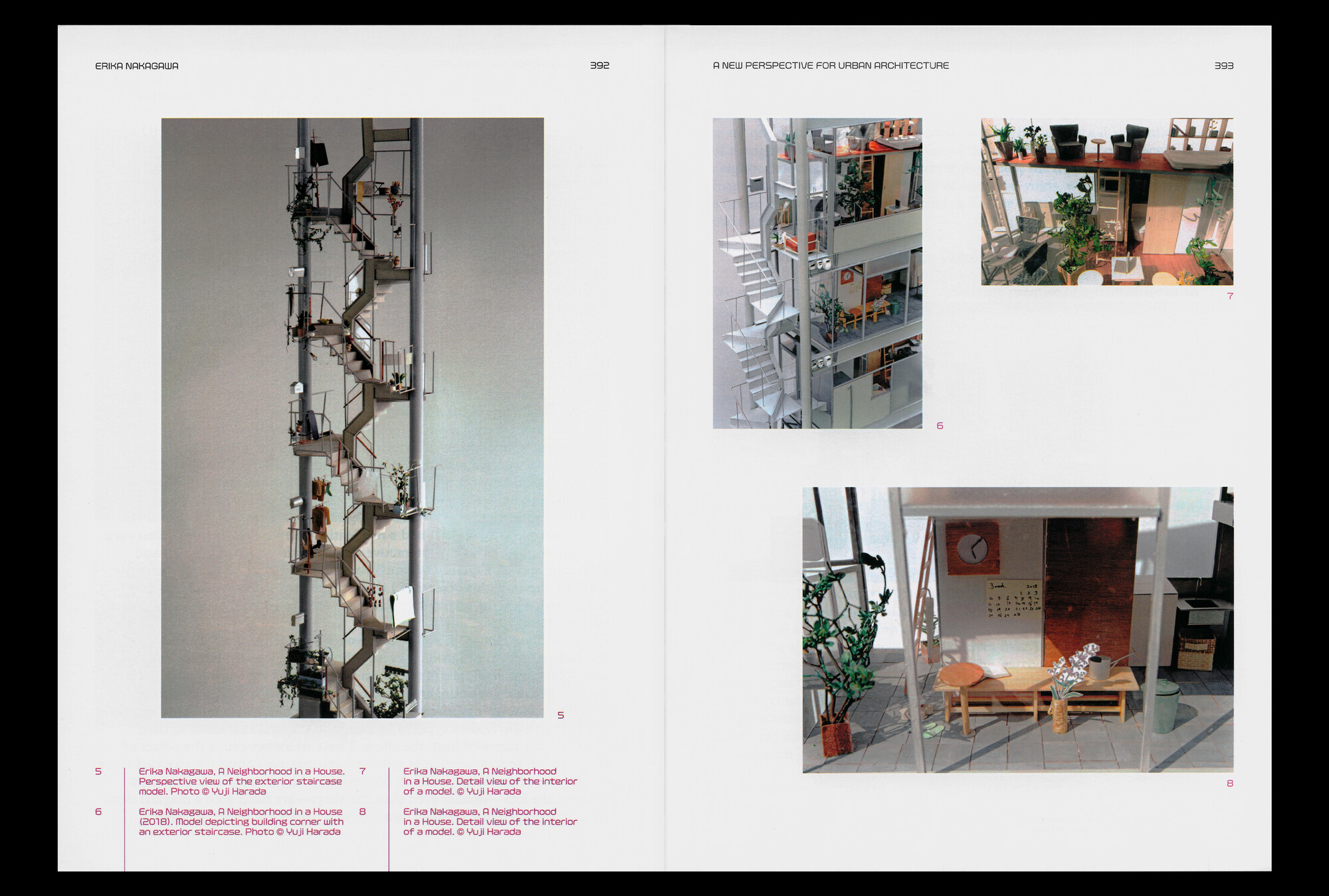
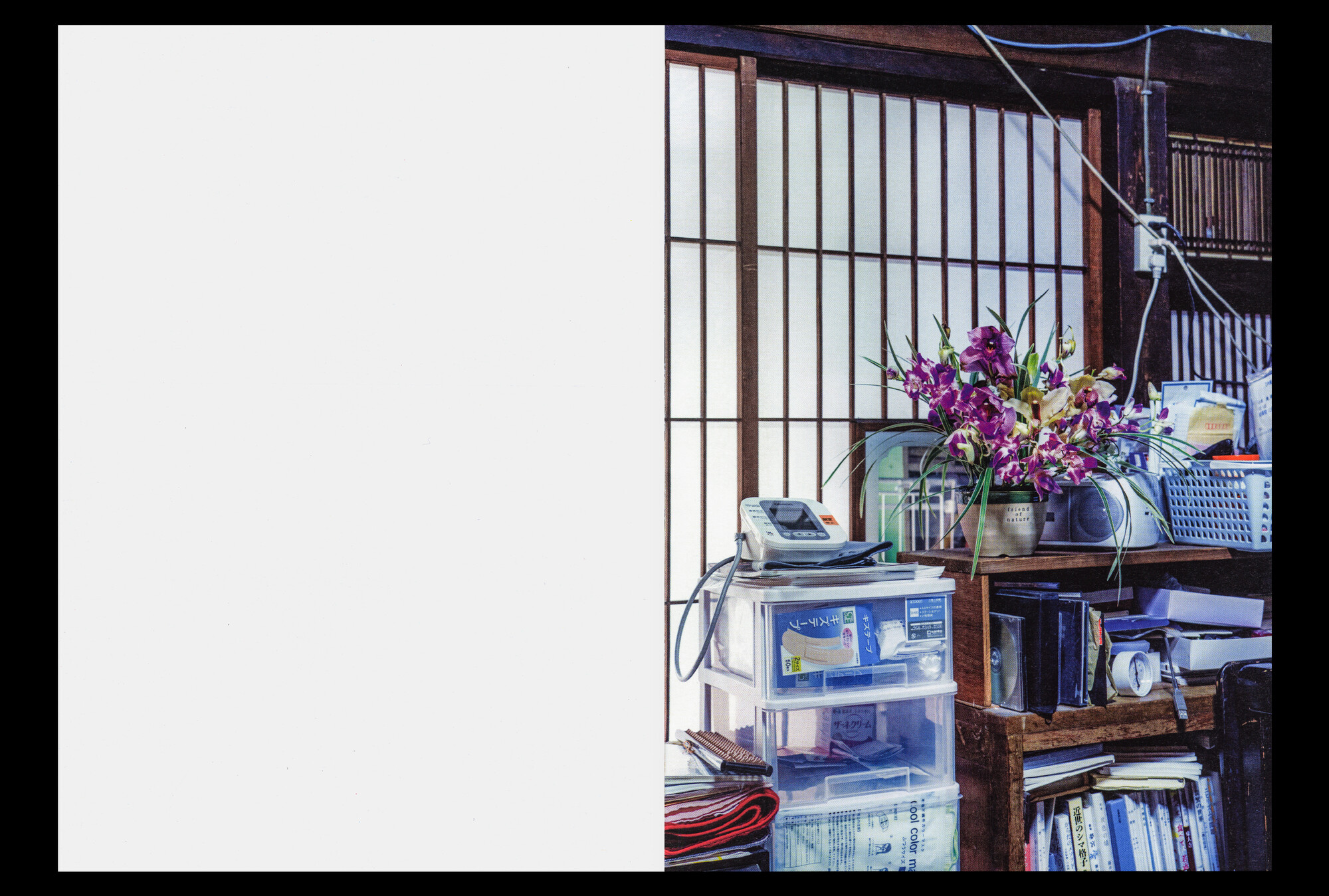
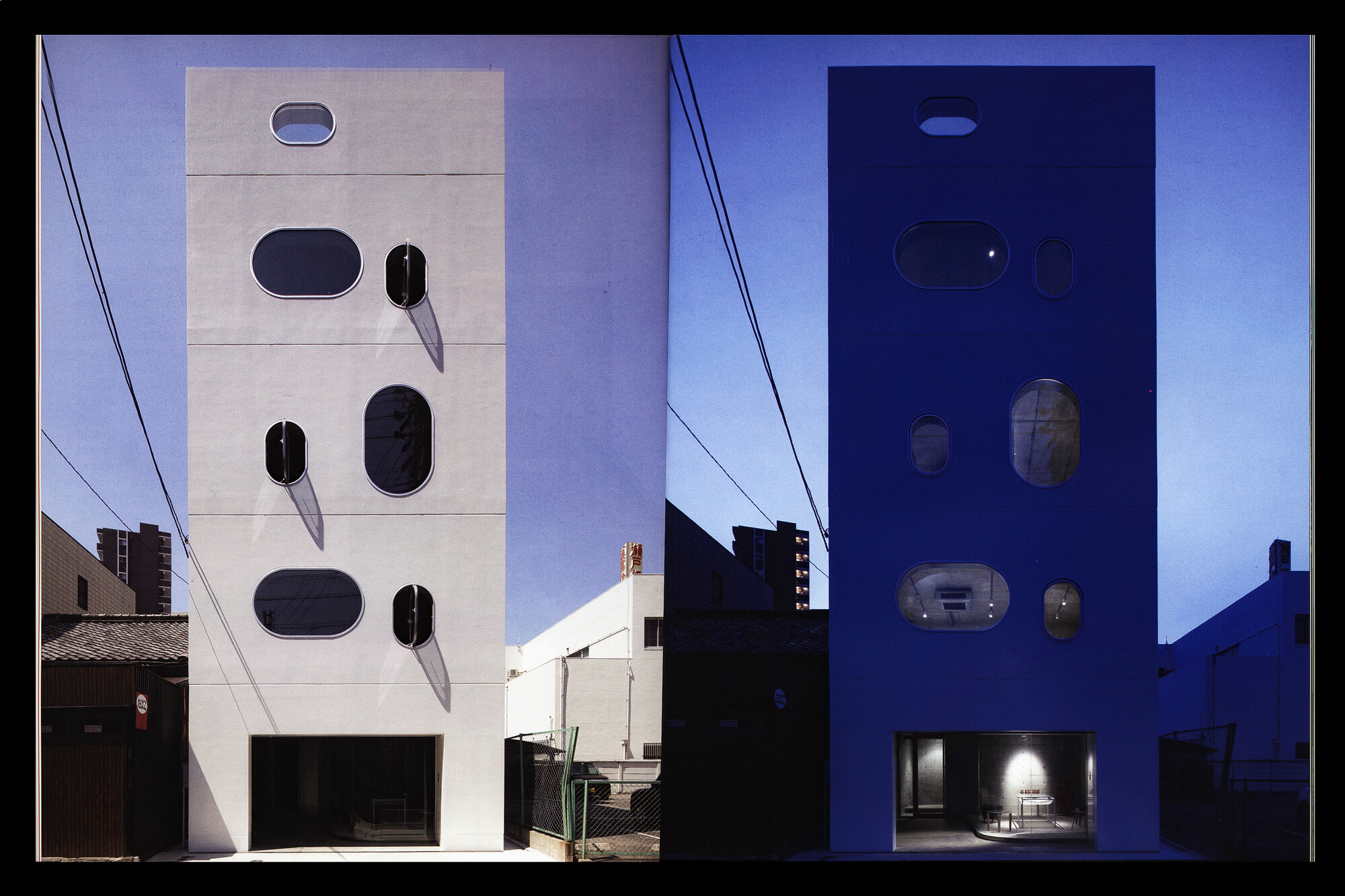
Revitalizing Japan: Architecture, Community, Territory is a follow up to Sharing Tokyo: Artifice and the Social World. Instead of focusing on hyper-dense metropolitan centers like Tokyo, the book takes a closer look at regional towns and how a younger generation of Japanese architects is responding to the country's severe rural depopulation, aging society, and economic degrowth.
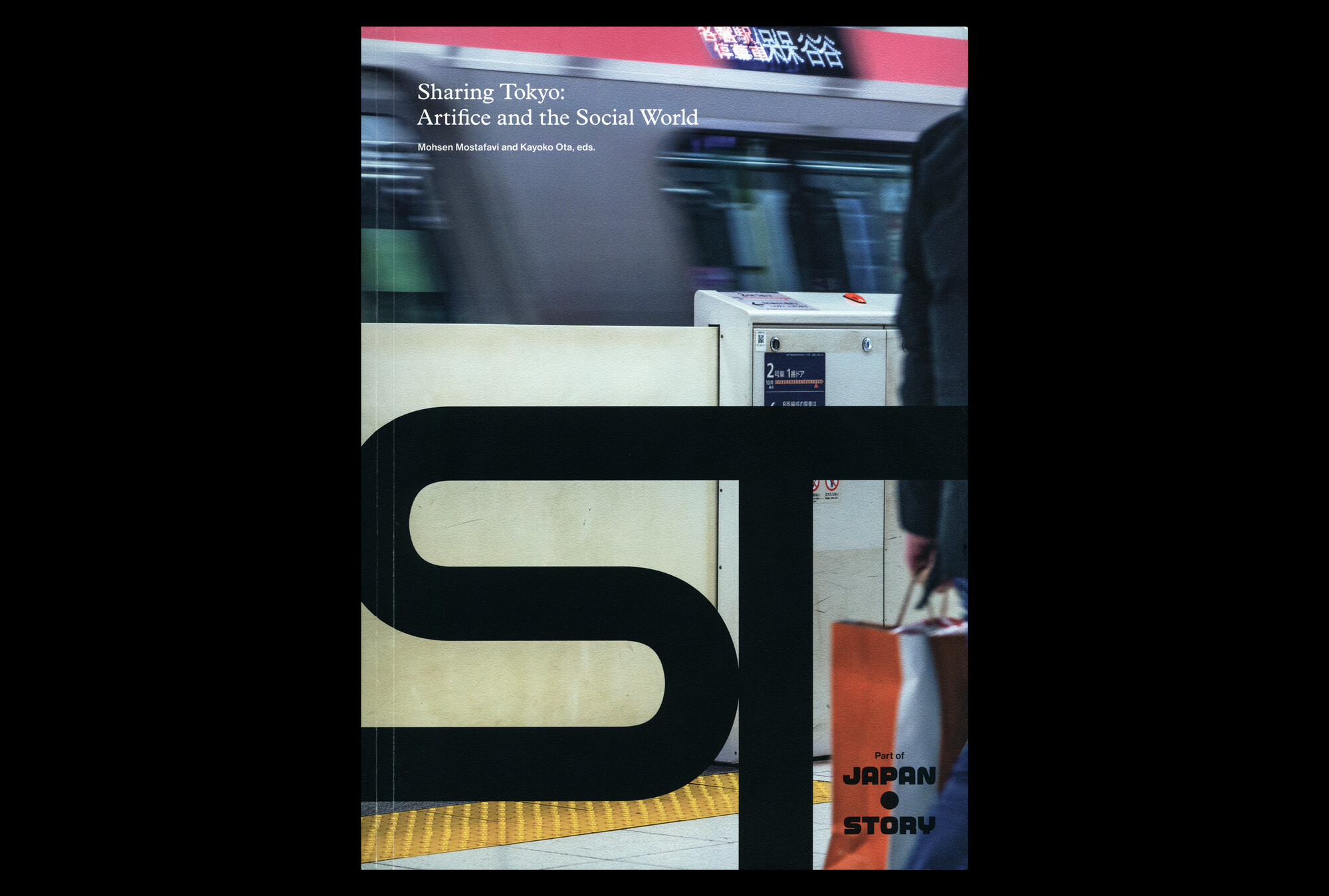
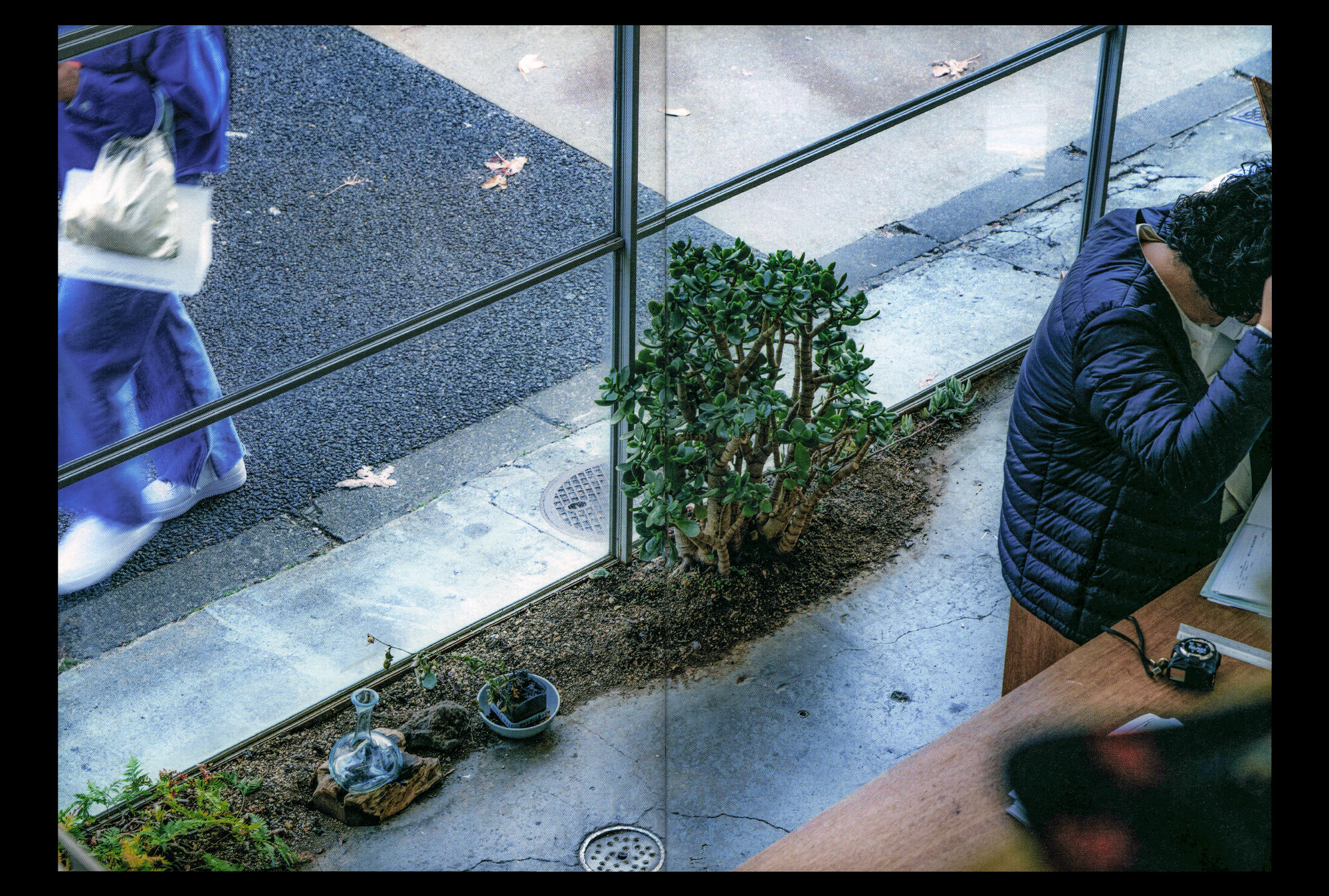
Sharing Tokyo: Artifice and the Social World is a collection of investigations conducted by the Japan Research Initiative at Harvard’s Graduate School of Design. The book investigates scenarios, discusses strategies, and proposes how Tokyo can remain an inclusive, shared city amid rapid demographic decline, aging, and corporate-driven development.
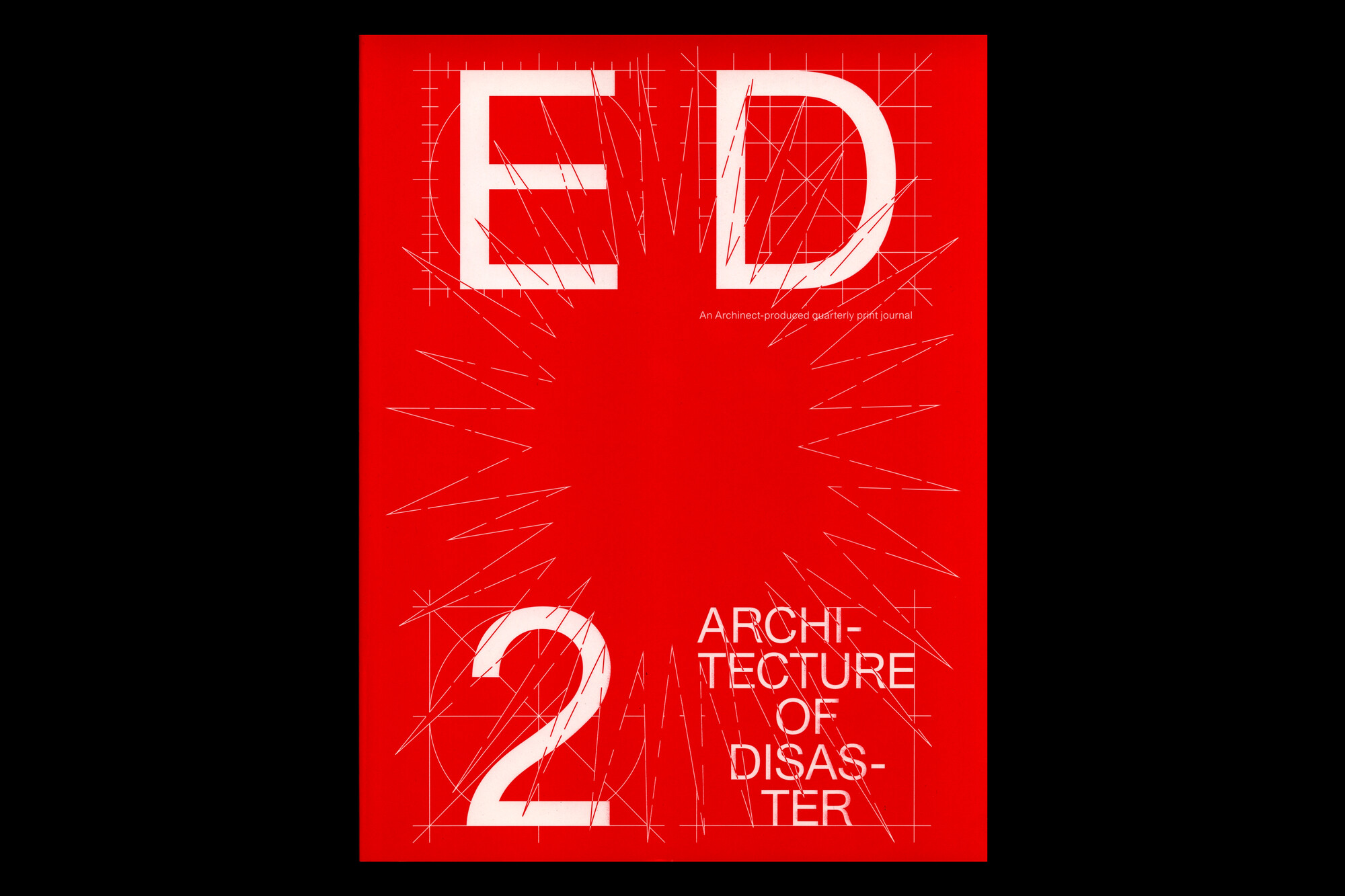
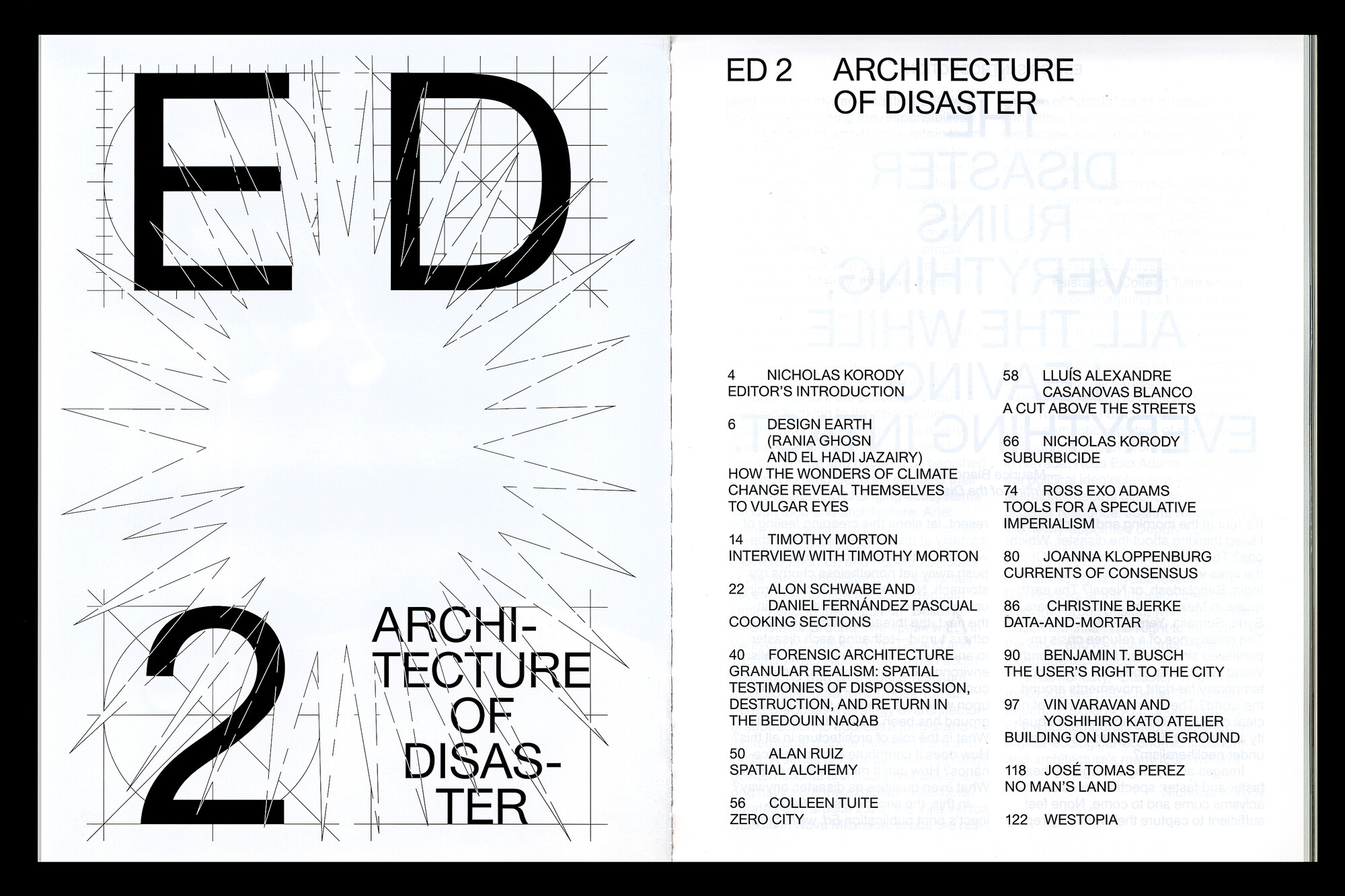
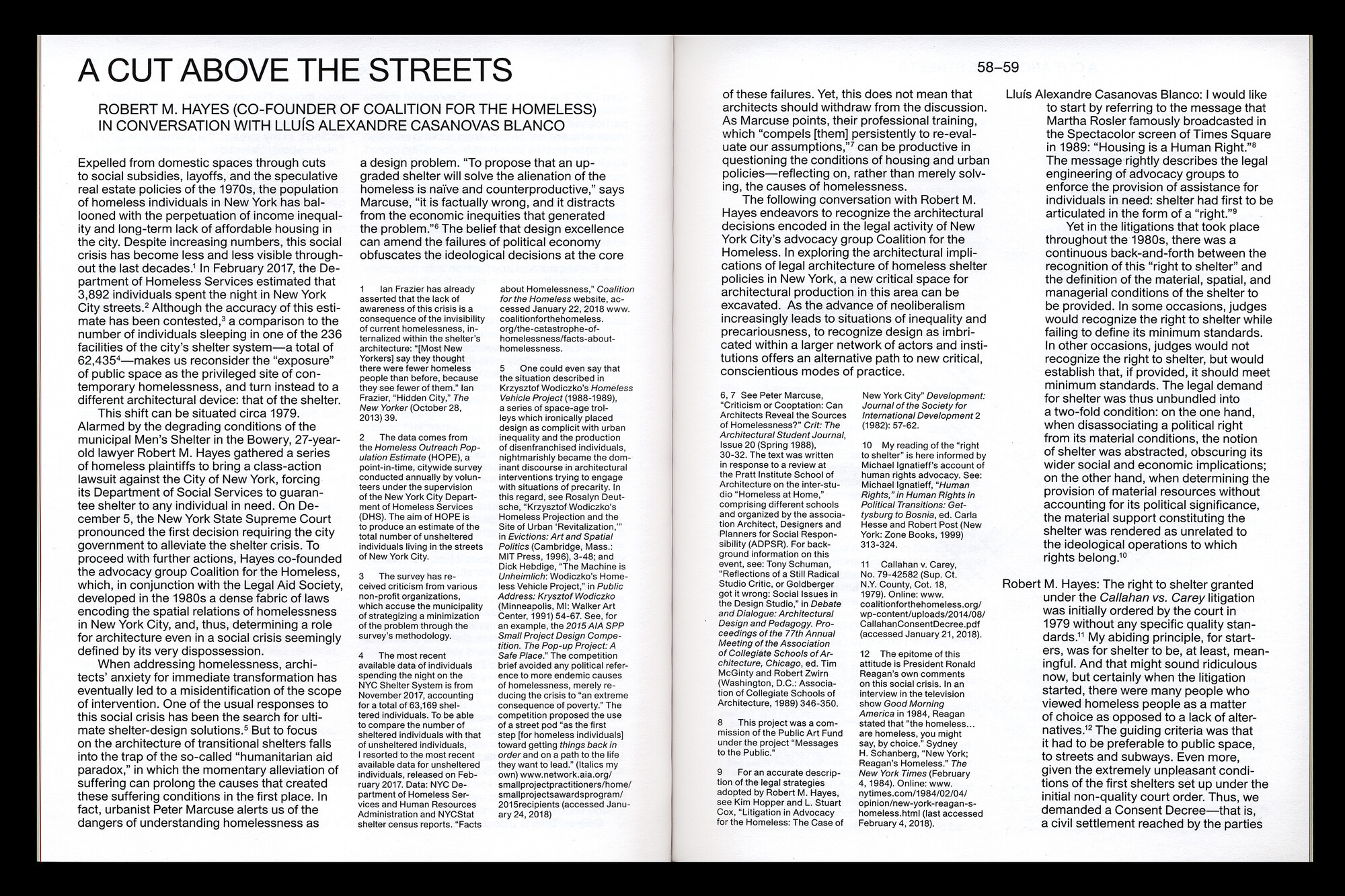
Second issue of Ed, Archinect’s print magazine. Brings together texts and projects examining the disasters shaping contemporary life and architecture’s position within them. Rather than proposing solutions, the issue reflects on responsibility, uncertainty, and the discipline’s entanglement in the crises it seeks to address. More info ⎘