Folder designs interfaces, publications, and systems for organizing, encountering, and carrying information forward. We help museums, universities, civic institutions, and others engaged in the stewardship and sharing of knowledge create ways for language, media, and material to surface and endure.
We are interested in what happens to information over time, and how form can reveal the connections that give it meaning. Projects come in a variety of configurations rooted in partnerships that honor the material and its strategic presentation.
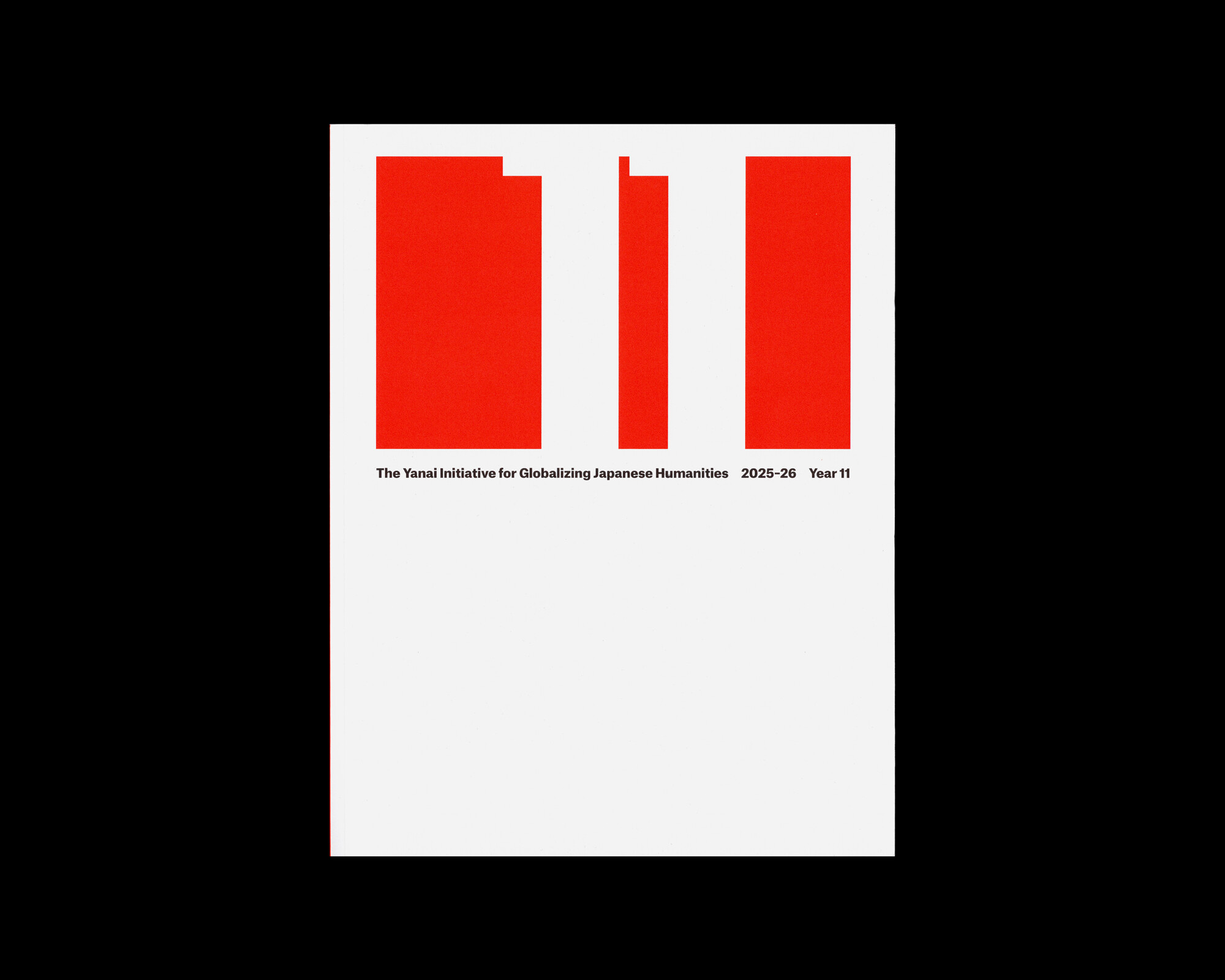
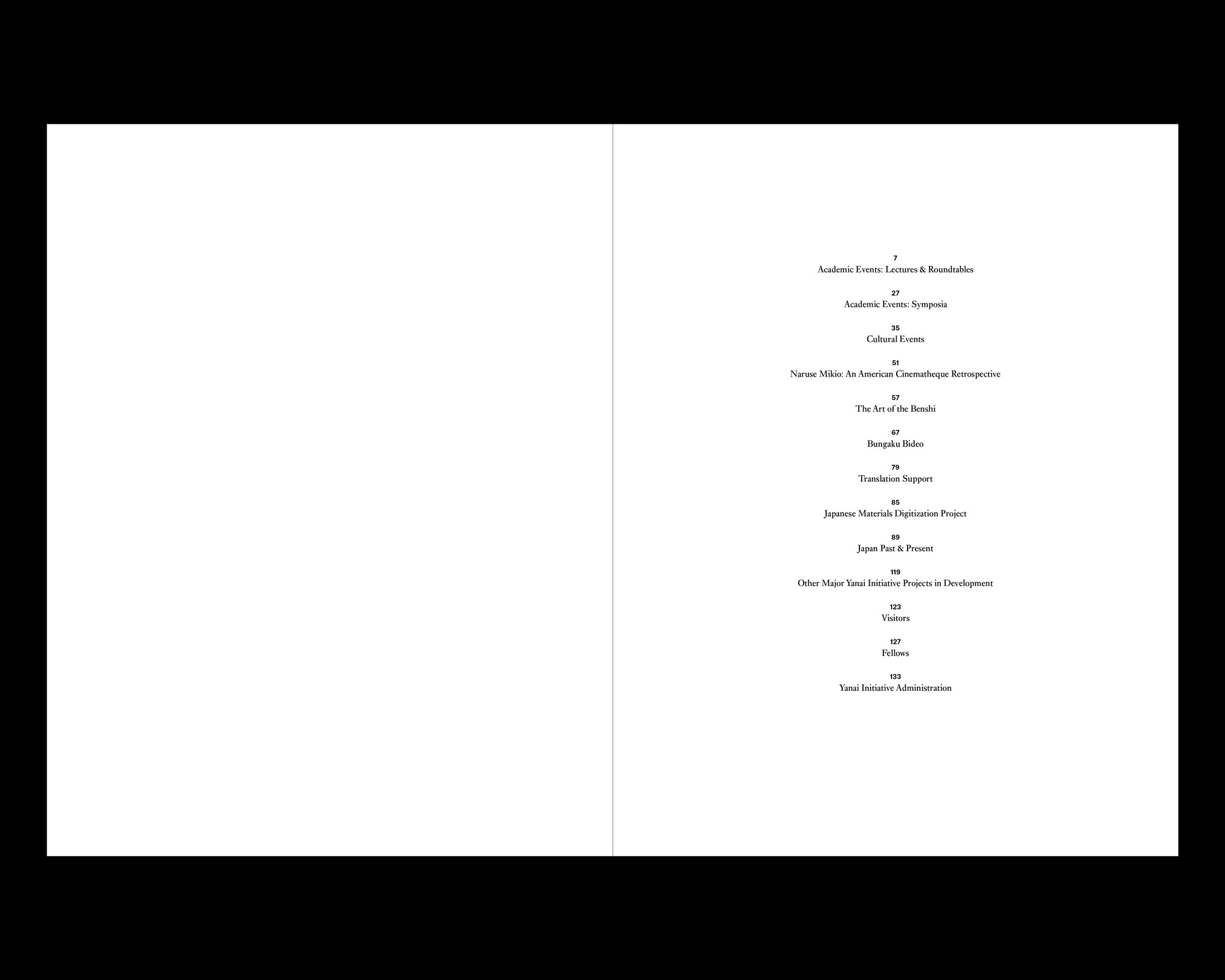
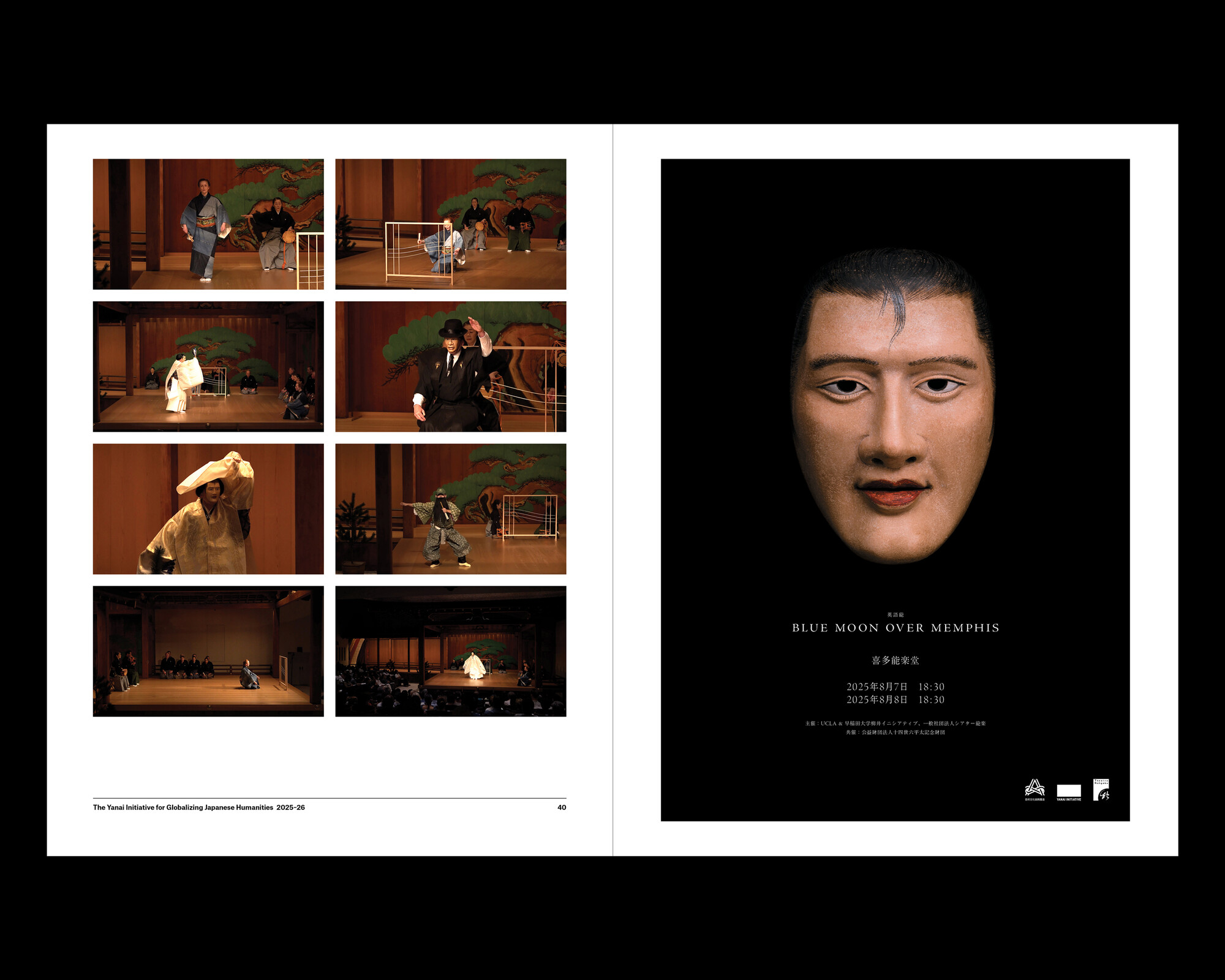
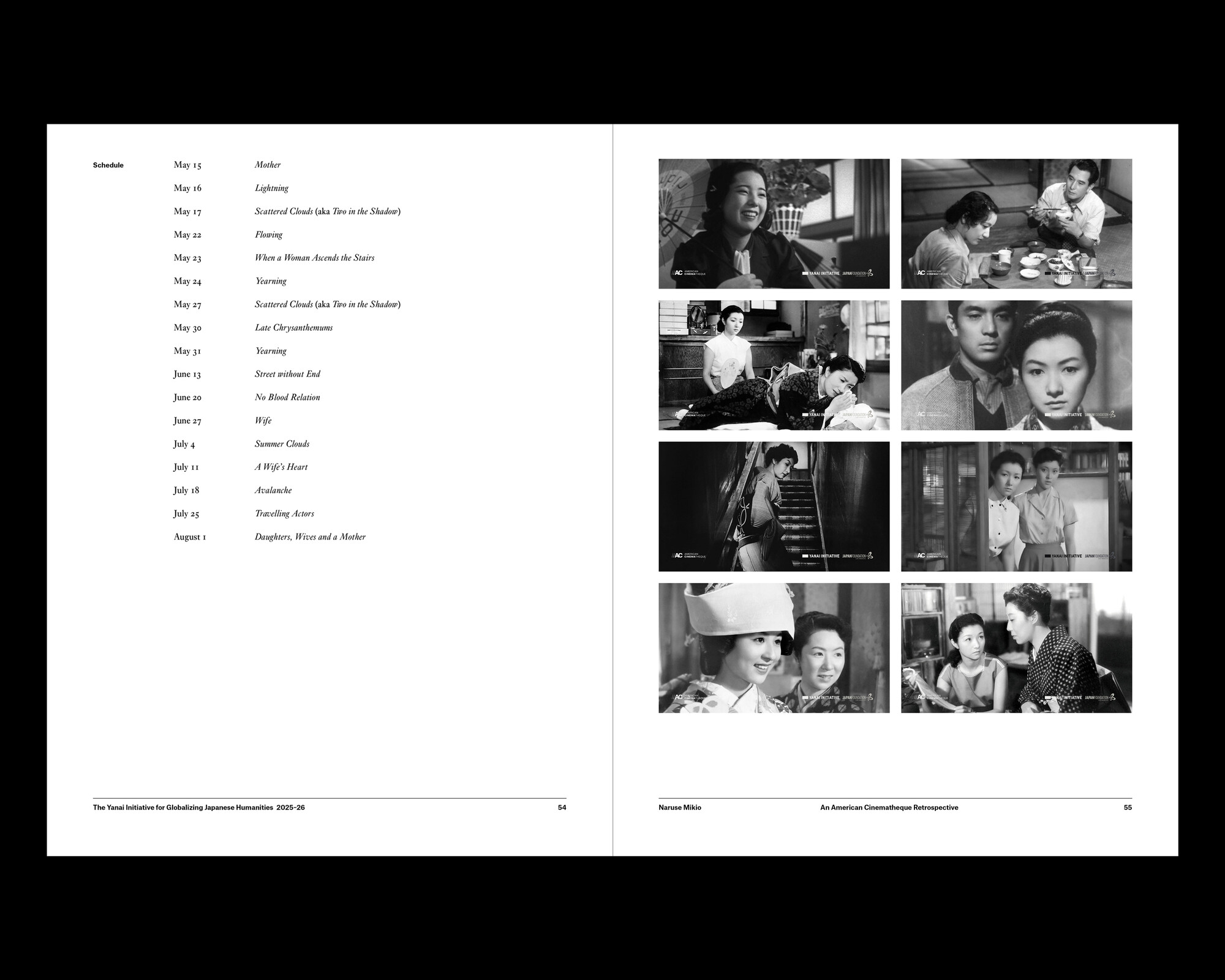
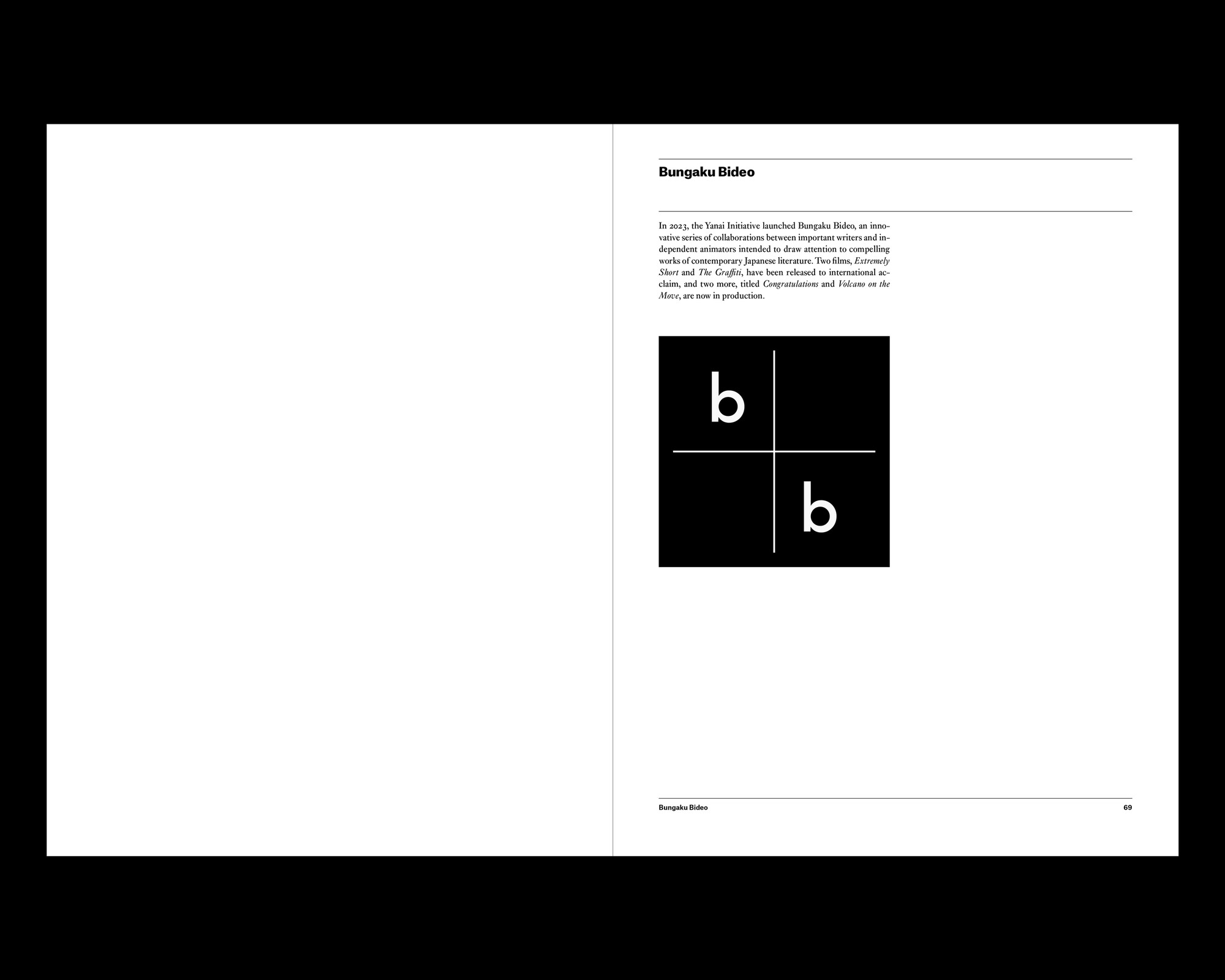
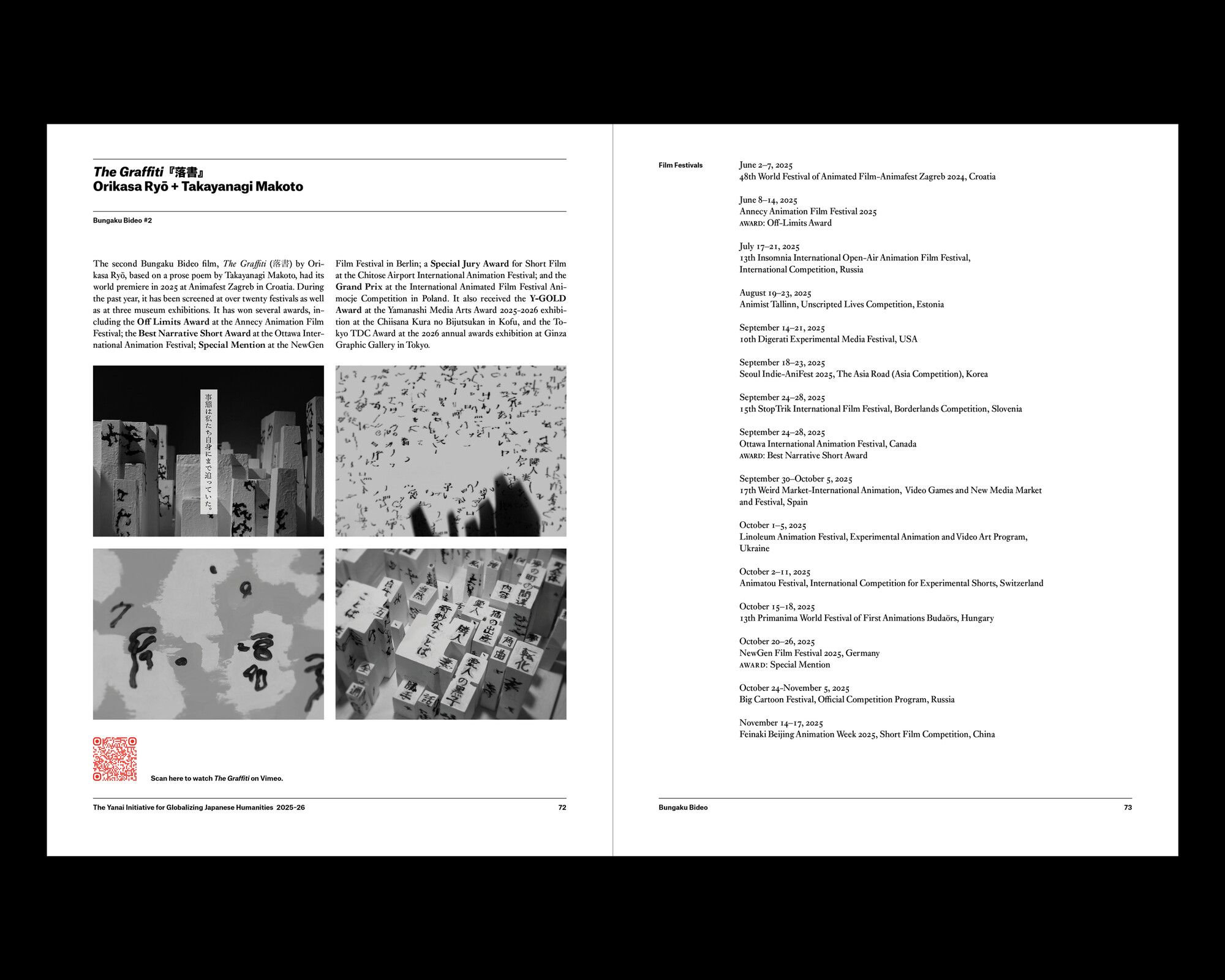
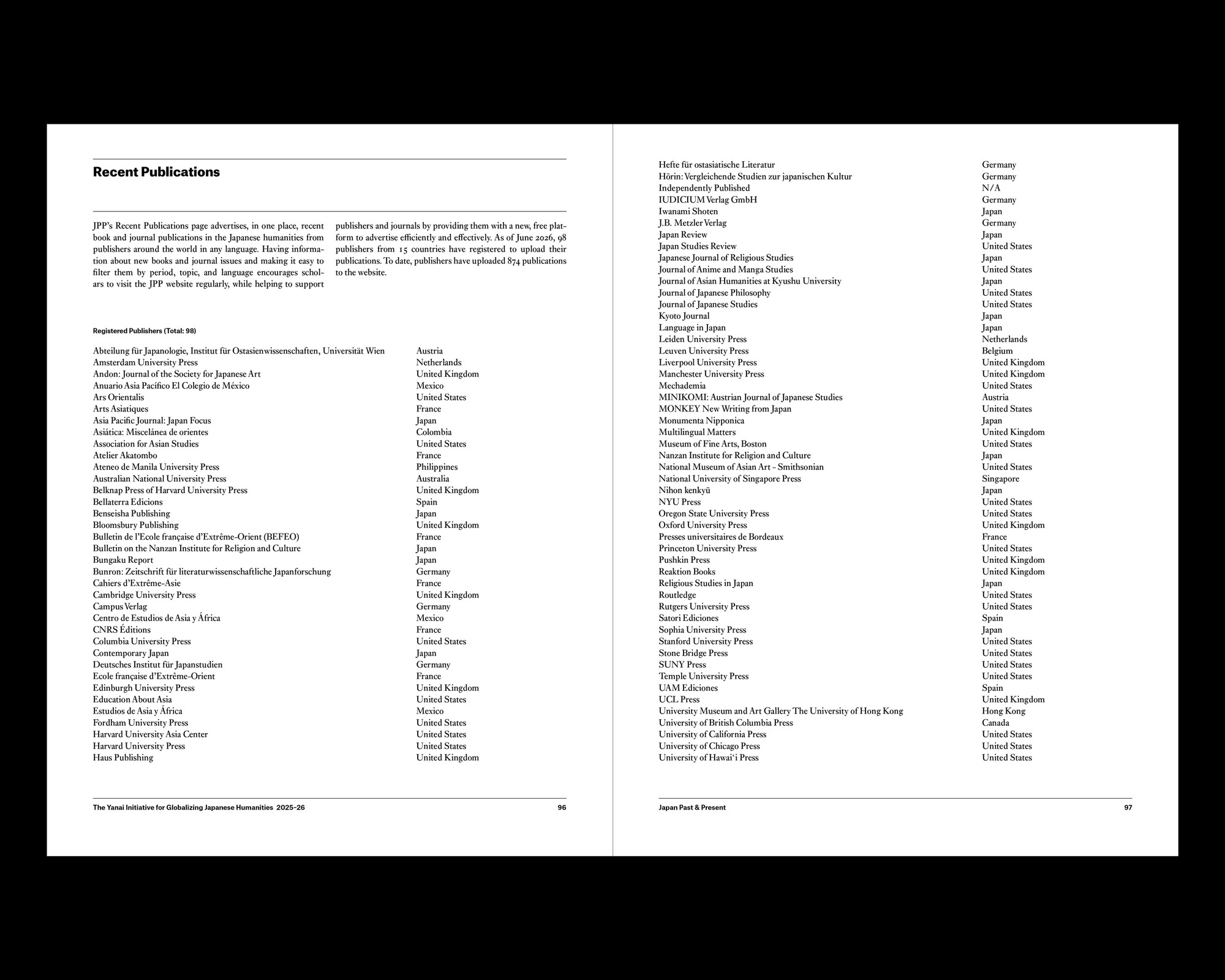
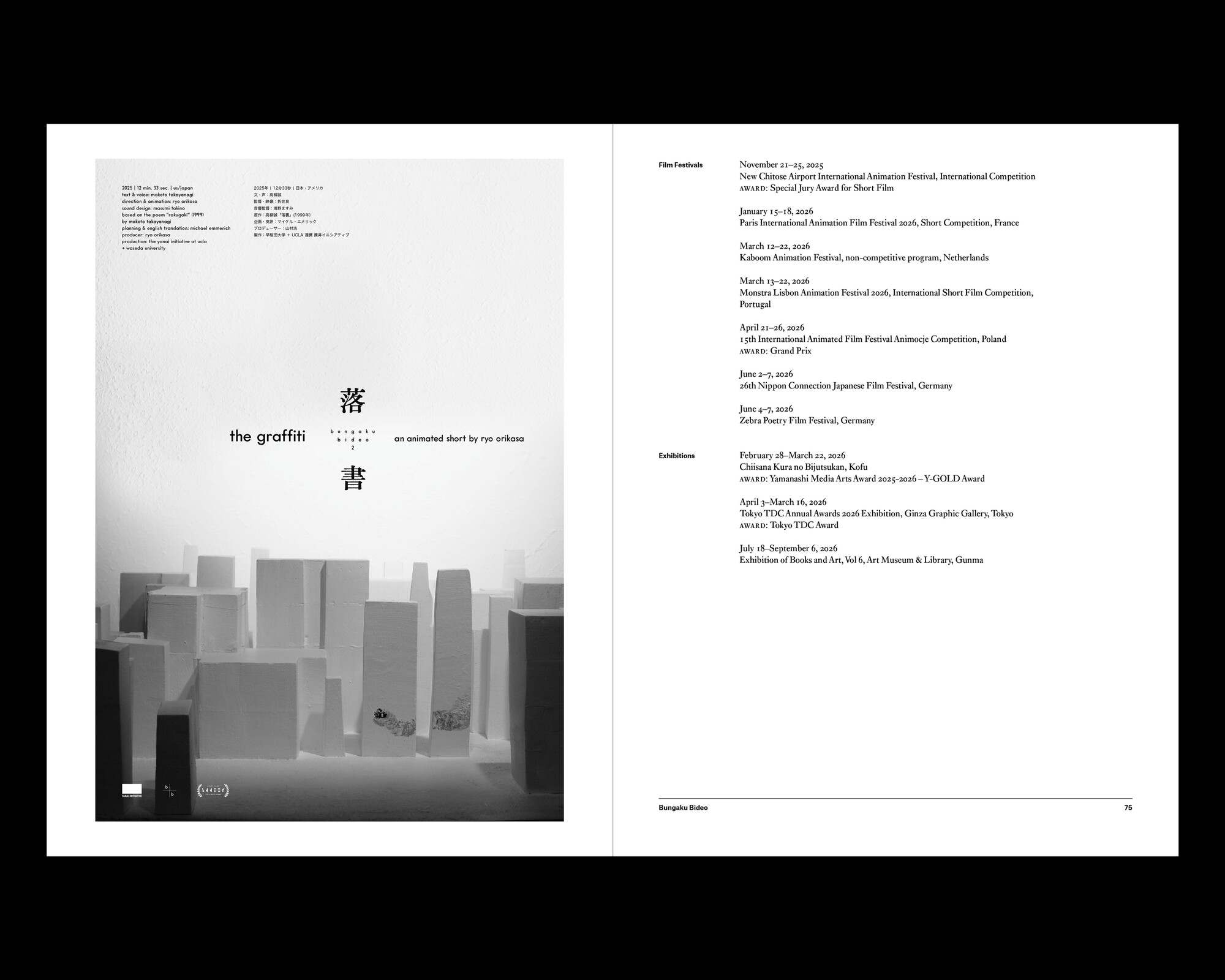
Annual report for a year that featured a Naruse Mikio retrospective, The Art of the Benshi world tour, Bungaku Bideo literary animation series, English-language nō performances, Japanese Materials Digitization Project, Japan Past & Present, emerging literary translator mentorships, and Strangers Press’s Kanata translation series.
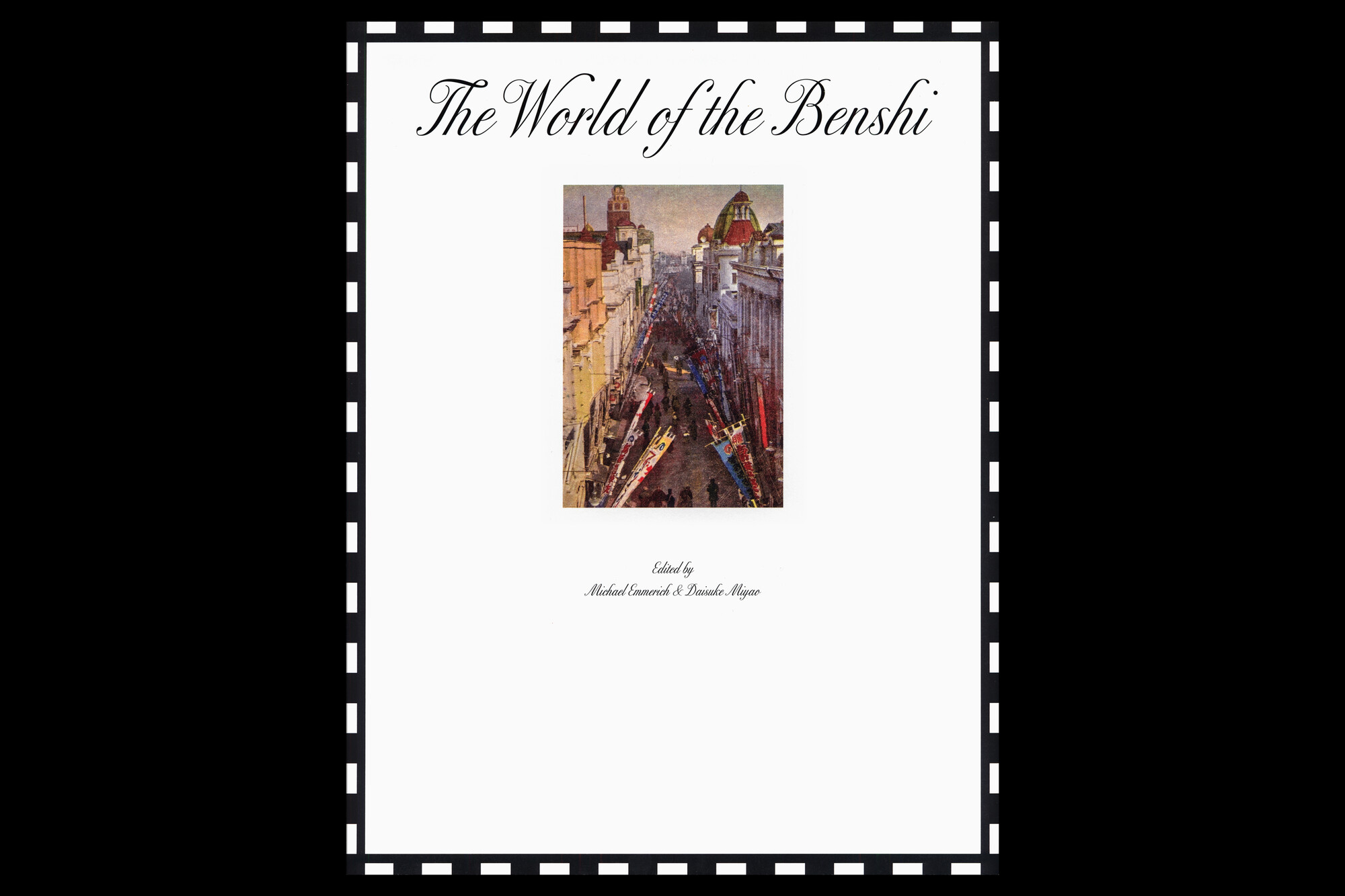
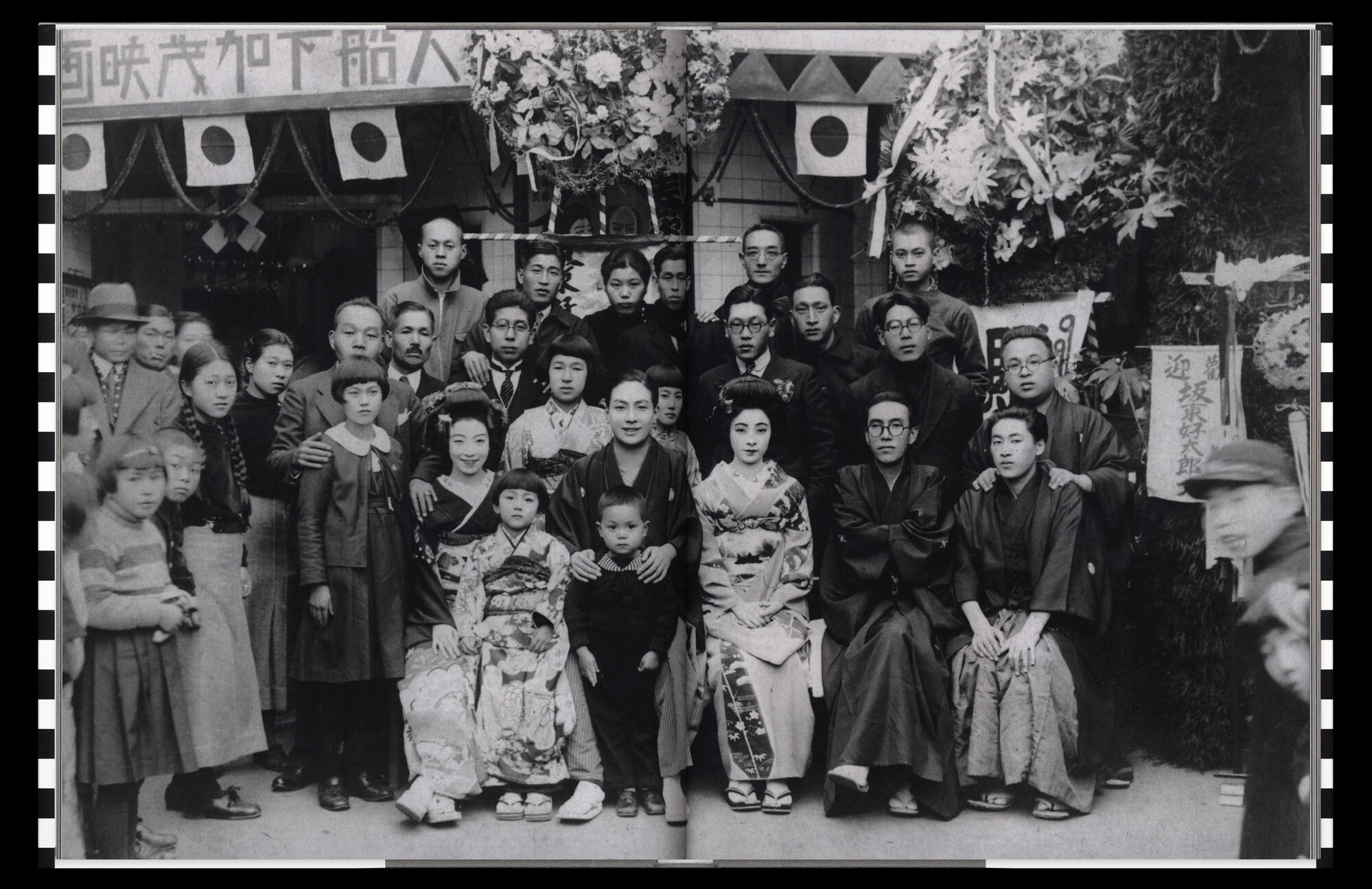
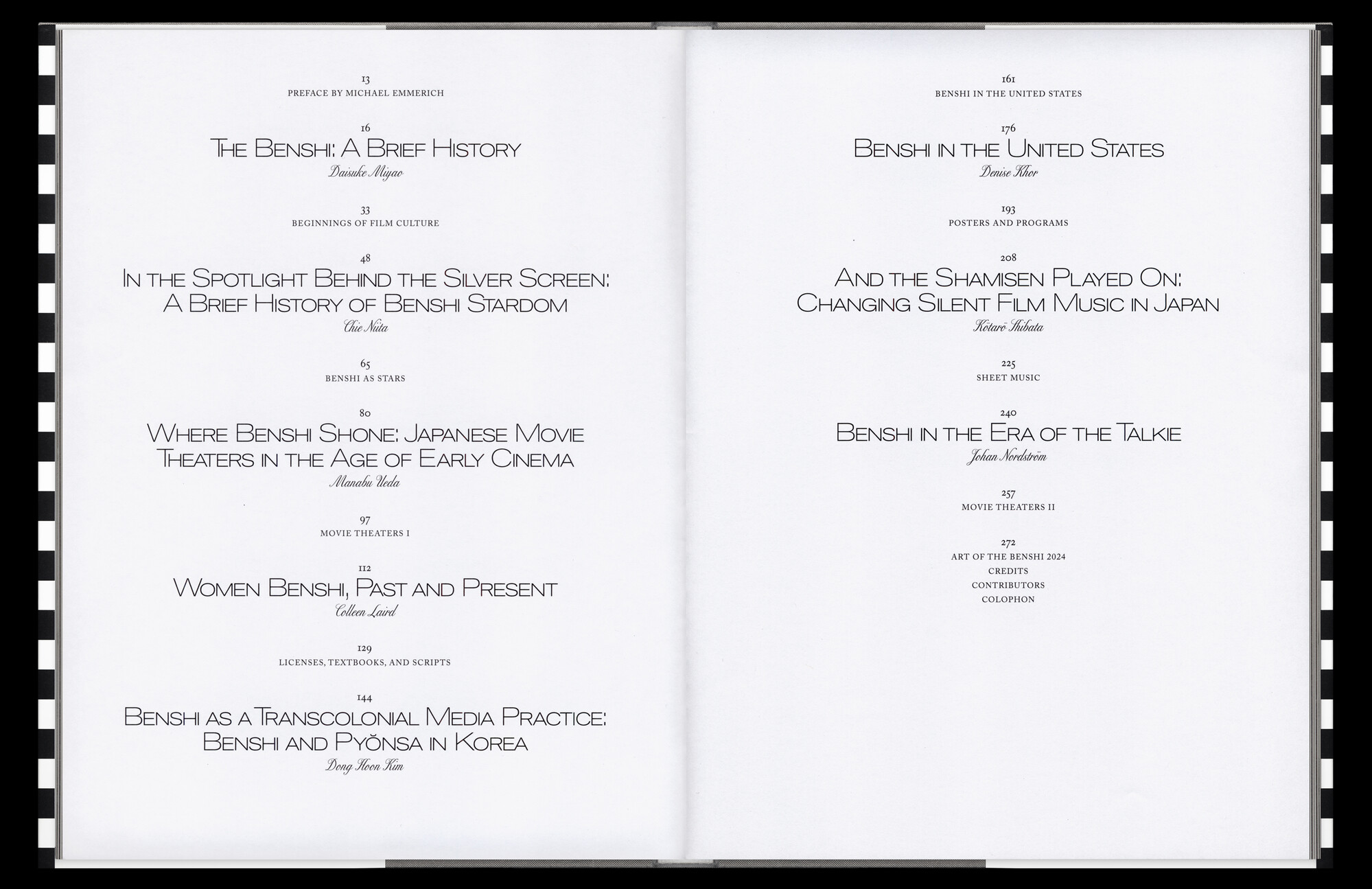
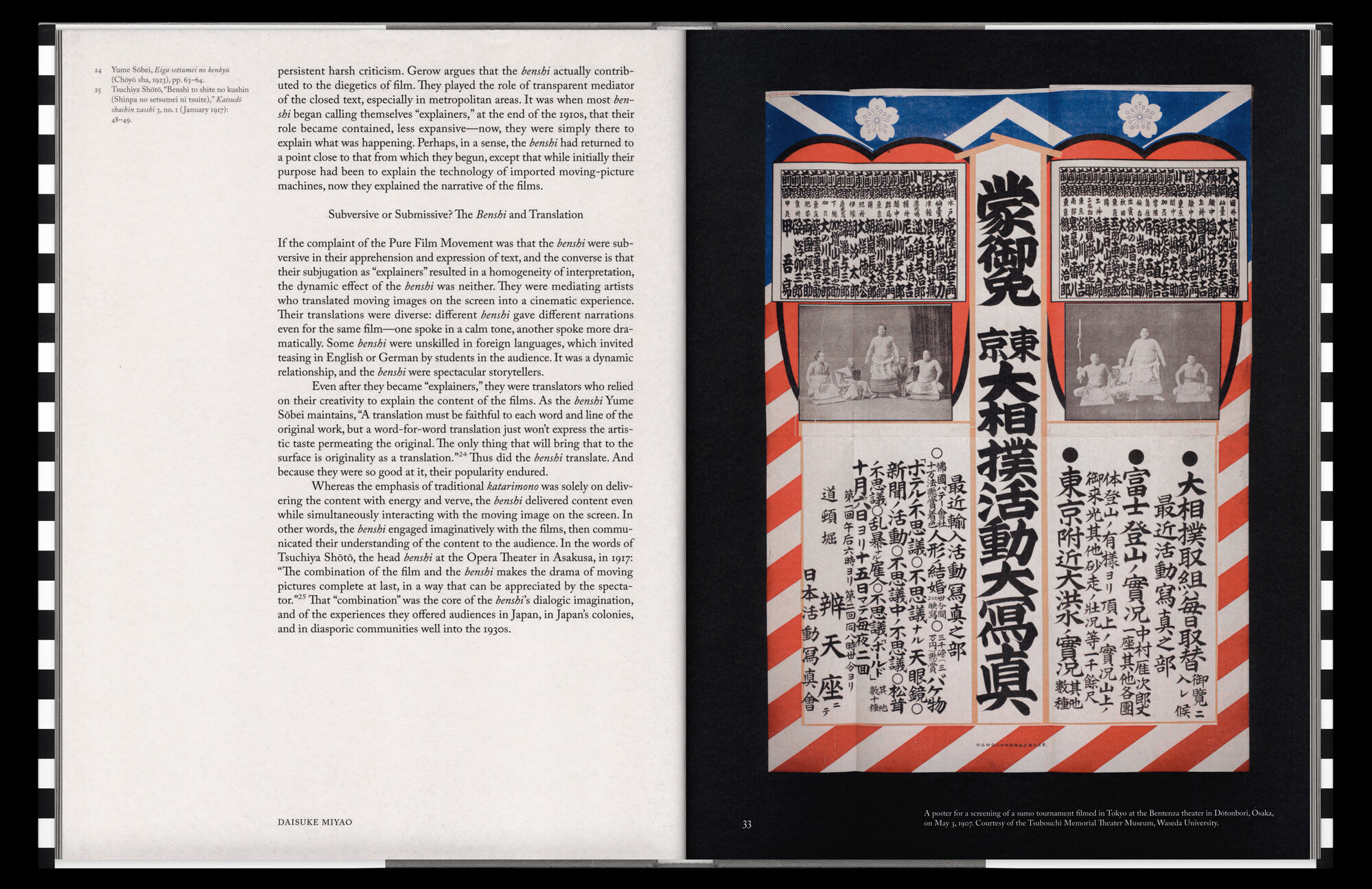
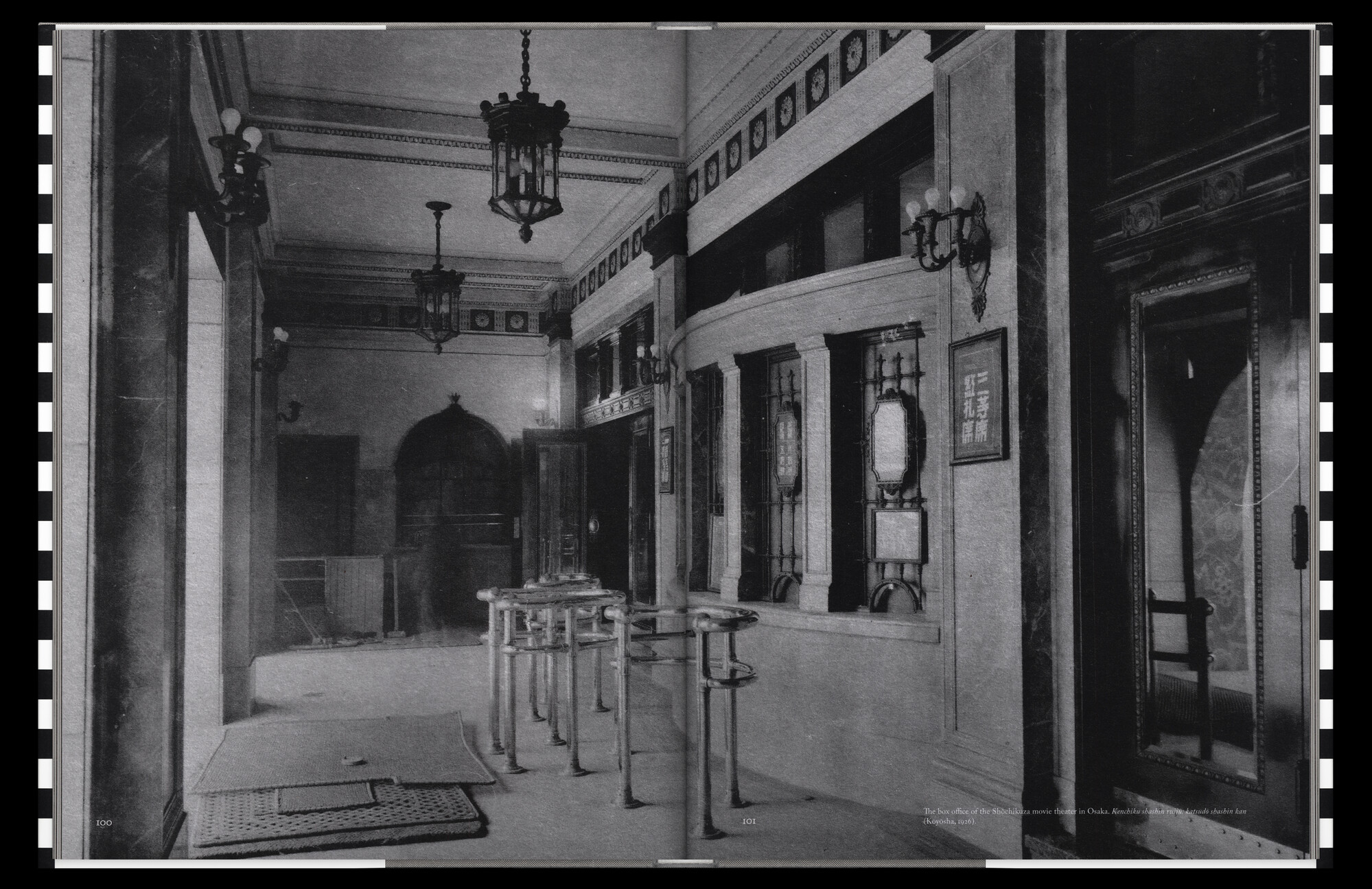
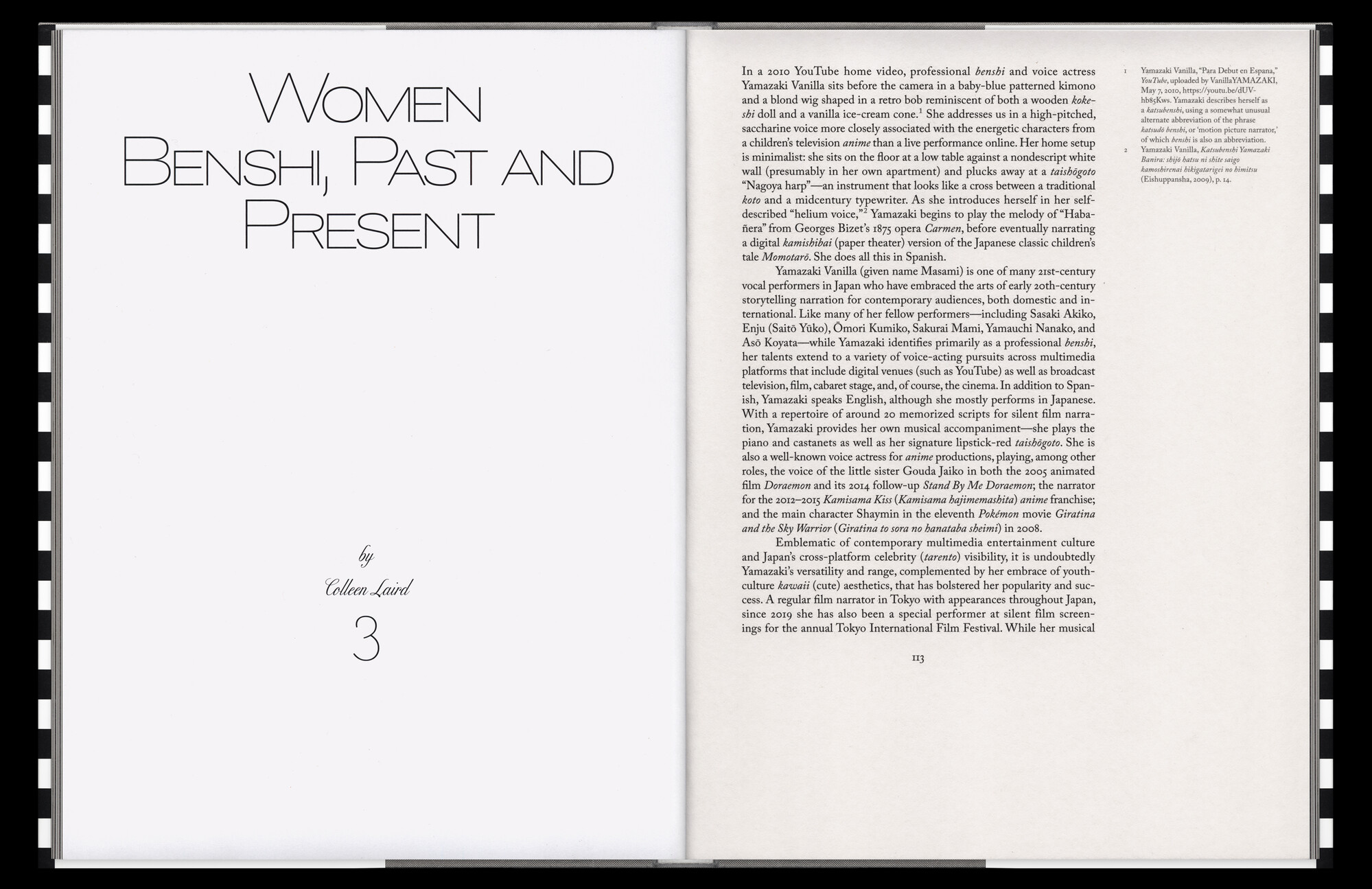
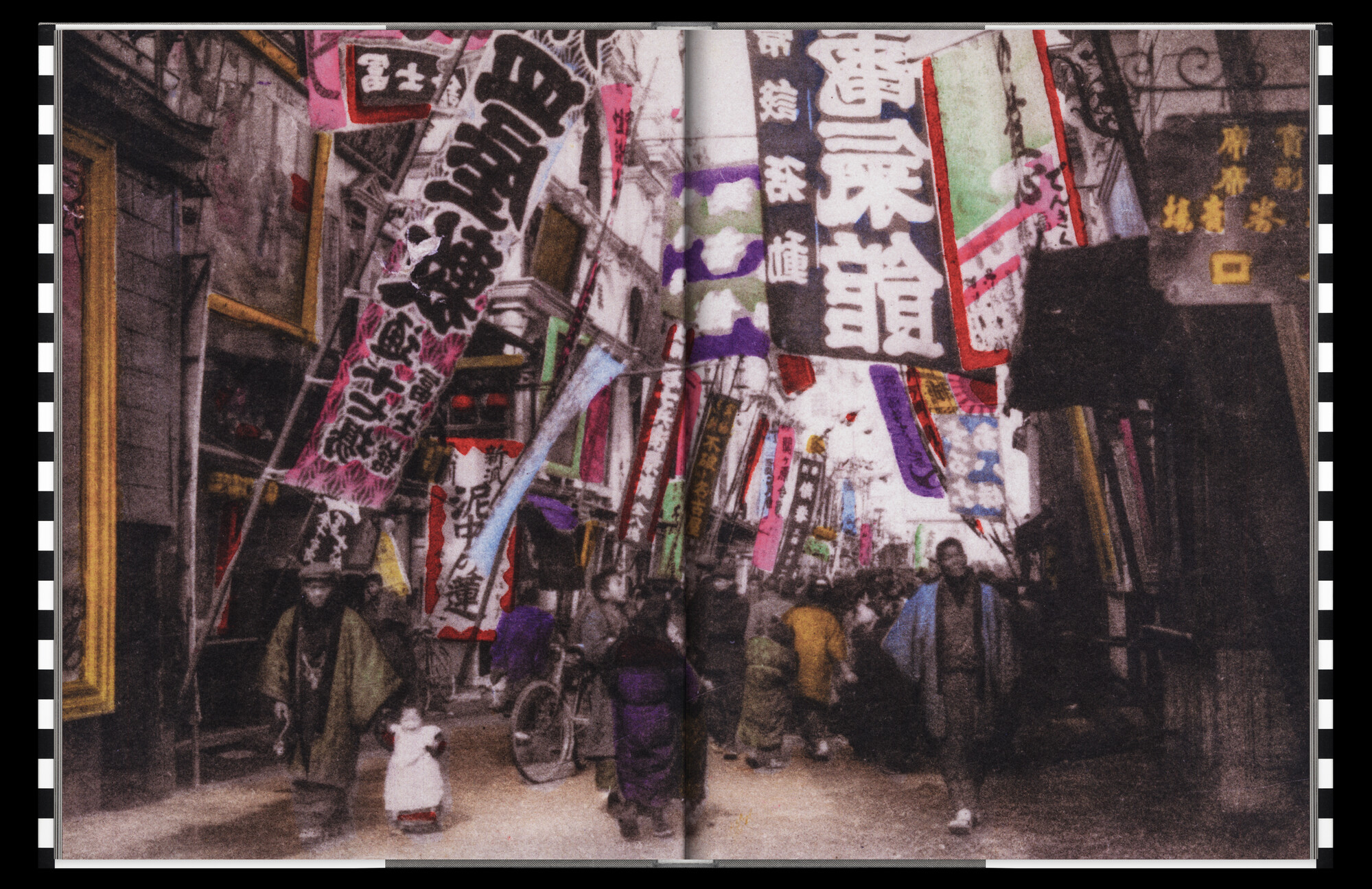
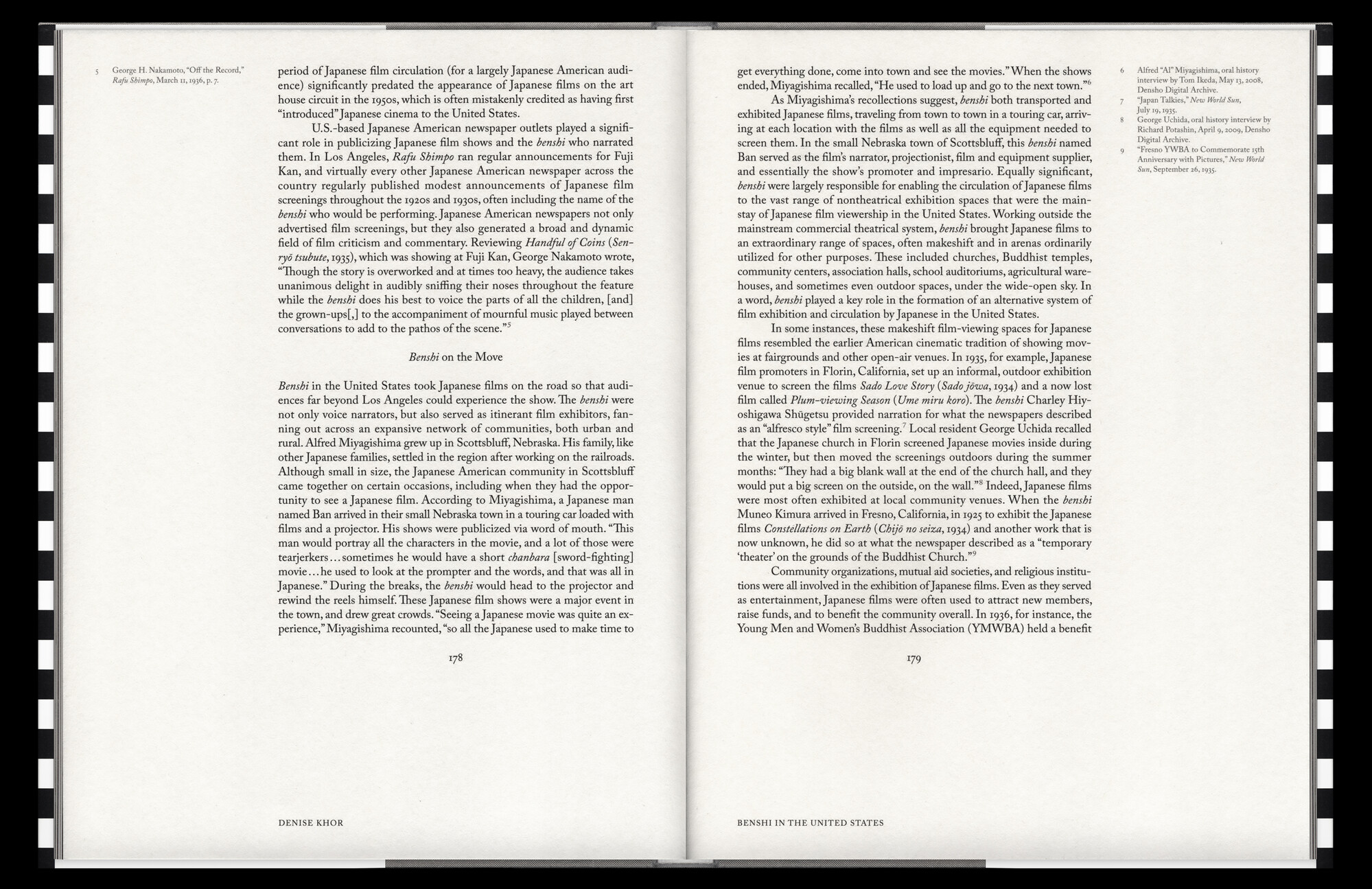
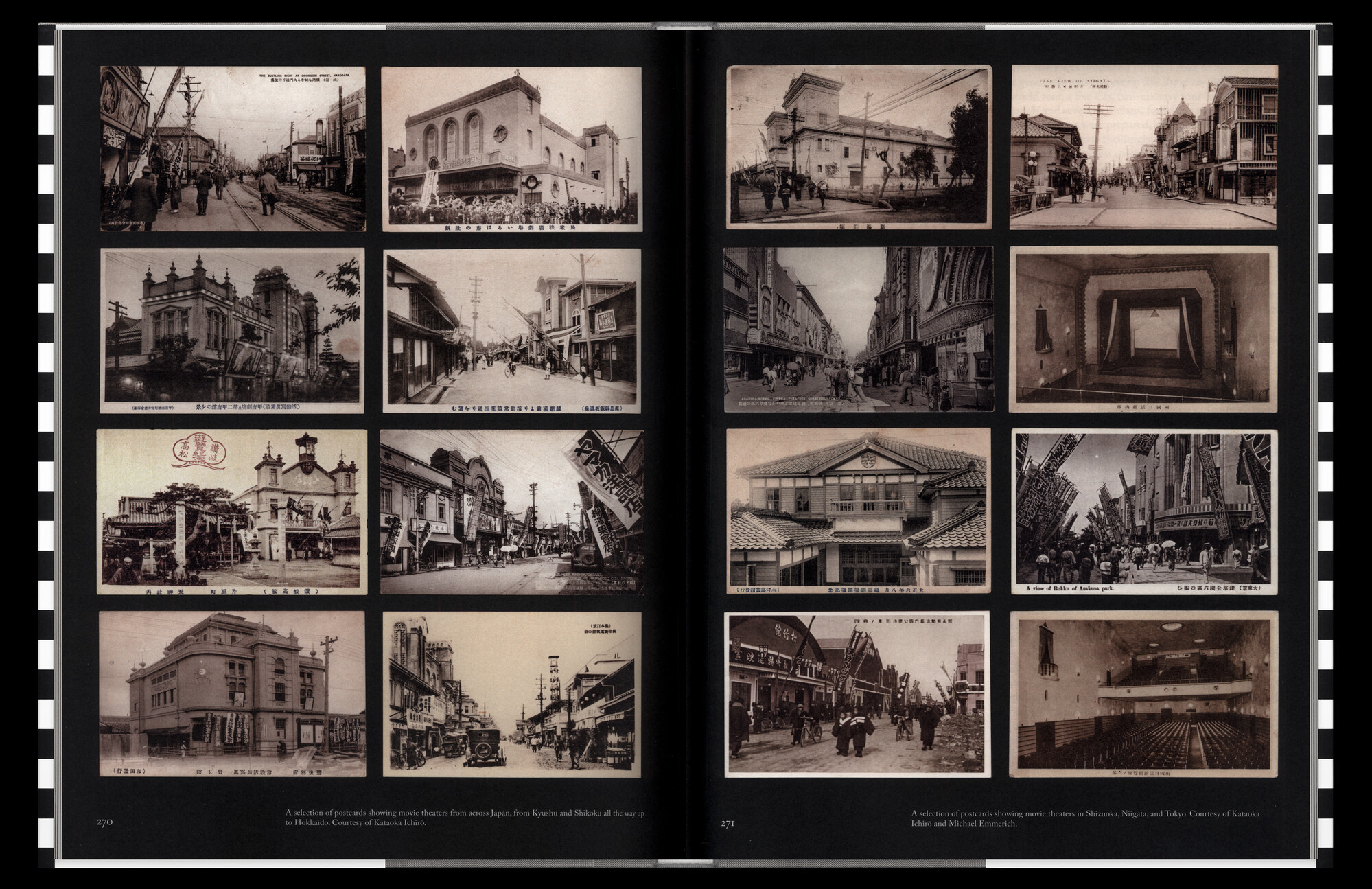
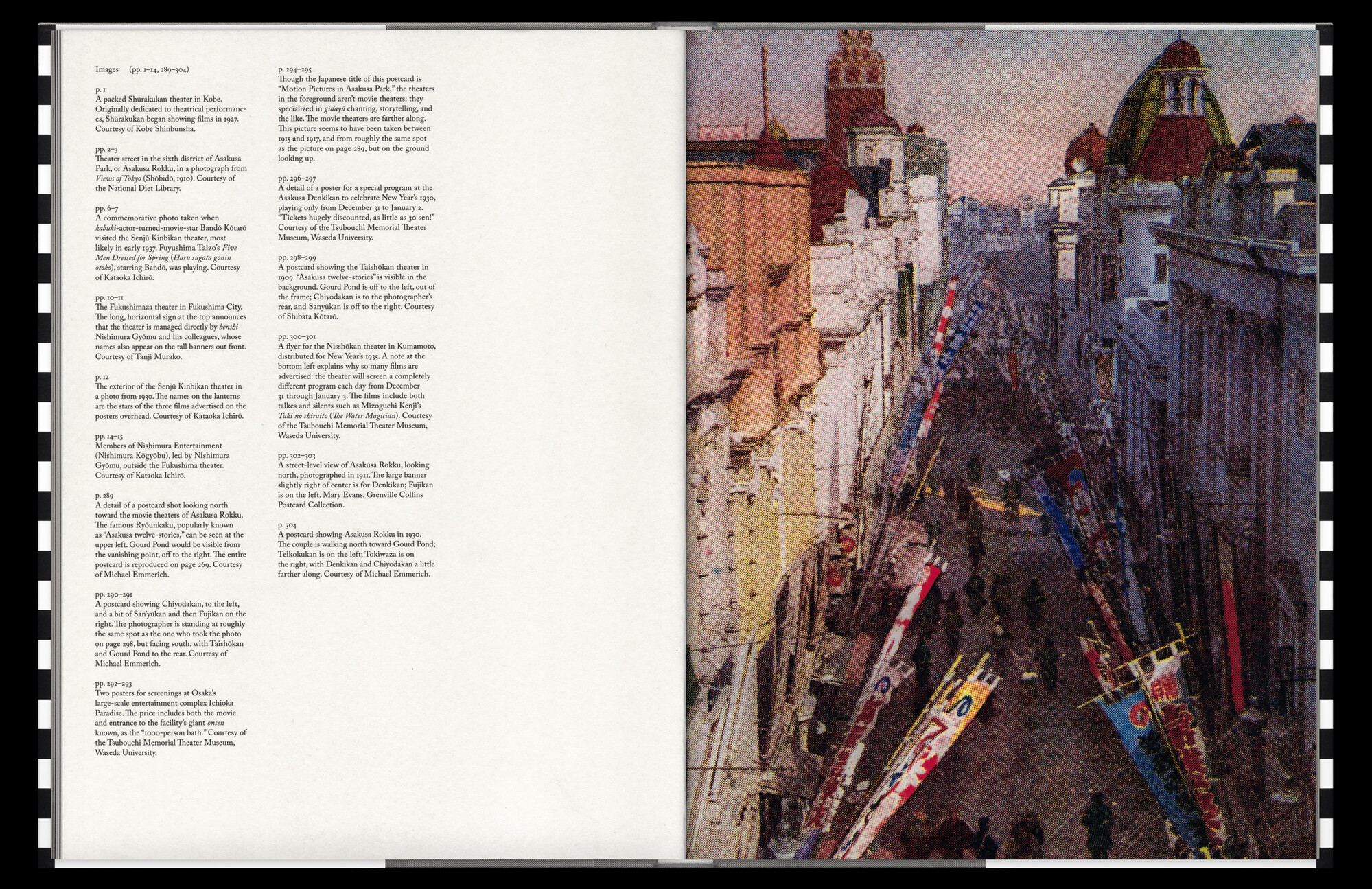
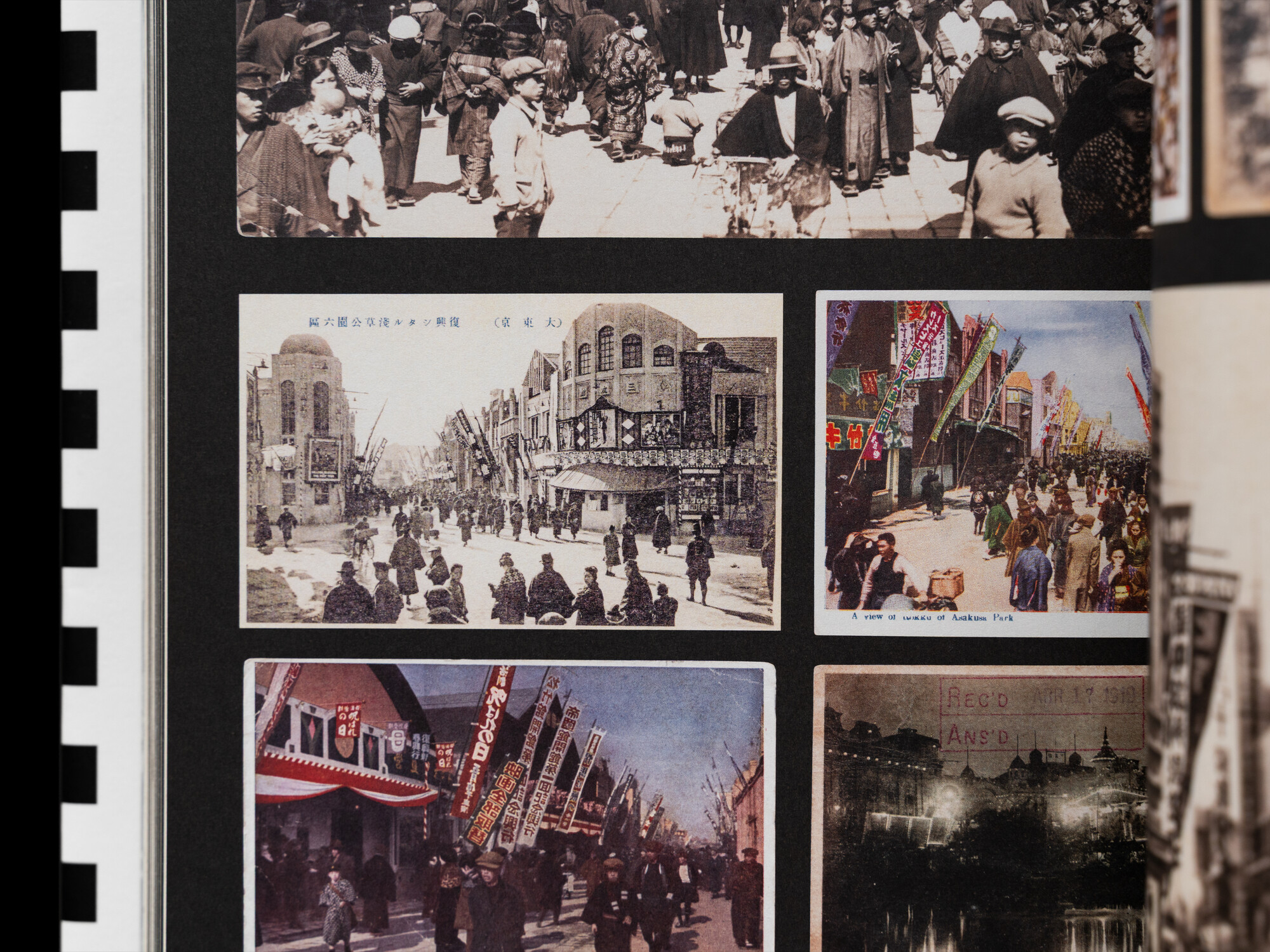
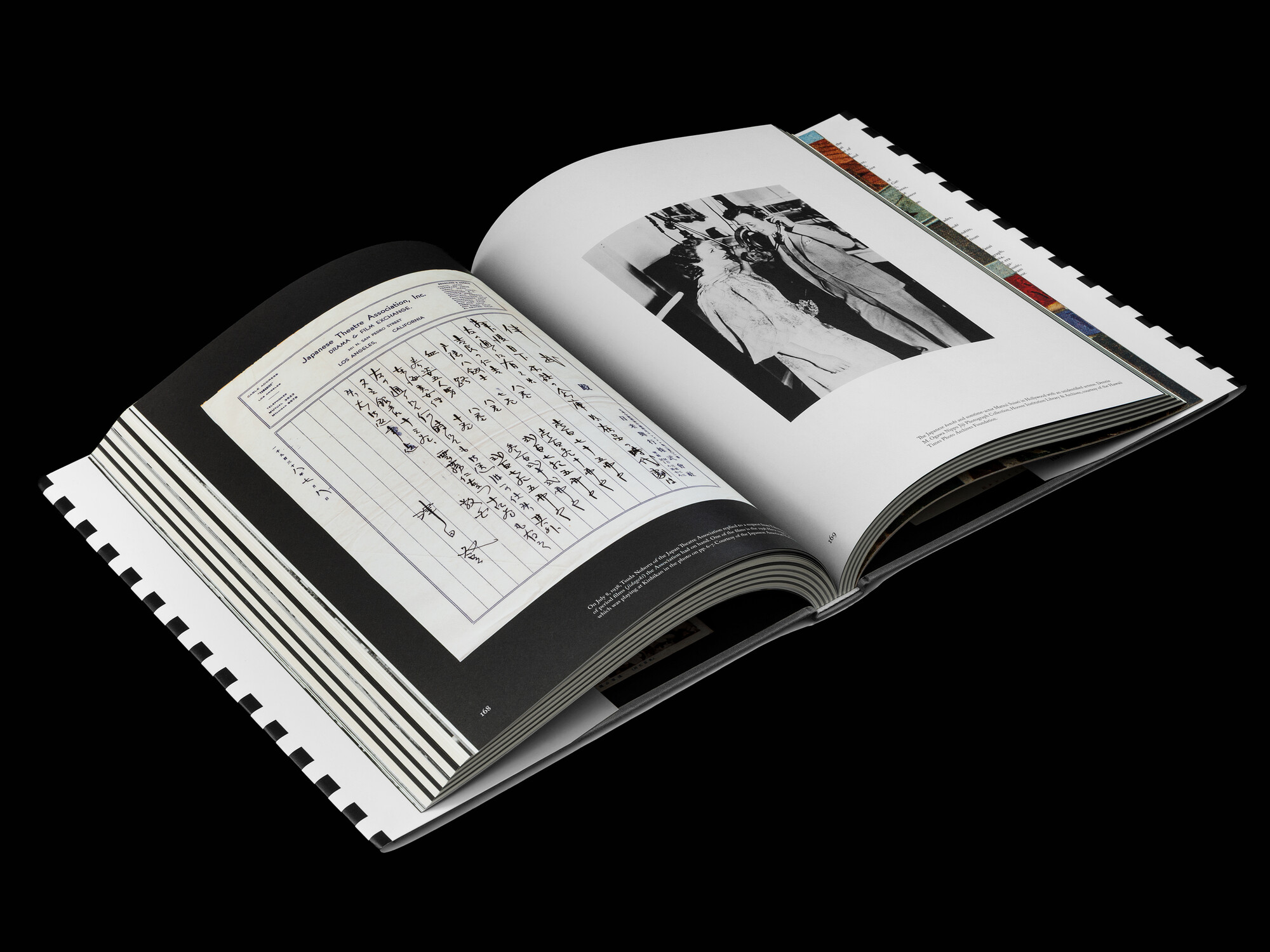
The World of the Benshi is a companion volume to the Art of the Benshi world tour organized by the Yanai Initiative for Globalizing Japanese Humanities. The book features more than 300 rare images compiled from archives and private collections around the world, showcasing historic movie theaters, promotional materials, and rare film stills. Essays uncover the phenomenon of the benshi stardom, evolution of the theater architecture, how live performance changed in Japan in the silent film era.
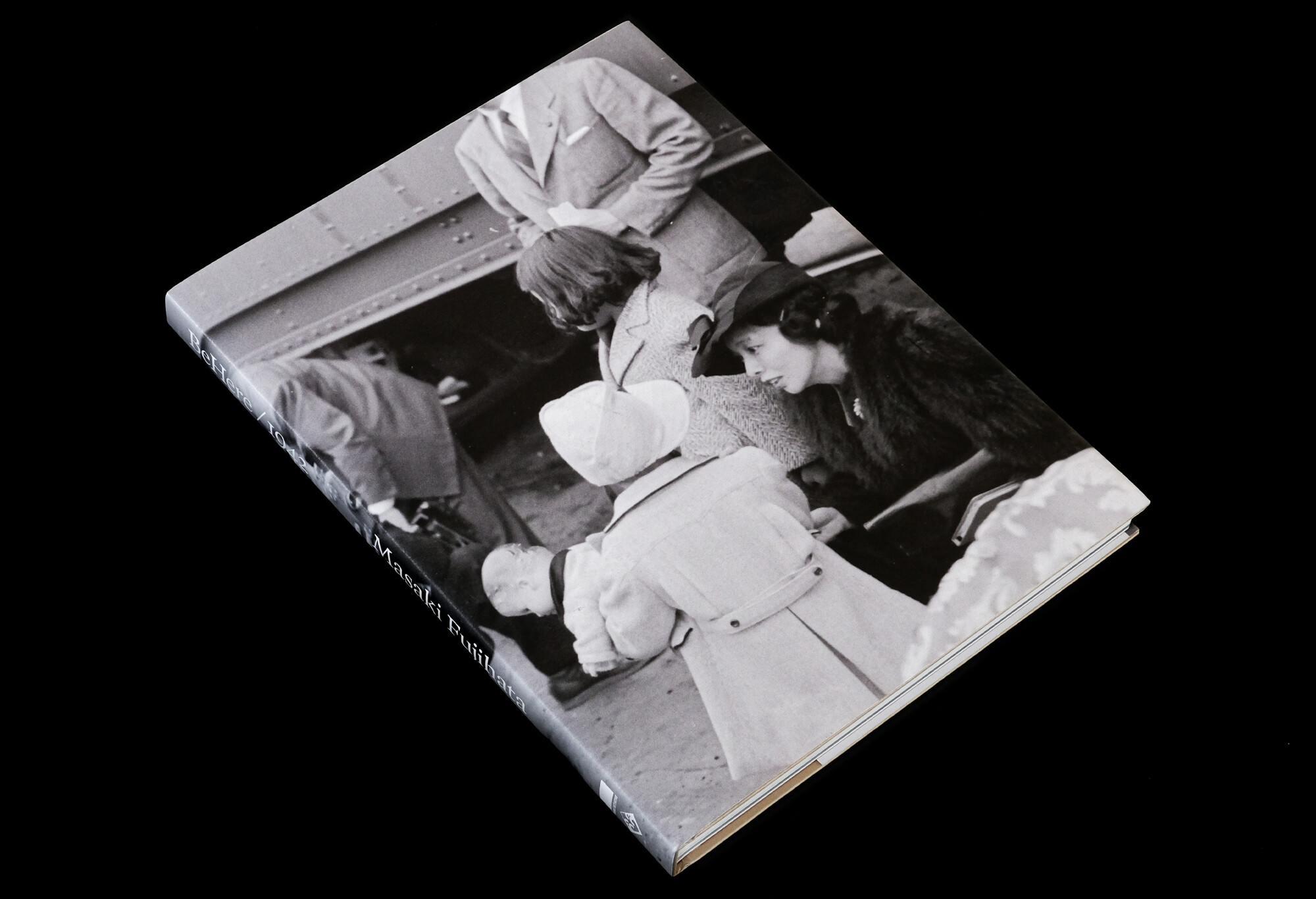
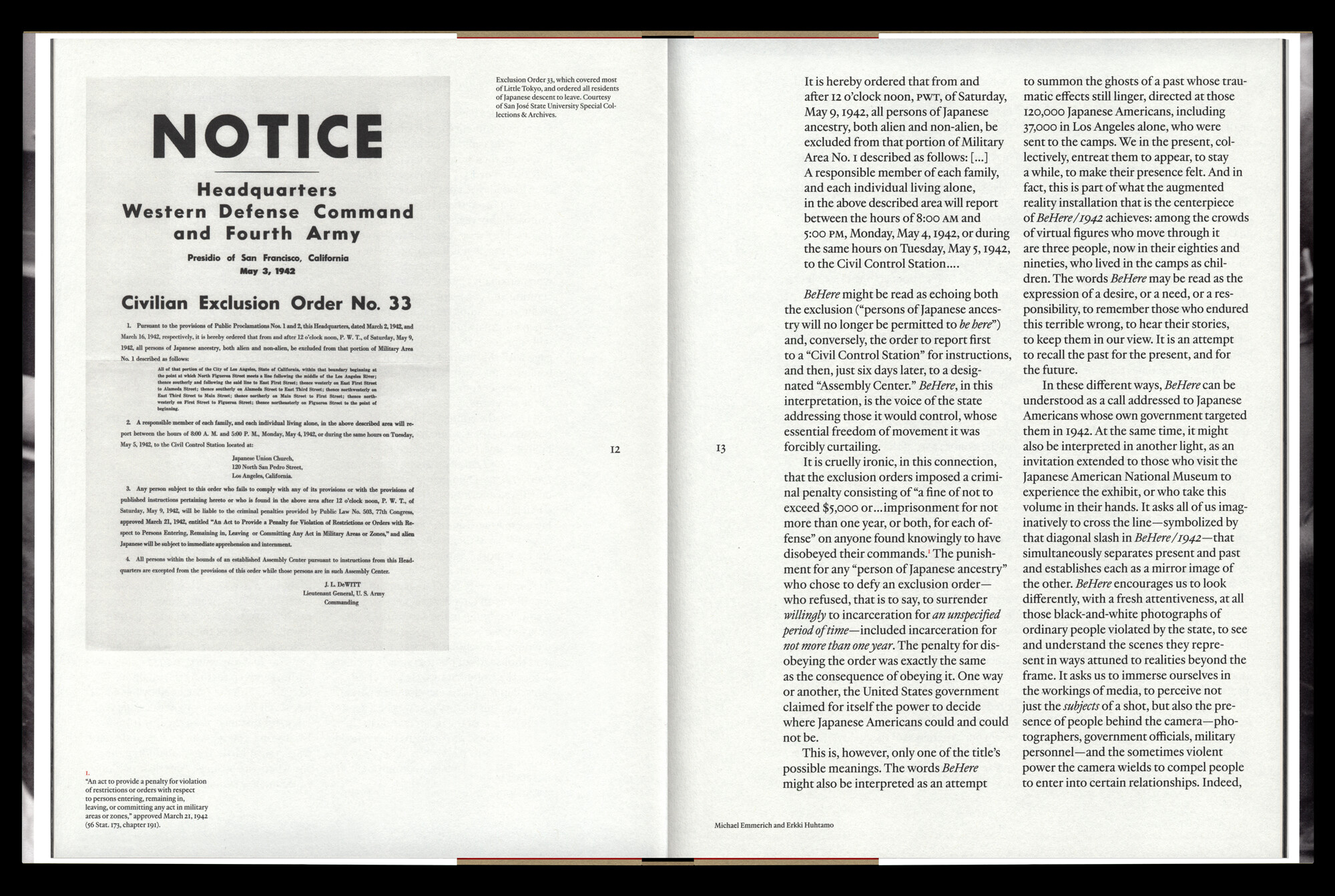
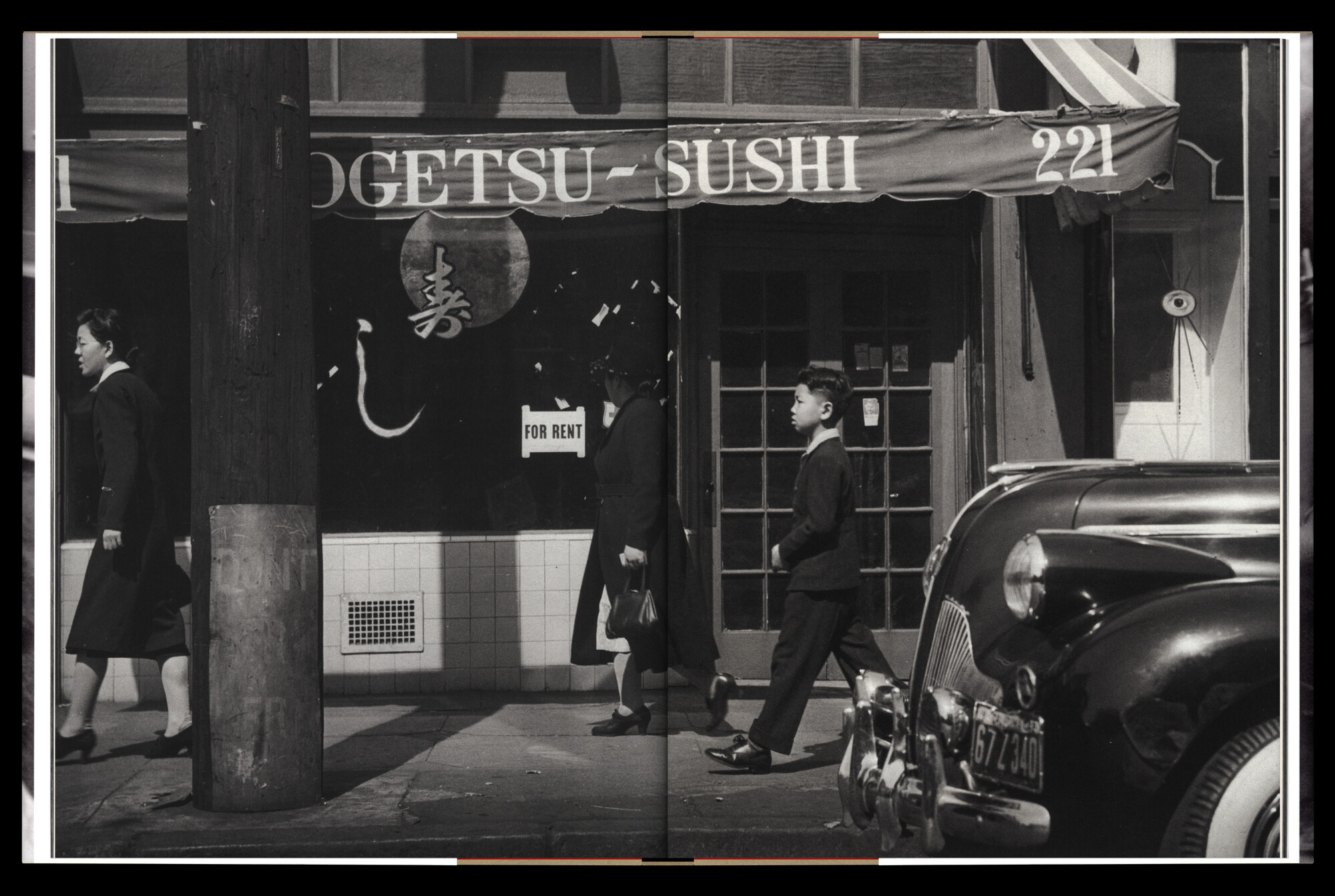
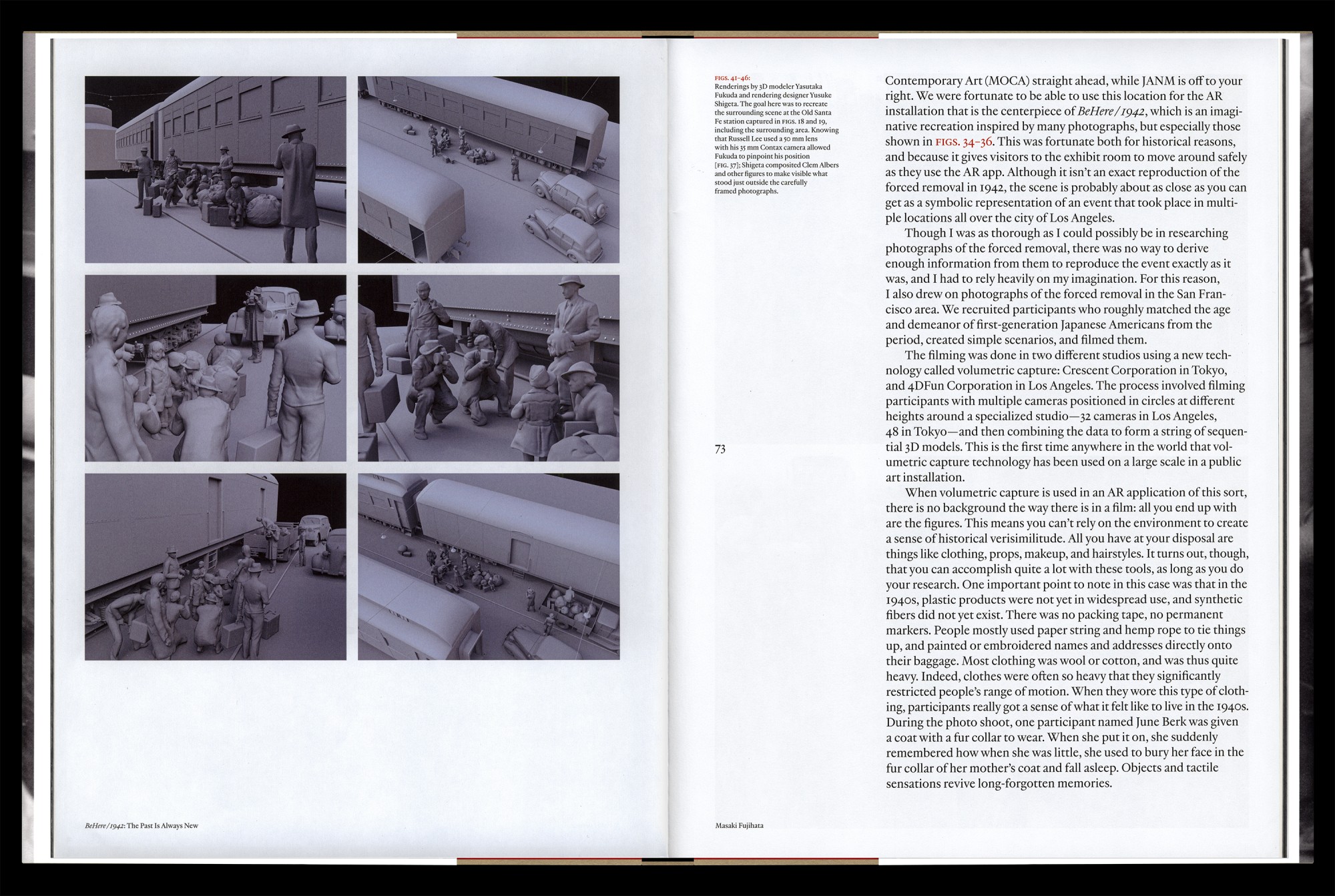
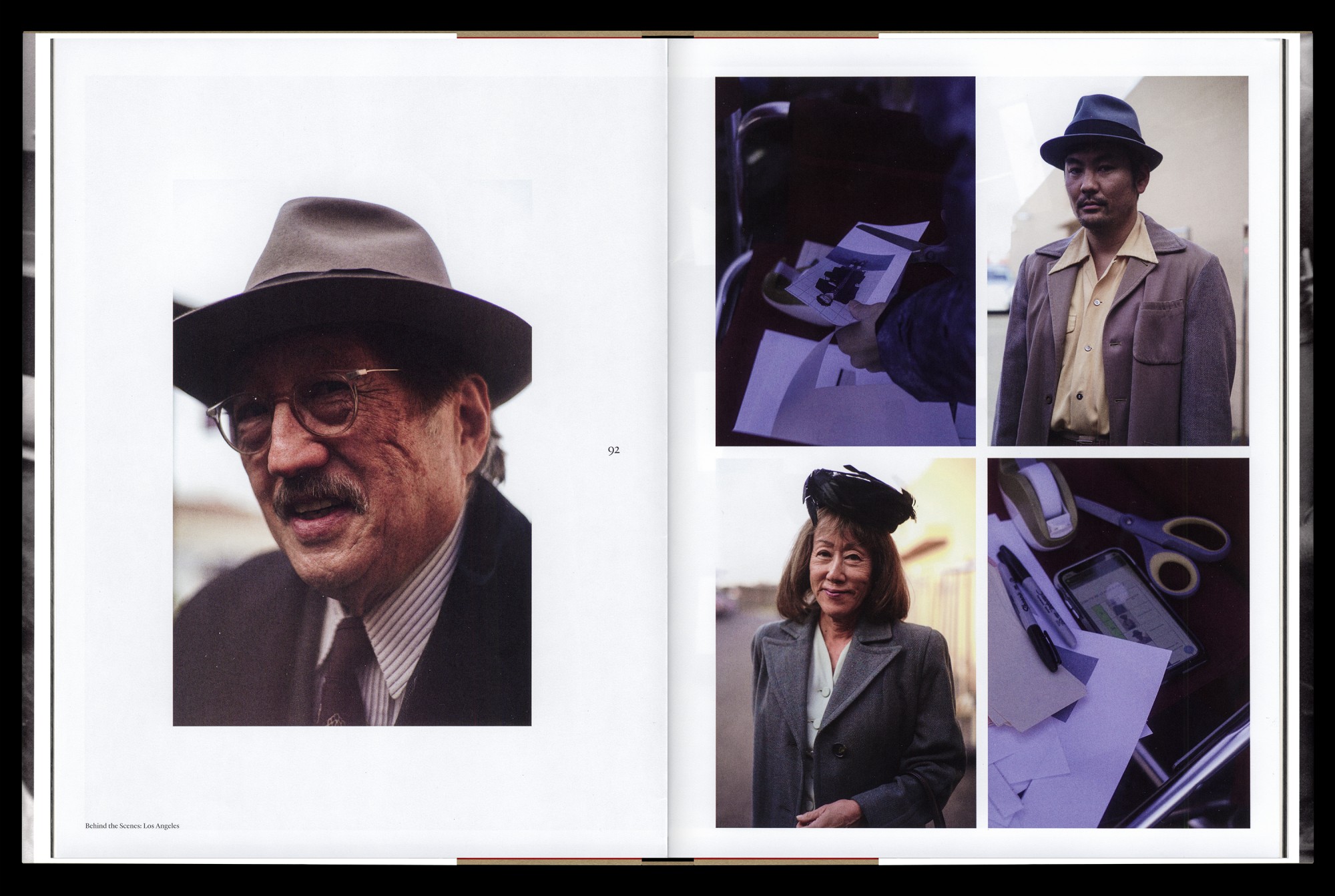
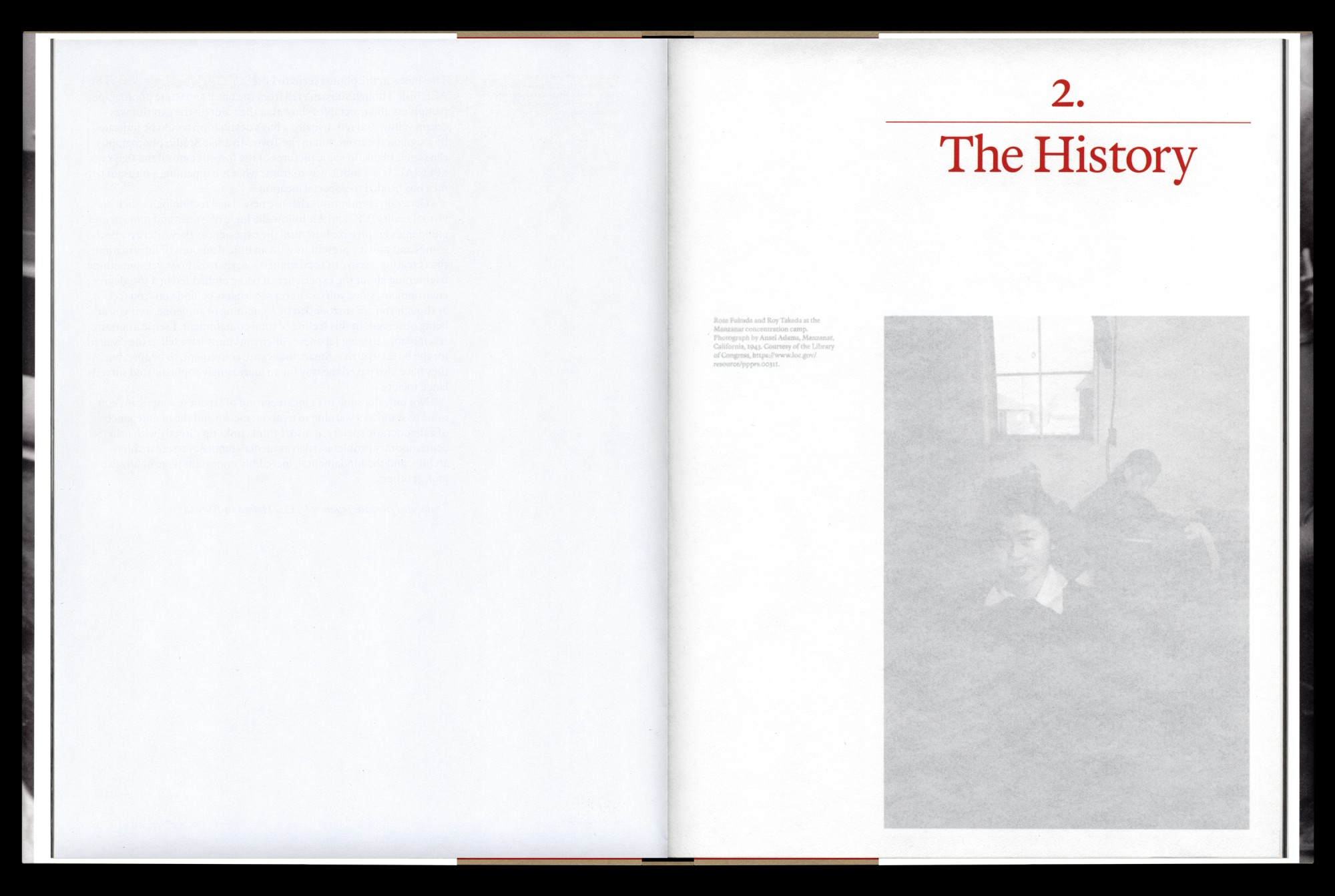
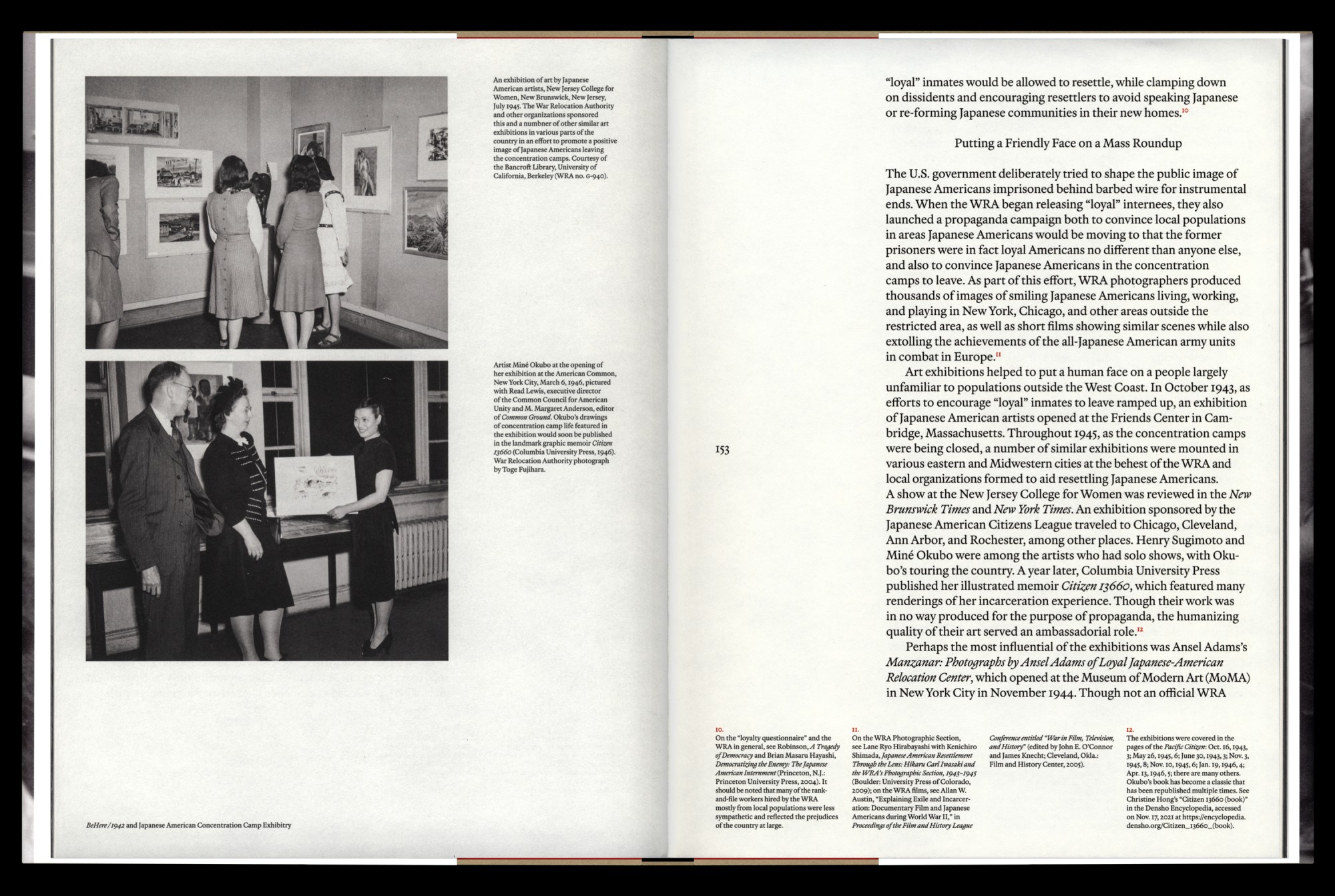
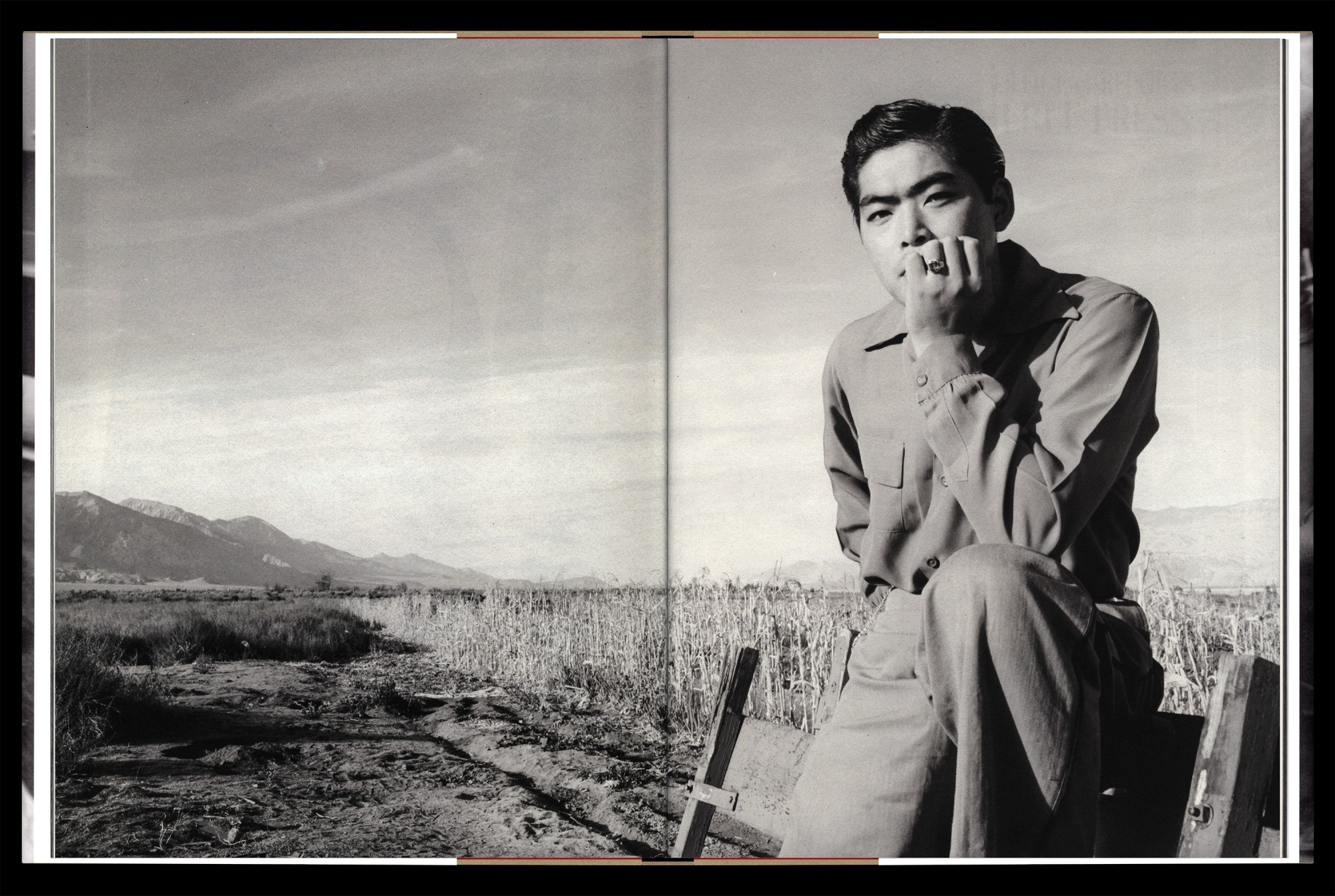
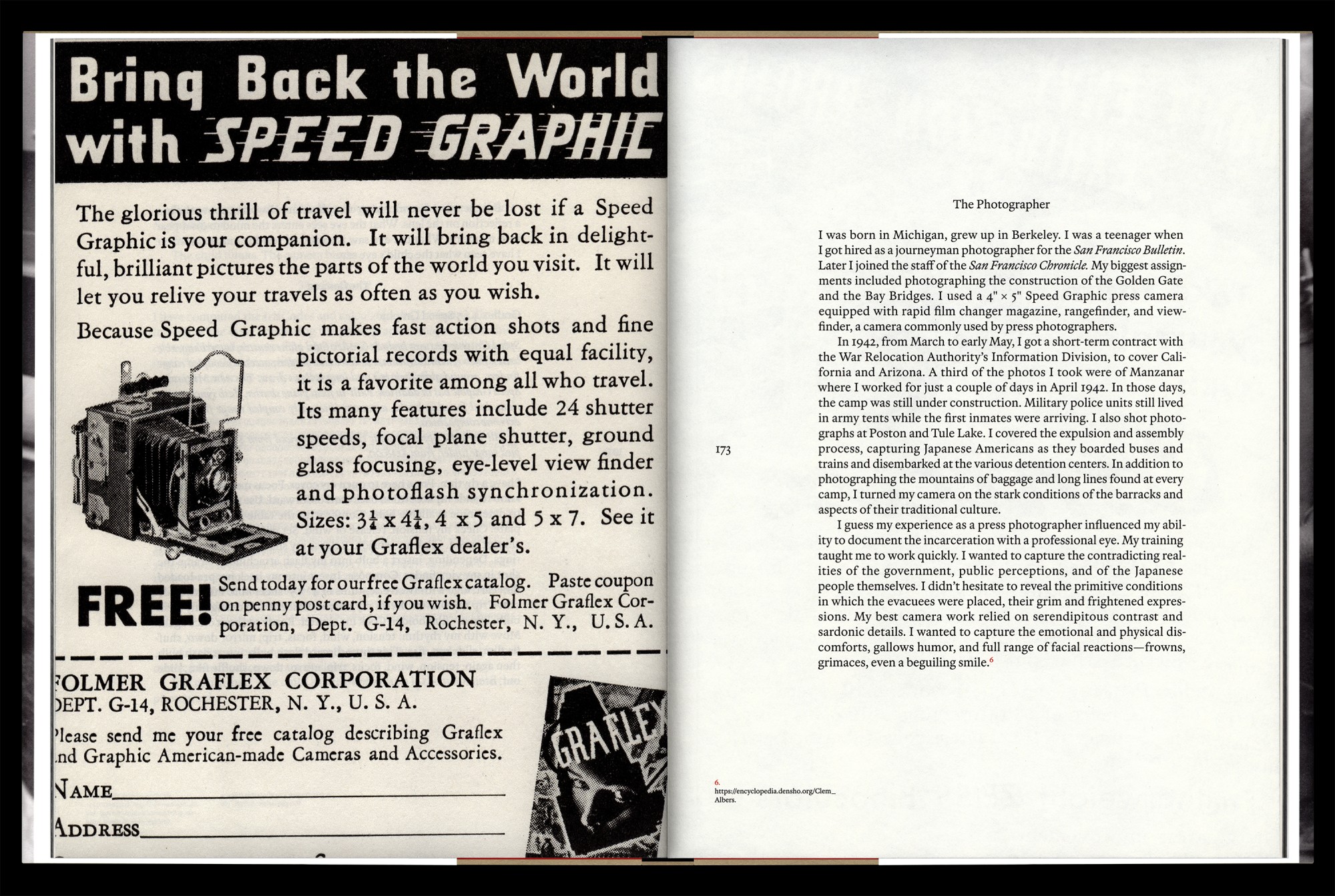
BeHere / 1942 is the companion book to media artist Masaki Fujihata’s project and exhibition at the Japanese American National Museum reframing the historic forced incarceration of Japanese Americans during World War II through photographic detective work and re-examination through augmented reality. This volume contains a variety of contributions each of which engages with the history of the incarceration and its representation in photographs and exhibitions.
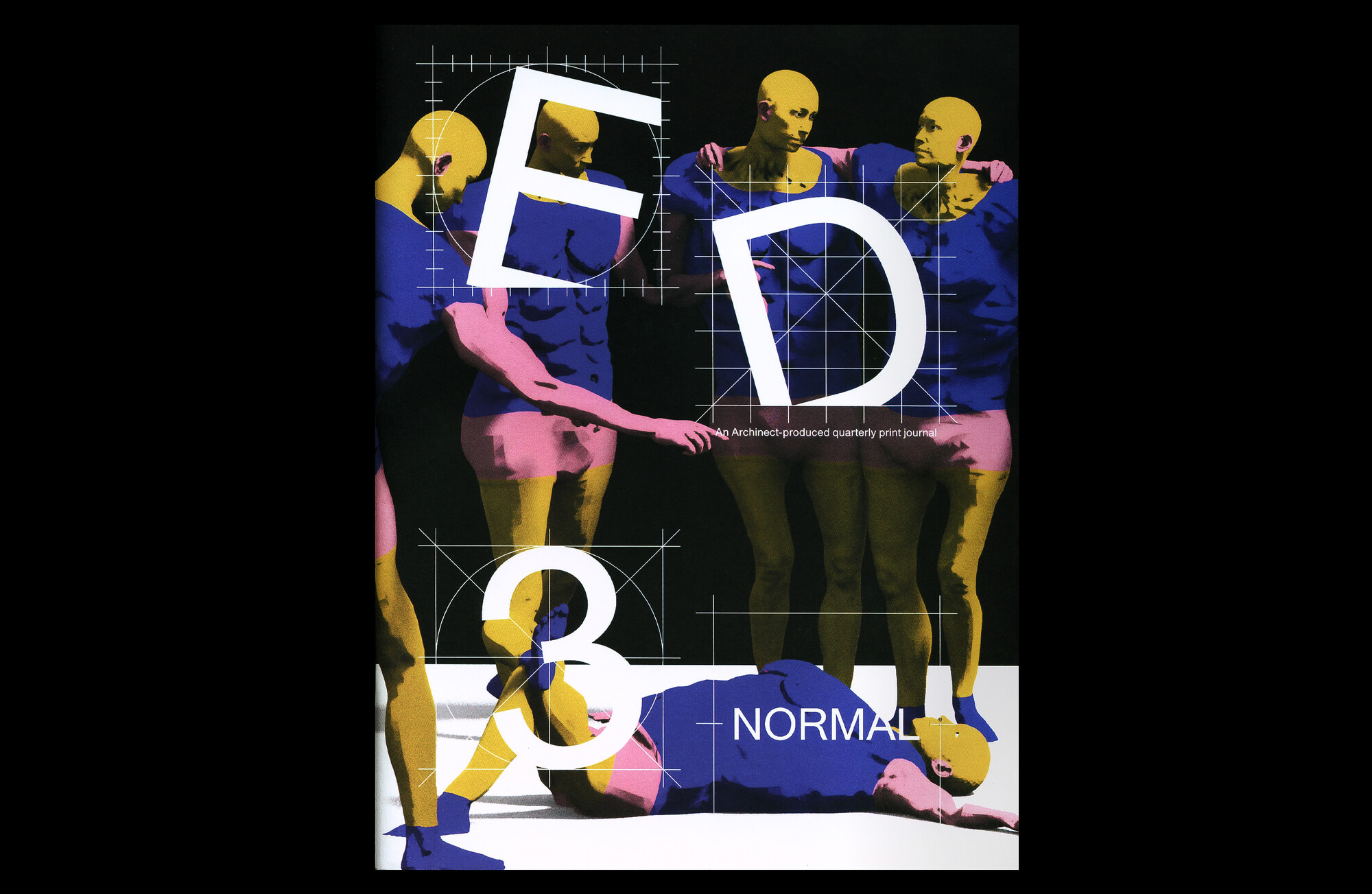
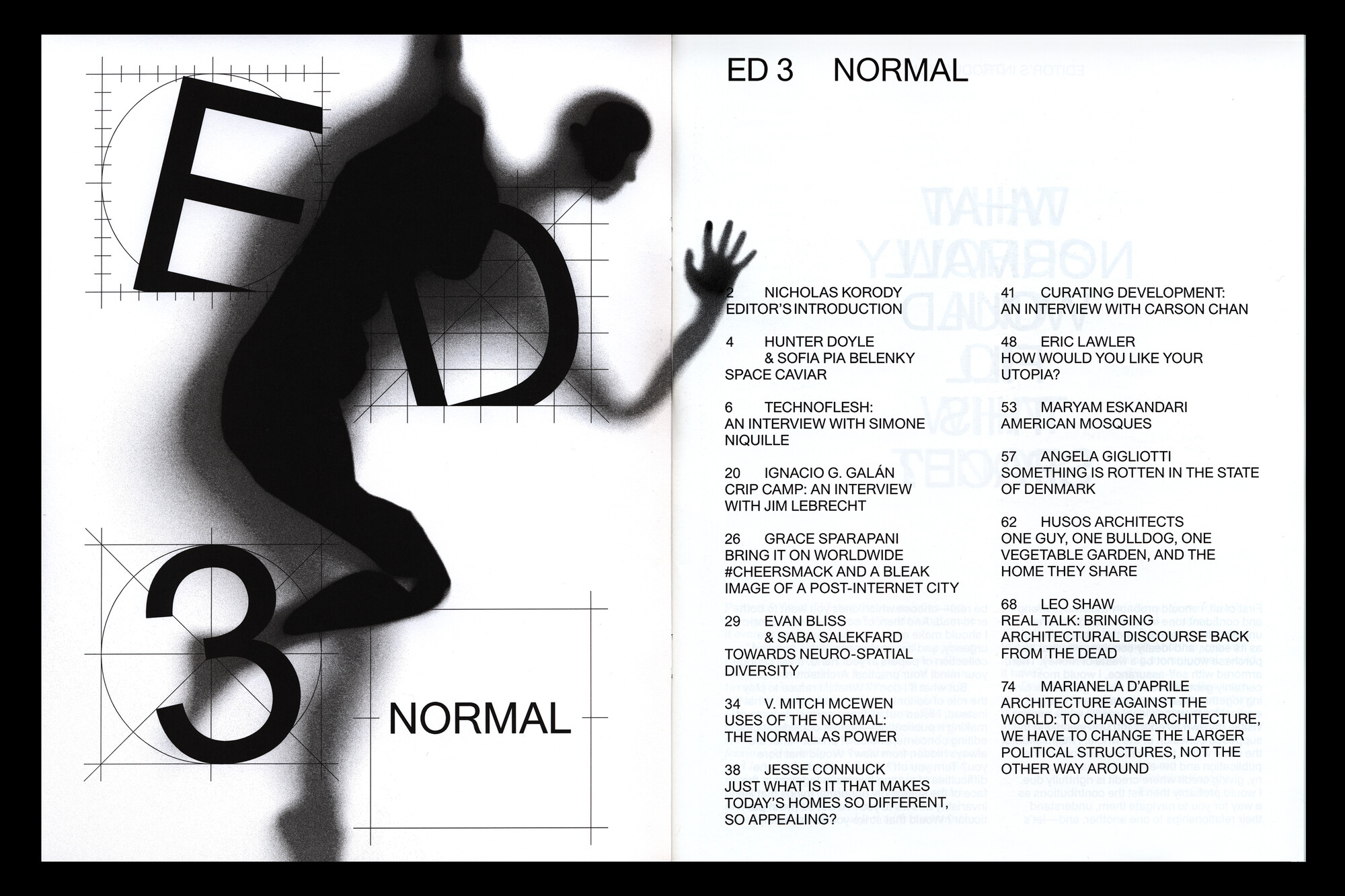
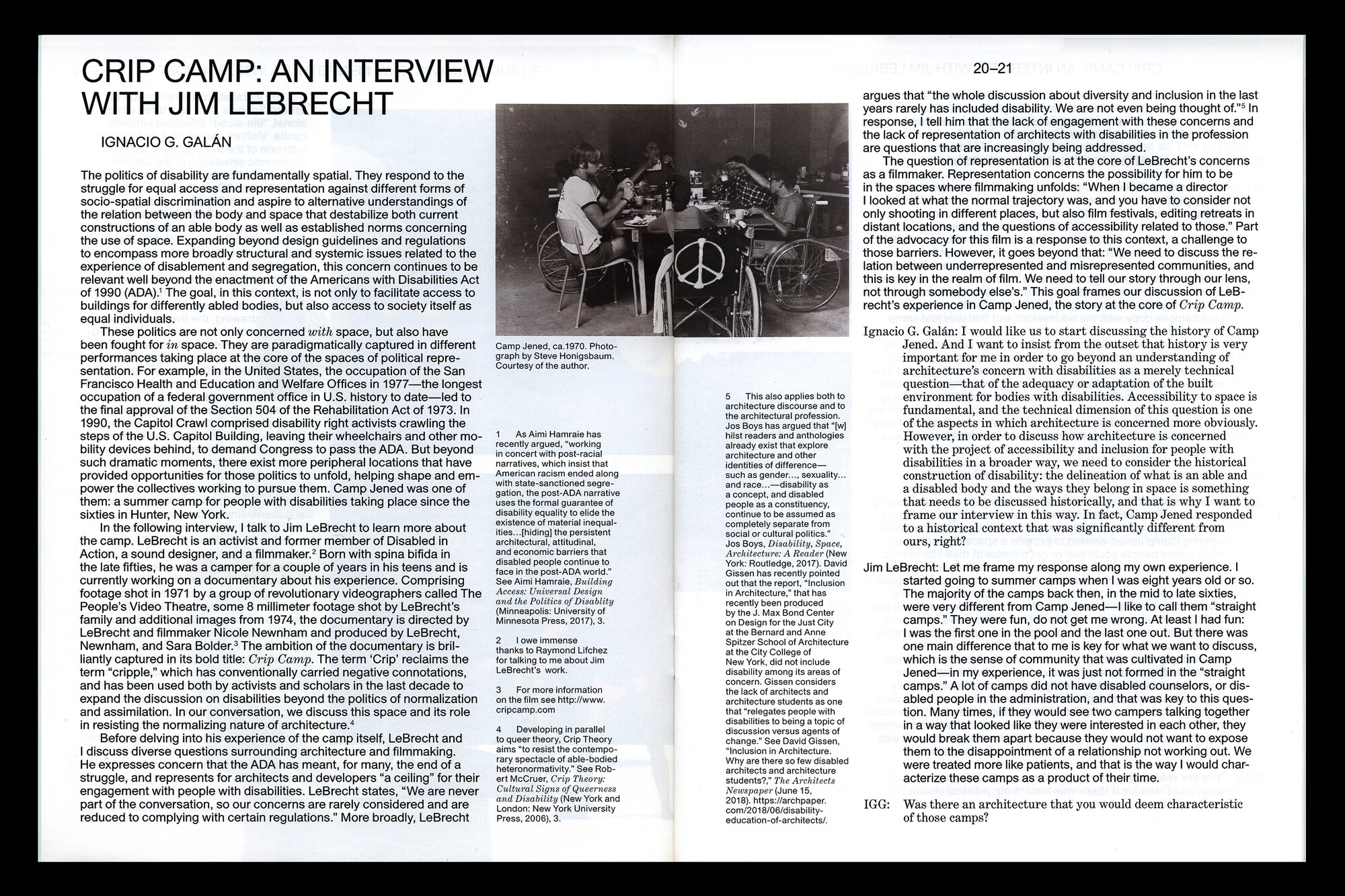
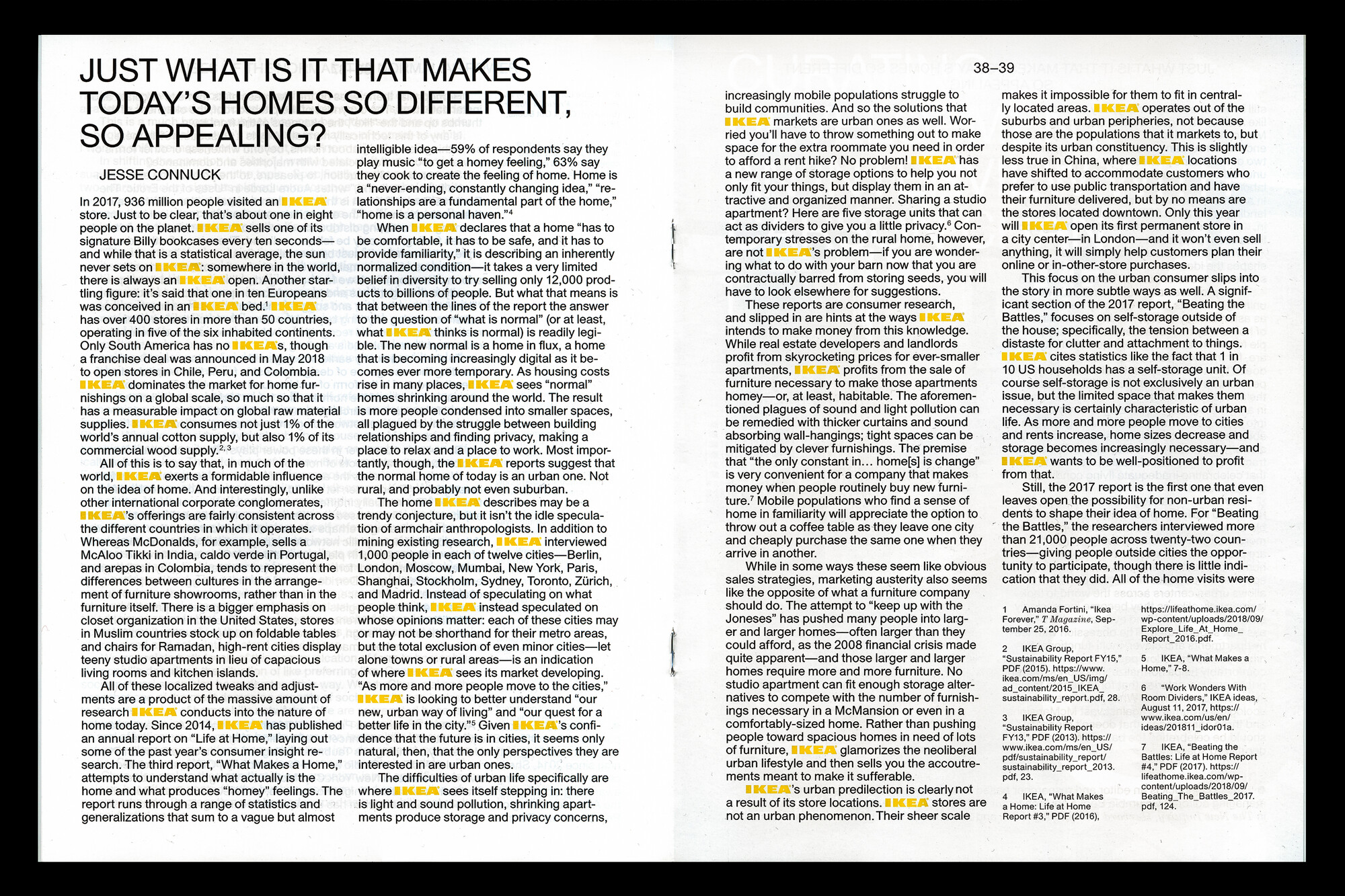
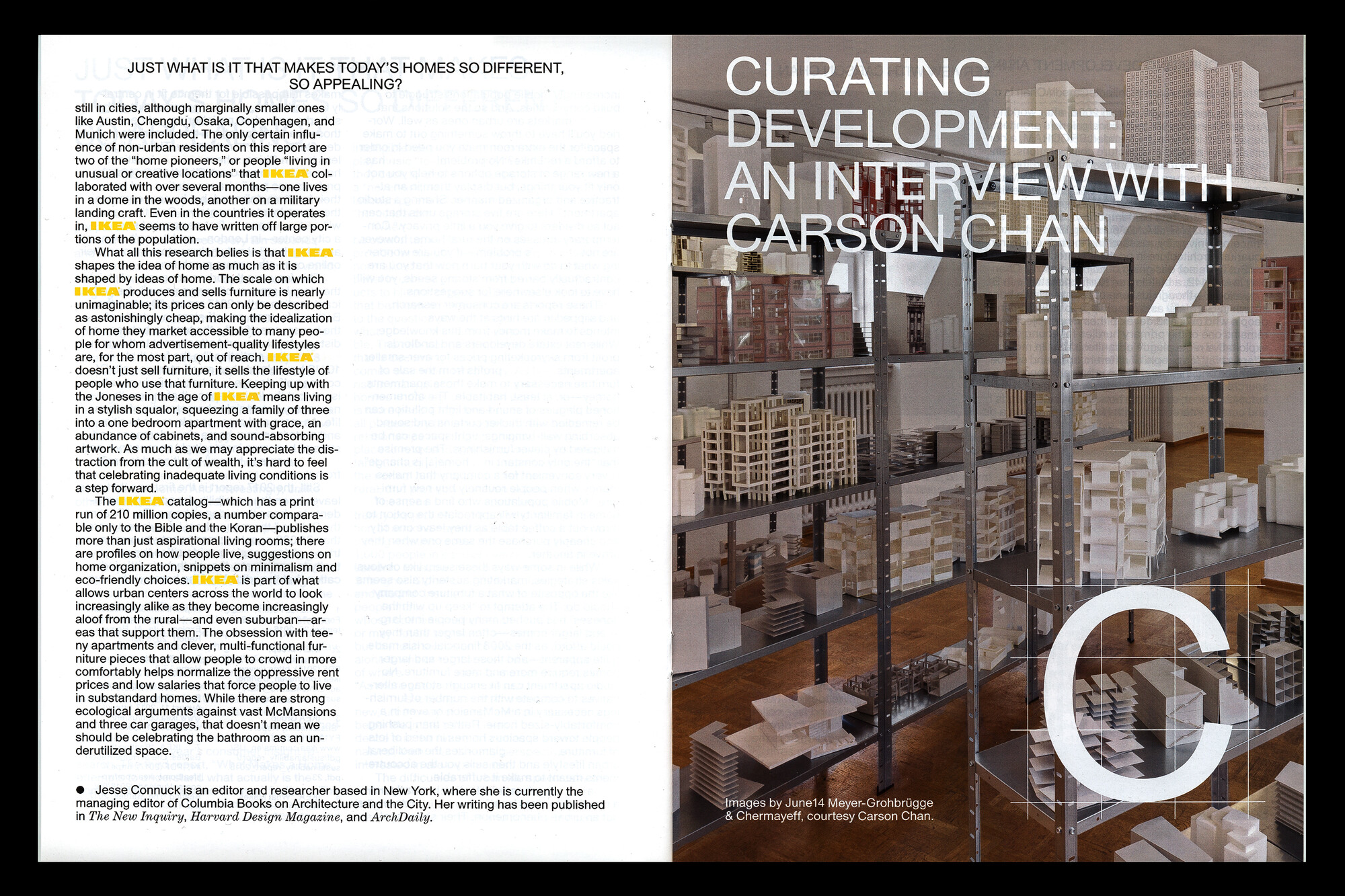
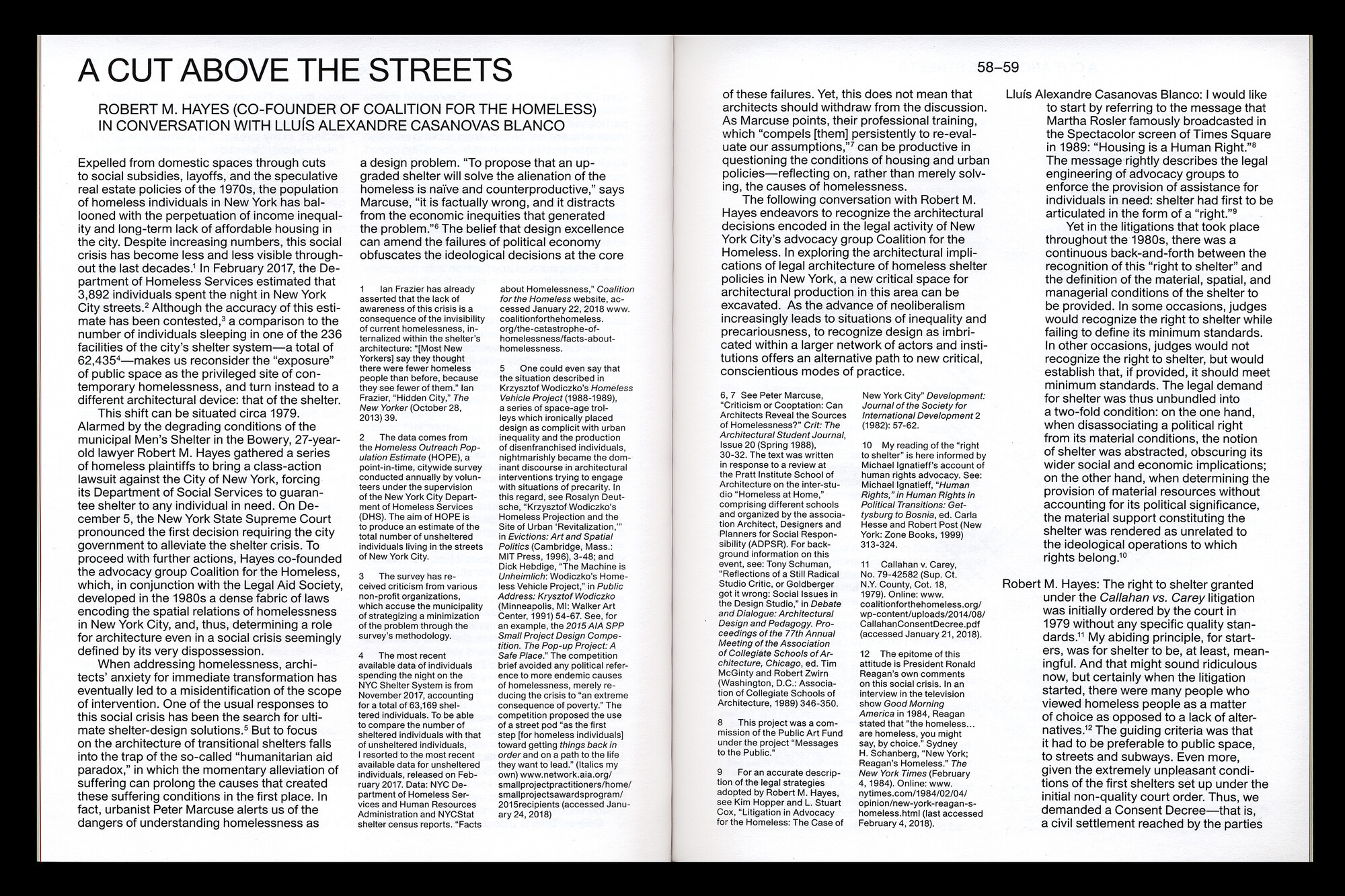
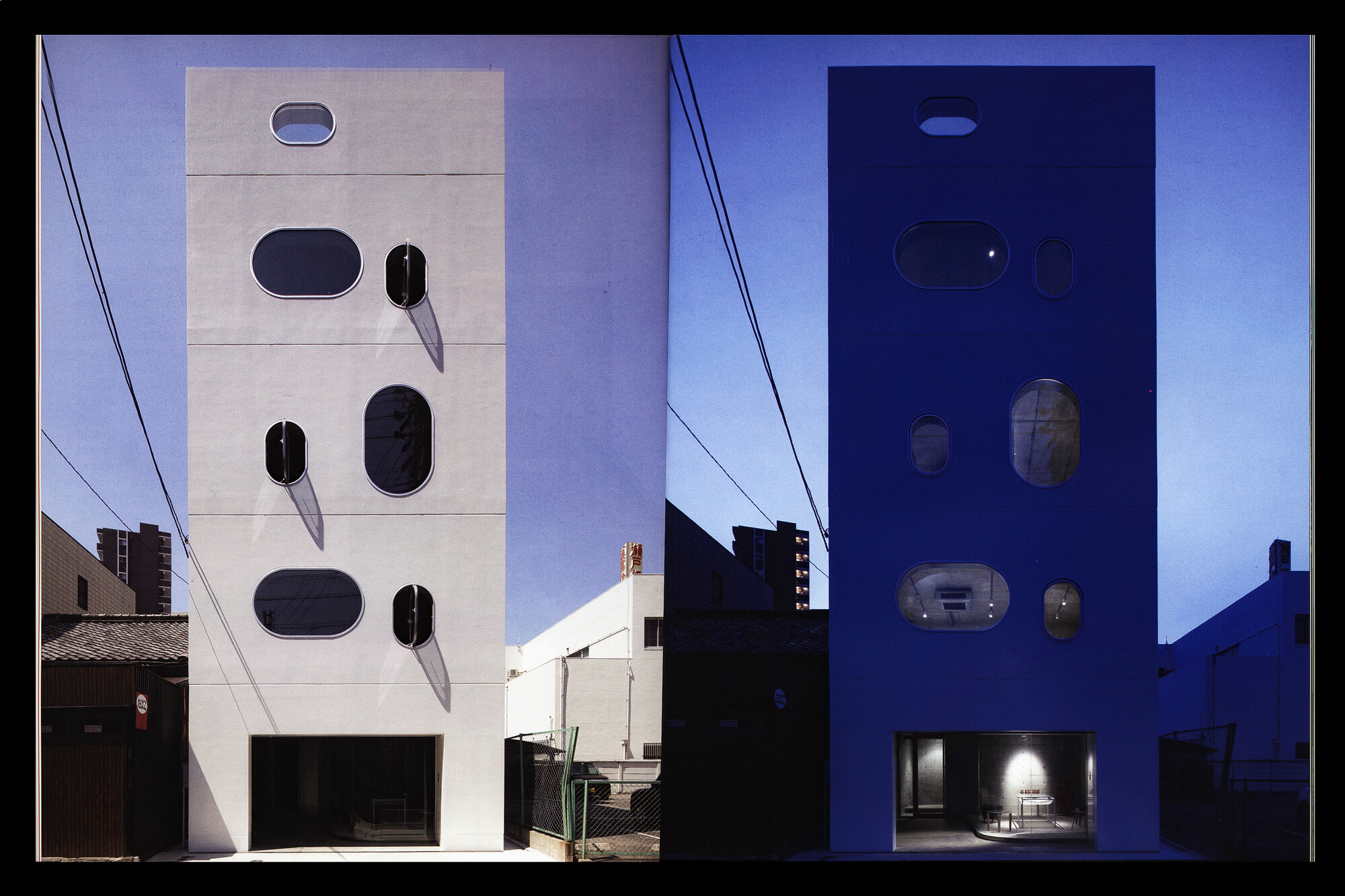
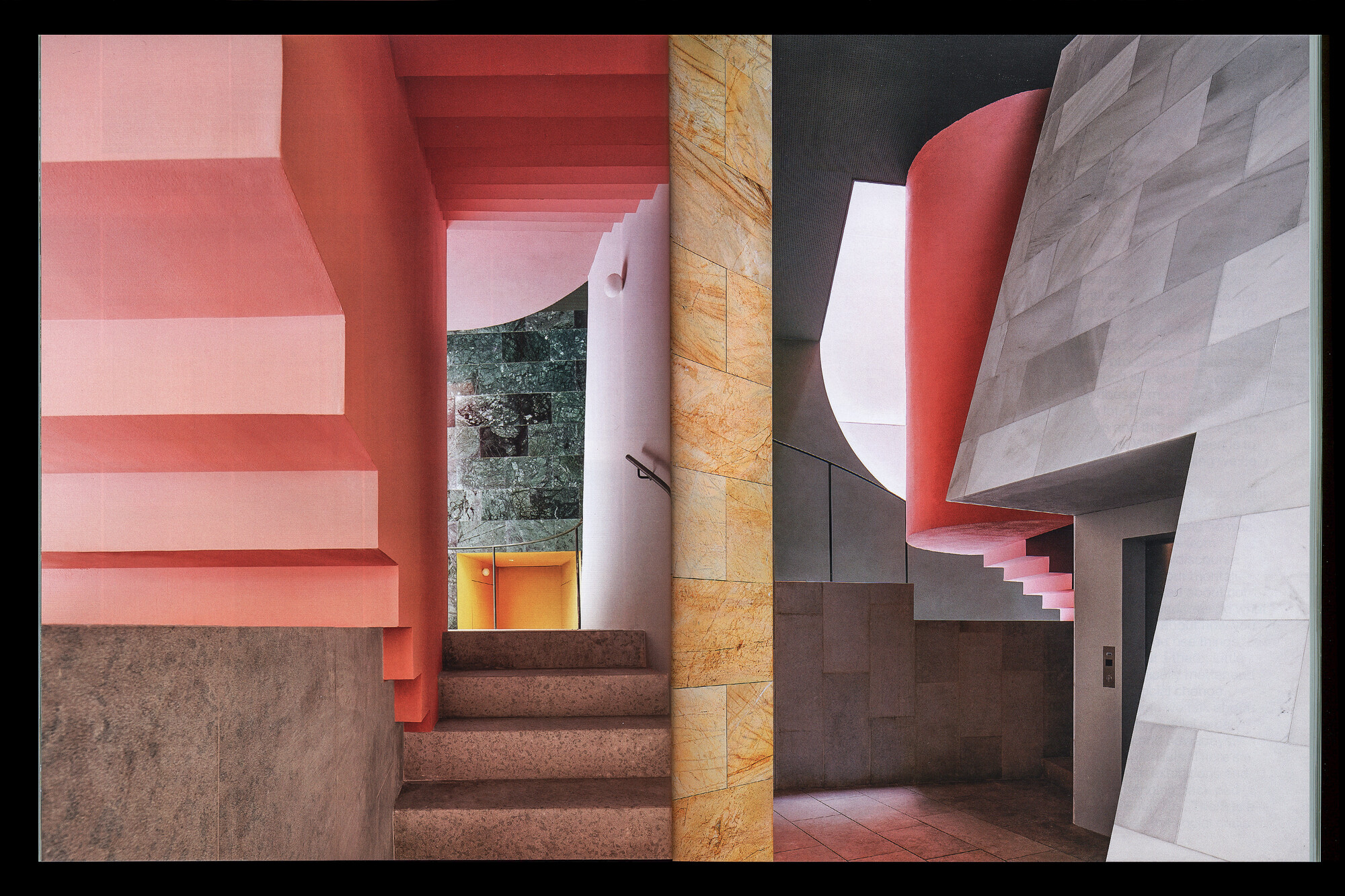
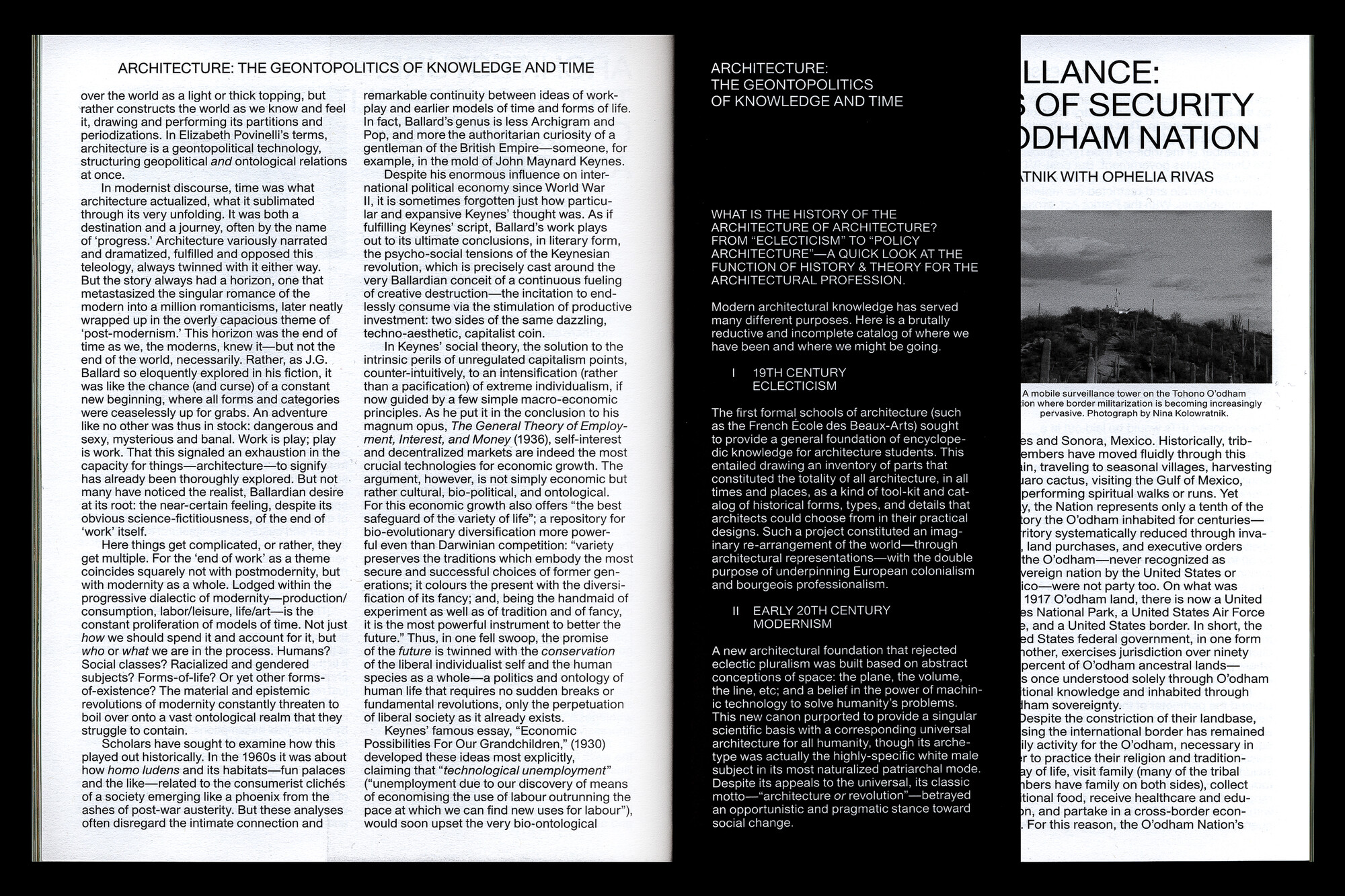
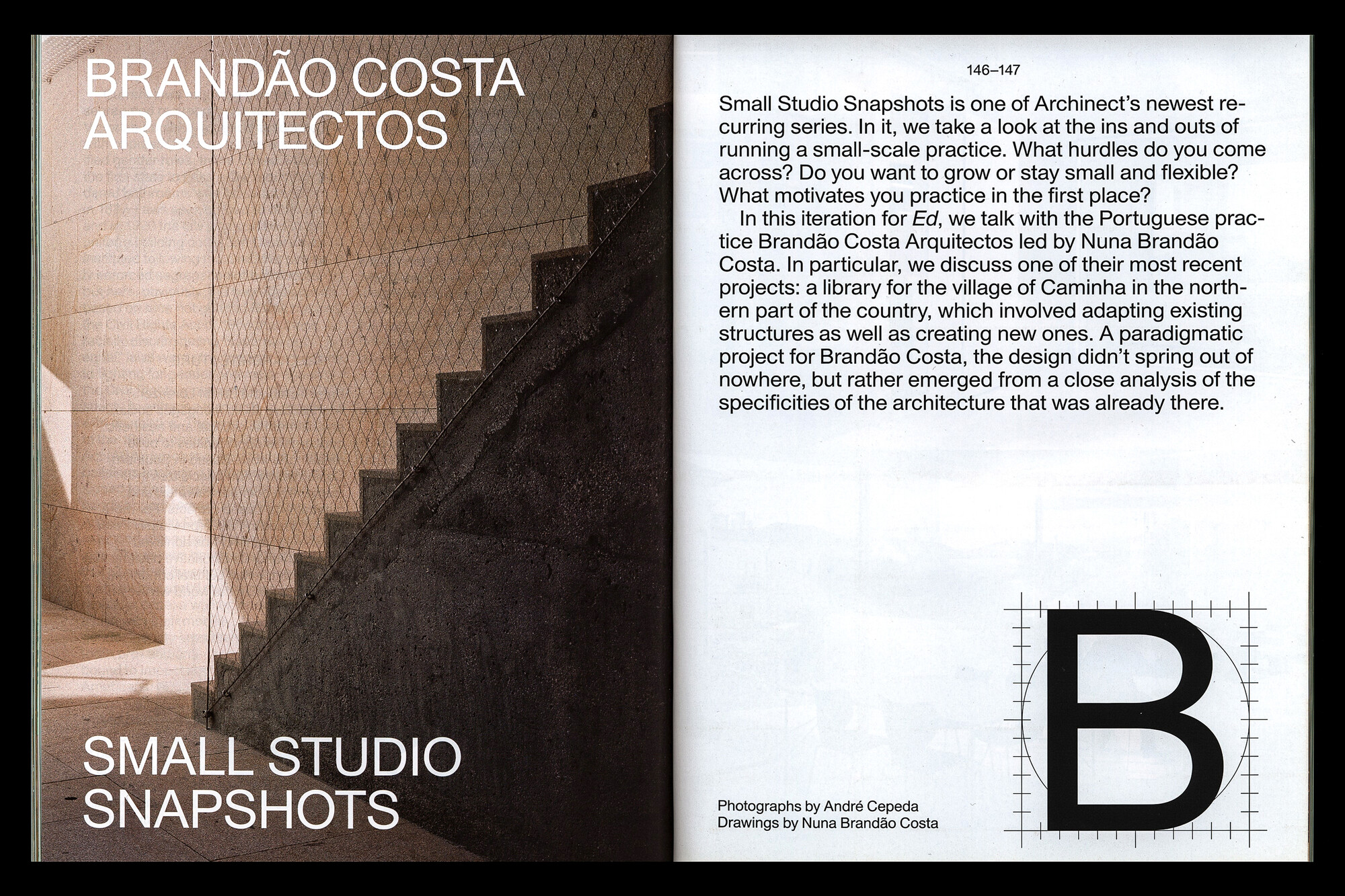
Third issue of Ed, Archinect’s print magazine. Brings together essays and visual contributions questioning the norms that shape architectural practice and its institutions, and proposing alternative frameworks for how architecture relates to labor, bodies, and social structures. More info ⎘
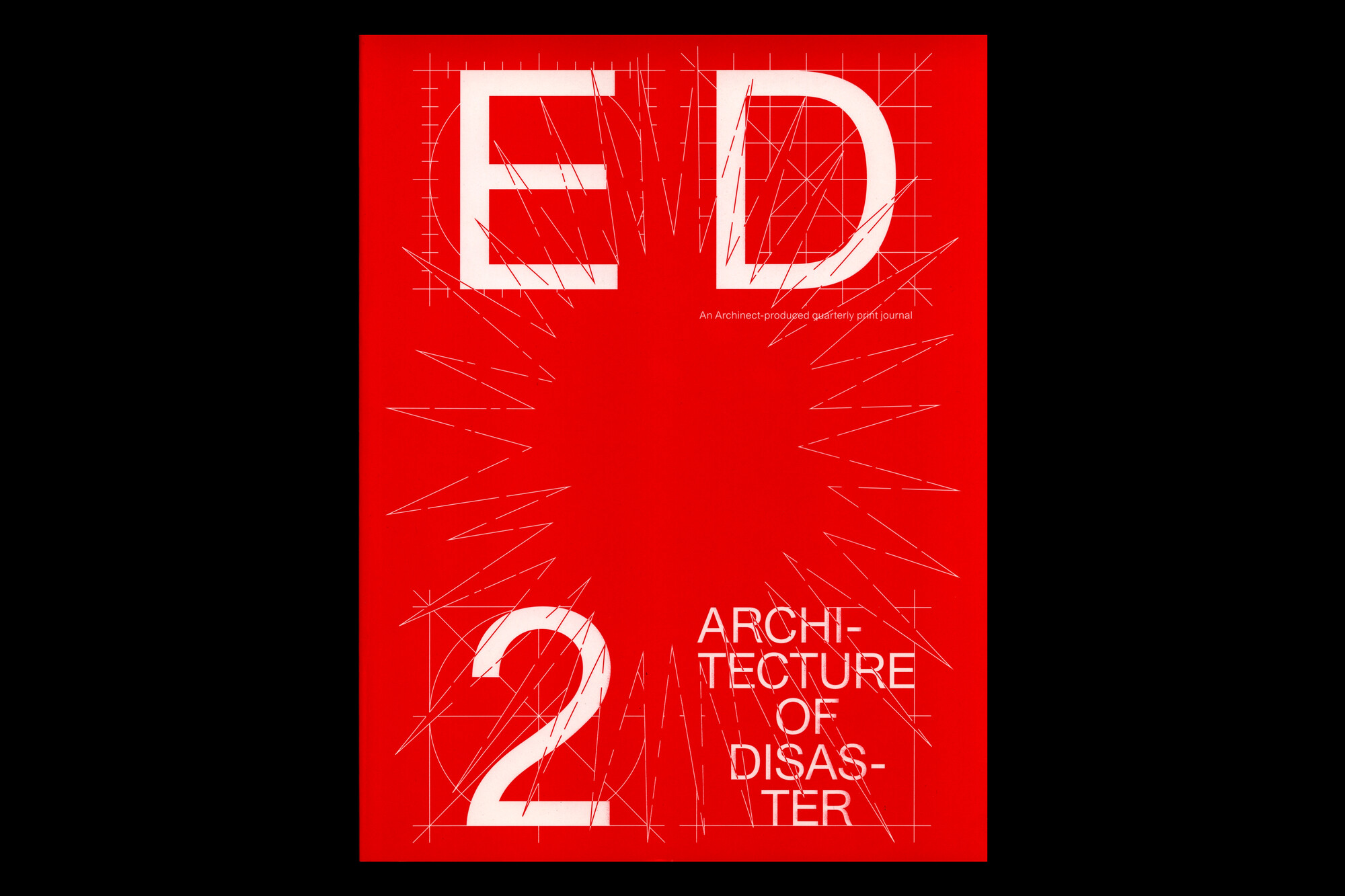
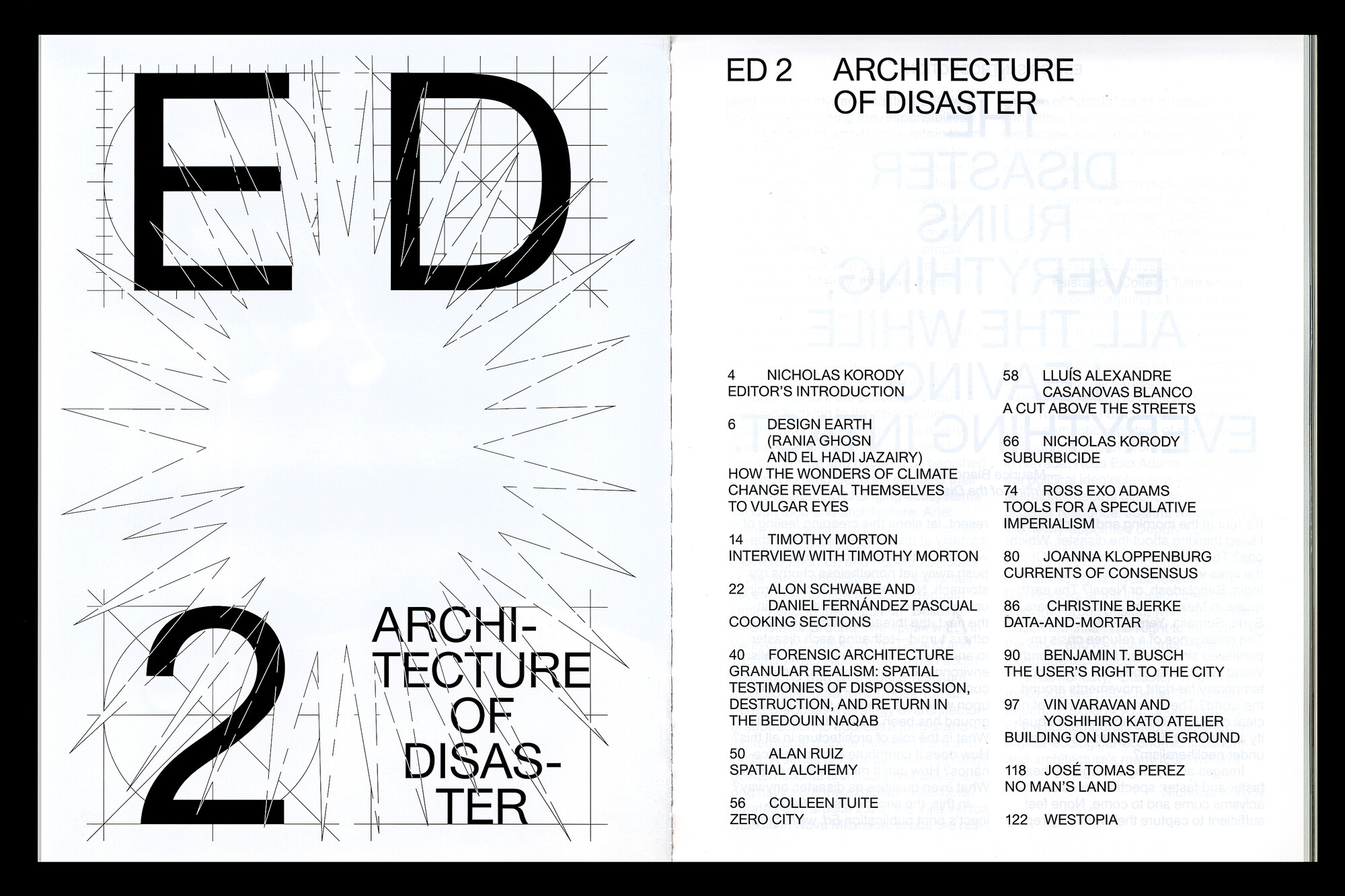
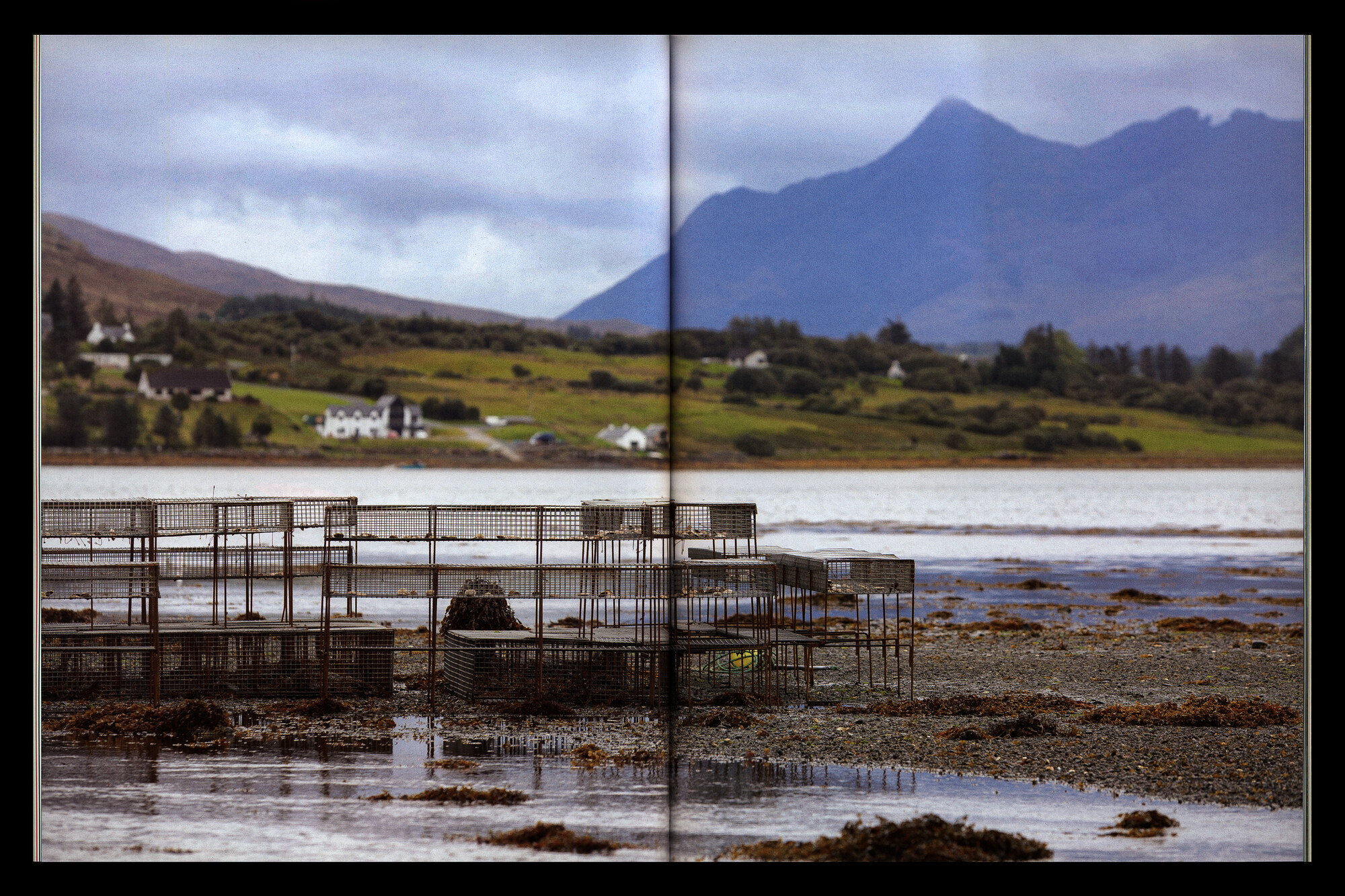
Second issue of Ed, Archinect’s print magazine. Brings together texts and projects examining the disasters shaping contemporary life and architecture’s position within them. Rather than proposing solutions, the issue reflects on responsibility, uncertainty, and the discipline’s entanglement in the crises it seeks to address. More info ⎘
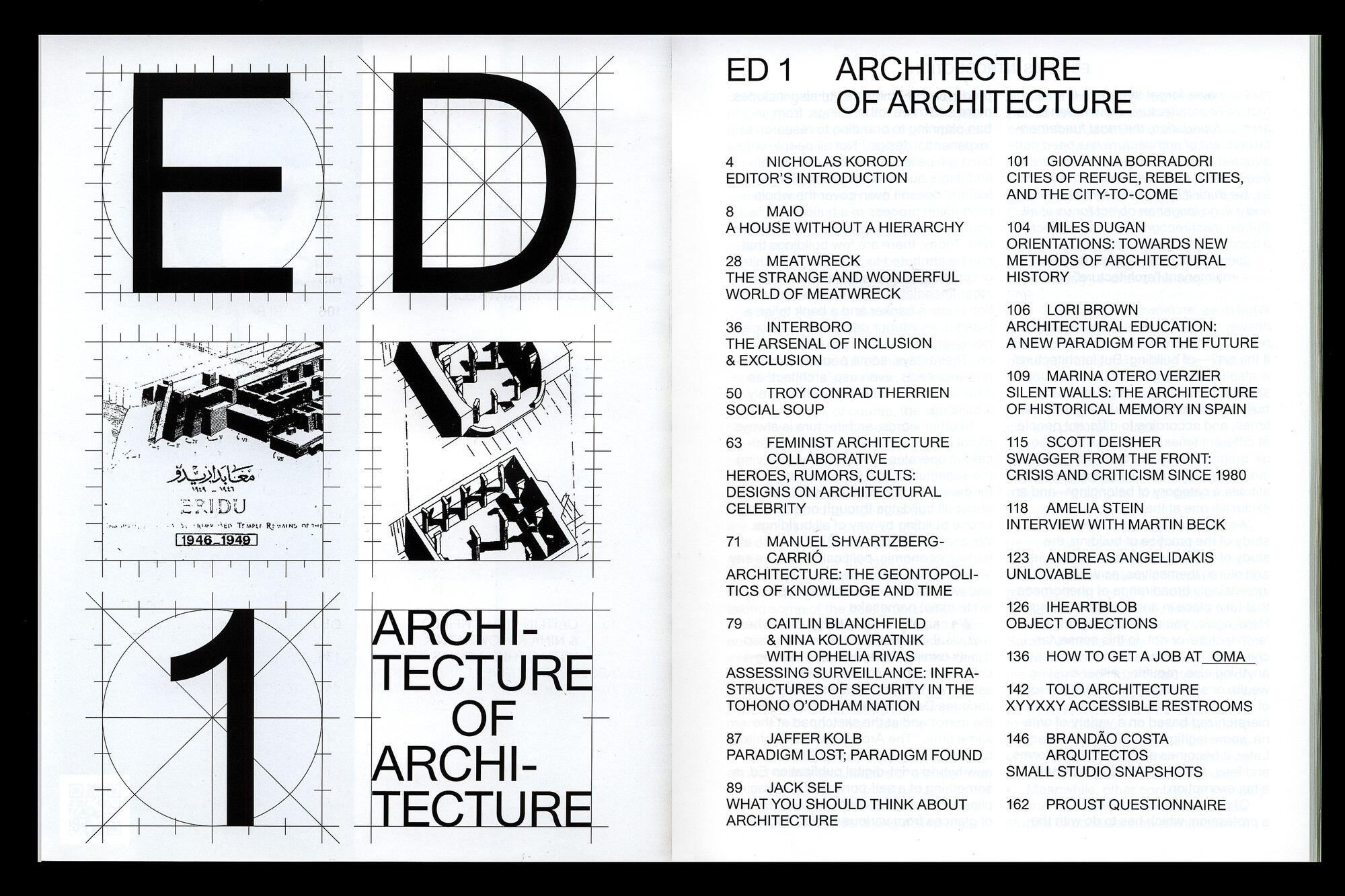
Inaugural issue of Ed, Archinect’s print magazine. Examines how architecture operates within broader social, economic, and technological systems, and considers how the discipline might be reimagined through alternative frameworks of practice and thought. More info