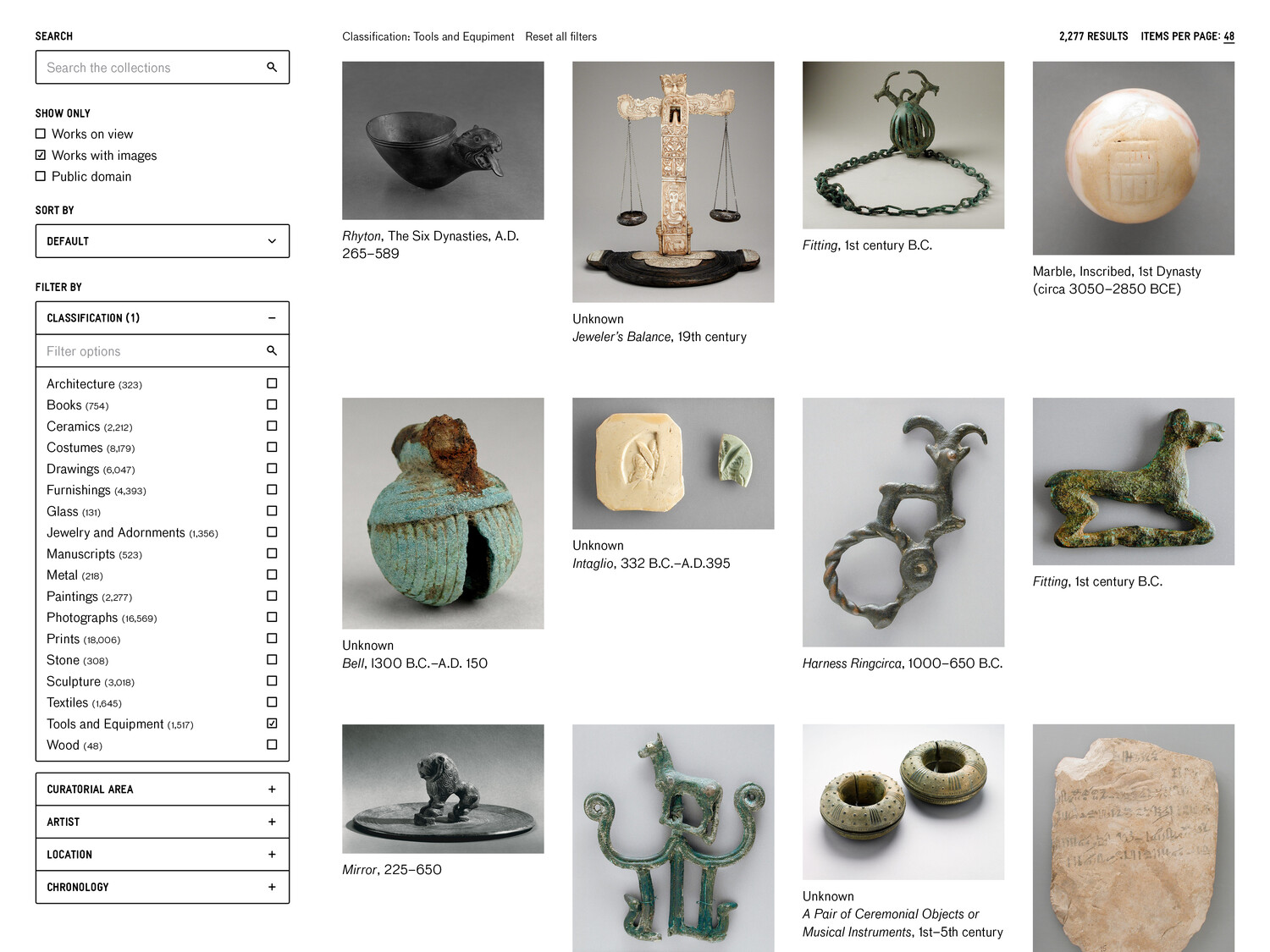
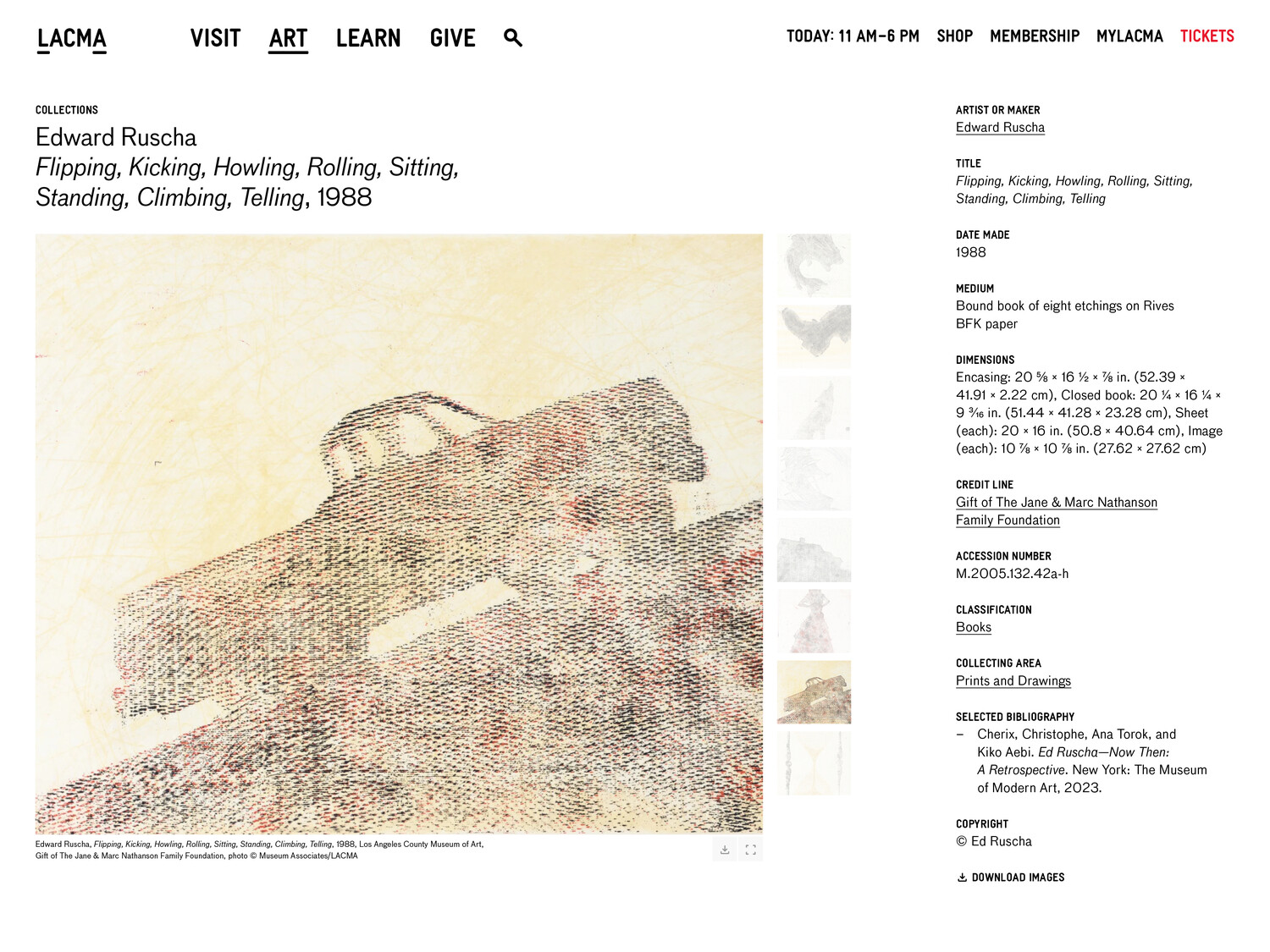
Folder designs interfaces, publications, and systems for organizing, encountering, and carrying information forward. We help museums, universities, civic institutions, and others engaged in the stewardship and sharing of knowledge create ways for language, media, and material to surface and endure.
We are interested in what happens to information over time, and how form can reveal the connections that give it meaning. Projects come in a variety of configurations rooted in partnerships that honor the material and its strategic presentation.
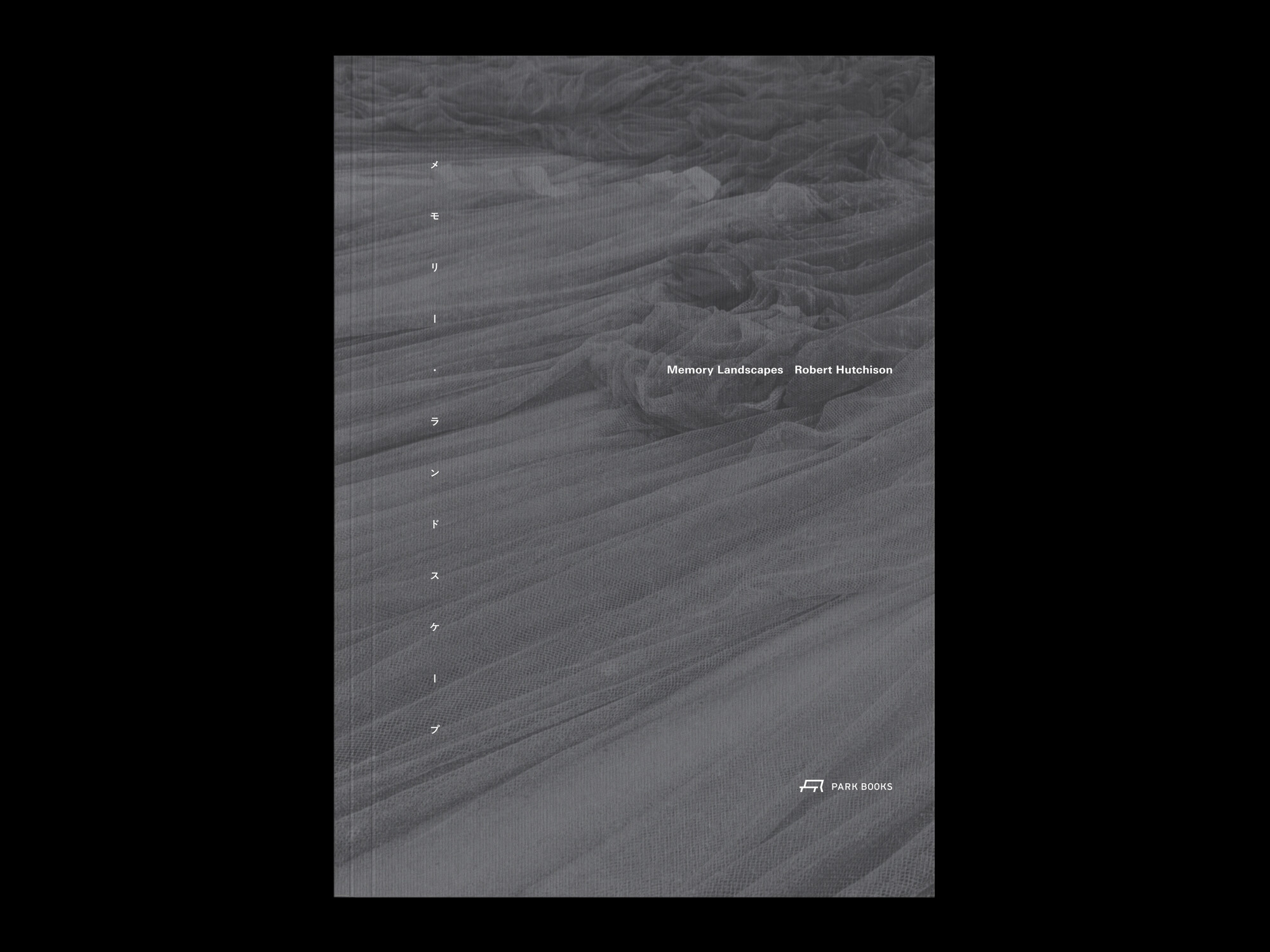
Memory Landscapes presents a body of work developed by Robert Hutchison Architecture across decades, addressing the seawalls built along Japan’s Tohoku coast after the 2011 earthquake and tsunami. These proposals, which include contributions from Hutchison’s firm along with Japanese architects, artists, and community members, consider how collective memory might inform the future of fishing communities these walls protect while at the same time separating them from the sea.
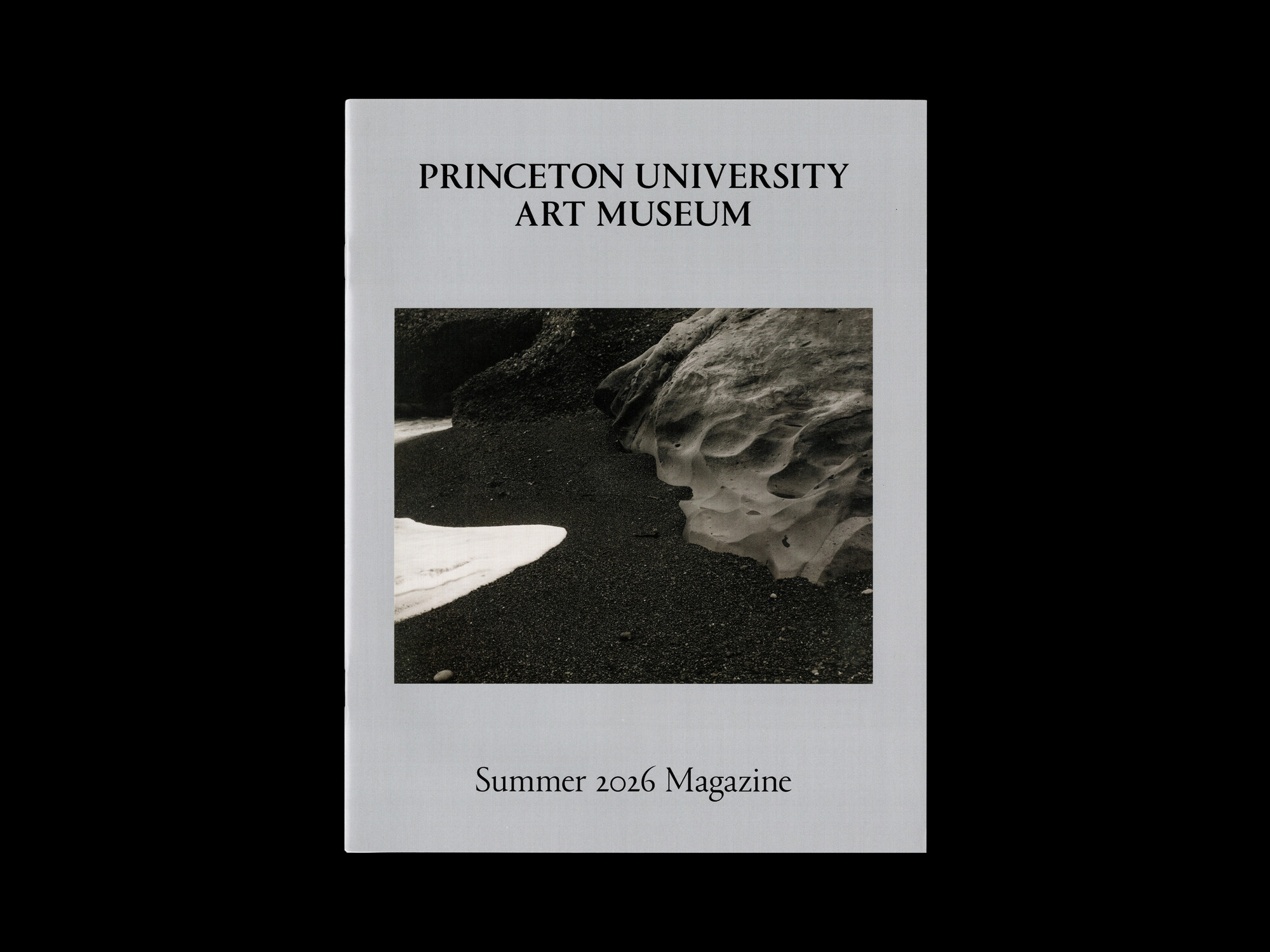
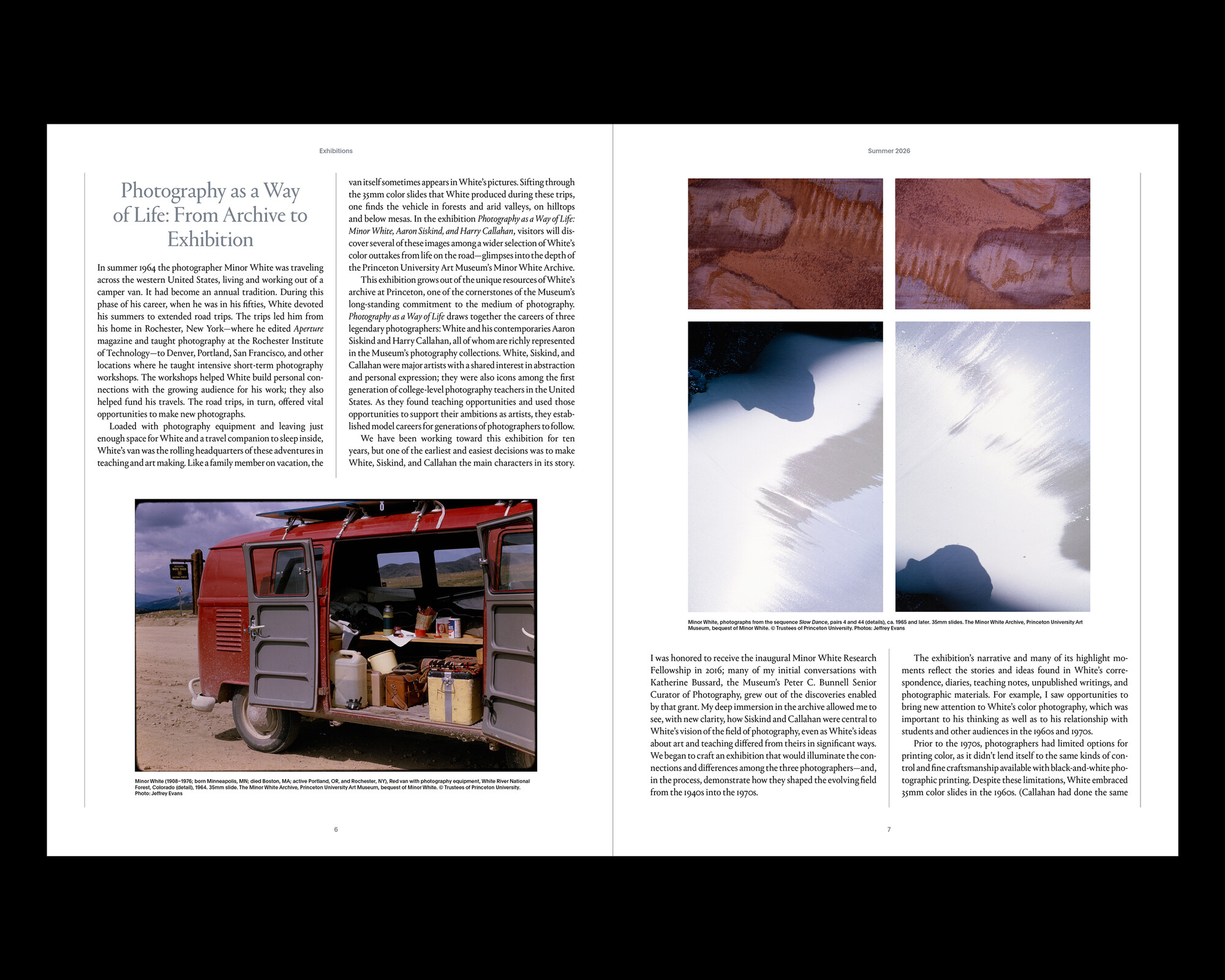
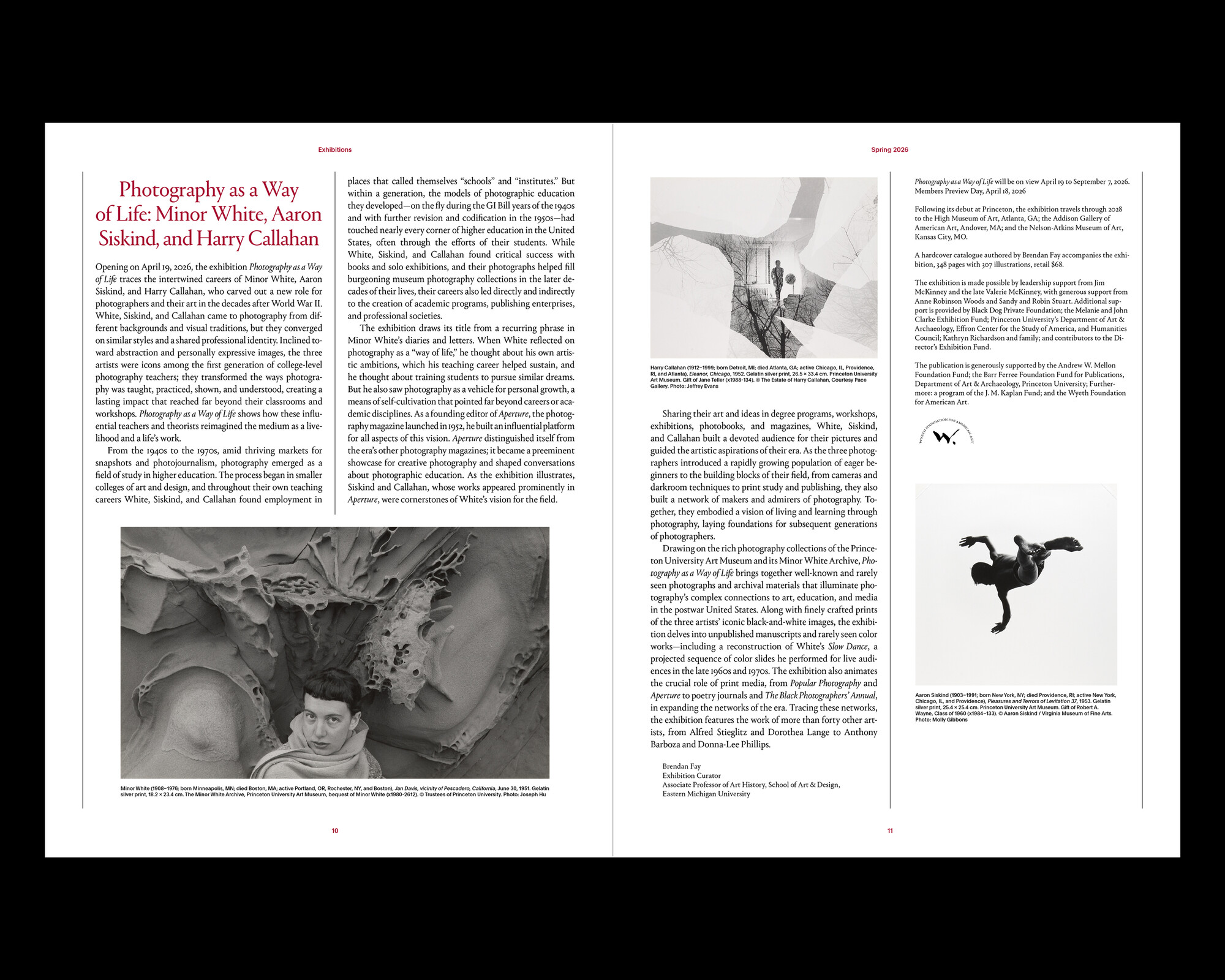
The Summer 2026 issue of the magazine features Minor White’s Two Waves and Pitted Rock on its cover highlighting PUAM’s summer exhibition Photography as a Way of Life. The show examines the overlapping careers of Minor White, Aaron Siskind, and Harry Callahan who redefined photography in the mid-twentieth century.
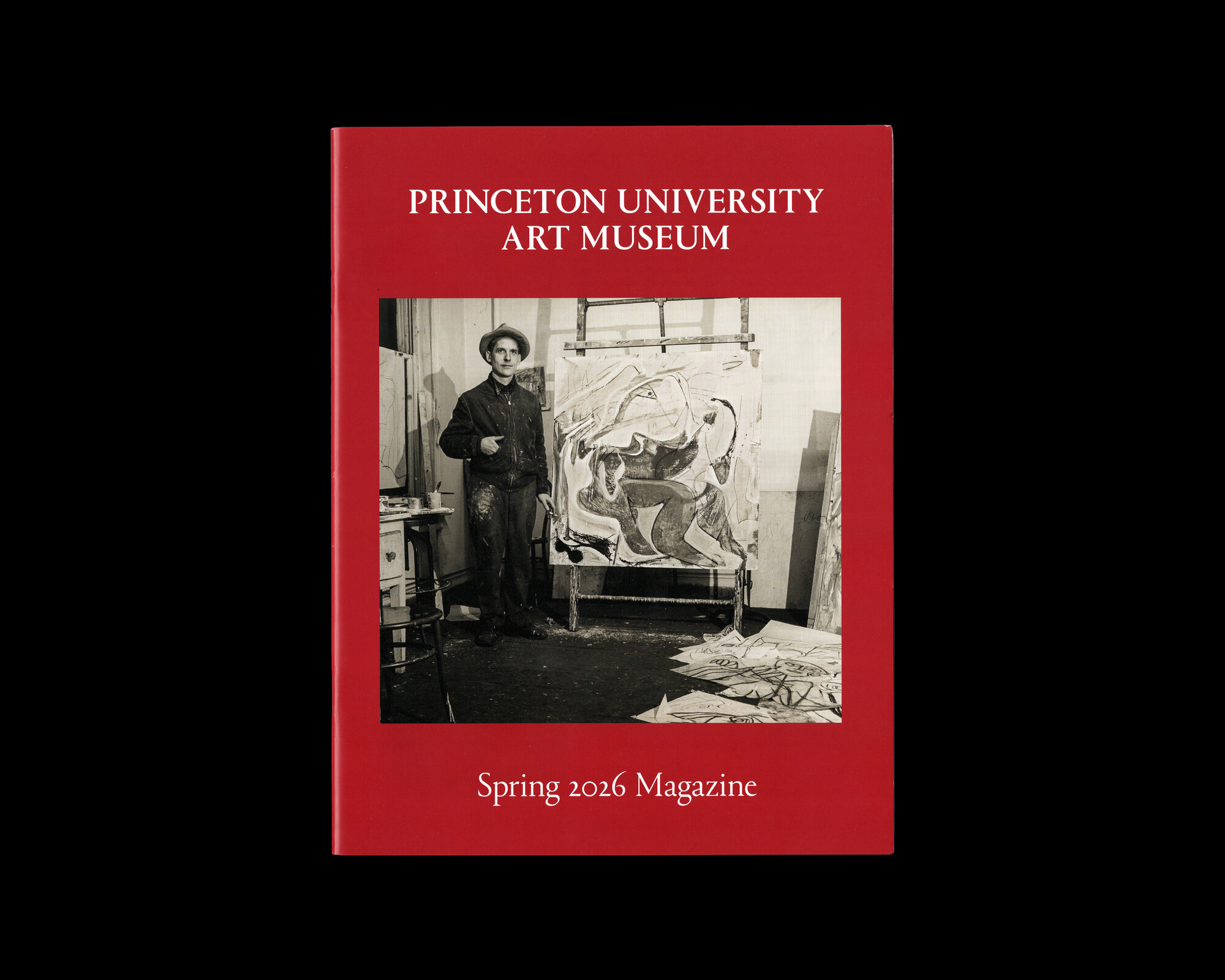
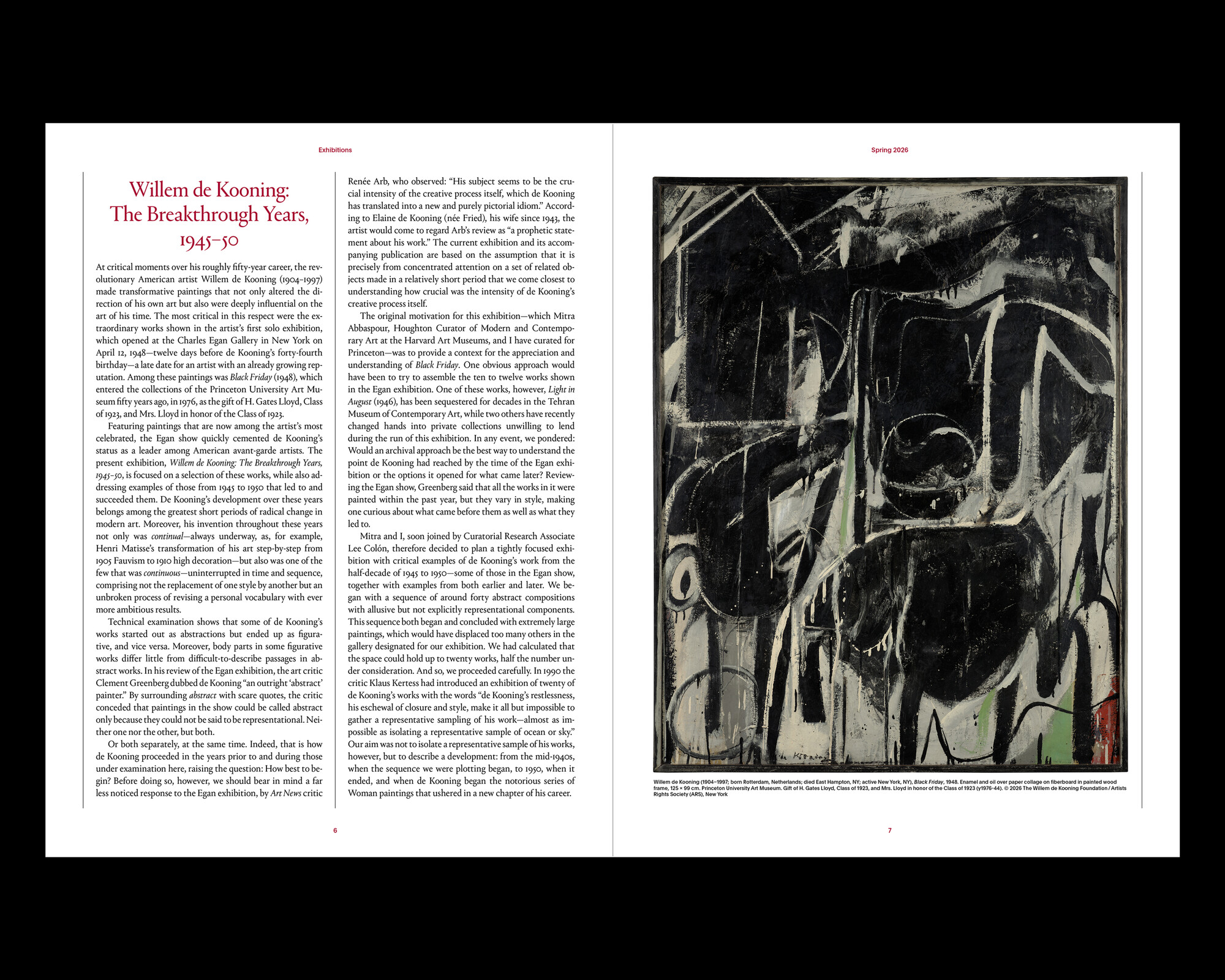
The Spring 2026 issue of the magazine features Willem de Kooning: The Breakthrough Years, 1945–50, with an archival photograph of the artist in his studio on the cover. The show exhibits 18 tightly selected masterworks sourced from more than a dozen prestigious museums and private collections, looking at the 5-year window where de Kooning formulated the visual language that would define his entire career.
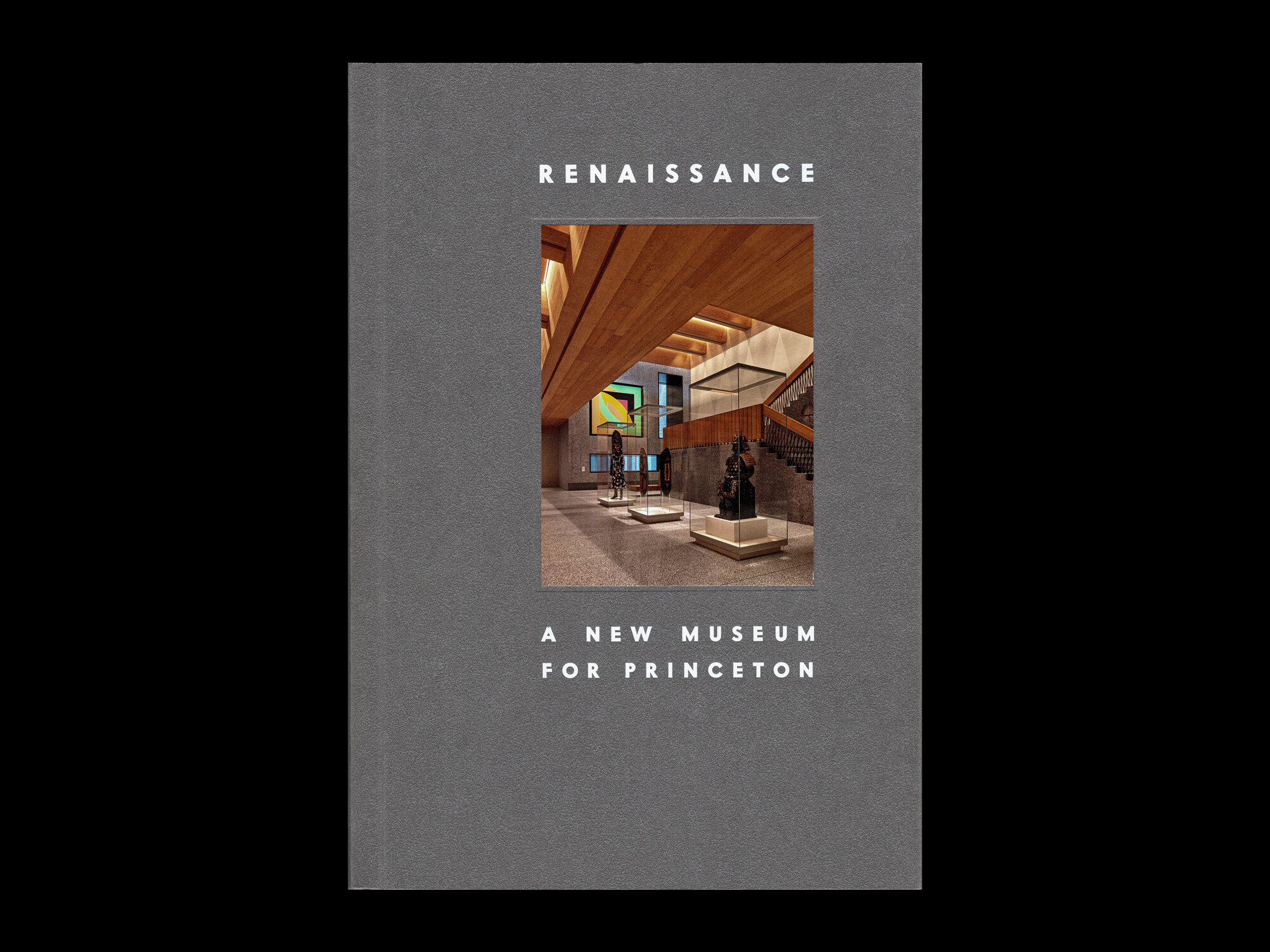
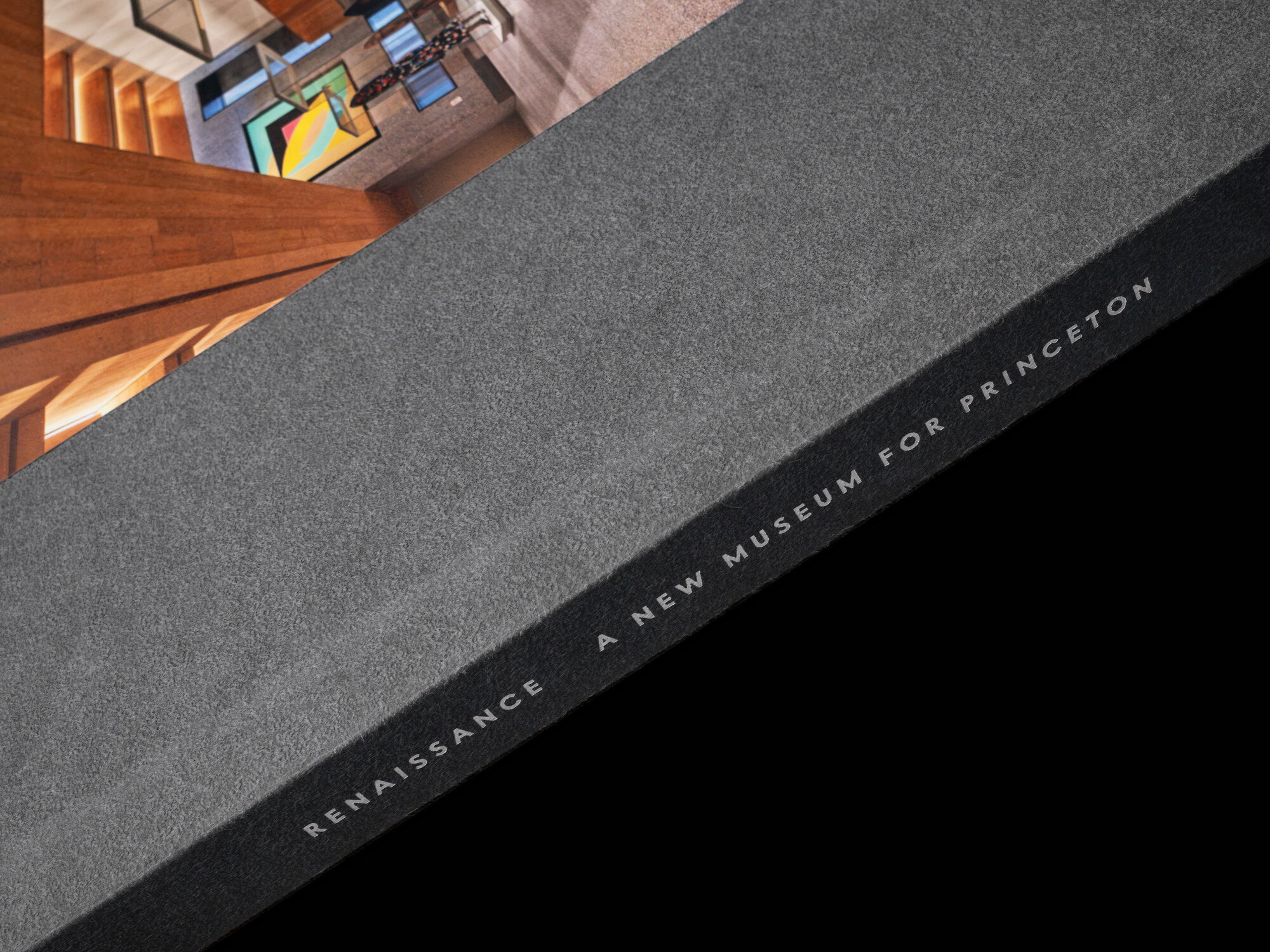
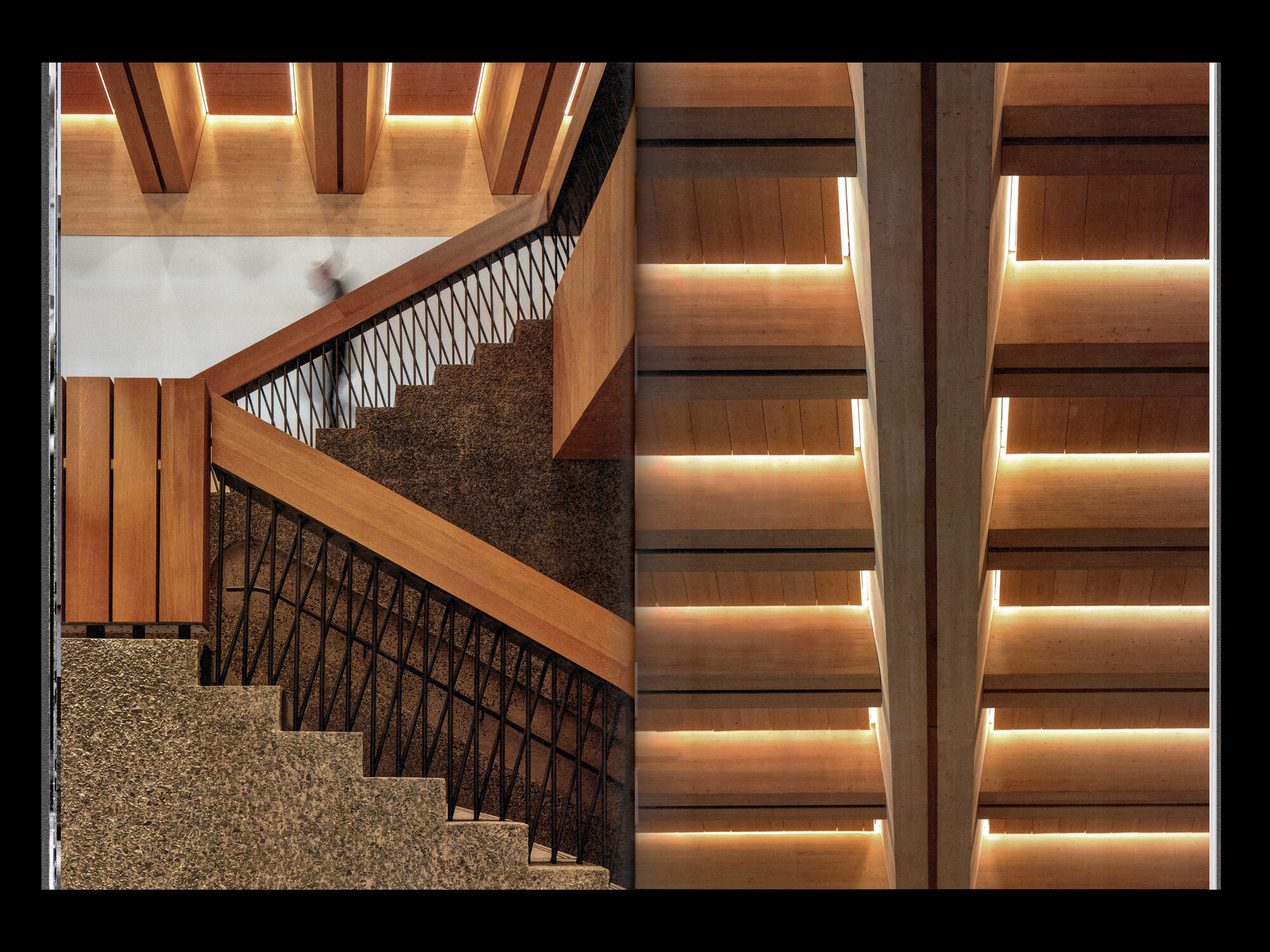
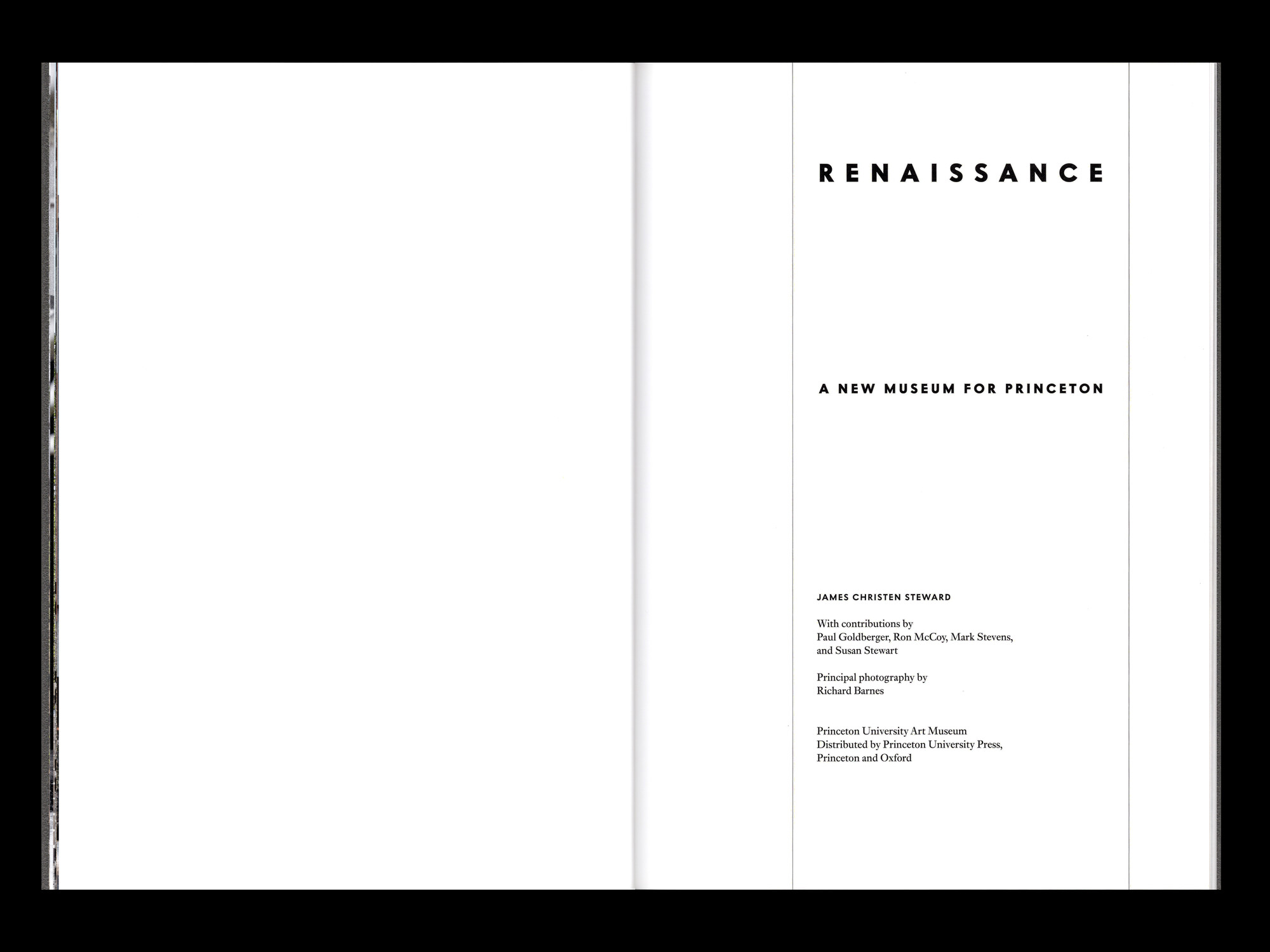
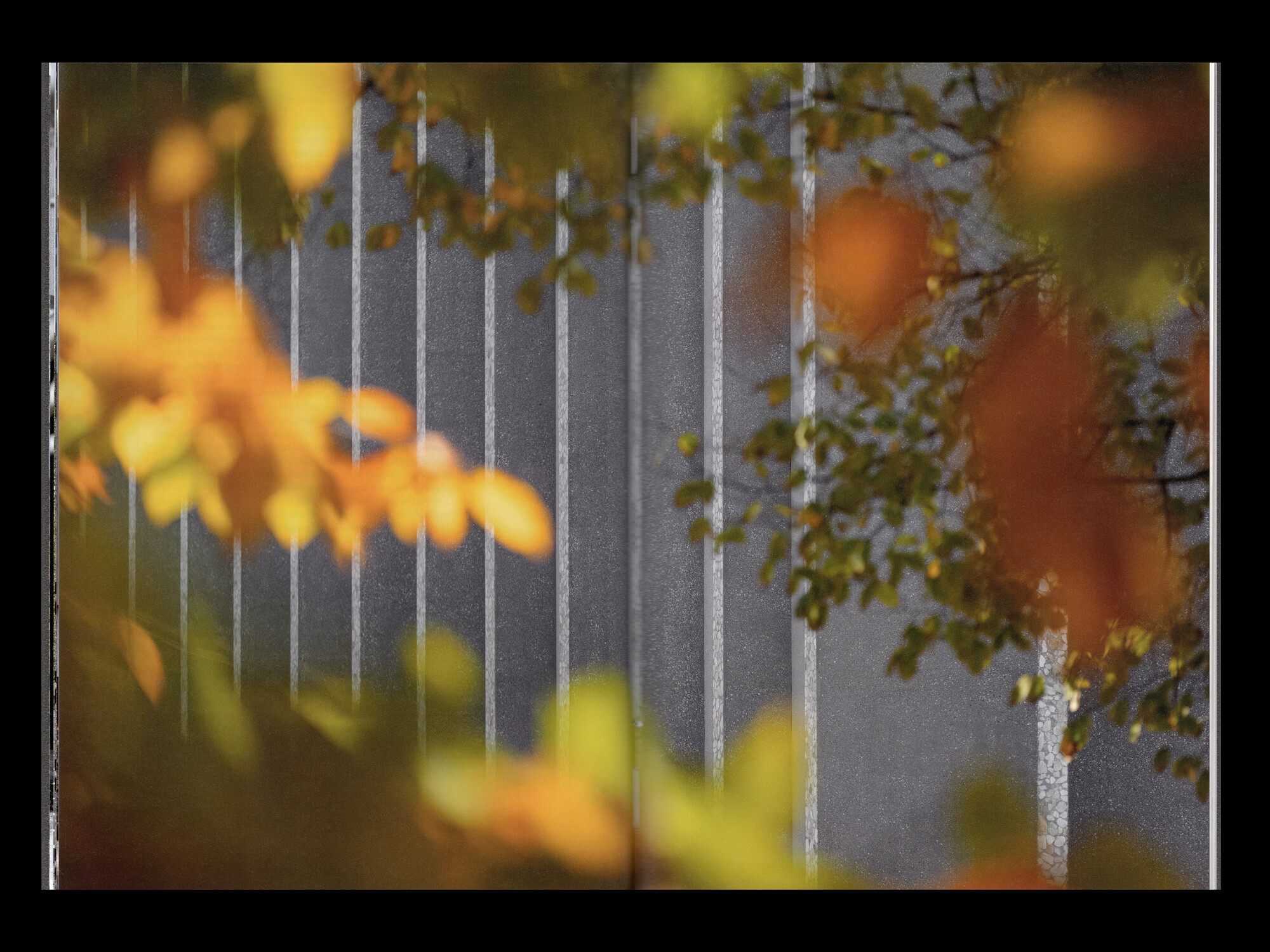
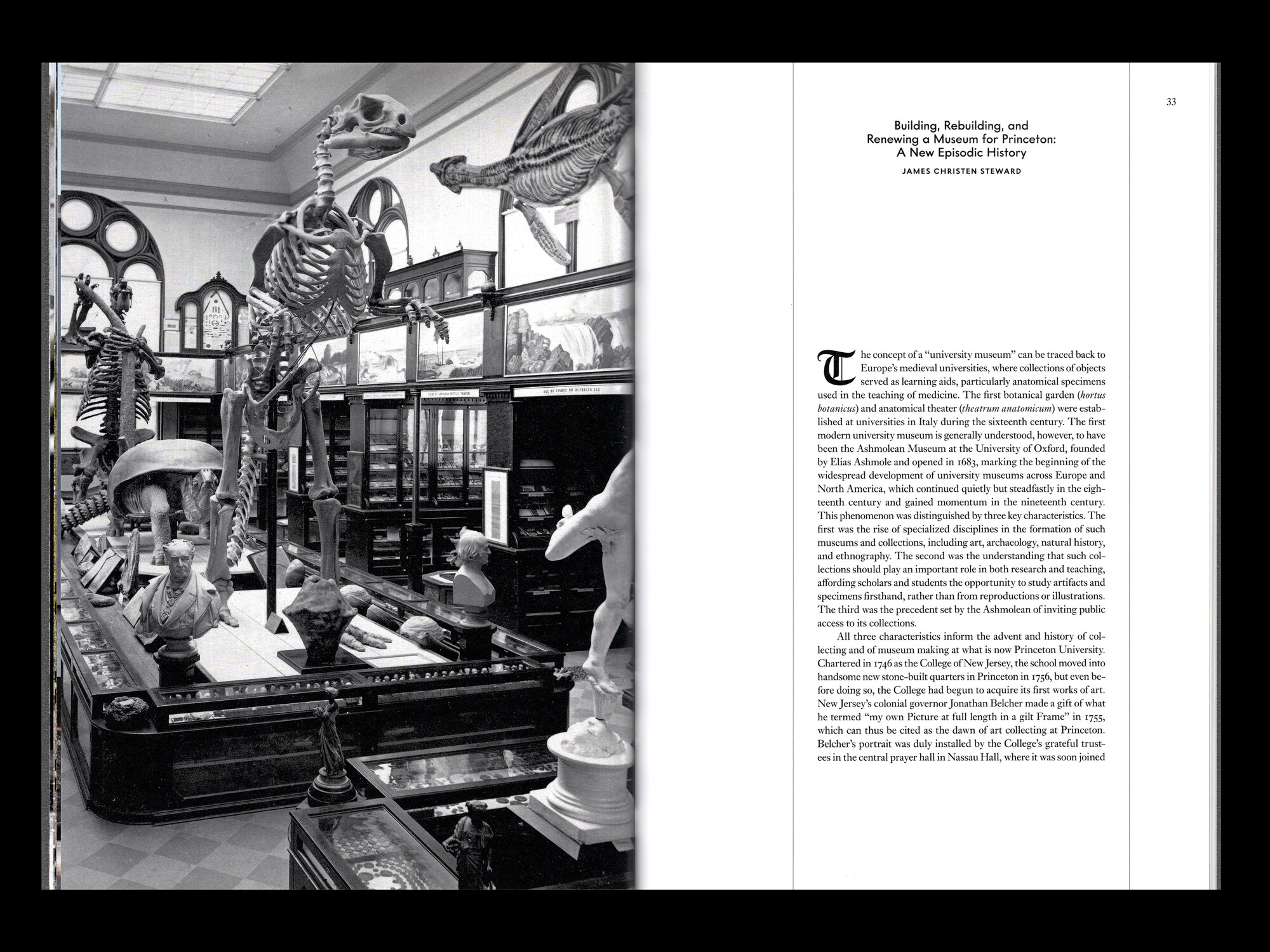
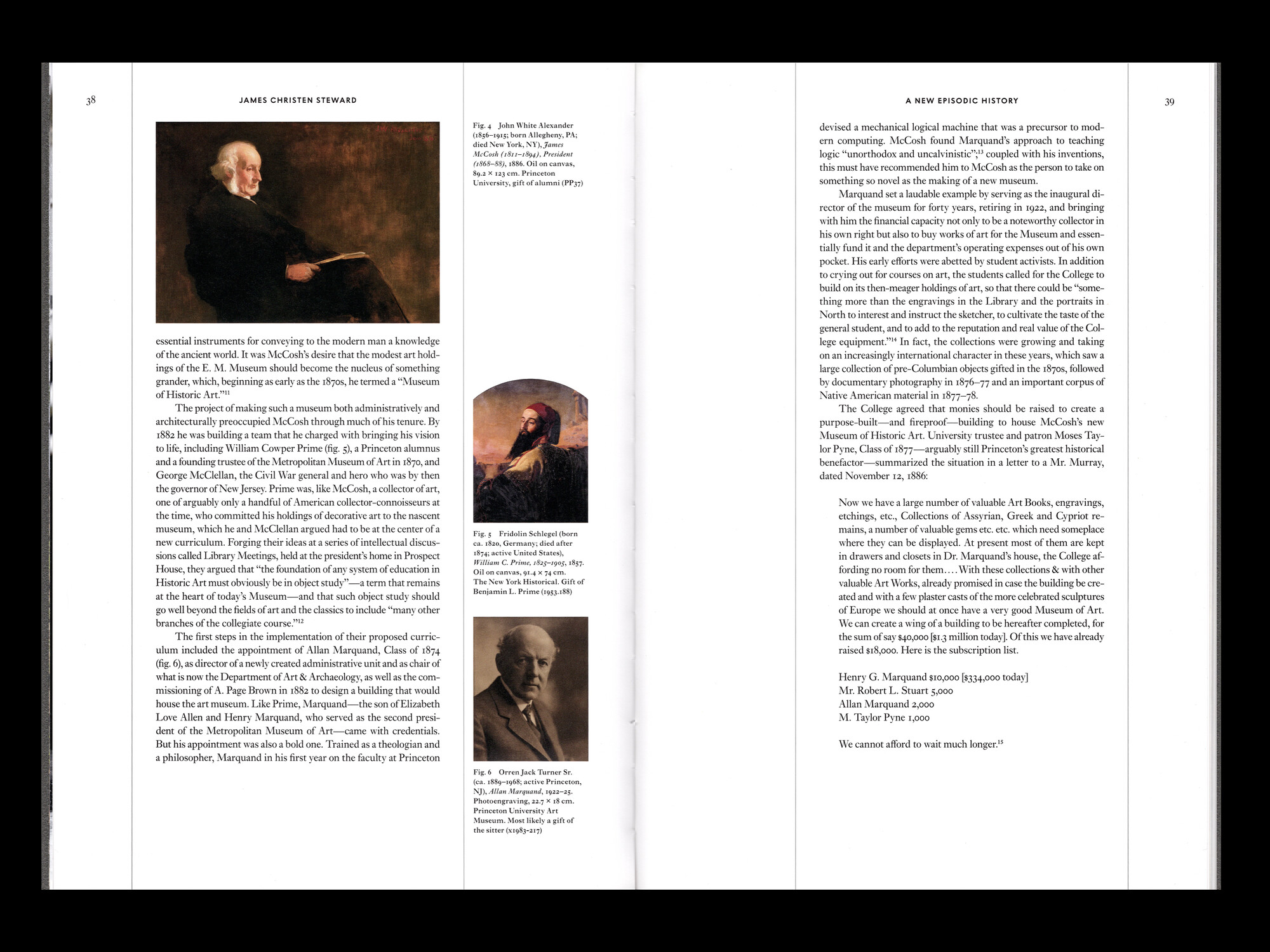
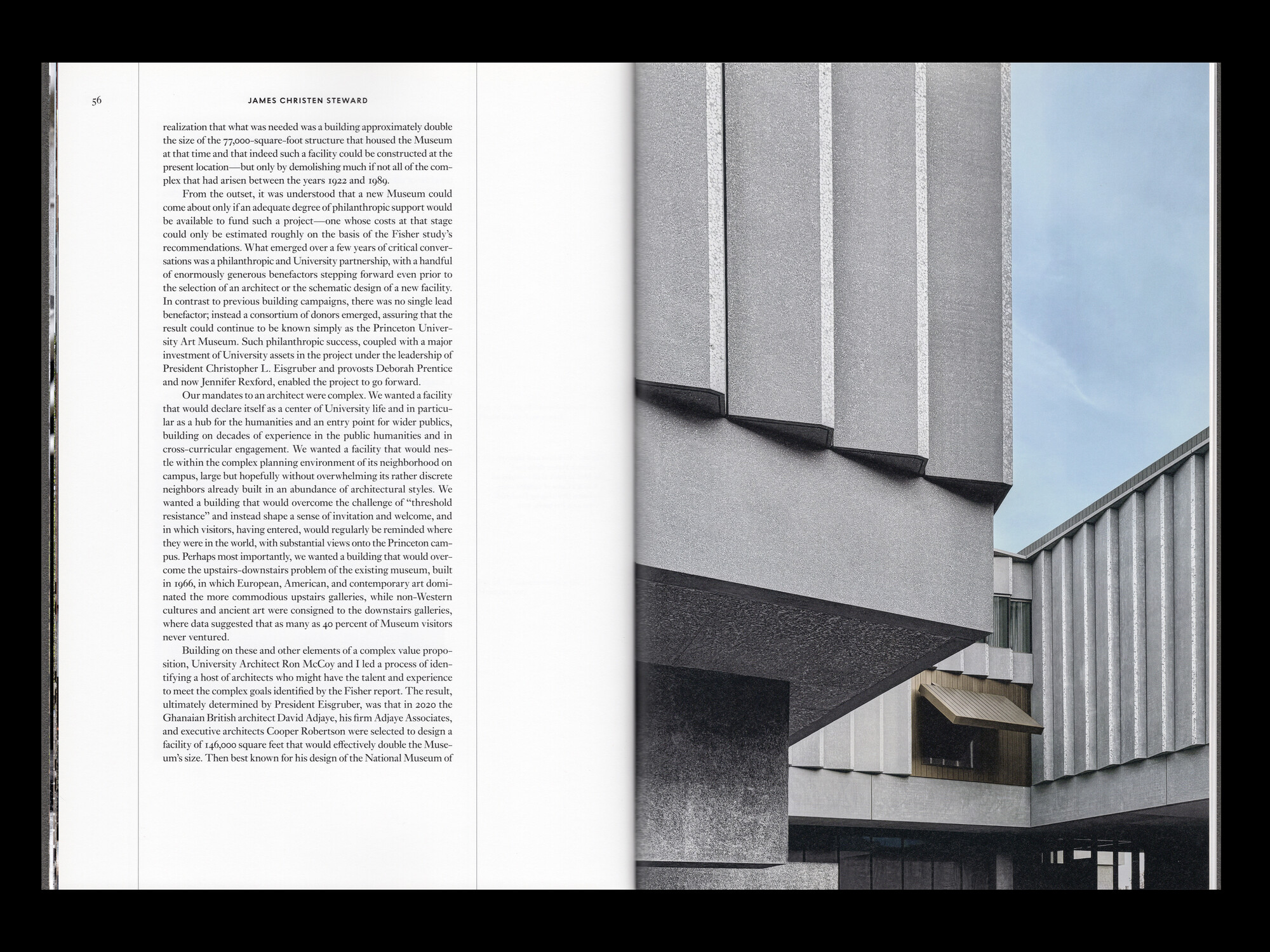
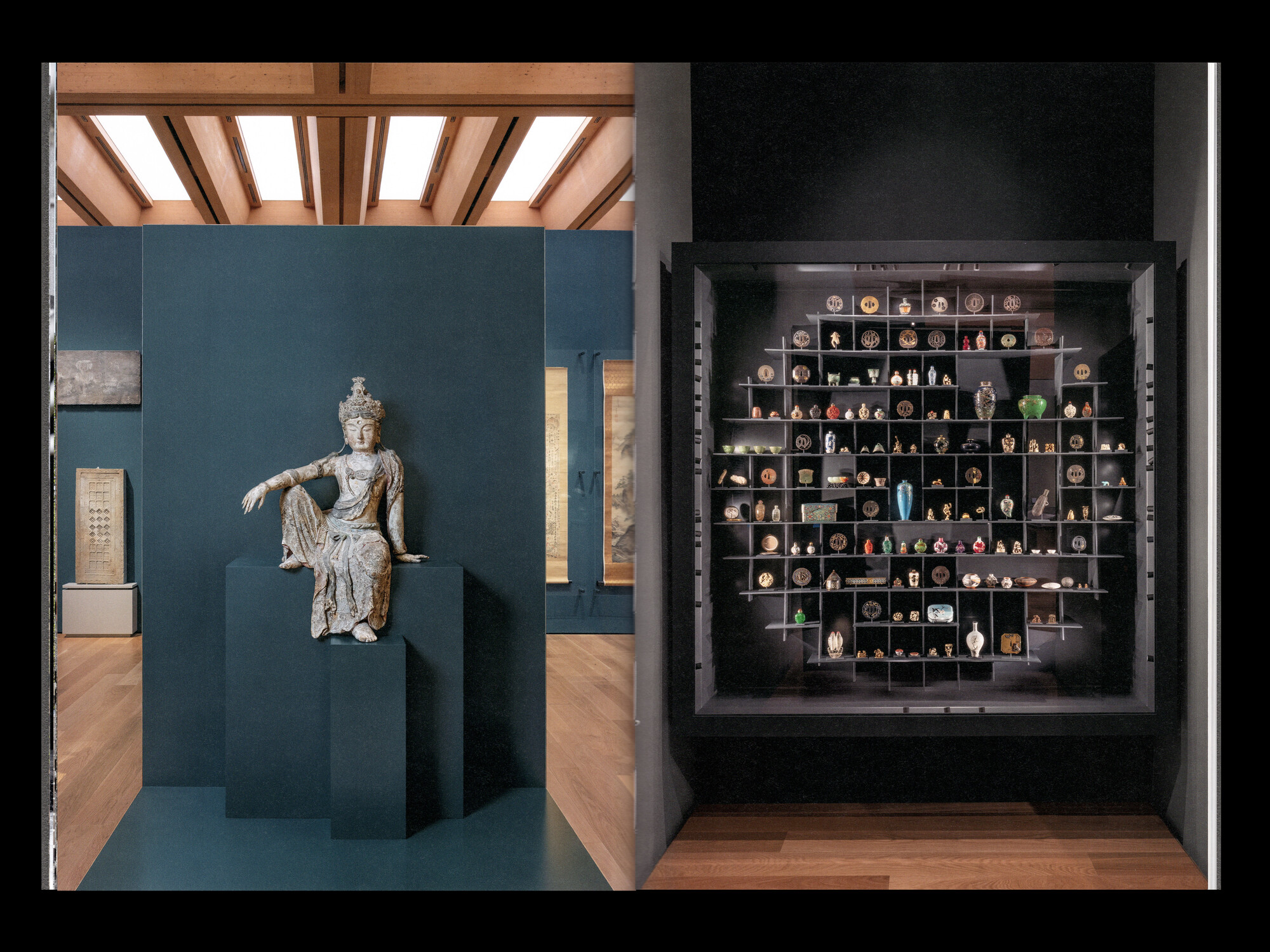
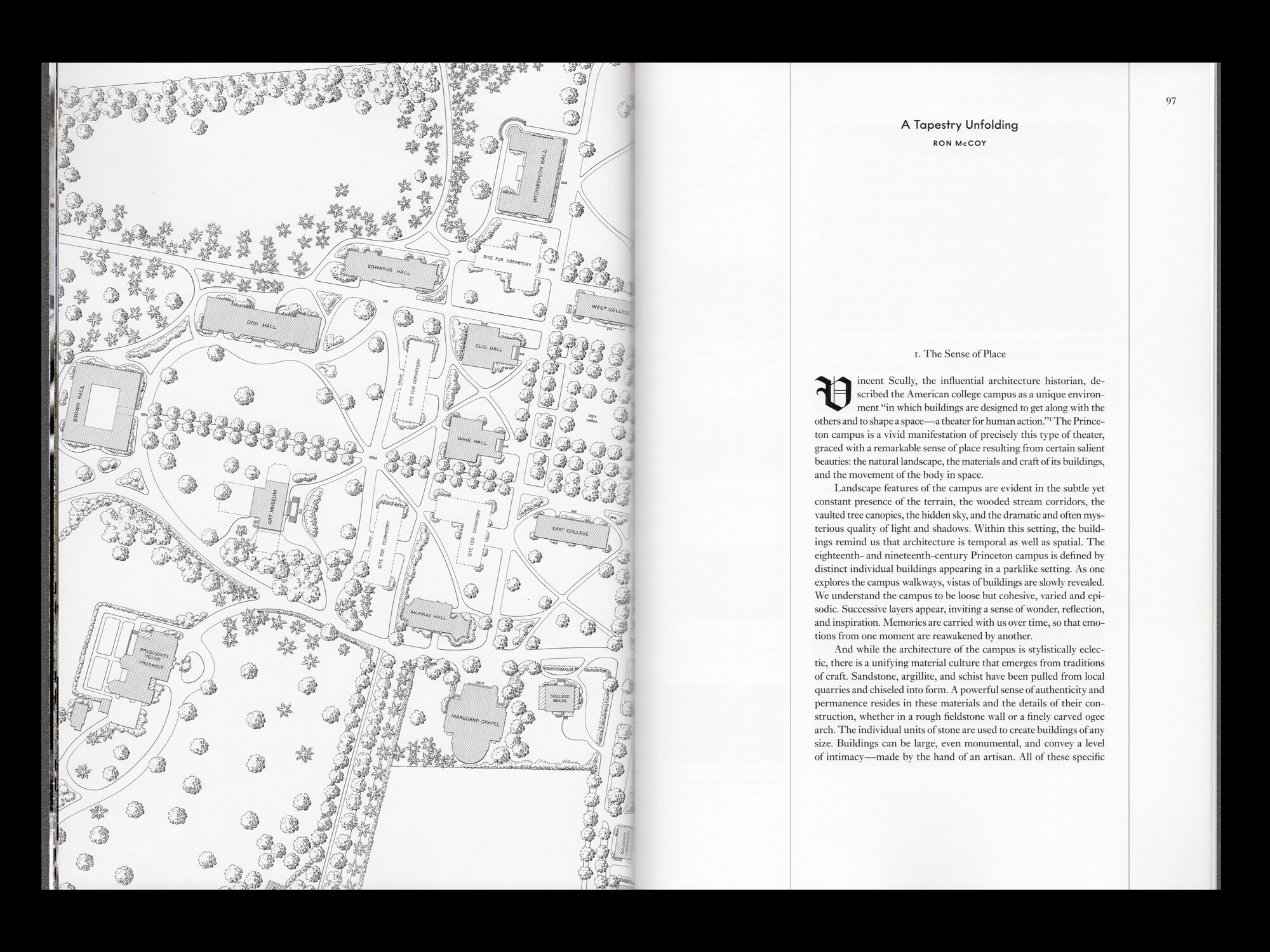
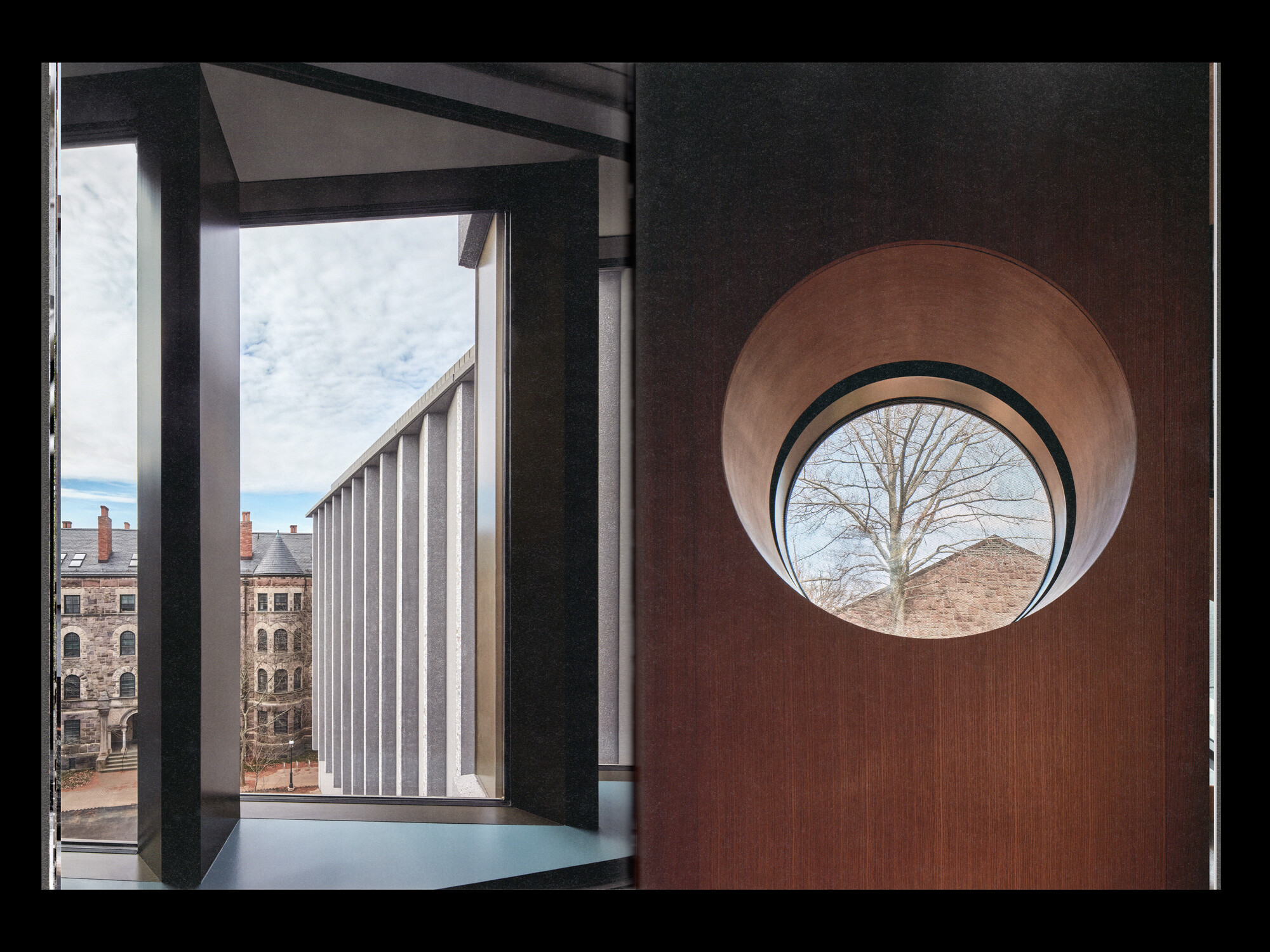
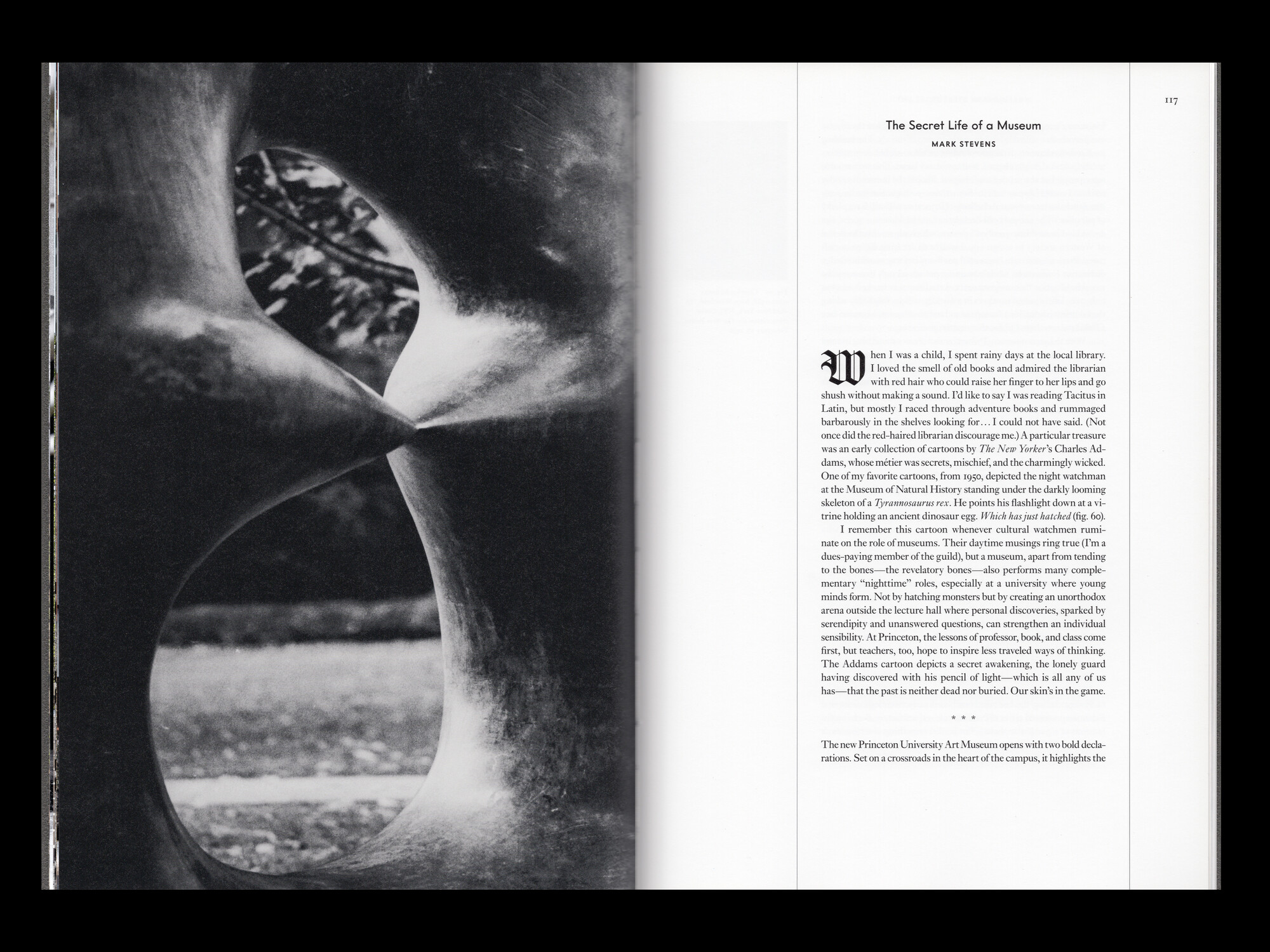
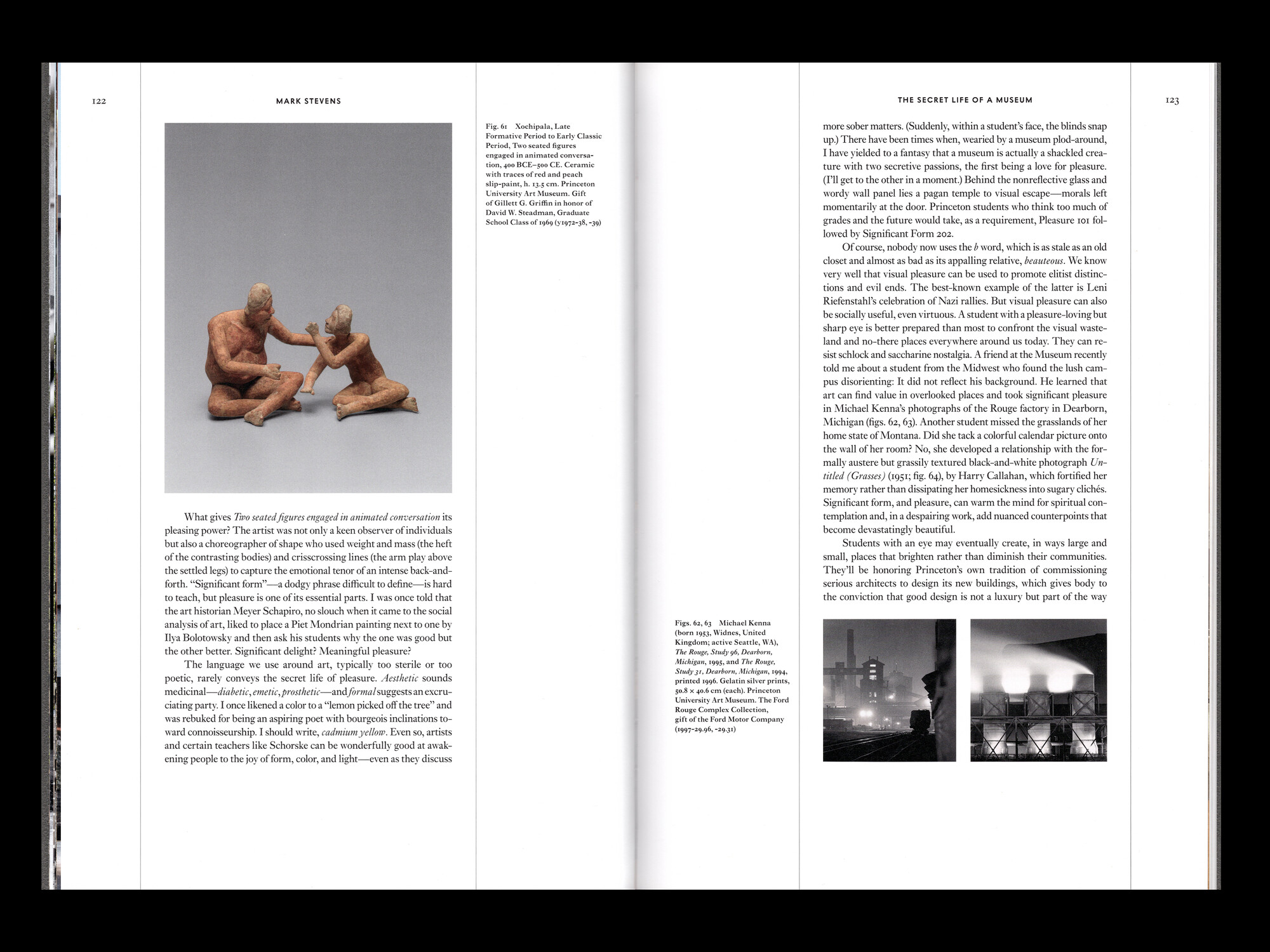
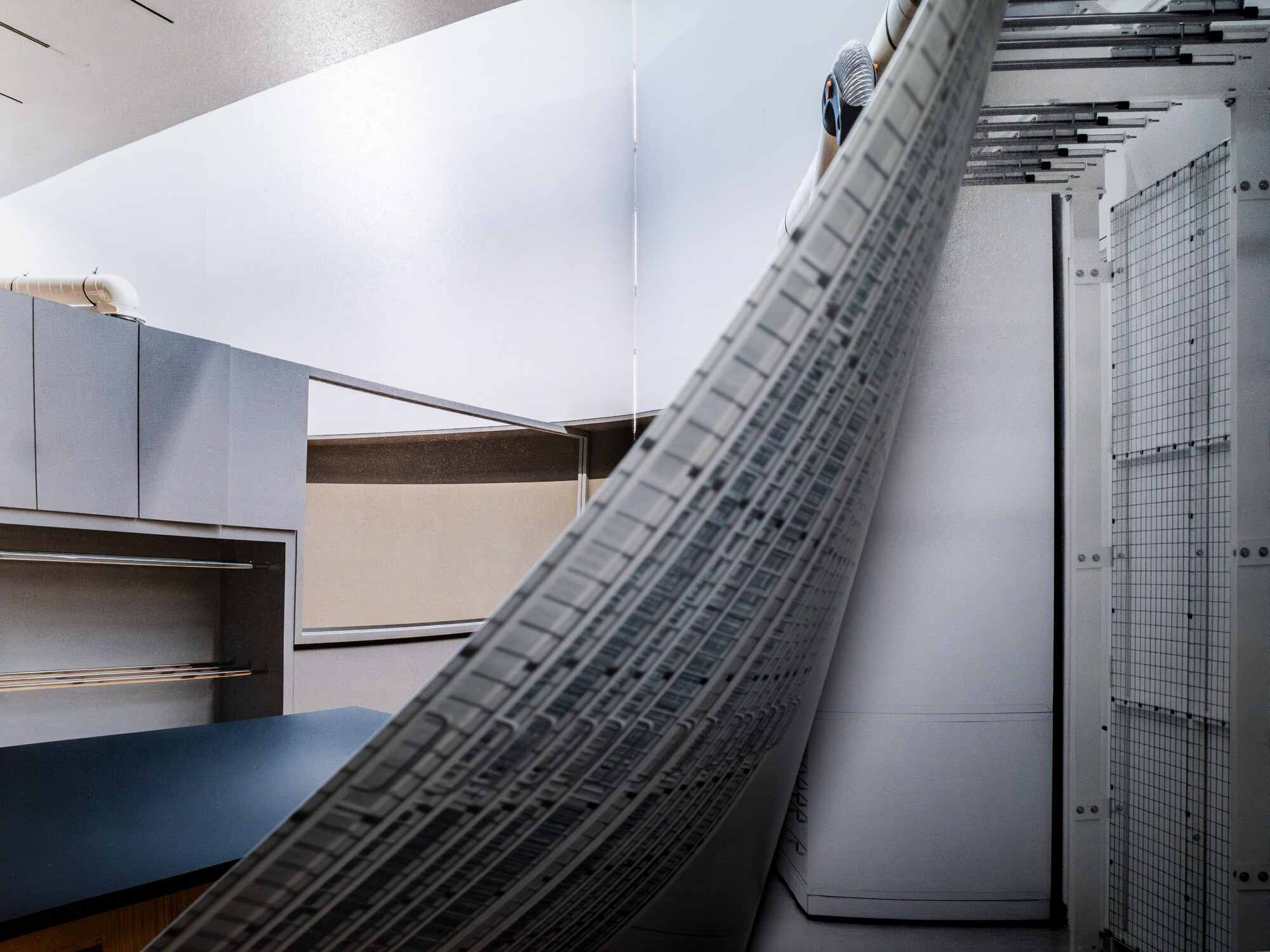
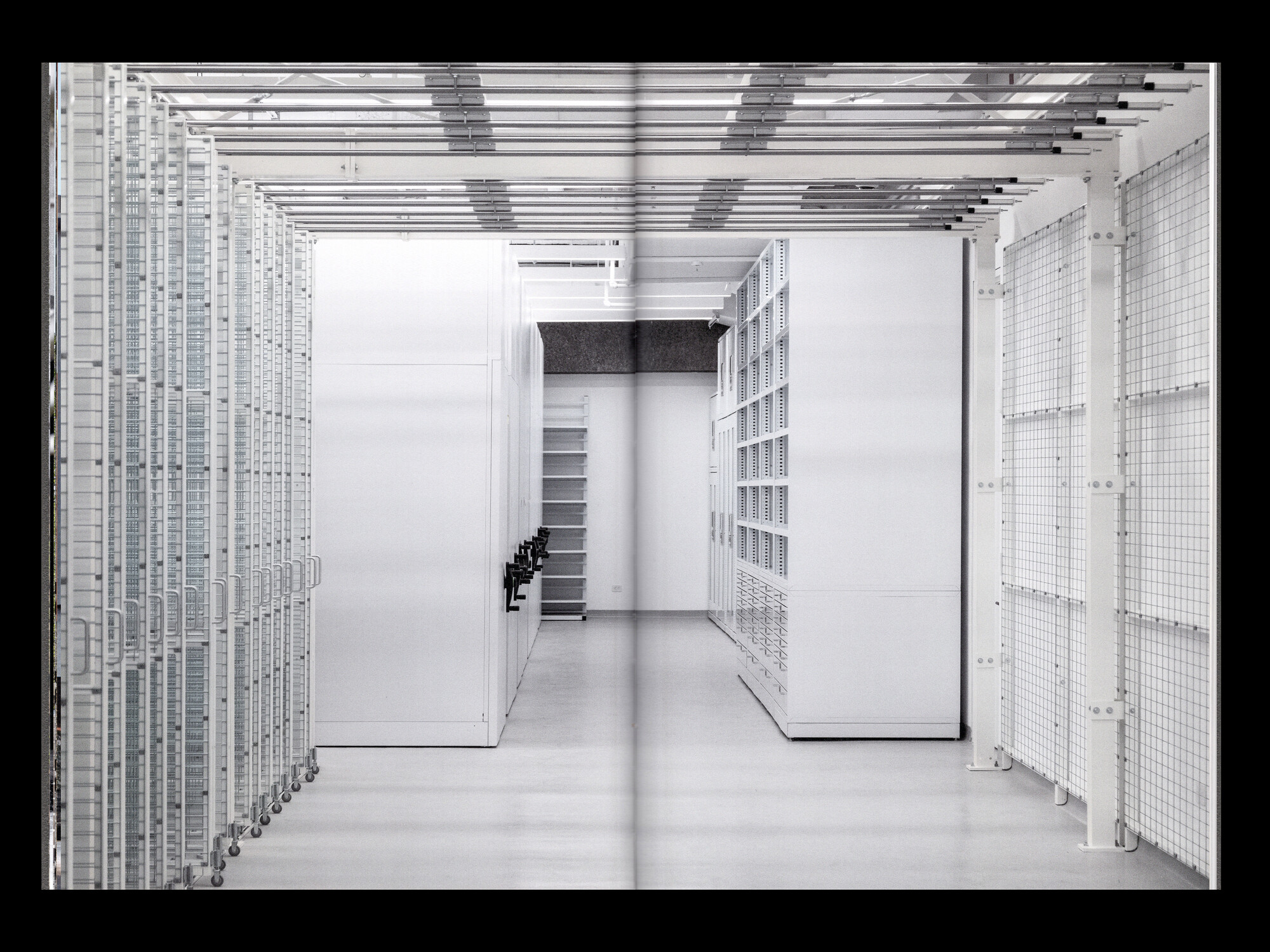
Renaissance: A New Museum for Princeton marks the completion and reopening of the new Princeton University Art Museum. Shot in its final year of construction, Richard Barnes’s photographs show the building across changing seasons and in relation to the surrounding campus. An essay by museum director James Christen Steward along with contributions by Paul Goldberger, Ron McCoy, Mark Stevens, and Susan Stewart contextualize the project within Princeton’s unique architectural history and the museum’s significance in campus life.
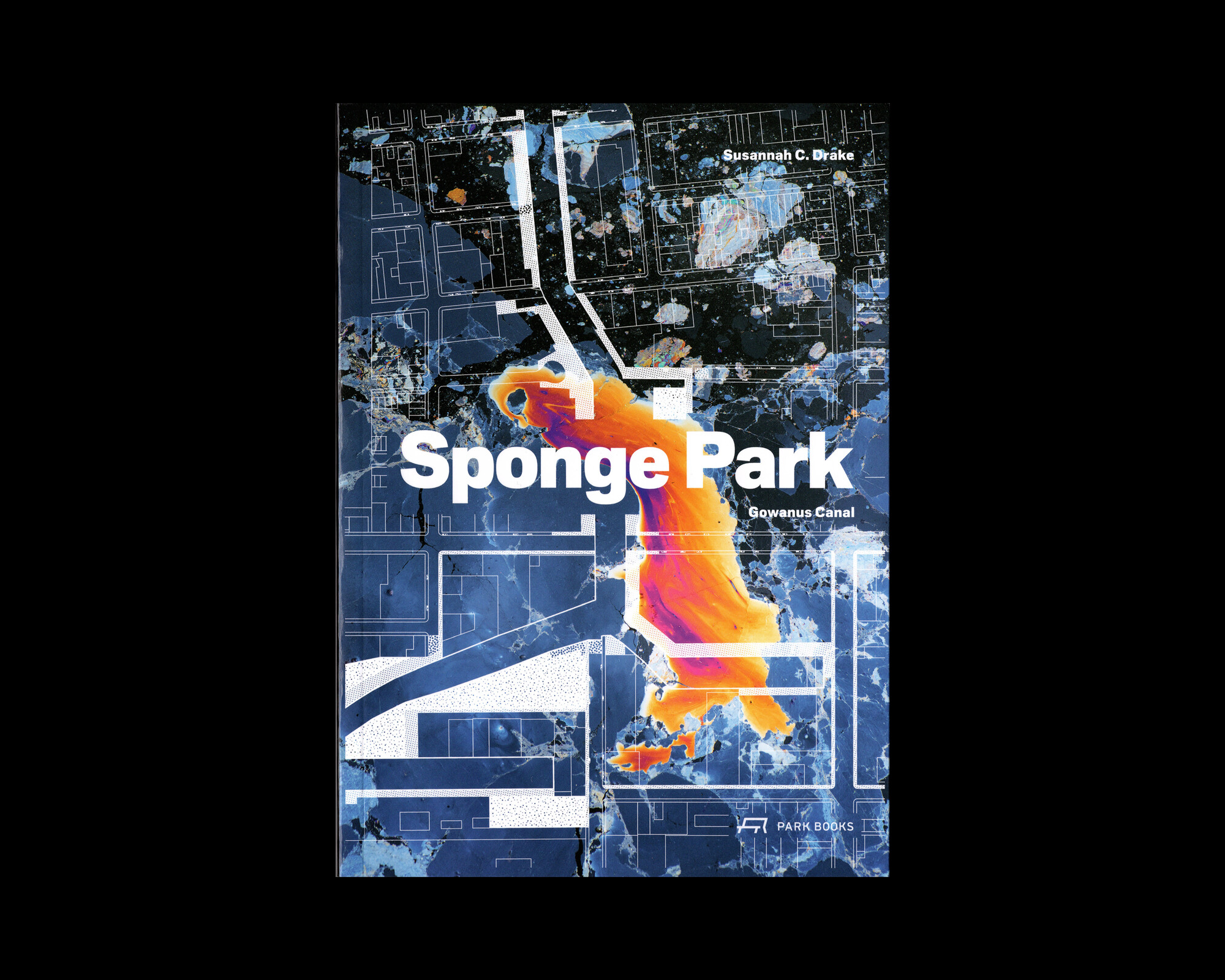
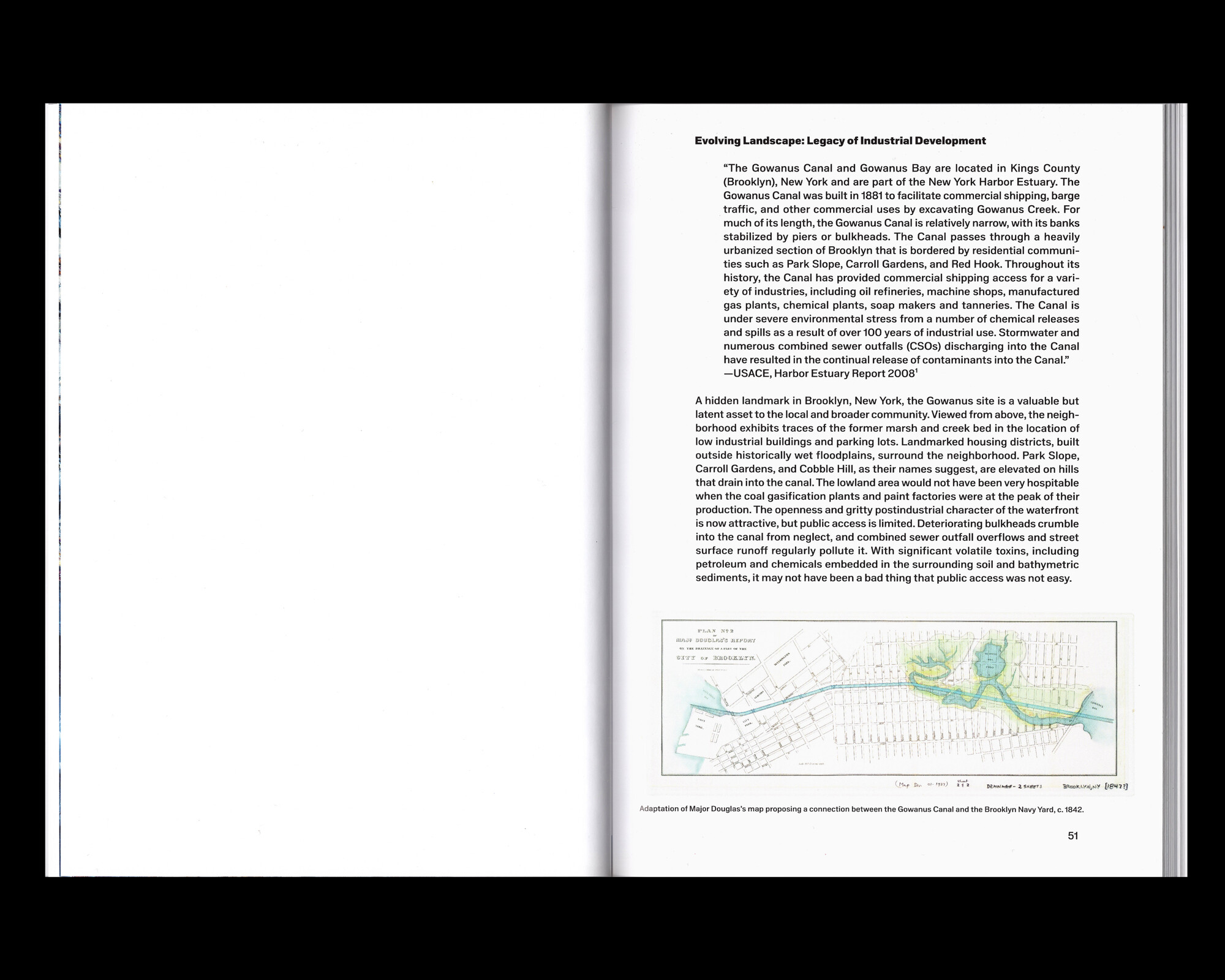
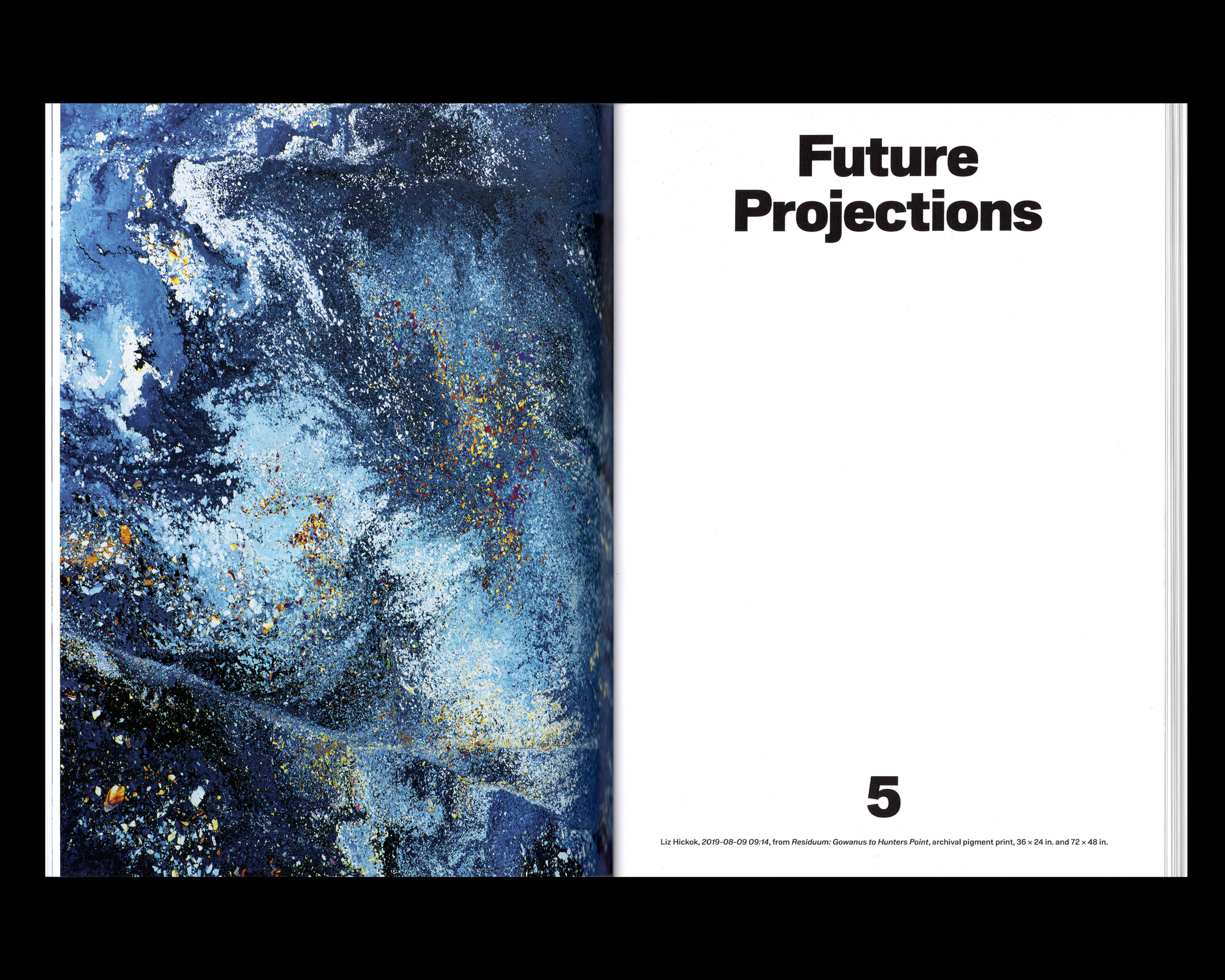
Sponge Park: Gowanus Canal is an in-depth case study and blueprint for modern green infrastructure. Presented by the park's co-designer, Susannah C. Drake, the project serves as the blueprint for “Sponge Cities,” shifting away from traditional concrete sewer systems toward more natural, permeable right-of-way designs. Photographs, plans, and diagrams trace the project from the canal’s industrial history through its built pilot and its broader use as a repeatable model for remediation.
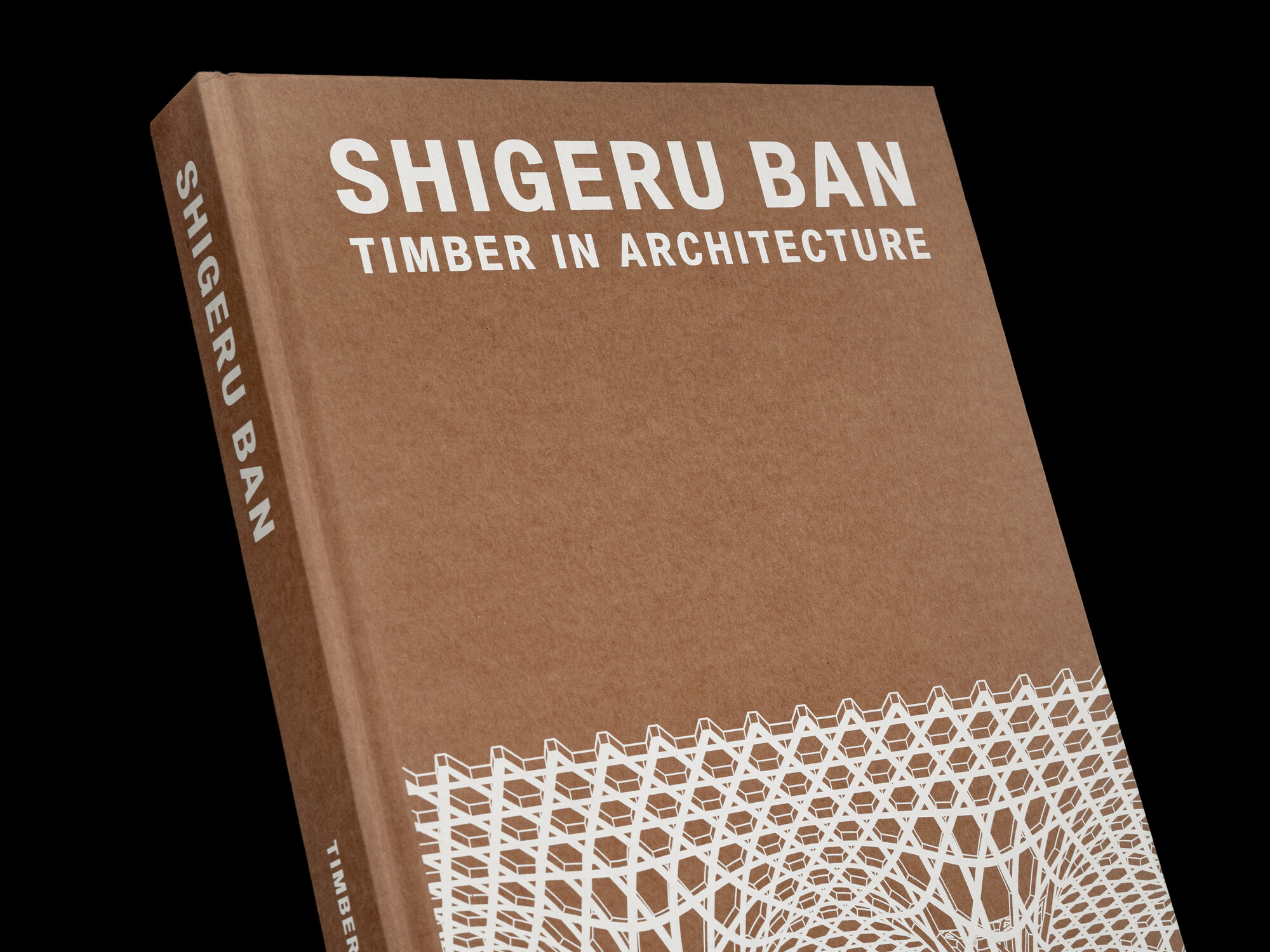
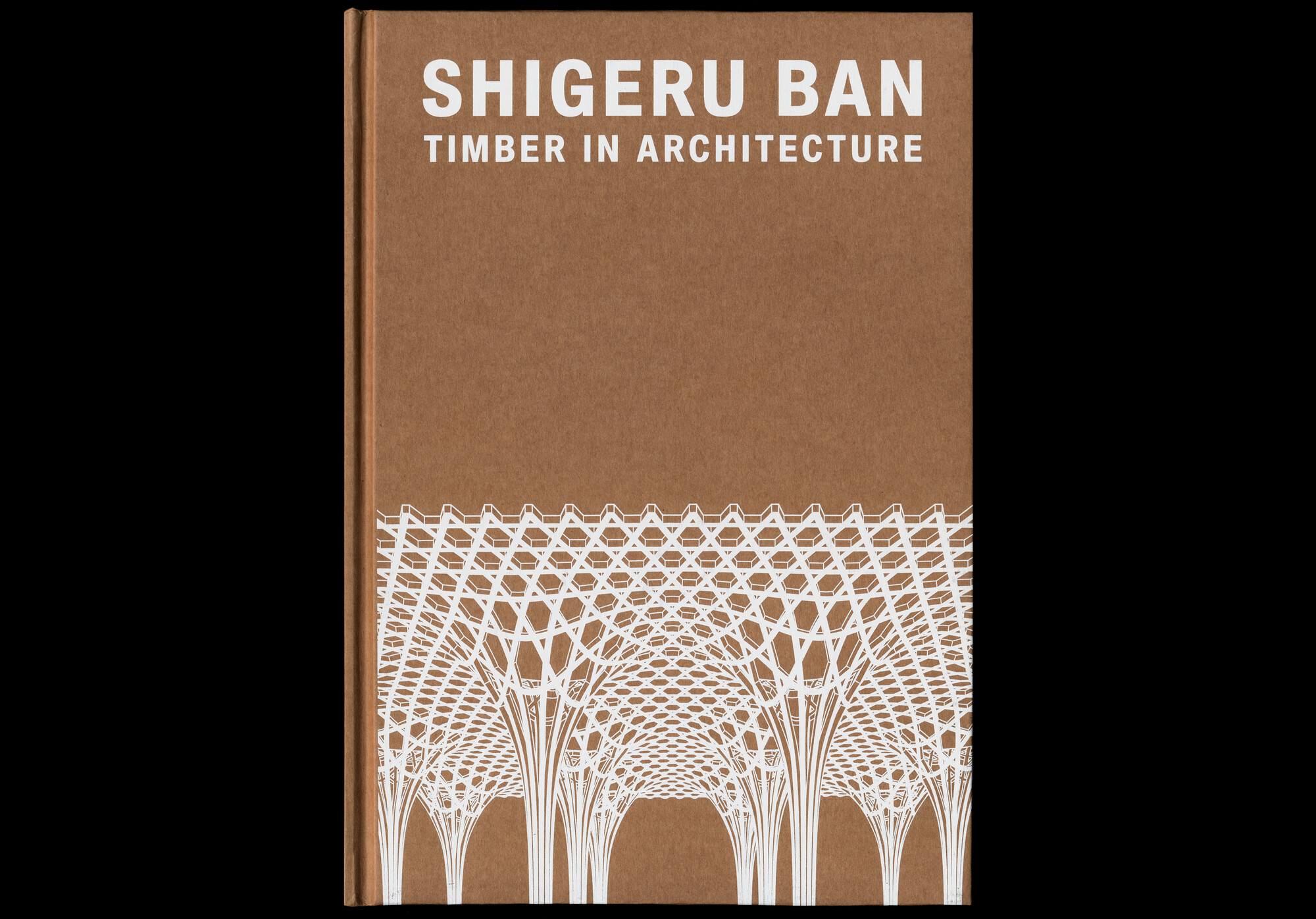
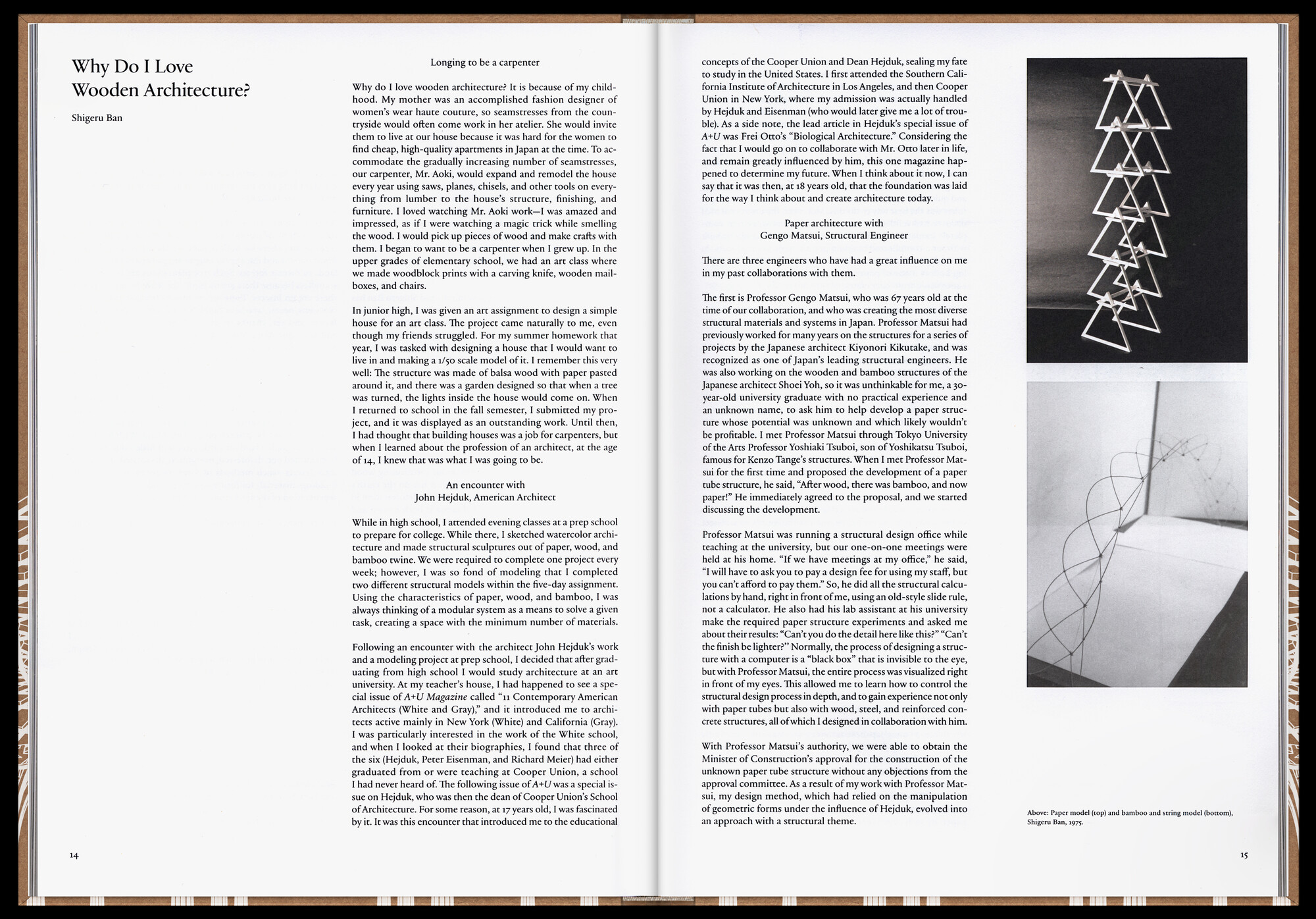
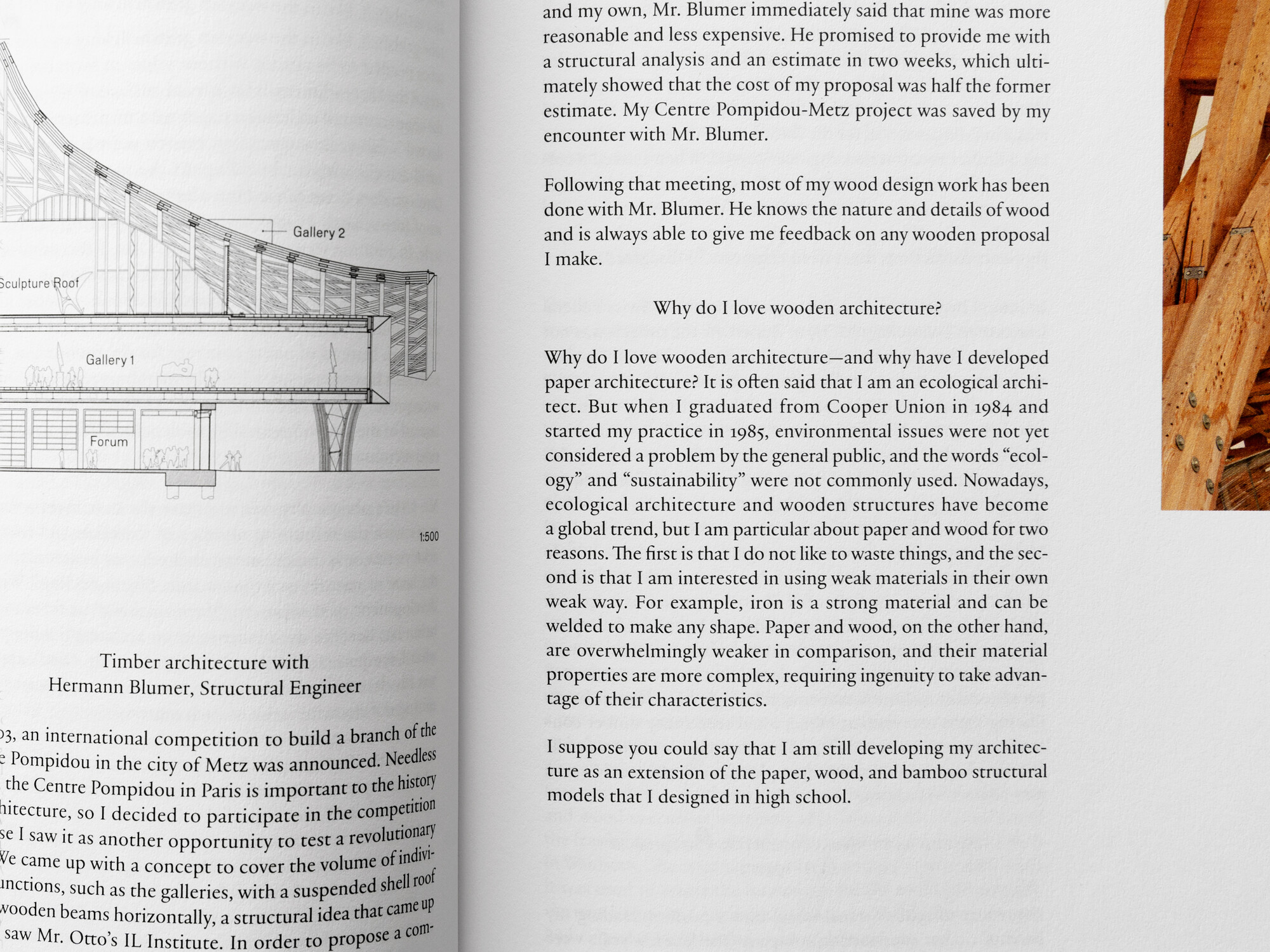
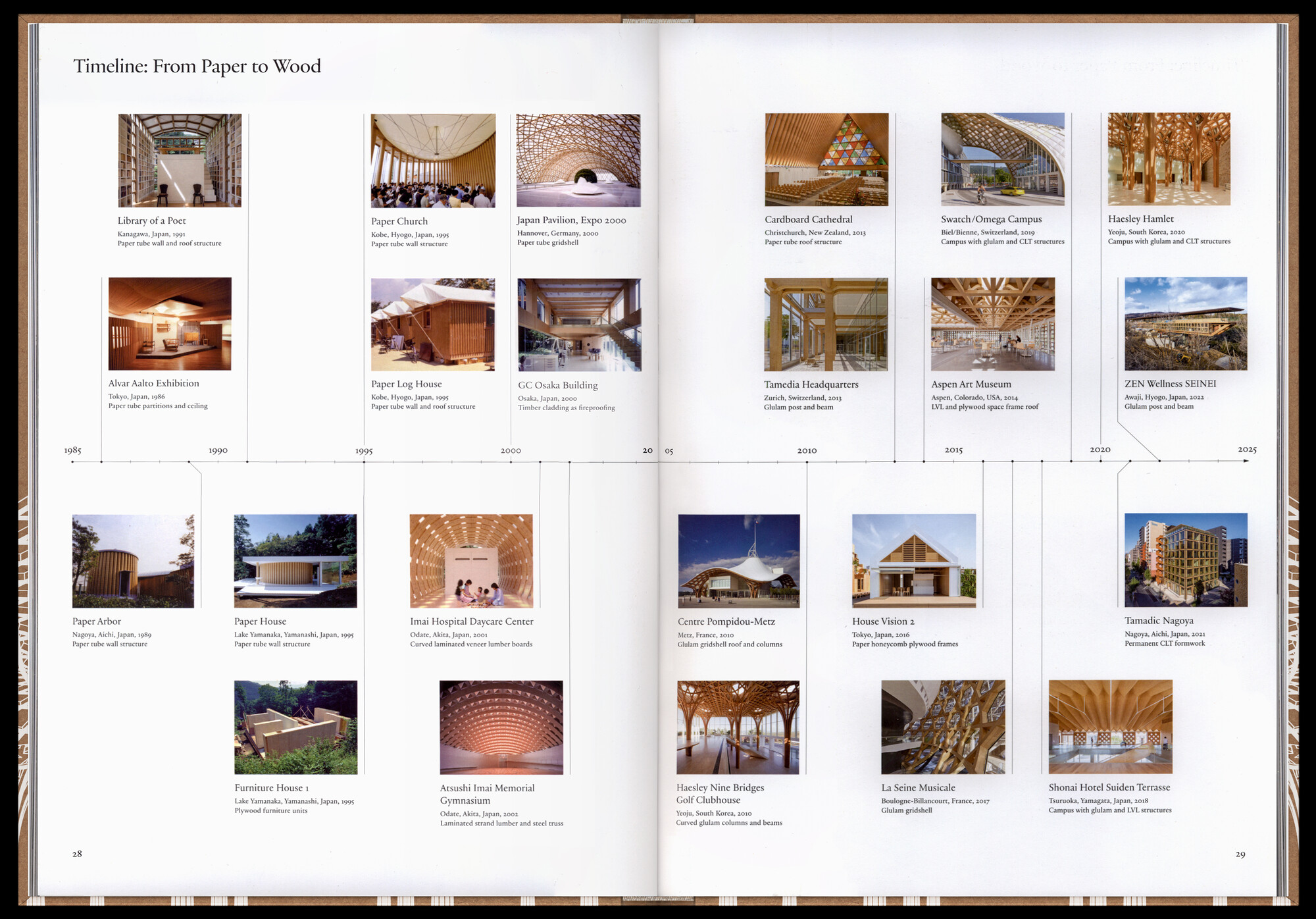
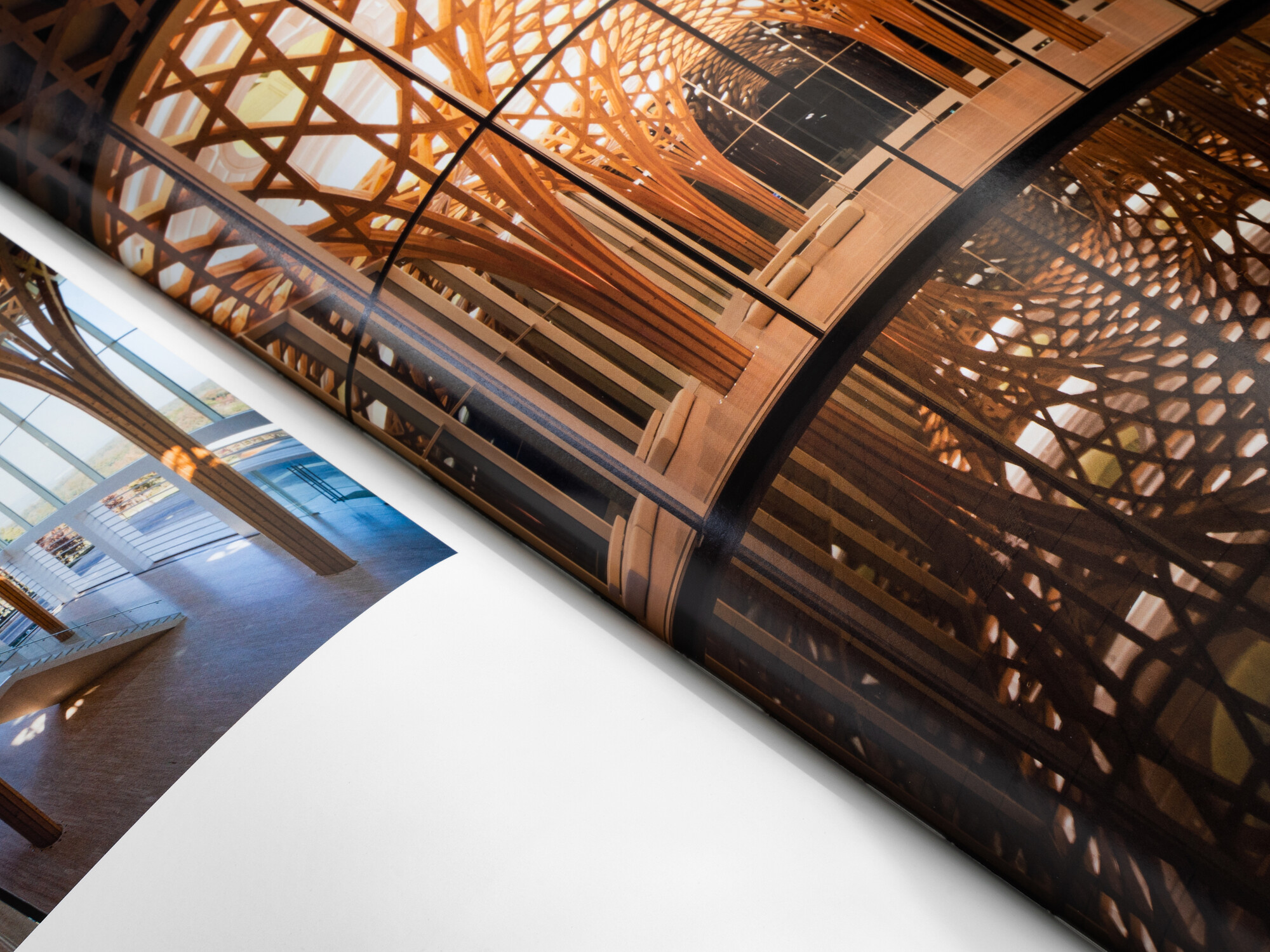
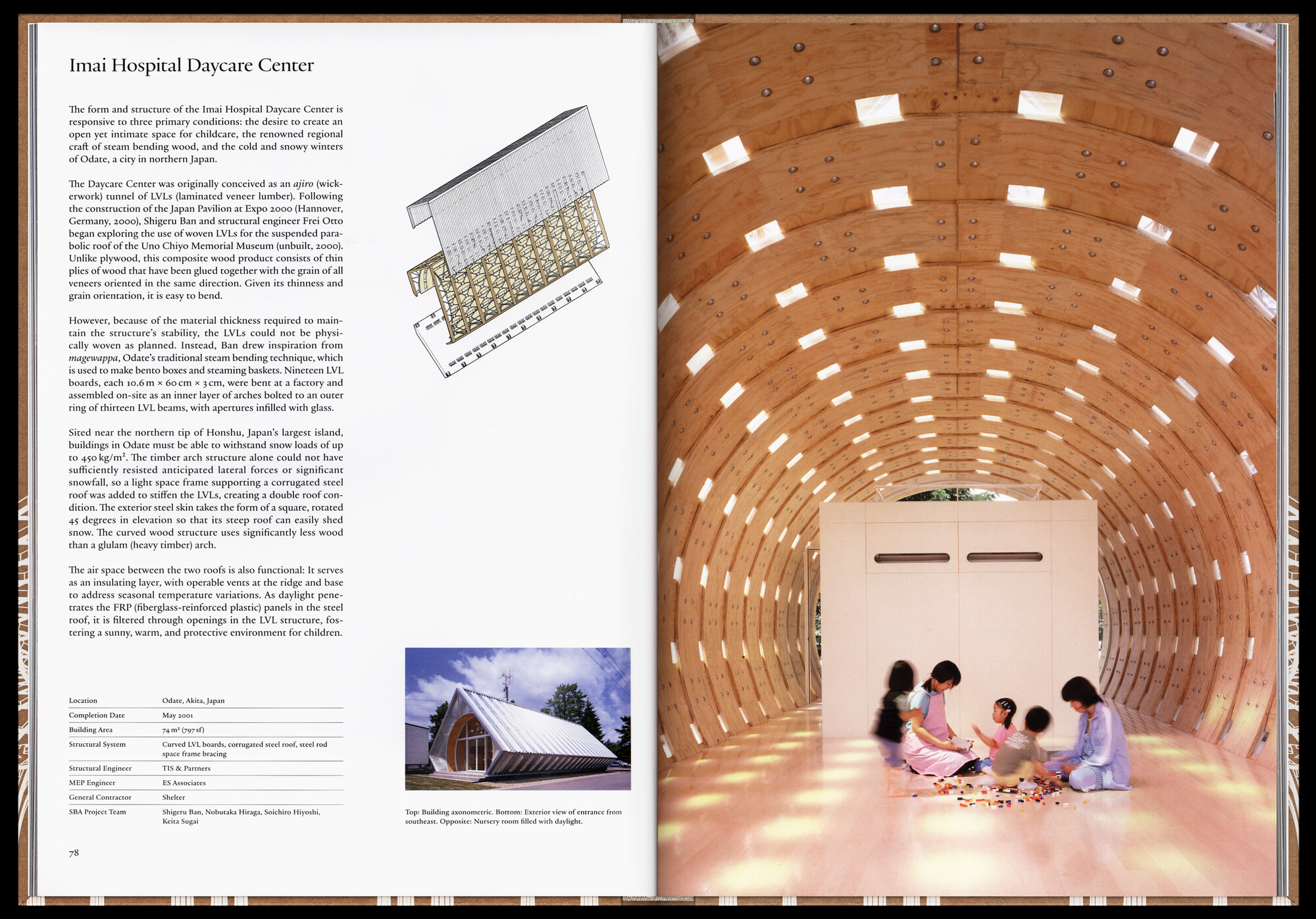
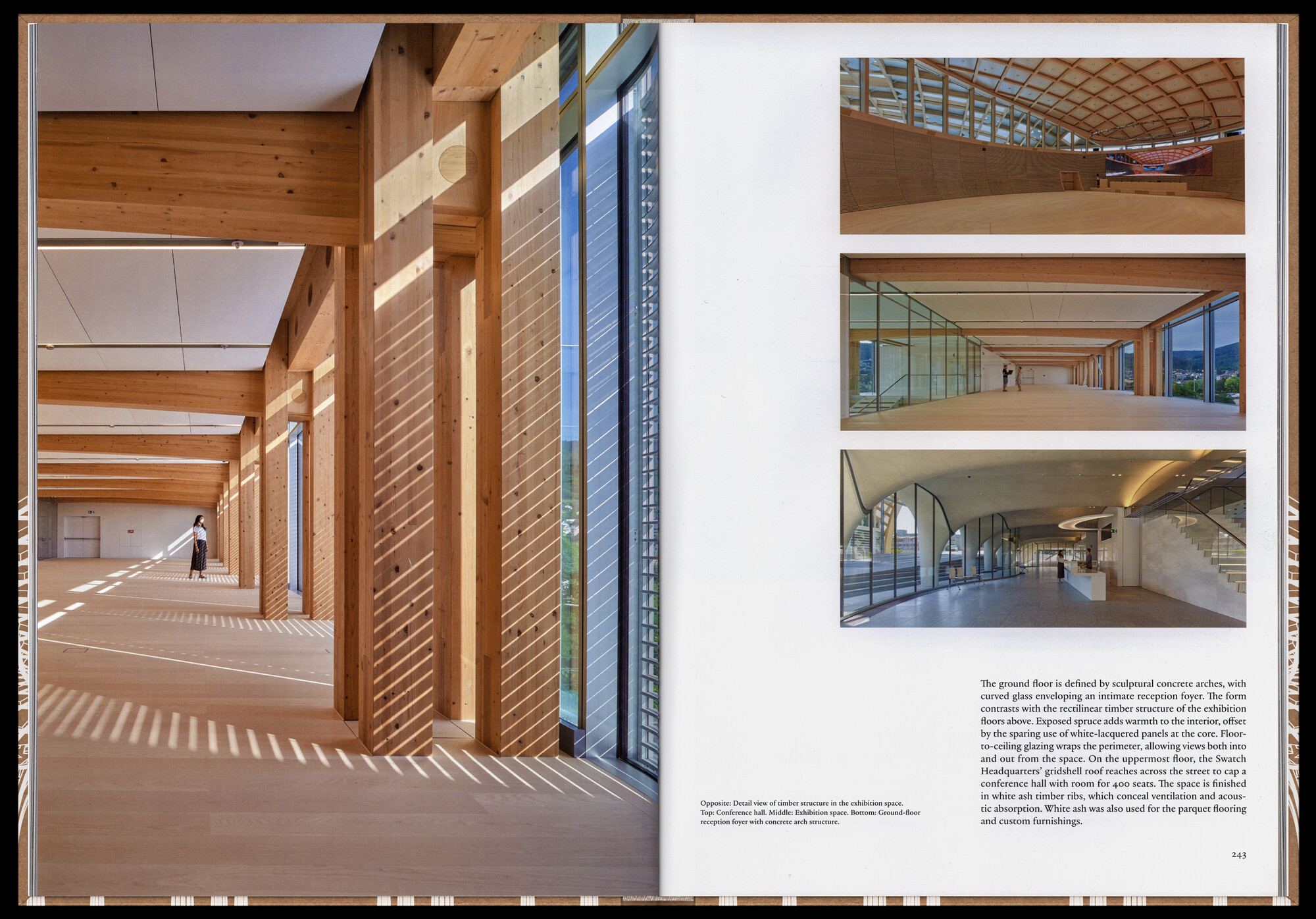
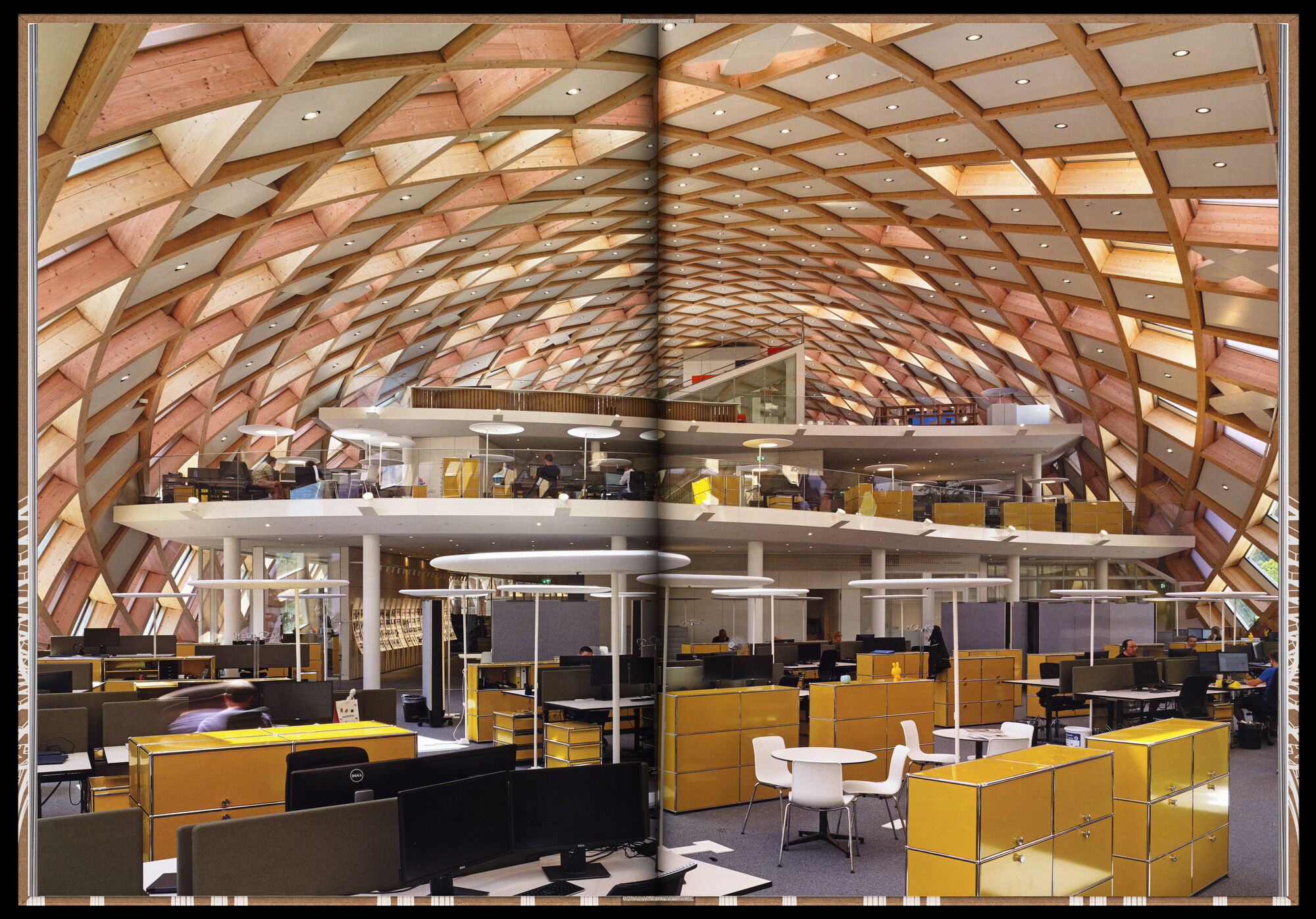
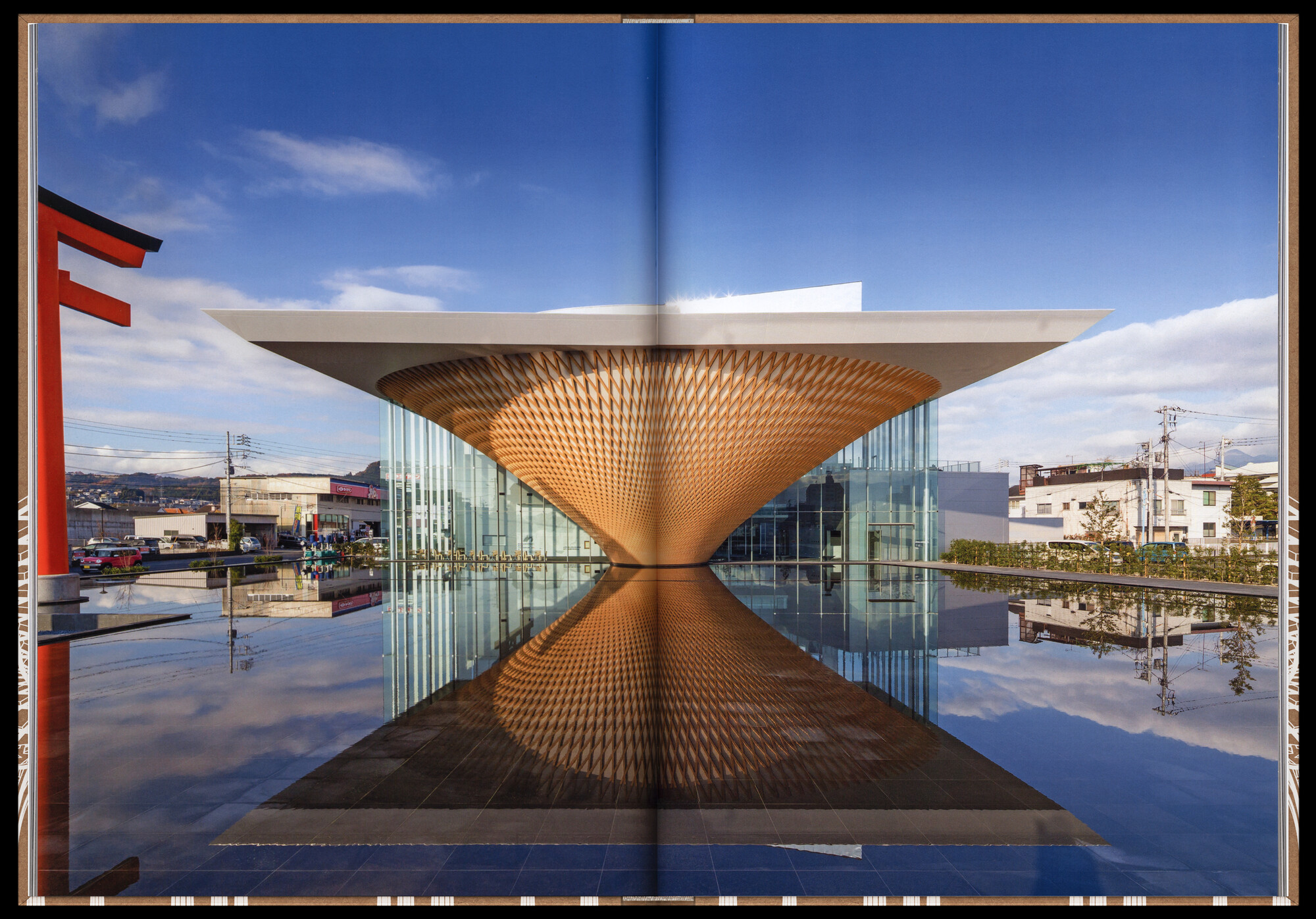
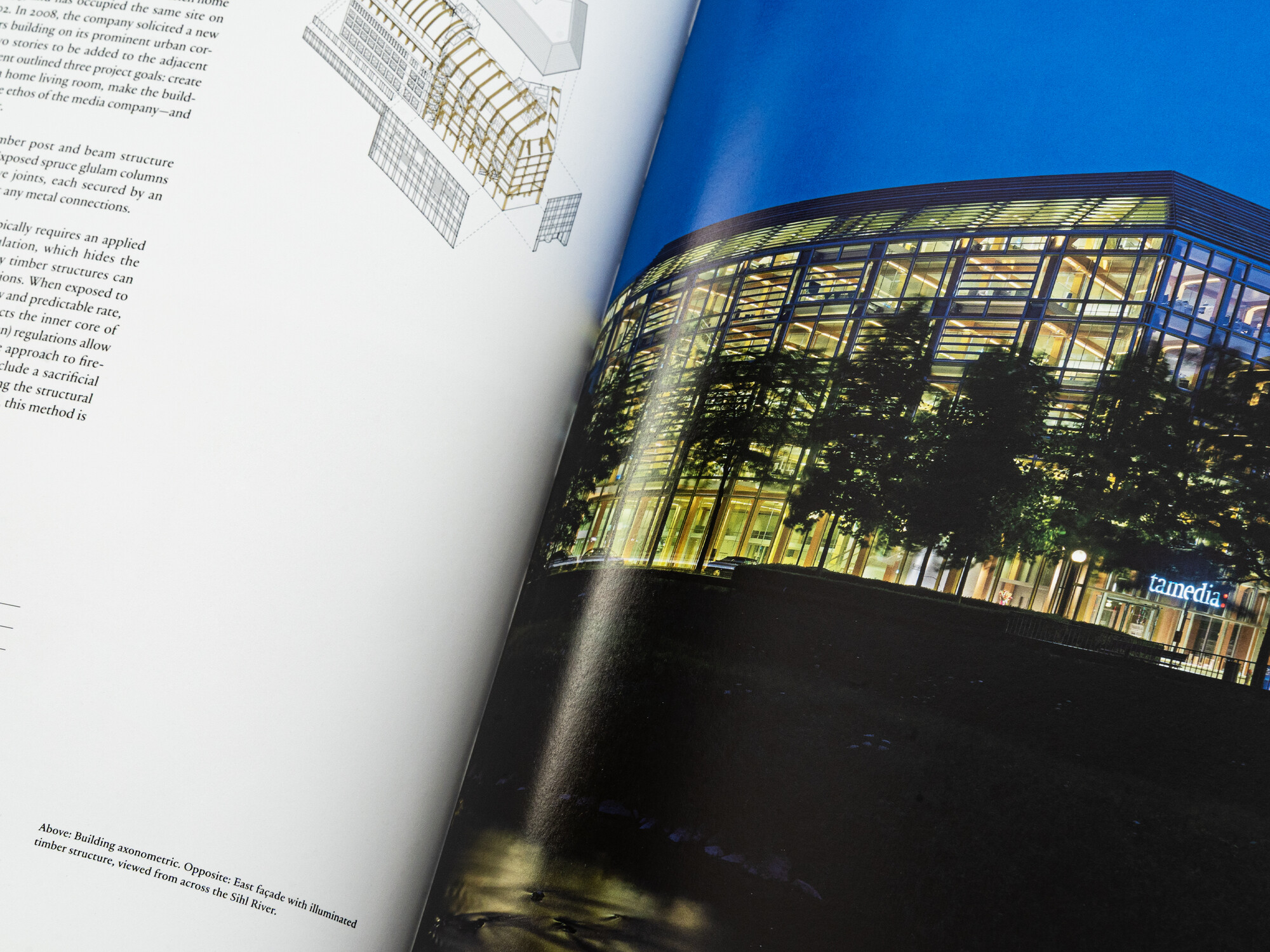
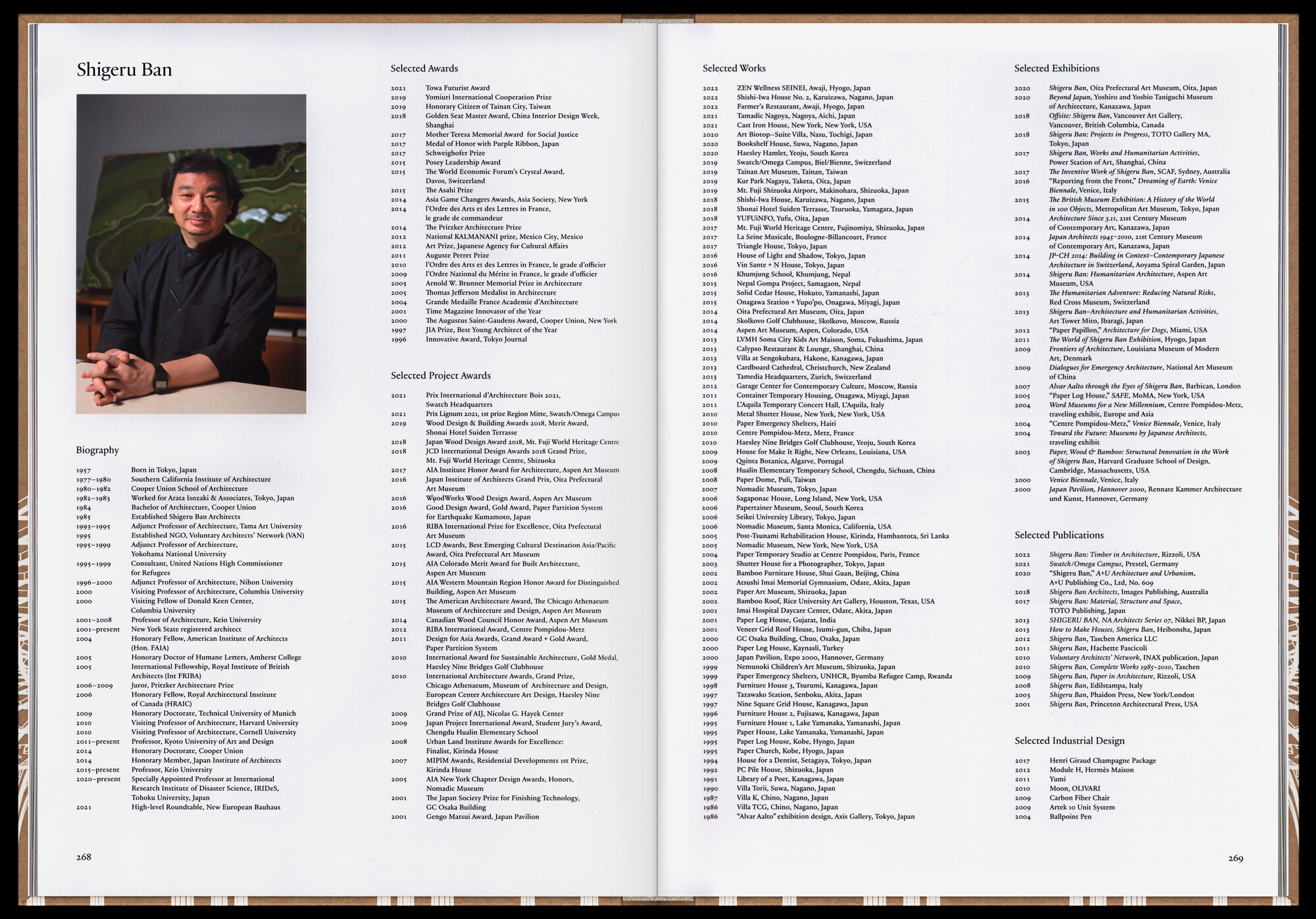
Shigeru Ban: Timber in Architecture presents 45 works from concept through construction, demonstrating the challenges and merits of wood buildings through essays, technical drawings, and photographs. This work continues on learnings presented in Shigeru Ban: Paper in Architecture as it traces Ban’s contributions to the evolution of mass timber as a commercially viable, highly competitive structural solution in a variety of forms.
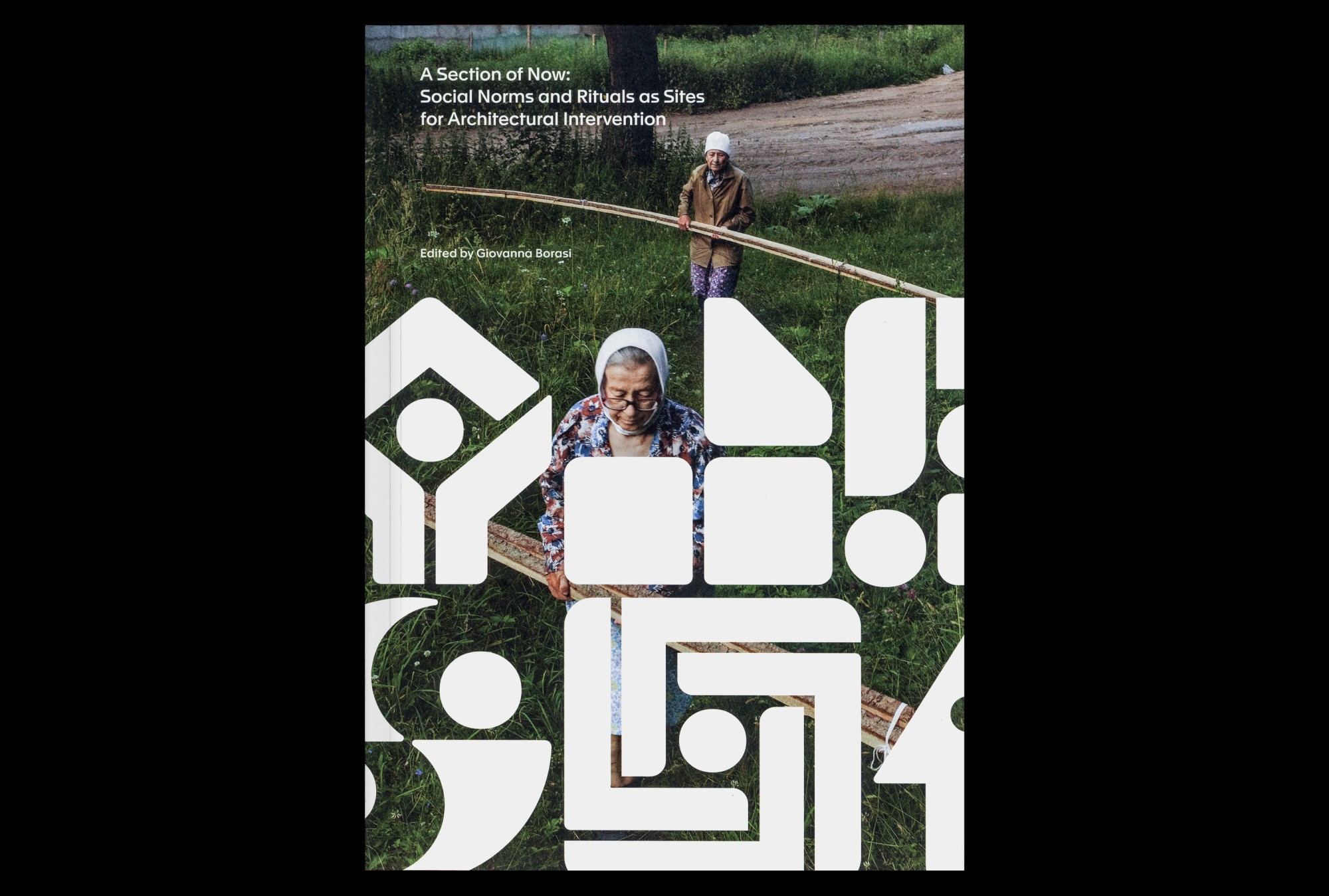
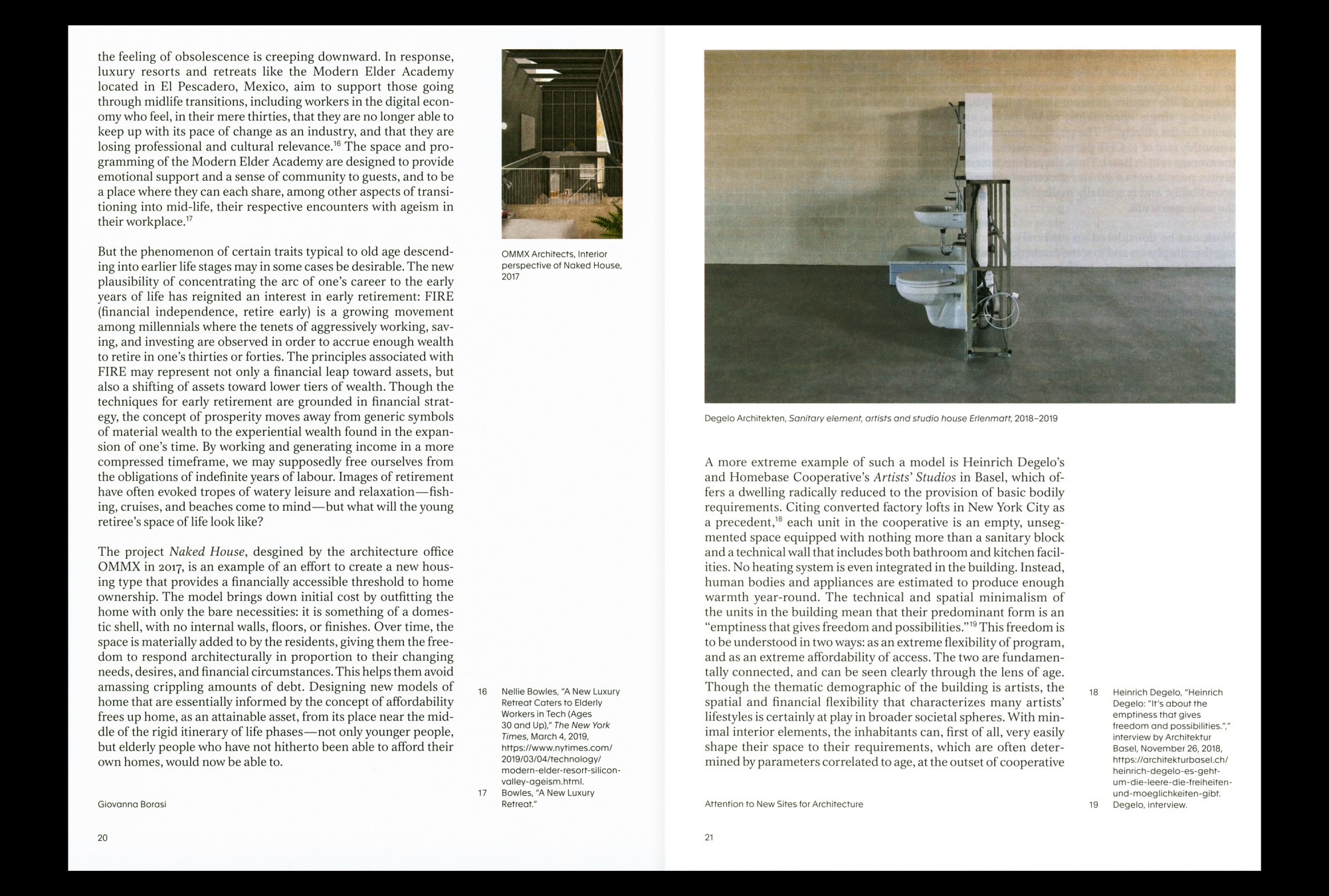
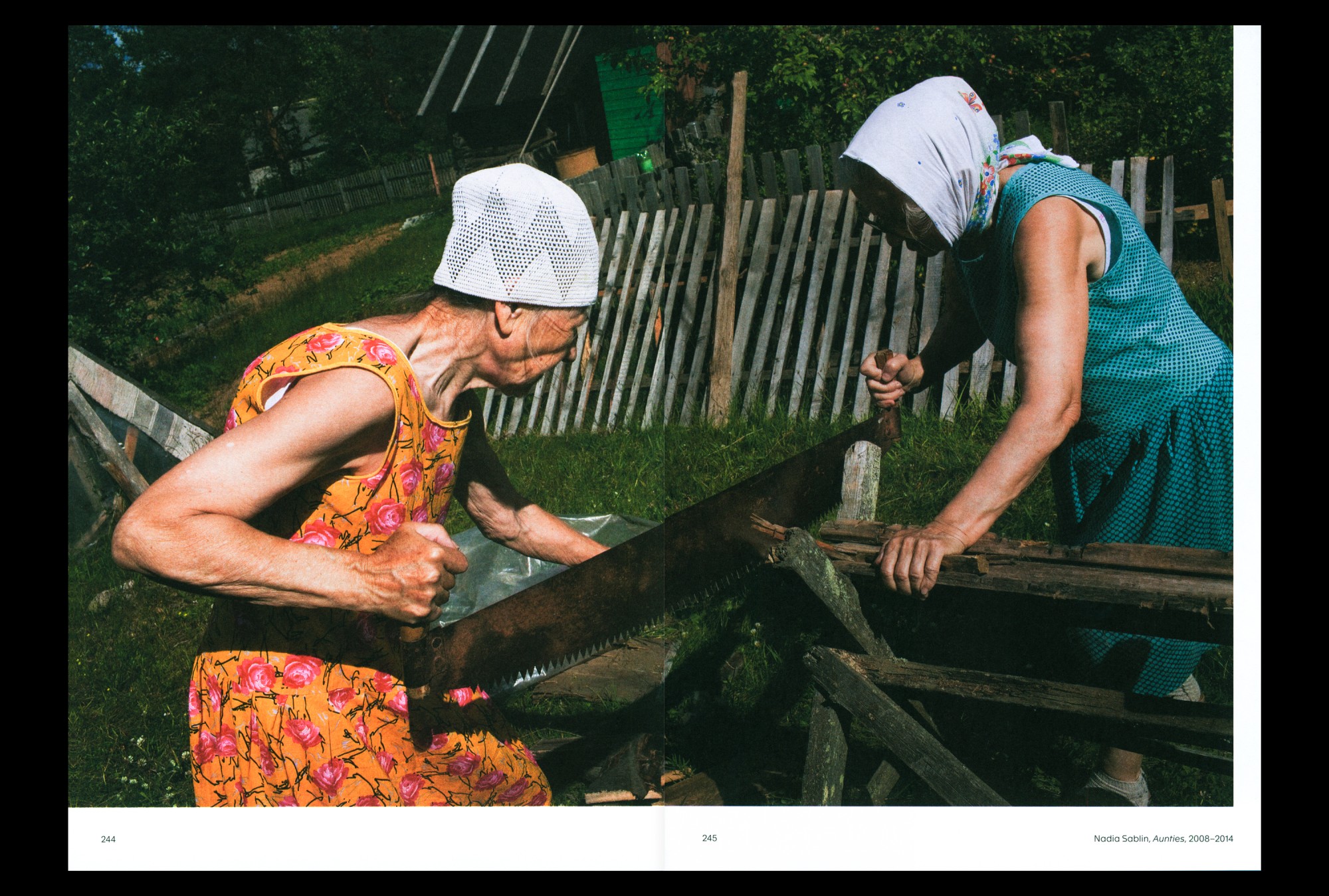
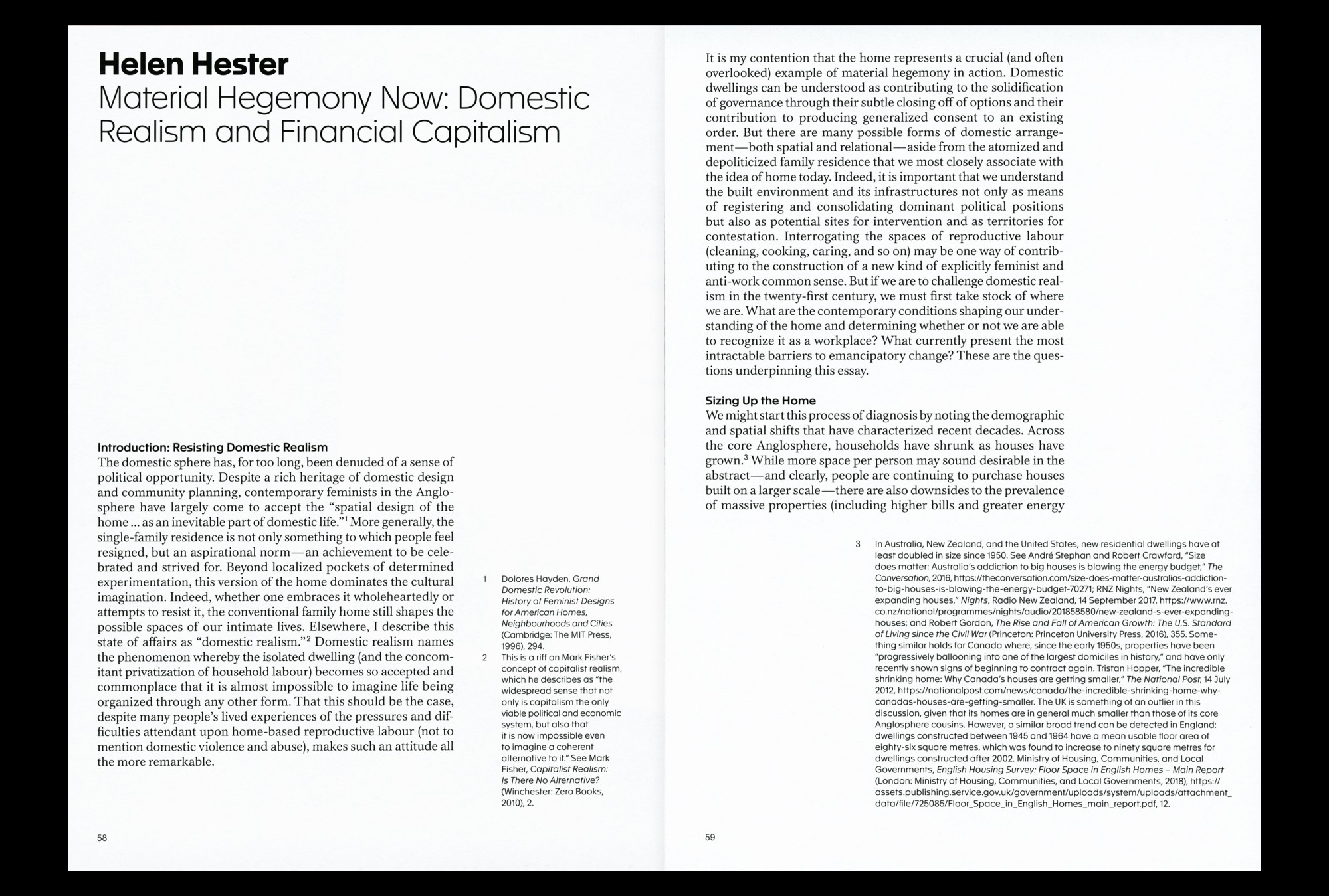
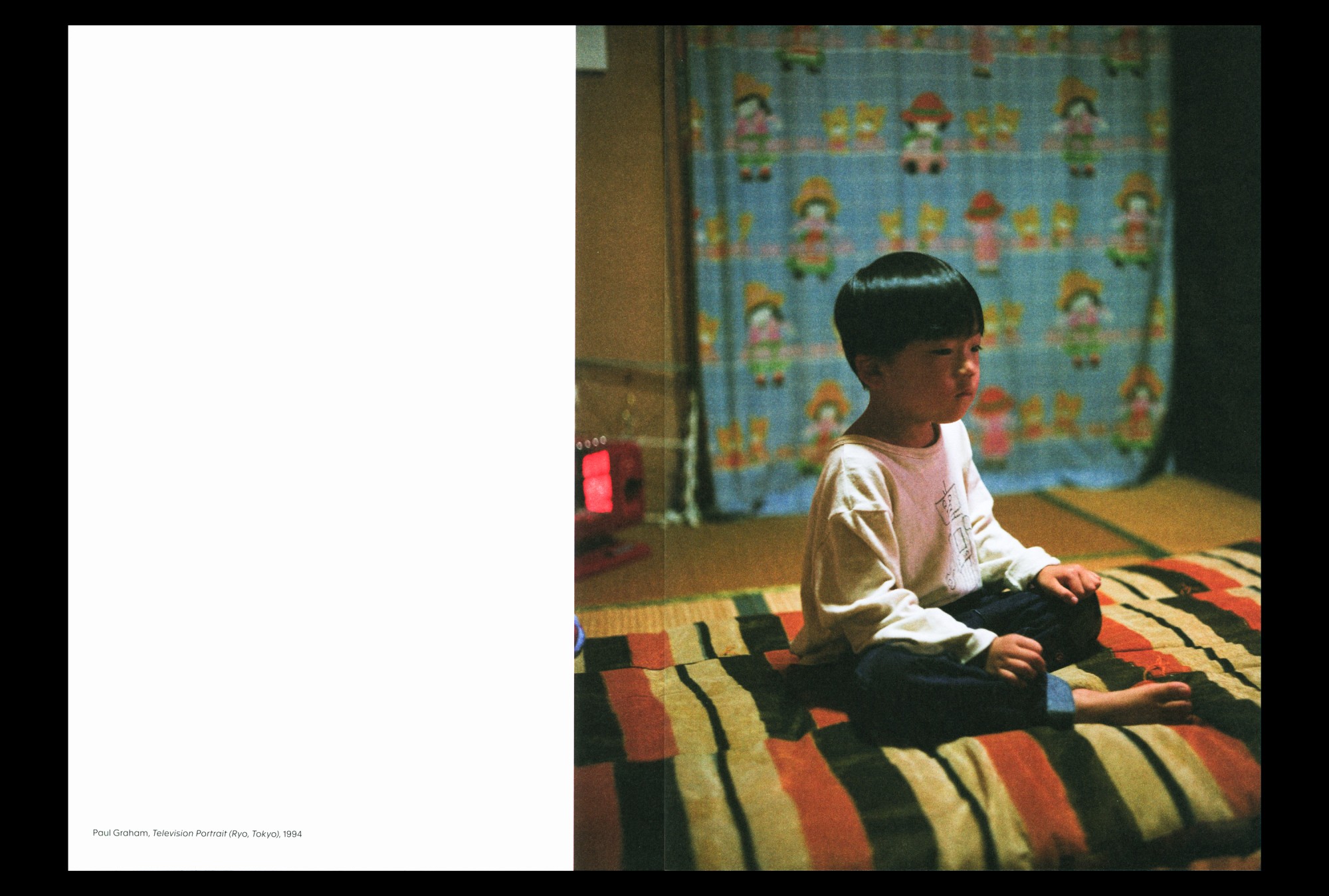
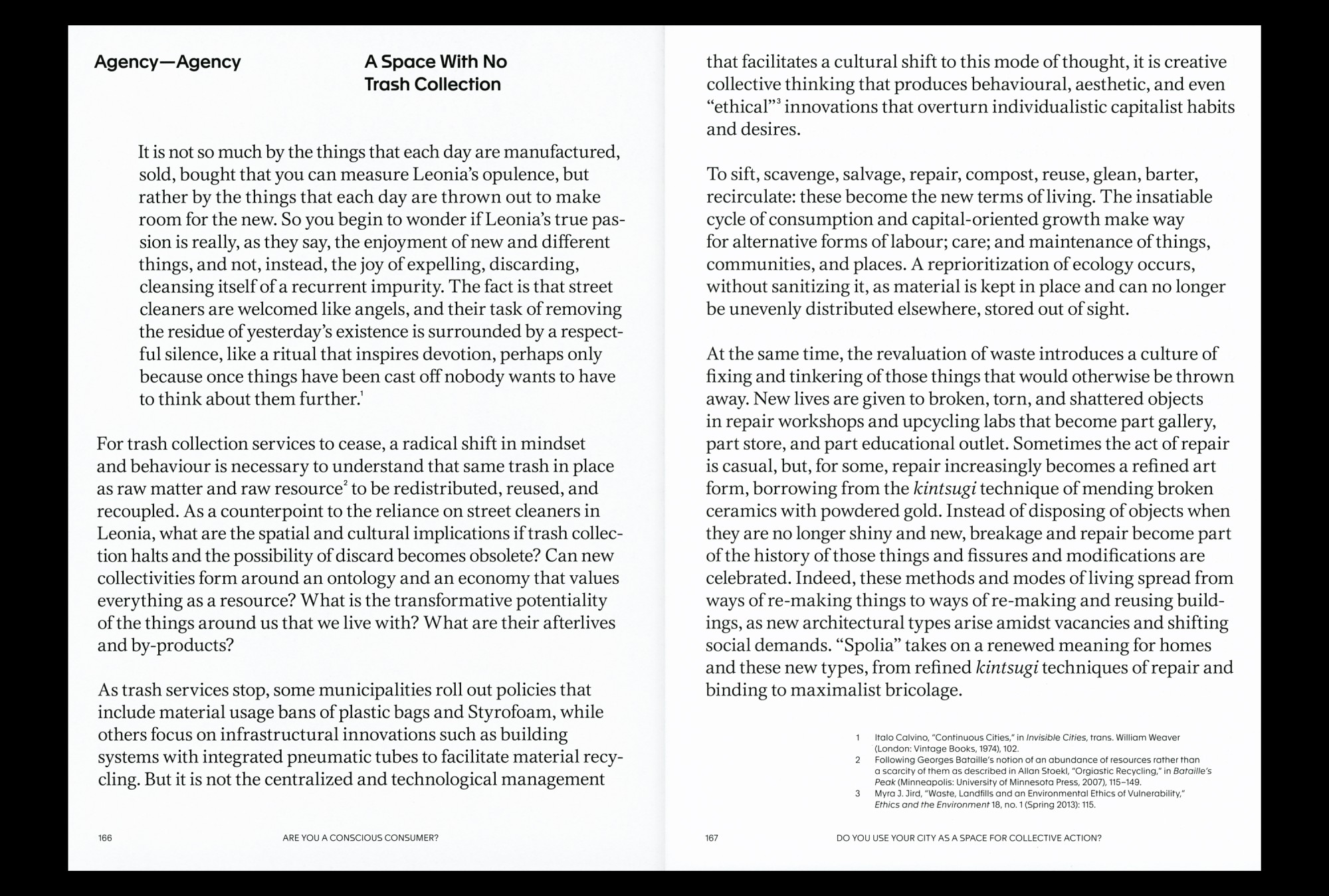
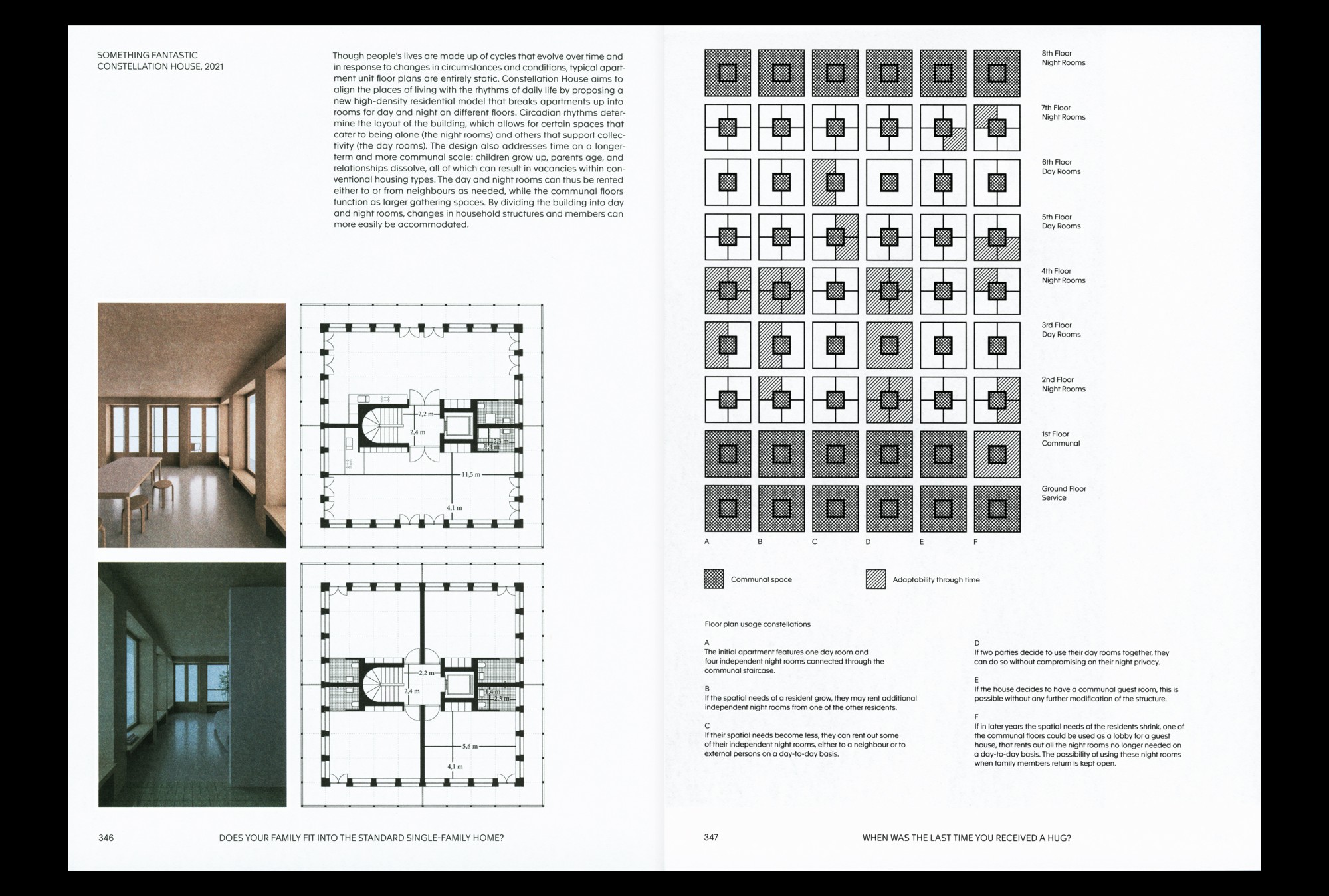
A Section of Now: Social Norms and Rituals as Sites for Architectural Intervention is the companion publication to the exhibition presented by the Canadian Centre for Architecture. The reader, published in both French and English, brings projects presented in the show into contact with critical essays by sociologists, technologists, and cultural critics diagnosing the meta-societal landscapes on which the architecture intervenes.
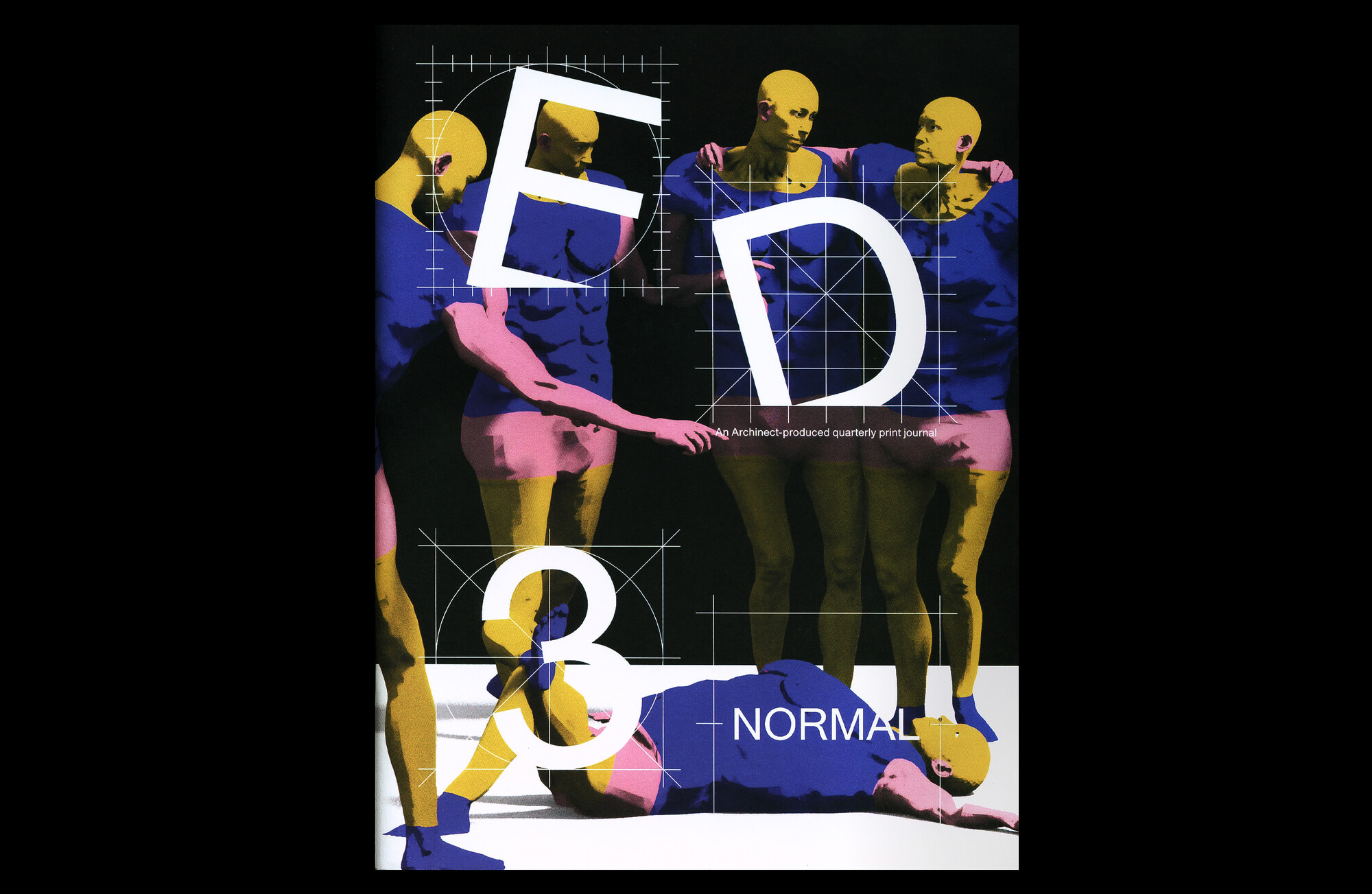
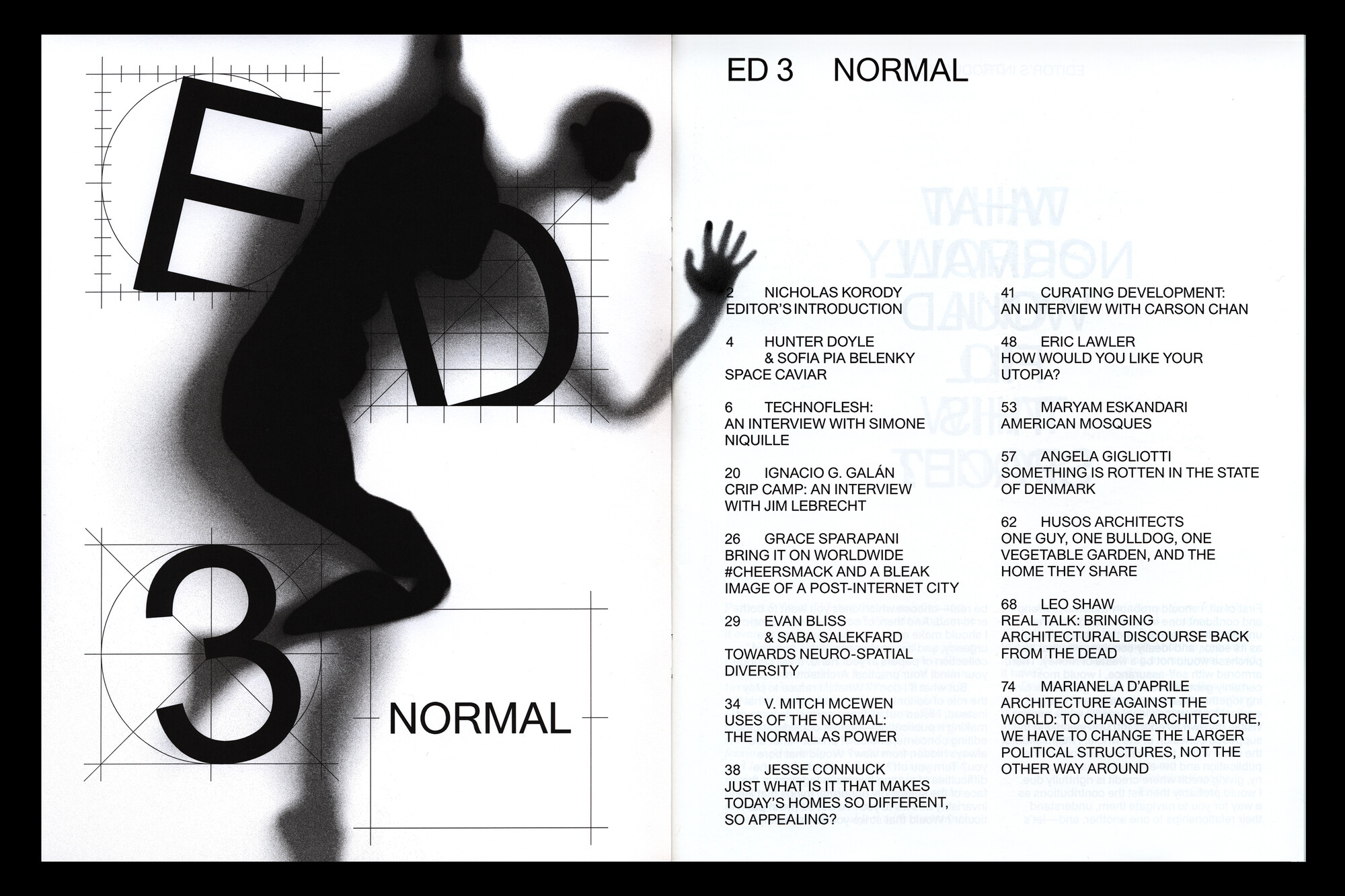
Third issue of Ed, Archinect’s print magazine. Brings together essays and visual contributions questioning the norms that shape architectural practice and its institutions, and proposing alternative frameworks for how architecture relates to labor, bodies, and social structures. More info ⎘
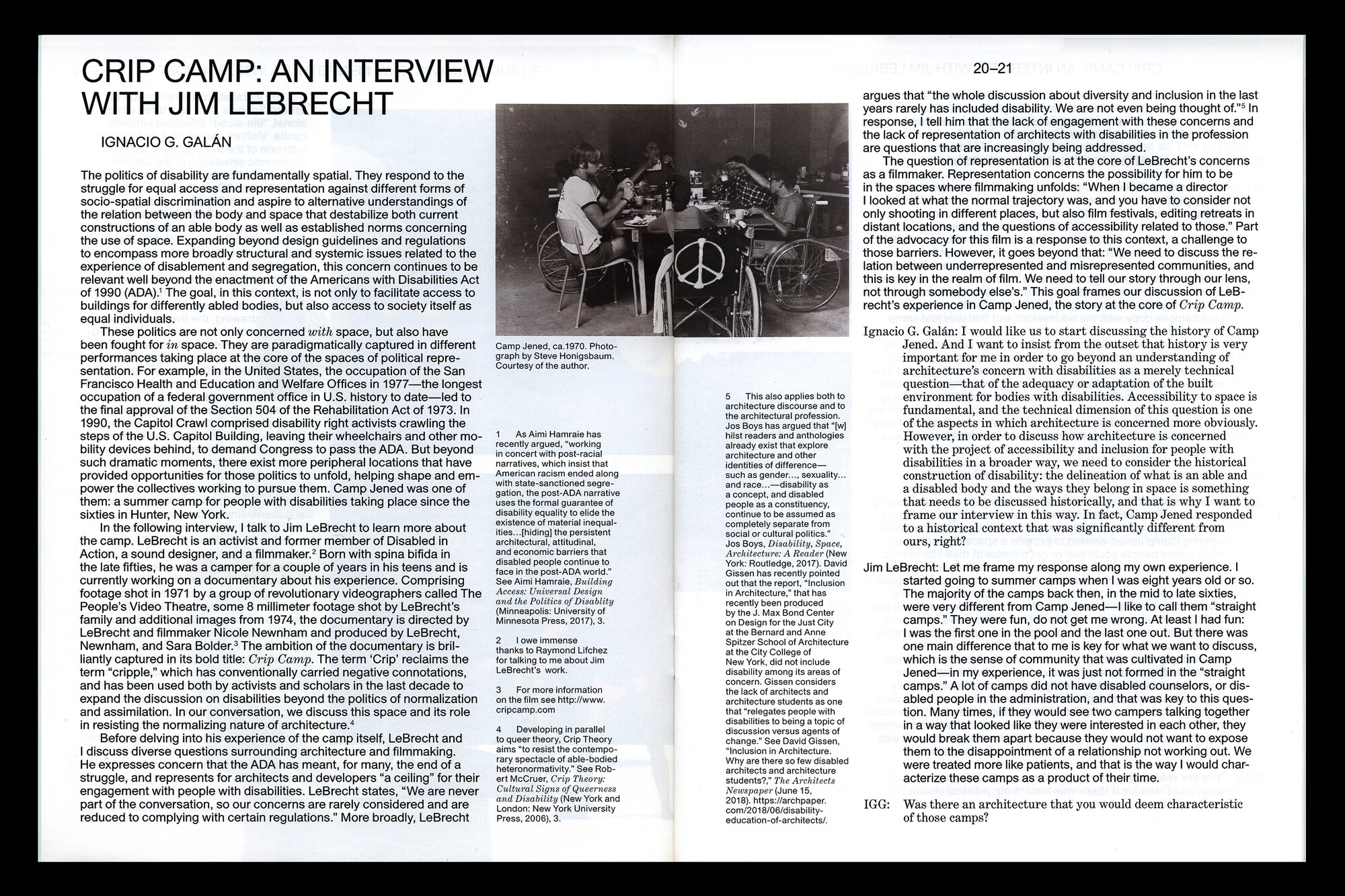
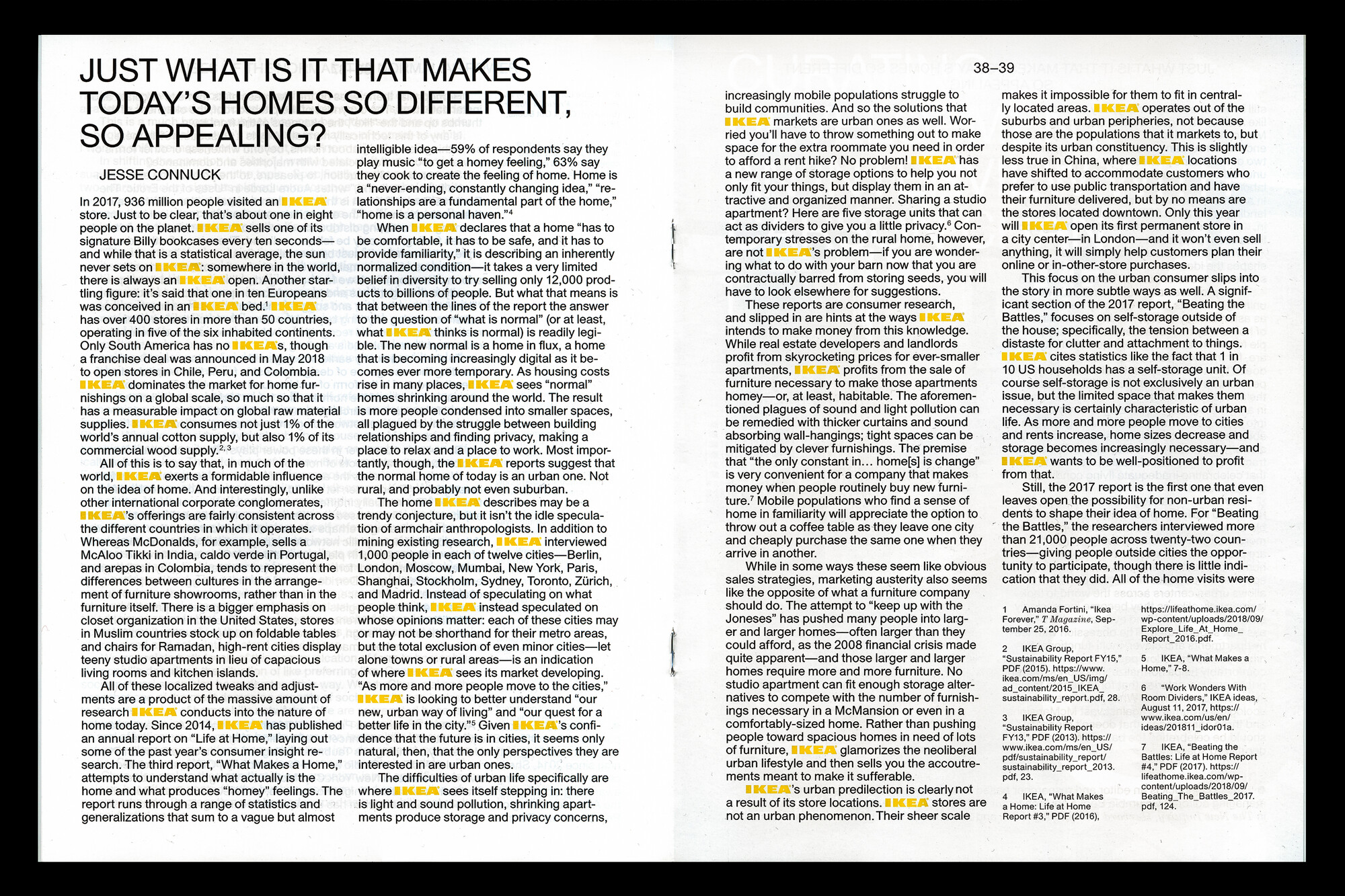
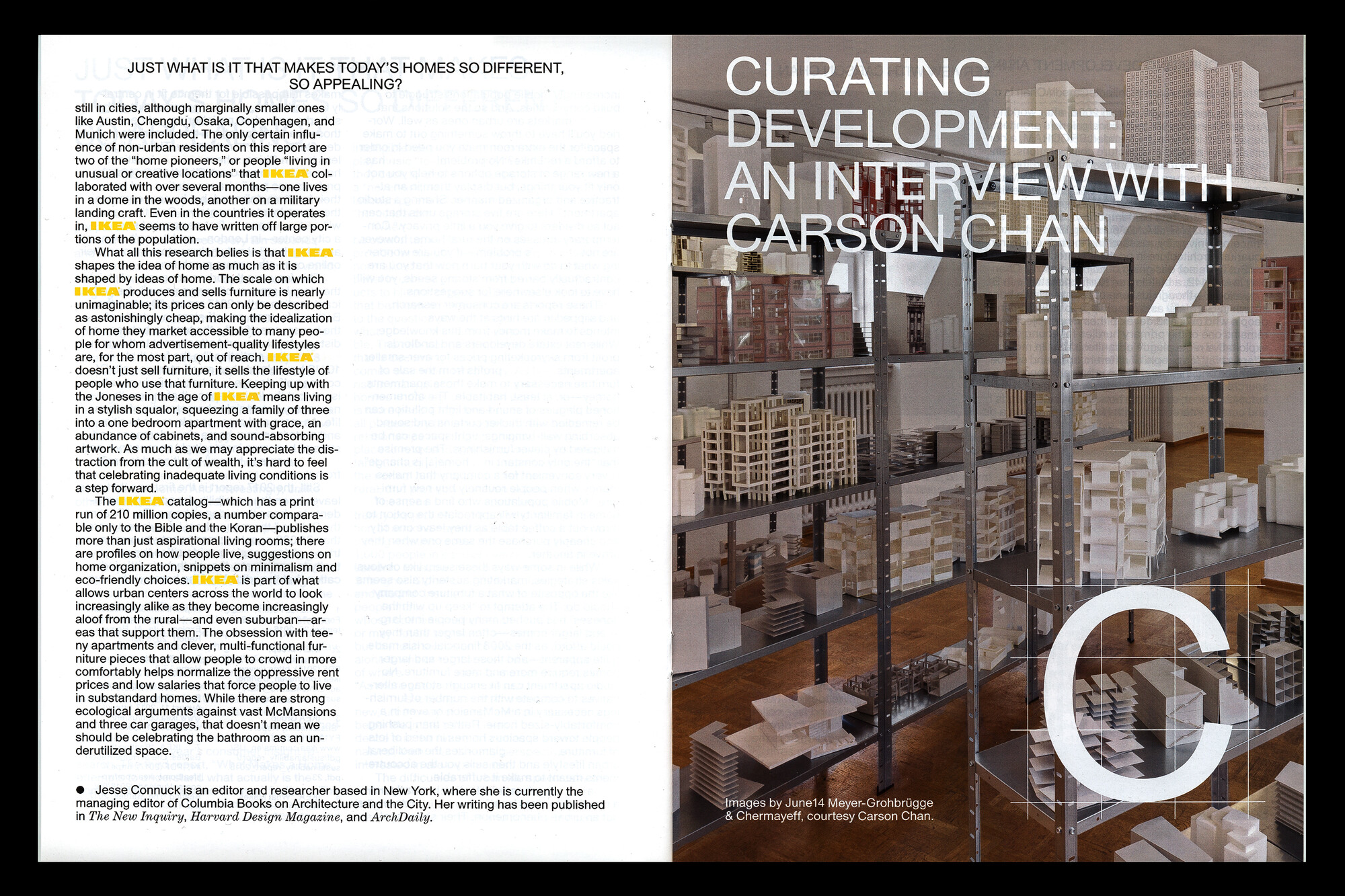
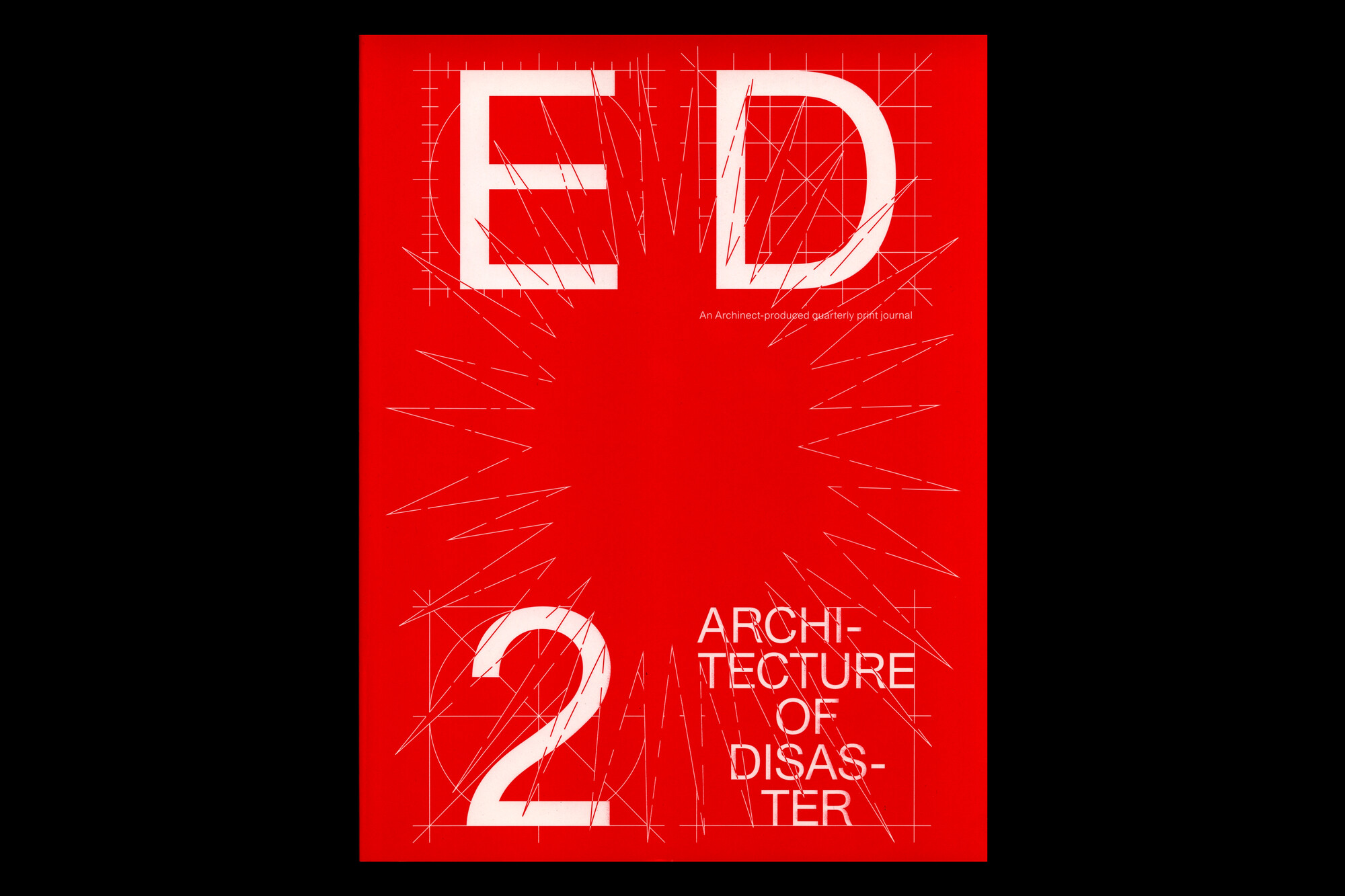
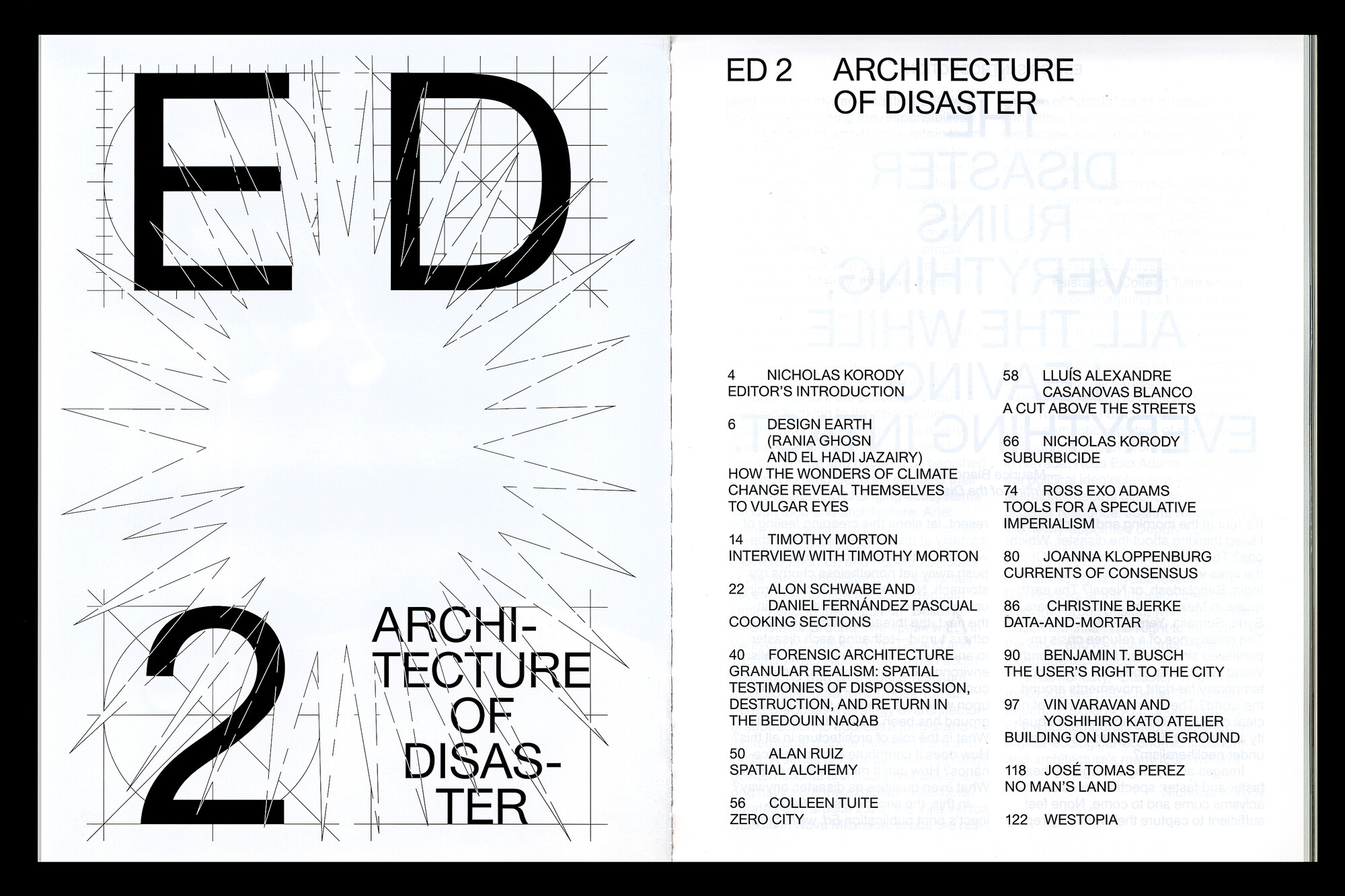
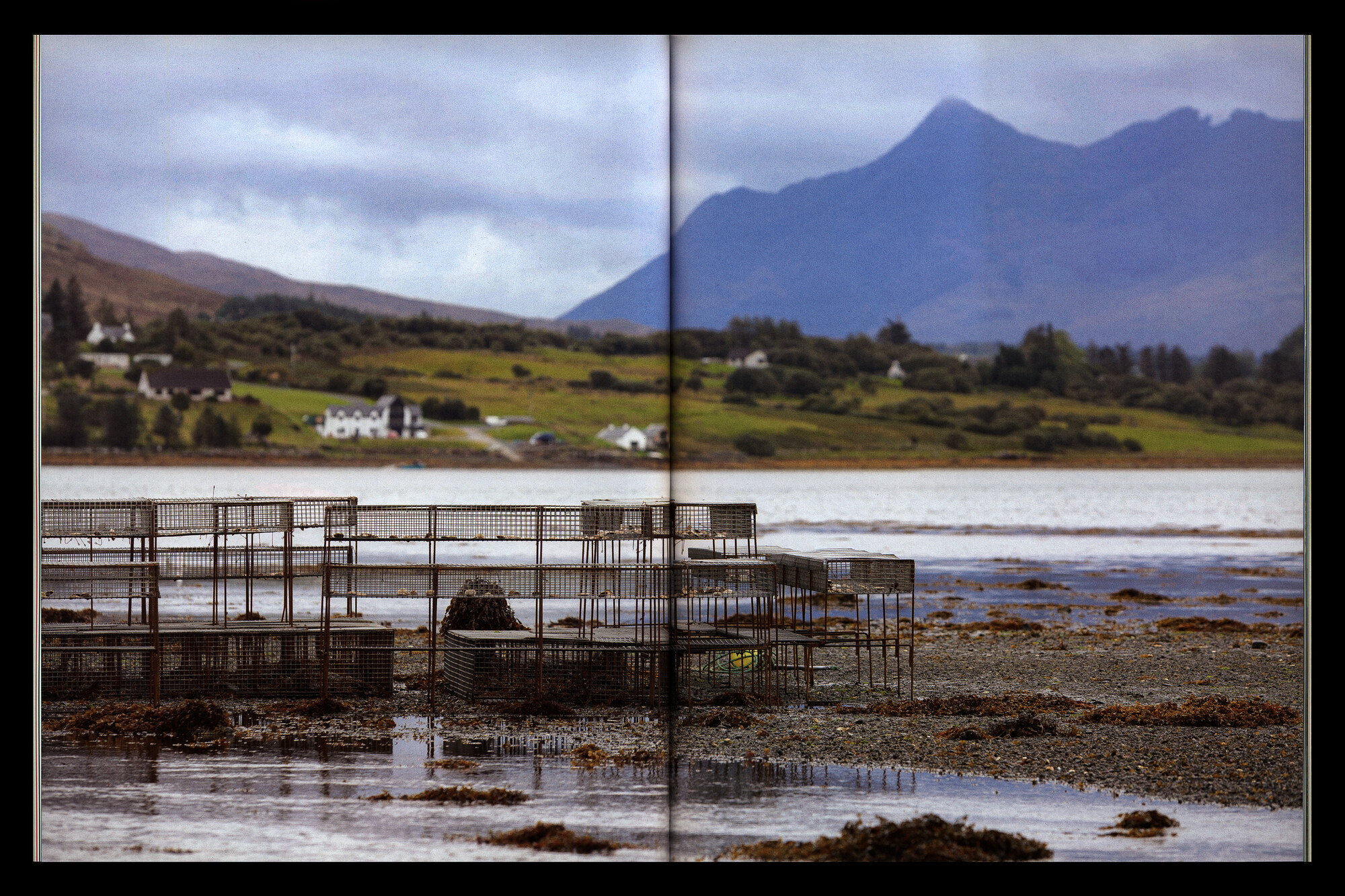
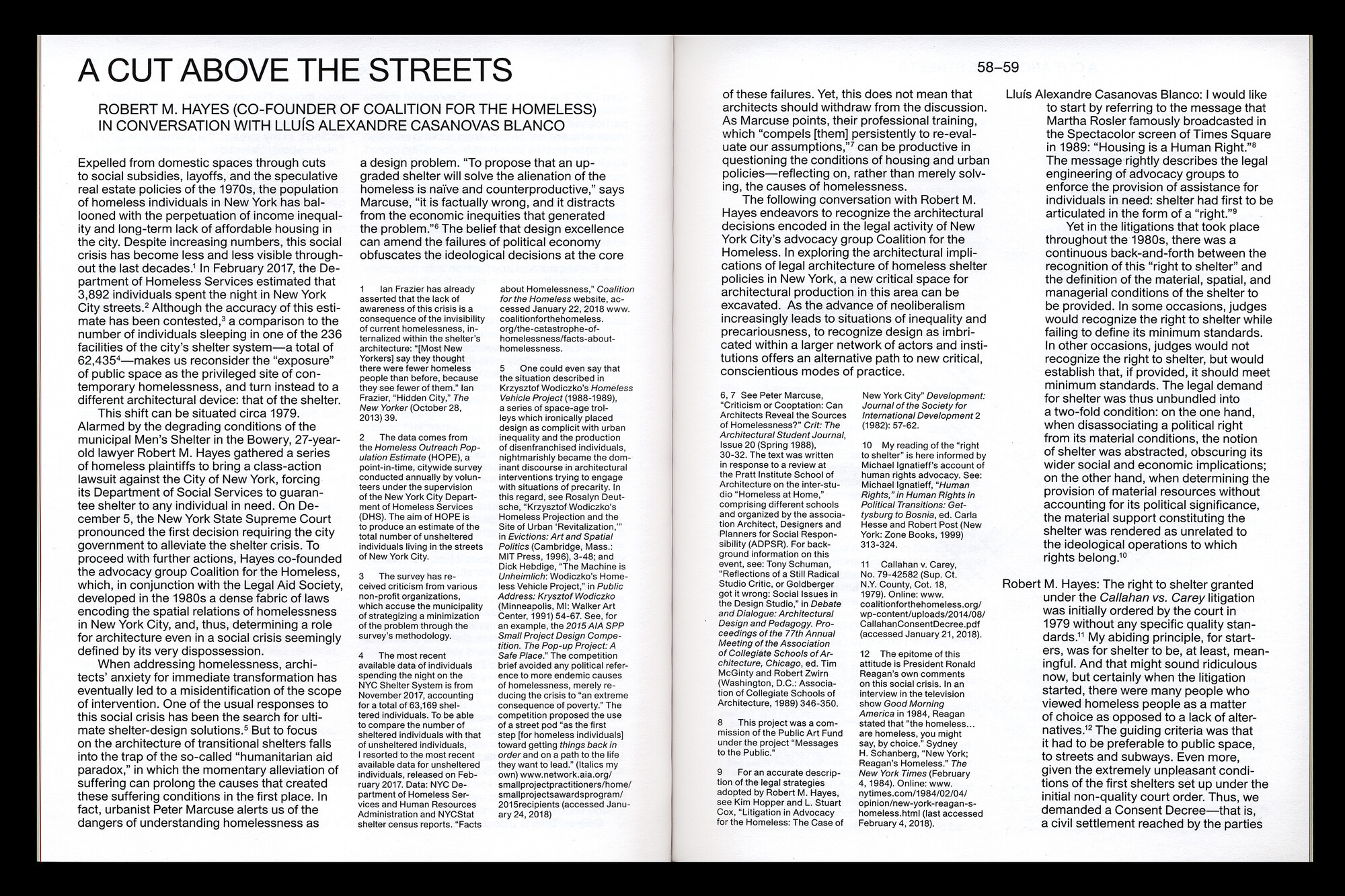
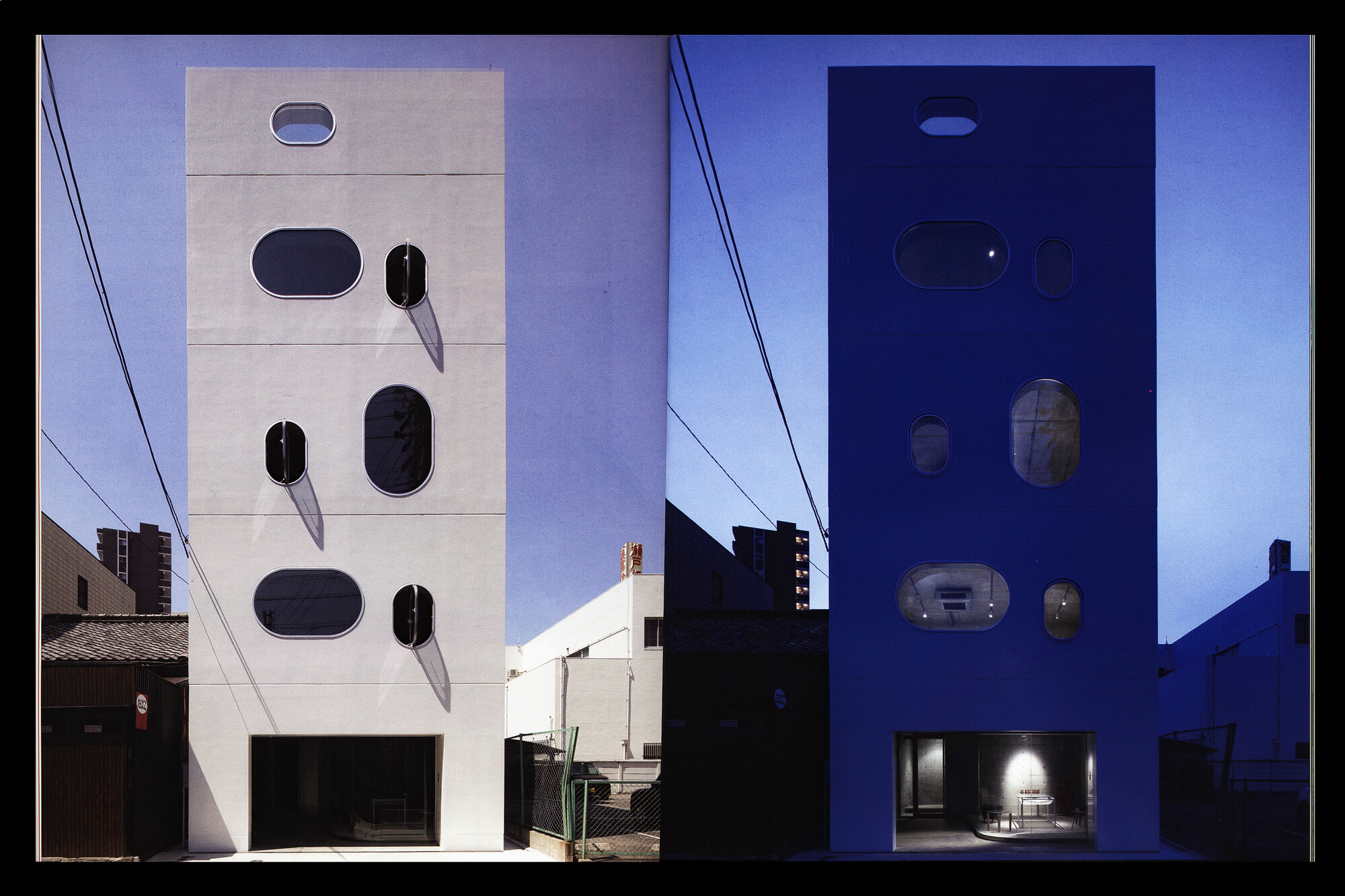
Second issue of Ed, Archinect’s print magazine. Brings together texts and projects examining the disasters shaping contemporary life and architecture’s position within them. Rather than proposing solutions, the issue reflects on responsibility, uncertainty, and the discipline’s entanglement in the crises it seeks to address. More info ⎘
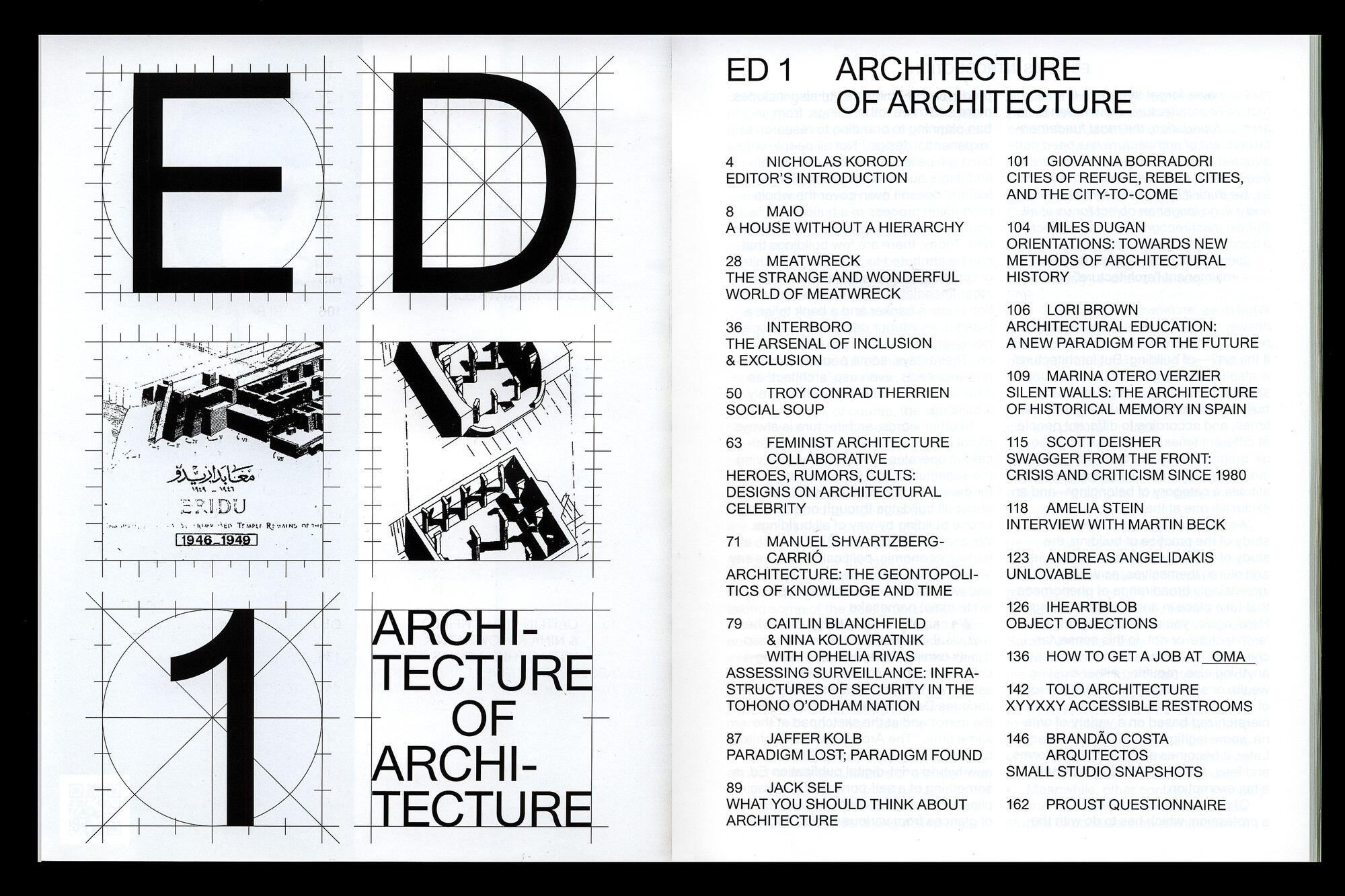
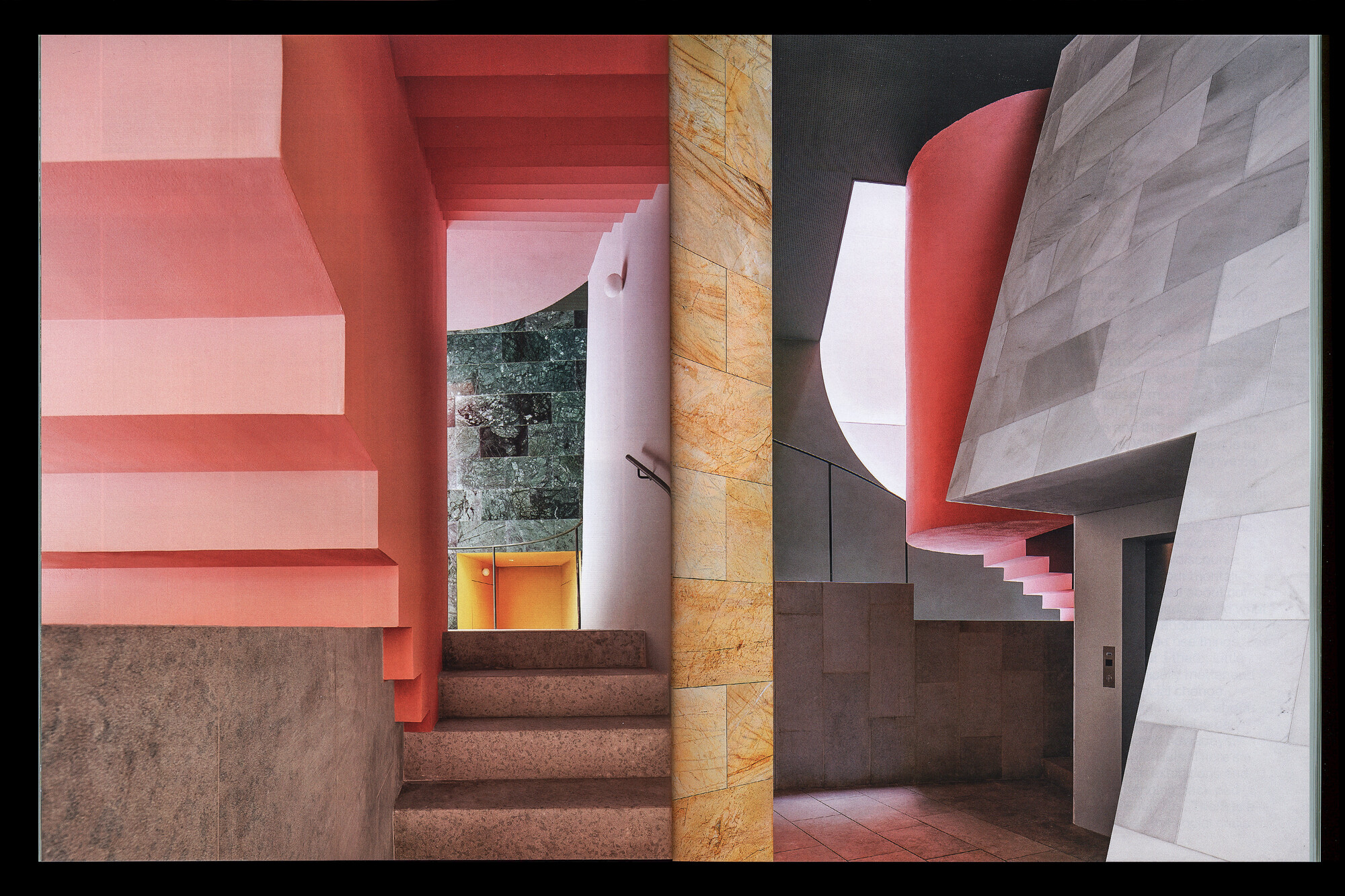
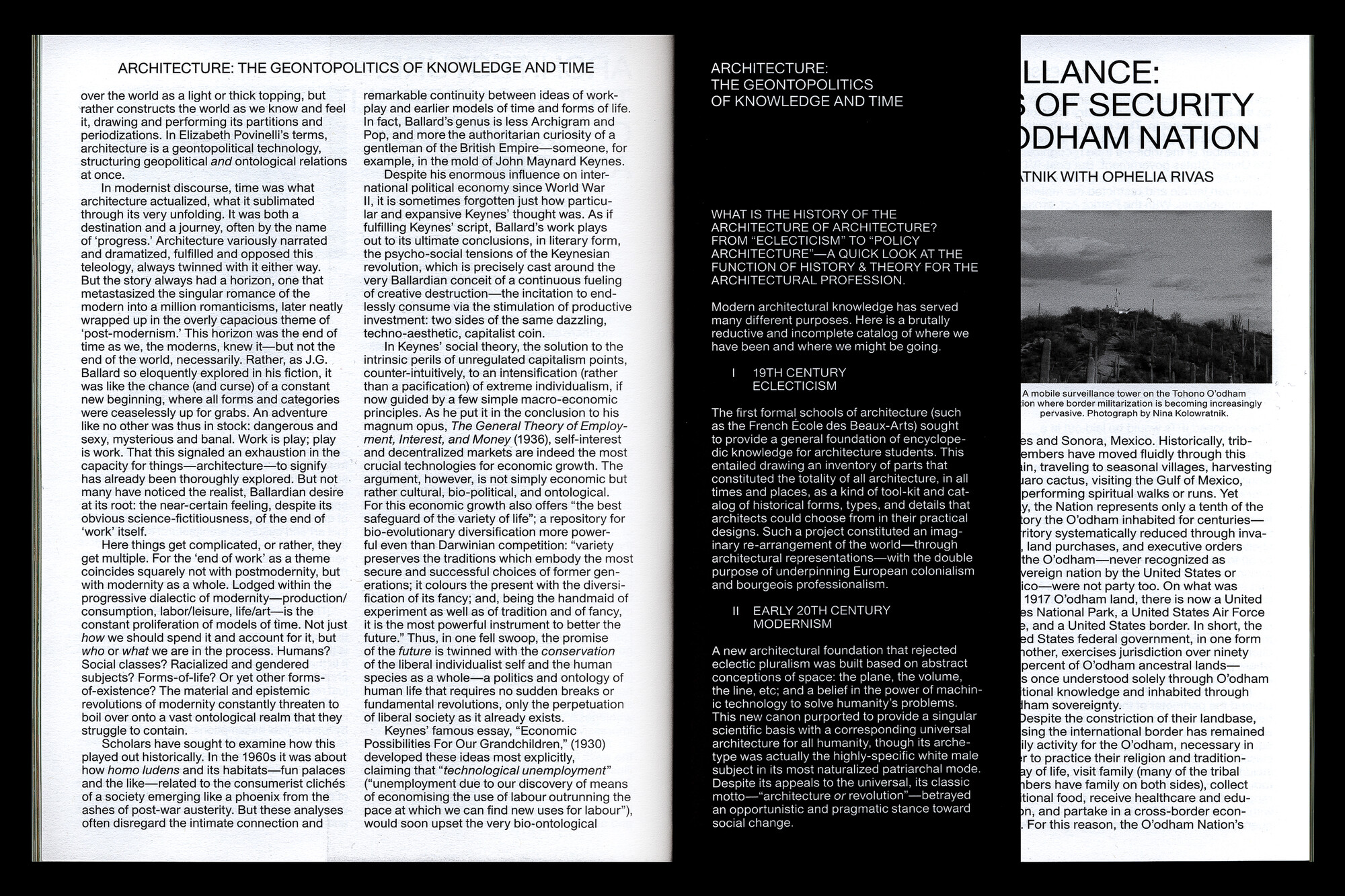
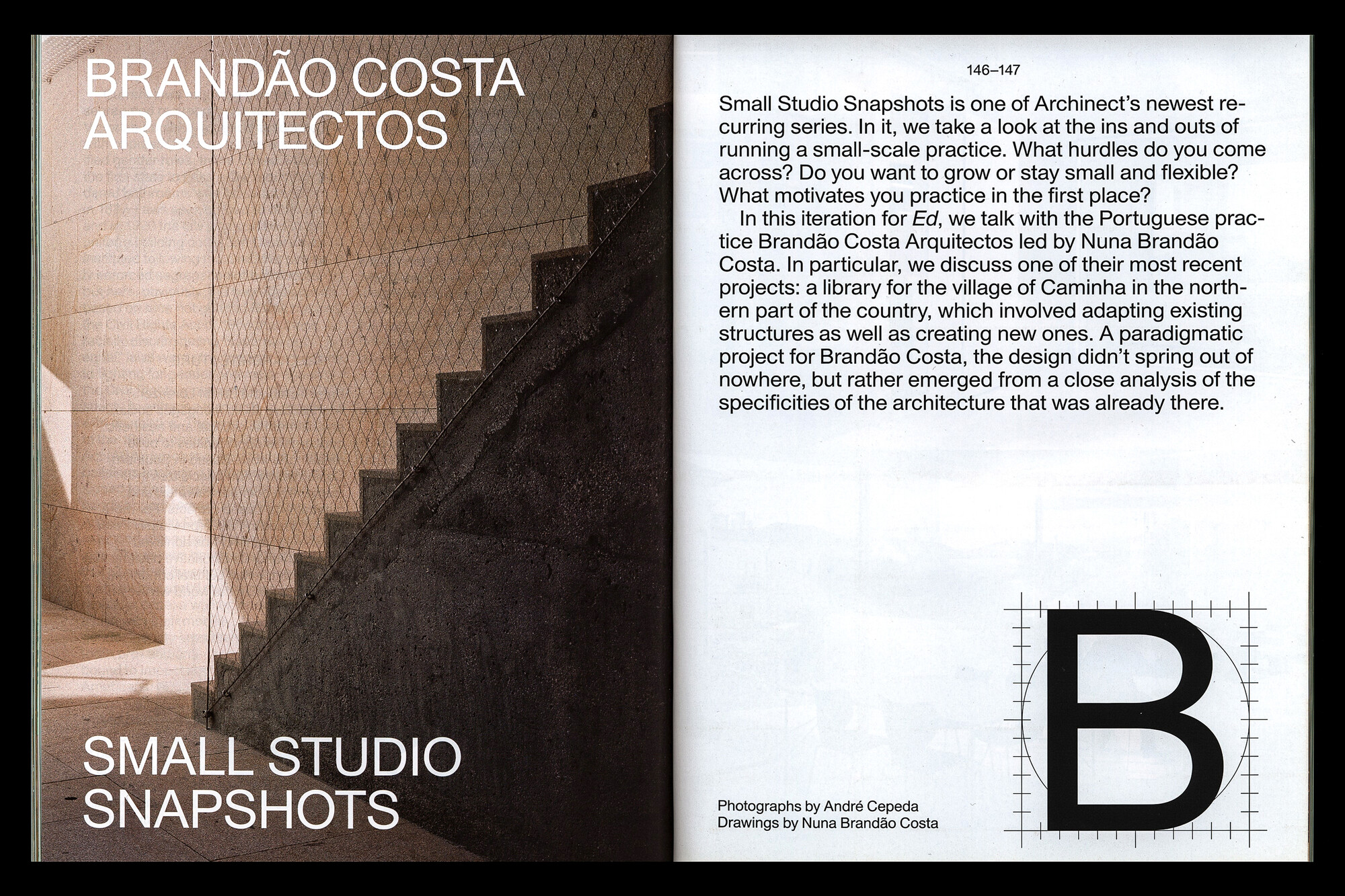
Inaugural issue of Ed, Archinect’s print magazine. Examines how architecture operates within broader social, economic, and technological systems, and considers how the discipline might be reimagined through alternative frameworks of practice and thought. More info
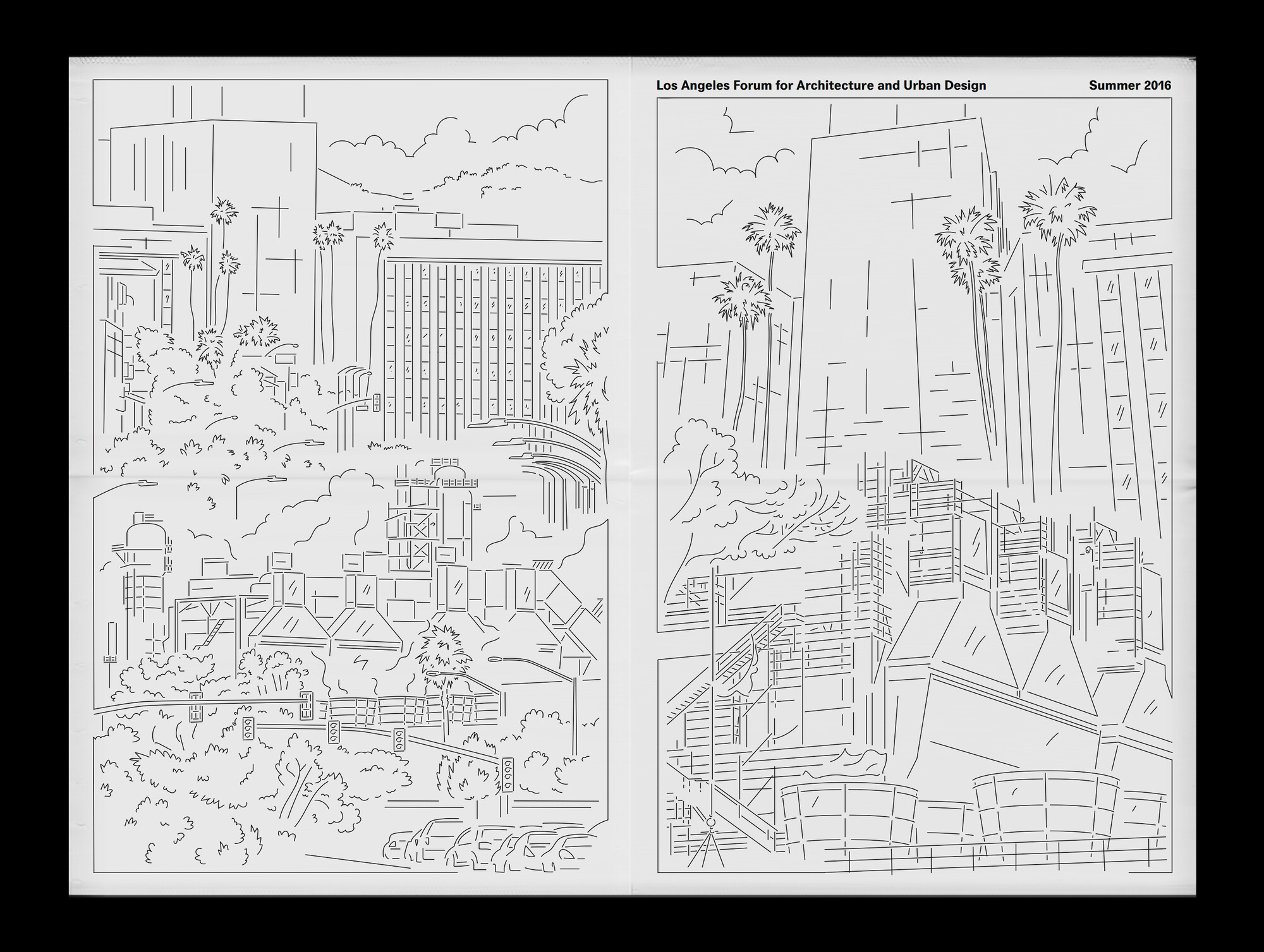
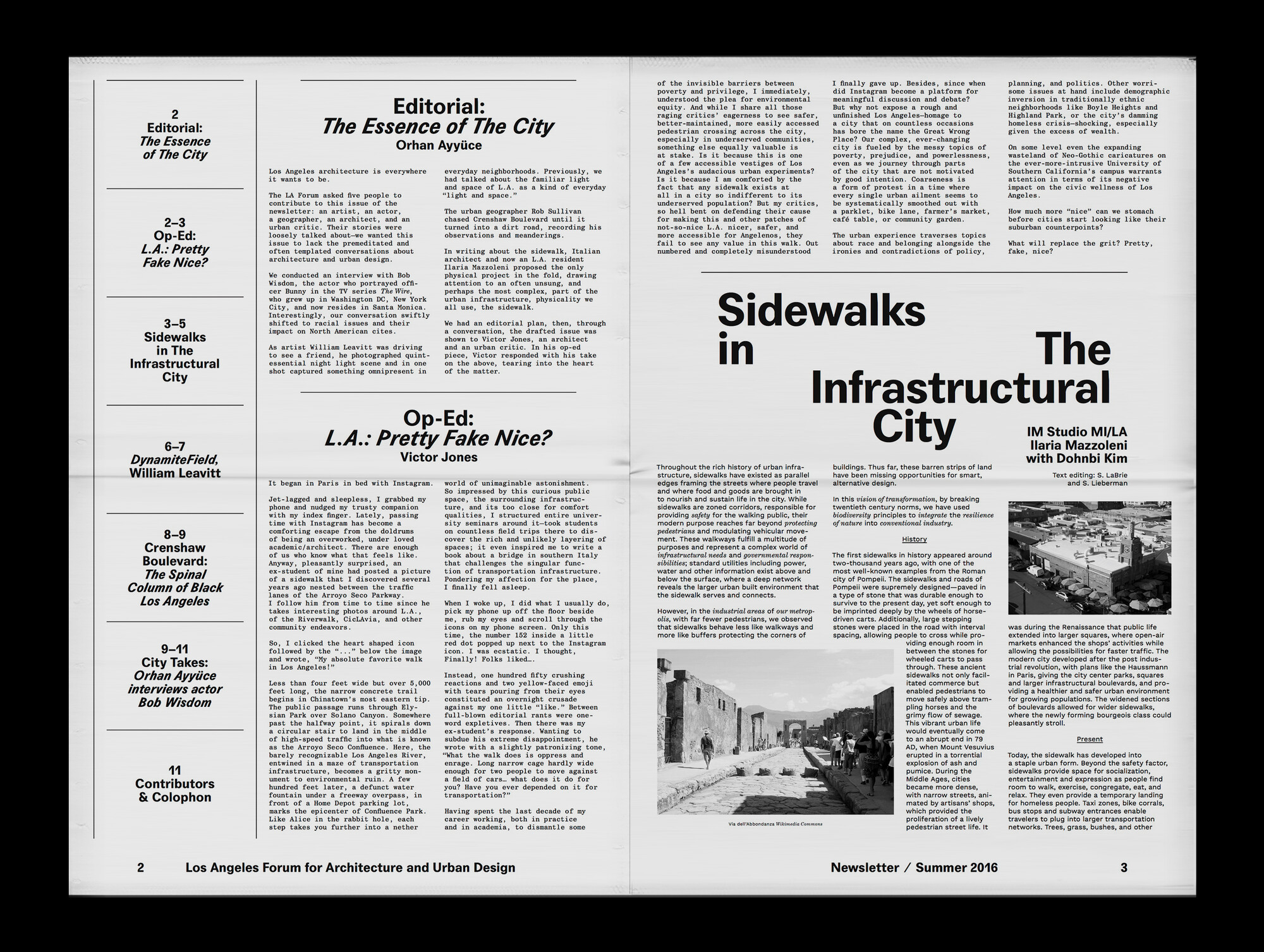
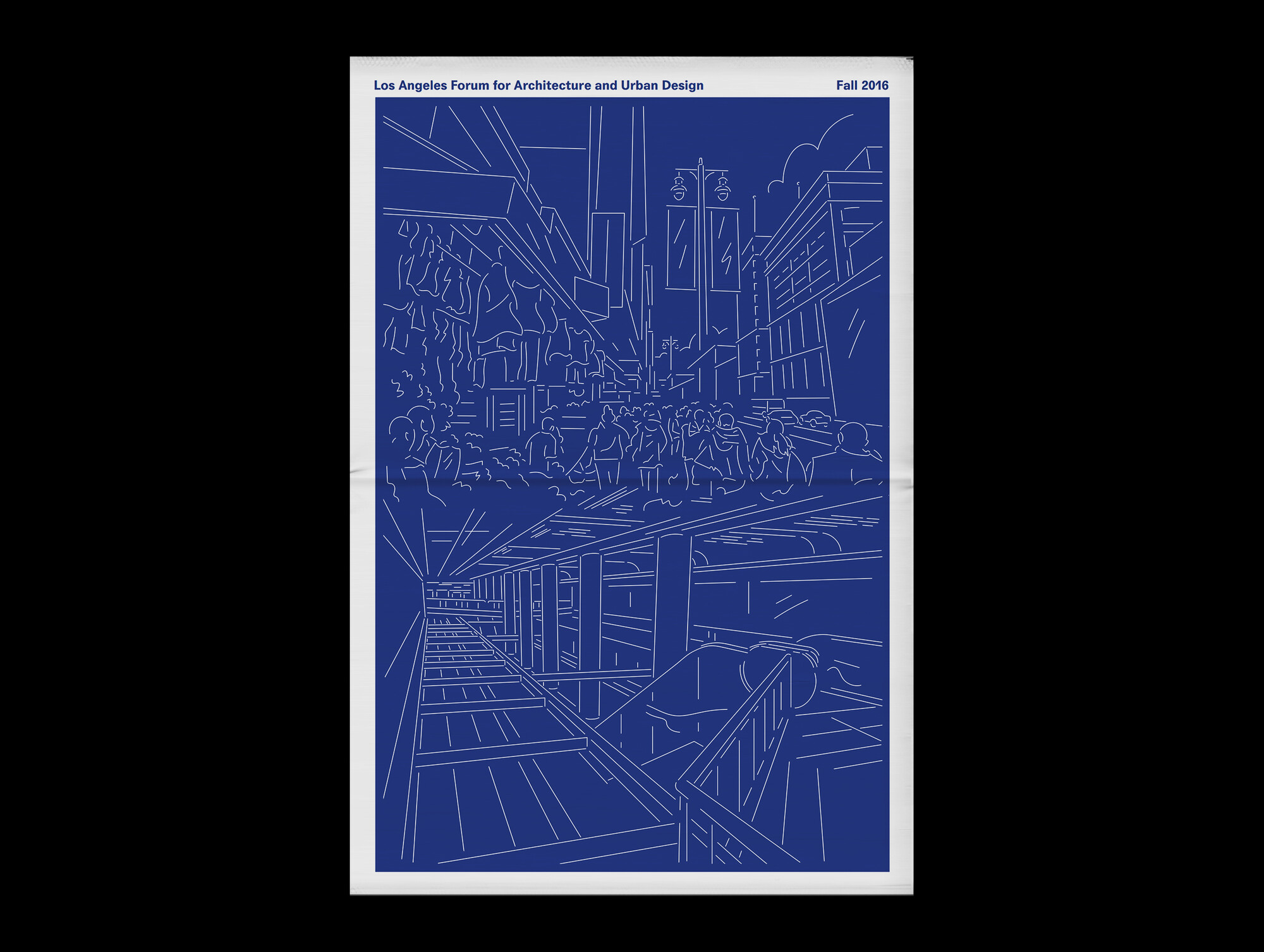
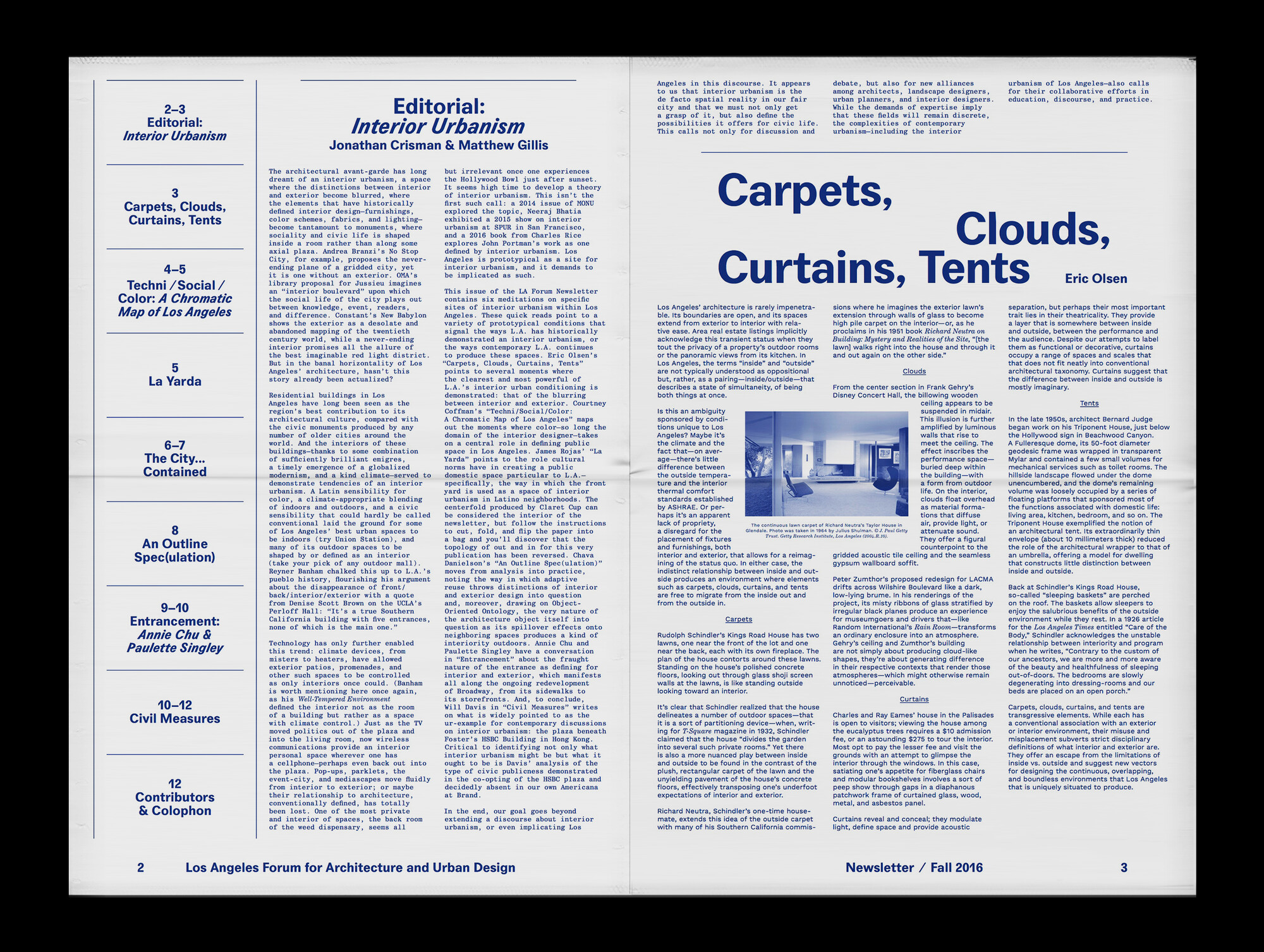
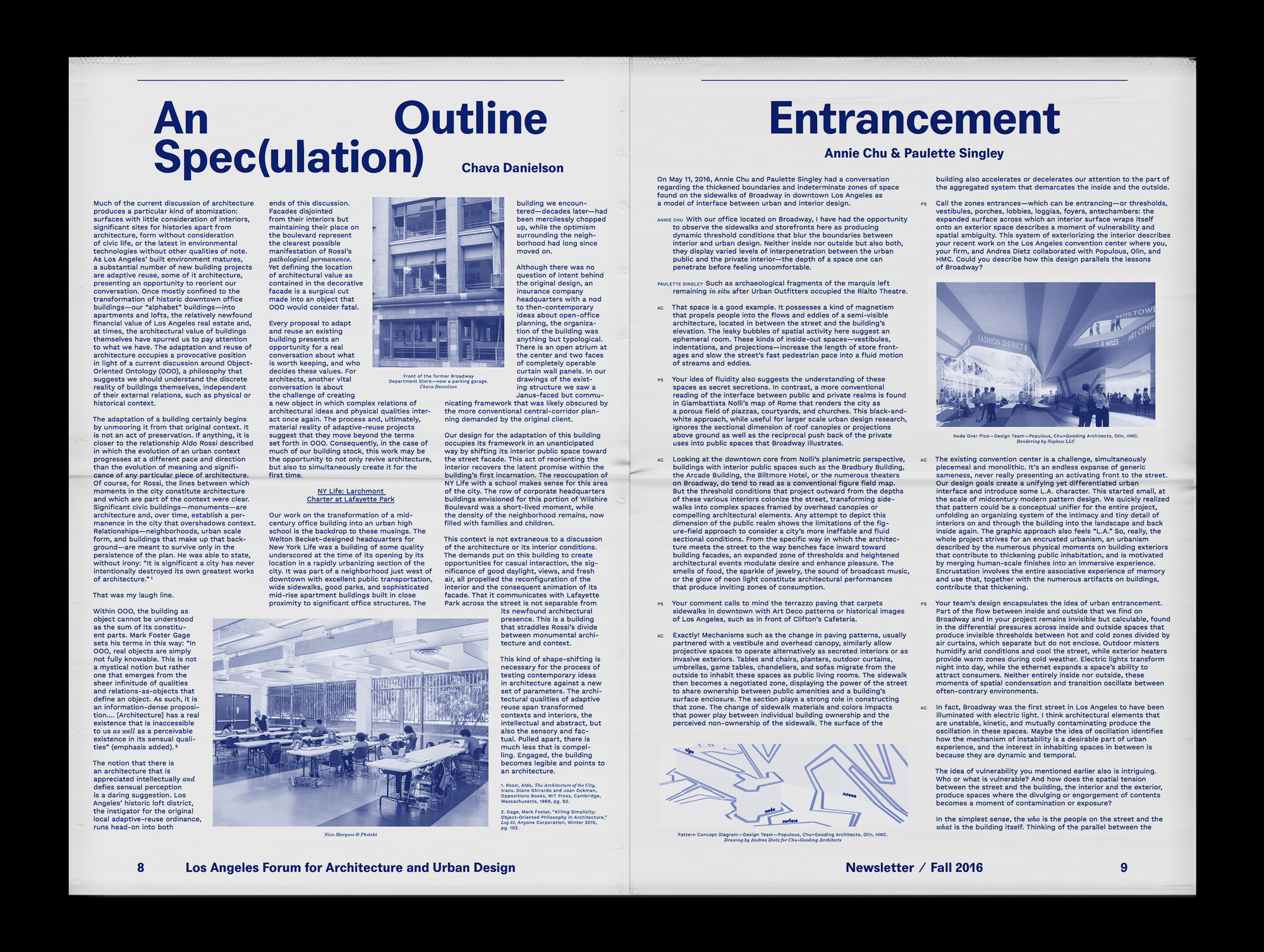
Seasonal newsletter for the Los Angeles Forum for Architecture and Urban Design. Features essays, interviews, and illustrations exploring unexpected aspects of the city’s built environment.