Folder designs interfaces, publications, and systems for organizing, encountering, and carrying information forward. We help museums, universities, civic institutions, and others engaged in the stewardship and sharing of knowledge create ways for language, media, and material to surface and endure.
We are interested in what happens to information over time, and how form can reveal the connections that give it meaning. Projects come in a variety of configurations rooted in partnerships that honor the material and its strategic presentation.
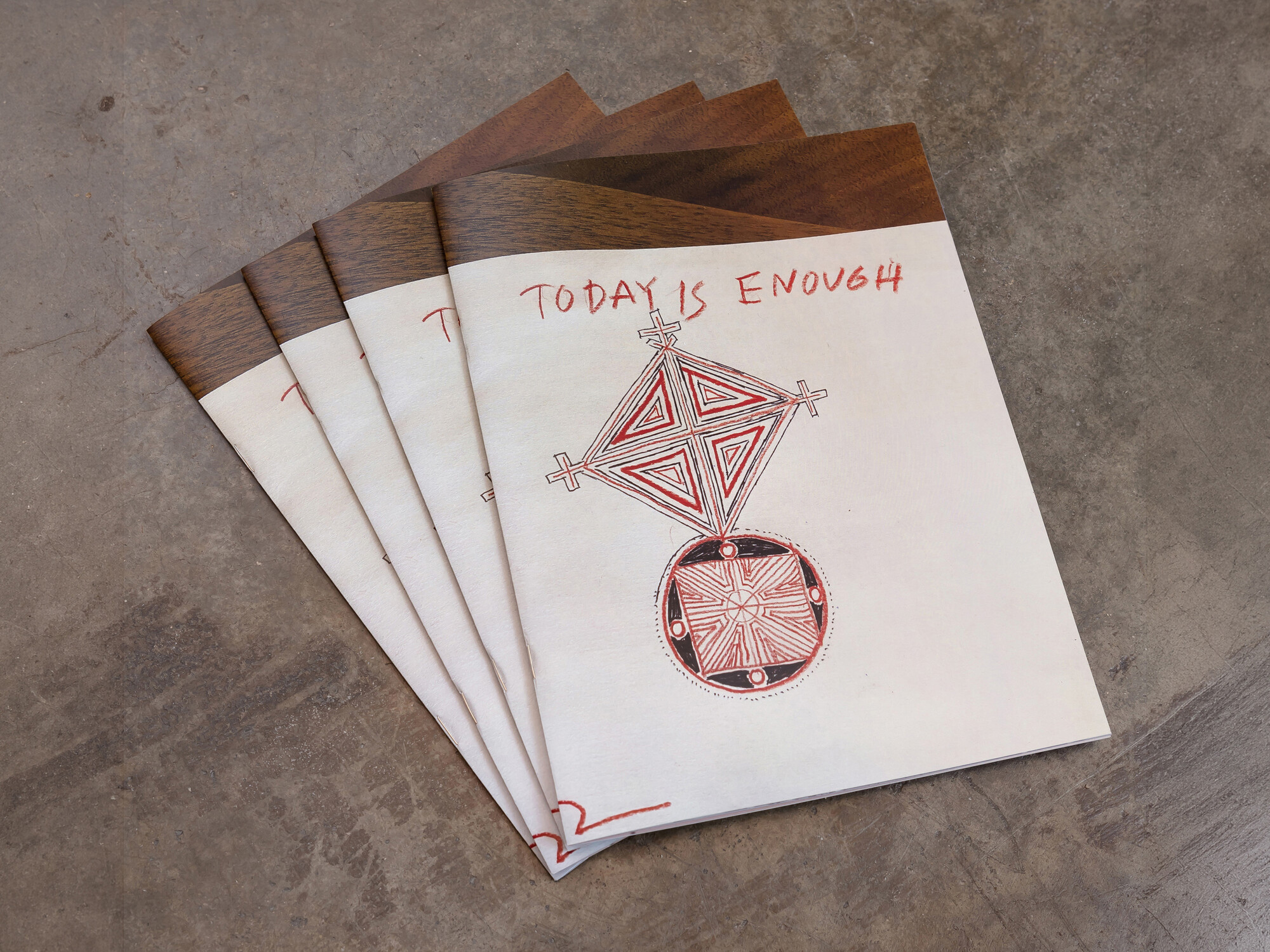
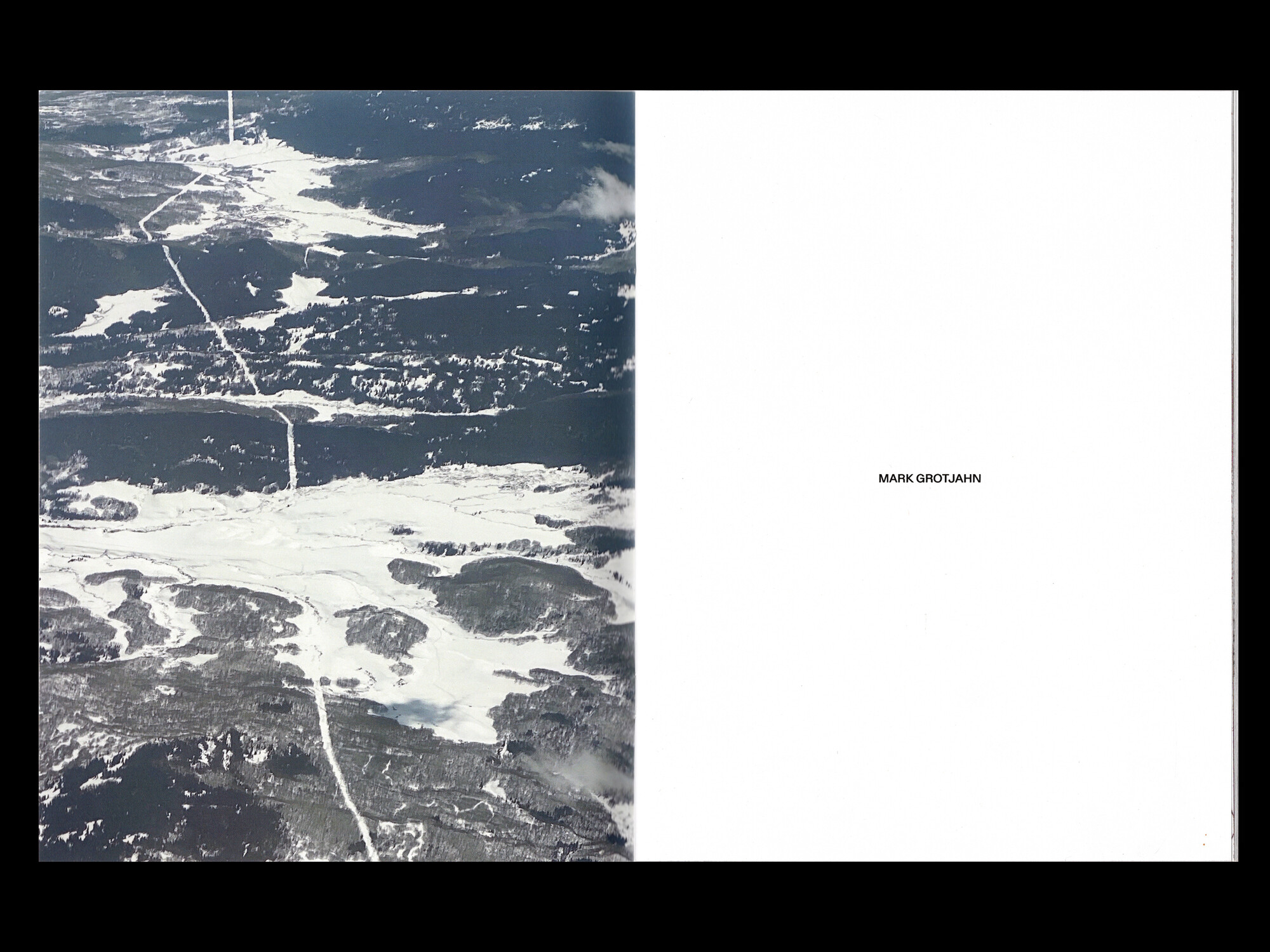
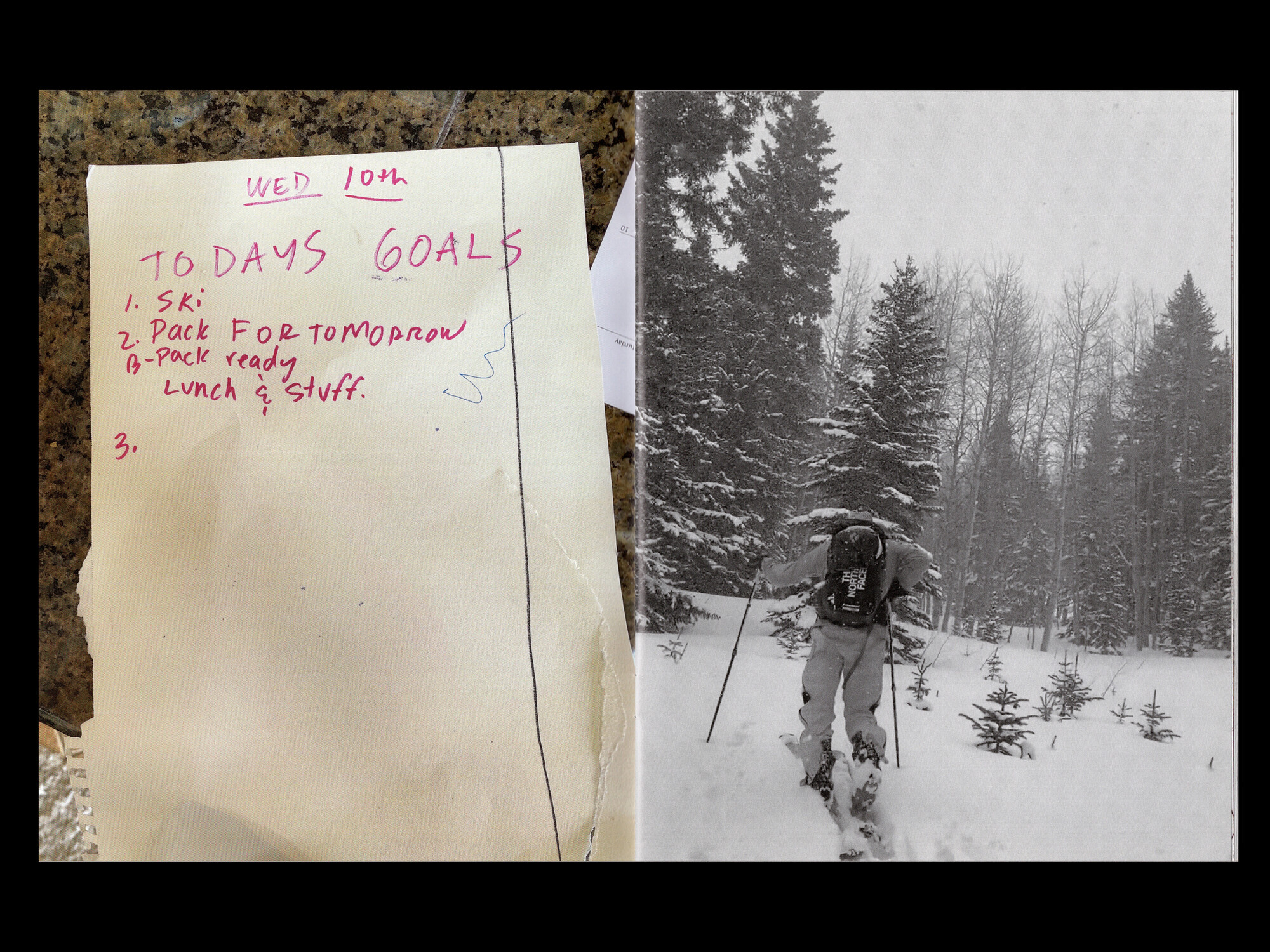
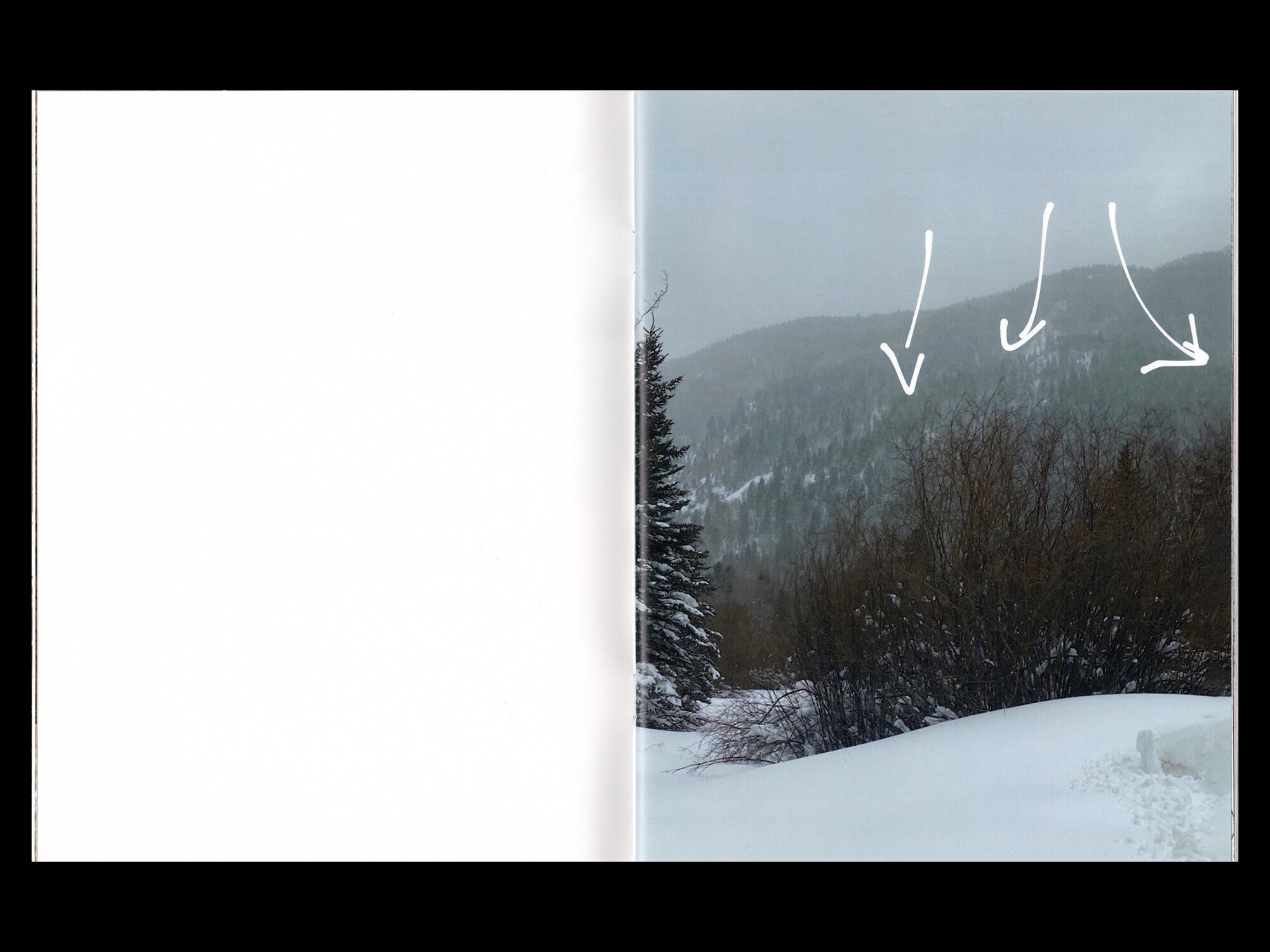
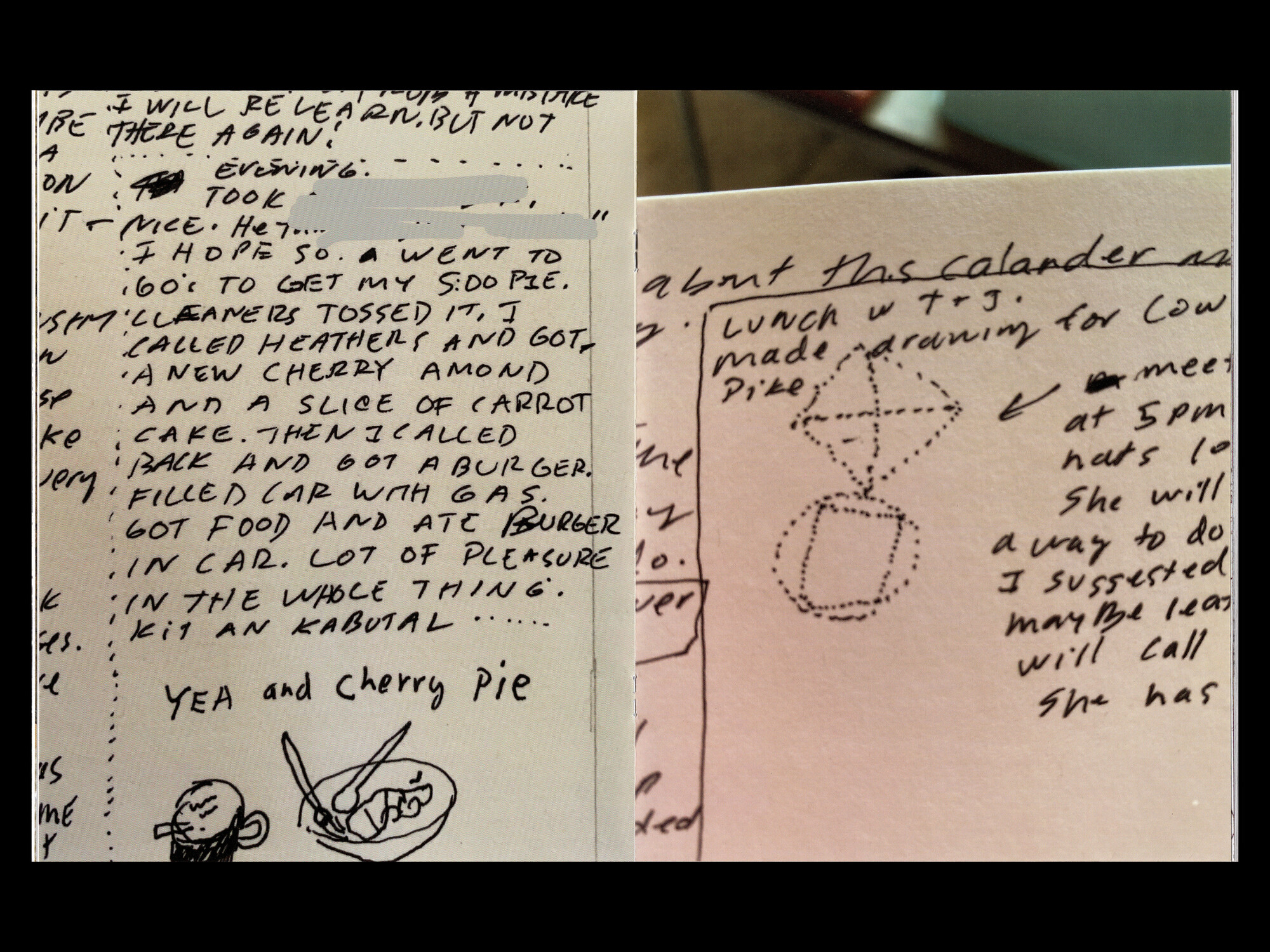
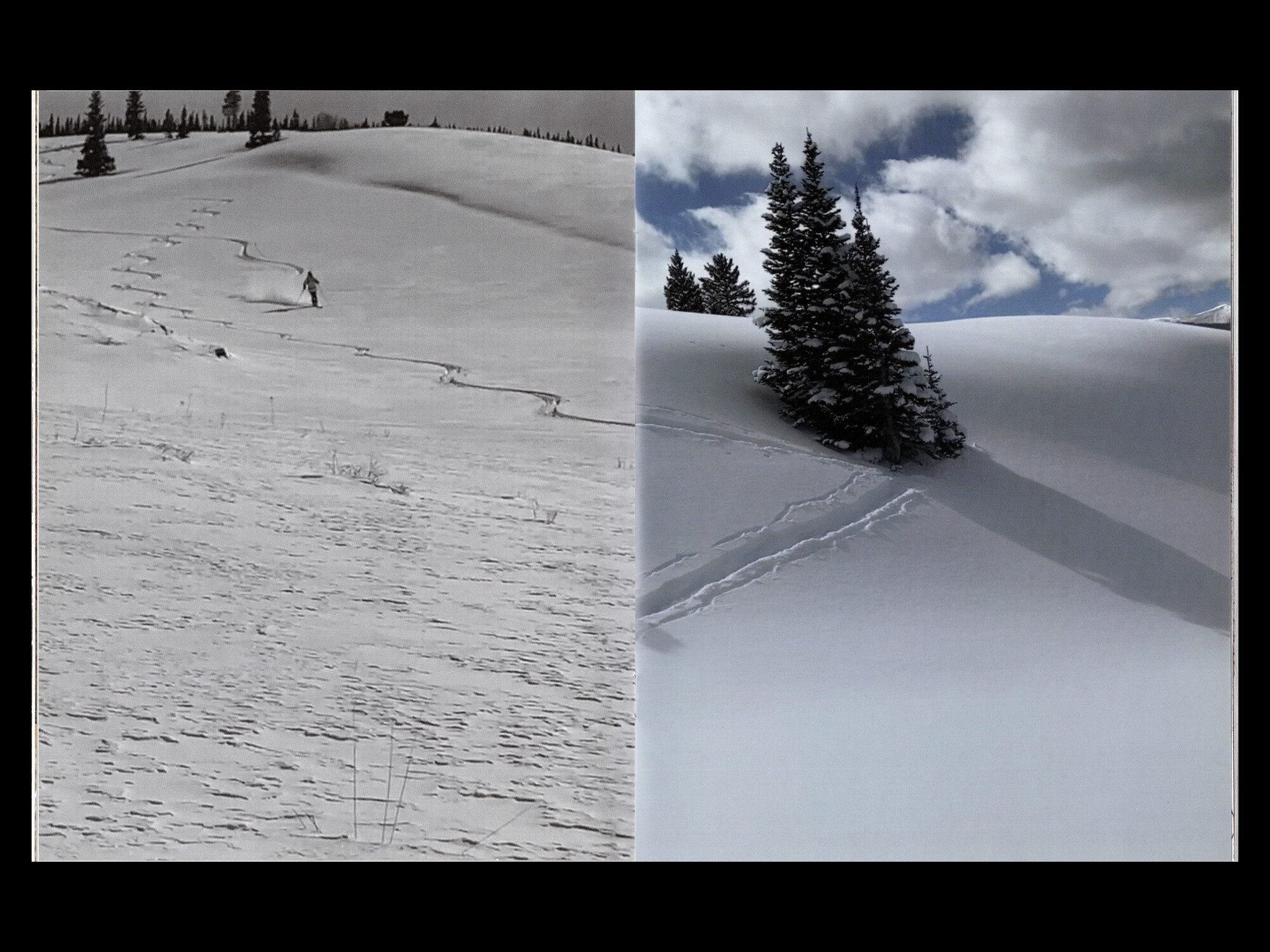
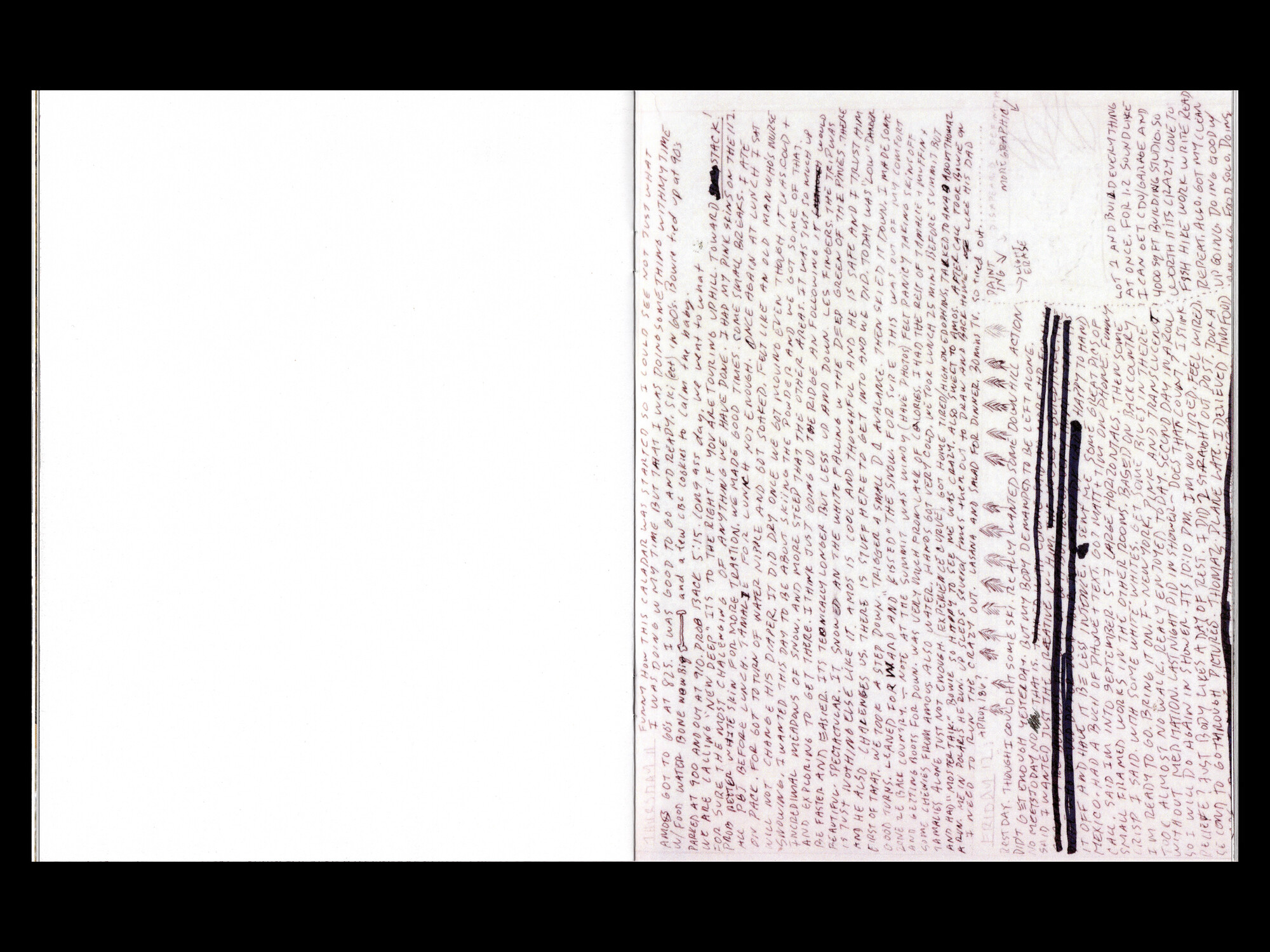
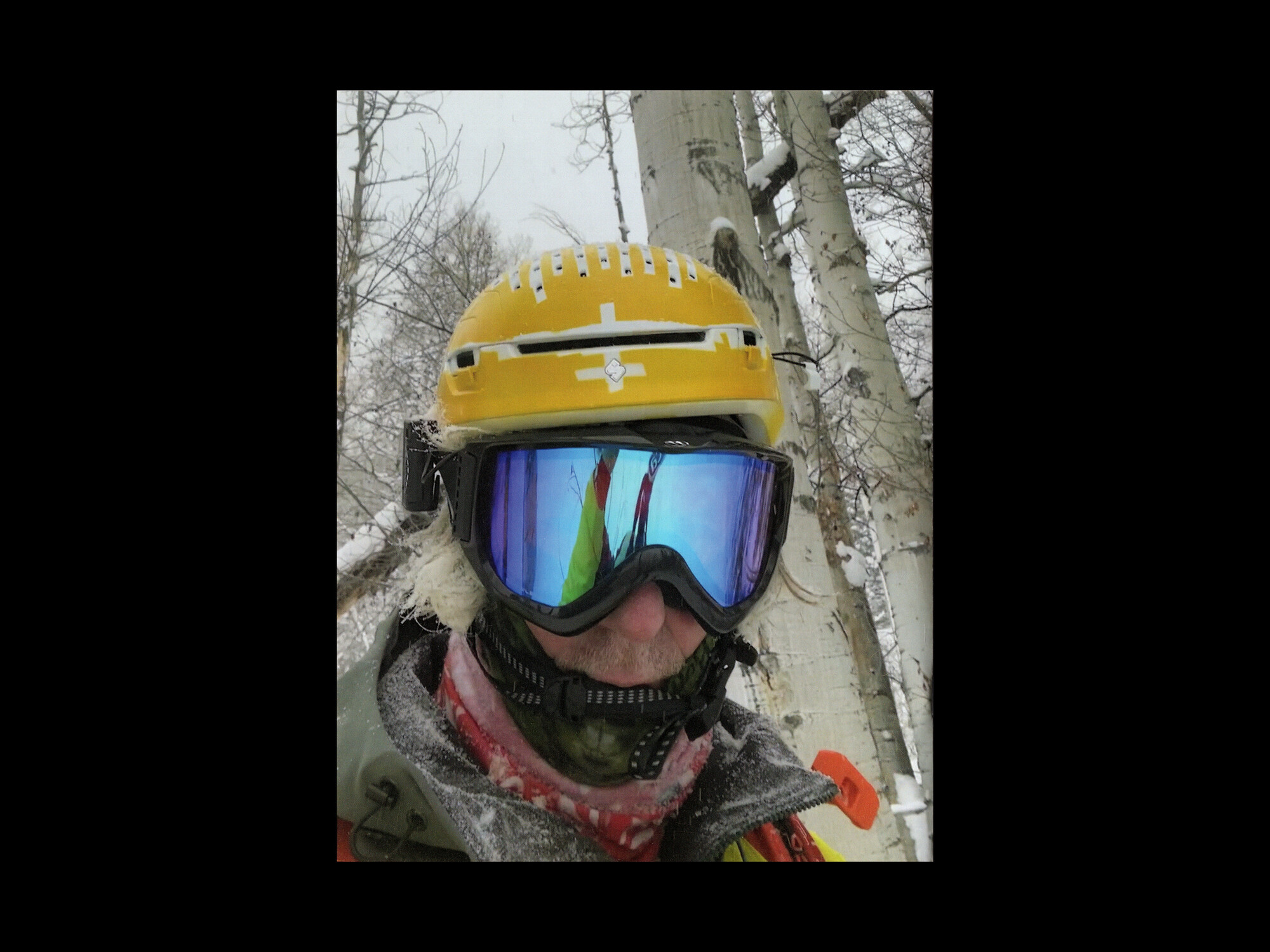
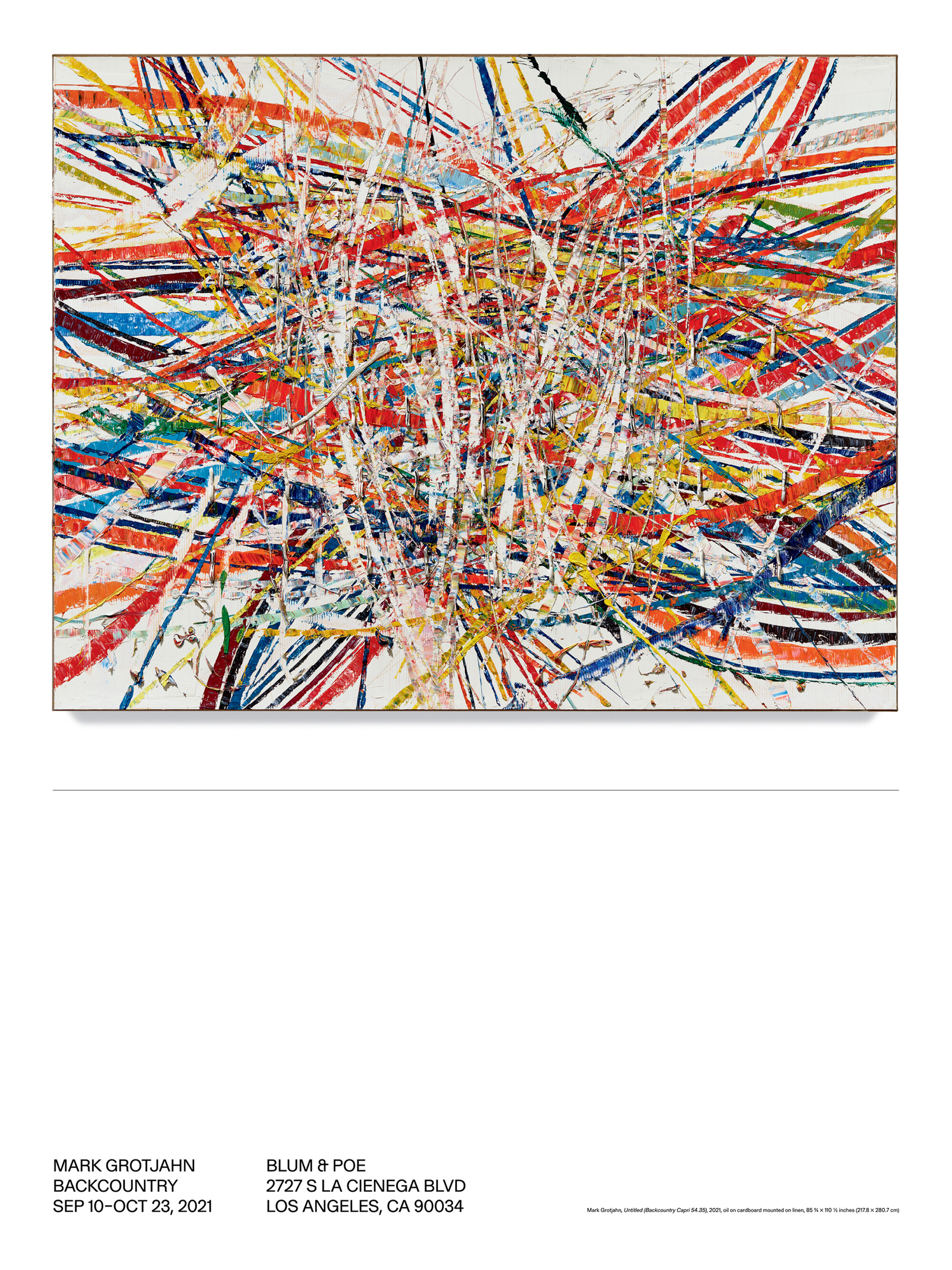
Limited edition zine and exhibition poster for Mark Grotjahn’s Backcountry exhibition at Blum & Poe. The zine documents Grotjahn’s time cross country skiing in the Colorado wilderness through his intricate, hand written journals and various impromptu phone snaps.
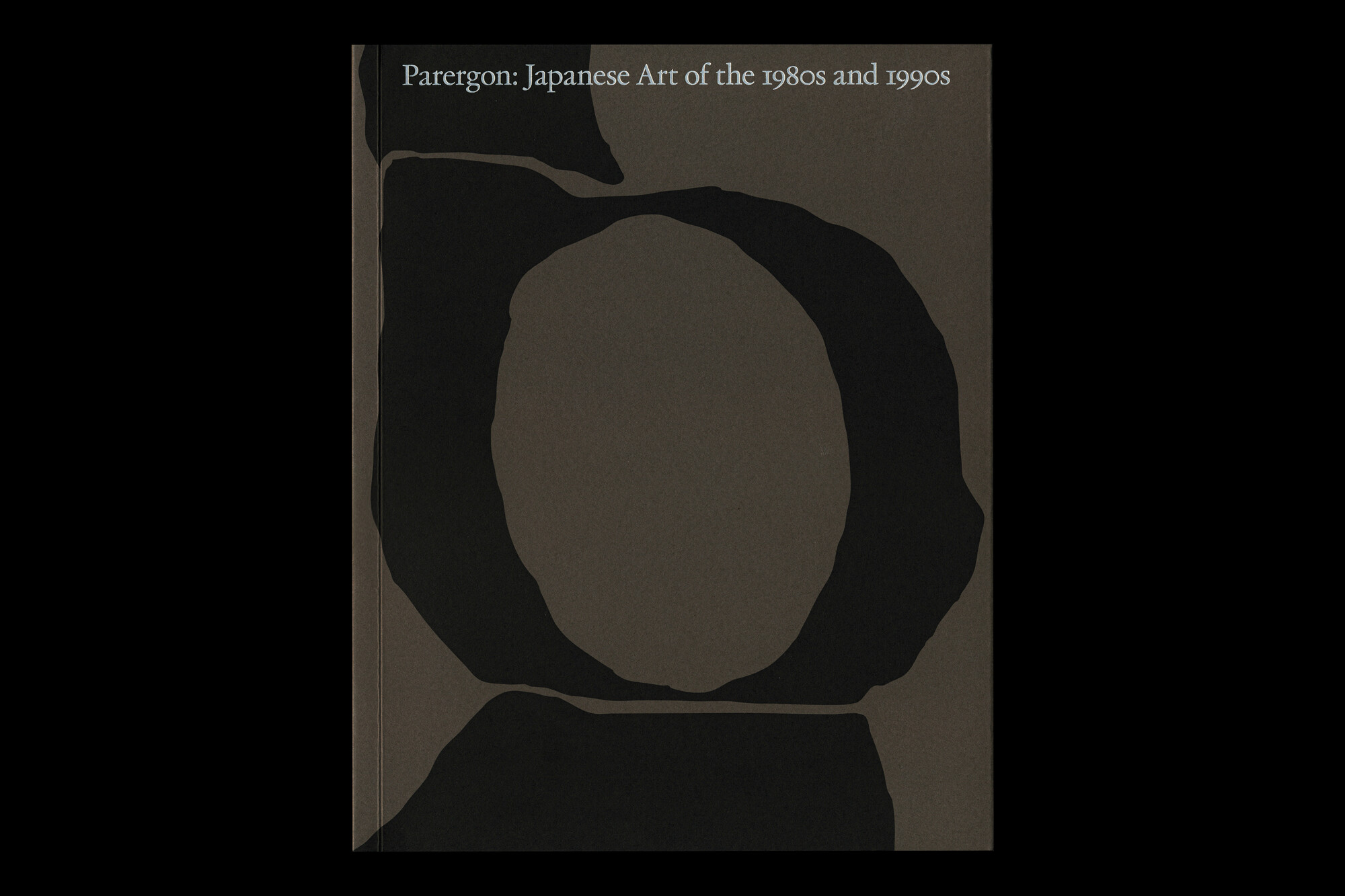
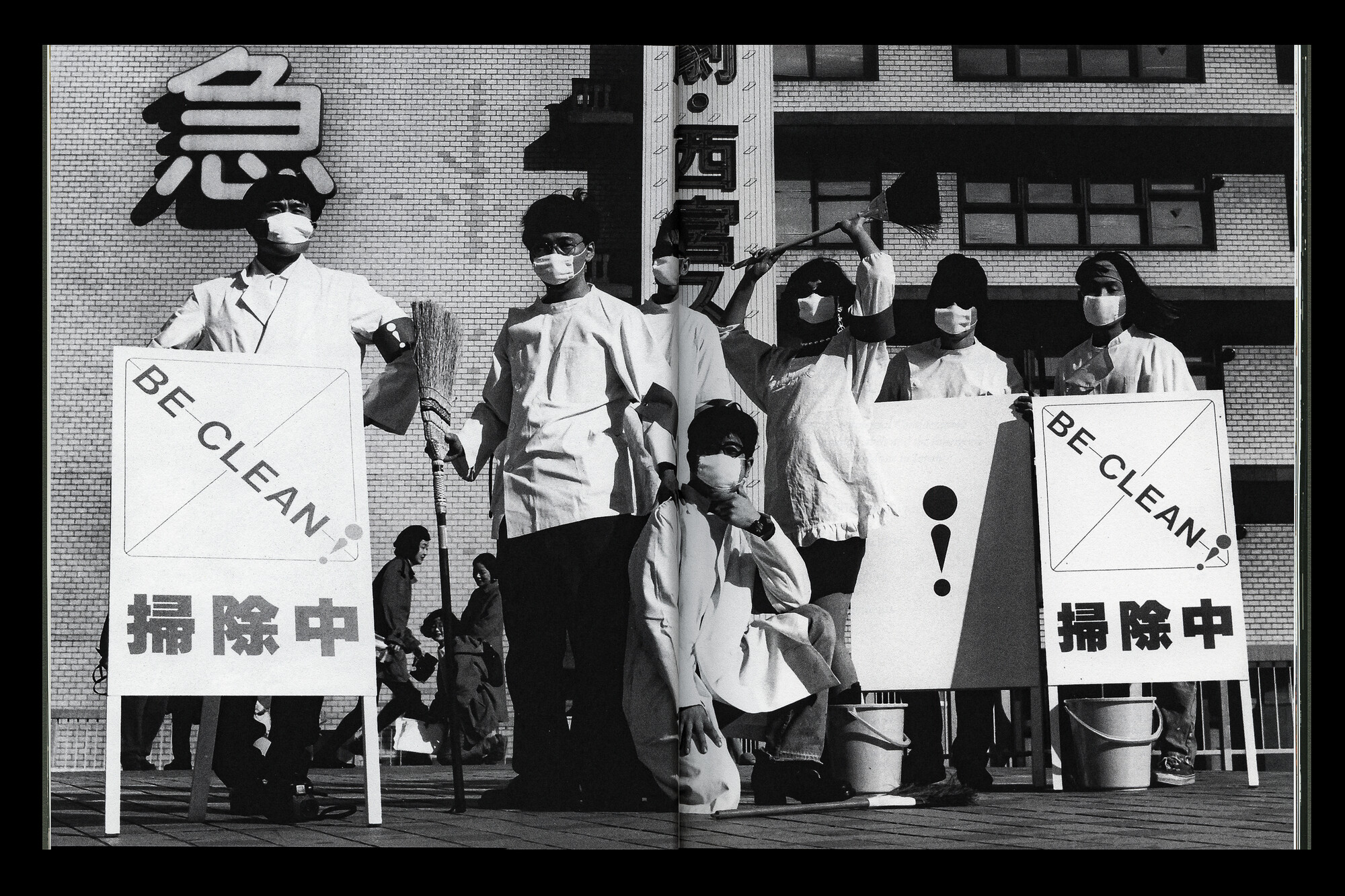
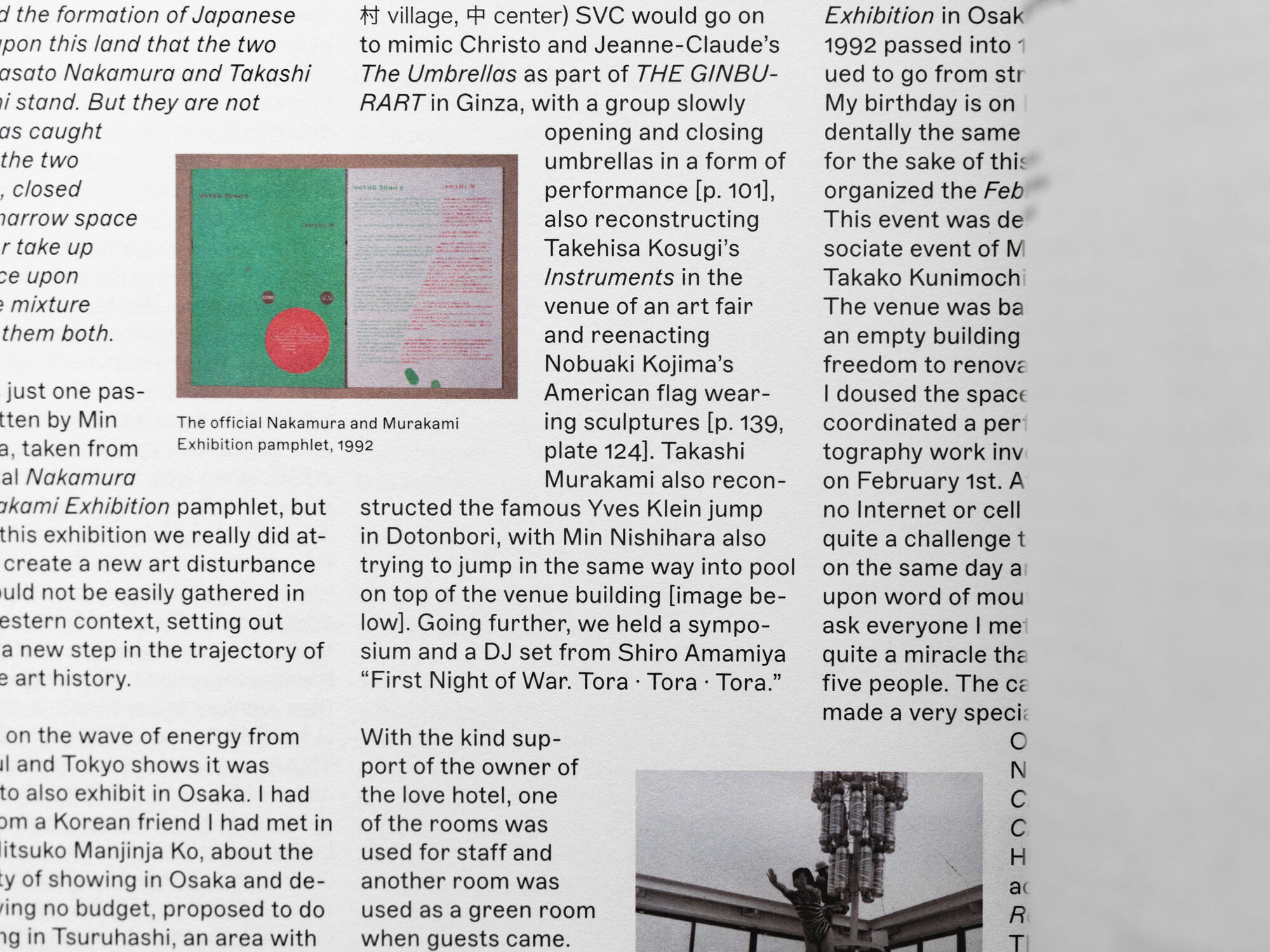
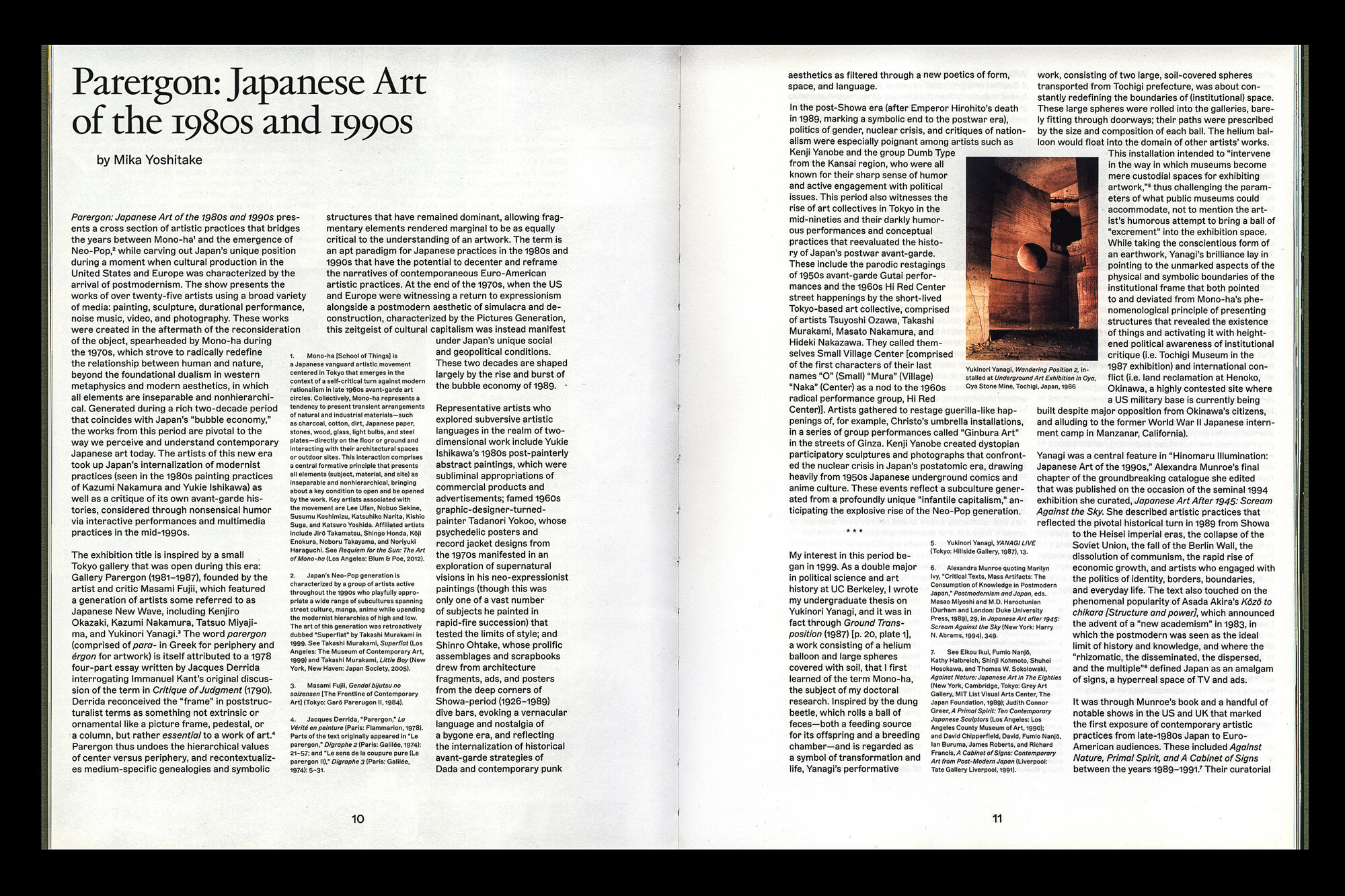
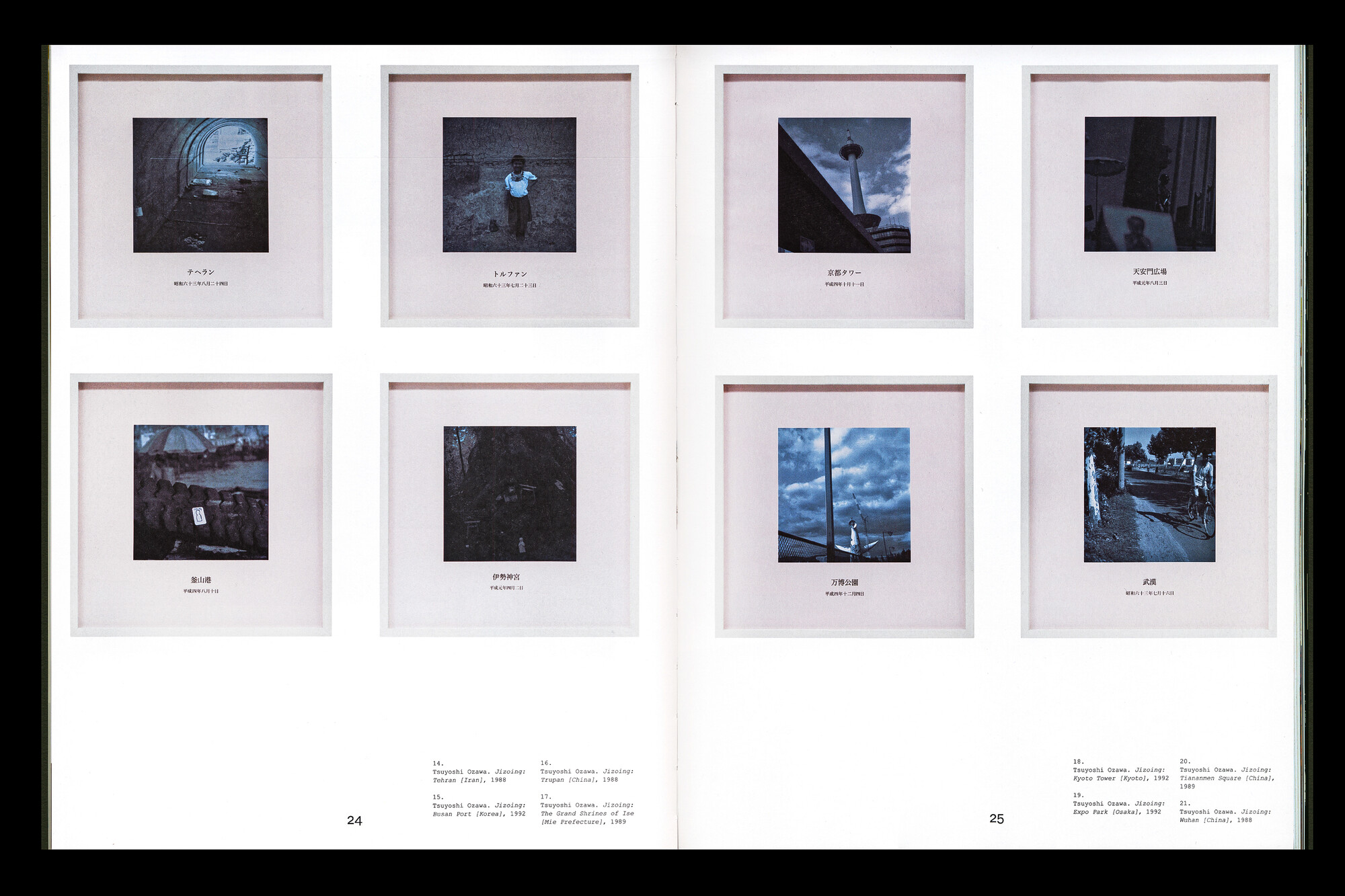
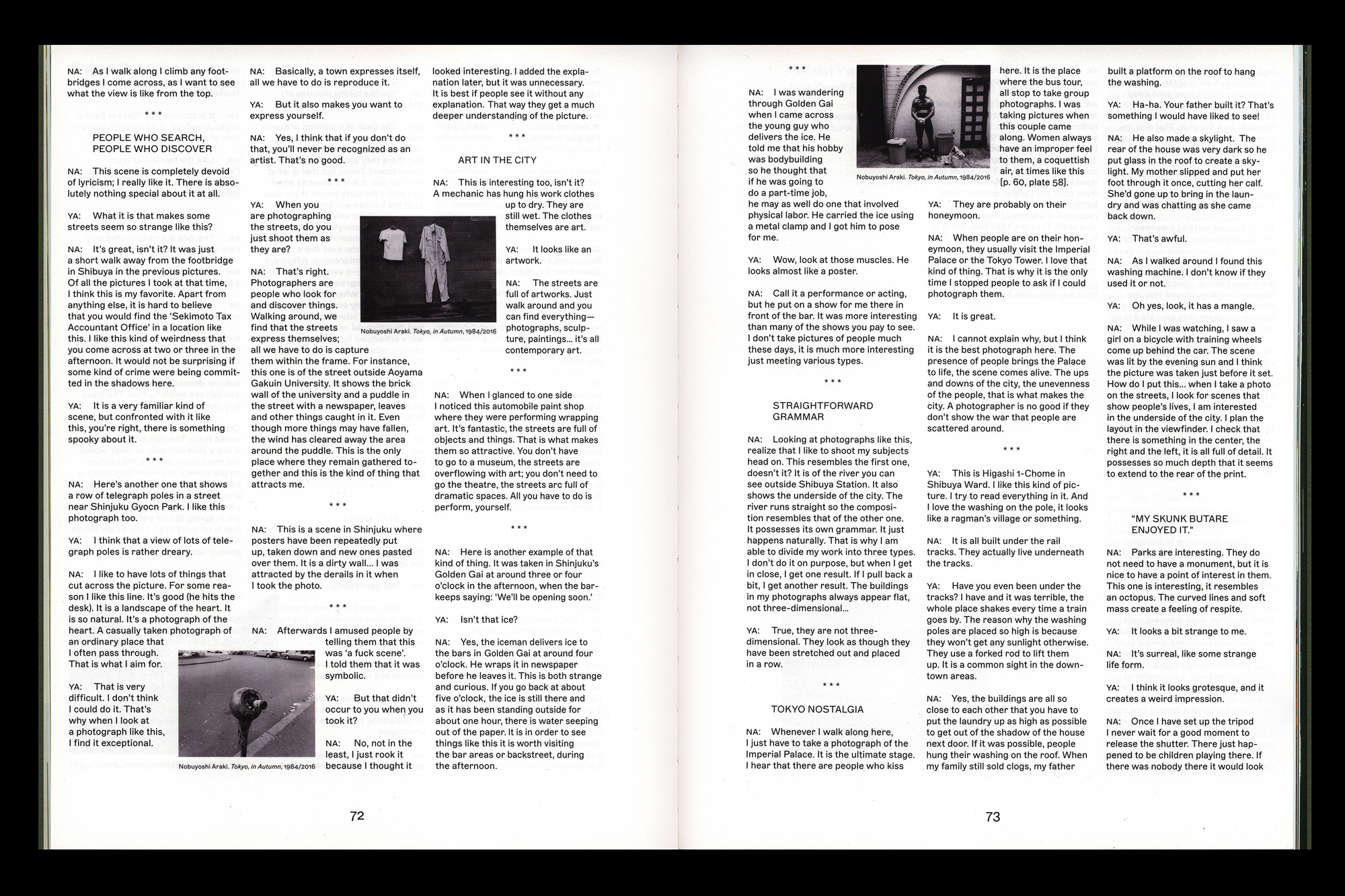
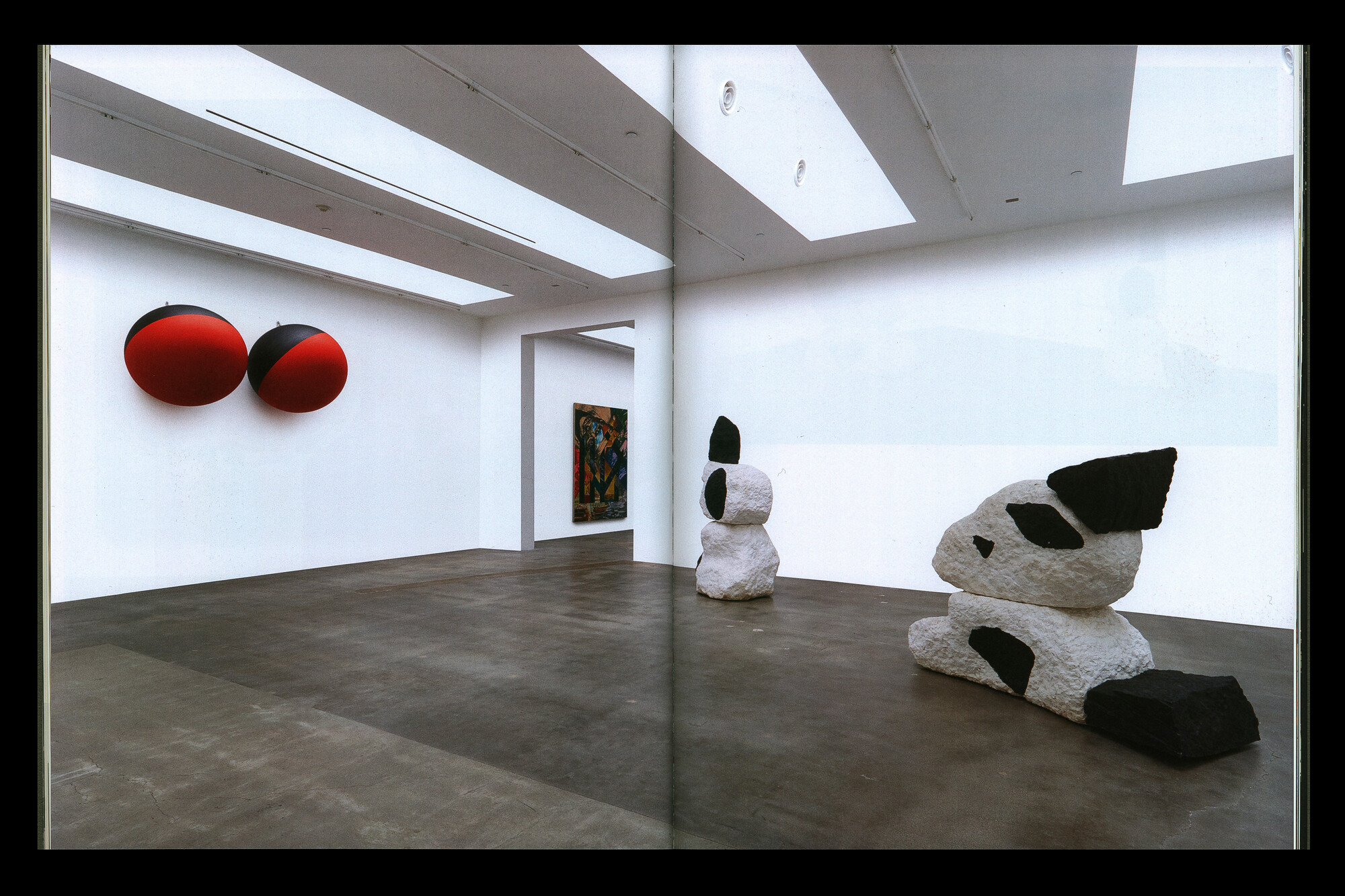
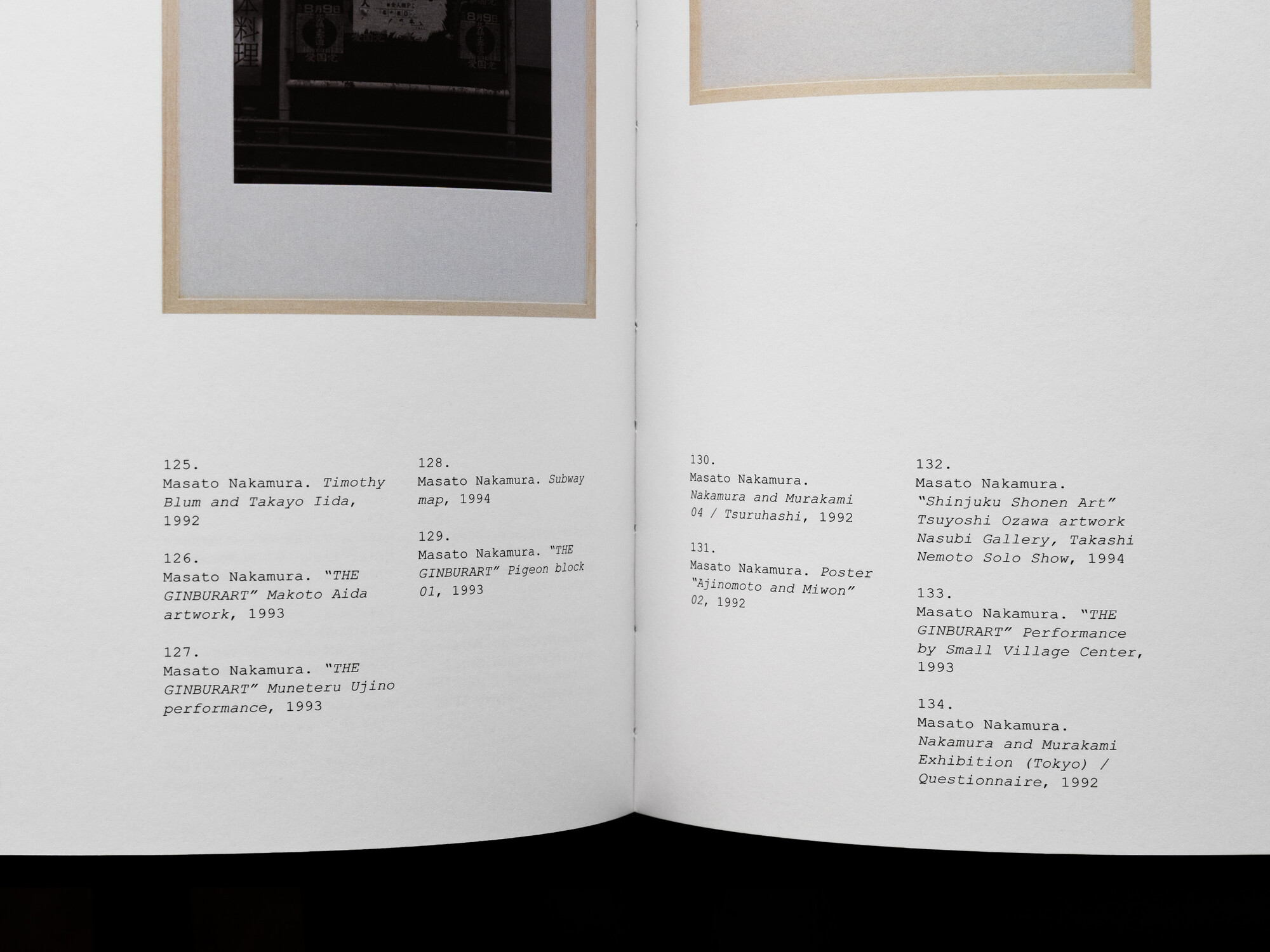
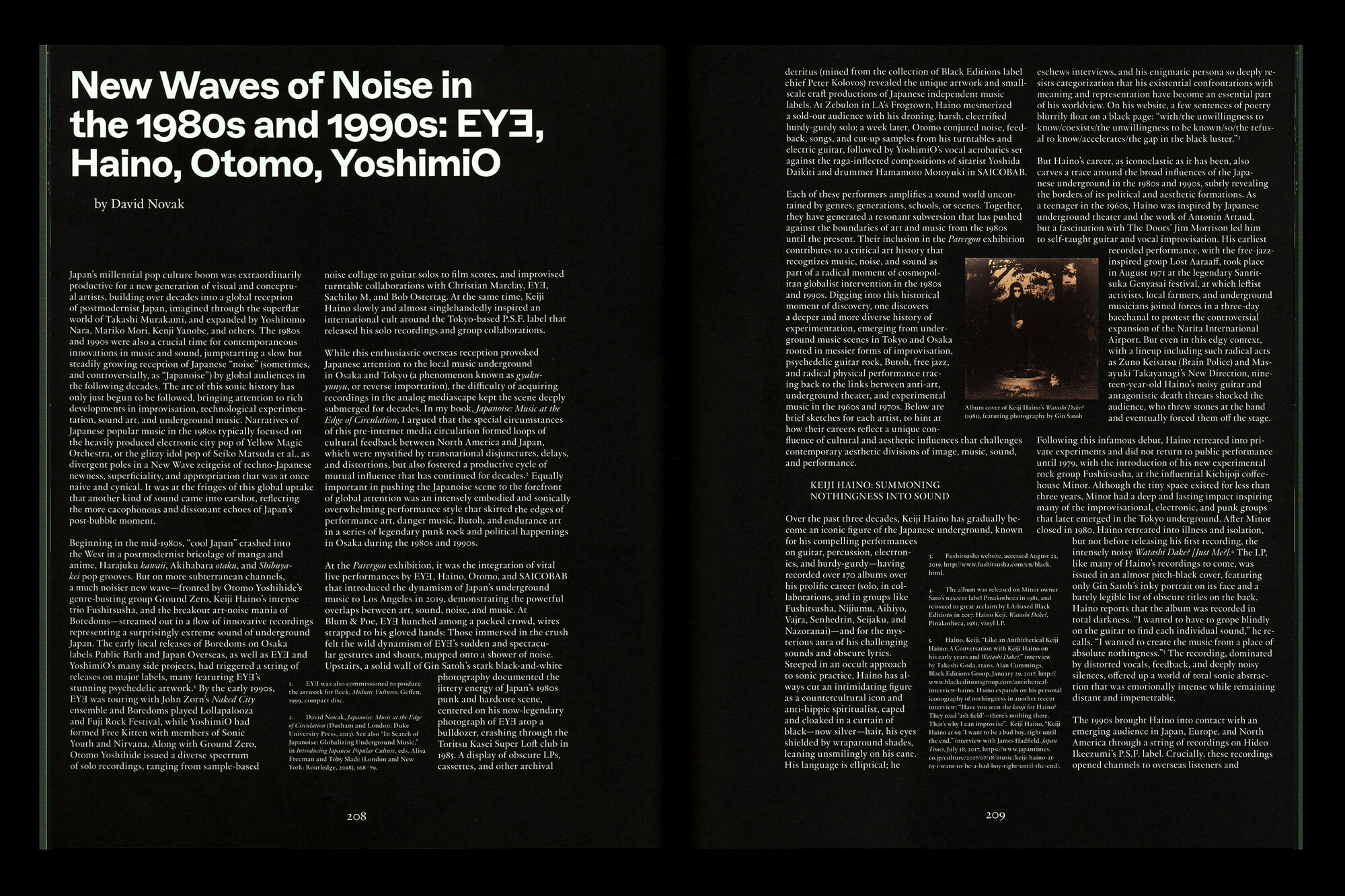
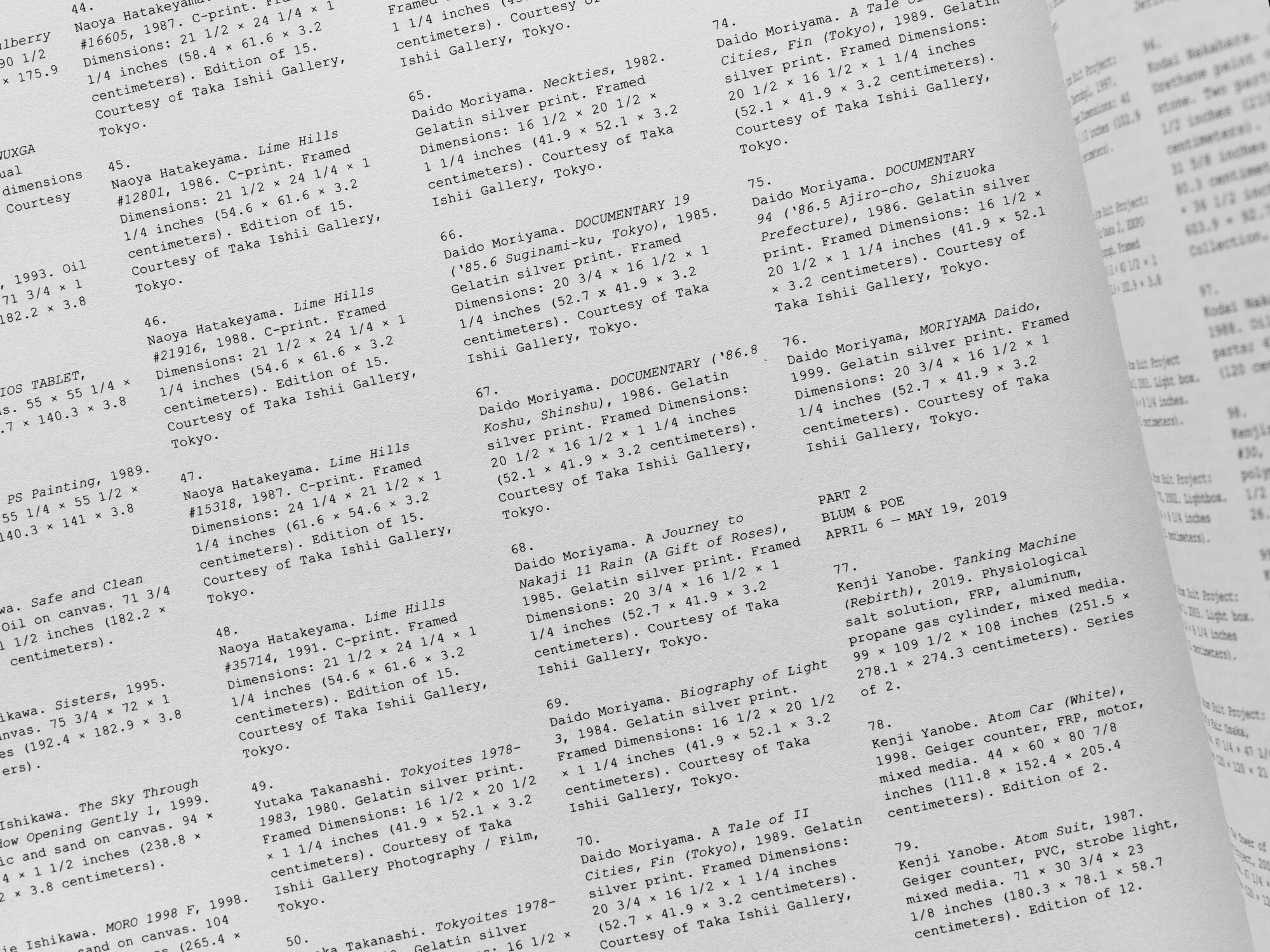
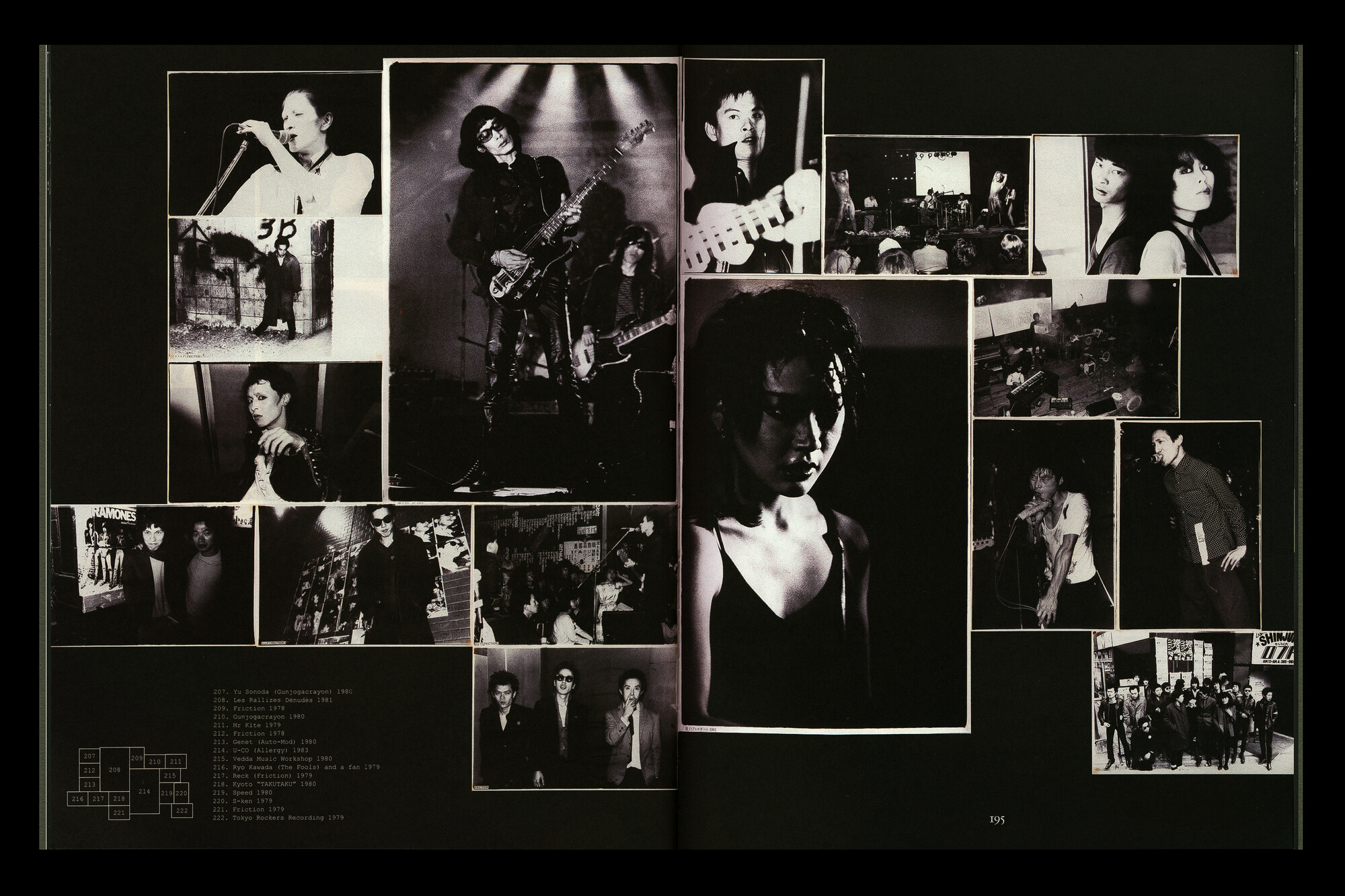
Parergon: Japanese Art of the 1980s and 1990s is the exhibition catalog for the landmark two-part exhibition curated by Mika Yoshitake at Blum & Poe. It is a definitive English-language primer and primary text for a largely undocumented period of Japanese art history, between the 1970s Mono-ha movement and the Neo-Pop era. The catalog features performance photography, installation shots, curatorial essays, socio-political analysis, textimonials, artist interviews, underground noise profiles, and music ephemera.
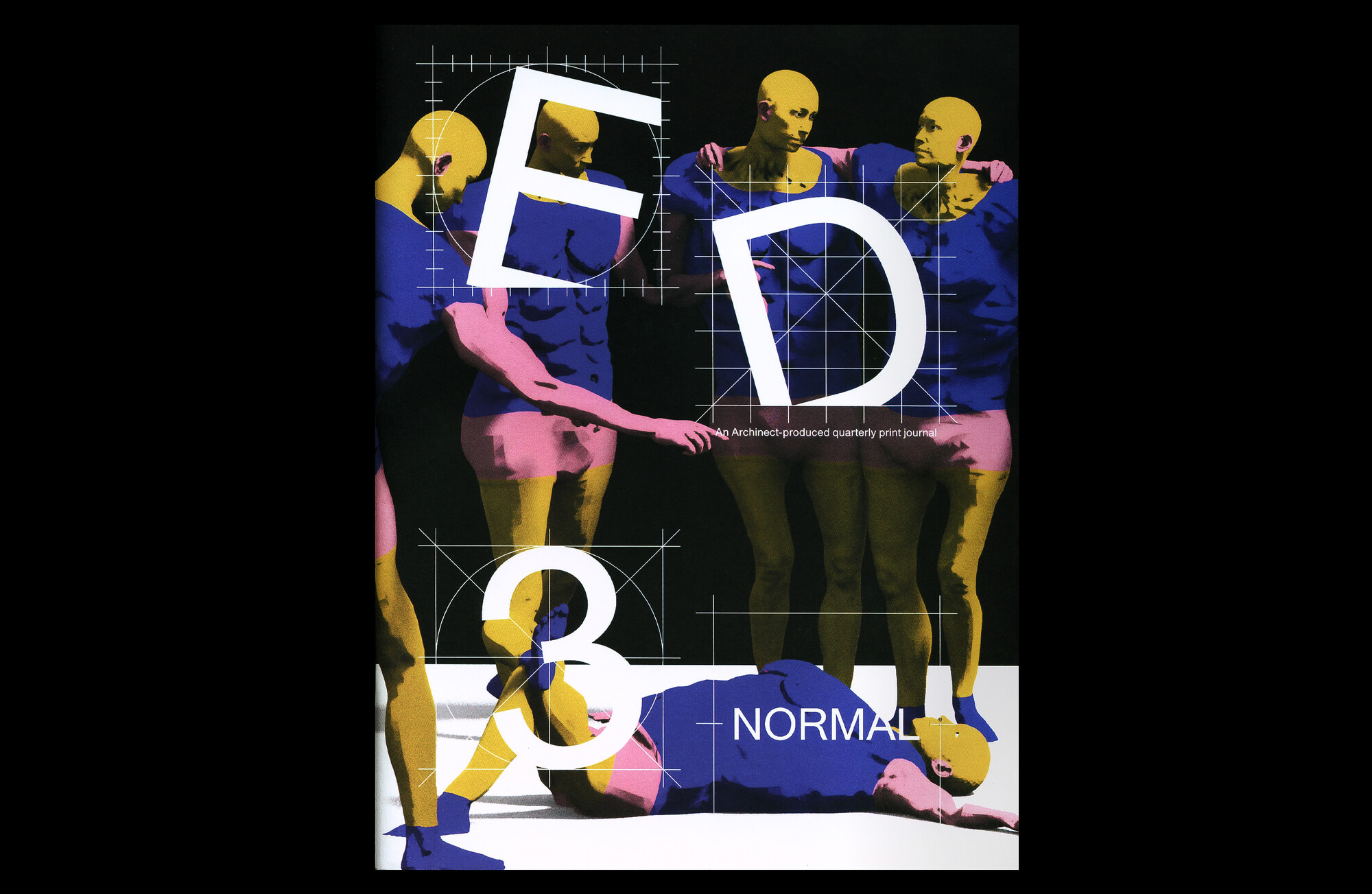
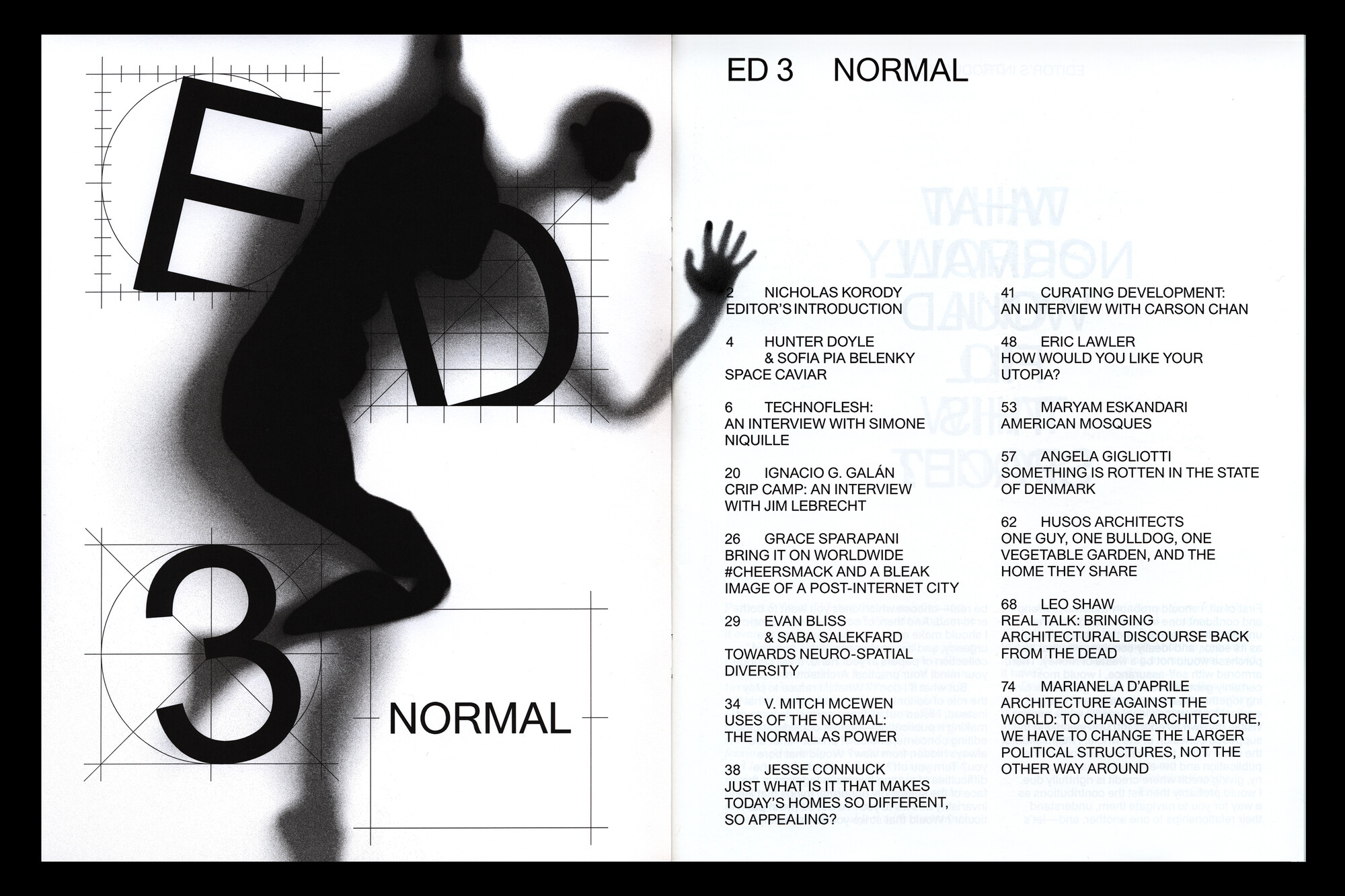
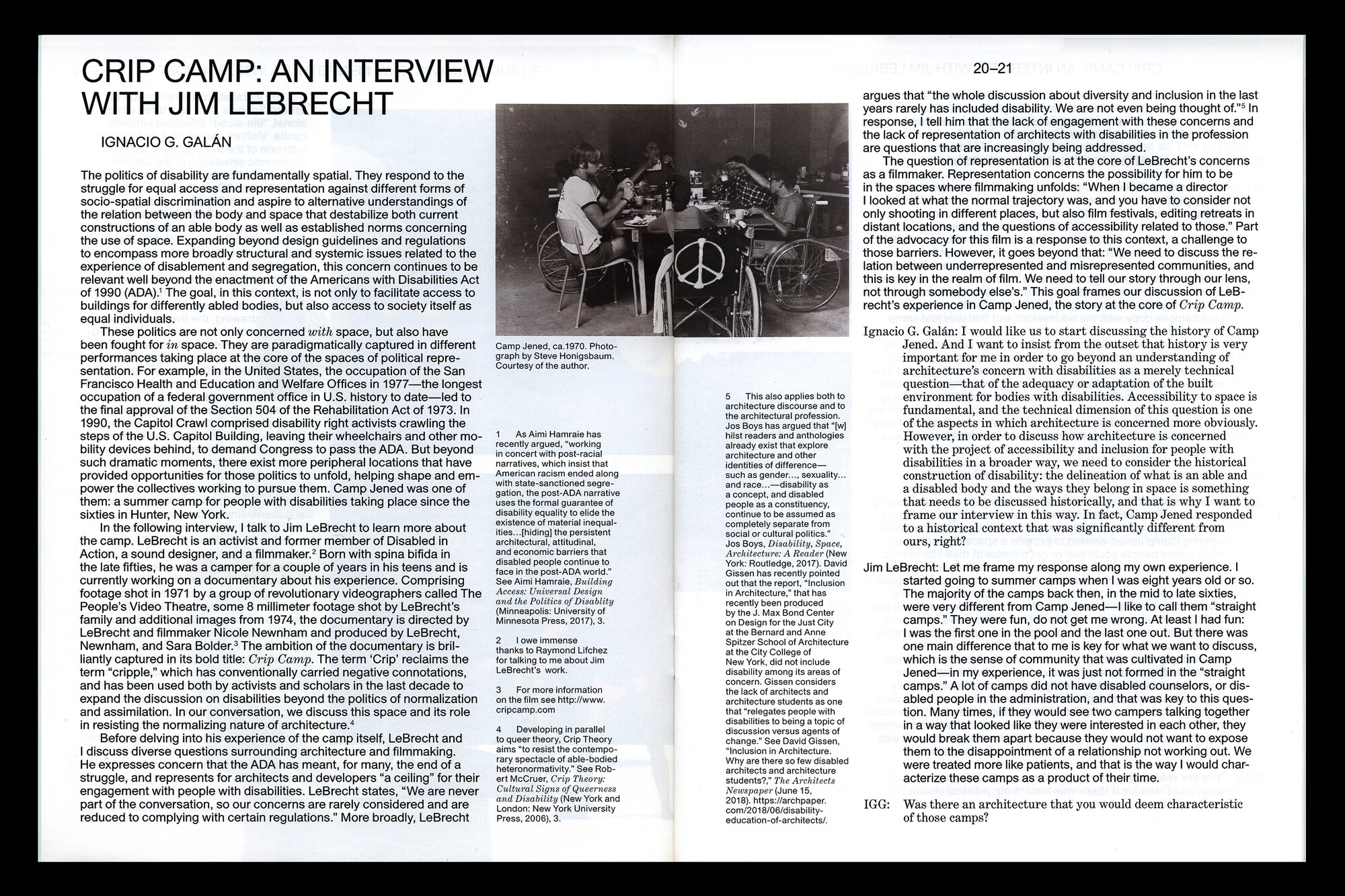
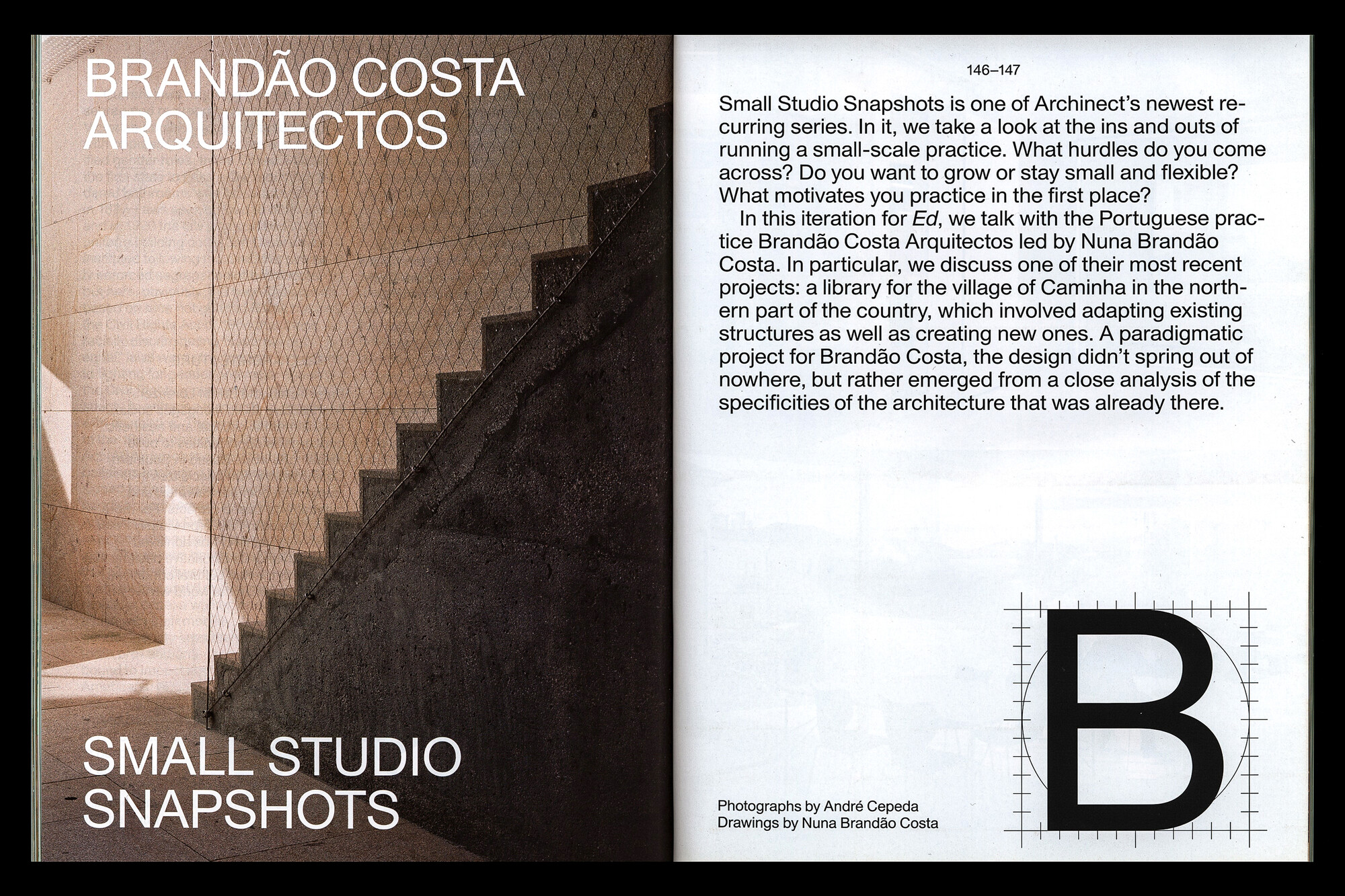
Third issue of Ed, Archinect’s print magazine. Brings together essays and visual contributions questioning the norms that shape architectural practice and its institutions, and proposing alternative frameworks for how architecture relates to labor, bodies, and social structures. More info ⎘
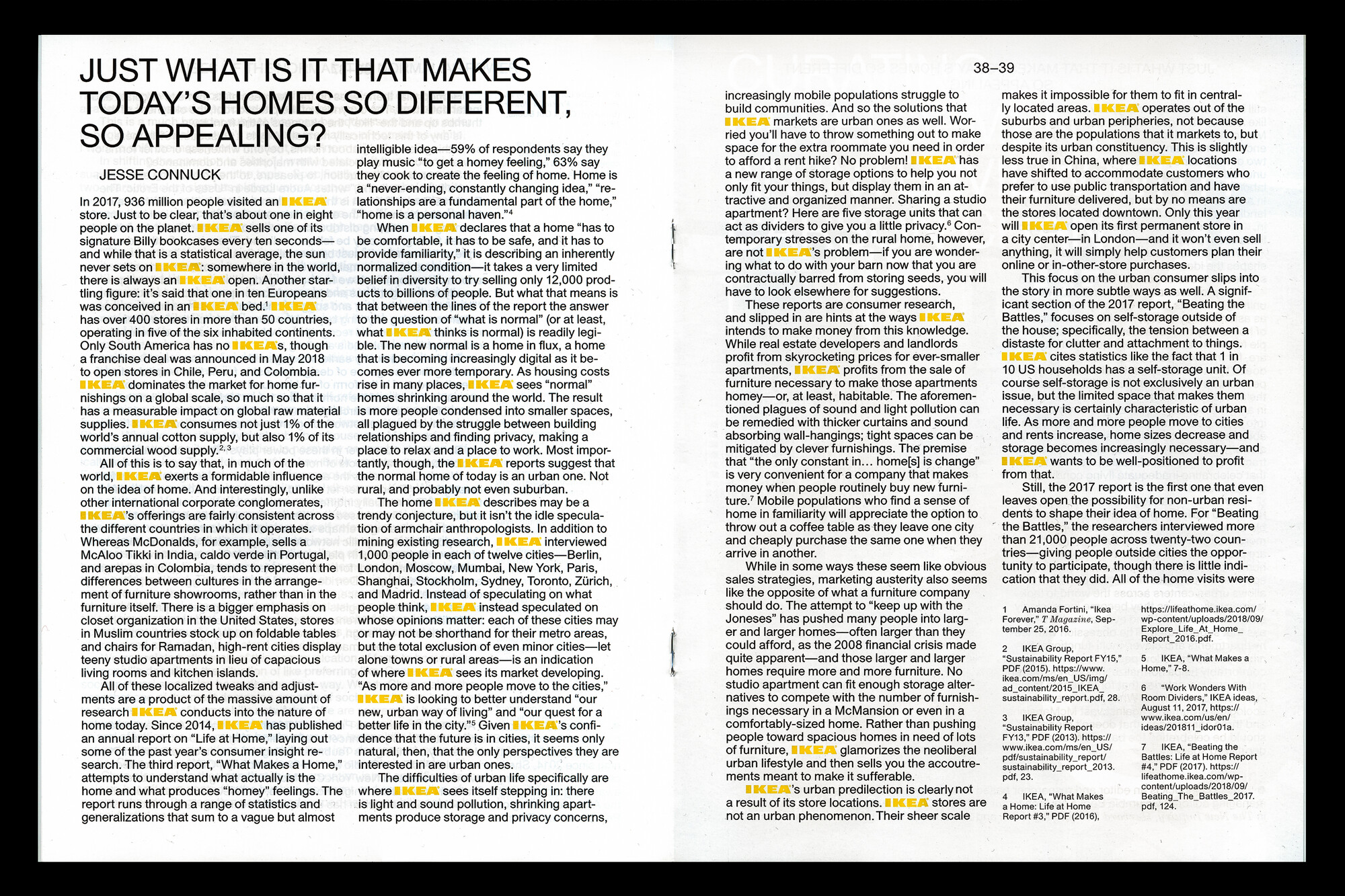
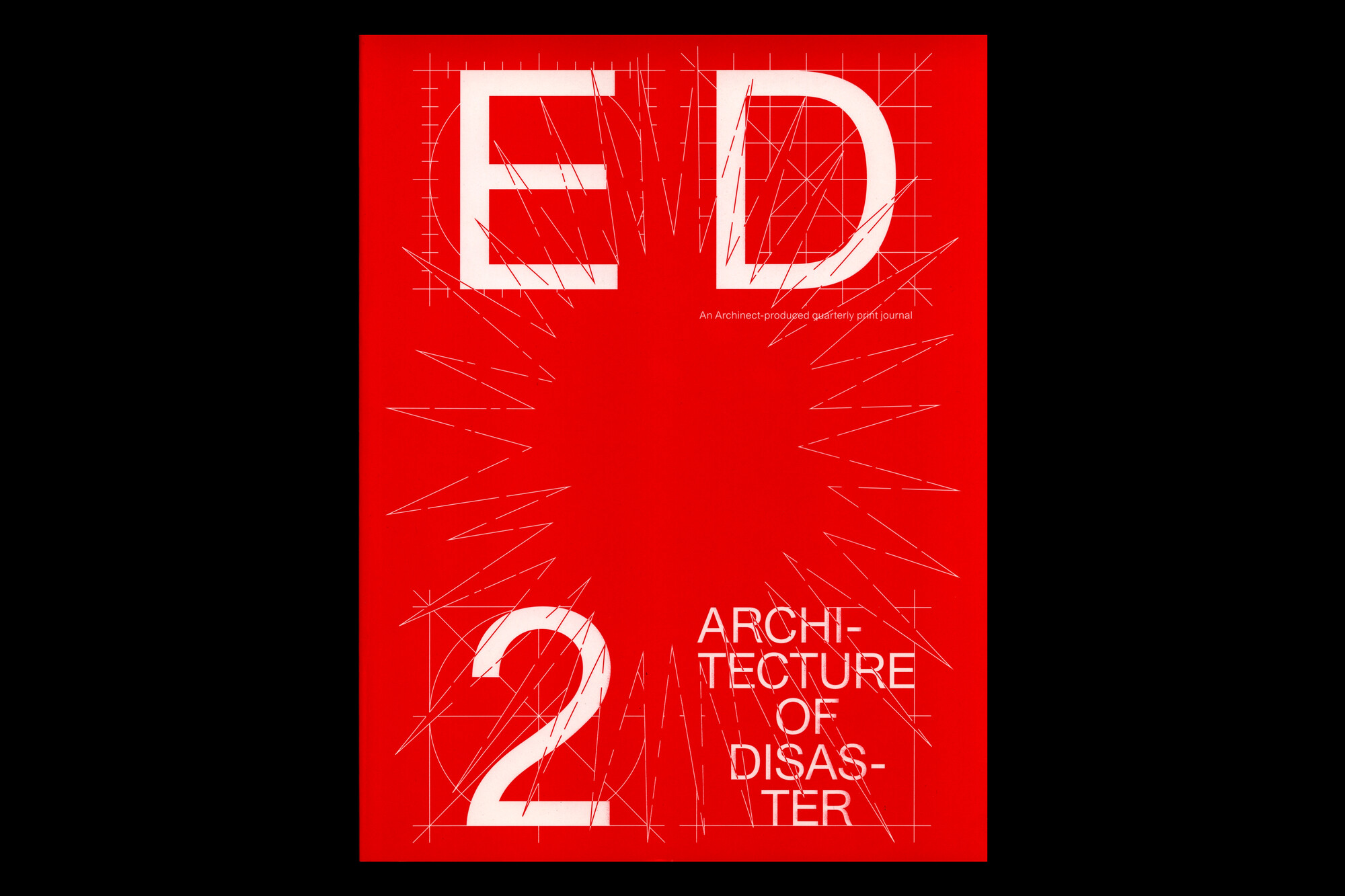
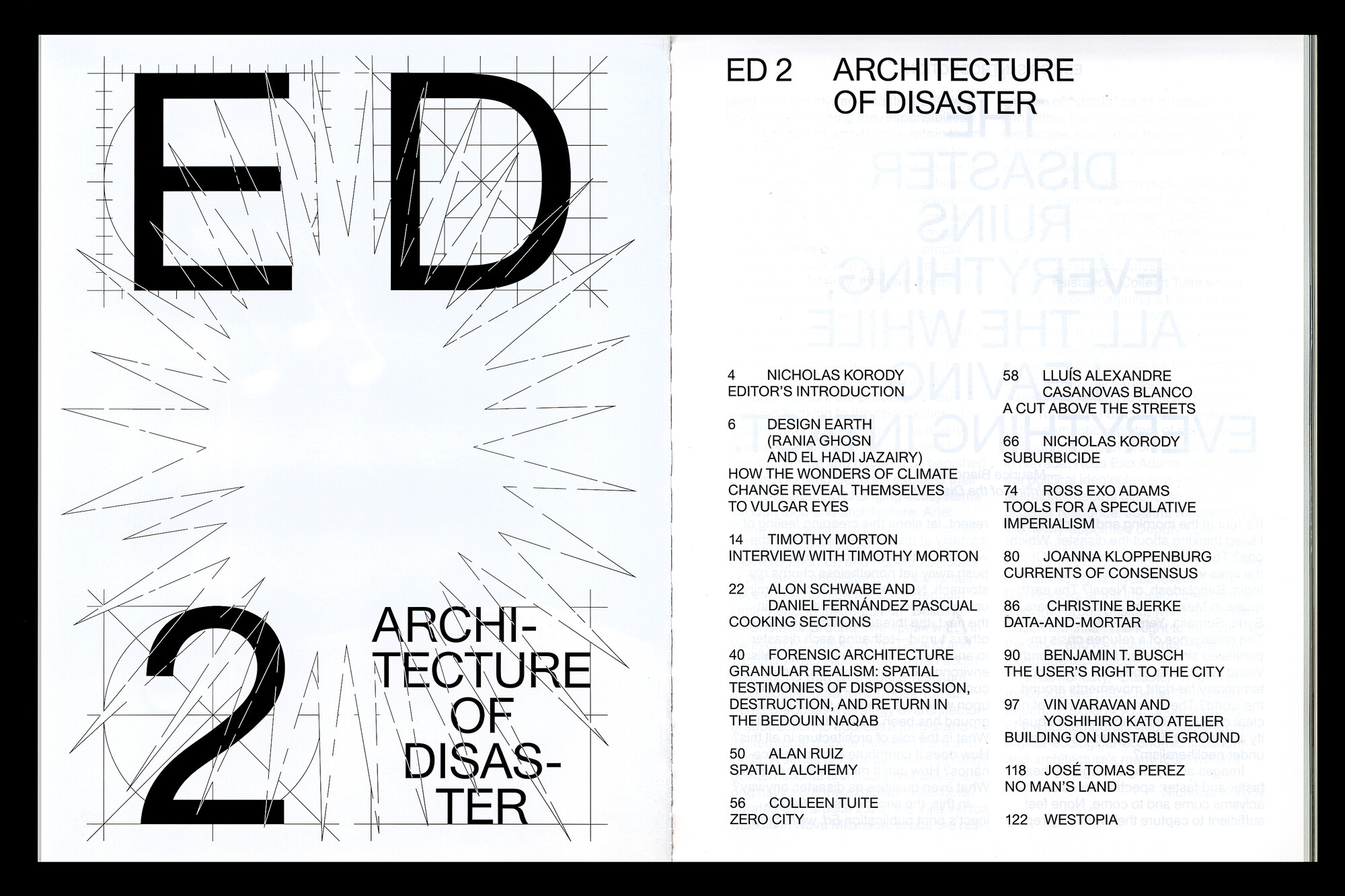
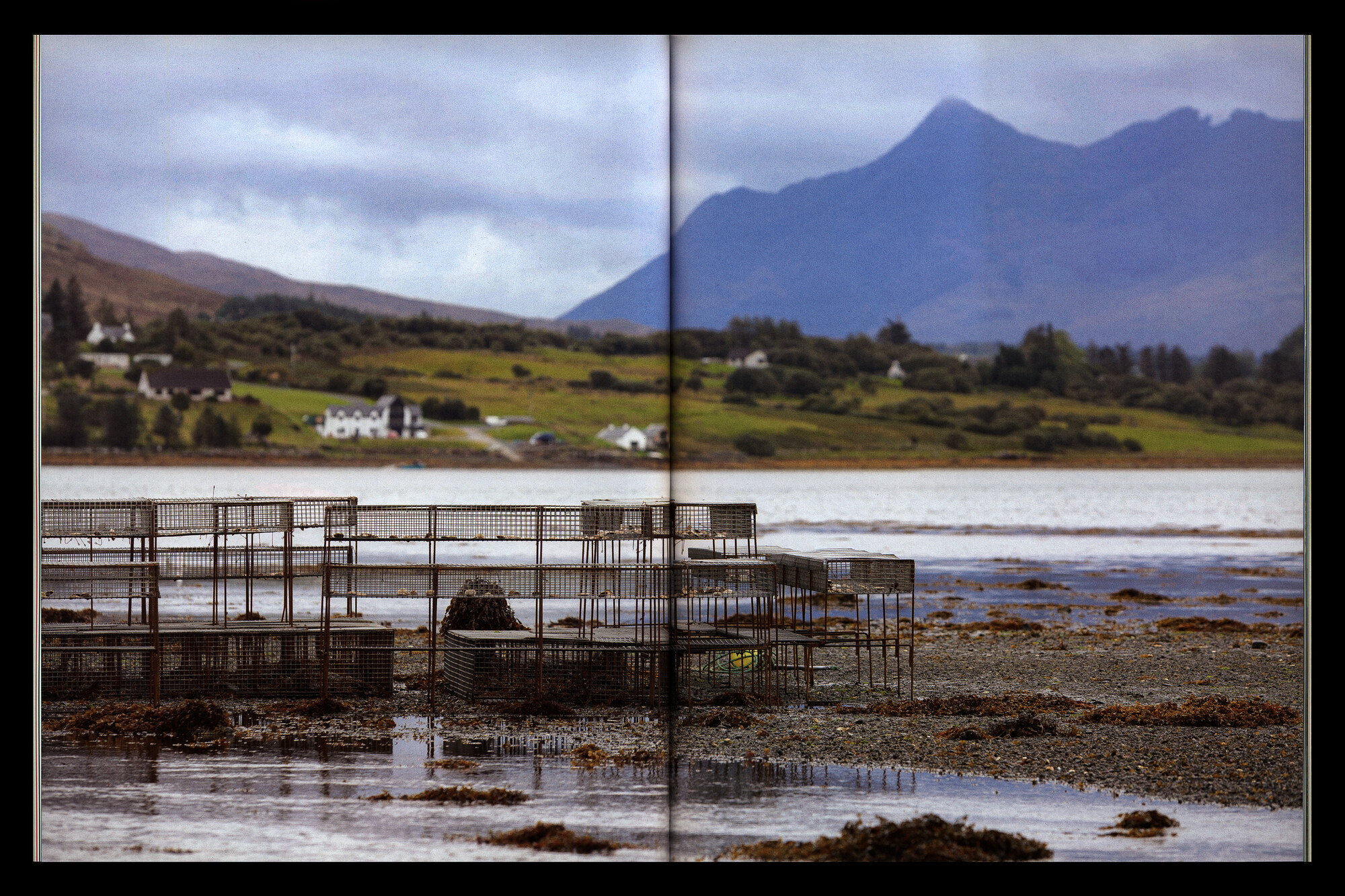
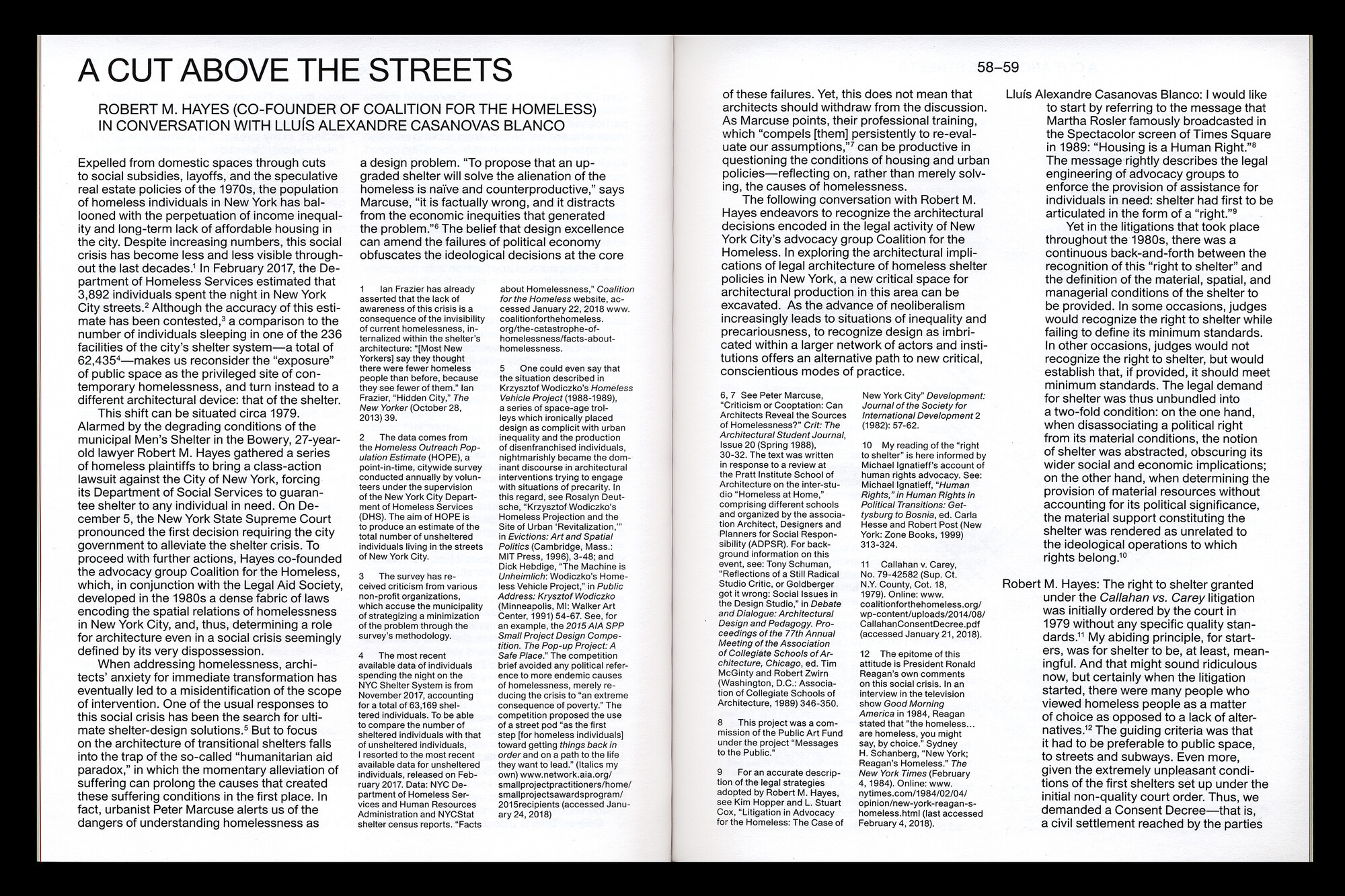
Second issue of Ed, Archinect’s print magazine. Brings together texts and projects examining the disasters shaping contemporary life and architecture’s position within them. Rather than proposing solutions, the issue reflects on responsibility, uncertainty, and the discipline’s entanglement in the crises it seeks to address. More info ⎘
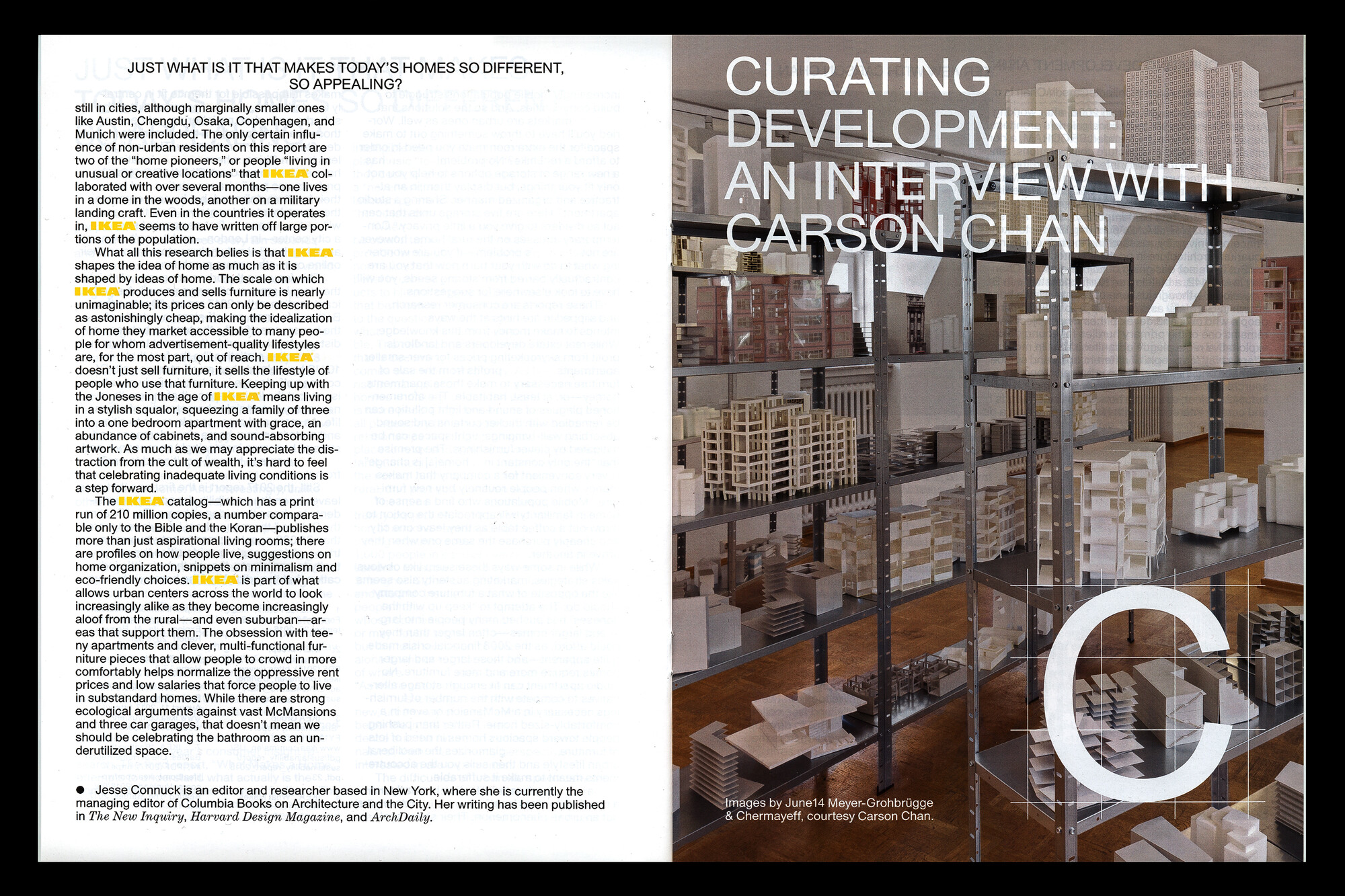
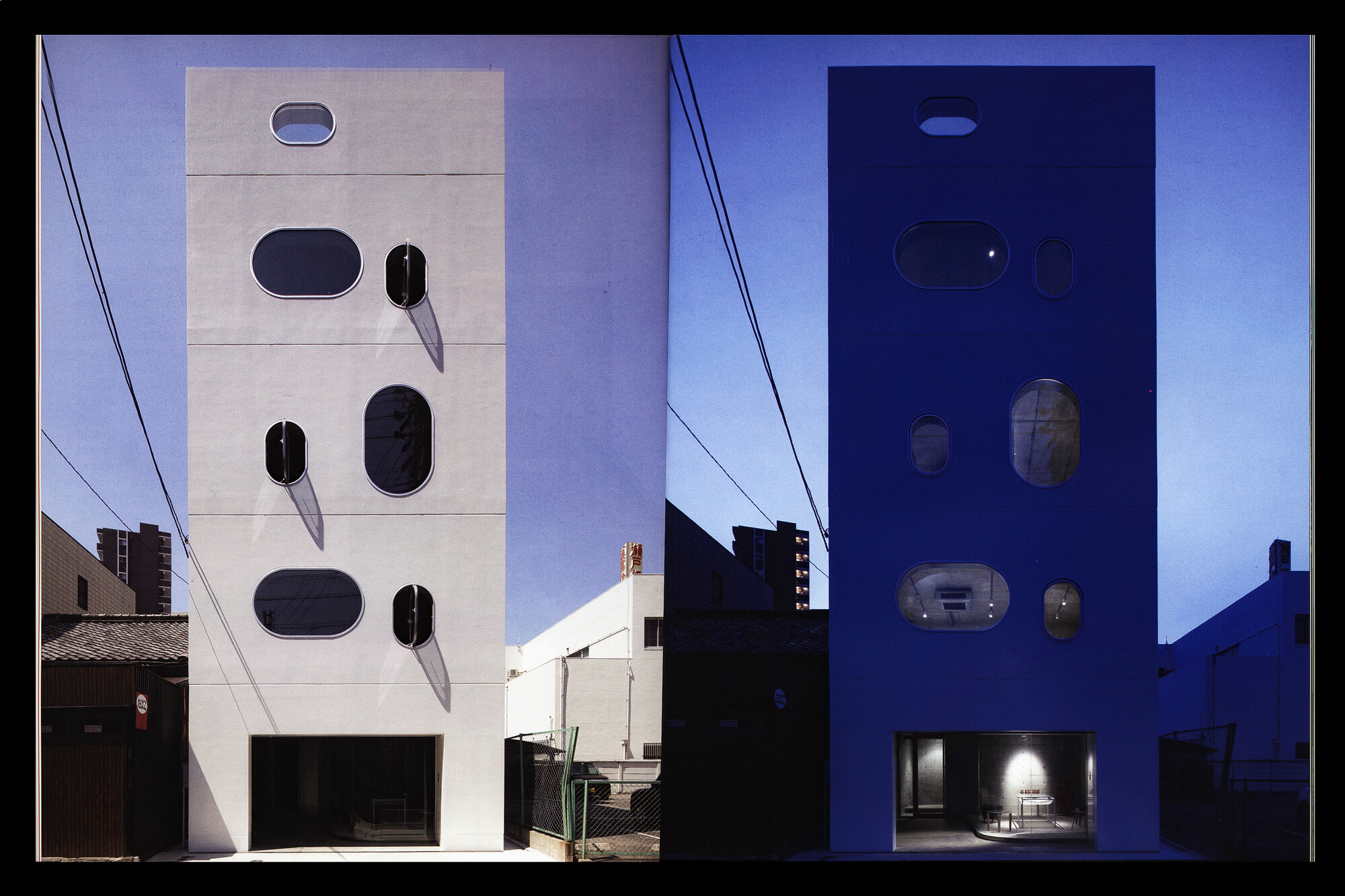
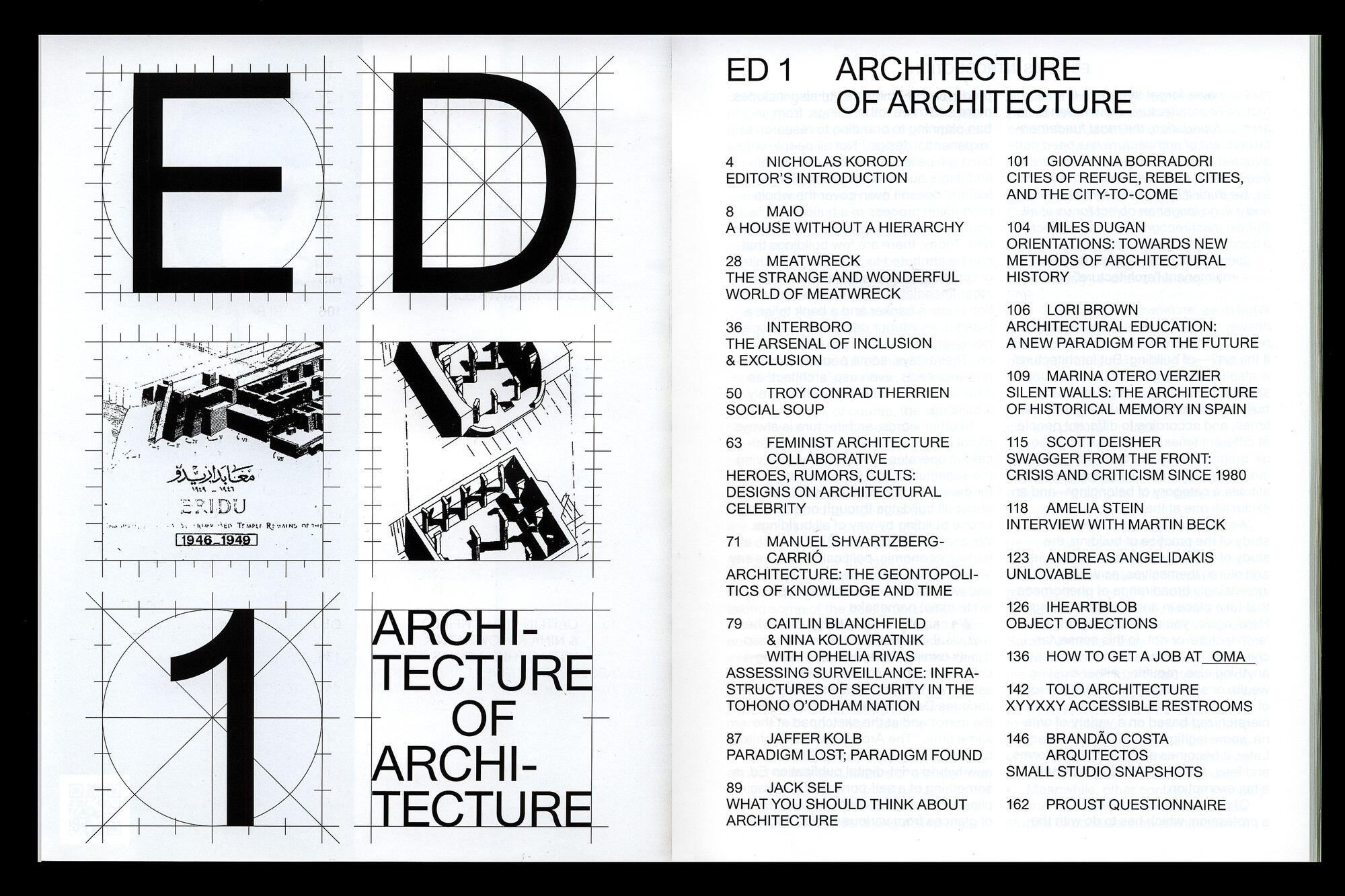
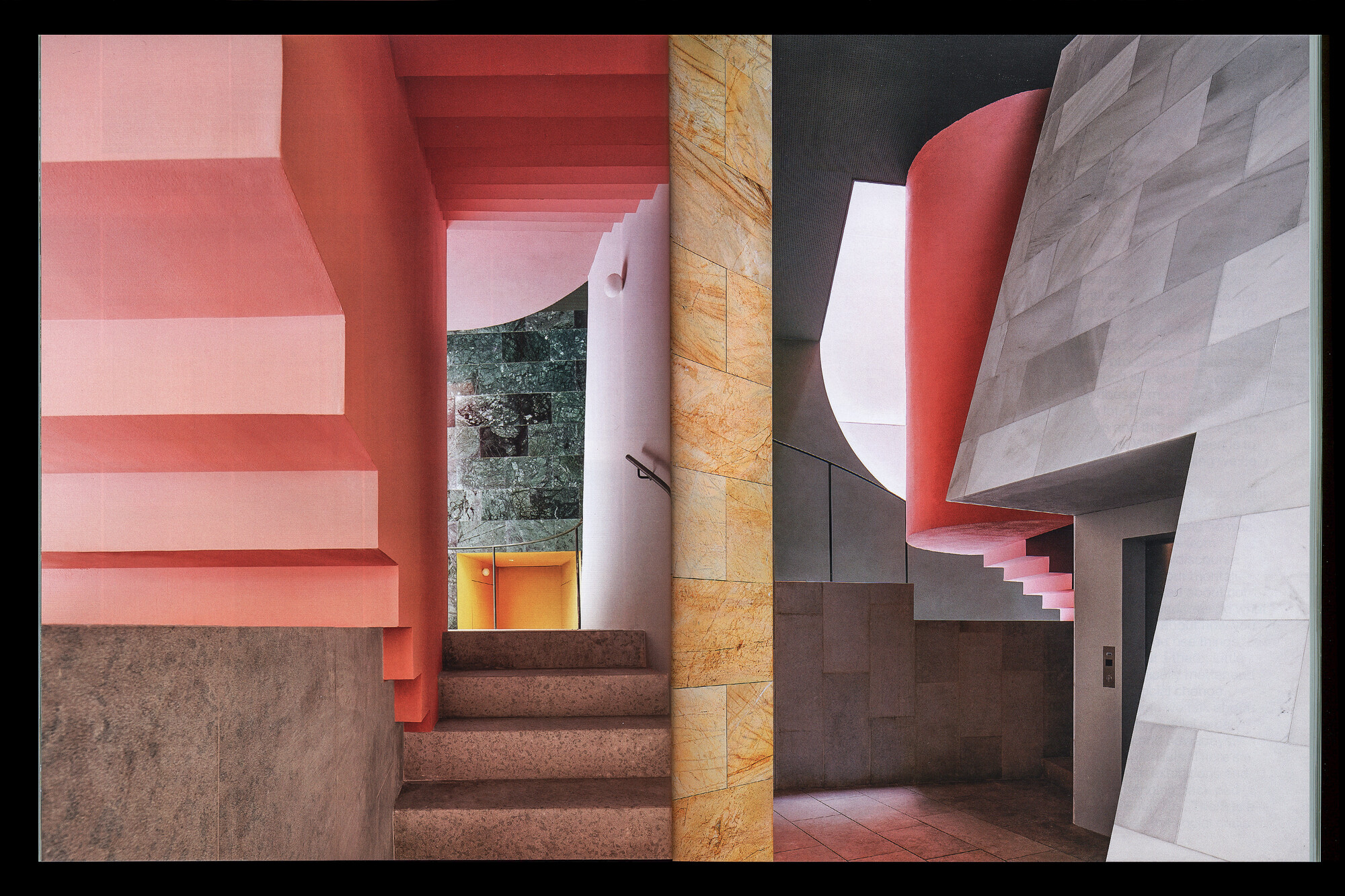
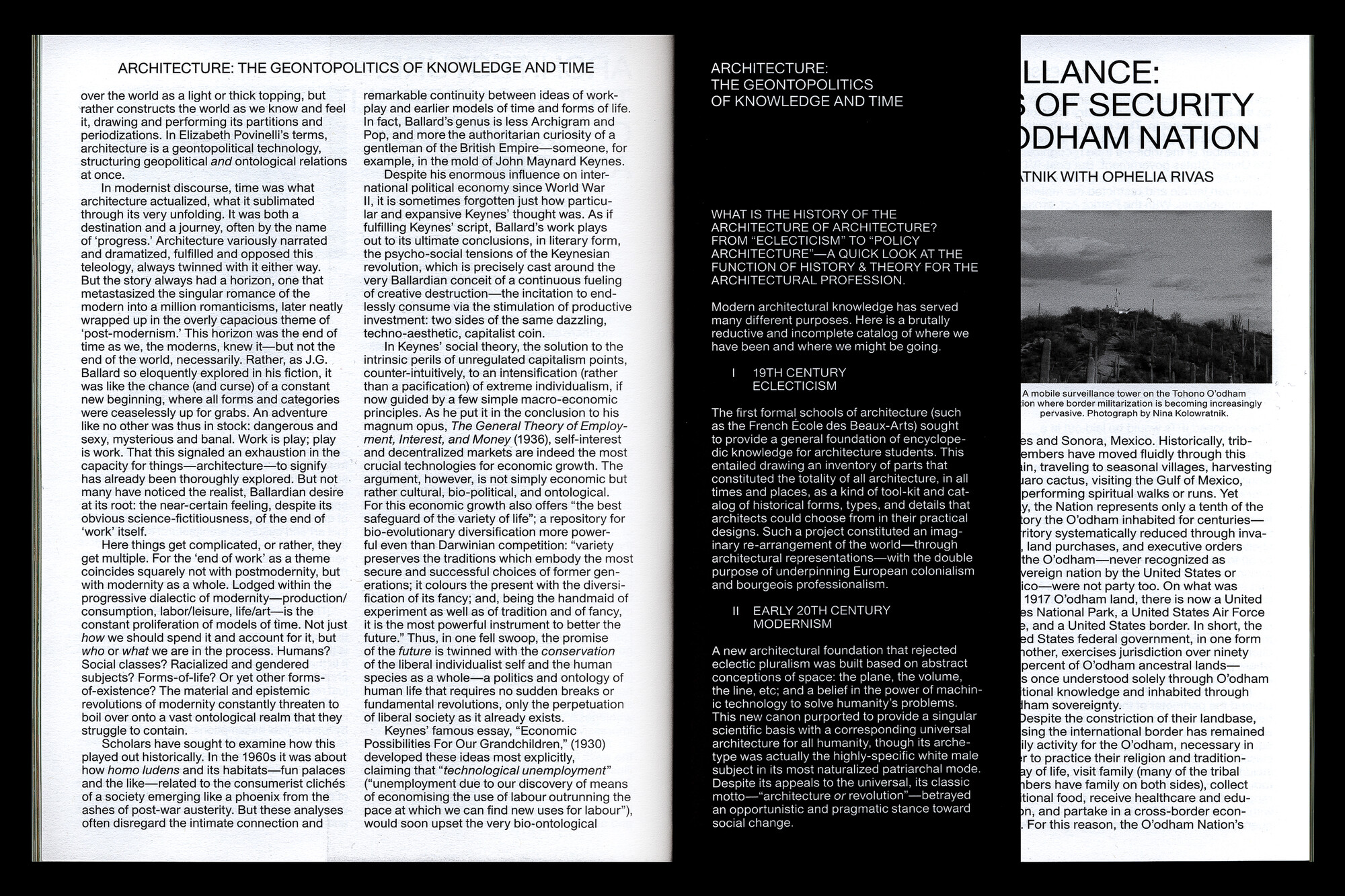
Inaugural issue of Ed, Archinect’s print magazine. Examines how architecture operates within broader social, economic, and technological systems, and considers how the discipline might be reimagined through alternative frameworks of practice and thought. More info