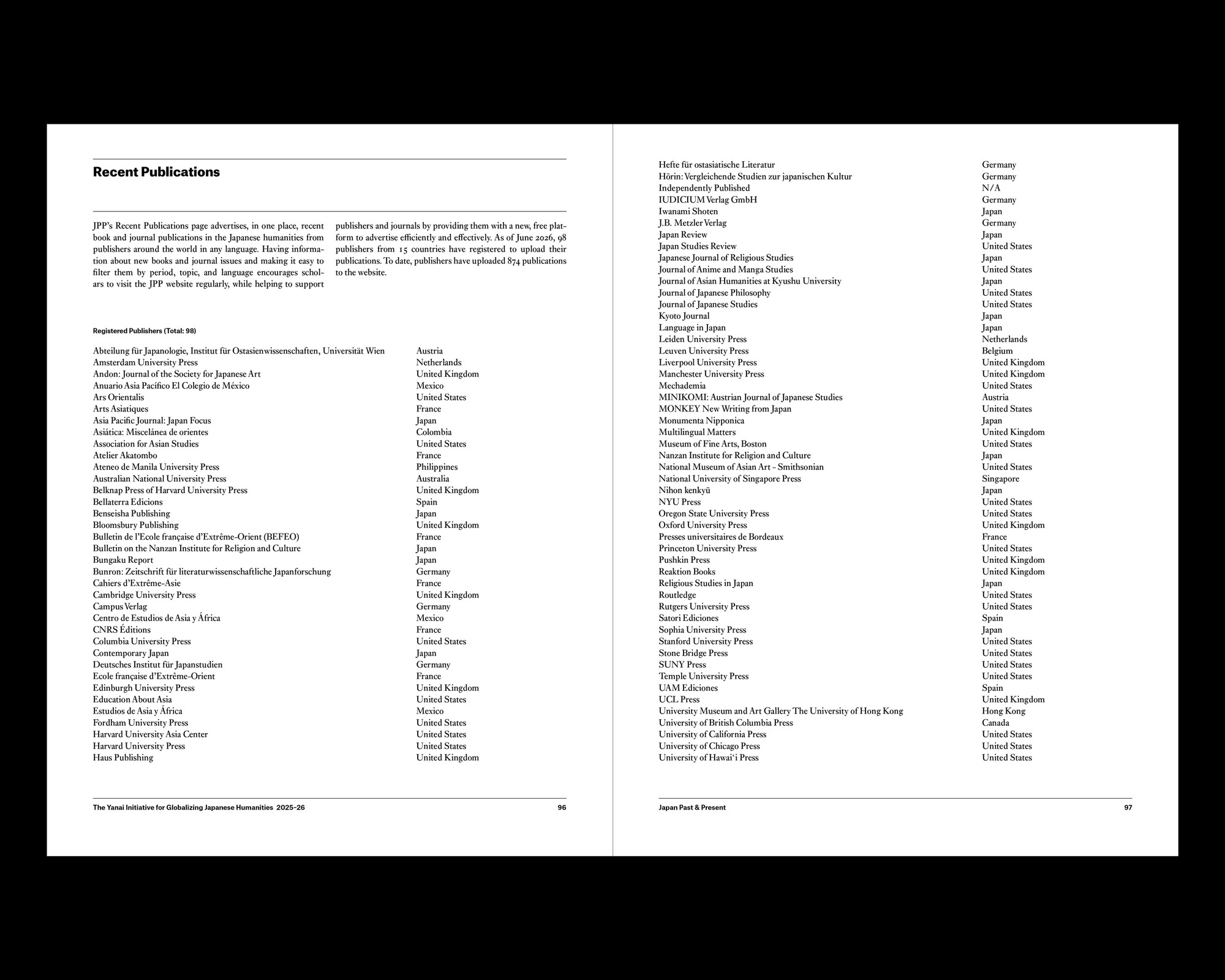
Folder designs interfaces, publications, and systems for organizing, encountering, and carrying information forward. We help museums, universities, civic institutions, and others engaged in the stewardship and sharing of knowledge create ways for language, media, and material to surface and endure.
We are interested in what happens to information over time, and how form can reveal the connections that give it meaning. Projects come in a variety of configurations rooted in partnerships that honor the material and its strategic presentation.
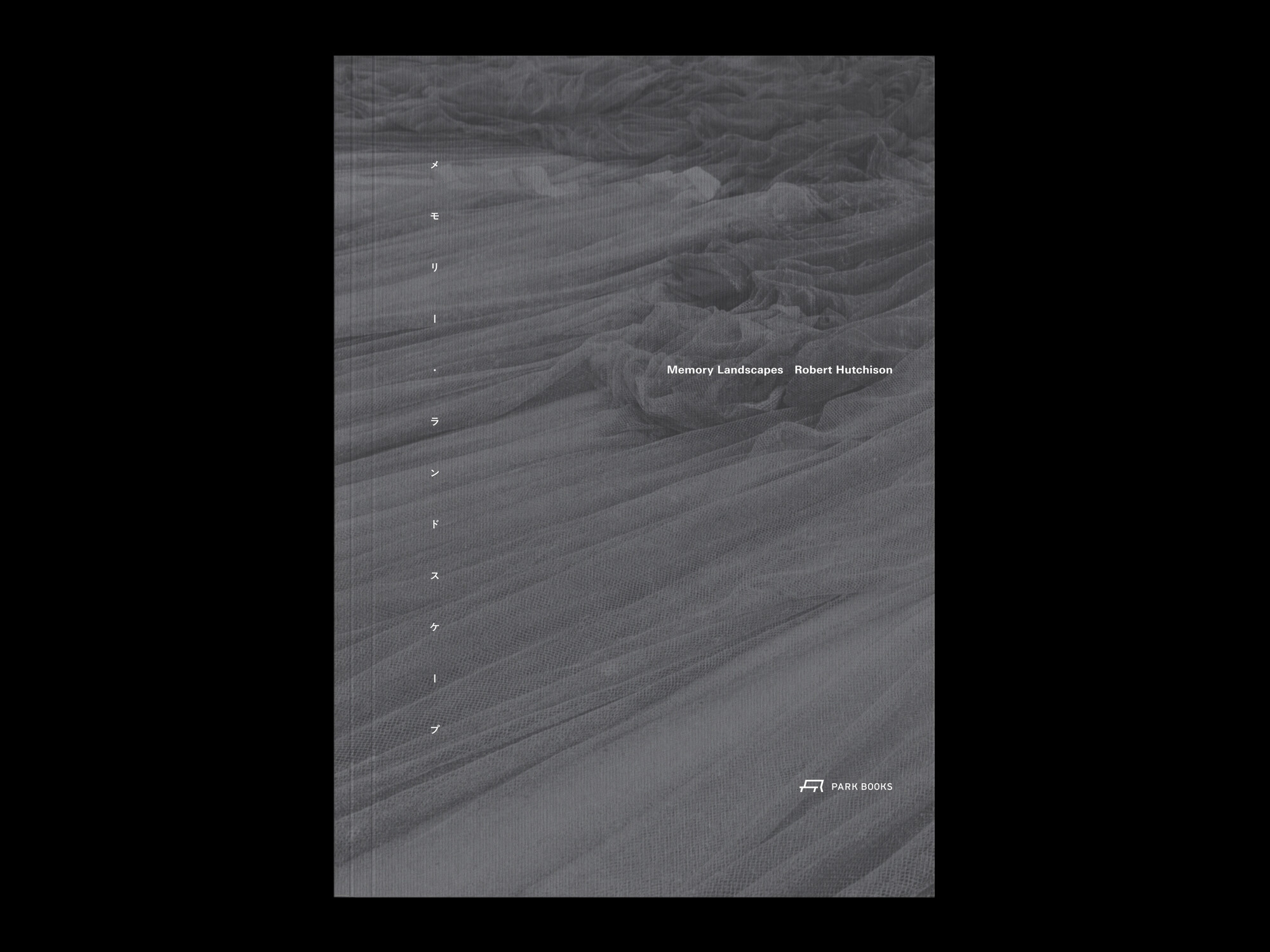
Memory Landscapes presents a body of work developed by Robert Hutchison Architecture across decades, addressing the seawalls built along Japan’s Tohoku coast after the 2011 earthquake and tsunami. These proposals, which include contributions from Hutchison’s firm along with Japanese architects, artists, and community members, consider how collective memory might inform the future of fishing communities these walls protect while at the same time separating them from the sea.
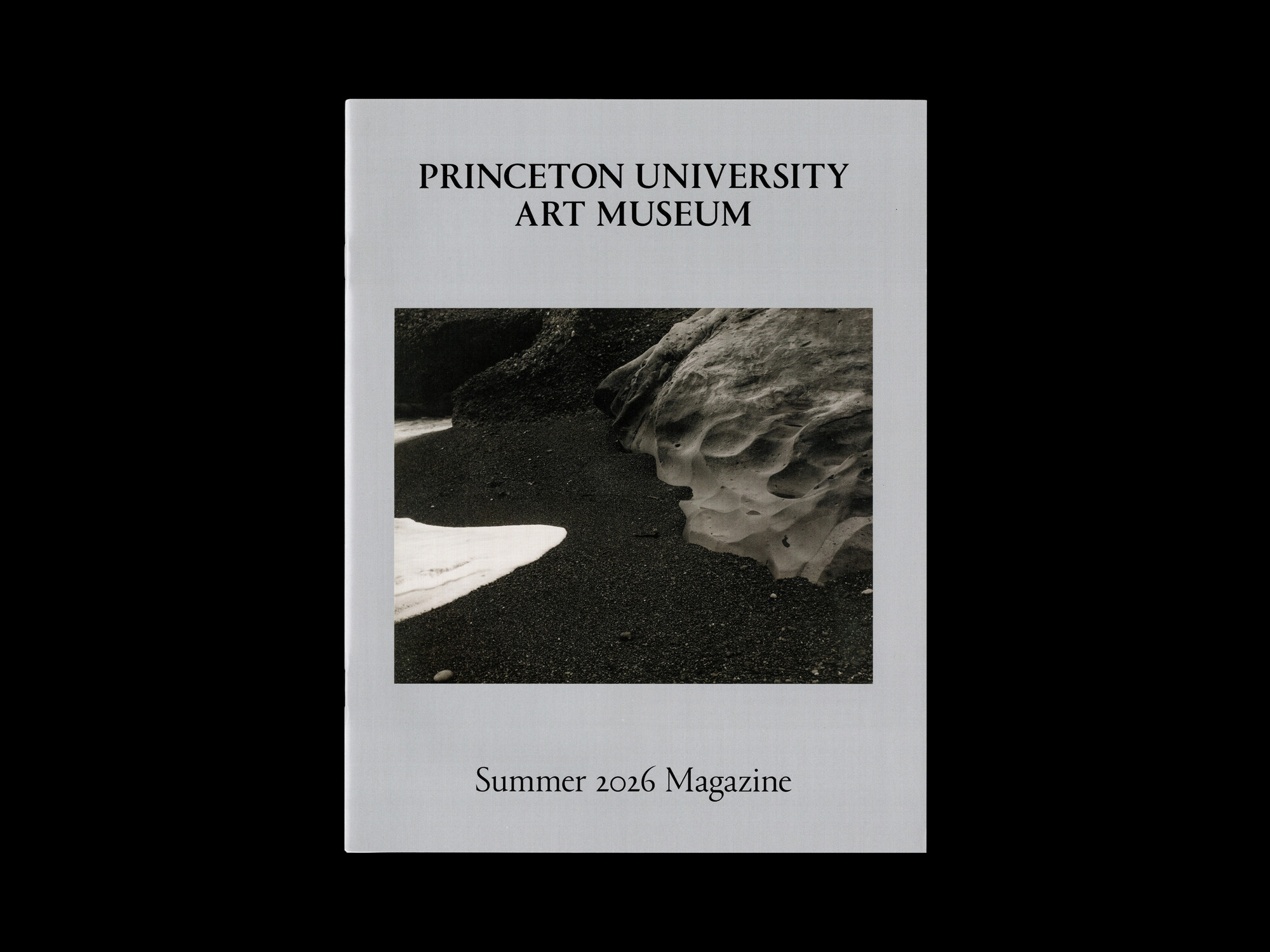
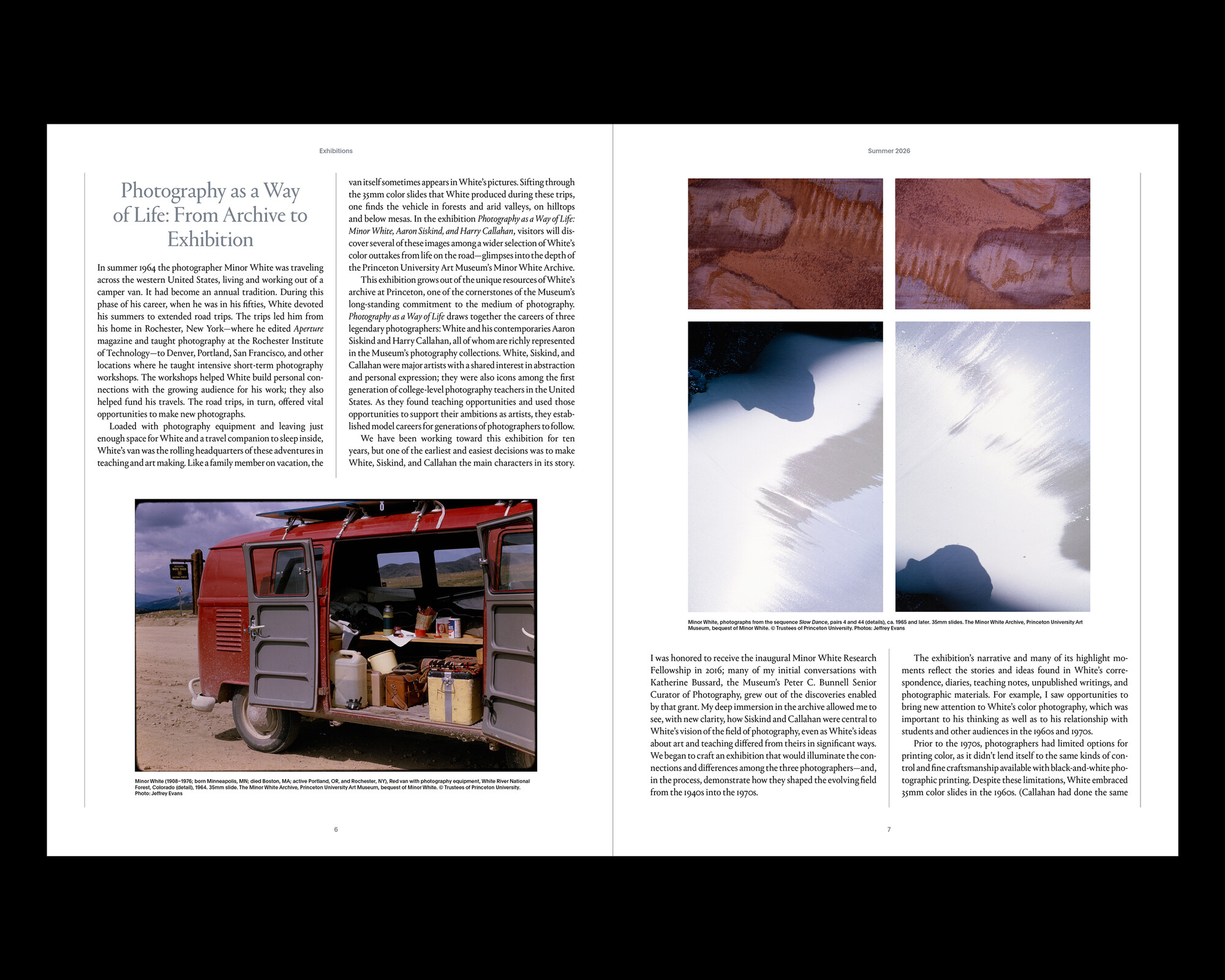
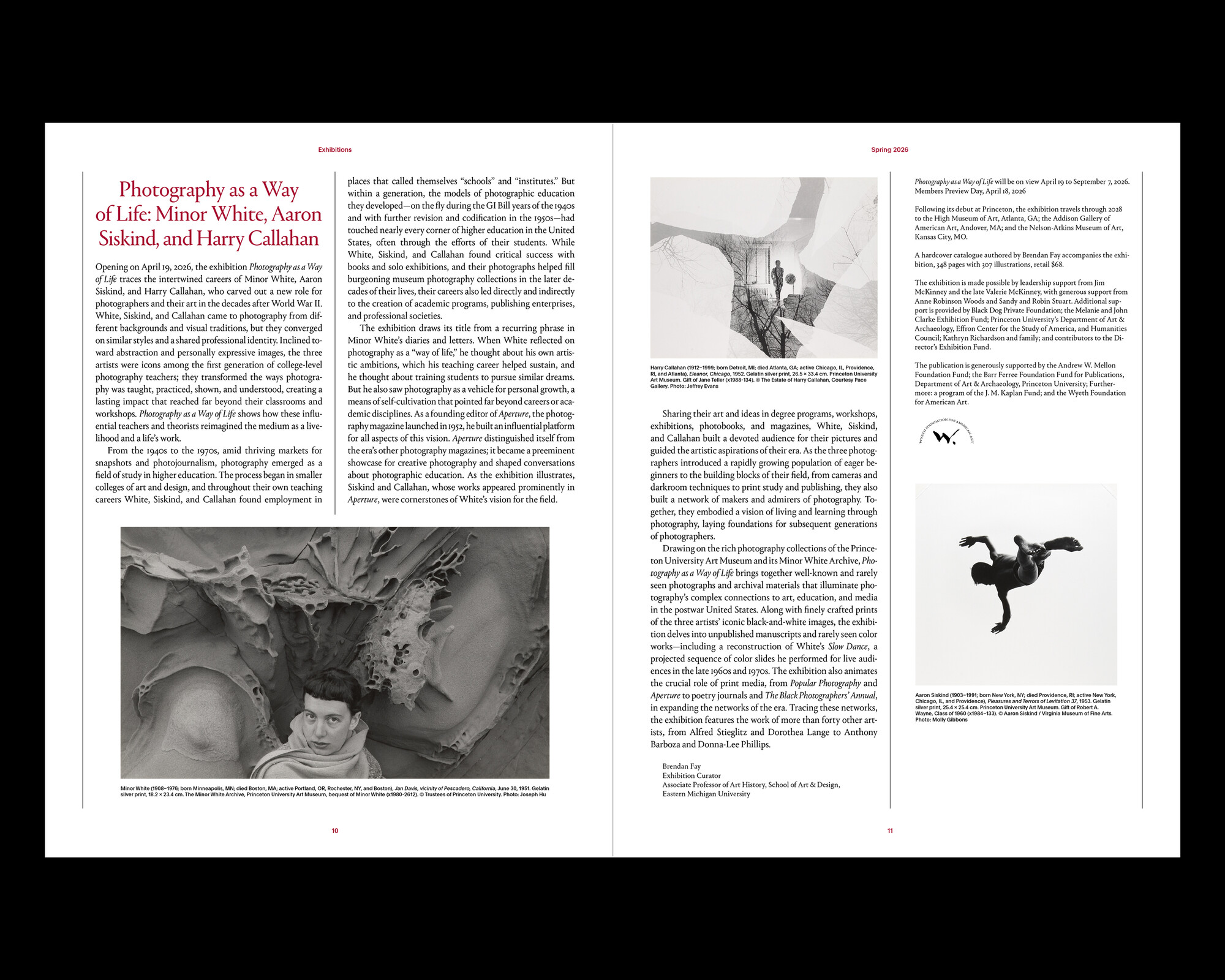
The Summer 2026 issue of the magazine features Minor White’s Two Waves and Pitted Rock on its cover highlighting PUAM’s summer exhibition Photography as a Way of Life. The show examines the overlapping careers of Minor White, Aaron Siskind, and Harry Callahan who redefined photography in the mid-twentieth century.
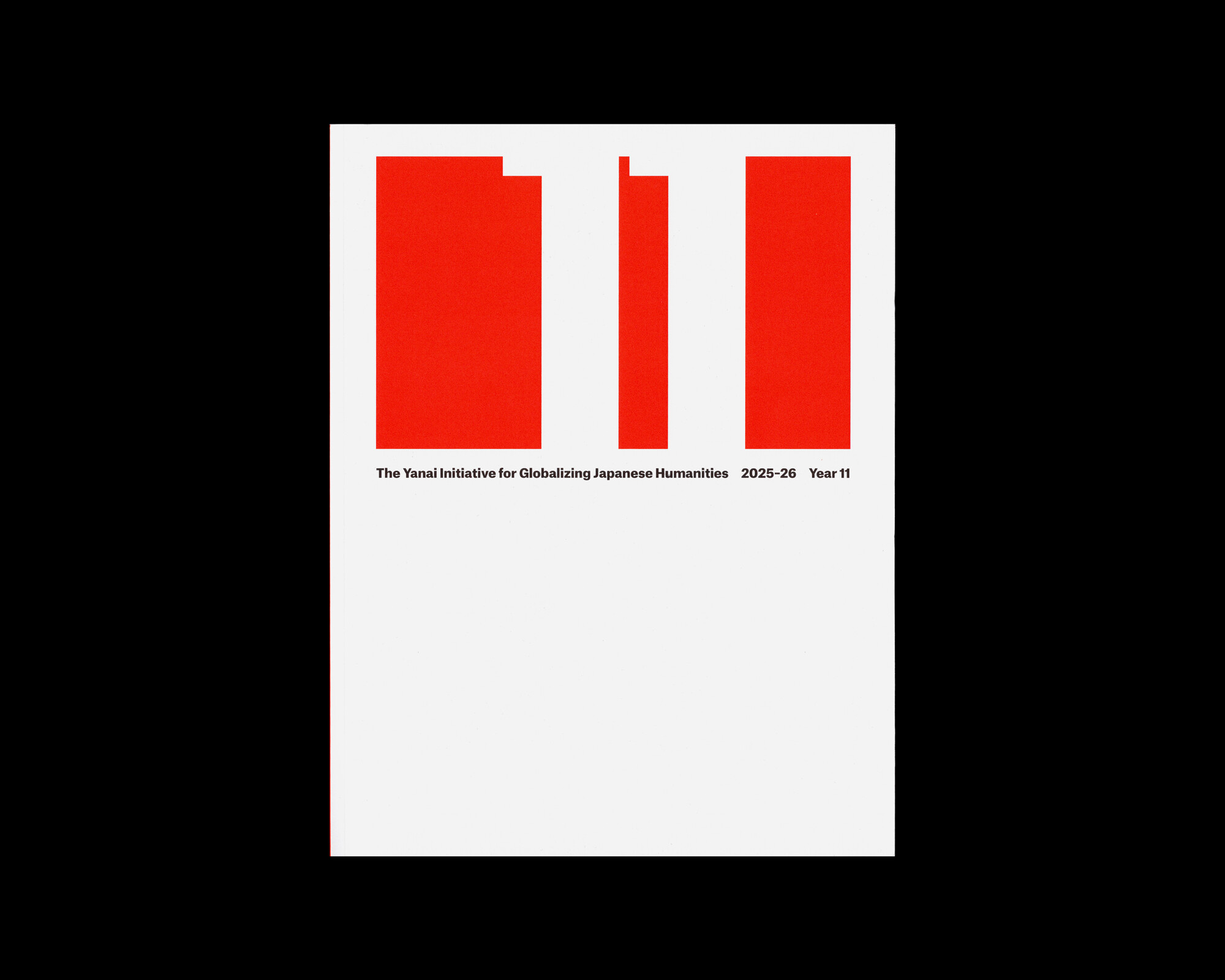
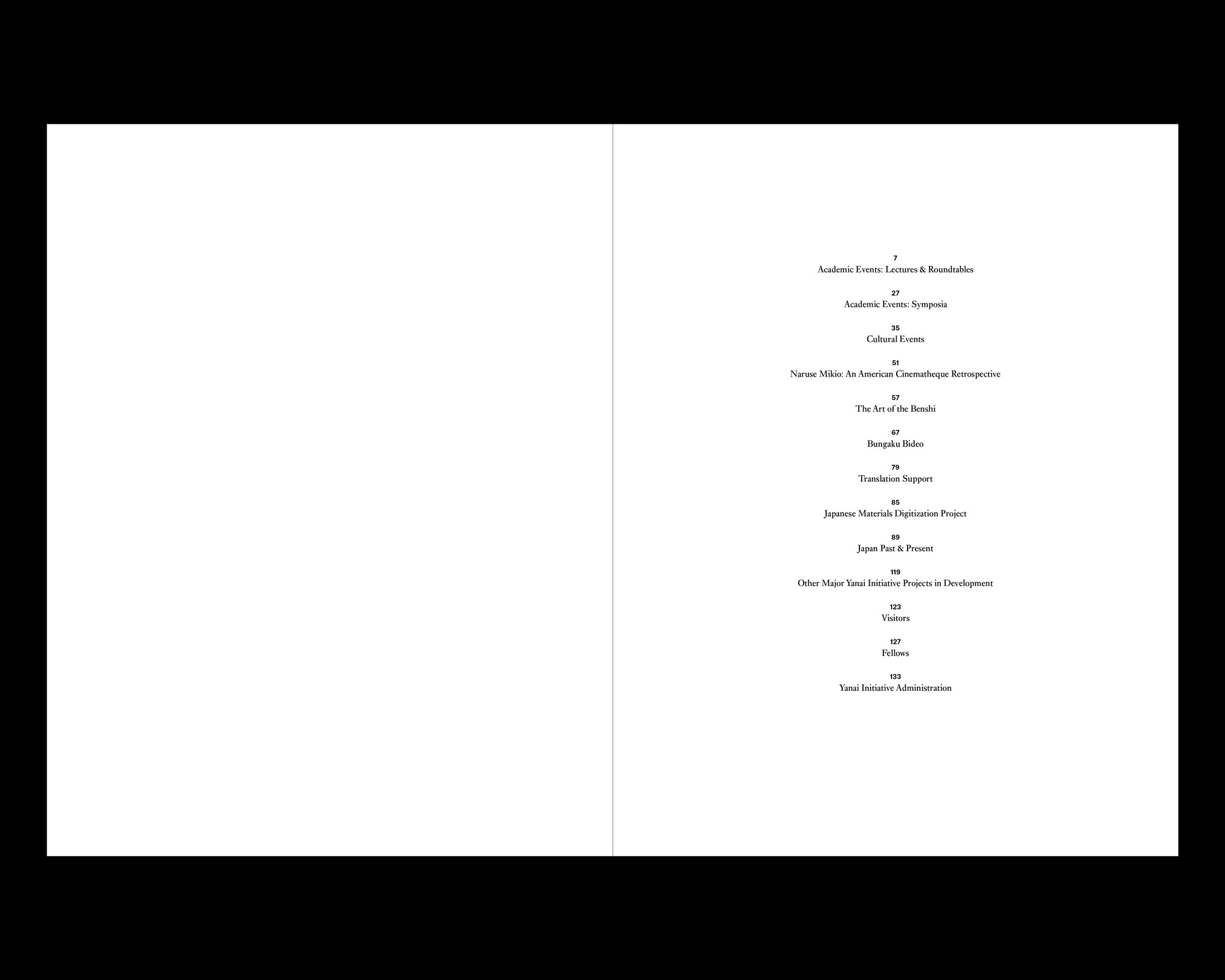
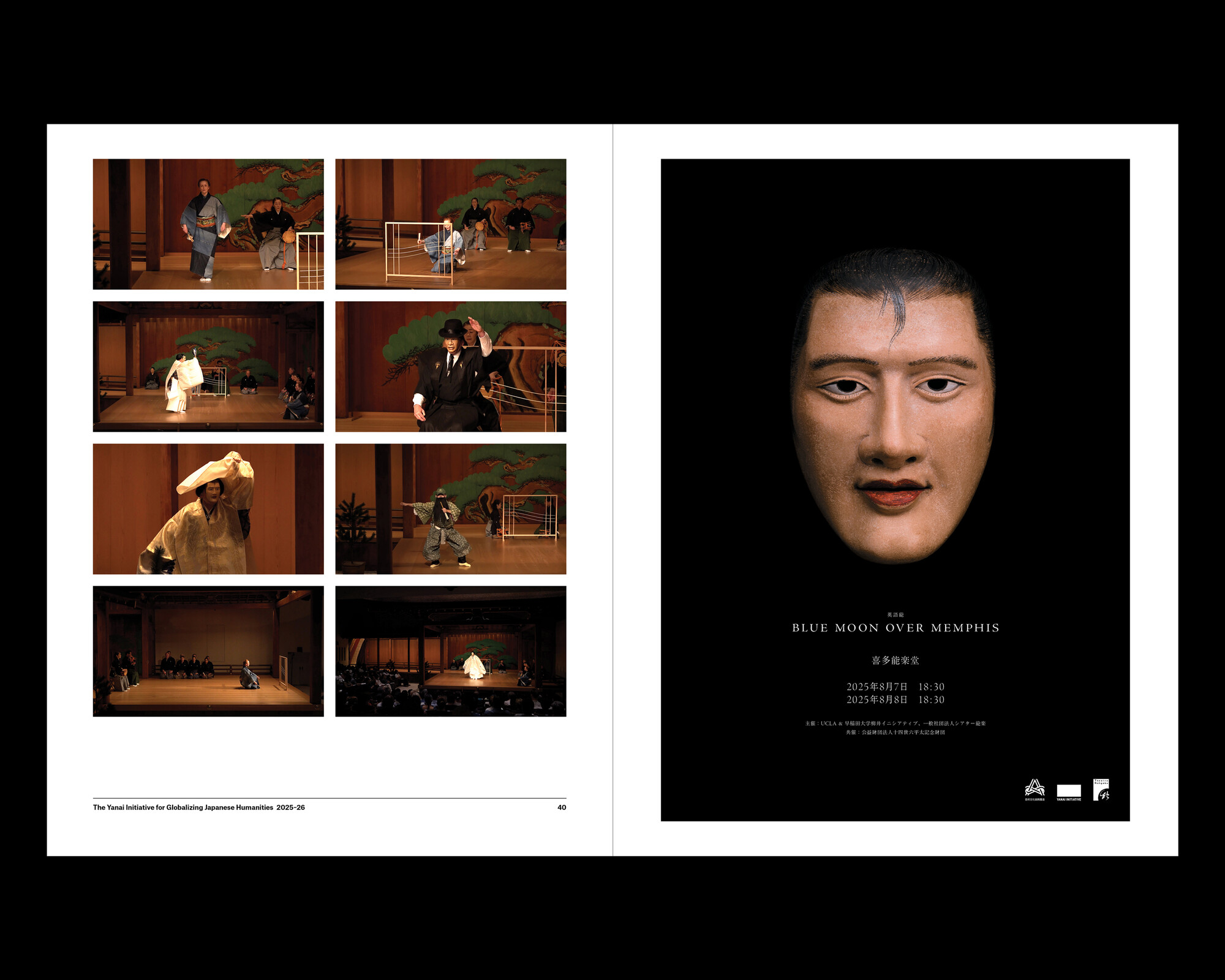
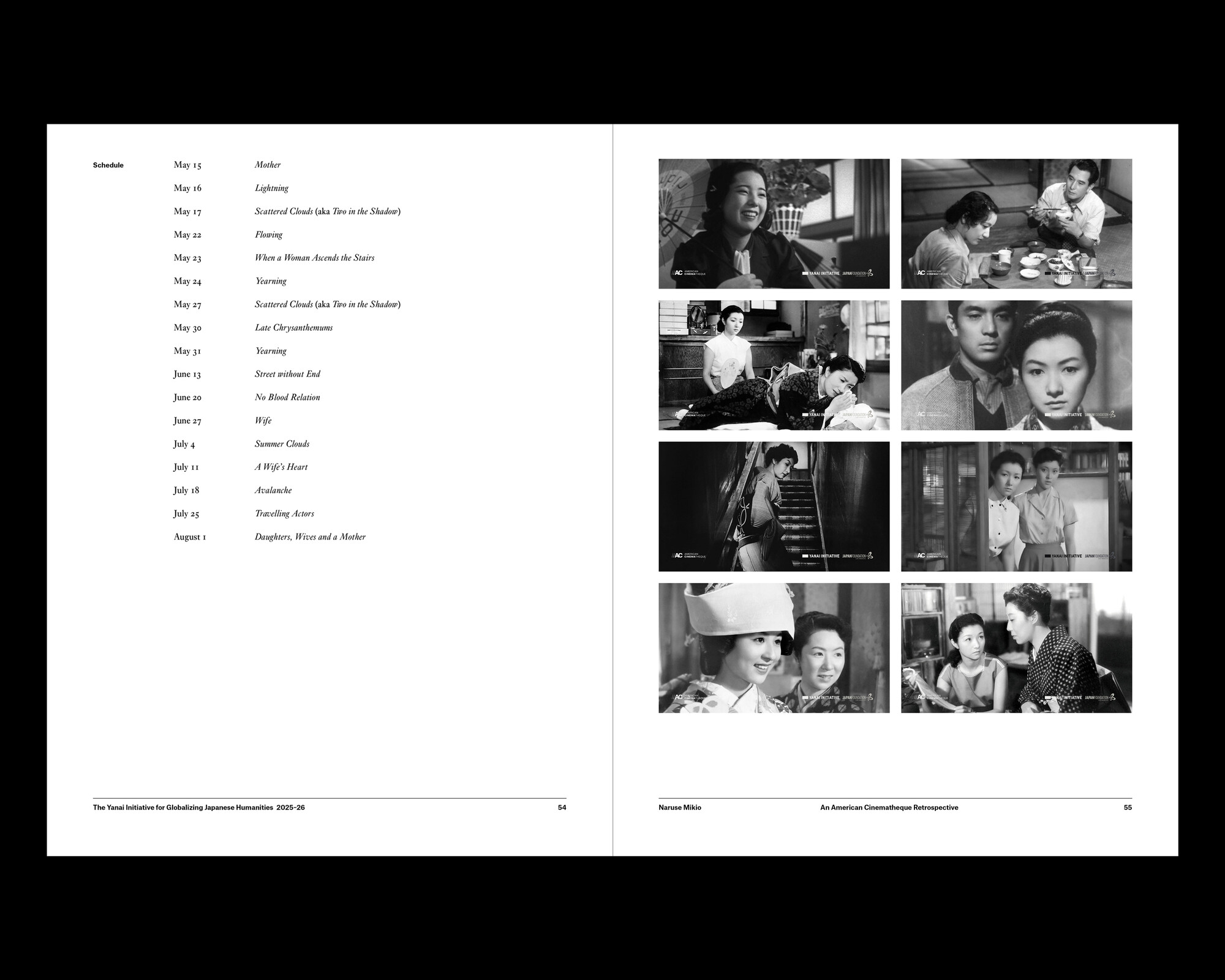
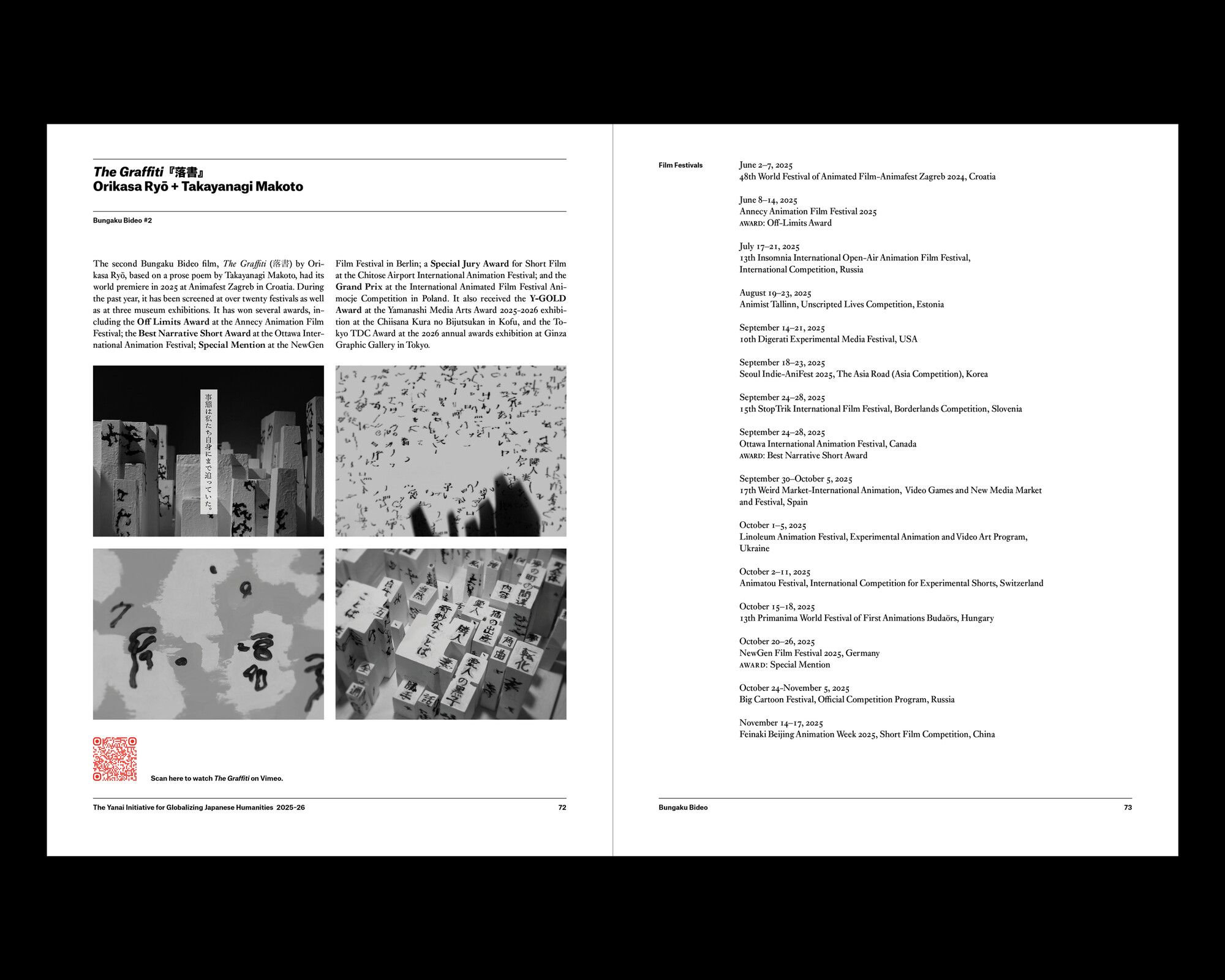
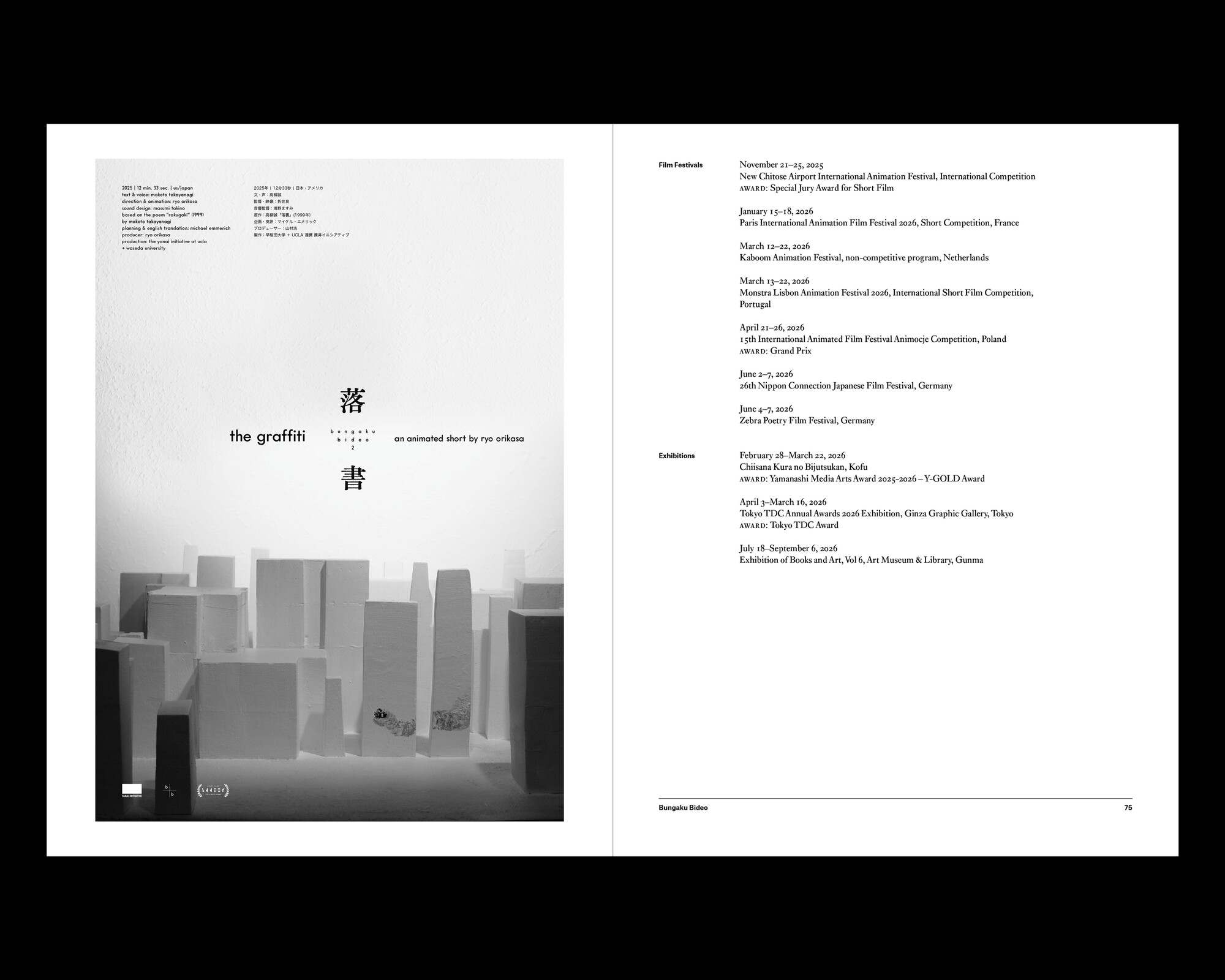
Annual report for a year that featured a Naruse Mikio retrospective, The Art of the Benshi world tour, Bungaku Bideo literary animation series, English-language nō performances, Japanese Materials Digitization Project, Japan Past & Present, emerging literary translator mentorships, and Strangers Press’s Kanata translation series.
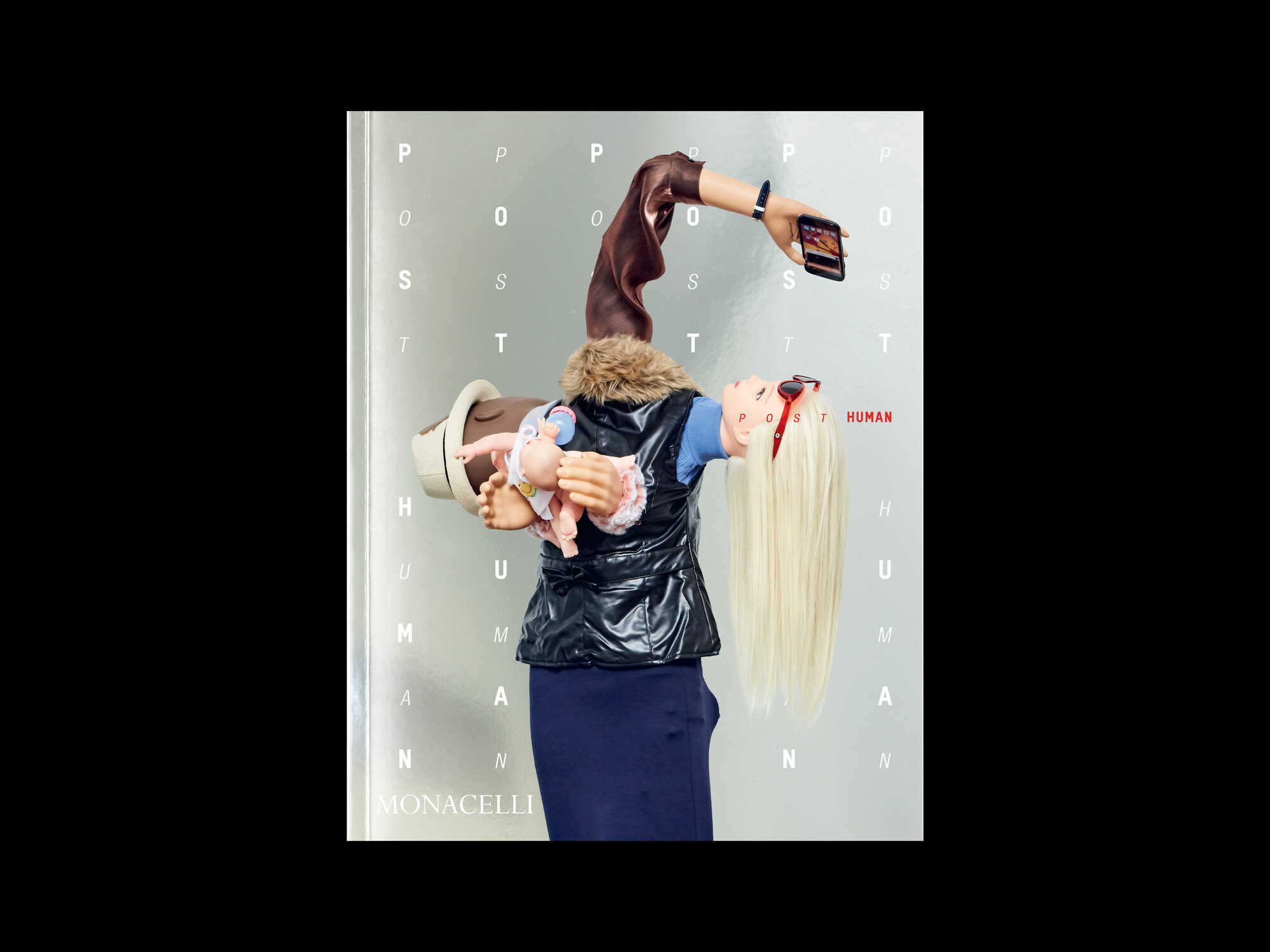
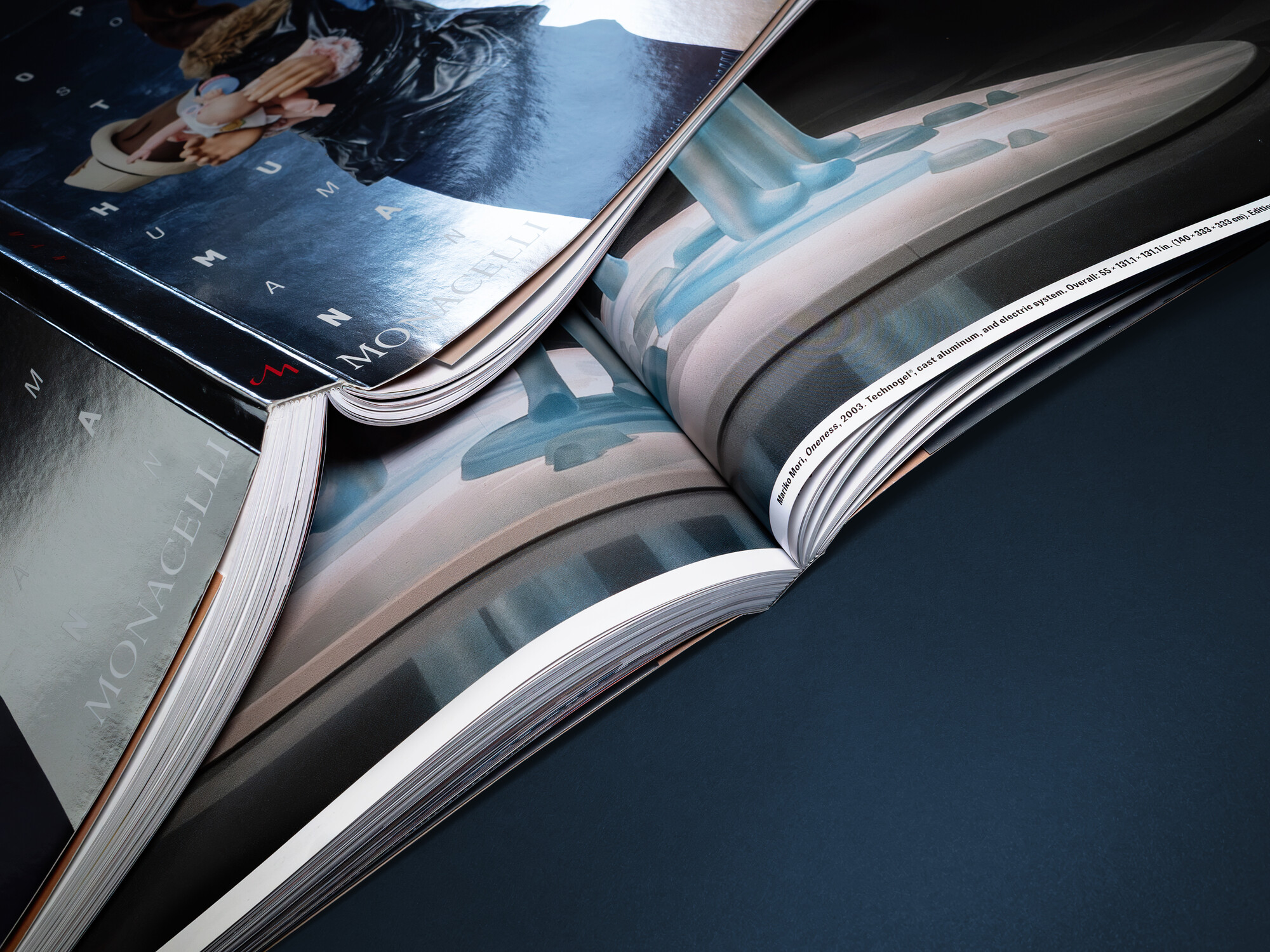
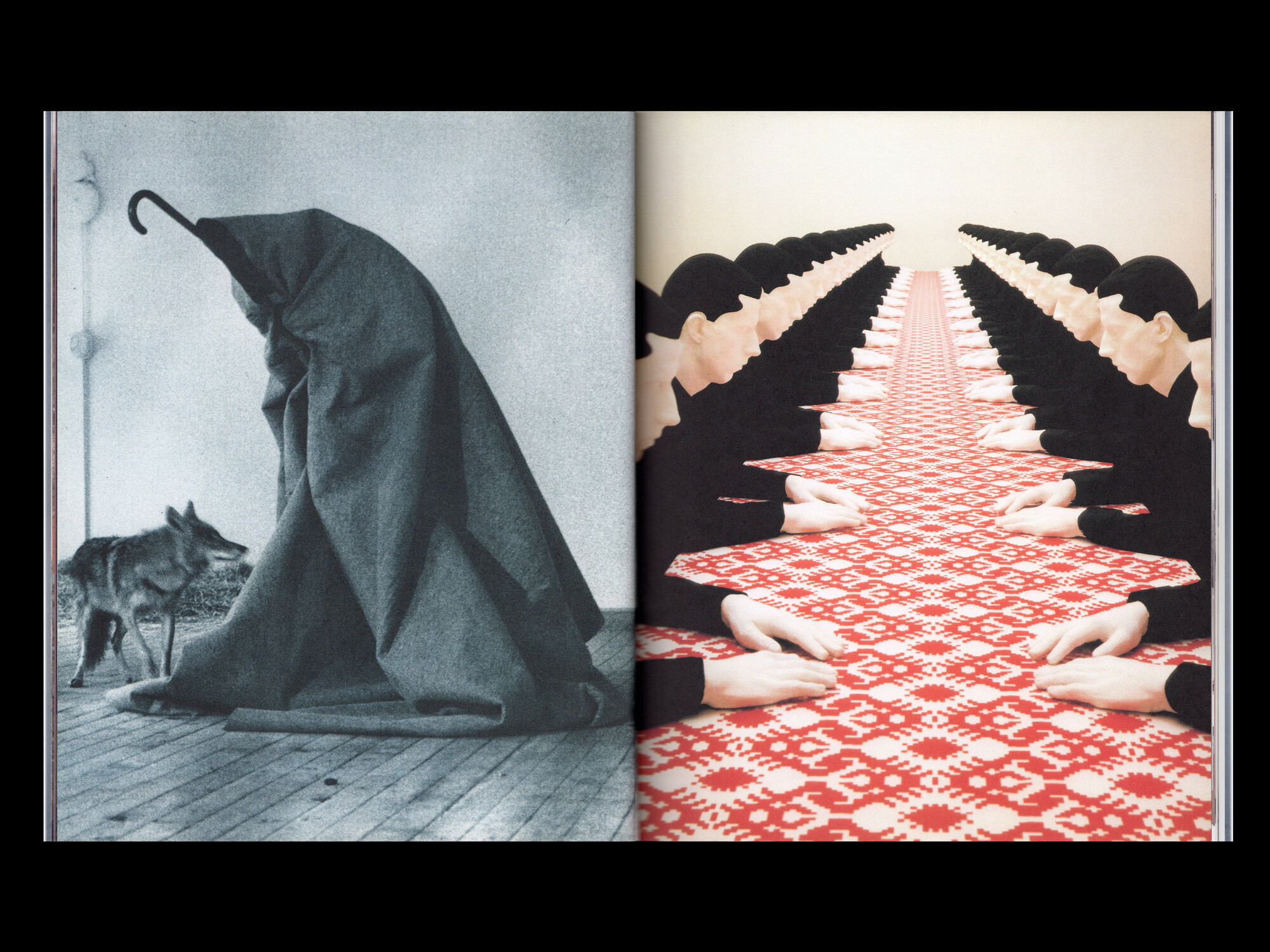
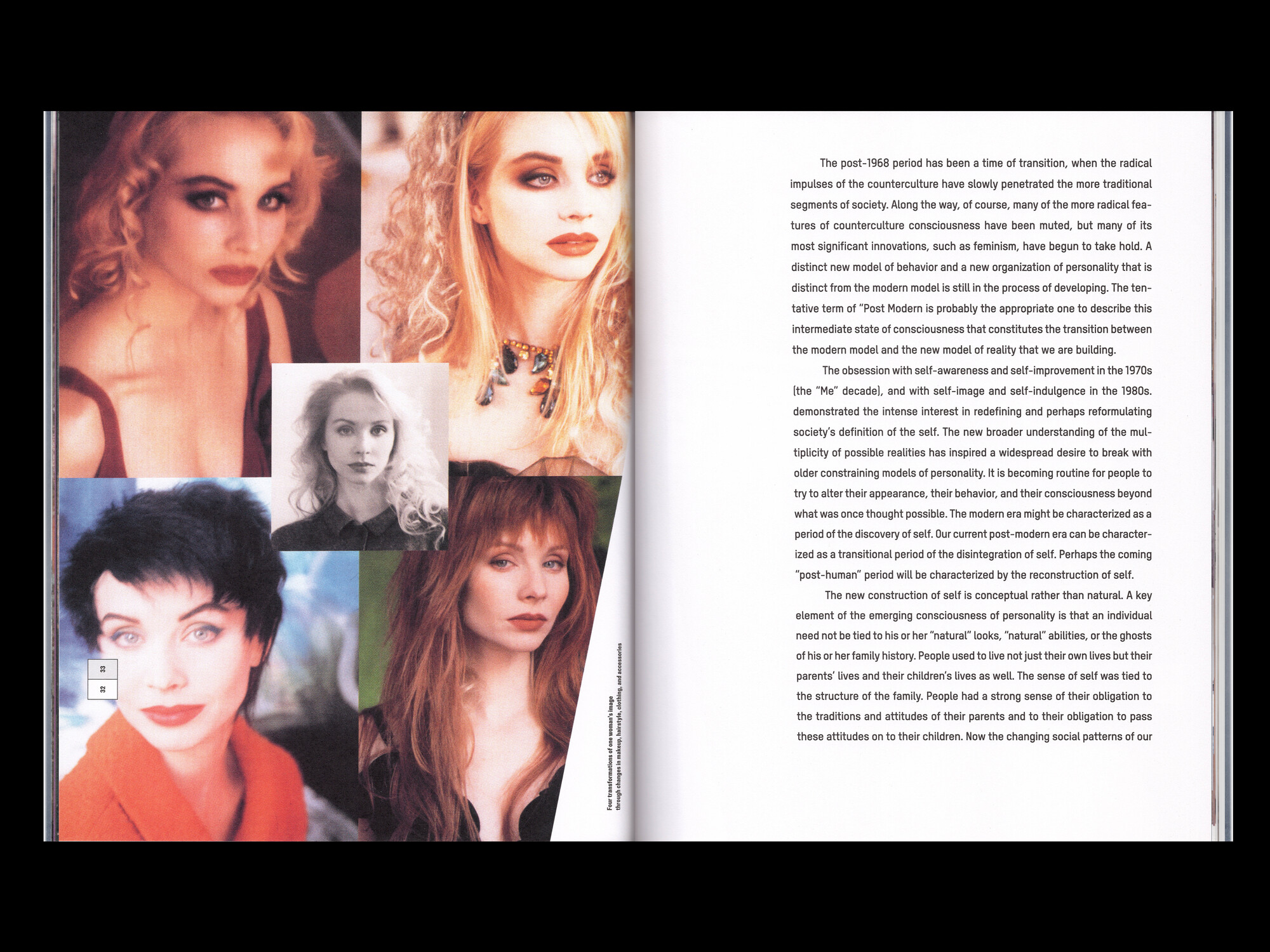
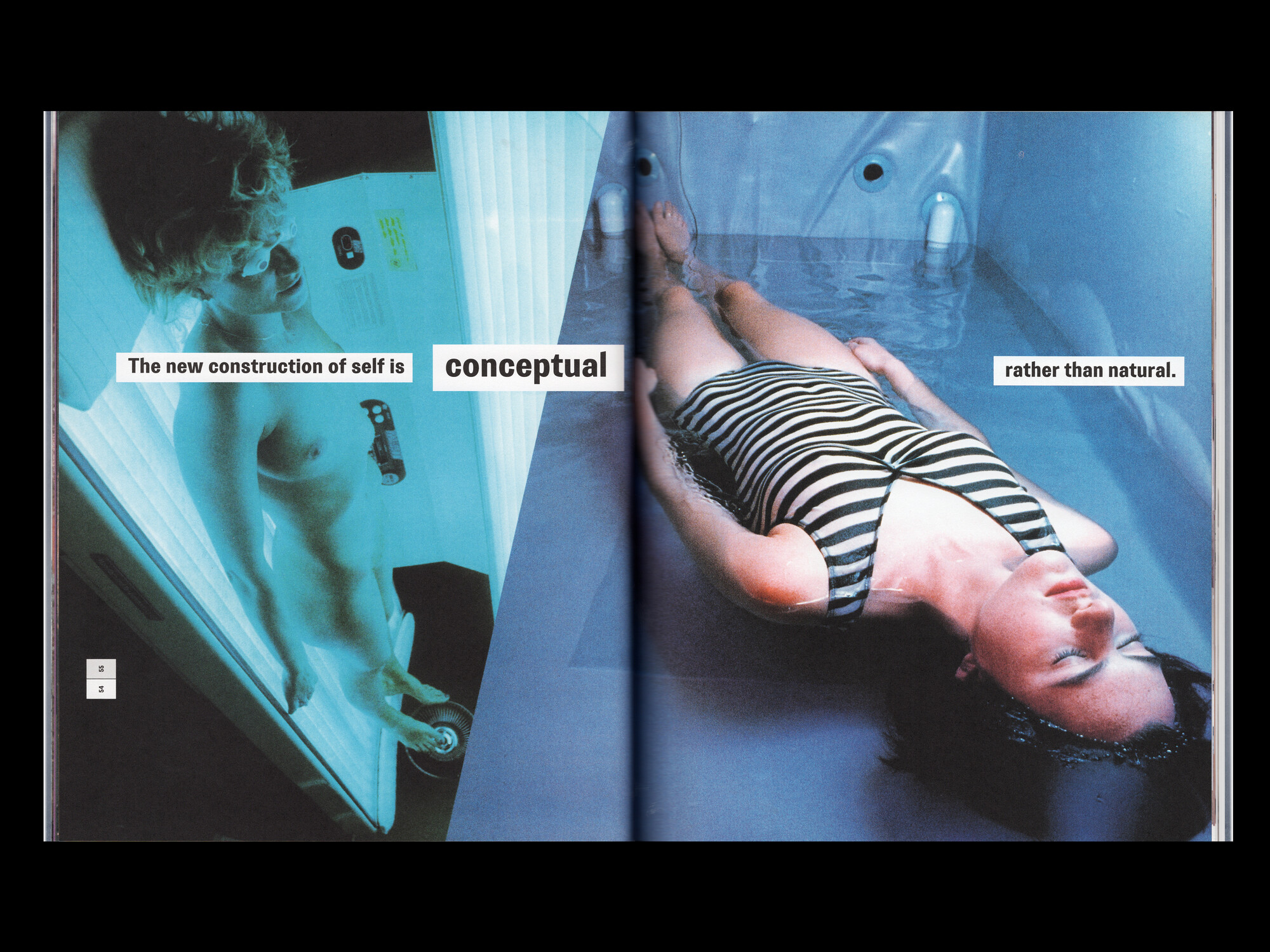
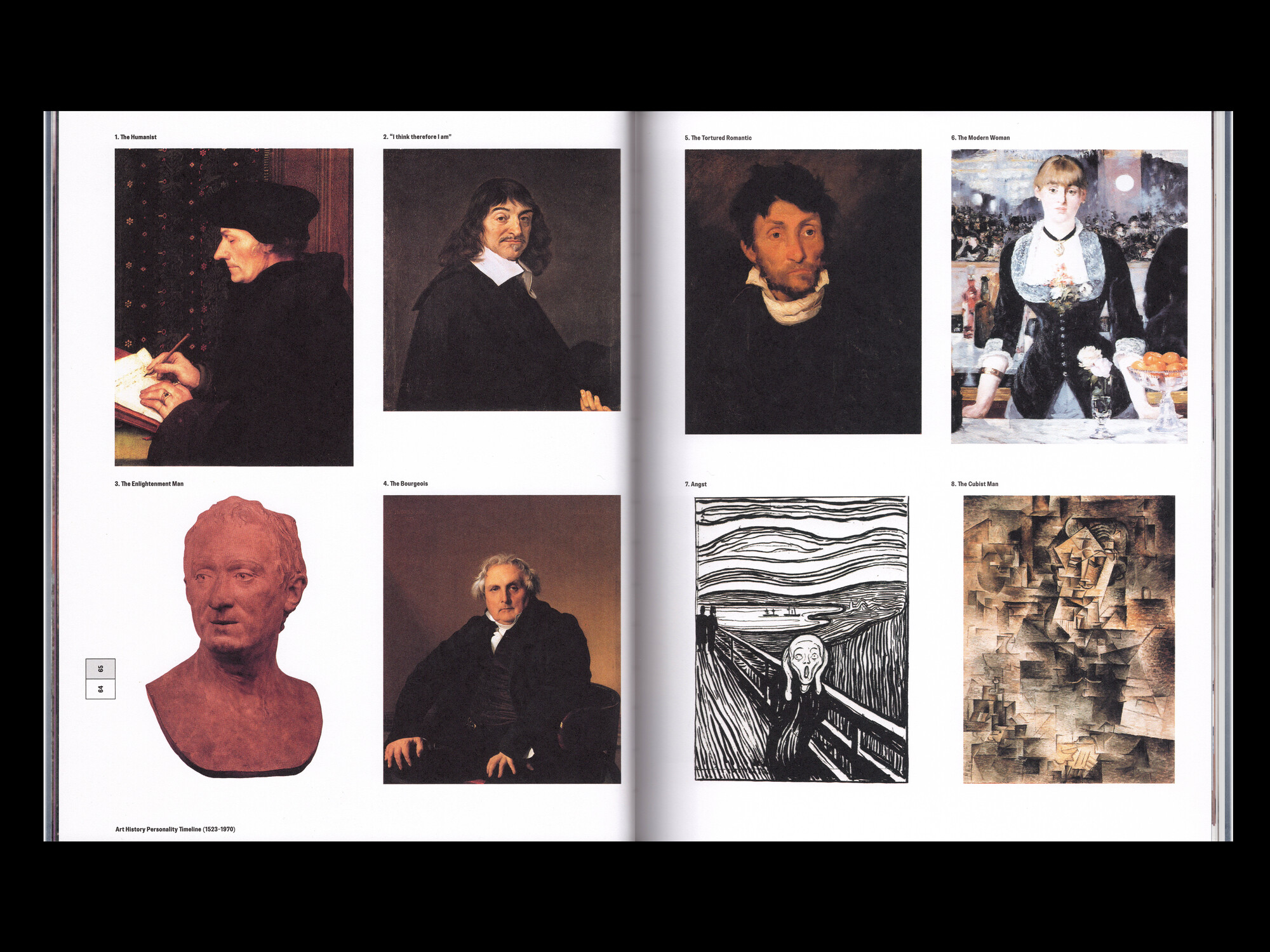
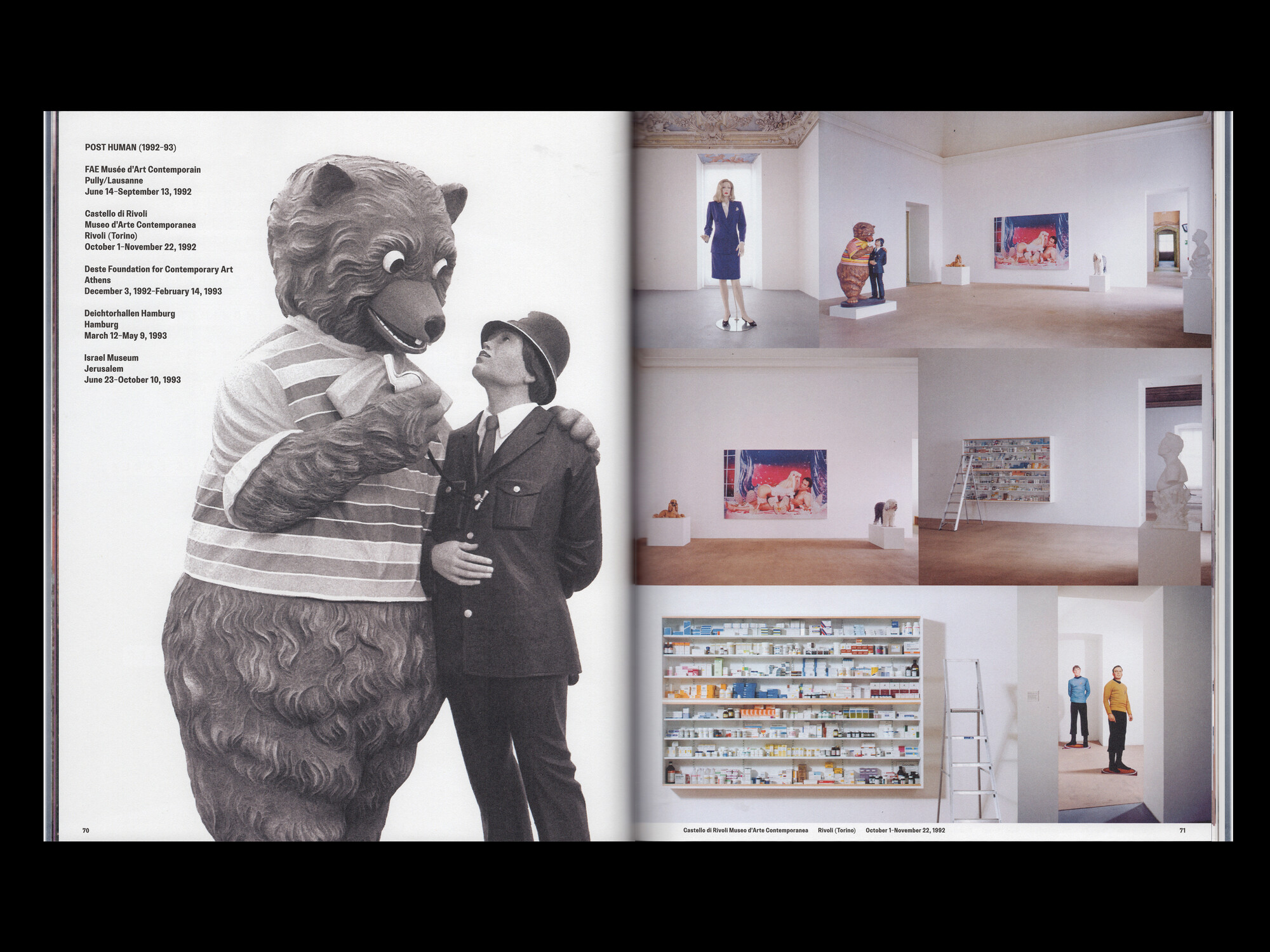
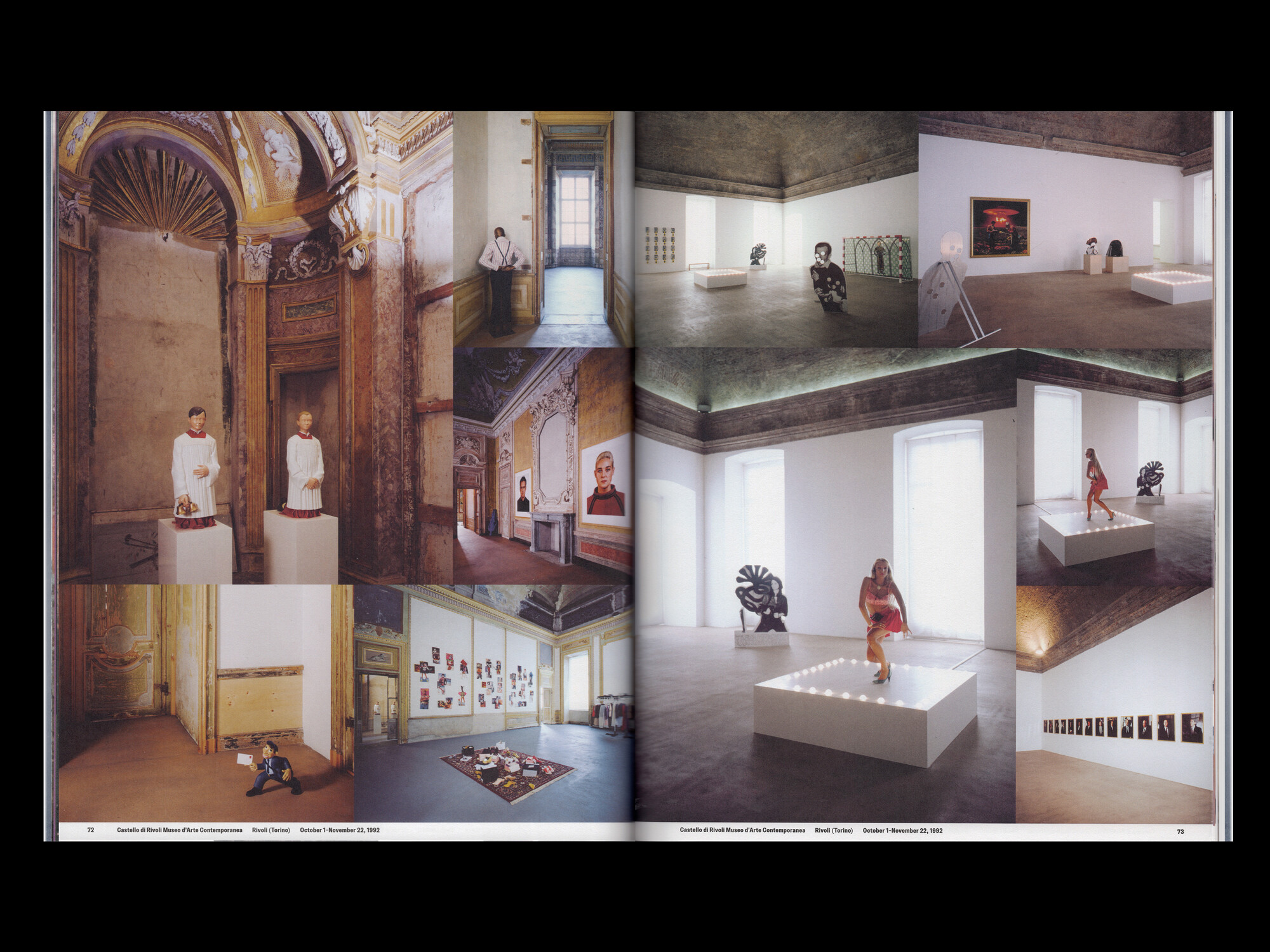
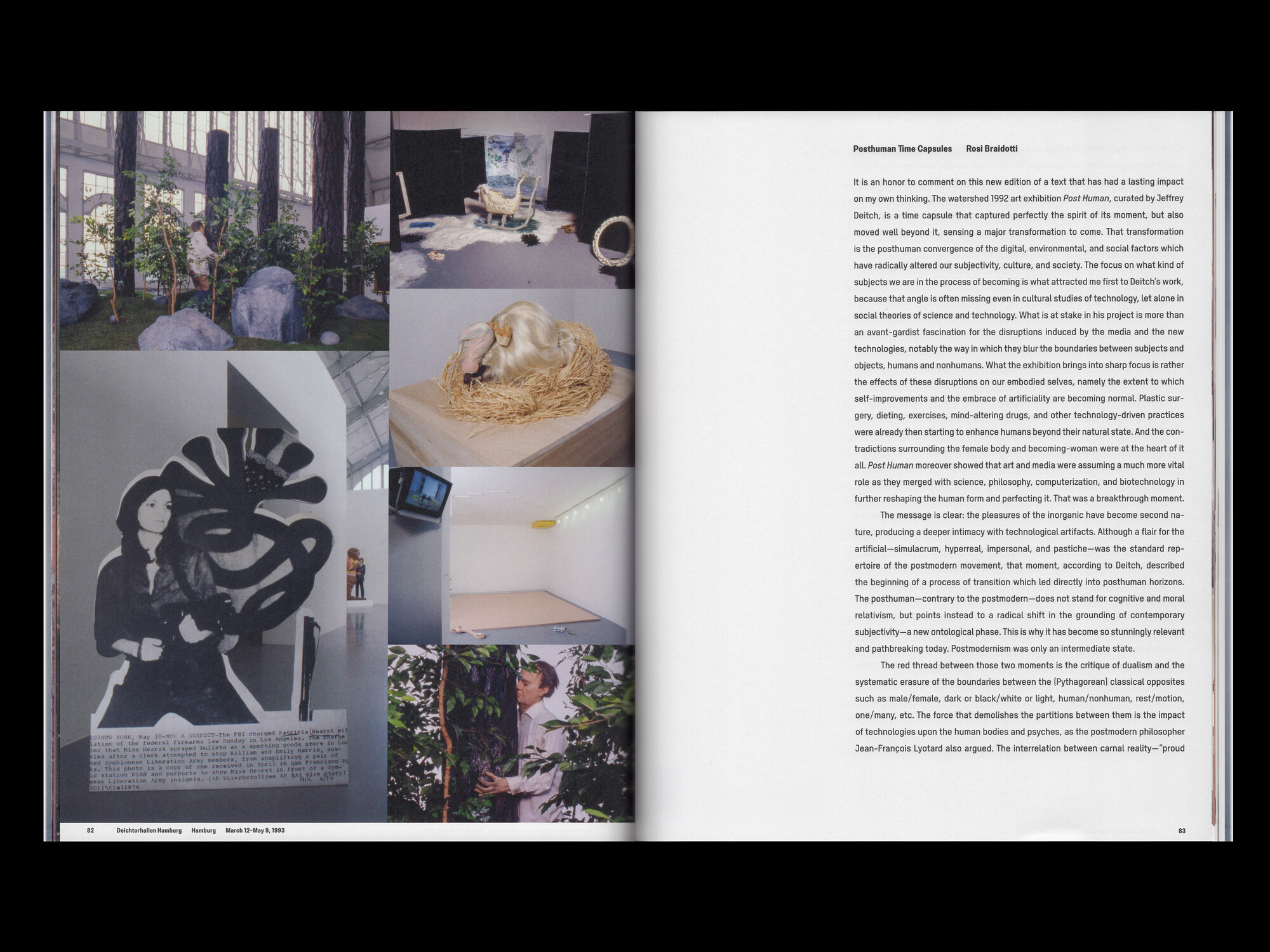
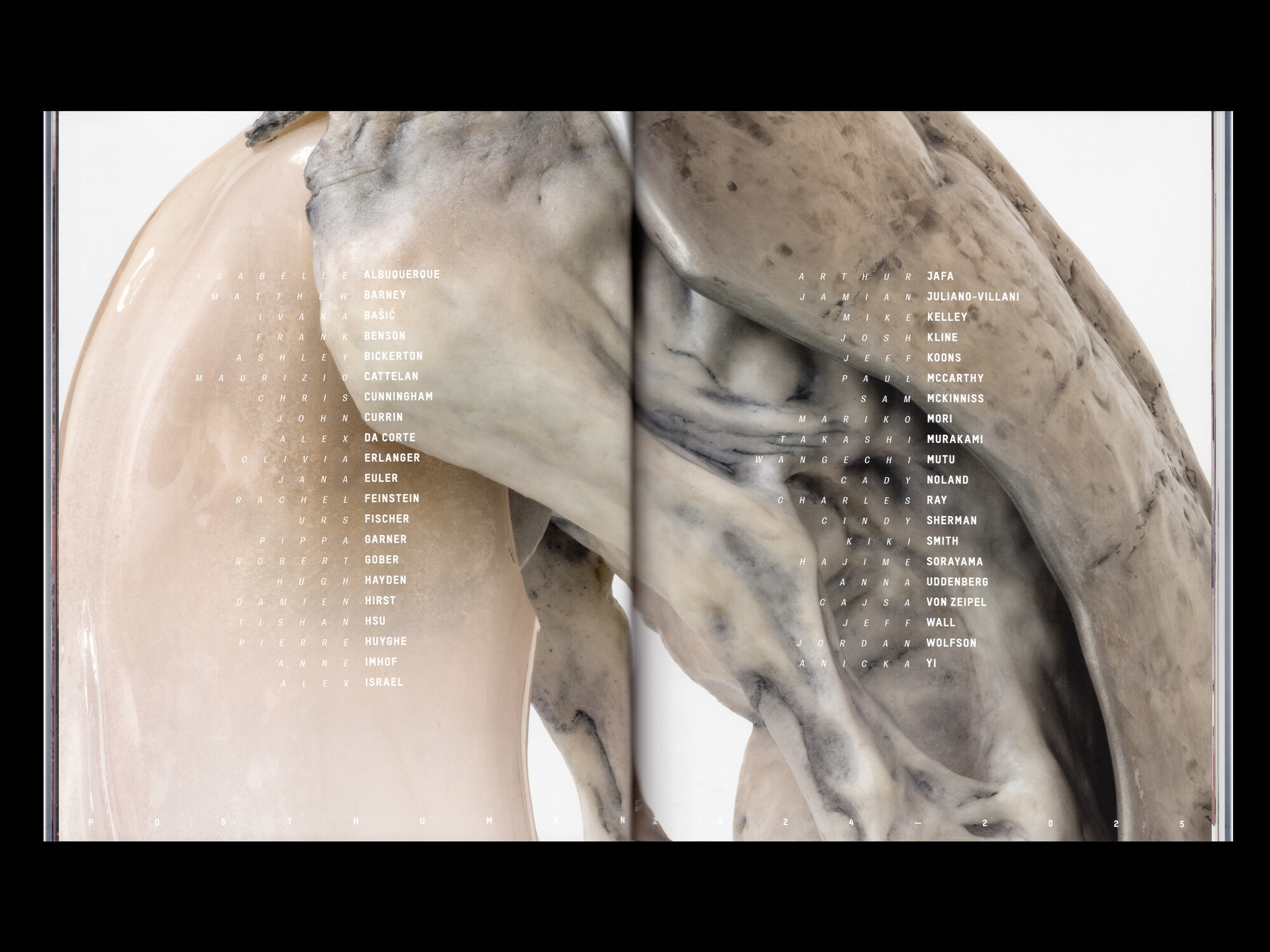
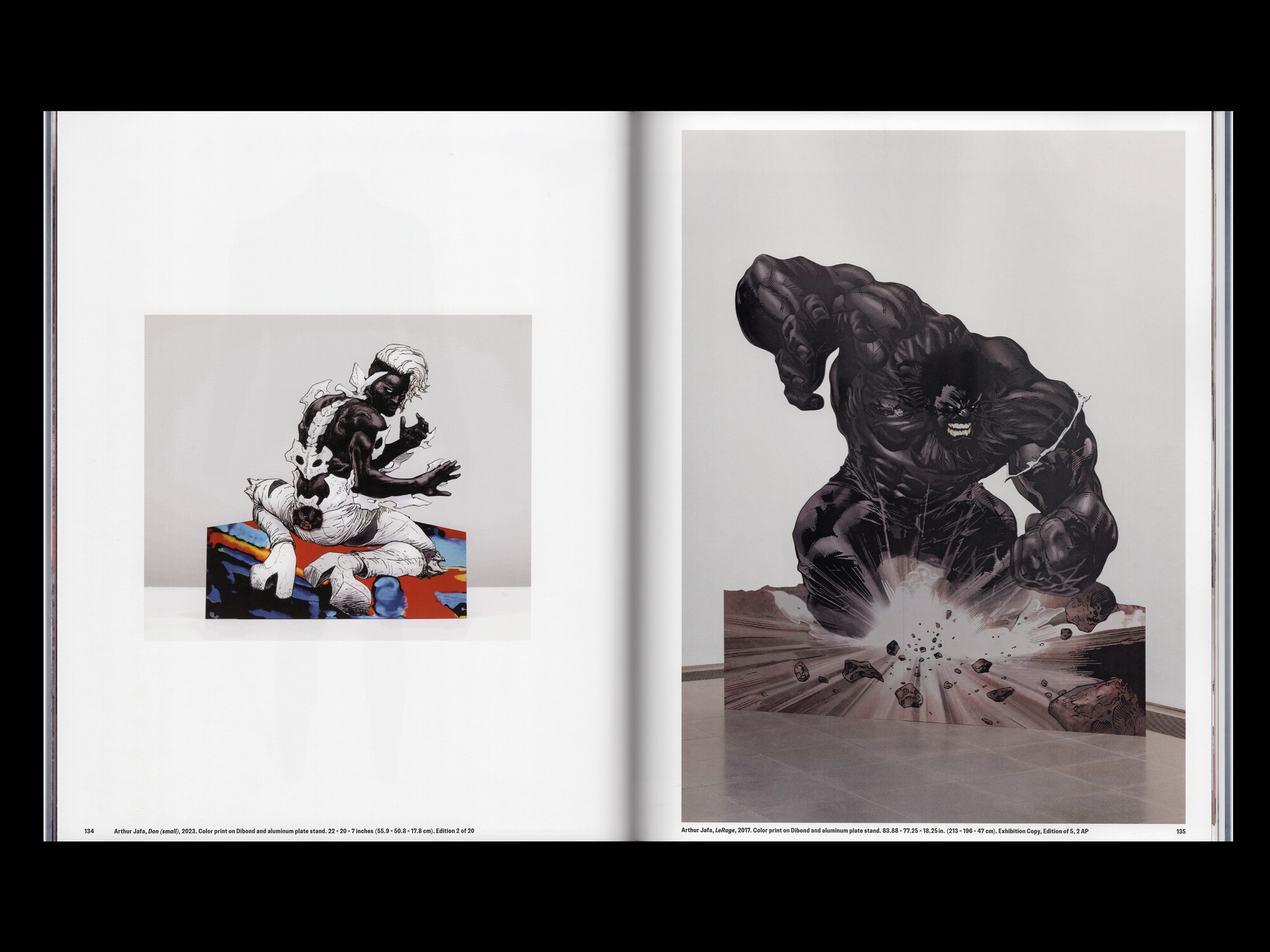
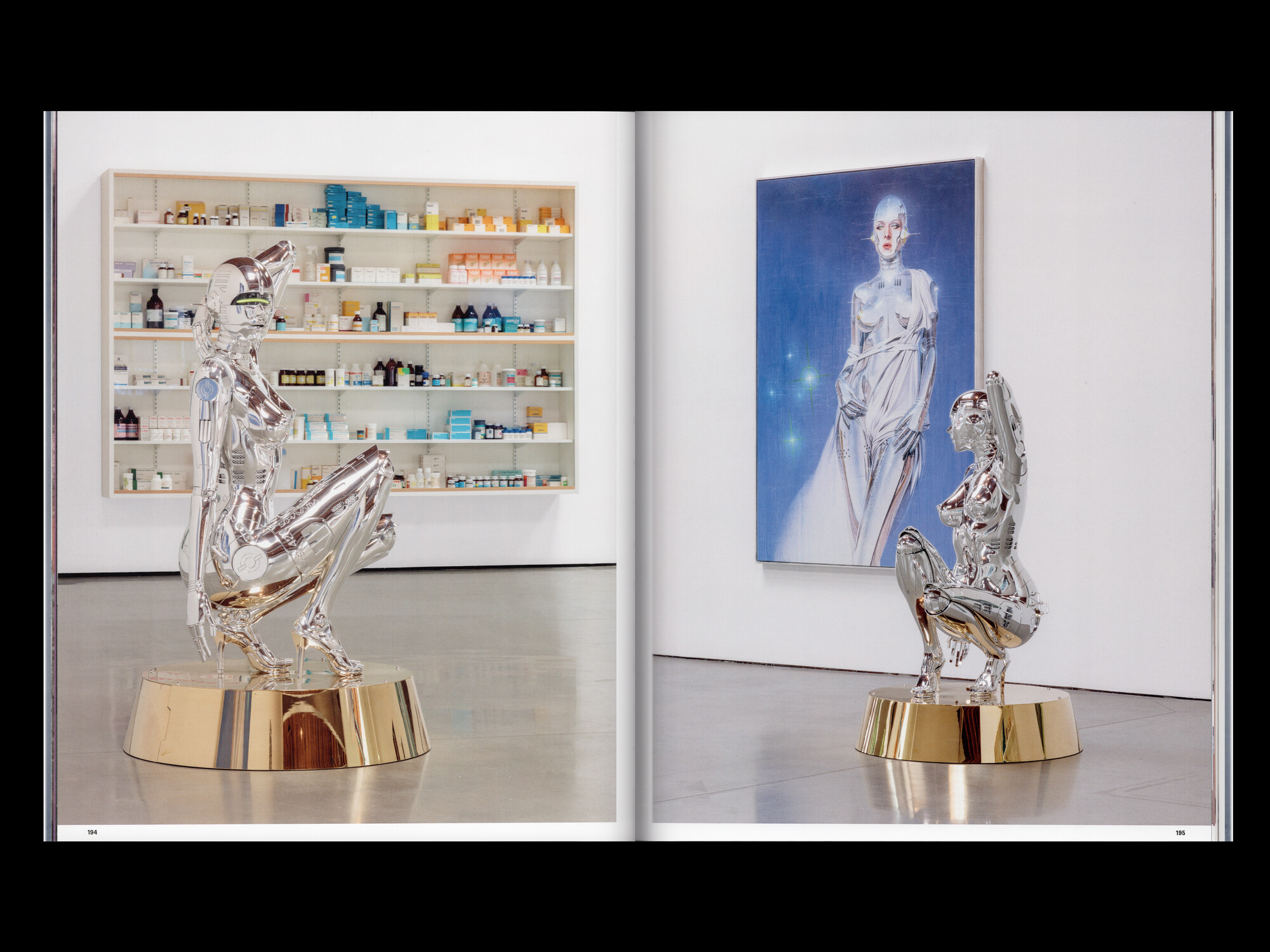
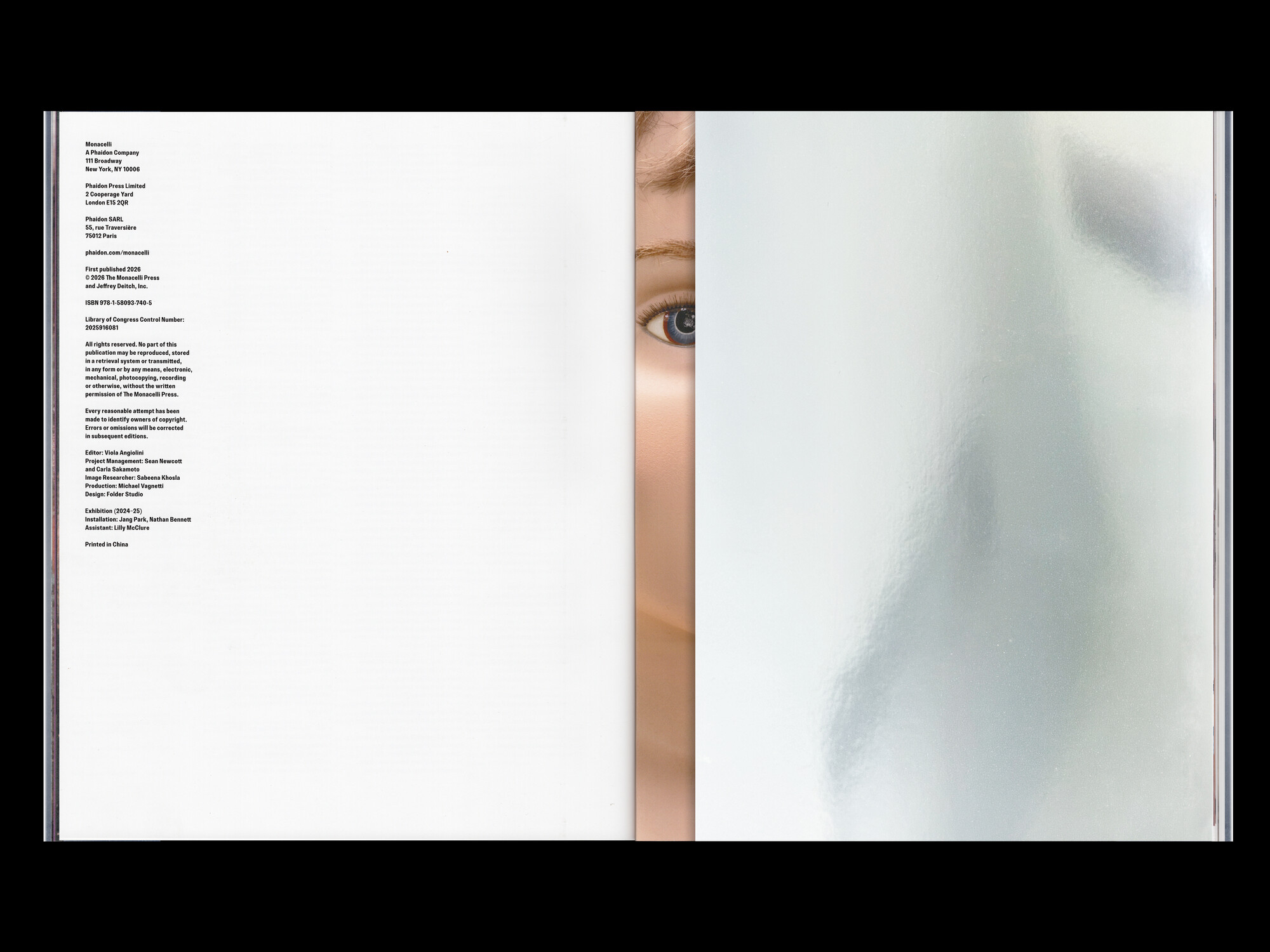
Post Human documents the 2024 revival of Jeffrey Deitch’s foundational 1992 exhibition. The original exhibition featured thirty-six artists working at the intersection of the body and technology and helped set the agenda for 1990s art discourse. The 2024 exhibition brings original participants into dial ogue with a new generation, expanding the discussion to contemporary concepts of technology and the body.
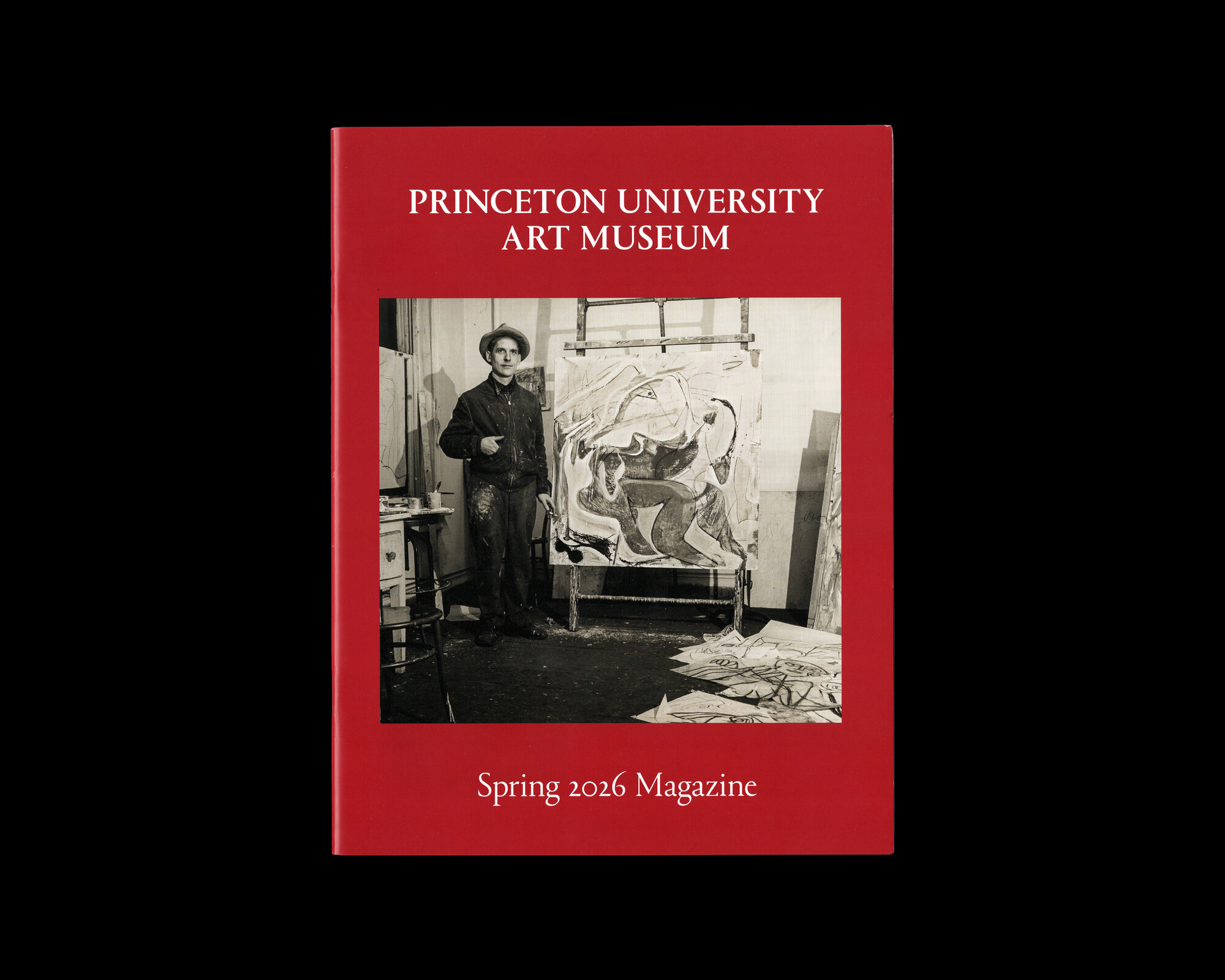
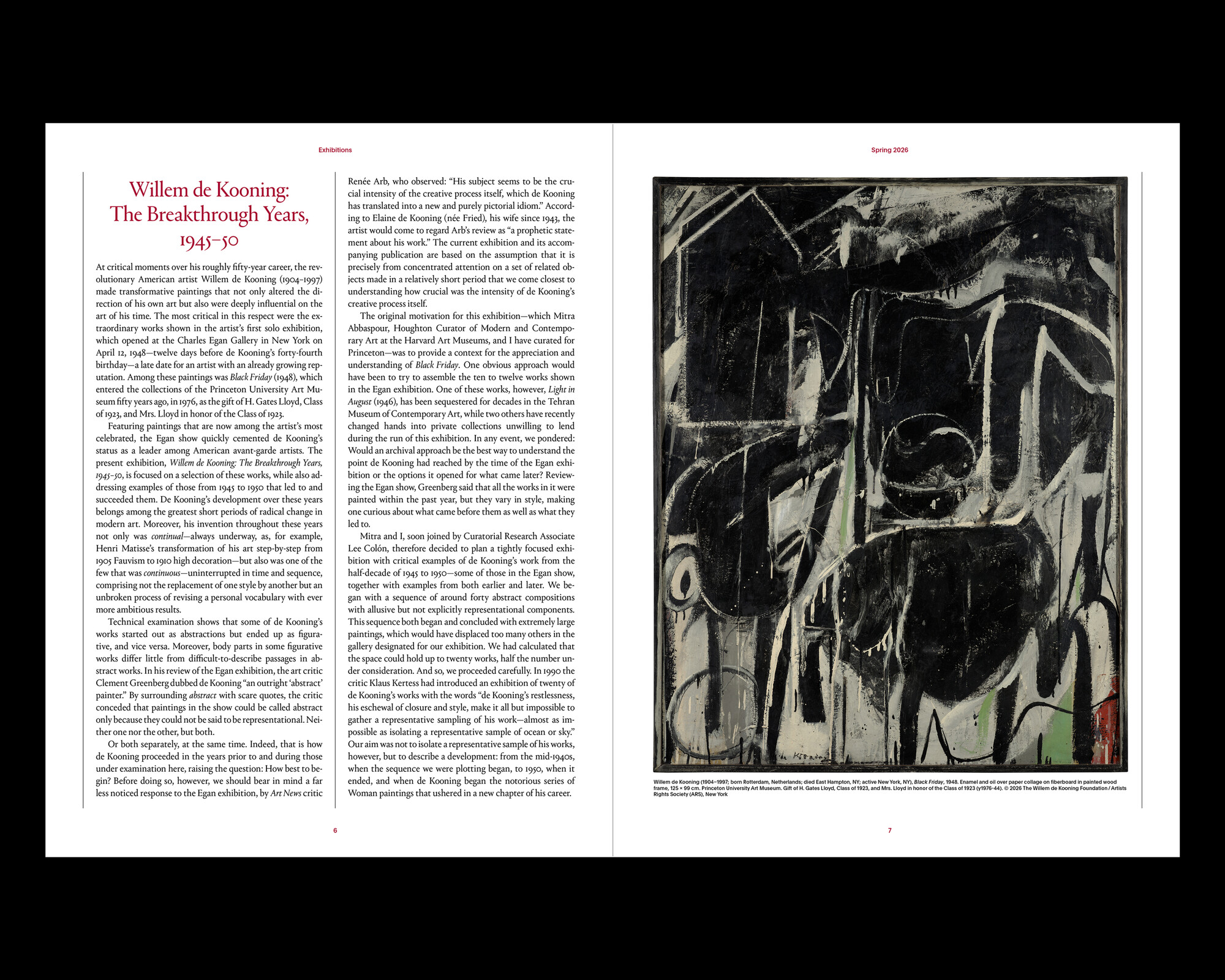
The Spring 2026 issue of the magazine features Willem de Kooning: The Breakthrough Years, 1945–50, with an archival photograph of the artist in his studio on the cover. The show exhibits 18 tightly selected masterworks sourced from more than a dozen prestigious museums and private collections, looking at the 5-year window where de Kooning formulated the visual language that would define his entire career.
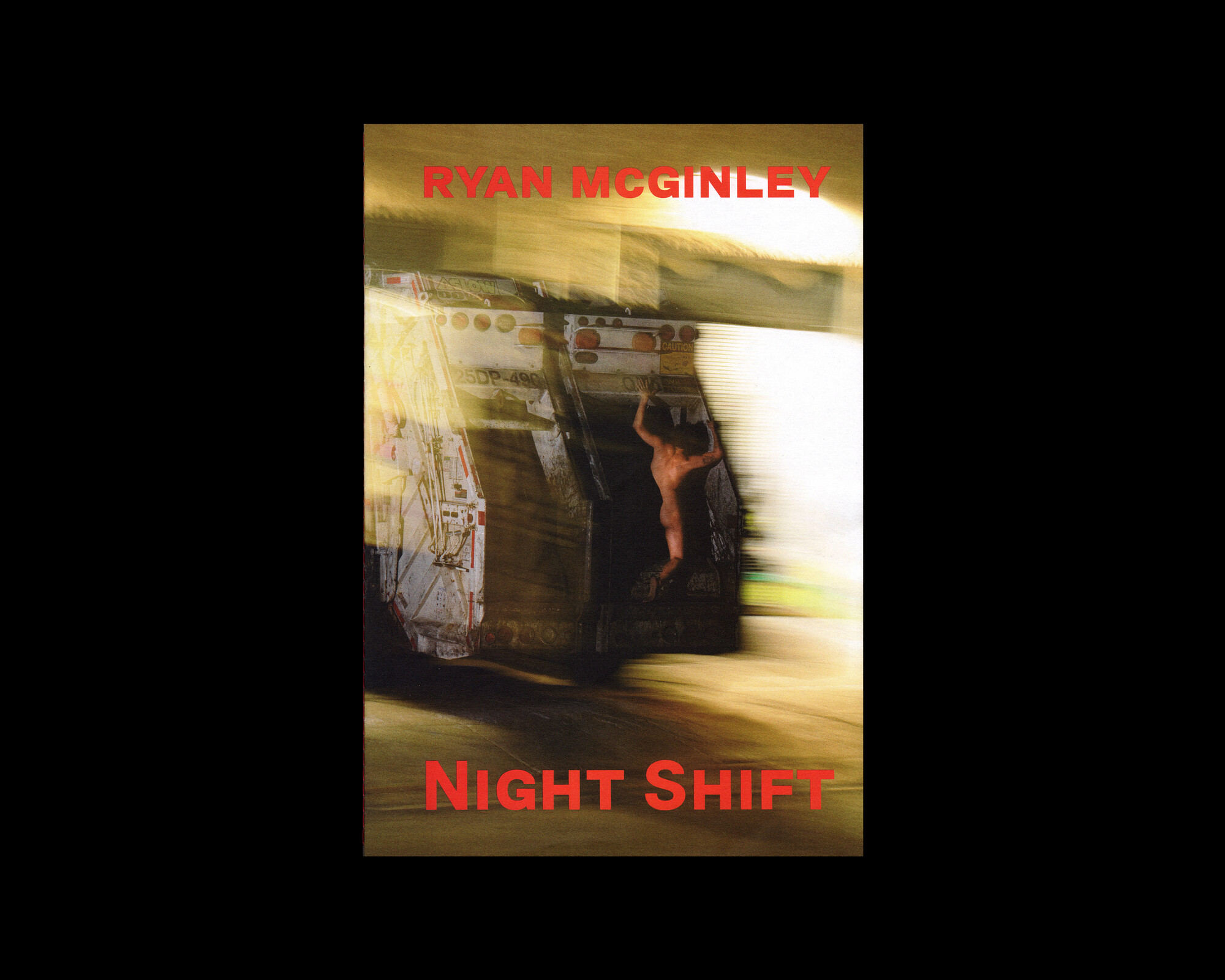
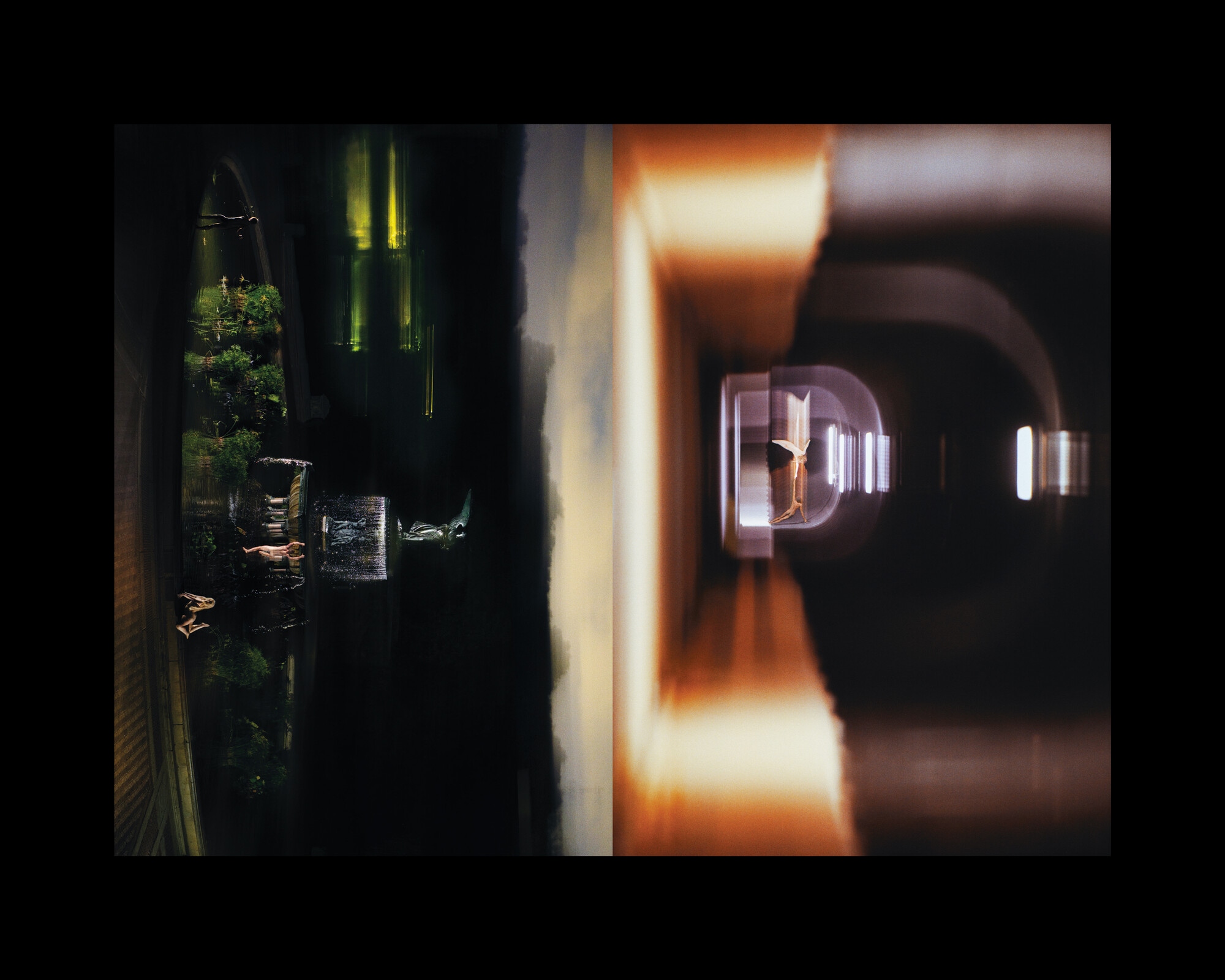
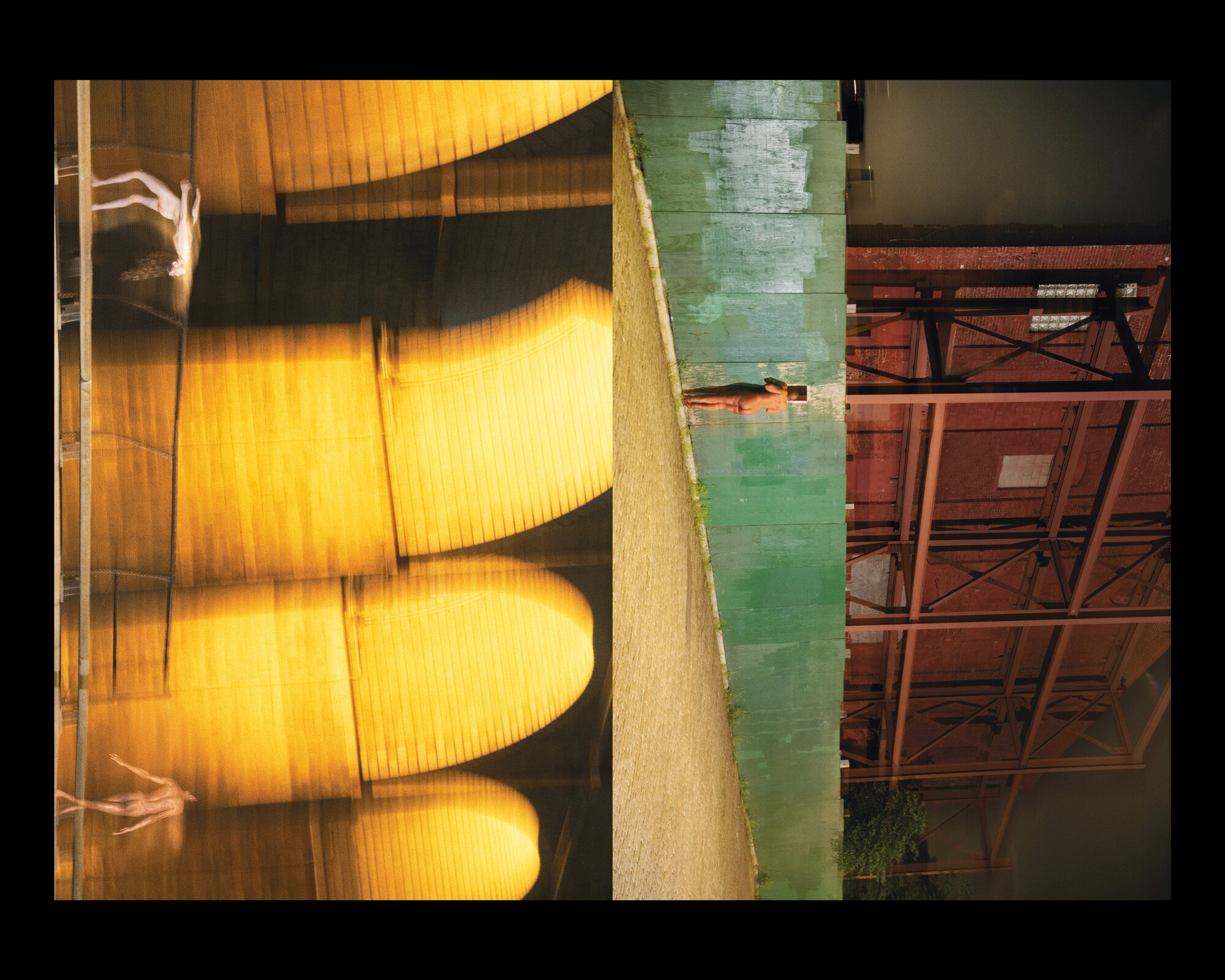
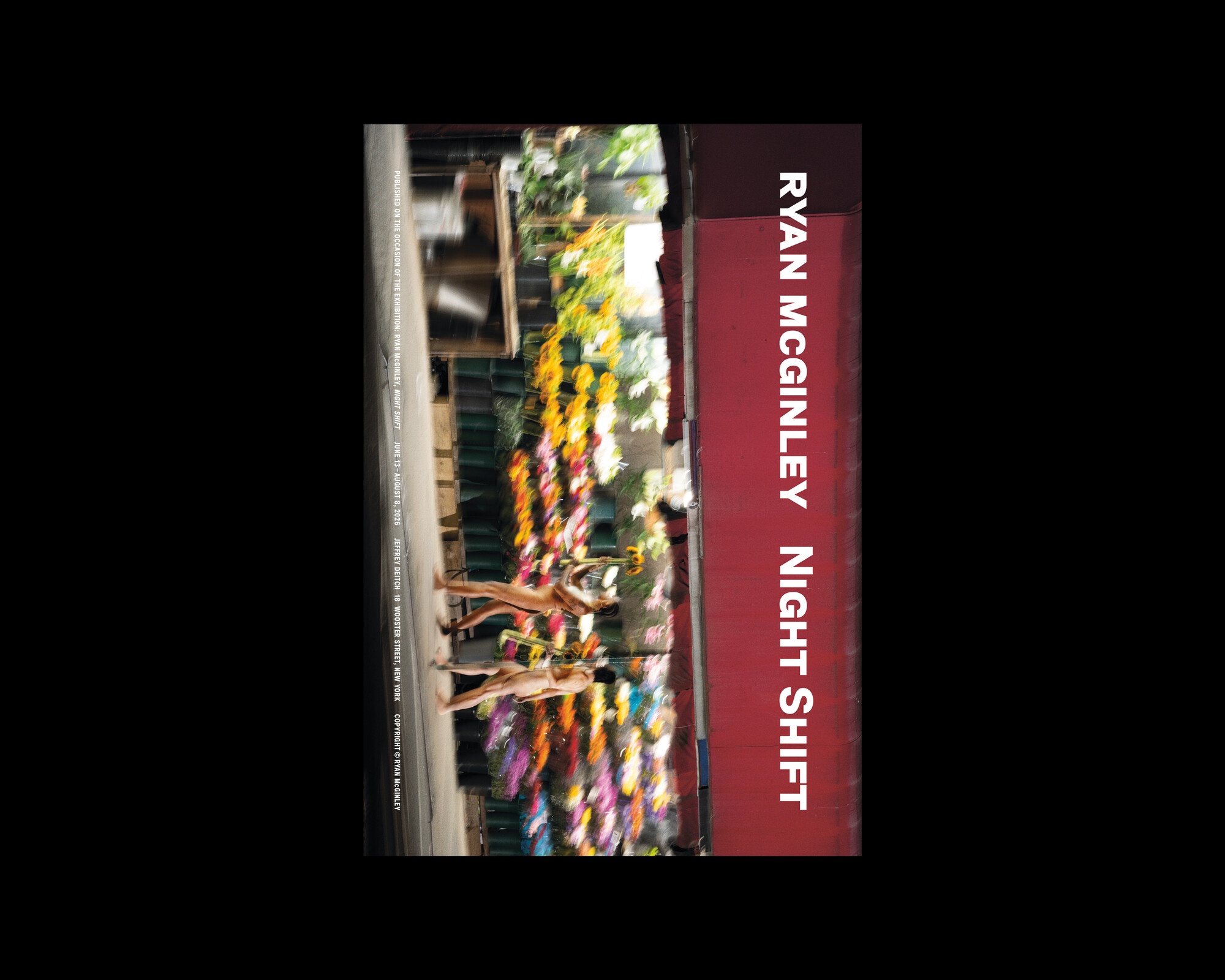
Limited-edition exhibition zine for Ryan McGinley’s first solo show in nearly a decade. Shot exclusively from Sunday through Tuesday between 9 pm and 5 am across all five boroughs of New York City during a self-imposed graveyard shift.
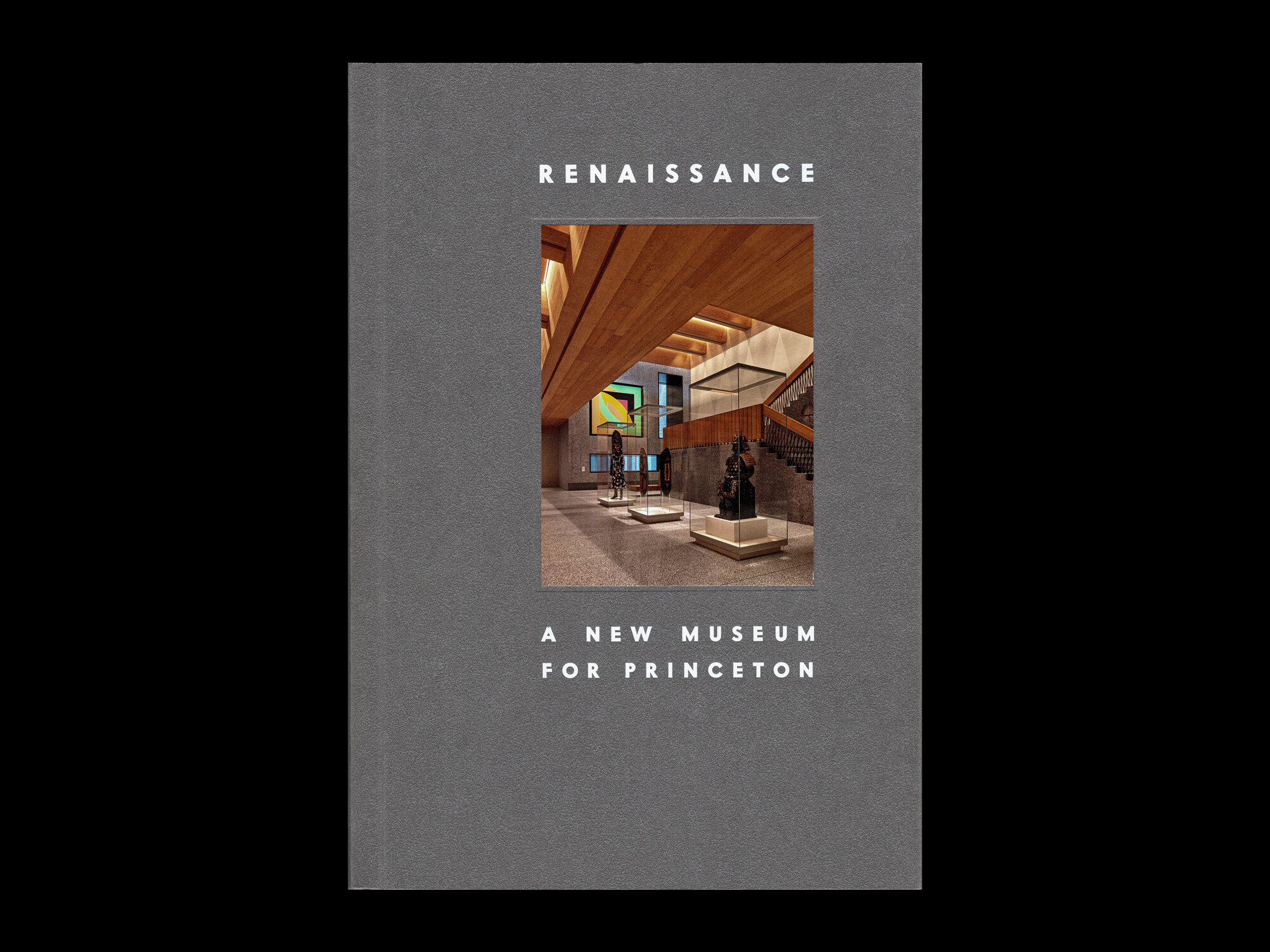
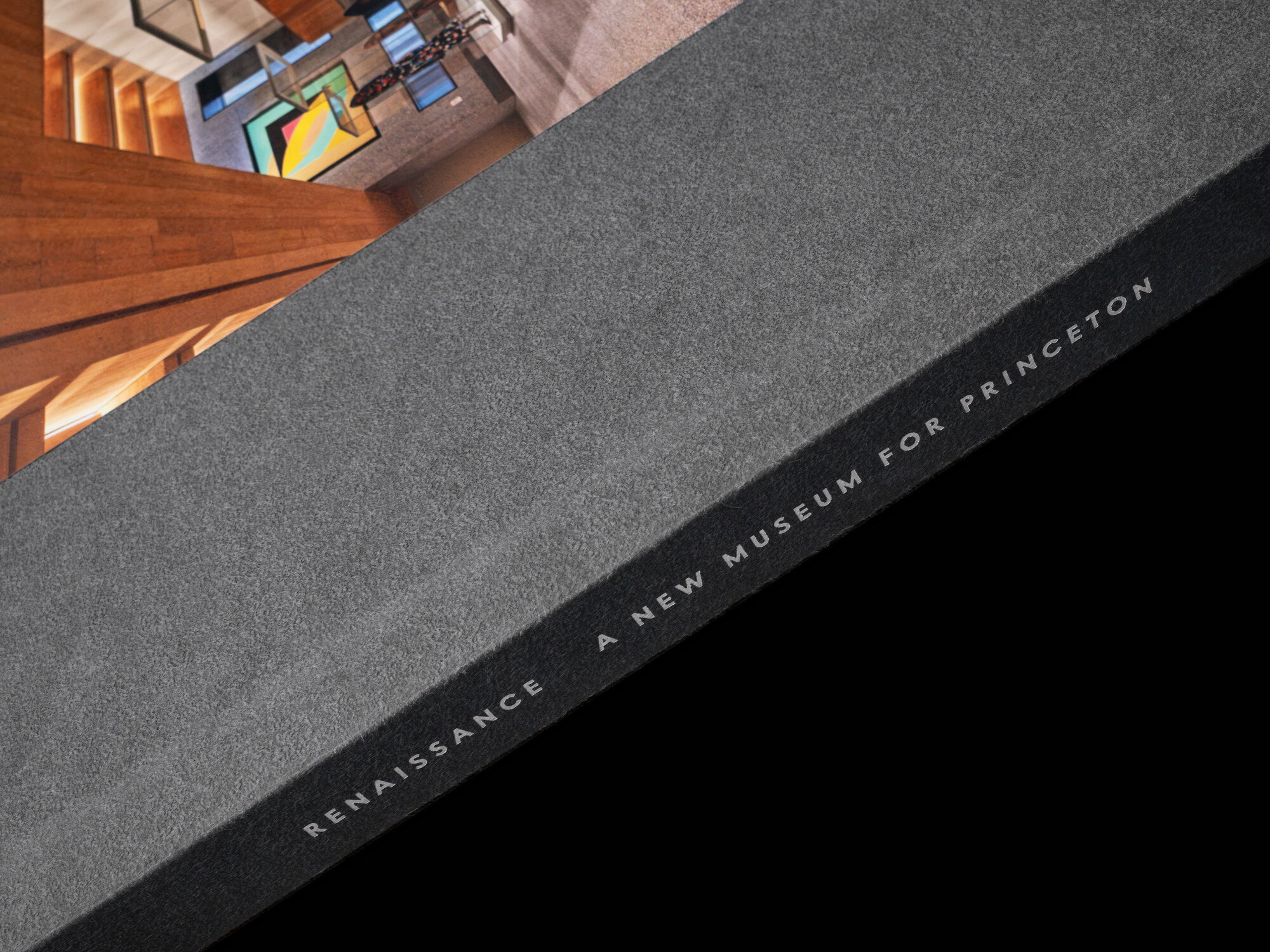
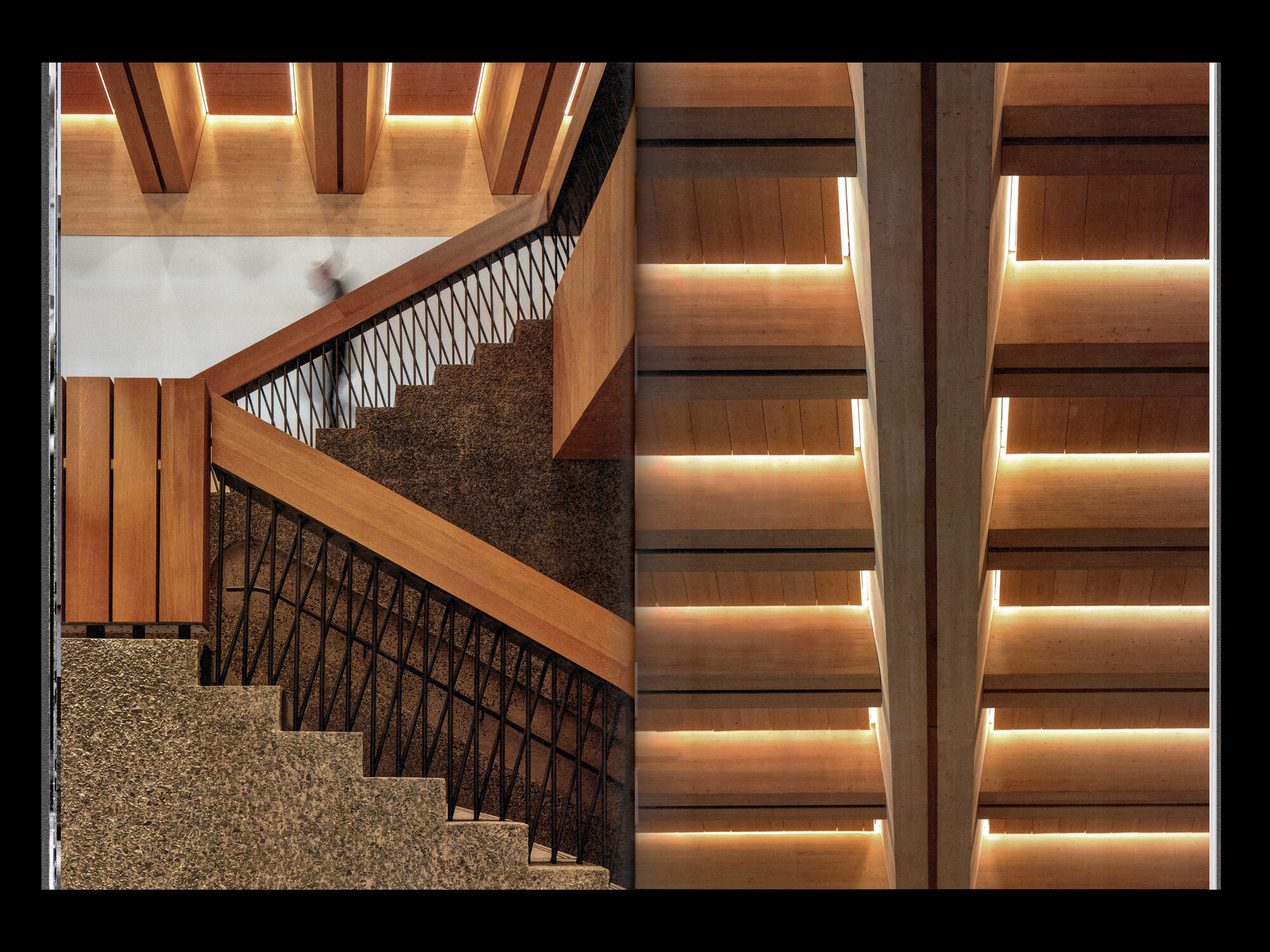
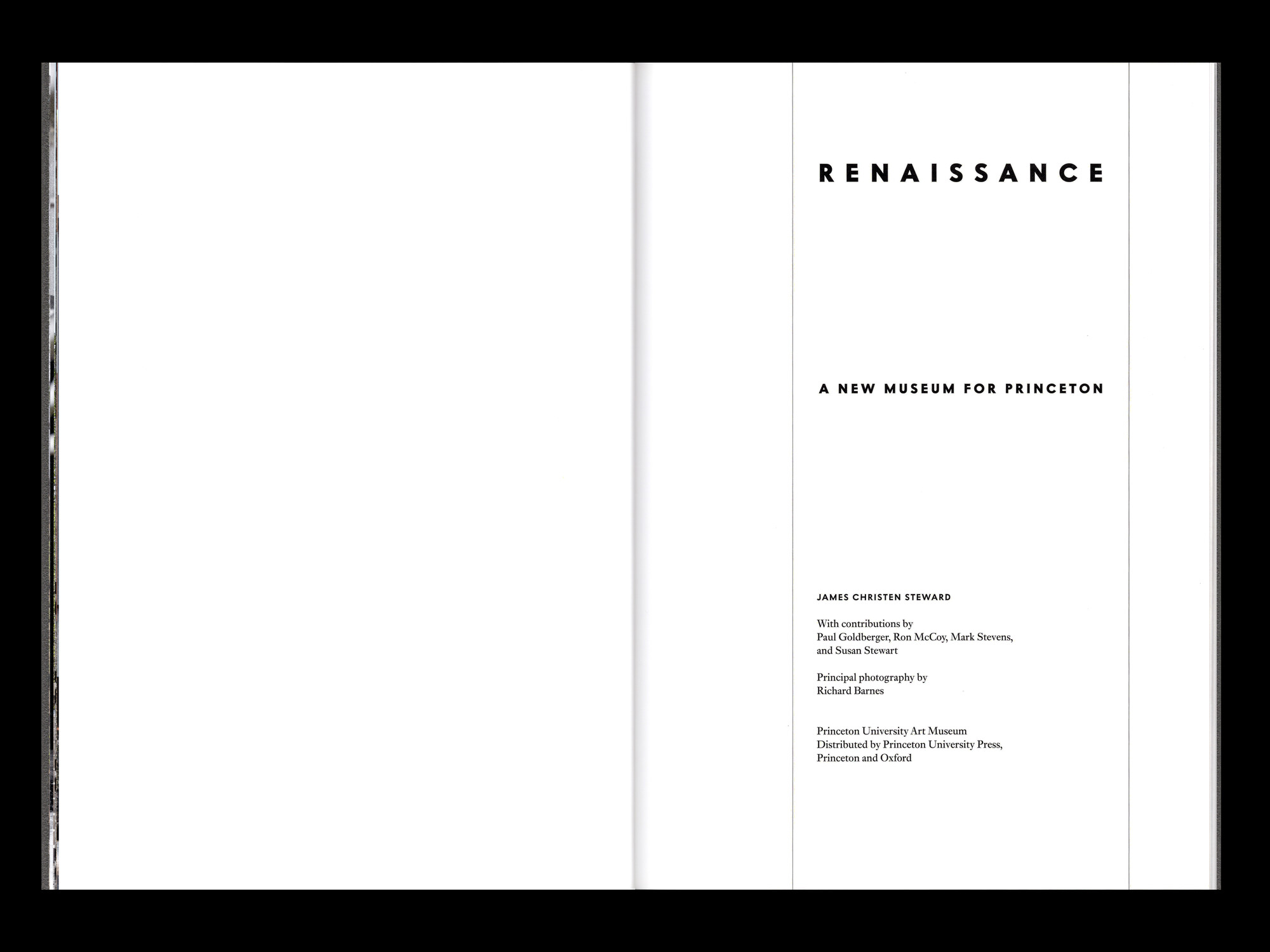
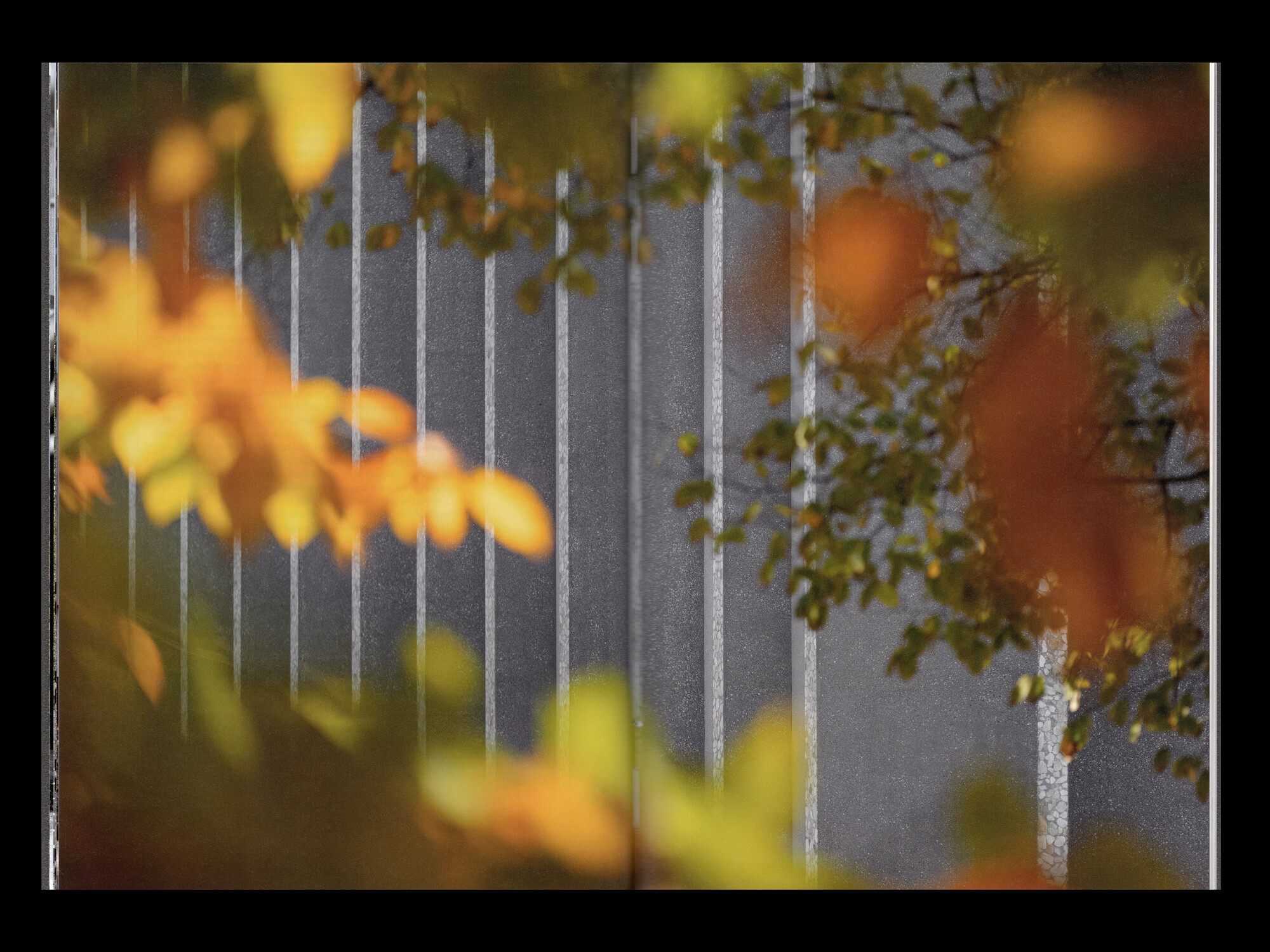
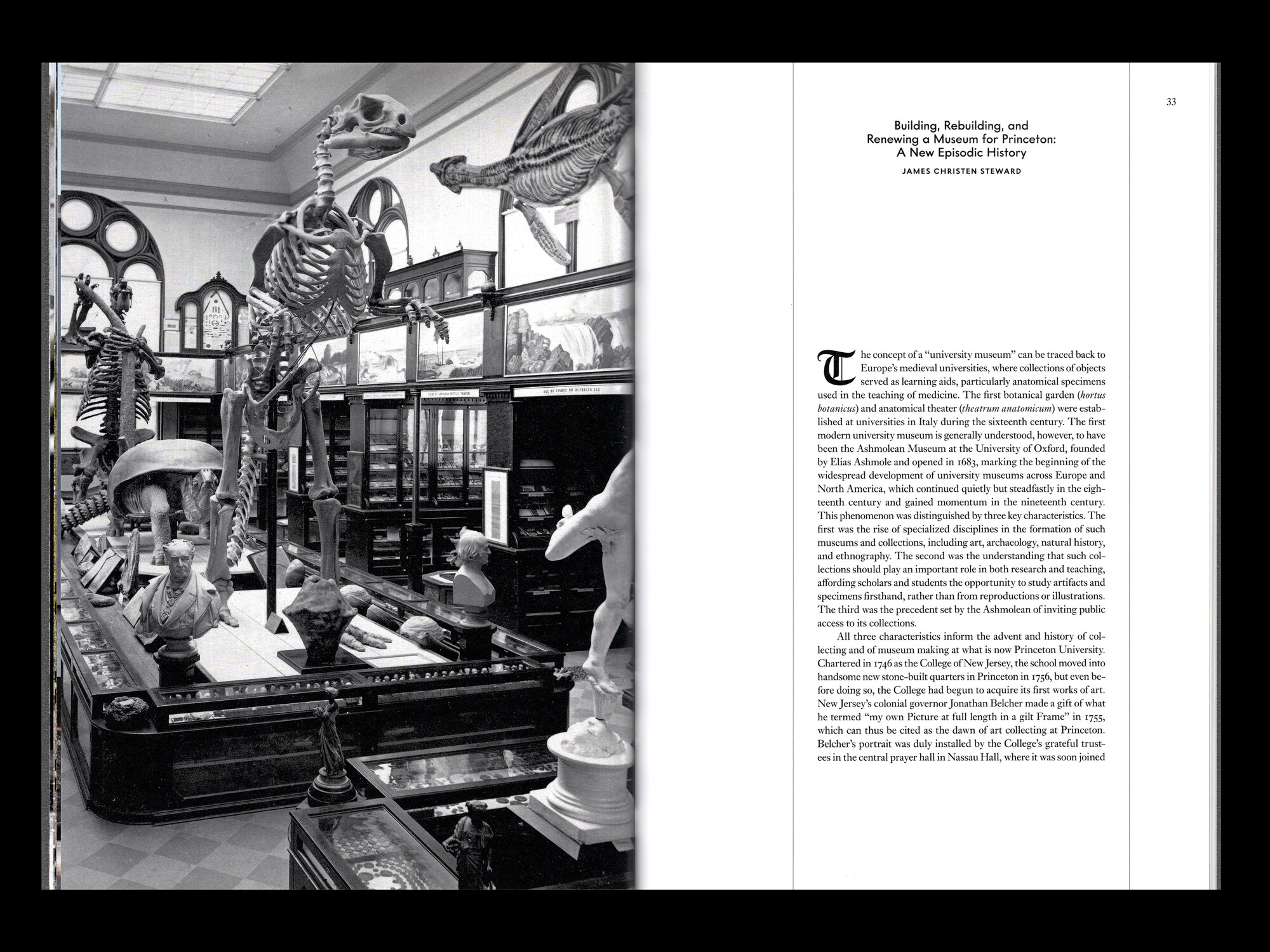
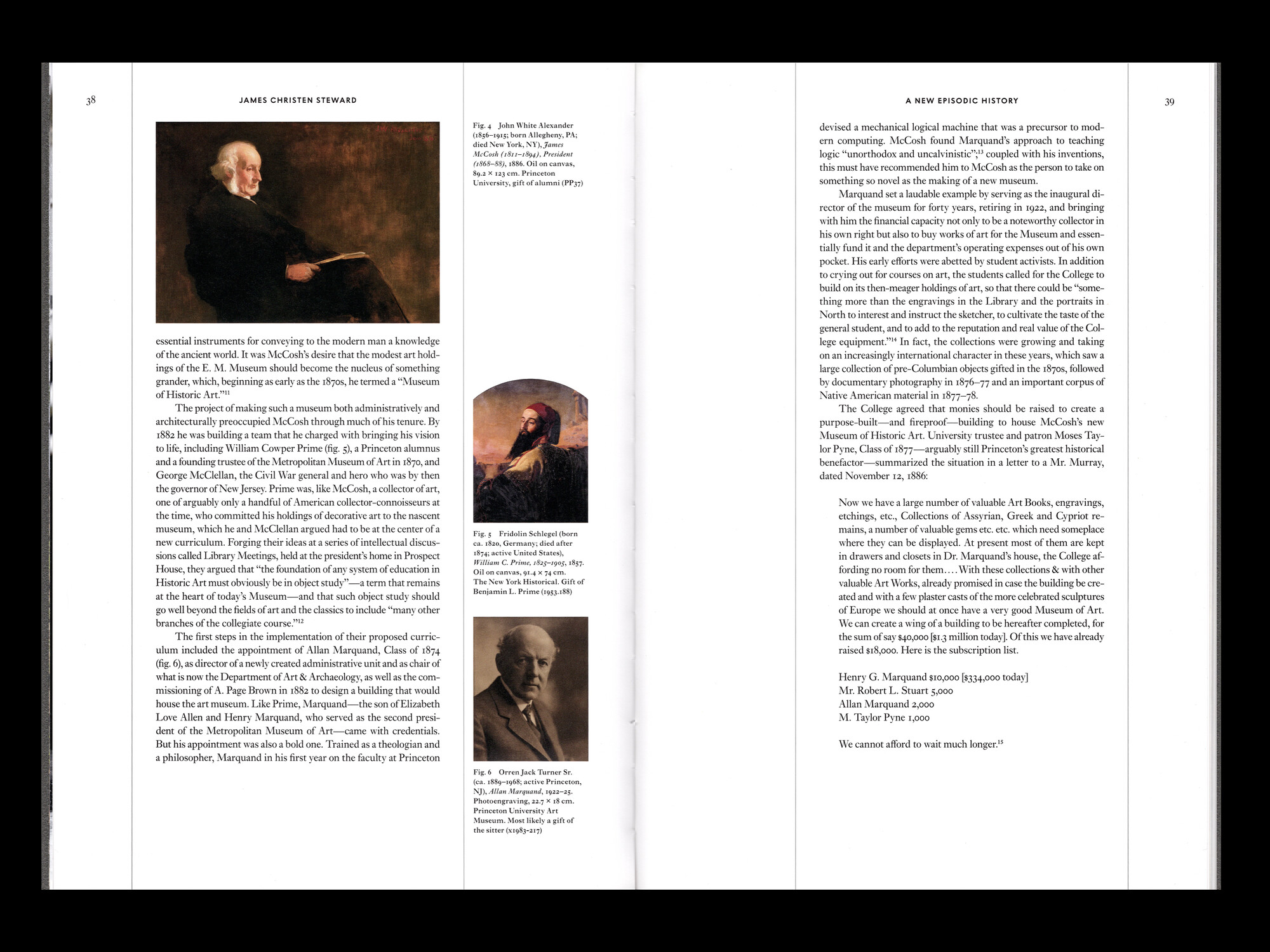
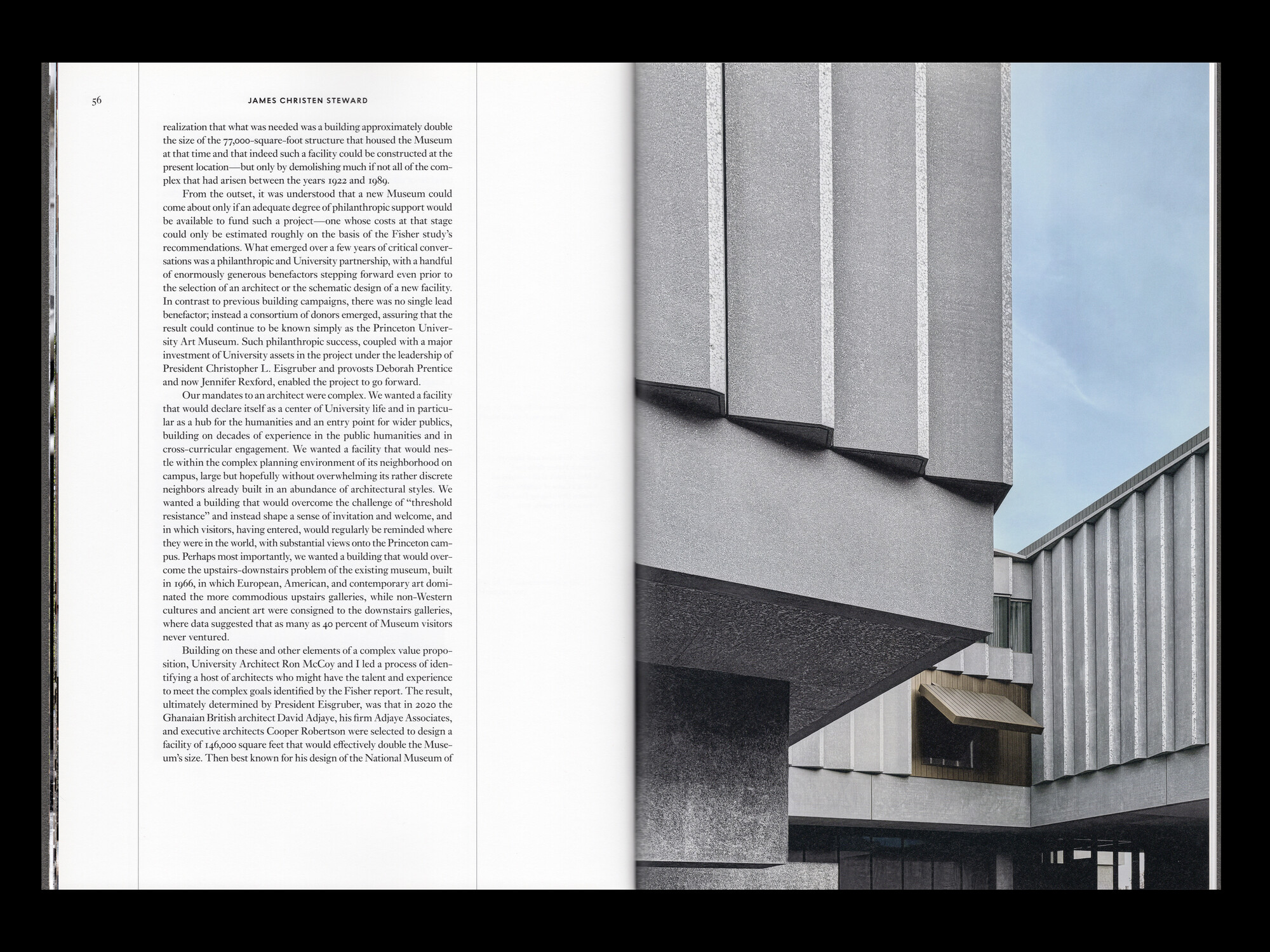
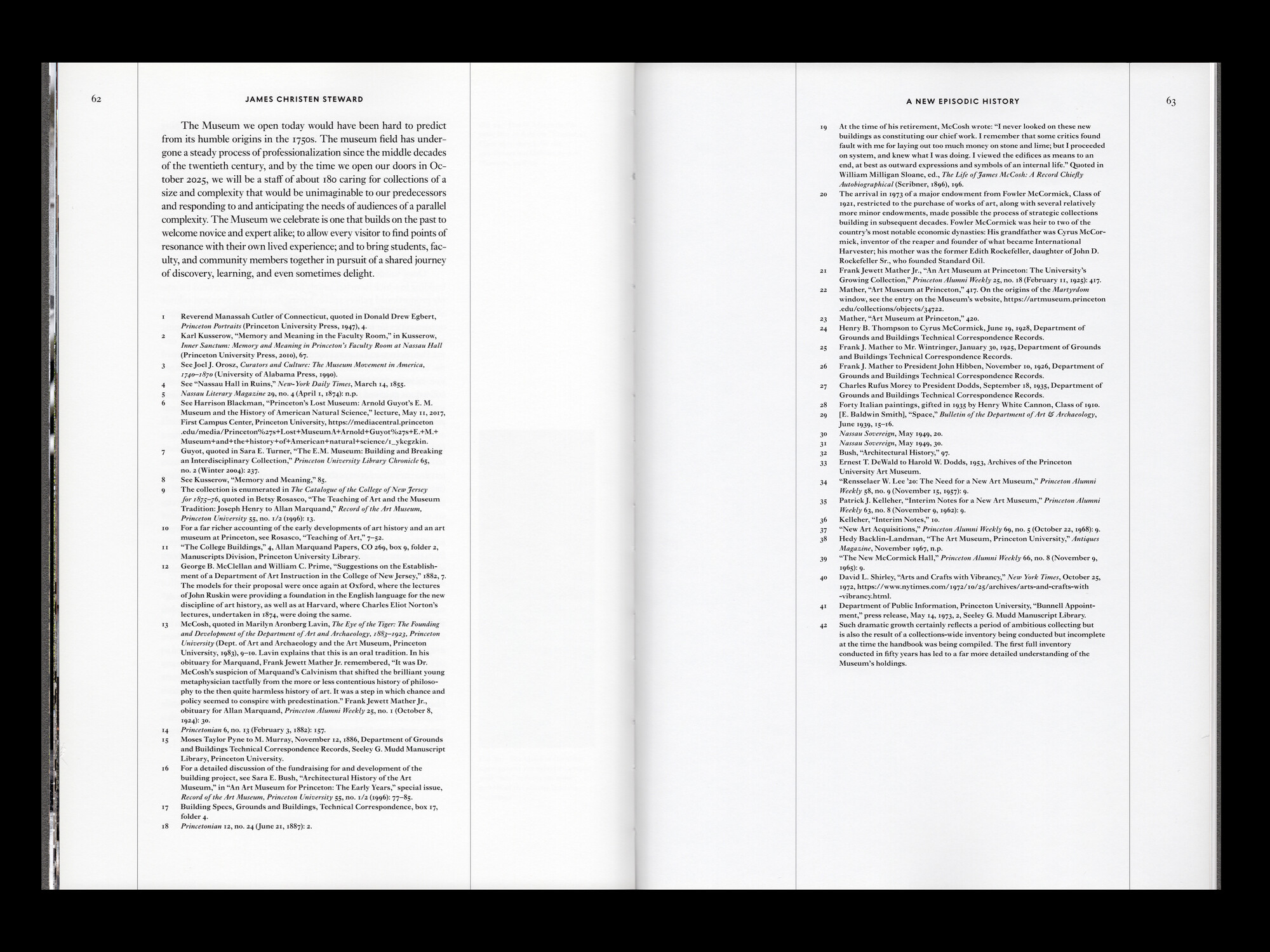
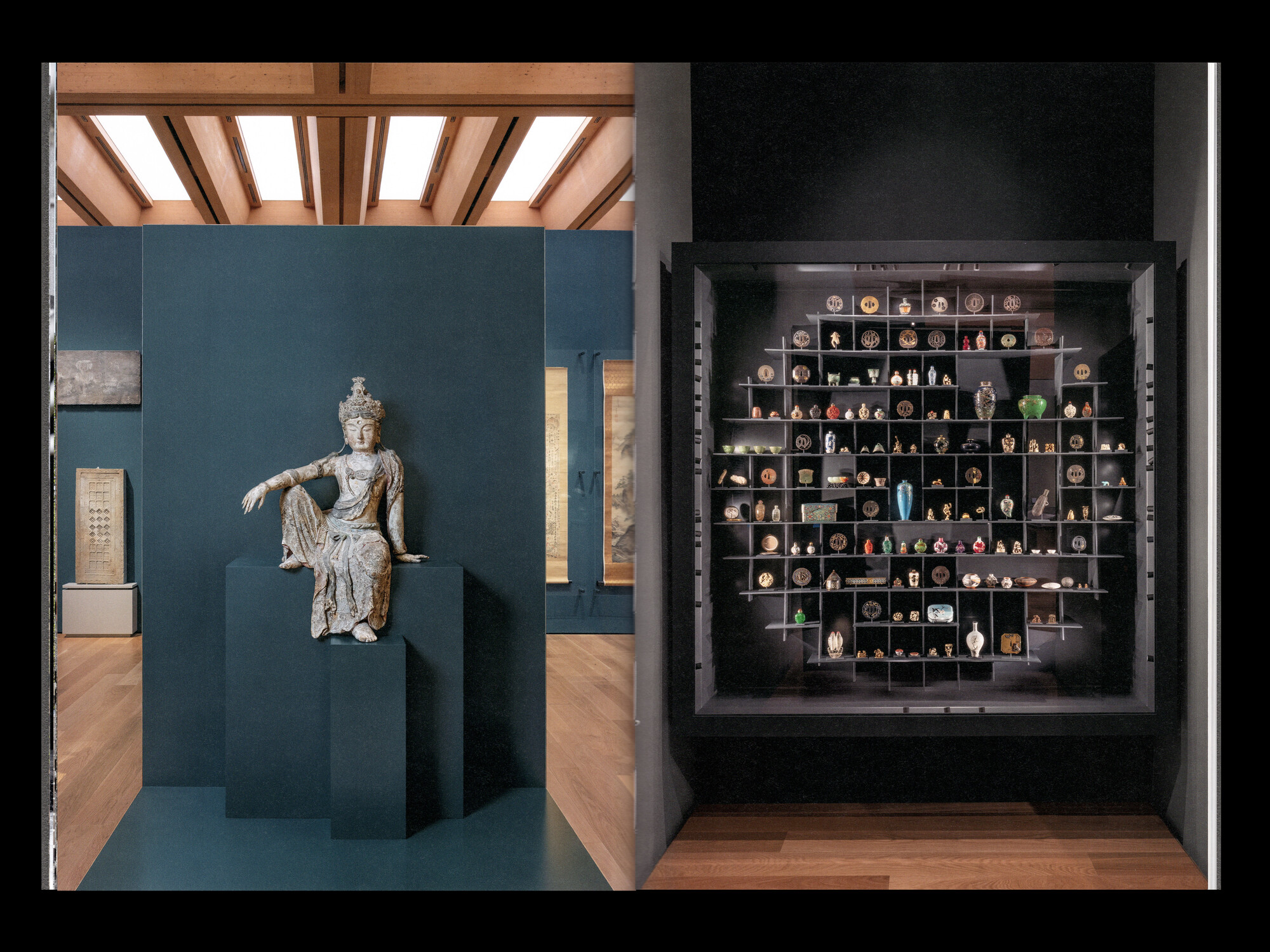
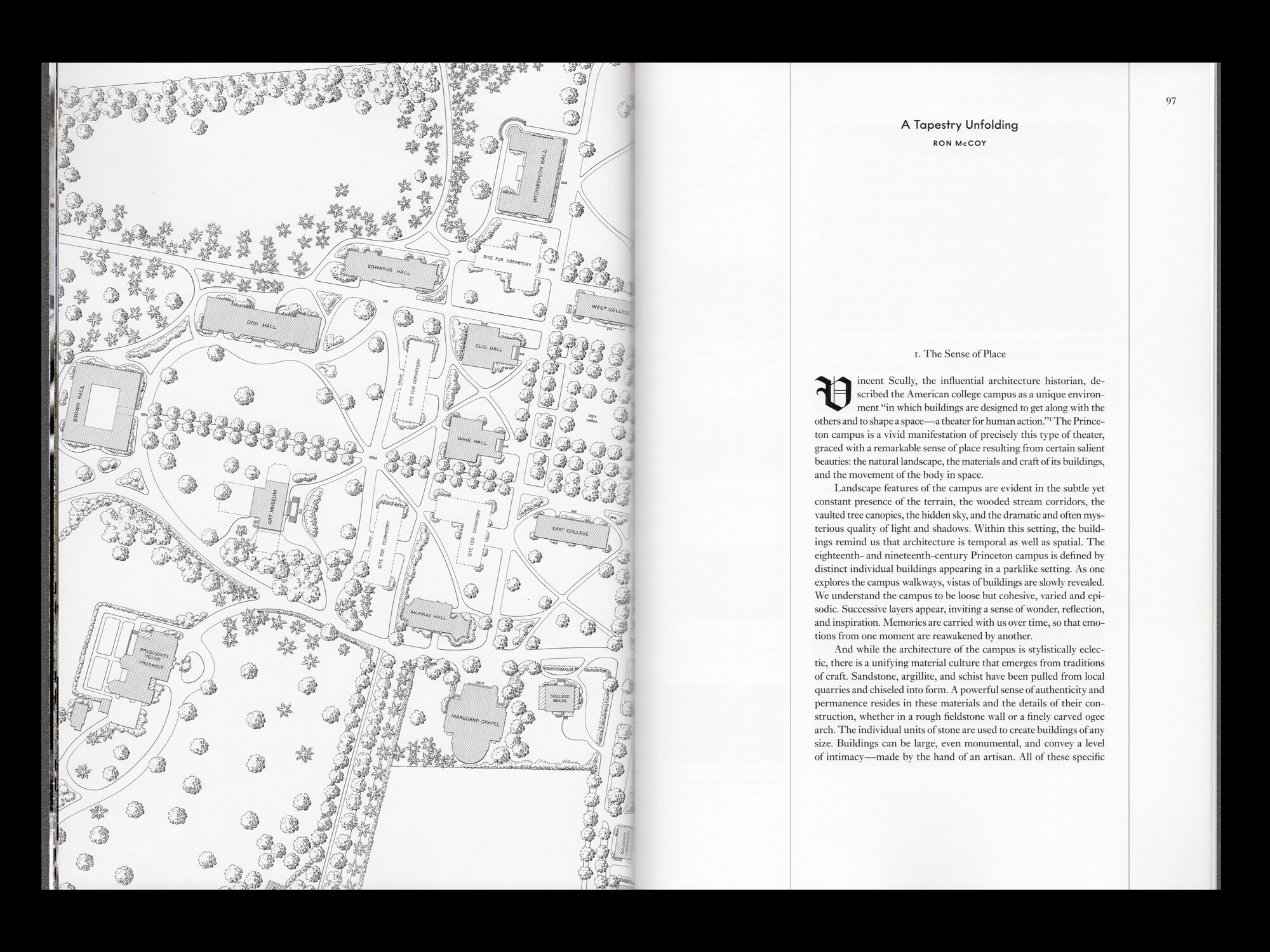
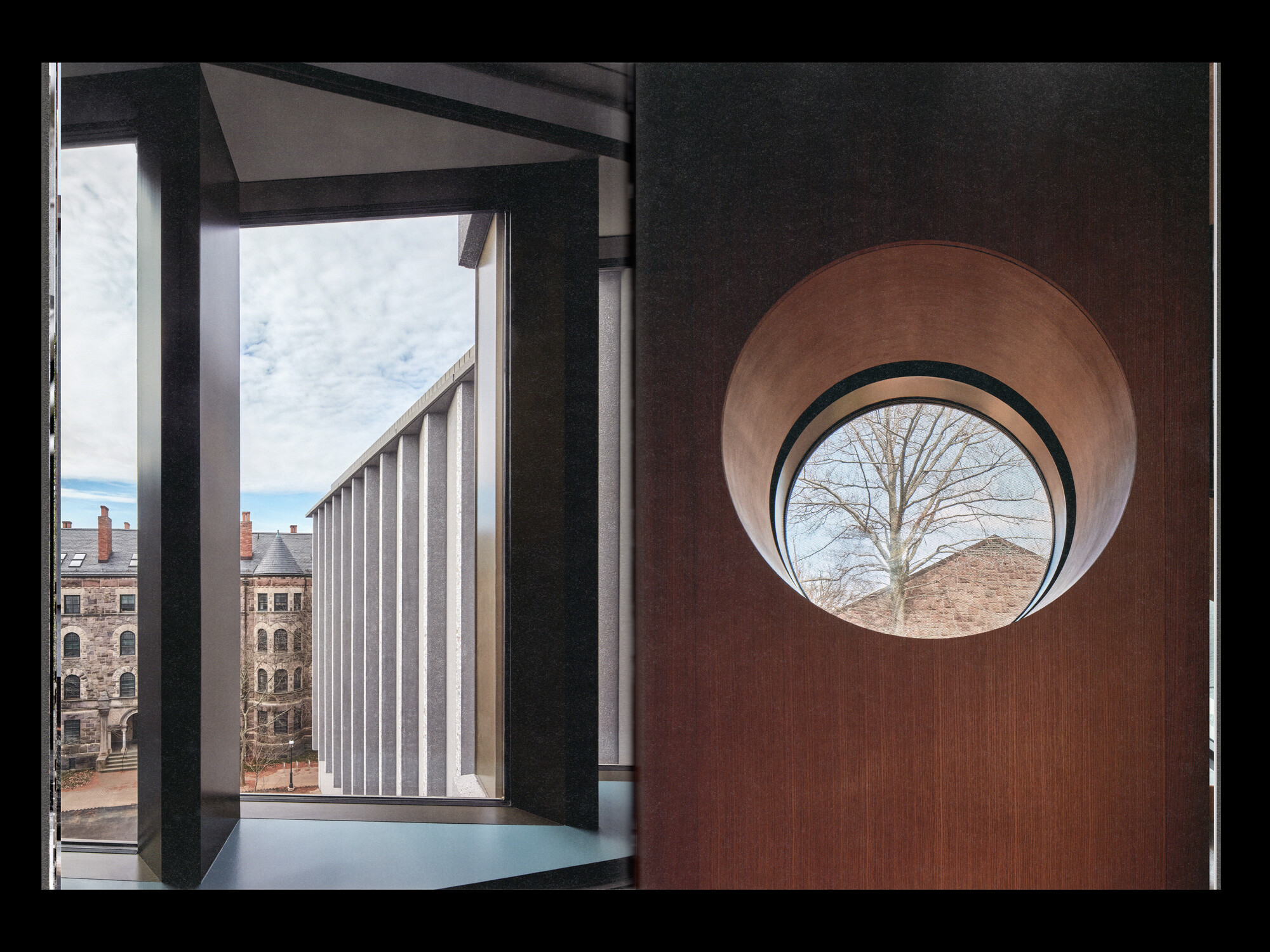
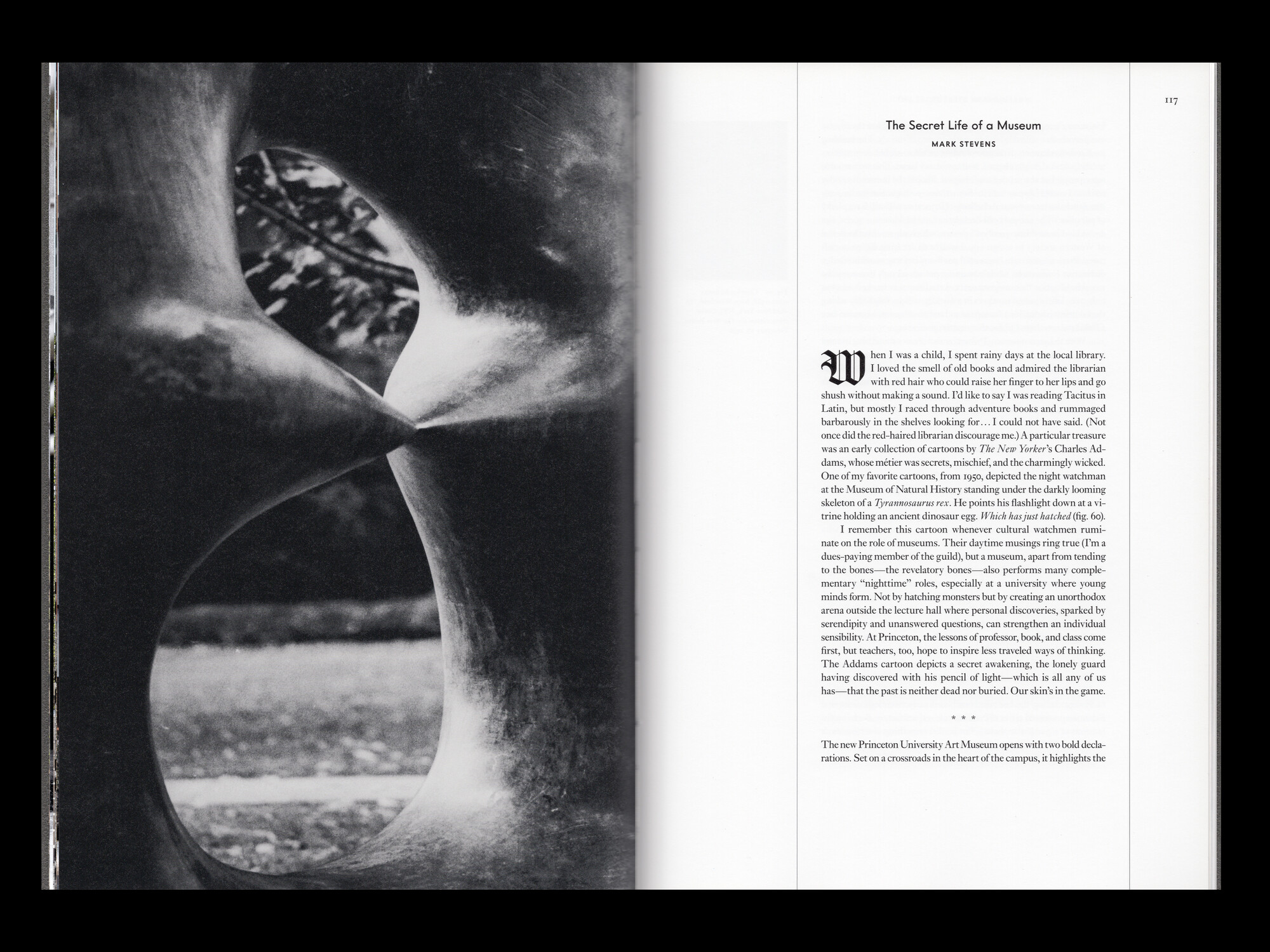
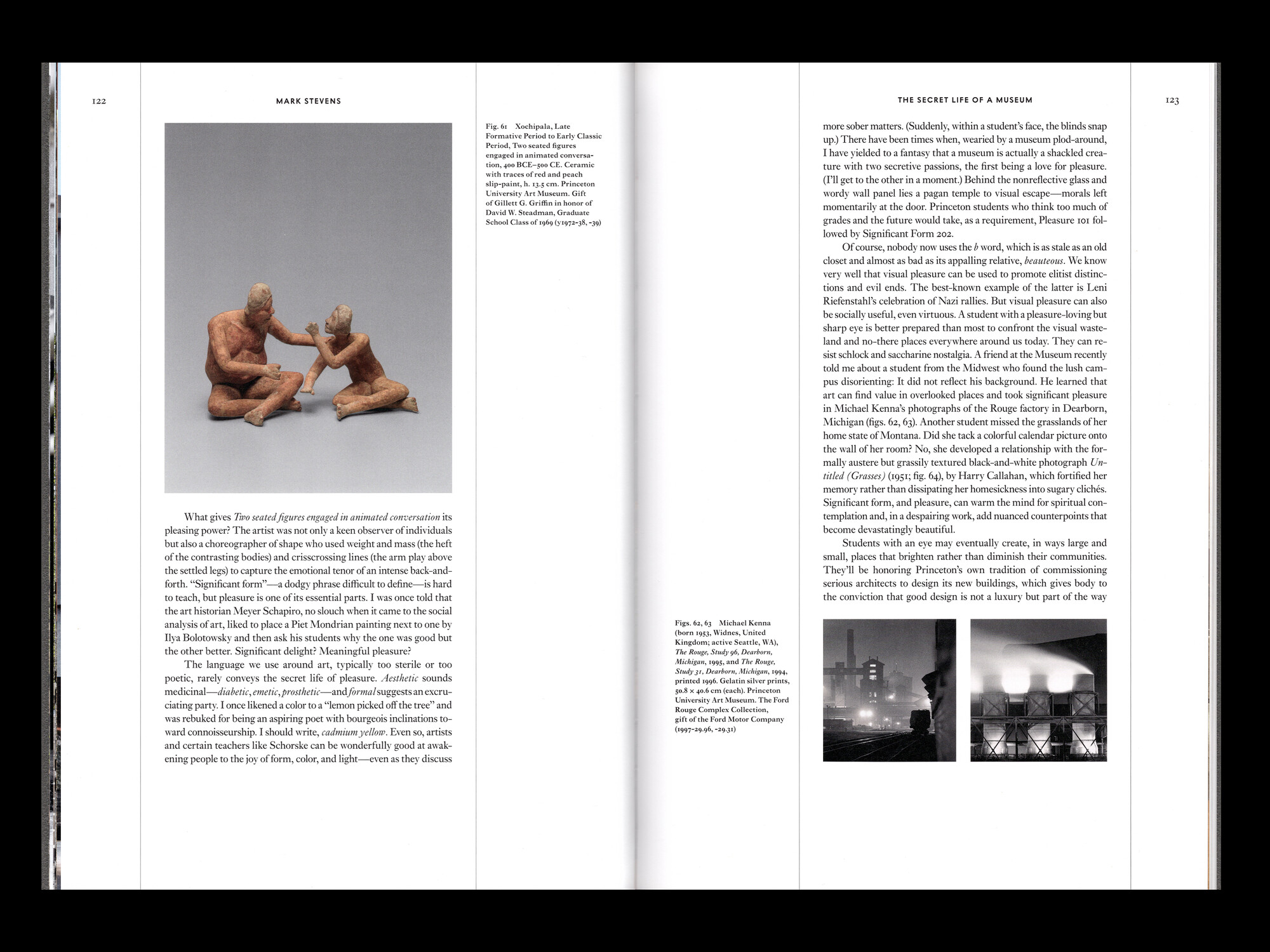
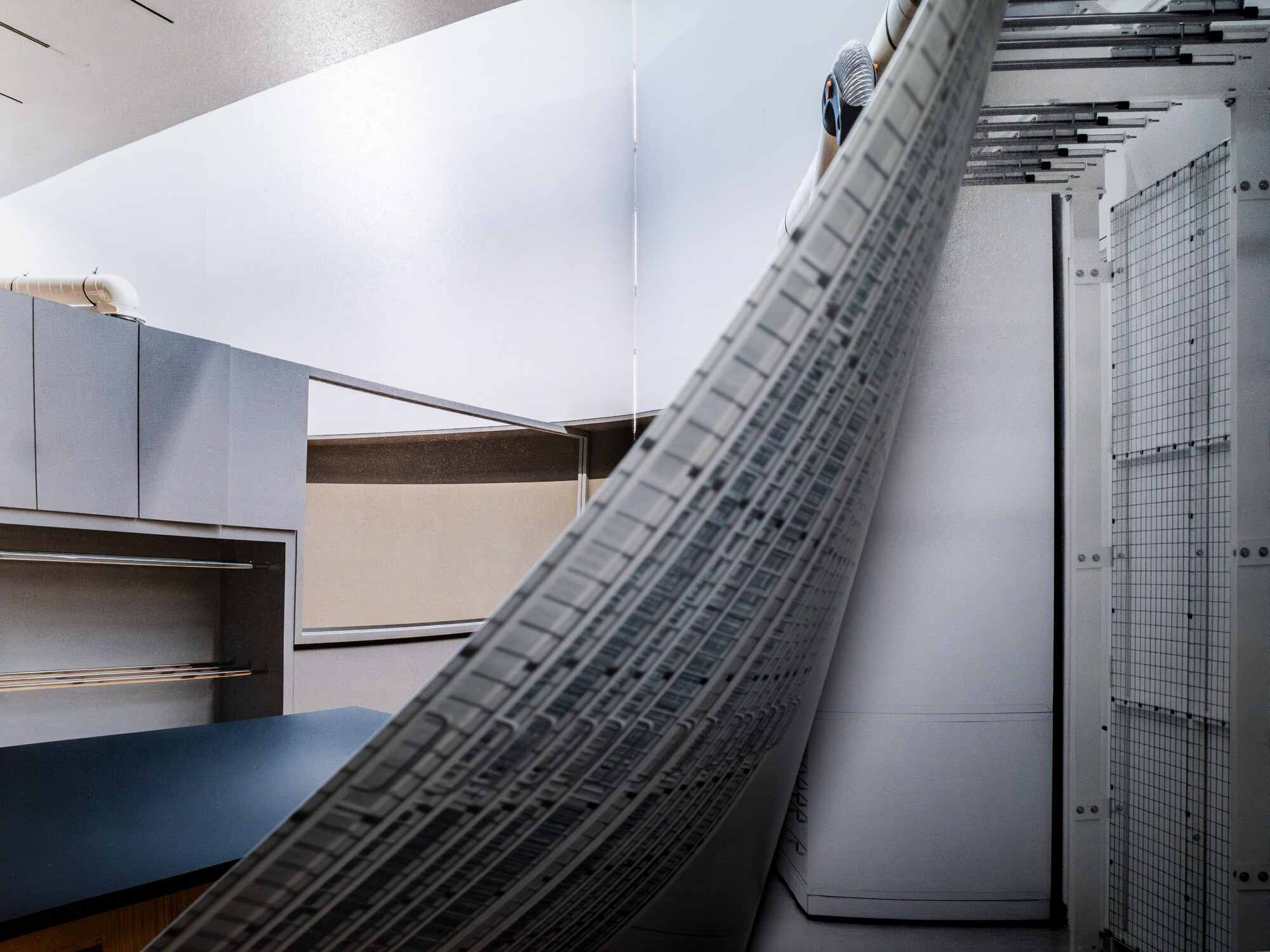
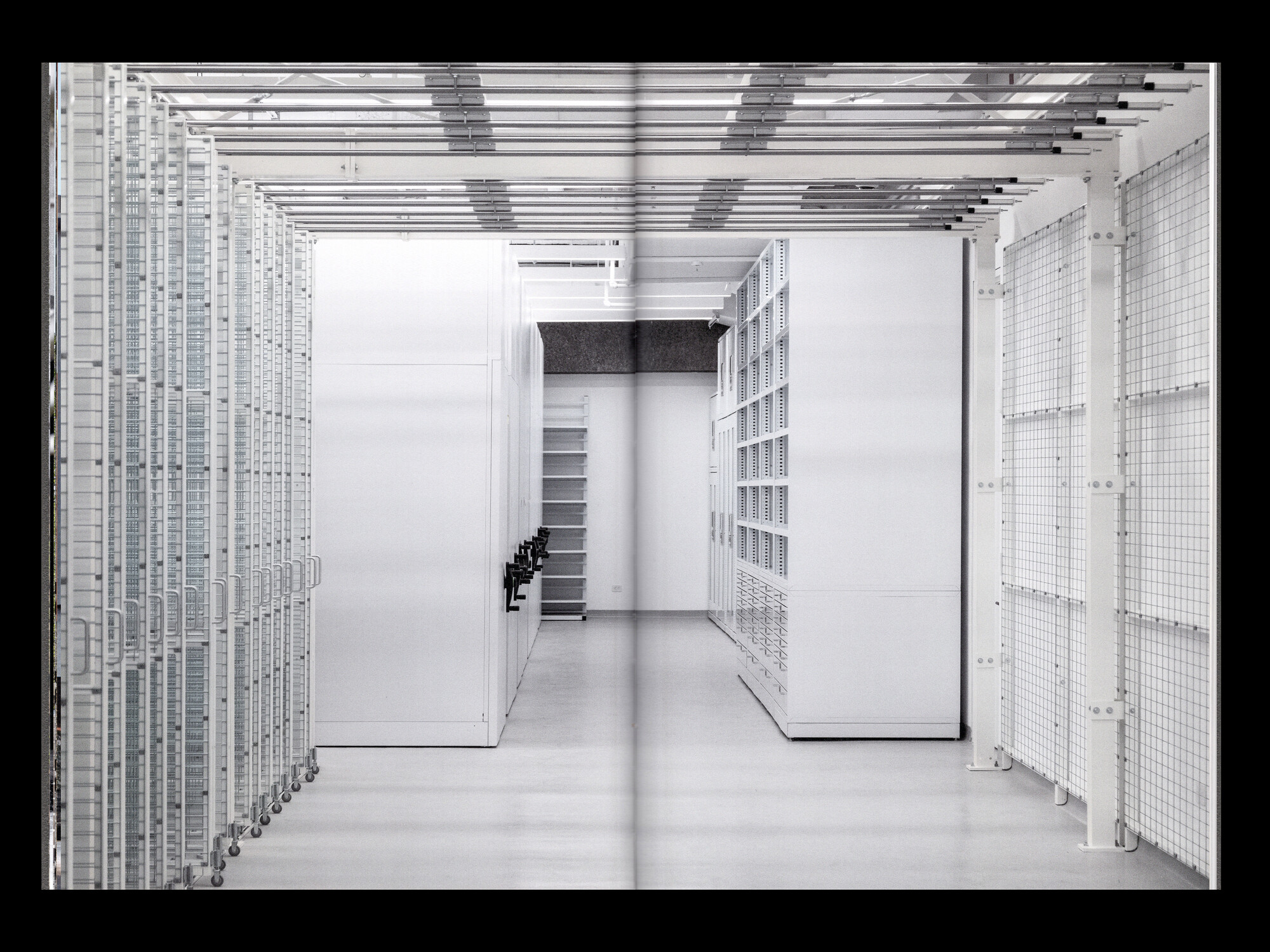
Renaissance: A New Museum for Princeton marks the completion and reopening of the new Princeton University Art Museum. Shot in its final year of construction, Richard Barnes’s photographs show the building across changing seasons and in relation to the surrounding campus. An essay by museum director James Christen Steward along with contributions by Paul Goldberger, Ron McCoy, Mark Stevens, and Susan Stewart contextualize the project within Princeton’s unique architectural history and the museum’s significance in campus life.
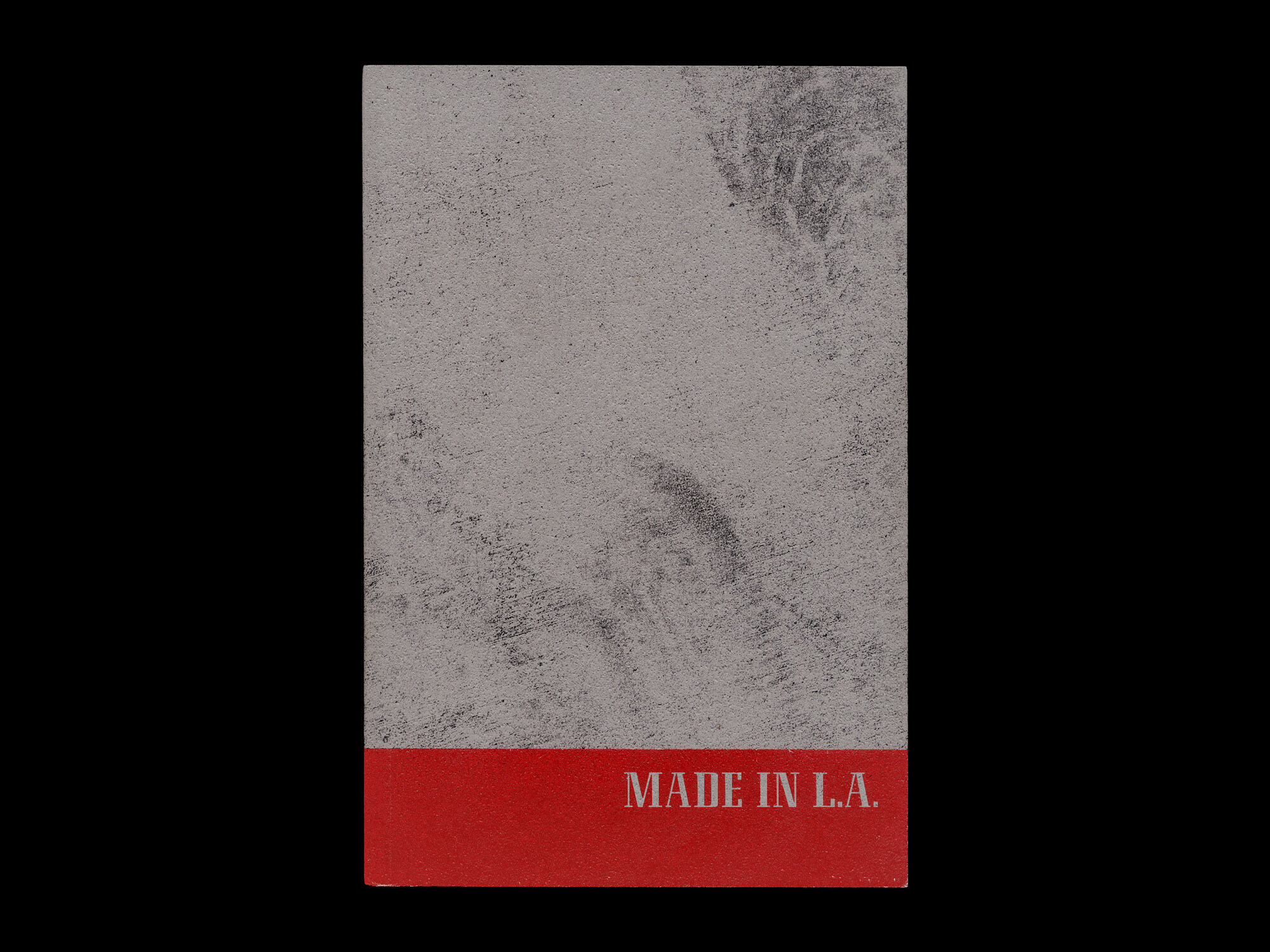
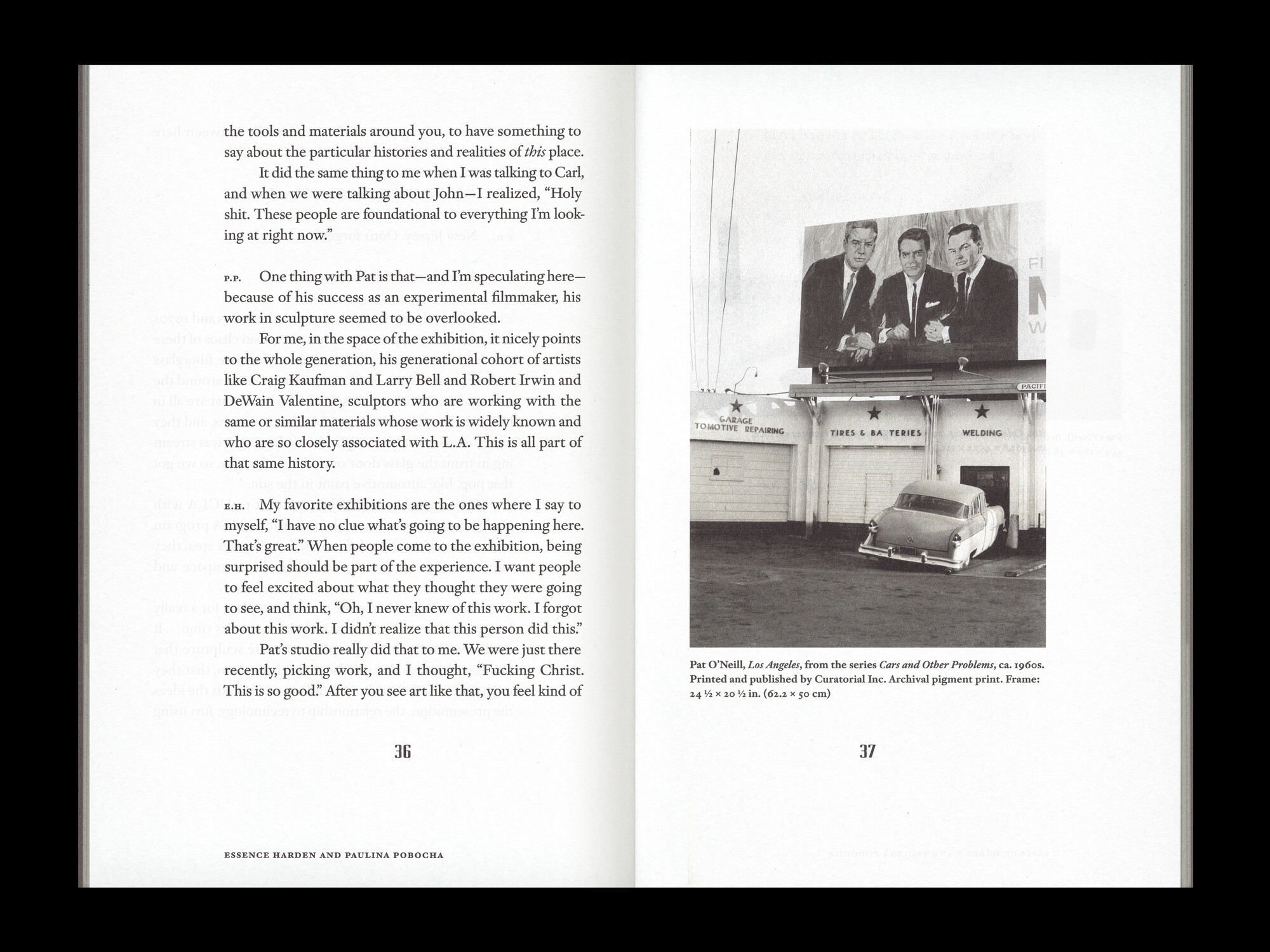
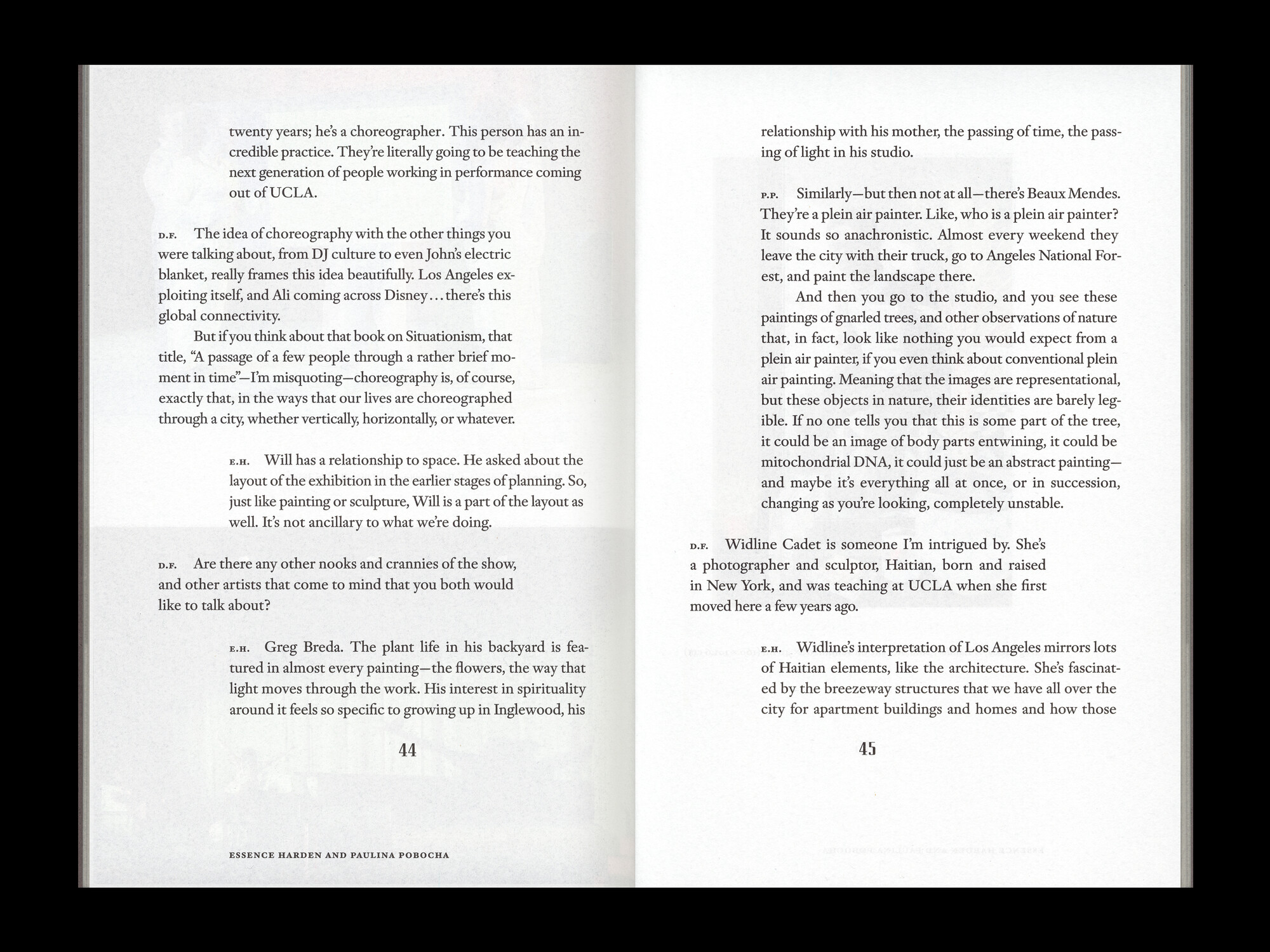
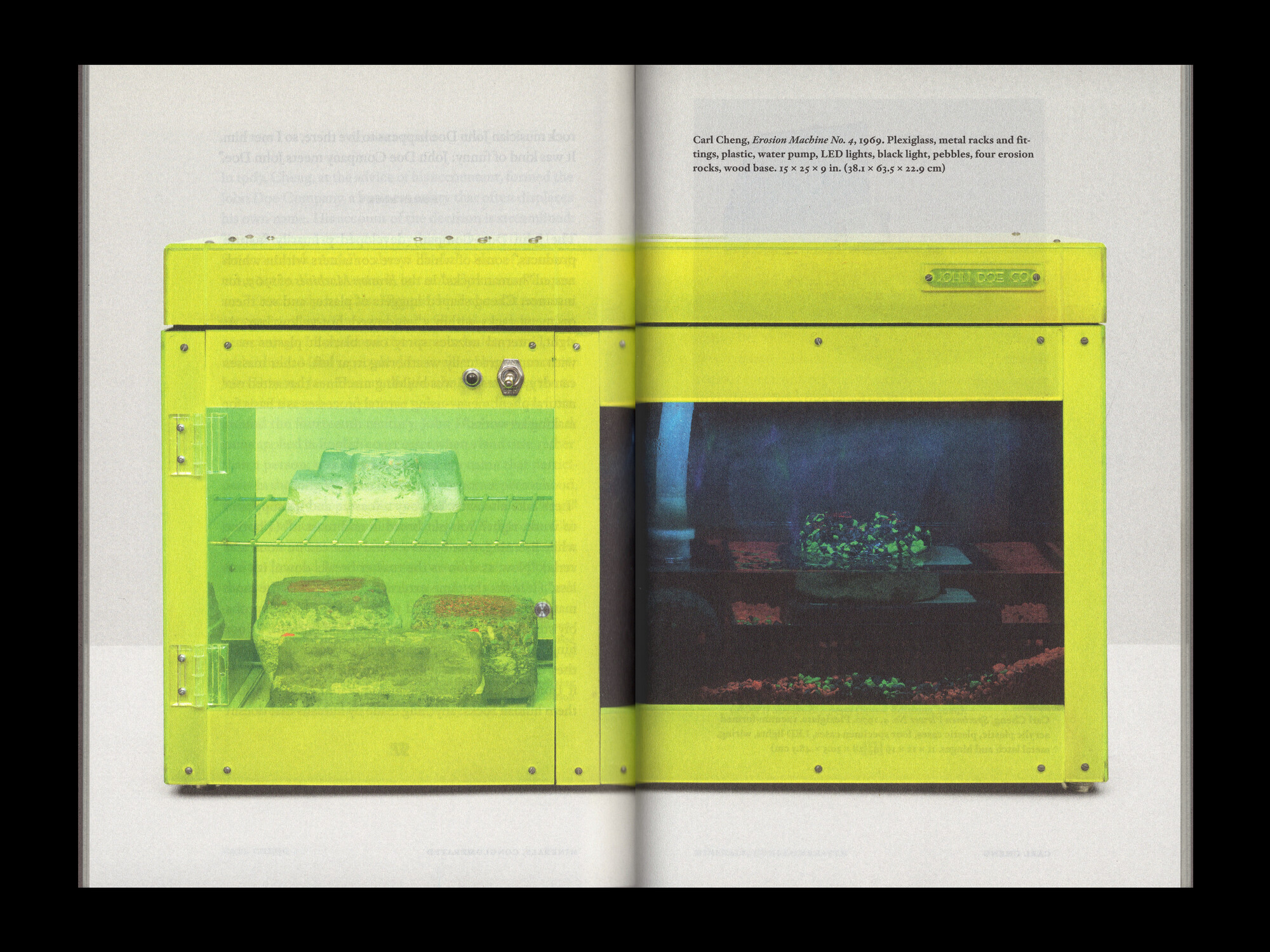
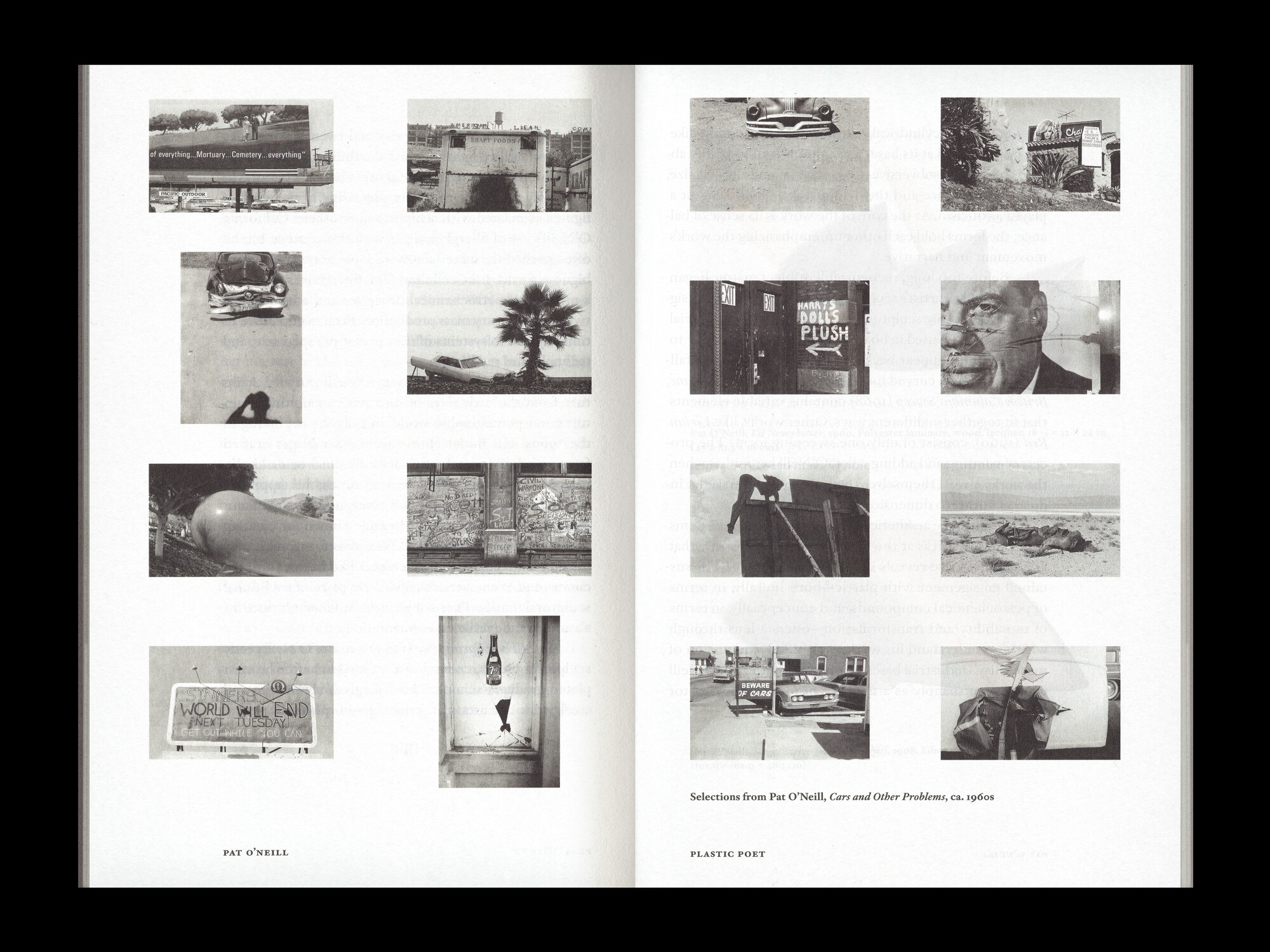
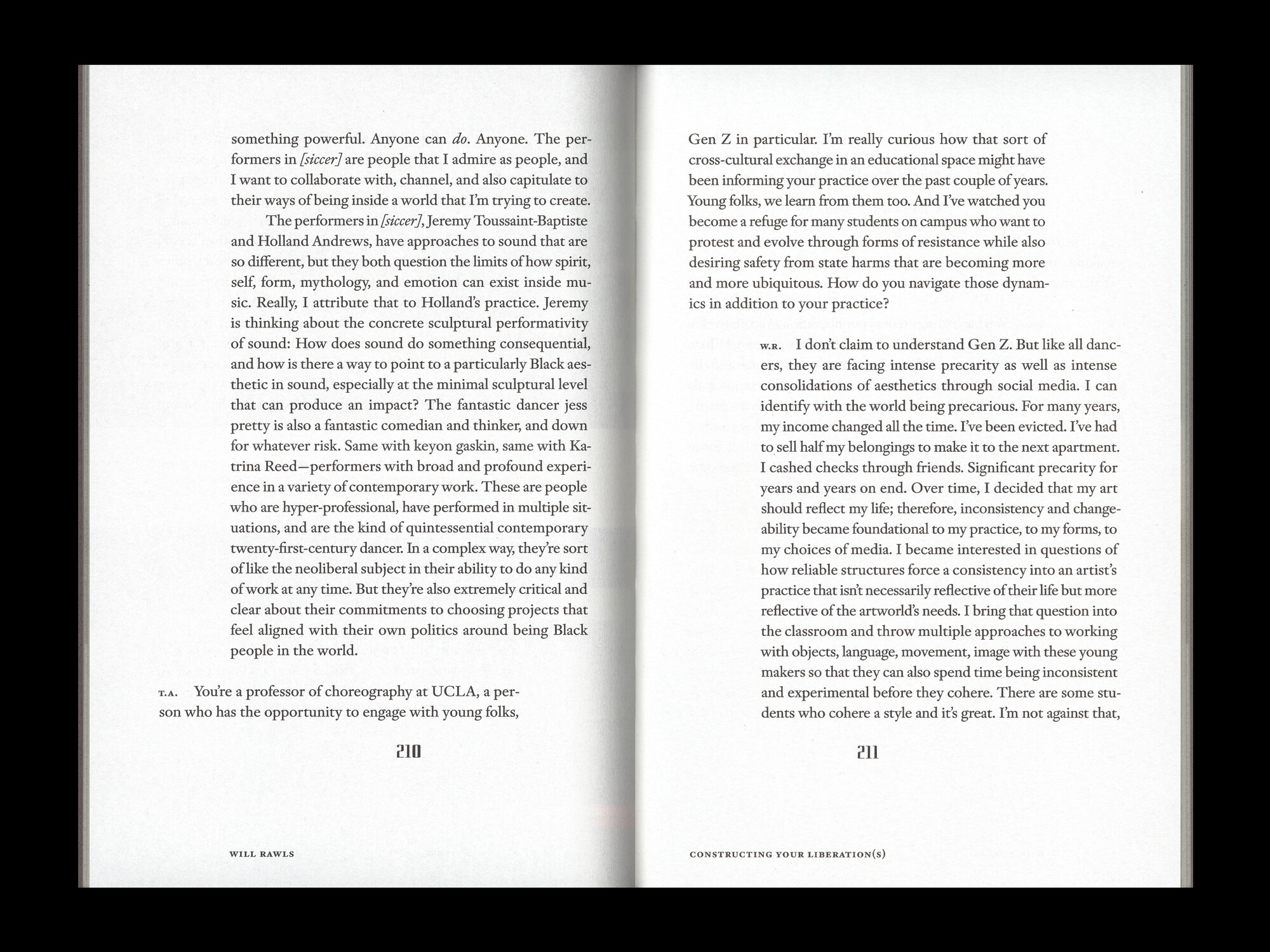
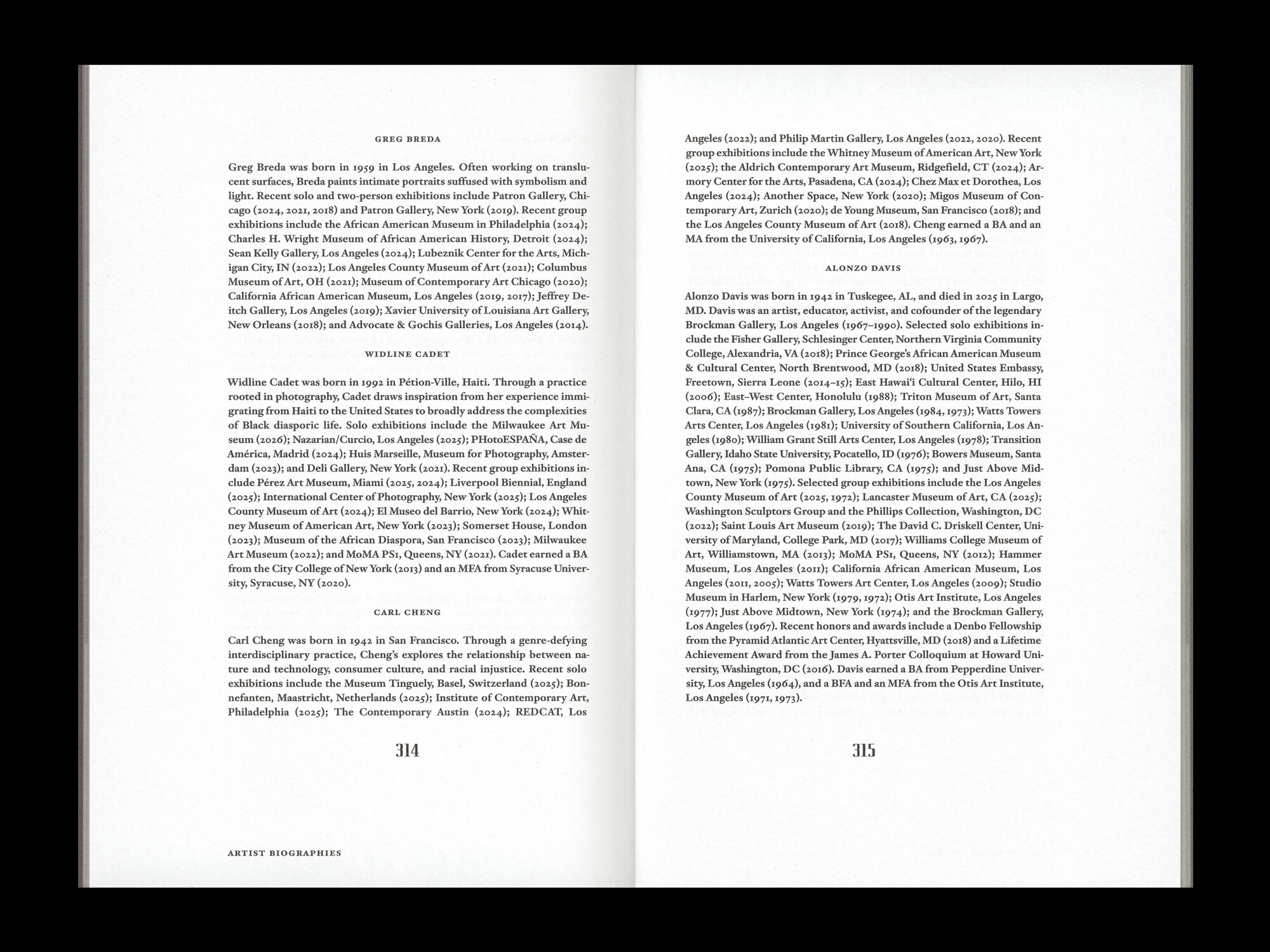
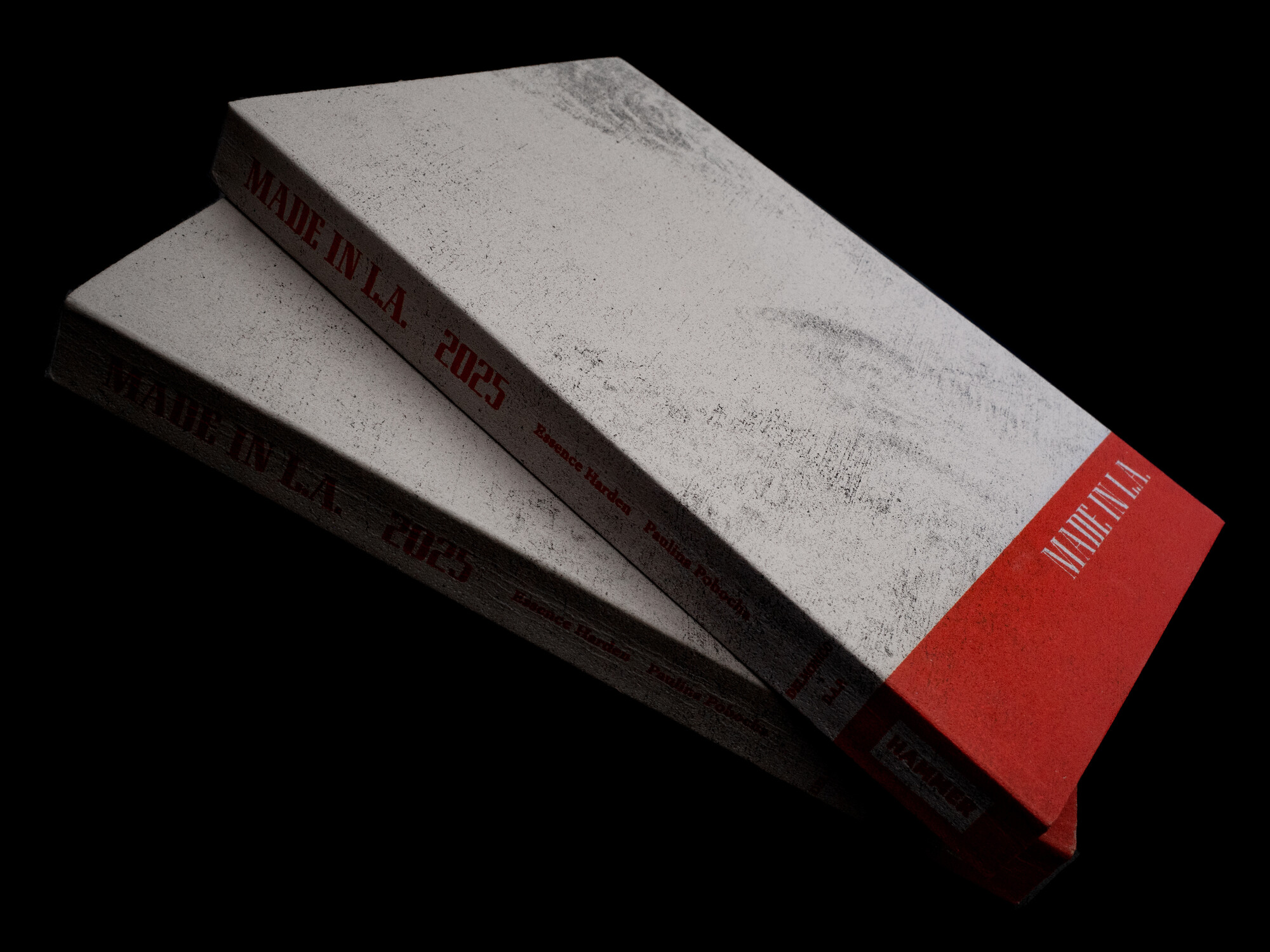
Made in L.A. 2025 is the catalog for the Hammer Museum’s seventh iteration of its signature showcase for Los Angeles contemporary art, spotlighting emerging and under-recognized local practitioners. Conceived as a reader rather than a direct documentation of the exhibition, conversations with the artists and supporting artwork are gathered in a compact paperback, with its construction and materials gesturing toward the streets of Los Angeles.
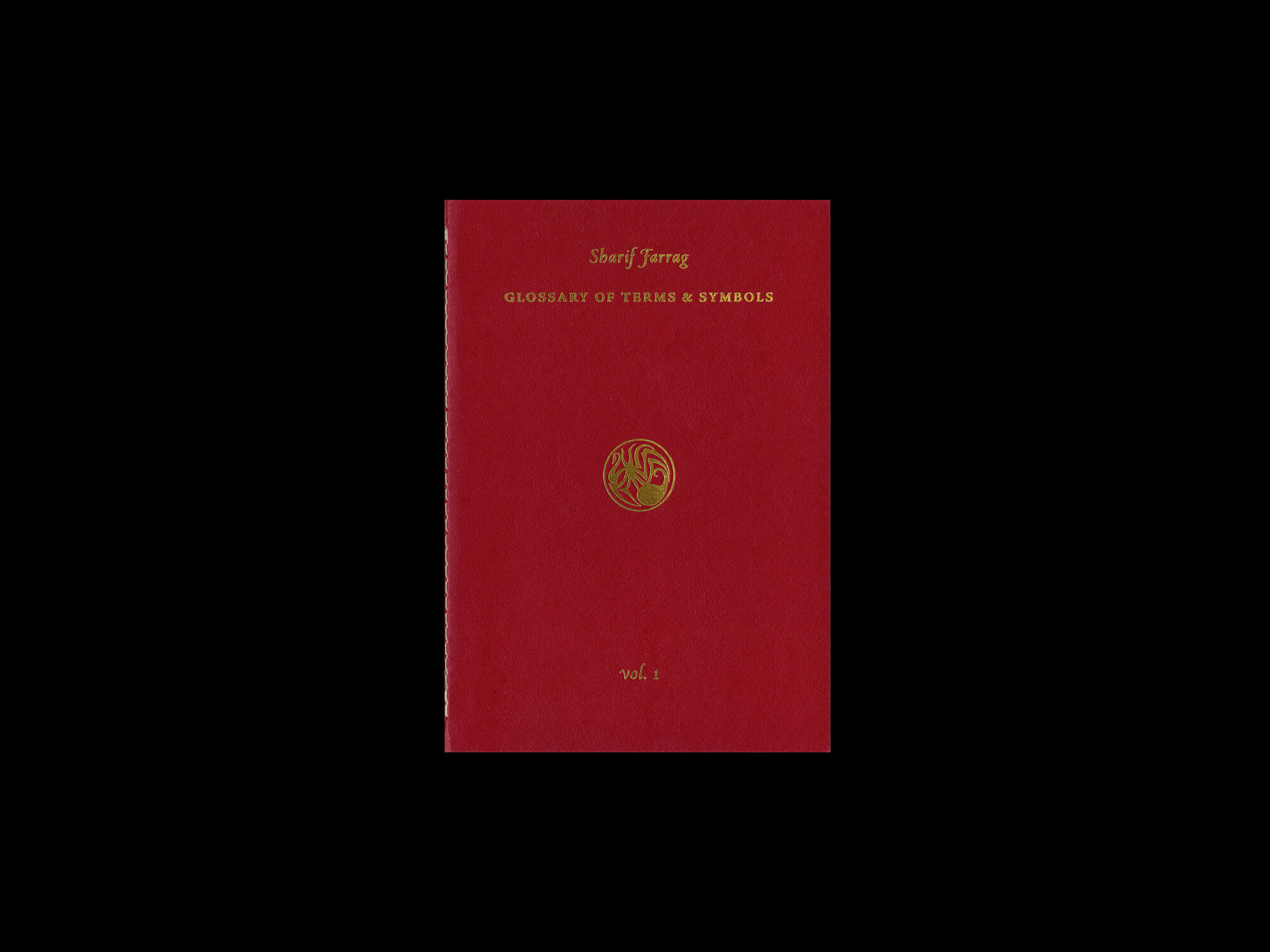
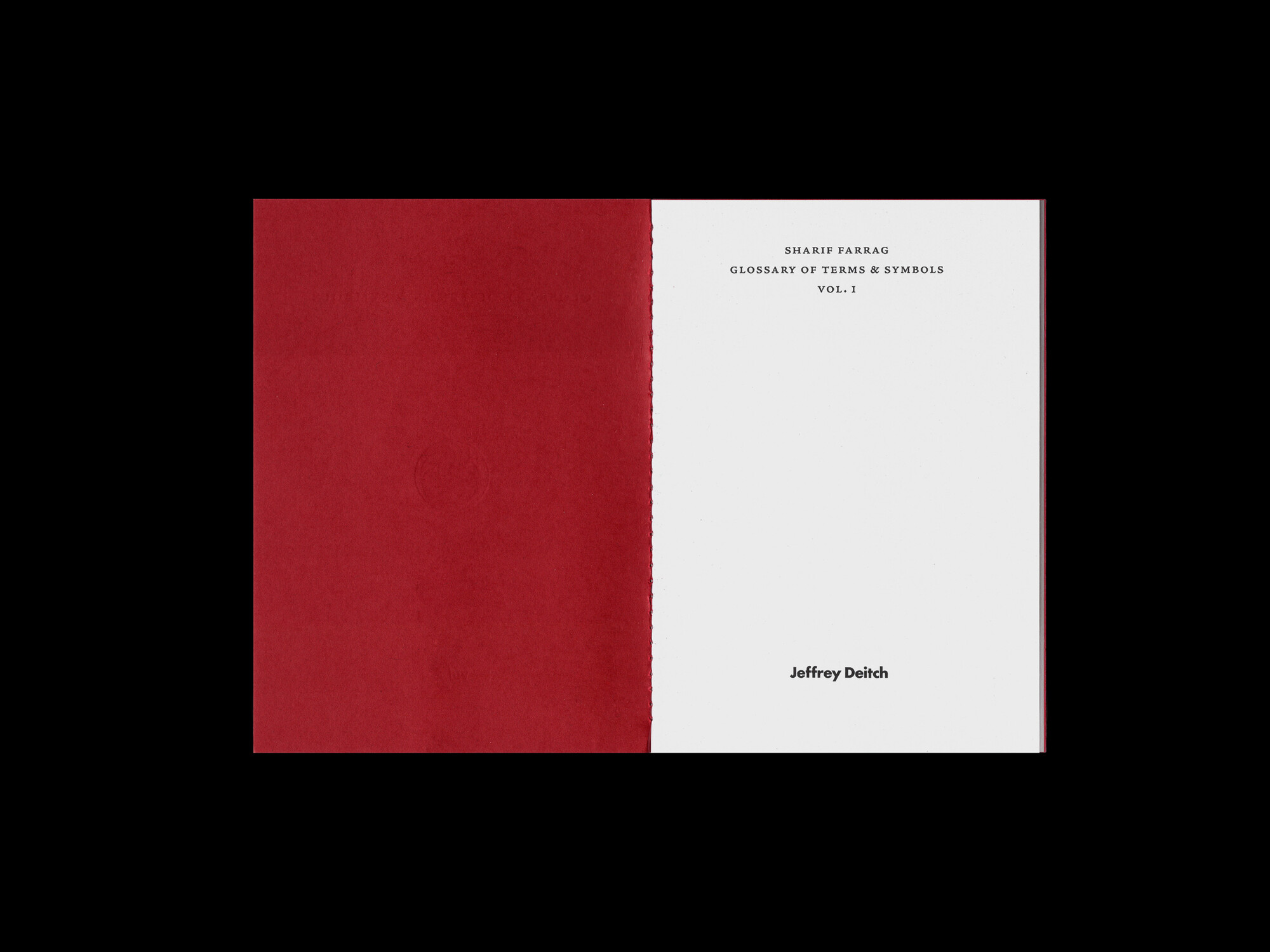
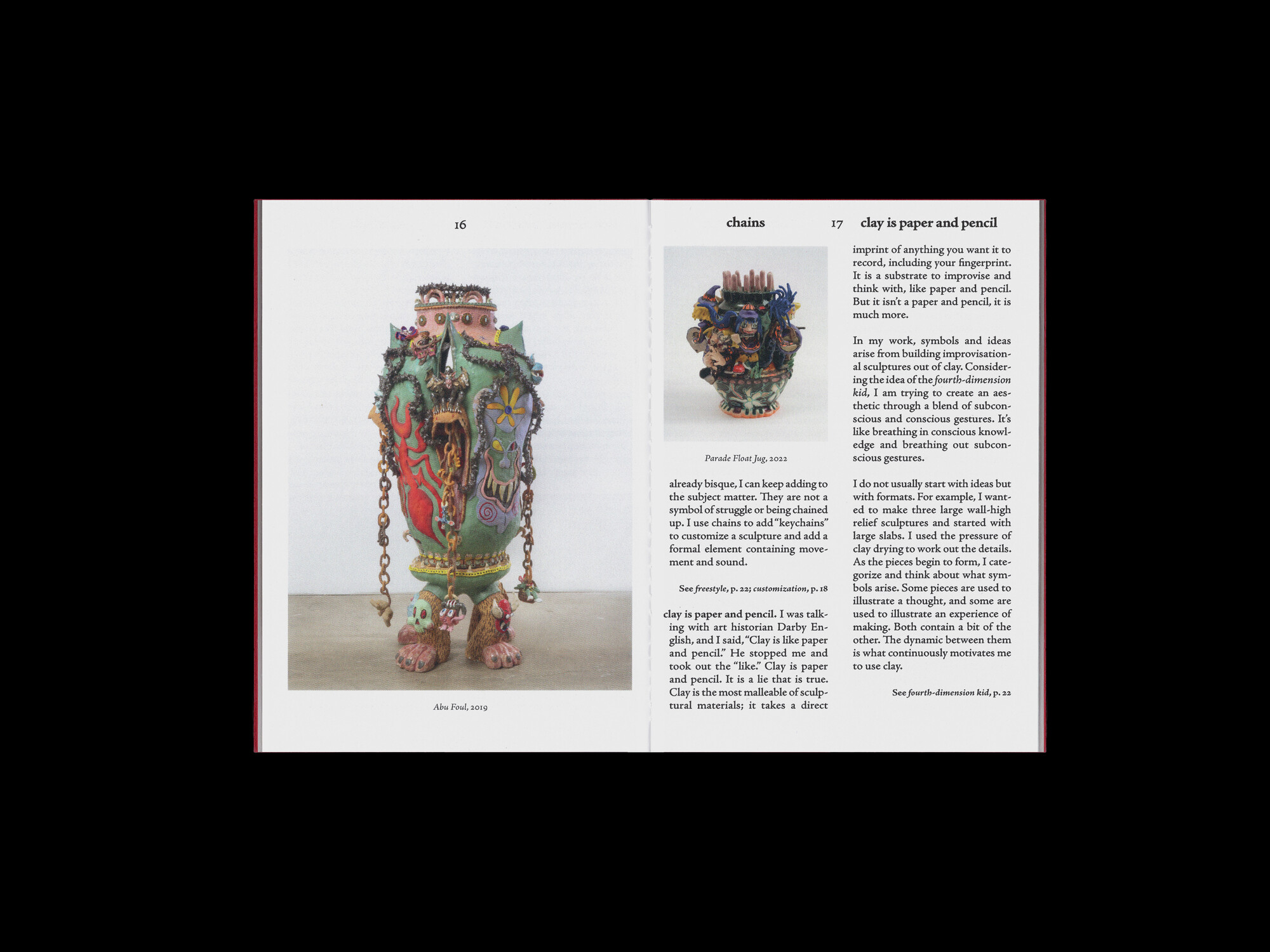
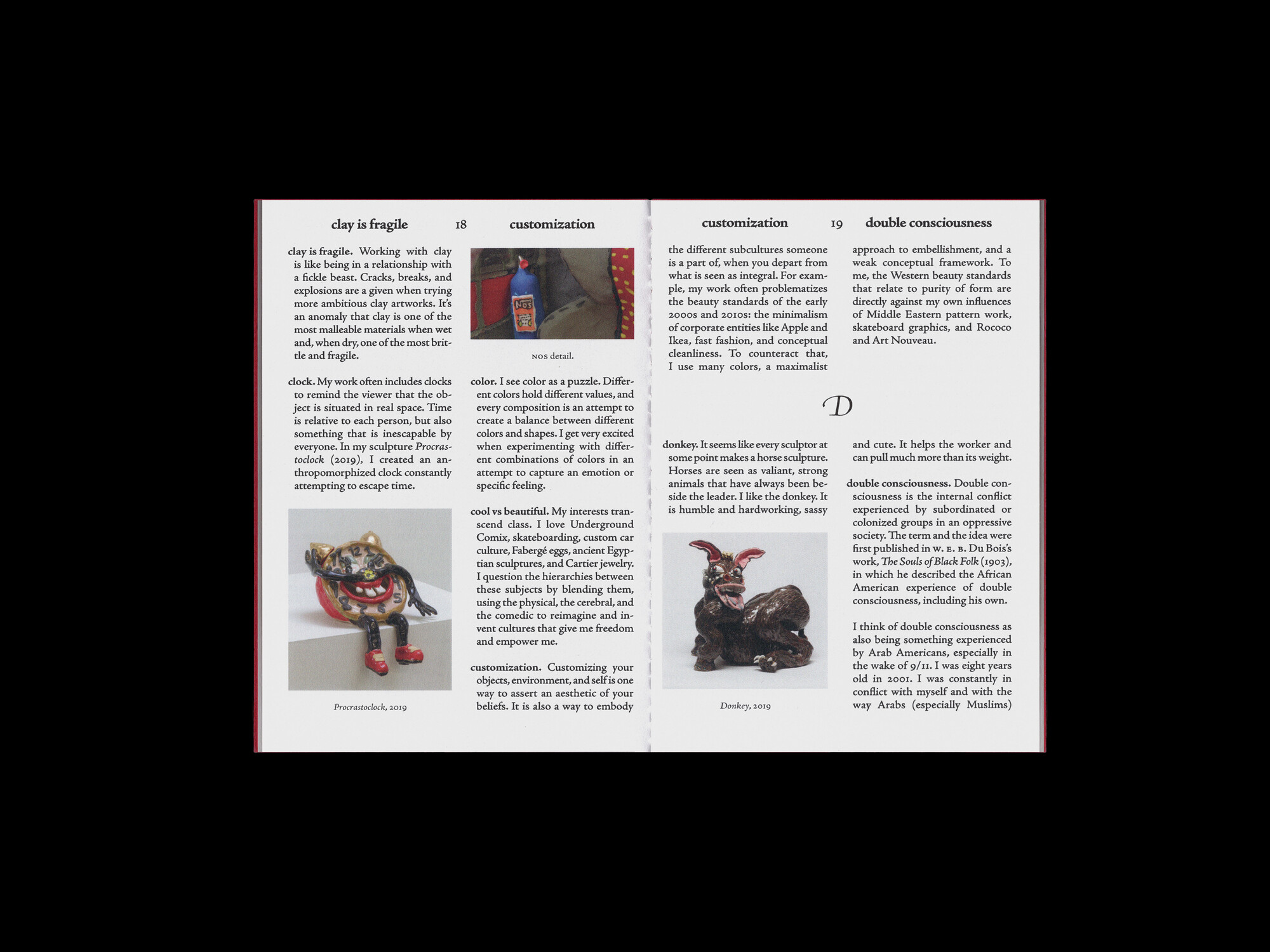
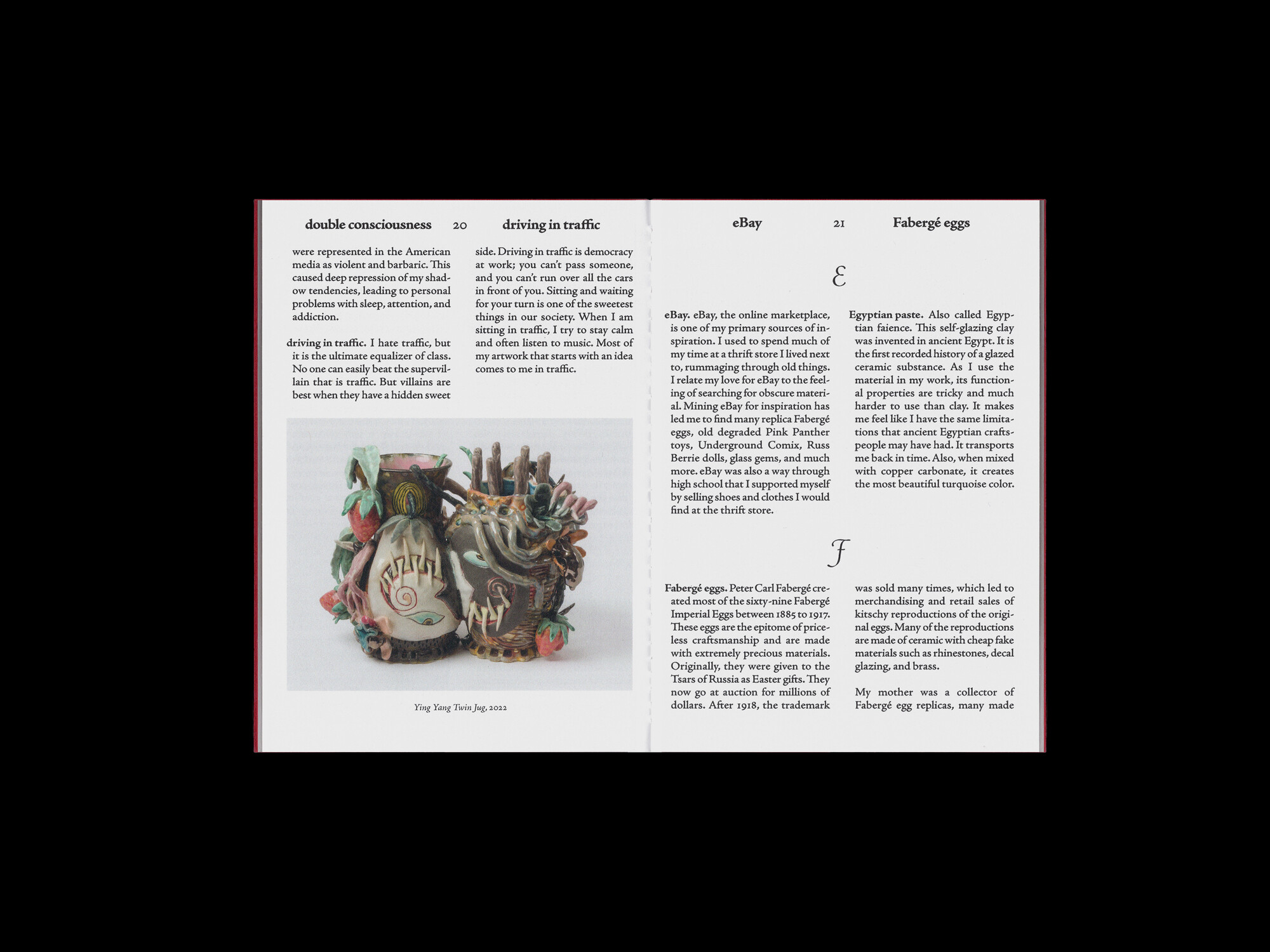
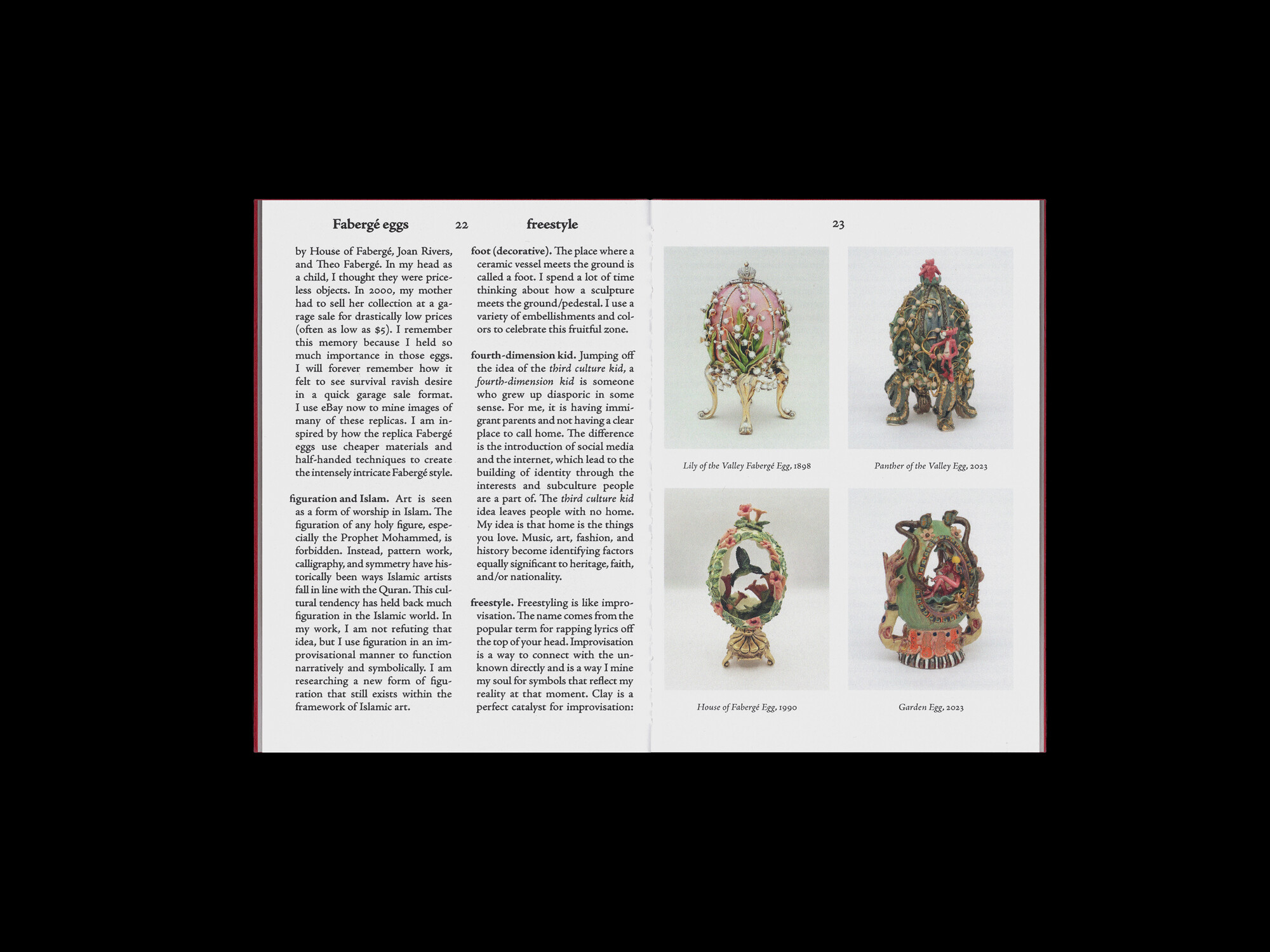
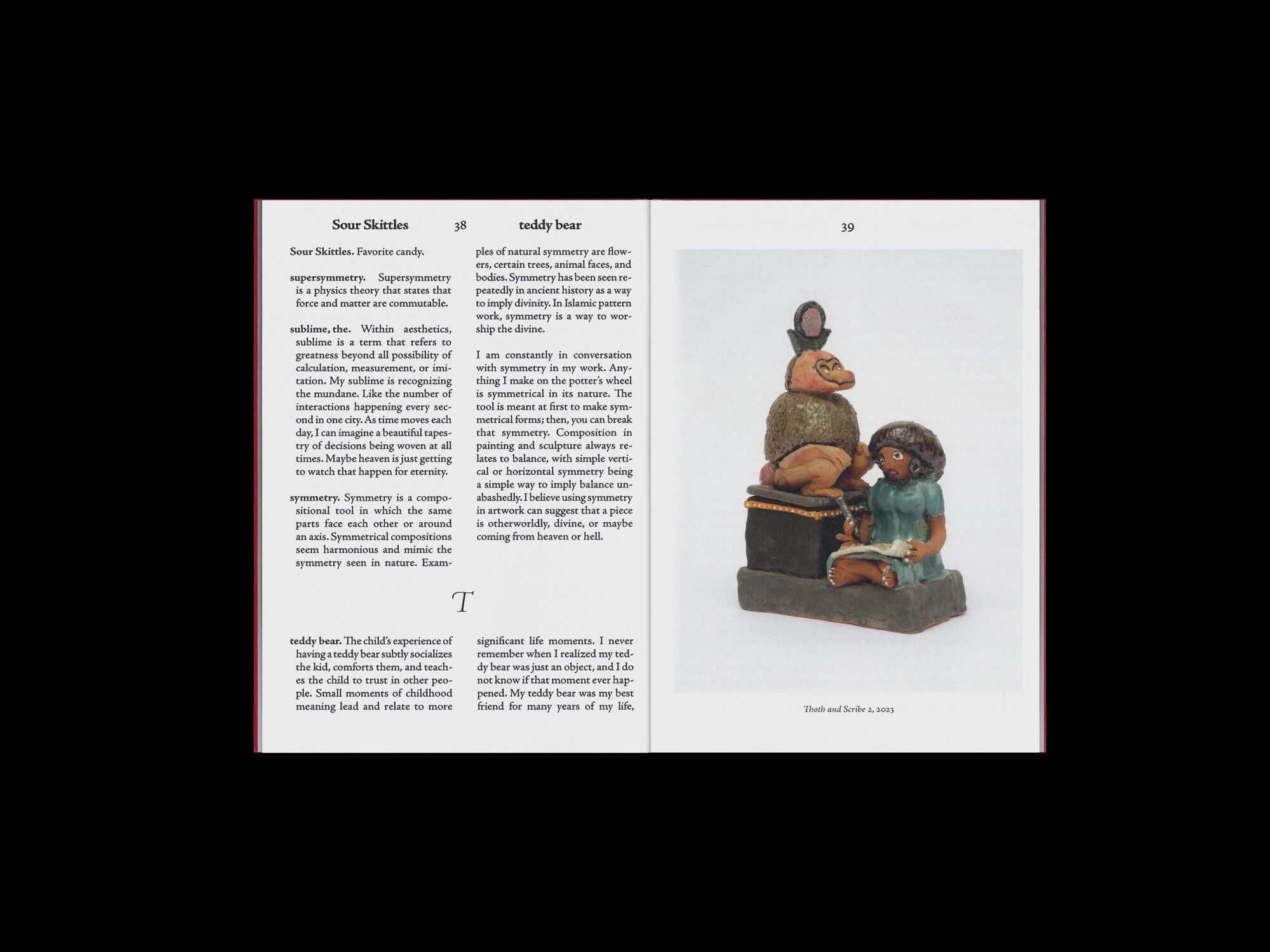
Limited-edition exhibition booklet for Sharif Farrag’s Hybrid Moments serving as an intimate guidebook to the artist’s background and visual language. The dictionary is adapted from Farrag’s MFA thesis at UCLA, which he treats as an evolving real-time record of his perspectives.
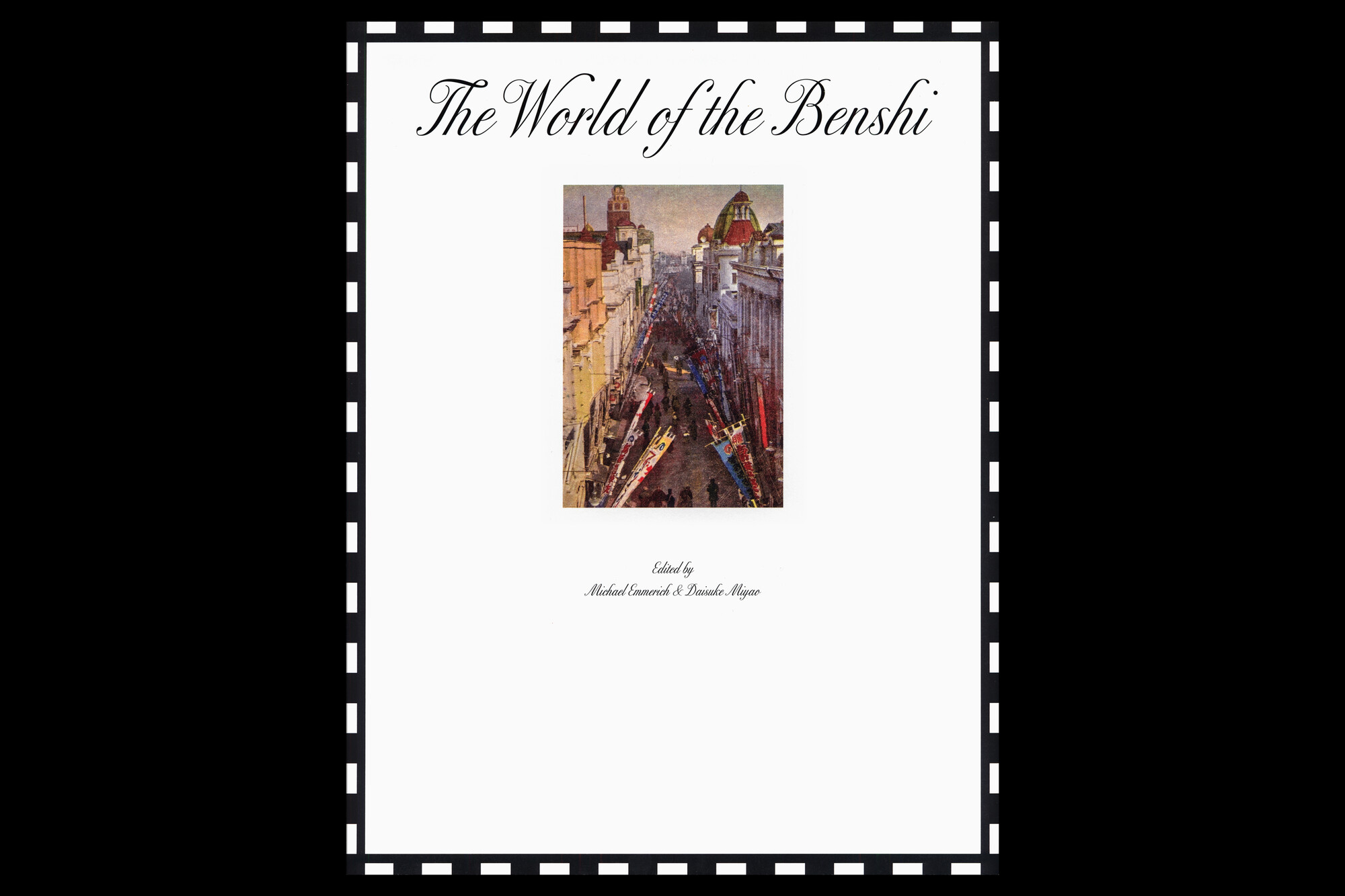
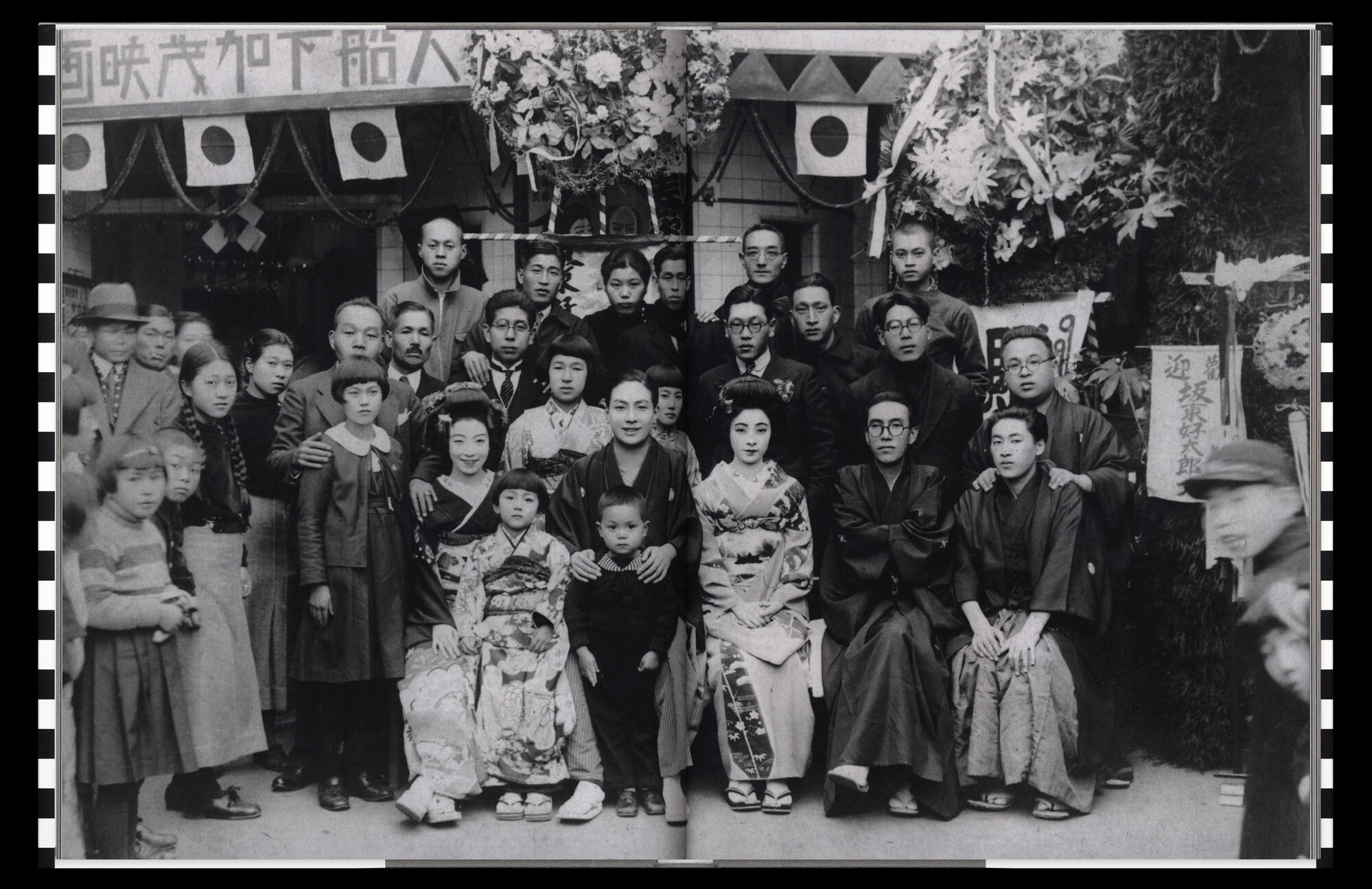
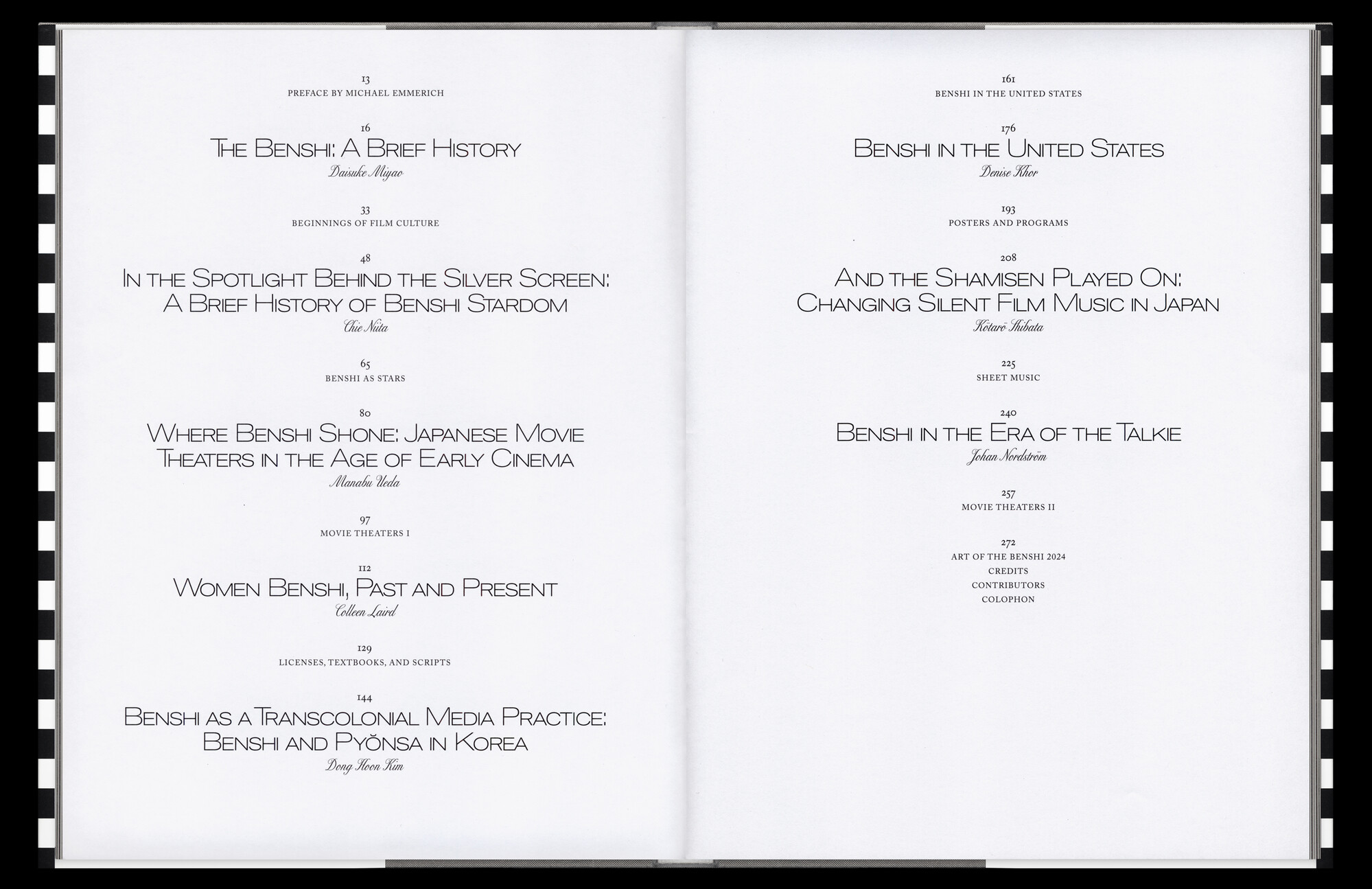
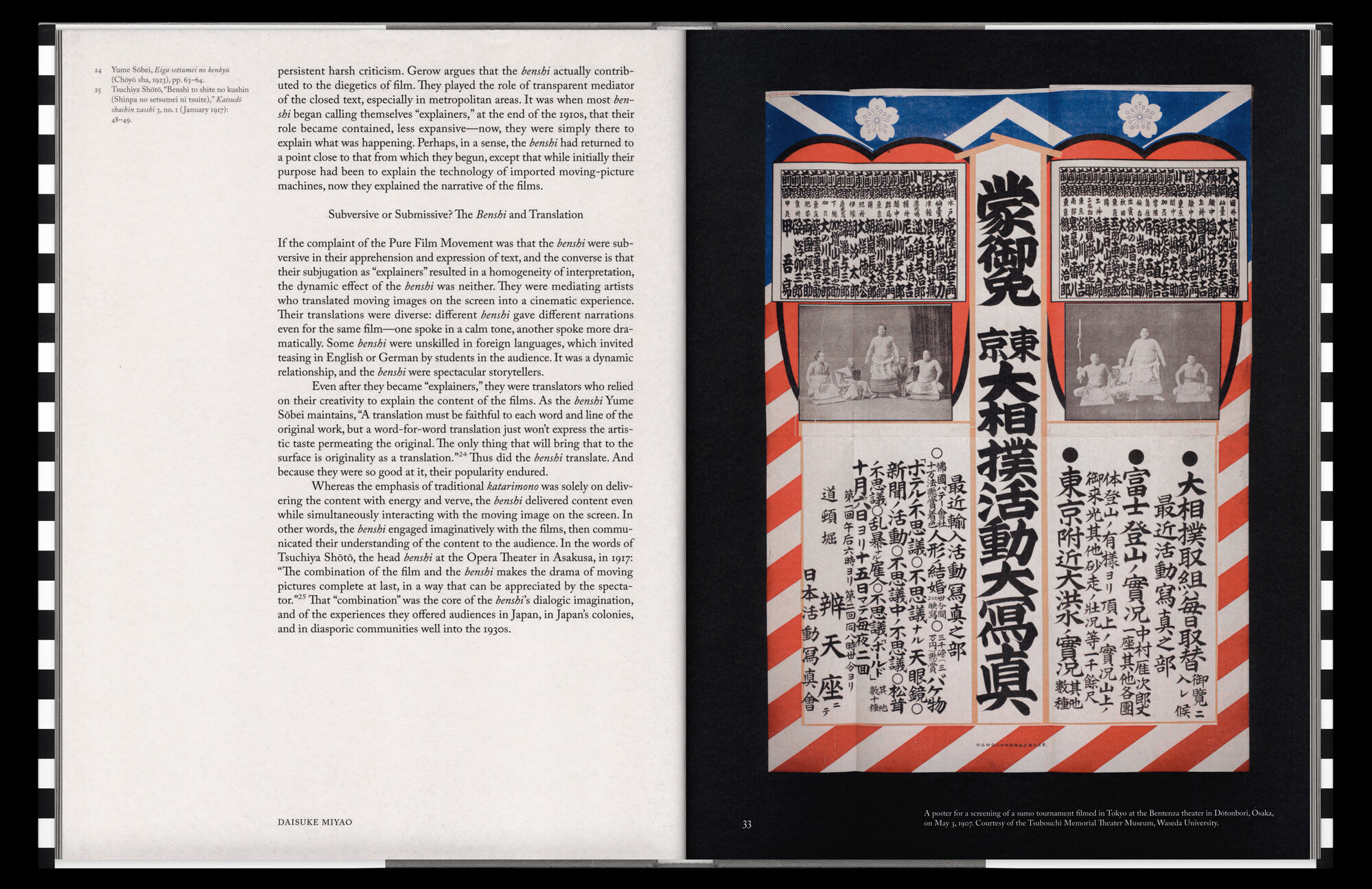
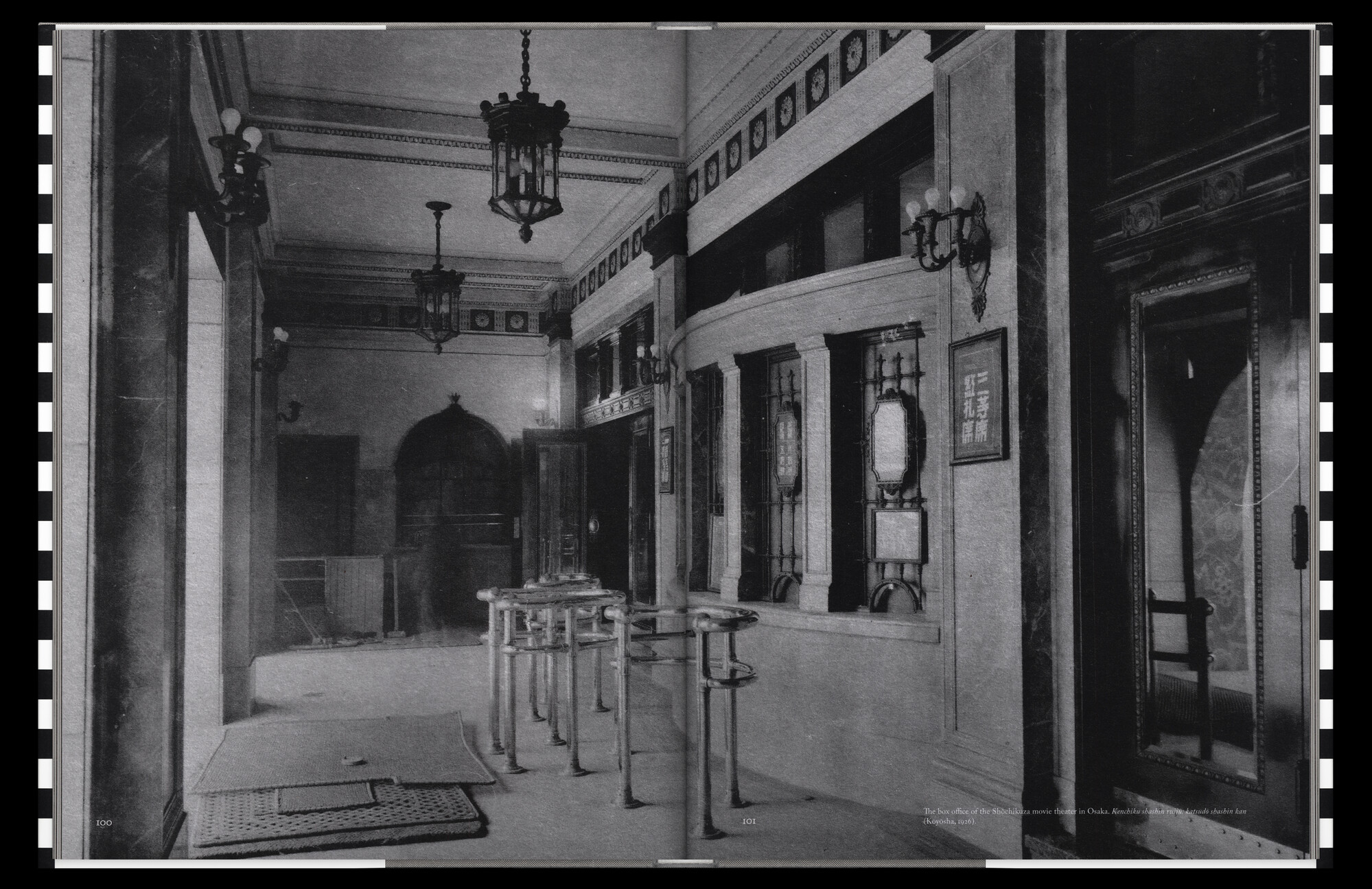
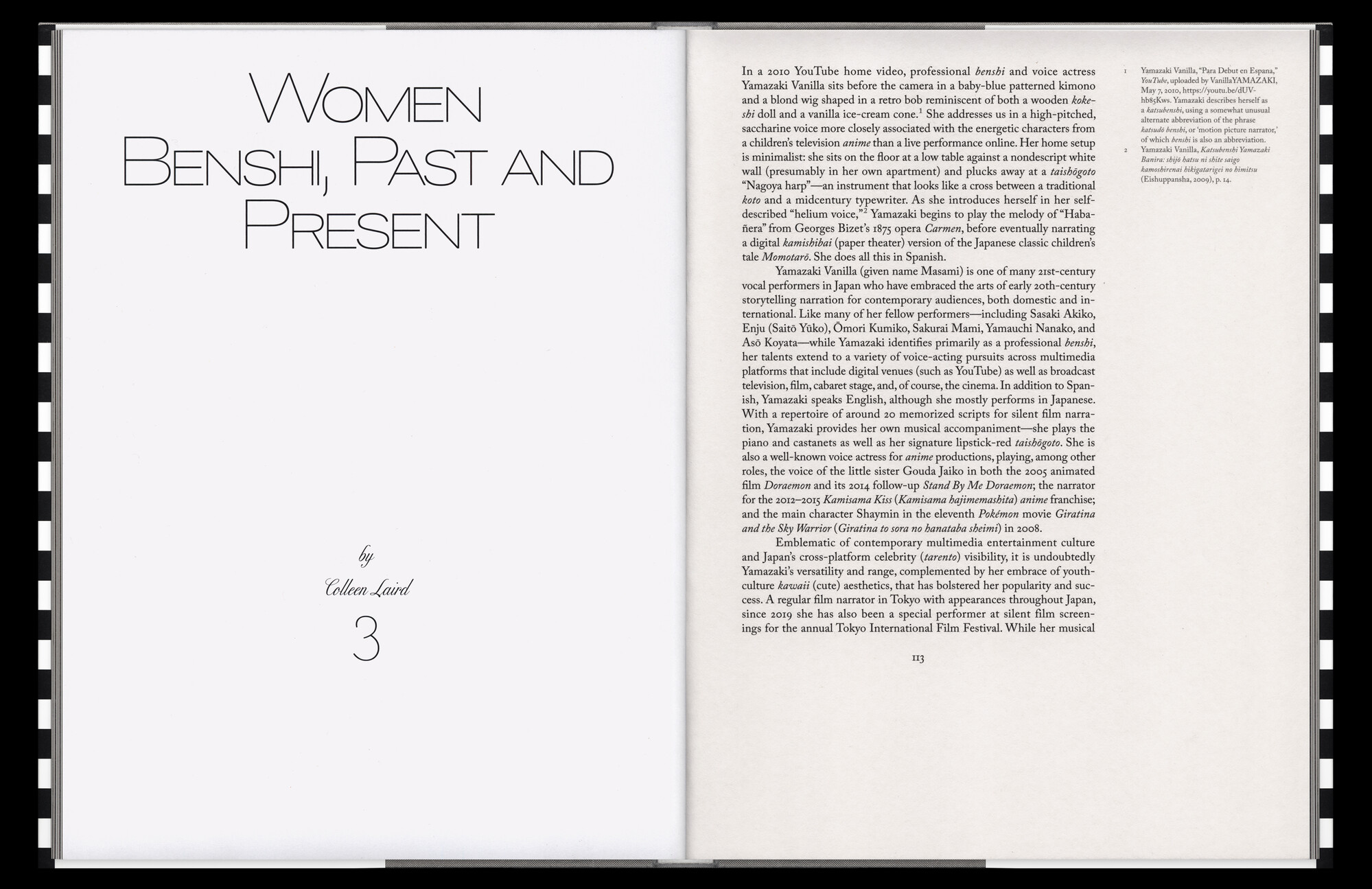
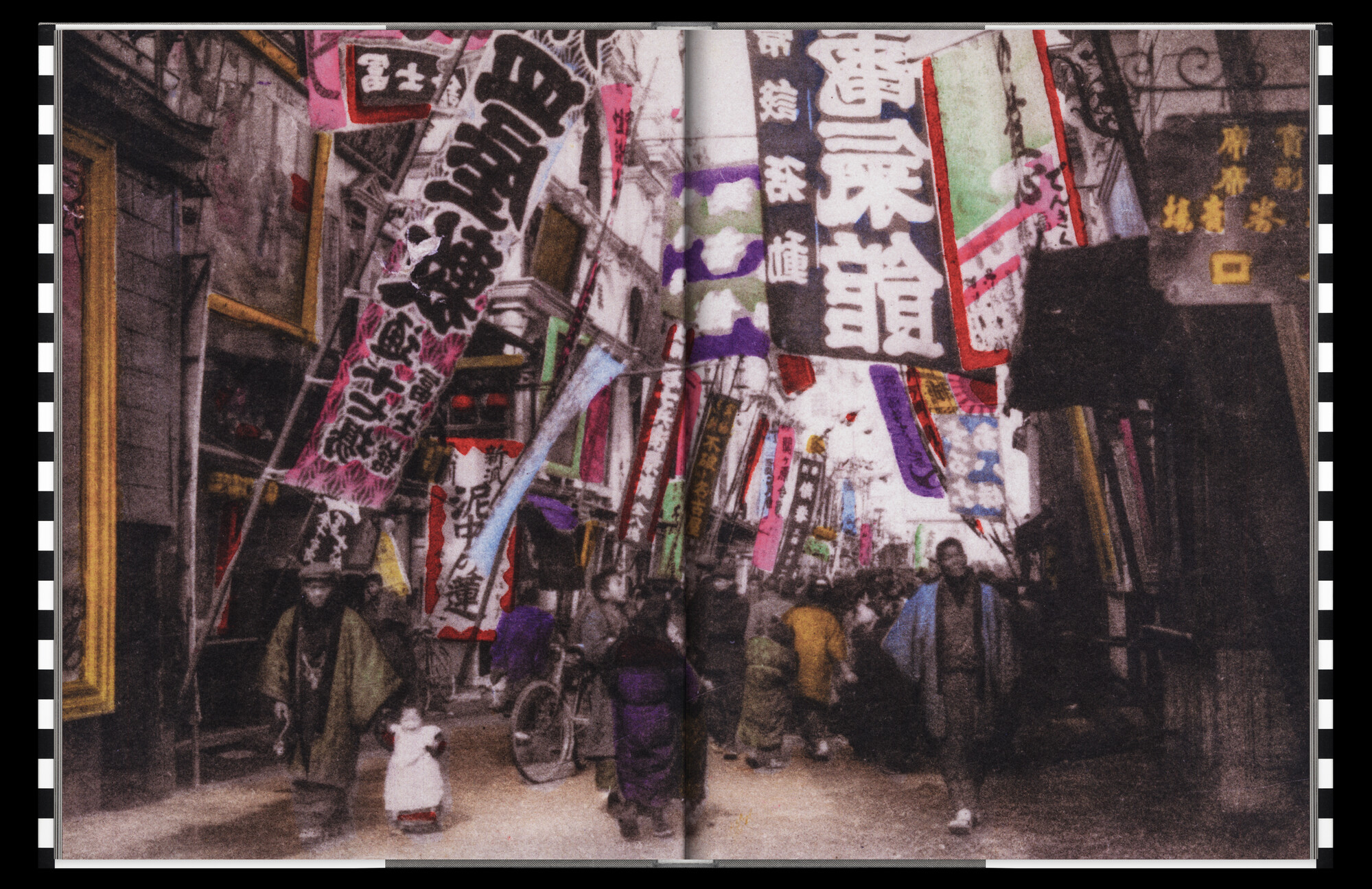
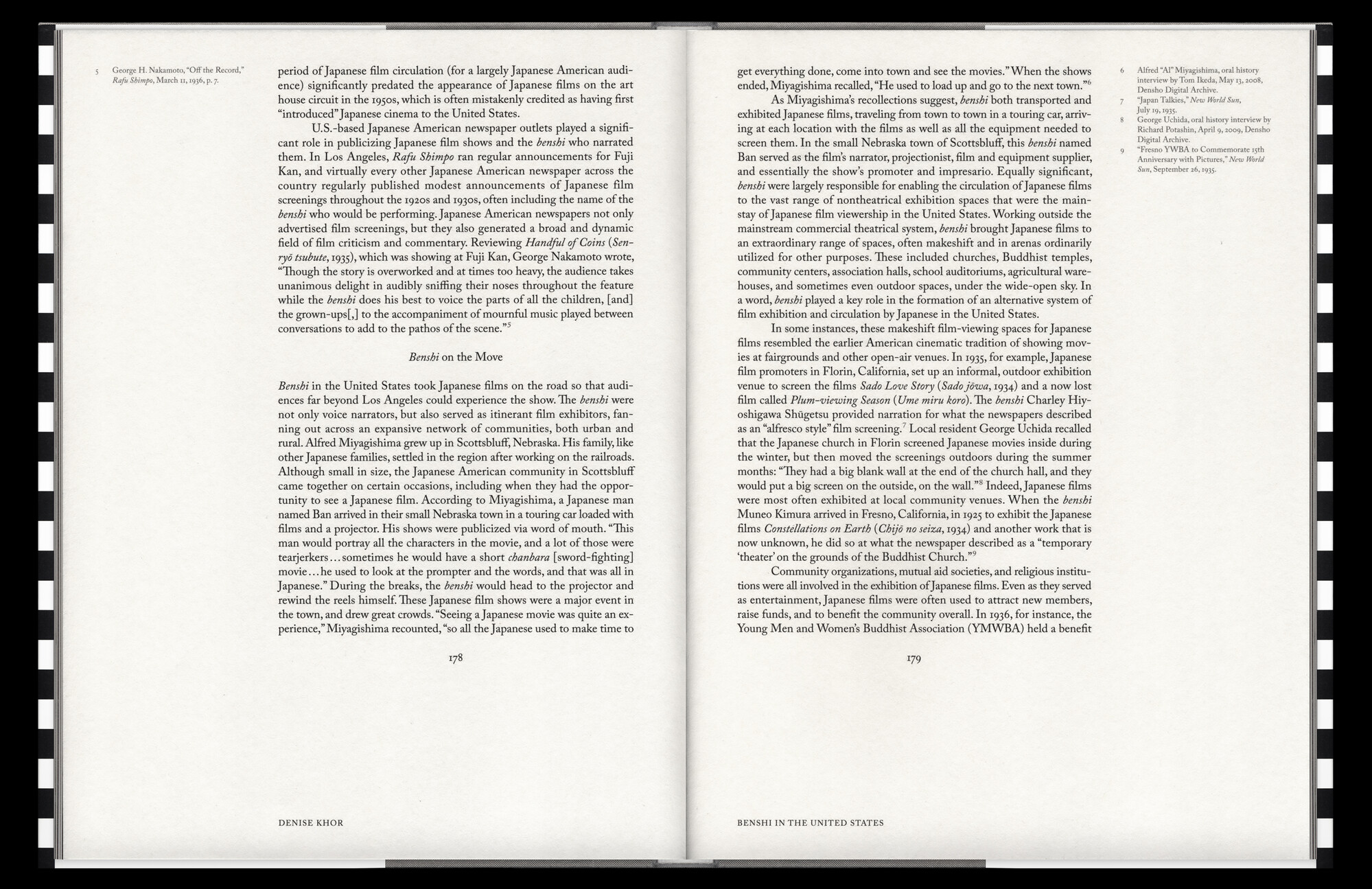
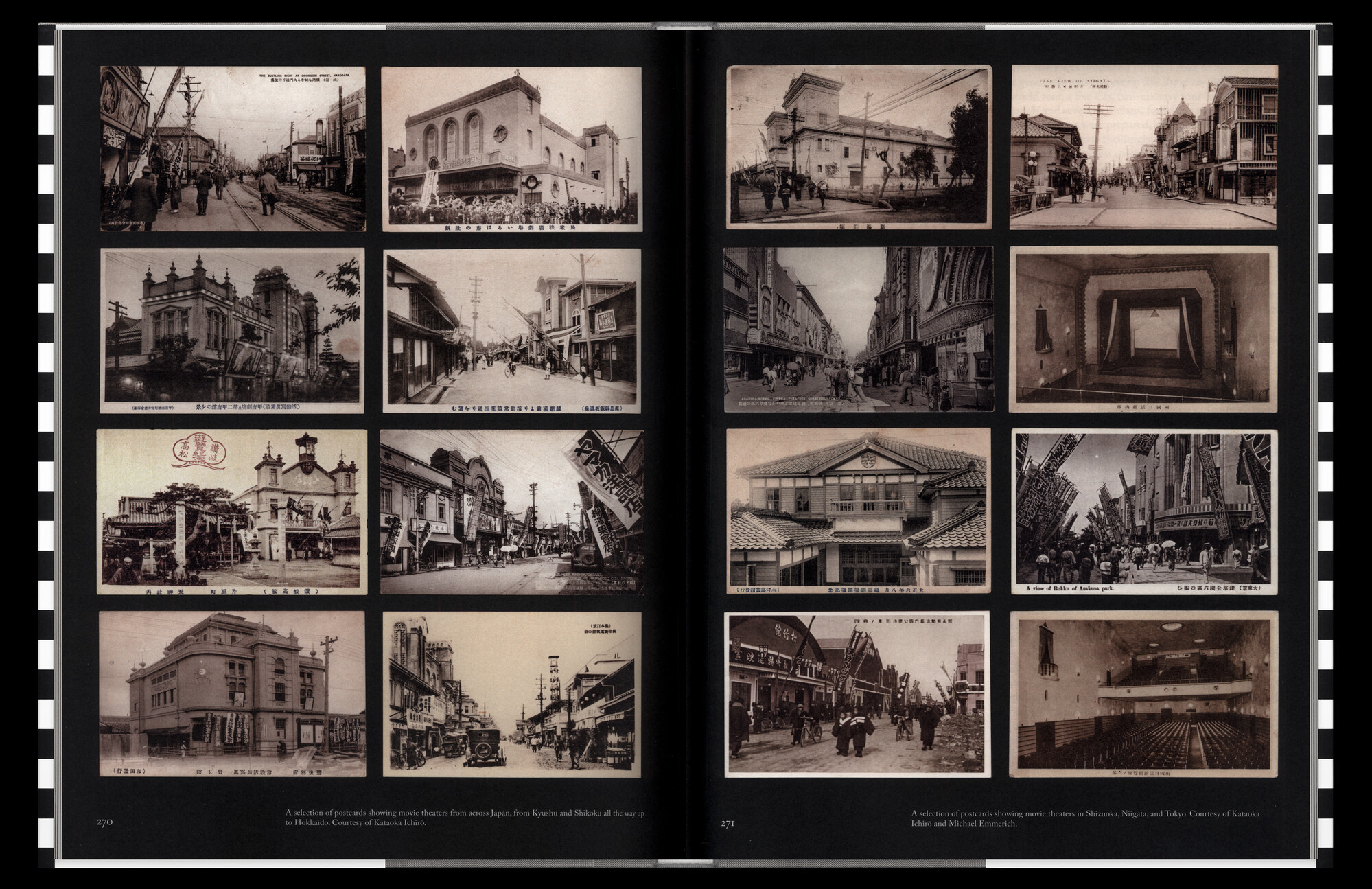
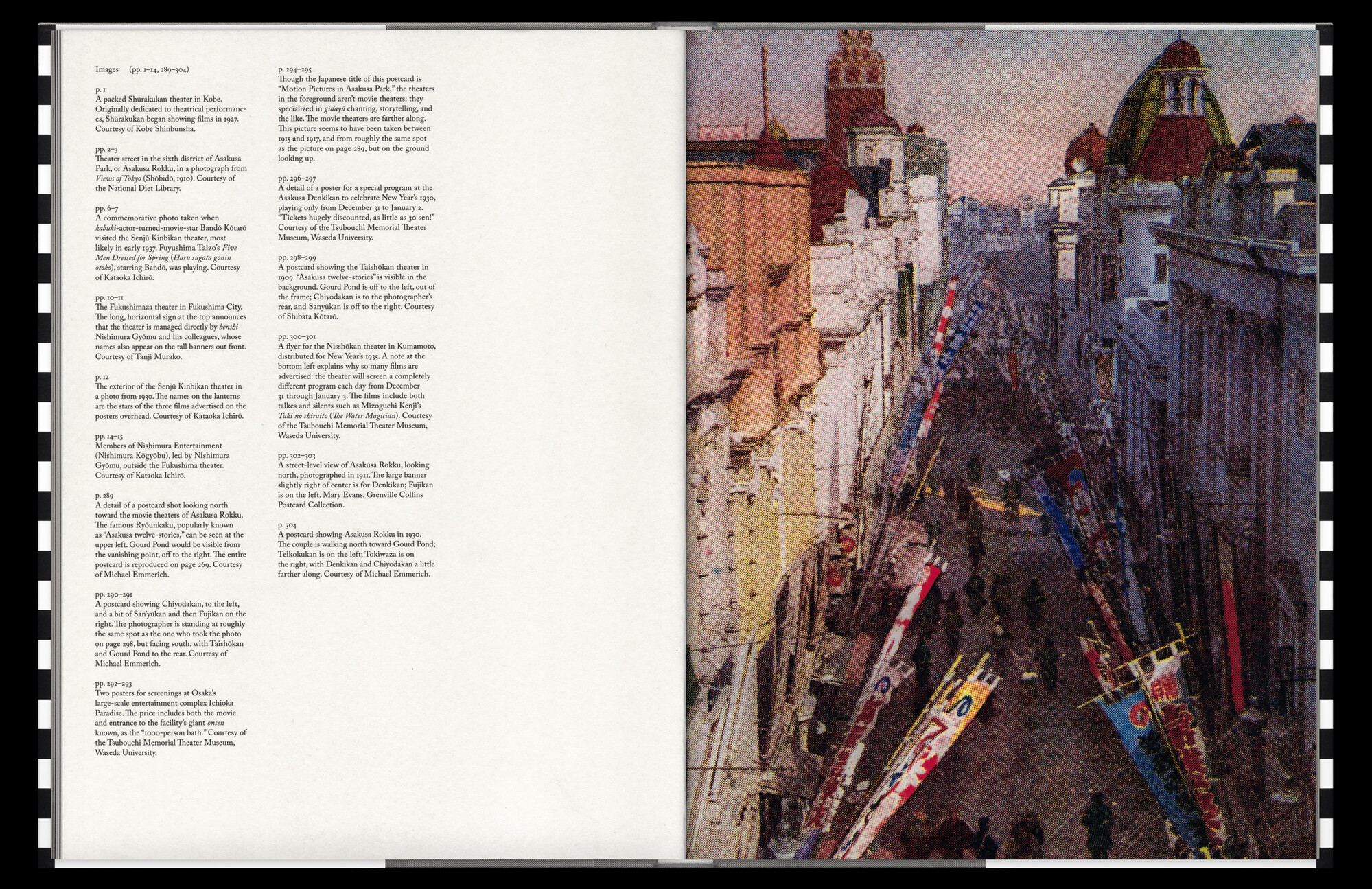
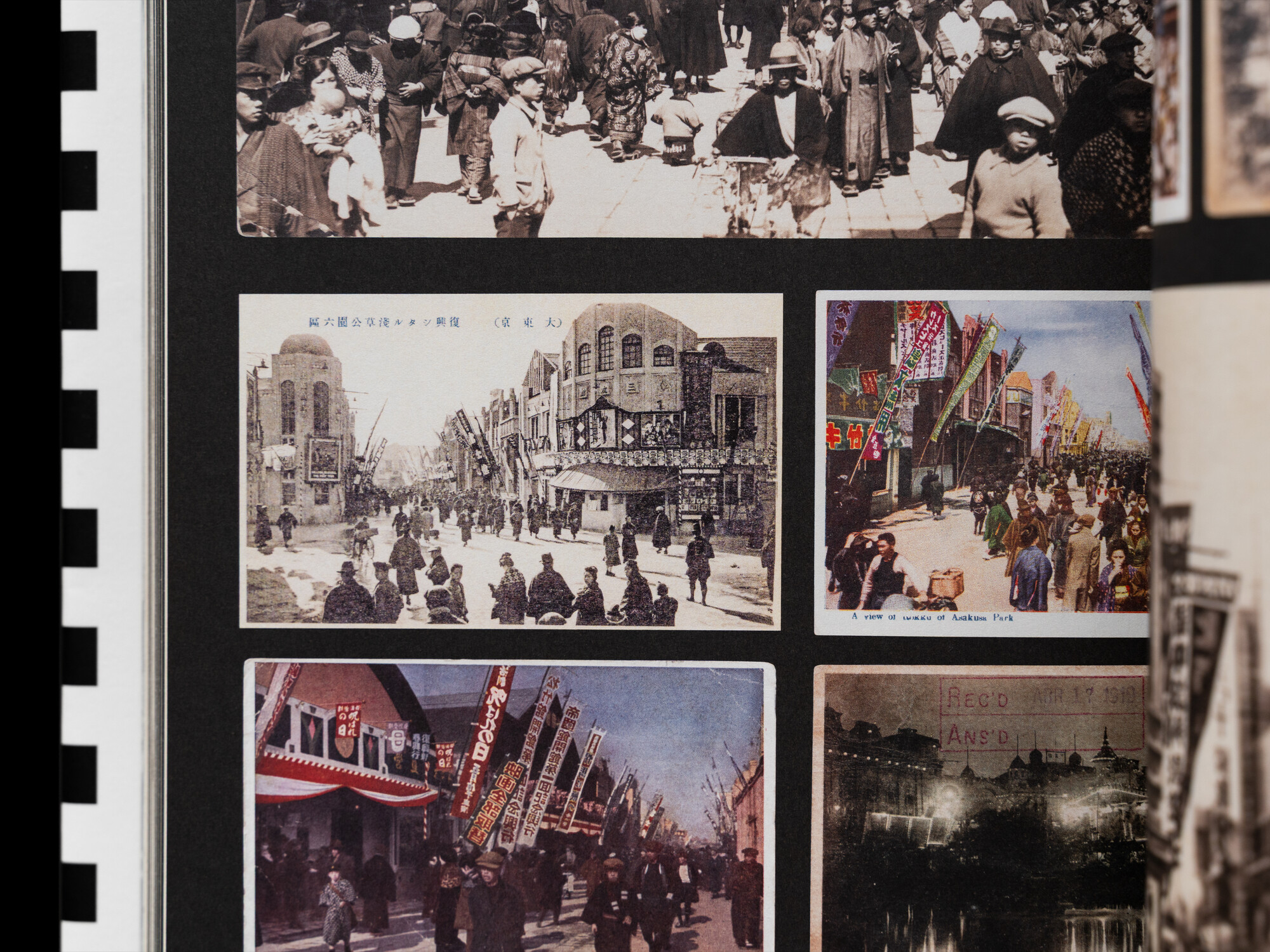
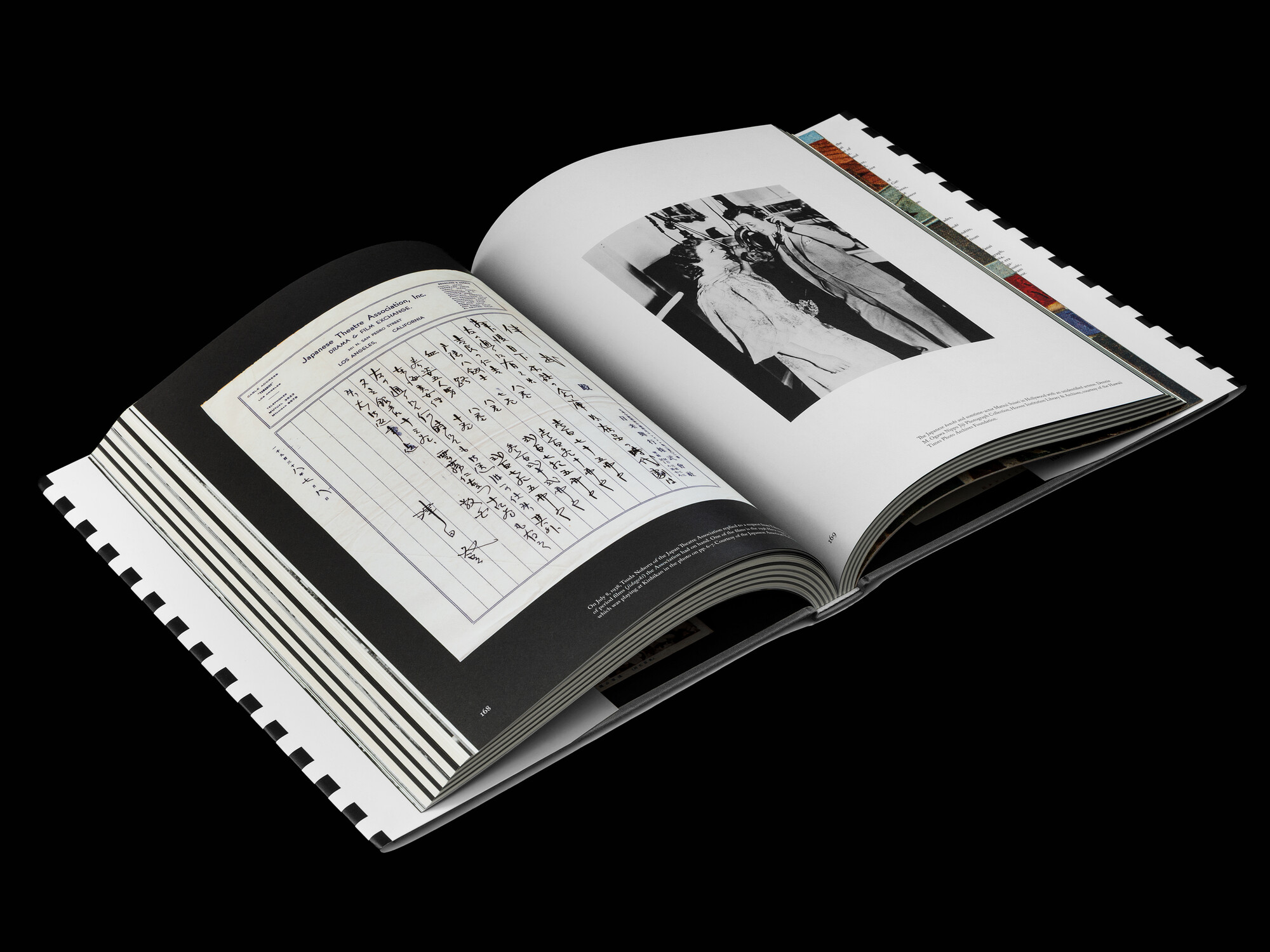
The World of the Benshi is a companion volume to the Art of the Benshi world tour organized by the Yanai Initiative for Globalizing Japanese Humanities. The book features more than 300 rare images compiled from archives and private collections around the world, showcasing historic movie theaters, promotional materials, and rare film stills. Essays uncover the phenomenon of the benshi stardom, evolution of the theater architecture, how live performance changed in Japan in the silent film era.
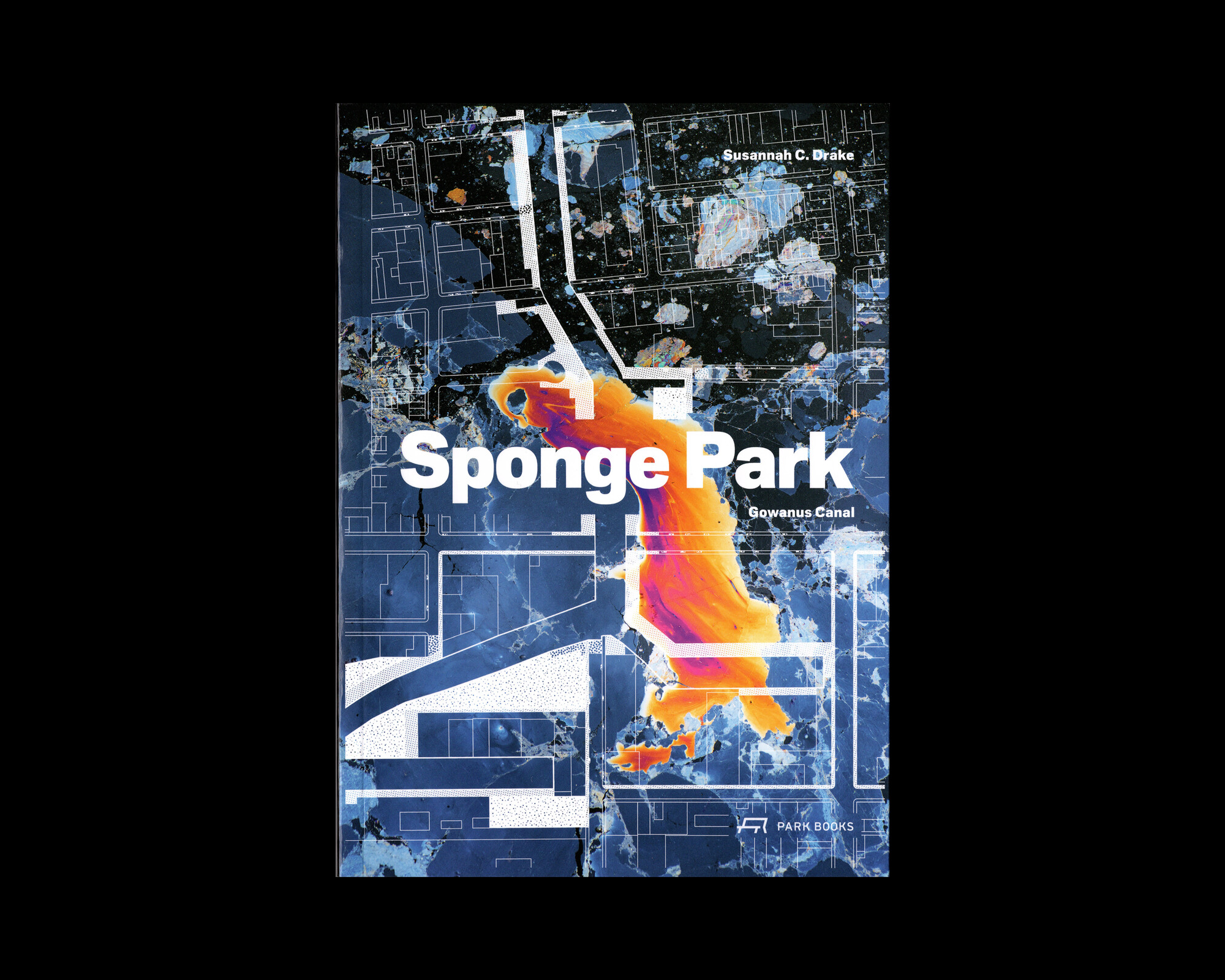
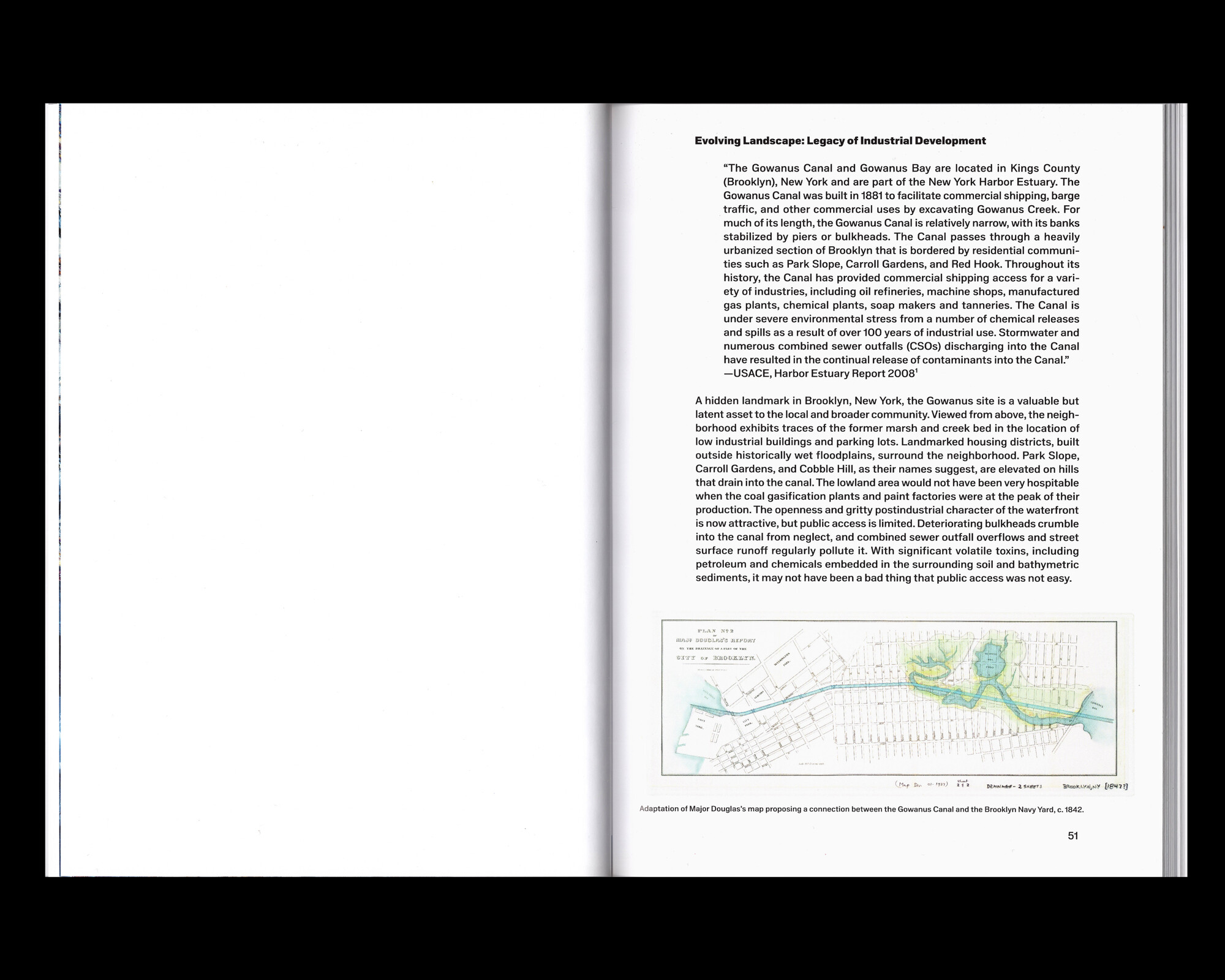
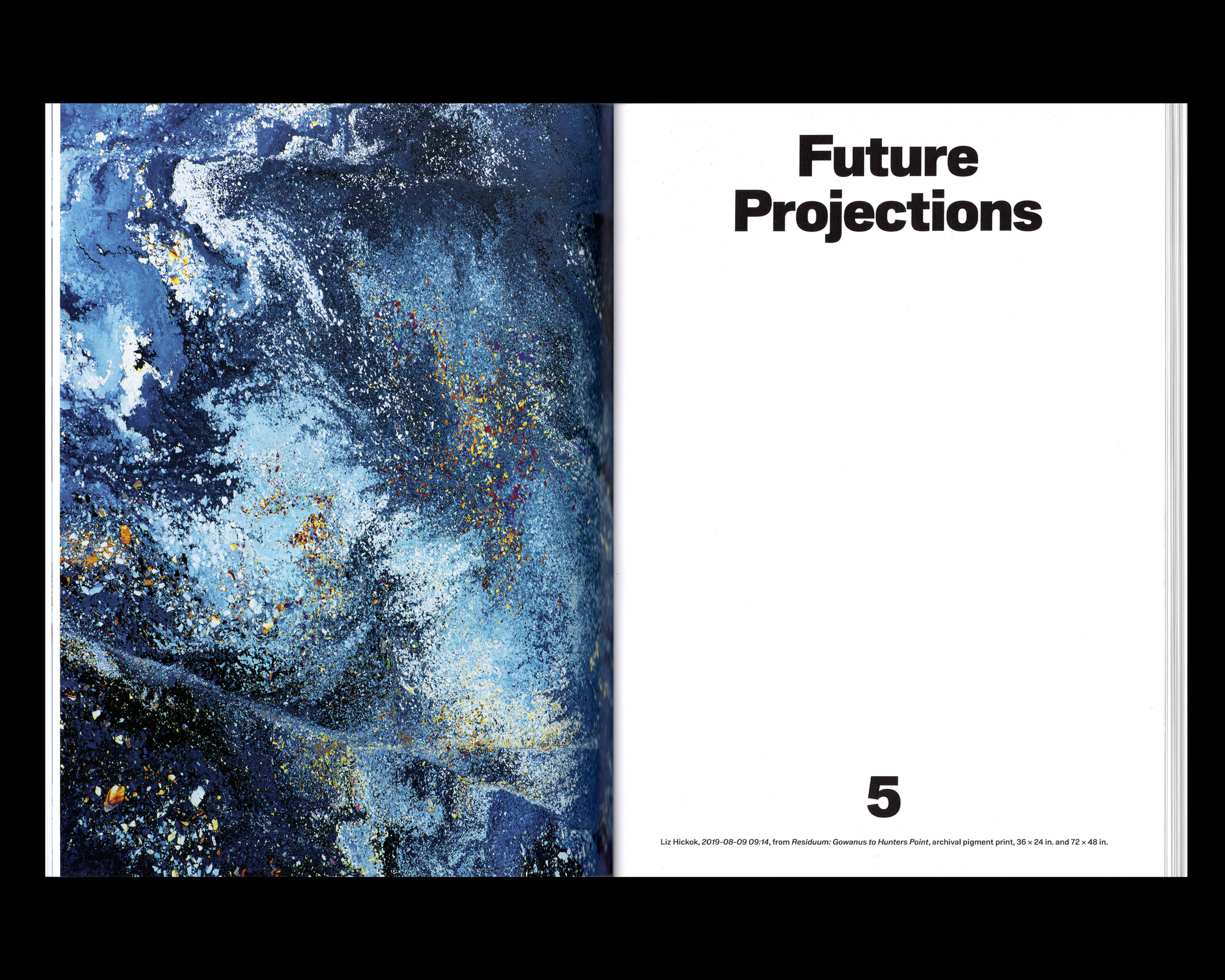
Sponge Park: Gowanus Canal is an in-depth case study and blueprint for modern green infrastructure. Presented by the park's co-designer, Susannah C. Drake, the project serves as the blueprint for “Sponge Cities,” shifting away from traditional concrete sewer systems toward more natural, permeable right-of-way designs. Photographs, plans, and diagrams trace the project from the canal’s industrial history through its built pilot and its broader use as a repeatable model for remediation.
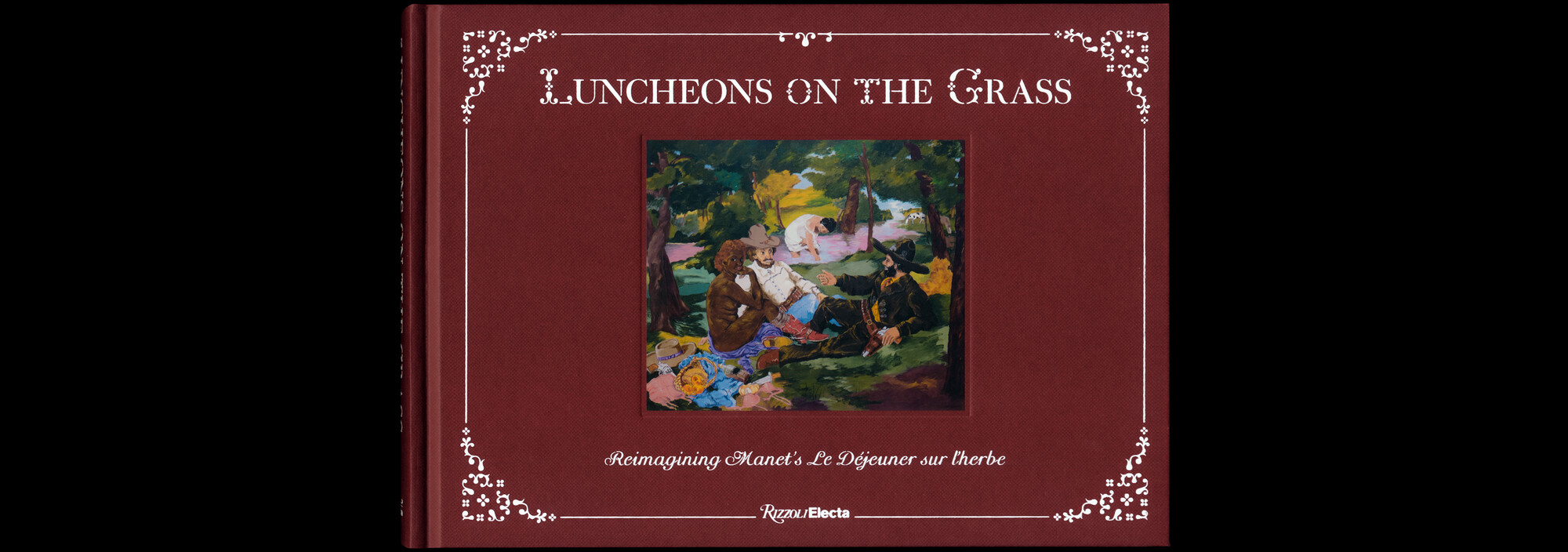
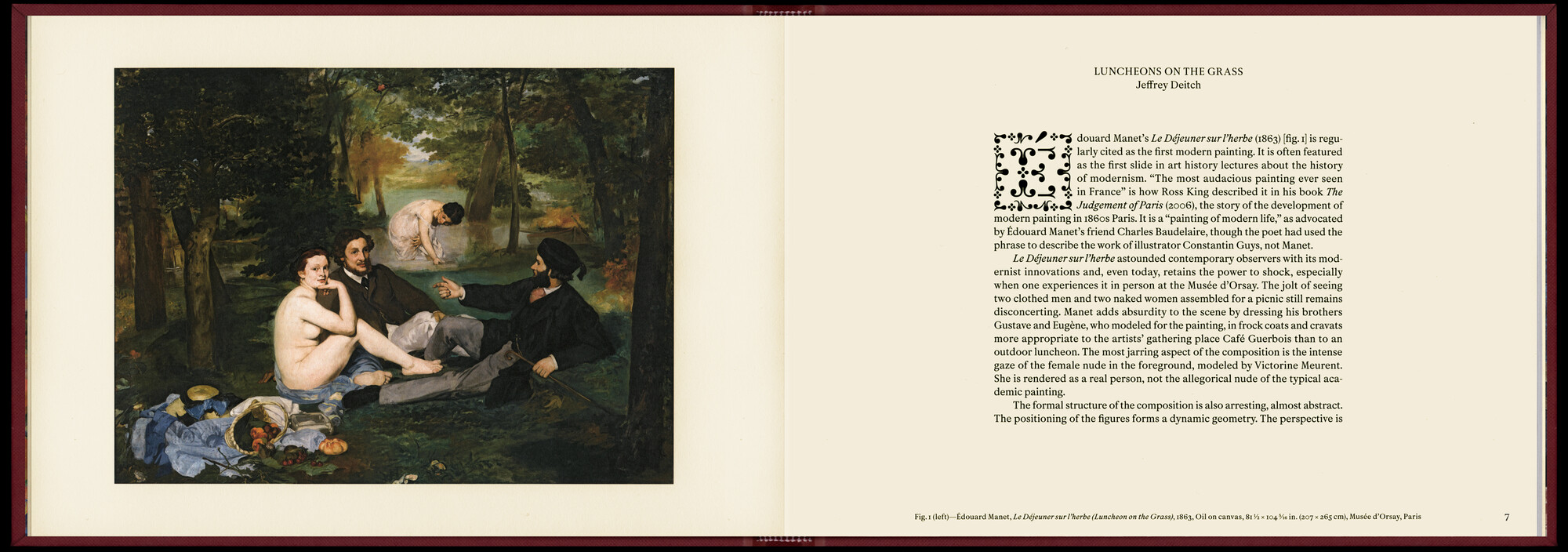
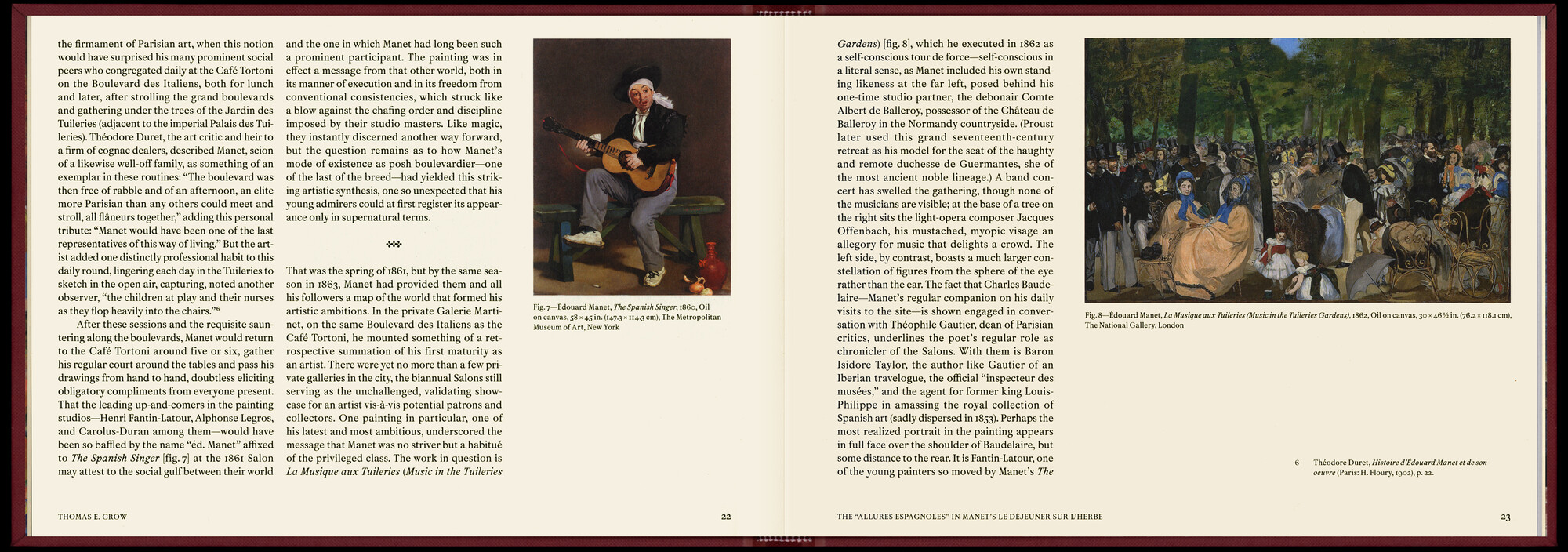
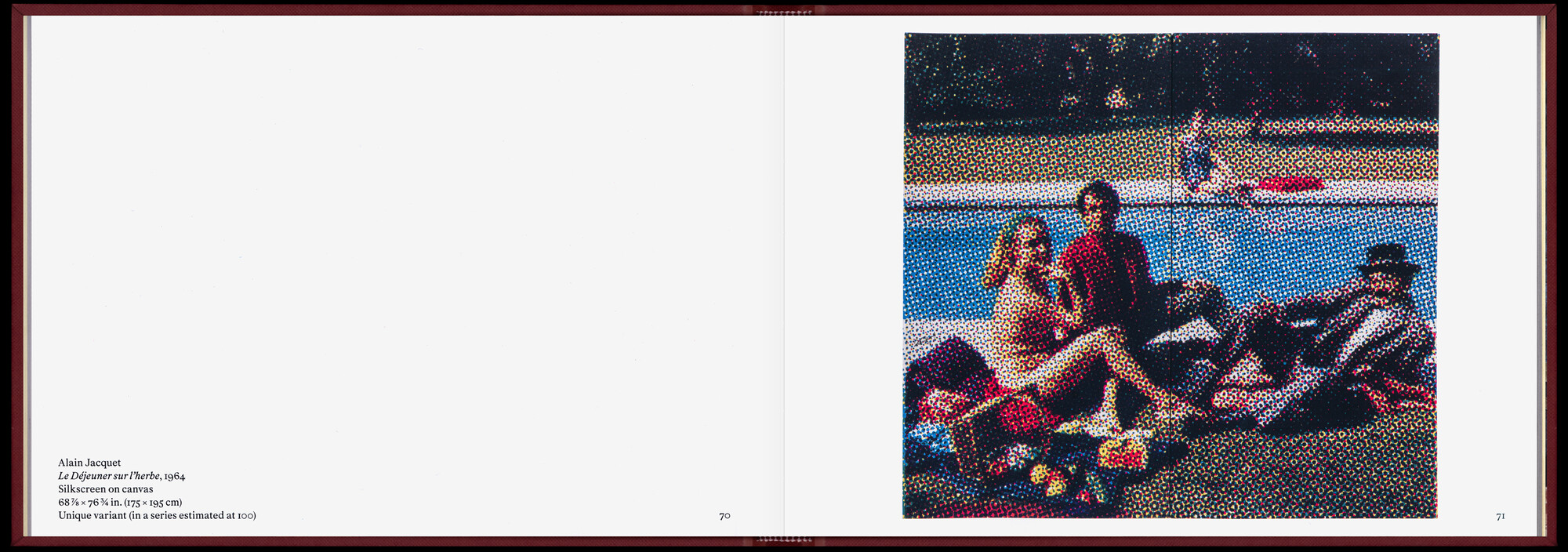
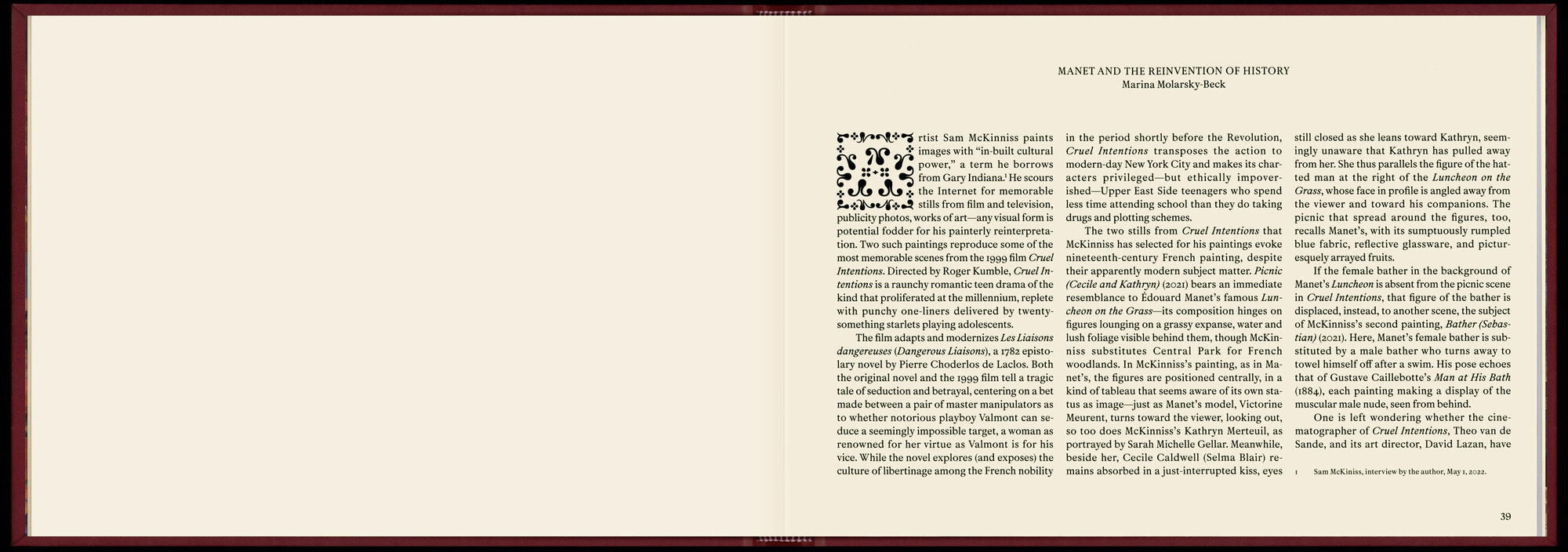
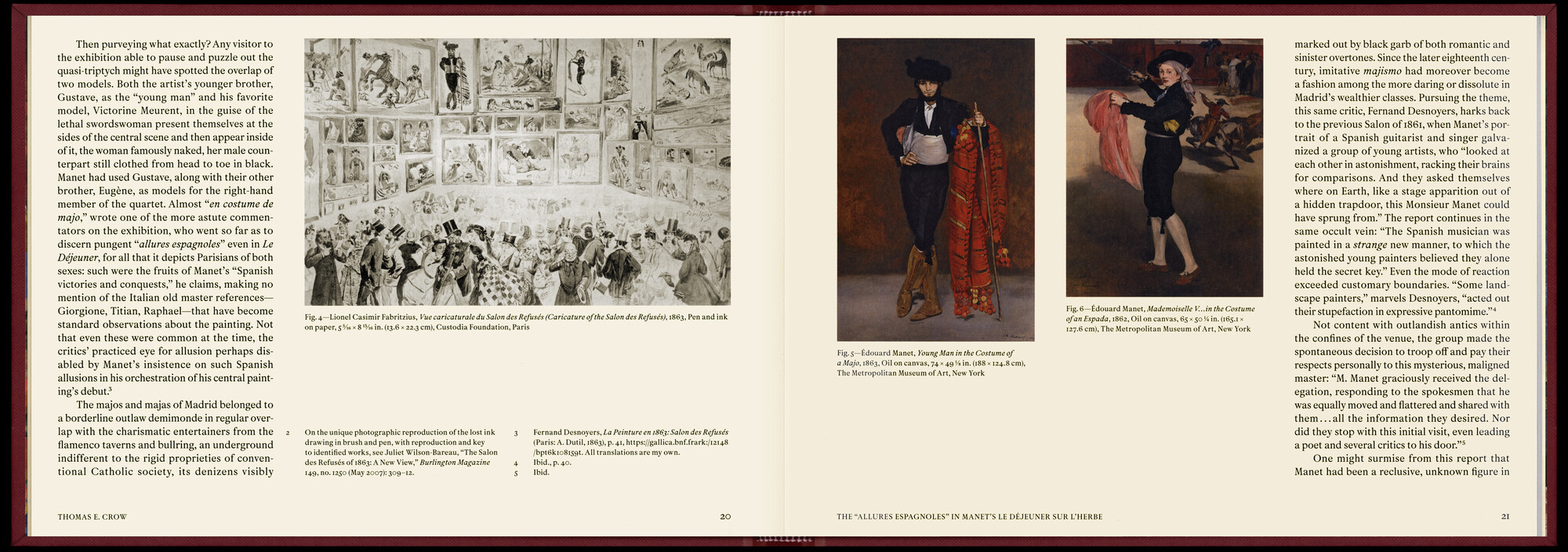
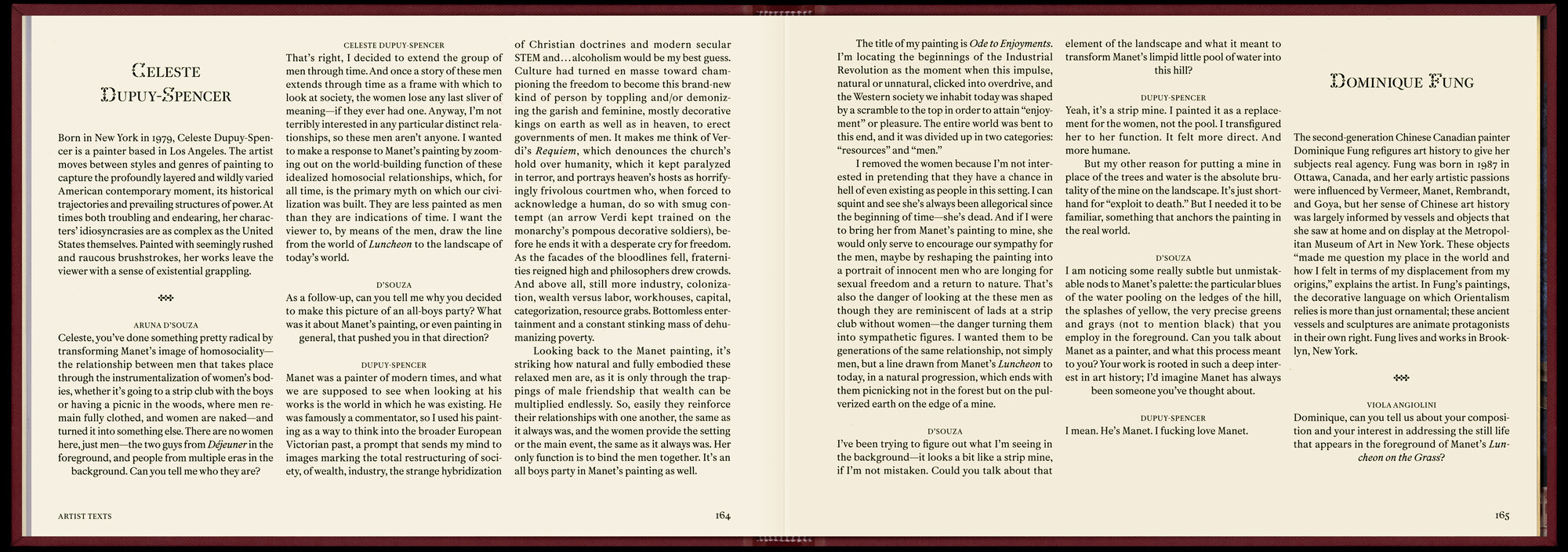
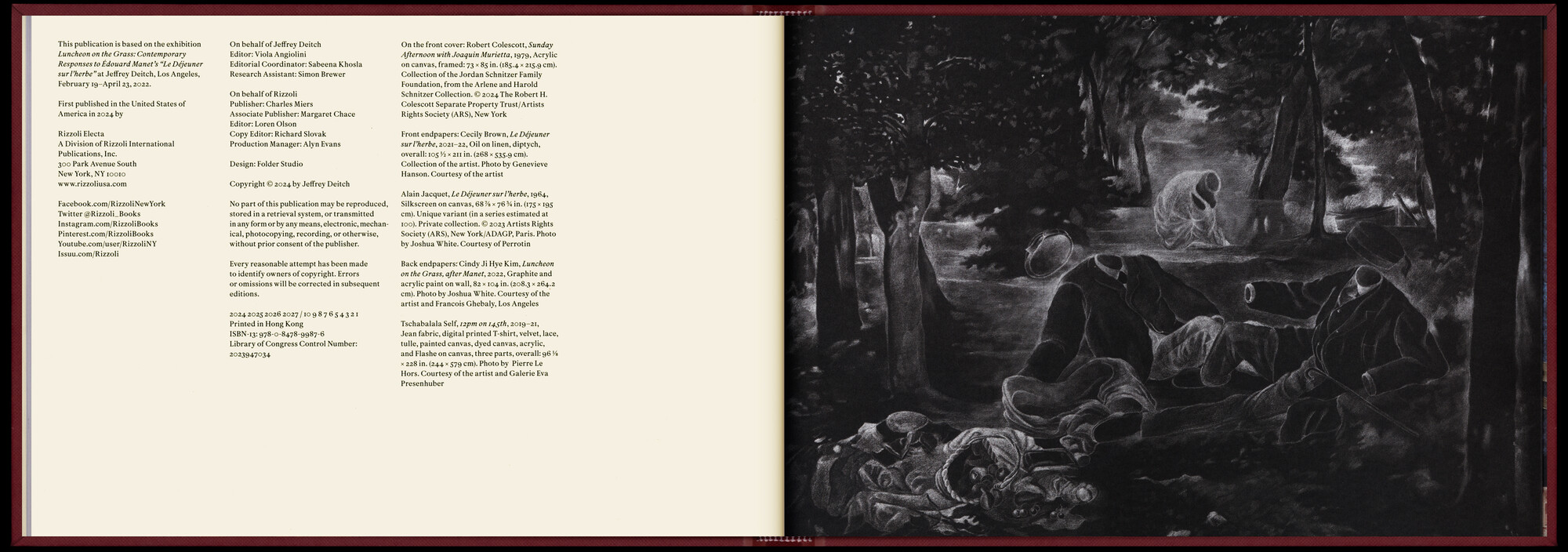
Luncheons on the Grass: Reimagining Manet's Le Déjeuner Sur L'Herbe is a compact art book presented as a follow up to the exhibition Luncheon on the Grass at Jeffrey Deitch. The gallery invited 35 contemporary artists to respond to Édouard Manet’s provocative 1863 masterpiece. The book features full-page plates of the commissioned artworks and distinct typography choices for the artist interviews, historical essays, and archival imagery.
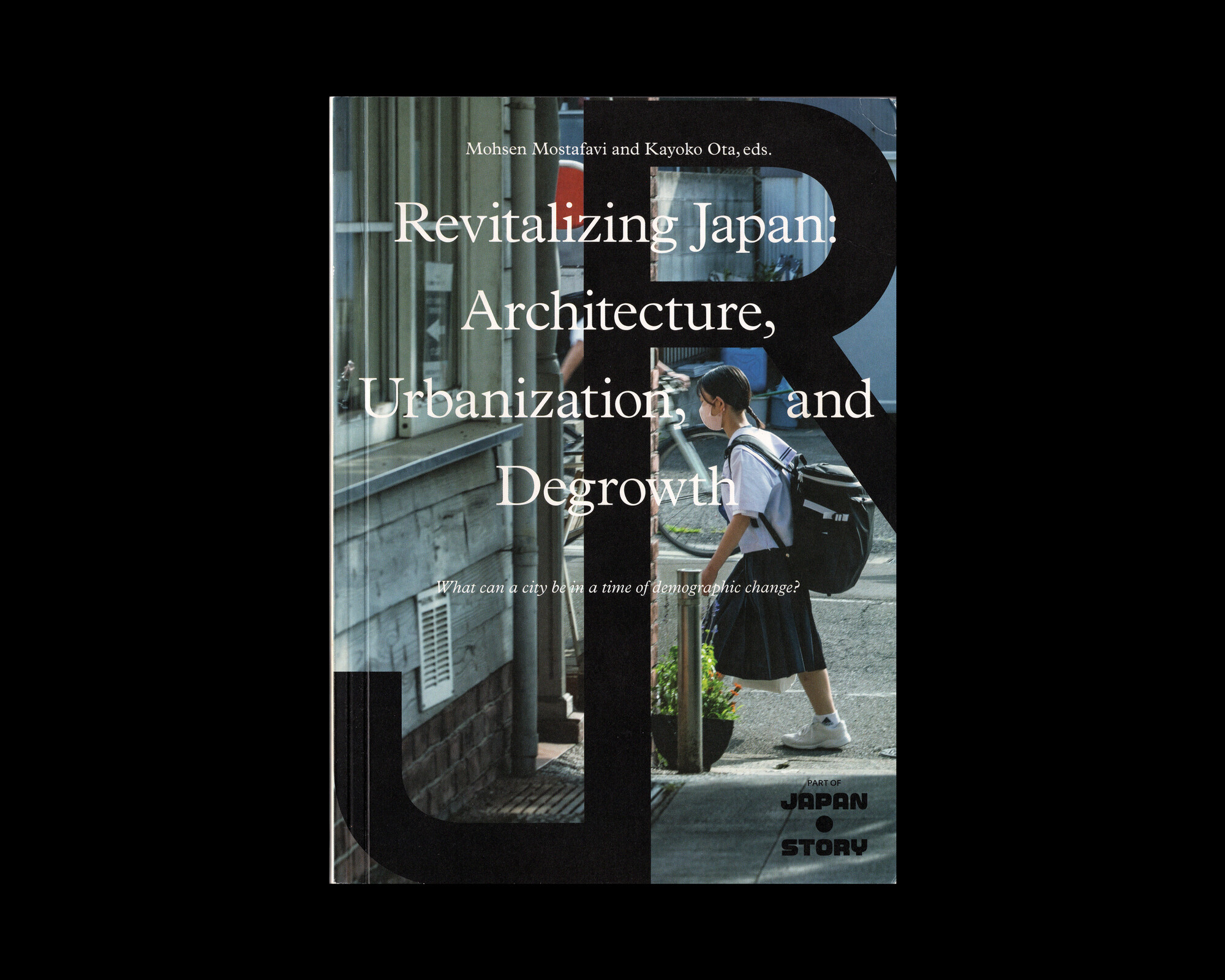
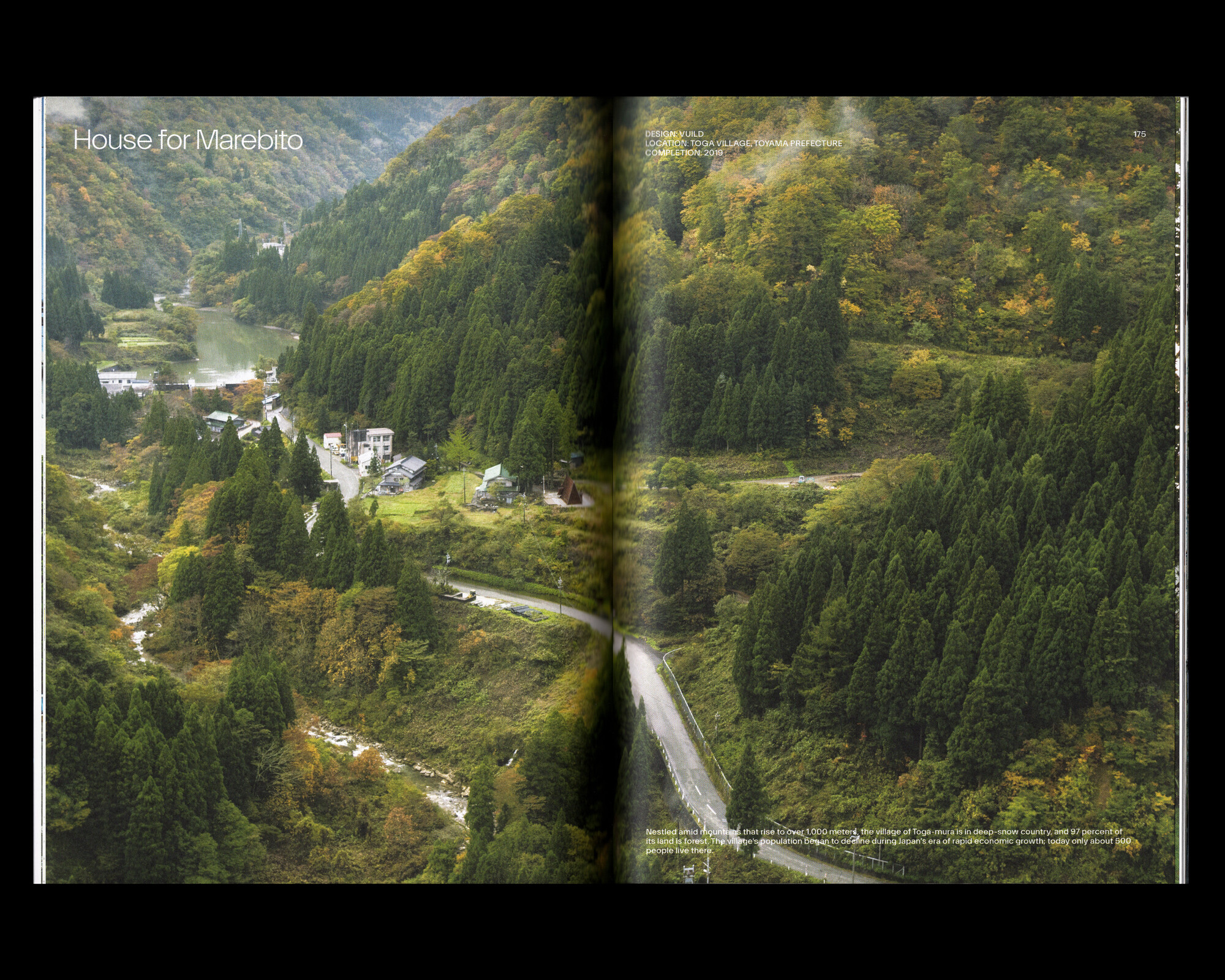
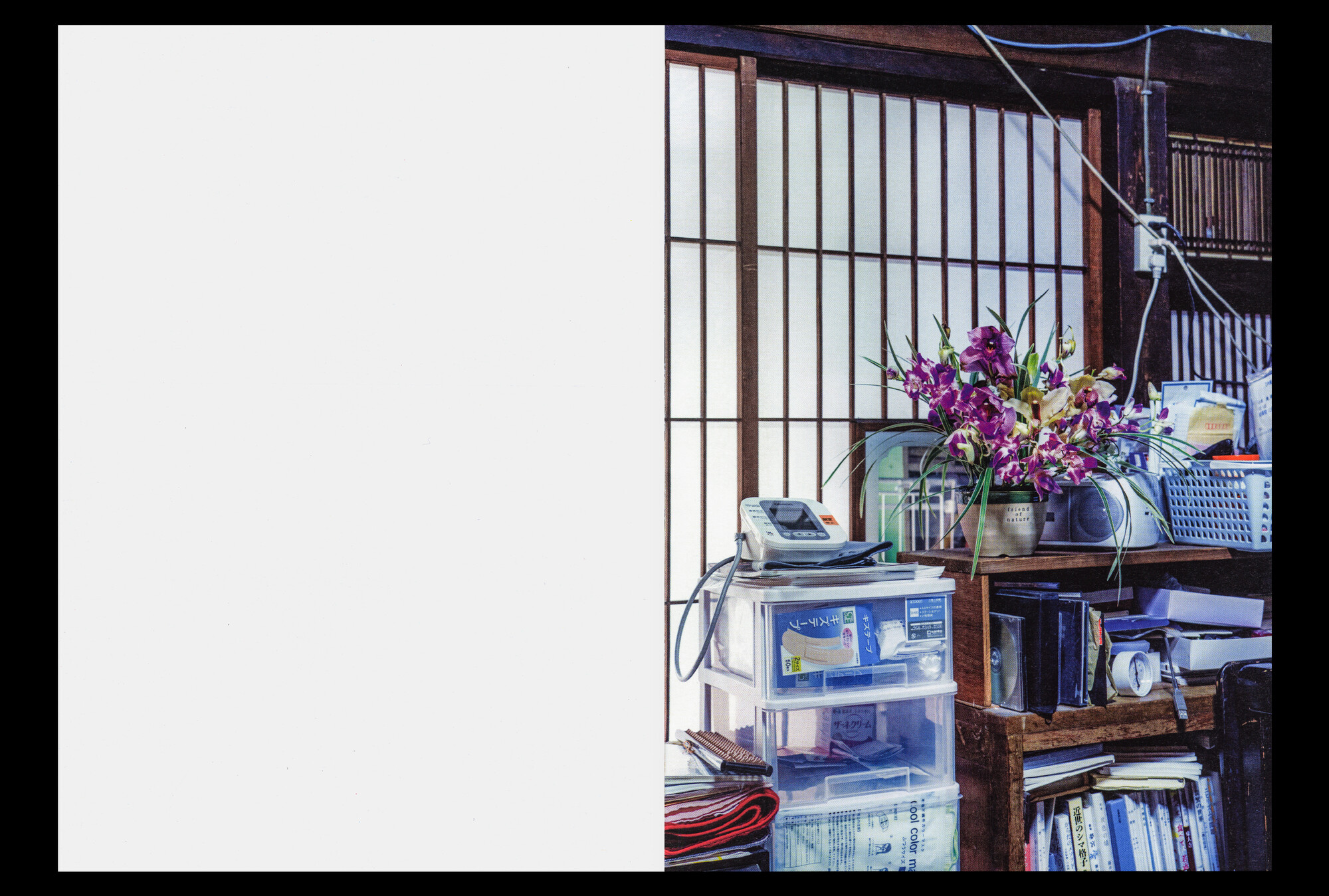
Revitalizing Japan: Architecture, Community, Territory is a follow up to Sharing Tokyo: Artifice and the Social World. Instead of focusing on hyper-dense metropolitan centers like Tokyo, the book takes a closer look at regional towns and how a younger generation of Japanese architects is responding to the country's severe rural depopulation, aging society, and economic degrowth.
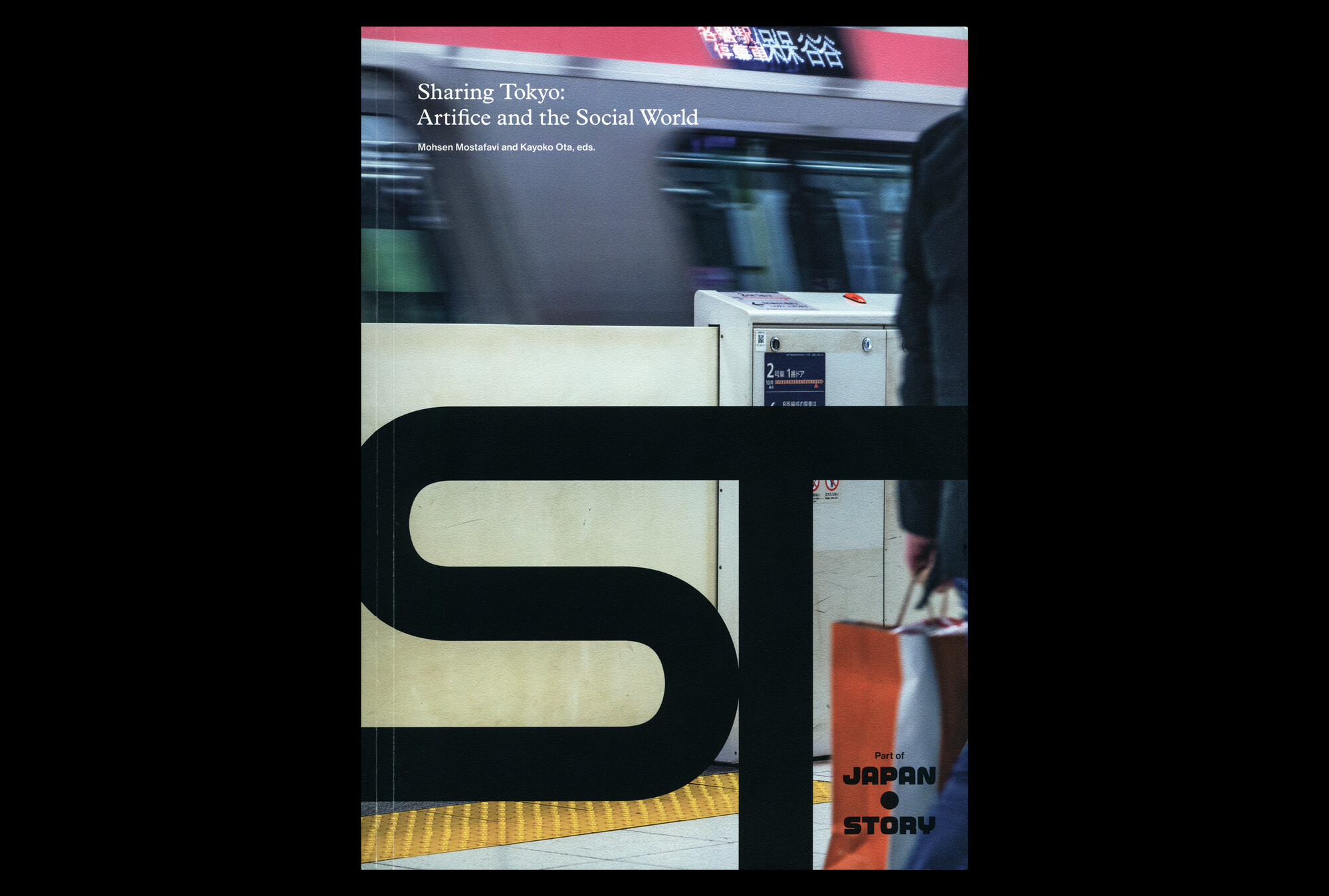
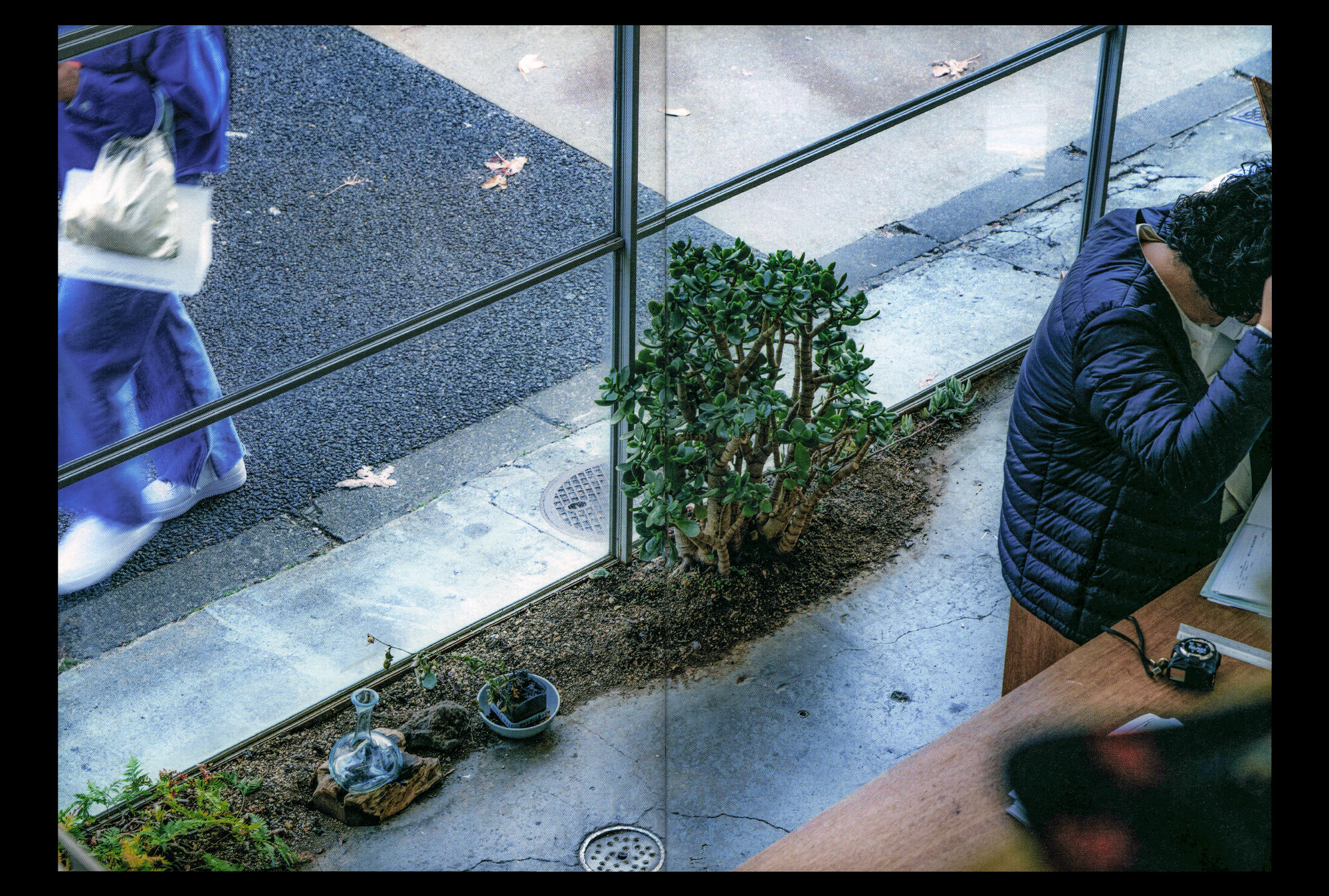
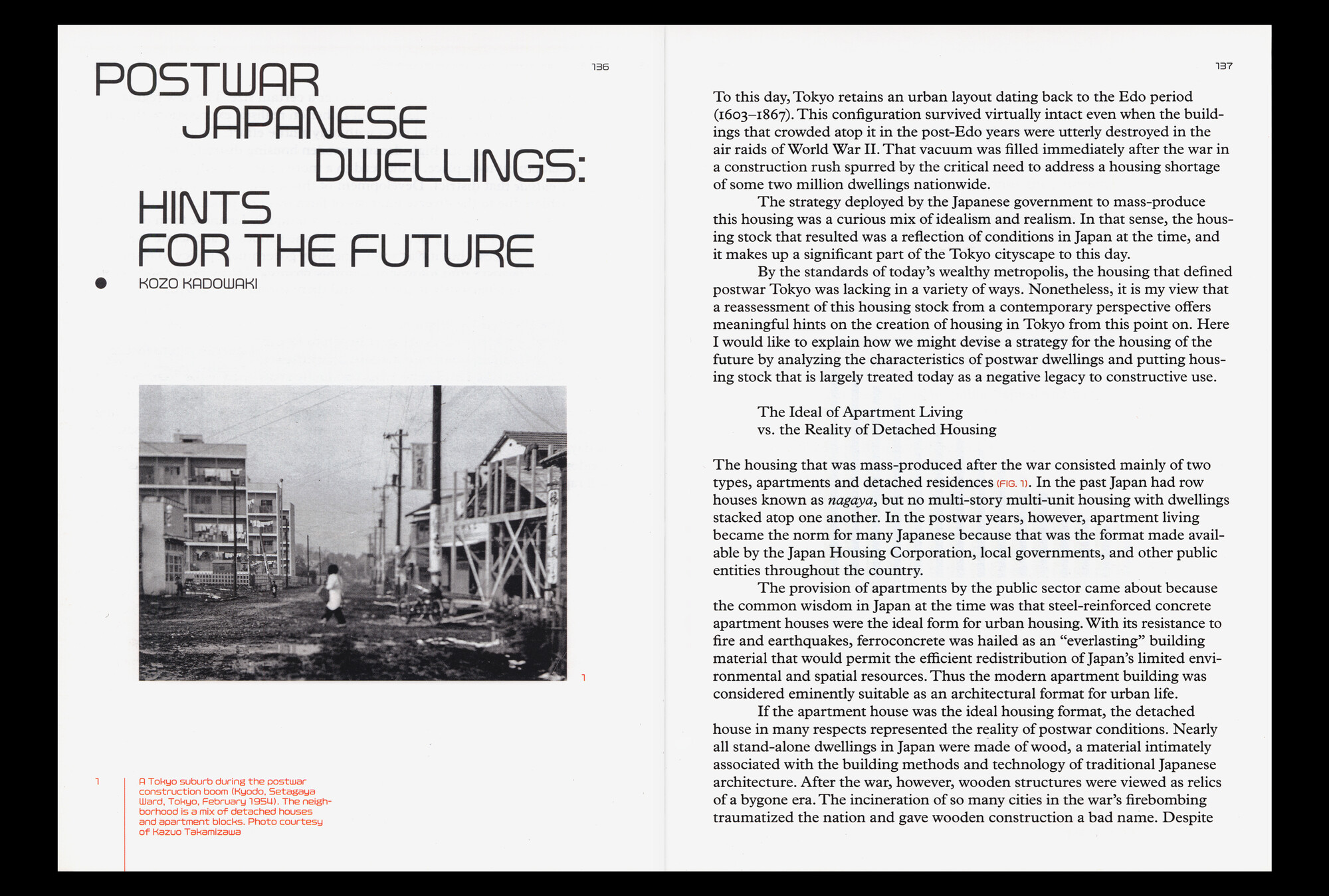
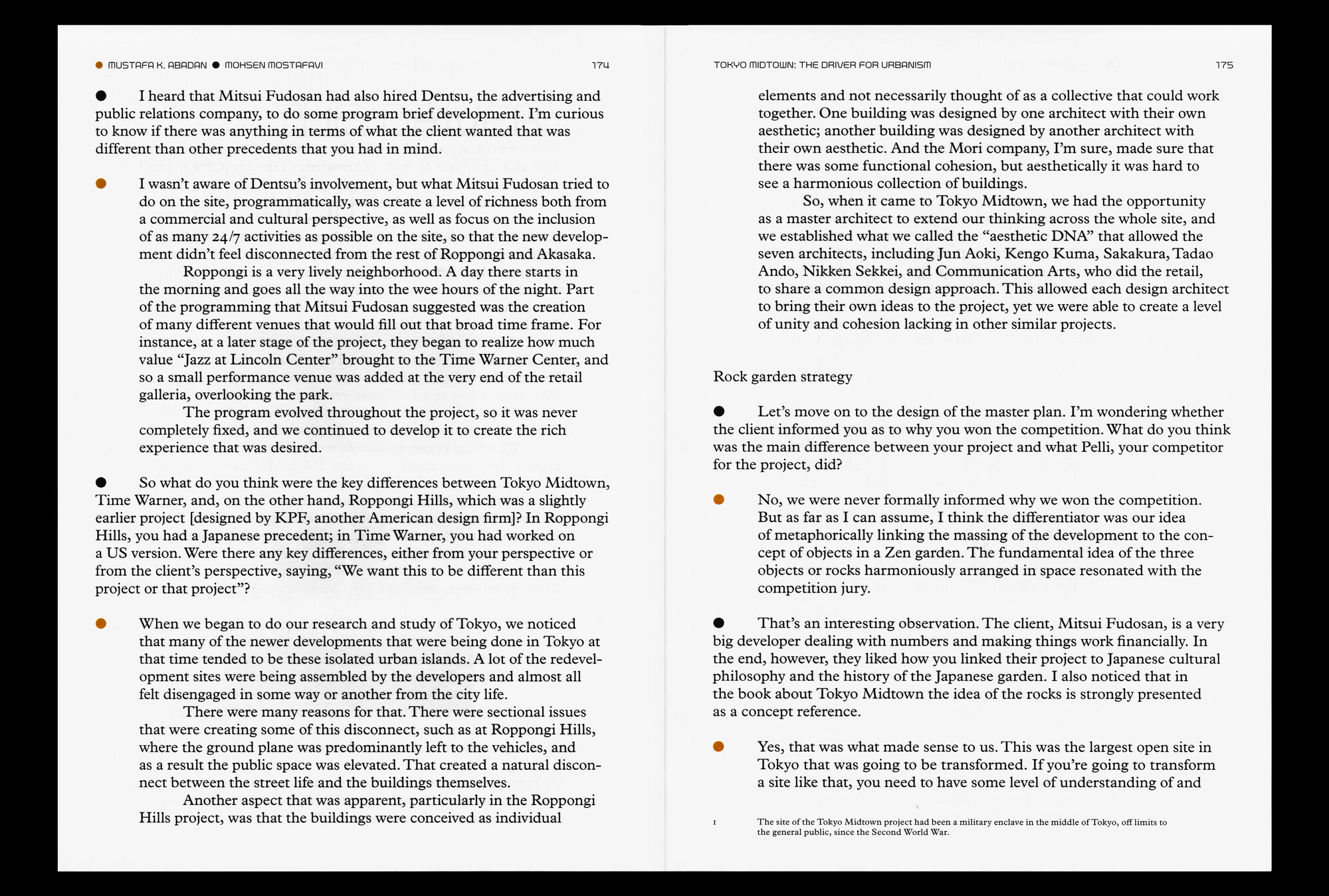
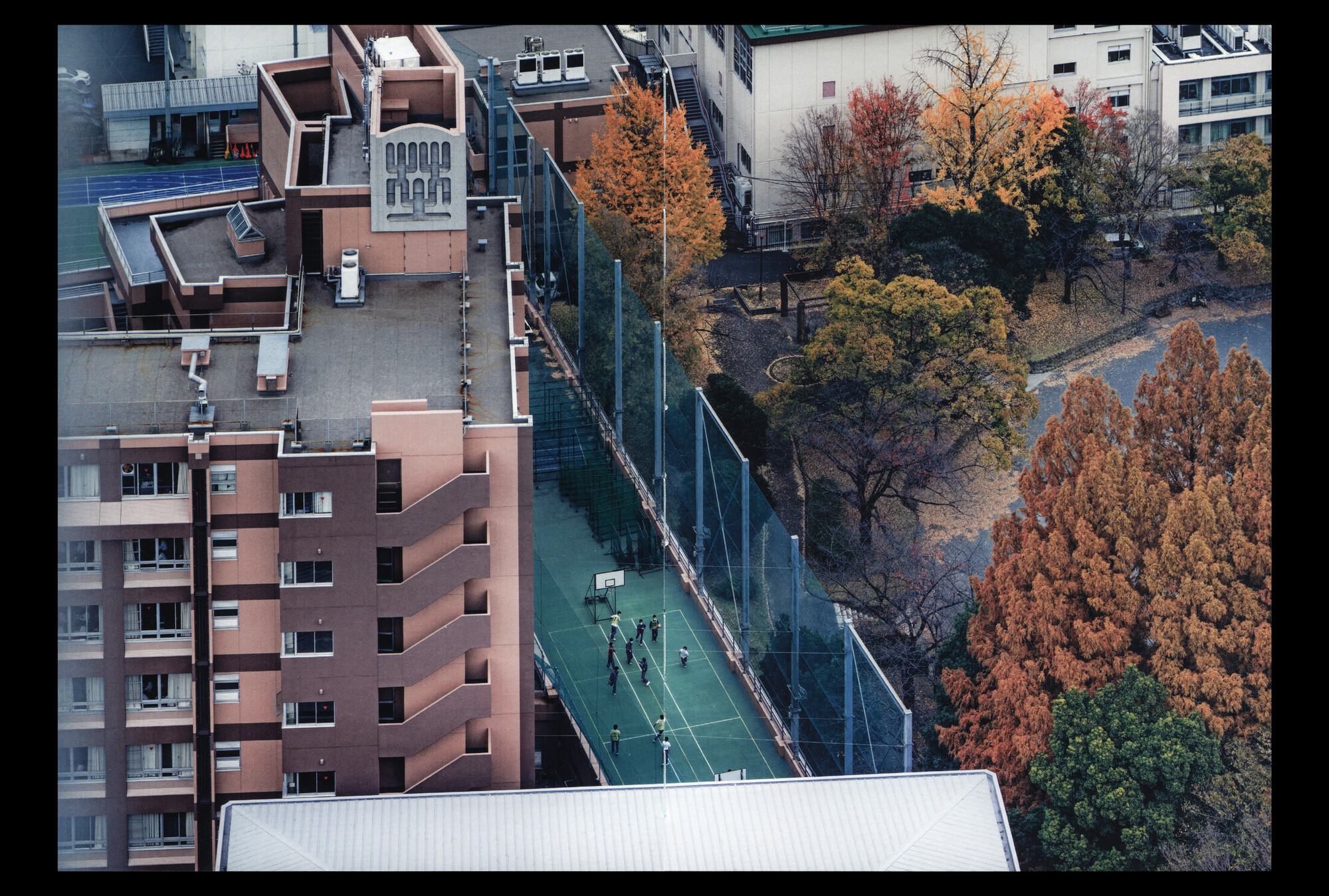
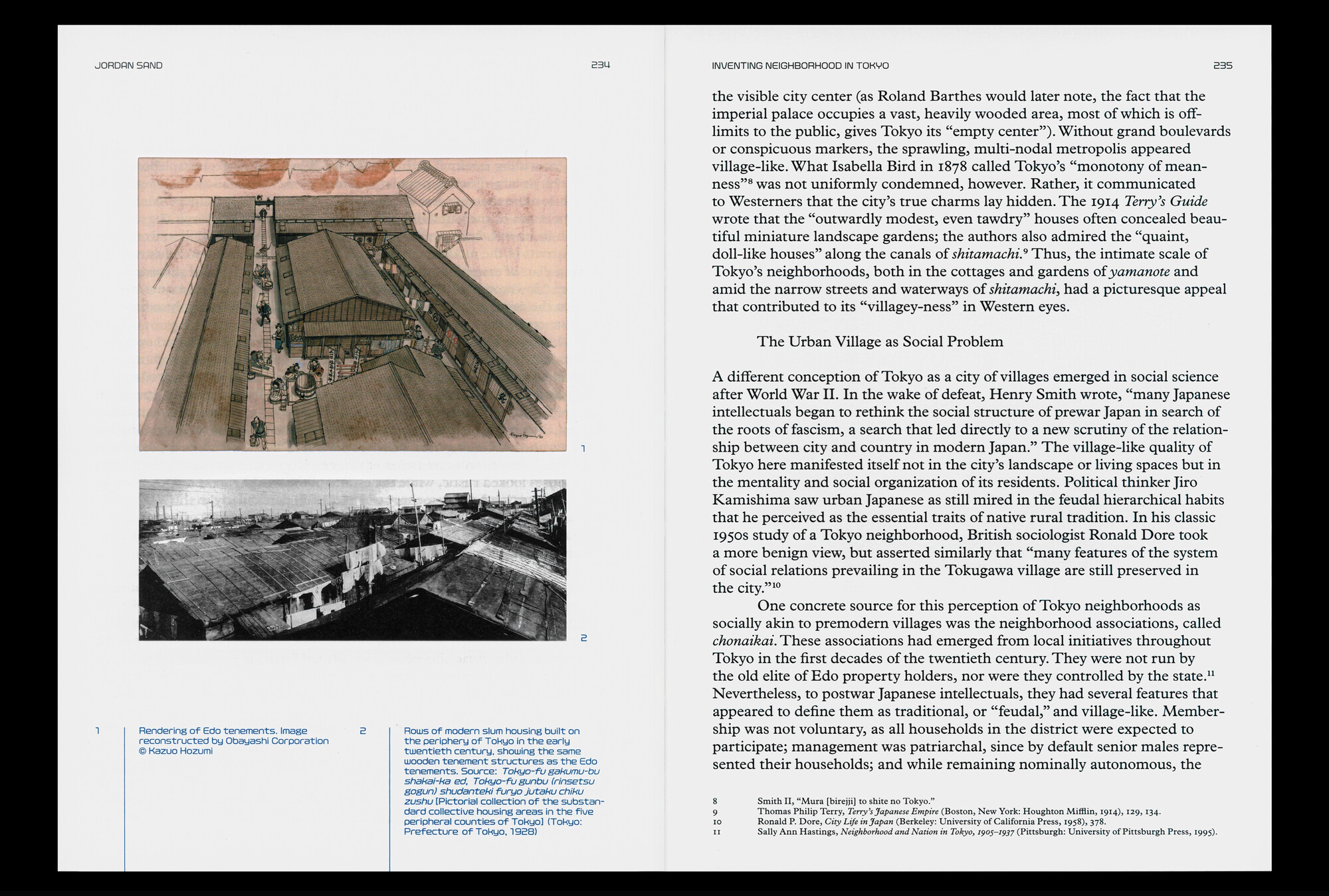
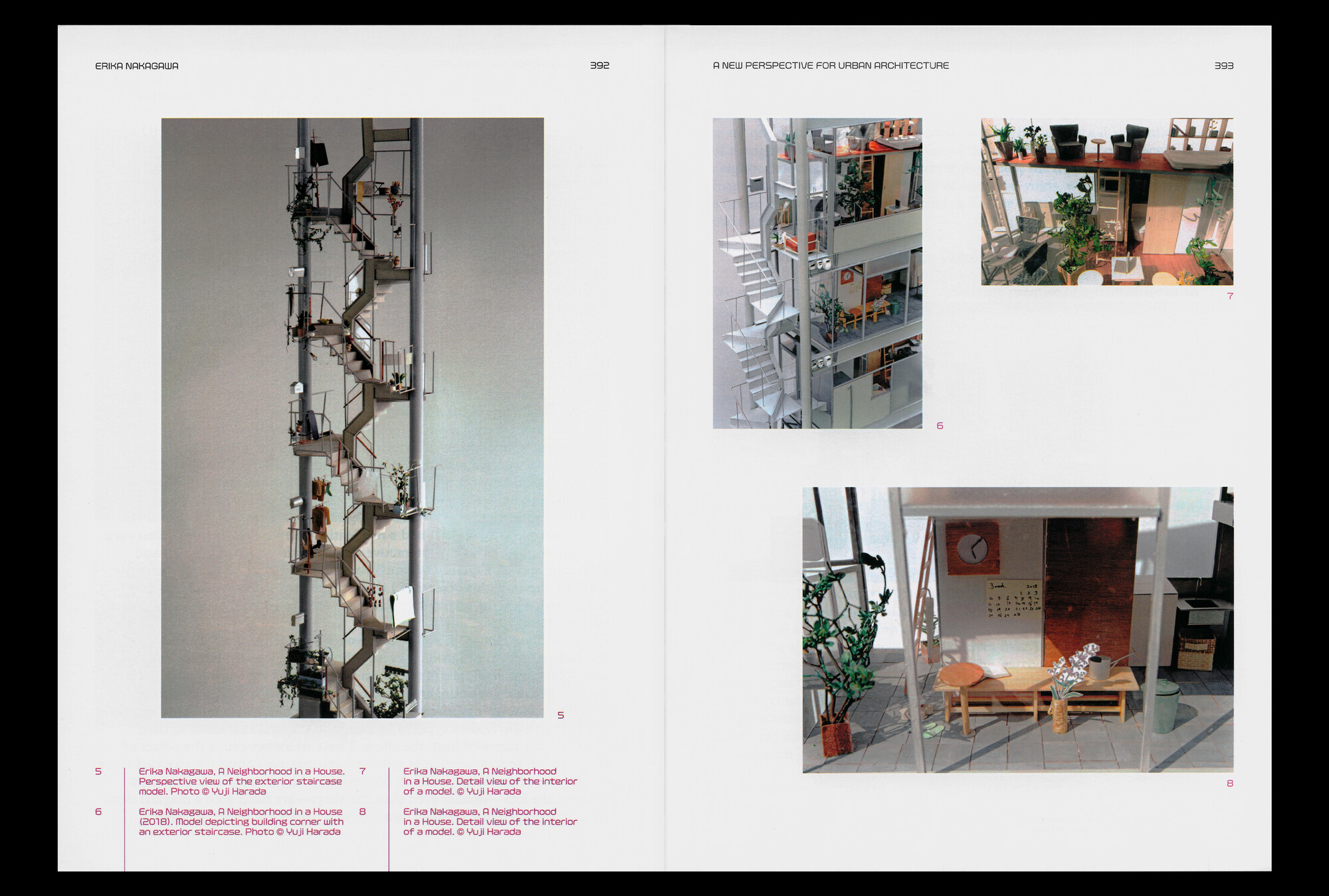
Sharing Tokyo: Artifice and the Social World is a collection of investigations conducted by the Japan Research Initiative at Harvard’s Graduate School of Design. The book investigates scenarios, discusses strategies, and proposes how Tokyo can remain an inclusive, shared city amid rapid demographic decline, aging, and corporate-driven development.
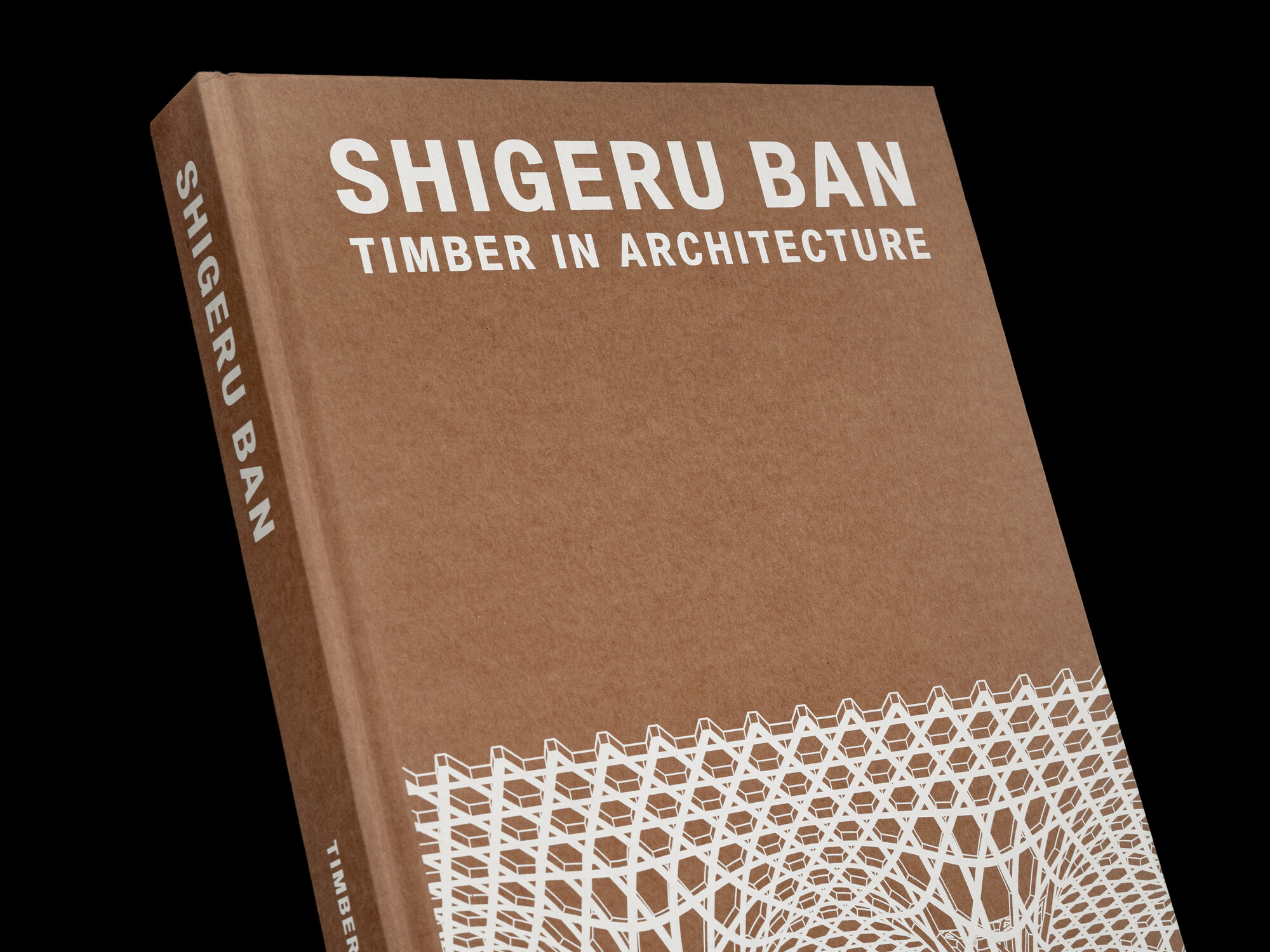
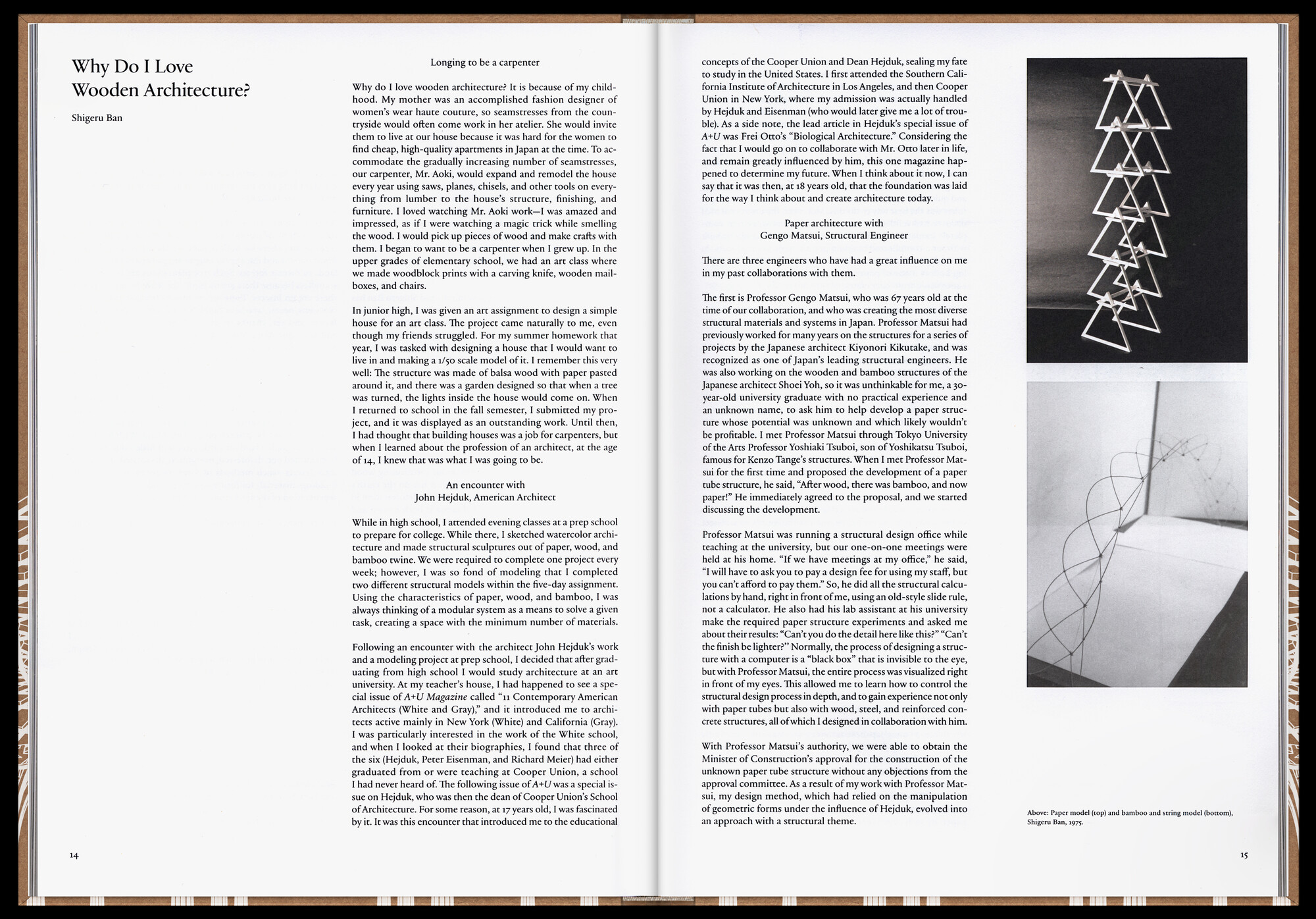
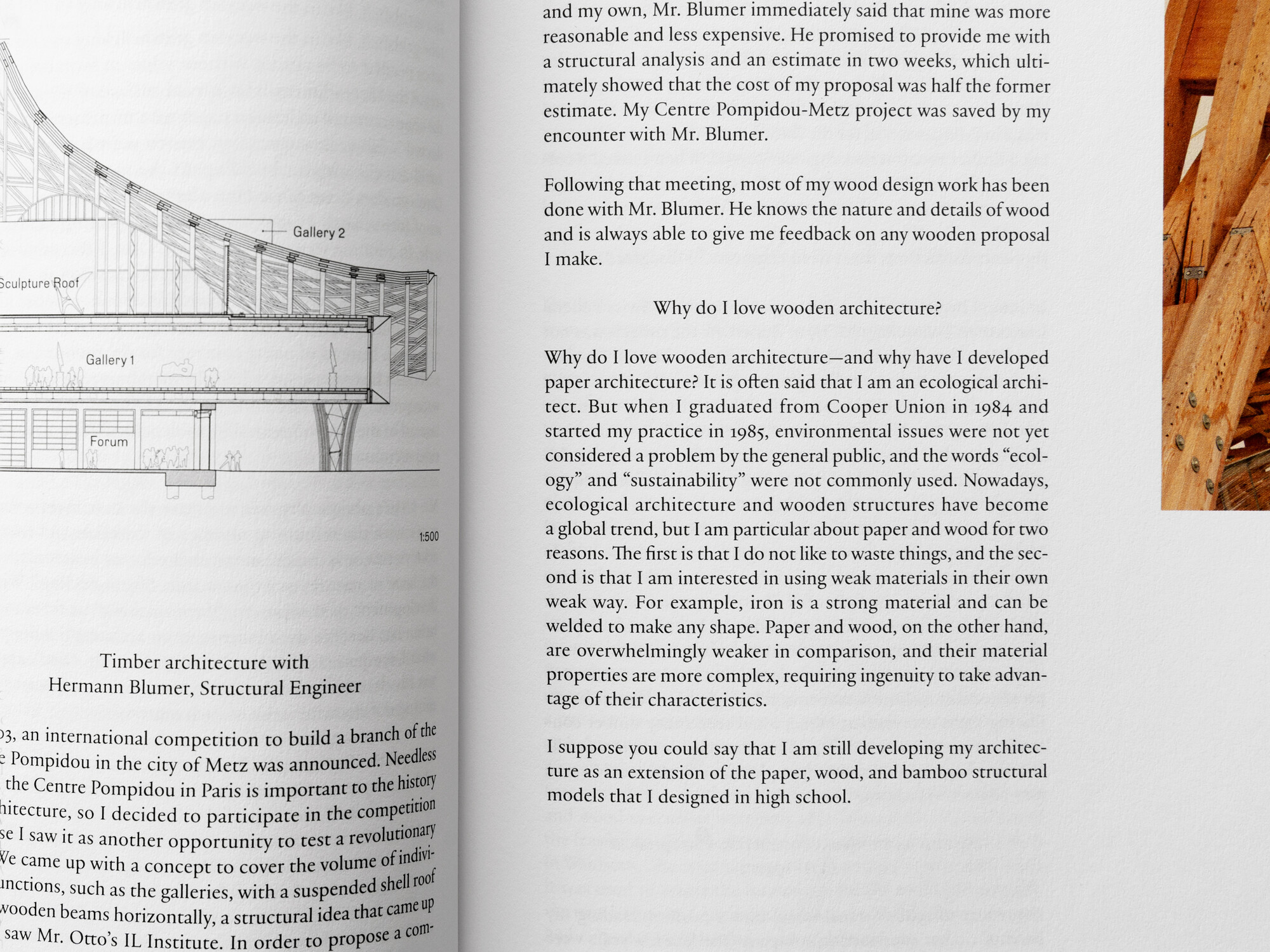
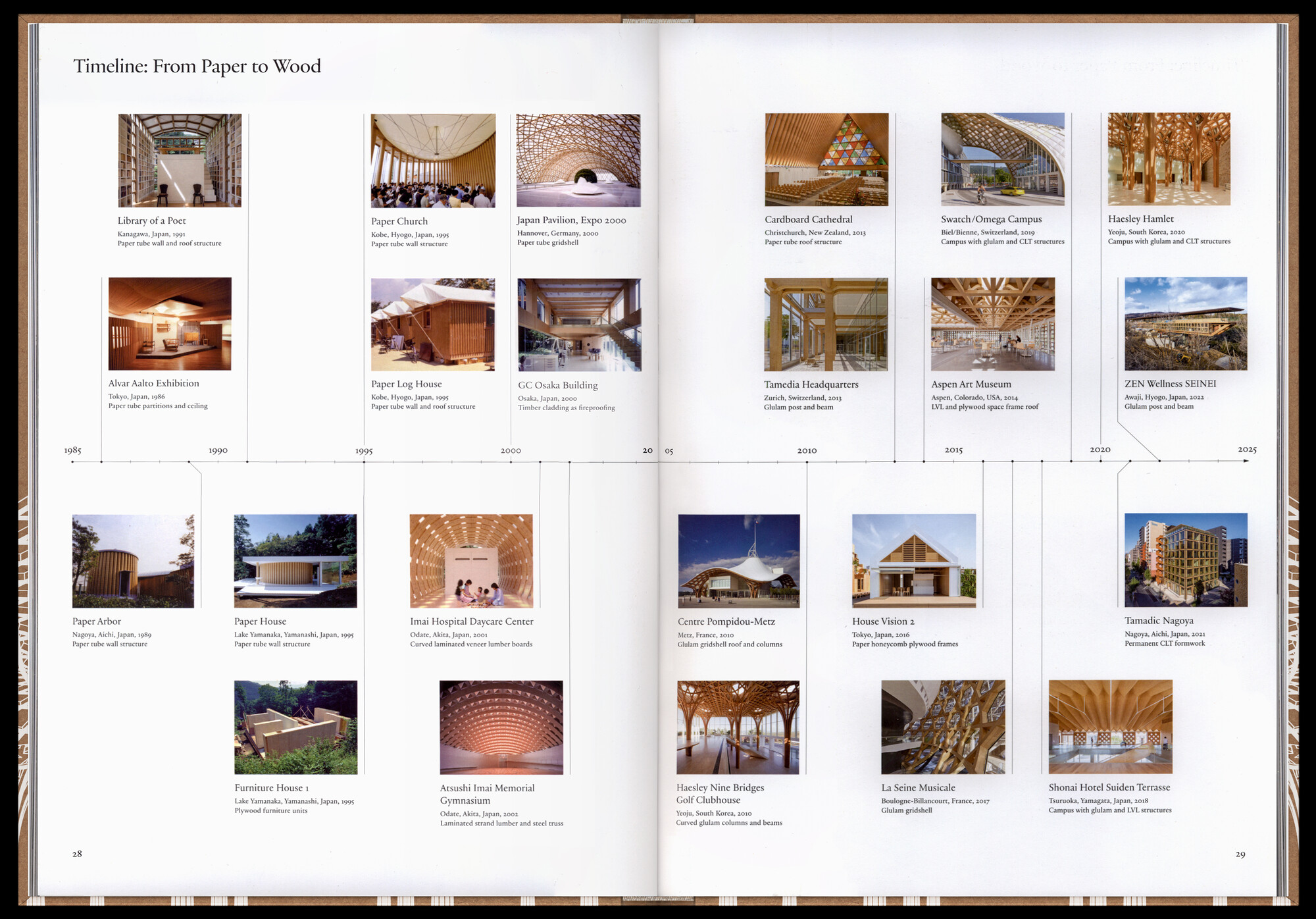
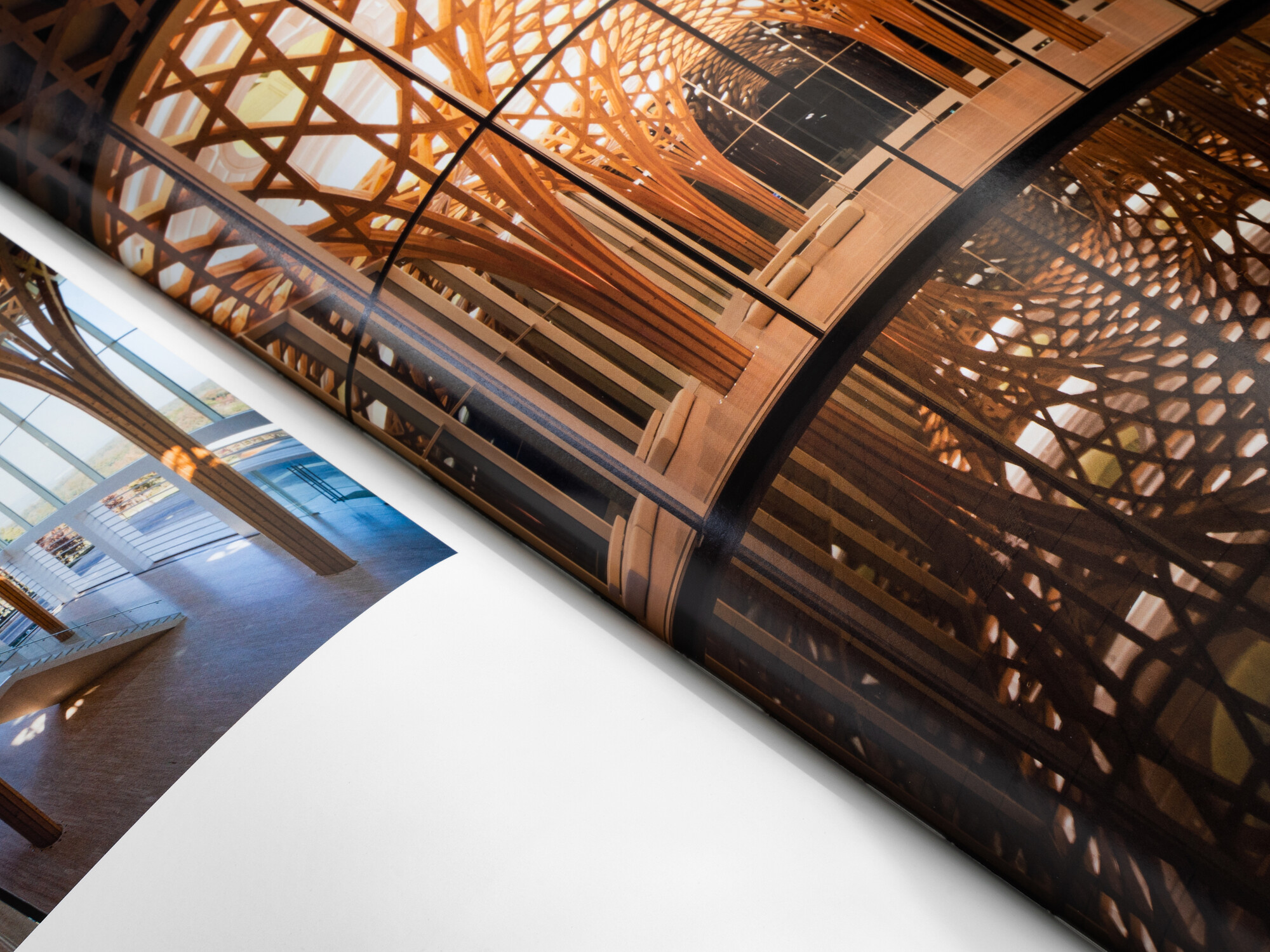
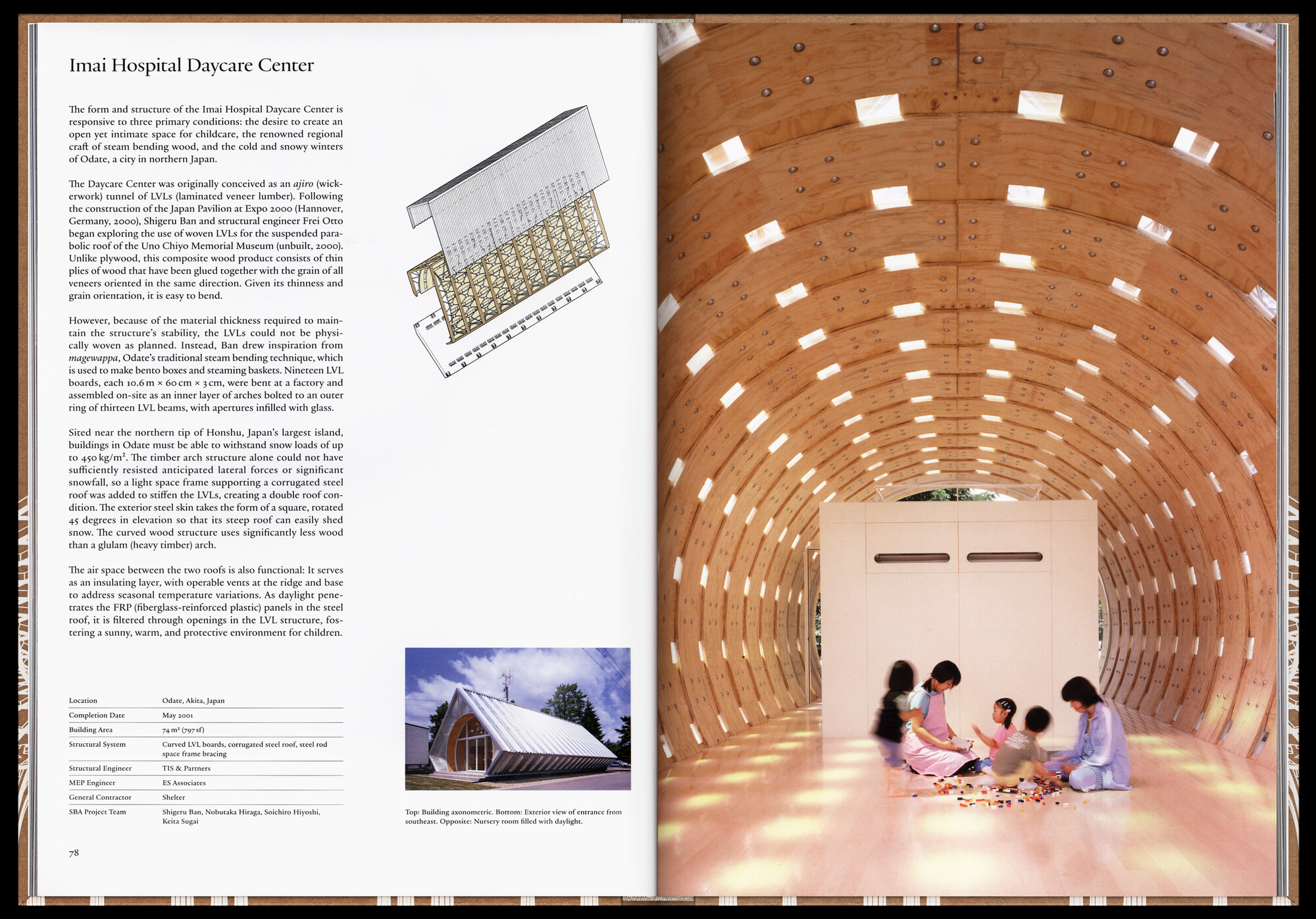
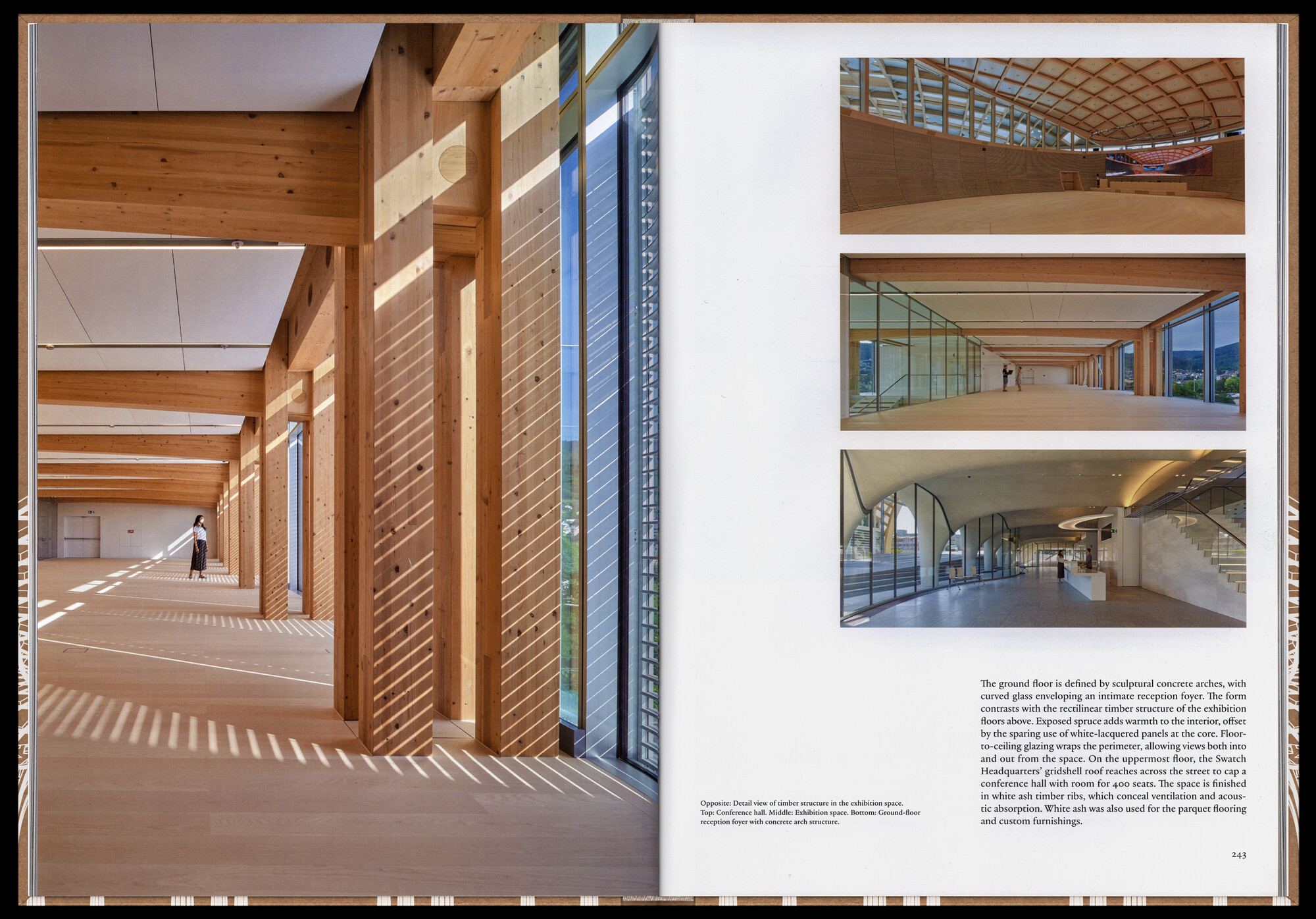
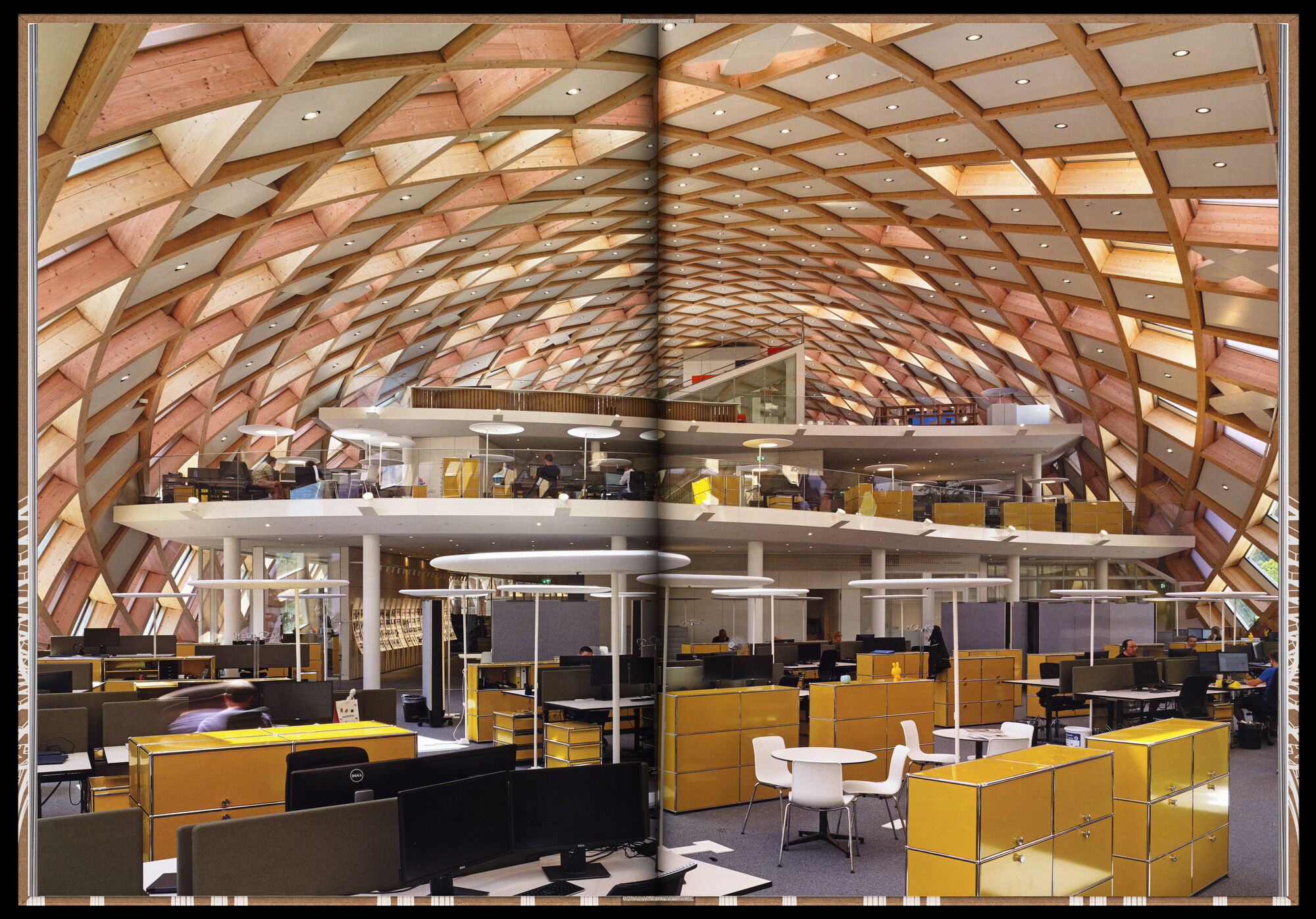
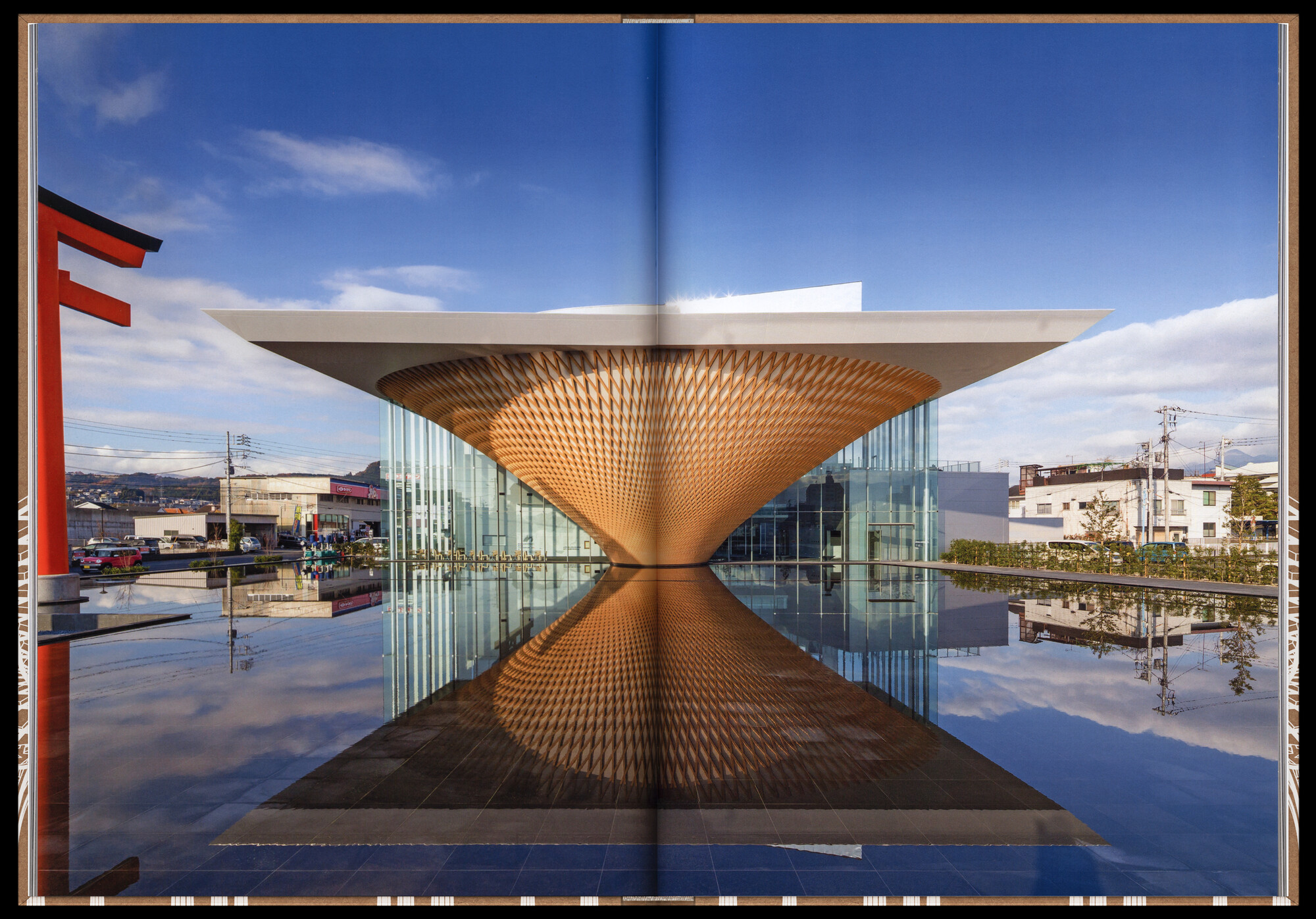
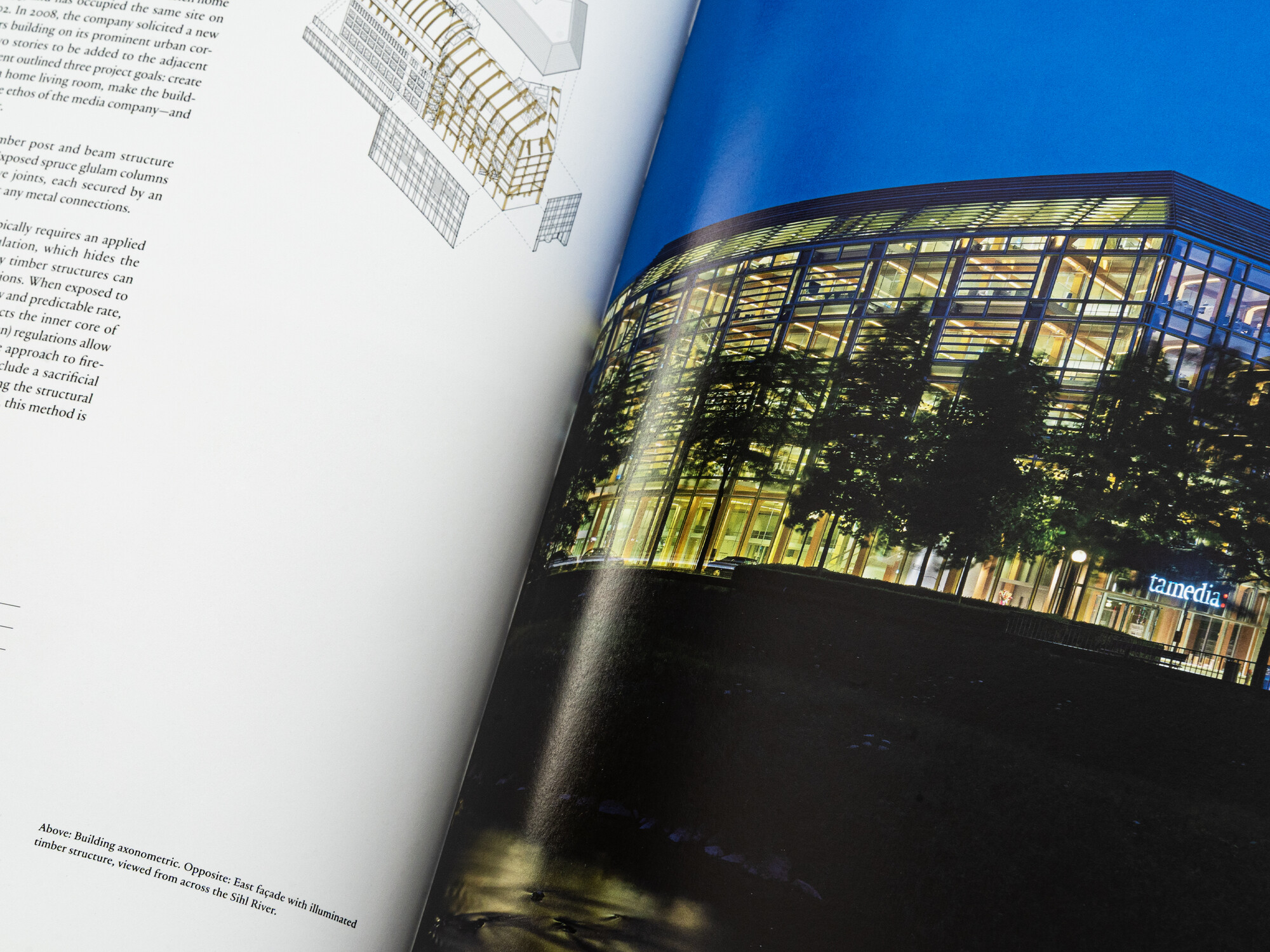
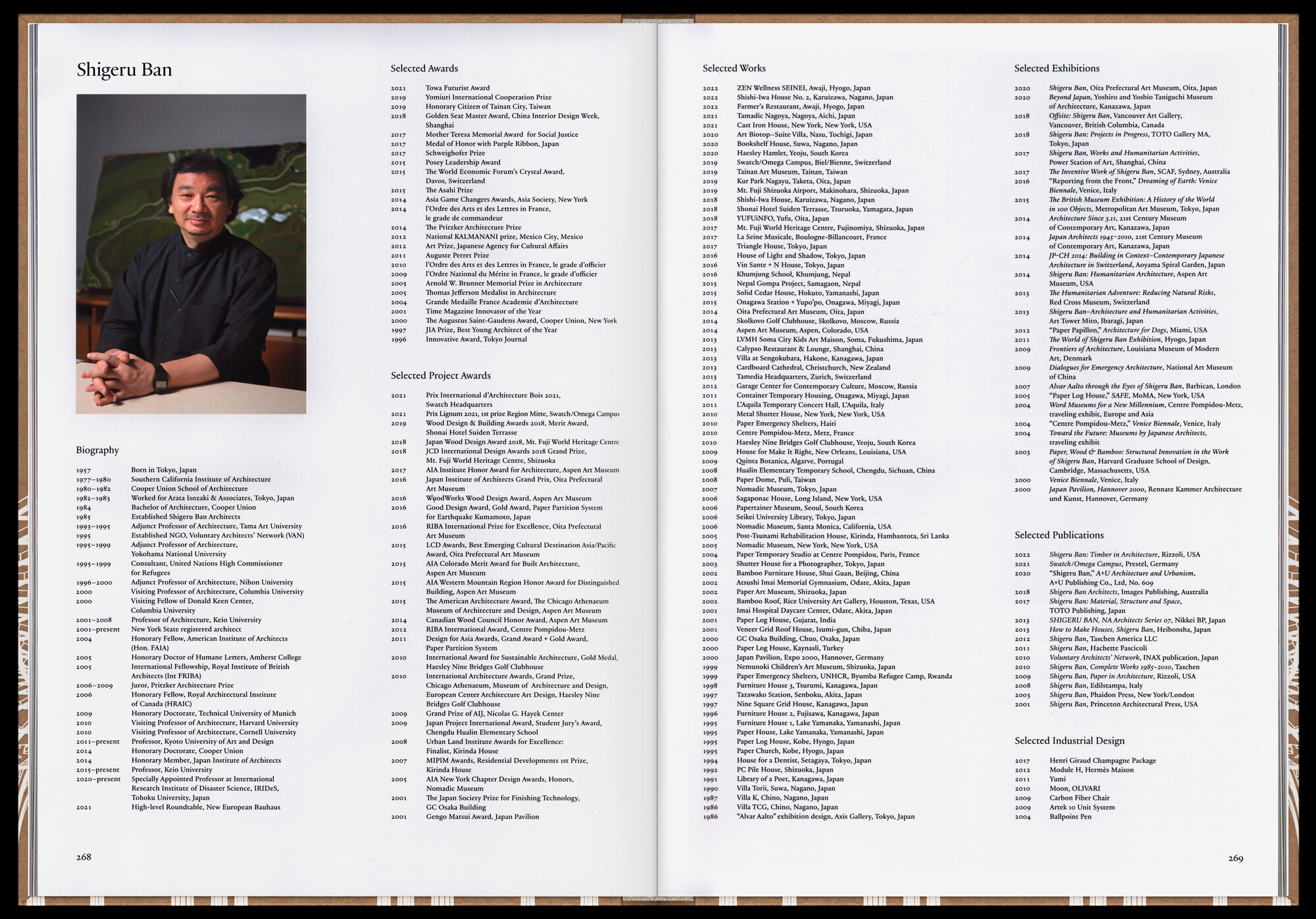
Shigeru Ban: Timber in Architecture presents 45 works from concept through construction, demonstrating the challenges and merits of wood buildings through essays, technical drawings, and photographs. This work continues on learnings presented in Shigeru Ban: Paper in Architecture as it traces Ban’s contributions to the evolution of mass timber as a commercially viable, highly competitive structural solution in a variety of forms.
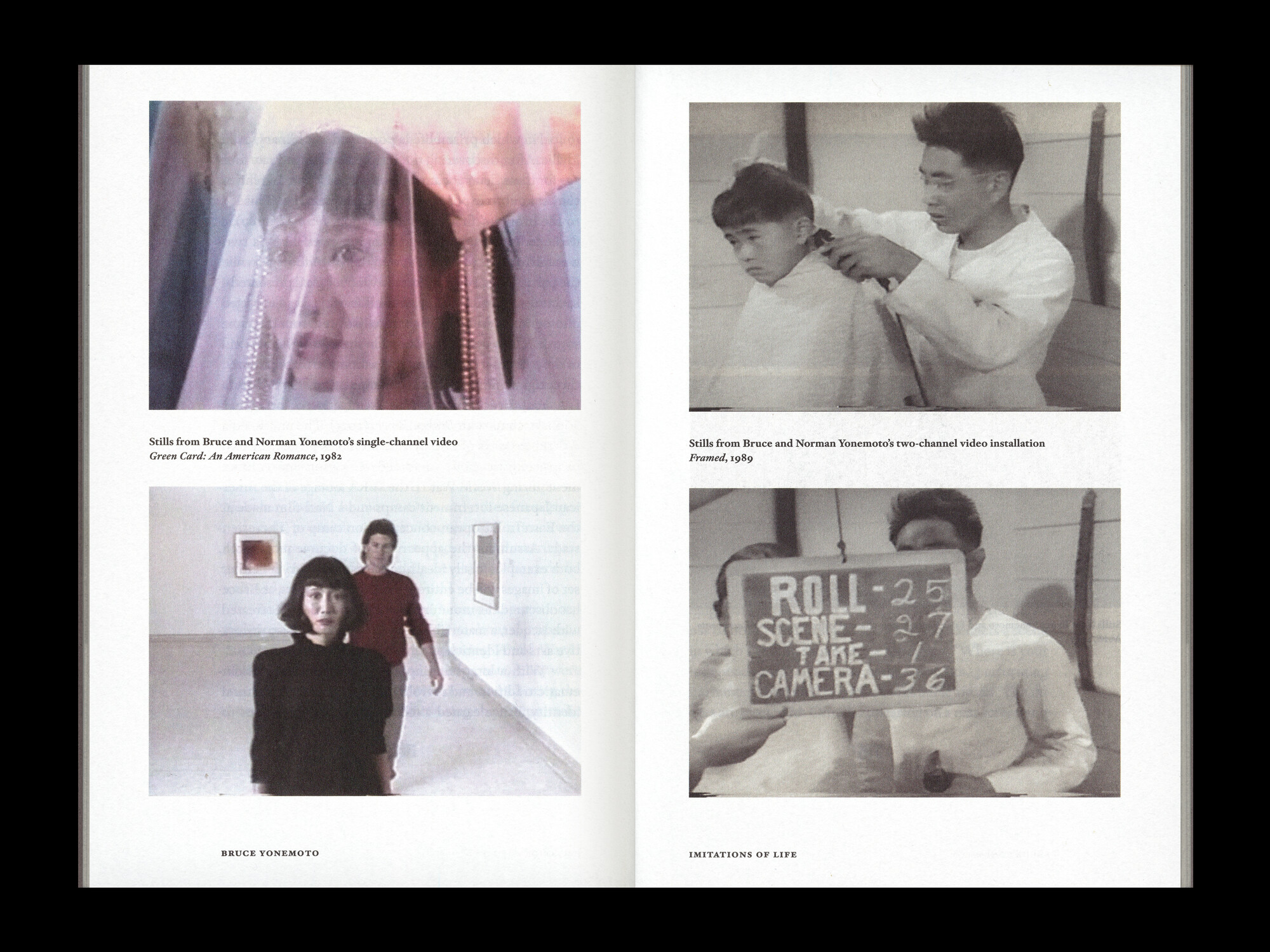
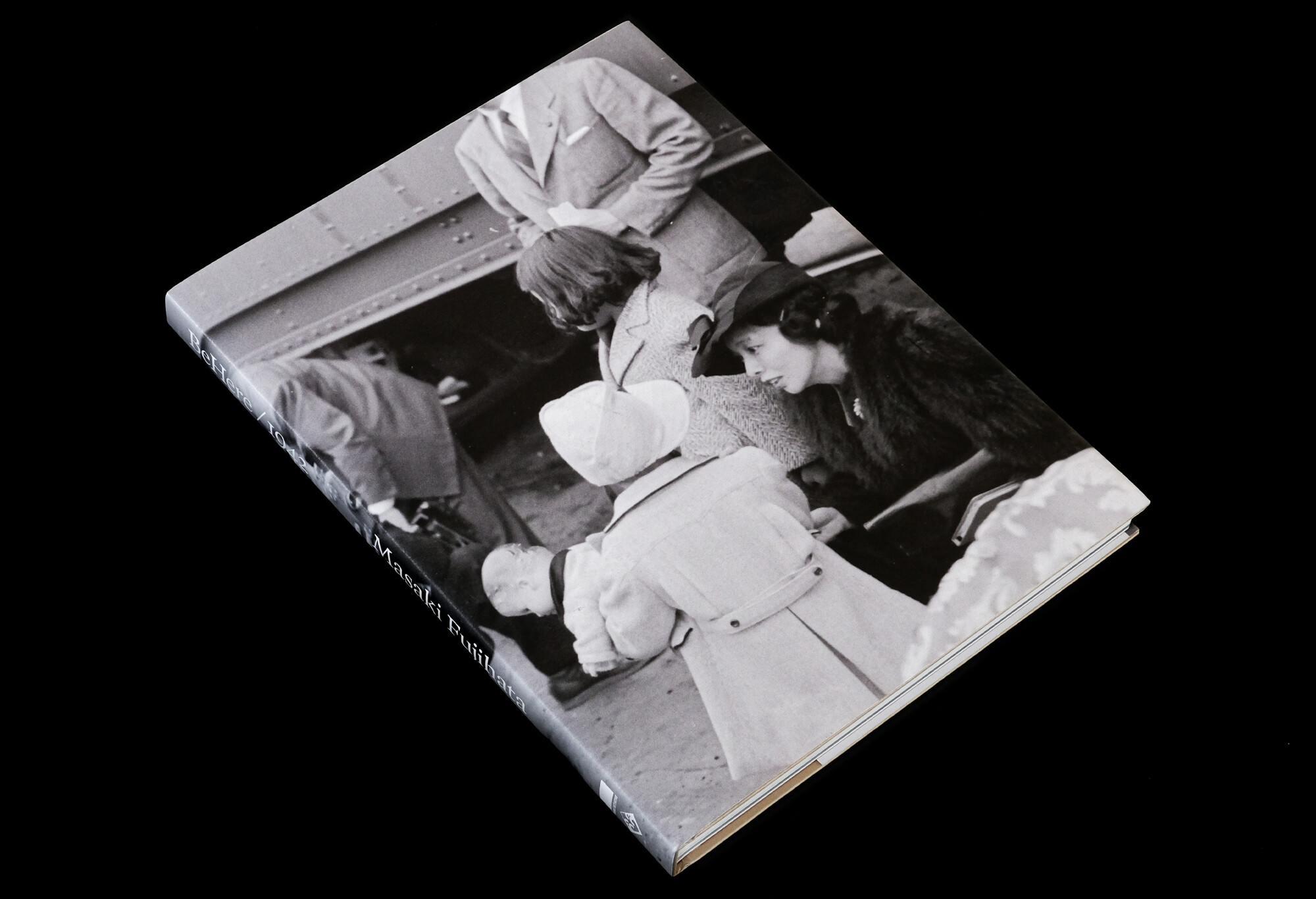
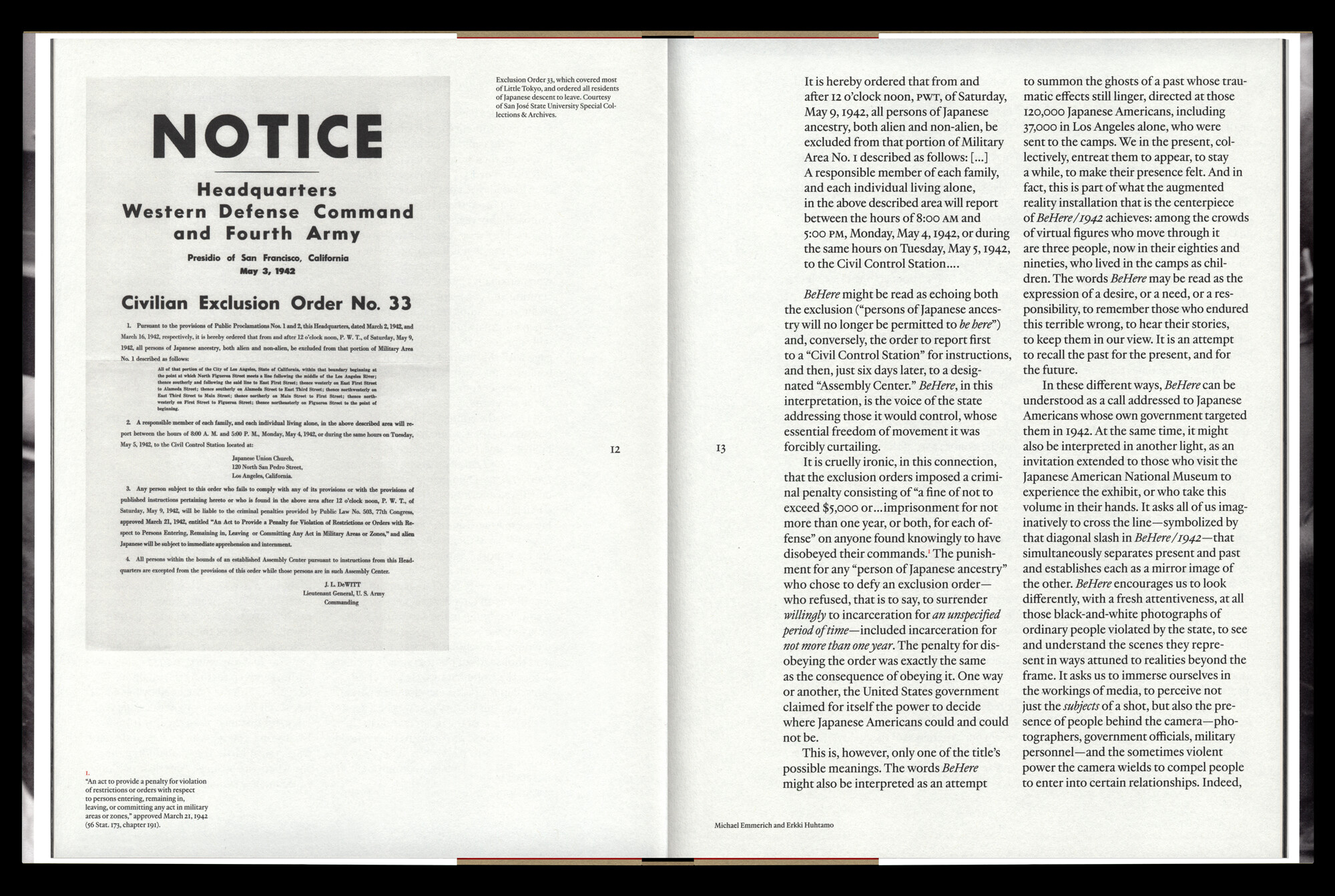
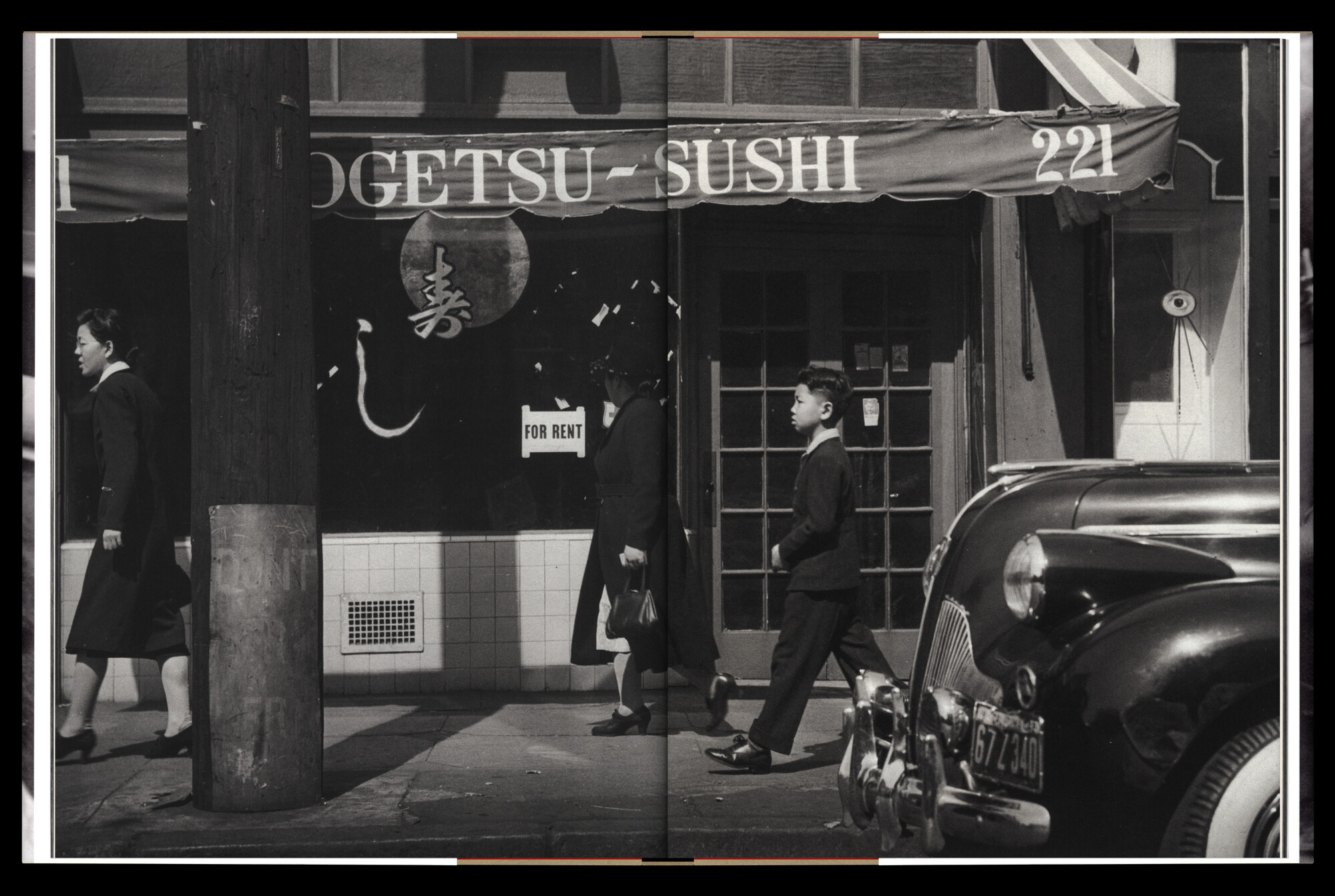
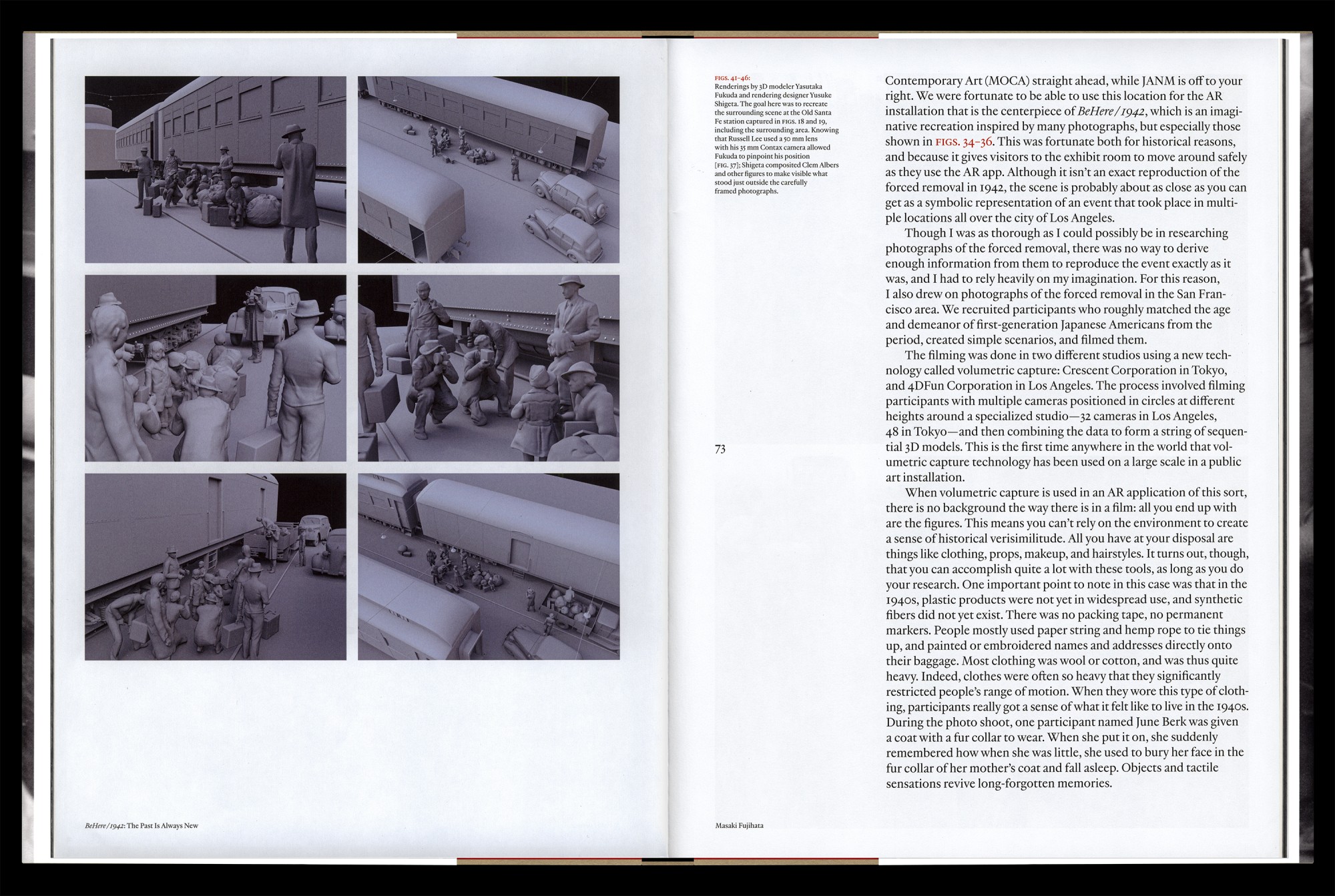
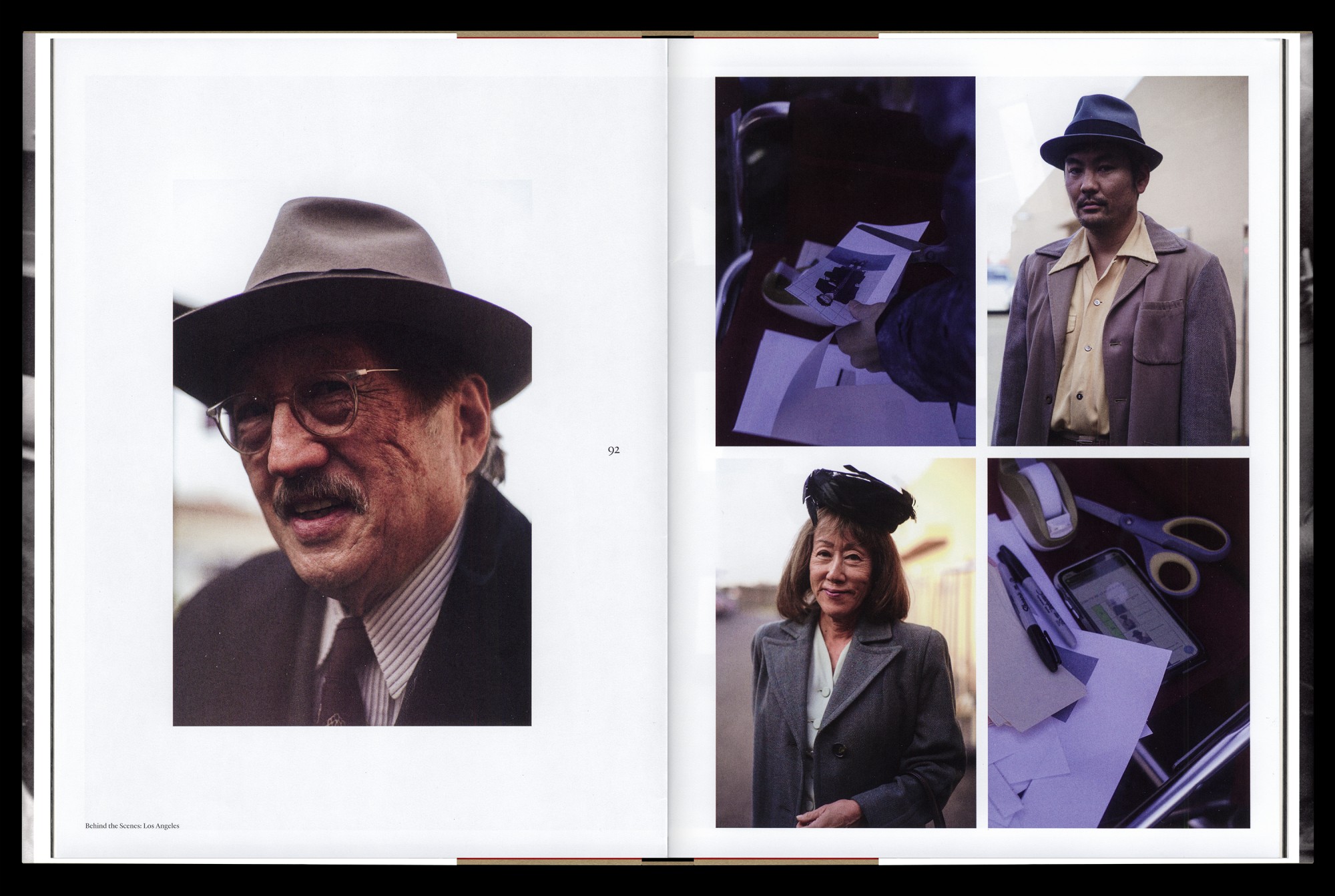
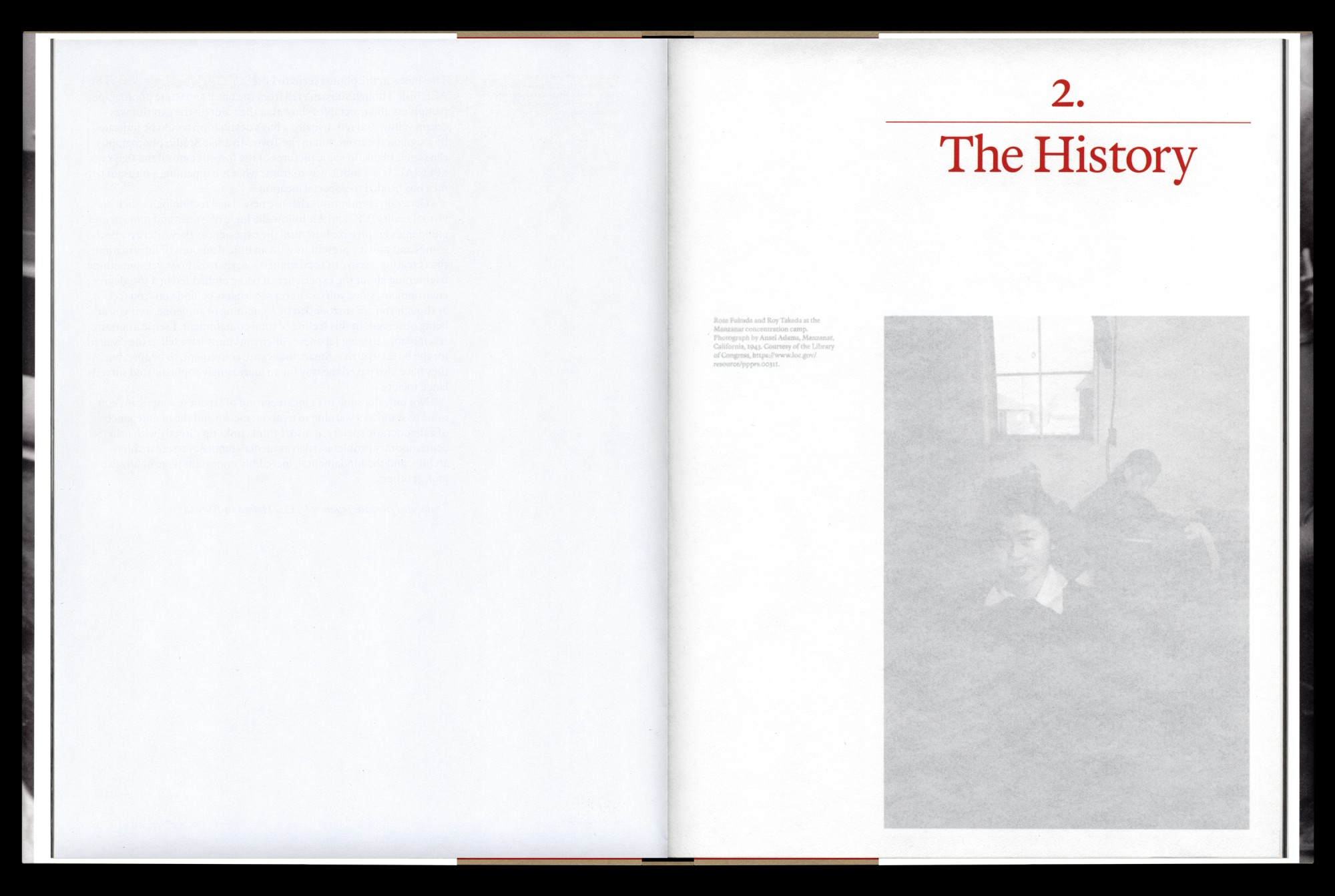
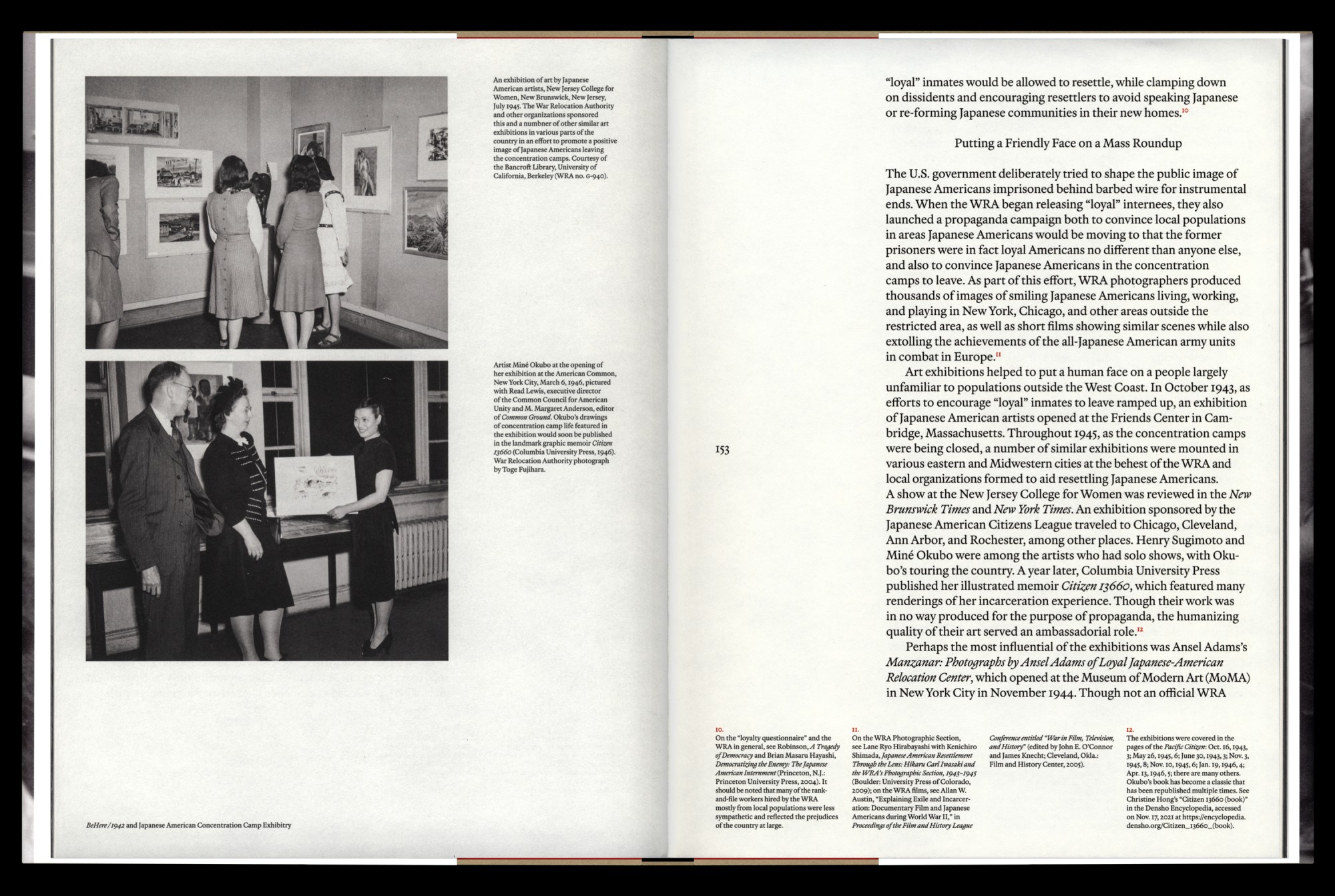
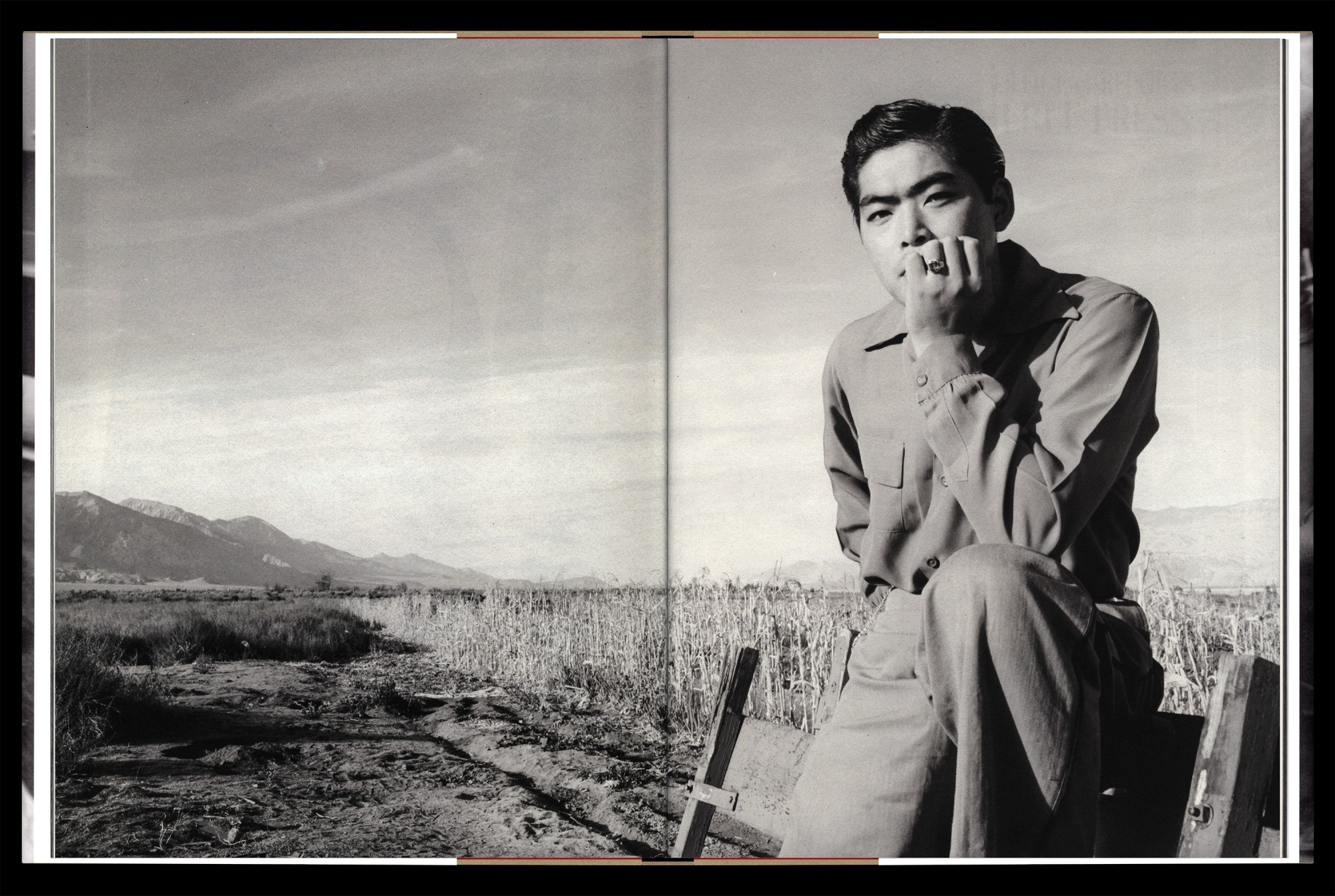
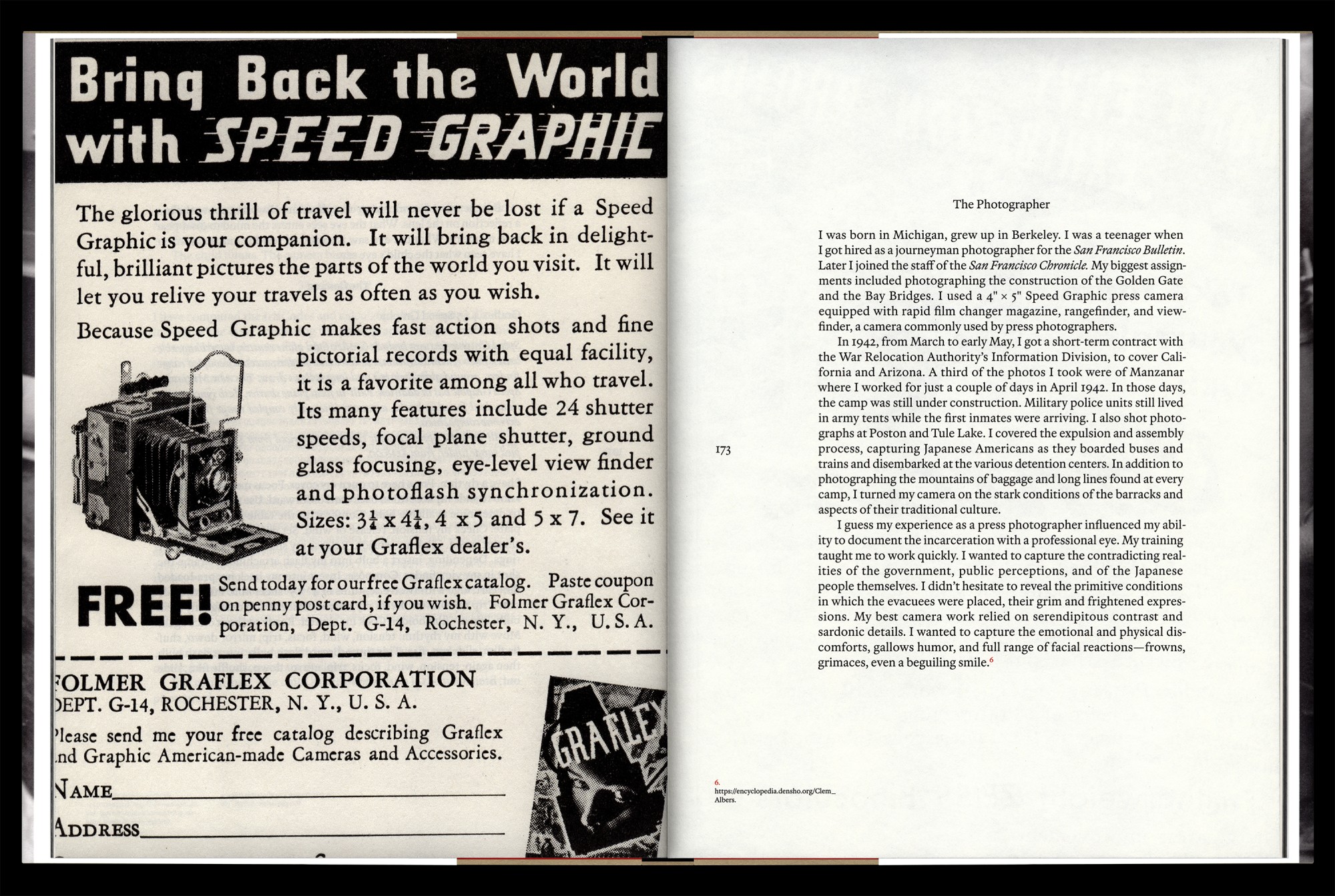
BeHere / 1942 is the companion book to media artist Masaki Fujihata’s project and exhibition at the Japanese American National Museum reframing the historic forced incarceration of Japanese Americans during World War II through photographic detective work and re-examination through augmented reality. This volume contains a variety of contributions each of which engages with the history of the incarceration and its representation in photographs and exhibitions.
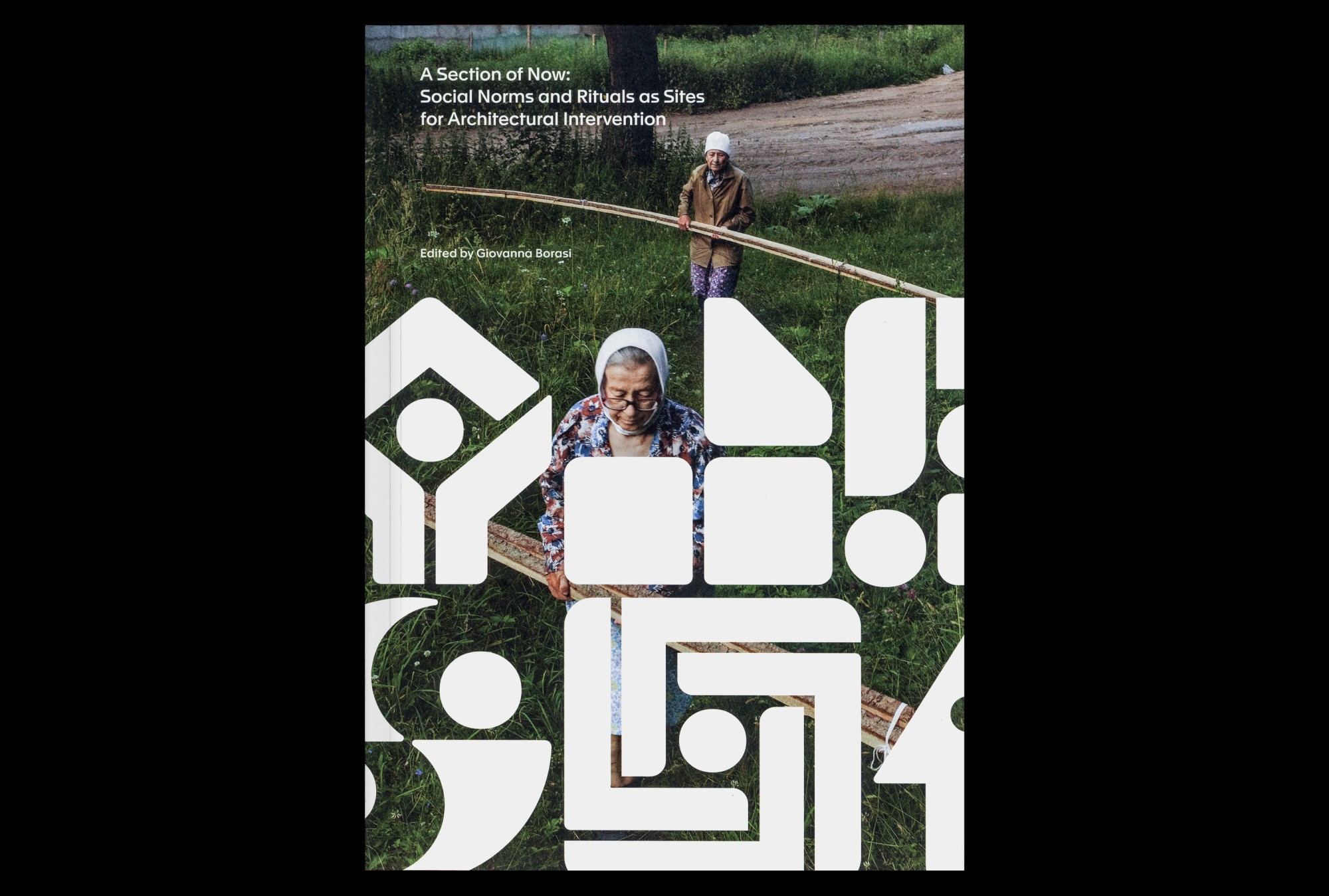
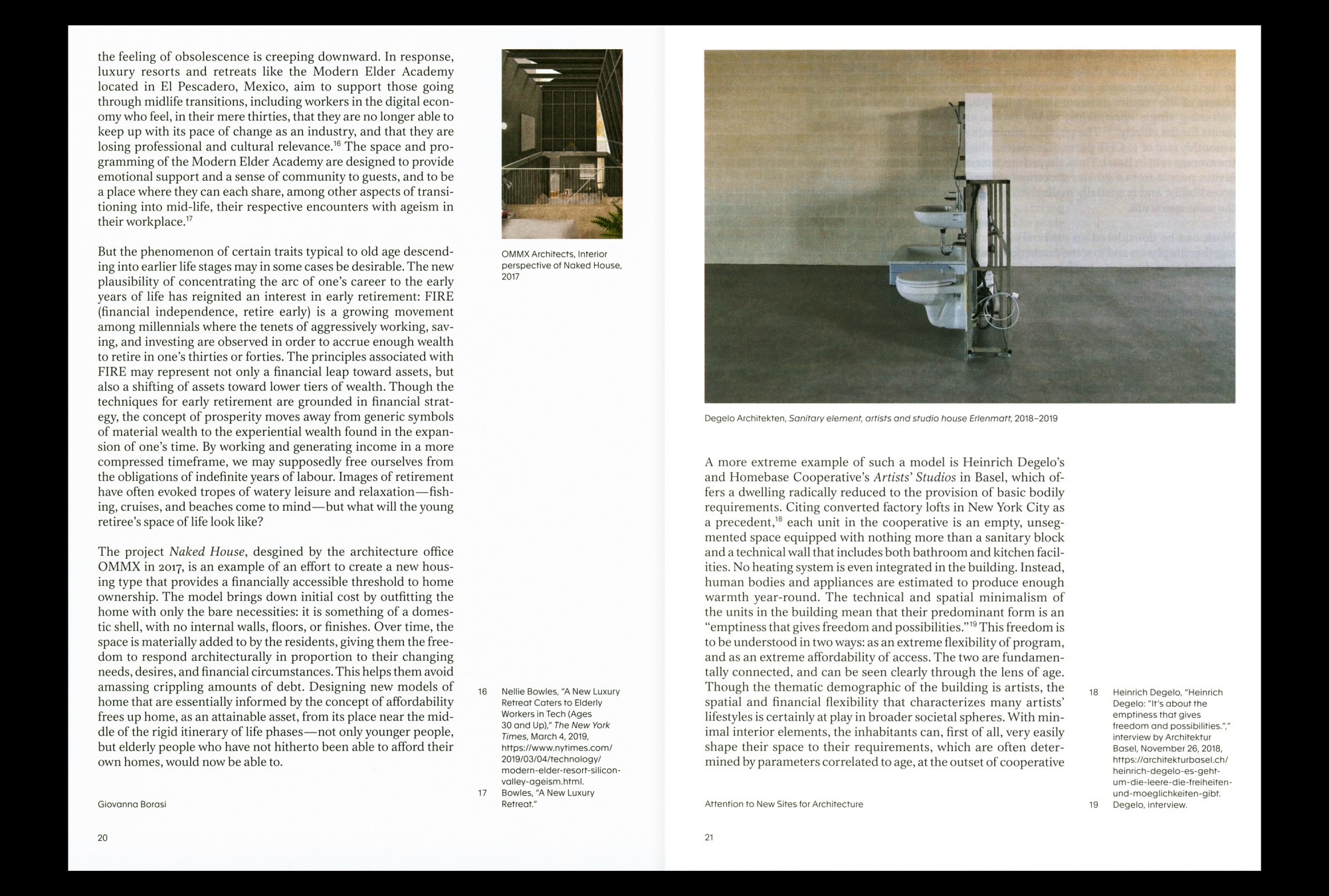
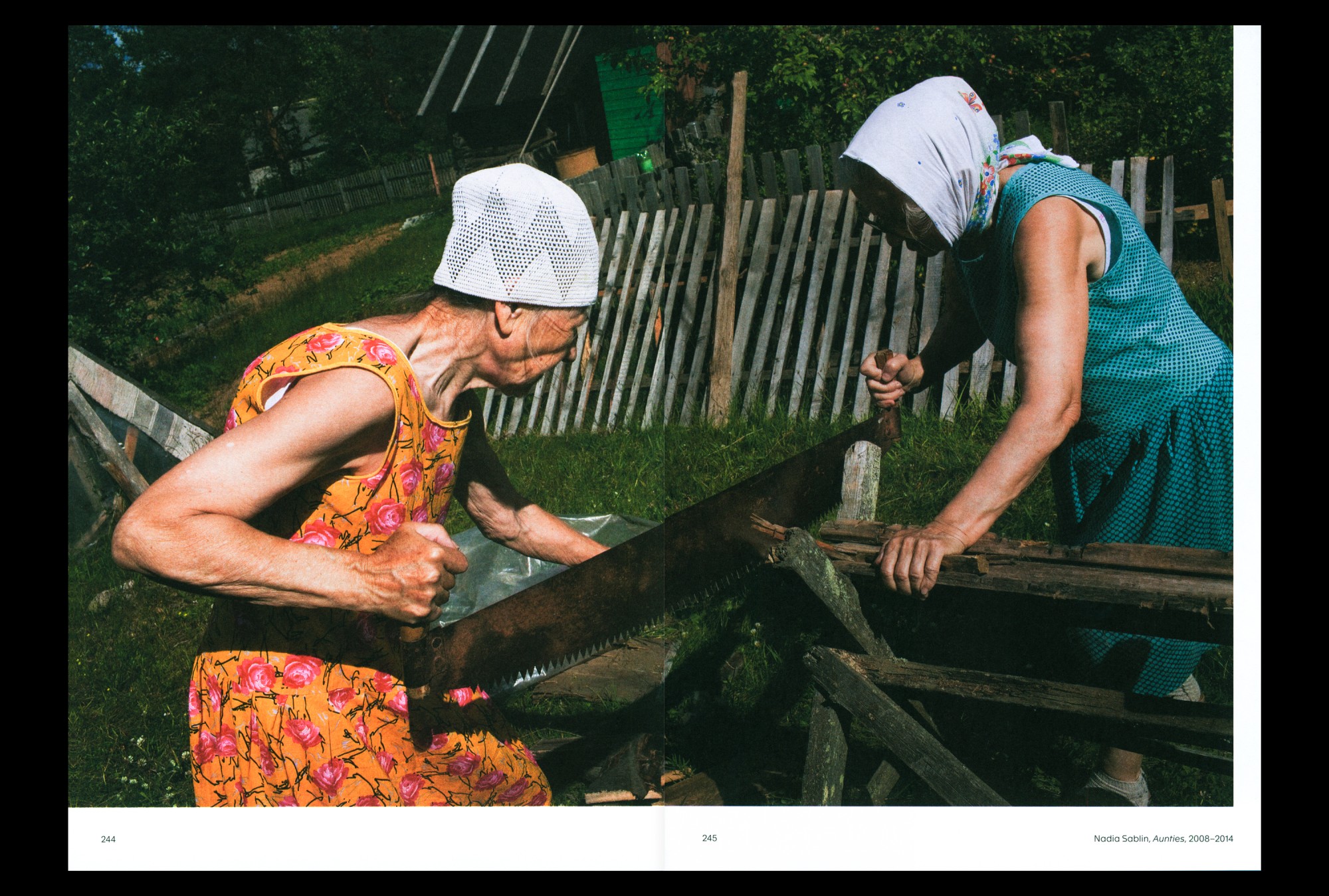
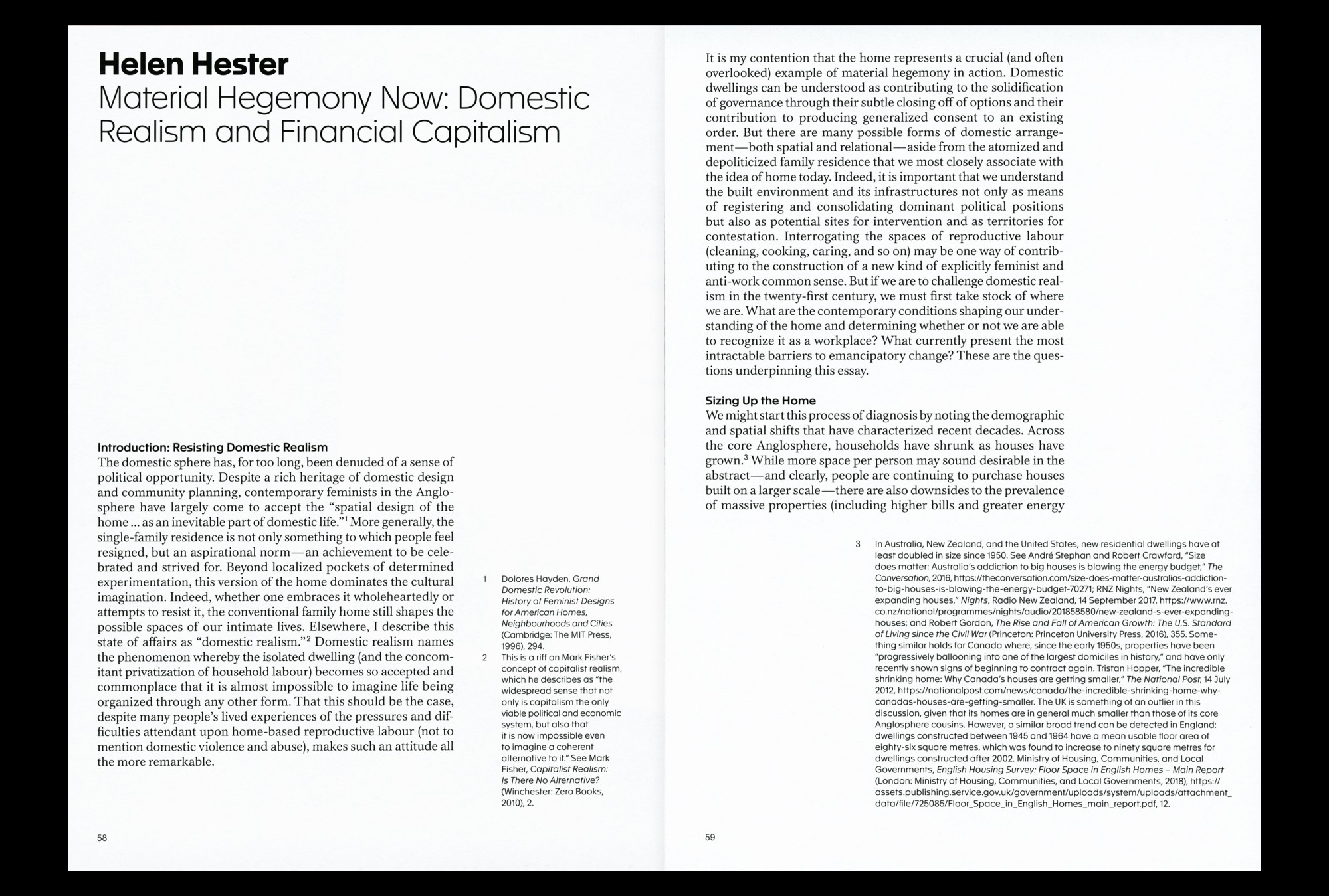
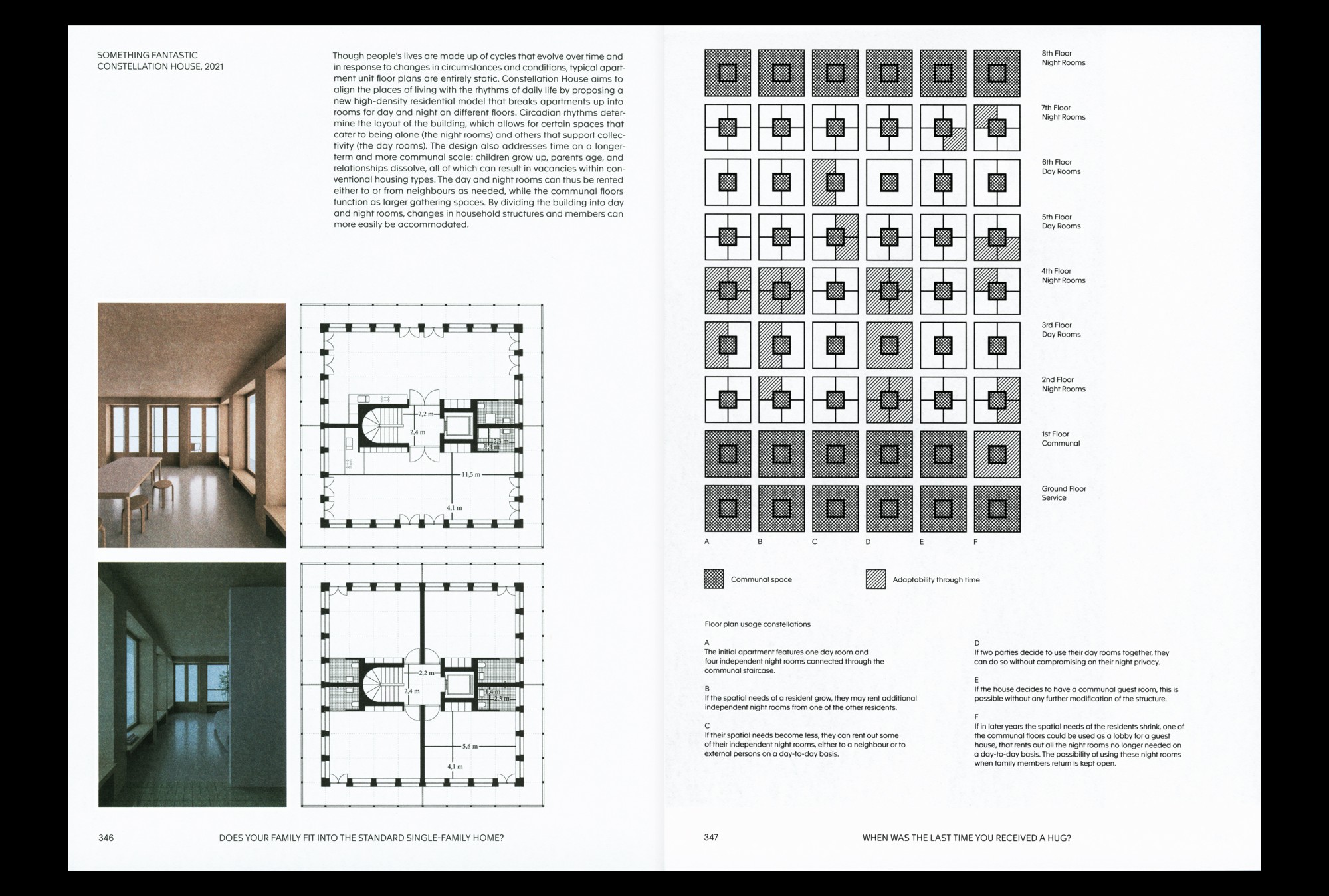
A Section of Now: Social Norms and Rituals as Sites for Architectural Intervention is the companion publication to the exhibition presented by the Canadian Centre for Architecture. The reader, published in both French and English, brings projects presented in the show into contact with critical essays by sociologists, technologists, and cultural critics diagnosing the meta-societal landscapes on which the architecture intervenes.
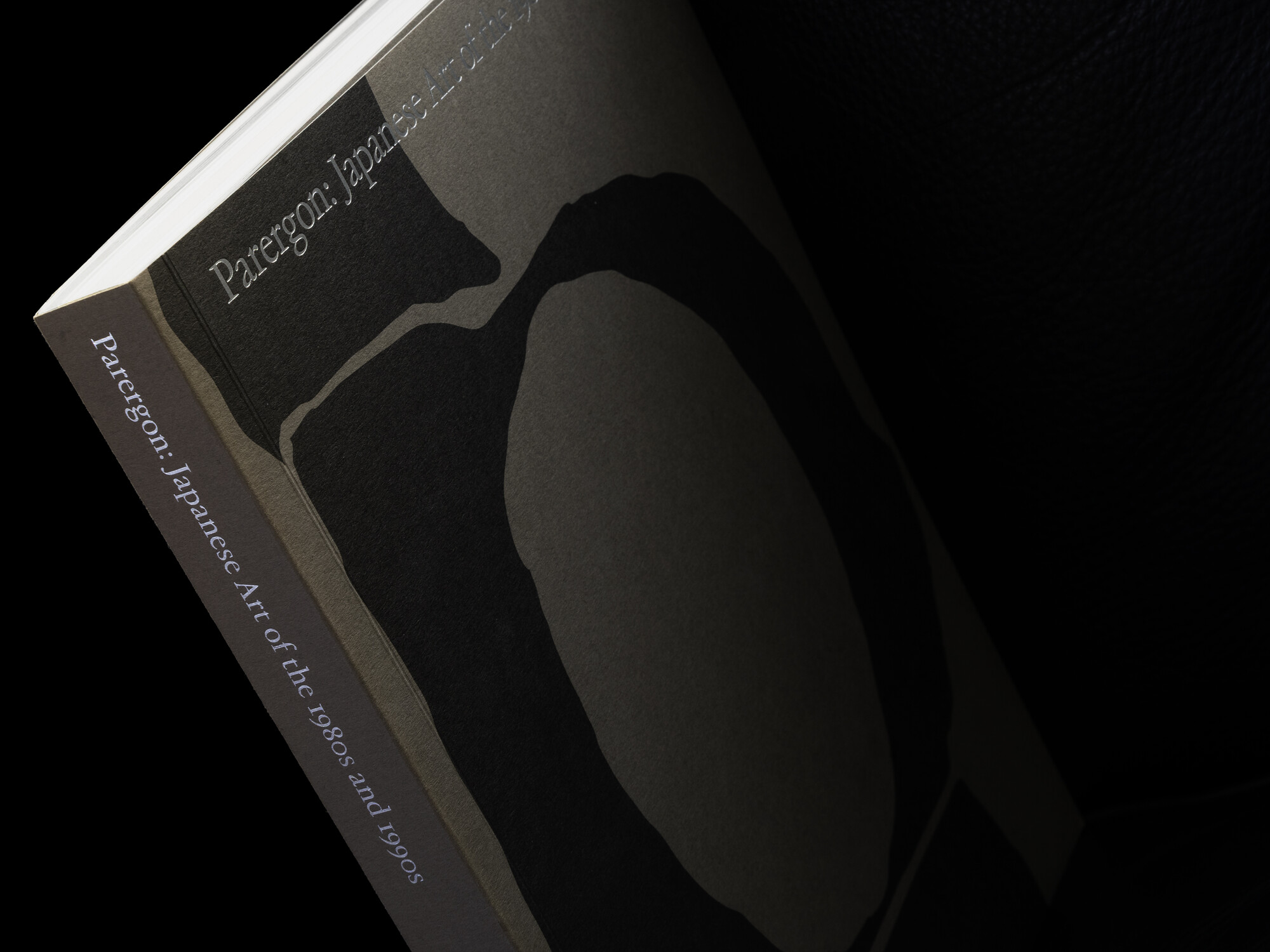
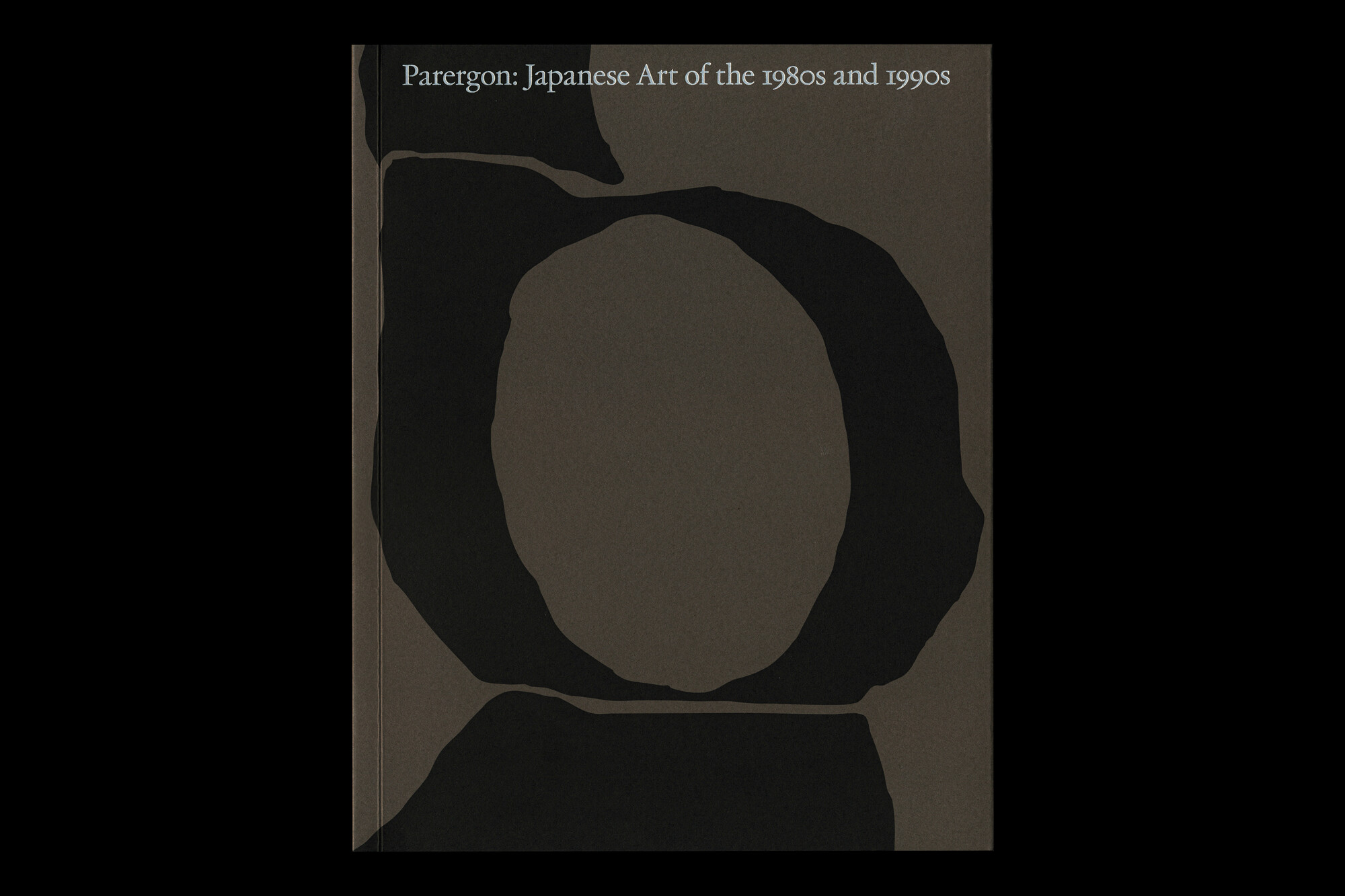
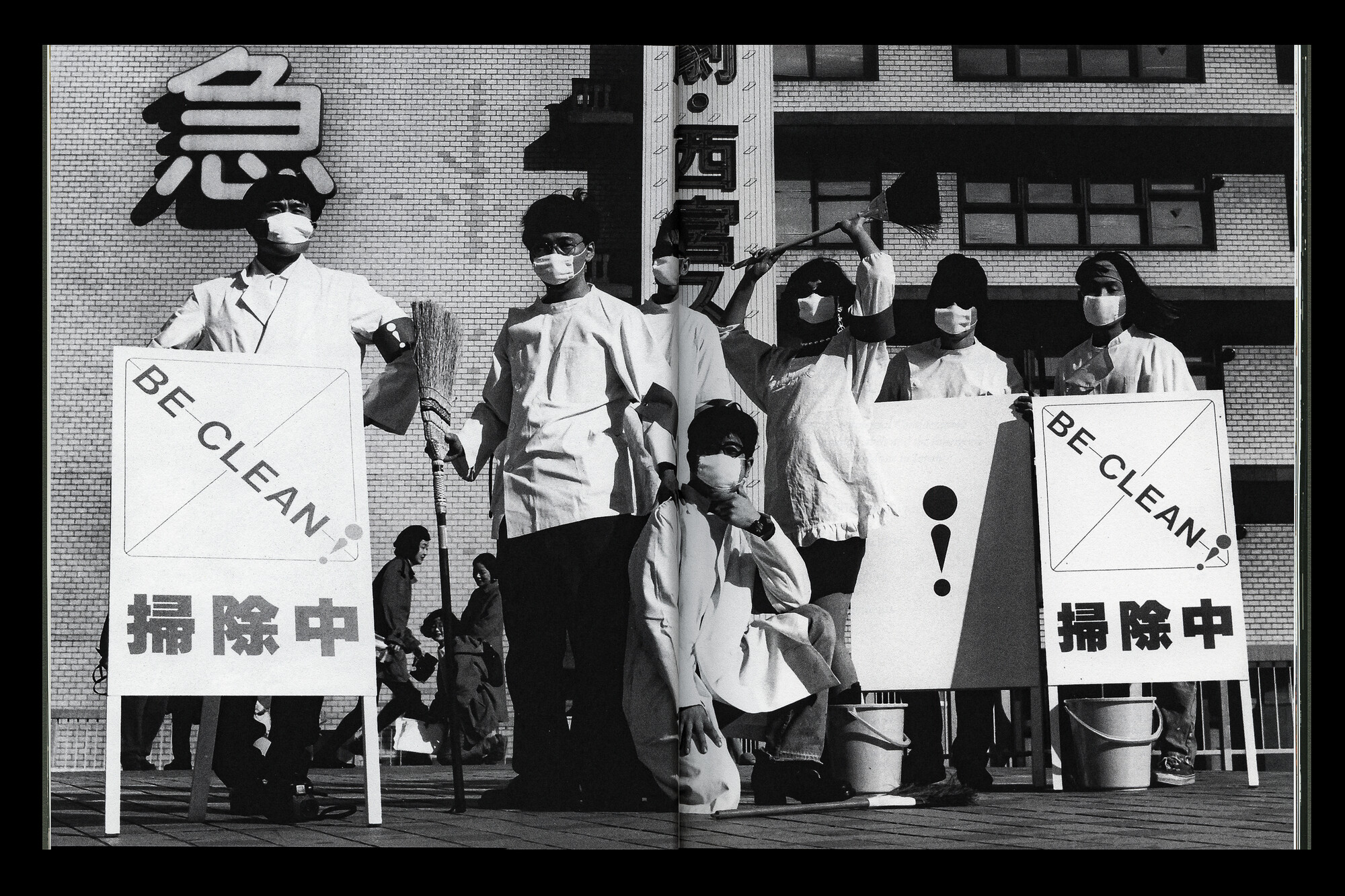
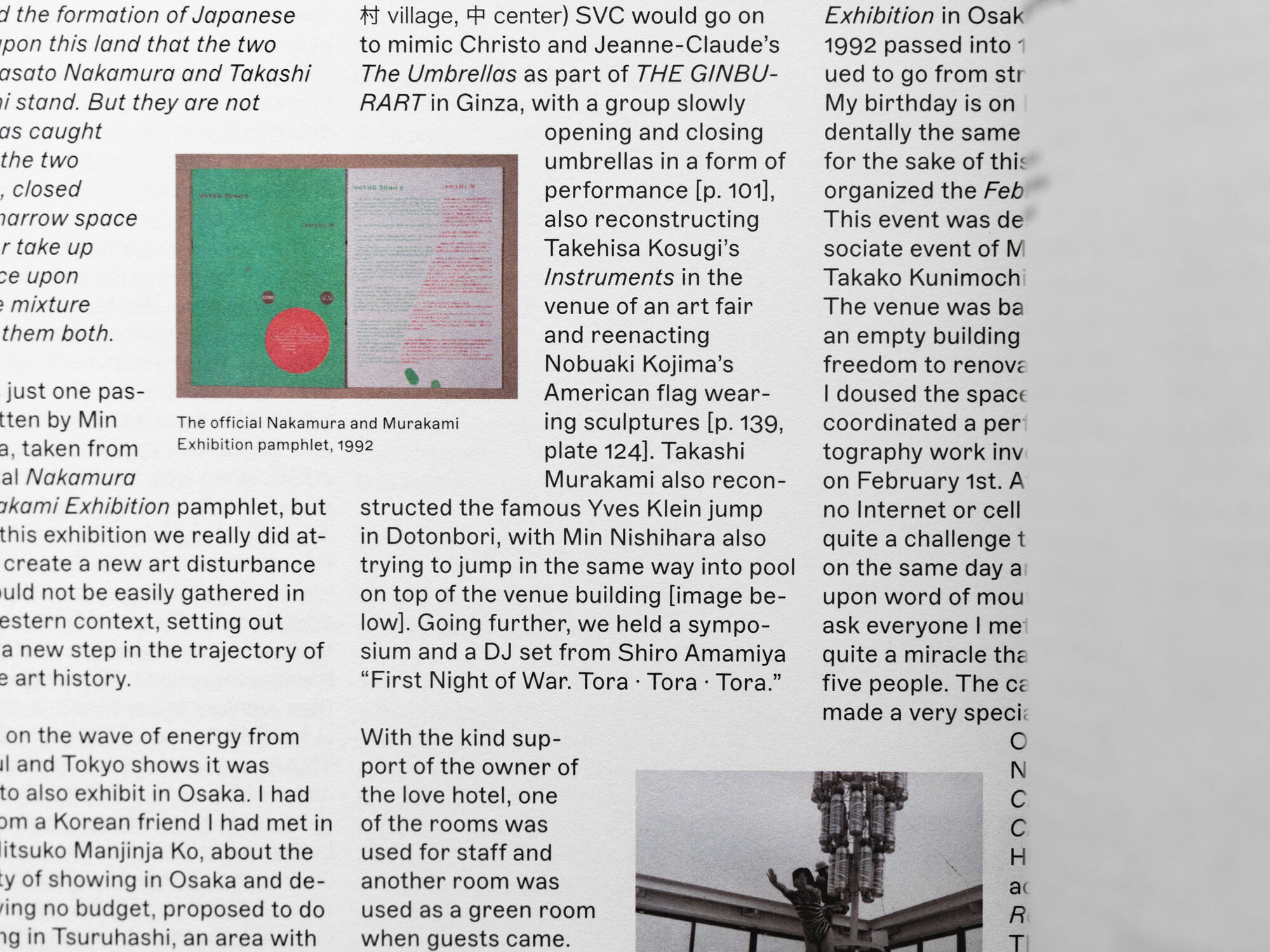
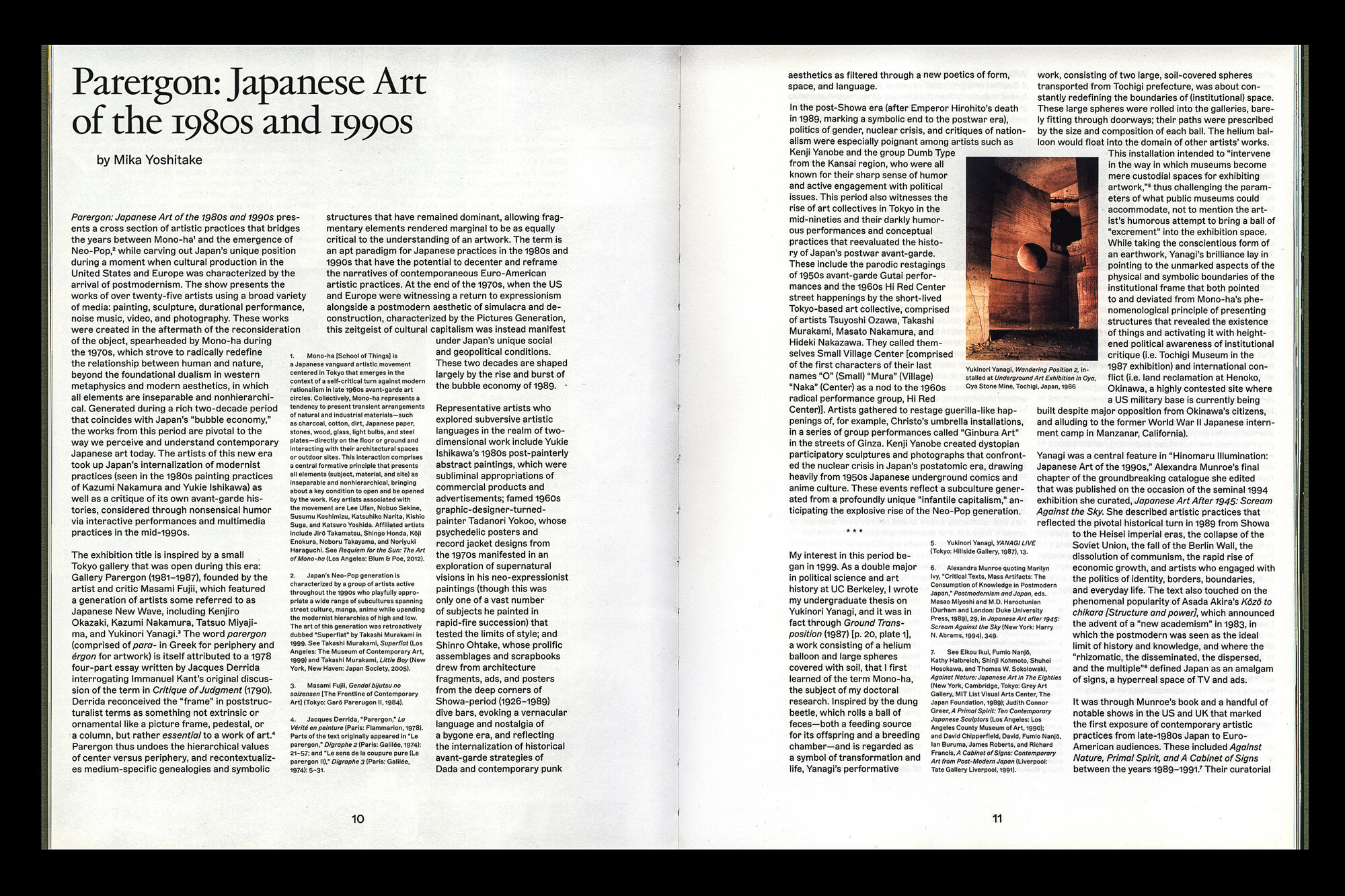
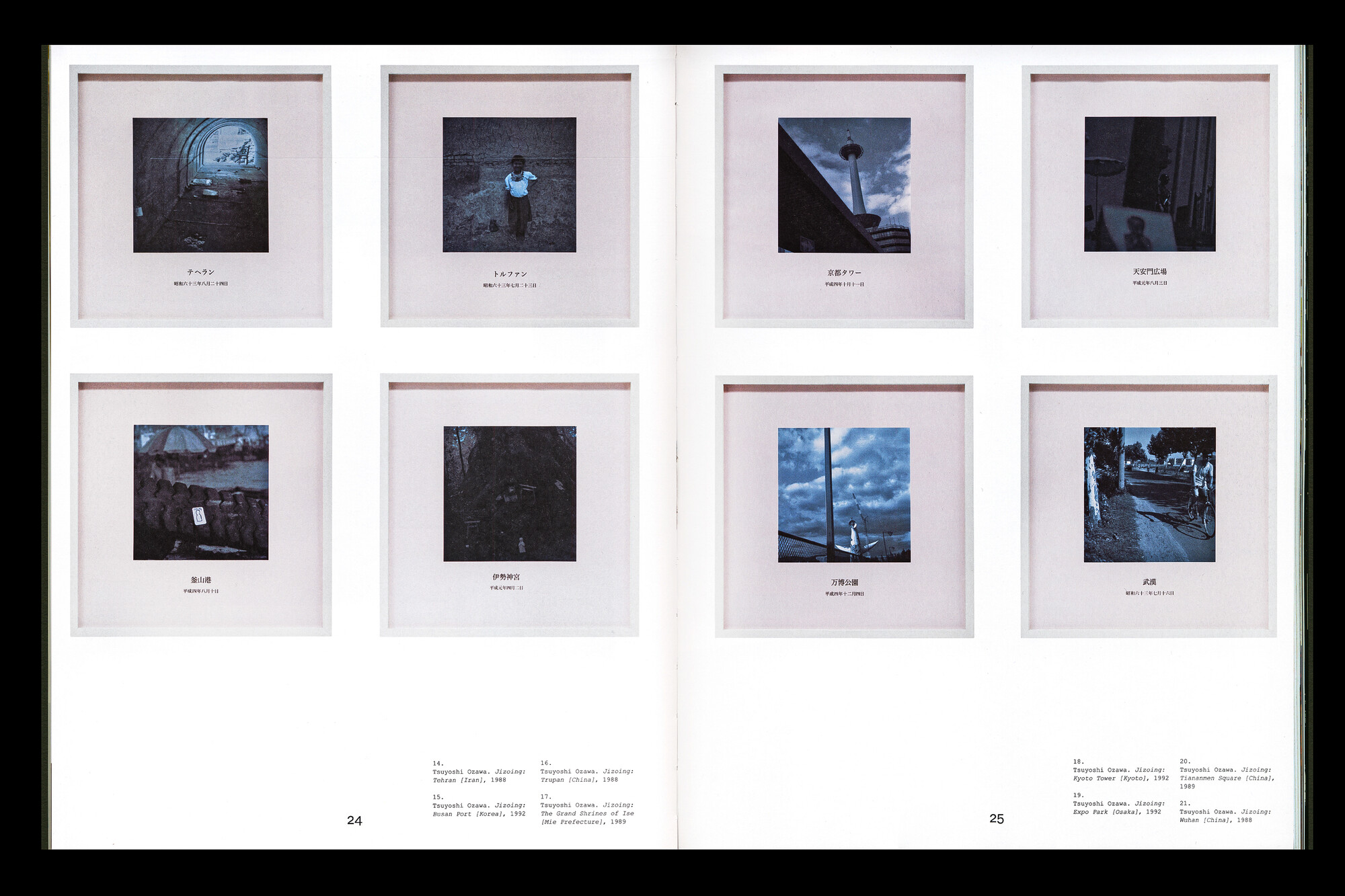
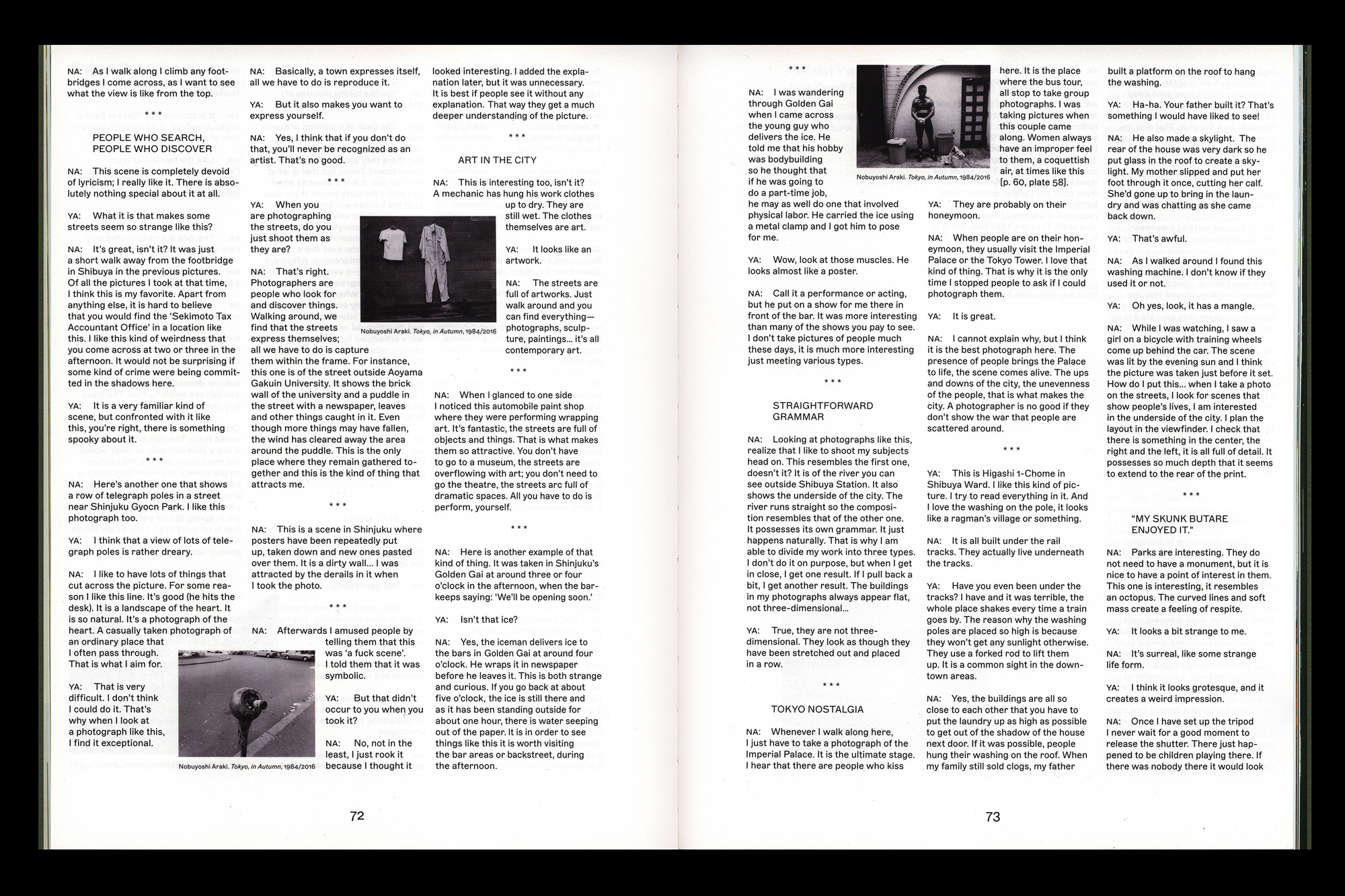
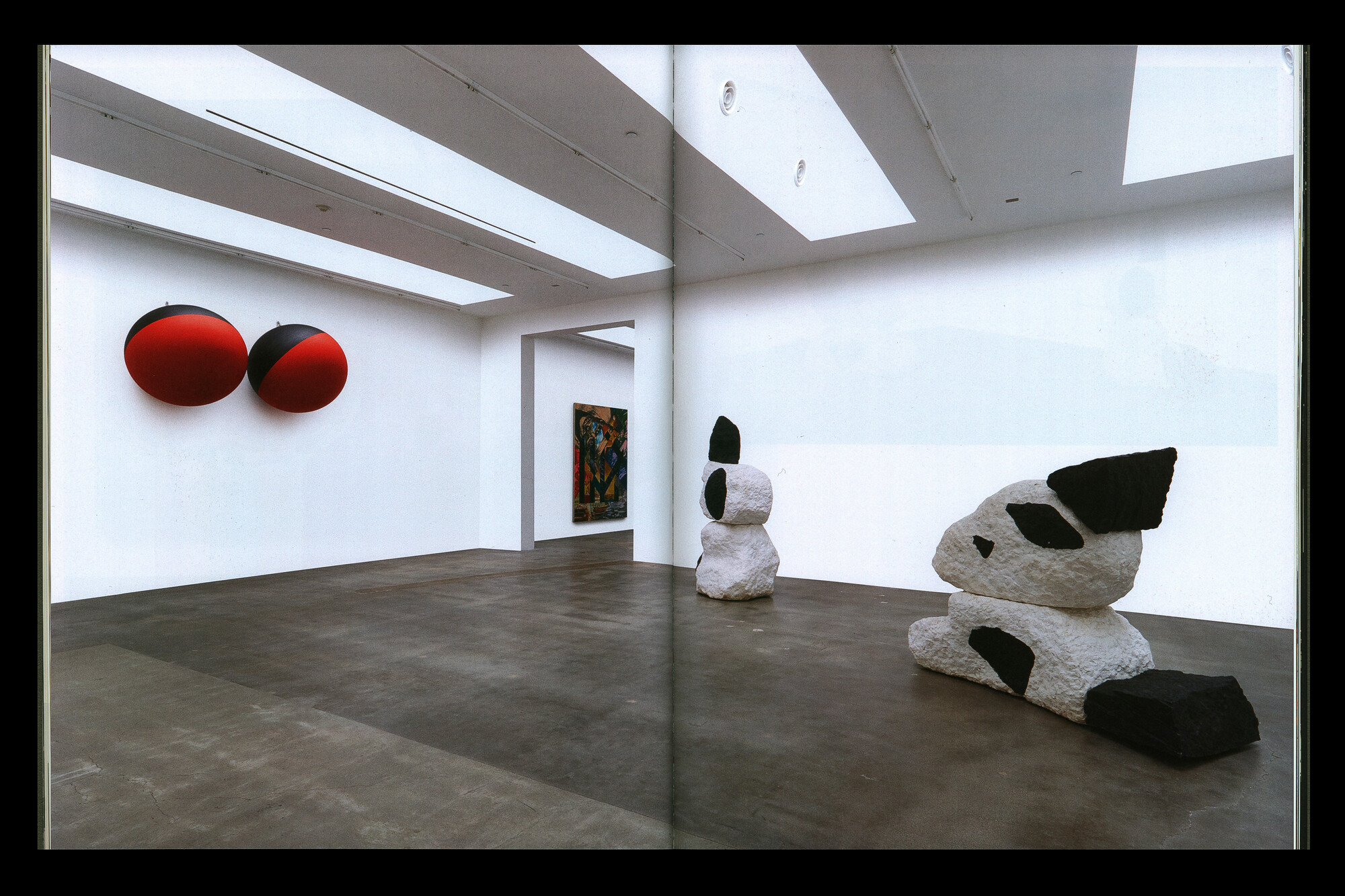
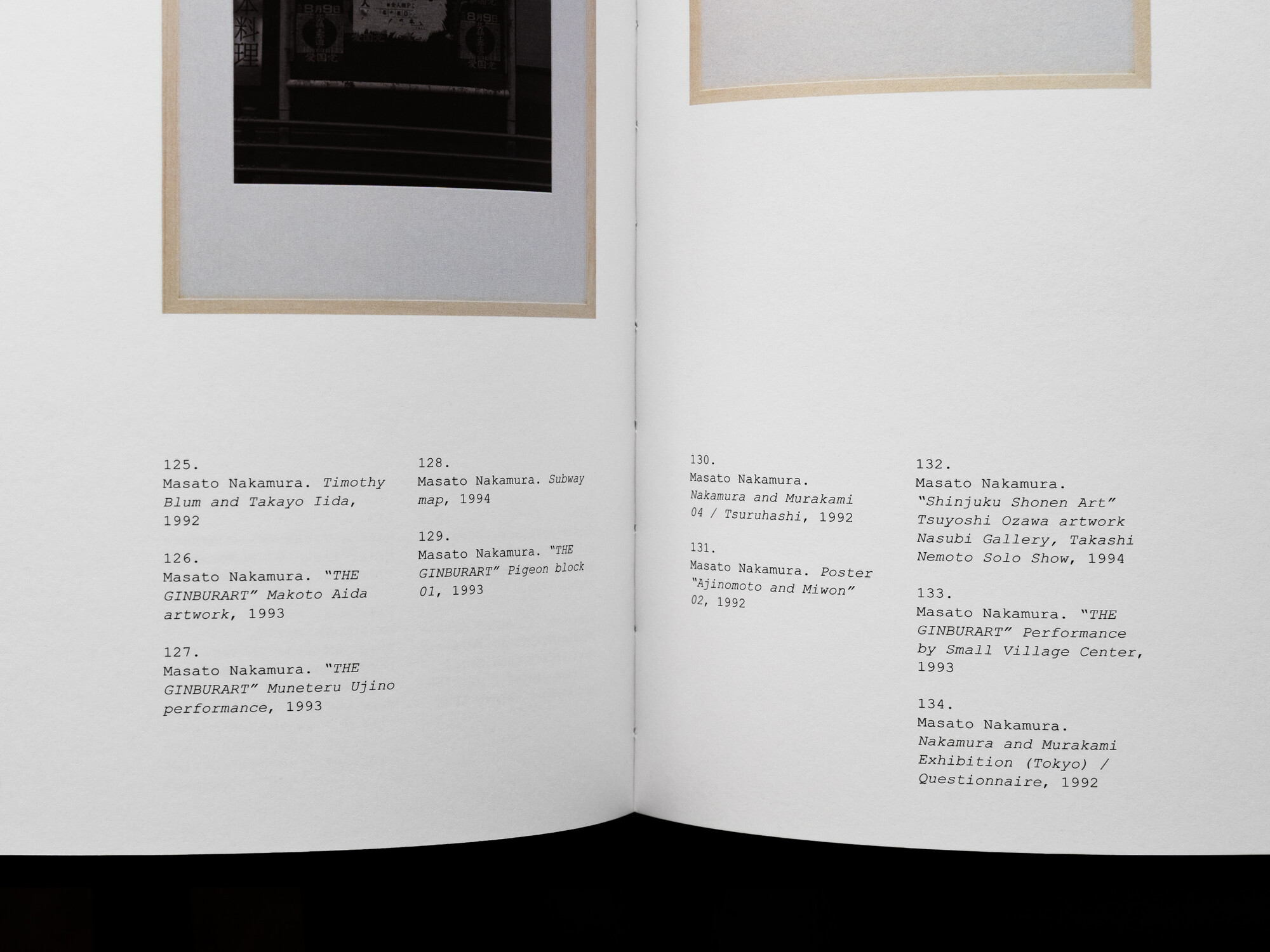
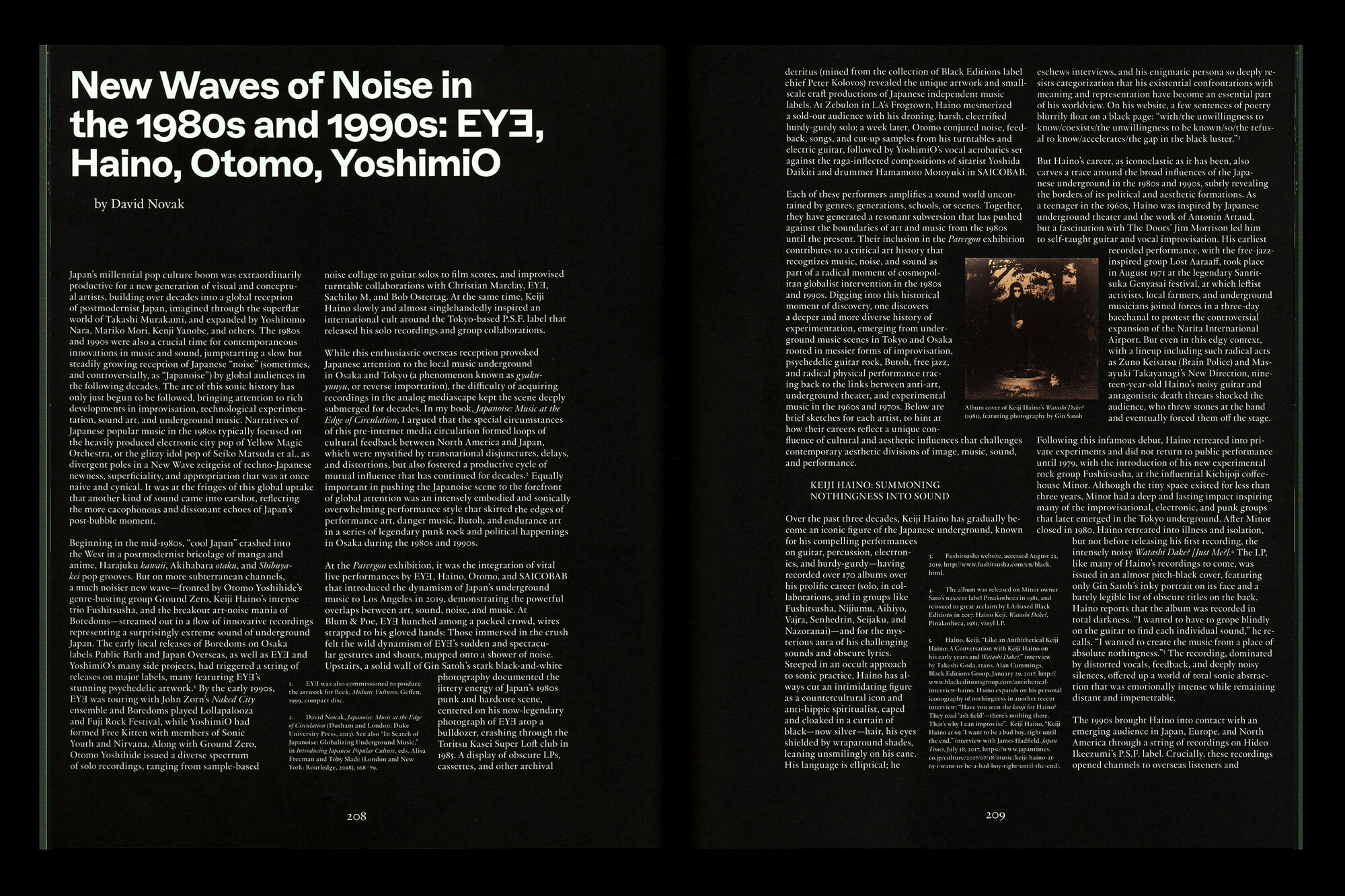
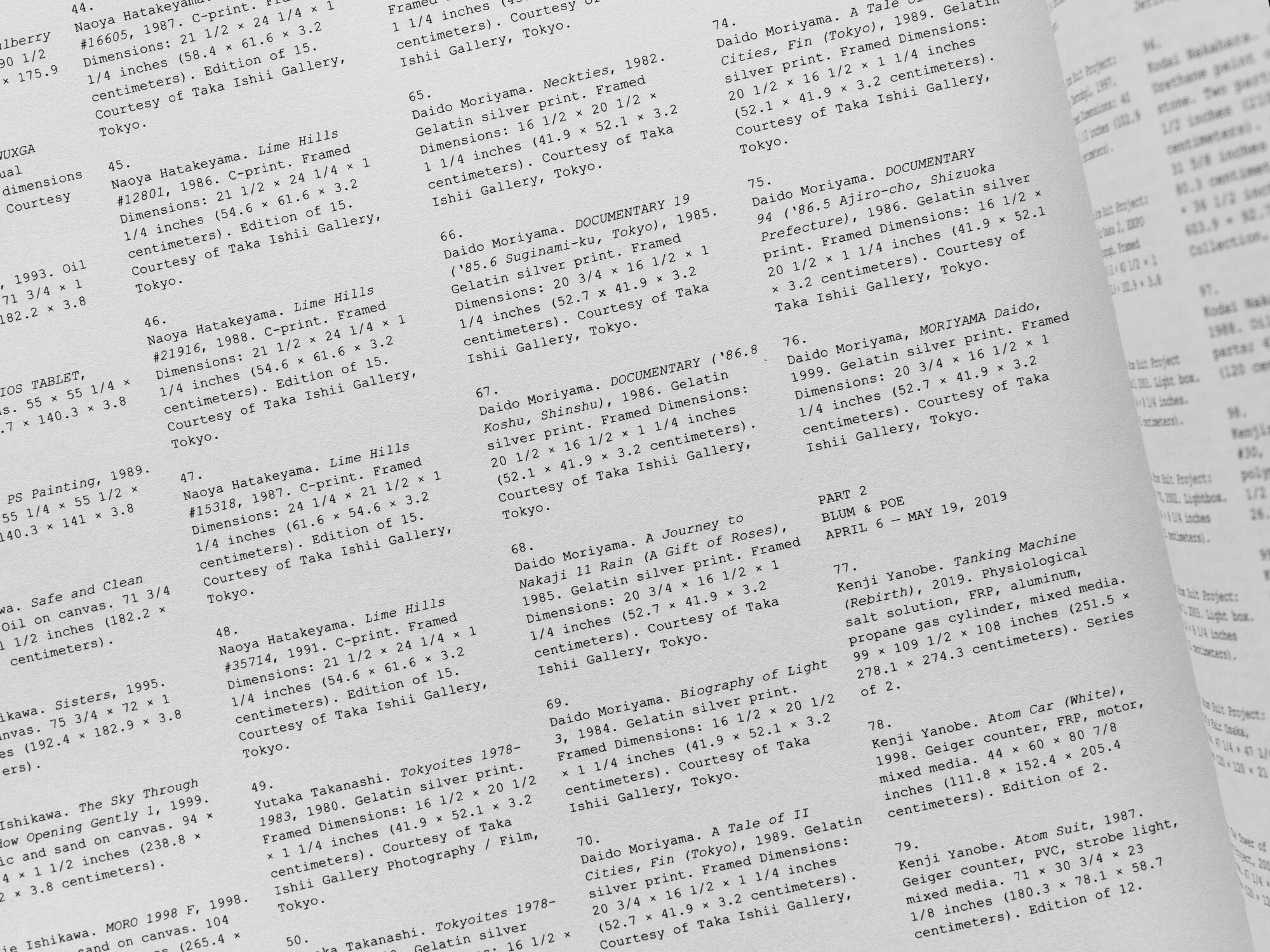
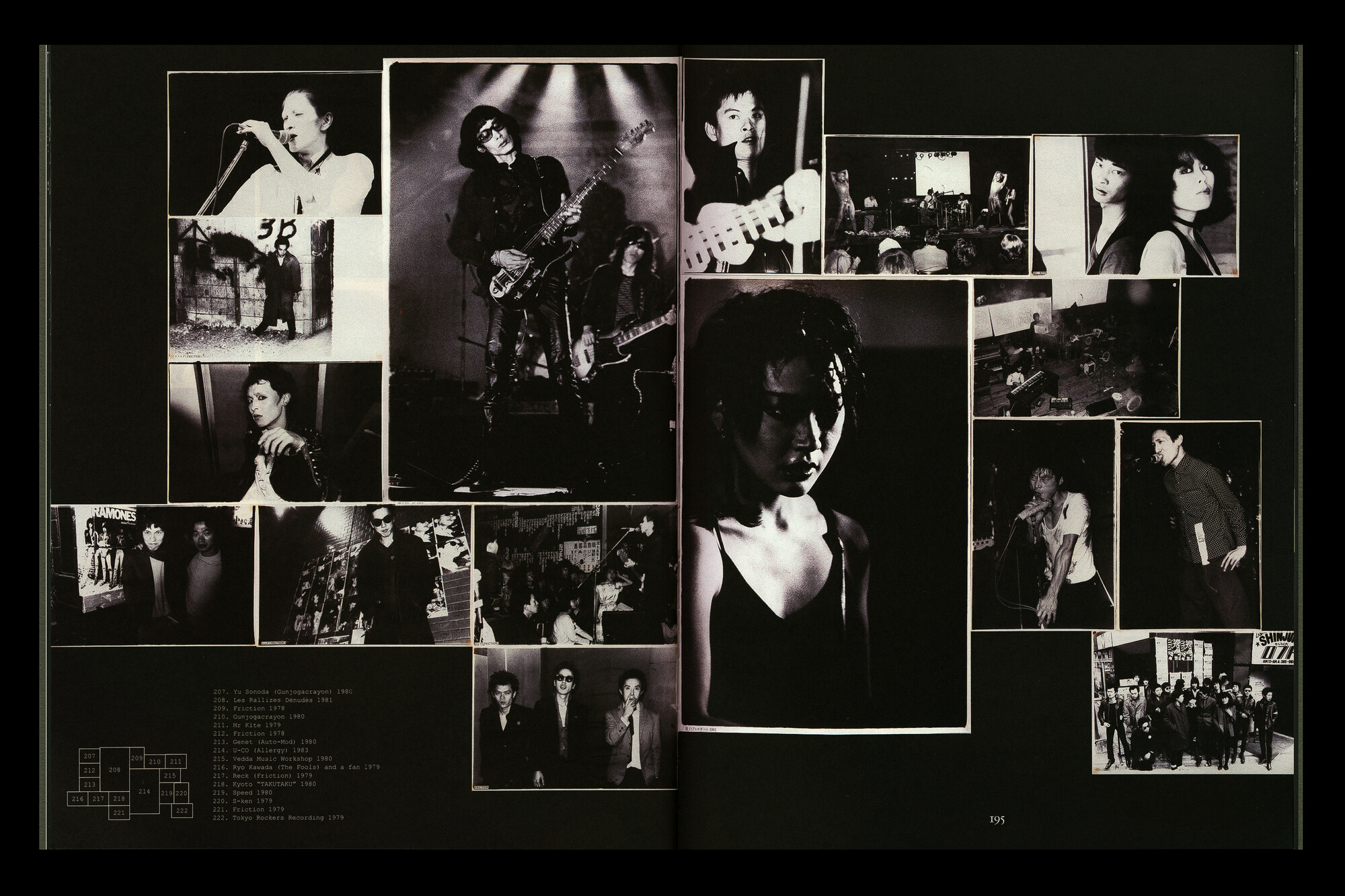
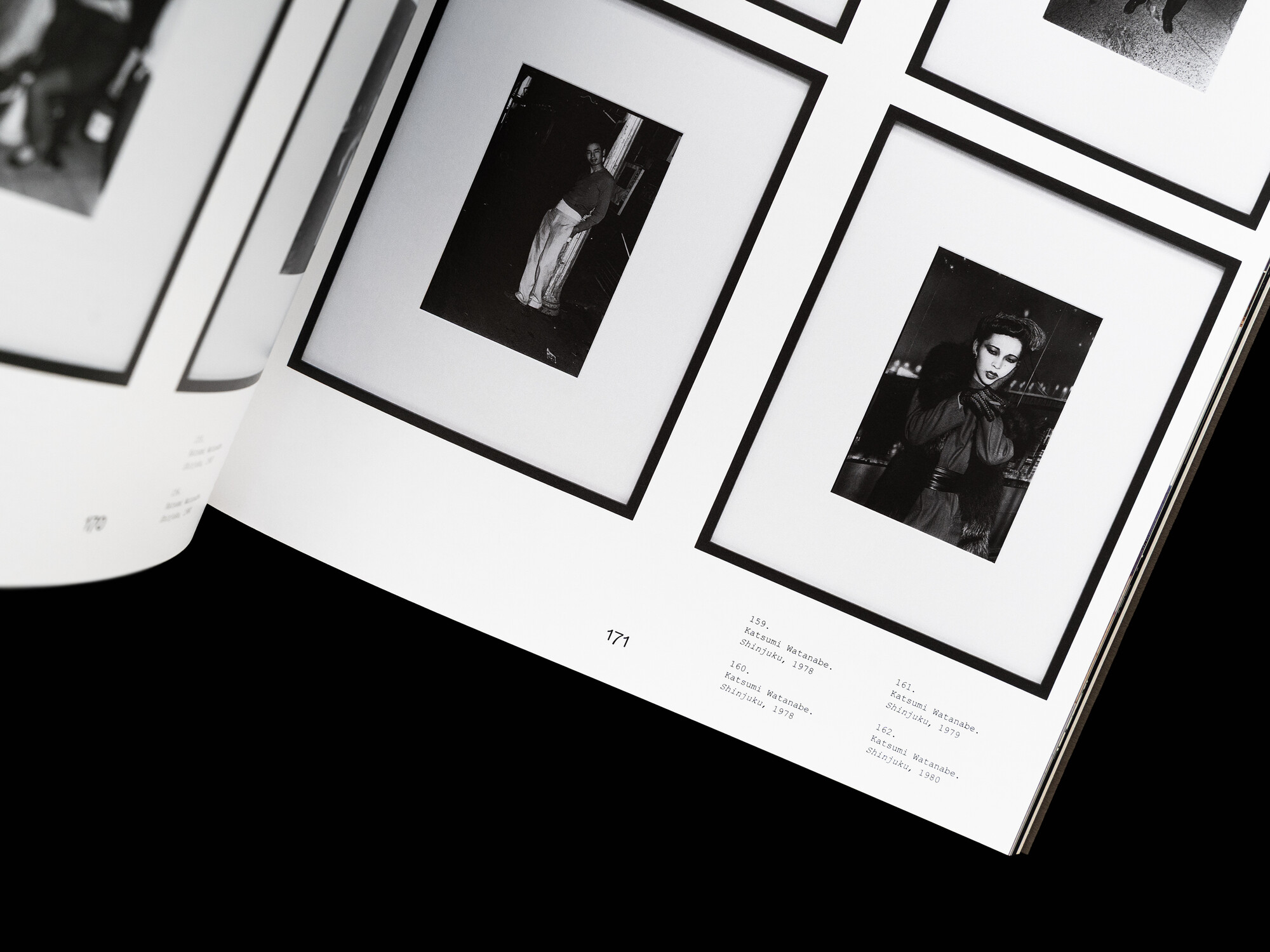
Parergon: Japanese Art of the 1980s and 1990s is the exhibition catalog for the landmark two-part exhibition curated by Mika Yoshitake at Blum & Poe. It is a definitive English-language primer and primary text for a largely undocumented period of Japanese art history, between the 1970s Mono-ha movement and the Neo-Pop era. The catalog features performance photography, installation shots, curatorial essays, socio-political analysis, textimonials, artist interviews, underground noise profiles, and music ephemera.
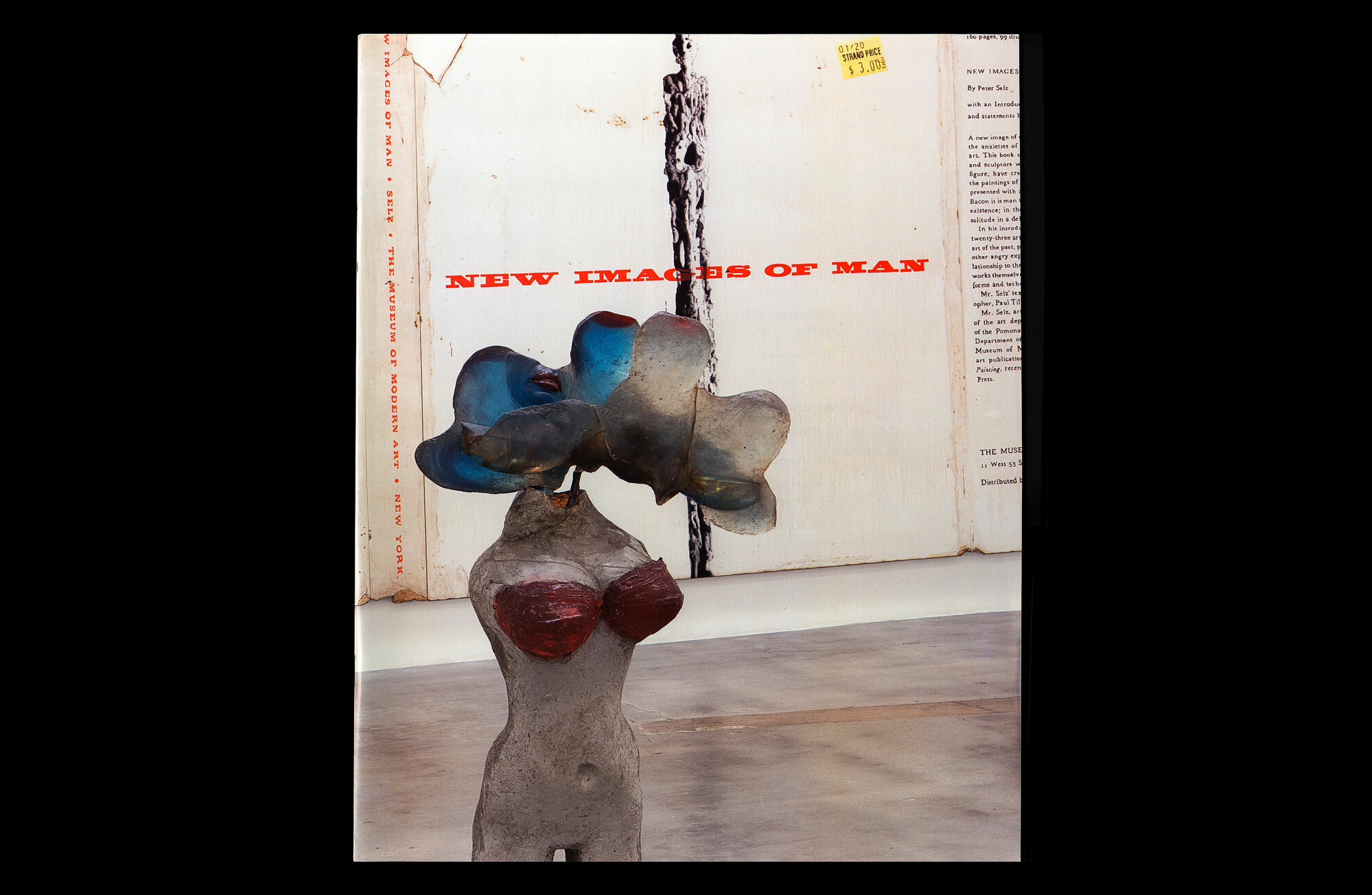
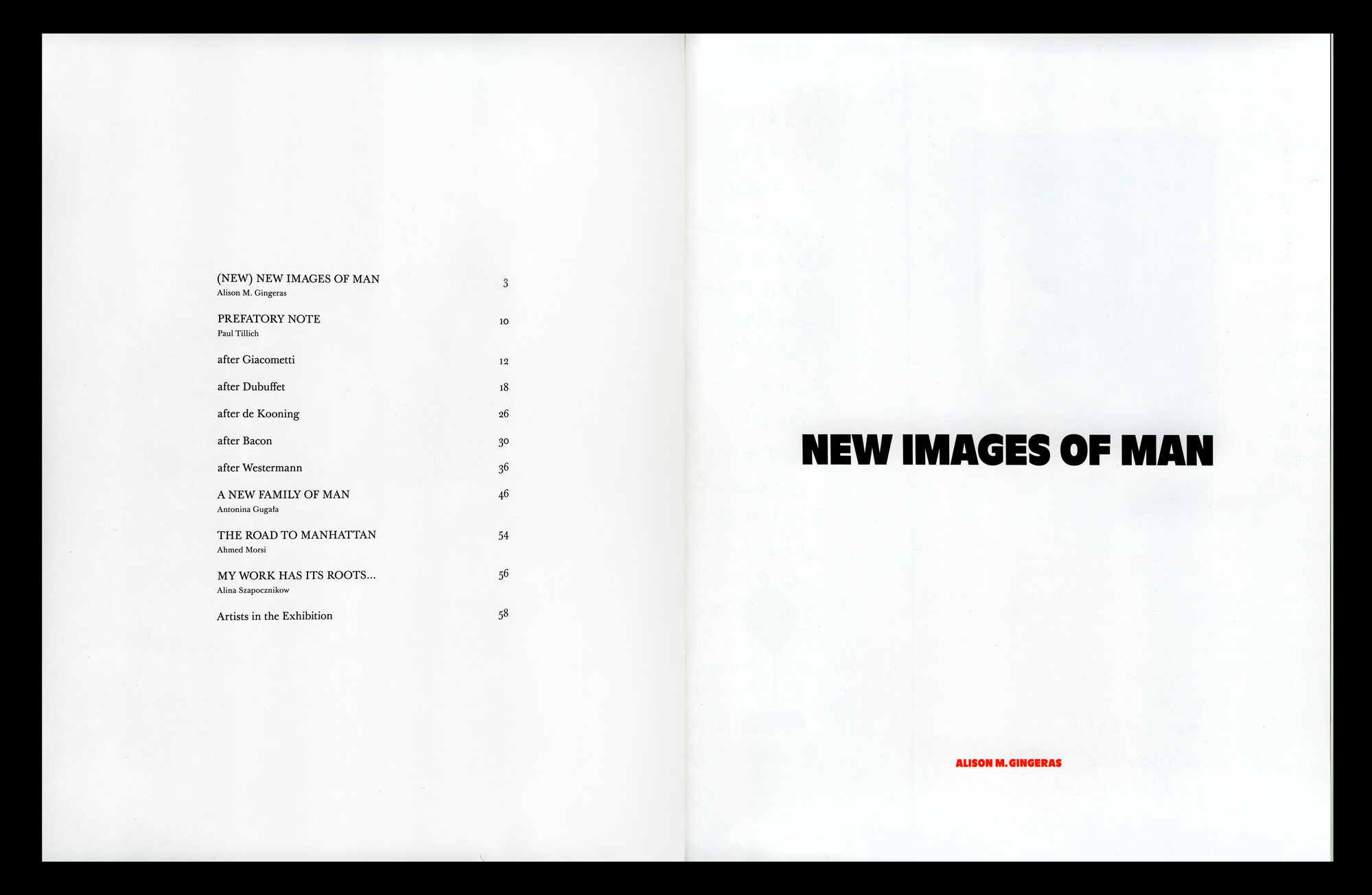
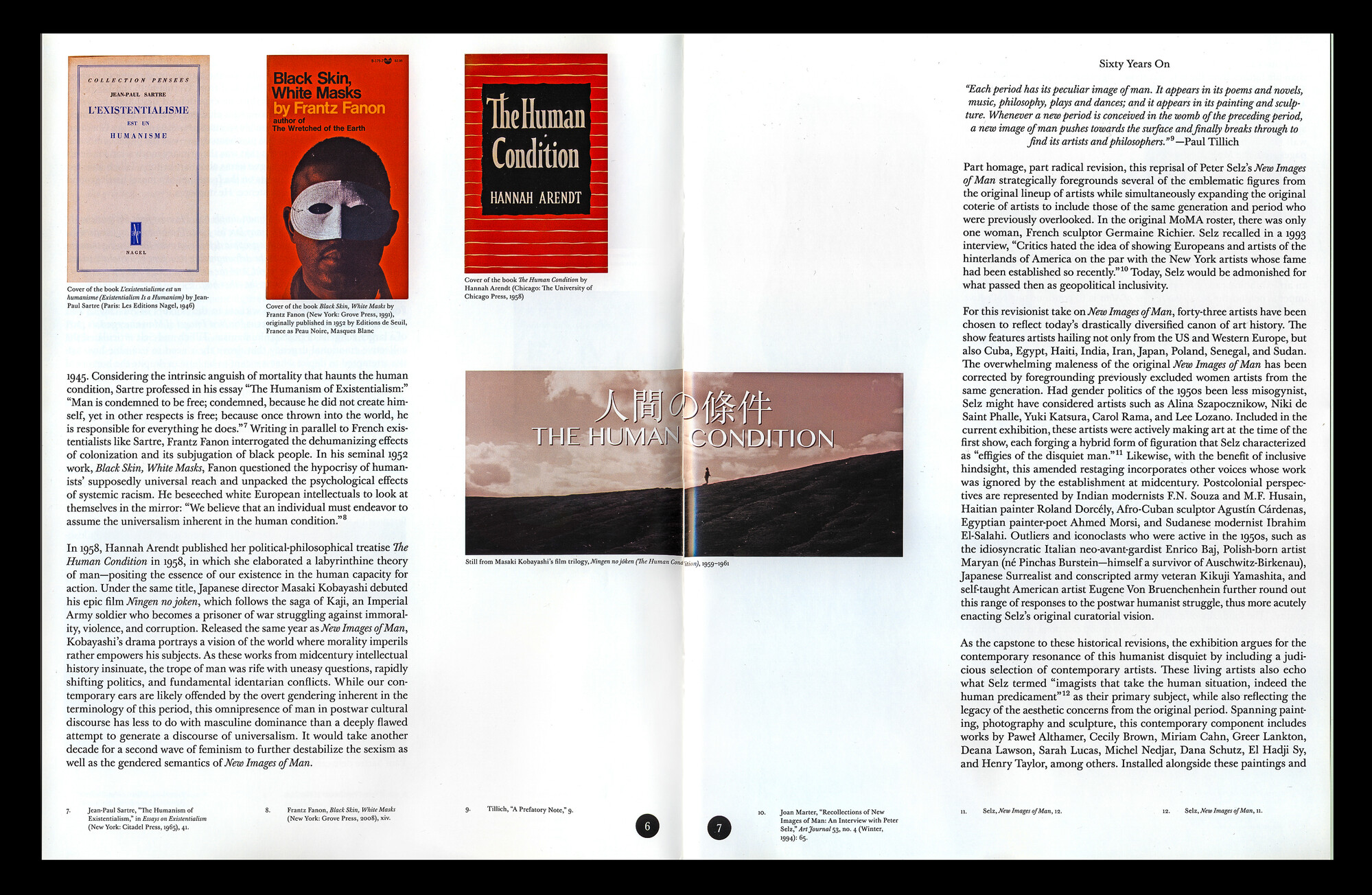
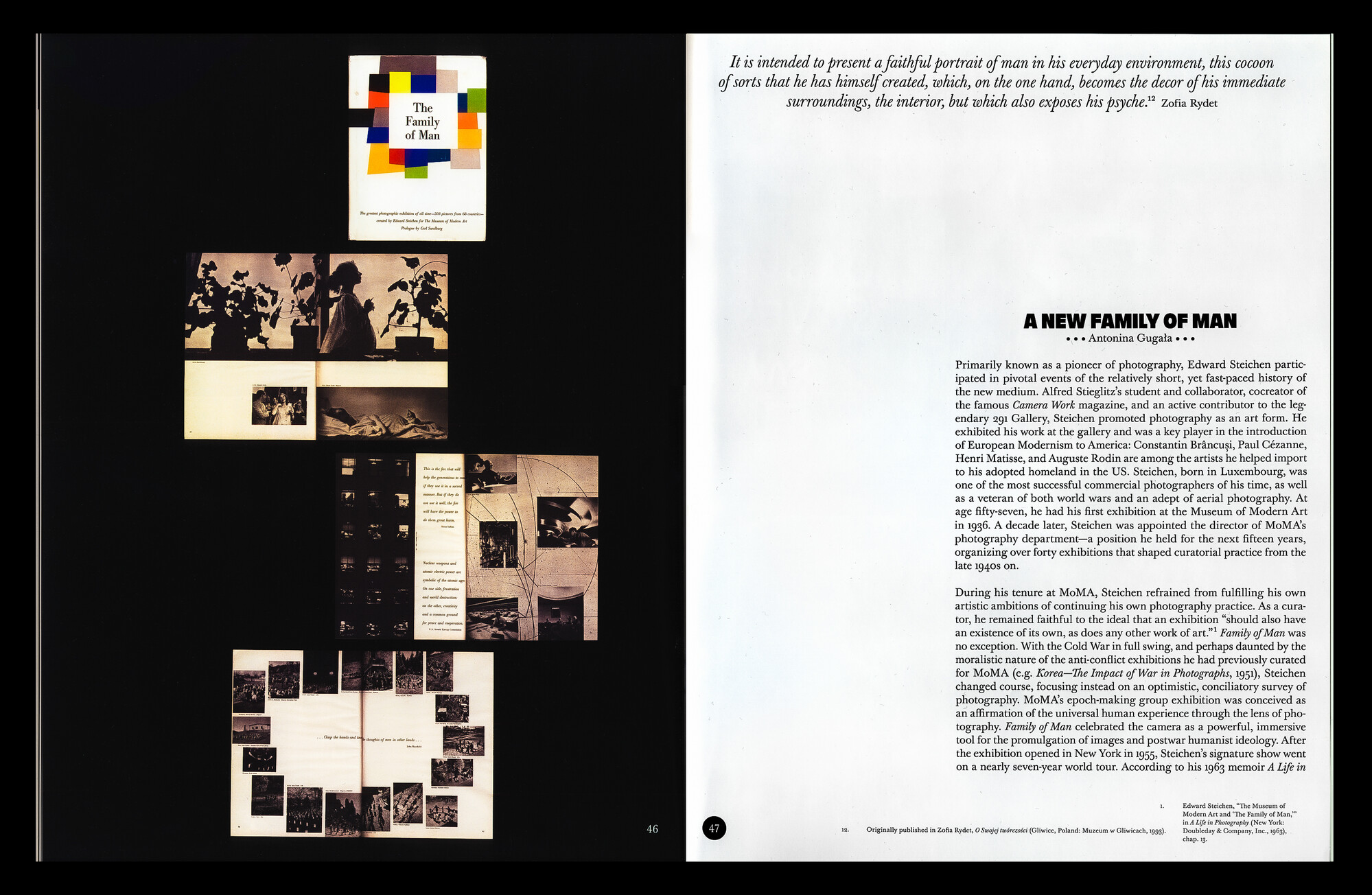
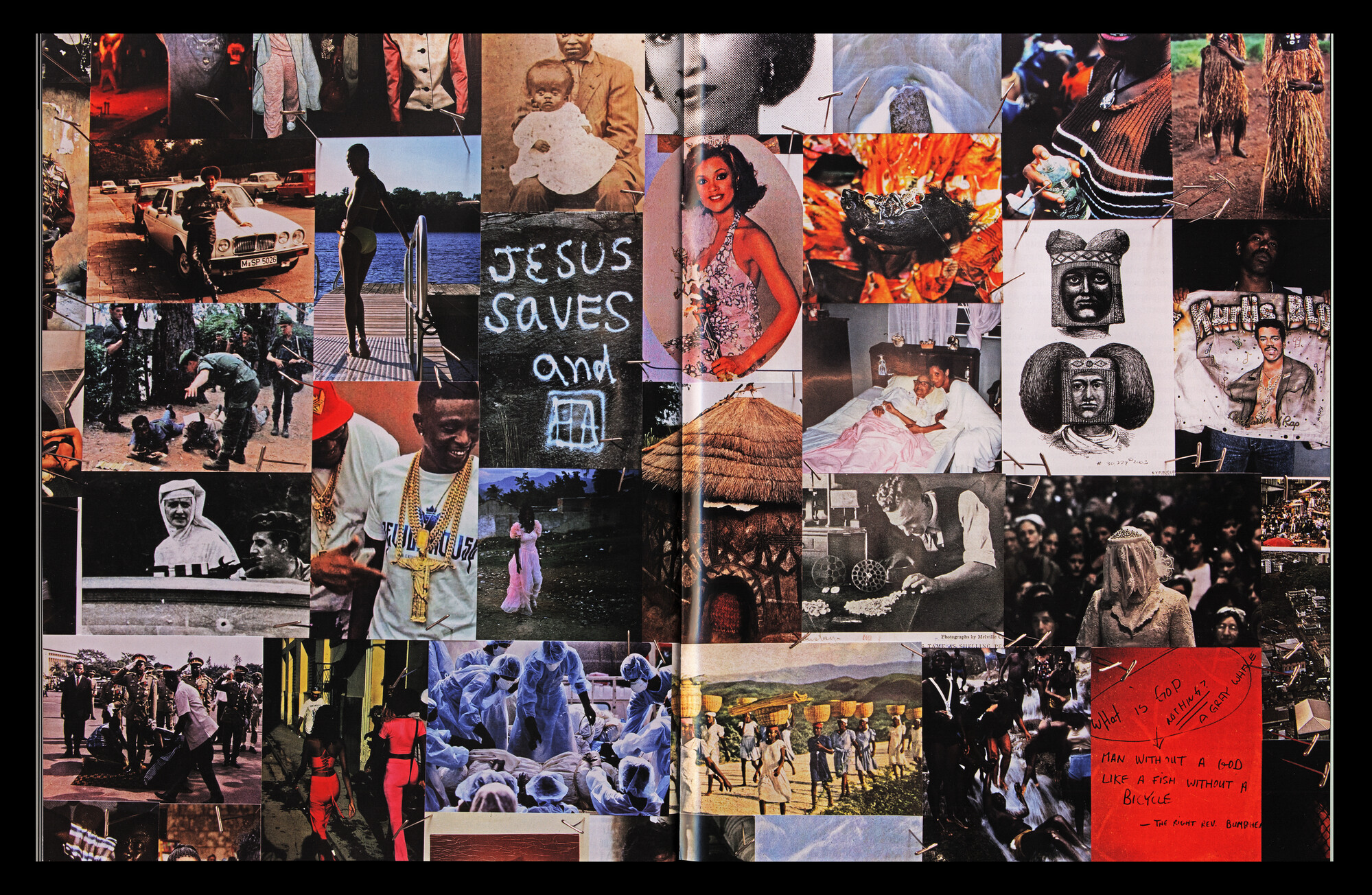
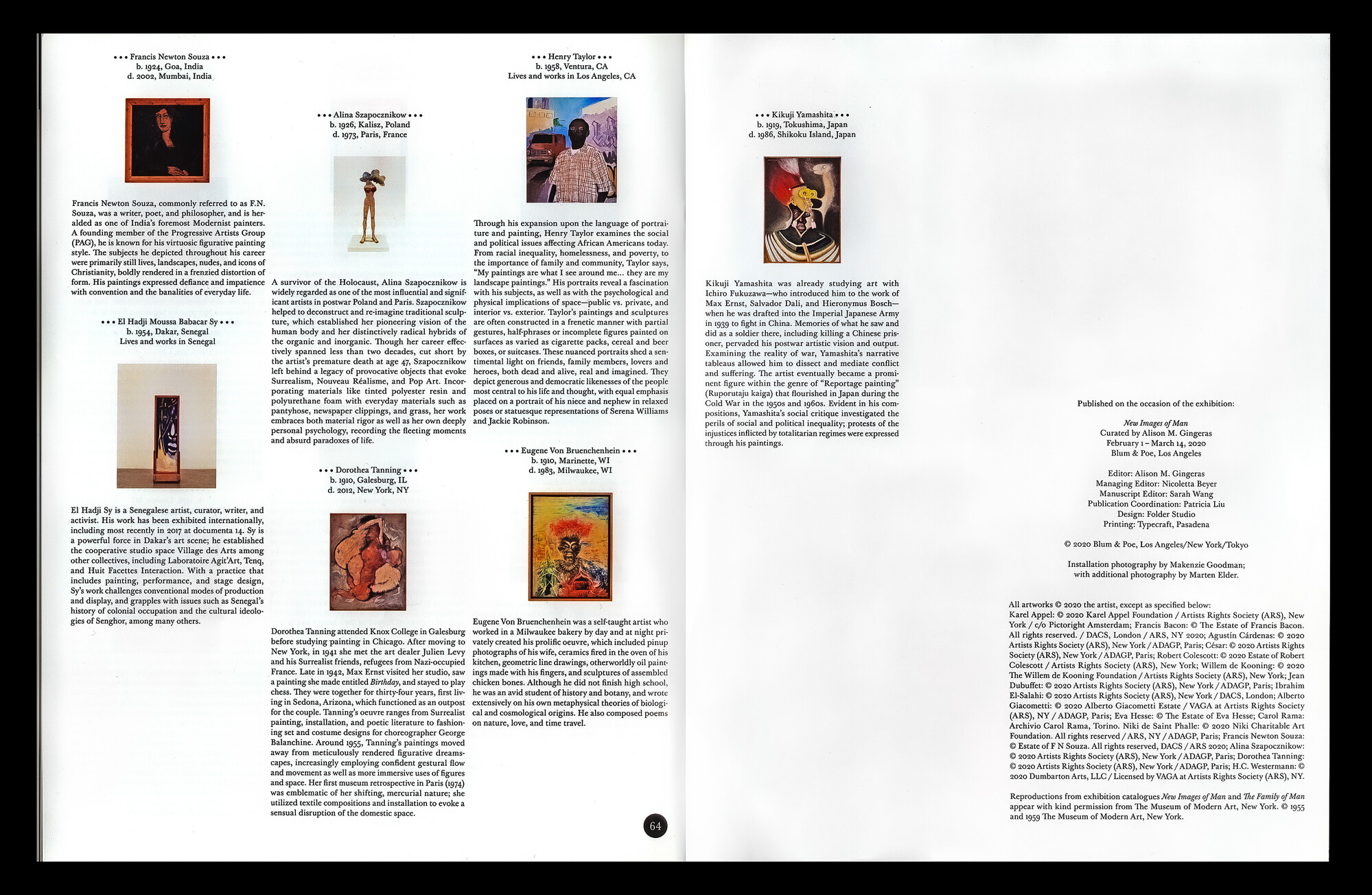
New Images of Man is both a tribute to and a radical revision of Peter Selz’s controversial 1959 exhibition of the same name at MoMA New York. The show pushes against the homogeneity of the original, asking what figurative art means when freed from midcentury Western gatekeeping. The catalog doubles down on the self-referential nature of the show using Dave Muller’s massive wall painting of Selz’s original 1959 book cover as its own.
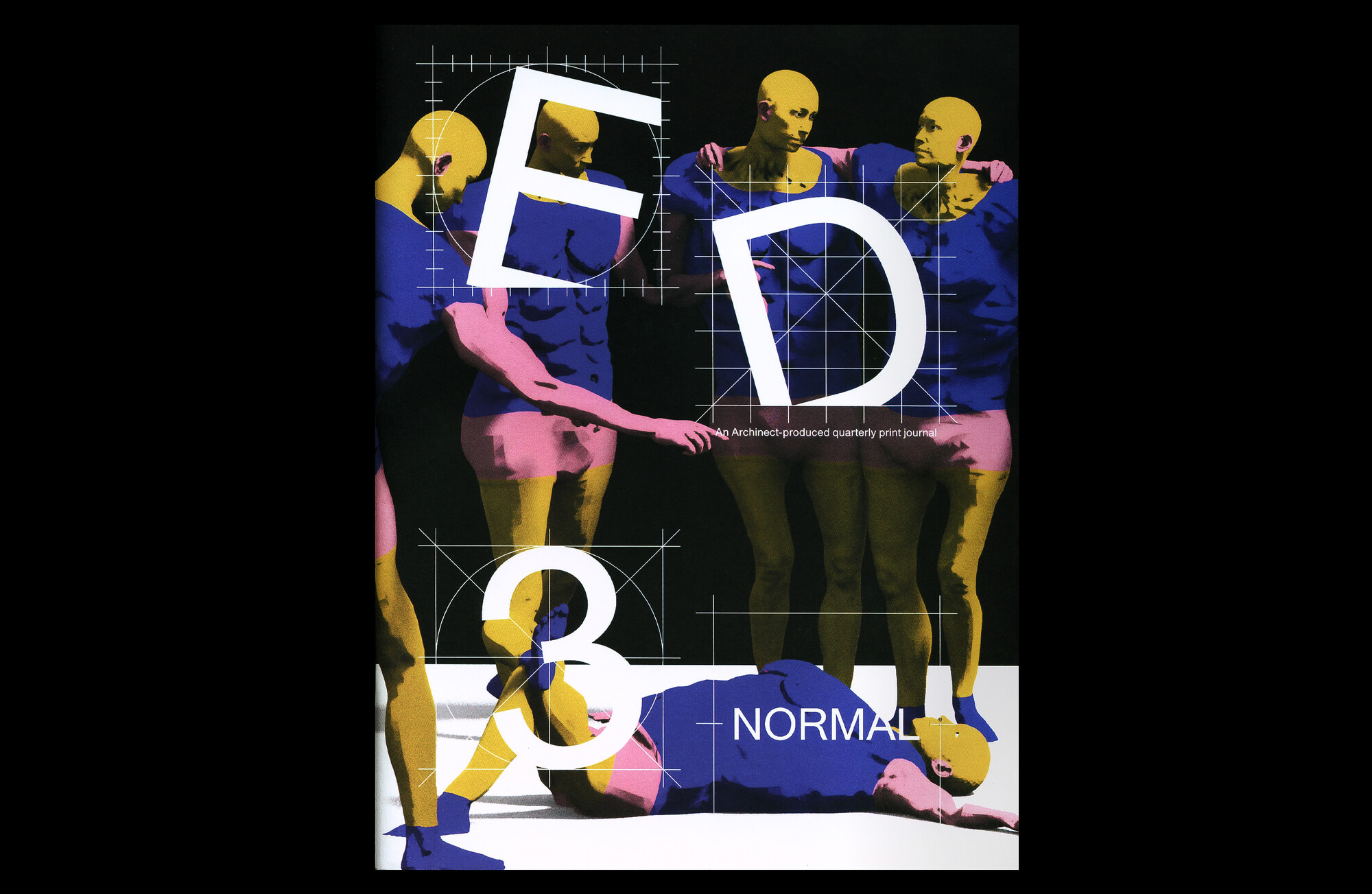
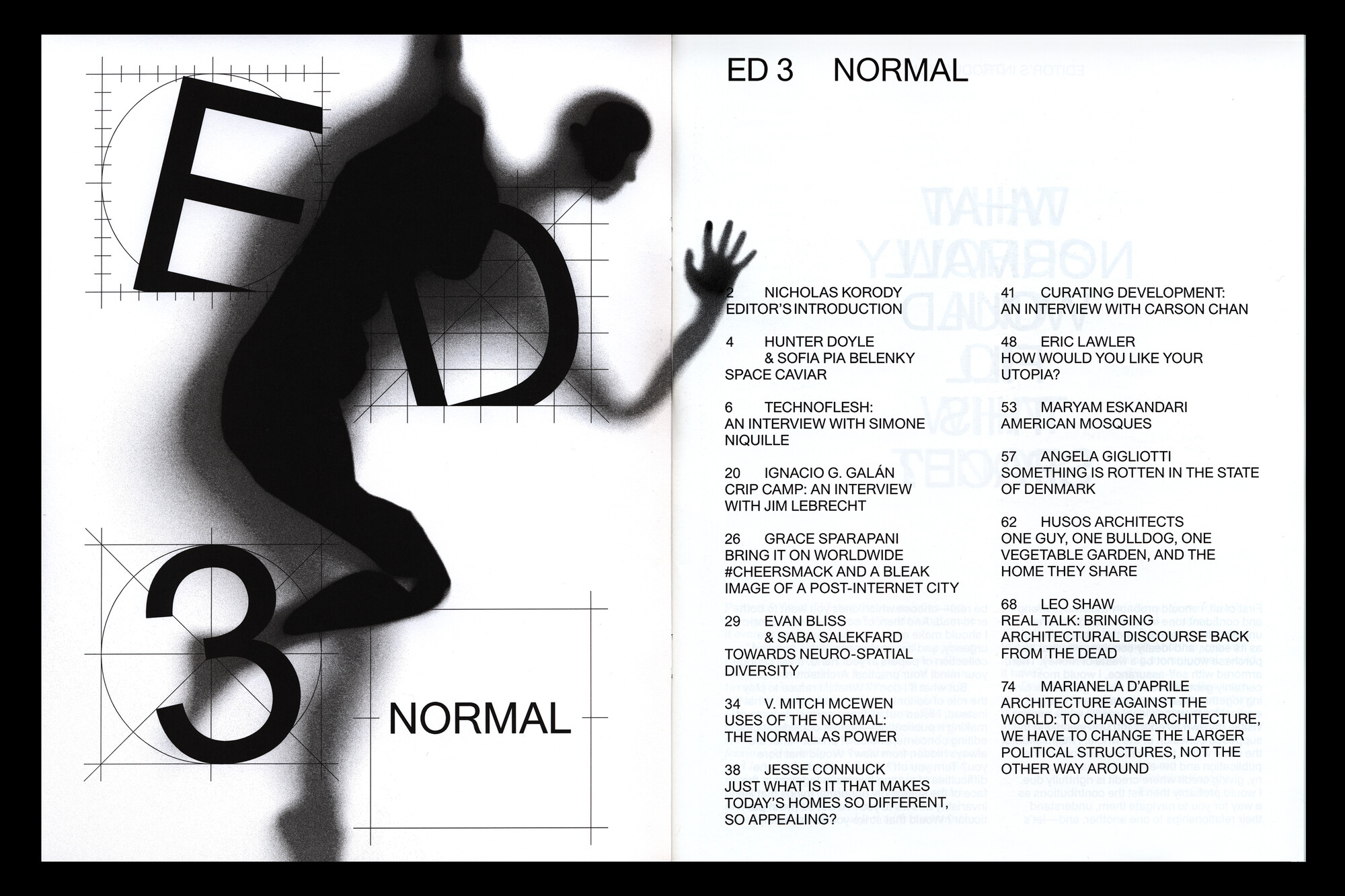
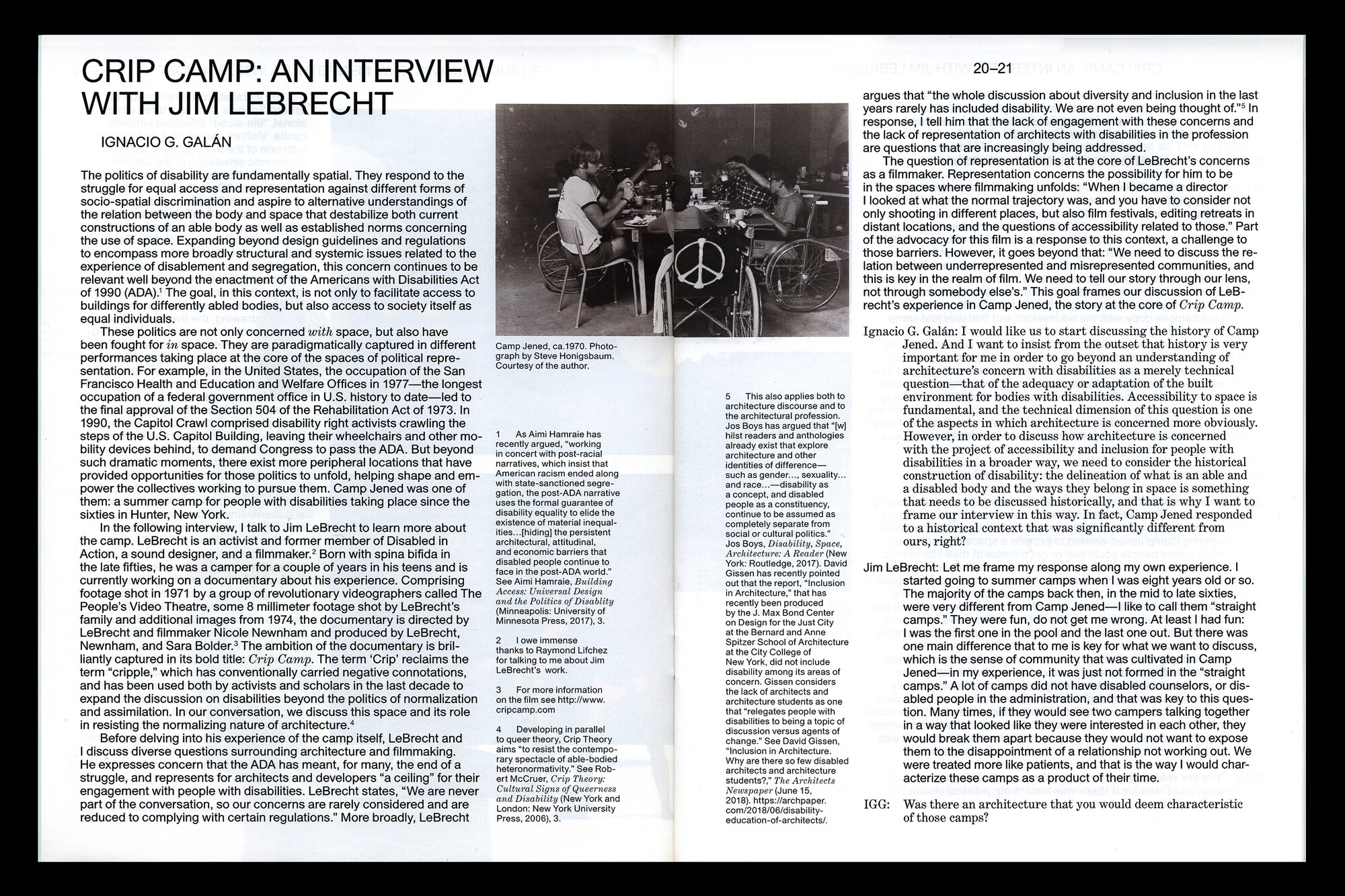
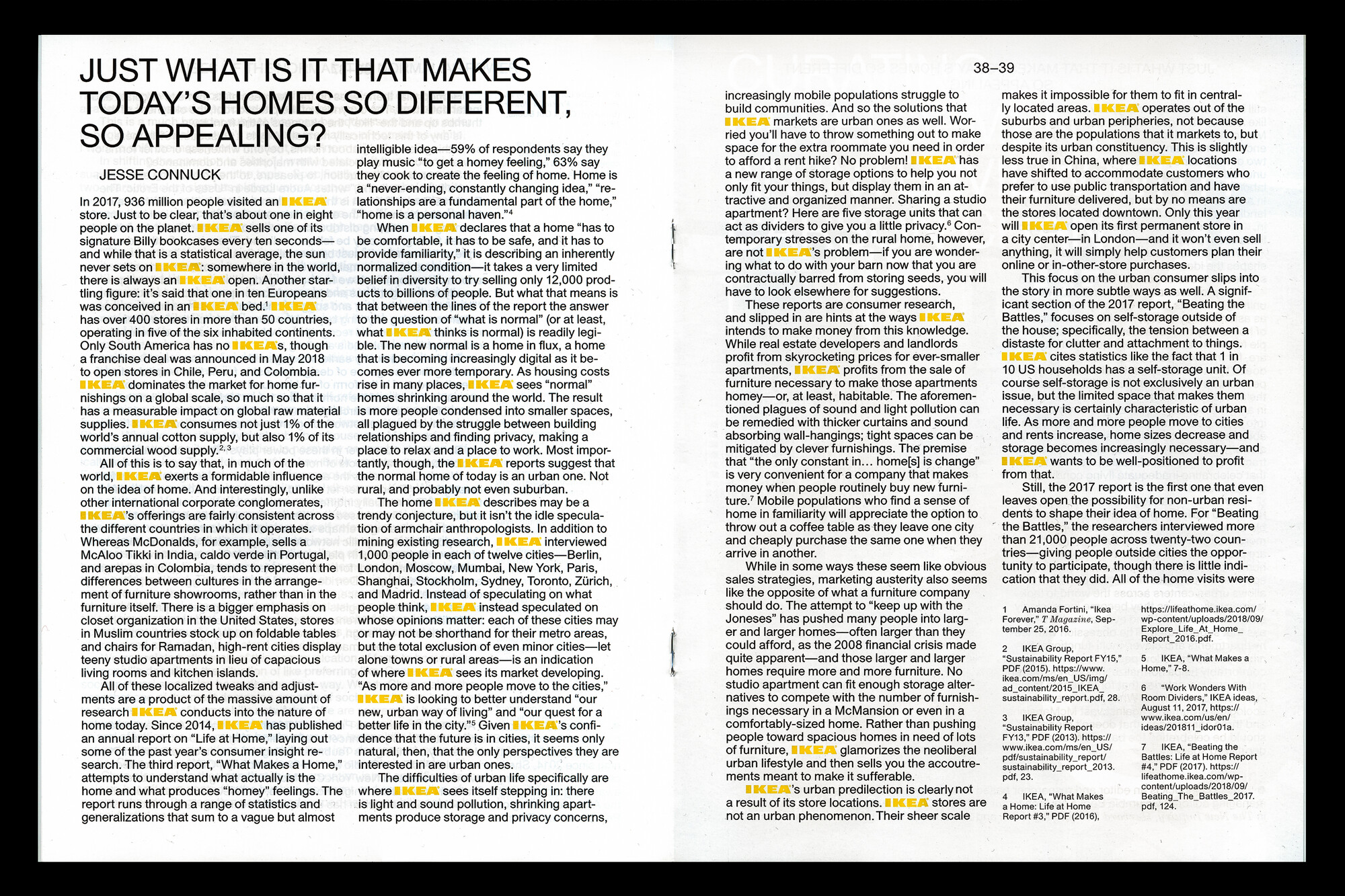
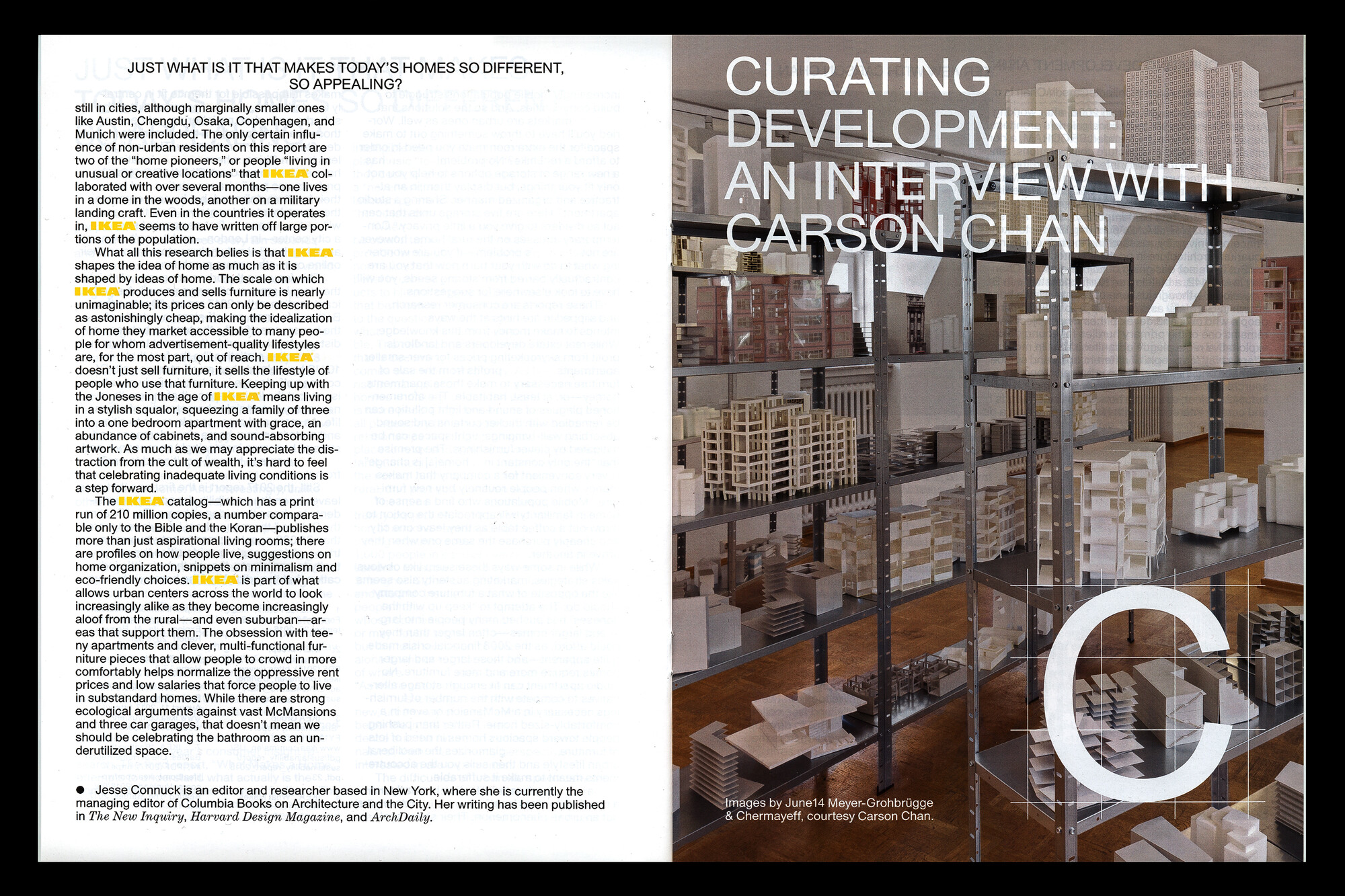
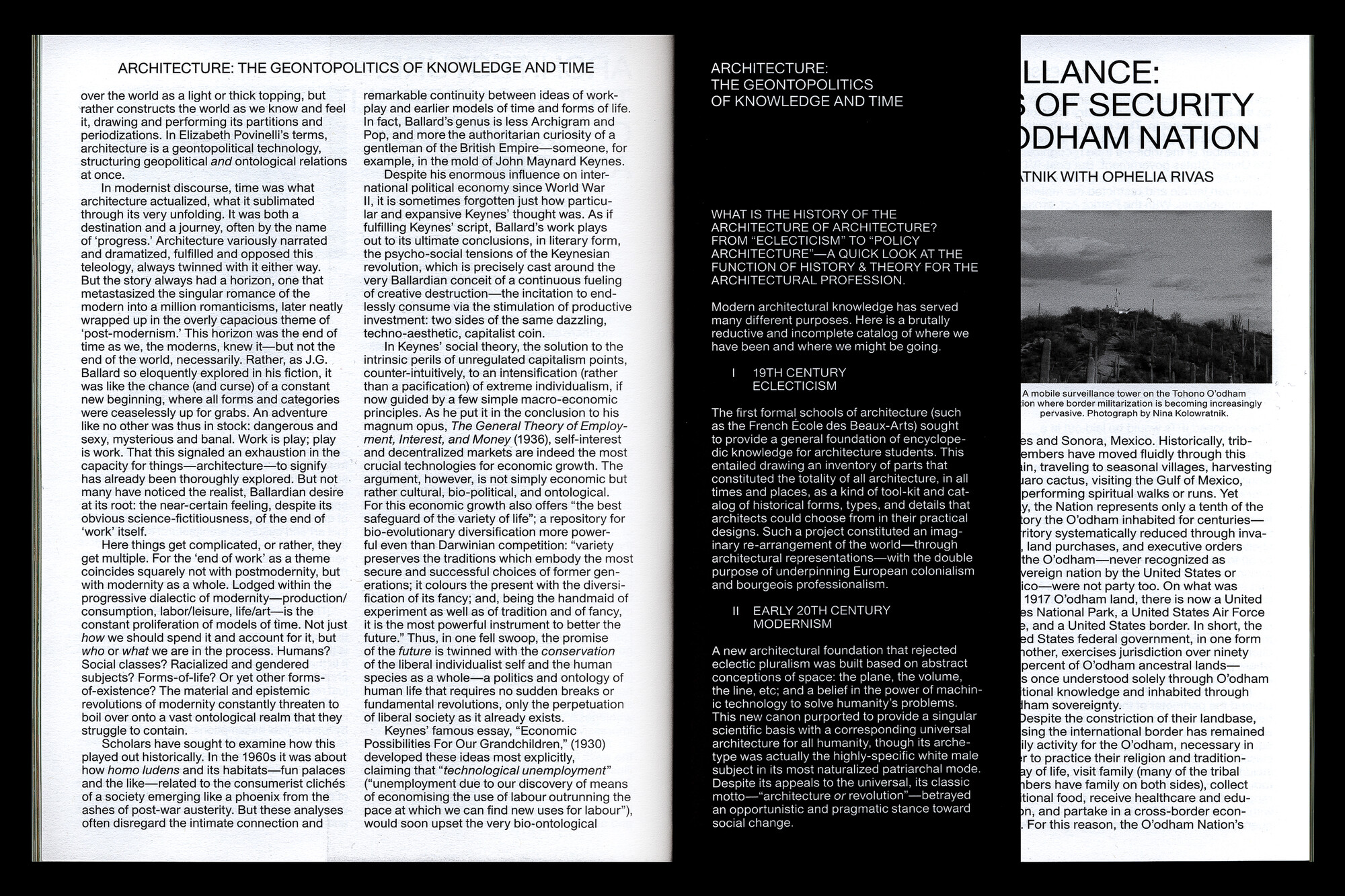
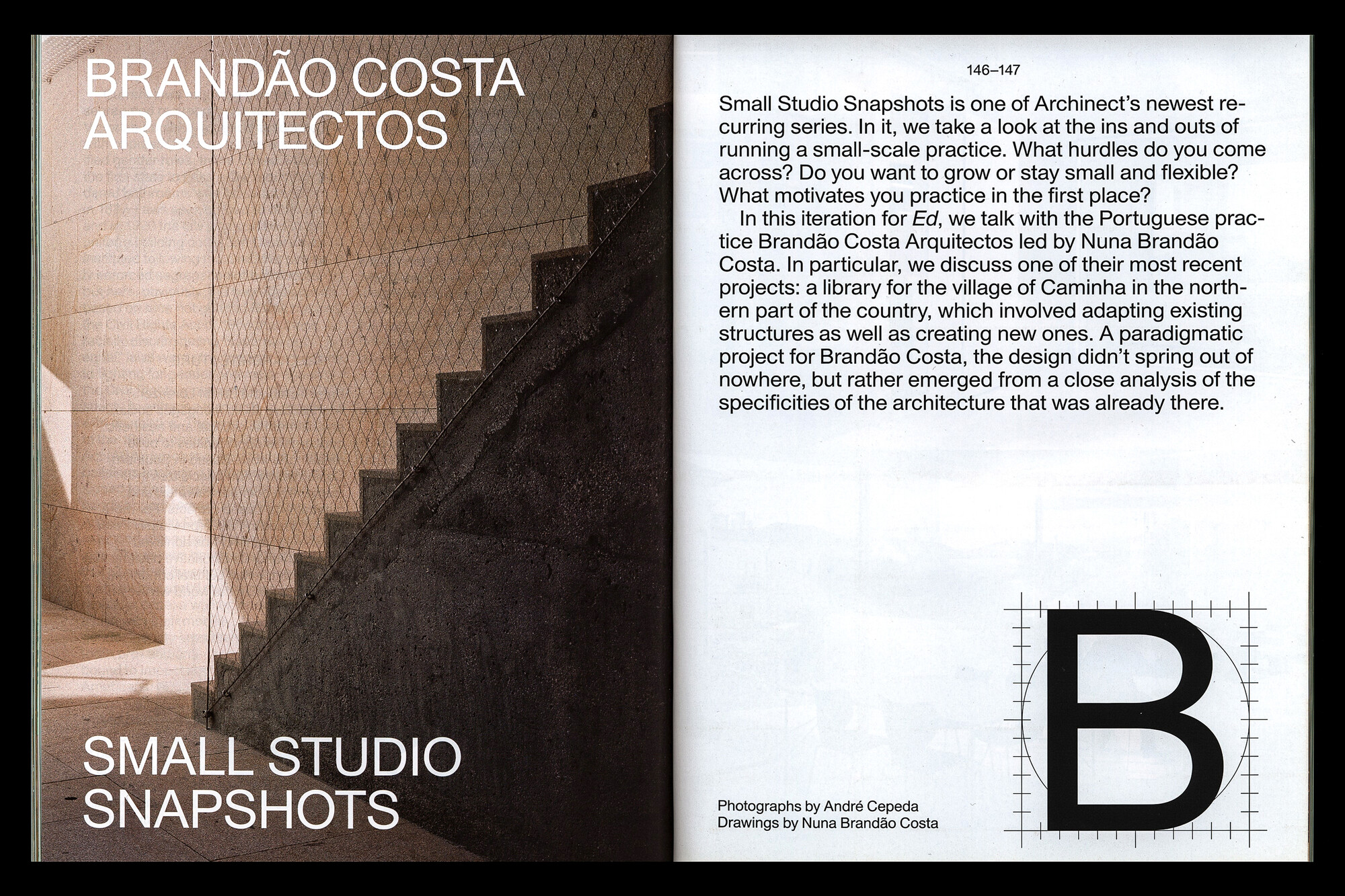
Third issue of Ed, Archinect’s print magazine. Brings together essays and visual contributions questioning the norms that shape architectural practice and its institutions, and proposing alternative frameworks for how architecture relates to labor, bodies, and social structures. More info ⎘
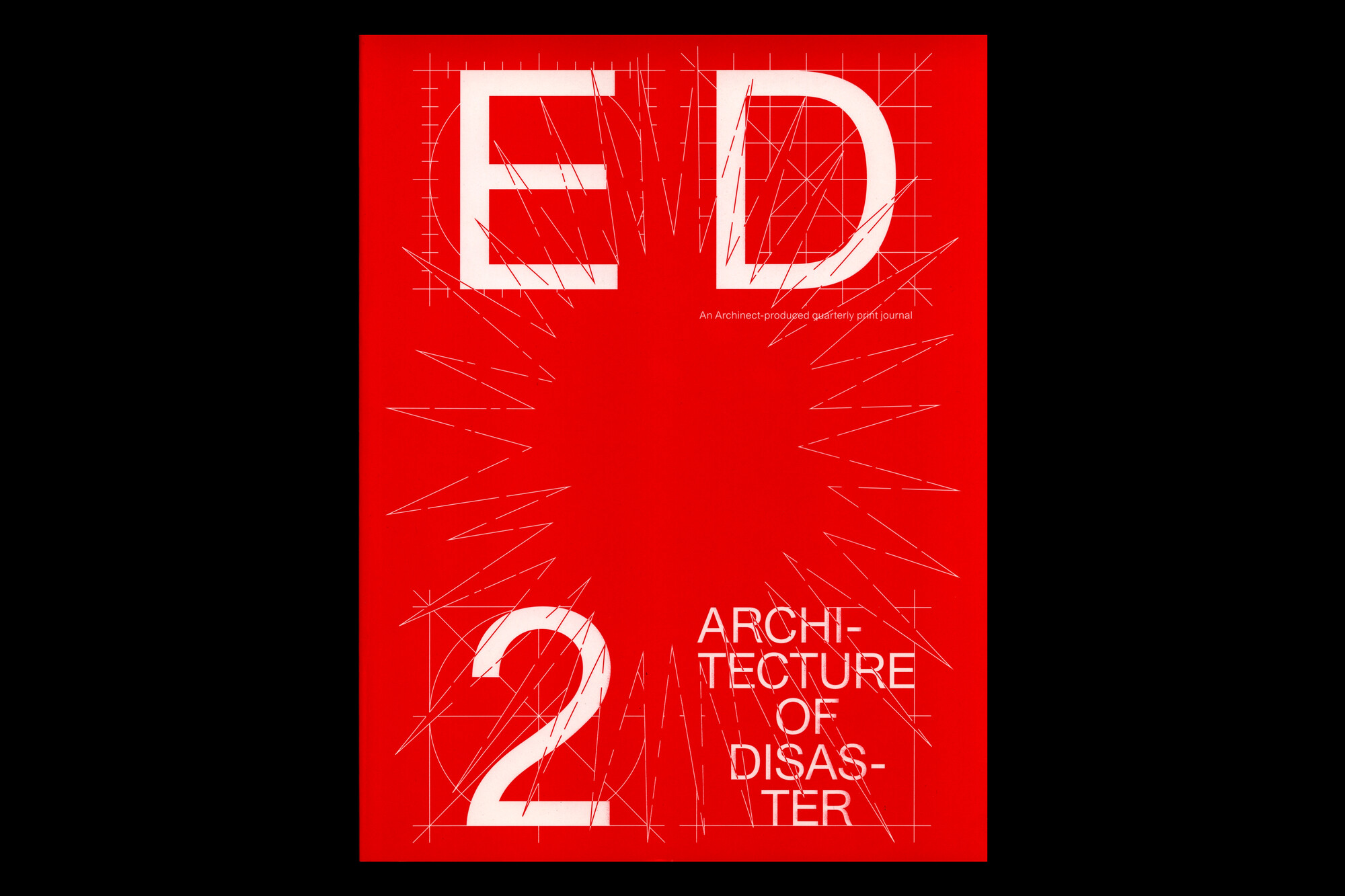
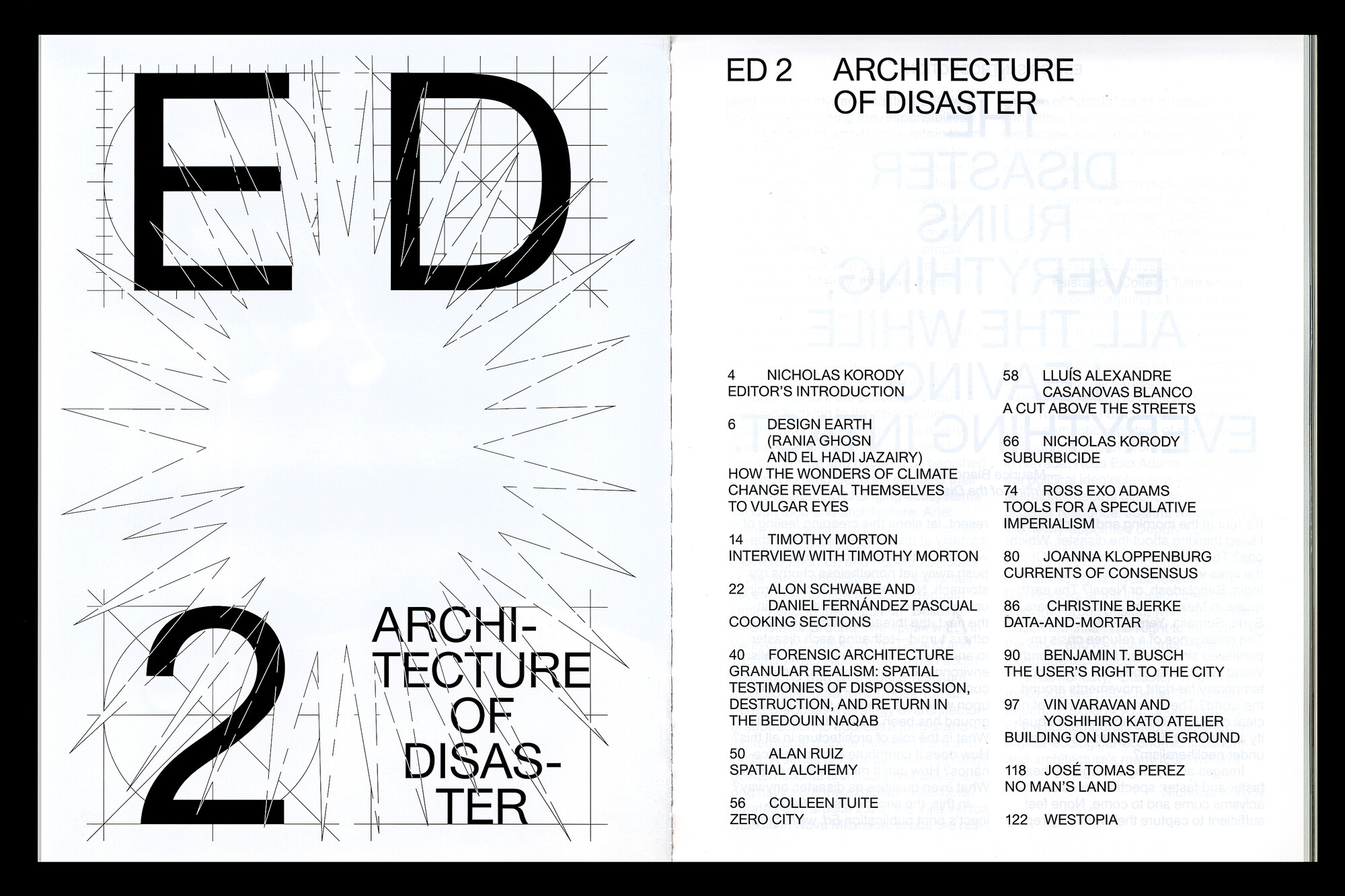
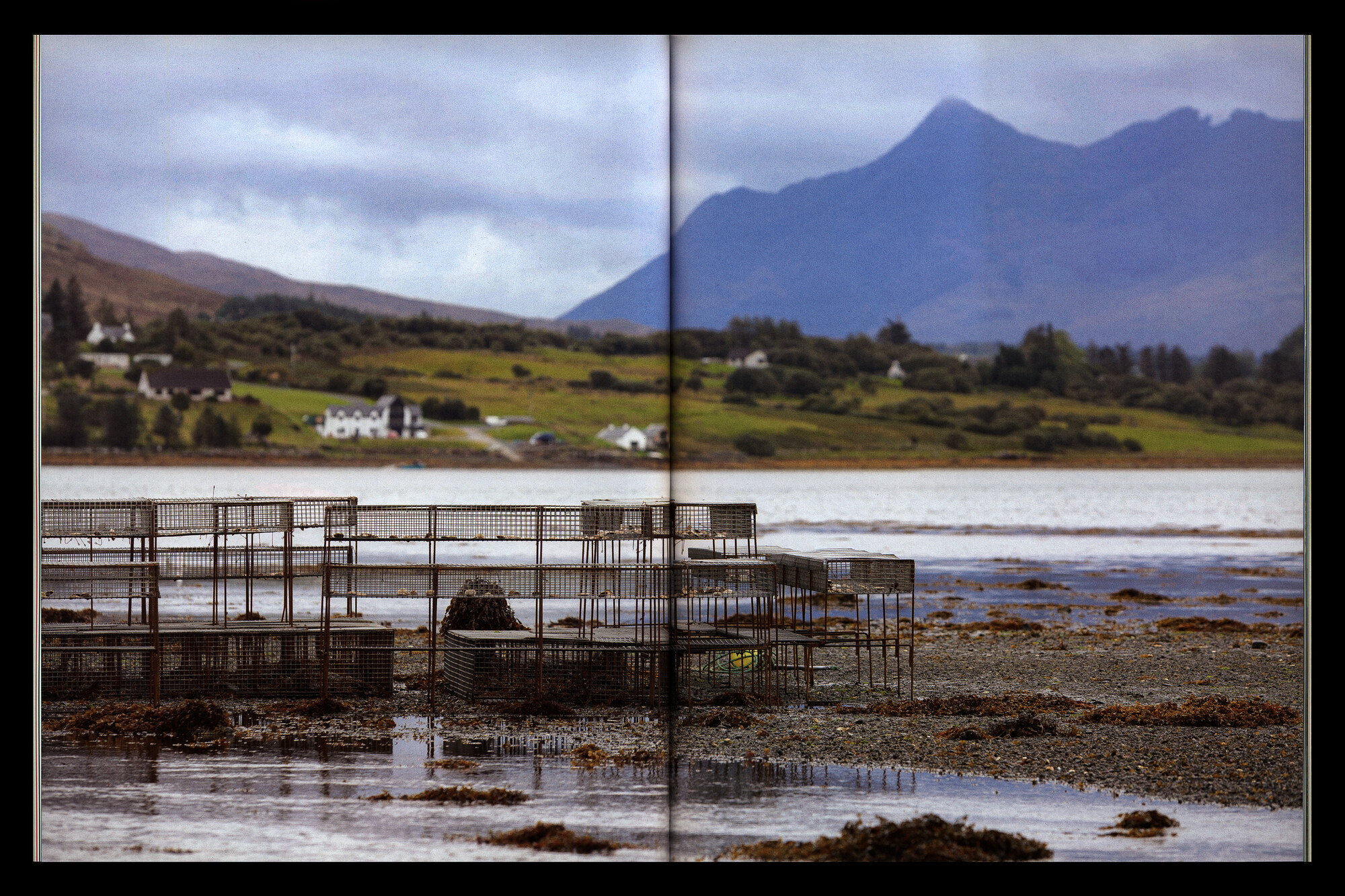
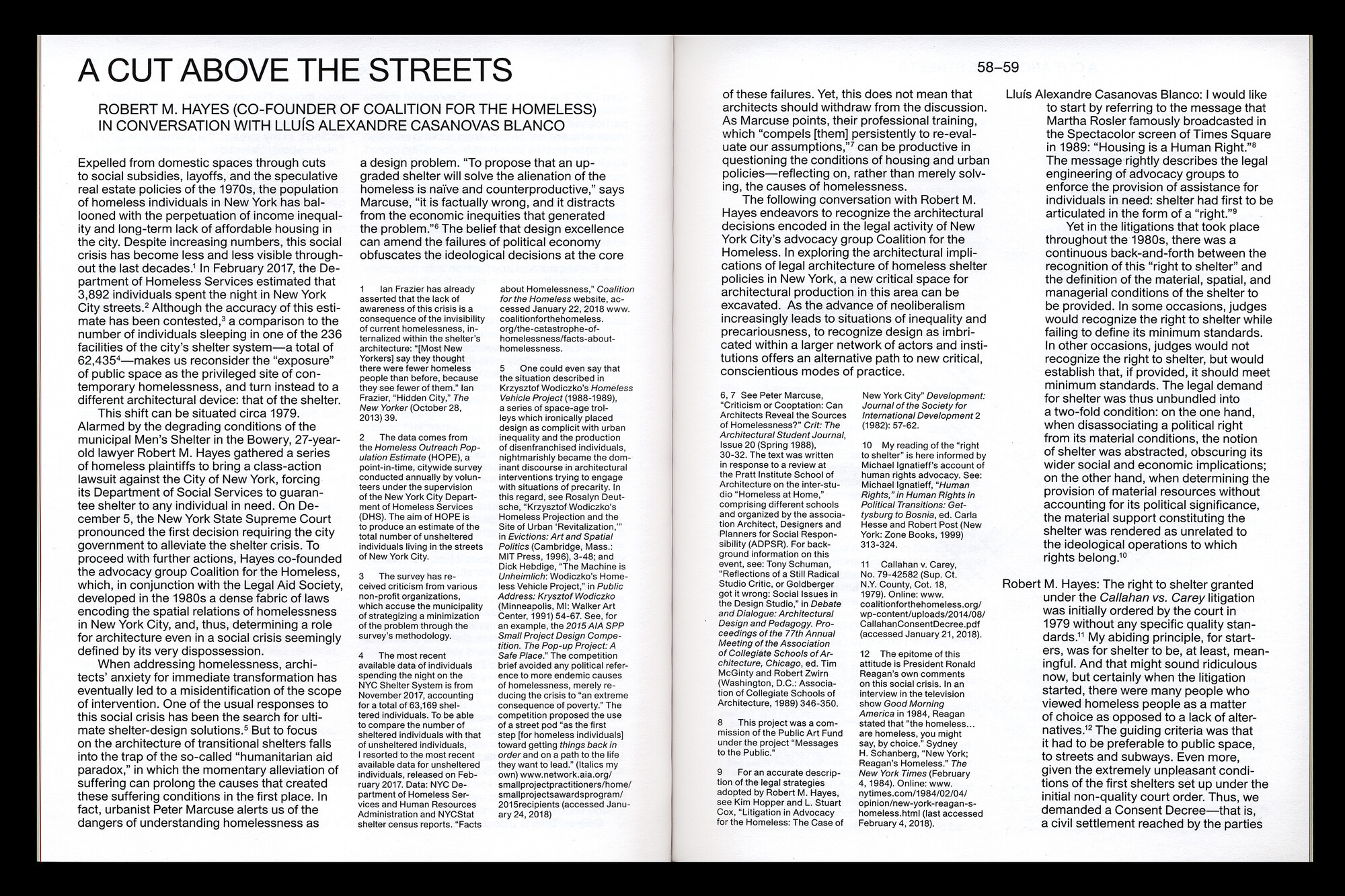
Second issue of Ed, Archinect’s print magazine. Brings together texts and projects examining the disasters shaping contemporary life and architecture’s position within them. Rather than proposing solutions, the issue reflects on responsibility, uncertainty, and the discipline’s entanglement in the crises it seeks to address. More info ⎘
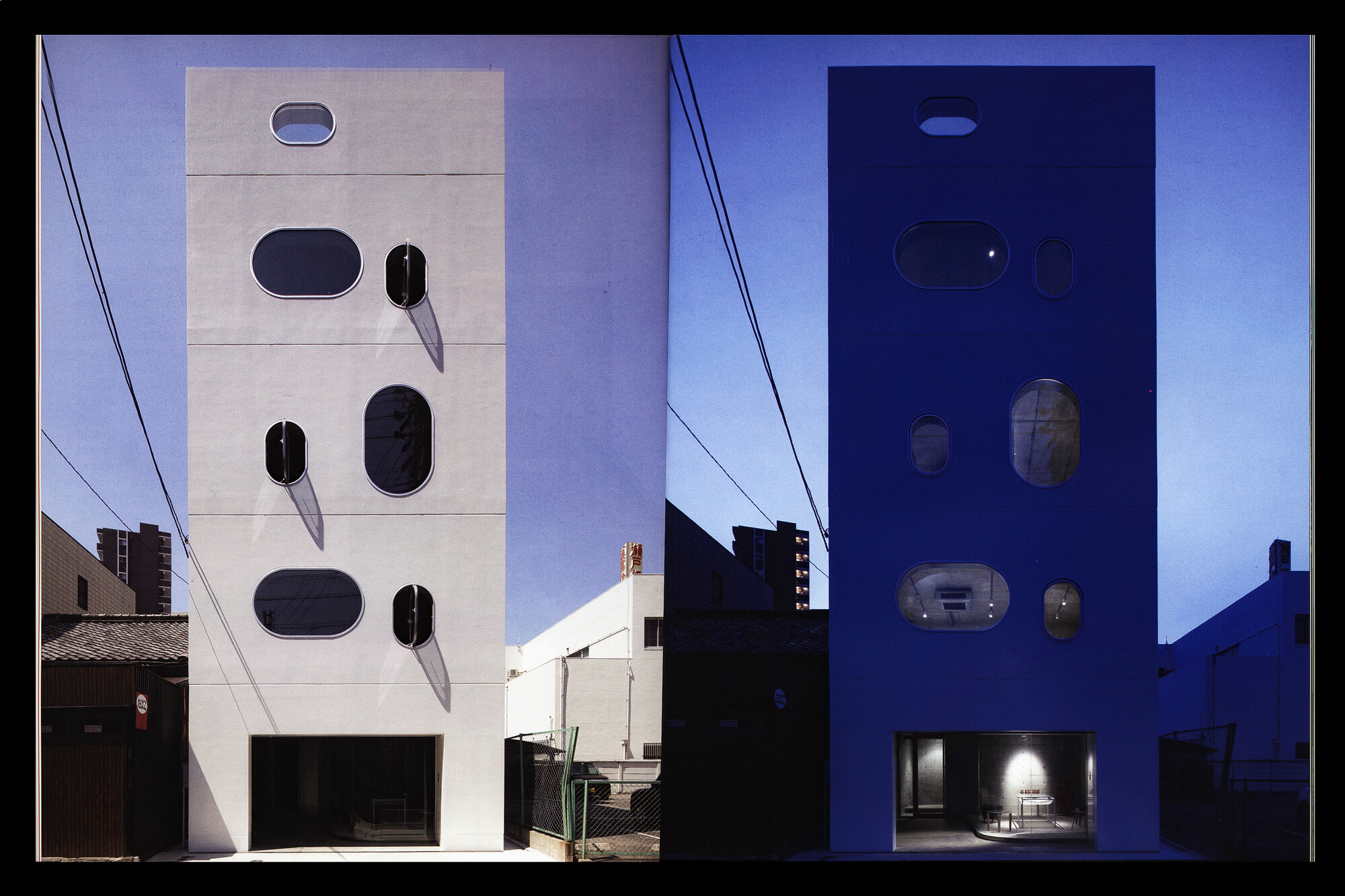
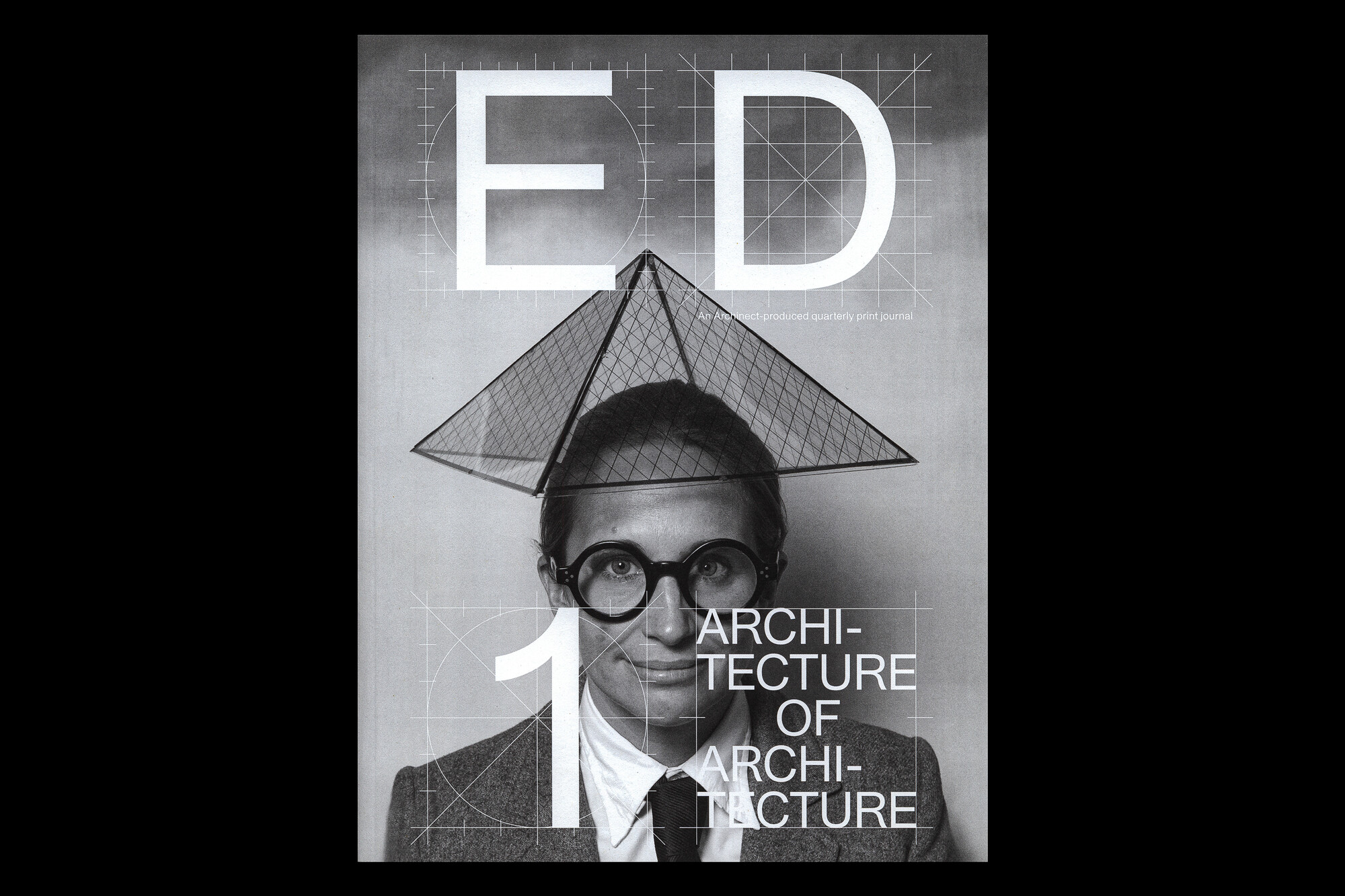
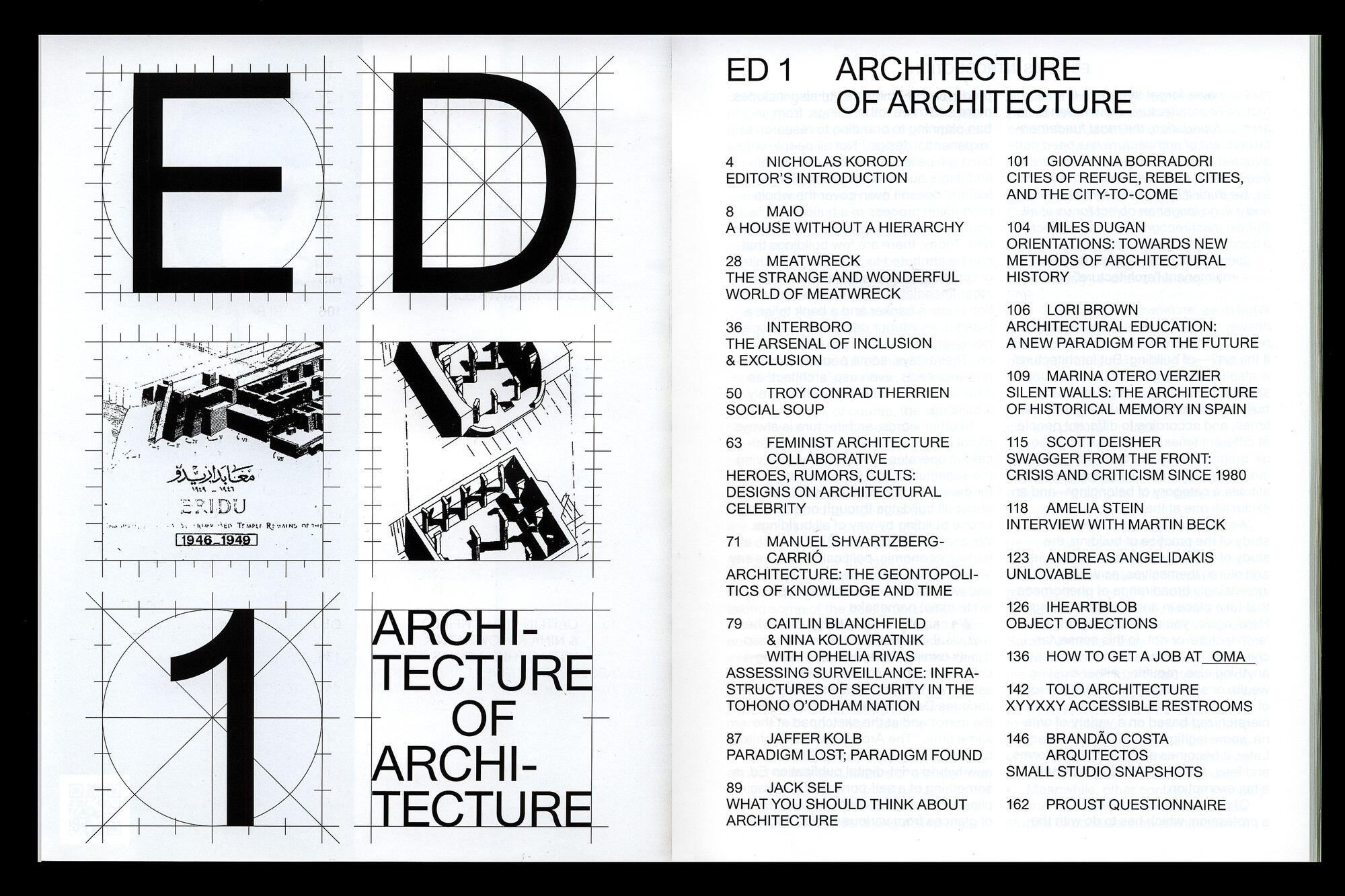
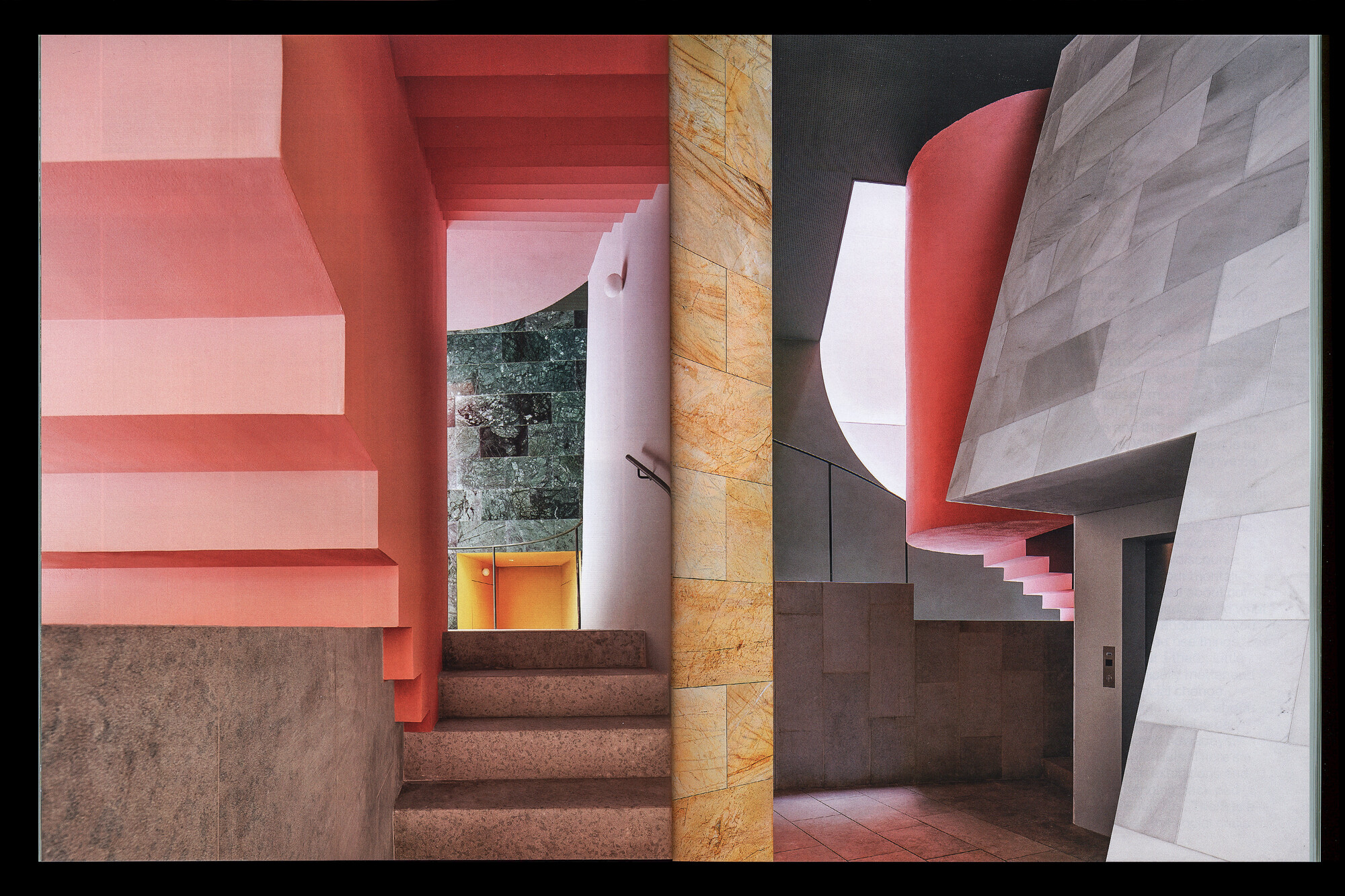
Inaugural issue of Ed, Archinect’s print magazine. Examines how architecture operates within broader social, economic, and technological systems, and considers how the discipline might be reimagined through alternative frameworks of practice and thought. More info
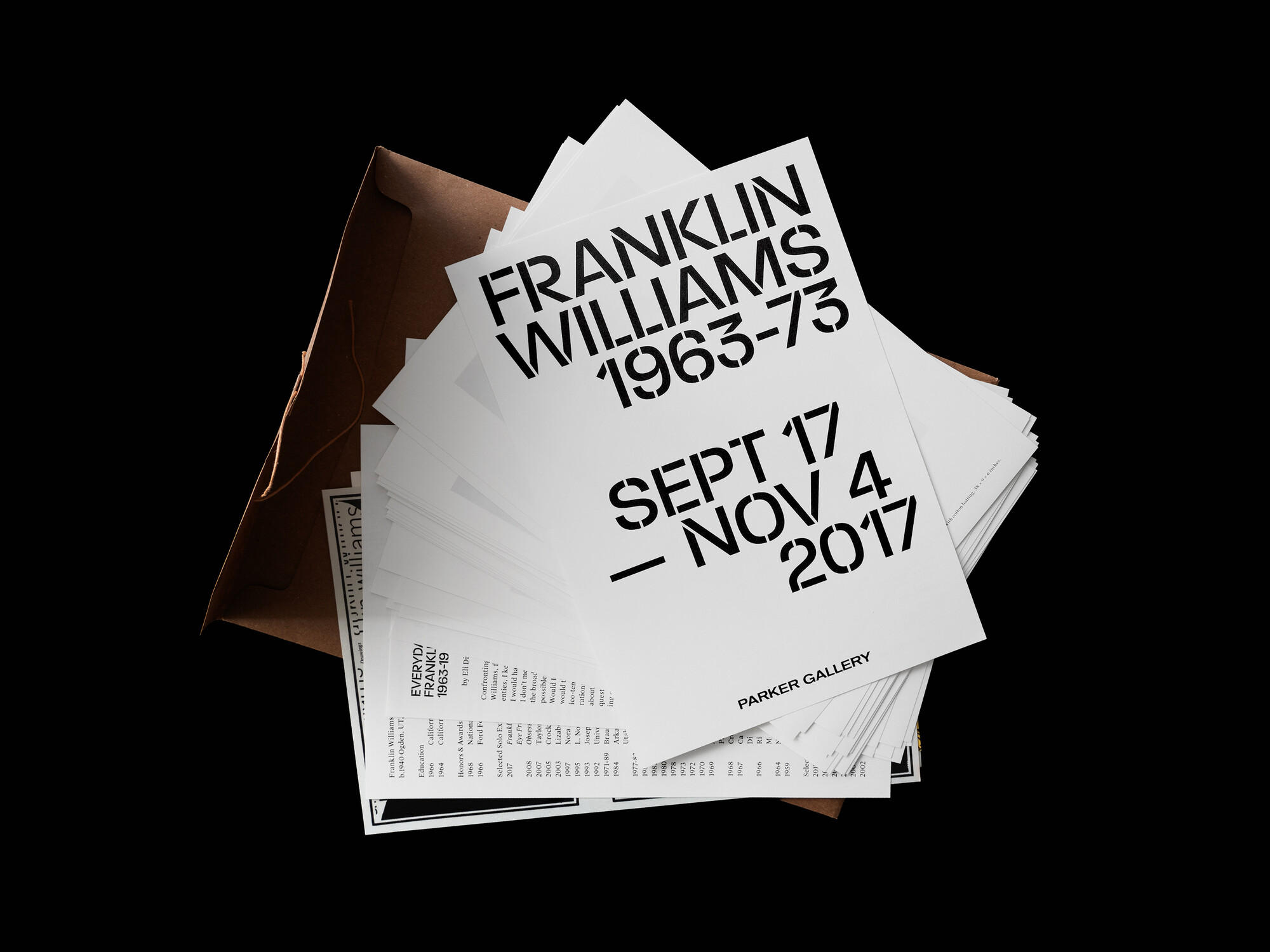
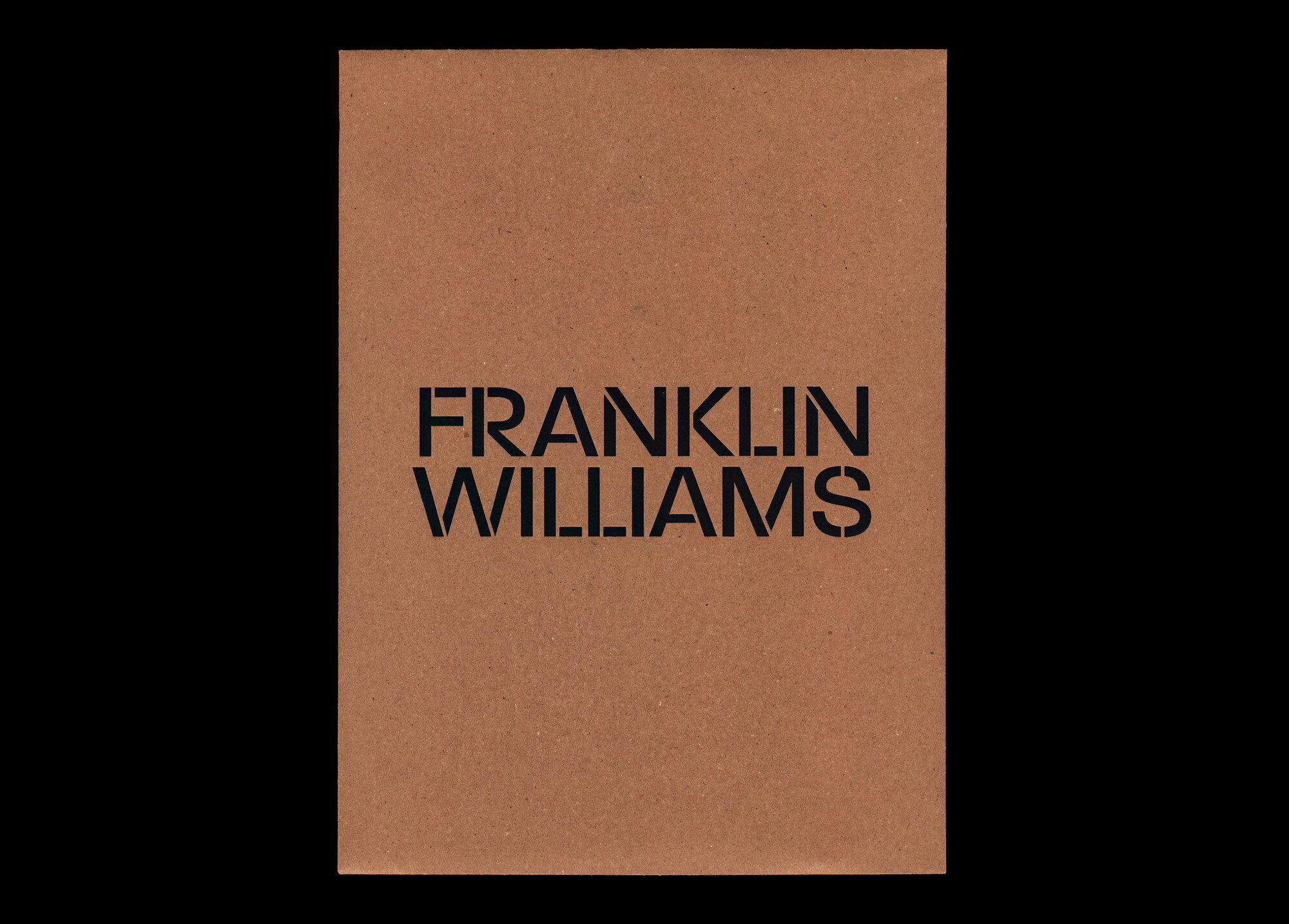
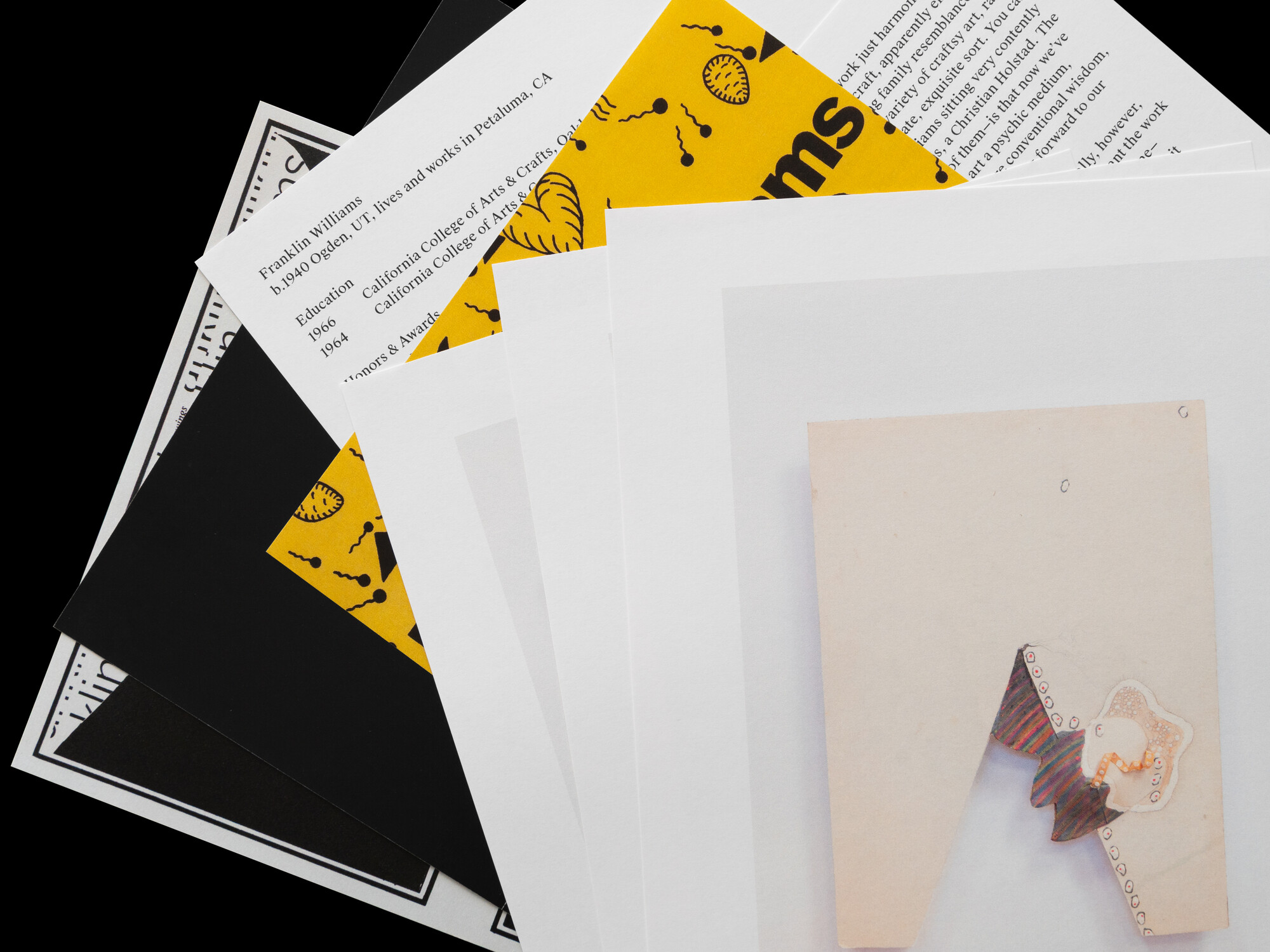
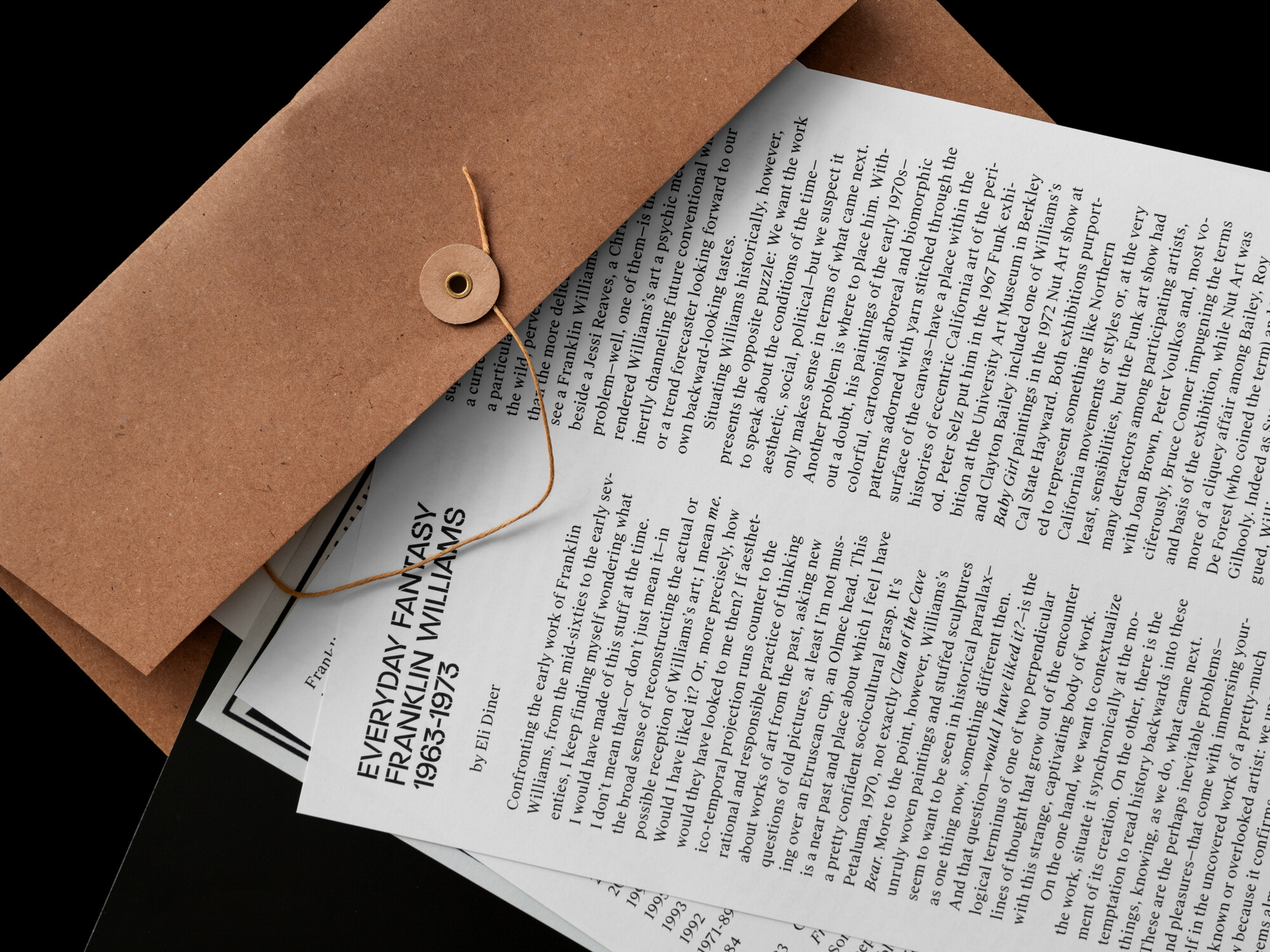
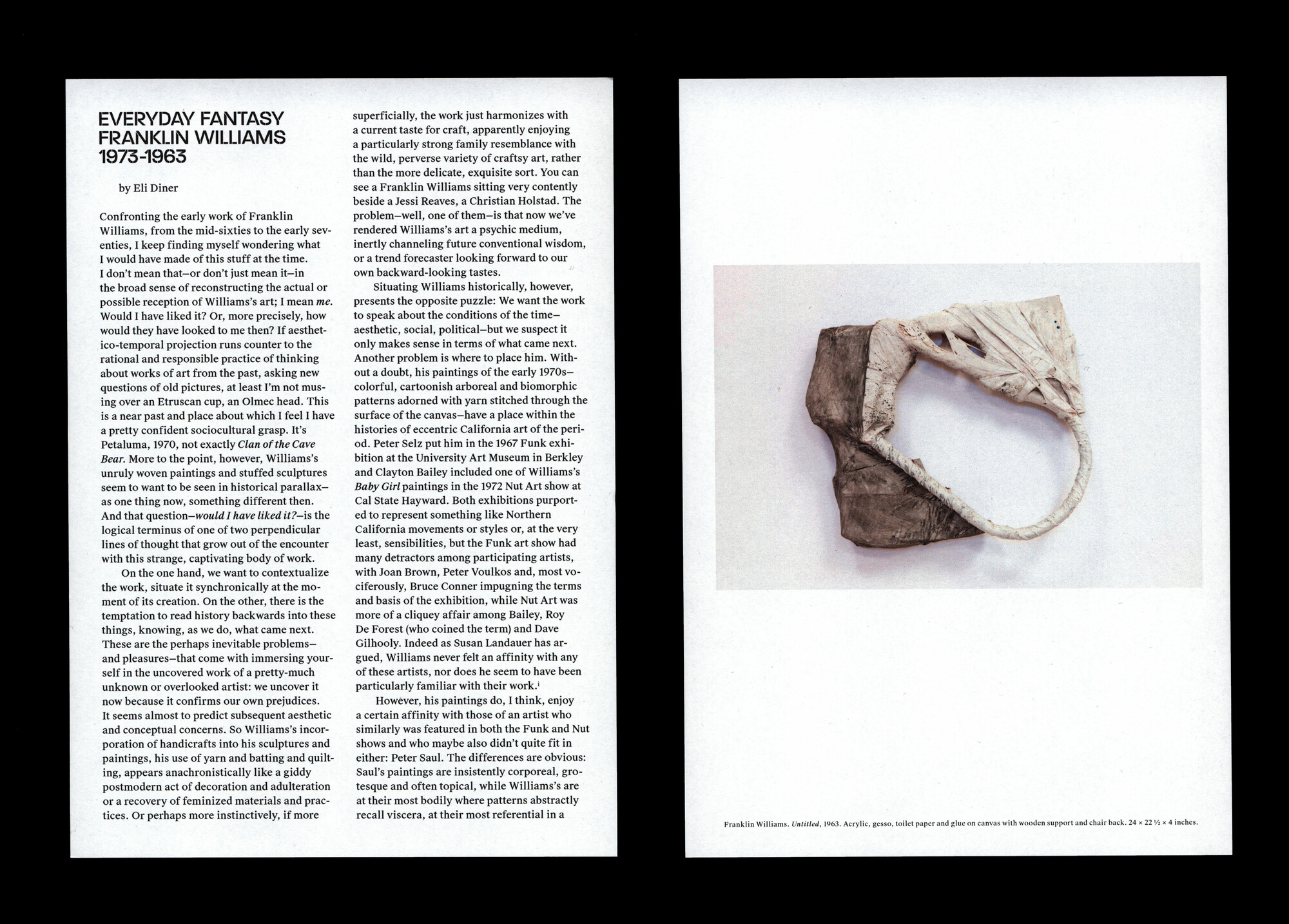
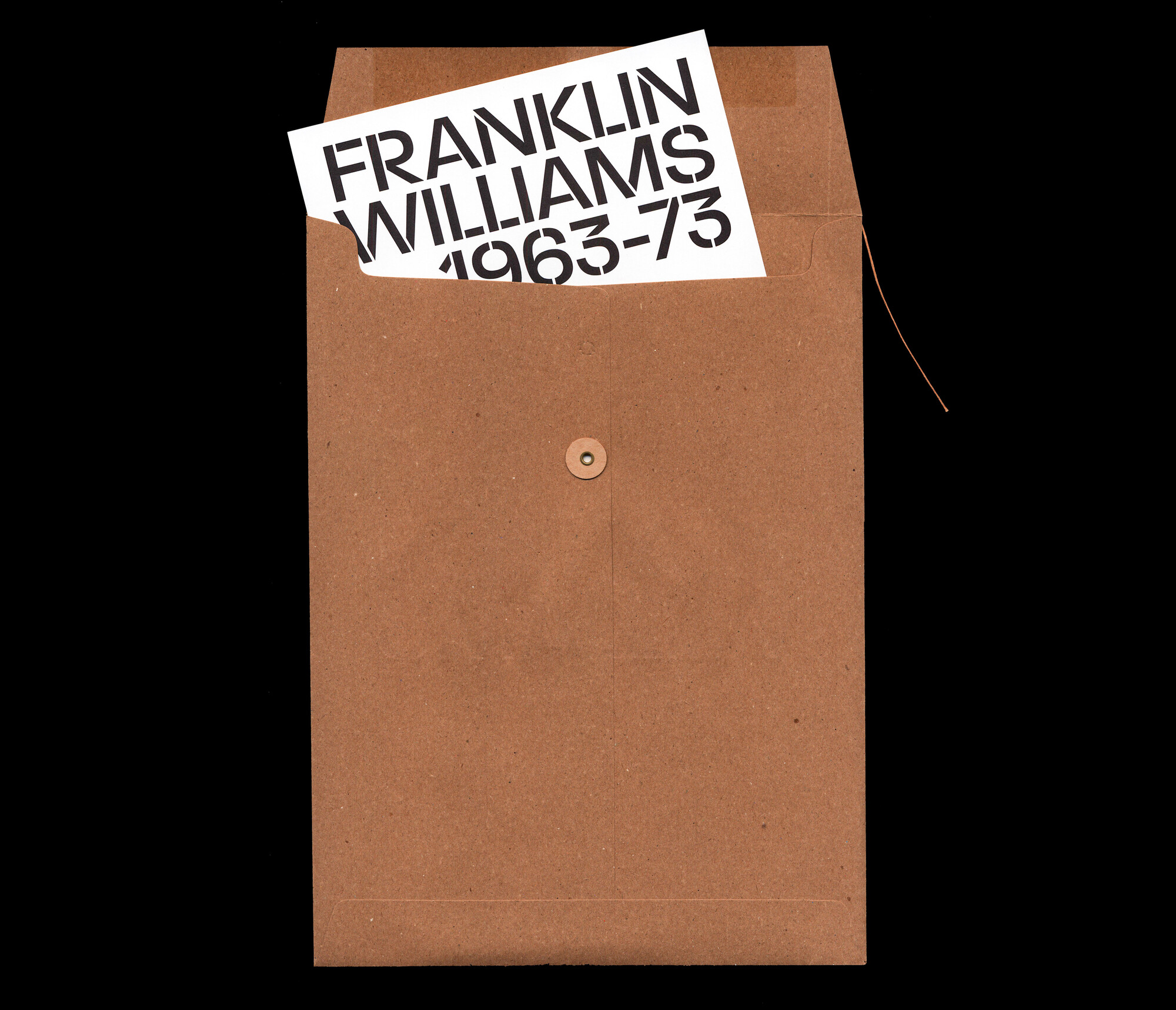
Publication on Franklin Williams’s work from 1963 to 1973, produced for Parker Gallery. Highlights the artist’s distinctive approach to materials, pattern, and craft within the Bay Area art scene. More info ⎘
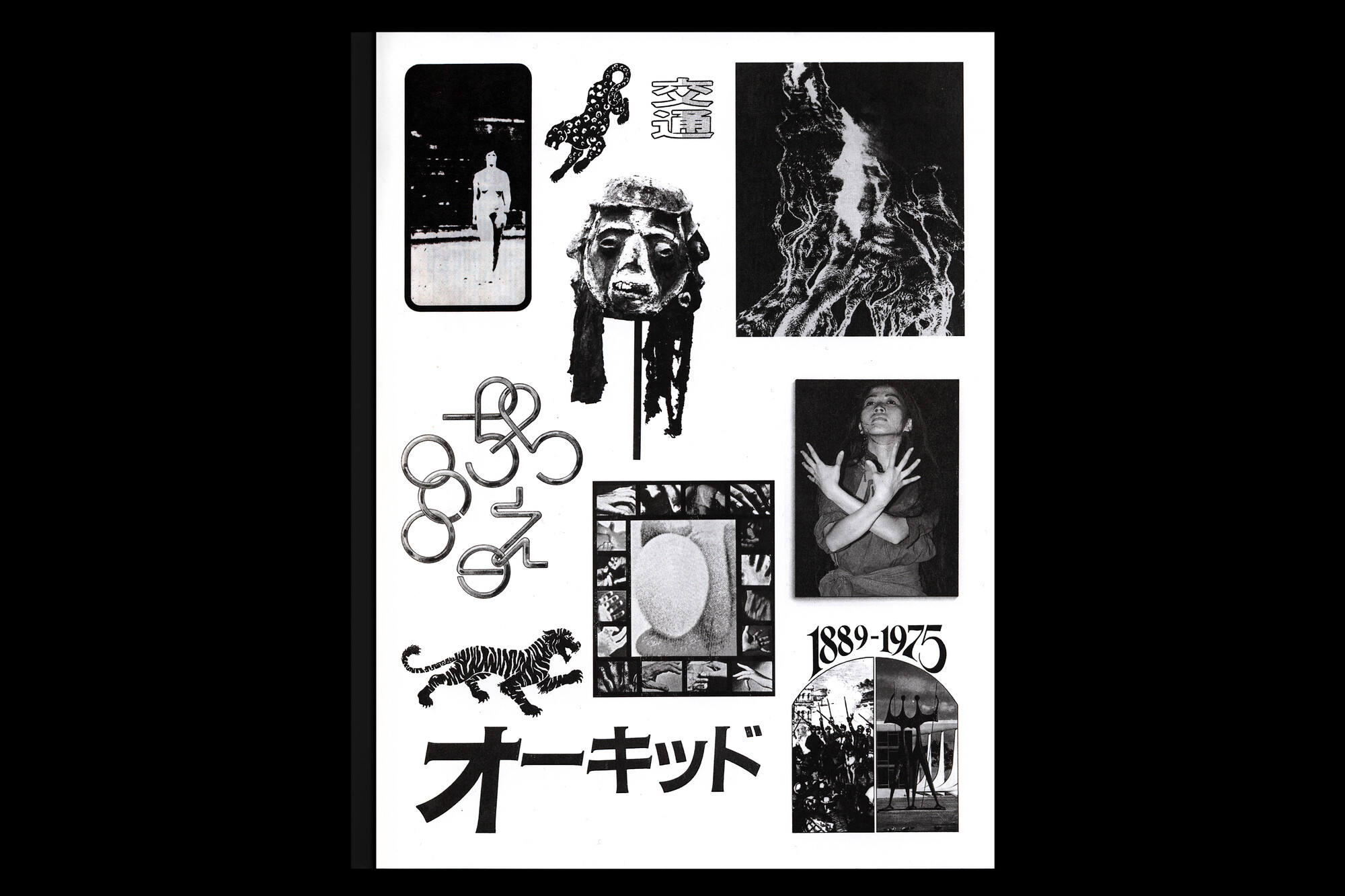
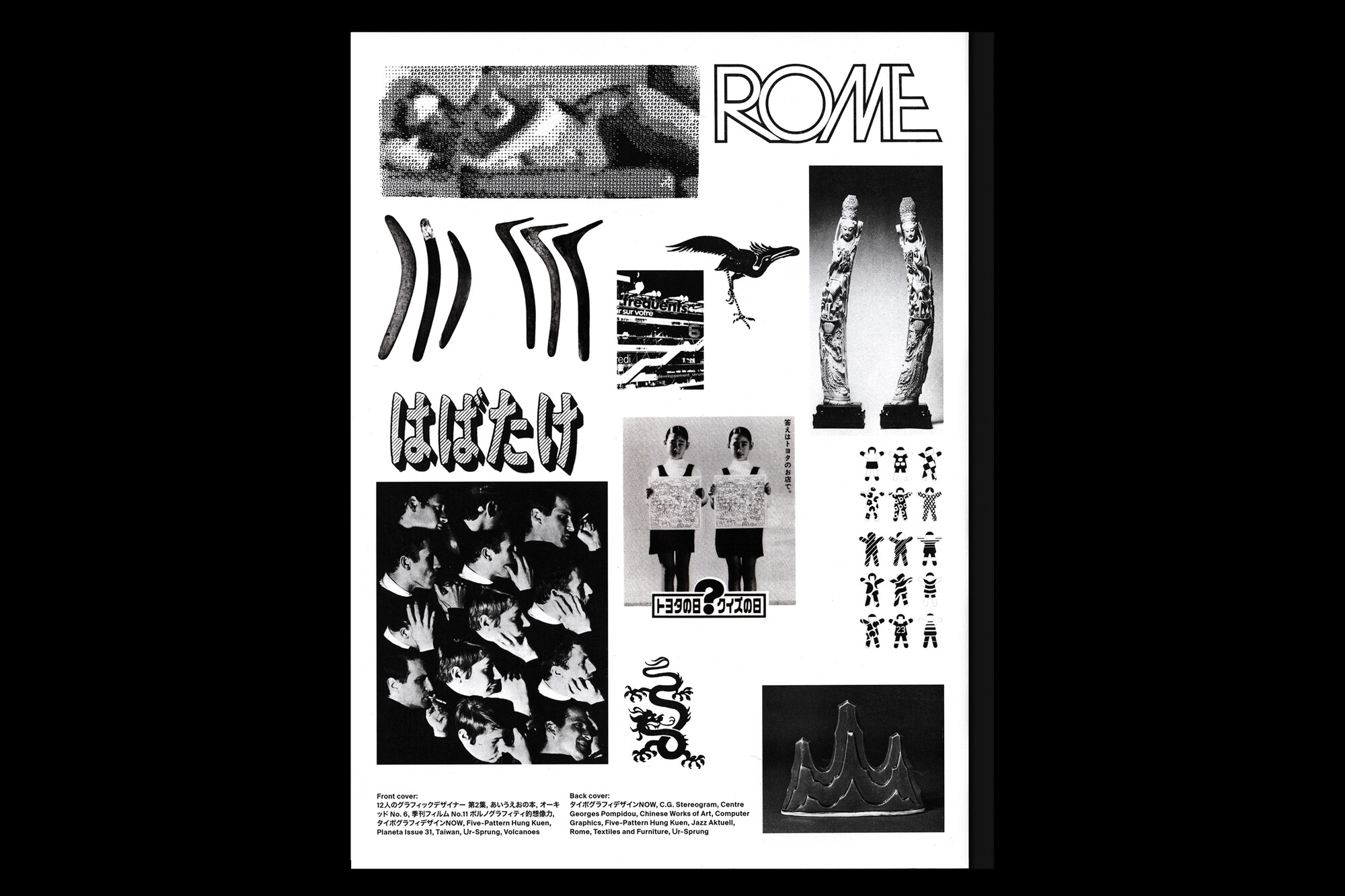
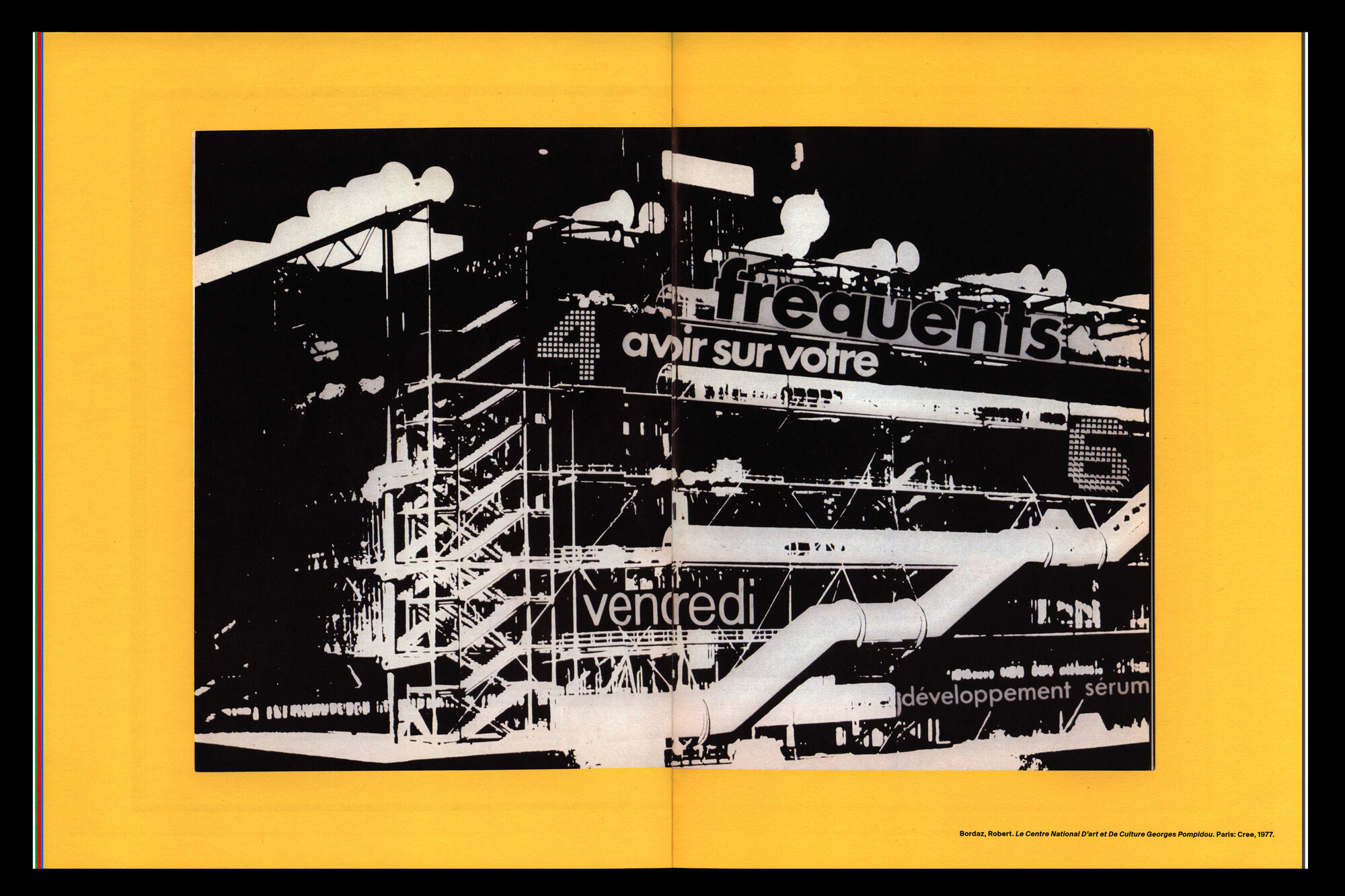
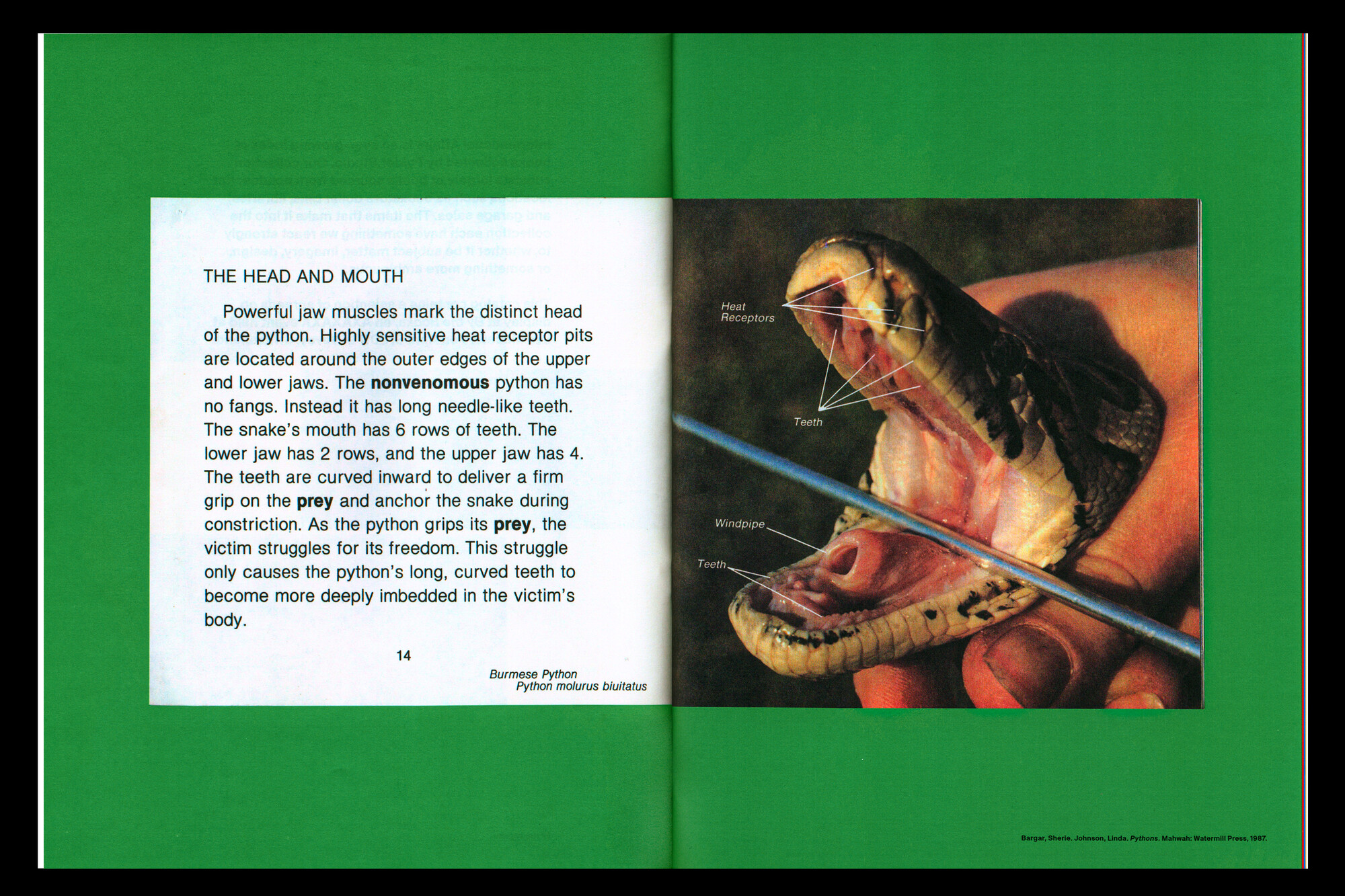
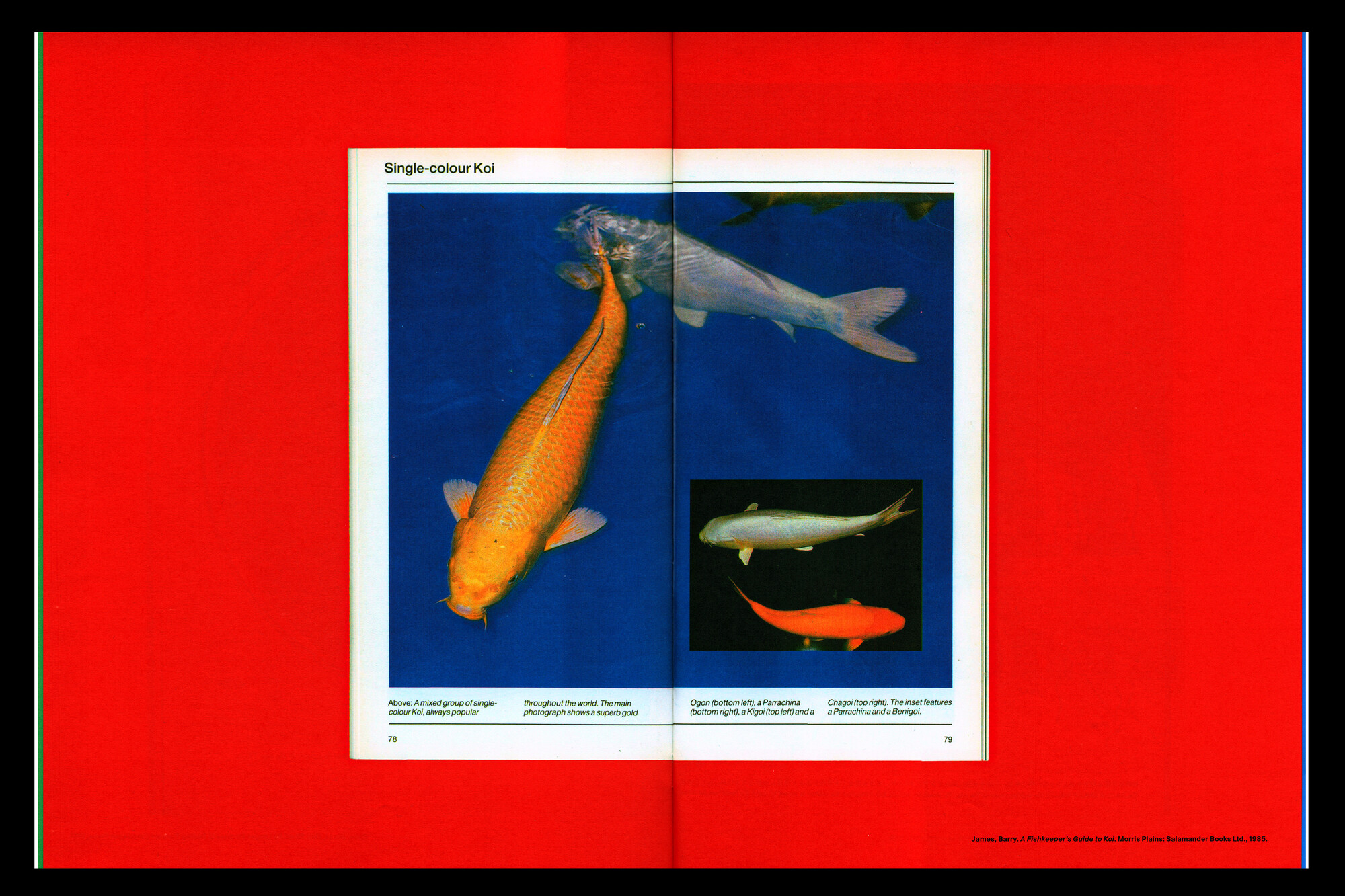
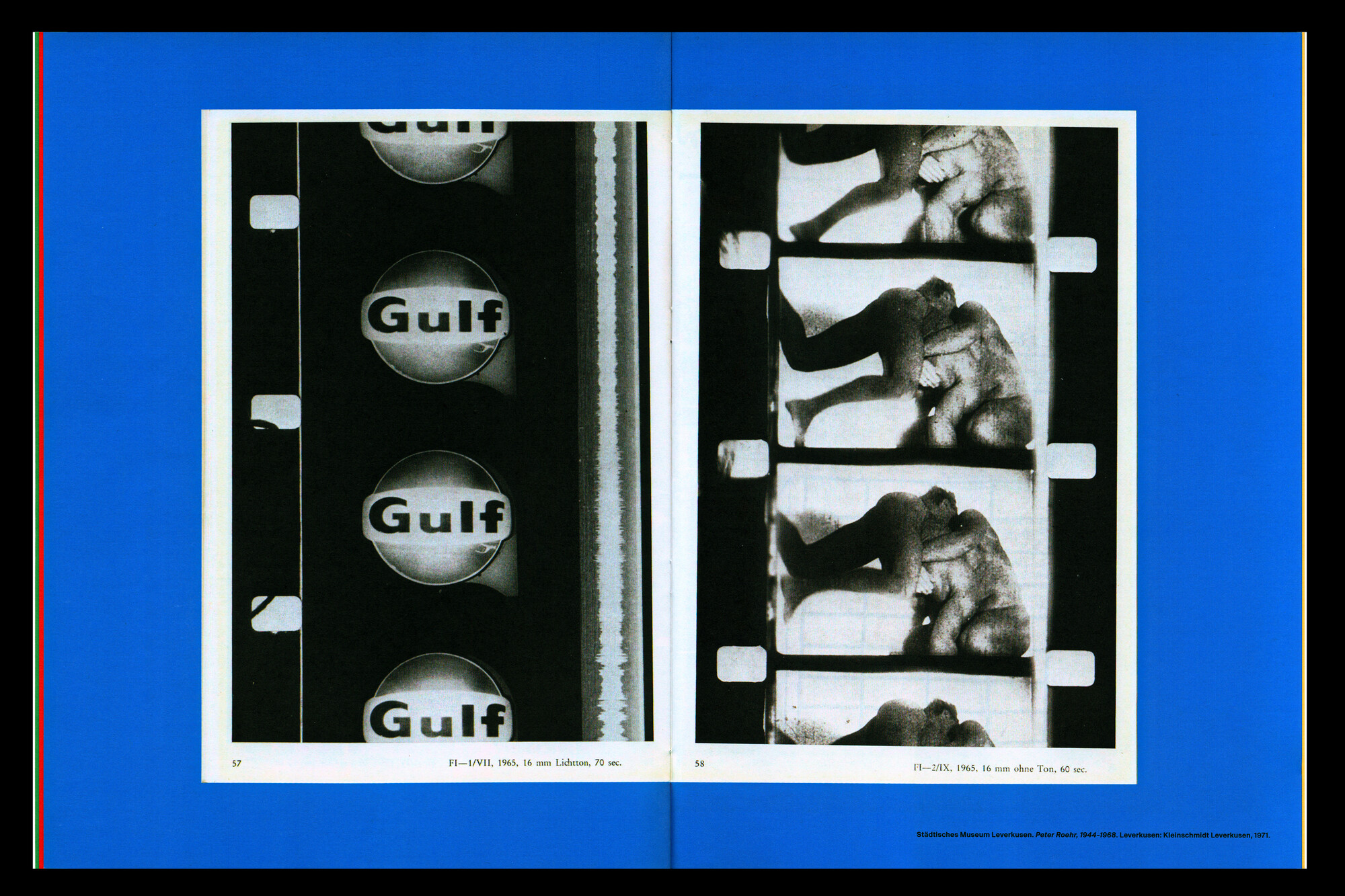
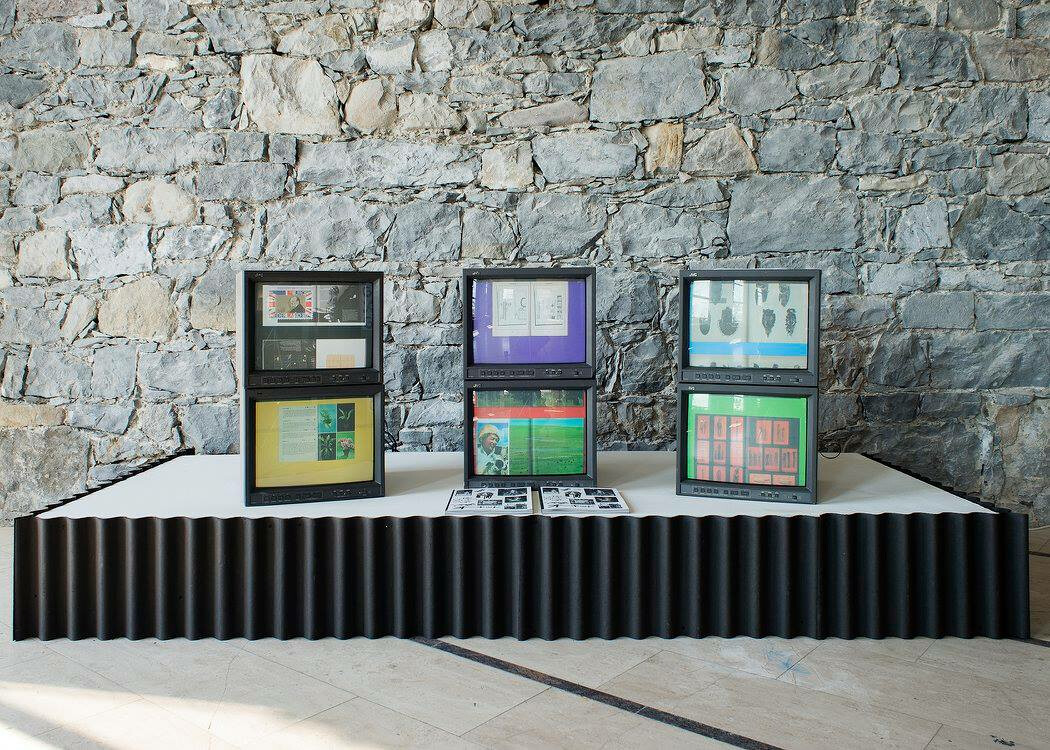
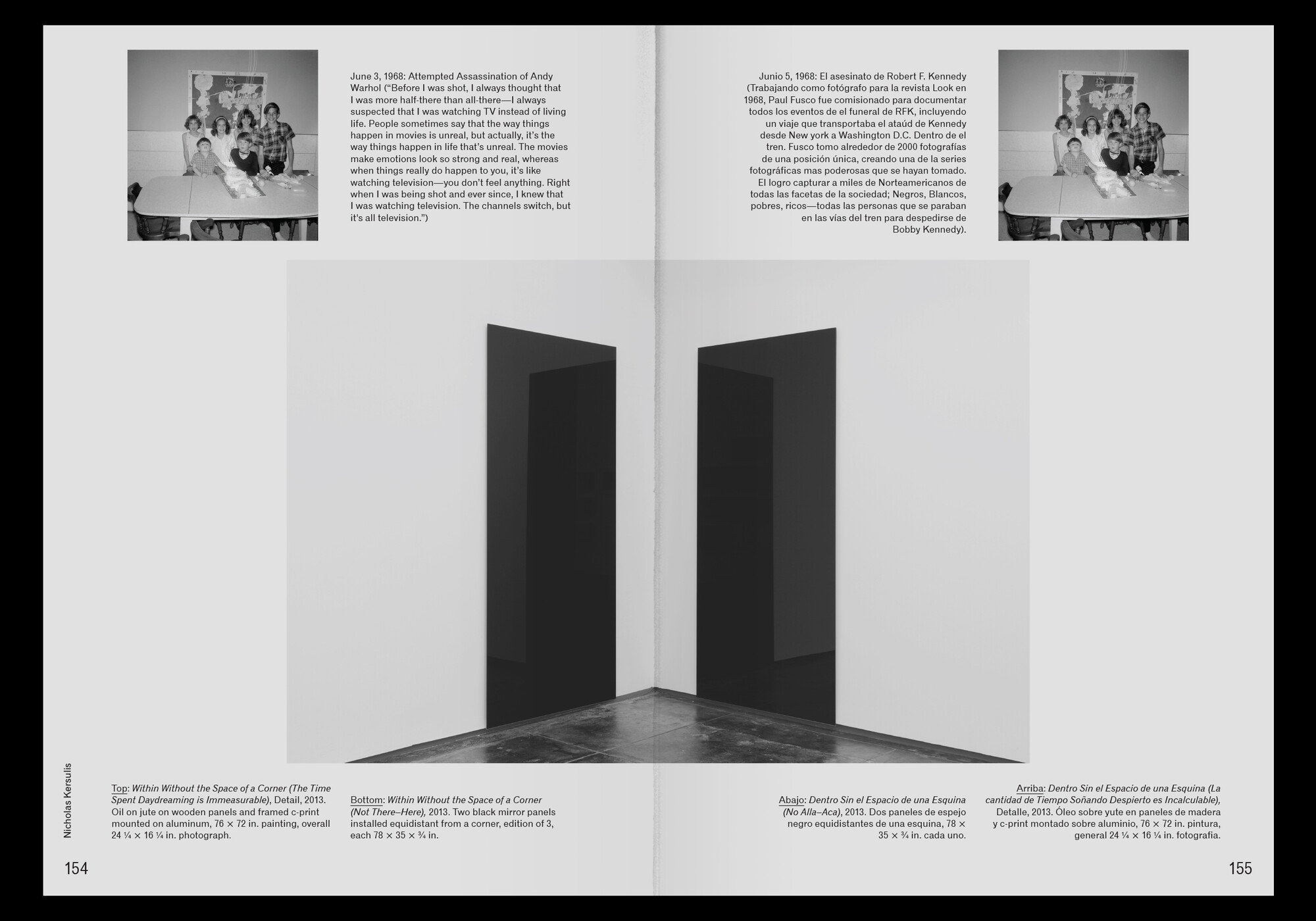
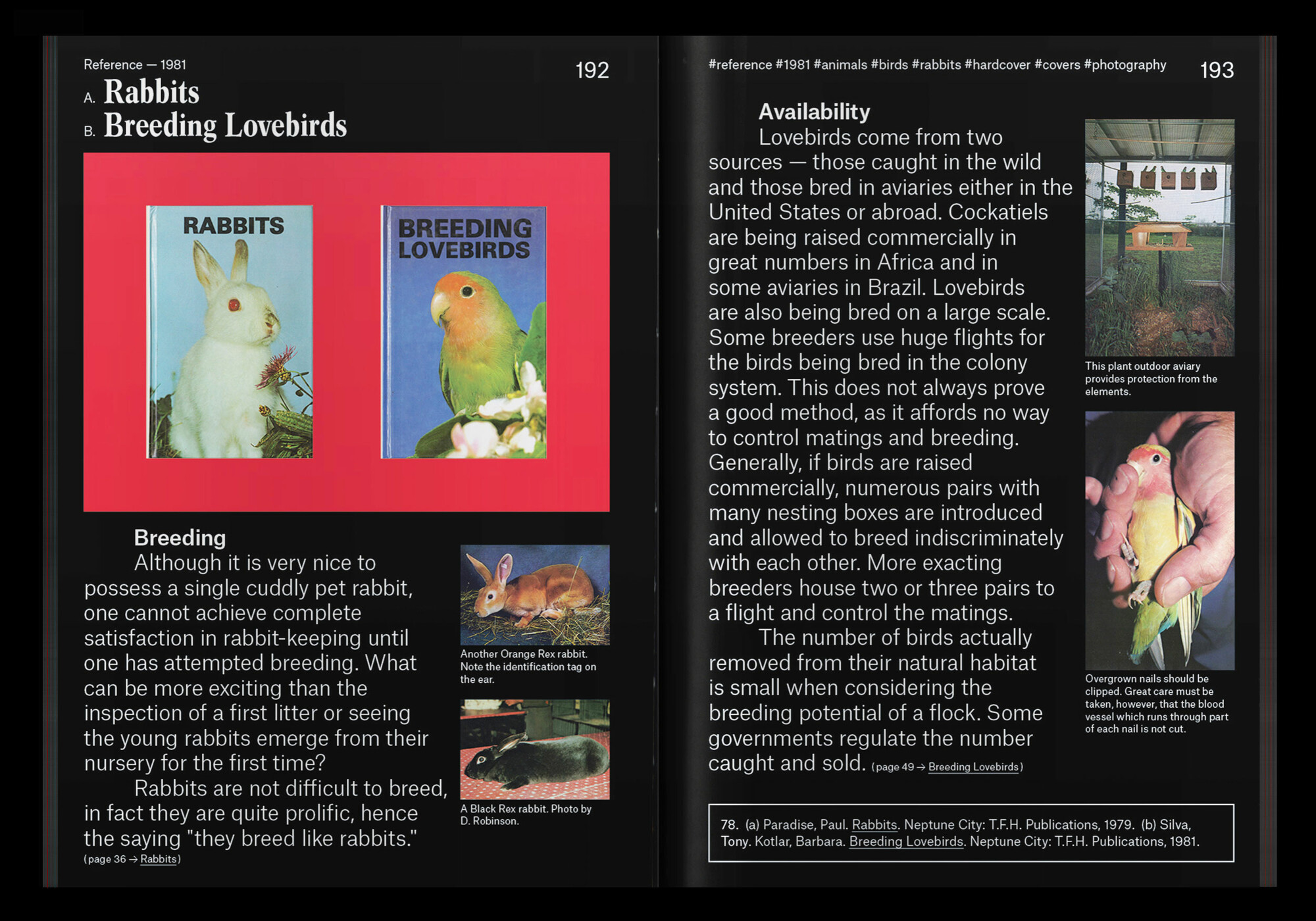
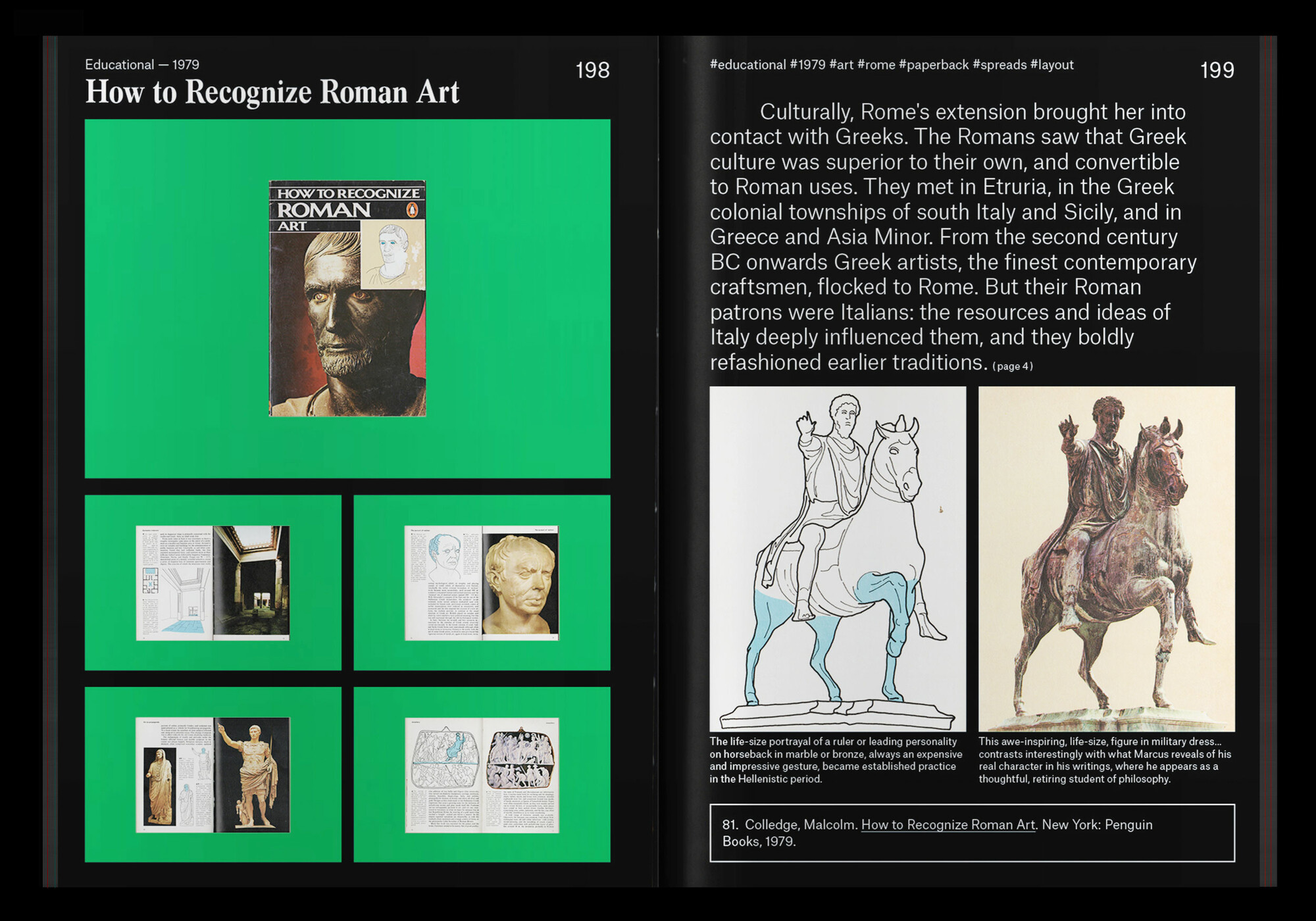
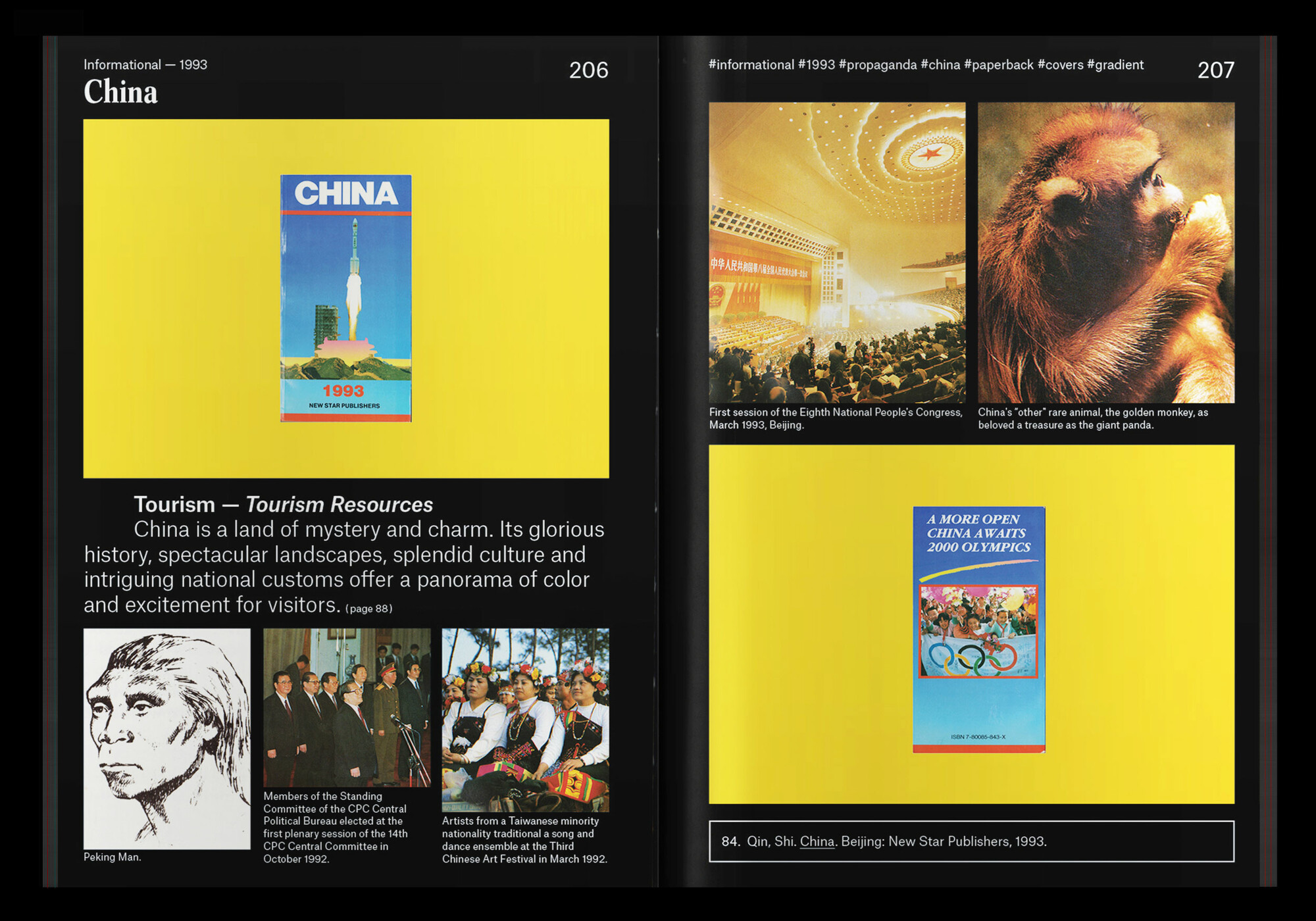
Book featuring spreads from Informational Affairs, the studio’s ongoing collection of found books. Produced for By the Books, an exhibition organized by AXAXAXA in Vevey, Switzerland.
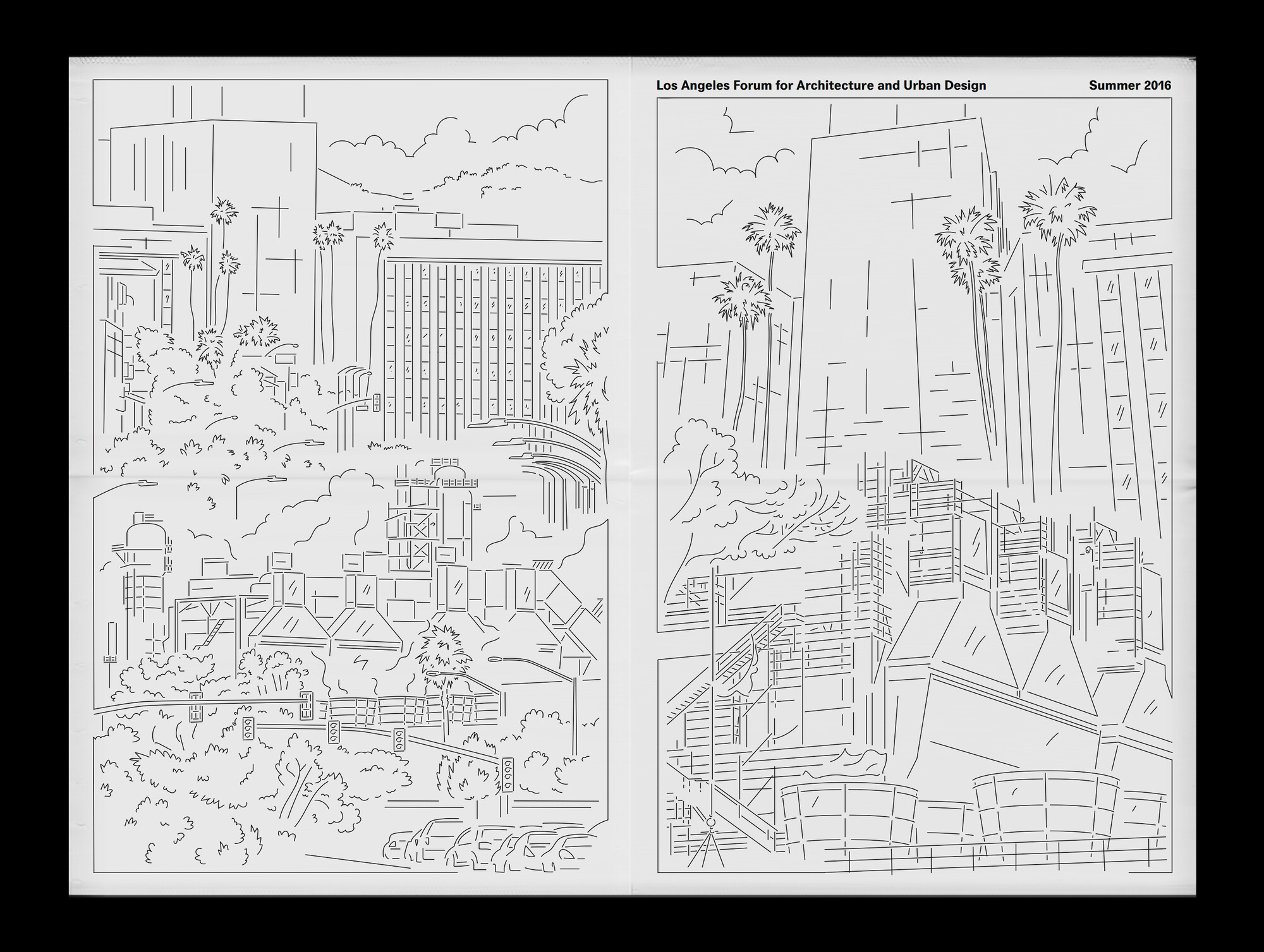
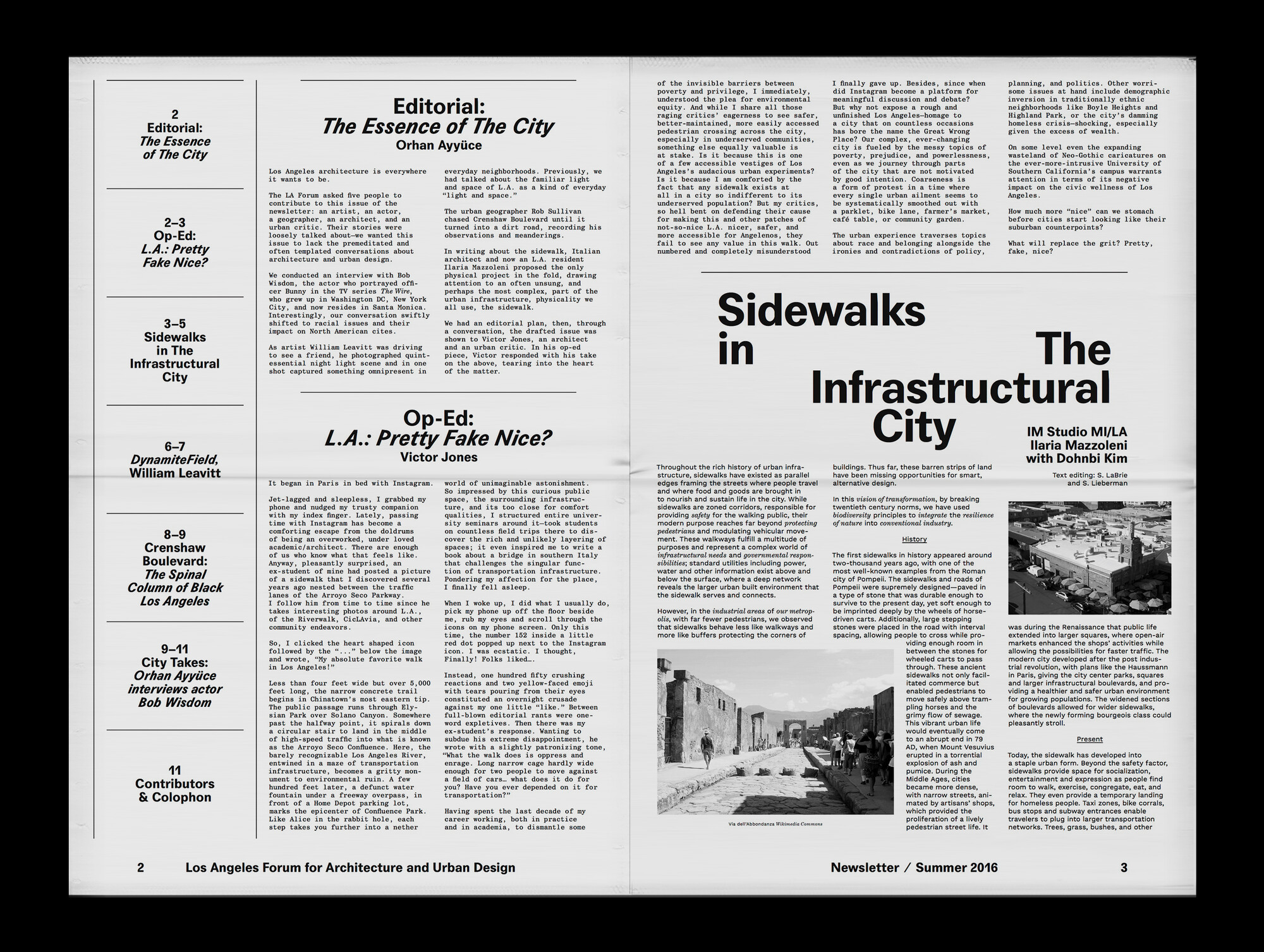
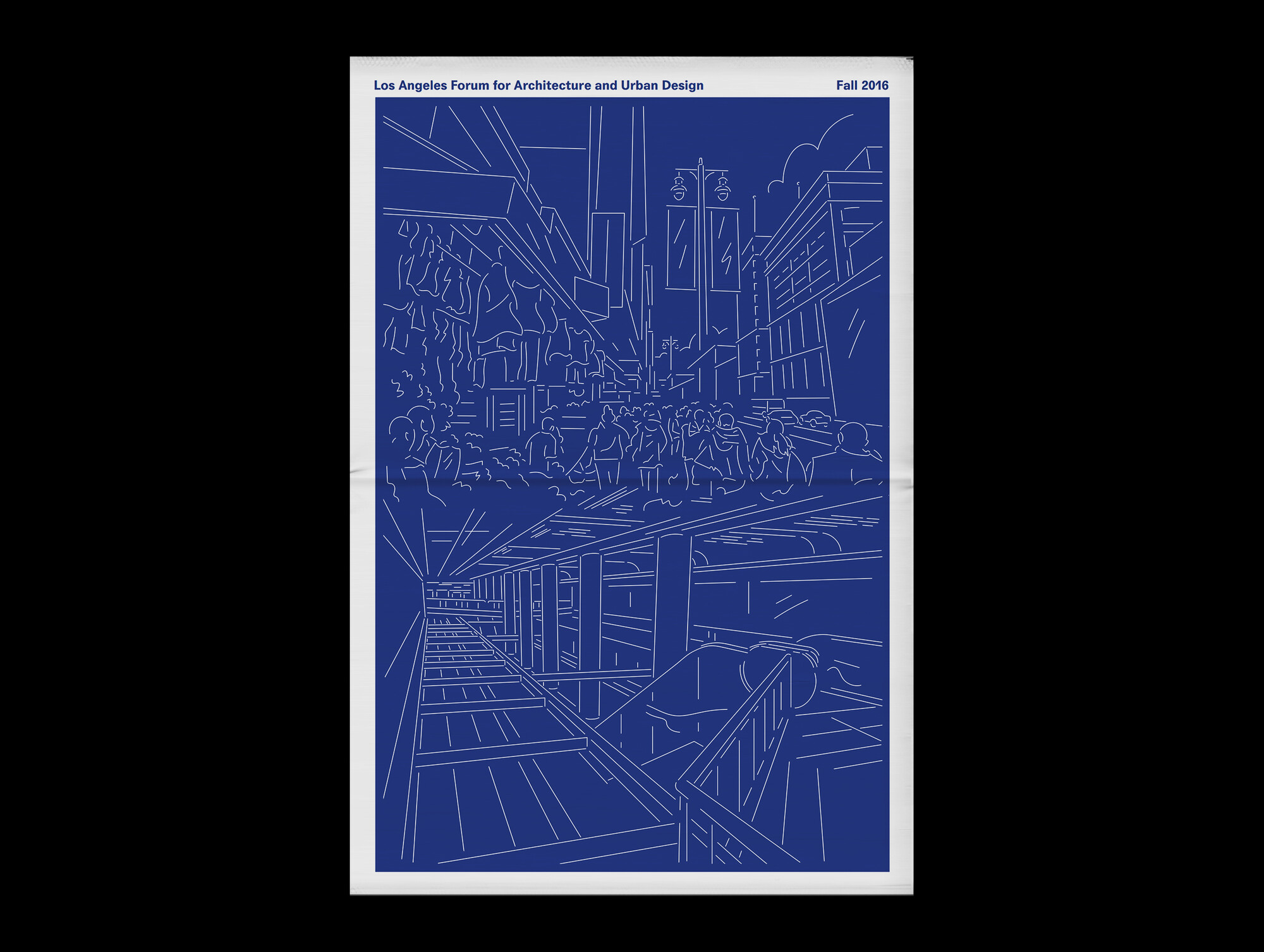
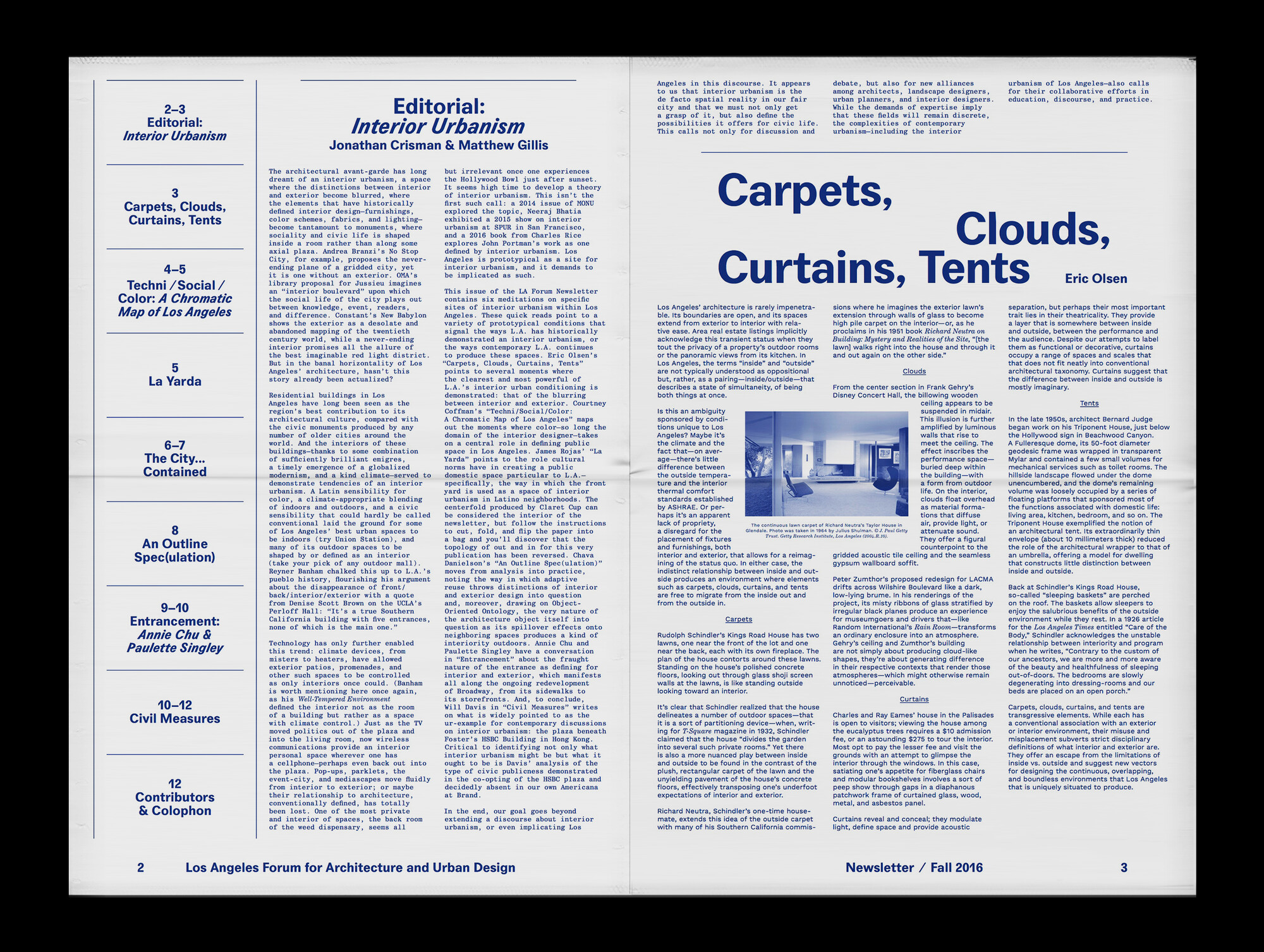
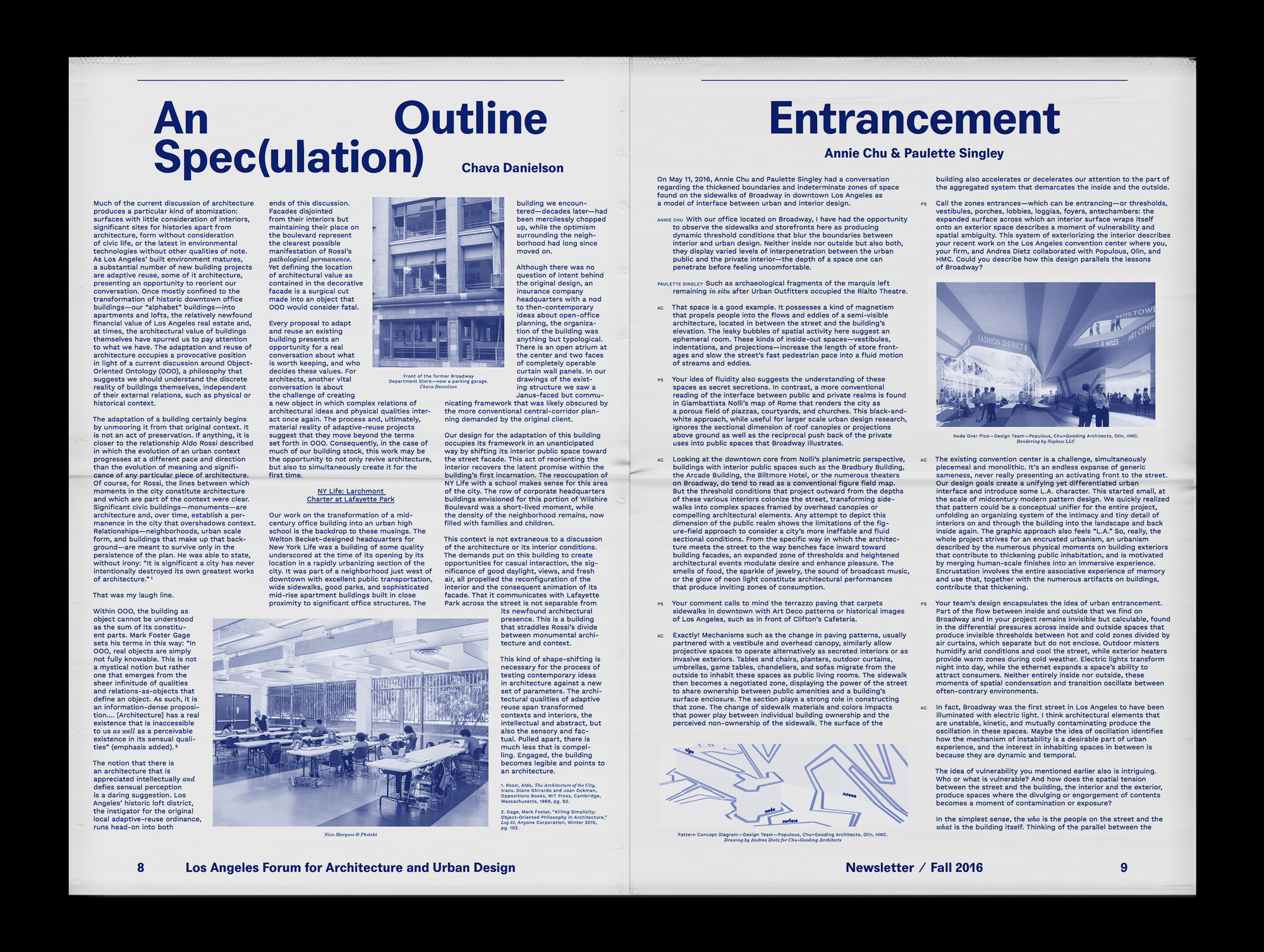
Seasonal newsletter for the Los Angeles Forum for Architecture and Urban Design. Features essays, interviews, and illustrations exploring unexpected aspects of the city’s built environment.
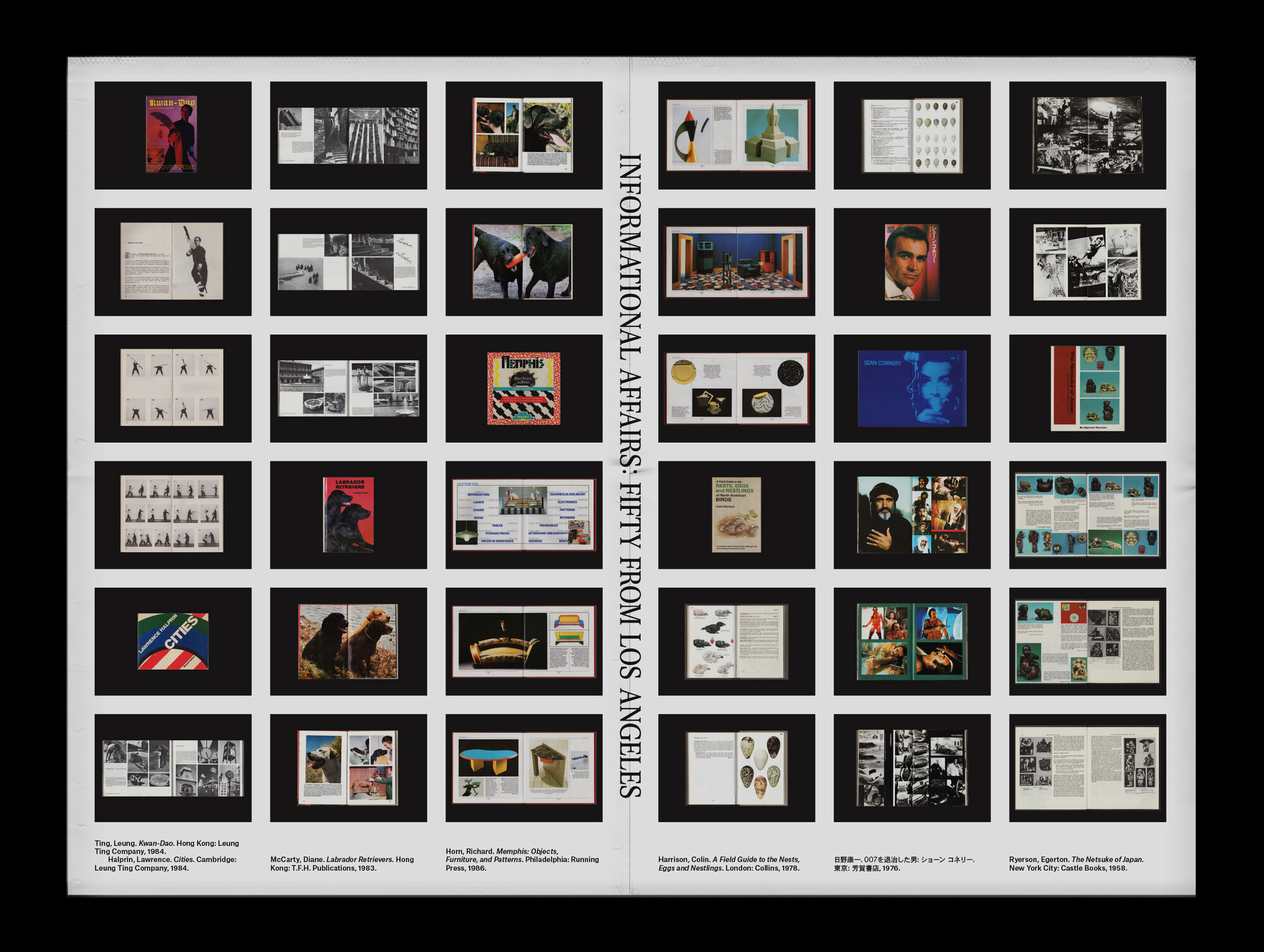
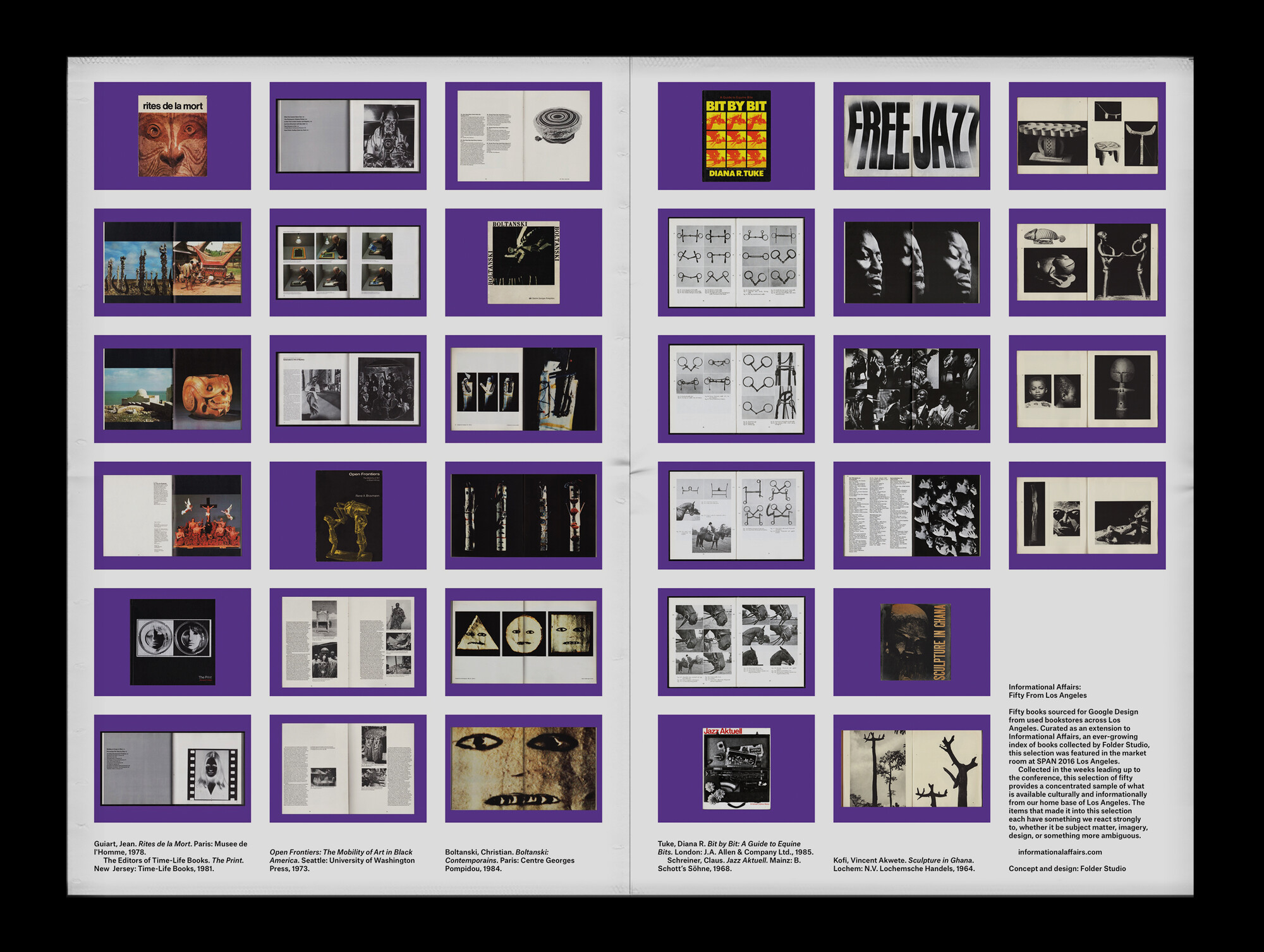
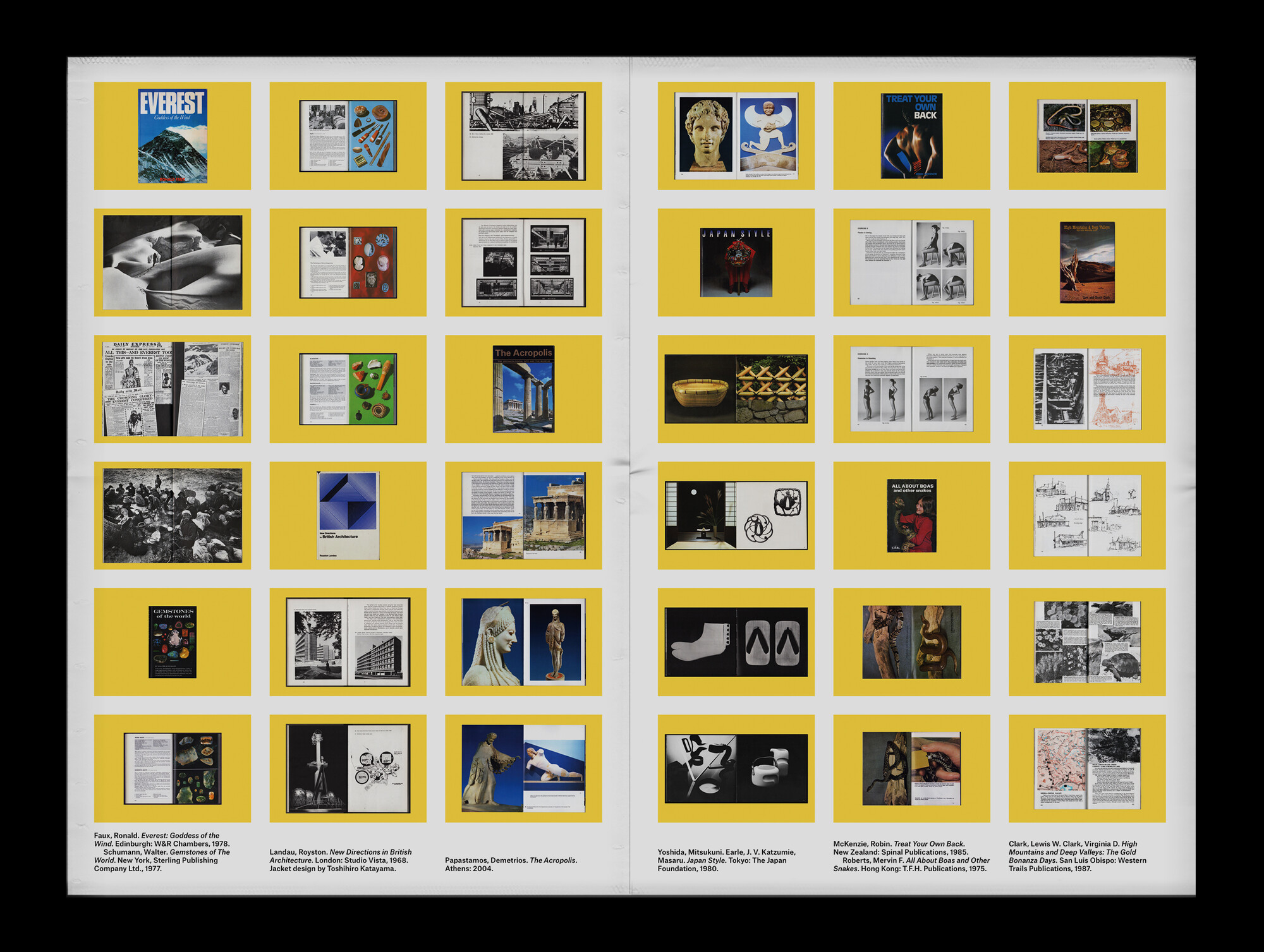
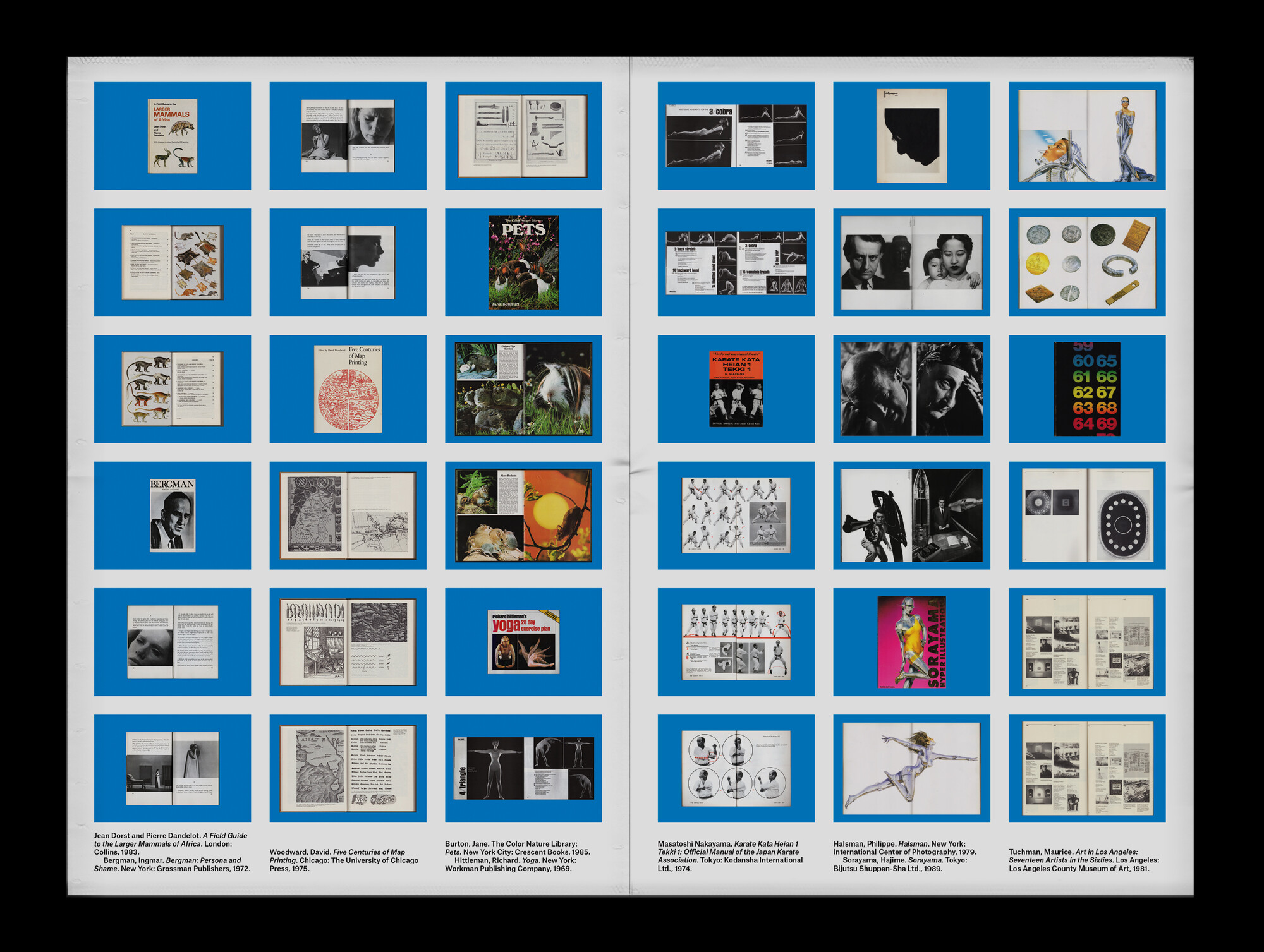
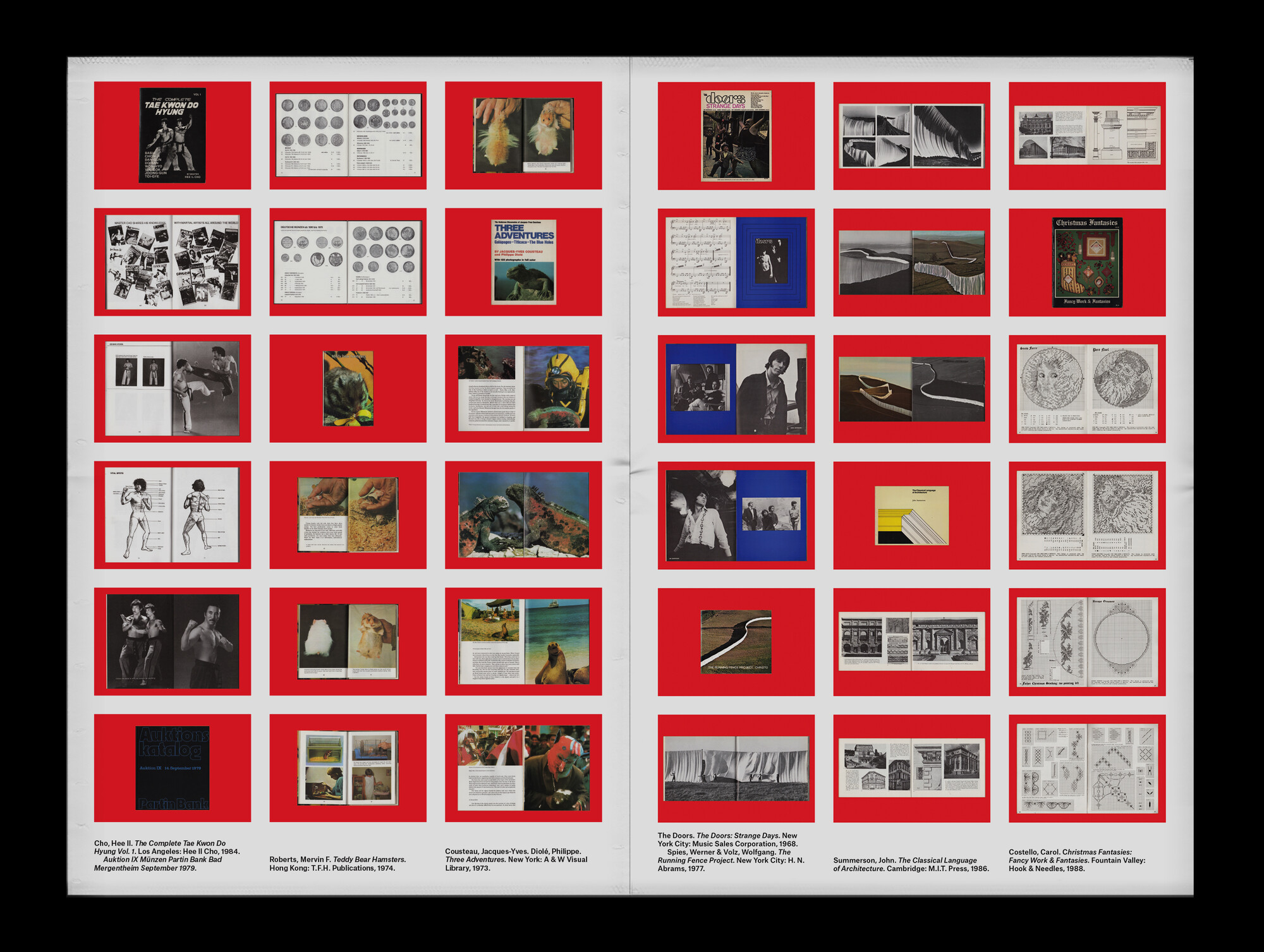
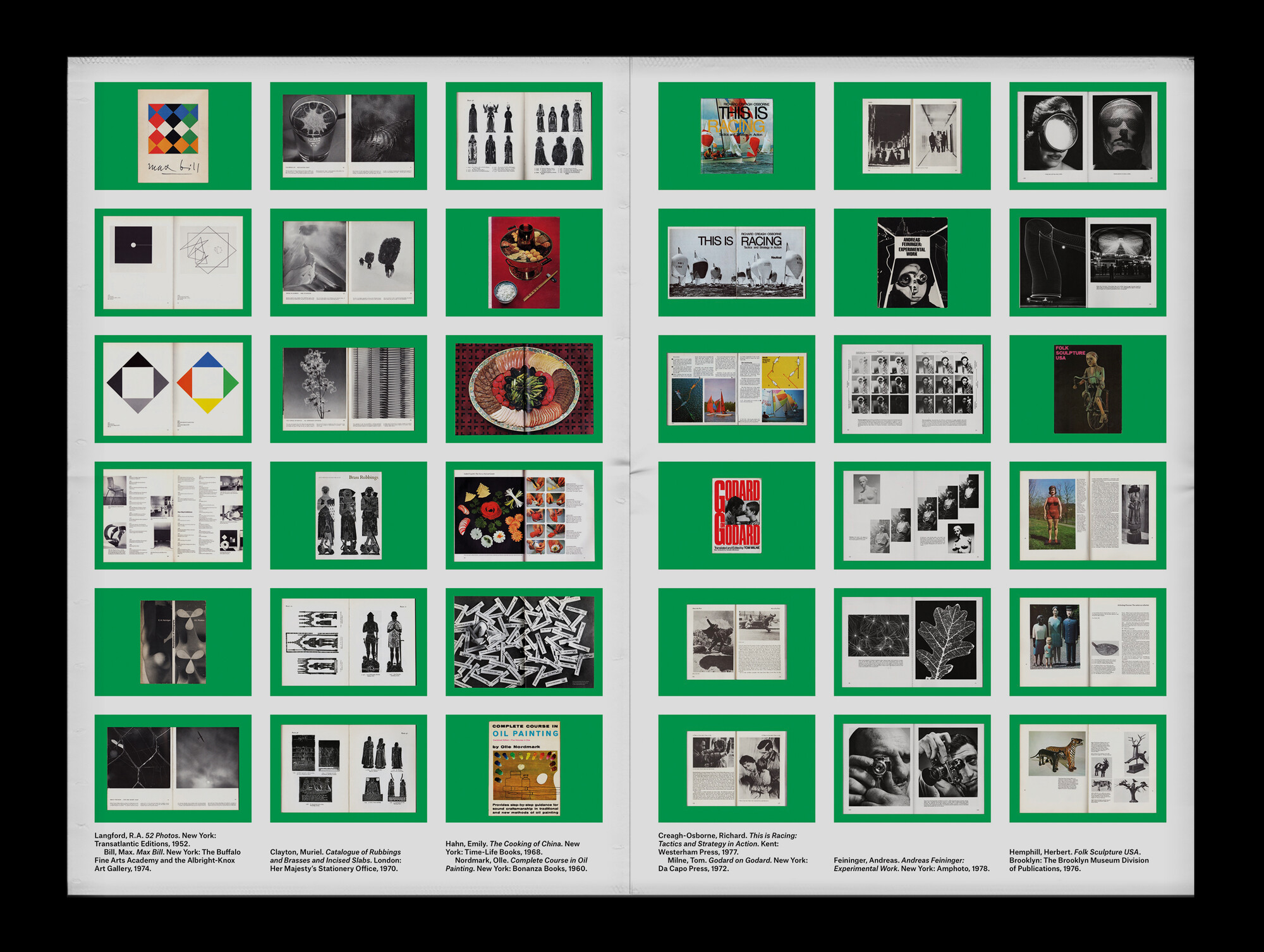
Newsprint publication for Google Design featuring fifty books sourced from used bookstores across Los Angeles. Produced for SPAN 2016 Los Angeles as part of the studio’s ongoing Informational Affairs series, the selection reflects the city’s layered design culture through its printed matter. More info ⎘
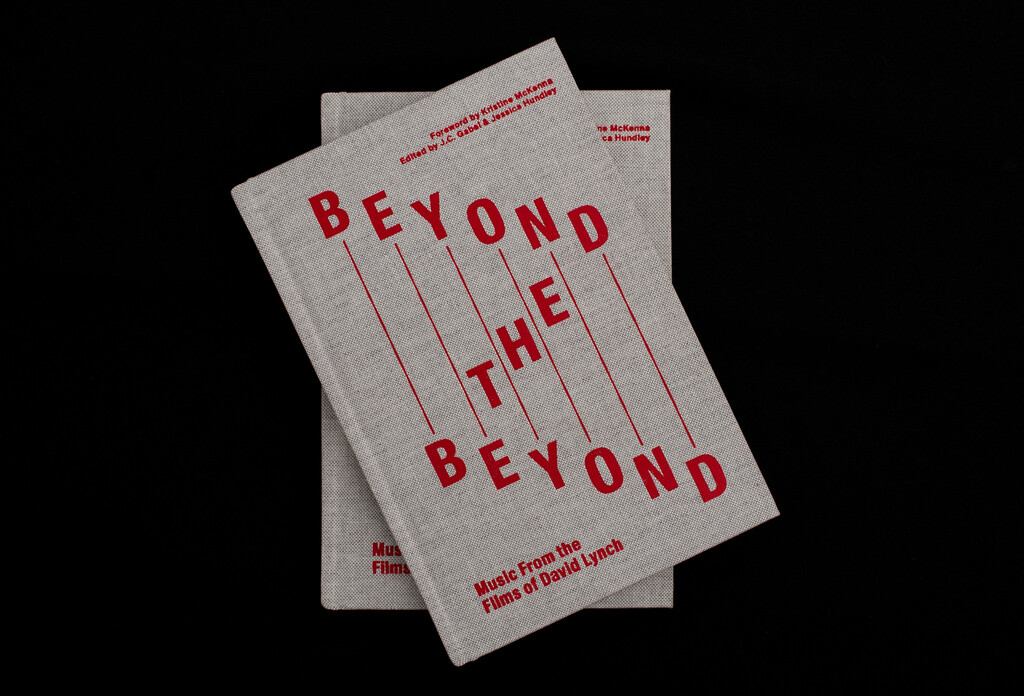
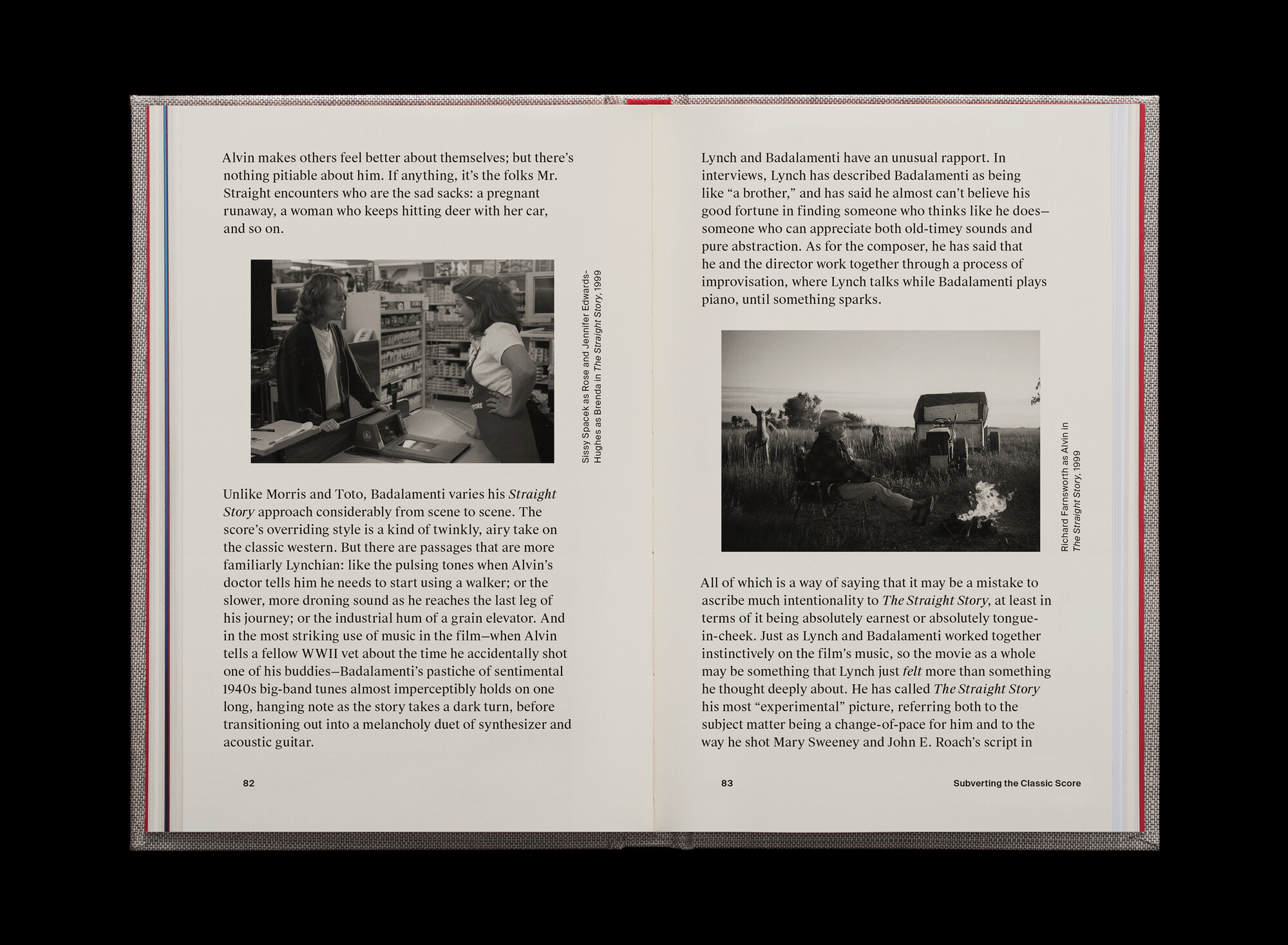
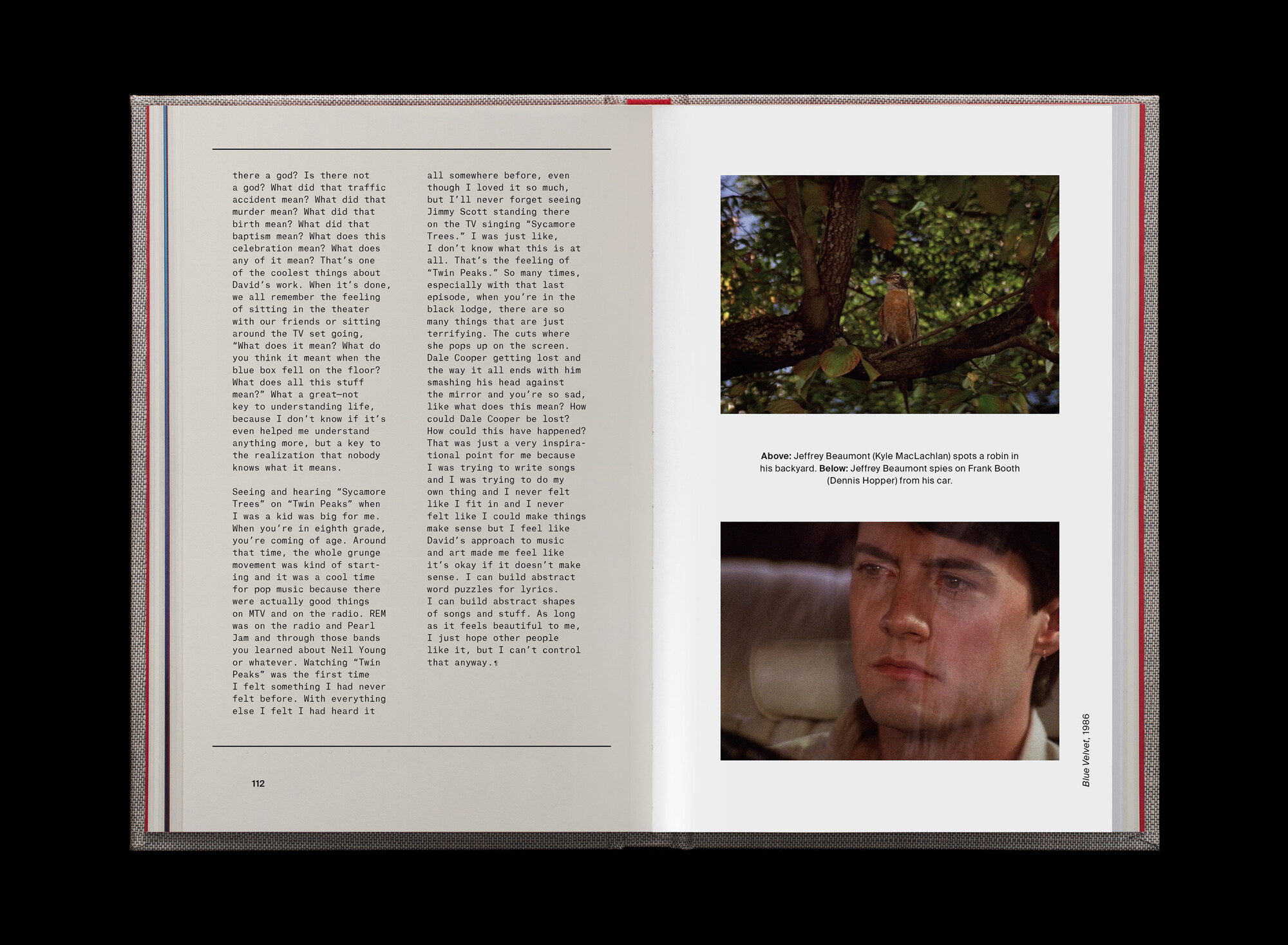
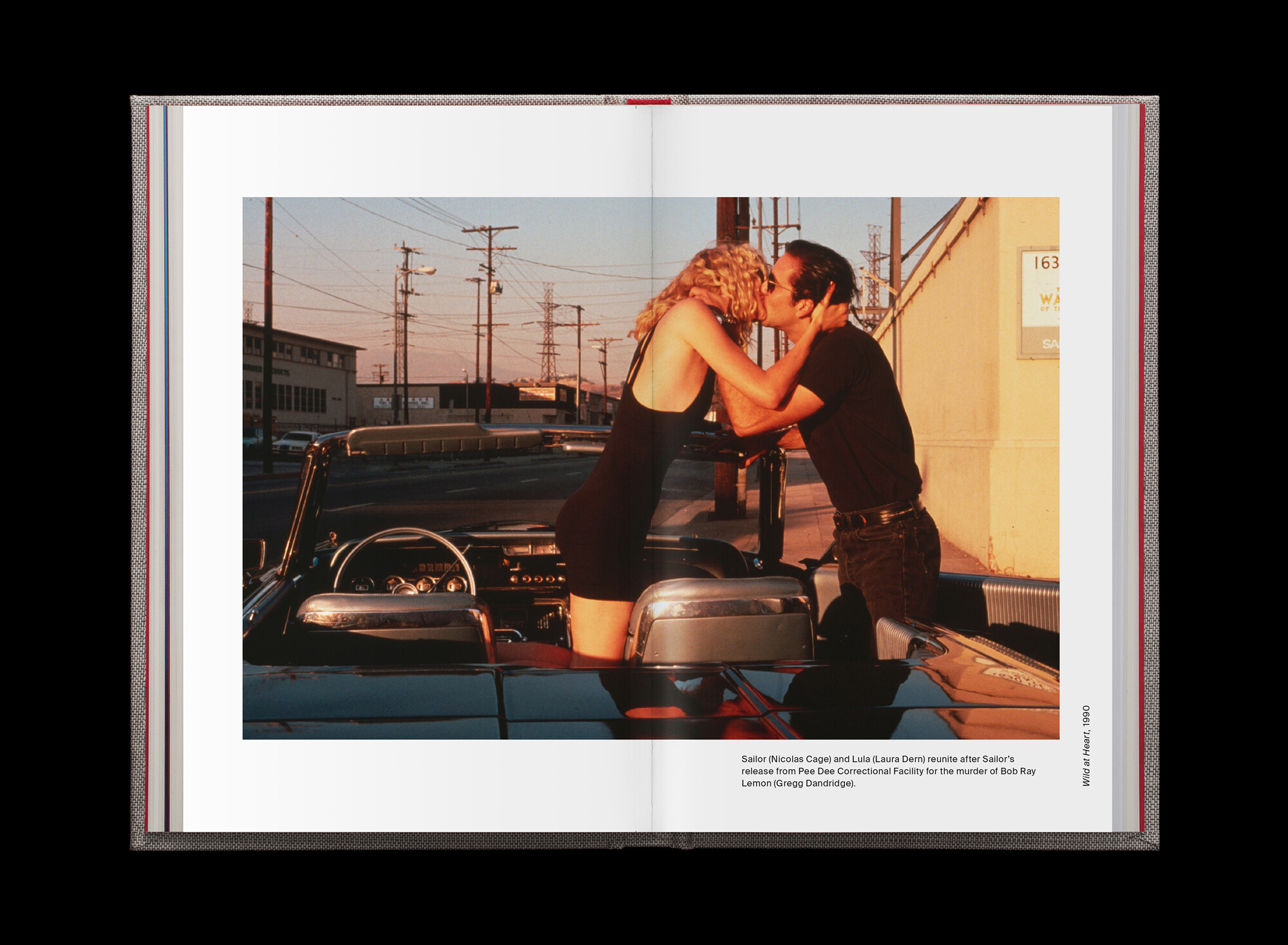
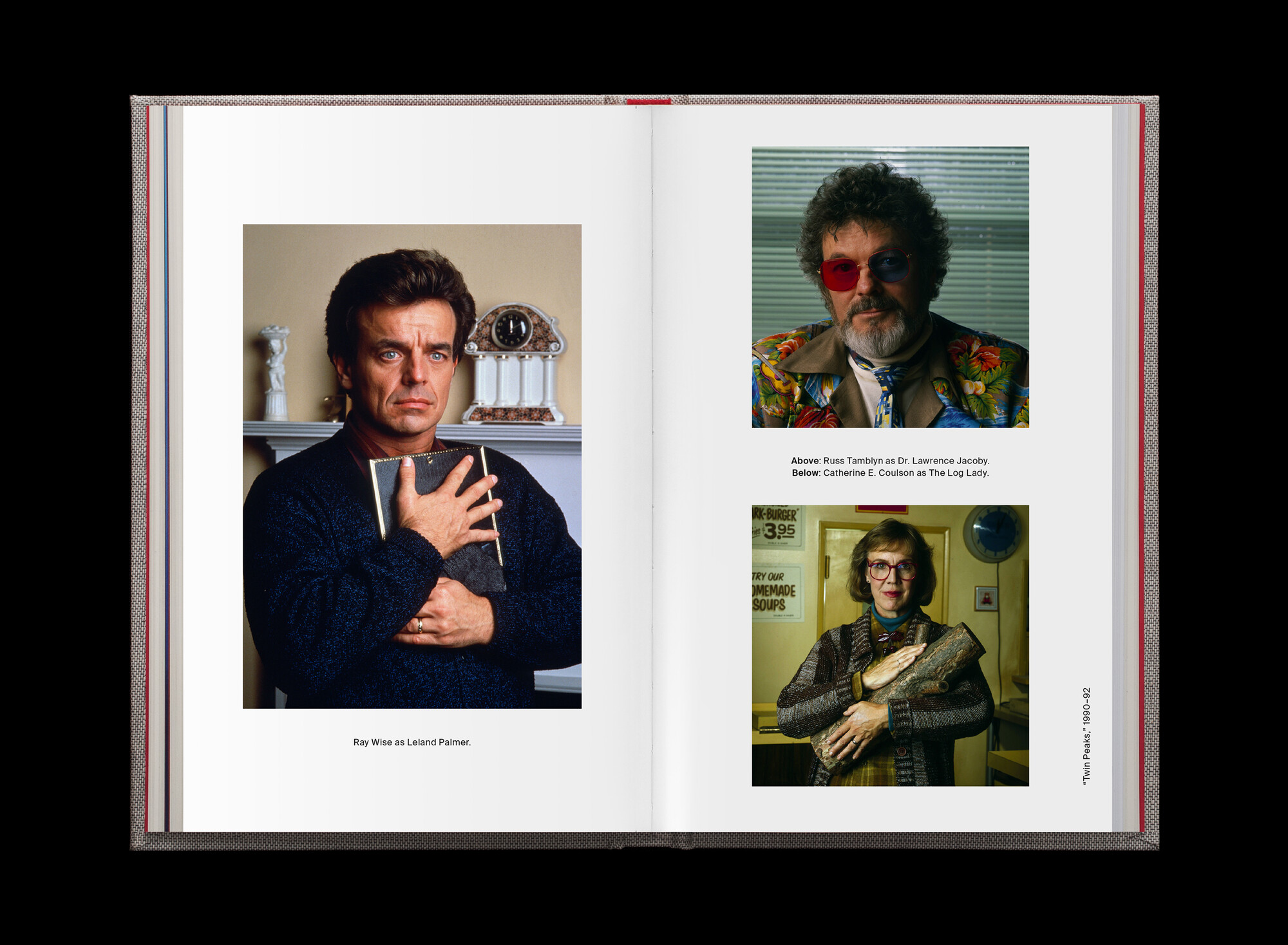
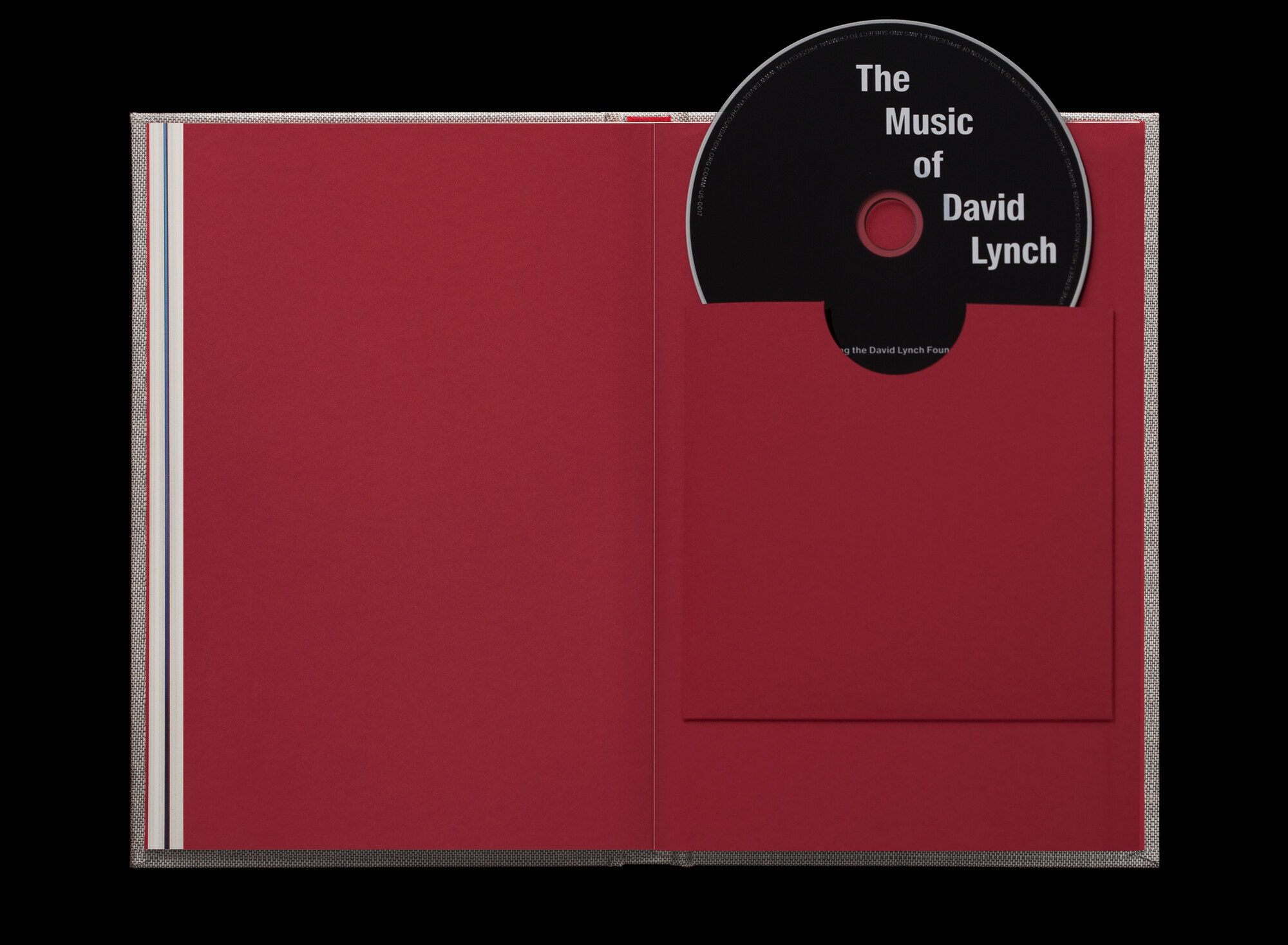
Book for the David Lynch Foundation featuring essays and interviews on the role of music in David Lynch’s creative practice. Published as a companion to The Music of David Lynch concert event, connecting his work in film and sound through conversation, archival materials, and performance. More info ⎘
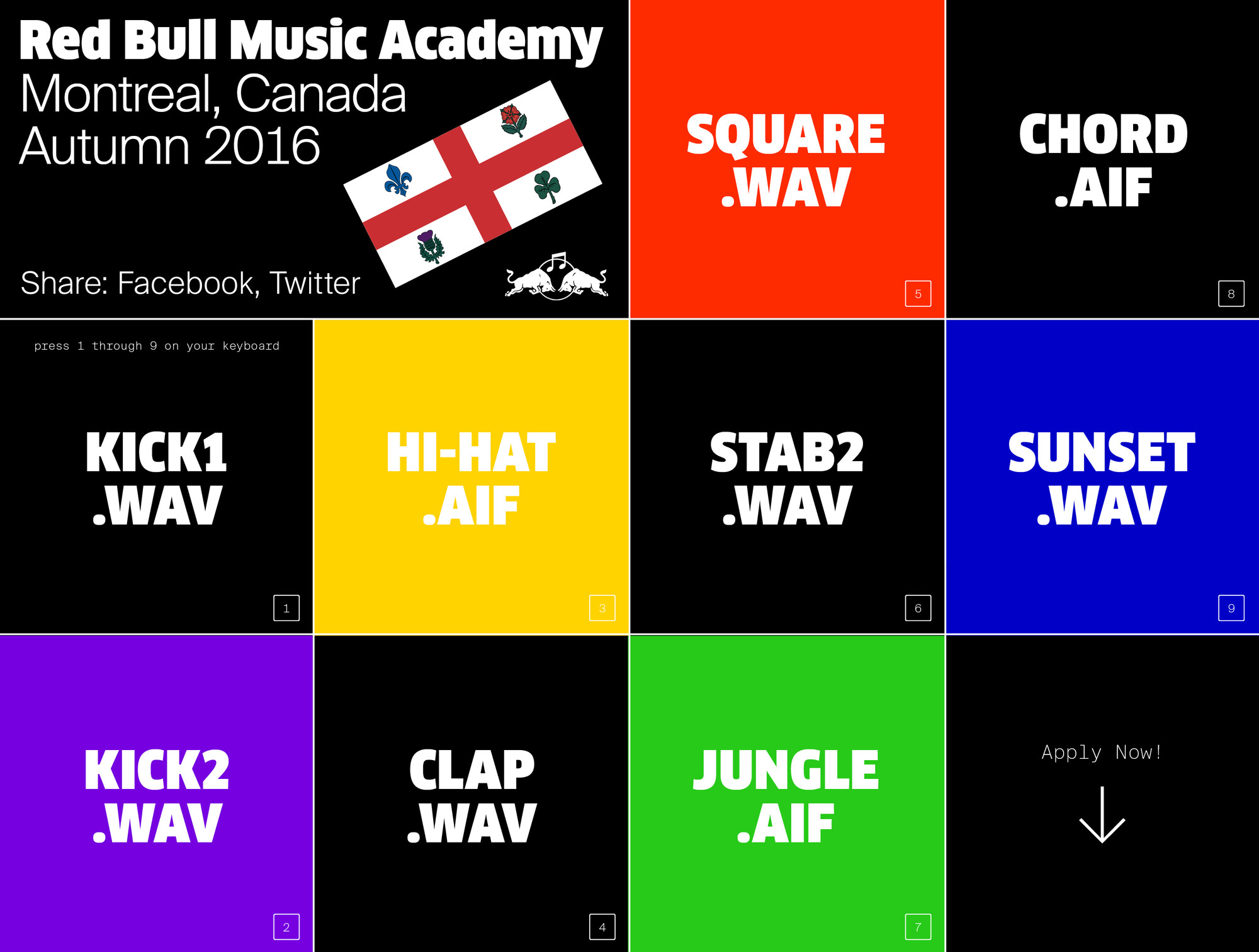
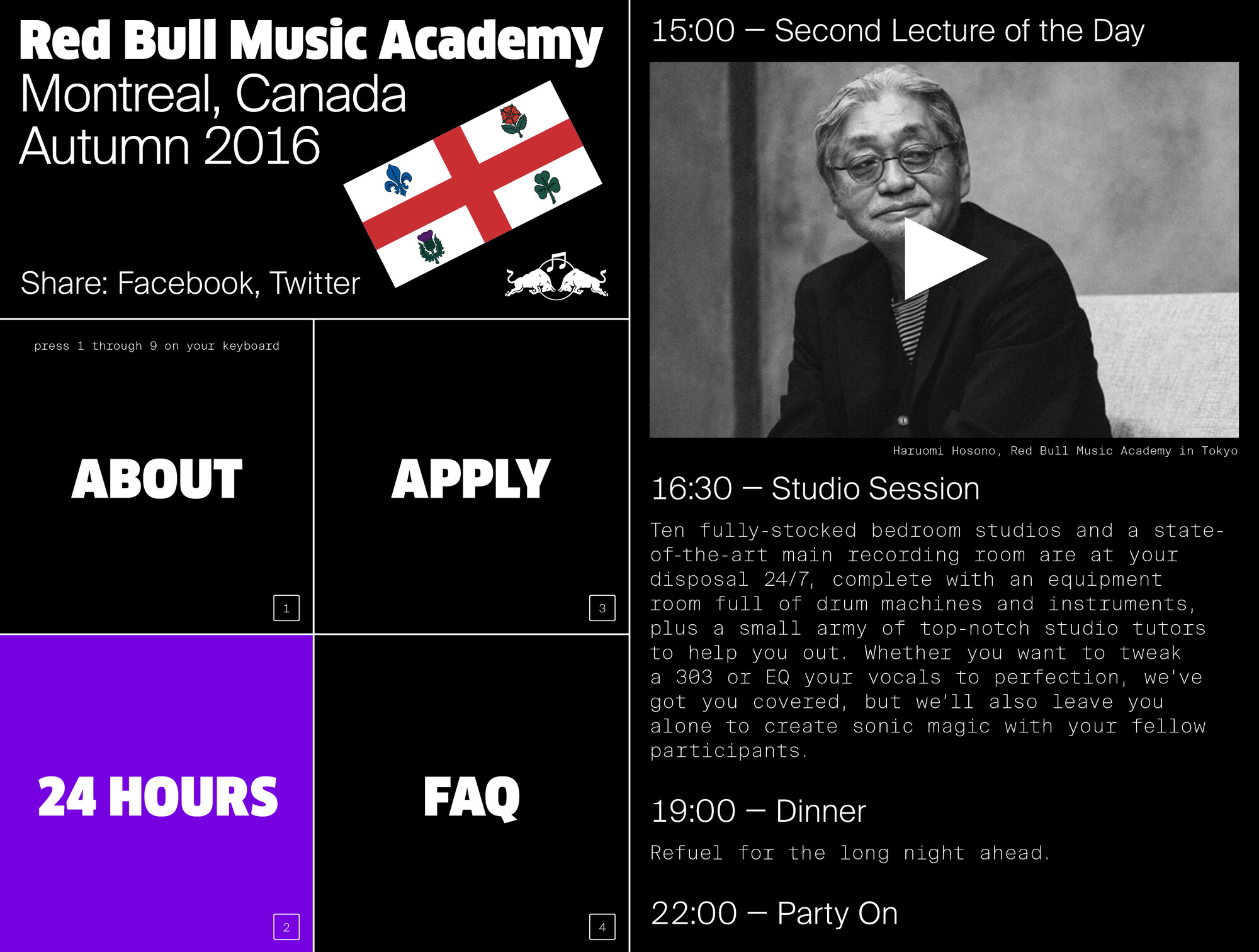
Application website for Red Bull Music Academy 2016 in Montreal. Introduced the program’s workshops and global network with a playful landing page designed as a soundboard interface. Archived site
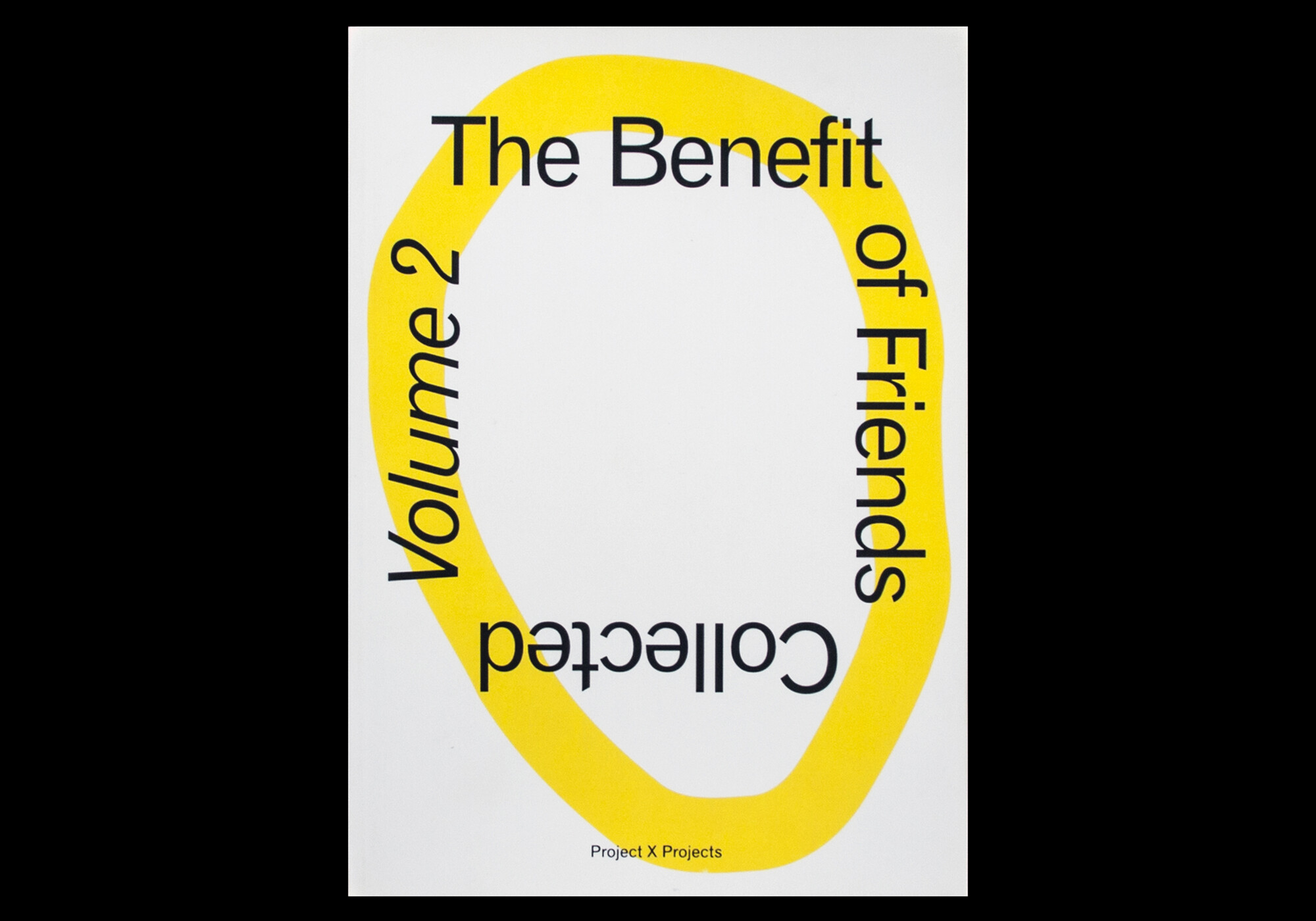
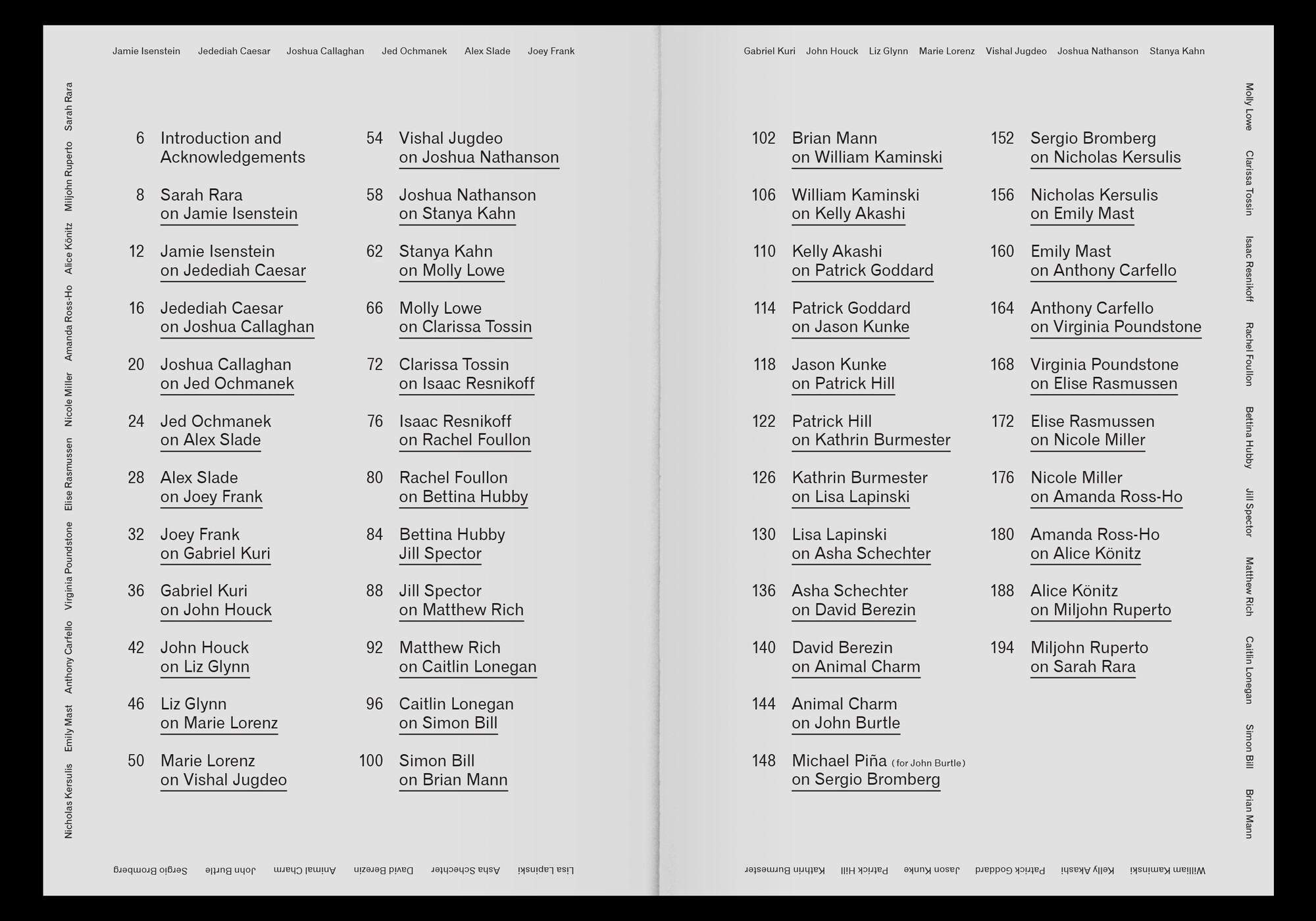
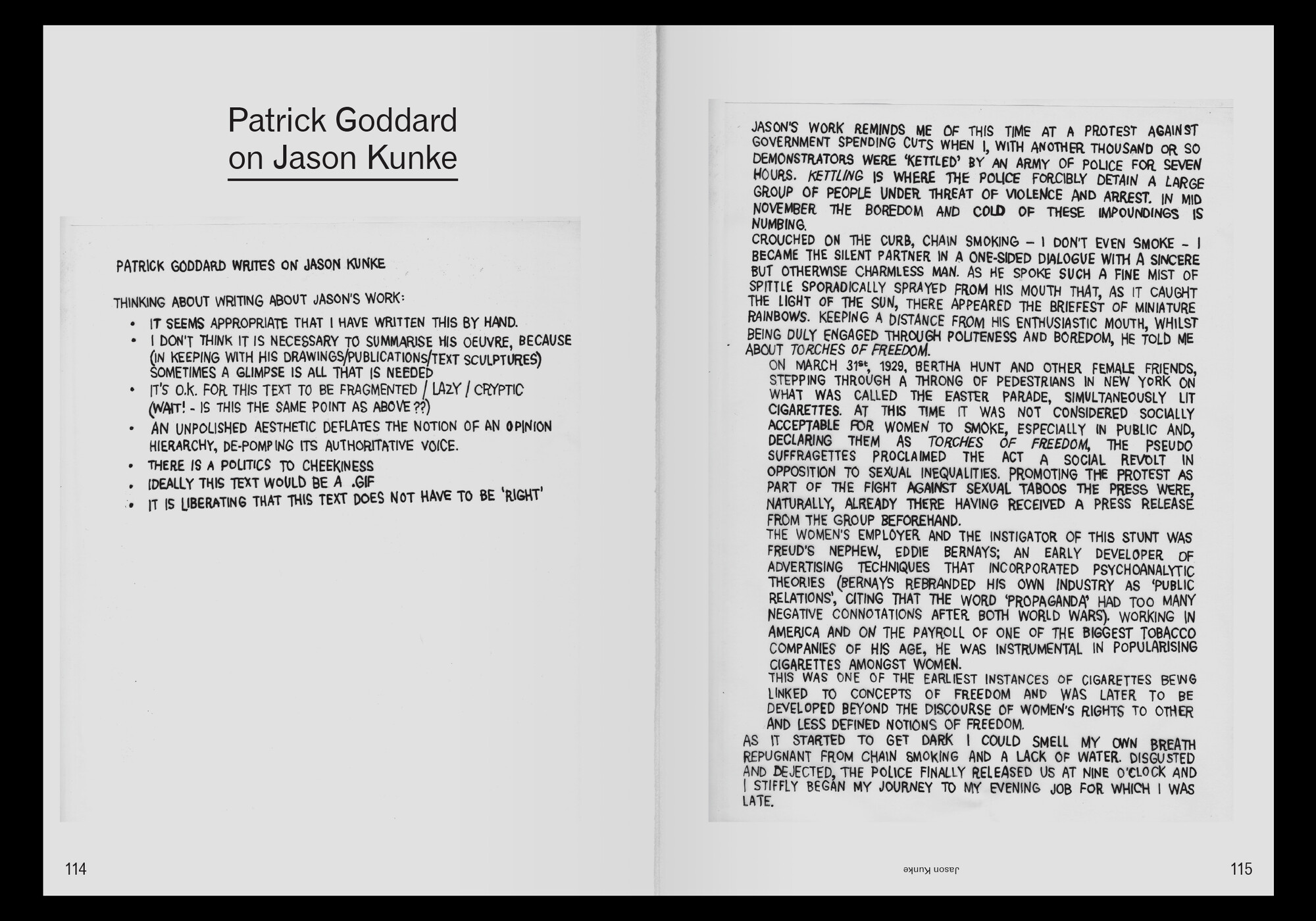
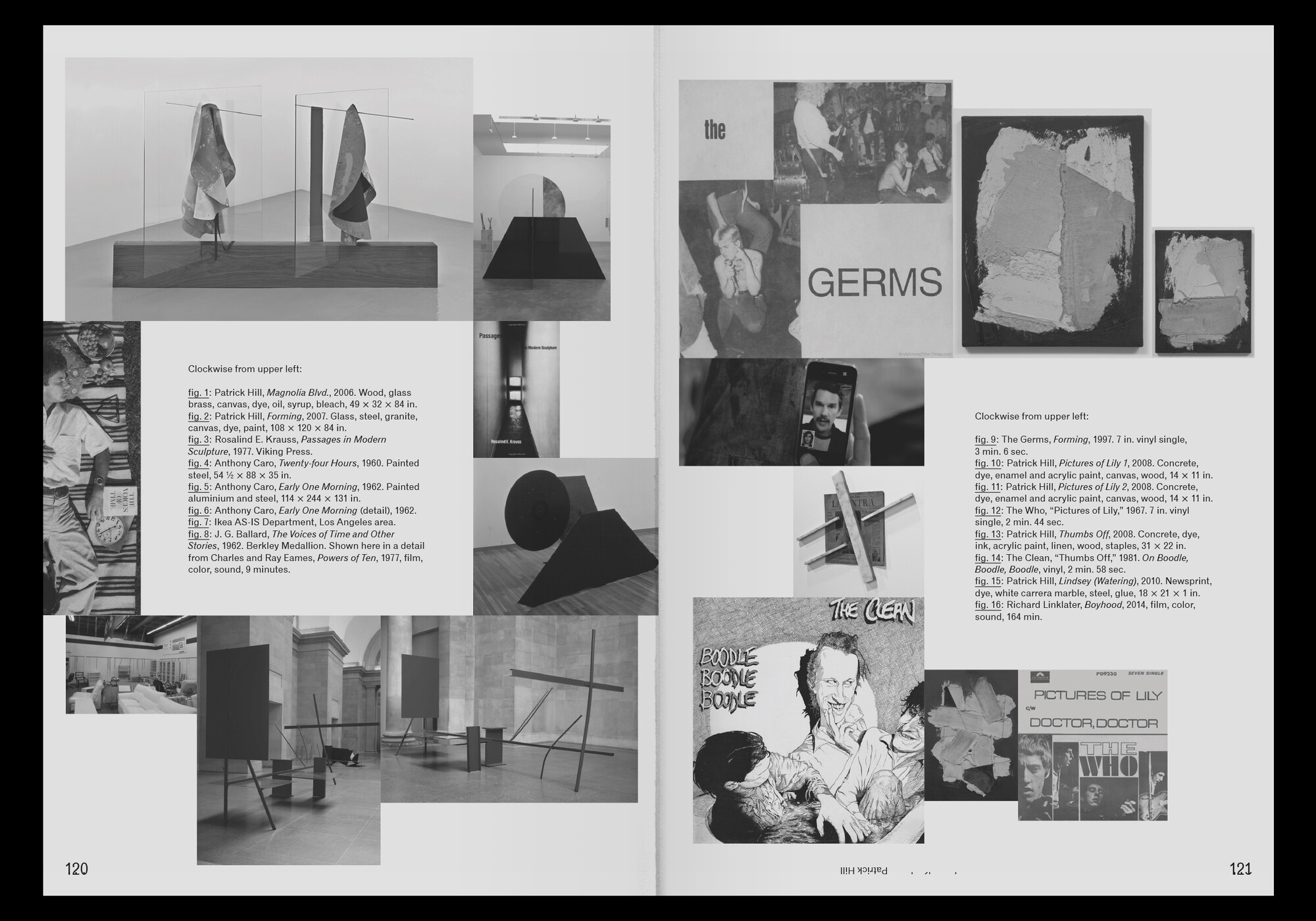
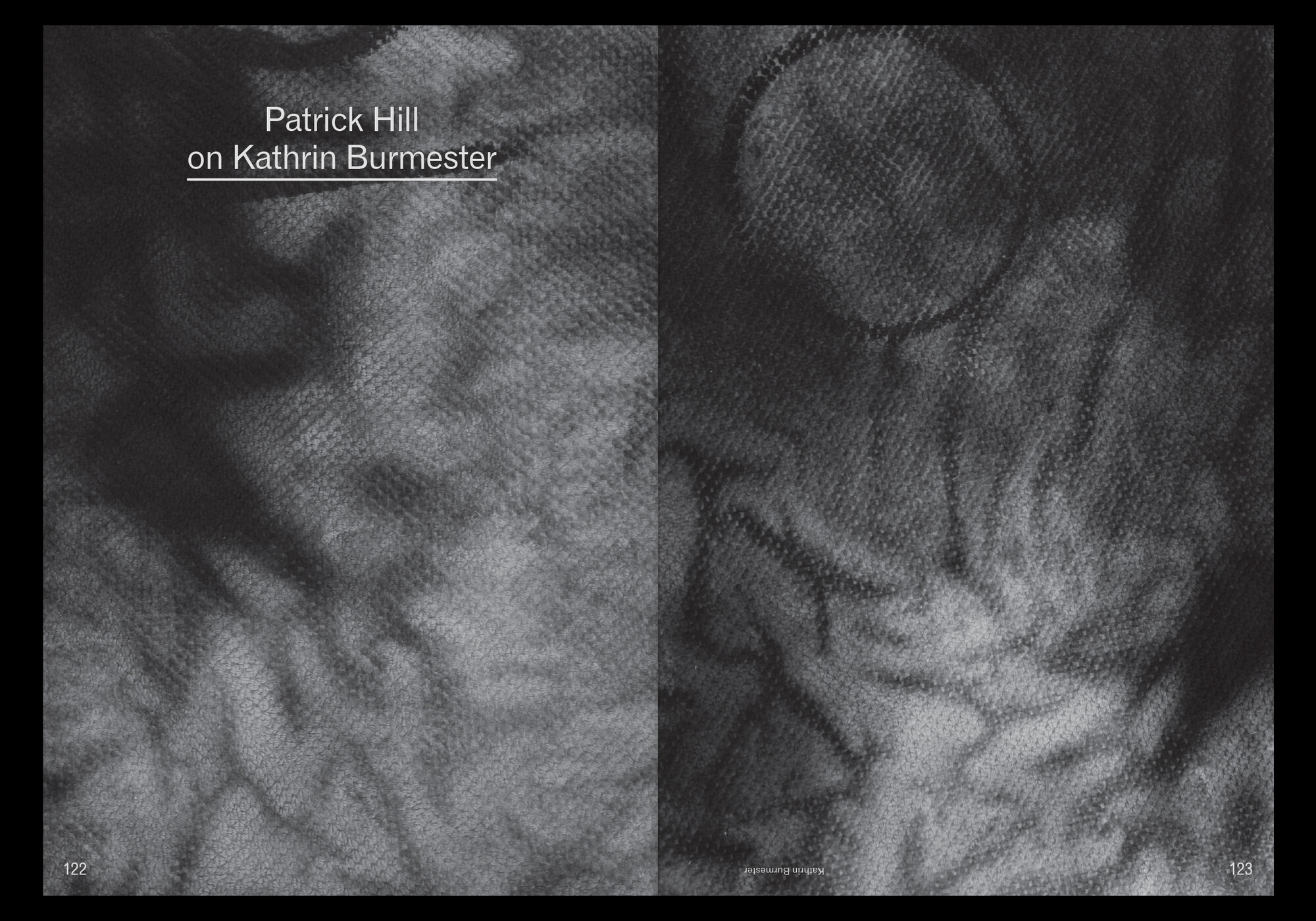
Book for Project X featuring forty-five Los Angeles artists, each invited to write about another’s work. The publication reflects the city’s overlapping creative communities through a chain of peer-to-peer portraits. More info ⎘
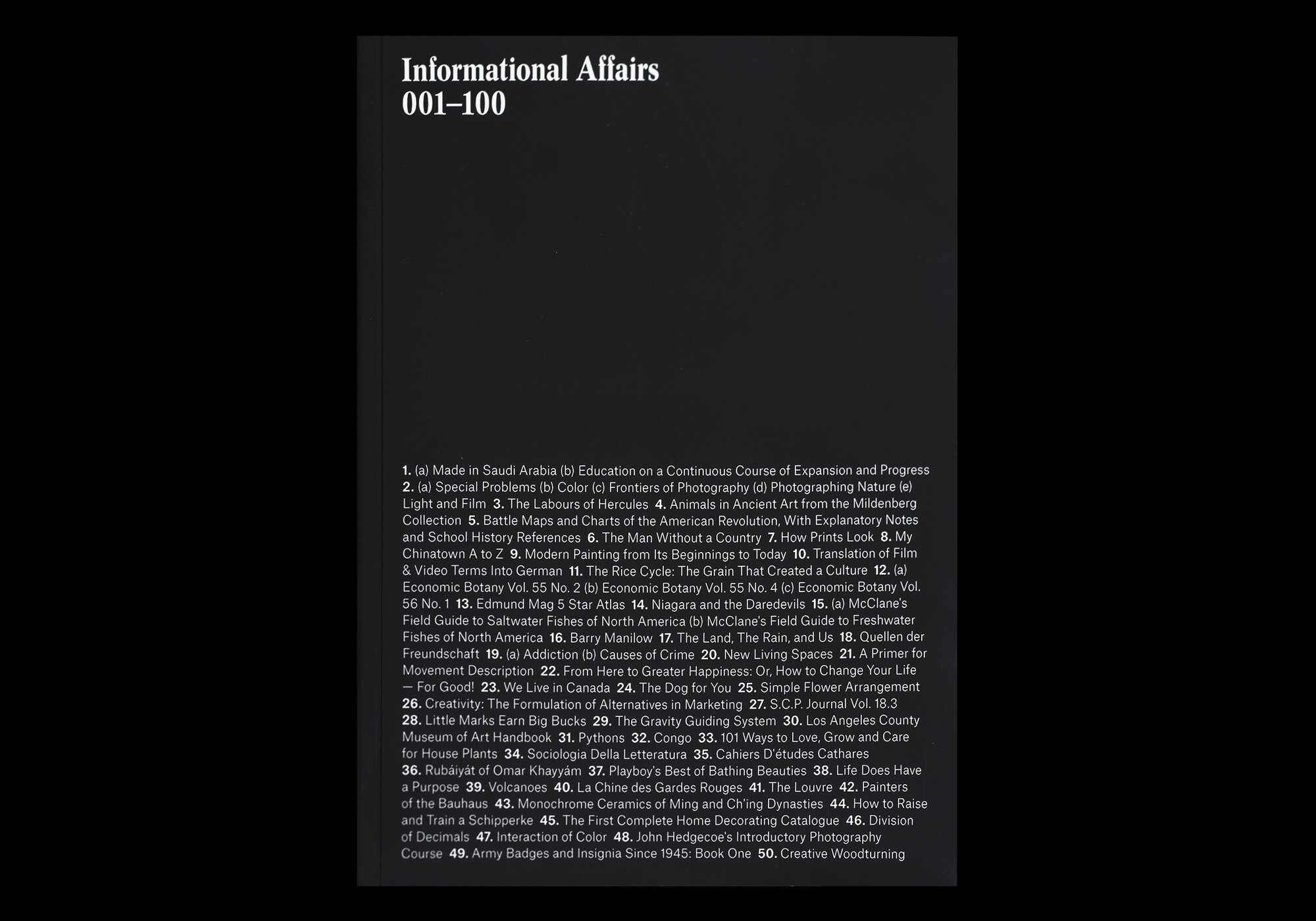
Anthology of the first one hundred books from Informational Affairs, the studio’s ongoing collection of found and secondhand books. Documents the project’s early focus on publishing, collecting, and design as forms of research.