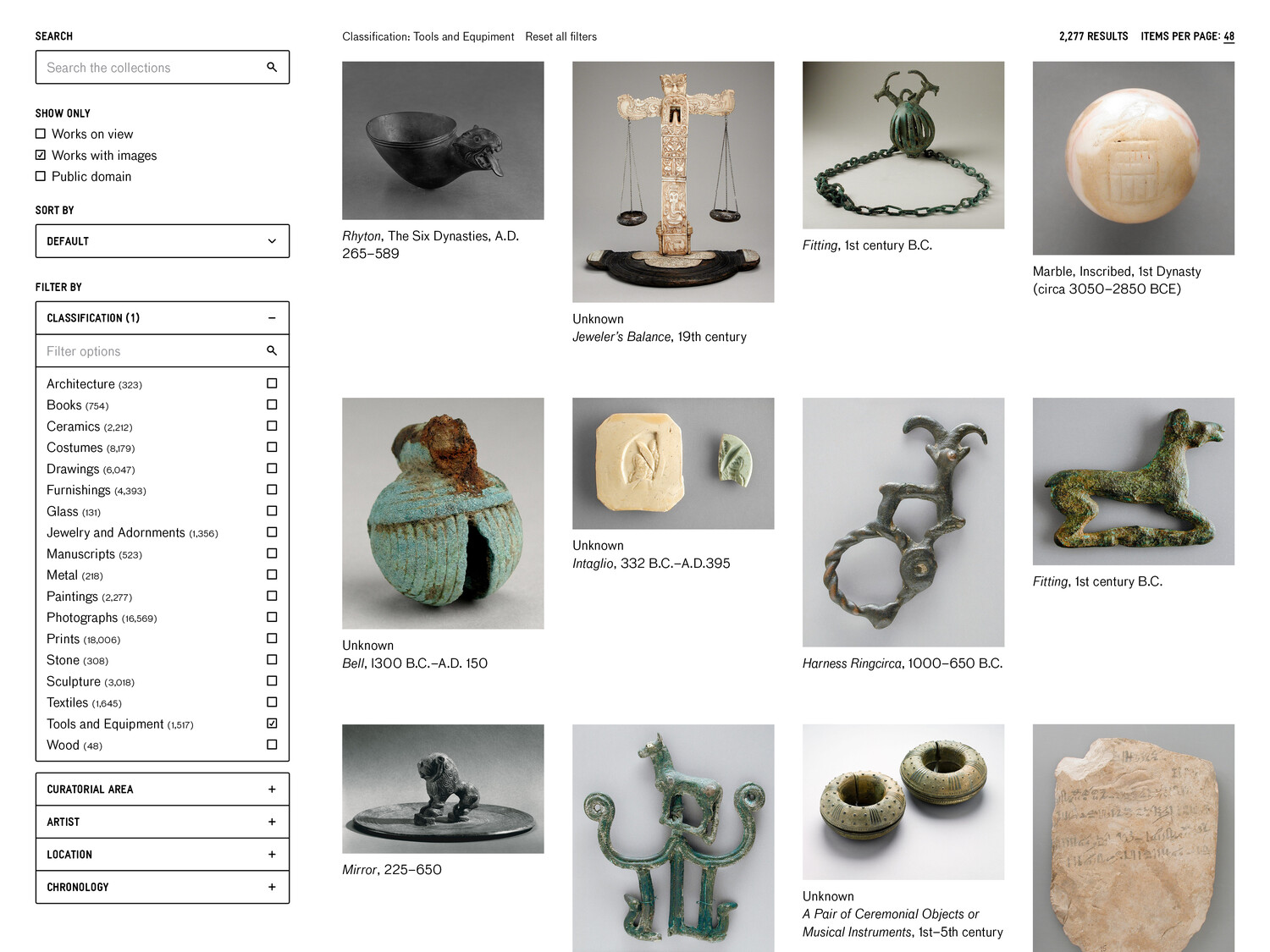
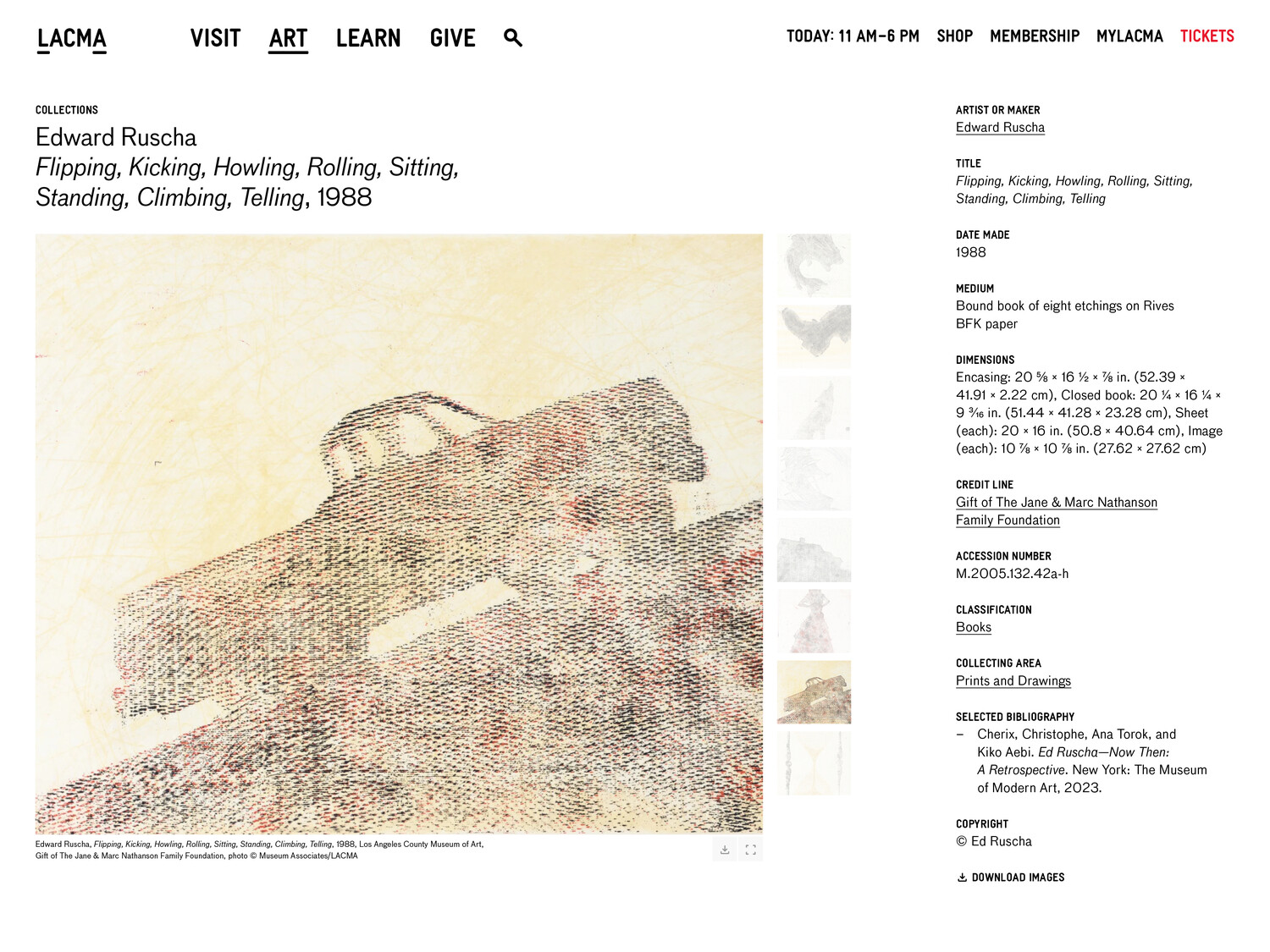
Folder designs interfaces, publications, and systems for organizing, encountering, and carrying information forward. We help museums, universities, civic institutions, and others engaged in the stewardship and sharing of knowledge create ways for language, media, and material to surface and endure.
We are interested in what happens to information over time, and how form can reveal the connections that give it meaning. Projects come in a variety of configurations rooted in partnerships that honor the material and its strategic presentation.
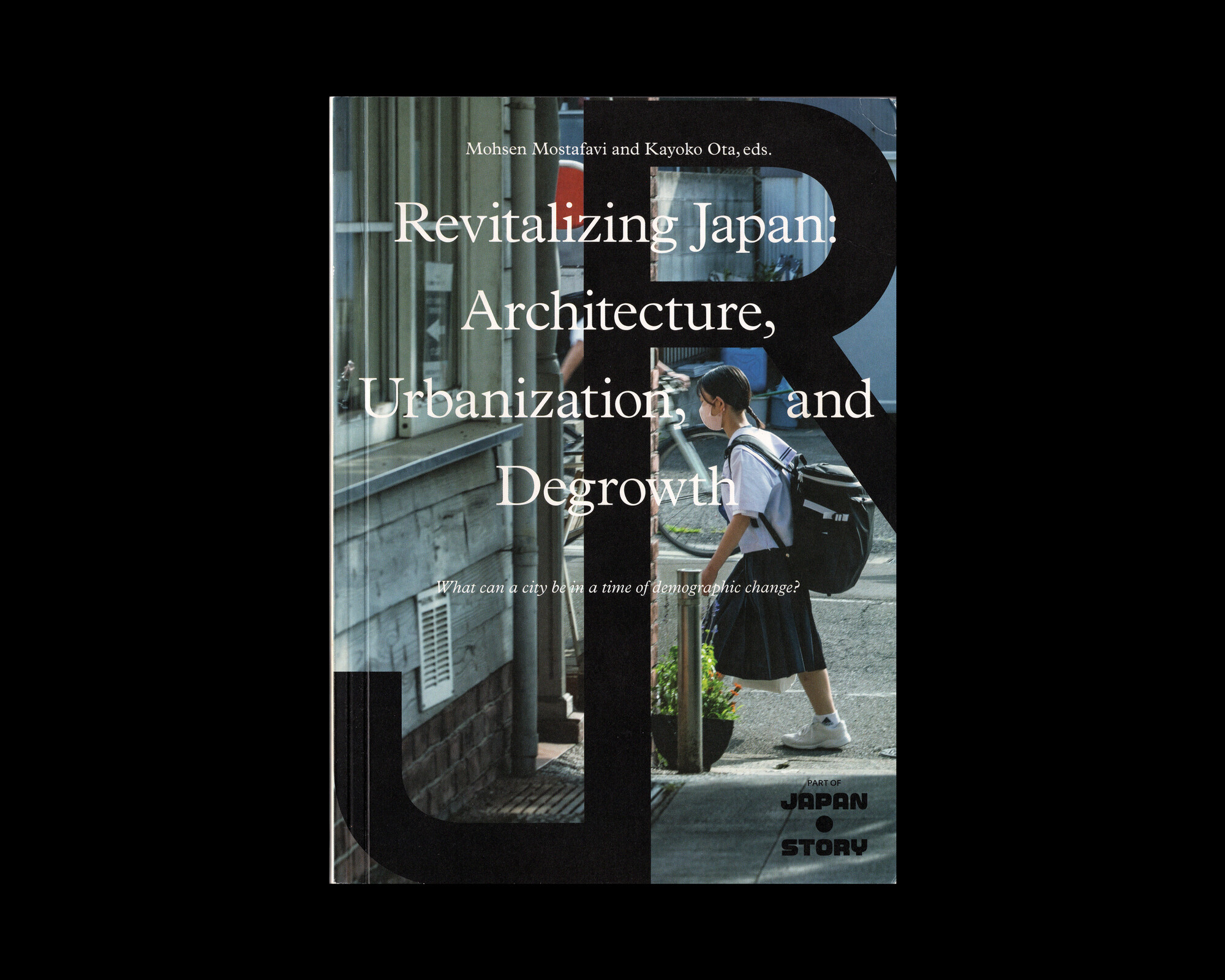
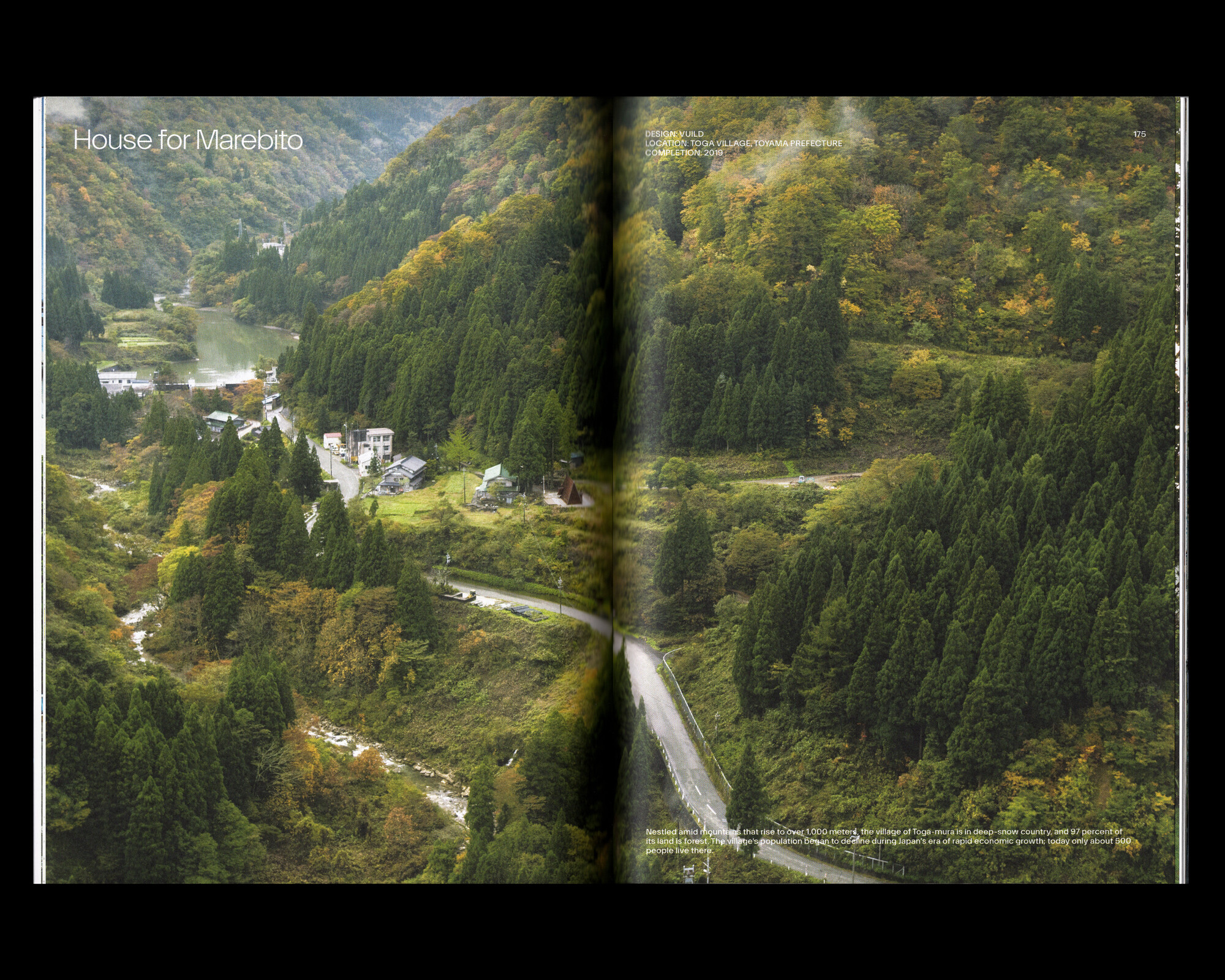
Revitalizing Japan: Architecture, Community, Territory is a follow up to Sharing Tokyo: Artifice and the Social World. Instead of focusing on hyper-dense metropolitan centers like Tokyo, the book takes a closer look at regional towns and how a younger generation of Japanese architects is responding to the country's severe rural depopulation, aging society, and economic degrowth.
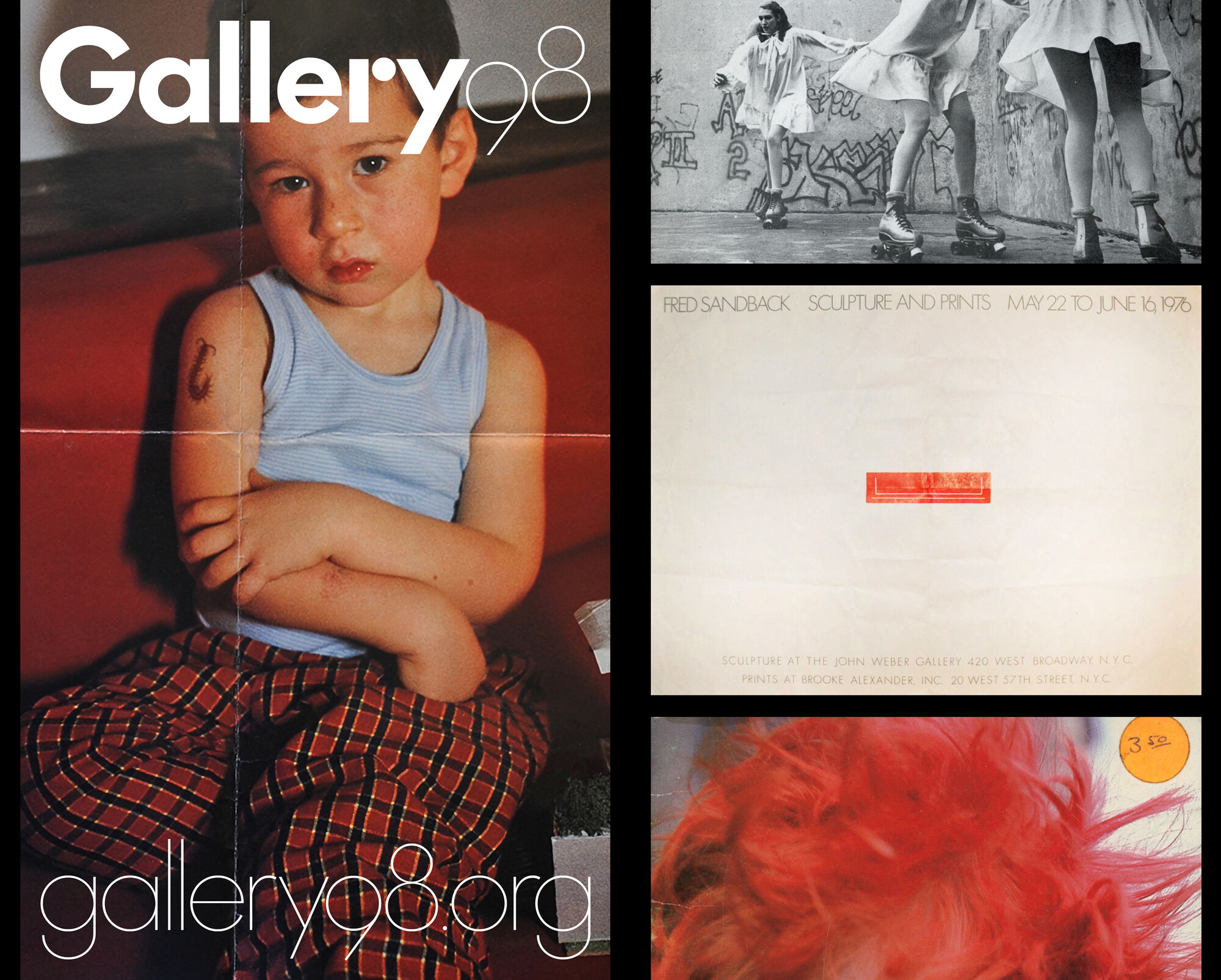
Gallery 98 is an active online archive for curator Marc H. Miller’s collection of arts ephemera from the 1960s–1990s, centered around his long involvement in the New York art world. The collection catalogs thousands of items across announcement cards, posters, and publications connected through artists, galleries, nightclubs, and themes, while retaining the hand-built nature of Miller’s practice.
The Carnegie Museum of Art is the first museum in the United States dedicated to collecting art of its times. In other words, it’s the first museum dedicated to contemporary art. The website features an expressive typography forward approach which maintains its legibility through a robust and modular design system, and is reflected in its data model and backend user experience.
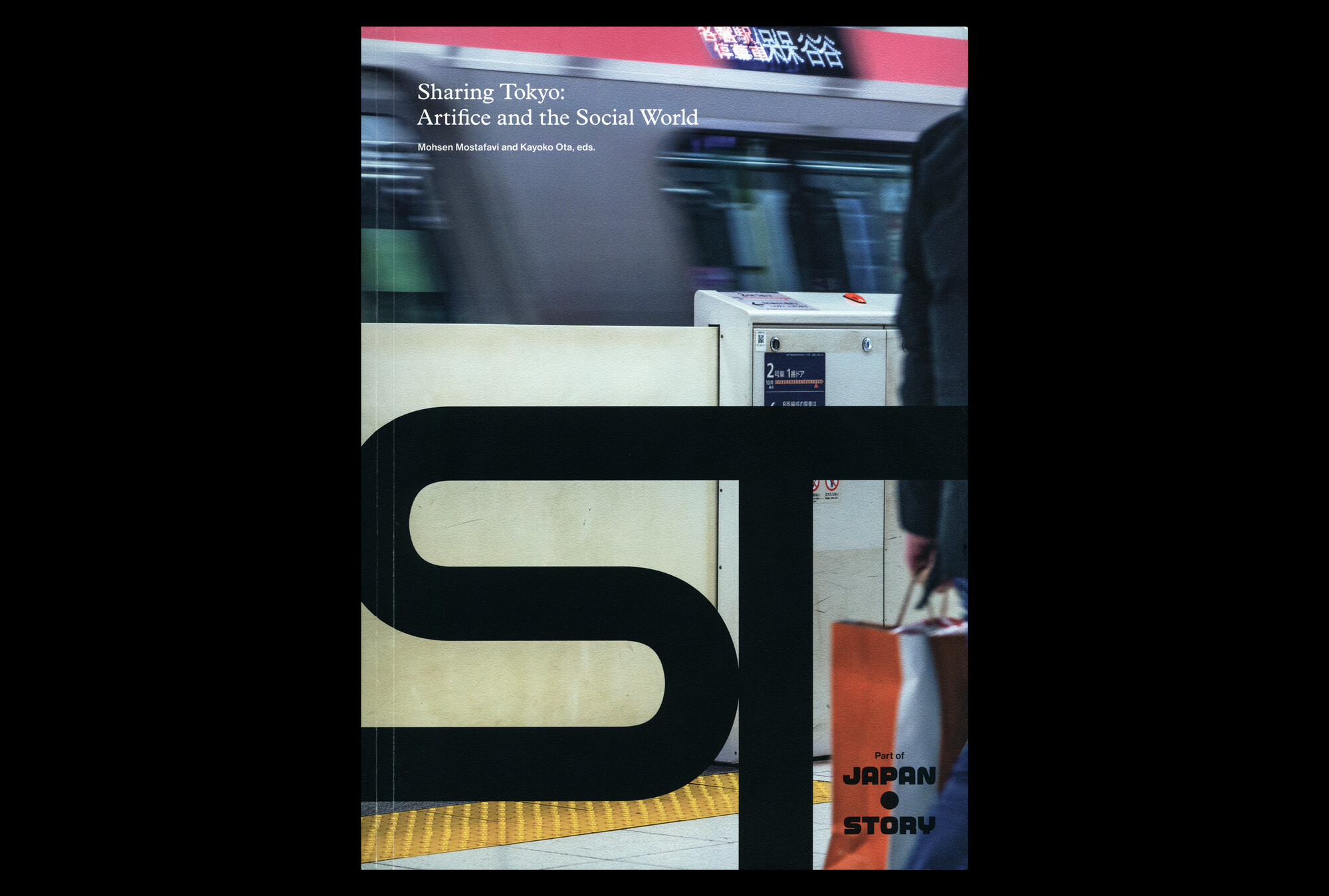
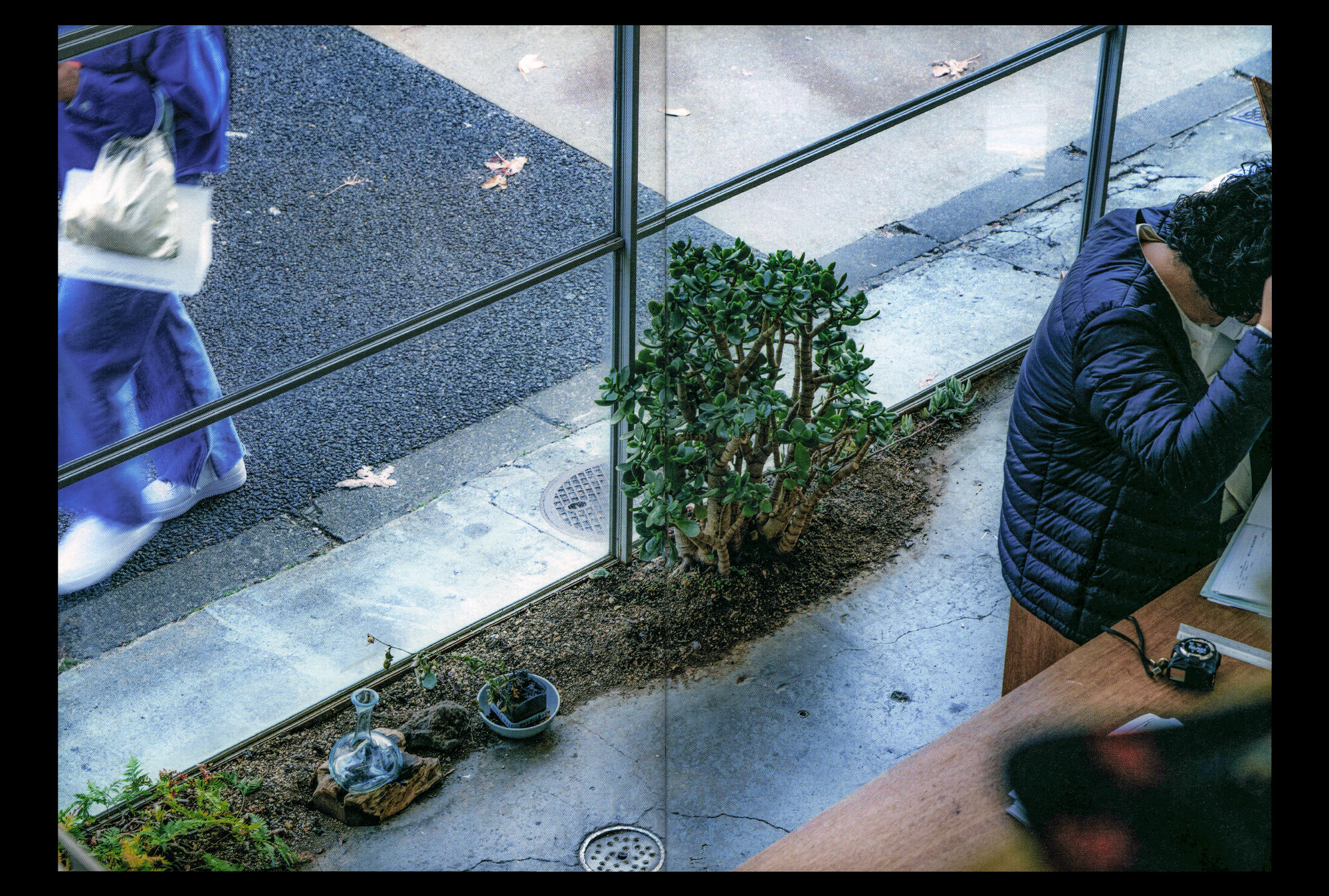
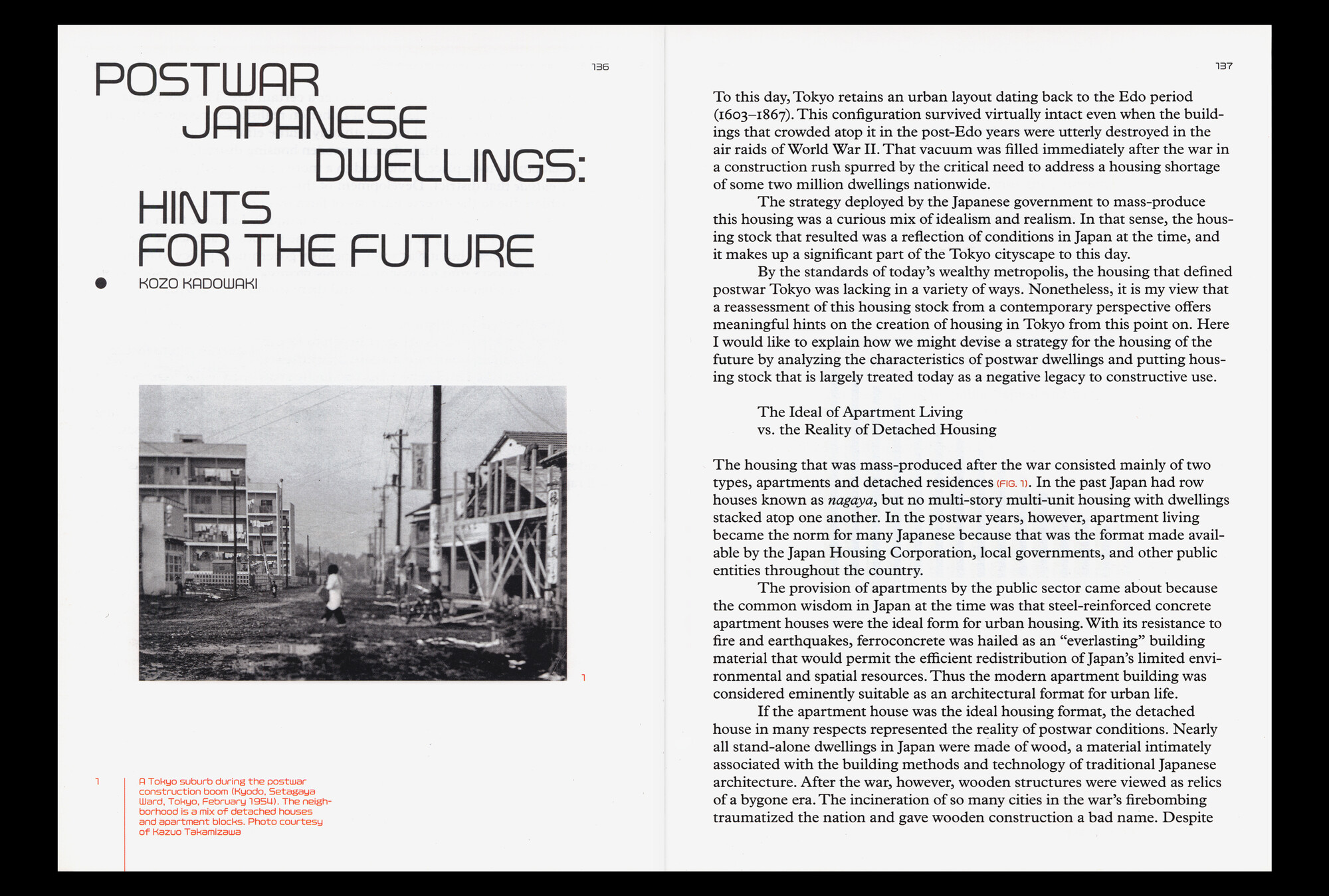
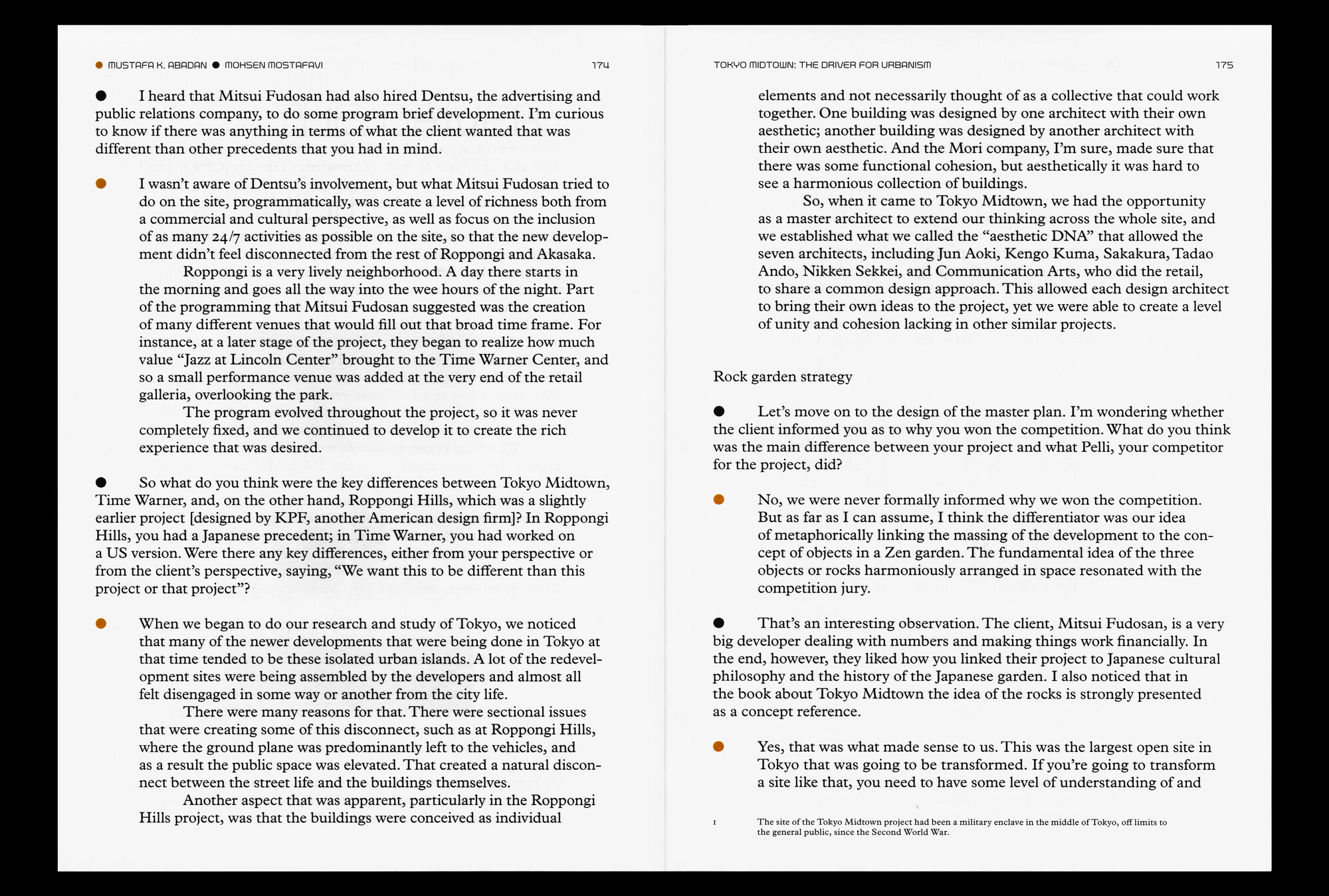
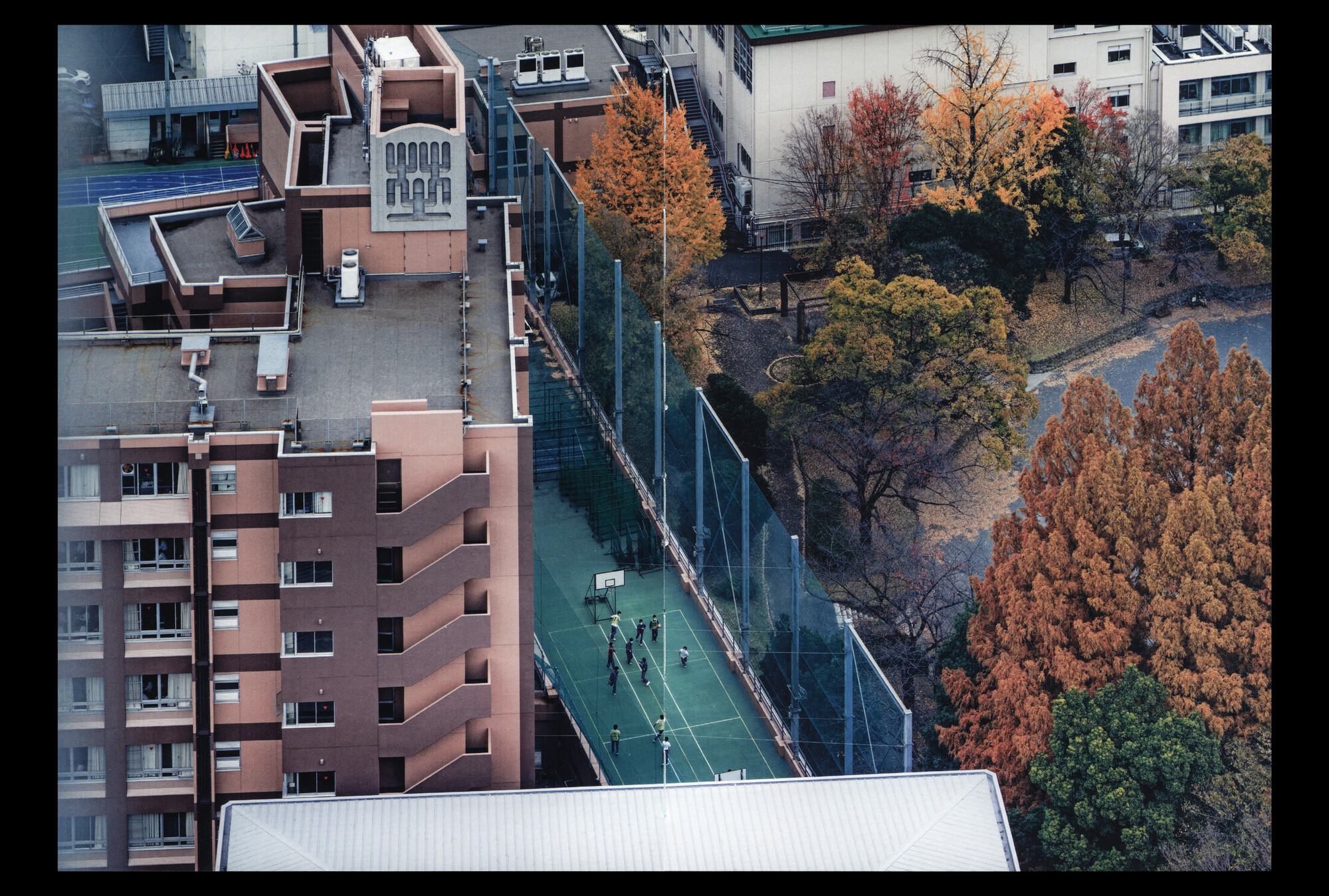
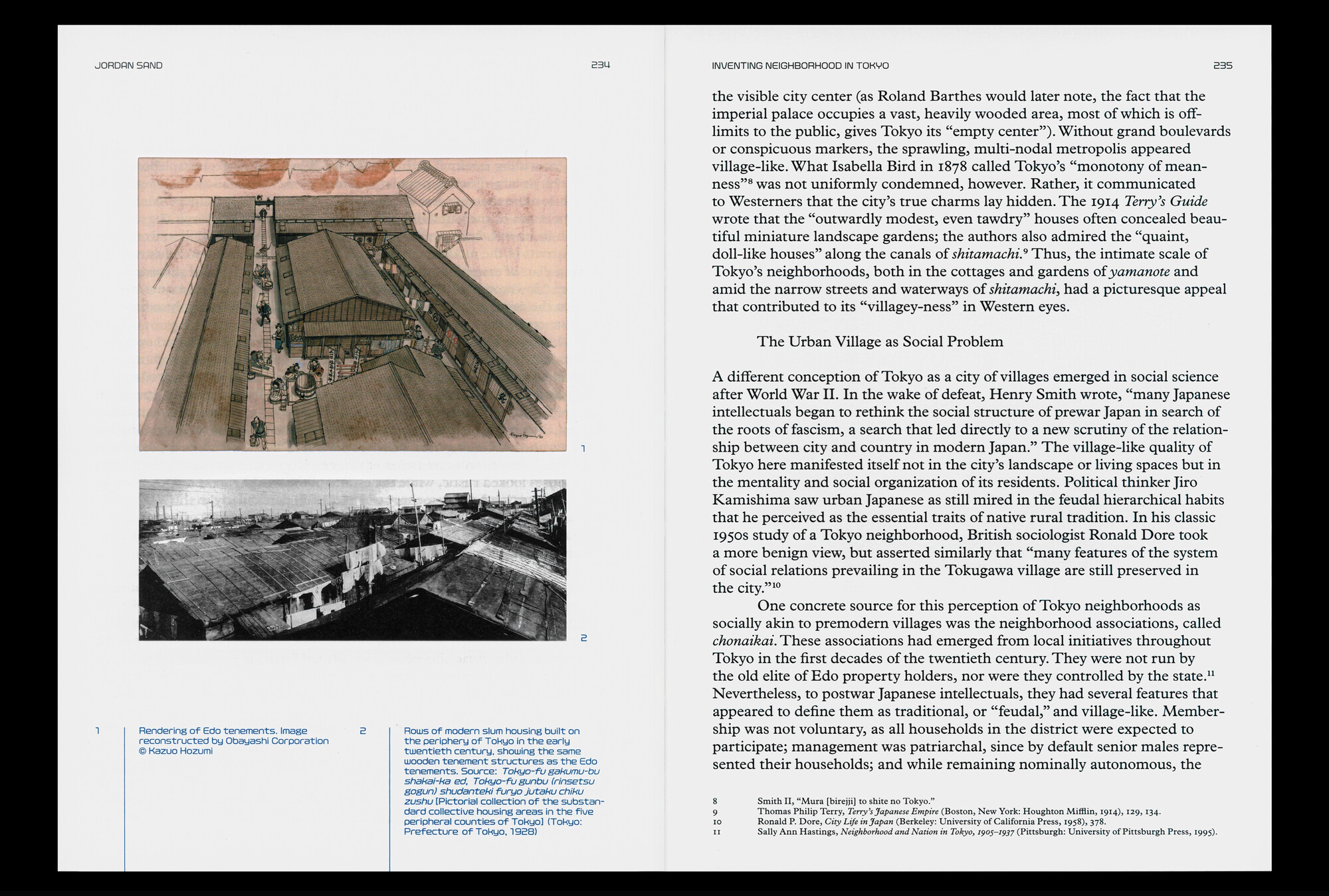
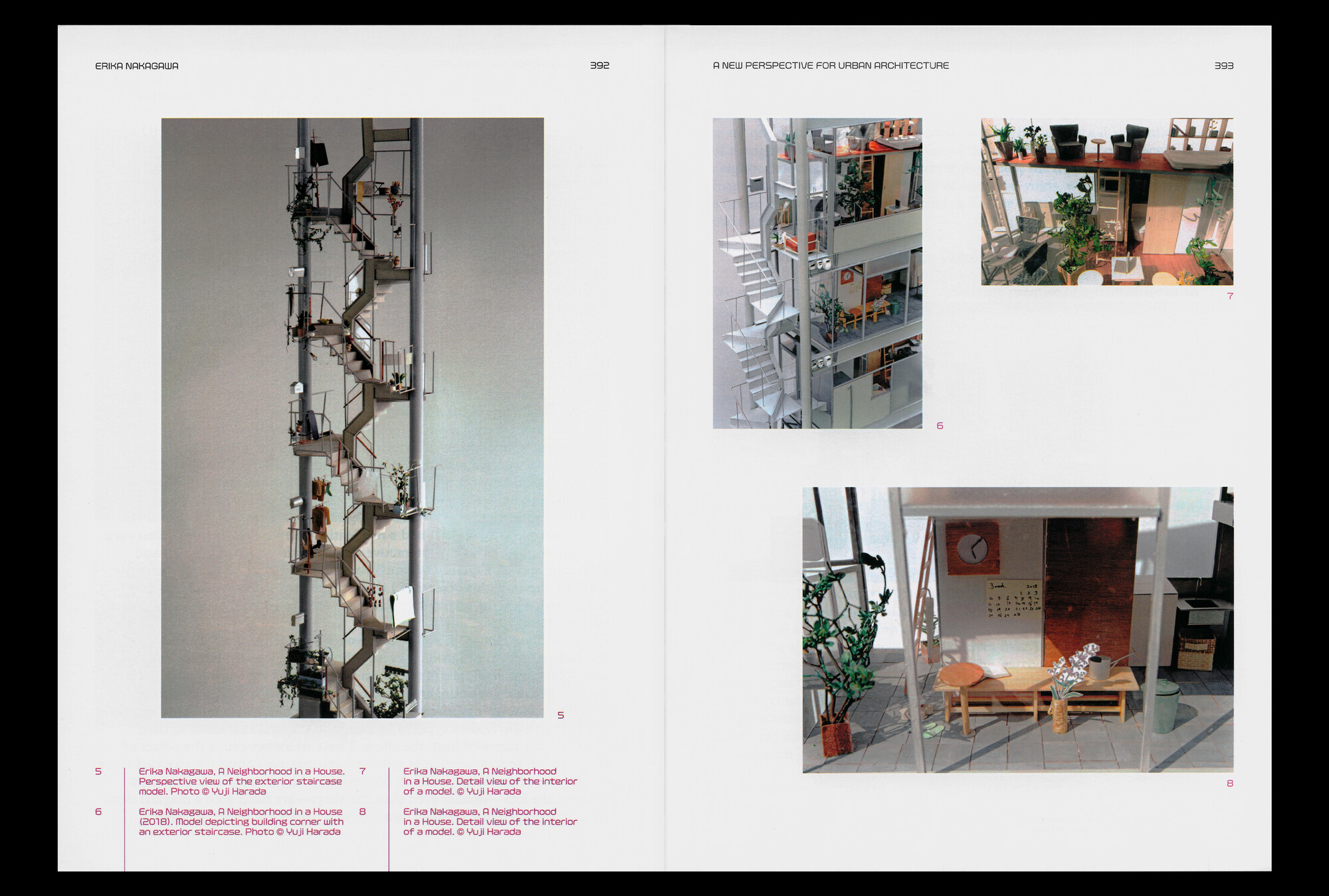
Sharing Tokyo: Artifice and the Social World is a collection of investigations conducted by the Japan Research Initiative at Harvard’s Graduate School of Design. The book investigates scenarios, discusses strategies, and proposes how Tokyo can remain an inclusive, shared city amid rapid demographic decline, aging, and corporate-driven development.
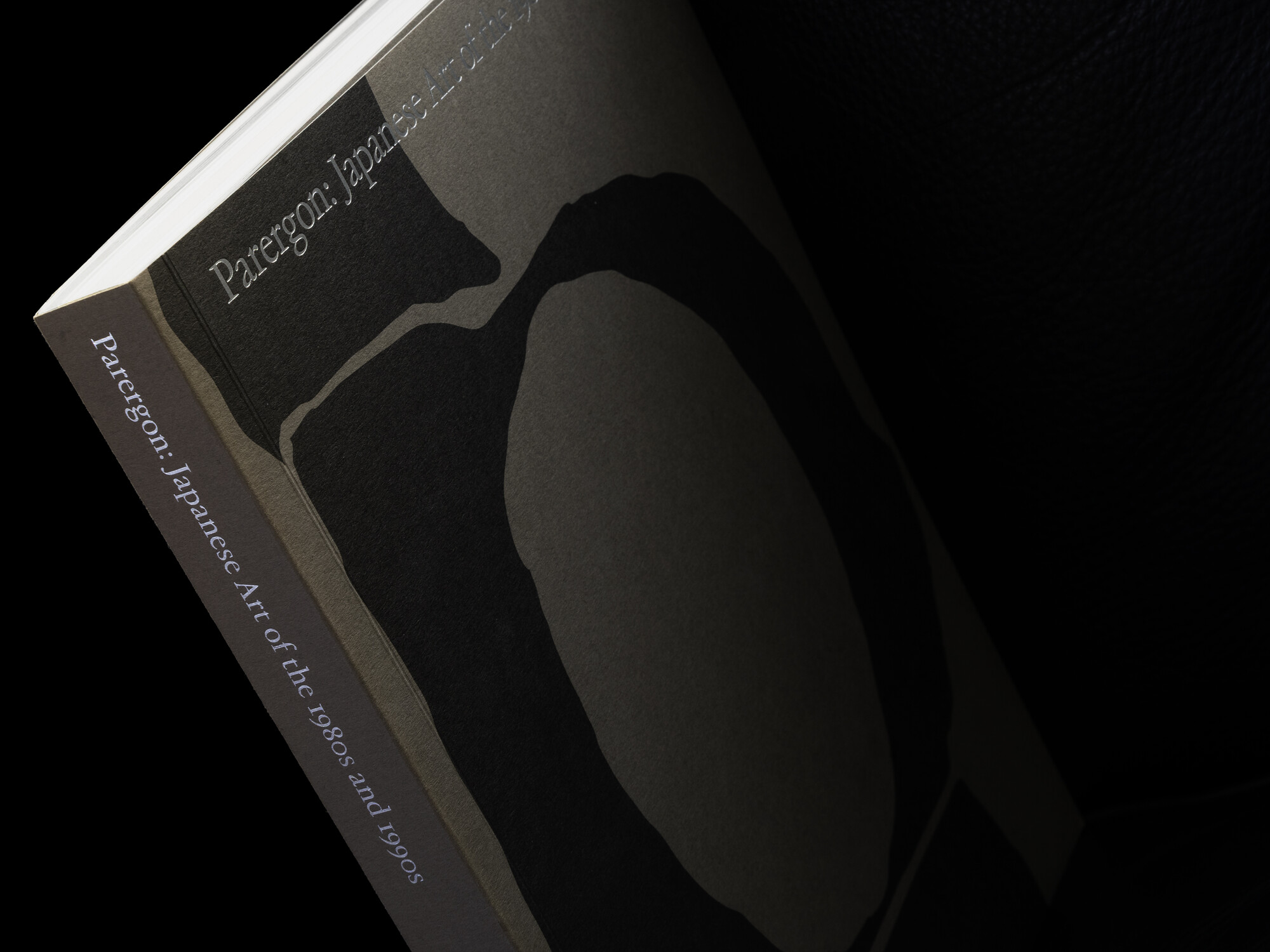
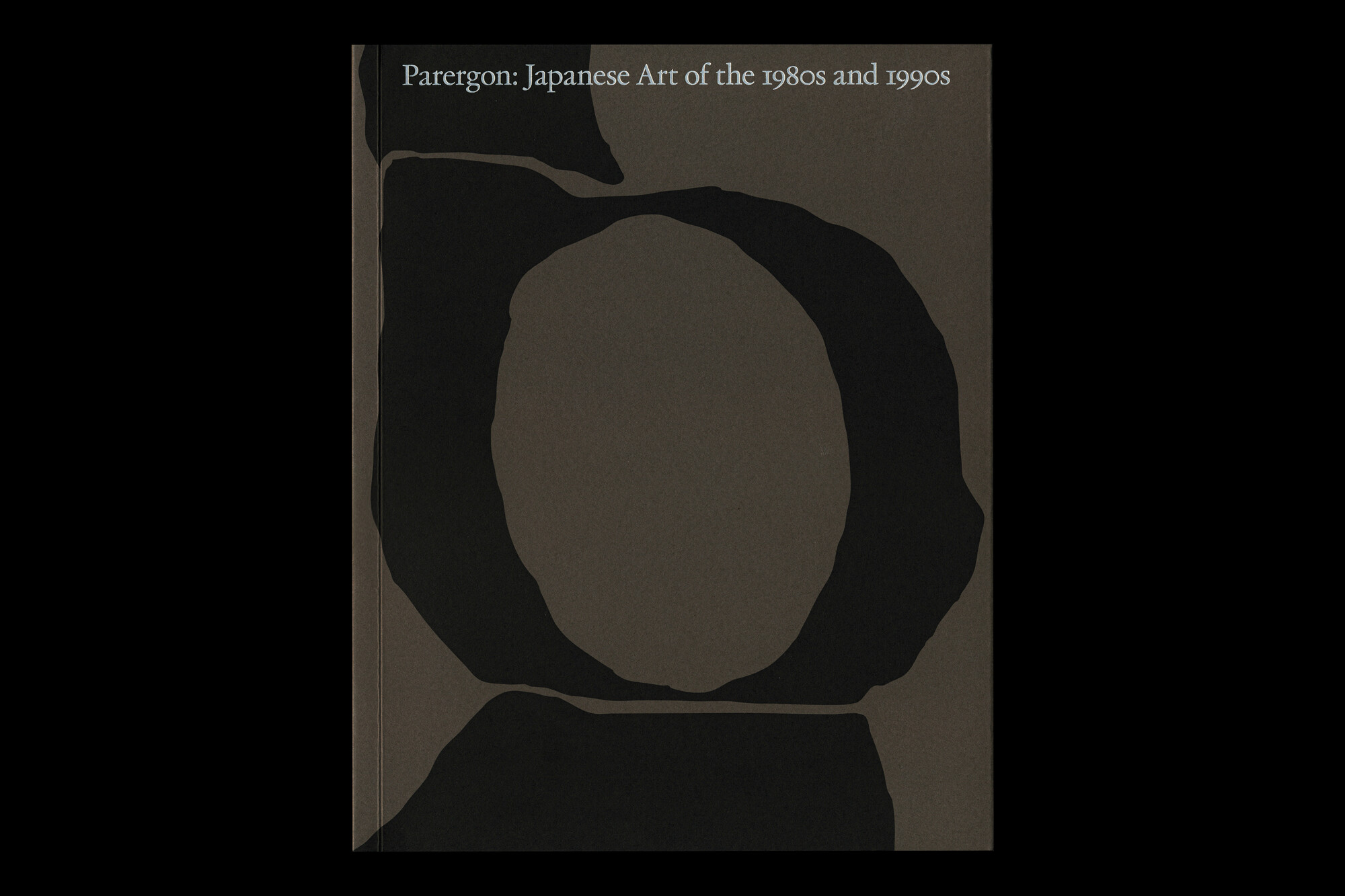
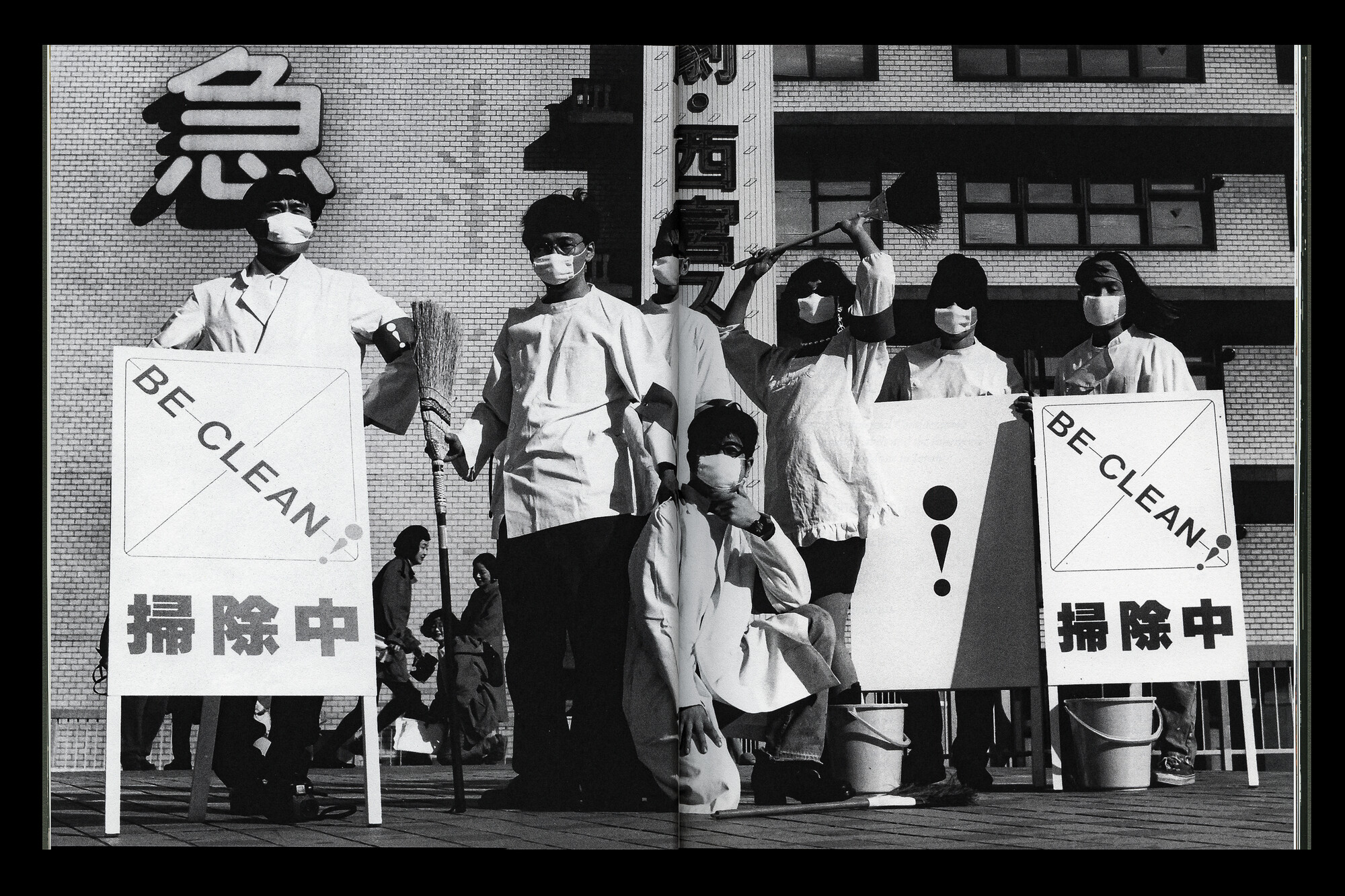
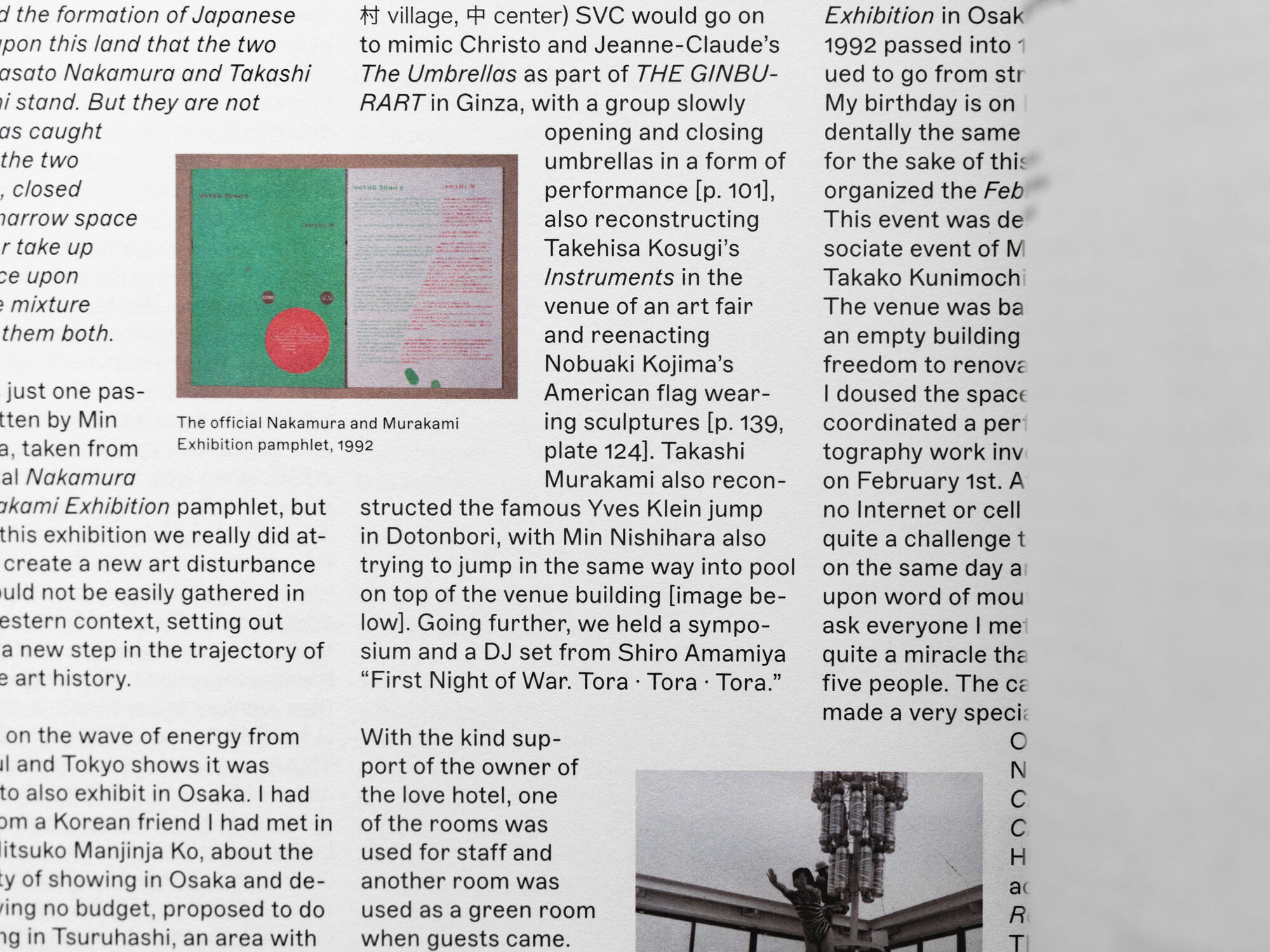
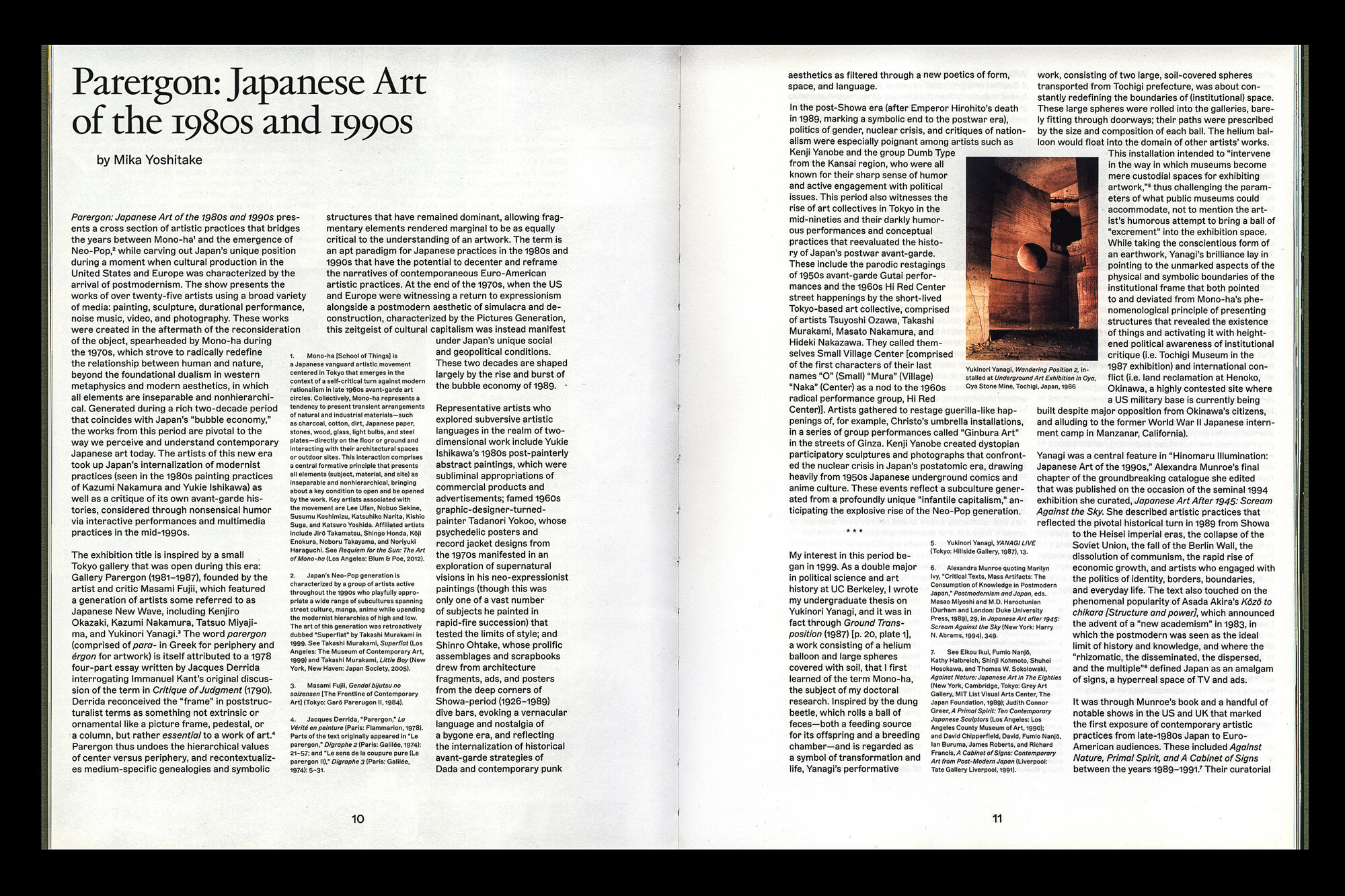
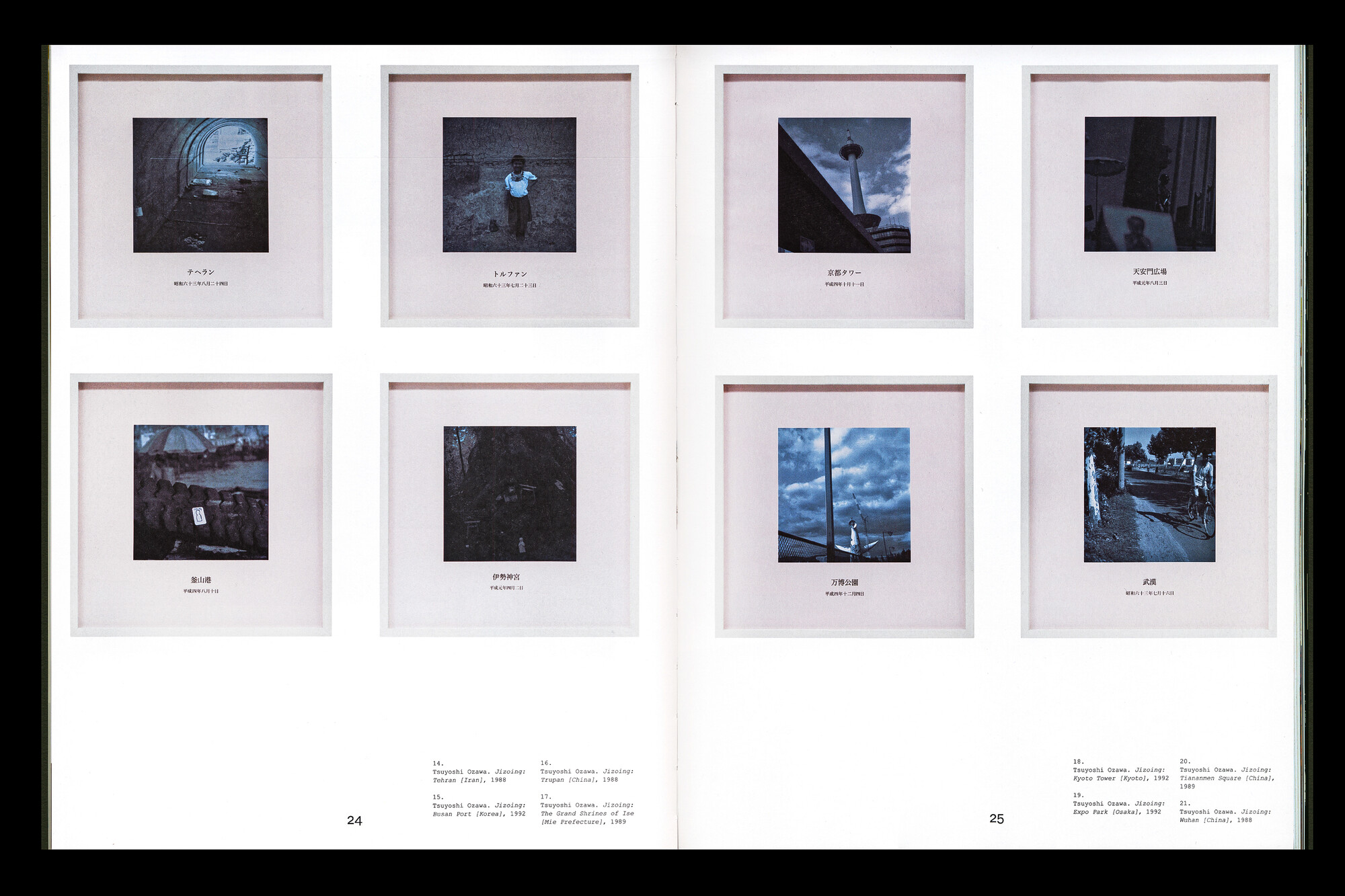
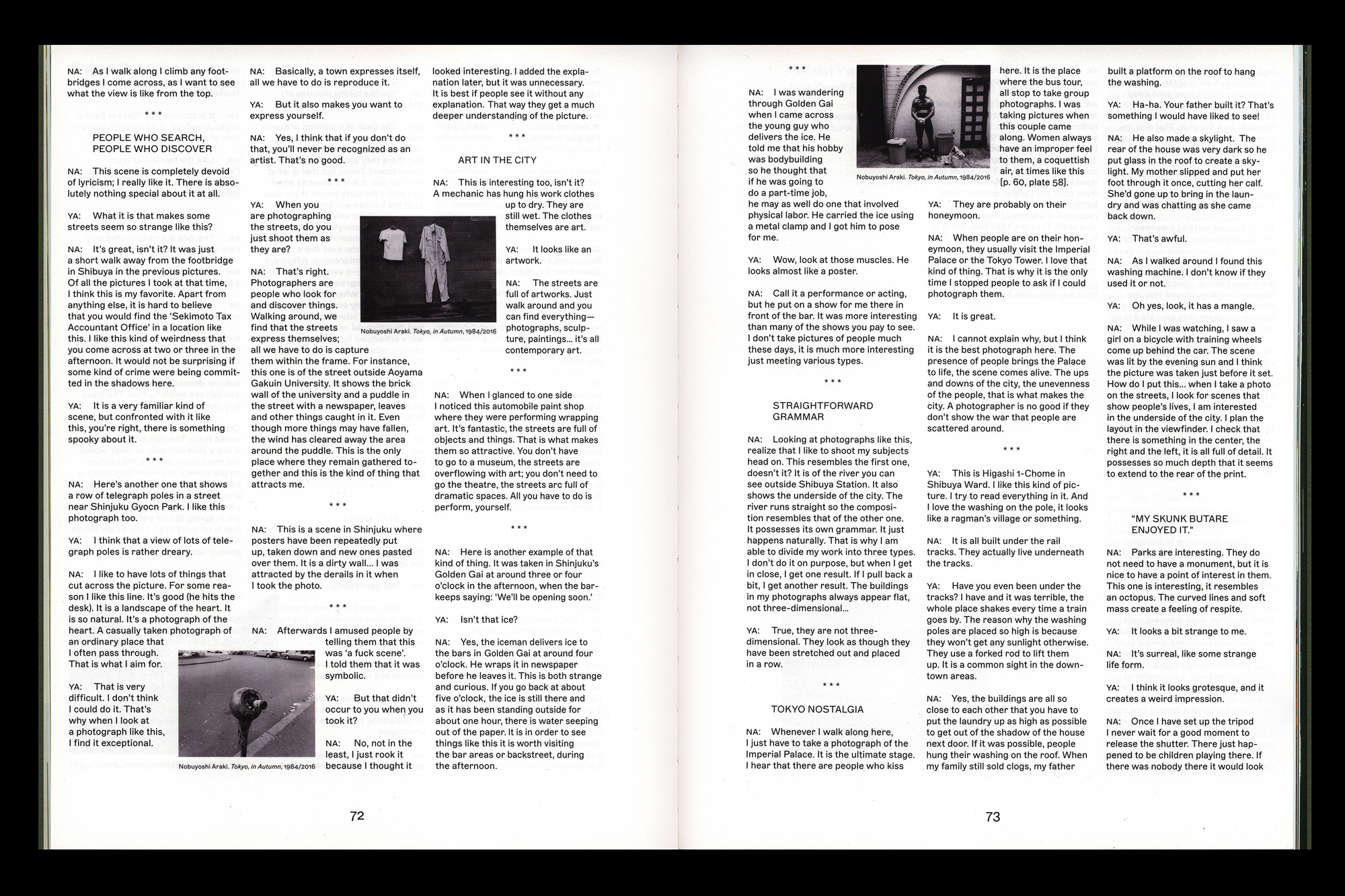
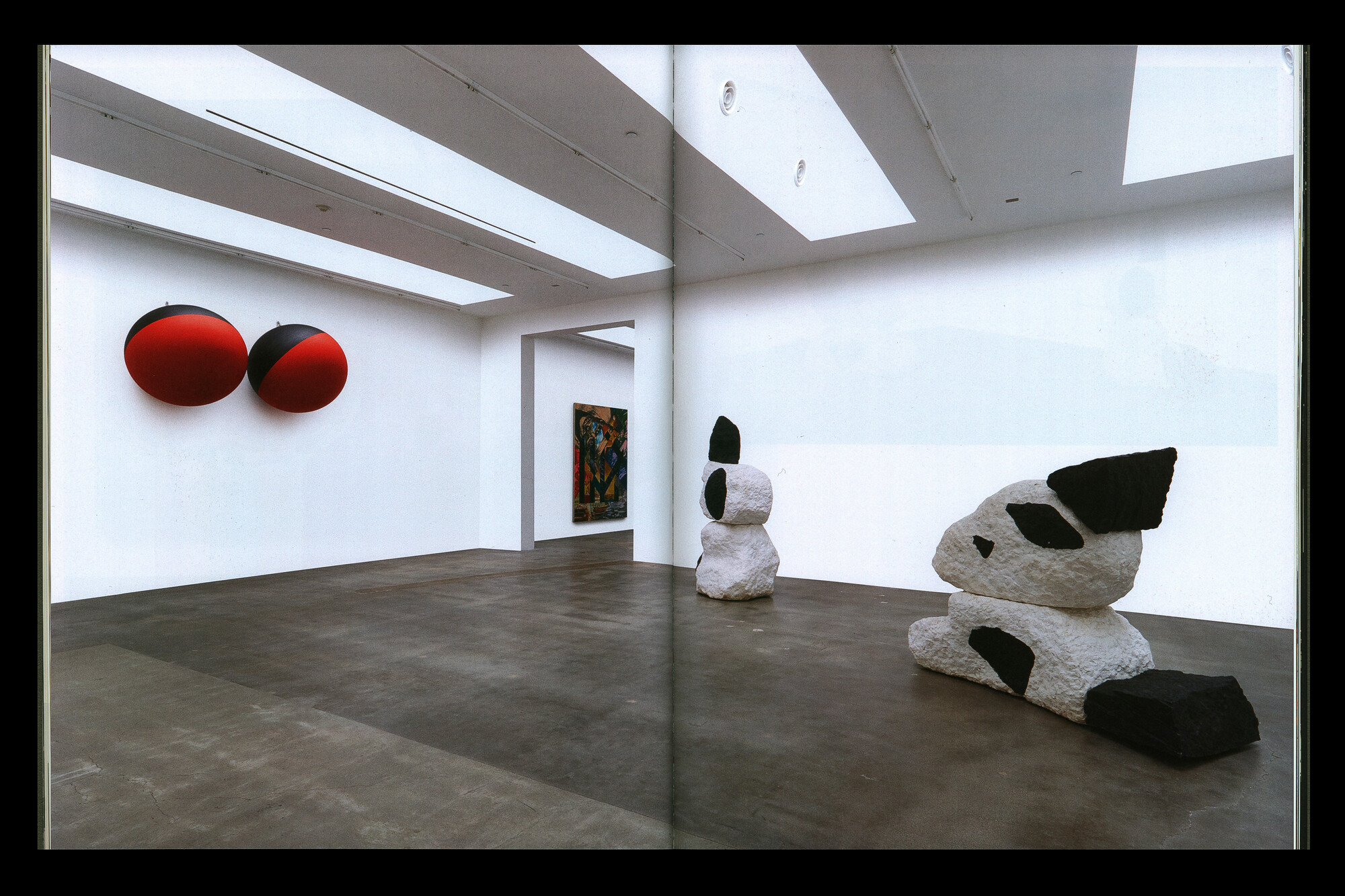
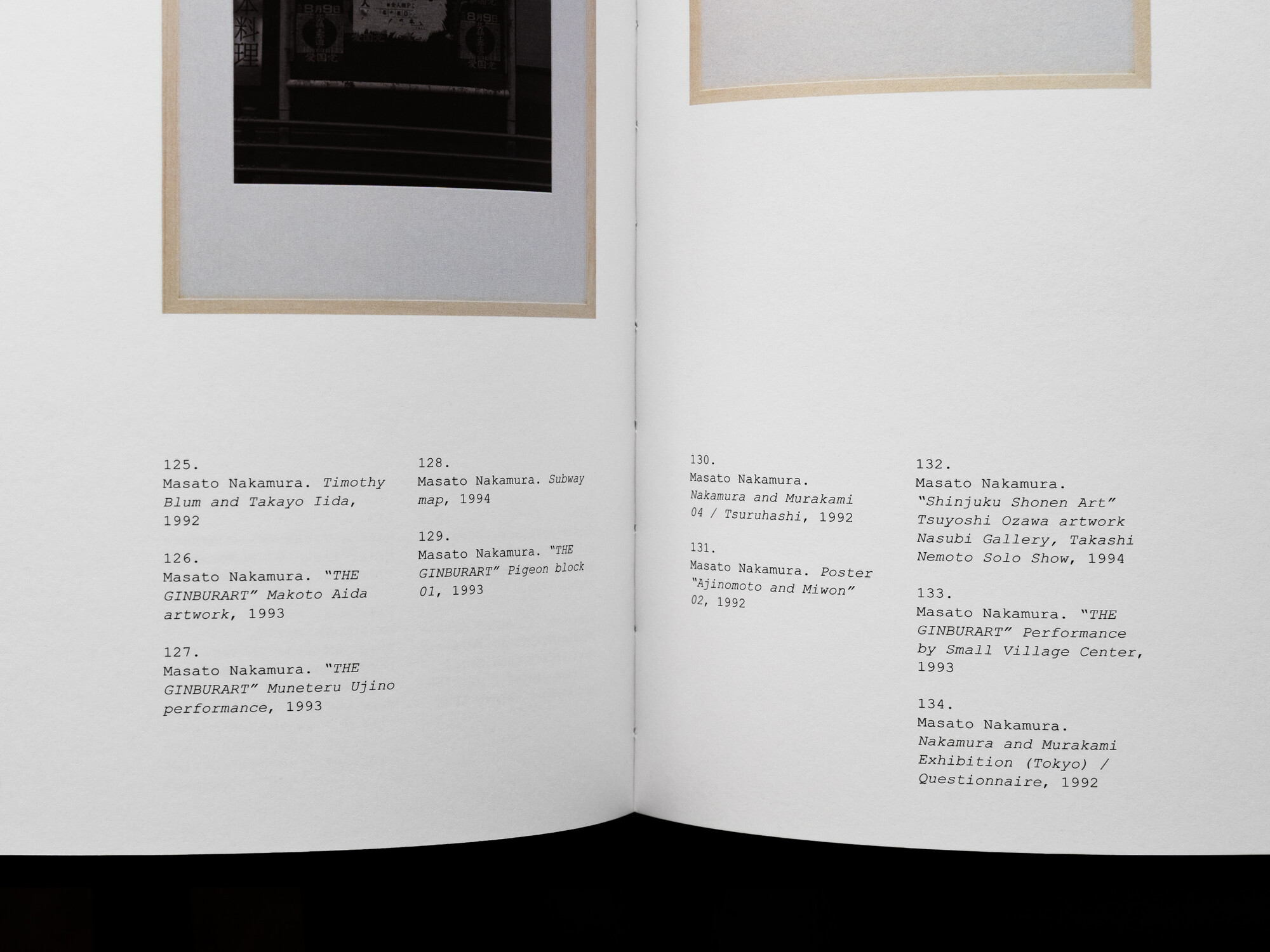
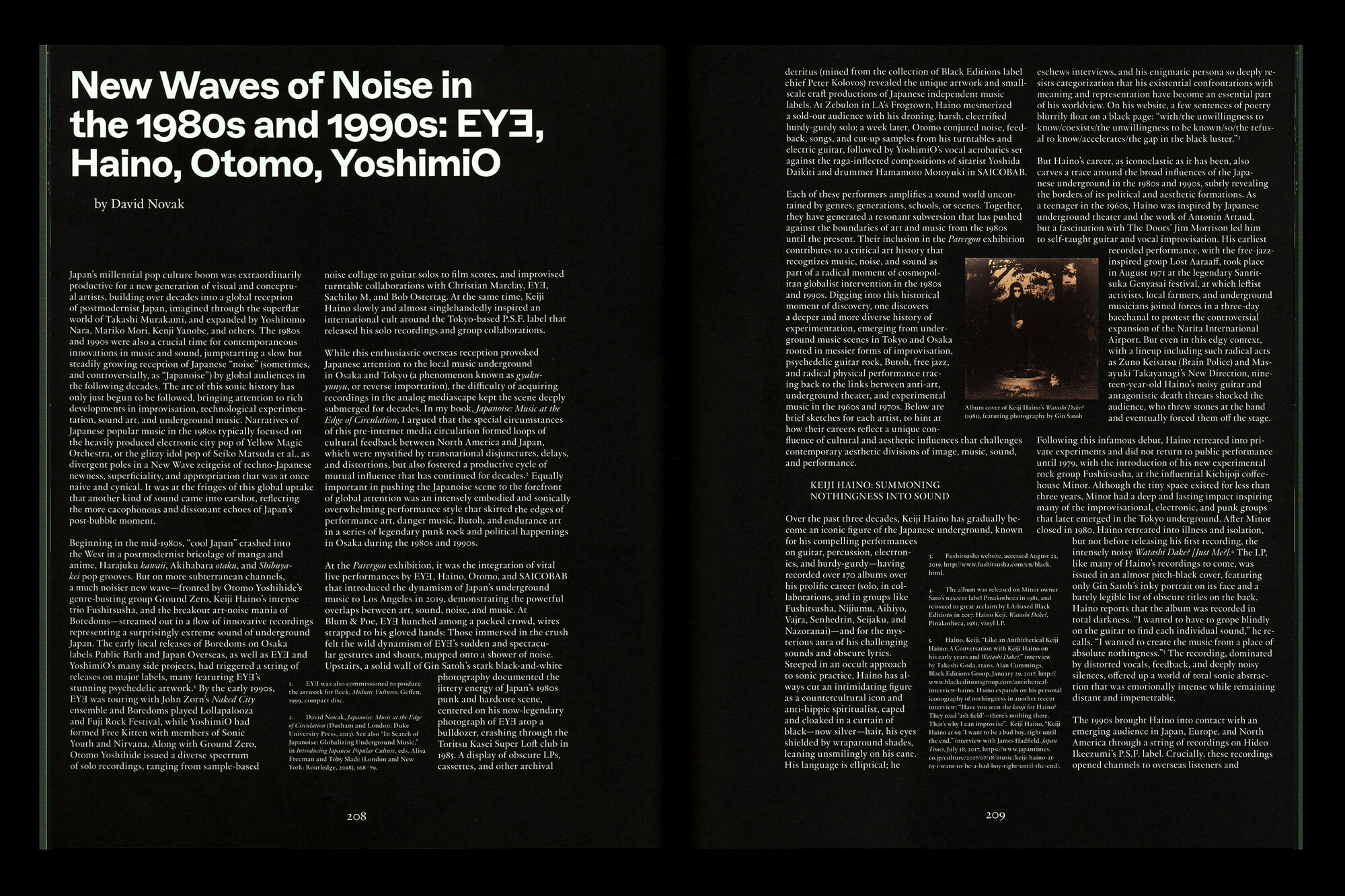
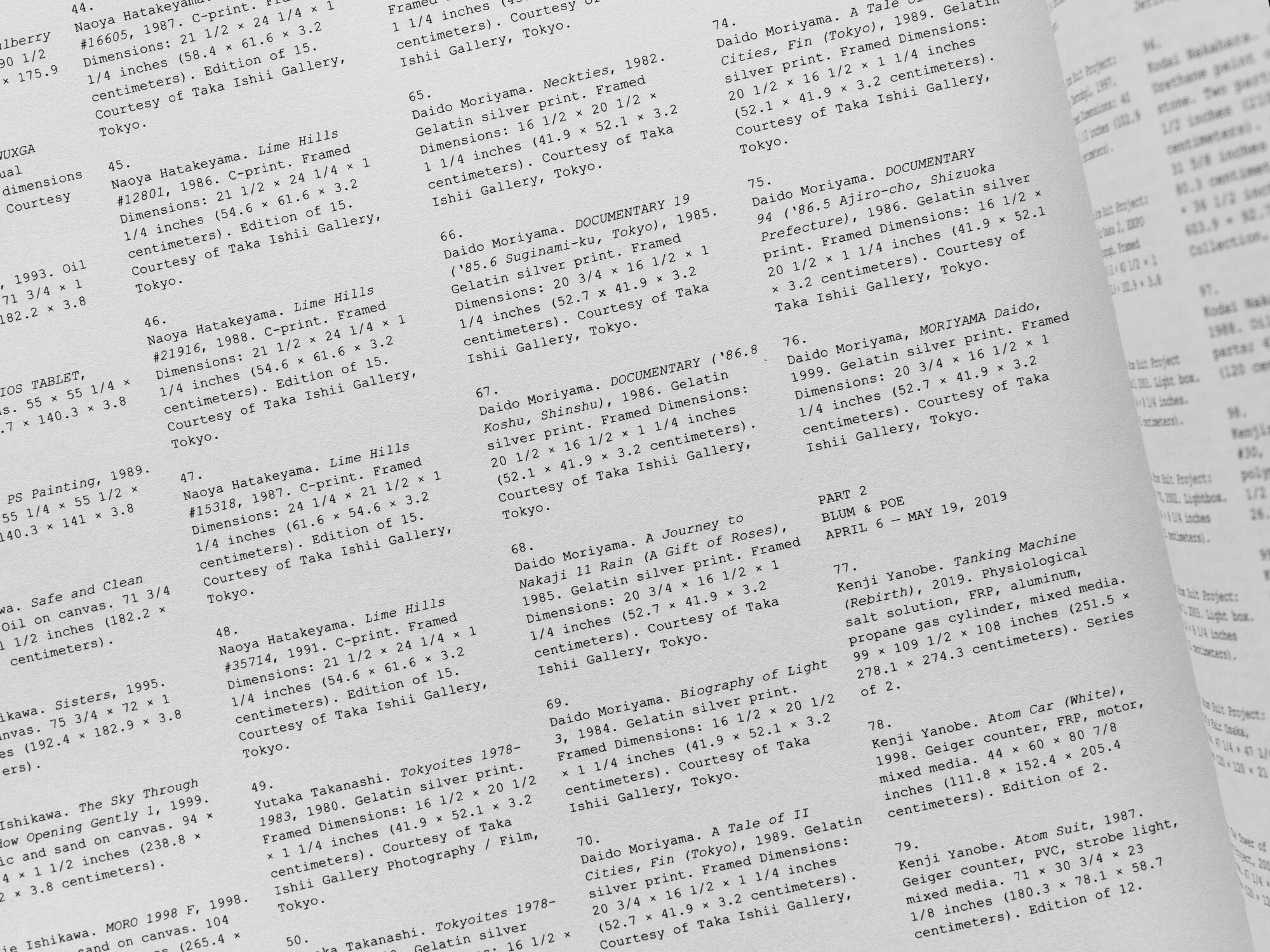
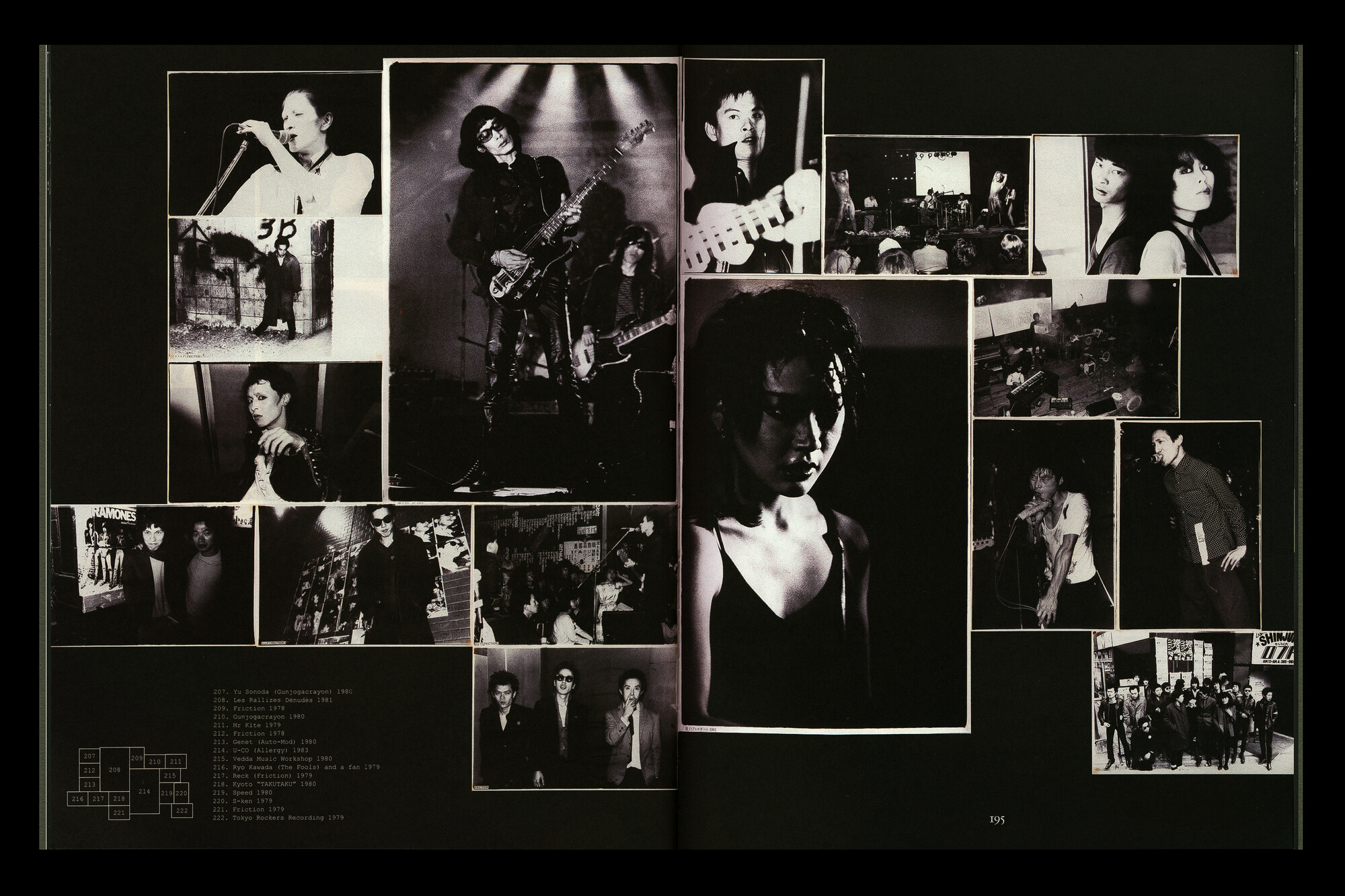
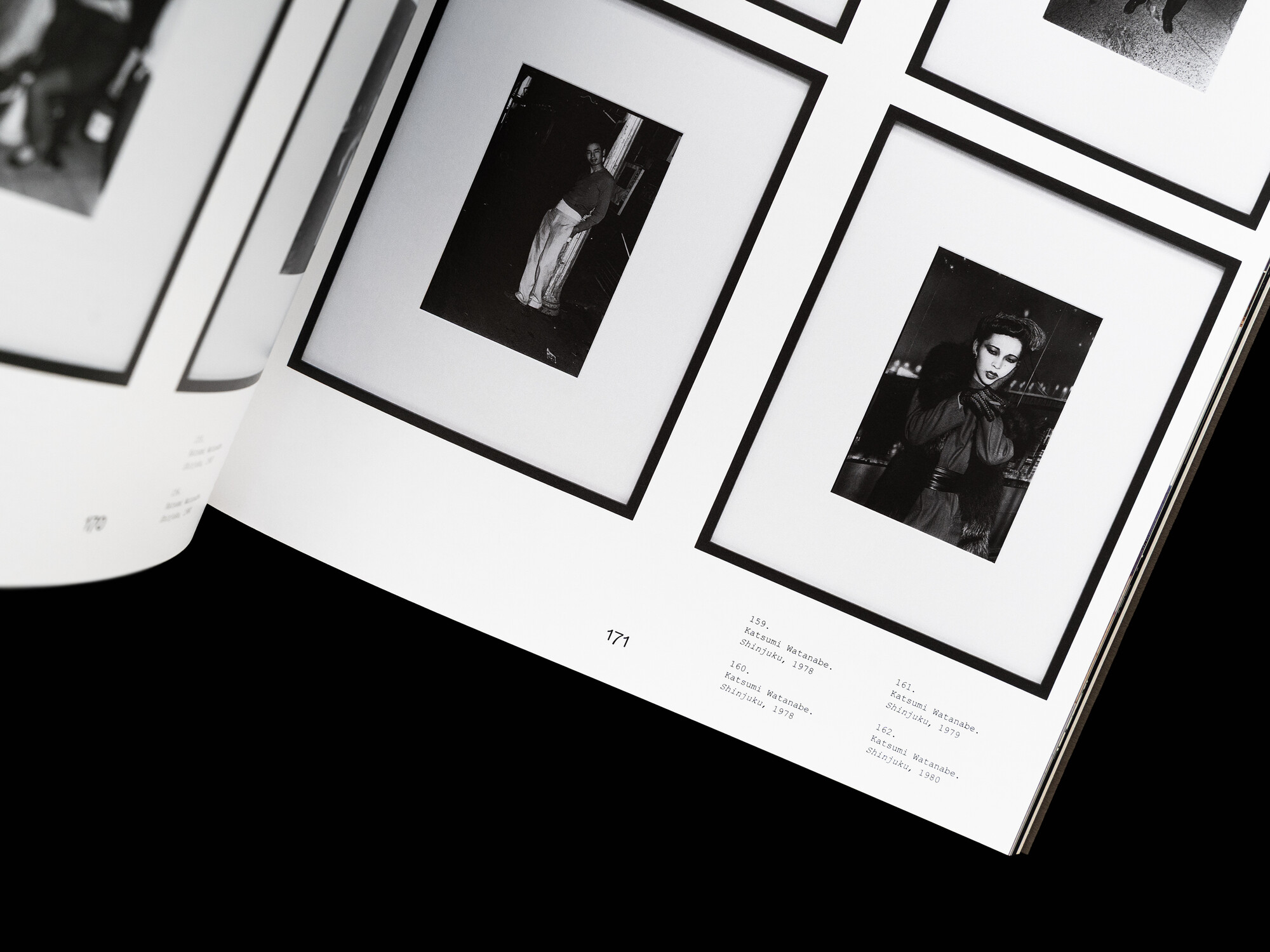
Parergon: Japanese Art of the 1980s and 1990s is the exhibition catalog for the landmark two-part exhibition curated by Mika Yoshitake at Blum & Poe. It is a definitive English-language primer and primary text for a largely undocumented period of Japanese art history, between the 1970s Mono-ha movement and the Neo-Pop era. The catalog features performance photography, installation shots, curatorial essays, socio-political analysis, textimonials, artist interviews, underground noise profiles, and music ephemera.
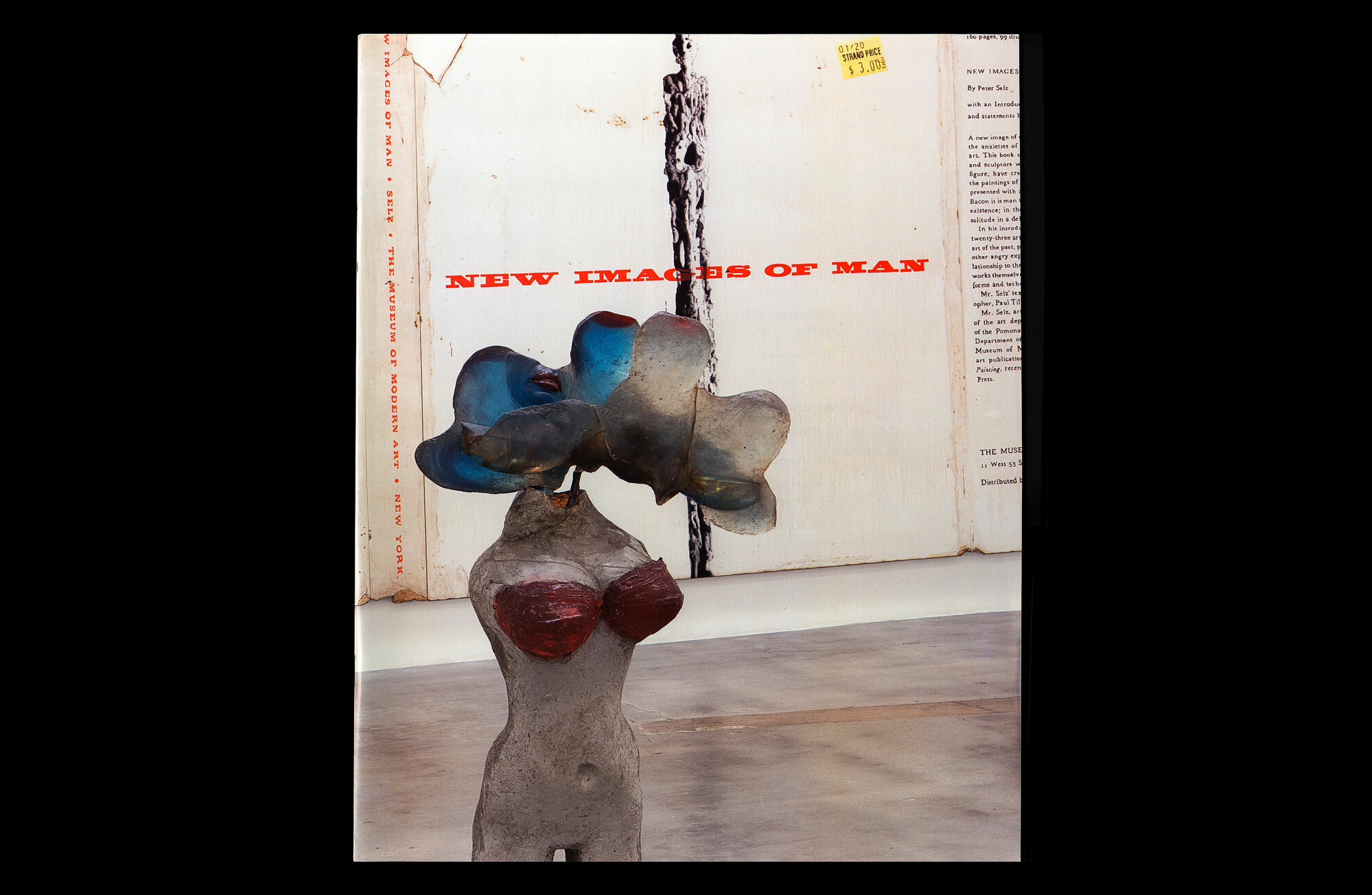
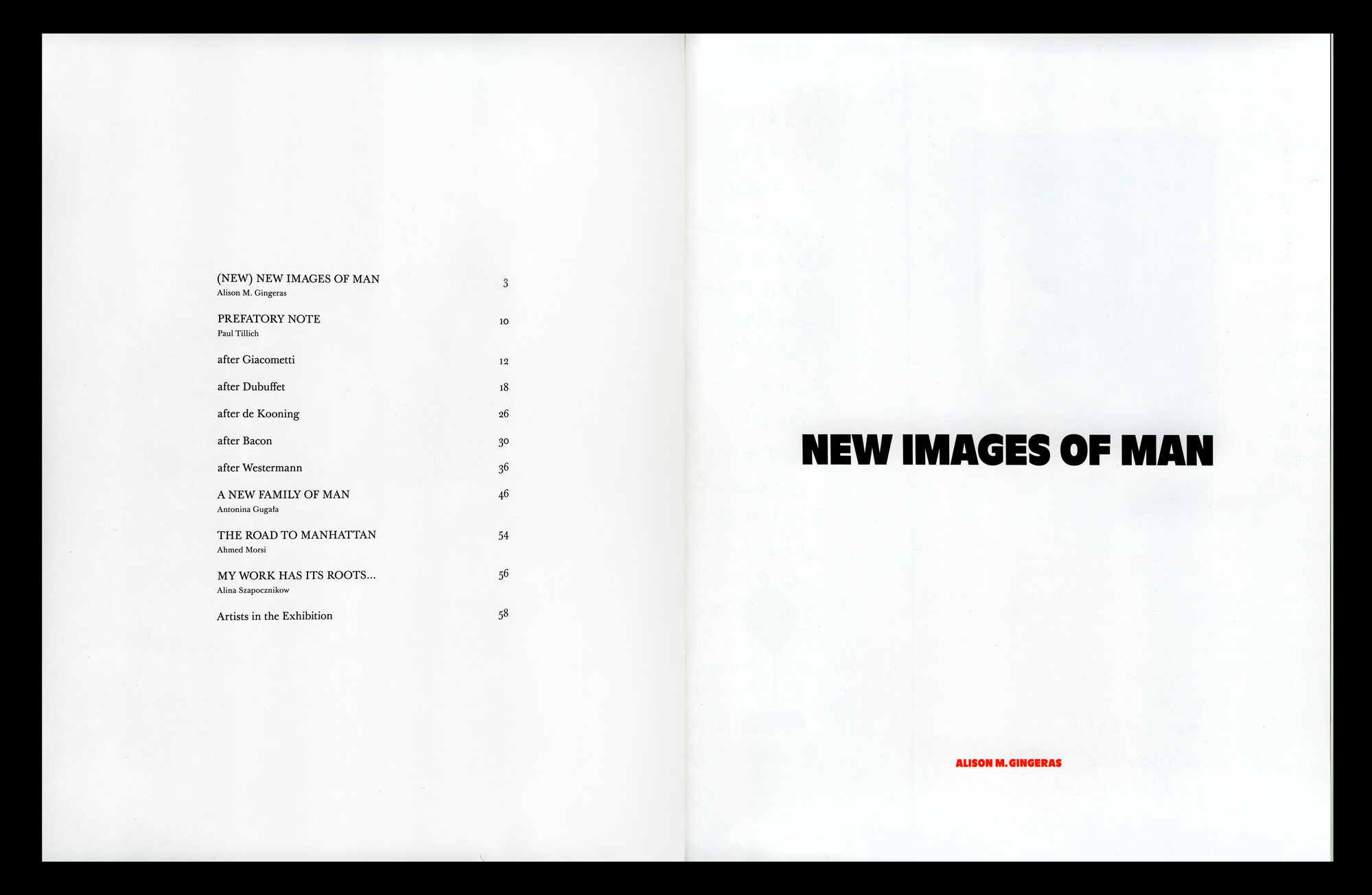
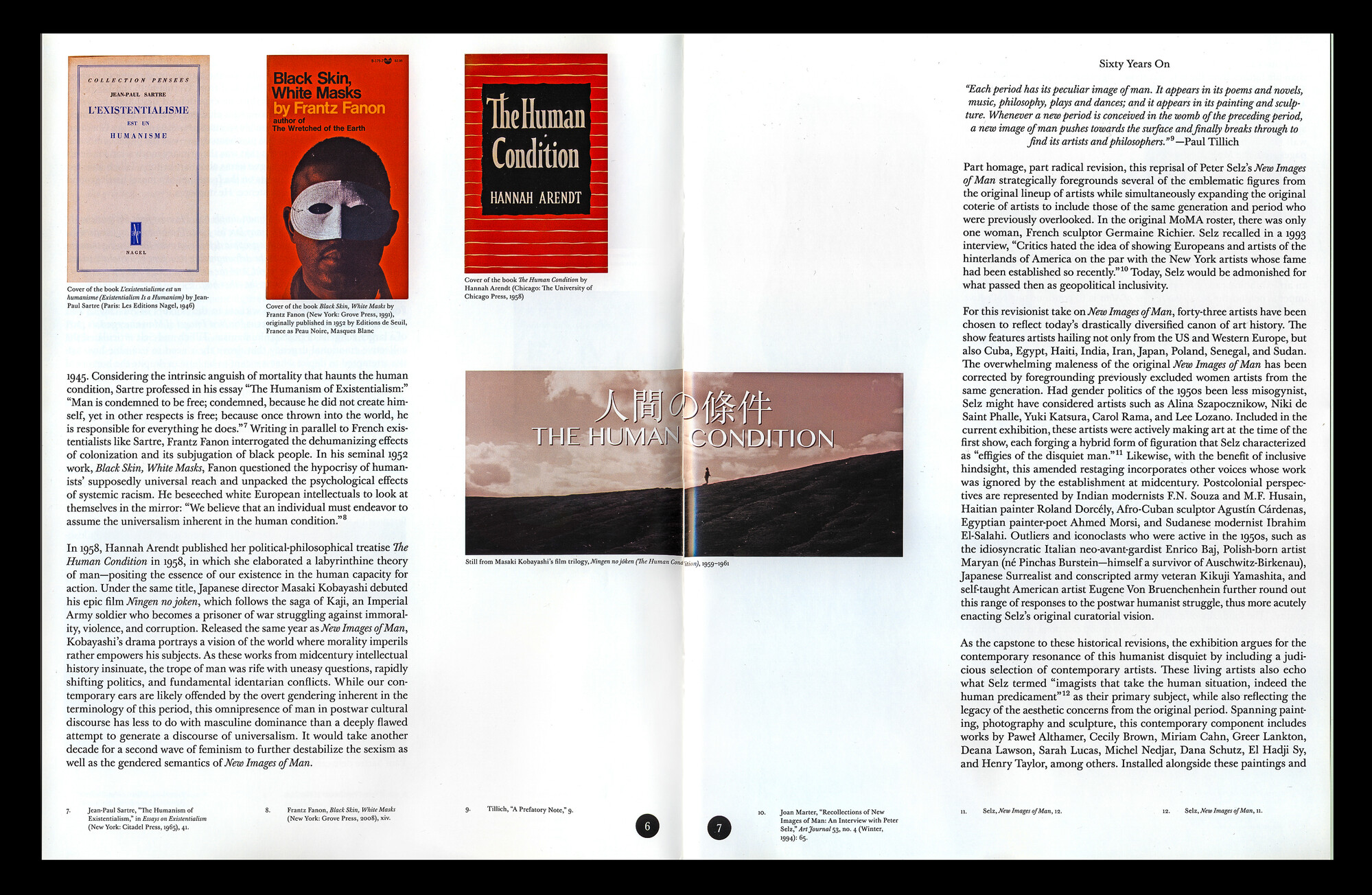
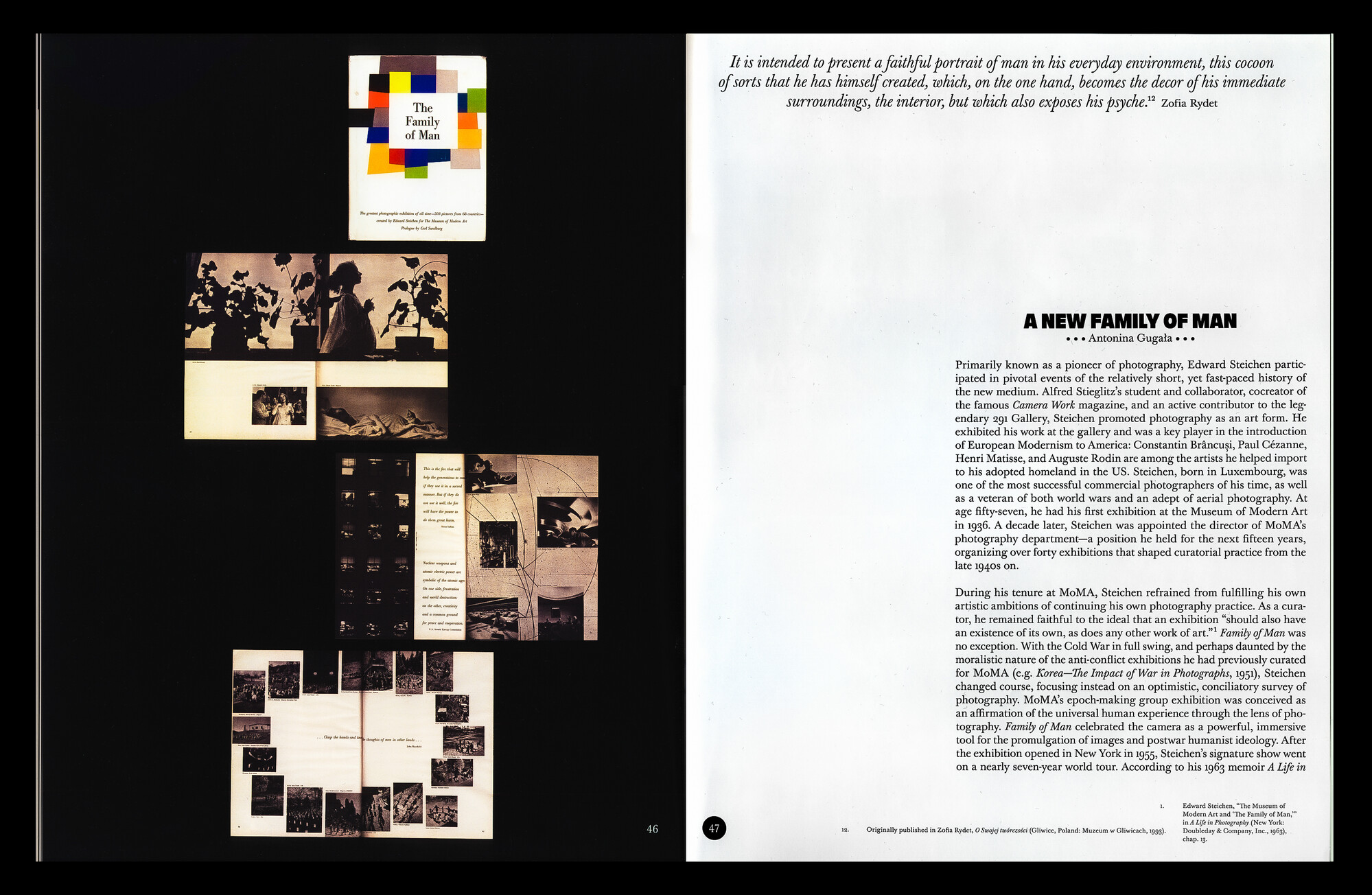
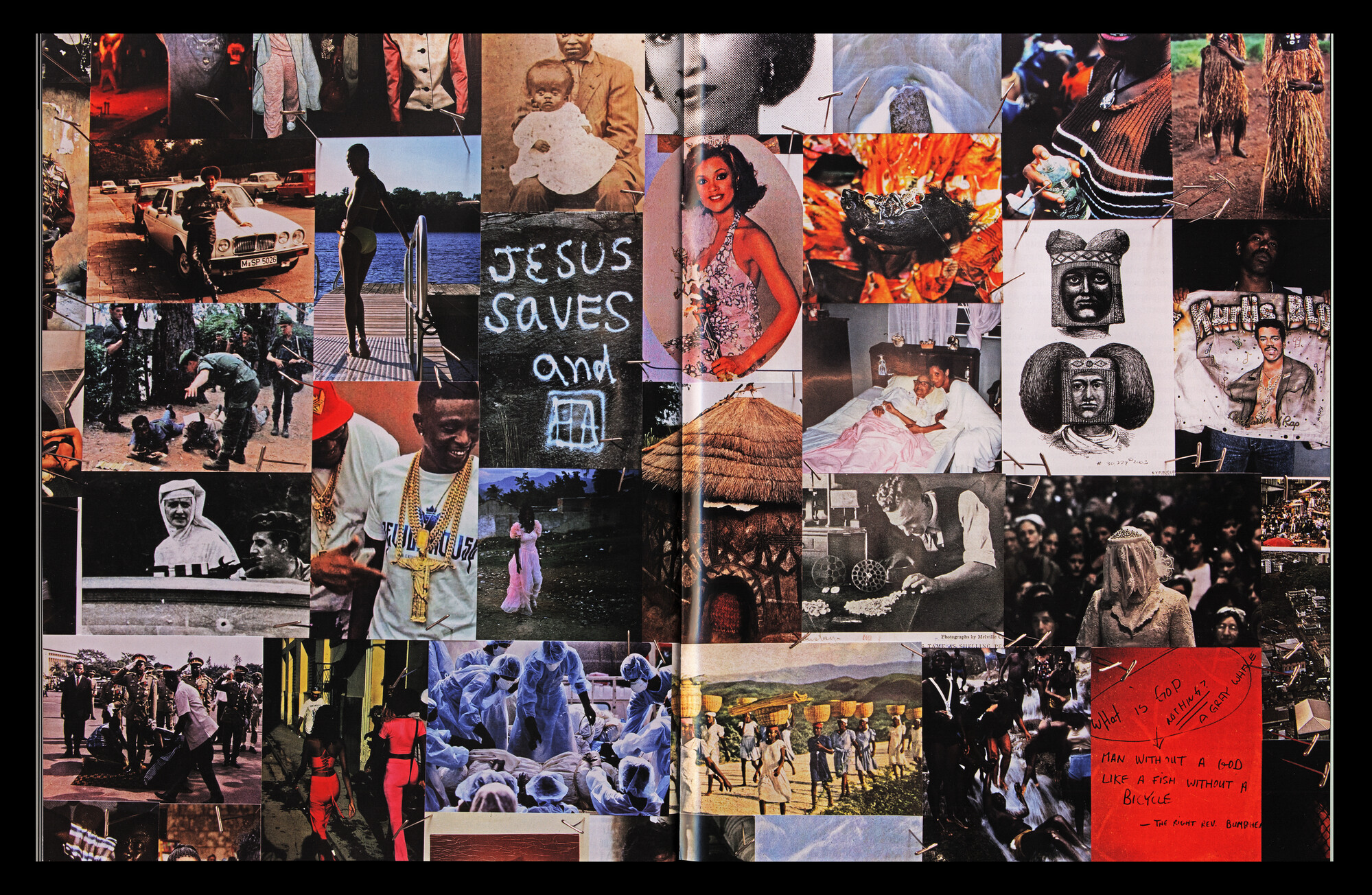
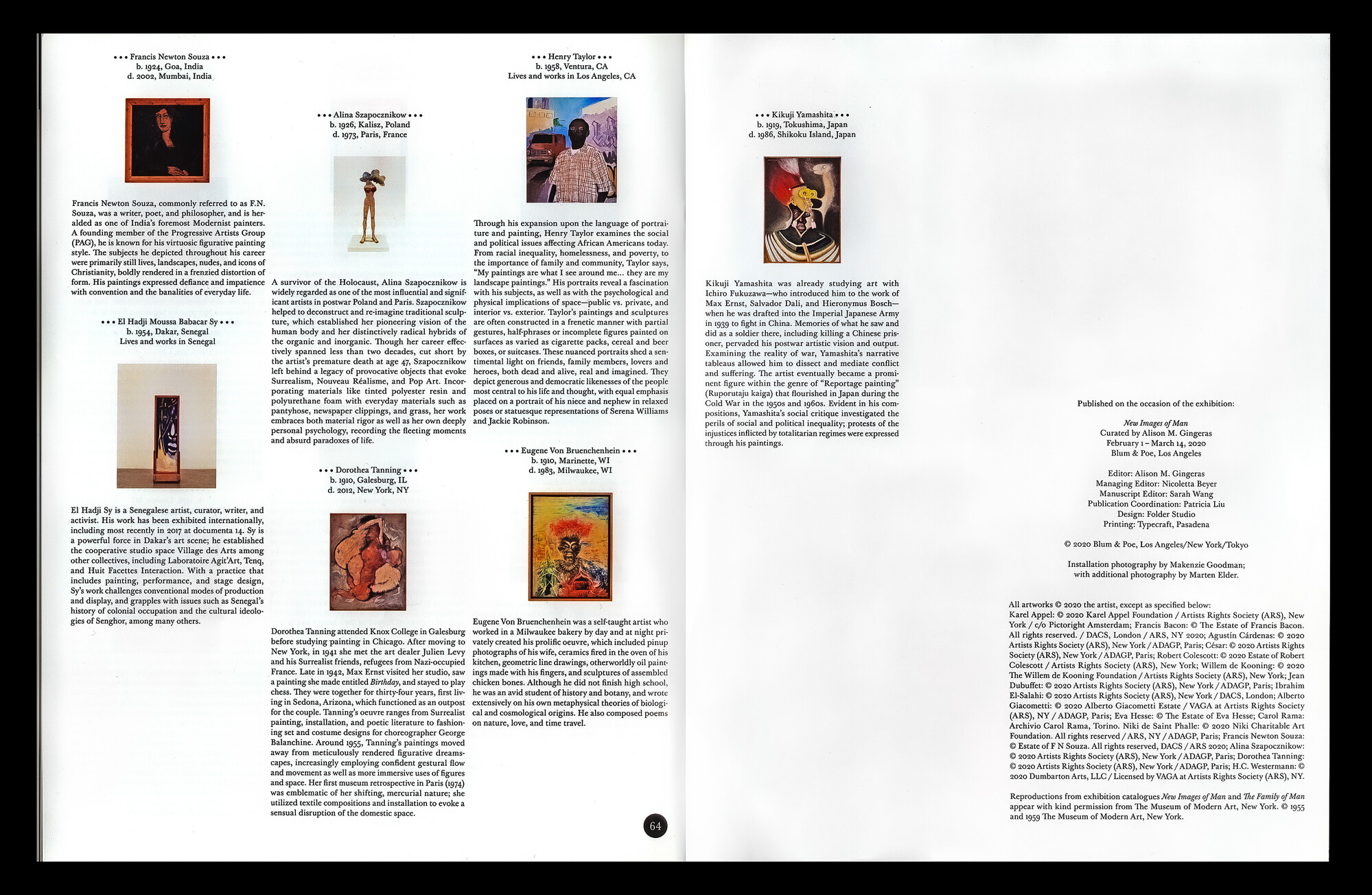
New Images of Man is both a tribute to and a radical revision of Peter Selz’s controversial 1959 exhibition of the same name at MoMA New York. The show pushes against the homogeneity of the original, asking what figurative art means when freed from midcentury Western gatekeeping. The catalog doubles down on the self-referential nature of the show using Dave Muller’s massive wall painting of Selz’s original 1959 book cover as its own.