Folder designs interfaces, publications, and systems for organizing, encountering, and carrying information forward. We help museums, universities, civic institutions, and others engaged in the stewardship and sharing of knowledge create ways for language, media, and material to surface and endure.
We are interested in what happens to information over time, and how form can reveal the connections that give it meaning. Projects come in a variety of configurations rooted in partnerships that honor the material and its strategic presentation.
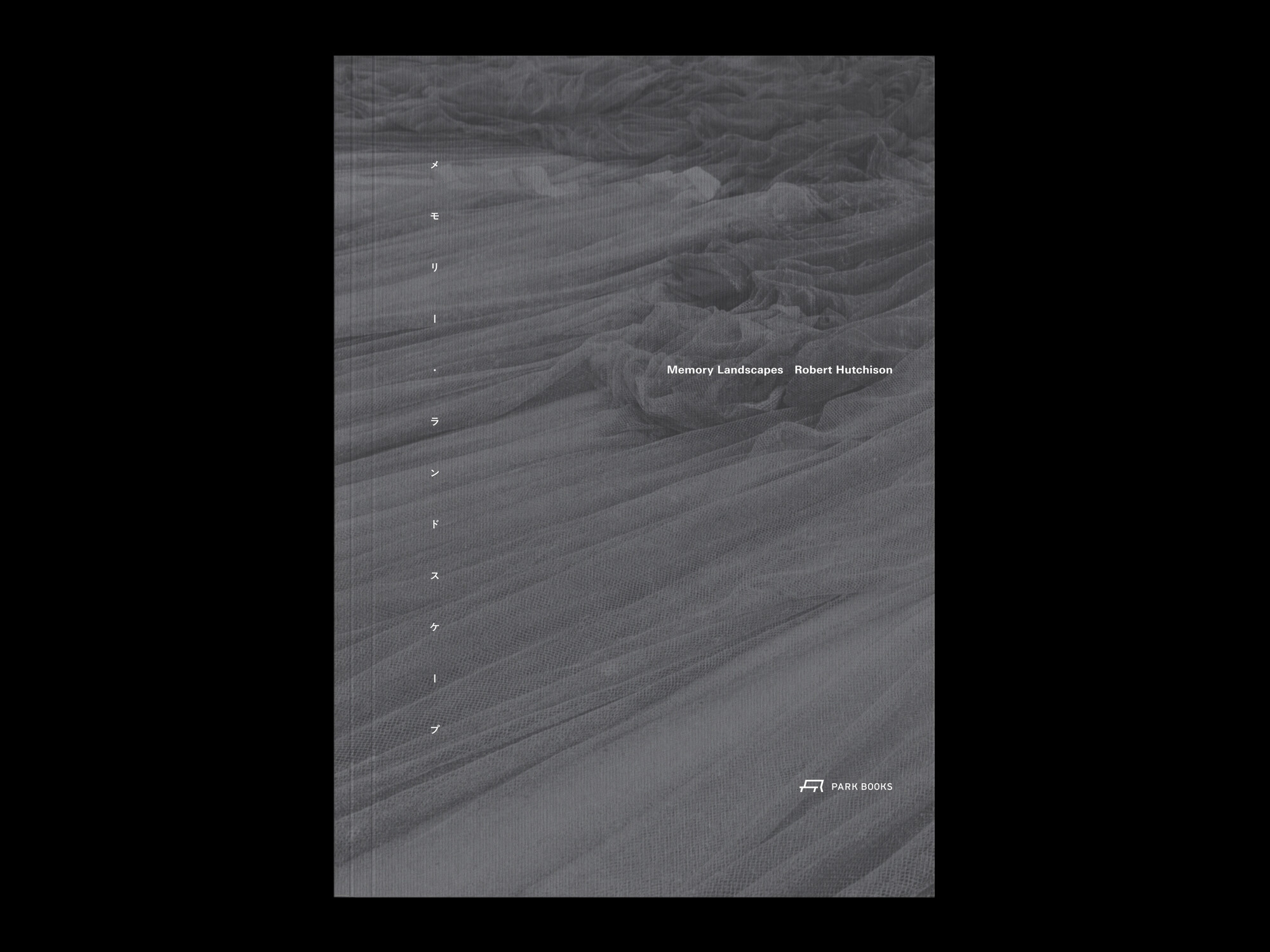
Memory Landscapes presents a body of work developed by Robert Hutchison Architecture across decades, addressing the seawalls built along Japan’s Tohoku coast after the 2011 earthquake and tsunami. These proposals, which include contributions from Hutchison’s firm along with Japanese architects, artists, and community members, consider how collective memory might inform the future of fishing communities these walls protect while at the same time separating them from the sea.
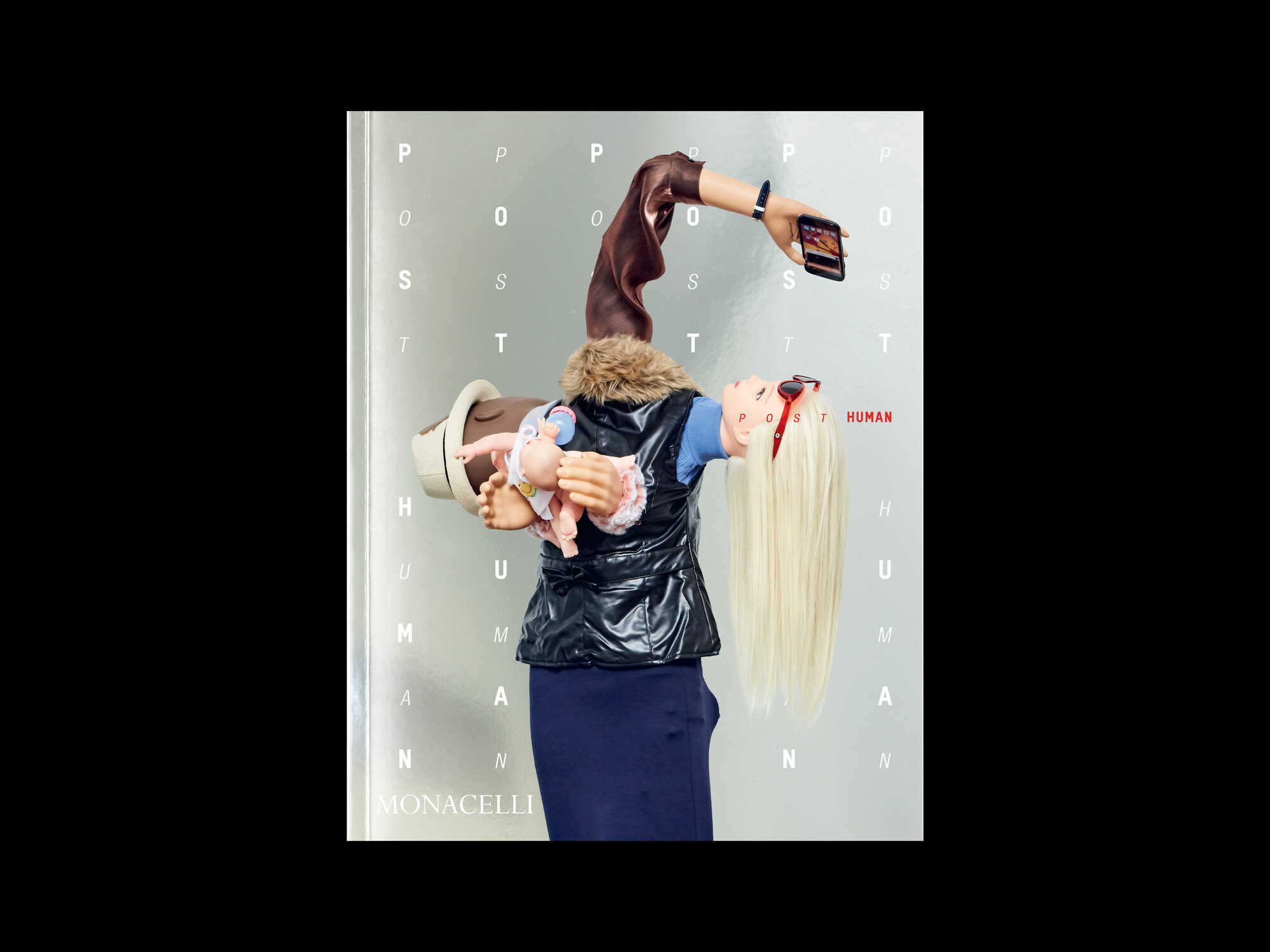
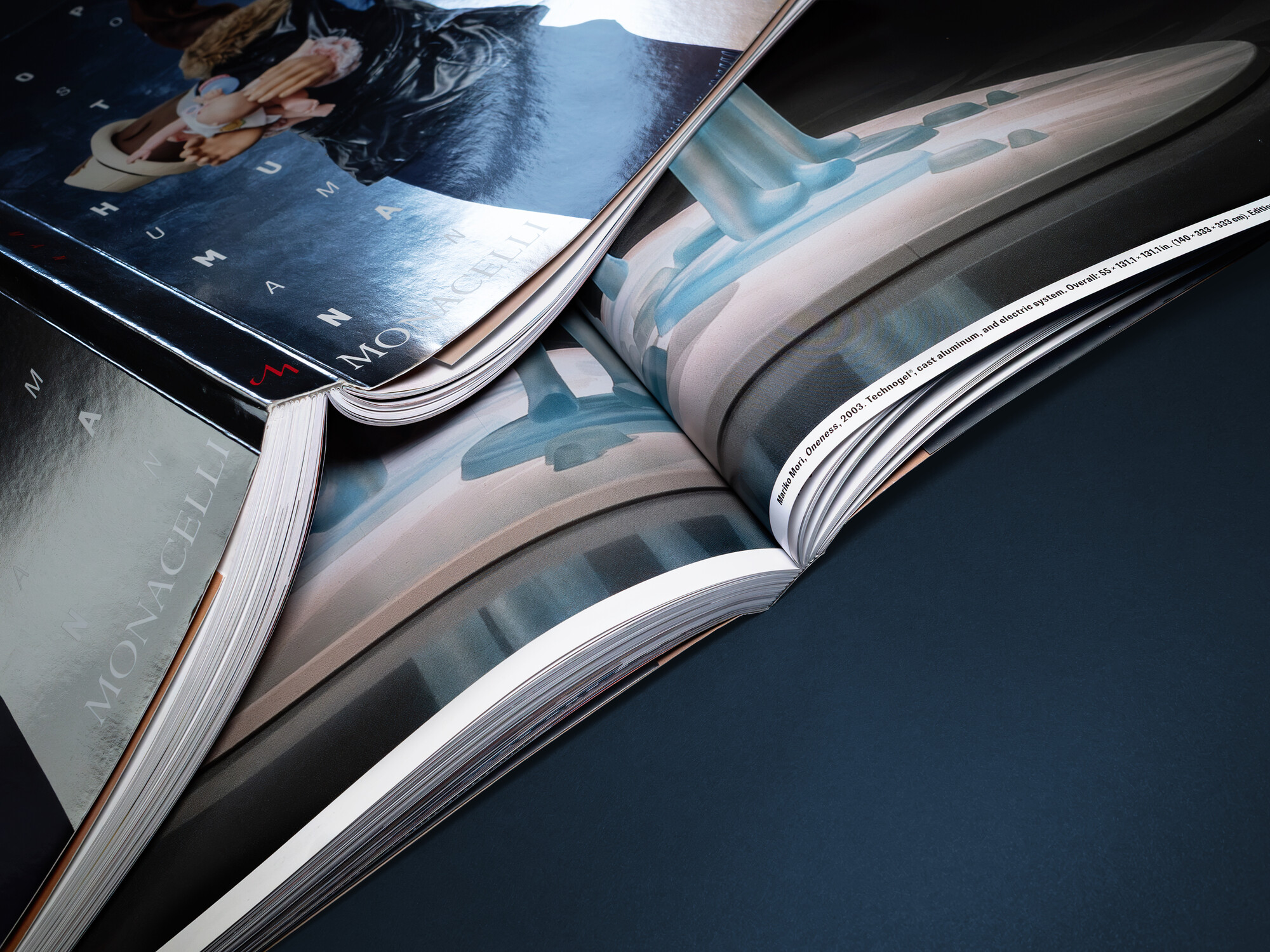
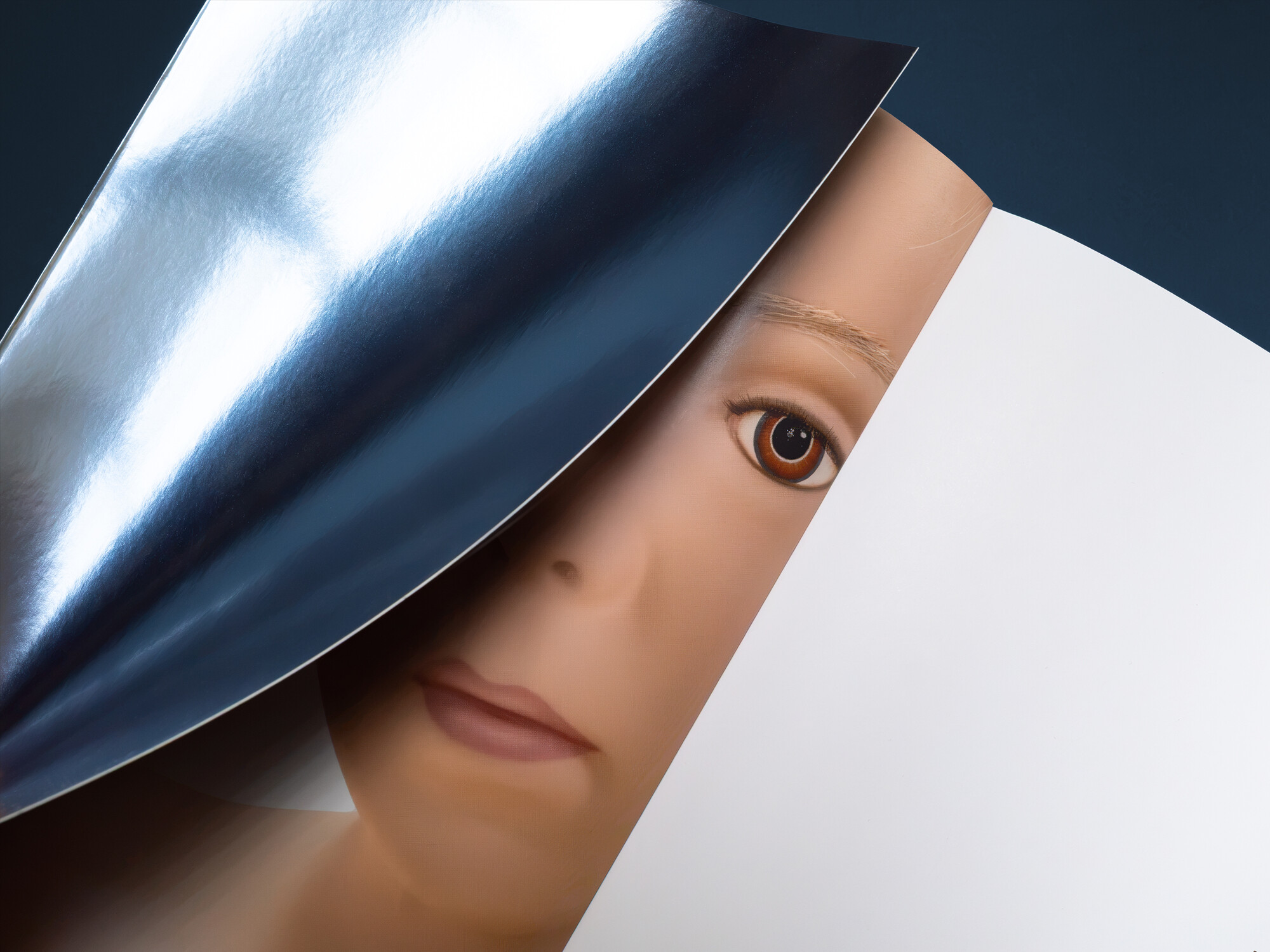
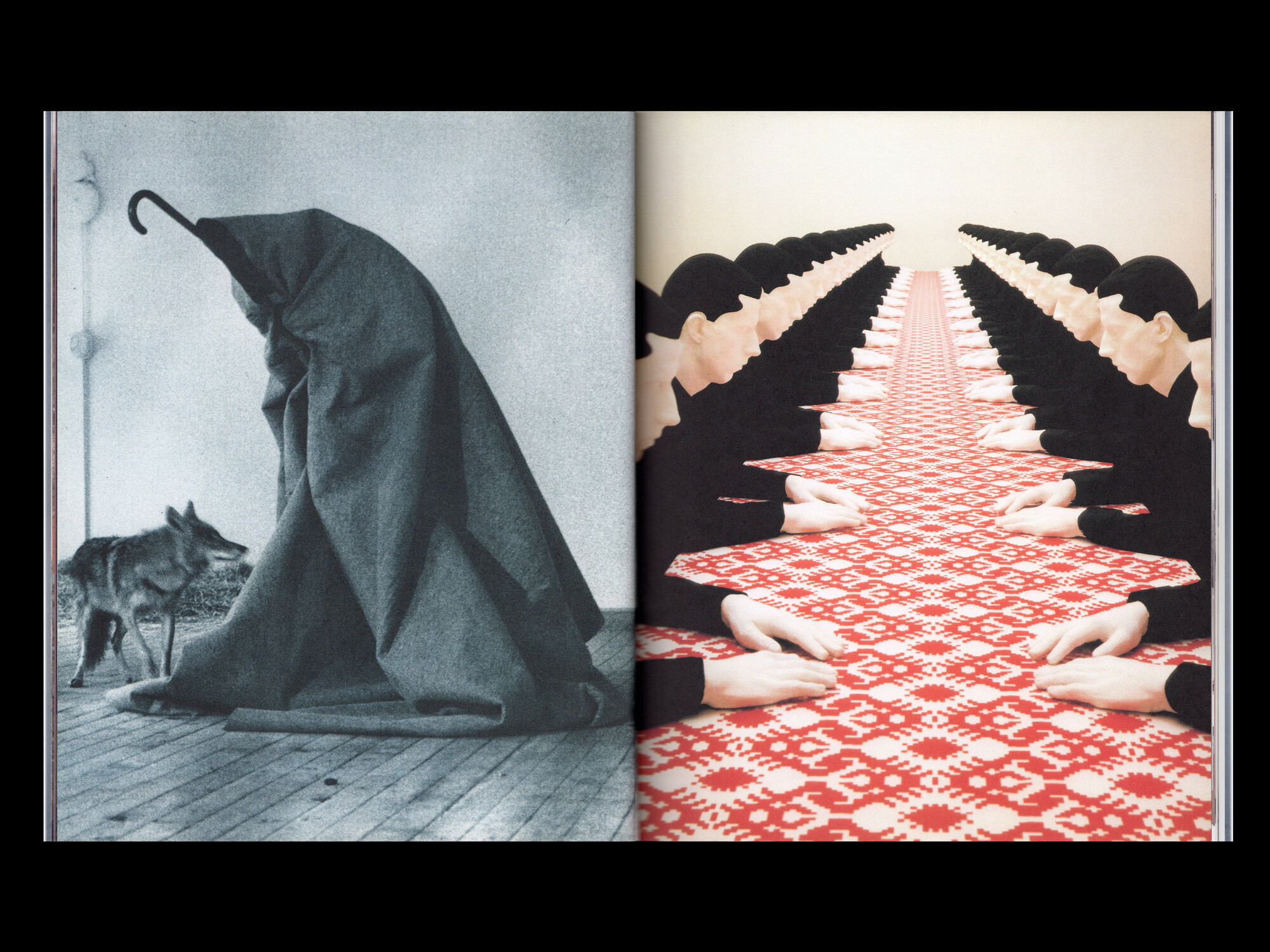
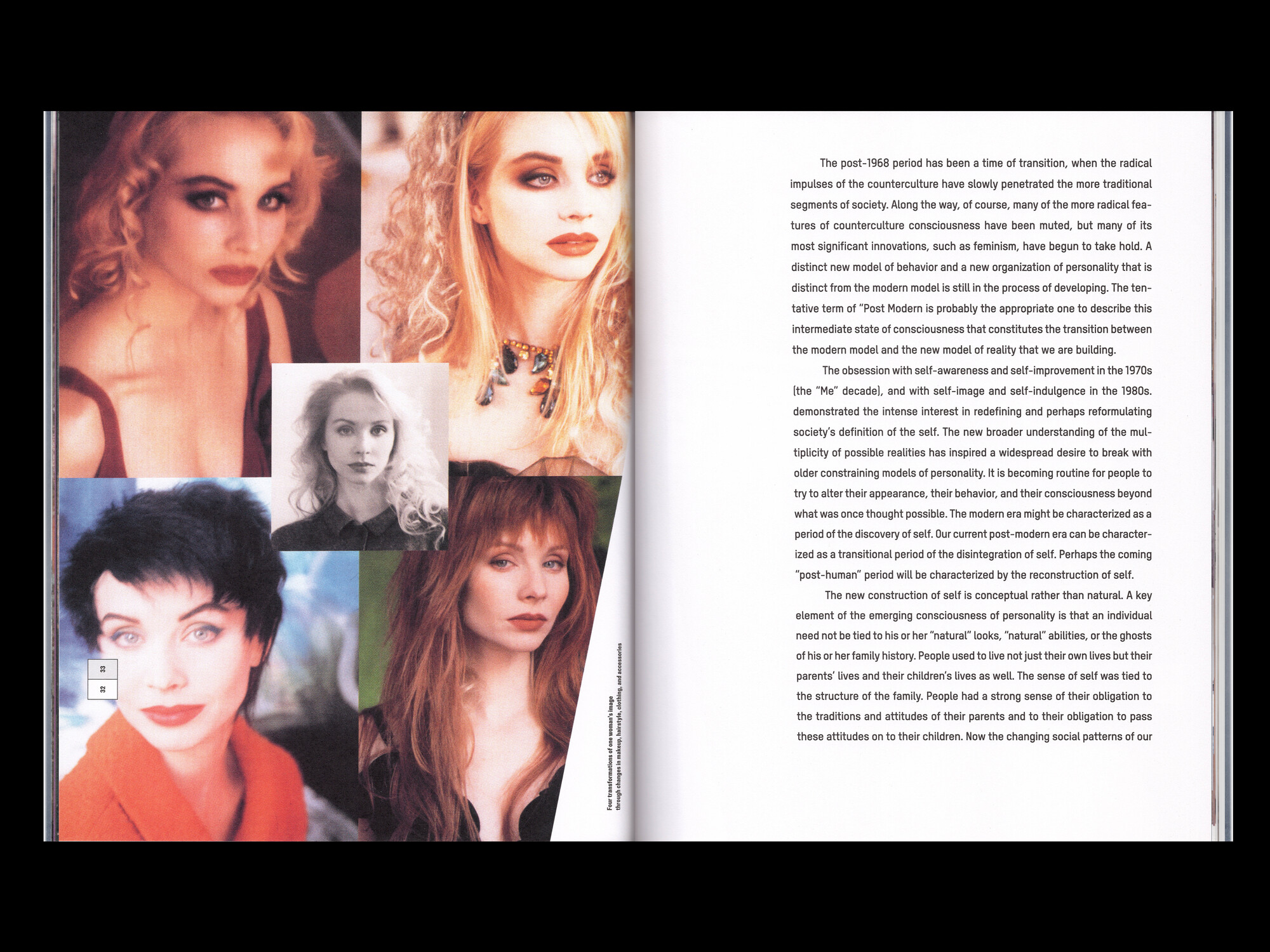
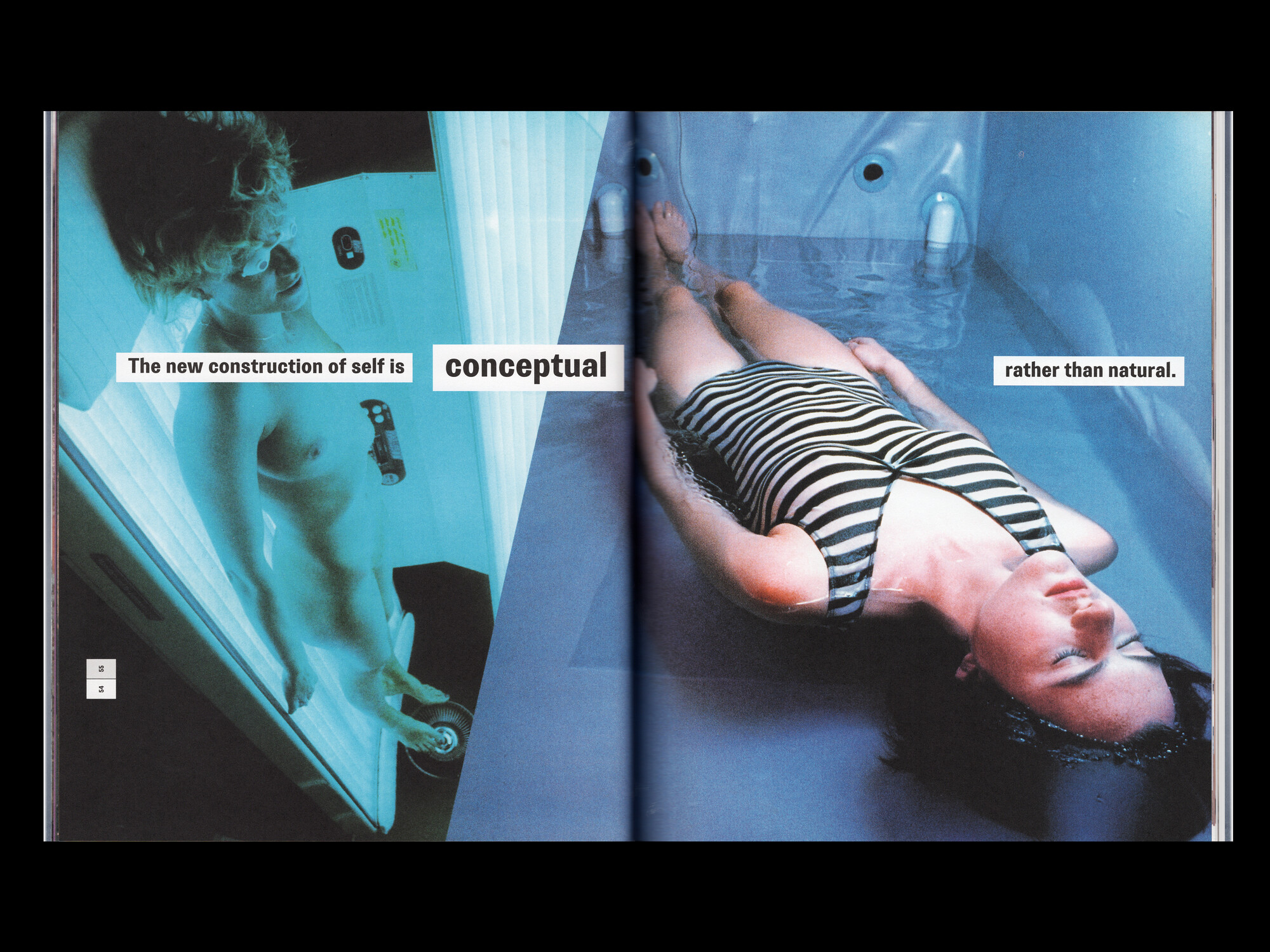
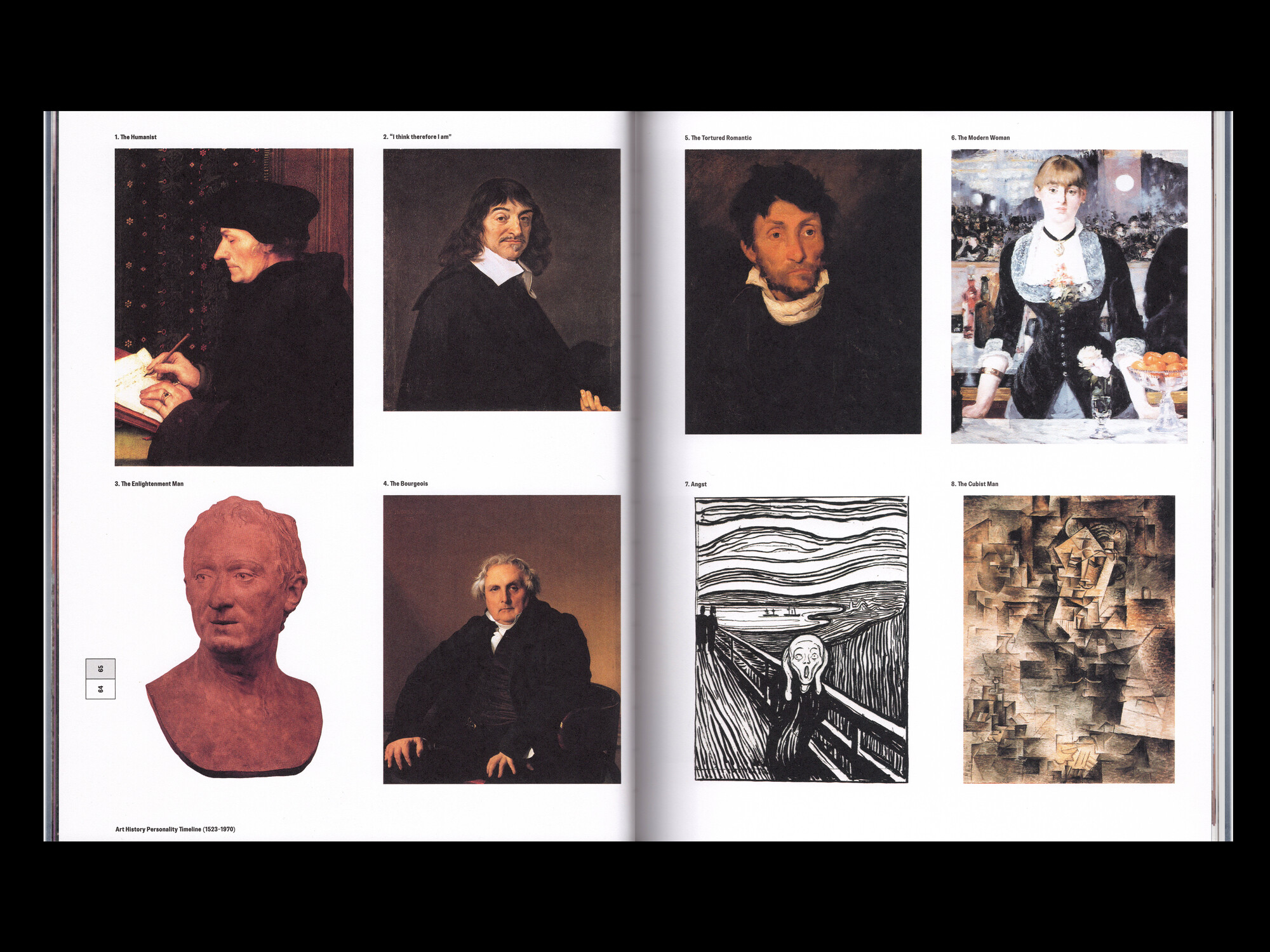
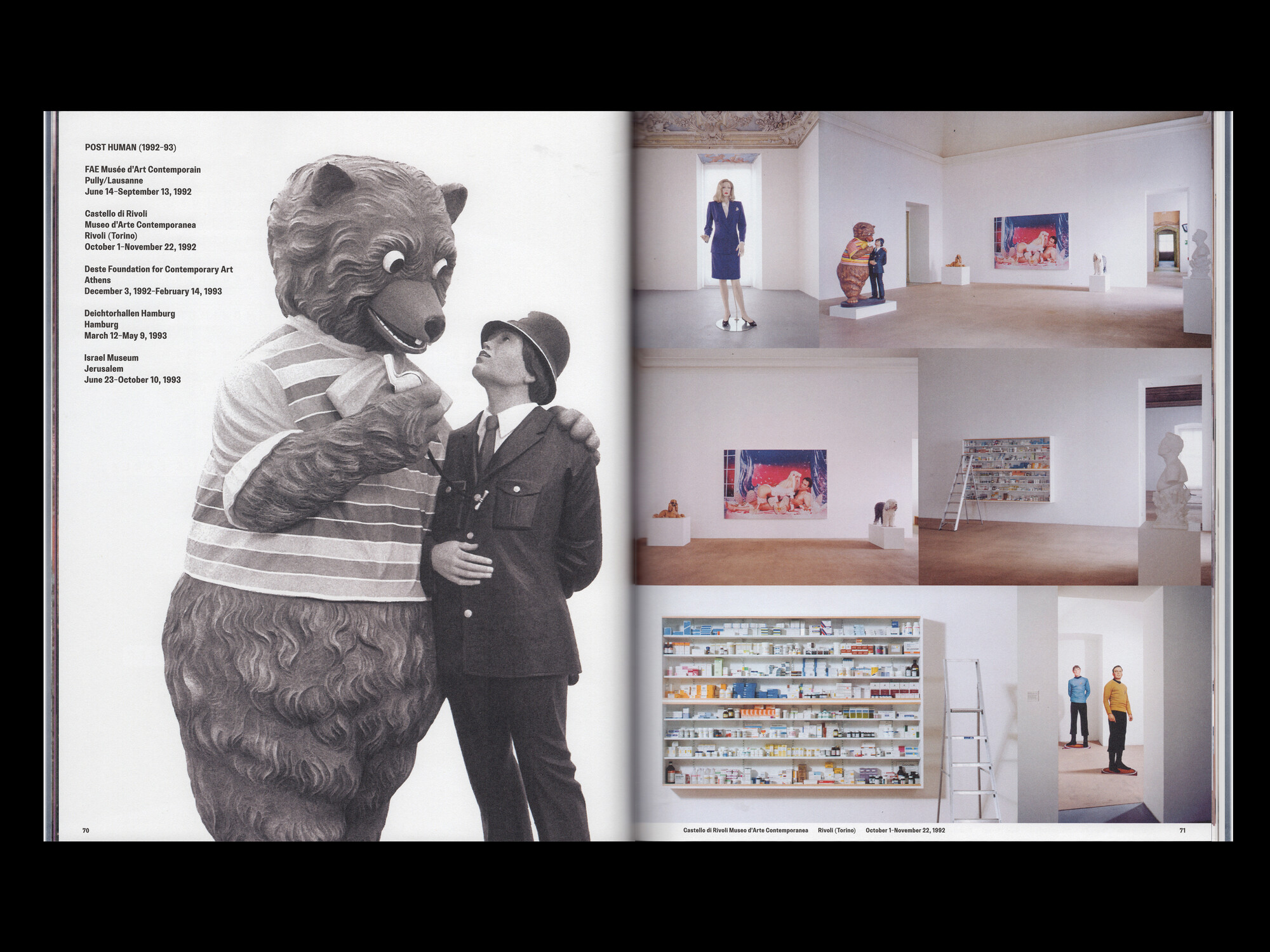
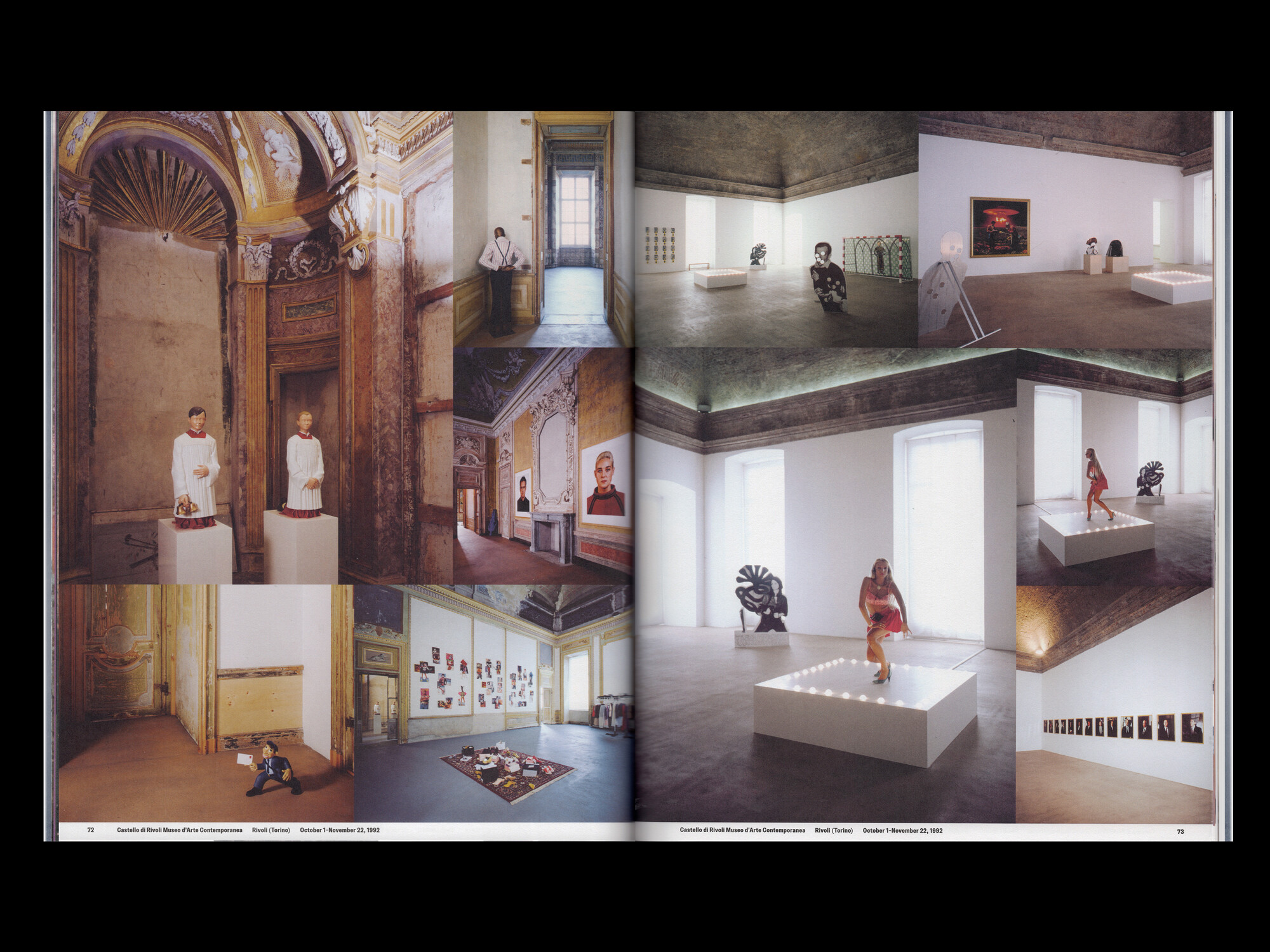
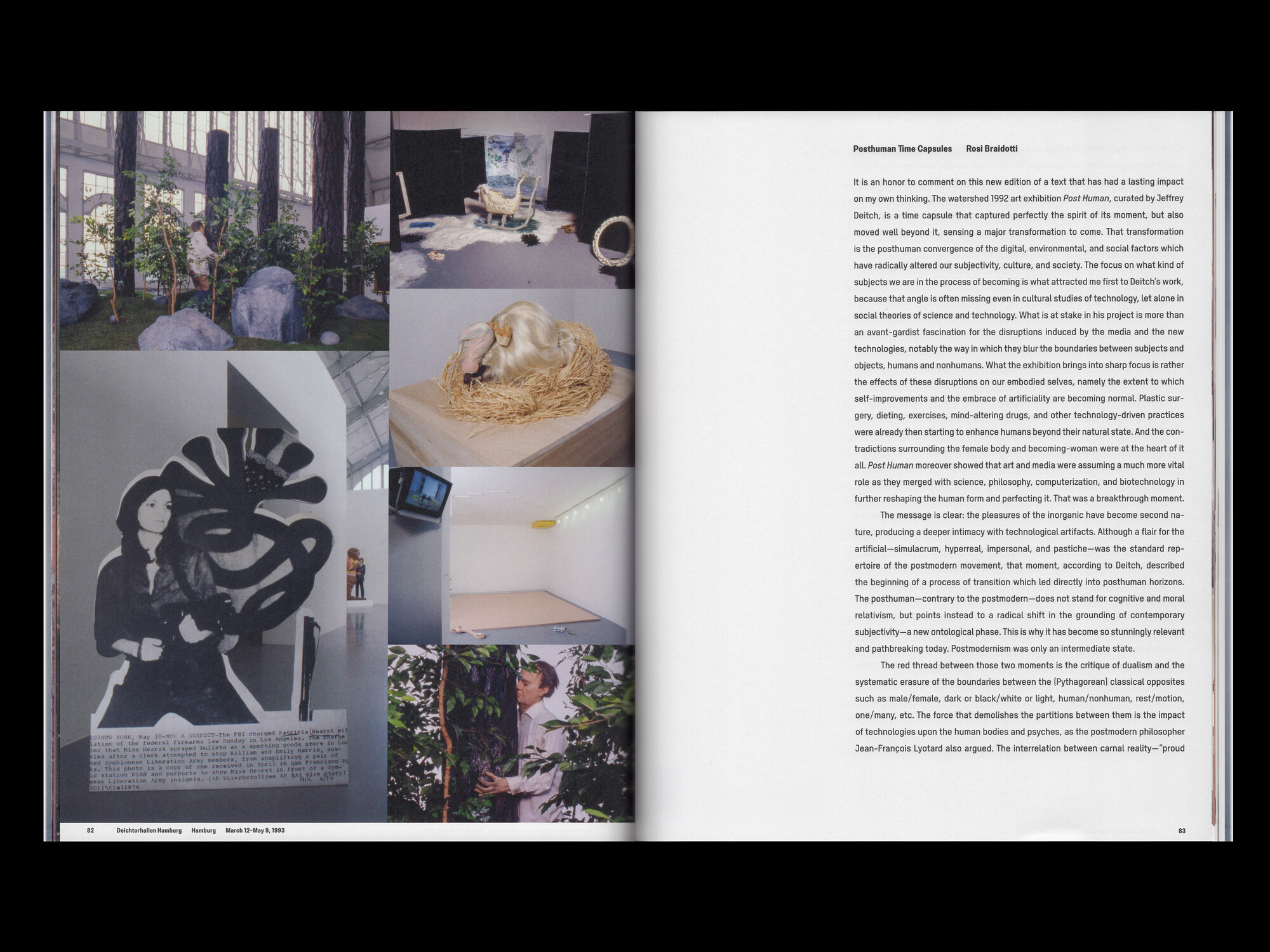
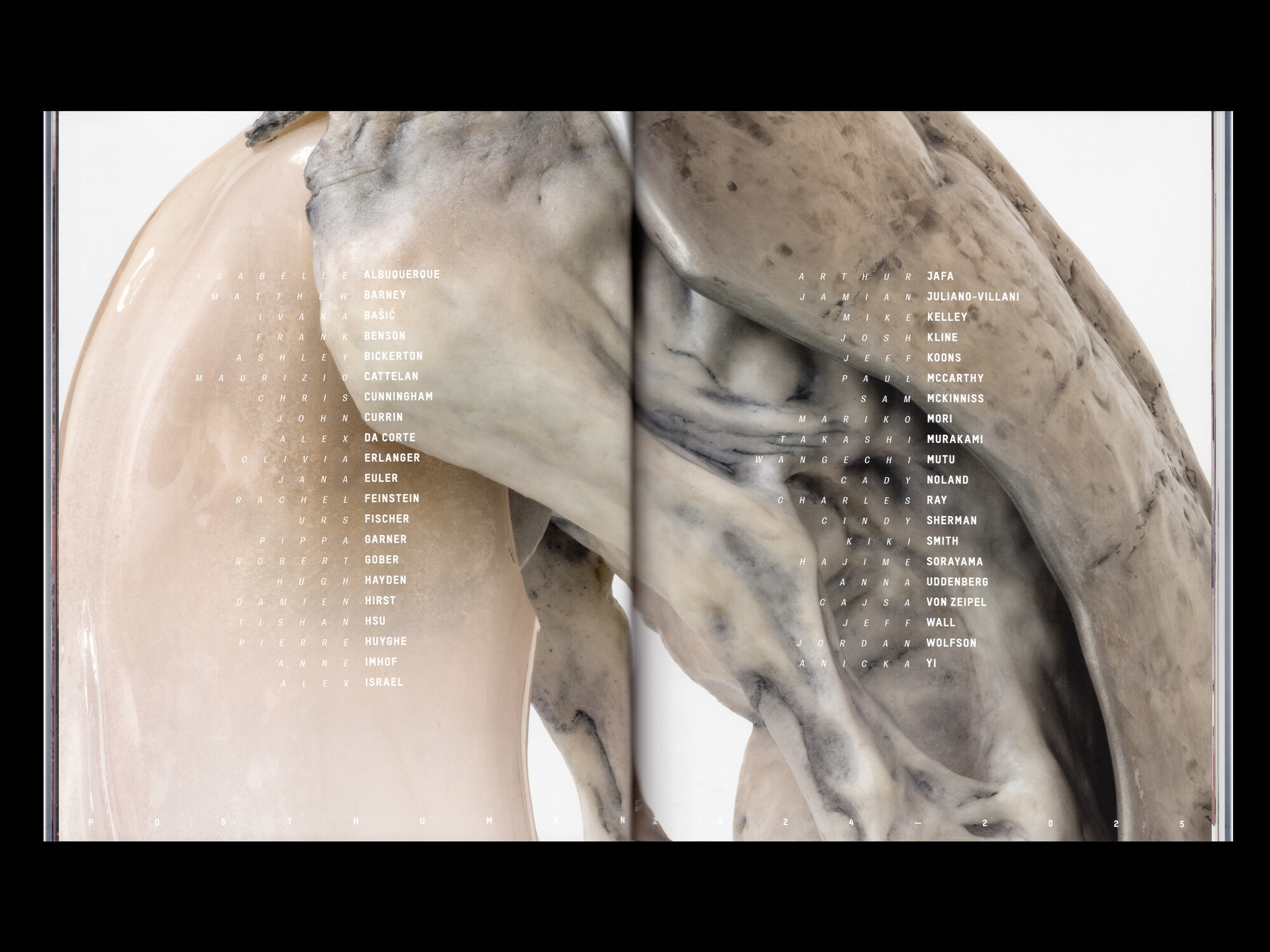
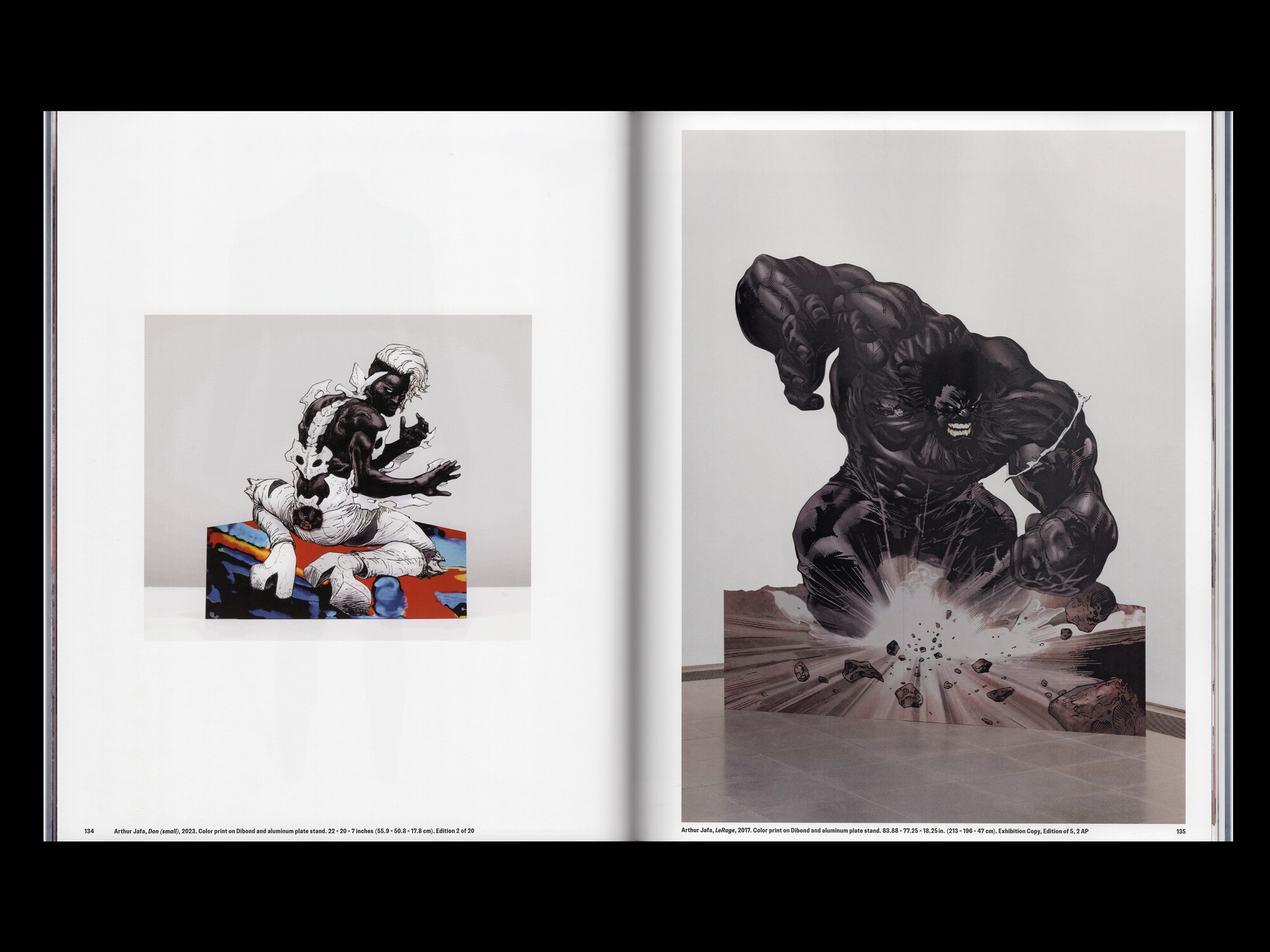
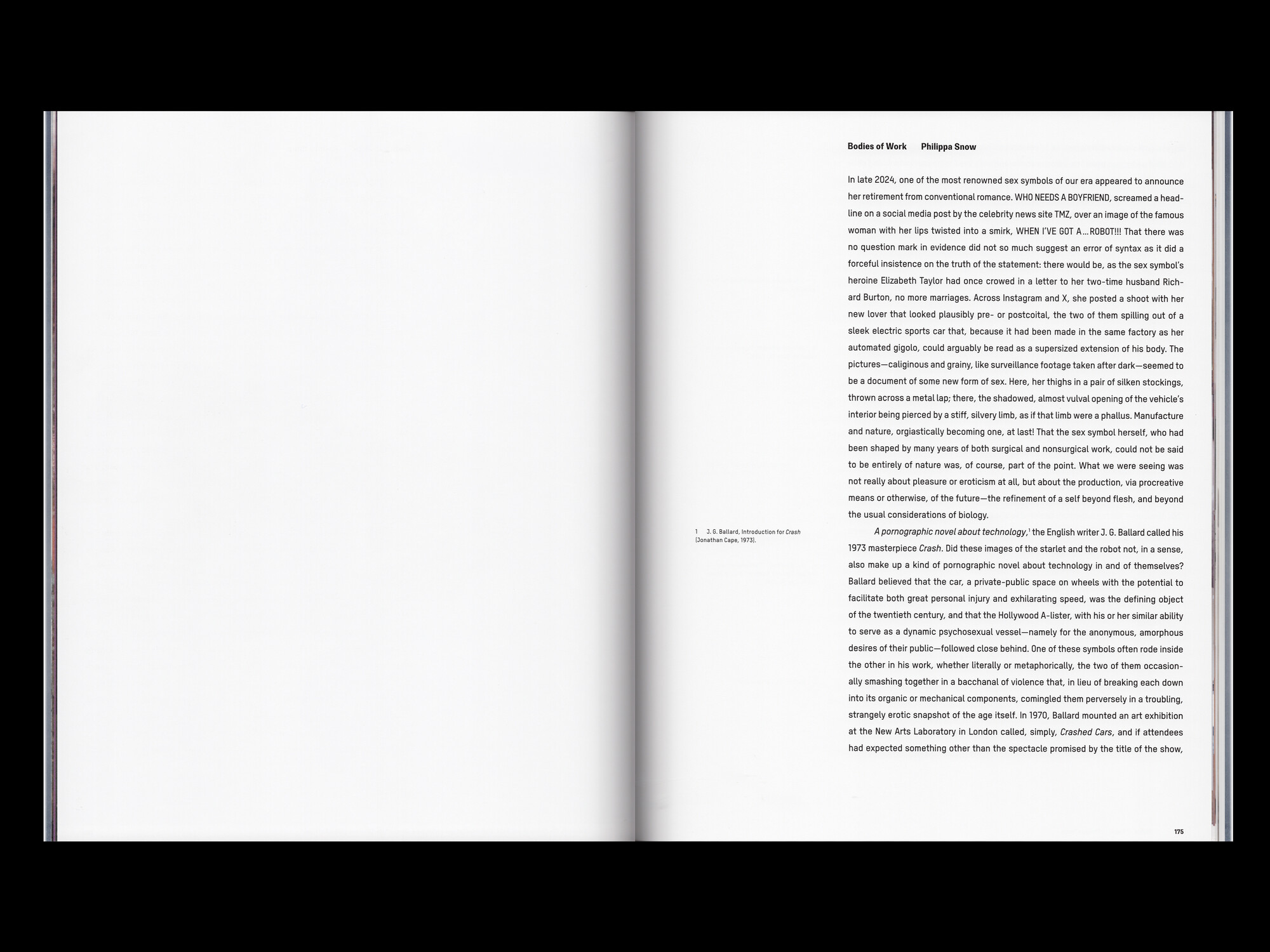
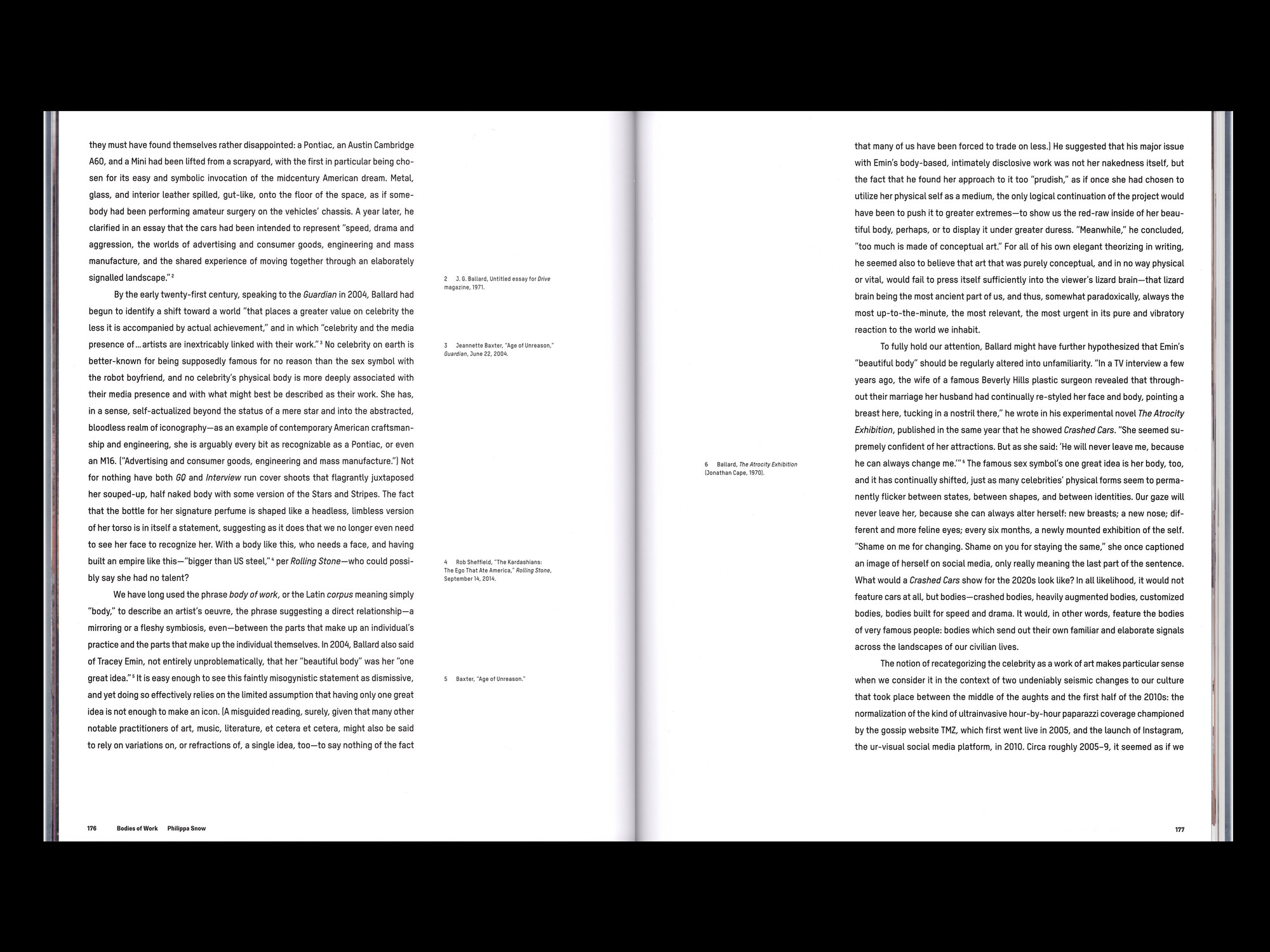
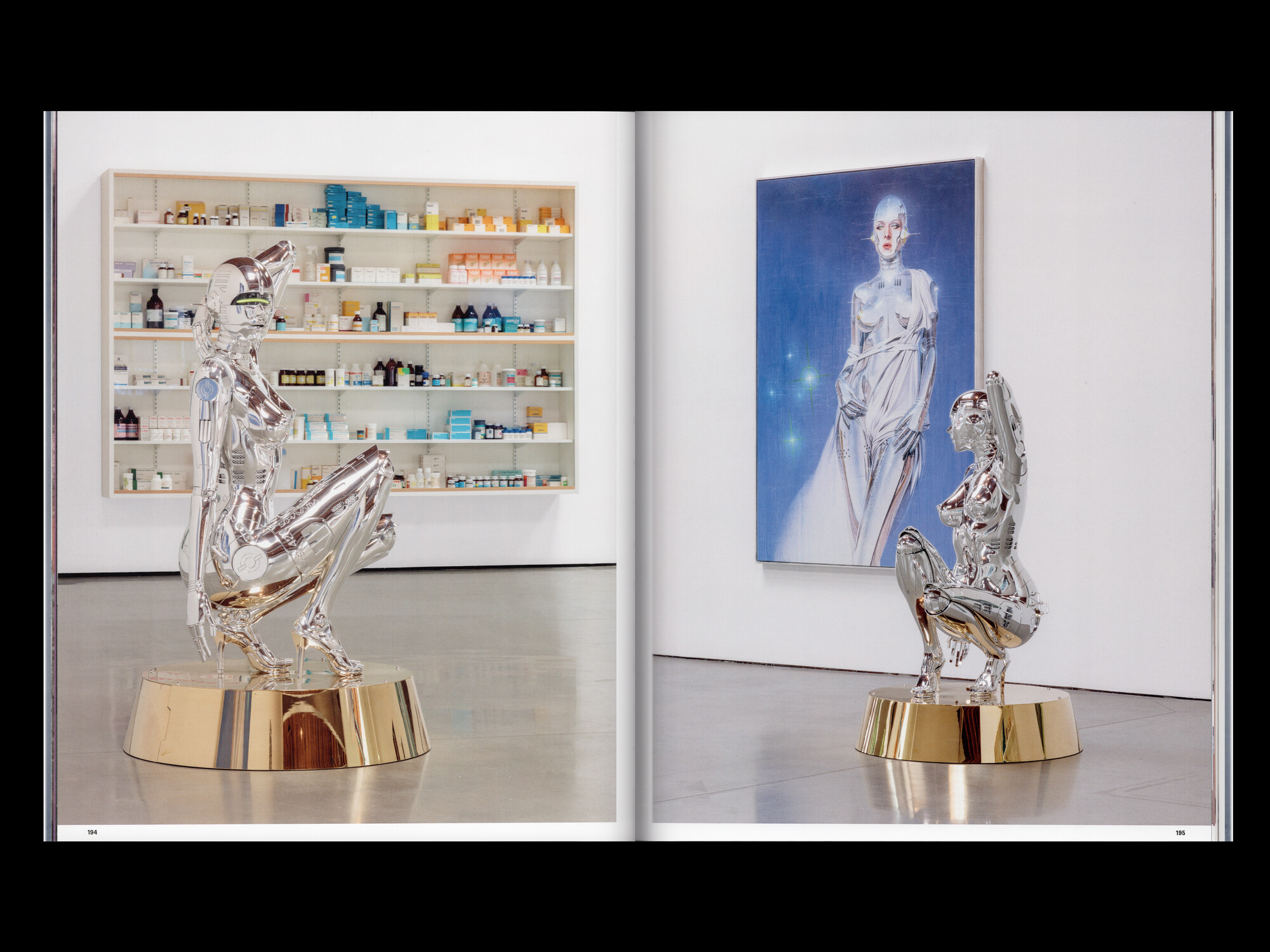
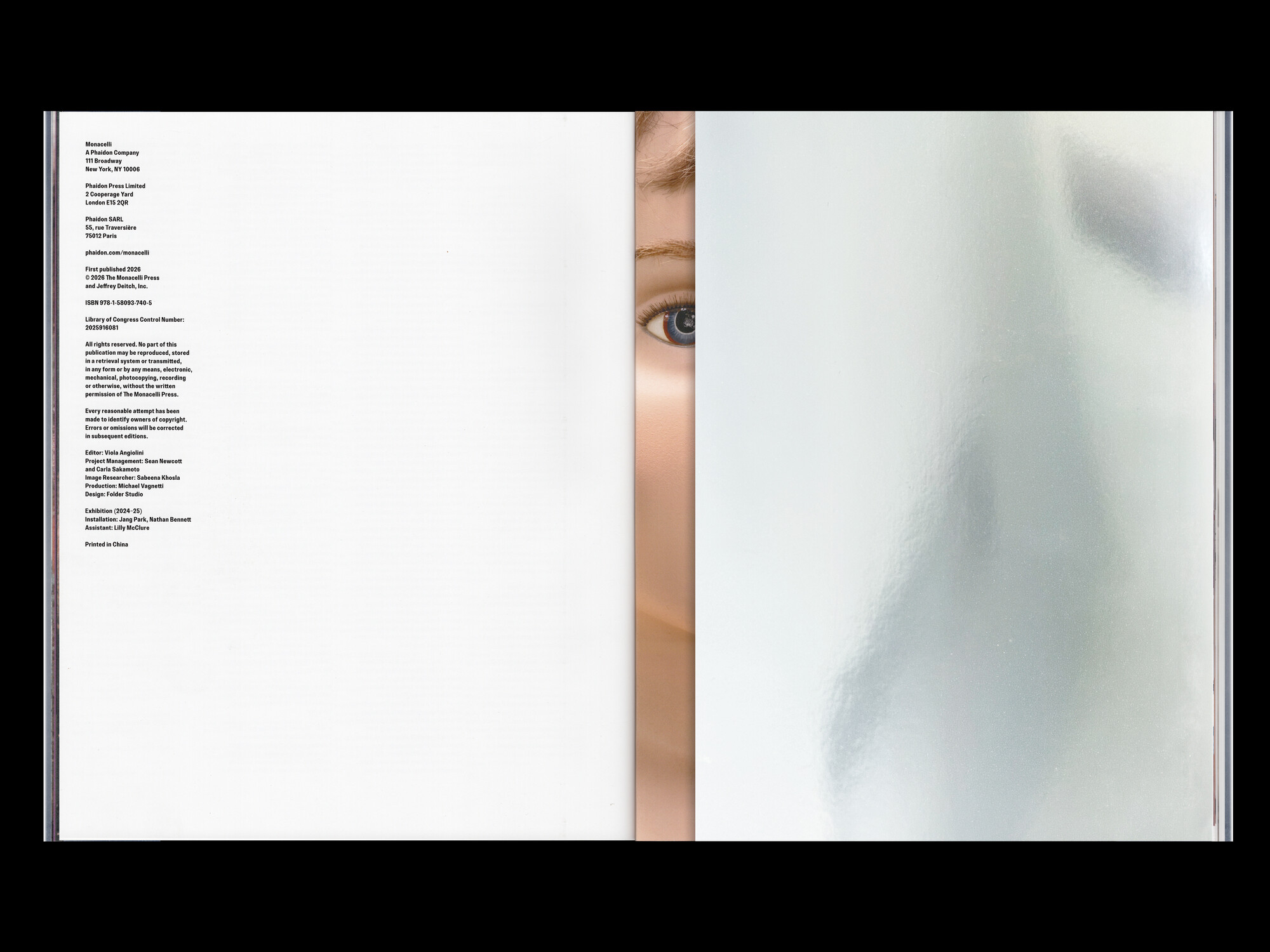
Post Human documents the 2024 revival of Jeffrey Deitch’s foundational 1992 exhibition. The original exhibition featured thirty-six artists working at the intersection of the body and technology and helped set the agenda for 1990s art discourse. The 2024 exhibition brings original participants into dial ogue with a new generation, expanding the discussion to contemporary concepts of technology and the body.
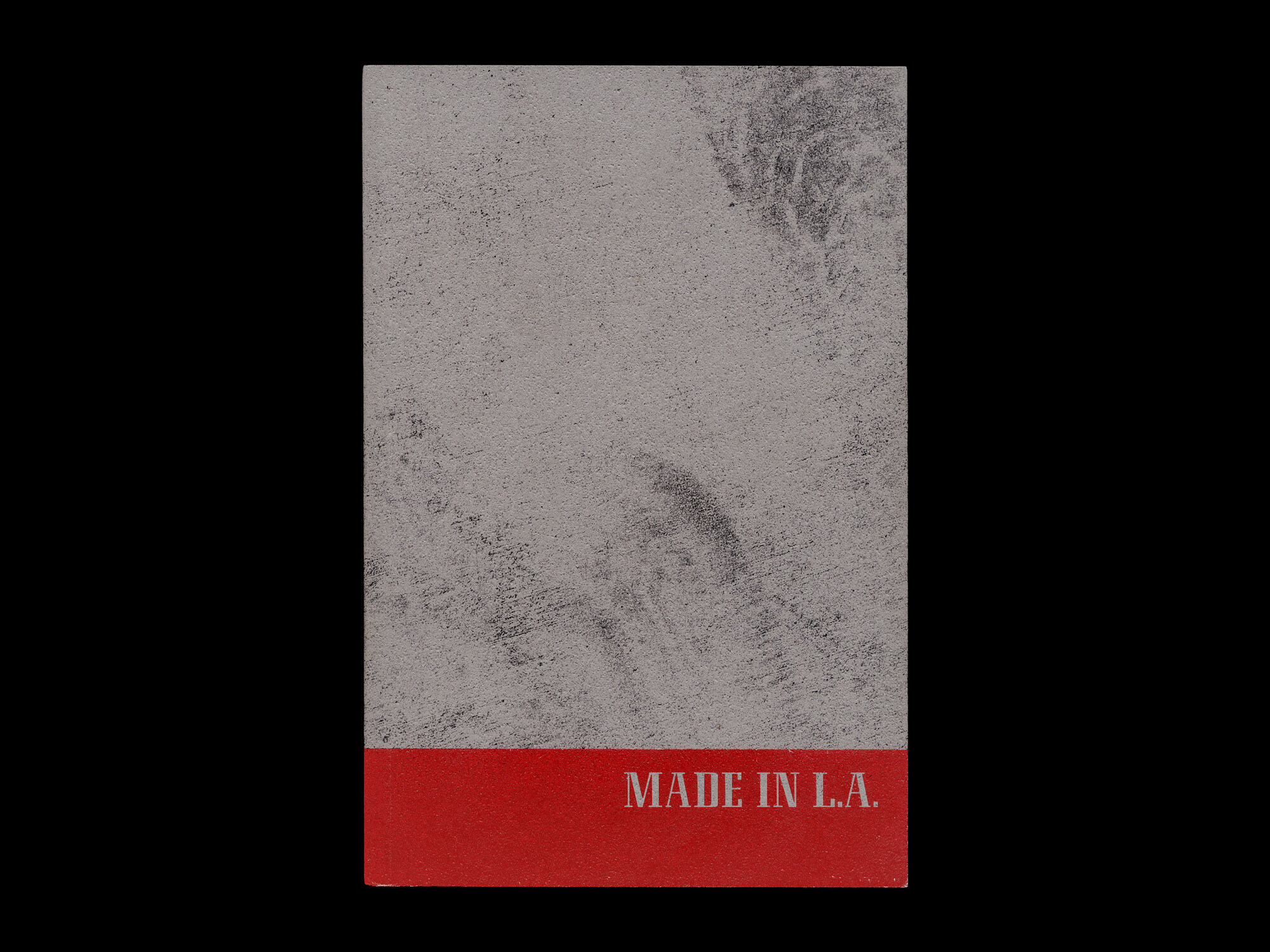
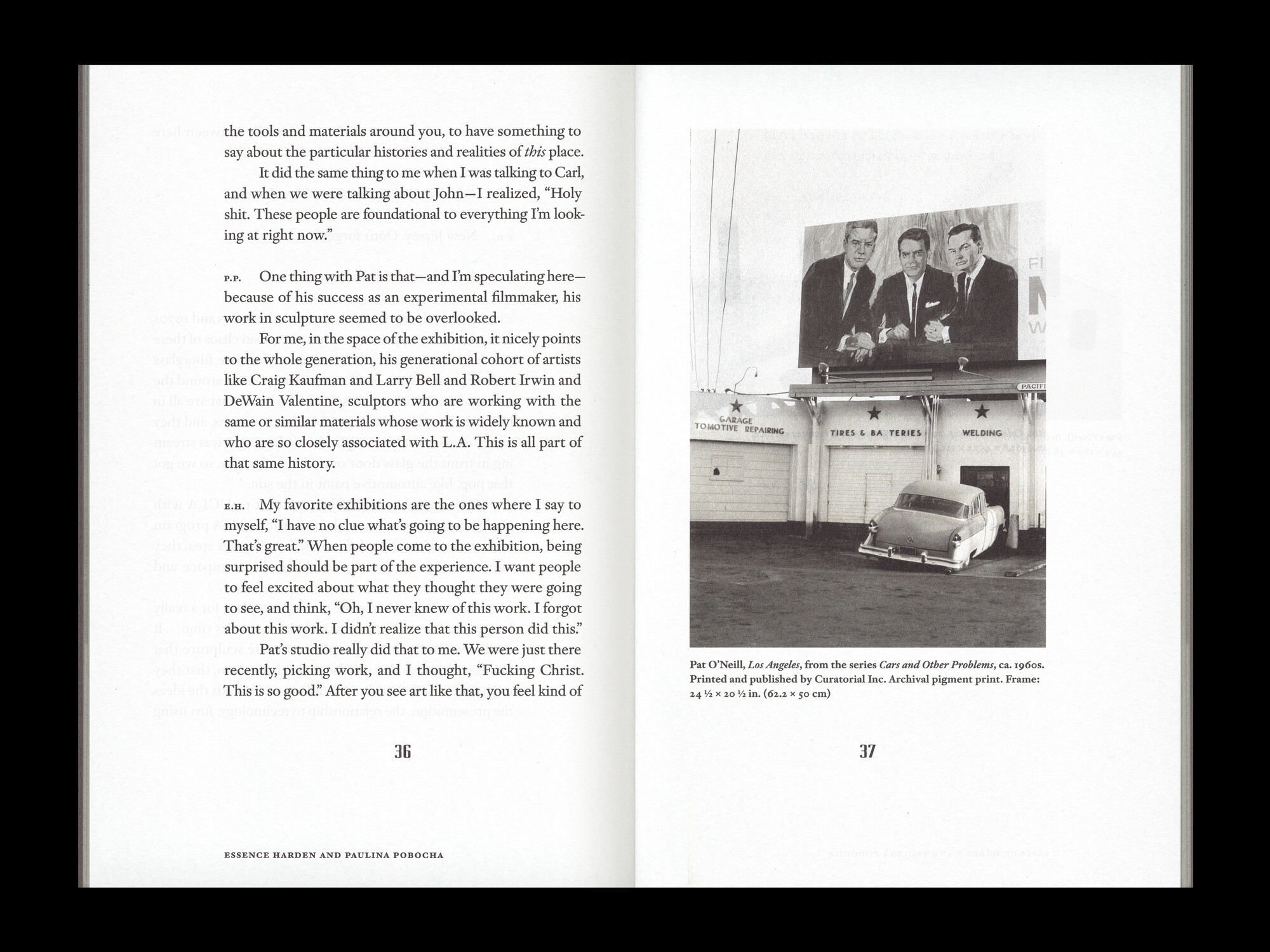
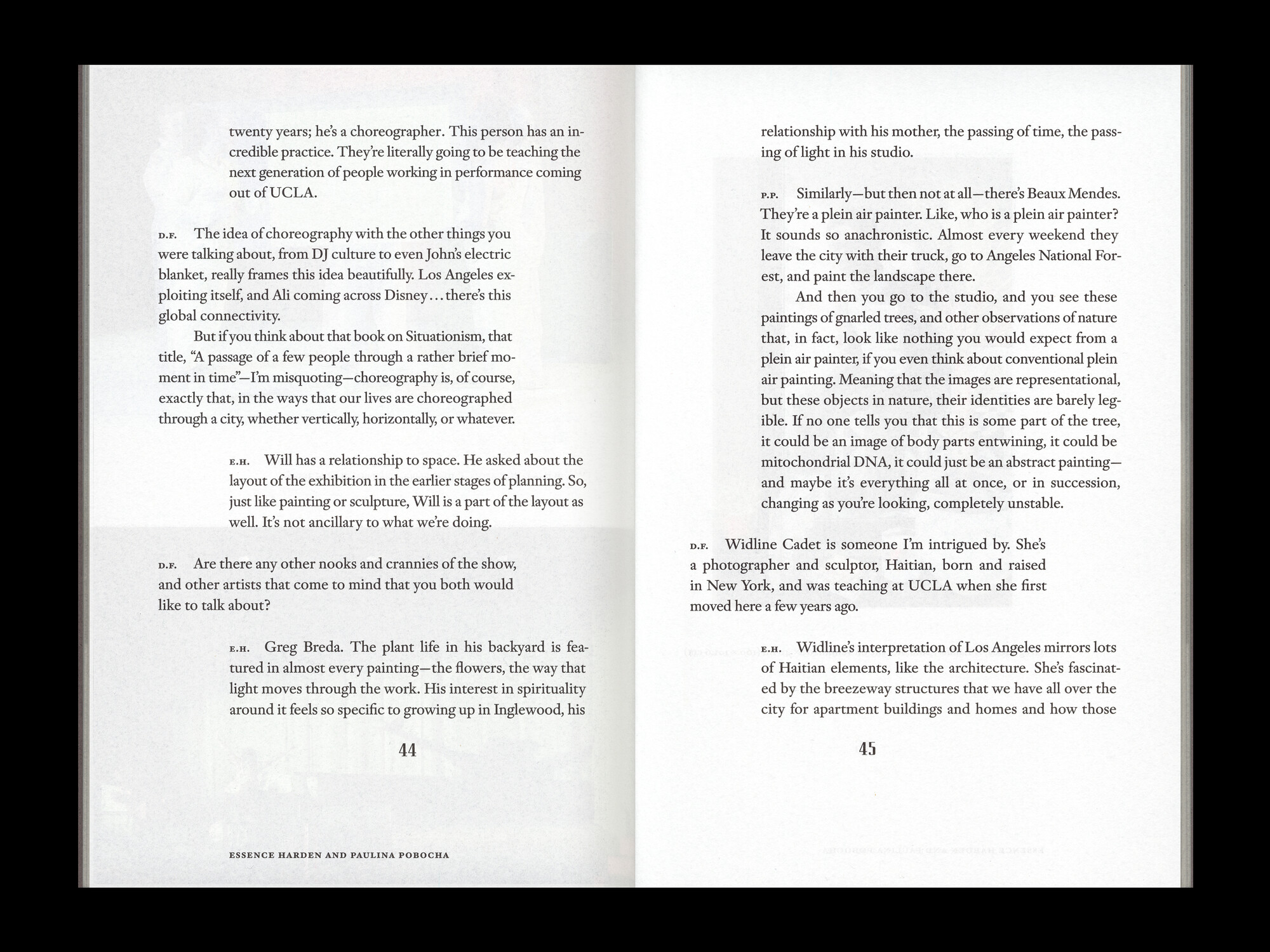
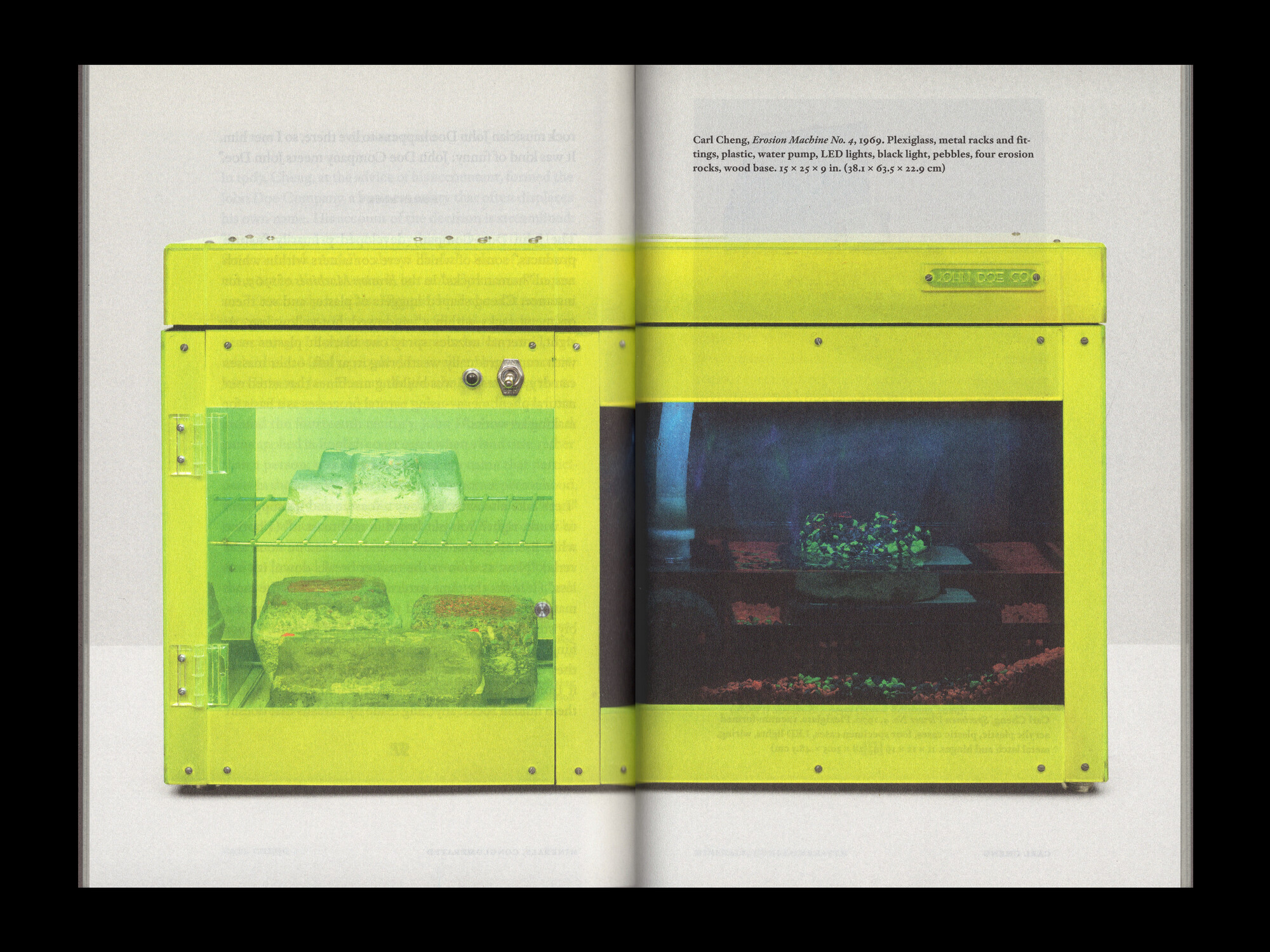
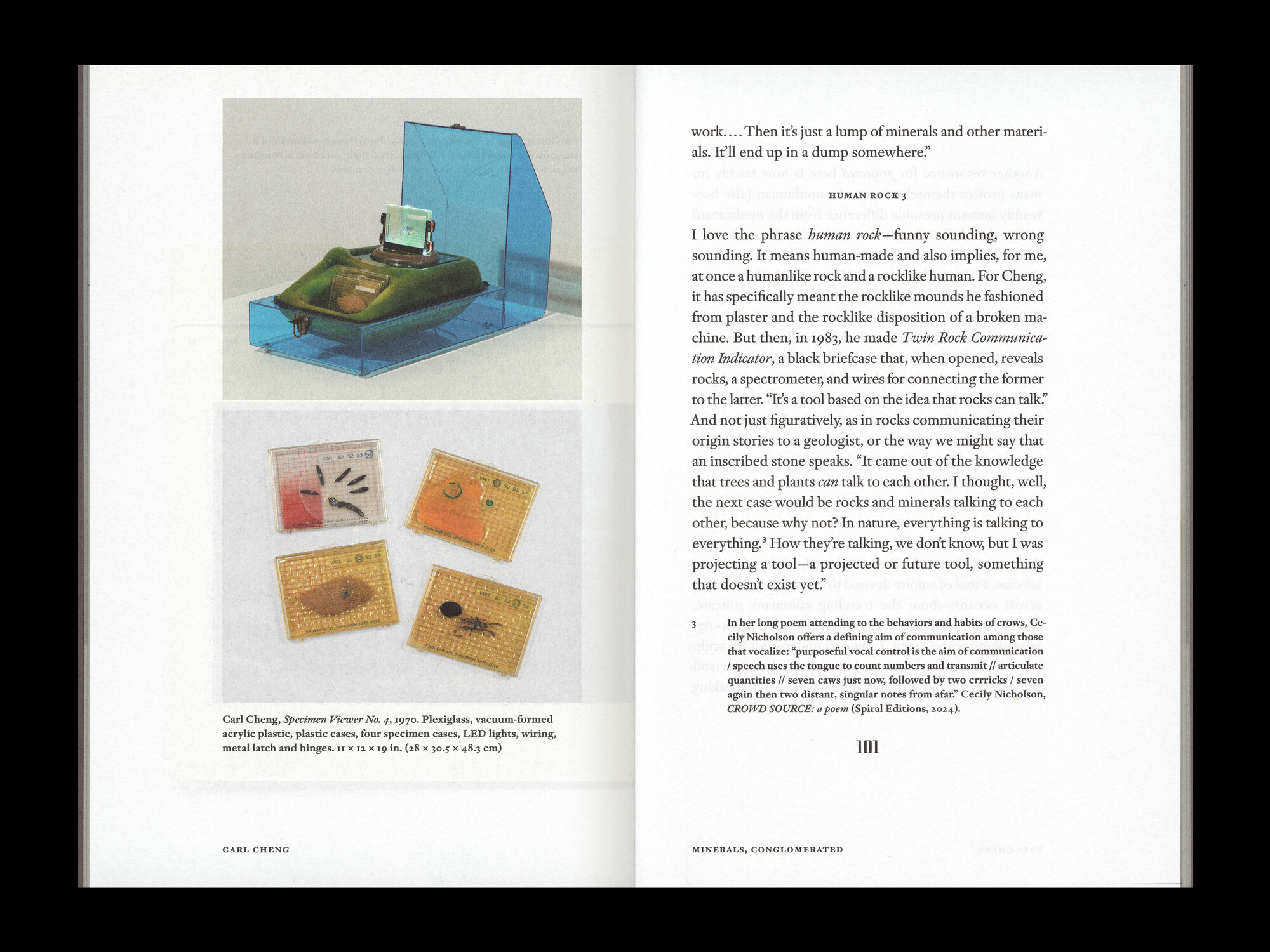
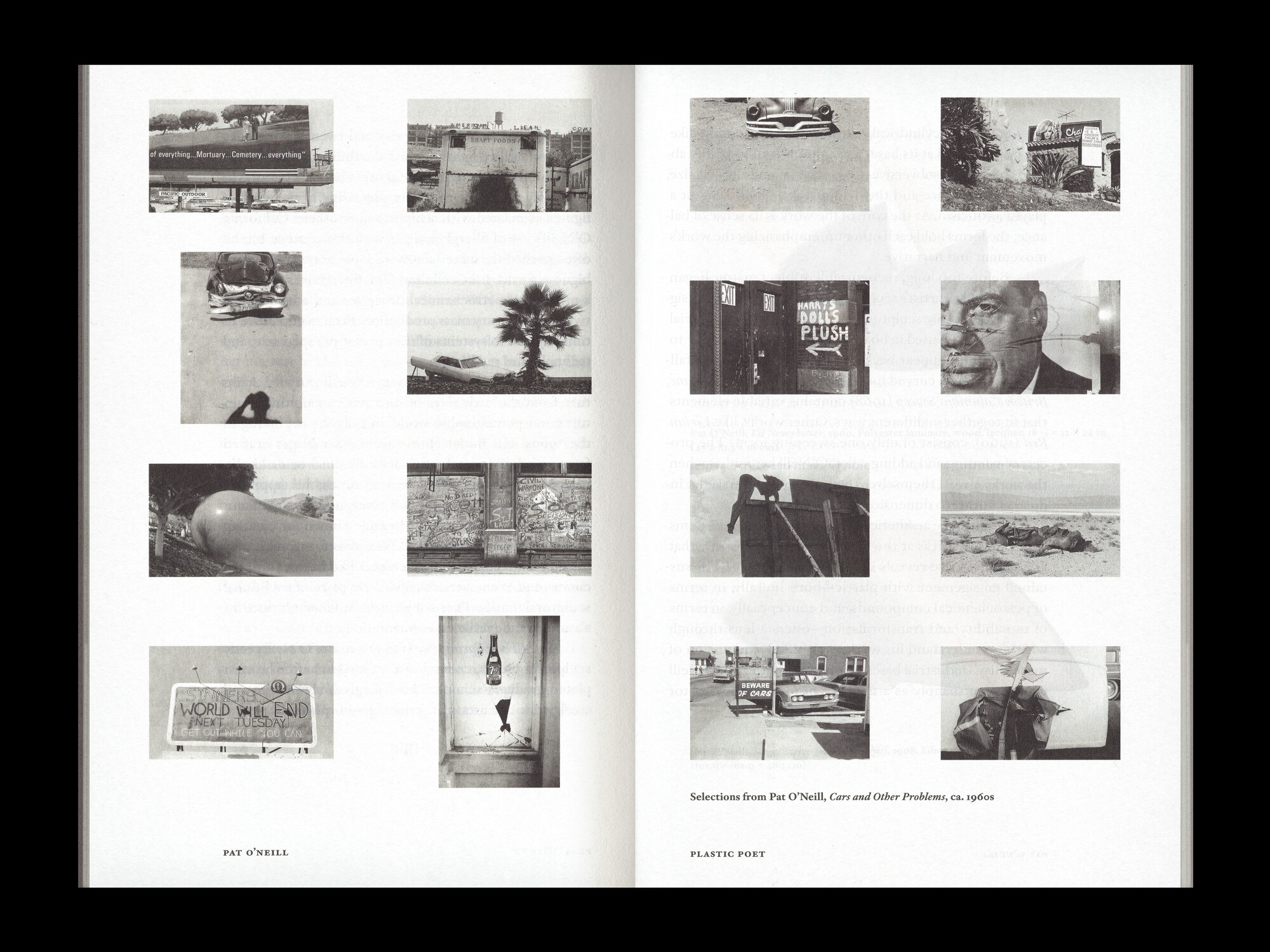
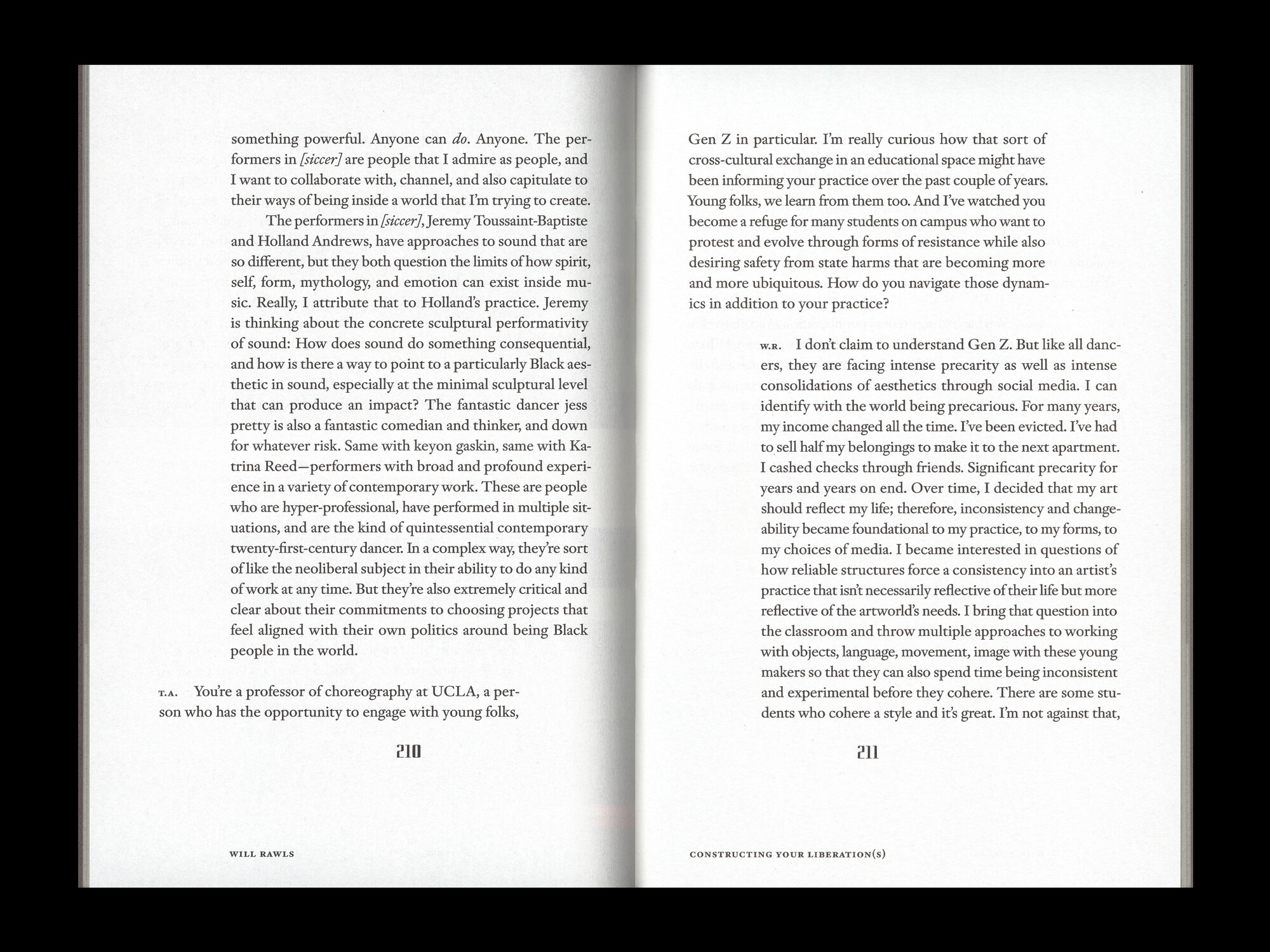
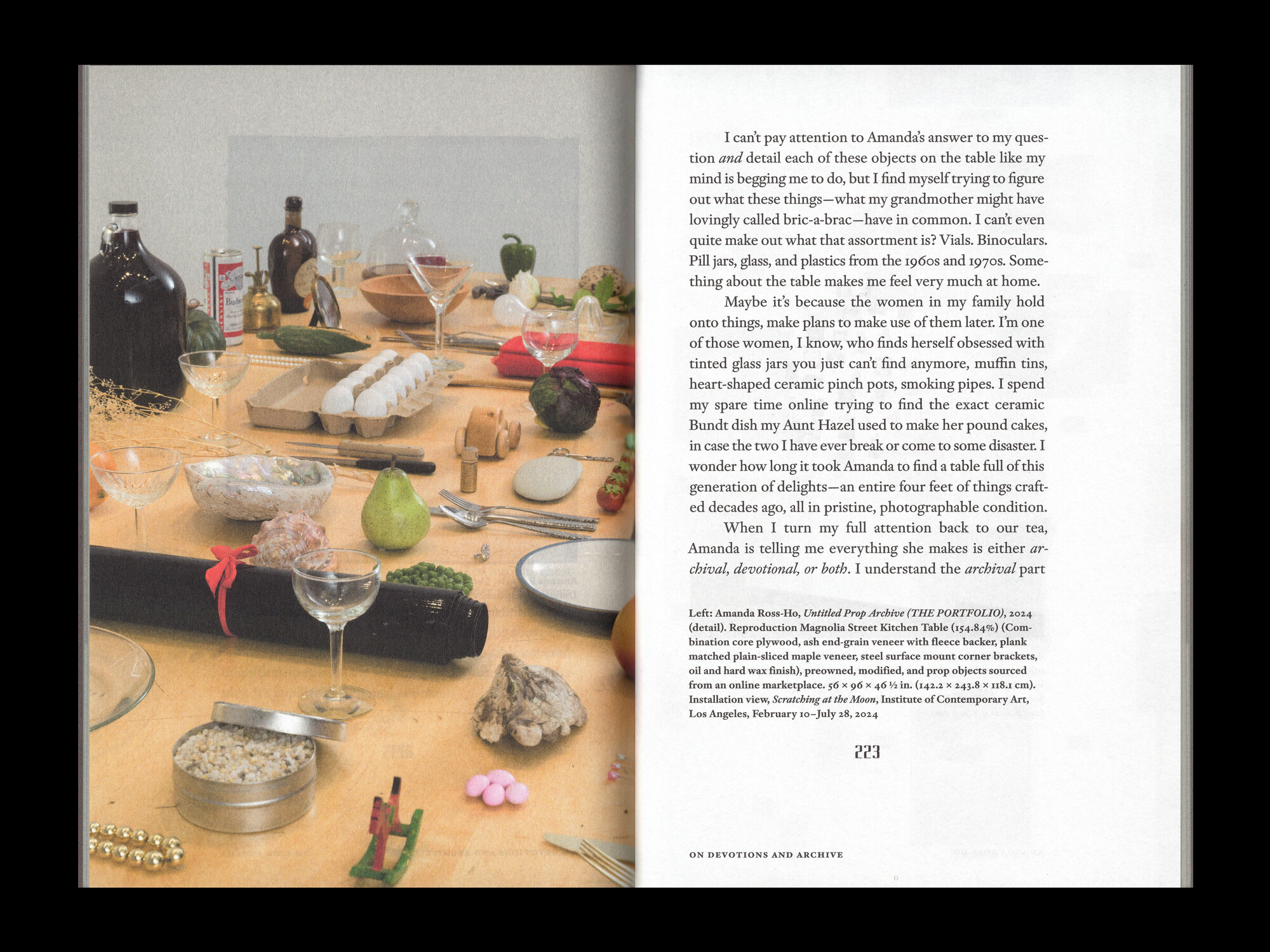
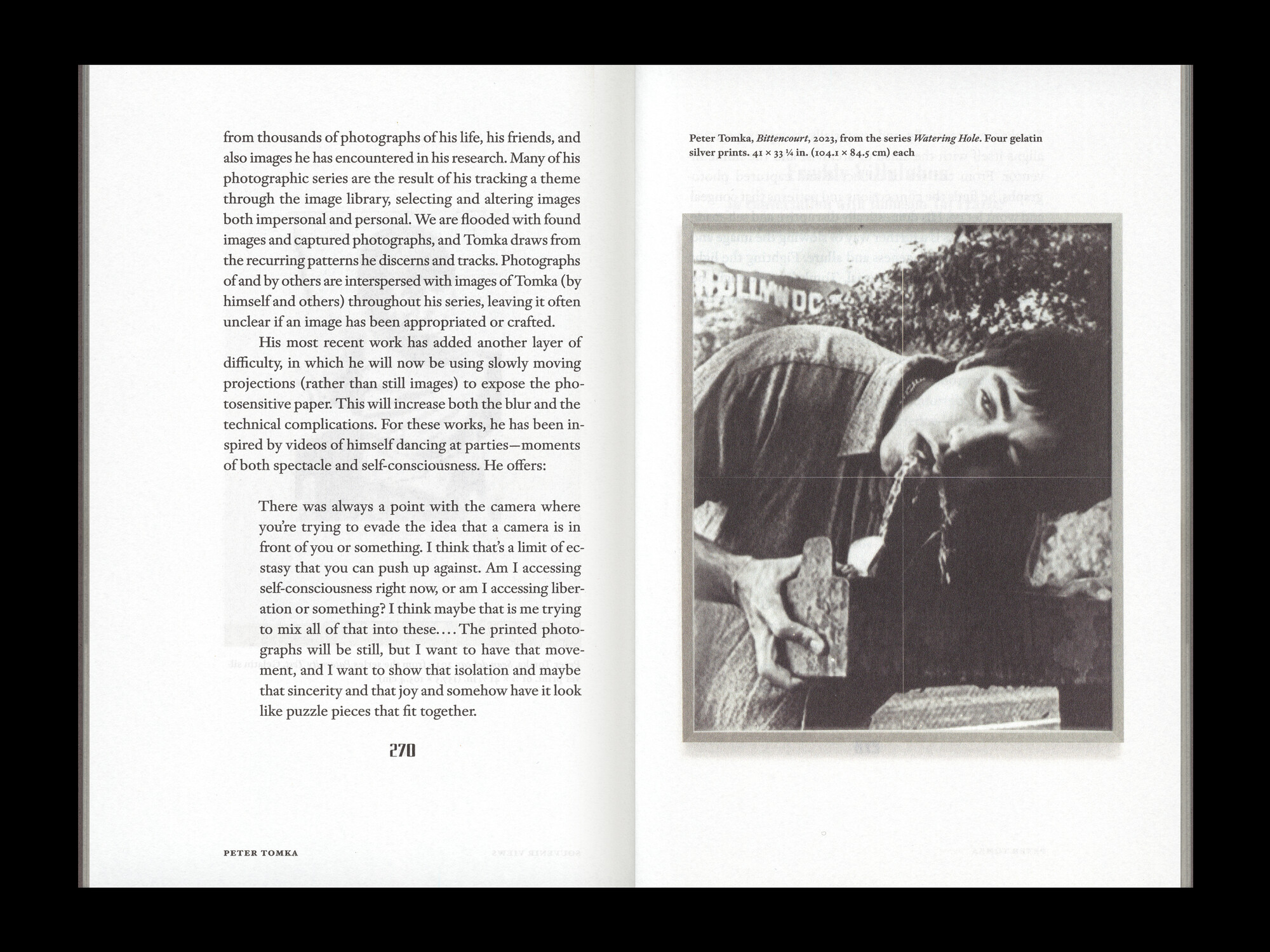
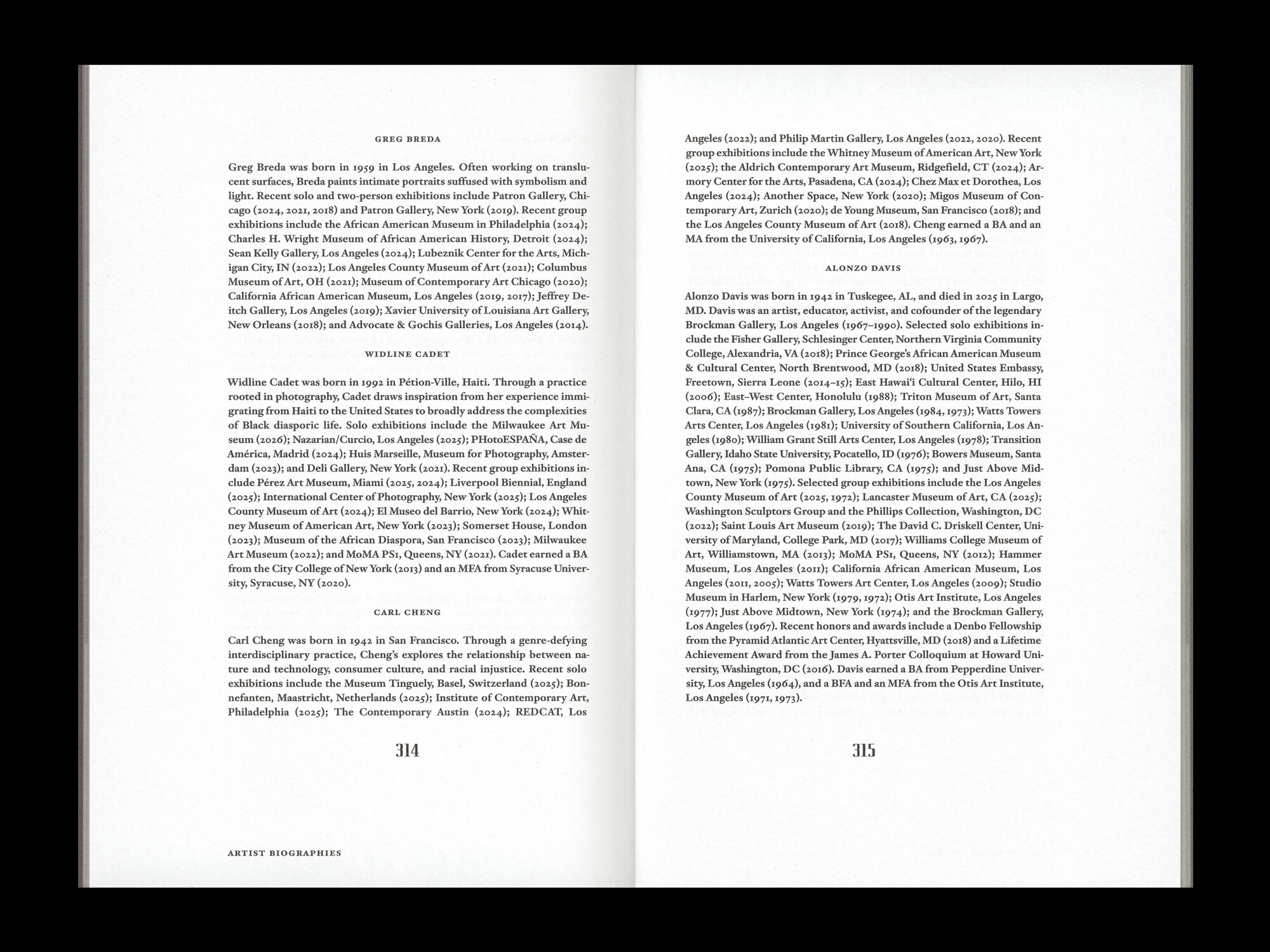
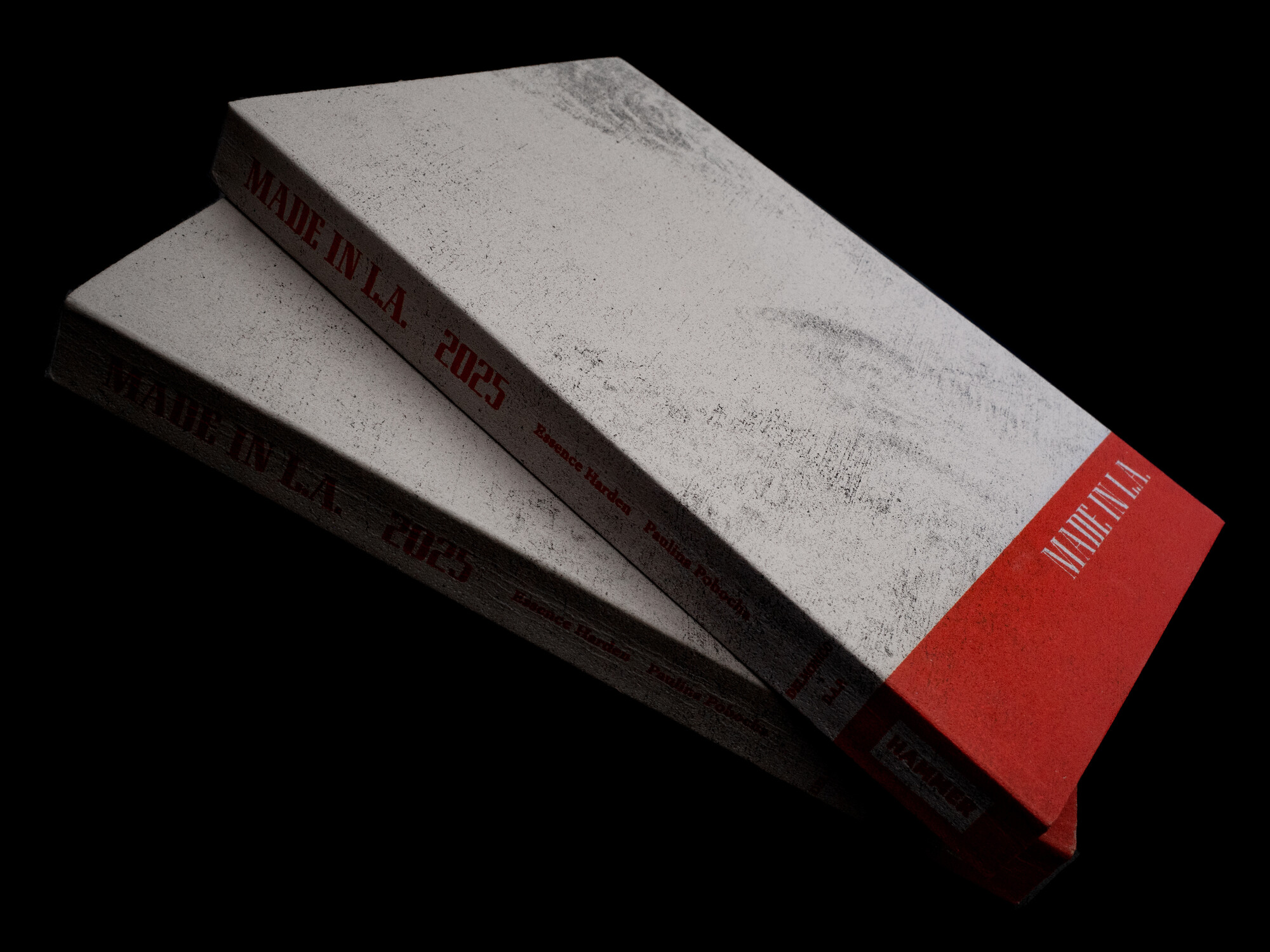
Made in L.A. 2025 is the catalog for the Hammer Museum’s seventh iteration of its signature showcase for Los Angeles contemporary art, spotlighting emerging and under-recognized local practitioners. Conceived as a reader rather than a direct documentation of the exhibition, conversations with the artists and supporting artwork are gathered in a compact paperback, with its construction and materials gesturing toward the streets of Los Angeles.
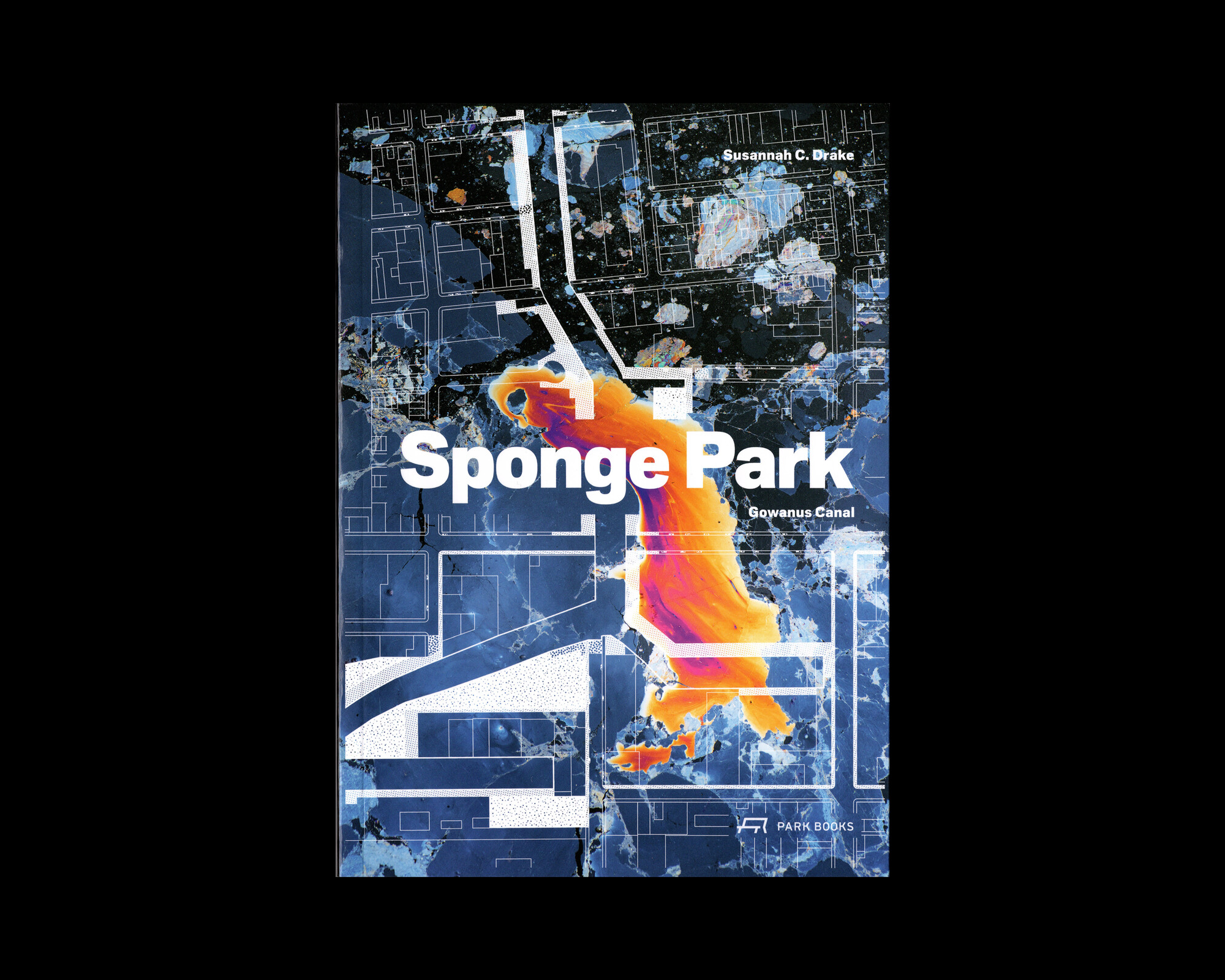
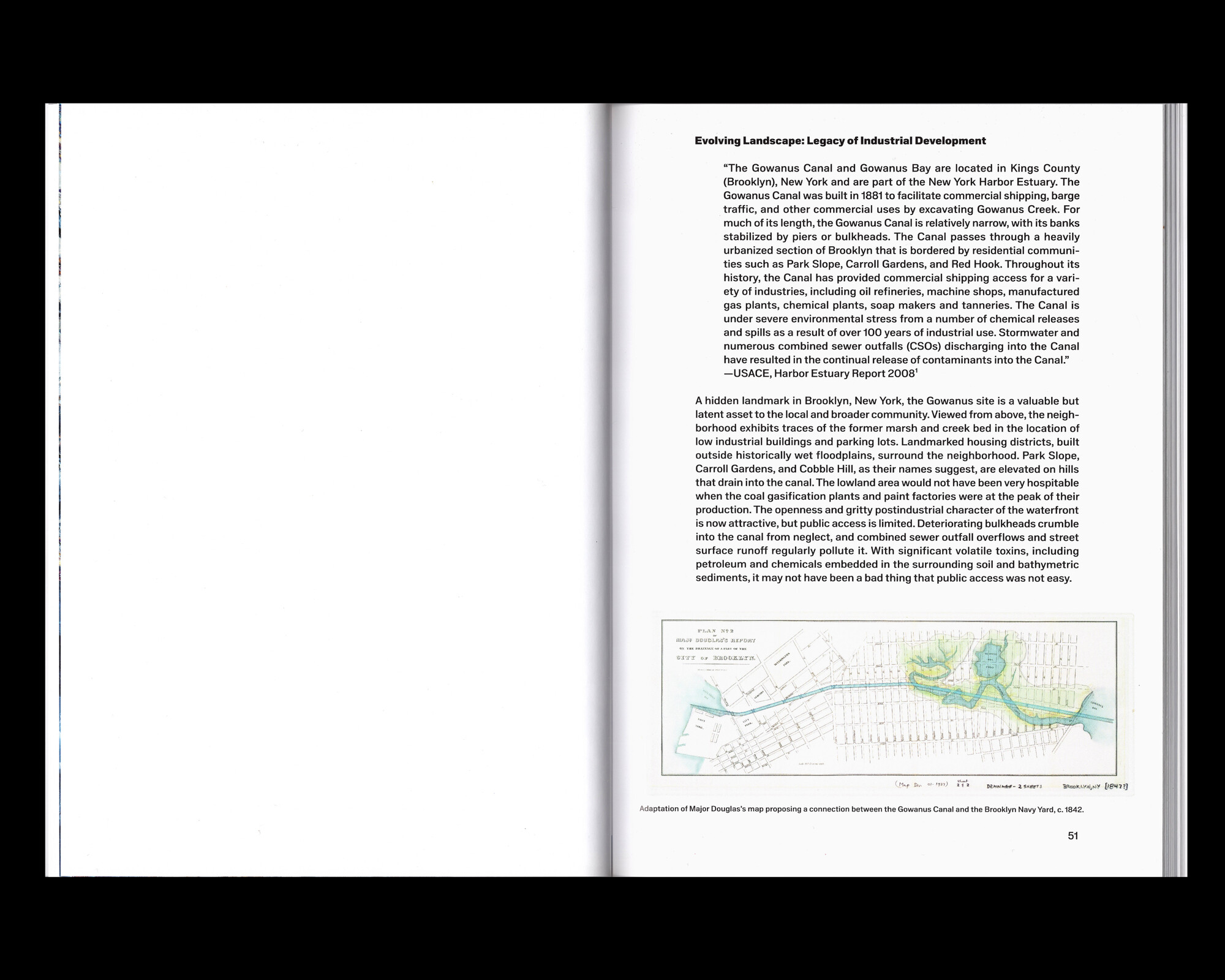
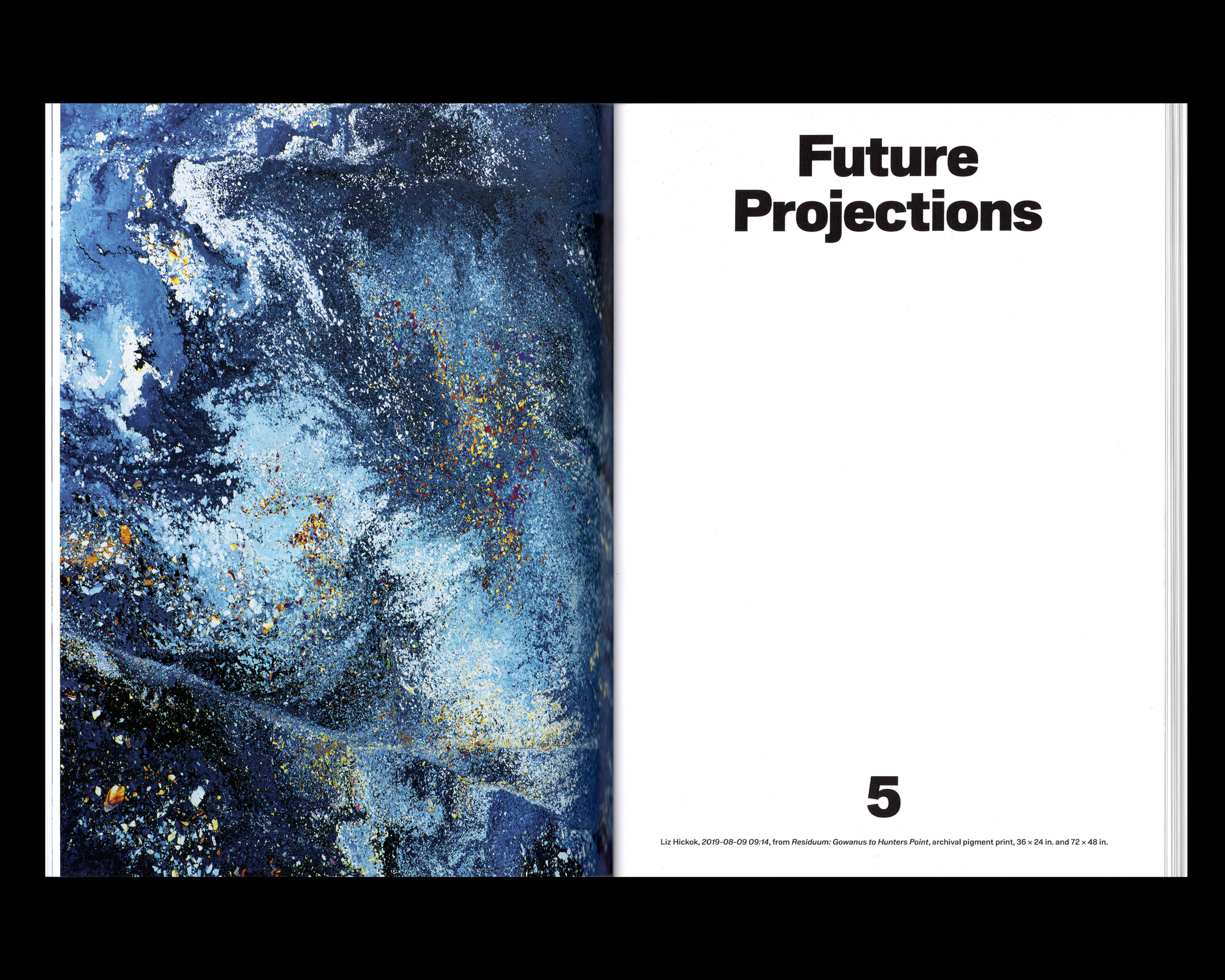
Sponge Park: Gowanus Canal is an in-depth case study and blueprint for modern green infrastructure. Presented by the park's co-designer, Susannah C. Drake, the project serves as the blueprint for “Sponge Cities,” shifting away from traditional concrete sewer systems toward more natural, permeable right-of-way designs. Photographs, plans, and diagrams trace the project from the canal’s industrial history through its built pilot and its broader use as a repeatable model for remediation.
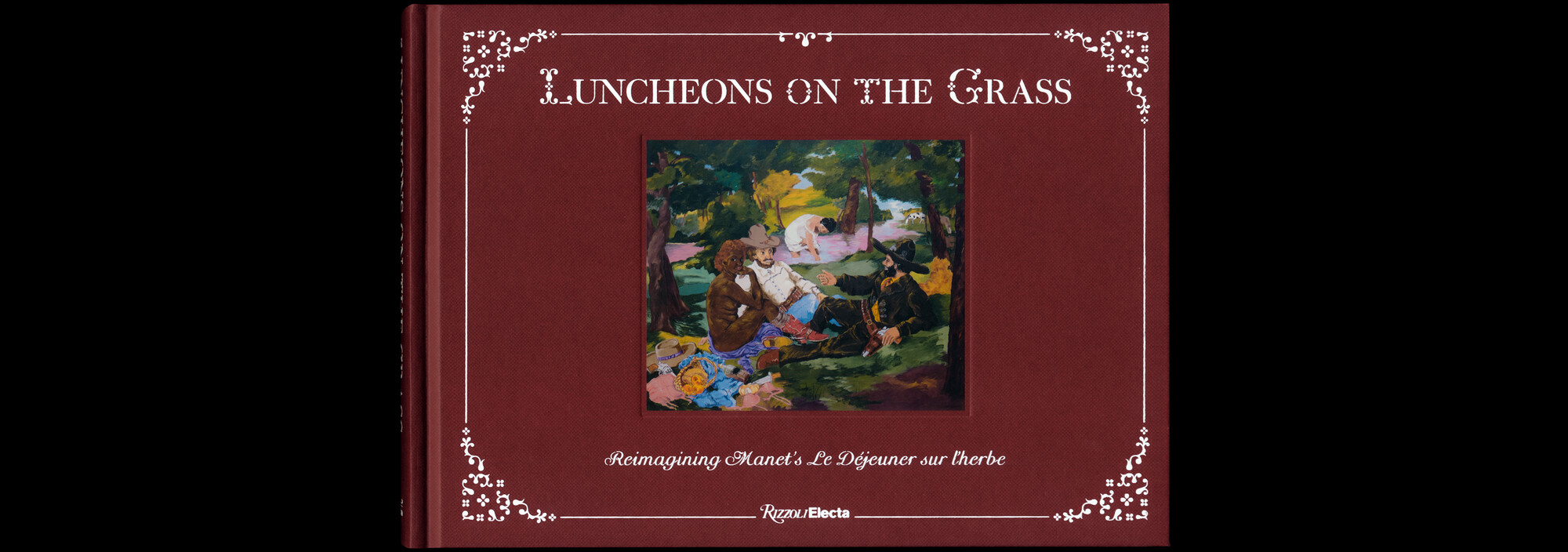
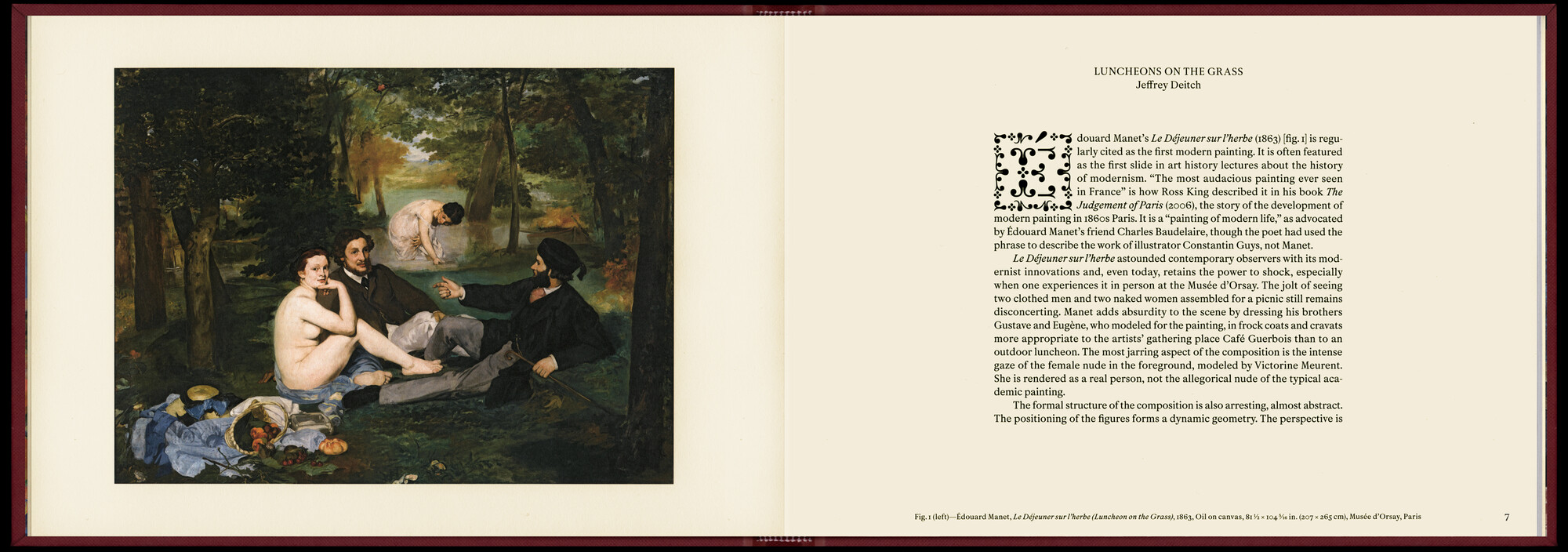
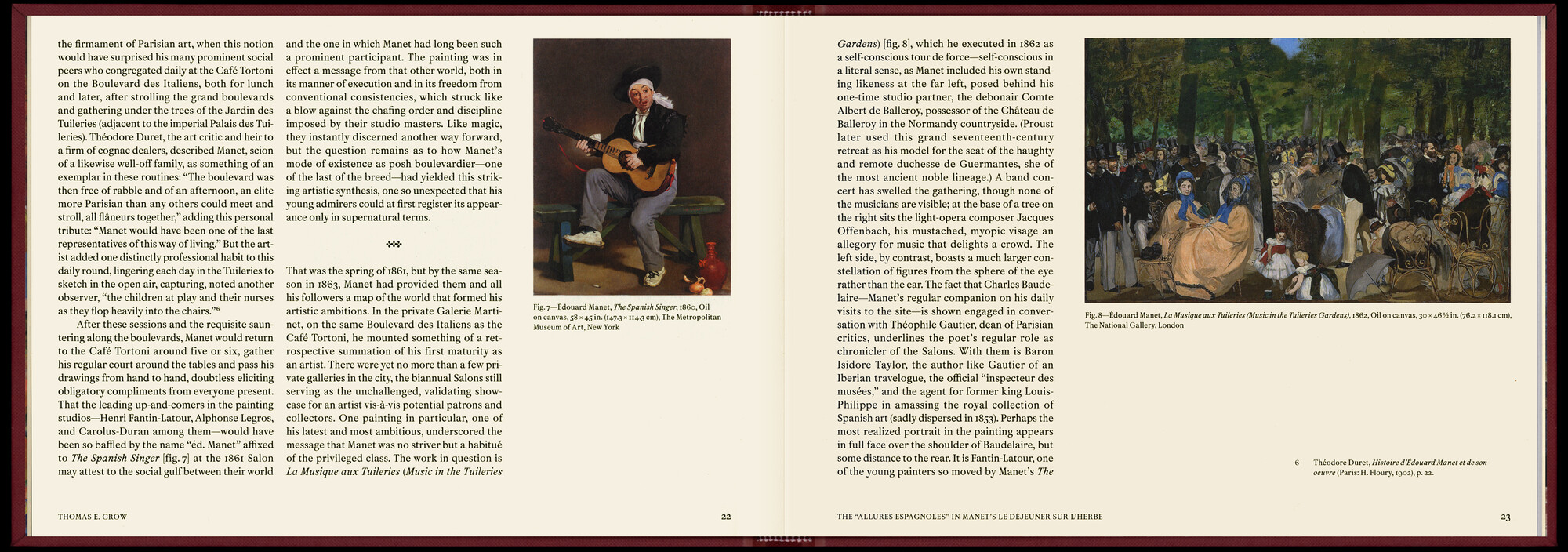
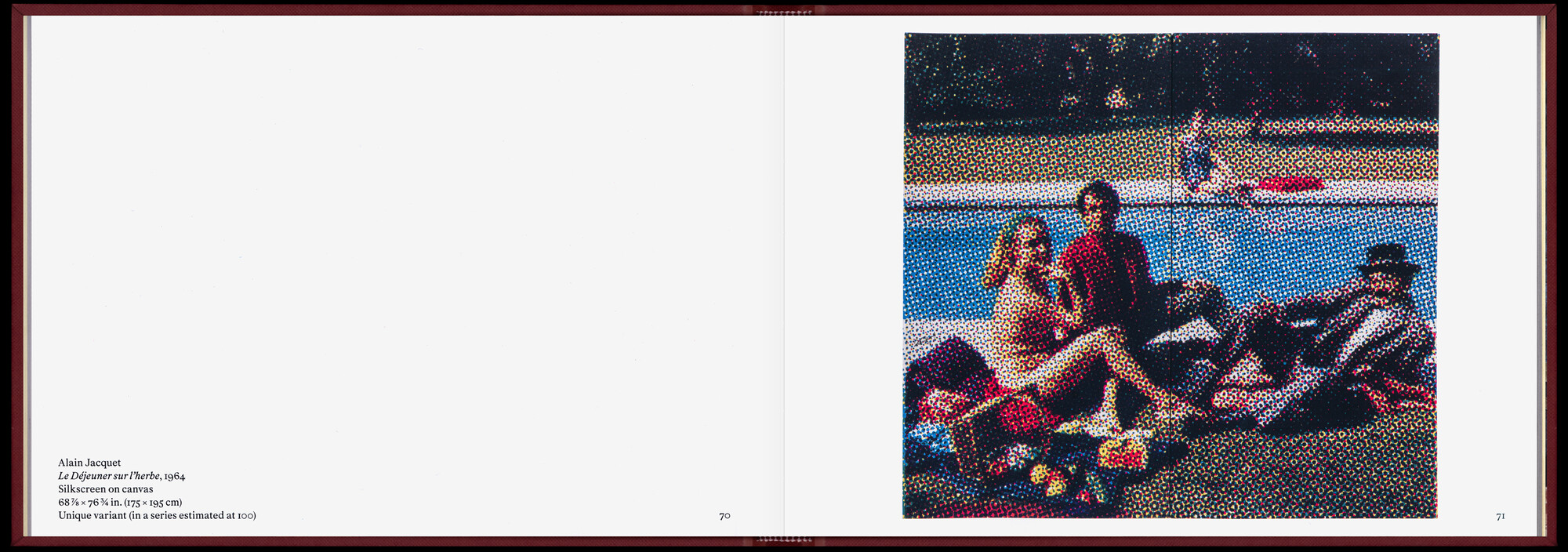
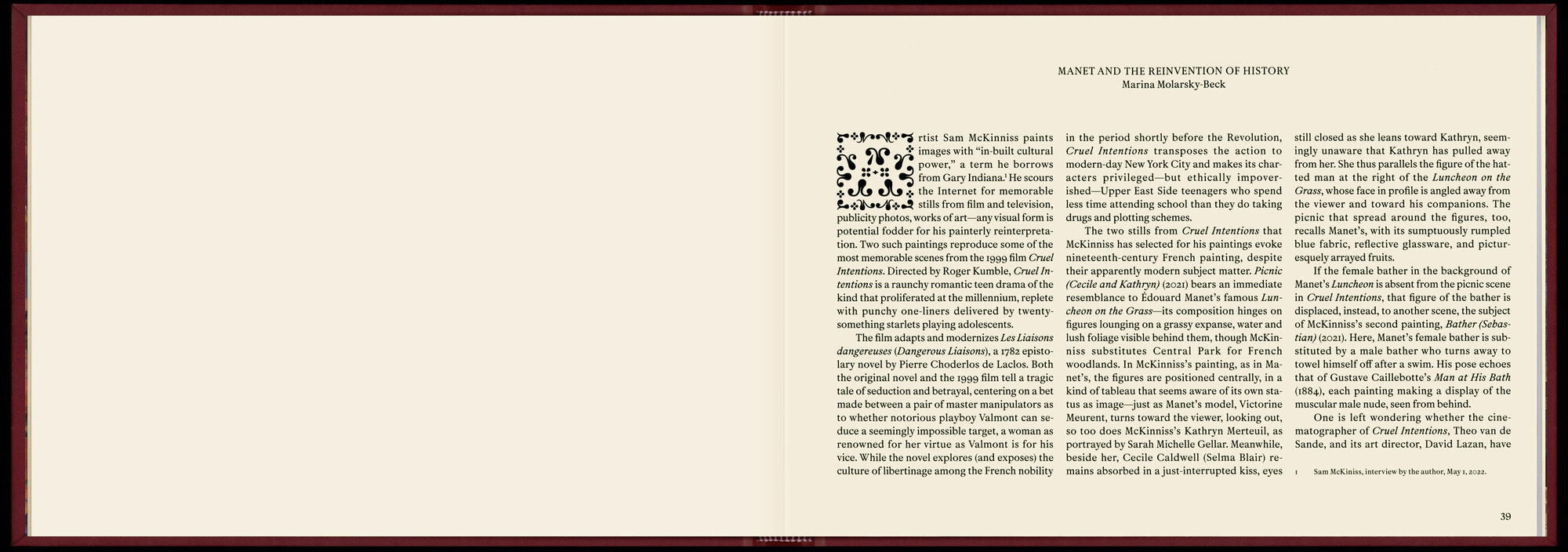
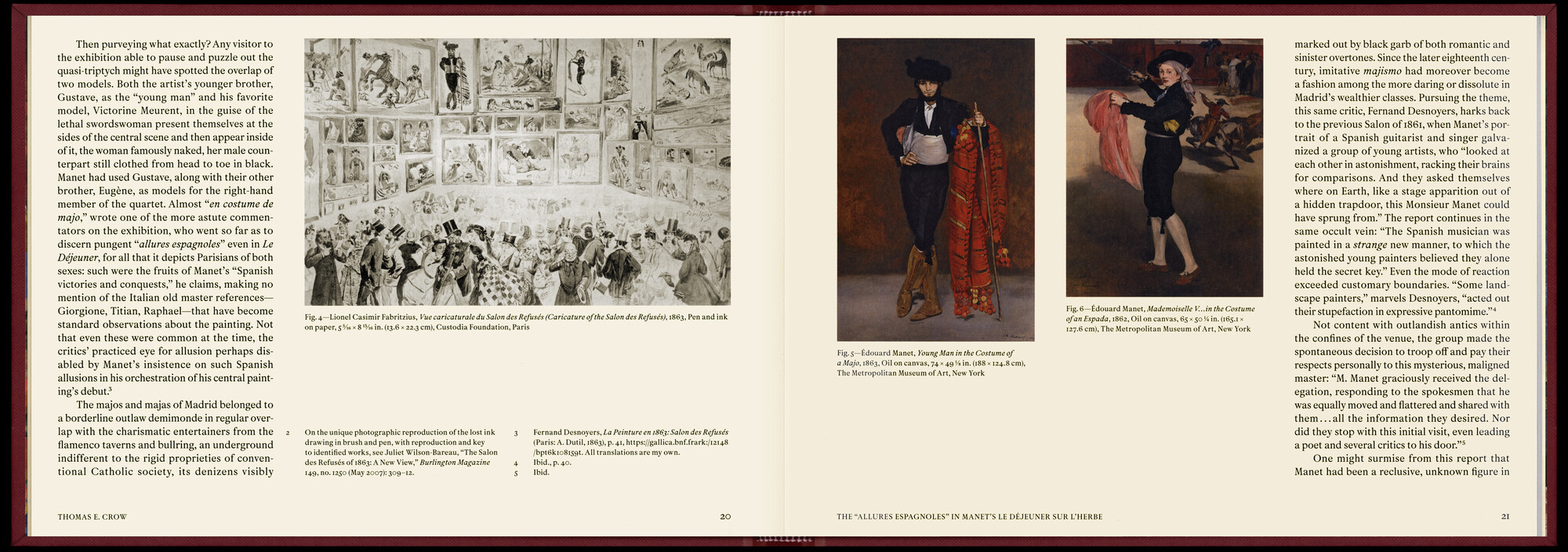
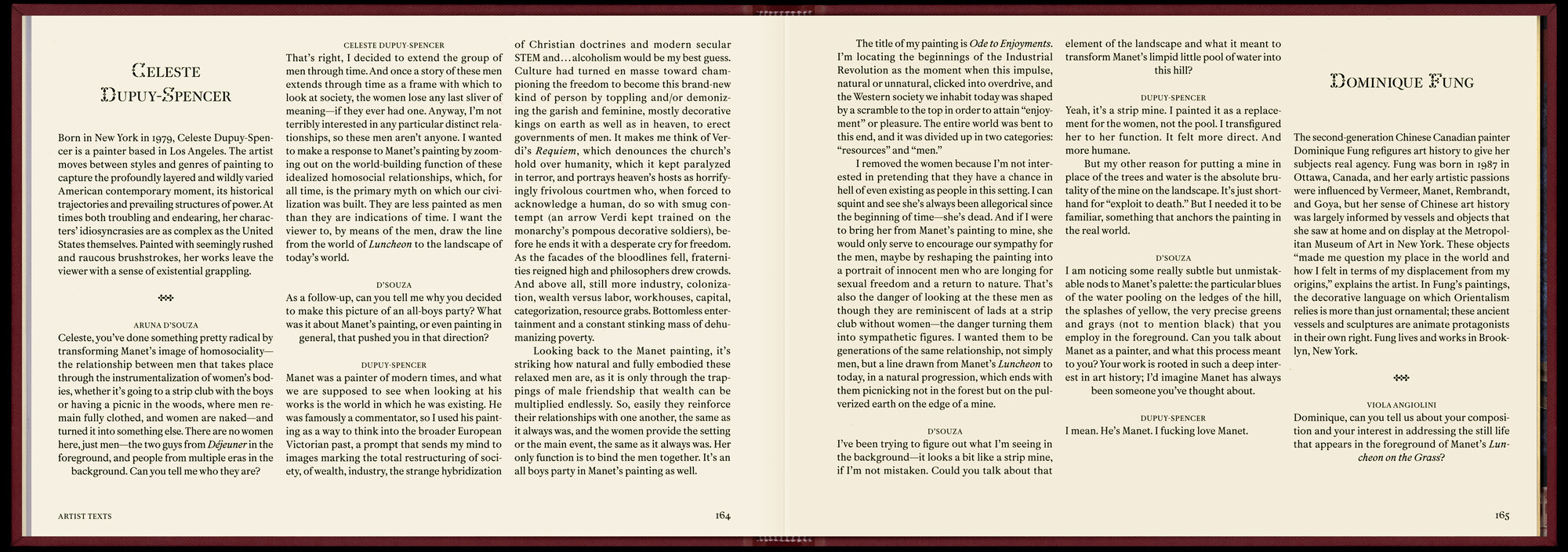
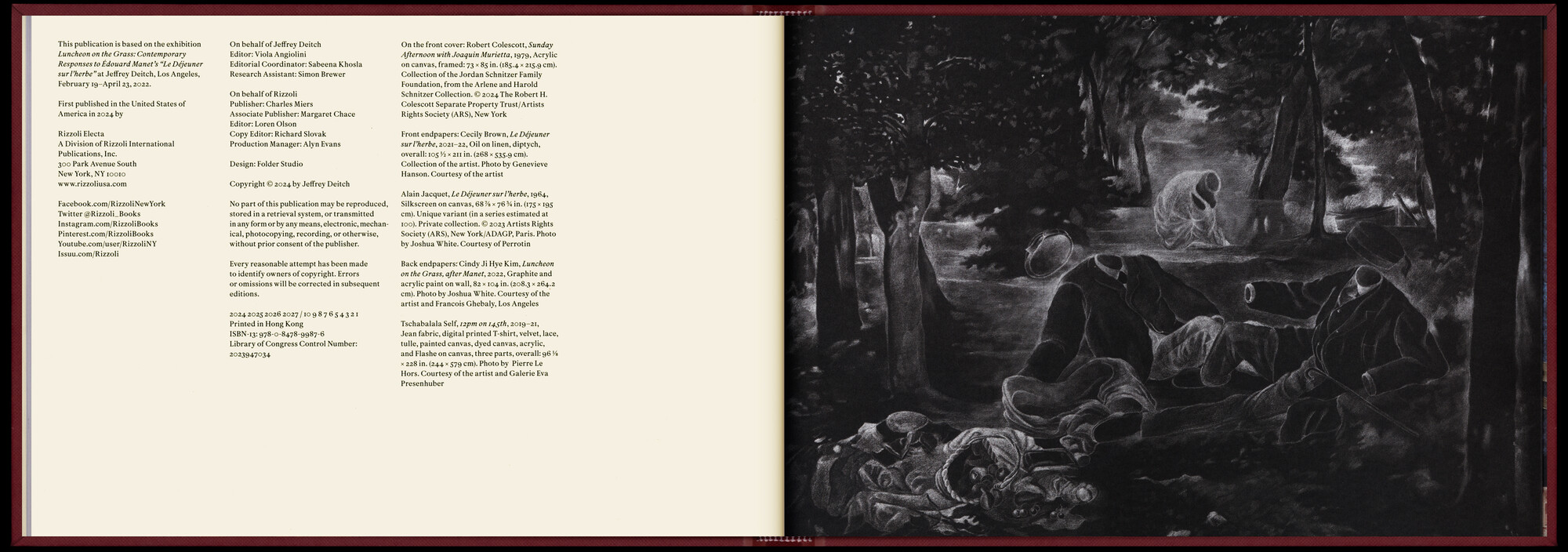
Luncheons on the Grass: Reimagining Manet's Le Déjeuner Sur L'Herbe is a compact art book presented as a follow up to the exhibition Luncheon on the Grass at Jeffrey Deitch. The gallery invited 35 contemporary artists to respond to Édouard Manet’s provocative 1863 masterpiece. The book features full-page plates of the commissioned artworks and distinct typography choices for the artist interviews, historical essays, and archival imagery.
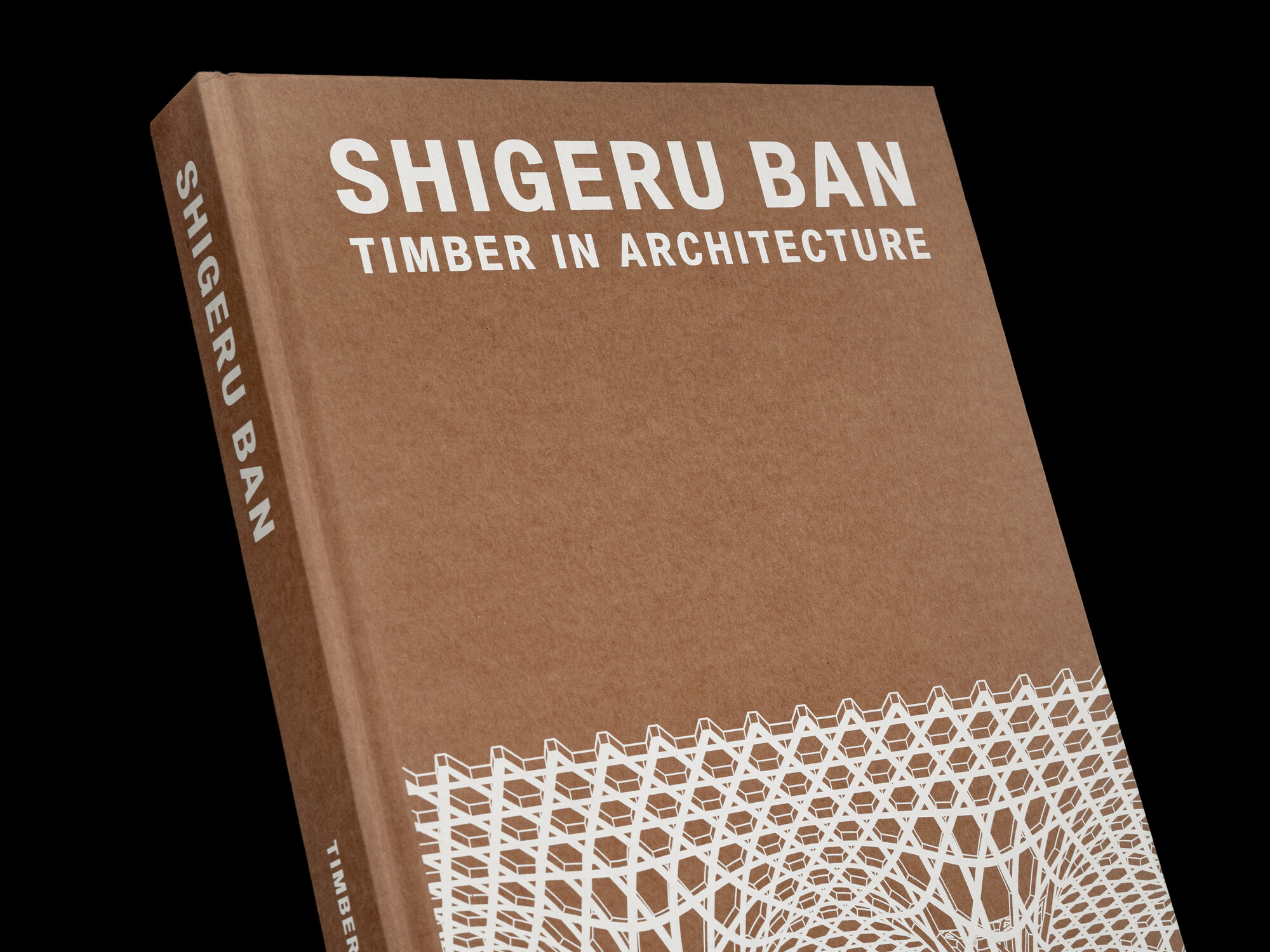
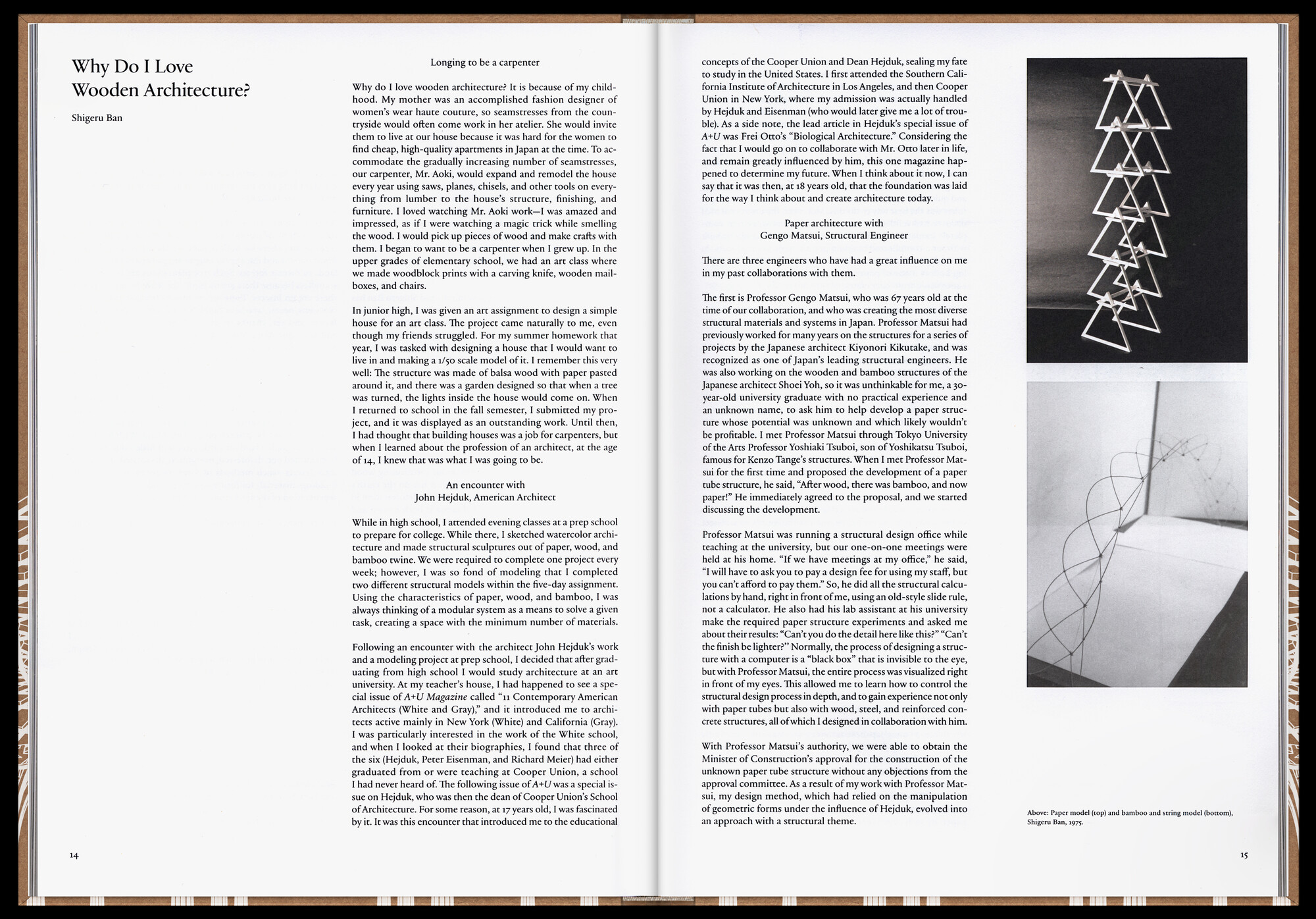
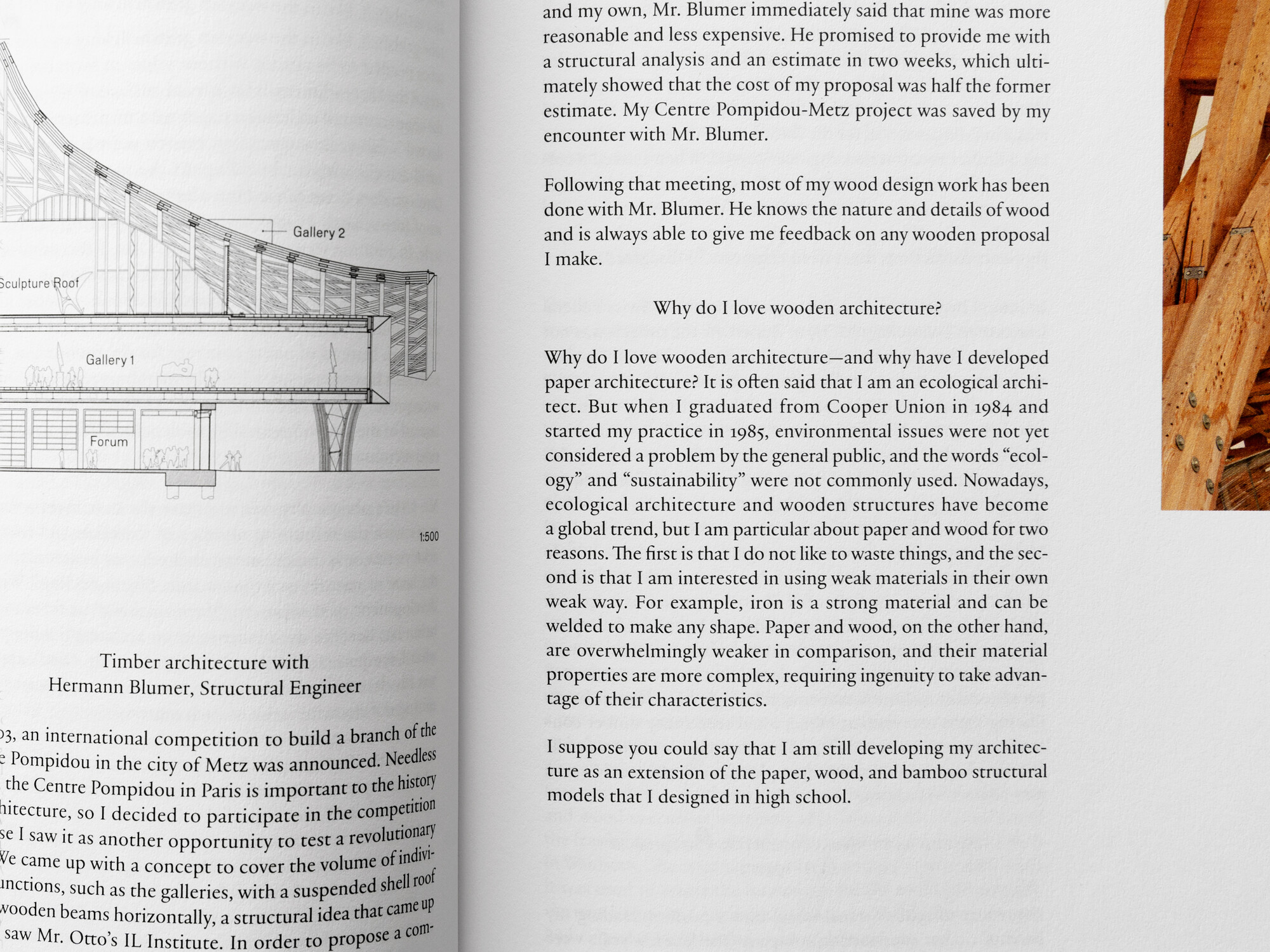
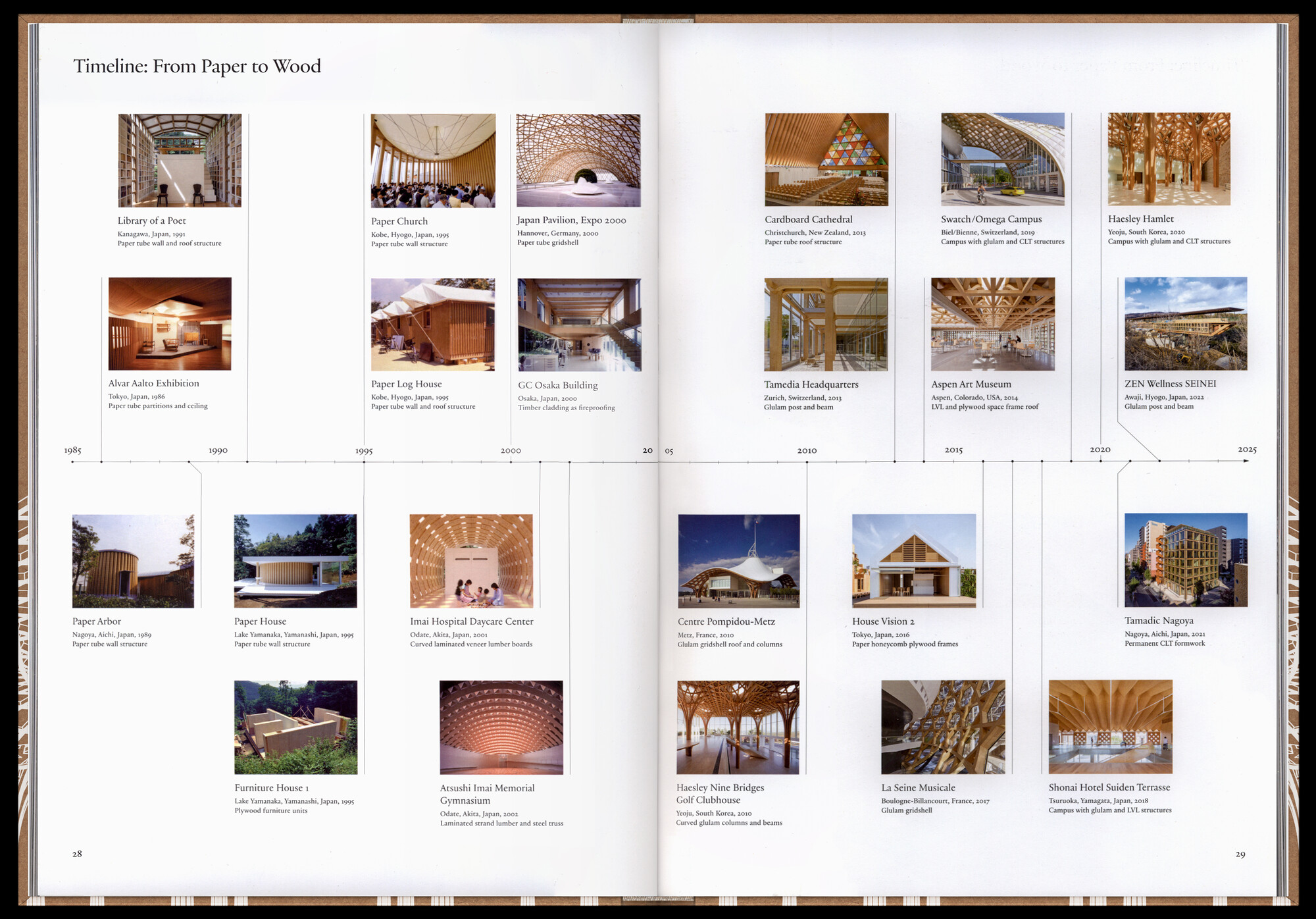
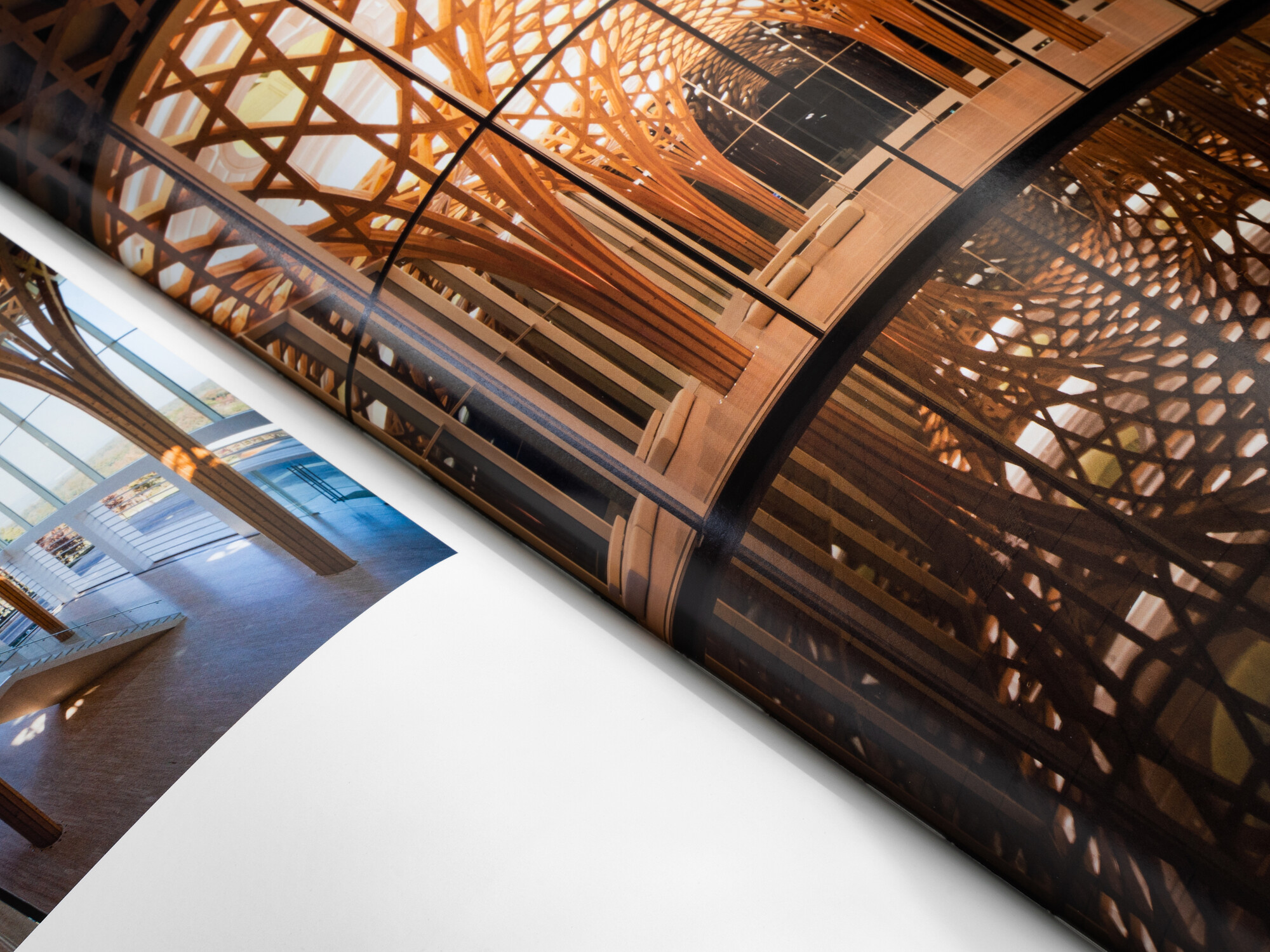
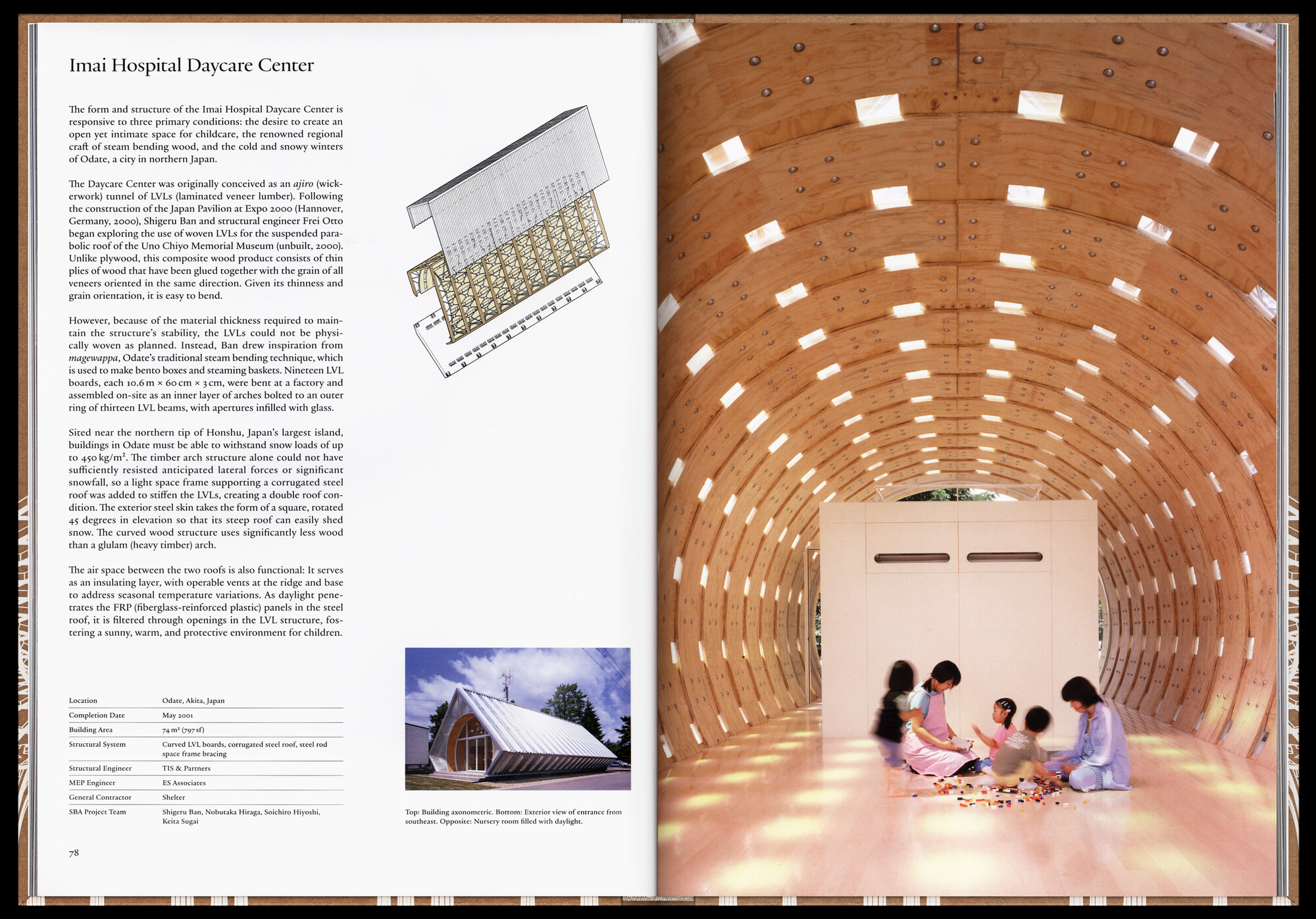
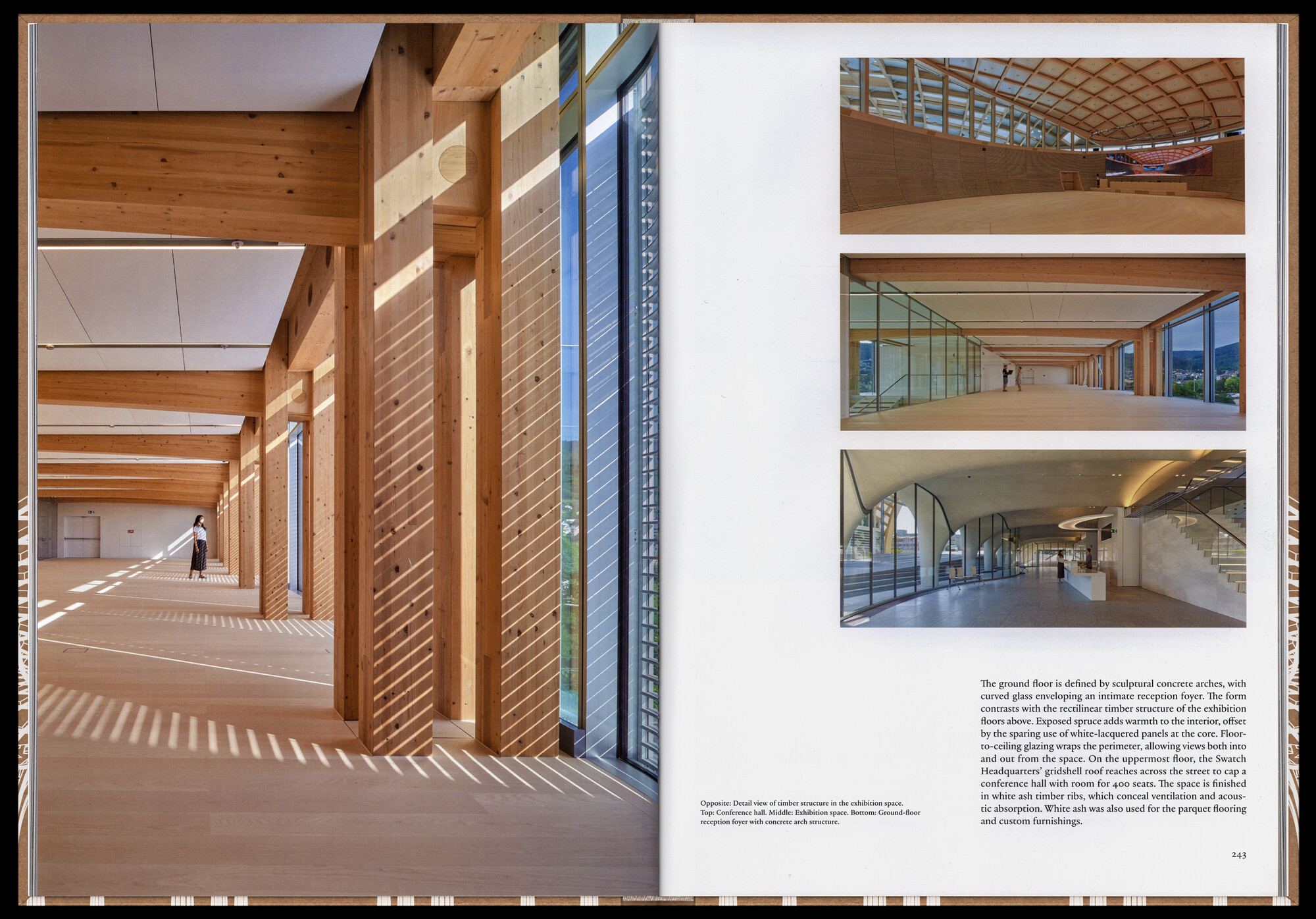
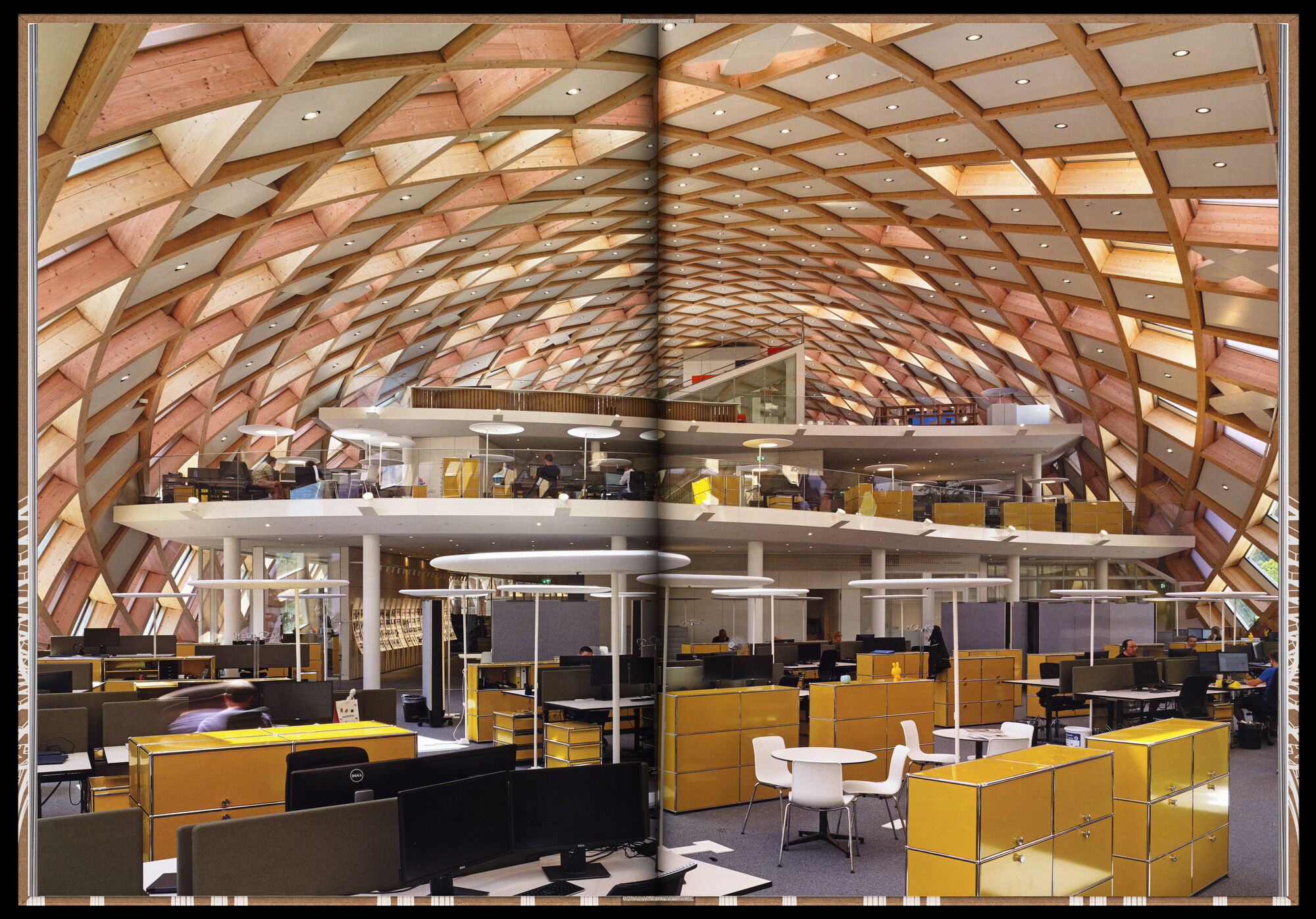
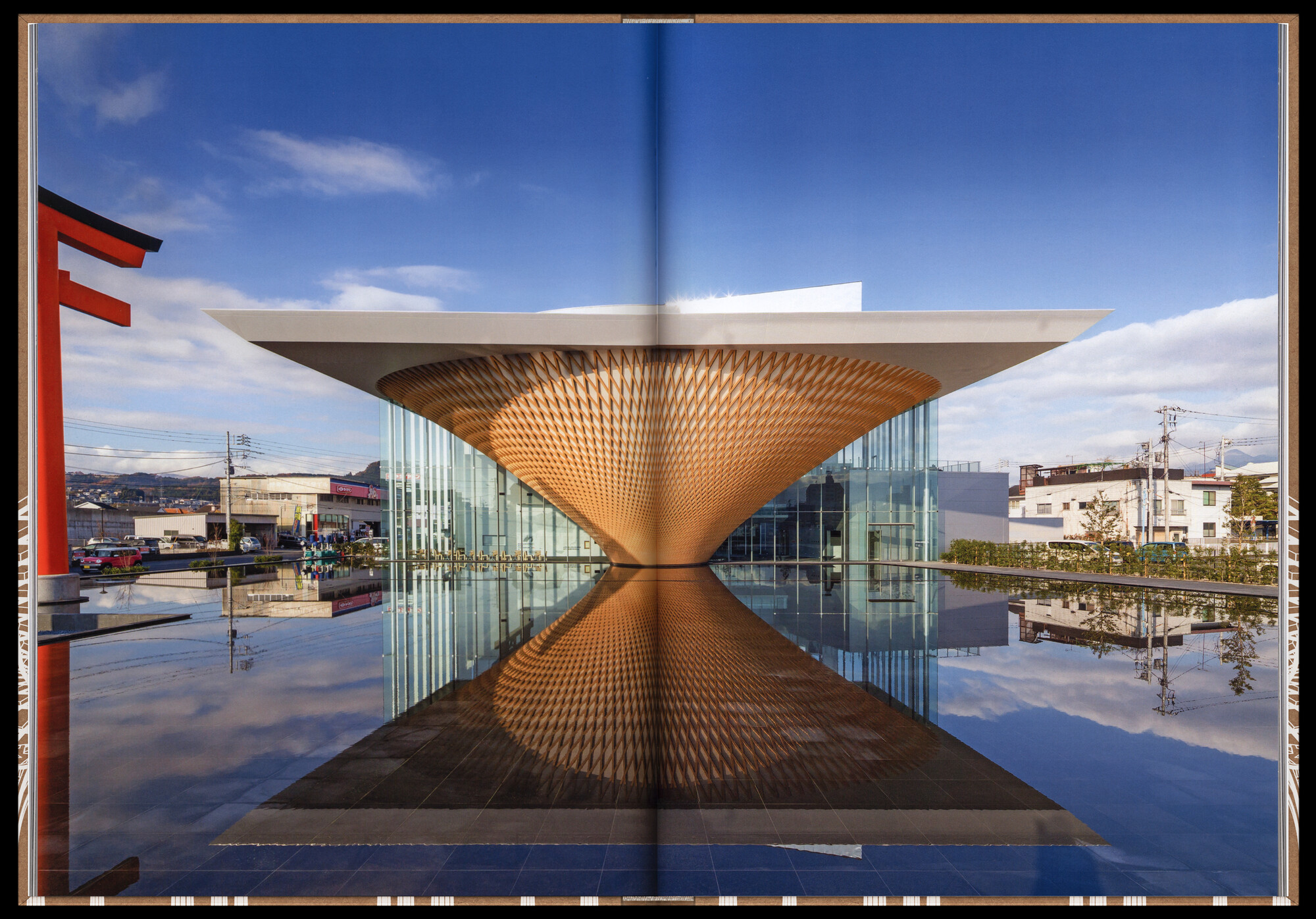
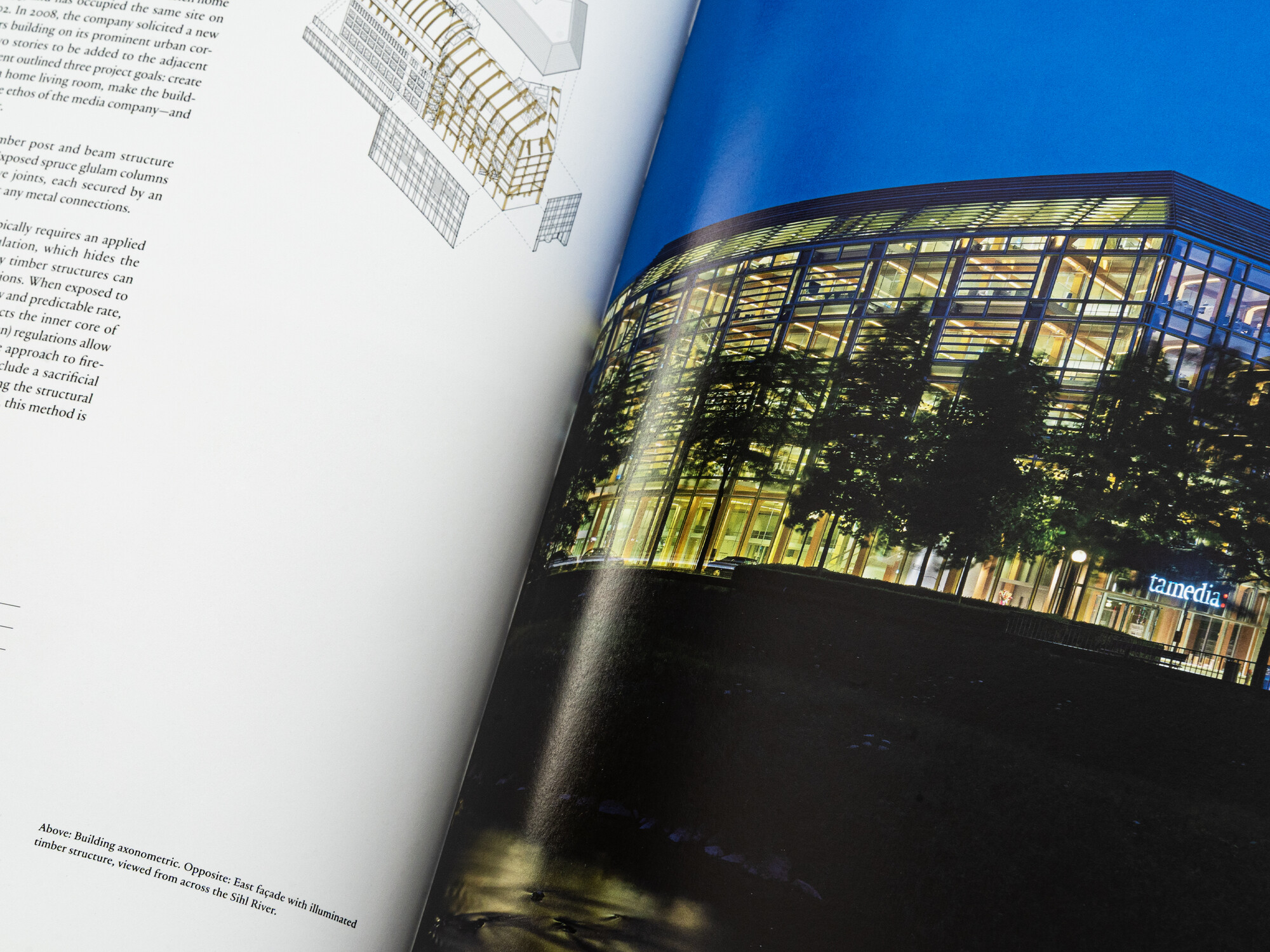
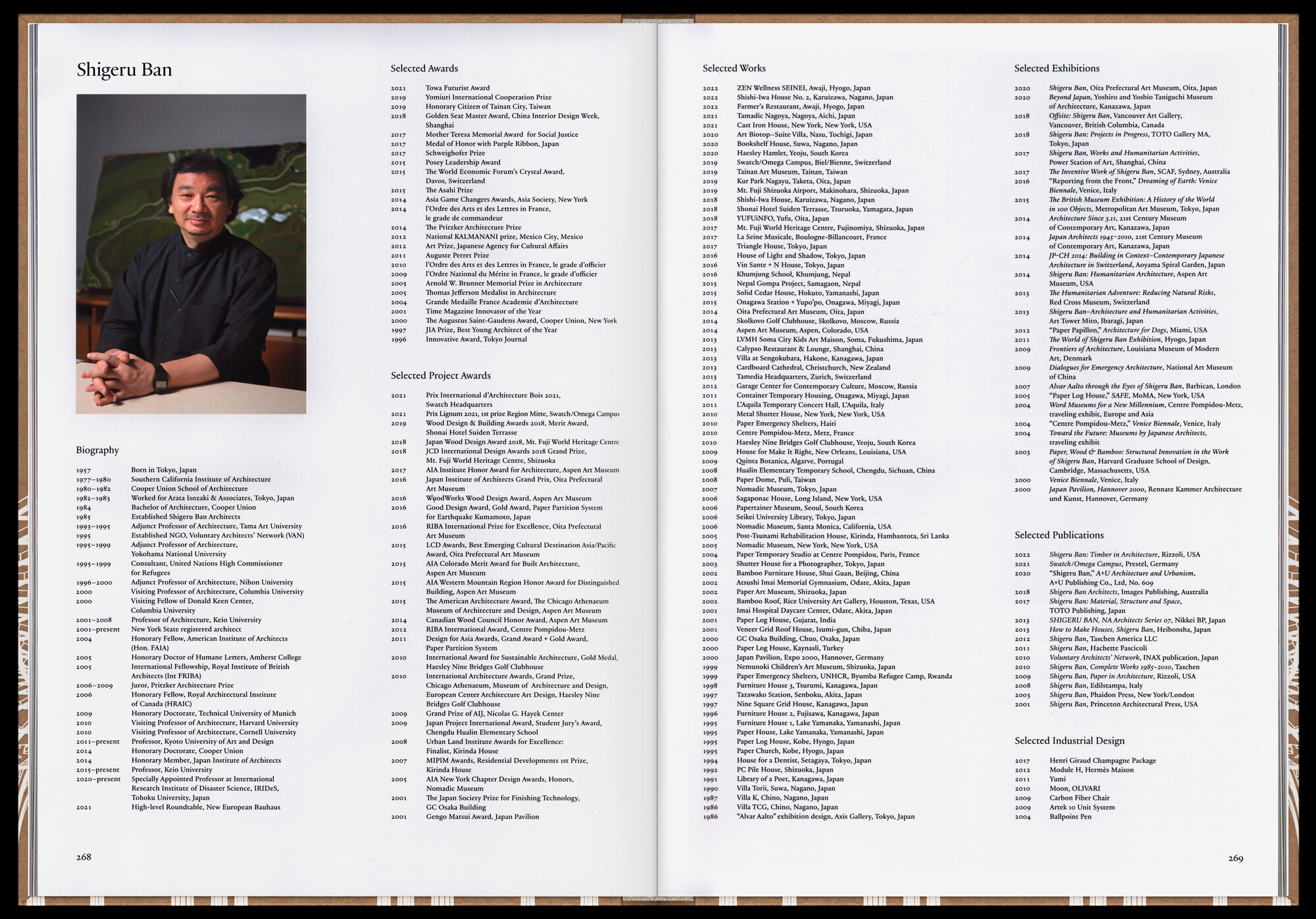
Shigeru Ban: Timber in Architecture presents 45 works from concept through construction, demonstrating the challenges and merits of wood buildings through essays, technical drawings, and photographs. This work continues on learnings presented in Shigeru Ban: Paper in Architecture as it traces Ban’s contributions to the evolution of mass timber as a commercially viable, highly competitive structural solution in a variety of forms.
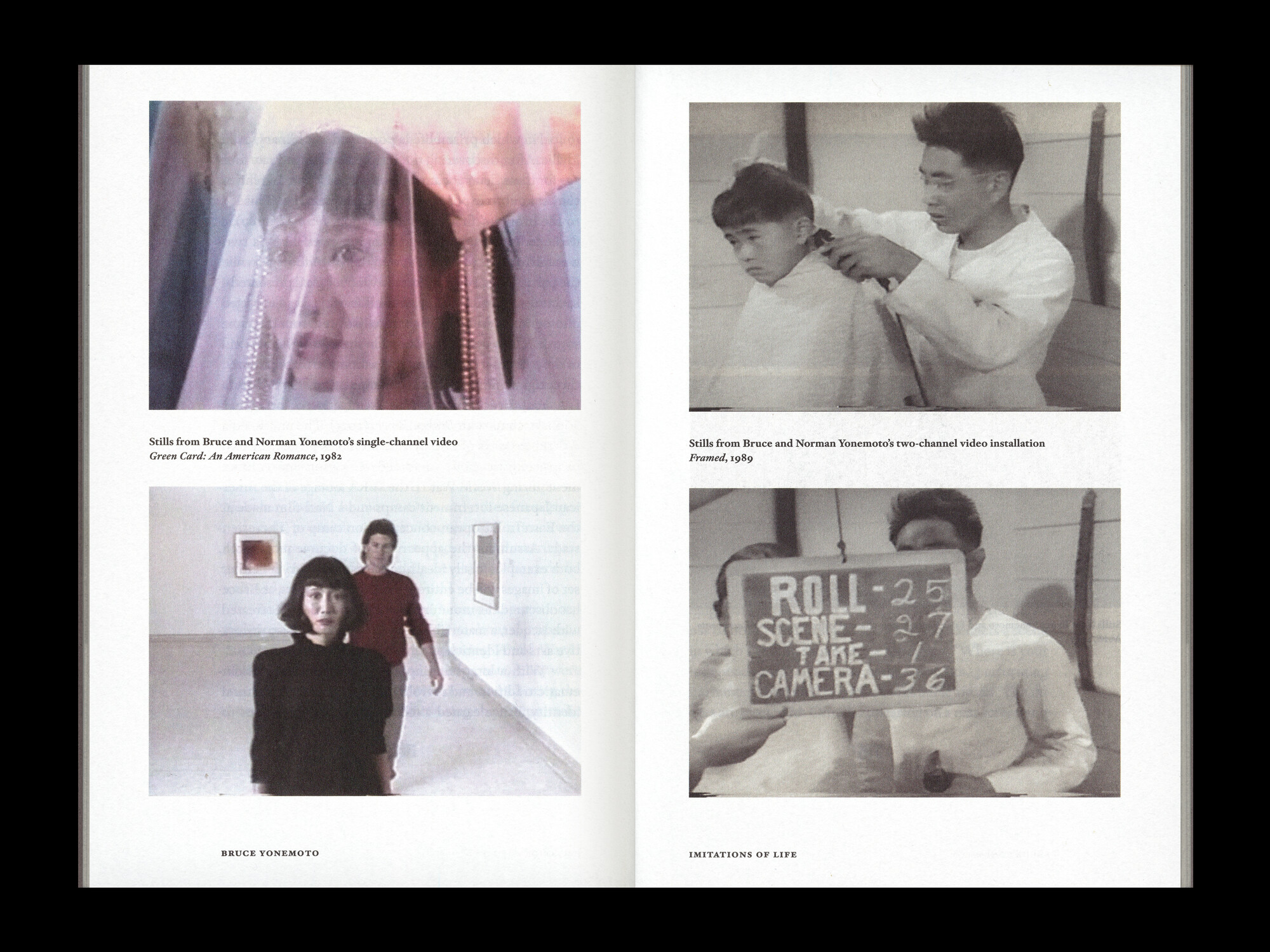
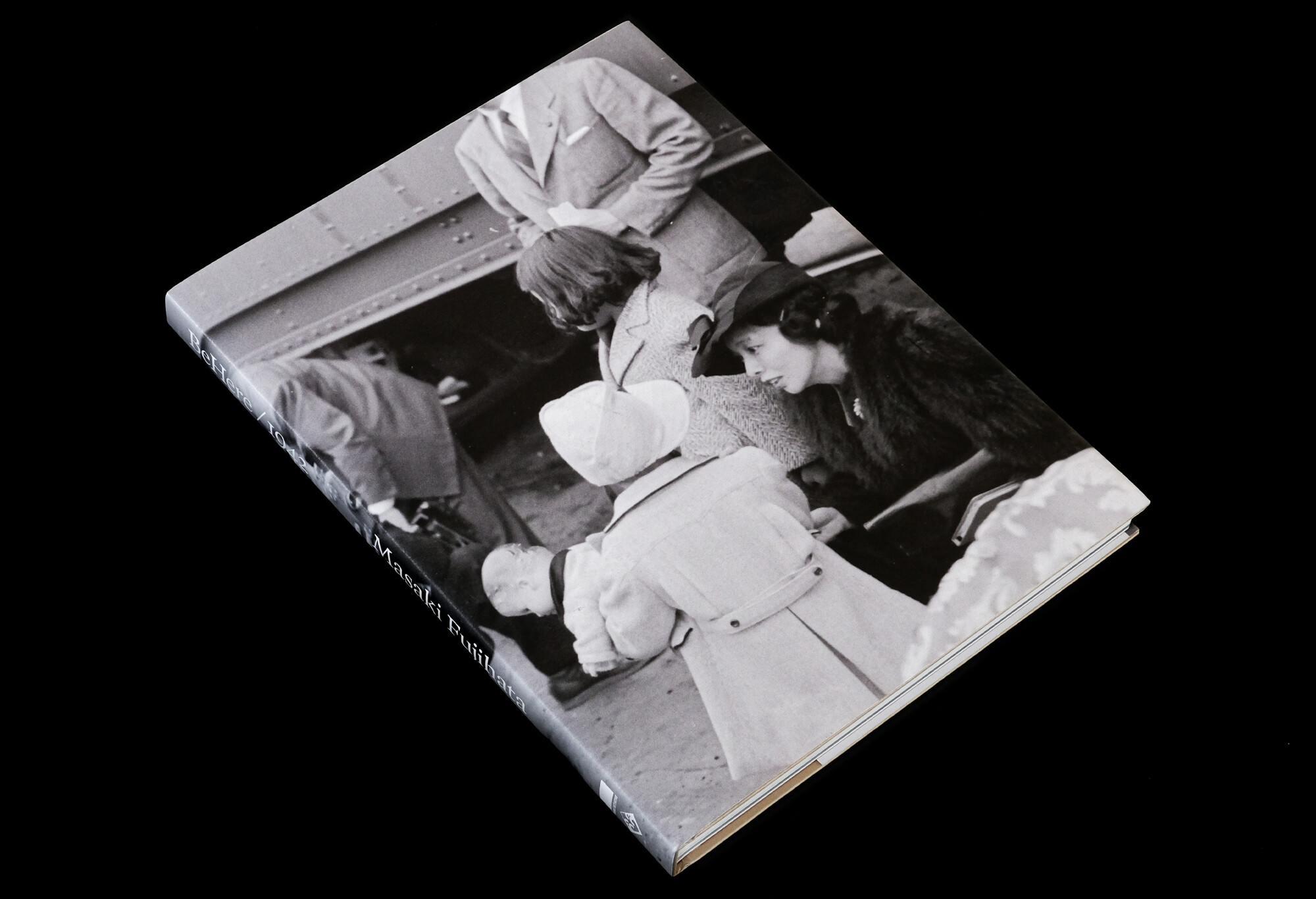
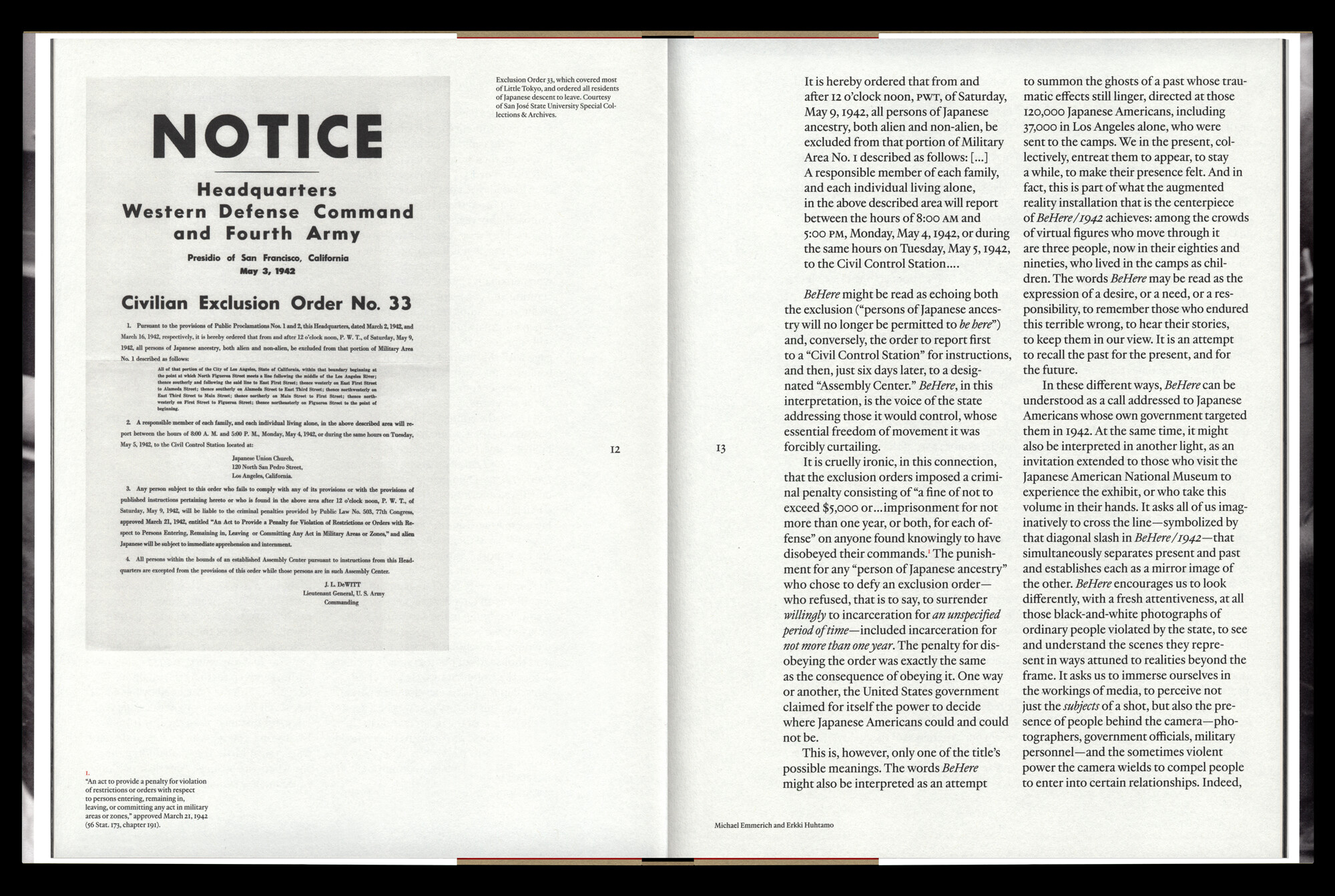
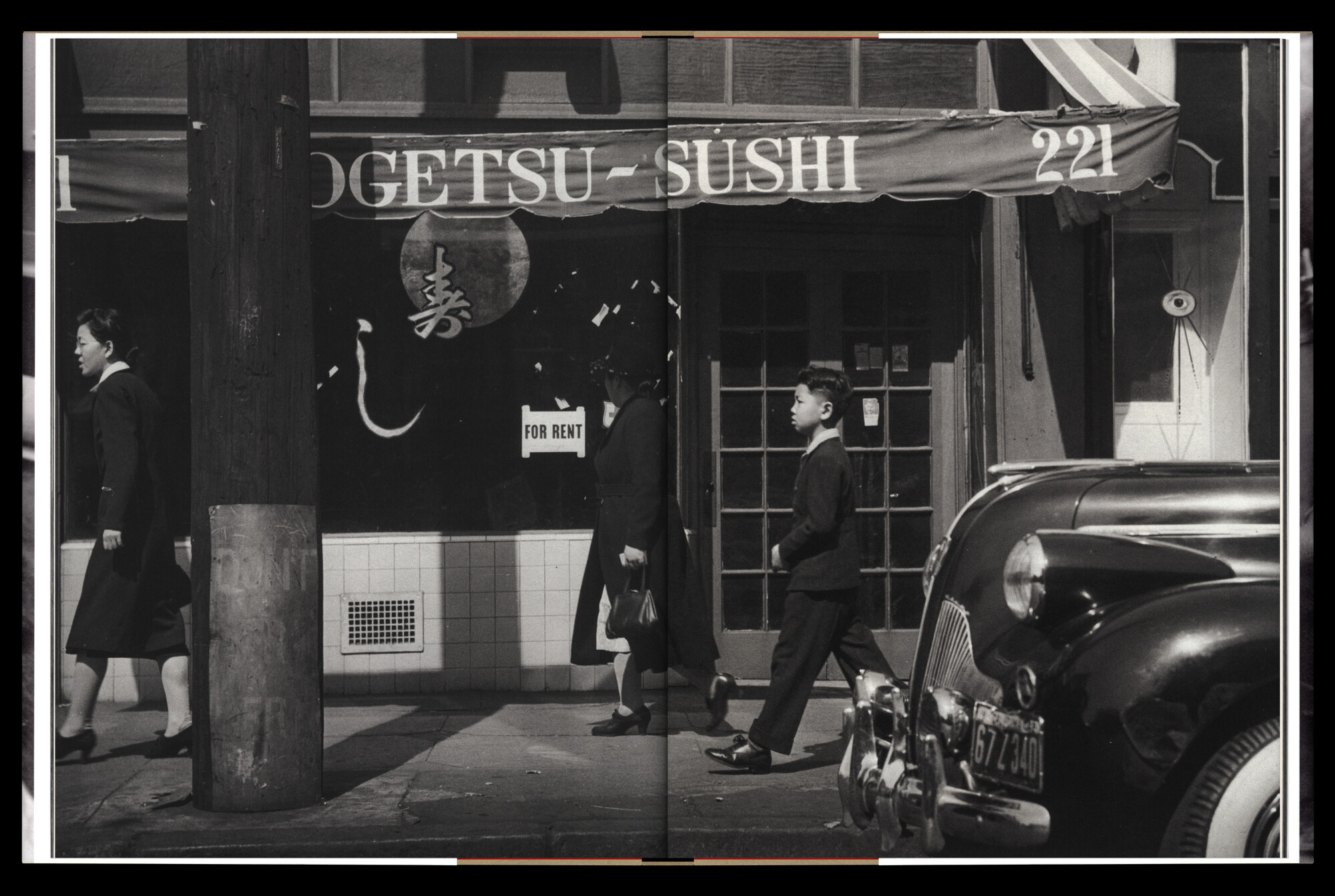
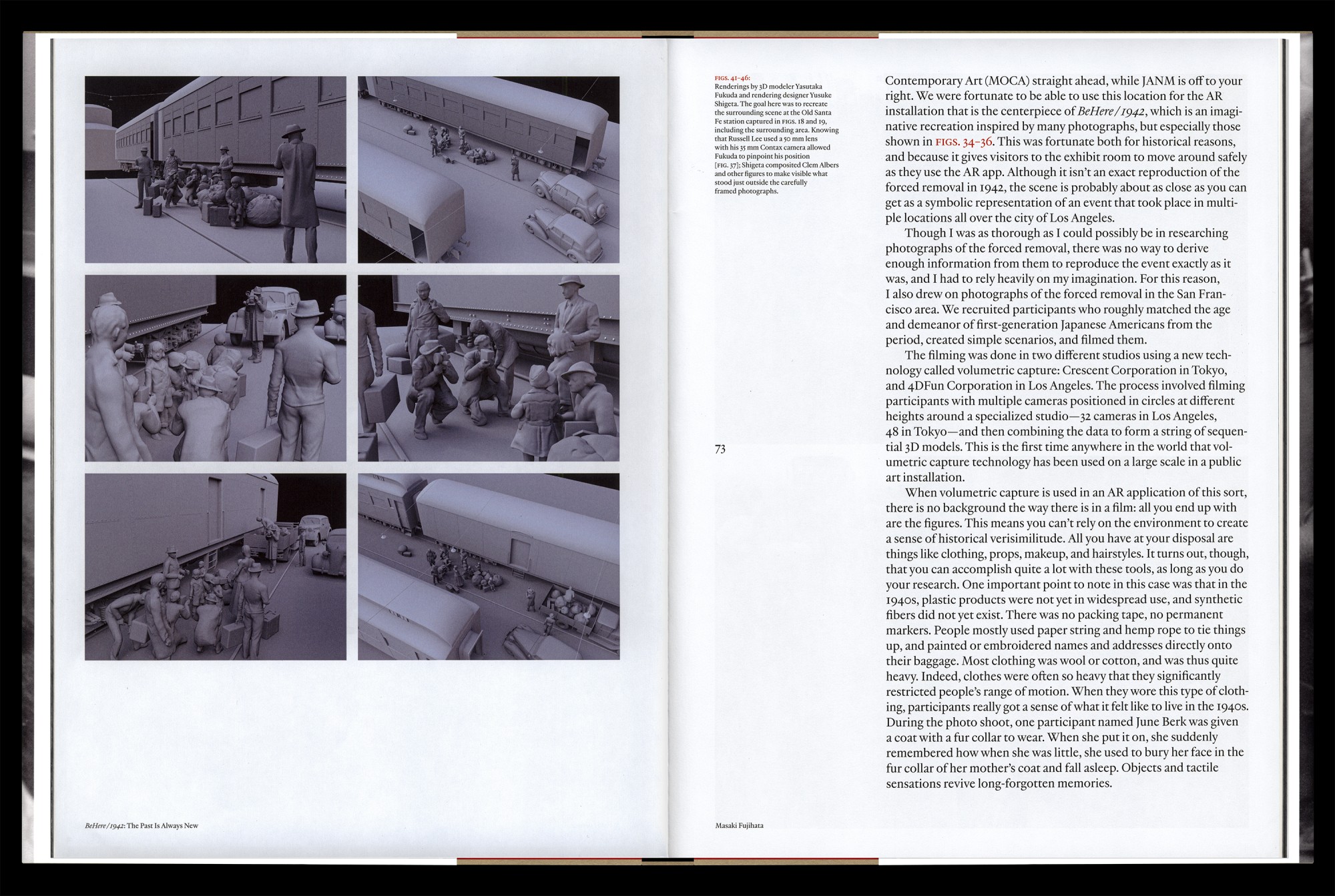
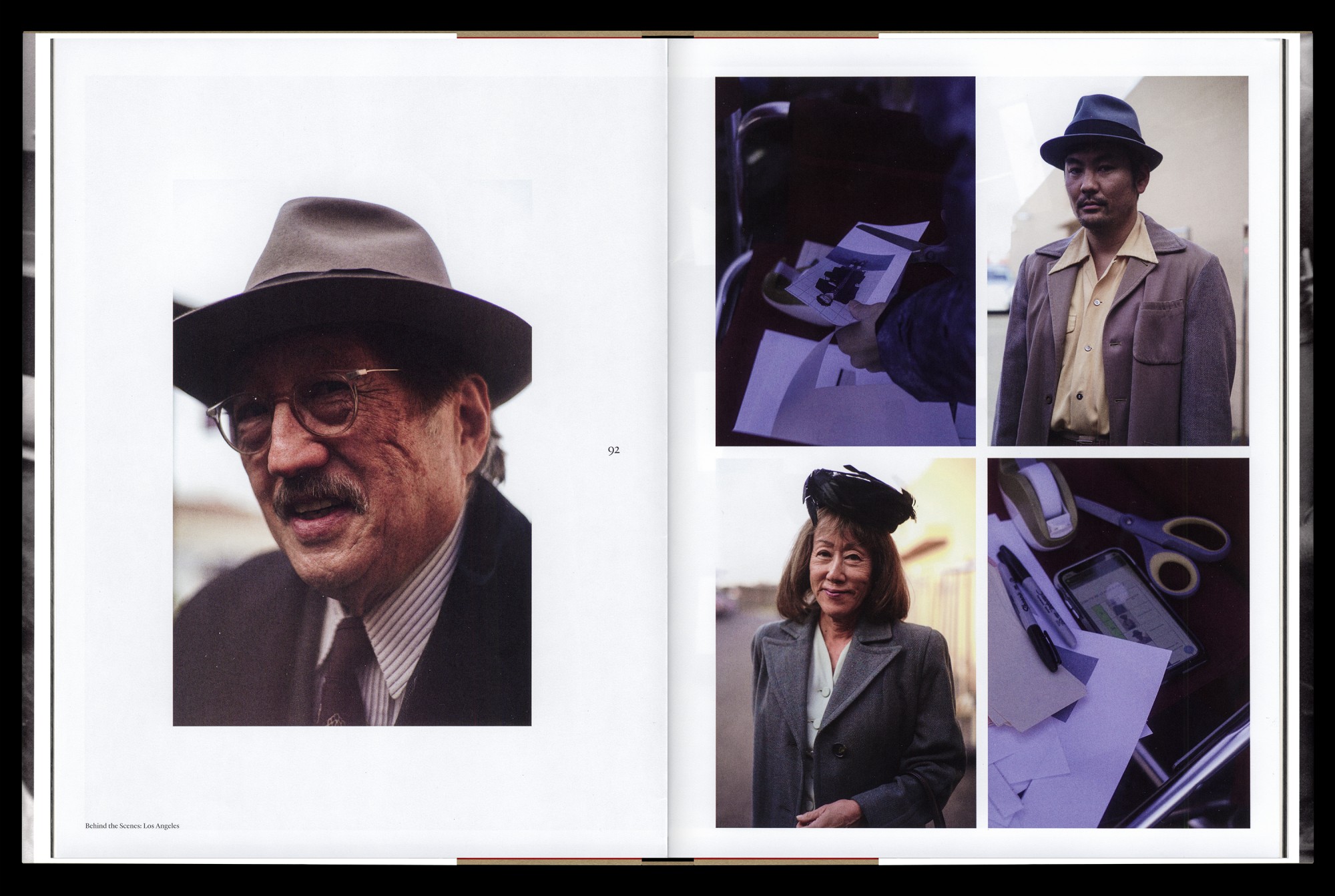
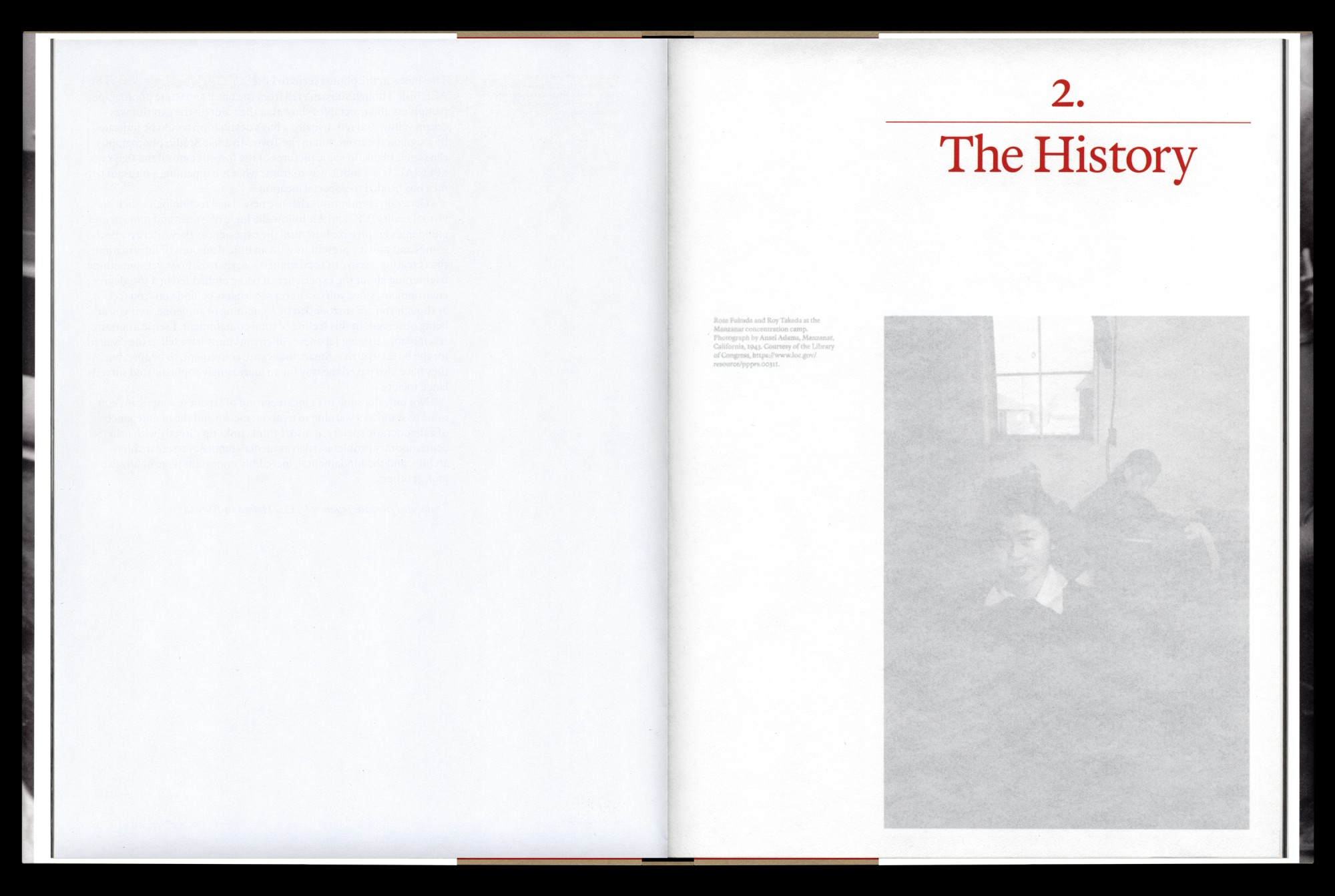
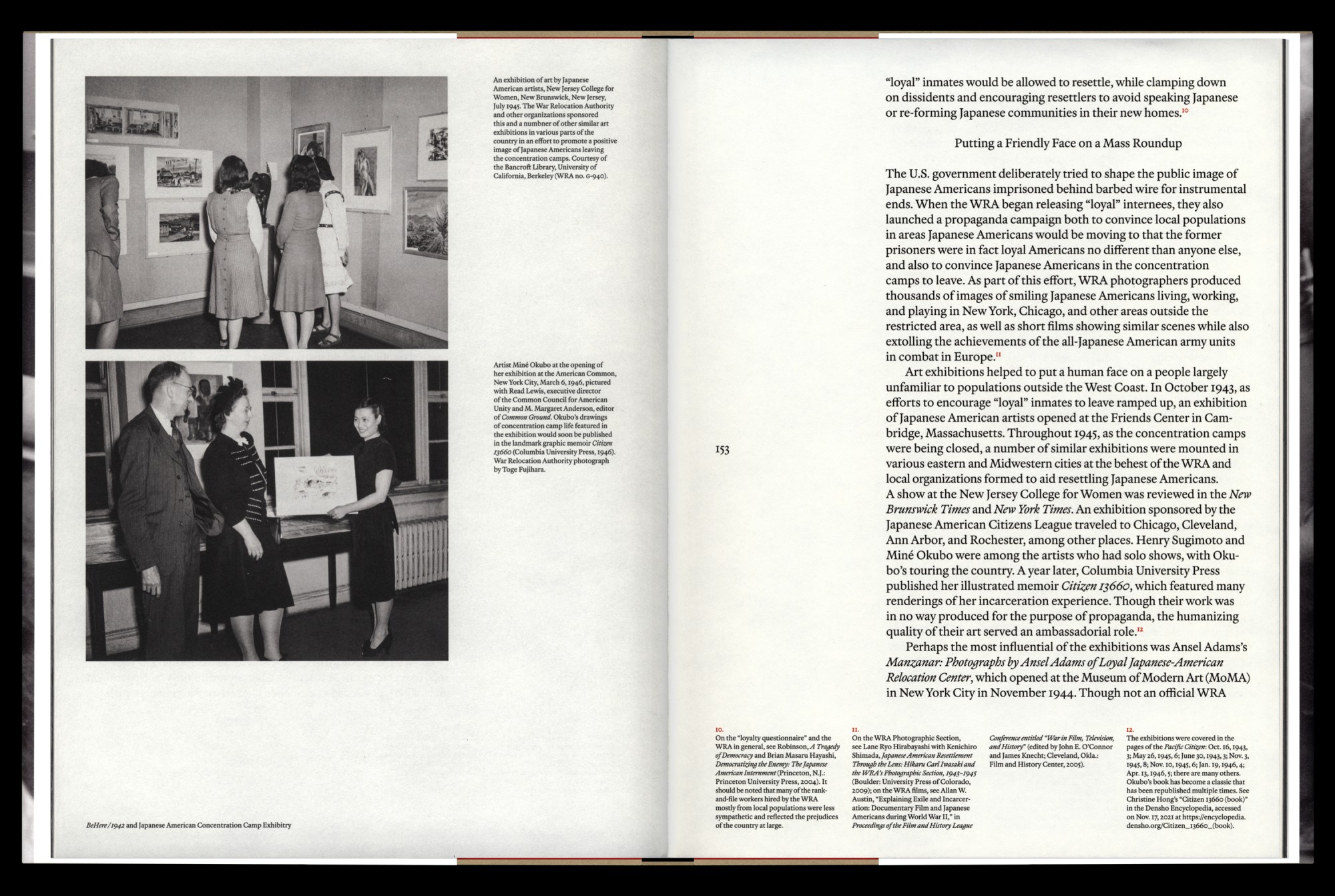
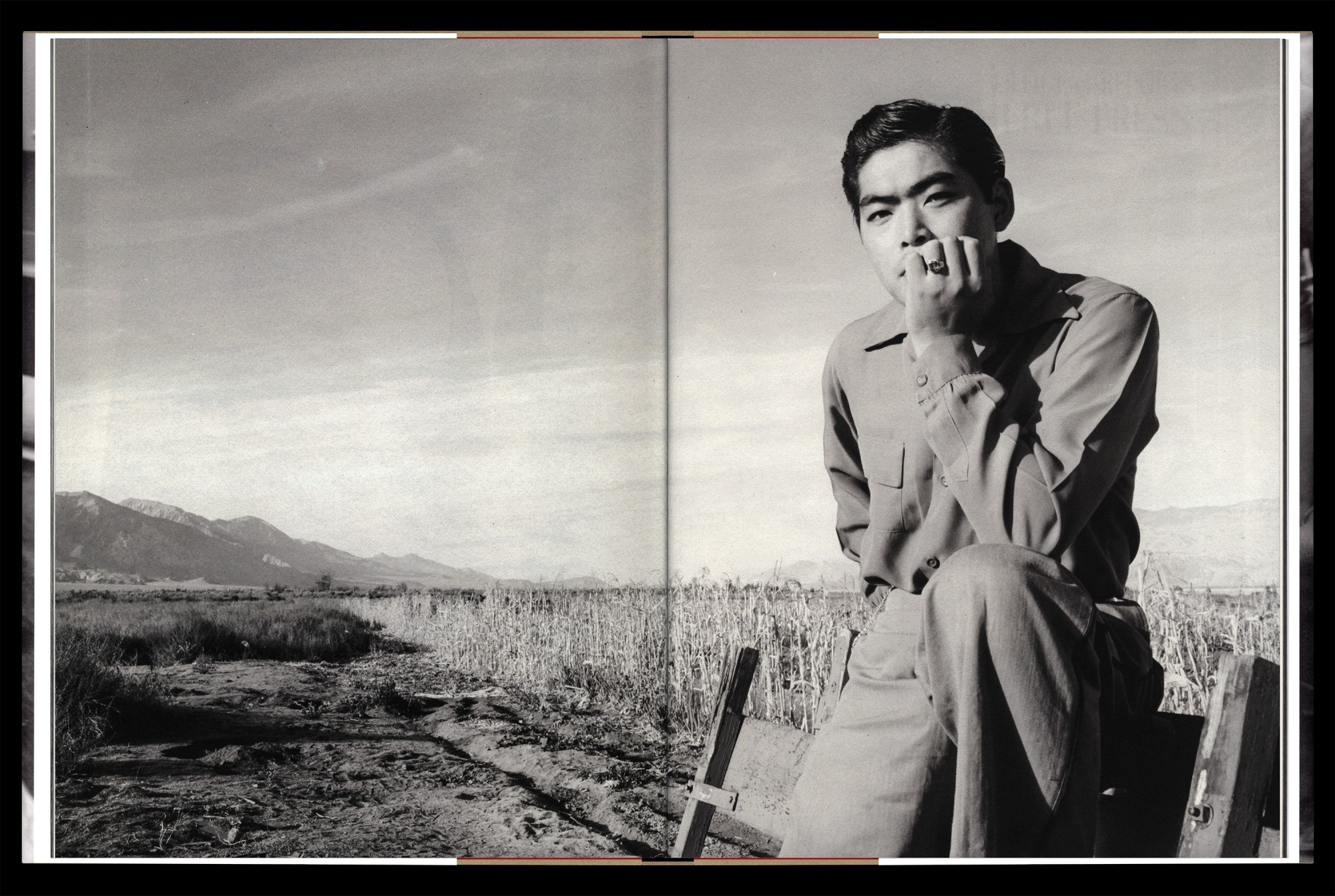
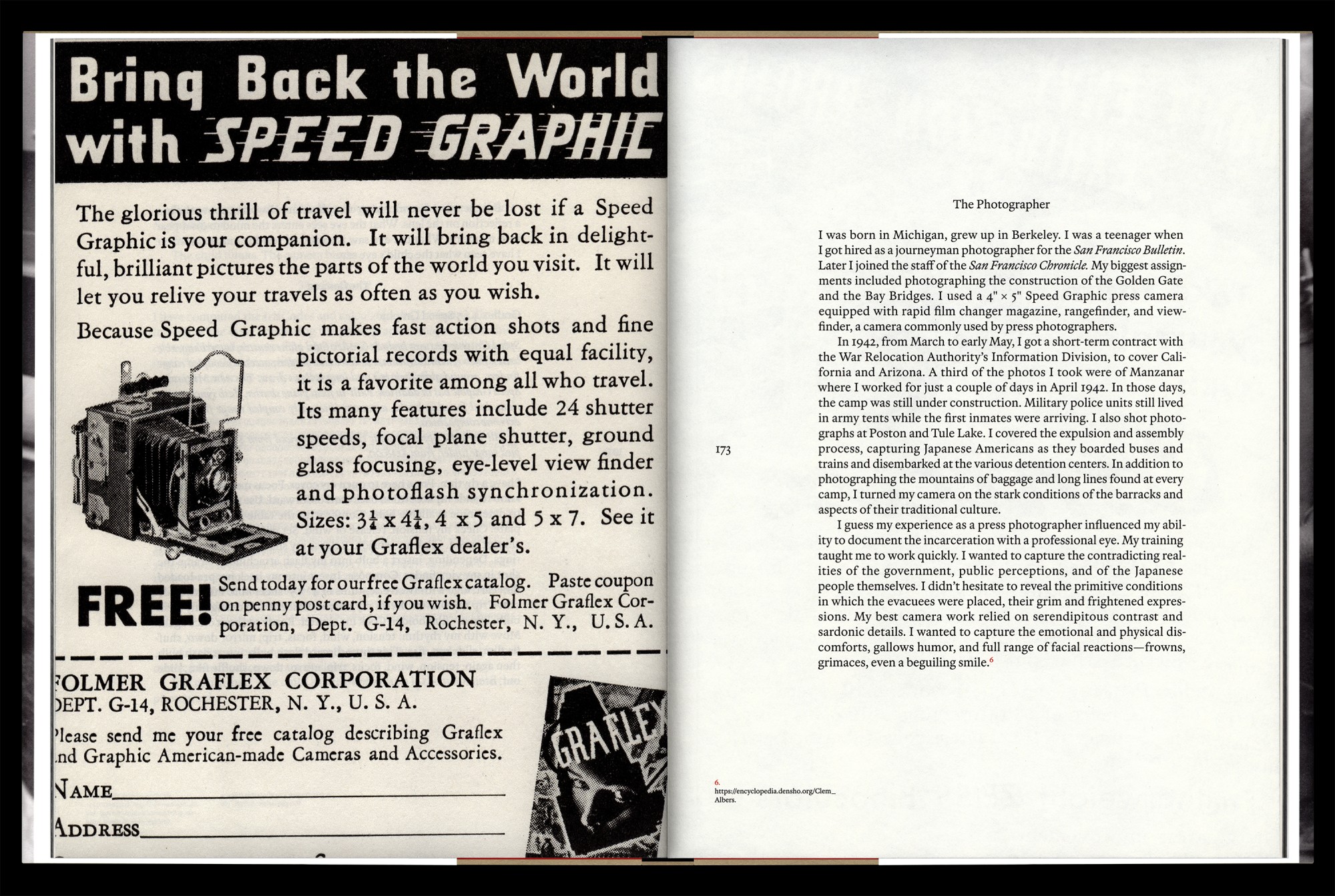
BeHere / 1942 is the companion book to media artist Masaki Fujihata’s project and exhibition at the Japanese American National Museum reframing the historic forced incarceration of Japanese Americans during World War II through photographic detective work and re-examination through augmented reality. This volume contains a variety of contributions each of which engages with the history of the incarceration and its representation in photographs and exhibitions.
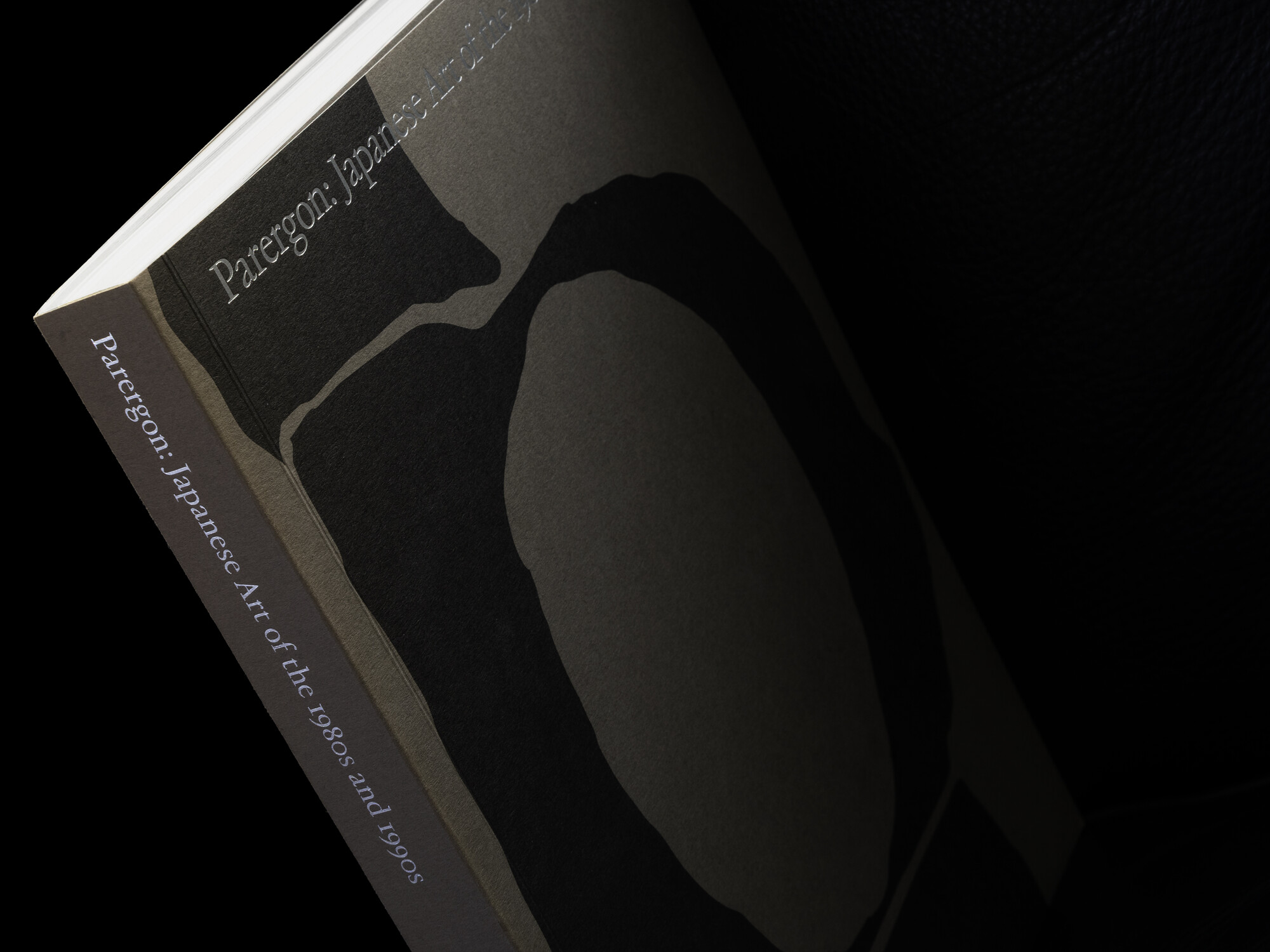
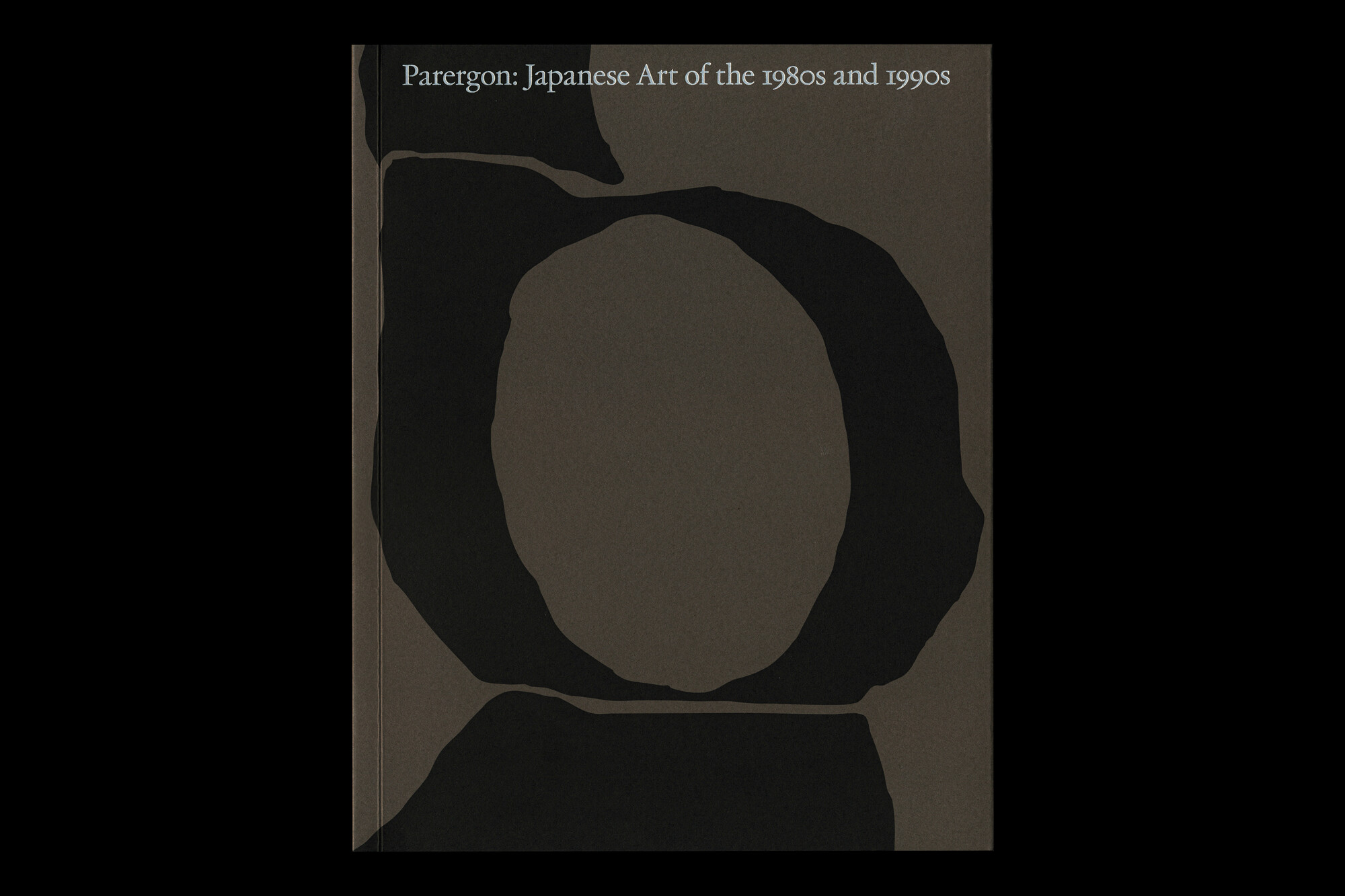
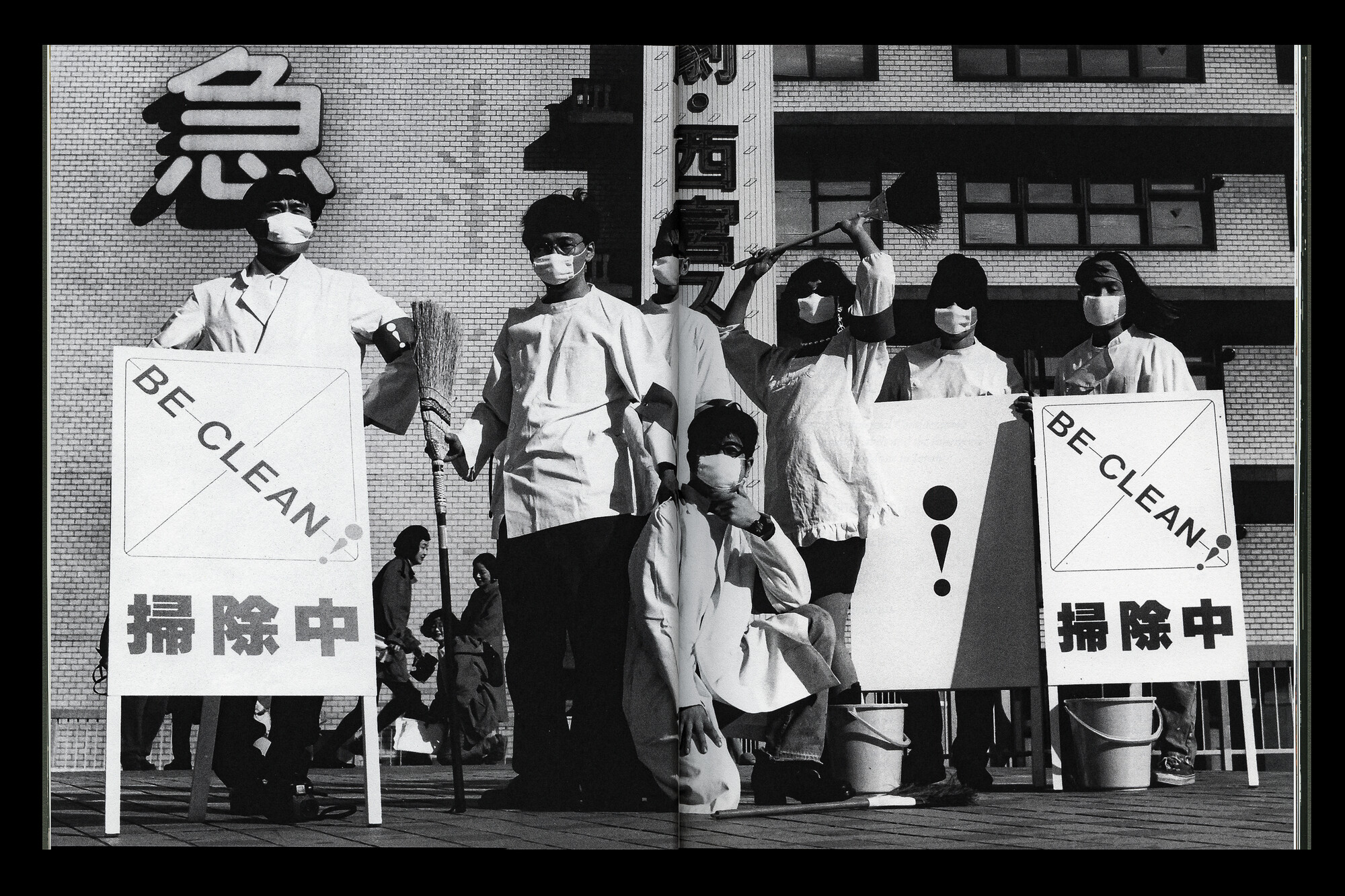
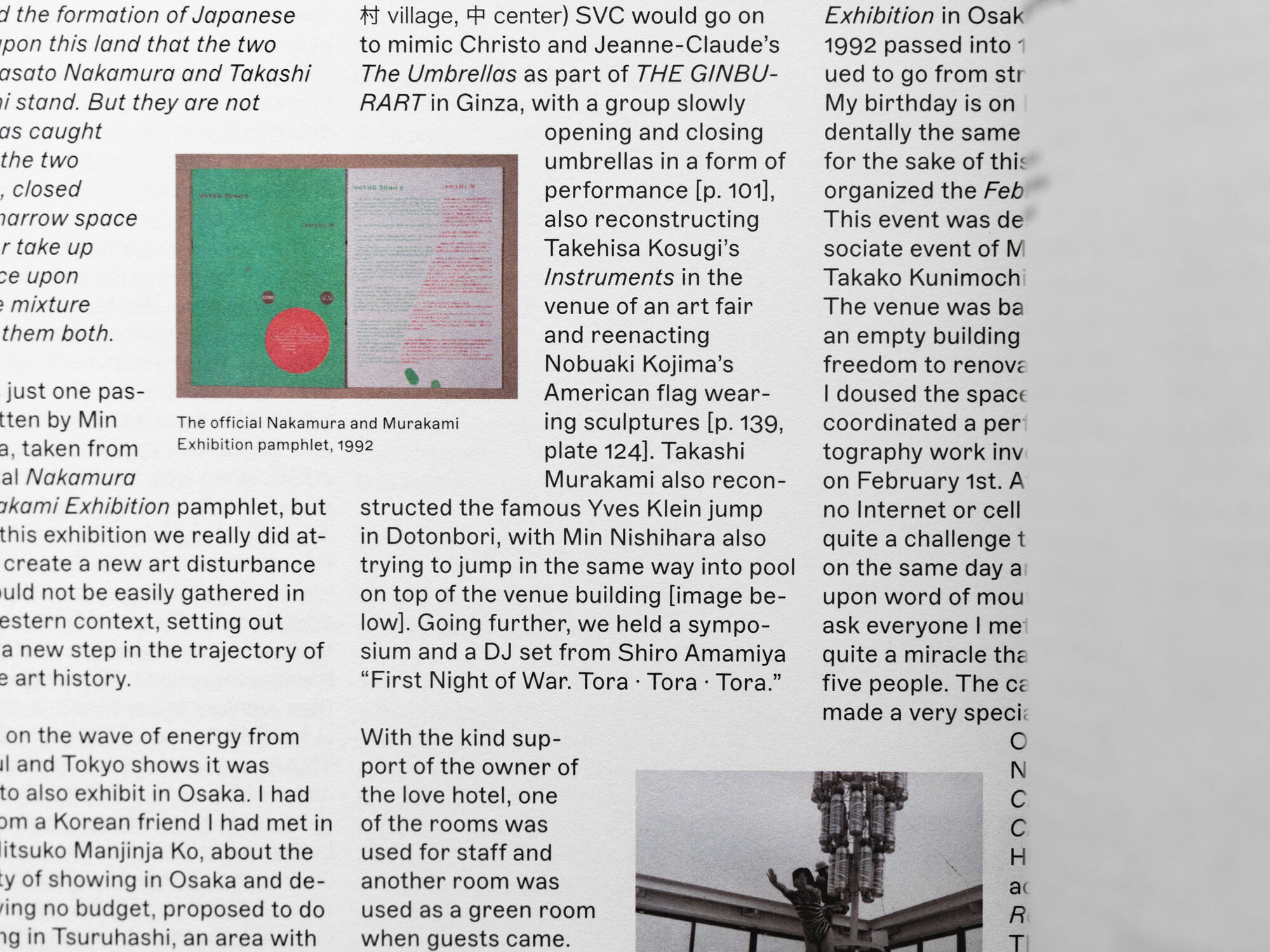
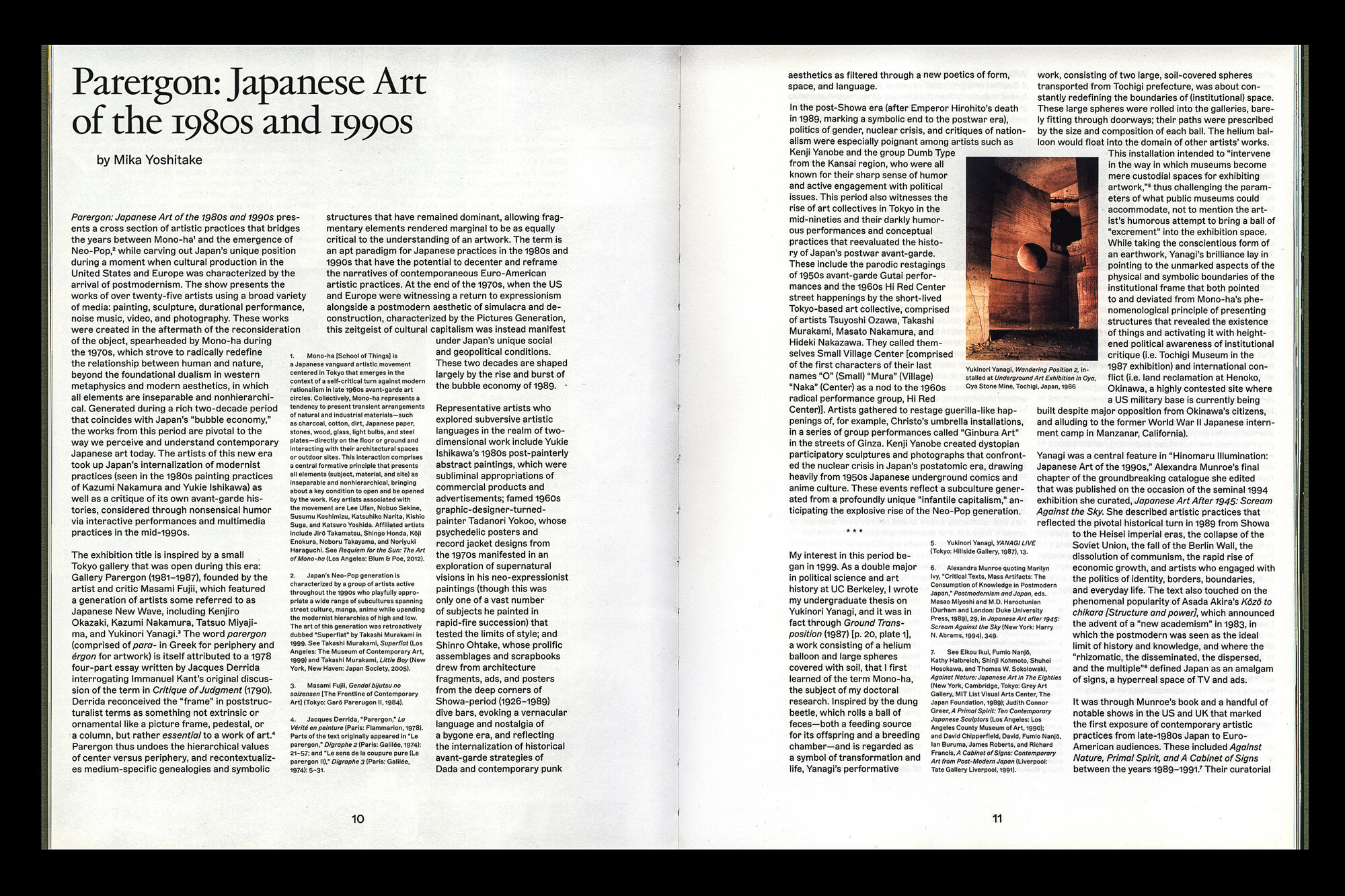
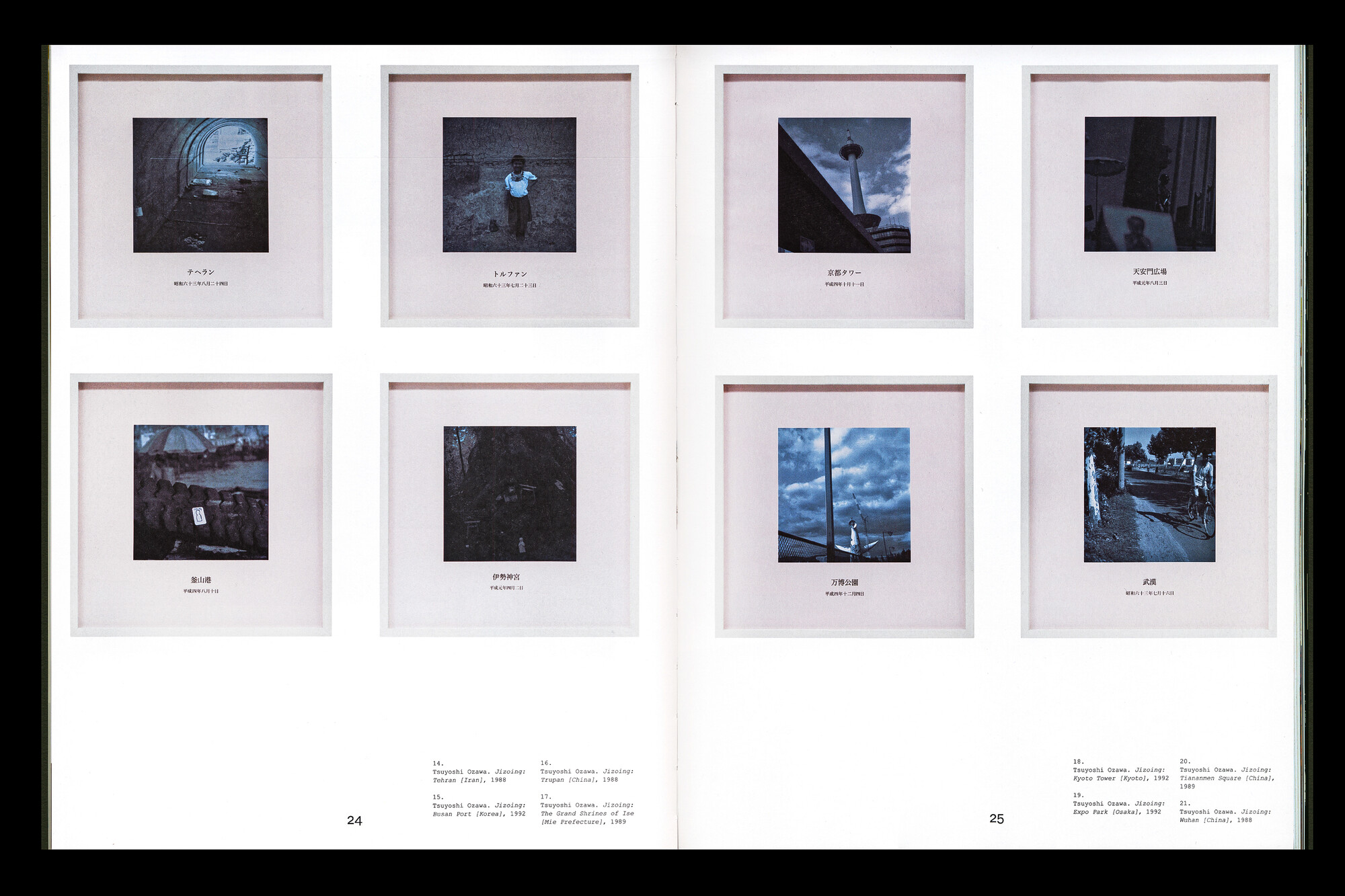
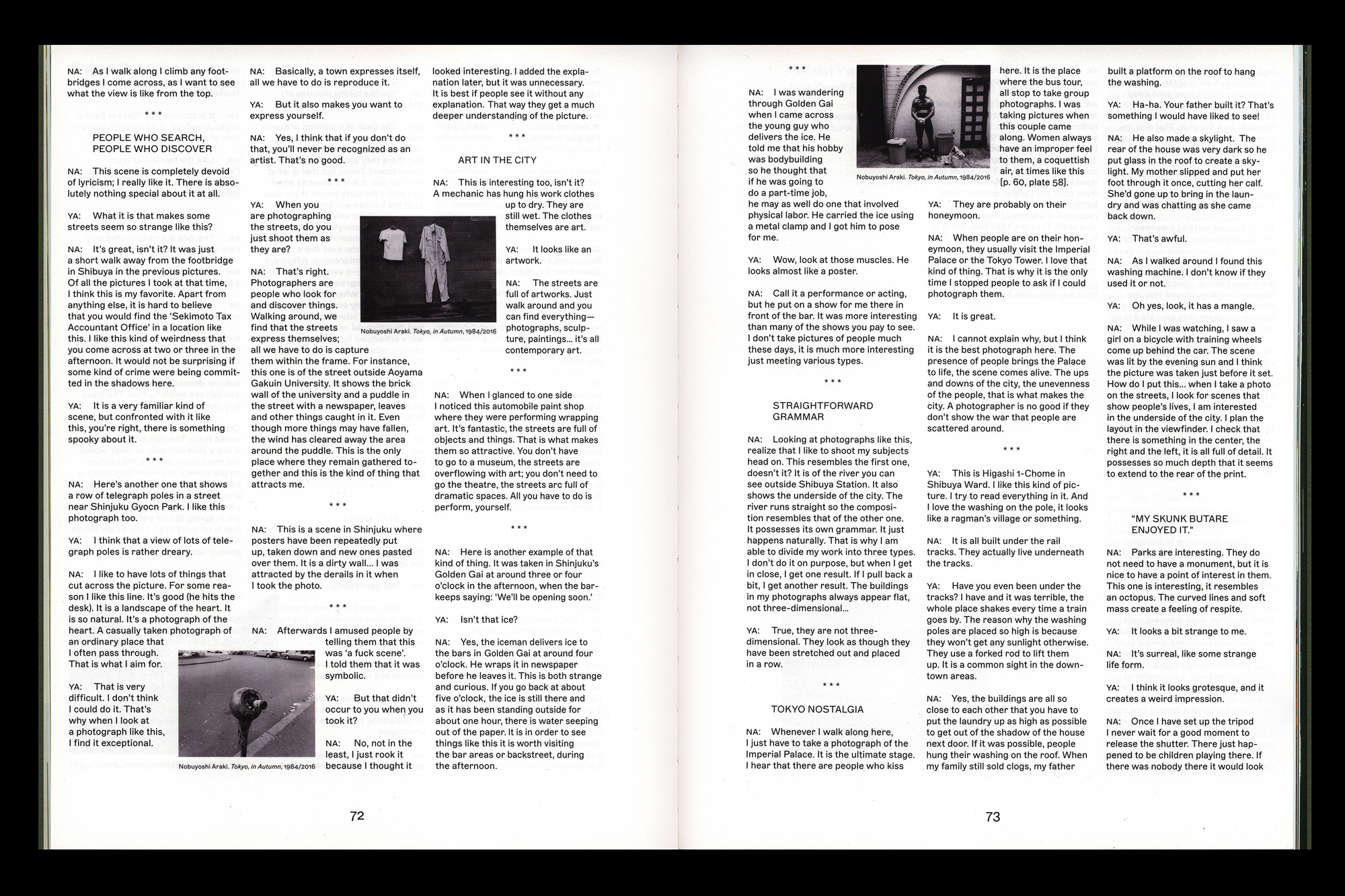
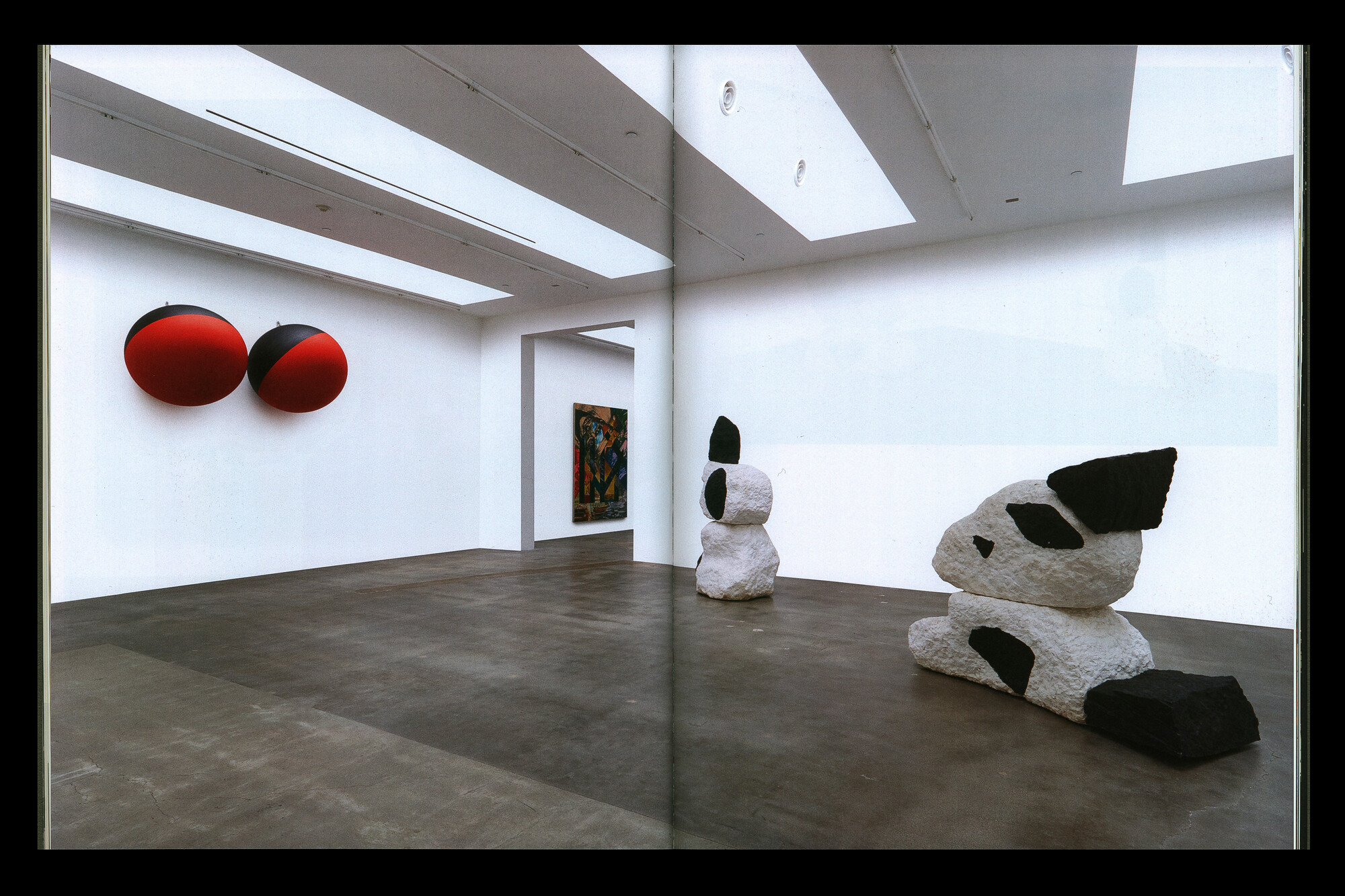
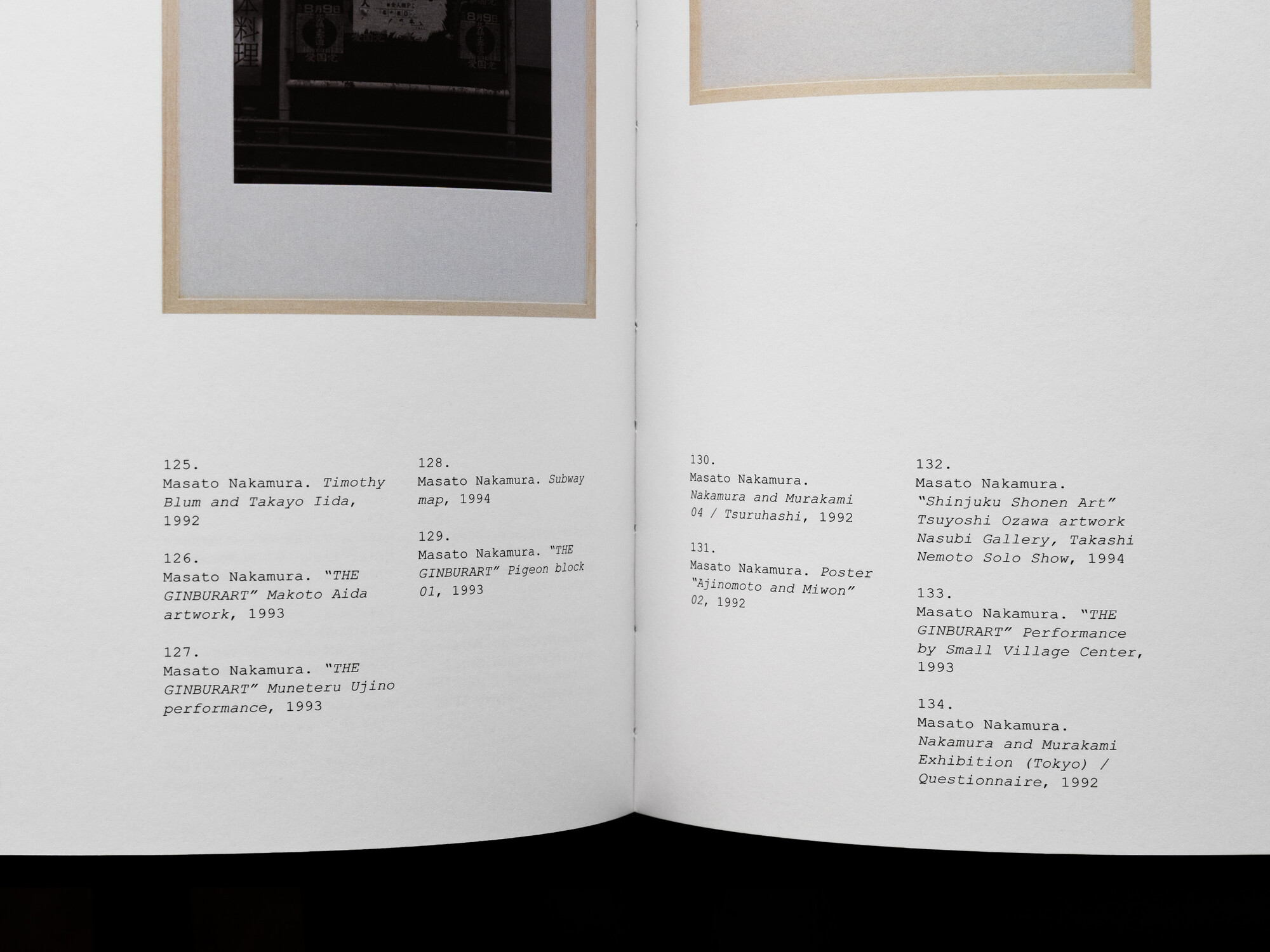
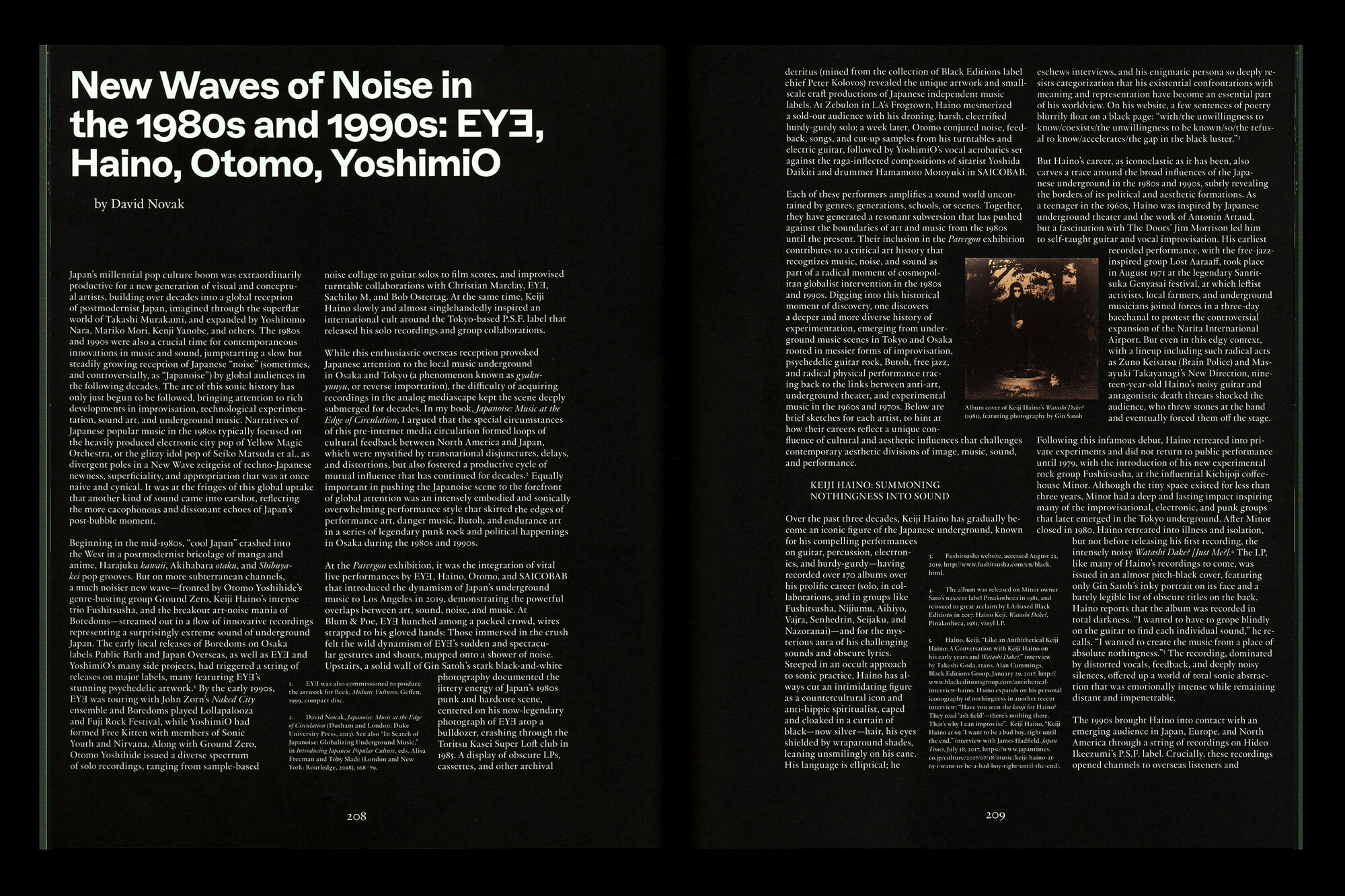
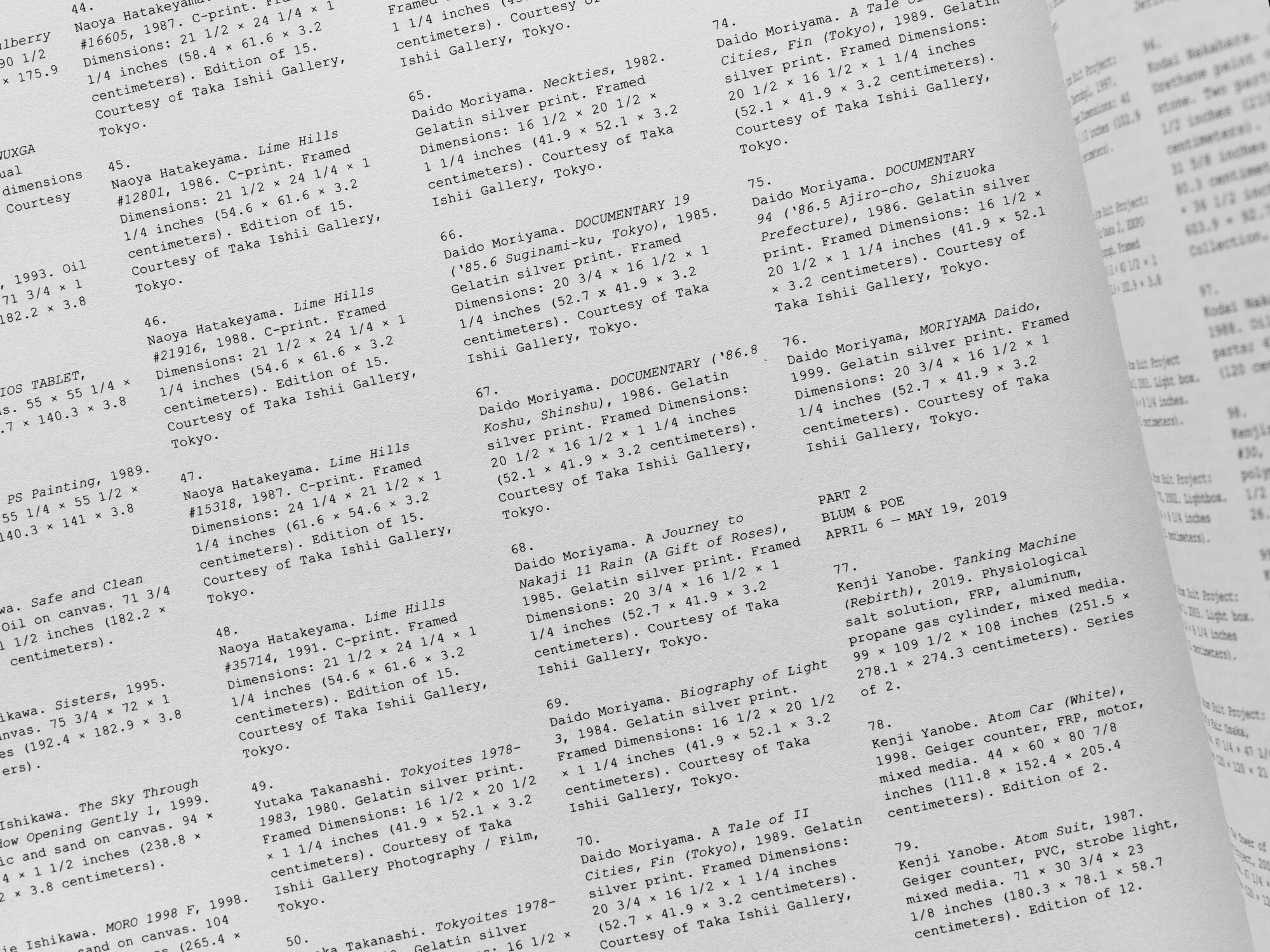
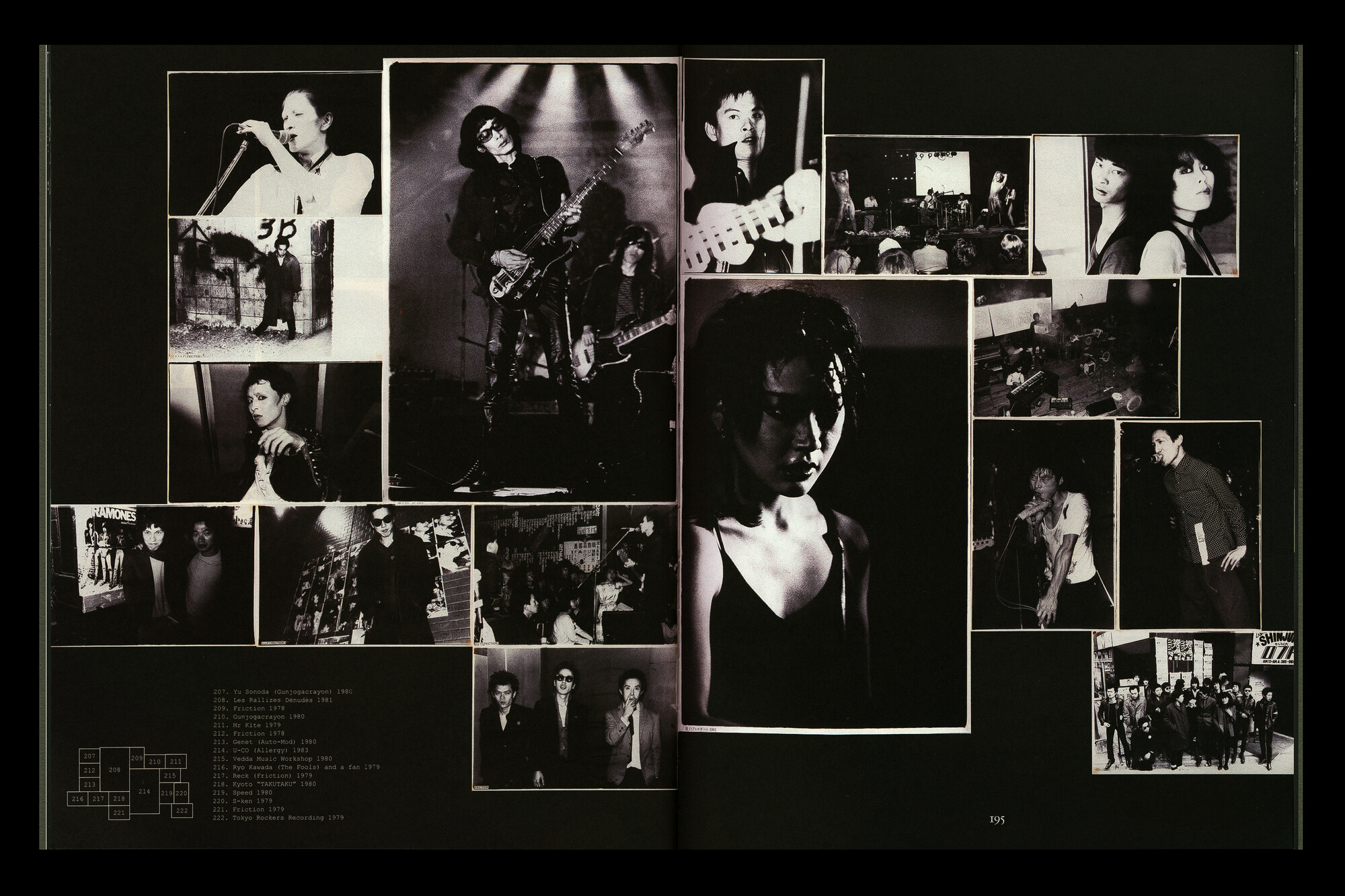
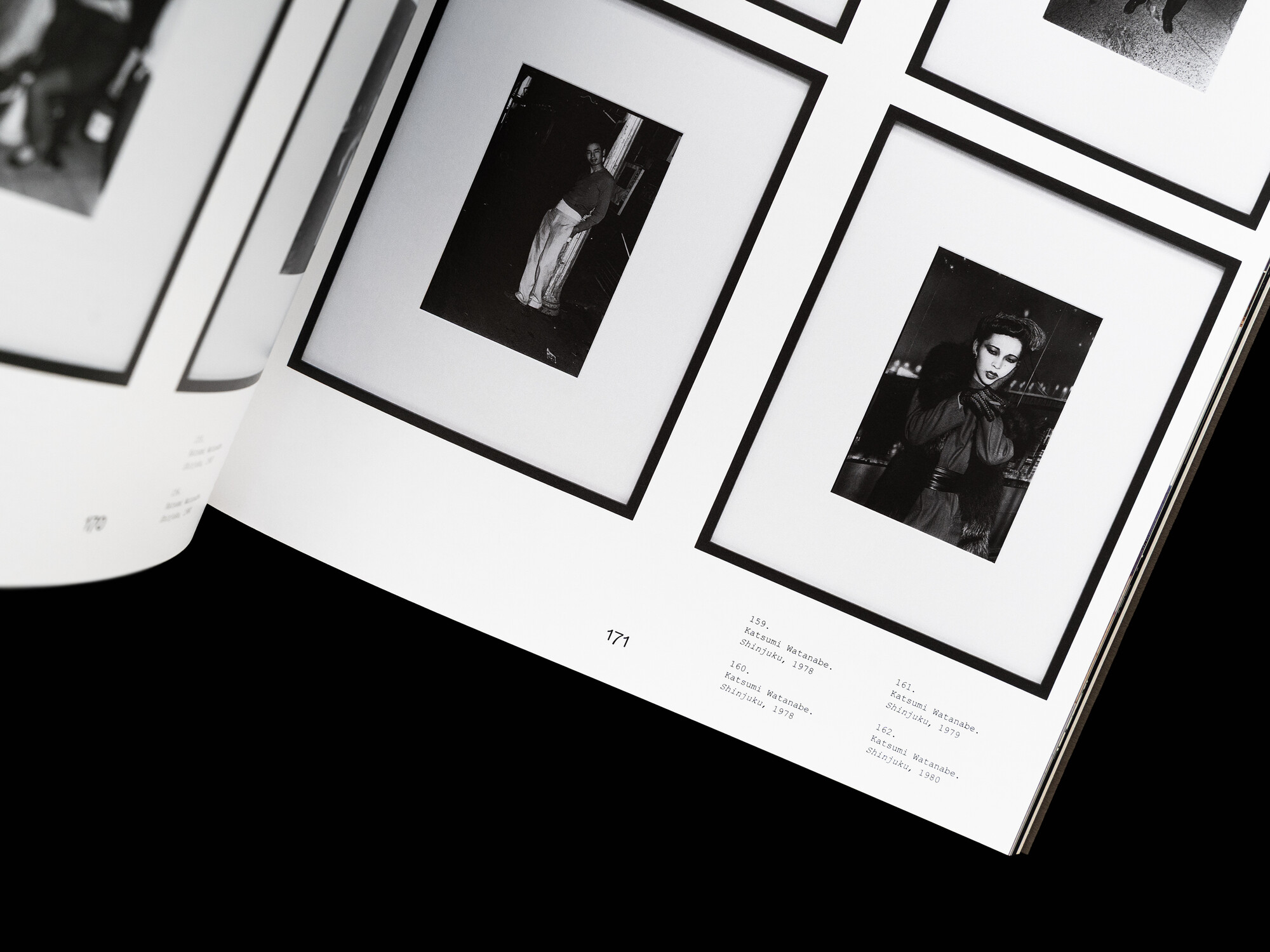
Parergon: Japanese Art of the 1980s and 1990s is the exhibition catalog for the landmark two-part exhibition curated by Mika Yoshitake at Blum & Poe. It is a definitive English-language primer and primary text for a largely undocumented period of Japanese art history, between the 1970s Mono-ha movement and the Neo-Pop era. The catalog features performance photography, installation shots, curatorial essays, socio-political analysis, textimonials, artist interviews, underground noise profiles, and music ephemera.
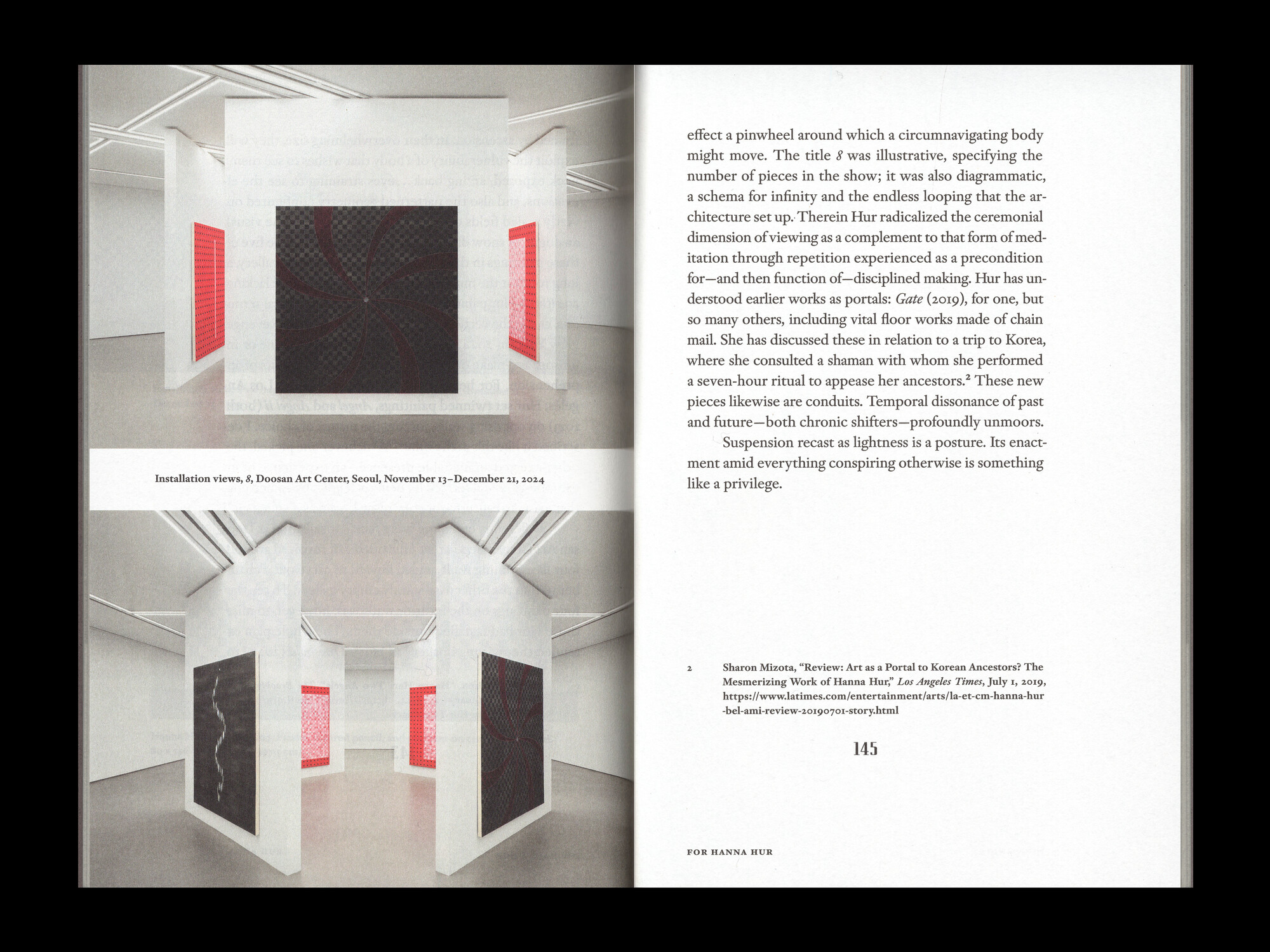
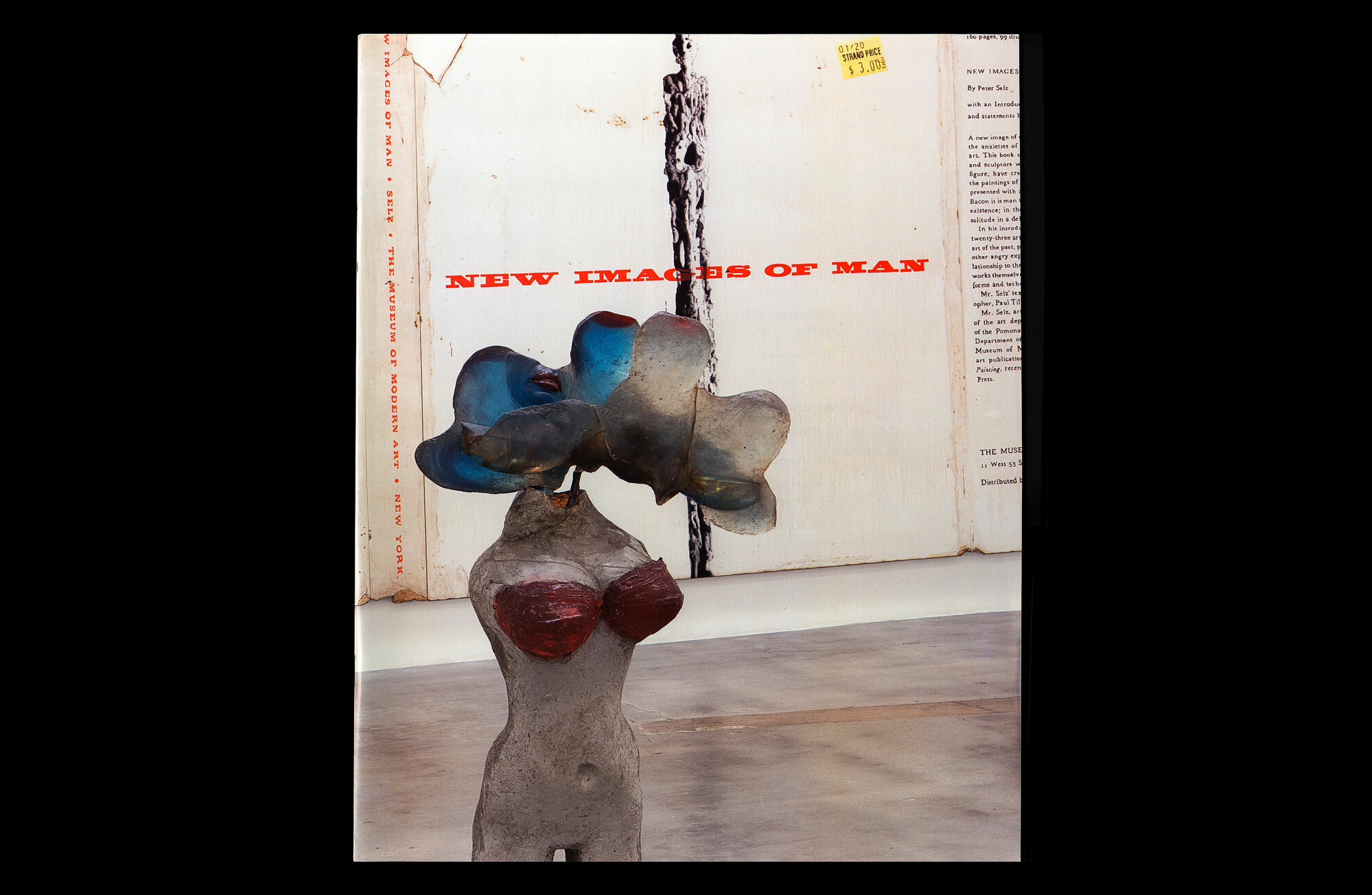
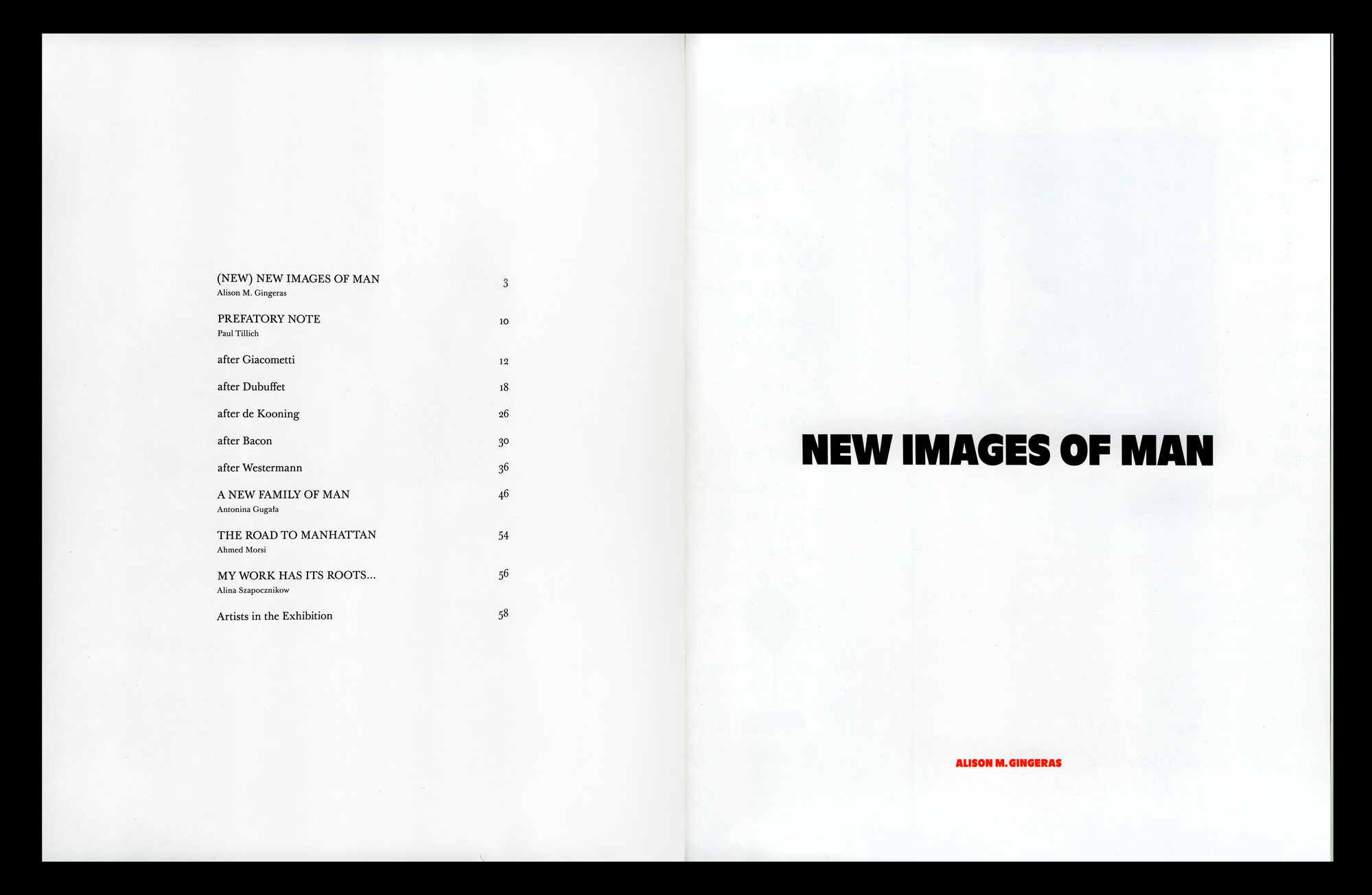
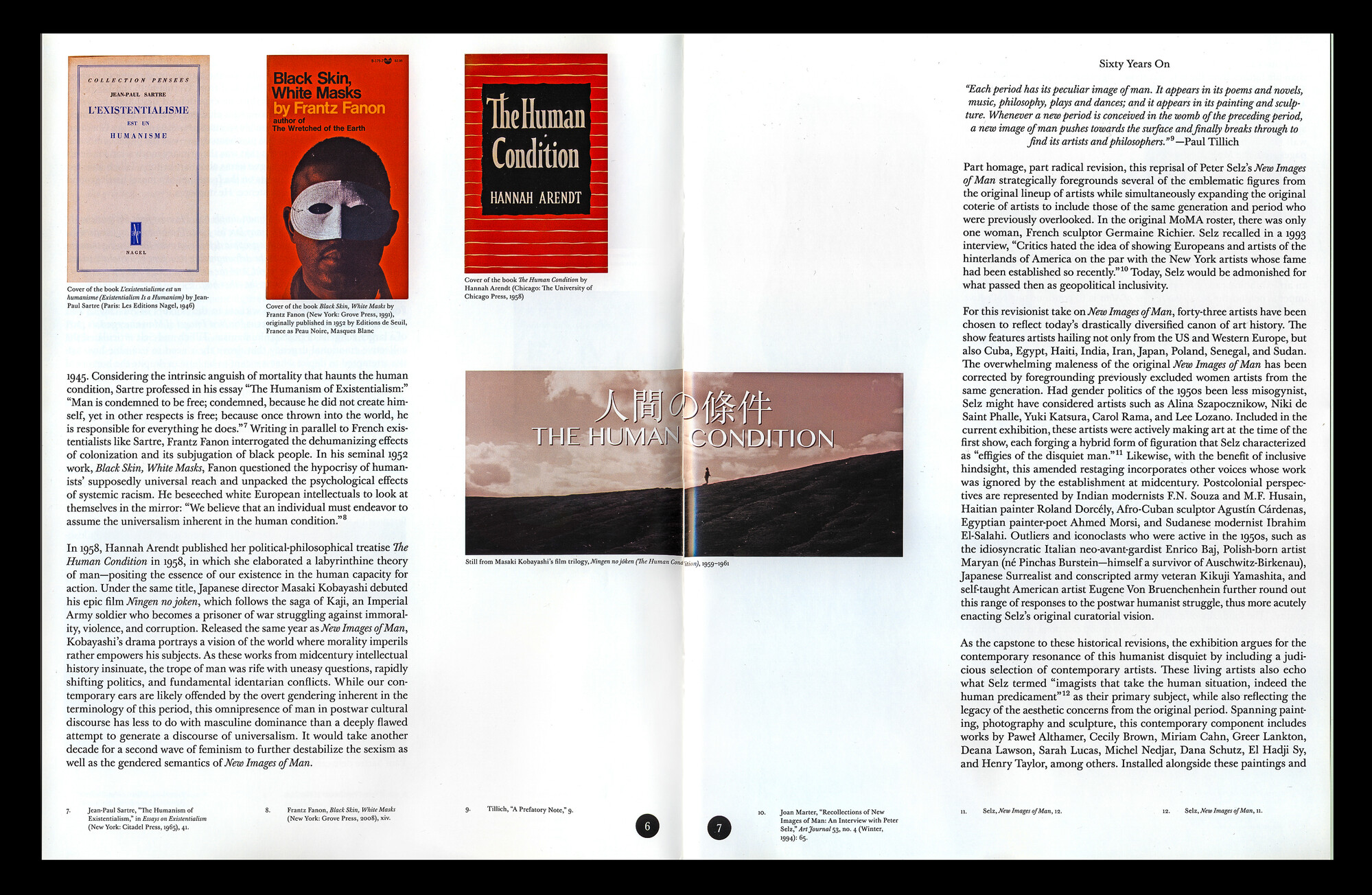
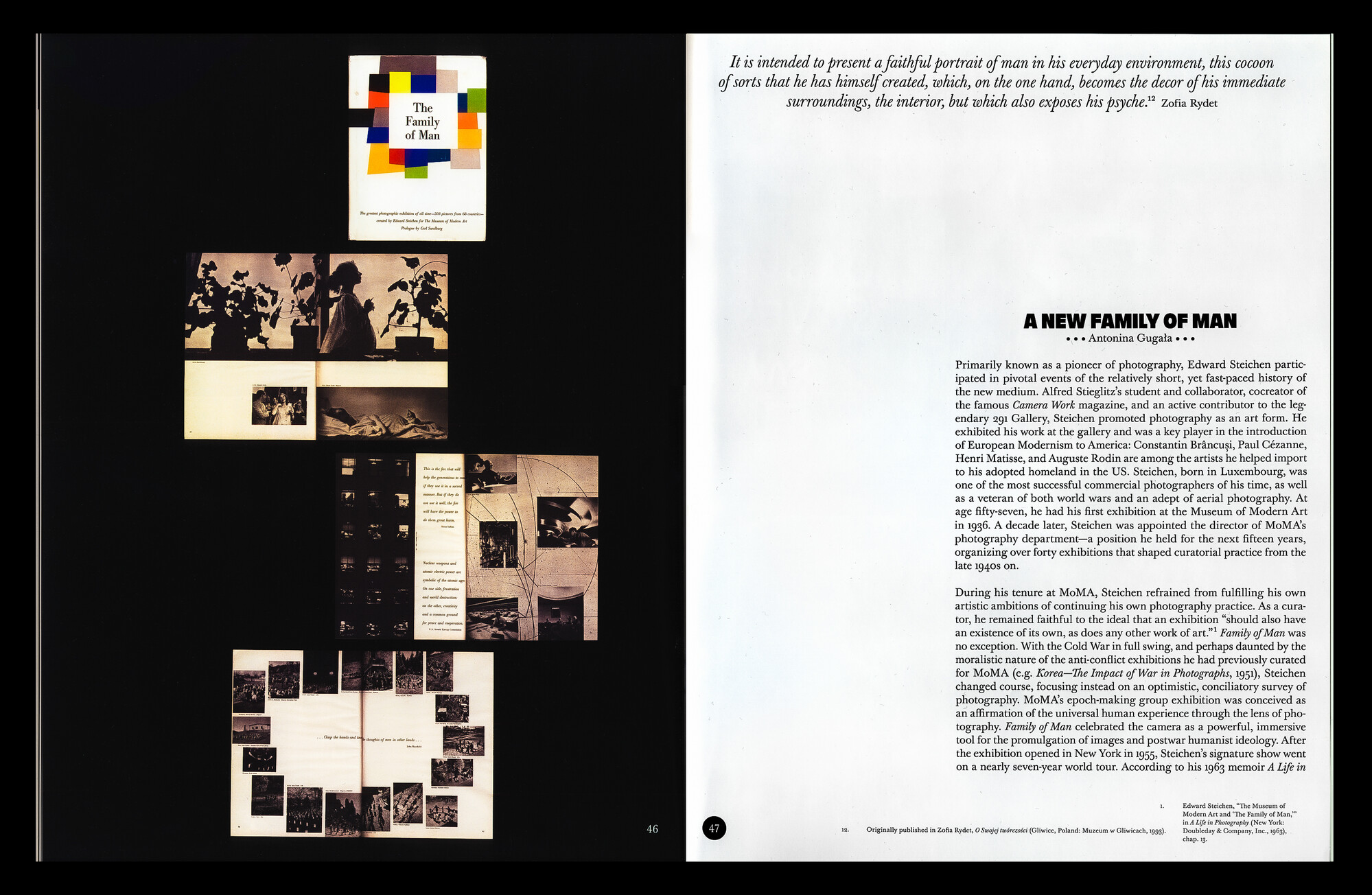
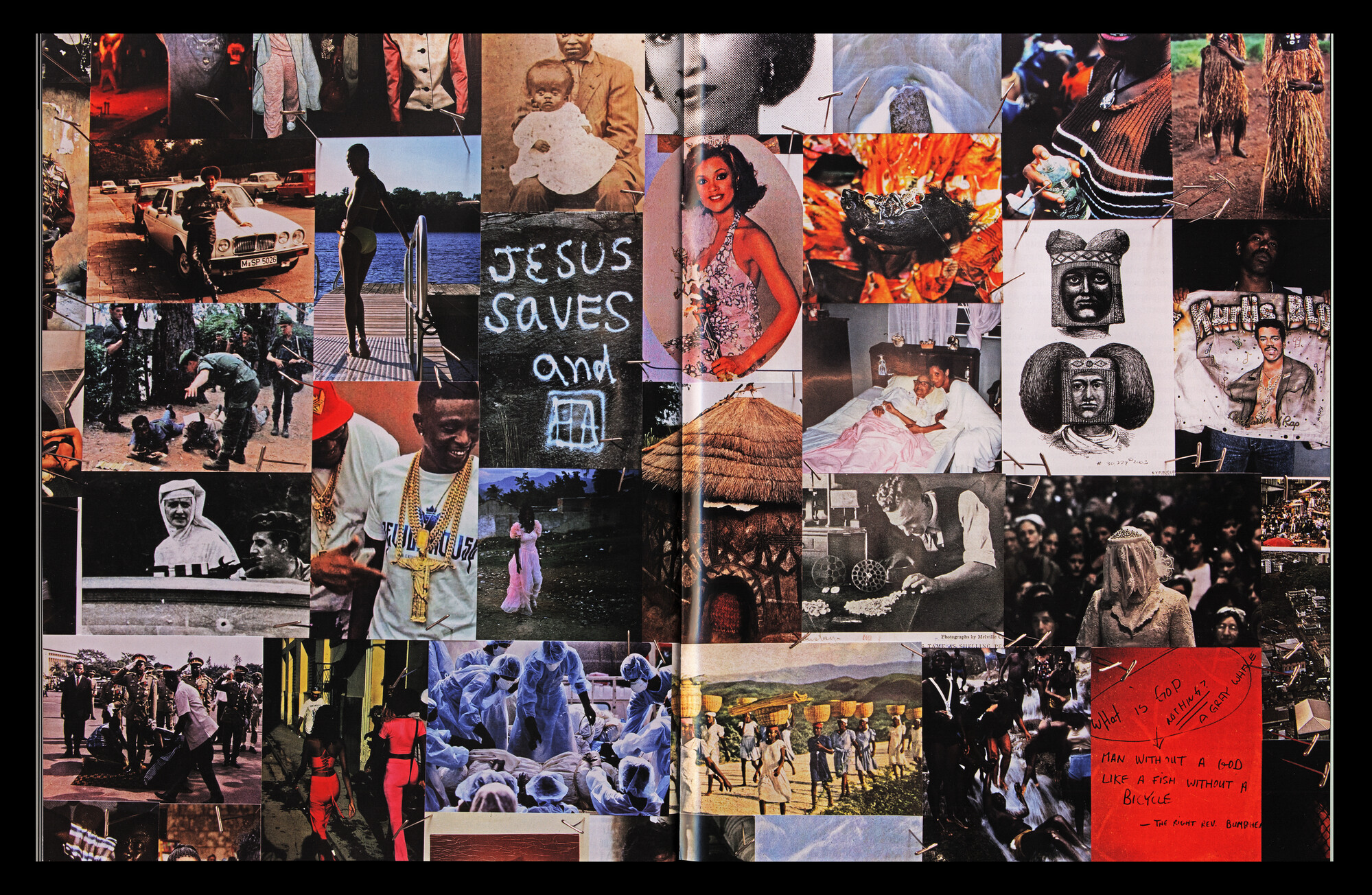
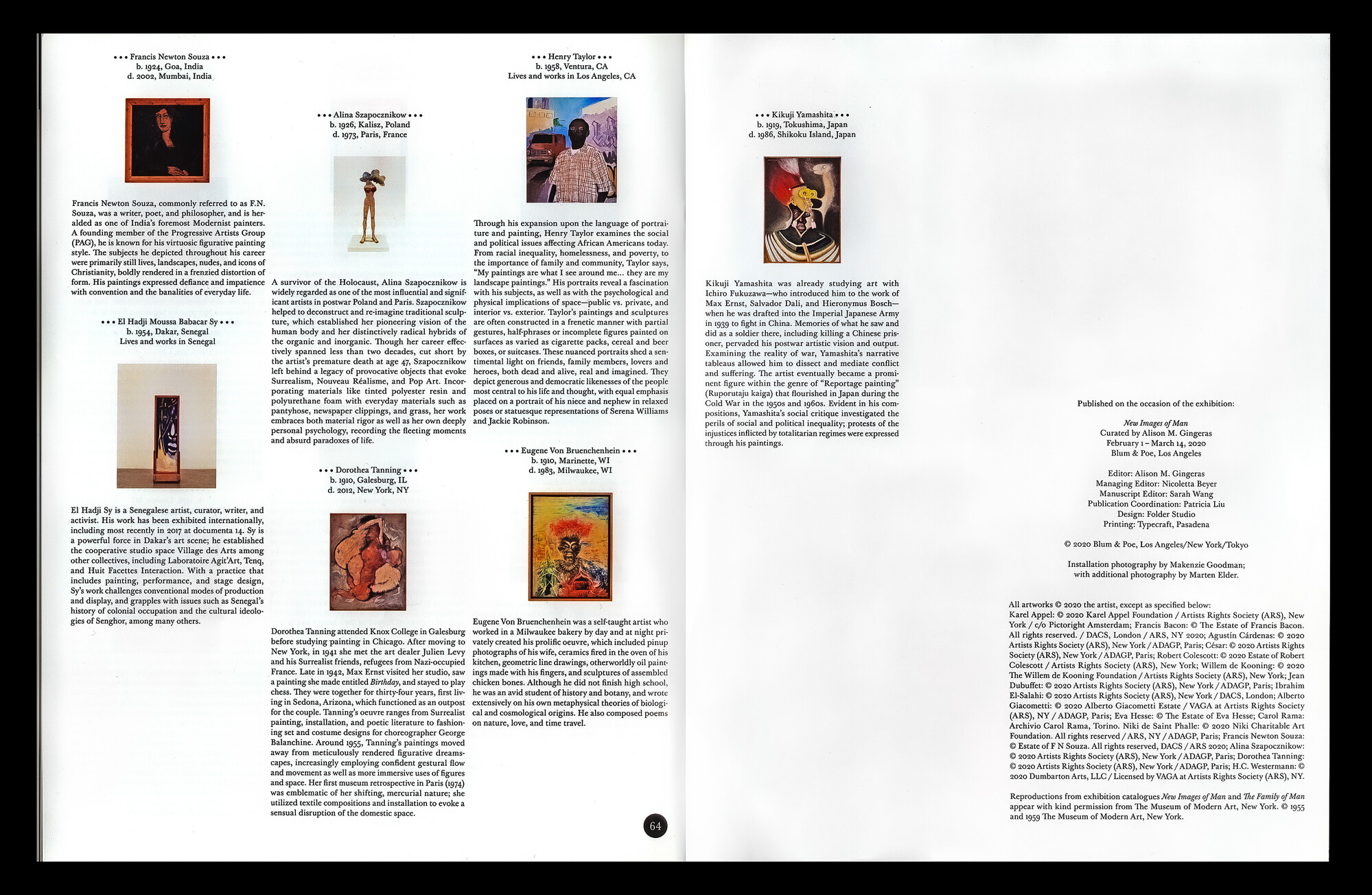
New Images of Man is both a tribute to and a radical revision of Peter Selz’s controversial 1959 exhibition of the same name at MoMA New York. The show pushes against the homogeneity of the original, asking what figurative art means when freed from midcentury Western gatekeeping. The catalog doubles down on the self-referential nature of the show using Dave Muller’s massive wall painting of Selz’s original 1959 book cover as its own.
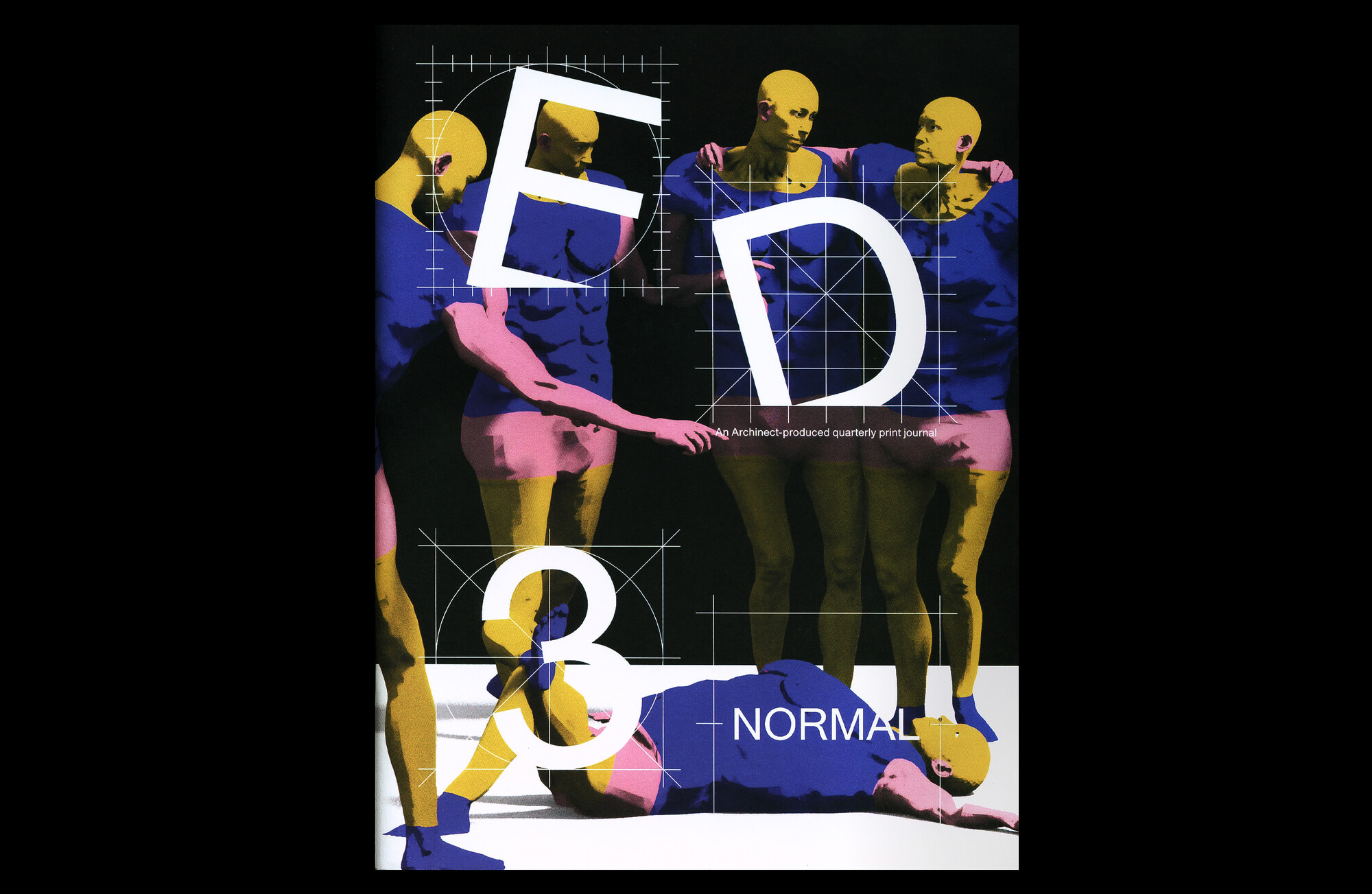
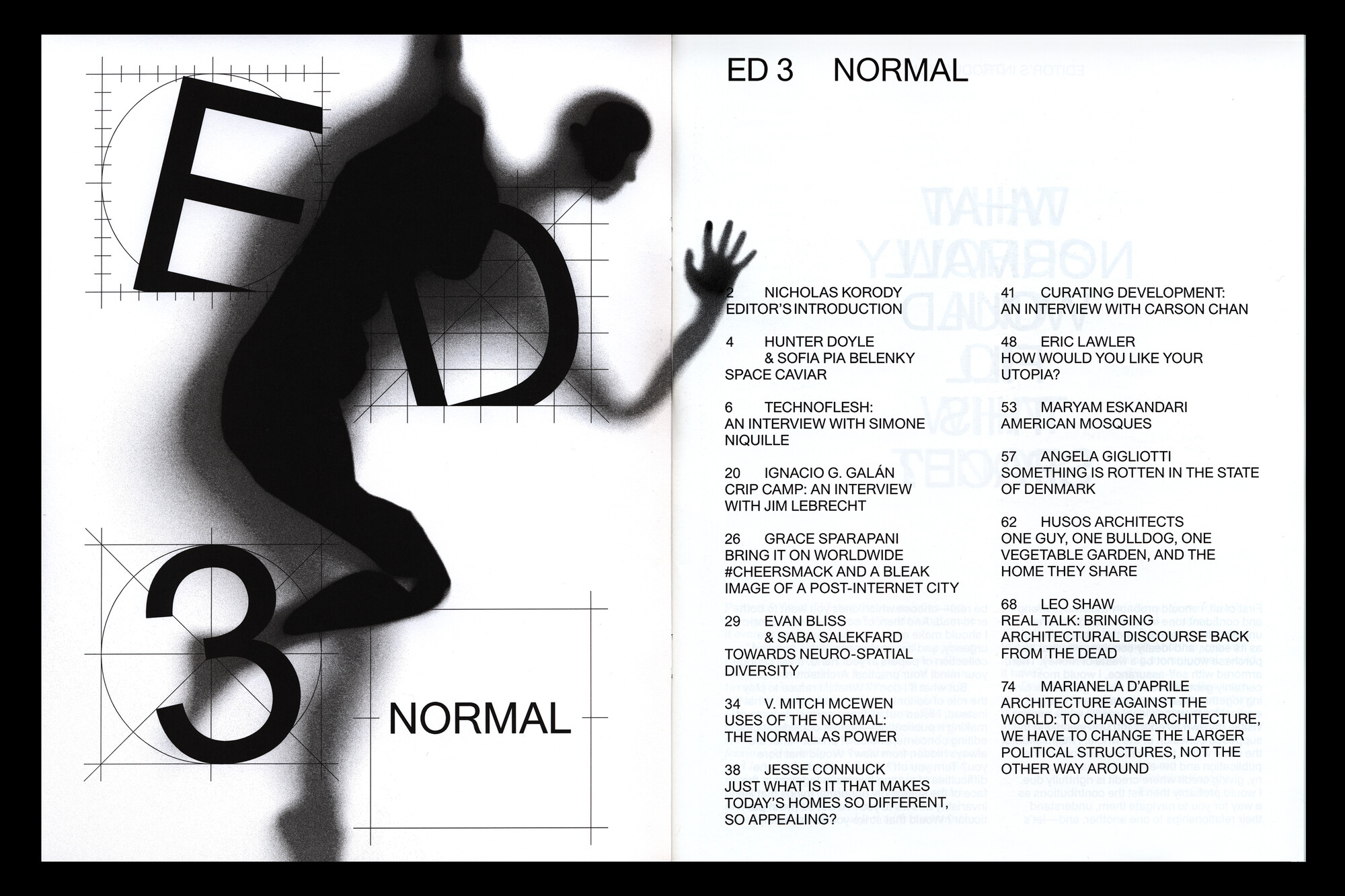
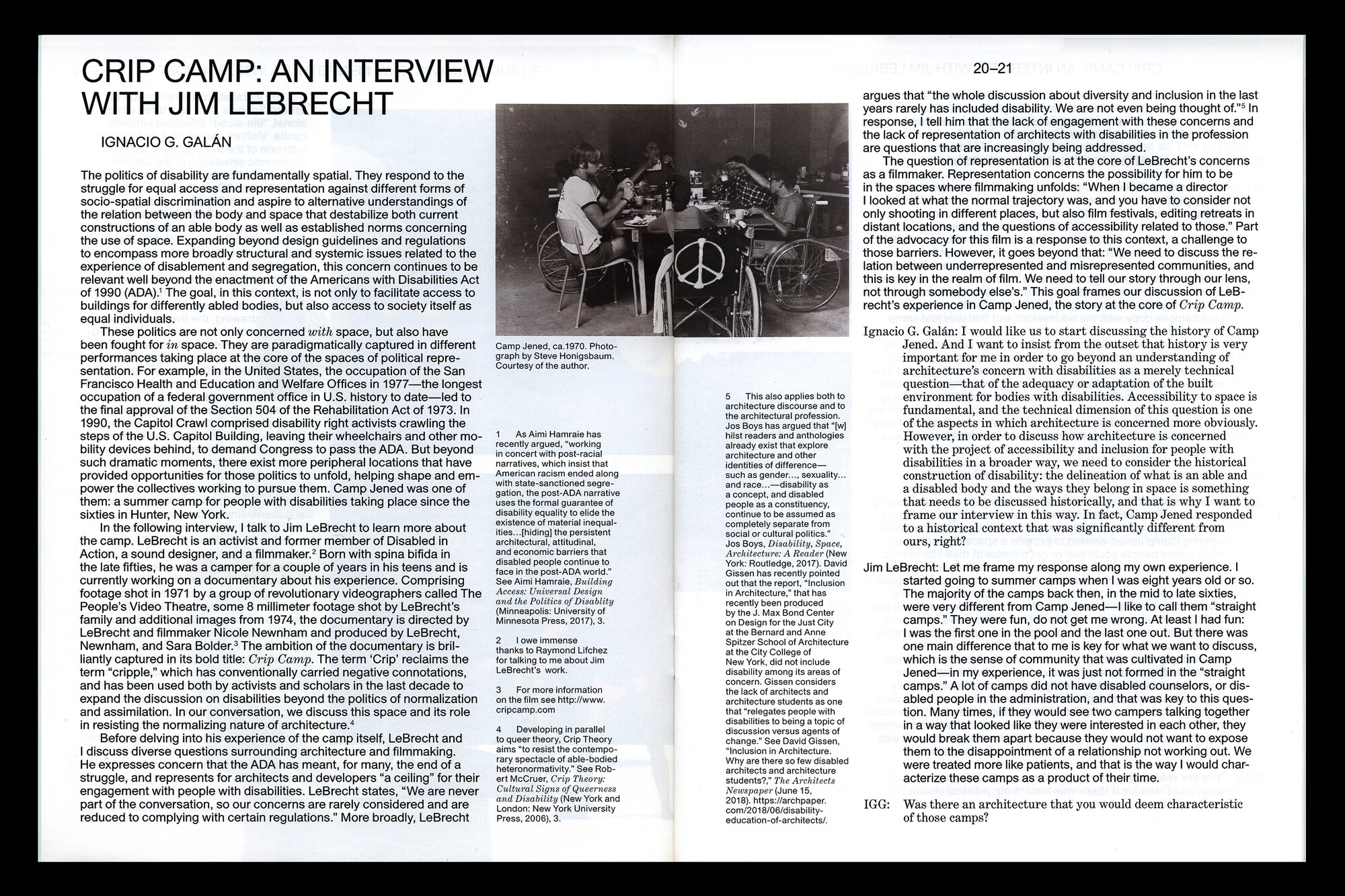
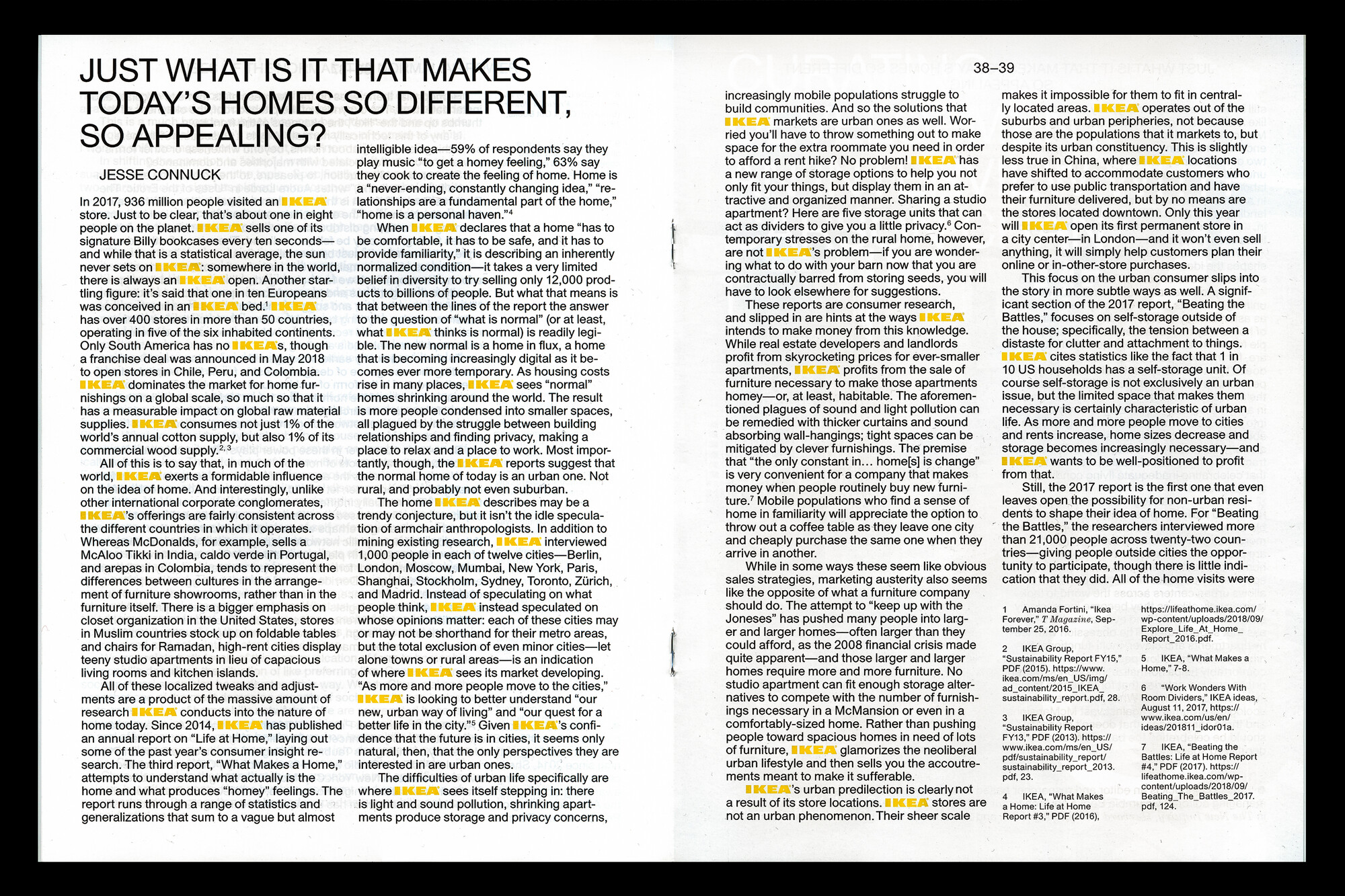
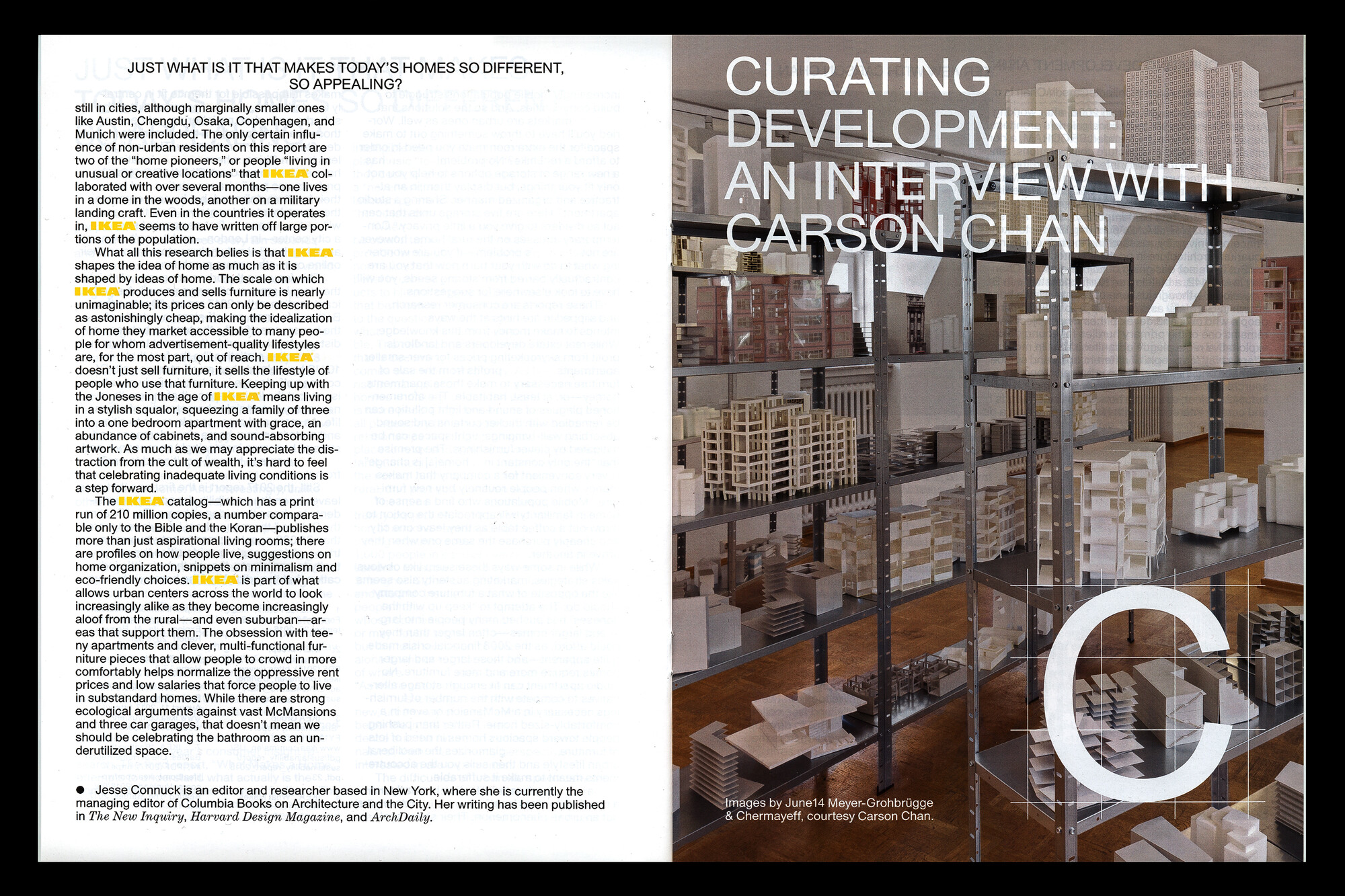
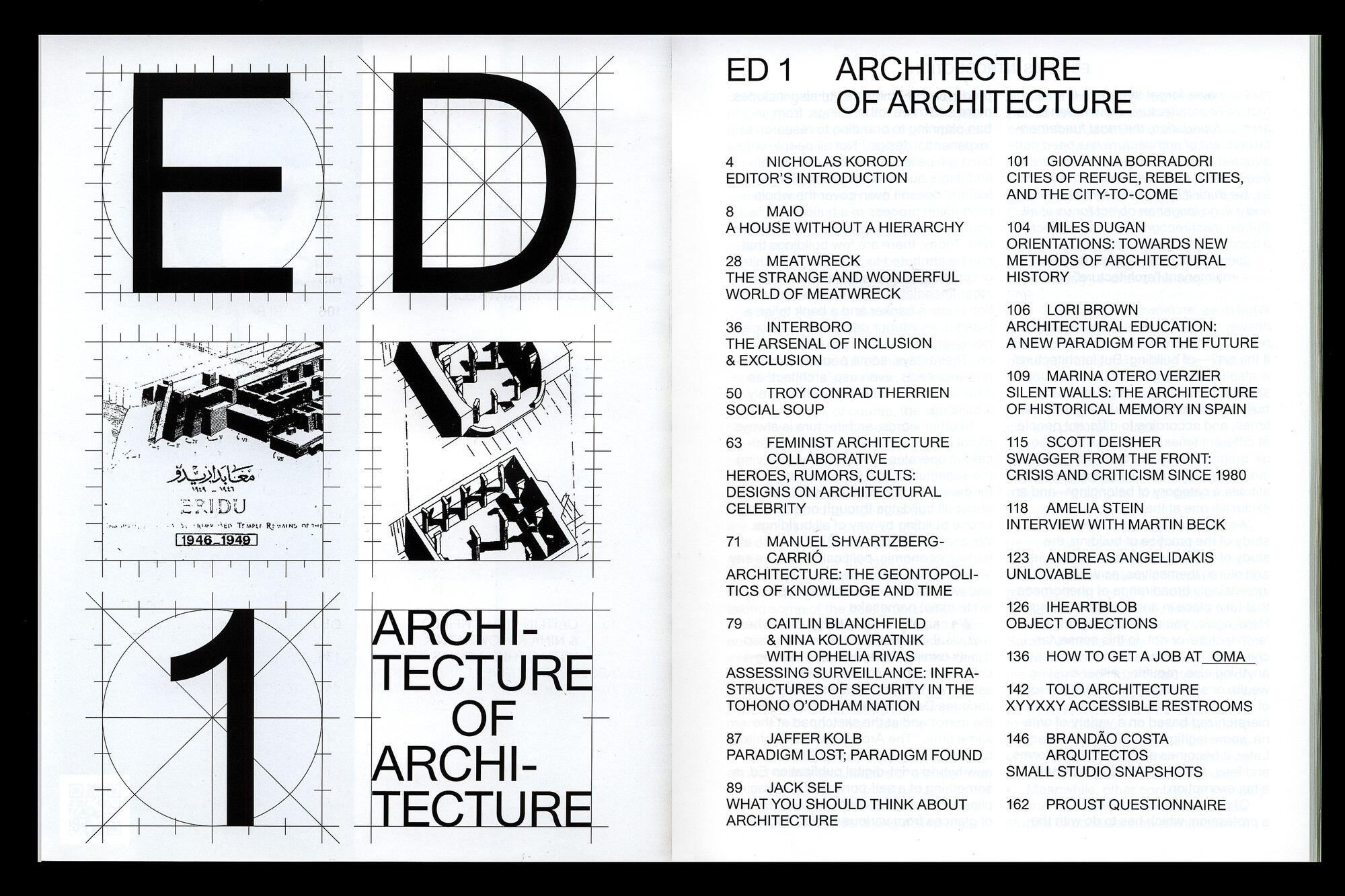
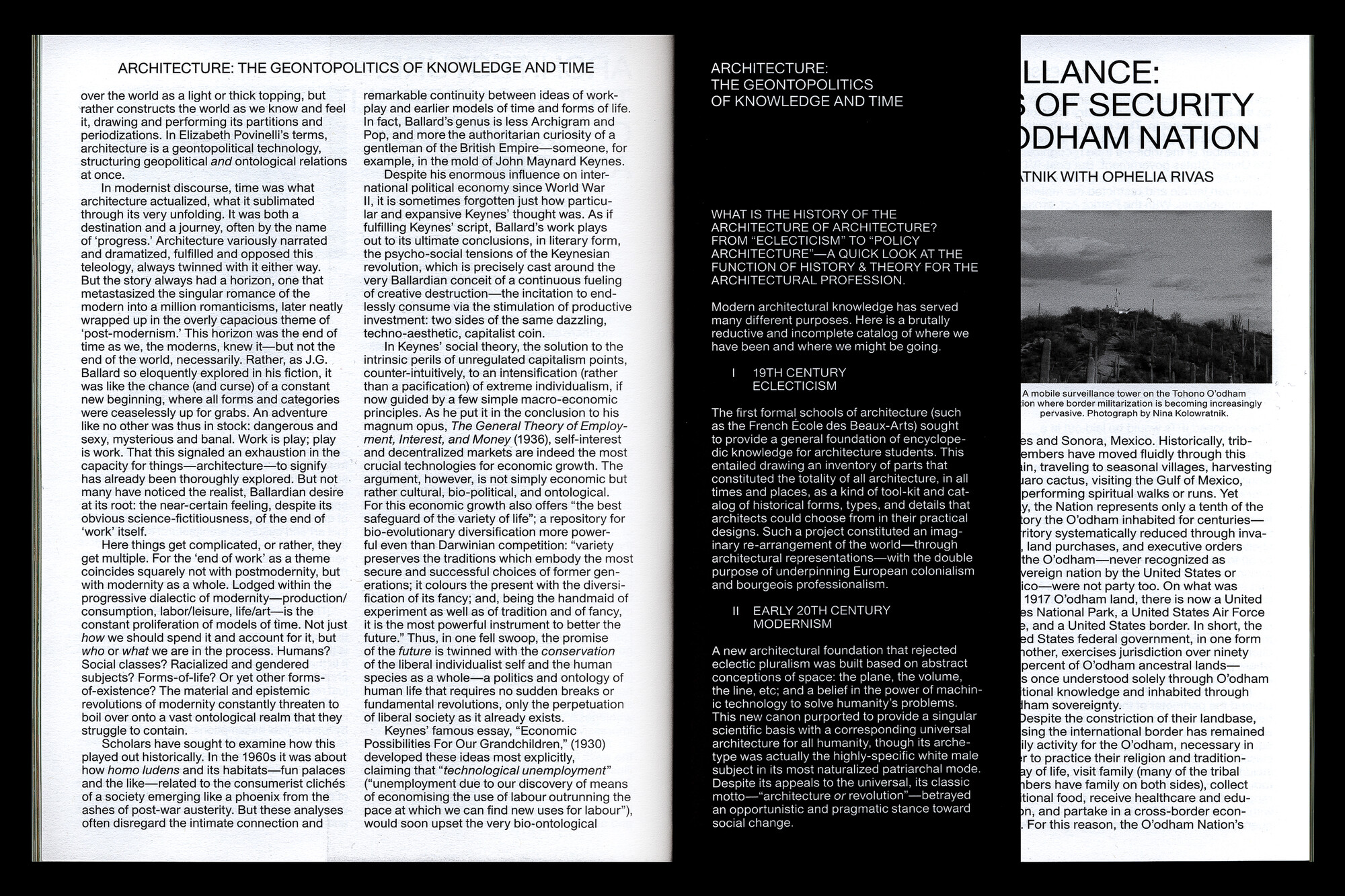
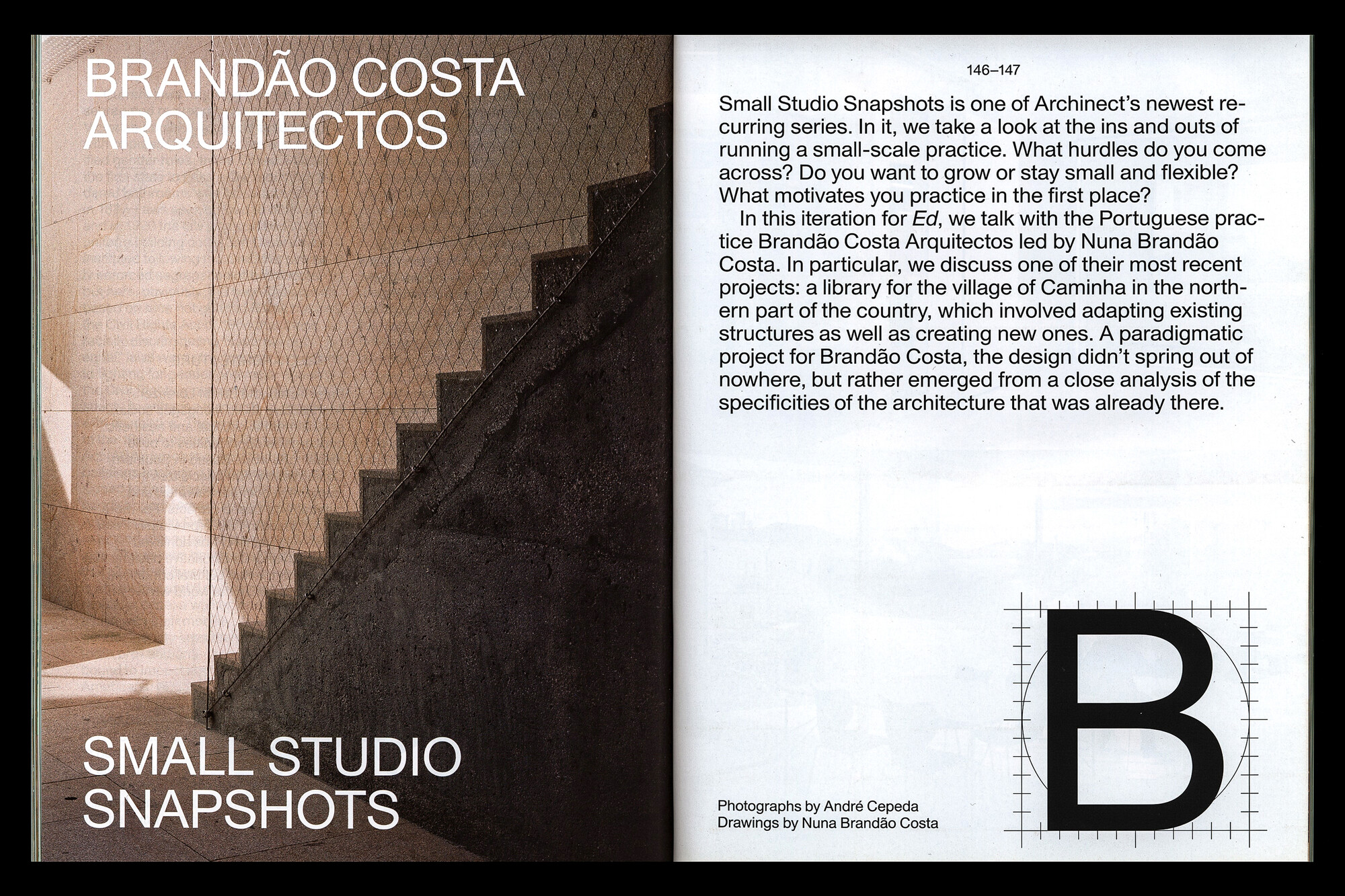
Third issue of Ed, Archinect’s print magazine. Brings together essays and visual contributions questioning the norms that shape architectural practice and its institutions, and proposing alternative frameworks for how architecture relates to labor, bodies, and social structures. More info ⎘
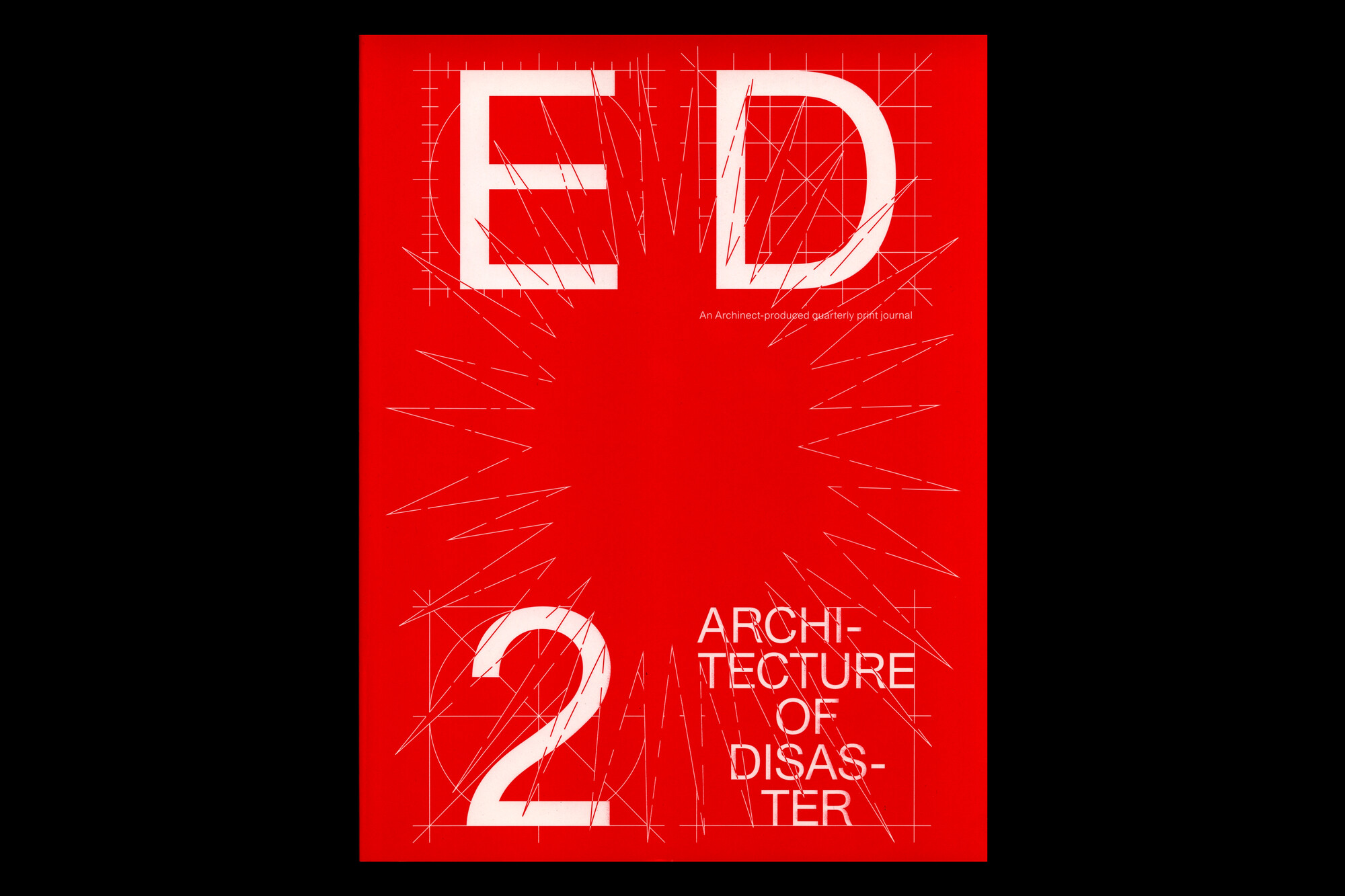
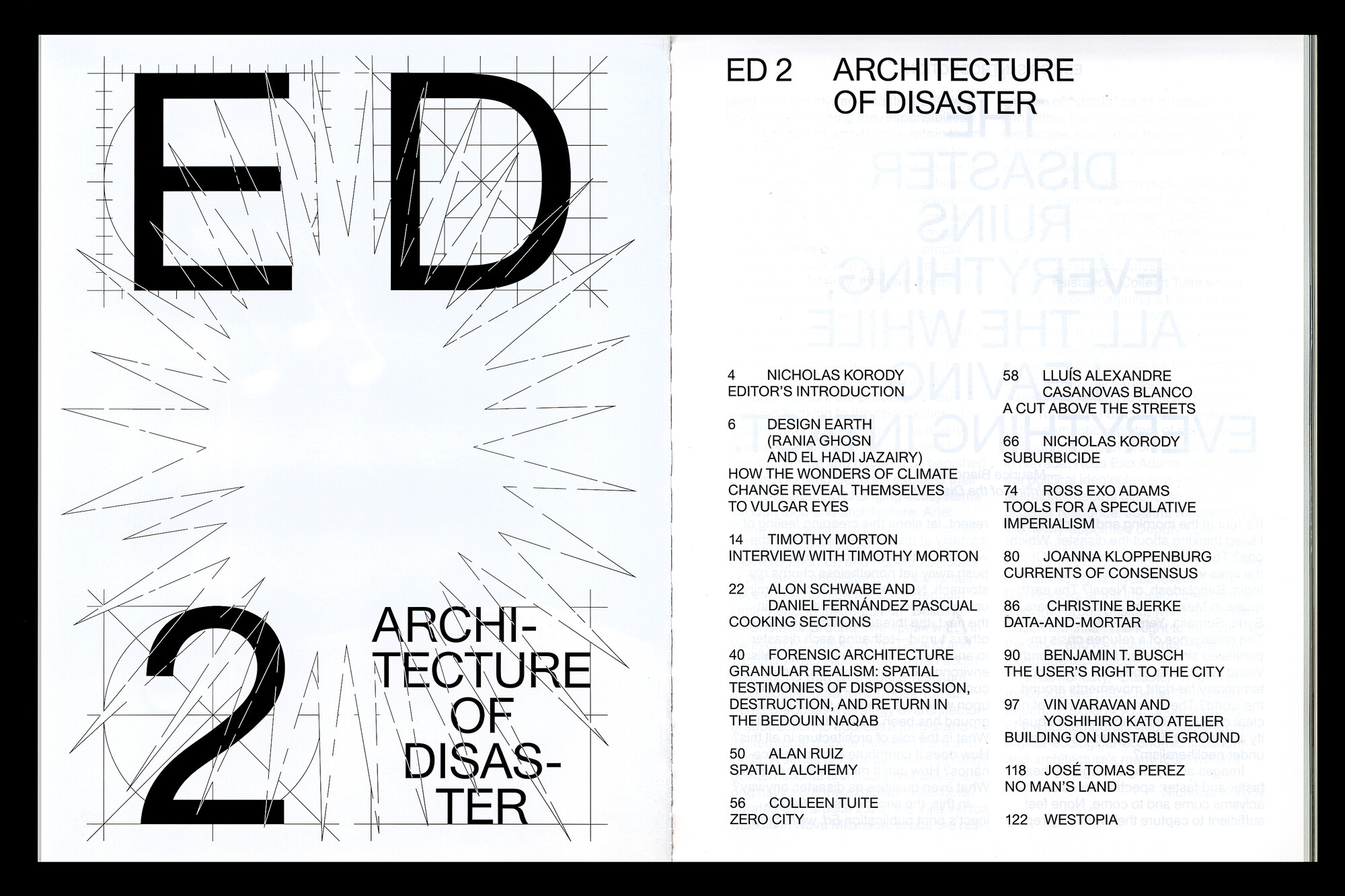
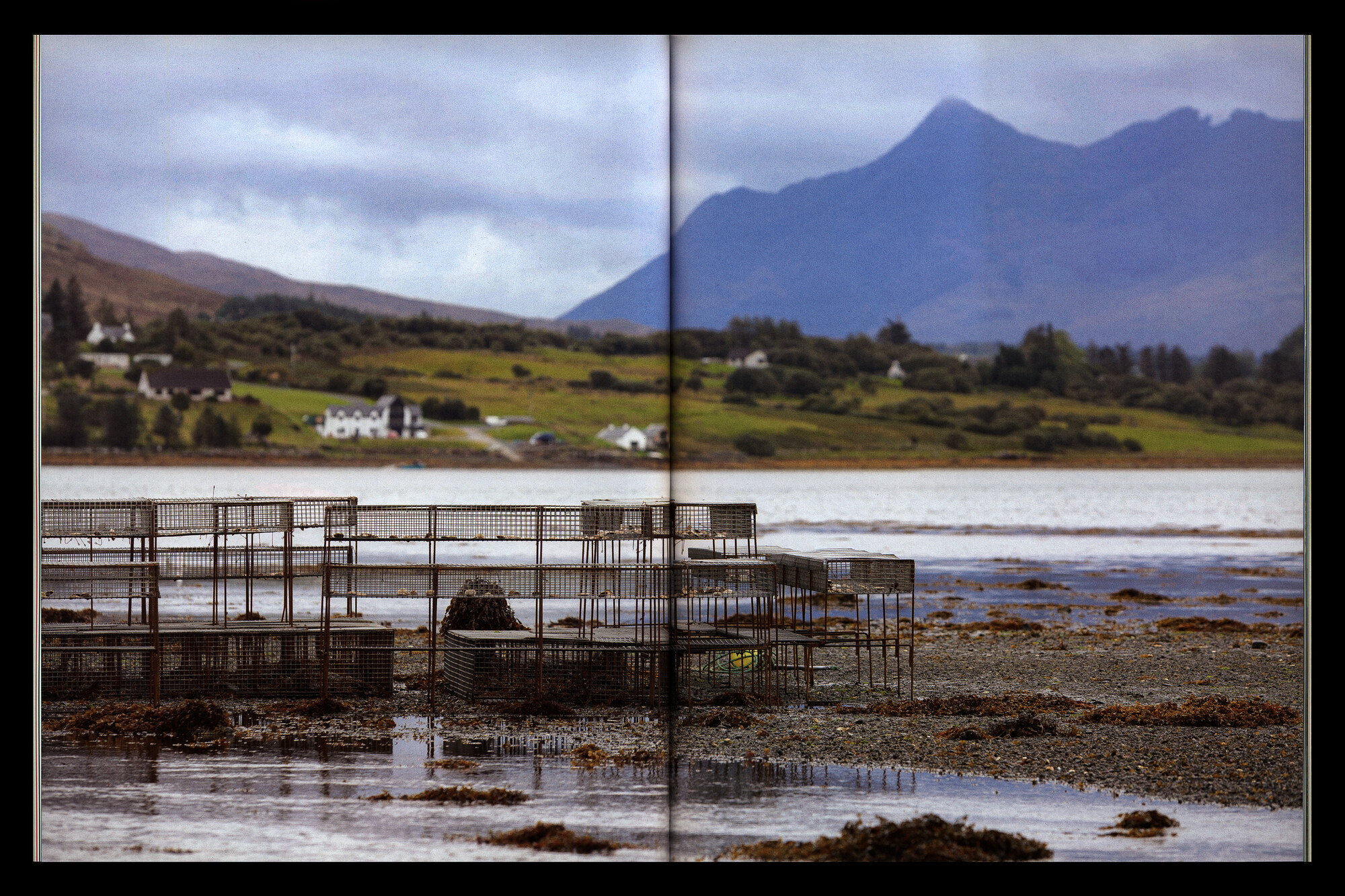
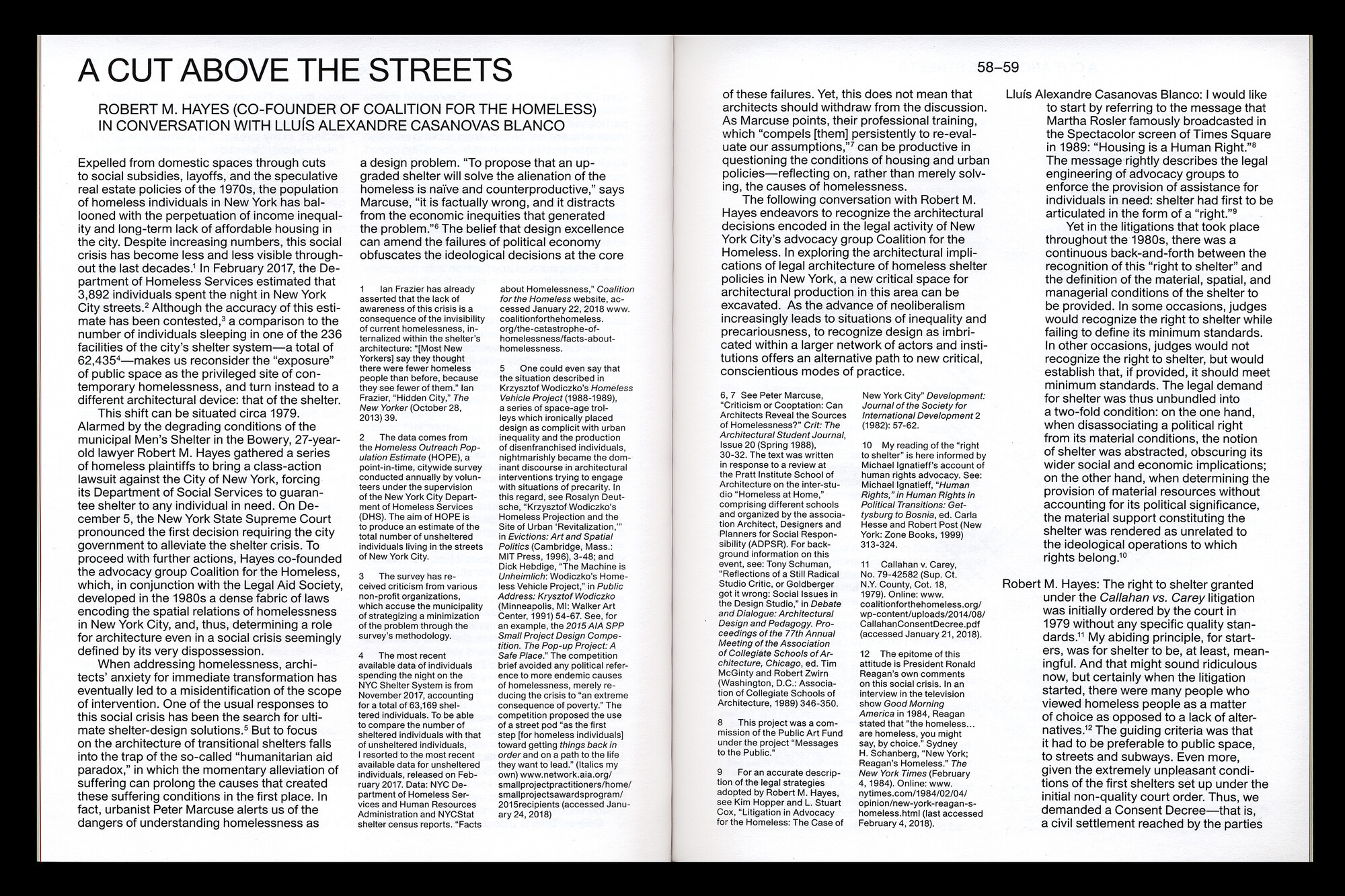
Second issue of Ed, Archinect’s print magazine. Brings together texts and projects examining the disasters shaping contemporary life and architecture’s position within them. Rather than proposing solutions, the issue reflects on responsibility, uncertainty, and the discipline’s entanglement in the crises it seeks to address. More info ⎘
Inaugural issue of Ed, Archinect’s print magazine. Examines how architecture operates within broader social, economic, and technological systems, and considers how the discipline might be reimagined through alternative frameworks of practice and thought. More info
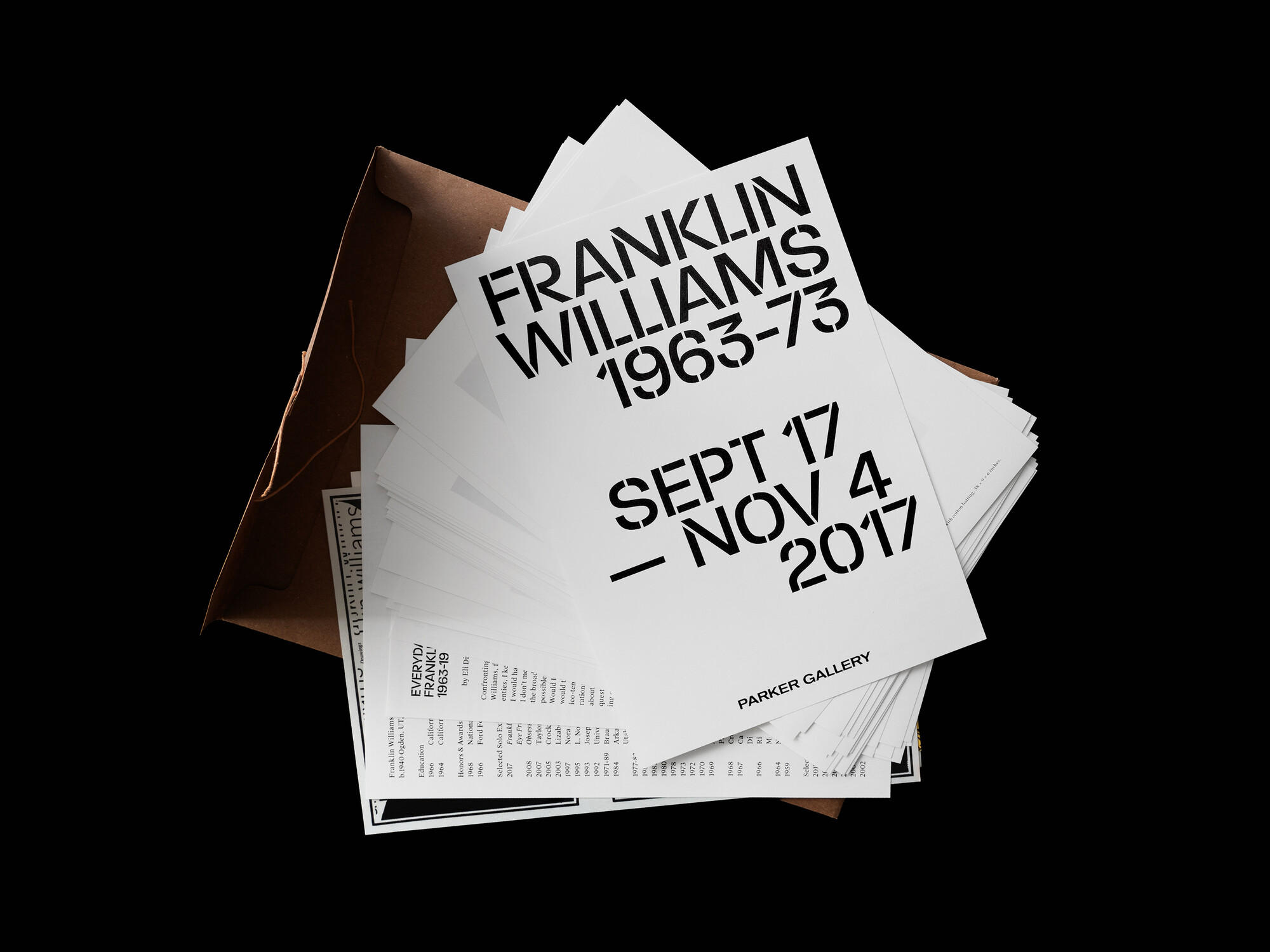
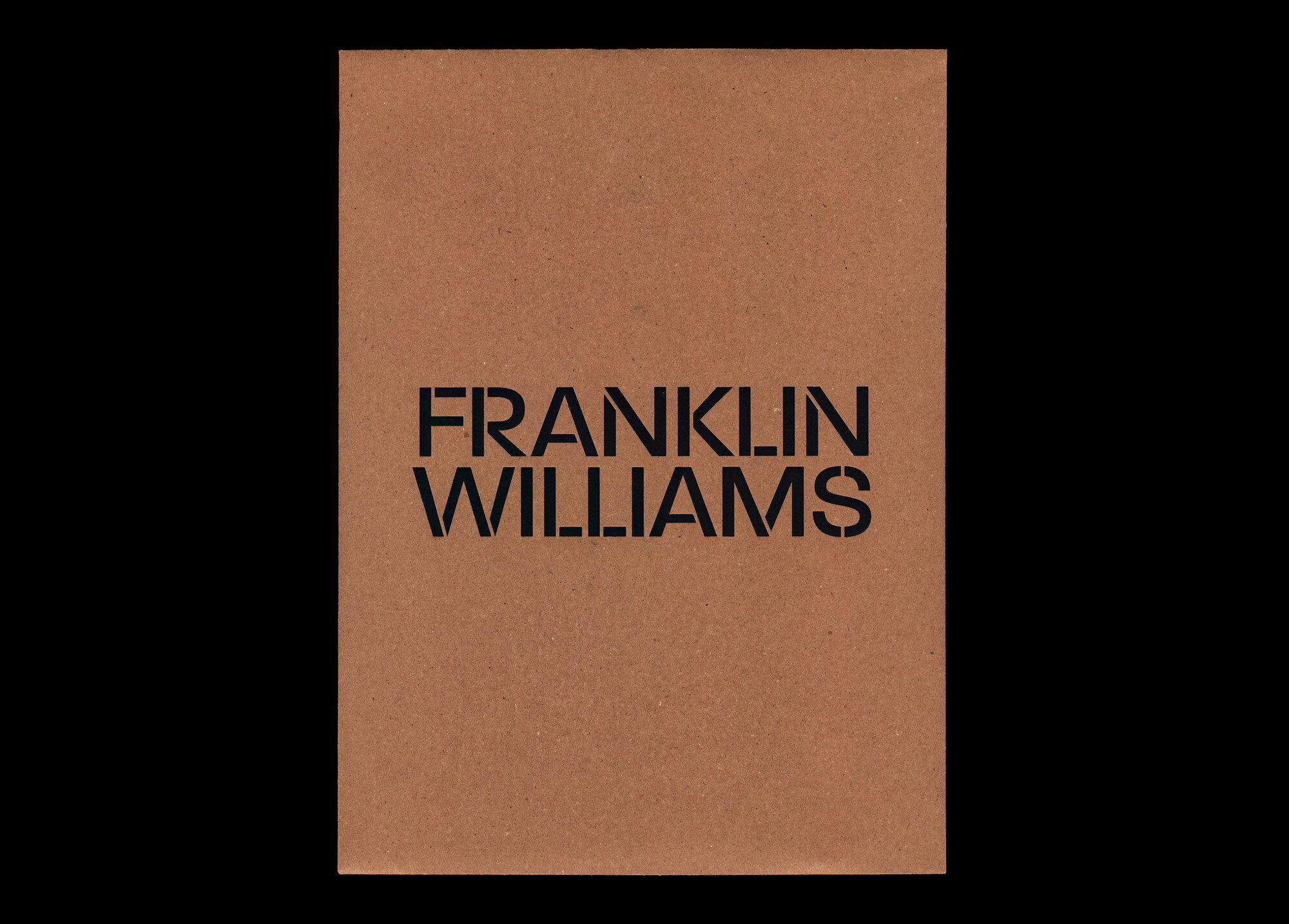
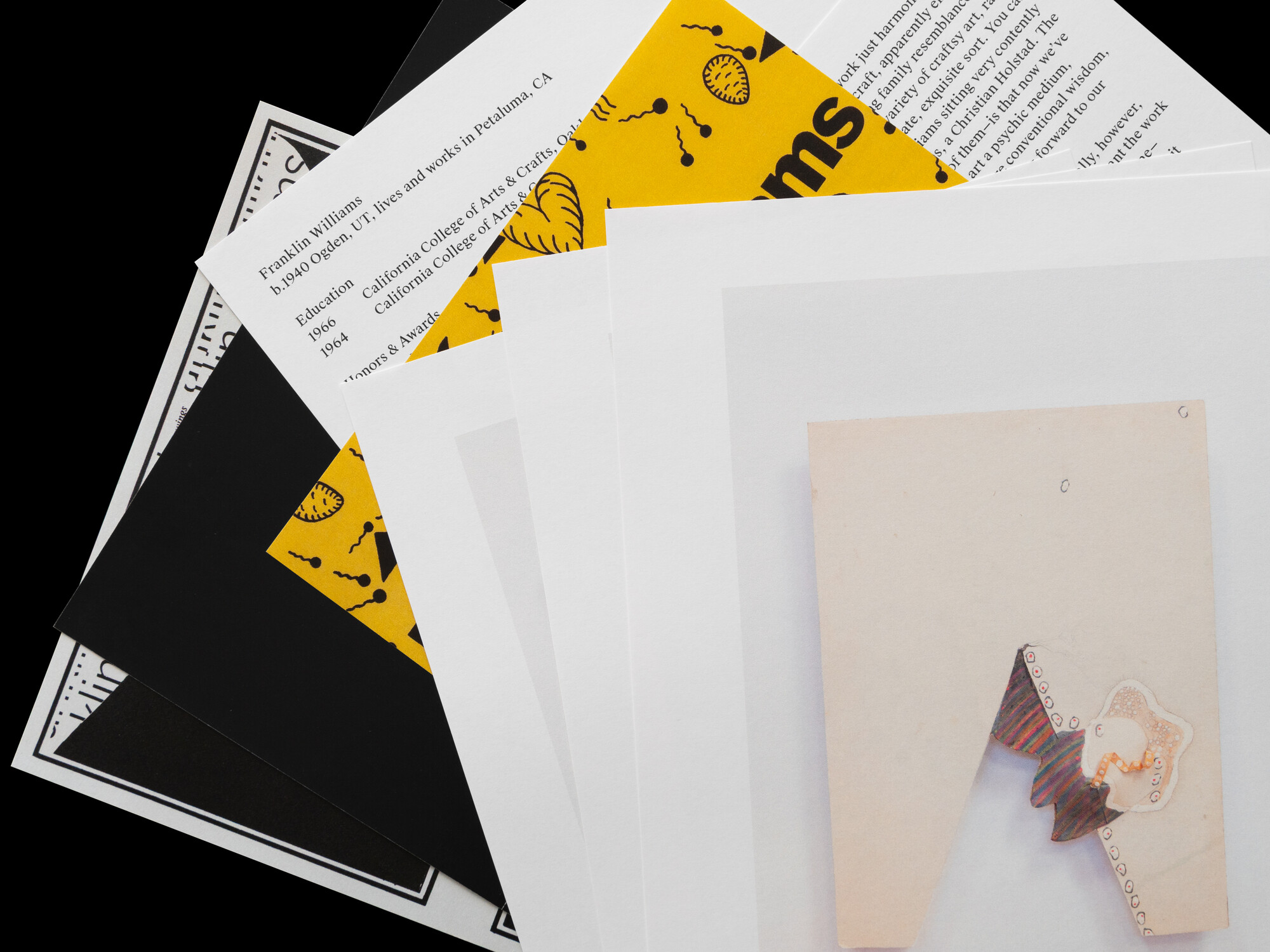
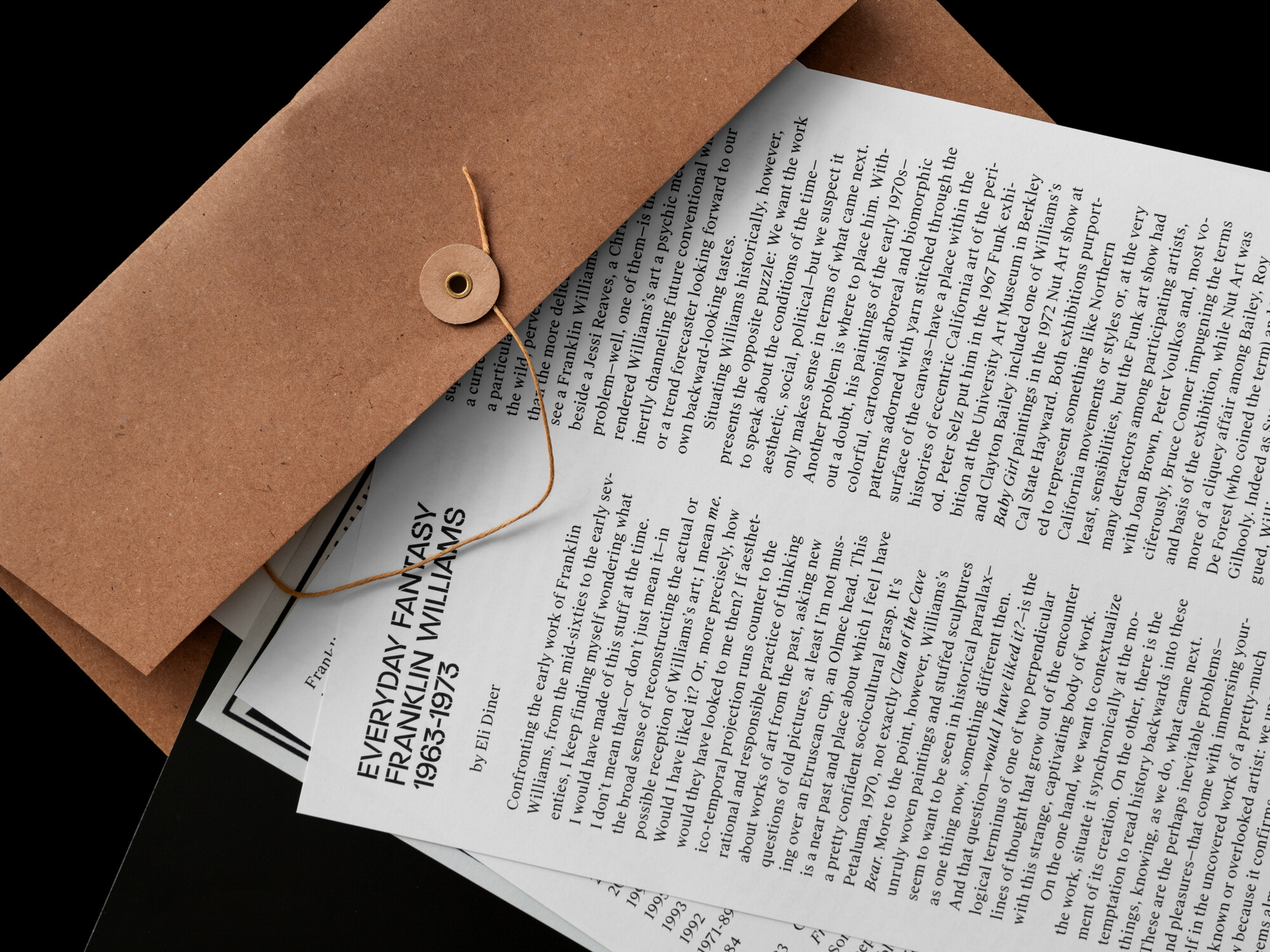
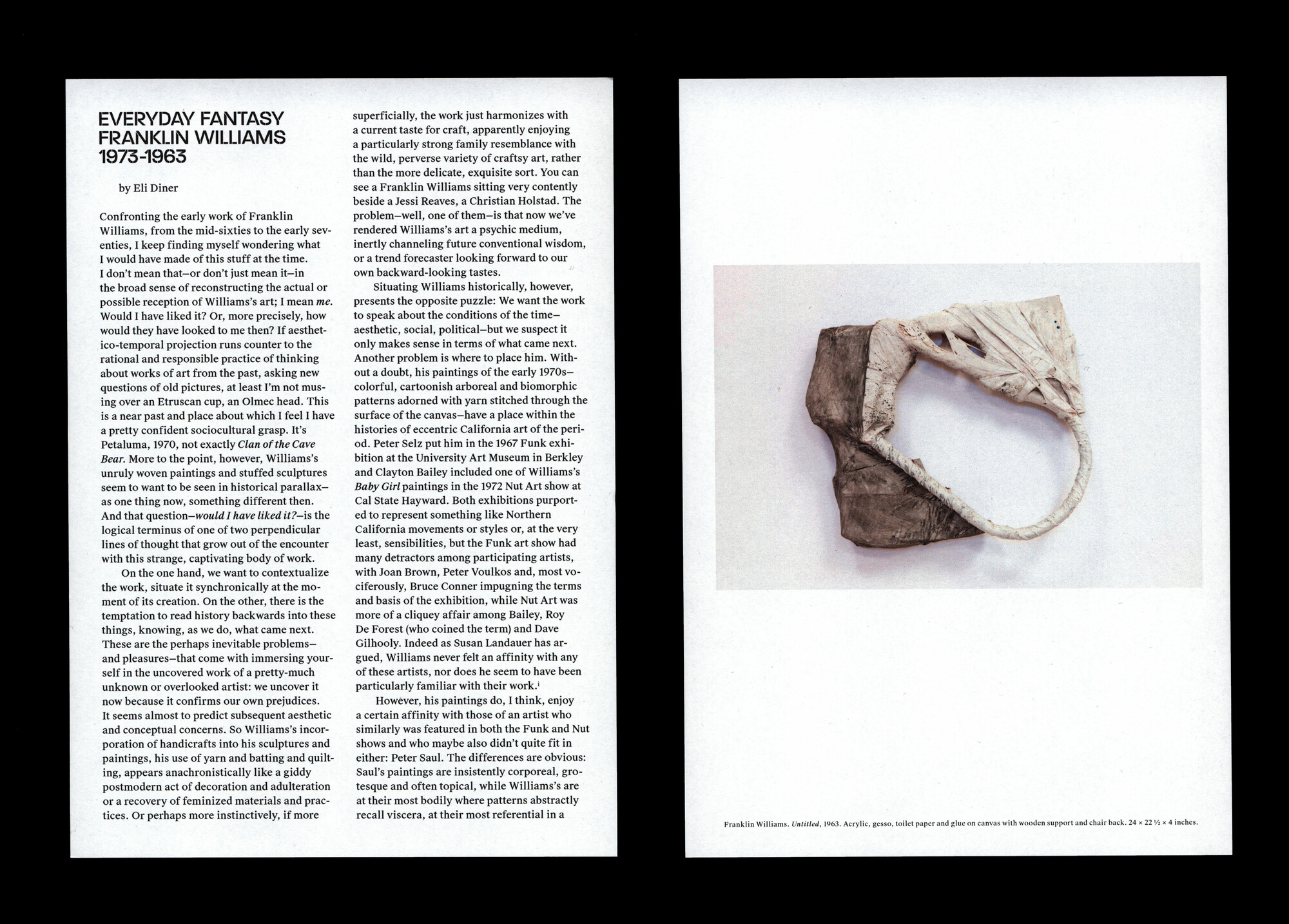
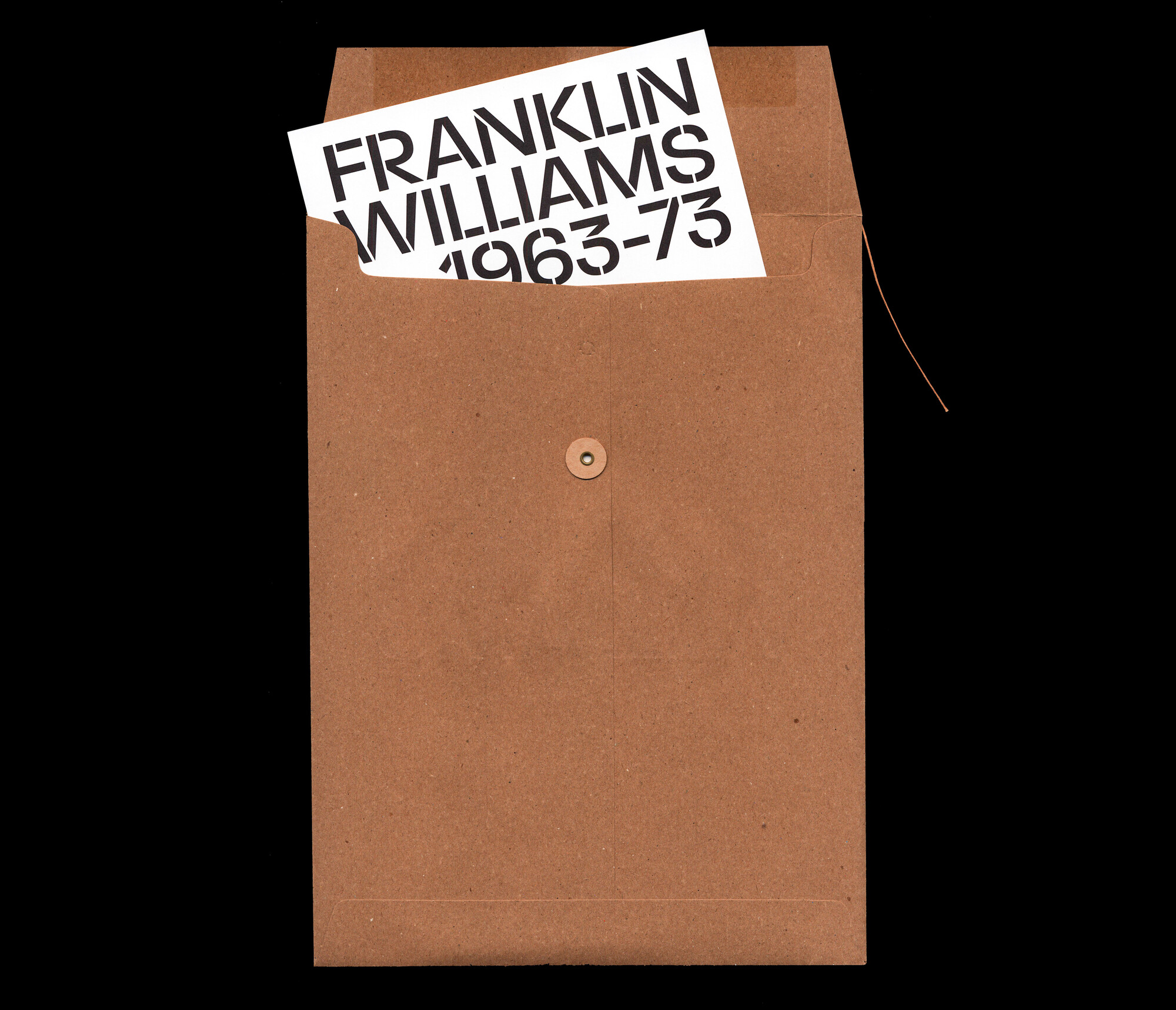
Publication on Franklin Williams’s work from 1963 to 1973, produced for Parker Gallery. Highlights the artist’s distinctive approach to materials, pattern, and craft within the Bay Area art scene. More info ⎘
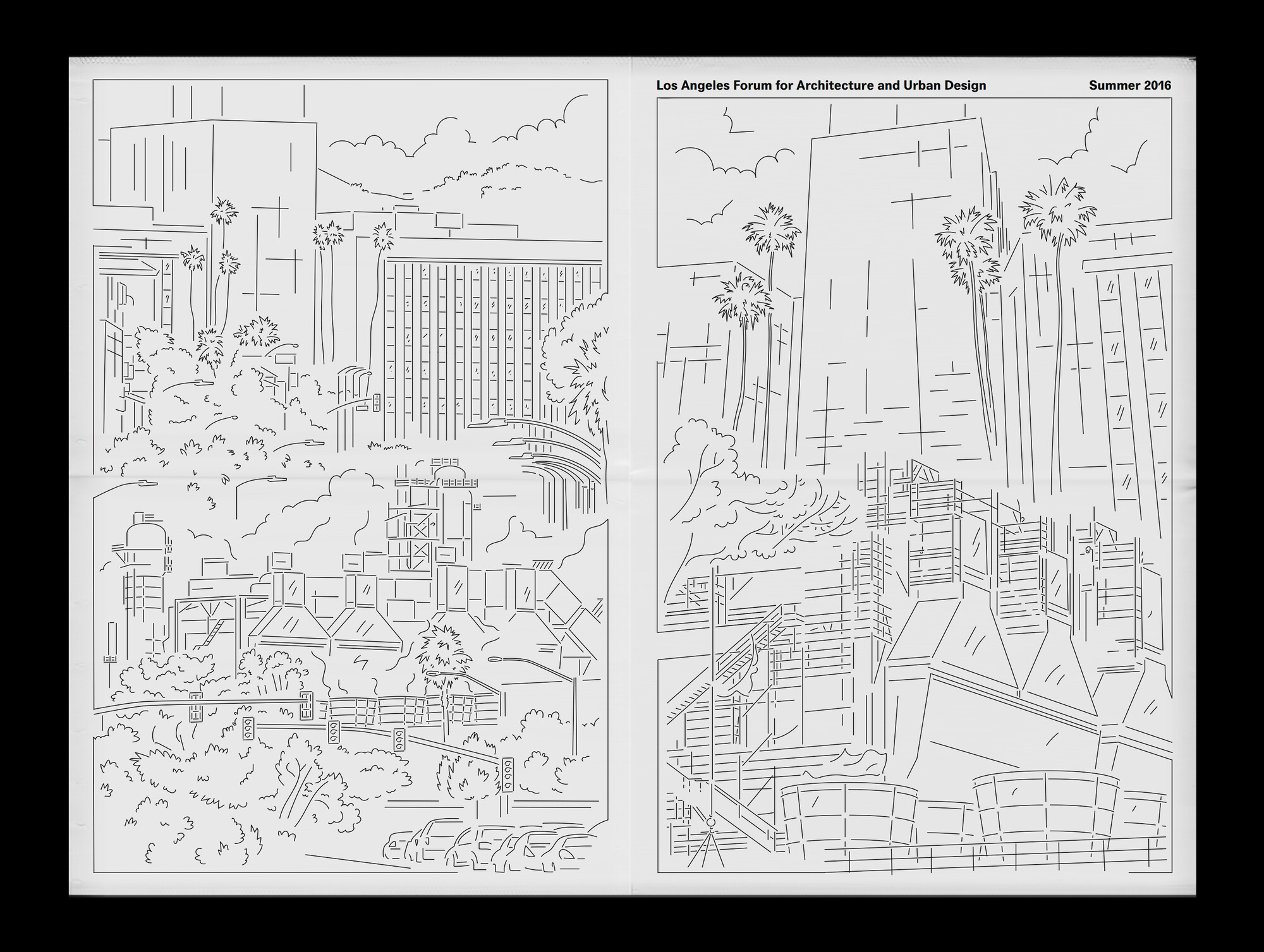
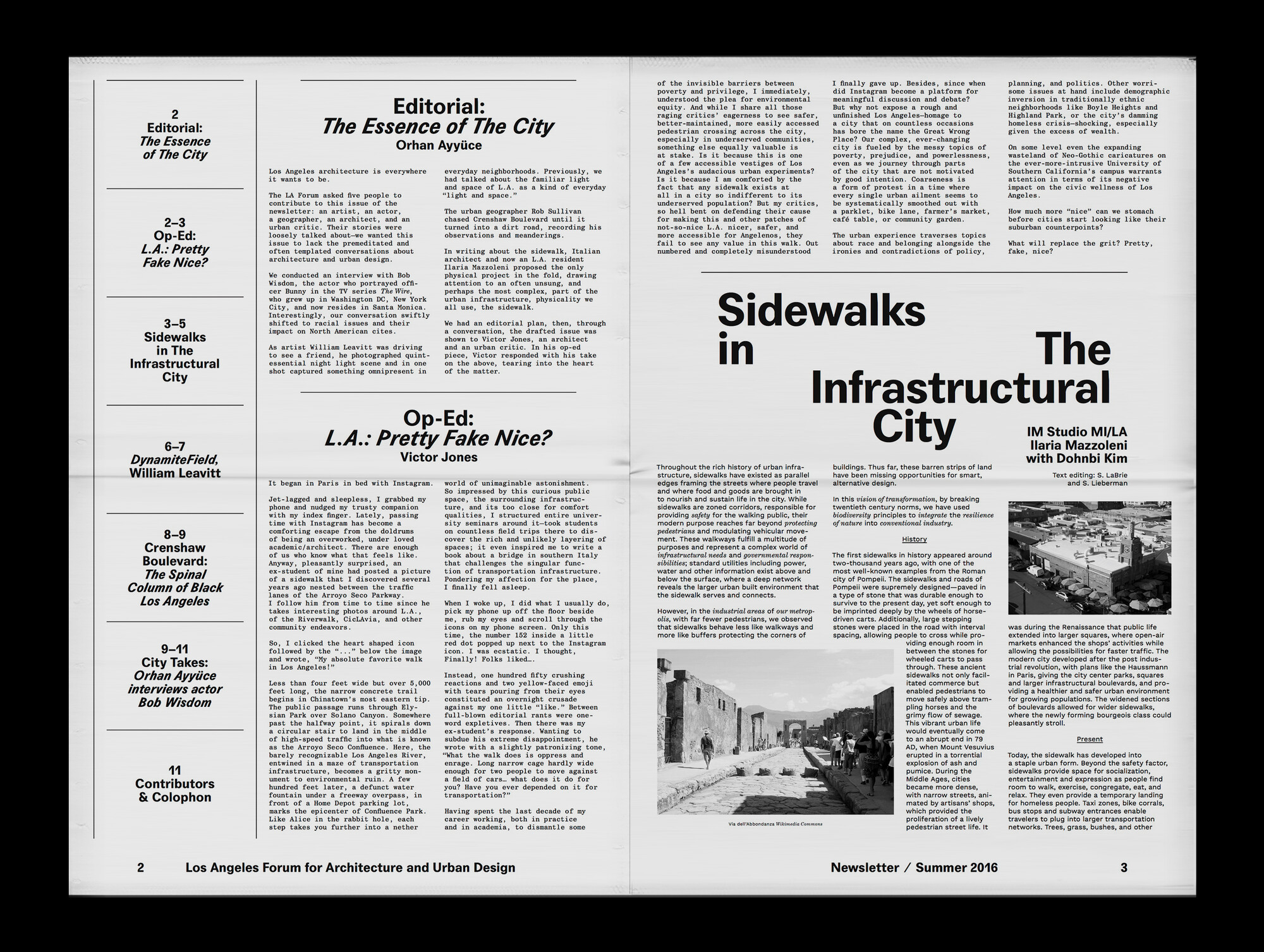
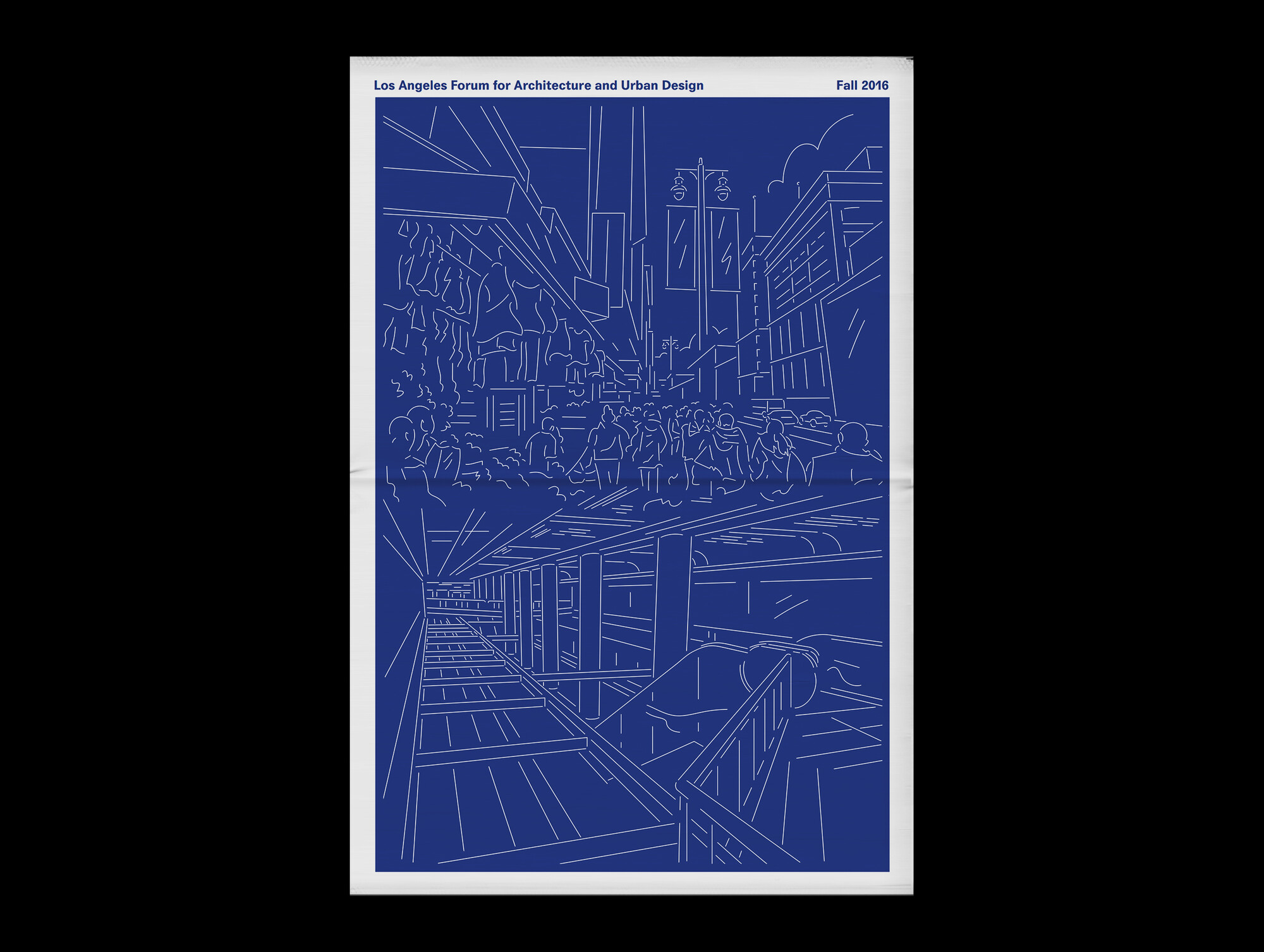
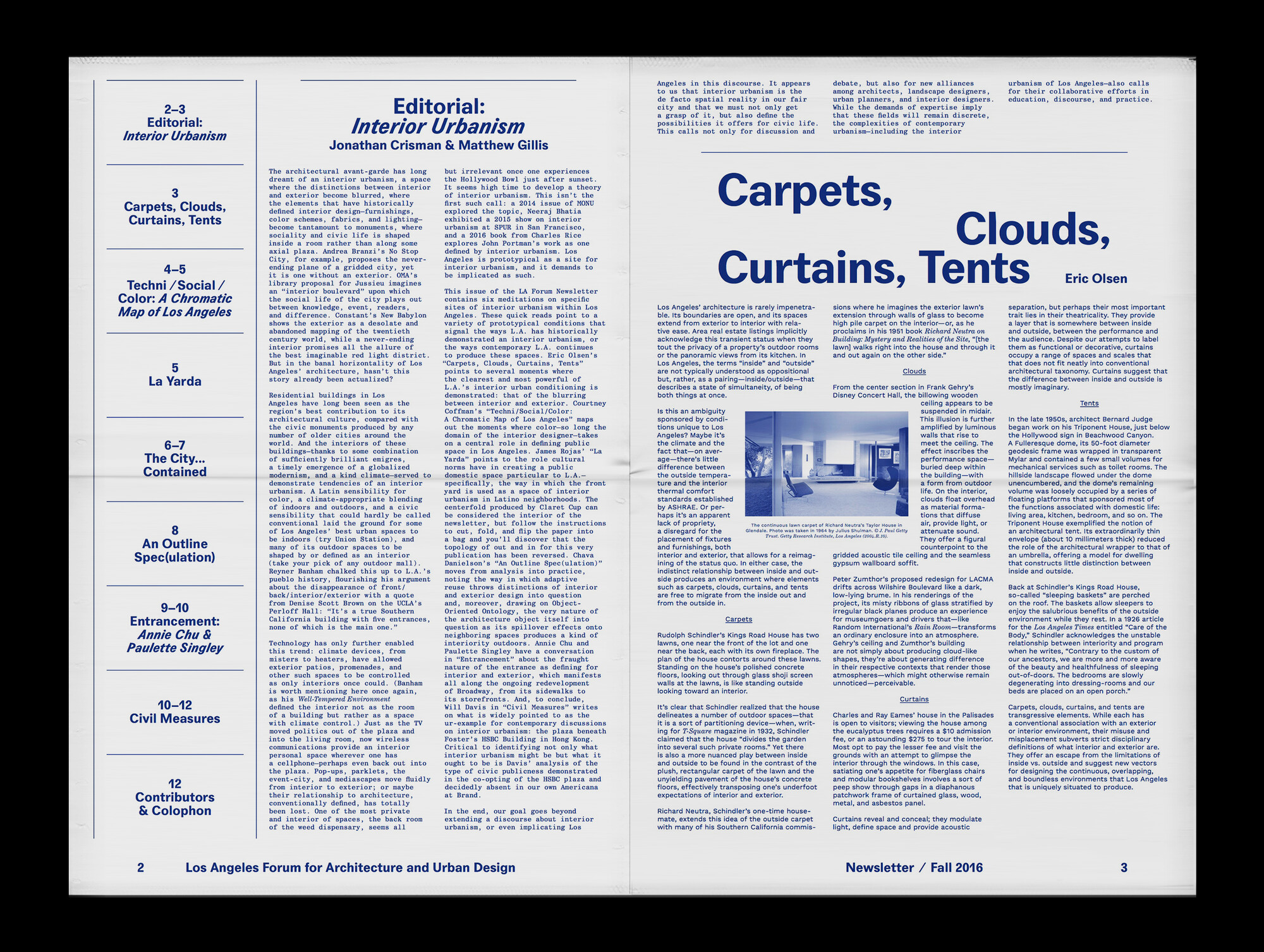
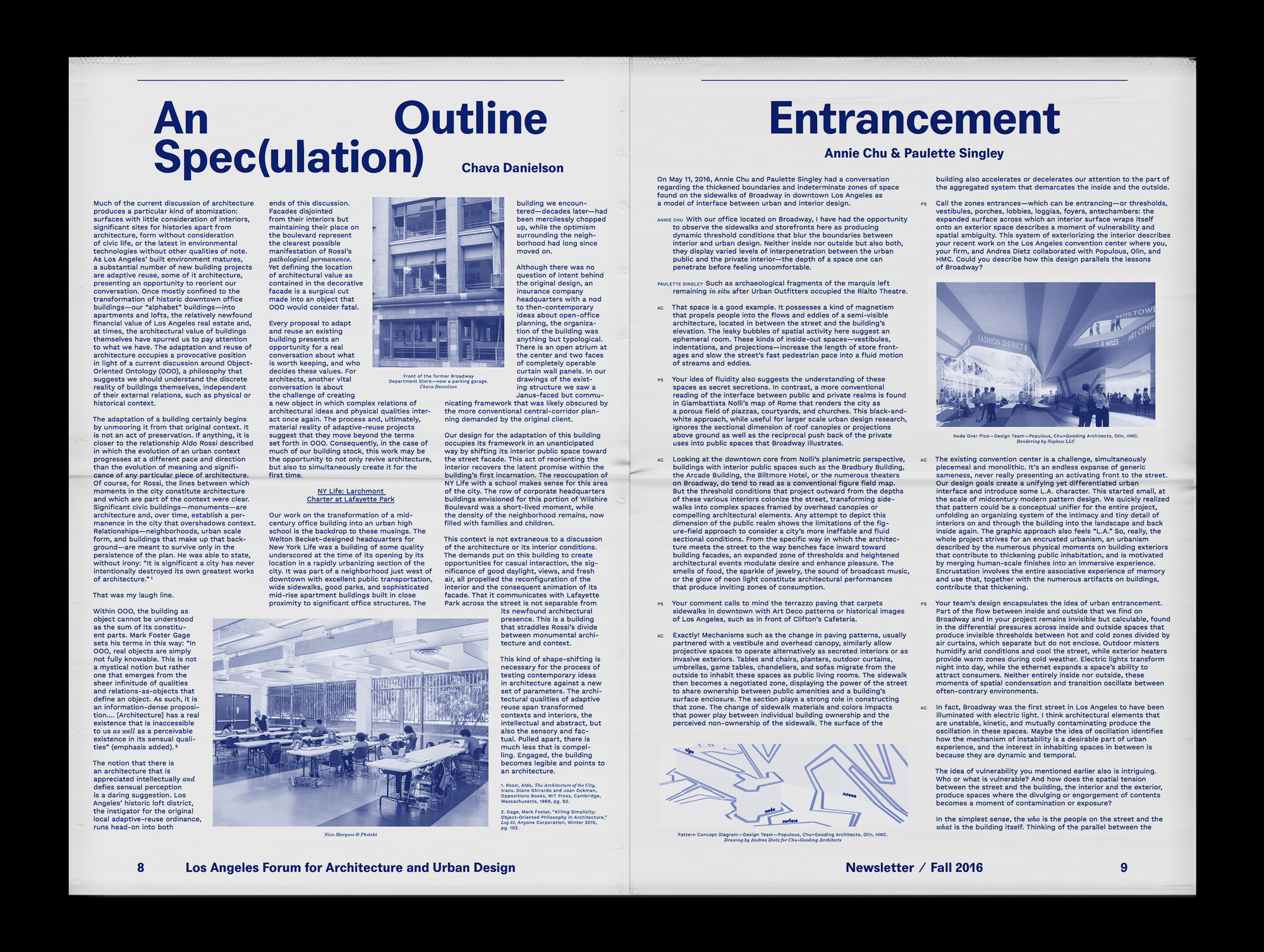
Seasonal newsletter for the Los Angeles Forum for Architecture and Urban Design. Features essays, interviews, and illustrations exploring unexpected aspects of the city’s built environment.