Folder designs interfaces, publications, and systems for organizing, encountering, and carrying information forward. We help museums, universities, civic institutions, and others engaged in the stewardship and sharing of knowledge create ways for language, media, and material to surface and endure.
We are interested in what happens to information over time, and how form can reveal the connections that give it meaning. Projects come in a variety of configurations rooted in partnerships that honor the material and its strategic presentation.
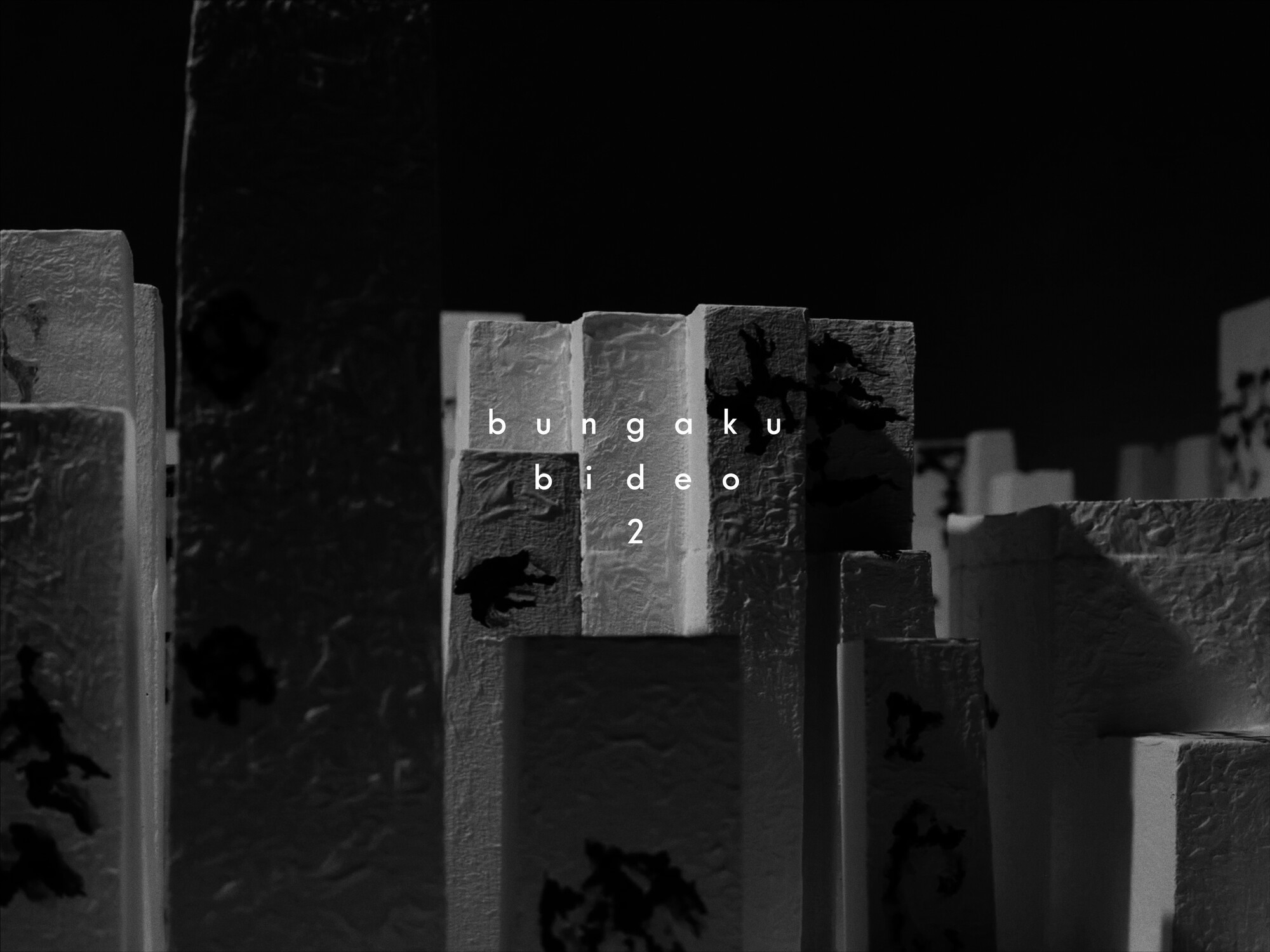
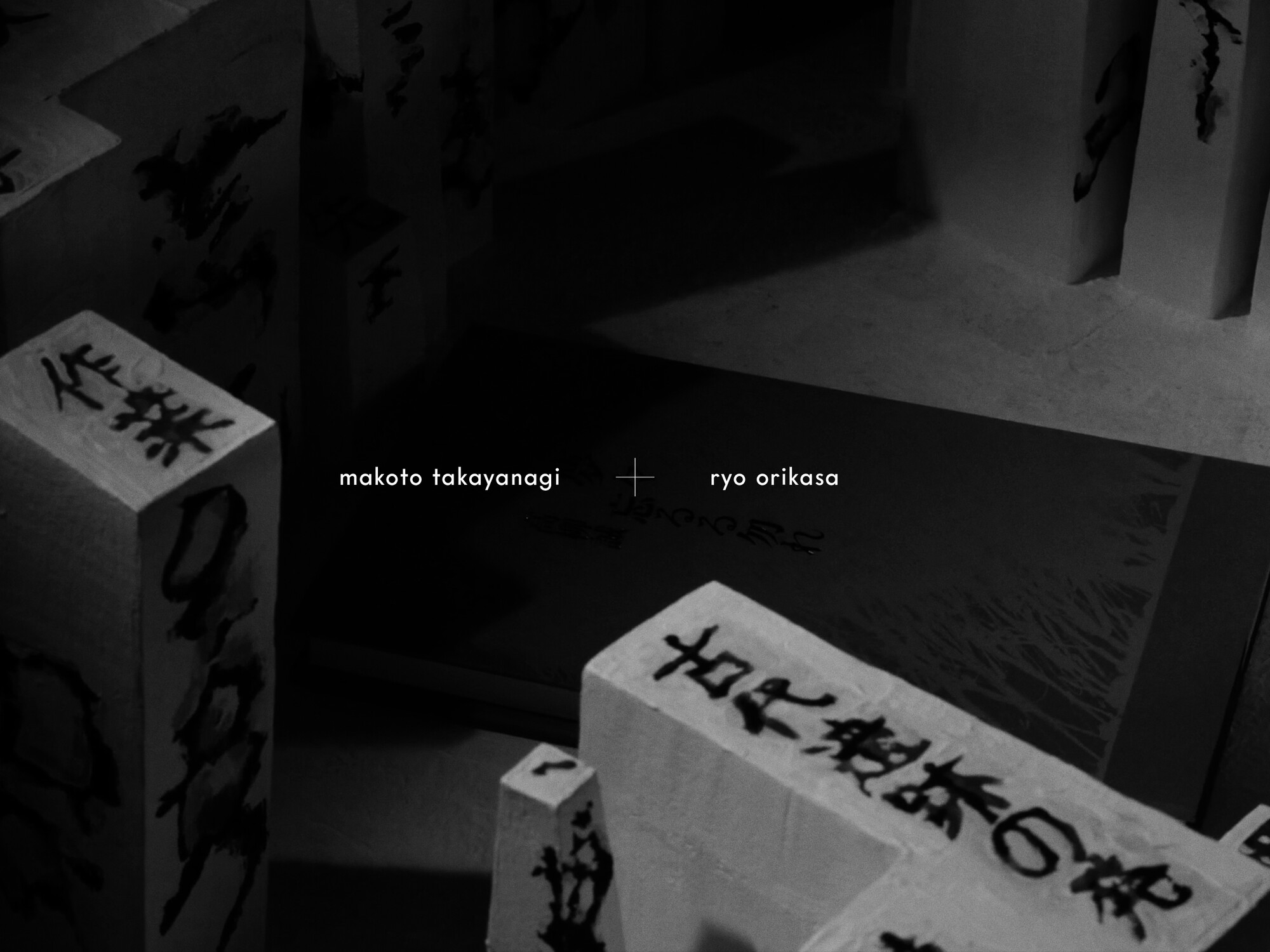
Bungaku Bideo is a film series bringing together films rooted in literature, moving poetry exploring the relationship between cinematic and written form. The initiative partnered with acclaimed independent animators and contemporary writers to introduce Japanese prose and poetry to international film festival audiences.
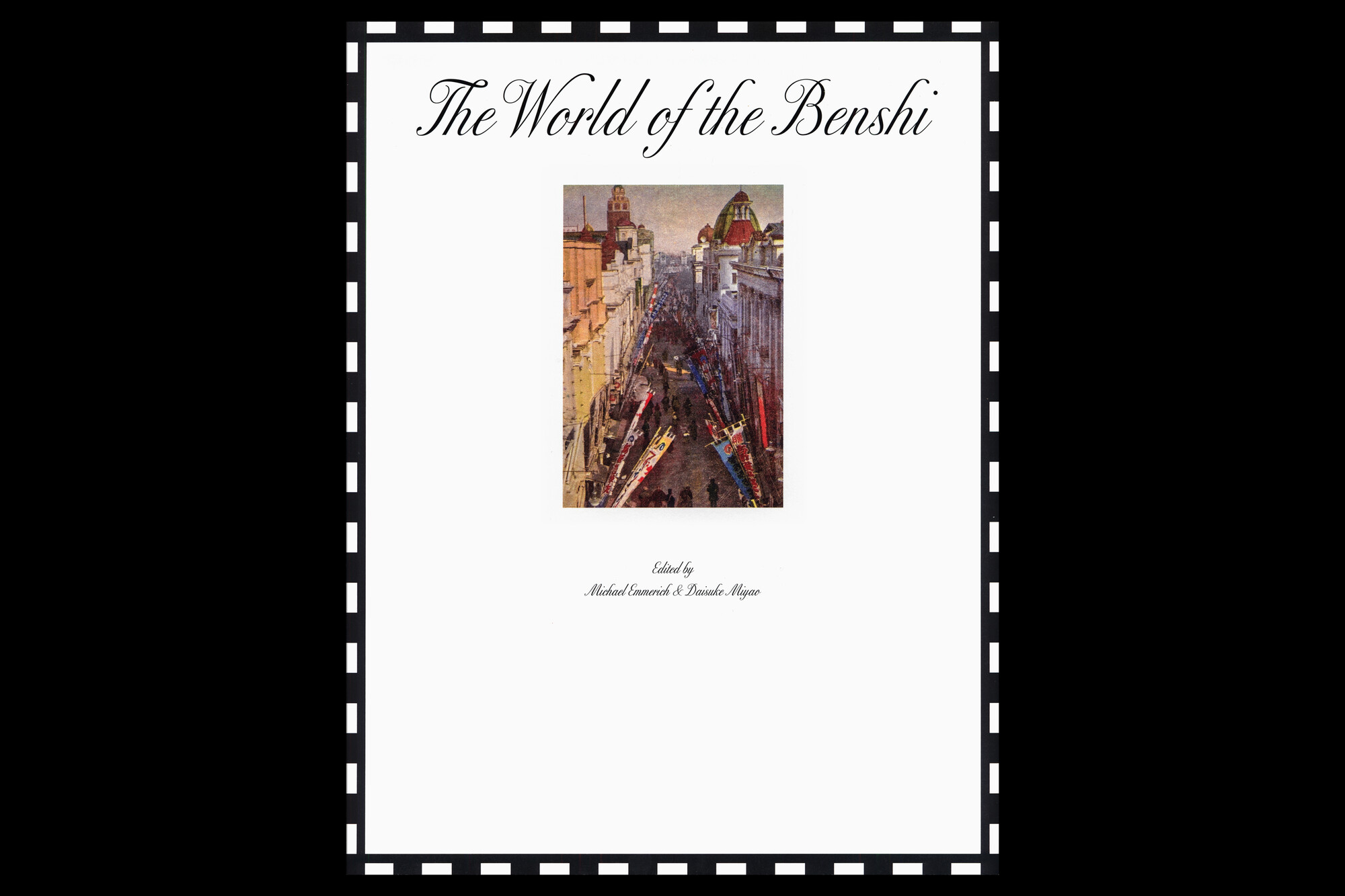
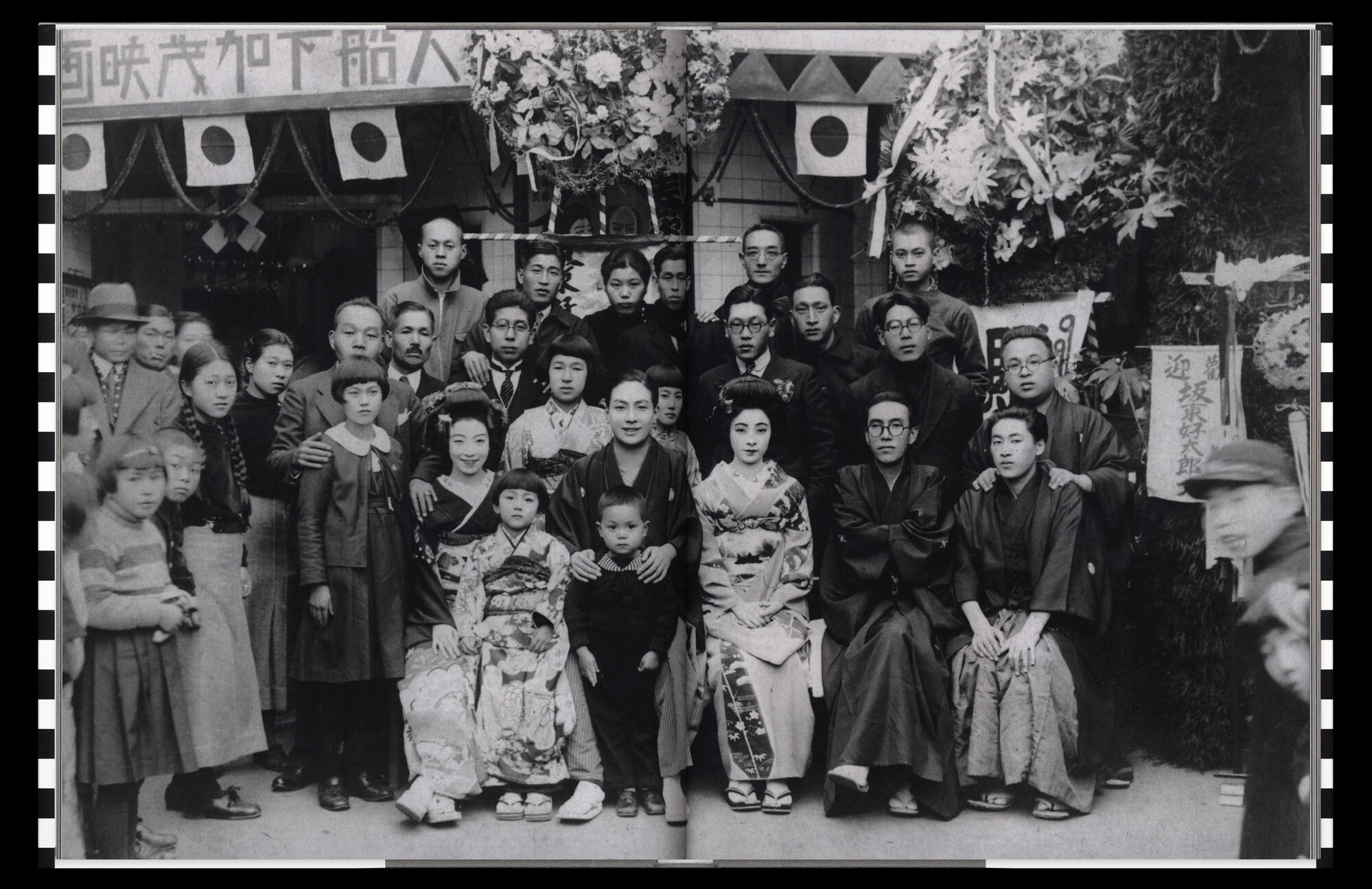
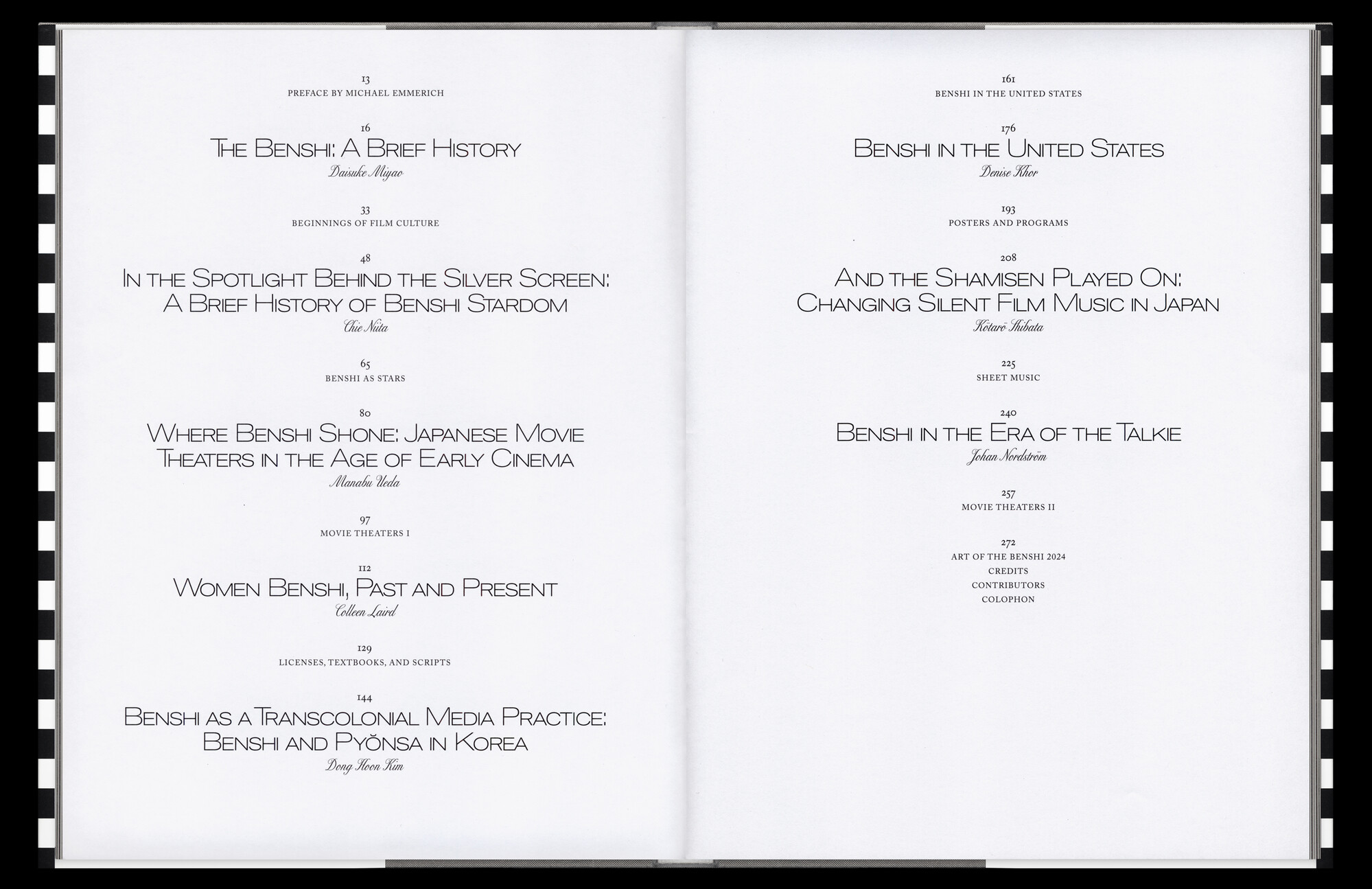
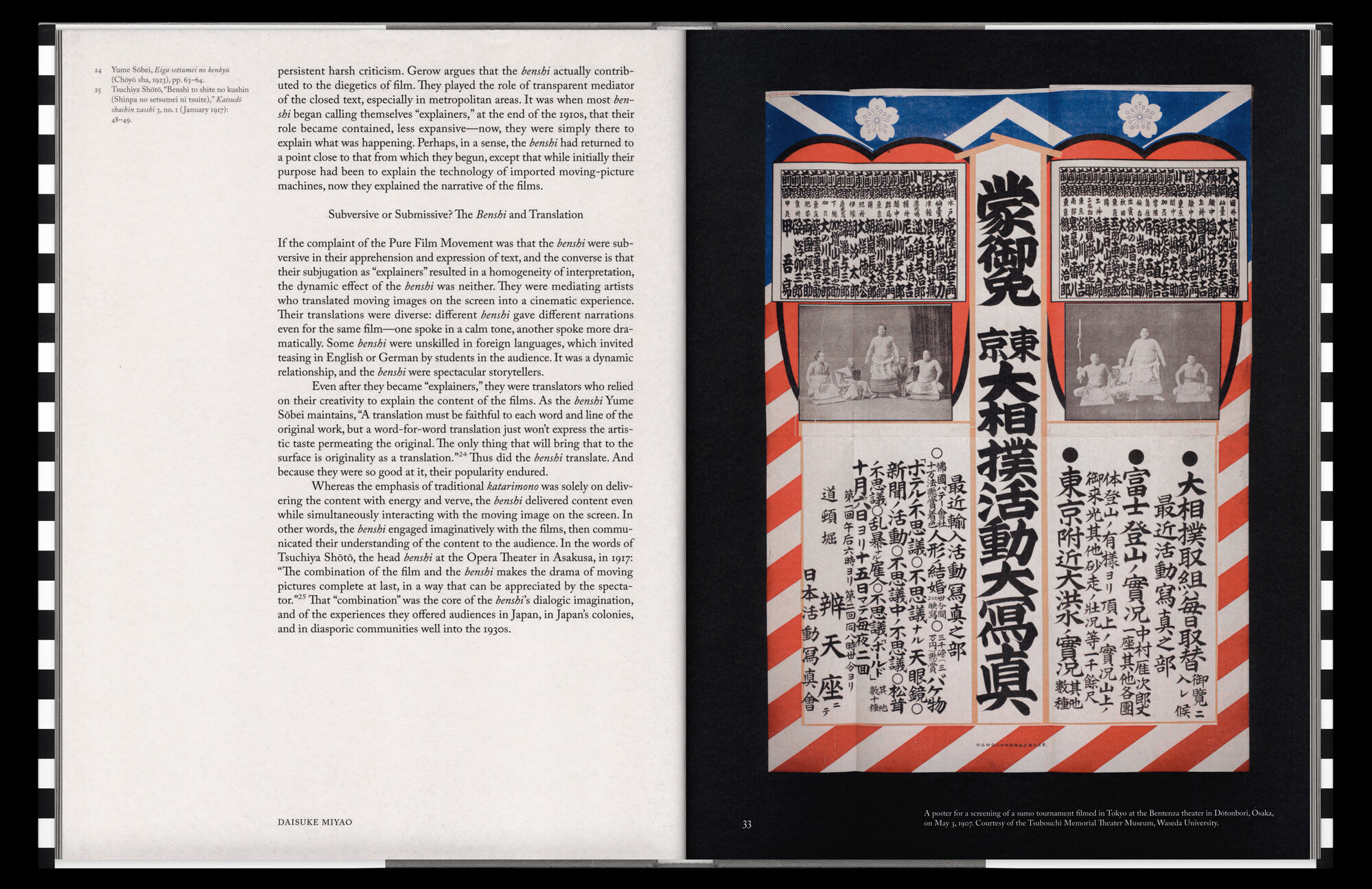
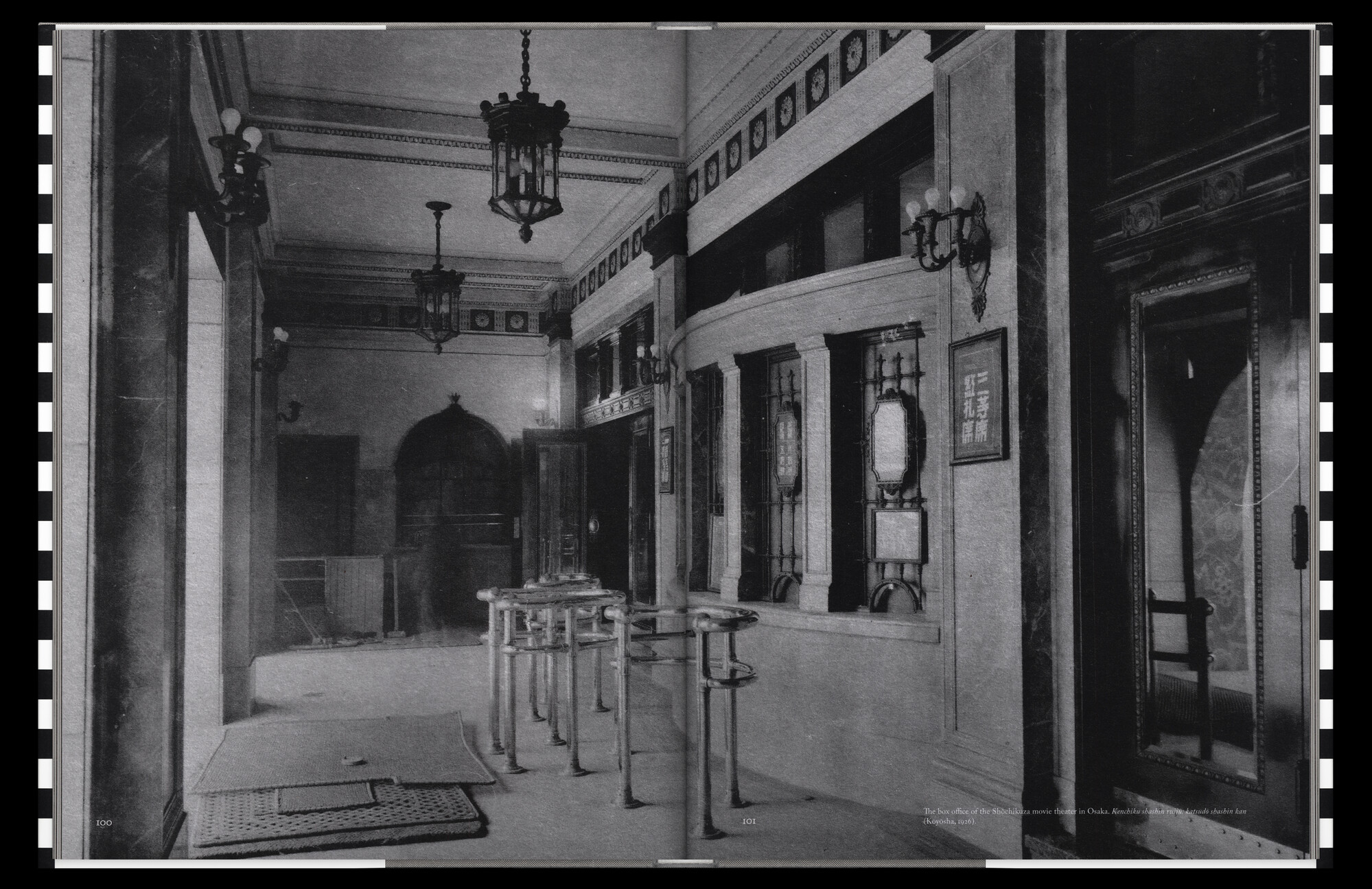
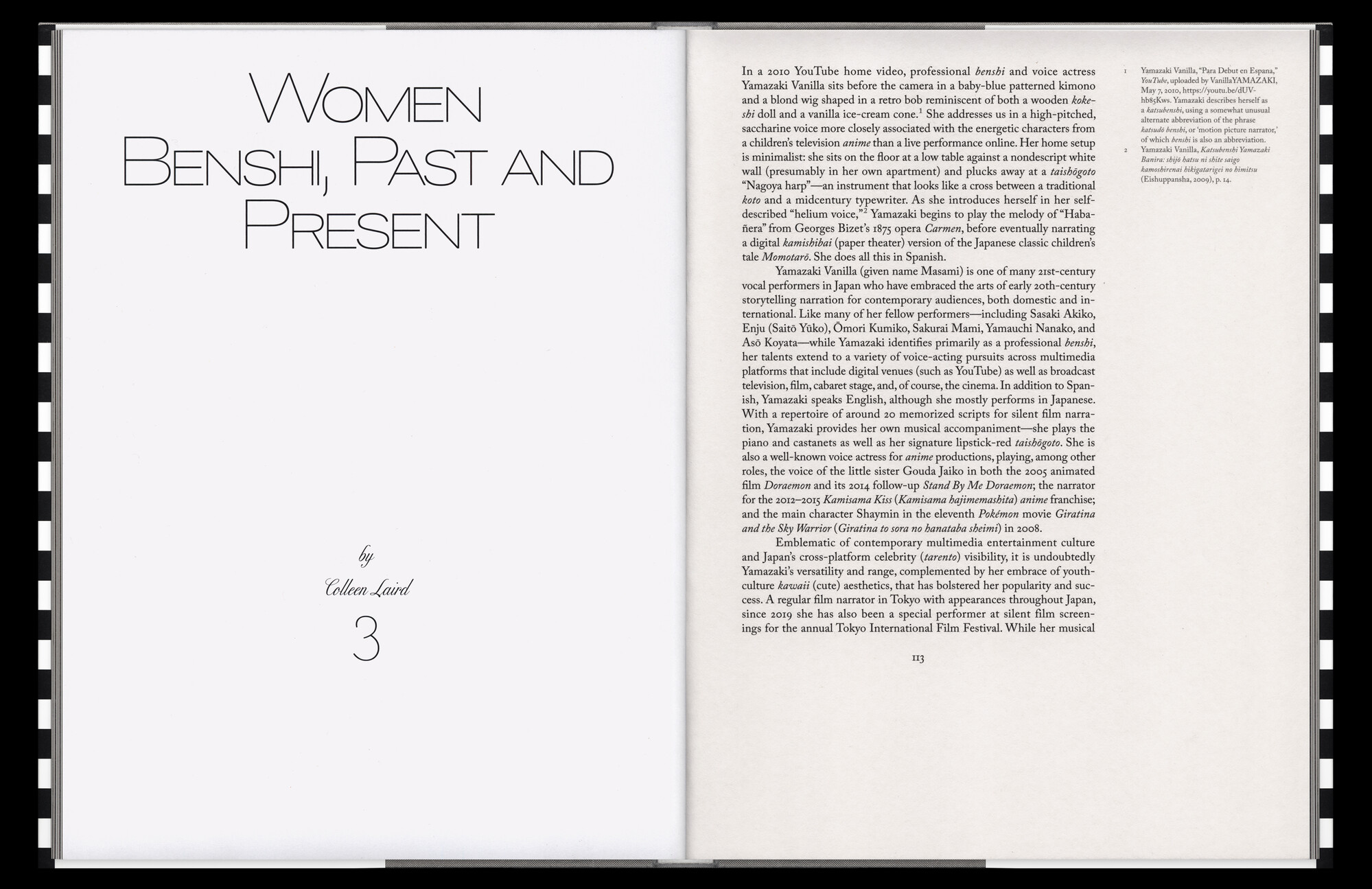
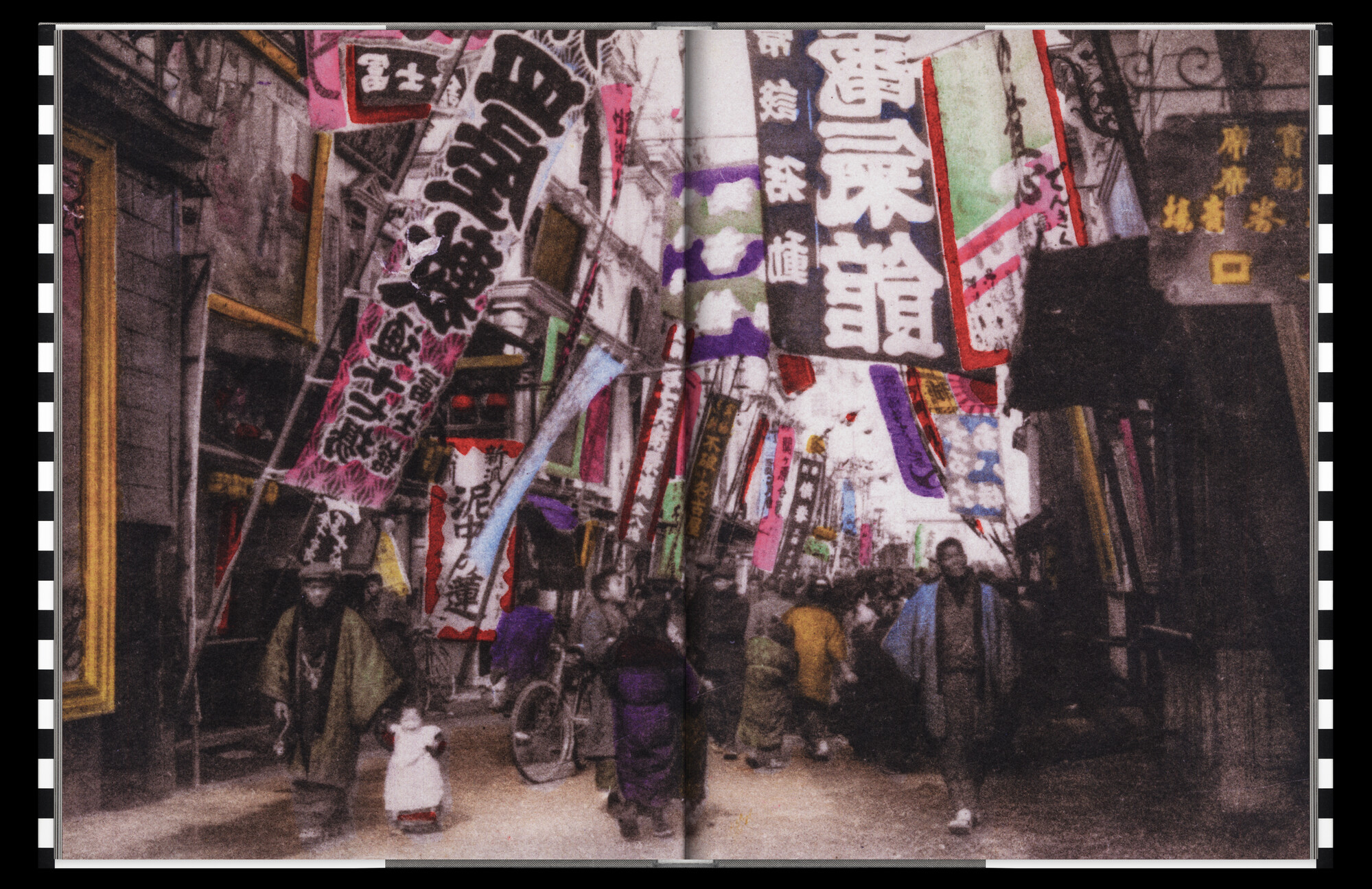
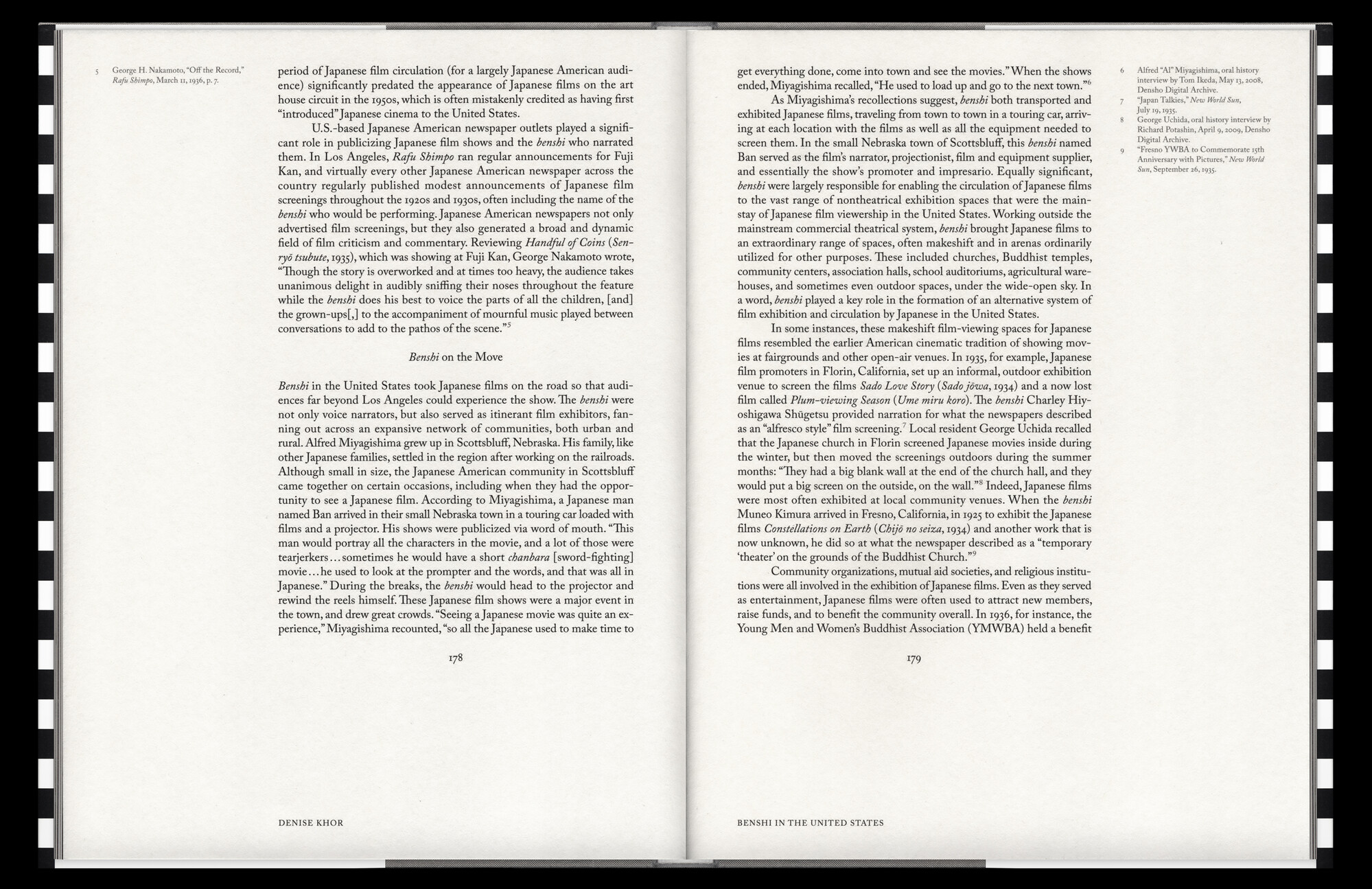
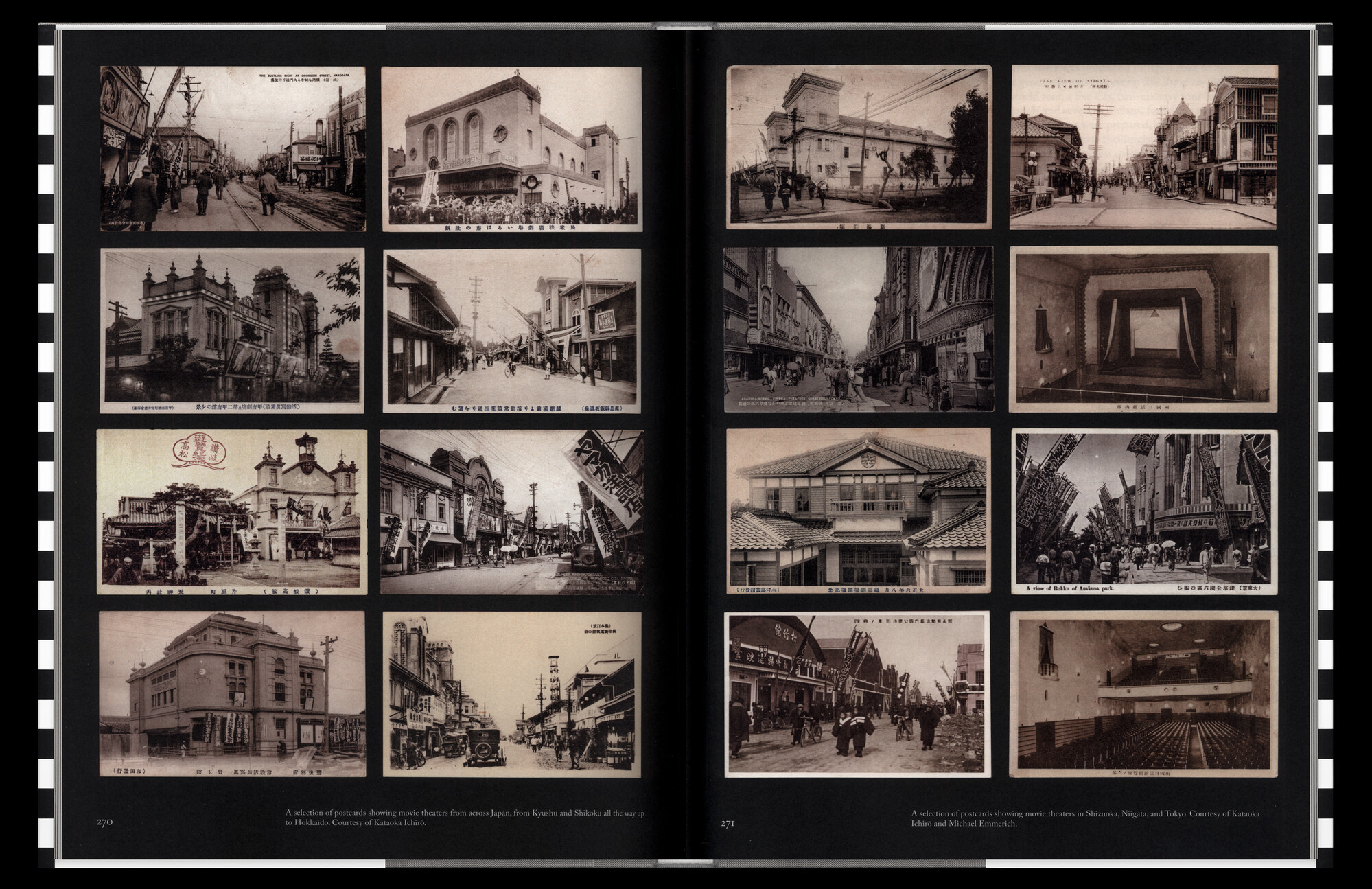
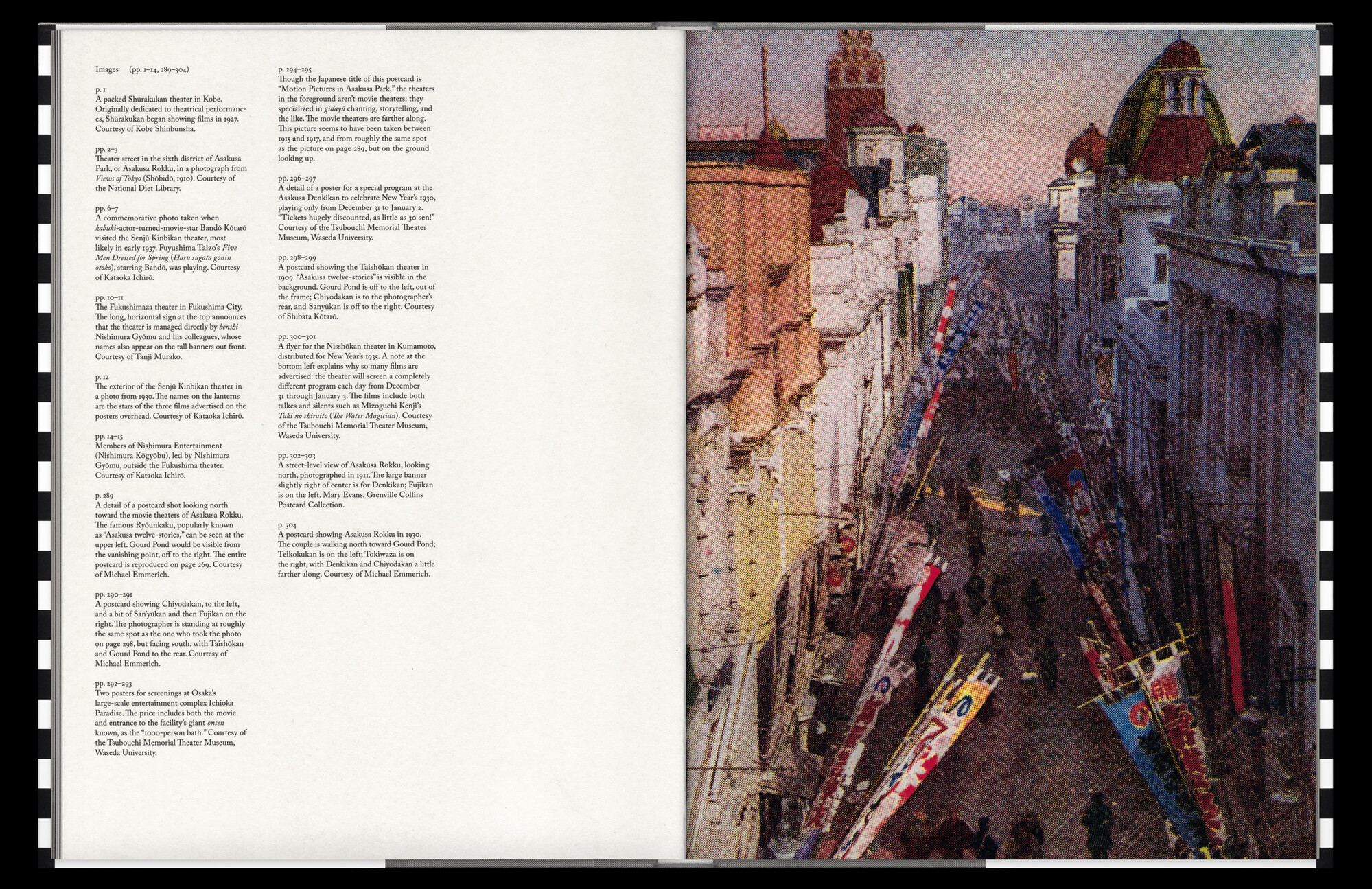
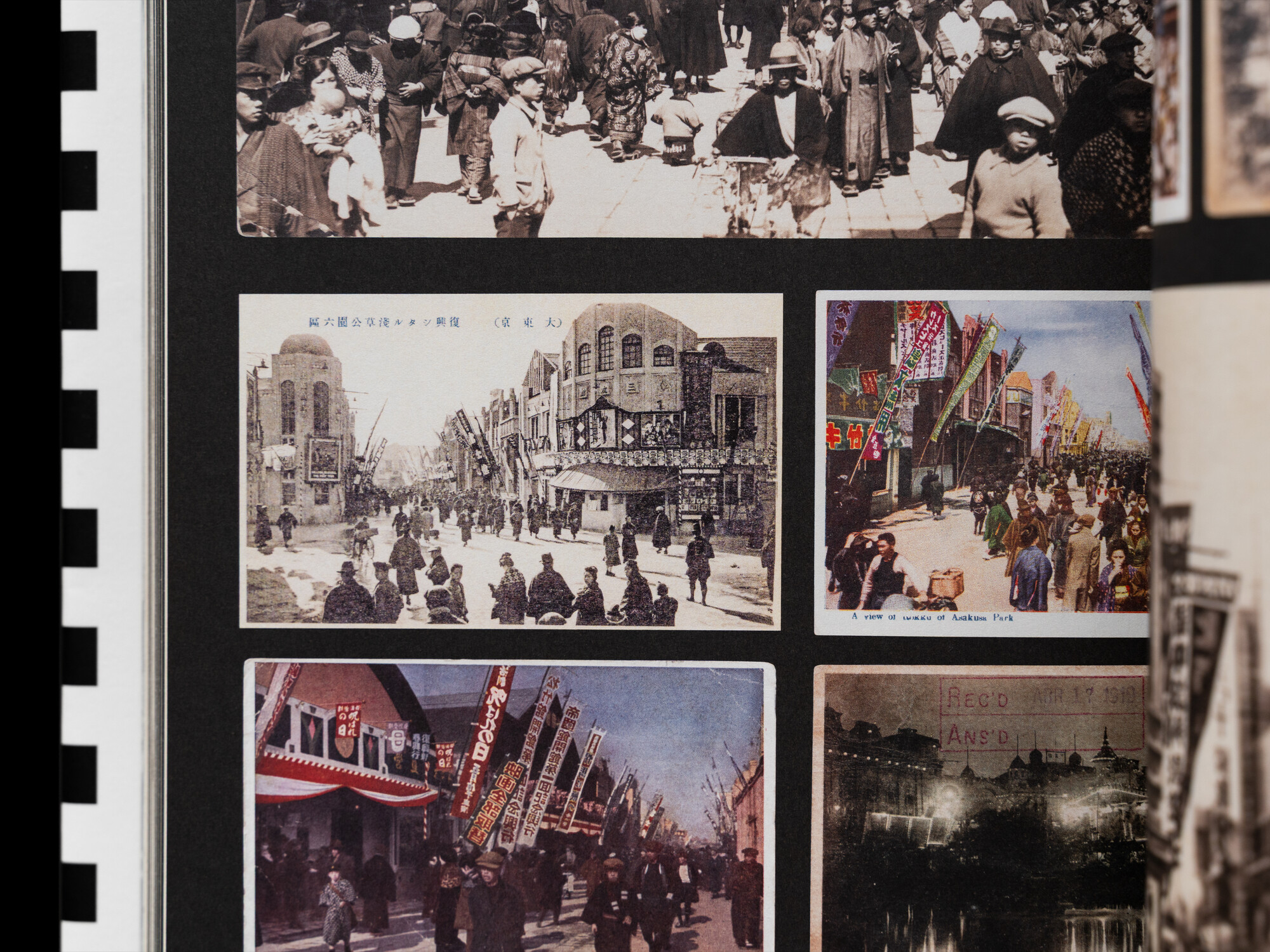
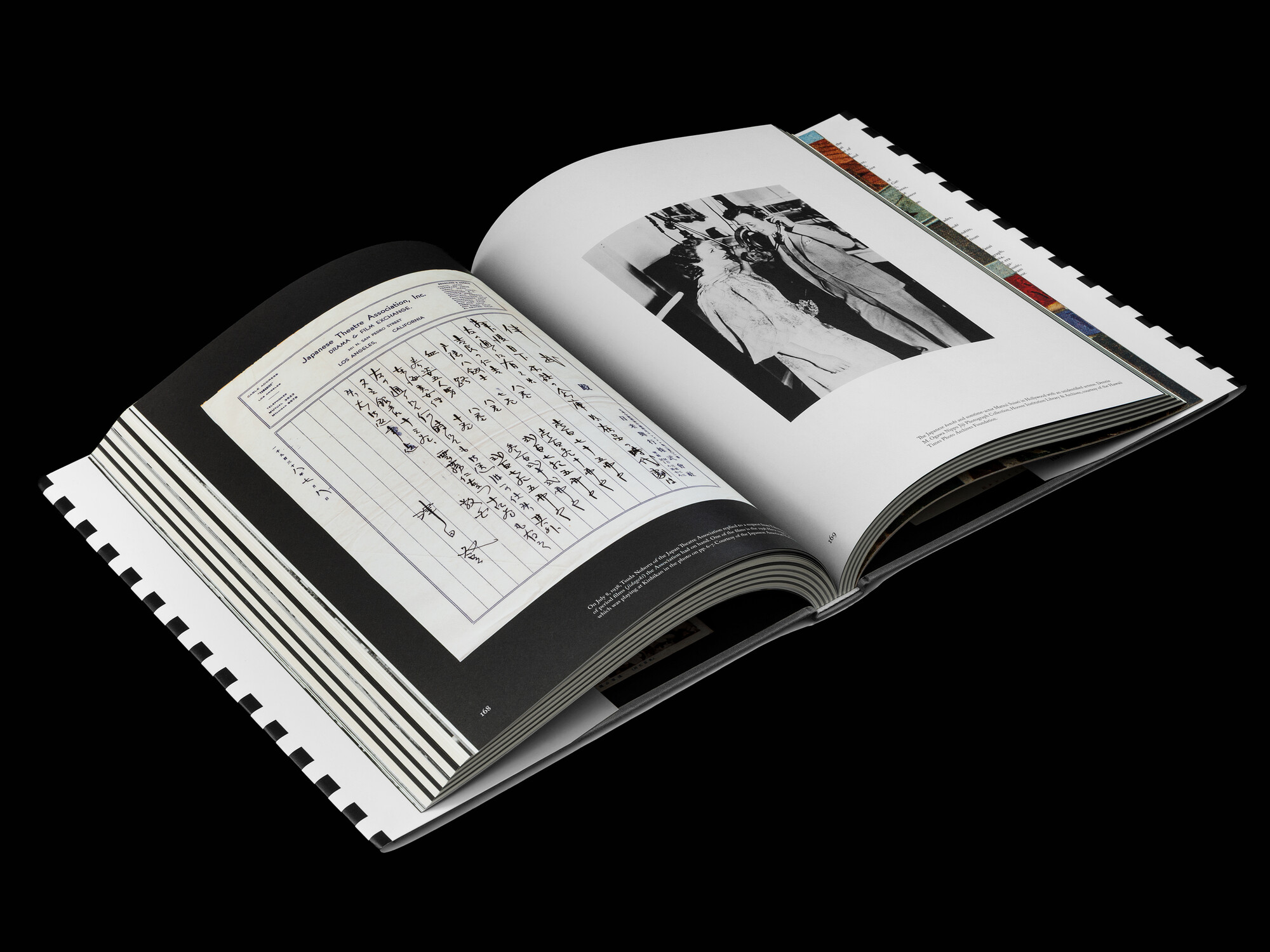
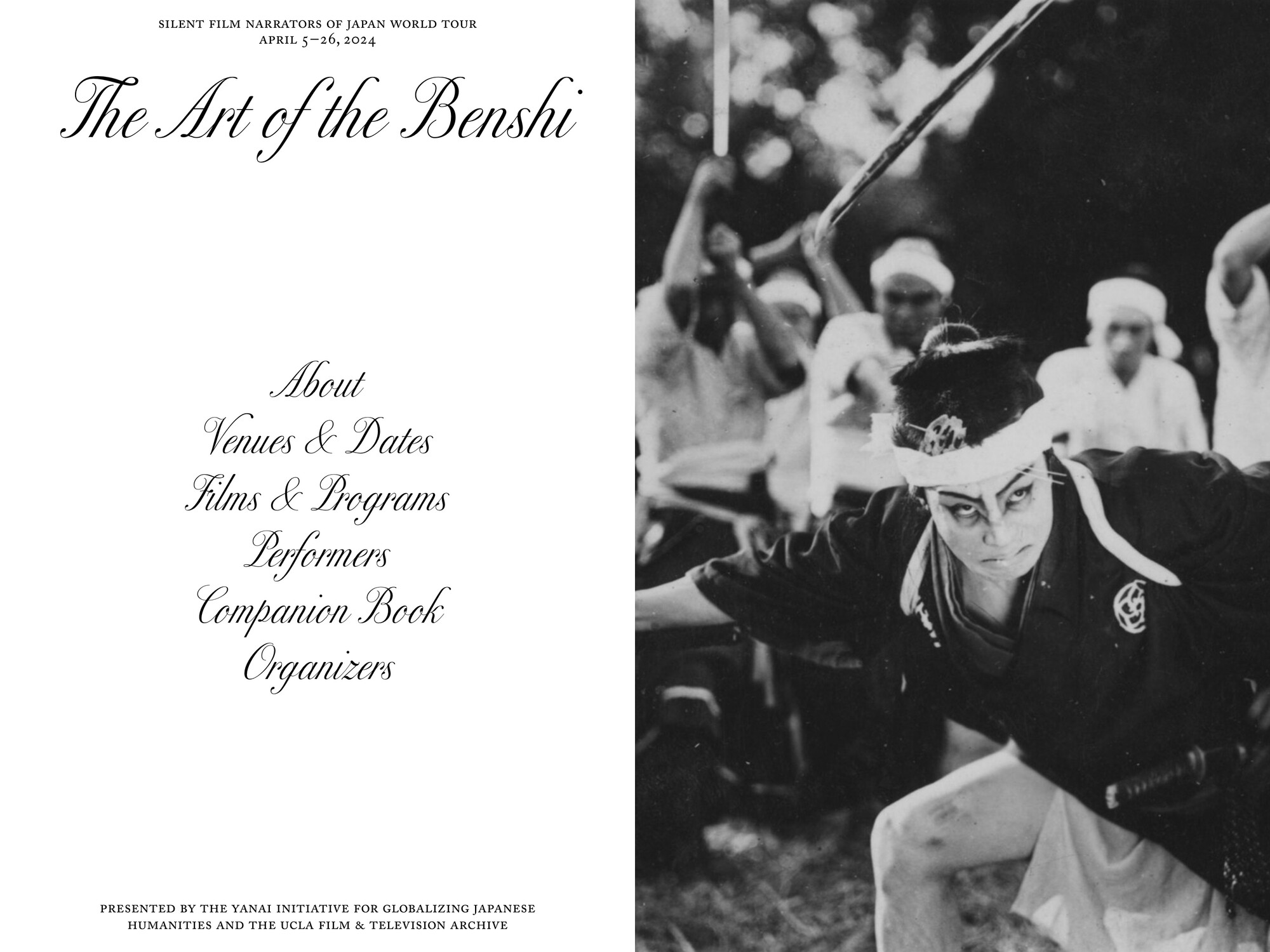
The World of the Benshi is a companion volume to the Art of the Benshi world tour organized by the Yanai Initiative for Globalizing Japanese Humanities. The book features more than 300 rare images compiled from archives and private collections around the world, showcasing historic movie theaters, promotional materials, and rare film stills. Essays uncover the phenomenon of the benshi stardom, evolution of the theater architecture, how live performance changed in Japan in the silent film era.
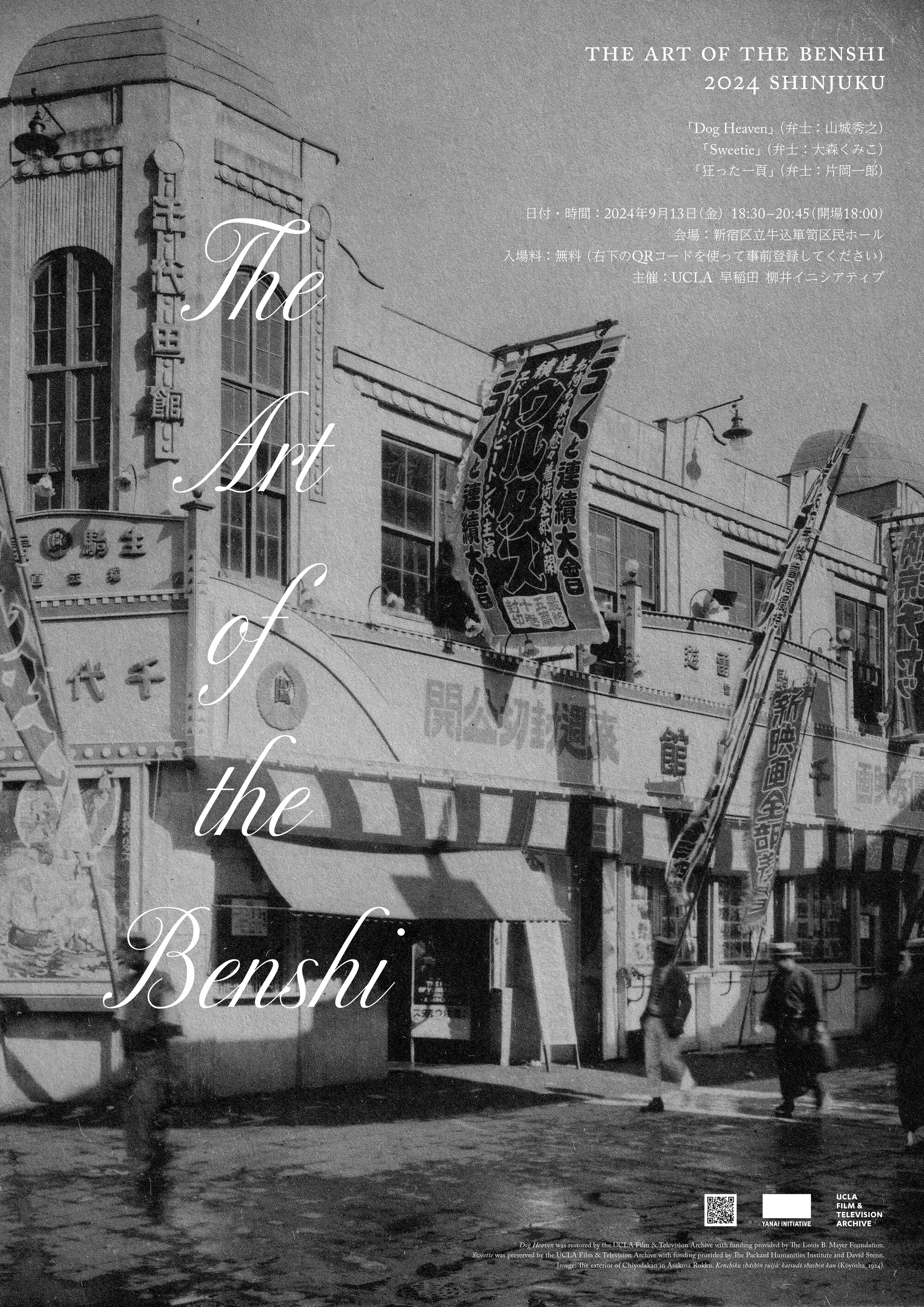
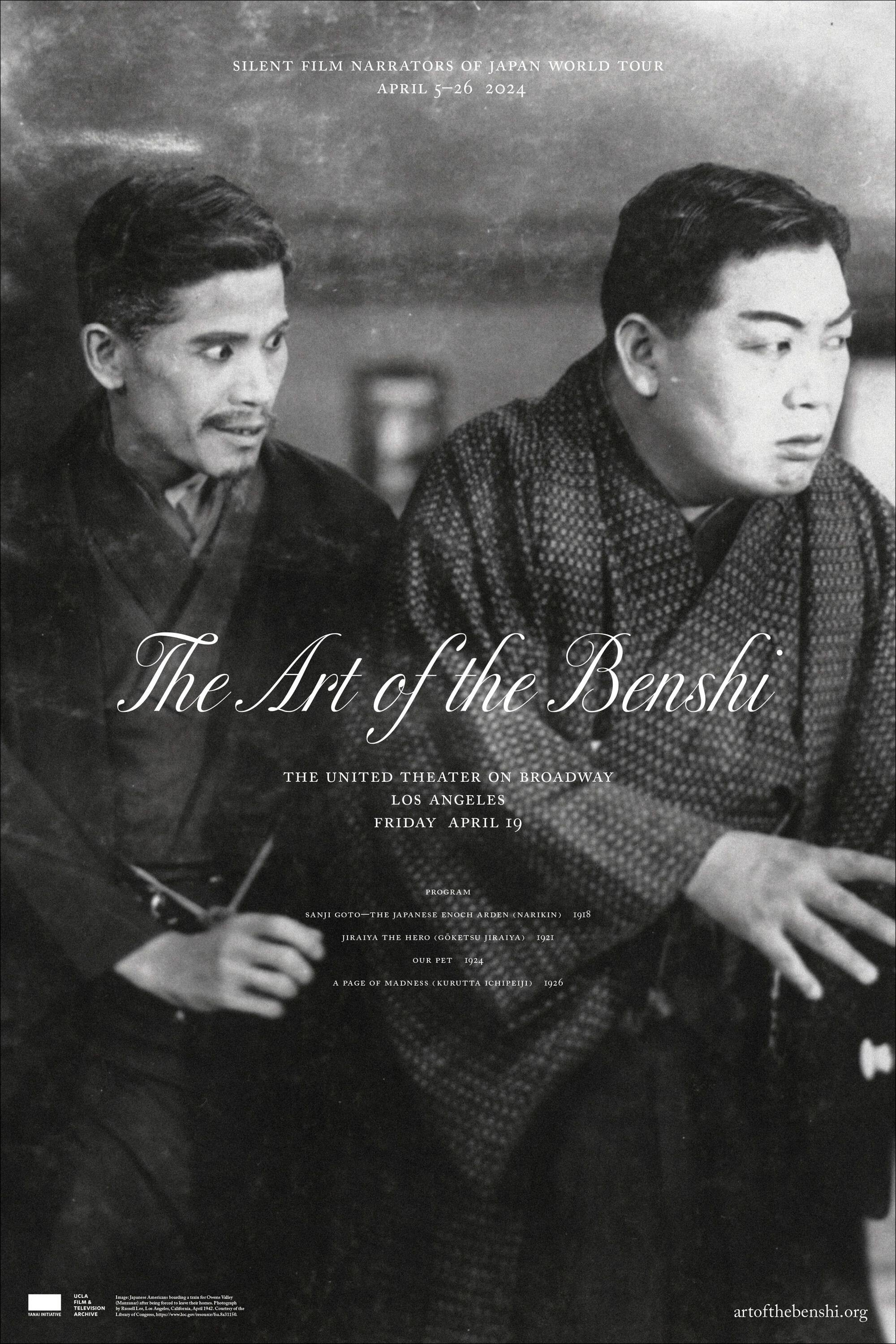
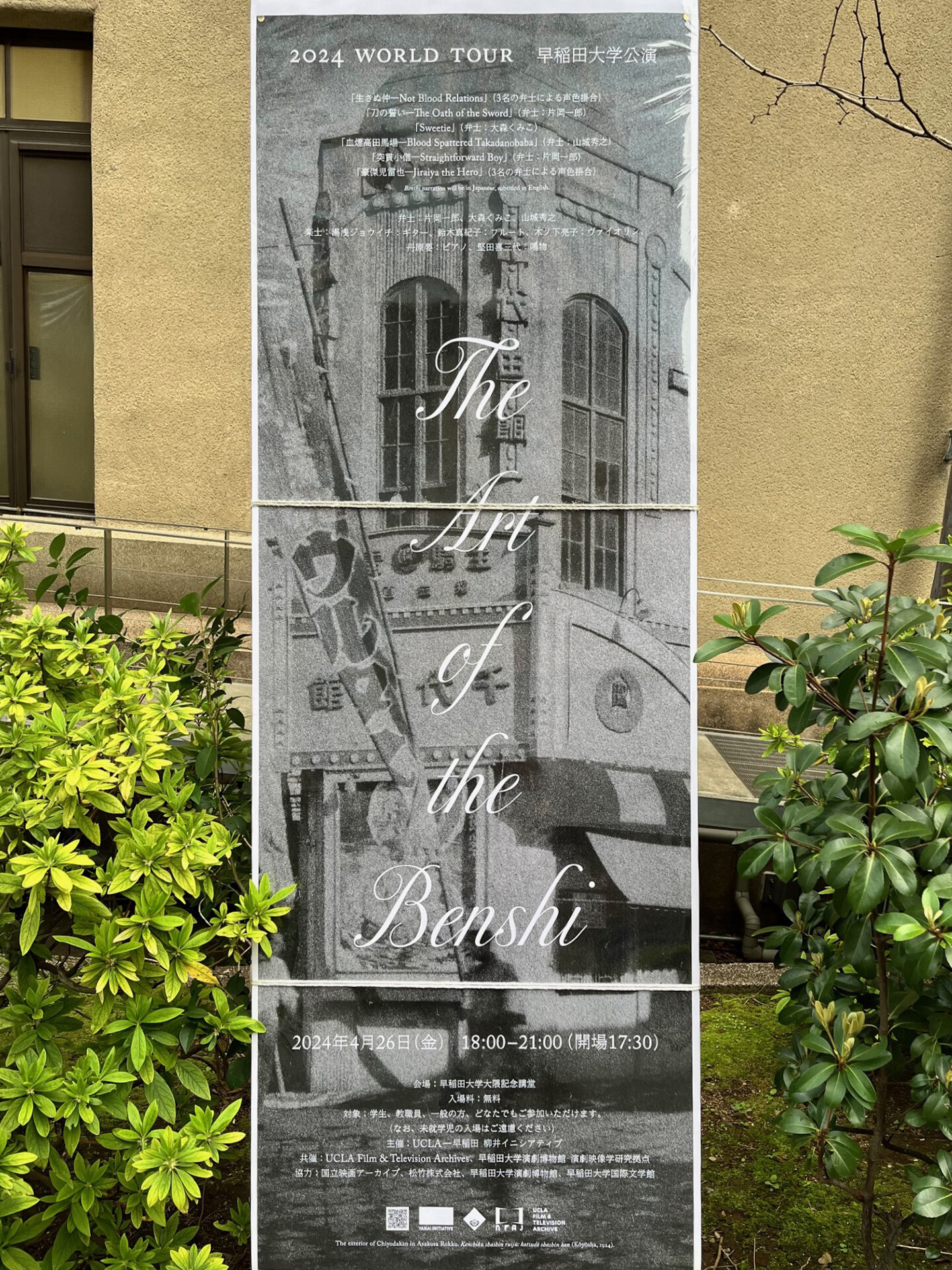
The Art of the Benshi World Tour, presented by the Yanai Initiative and the UCLA Film & Television Archive, brings the rare, century-old Japanese cinematic tradition back to live audiences. The tour travels to New York, Washington, D.C., Chicago, Los Angeles, Tokyo, Provo, and Santa Barbara.
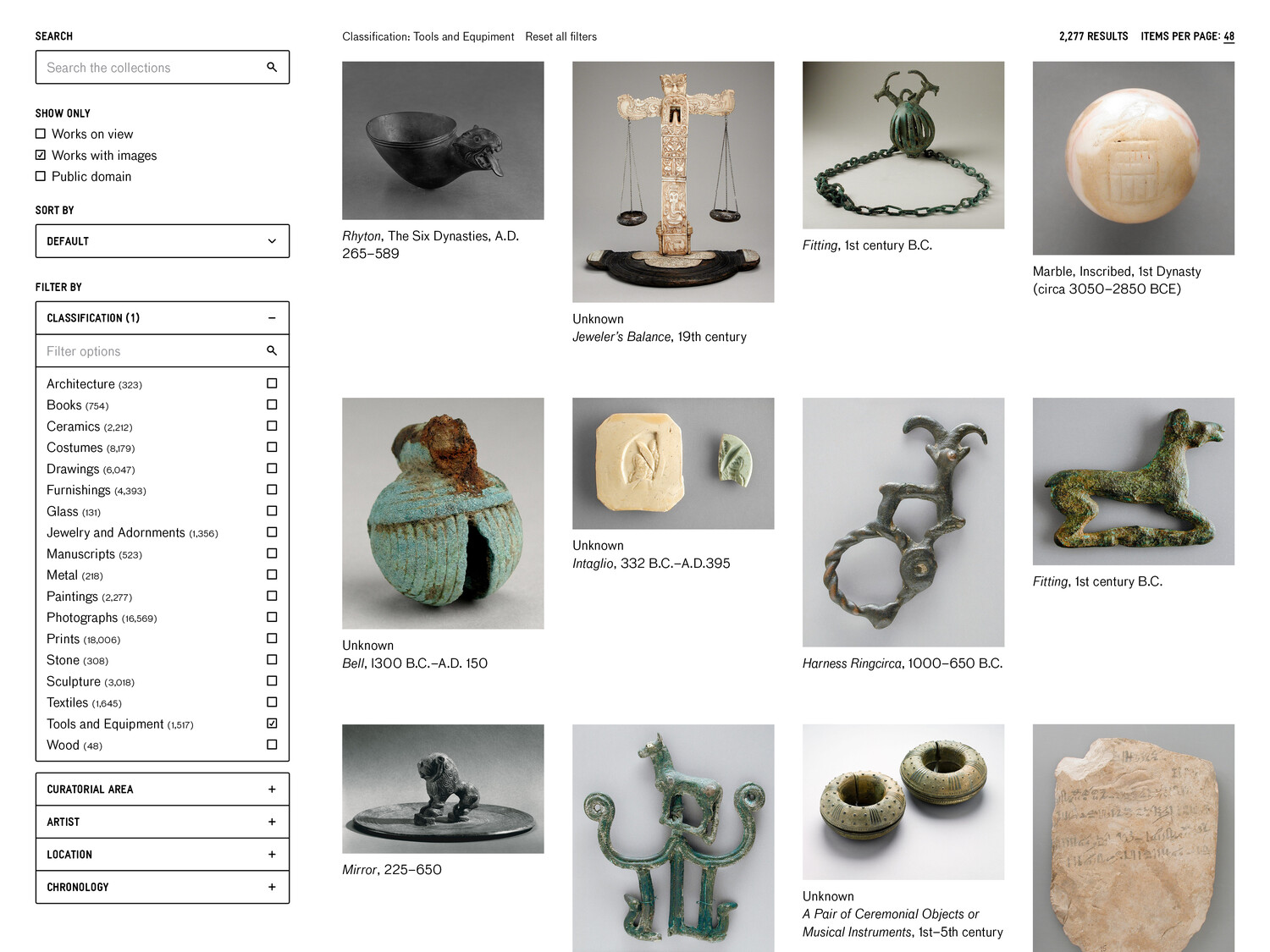
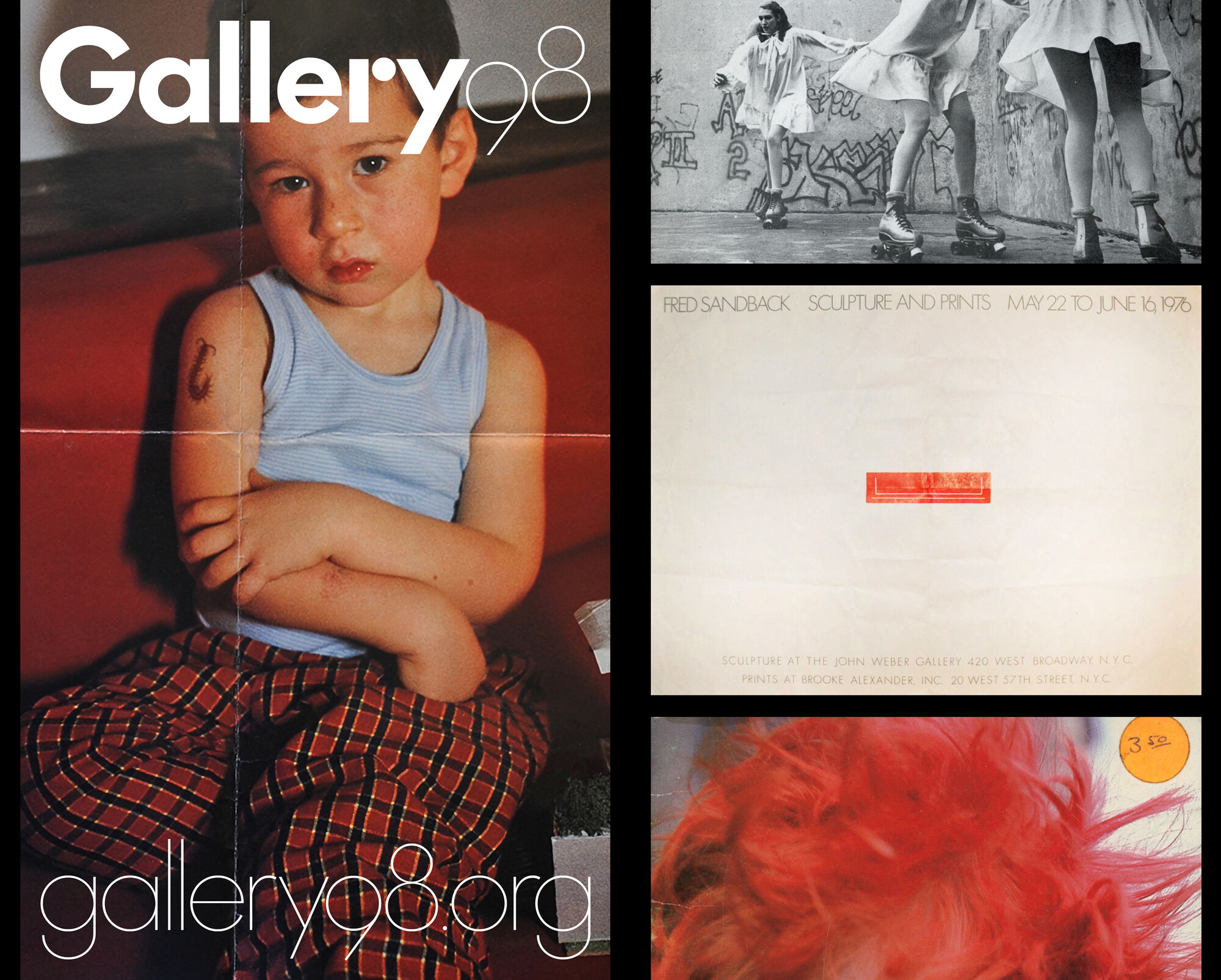
Gallery 98 is an active online archive for curator Marc H. Miller’s collection of arts ephemera from the 1960s–1990s, centered around his long involvement in the New York art world. The collection catalogs thousands of items across announcement cards, posters, and publications connected through artists, galleries, nightclubs, and themes, while retaining the hand-built nature of Miller’s practice.
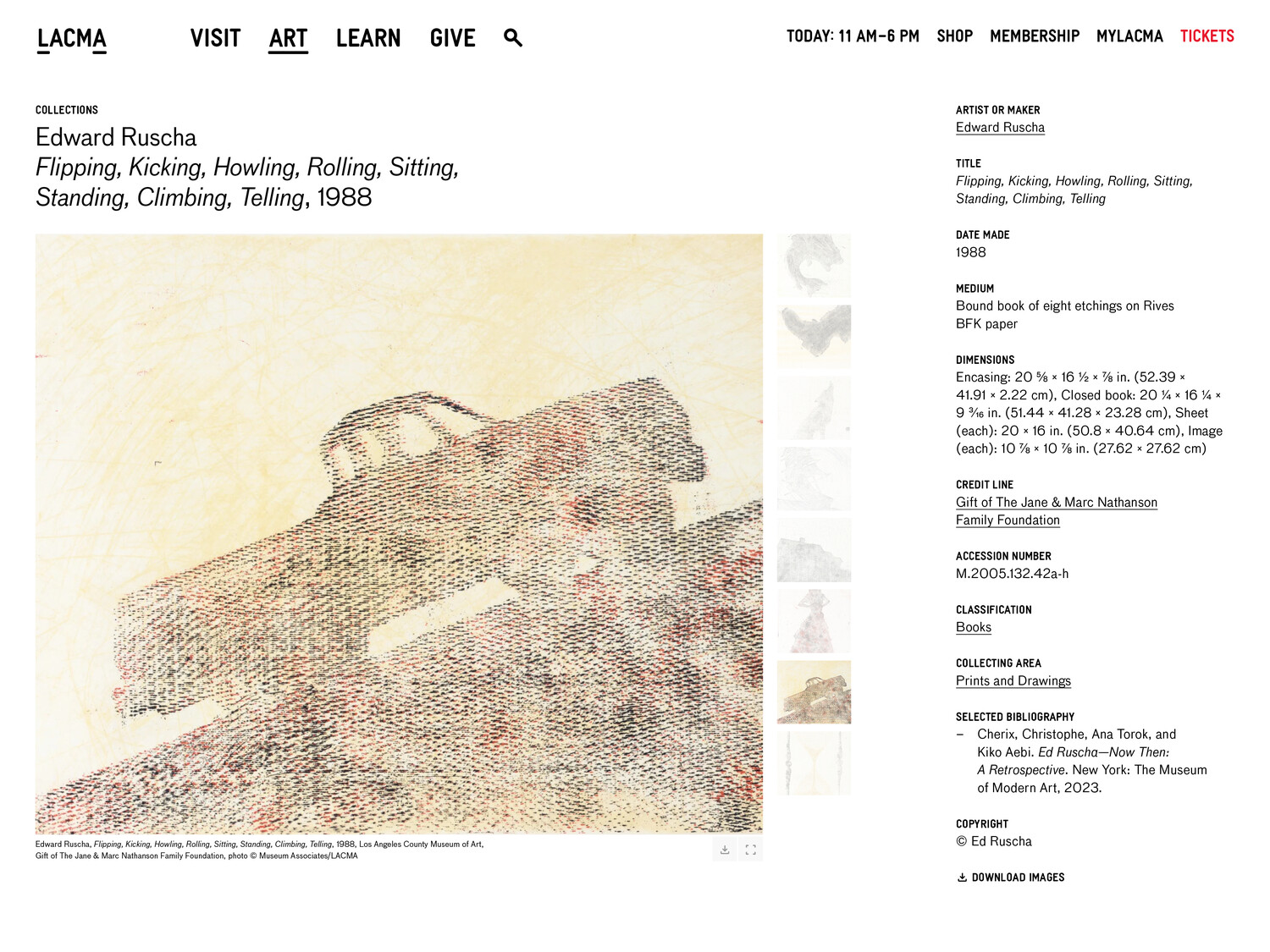
The Carnegie Museum of Art is the first museum in the United States dedicated to collecting art of its times. In other words, it’s the first museum dedicated to contemporary art. The website features an expressive typography forward approach which maintains its legibility through a robust and modular design system, and is reflected in its data model and backend user experience.
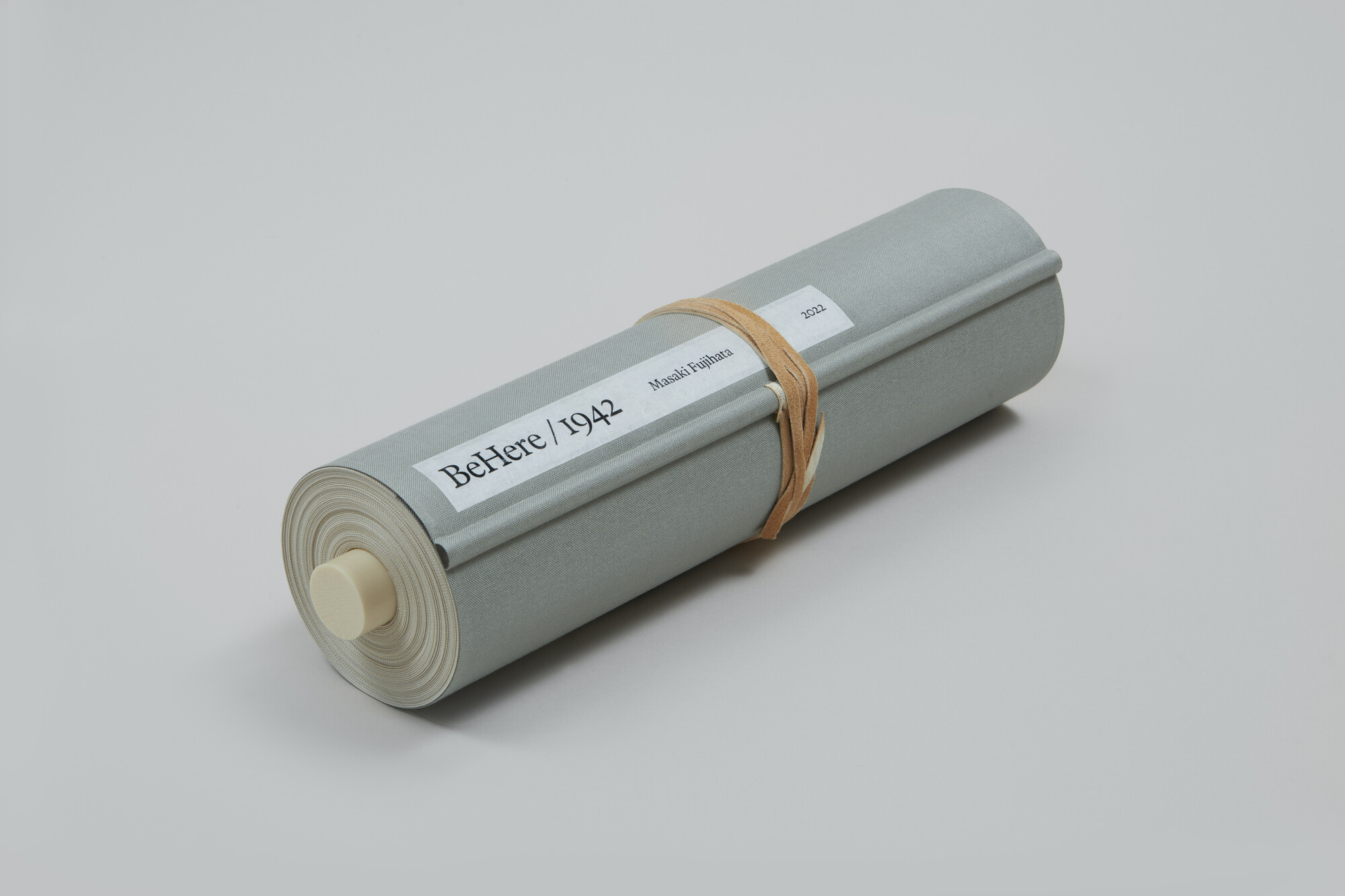
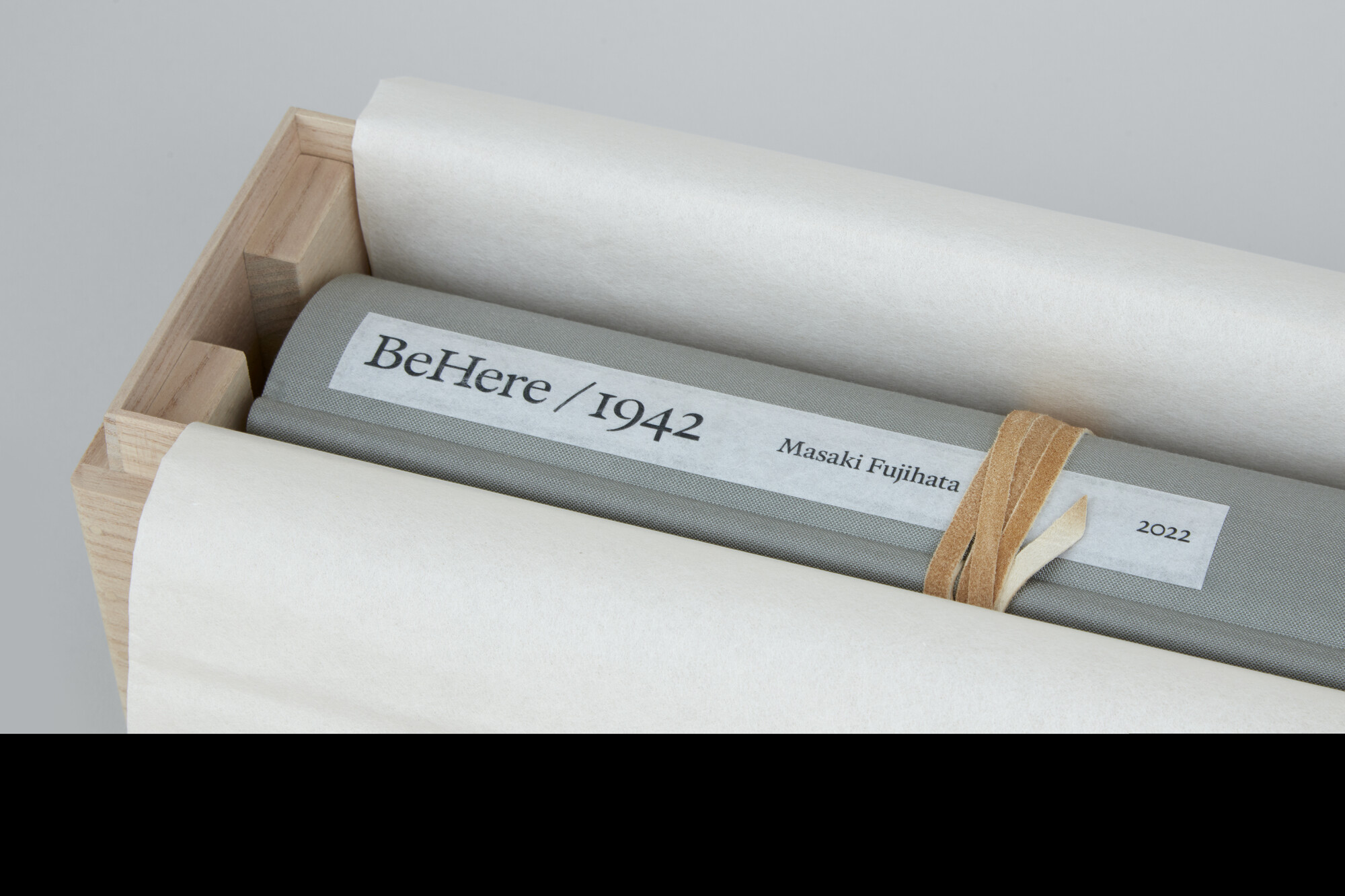
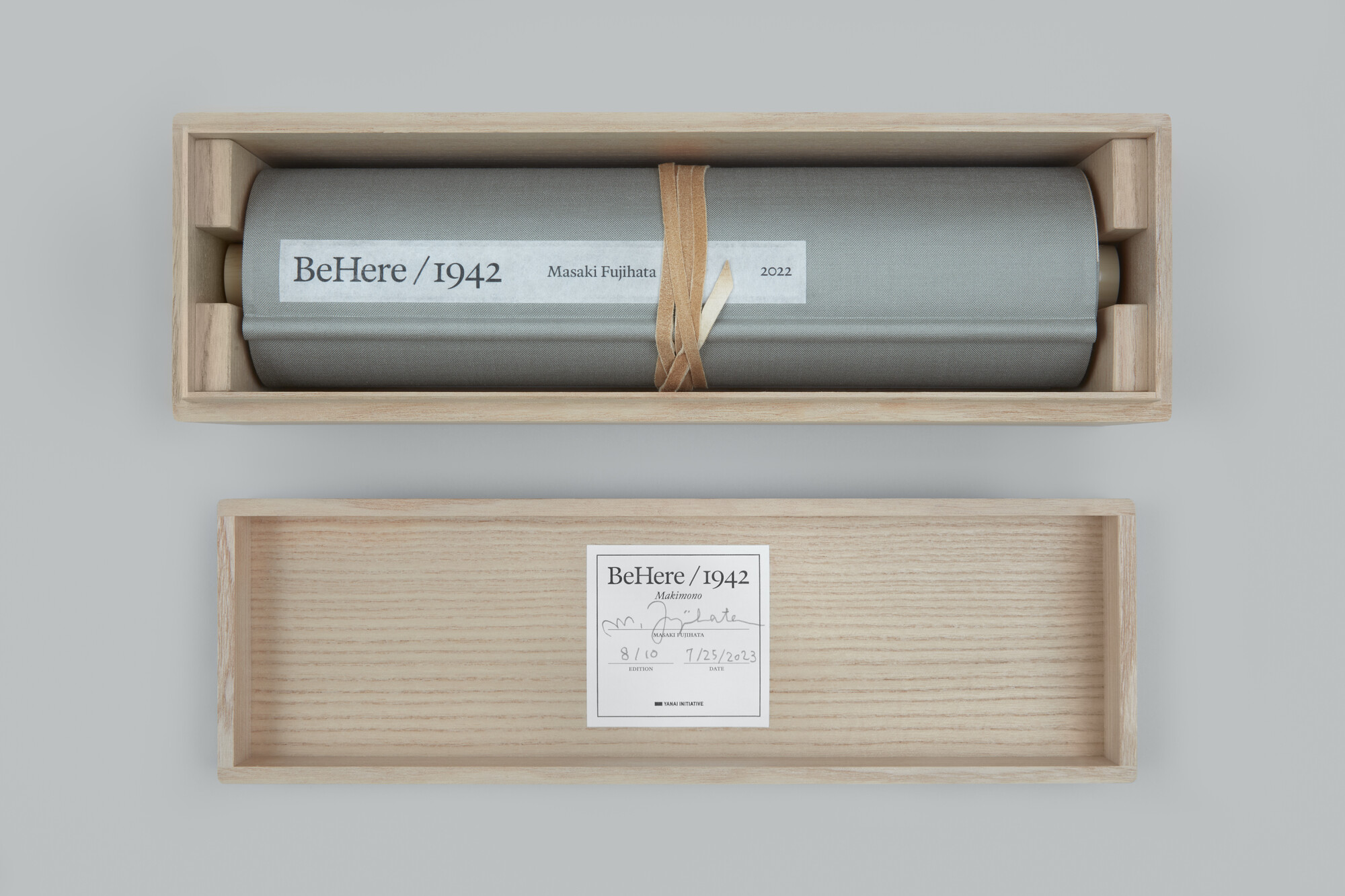
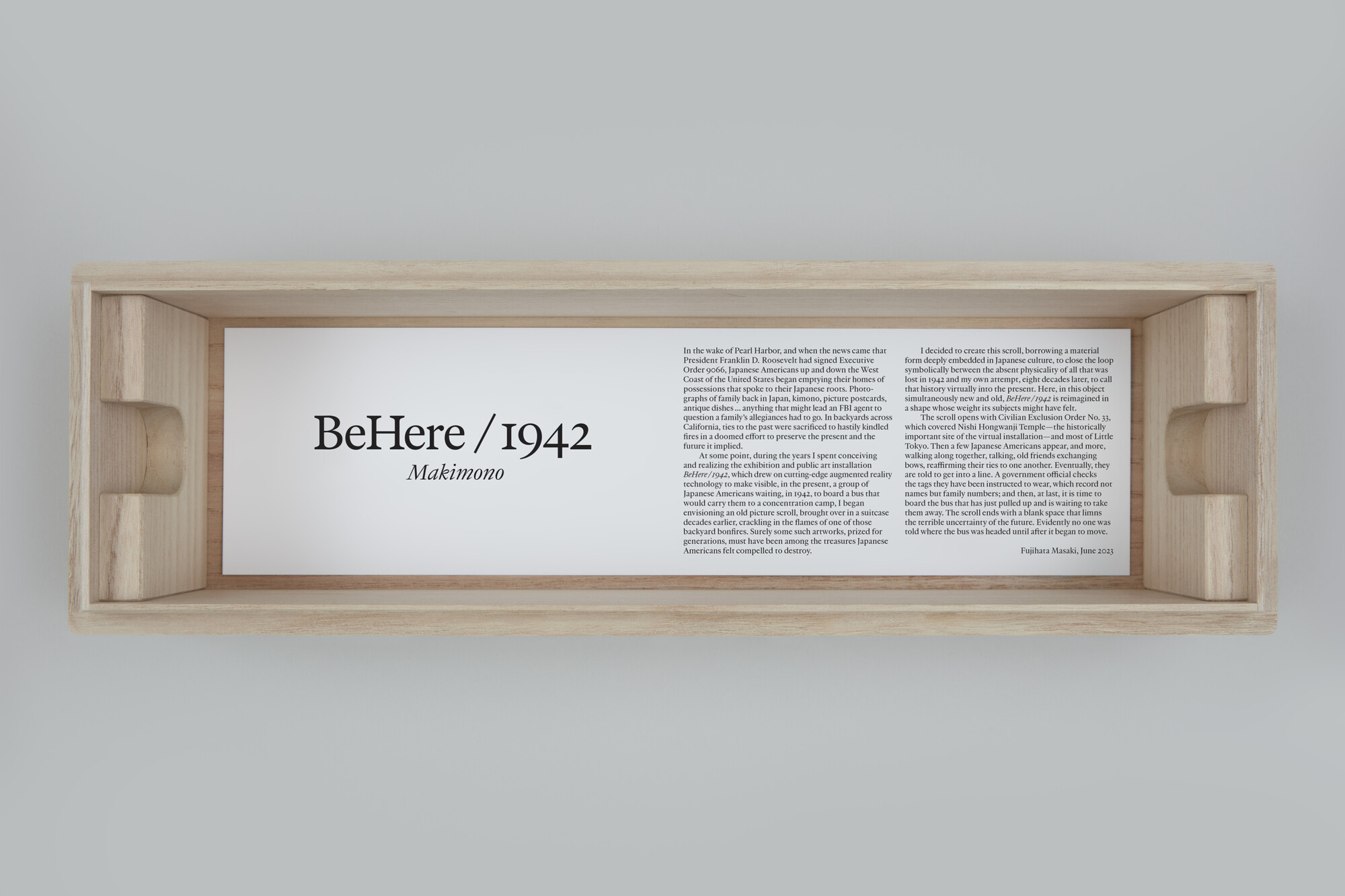
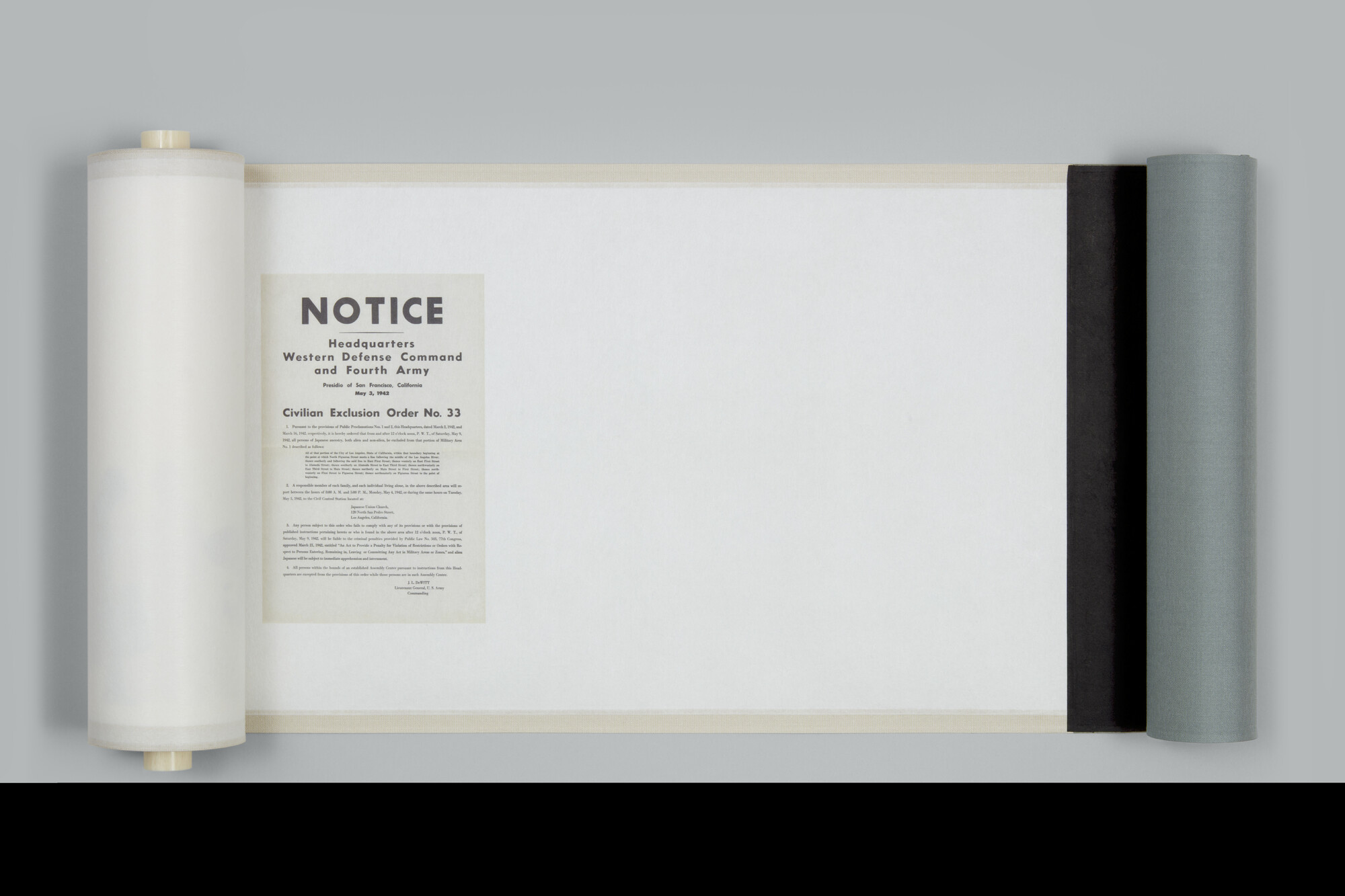
Finely produced in limited quantities, this hand scroll was created for supporters of Masaki Fujhata’s BeHere / 1942 project. The makimono features an extended print of the augmented reality artwork showing Japanese Americans in line with their belongings, boarding buses bound for internment camps.
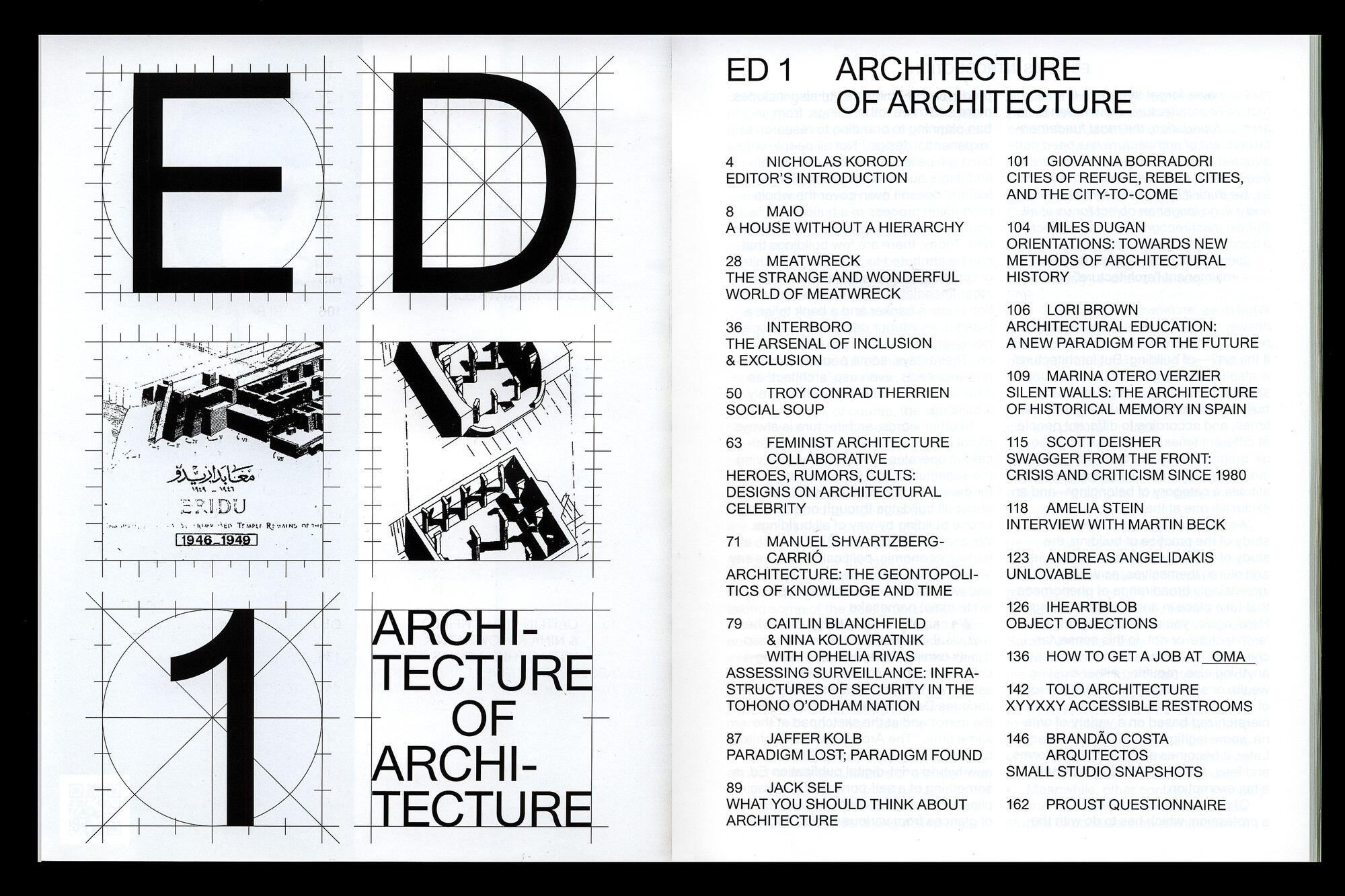
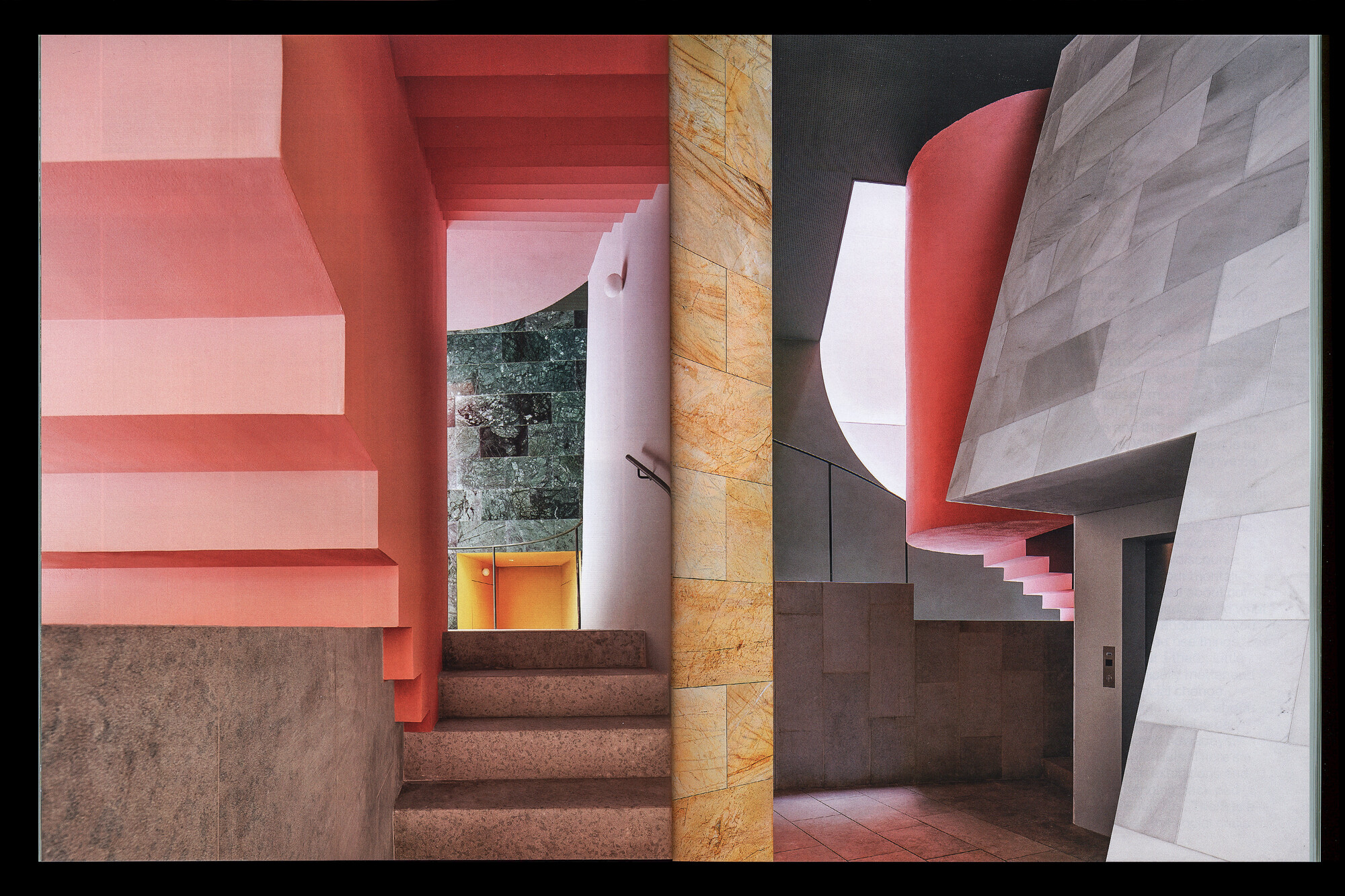
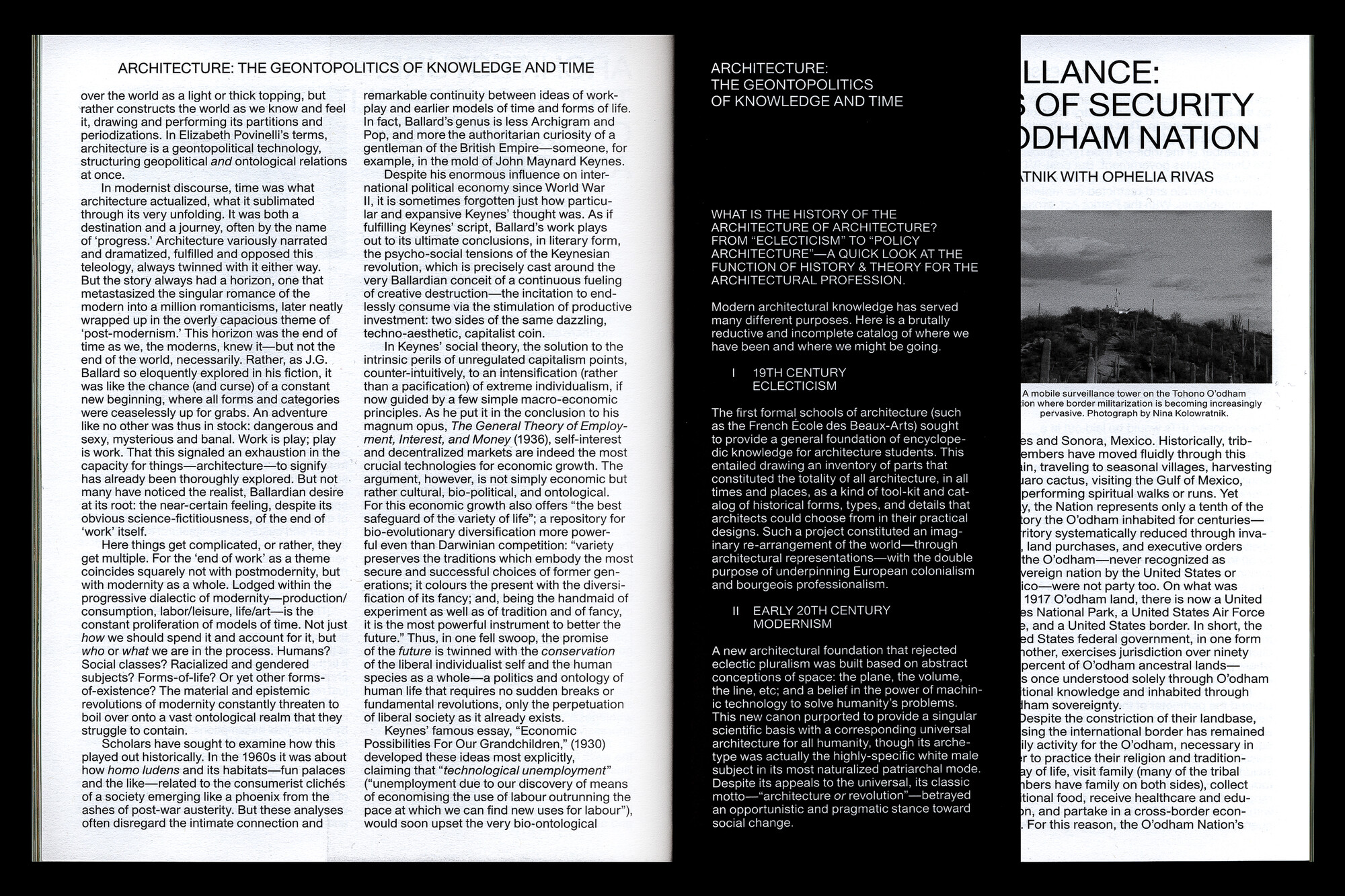
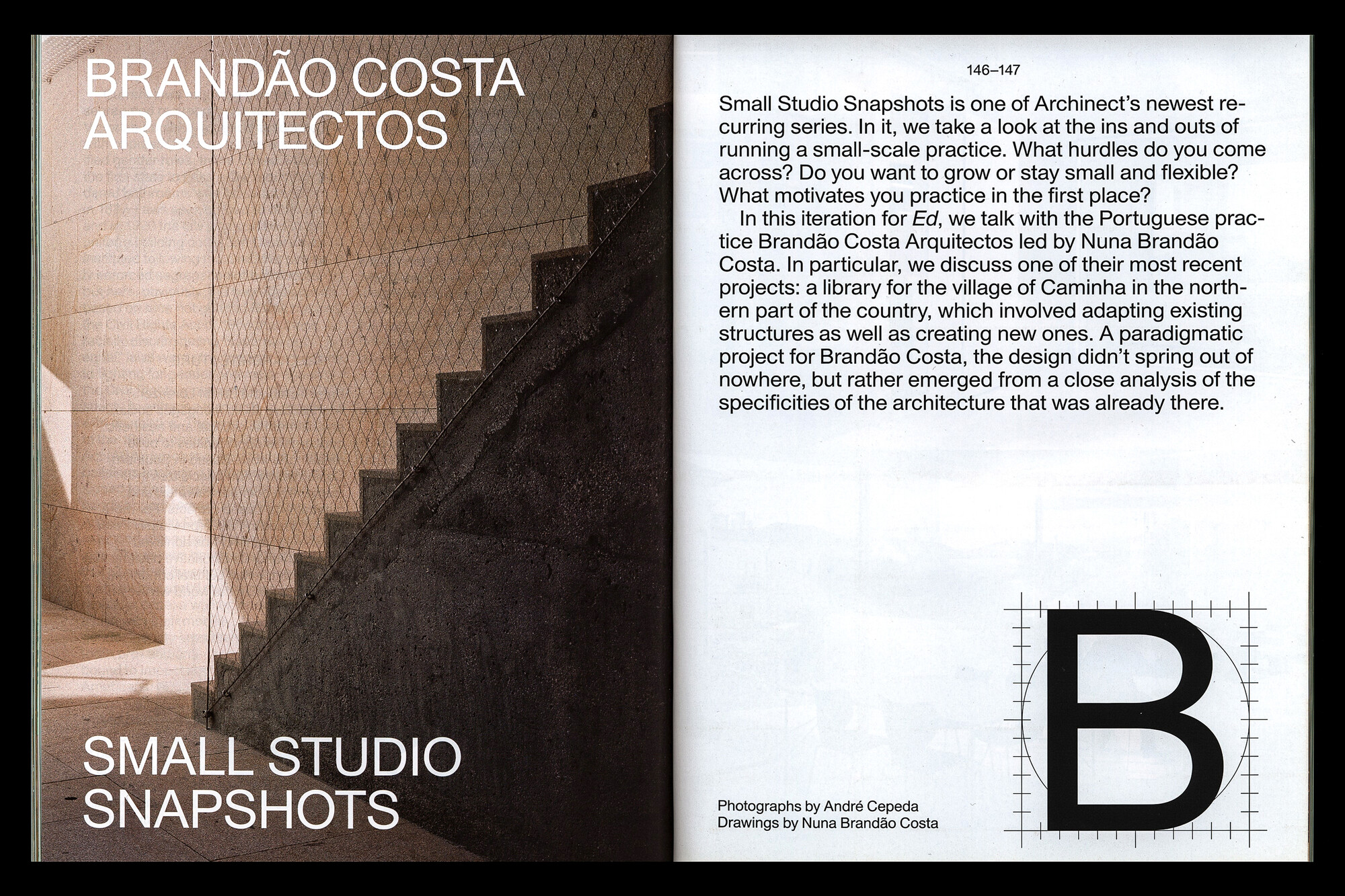
Inaugural issue of Ed, Archinect’s print magazine. Examines how architecture operates within broader social, economic, and technological systems, and considers how the discipline might be reimagined through alternative frameworks of practice and thought. More info
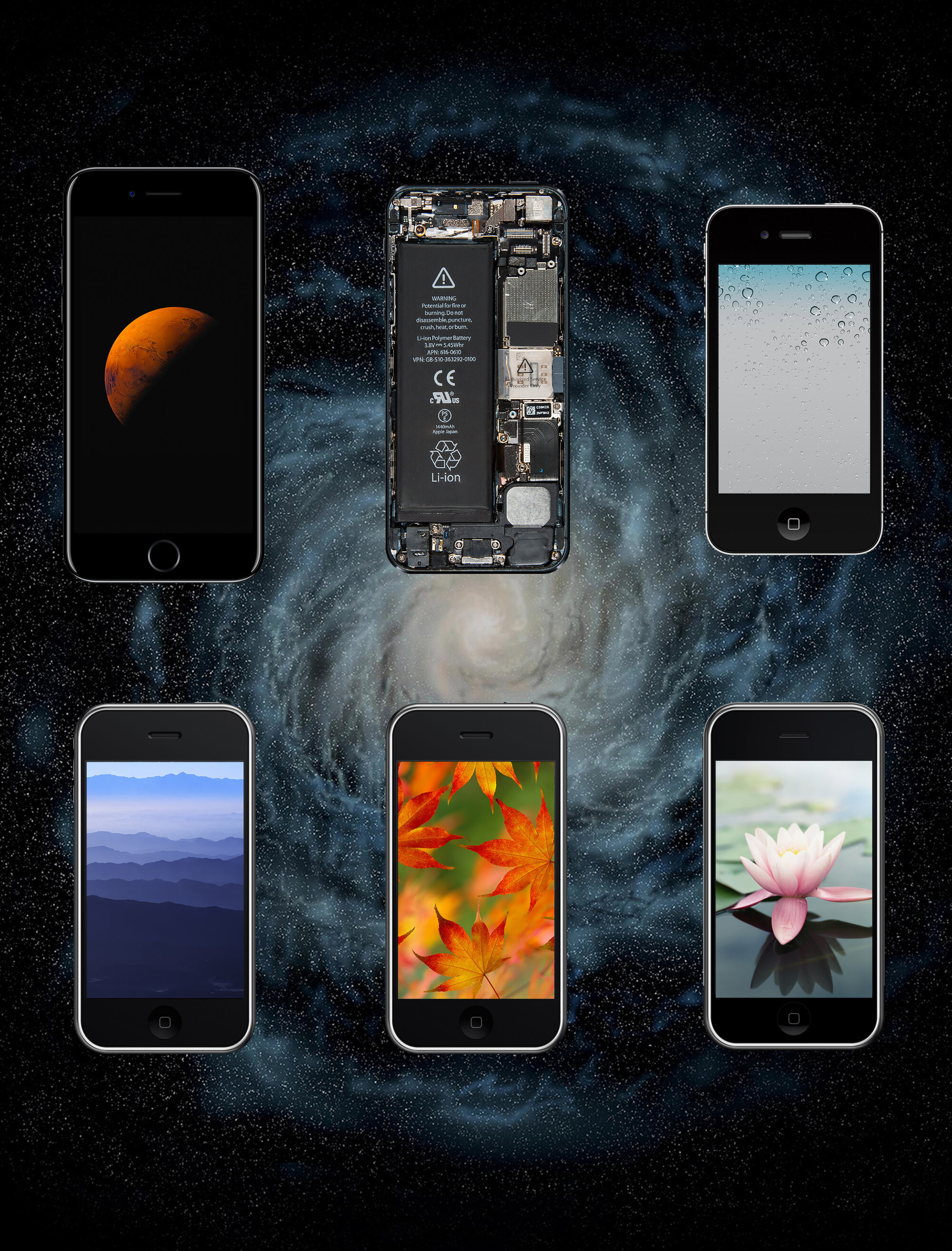
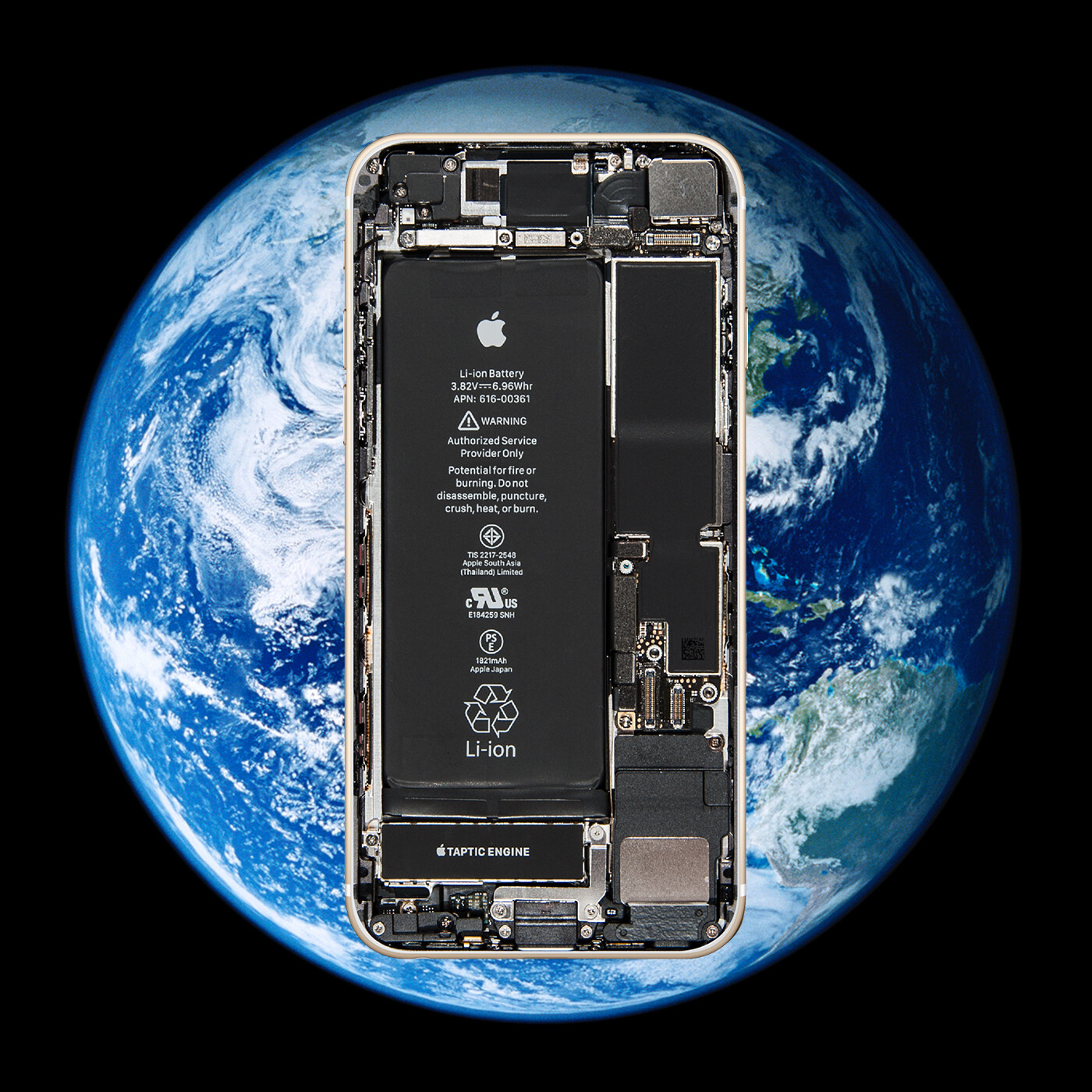
Online feature for Bloomberg Businessweek visualizing the global supply chain behind Apple’s iPhone. Illustrates where materials originate, how they’re assembled, and the economic systems that sustain their production. Read online ⎘
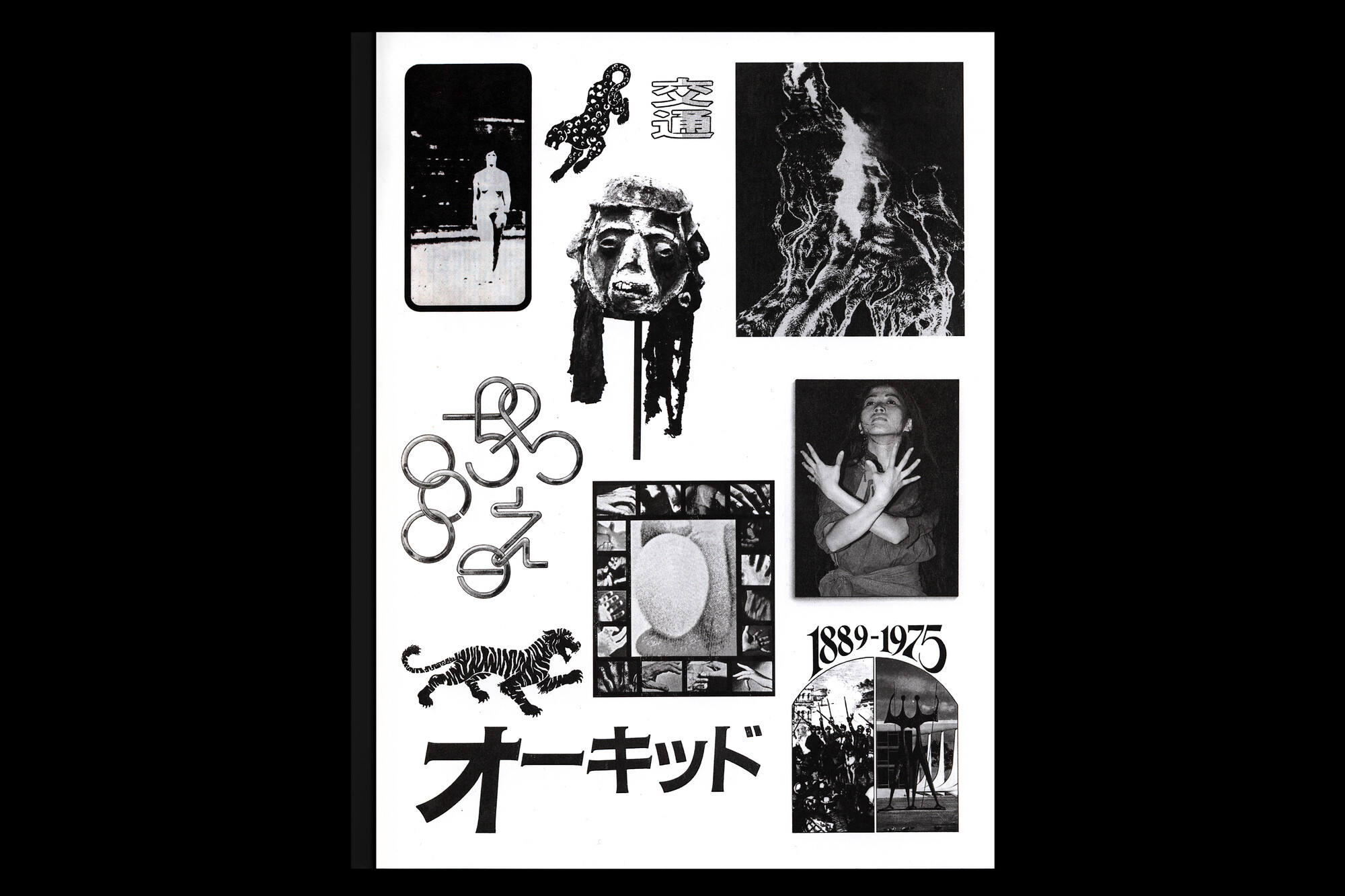
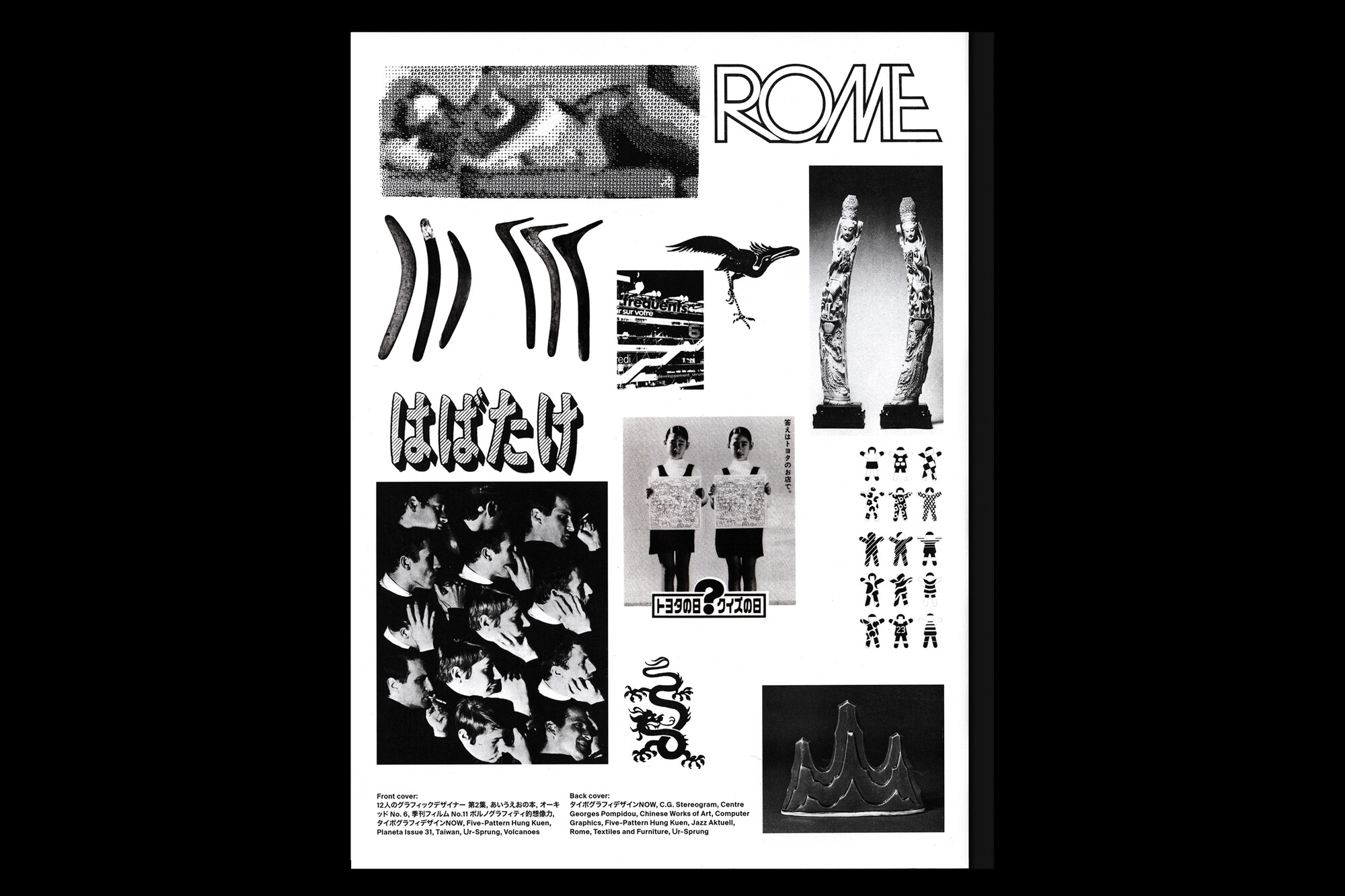
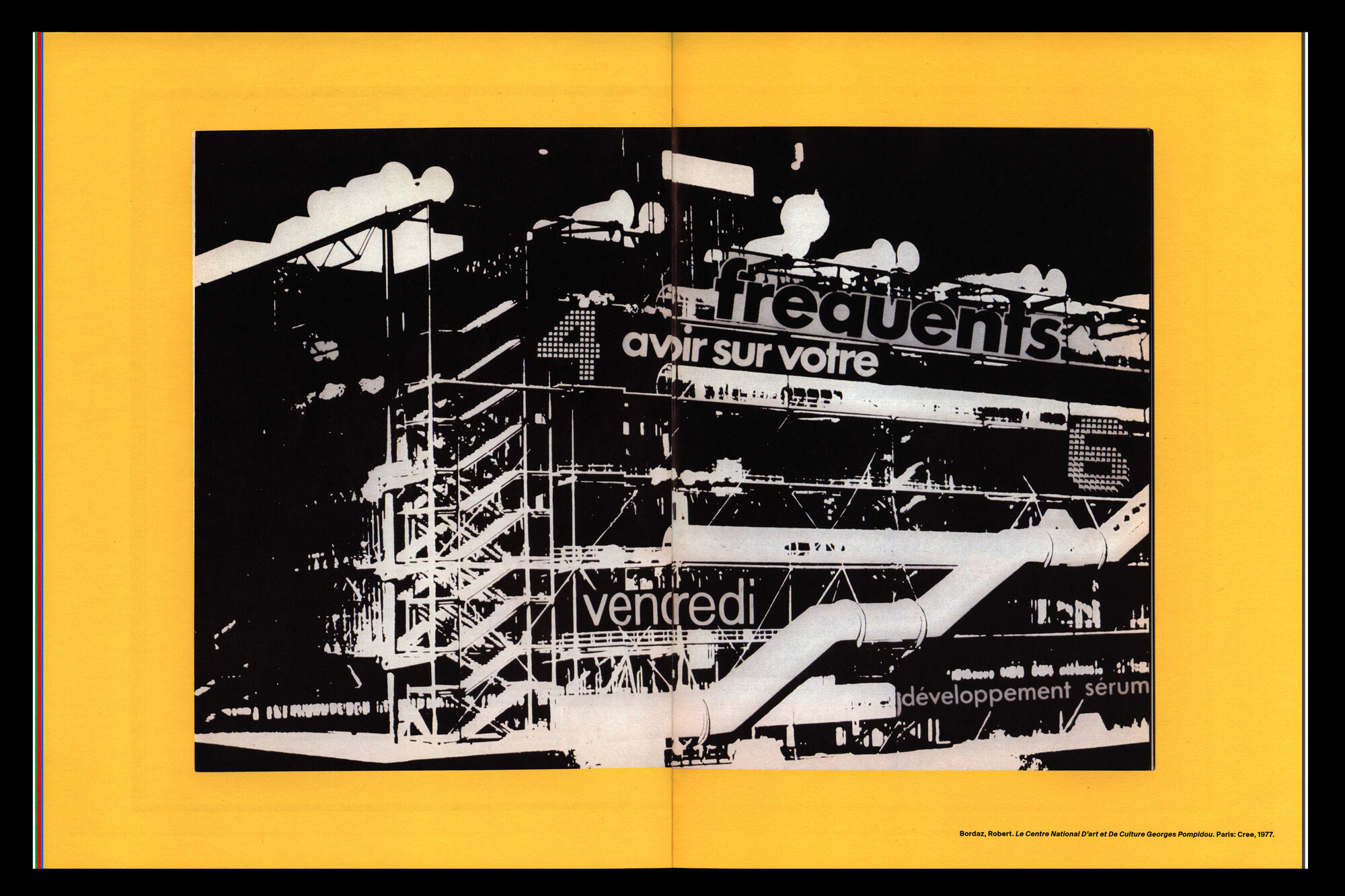
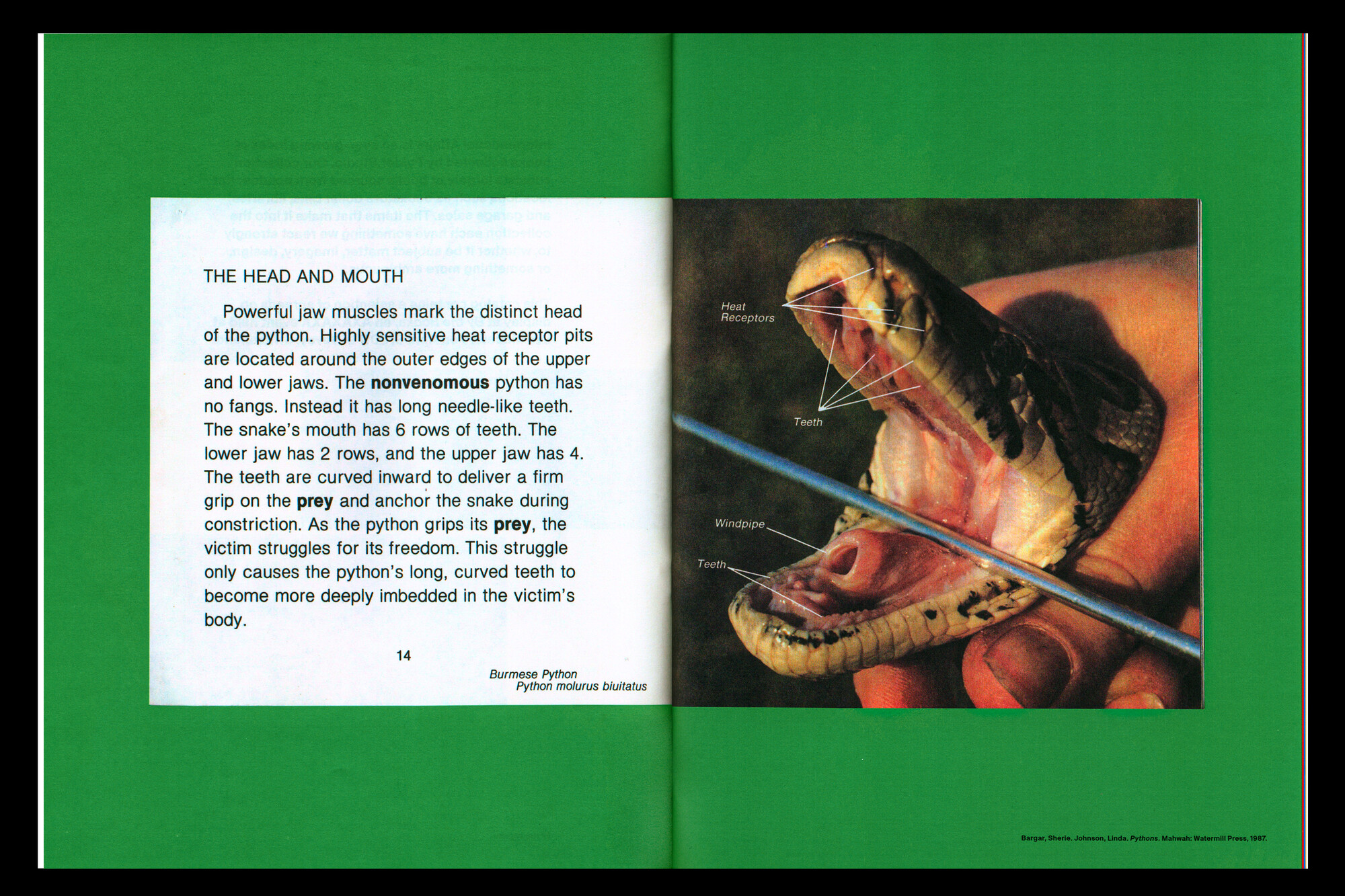
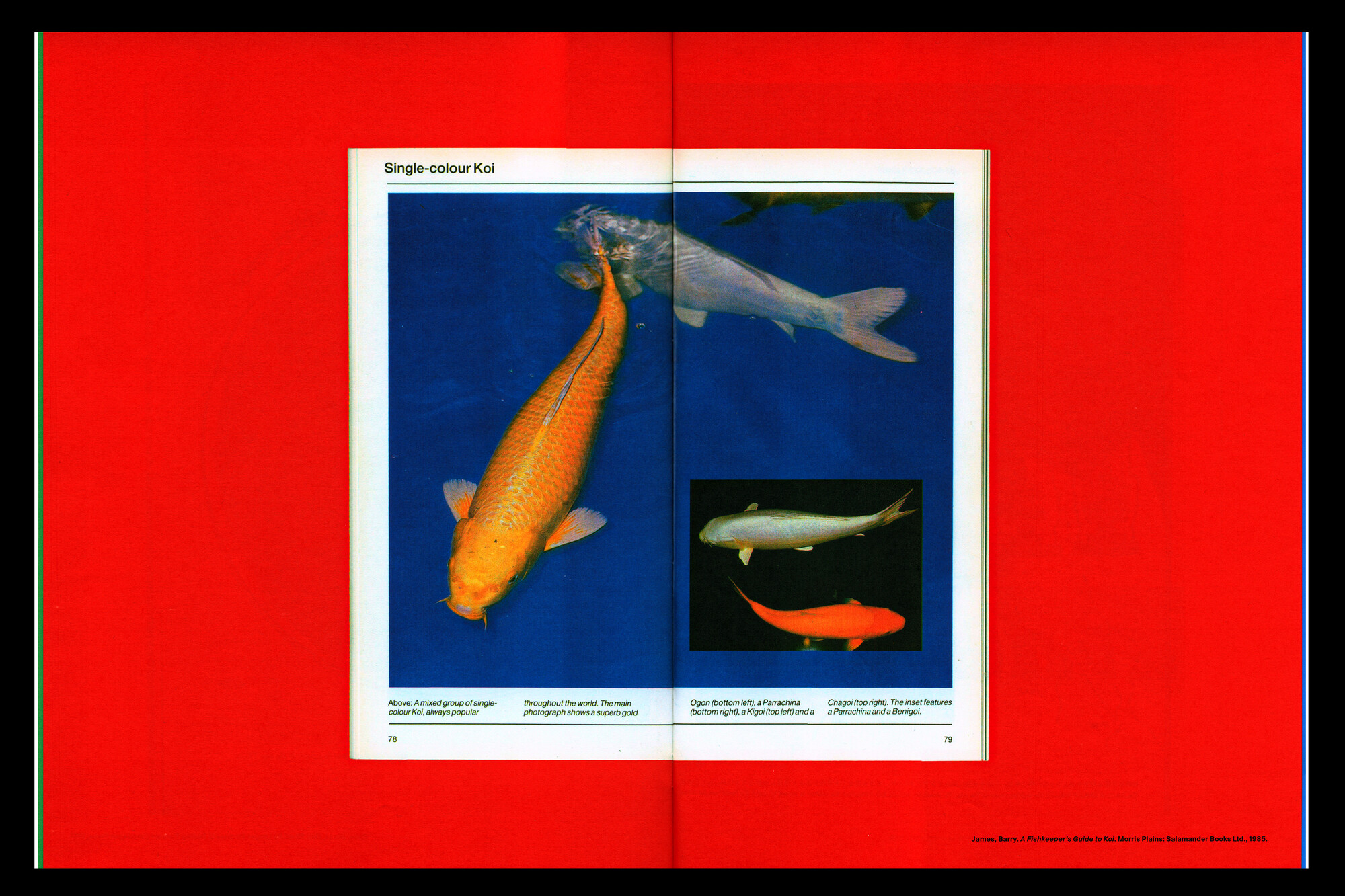
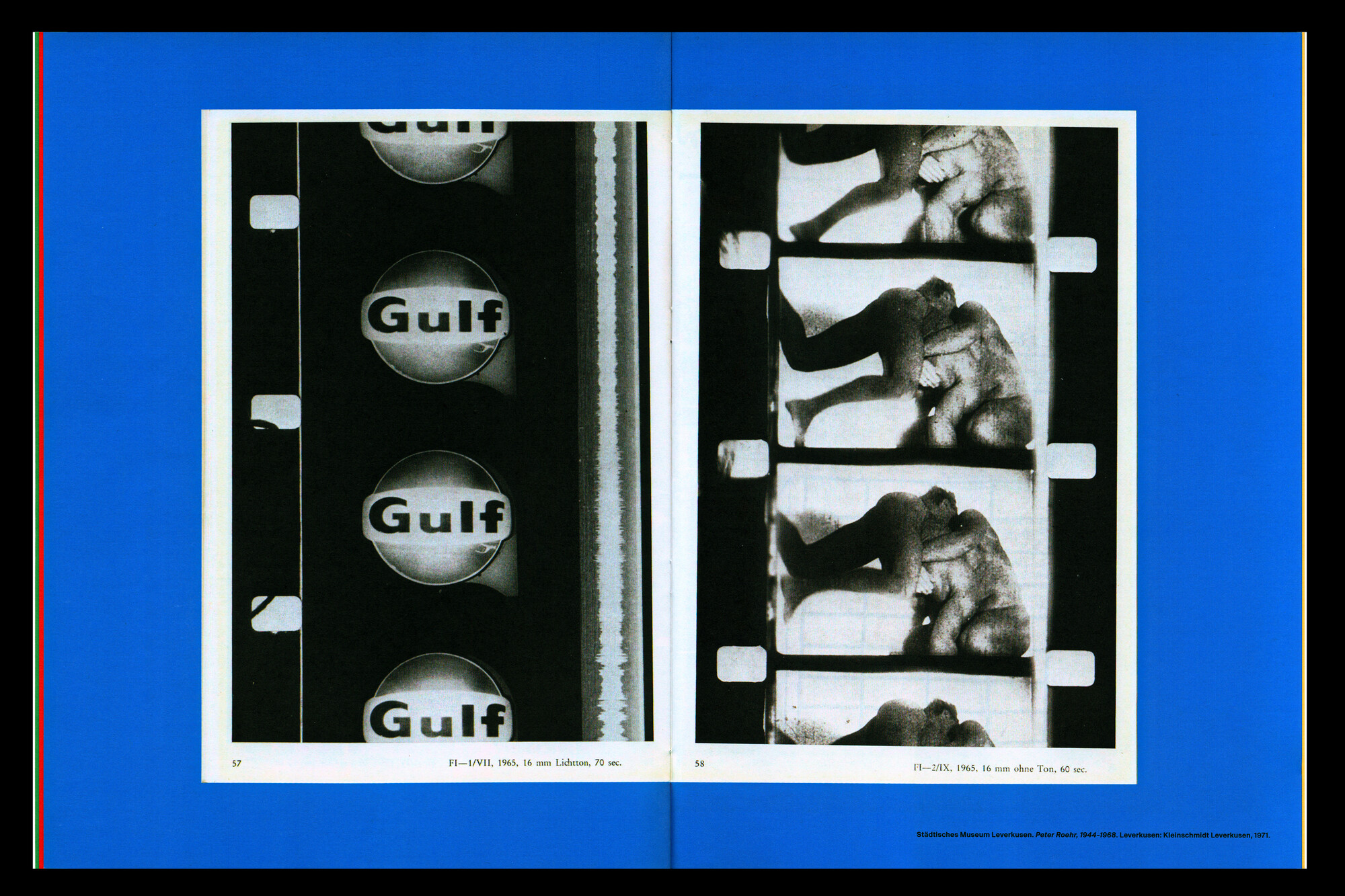
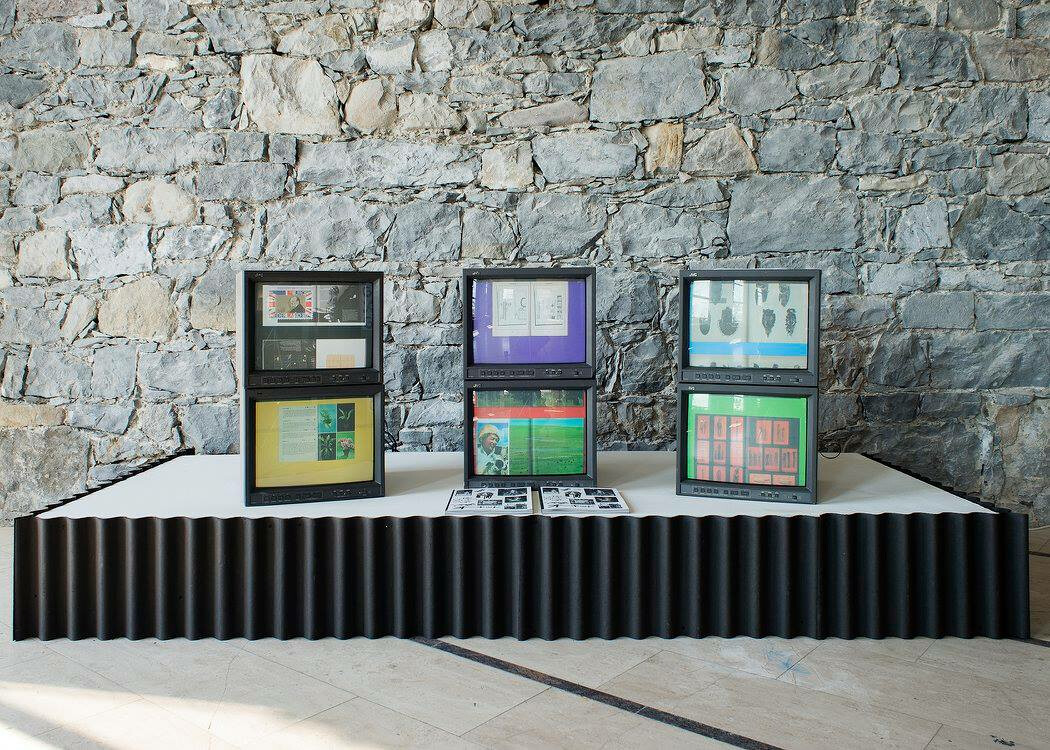
Book featuring spreads from Informational Affairs, the studio’s ongoing collection of found books. Produced for By the Books, an exhibition organized by AXAXAXA in Vevey, Switzerland.
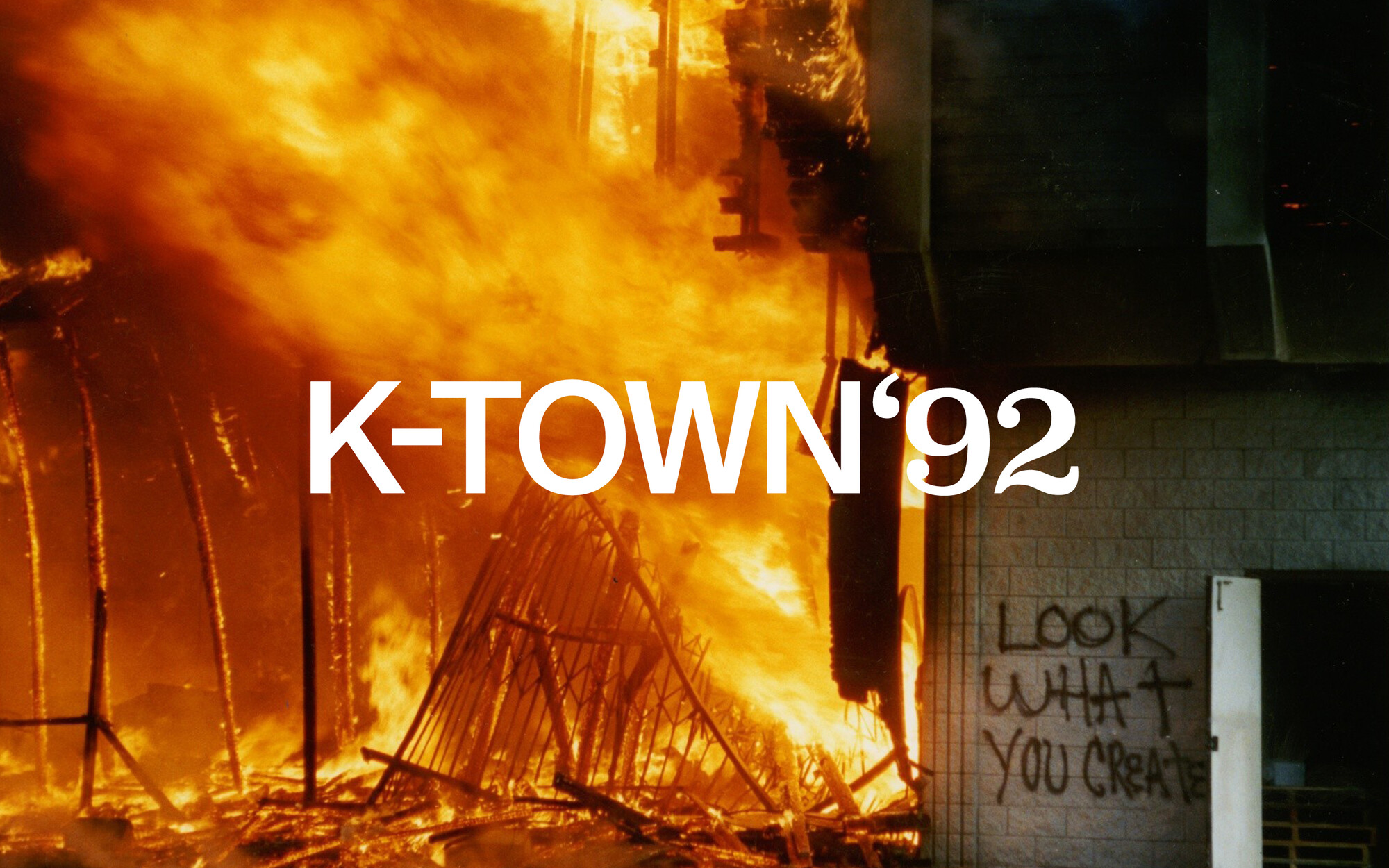
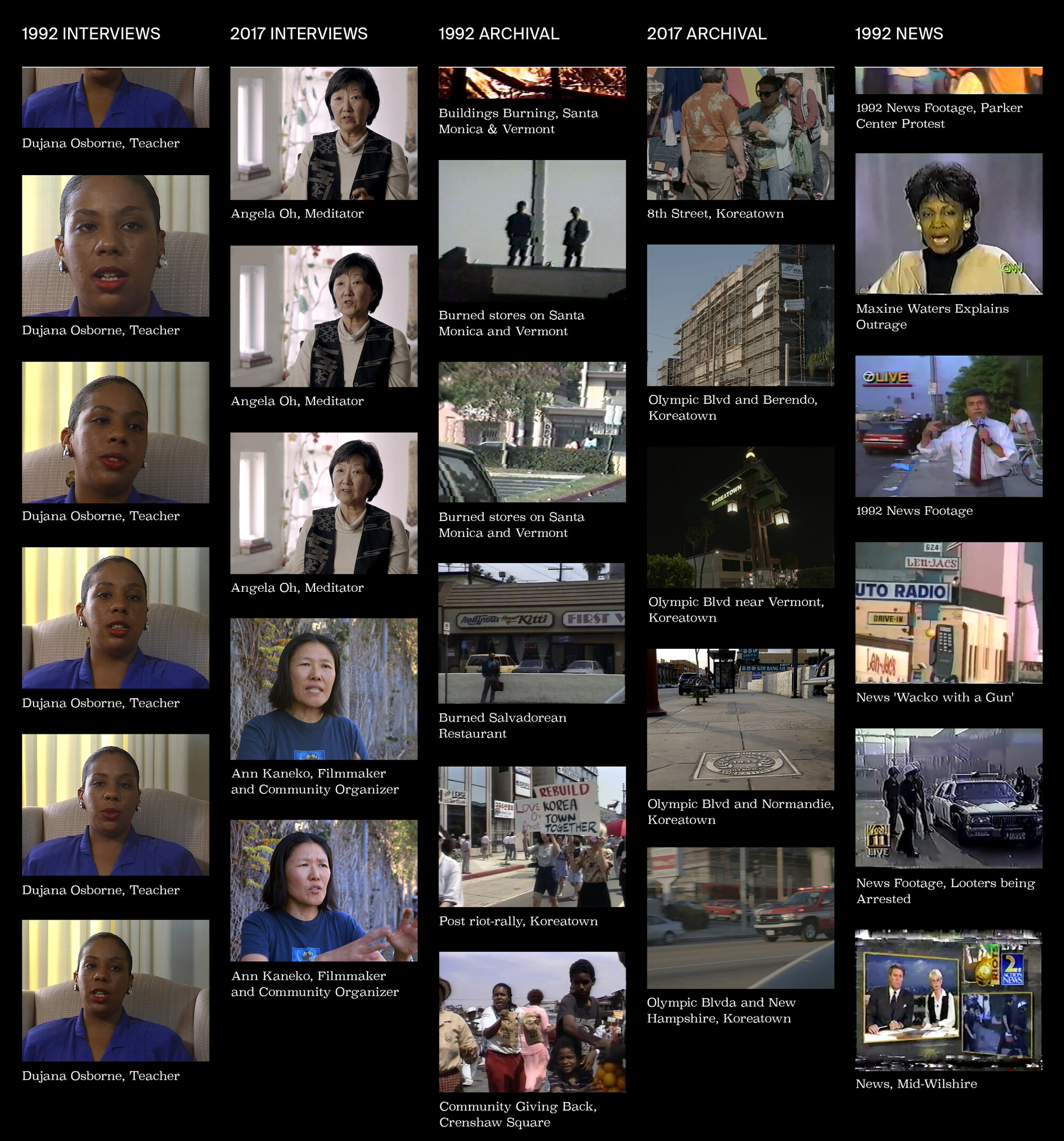
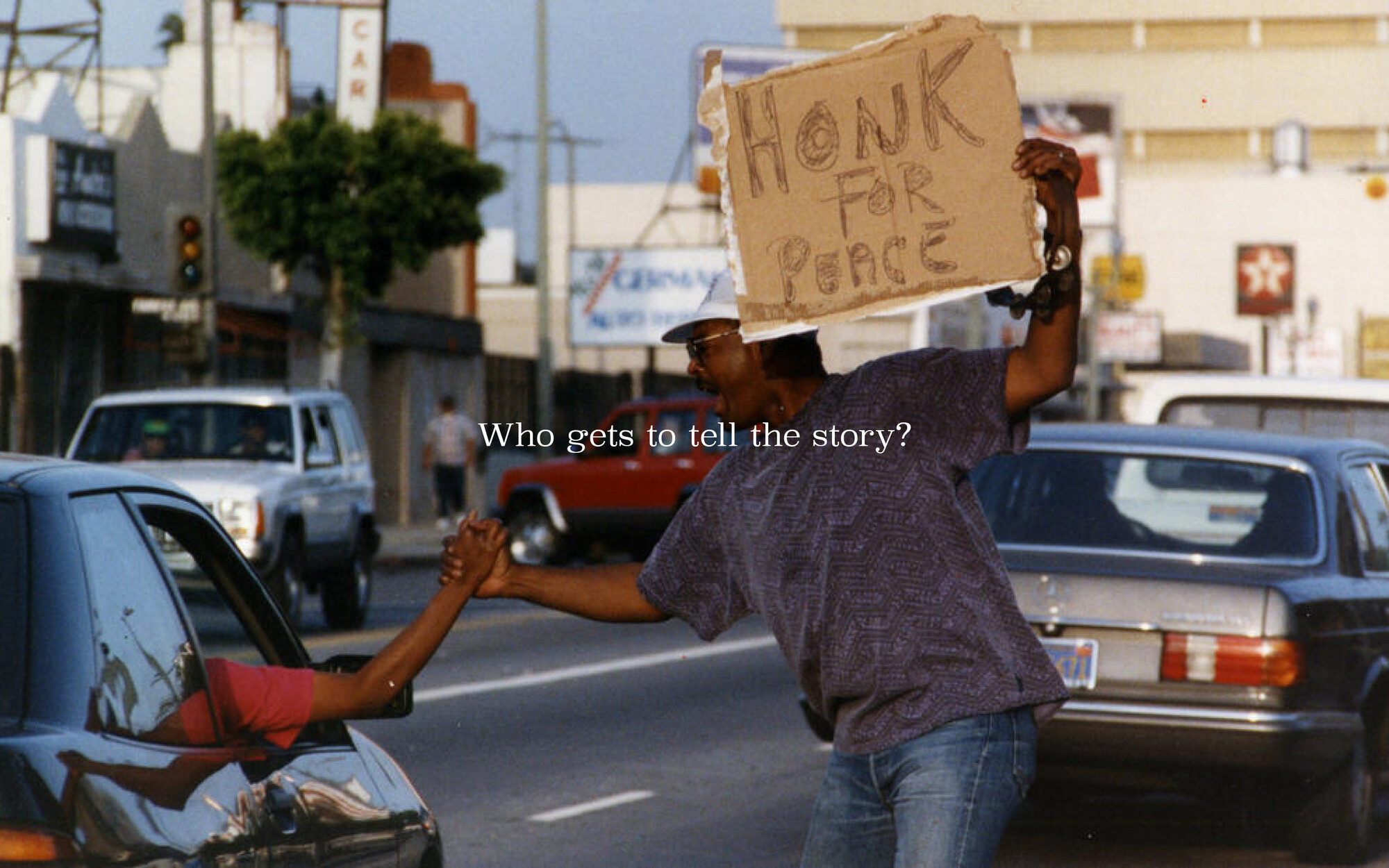
Interactive documentary directed by Grace Lee exploring the 1992 Los Angeles uprising. The website presents interviews, archival footage, and news coverage through an open structure that allows viewers to navigate overlapping perspectives across the city’s communities. Awards: 11th Macau Design Biennial, 2018. Watch online ⎘