Folder designs interfaces, publications, and systems for organizing, encountering, and carrying information forward. We help museums, universities, civic institutions, and others engaged in the stewardship and sharing of knowledge create ways for language, media, and material to surface and endure.
We are interested in what happens to information over time, and how form can reveal the connections that give it meaning. Projects come in a variety of configurations rooted in partnerships that honor the material and its strategic presentation.
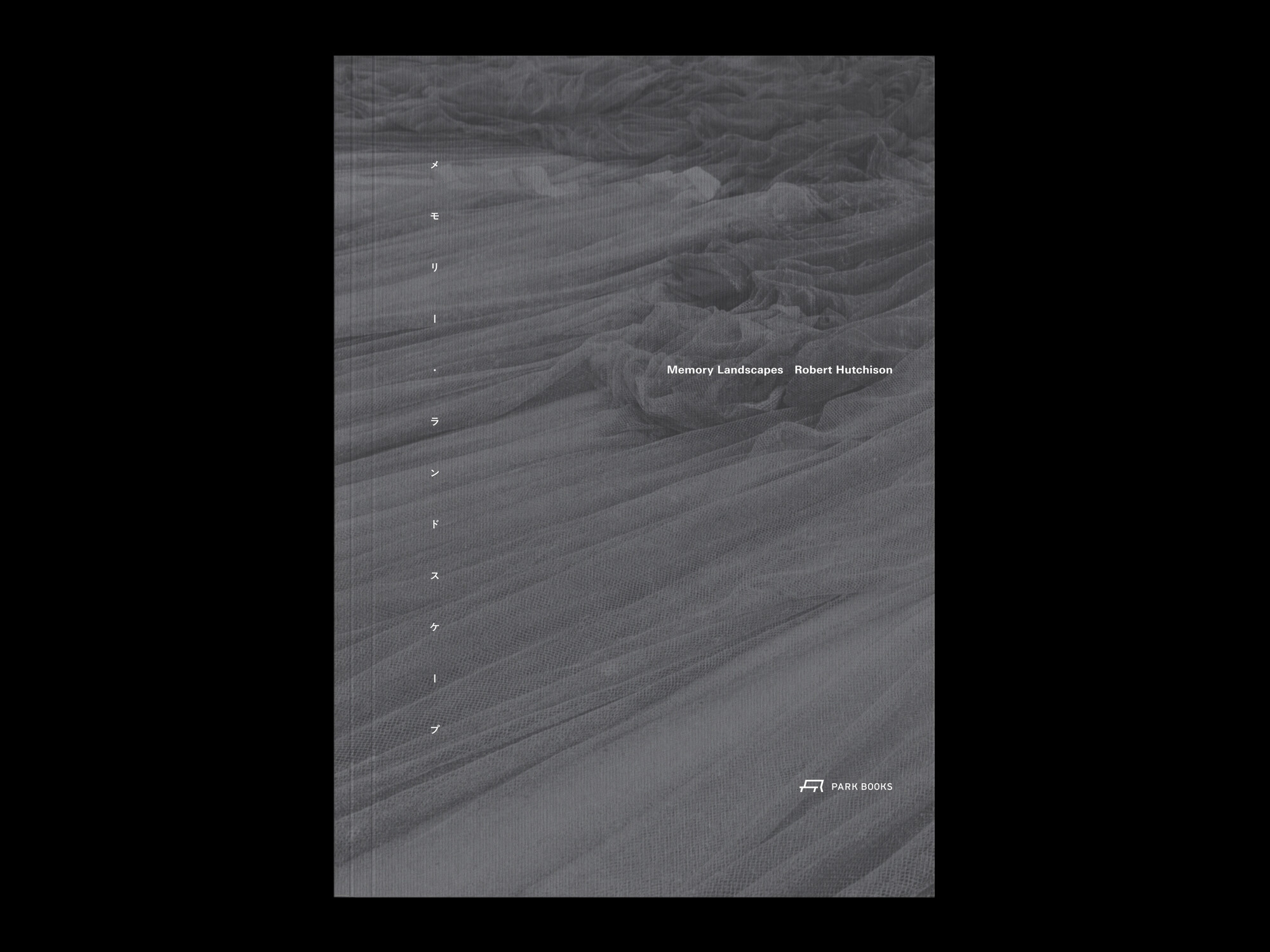
Memory Landscapes presents a body of work developed by Robert Hutchison Architecture across decades, addressing the seawalls built along Japan’s Tohoku coast after the 2011 earthquake and tsunami. These proposals, which include contributions from Hutchison’s firm along with Japanese architects, artists, and community members, consider how collective memory might inform the future of fishing communities these walls protect while at the same time separating them from the sea.
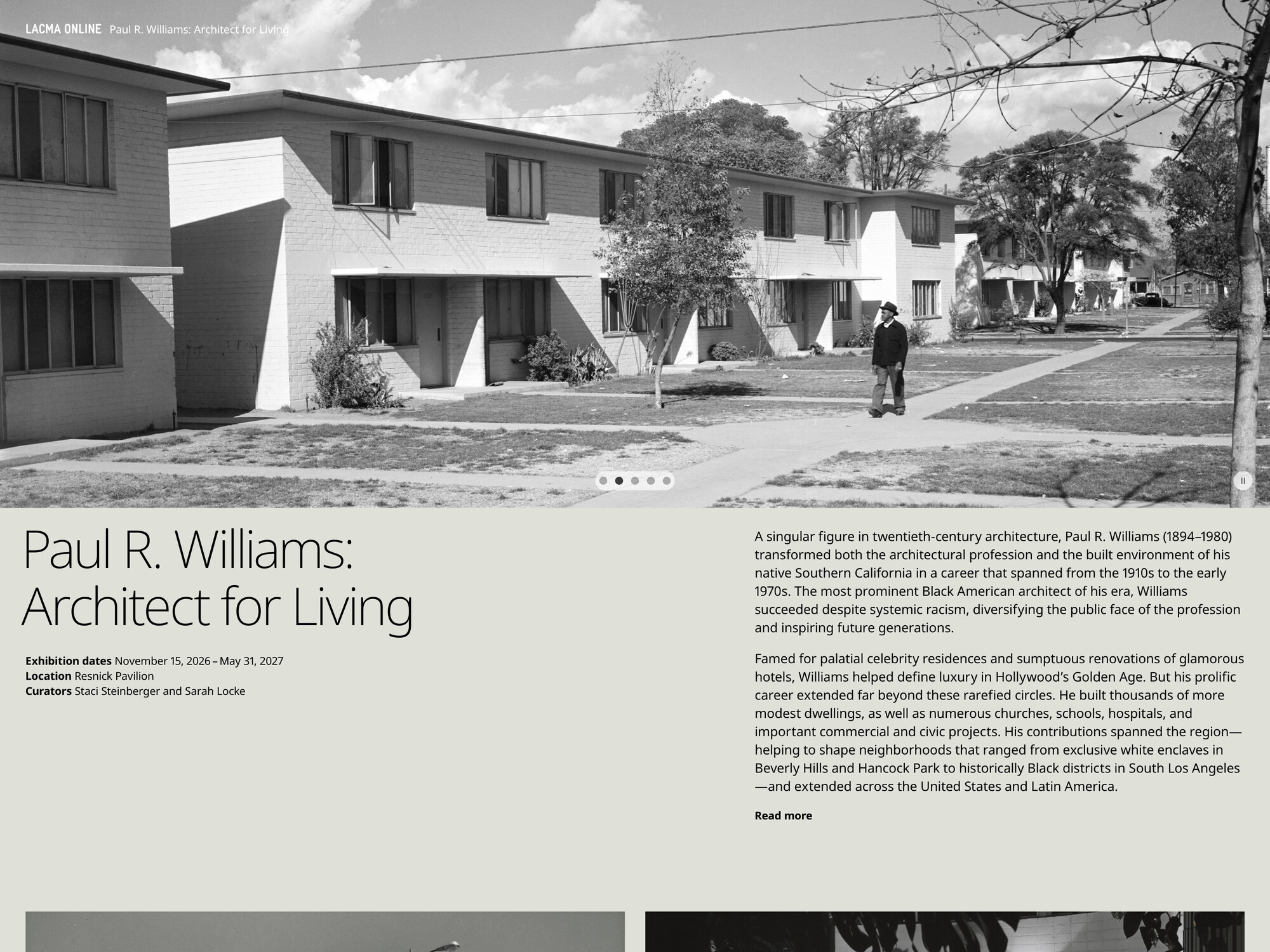
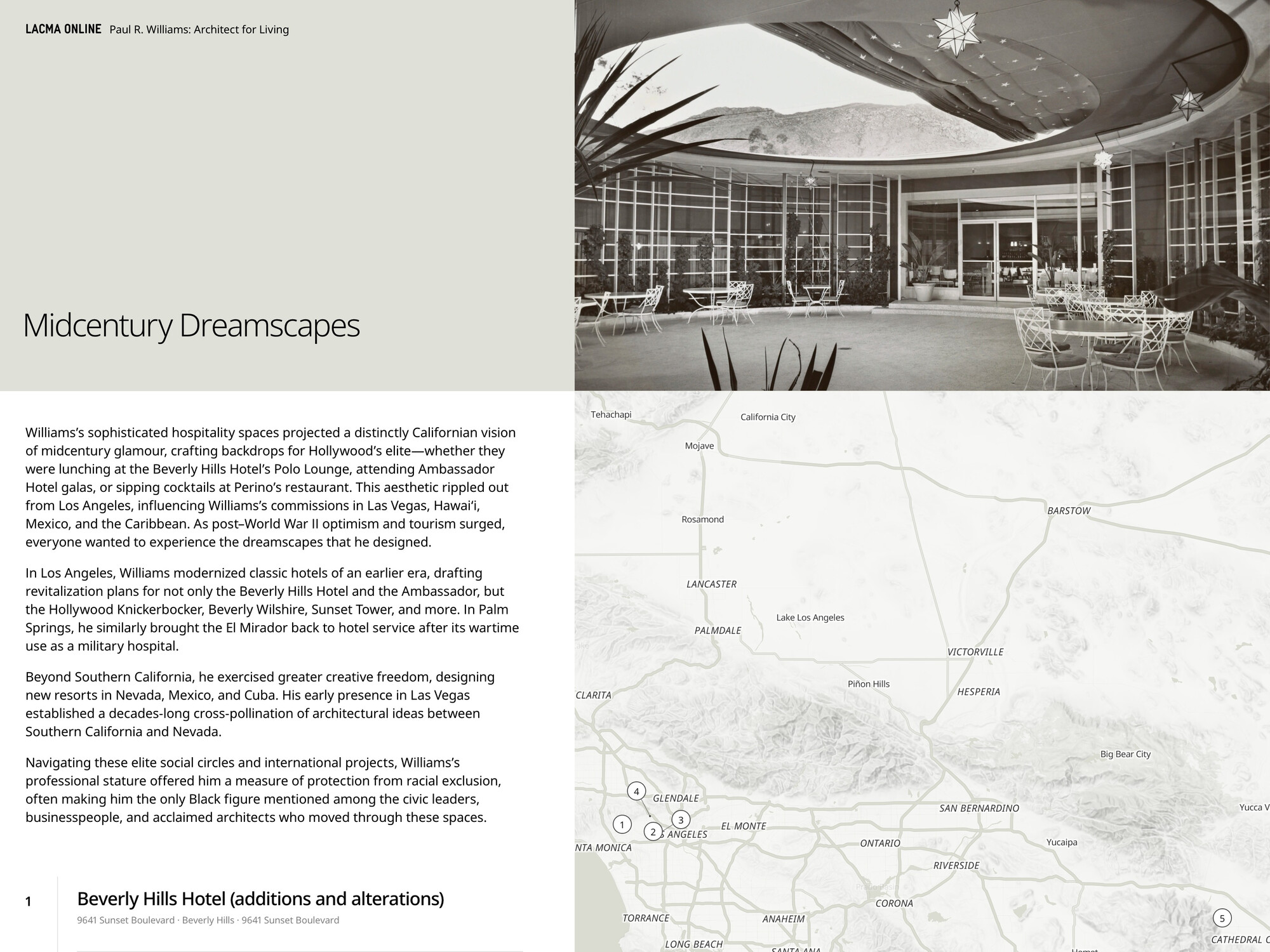
A singular figure in twentieth-century architecture, Paul R. Williams (1894–1980) transformed both the architectural profession and the built environment of his native Southern California in a career that spanned from the 1910s to the early 1970s. The most prominent Black American architect of his era, Williams succeeded despite systemic racism, diversifying the public face of the profession and inspiring future generations.
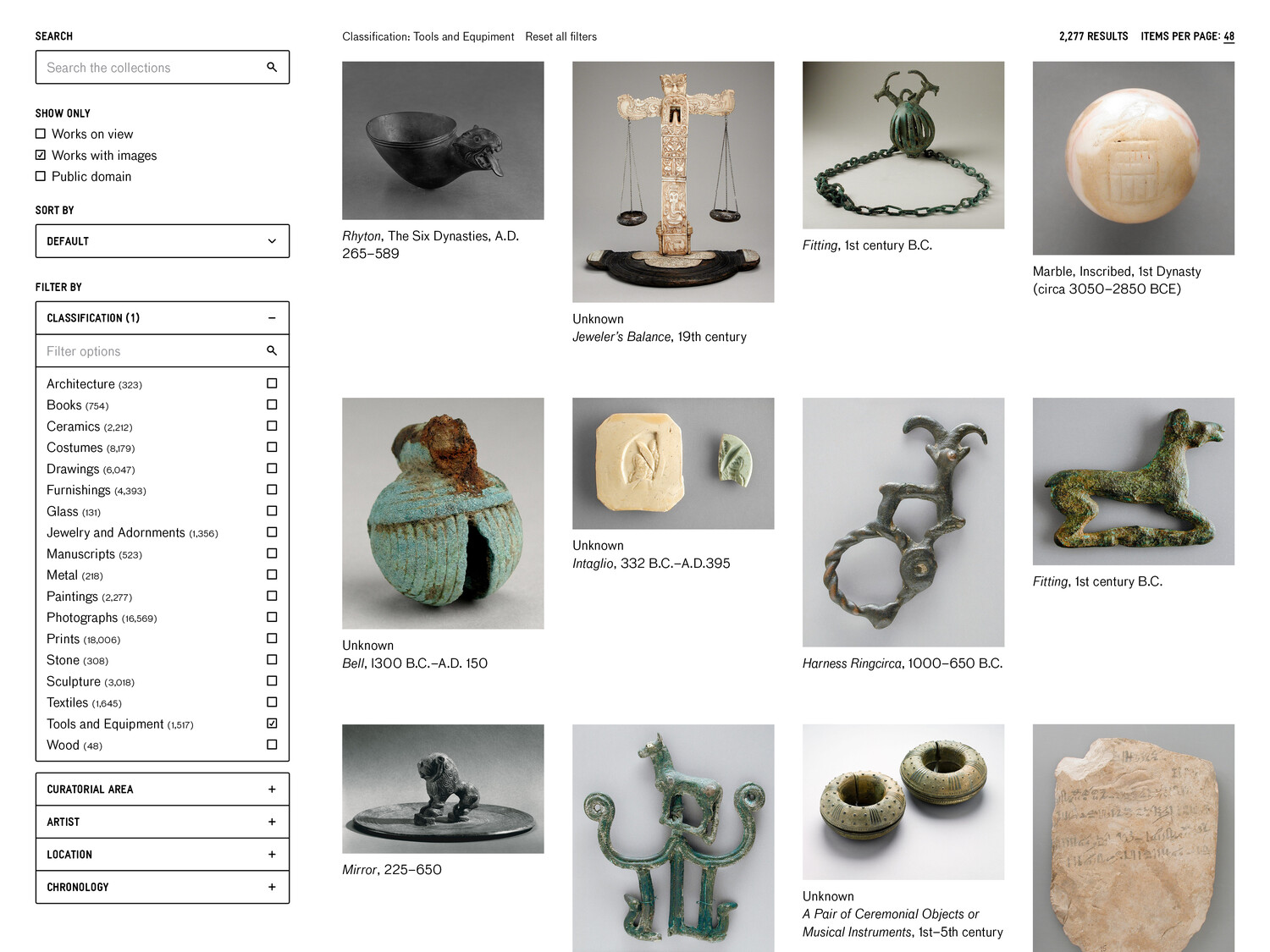
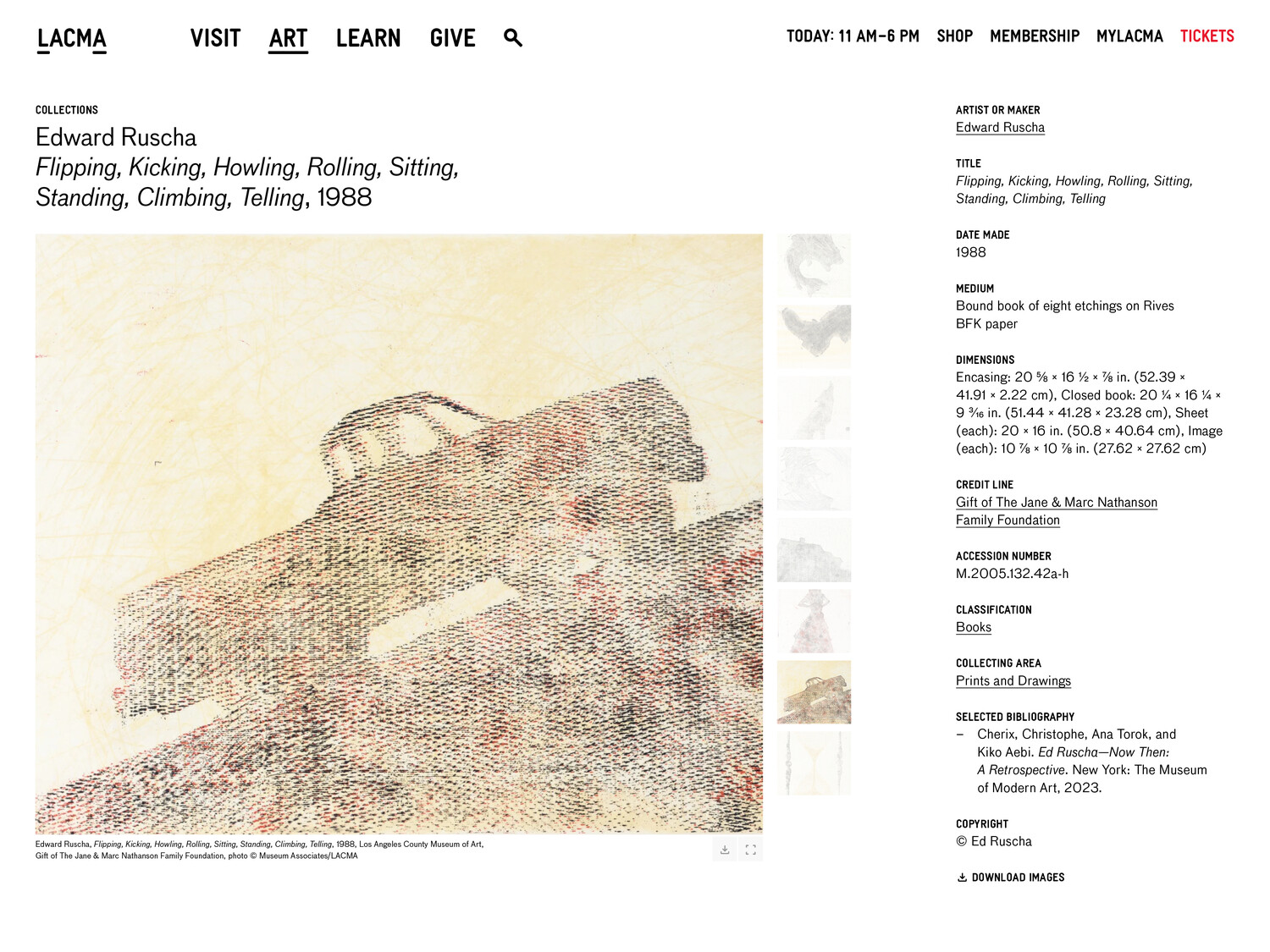
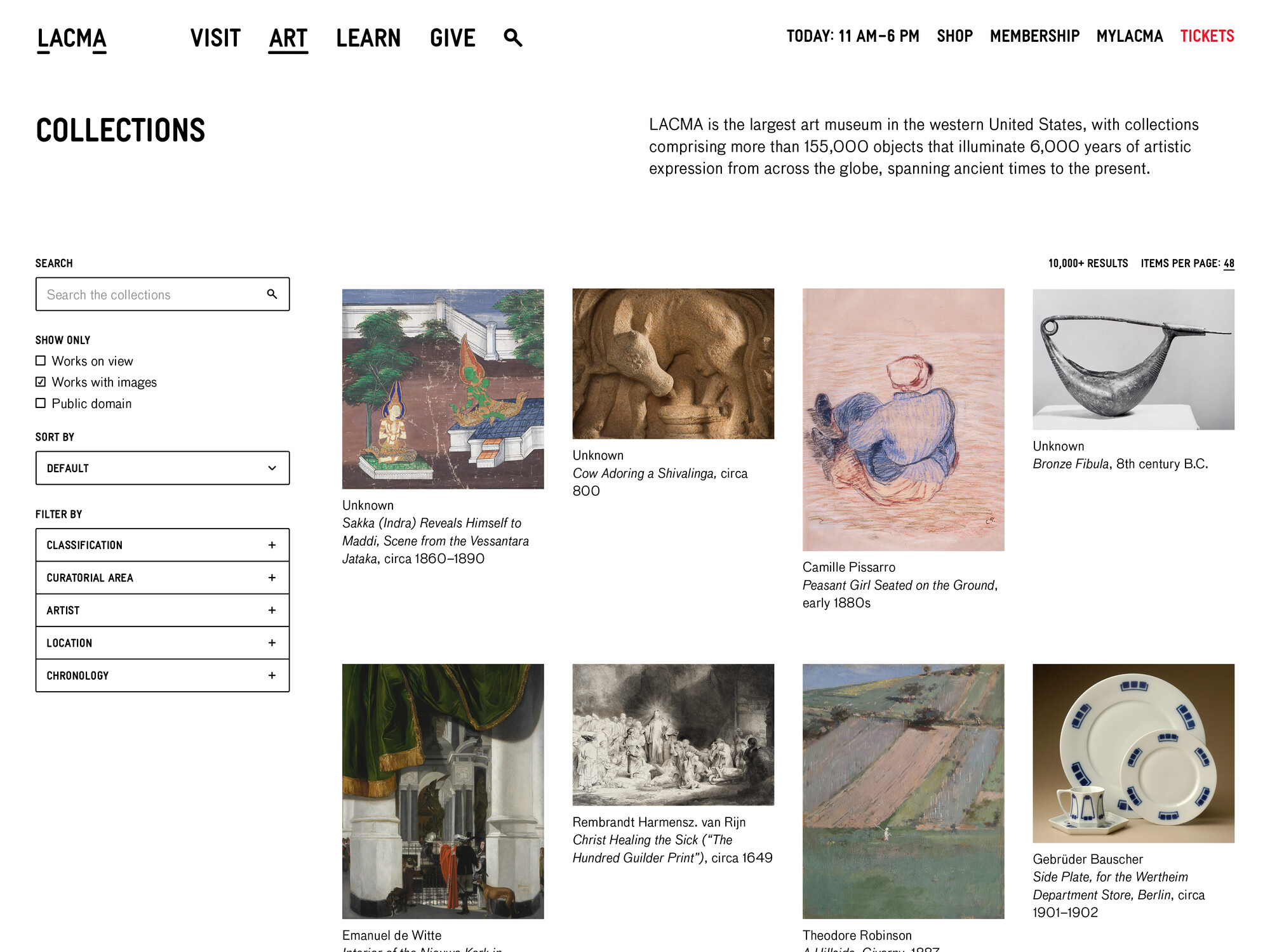
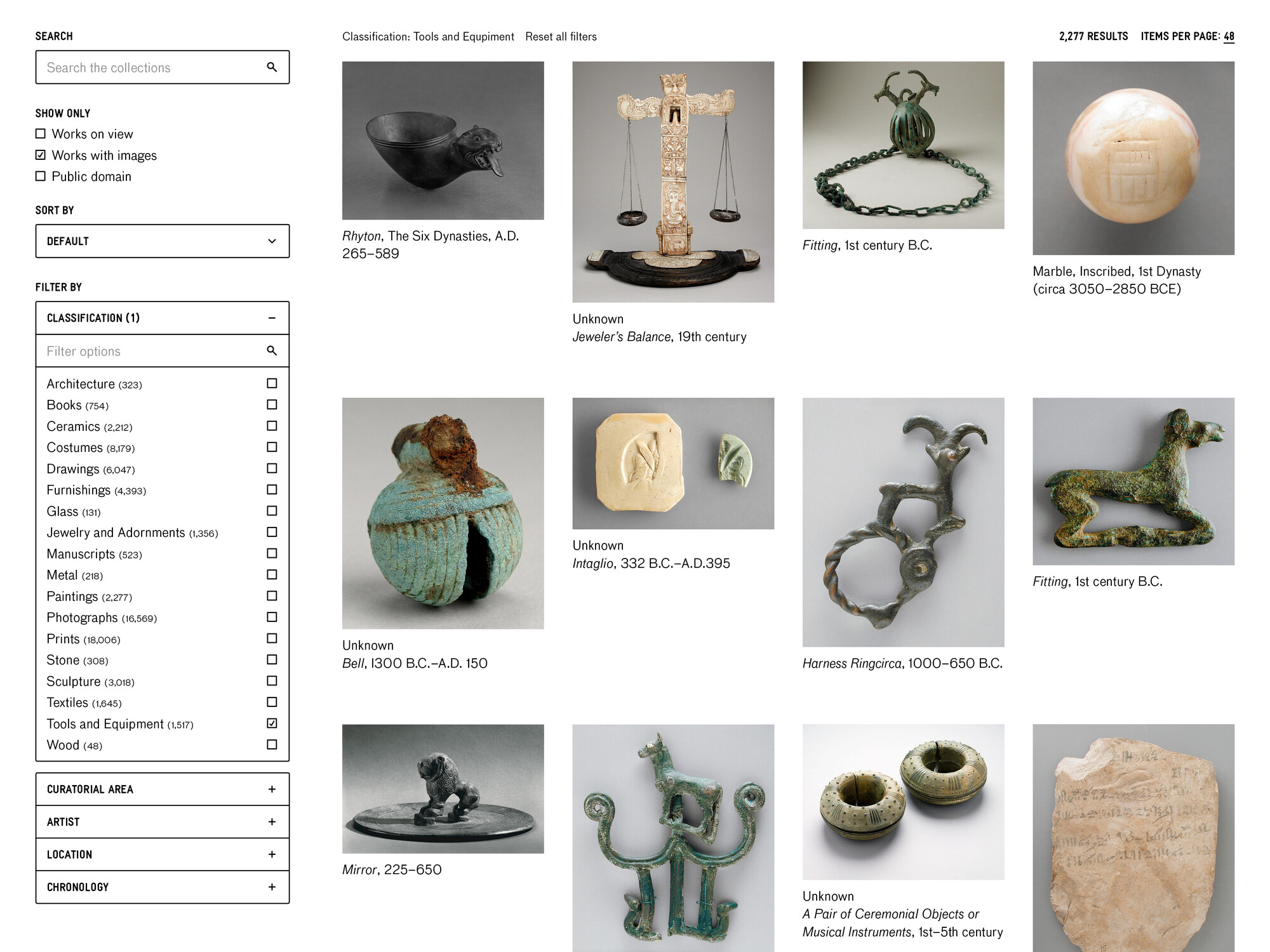
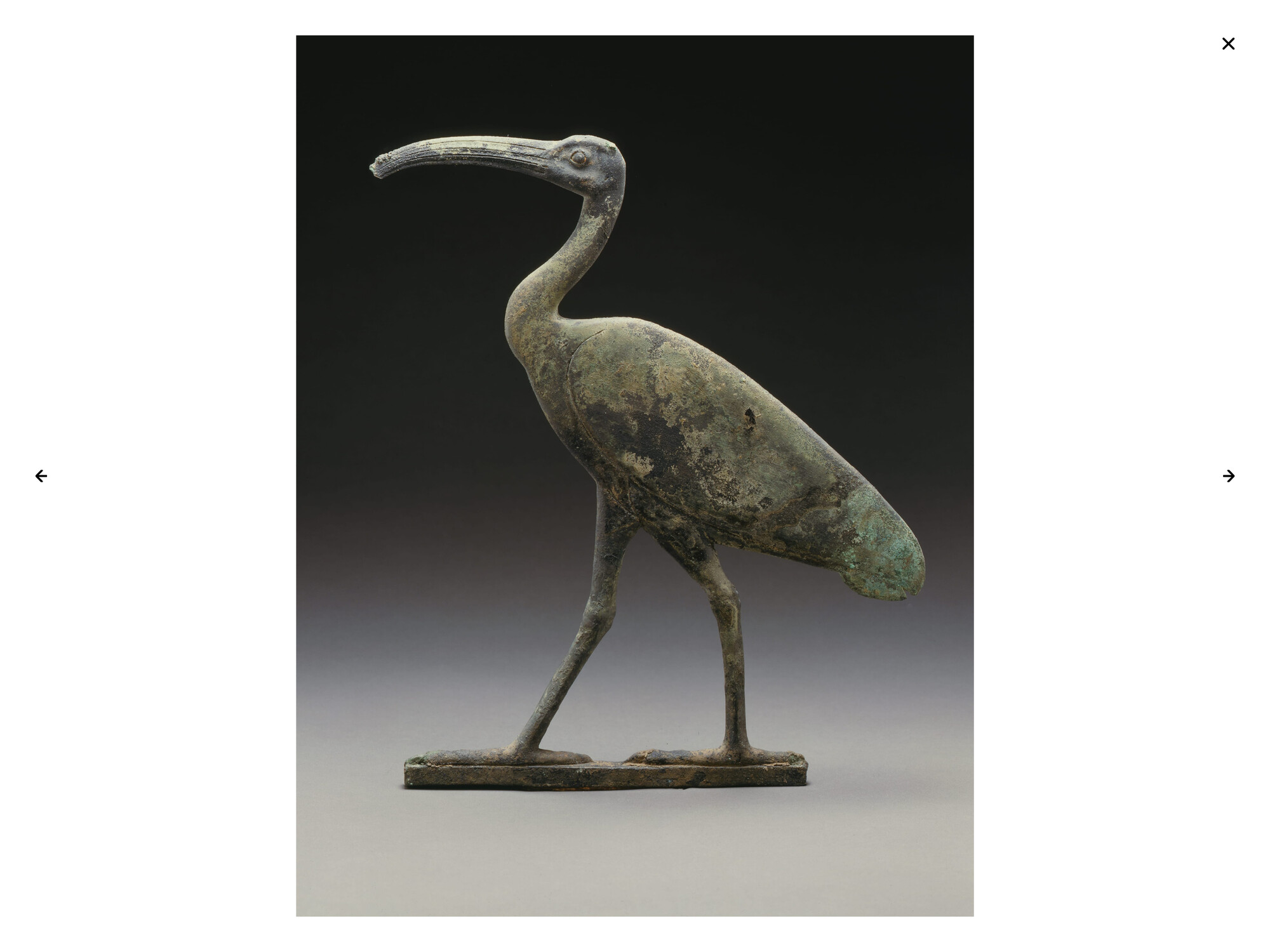
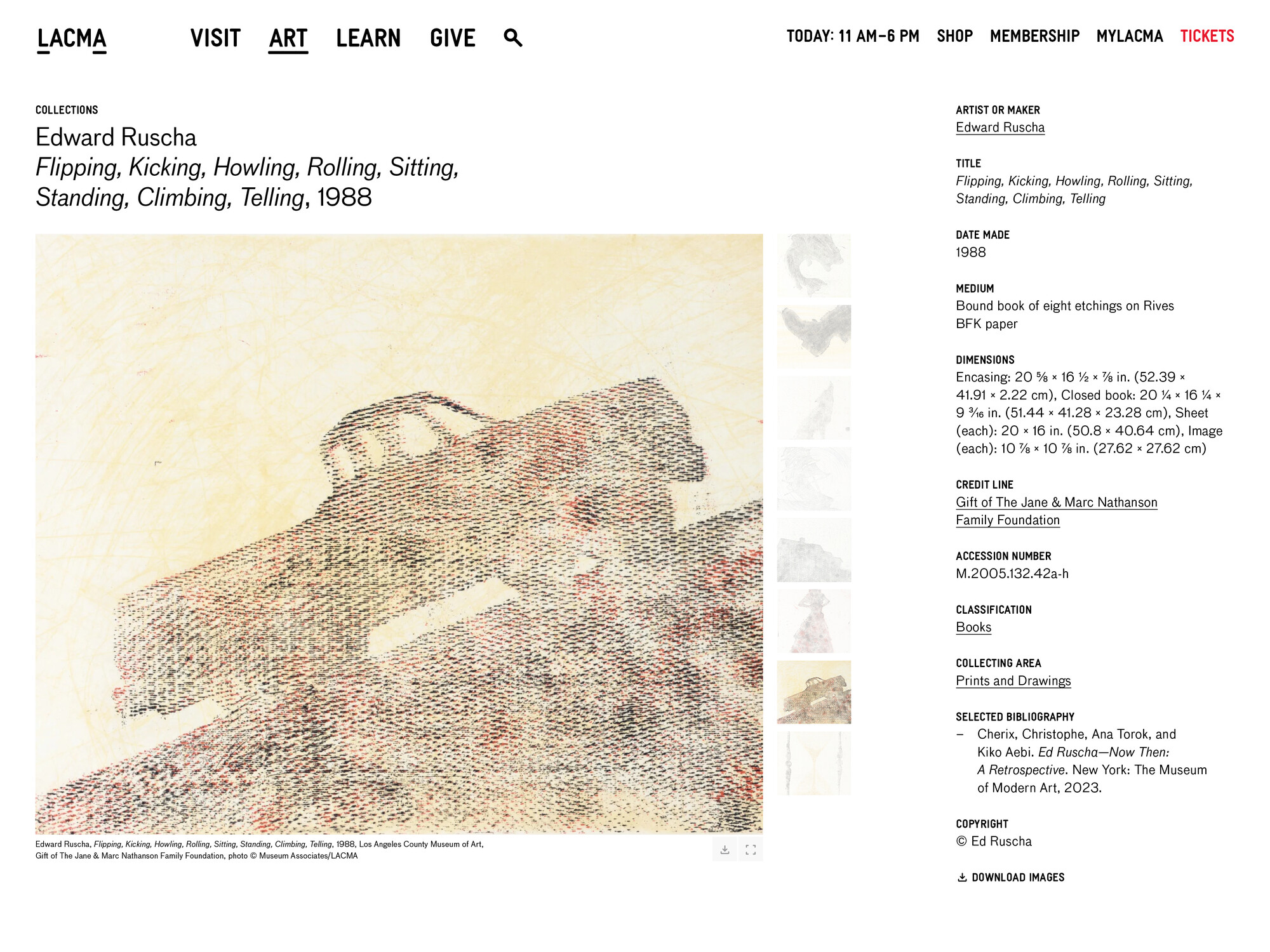
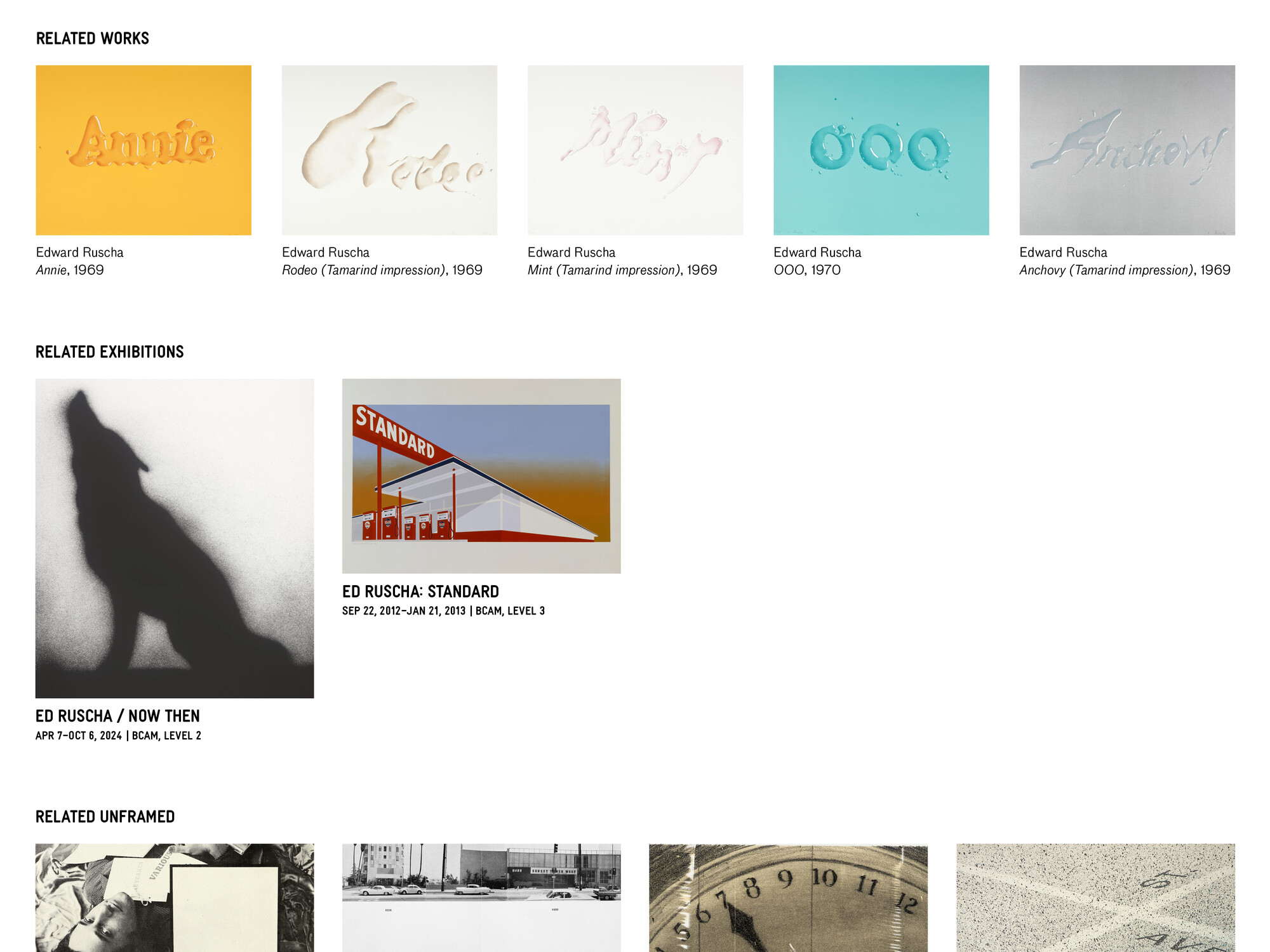
The Los Angeles County Museum of Art houses the largest museum collection in the western United States. The new online platform comprises of a cleanly rebuilt data endpoint paired with a restrained interface design that gives nuanced object records common structure while preserving distinctions in attribution, dating, and depth of scholarship.
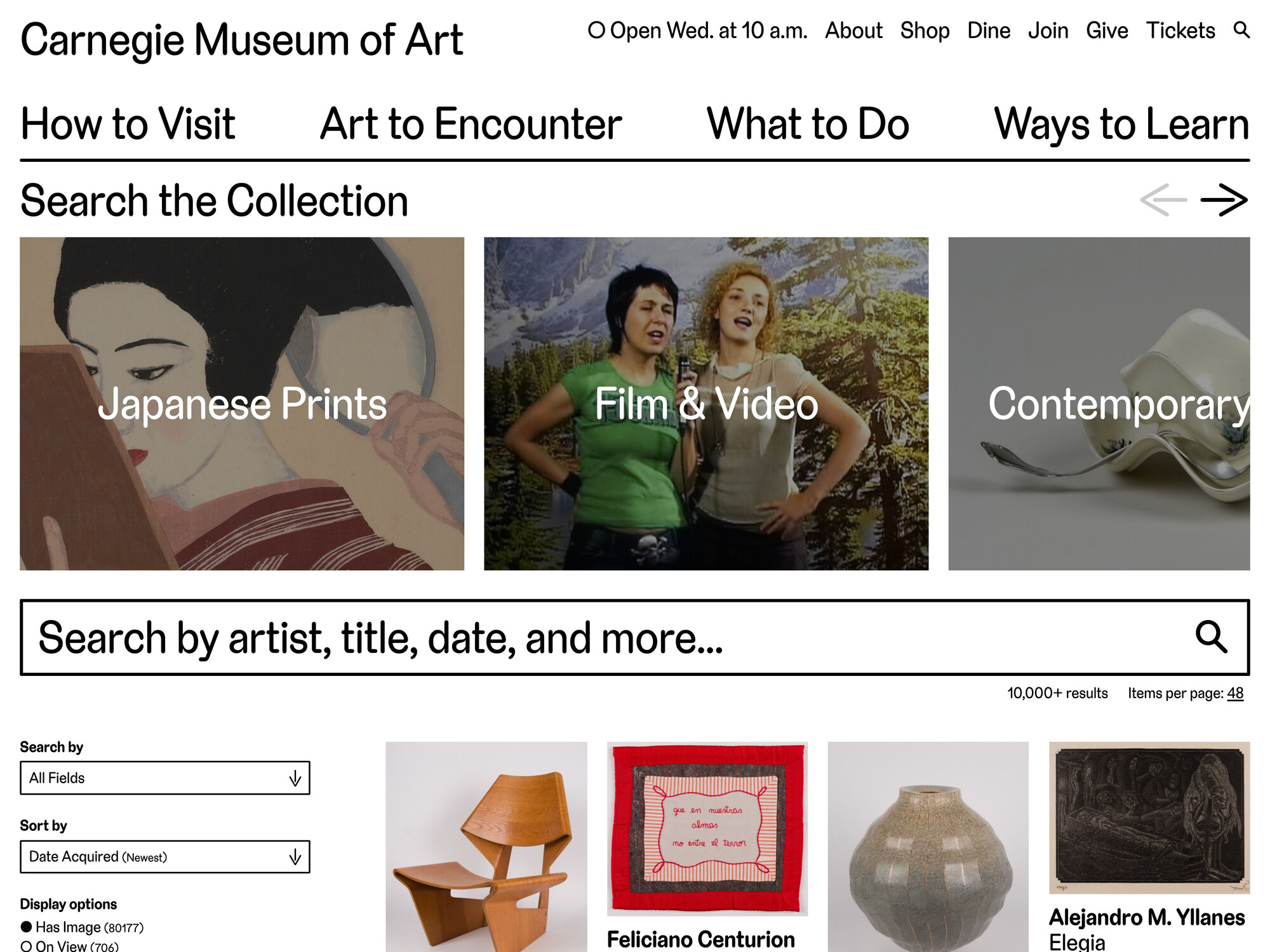
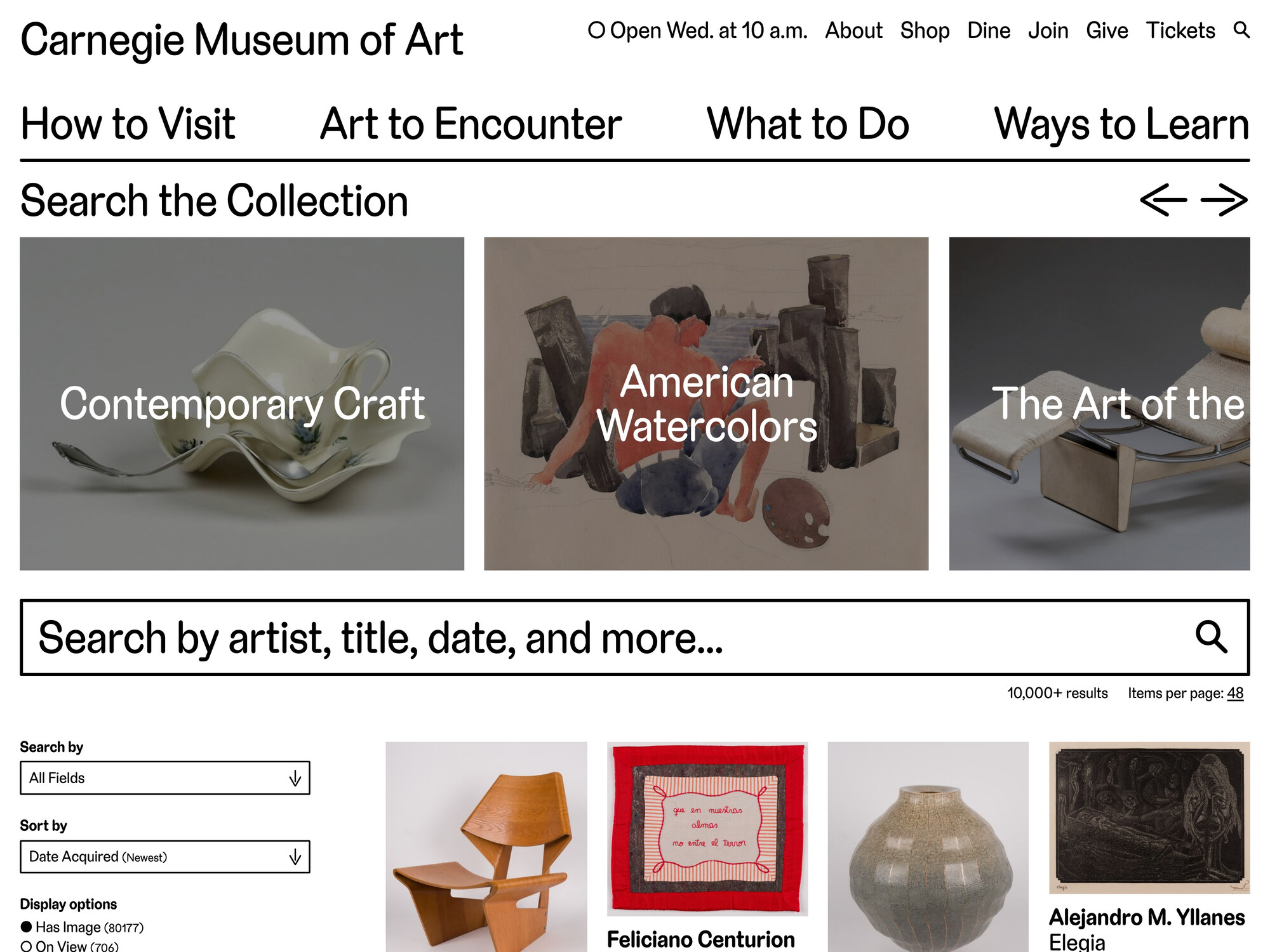
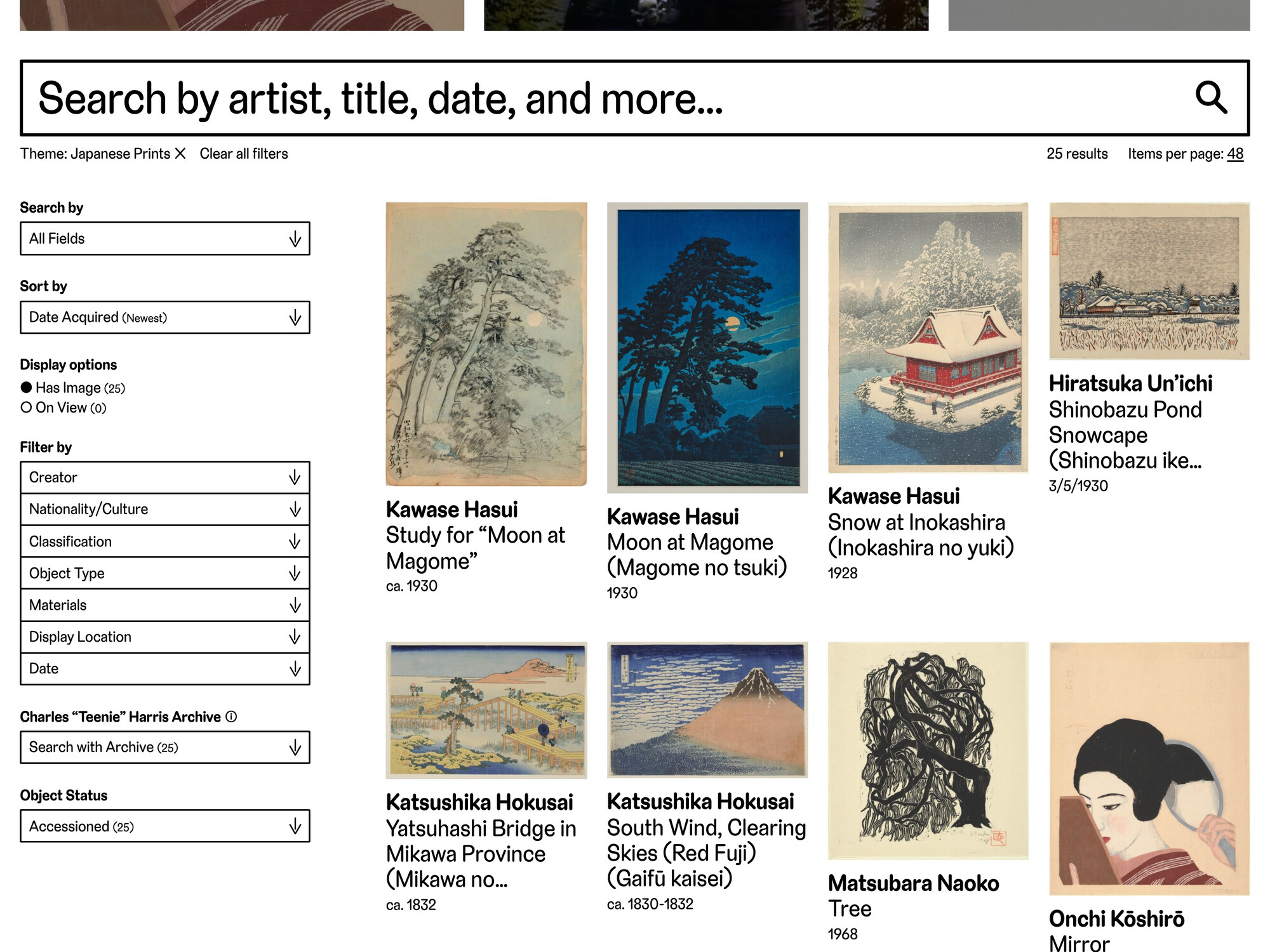
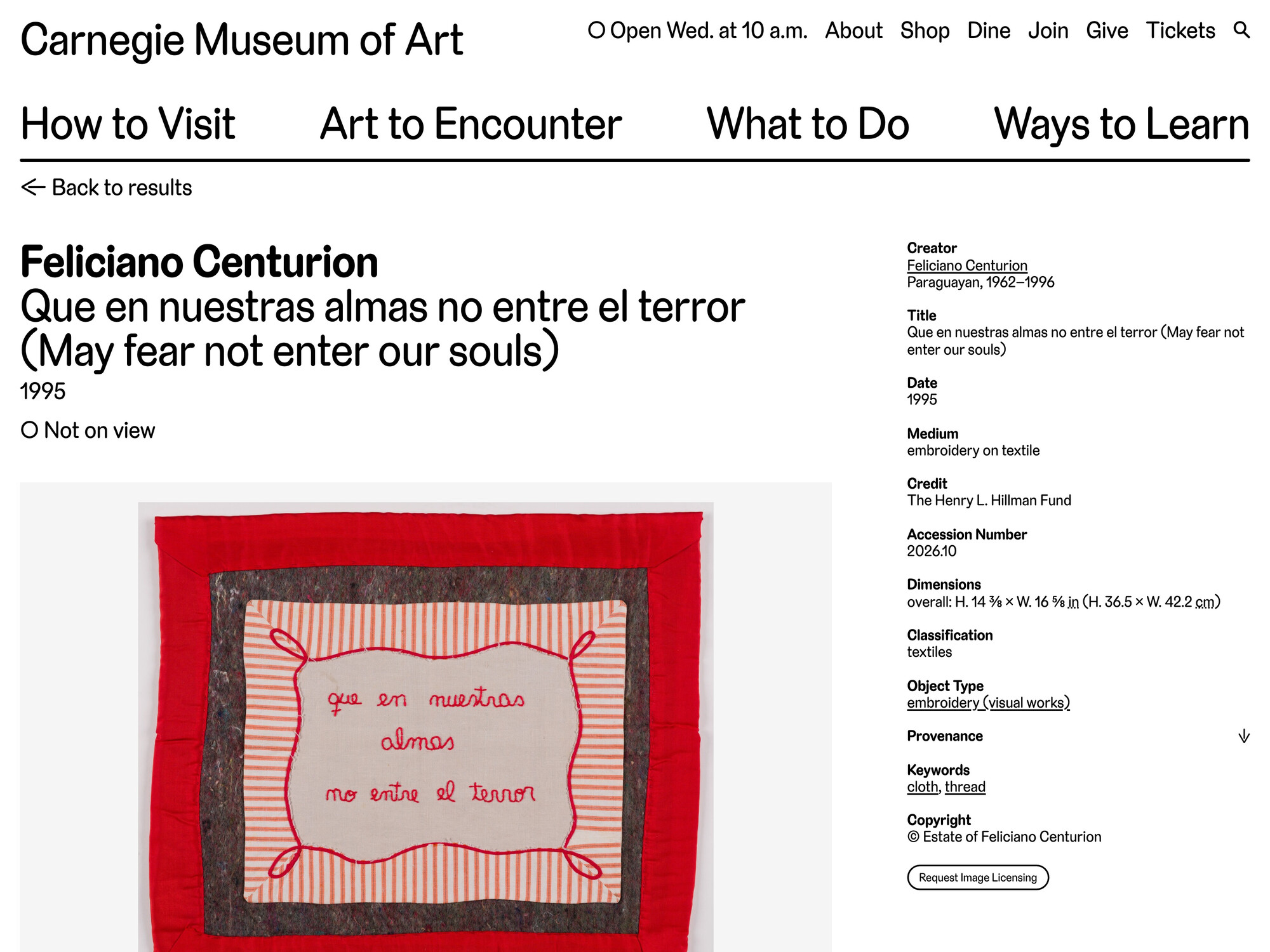
Expanded from our previous work on Carnegie Museum of Art’s online catalogue, the collections website opens us closer study of the collection by connecting individual works with group records, exhibition histories, and associated texts. The collection’s development is more readily traced through museum programs including it’s growth through the Carnegie International, North America's longest-running recurring exhibition of international contemporary art.
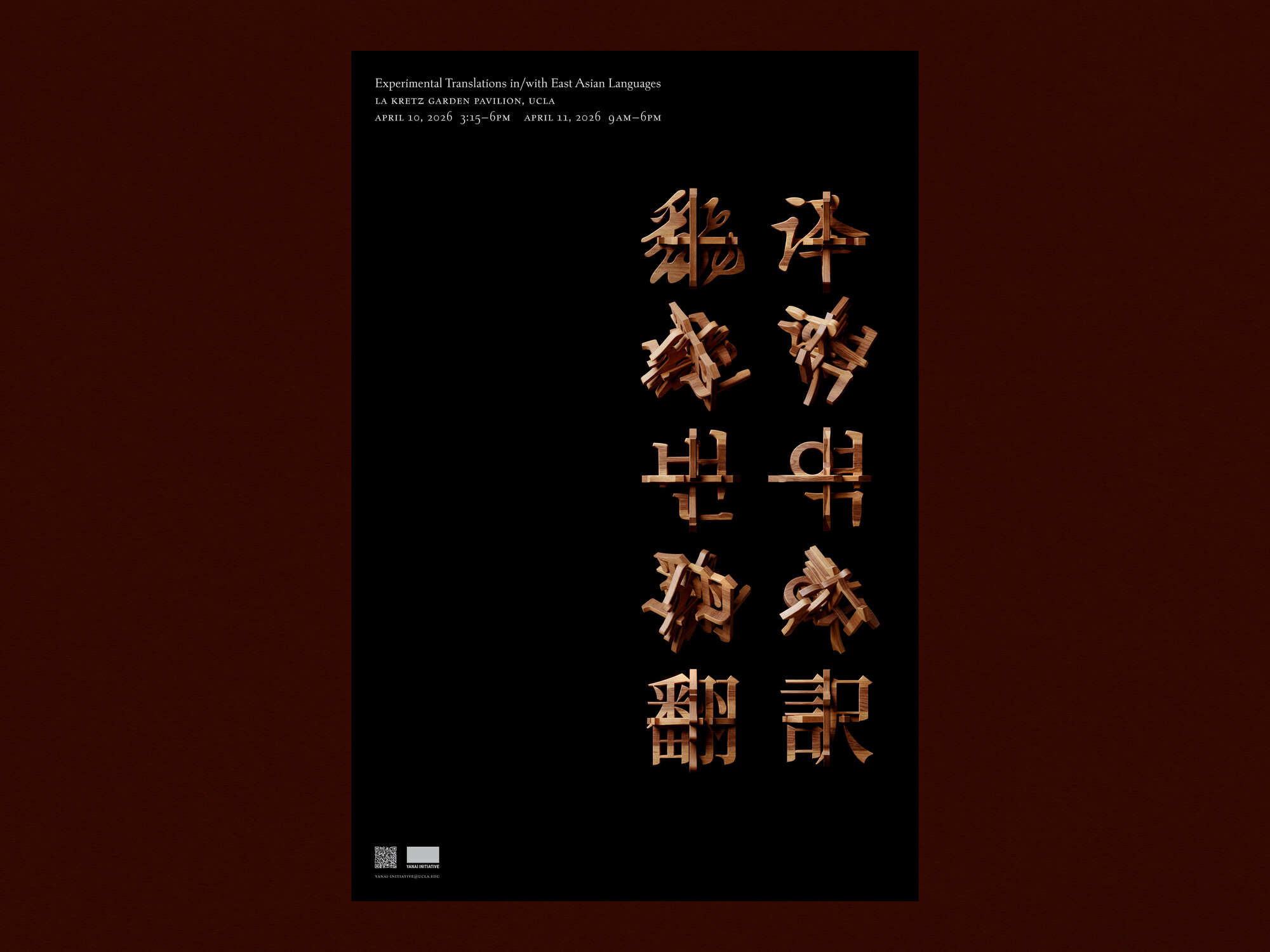
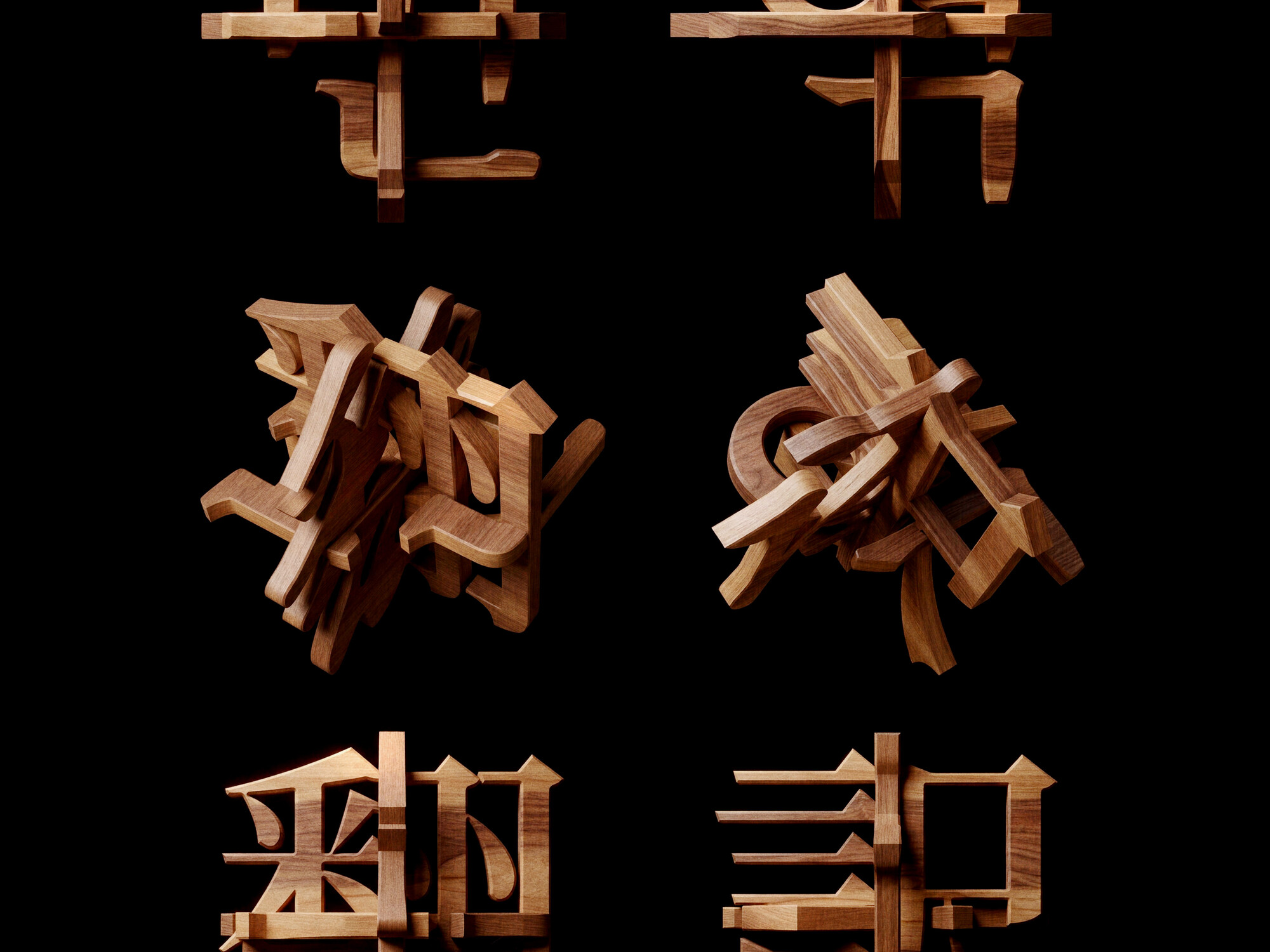
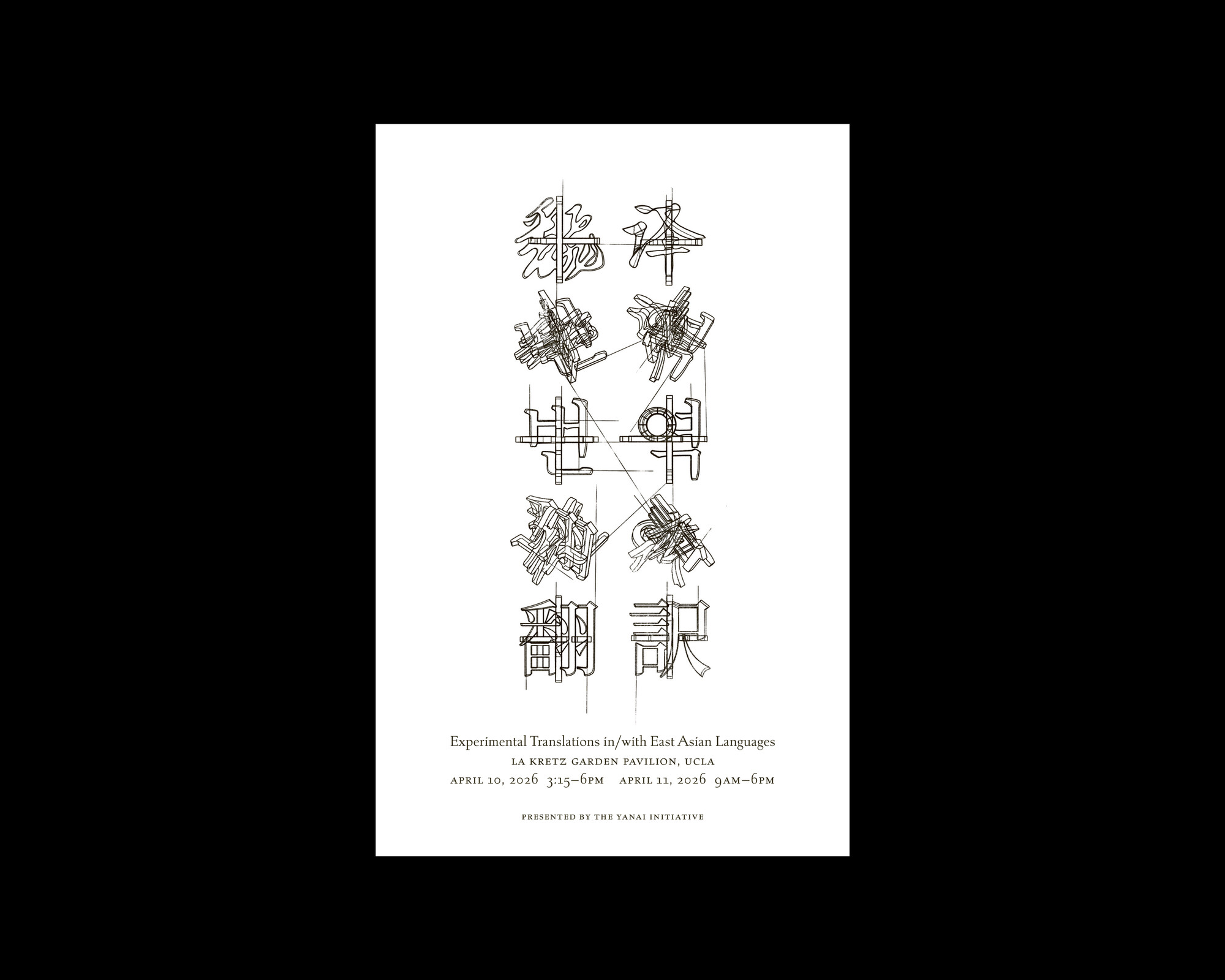
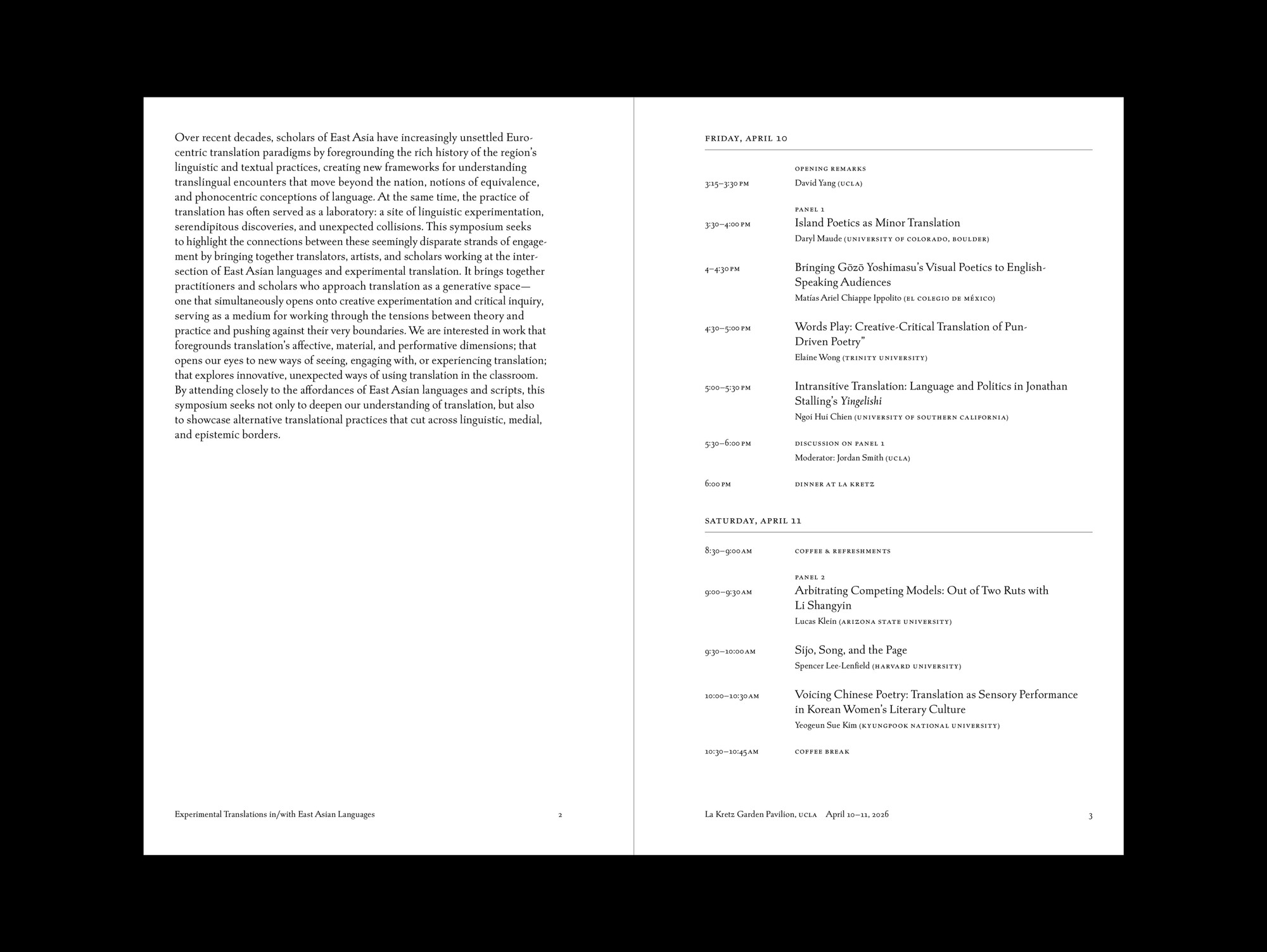
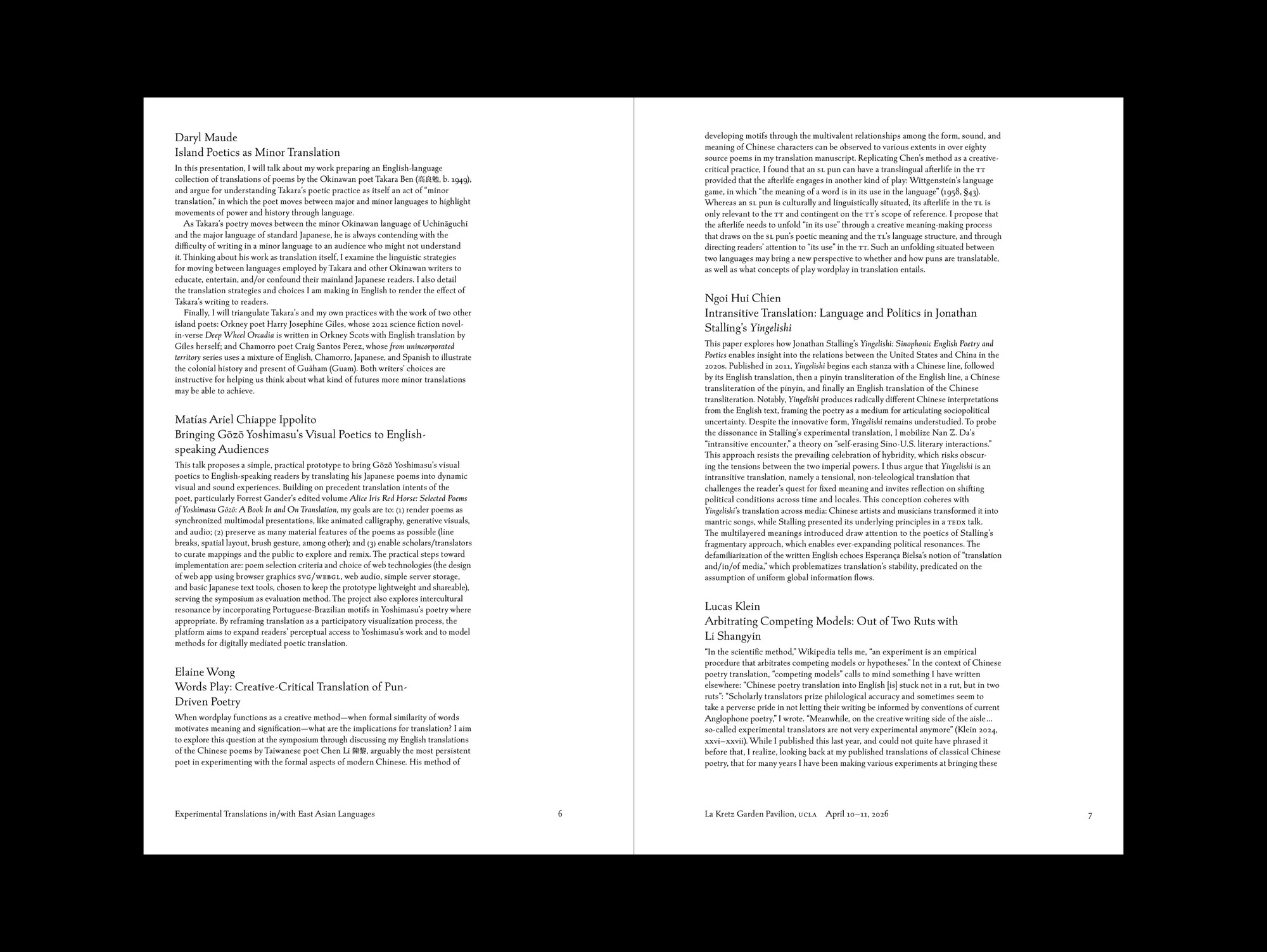
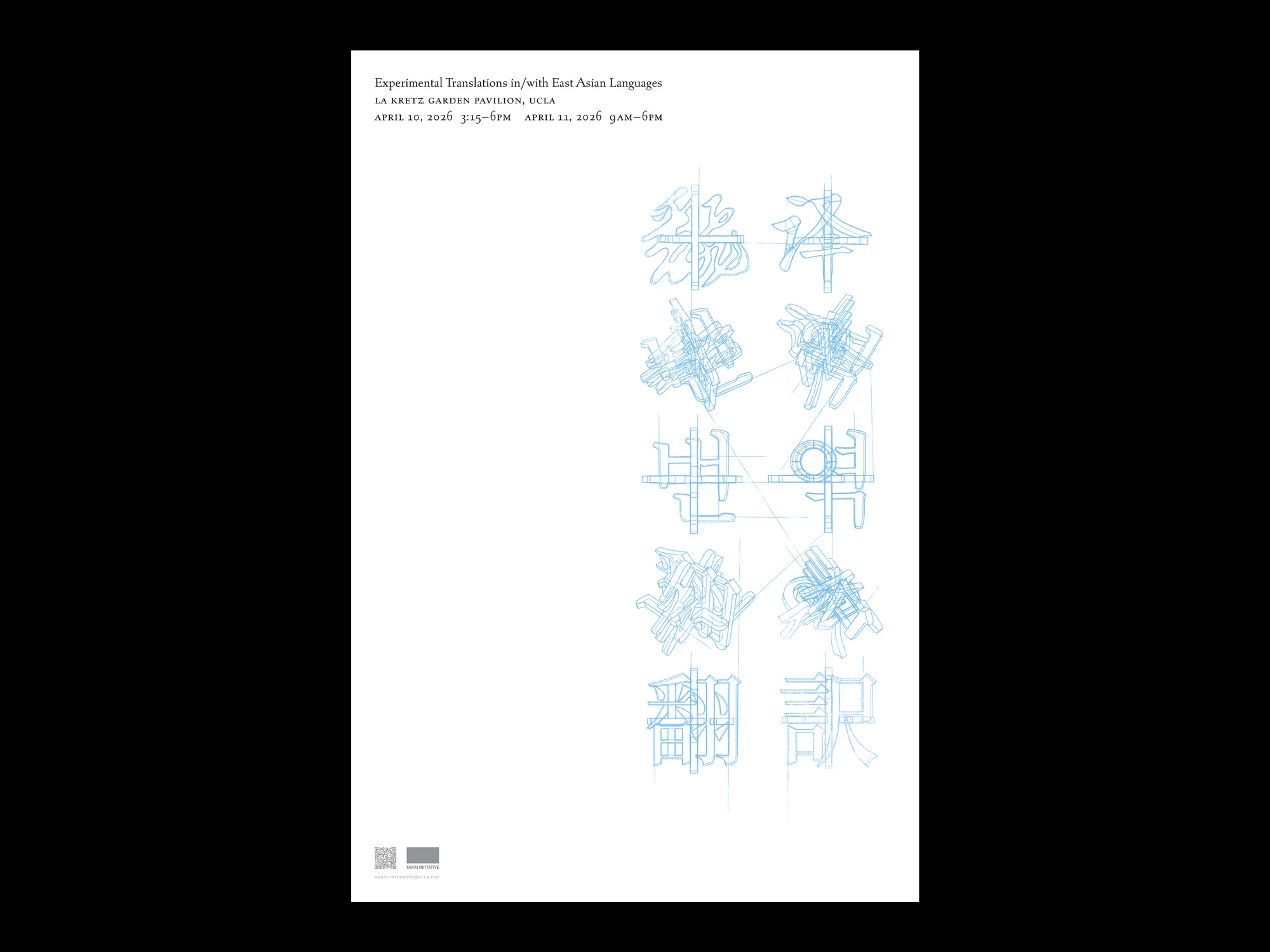
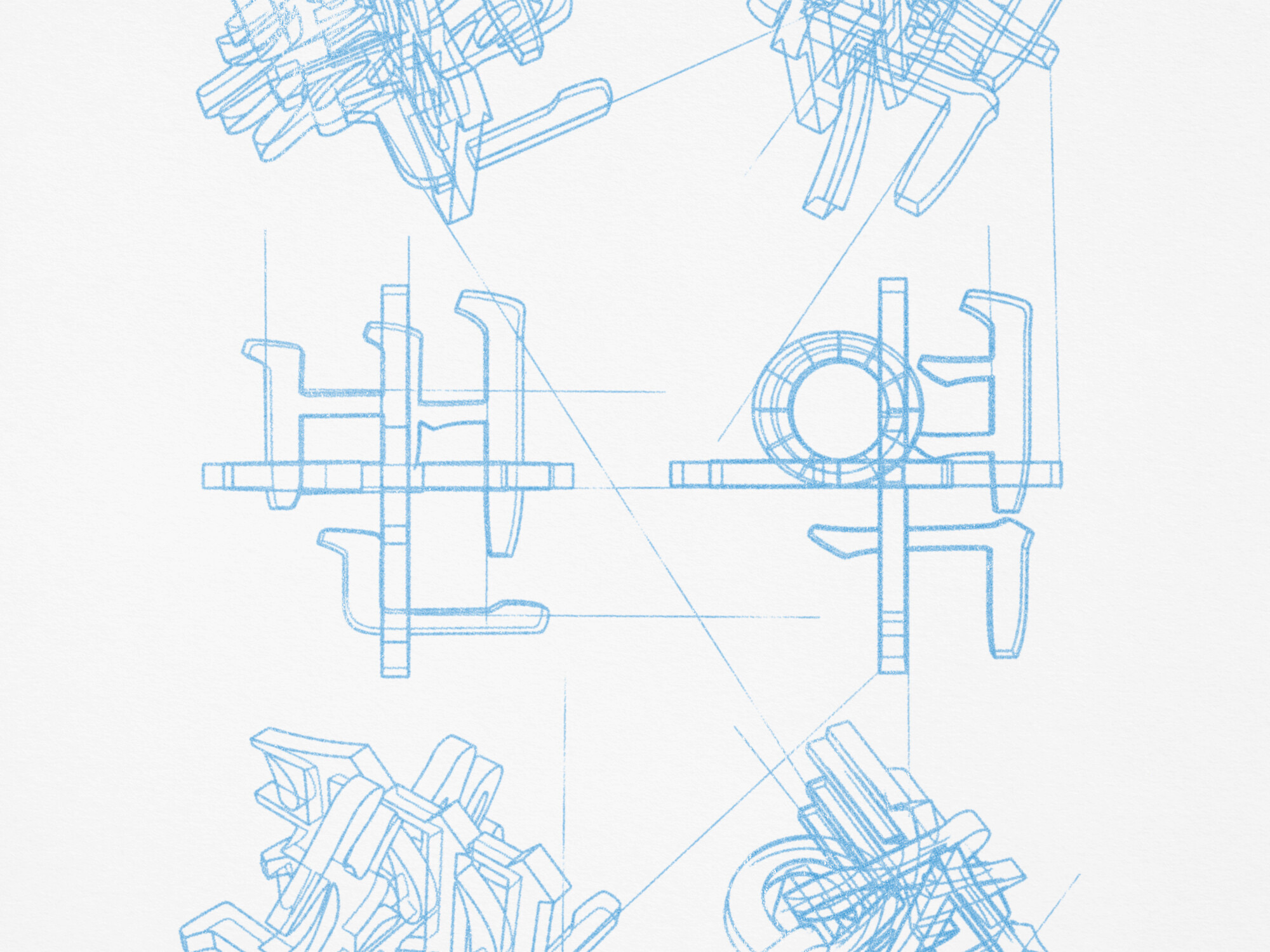
Hosted at UCLA, Experimental Translations in/with East Asian Languages was a translingual laboratory challenging Eurocentric models by exploring East Asian translation through visual poetics, media materiality, and radical creative formats. The word “translation,” in Chinese, Korean, and Japanese, is built as one wood-joined object, shown from five angles as it moves between the three scripts.
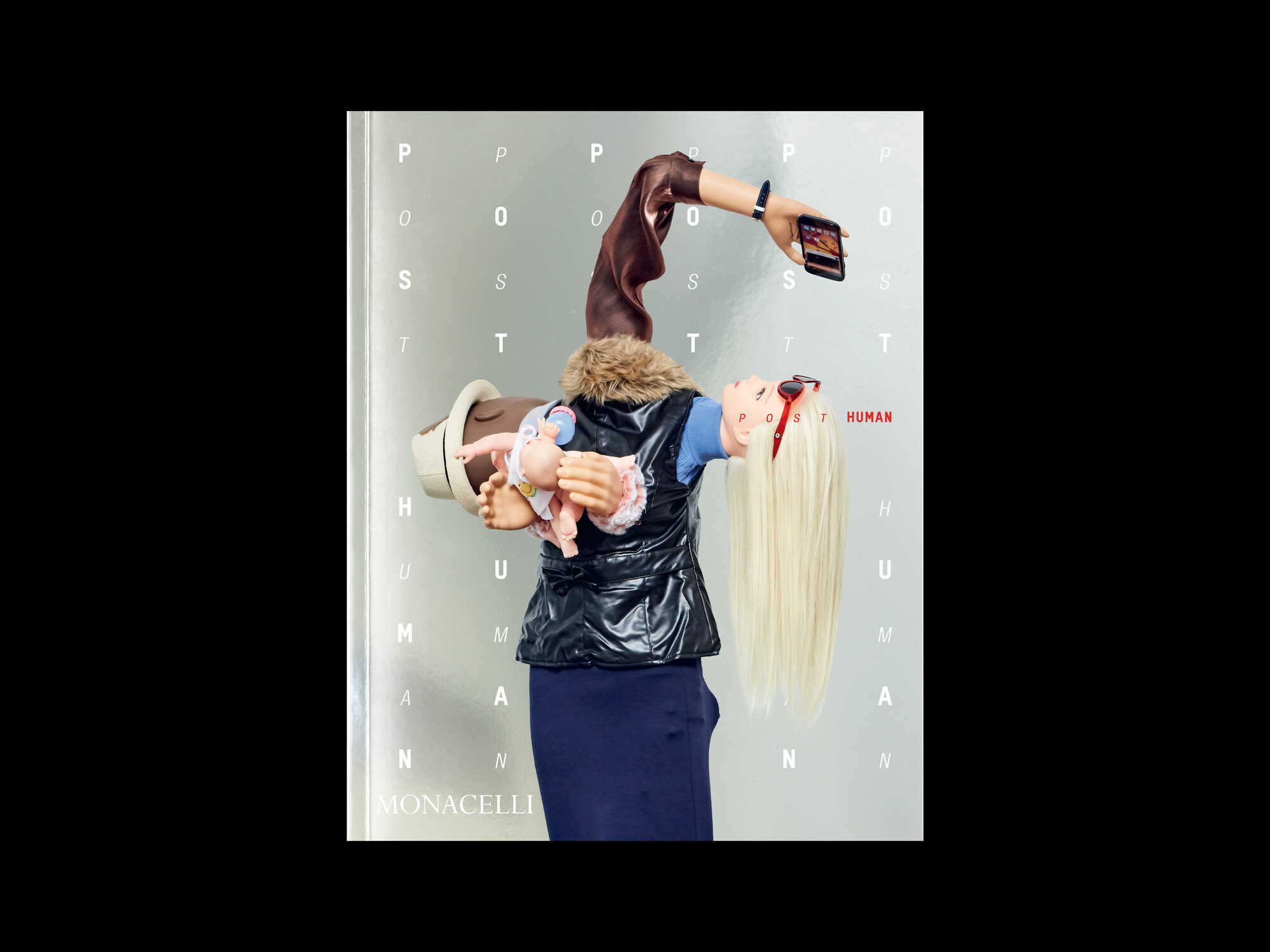
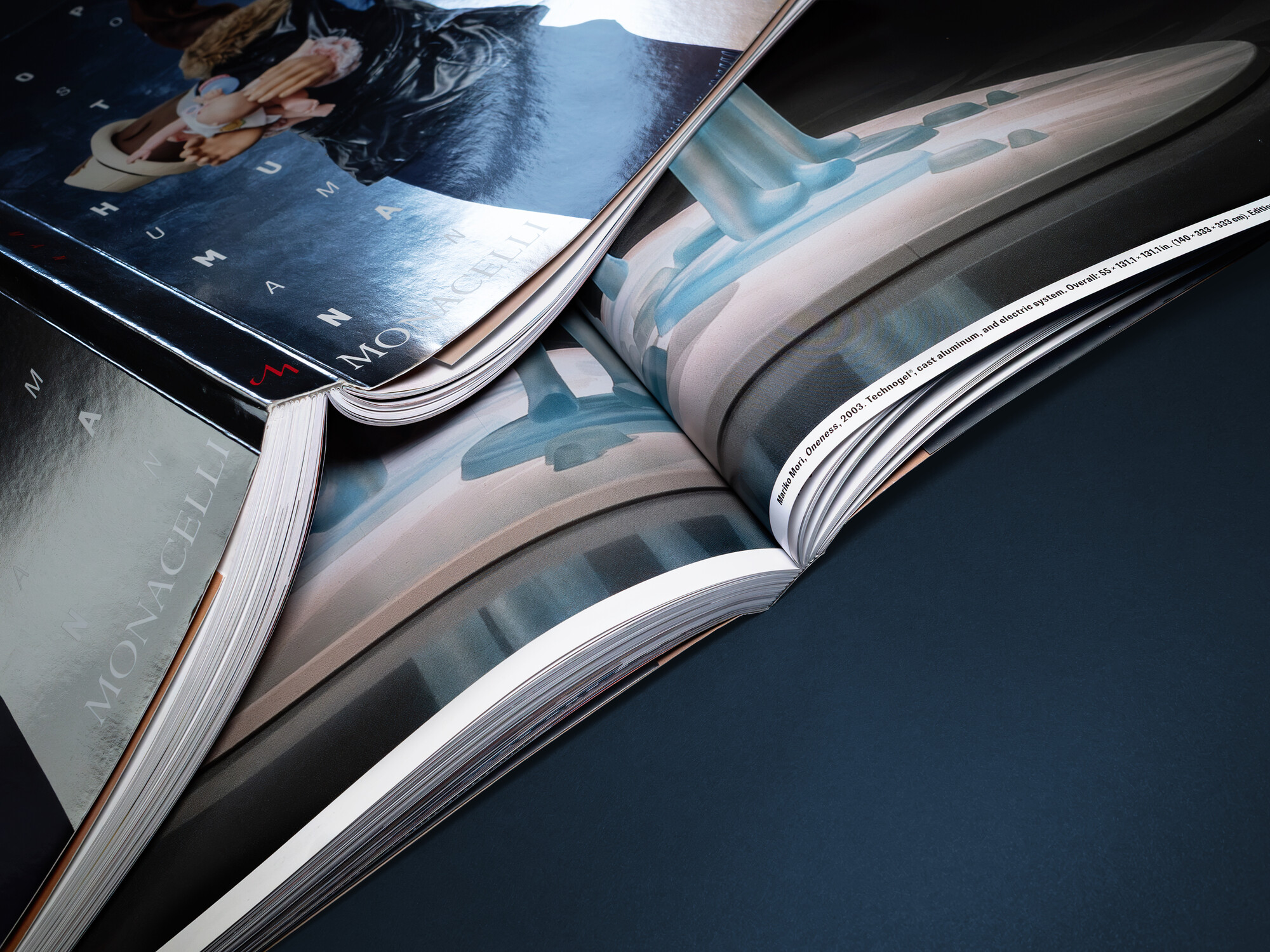
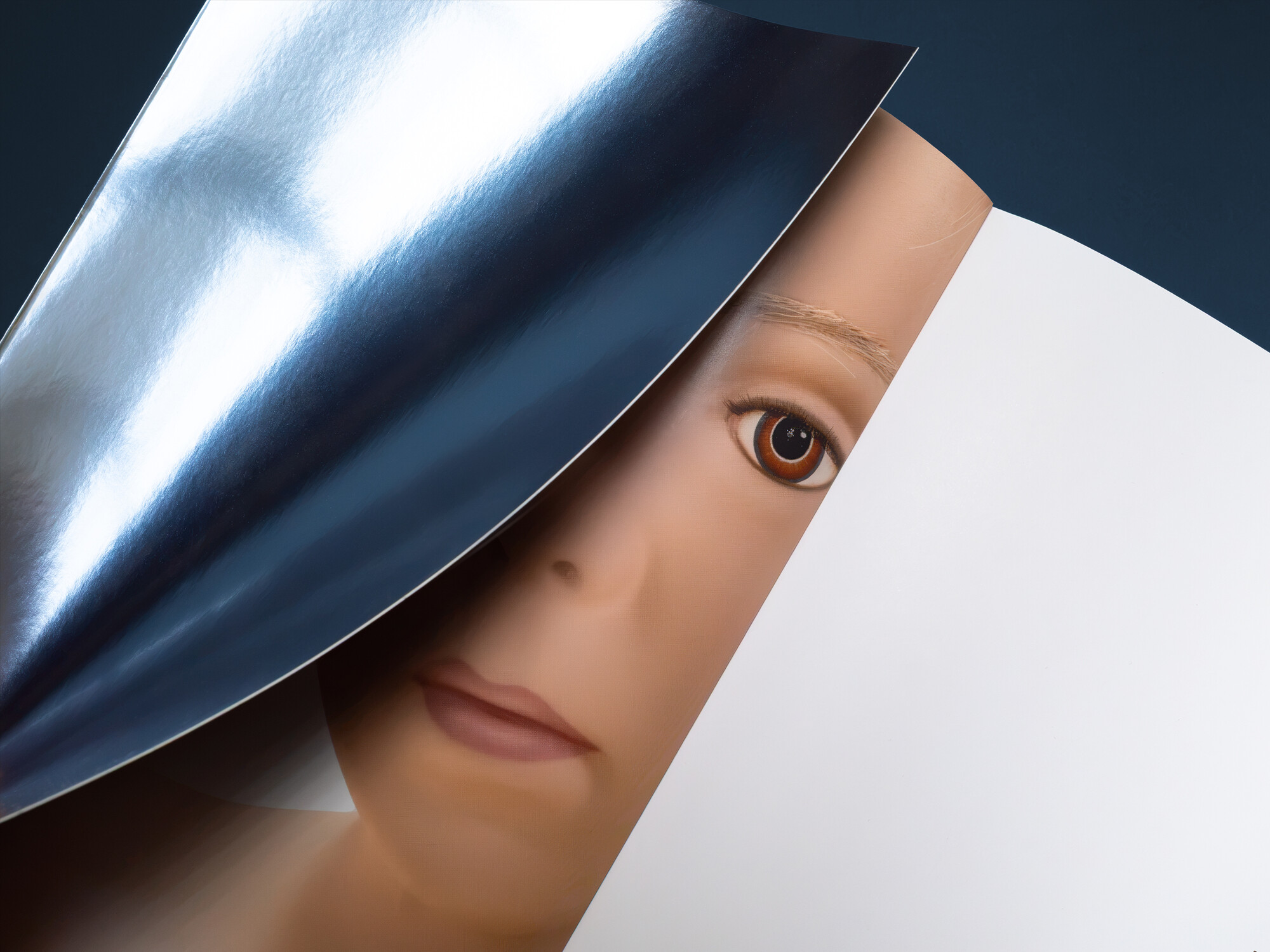
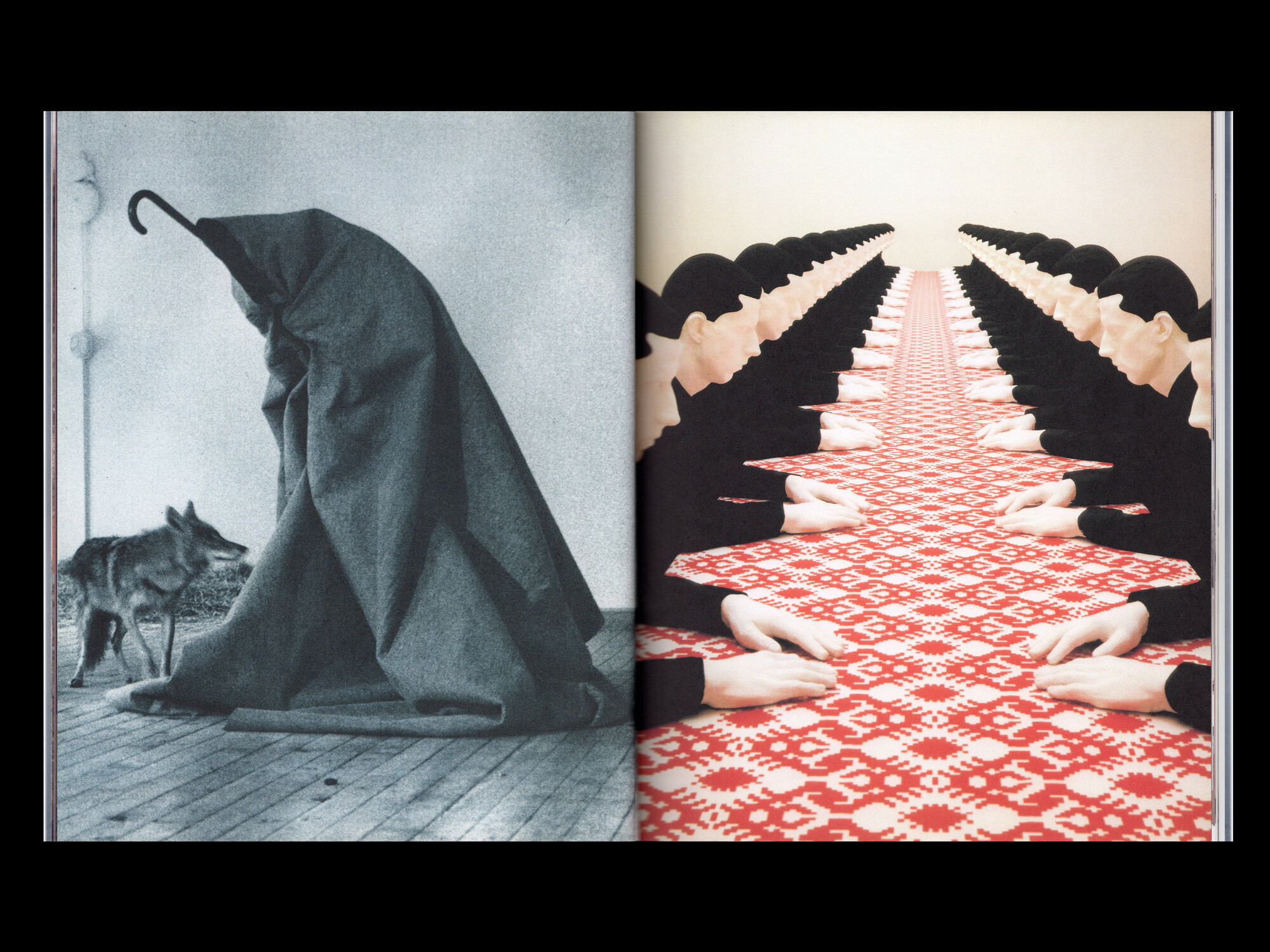
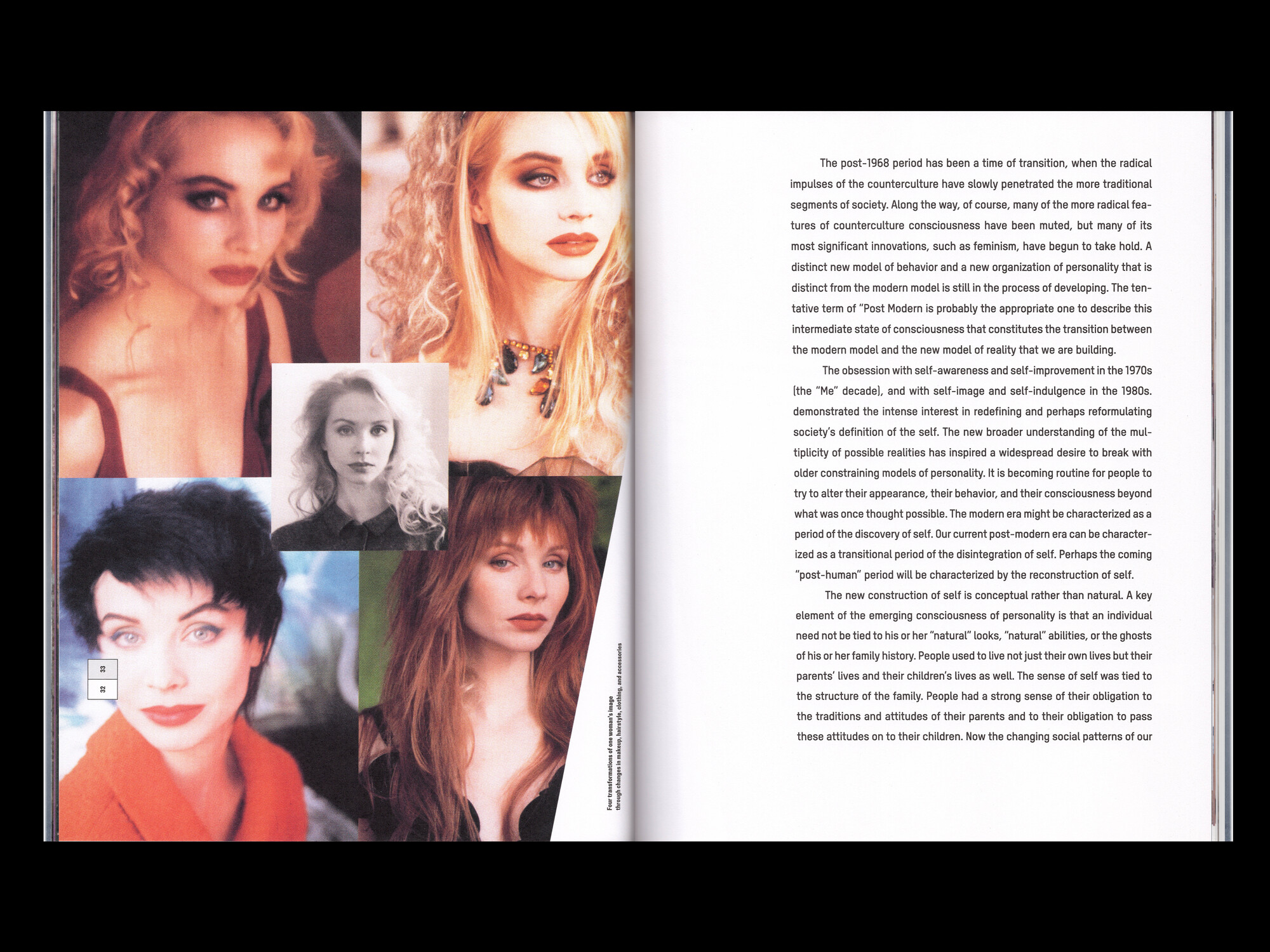
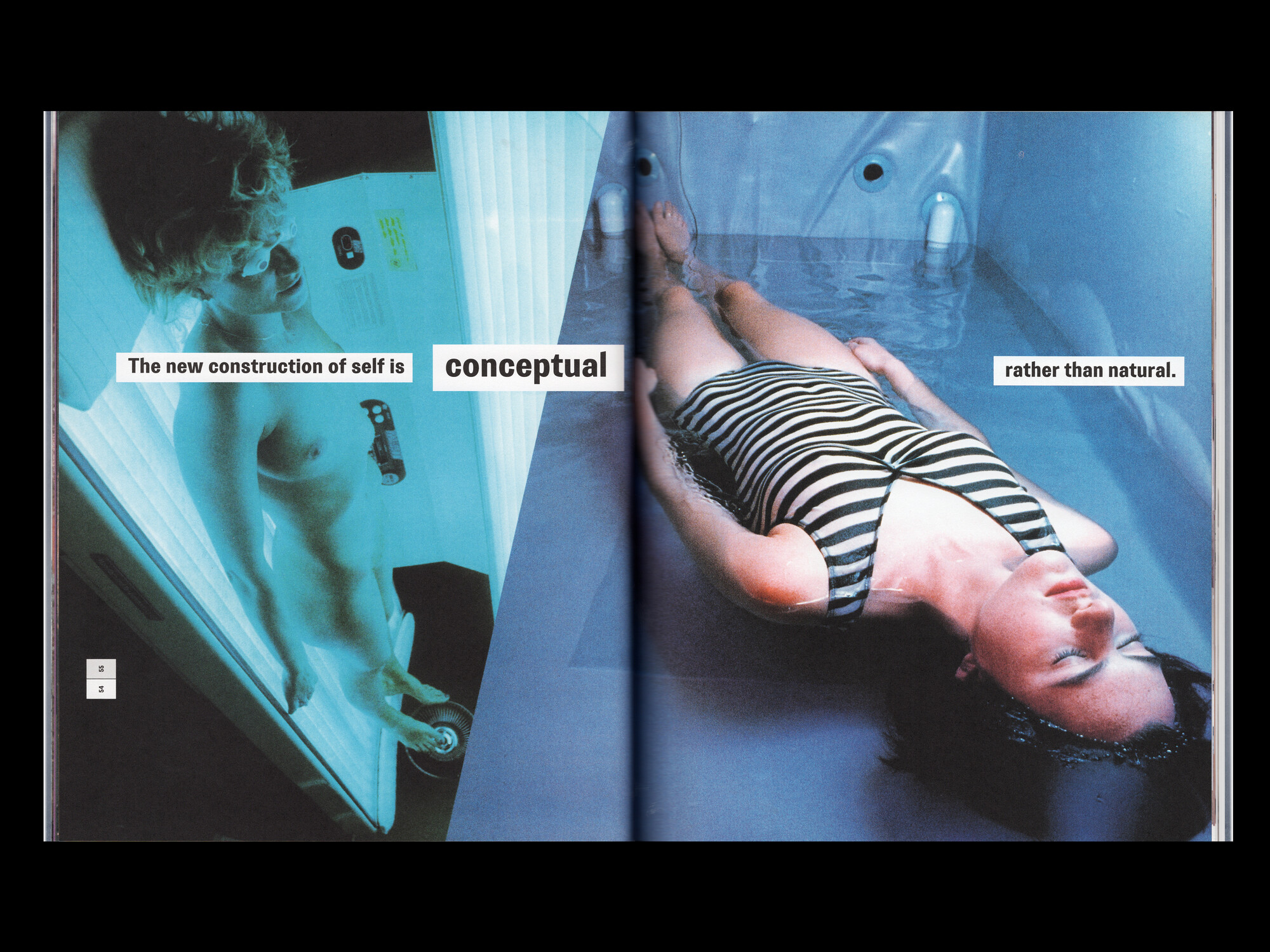
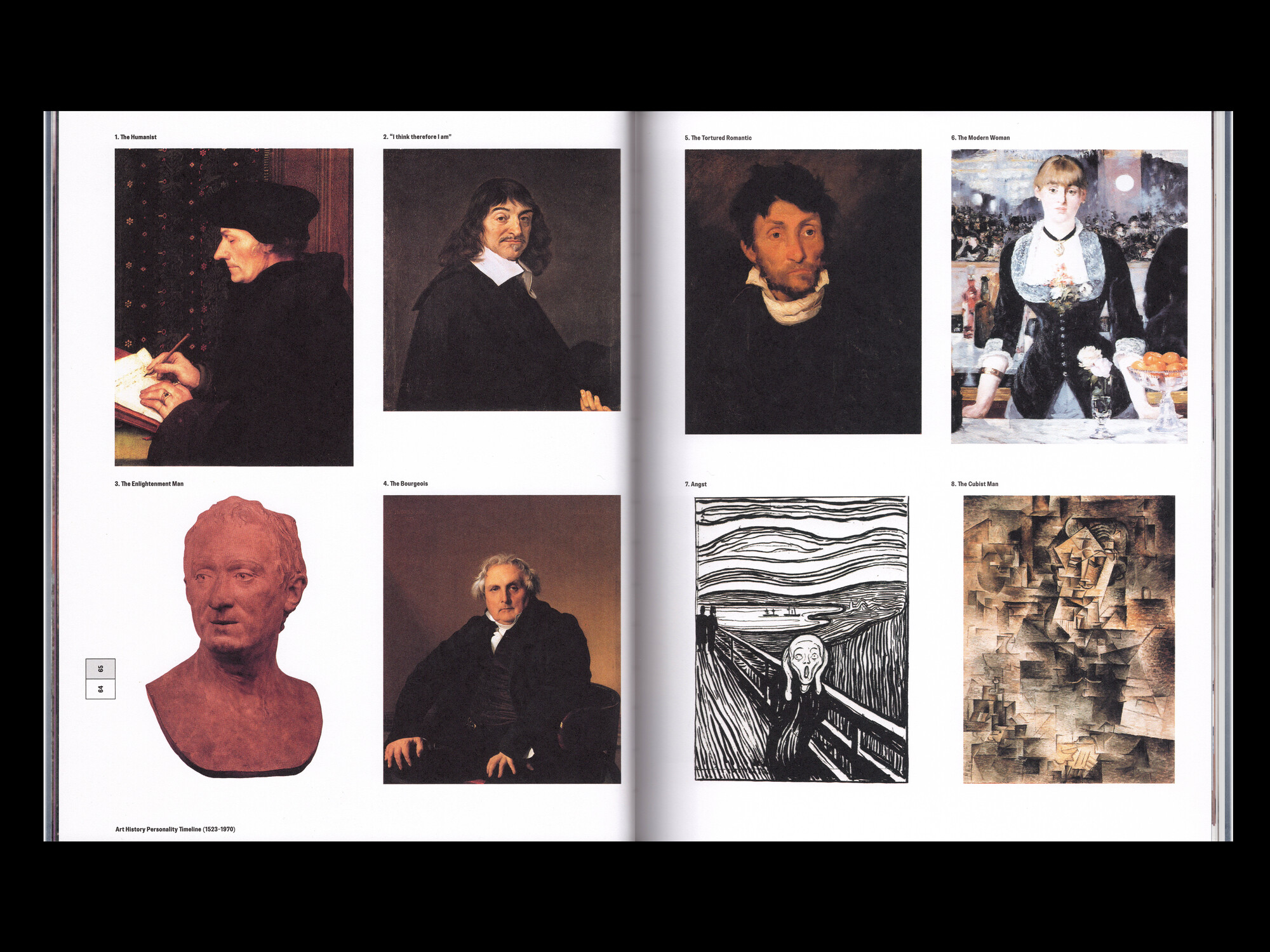
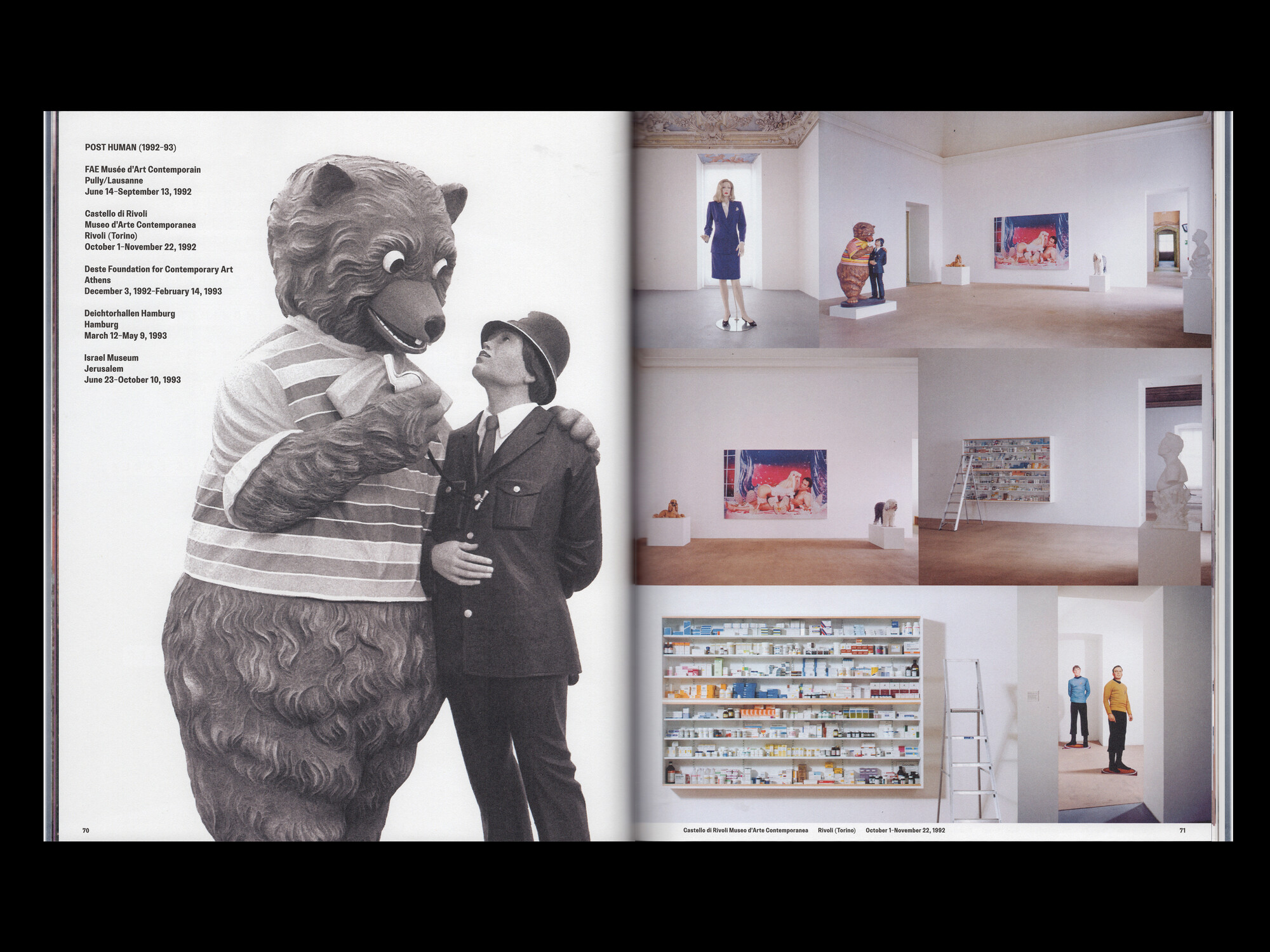
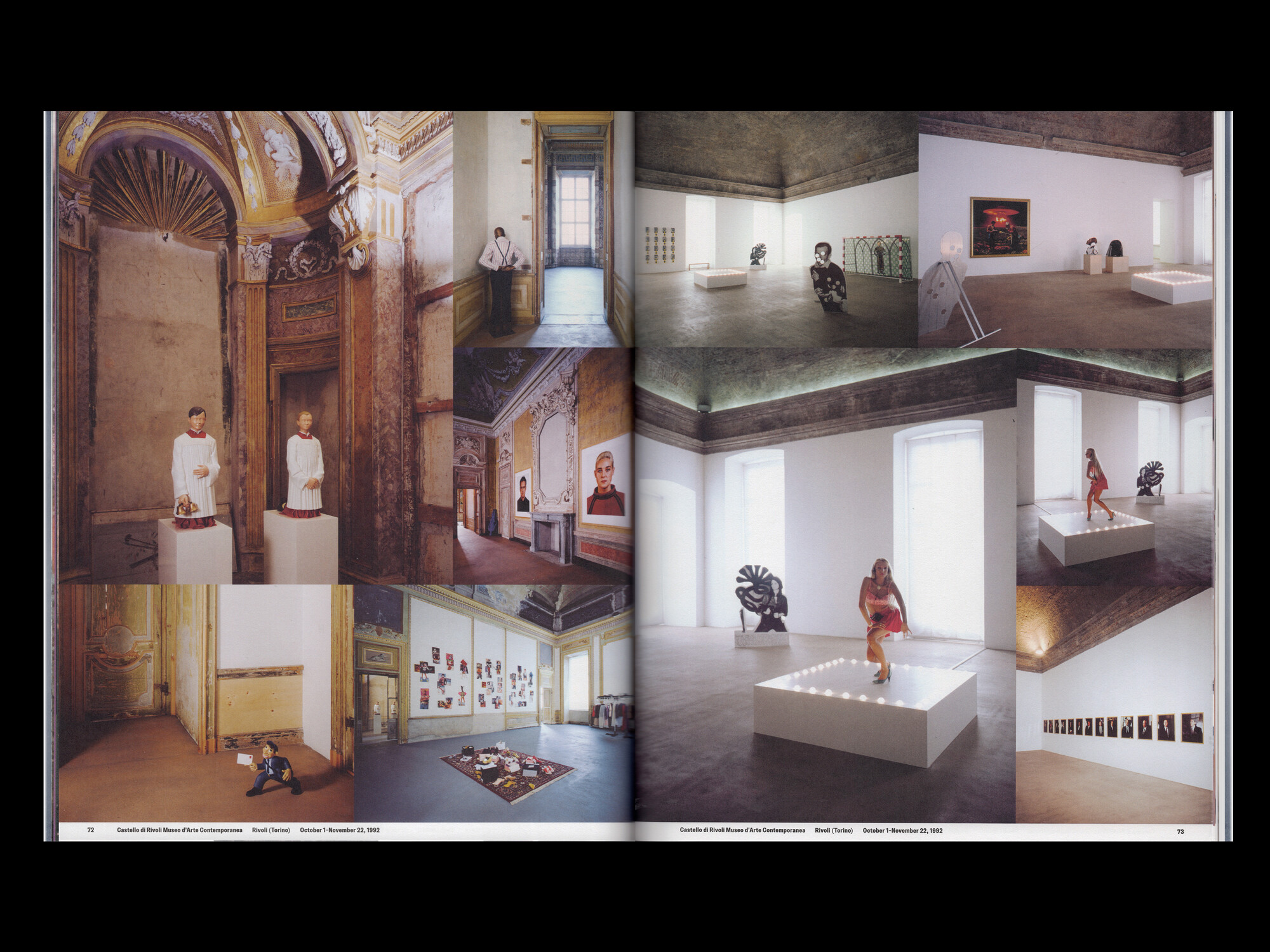
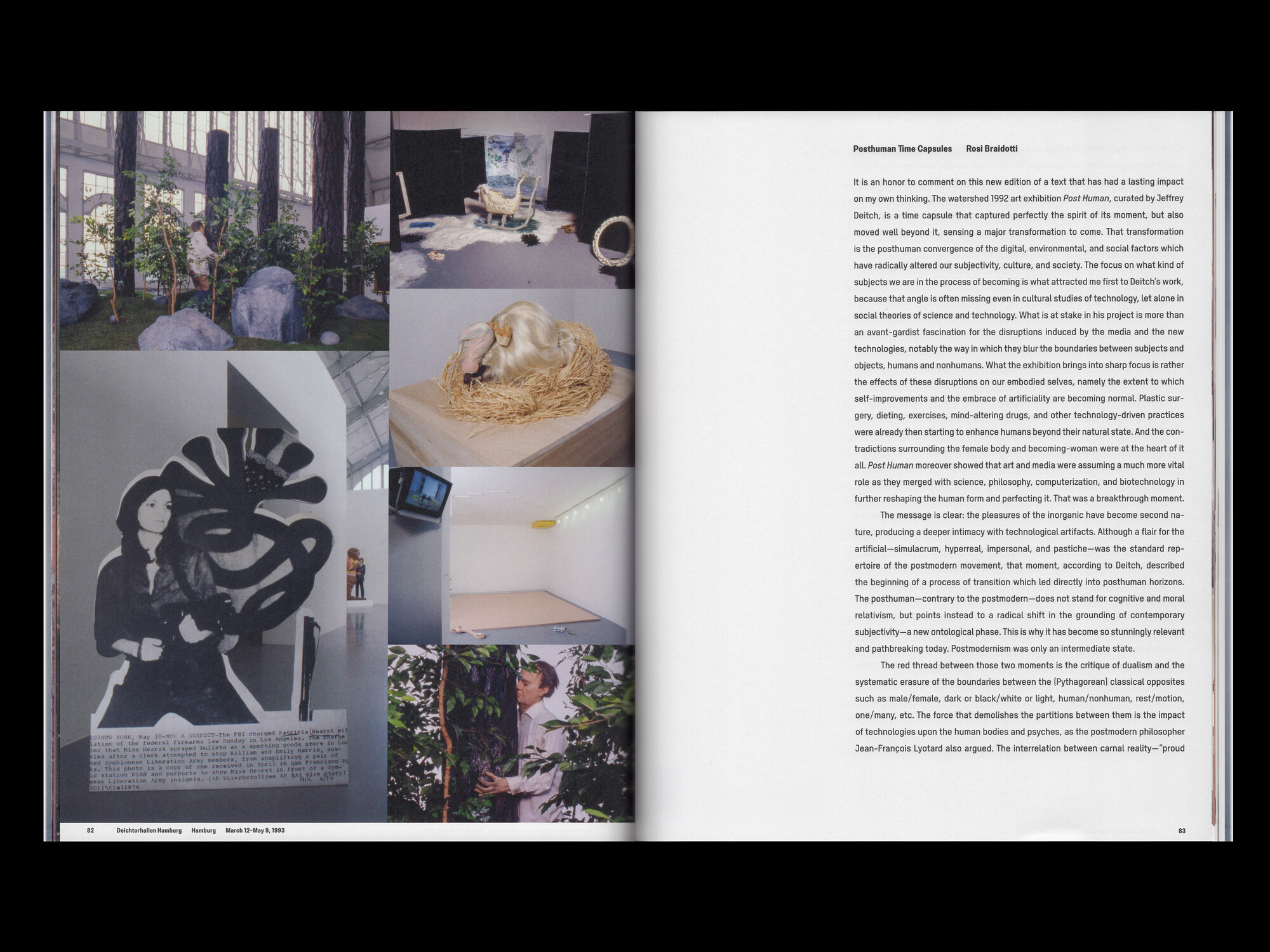
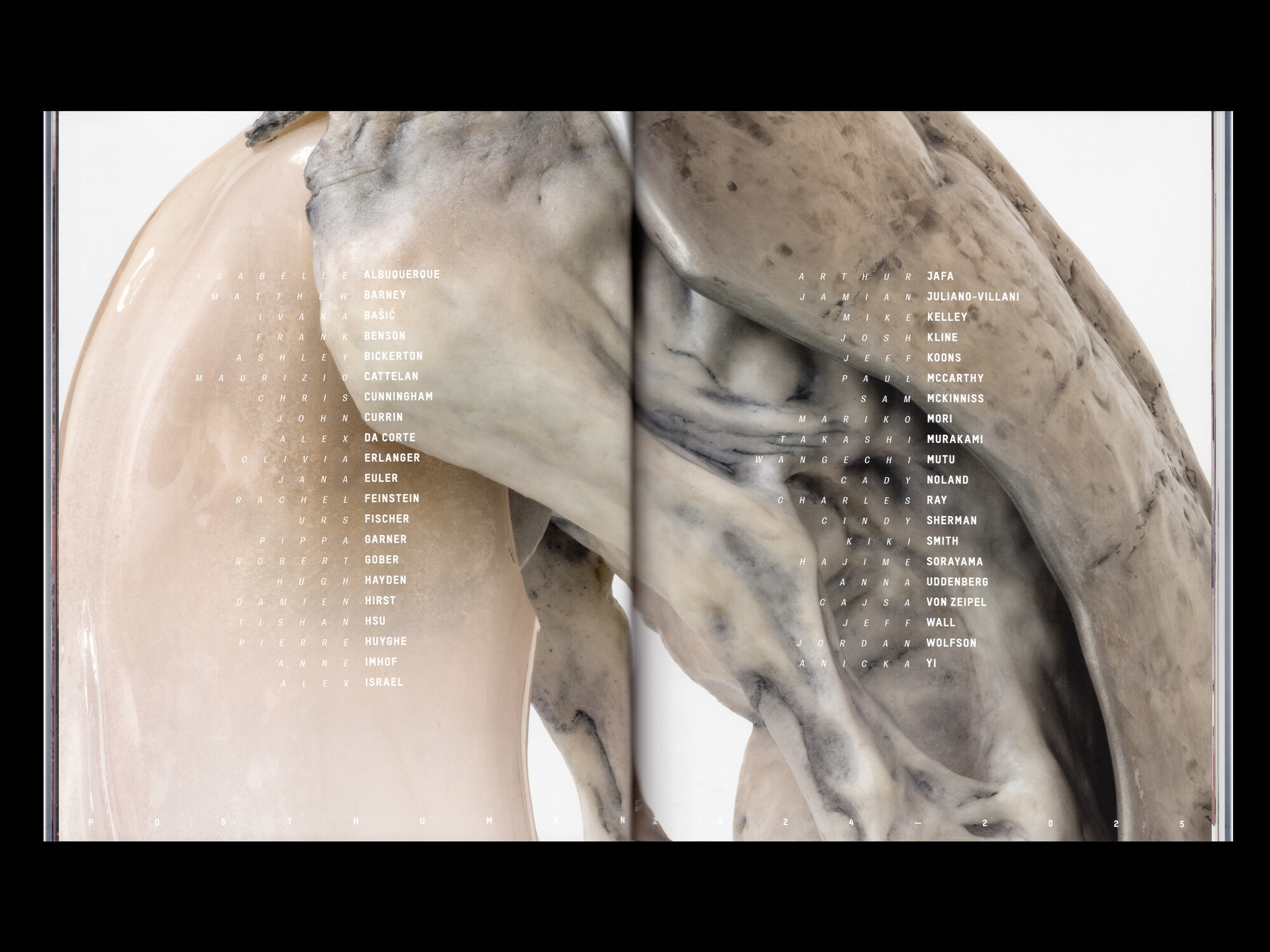
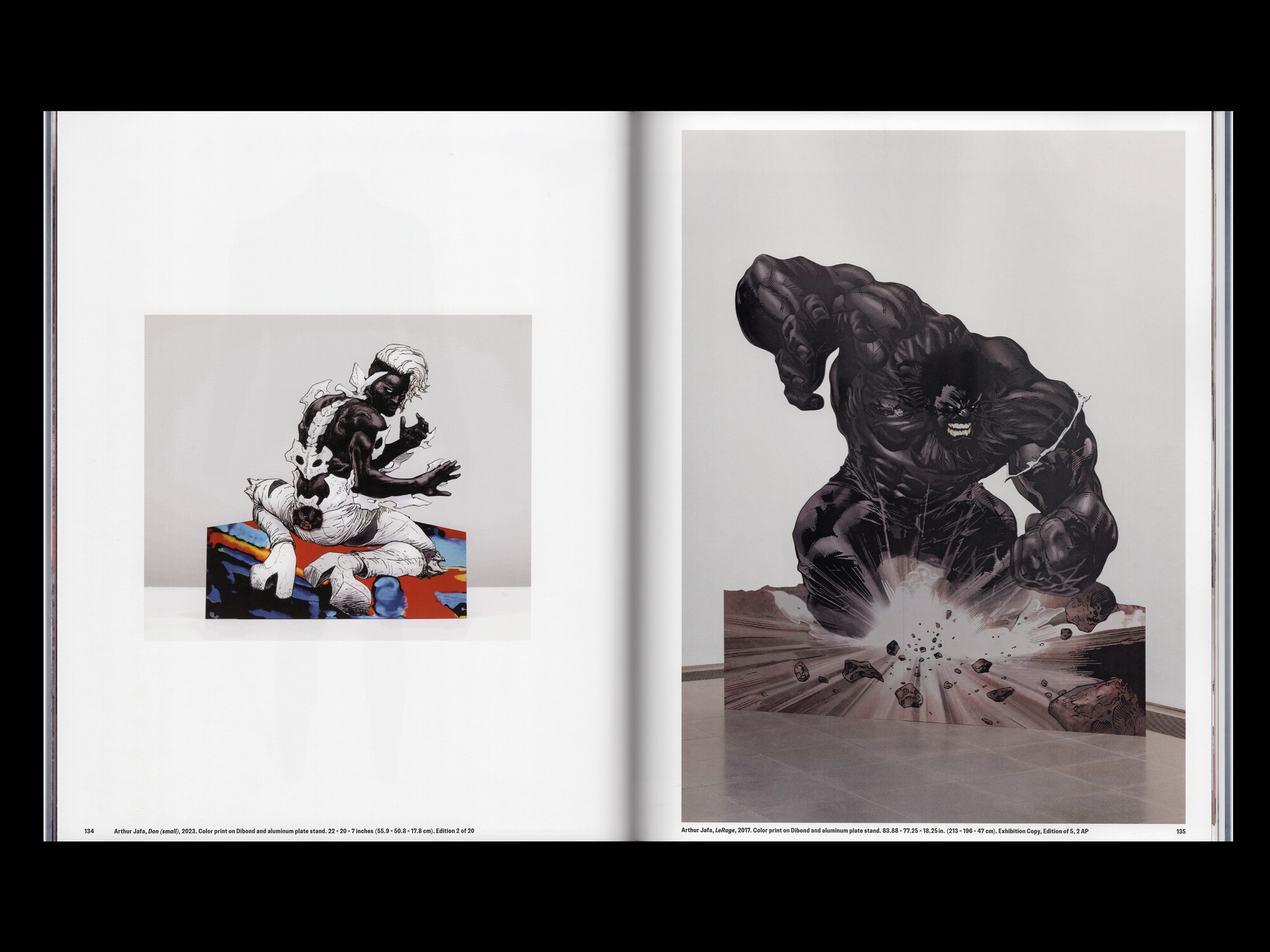
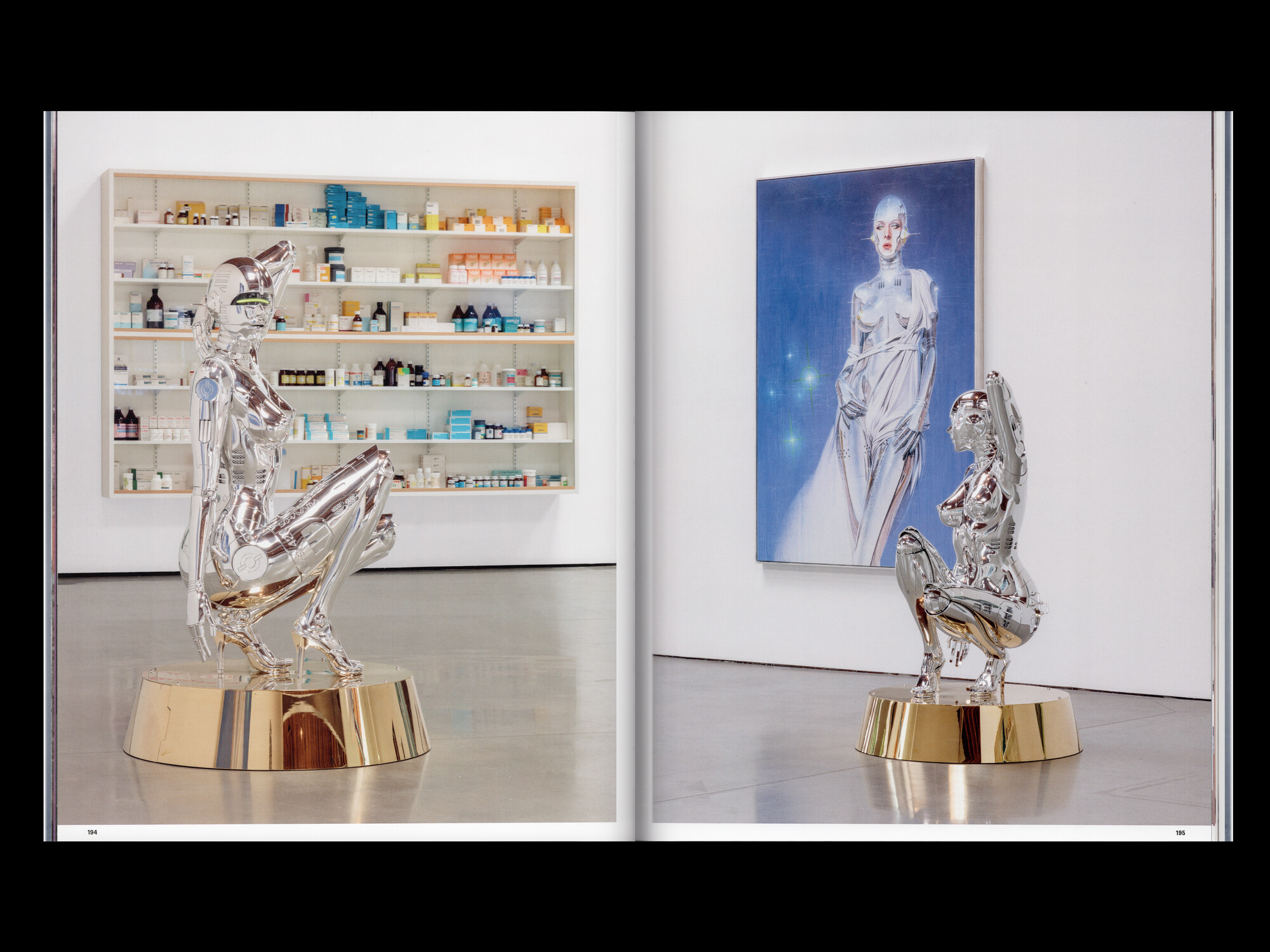
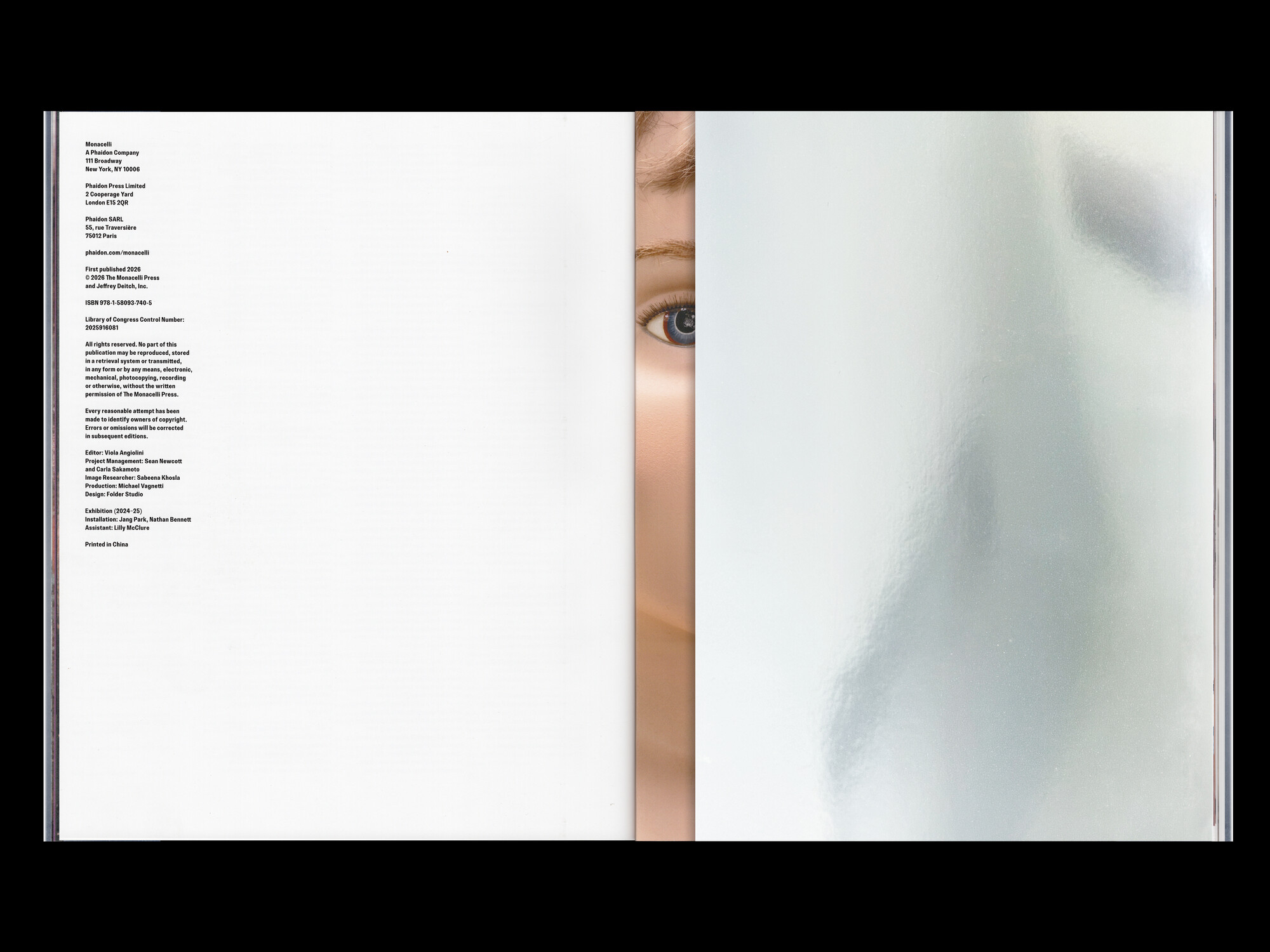
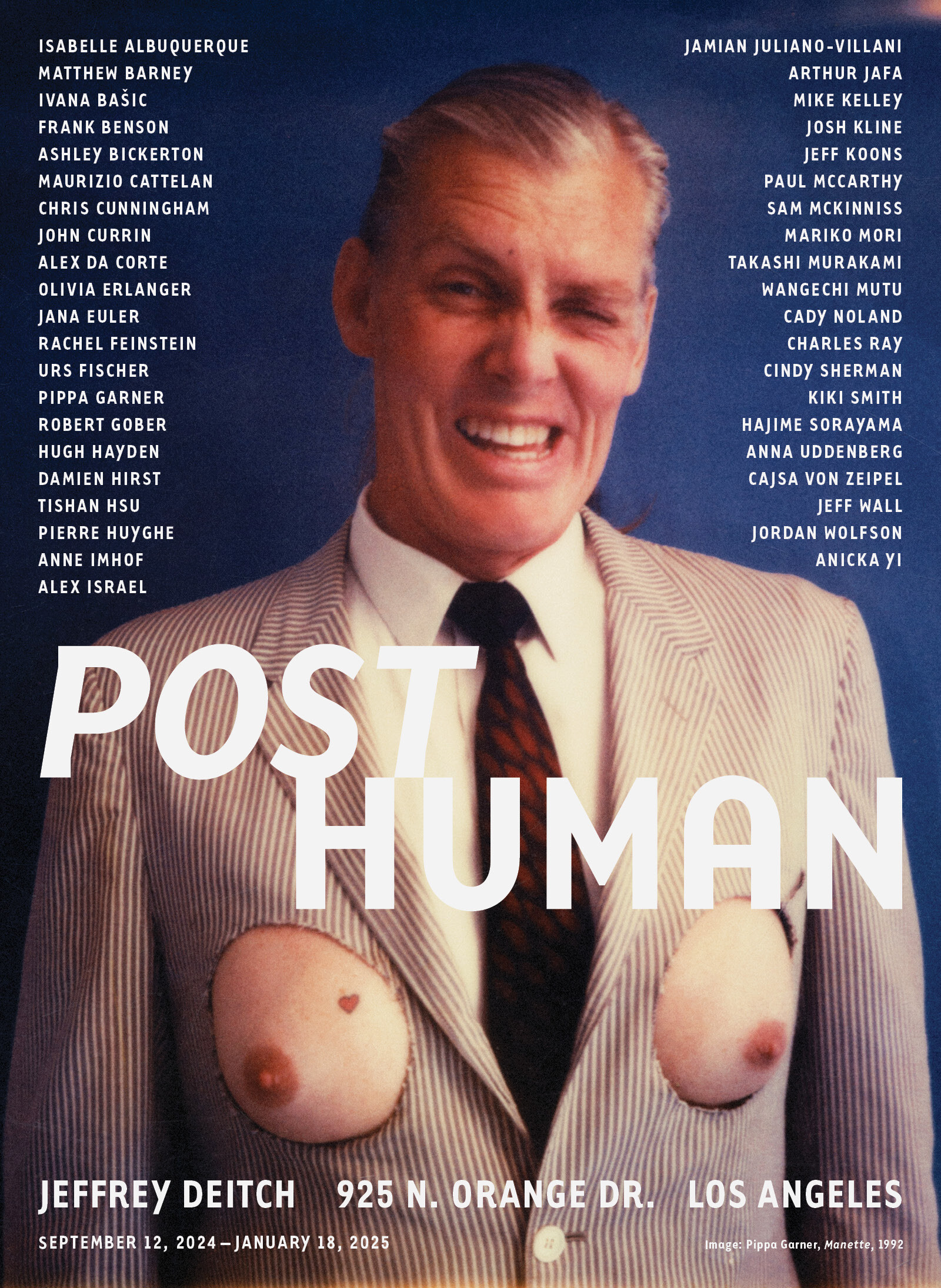
Post Human documents the 2024 revival of Jeffrey Deitch’s foundational 1992 exhibition. The original exhibition featured thirty-six artists working at the intersection of the body and technology and helped set the agenda for 1990s art discourse. The 2024 exhibition brings original participants into dial ogue with a new generation, expanding the discussion to contemporary concepts of technology and the body.
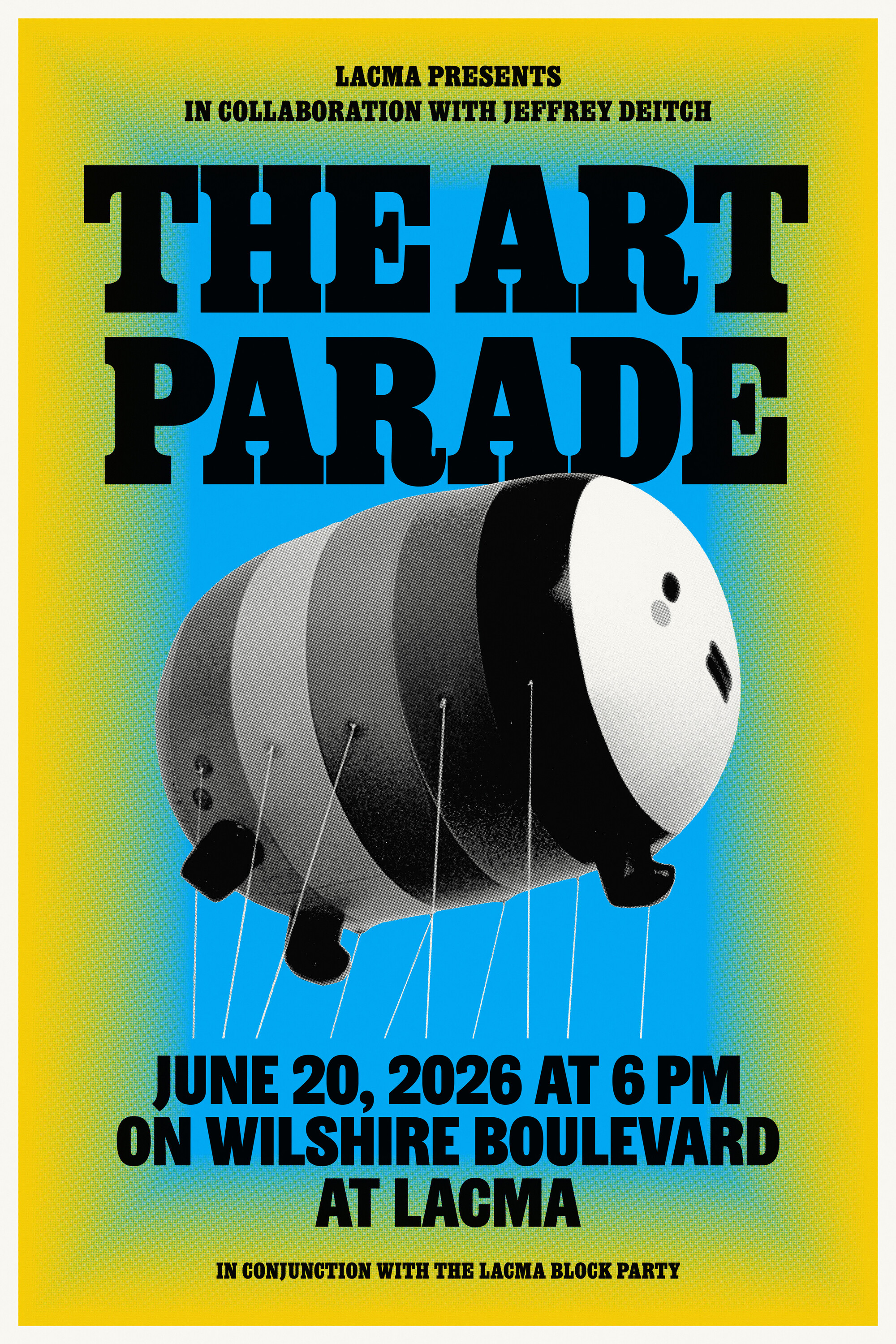
The Art Parade is a large-scale public celebration marking the opening of the David Geffen Galleries. Conceived two decades ago by influential art dealer and curator Jeffrey Deitch, this Los Angeles edition marks a pivotal moment in LACMA's history and for the city itself.
The Mohn Art Collective (MAC3) is a joint museum partnership established by the Hammer Museum, MOCA, and LACMA to acquire and share contemporary art by Los Angeles-based artists. Beyond just buying art, MAC3 funds professional curator visits to local studios and supports a robust ecosystem for emerging, underrepresented, and established Southern California artists.
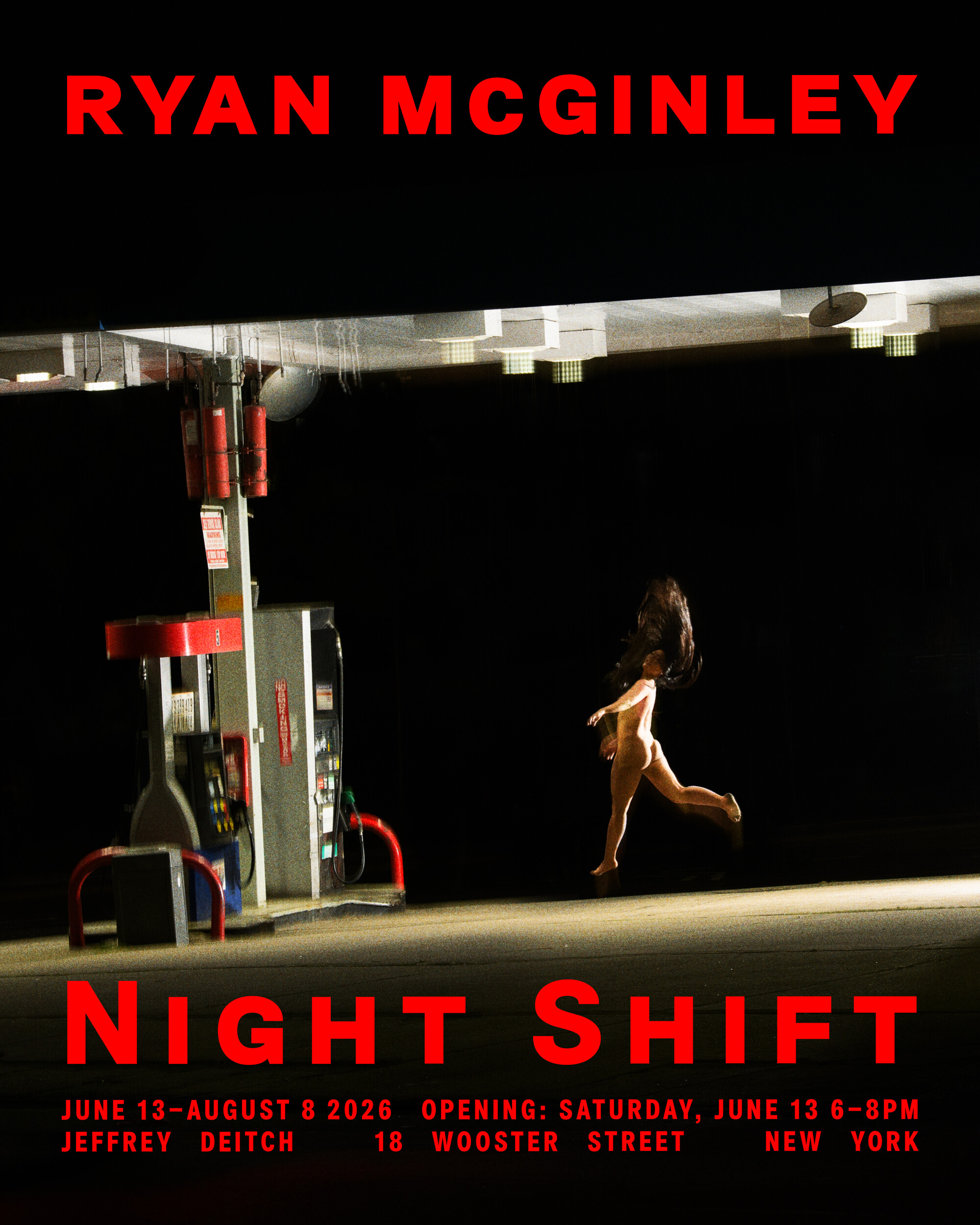
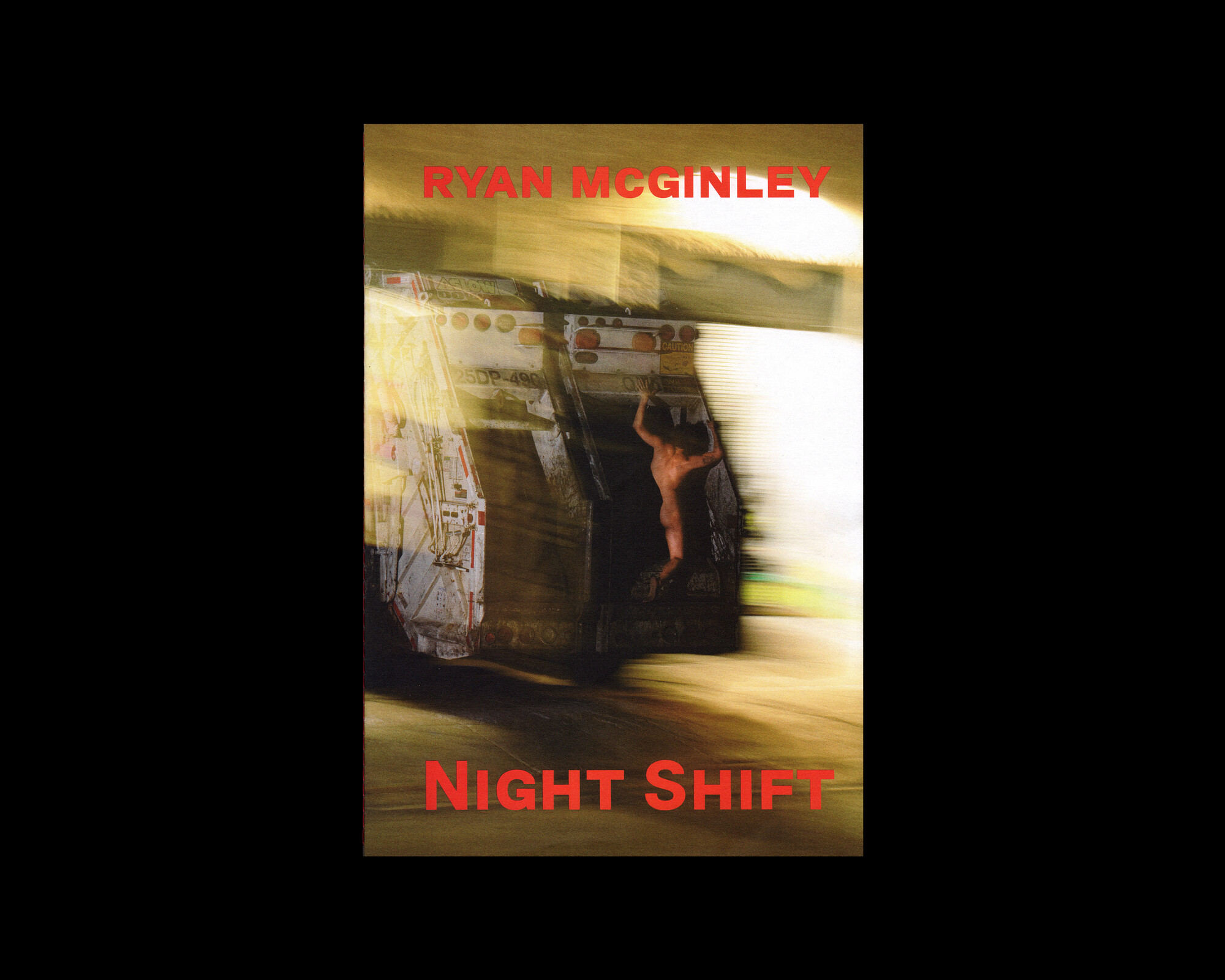
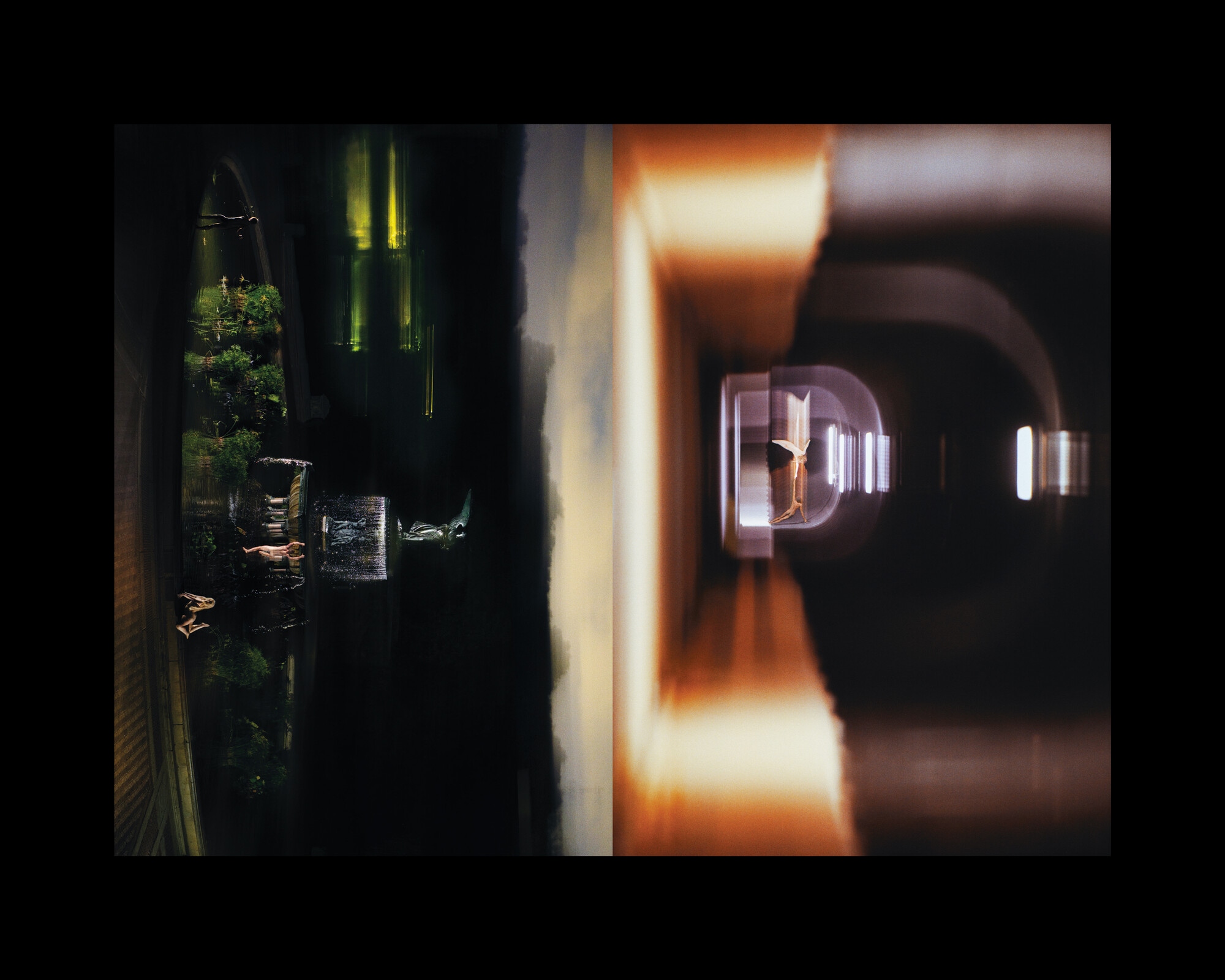
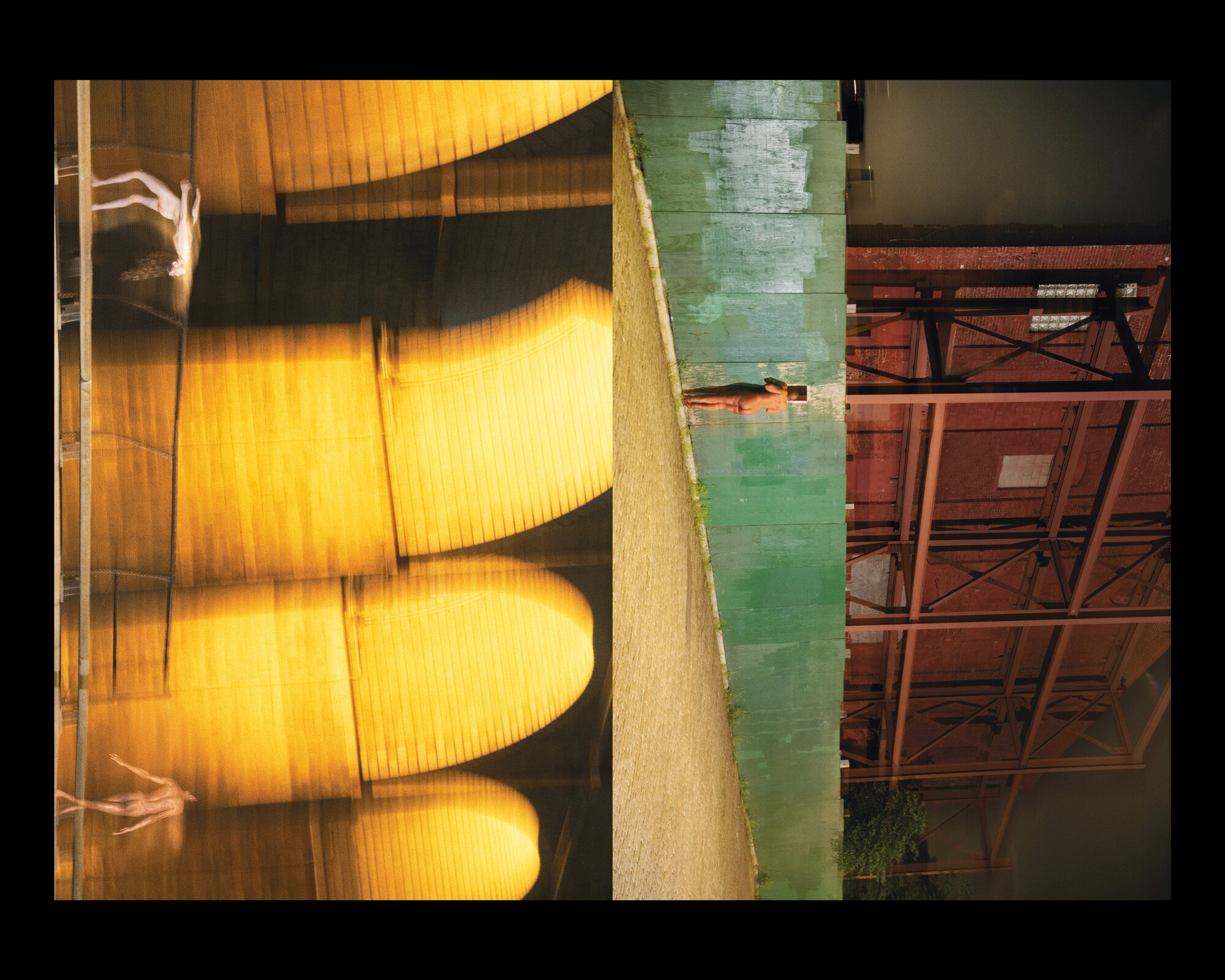
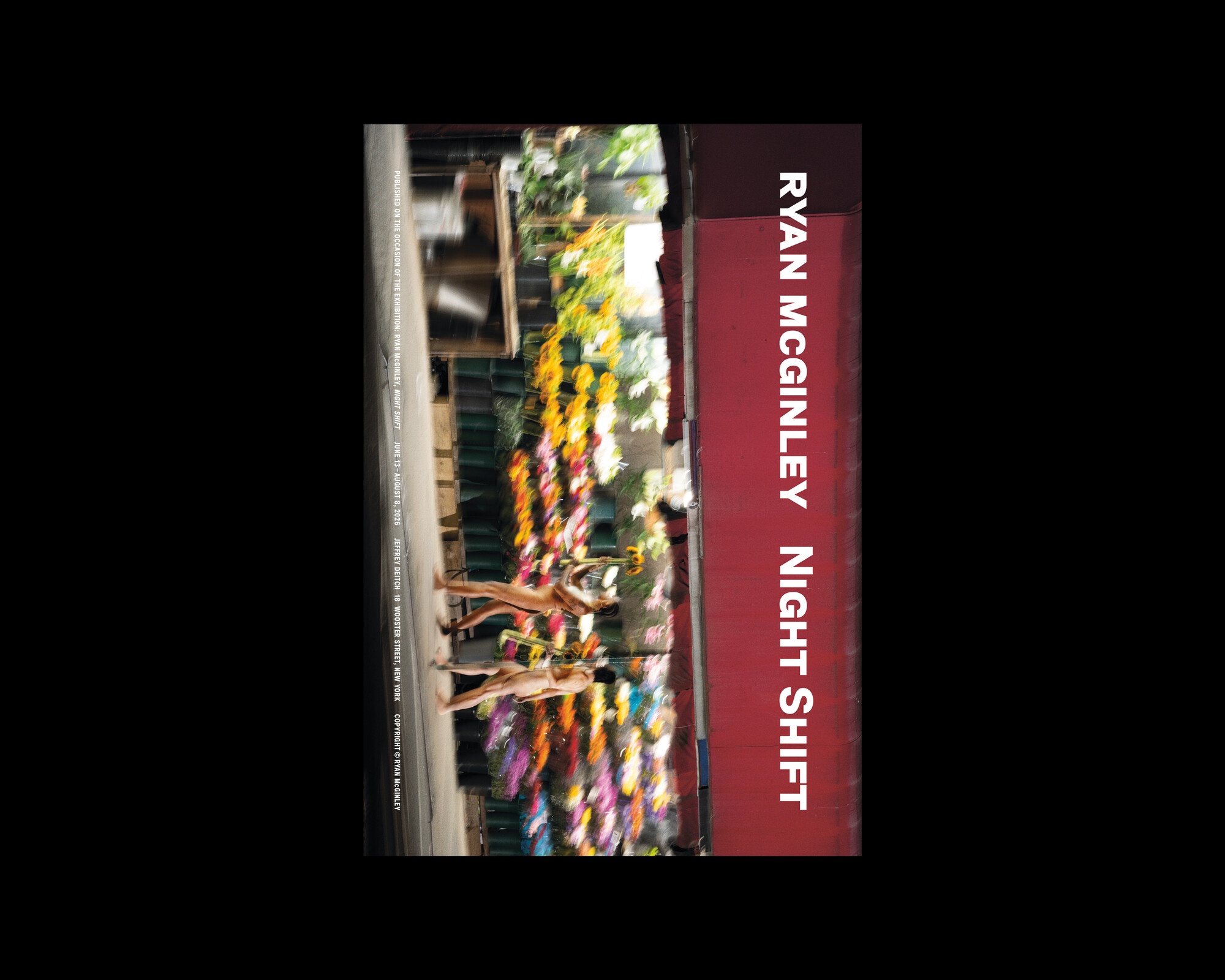
Limited-edition exhibition zine for Ryan McGinley’s first solo show in nearly a decade. Shot exclusively from Sunday through Tuesday between 9 pm and 5 am across all five boroughs of New York City during a self-imposed graveyard shift.
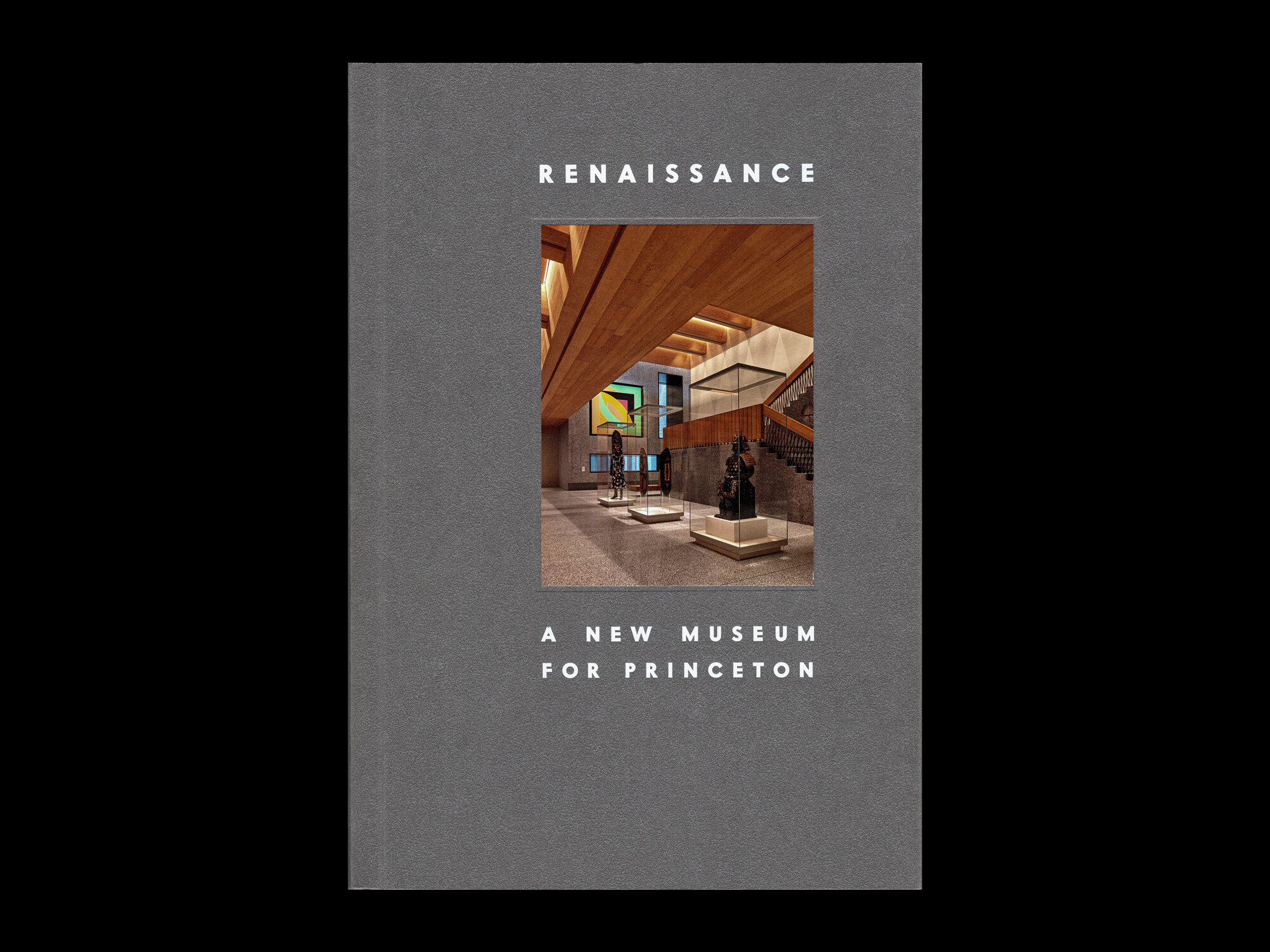
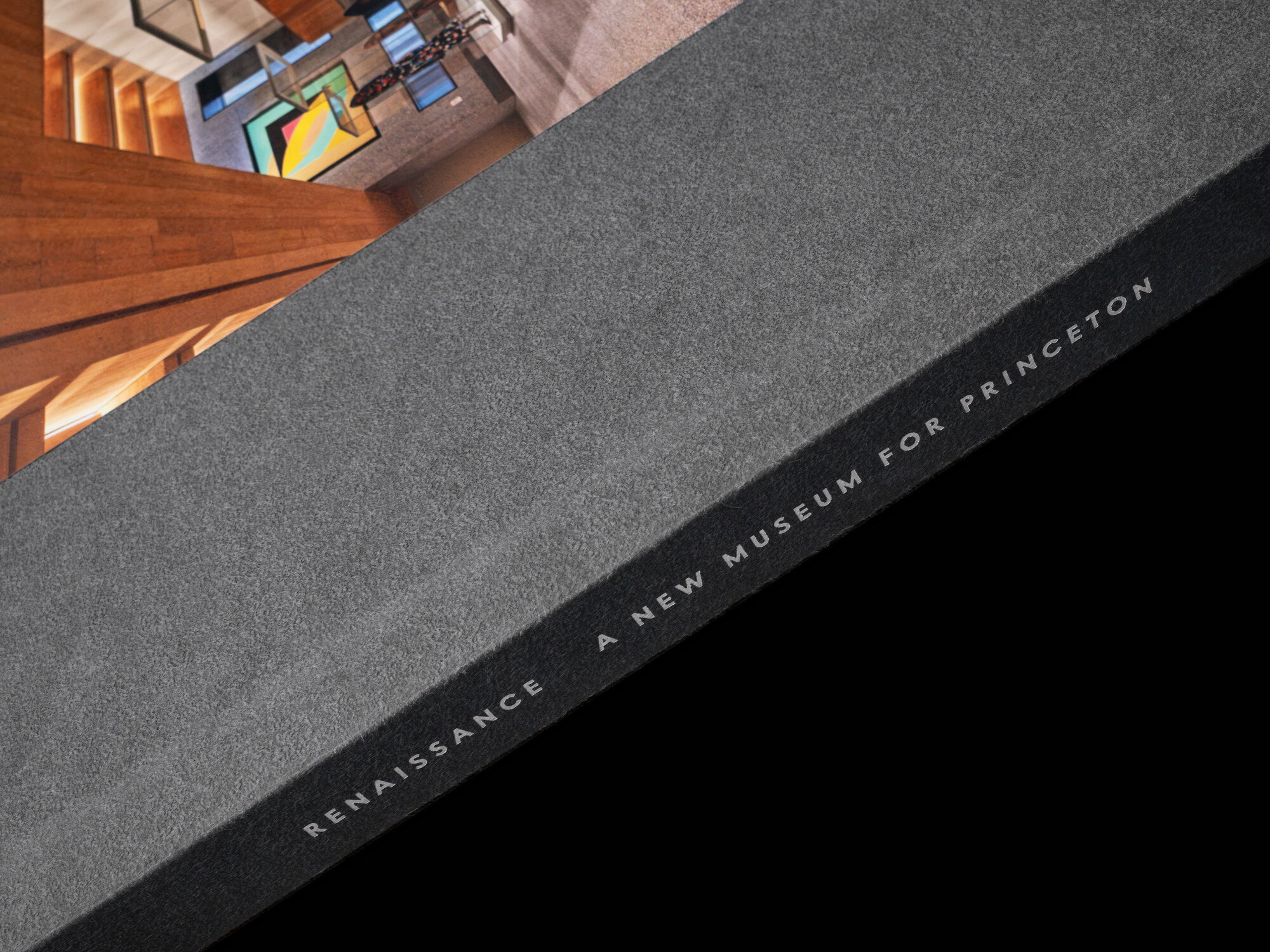
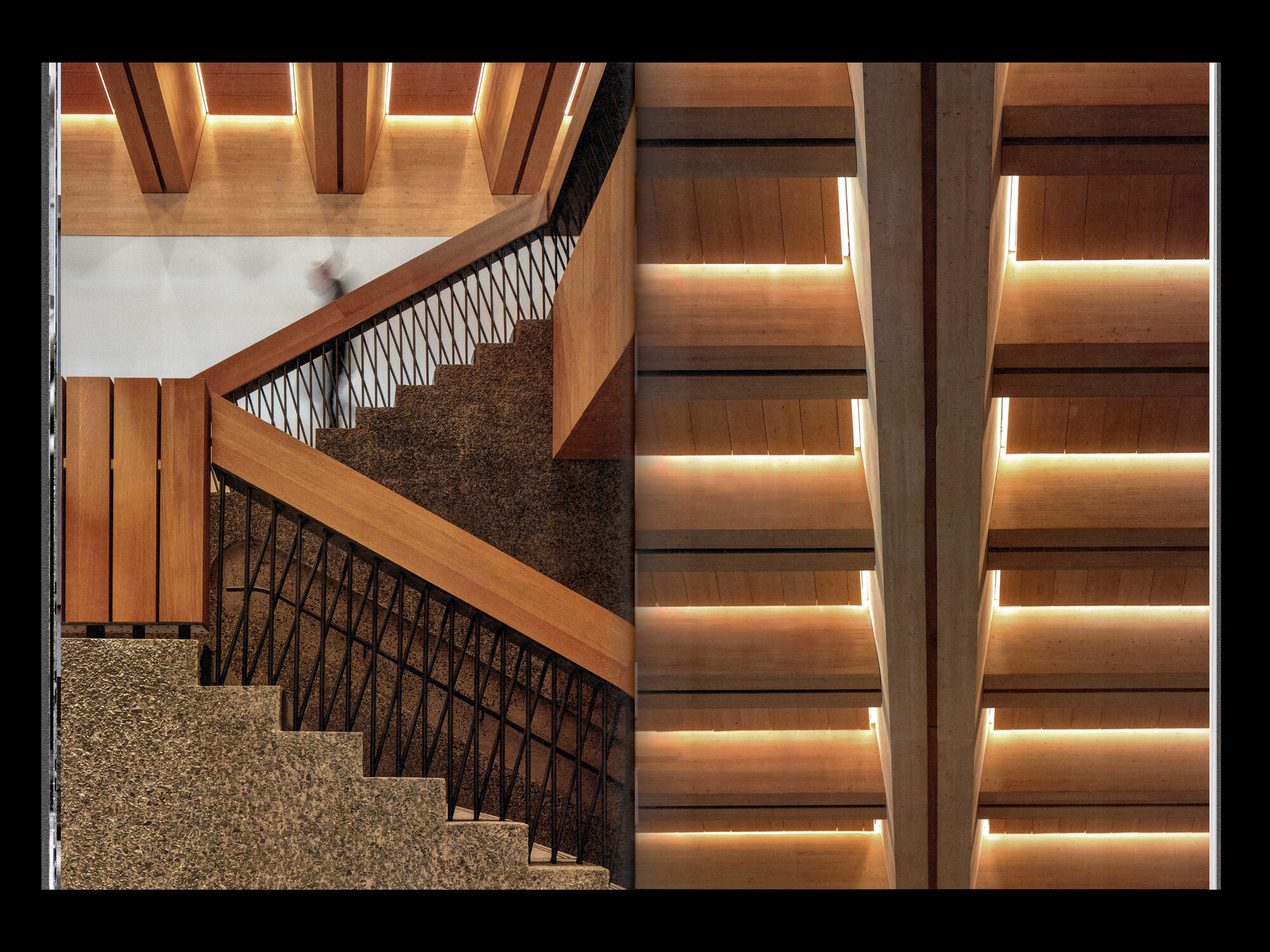
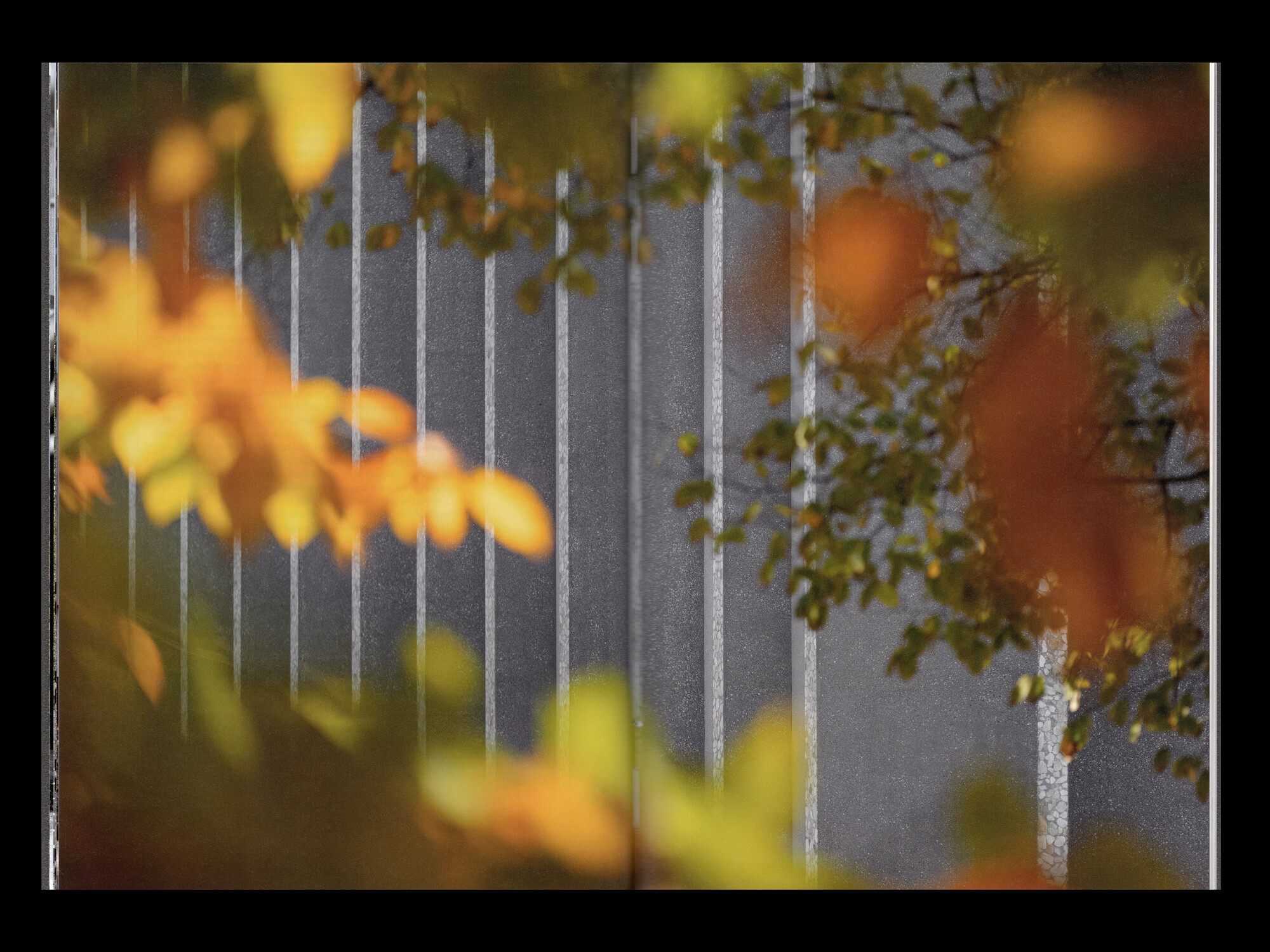
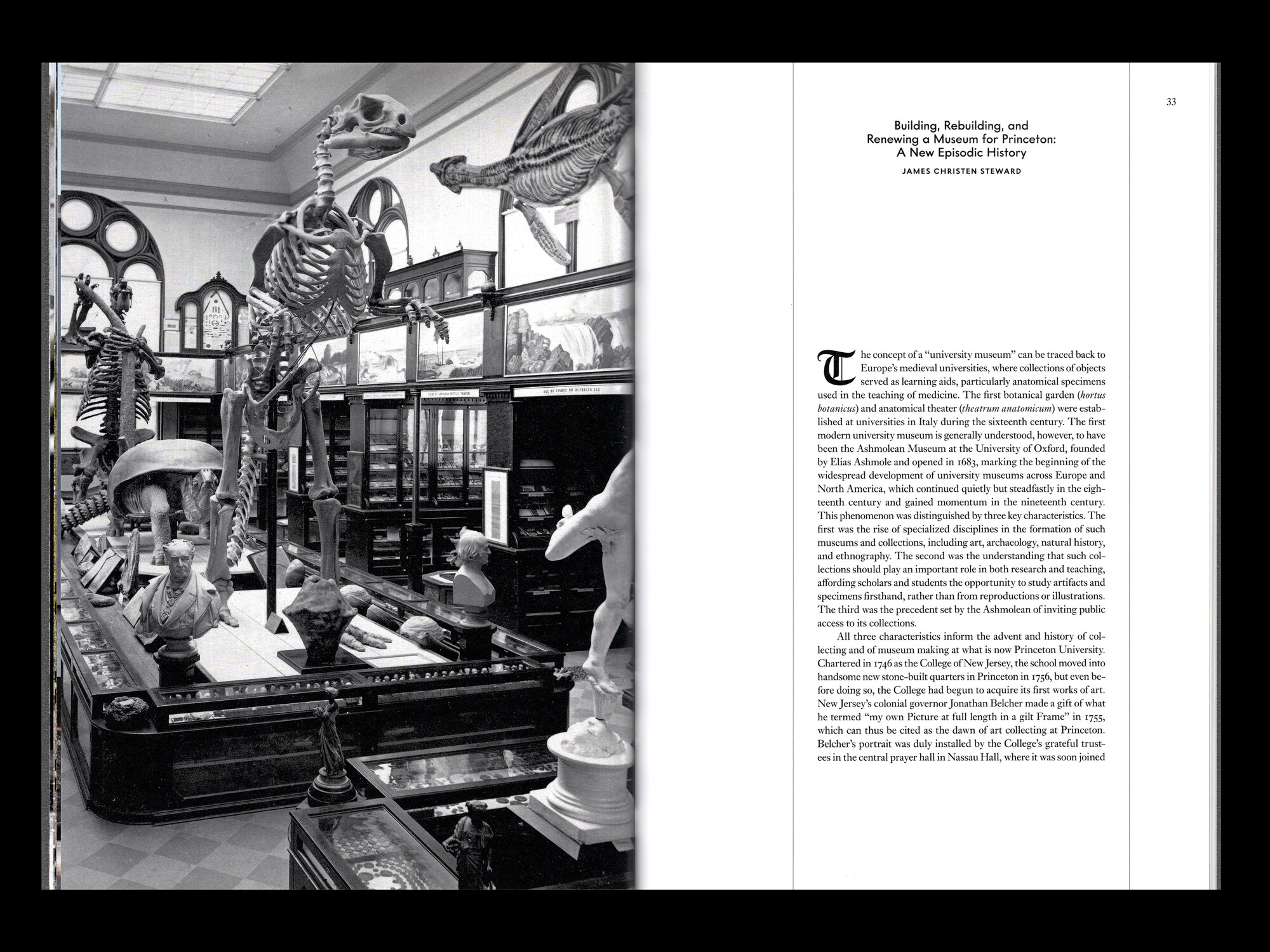
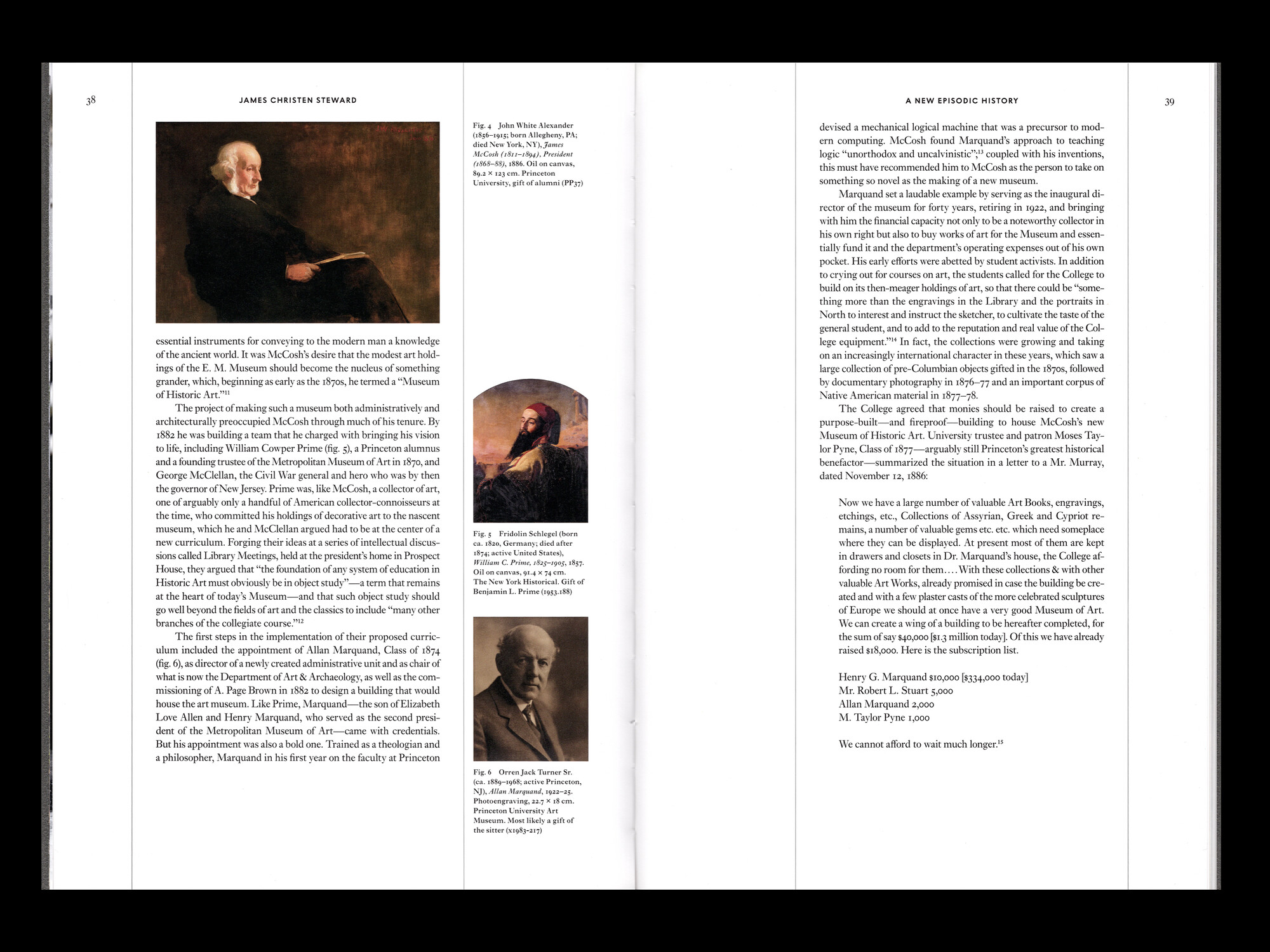
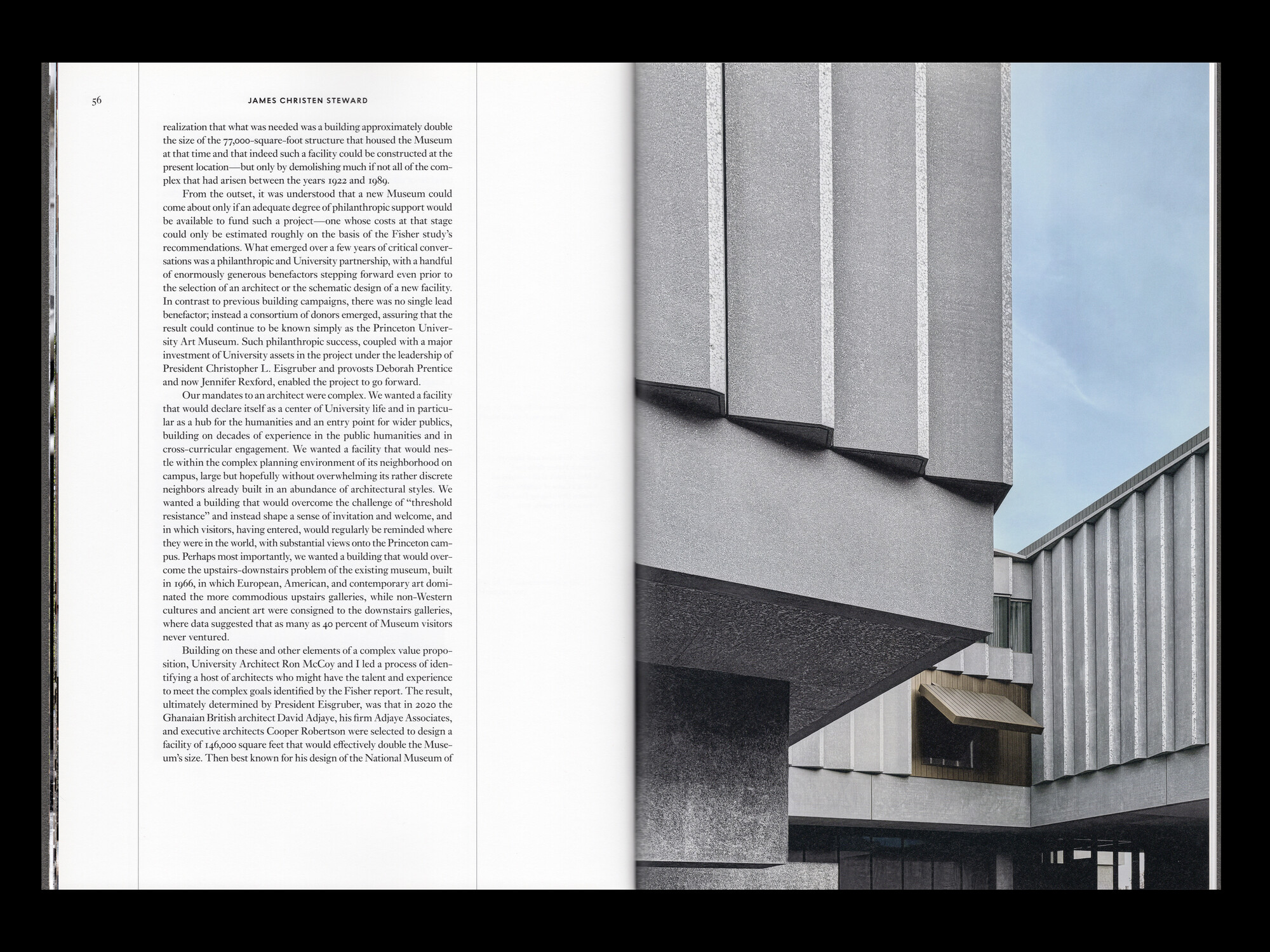
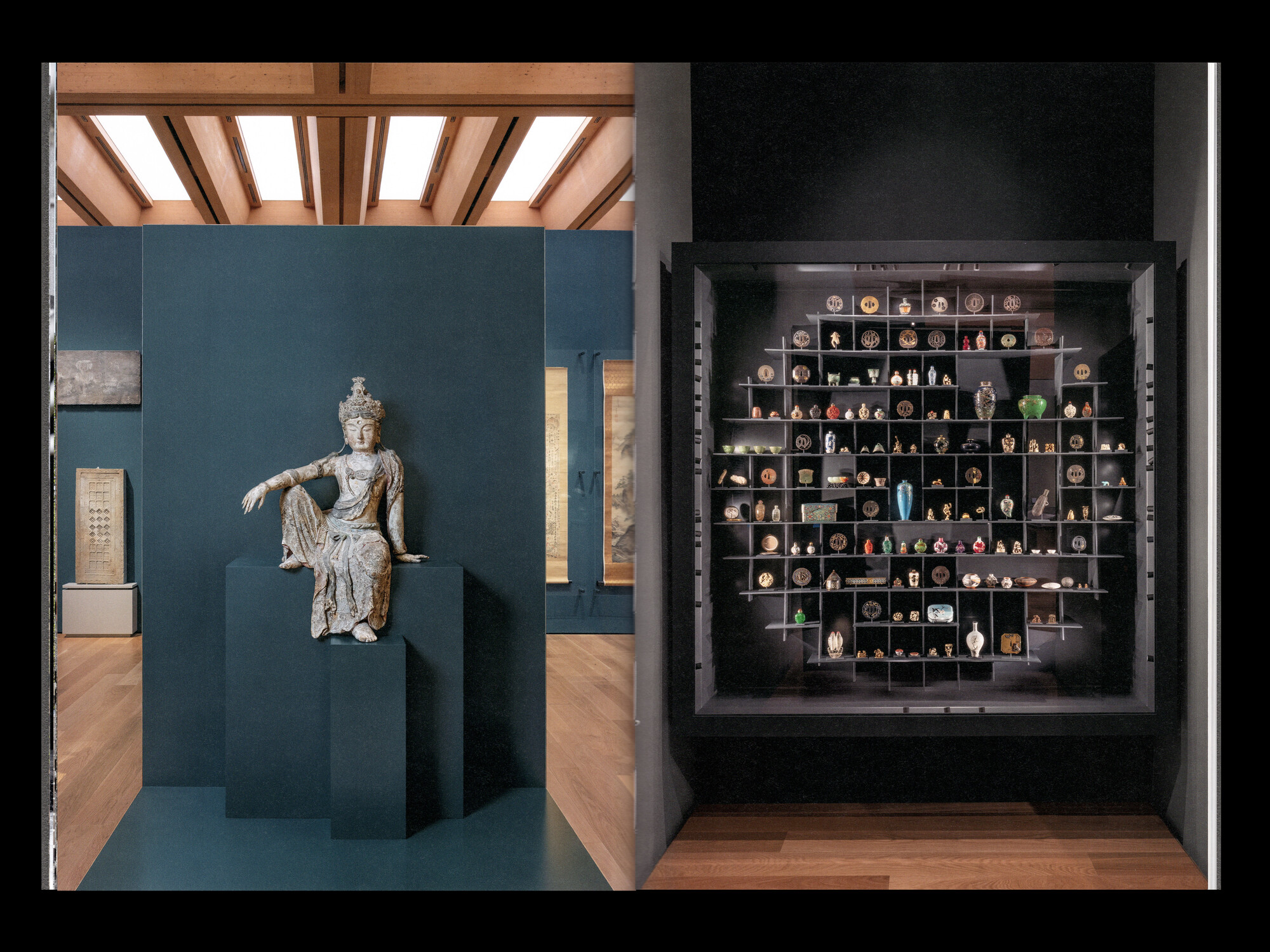
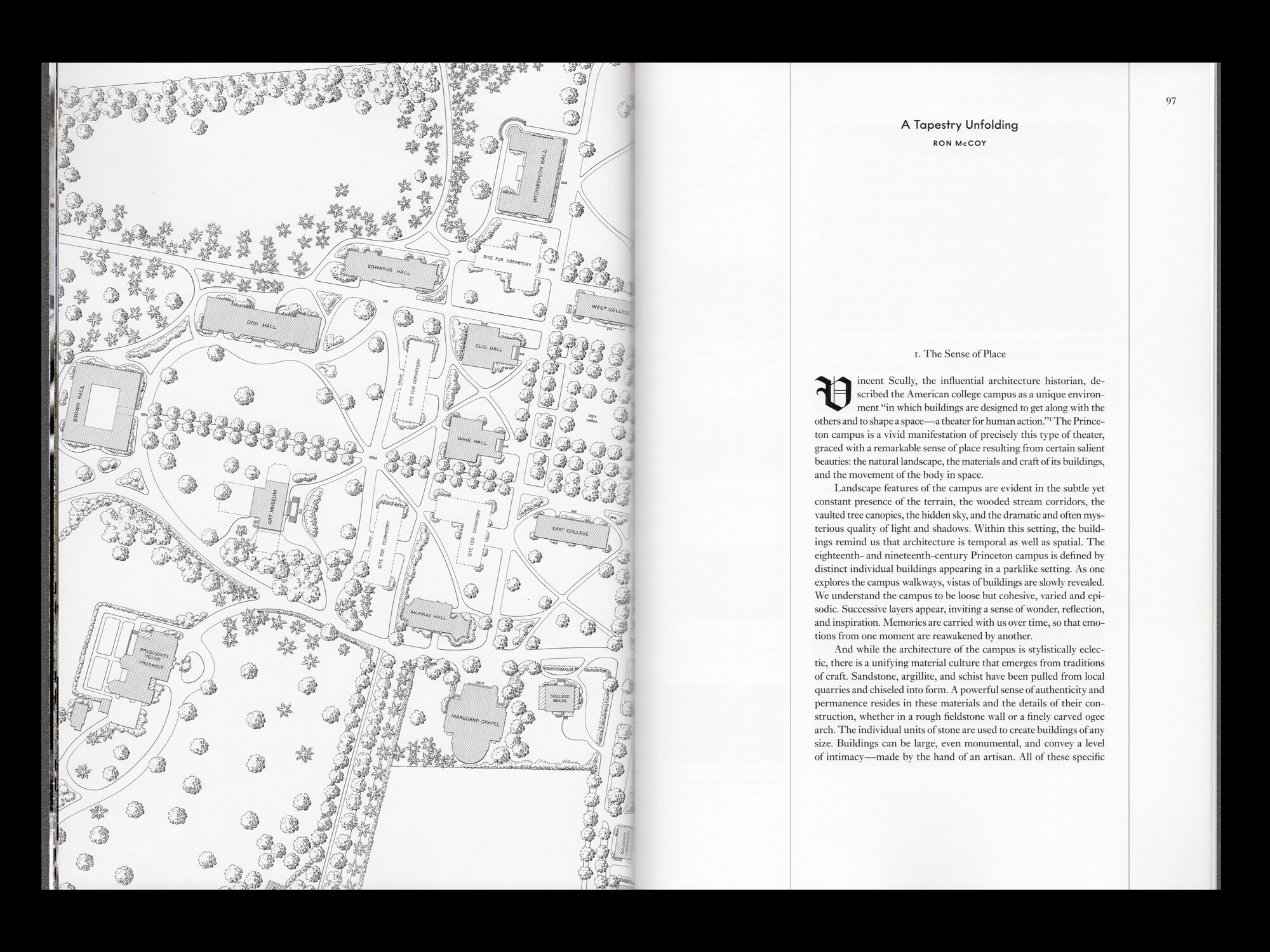
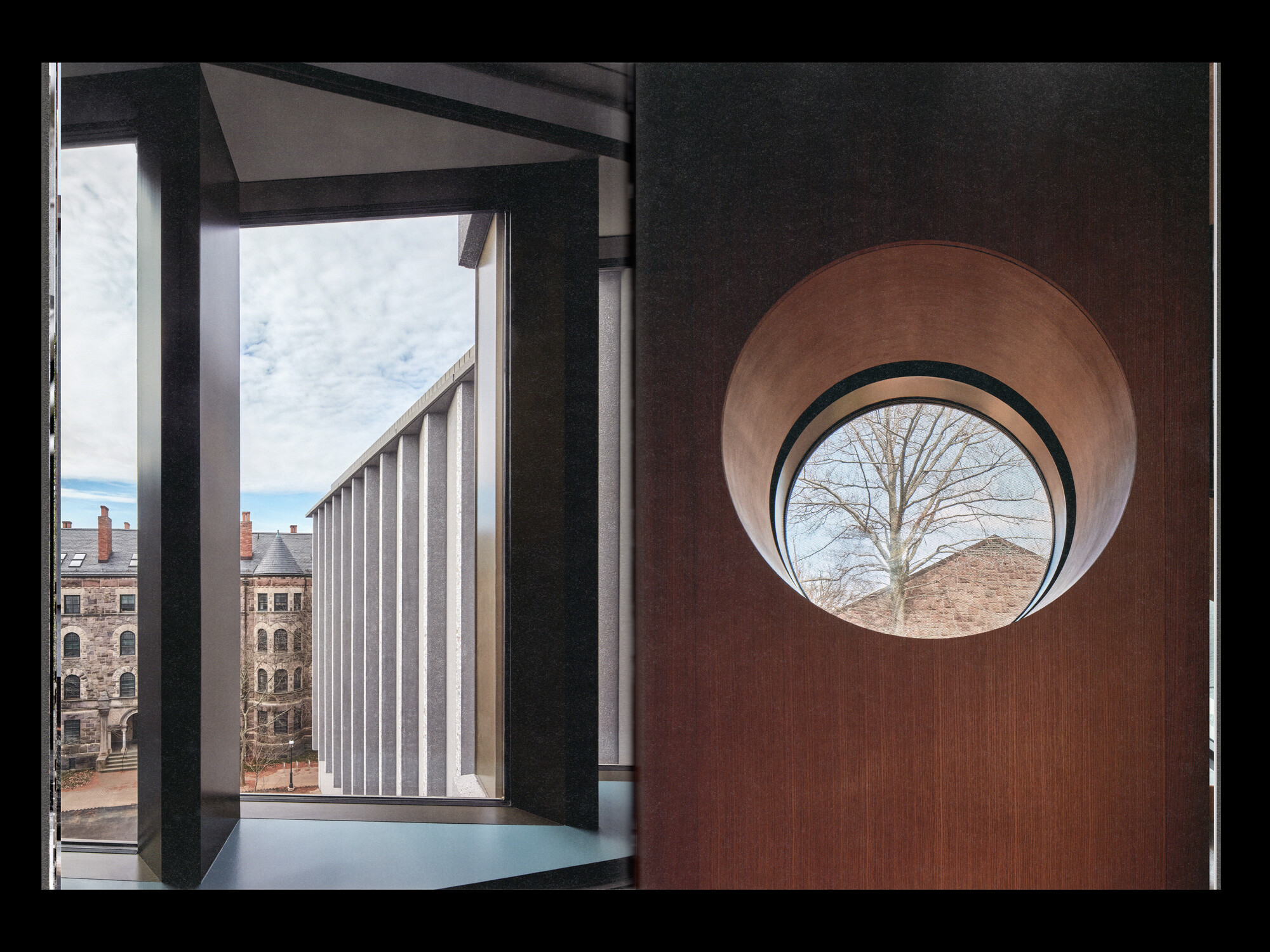
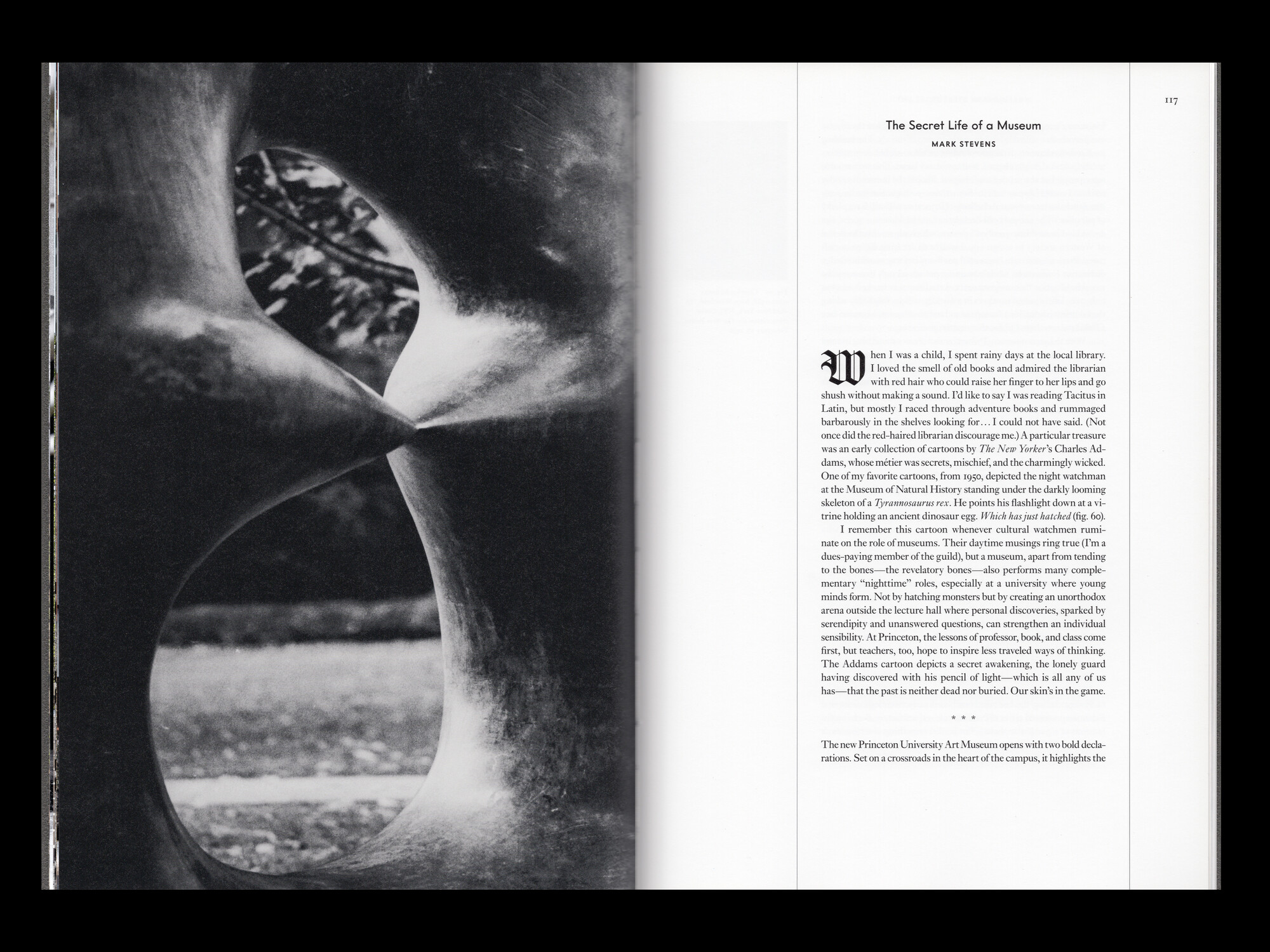
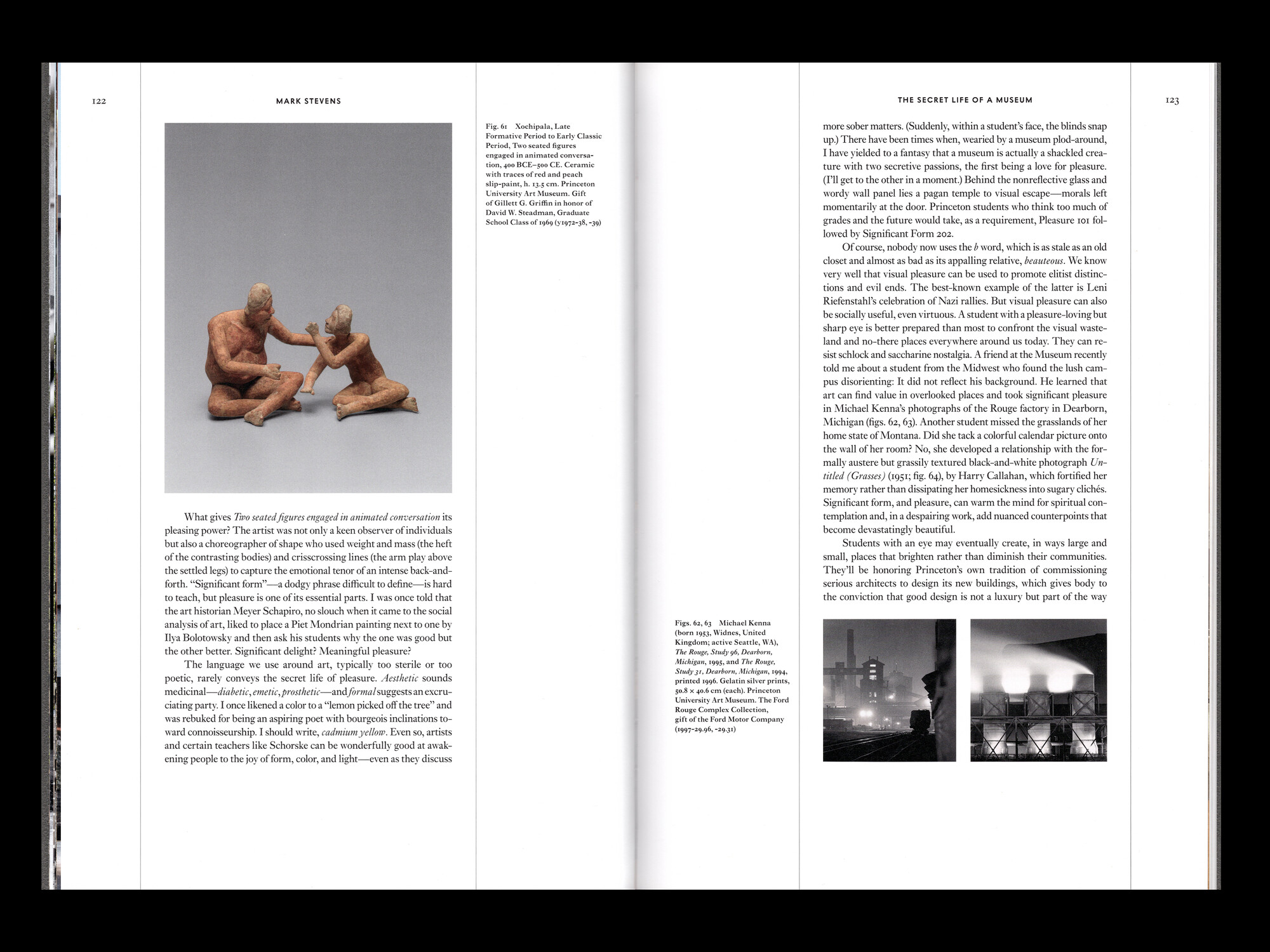
Renaissance: A New Museum for Princeton marks the completion and reopening of the new Princeton University Art Museum. Shot in its final year of construction, Richard Barnes’s photographs show the building across changing seasons and in relation to the surrounding campus. An essay by museum director James Christen Steward along with contributions by Paul Goldberger, Ron McCoy, Mark Stevens, and Susan Stewart contextualize the project within Princeton’s unique architectural history and the museum’s significance in campus life.
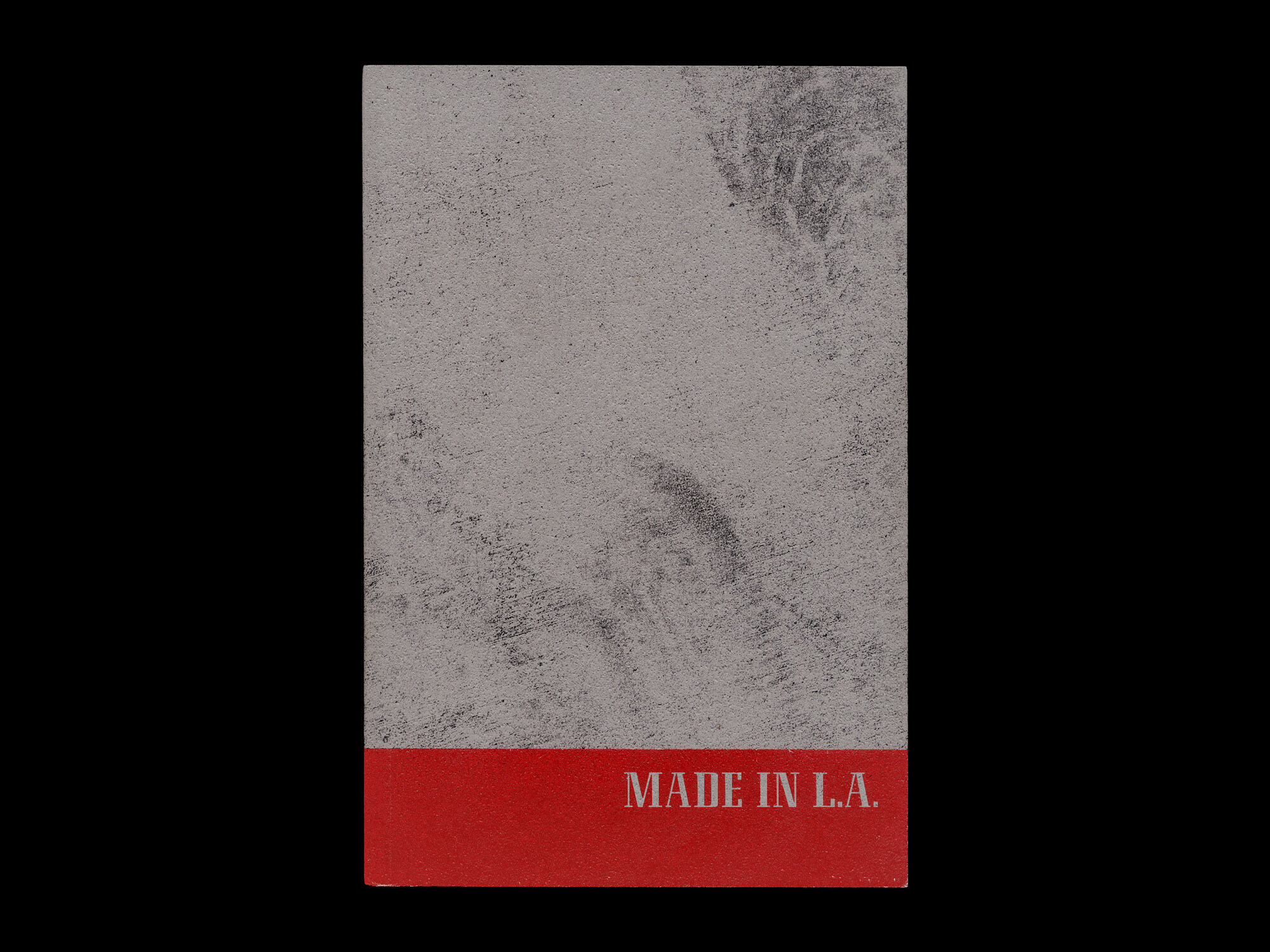
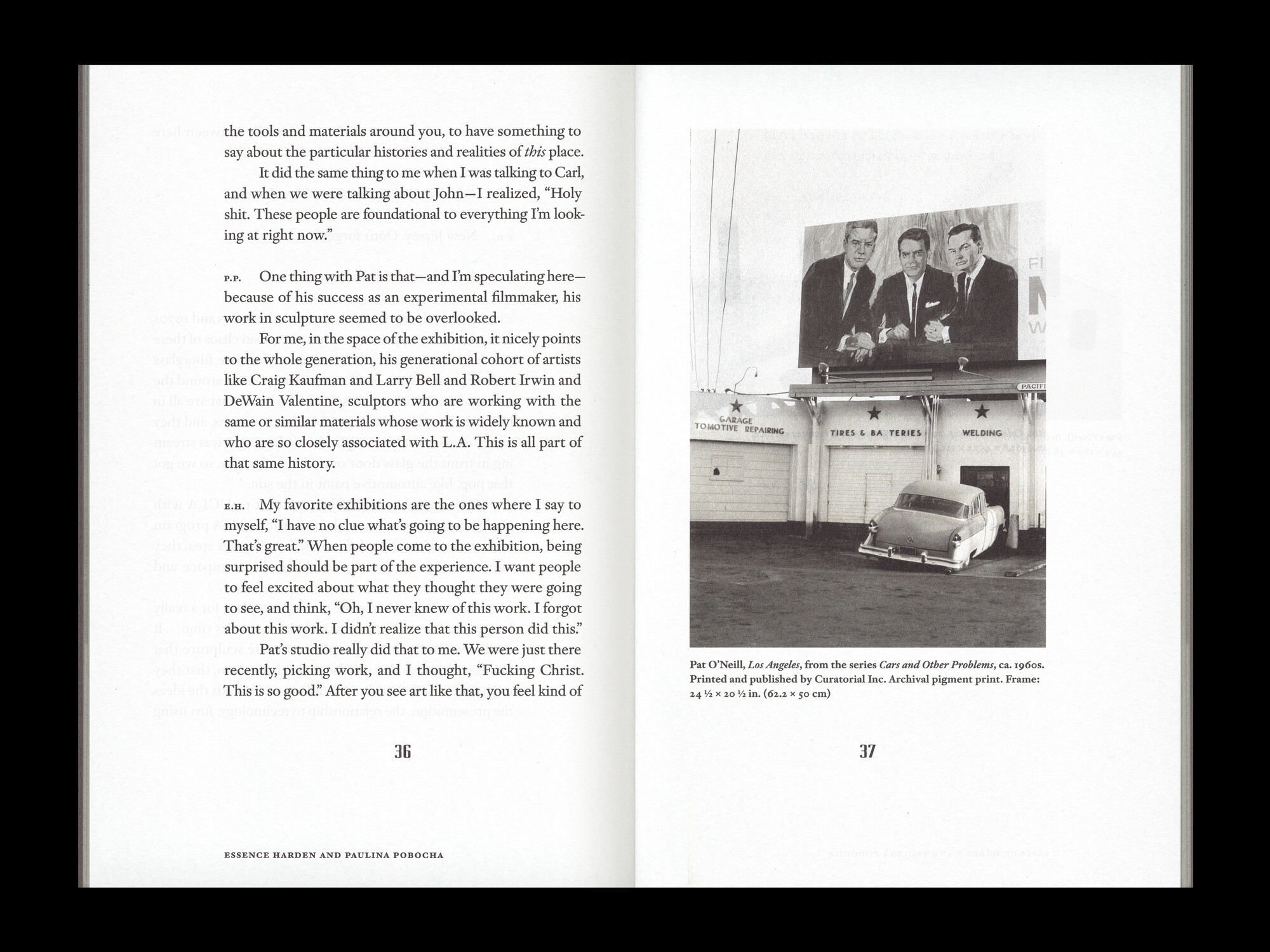
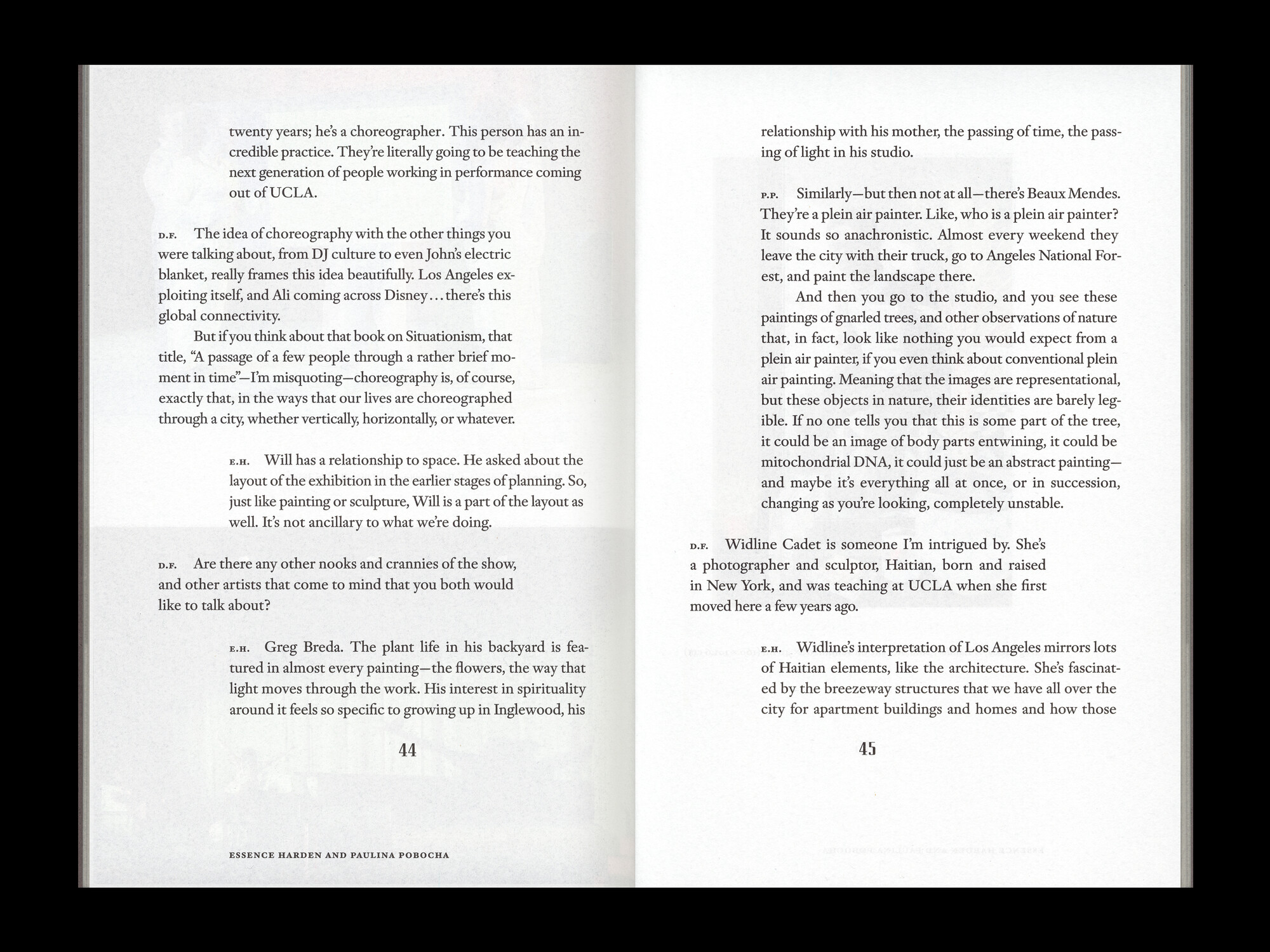
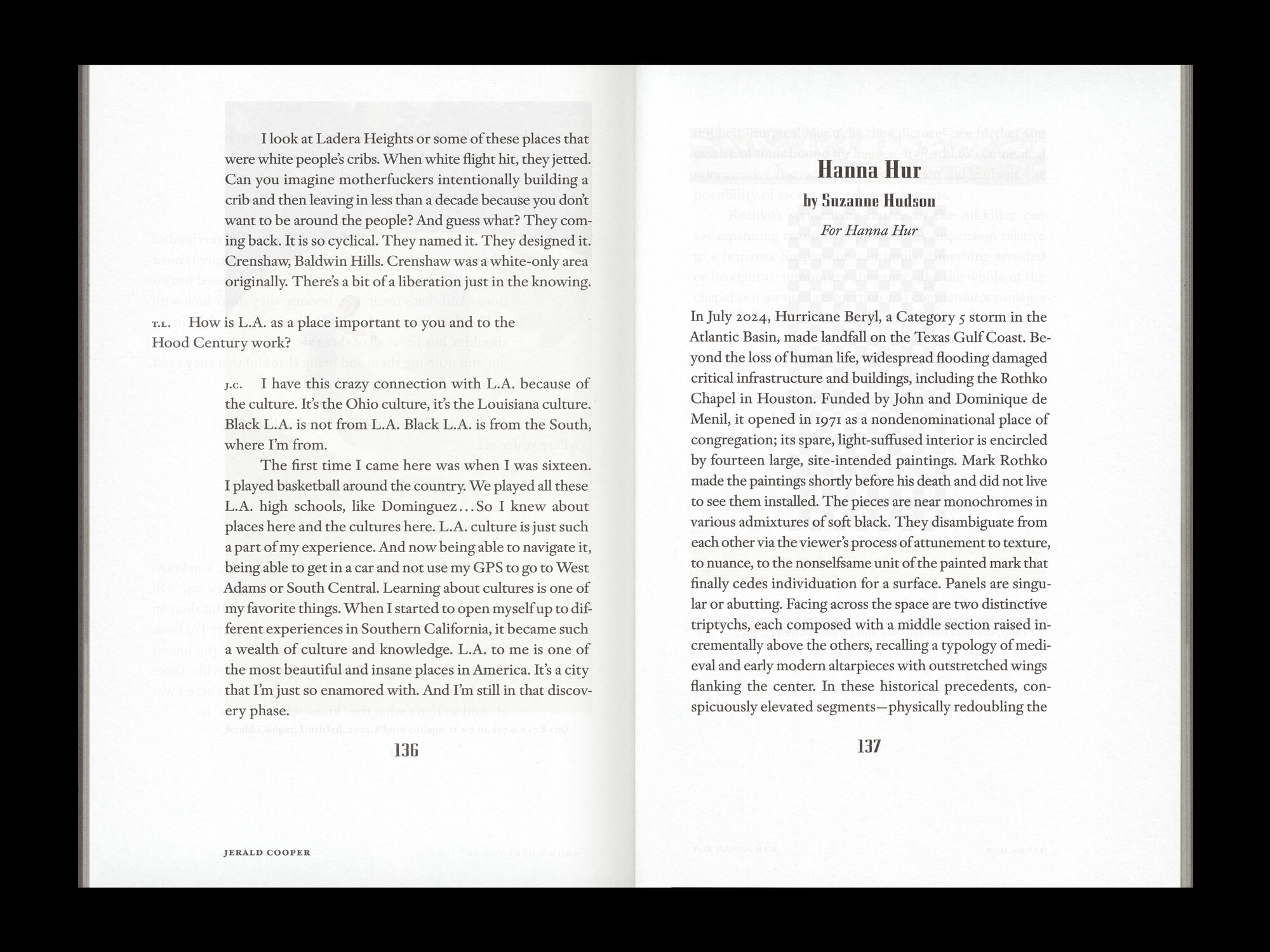
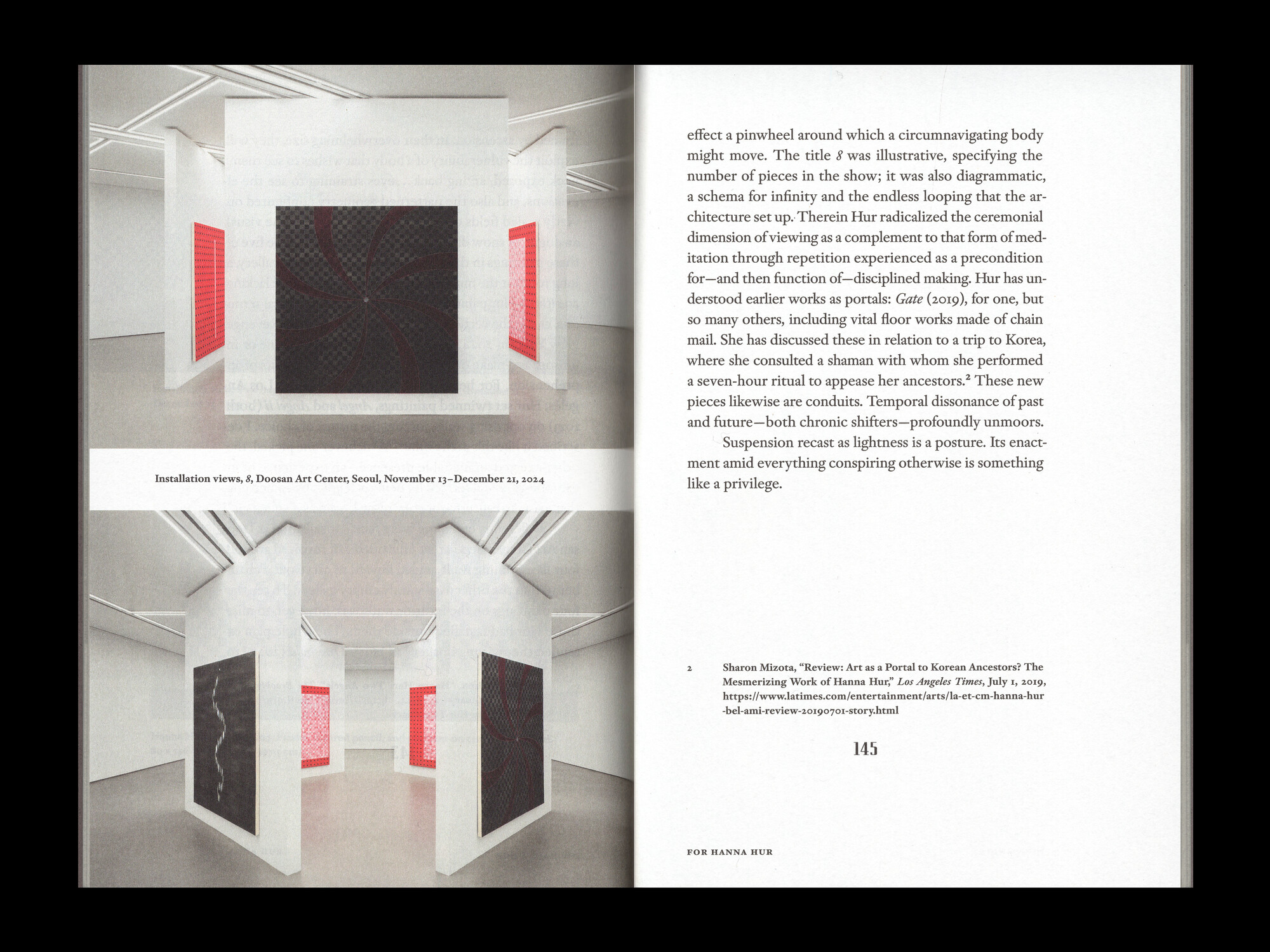
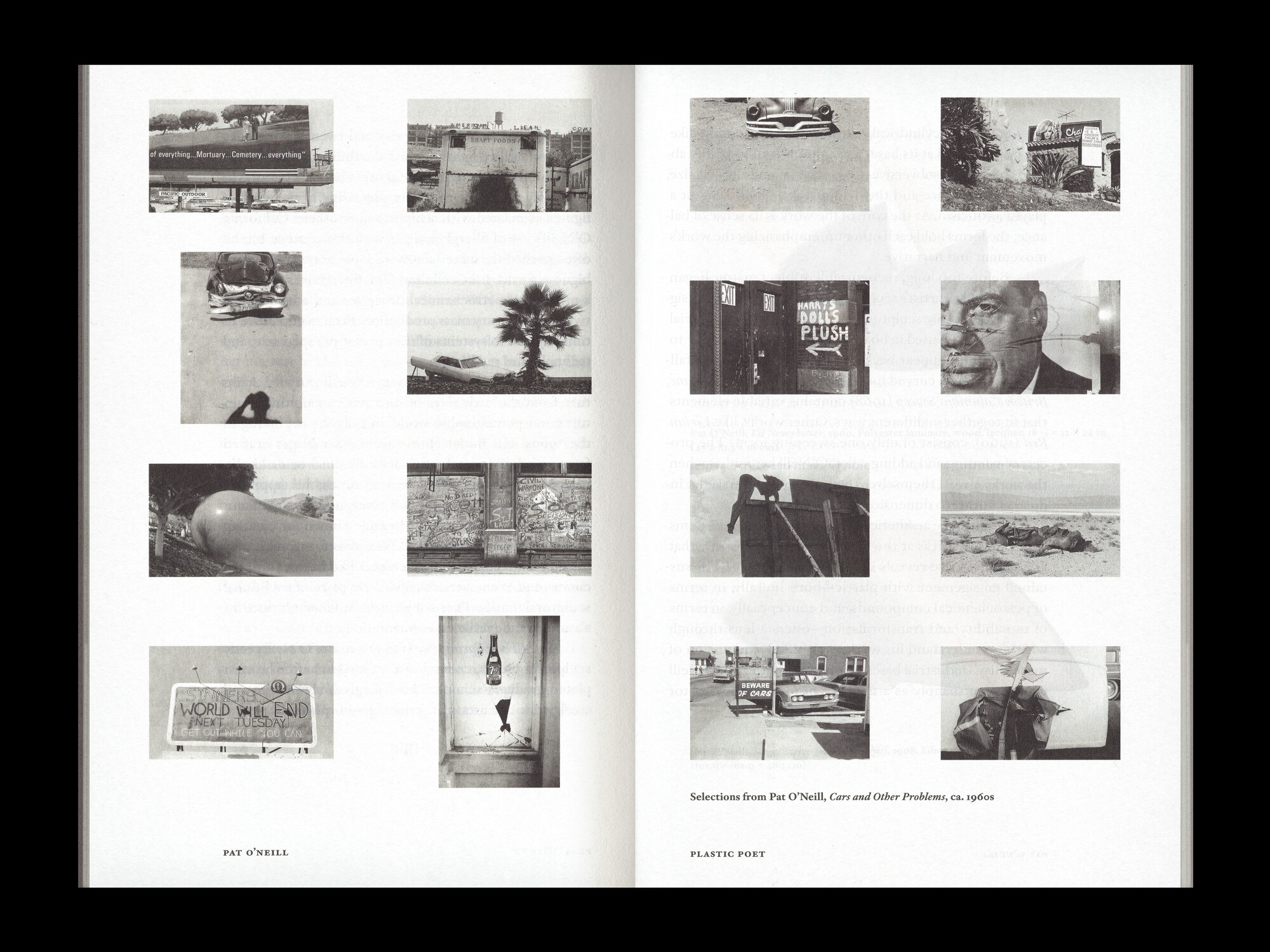
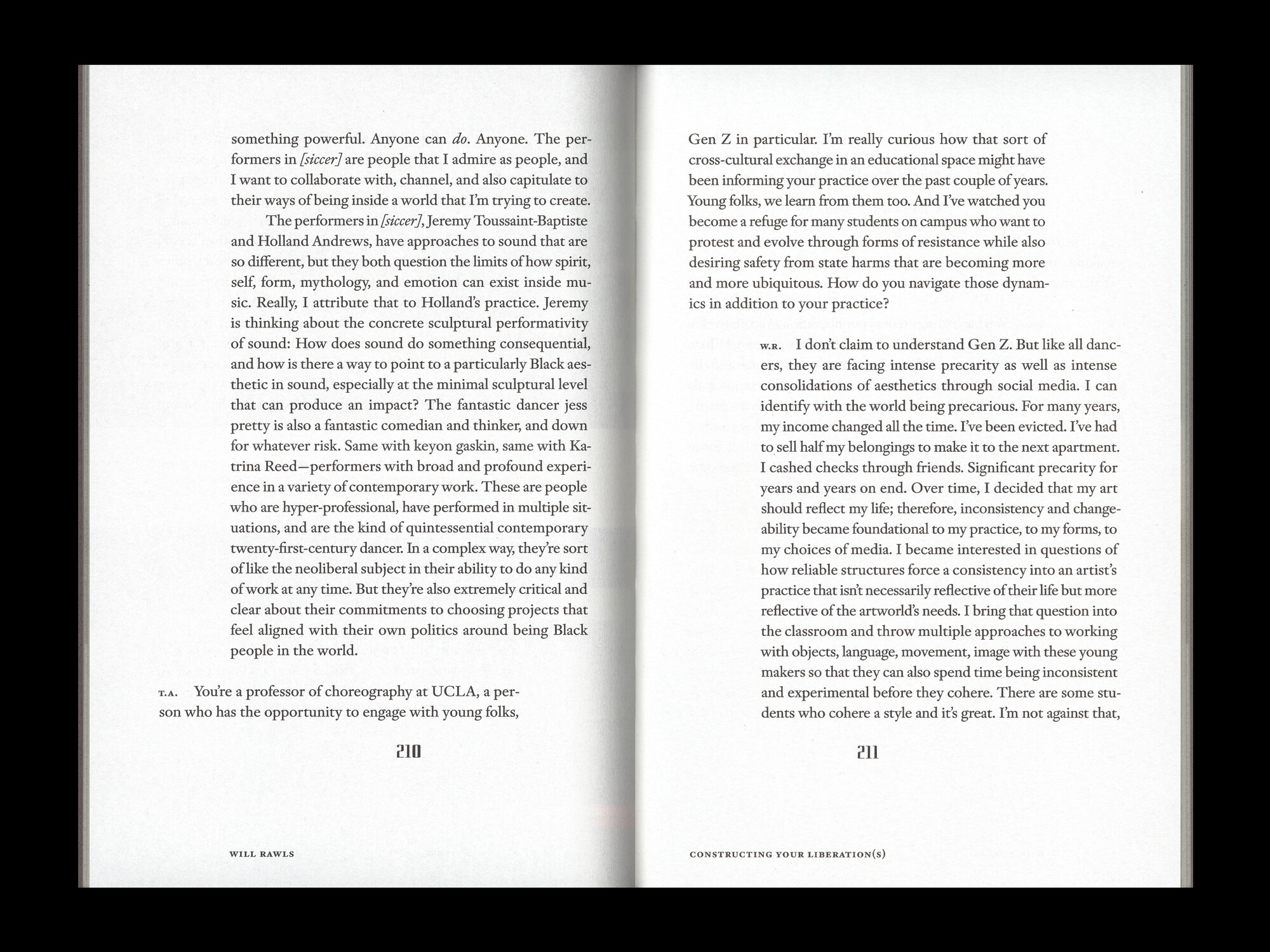
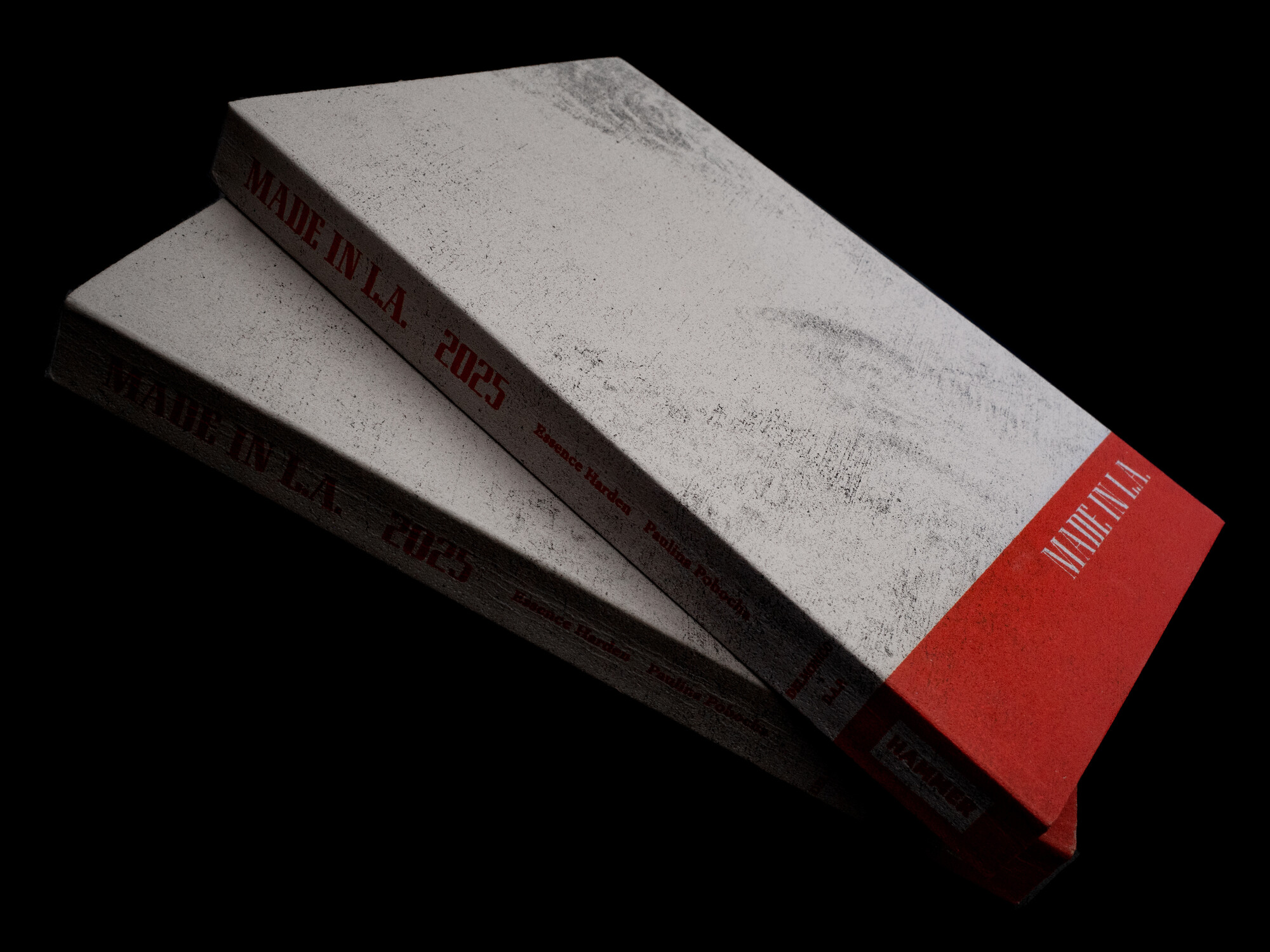
Made in L.A. 2025 is the catalog for the Hammer Museum’s seventh iteration of its signature showcase for Los Angeles contemporary art, spotlighting emerging and under-recognized local practitioners. Conceived as a reader rather than a direct documentation of the exhibition, conversations with the artists and supporting artwork are gathered in a compact paperback, with its construction and materials gesturing toward the streets of Los Angeles.
CCA’s 2026 holiday card features Andy Lu Lee’s American Remediation, uncovering how the state used the illusion of scientific neutrality to legitimize territorial expansion. The exhibition subverts Cold War-era propaganda by physically tracing a decaying archival film along the global pathways of its circulation and consequence.
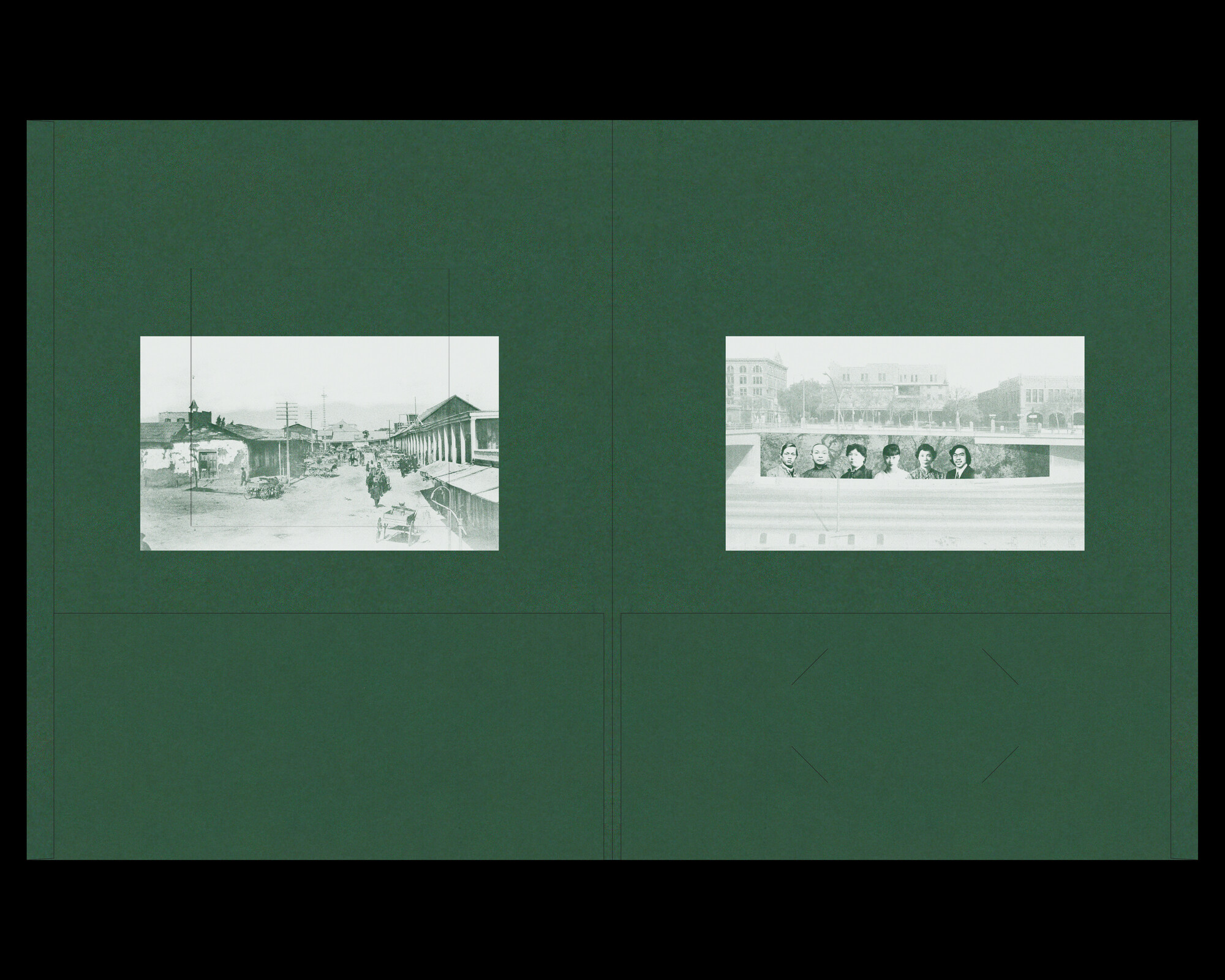
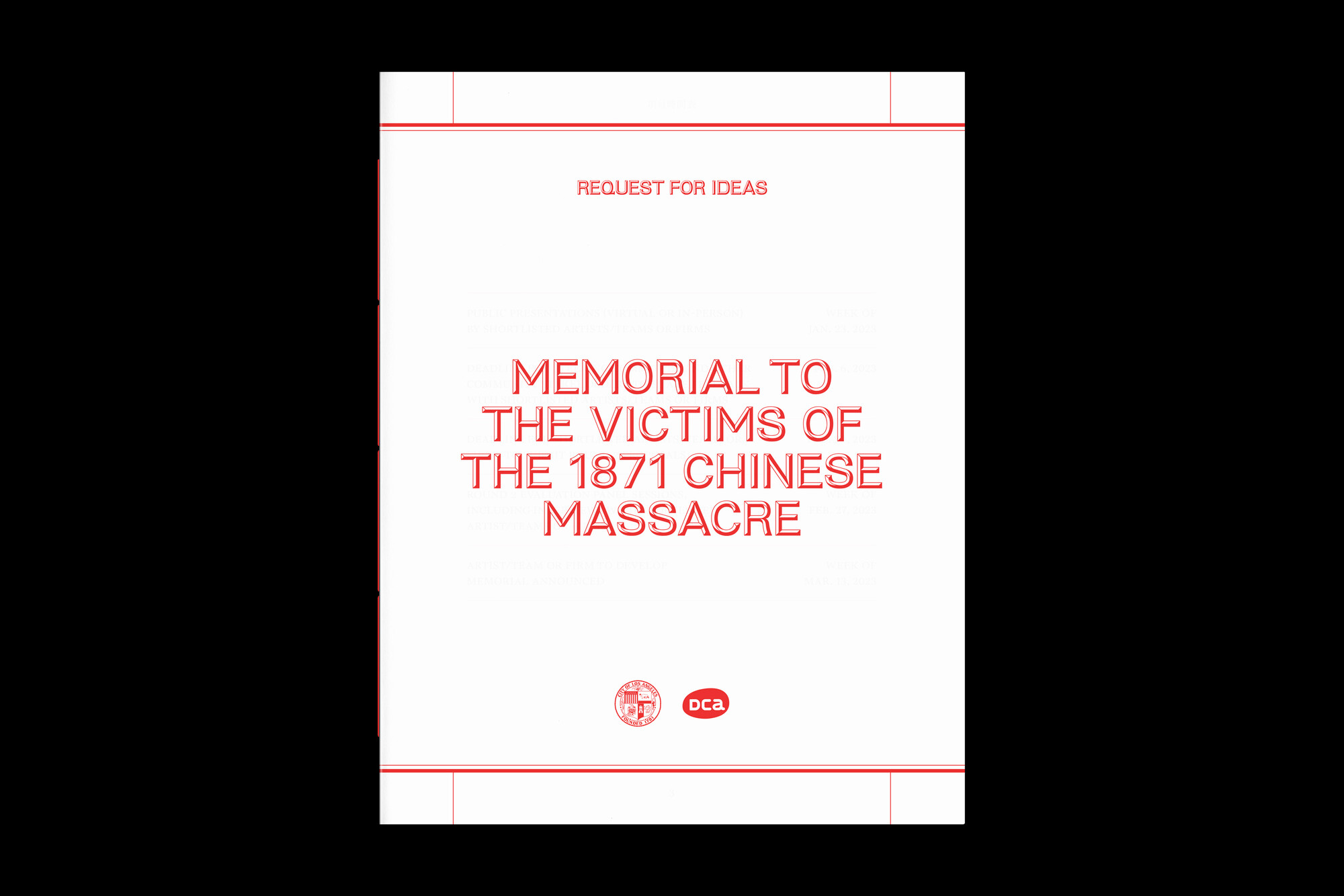
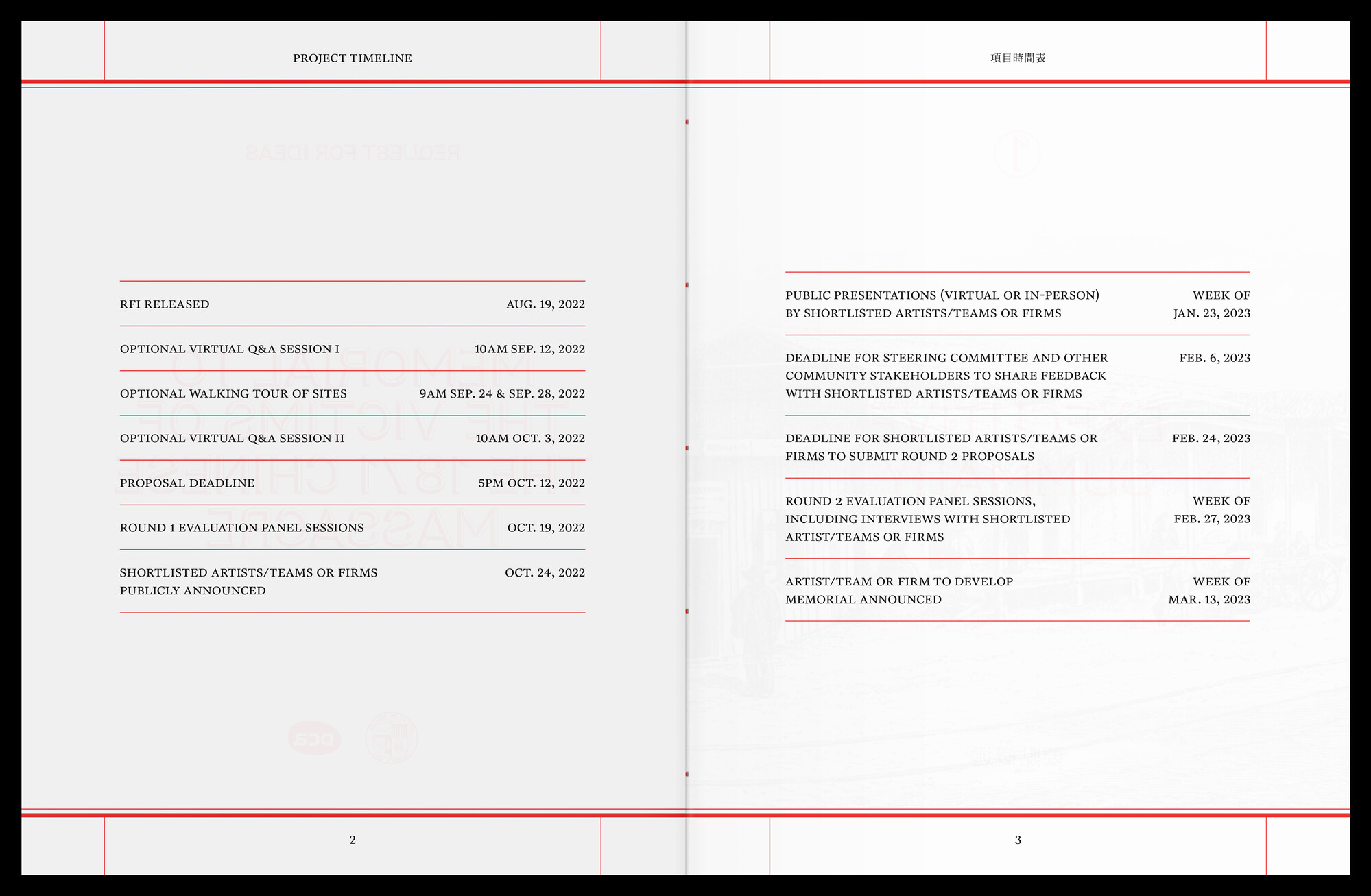
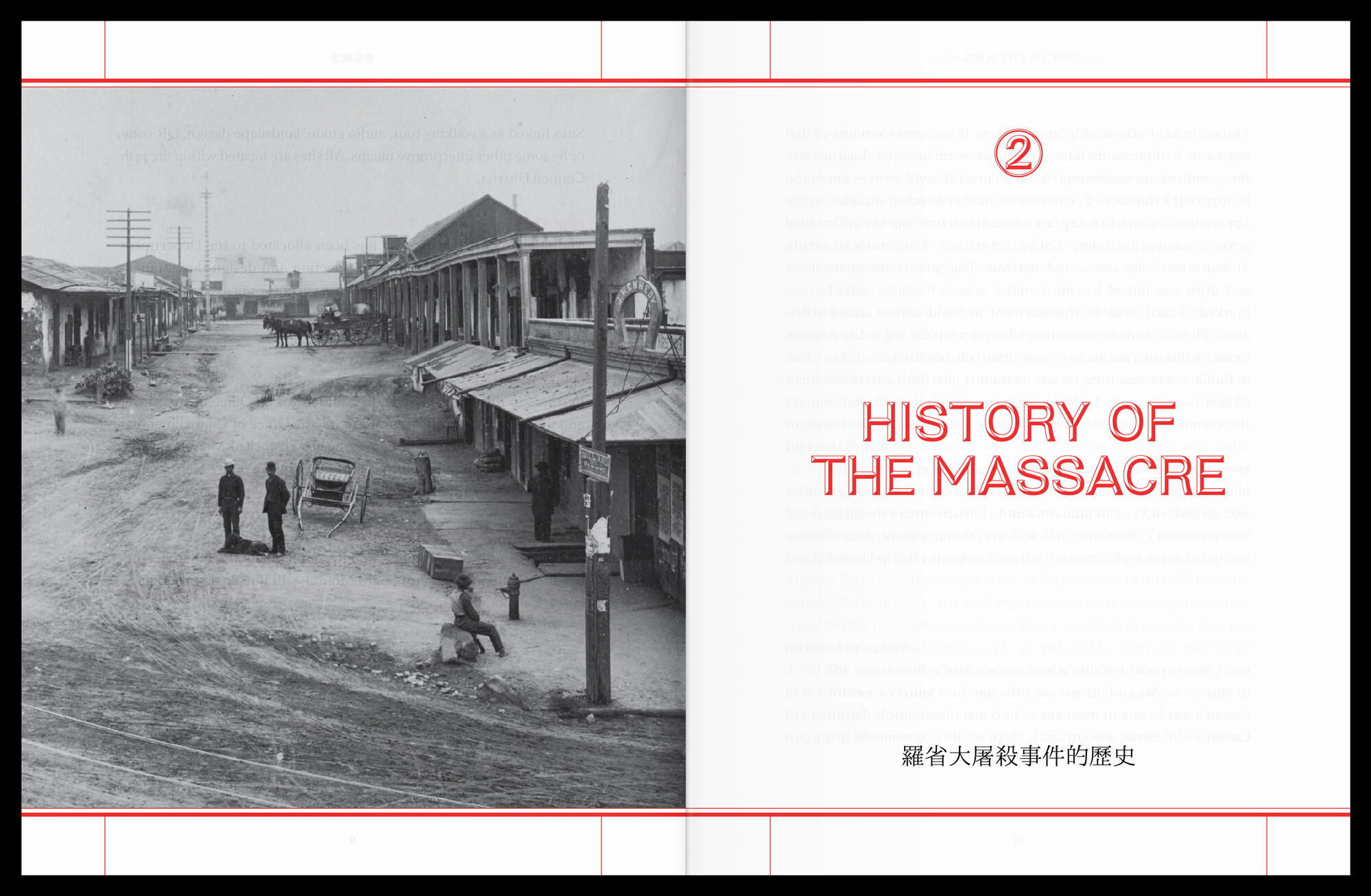
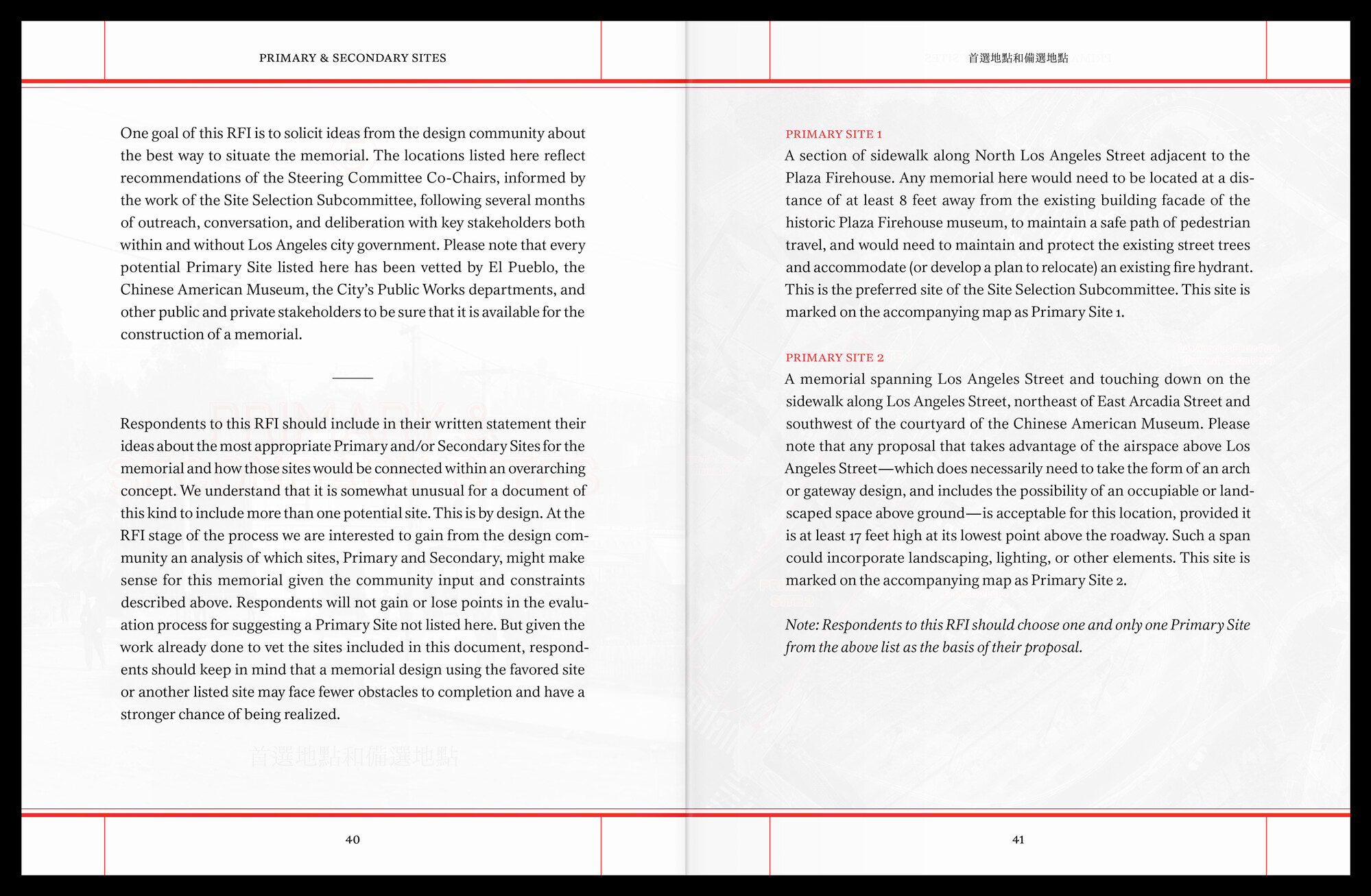
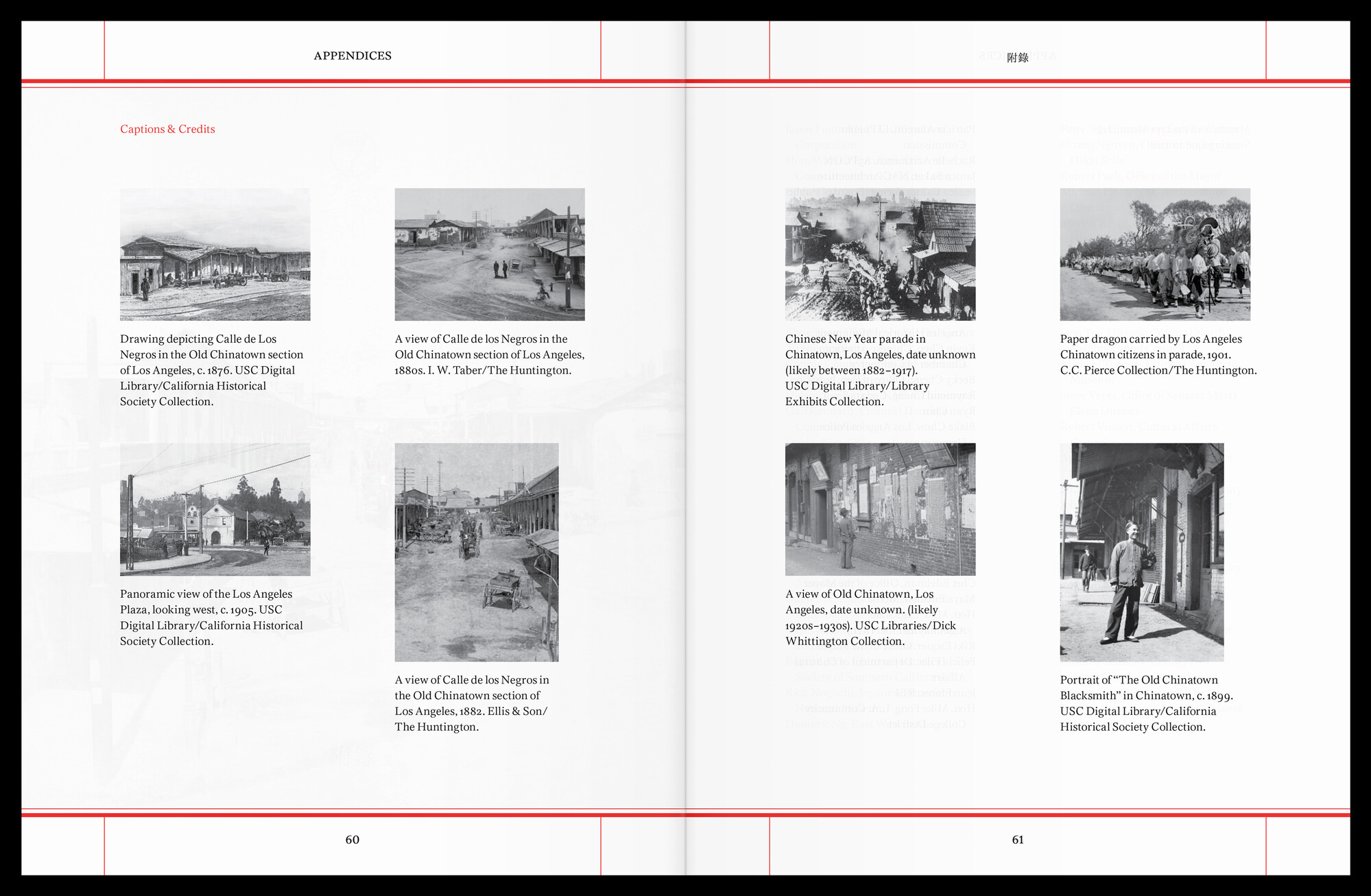
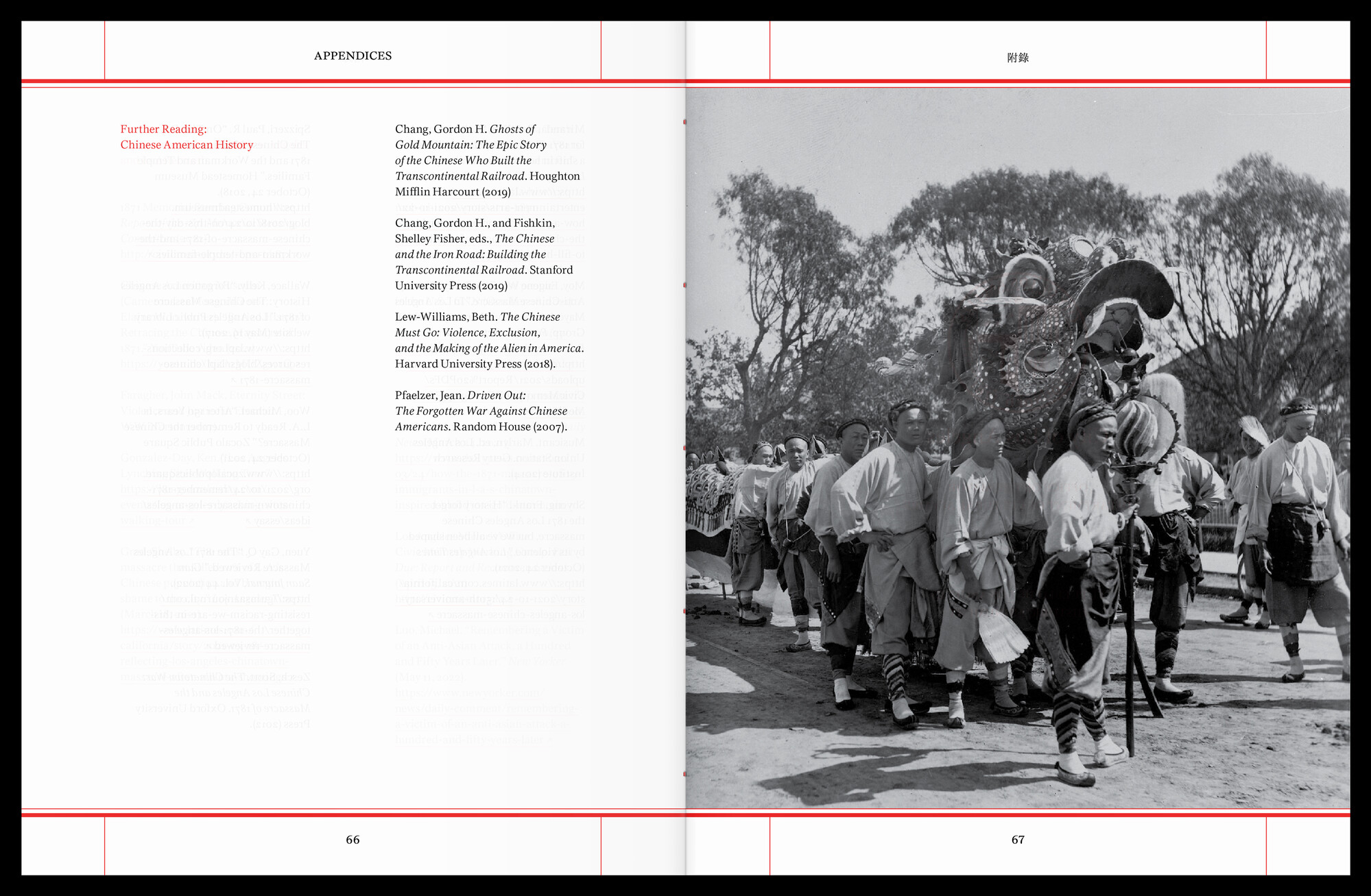
The 1871 Memorial Project supports the construction of a physical memorial near the Chinese American Museum to honor the victims of the 1871 Chinese Massacre. The project comes out of an open call from the City of Los Angeles Department of Cultural Affairs. Artist Sze Tsung Nicolás Leong and writer Judy Chui-Hua Chung’s design centers around guardian banyan trees in Sze Yup (四邑) where the first waves of Chinese immigrants to the United States originate.
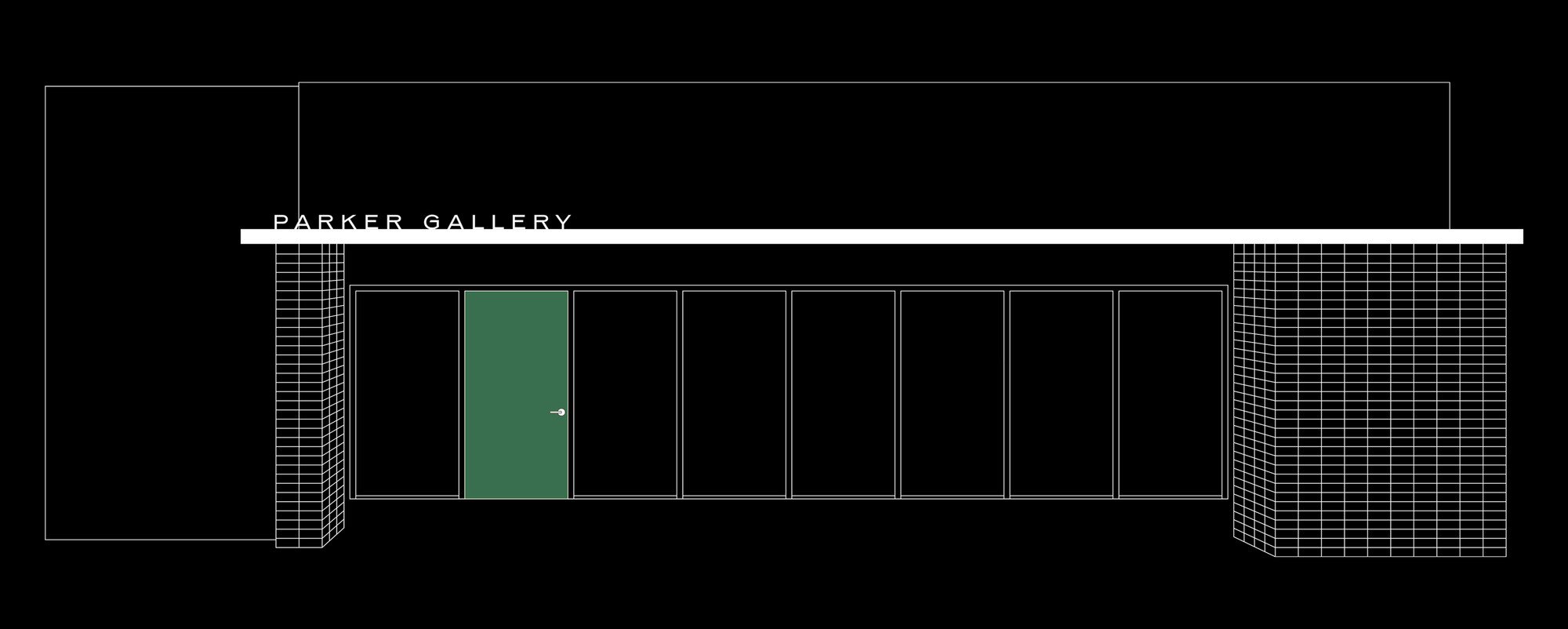
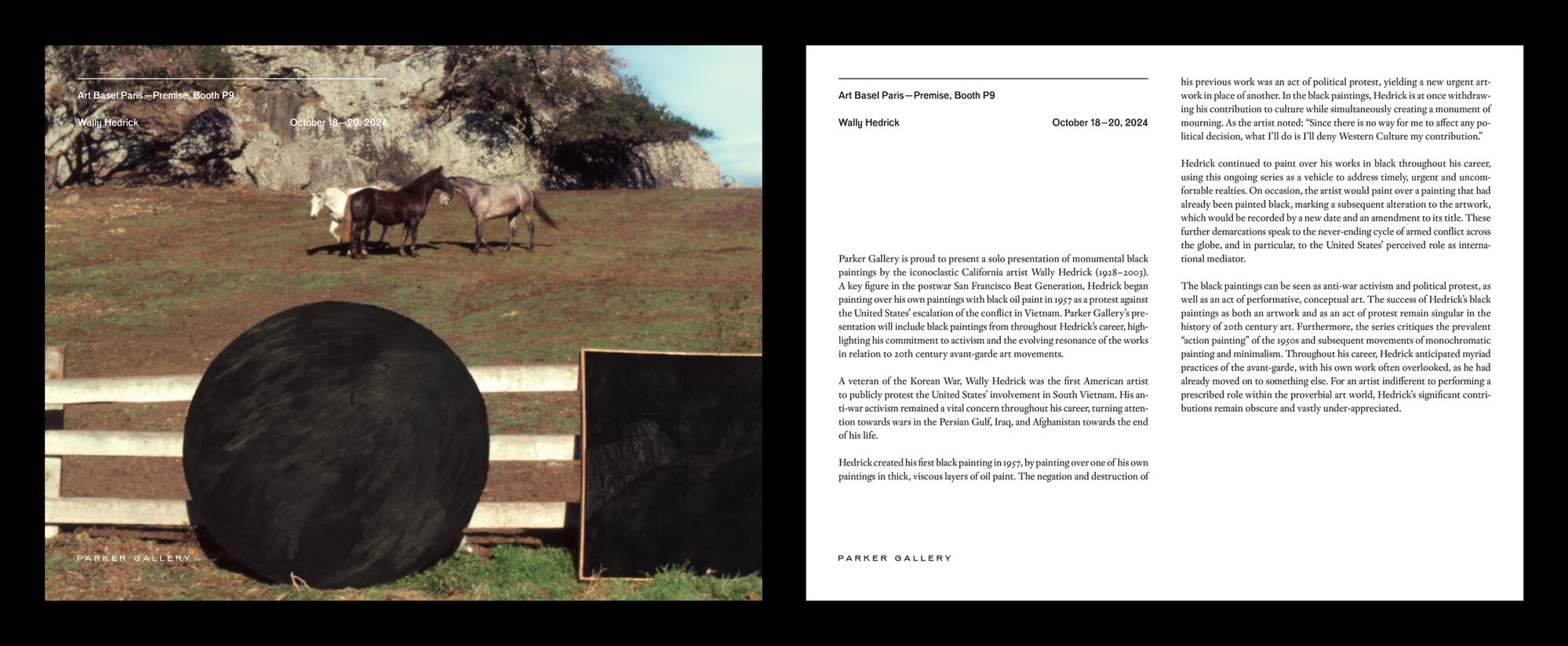
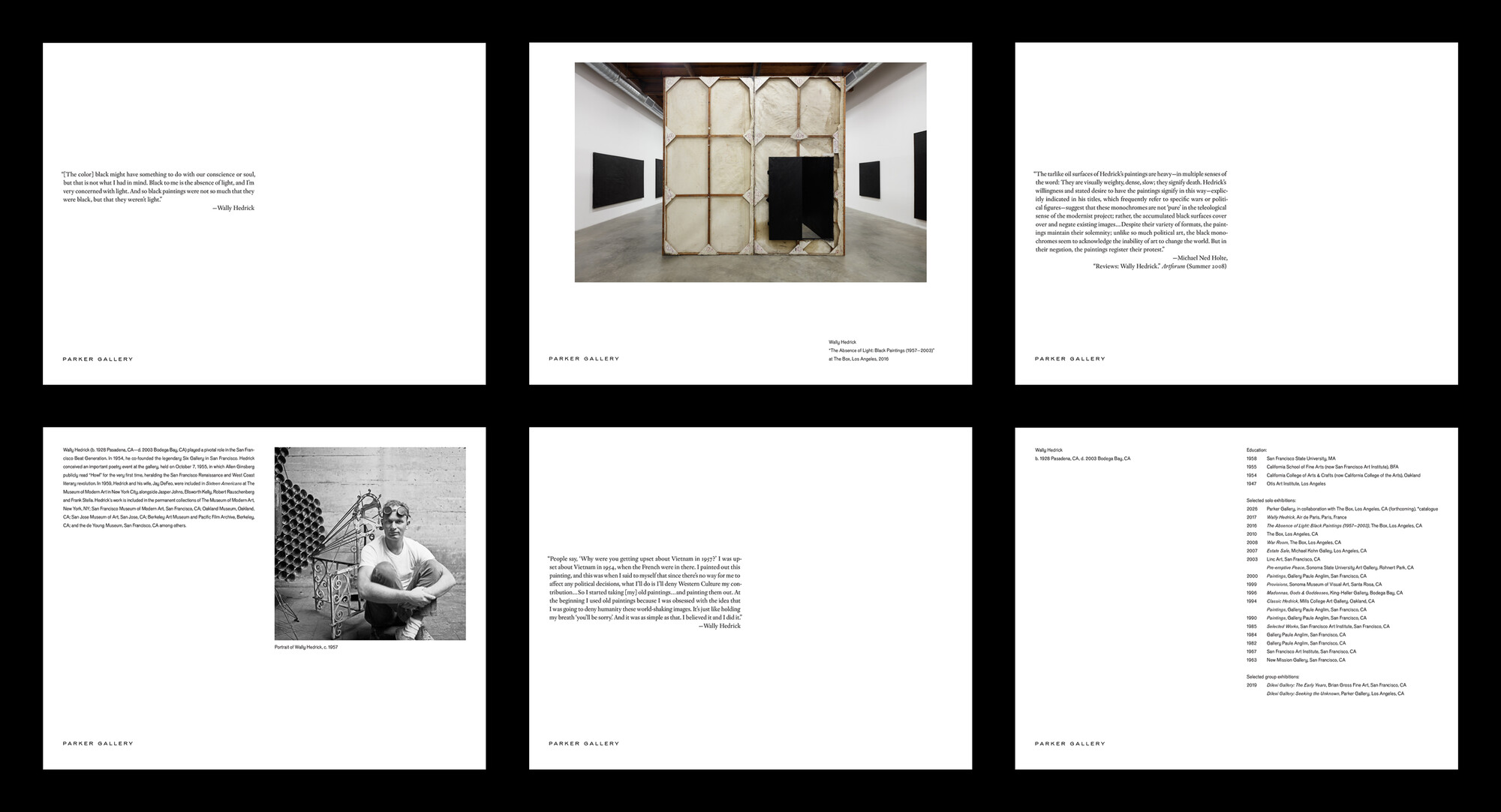
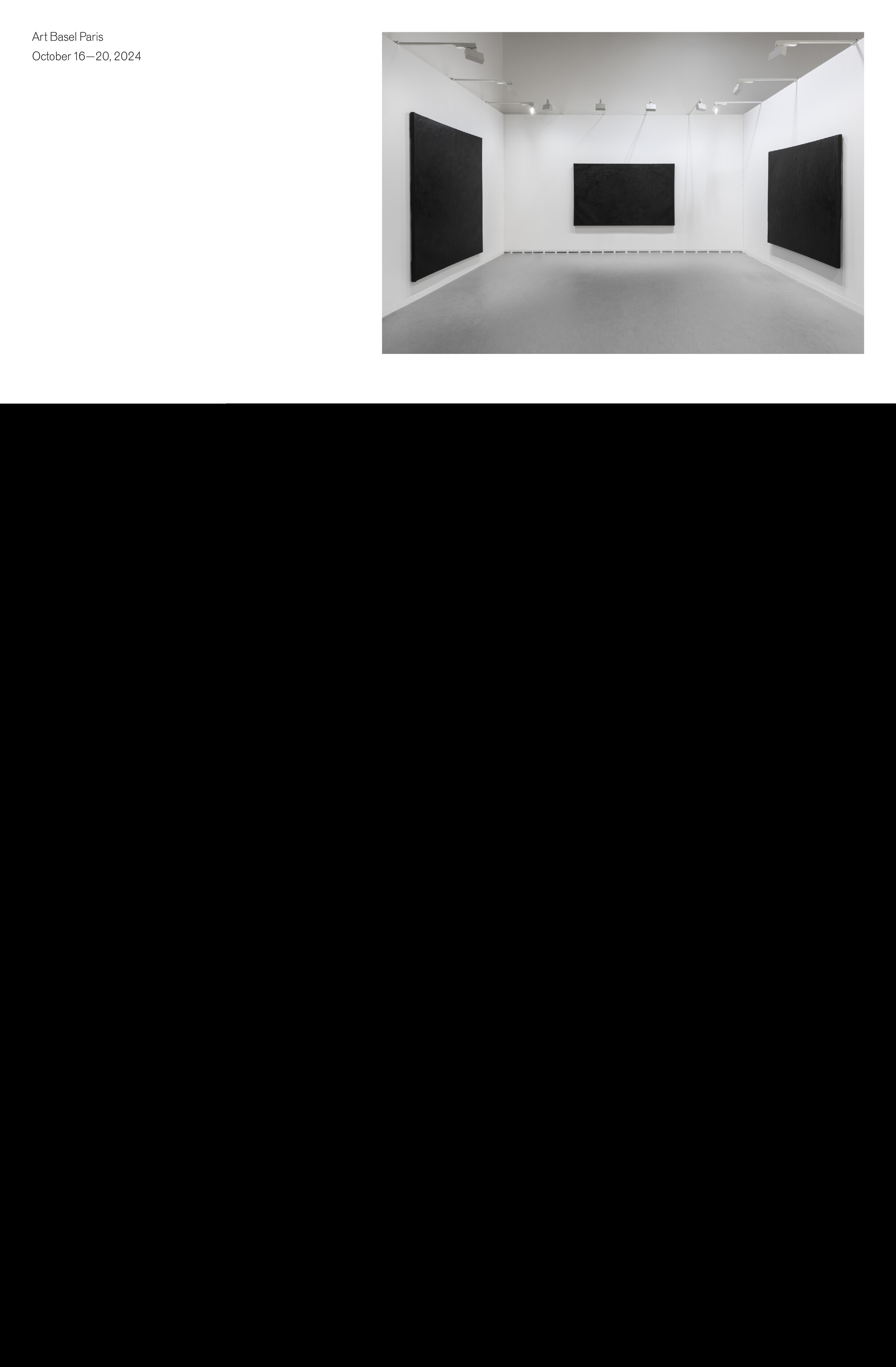
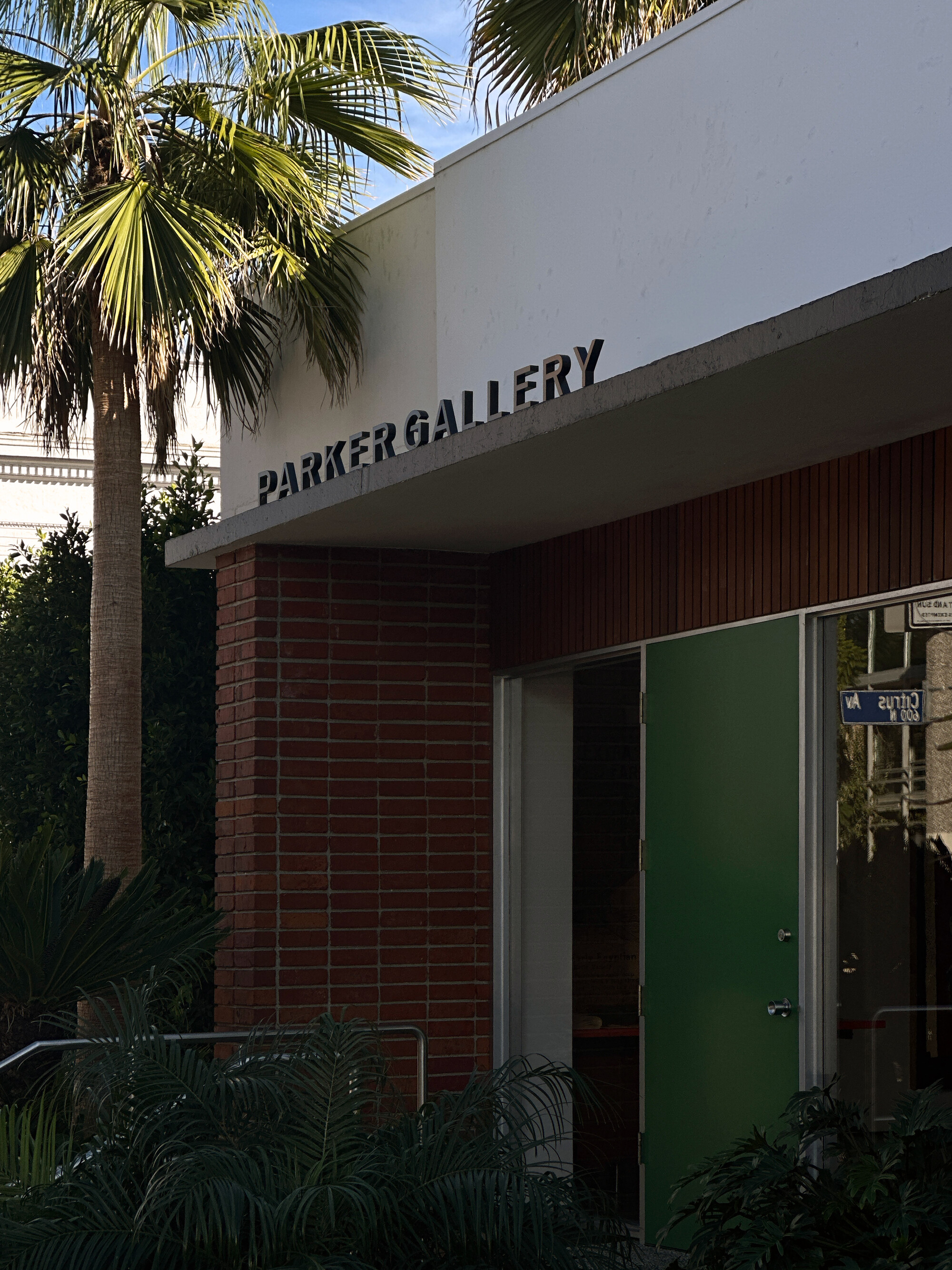
Originally run from a five-room historic Tudor home, Parker Gallery moved operations to a classic mid-century commercial structure on Melrose Blvd to provide artists with a more accessible, public-facing platform. The gallery is known for its focus on exhibitions which champion under-recognized artists with unique roots.
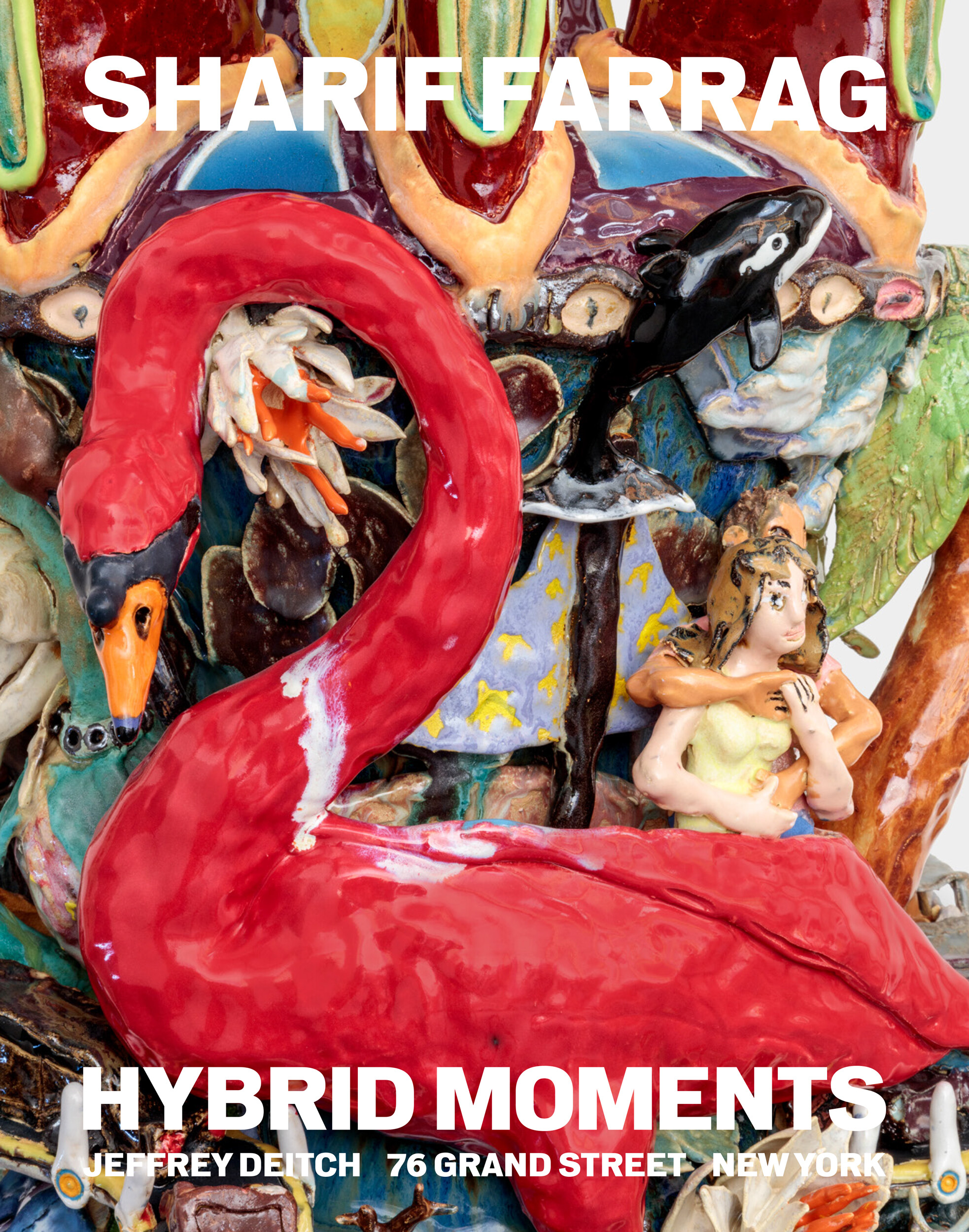
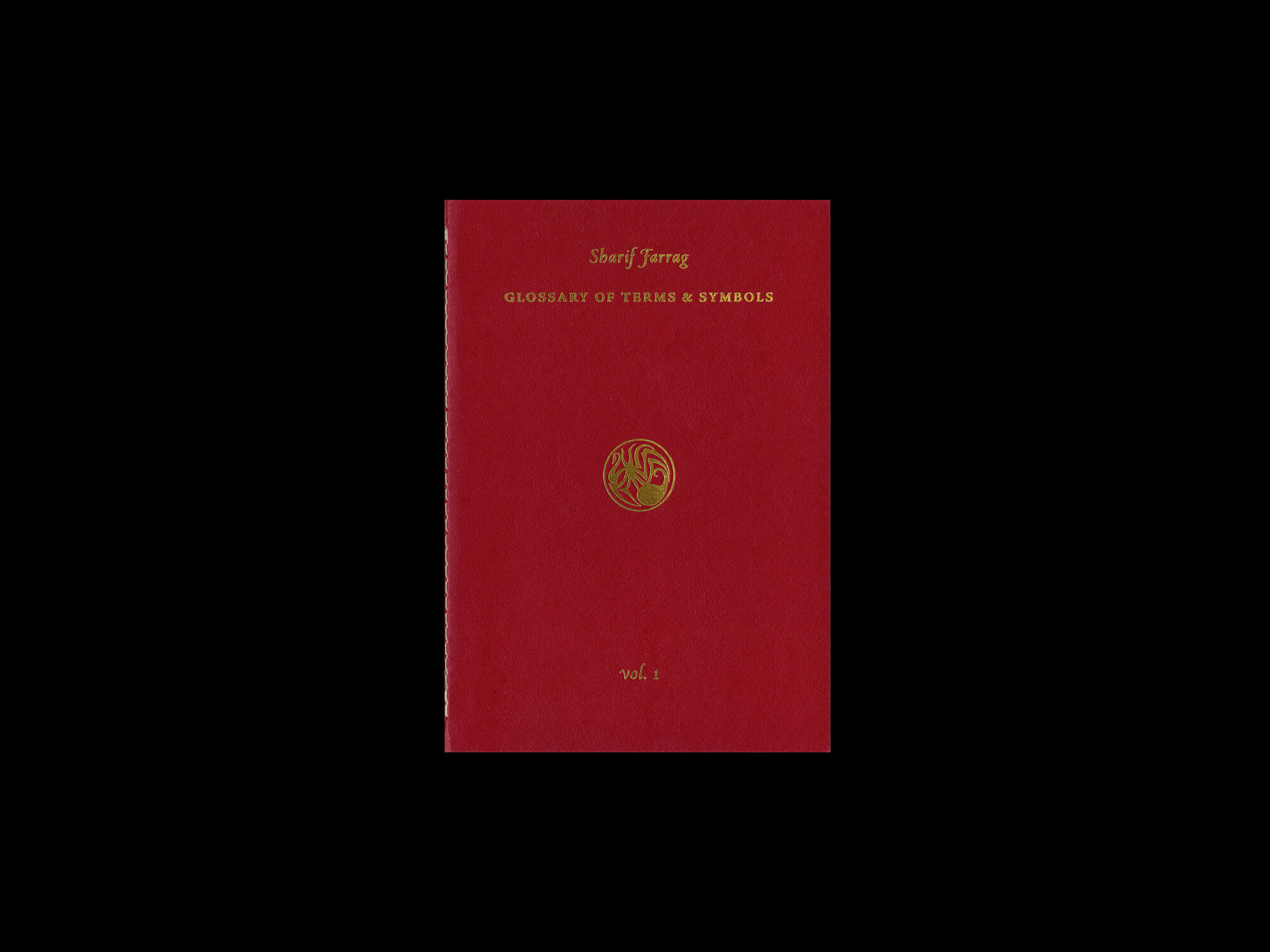
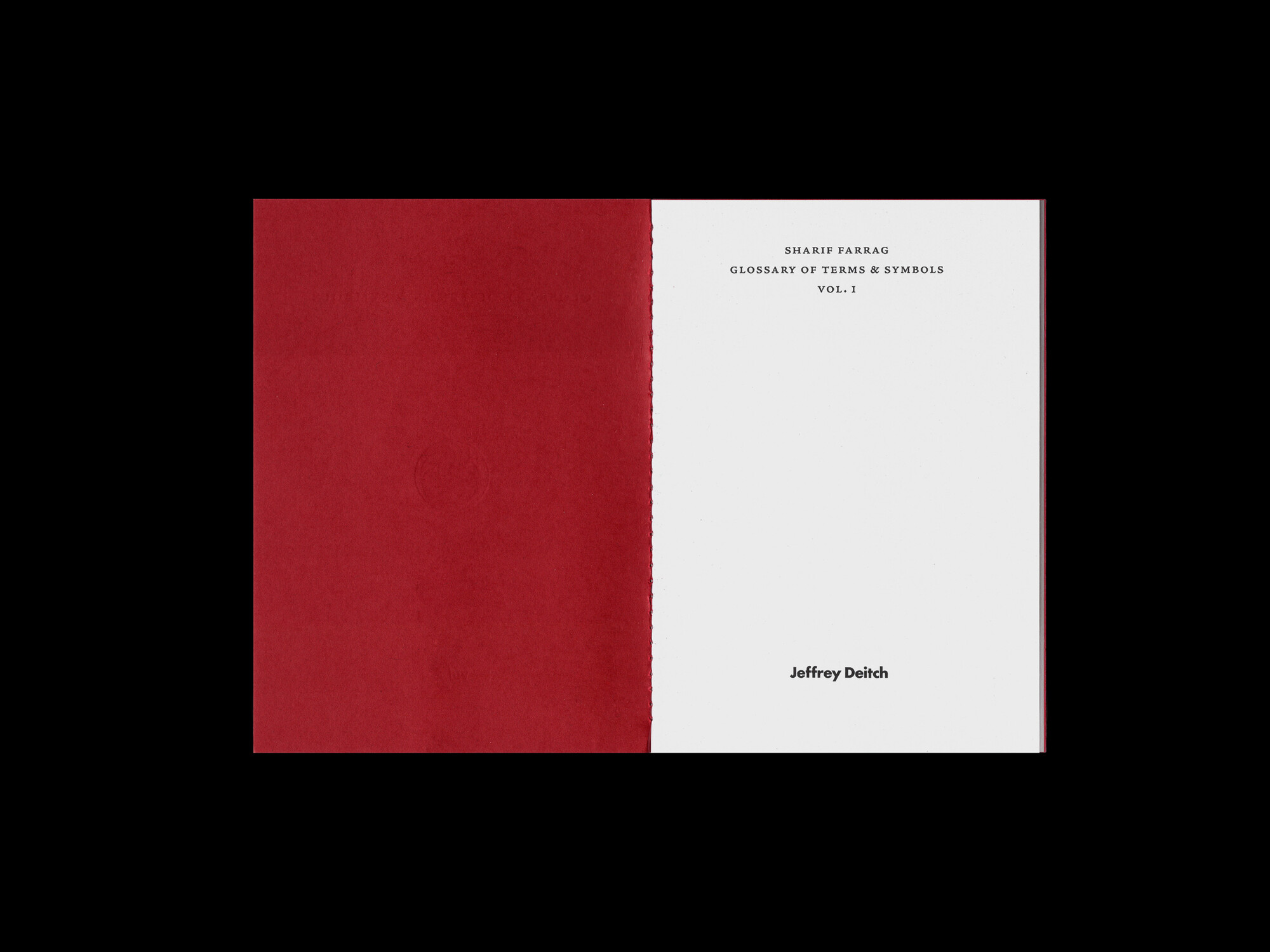
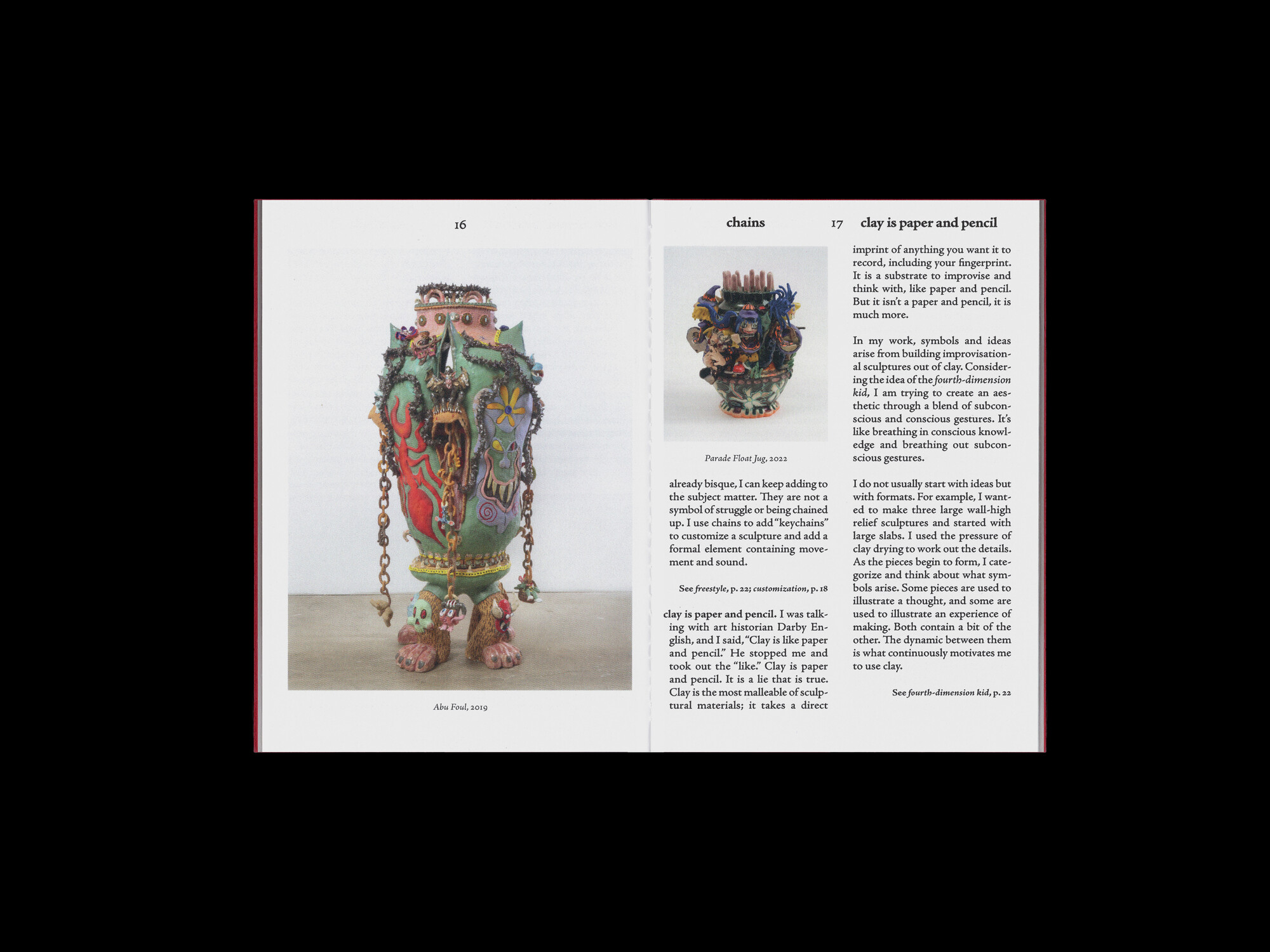
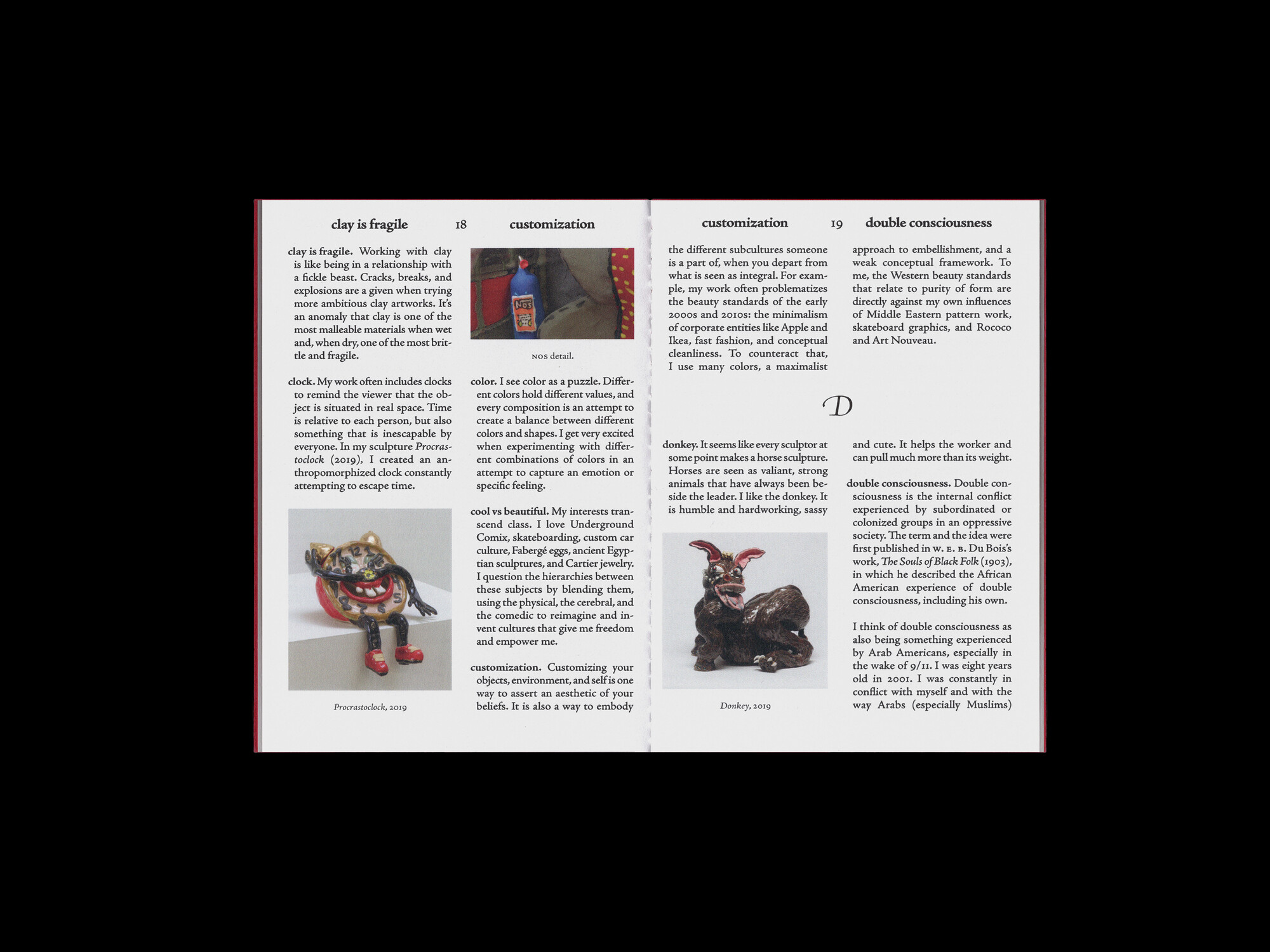
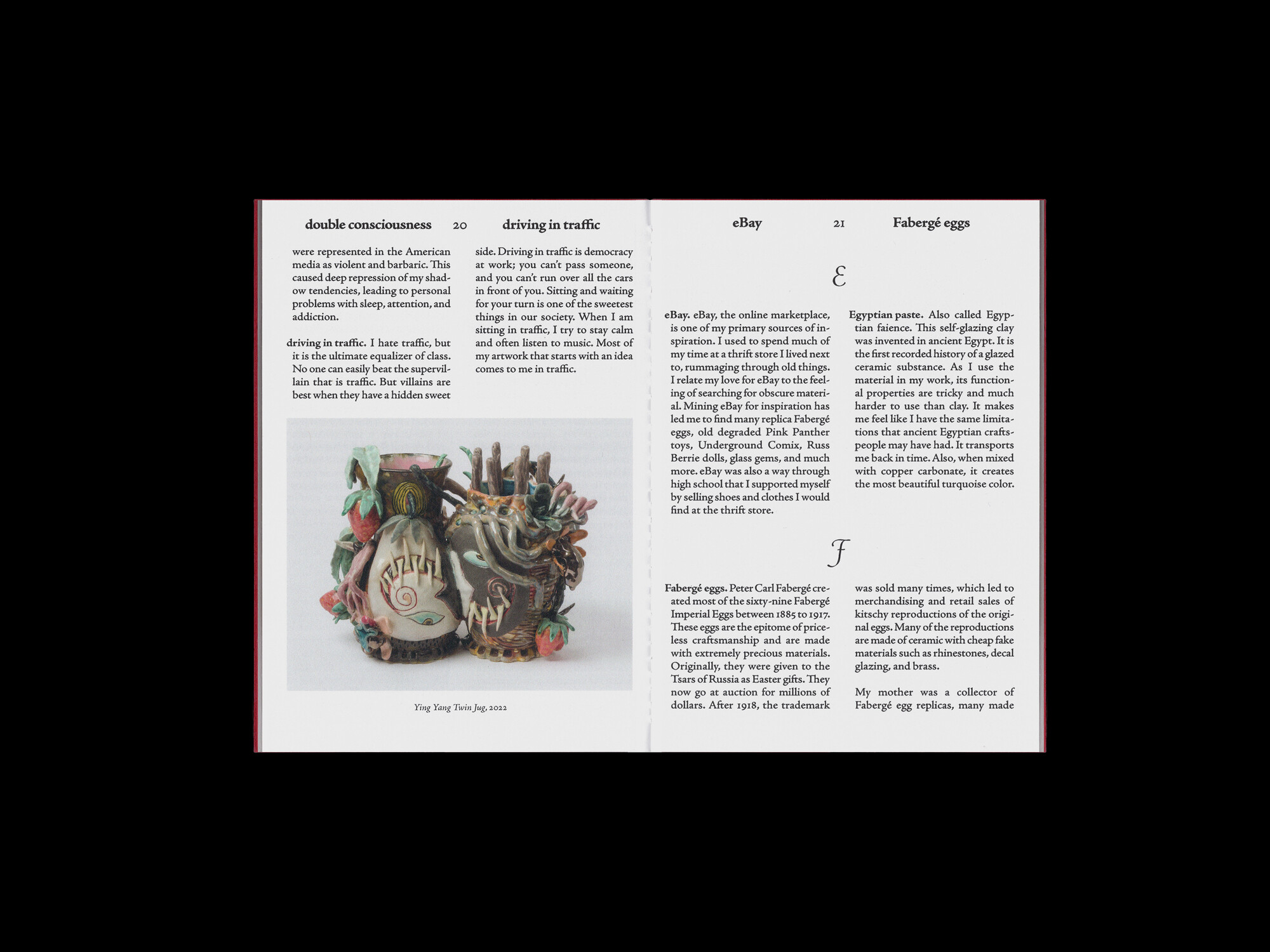
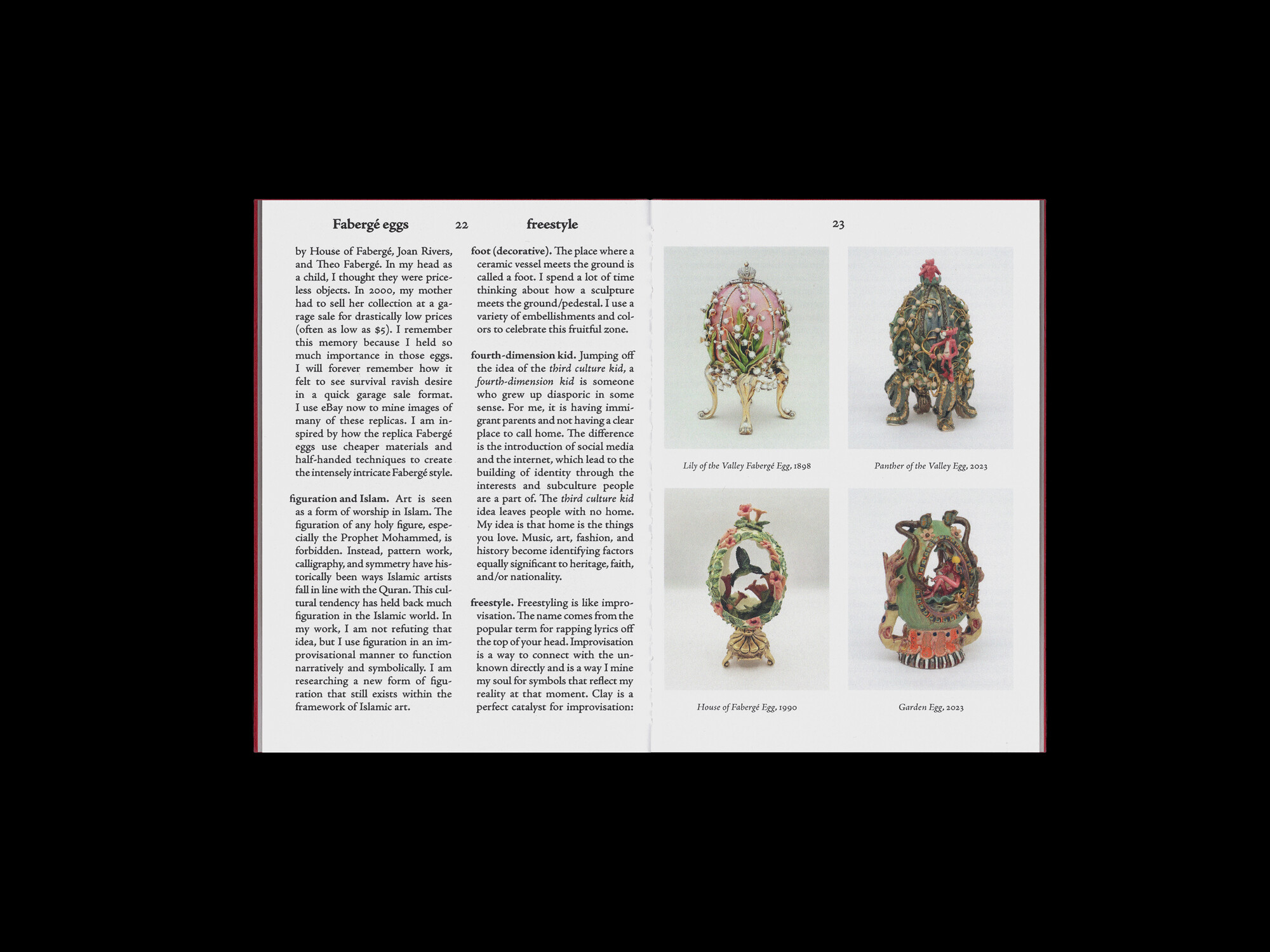
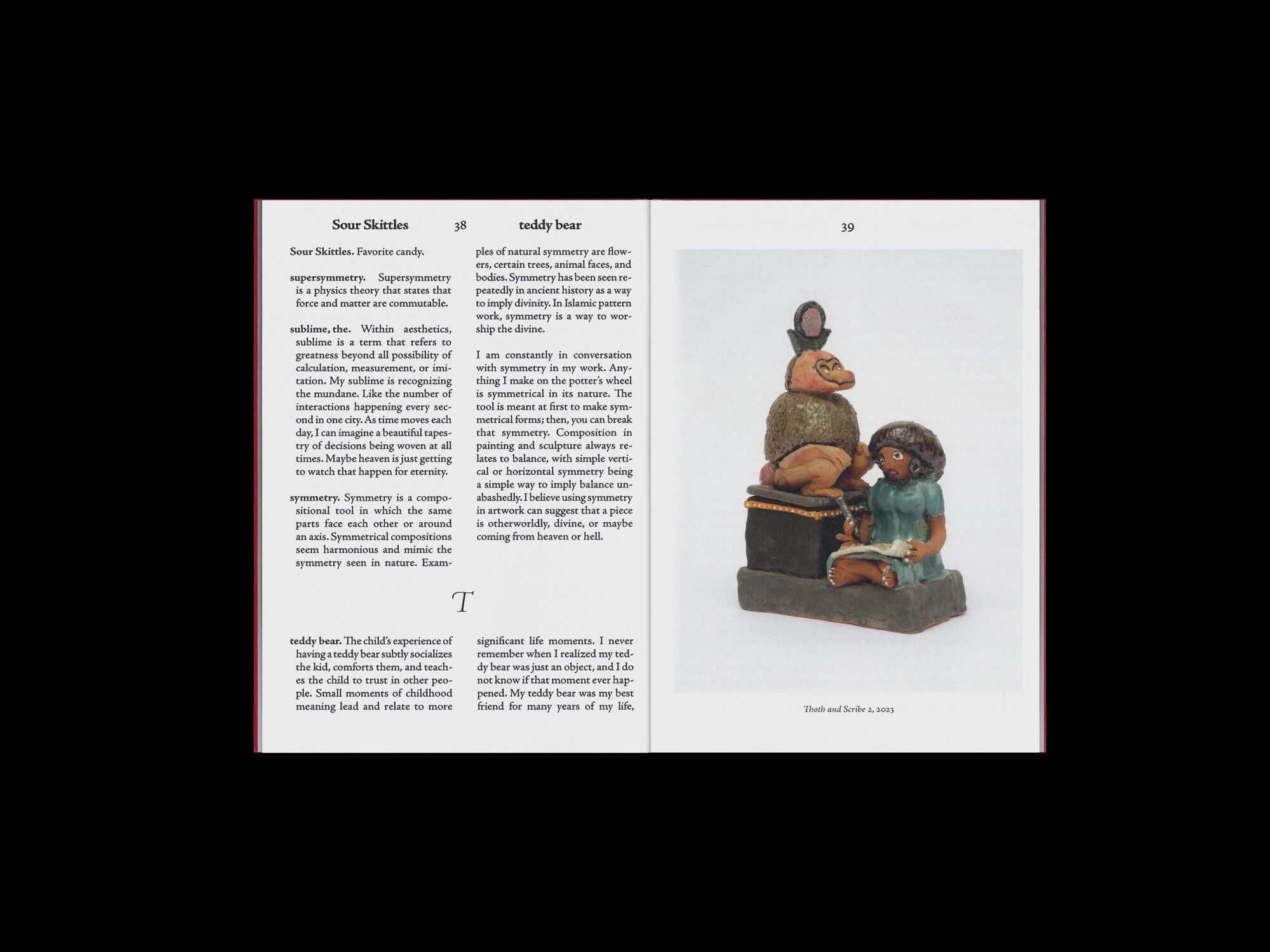
Limited-edition exhibition booklet for Sharif Farrag’s Hybrid Moments serving as an intimate guidebook to the artist’s background and visual language. The dictionary is adapted from Farrag’s MFA thesis at UCLA, which he treats as an evolving real-time record of his perspectives.
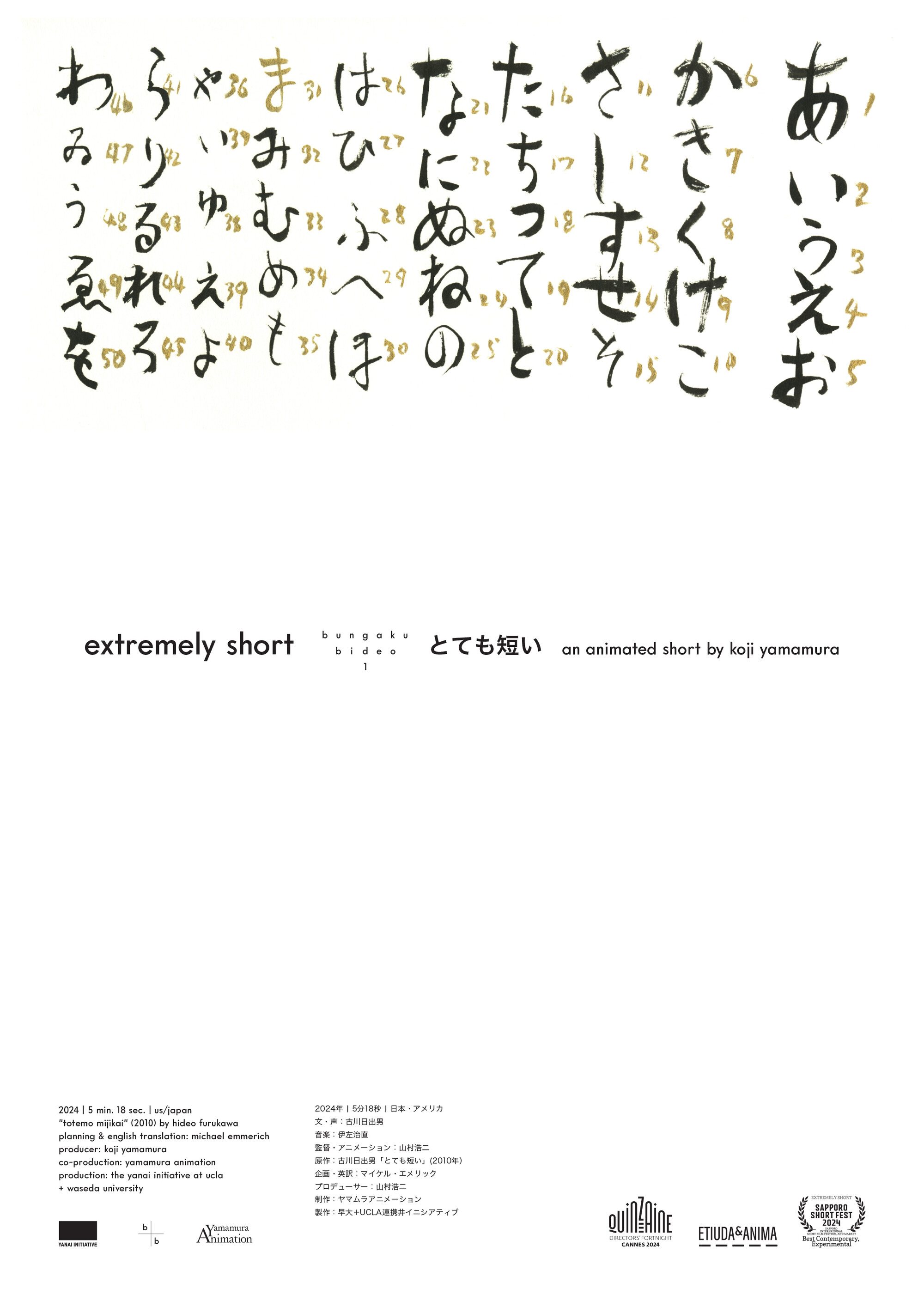
Bungaku Bideo is a film series bringing together films rooted in literature, moving poetry exploring the relationship between cinematic and written form. The initiative partnered with acclaimed independent animators and contemporary writers to introduce Japanese prose and poetry to international film festival audiences.
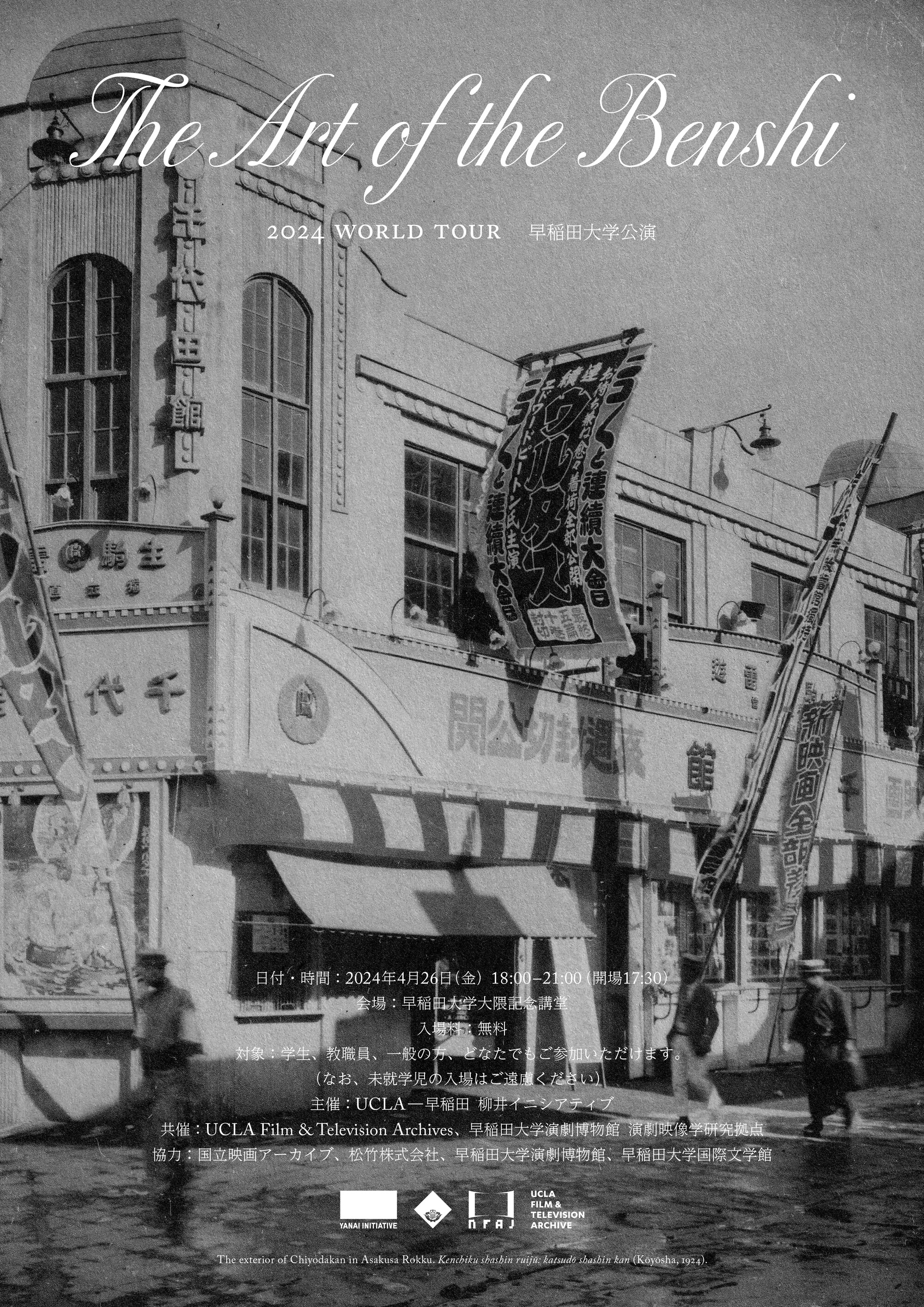
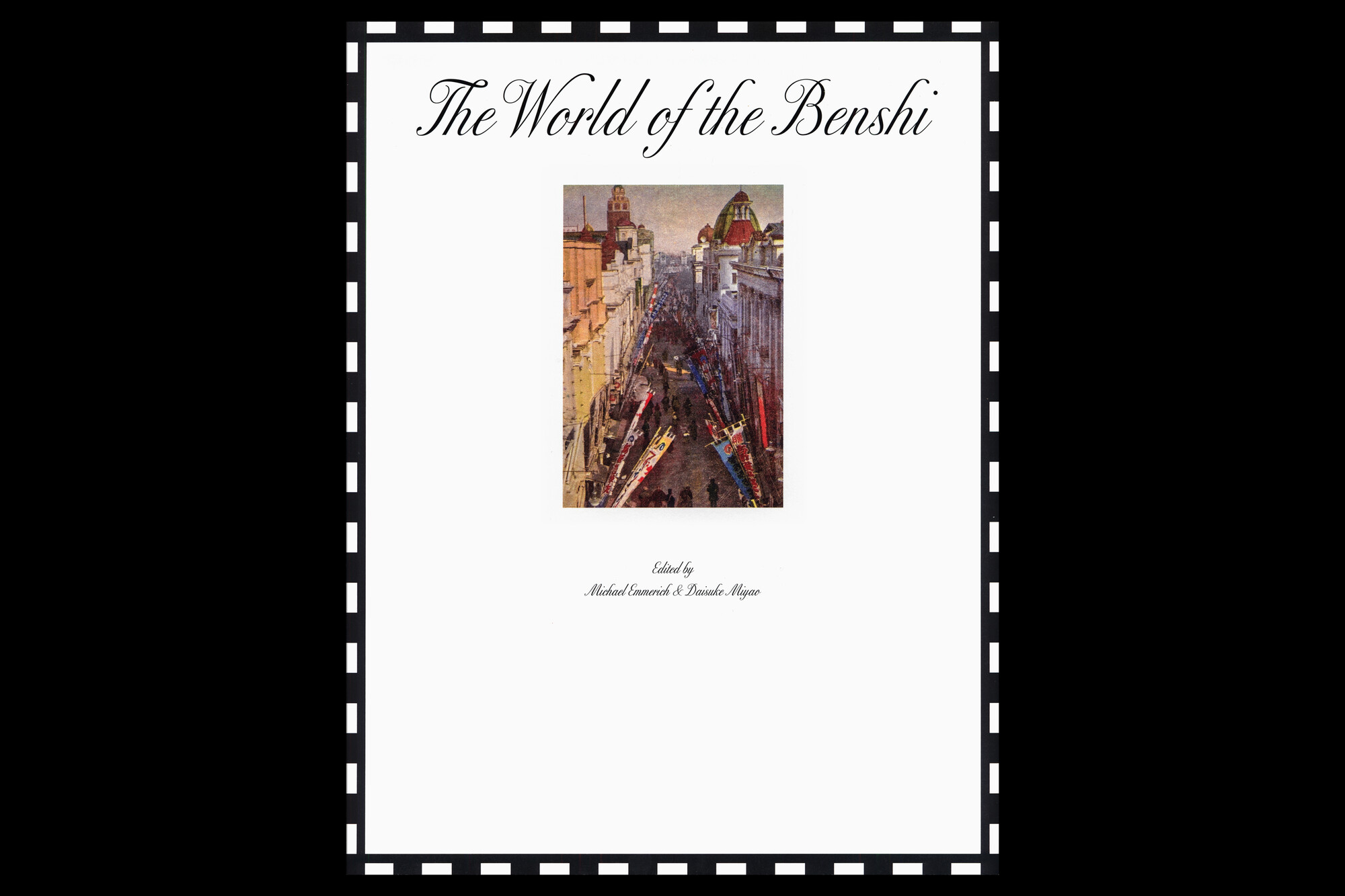
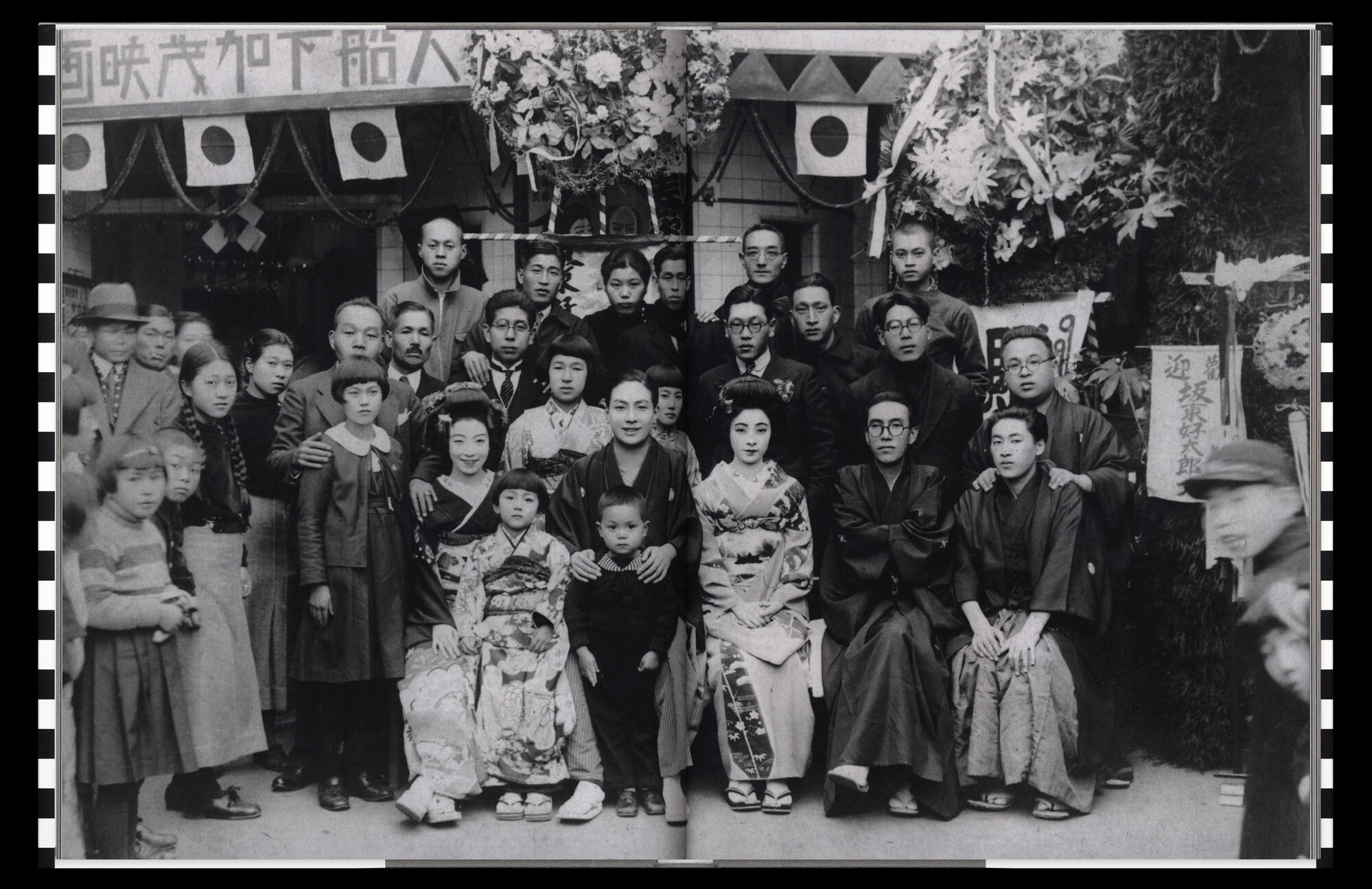
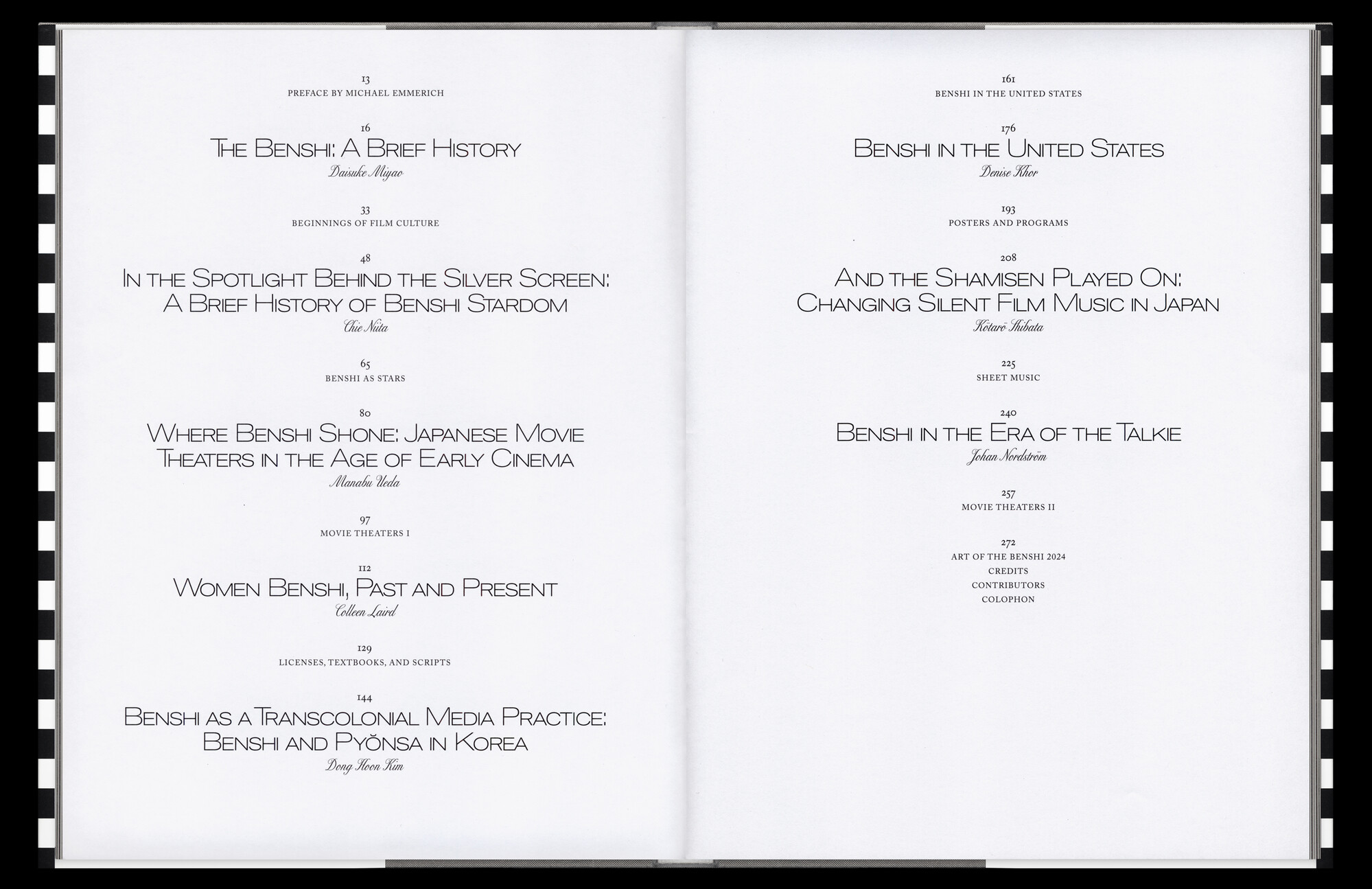
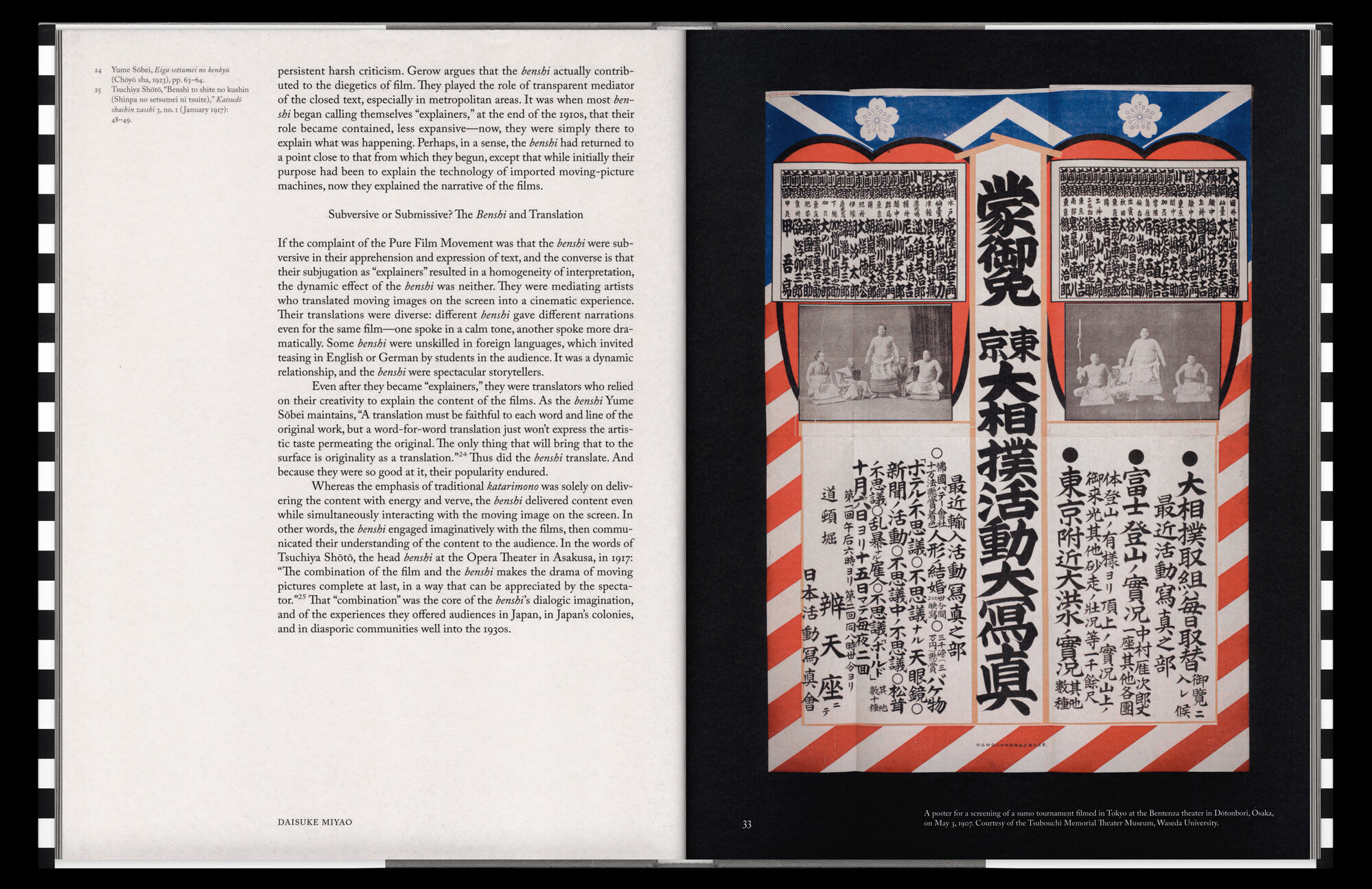
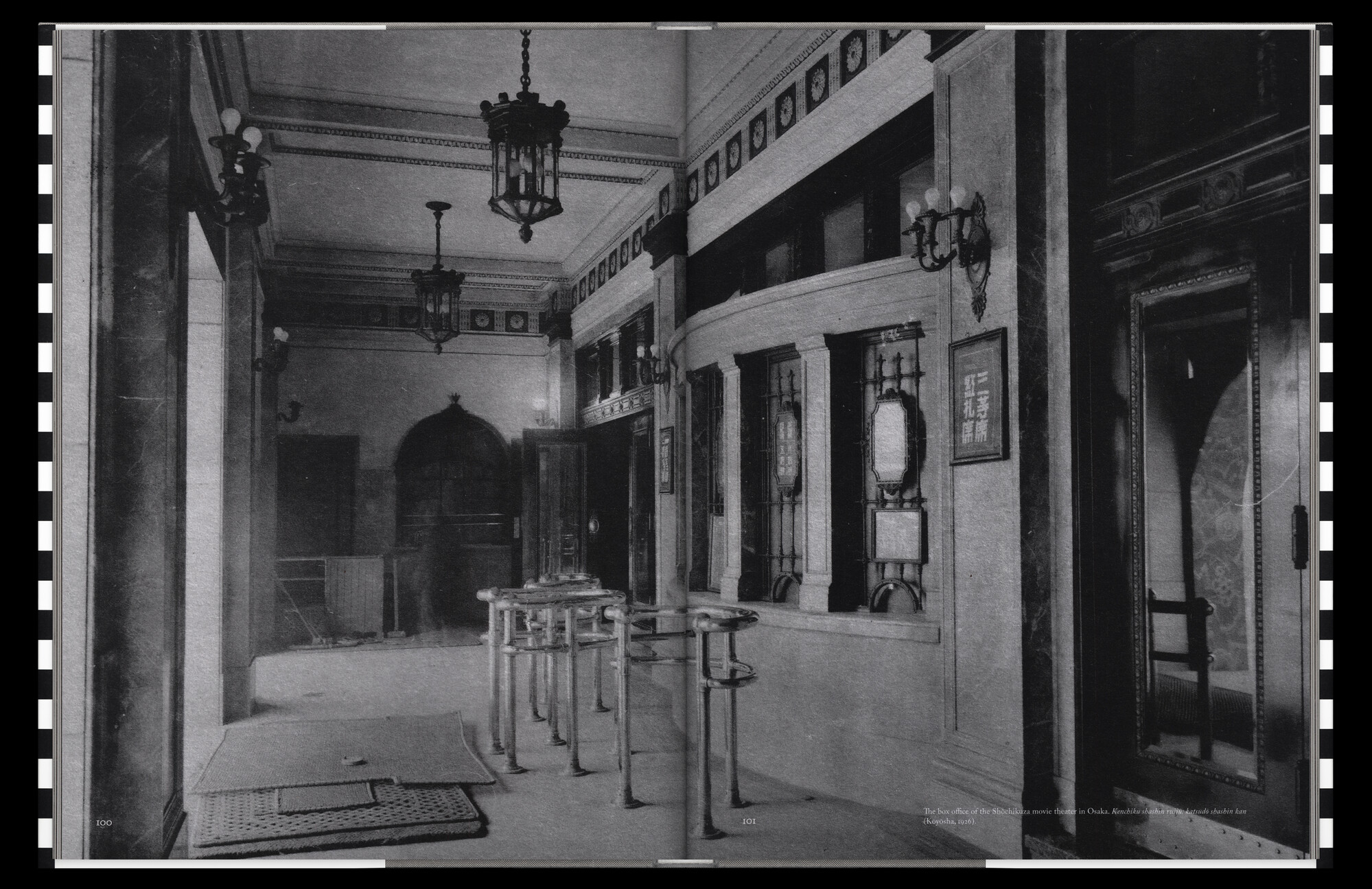
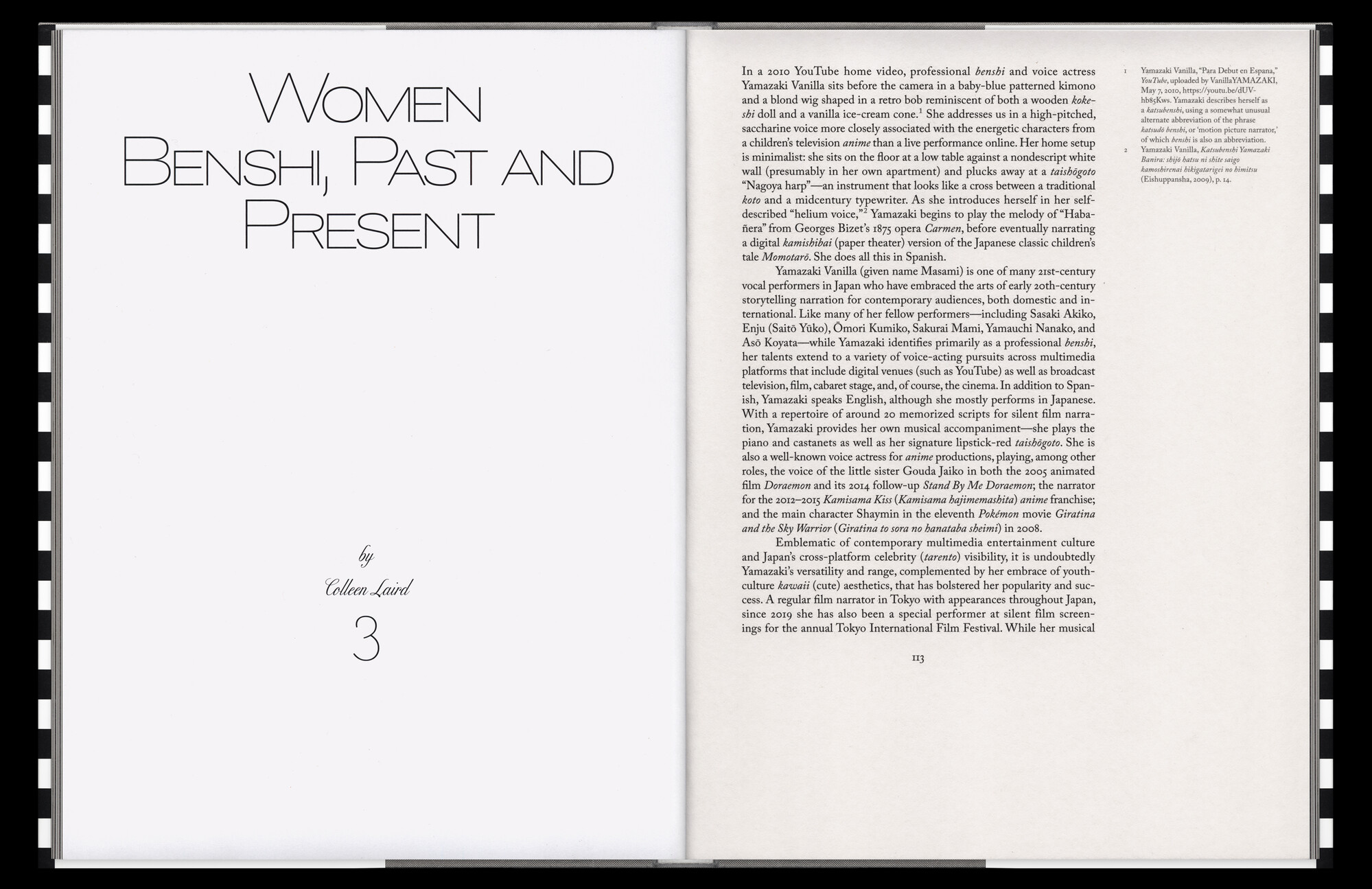
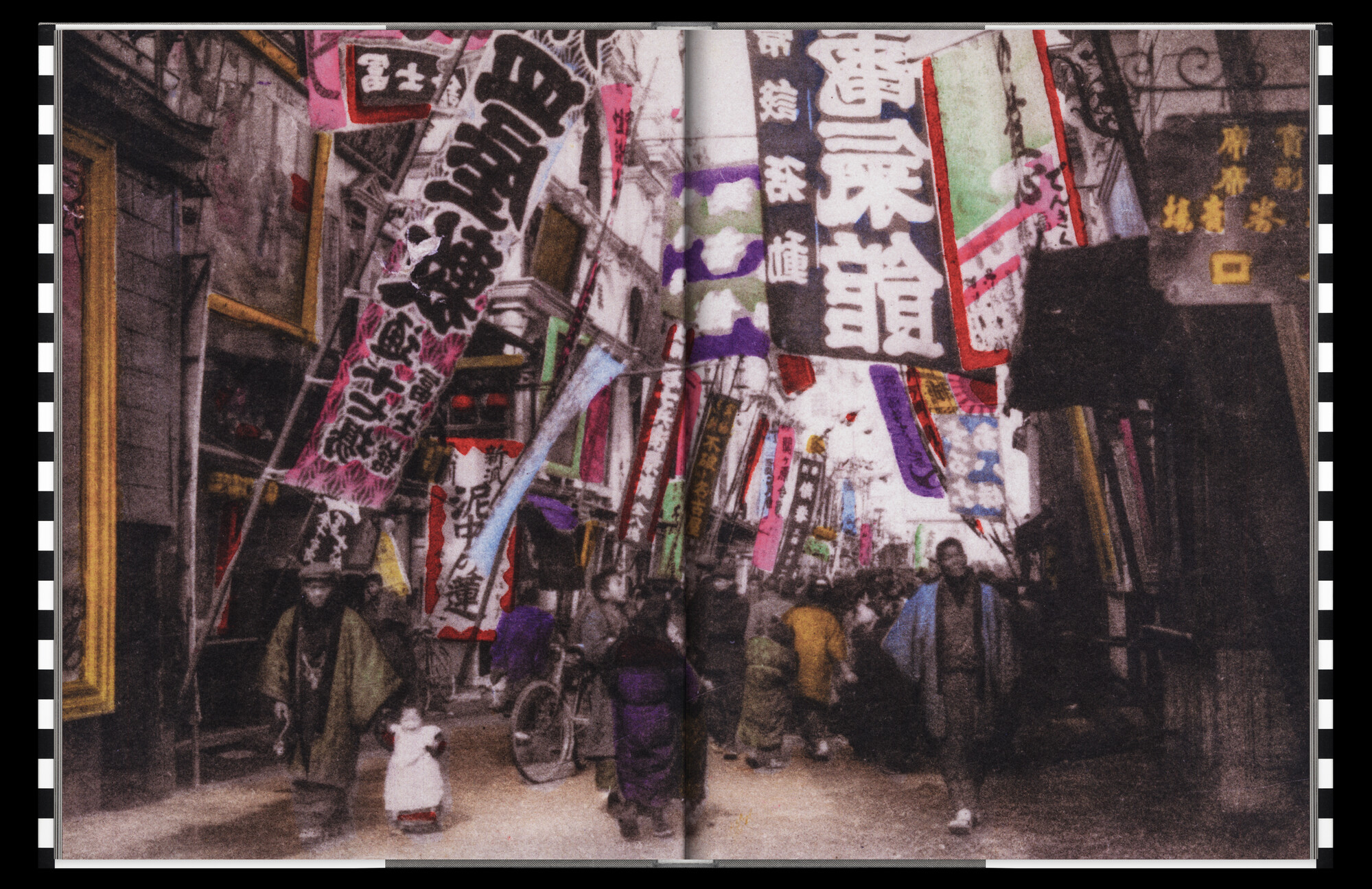
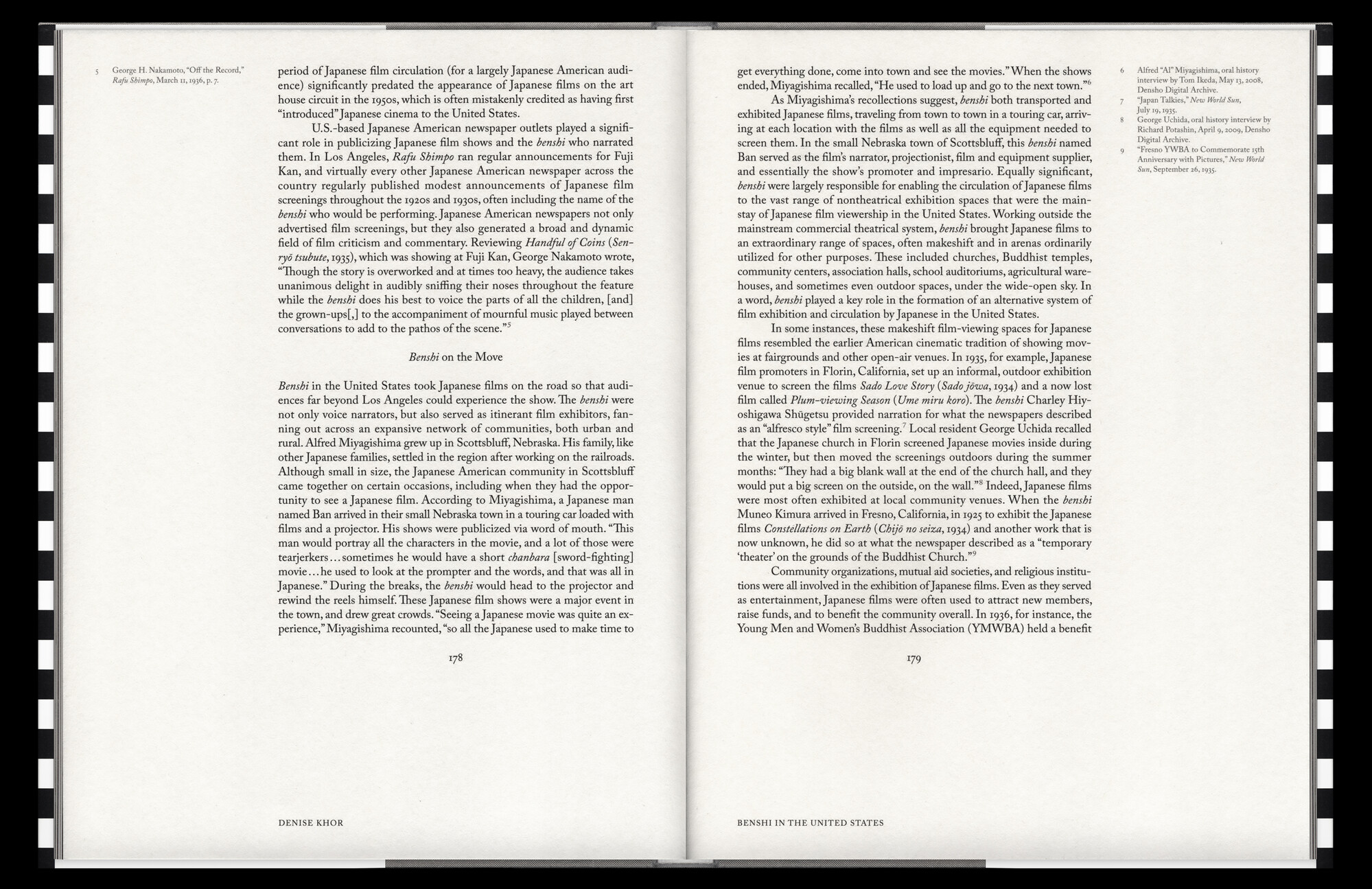
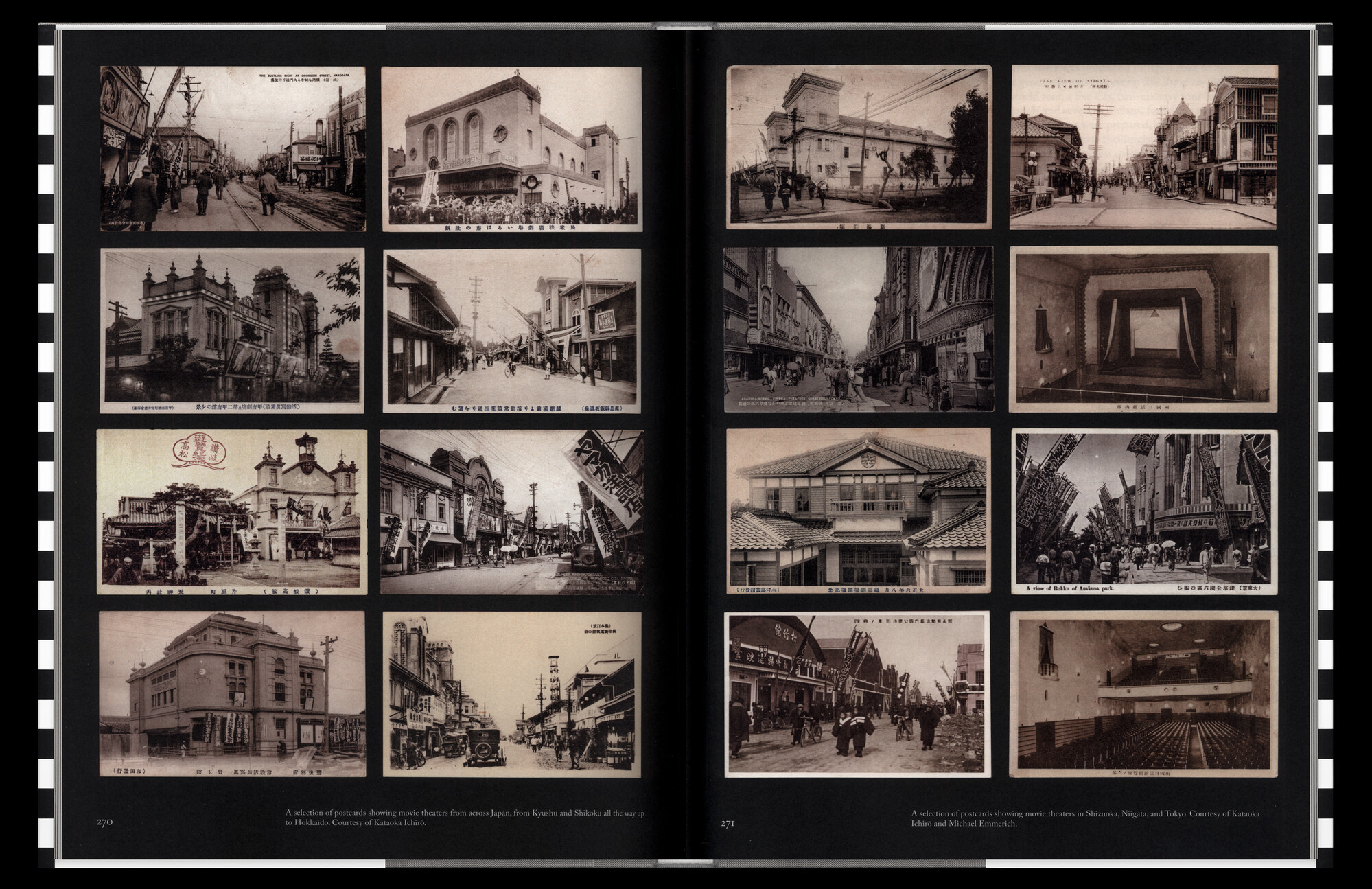
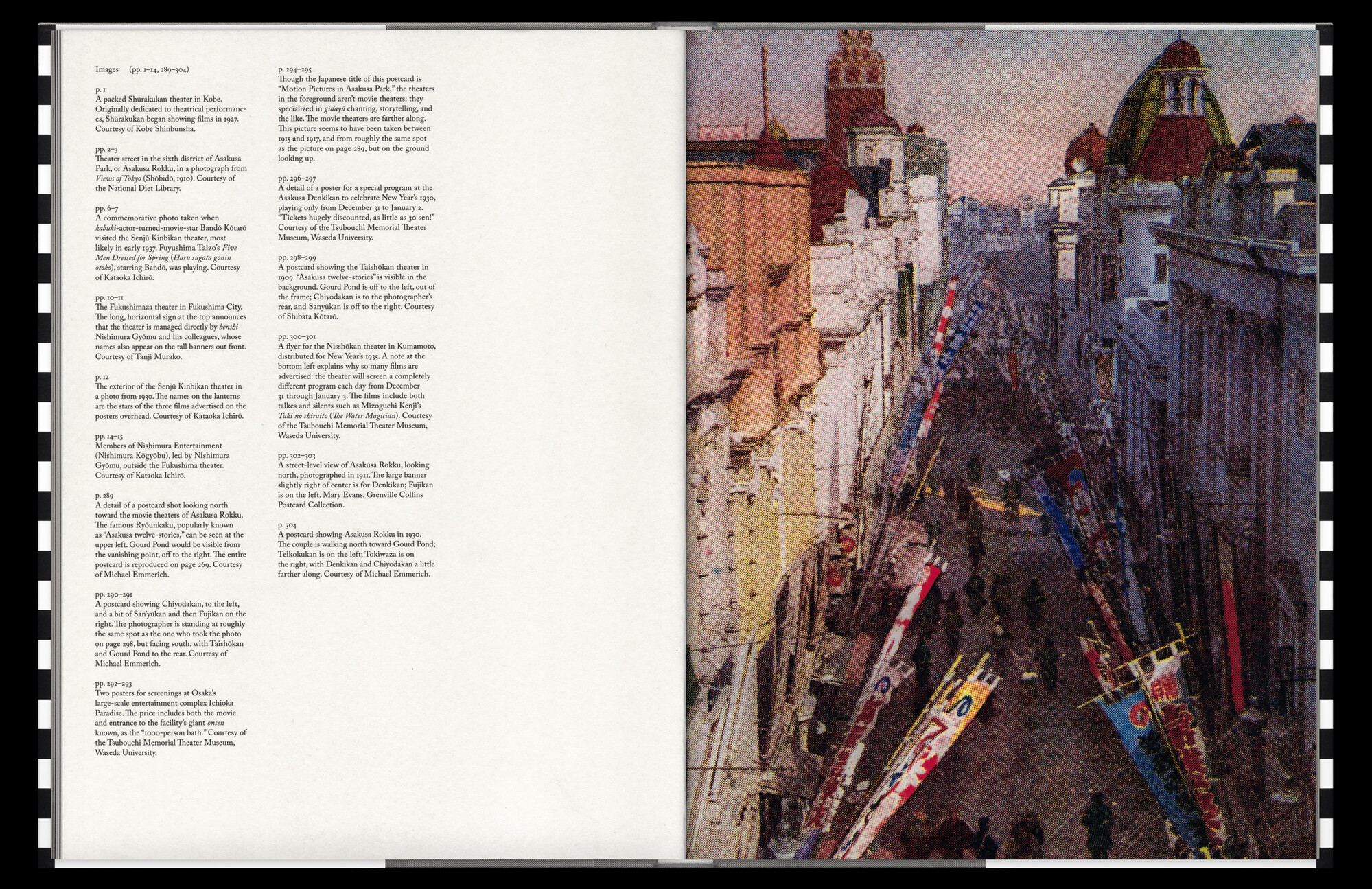
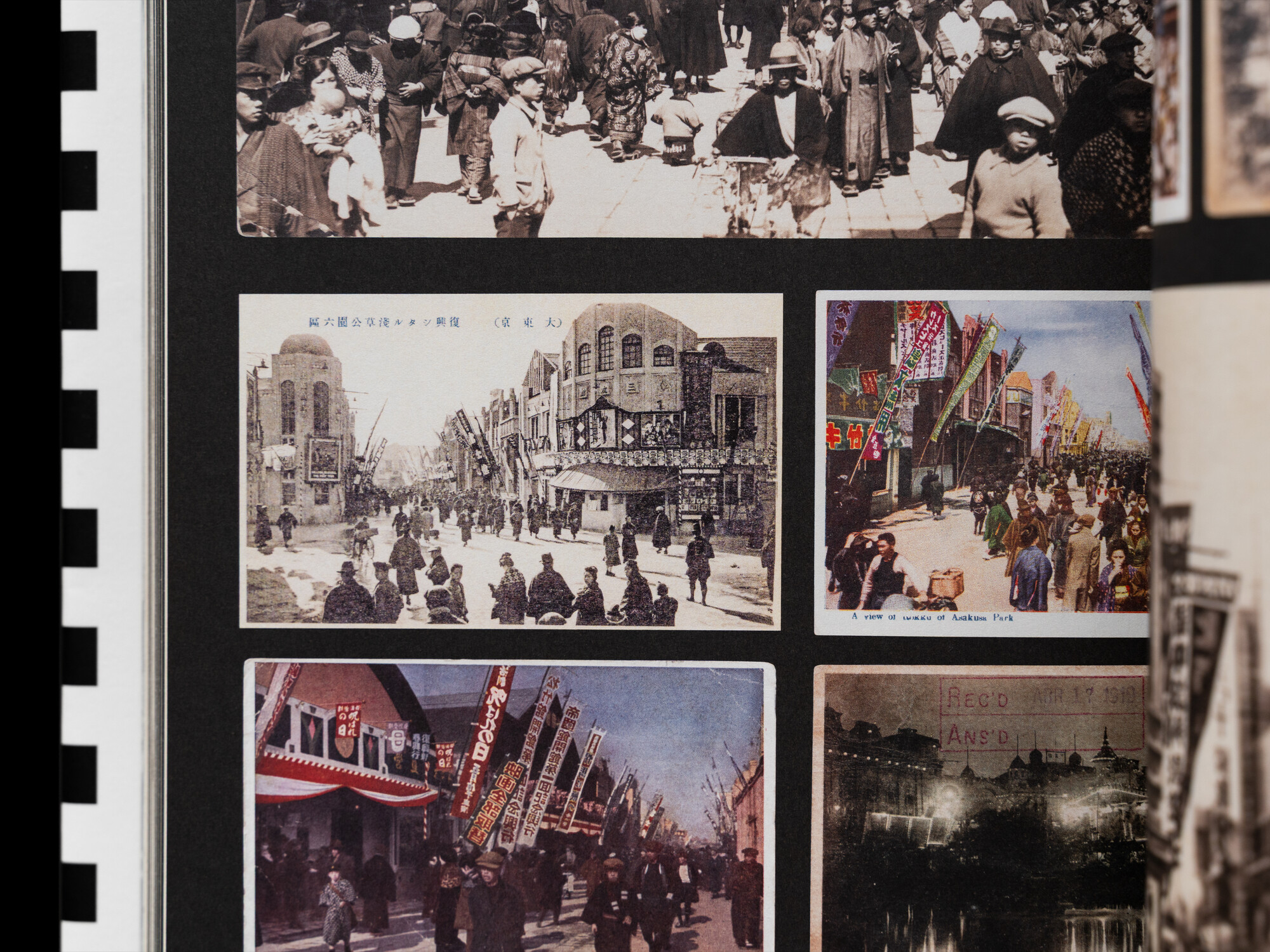
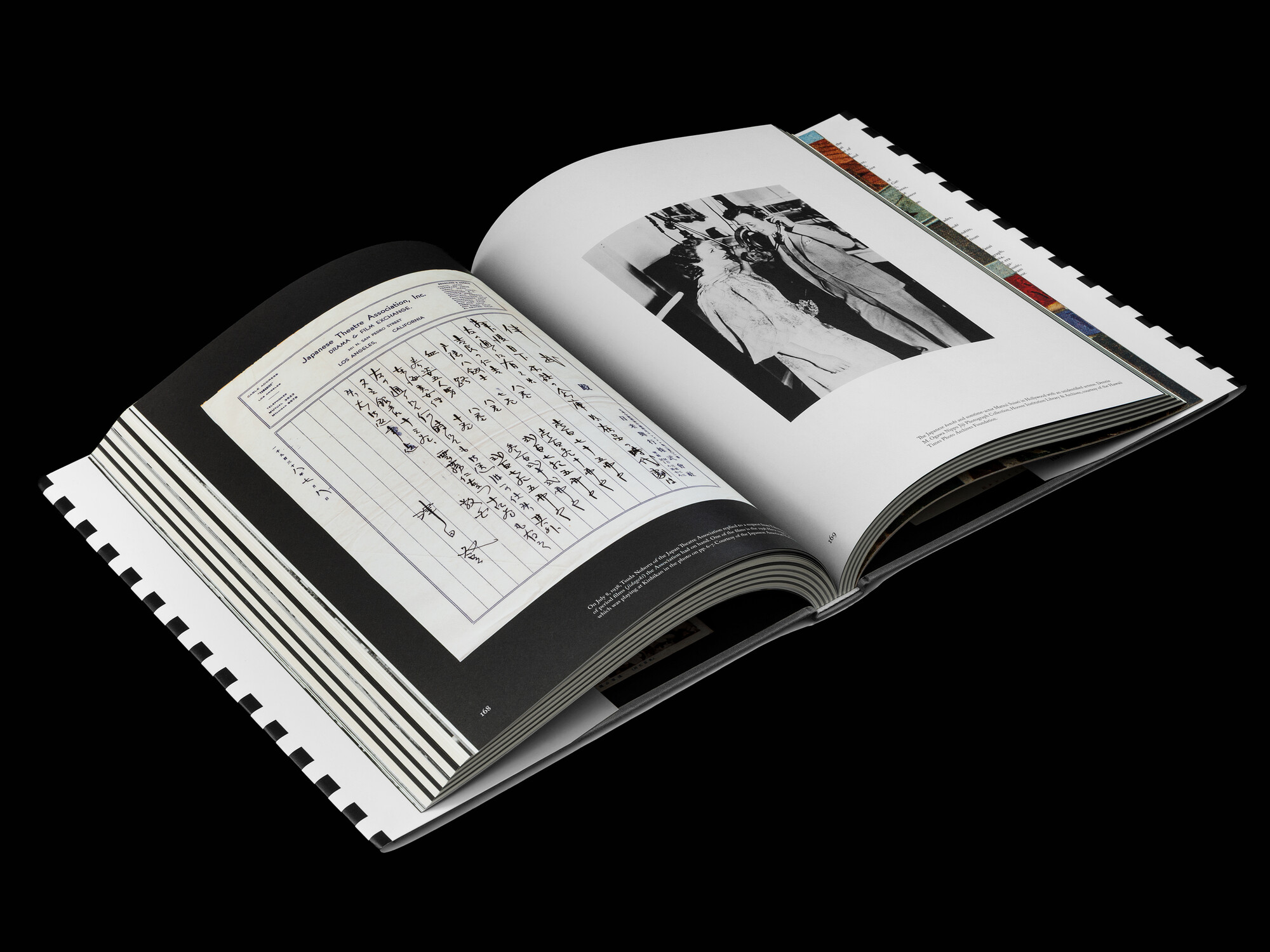
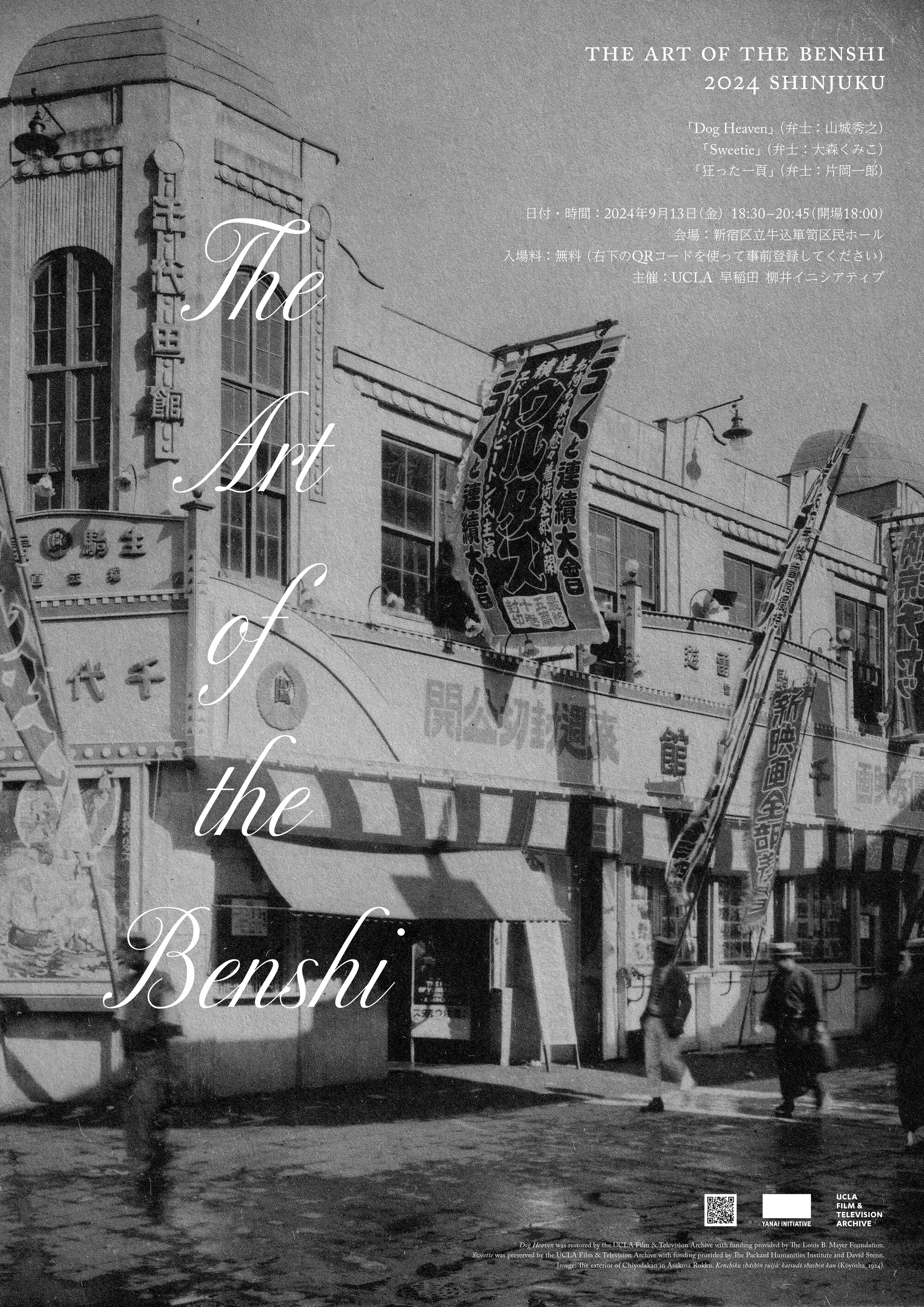
The World of the Benshi is a companion volume to the Art of the Benshi world tour organized by the Yanai Initiative for Globalizing Japanese Humanities. The book features more than 300 rare images compiled from archives and private collections around the world, showcasing historic movie theaters, promotional materials, and rare film stills. Essays uncover the phenomenon of the benshi stardom, evolution of the theater architecture, how live performance changed in Japan in the silent film era.
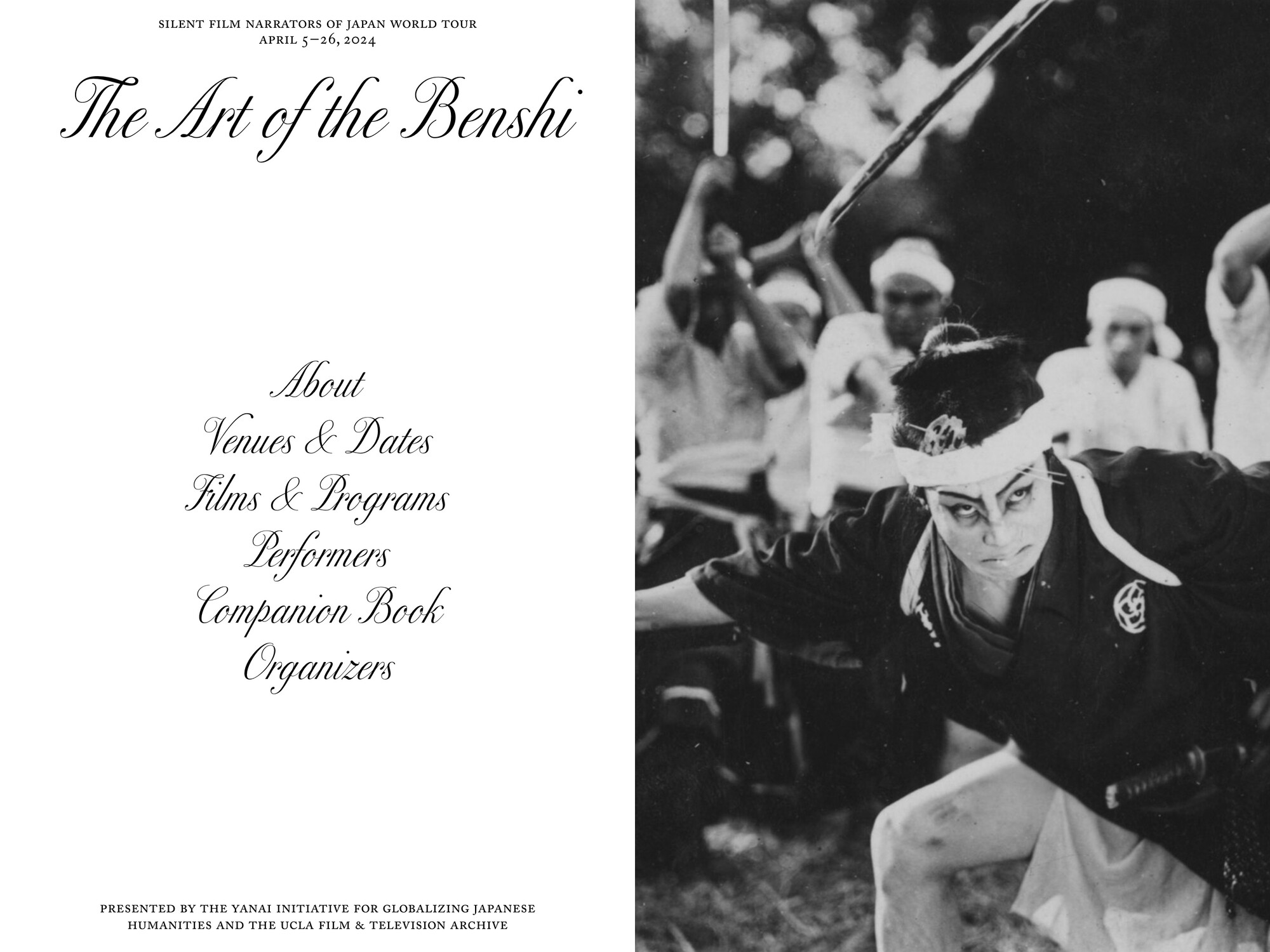
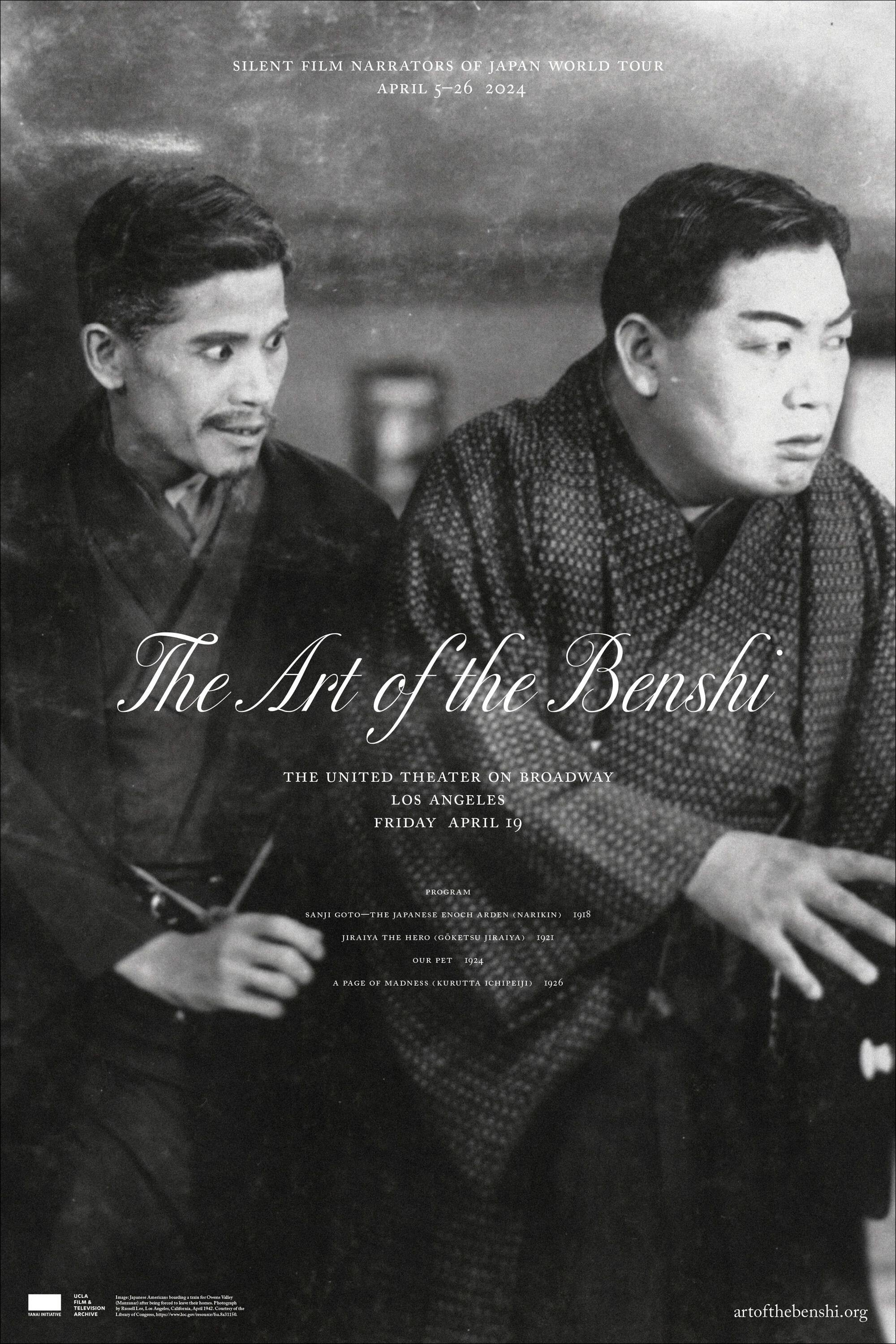
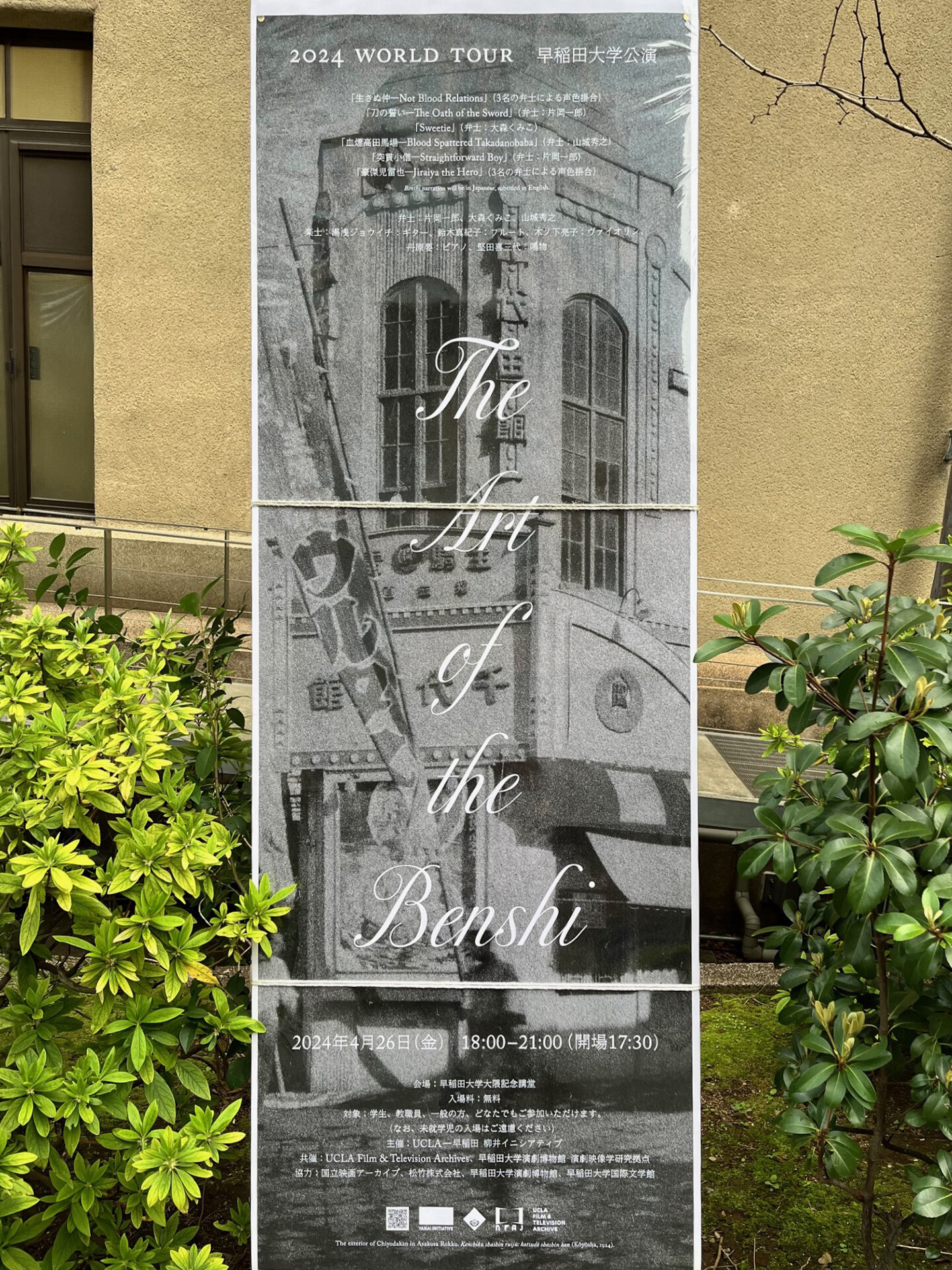
The Art of the Benshi World Tour, presented by the Yanai Initiative and the UCLA Film & Television Archive, brings the rare, century-old Japanese cinematic tradition back to live audiences. The tour travels to New York, Washington, D.C., Chicago, Los Angeles, Tokyo, Provo, and Santa Barbara.
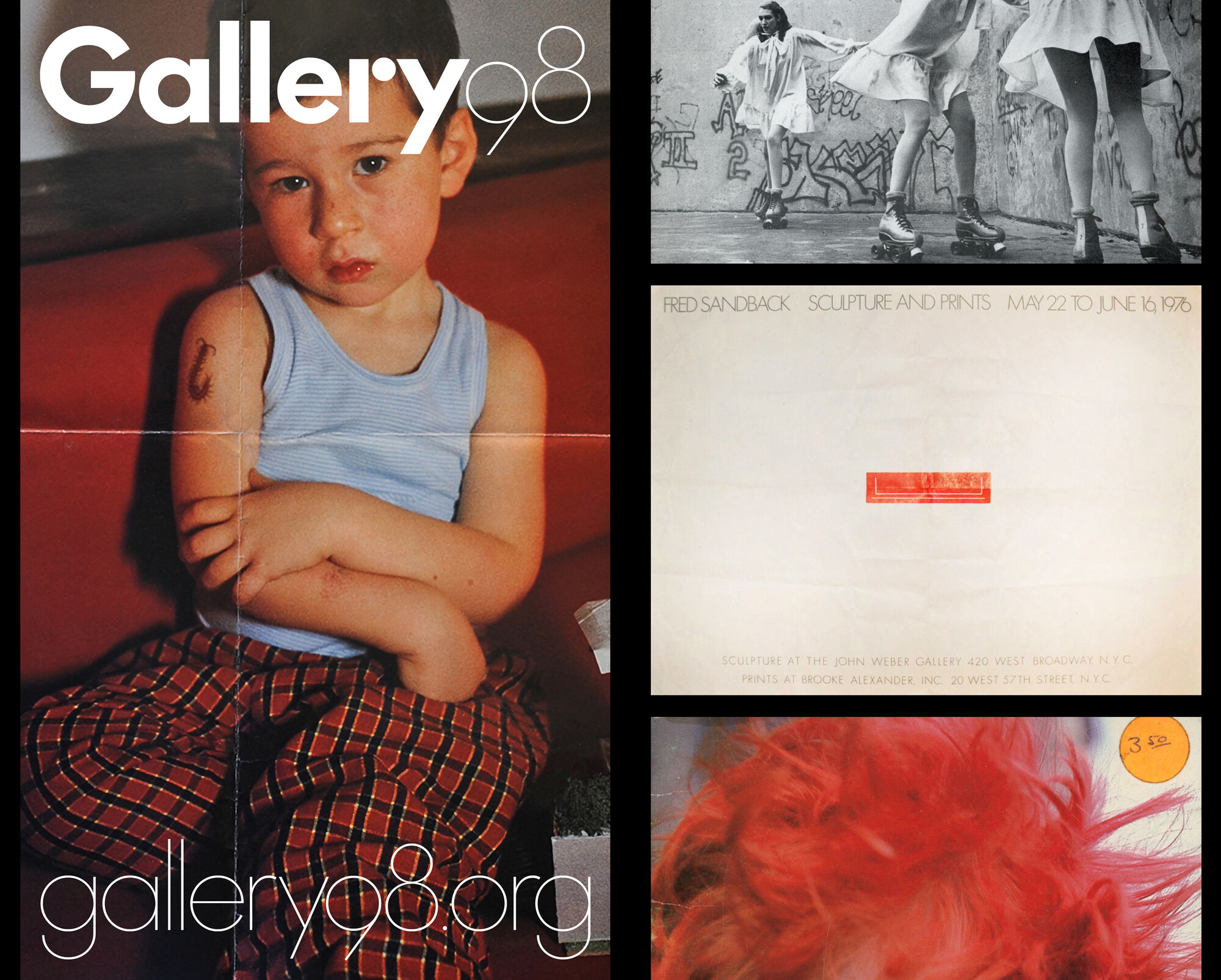
Gallery 98 is an active online archive for curator Marc H. Miller’s collection of arts ephemera from the 1960s–1990s, centered around his long involvement in the New York art world. The collection catalogs thousands of items across announcement cards, posters, and publications connected through artists, galleries, nightclubs, and themes, while retaining the hand-built nature of Miller’s practice.
The Carnegie Museum of Art is the first museum in the United States dedicated to collecting art of its times. In other words, it’s the first museum dedicated to contemporary art. The website features an expressive typography forward approach which maintains its legibility through a robust and modular design system, and is reflected in its data model and backend user experience.
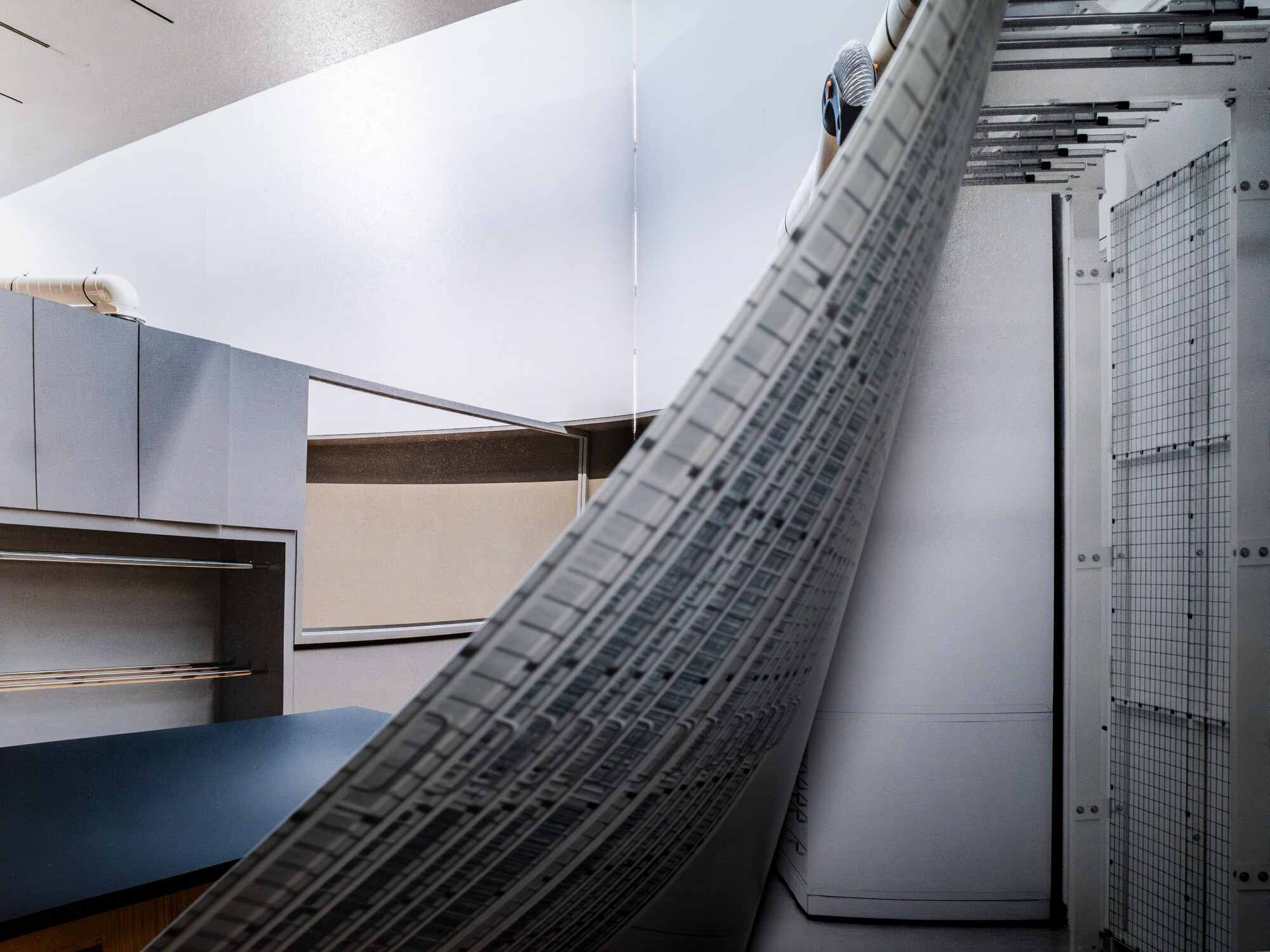
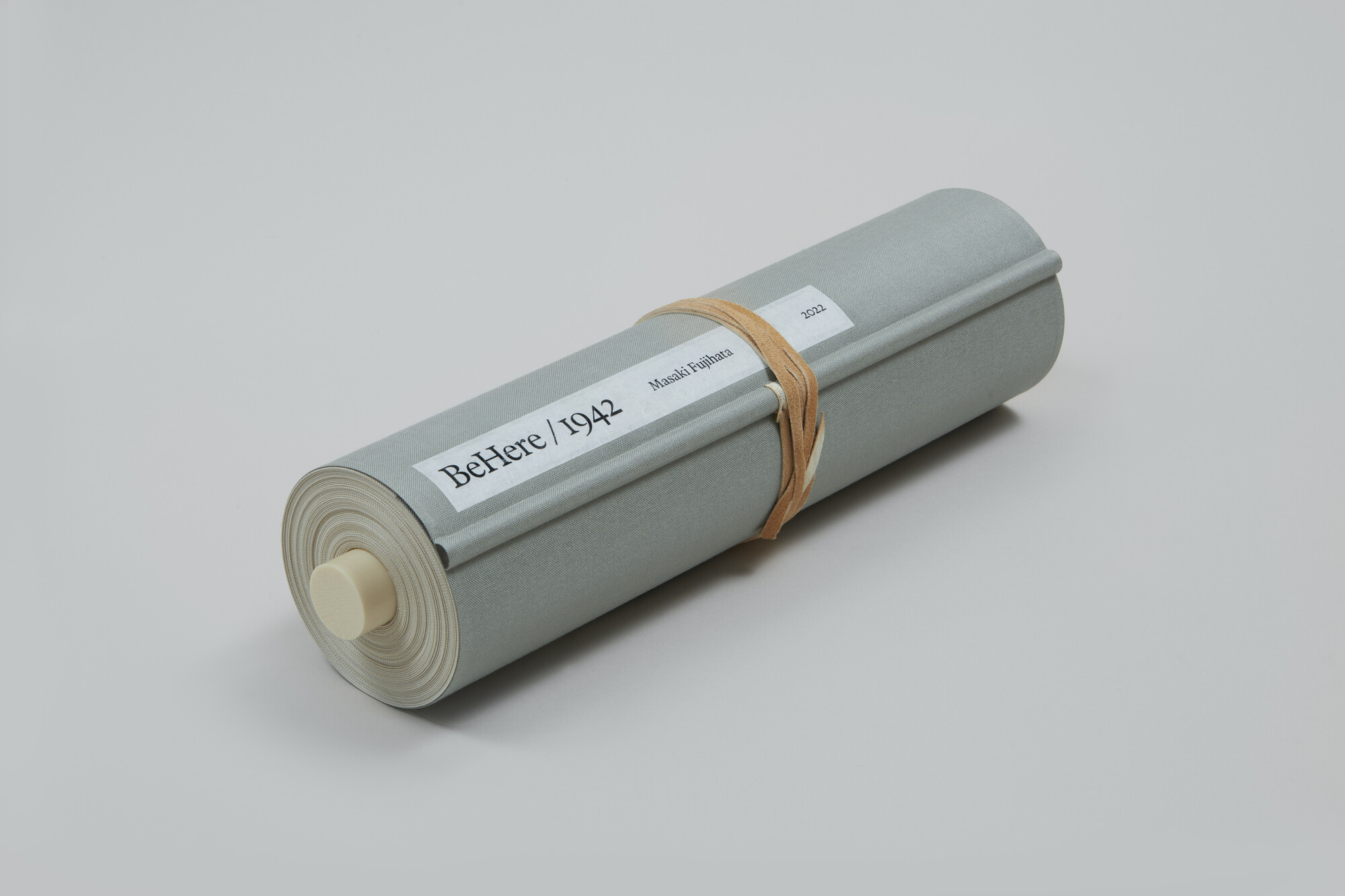
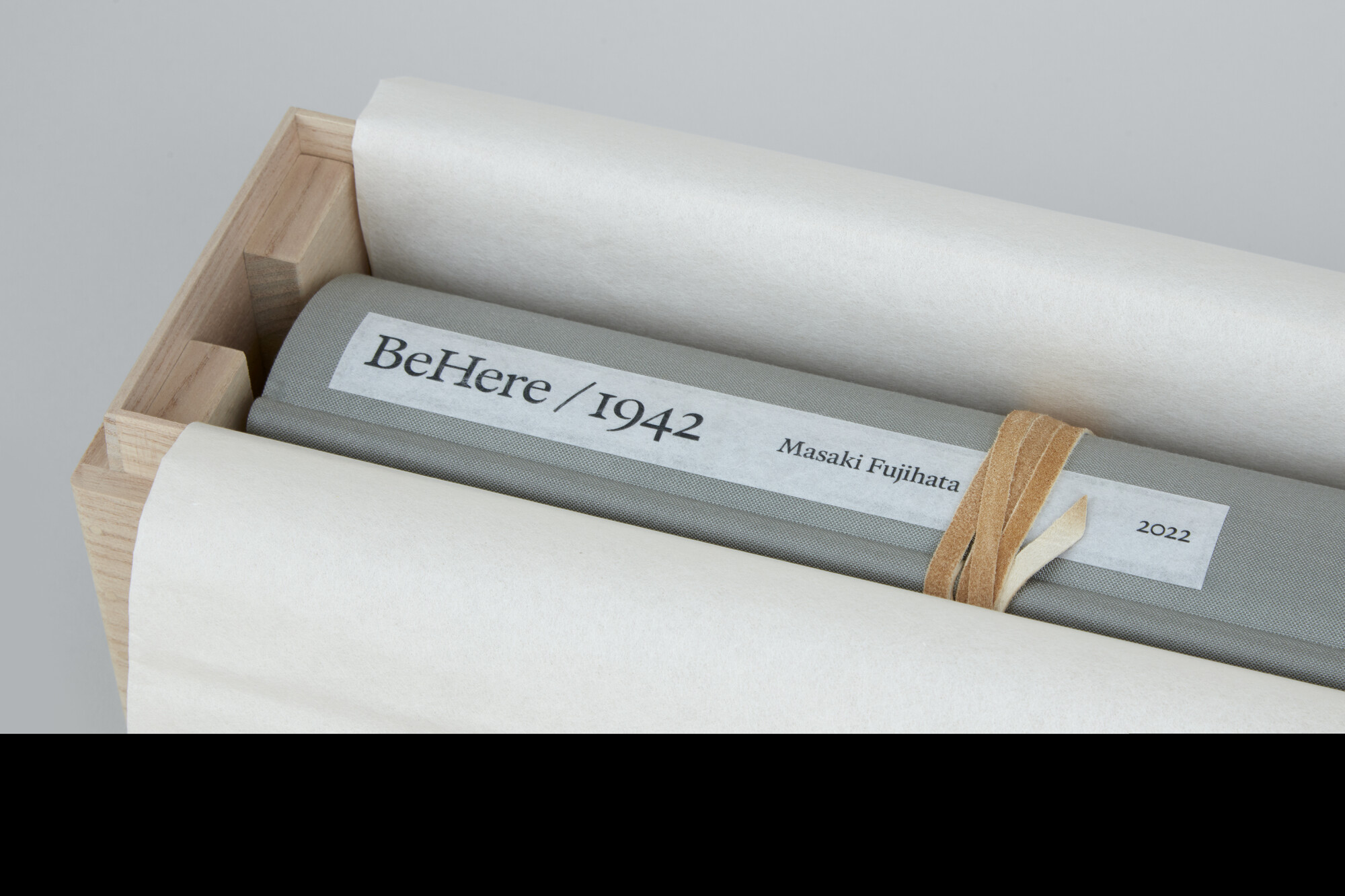
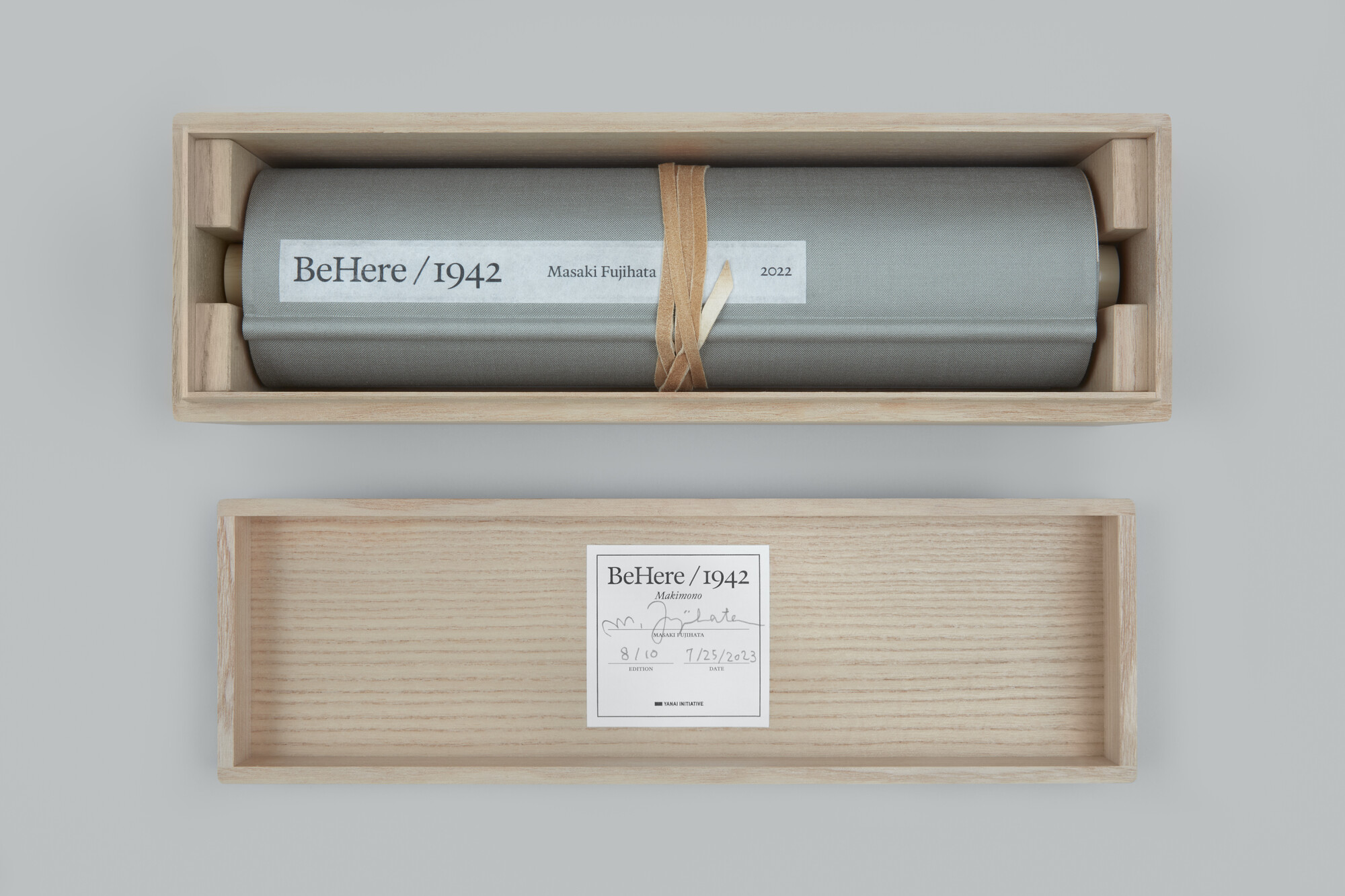
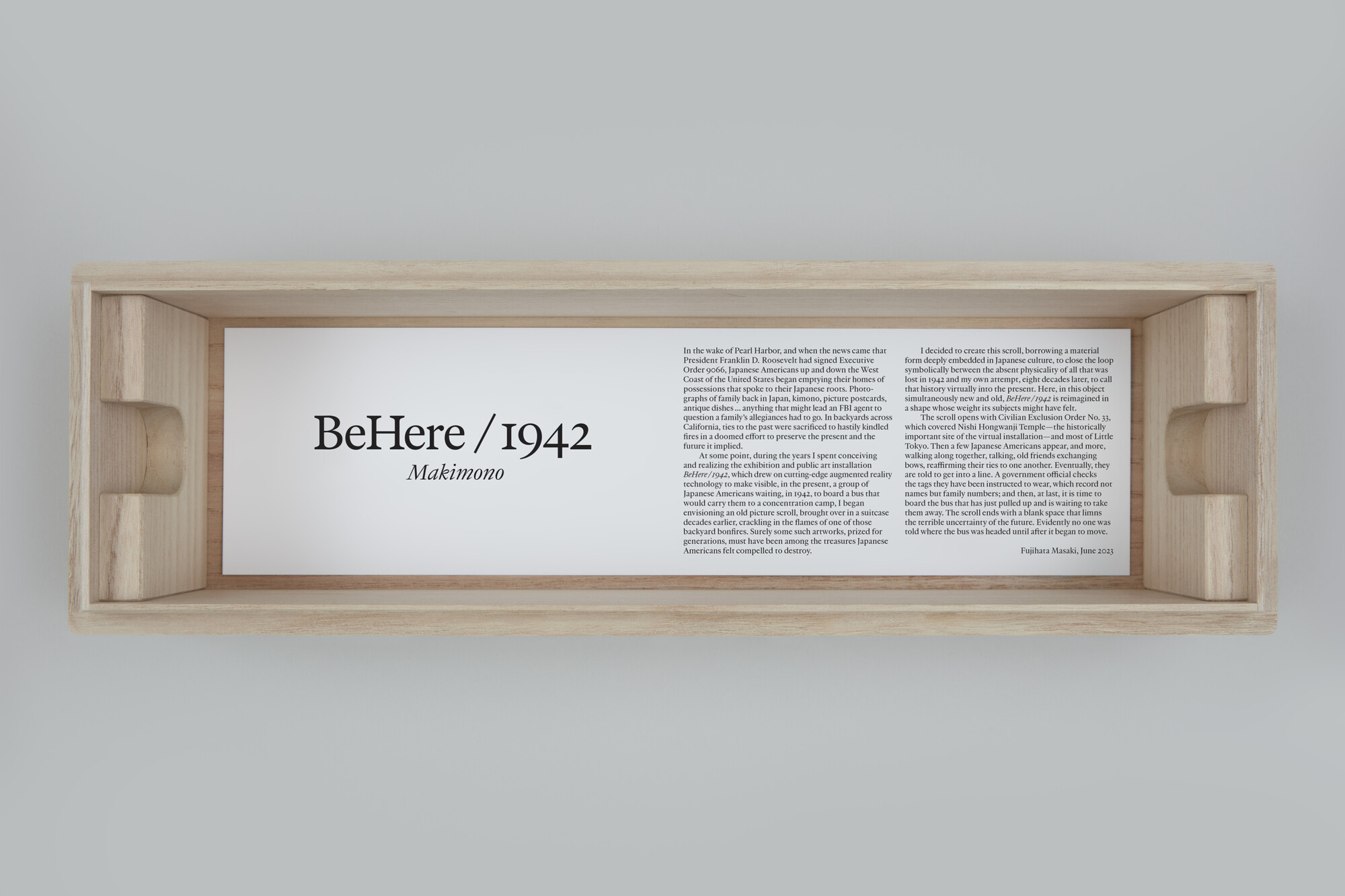
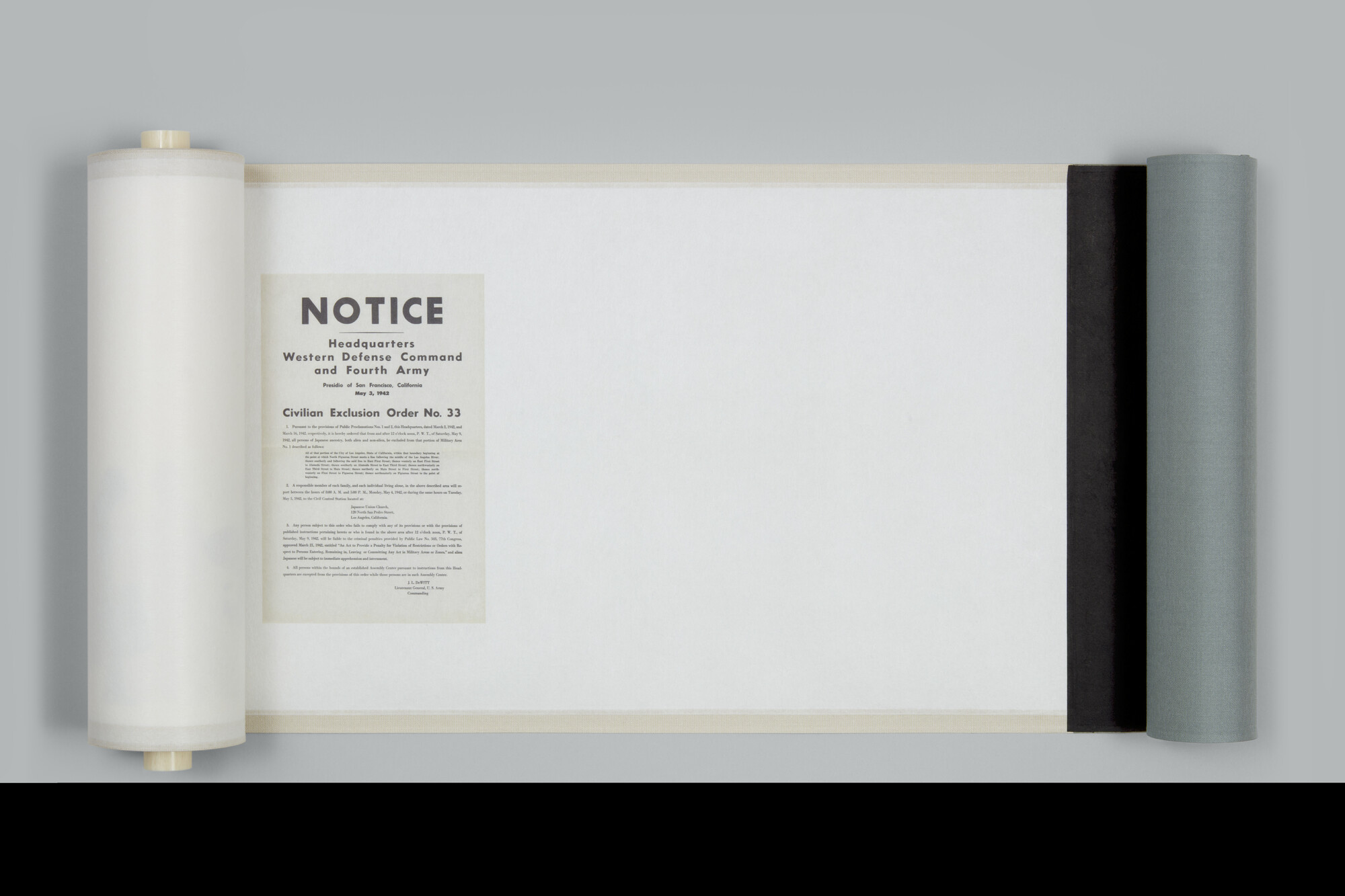
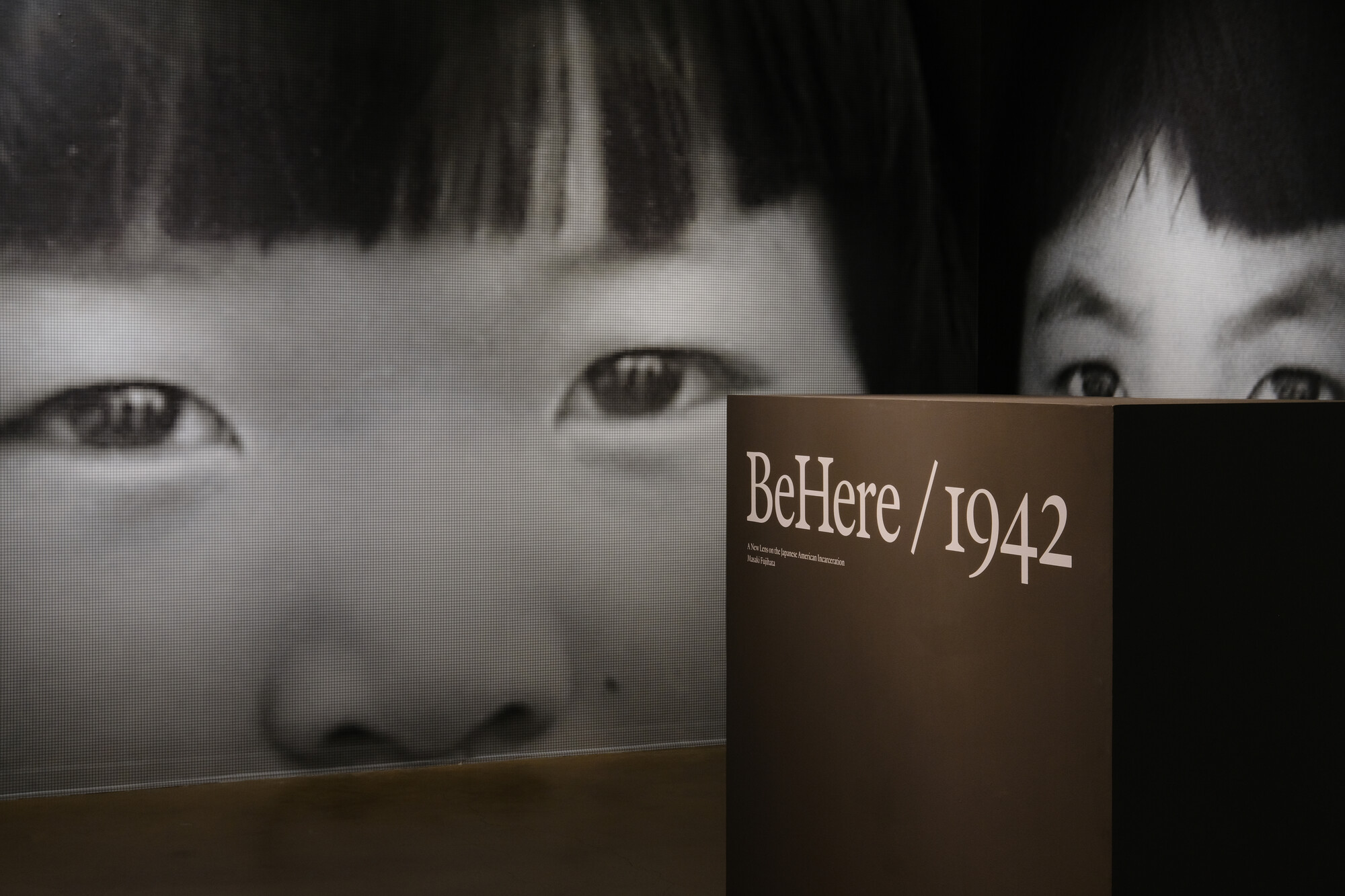
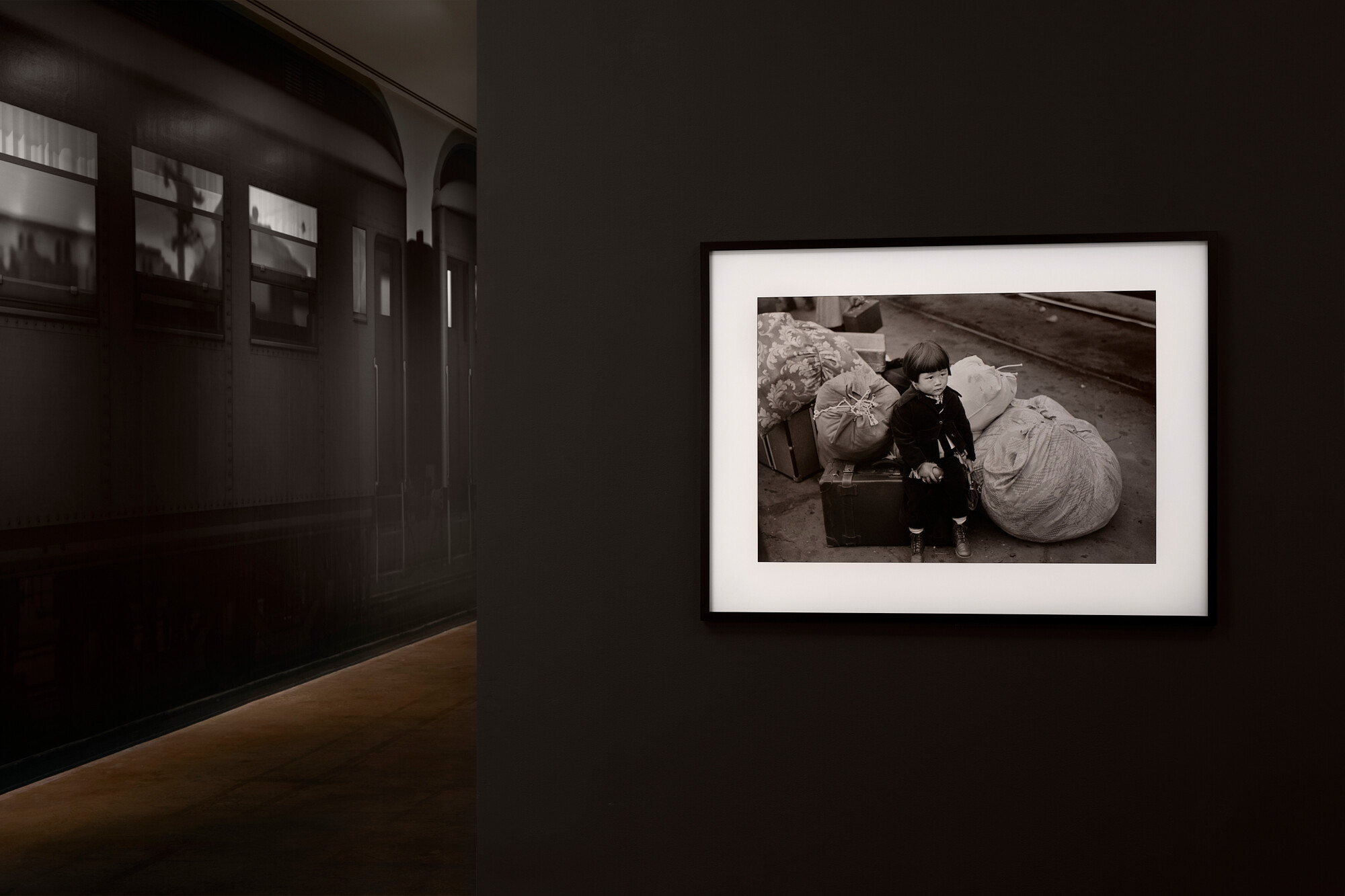
Finely produced in limited quantities, this hand scroll was created for supporters of Masaki Fujhata’s BeHere / 1942 project. The makimono features an extended print of the augmented reality artwork showing Japanese Americans in line with their belongings, boarding buses bound for internment camps.
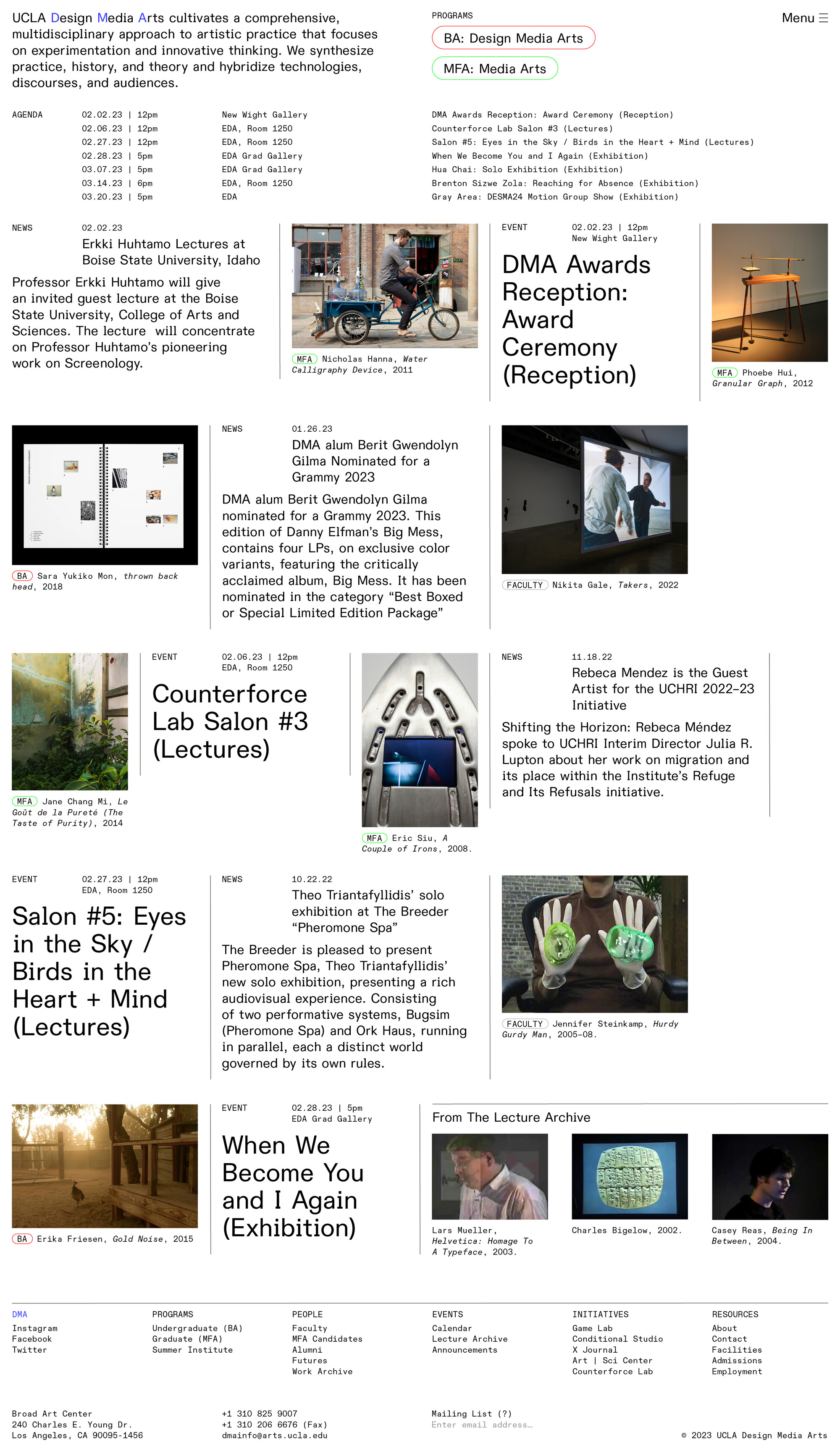
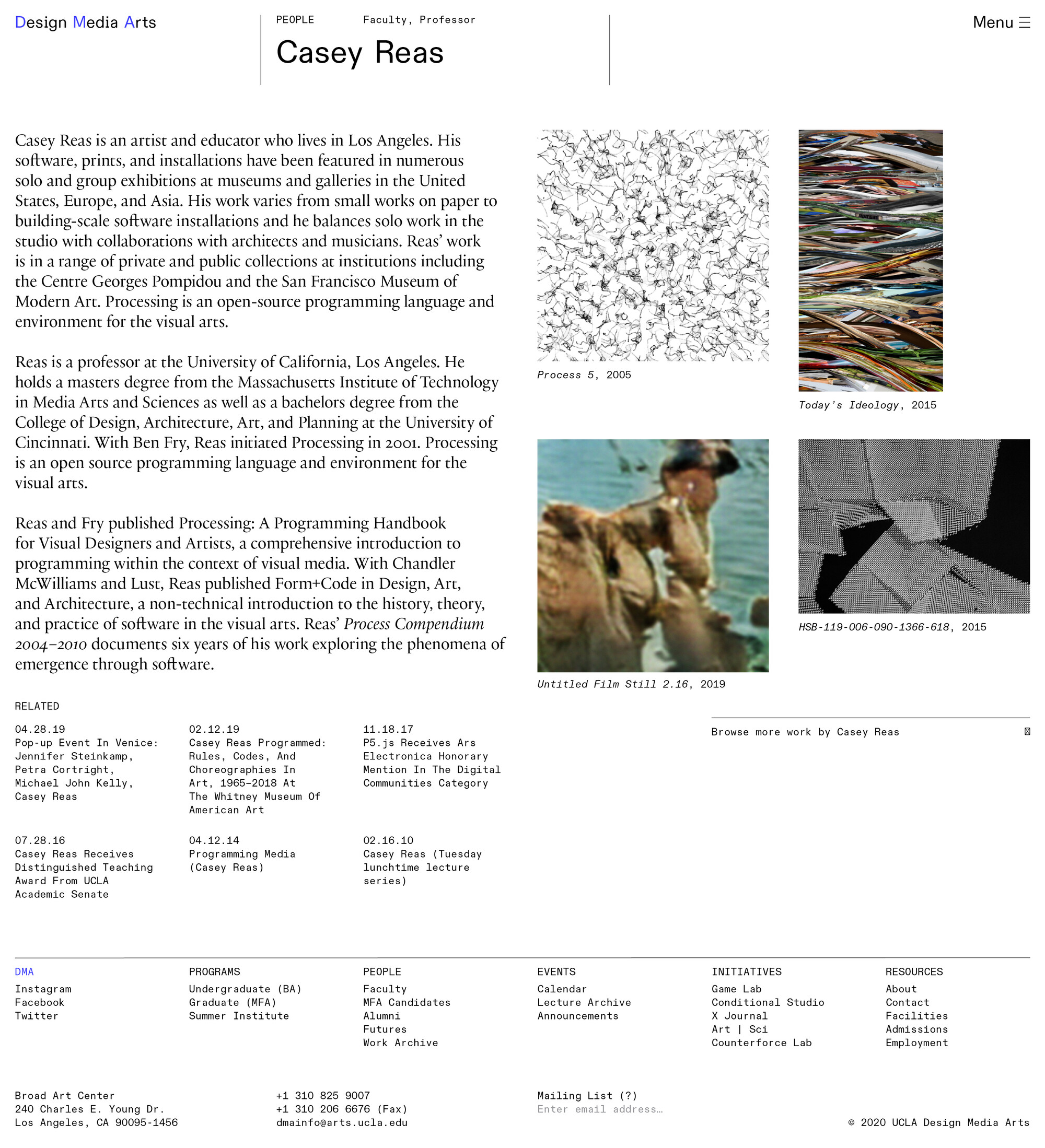
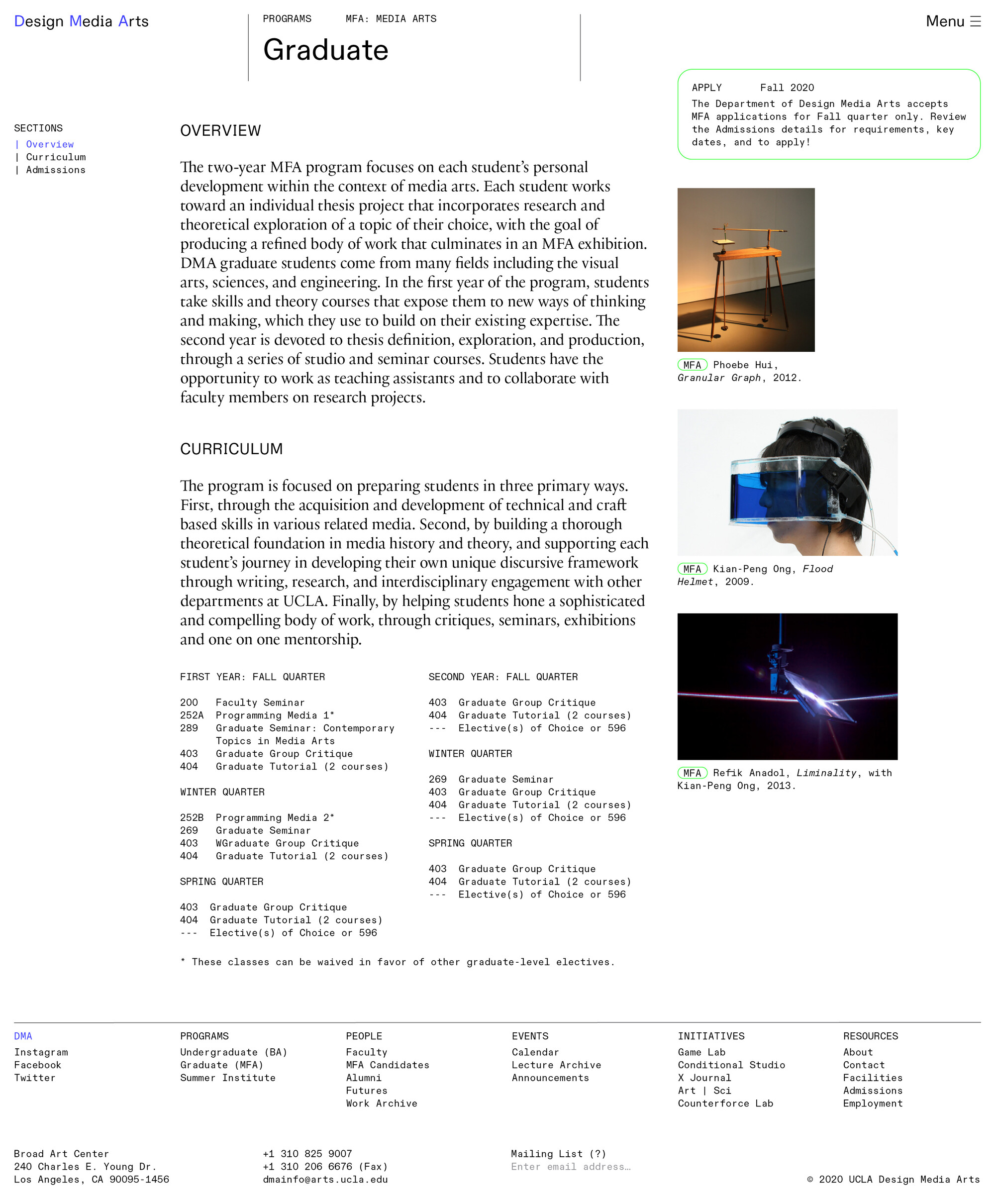
The Design Media Arts program at UCLA has led the field in computational art and design since the 1990s, shaping how artists use and think about emerging technologies. The website highlights student and alumni activity while supporting department operations and acting as a repository for its lectures and programming.
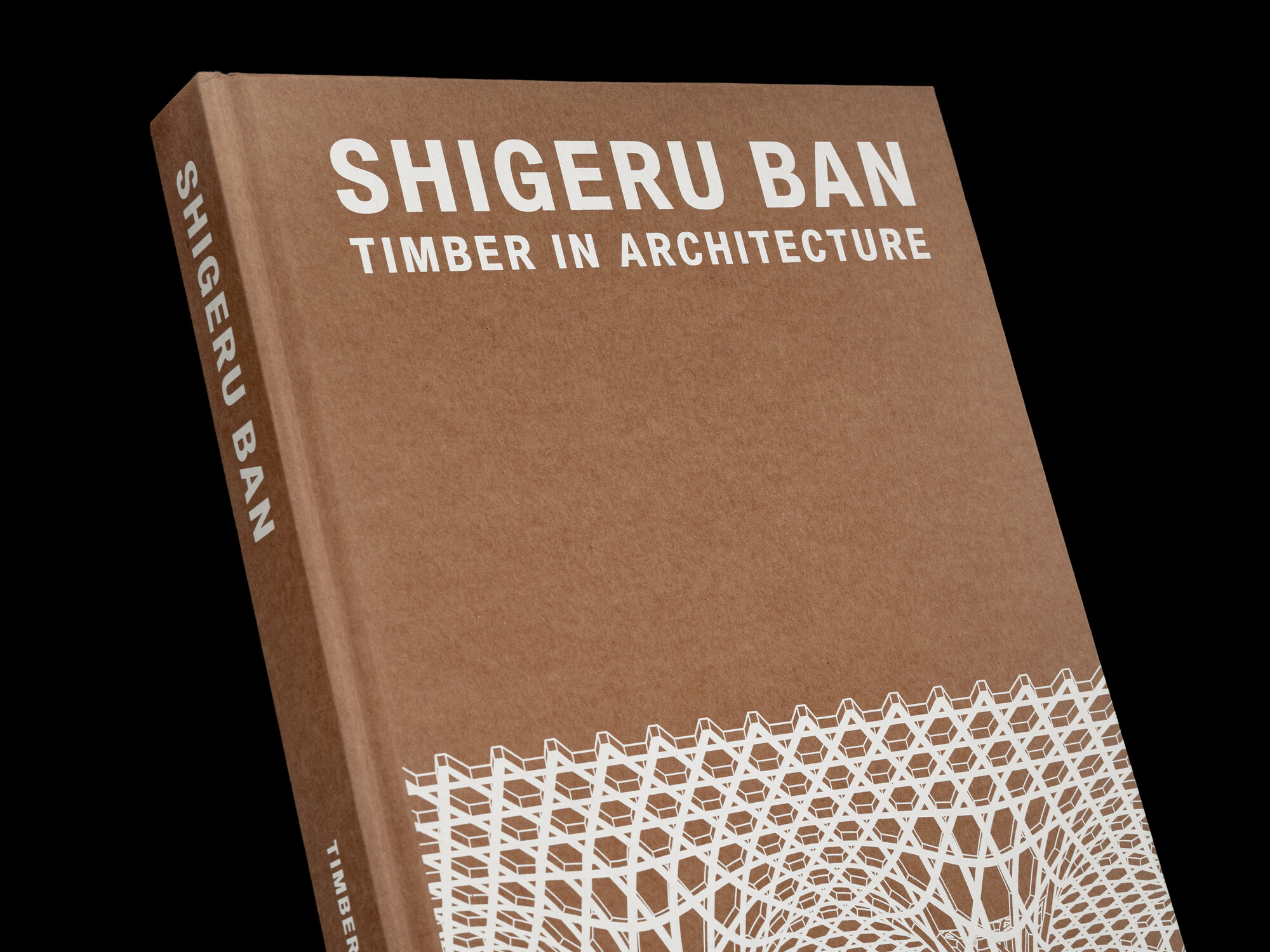
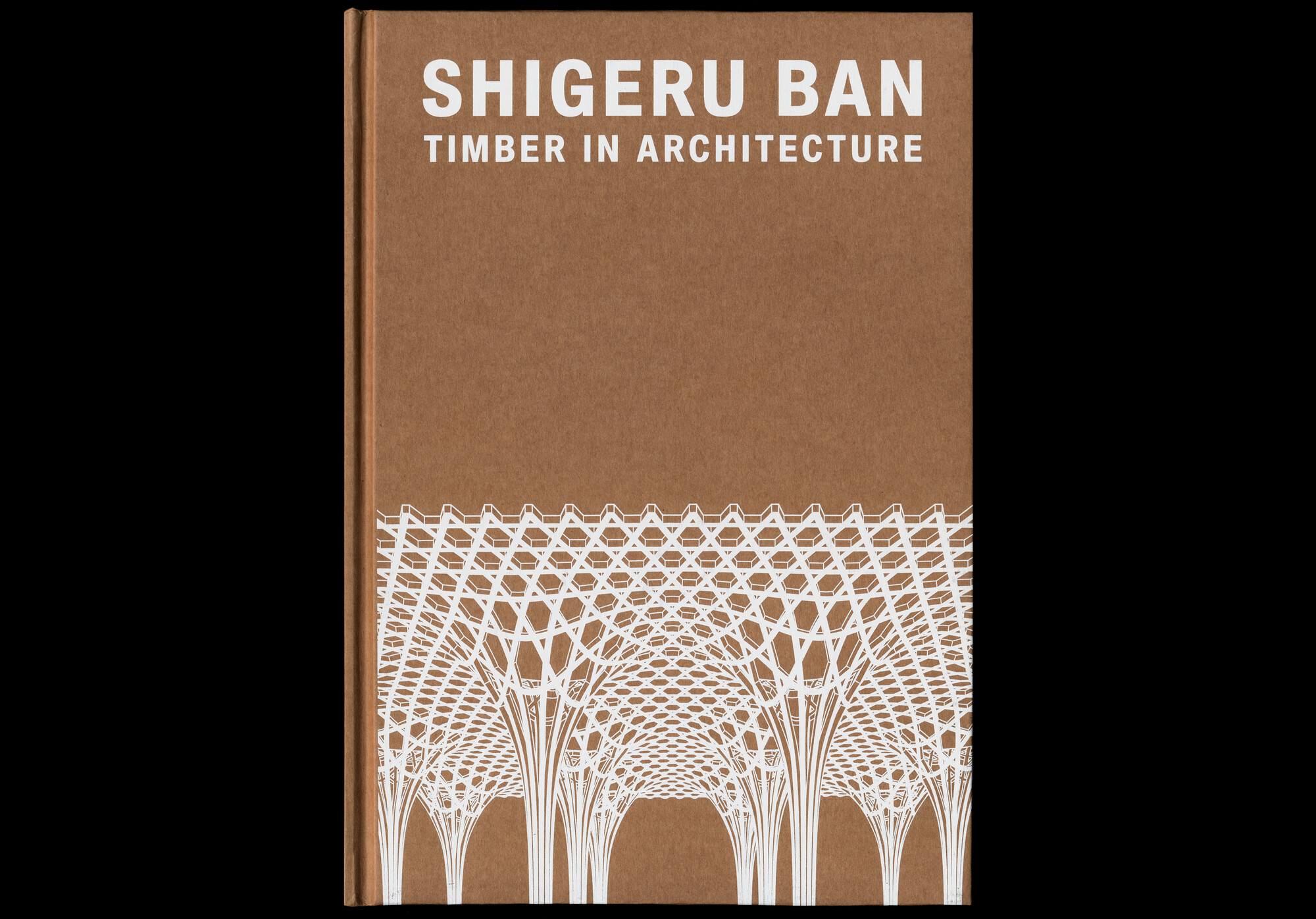
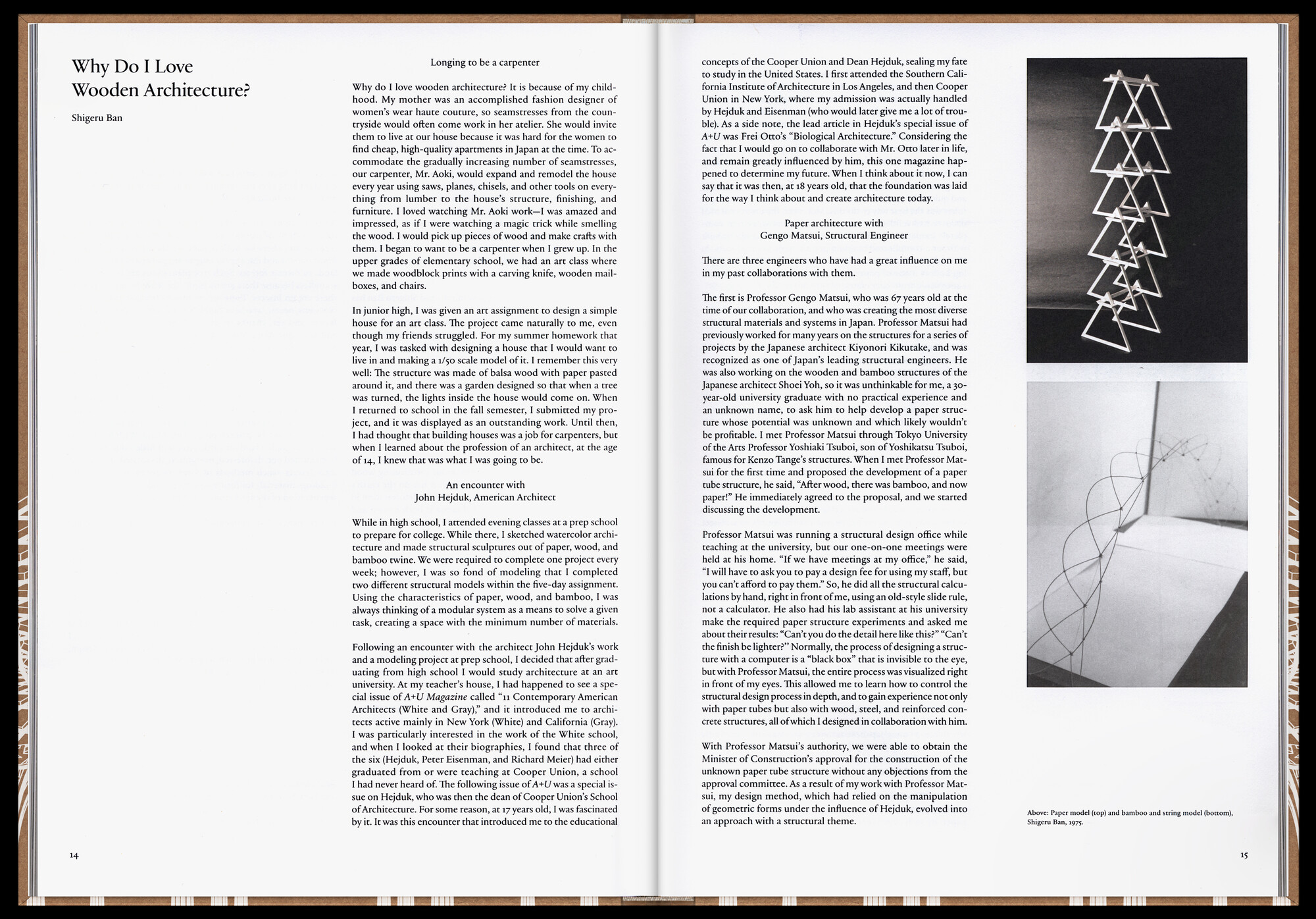
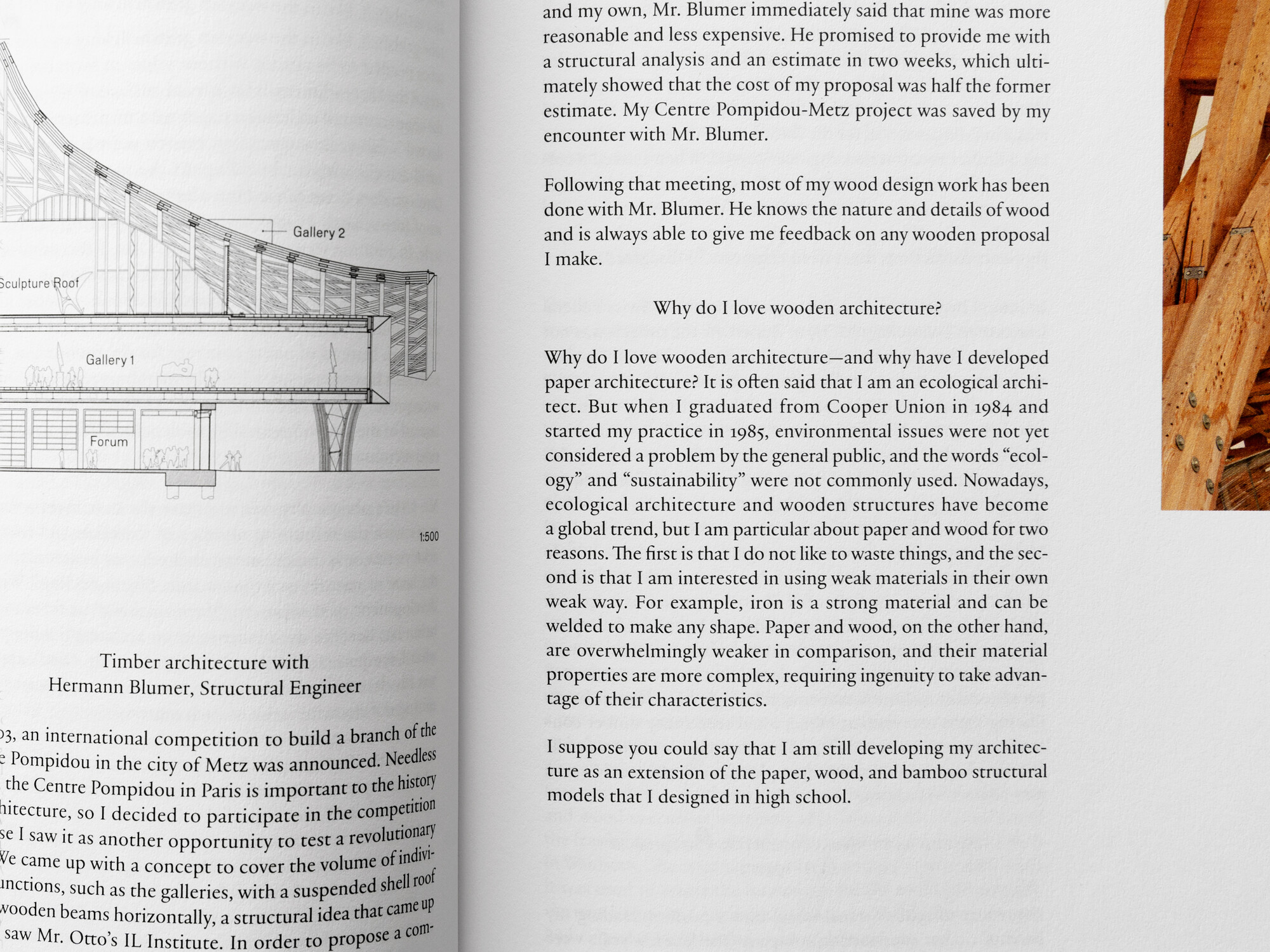
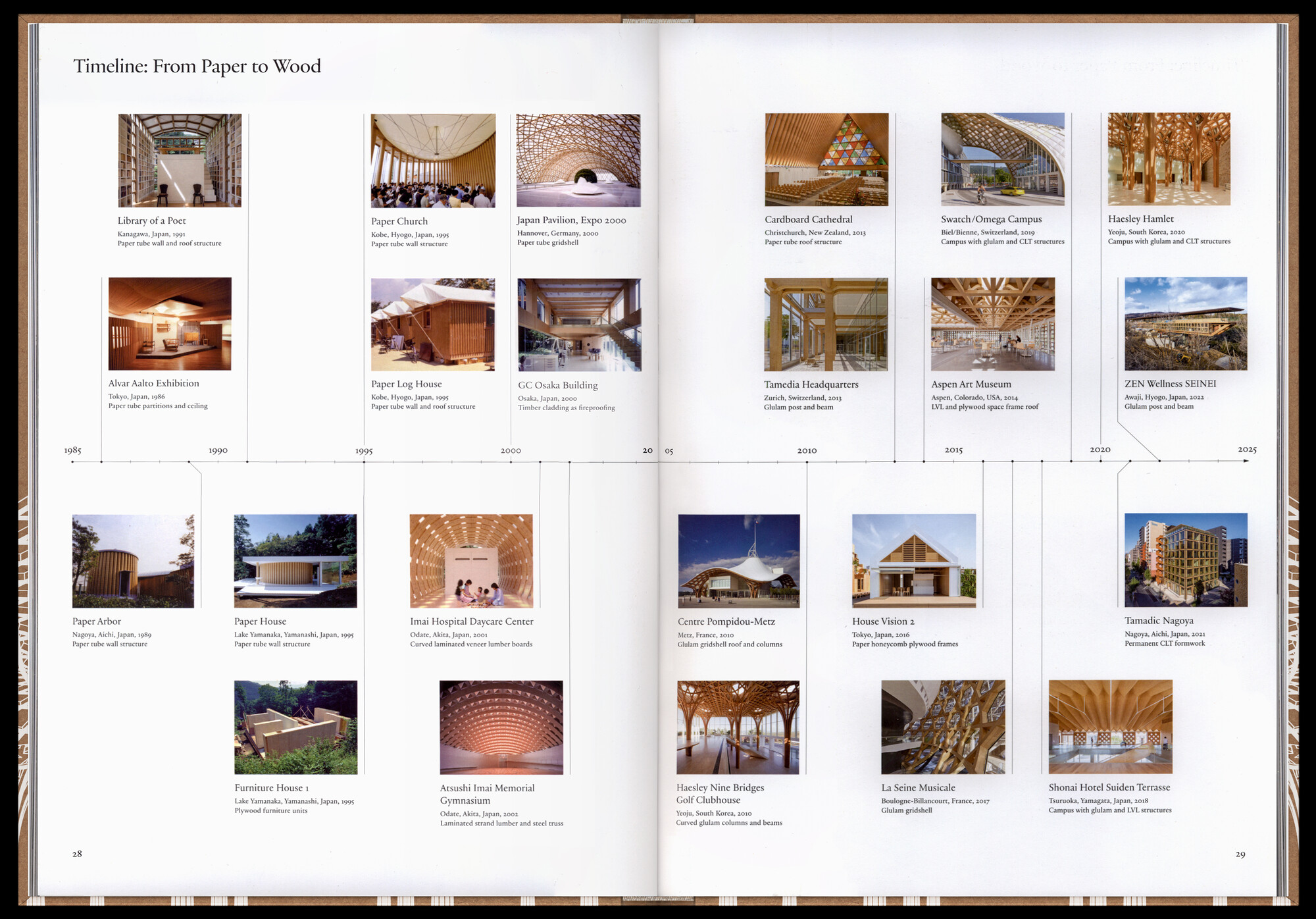
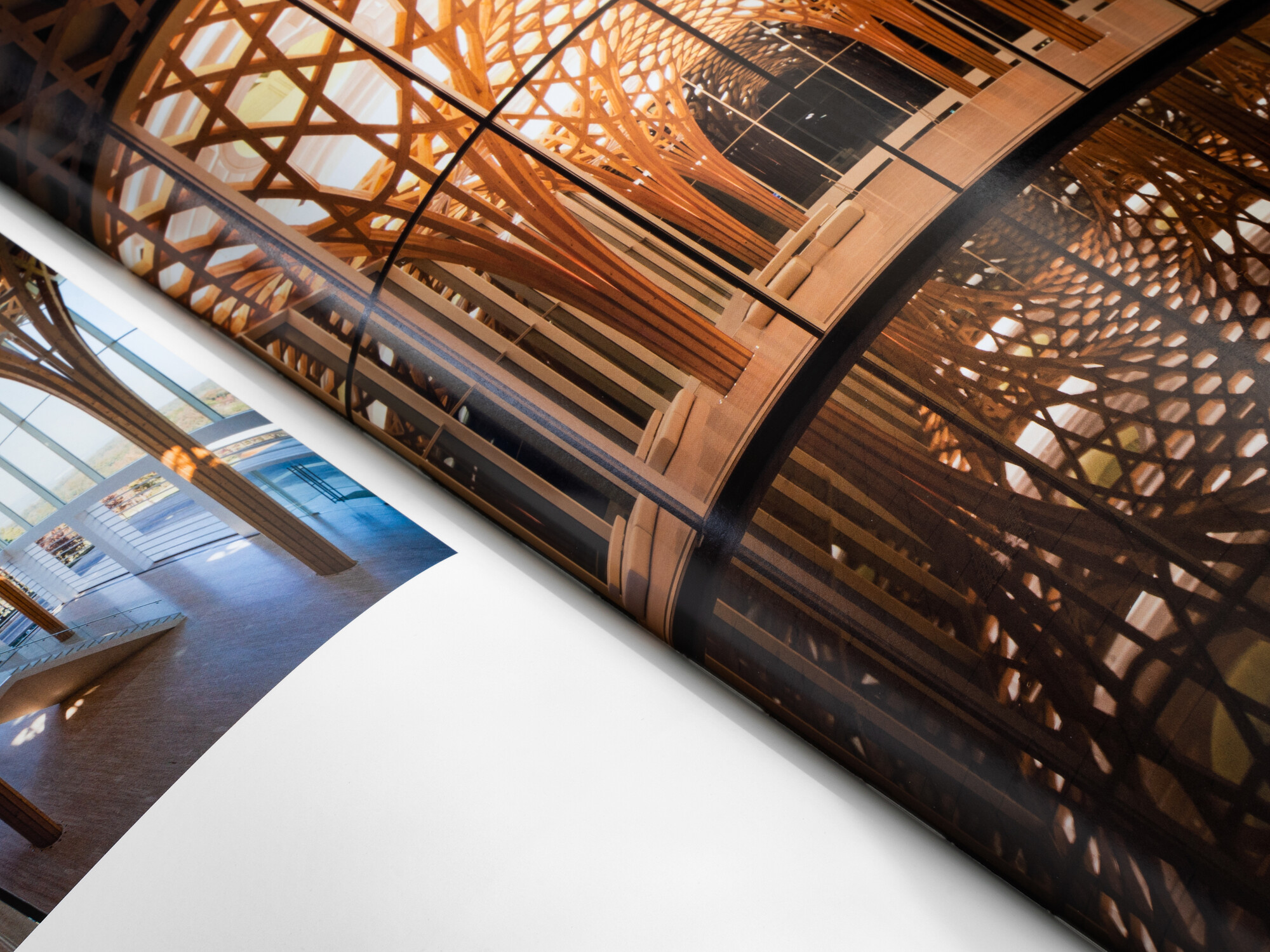
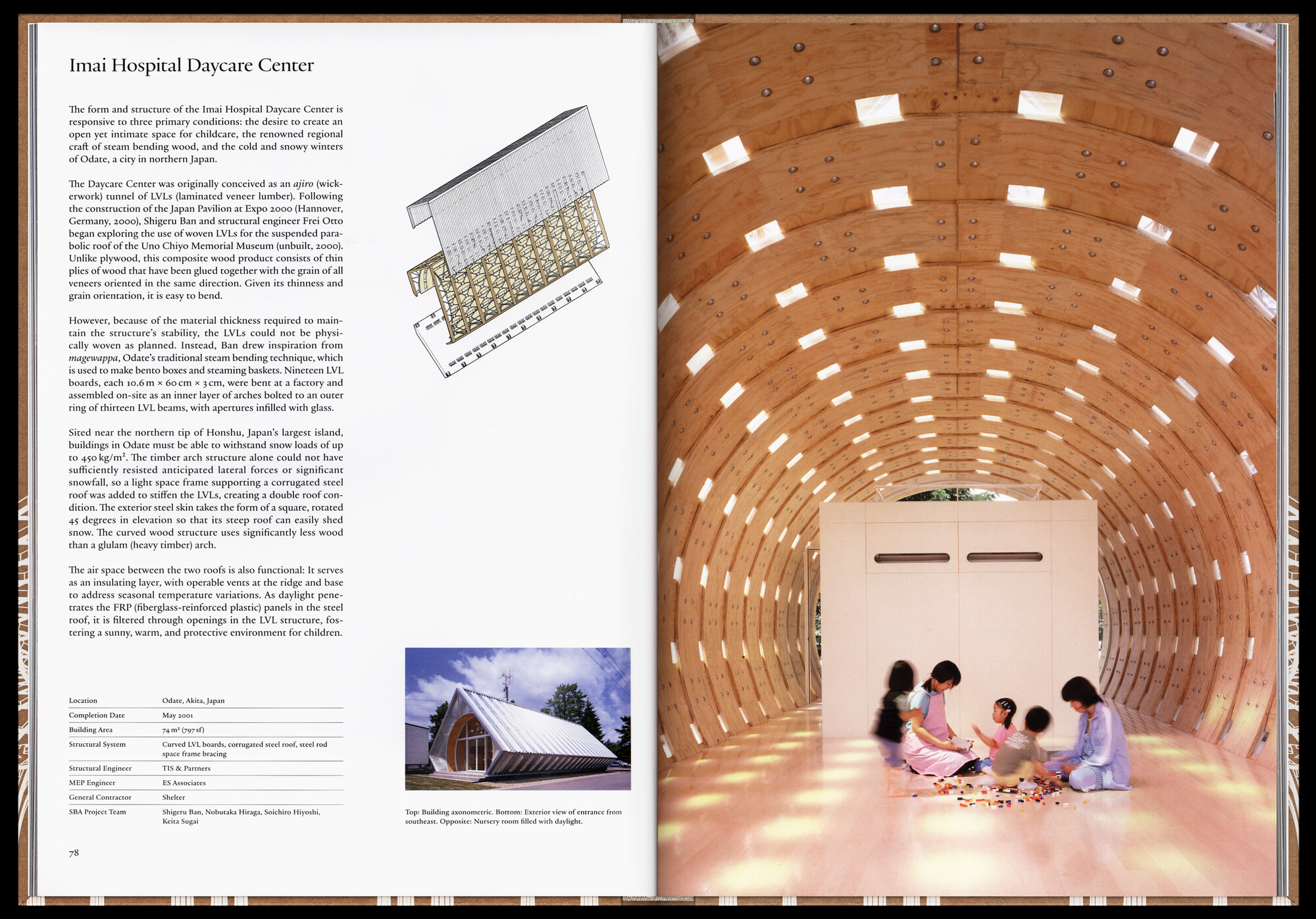
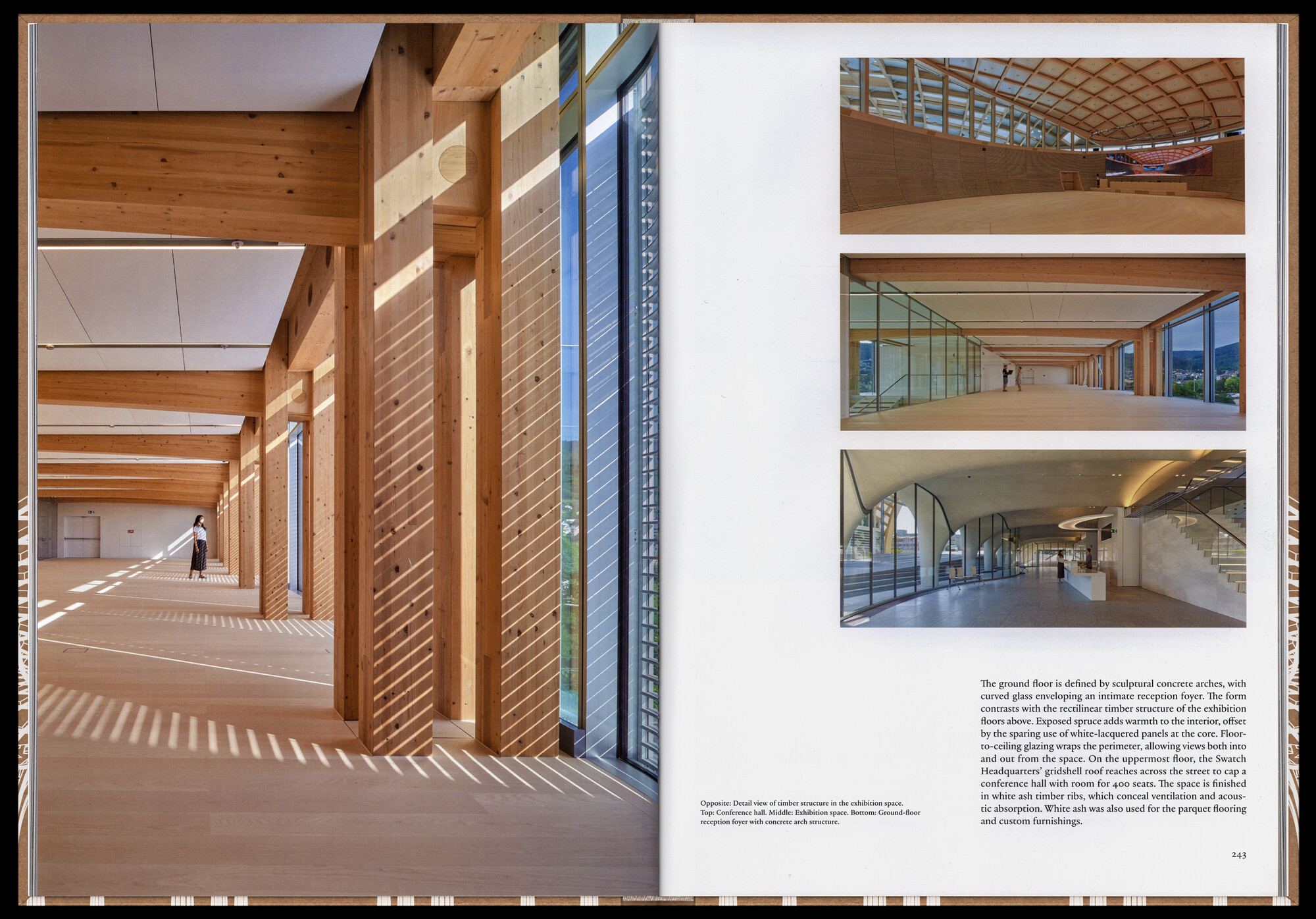
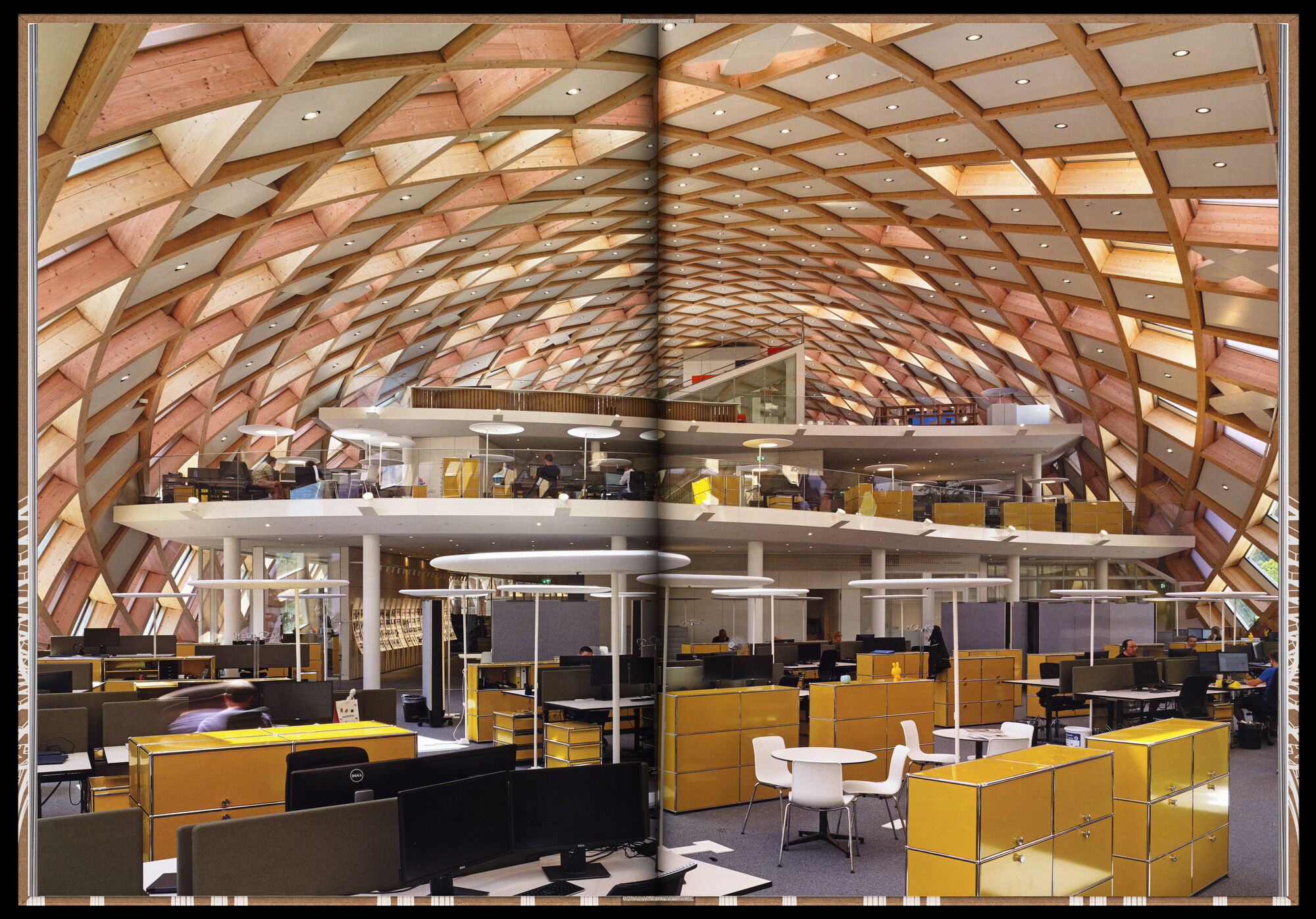
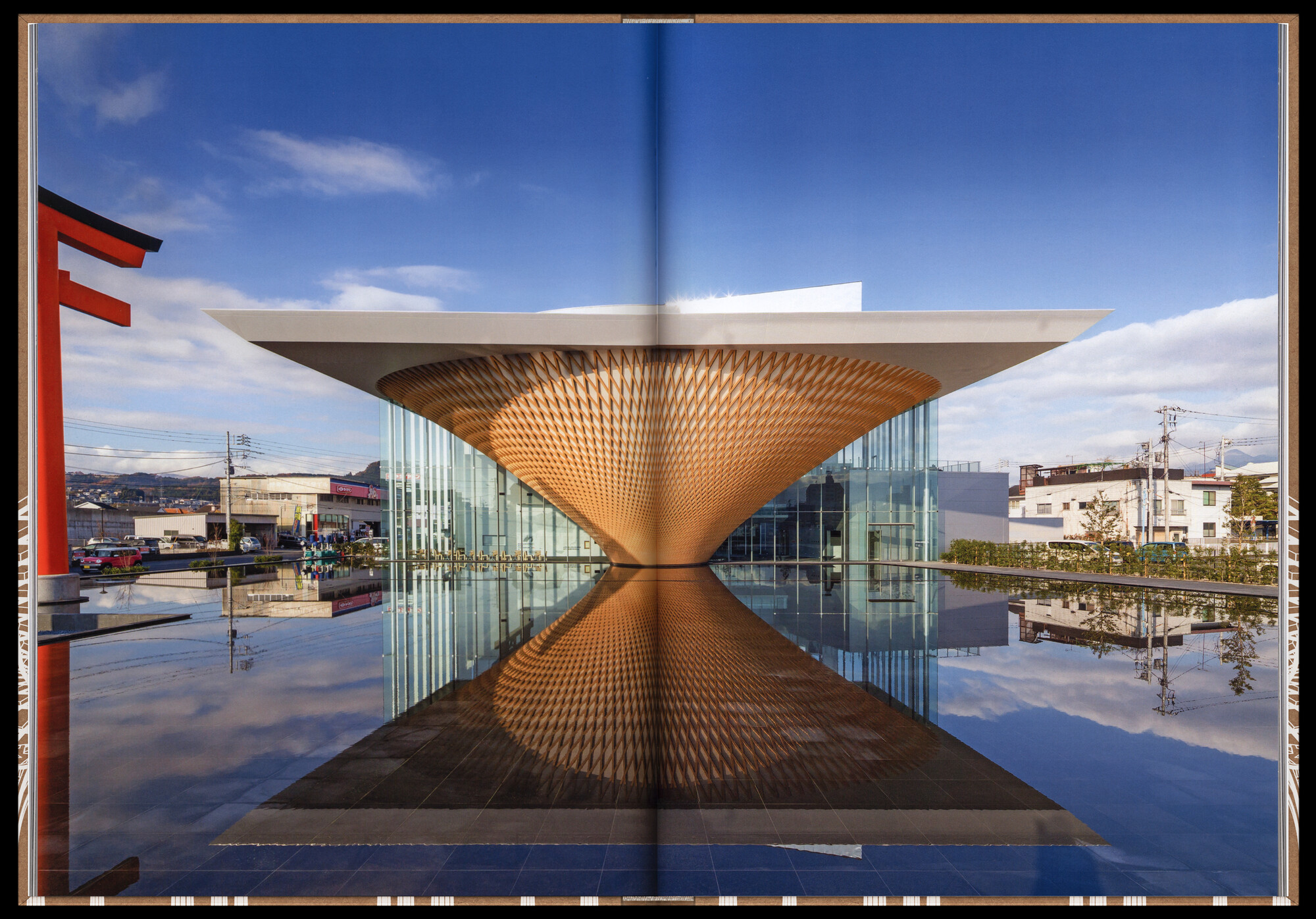
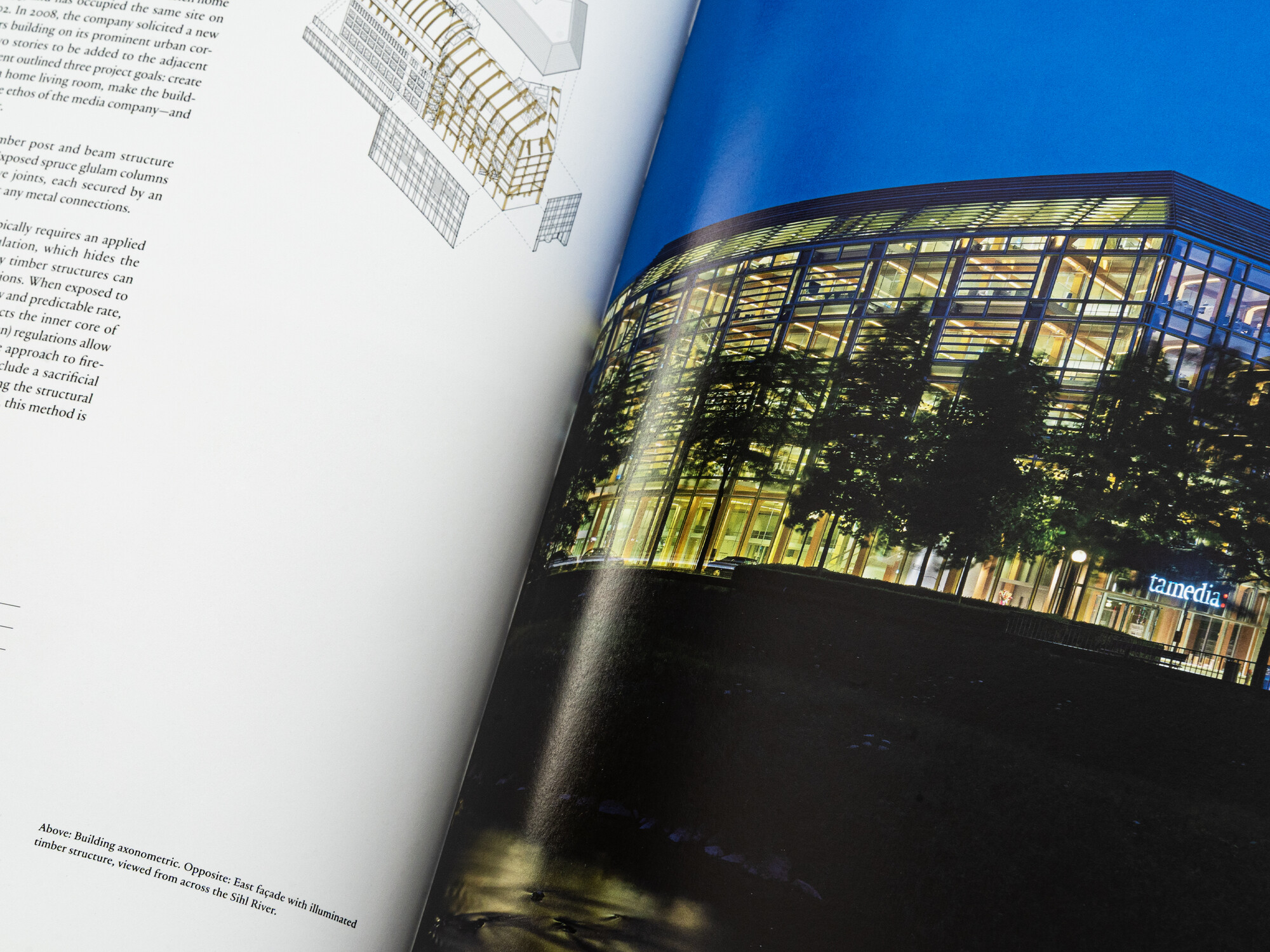
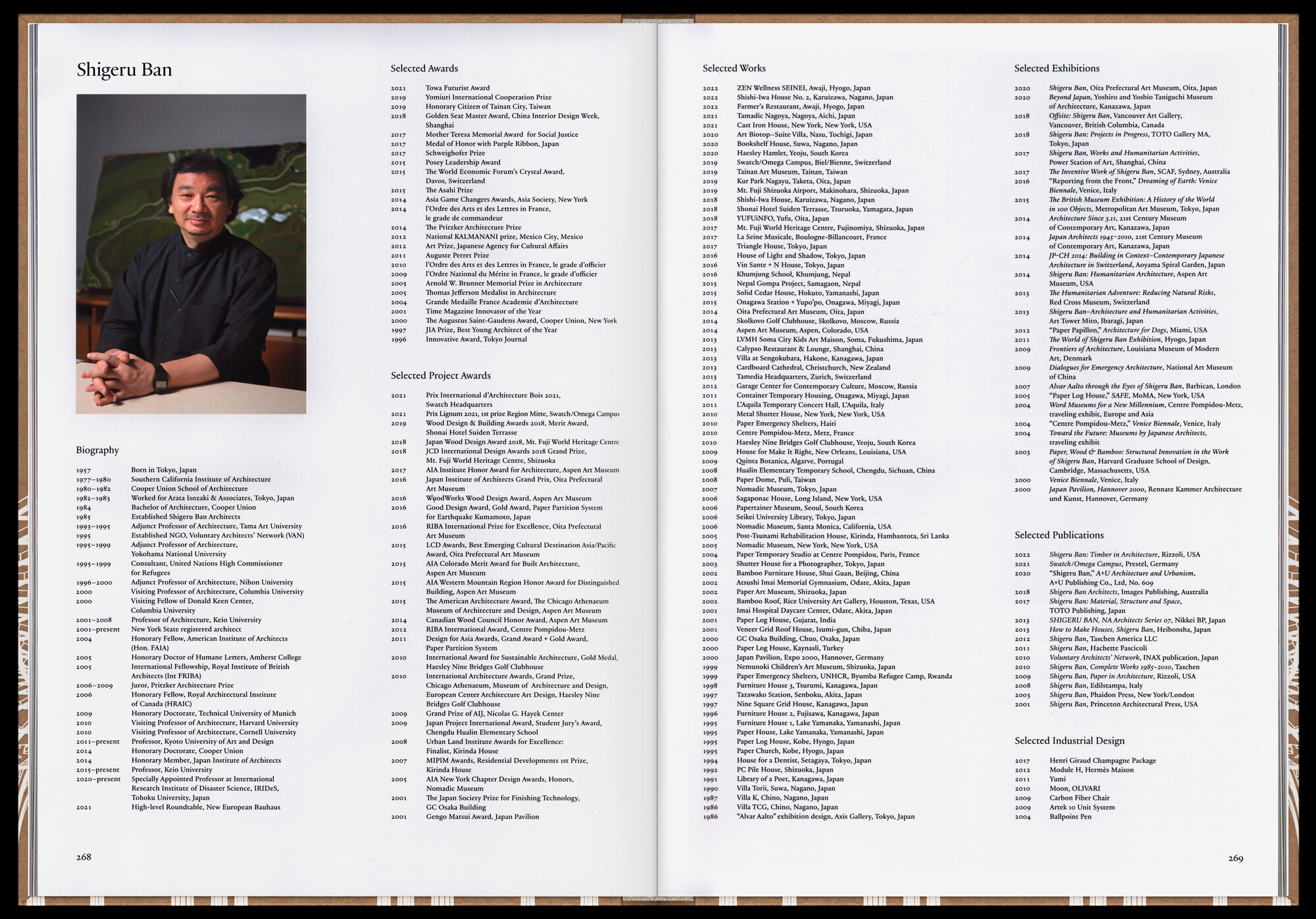
Shigeru Ban: Timber in Architecture presents 45 works from concept through construction, demonstrating the challenges and merits of wood buildings through essays, technical drawings, and photographs. This work continues on learnings presented in Shigeru Ban: Paper in Architecture as it traces Ban’s contributions to the evolution of mass timber as a commercially viable, highly competitive structural solution in a variety of forms.
The City of Los Angeles Department of Cultural Affairs, in collaboration with the Civic Memory Group, issued an open, free-to-enter request for ideas for a physical monument addressing the largest mass killing of Chinese immigrants in Los Angeles history, an event that remained largely unacknowledged and fragmented for over 150 years.
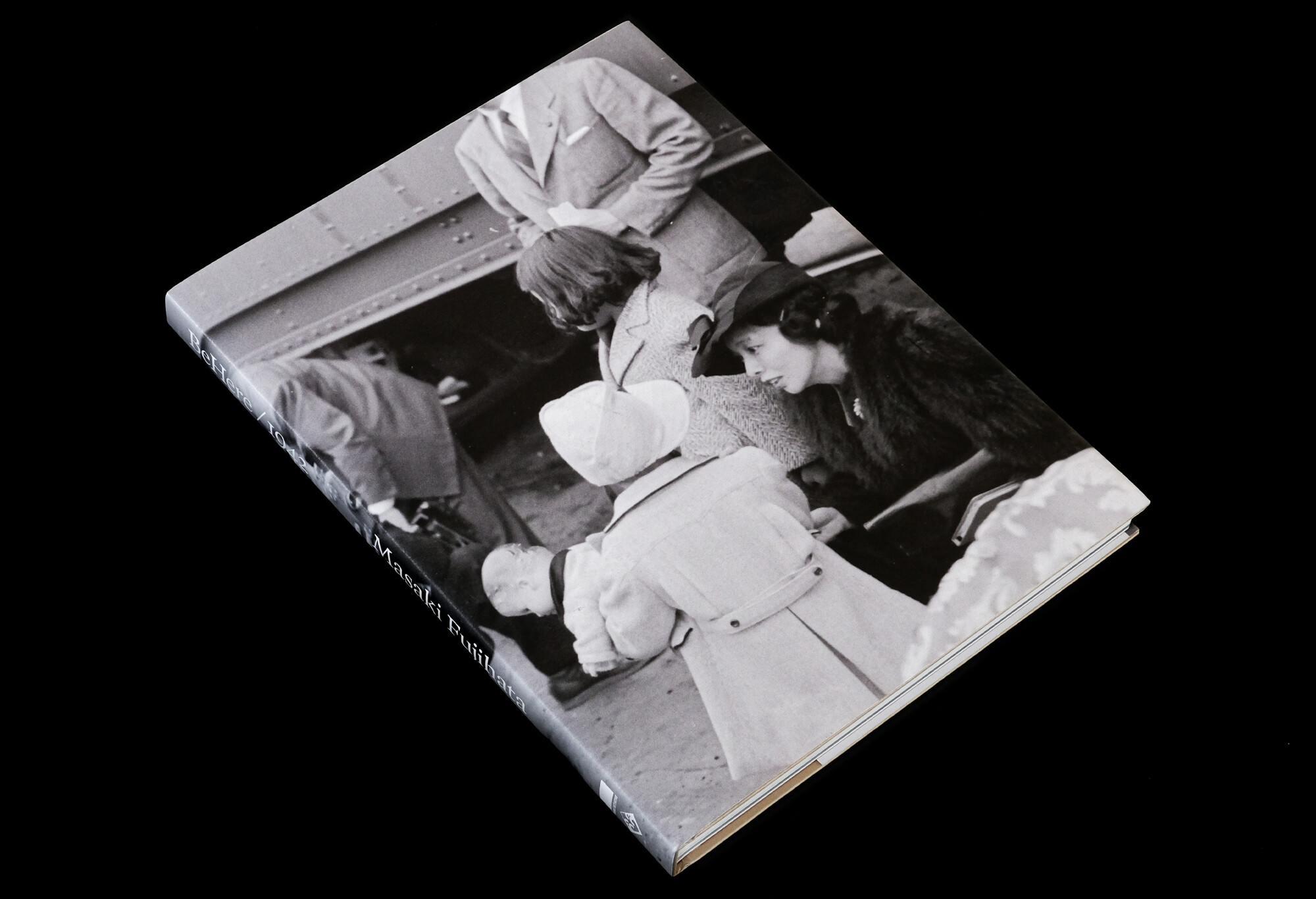
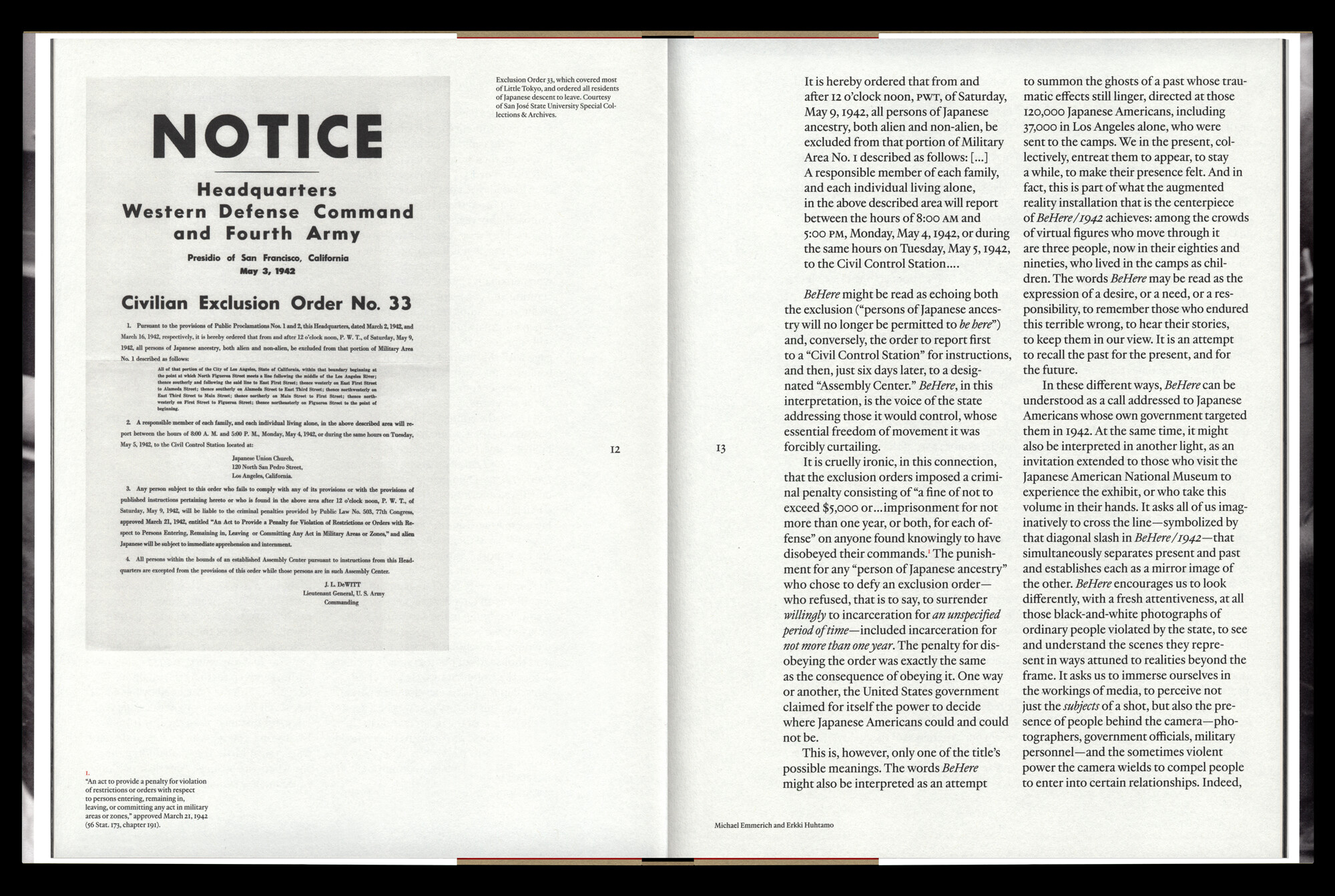
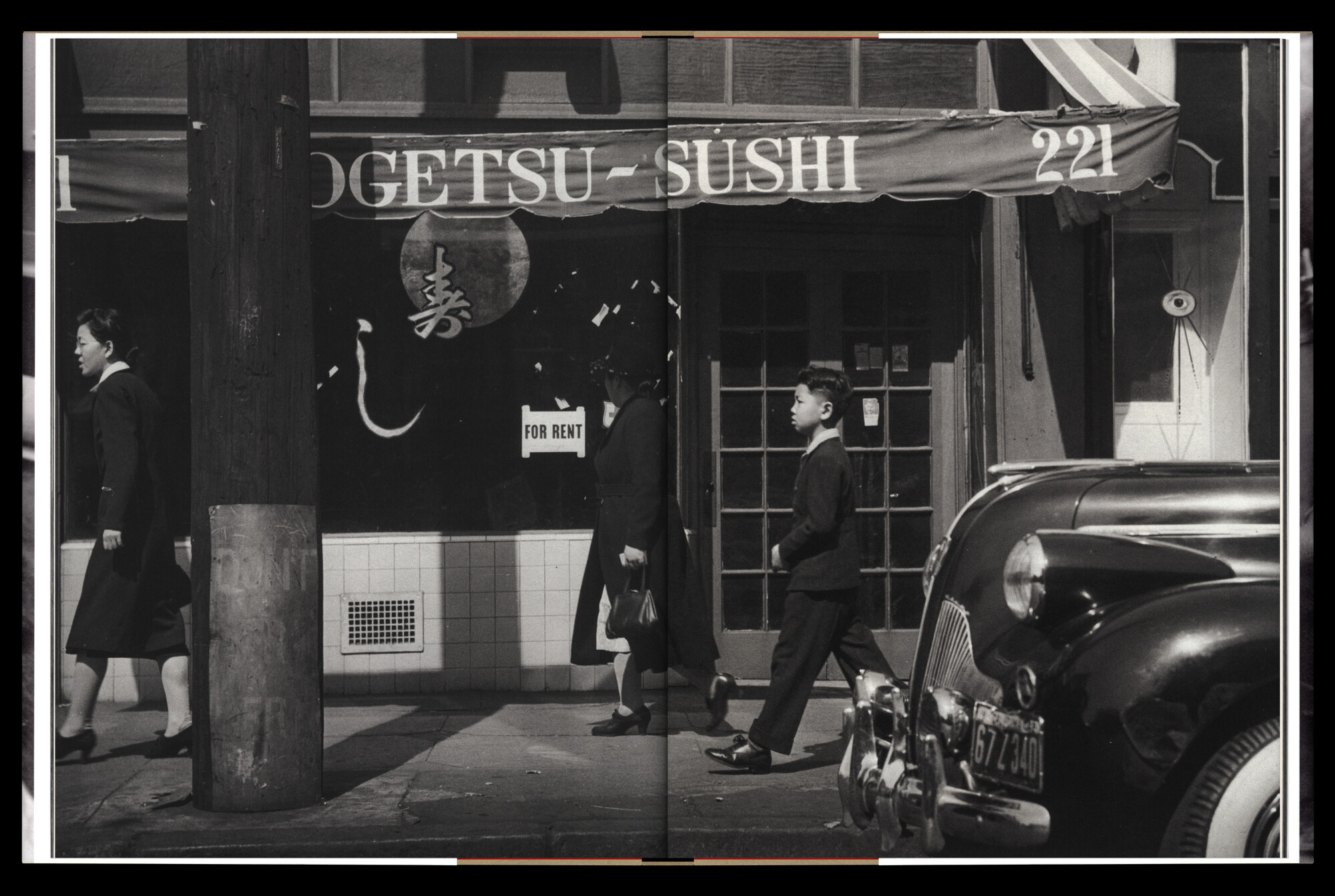
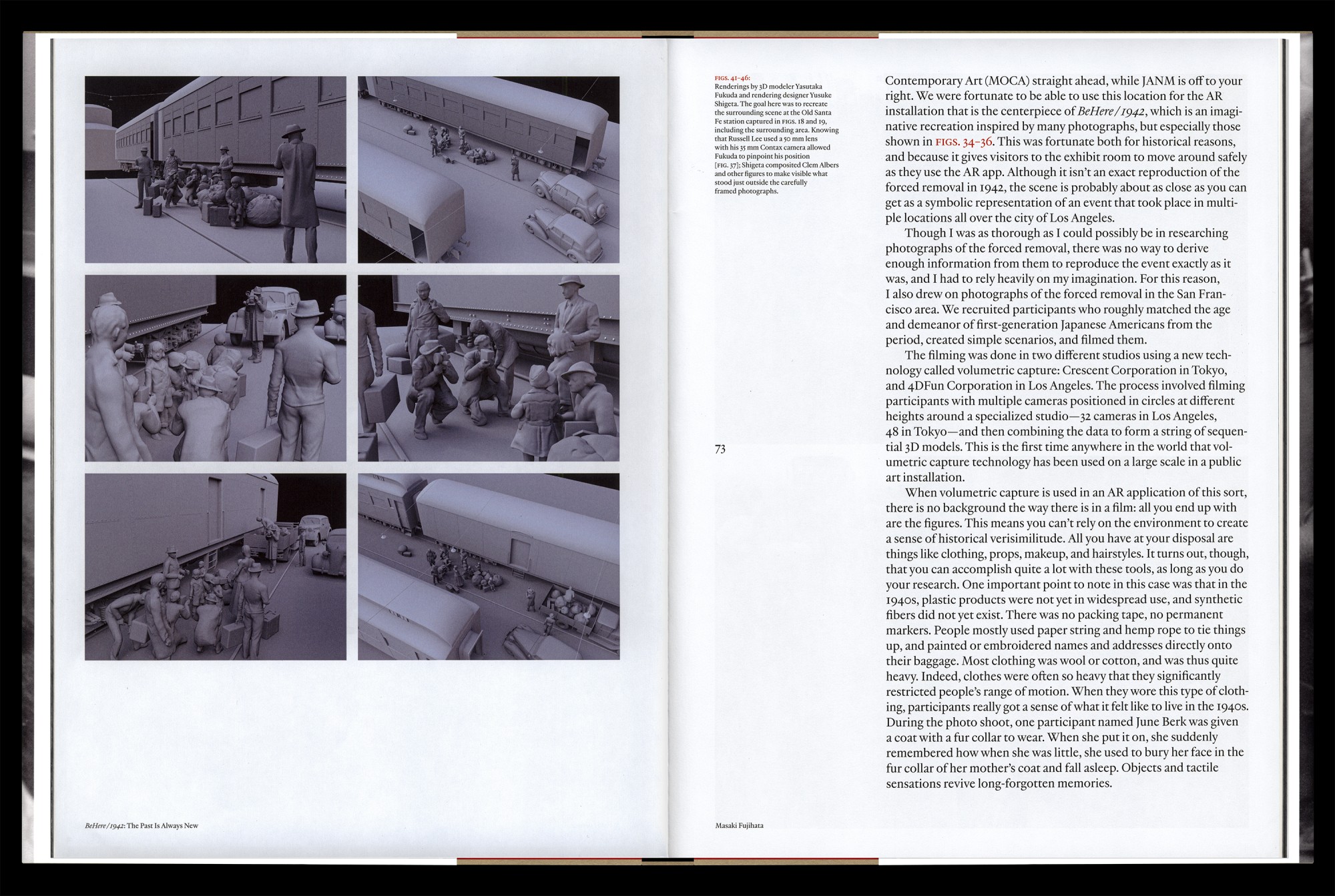
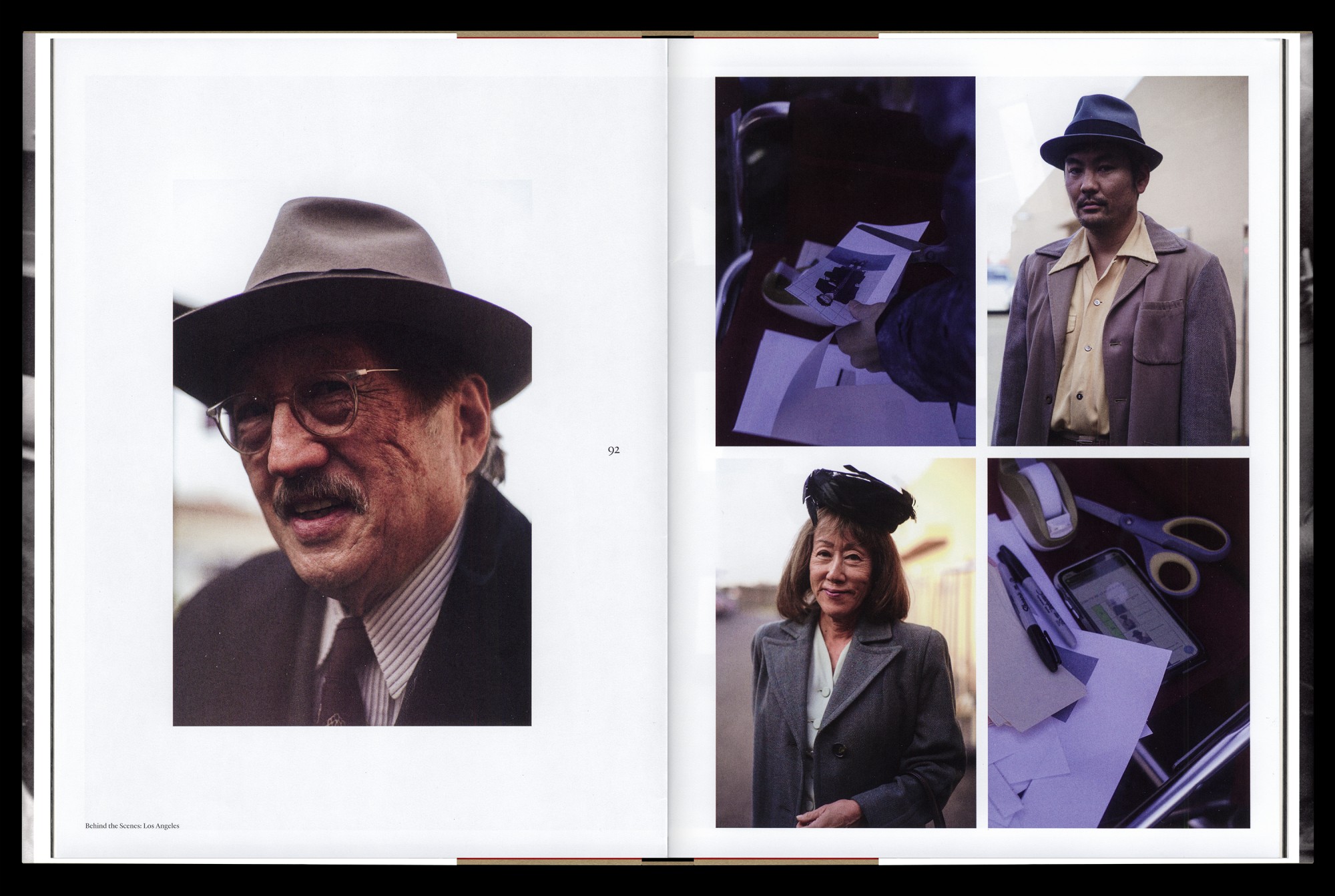
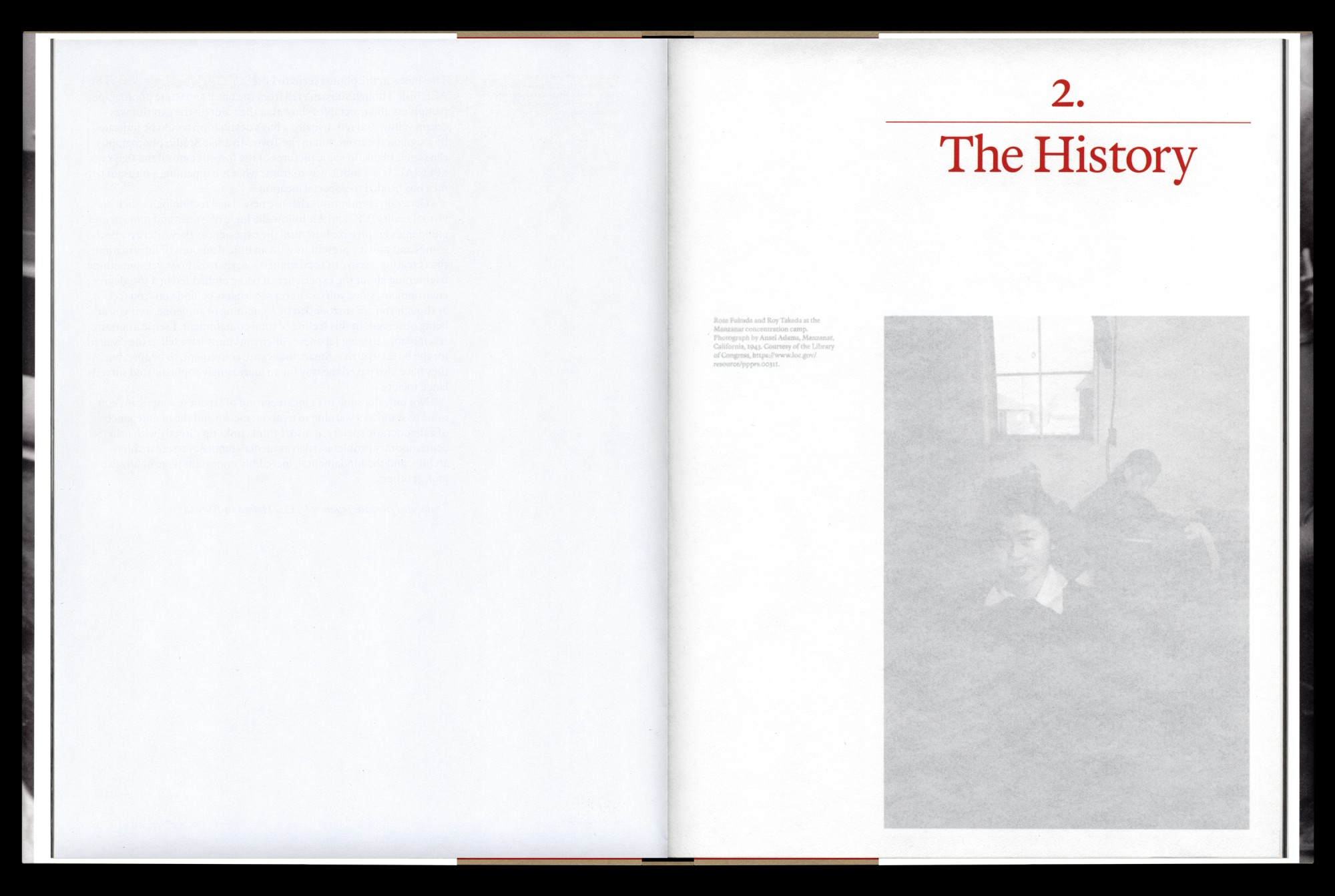
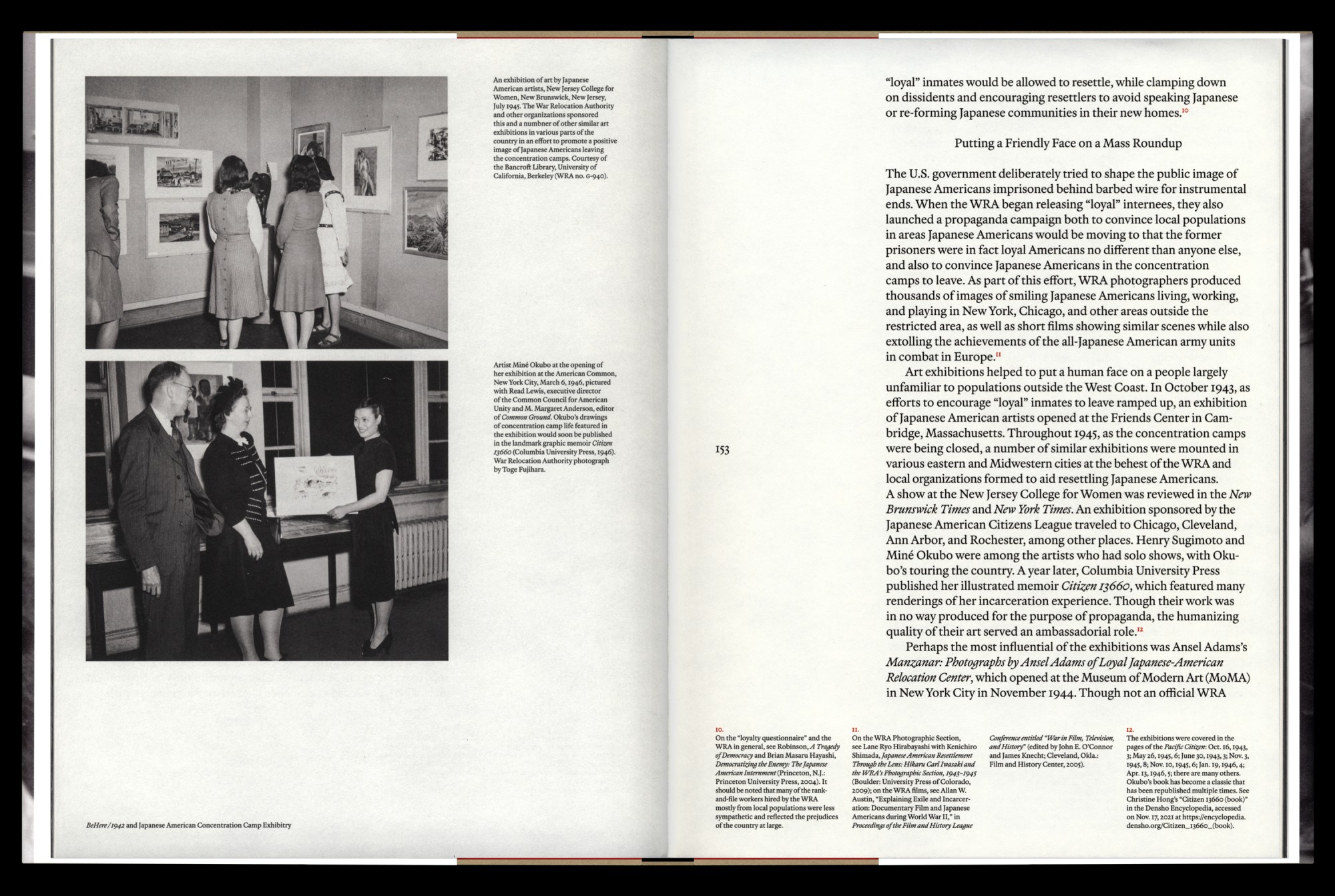
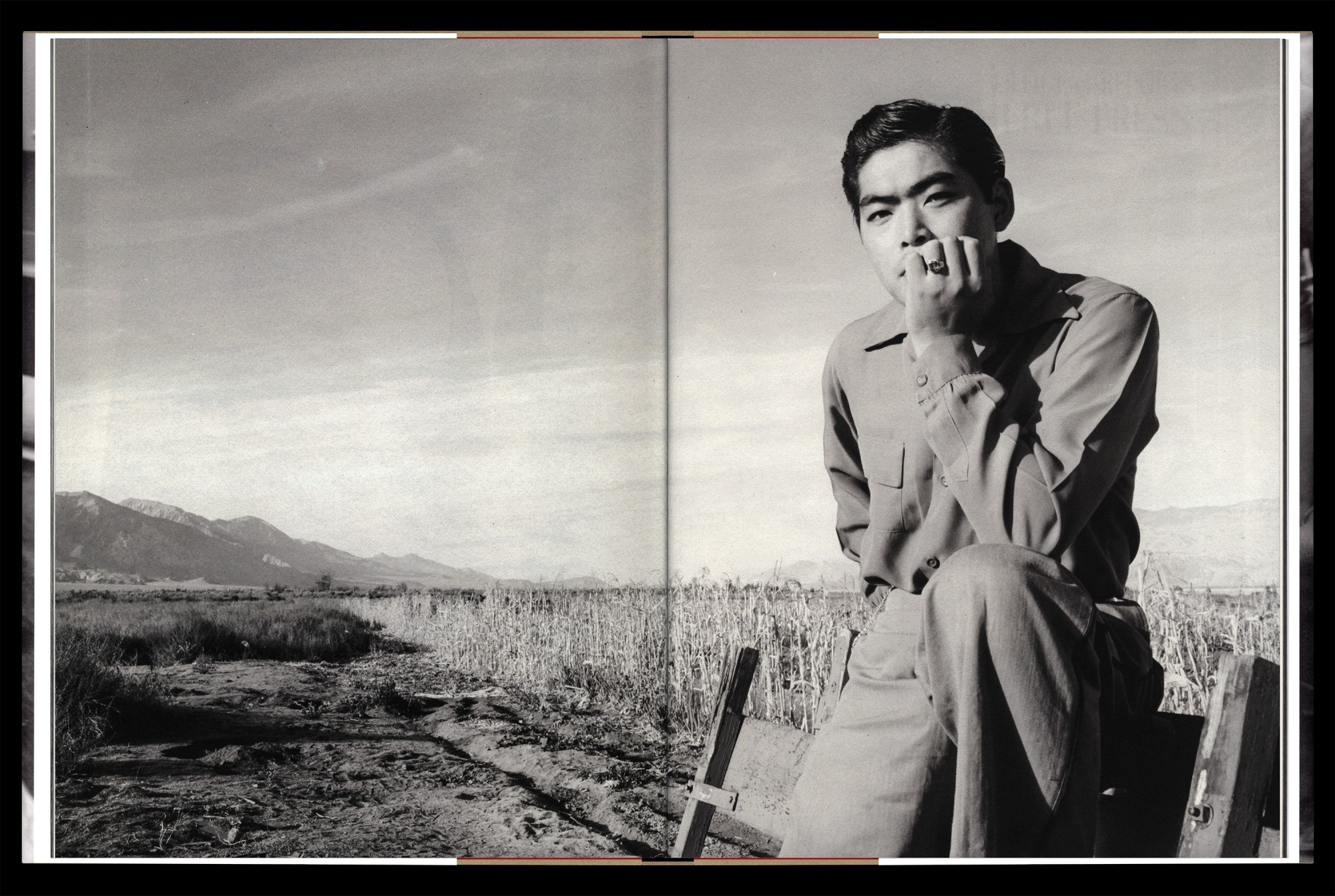
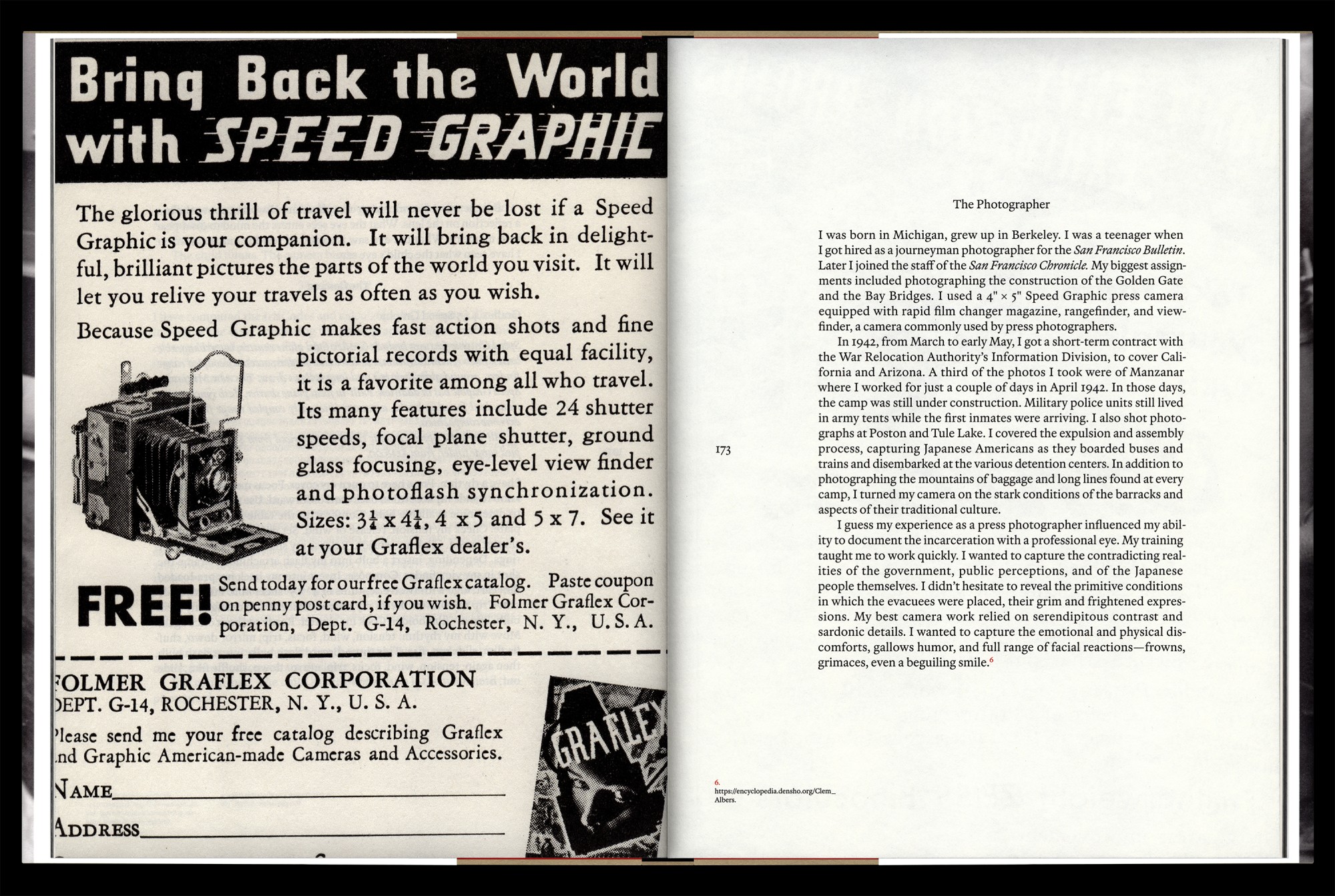
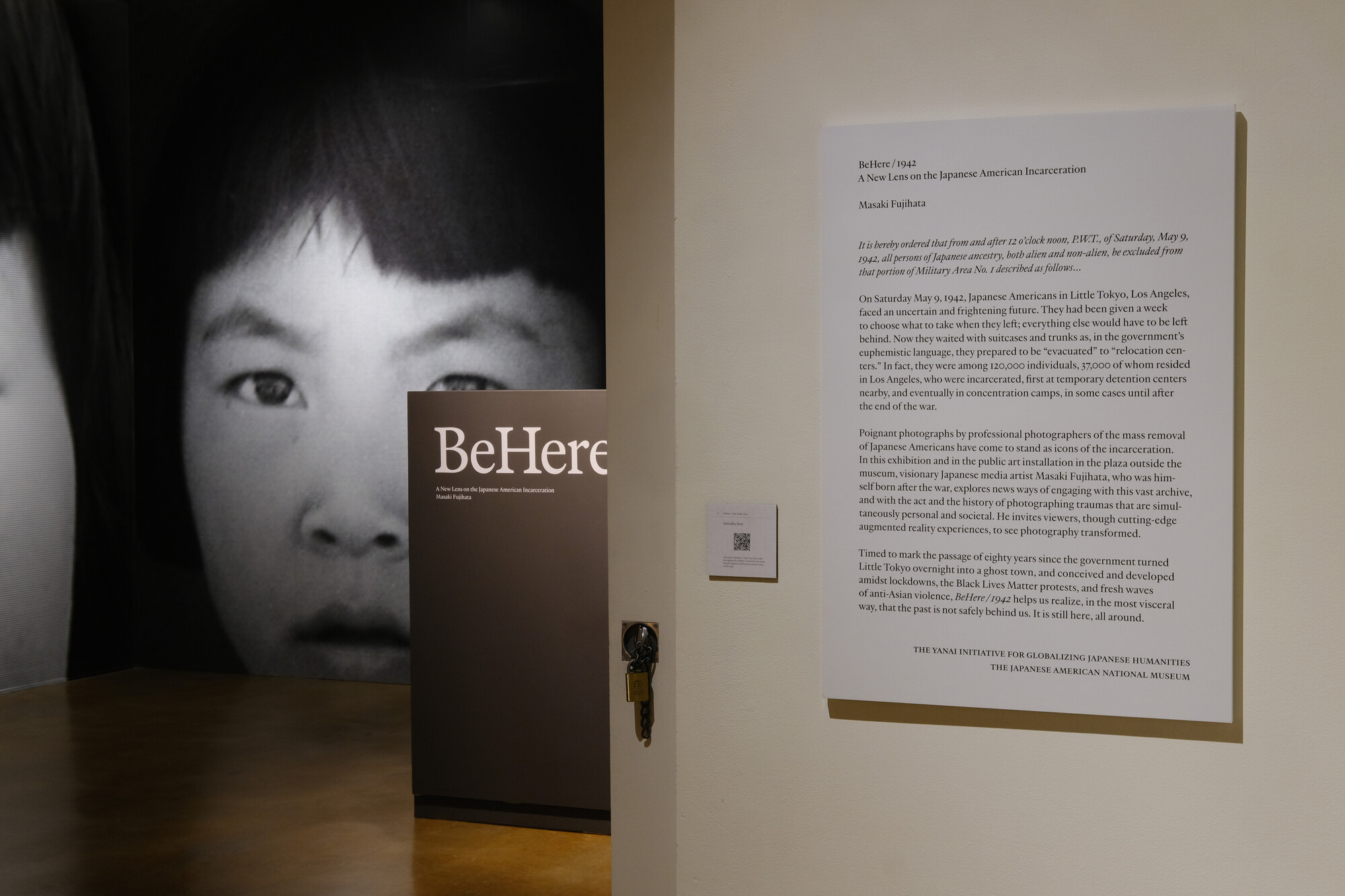
BeHere / 1942 is the companion book to media artist Masaki Fujihata’s project and exhibition at the Japanese American National Museum reframing the historic forced incarceration of Japanese Americans during World War II through photographic detective work and re-examination through augmented reality. This volume contains a variety of contributions each of which engages with the history of the incarceration and its representation in photographs and exhibitions.
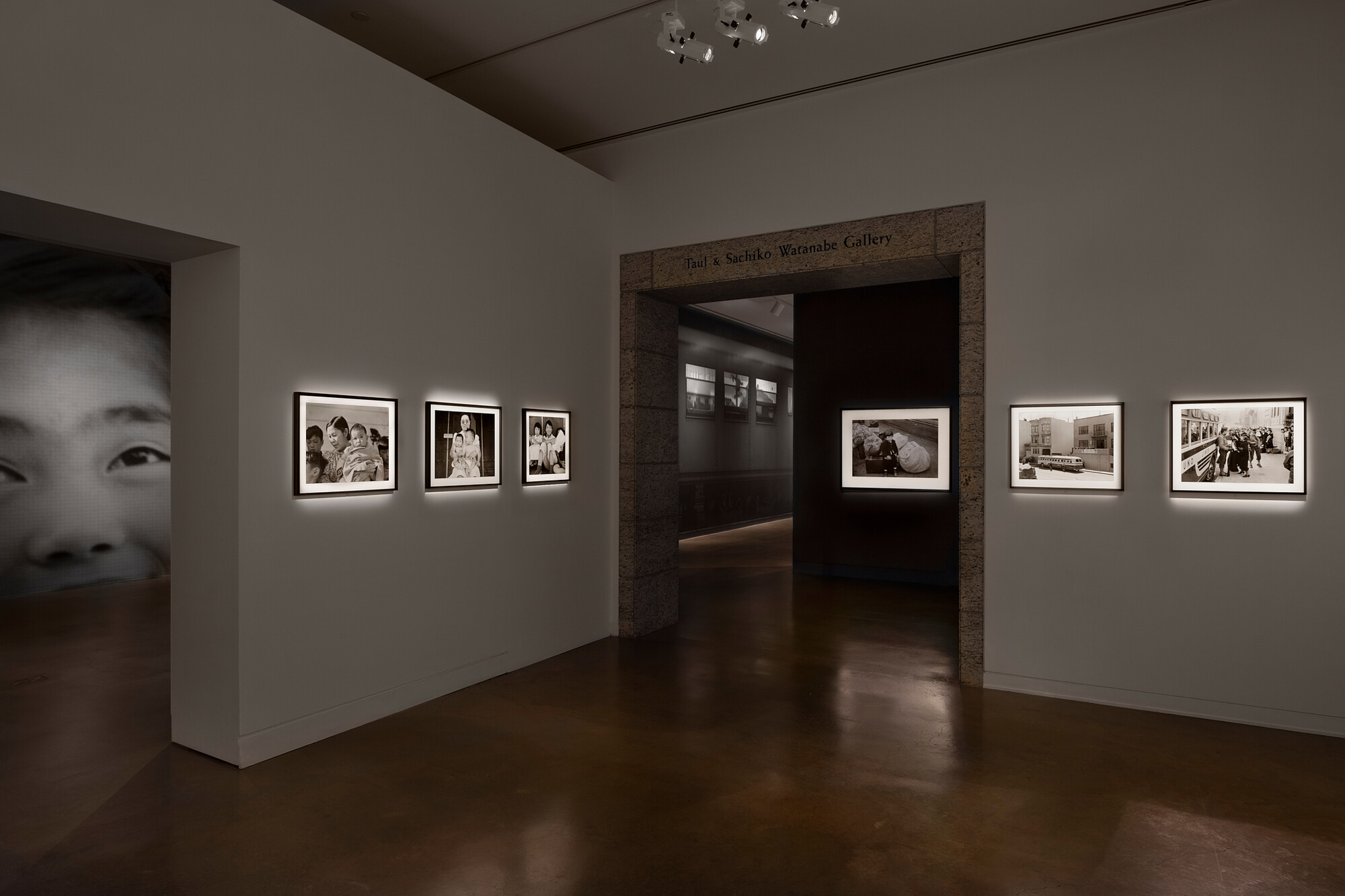
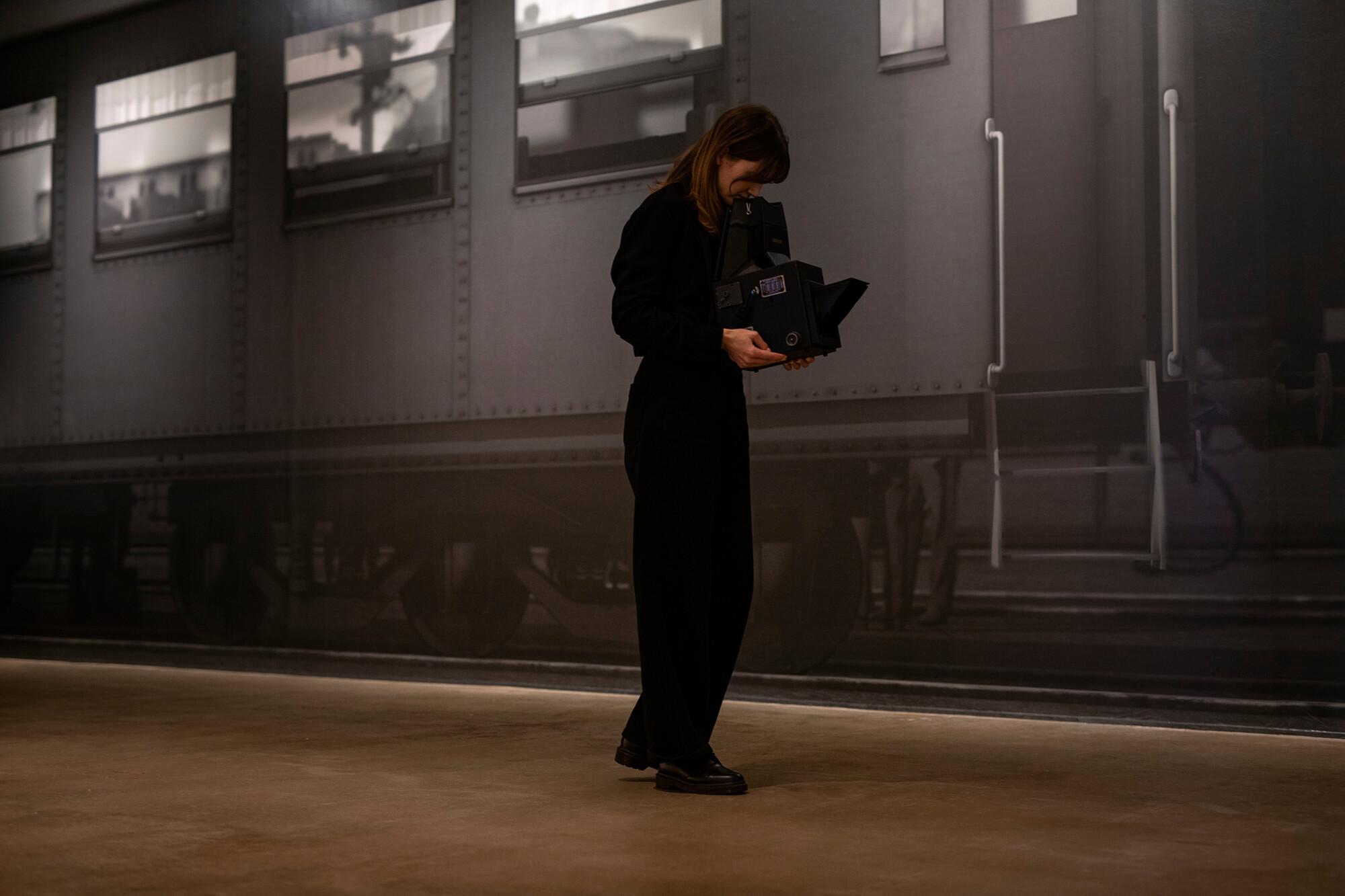
Masaki Fujihata’s multimedia project and exhibition at the Japanese American National Museum re-examines the Japanese American Incarceration through the lens of various media forms, from hyper-enlarged photographs to cutting-edge augmented reality technology, to help us see, in a new light, this dark moment in the history of Los Angeles, and of the United States.
Japan Past & Present (JPP) is a global information hub and digital repository created to promote research, teaching, and collaboration in Japanese humanities. The initiative provides and presents grant opportunities, digital projects, global networks, educational resources, student workshops, institutional partnerships, researcher directories, and translation databases.
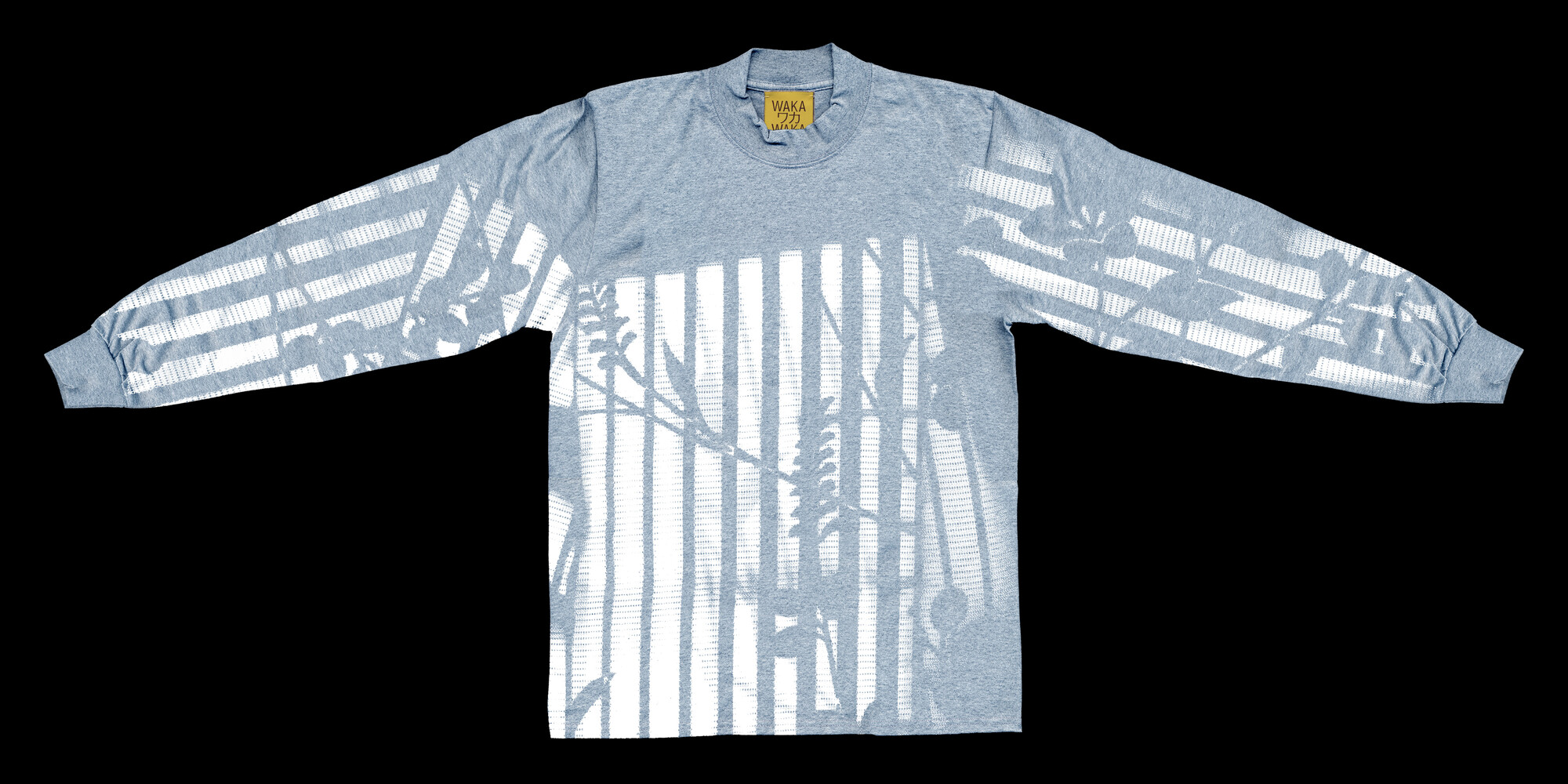
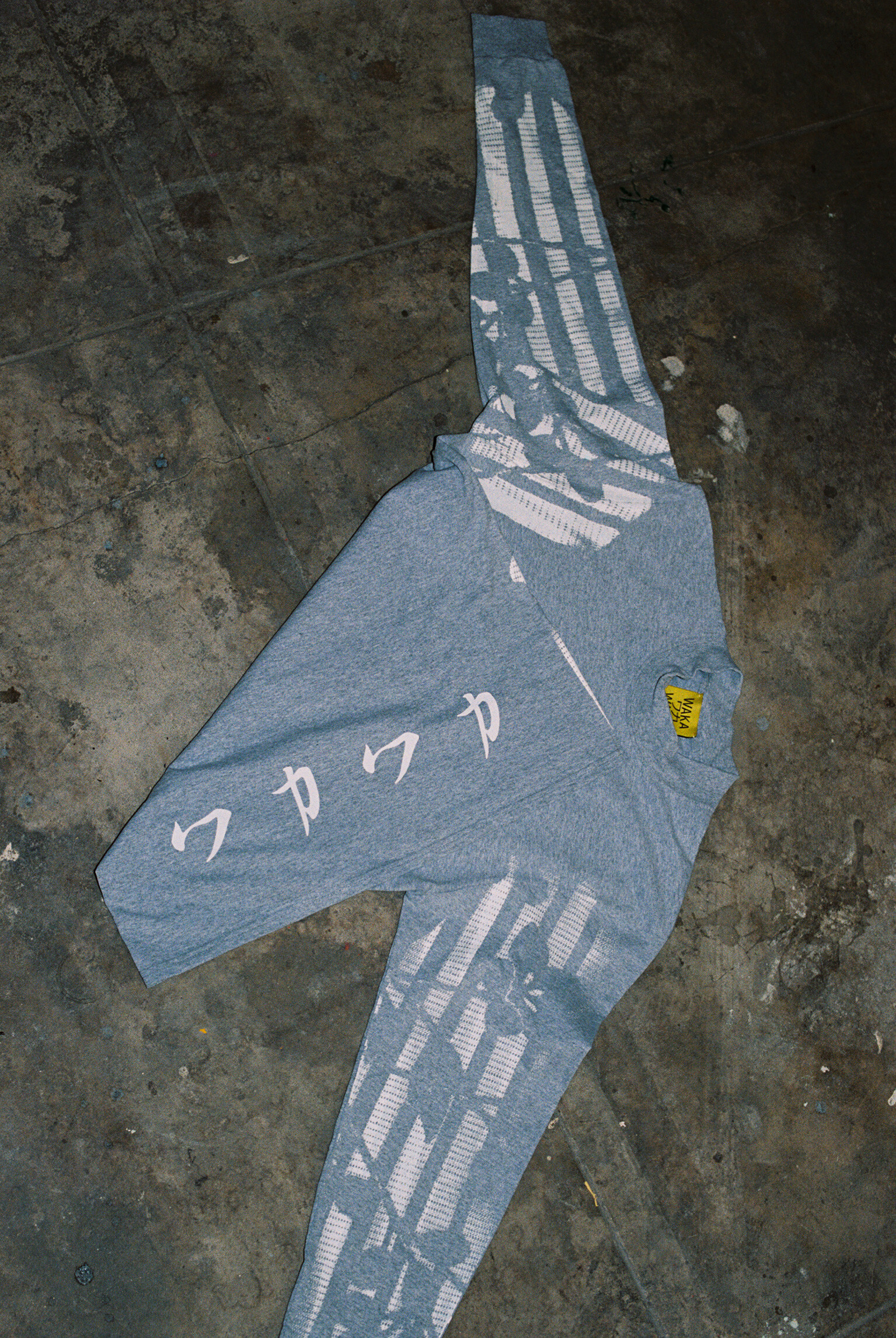
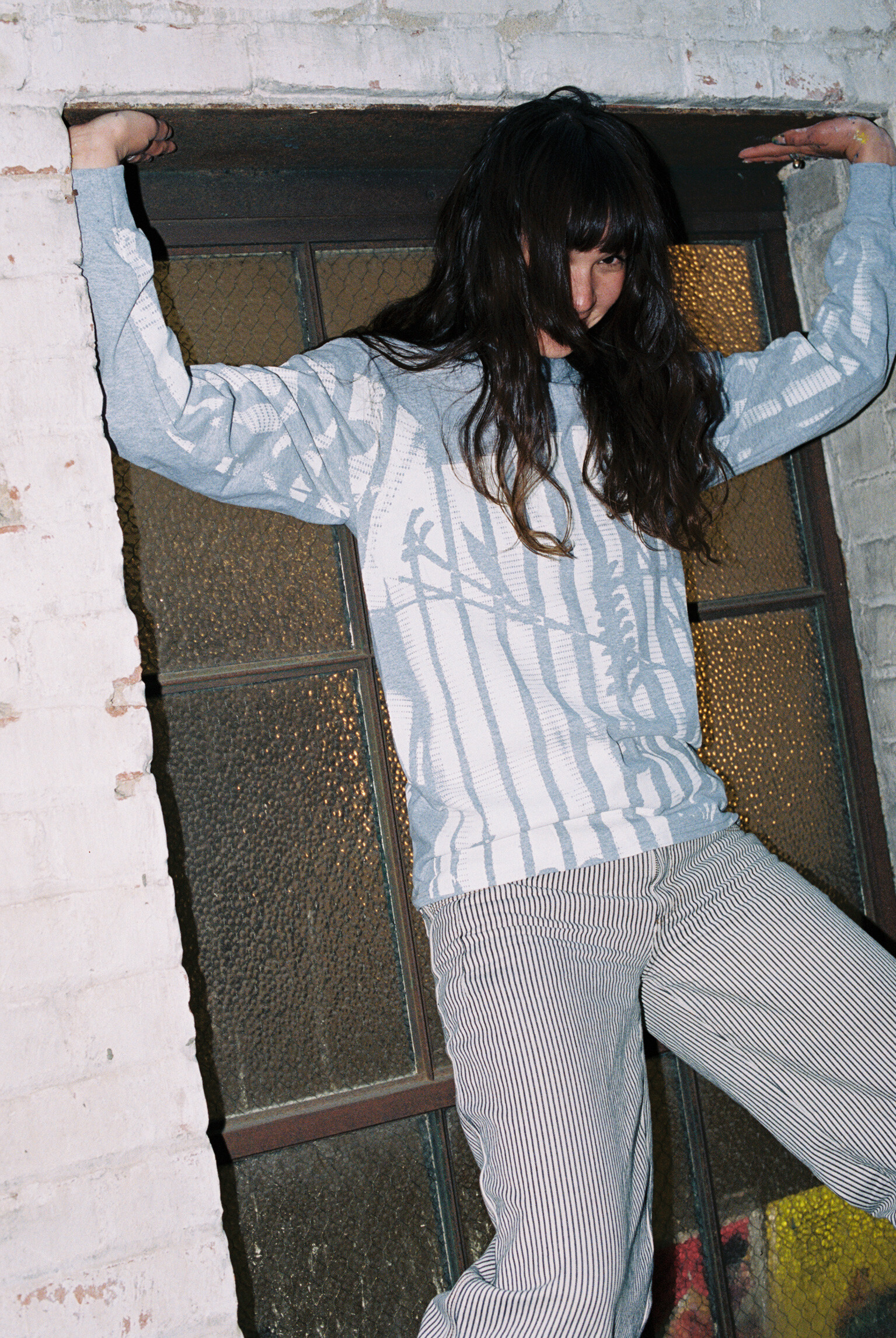
Hand-screened artist edition long-sleeve mockneck, featuring a kimono belonging to Takumi’s grandmother, an odori master. The pale pattern printed across the garment resembles sunlight filtered through foliage and screens.
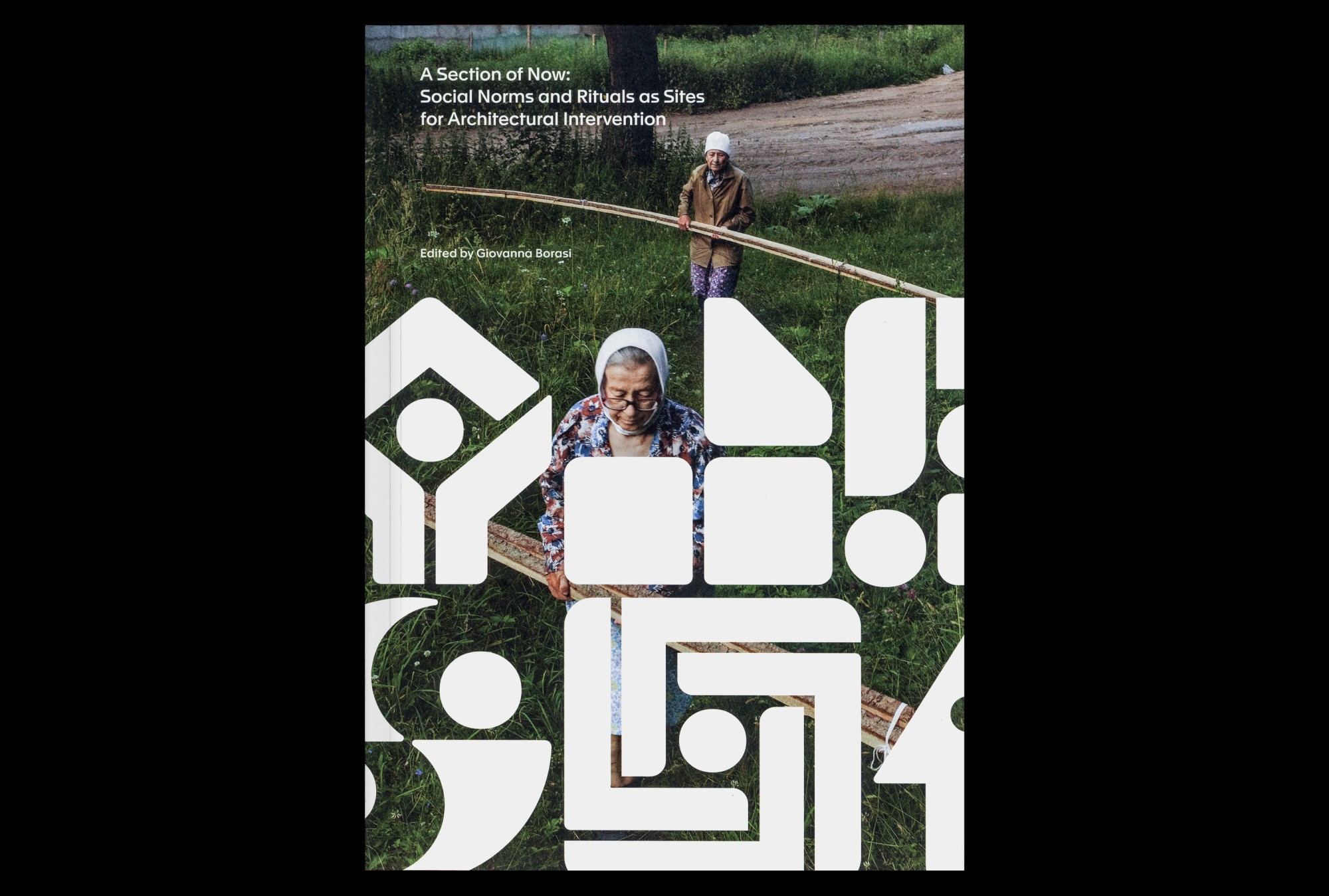
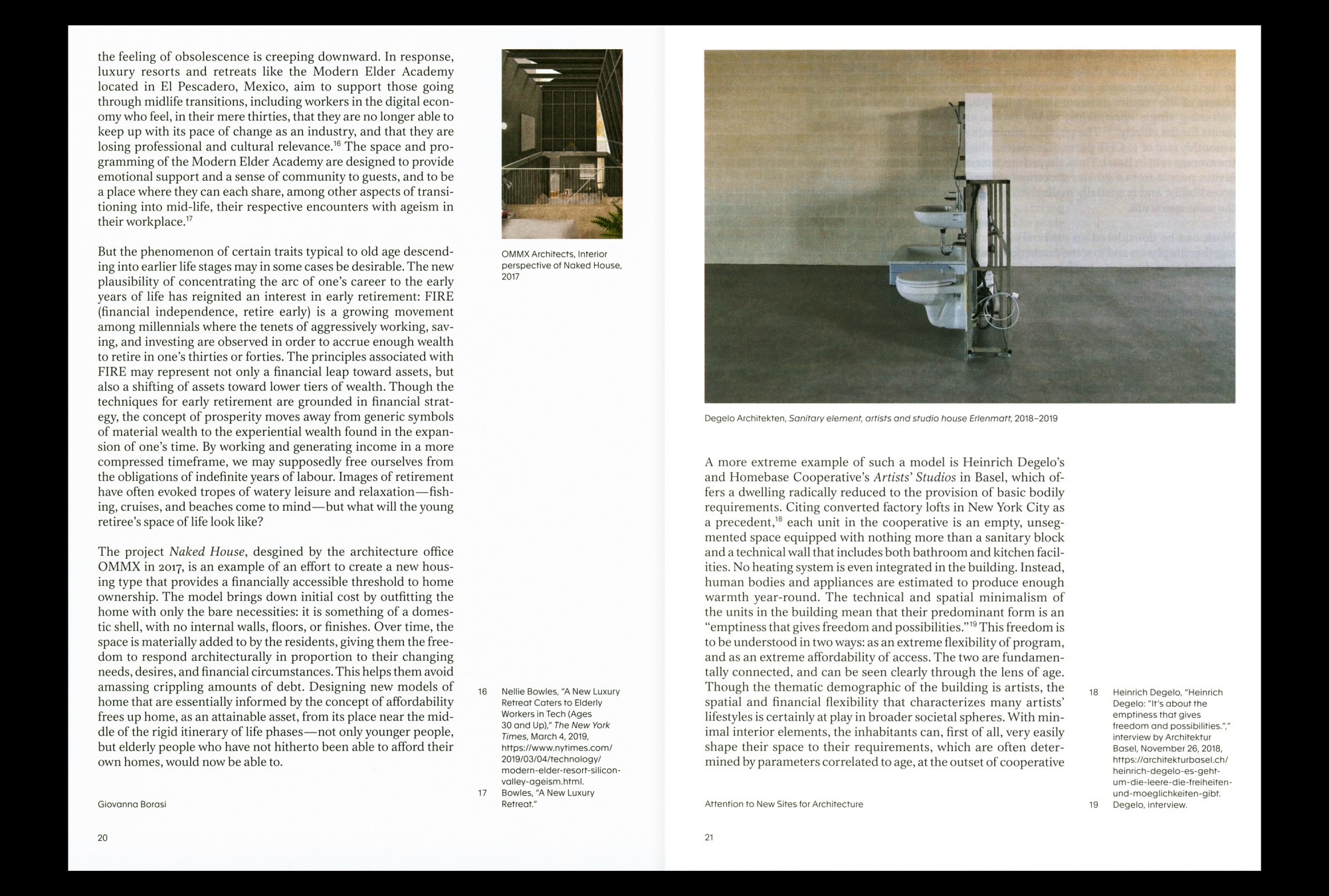
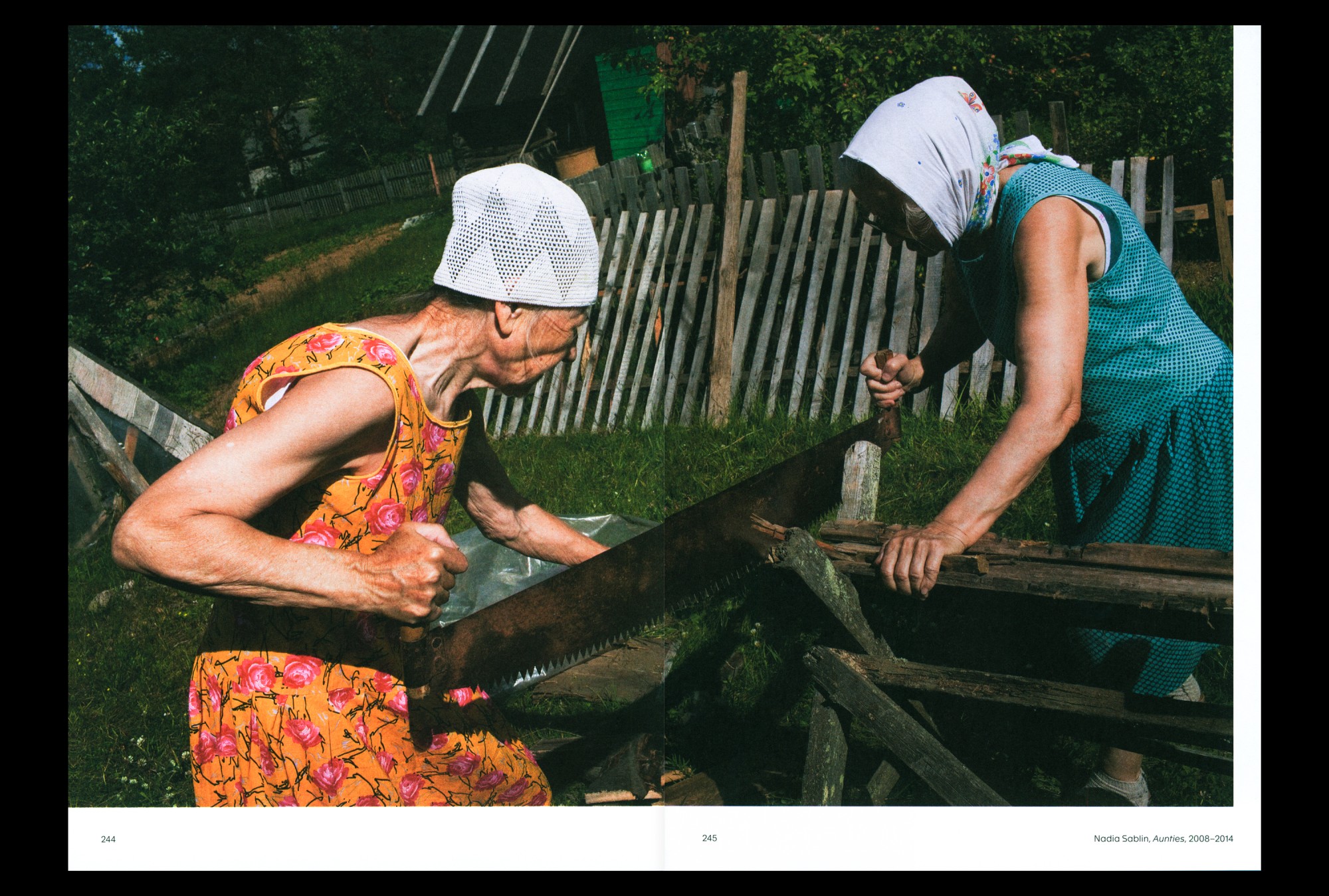
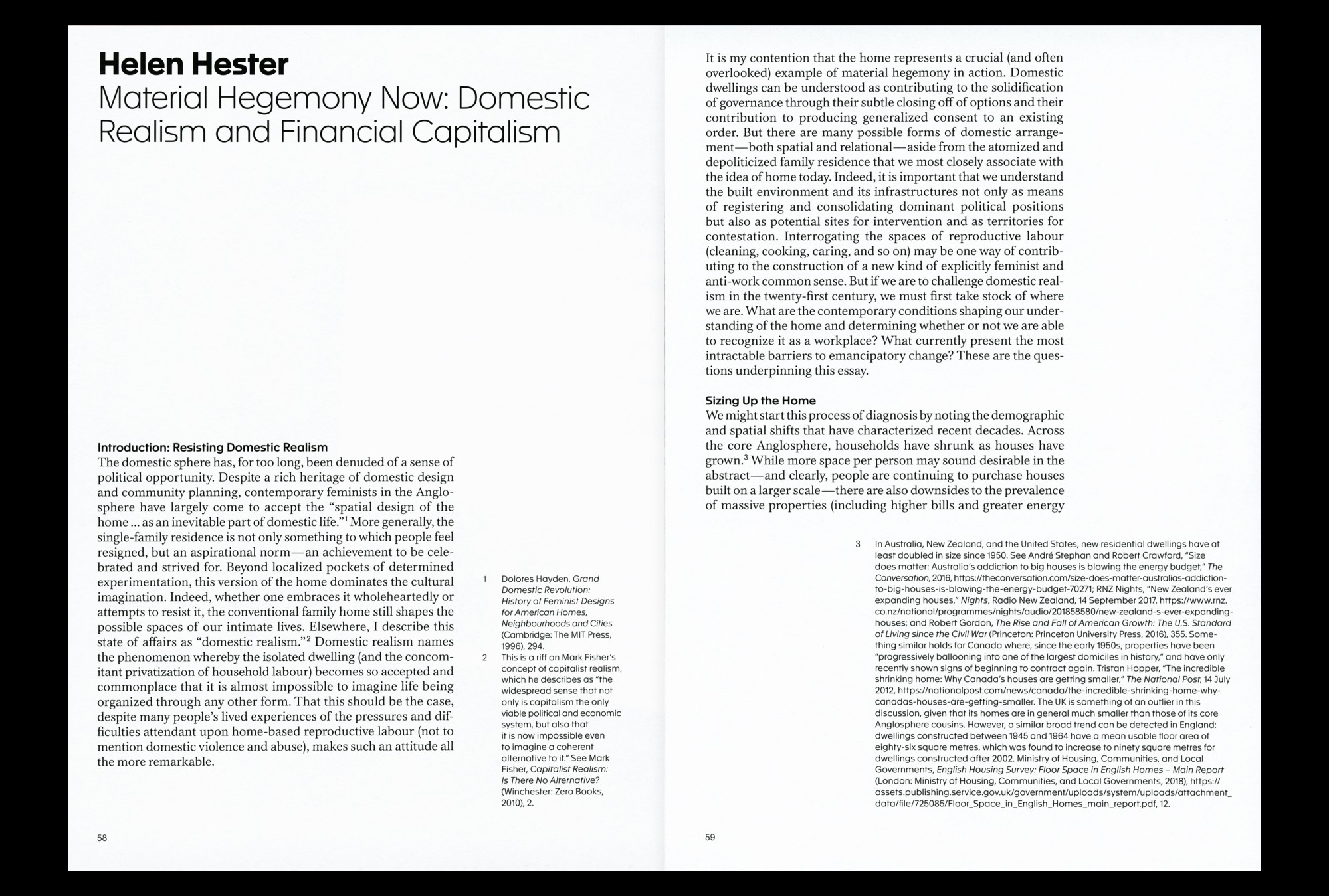
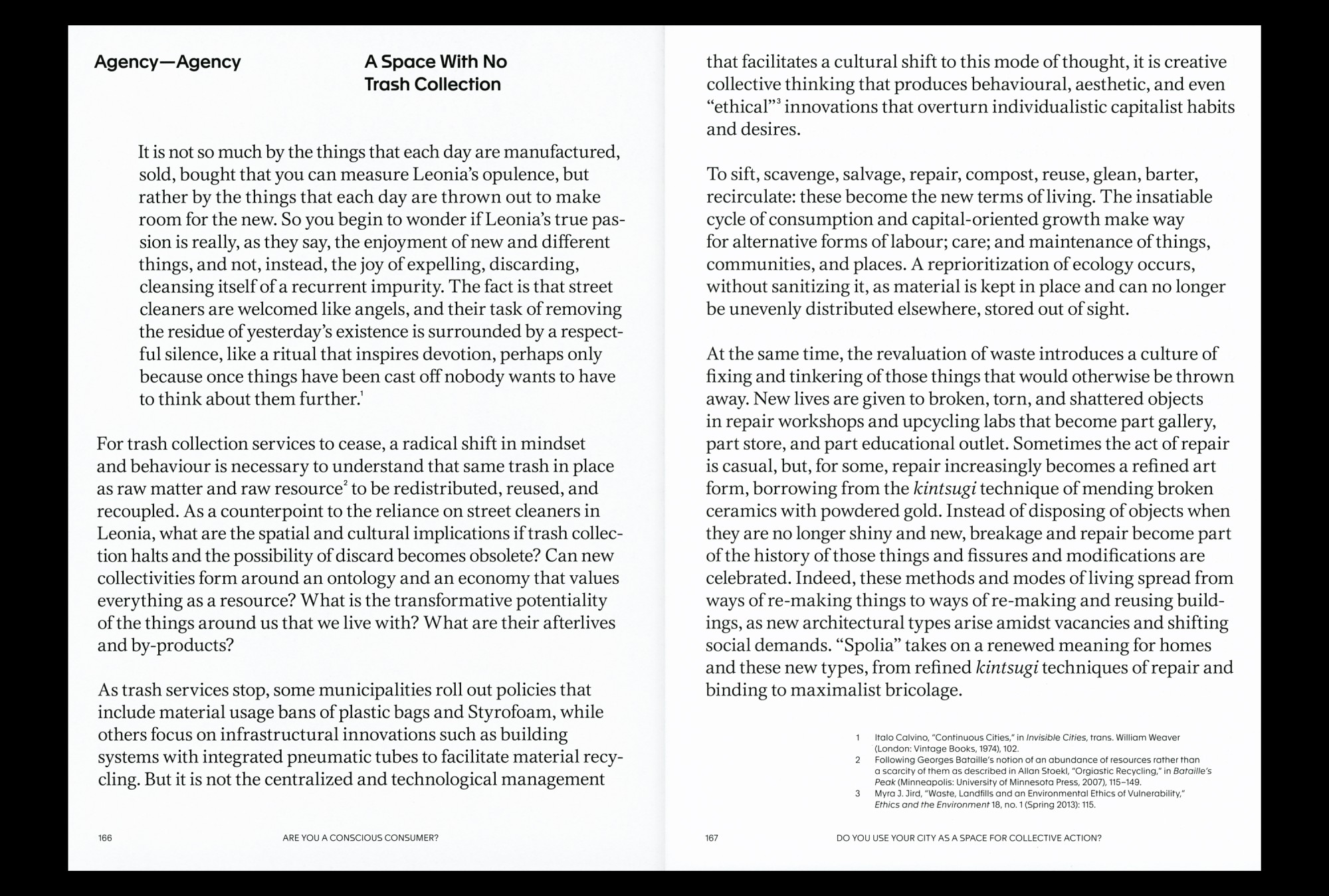
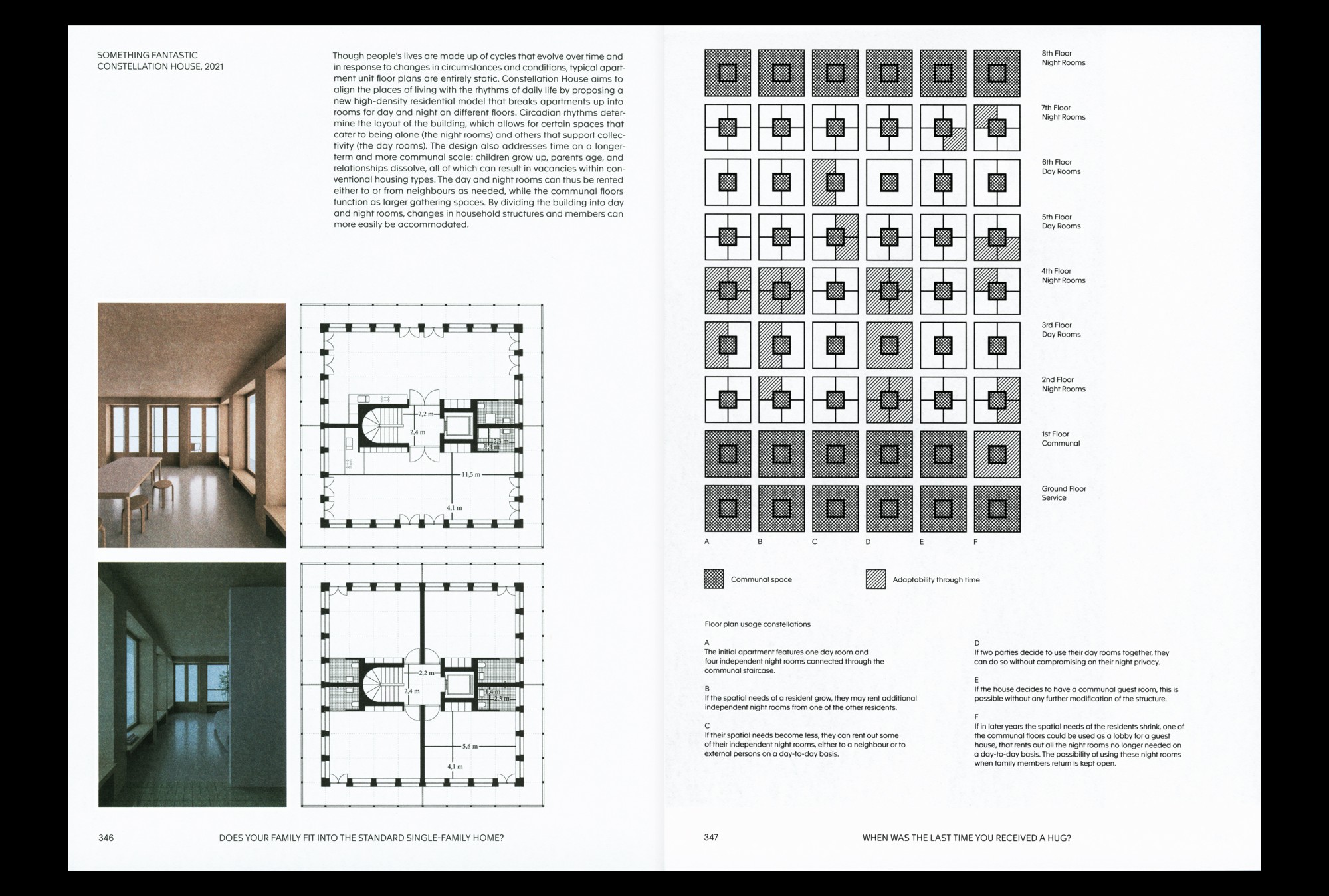
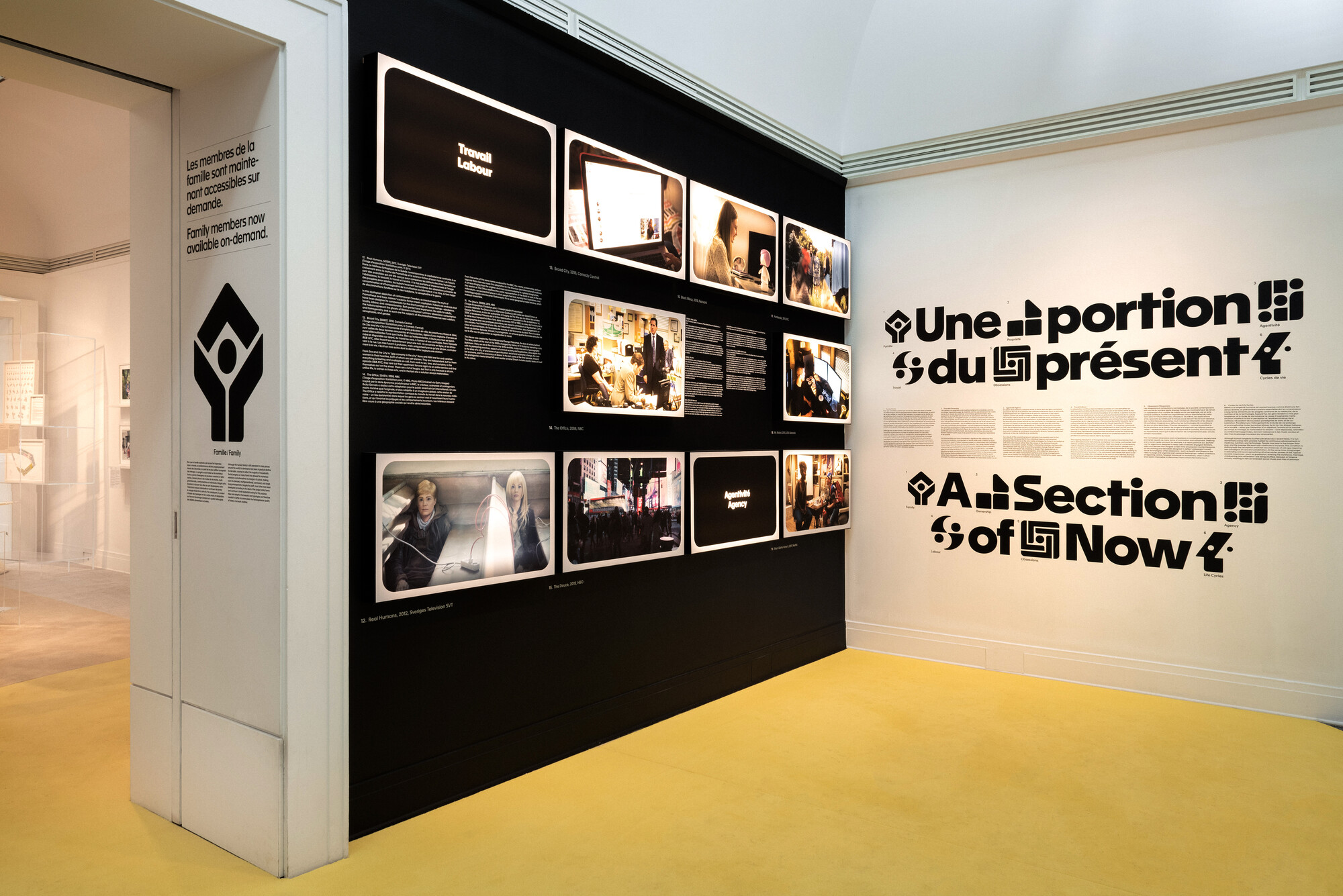
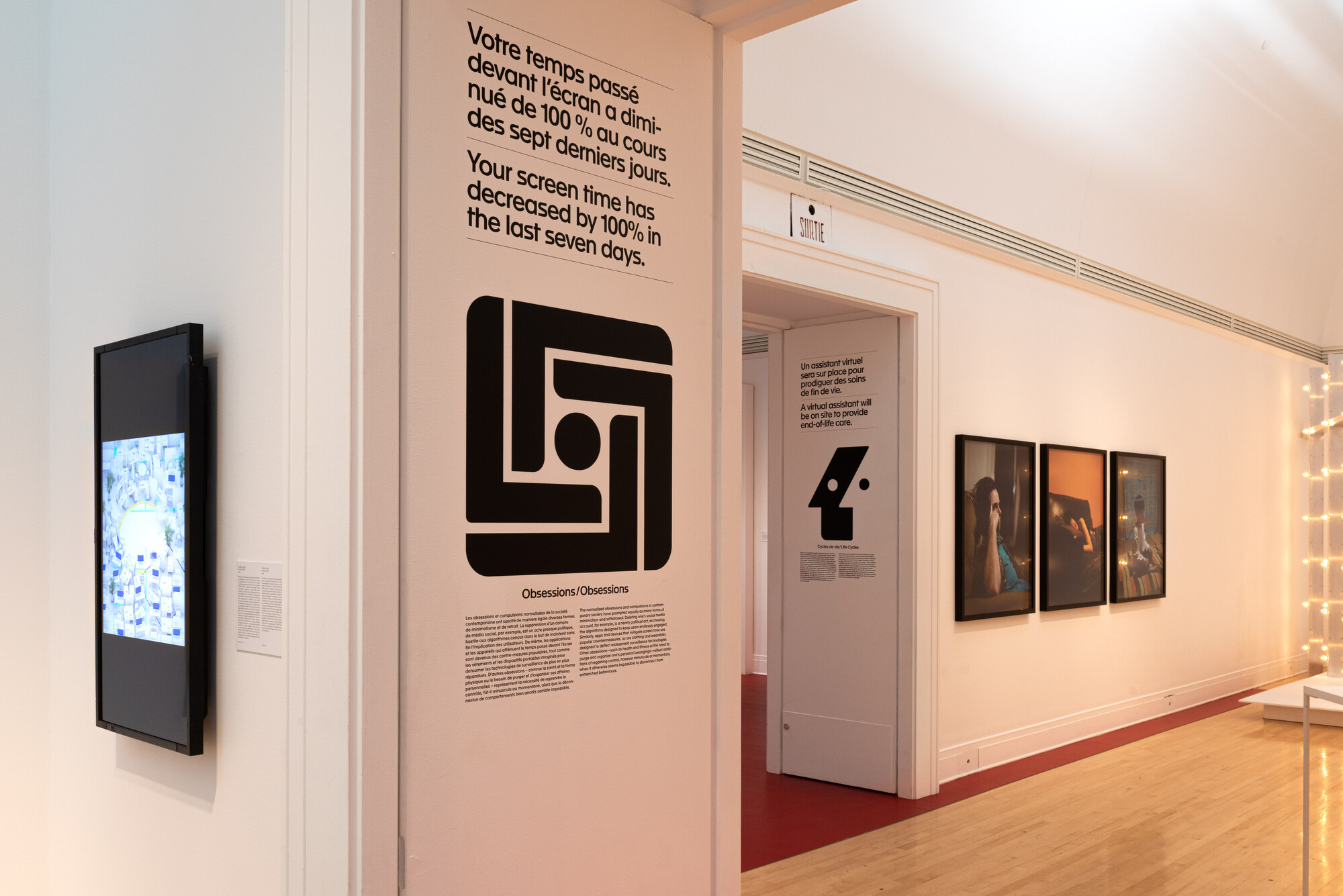
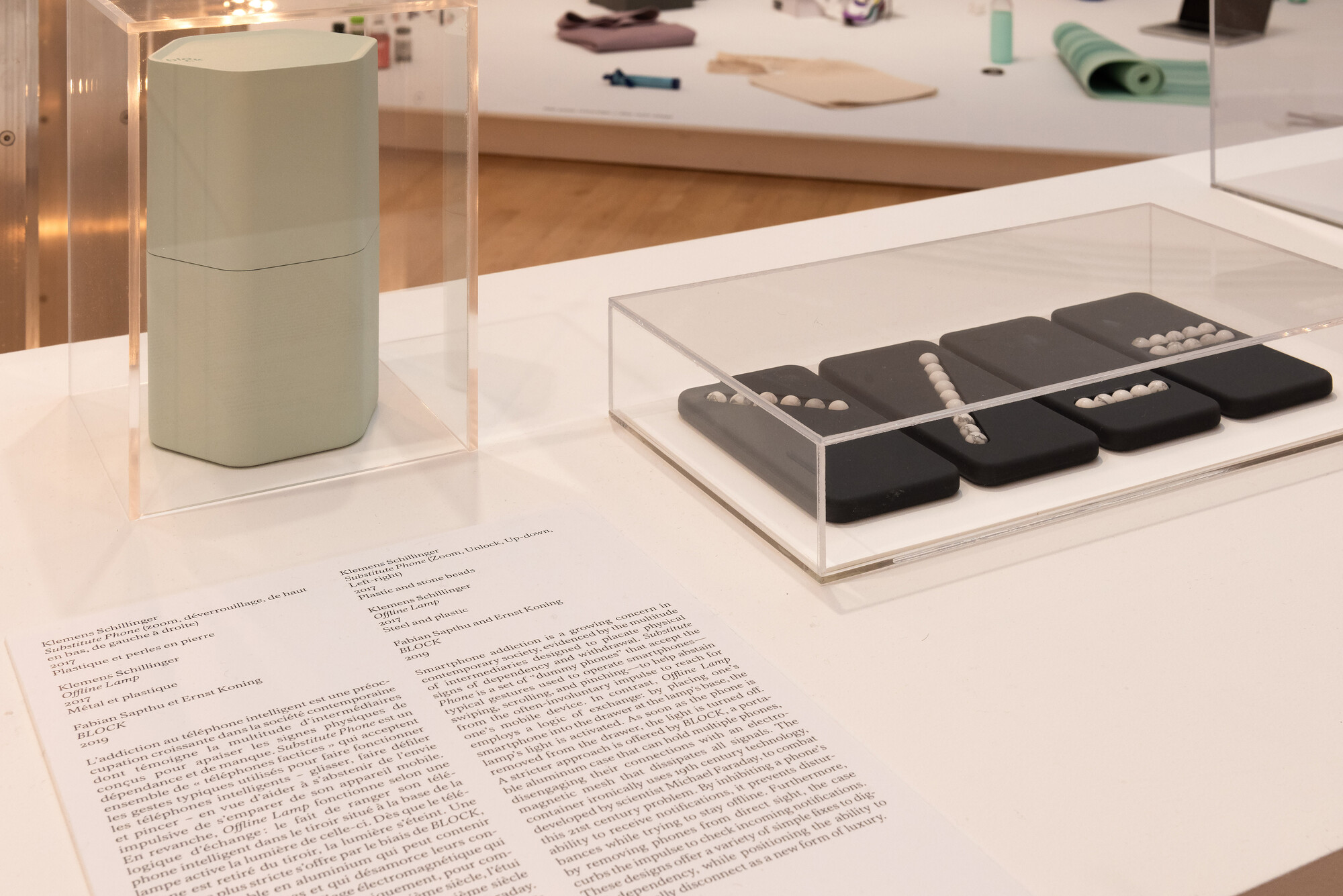
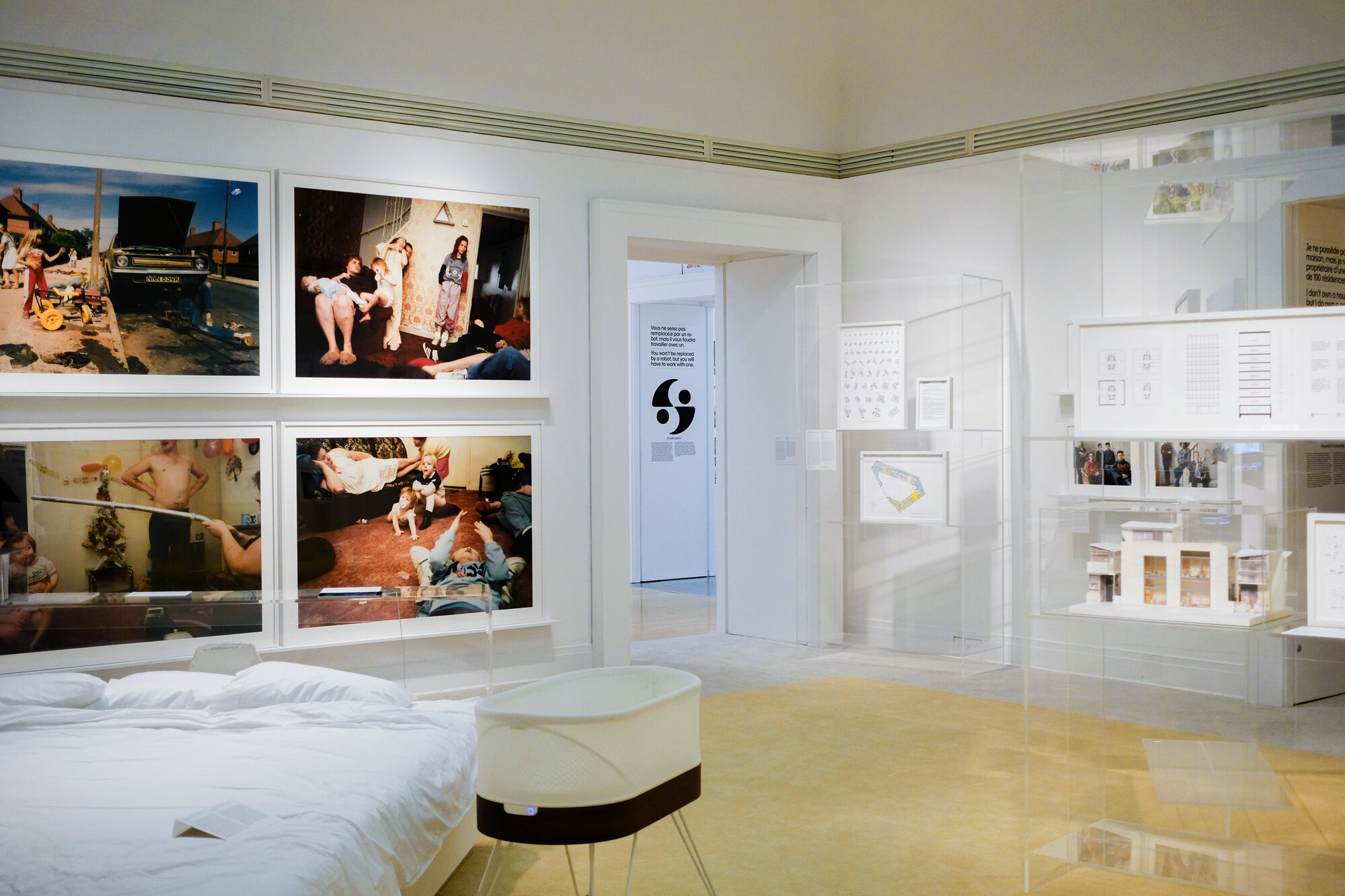
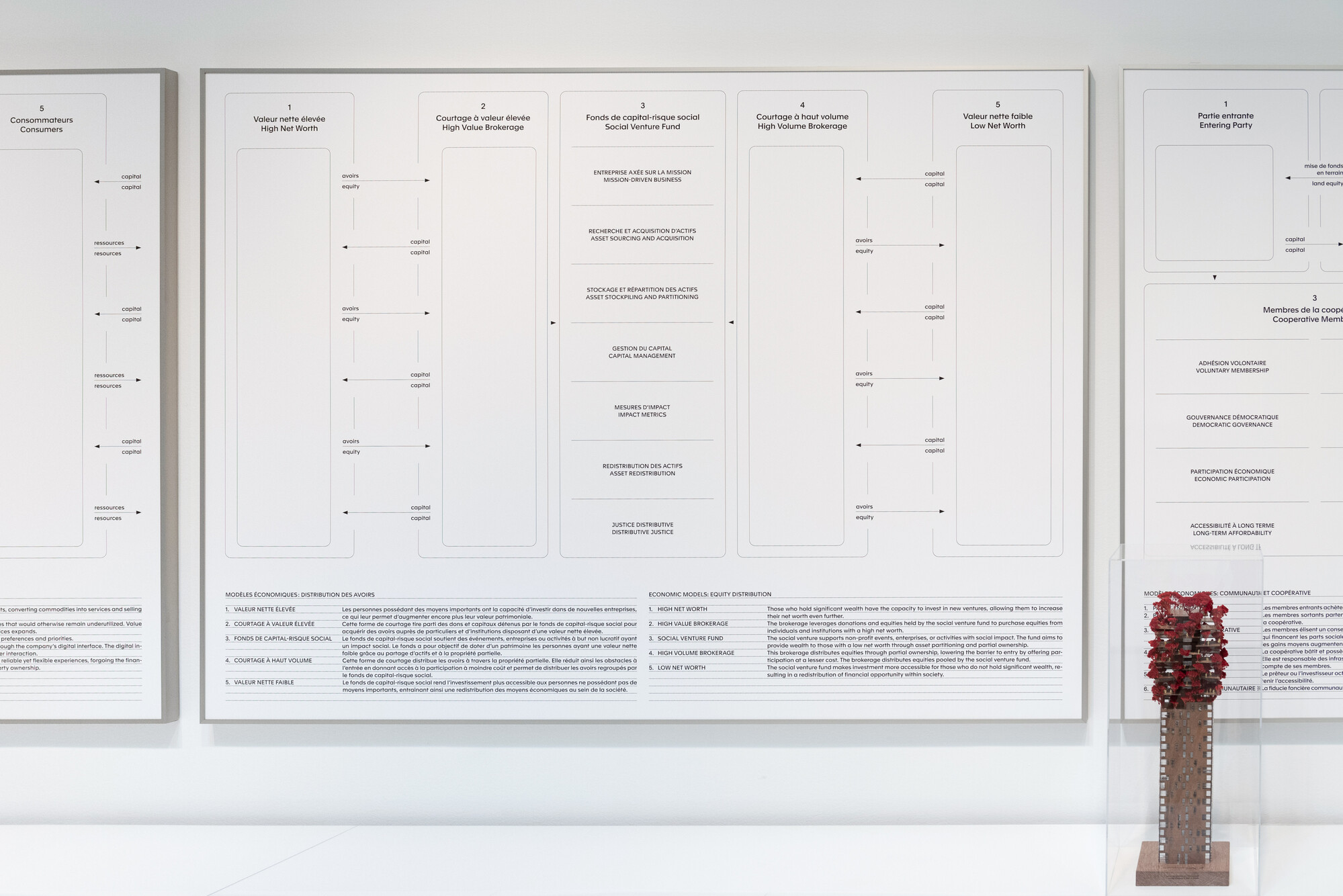
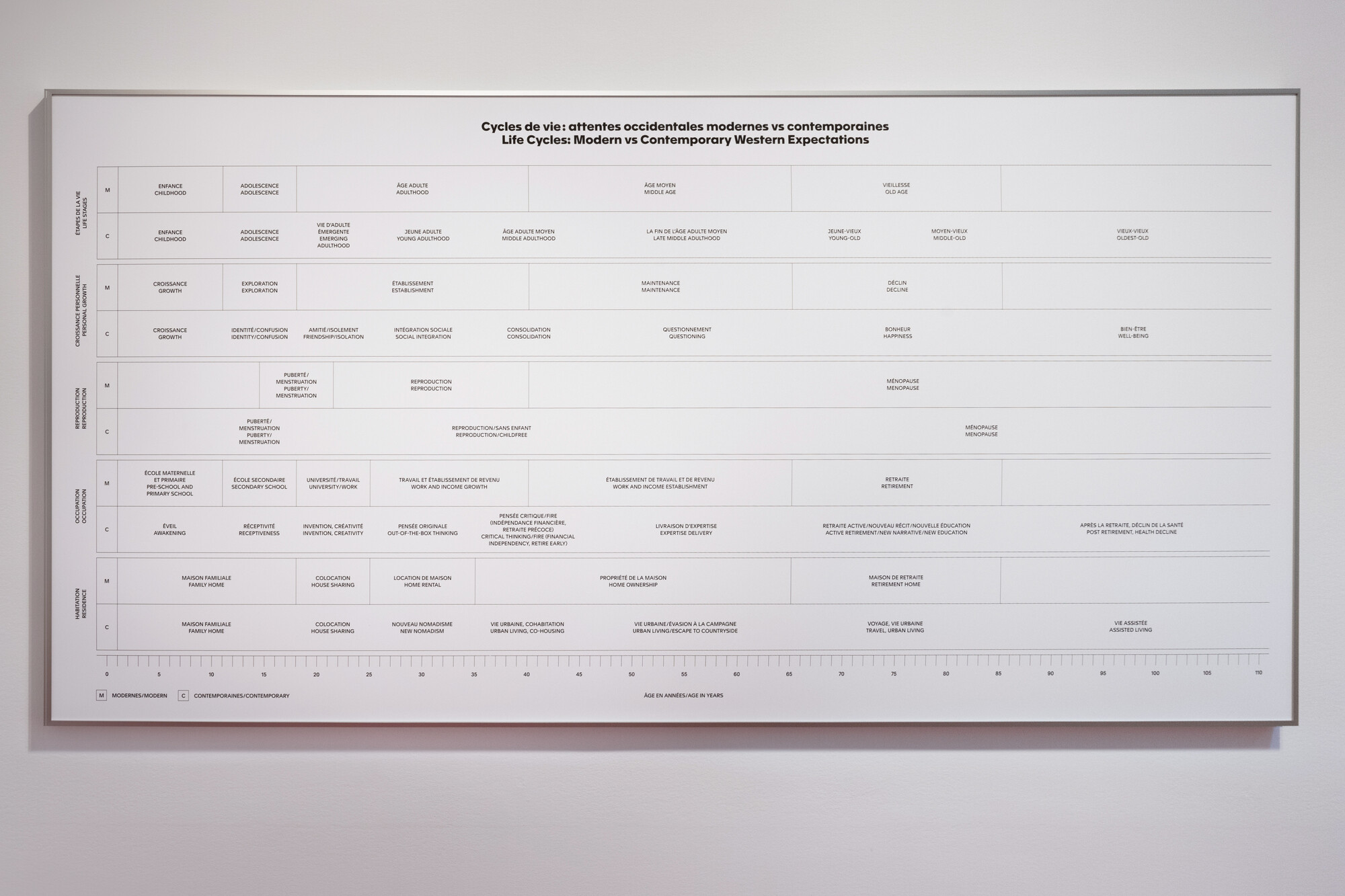
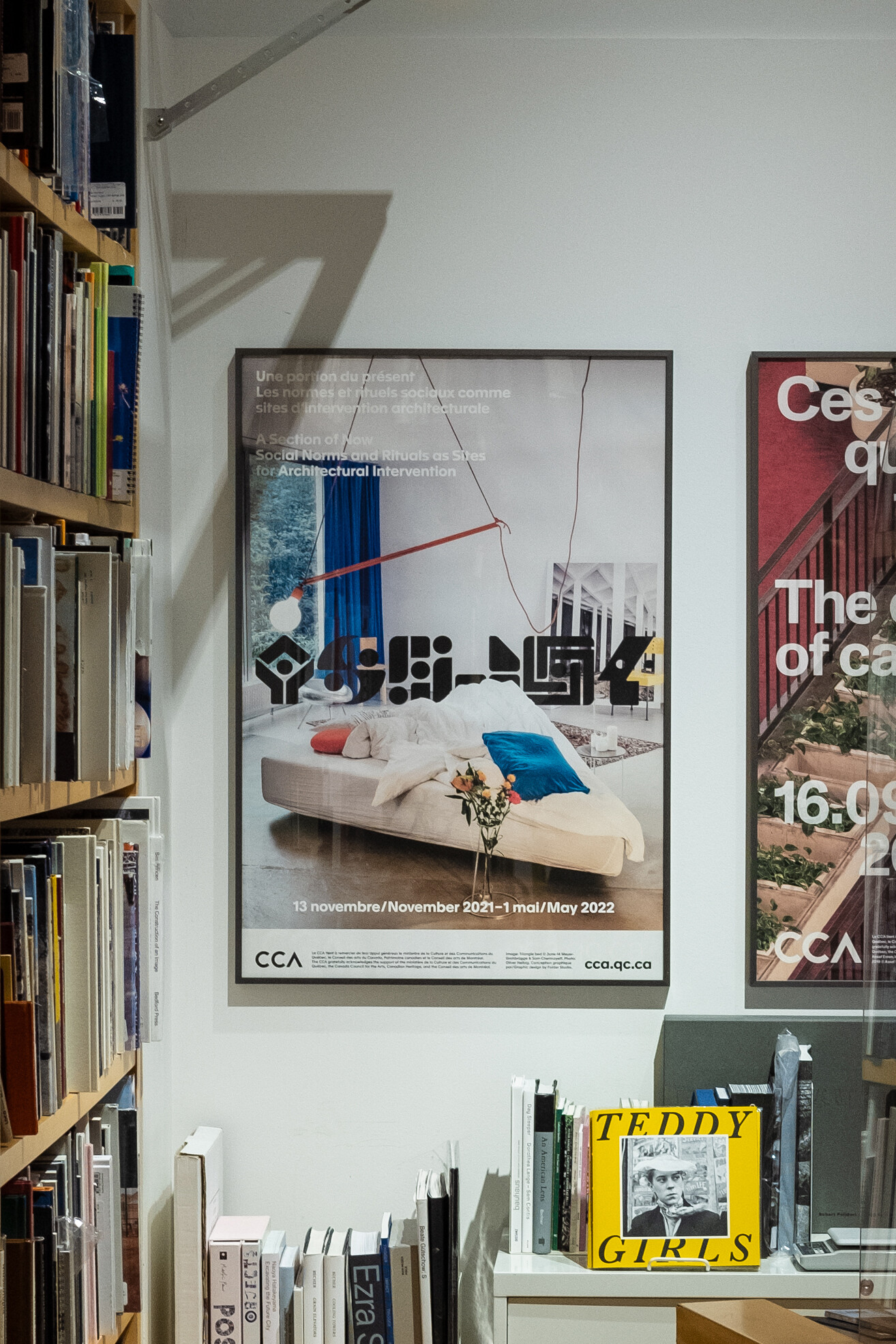
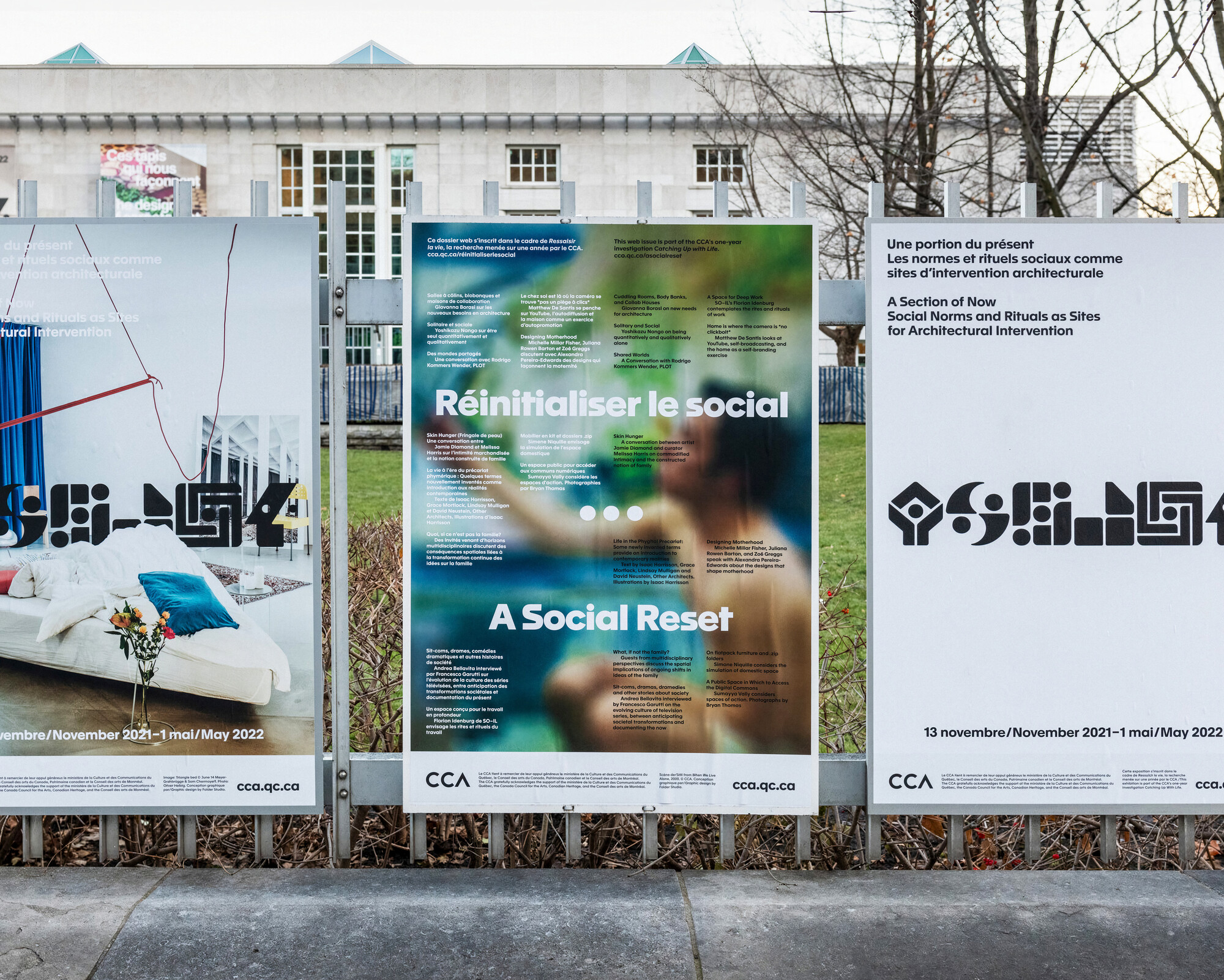
A Section of Now: Social Norms and Rituals as Sites for Architectural Intervention is the companion publication to the exhibition presented by the Canadian Centre for Architecture. The reader, published in both French and English, brings projects presented in the show into contact with critical essays by sociologists, technologists, and cultural critics diagnosing the meta-societal landscapes on which the architecture intervenes.
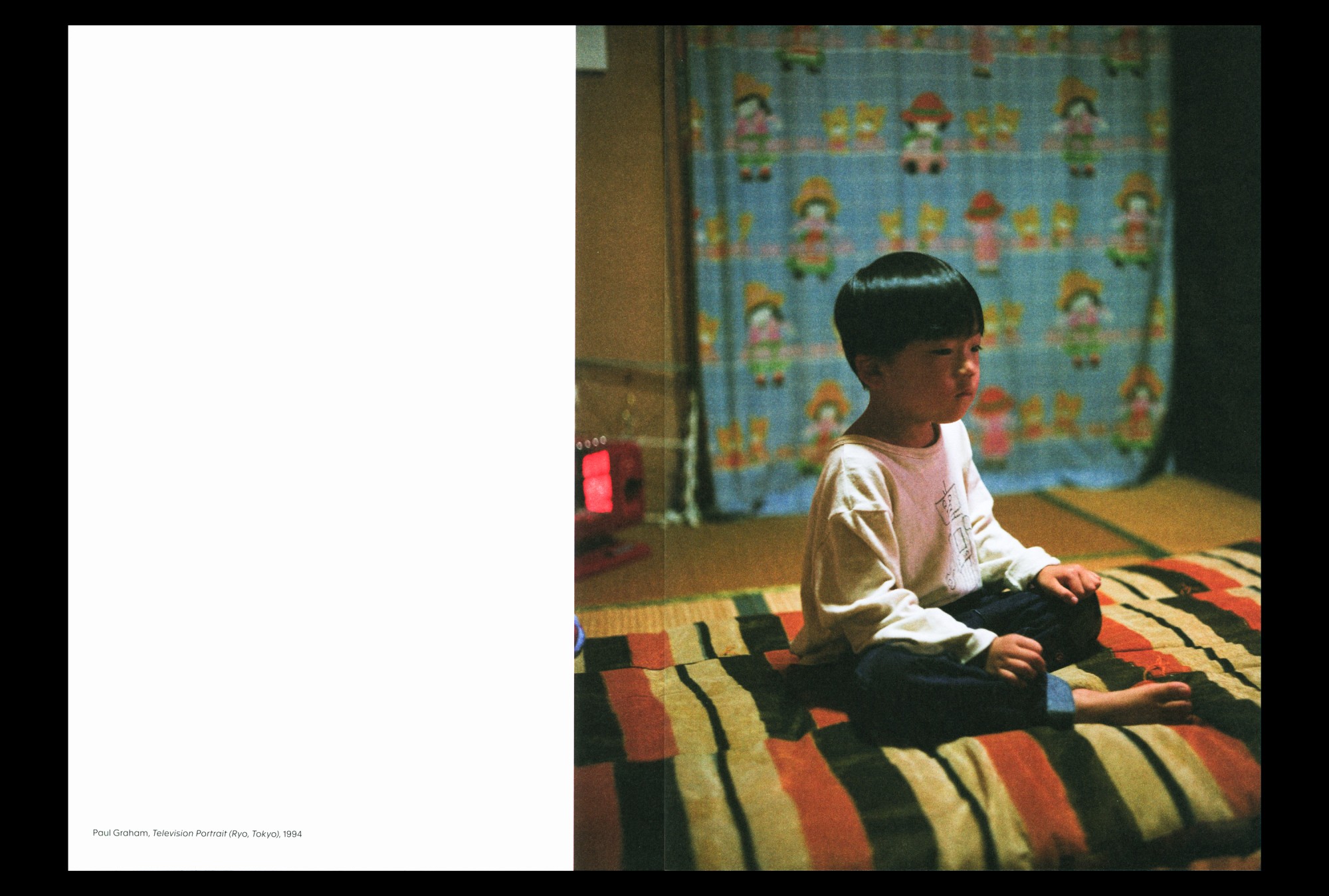
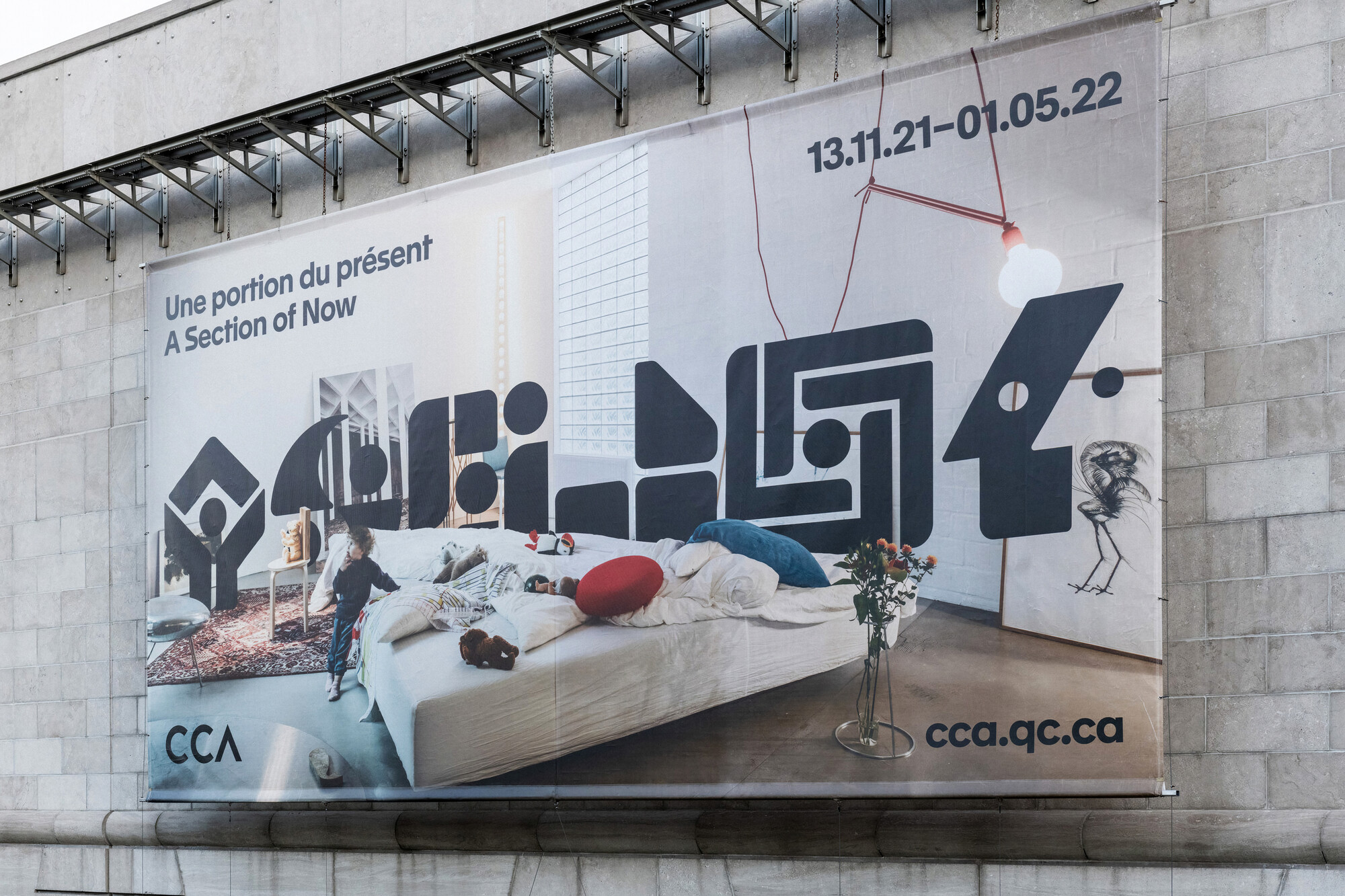
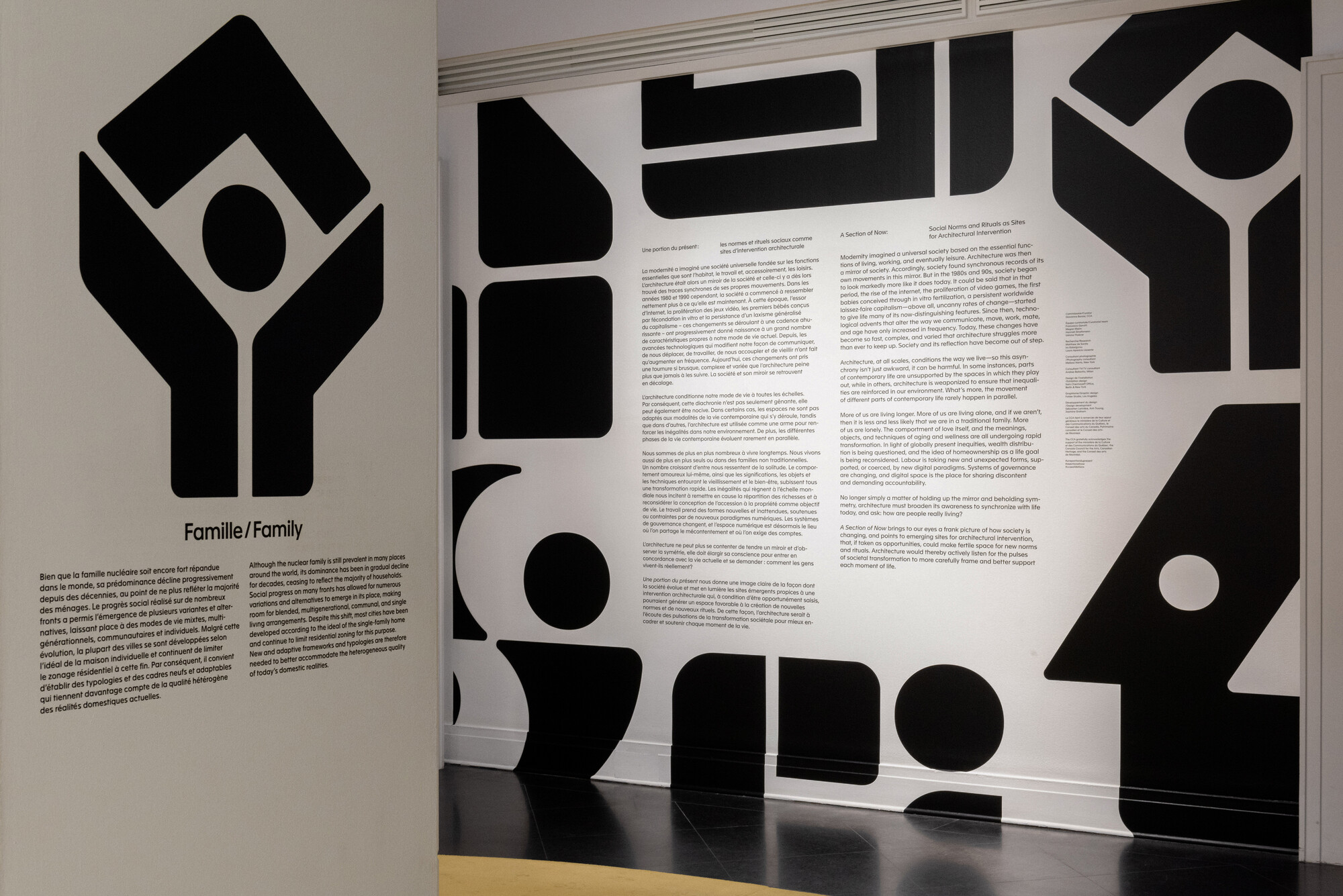
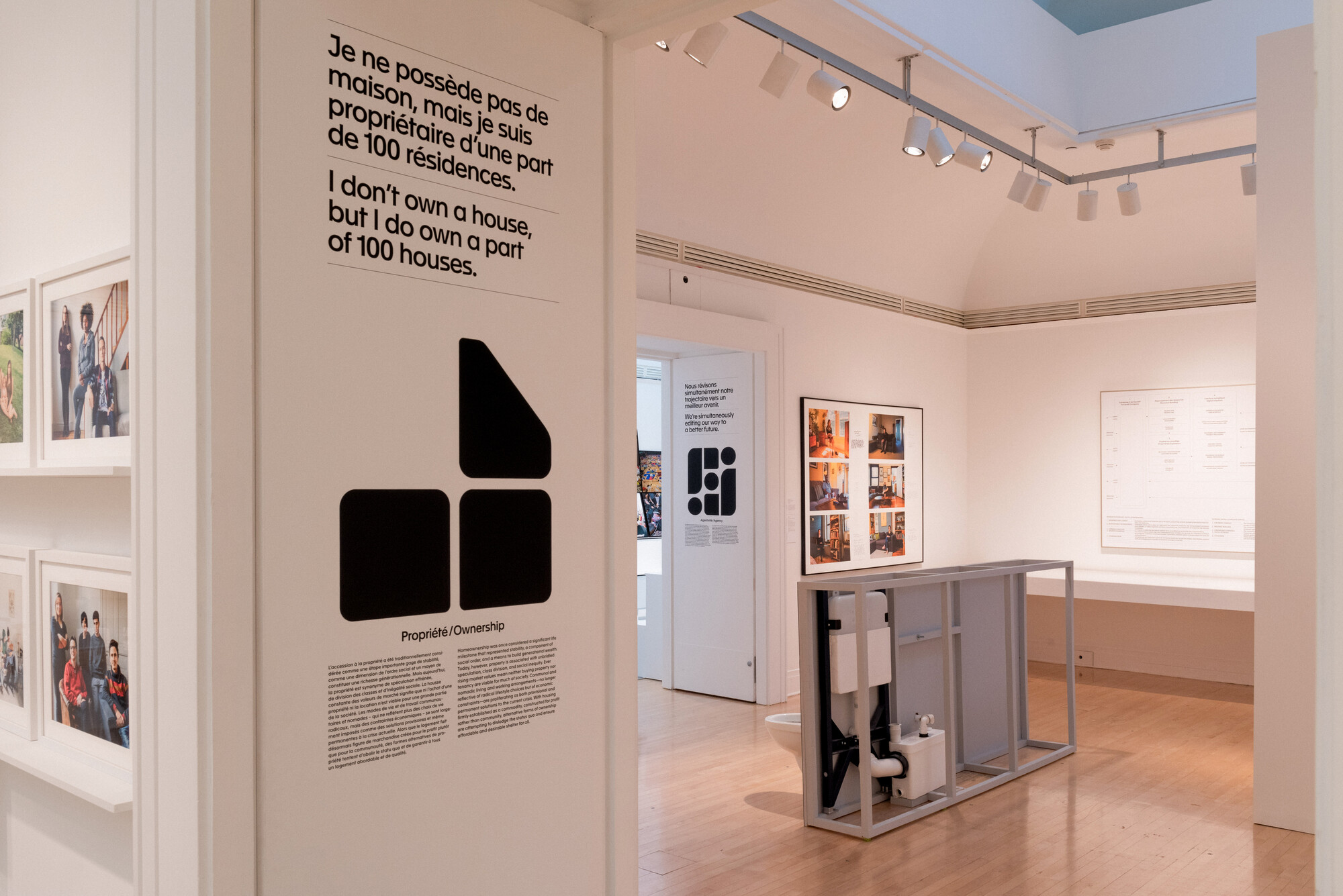
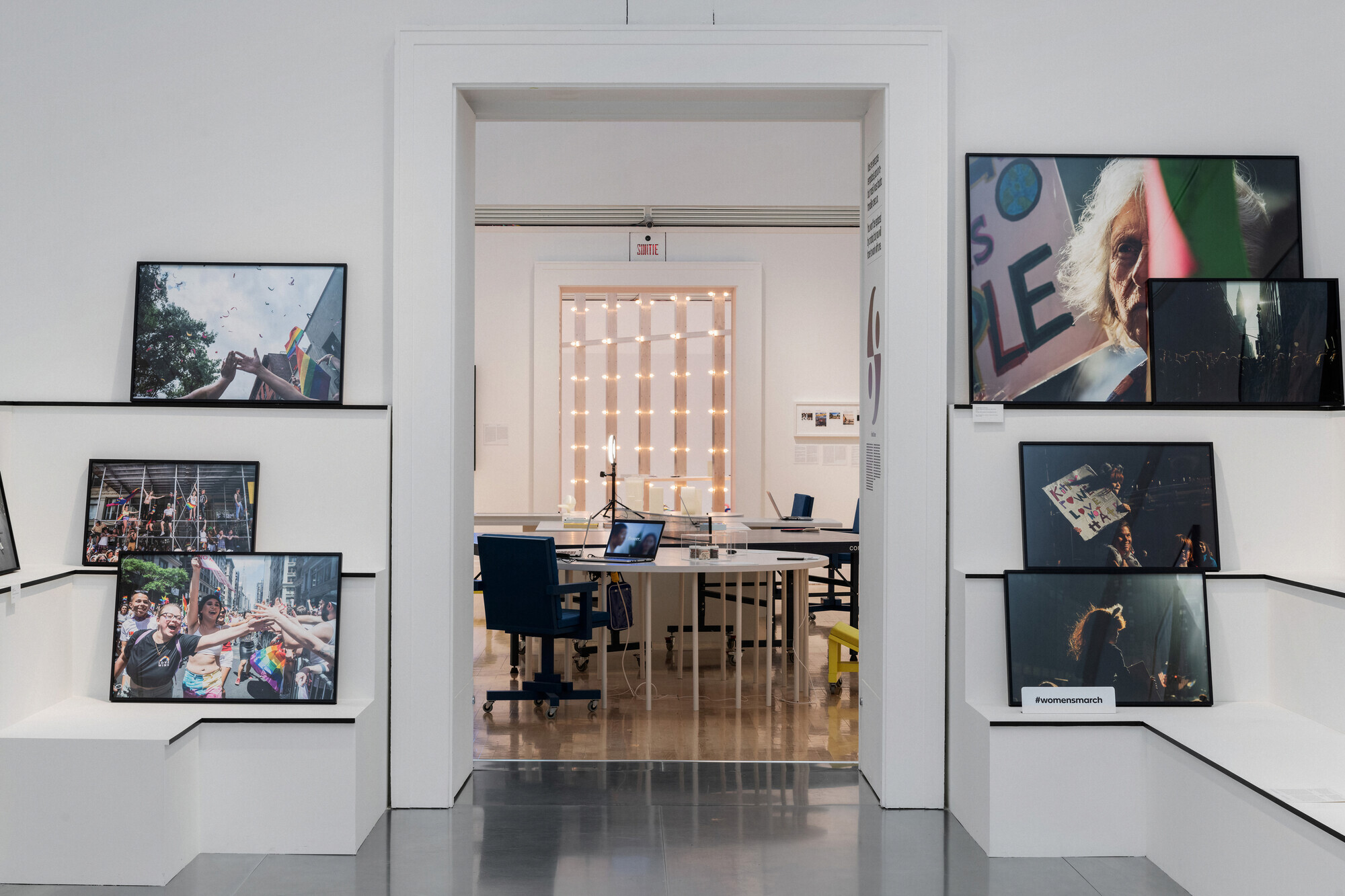
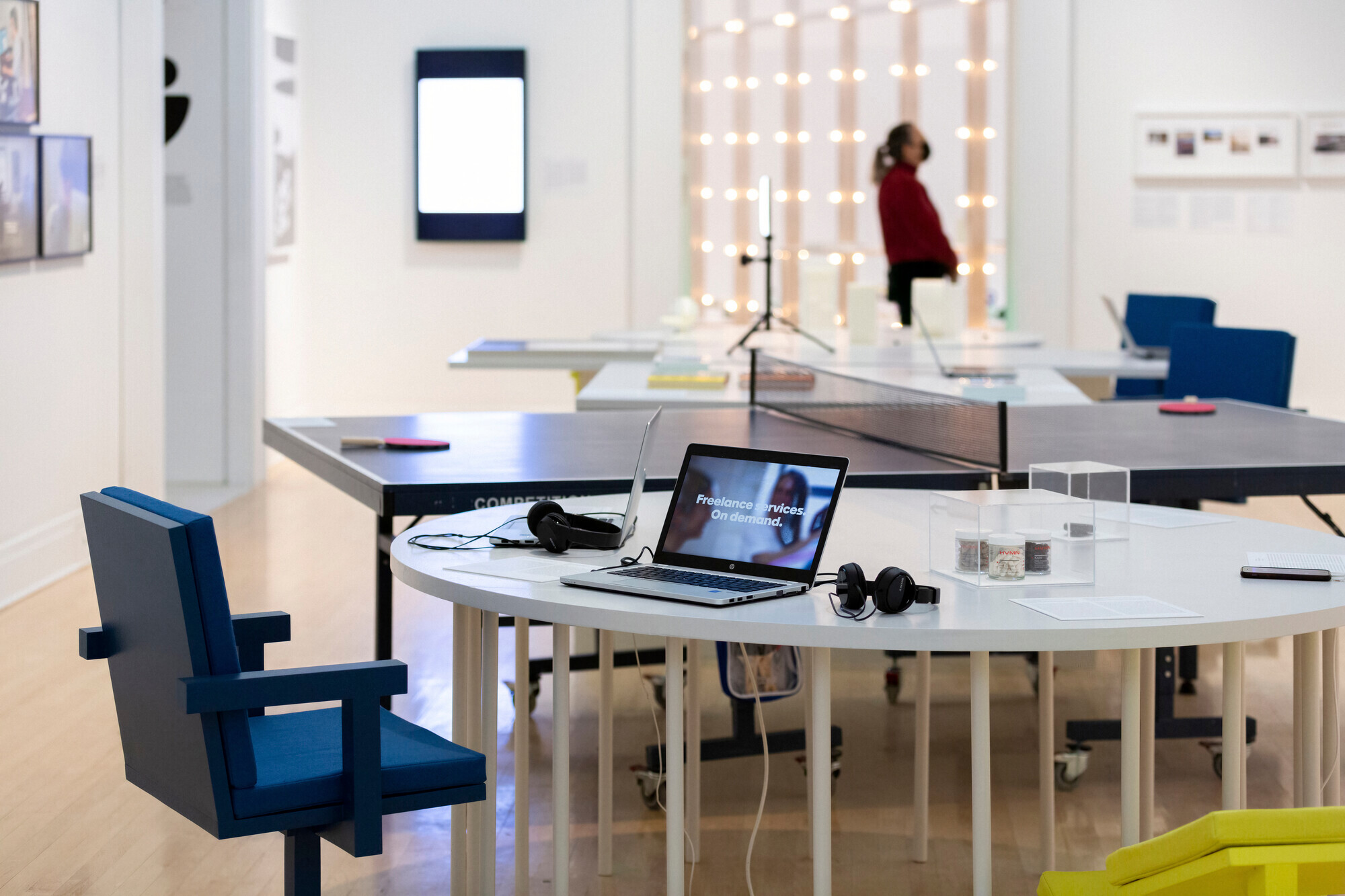
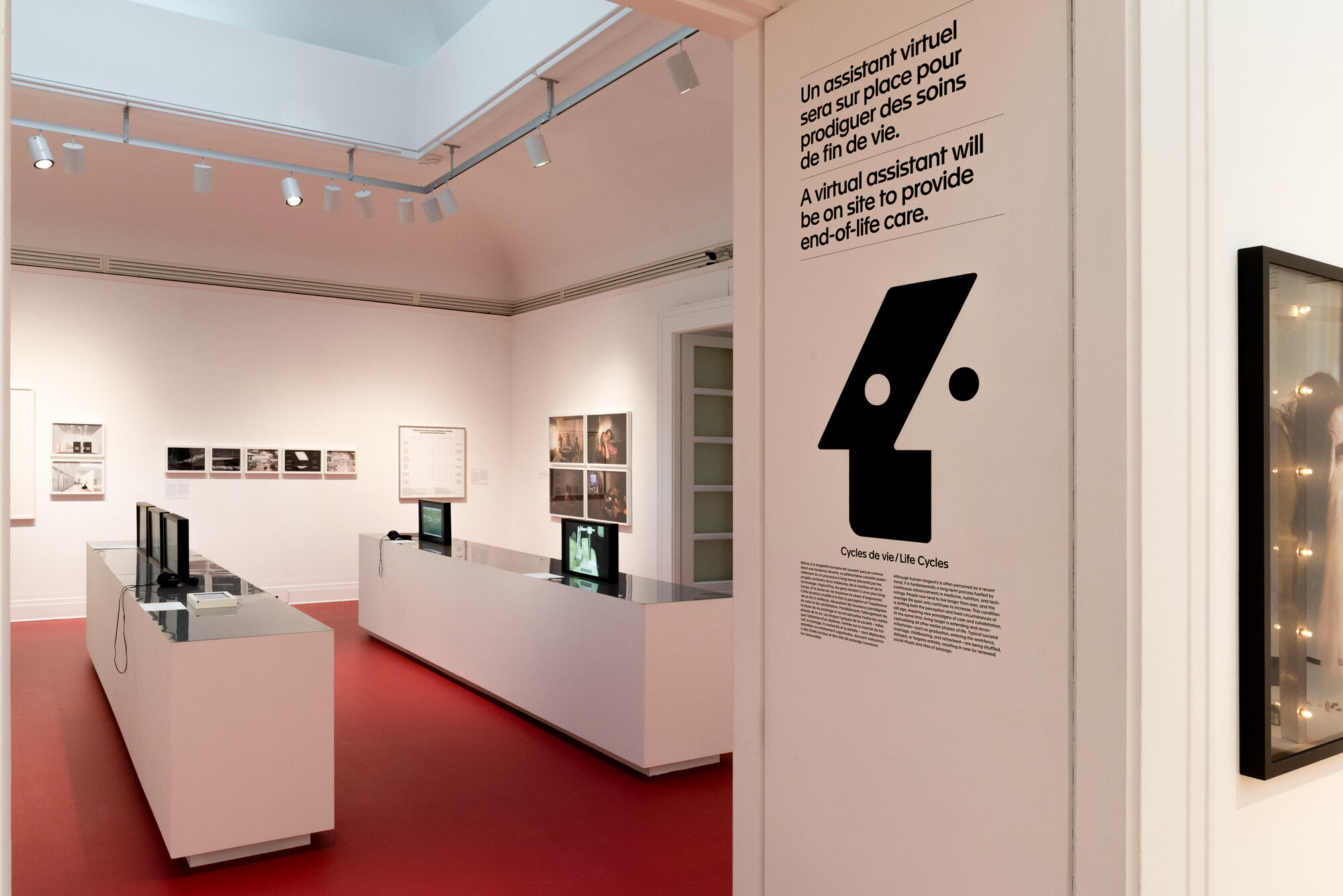
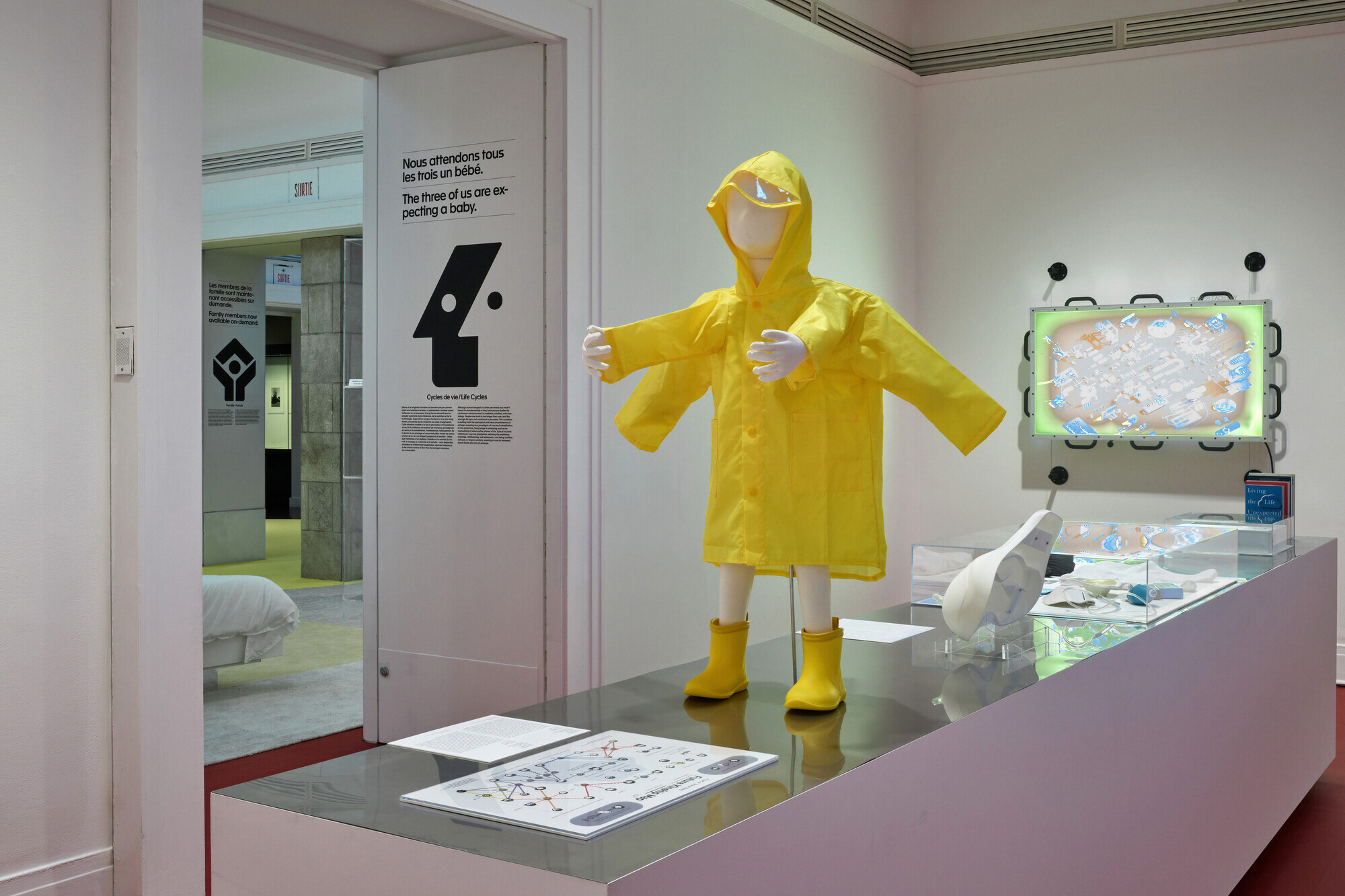
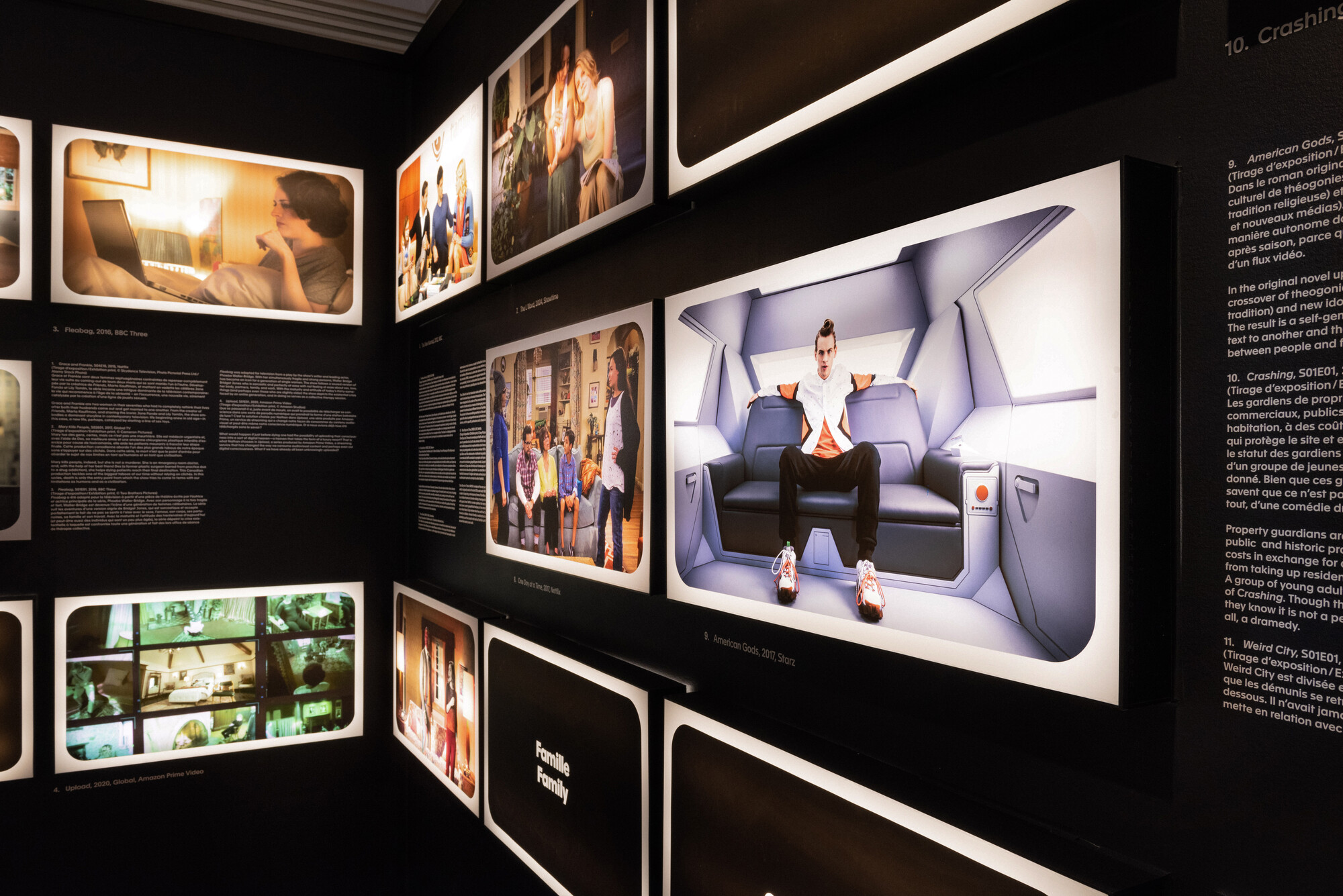
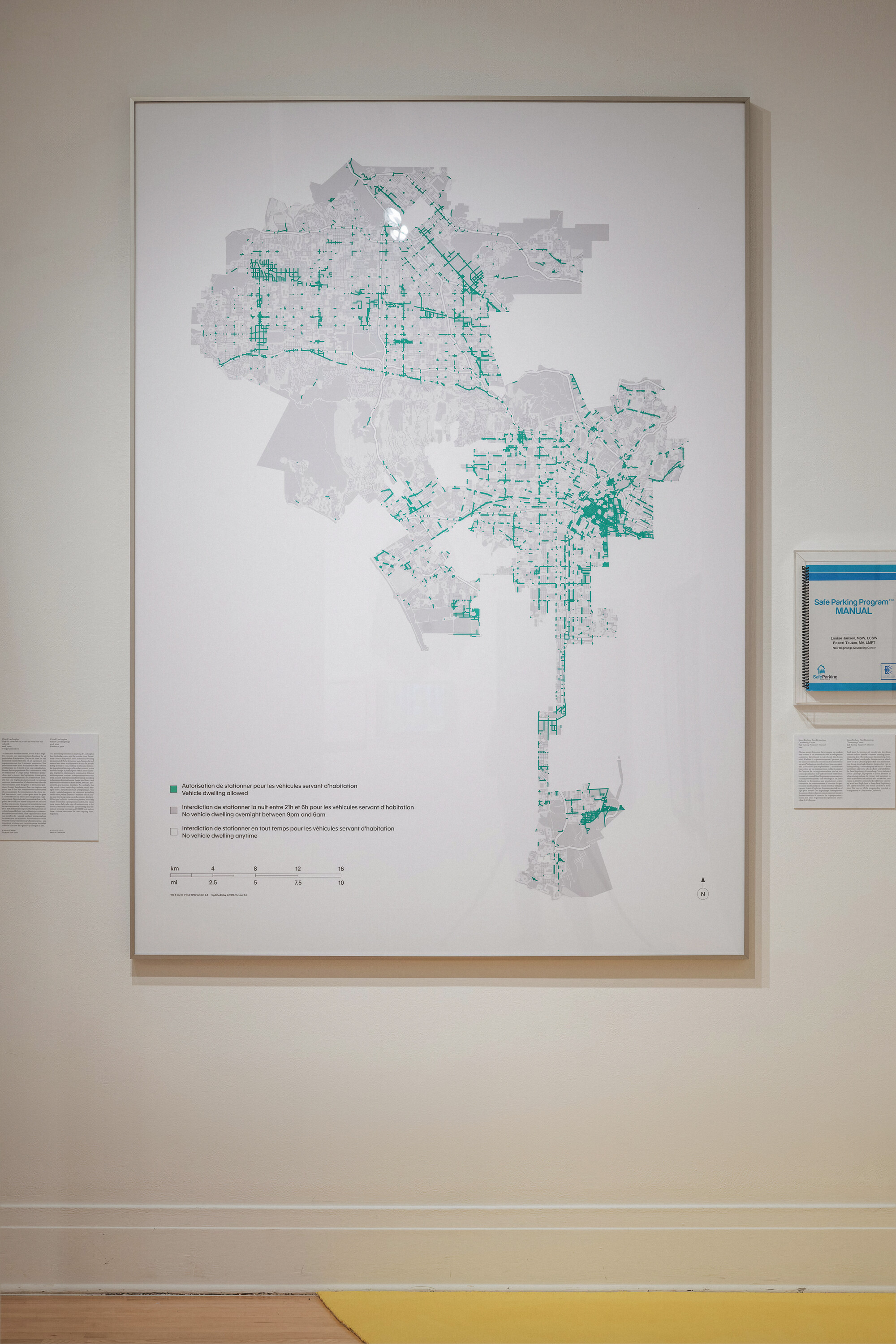
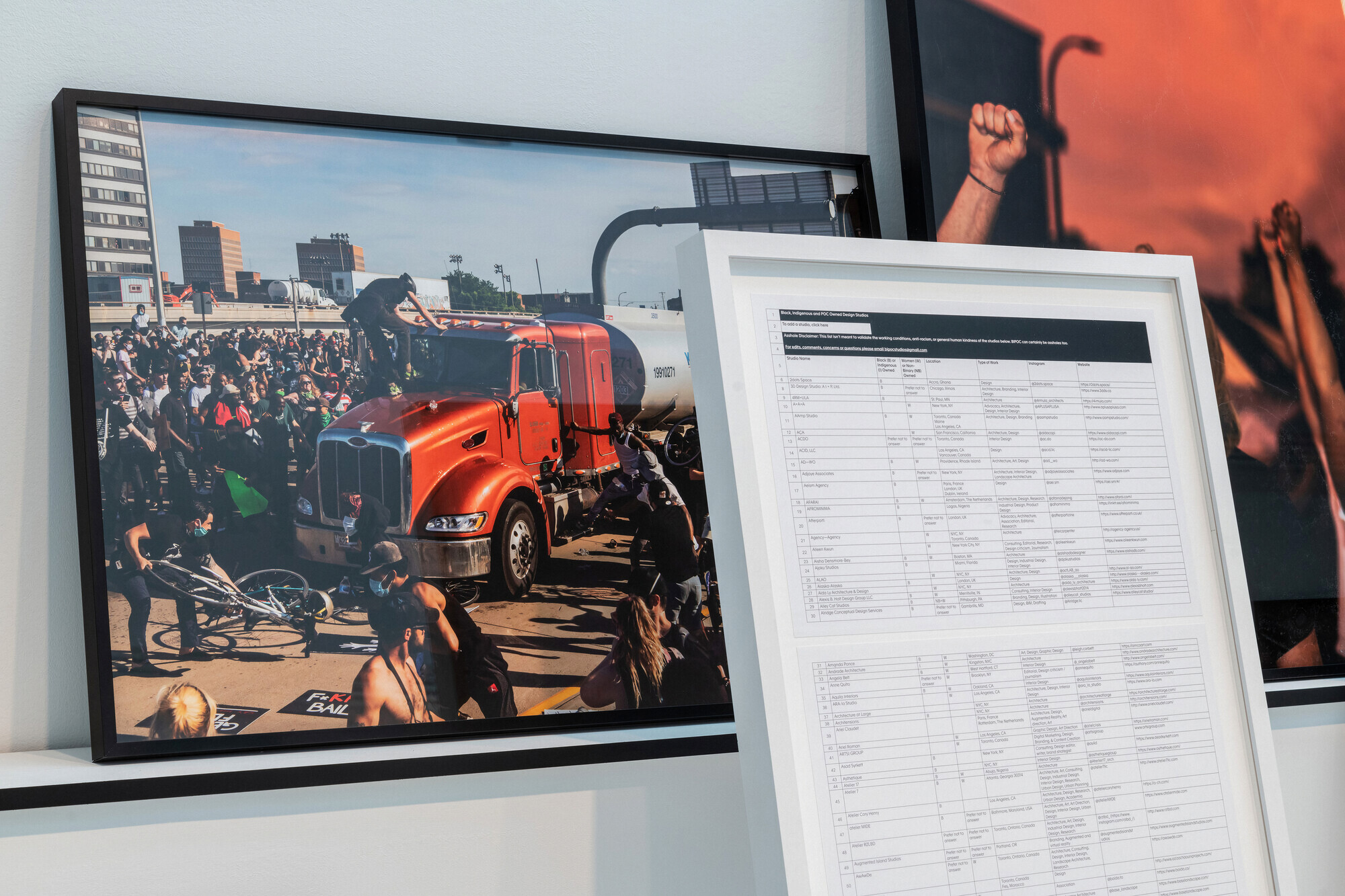
Multivalent values of family, property ownership, activism, work, technology, and life expectations are mirrored through architectural postures in A Section of Now presented by the Canadian Centre for Architecture. The exhibition brings together a highly ecumenical mix of architecture projects, documentary photography, pop-culture artifacts, and commercial products. The graphic design for the show reflects the corporate backdrop of the themes through logo-like supergraphics which read sharply while remaining formally vague enough to encompass conflicting propositions.
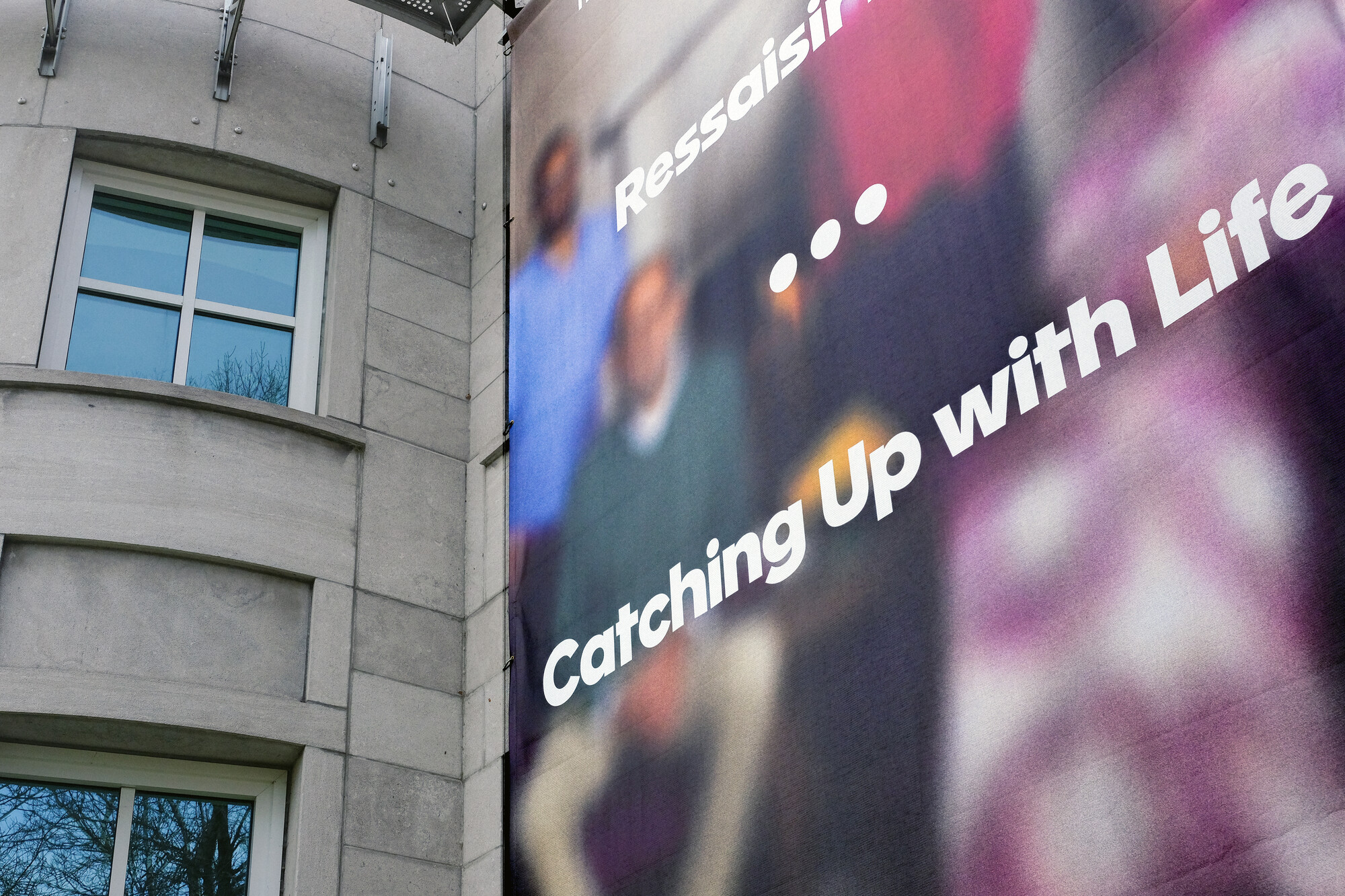
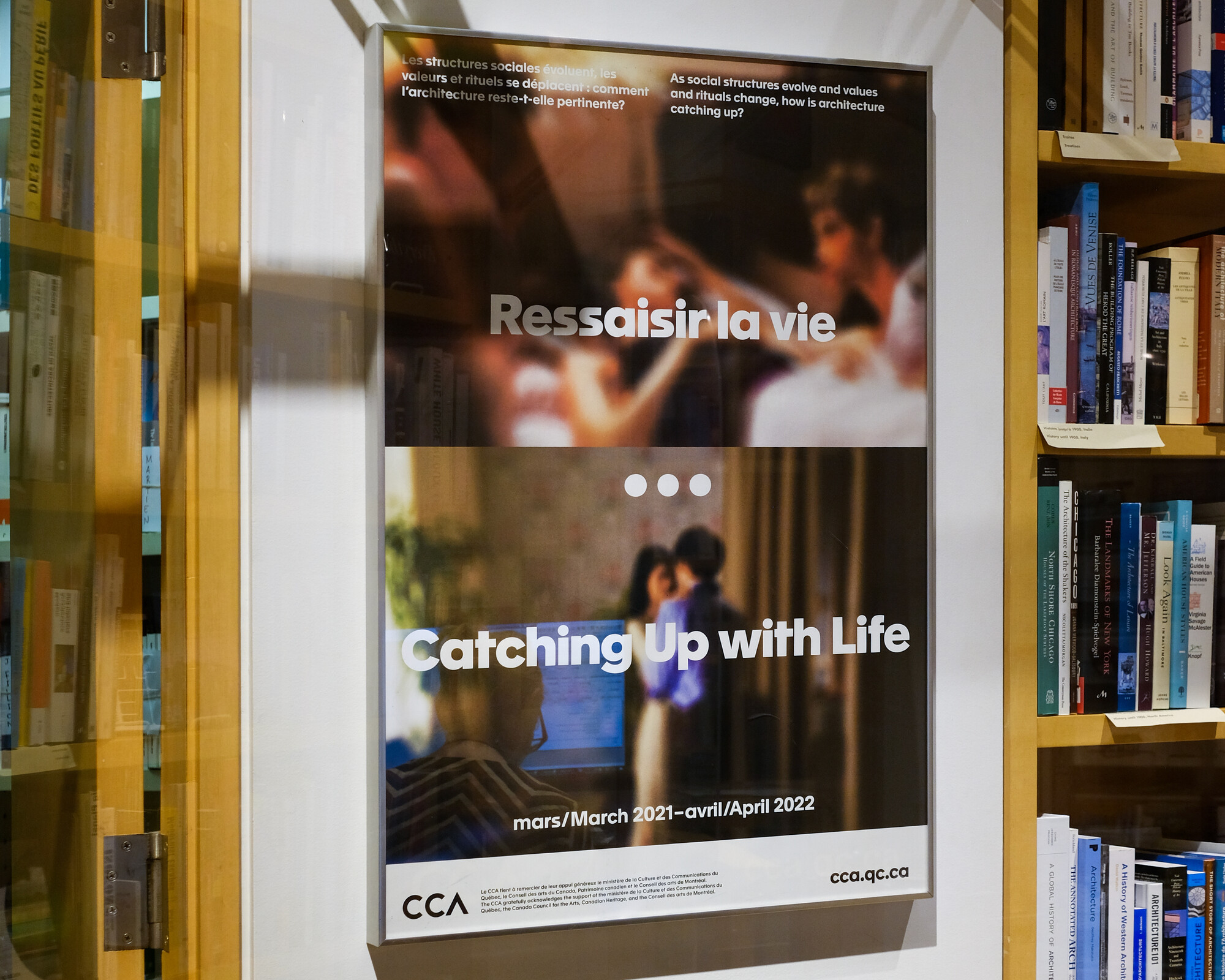
Catching Up With Life is a year-long, institution-wide research investigation launched in March 2021 by the CCA, culminating in the exhibition A Section of Now: Social Norms and Rituals as Sites for Architectural Intervention. The multi-platform investigation took place through distinct physical, digital, and broadcast channels including online editorials, live-streamed public programs, documentary filmmaking, audio podcasting, and social media pilots.
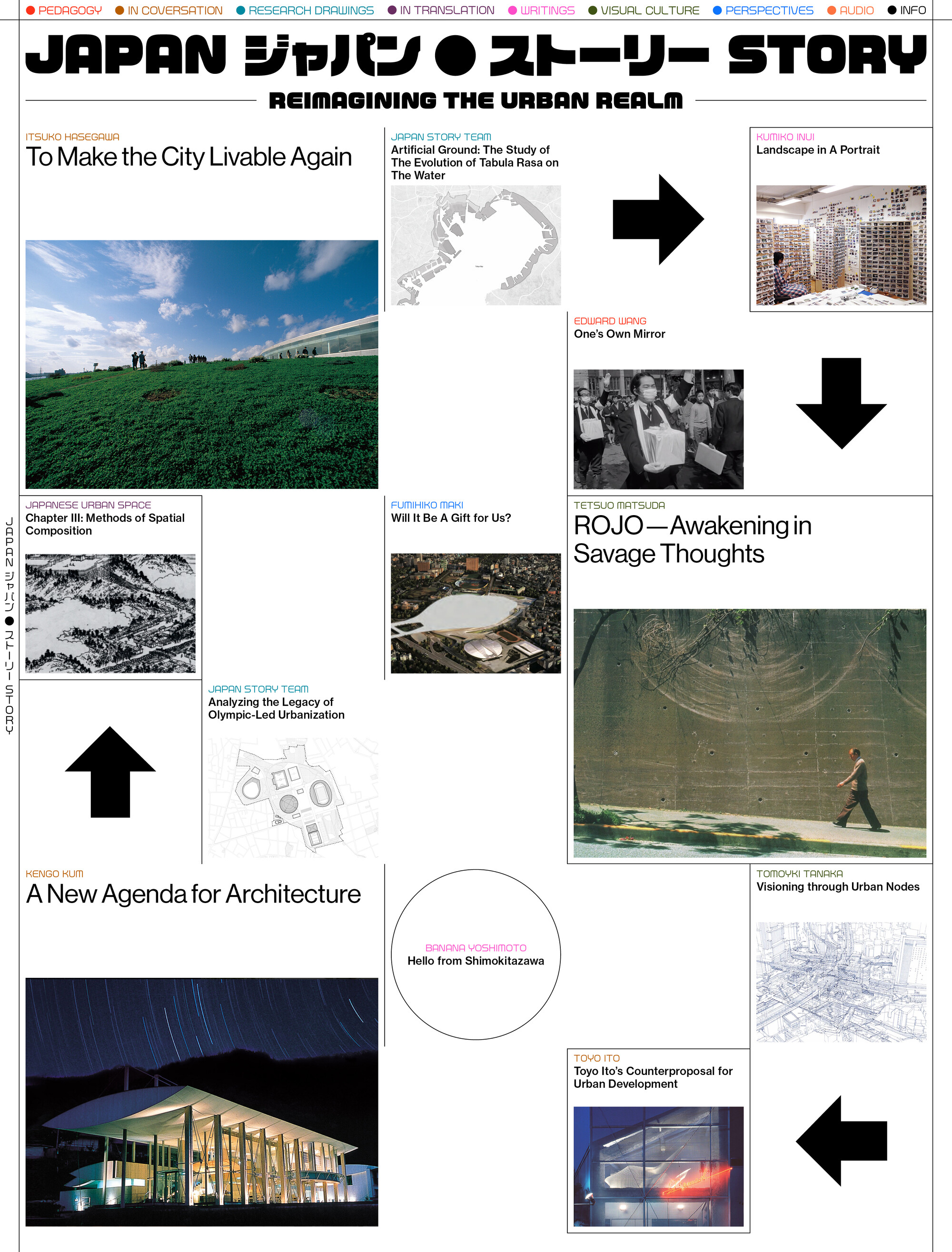
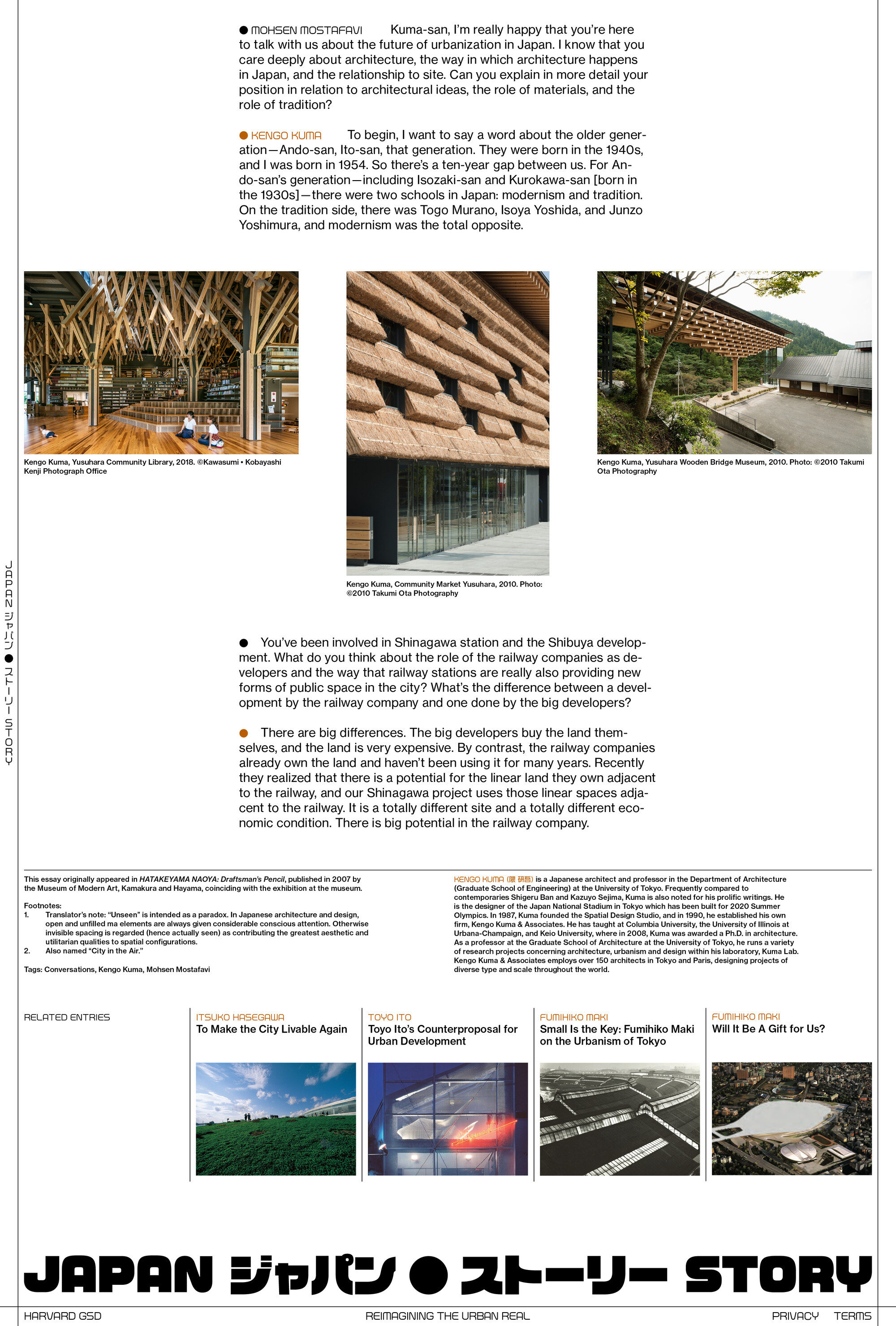
Japan Story is an academic research platform and course at Harvard GSD originating from a series of intense, high-profile symposiums and interdisciplinary panel discussions centered around urbanization and the future of the city. The project follows distinct threads of pedagogy, conversations, drawings, translated texts, literature, visual culture, critical essays, and music.
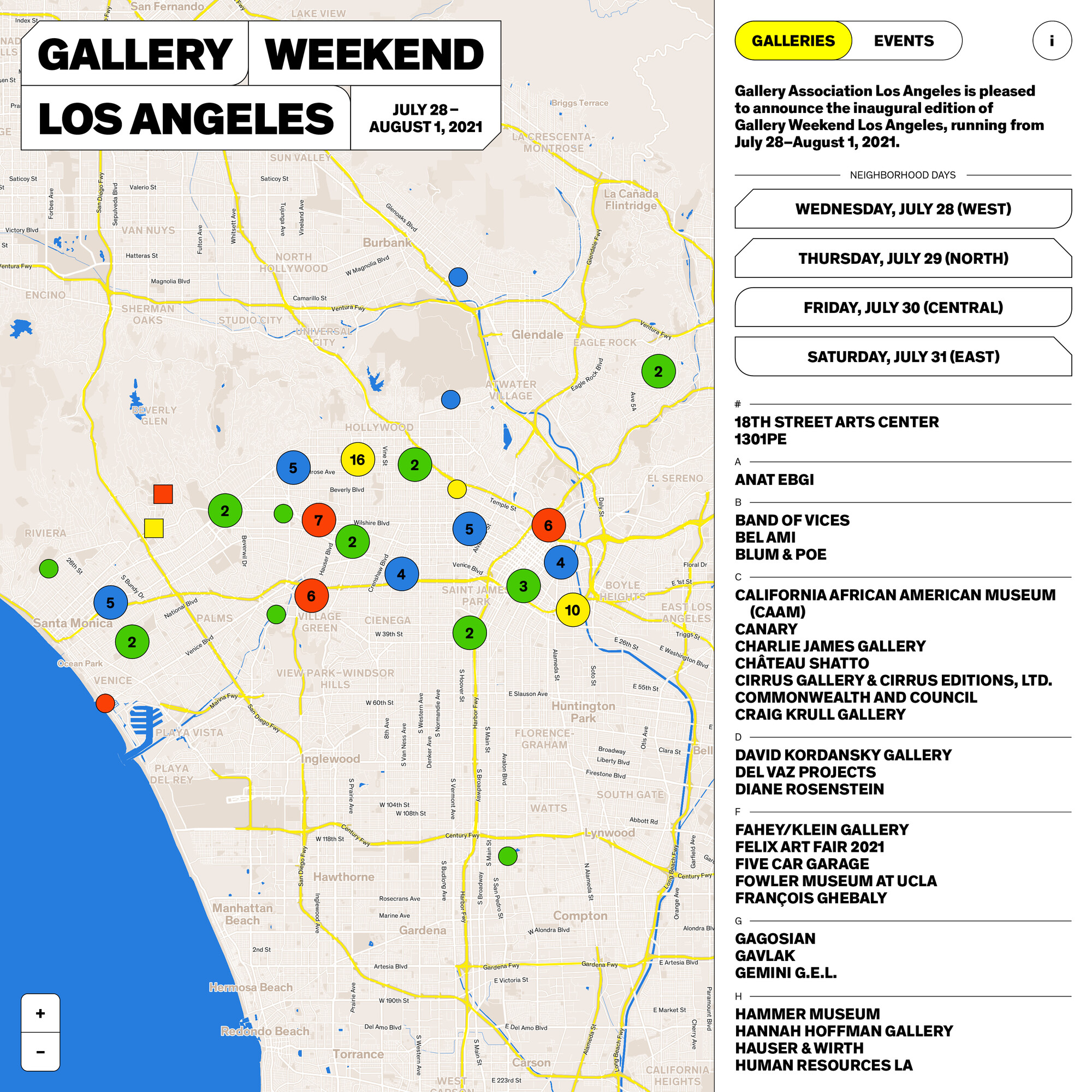
Gallery Weekend Los Angeles is an inclusive community program presented annually by Gallery Association Los Angeles. The weekend connects audiences directly with the artists, curators, and gallerists through extended evening hours, and self-guided neighborhood maps—promoting unity in the gallery landscape and giving emerging and underrepresented venues equal visibility.
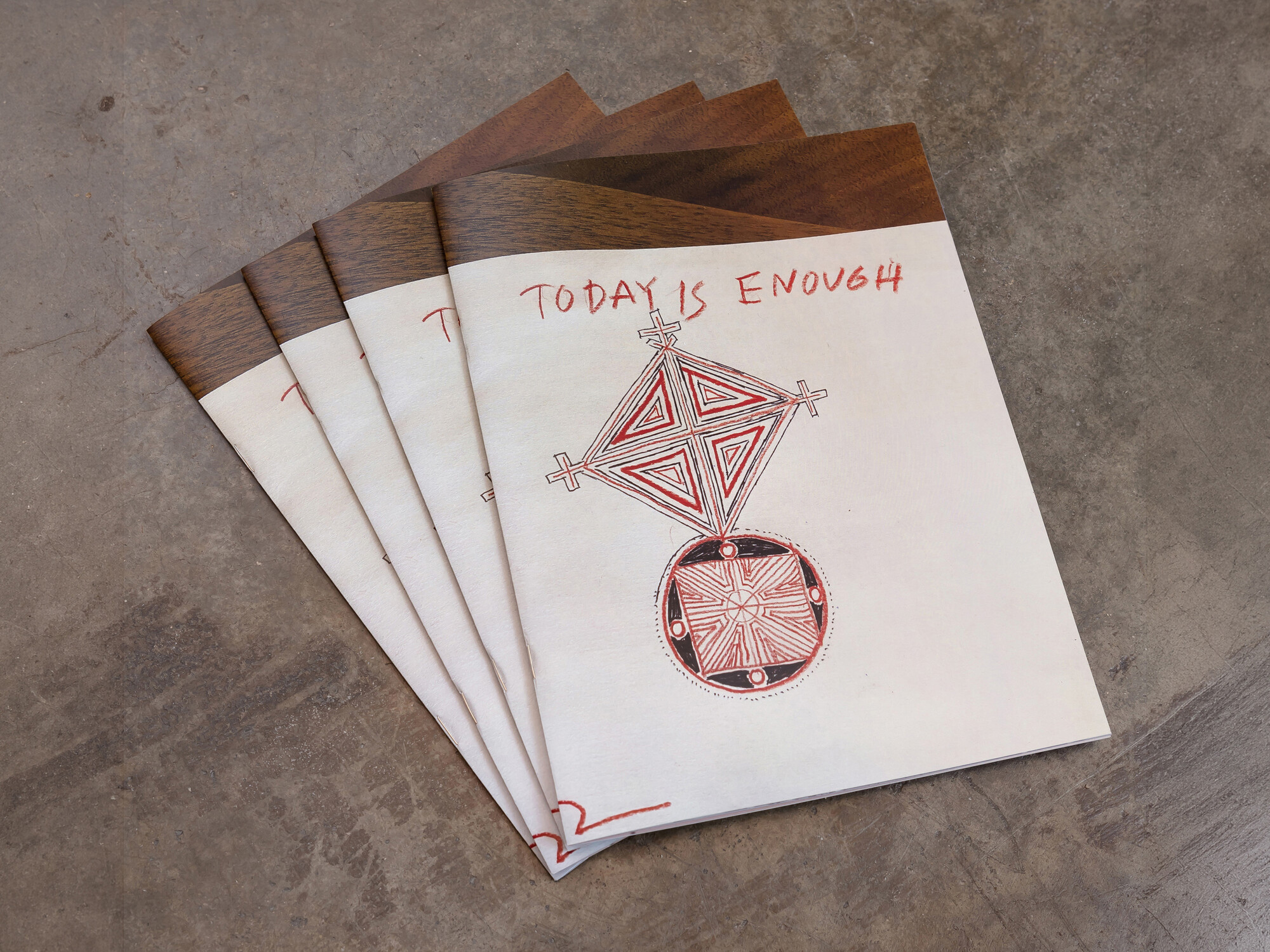
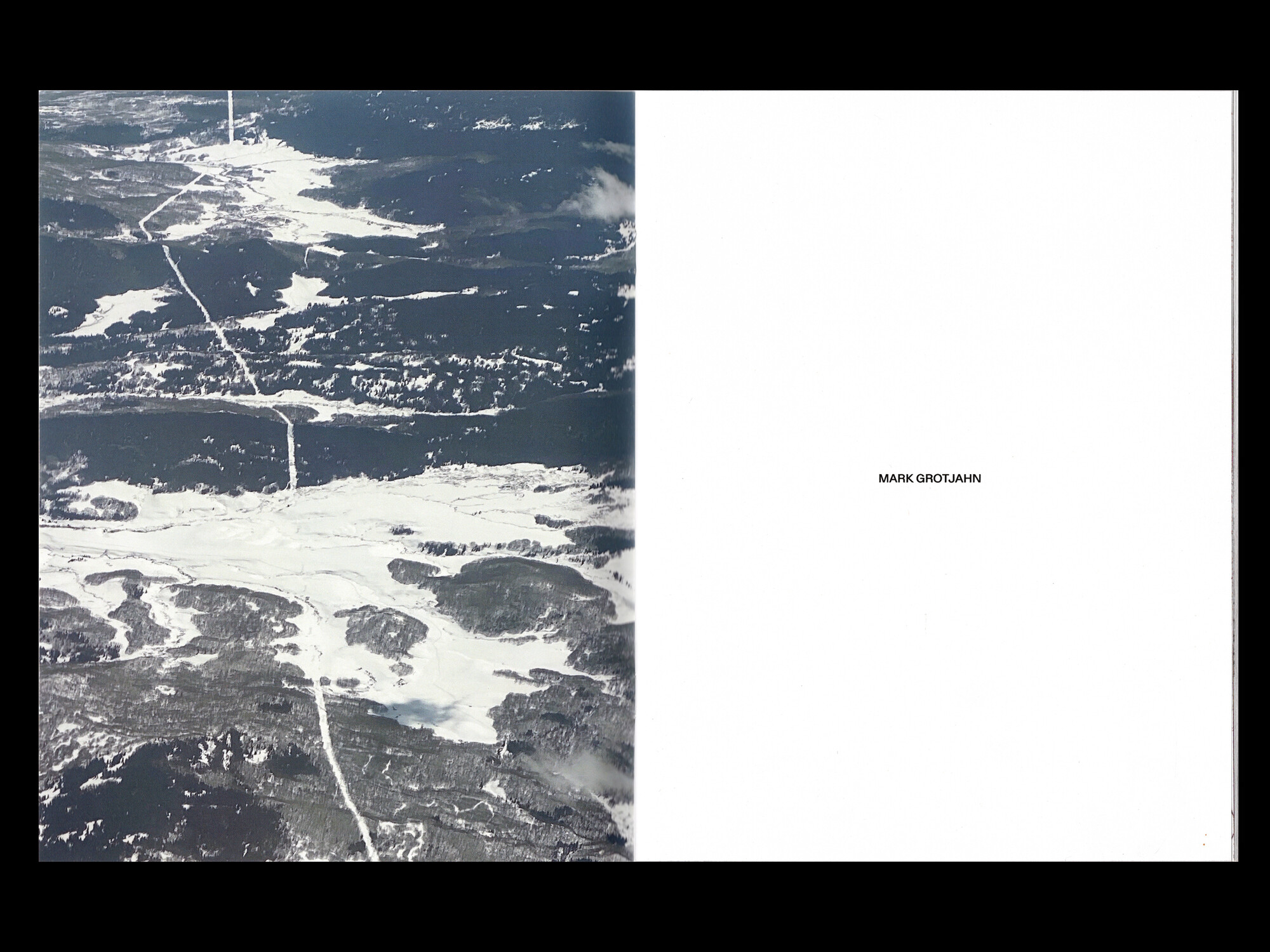
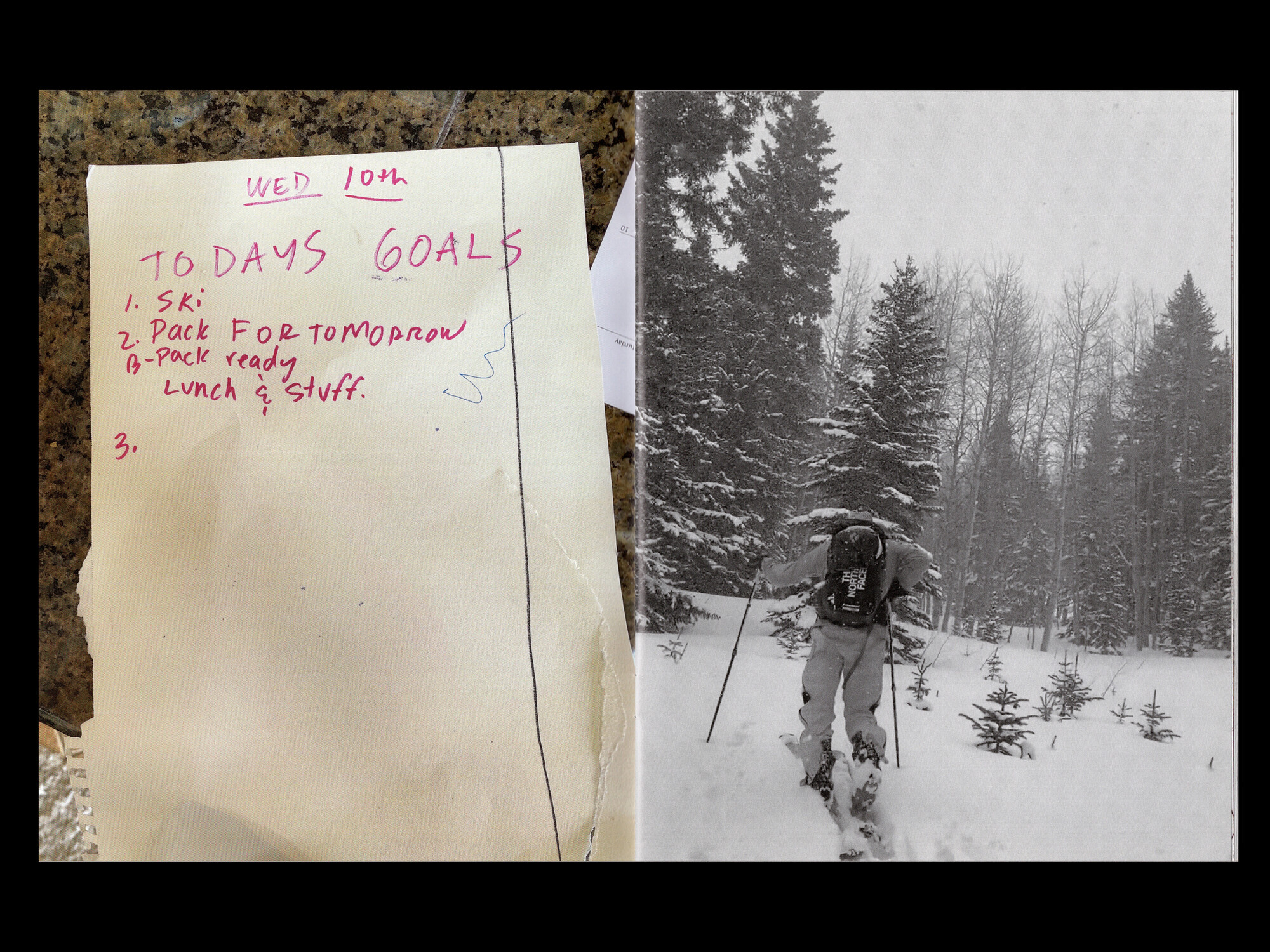
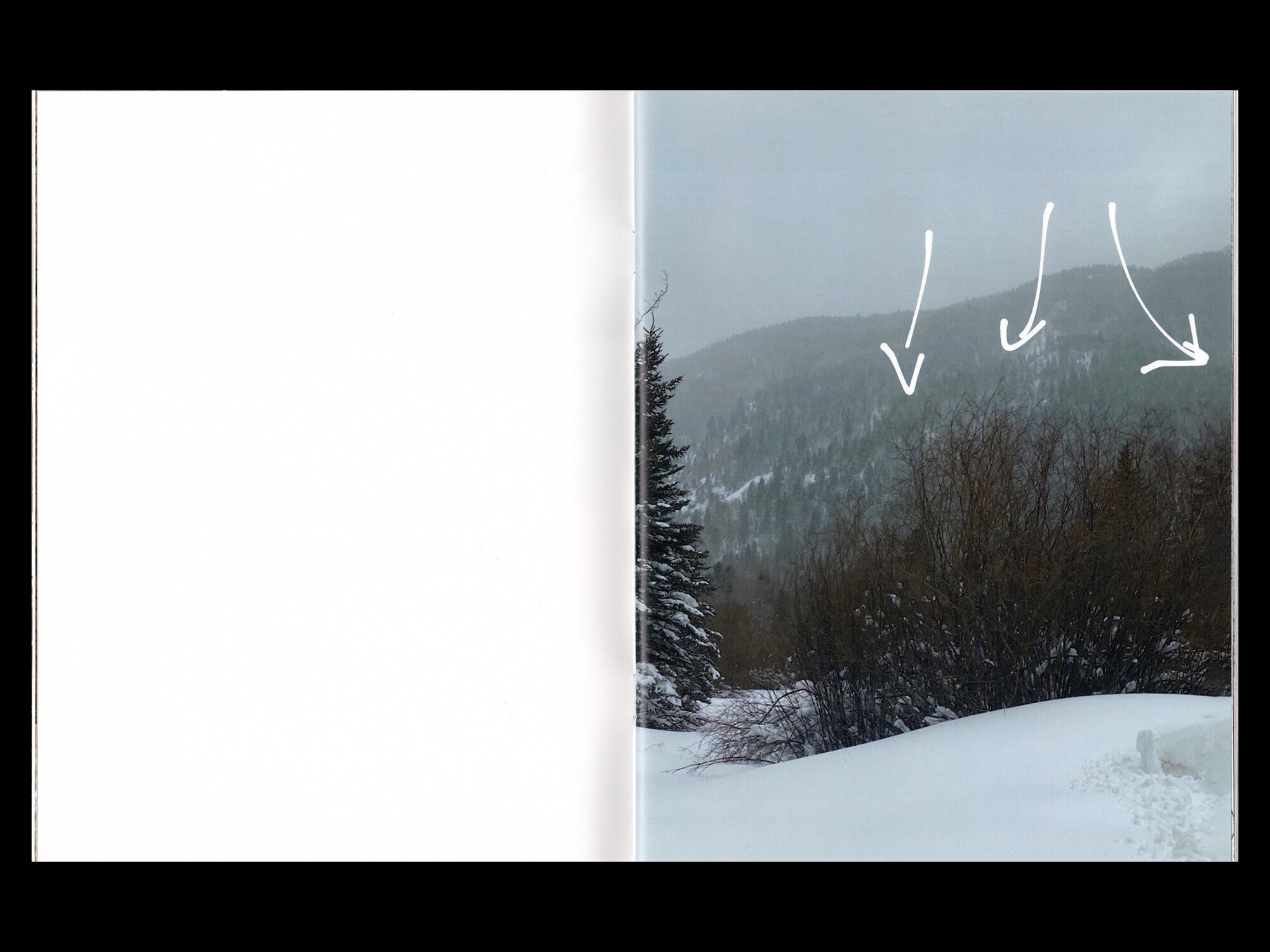
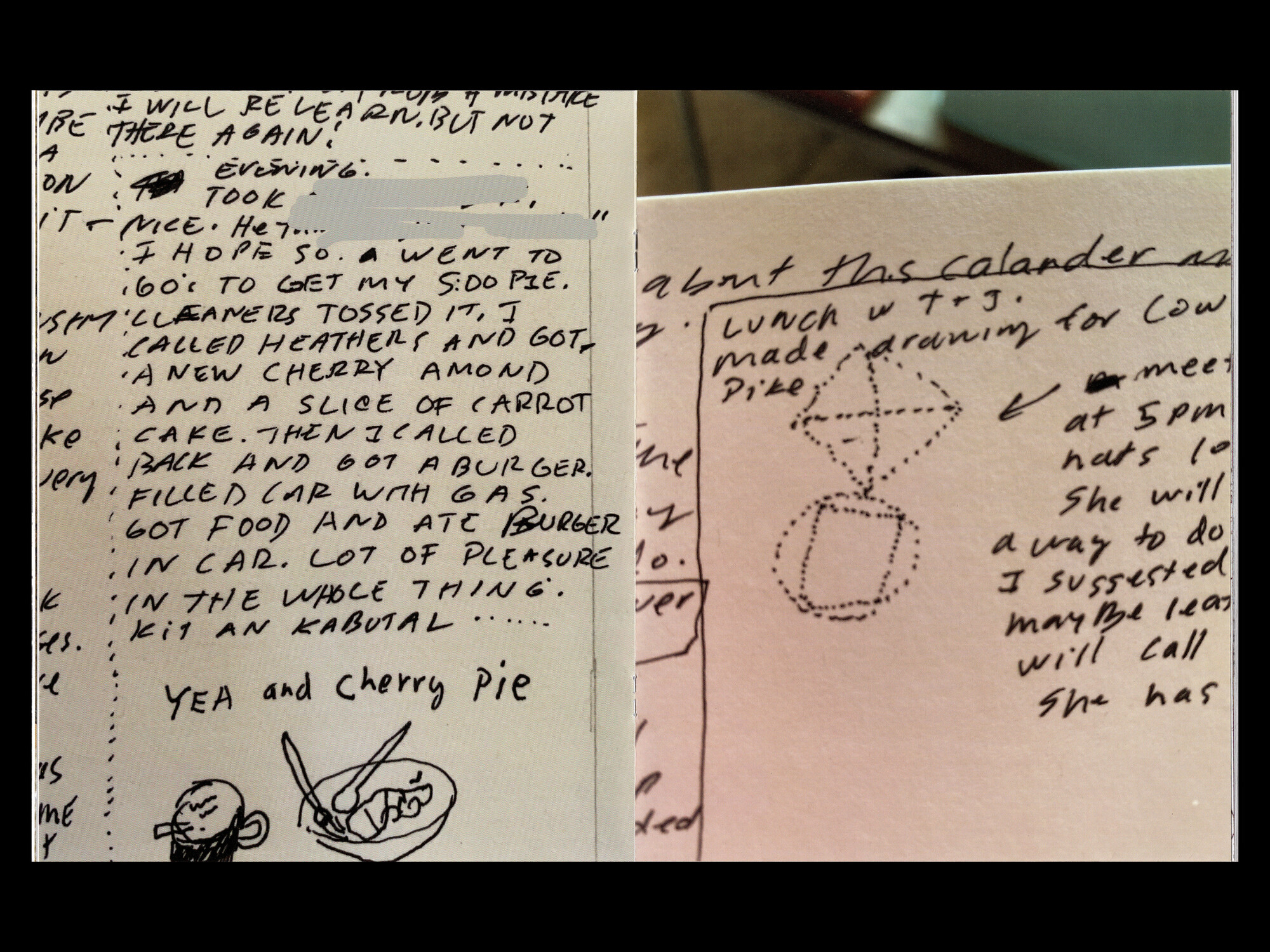
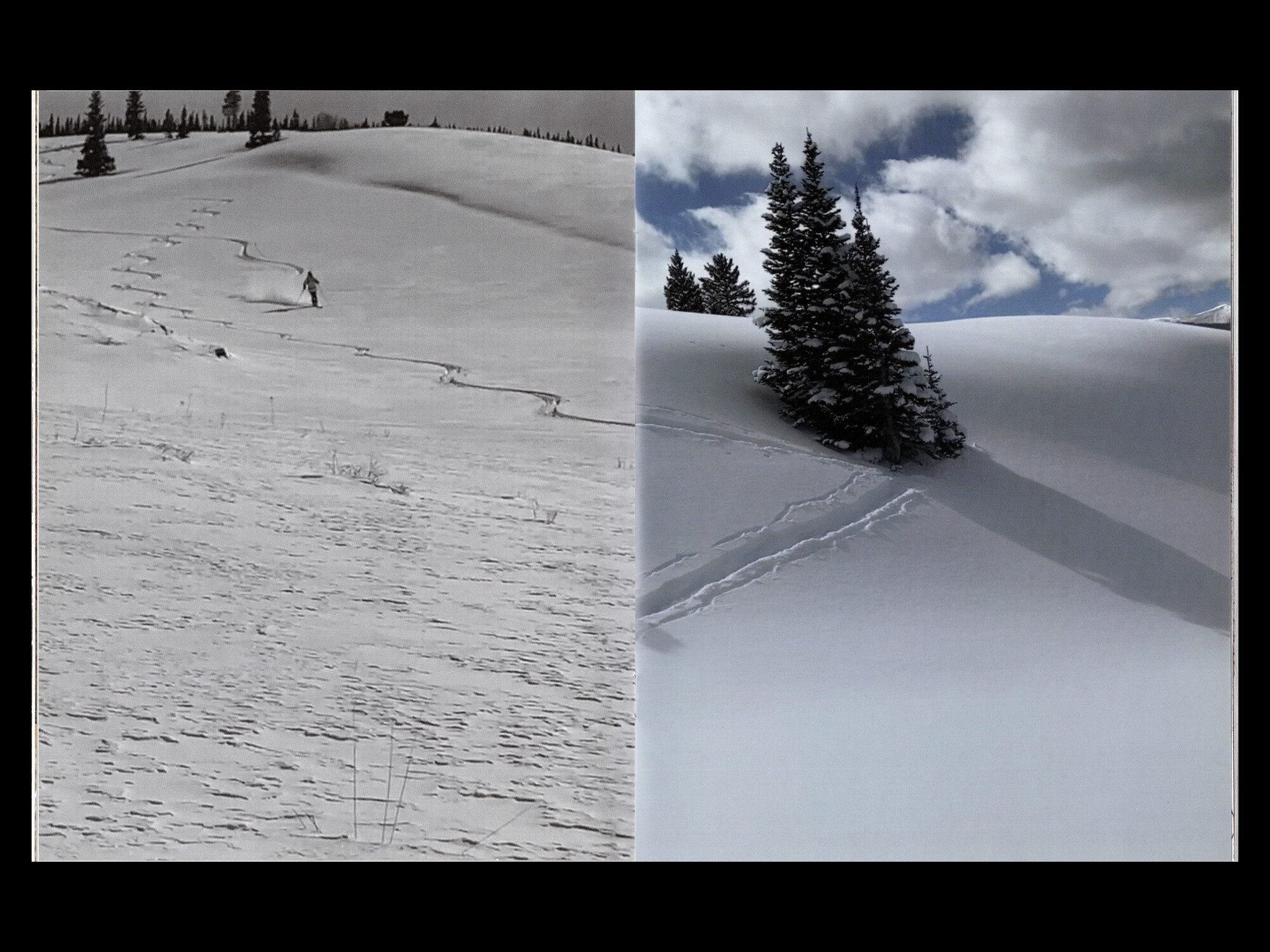
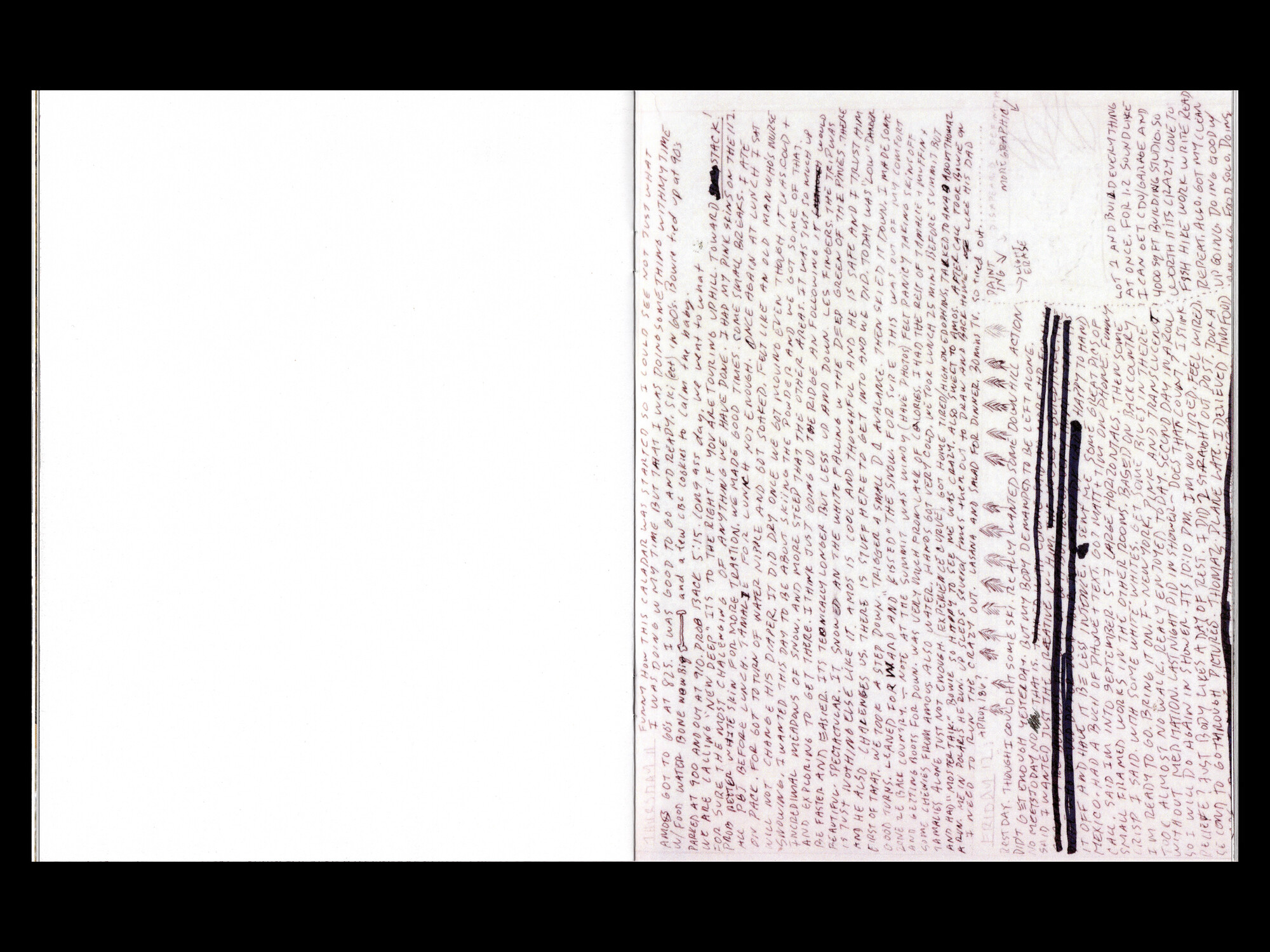
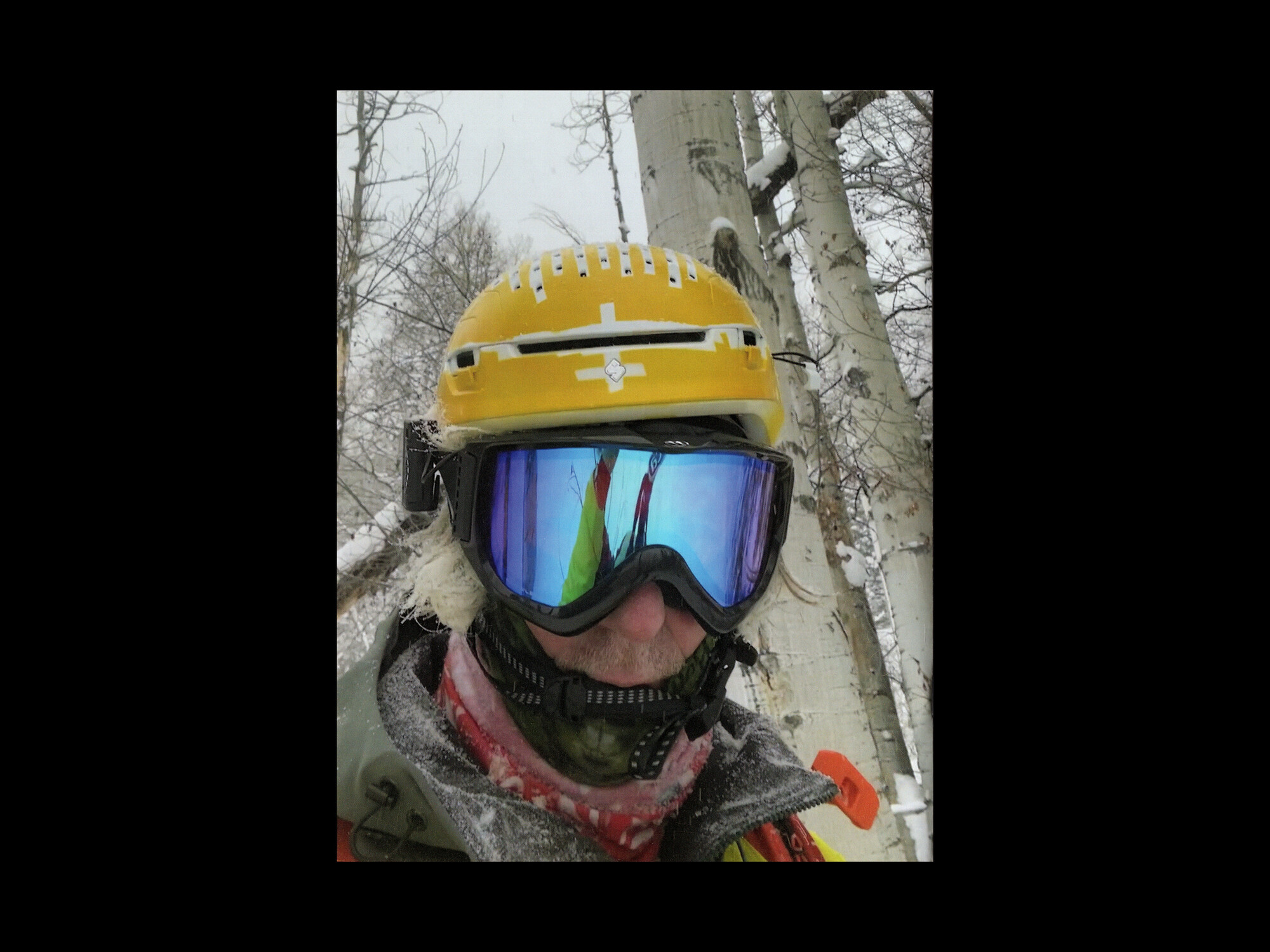
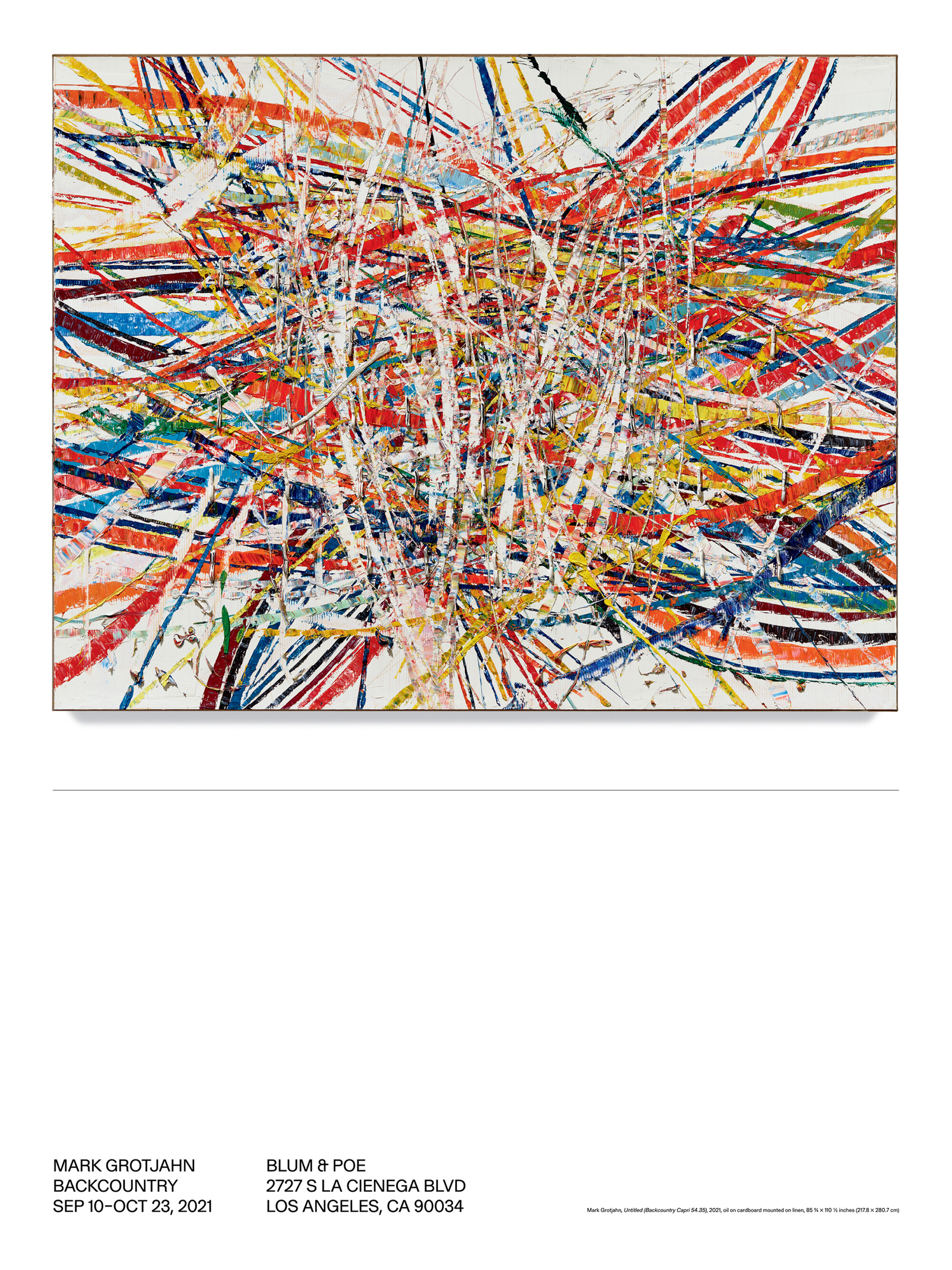
Limited edition zine and exhibition poster for Mark Grotjahn’s Backcountry exhibition at Blum & Poe. The zine documents Grotjahn’s time cross country skiing in the Colorado wilderness through his intricate, hand written journals and various impromptu phone snaps.
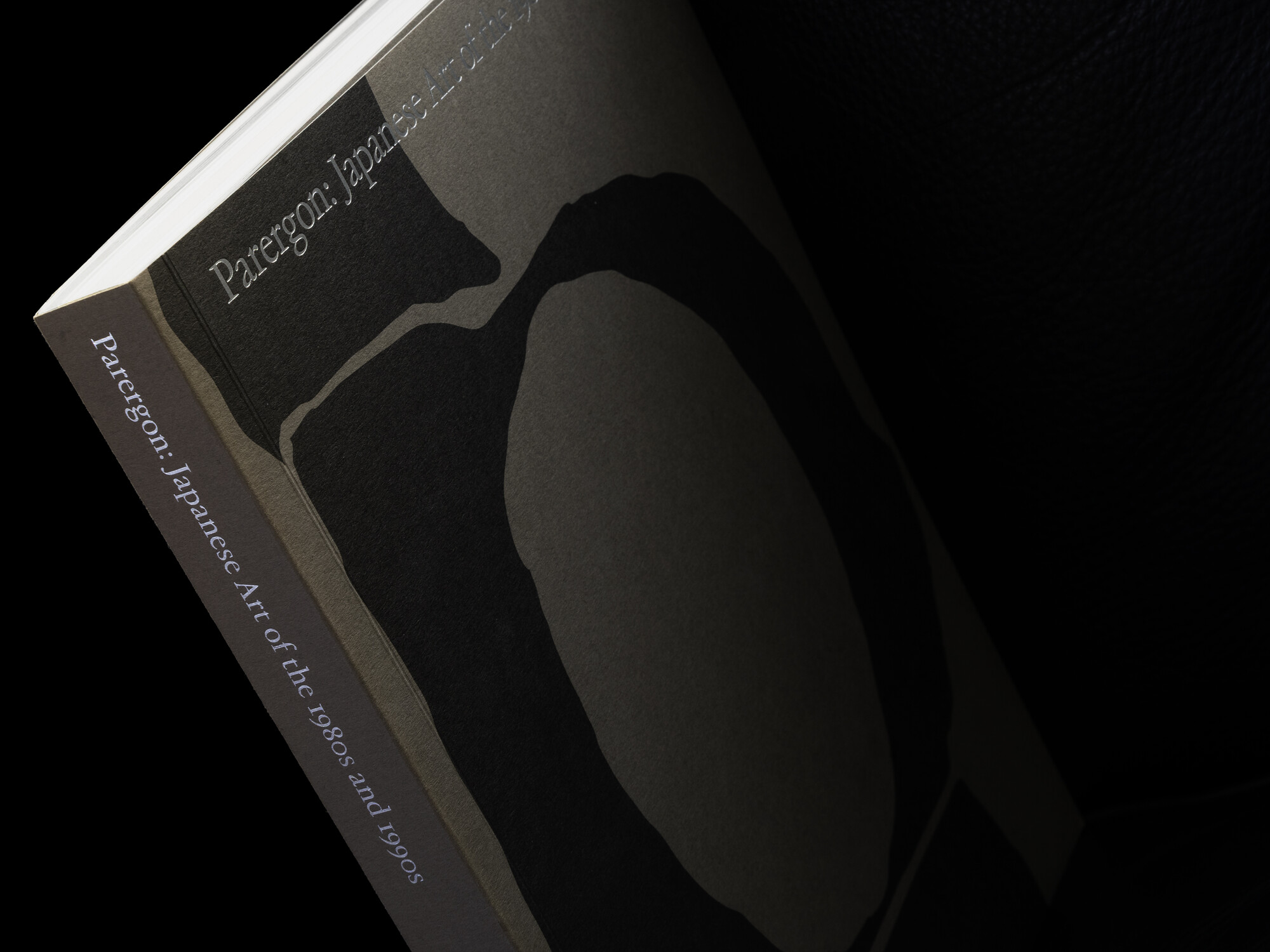
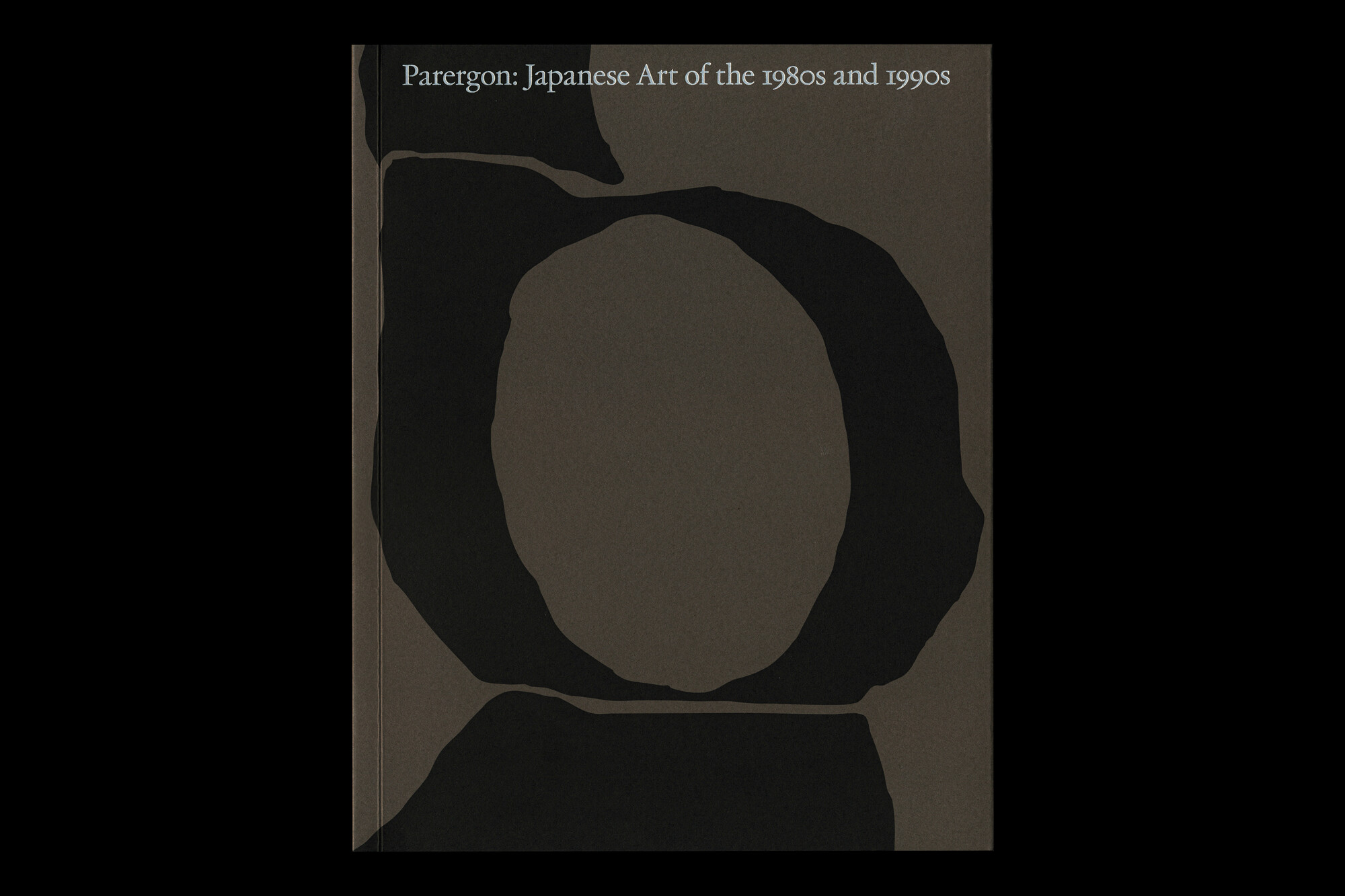
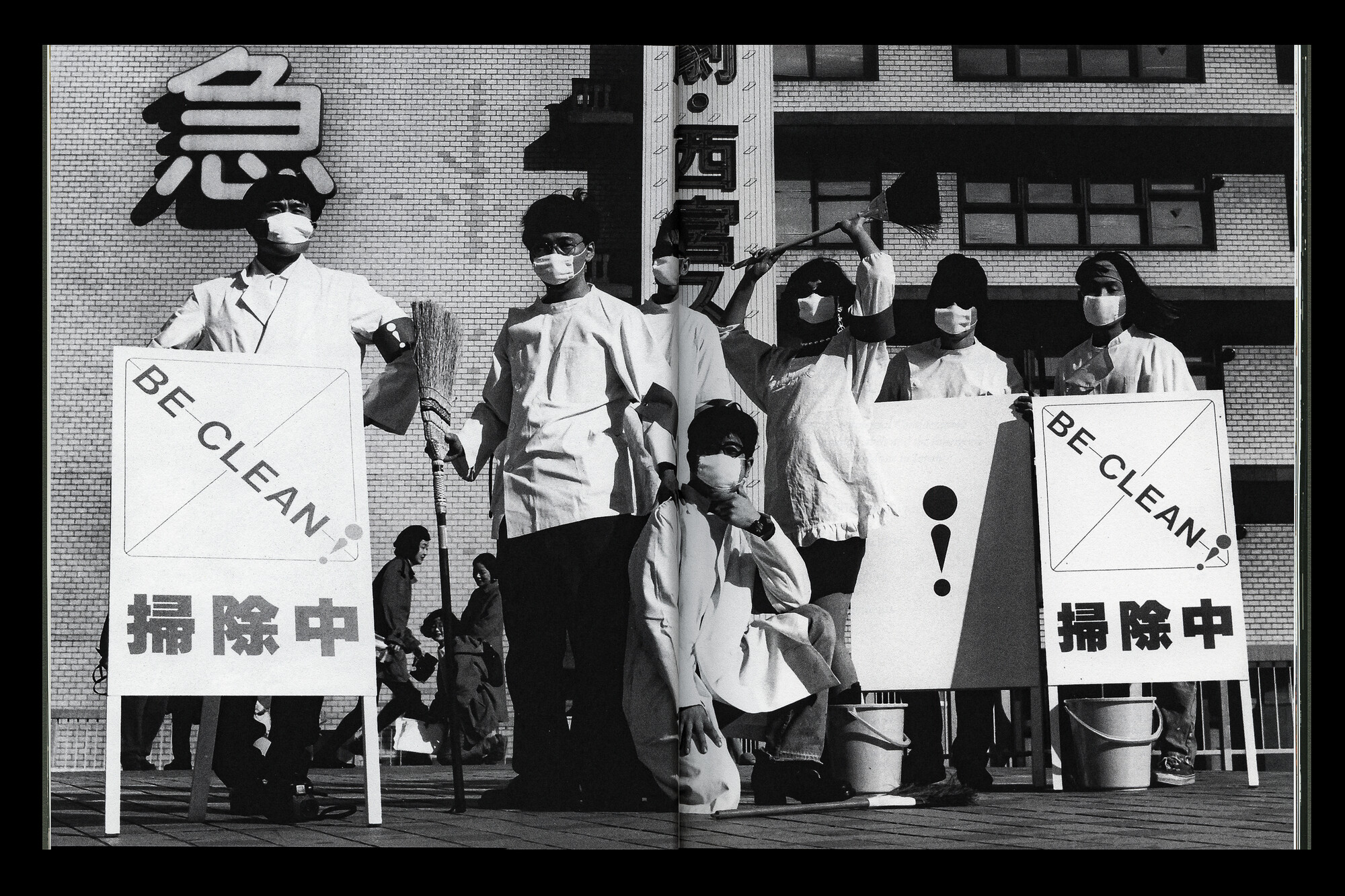
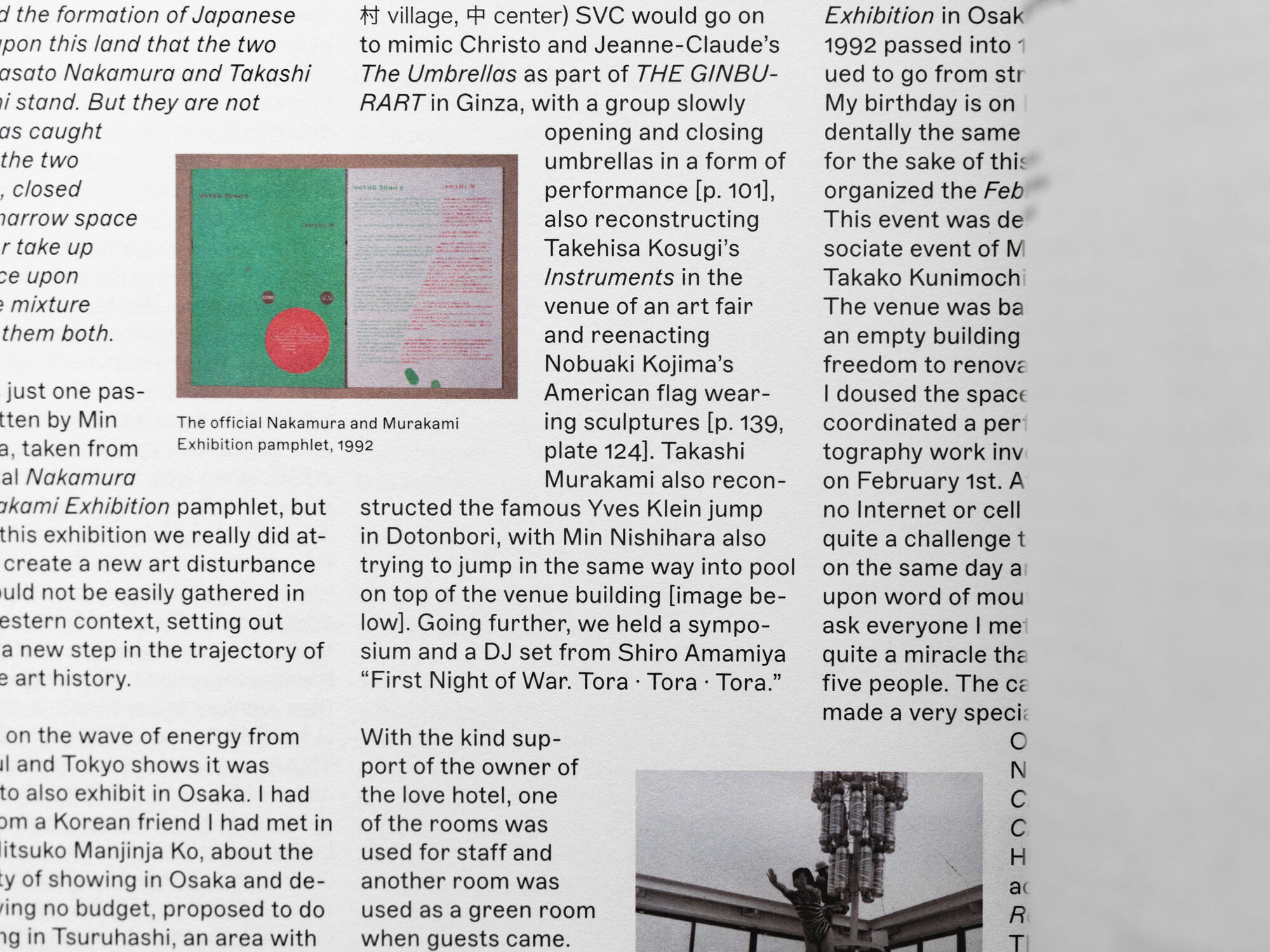
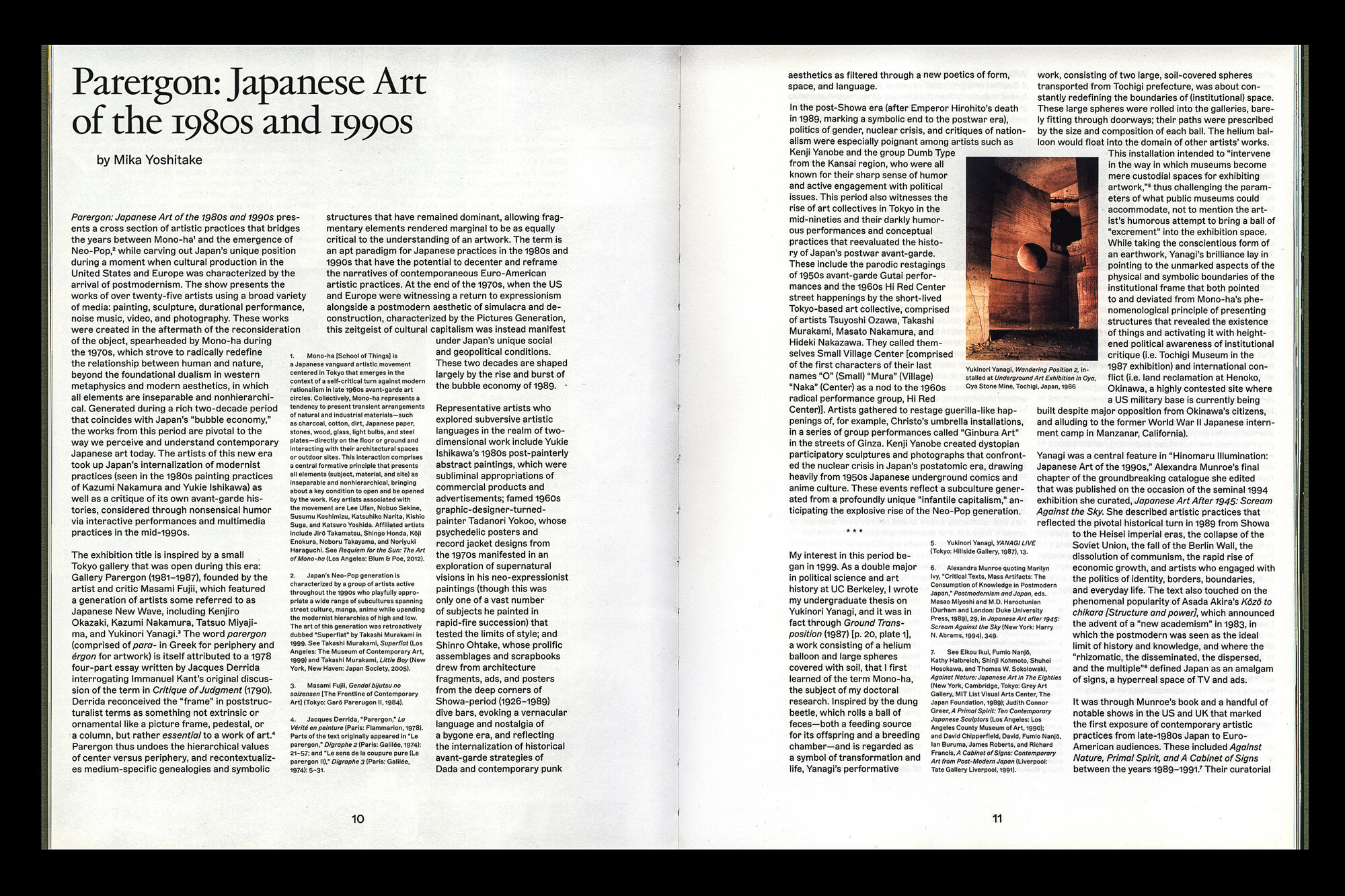
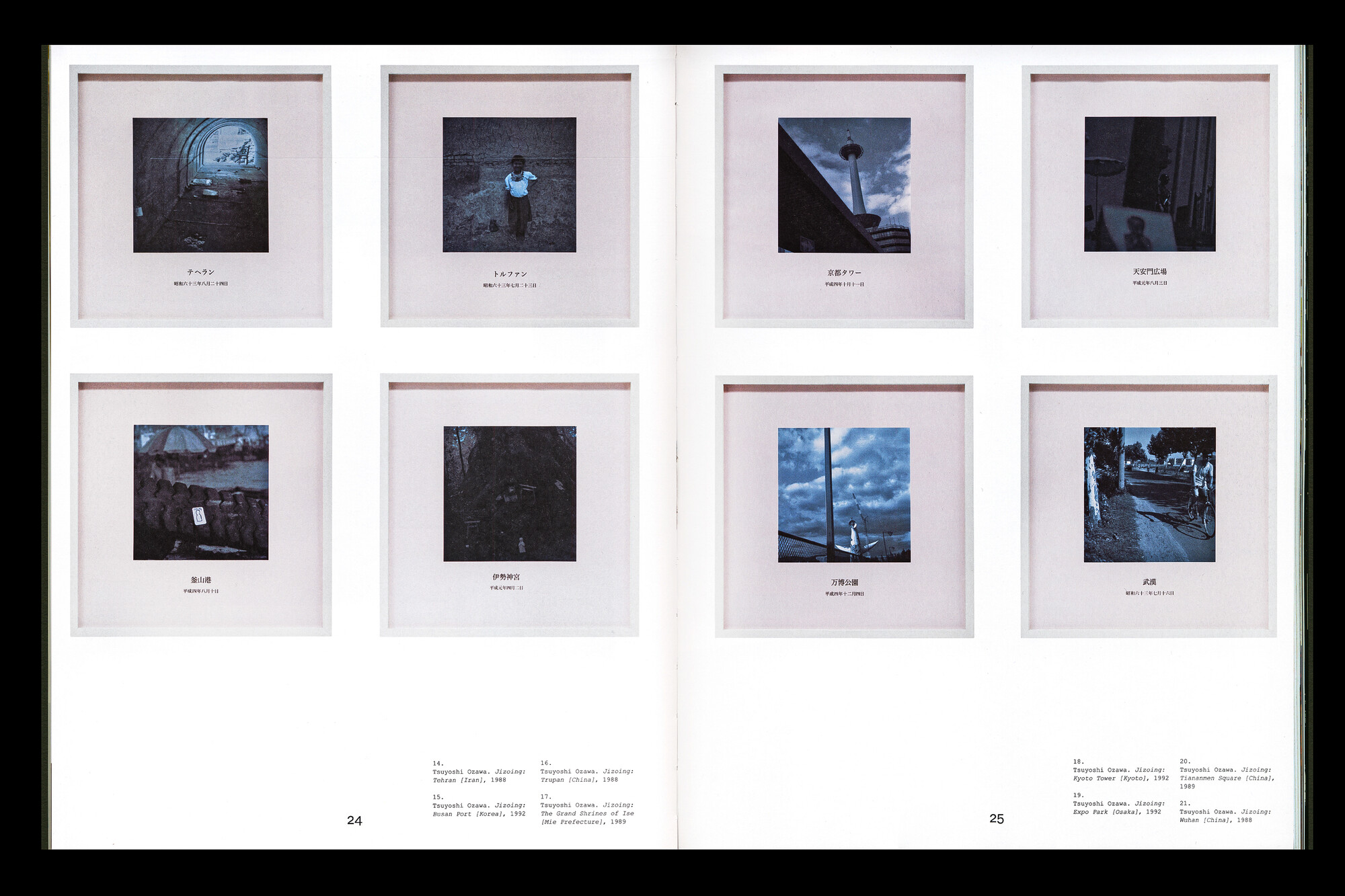
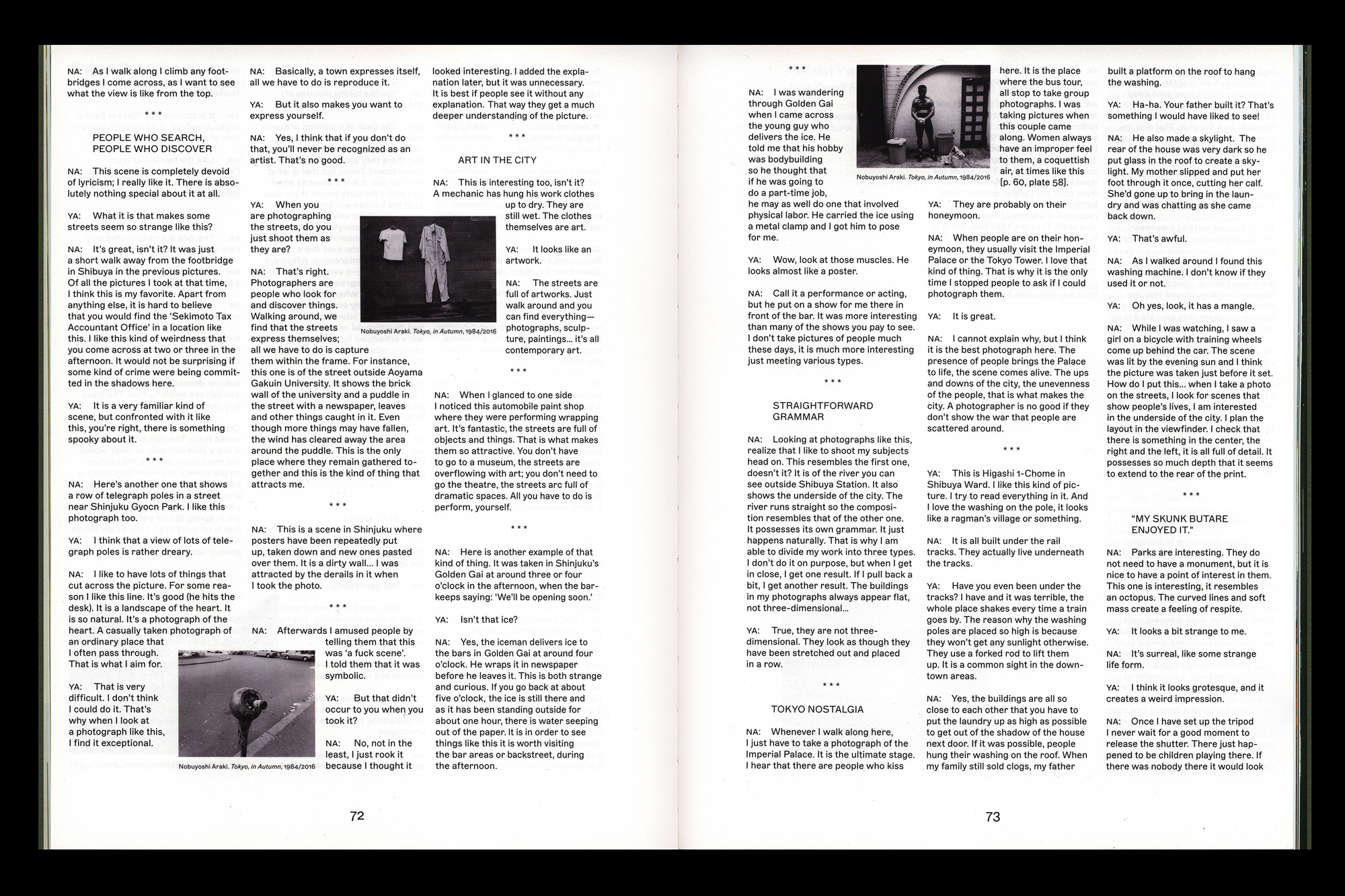
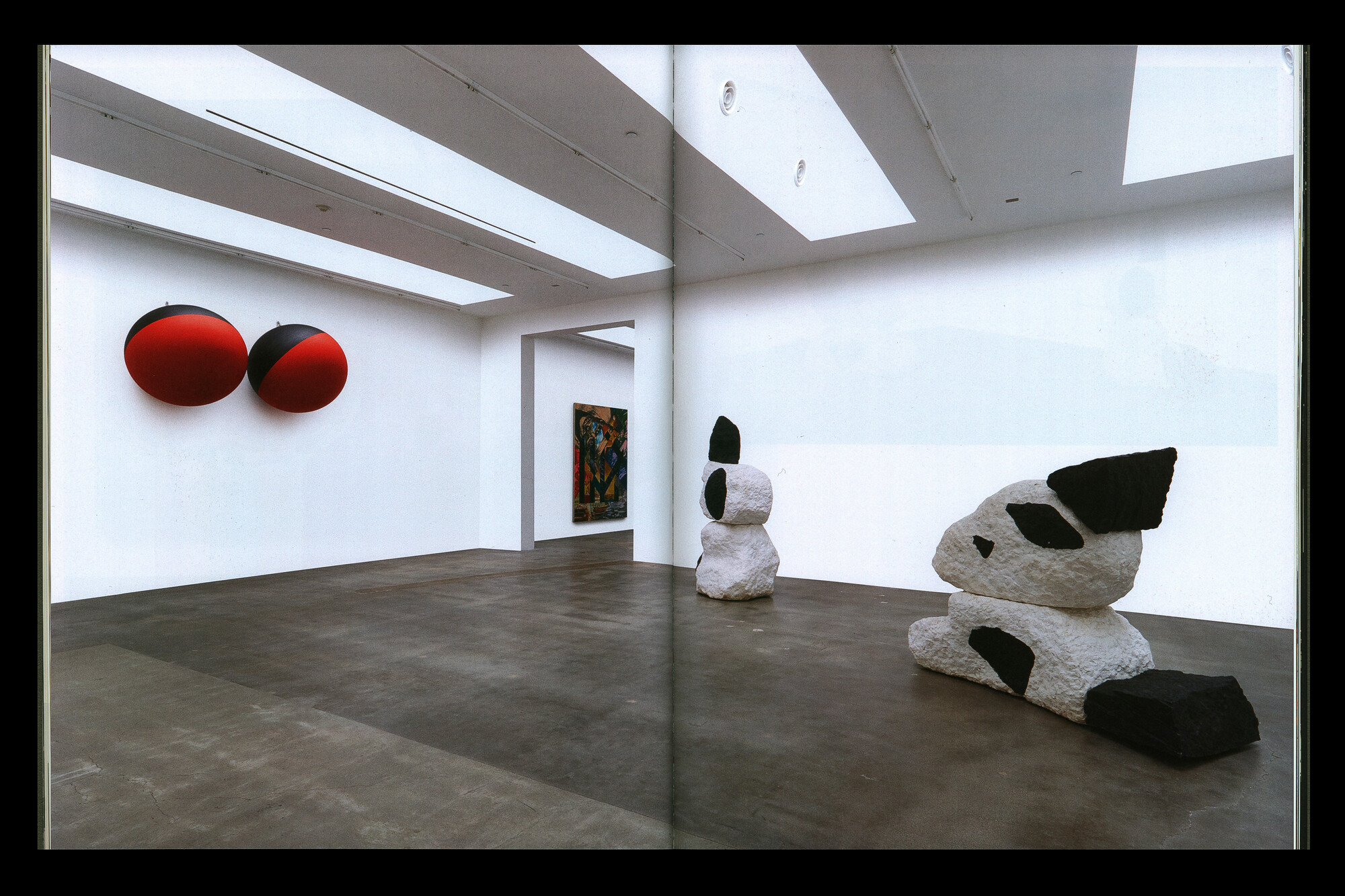
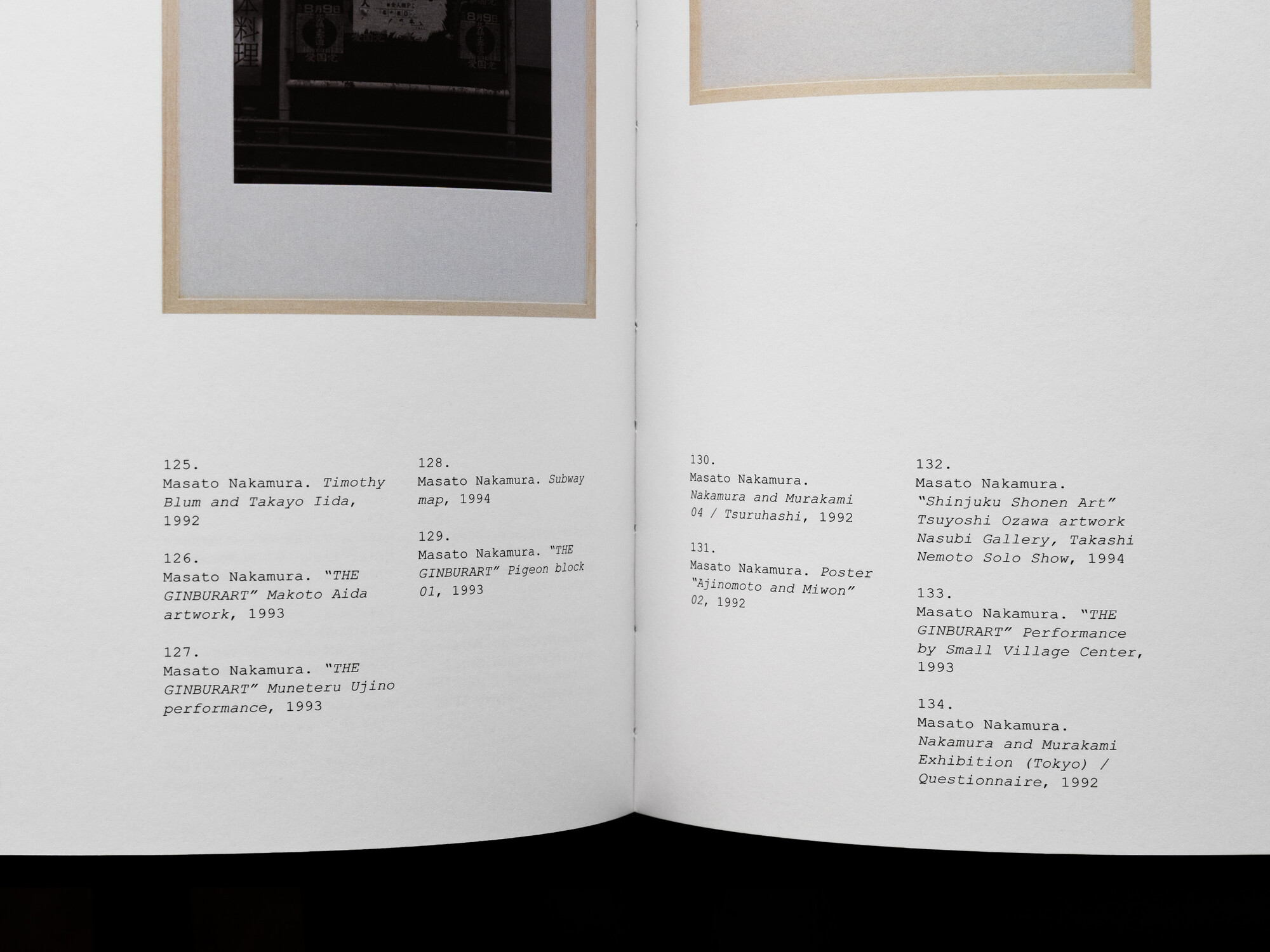
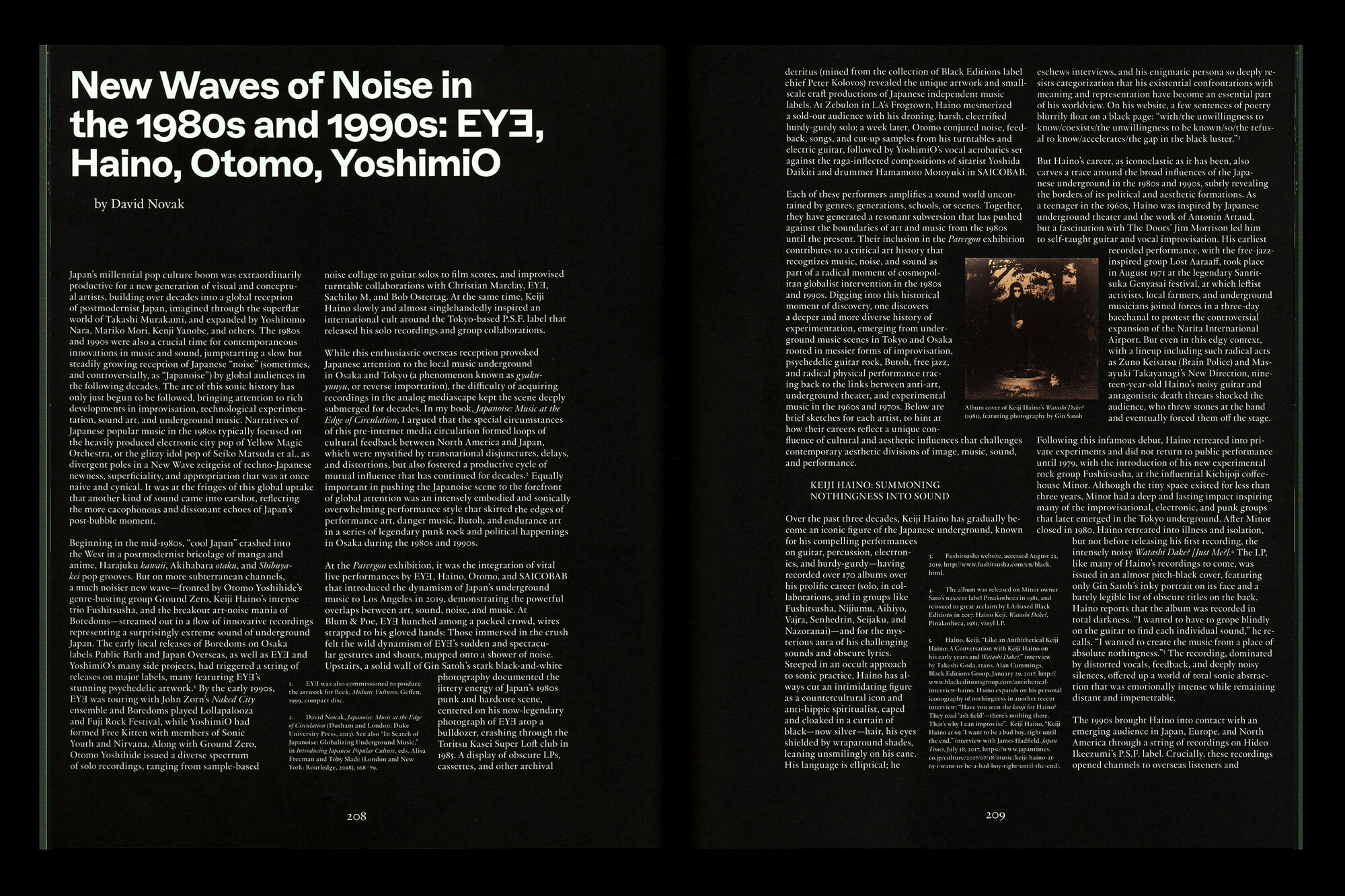
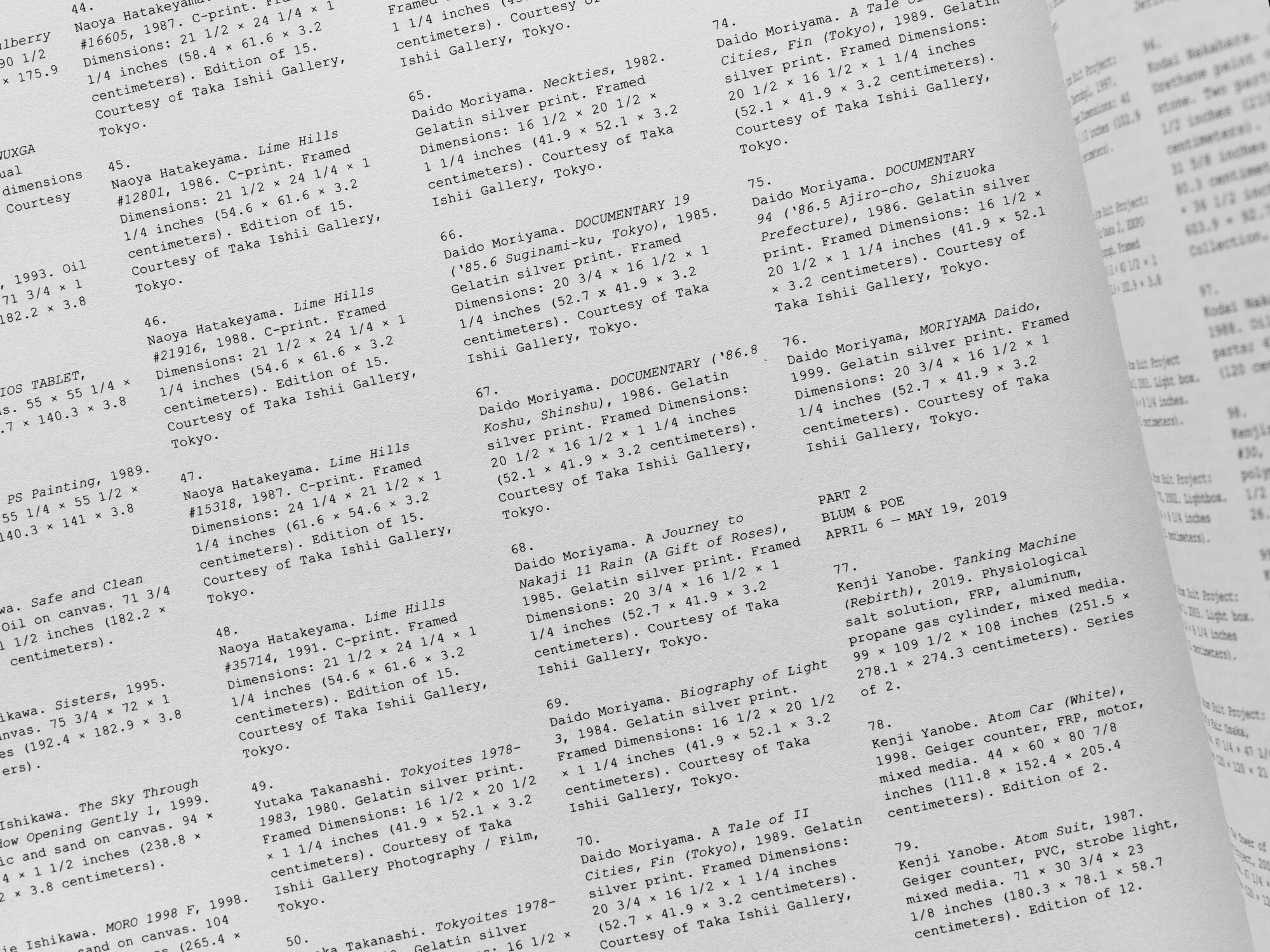
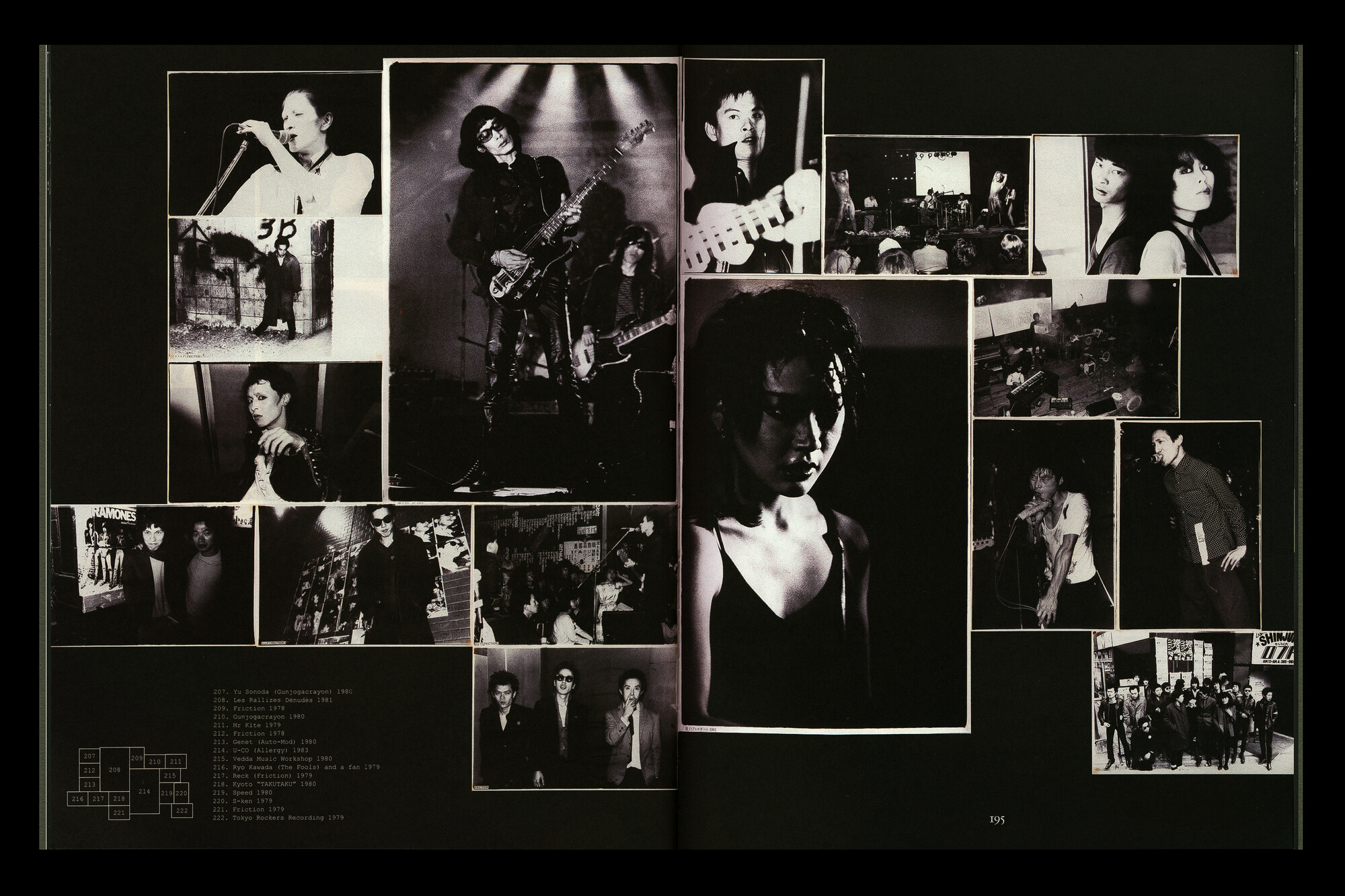
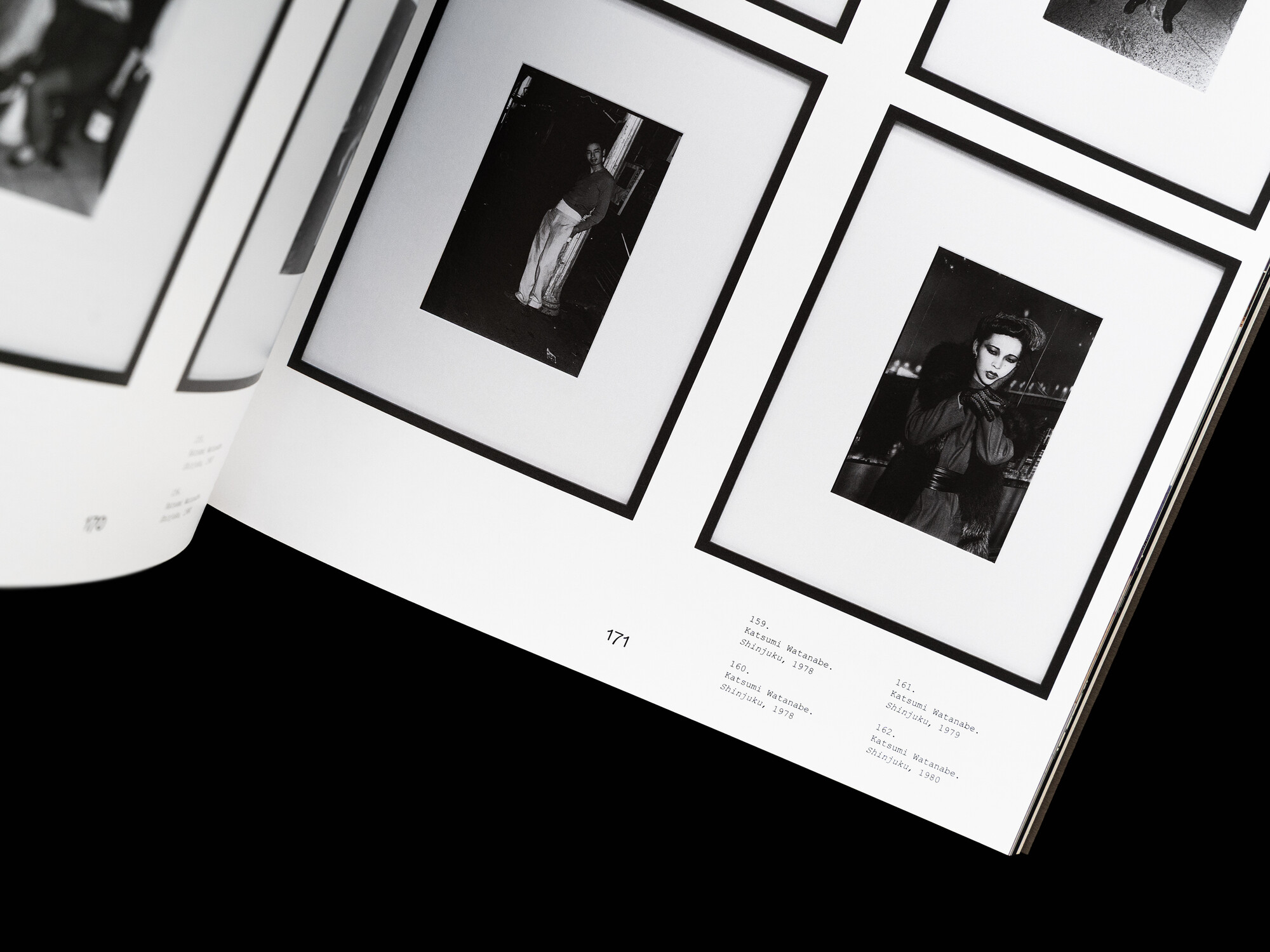
Parergon: Japanese Art of the 1980s and 1990s is the exhibition catalog for the landmark two-part exhibition curated by Mika Yoshitake at Blum & Poe. It is a definitive English-language primer and primary text for a largely undocumented period of Japanese art history, between the 1970s Mono-ha movement and the Neo-Pop era. The catalog features performance photography, installation shots, curatorial essays, socio-political analysis, textimonials, artist interviews, underground noise profiles, and music ephemera.
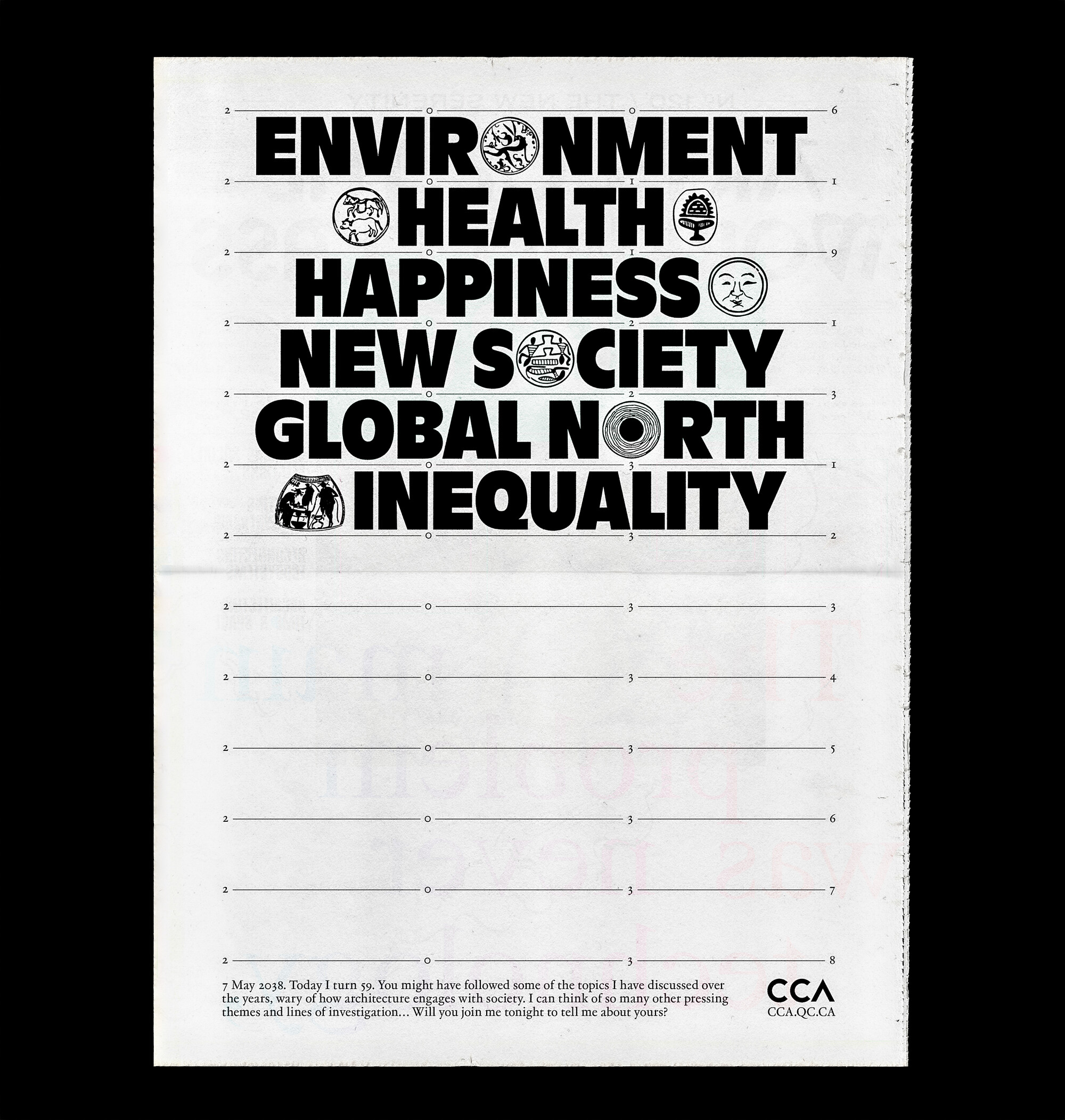
The Canadian Centre for Architecture’s contribution to Arts of the Working Class as part of the German Pavilion at the 17th Venice Architecture Biennale. The timeline introduces upcoming themes and programs the CCA is slated to explore in the upcoming decade.
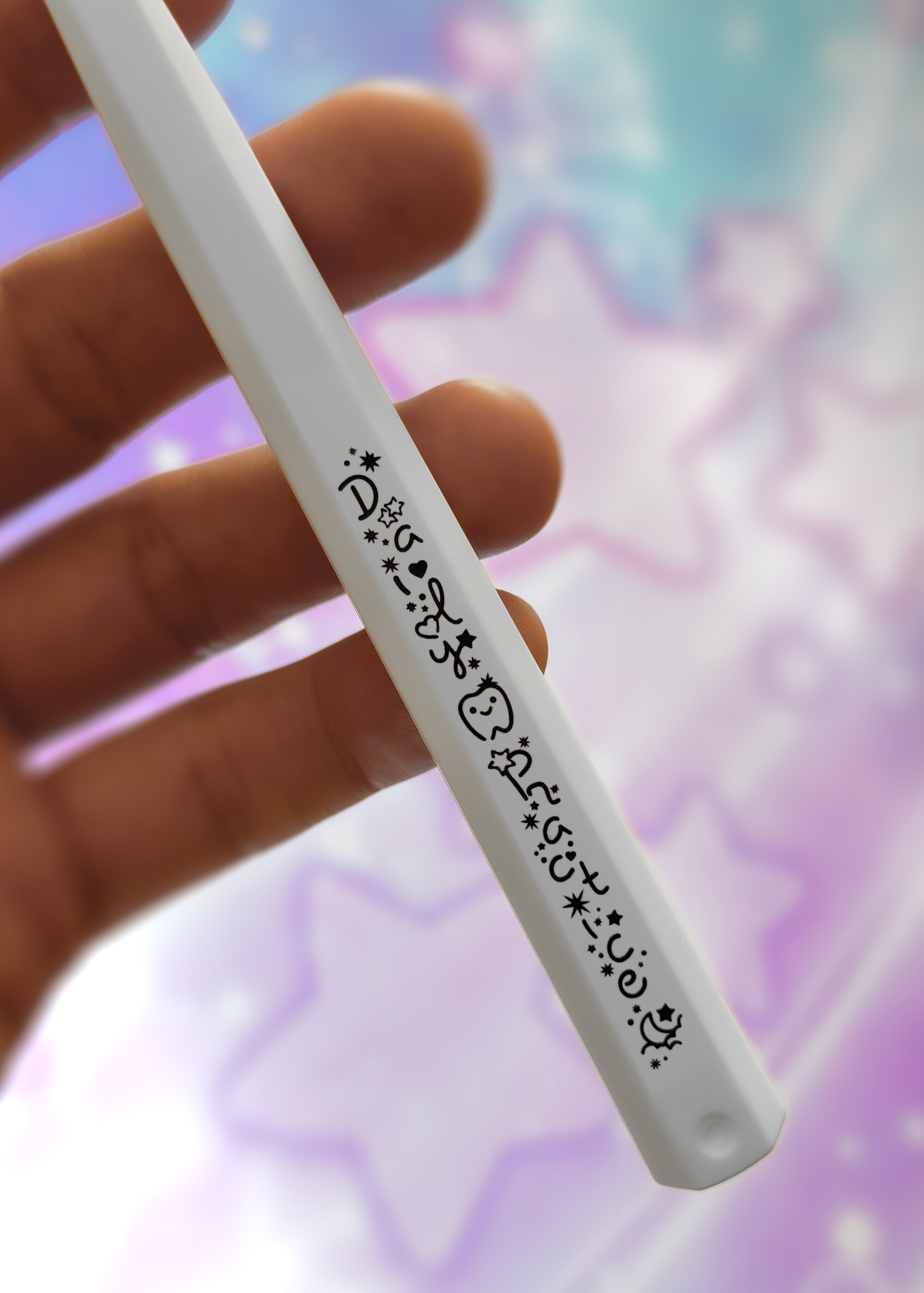
Limited edition toothbrush designed in celebration of ABC Dinamo’s 10 year anniversary. Dinamo invited 10 graphic designers, studios, and artists from their creative community to express themselves on a tiny canvas. The slogan draws a parallel between maintaining oral hygiene and the daily repetition required to run a creative practice.
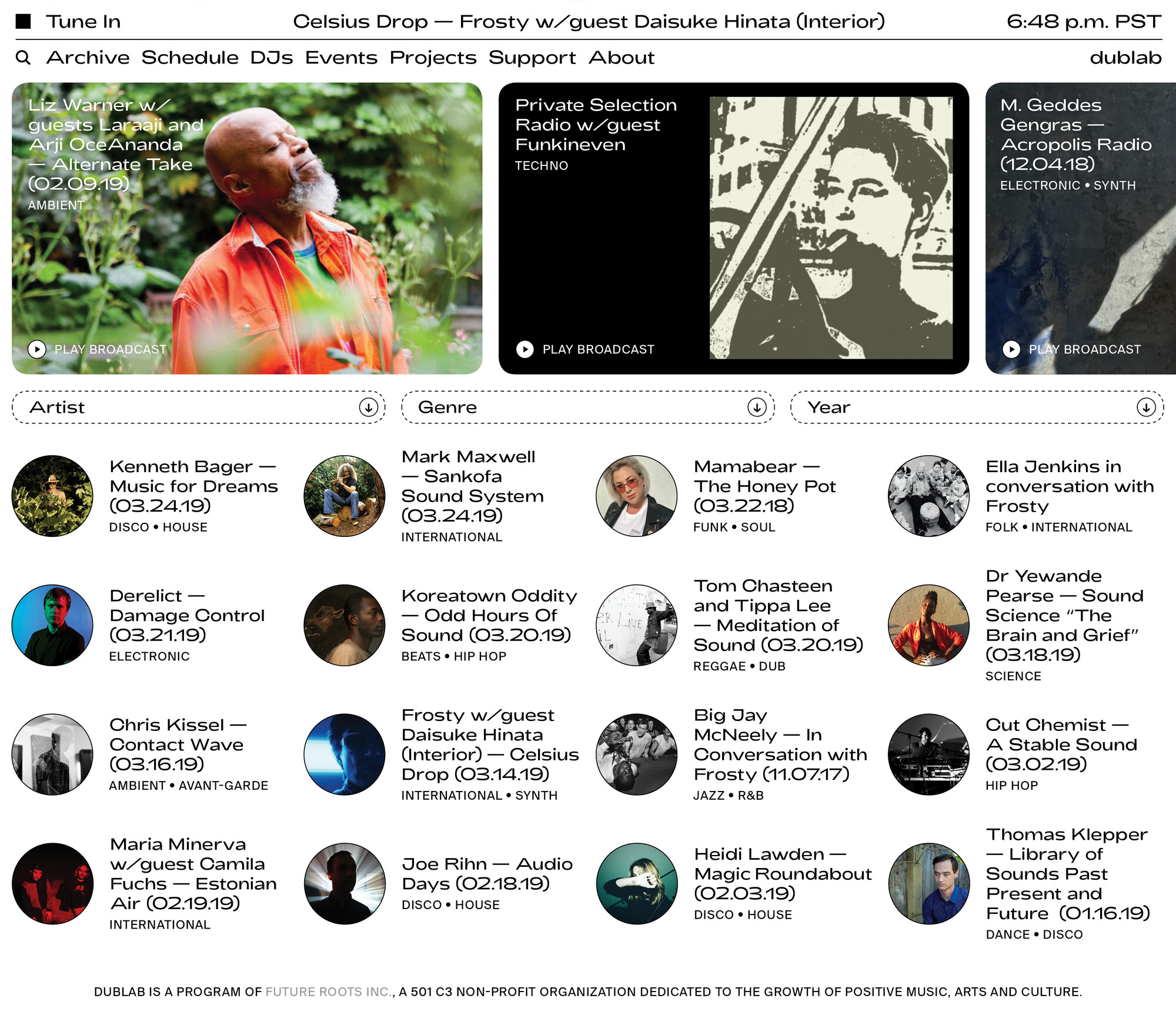
dublab is the pioneering, non-profit community radio station and cultural institution in Los Angeles founded in 1999. Future Roots Radio connects music of the past as the foundation for today, and today’s music as the roots of tomorrow. The website is an internet checkpoint in LA featuring live broadcasts and the foundation‘s broadcast archive in full.
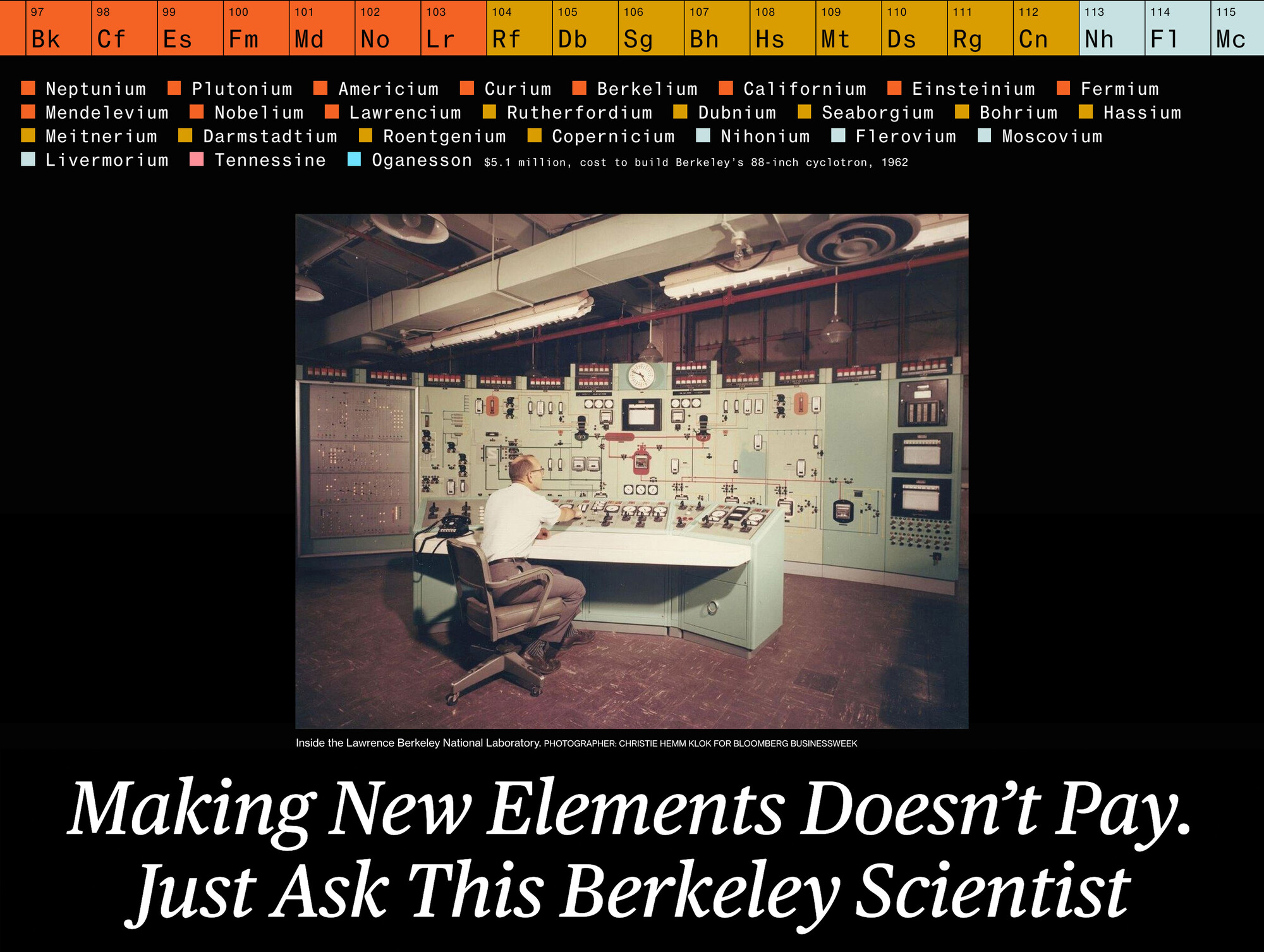
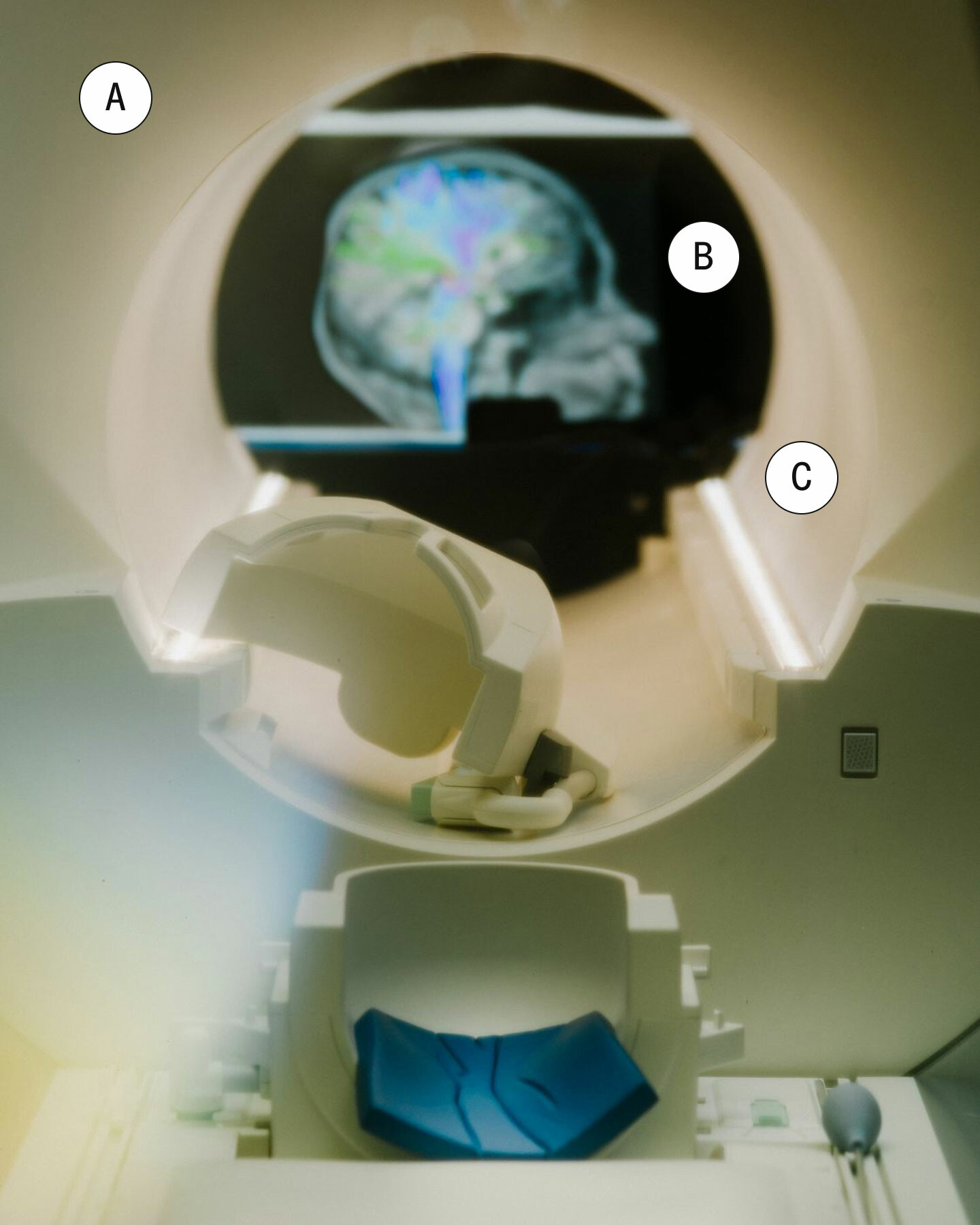
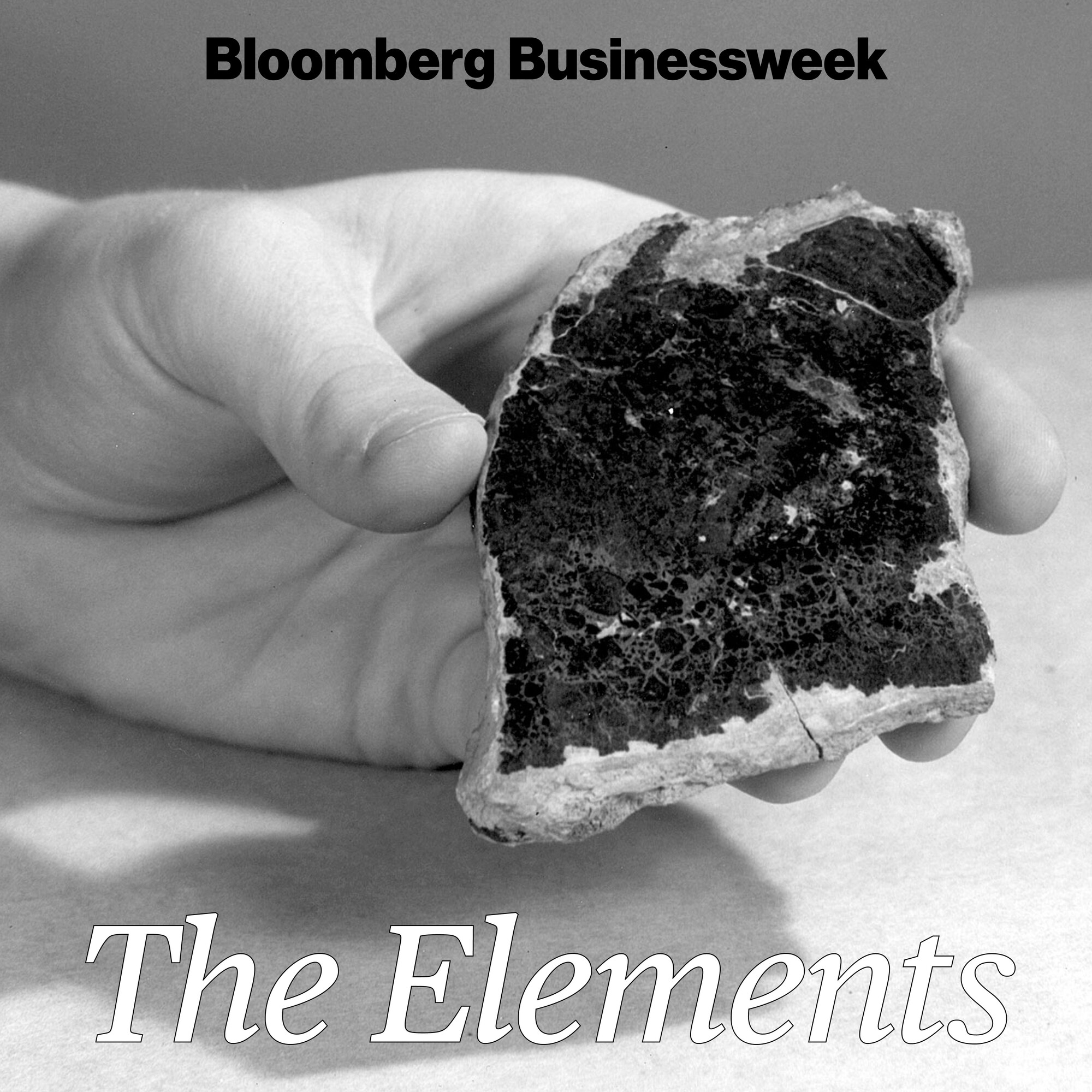
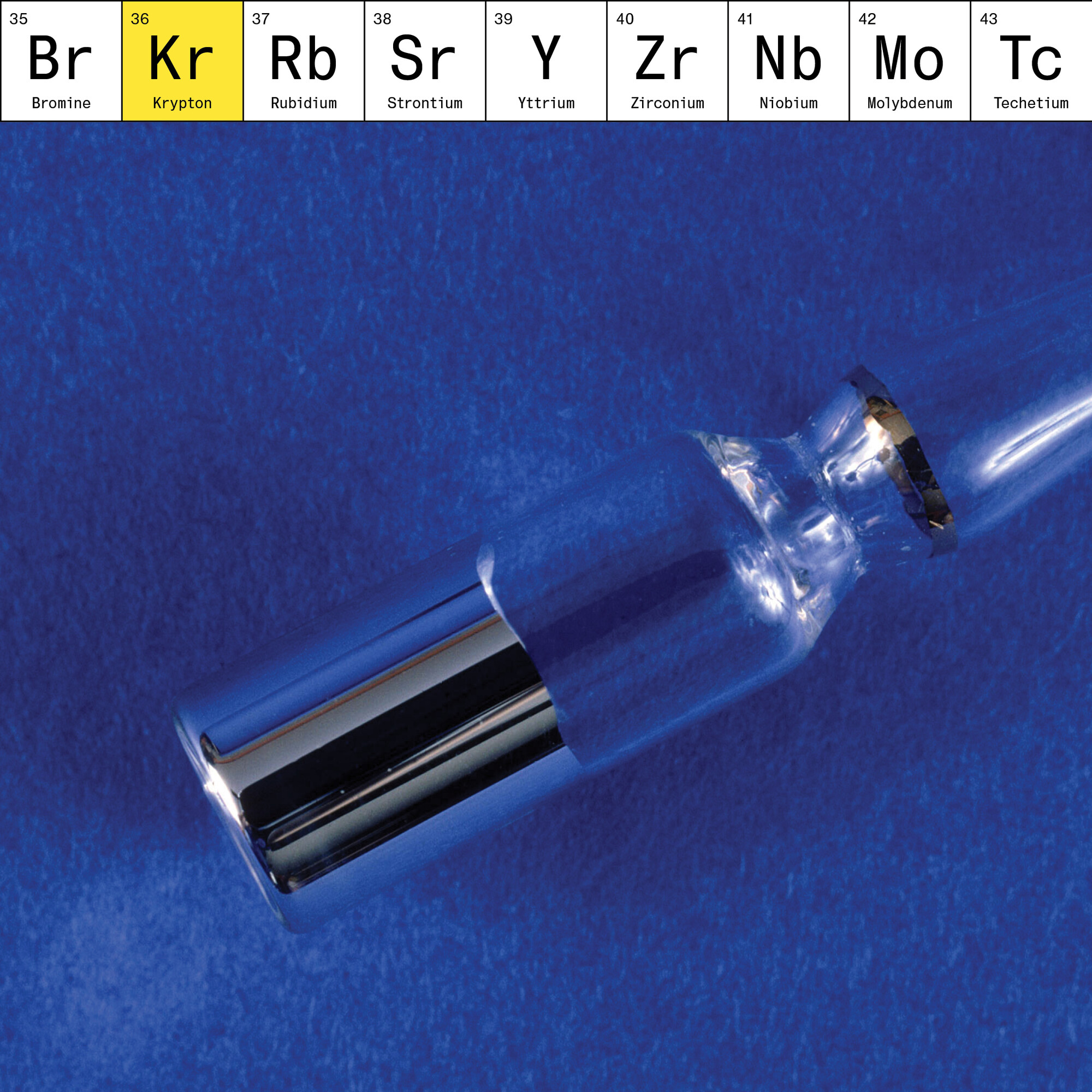
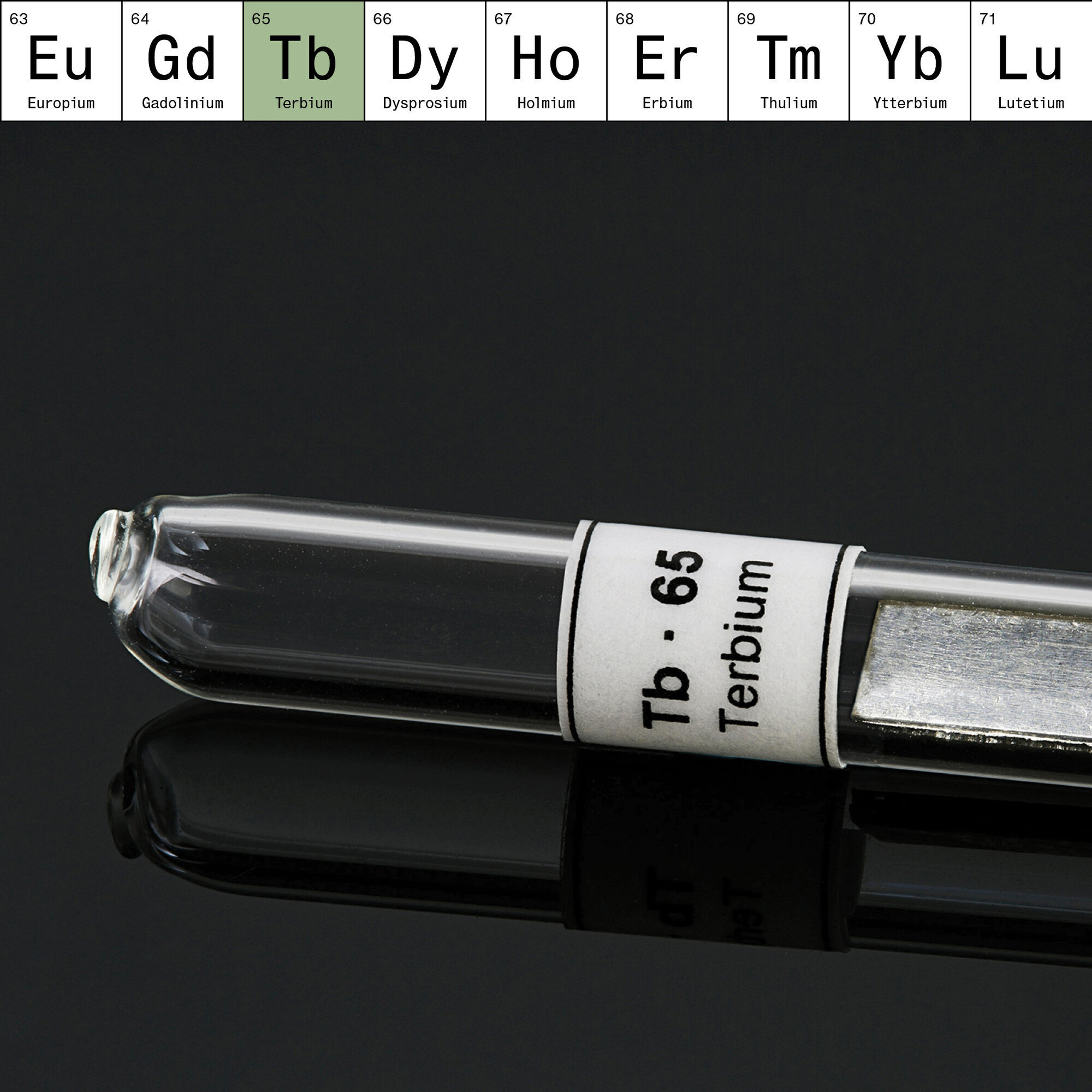
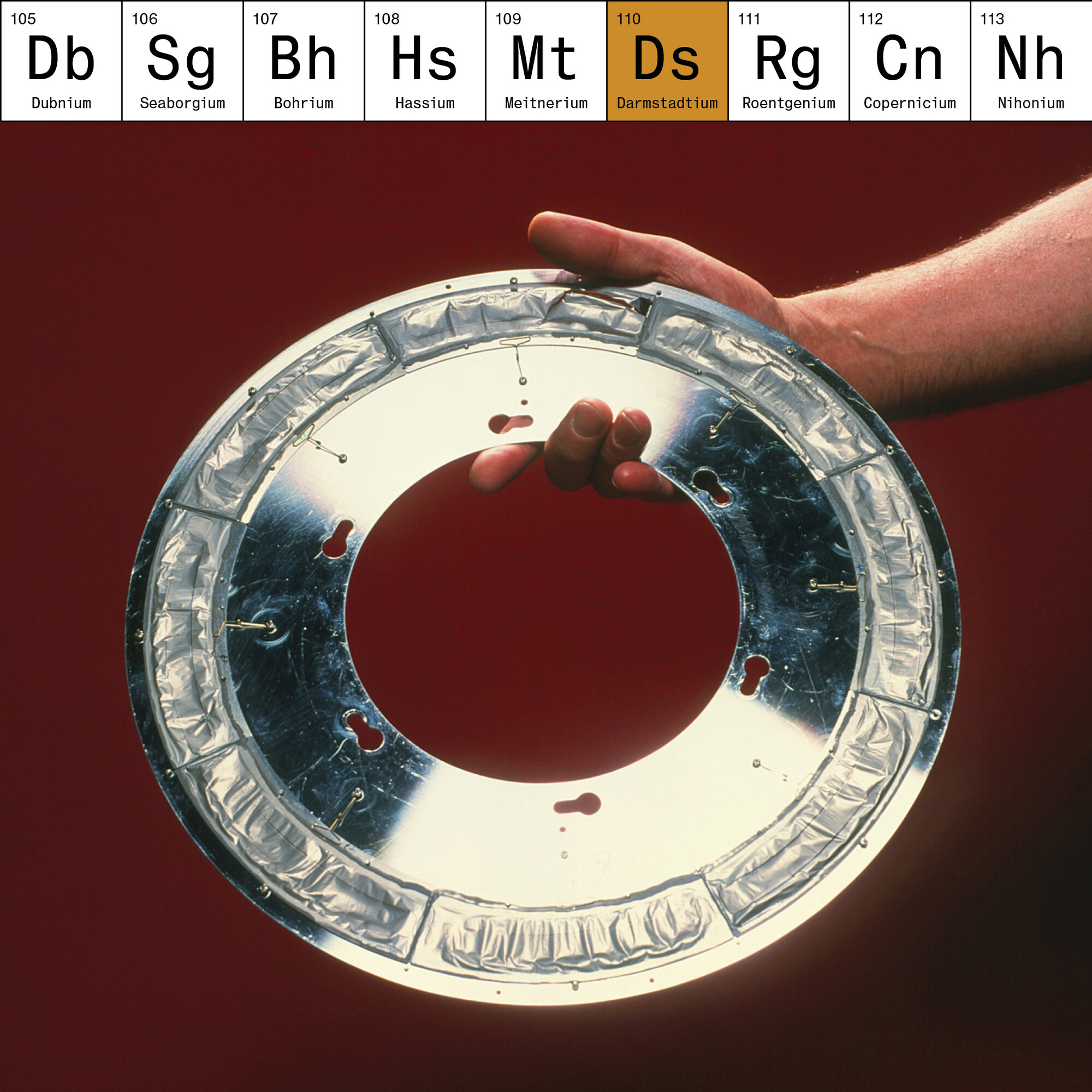
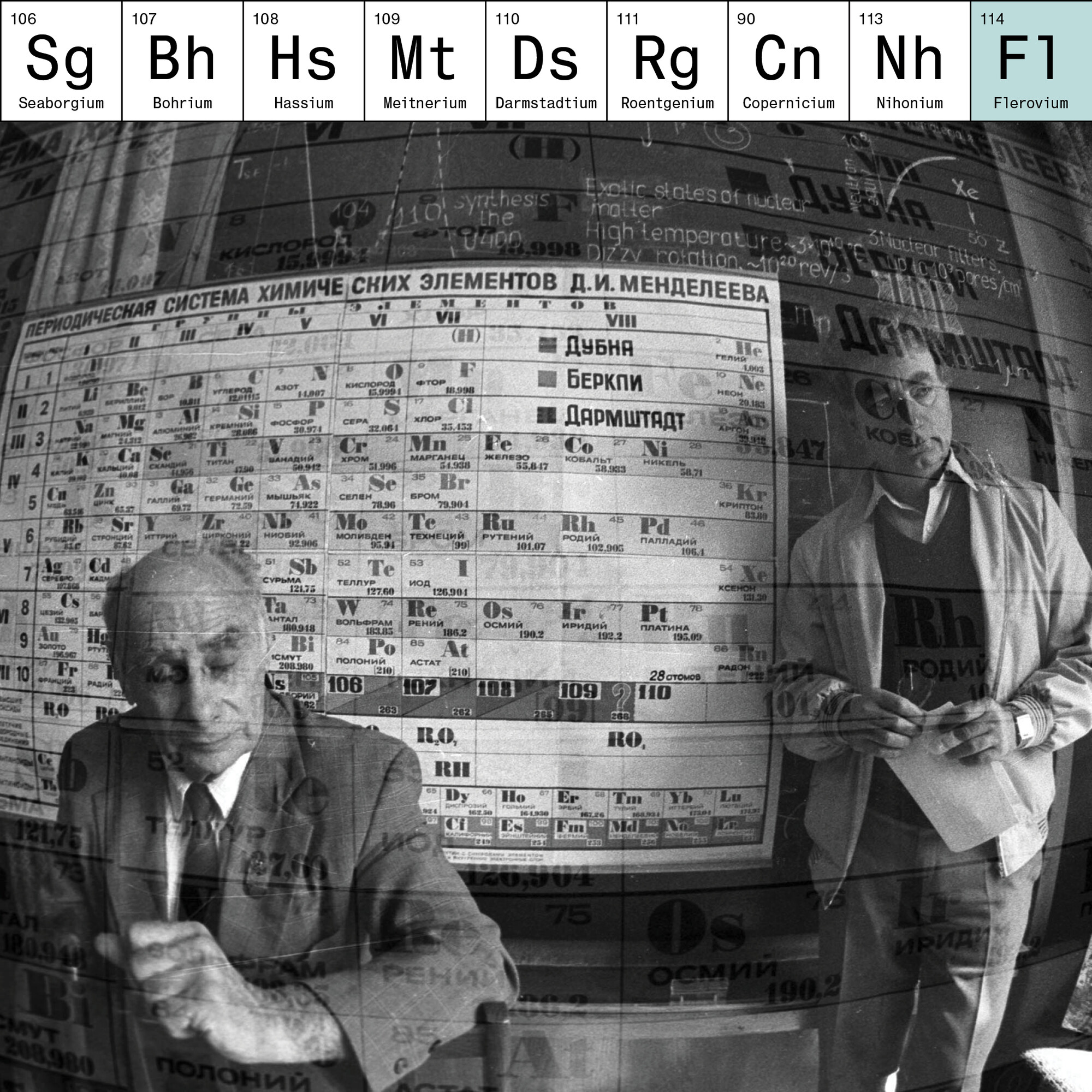
Bloomberg Businessweek’s special “Elements” issue is themed around the 150th anniversary of Dmitri Mendeleev’s periodic table—using it as a lens through which to examine supply chain vulnerabilities, national security, climate change, and the physical limits of the digital age. Stories feature Apple, Boeing, De Beers, Green Science Policy Institute, Greenland Minerals Ltd., Helium One, Jacobsen Salt Co., Lawrence Berkeley National Laboratory, and many more.
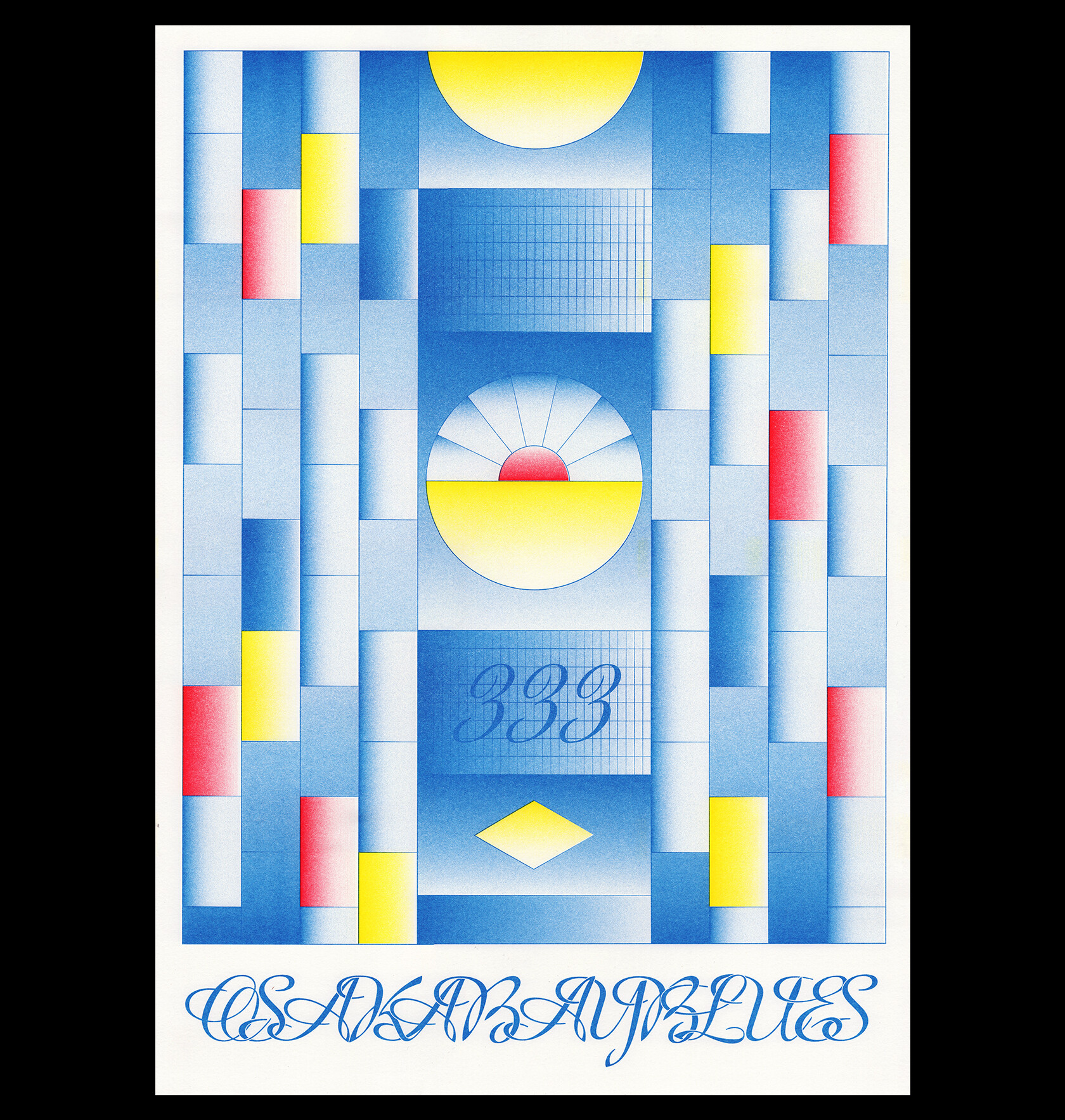
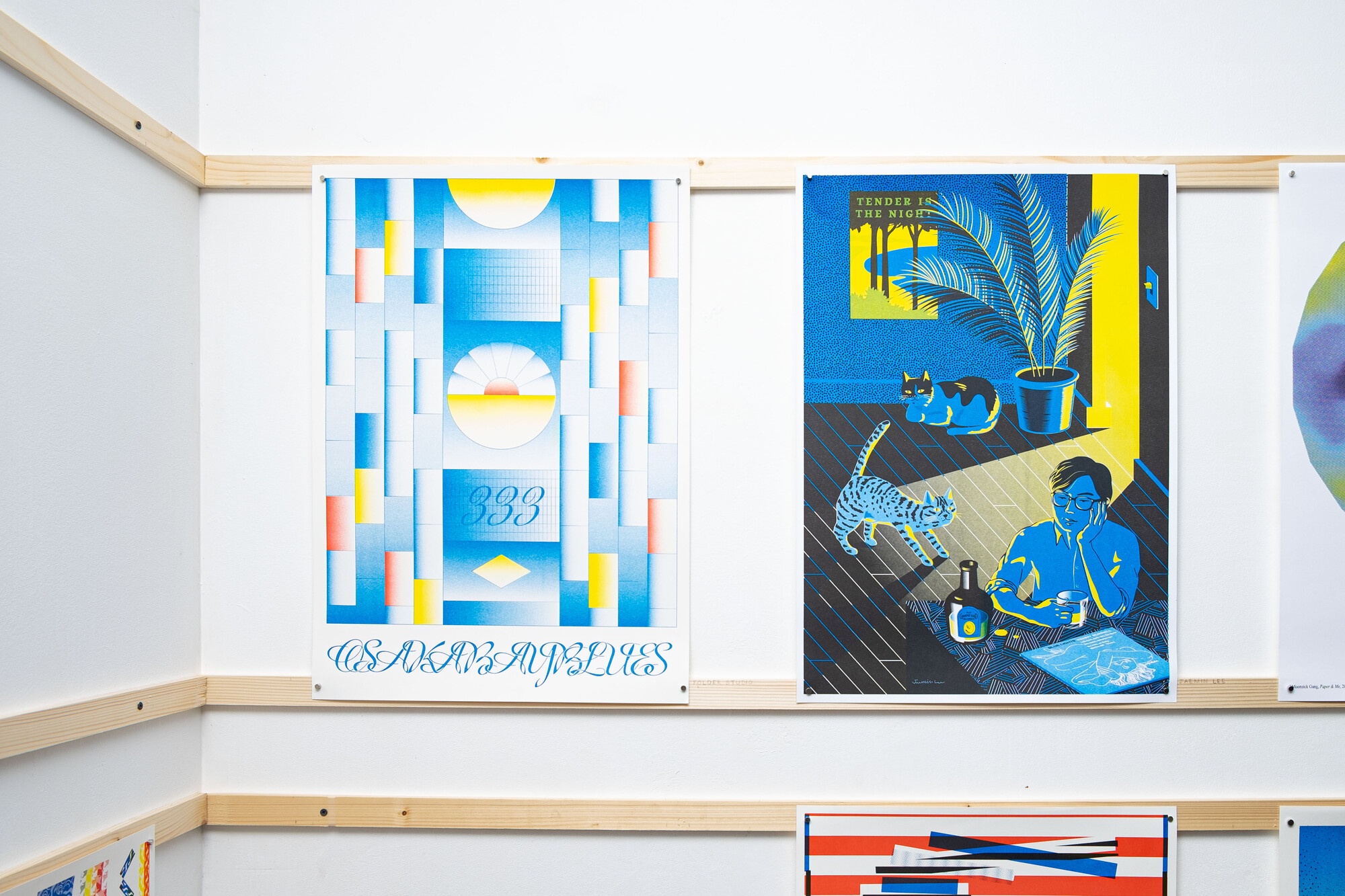
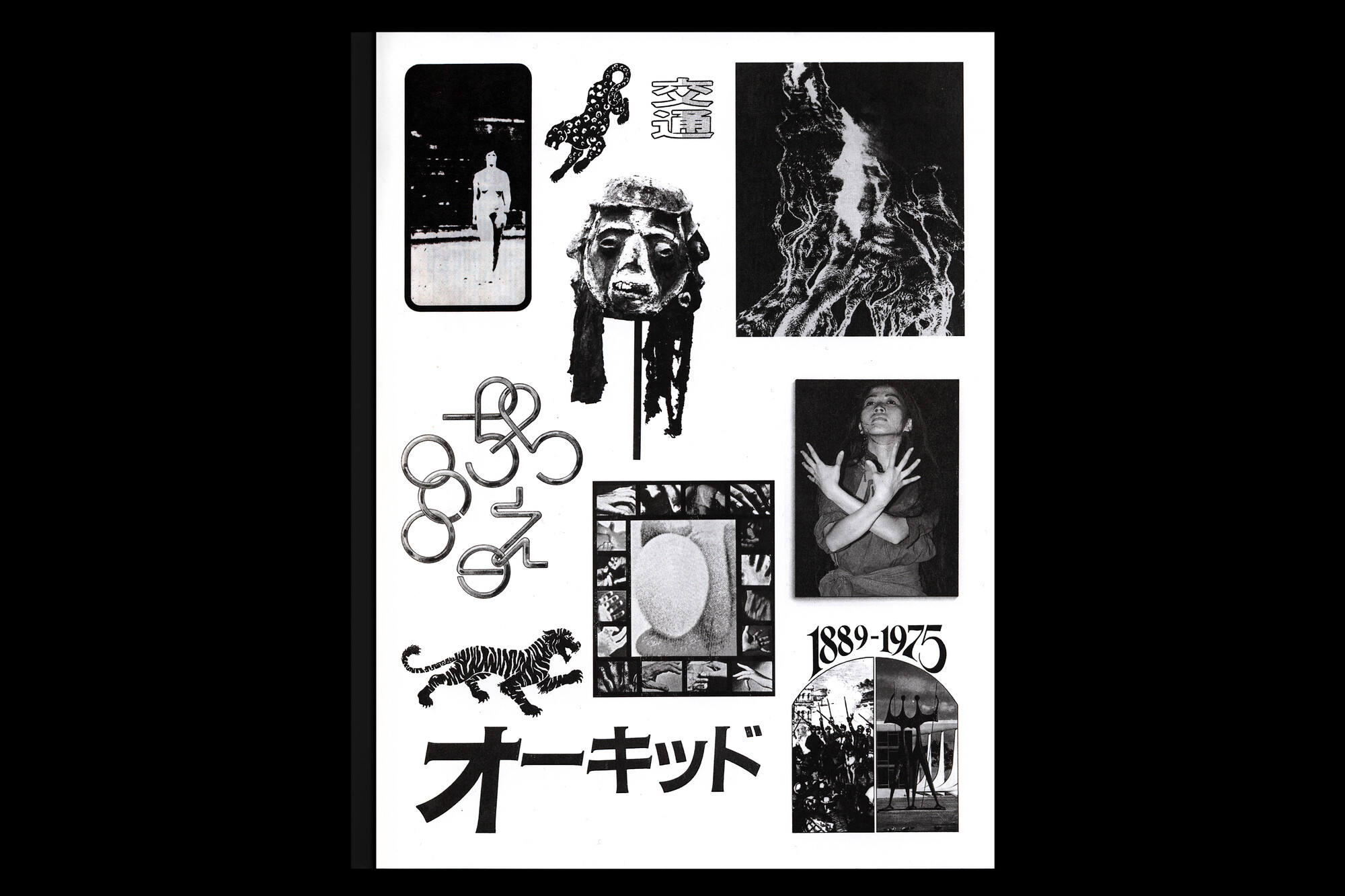
Corners Studio, a risograph house in Korea, asked an international group of friends and collaborators to design artist edition posters to commemorate their new 4-color A2 machine. Our print is an homage to Little Tokyo Galleria in Los Angeles, titled Osaka Bay Blues for a karaoke classic.
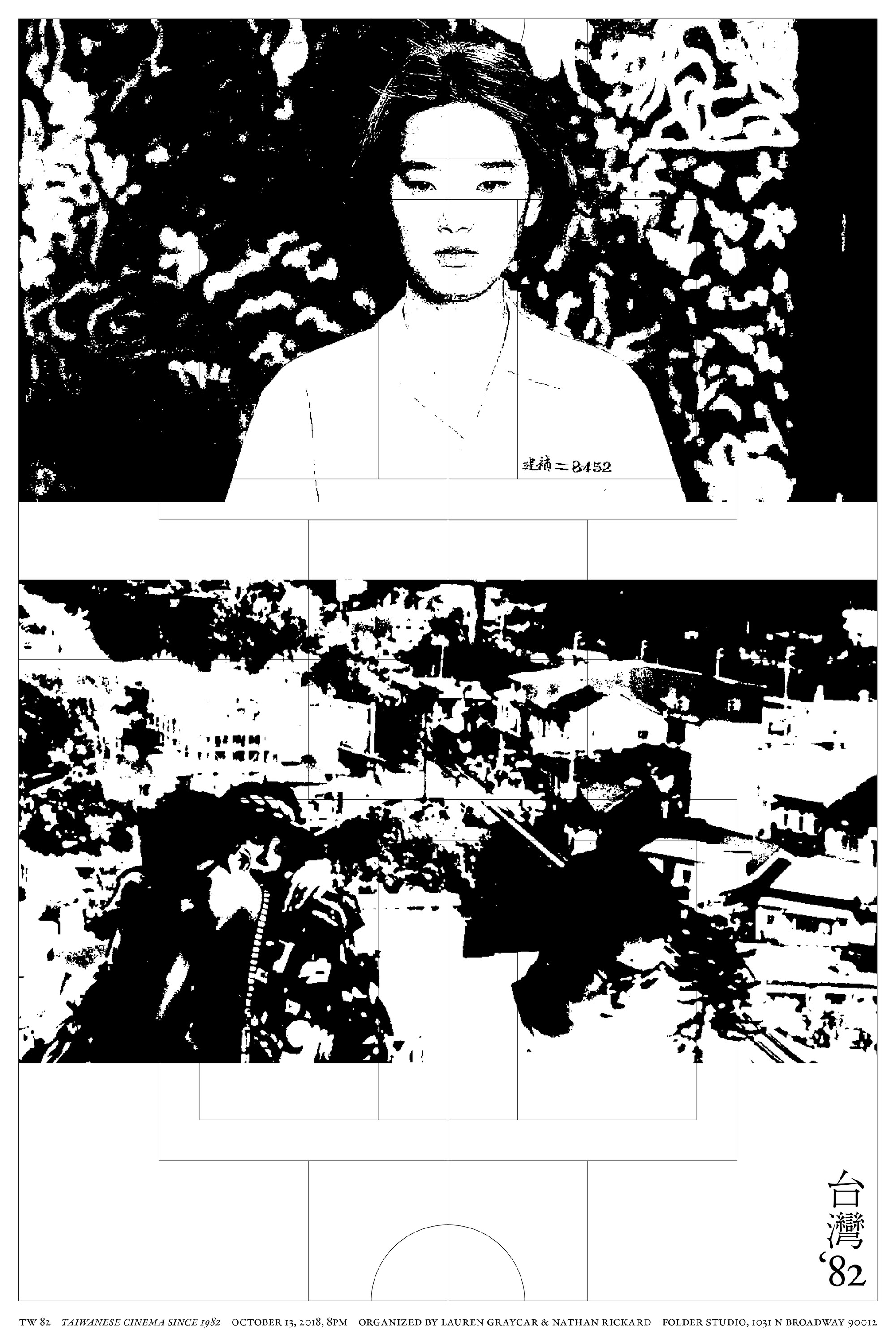
TW 82: Taiwanese Cinema Since 1982 is a screening organized and hosted at the studio by Lauren Graycar and Nathan Rickard. The poster features stills from seminal films A Brighter Summer Day by Edward Yang and Goodbye South, Goodbye by Hou Hsiao-Hsien.
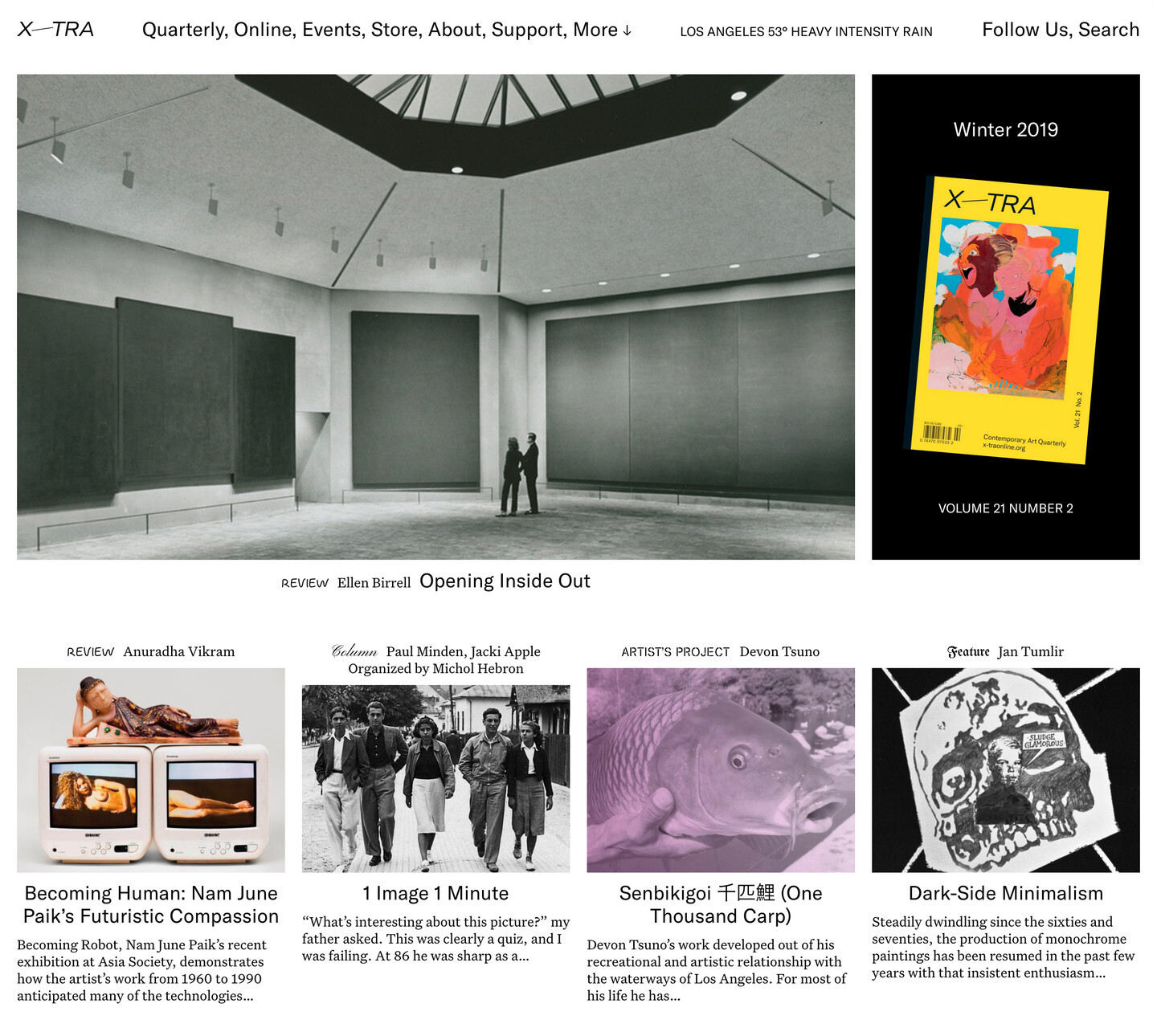
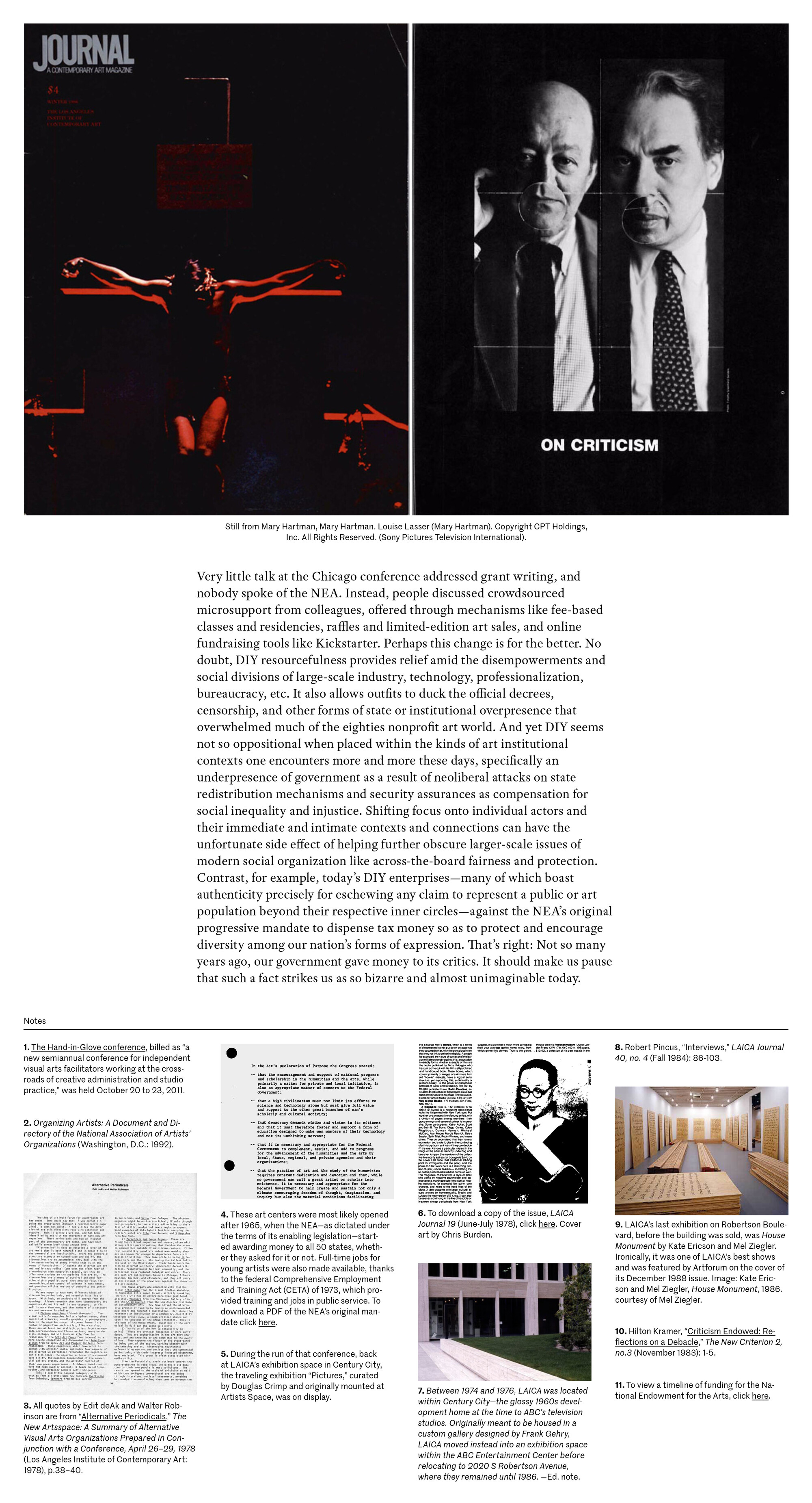
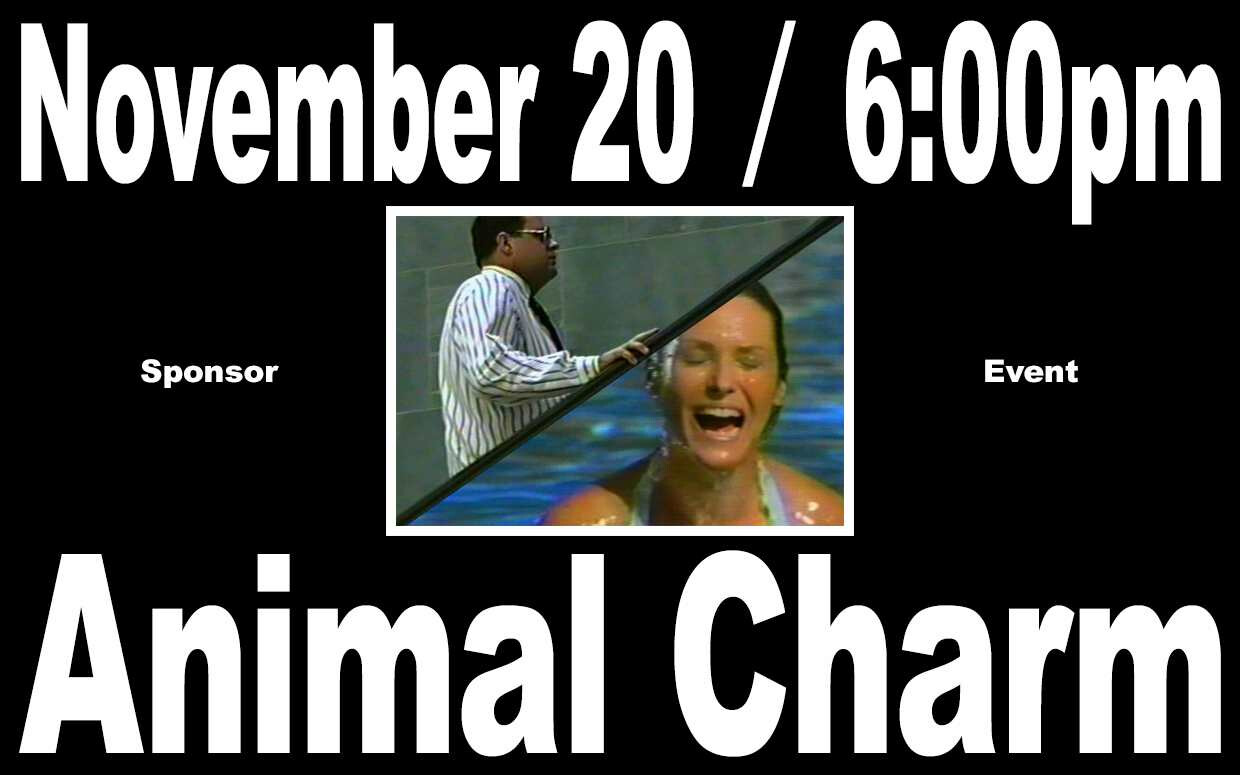
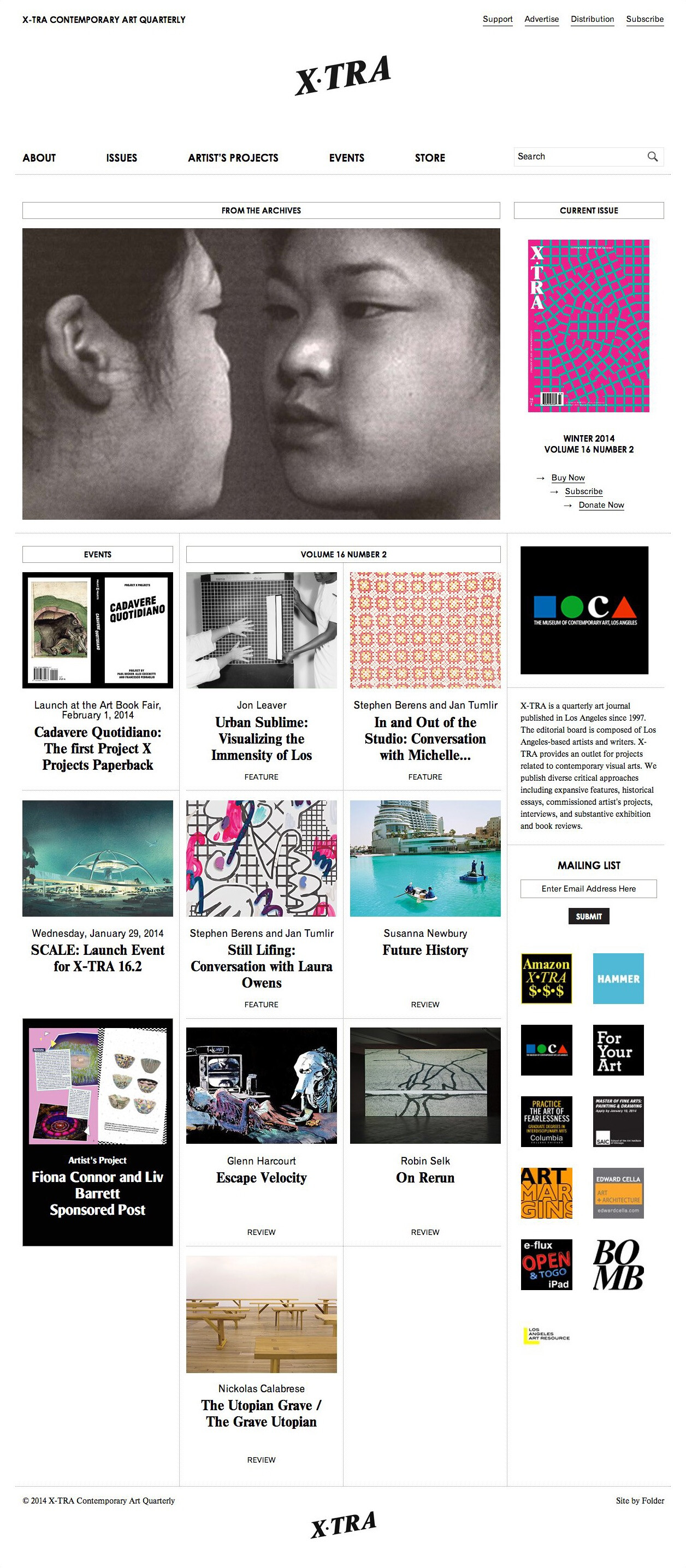
X-TRA Contemporary Art Journal, the longest running LA art journal, ended its run in Spring 2024 after 26 years of publishing. The website houses a complete catalog of essays, reviews, interviews, and artist projects into a reading environment organized by issue, contributor, and series. Built to support ongoing publishing alongside the back catalogue, it continues as a free archive following the journal’s closure.
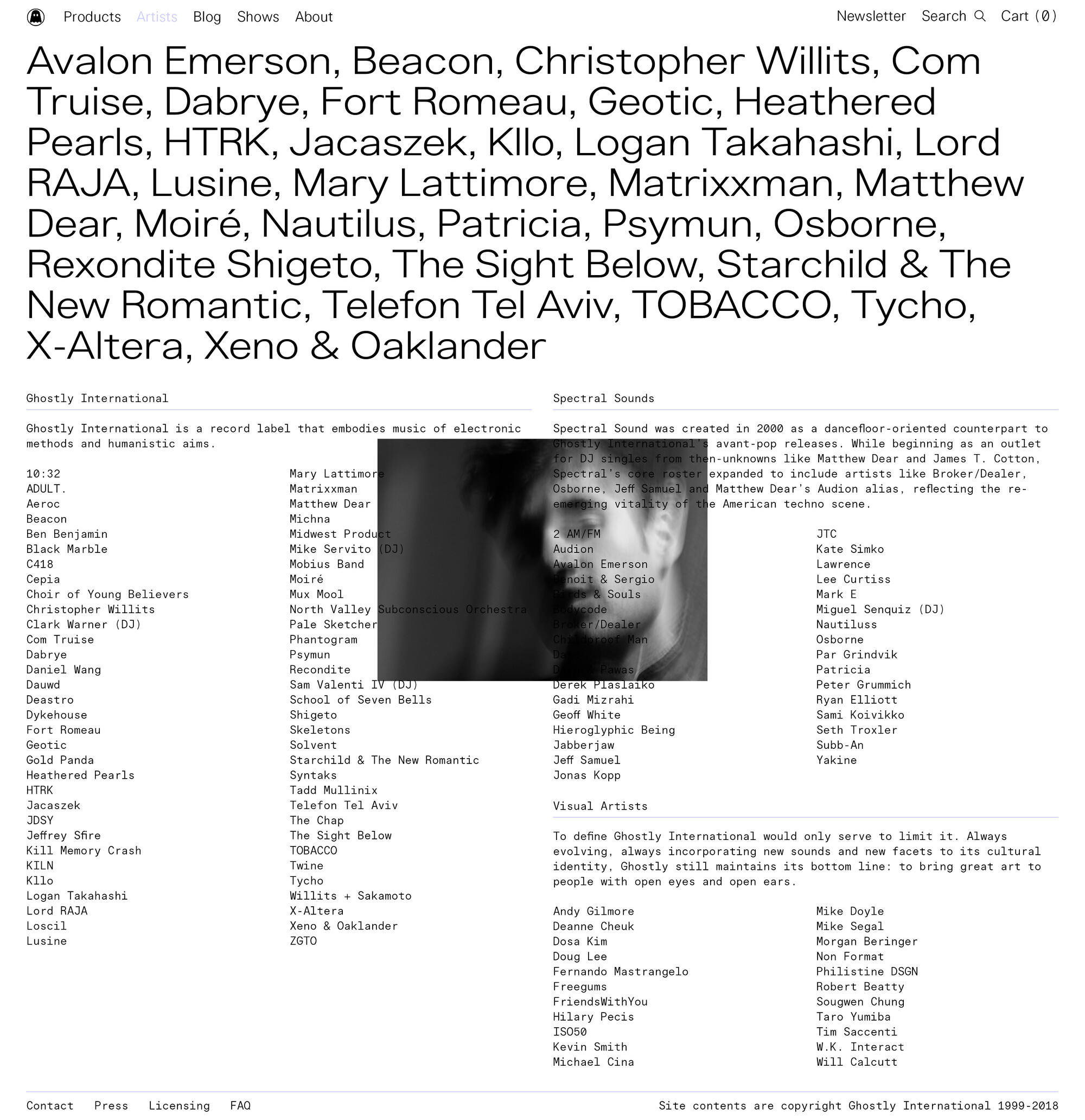
Ghostly International is a pioneering American independent record label and art company founded in 1999, merging boundary-pushing music with museum-grade graphic design and curated objects. The website is a full-featured web store and online archive, documenting it’s historic run and broad influence across genres.
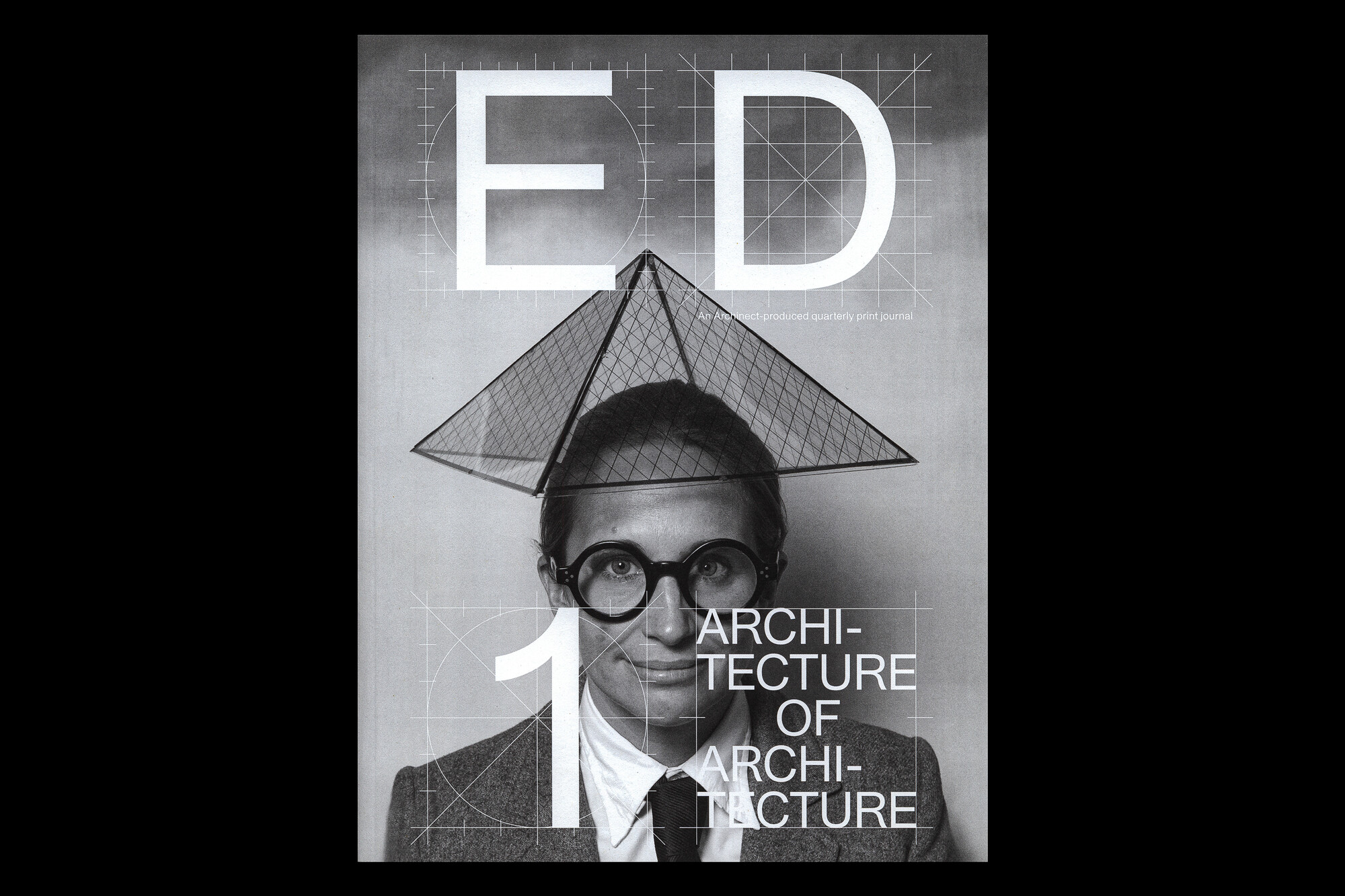
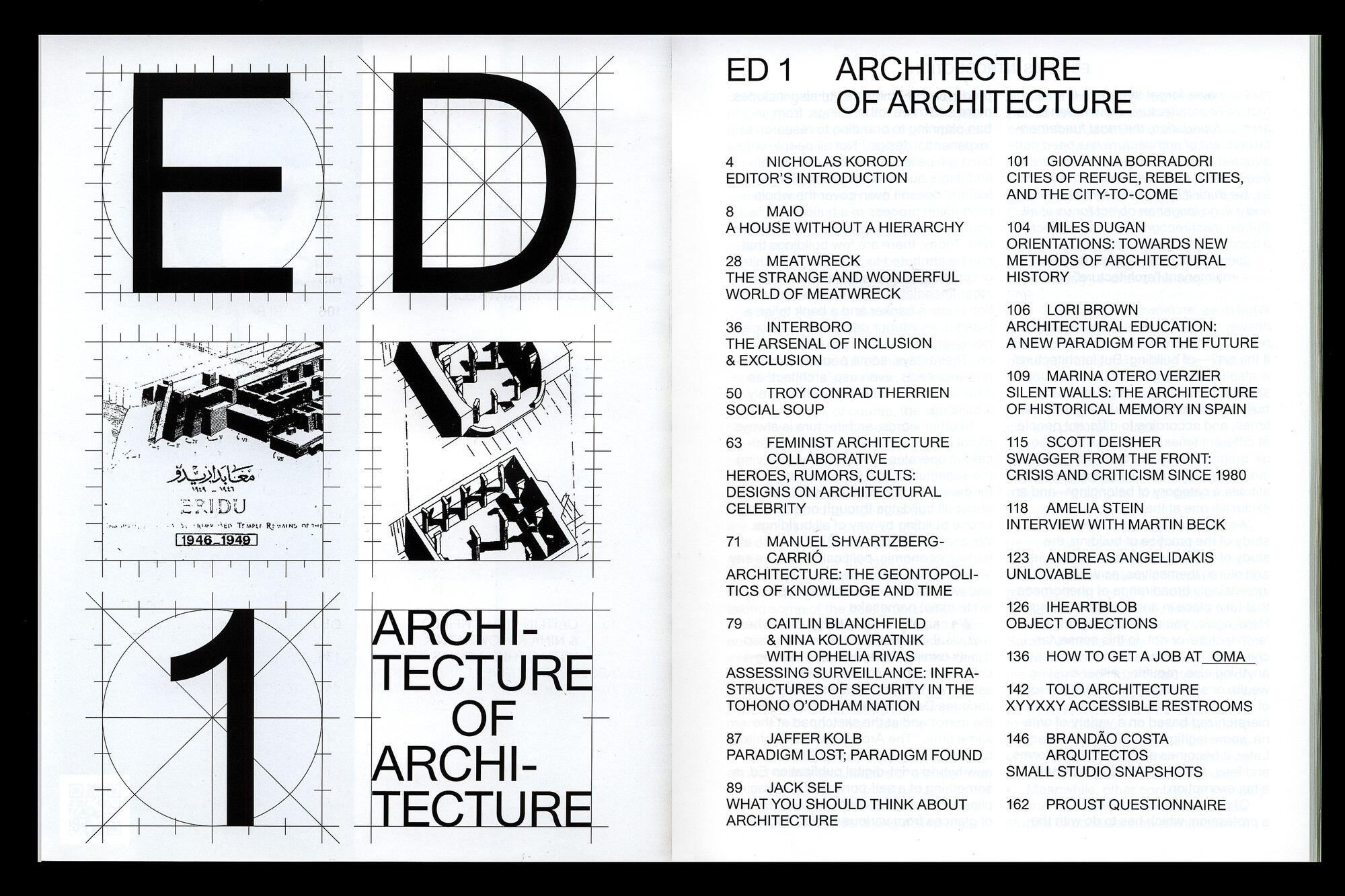
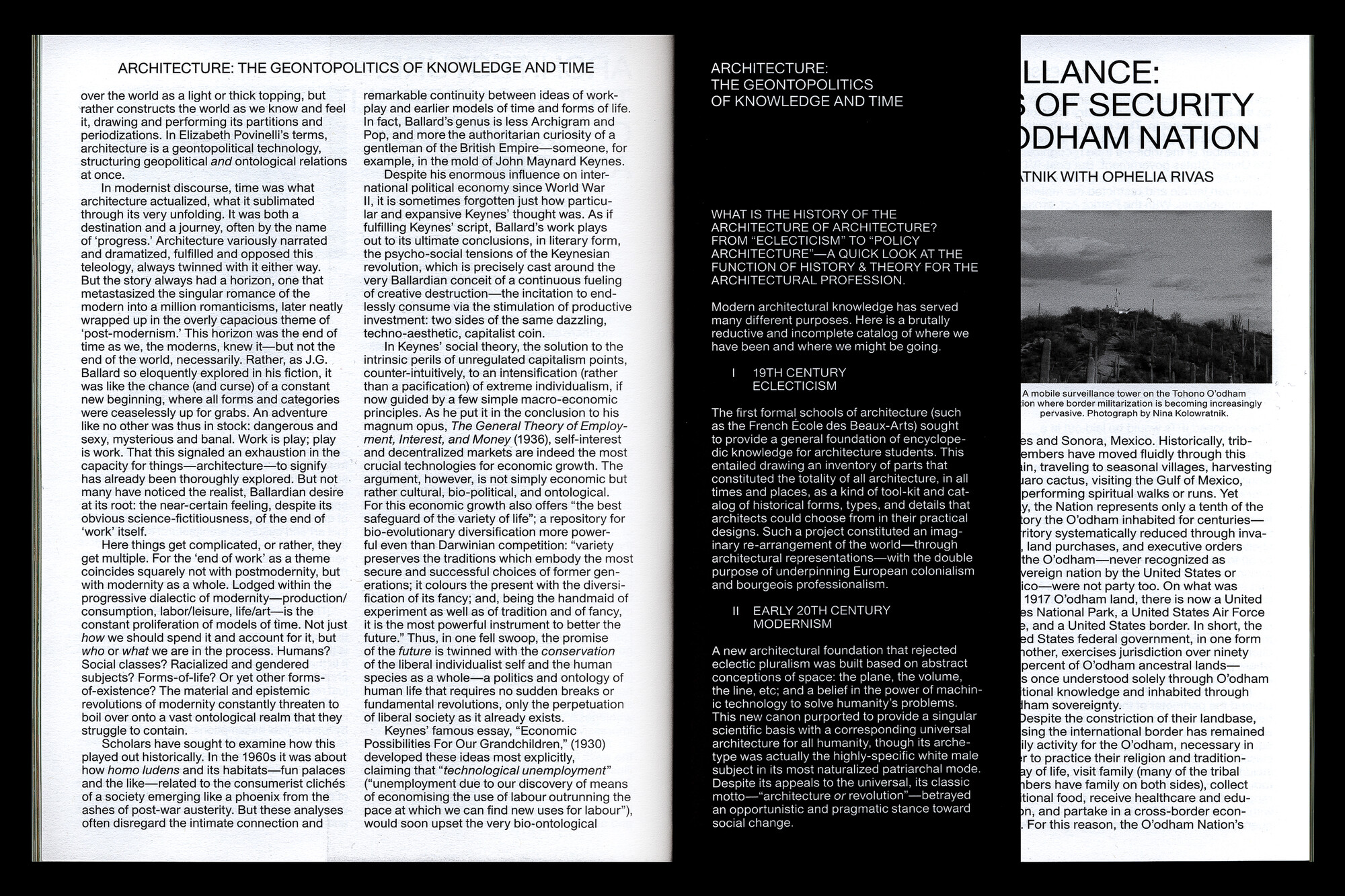
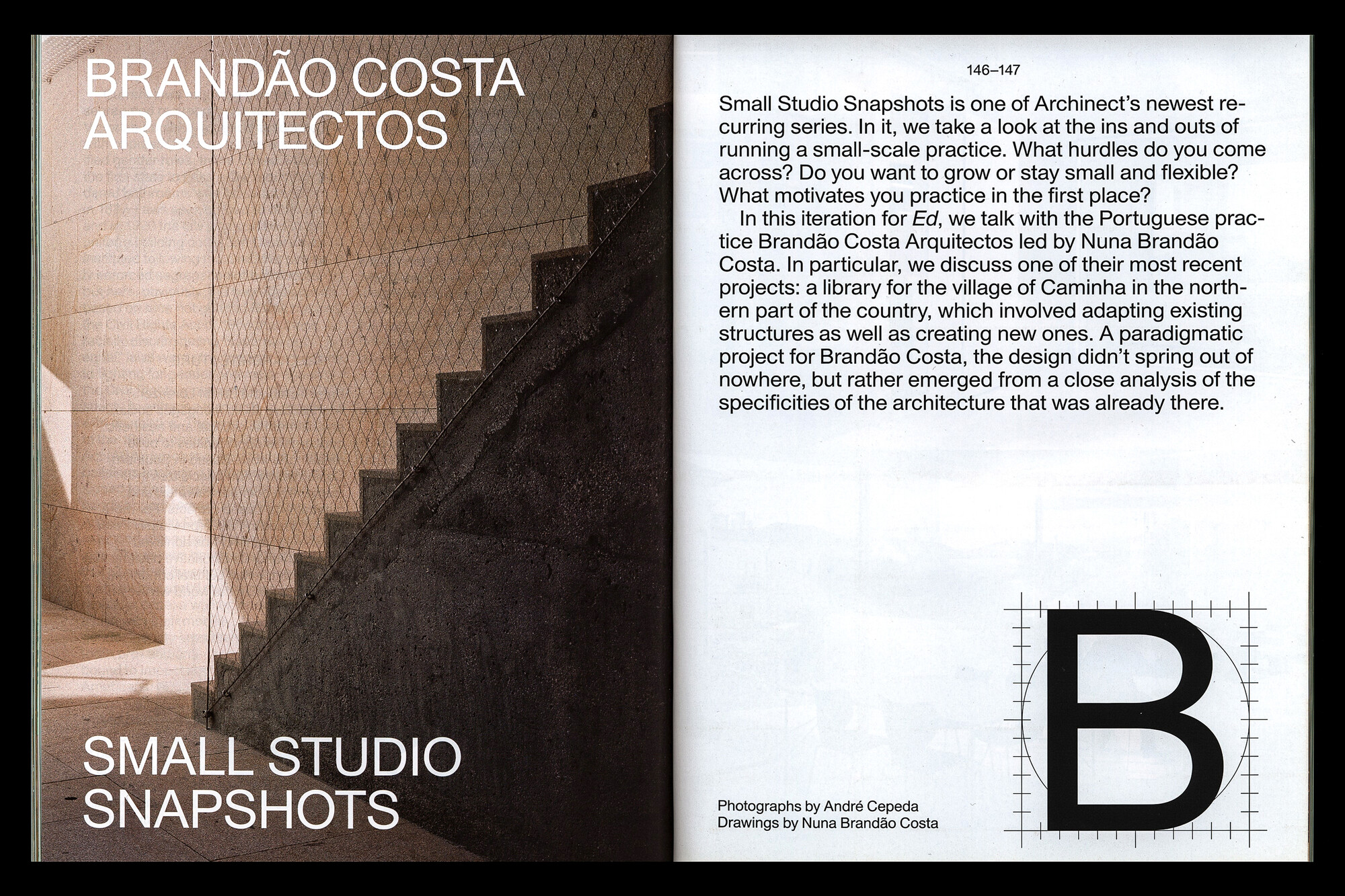
Inaugural issue of Ed, Archinect’s print magazine. Examines how architecture operates within broader social, economic, and technological systems, and considers how the discipline might be reimagined through alternative frameworks of practice and thought. More info
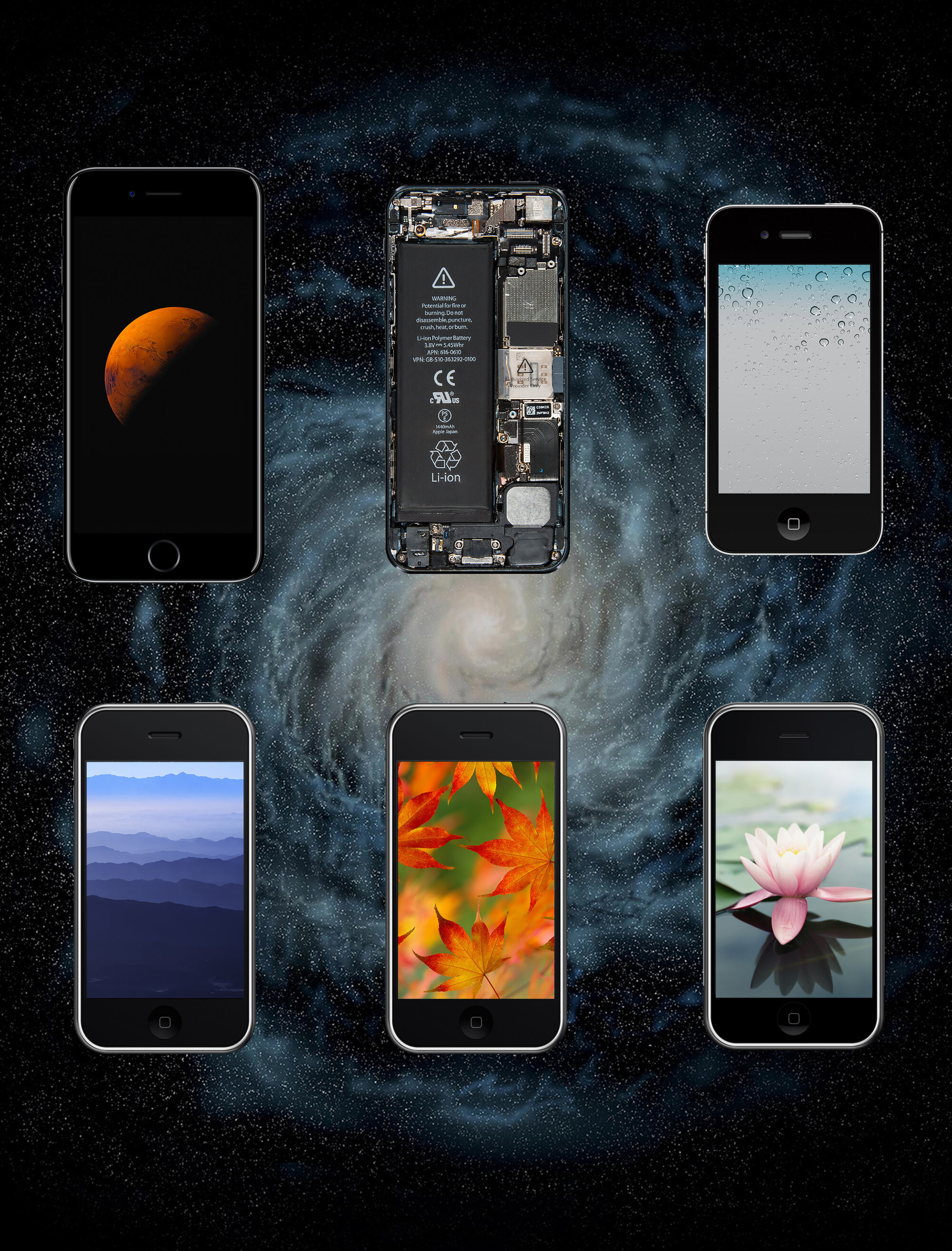
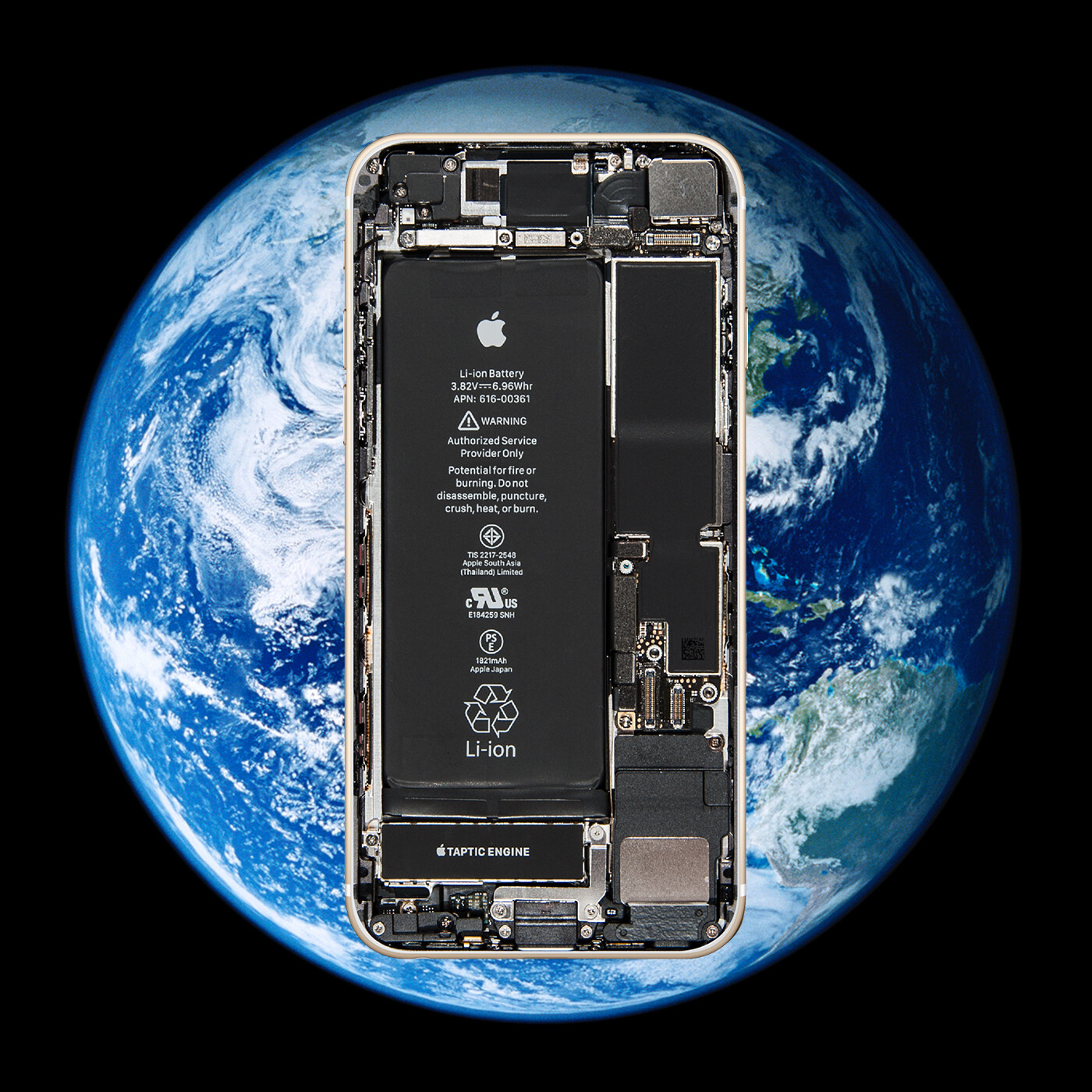
Online feature for Bloomberg Businessweek visualizing the global supply chain behind Apple’s iPhone. Illustrates where materials originate, how they’re assembled, and the economic systems that sustain their production. Read online ⎘
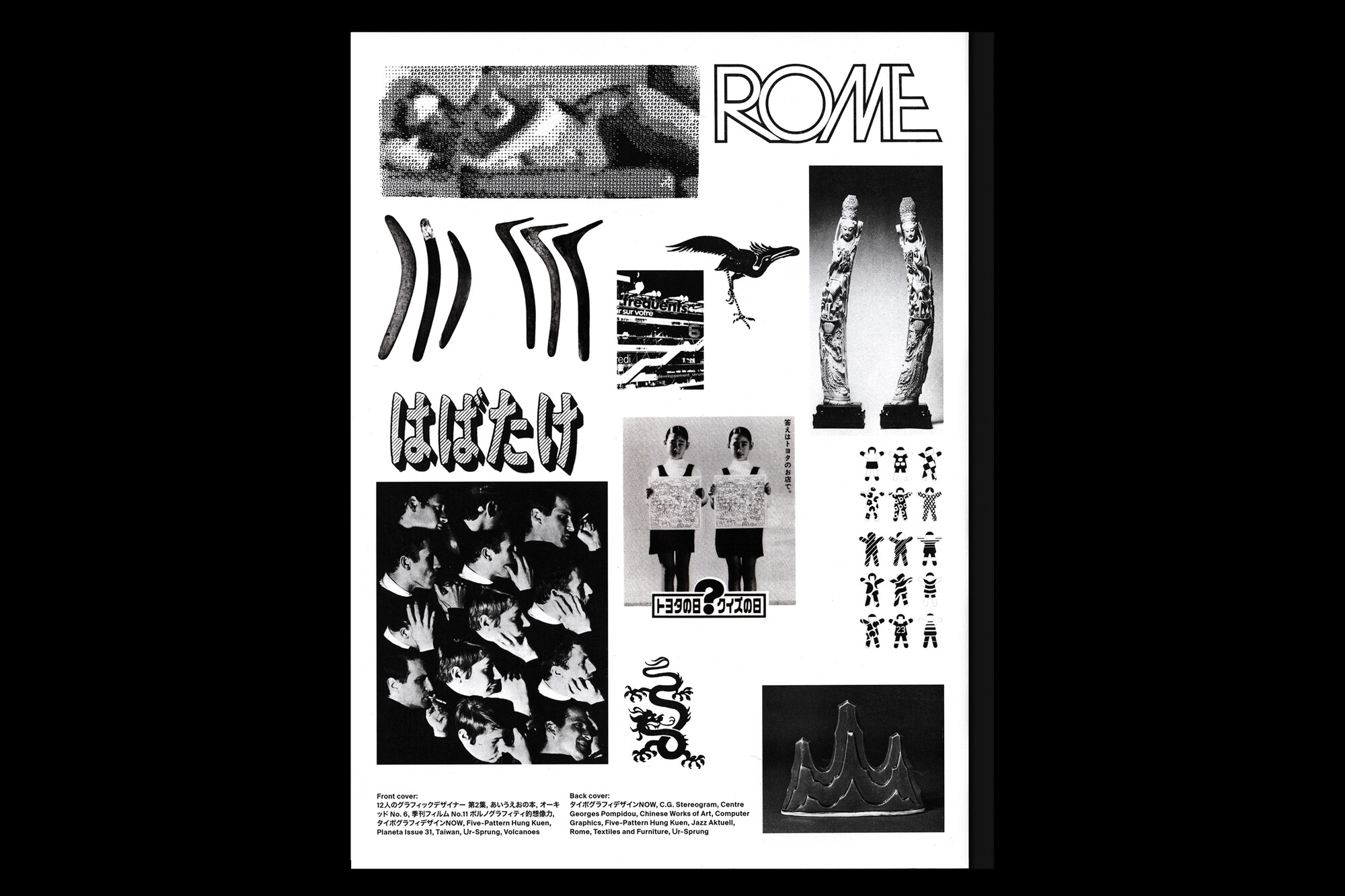
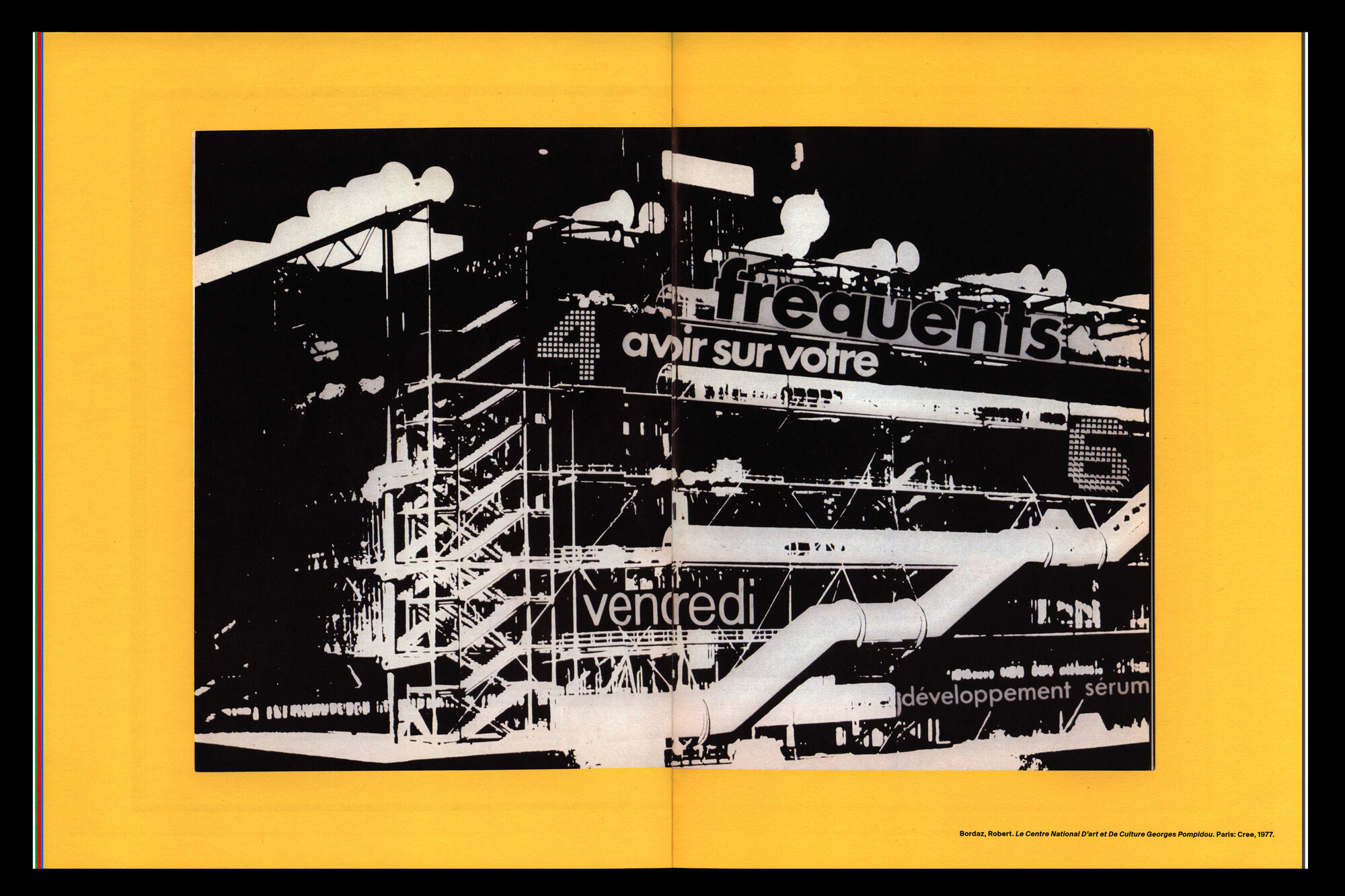
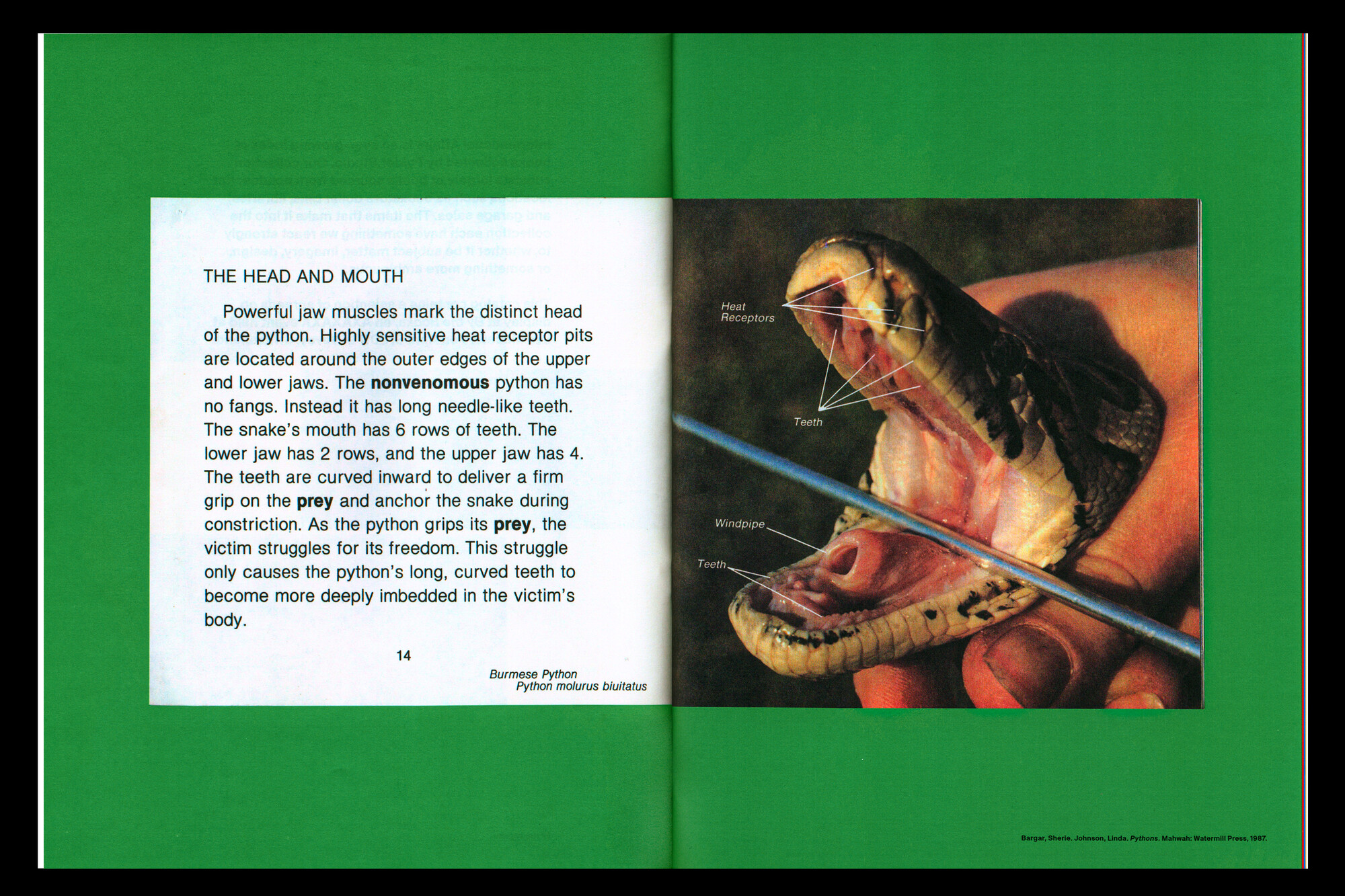
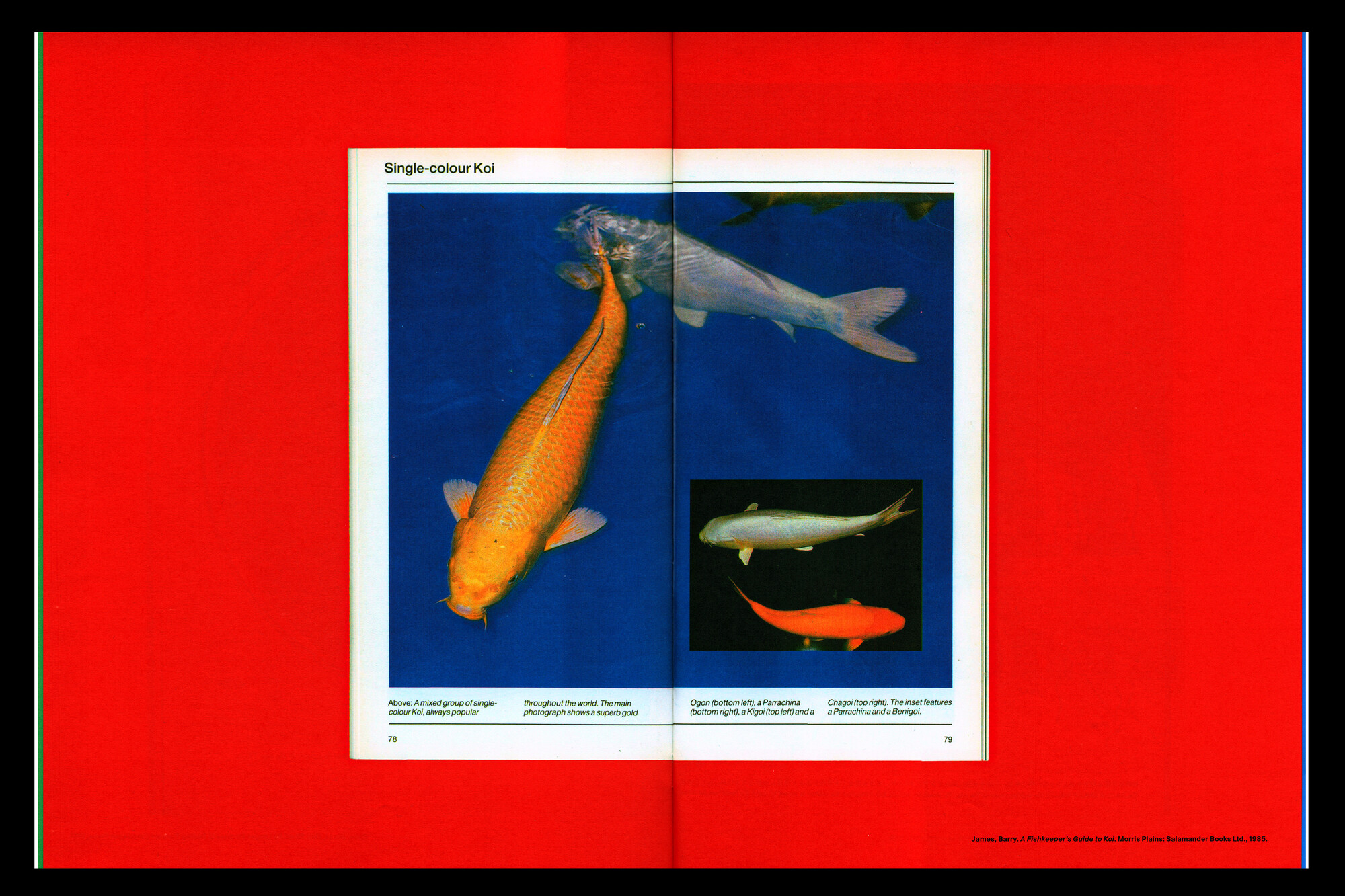
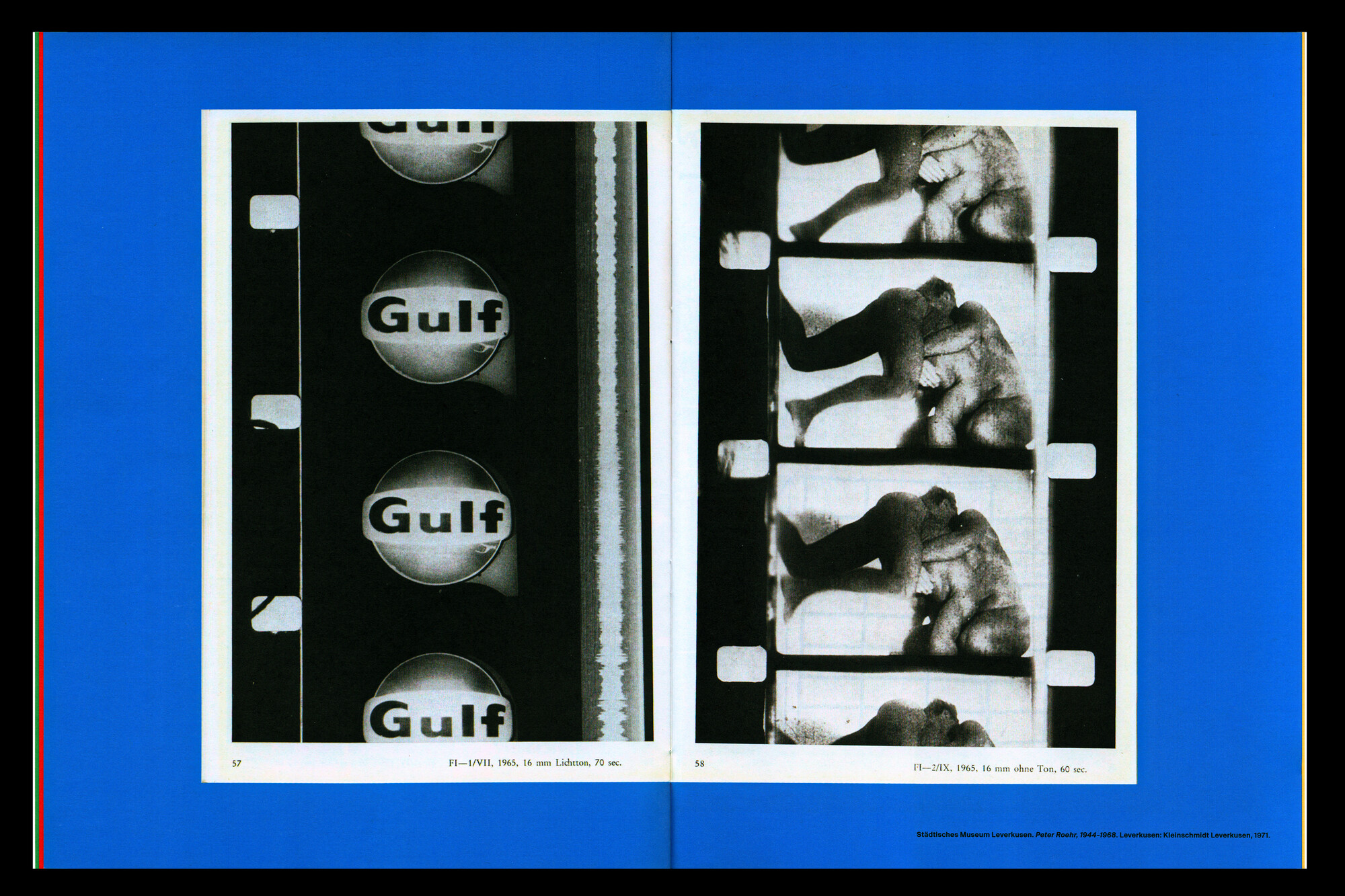
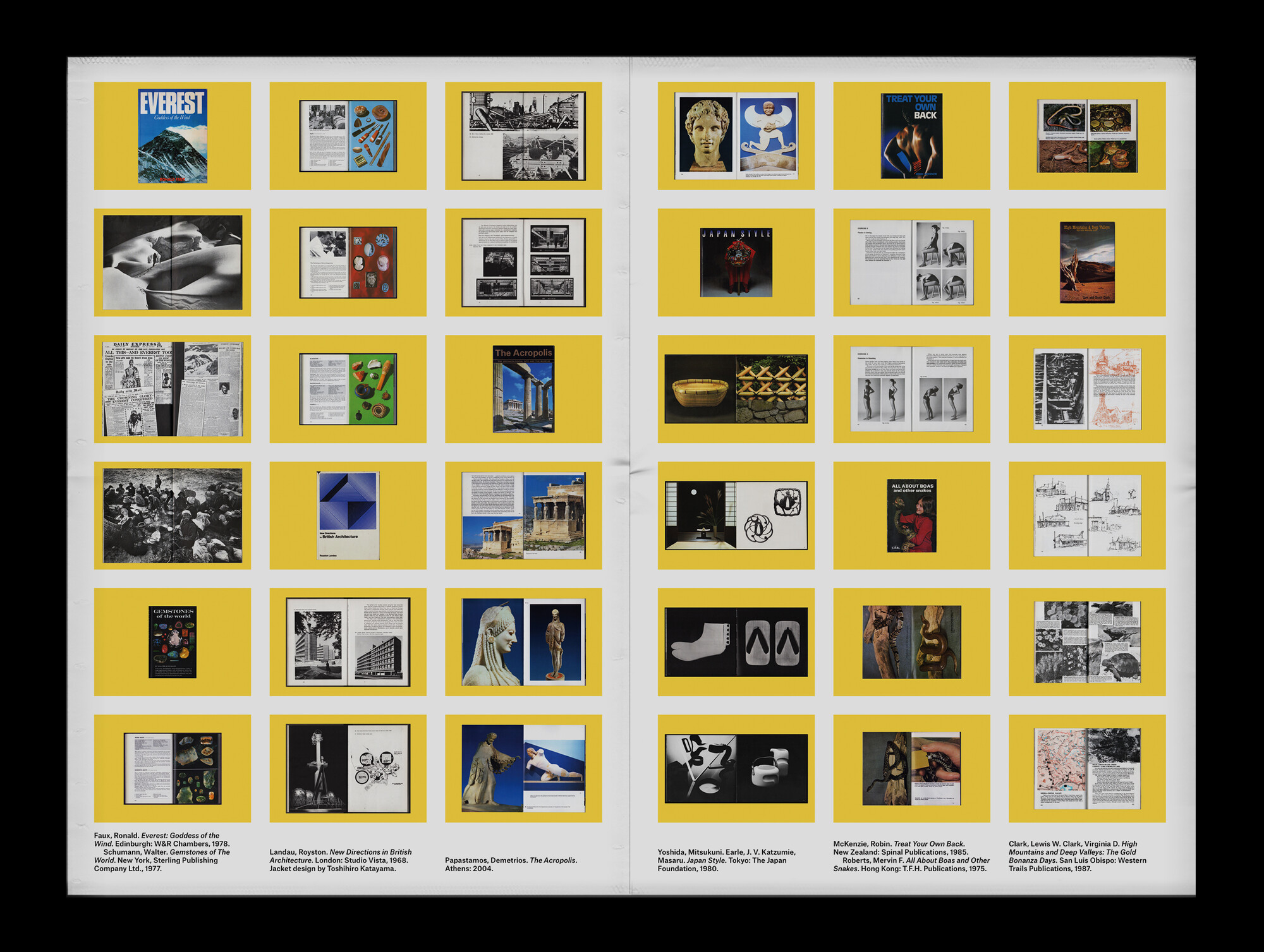
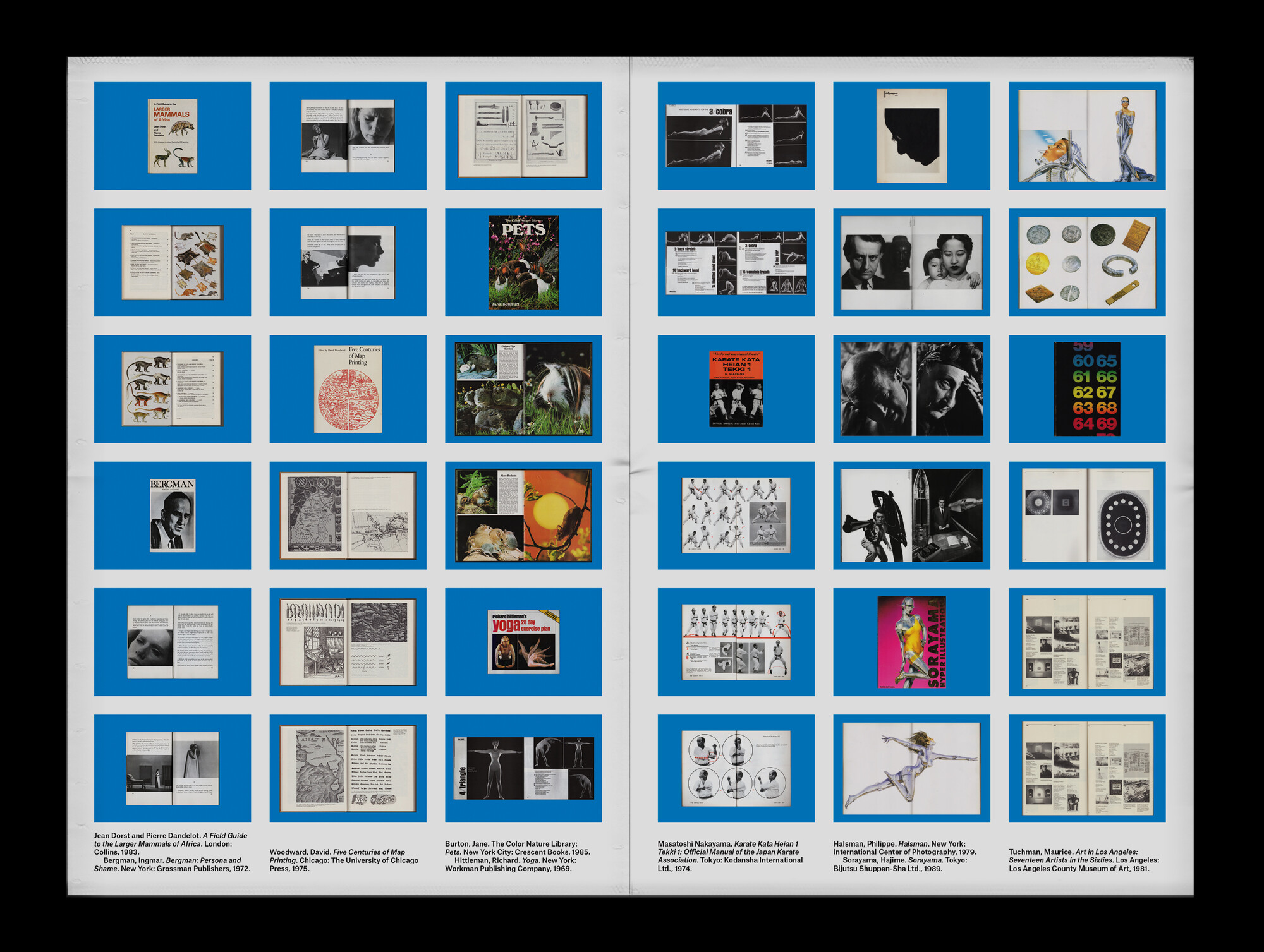
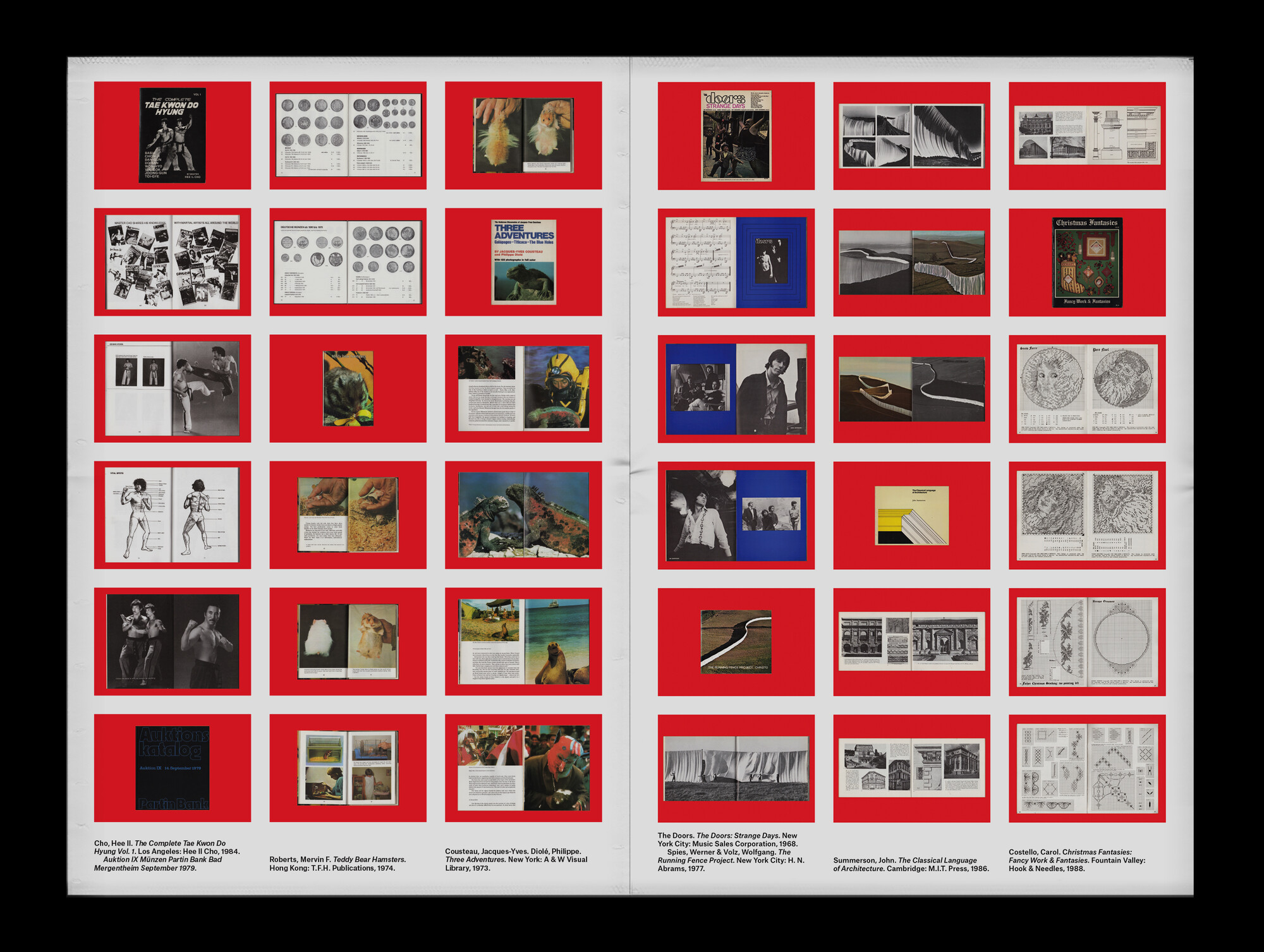
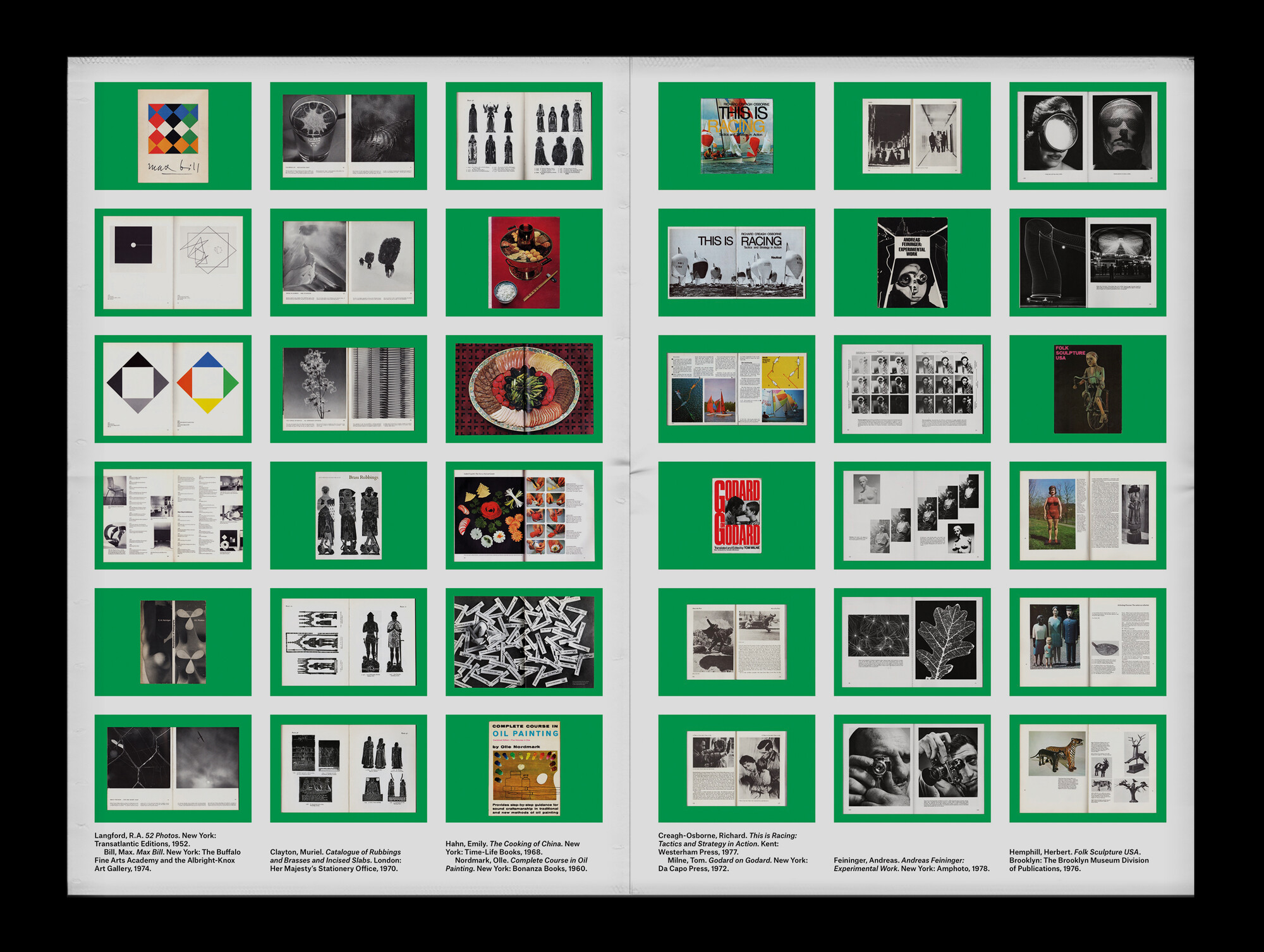
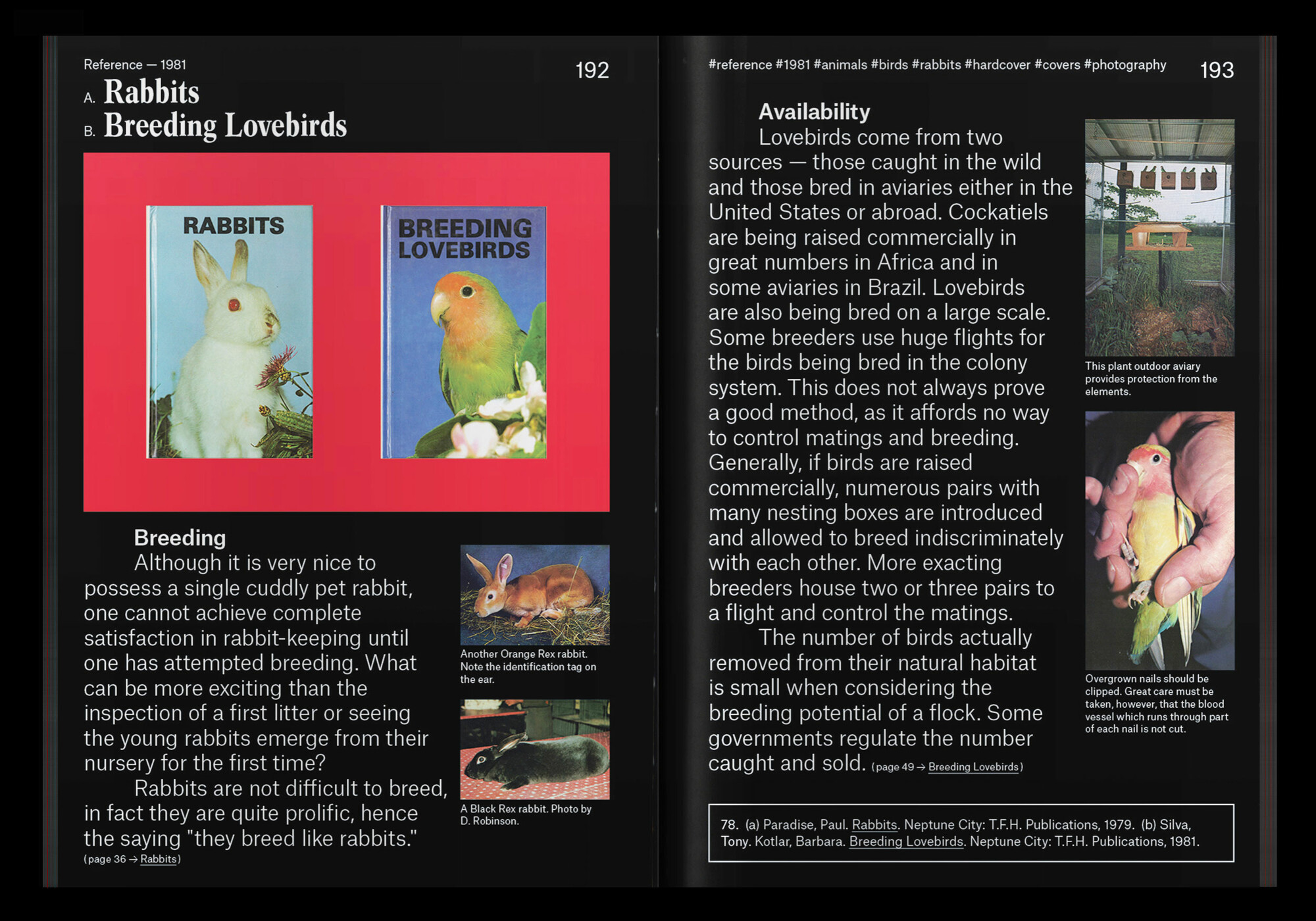
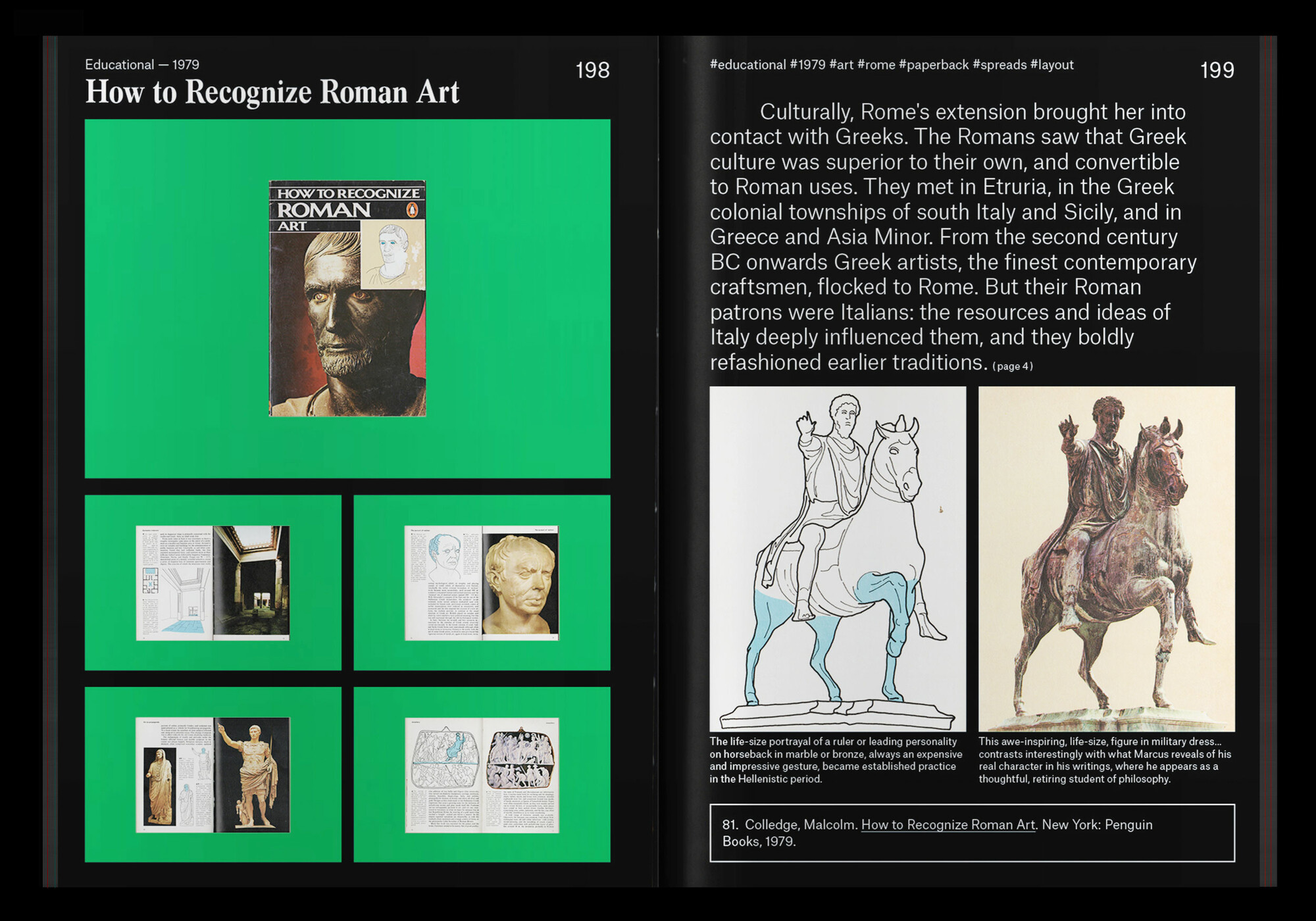
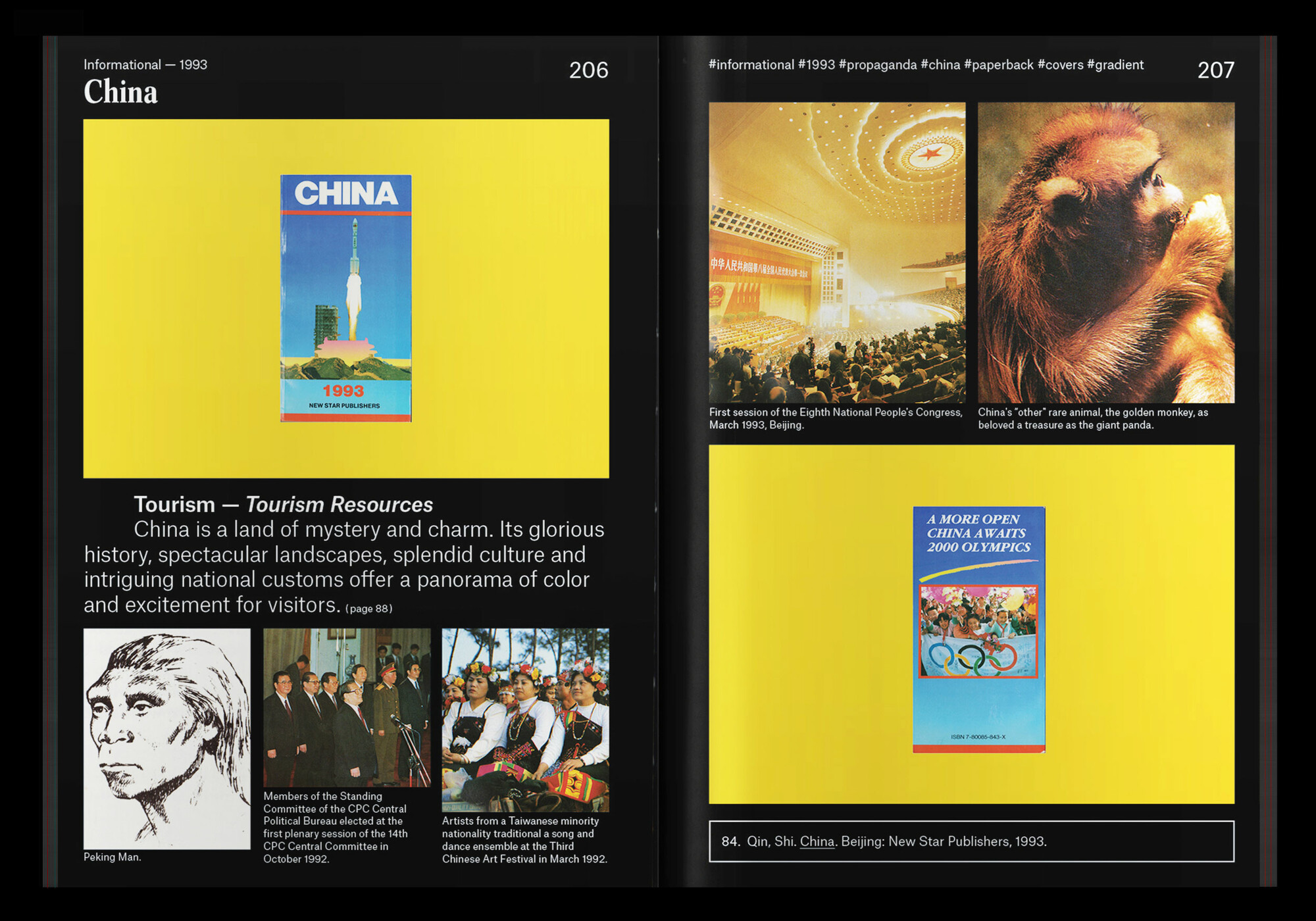
Book featuring spreads from Informational Affairs, the studio’s ongoing collection of found books. Produced for By the Books, an exhibition organized by AXAXAXA in Vevey, Switzerland.
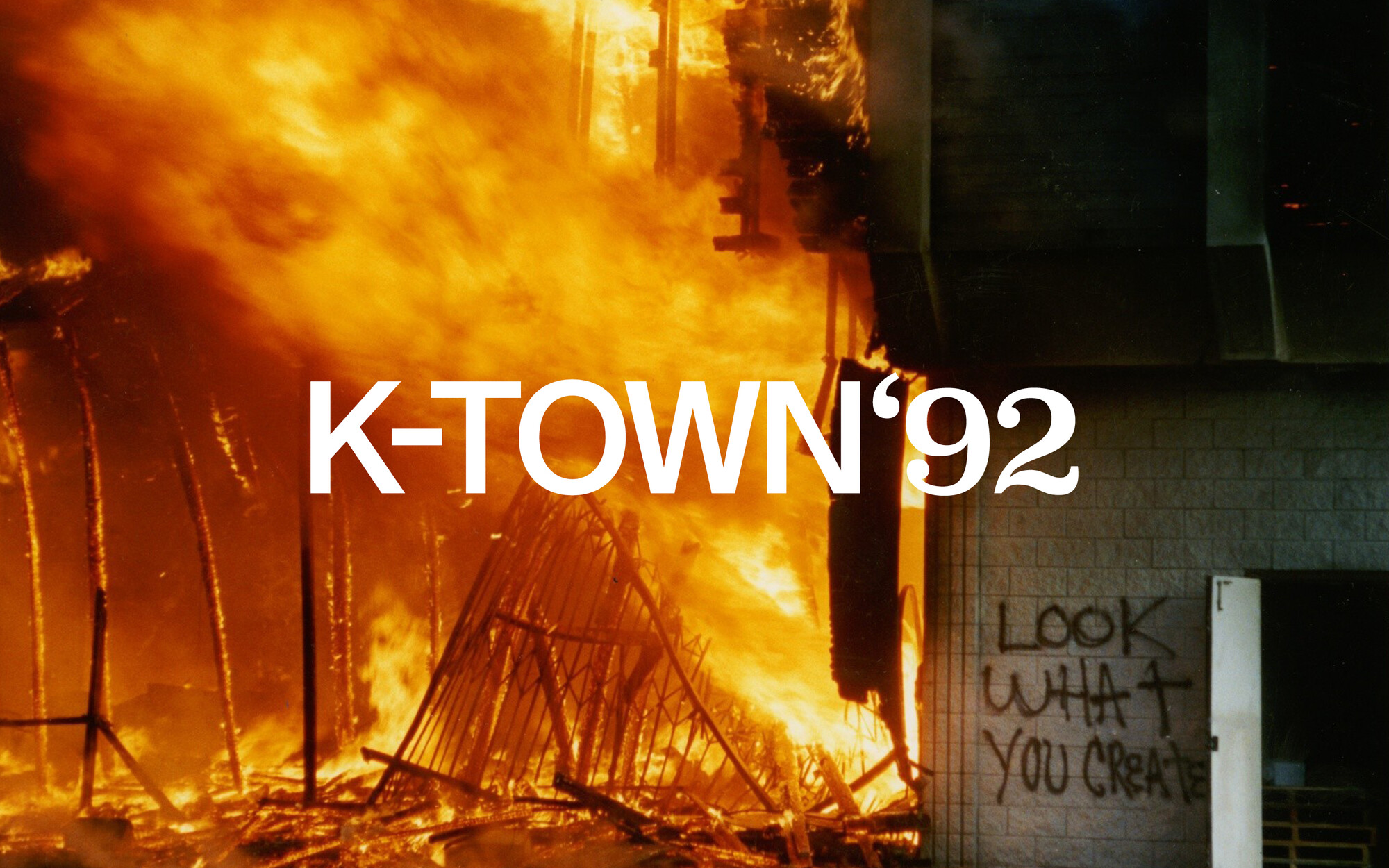
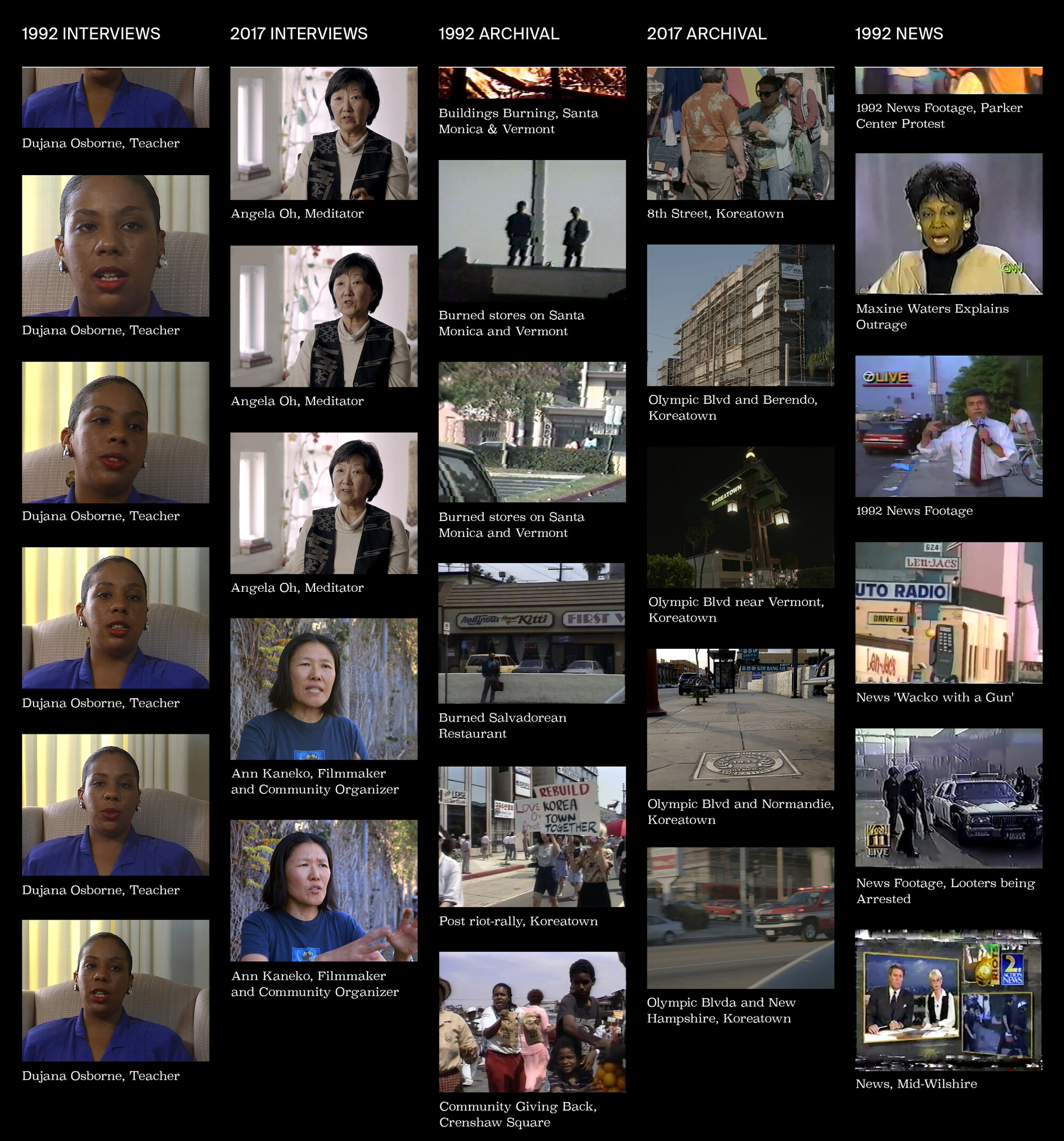
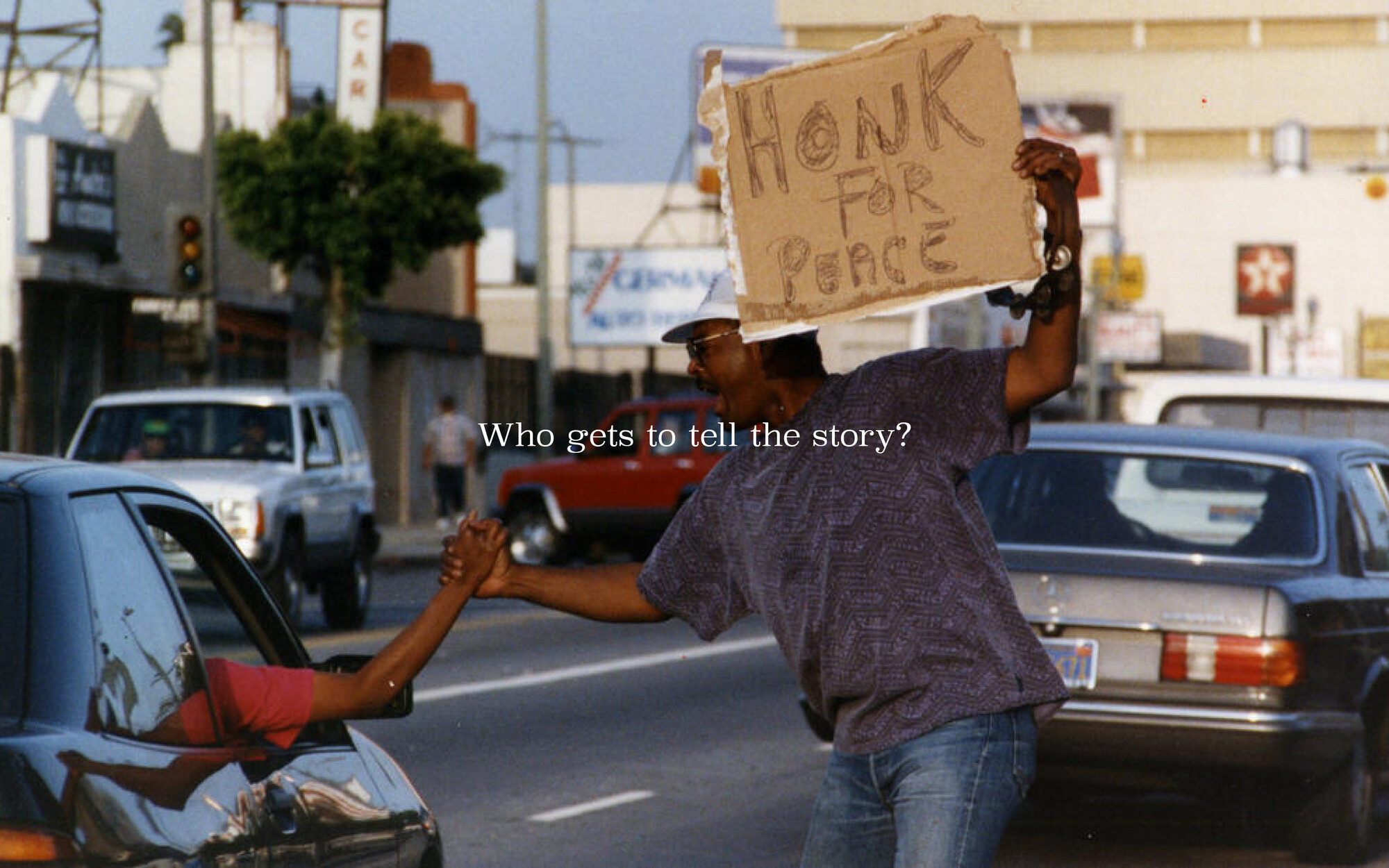
Interactive documentary directed by Grace Lee exploring the 1992 Los Angeles uprising. The website presents interviews, archival footage, and news coverage through an open structure that allows viewers to navigate overlapping perspectives across the city’s communities. Awards: 11th Macau Design Biennial, 2018. Watch online ⎘
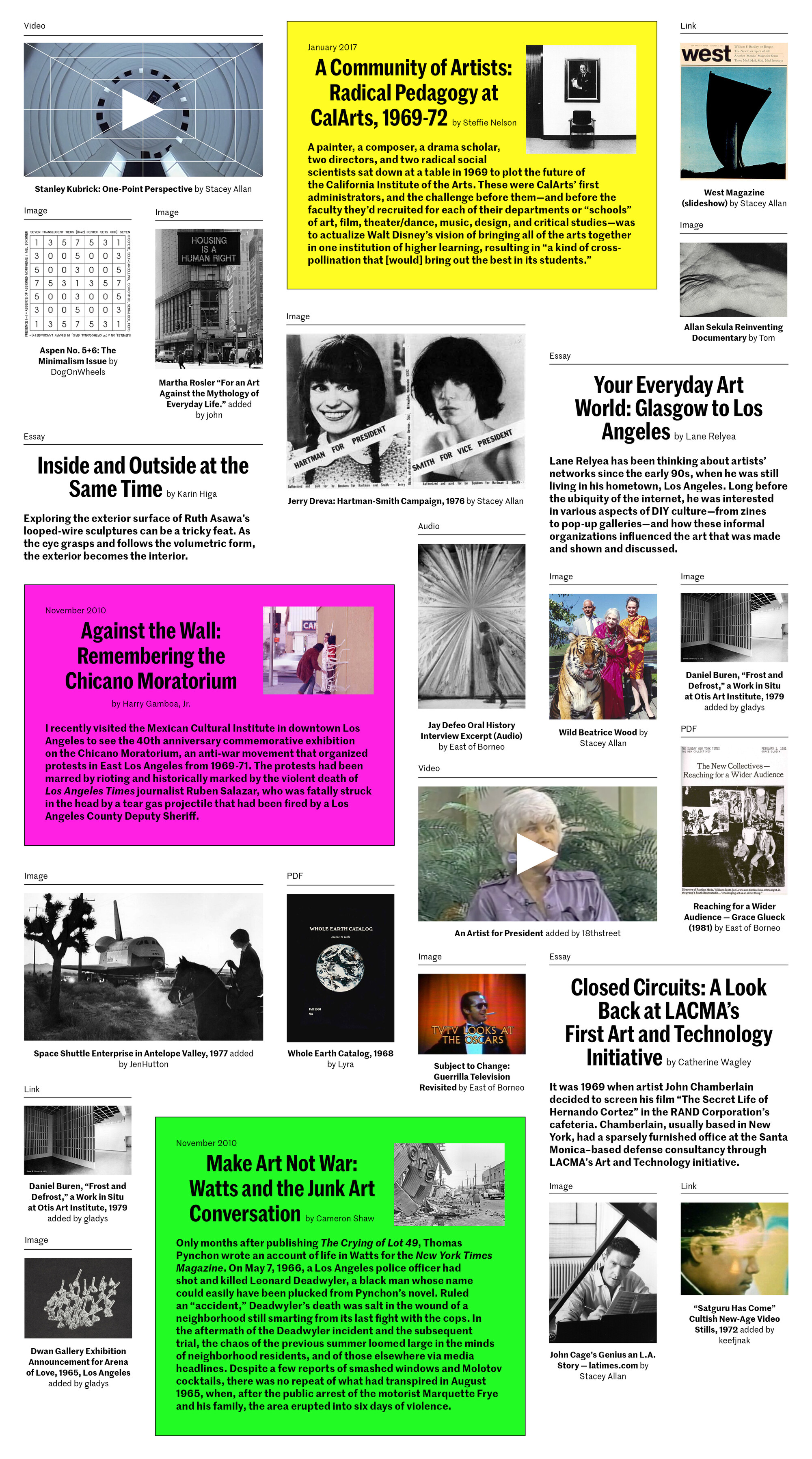
Website for East of Borneo, a collaborative online magazine dedicated to contemporary art and its history in Los Angeles. Hosts essays, interviews, and an open-access archive of images and documents contributed by the public. Visit site ⎘
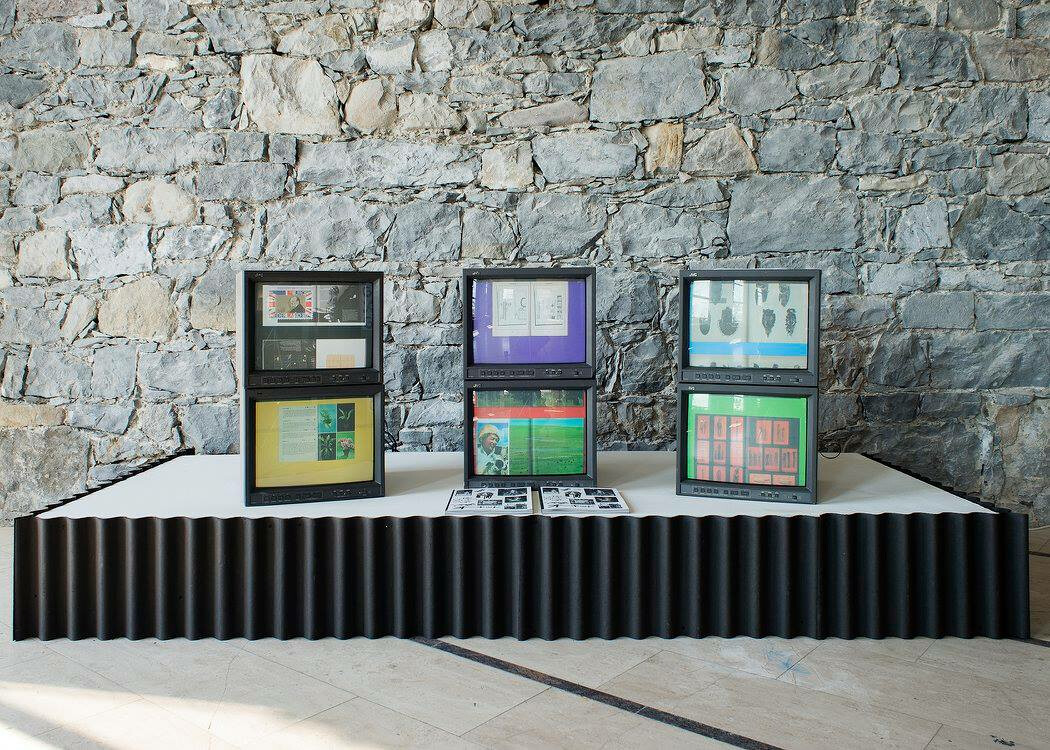
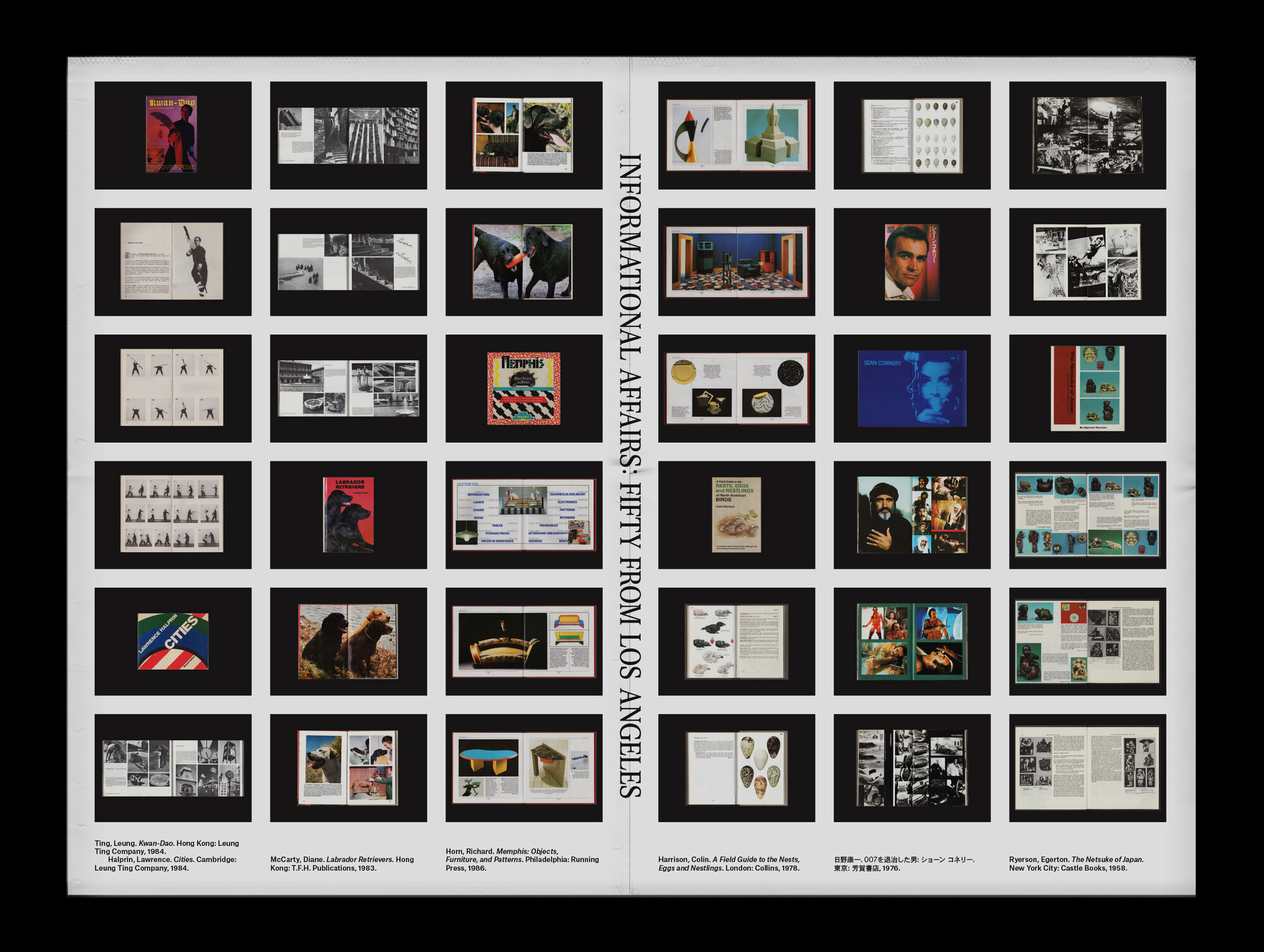
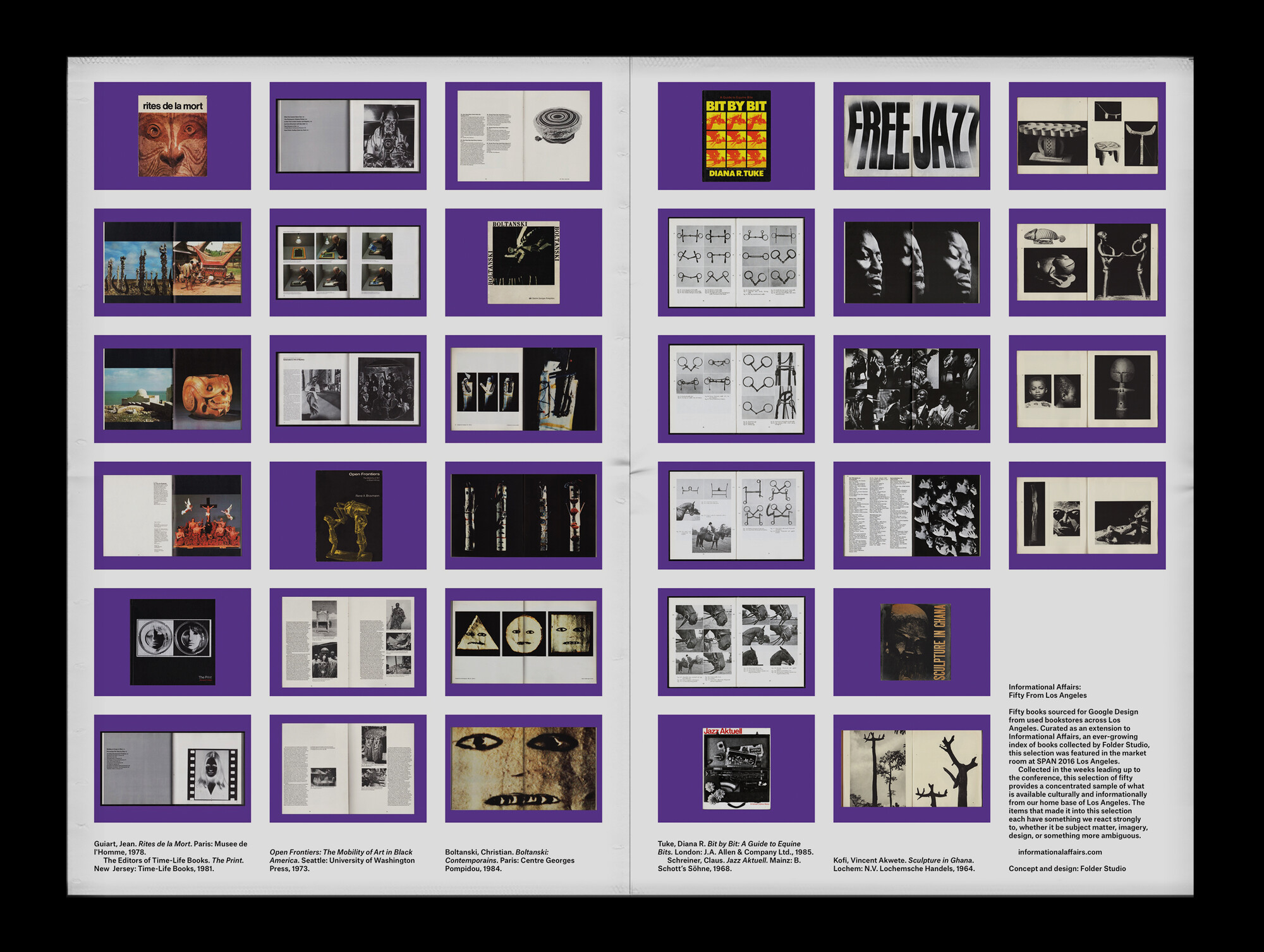
Newsprint publication for Google Design featuring fifty books sourced from used bookstores across Los Angeles. Produced for SPAN 2016 Los Angeles as part of the studio’s ongoing Informational Affairs series, the selection reflects the city’s layered design culture through its printed matter. More info ⎘
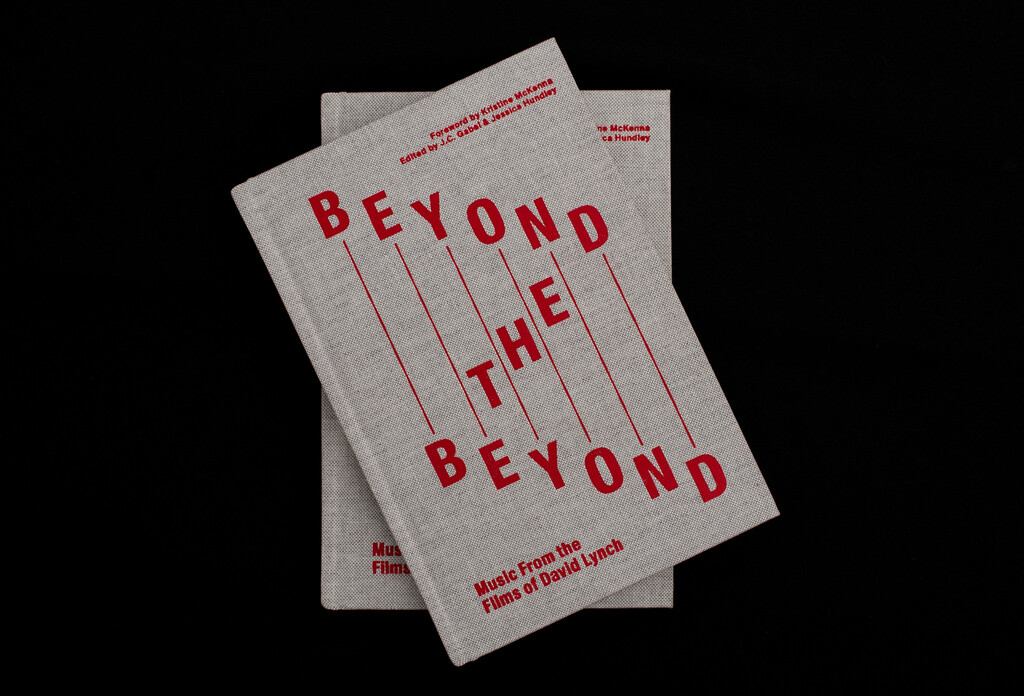
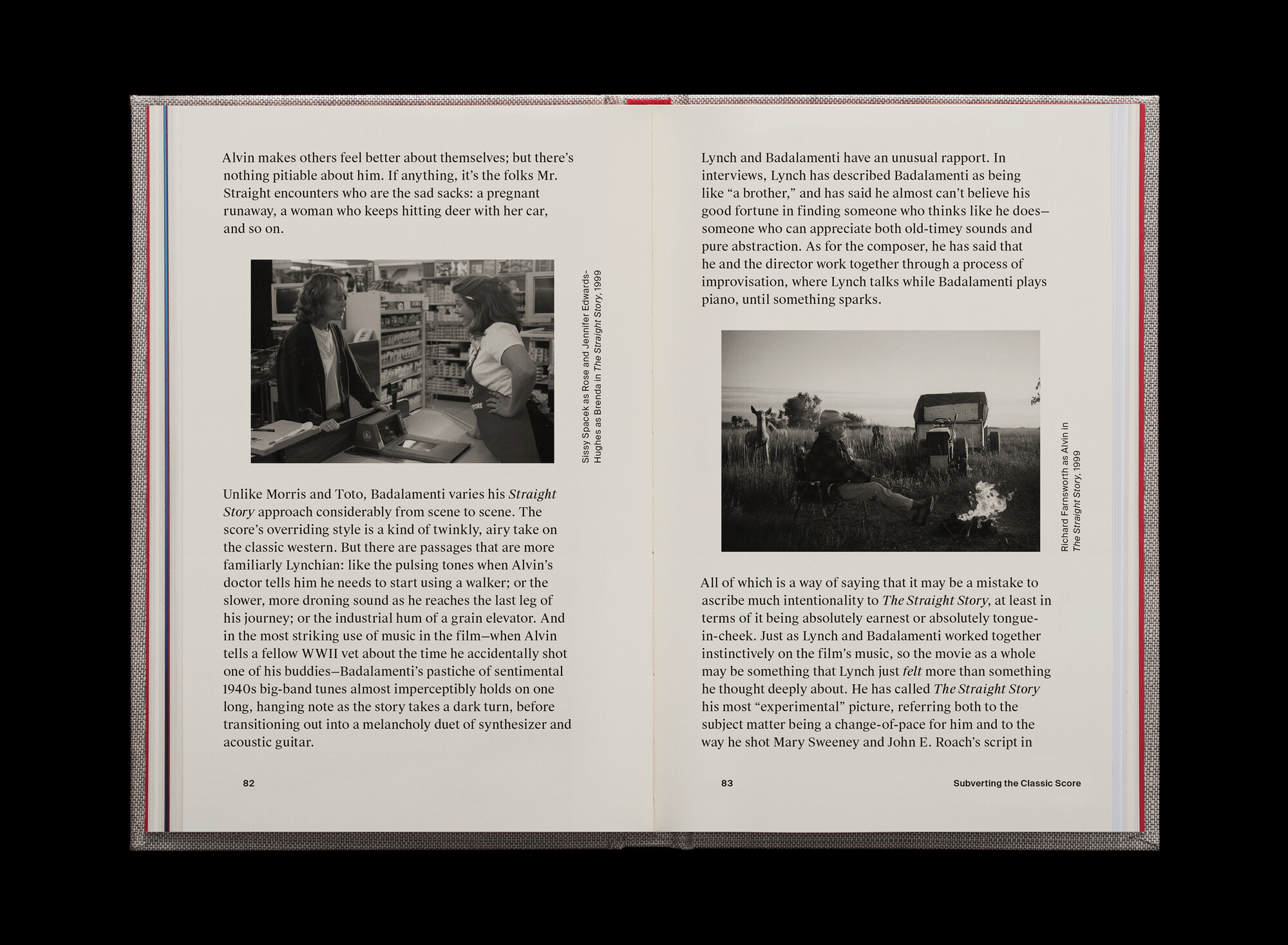
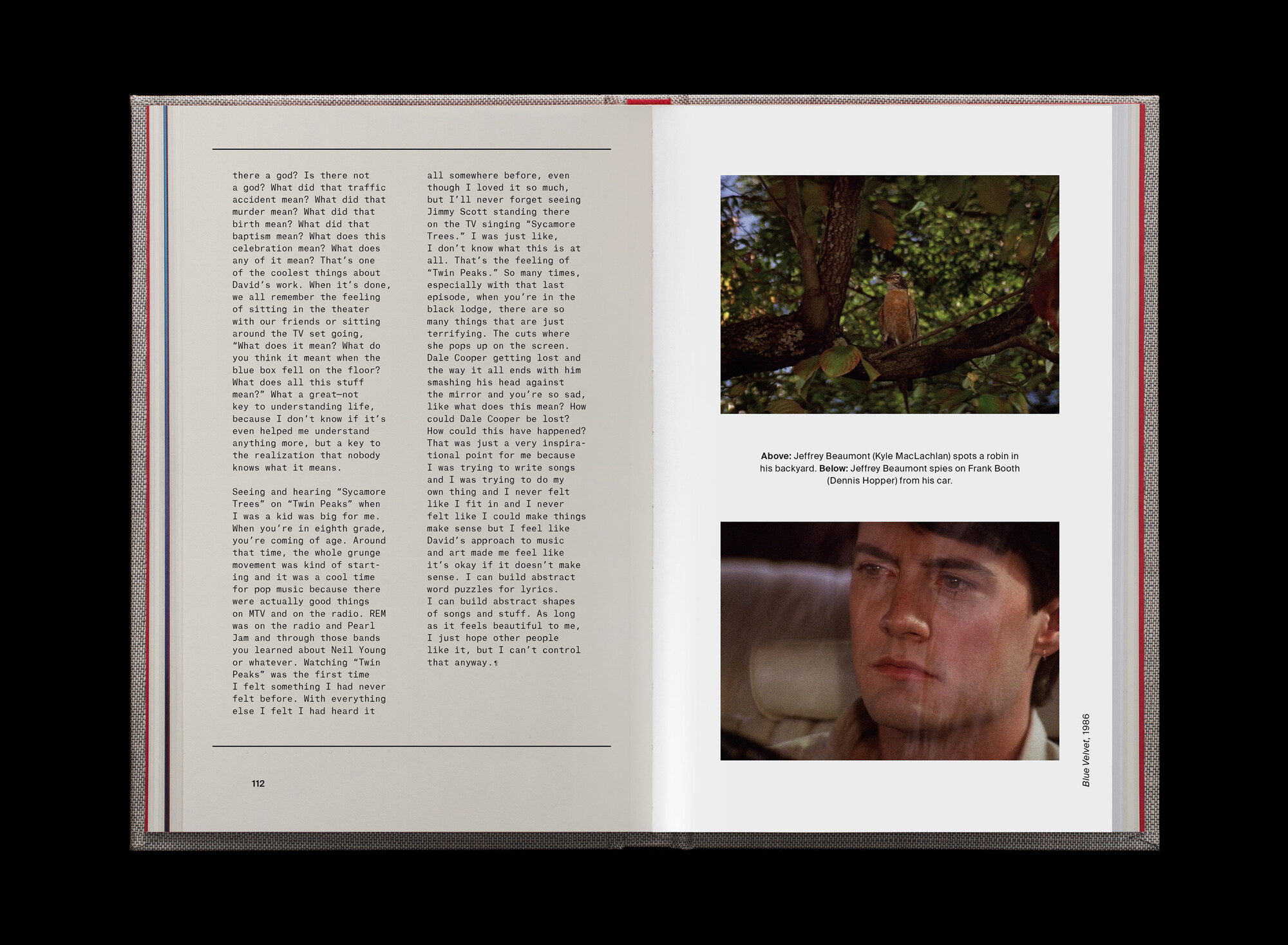
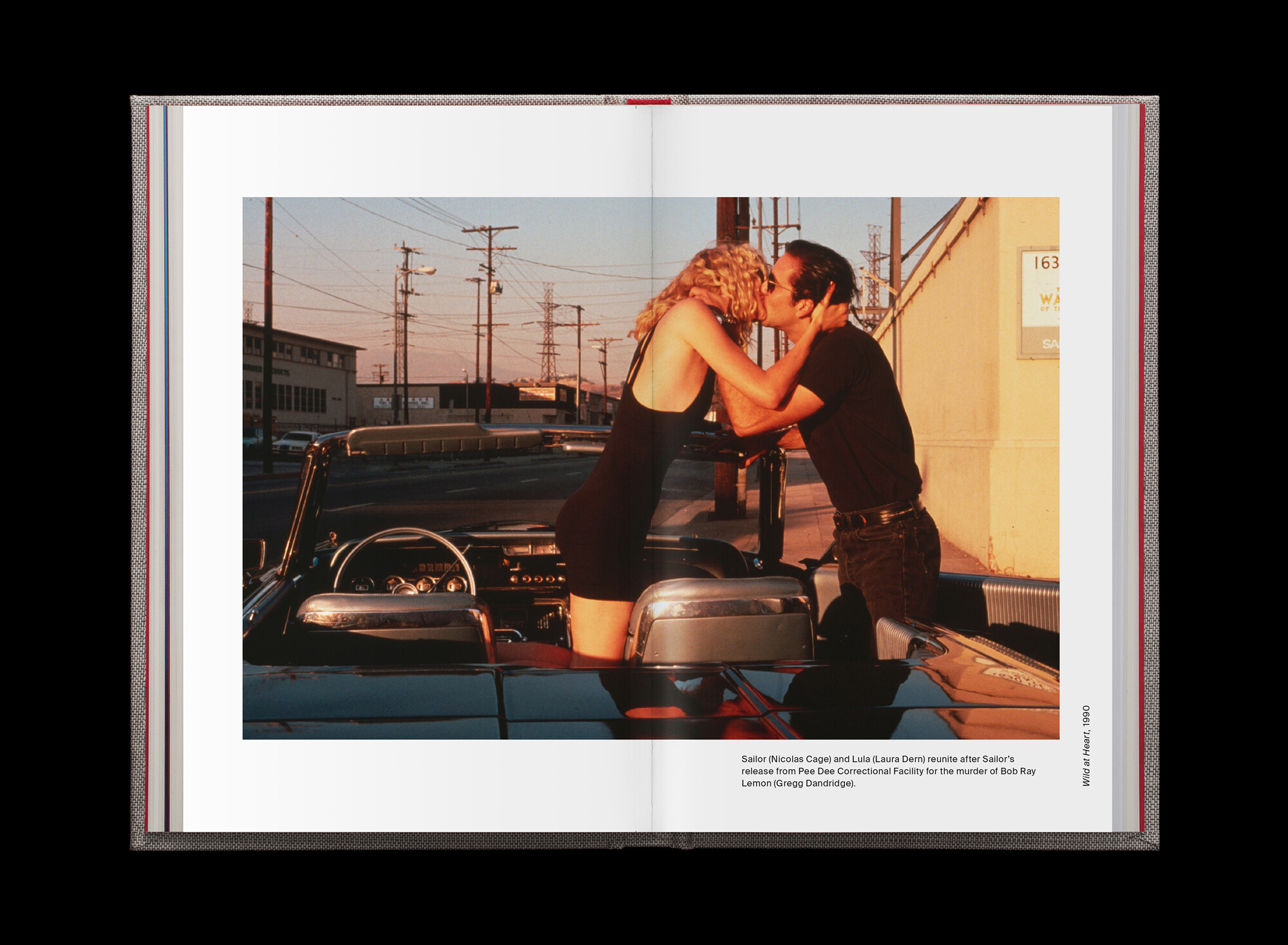
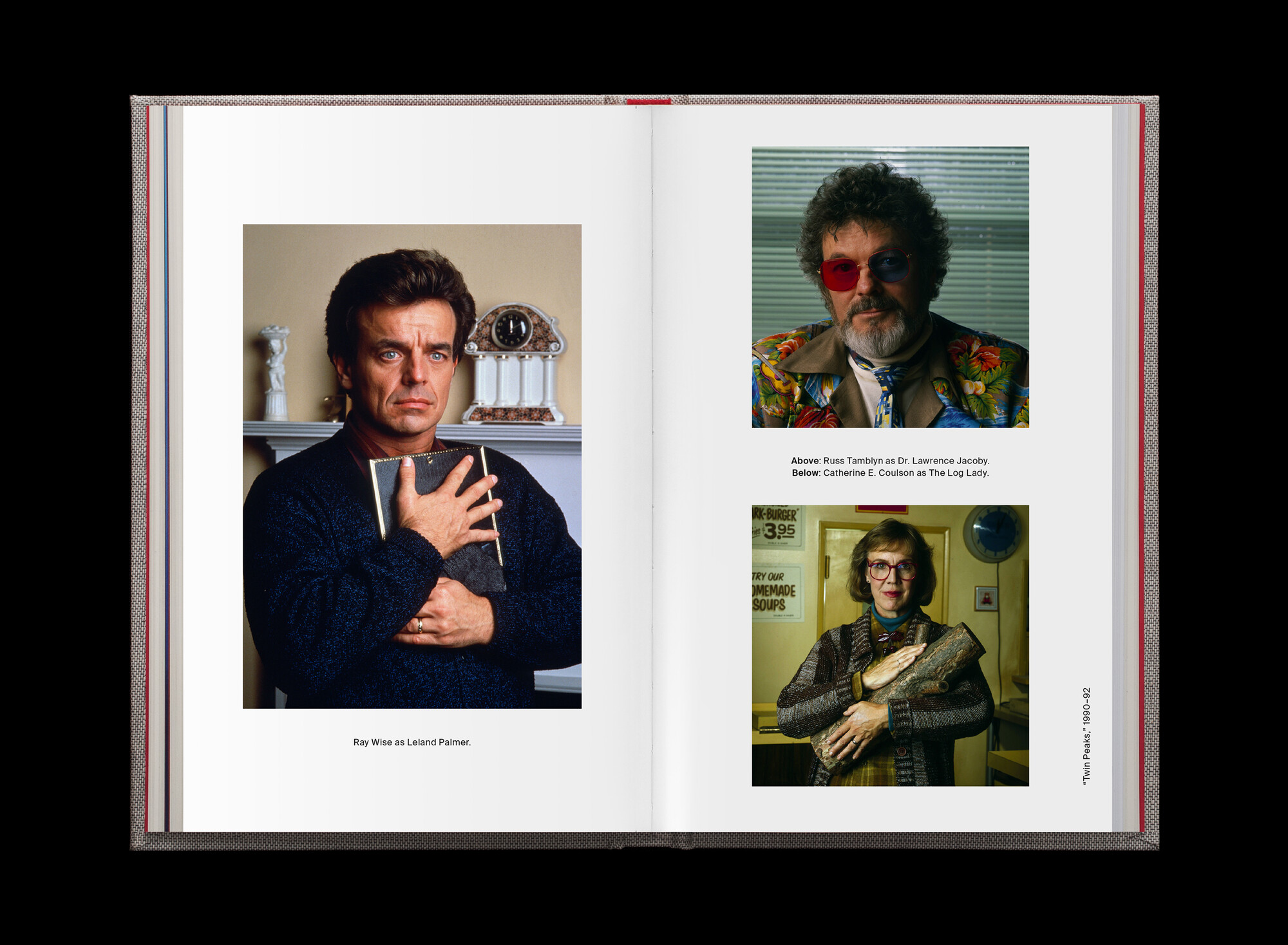
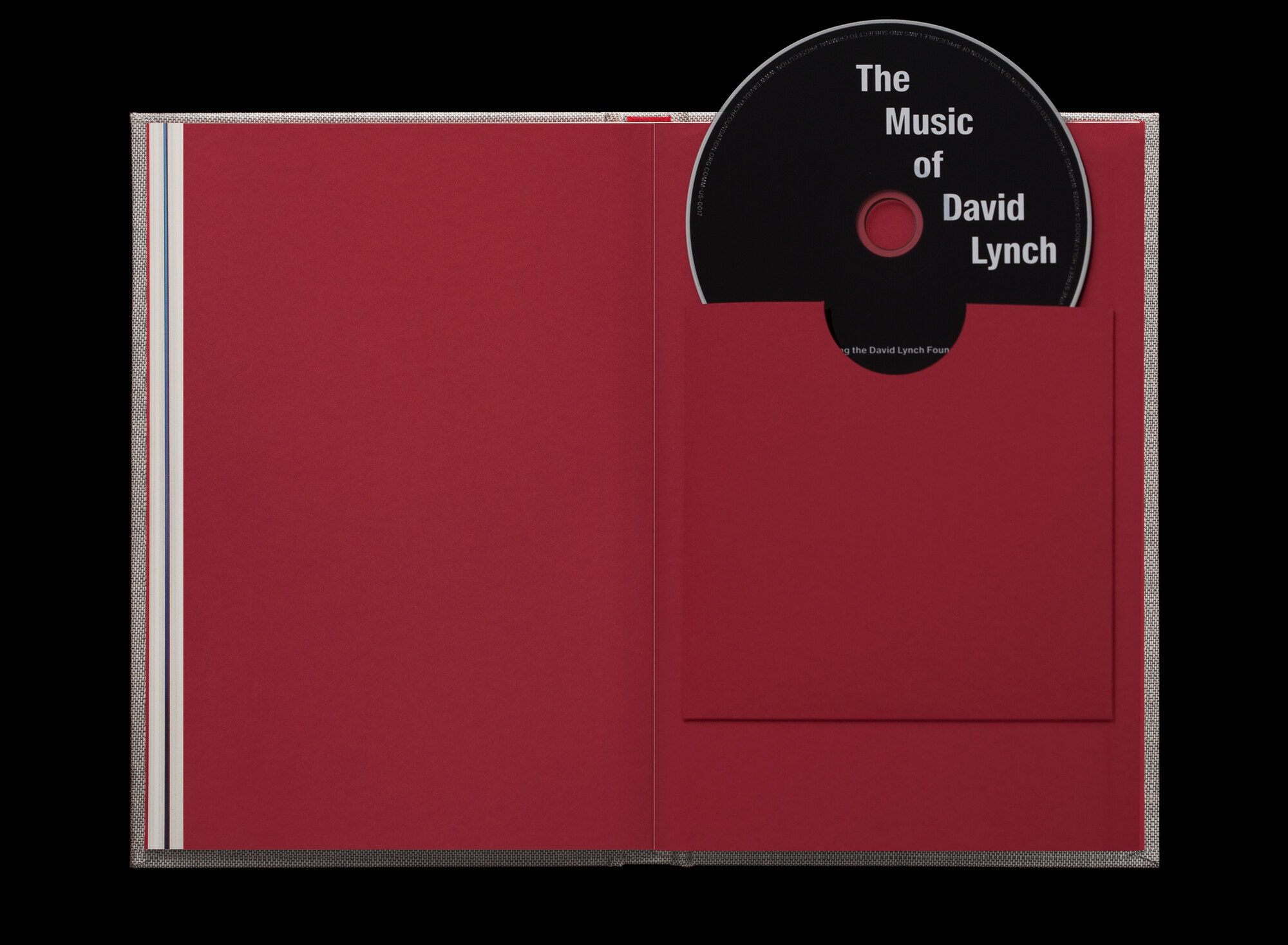
Book for the David Lynch Foundation featuring essays and interviews on the role of music in David Lynch’s creative practice. Published as a companion to The Music of David Lynch concert event, connecting his work in film and sound through conversation, archival materials, and performance. More info ⎘
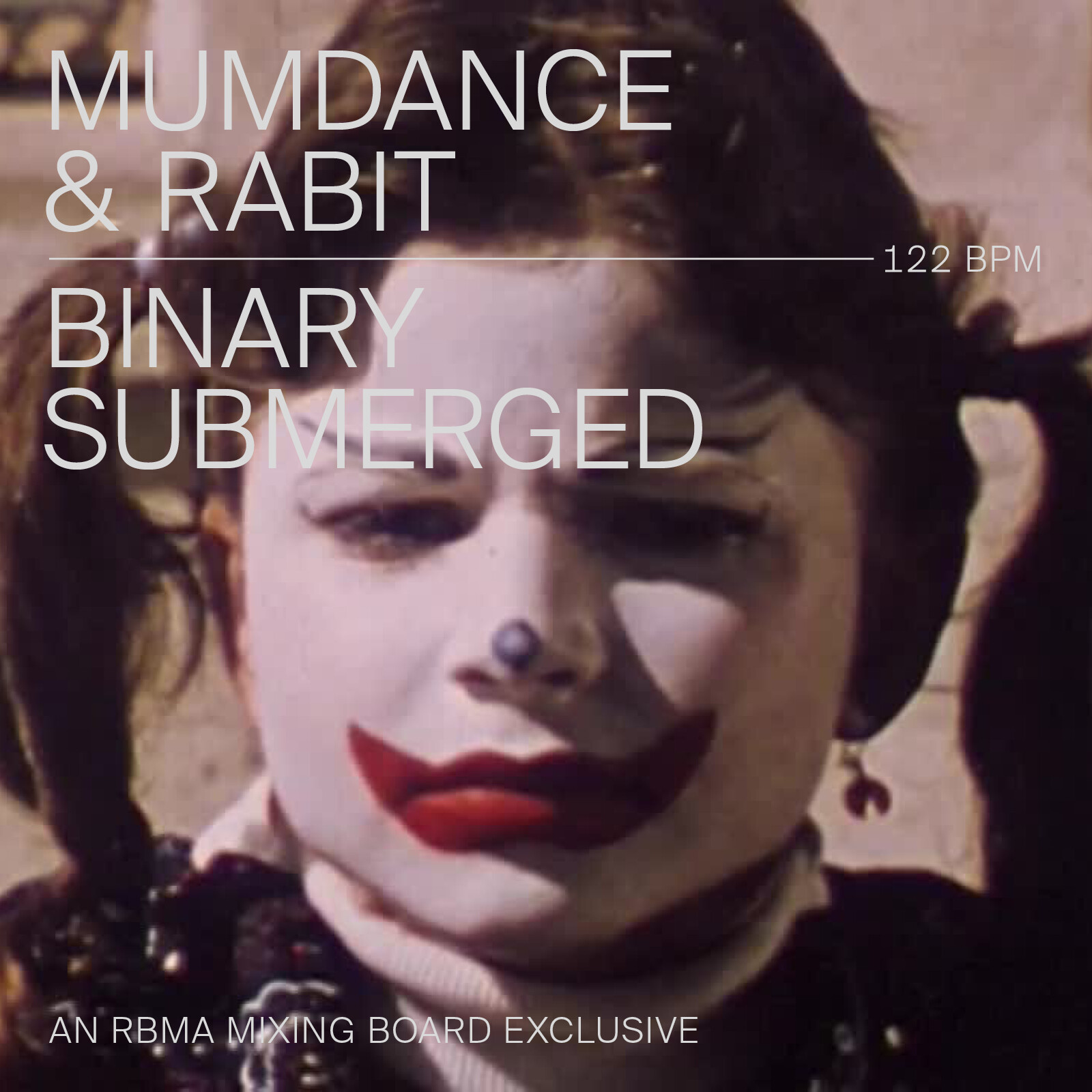
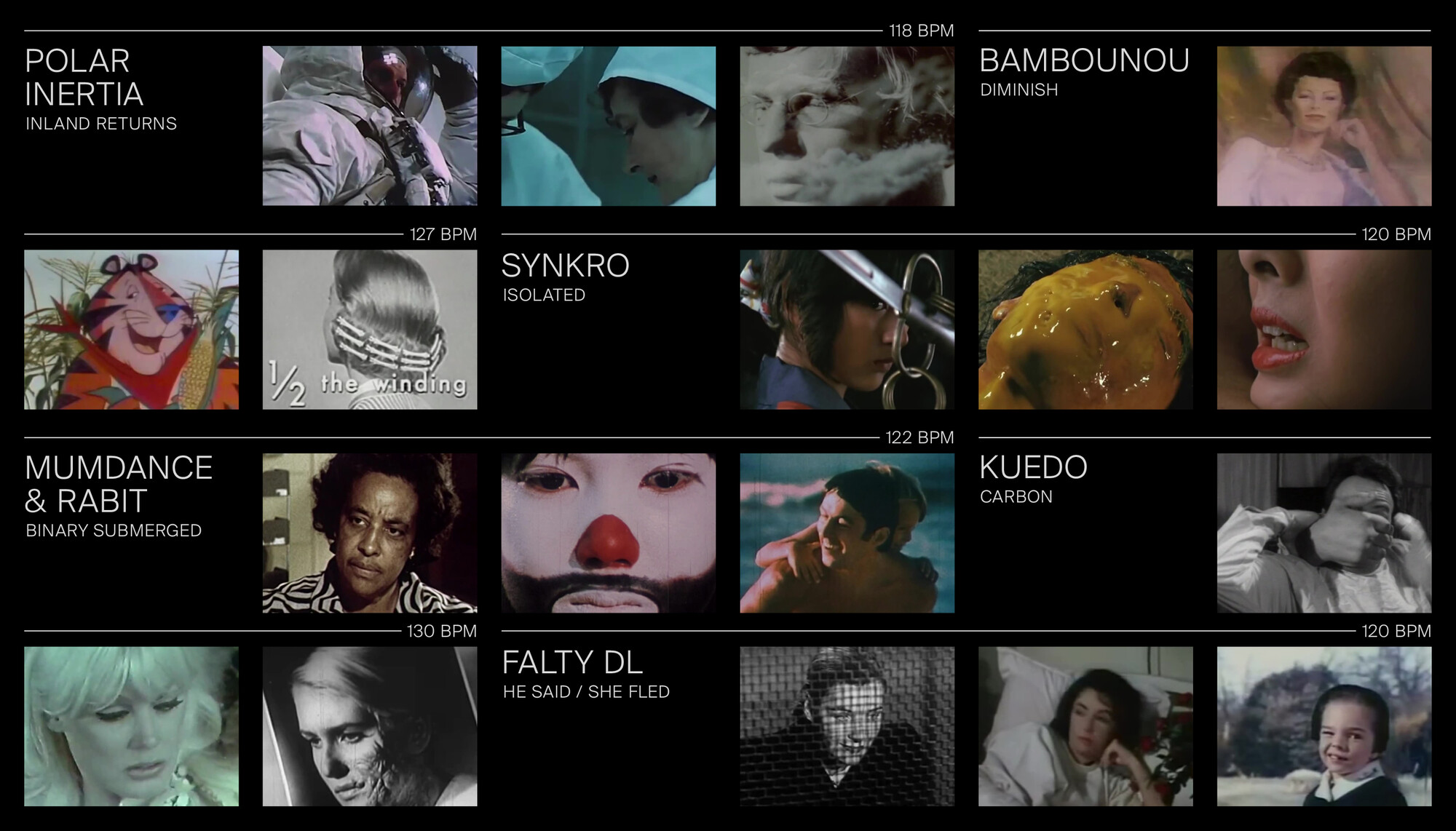
Interactive project for Red Bull Music Academy created in collaboration with ten electronic artists. Features tracks built from mixable stems that shift in tempo and mood, paired with public-domain footage reflecting the emotional range of each composition.
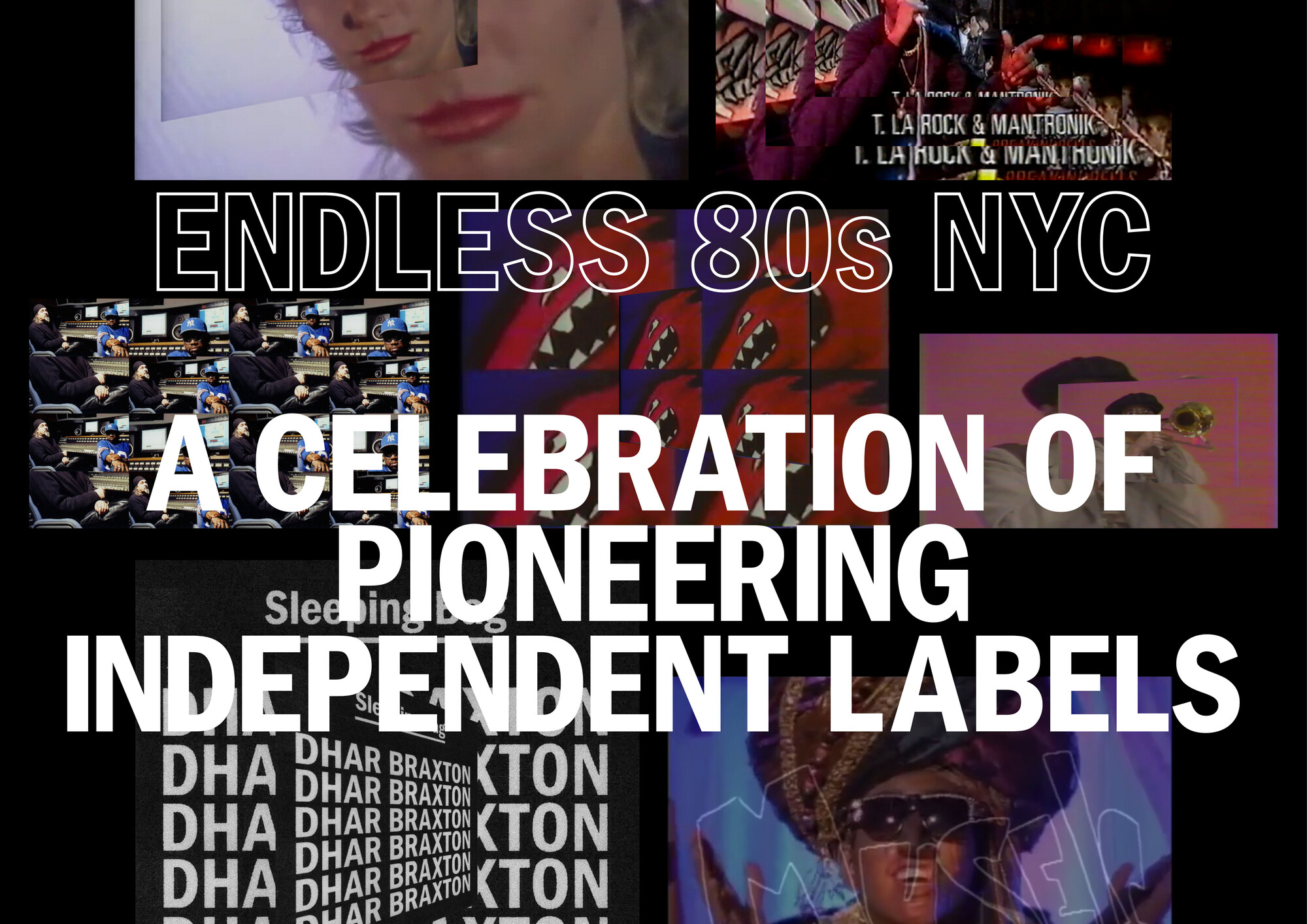
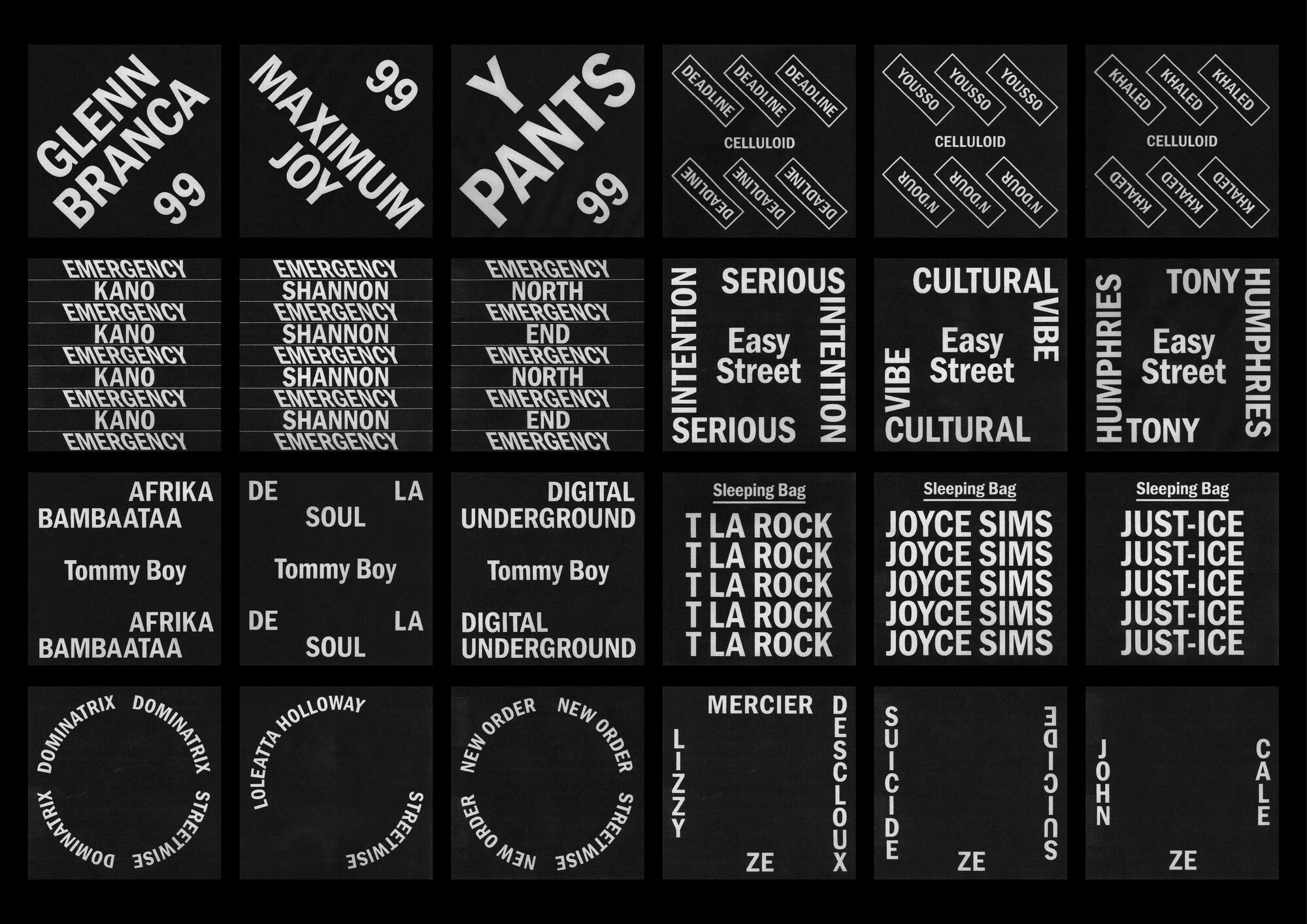
Pulling from a bank of over 700 carefully curated images including album covers, found footage, and original content, Endless 80s NYC explores ten of the most influential New York record labels from the 80s and pays homage to the vibrant energy and blending of cultures that took place in the city during that decade. Awards: 11th Macau Design Biennial, 2018.
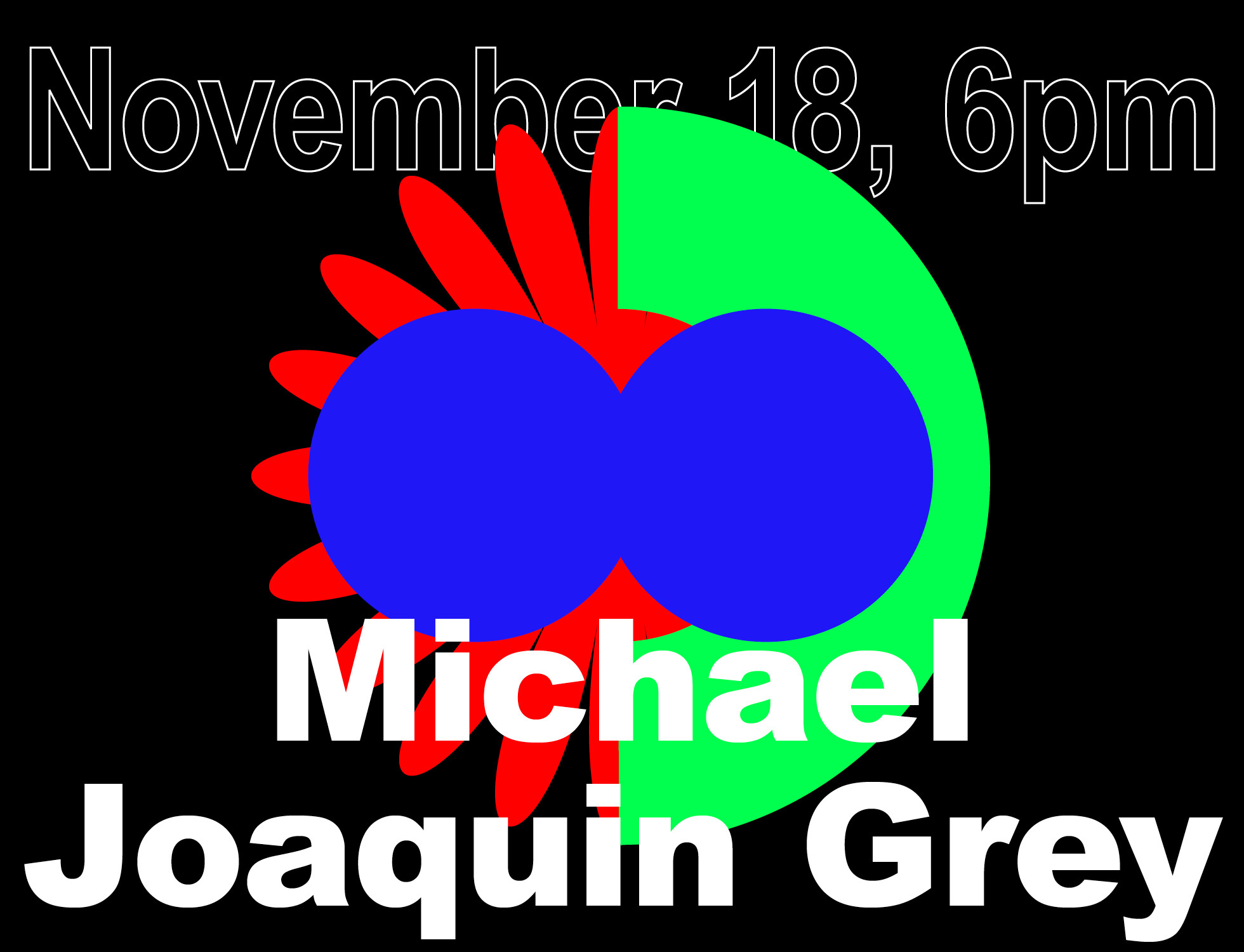
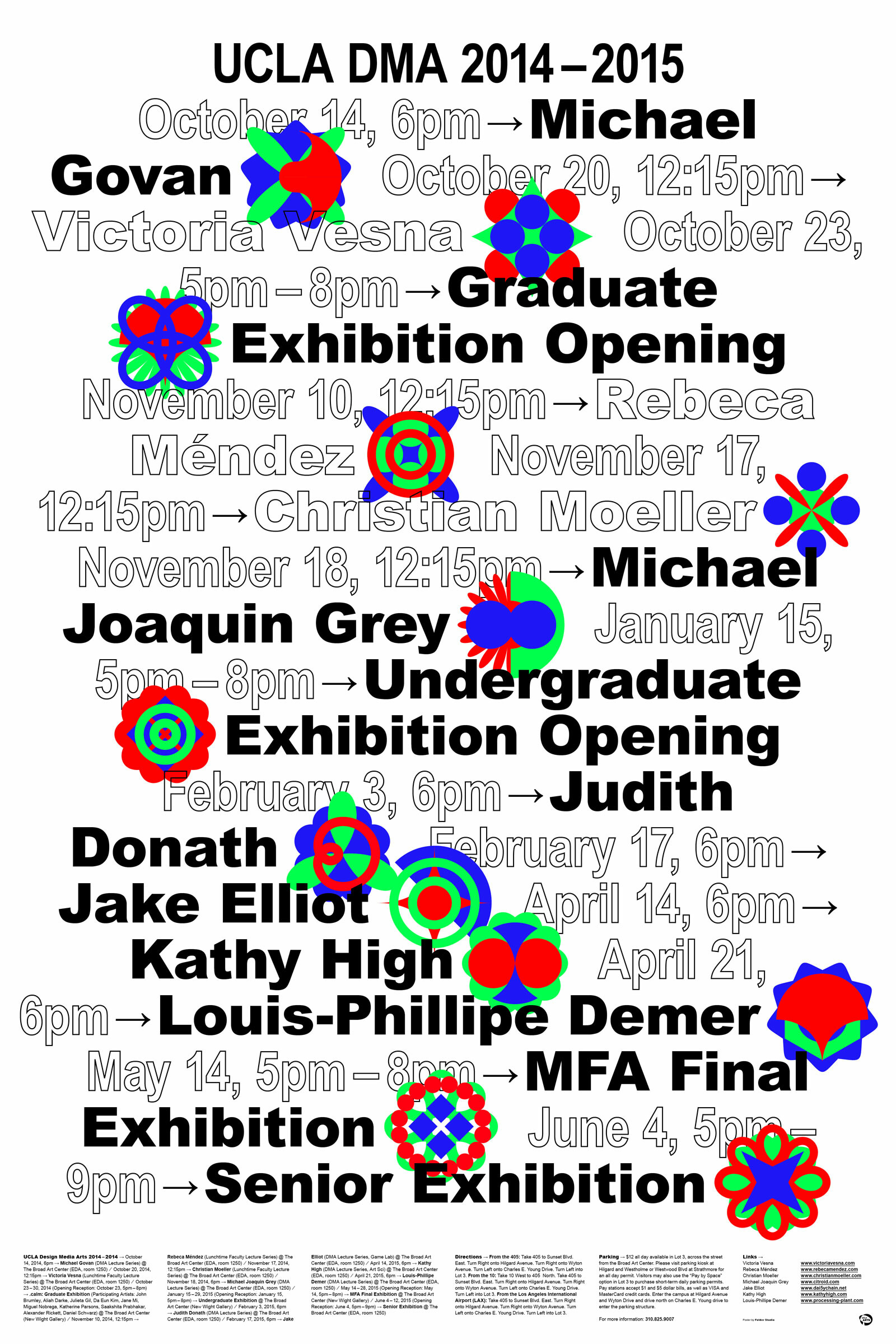
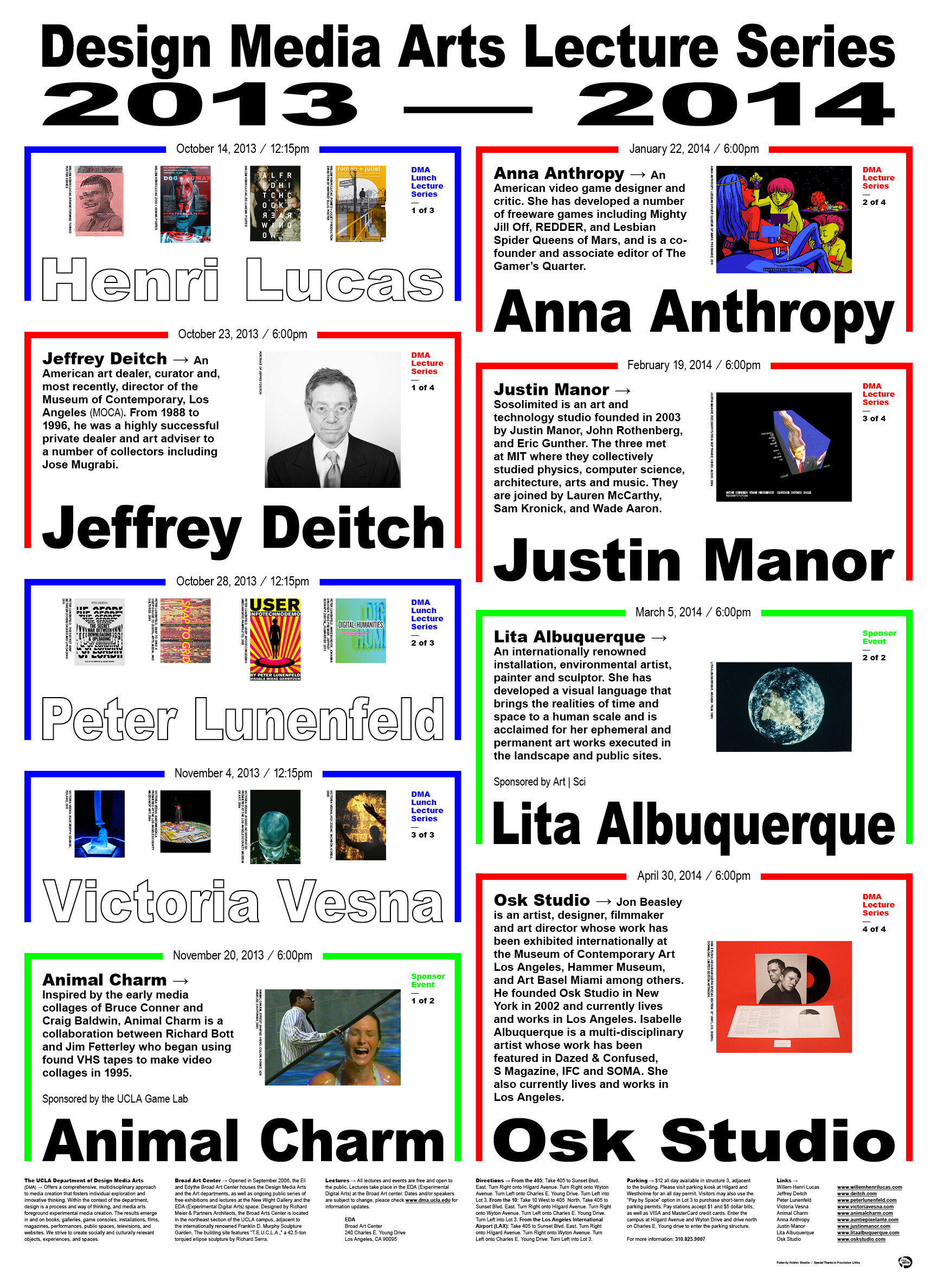
Posters, postcards, and digital materials for the UCLA Design Media Arts MFA Lecture Series. A modular system of shapes and typography allows each poster to shift in tone, from abstract to technical, while maintaining a unified structure across the series.
Website for X-TRA, the Los Angeles–based contemporary art quarterly. Hosts an eighteen-year archive of print issues, reviews, and artist writings. The site was later redesigned by the studio in 2018.
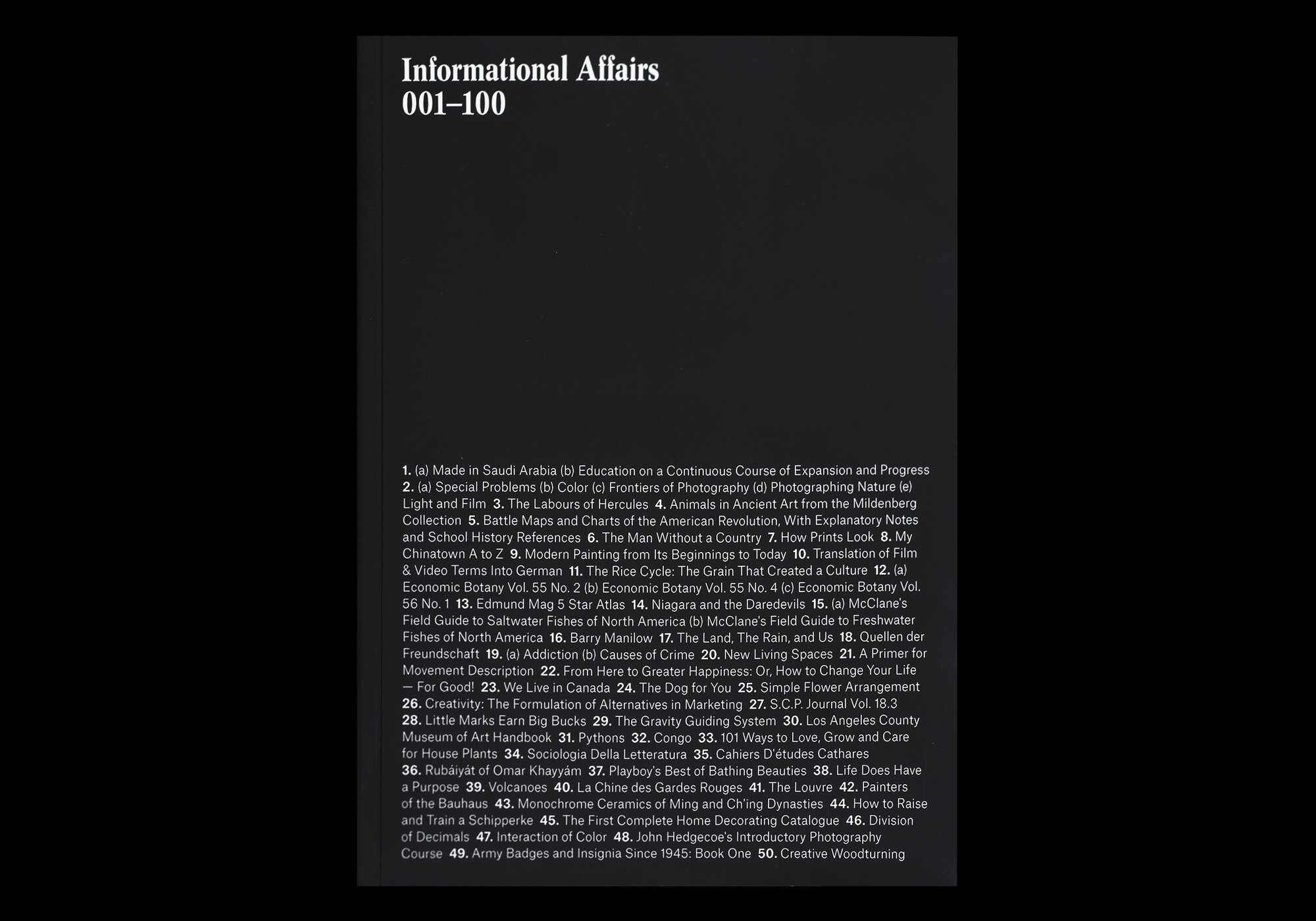
Anthology of the first one hundred books from Informational Affairs, the studio’s ongoing collection of found and secondhand books. Documents the project’s early focus on publishing, collecting, and design as forms of research.