Folder designs interfaces, publications, and systems for organizing, encountering, and carrying information forward. We help museums, universities, civic institutions, and others engaged in the stewardship and sharing of knowledge create ways for language, media, and material to surface and endure.
We are interested in what happens to information over time, and how form can reveal the connections that give it meaning. Projects come in a variety of configurations rooted in partnerships that honor the material and its strategic presentation.
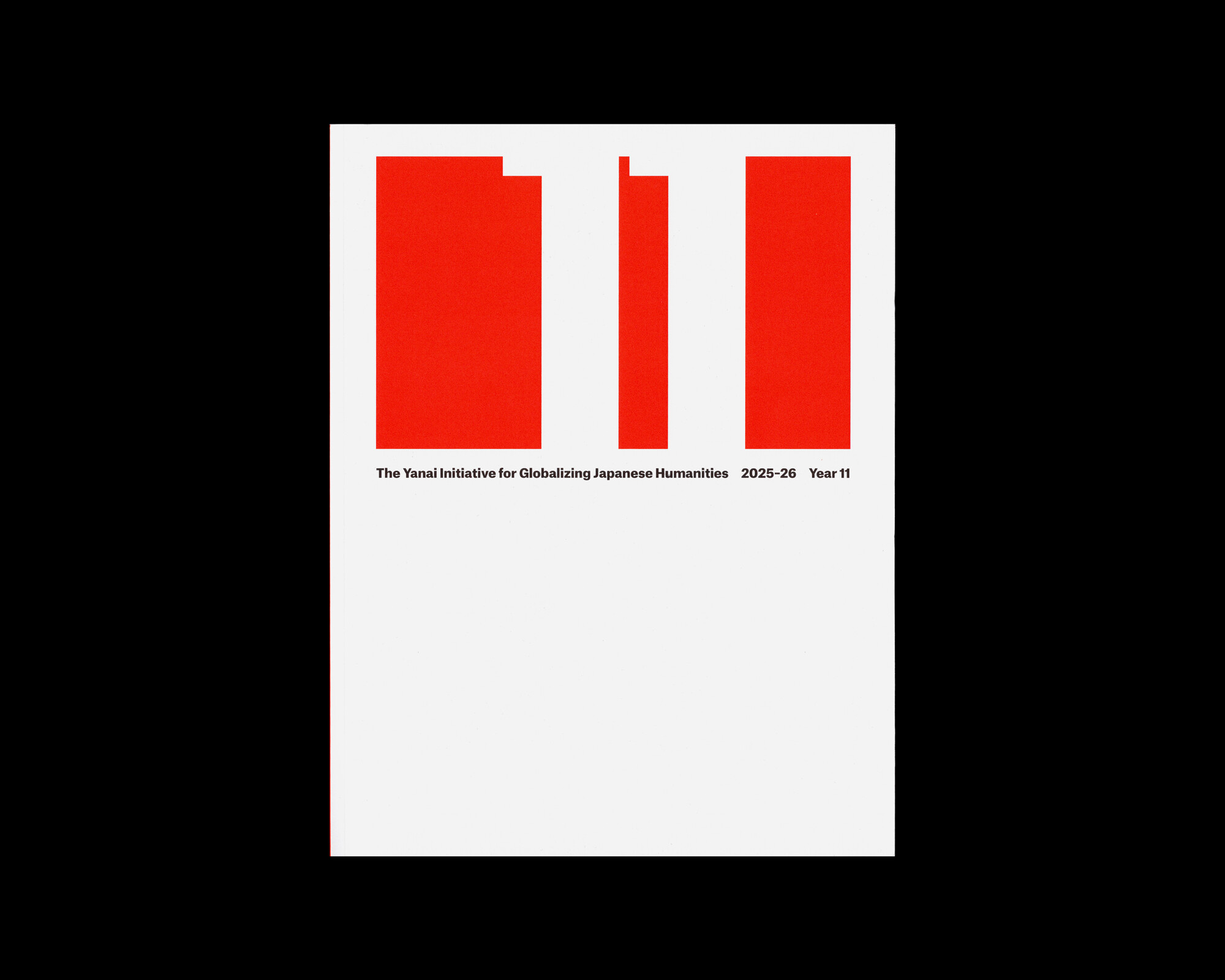
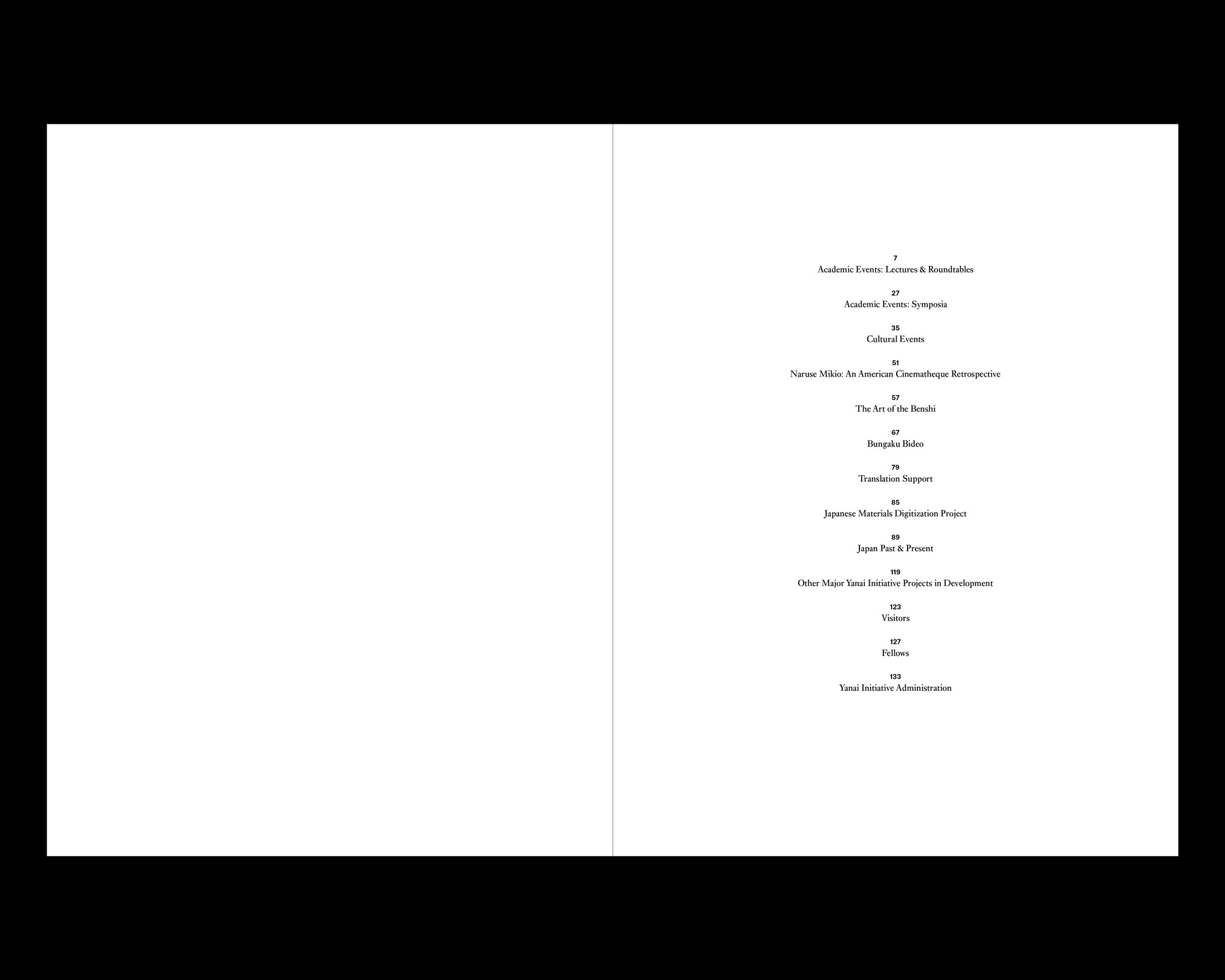
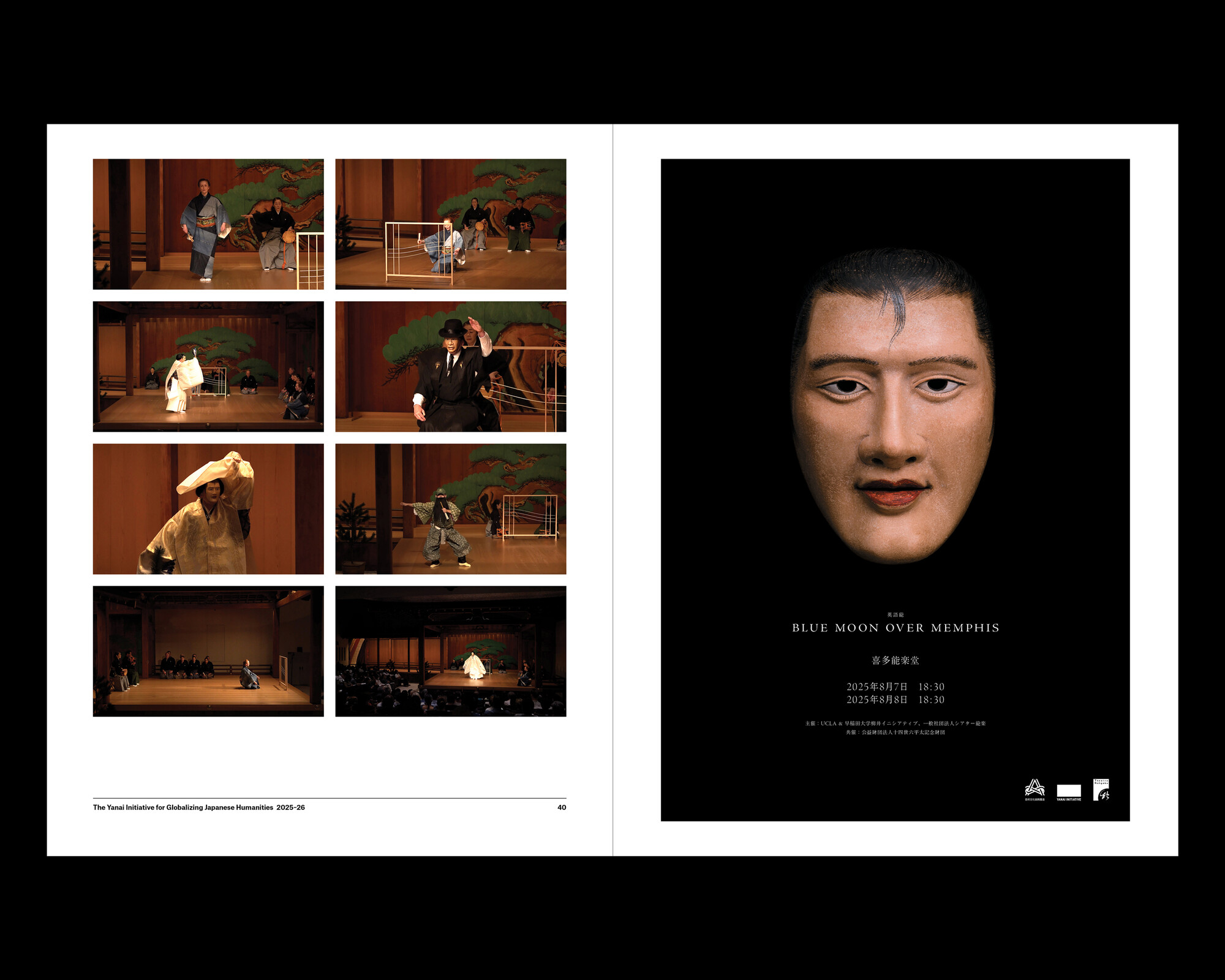
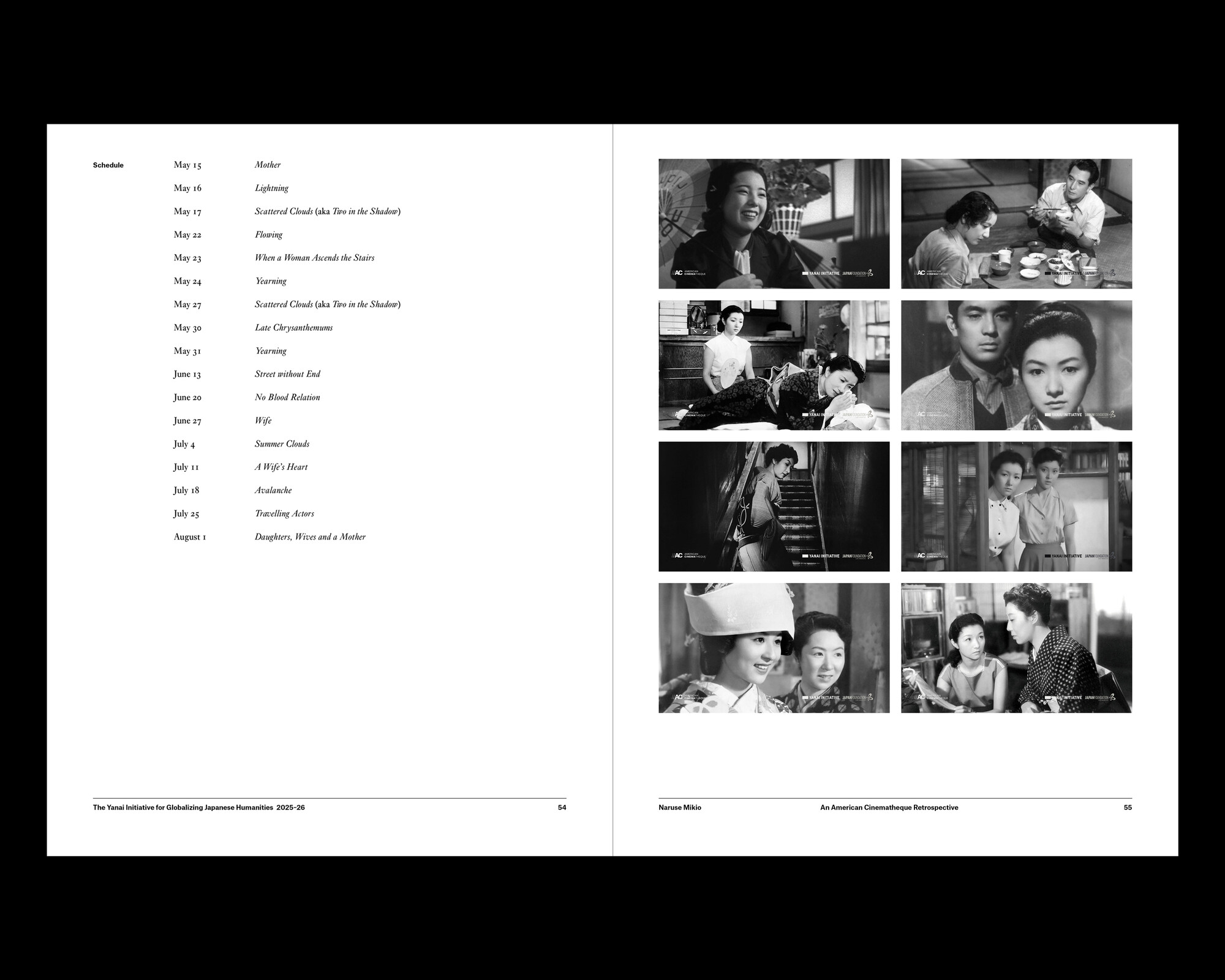
Annual report for a year that featured a Naruse Mikio retrospective, The Art of the Benshi world tour, Bungaku Bideo literary animation series, English-language nō performances, Japanese Materials Digitization Project, Japan Past & Present, emerging literary translator mentorships, and Strangers Press’s Kanata translation series.
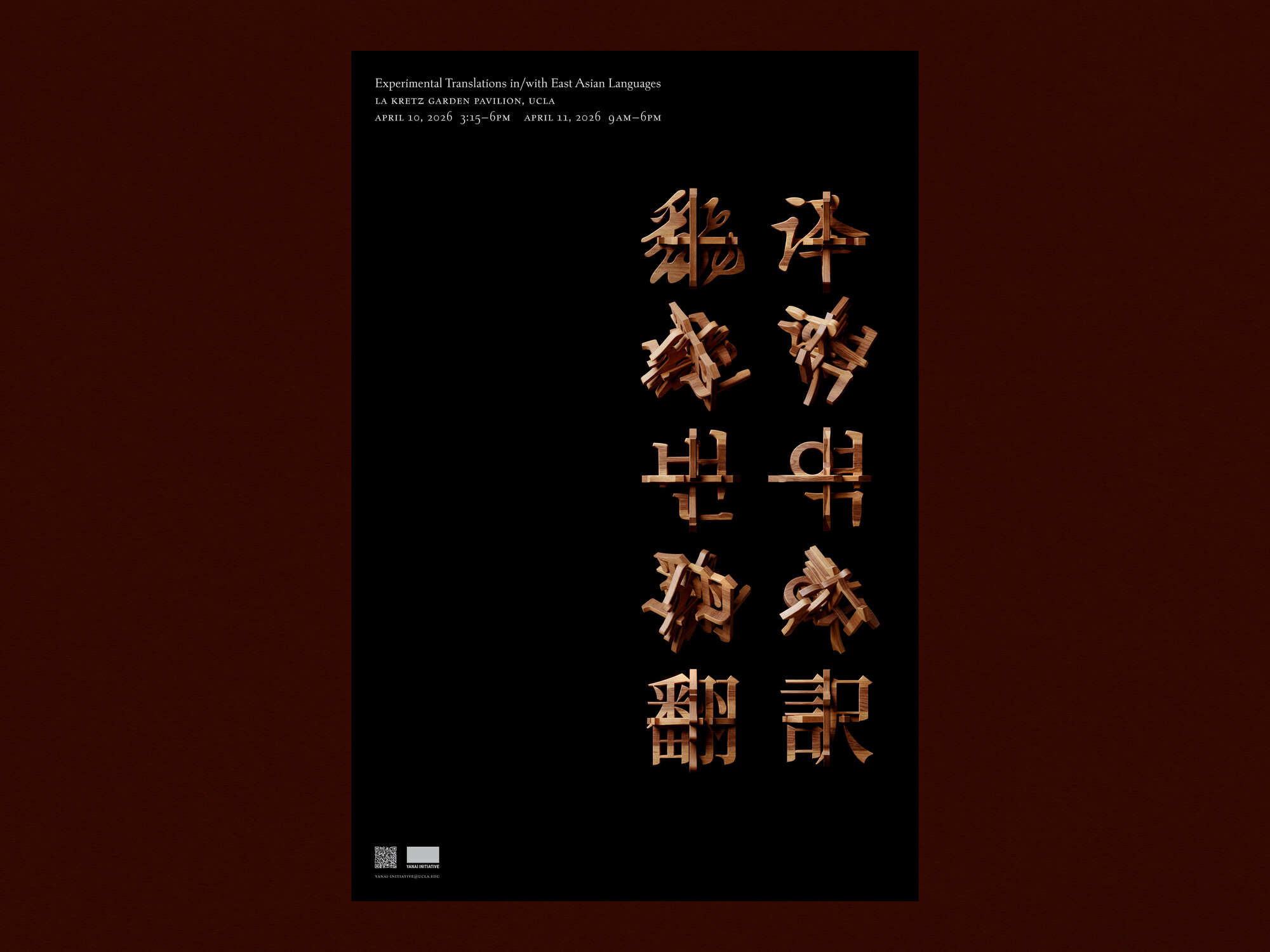
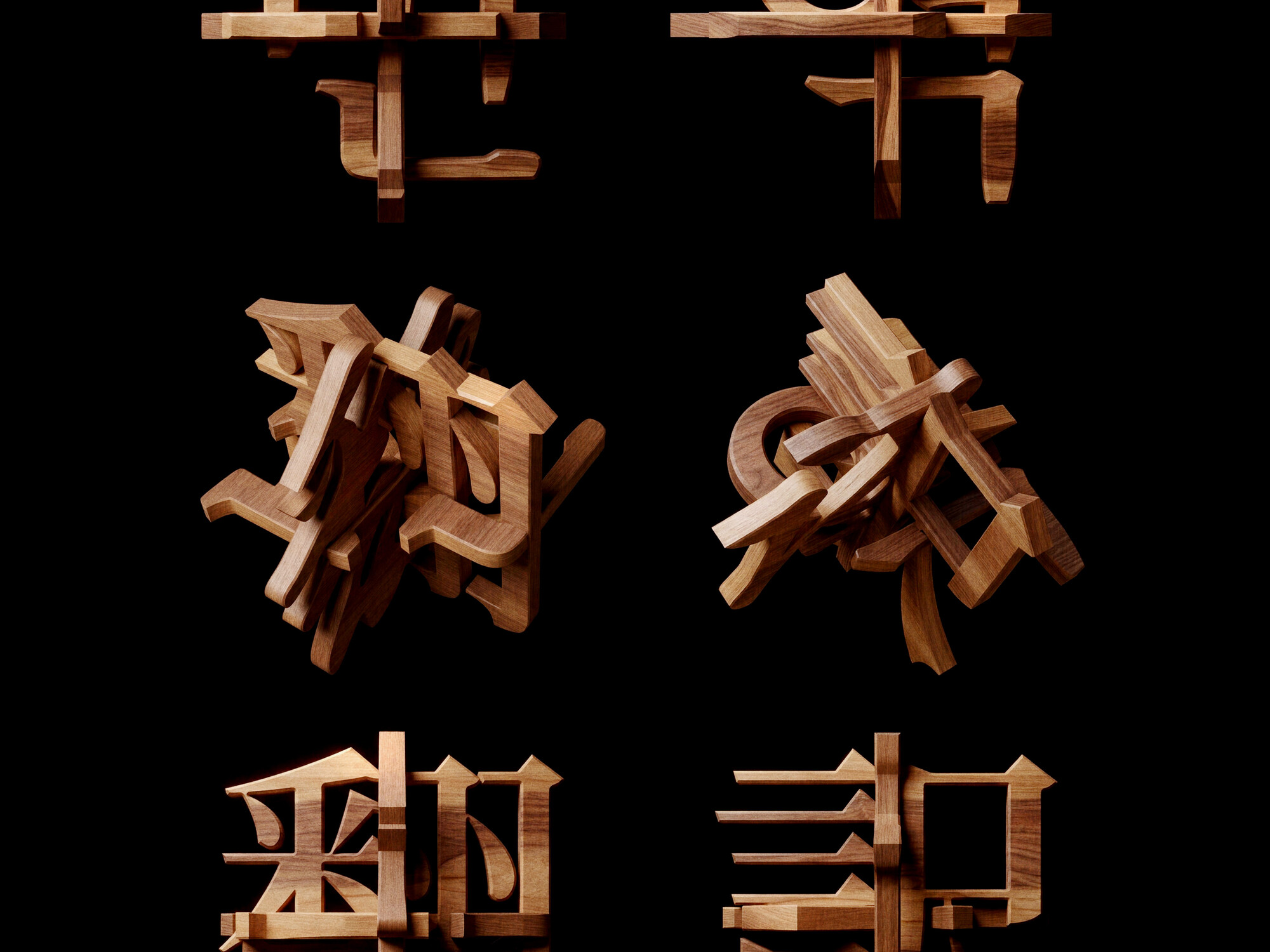
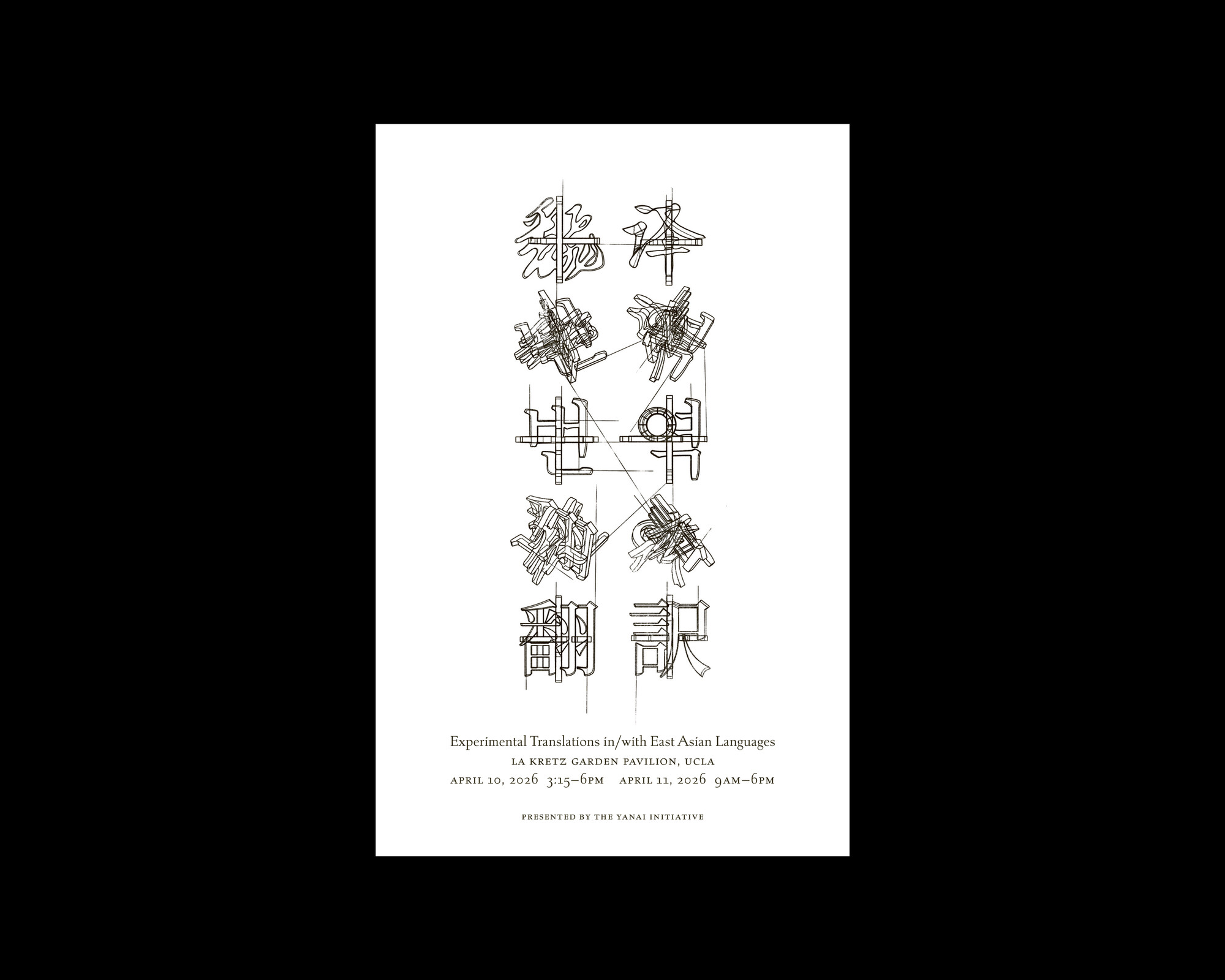
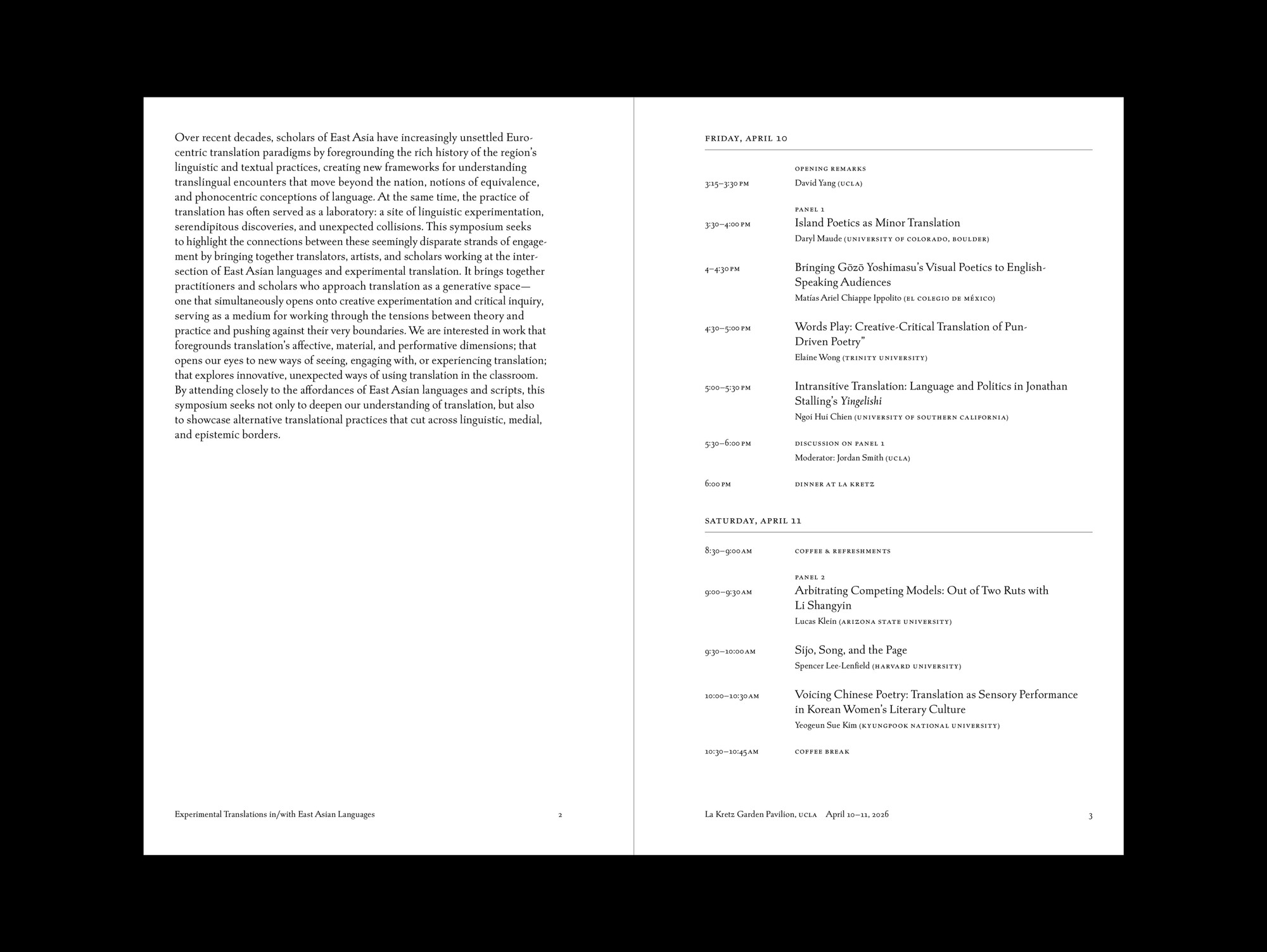
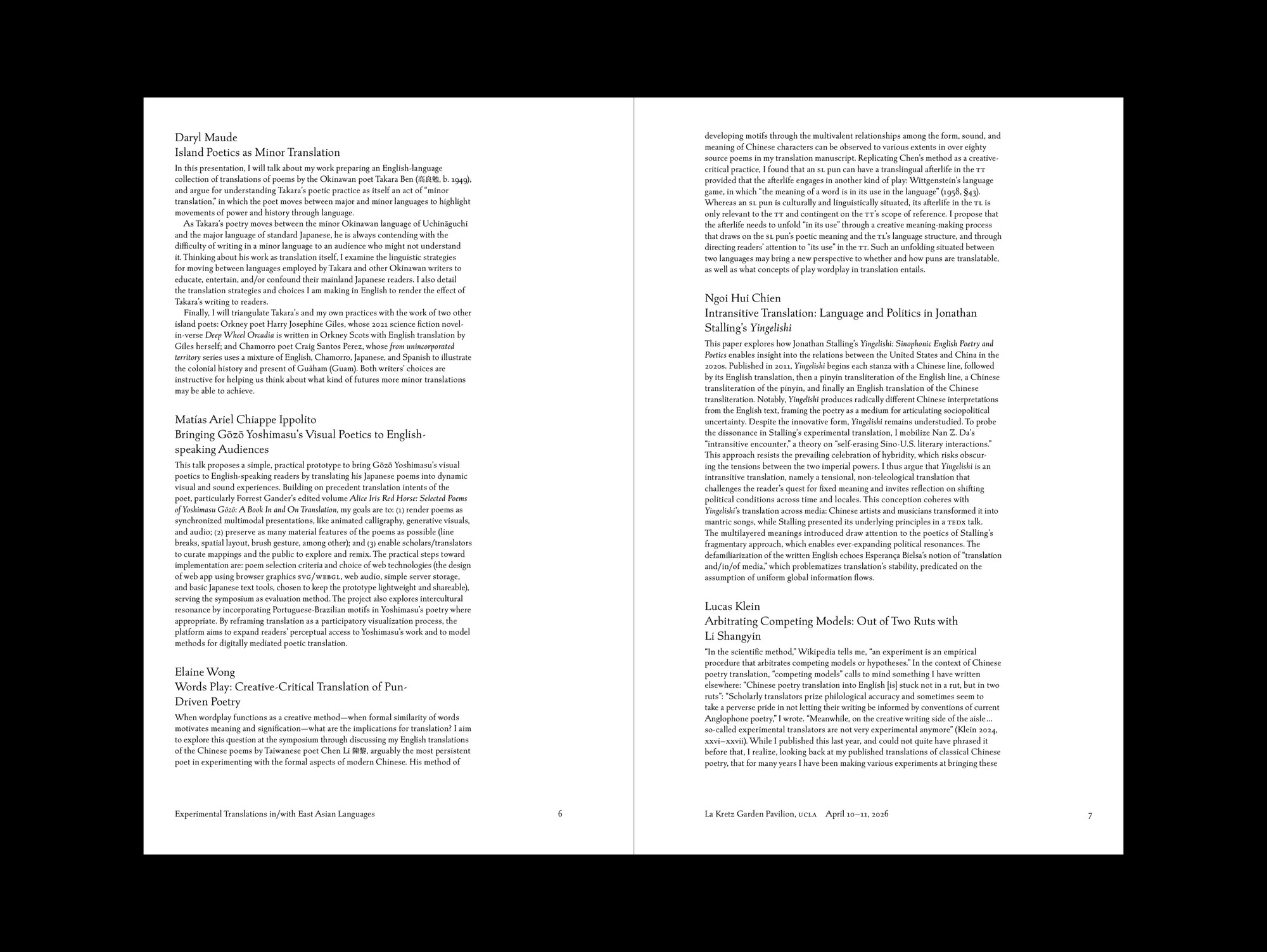
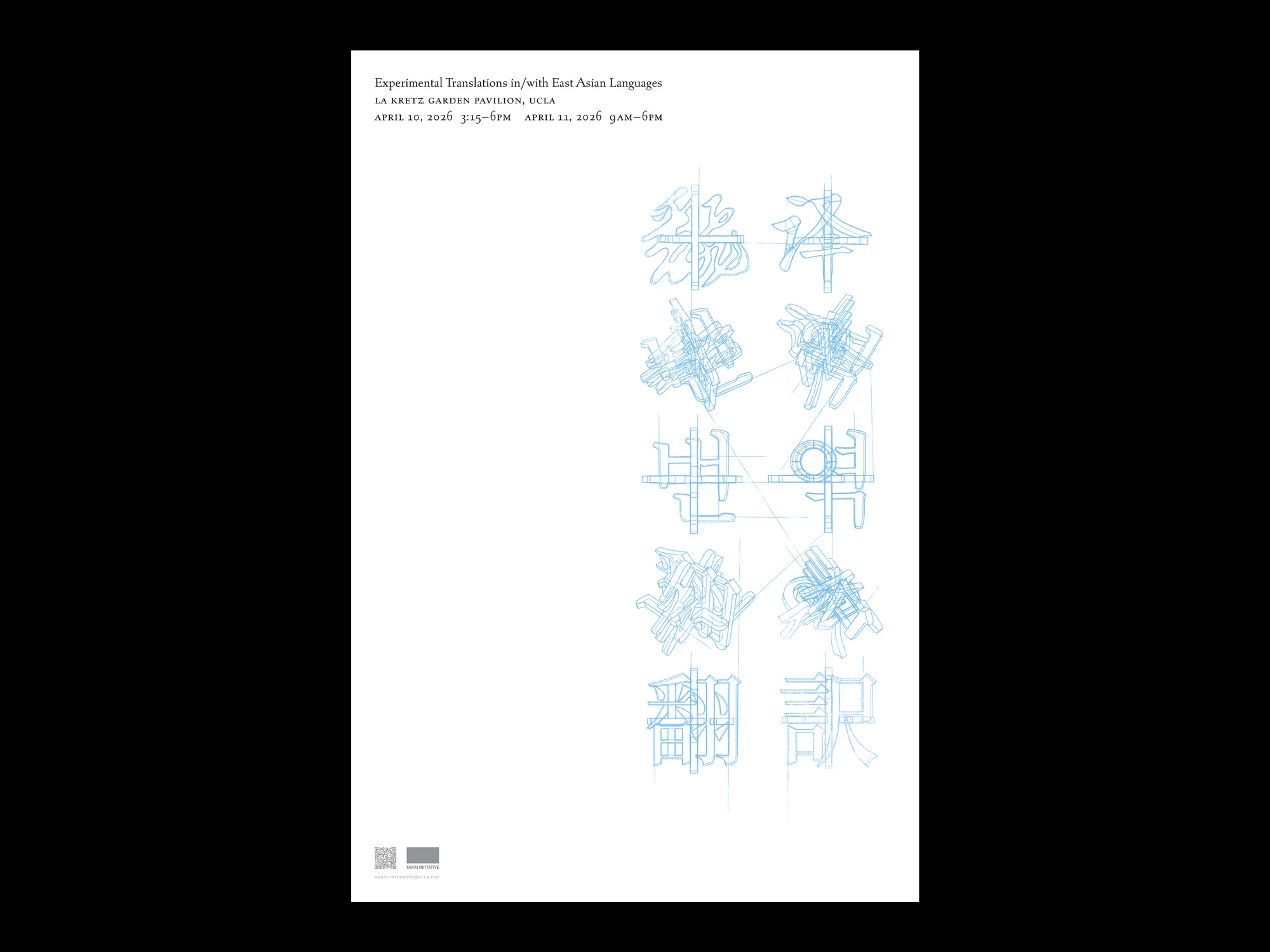
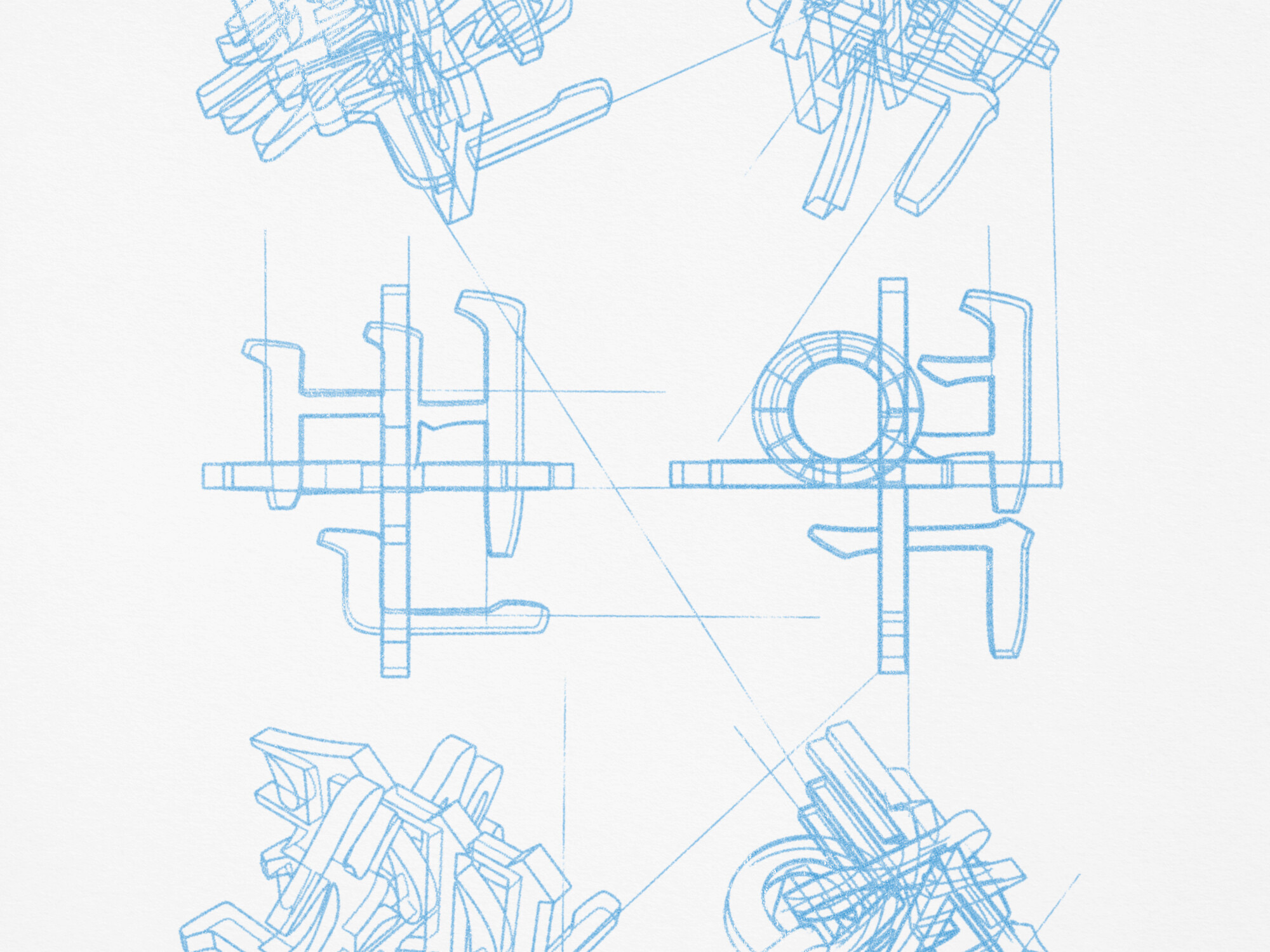
Hosted at UCLA, Experimental Translations in/with East Asian Languages was a translingual laboratory challenging Eurocentric models by exploring East Asian translation through visual poetics, media materiality, and radical creative formats. The word “translation,” in Chinese, Korean, and Japanese, is built as one wood-joined object, shown from five angles as it moves between the three scripts.
CCA’s 2026 holiday card features Andy Lu Lee’s American Remediation, uncovering how the state used the illusion of scientific neutrality to legitimize territorial expansion. The exhibition subverts Cold War-era propaganda by physically tracing a decaying archival film along the global pathways of its circulation and consequence.
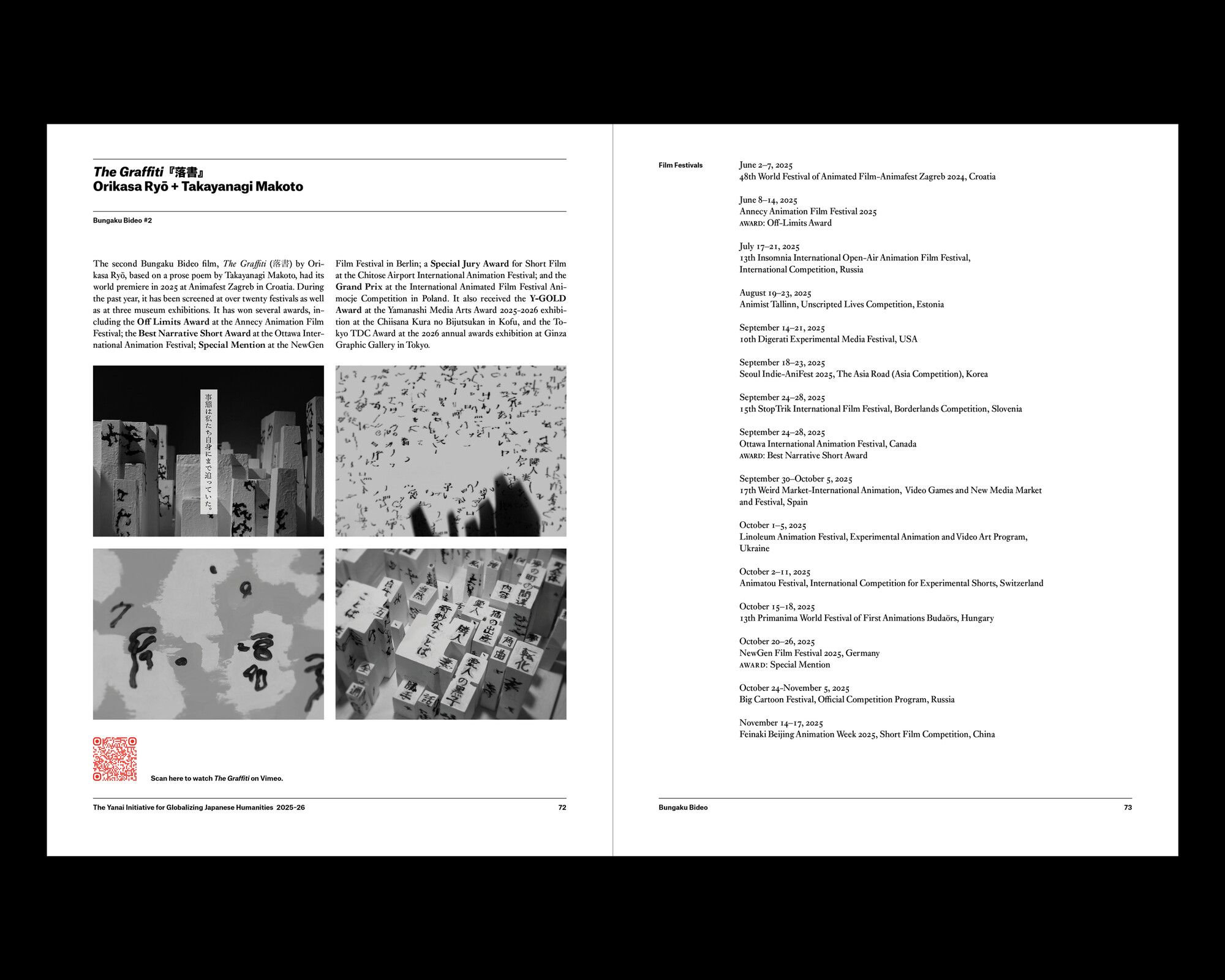
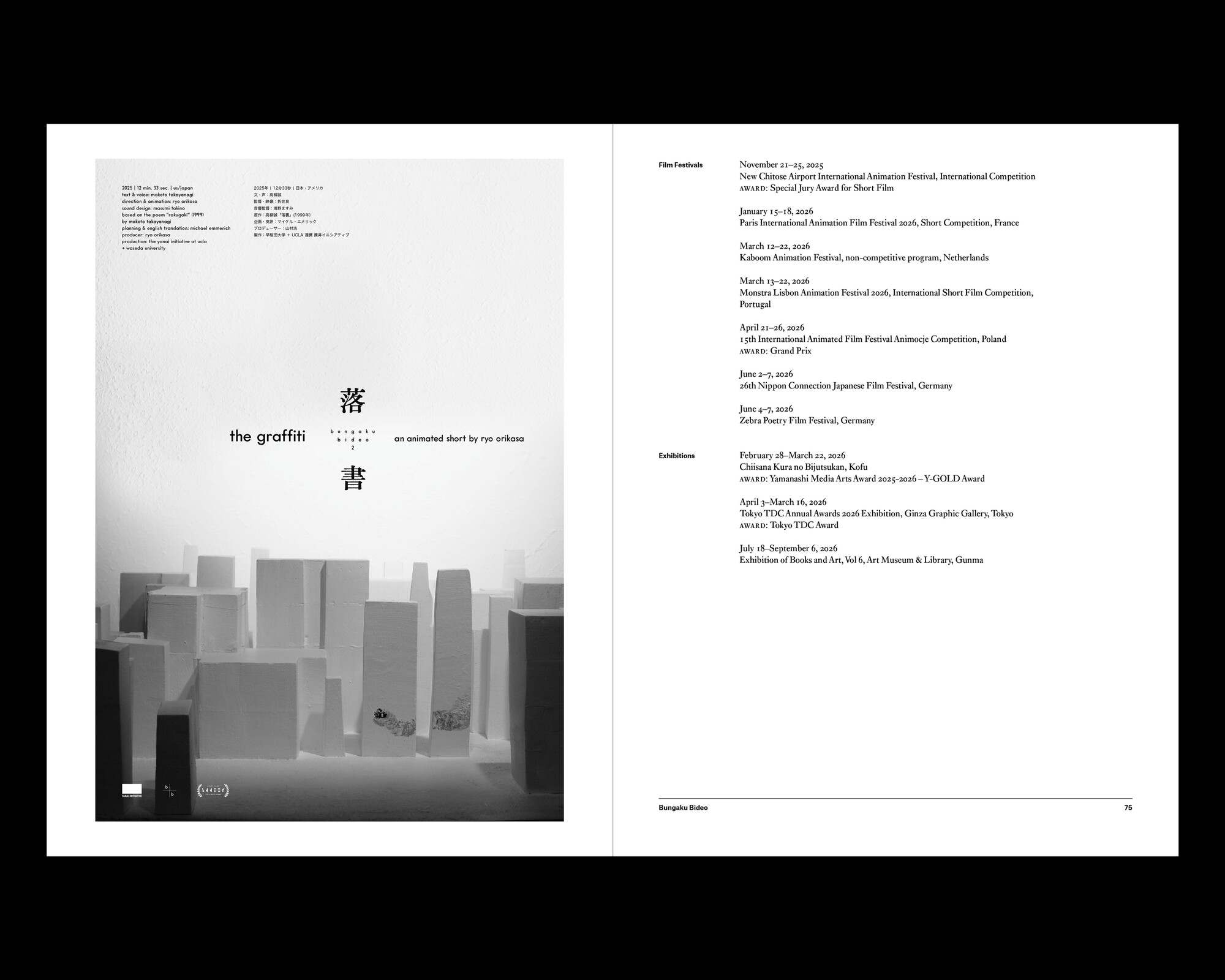
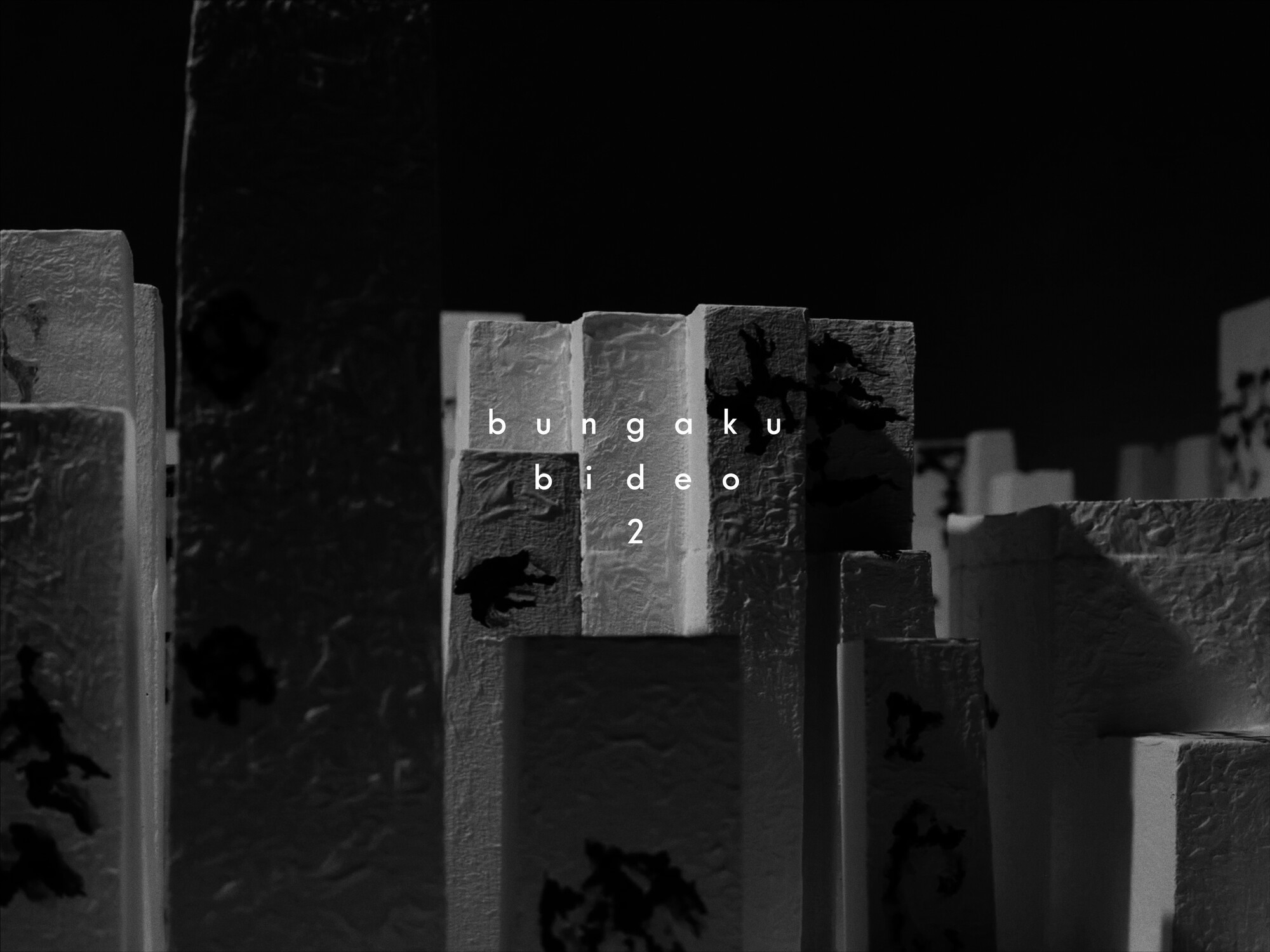
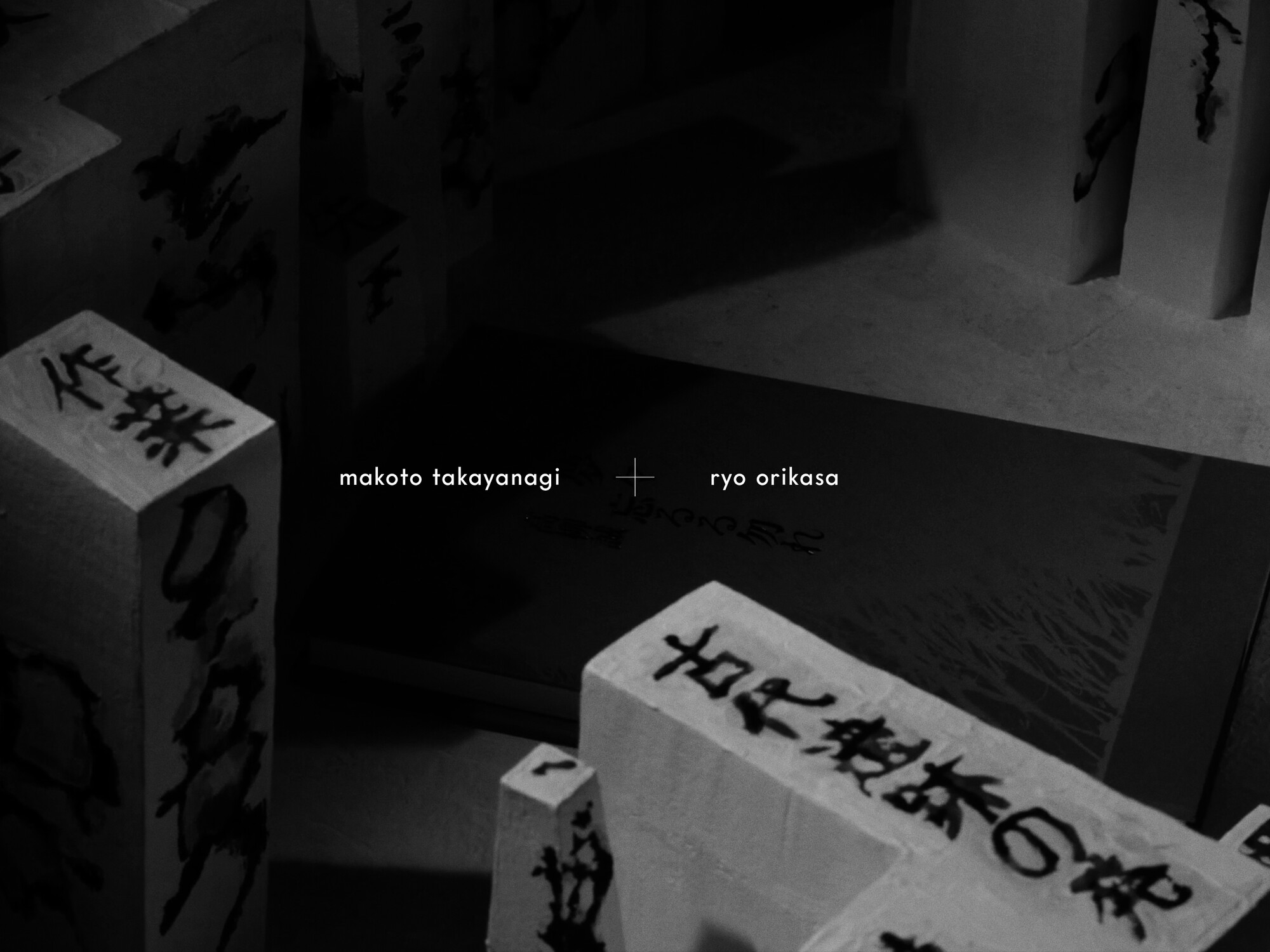
Bungaku Bideo is a film series bringing together films rooted in literature, moving poetry exploring the relationship between cinematic and written form. The initiative partnered with acclaimed independent animators and contemporary writers to introduce Japanese prose and poetry to international film festival audiences.
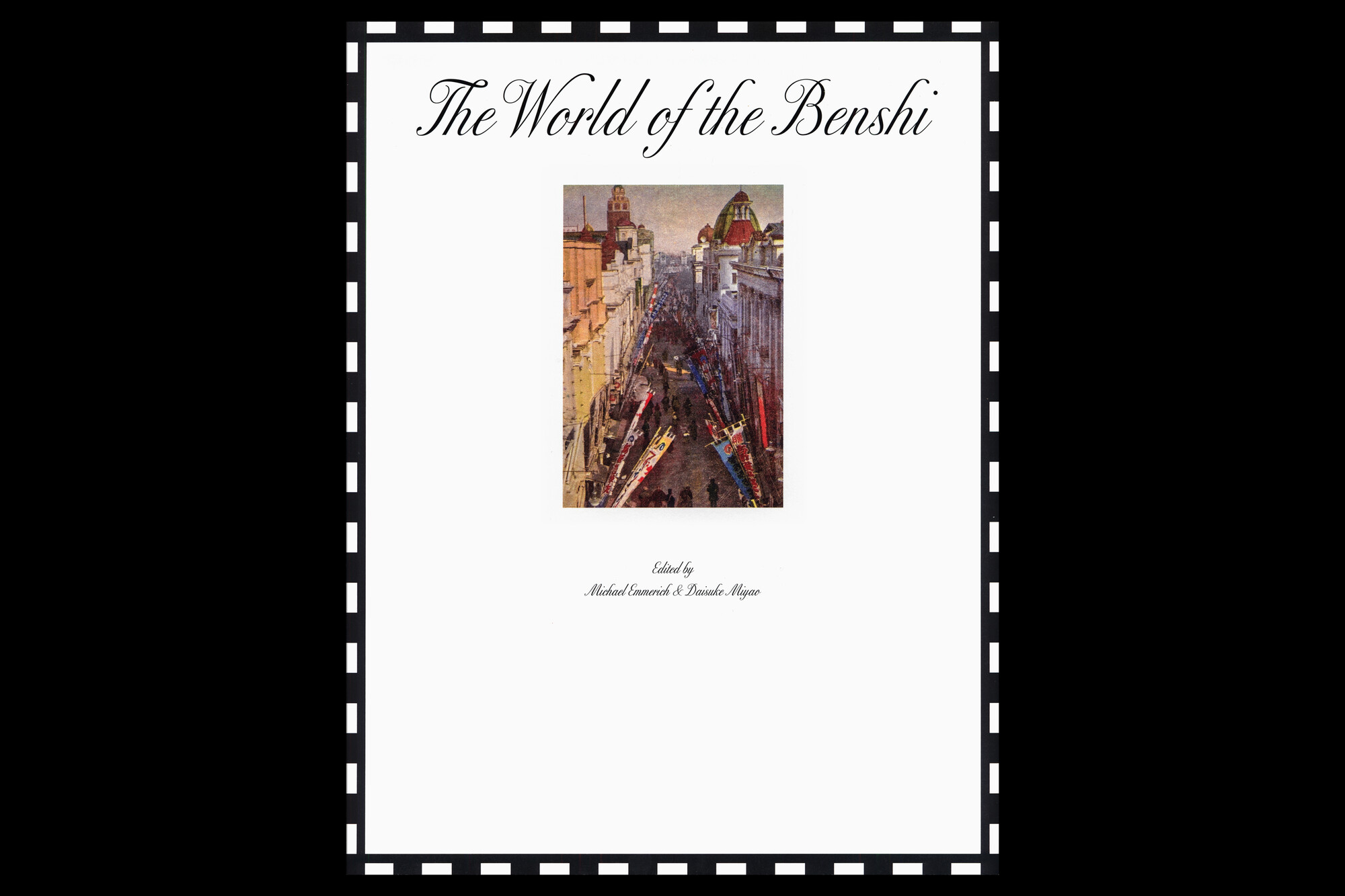
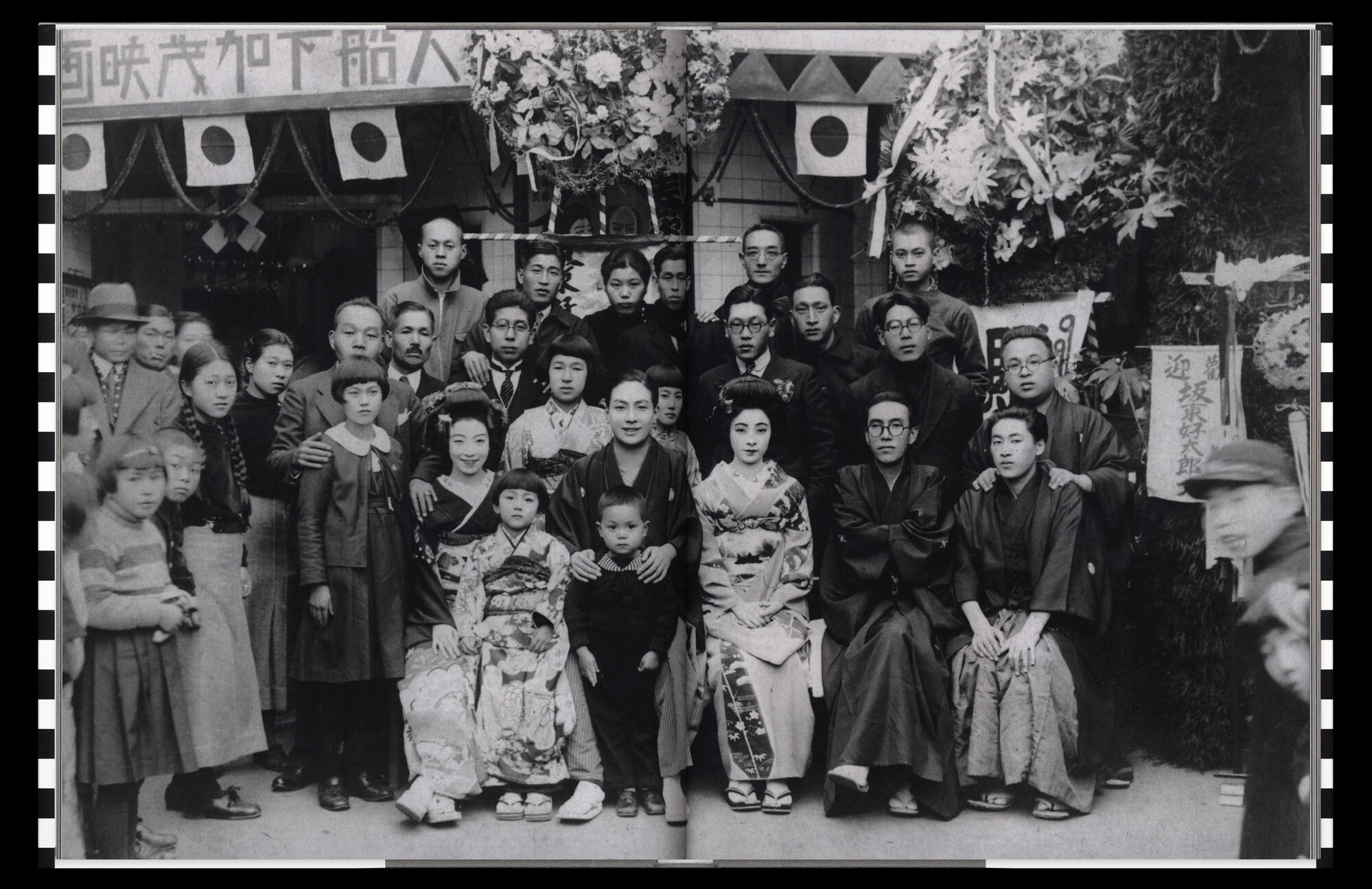
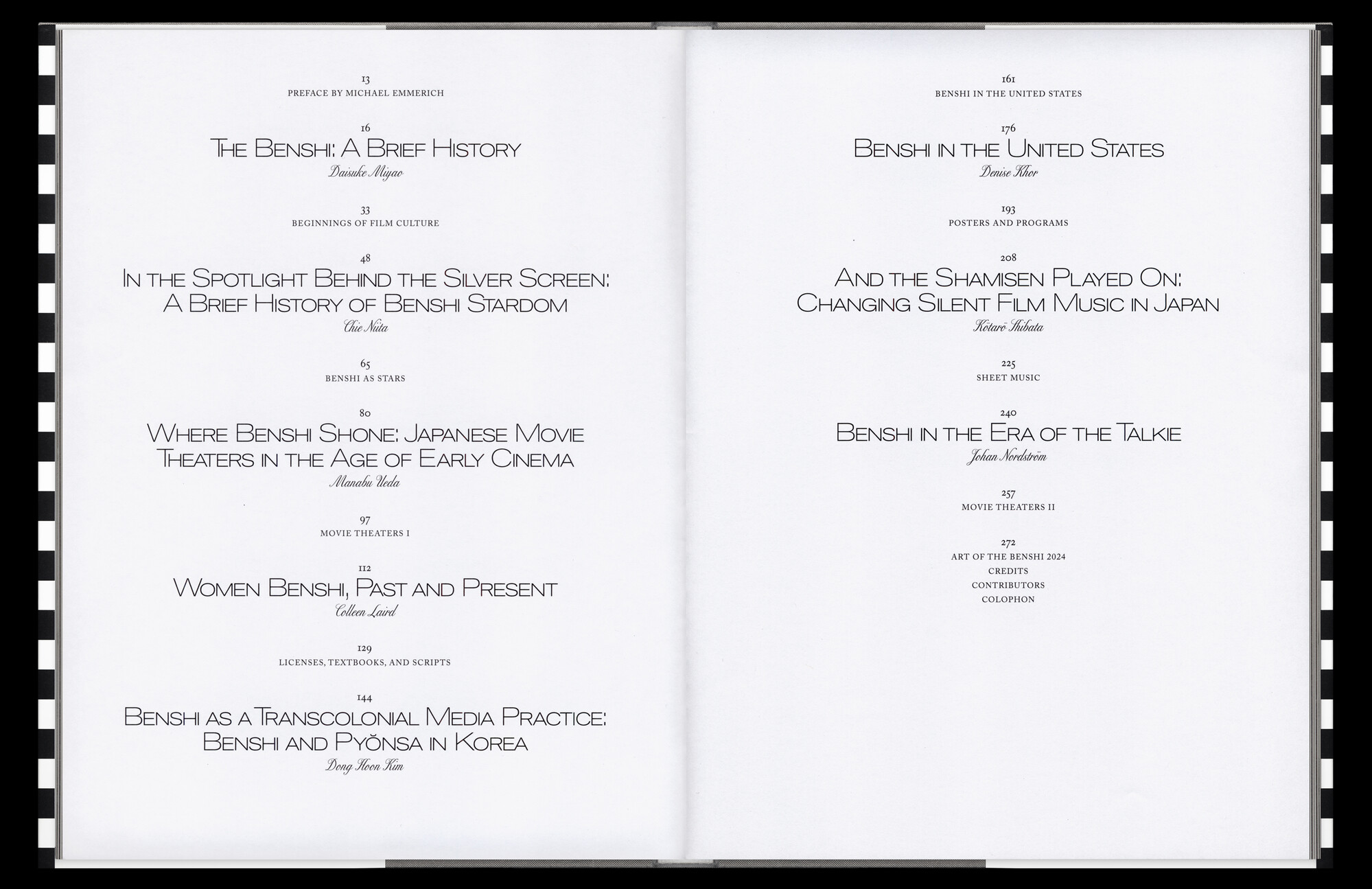
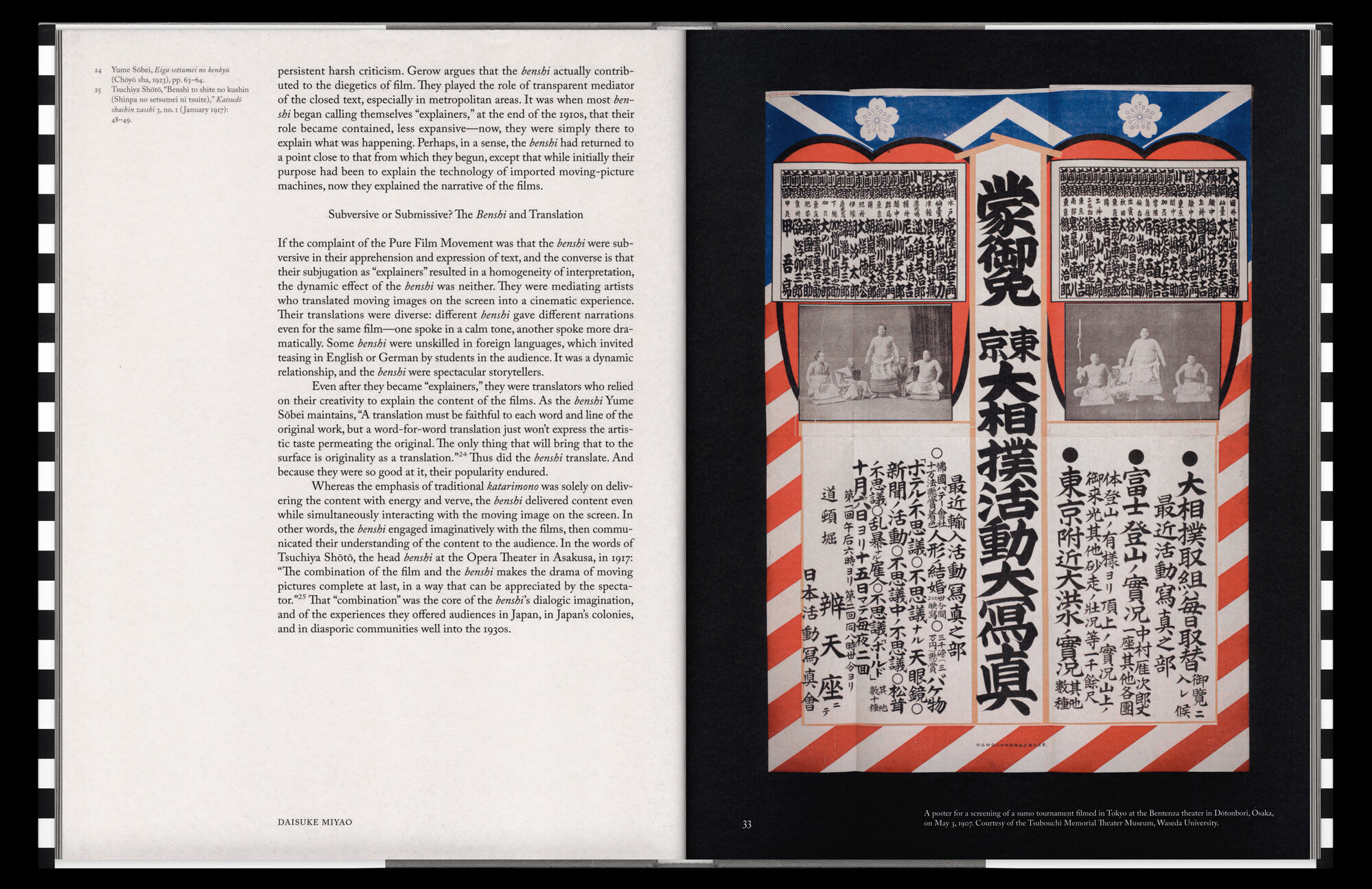
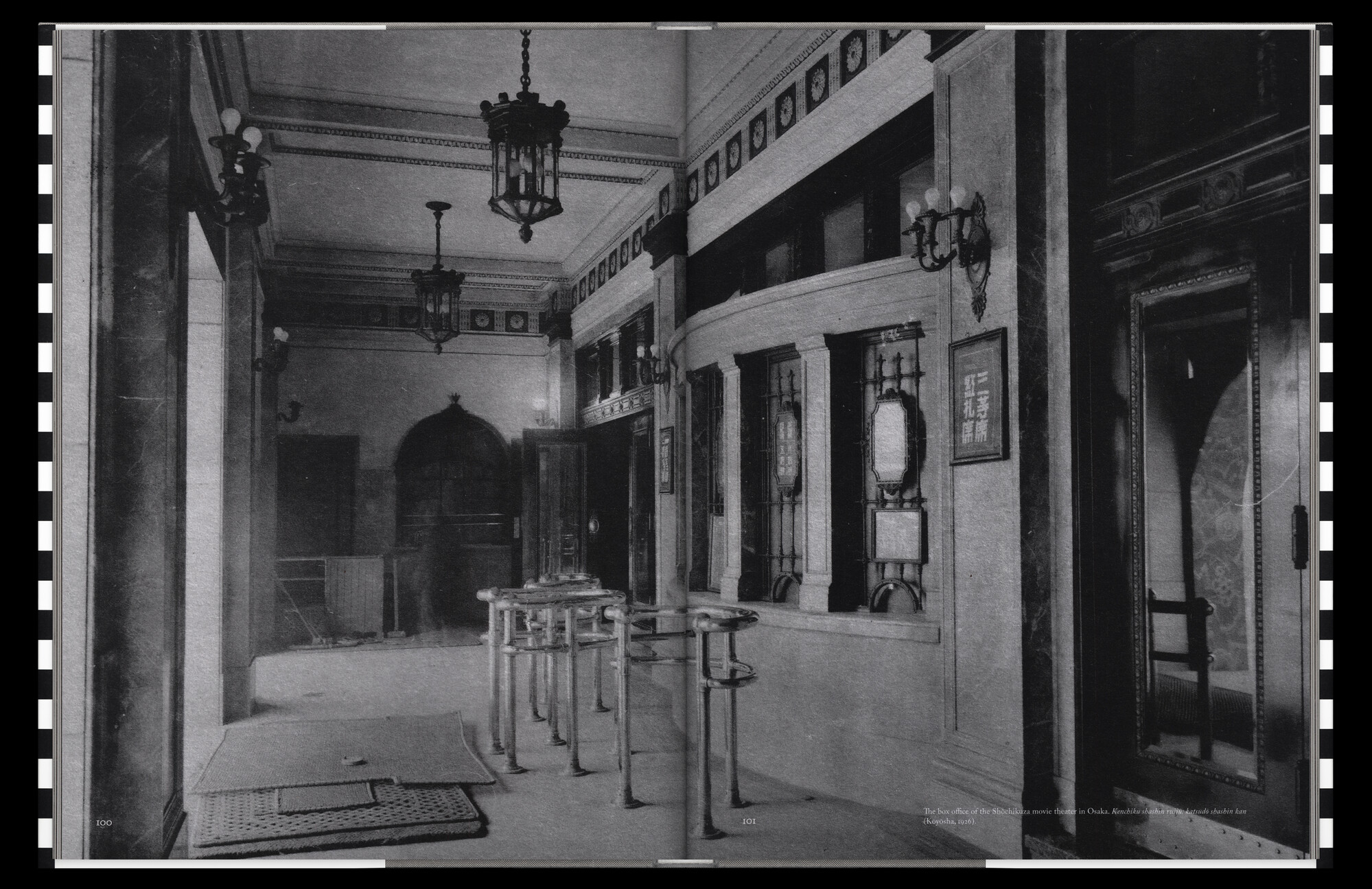
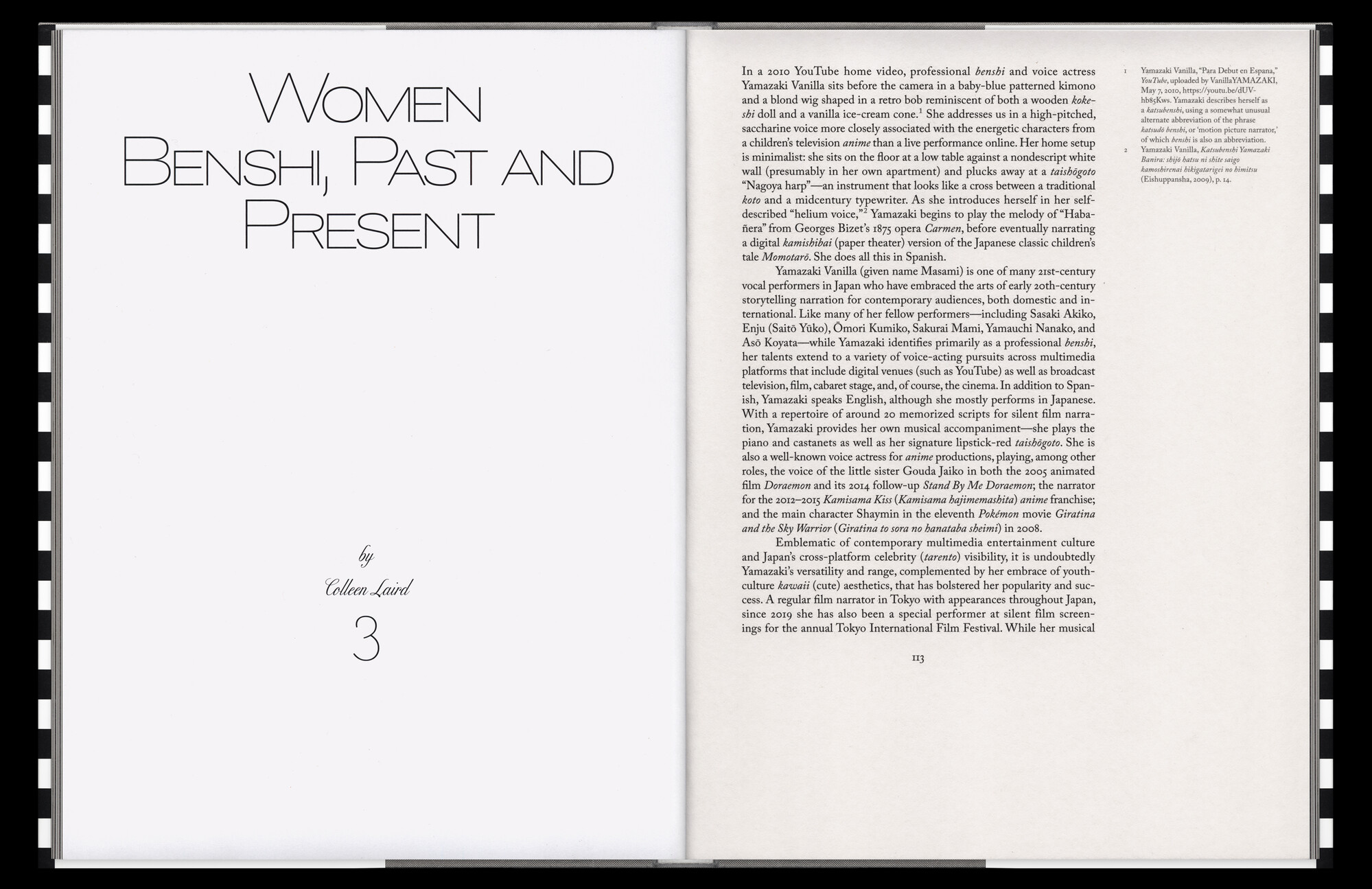
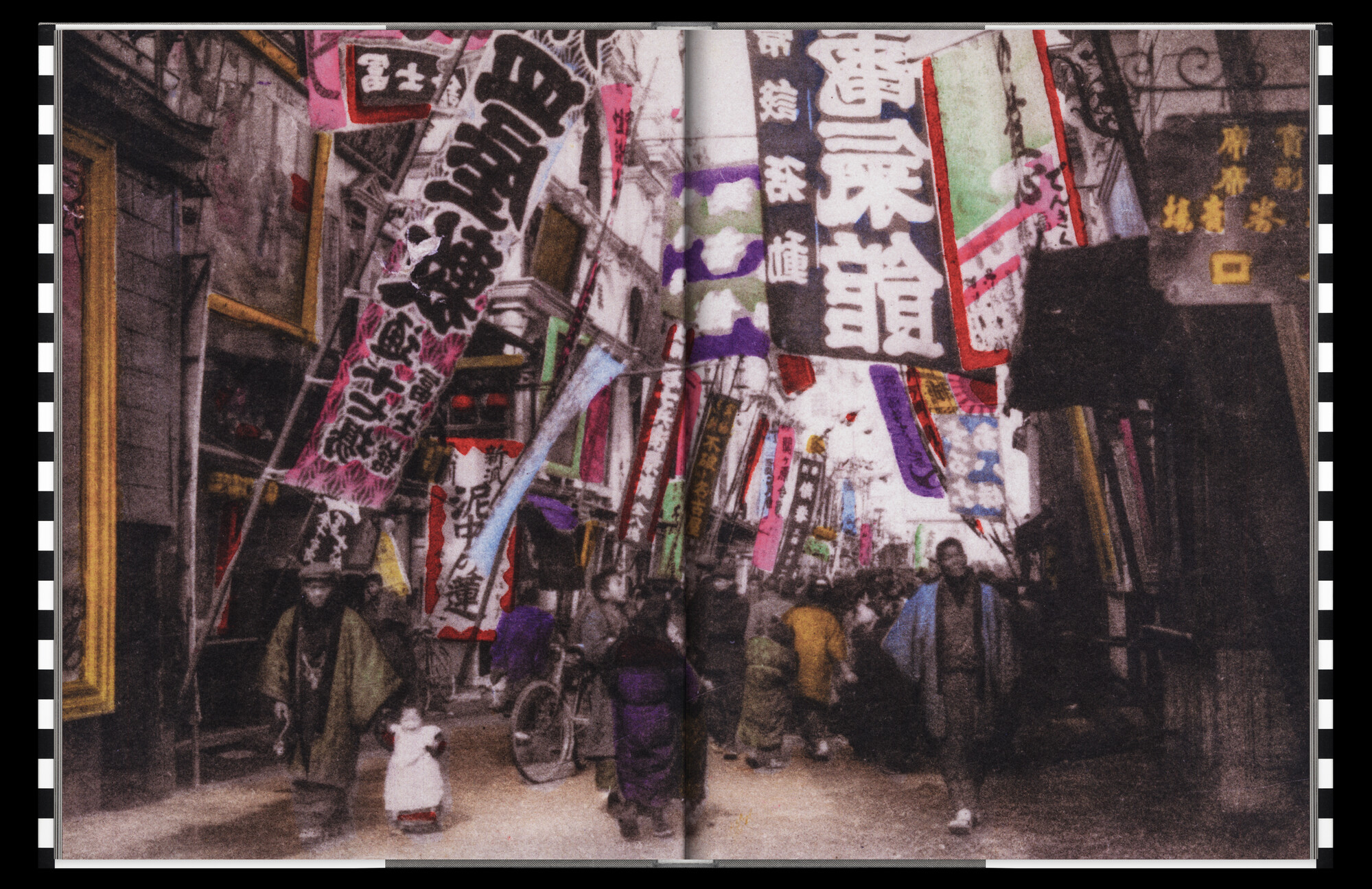
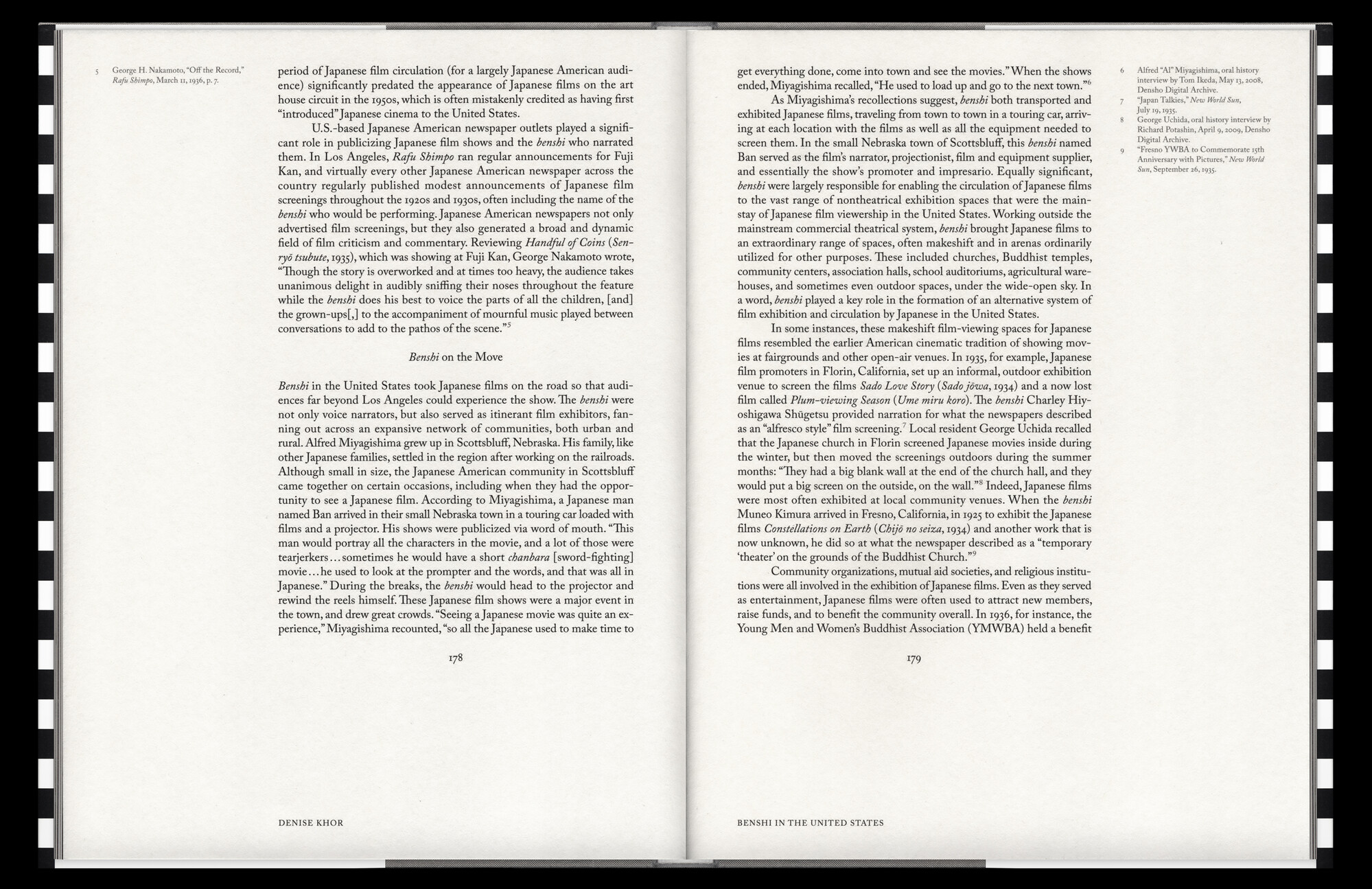
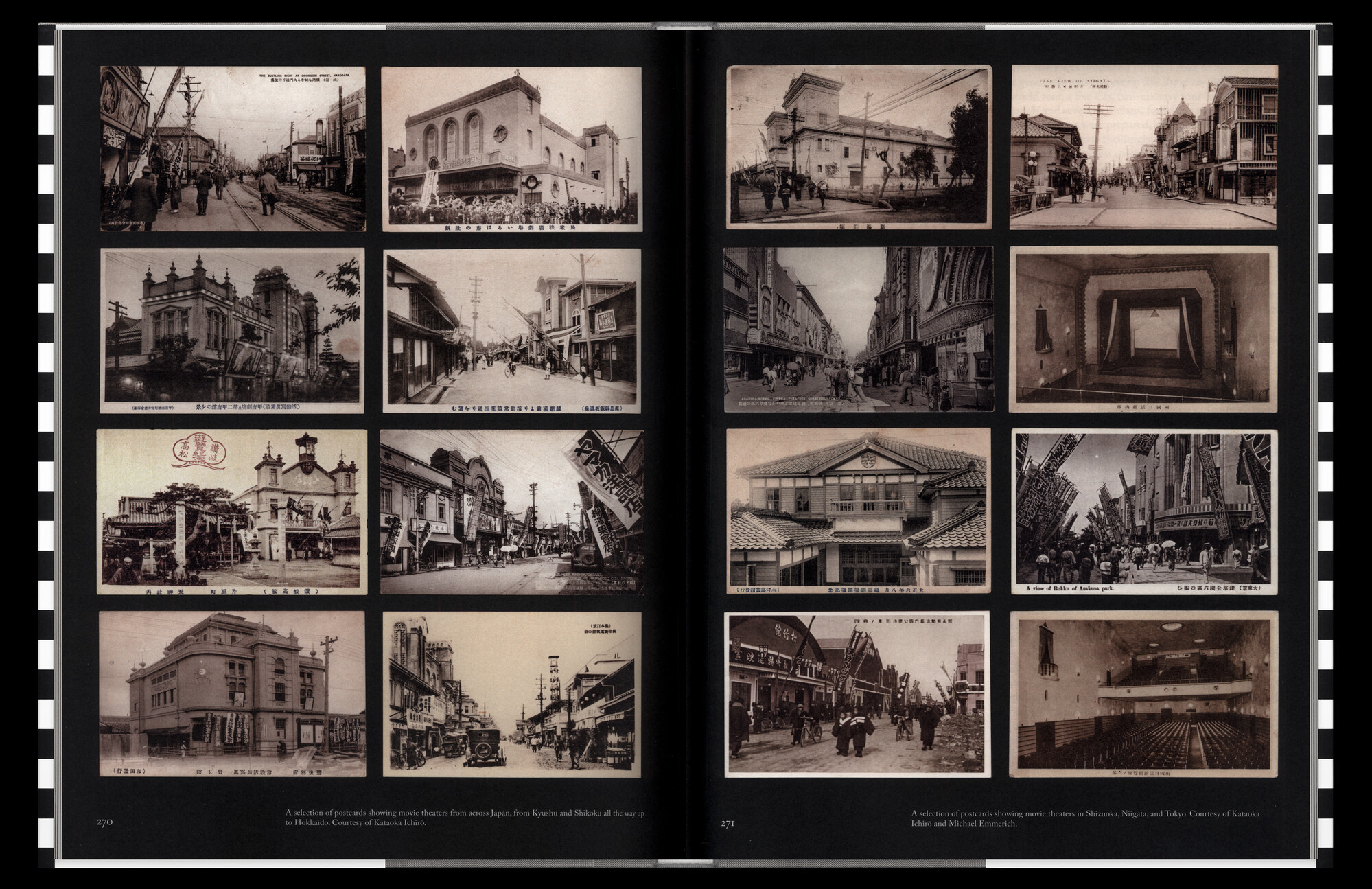
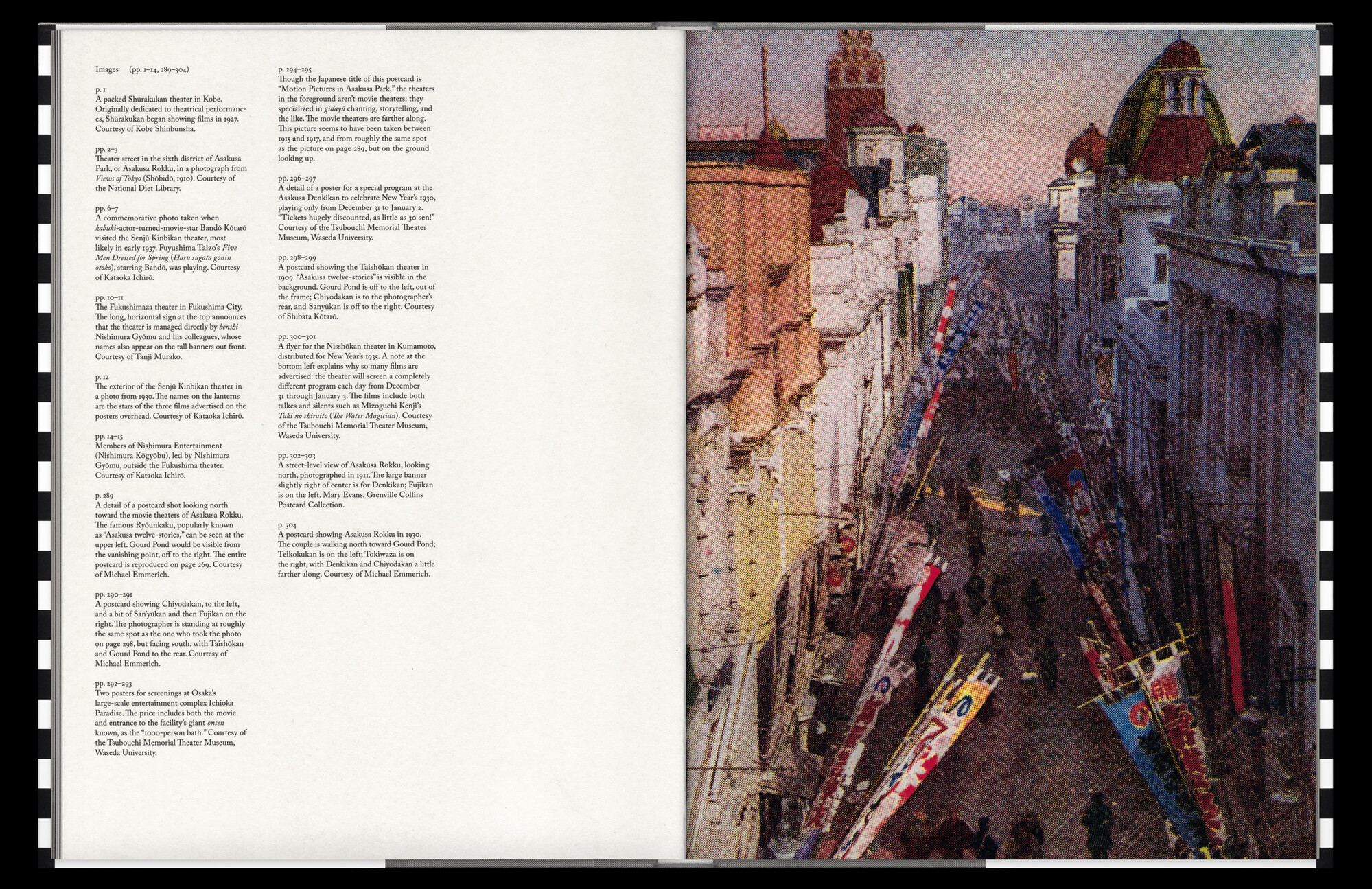
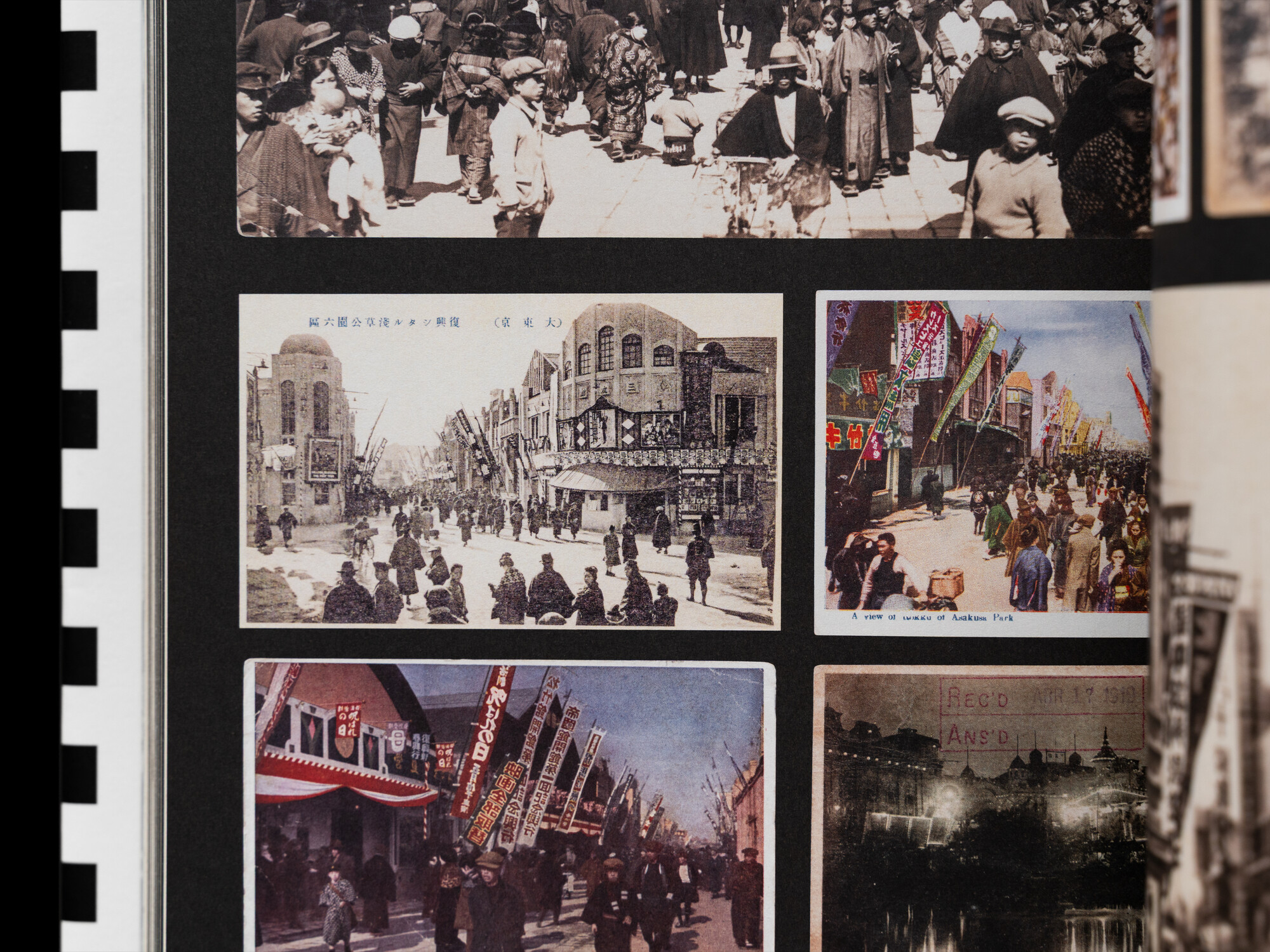
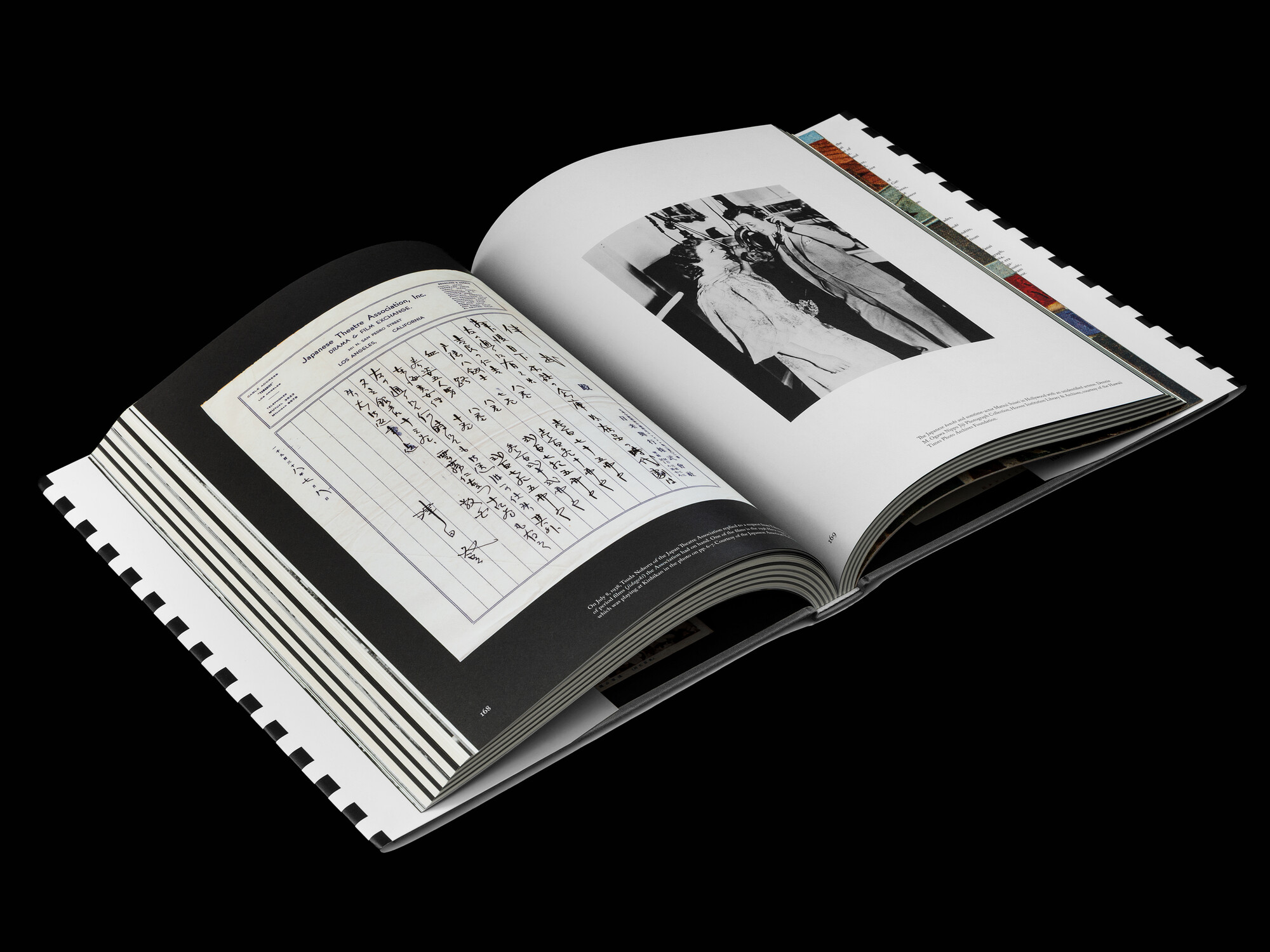
The World of the Benshi is a companion volume to the Art of the Benshi world tour organized by the Yanai Initiative for Globalizing Japanese Humanities. The book features more than 300 rare images compiled from archives and private collections around the world, showcasing historic movie theaters, promotional materials, and rare film stills. Essays uncover the phenomenon of the benshi stardom, evolution of the theater architecture, how live performance changed in Japan in the silent film era.
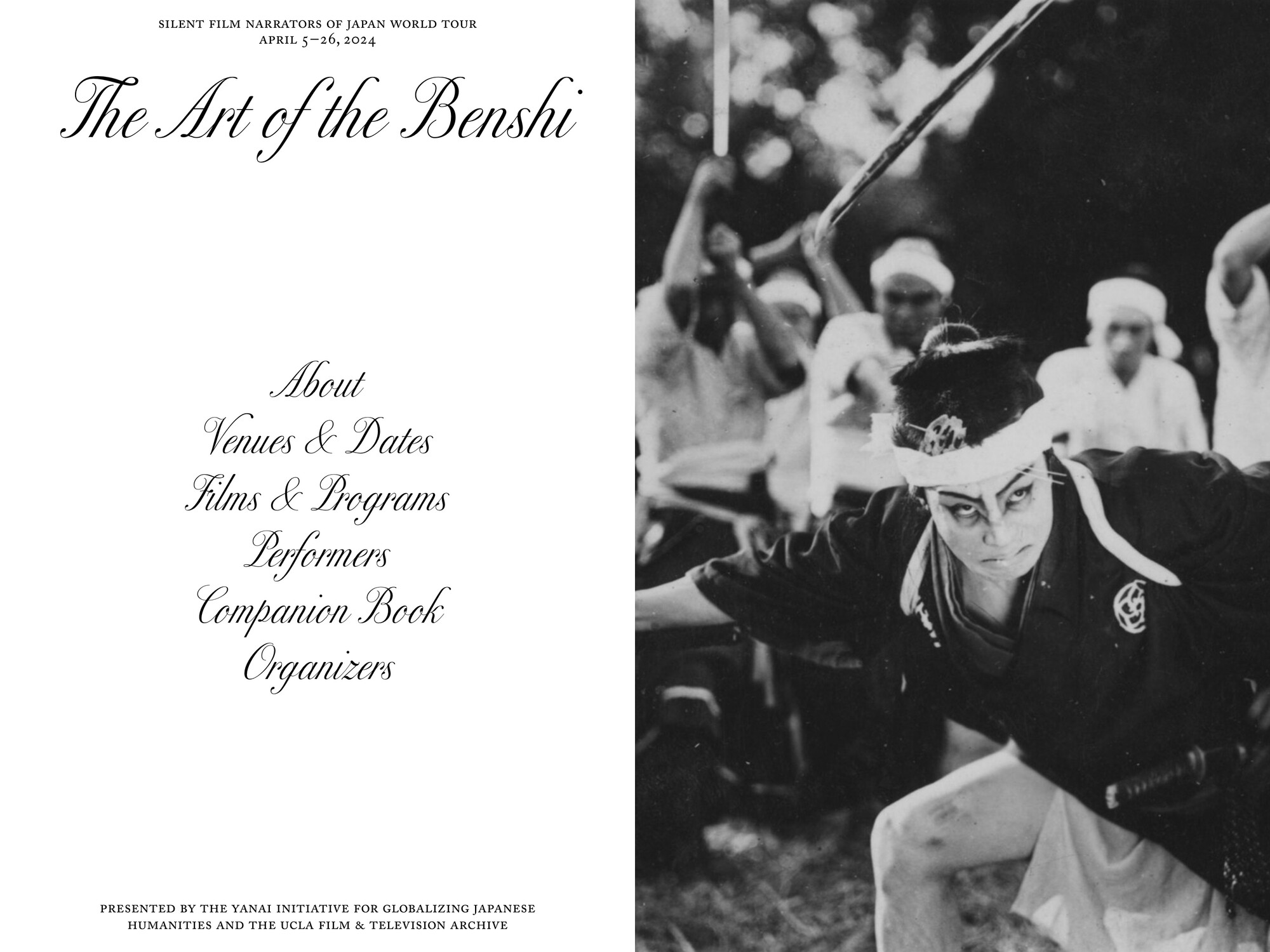
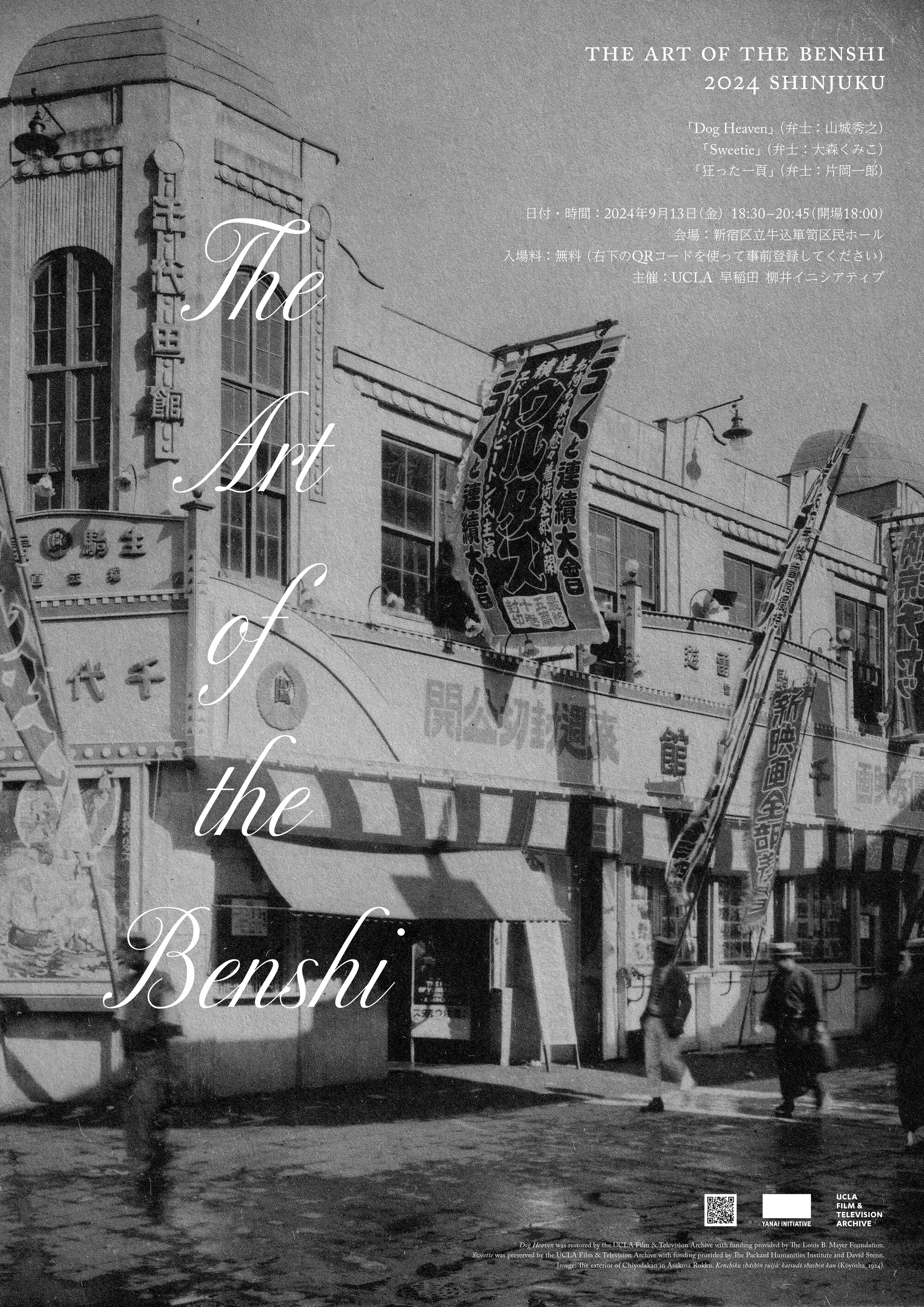
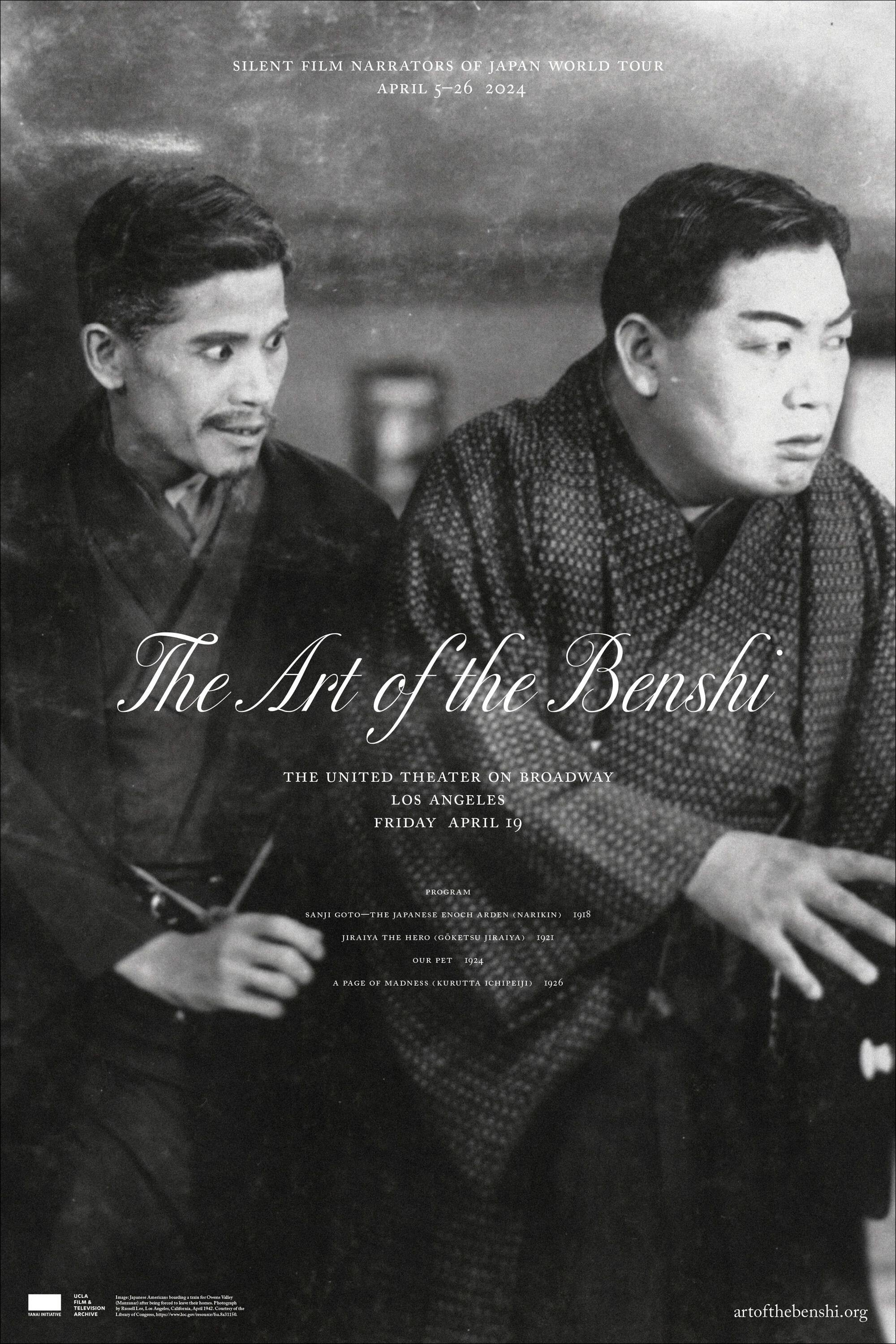
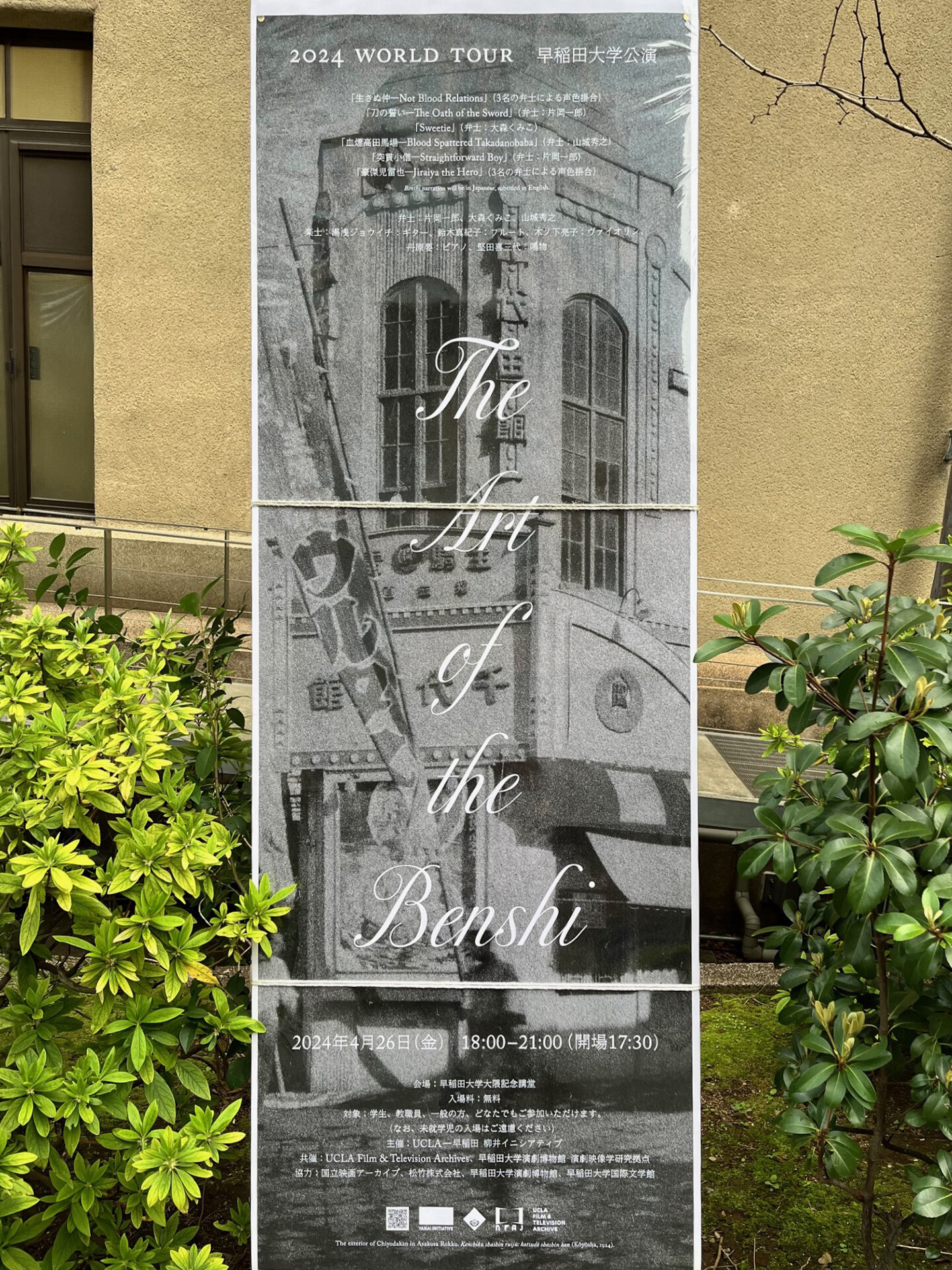
The Art of the Benshi World Tour, presented by the Yanai Initiative and the UCLA Film & Television Archive, brings the rare, century-old Japanese cinematic tradition back to live audiences. The tour travels to New York, Washington, D.C., Chicago, Los Angeles, Tokyo, Provo, and Santa Barbara.
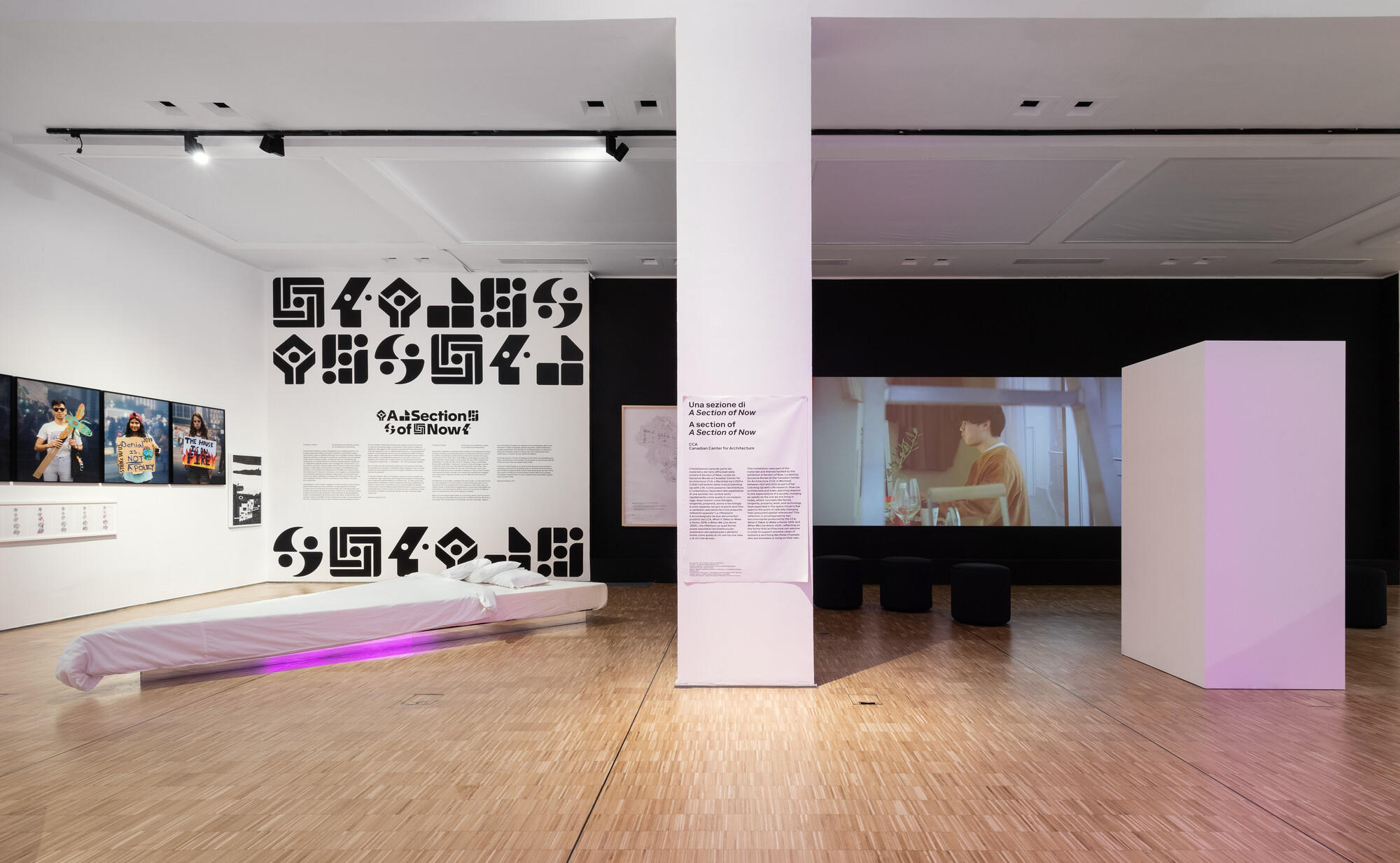
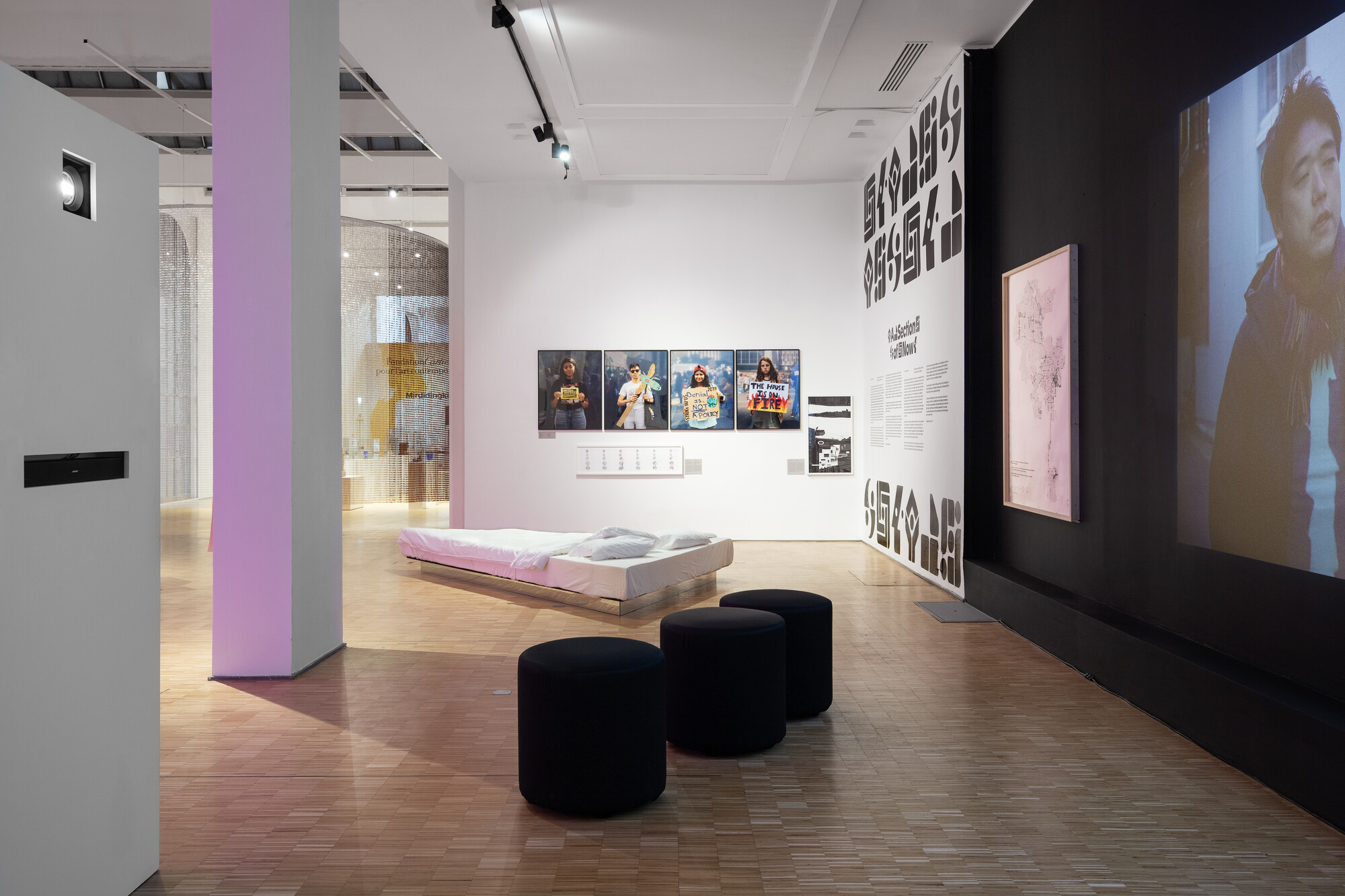
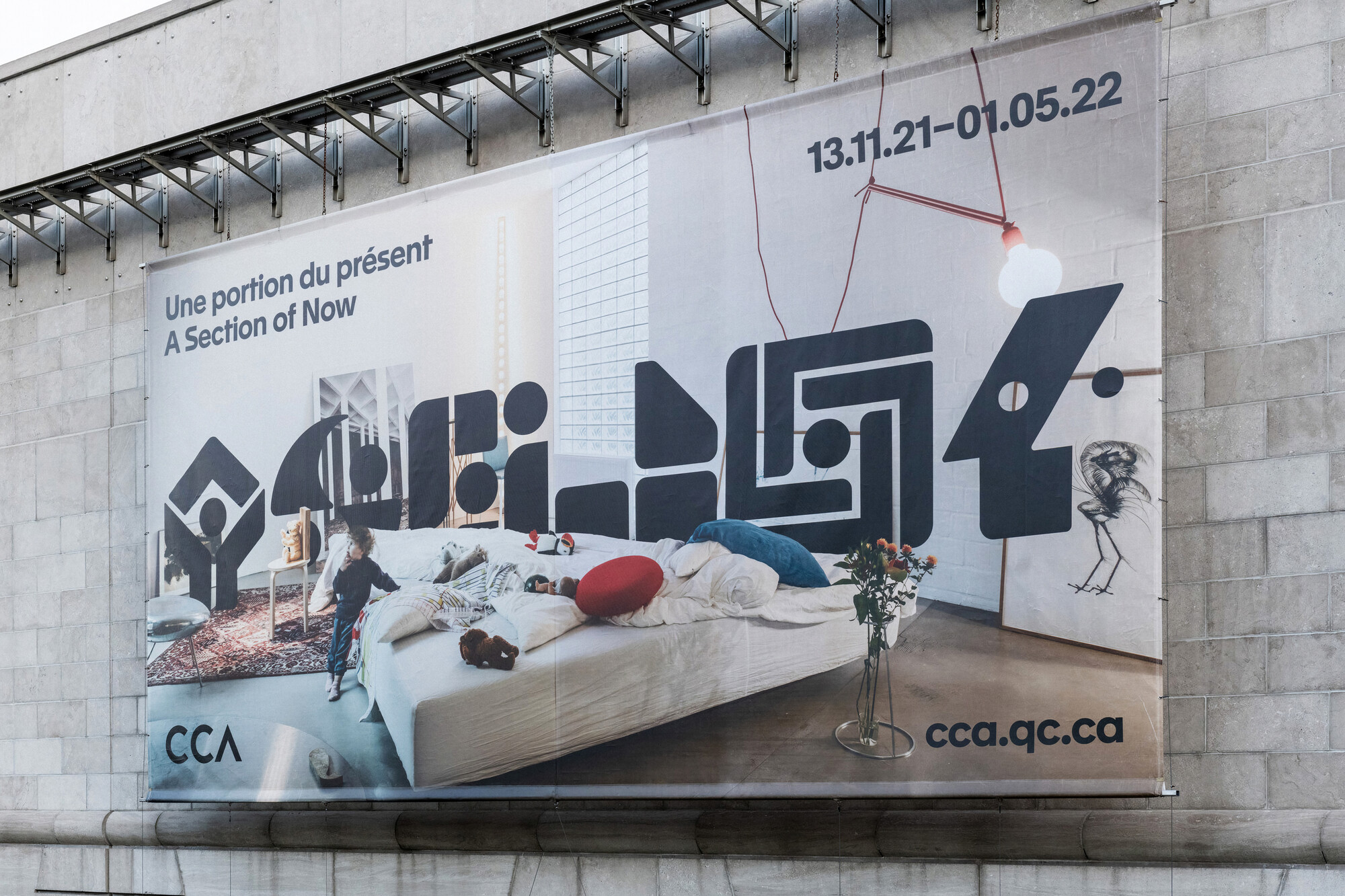
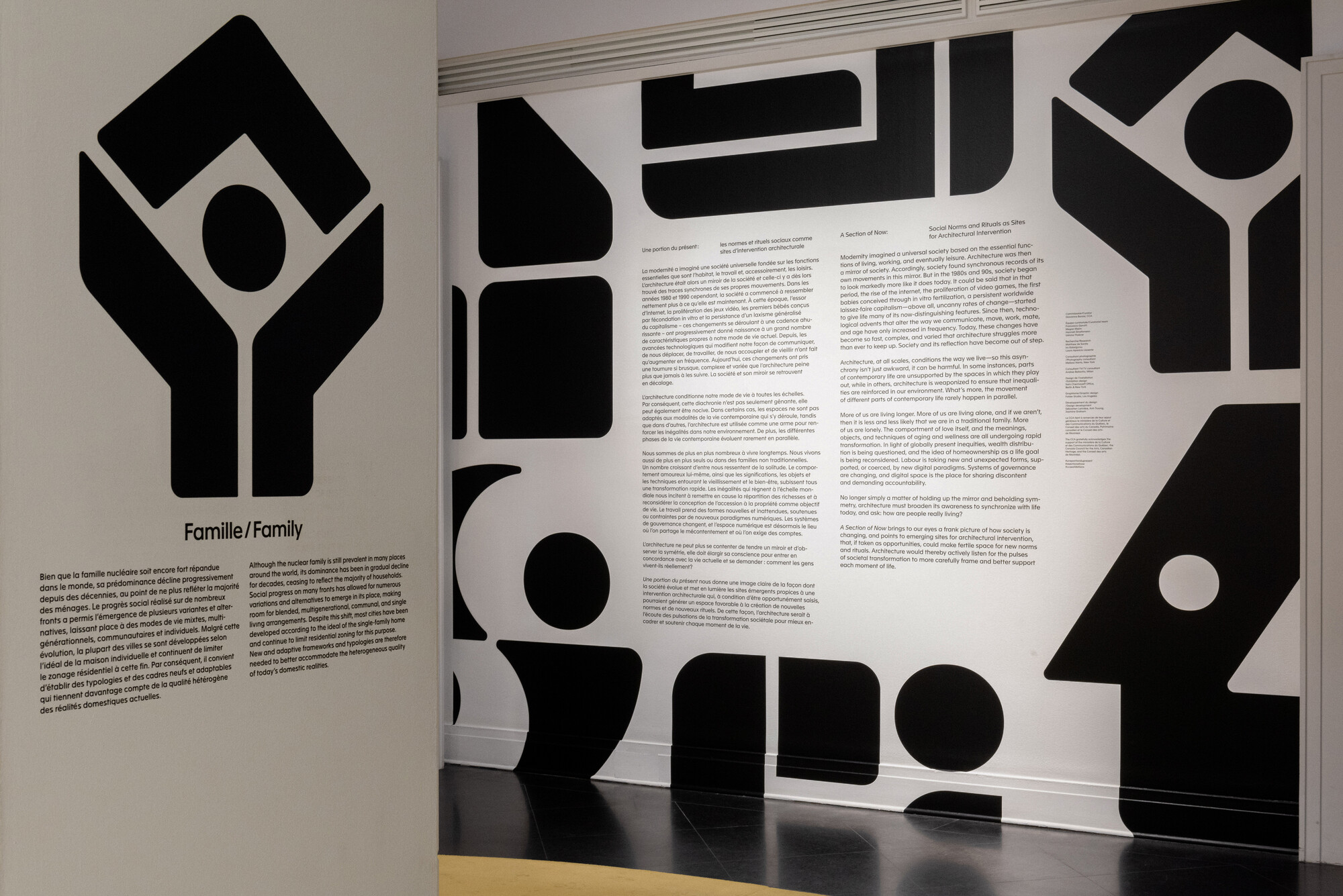
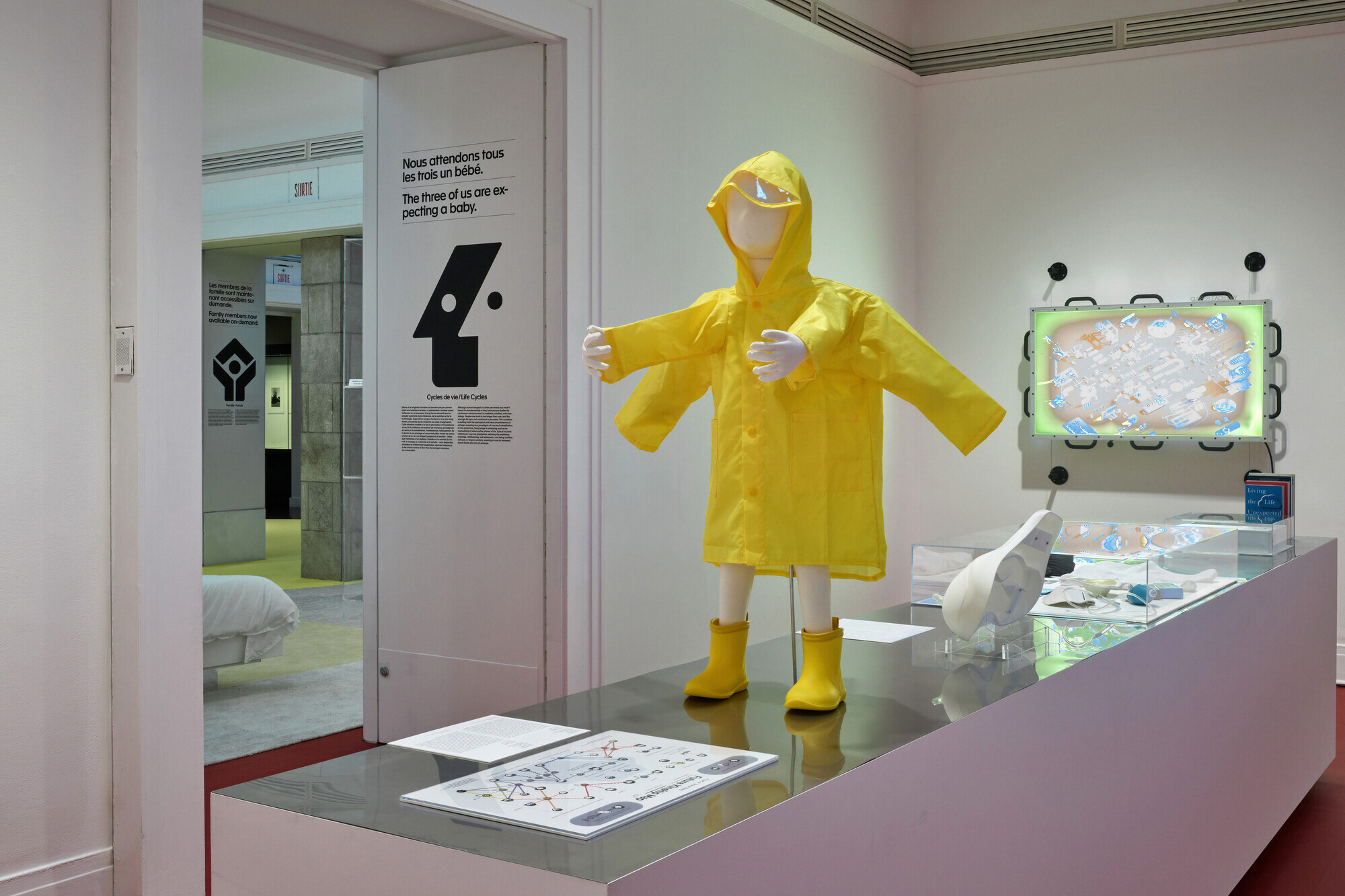
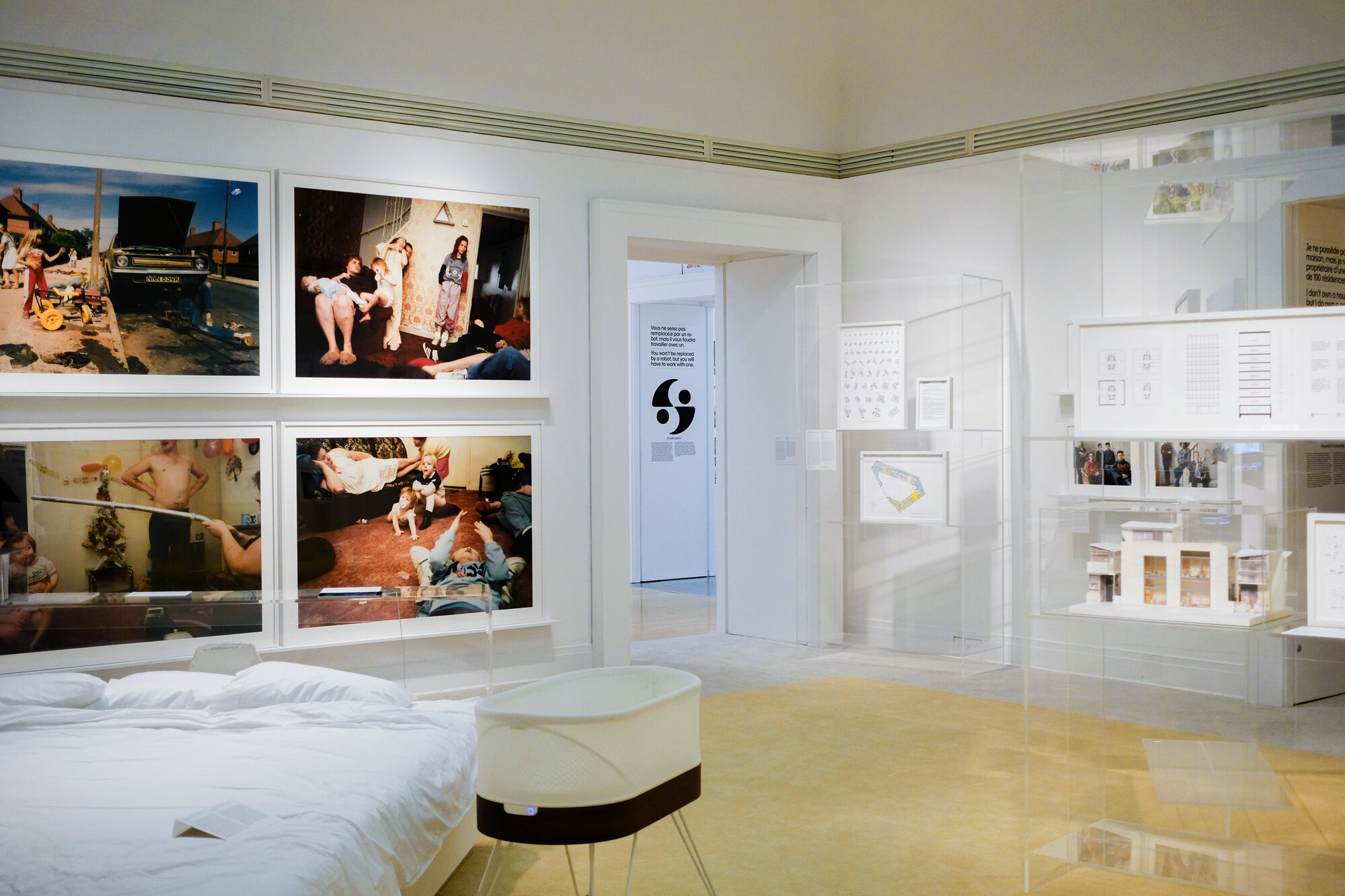
A Section of Now travels to the Triennale Milano as part of its Home Sweet Home exhibition. The exhibition marks 100 years of the Triennale Milano and critically examines how the concept of the home and domestic living has evolved through that time.
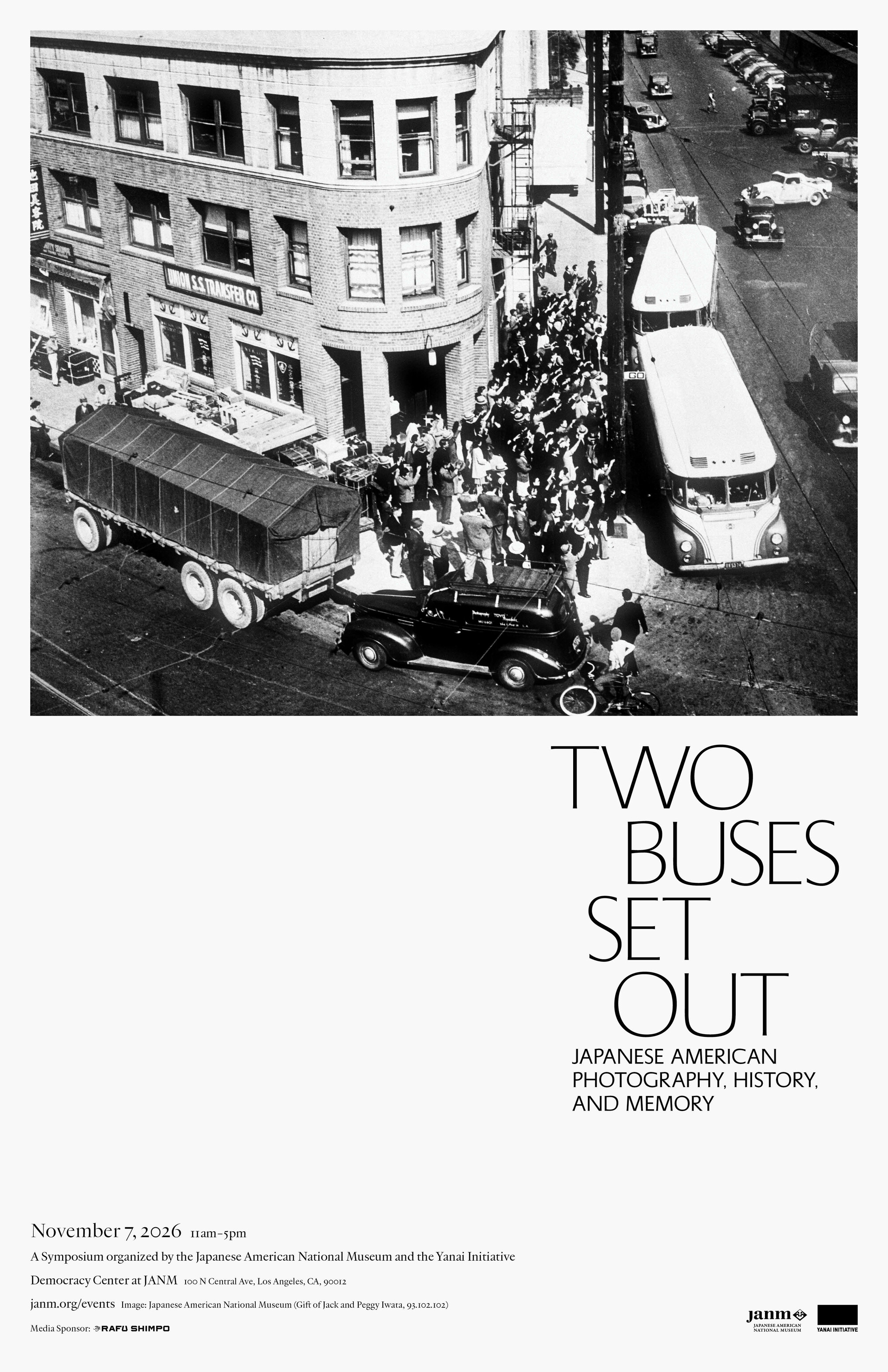
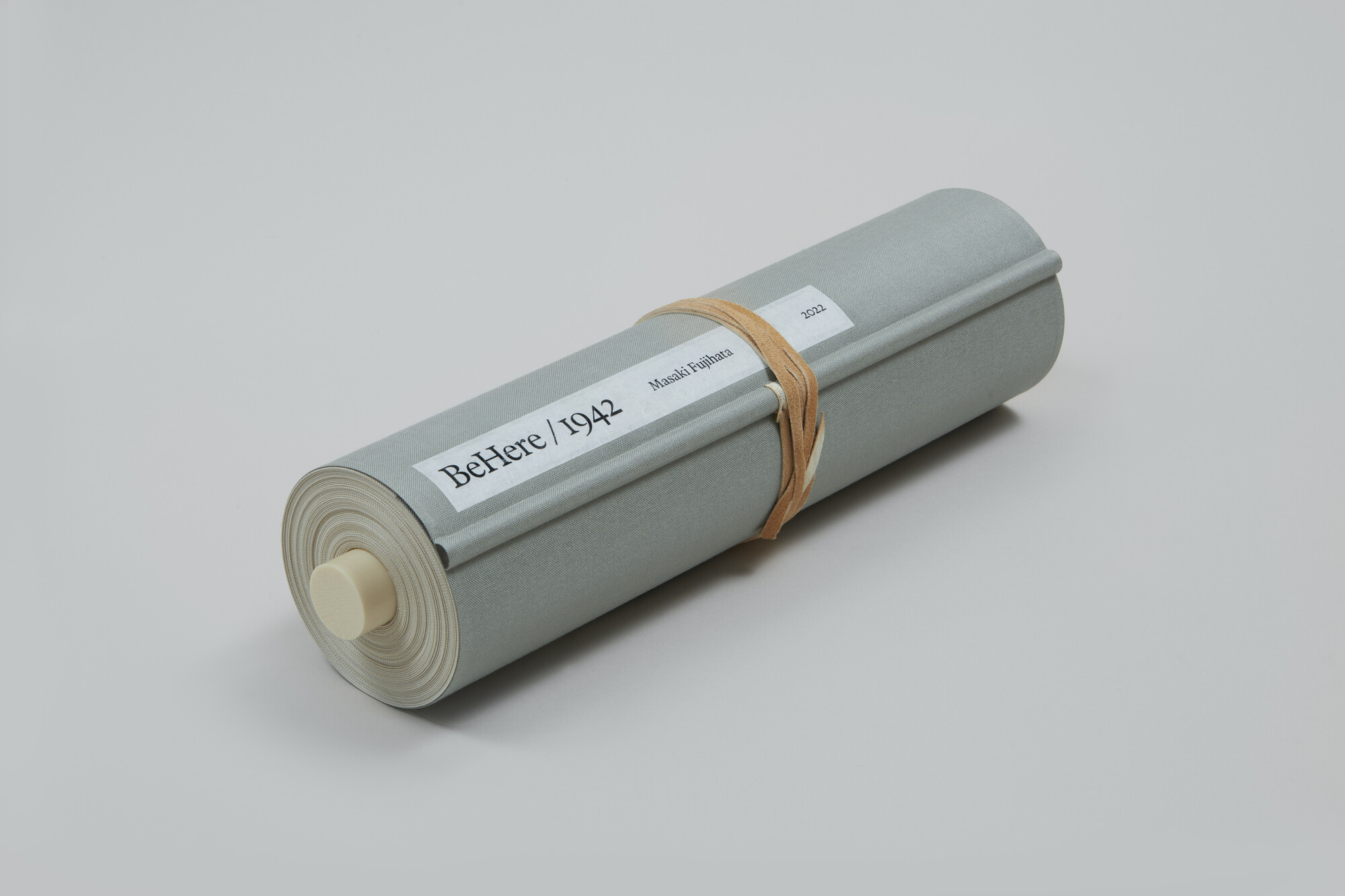
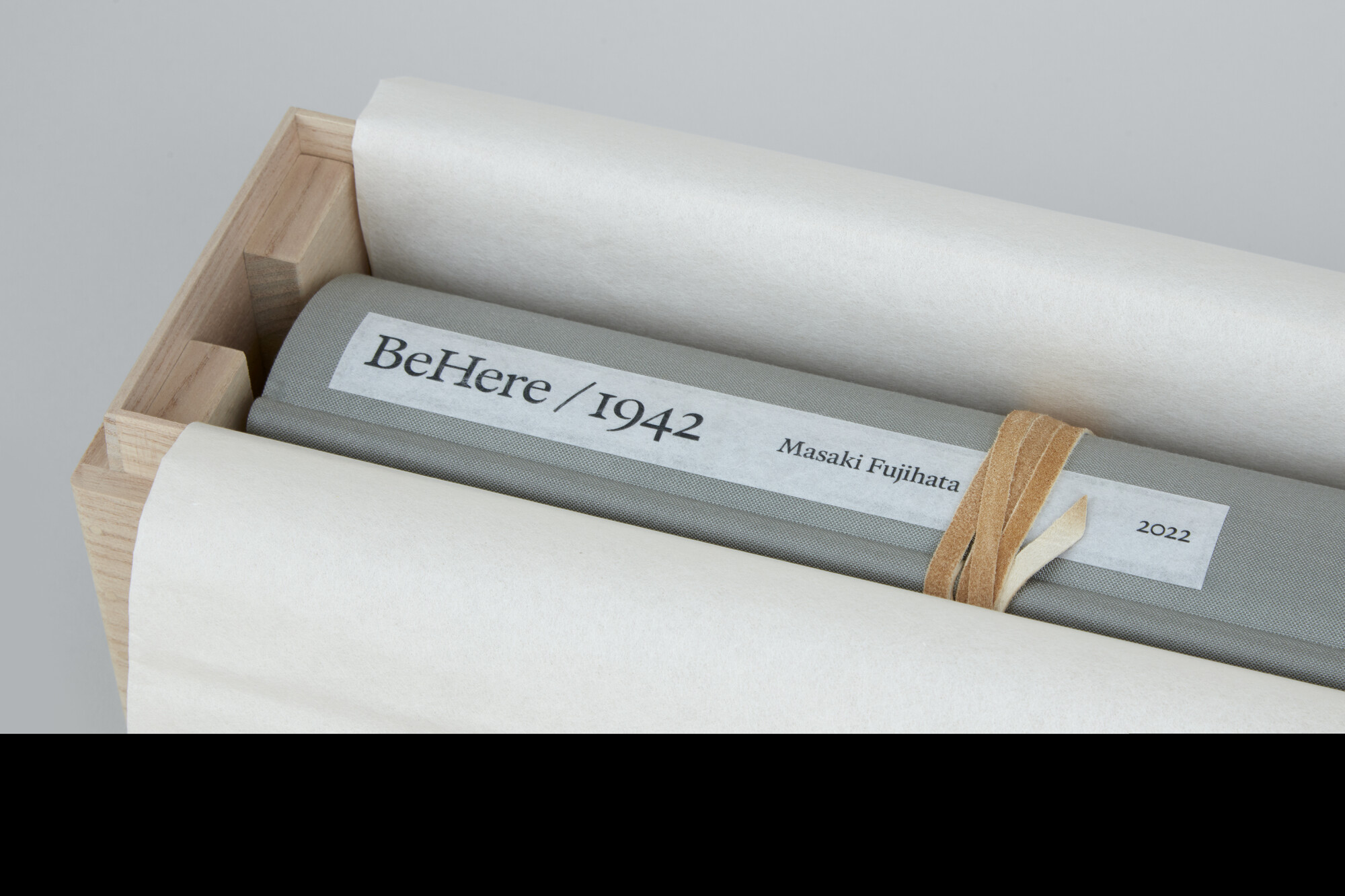
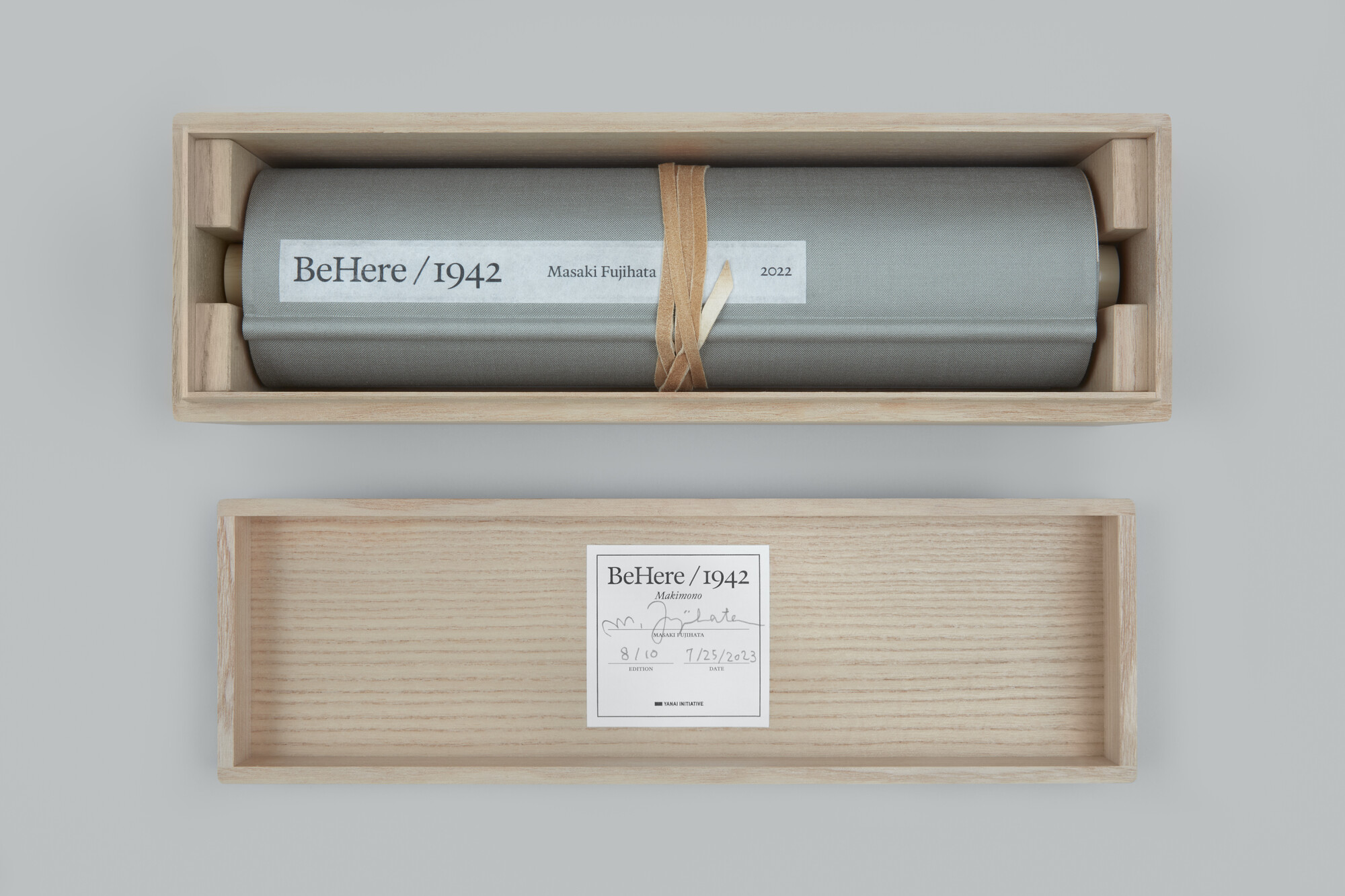
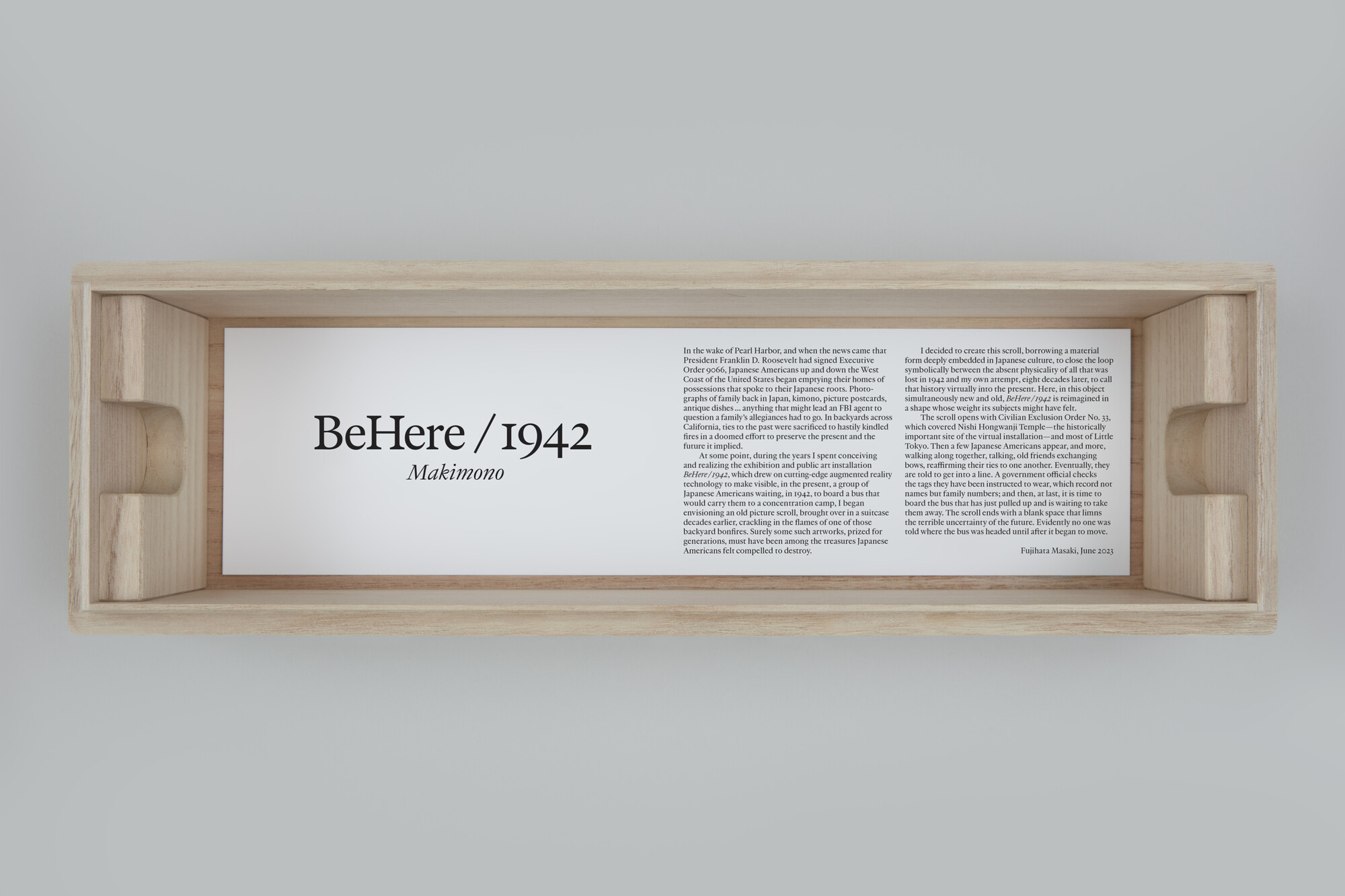
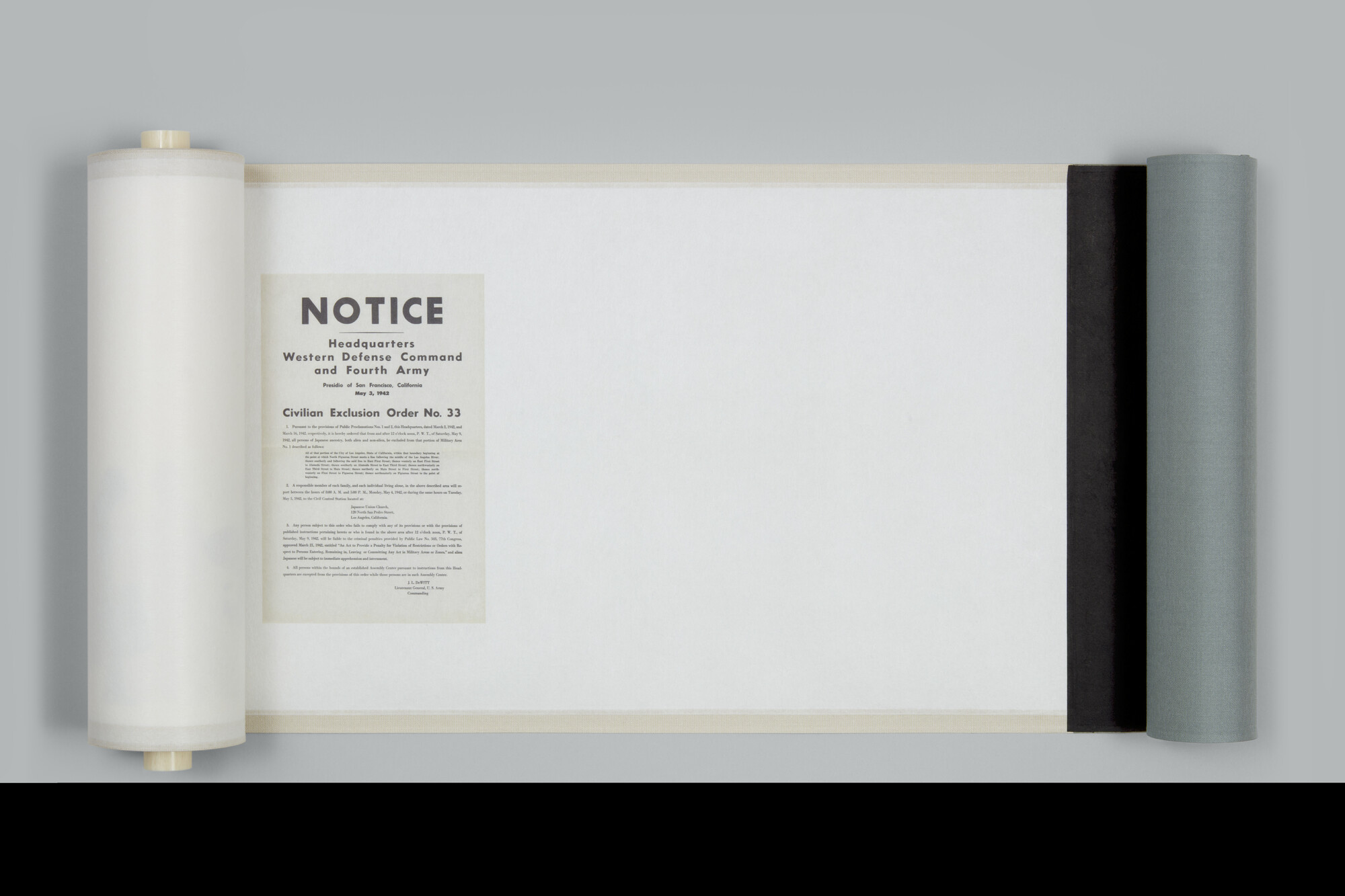
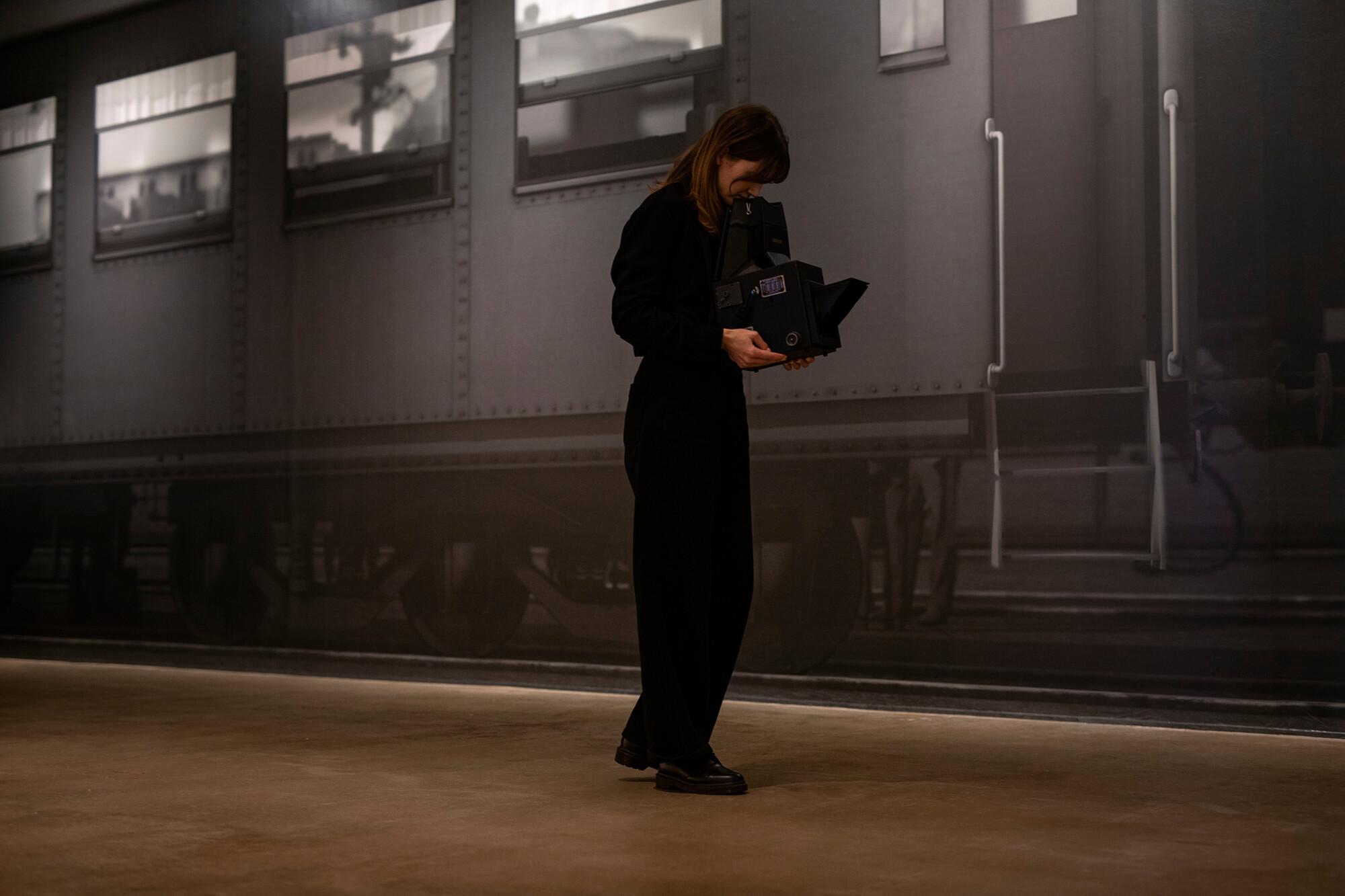
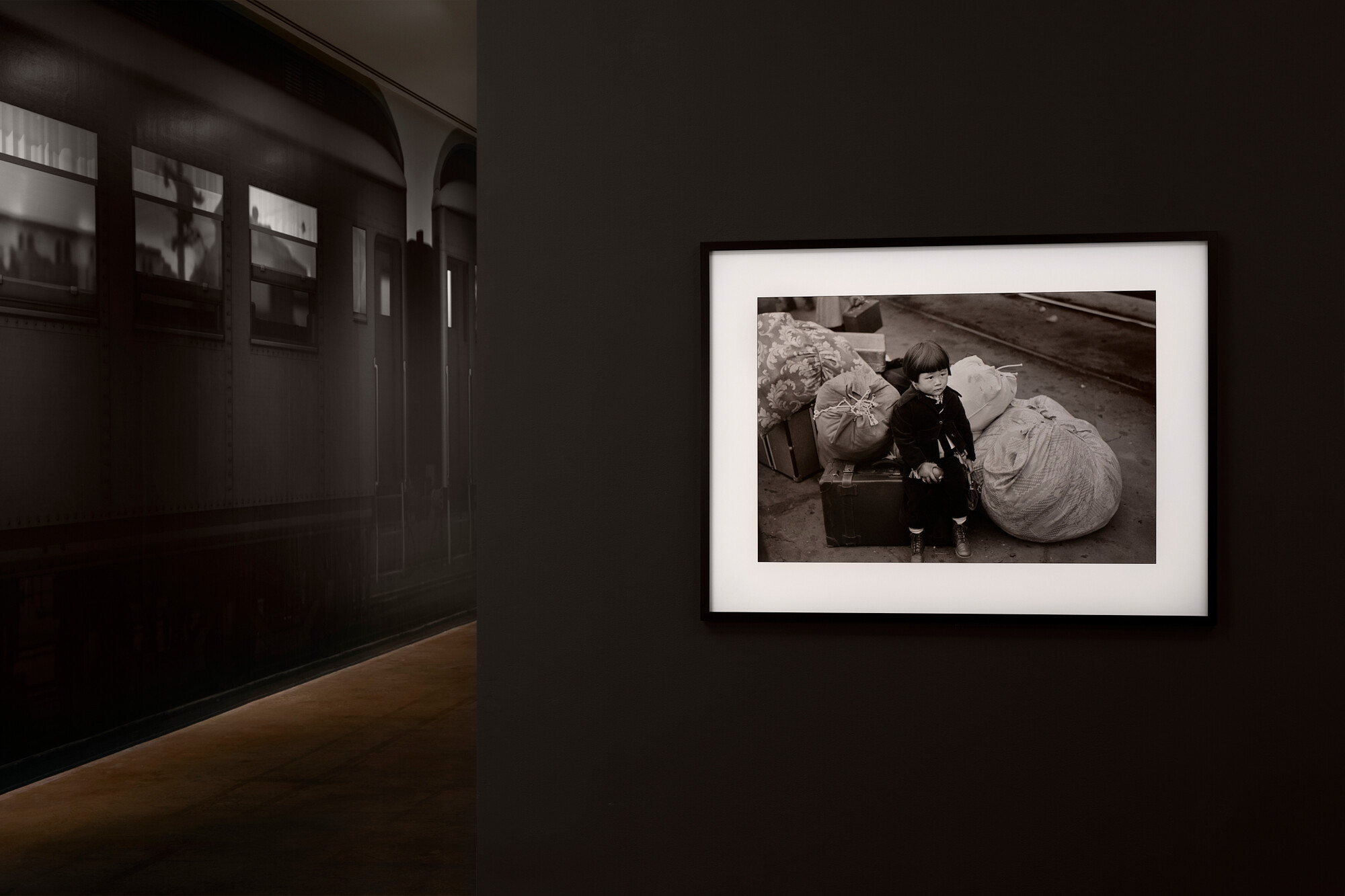
Finely produced in limited quantities, this hand scroll was created for supporters of Masaki Fujhata’s BeHere / 1942 project. The makimono features an extended print of the augmented reality artwork showing Japanese Americans in line with their belongings, boarding buses bound for internment camps.
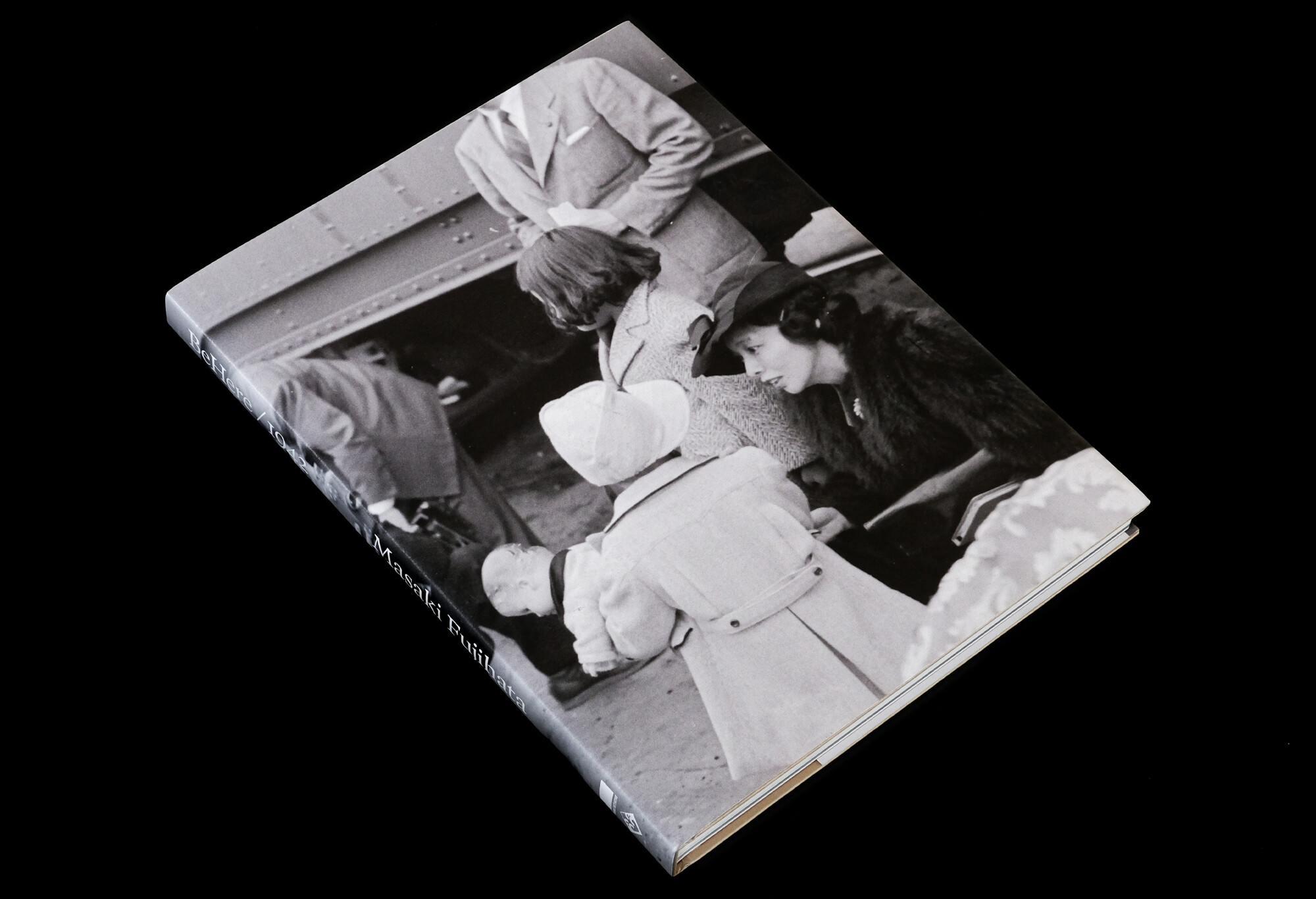
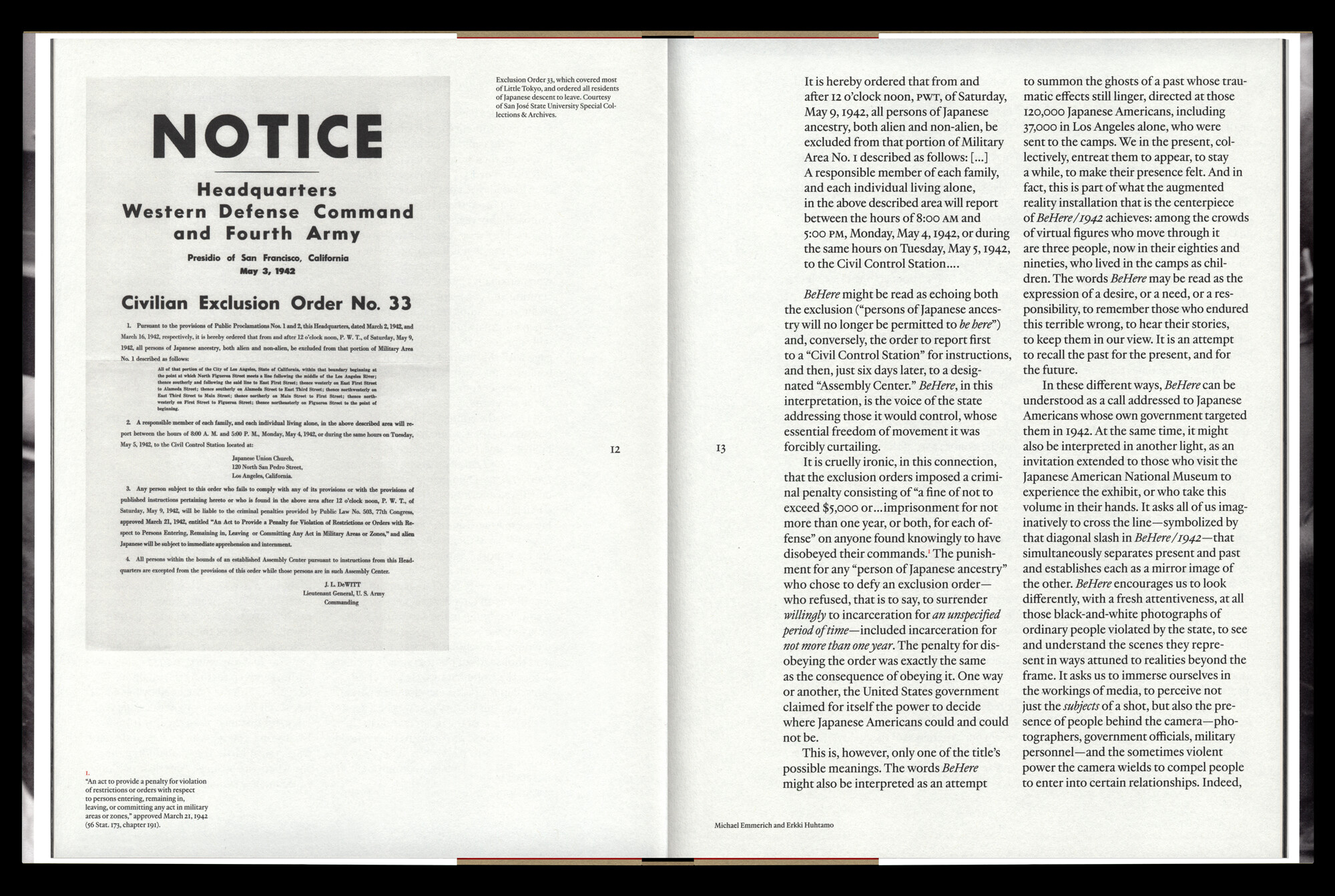
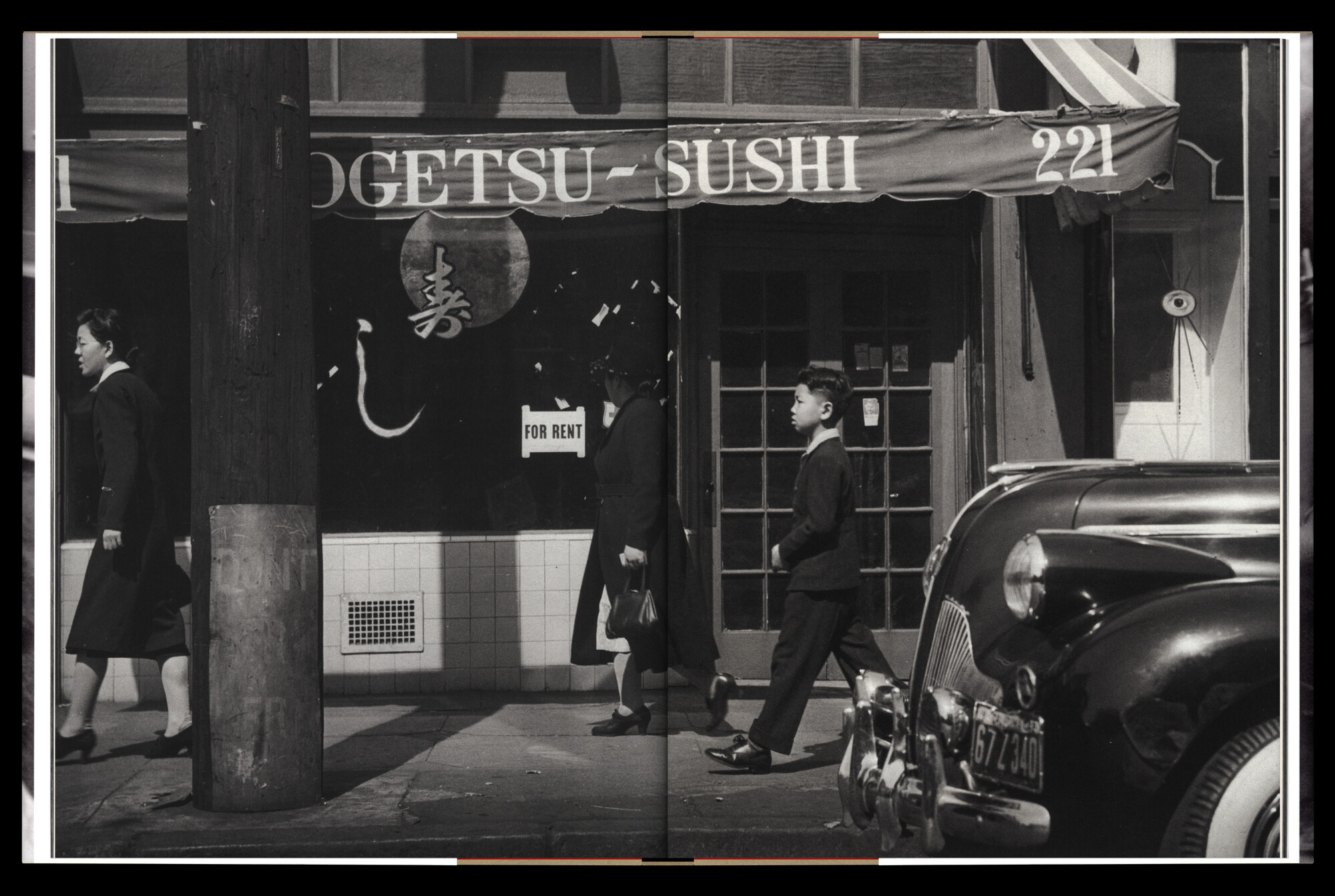
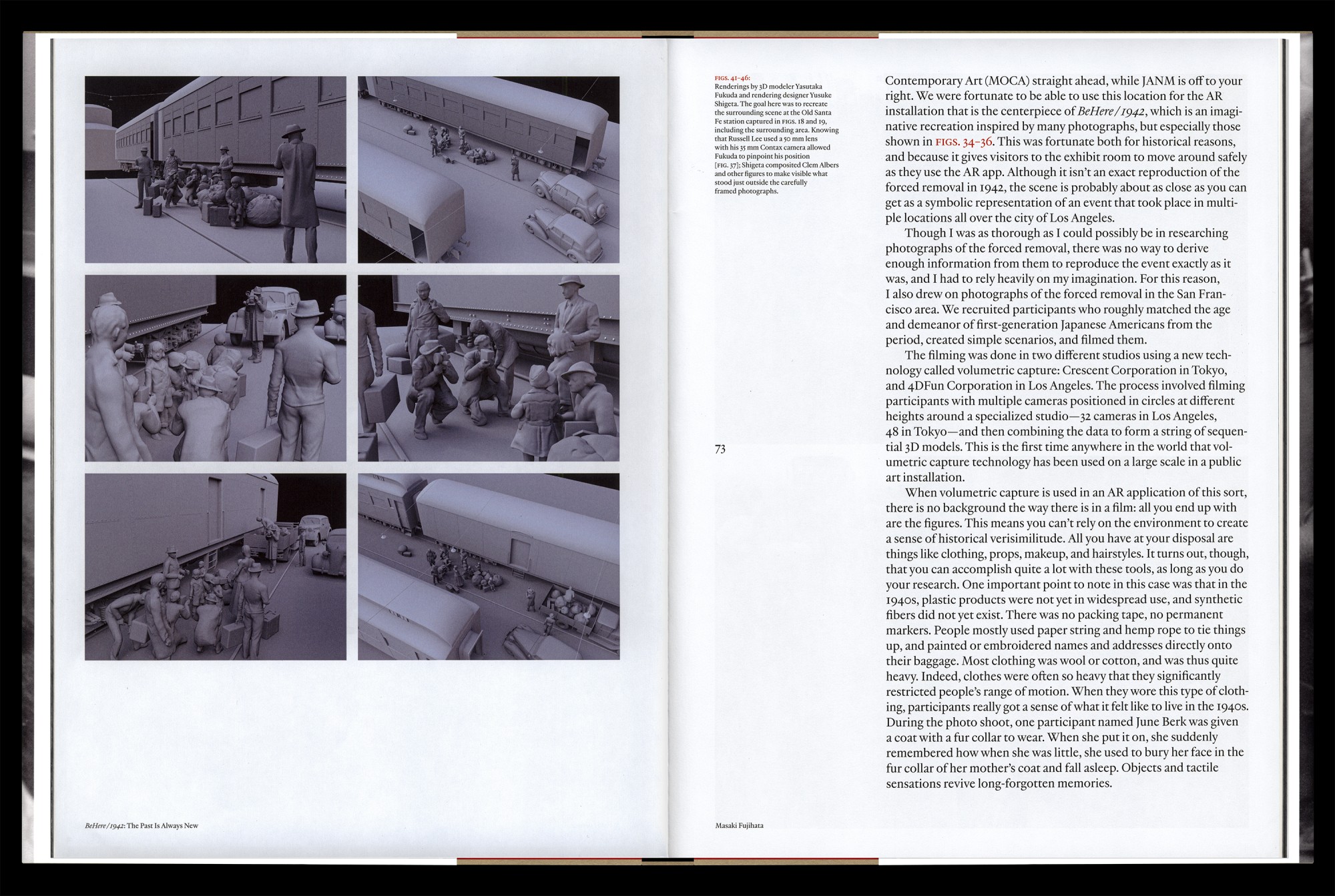
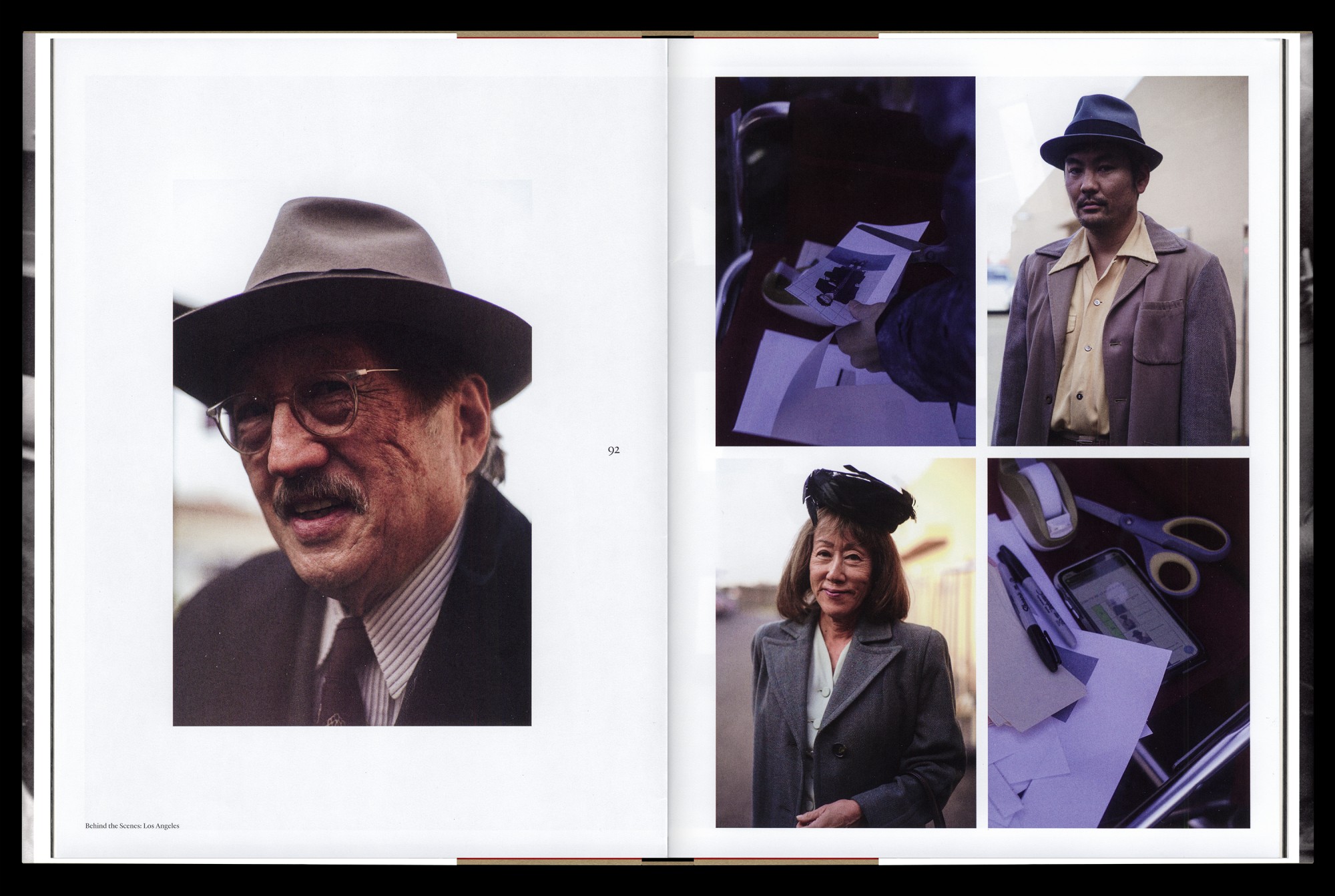
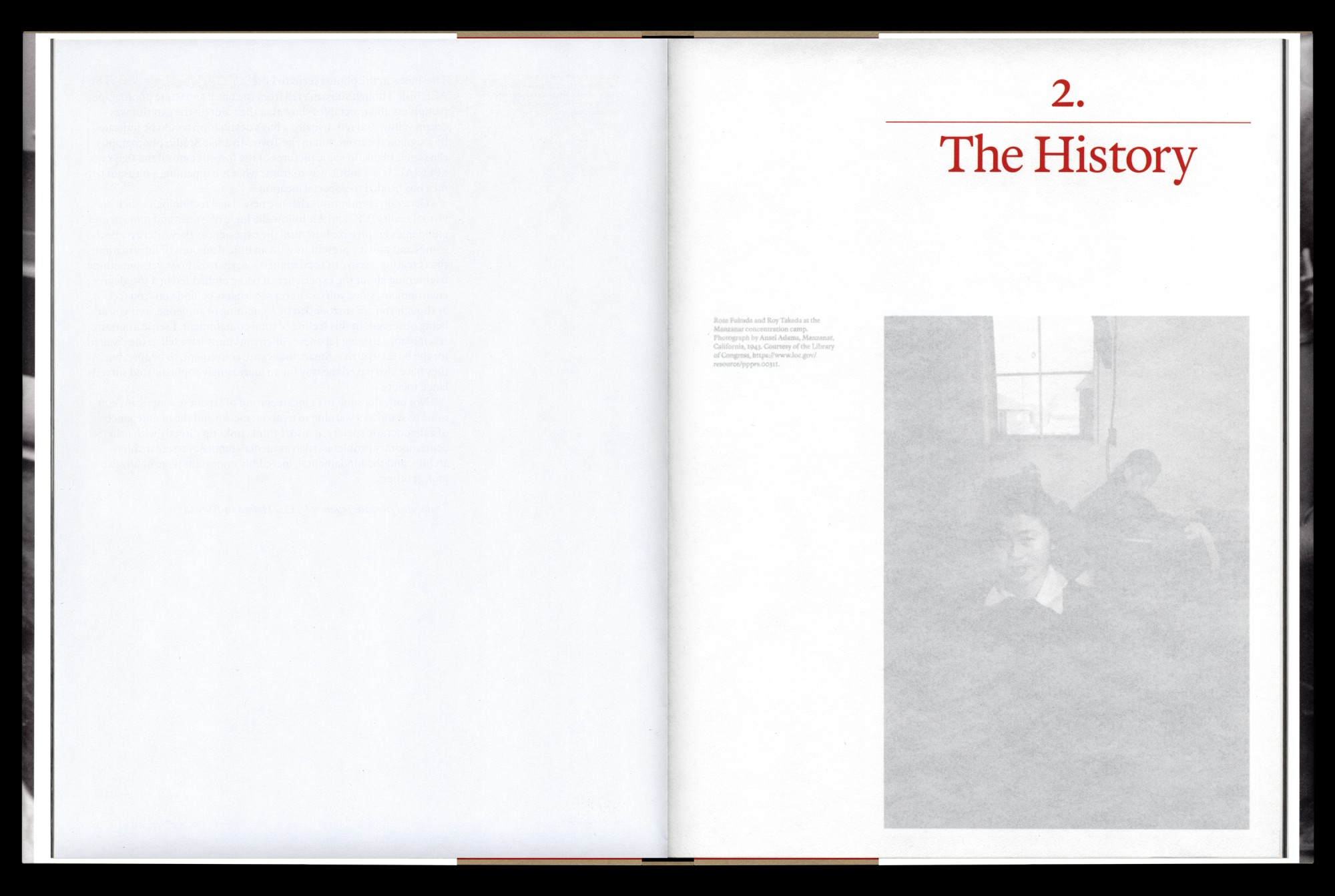
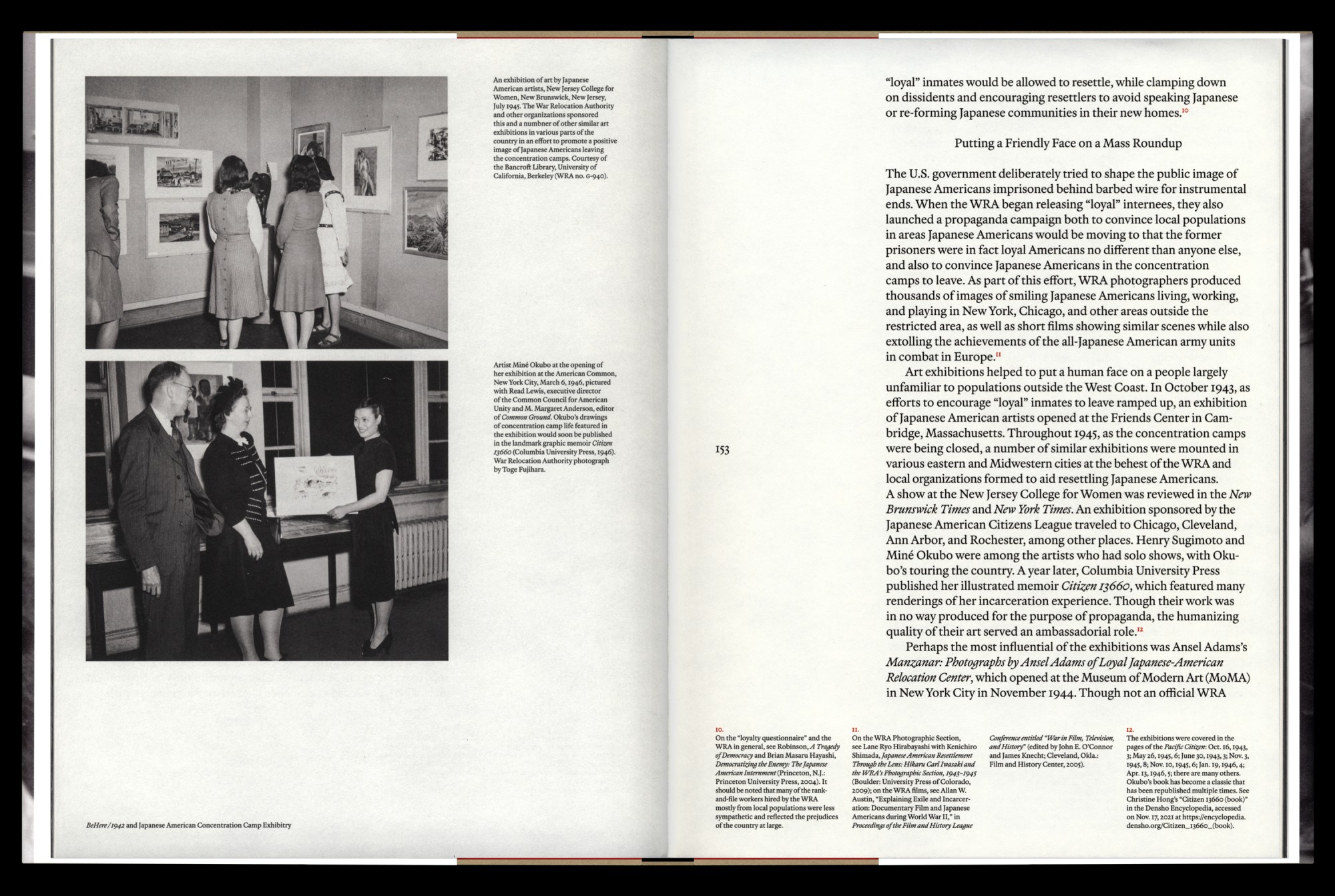
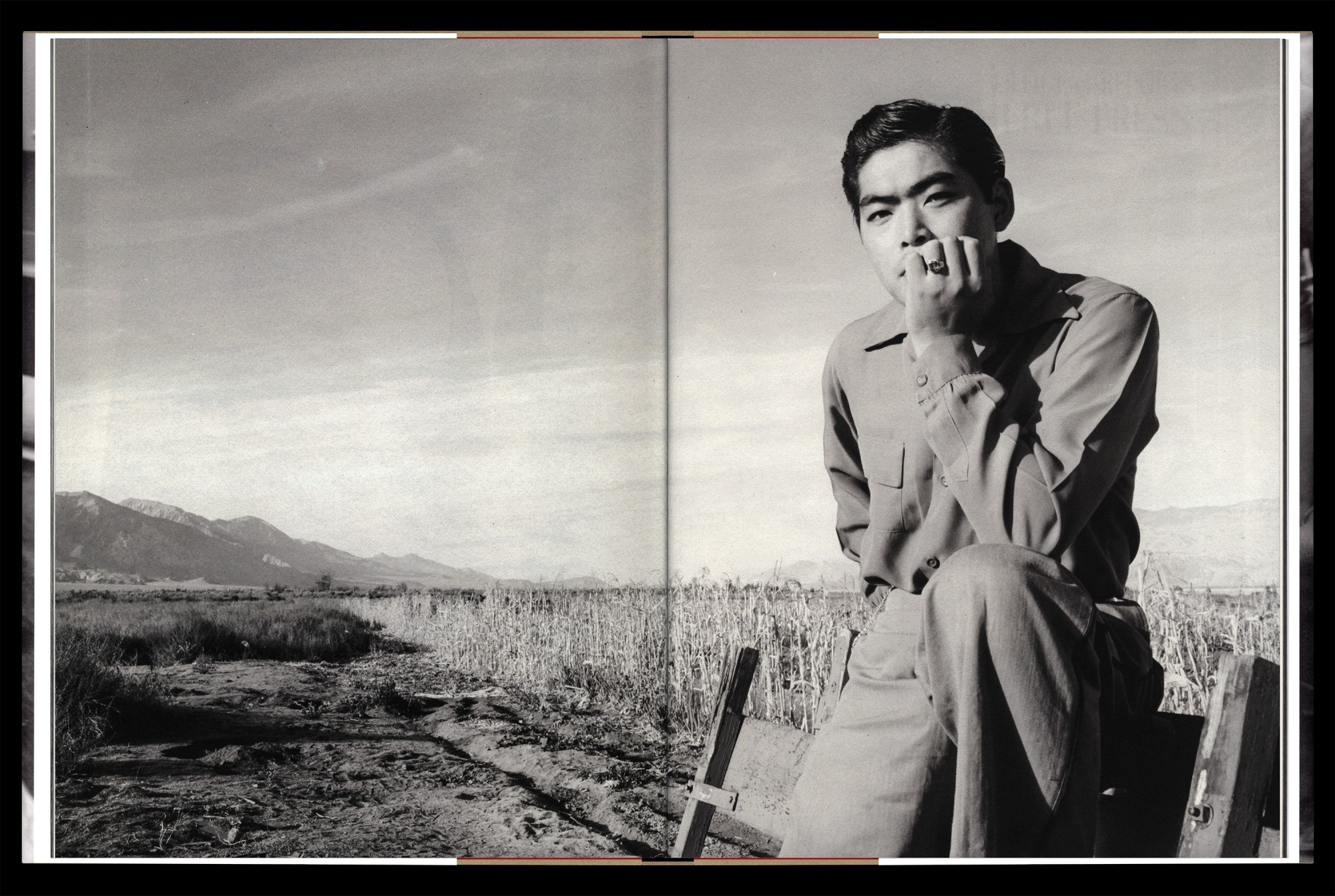
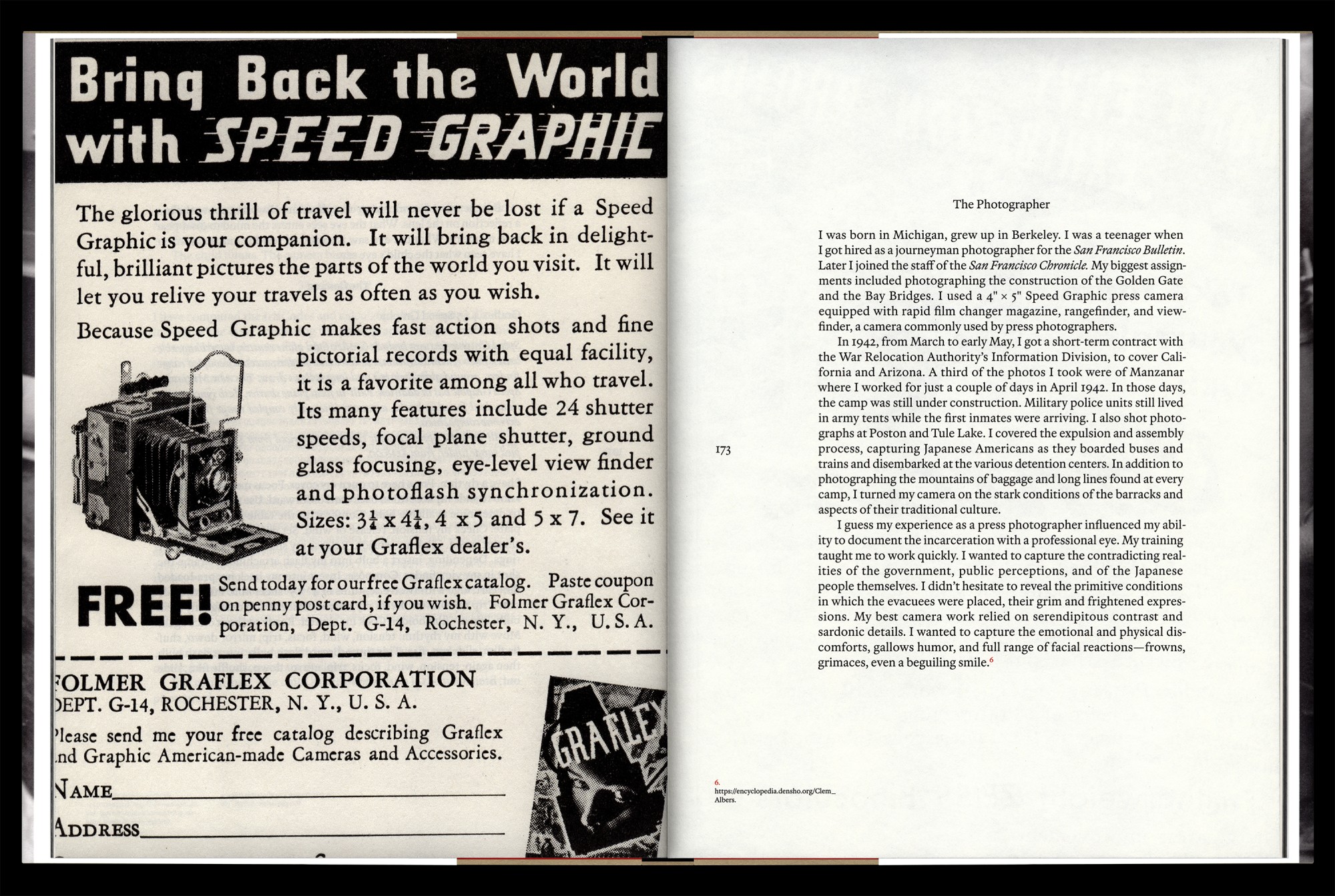
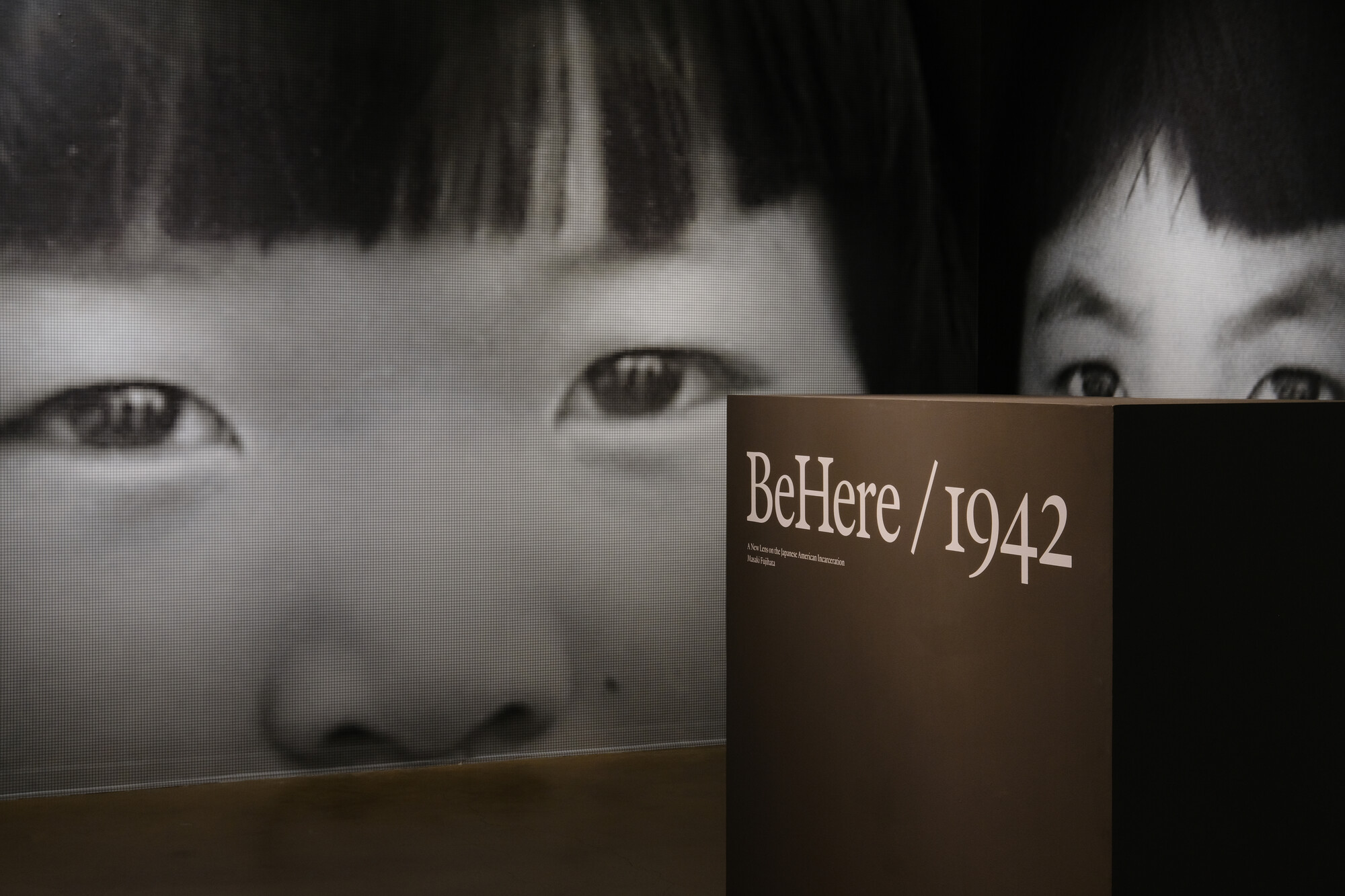
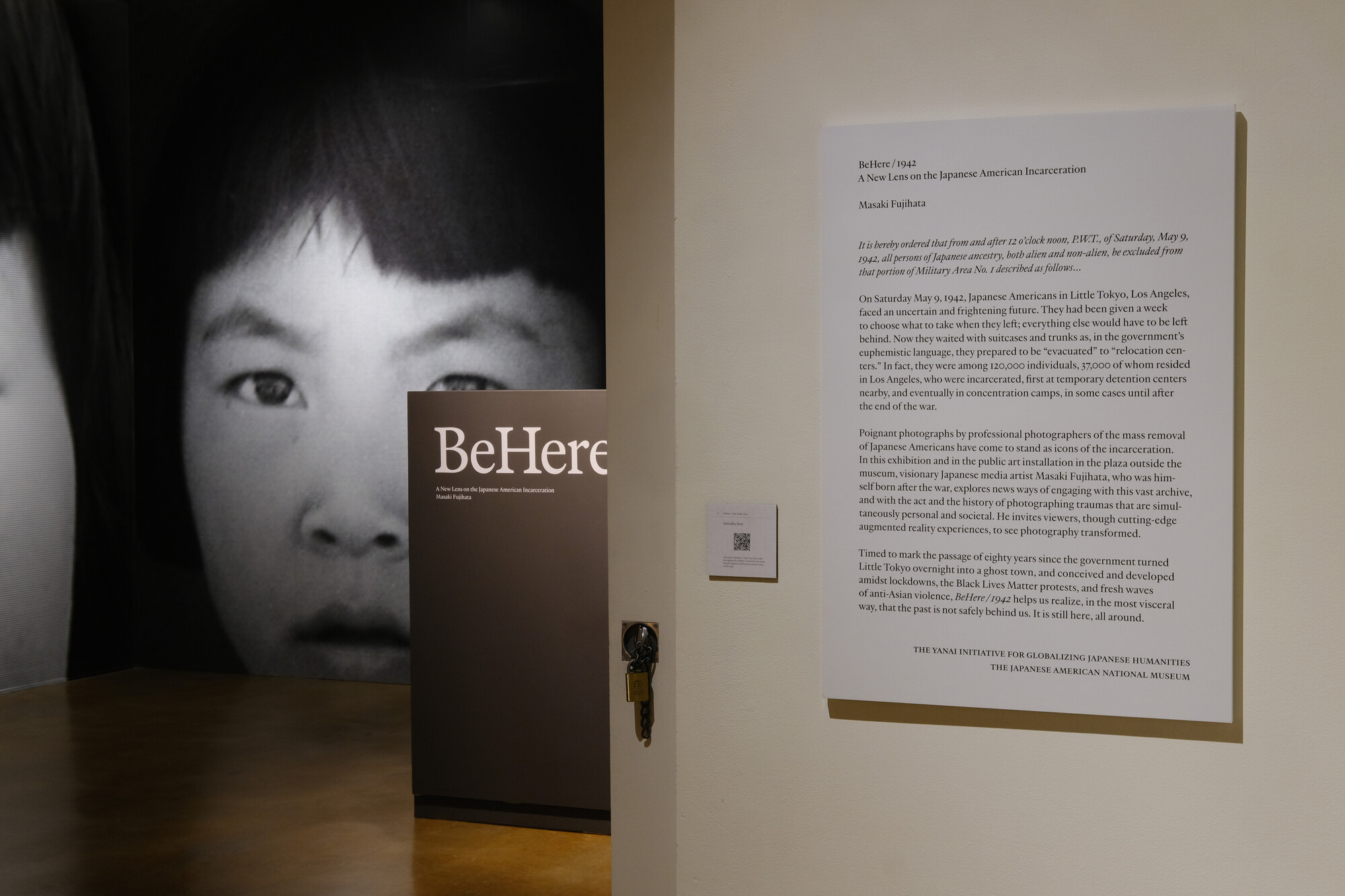
BeHere / 1942 is the companion book to media artist Masaki Fujihata’s project and exhibition at the Japanese American National Museum reframing the historic forced incarceration of Japanese Americans during World War II through photographic detective work and re-examination through augmented reality. This volume contains a variety of contributions each of which engages with the history of the incarceration and its representation in photographs and exhibitions.
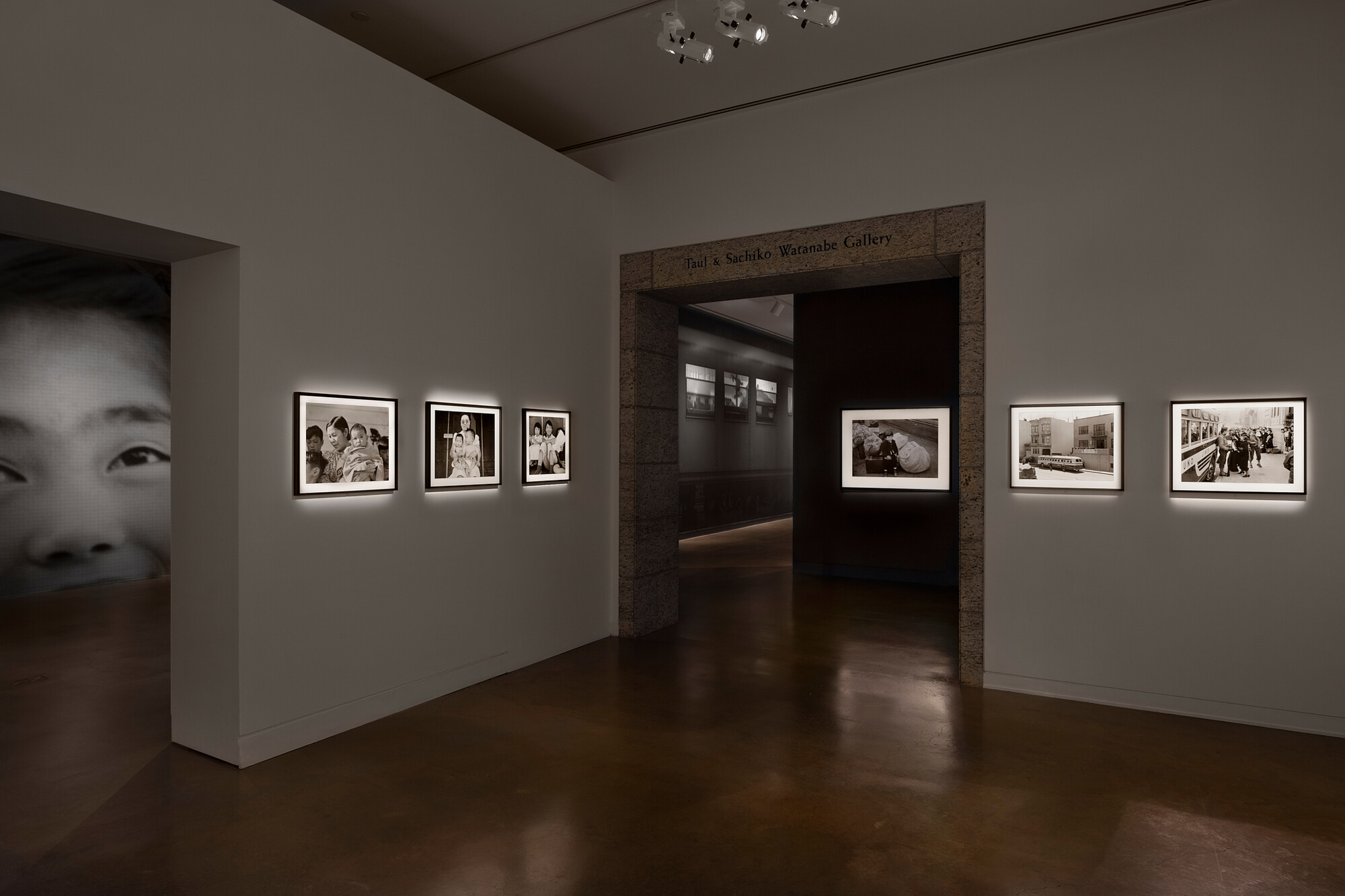
Masaki Fujihata’s multimedia project and exhibition at the Japanese American National Museum re-examines the Japanese American Incarceration through the lens of various media forms, from hyper-enlarged photographs to cutting-edge augmented reality technology, to help us see, in a new light, this dark moment in the history of Los Angeles, and of the United States.
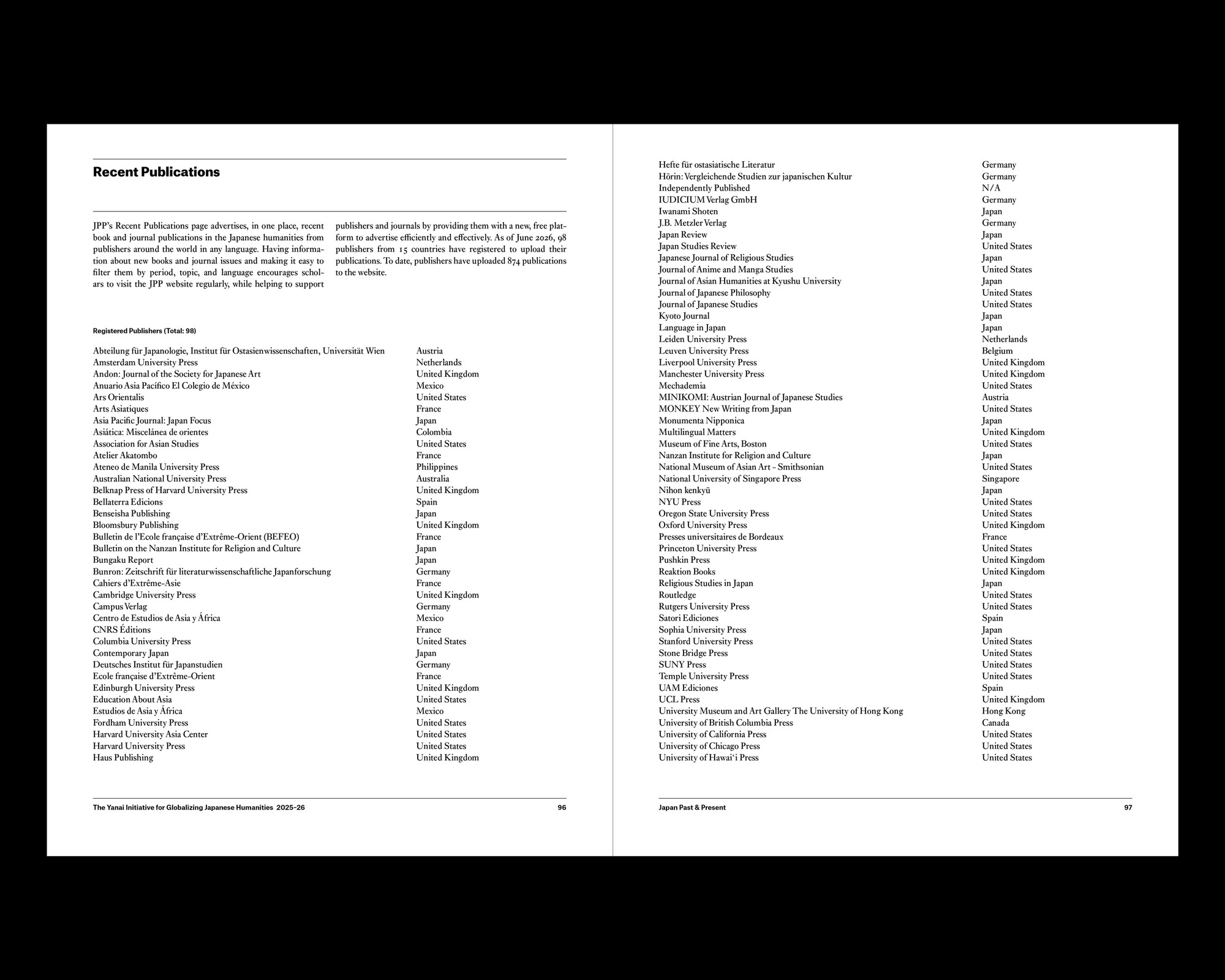
Japan Past & Present (JPP) is a global information hub and digital repository created to promote research, teaching, and collaboration in Japanese humanities. The initiative provides and presents grant opportunities, digital projects, global networks, educational resources, student workshops, institutional partnerships, researcher directories, and translation databases.
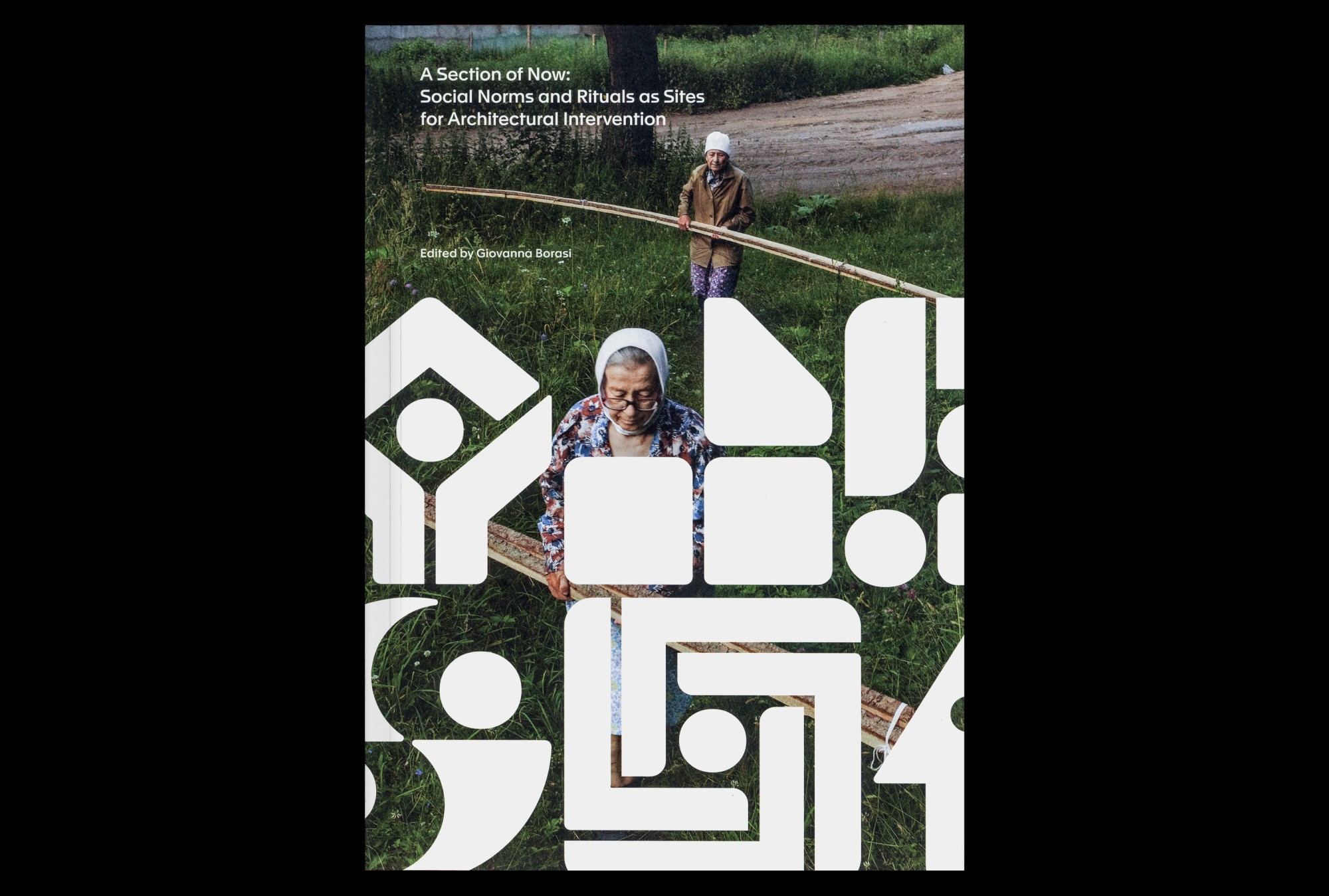
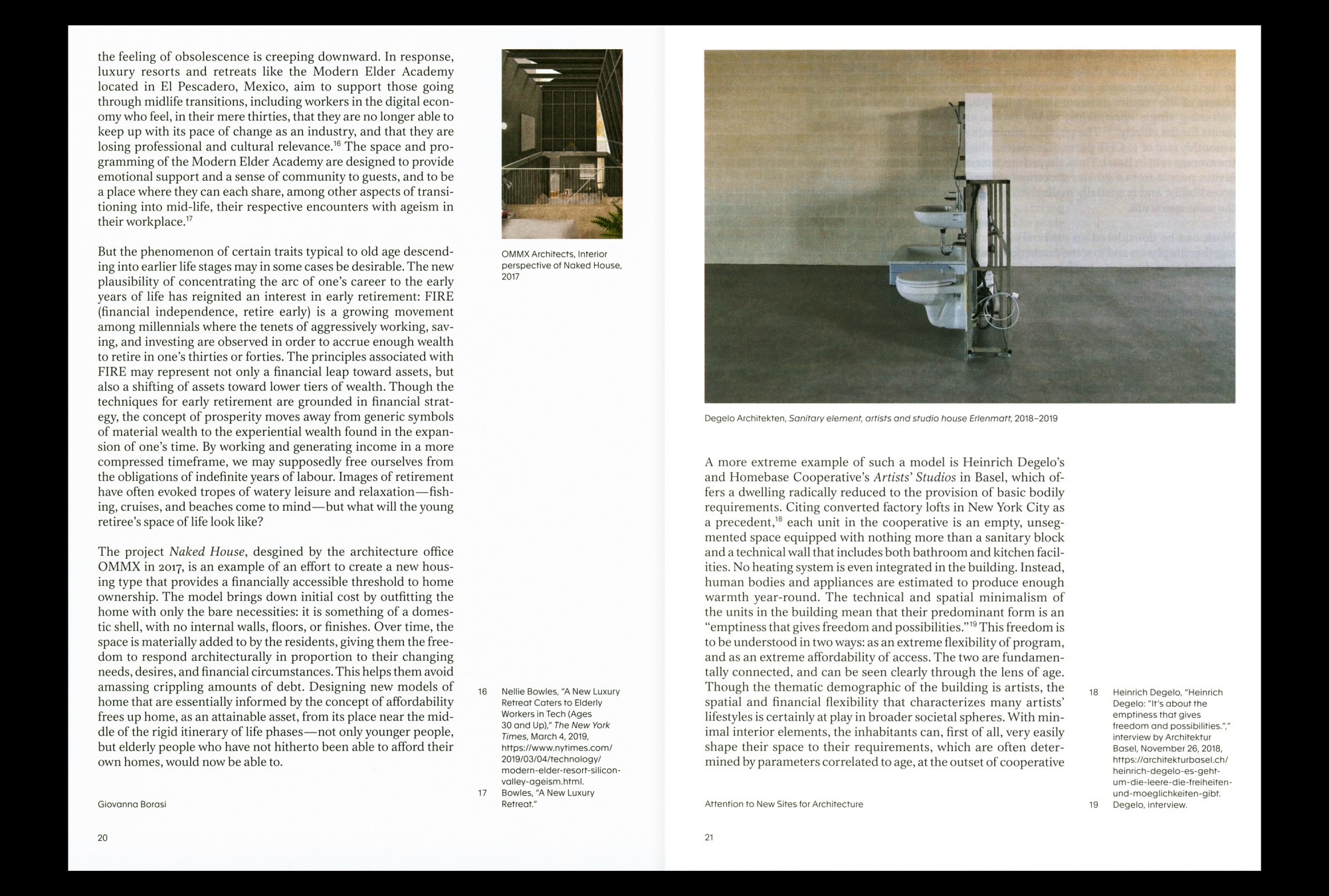
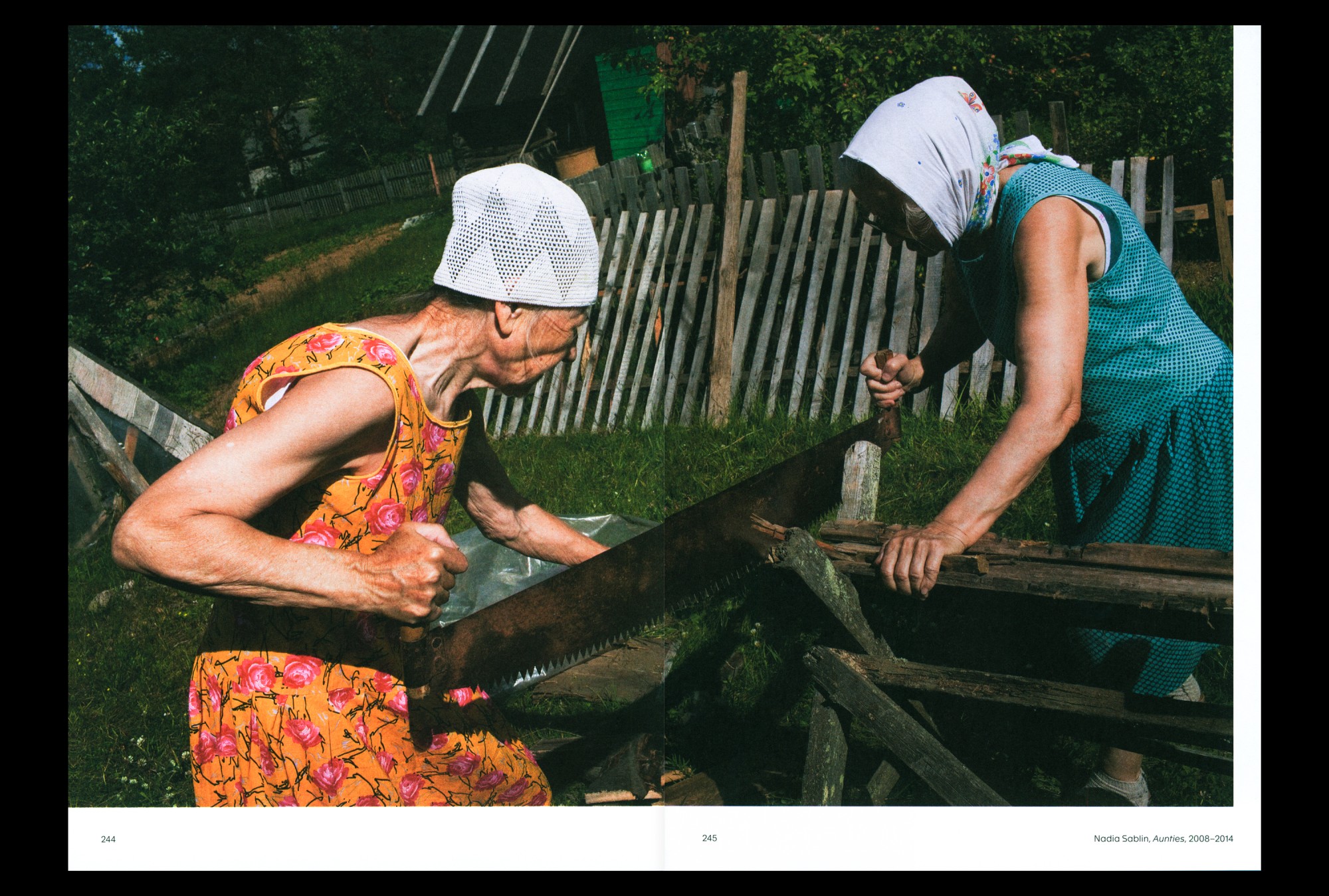
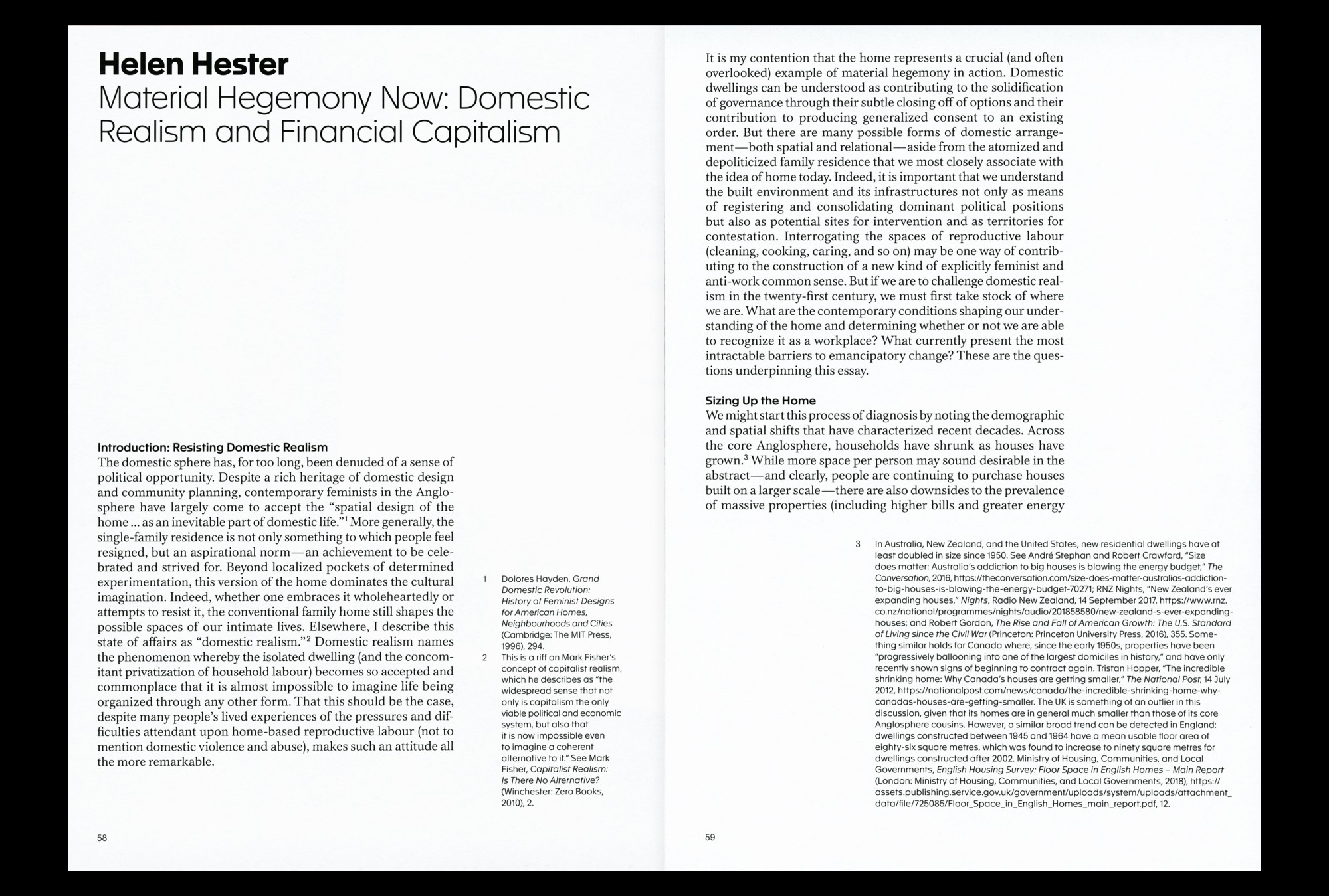
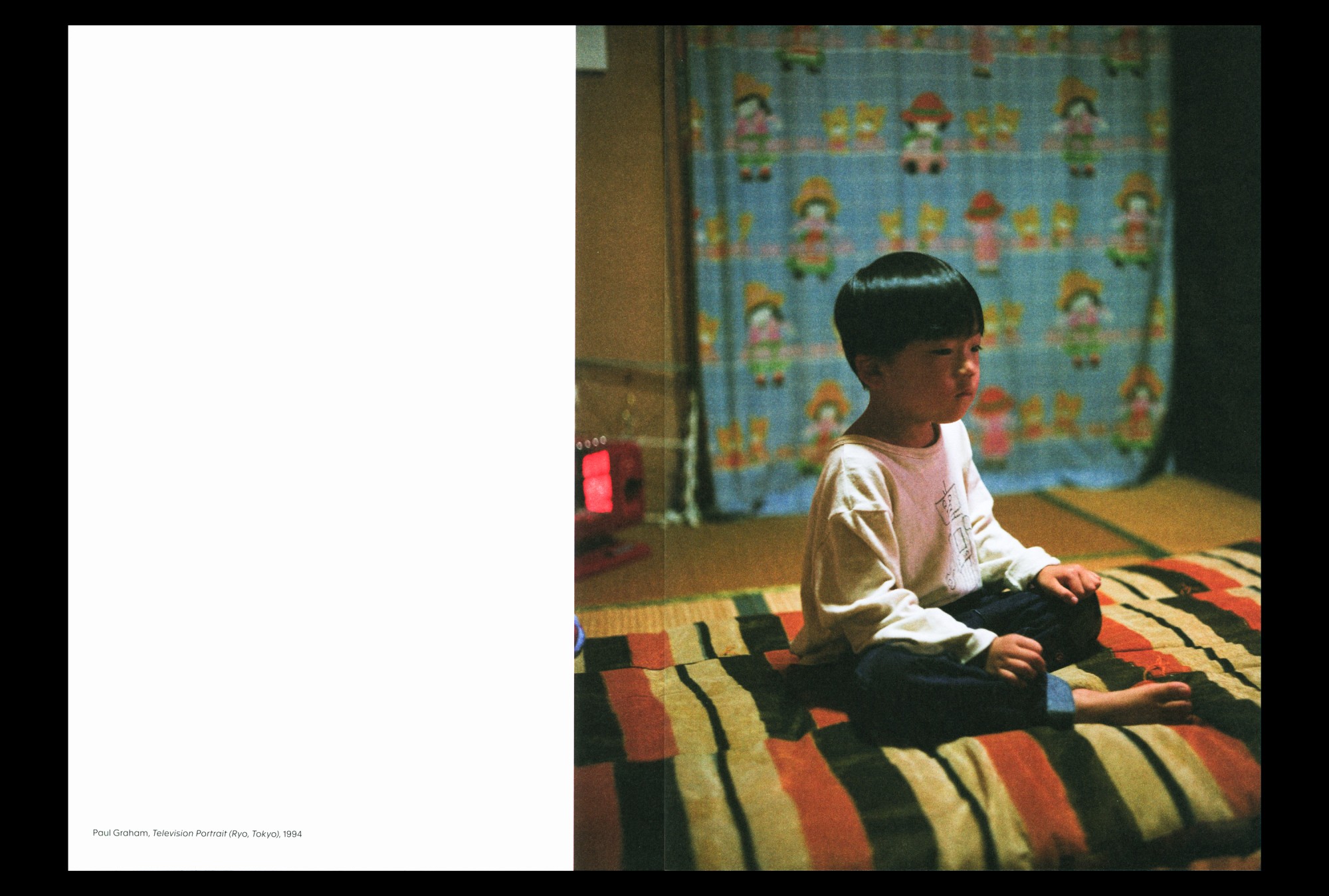
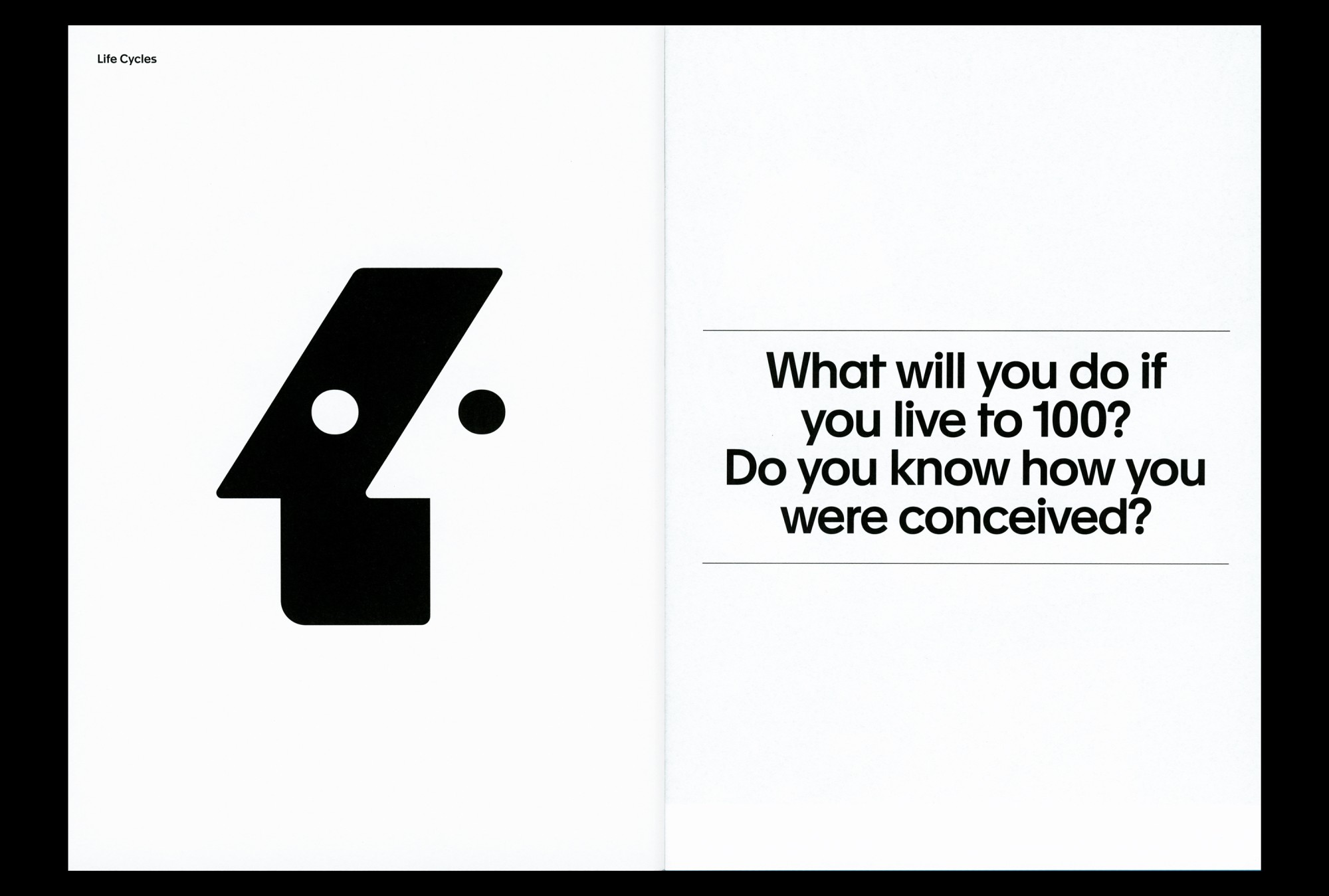
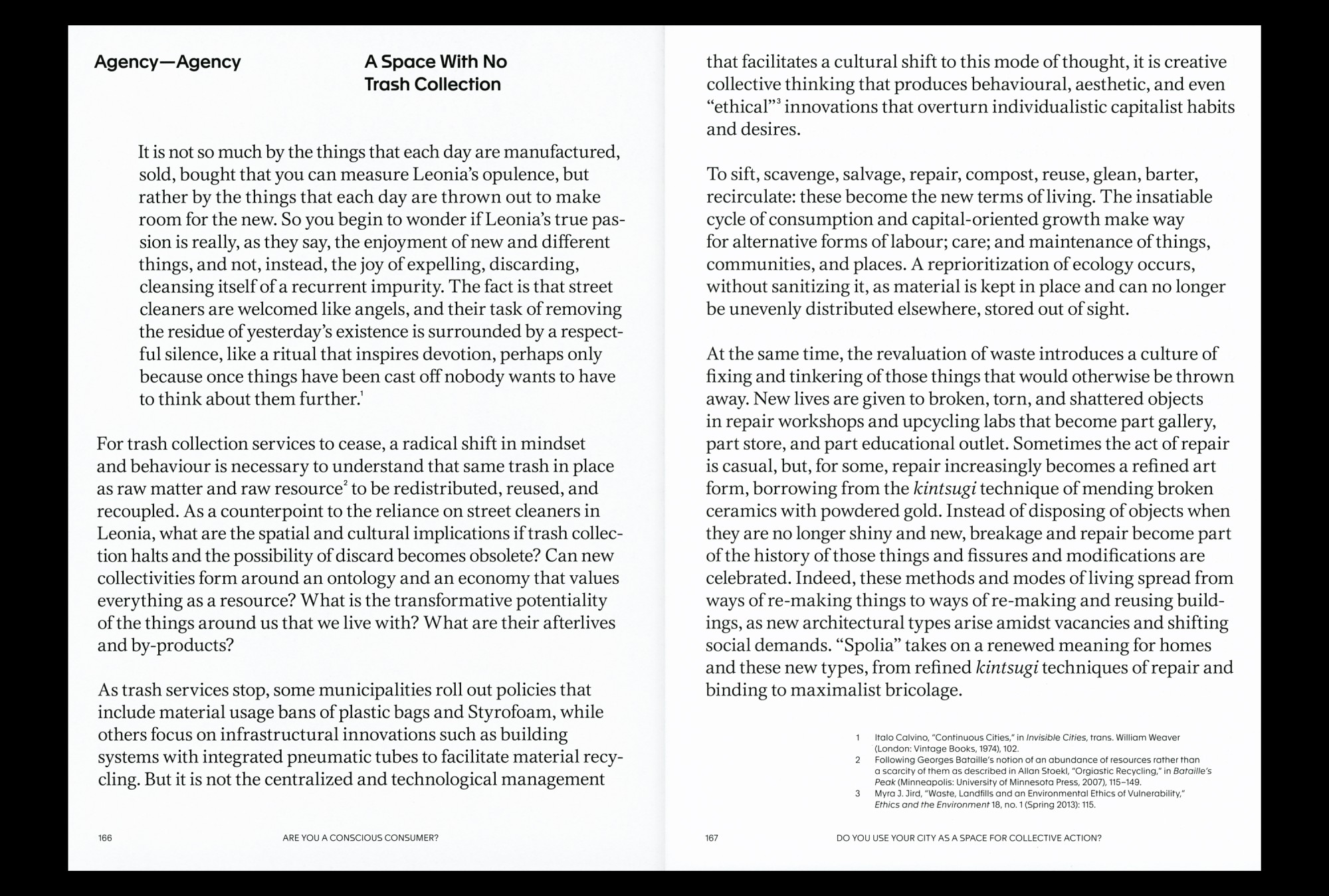
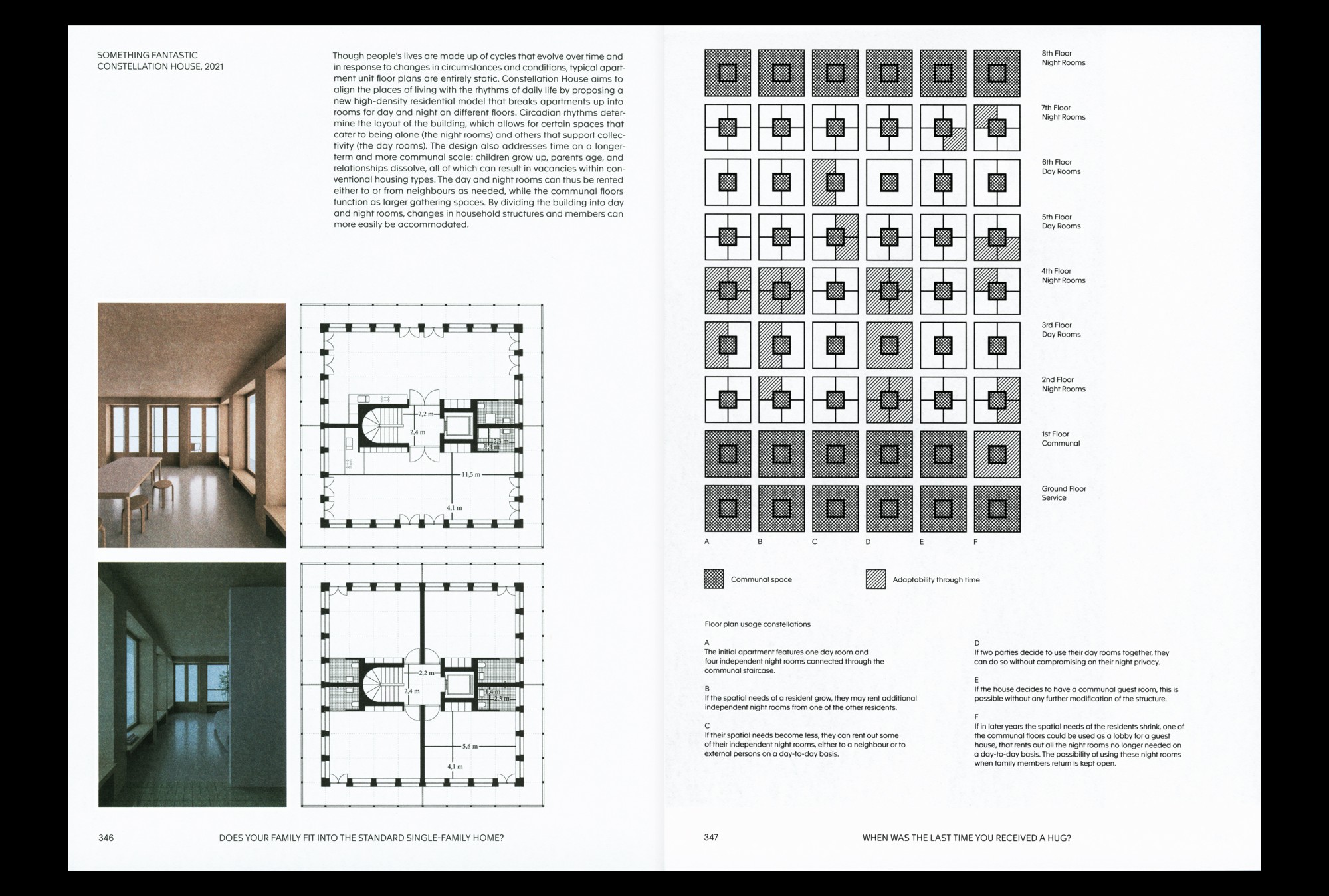
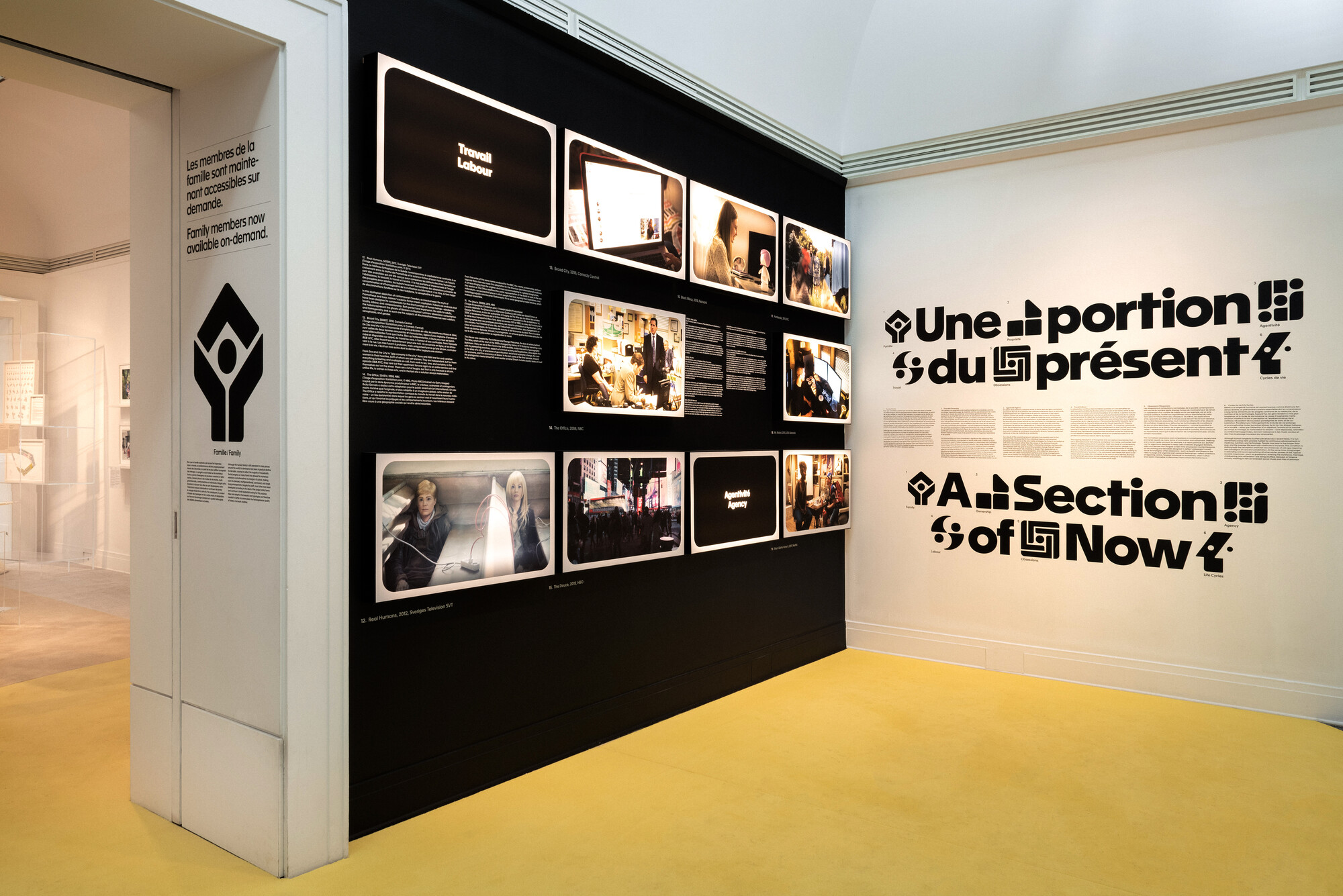
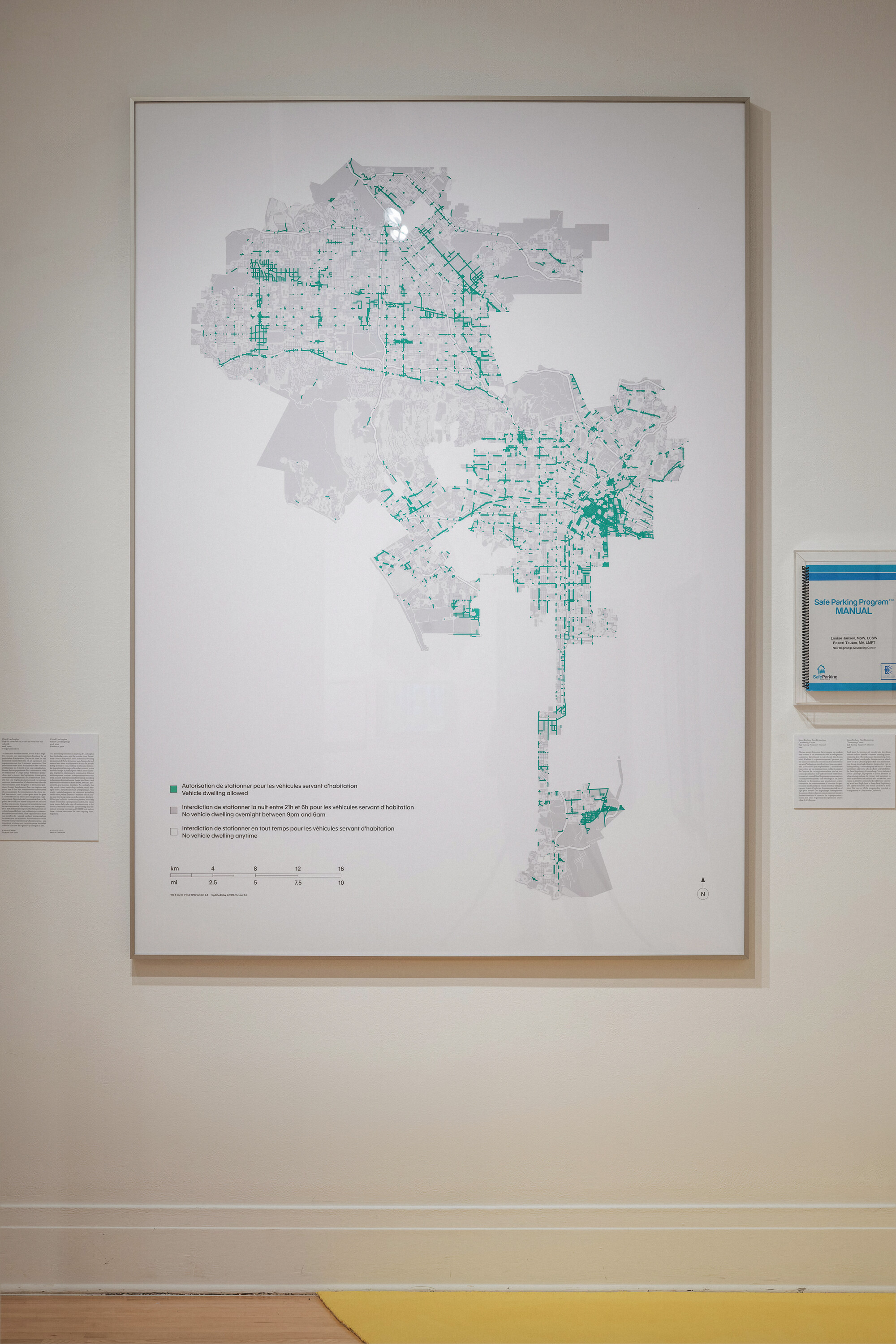
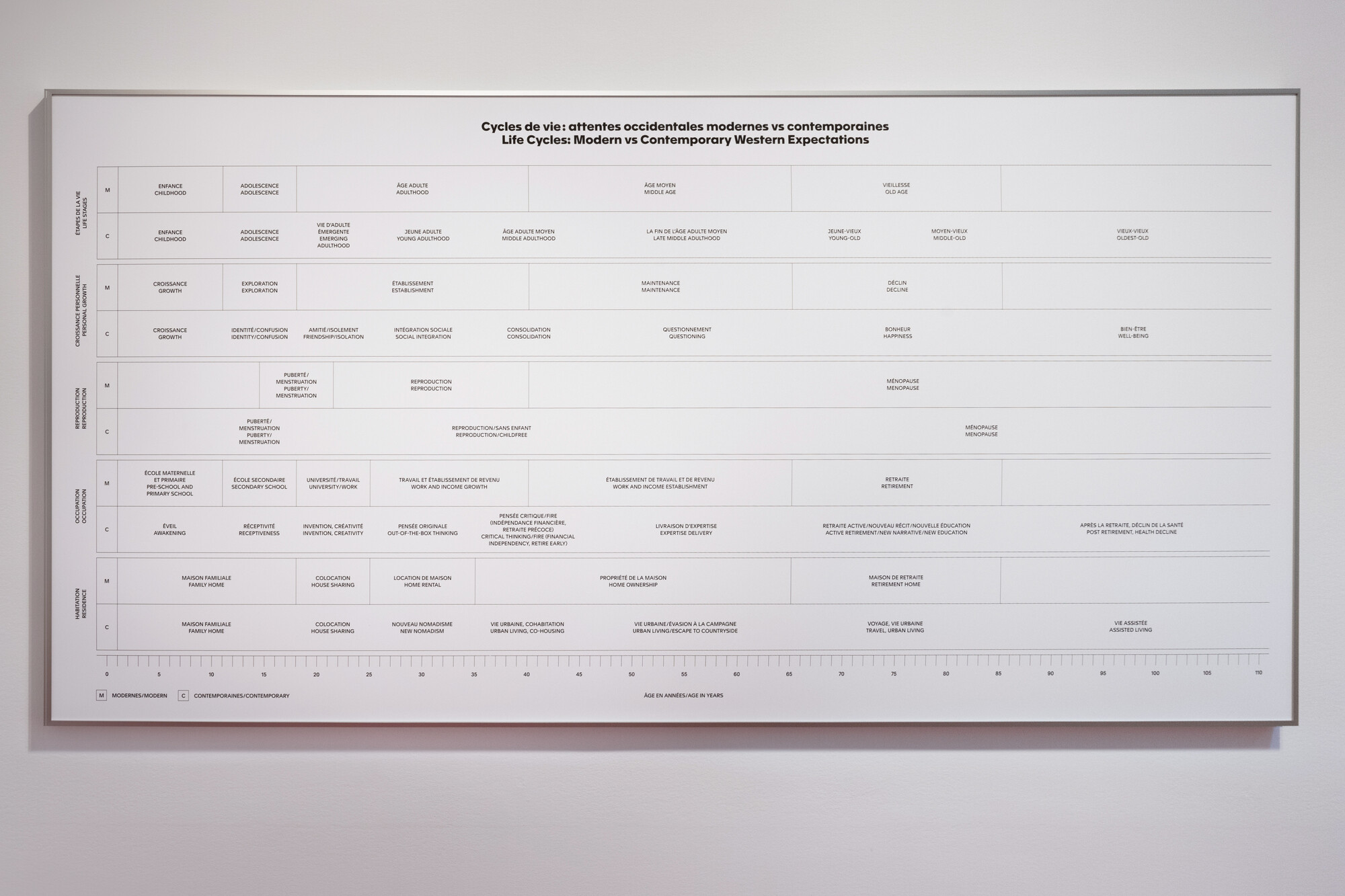
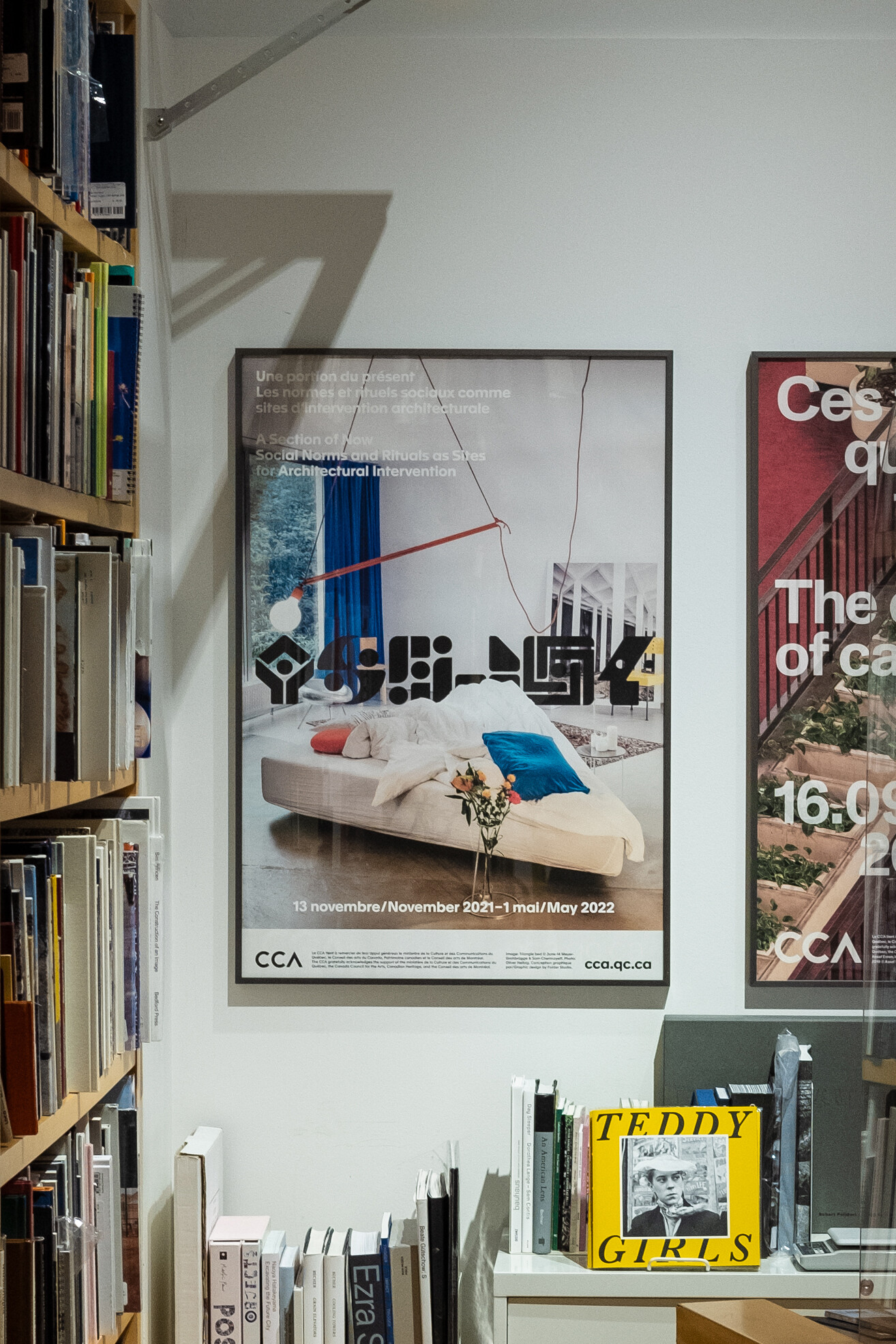
A Section of Now: Social Norms and Rituals as Sites for Architectural Intervention is the companion publication to the exhibition presented by the Canadian Centre for Architecture. The reader, published in both French and English, brings projects presented in the show into contact with critical essays by sociologists, technologists, and cultural critics diagnosing the meta-societal landscapes on which the architecture intervenes.
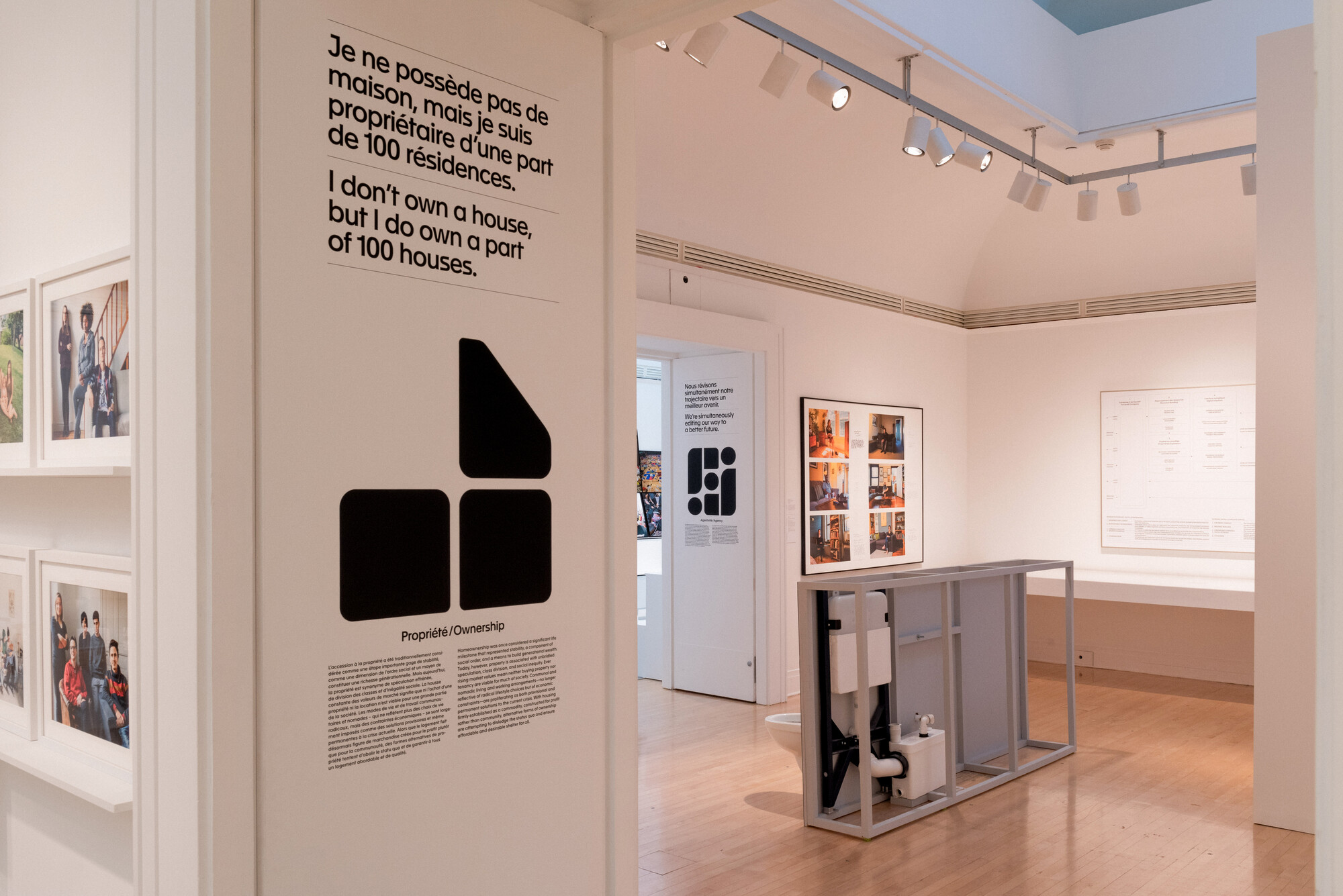
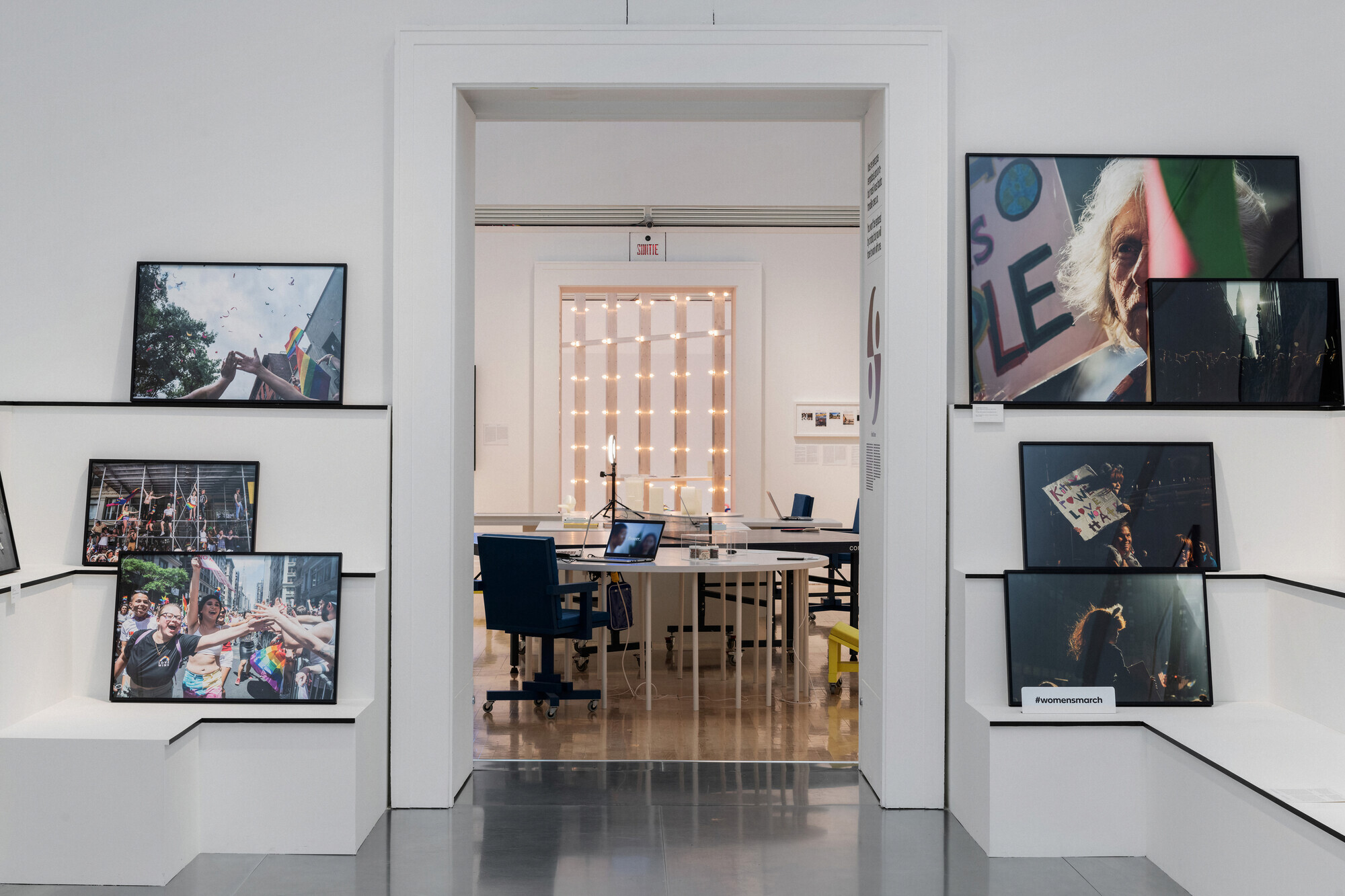
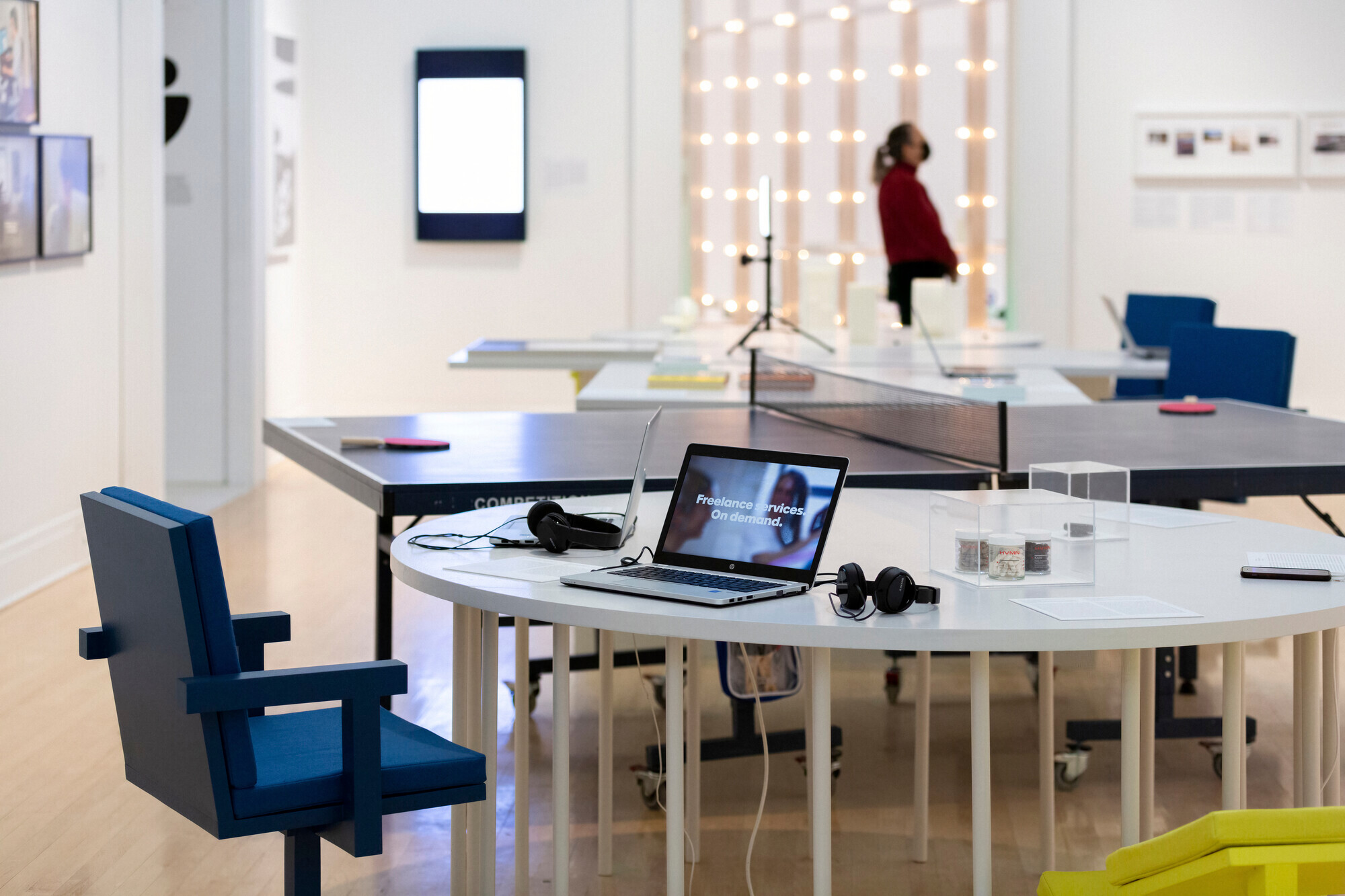
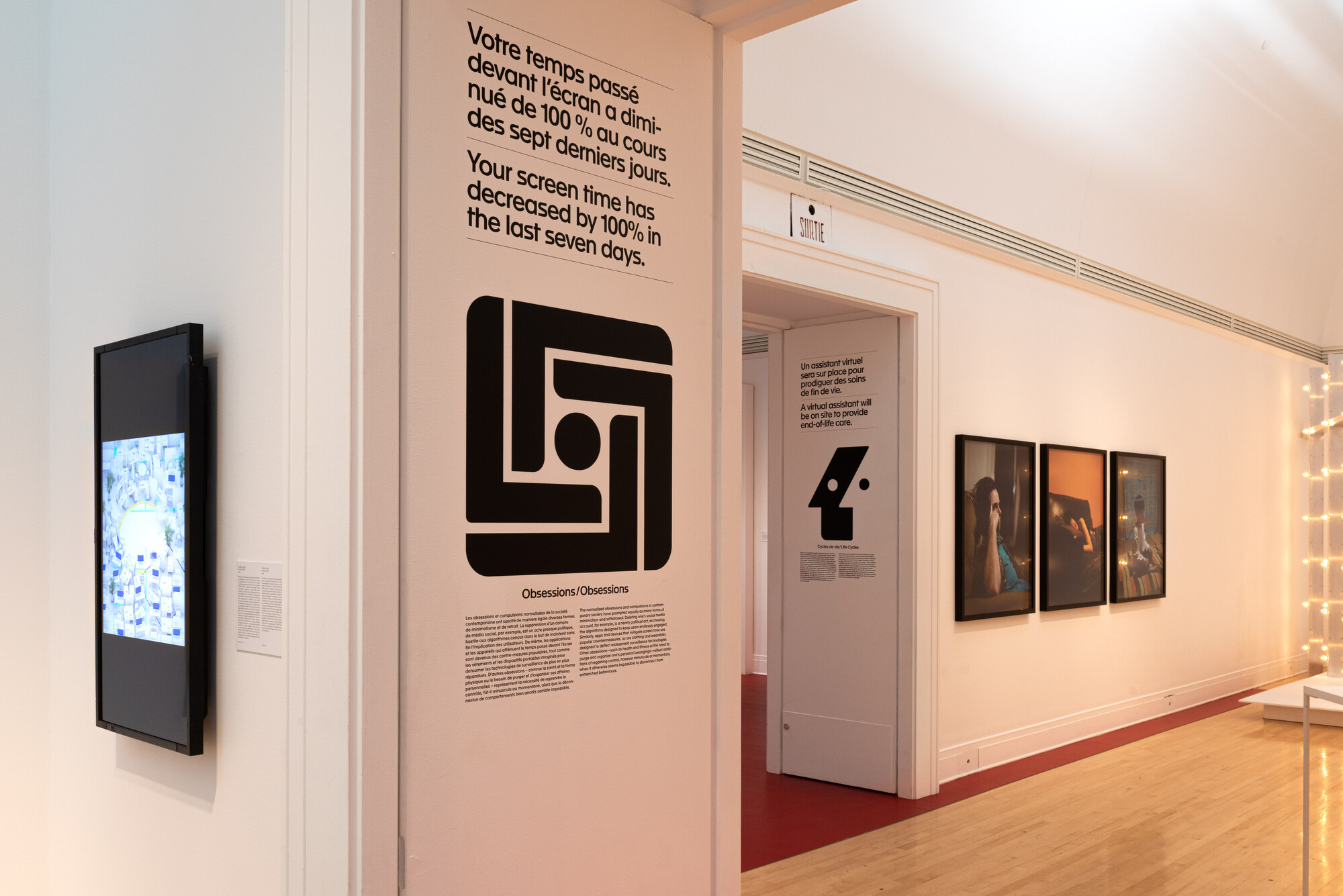
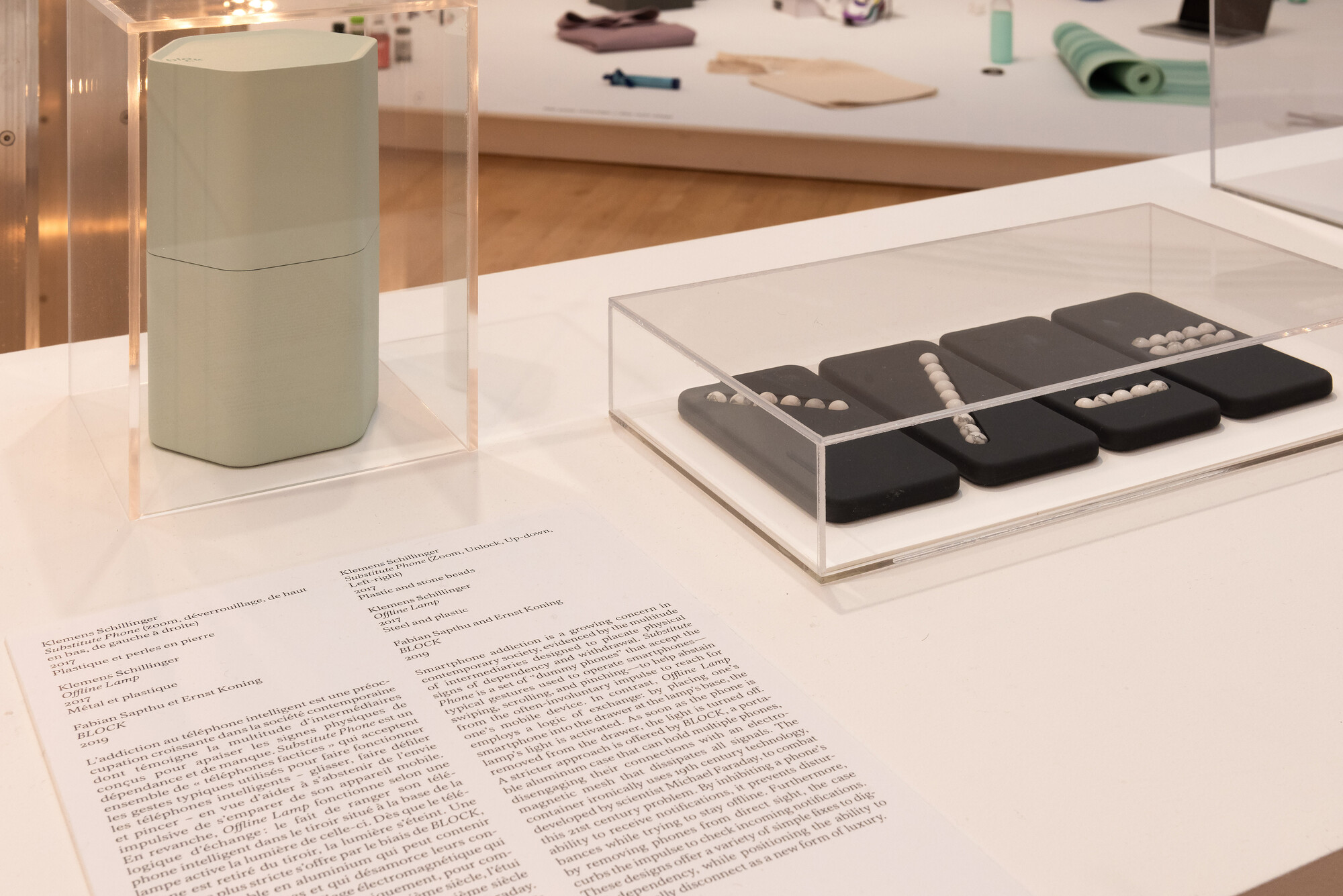
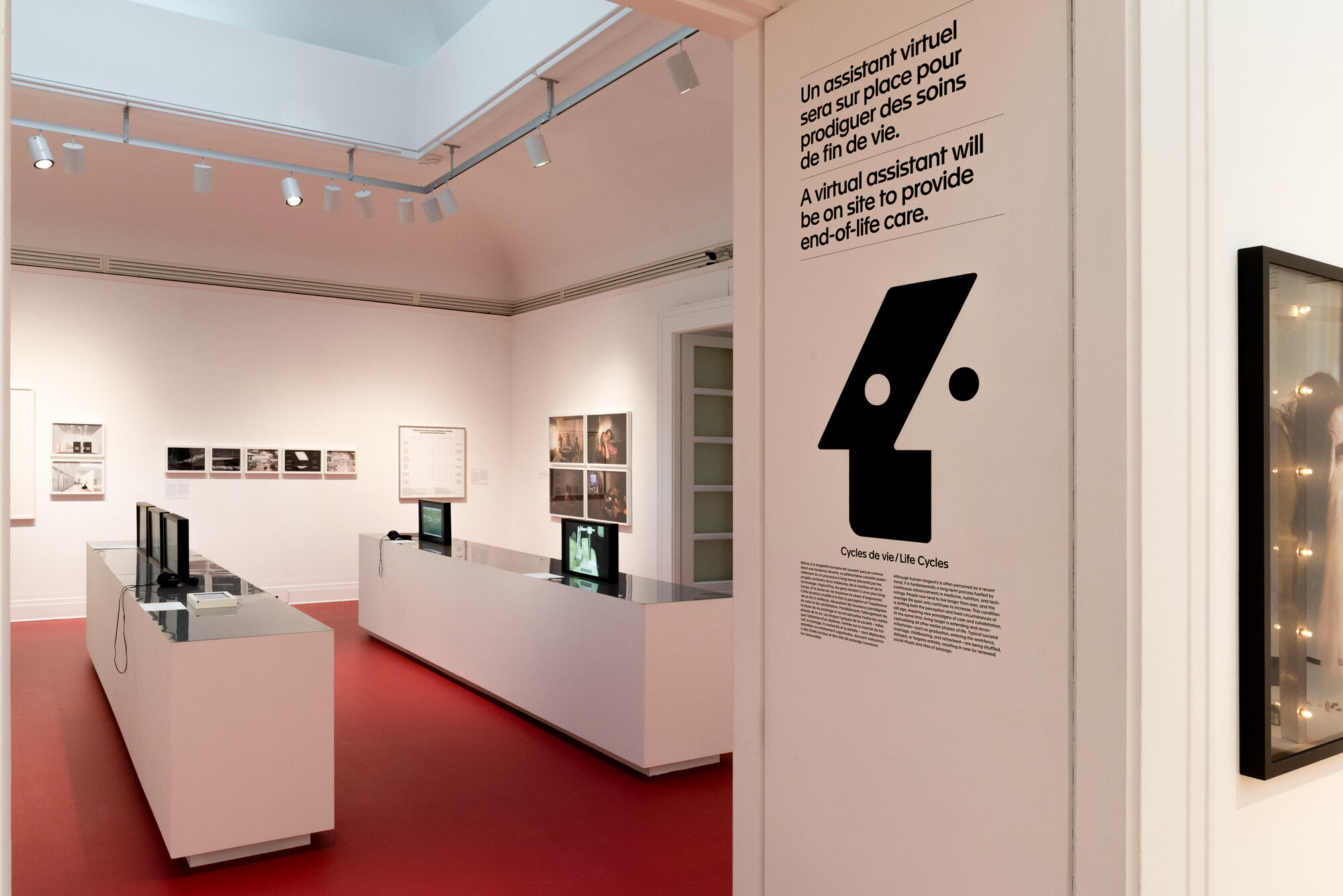
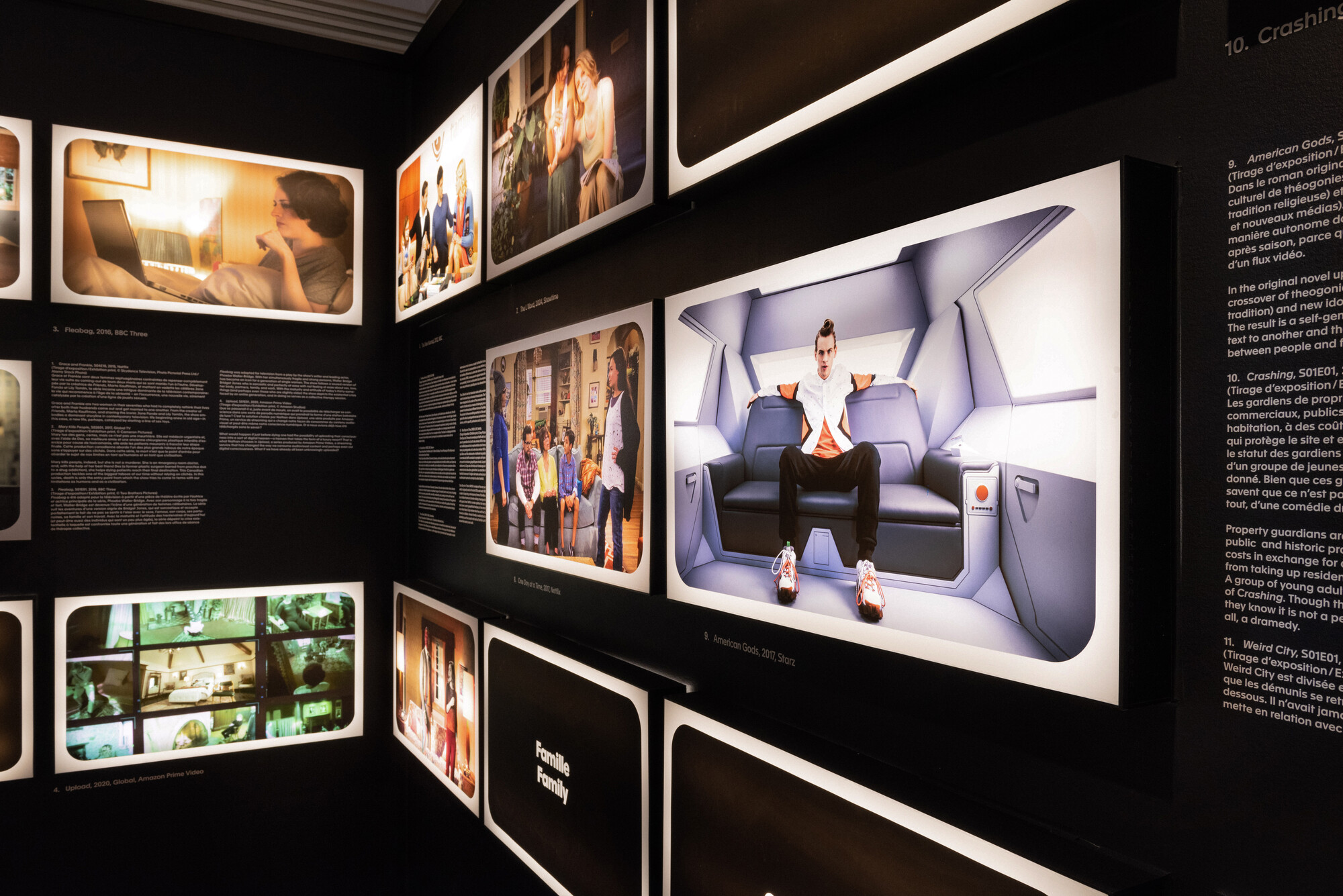
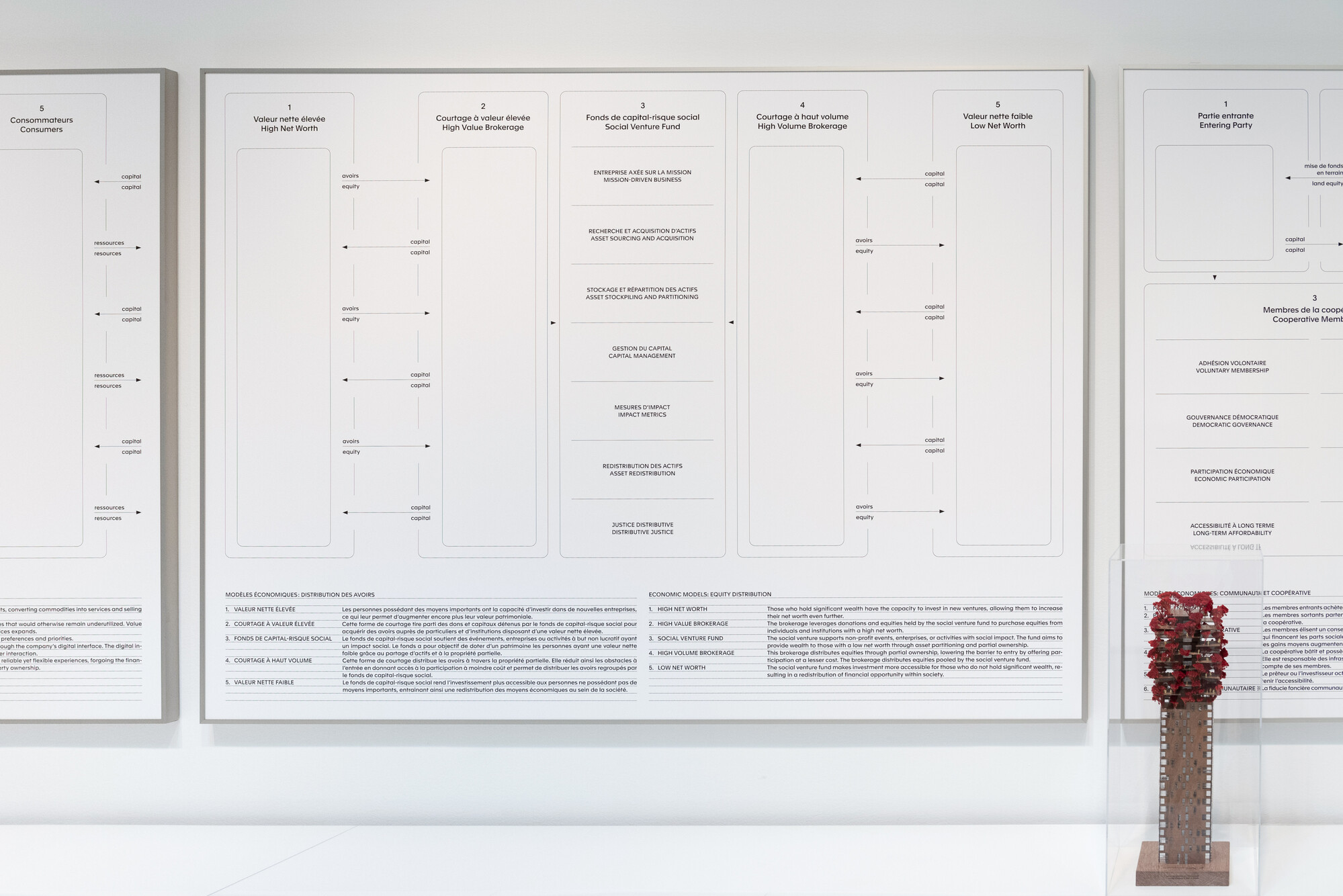
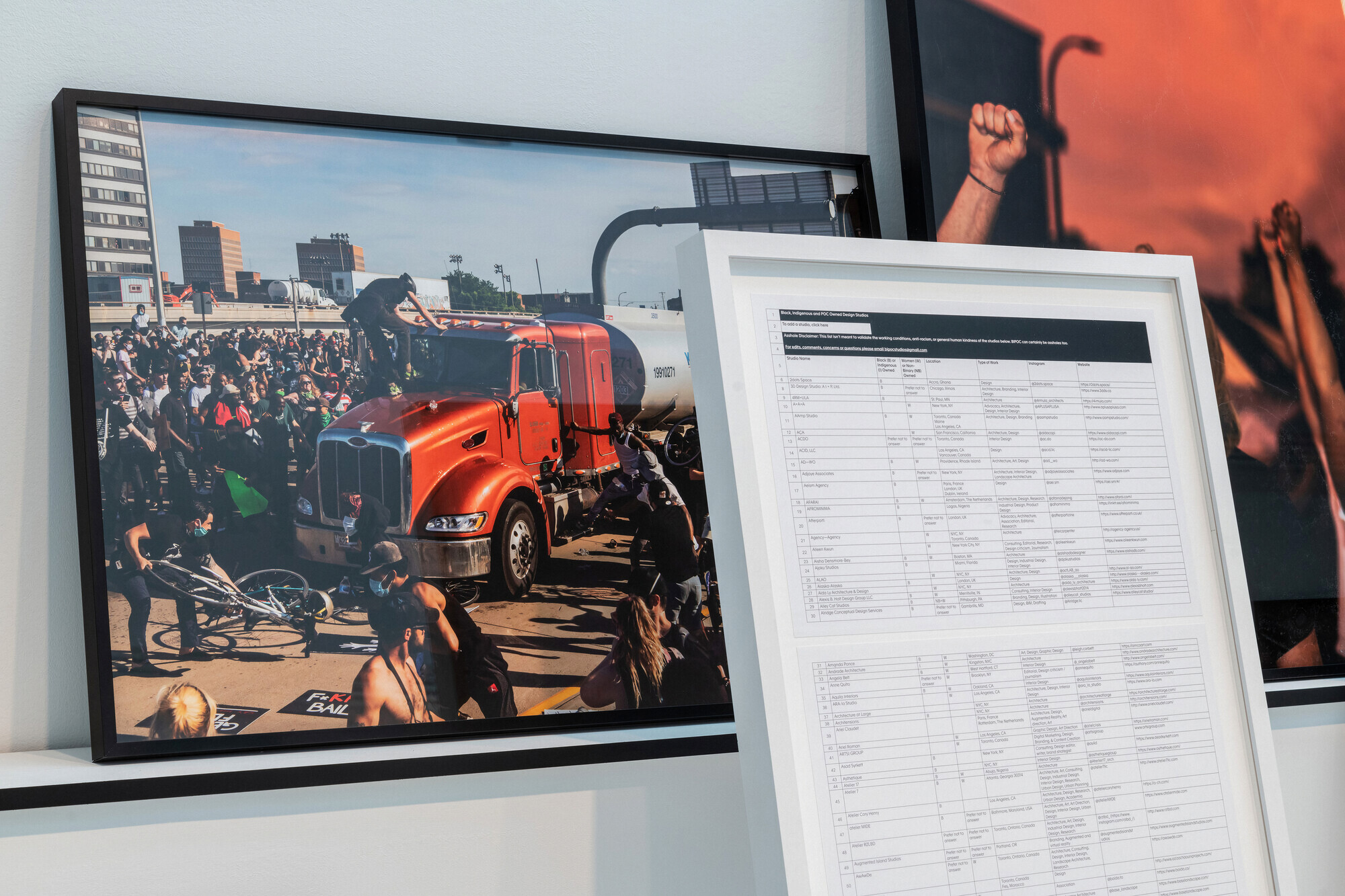
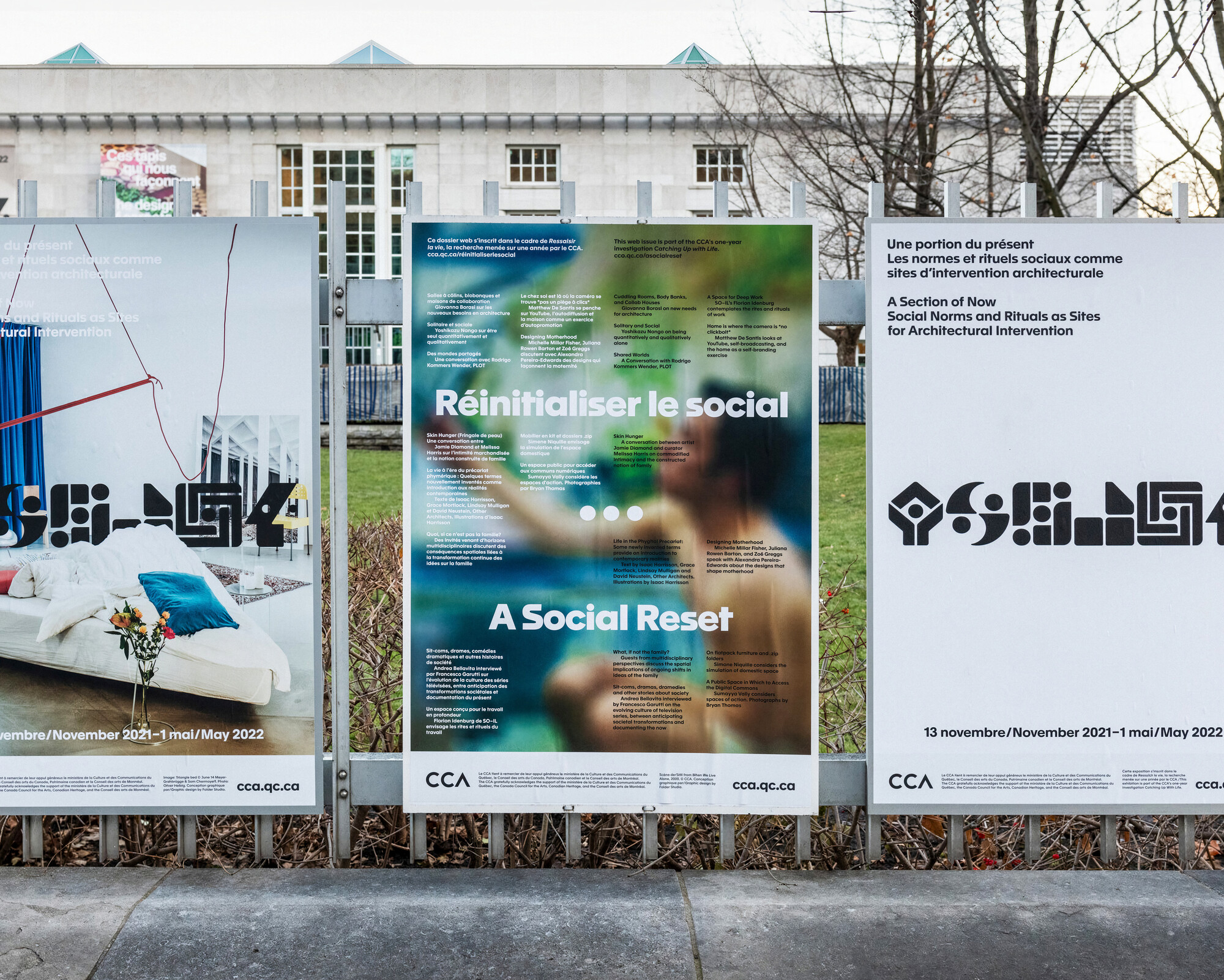
Multivalent values of family, property ownership, activism, work, technology, and life expectations are mirrored through architectural postures in A Section of Now presented by the Canadian Centre for Architecture. The exhibition brings together a highly ecumenical mix of architecture projects, documentary photography, pop-culture artifacts, and commercial products. The graphic design for the show reflects the corporate backdrop of the themes through logo-like supergraphics which read sharply while remaining formally vague enough to encompass conflicting propositions.
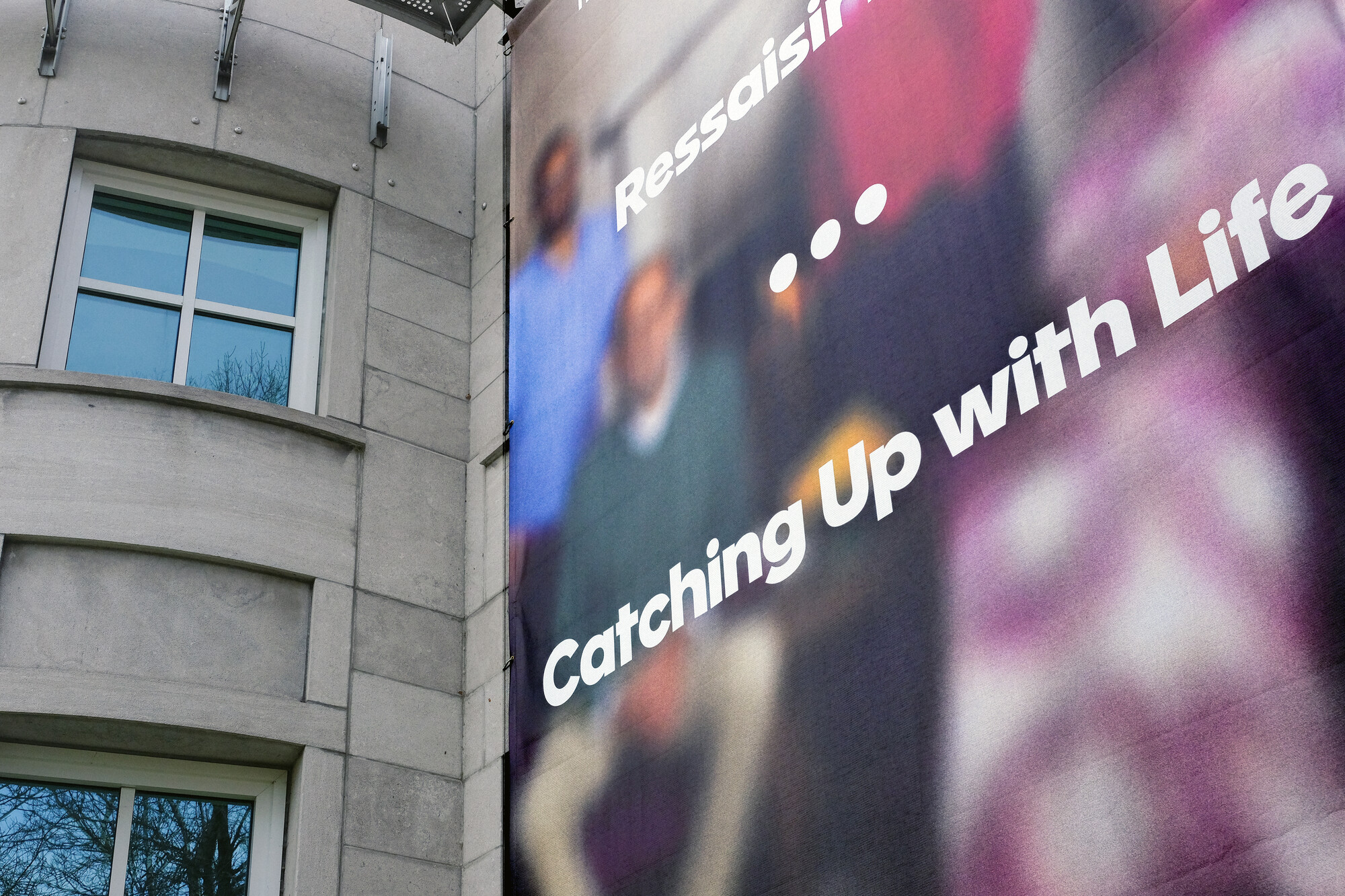
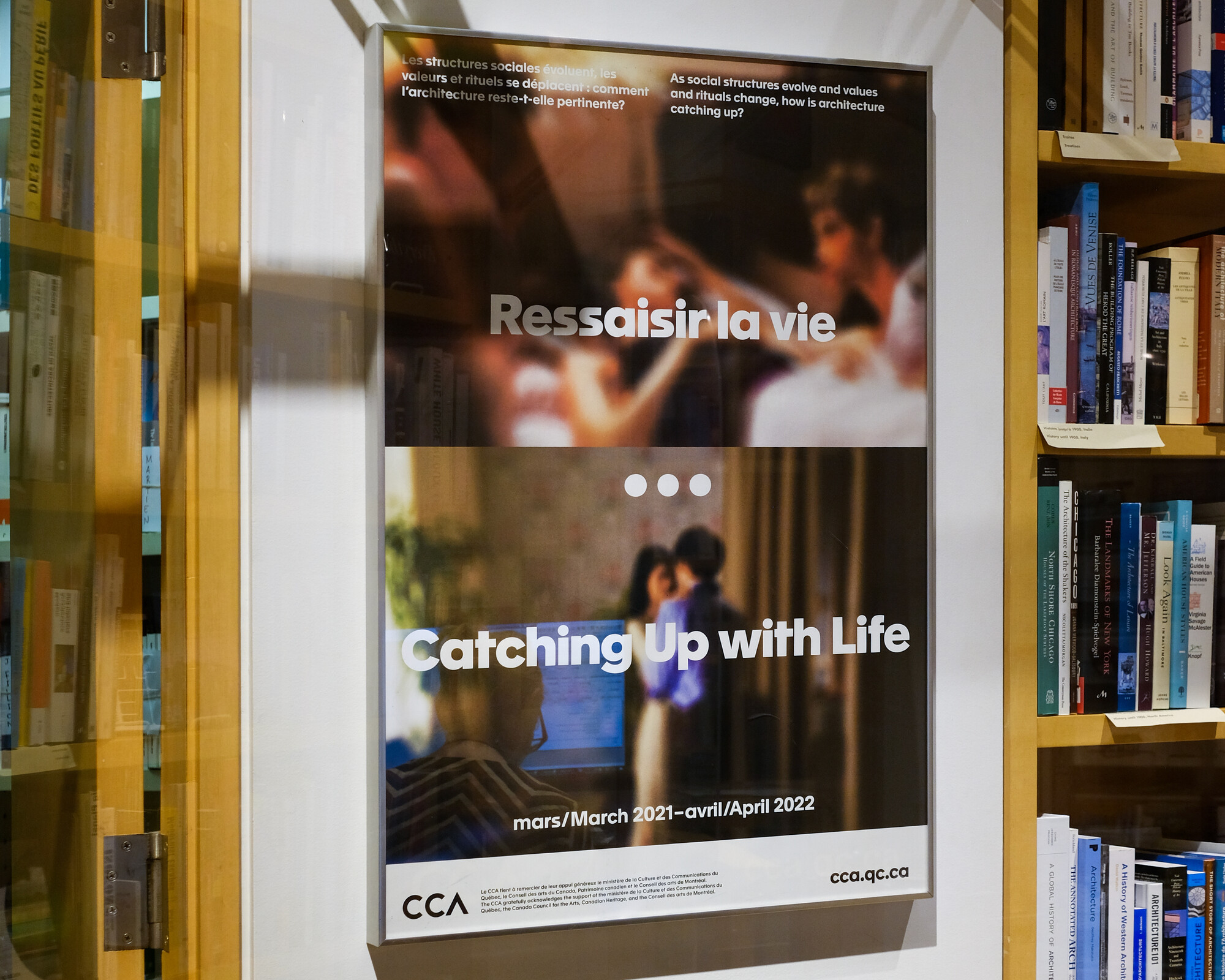
Catching Up With Life is a year-long, institution-wide research investigation launched in March 2021 by the CCA, culminating in the exhibition A Section of Now: Social Norms and Rituals as Sites for Architectural Intervention. The multi-platform investigation took place through distinct physical, digital, and broadcast channels including online editorials, live-streamed public programs, documentary filmmaking, audio podcasting, and social media pilots.
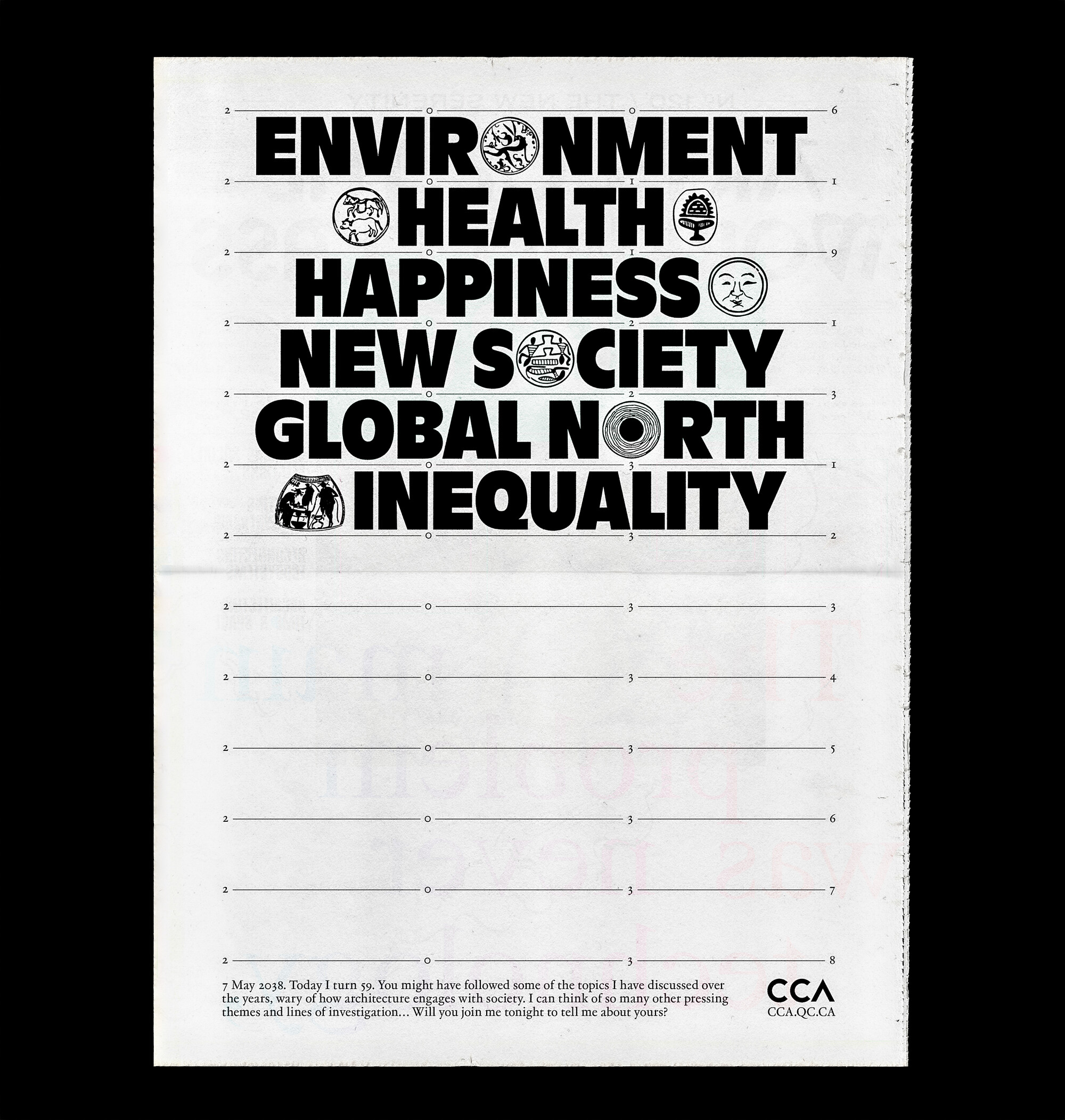
The Canadian Centre for Architecture’s contribution to Arts of the Working Class as part of the German Pavilion at the 17th Venice Architecture Biennale. The timeline introduces upcoming themes and programs the CCA is slated to explore in the upcoming decade.