Folder designs interfaces, publications, and systems for organizing, encountering, and carrying information forward. We help museums, universities, civic institutions, and others engaged in the stewardship and sharing of knowledge create ways for language, media, and material to surface and endure.
We are interested in what happens to information over time, and how form can reveal the connections that give it meaning. Projects come in a variety of configurations rooted in partnerships that honor the material and its strategic presentation.
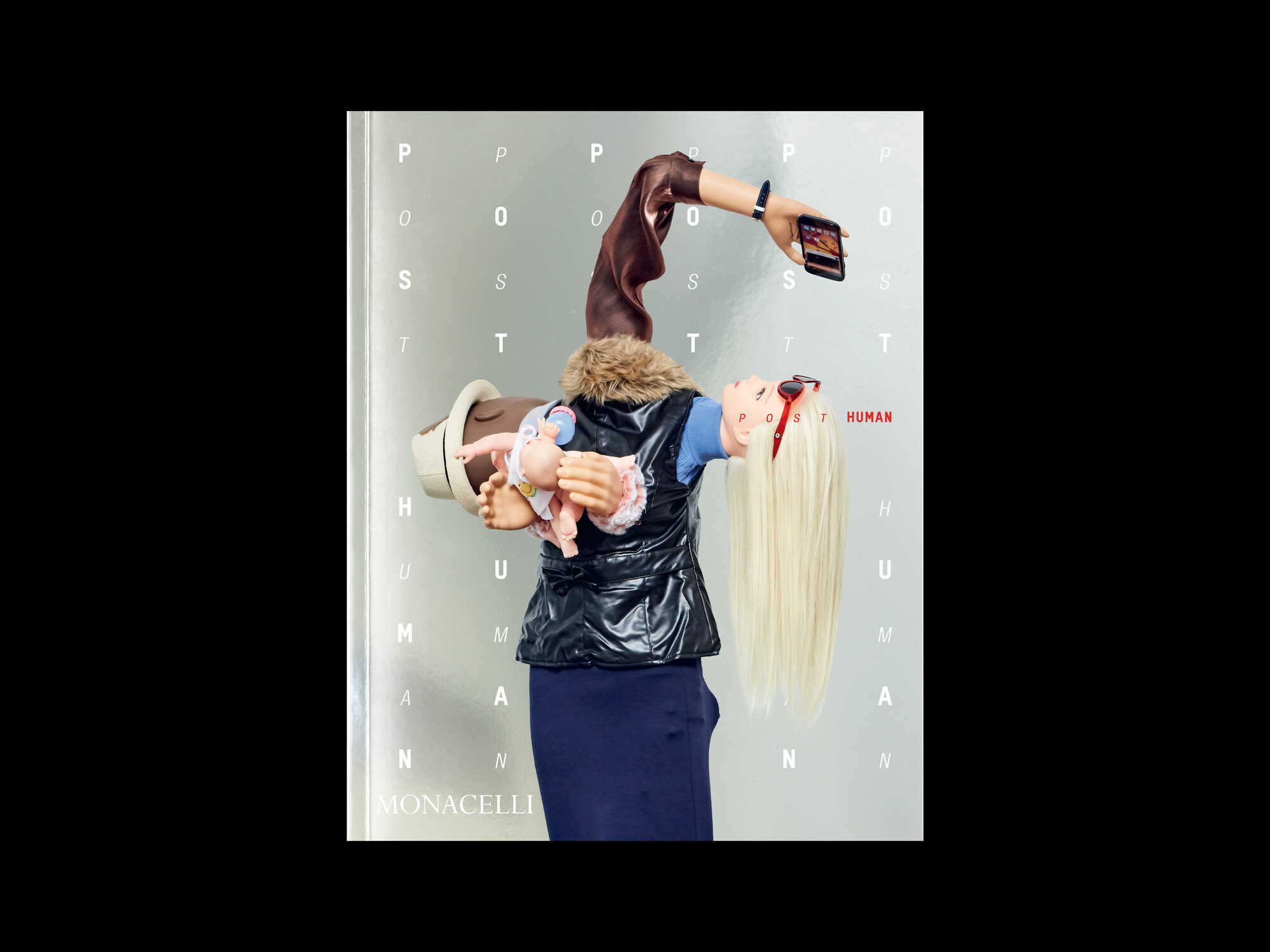
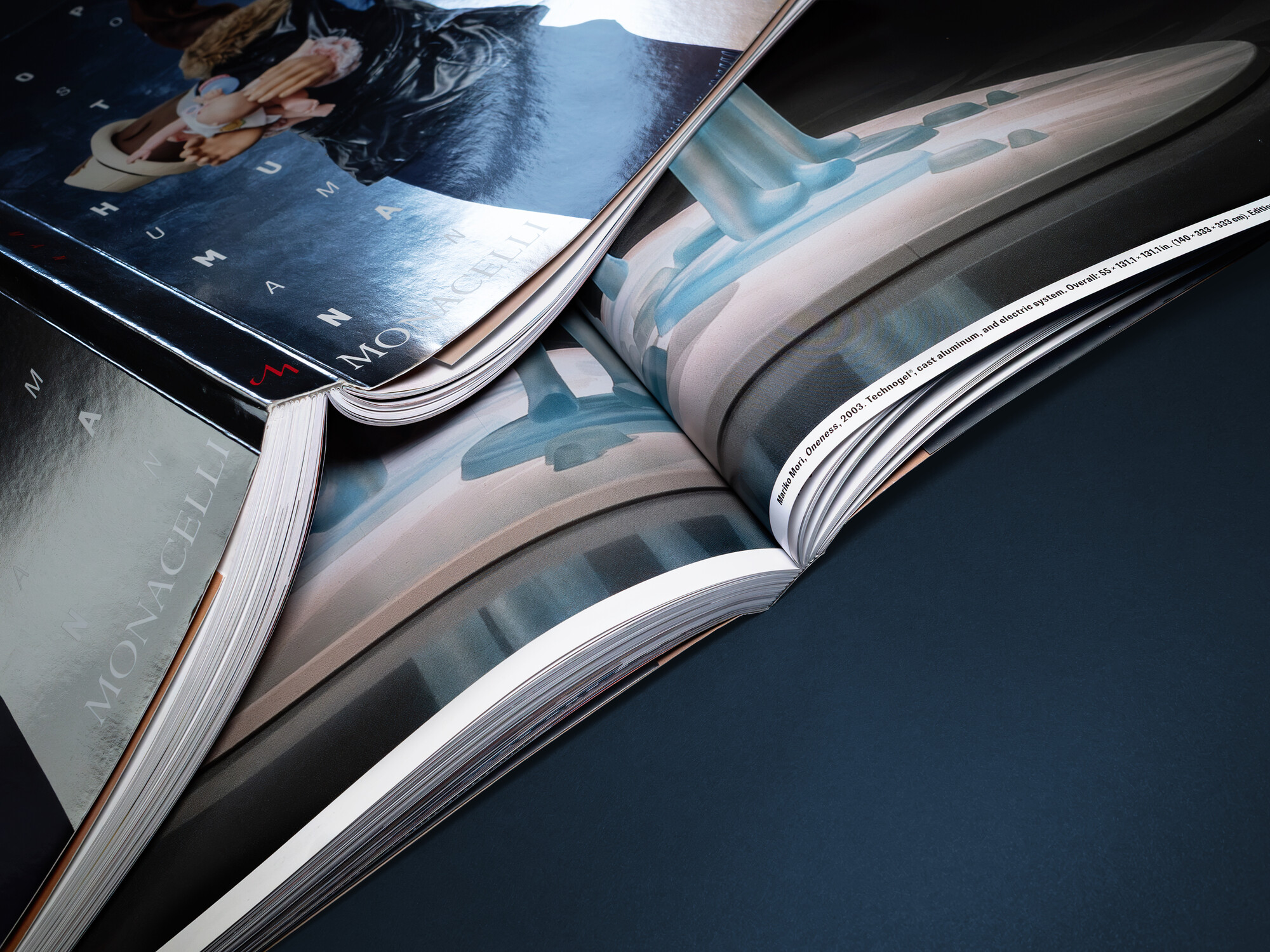
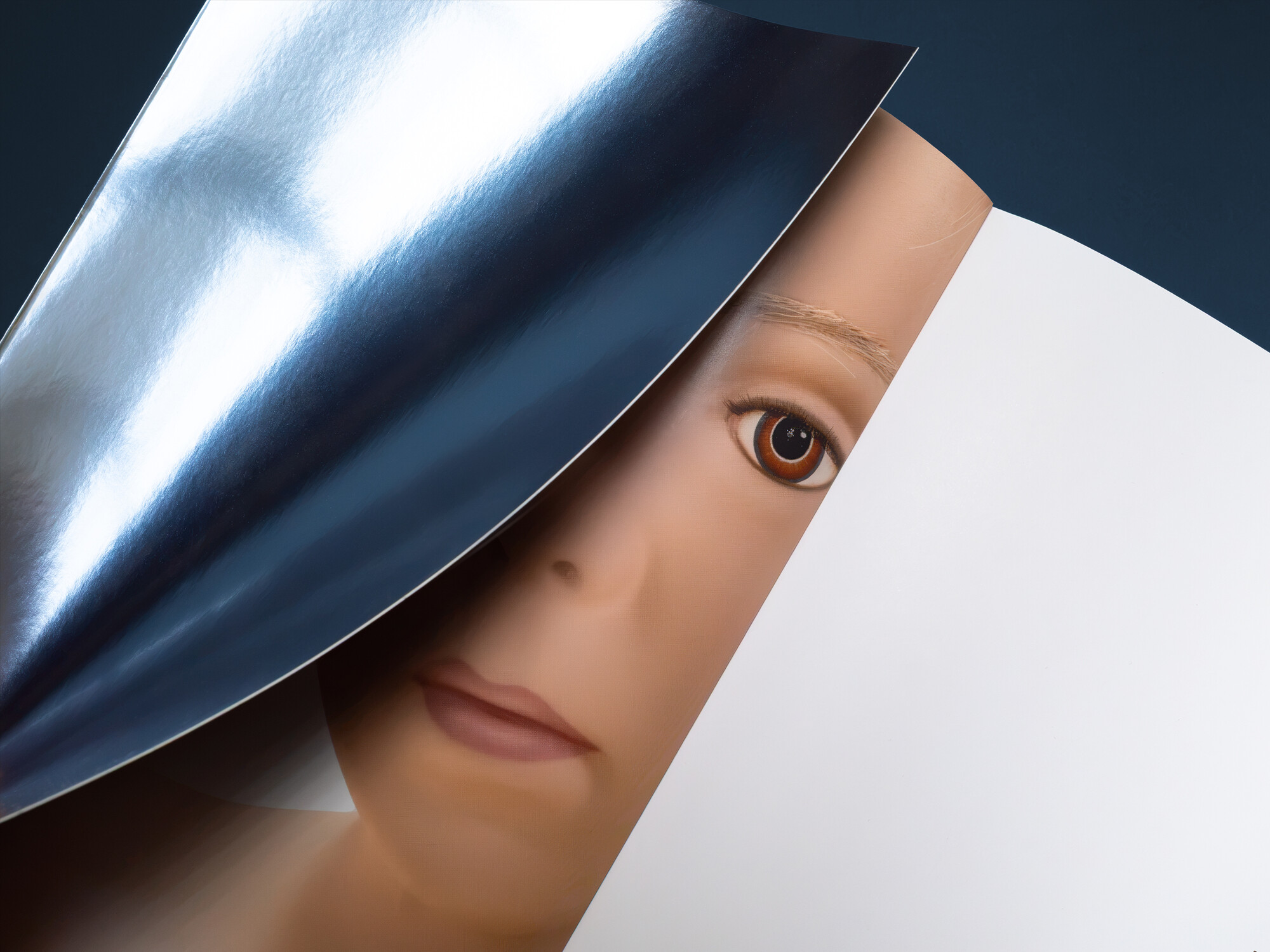
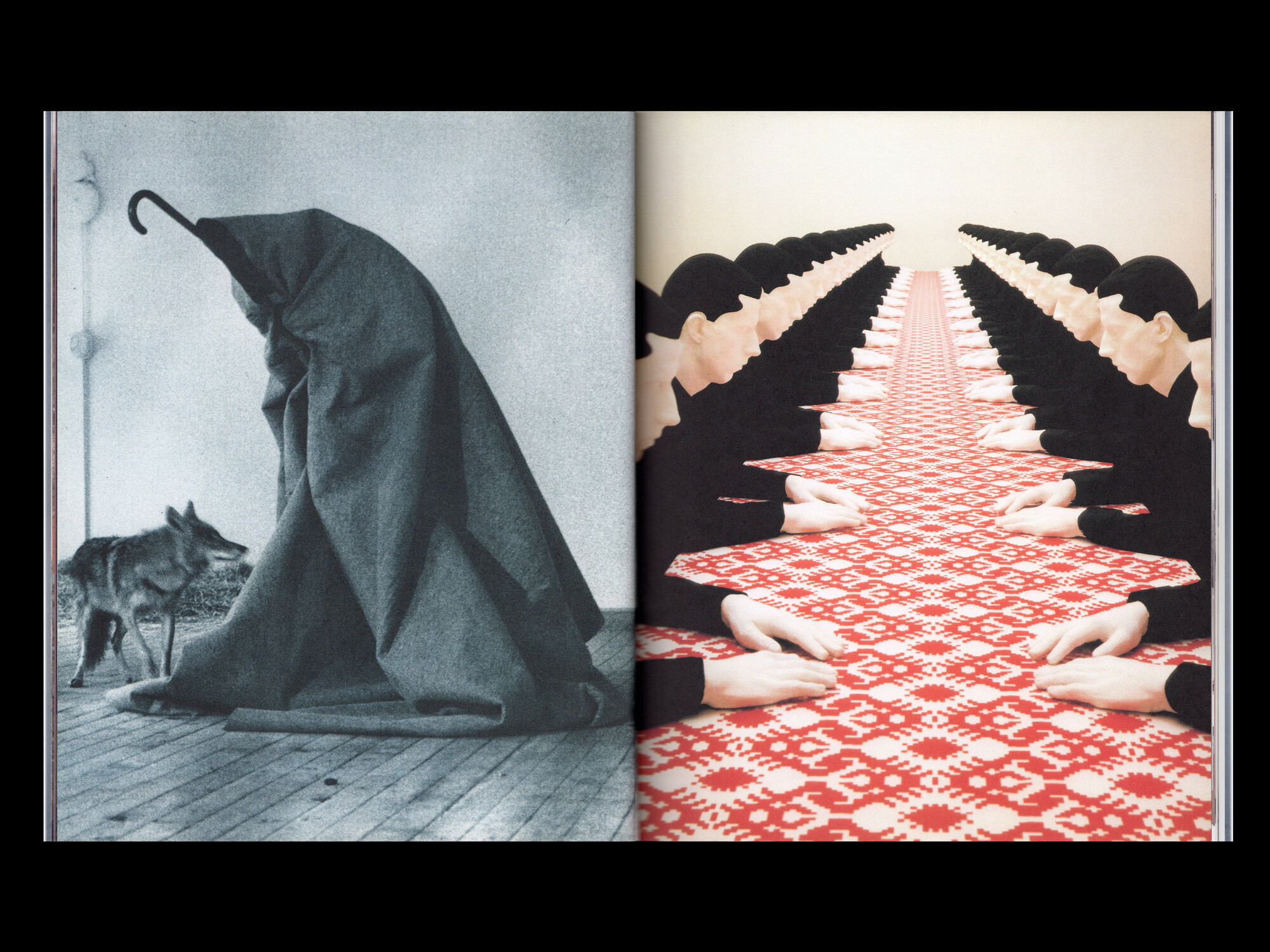
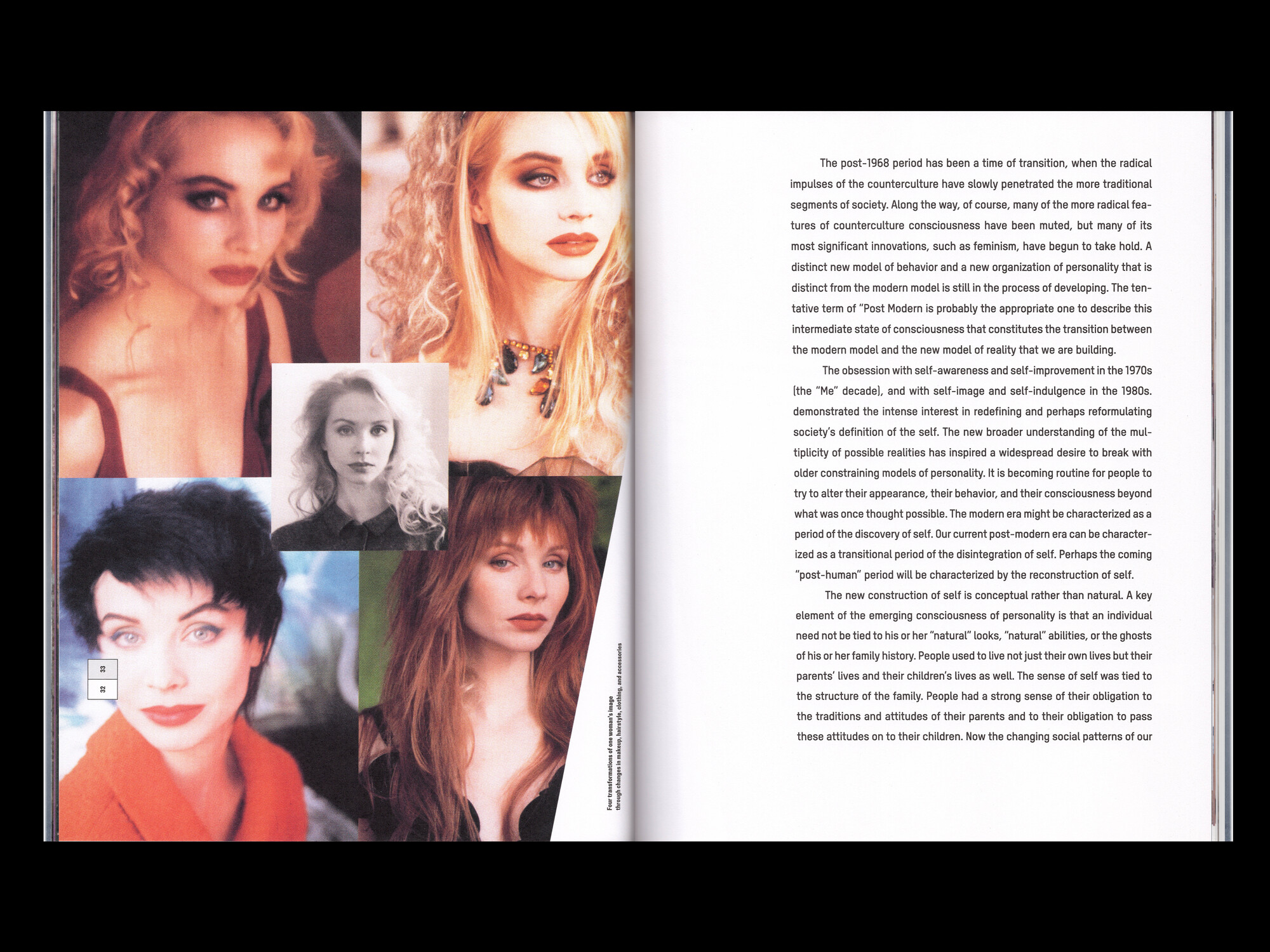
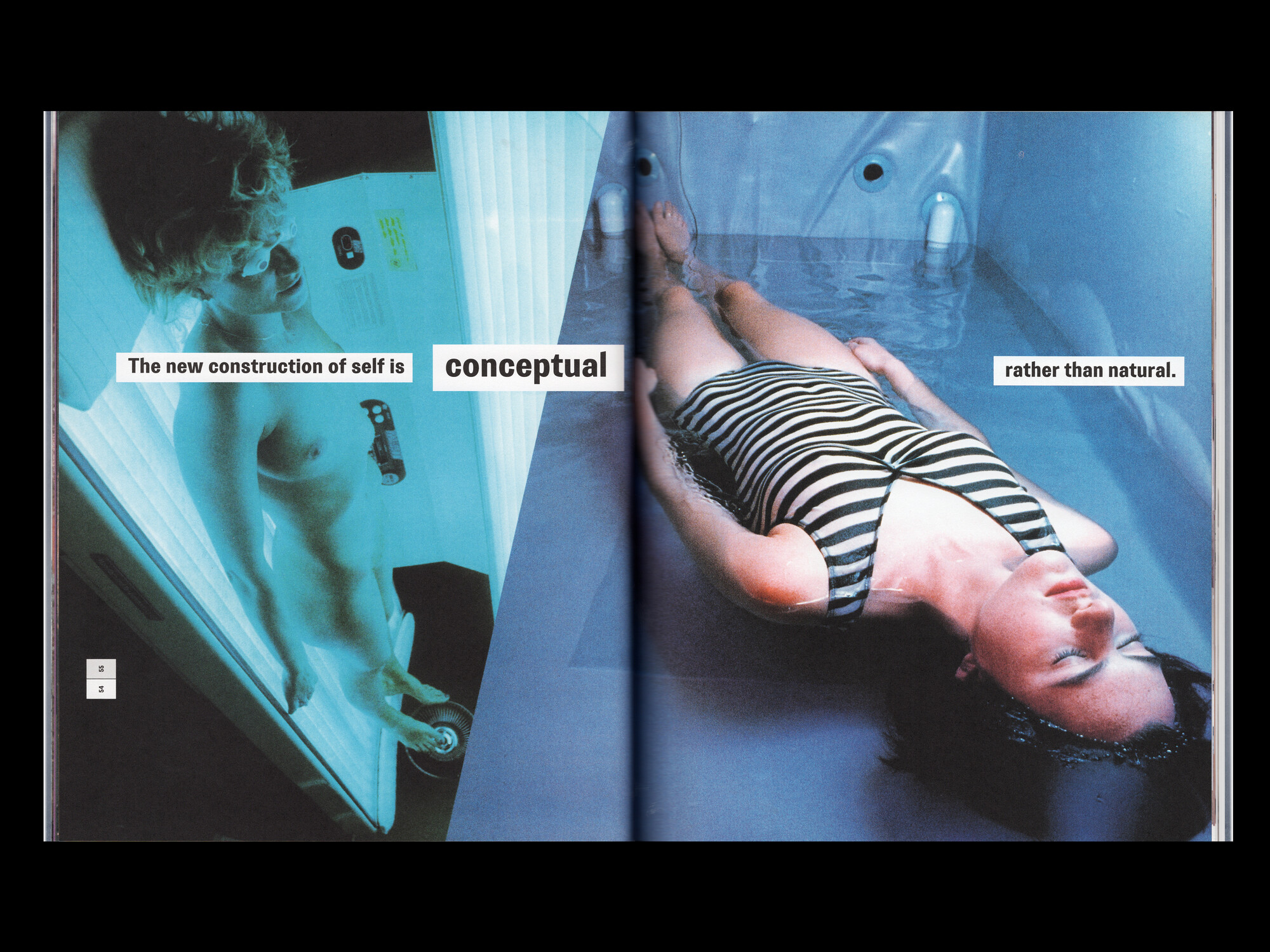
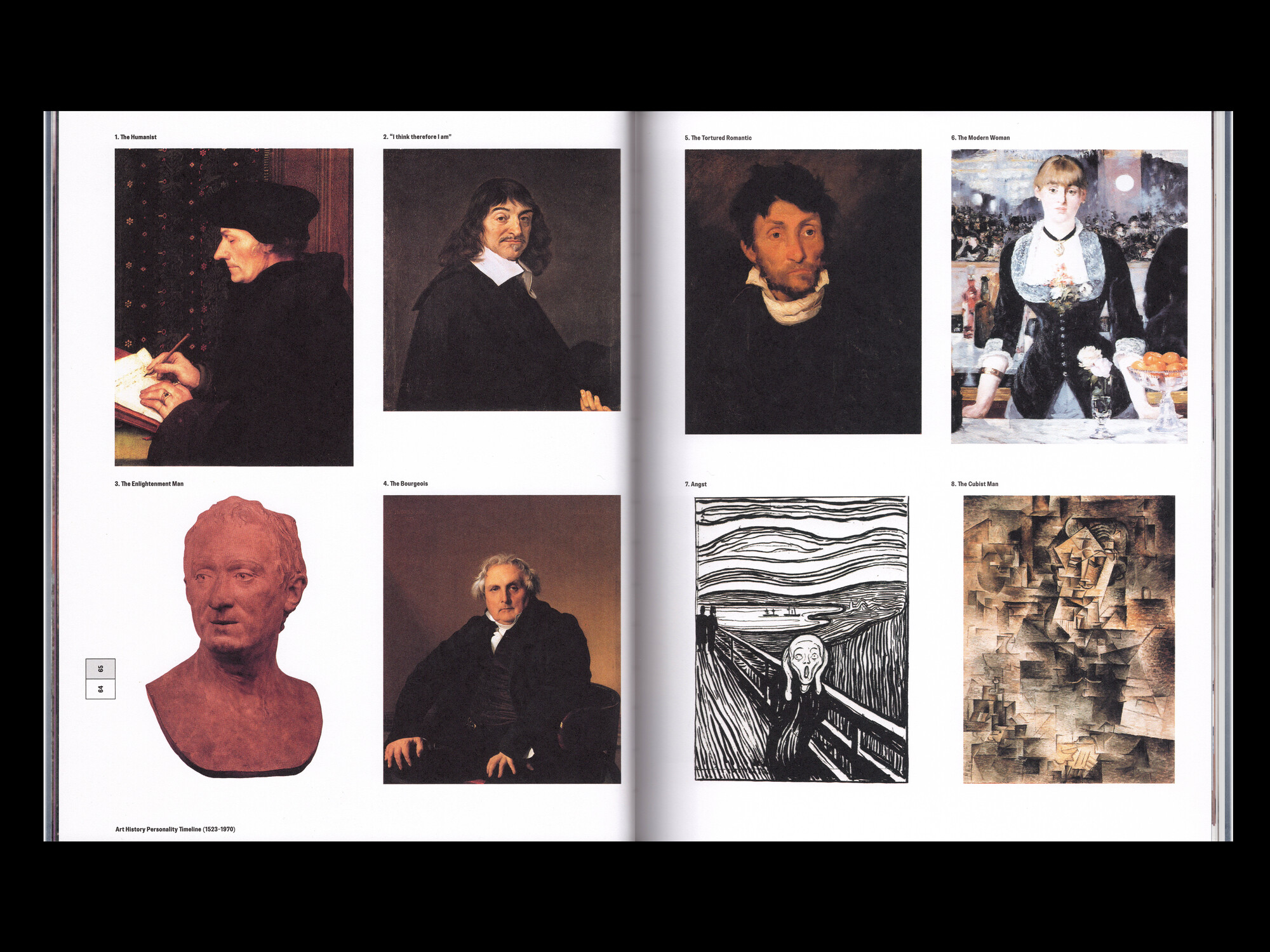
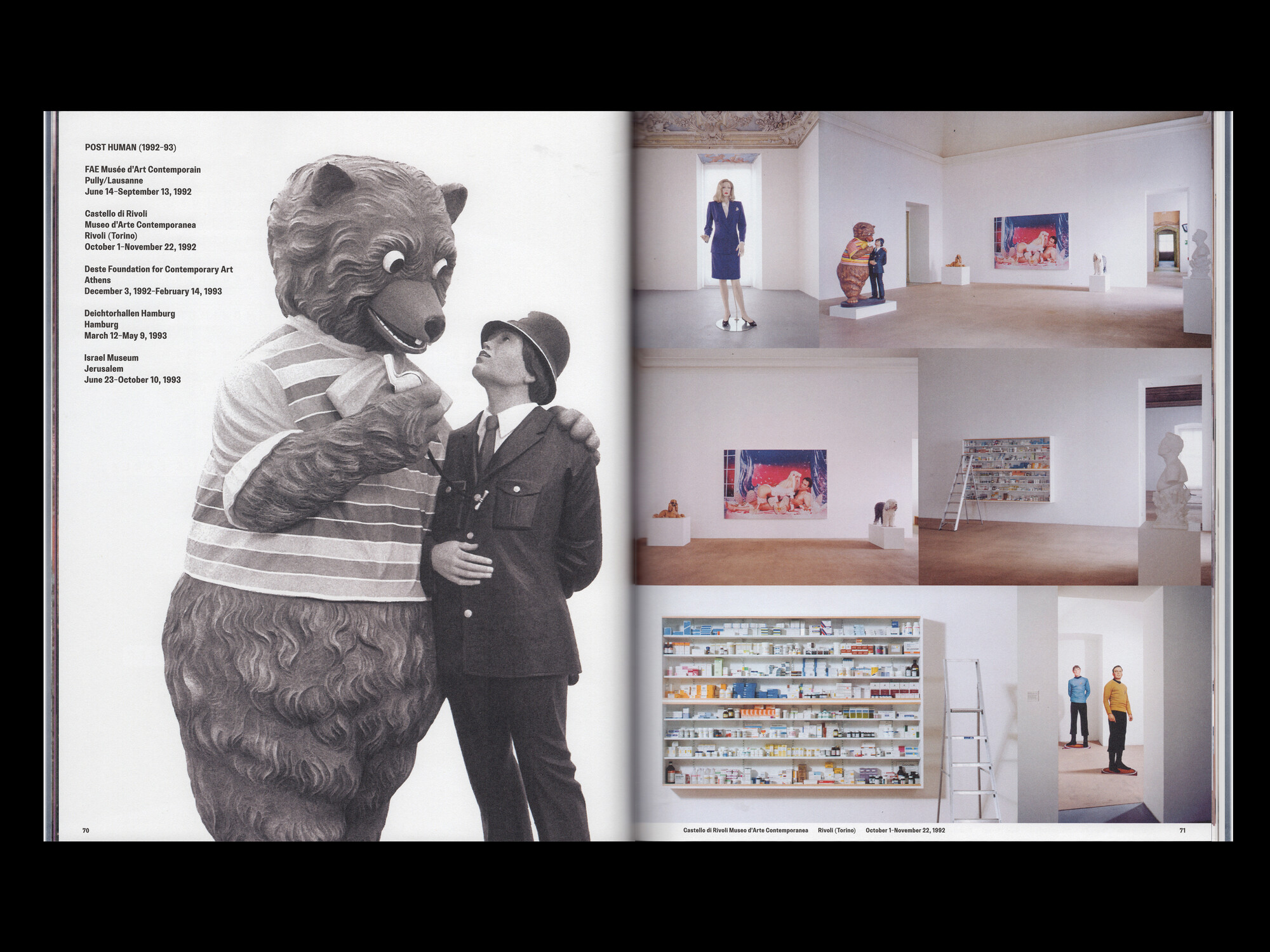
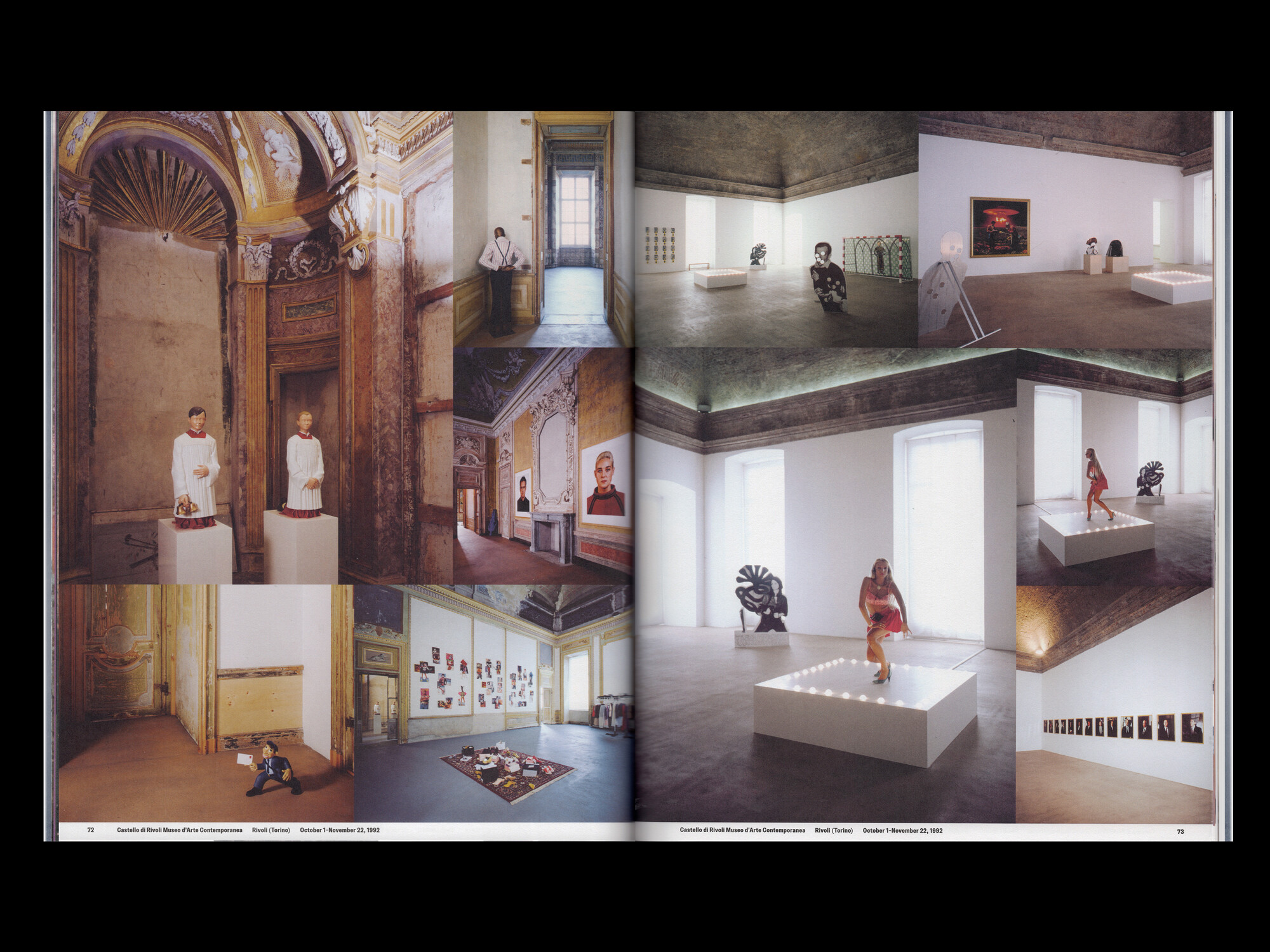
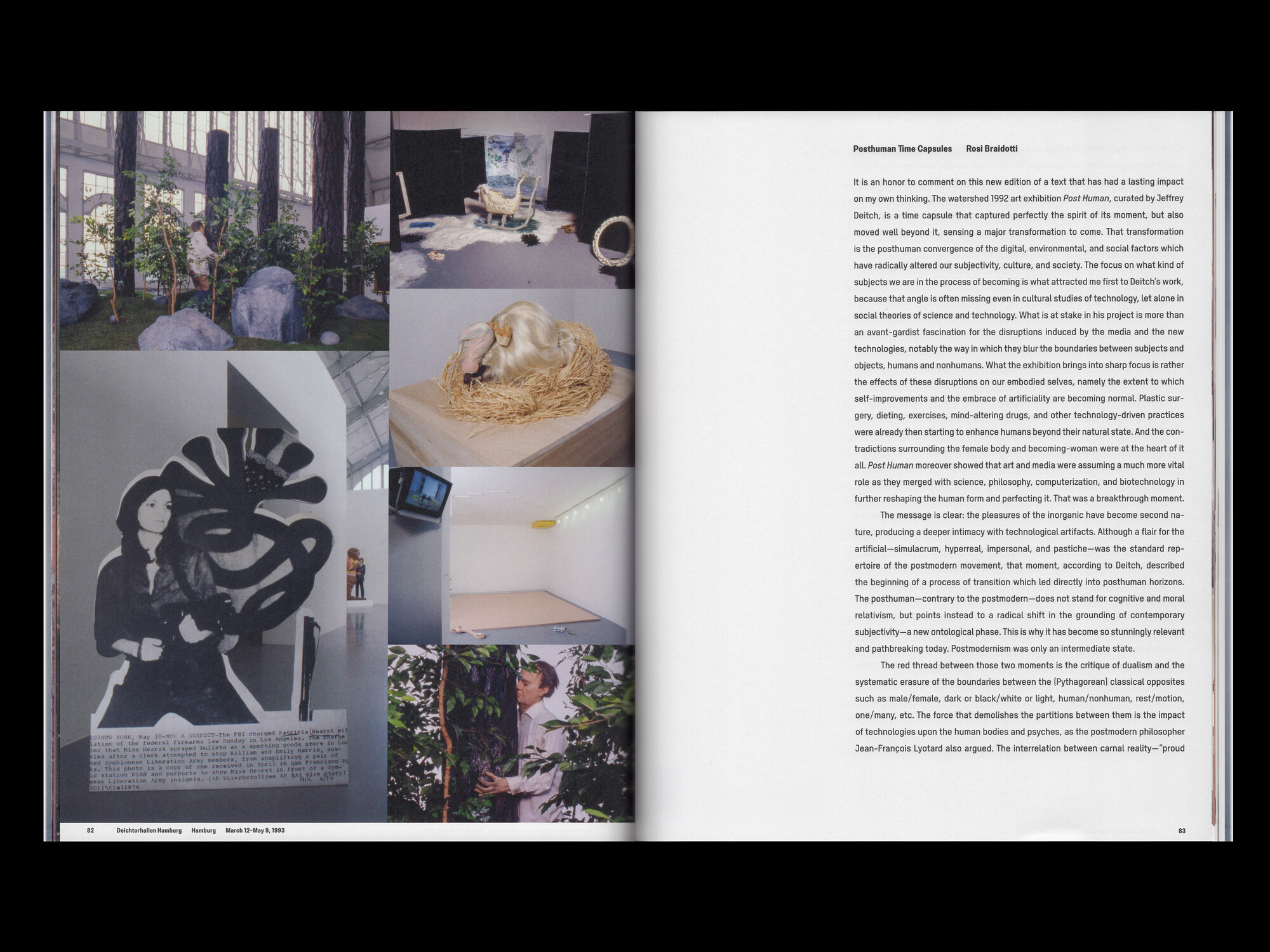
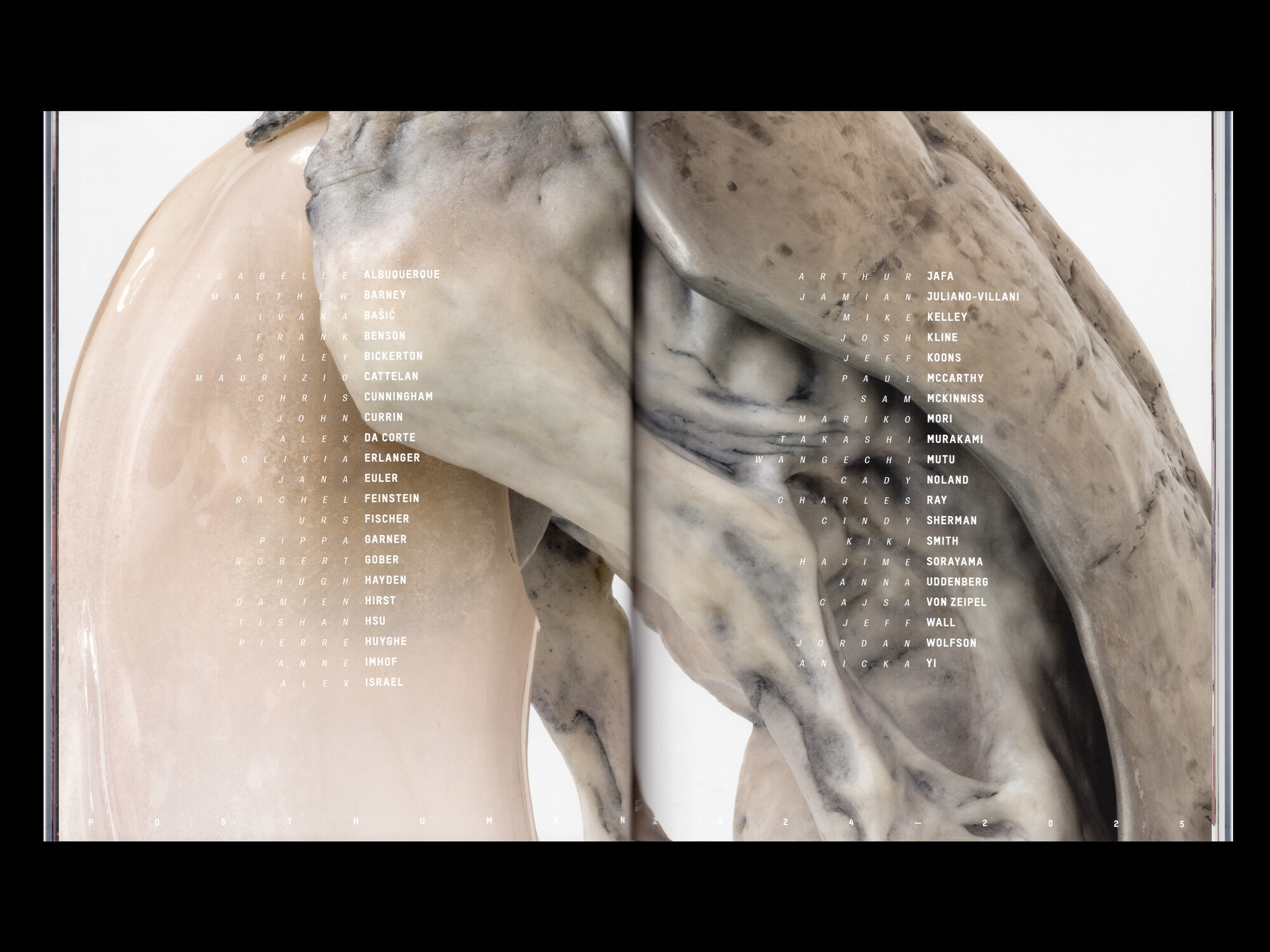
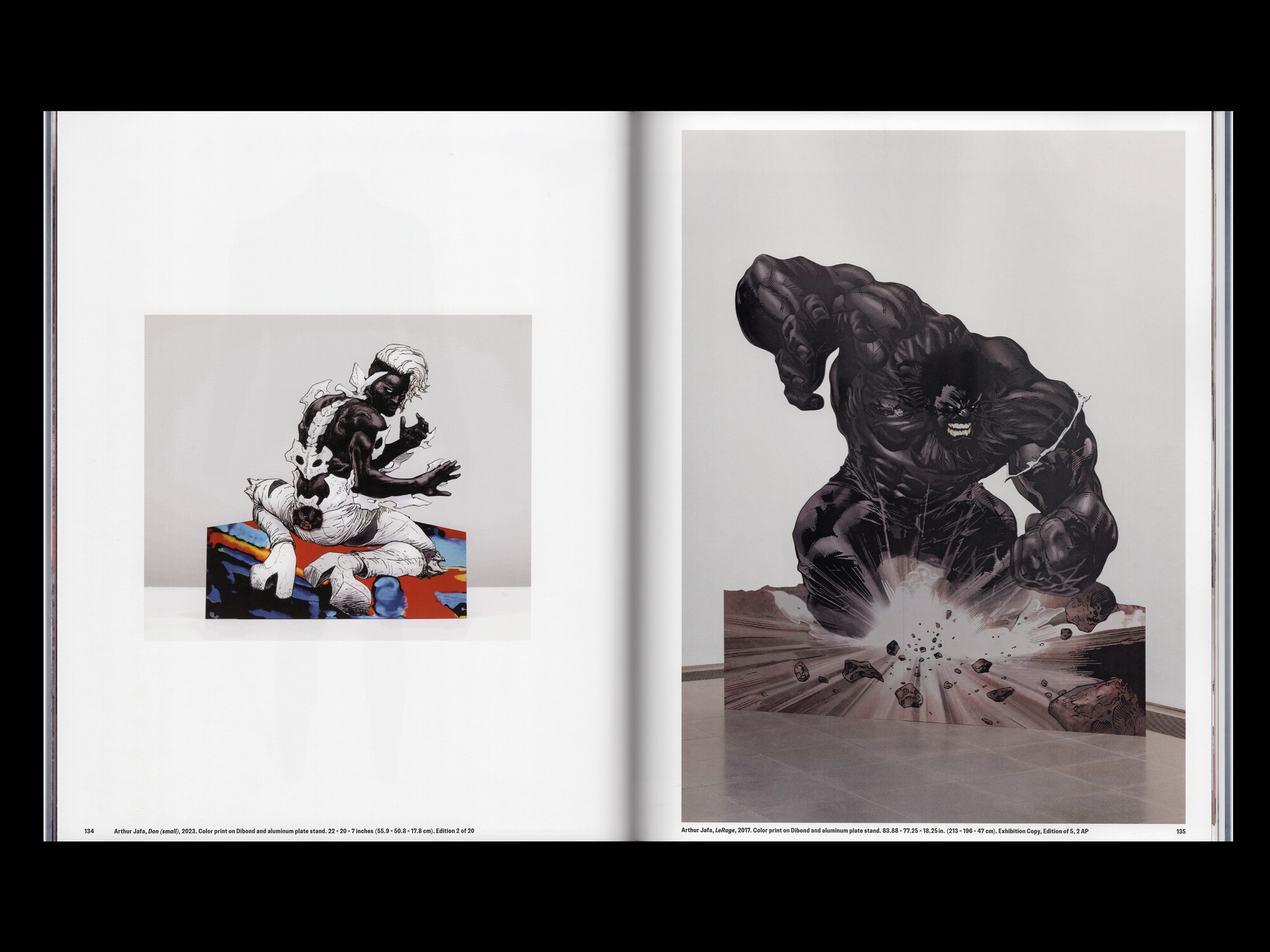
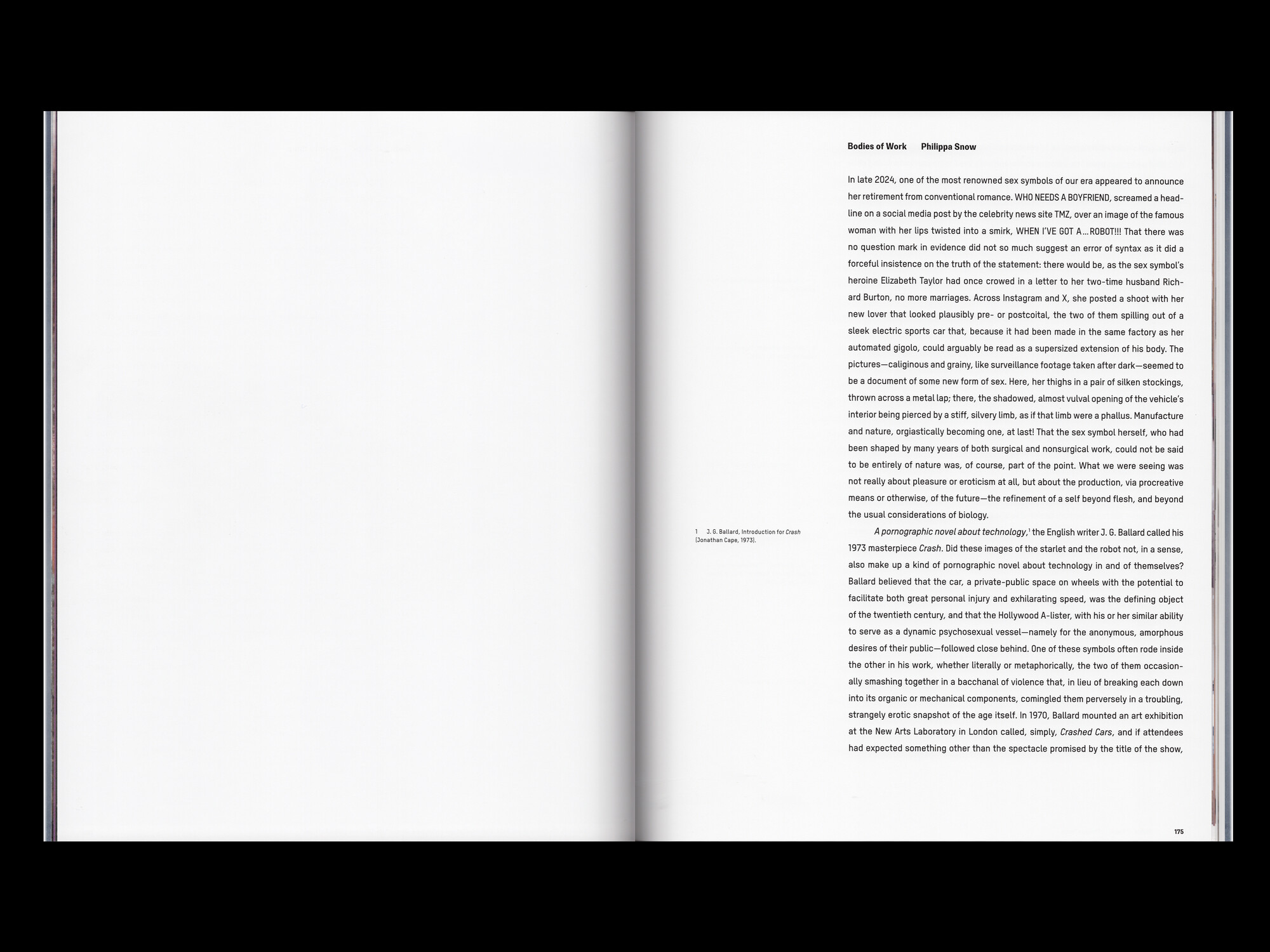
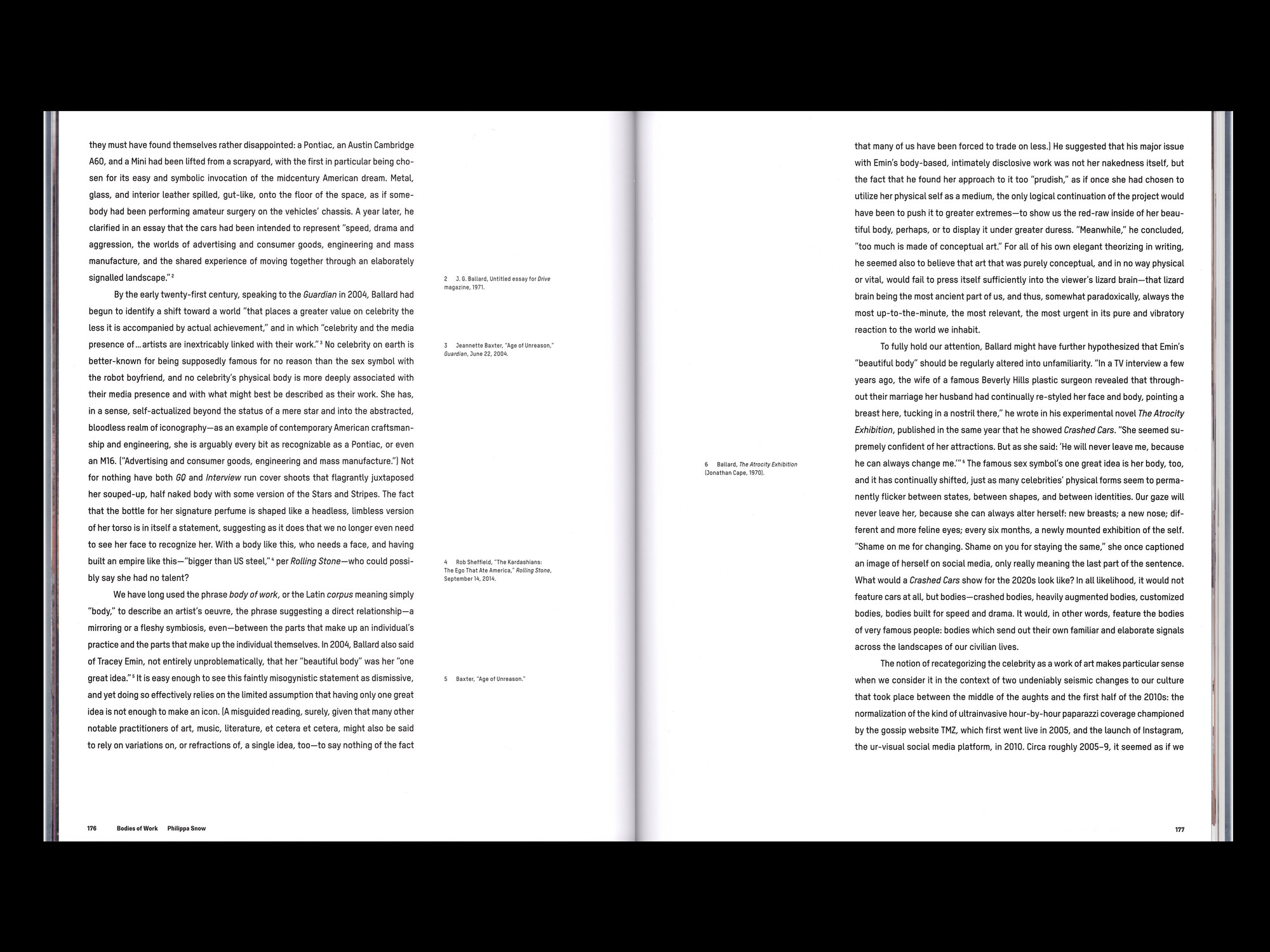
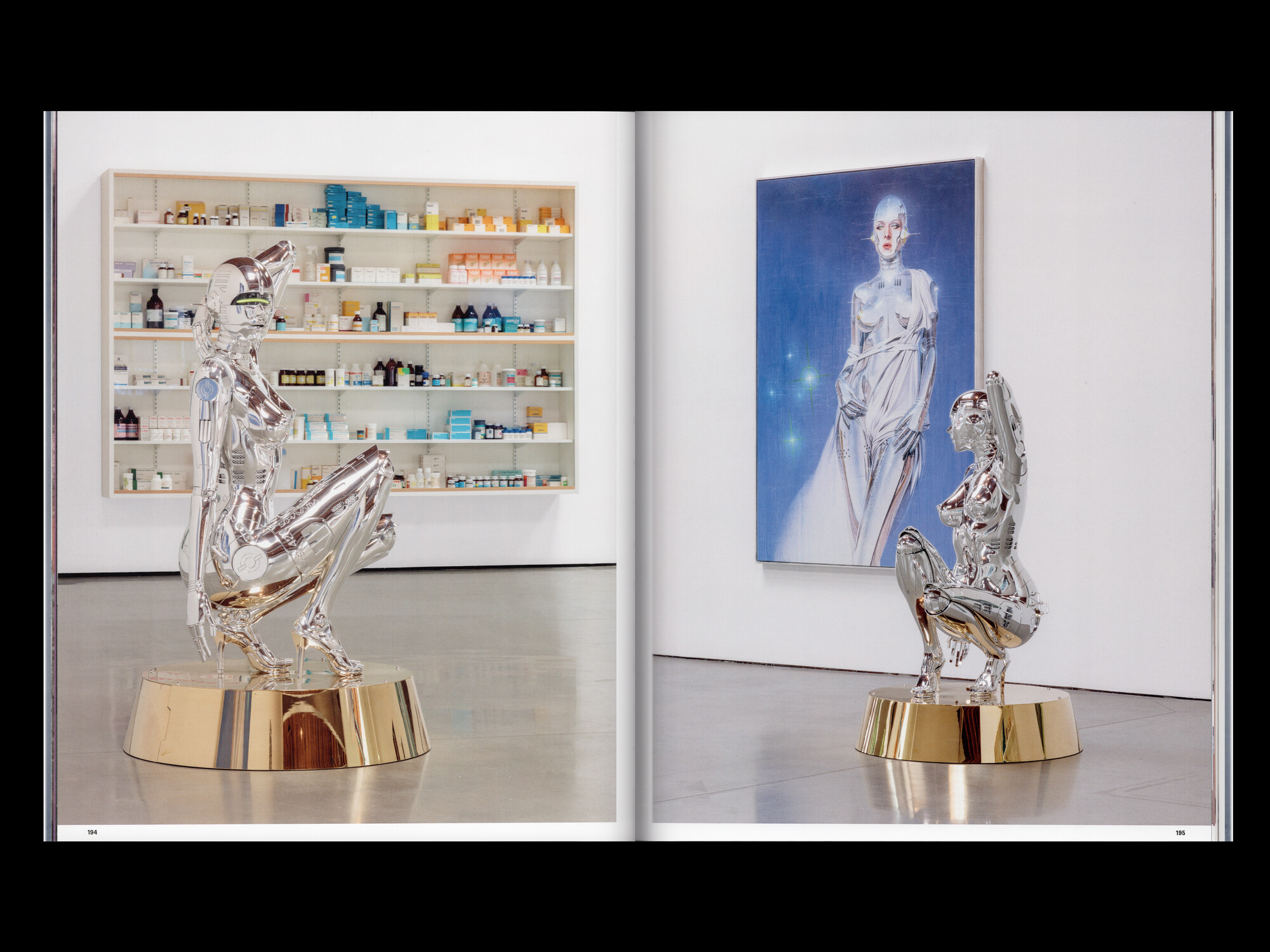
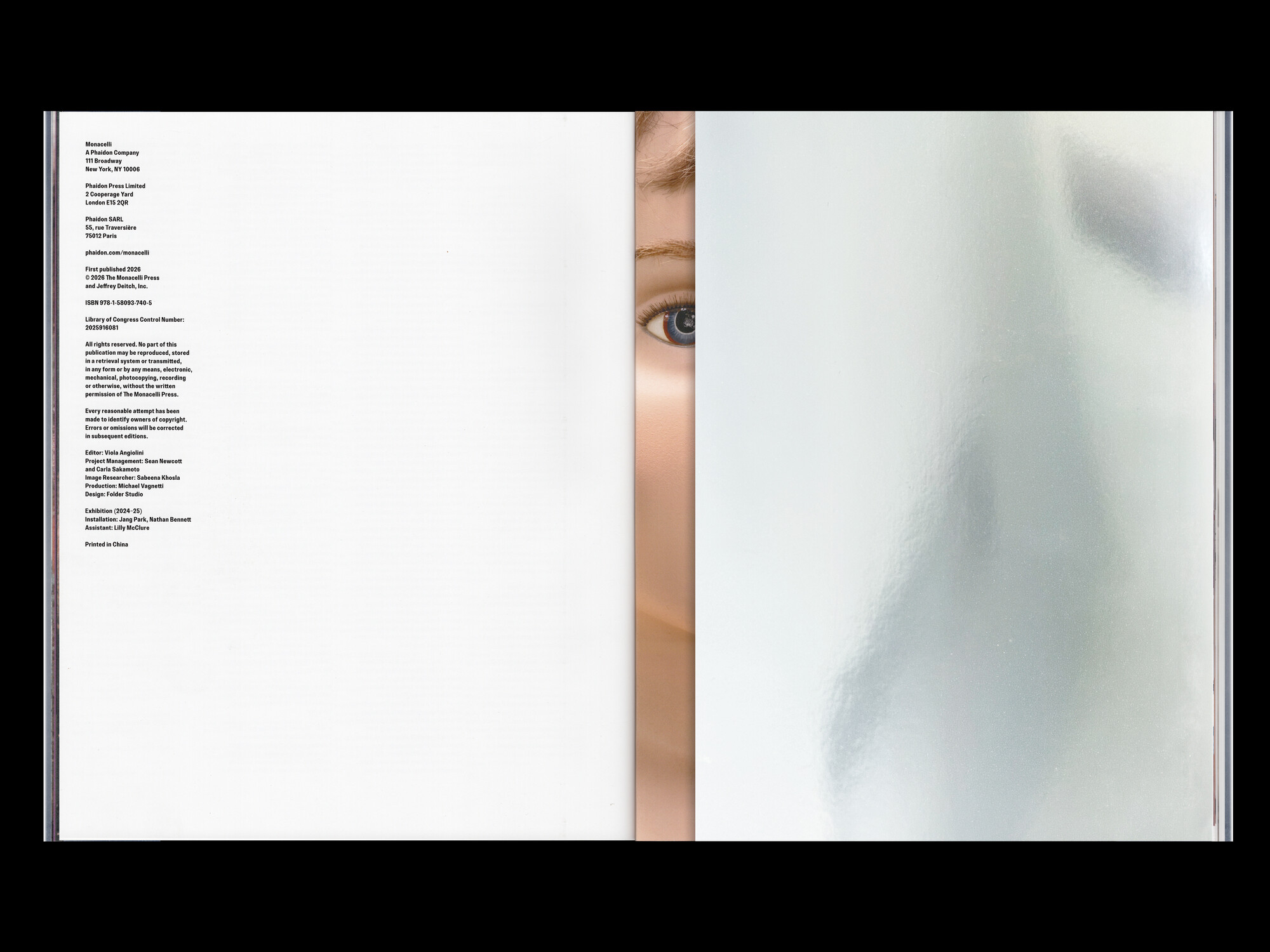
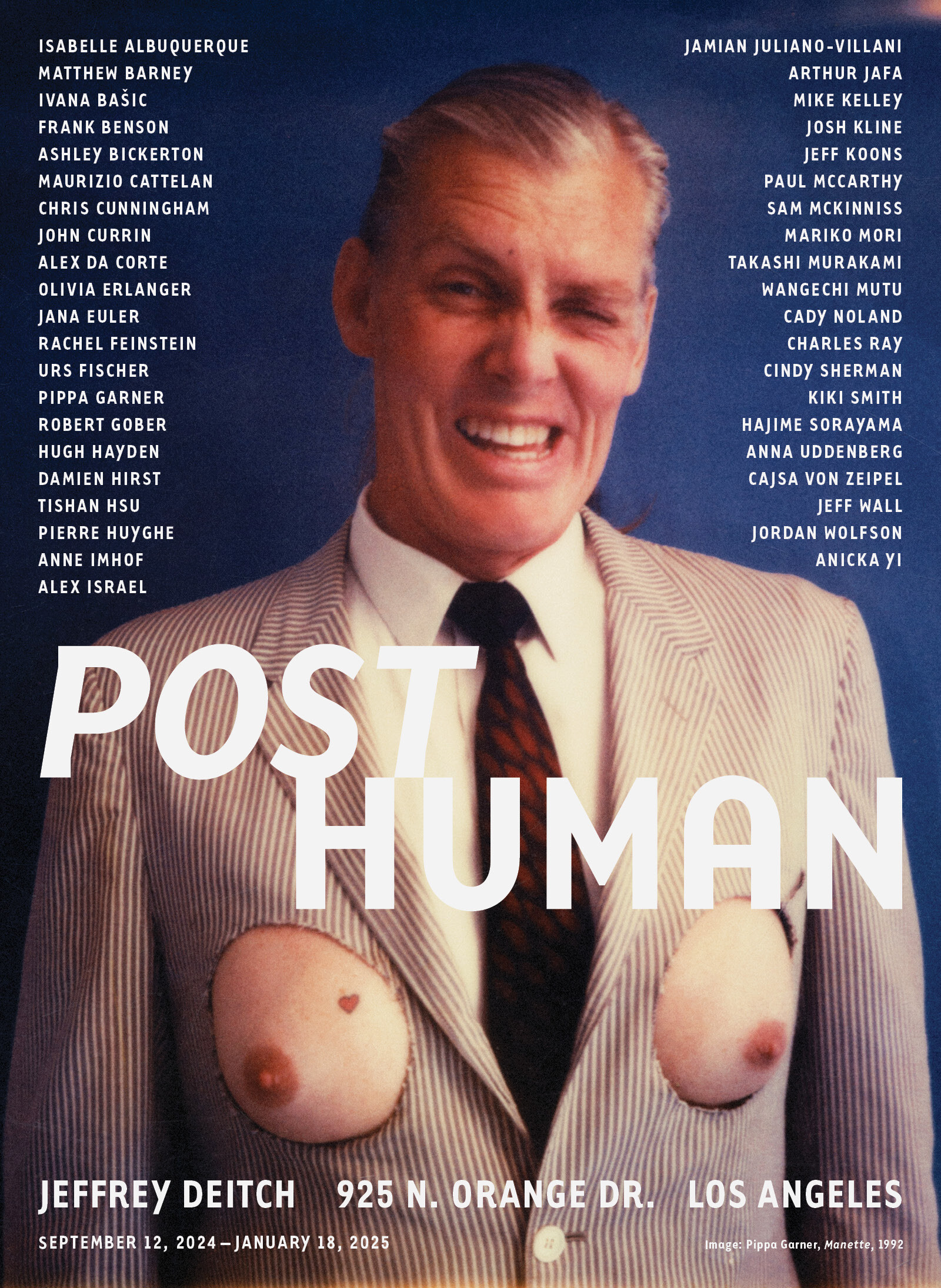
Post Human documents the 2024 revival of Jeffrey Deitch’s foundational 1992 exhibition. The original exhibition featured thirty-six artists working at the intersection of the body and technology and helped set the agenda for 1990s art discourse. The 2024 exhibition brings original participants into dial ogue with a new generation, expanding the discussion to contemporary concepts of technology and the body.
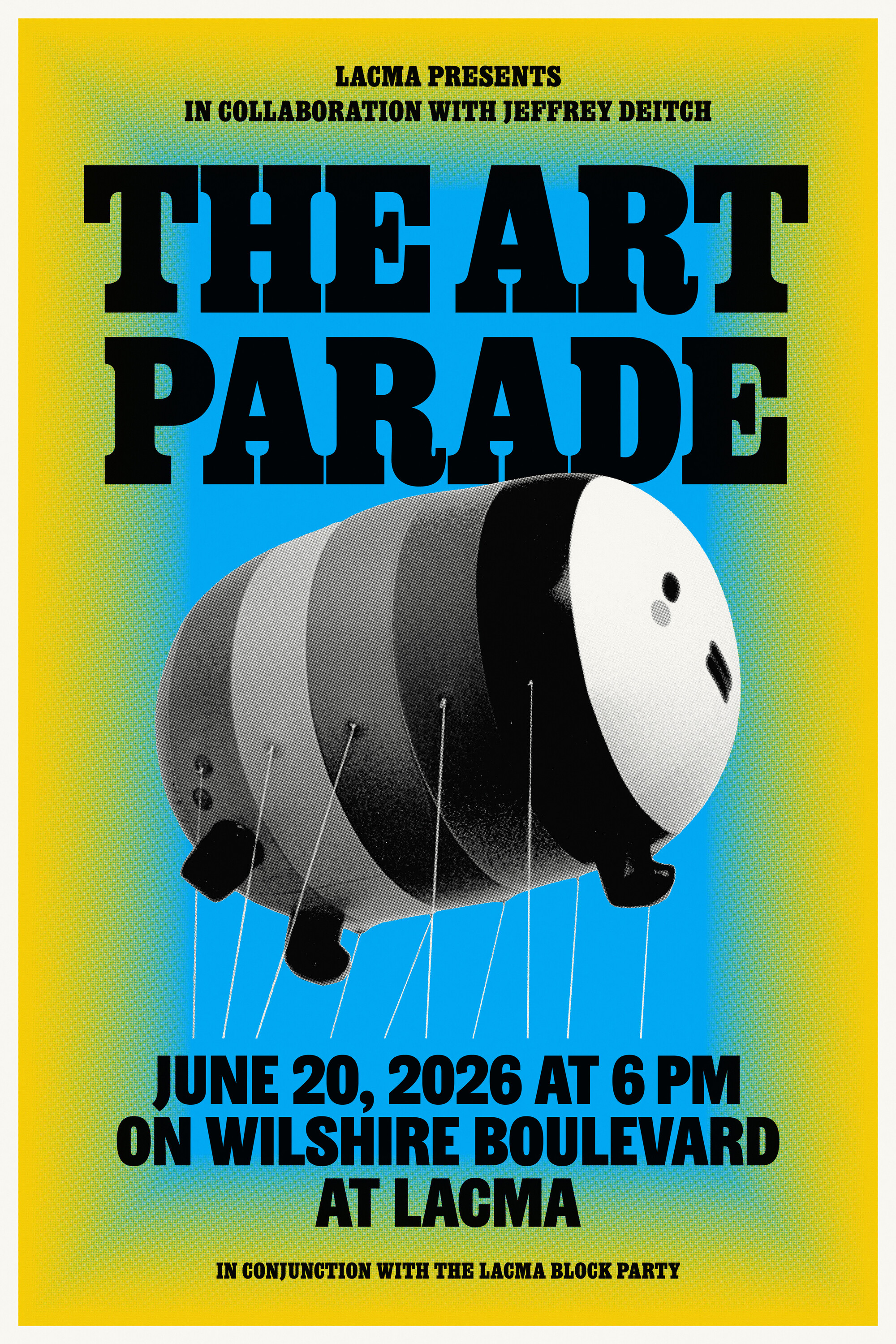
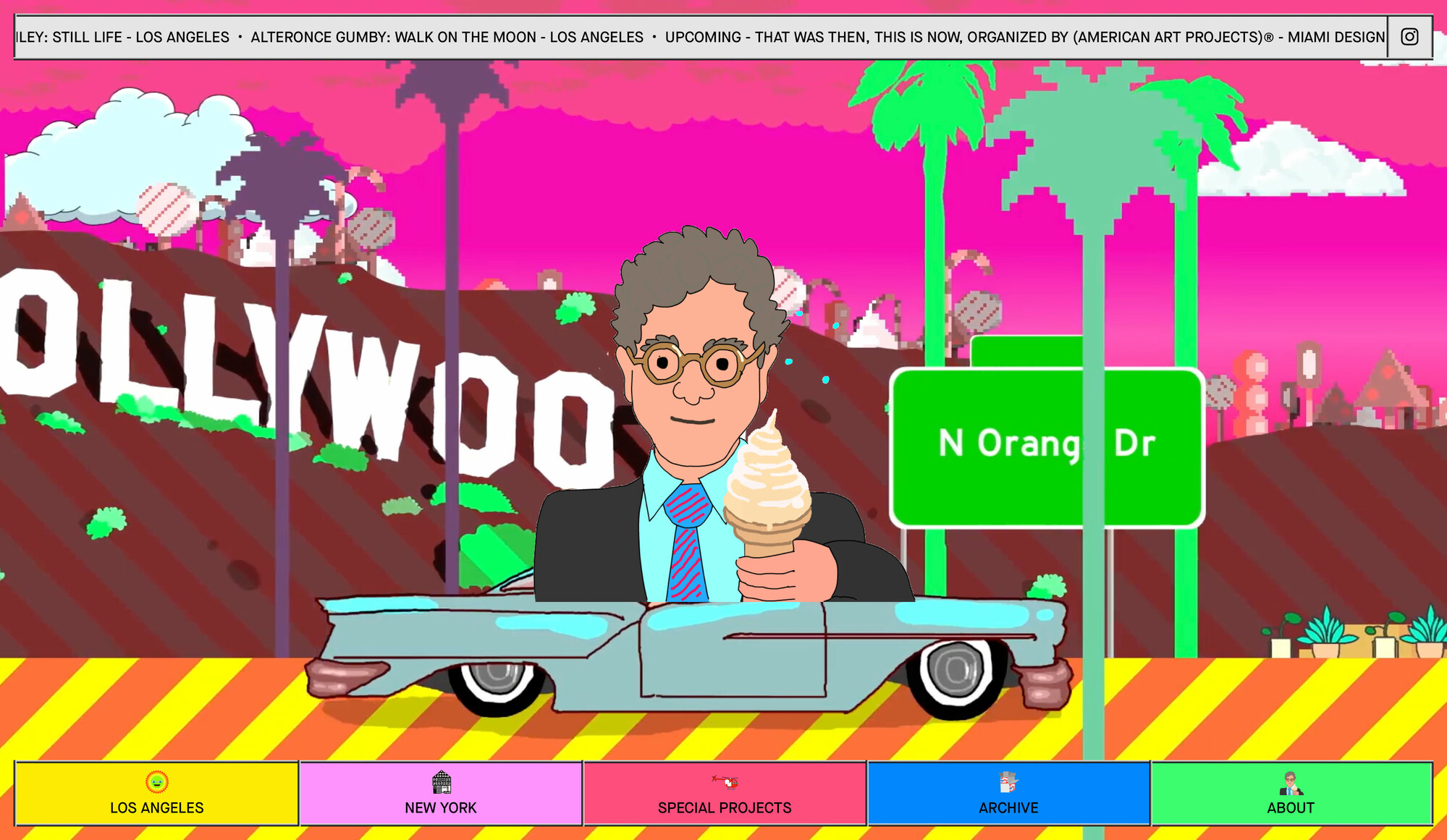
The Art Parade is a large-scale public celebration marking the opening of the David Geffen Galleries. Conceived two decades ago by influential art dealer and curator Jeffrey Deitch, this Los Angeles edition marks a pivotal moment in LACMA's history and for the city itself.
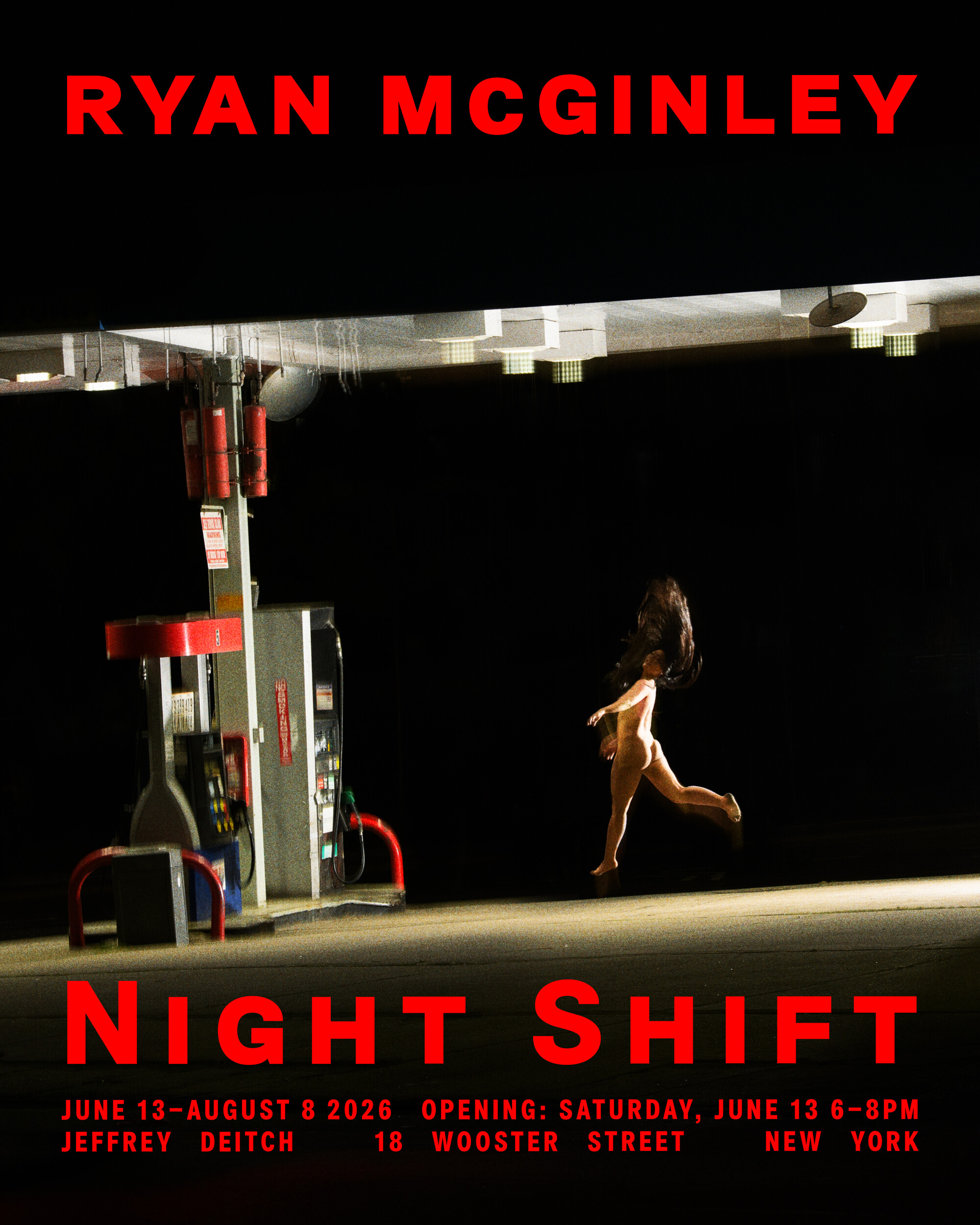
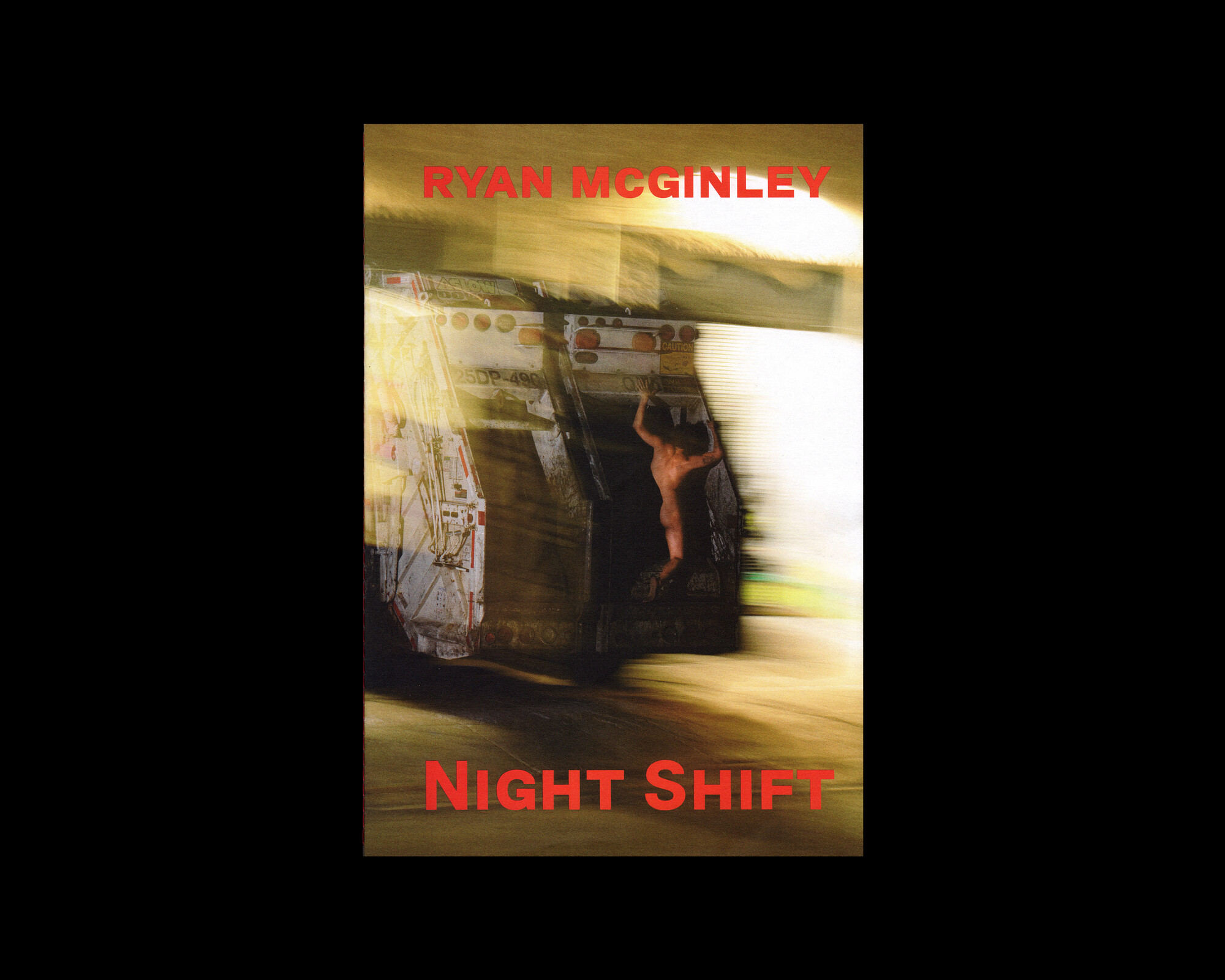
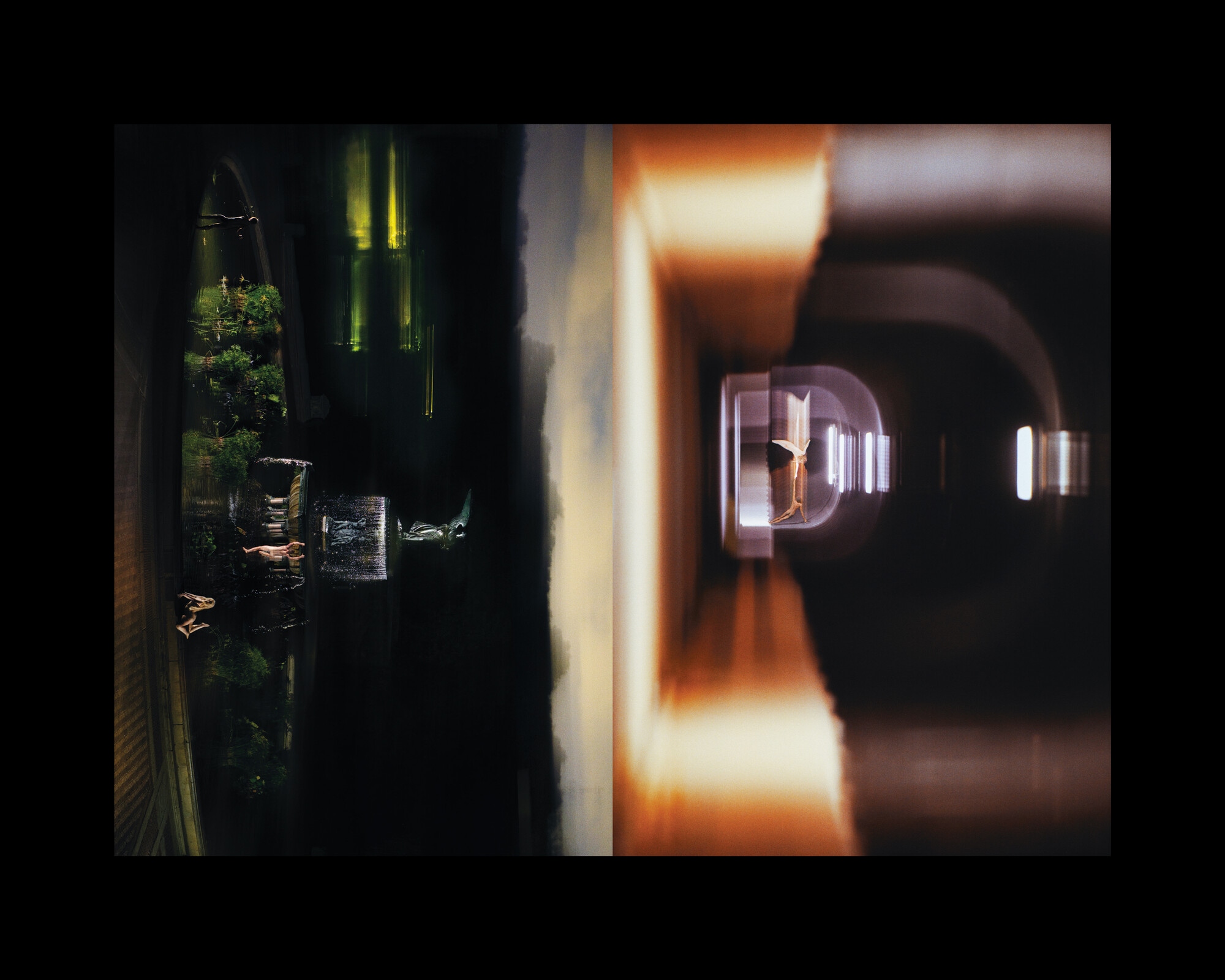
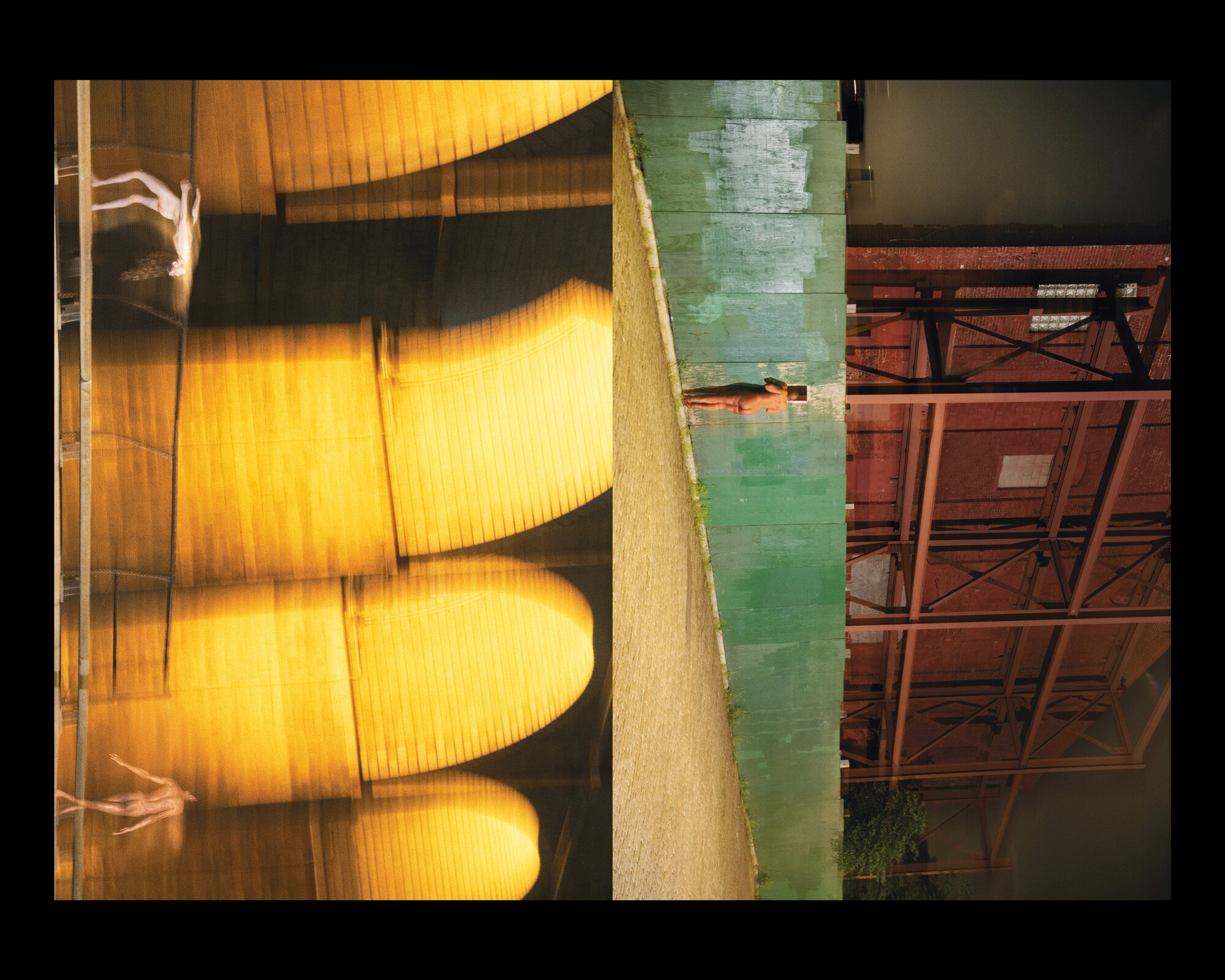
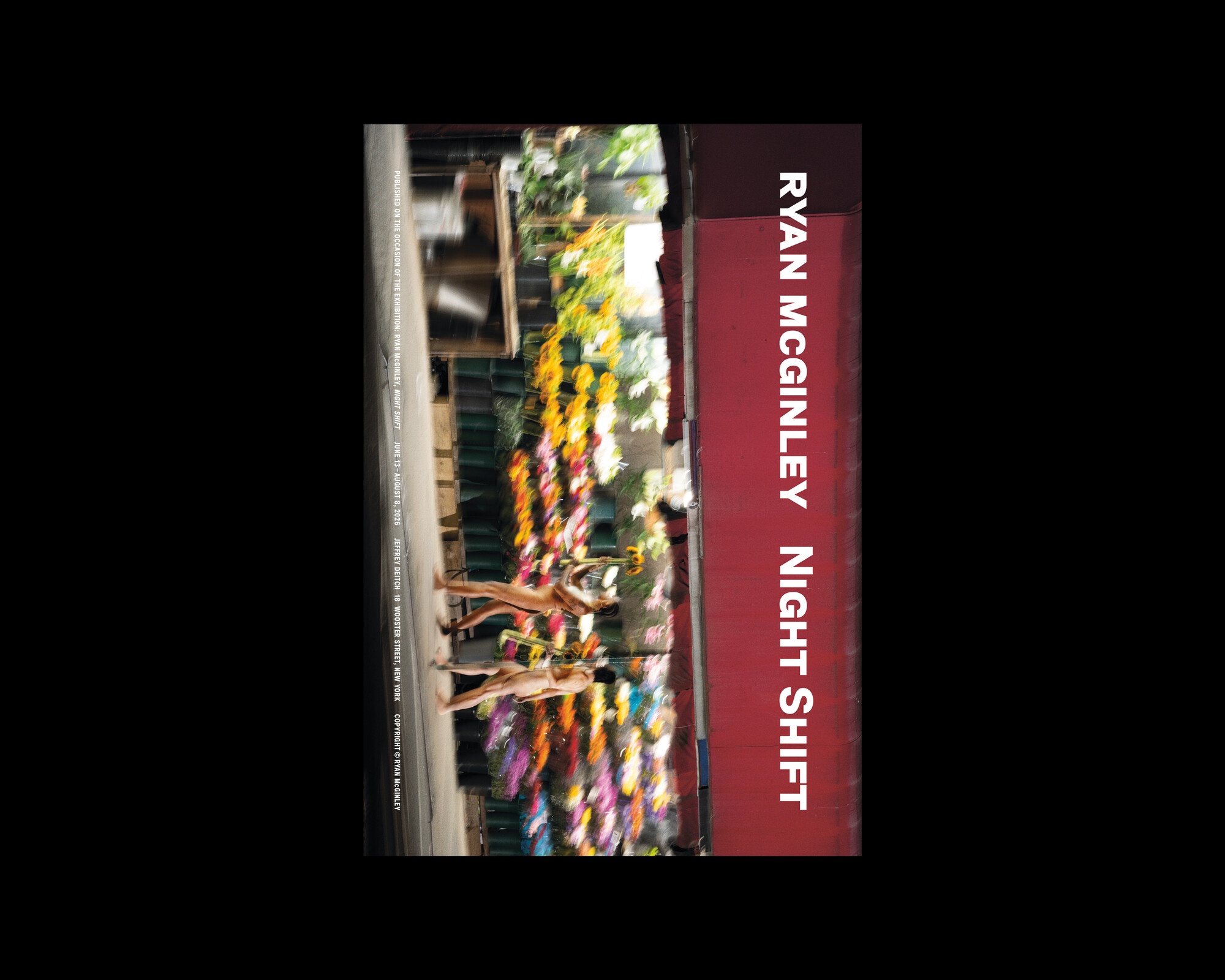
Limited-edition exhibition zine for Ryan McGinley’s first solo show in nearly a decade. Shot exclusively from Sunday through Tuesday between 9 pm and 5 am across all five boroughs of New York City during a self-imposed graveyard shift.
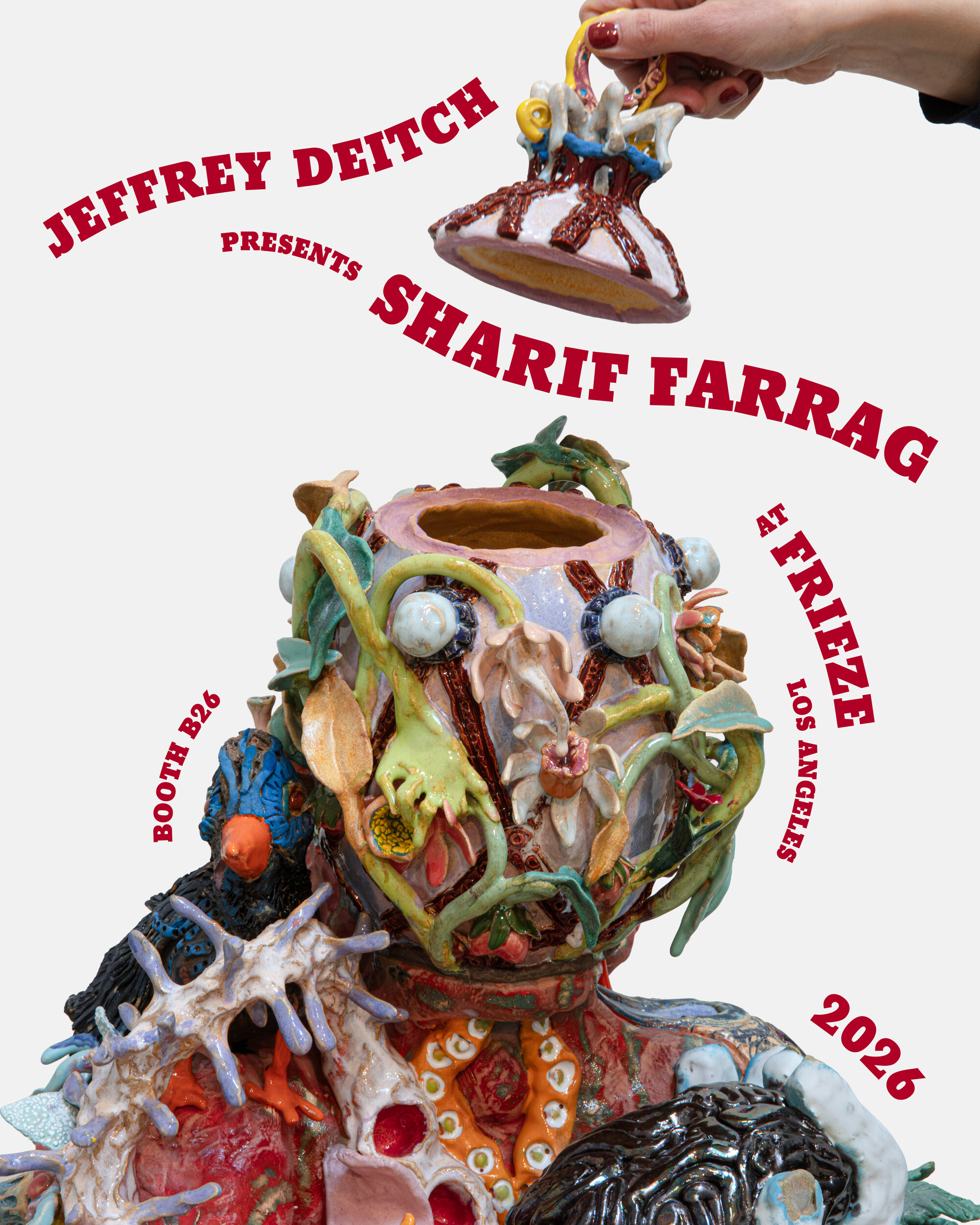
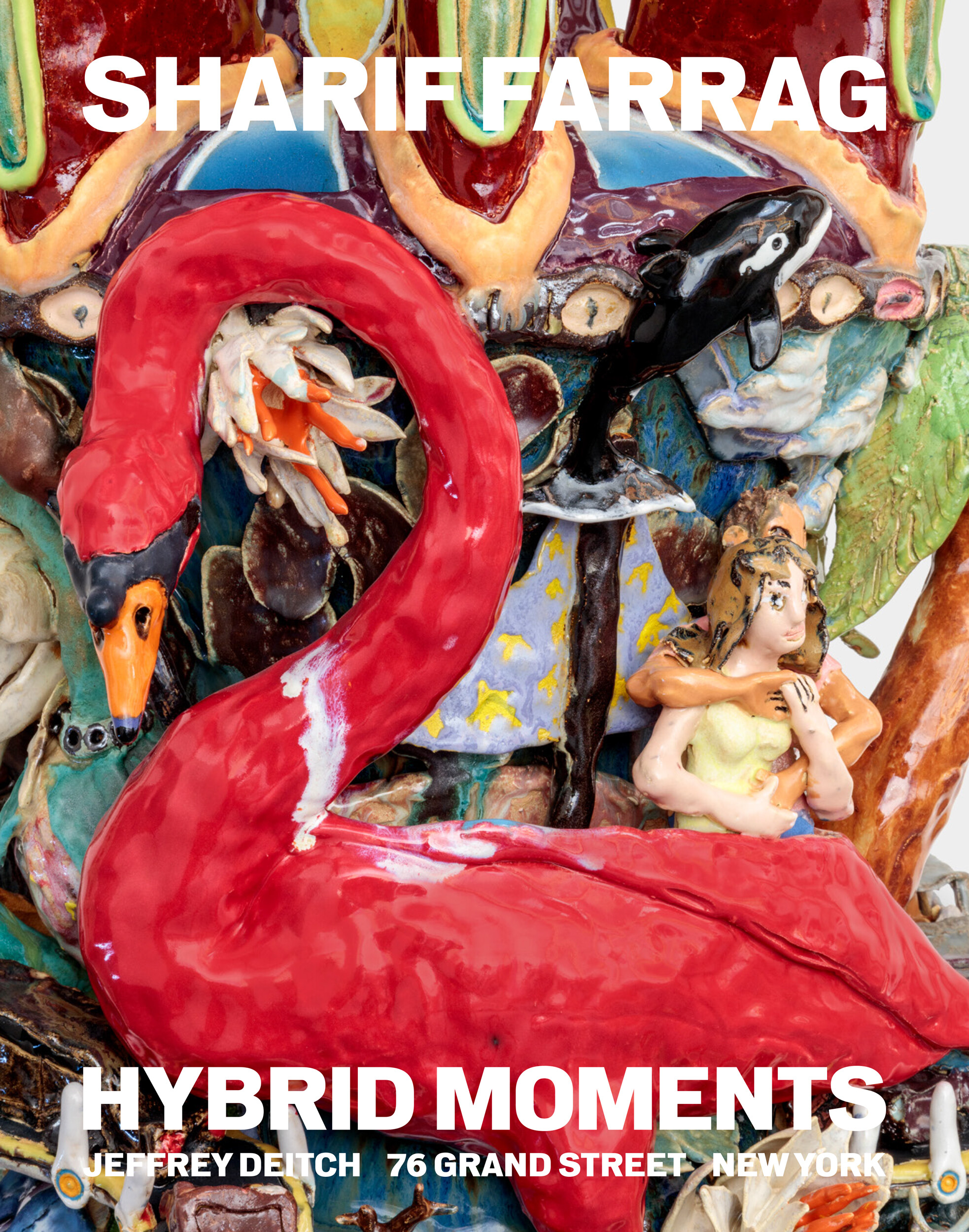
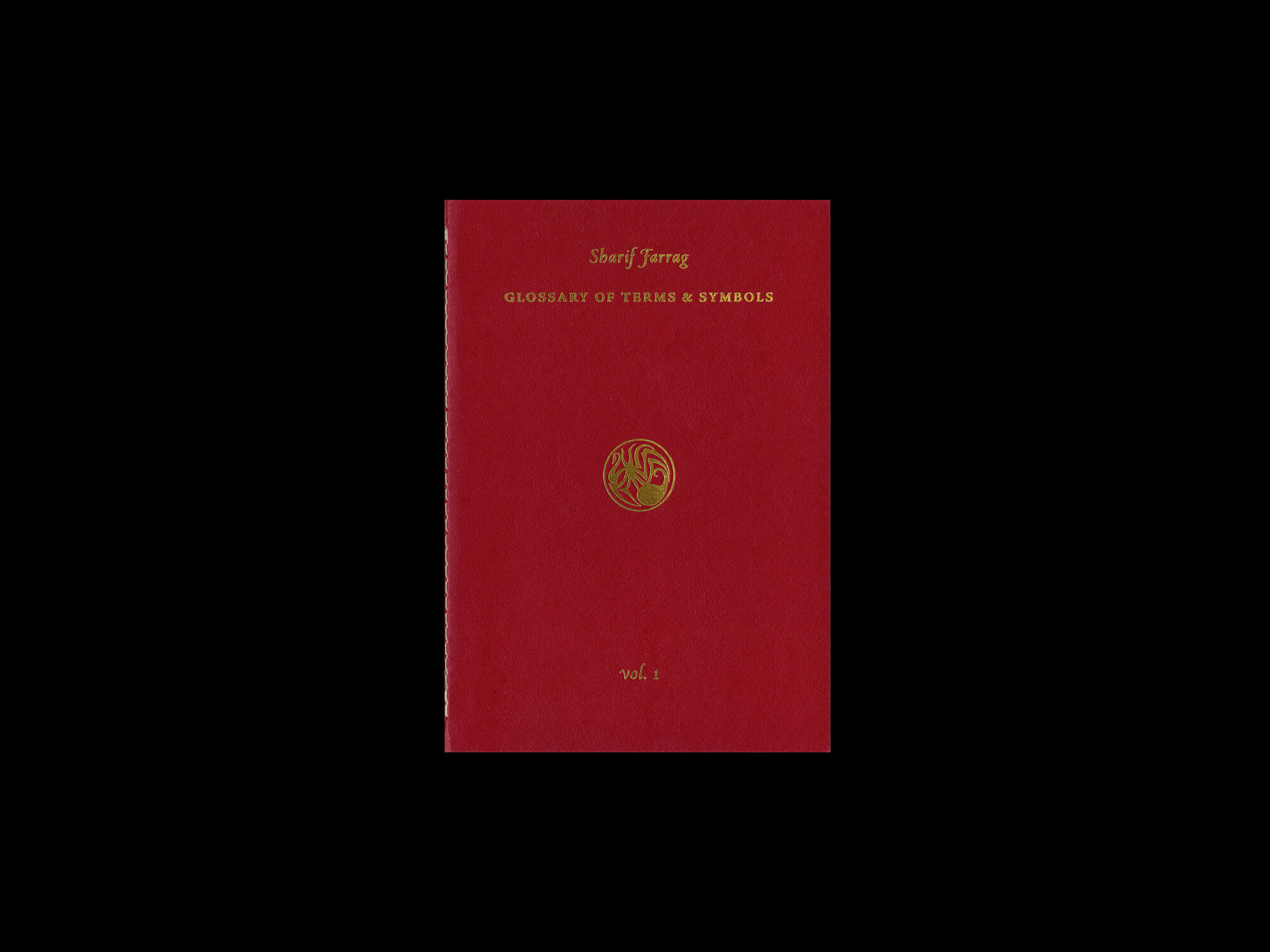
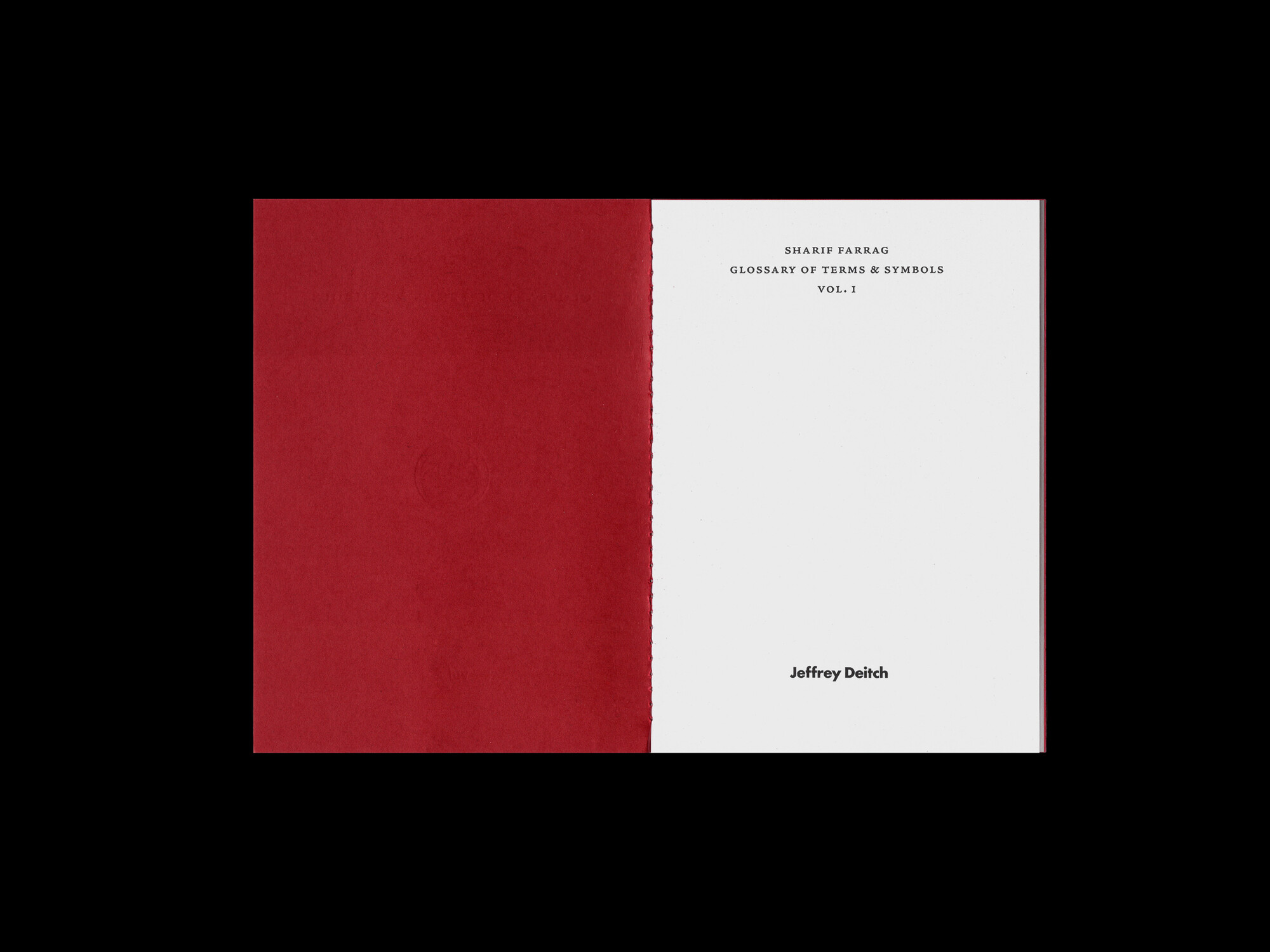
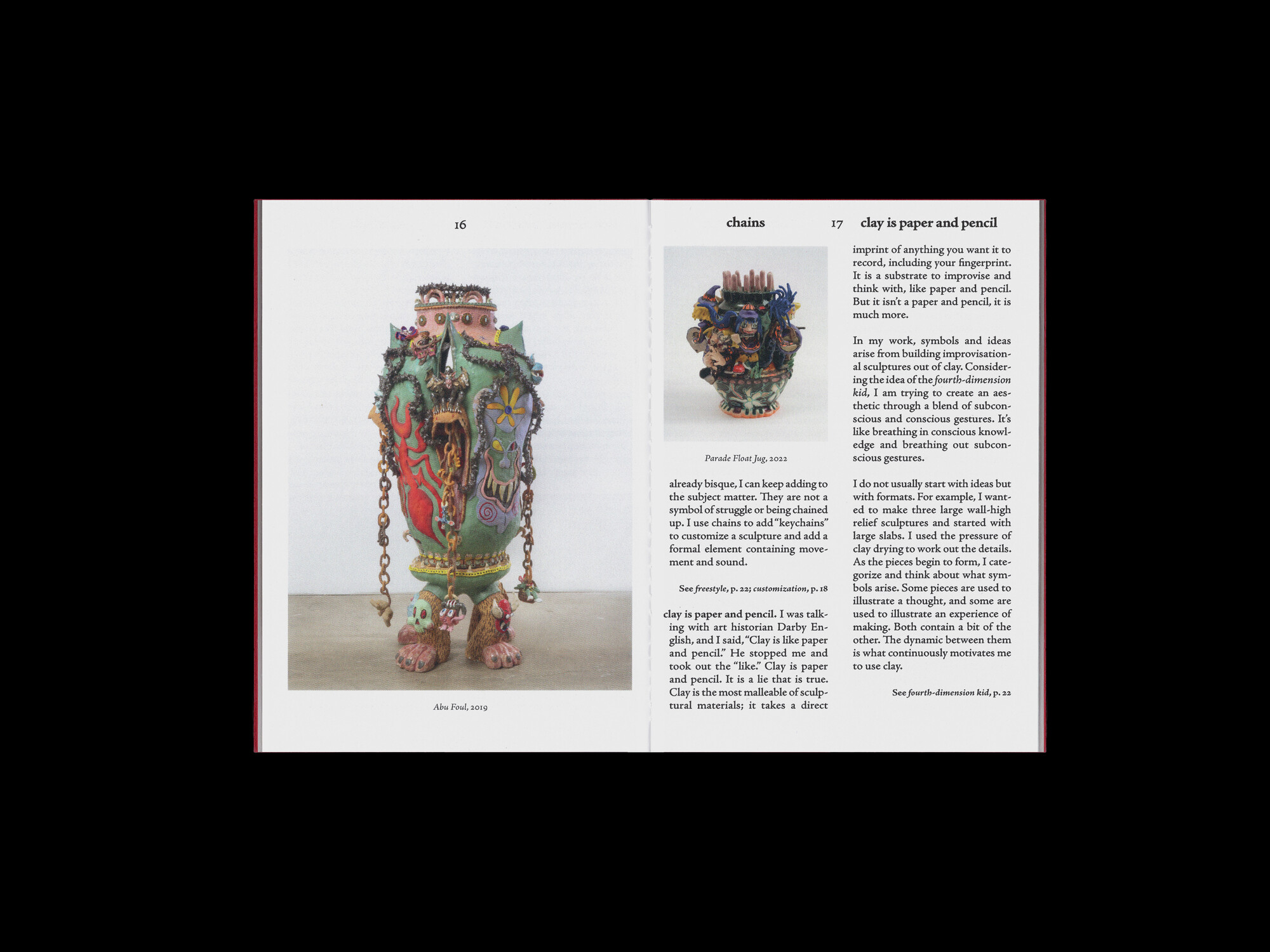
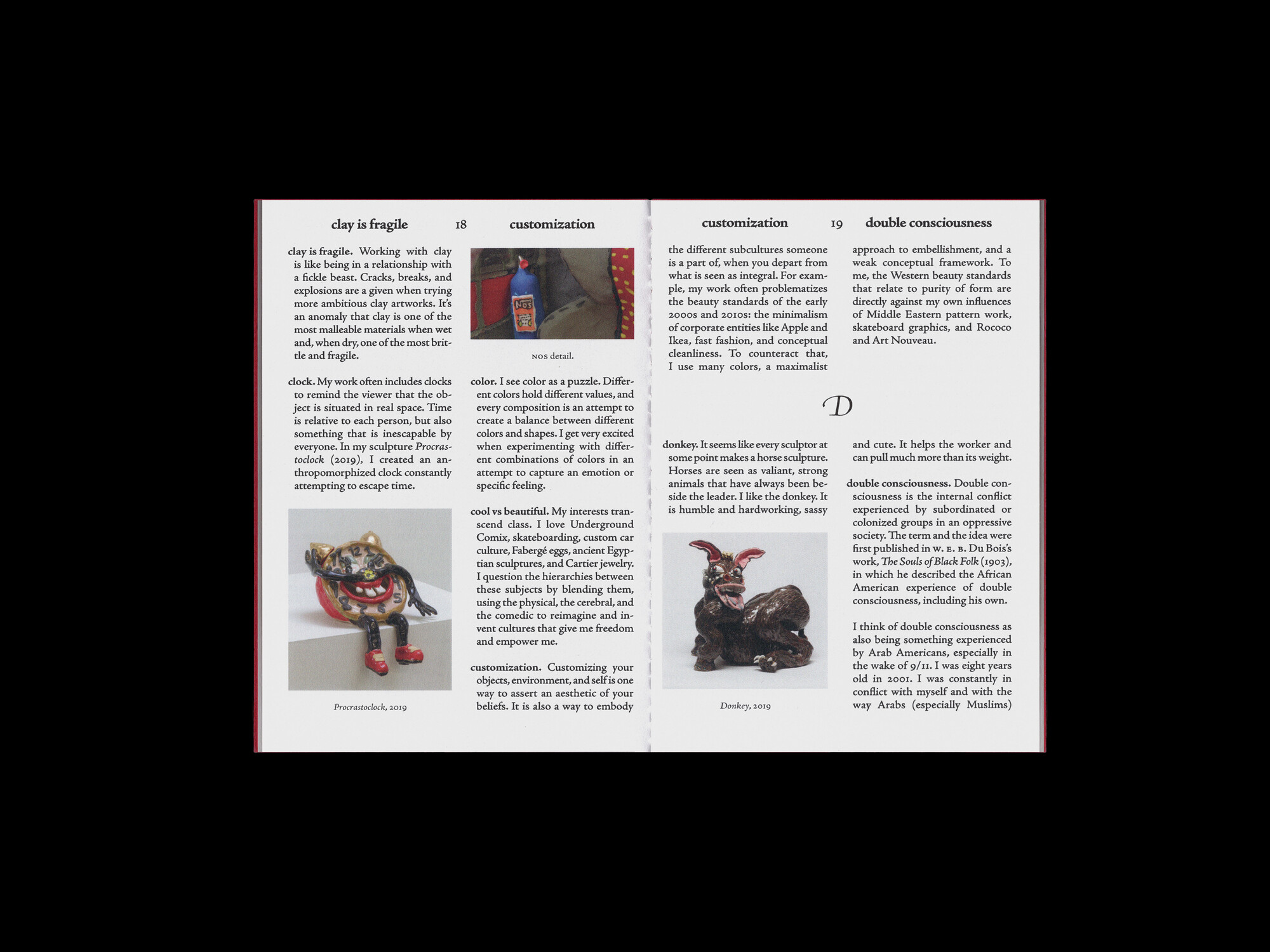
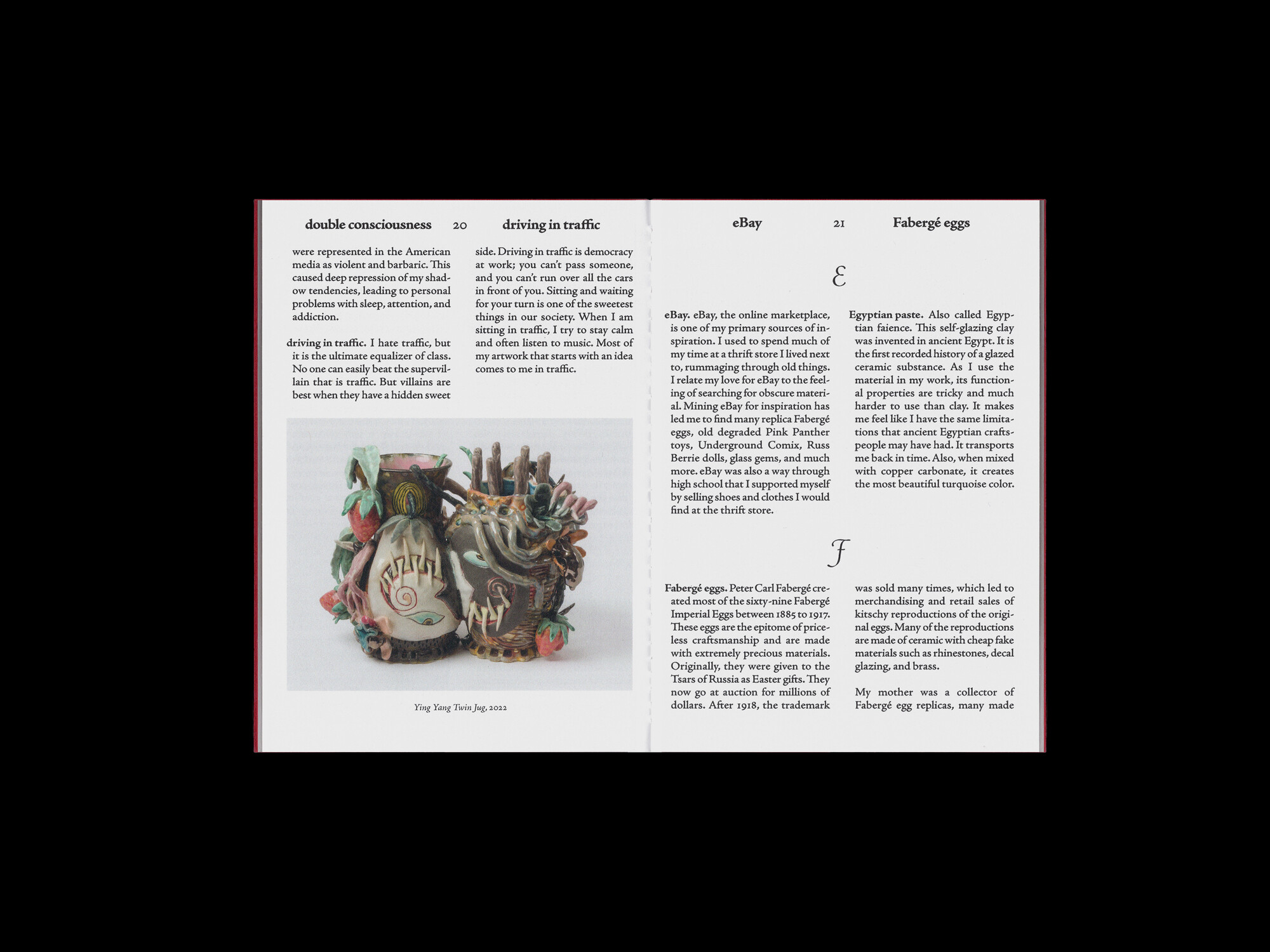
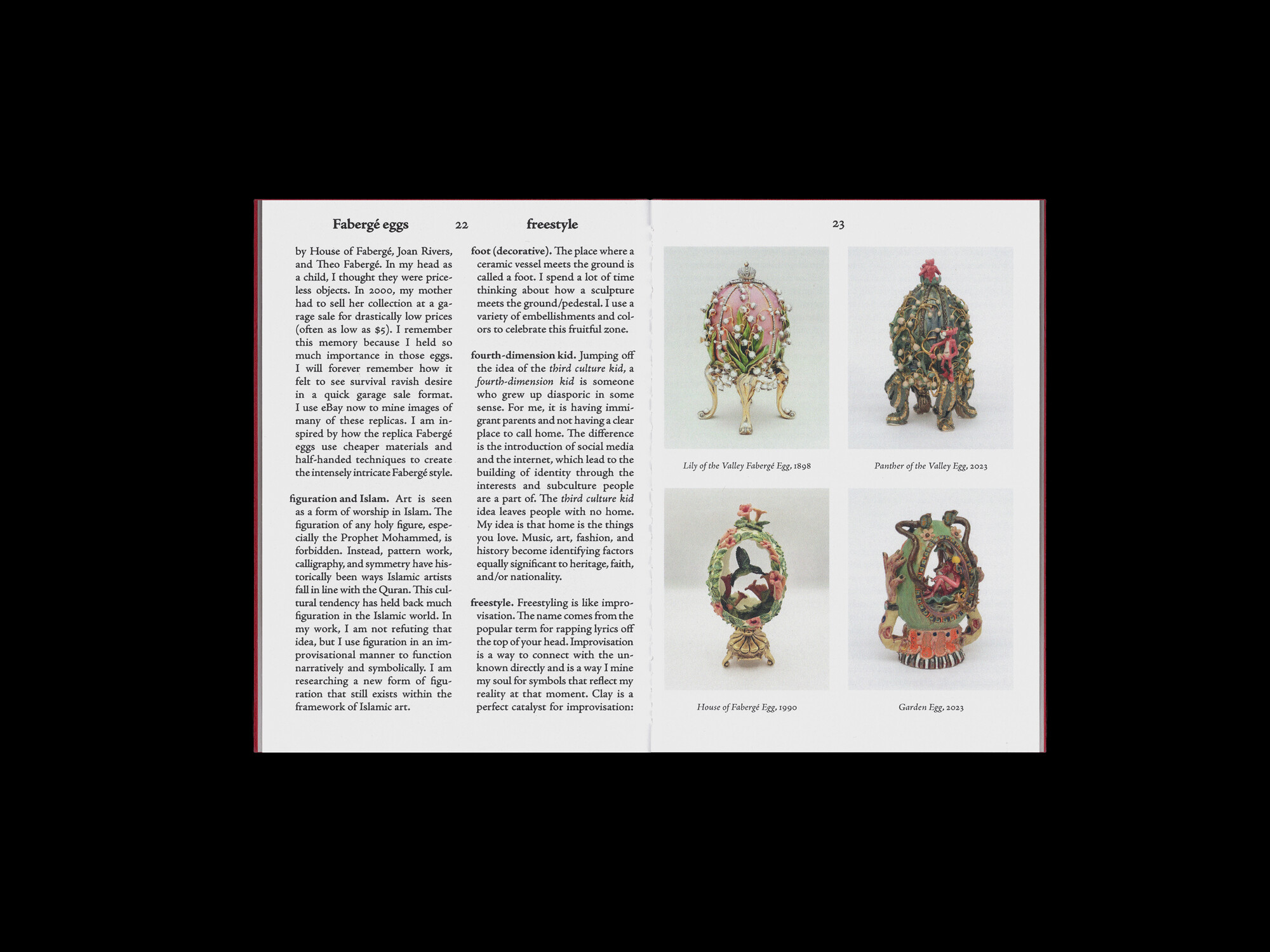
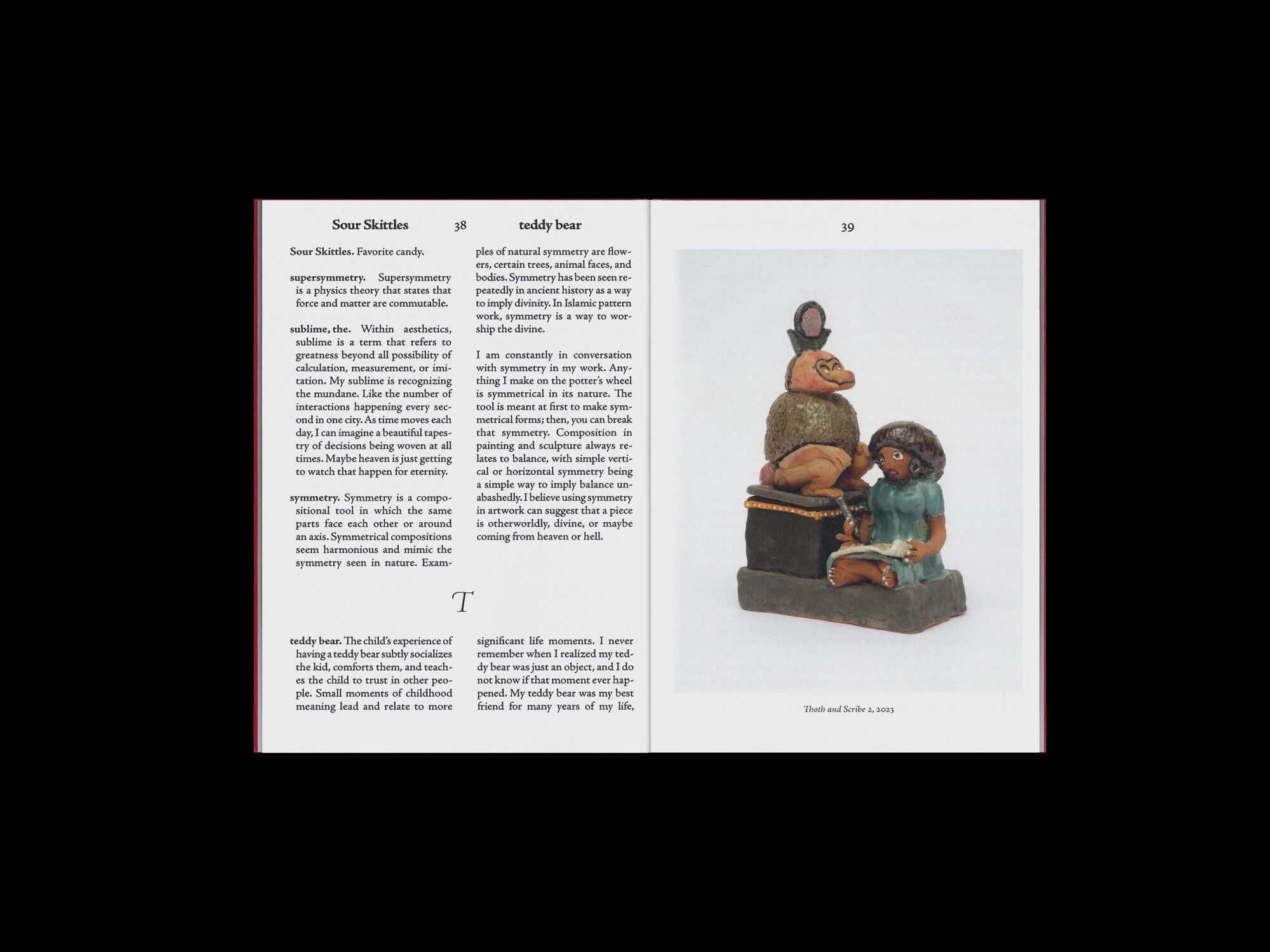
Limited-edition exhibition booklet for Sharif Farrag’s Hybrid Moments serving as an intimate guidebook to the artist’s background and visual language. The dictionary is adapted from Farrag’s MFA thesis at UCLA, which he treats as an evolving real-time record of his perspectives.
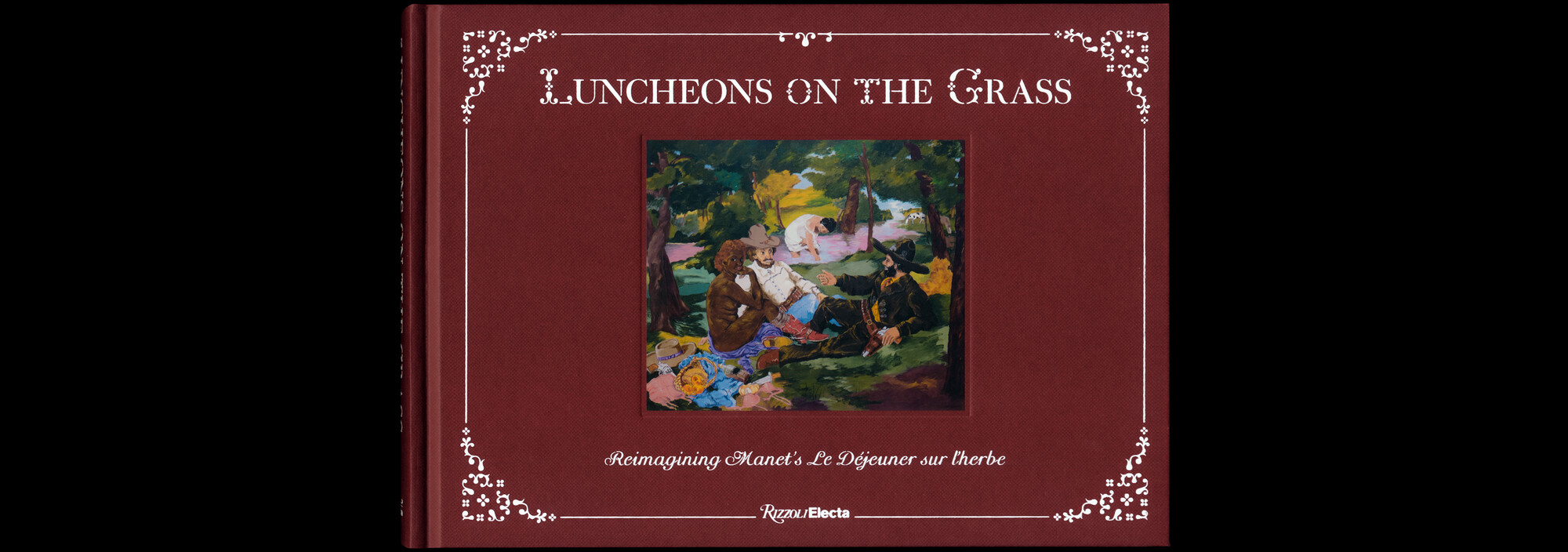
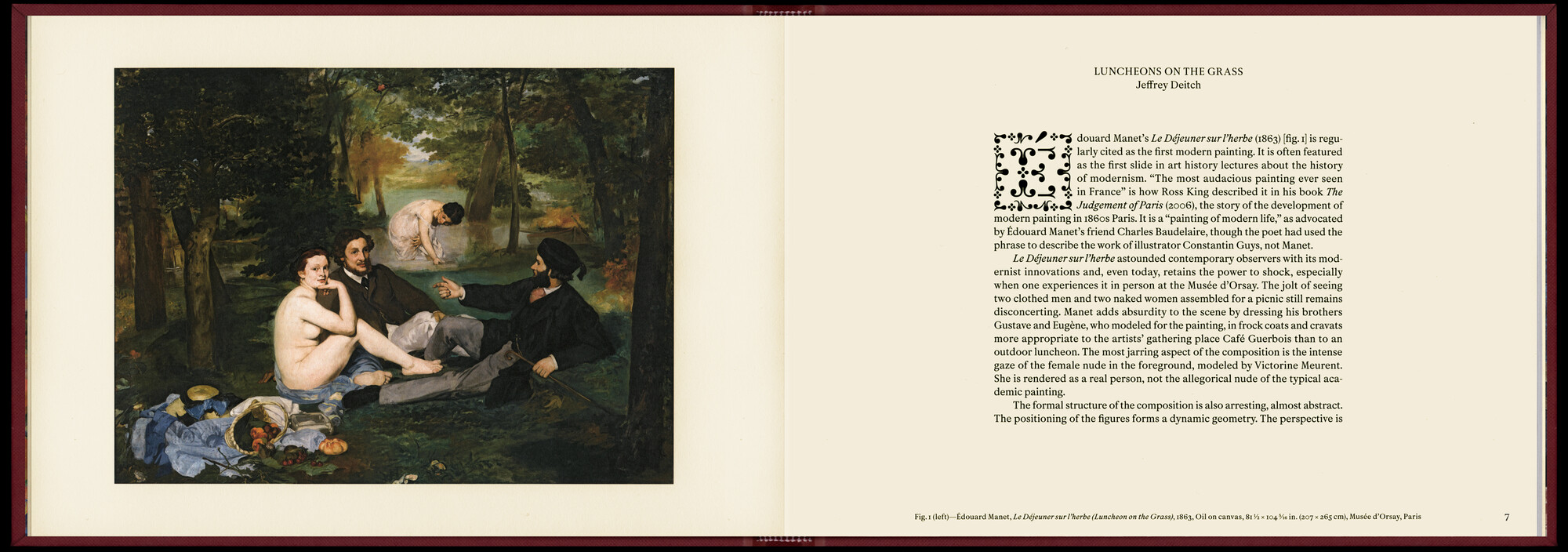
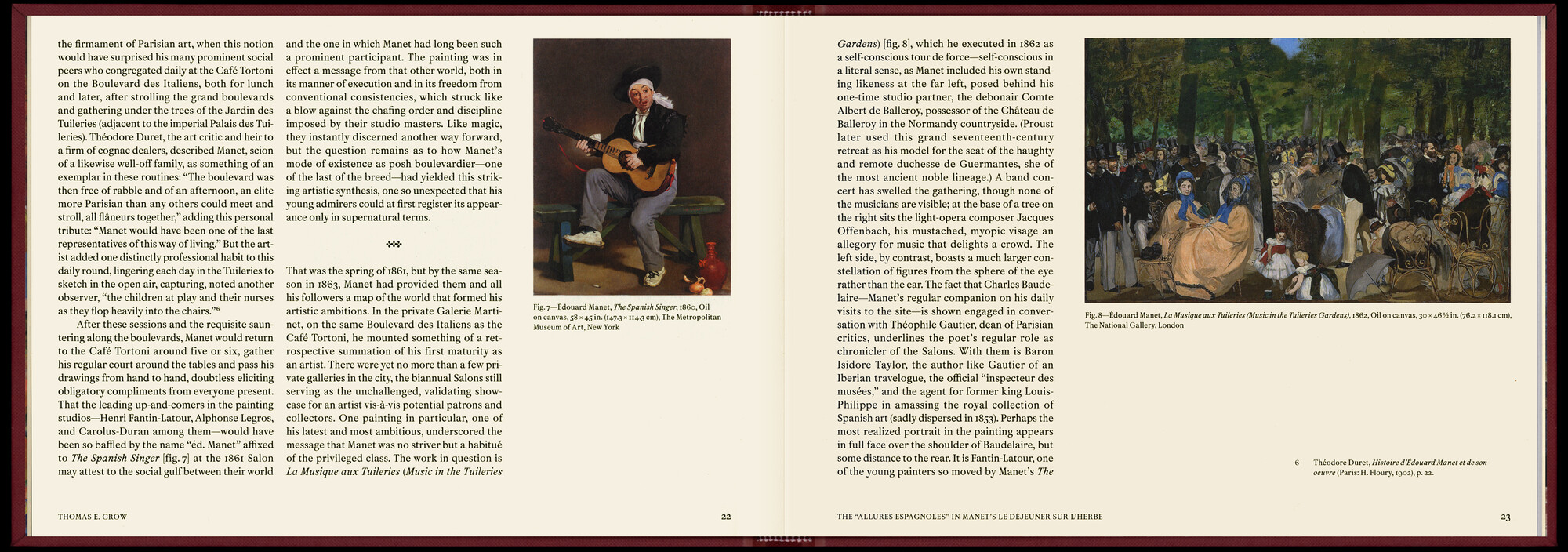
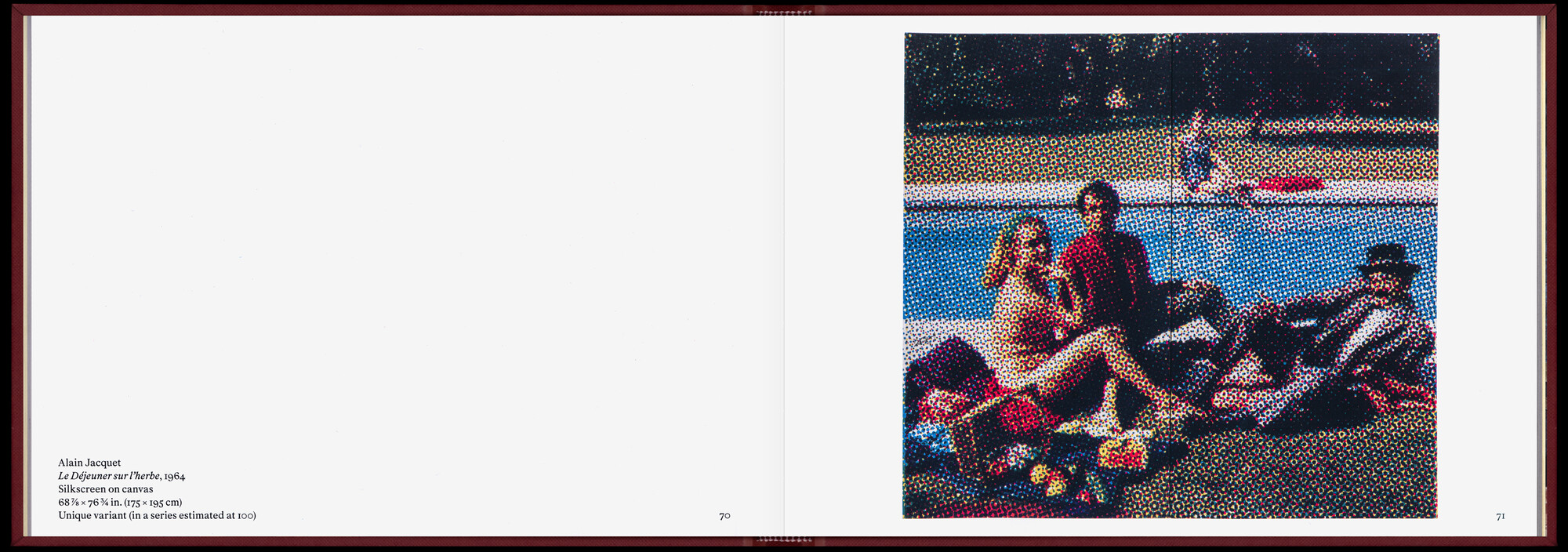
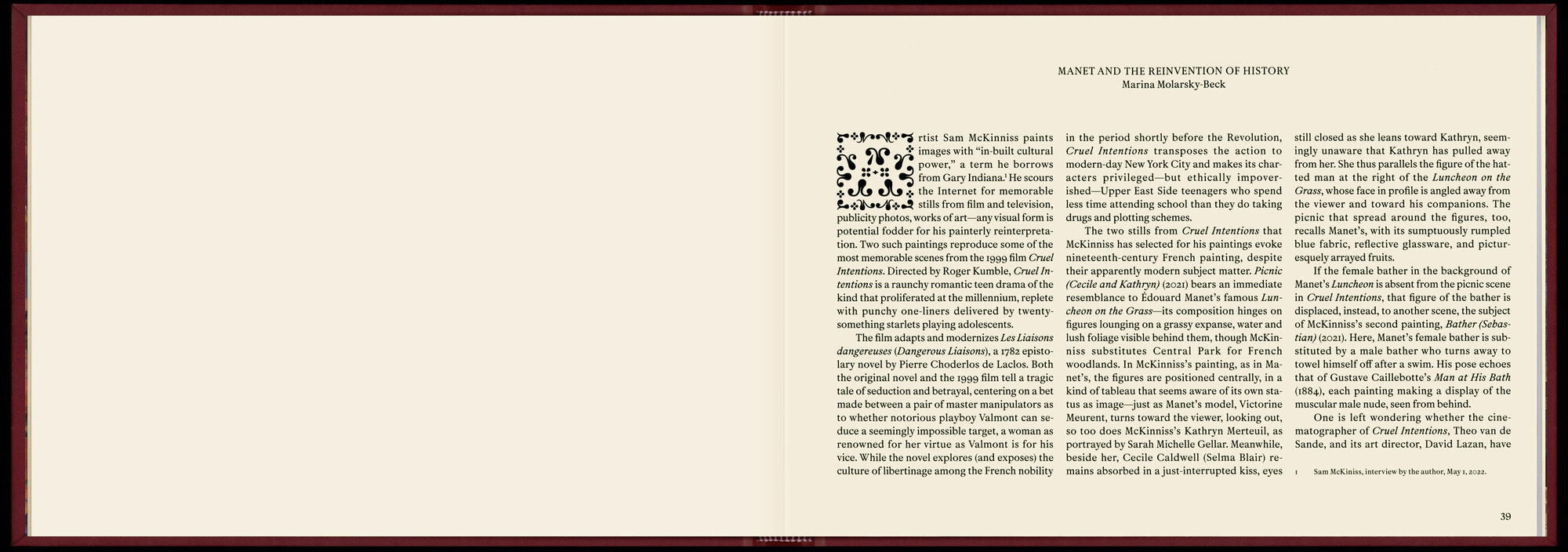
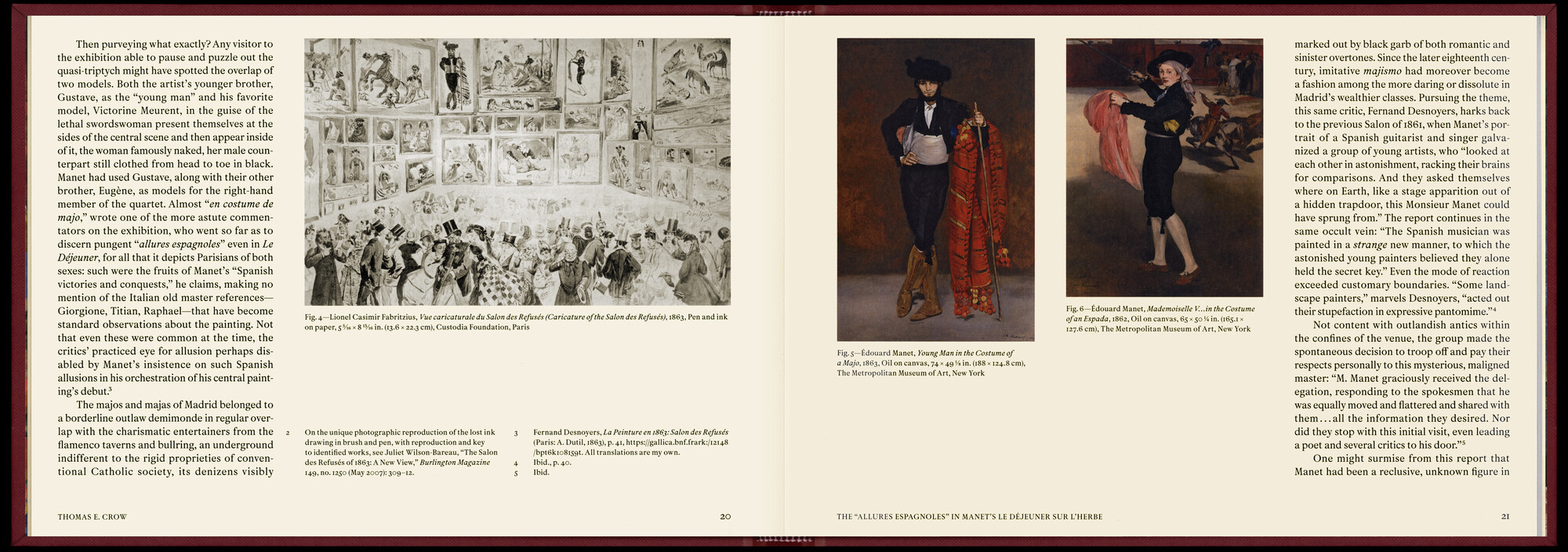
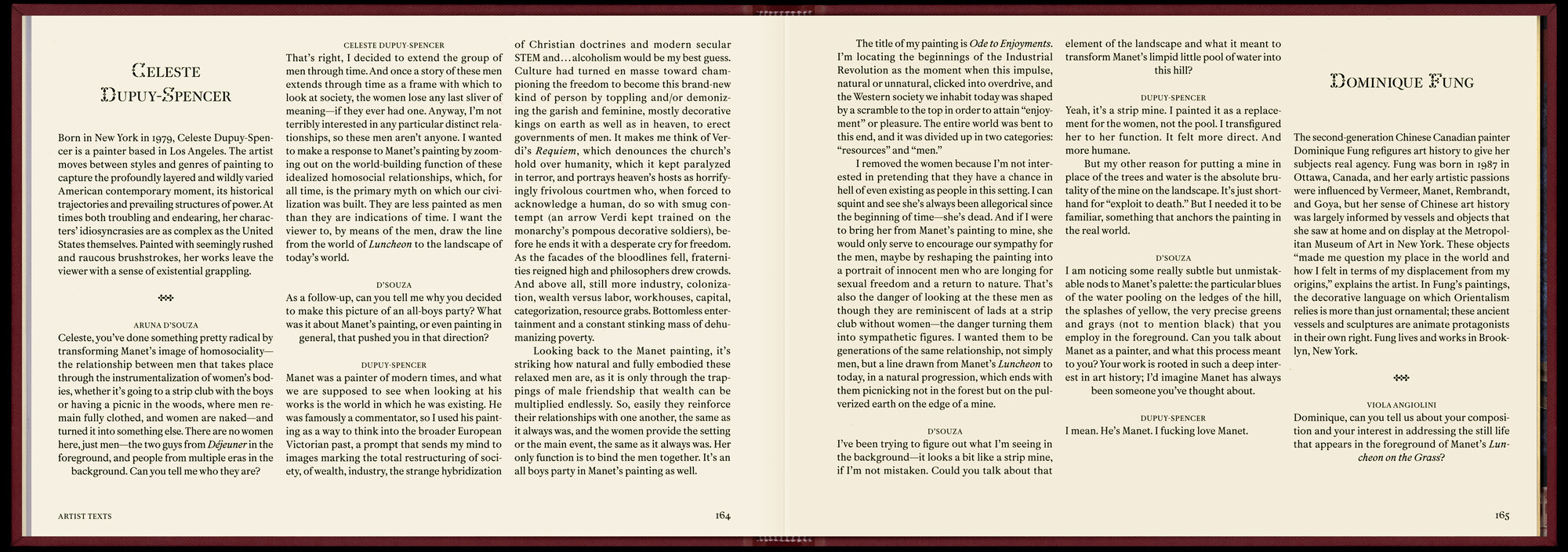
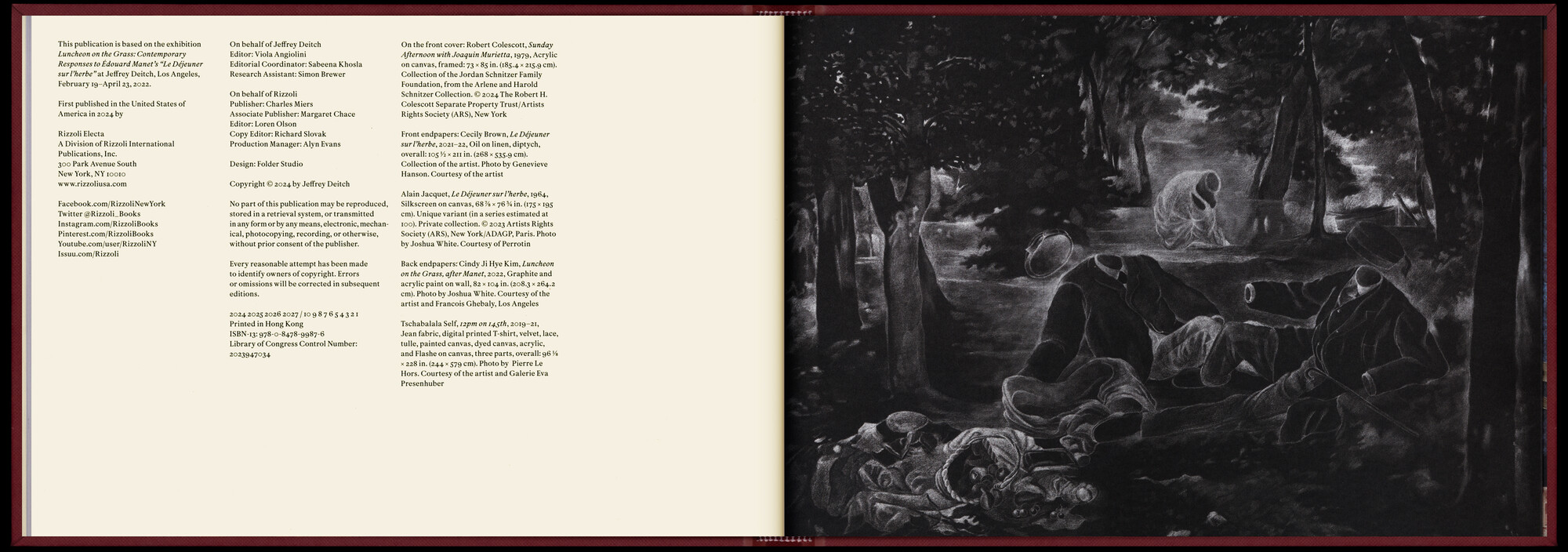
Luncheons on the Grass: Reimagining Manet's Le Déjeuner Sur L'Herbe is a compact art book presented as a follow up to the exhibition Luncheon on the Grass at Jeffrey Deitch. The gallery invited 35 contemporary artists to respond to Édouard Manet’s provocative 1863 masterpiece. The book features full-page plates of the commissioned artworks and distinct typography choices for the artist interviews, historical essays, and archival imagery.
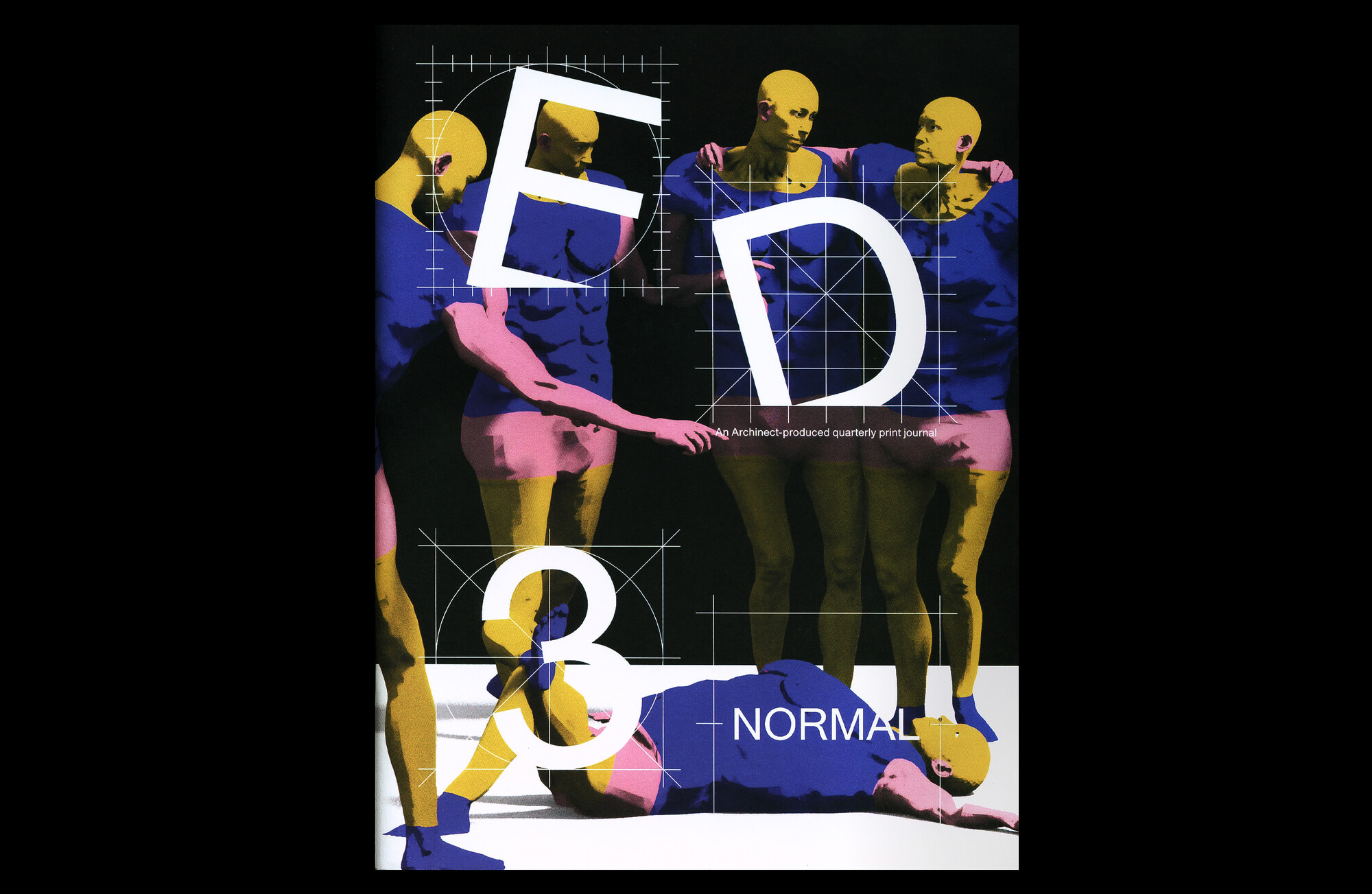
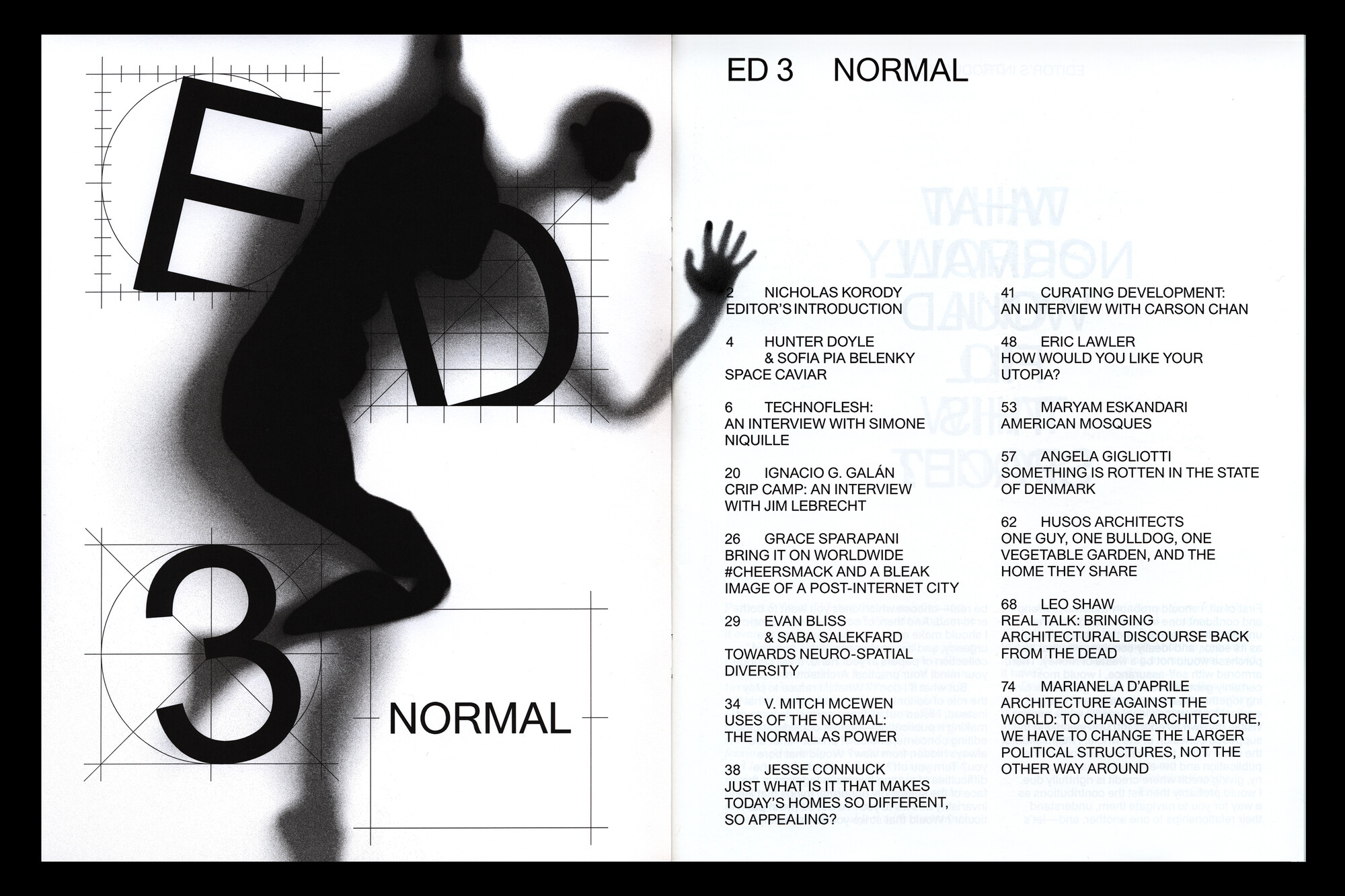
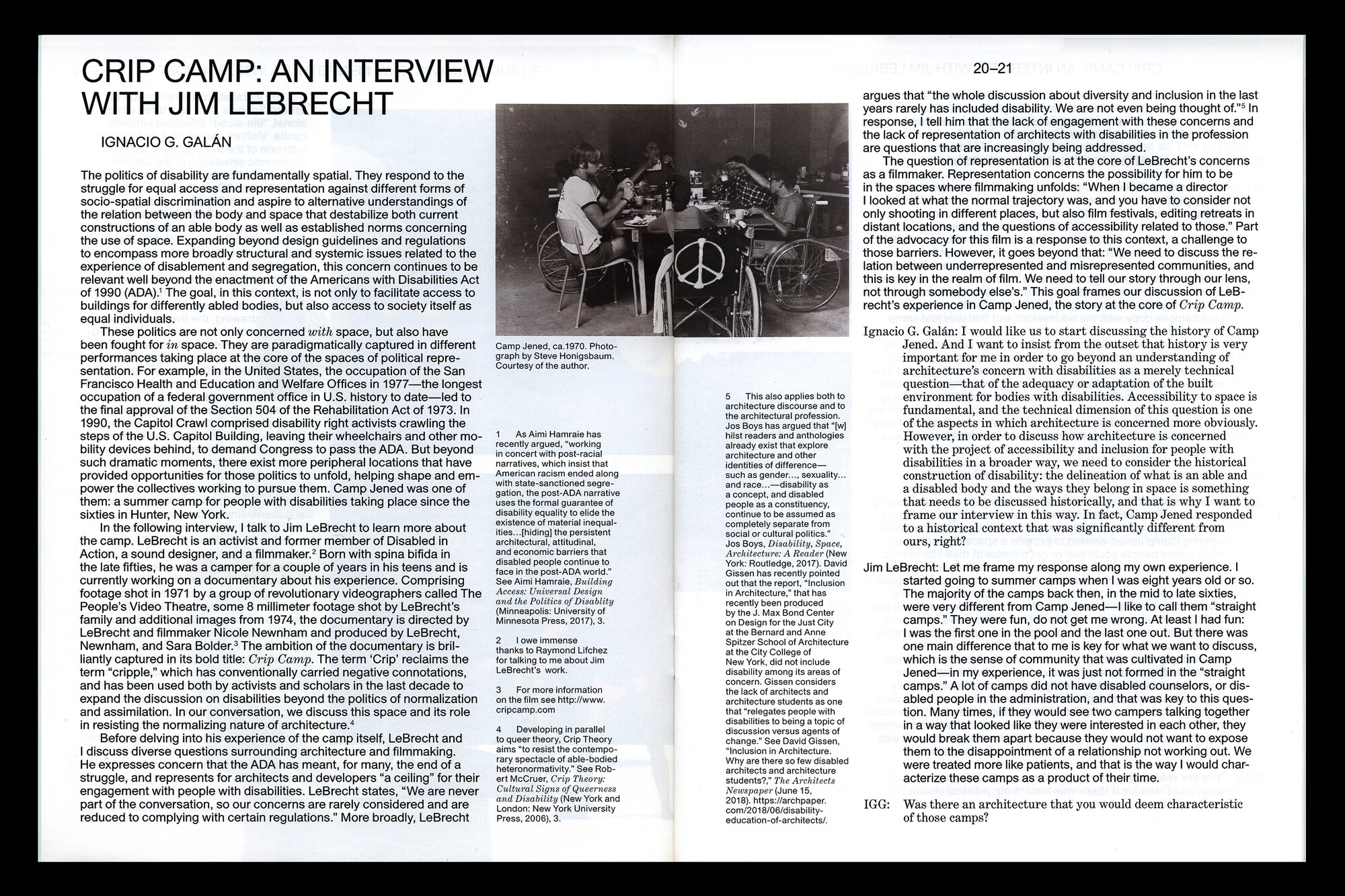
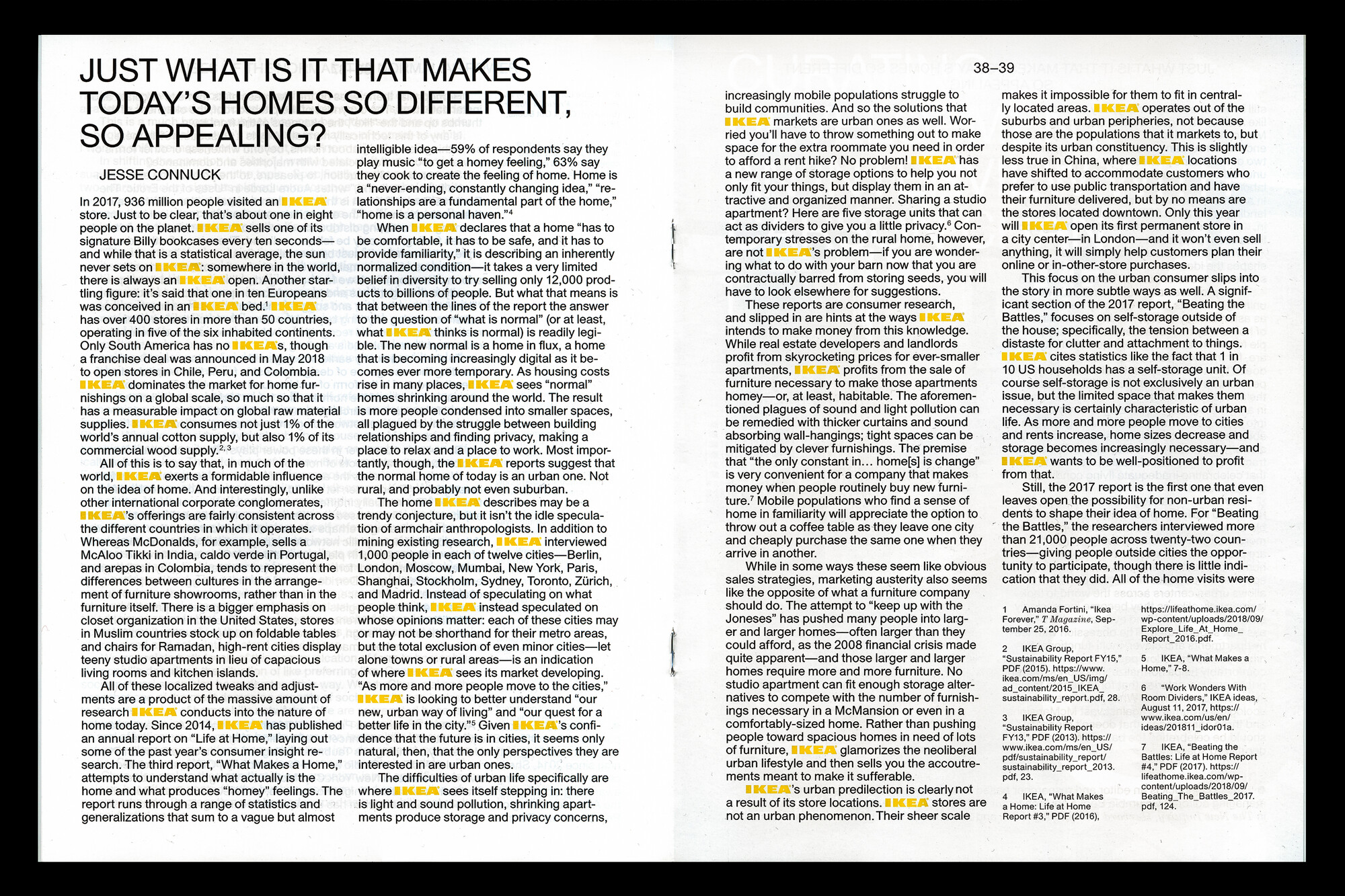
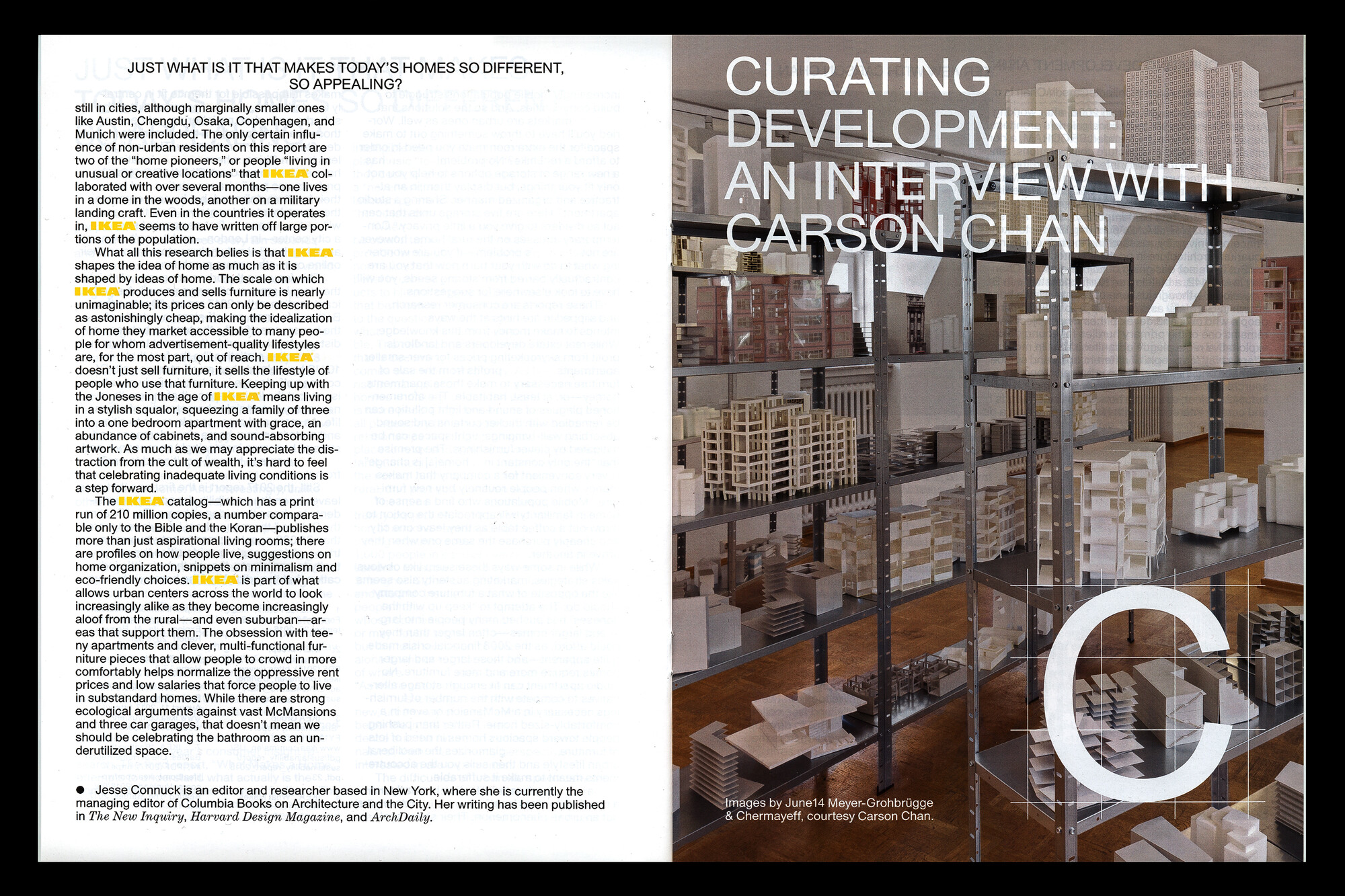
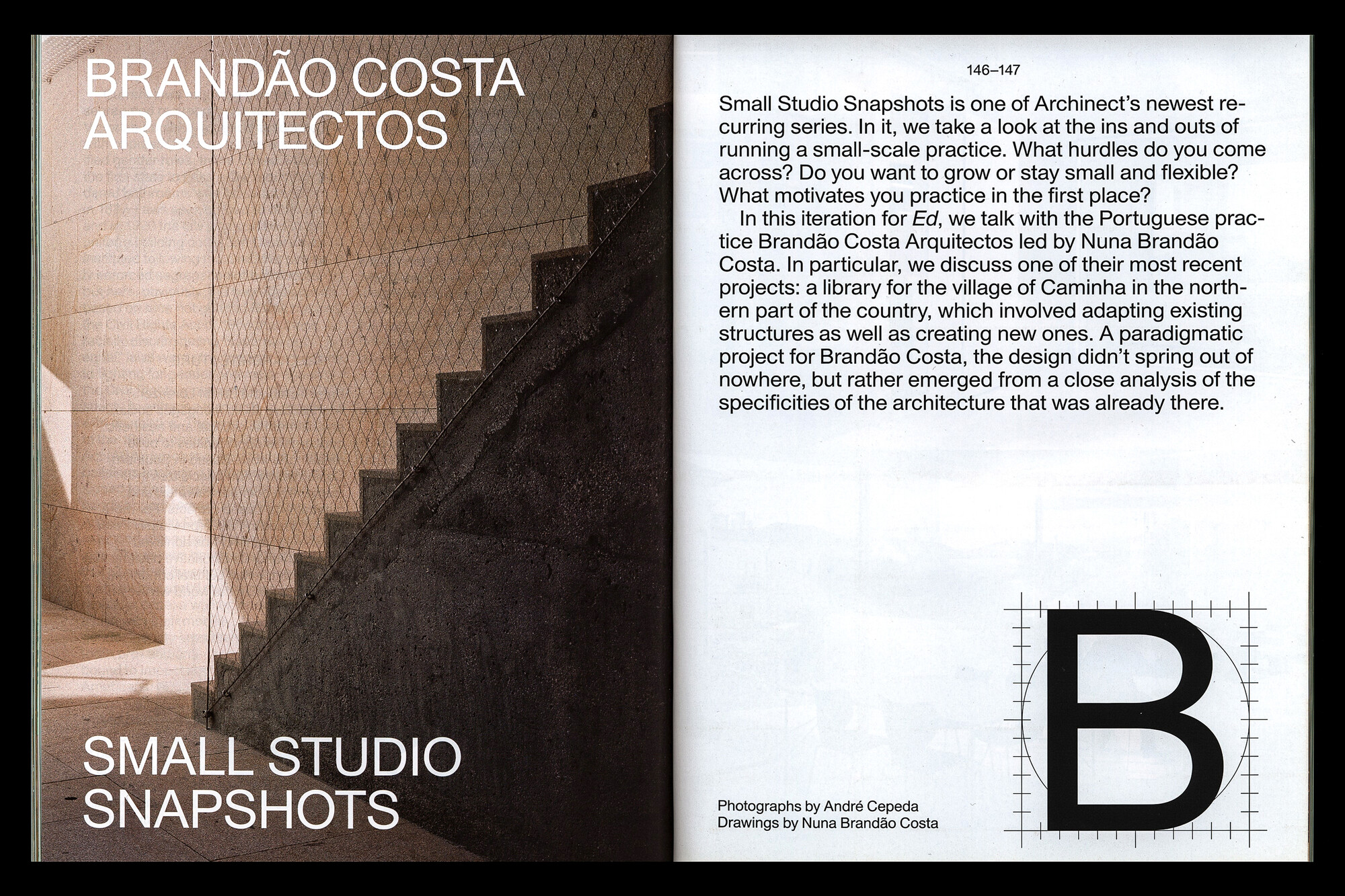
Third issue of Ed, Archinect’s print magazine. Brings together essays and visual contributions questioning the norms that shape architectural practice and its institutions, and proposing alternative frameworks for how architecture relates to labor, bodies, and social structures. More info ⎘
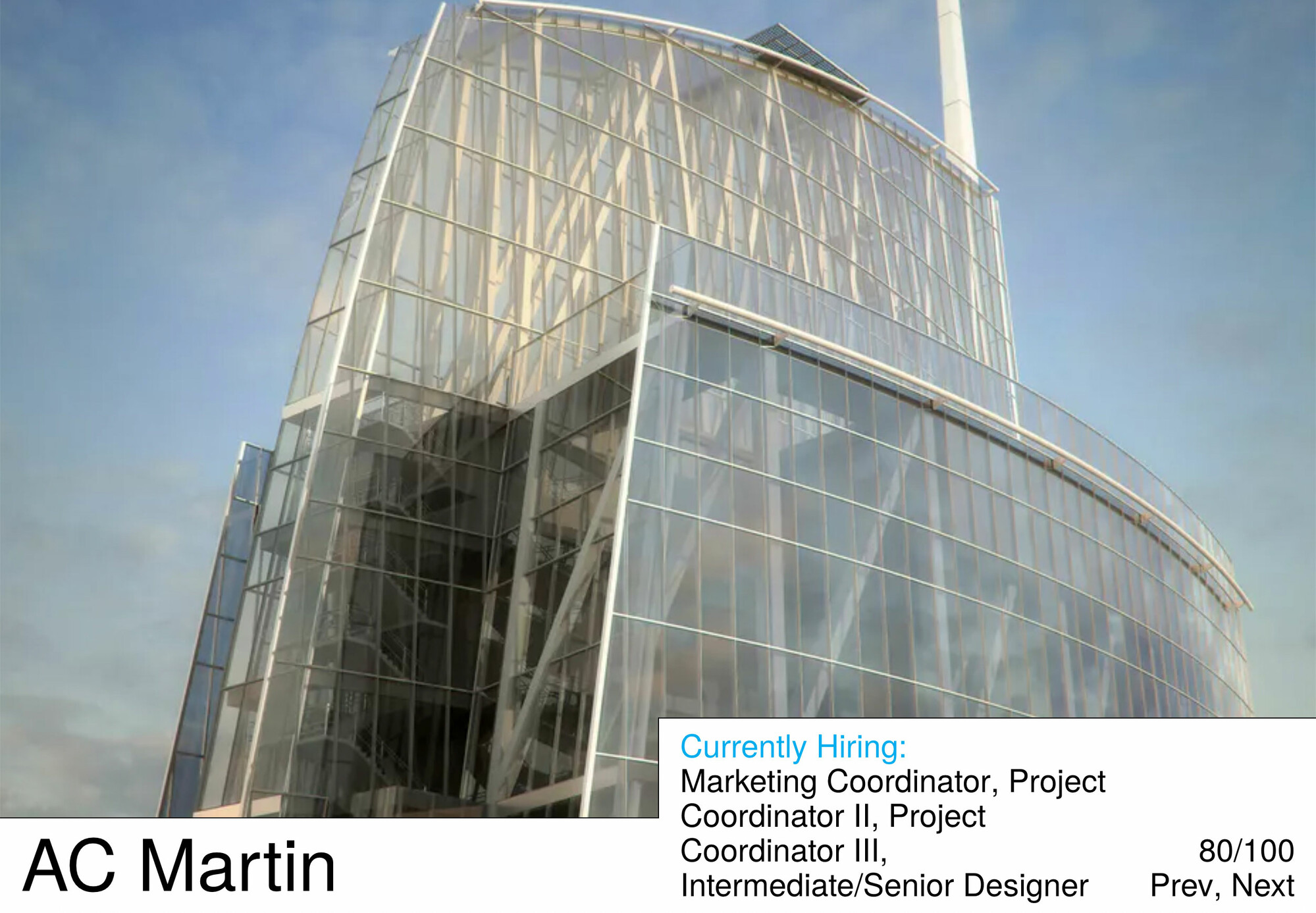
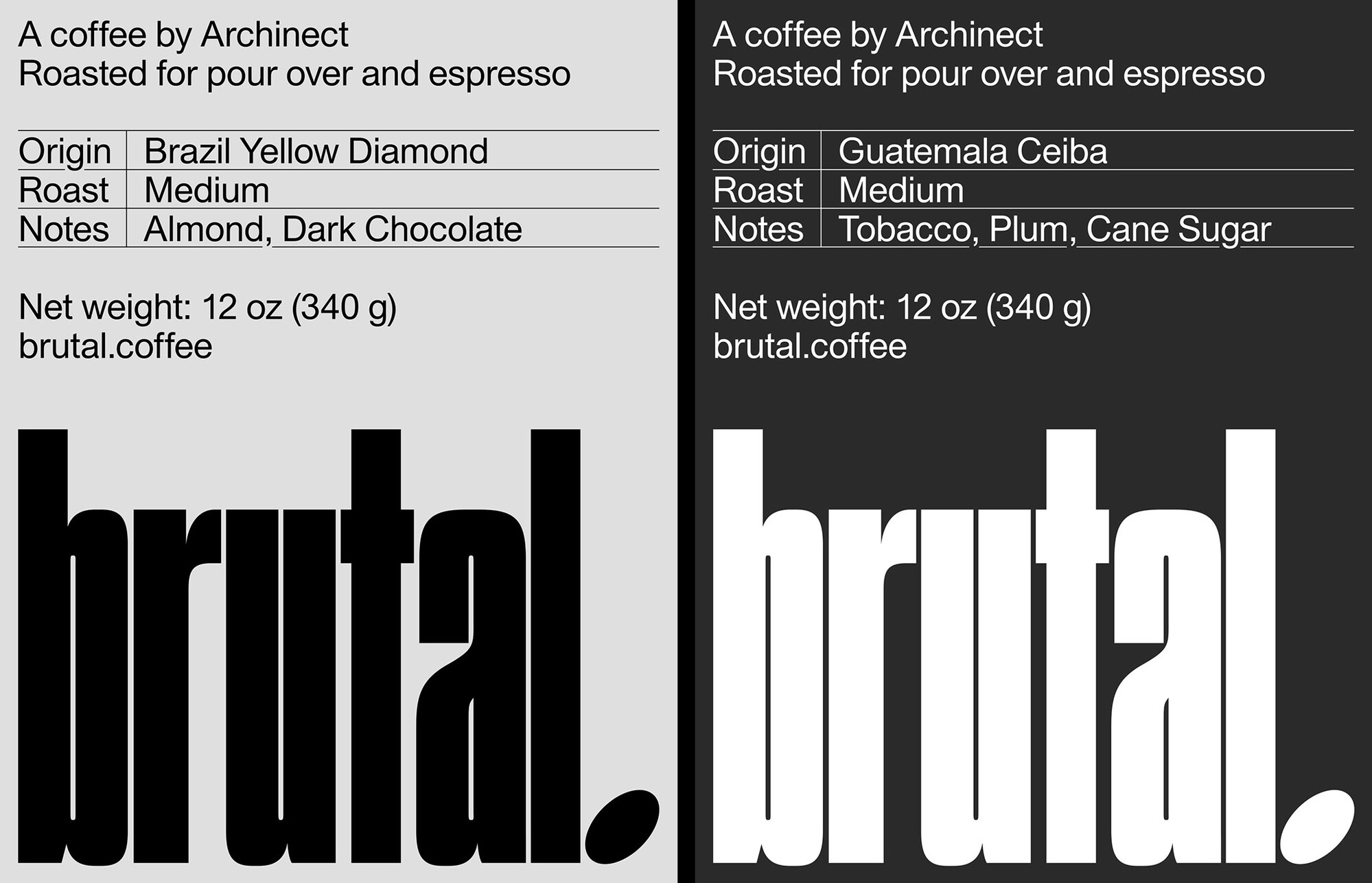
Archinect has served as a digital home and unfiltered pulse for the architecture community since 1997. Its jobs board is widely considered the go-to resource for on-the-ground information in the field. The visualizer flips the traditional job search on its head by presenting employers through their built work and design portfolios first, rather than walls of requirements.
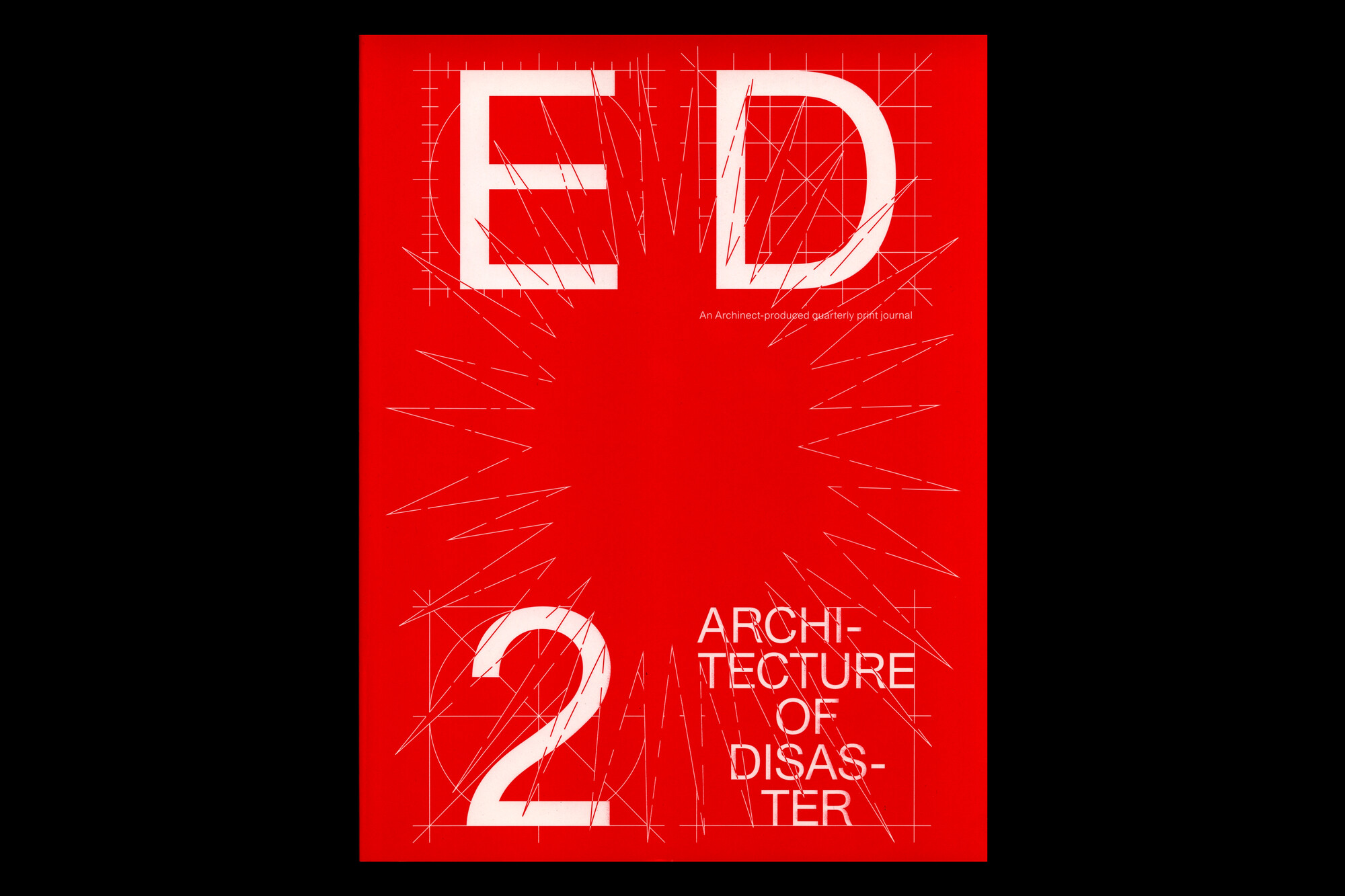
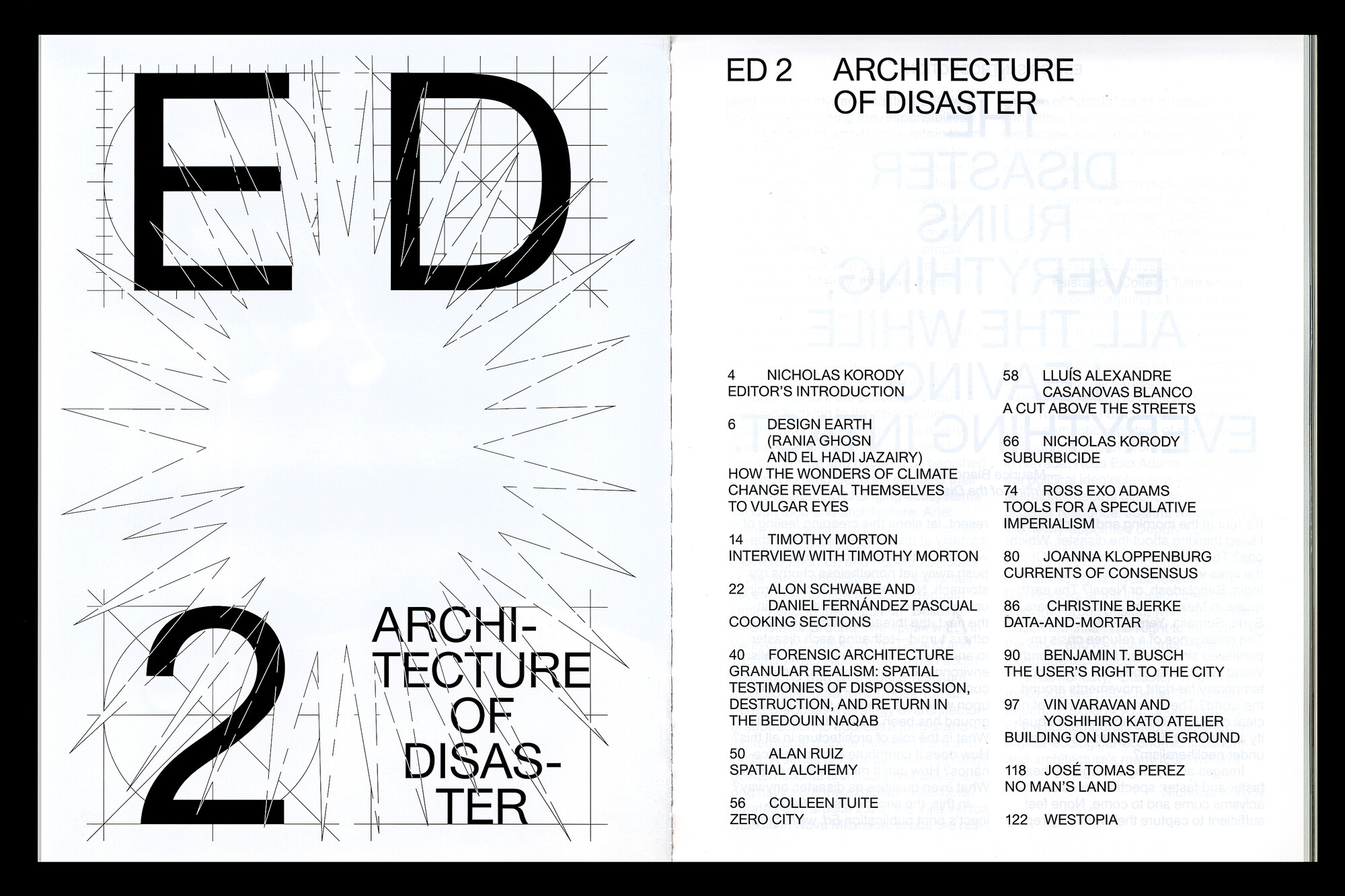
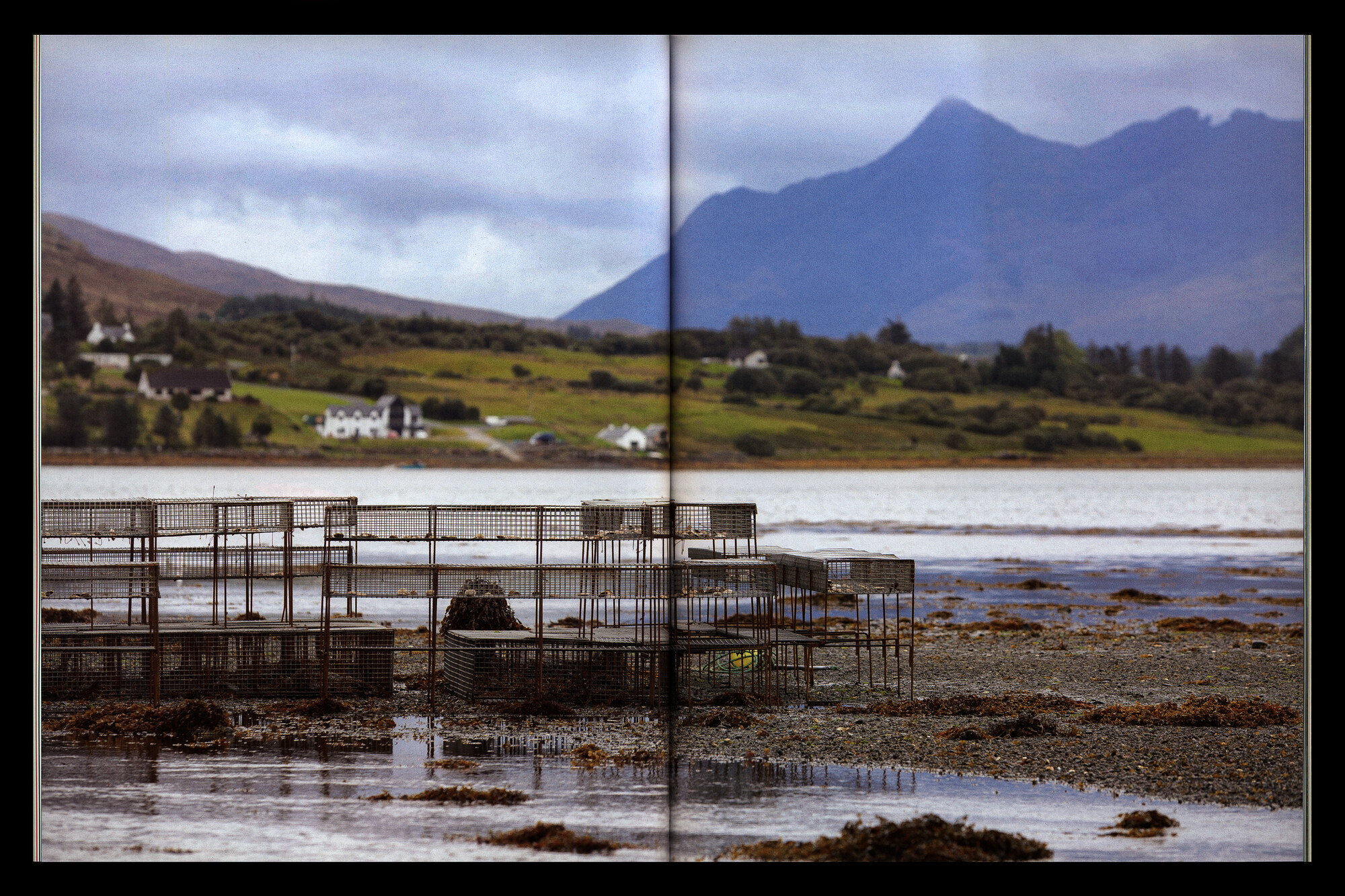
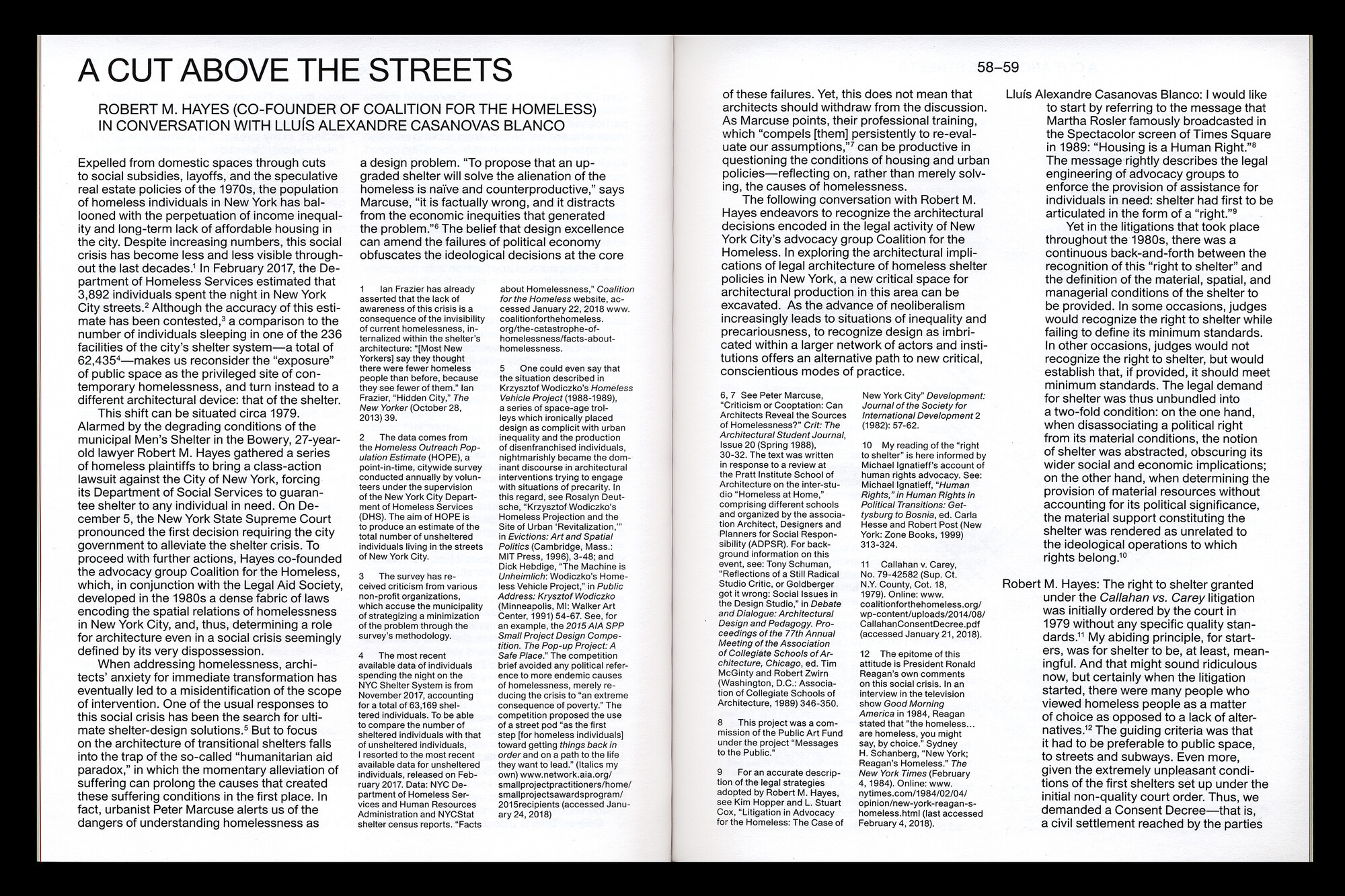
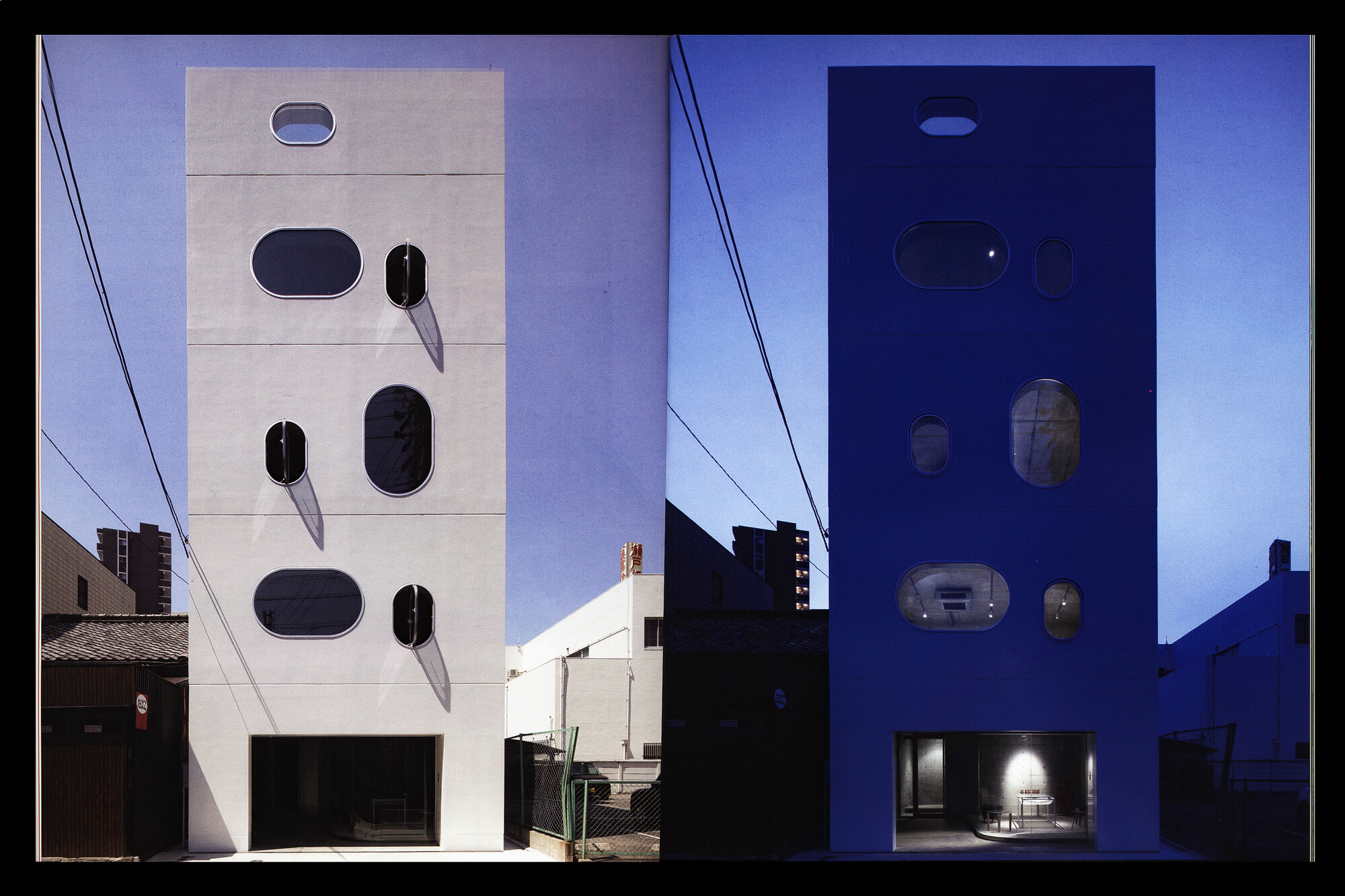
Second issue of Ed, Archinect’s print magazine. Brings together texts and projects examining the disasters shaping contemporary life and architecture’s position within them. Rather than proposing solutions, the issue reflects on responsibility, uncertainty, and the discipline’s entanglement in the crises it seeks to address. More info ⎘
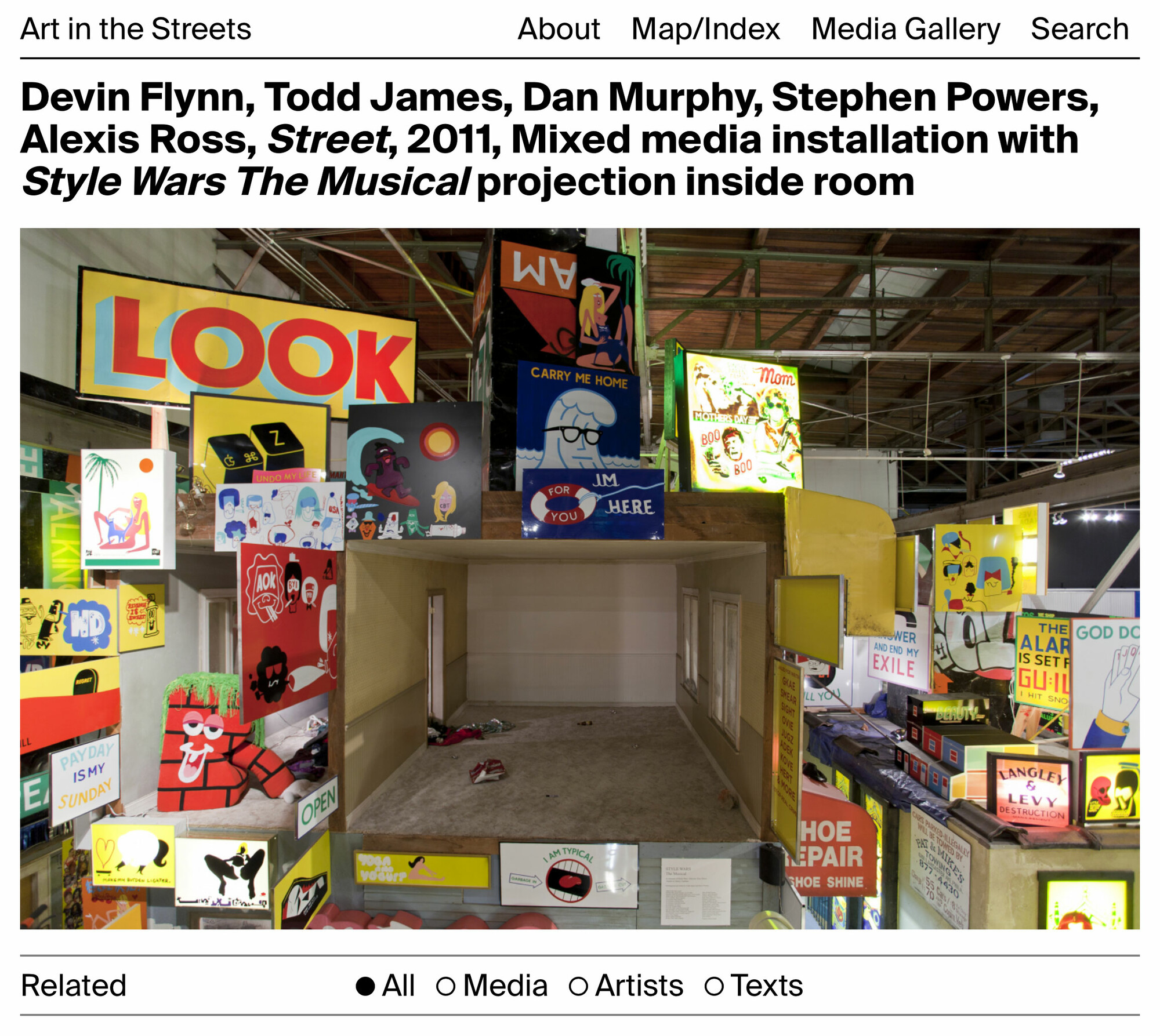
Art in the Streets is the landmark exhibition held at MOCA LA in 2011. It was the first comprehensive American museum retrospective to chart the history, evolution, and global footprint of graffiti and street art. The website acts as a permanent digital time capsule that preserves the artwork, source materials, artist essays and interviews, as well as the massive public reaction to the show.
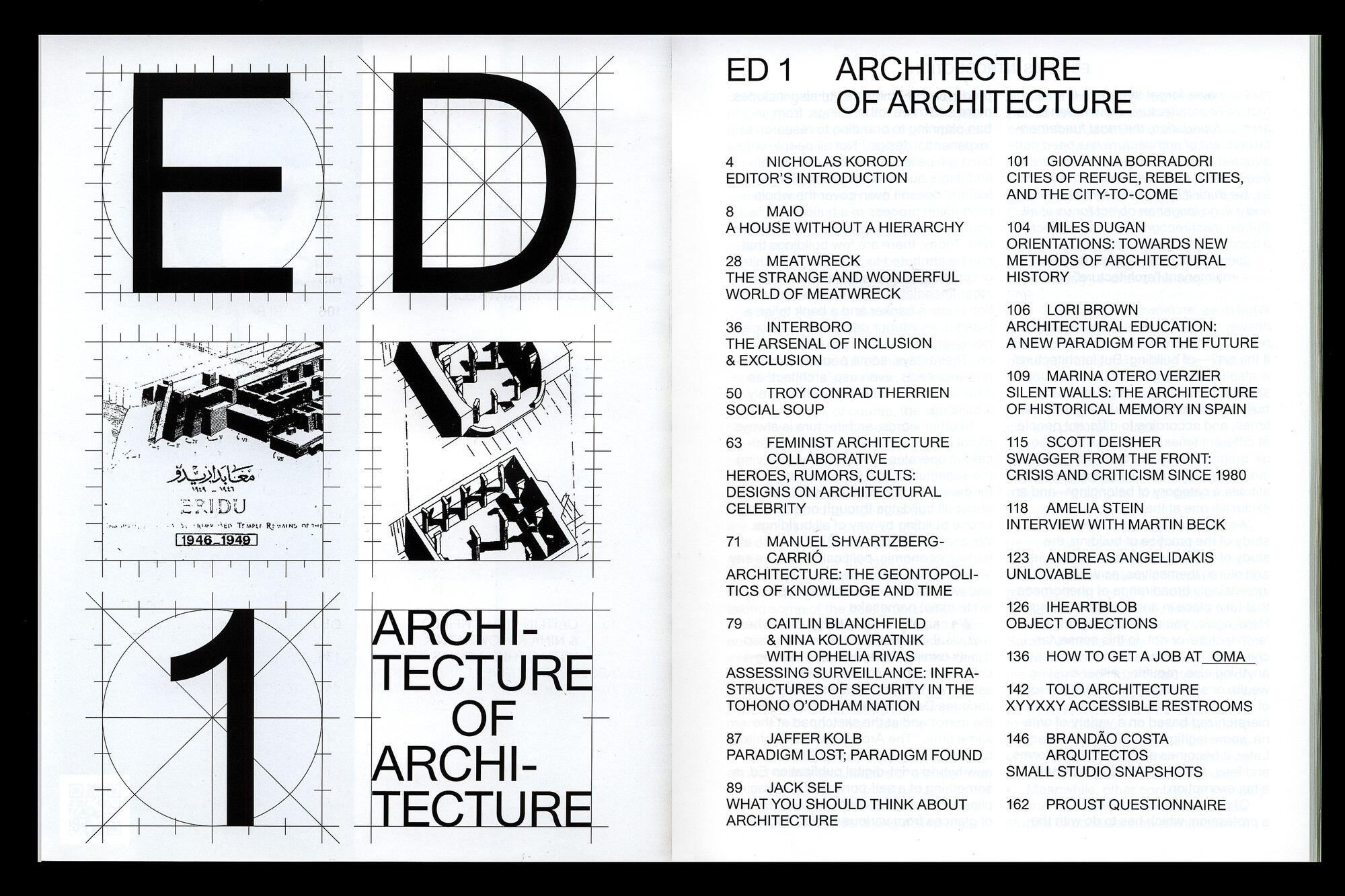
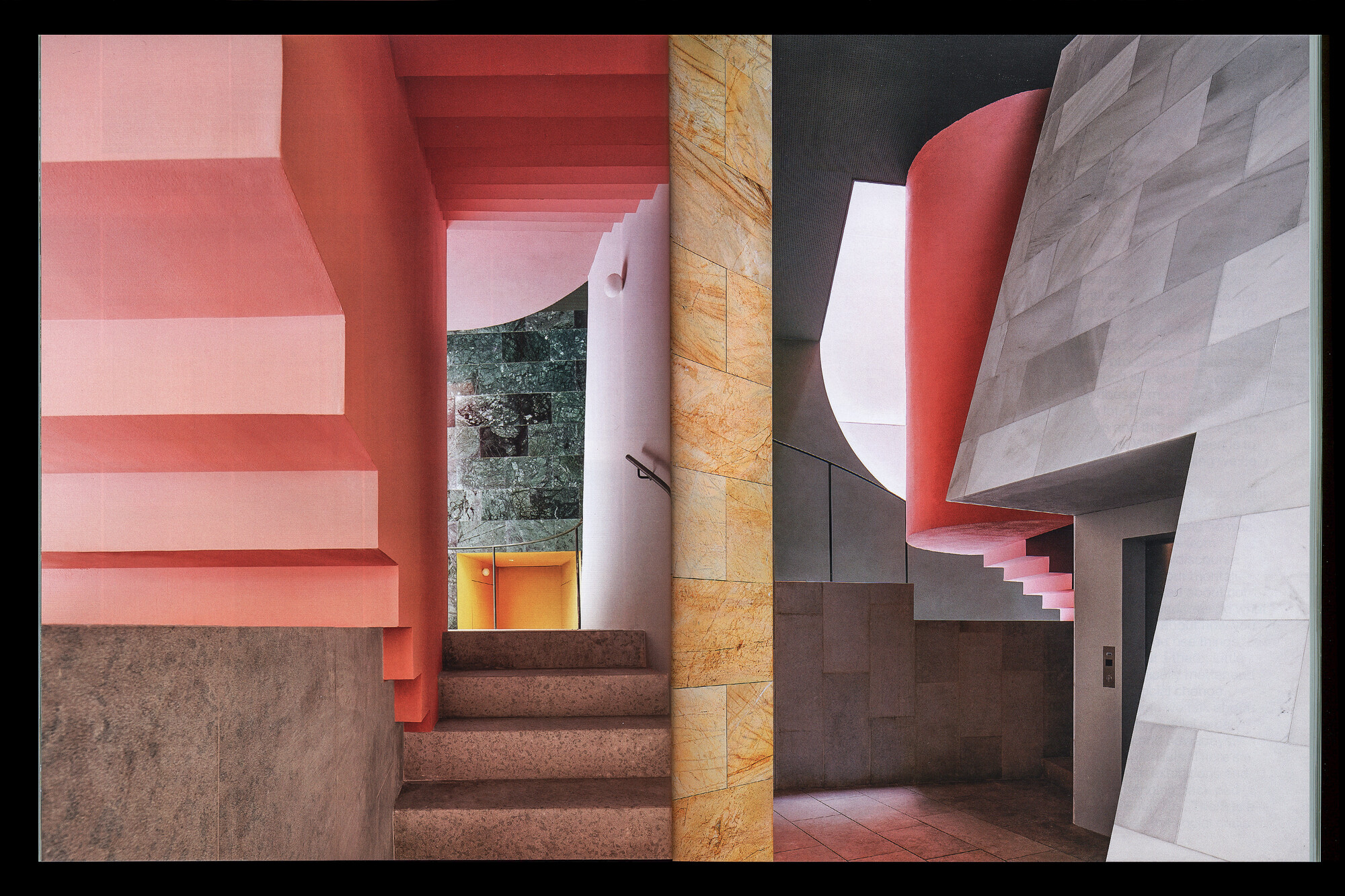
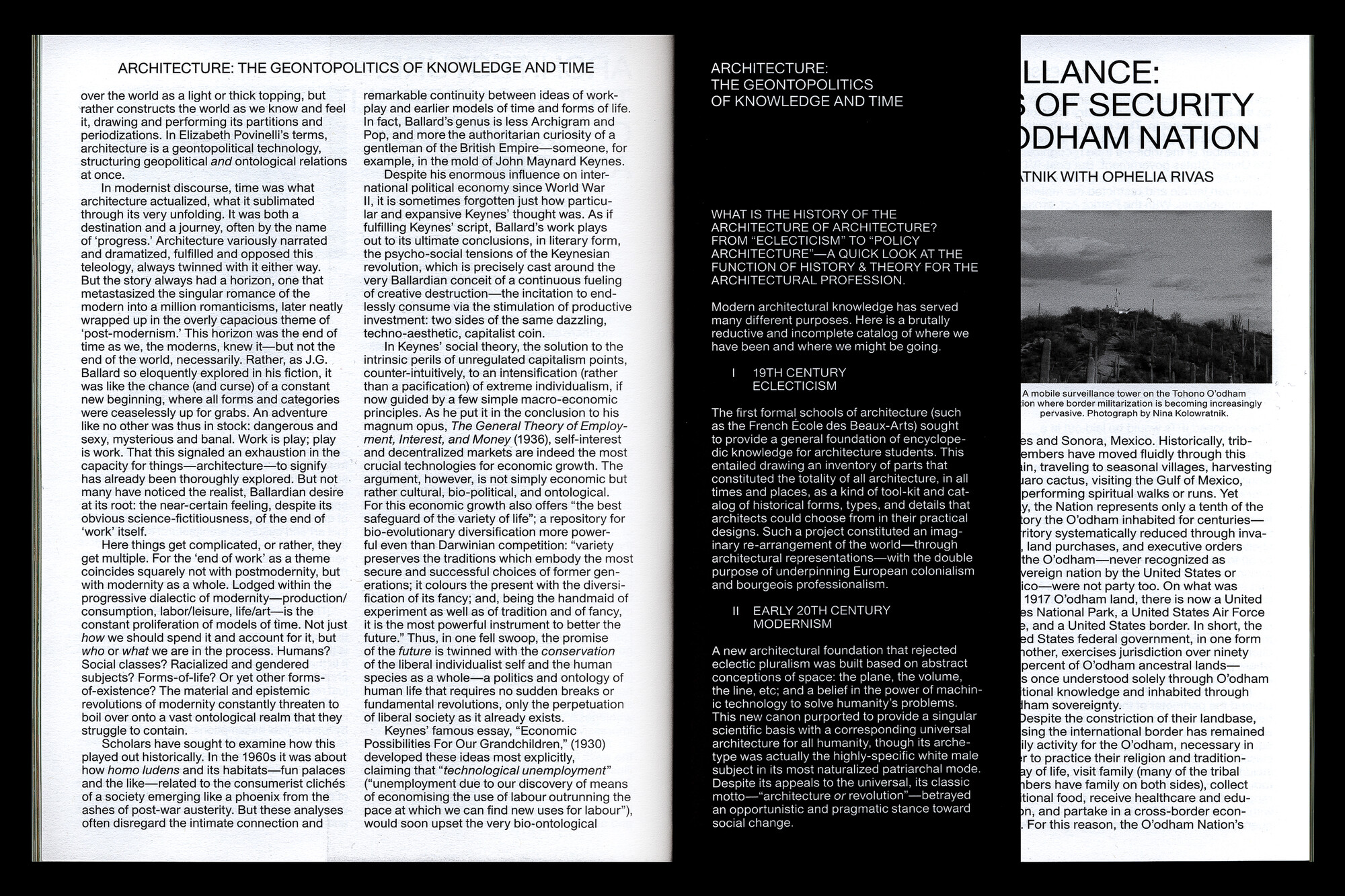
Inaugural issue of Ed, Archinect’s print magazine. Examines how architecture operates within broader social, economic, and technological systems, and considers how the discipline might be reimagined through alternative frameworks of practice and thought. More info
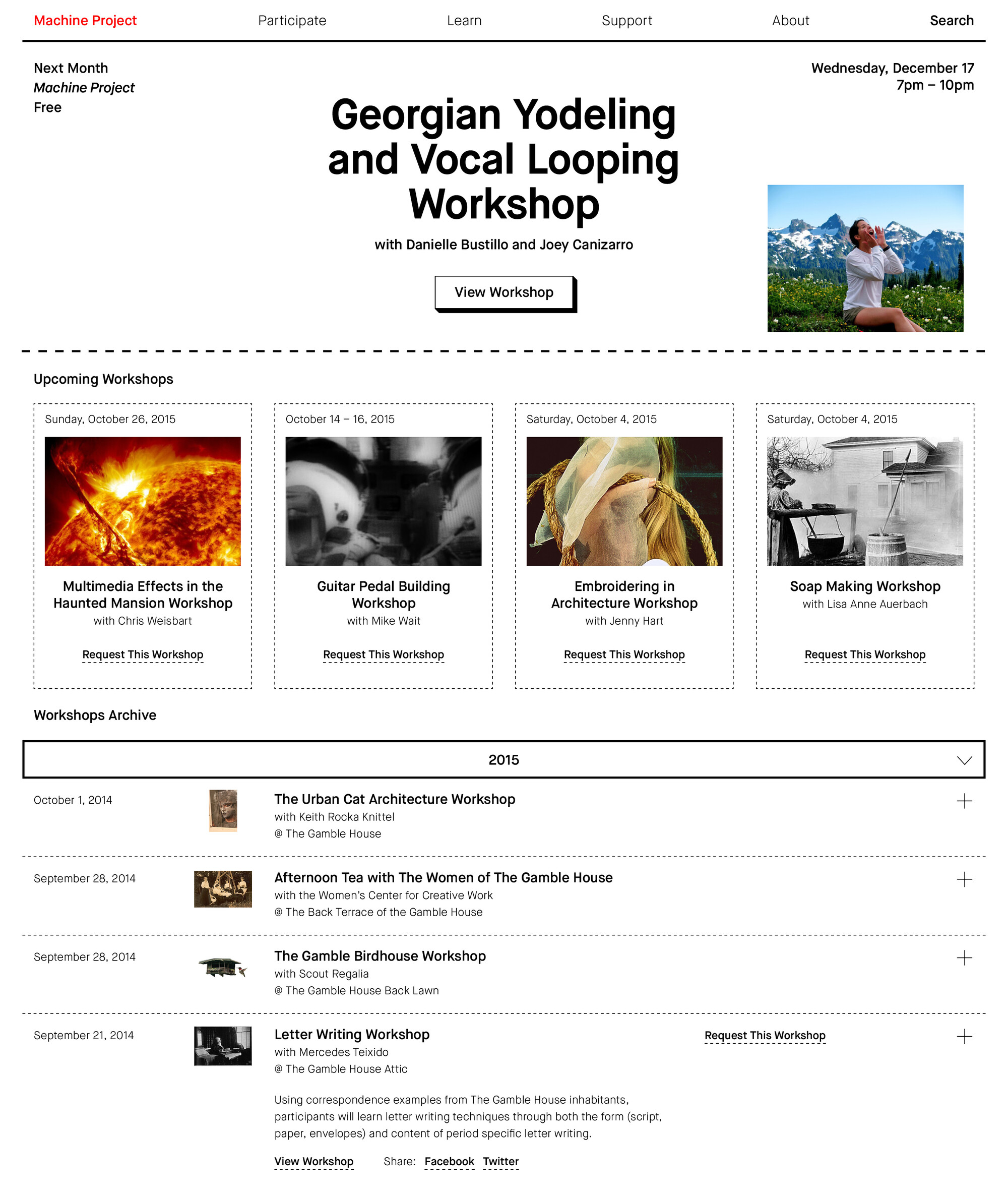
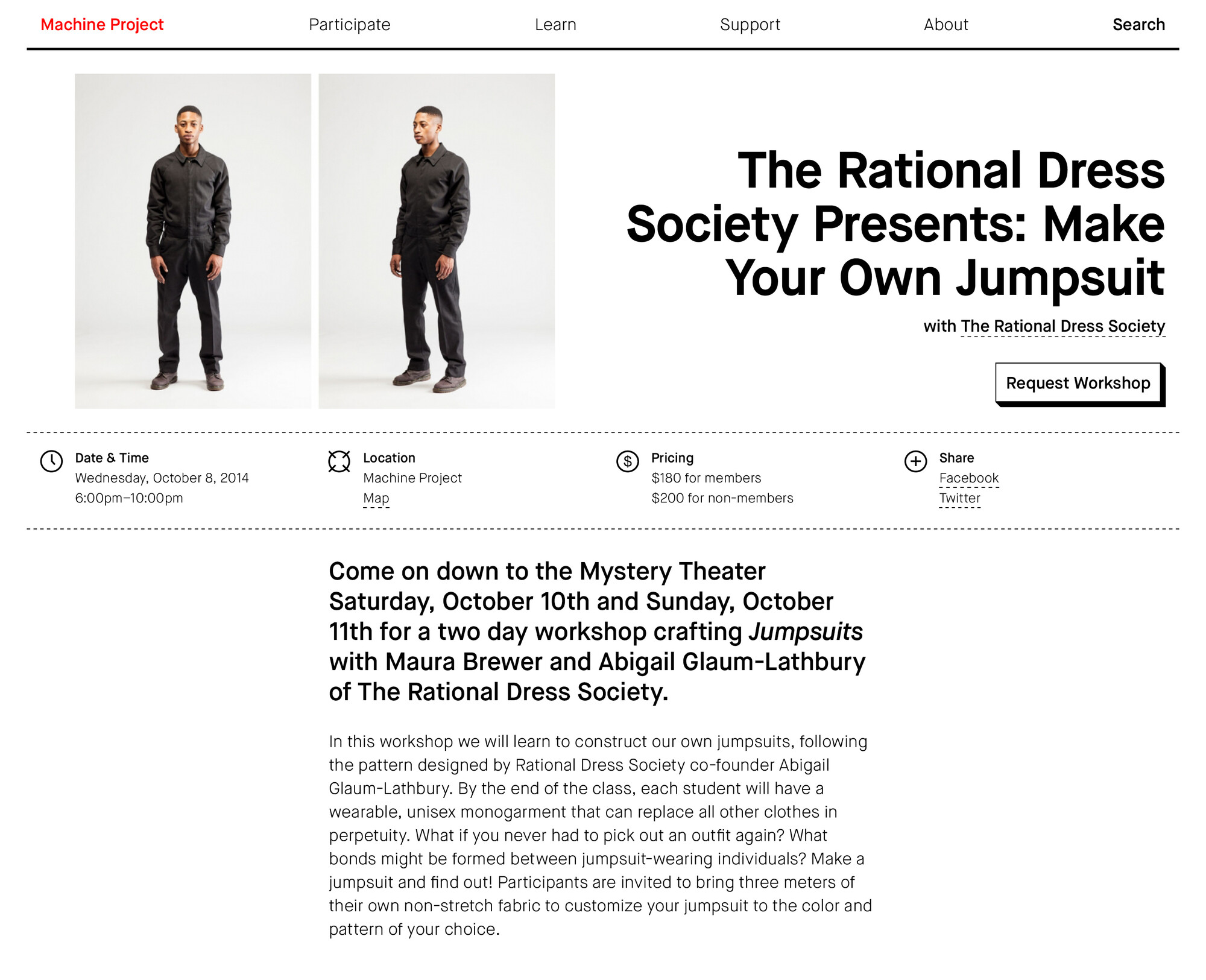
Website for Machine Project, a Los Angeles-based collective for experimental art and performance. Reflects the organization’s informal and eclectic spirit through a flexible, image-led structure documenting events and workshops. Visit site ⎘