Folder designs interfaces, publications, and systems for organizing, encountering, and carrying information forward. We help museums, universities, civic institutions, and others engaged in the stewardship and sharing of knowledge create ways for language, media, and material to surface and endure.
We are interested in what happens to information over time, and how form can reveal the connections that give it meaning. Projects come in a variety of configurations rooted in partnerships that honor the material and its strategic presentation.
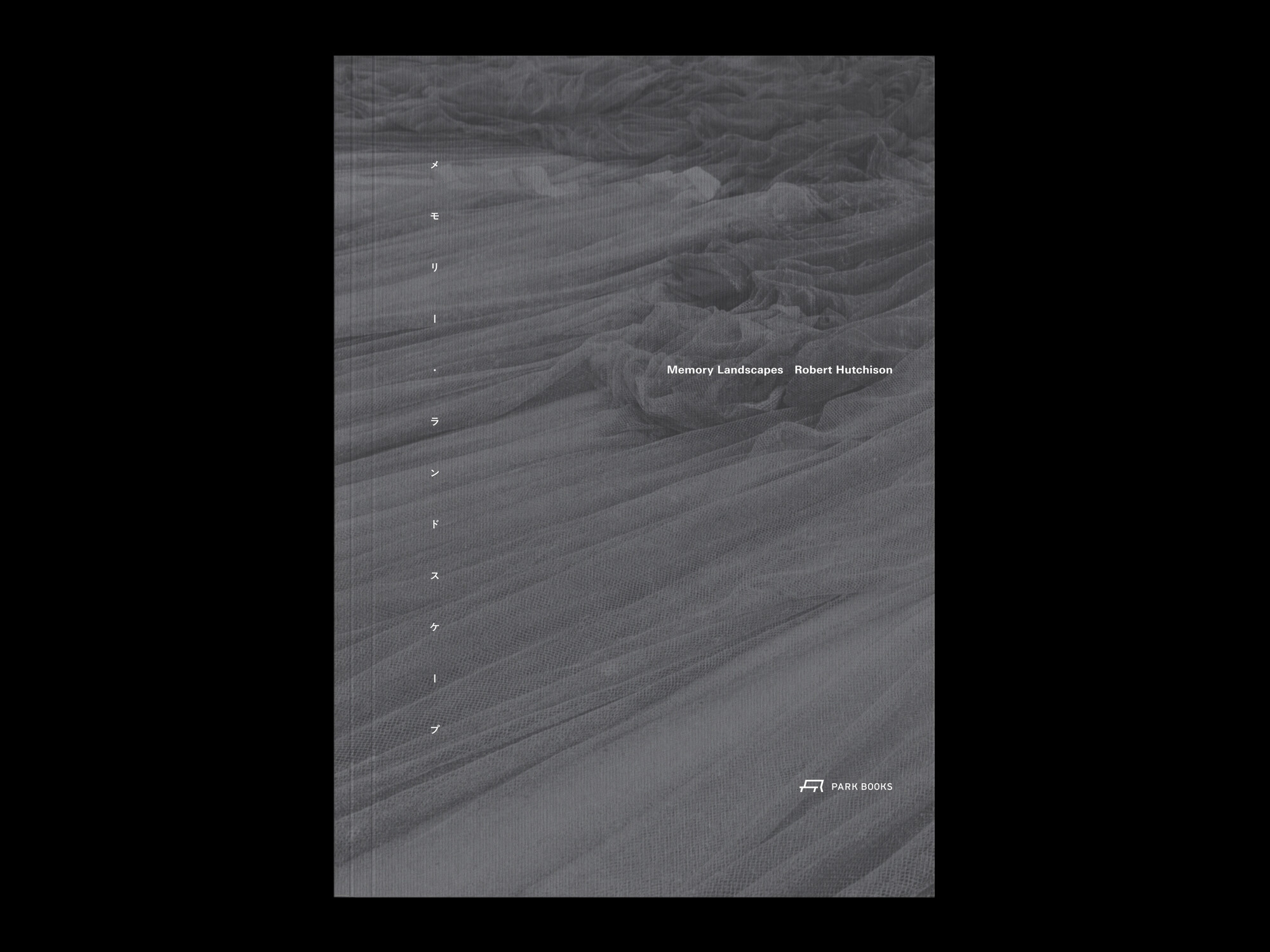
Memory Landscapes presents a body of work developed by Robert Hutchison Architecture across decades, addressing the seawalls built along Japan’s Tohoku coast after the 2011 earthquake and tsunami. These proposals, which include contributions from Hutchison’s firm along with Japanese architects, artists, and community members, consider how collective memory might inform the future of fishing communities these walls protect while at the same time separating them from the sea.
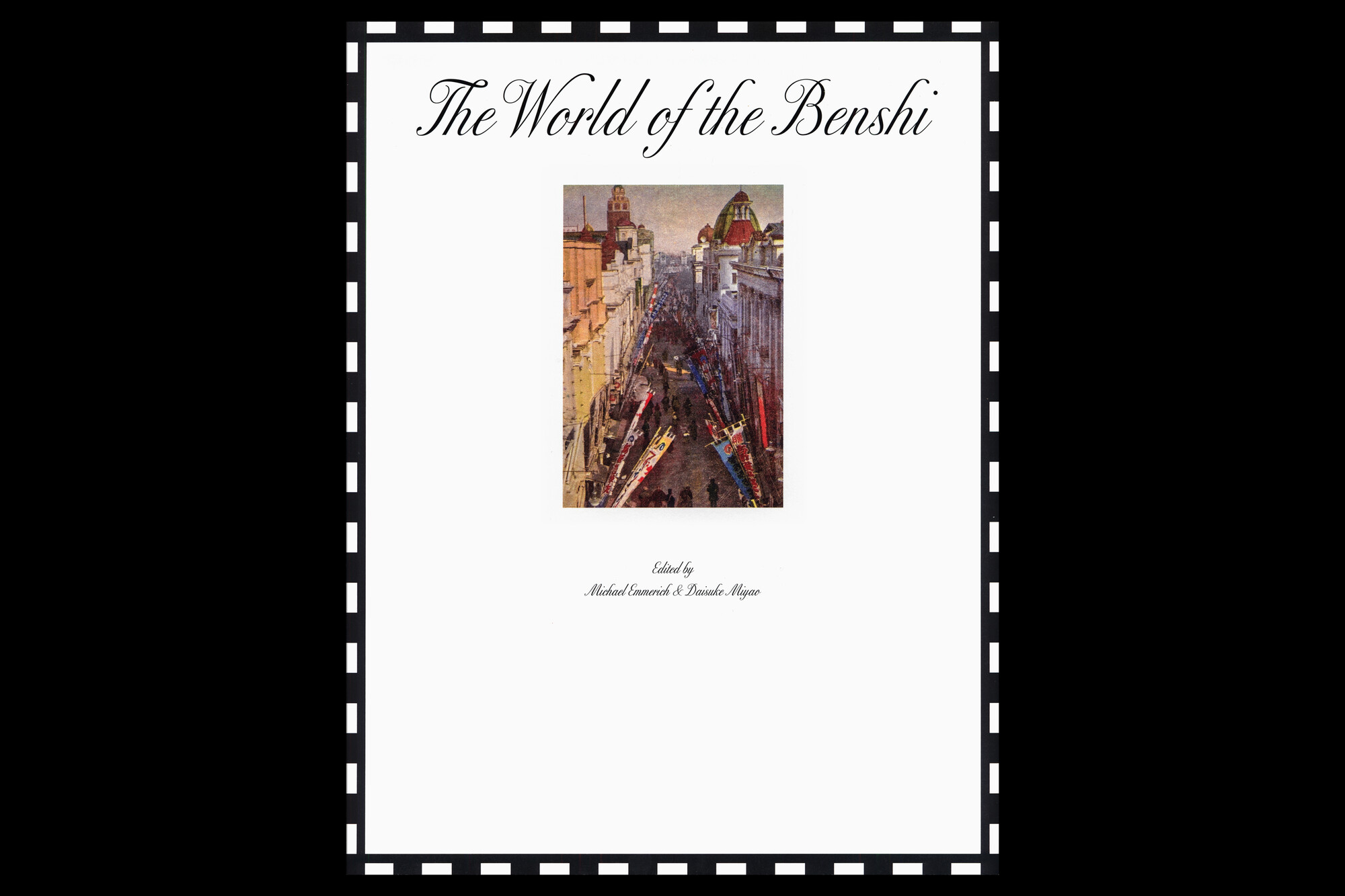
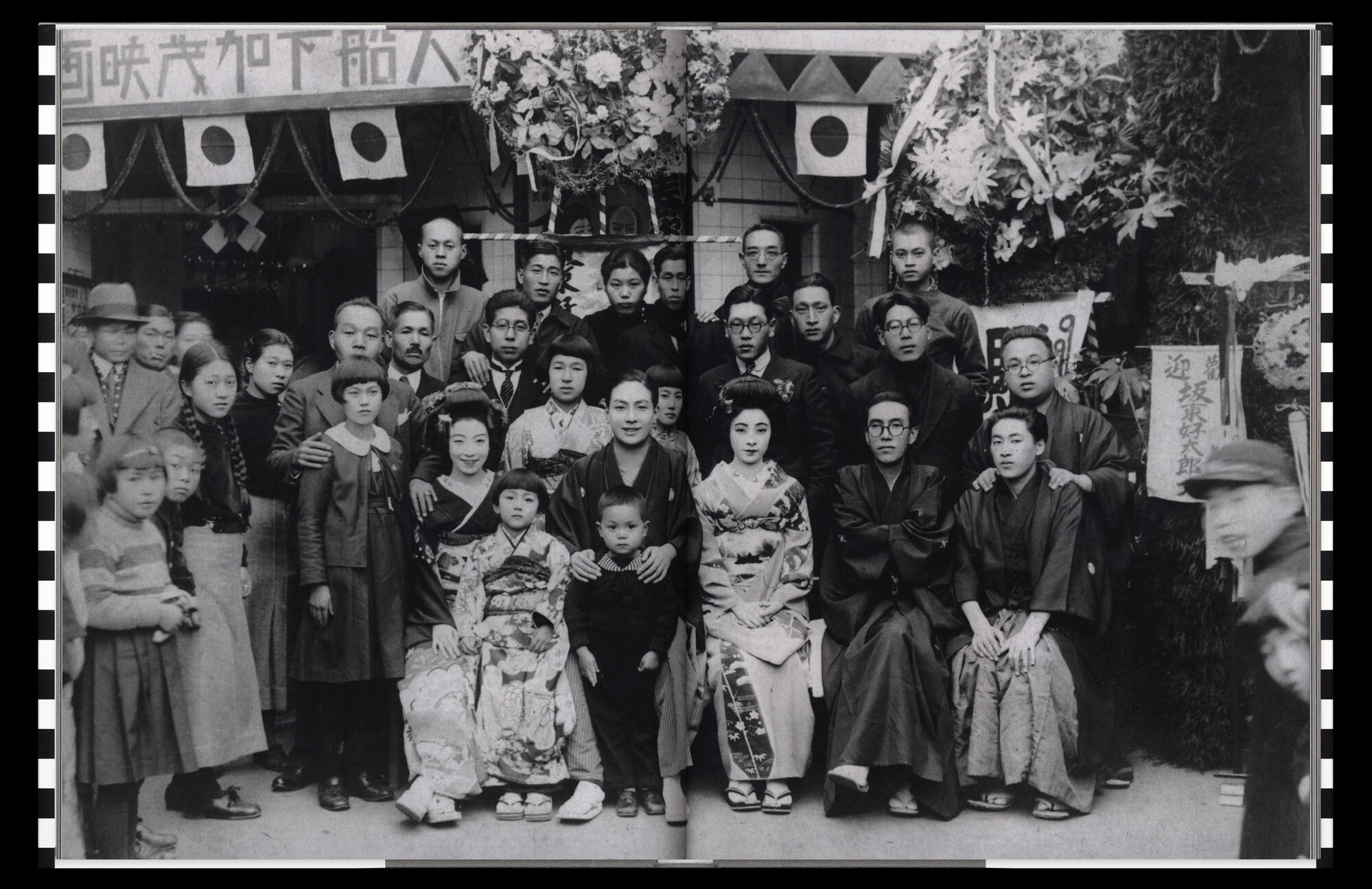
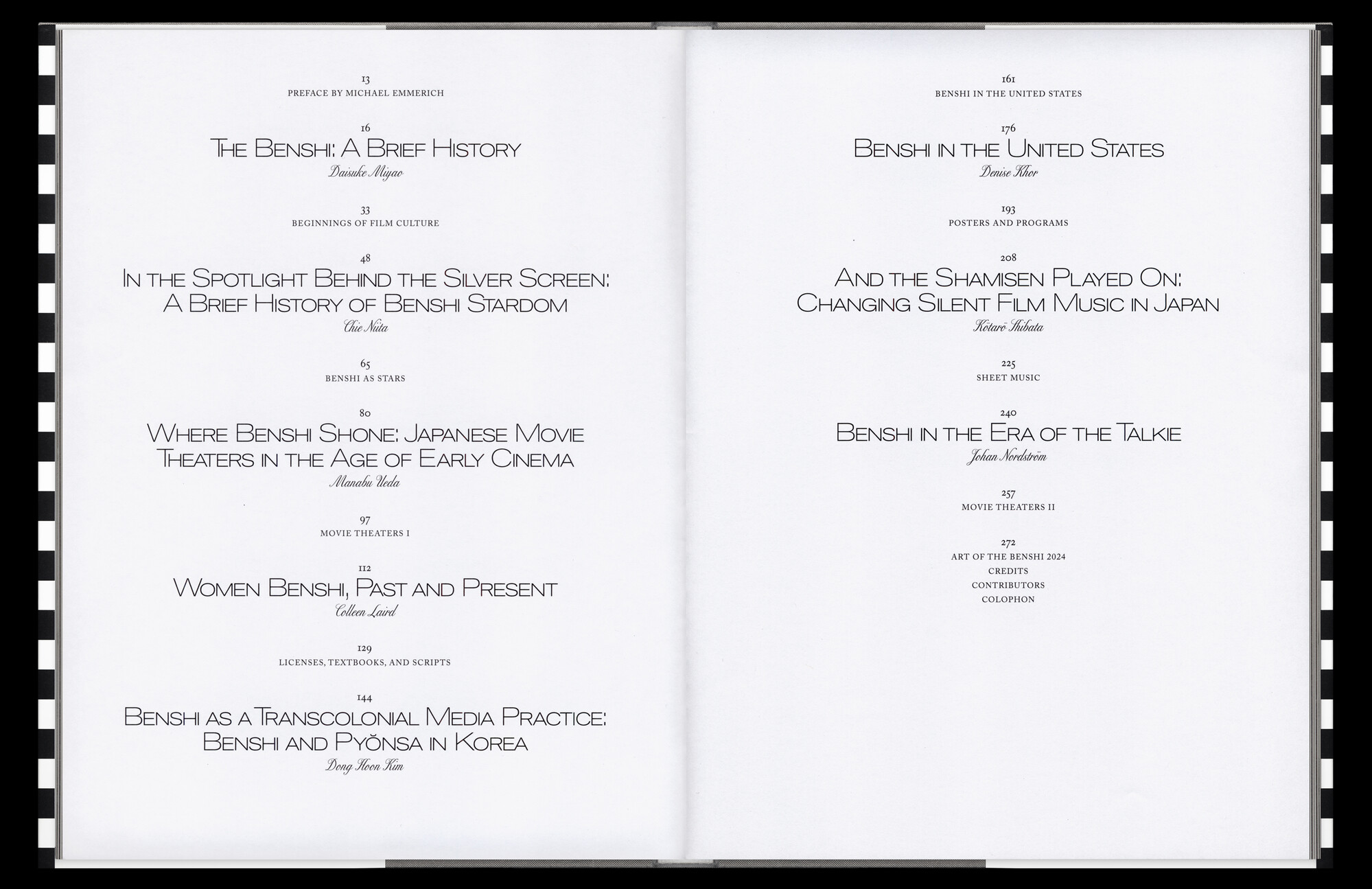
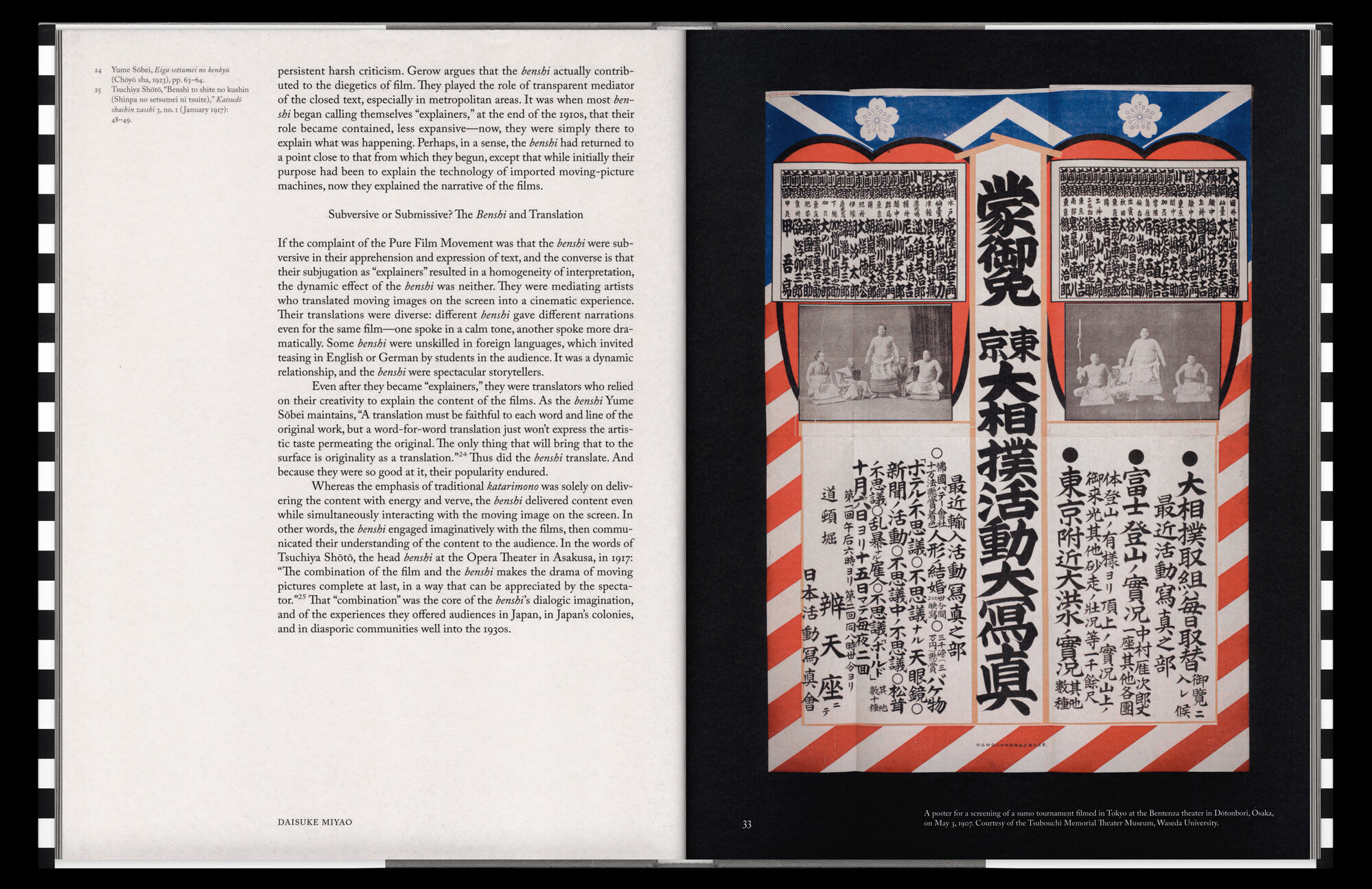
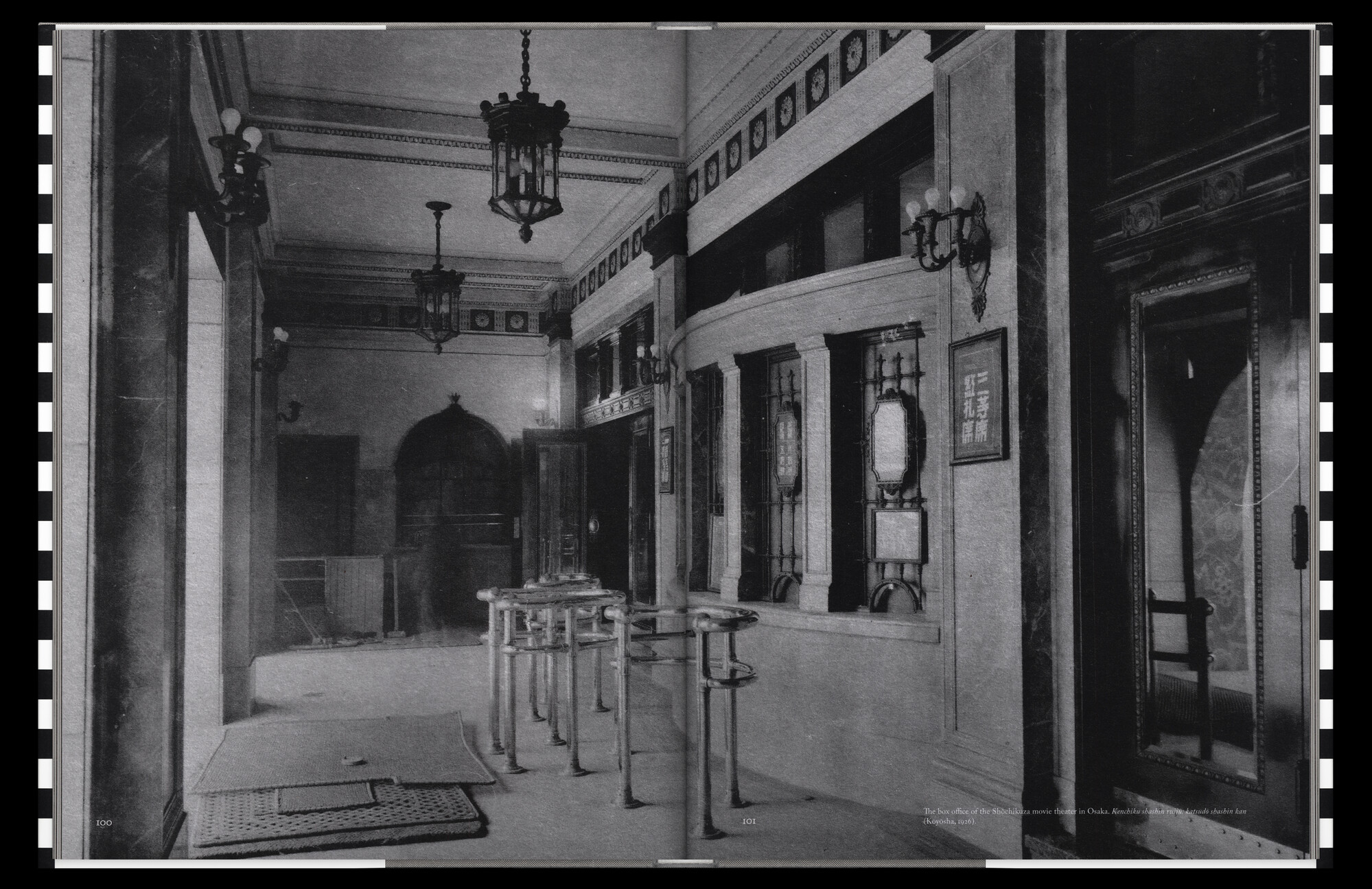
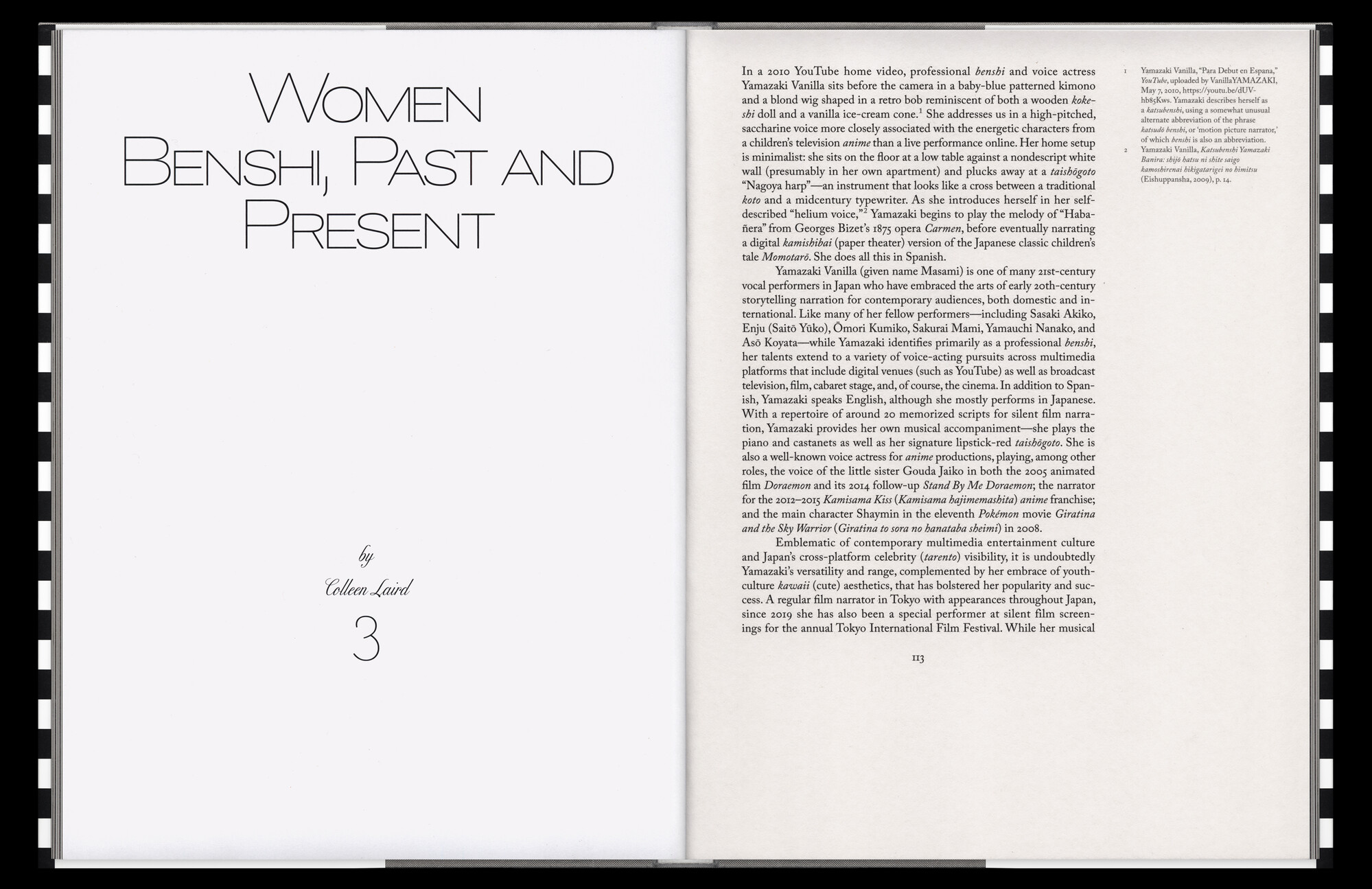
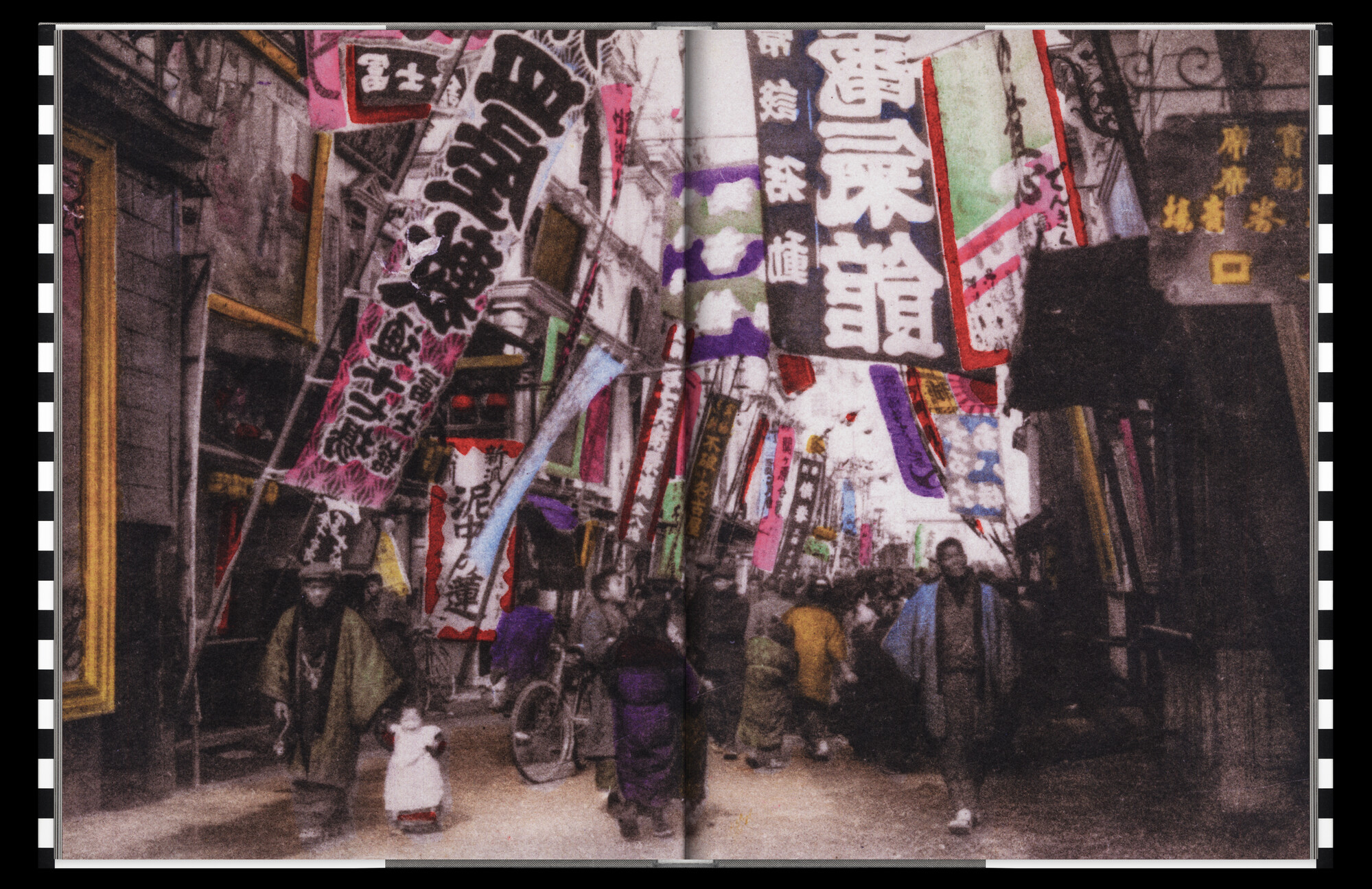
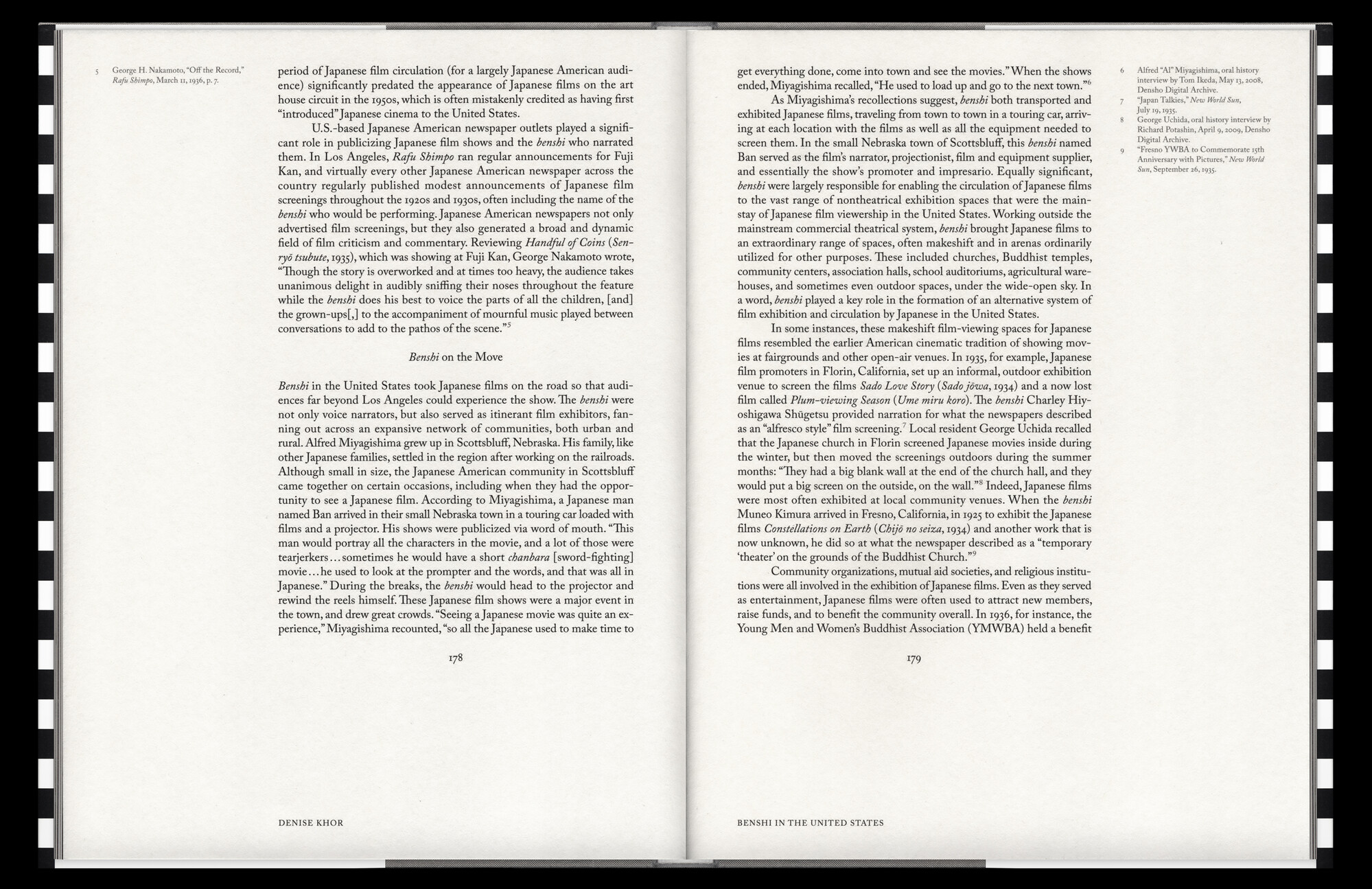
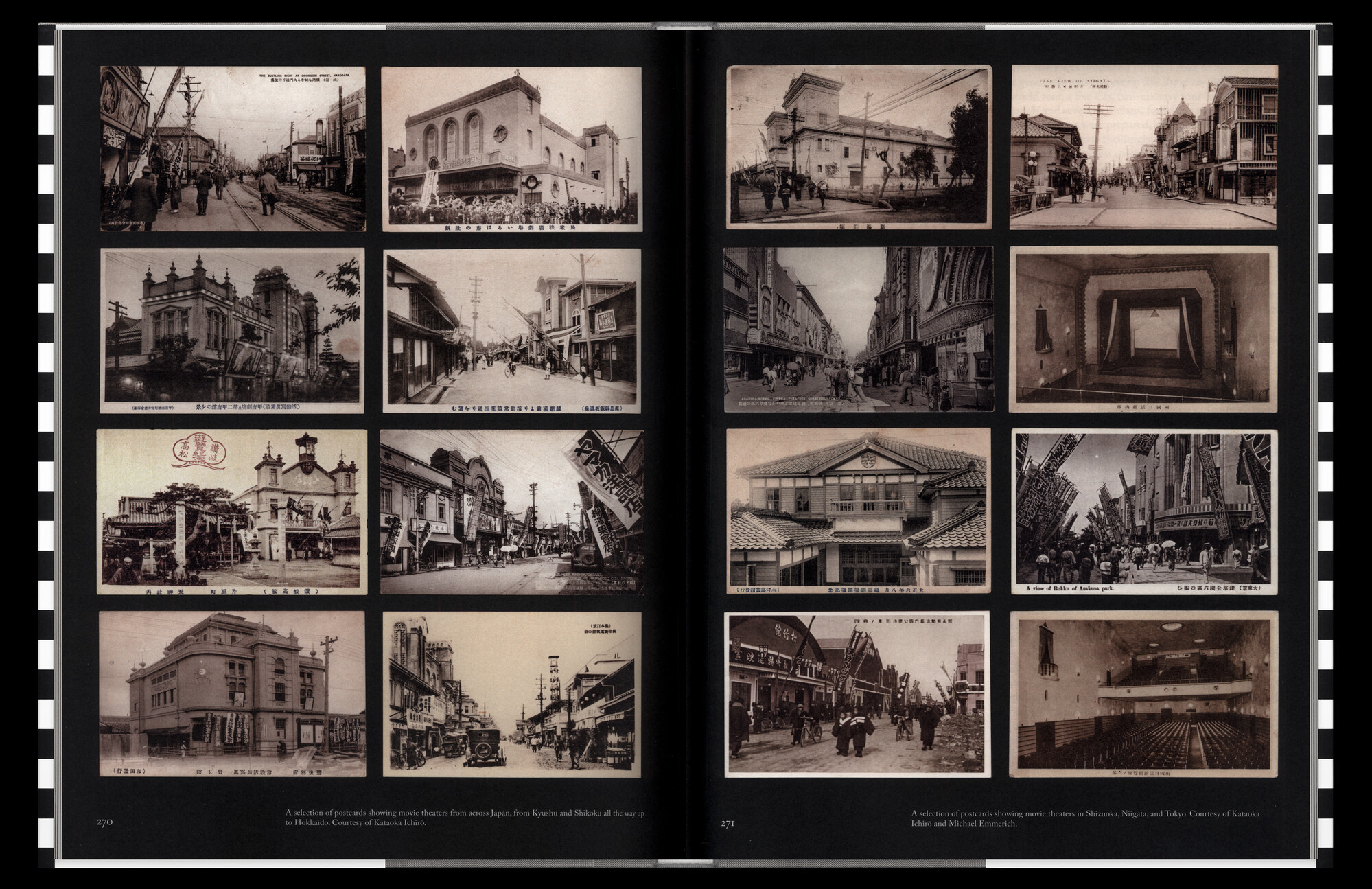
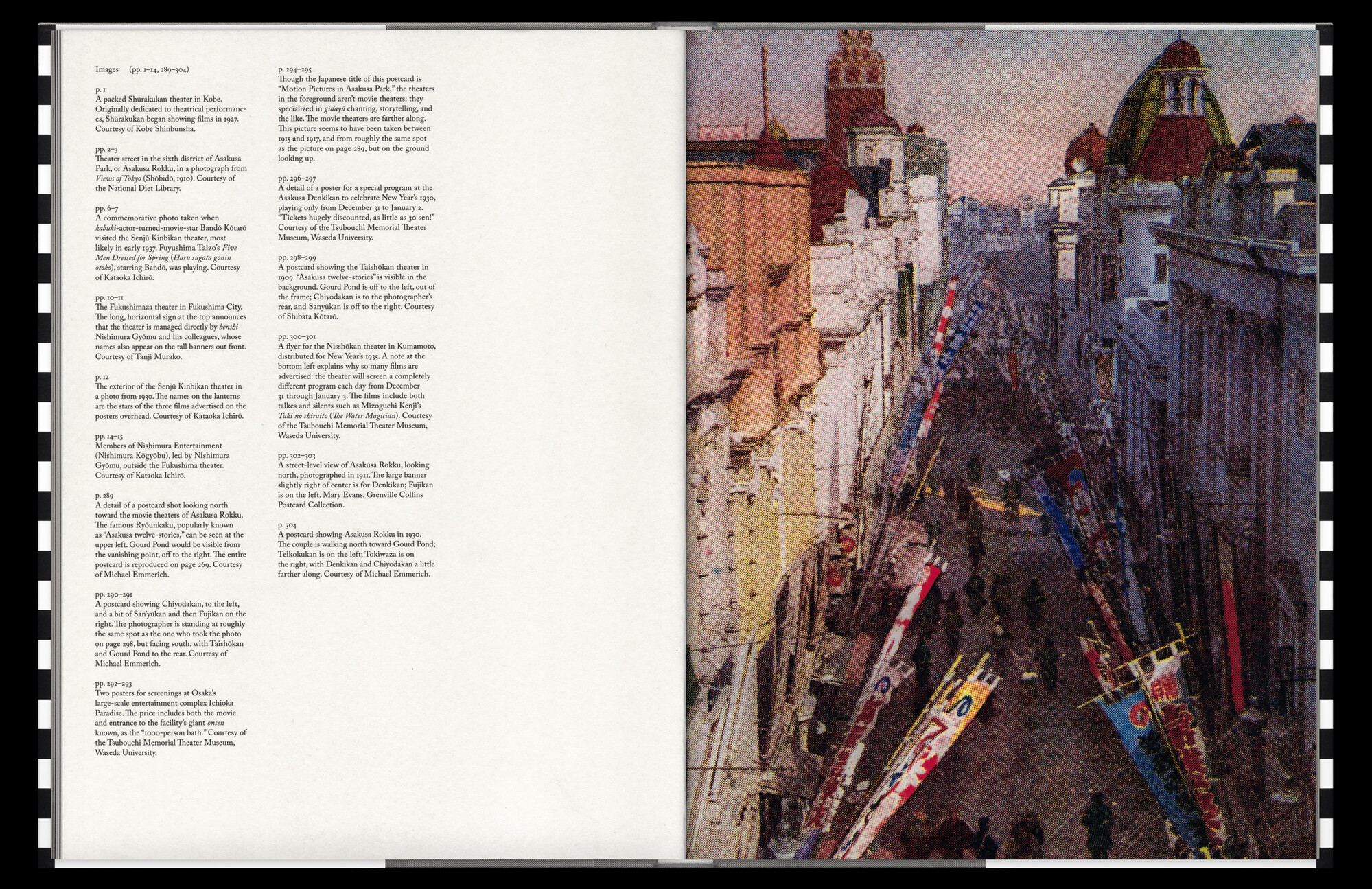
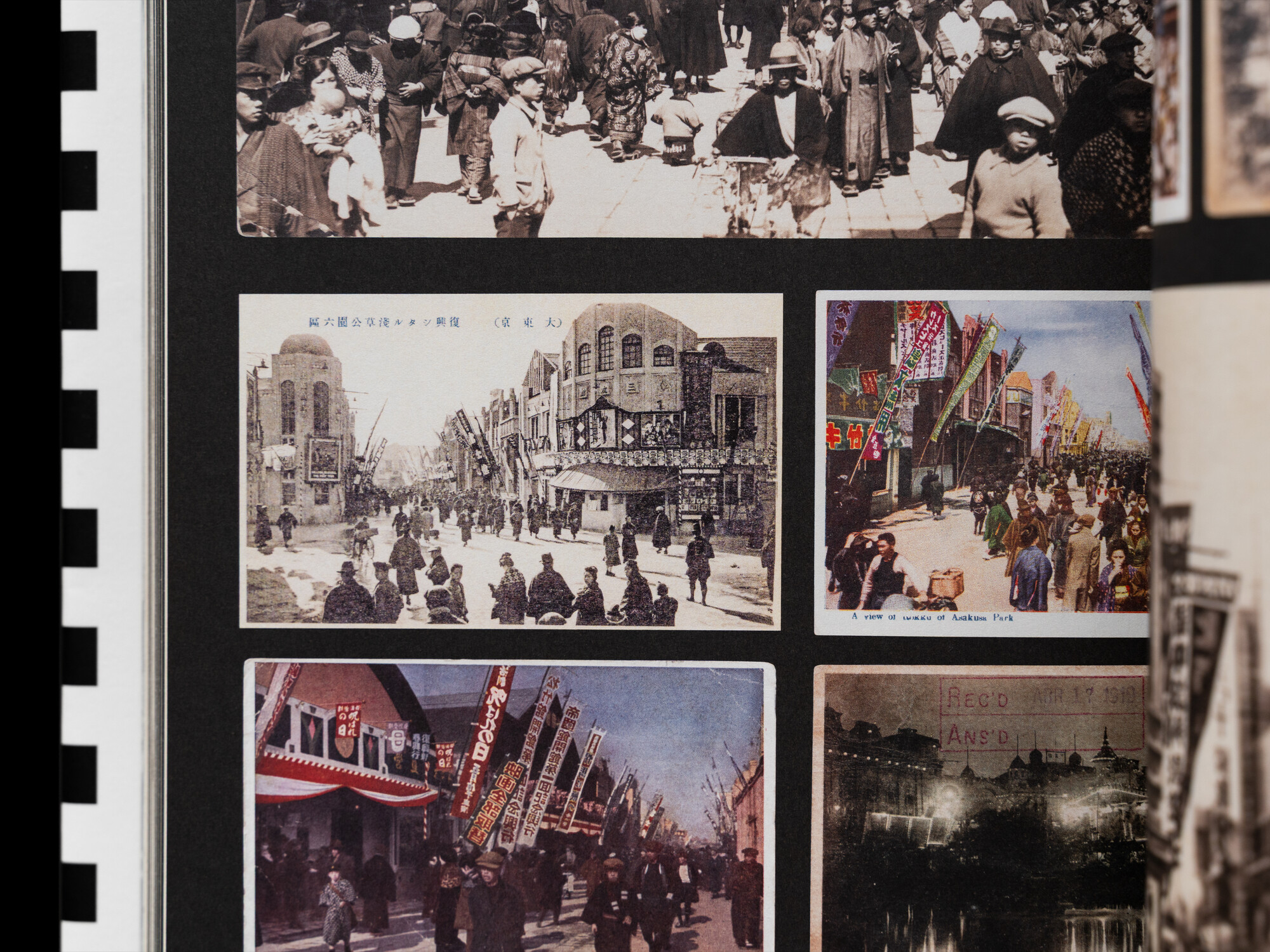
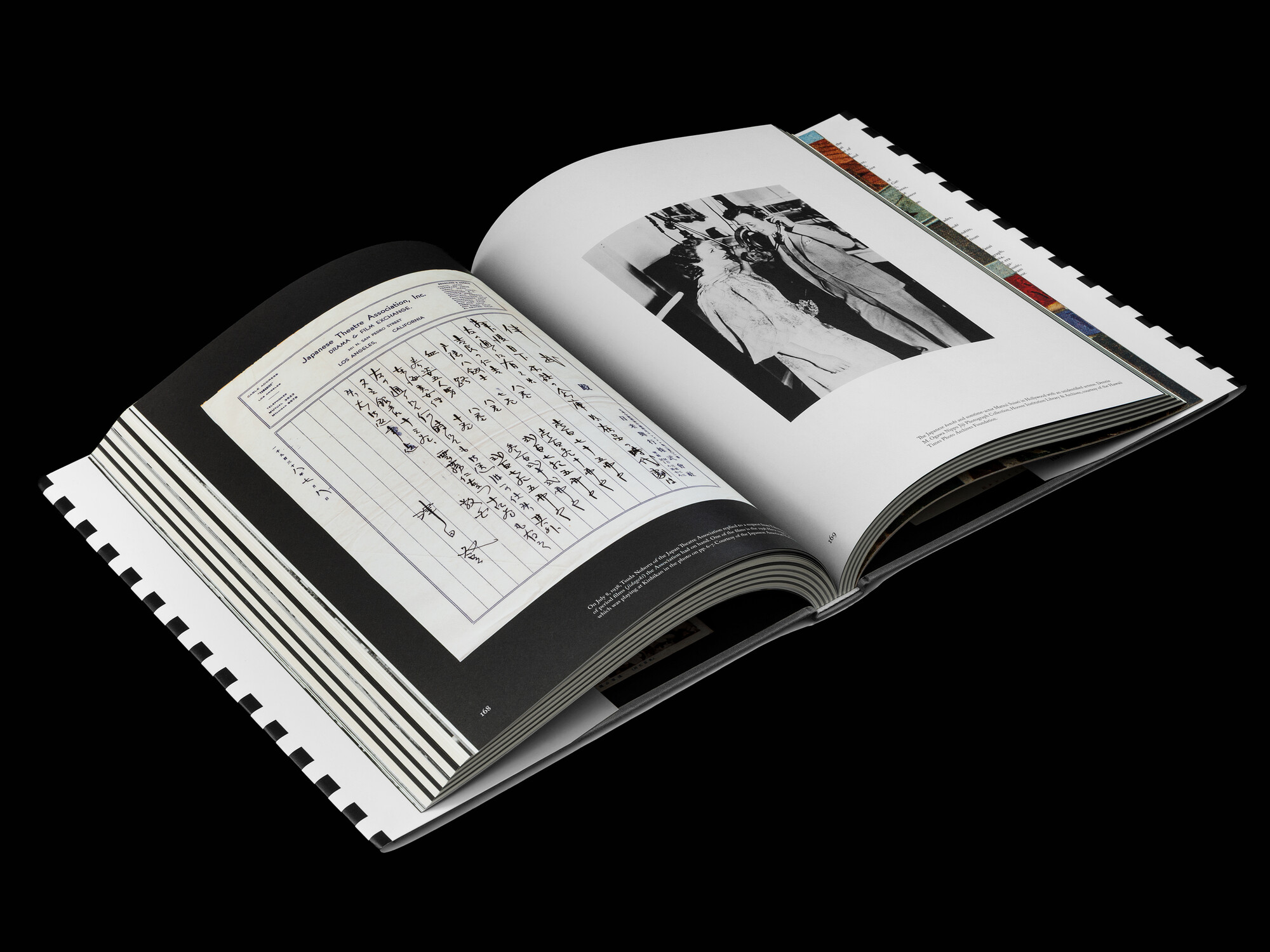
The World of the Benshi is a companion volume to the Art of the Benshi world tour organized by the Yanai Initiative for Globalizing Japanese Humanities. The book features more than 300 rare images compiled from archives and private collections around the world, showcasing historic movie theaters, promotional materials, and rare film stills. Essays uncover the phenomenon of the benshi stardom, evolution of the theater architecture, how live performance changed in Japan in the silent film era.
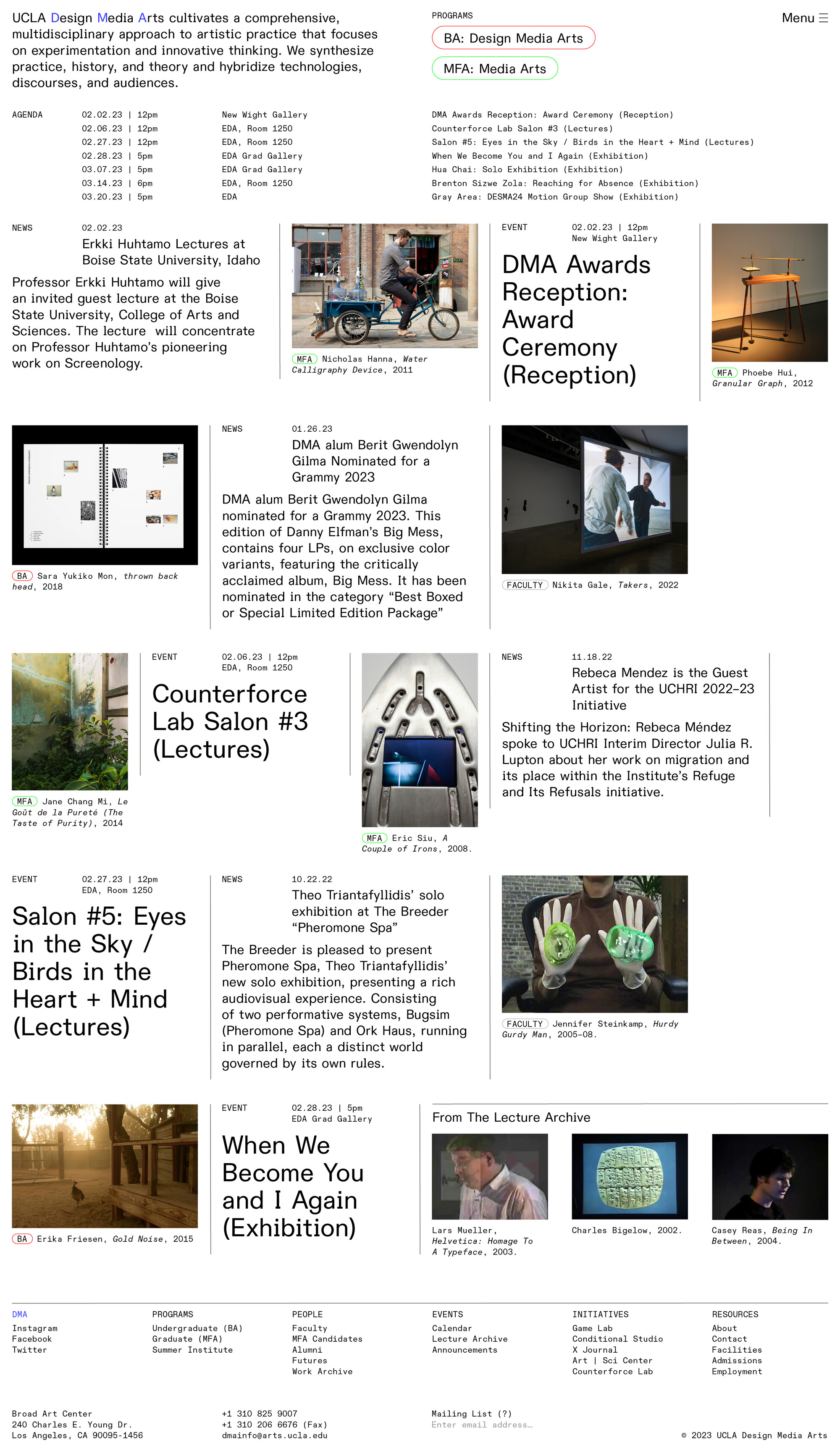
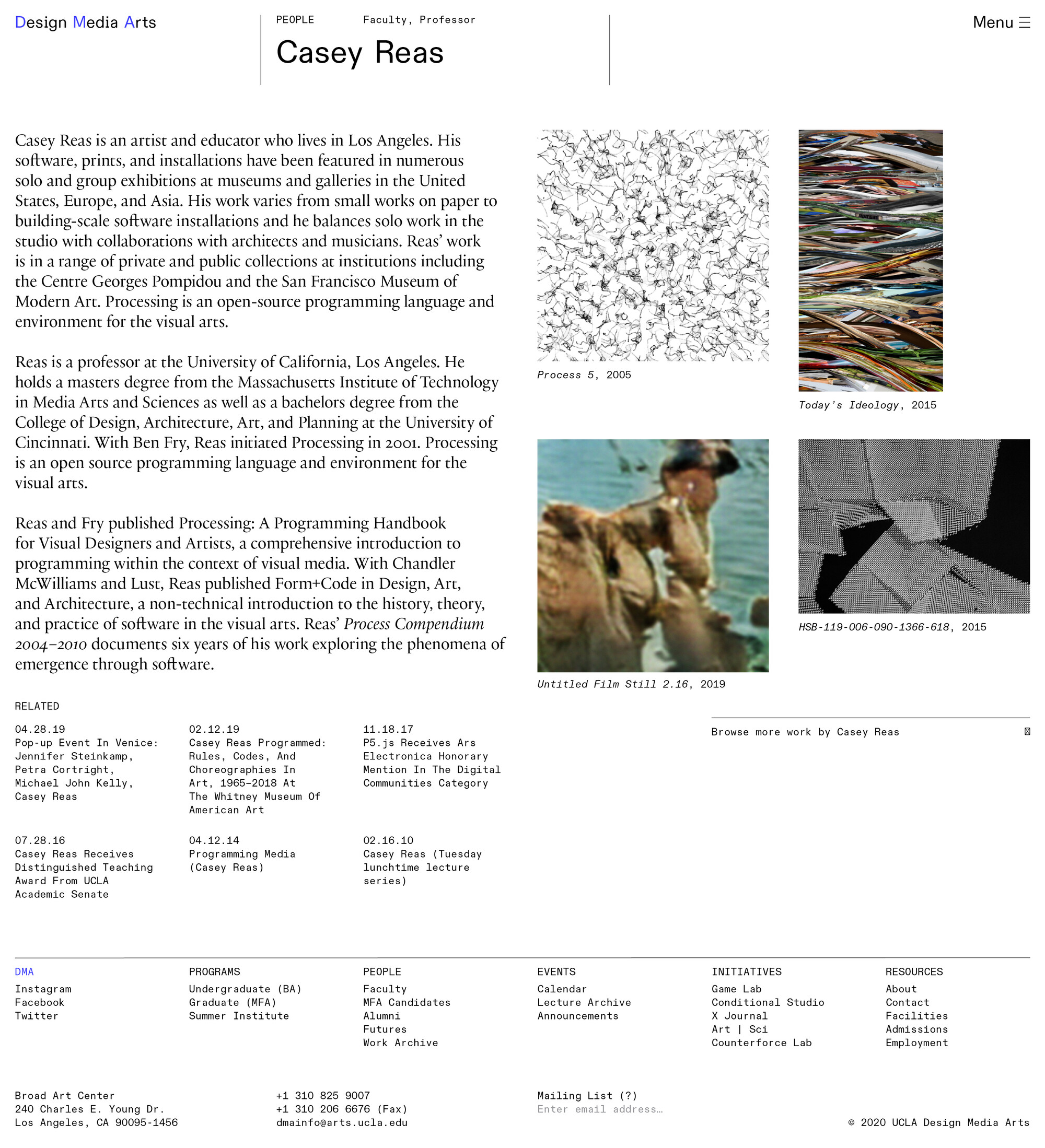
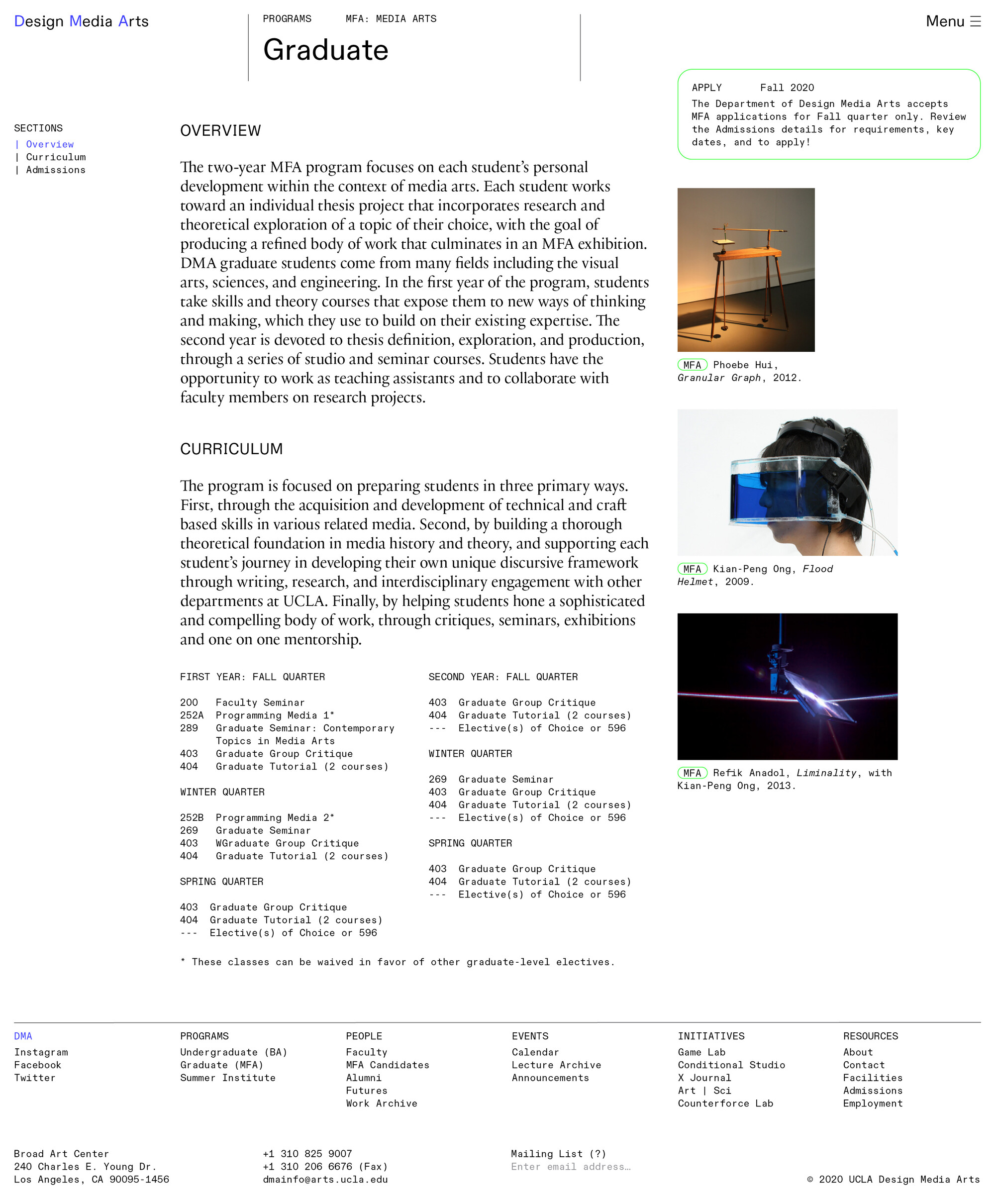
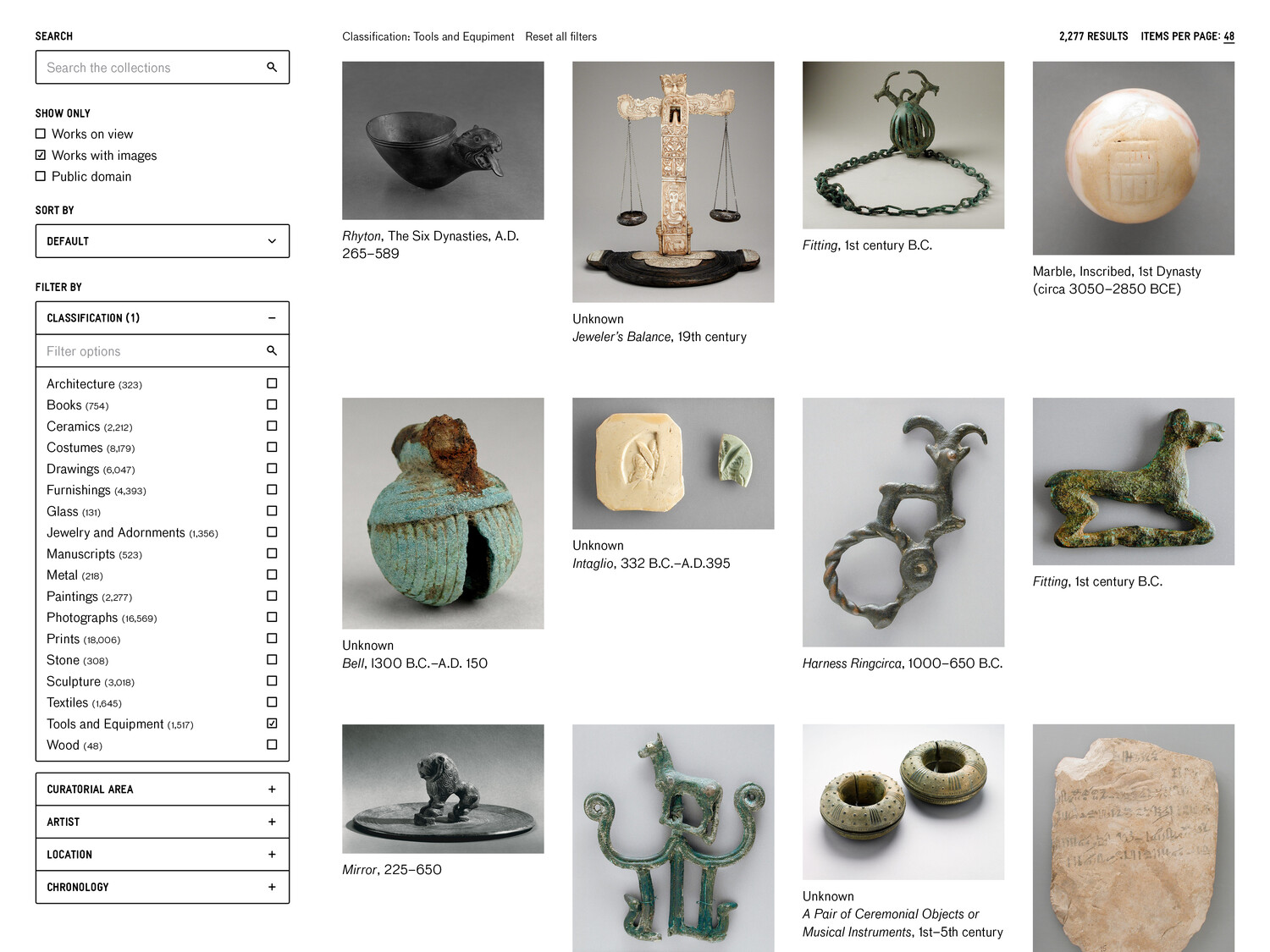
The Design Media Arts program at UCLA has led the field in computational art and design since the 1990s, shaping how artists use and think about emerging technologies. The website highlights student and alumni activity while supporting department operations and acting as a repository for its lectures and programming.
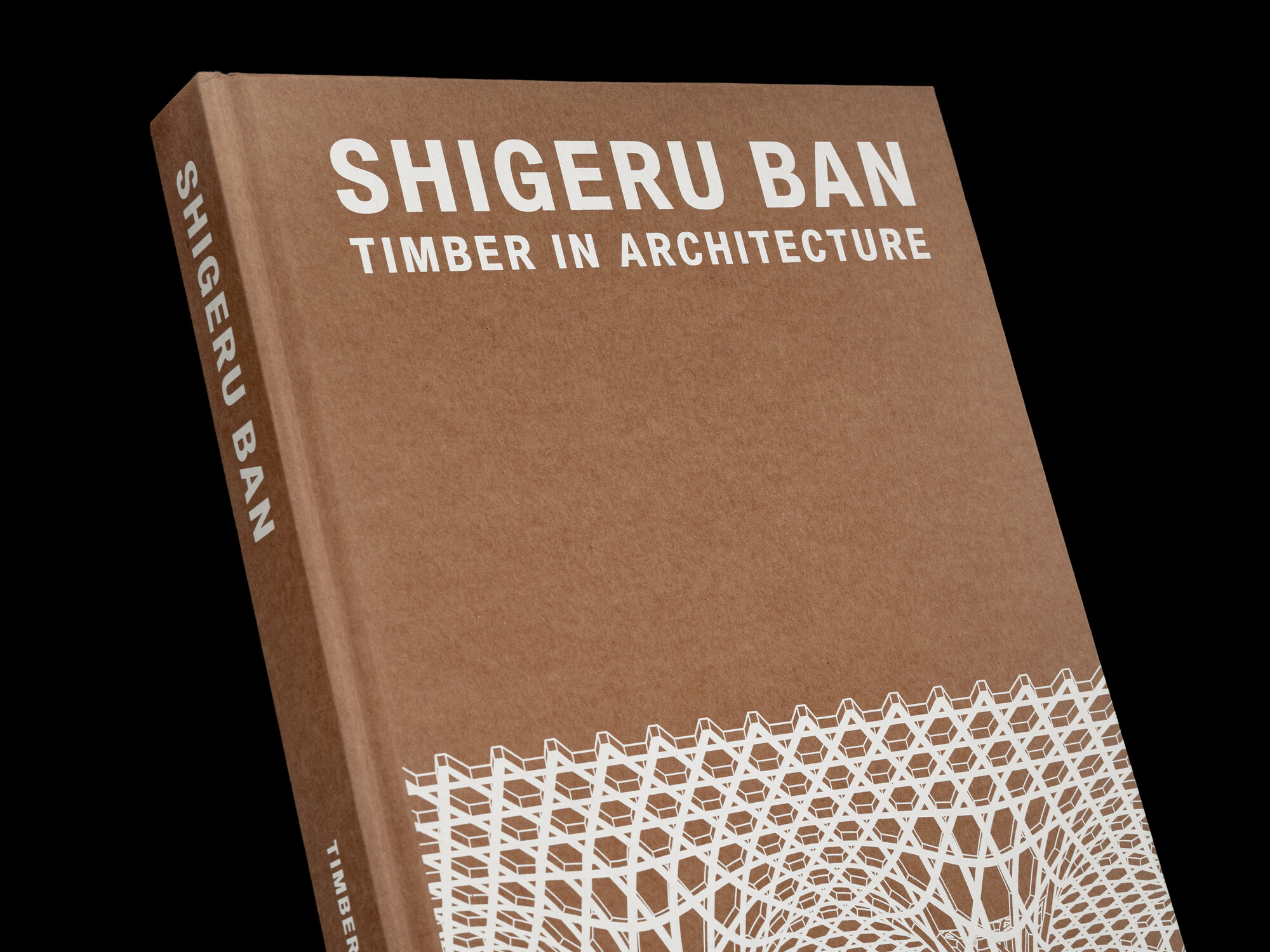
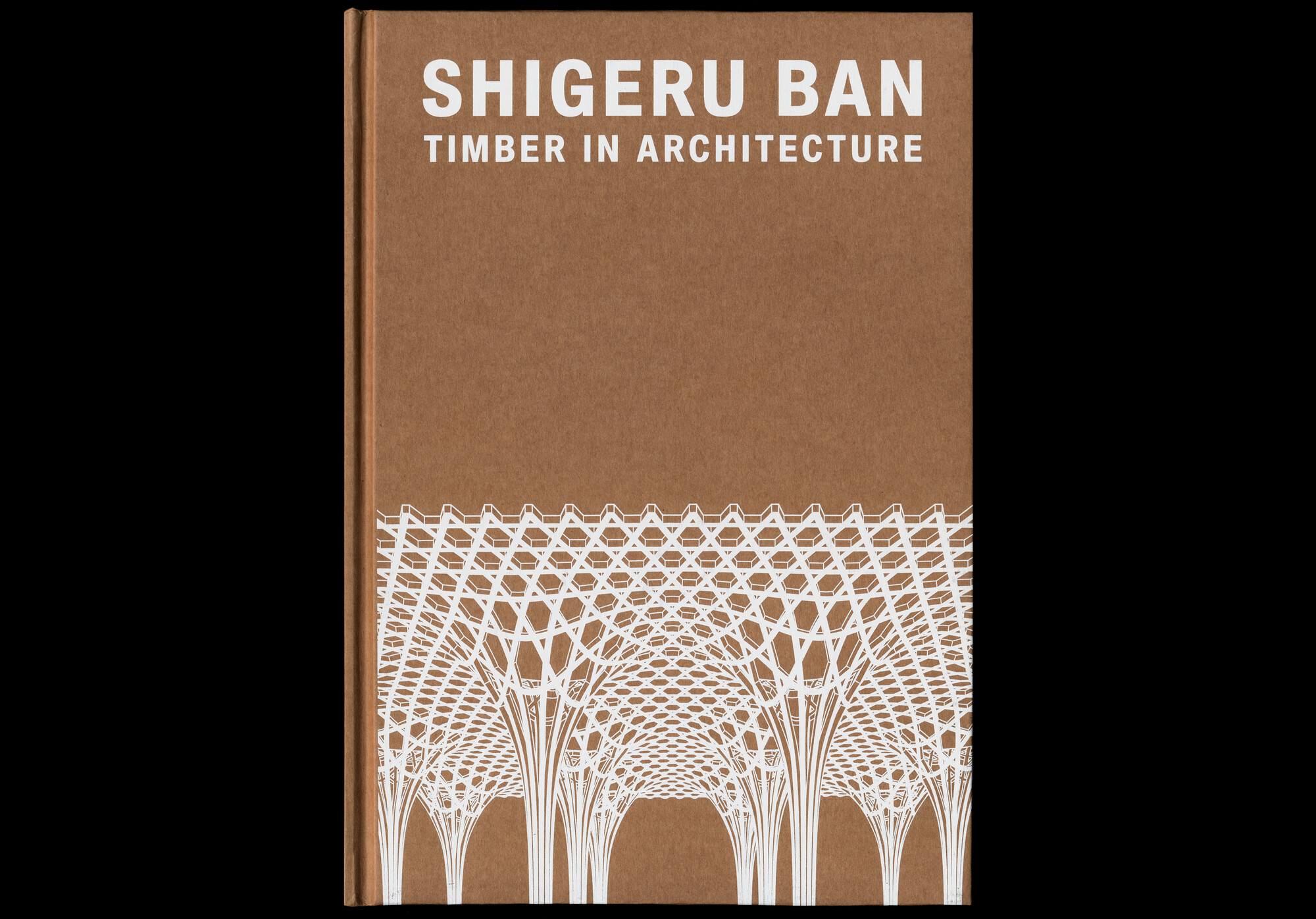
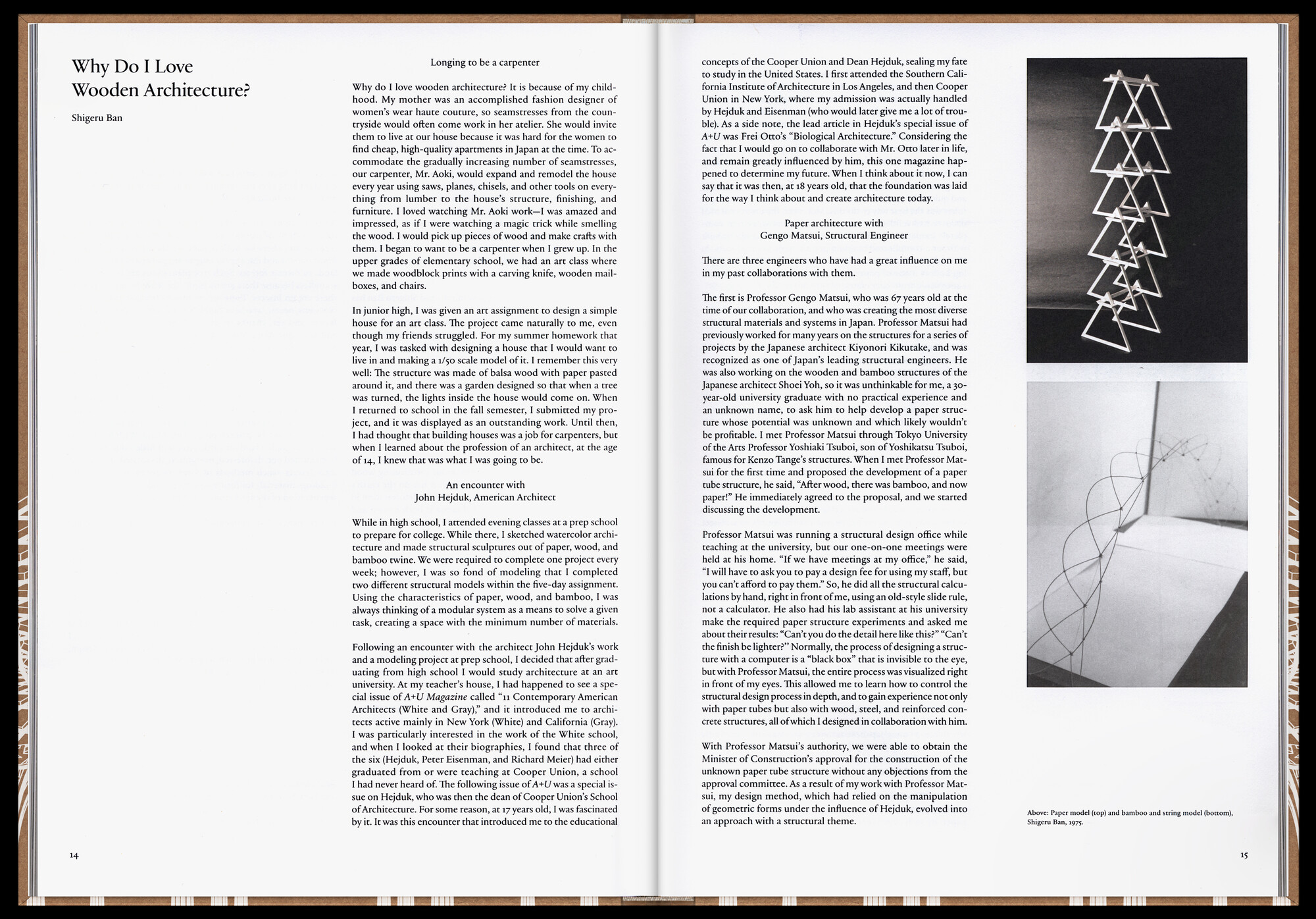
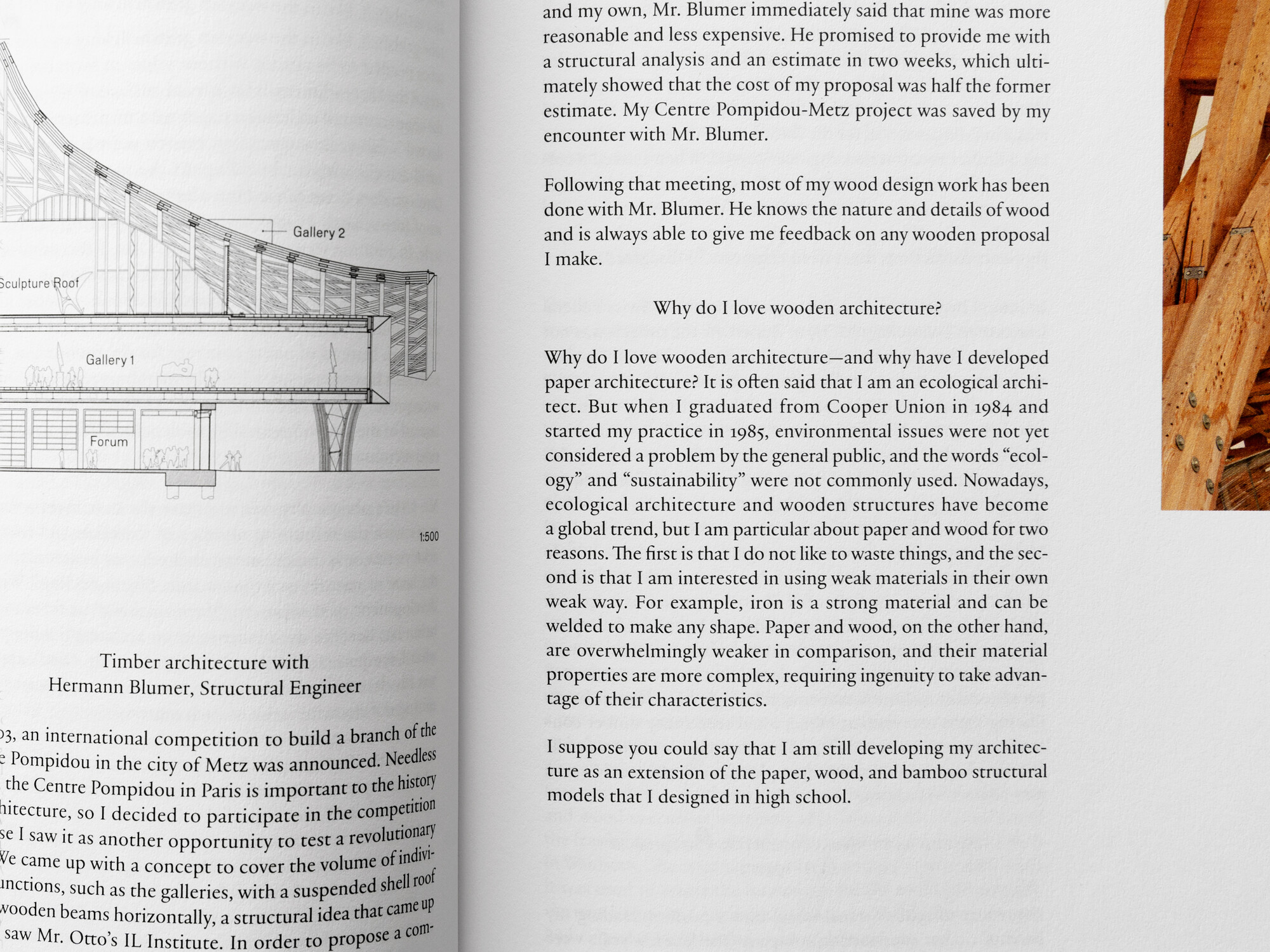
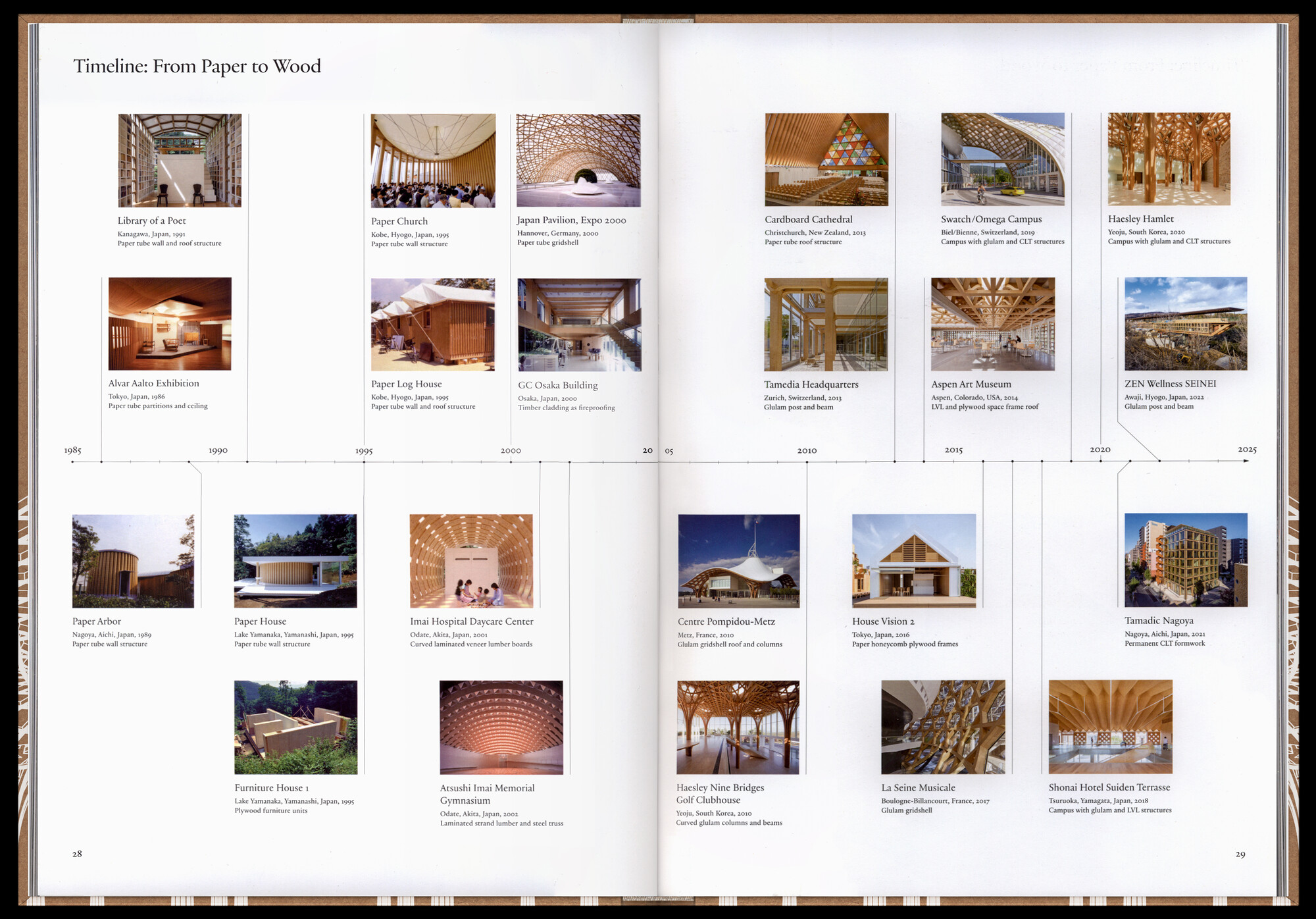
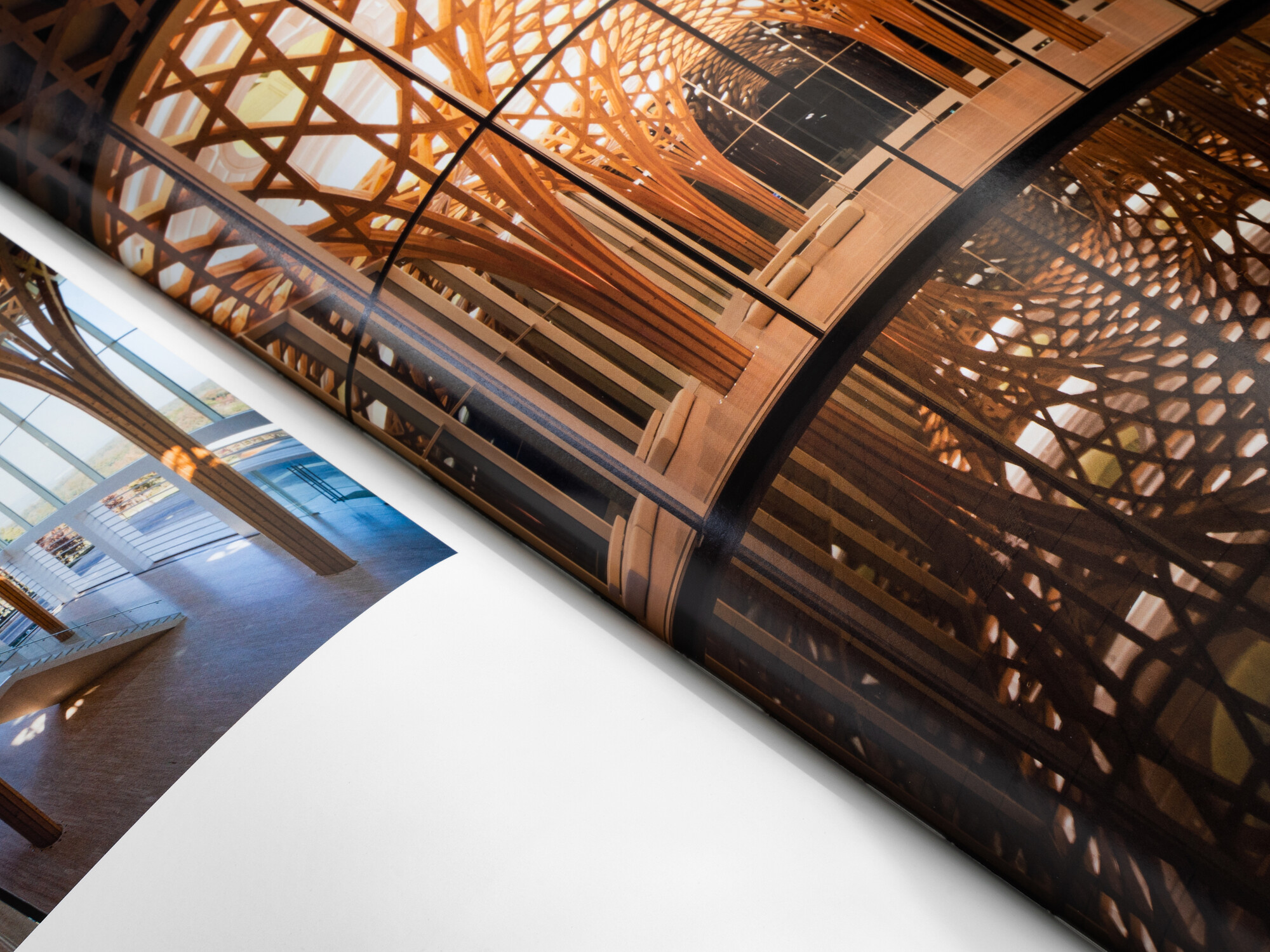
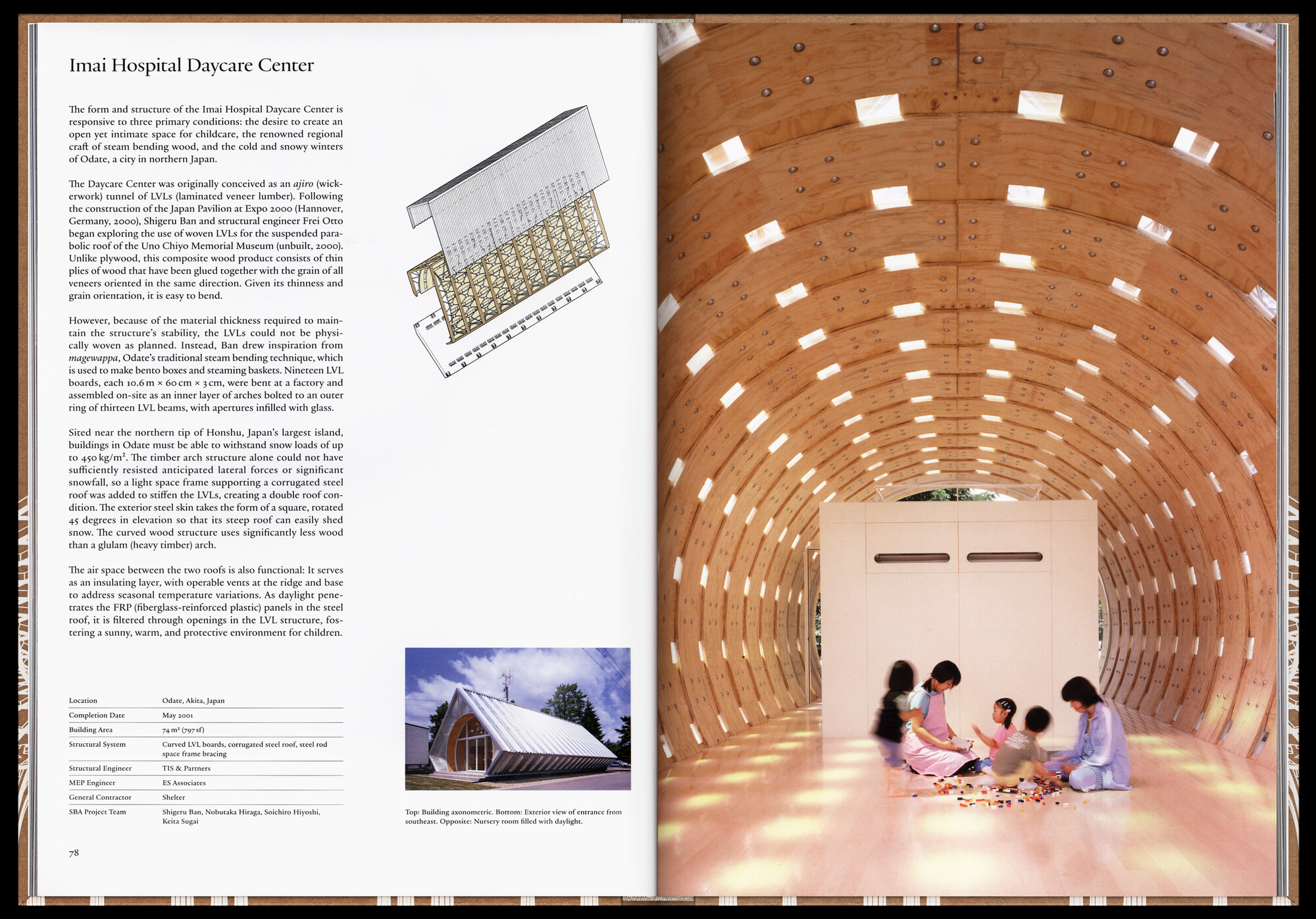
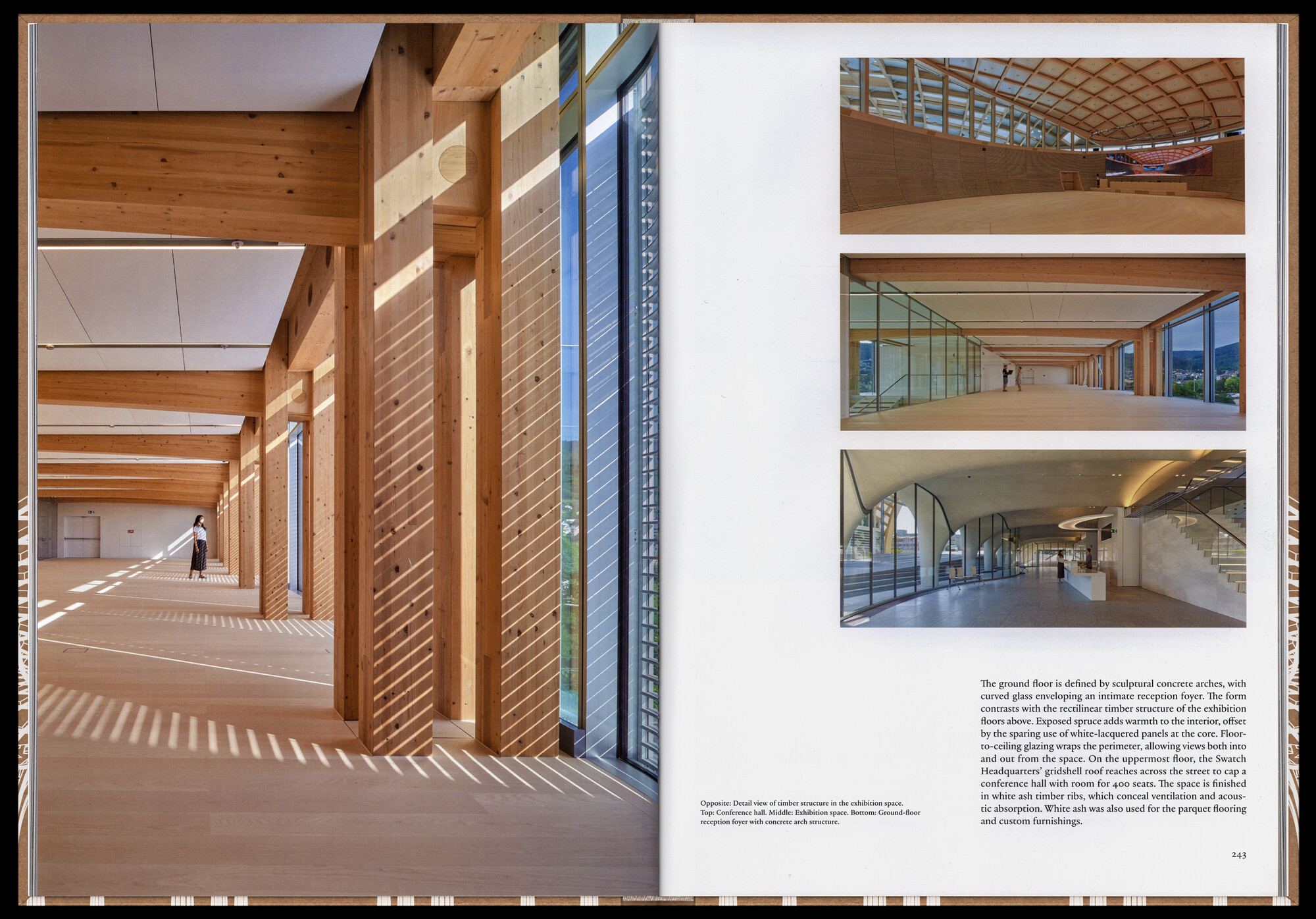
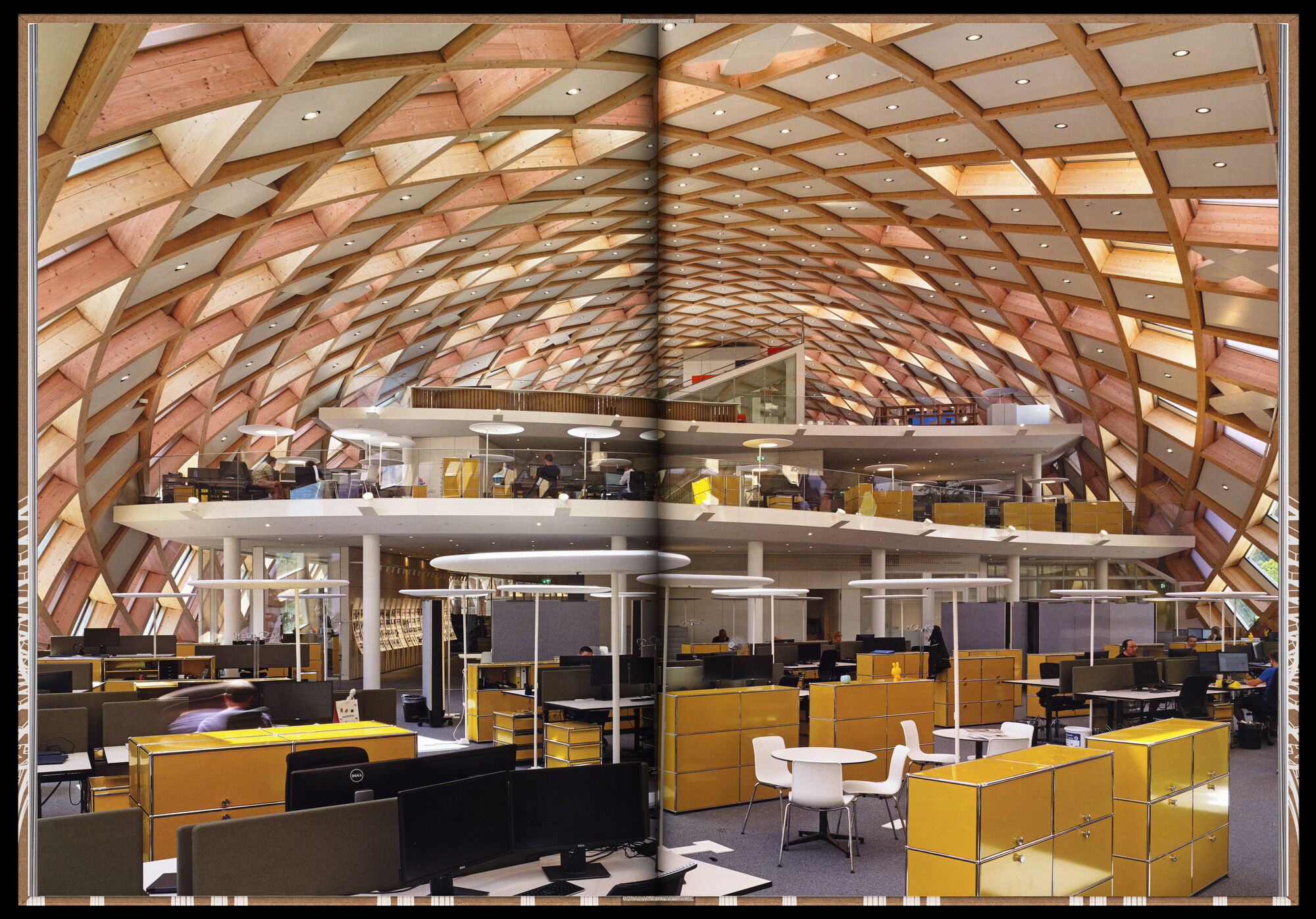
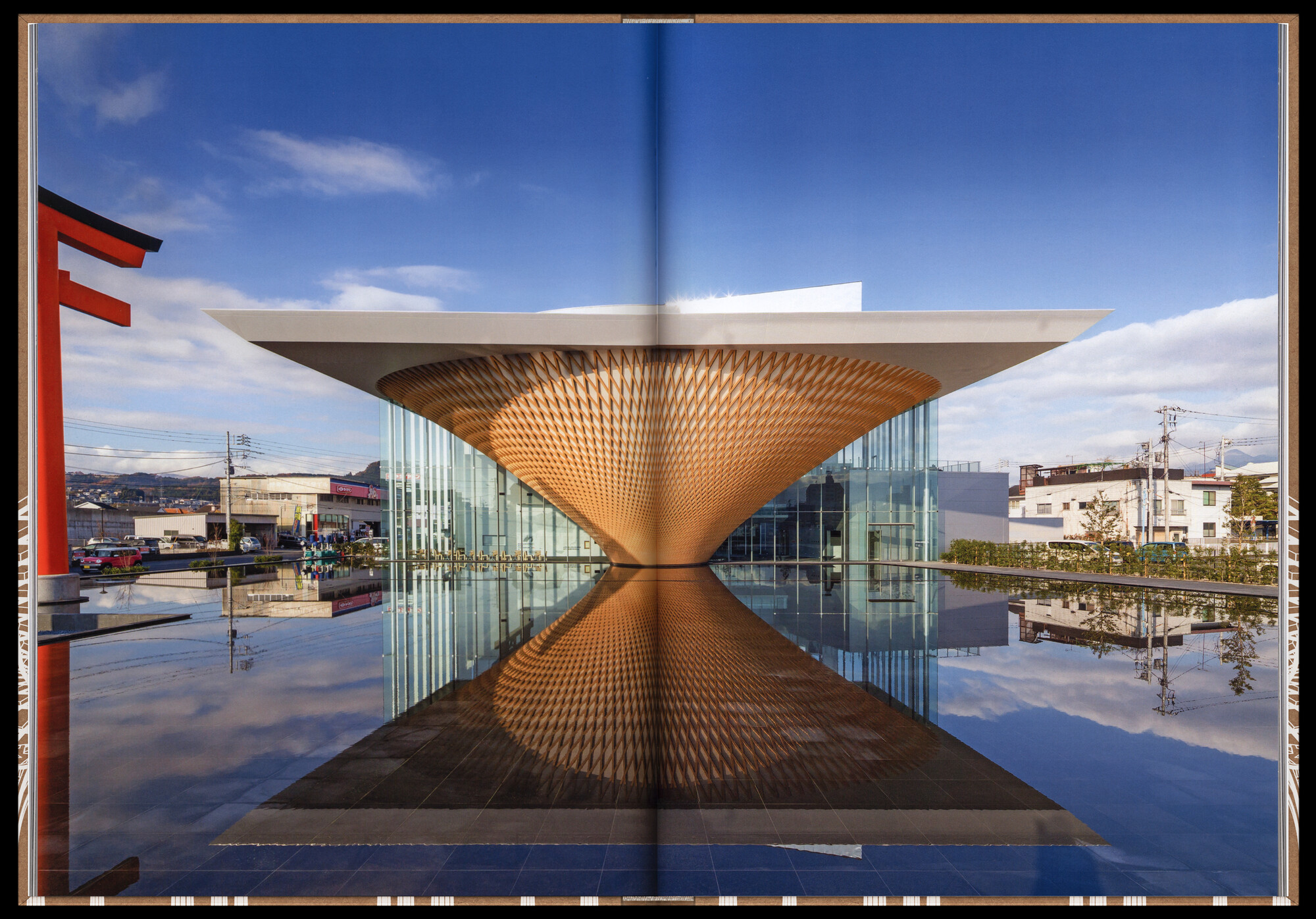
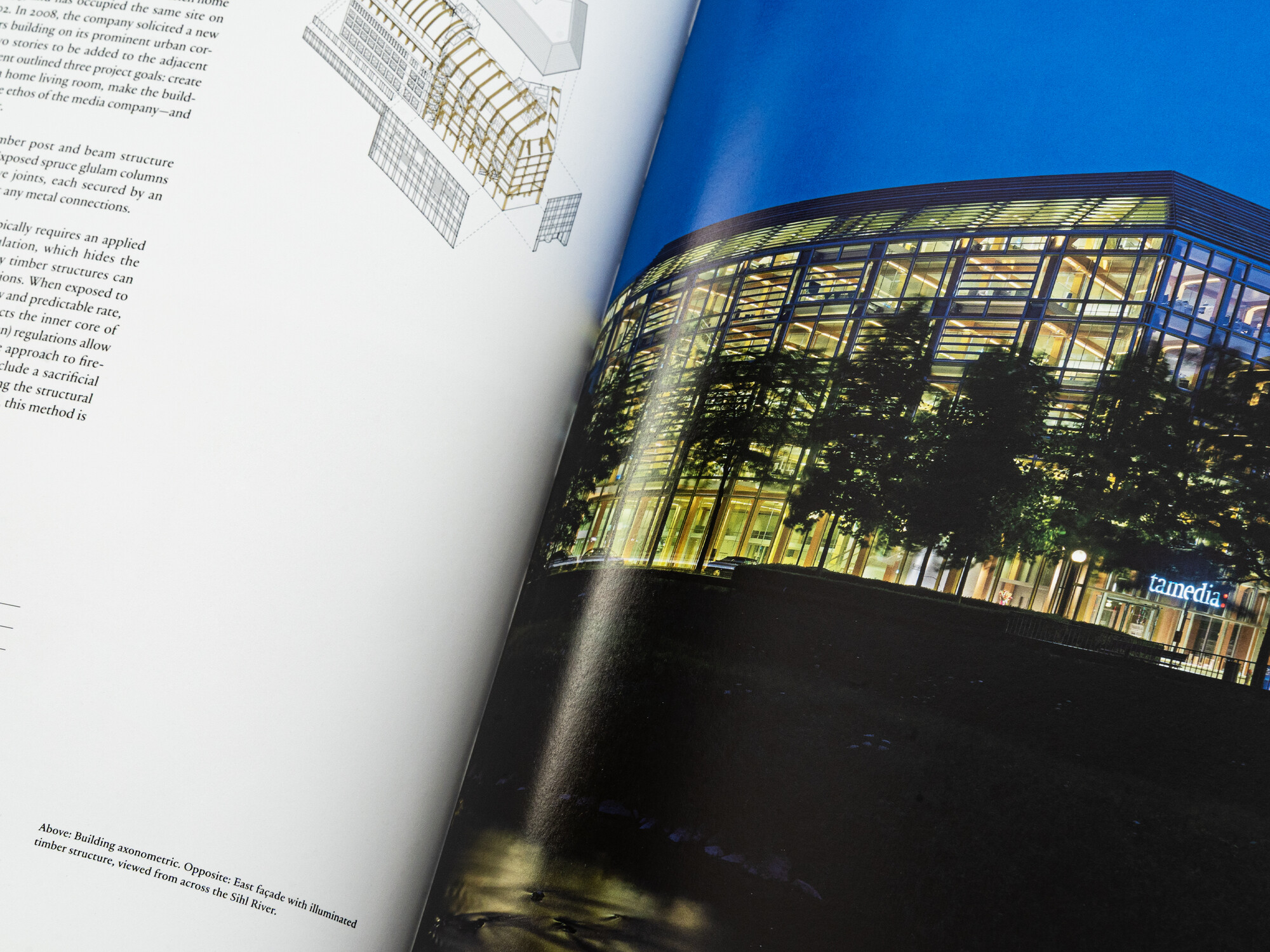
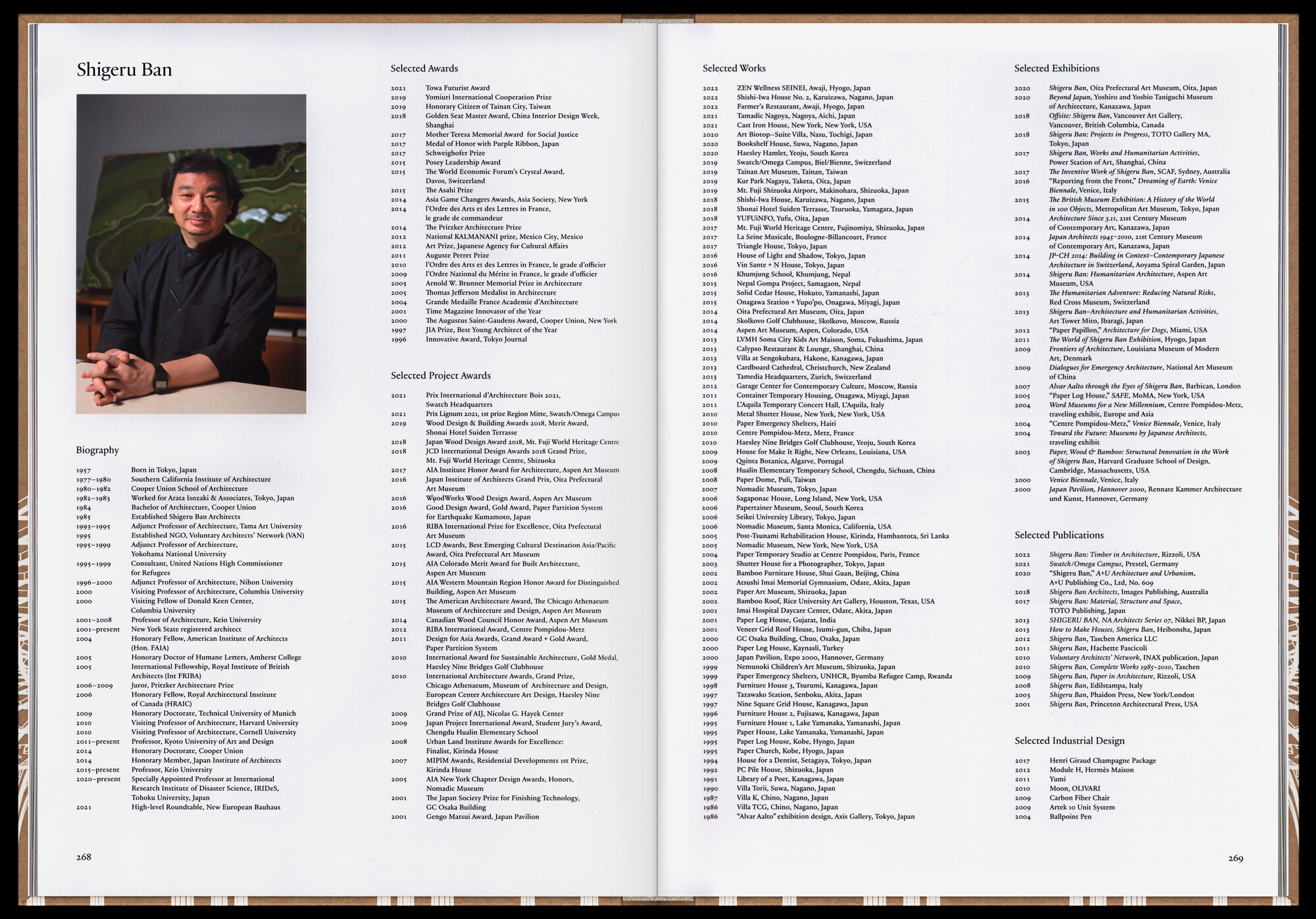
Shigeru Ban: Timber in Architecture presents 45 works from concept through construction, demonstrating the challenges and merits of wood buildings through essays, technical drawings, and photographs. This work continues on learnings presented in Shigeru Ban: Paper in Architecture as it traces Ban’s contributions to the evolution of mass timber as a commercially viable, highly competitive structural solution in a variety of forms.
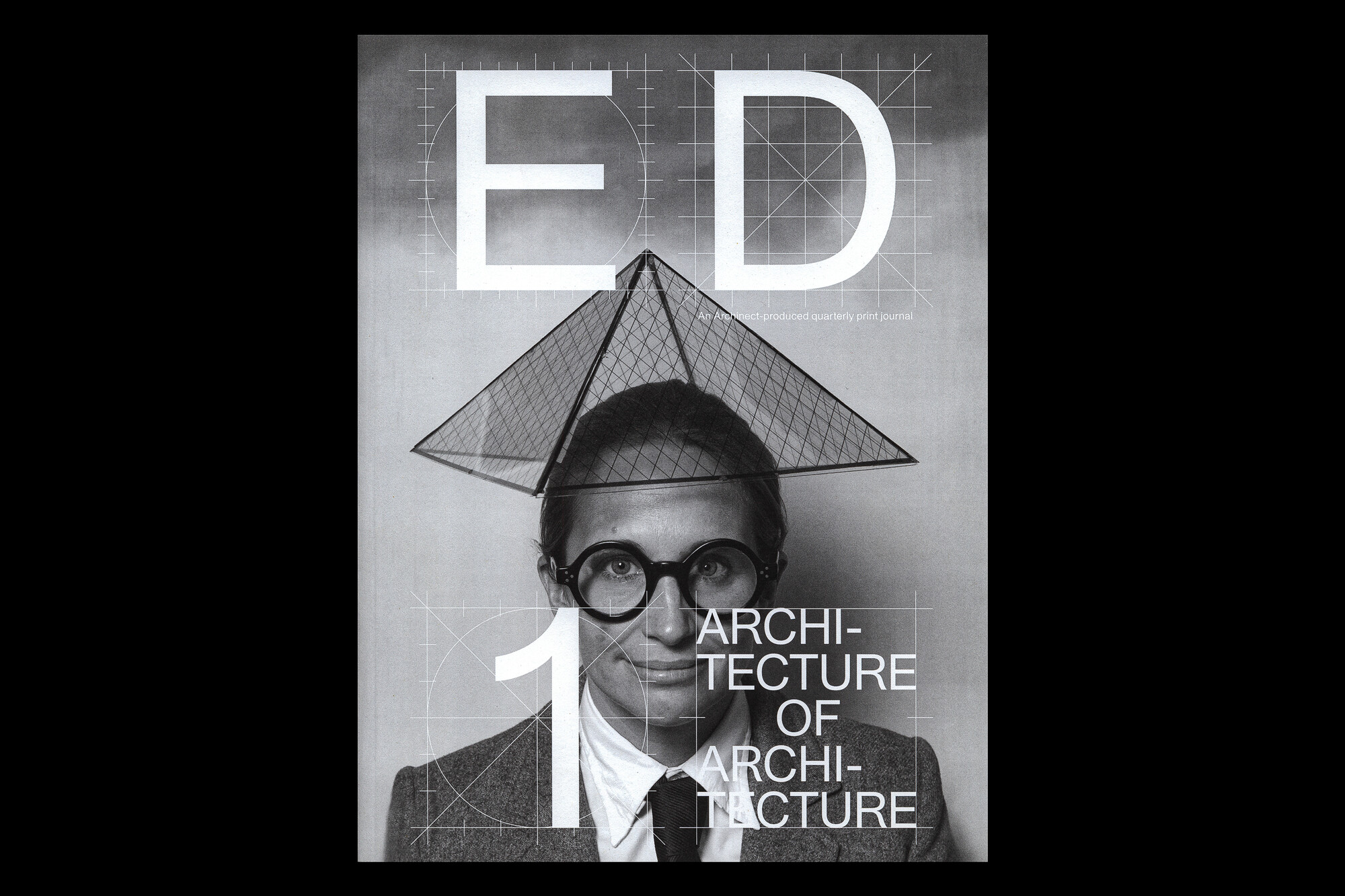
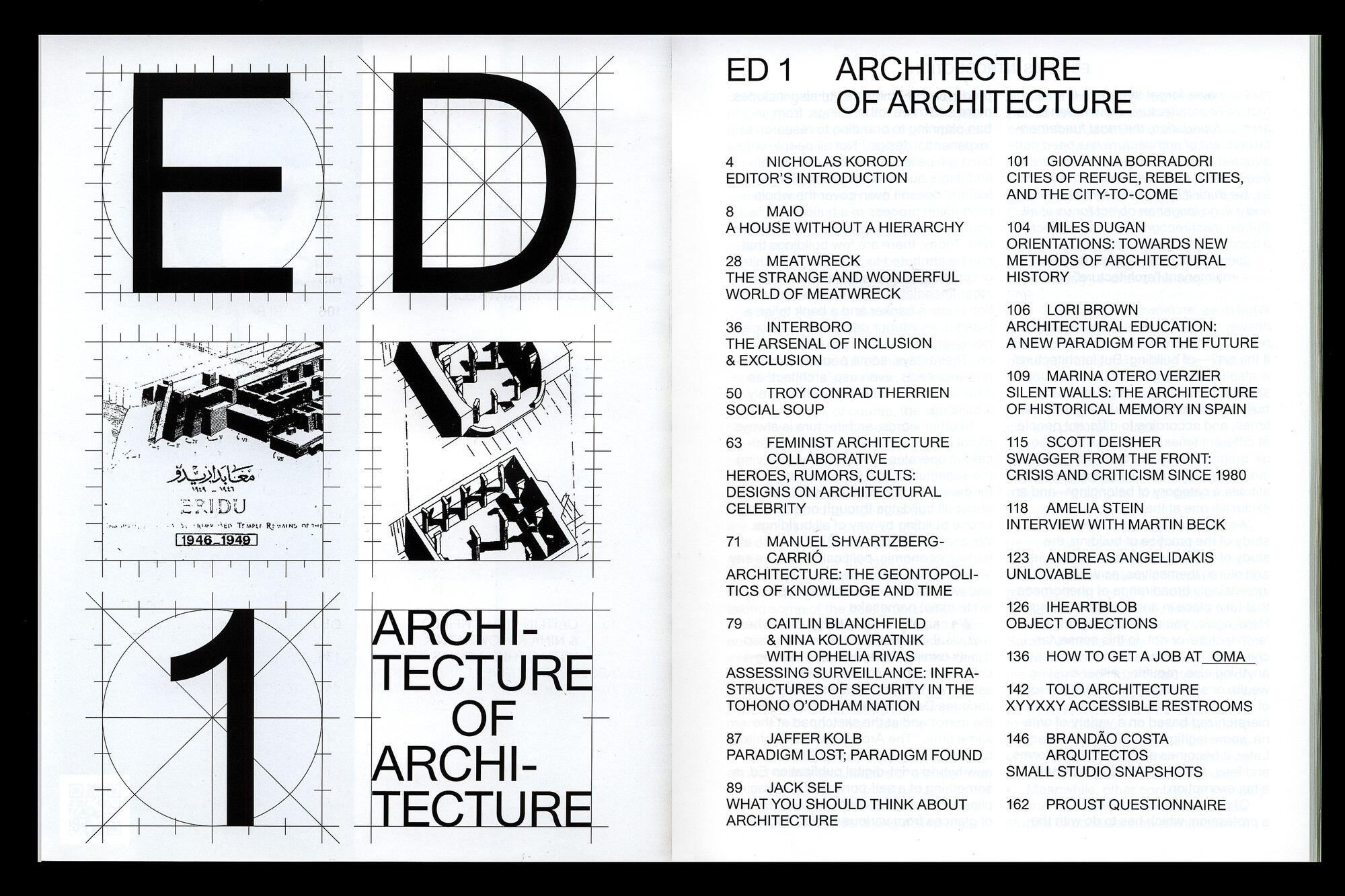
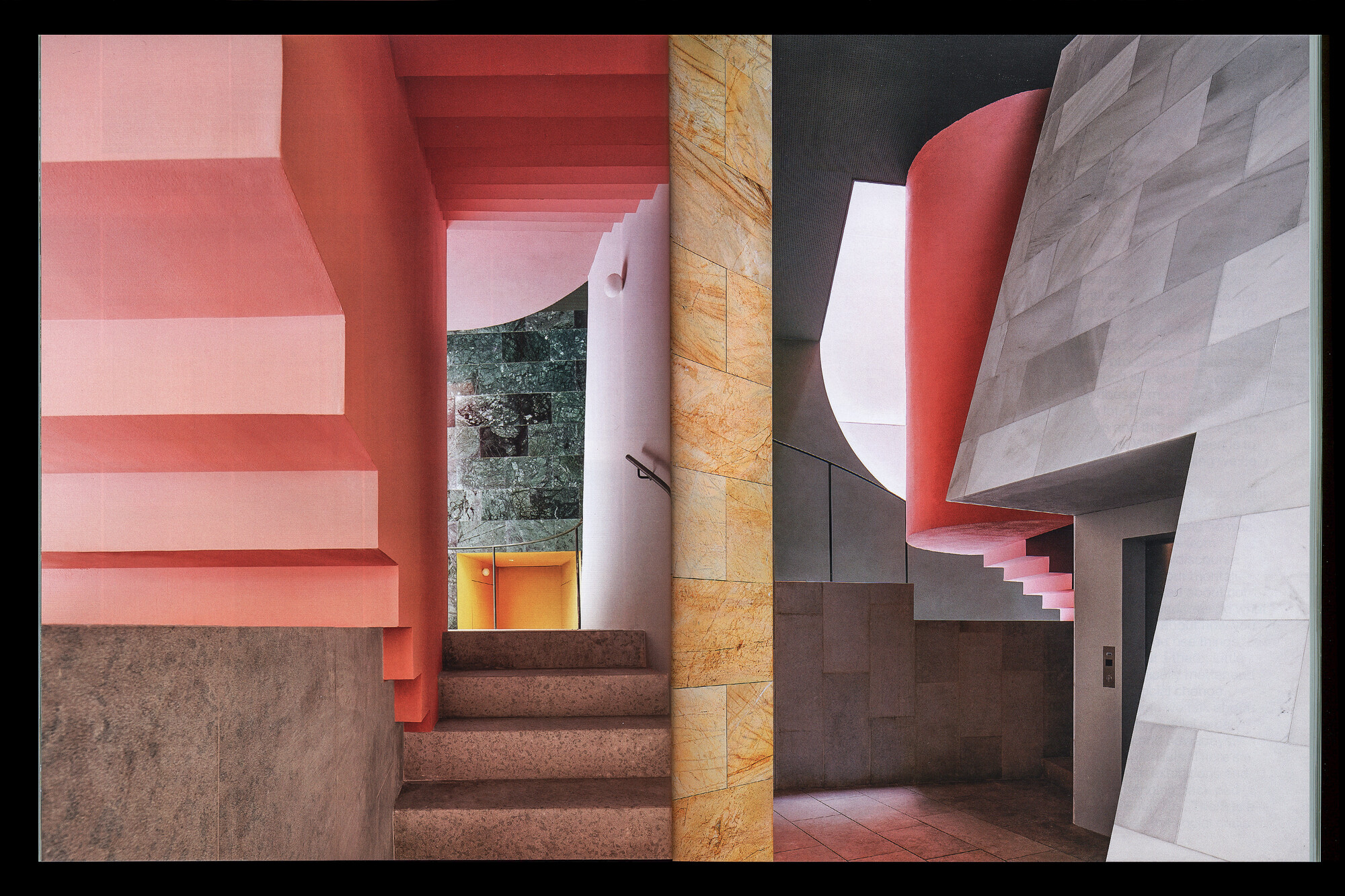
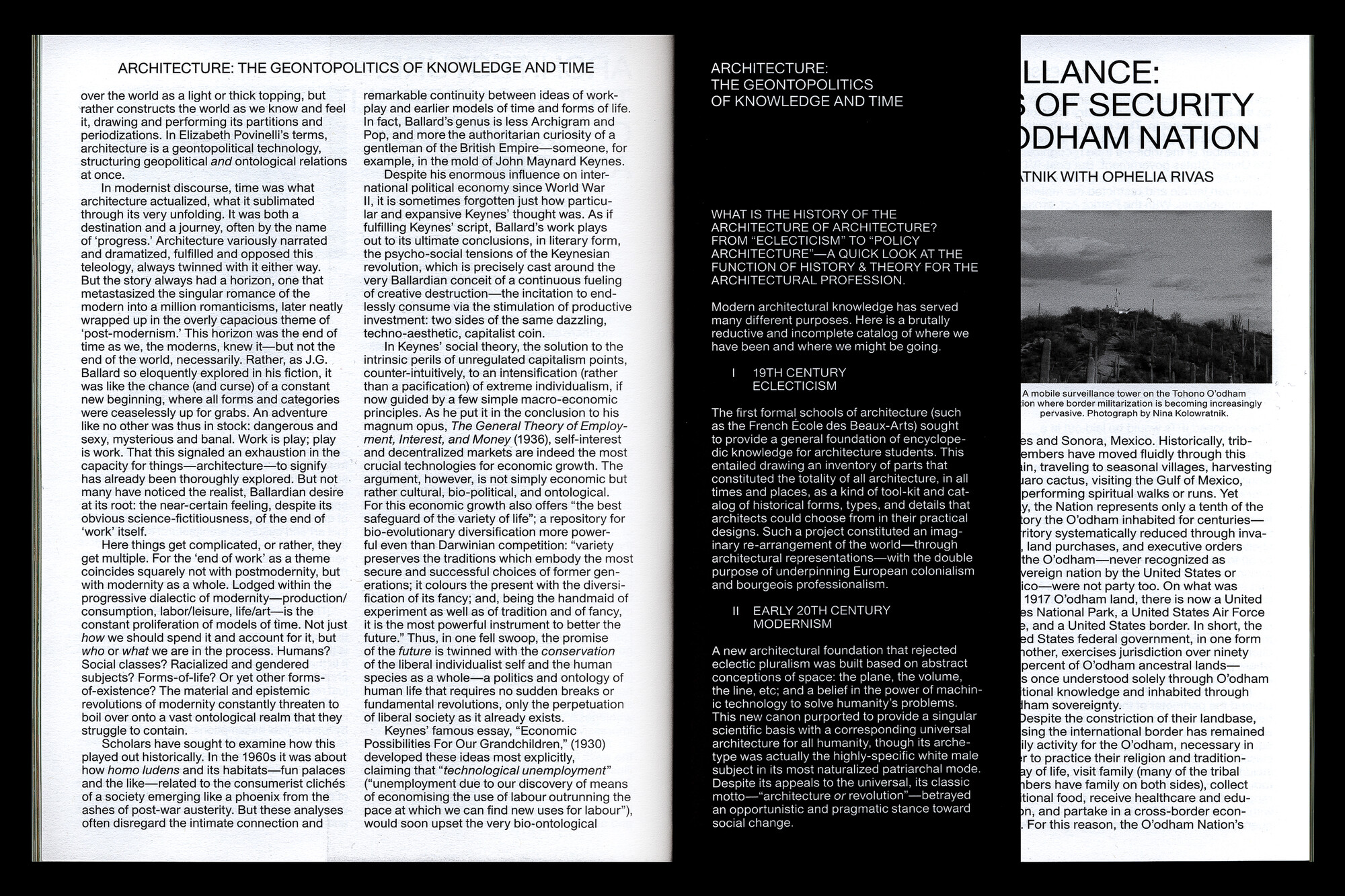
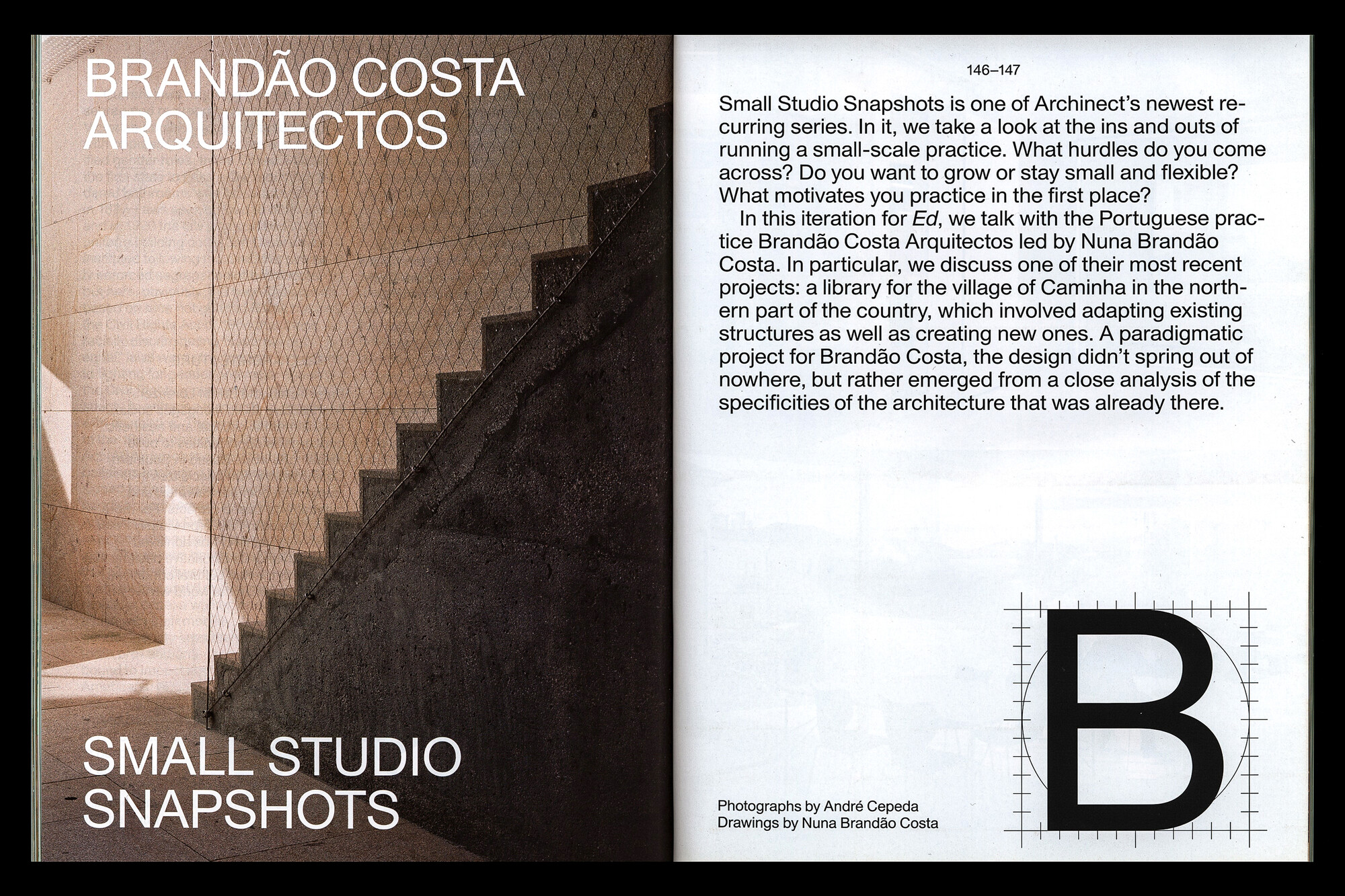
Inaugural issue of Ed, Archinect’s print magazine. Examines how architecture operates within broader social, economic, and technological systems, and considers how the discipline might be reimagined through alternative frameworks of practice and thought. More info