Folder designs interfaces, publications, and systems for organizing, encountering, and carrying information forward. We help museums, universities, civic institutions, and others engaged in the stewardship and sharing of knowledge create ways for language, media, and material to surface and endure.
We are interested in what happens to information over time, and how form can reveal the connections that give it meaning. Projects come in a variety of configurations rooted in partnerships that honor the material and its strategic presentation.
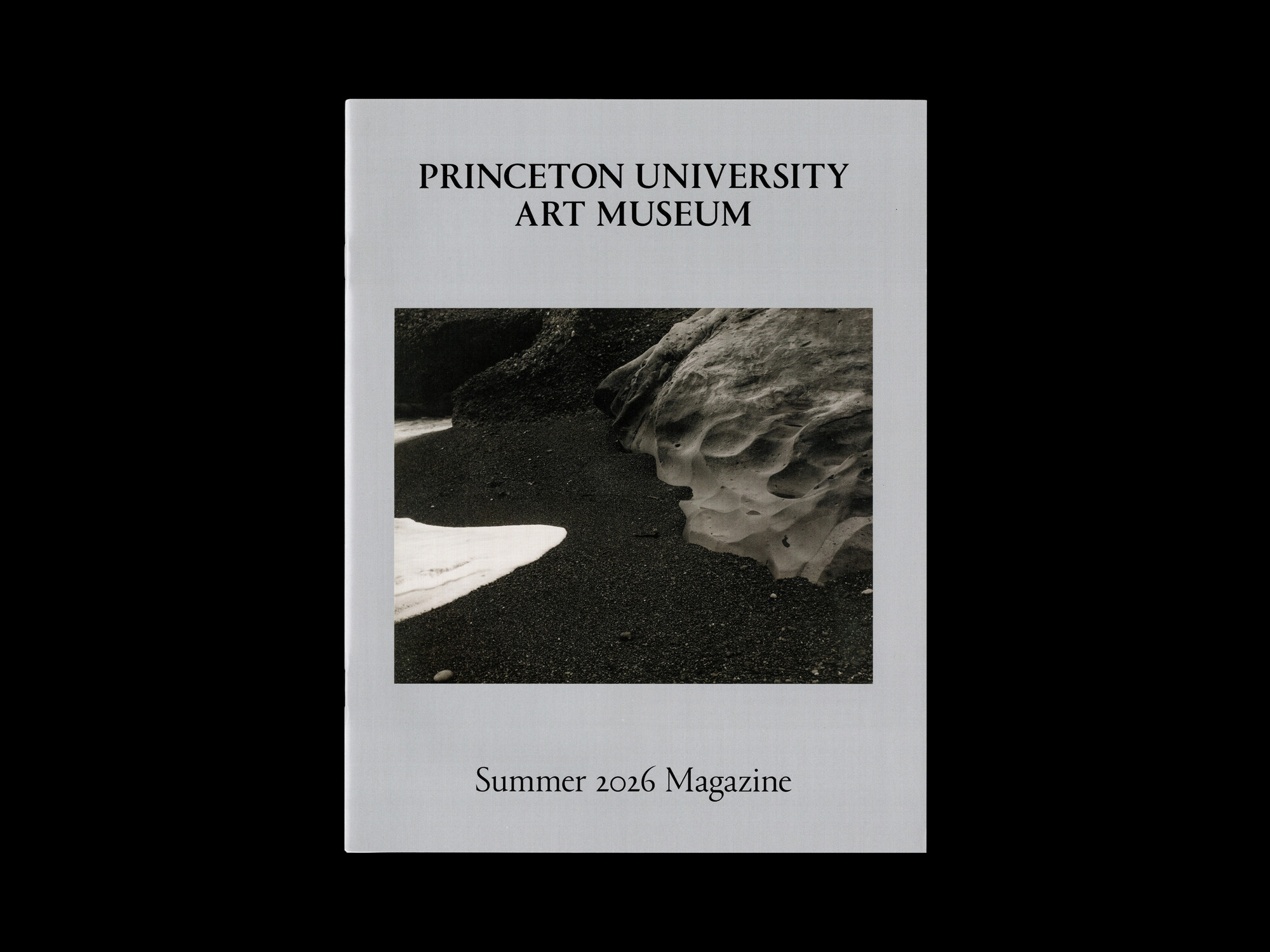
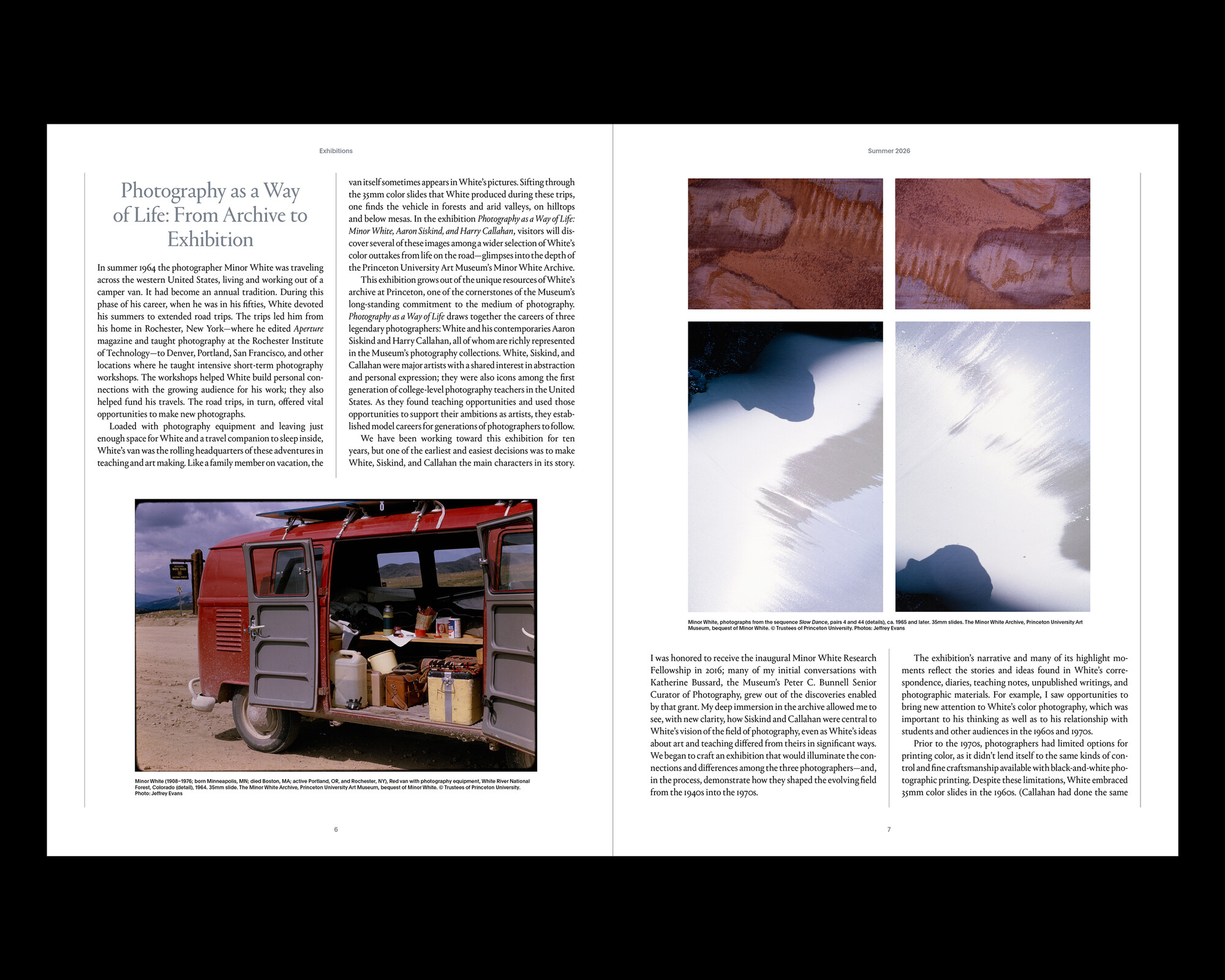
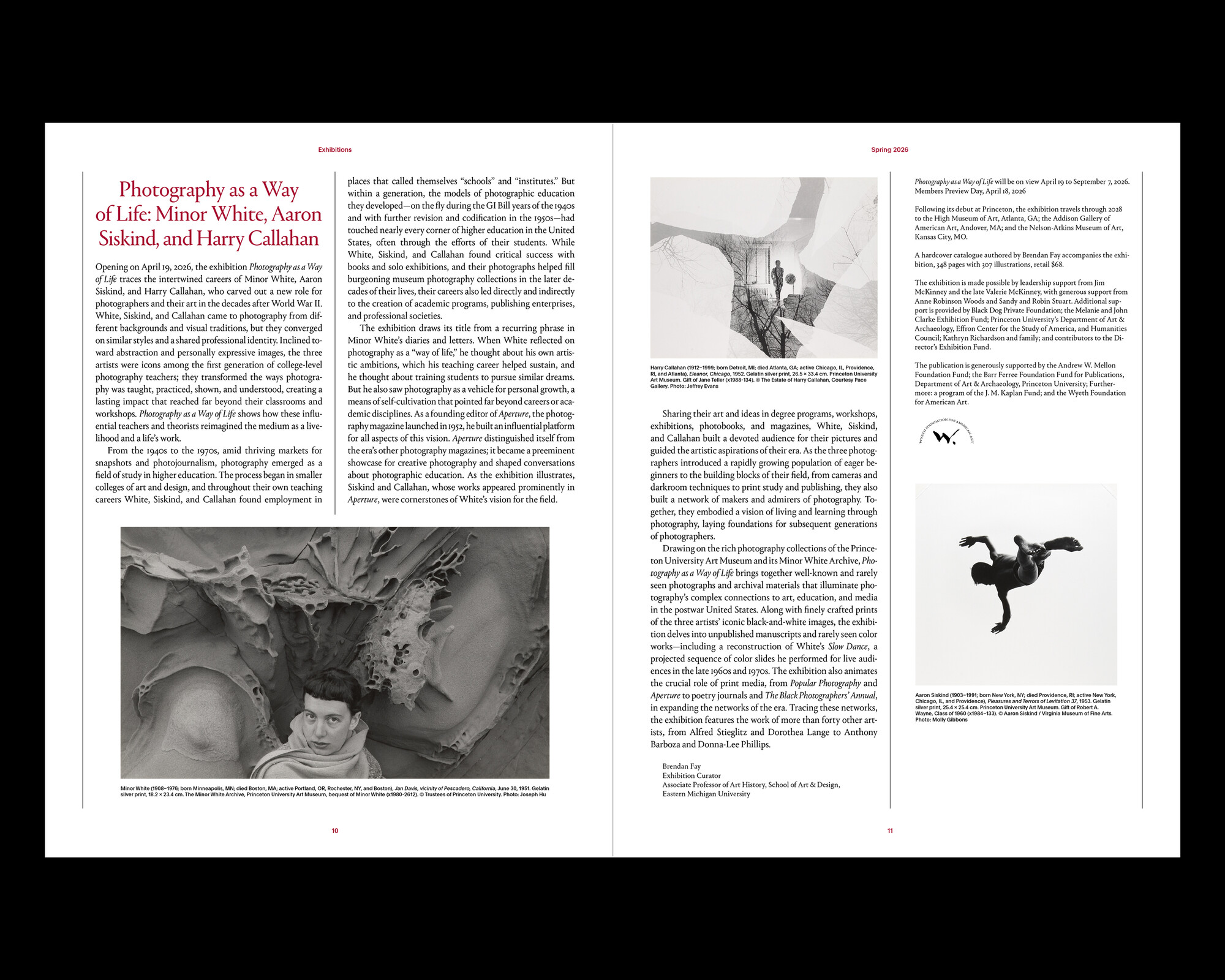
The Summer 2026 issue of the magazine features Minor White’s Two Waves and Pitted Rock on its cover highlighting PUAM’s summer exhibition Photography as a Way of Life. The show examines the overlapping careers of Minor White, Aaron Siskind, and Harry Callahan who redefined photography in the mid-twentieth century.
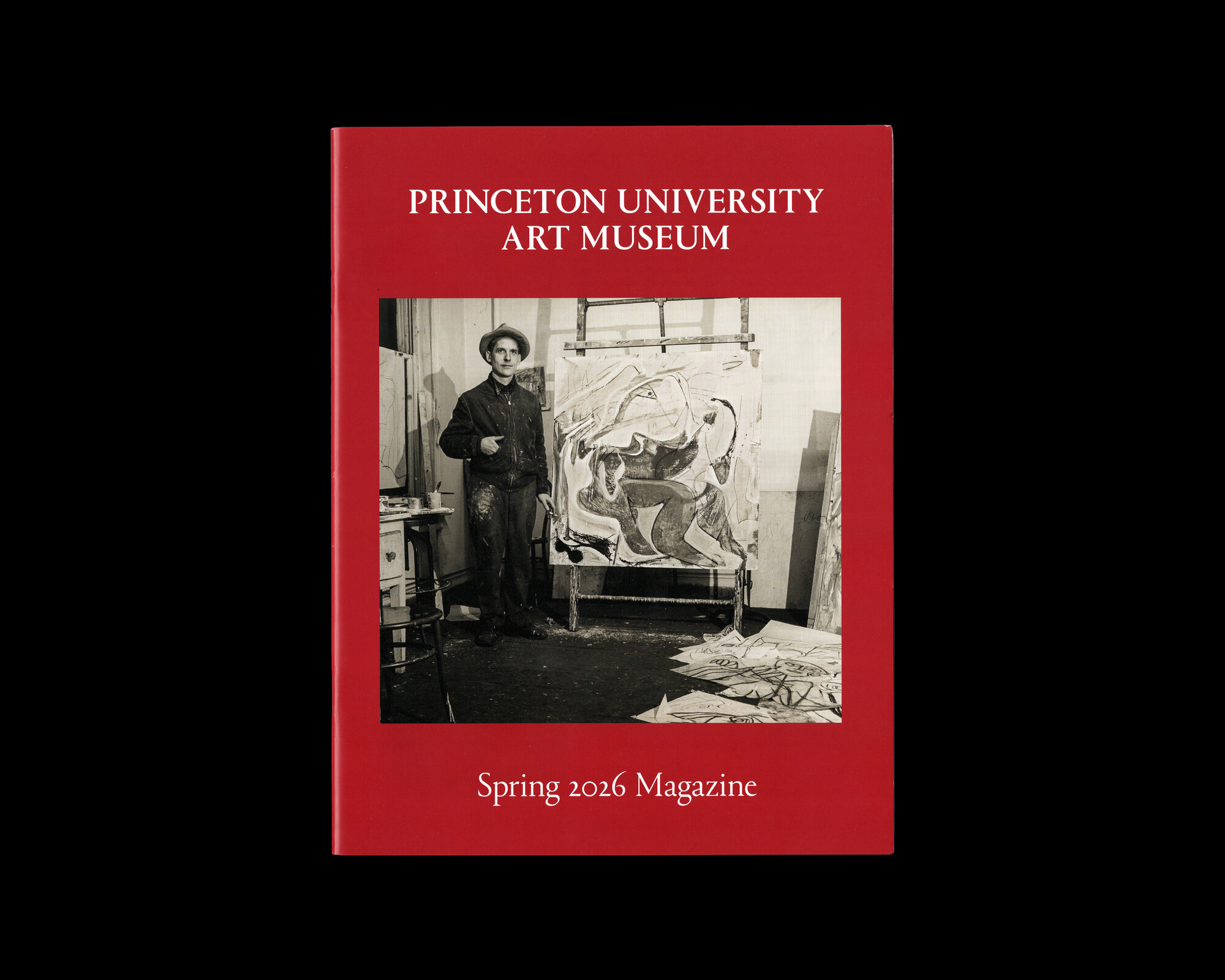
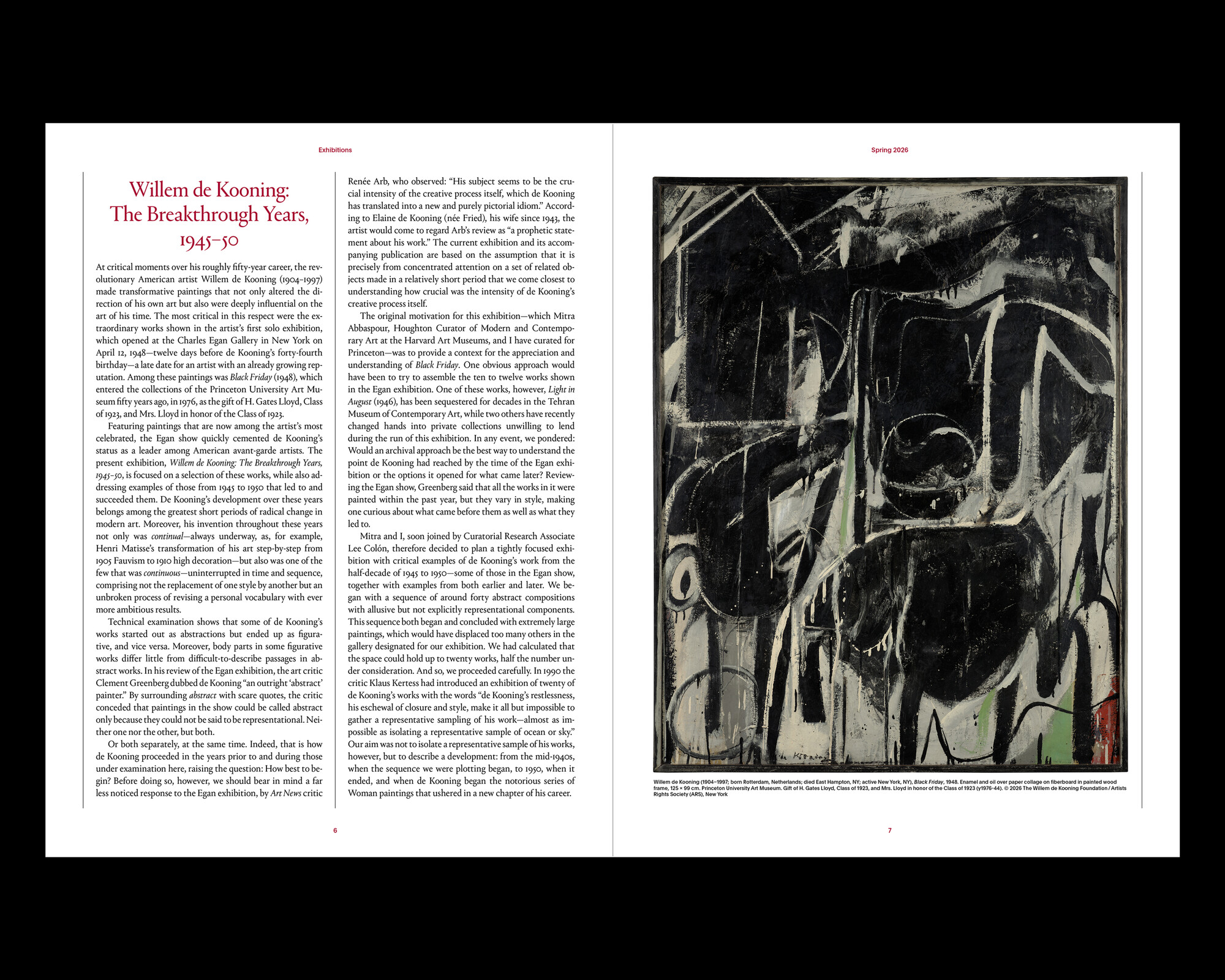
The Spring 2026 issue of the magazine features Willem de Kooning: The Breakthrough Years, 1945–50, with an archival photograph of the artist in his studio on the cover. The show exhibits 18 tightly selected masterworks sourced from more than a dozen prestigious museums and private collections, looking at the 5-year window where de Kooning formulated the visual language that would define his entire career.
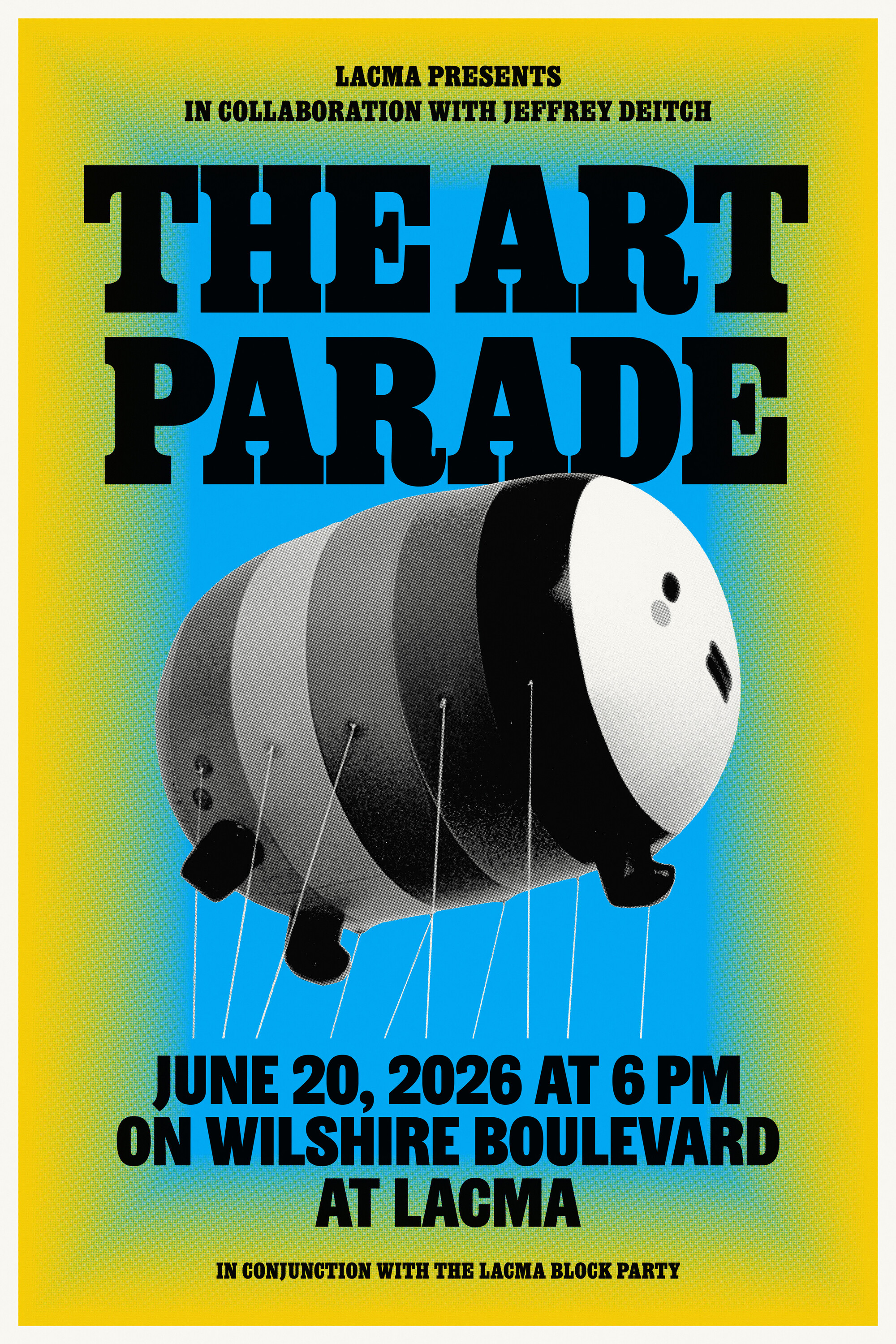
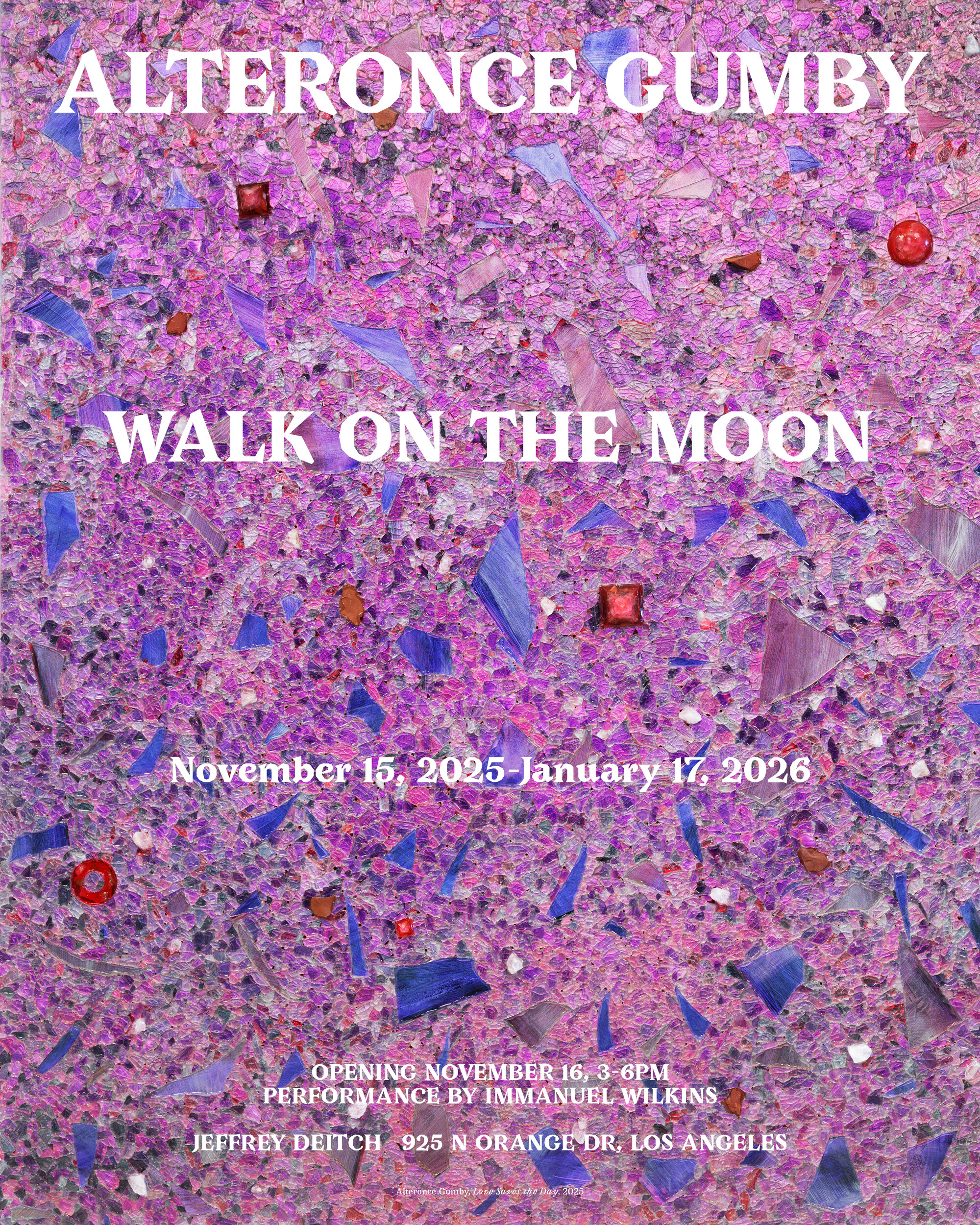
The Art Parade is a large-scale public celebration marking the opening of the David Geffen Galleries. Conceived two decades ago by influential art dealer and curator Jeffrey Deitch, this Los Angeles edition marks a pivotal moment in LACMA's history and for the city itself.
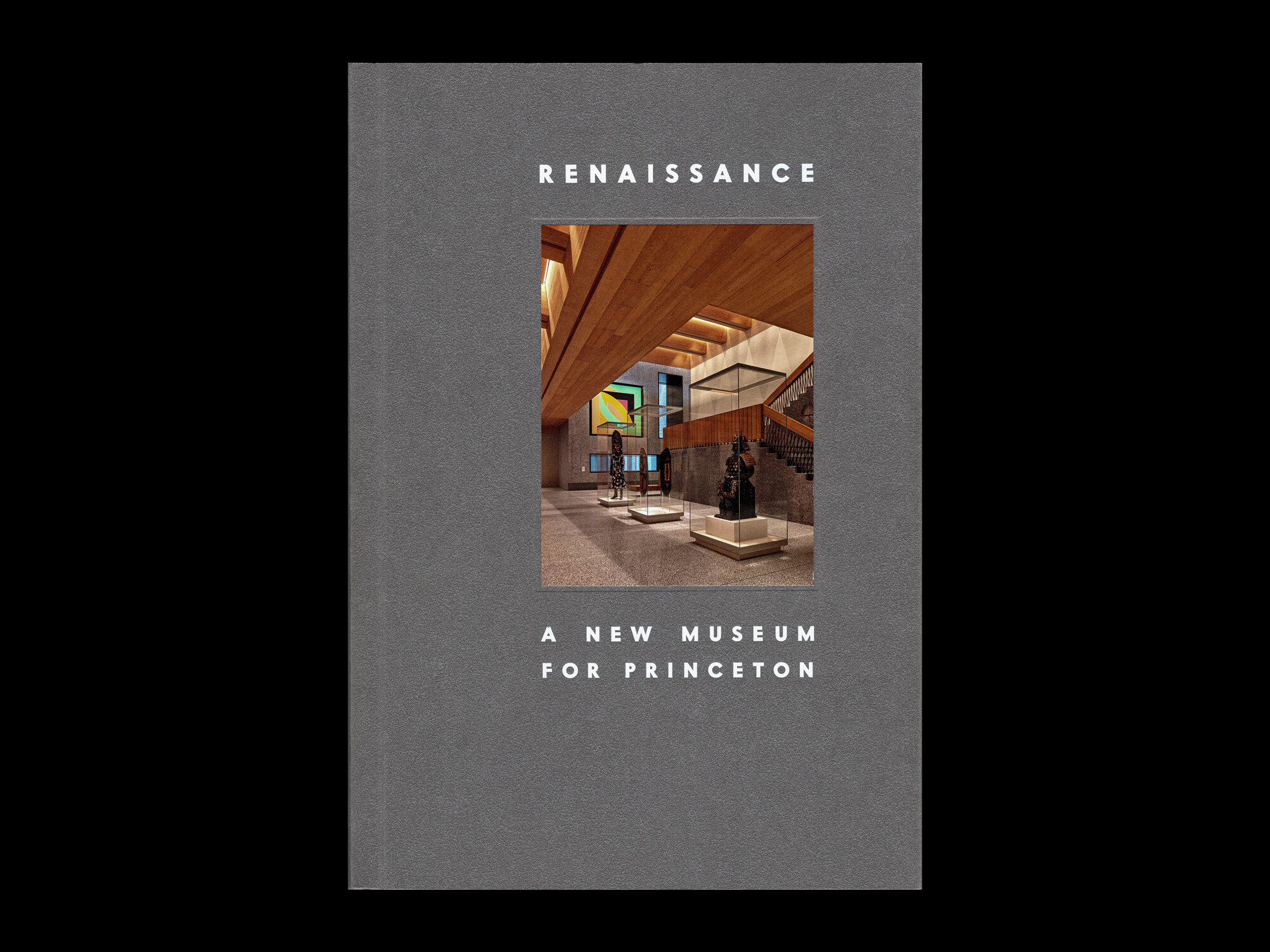
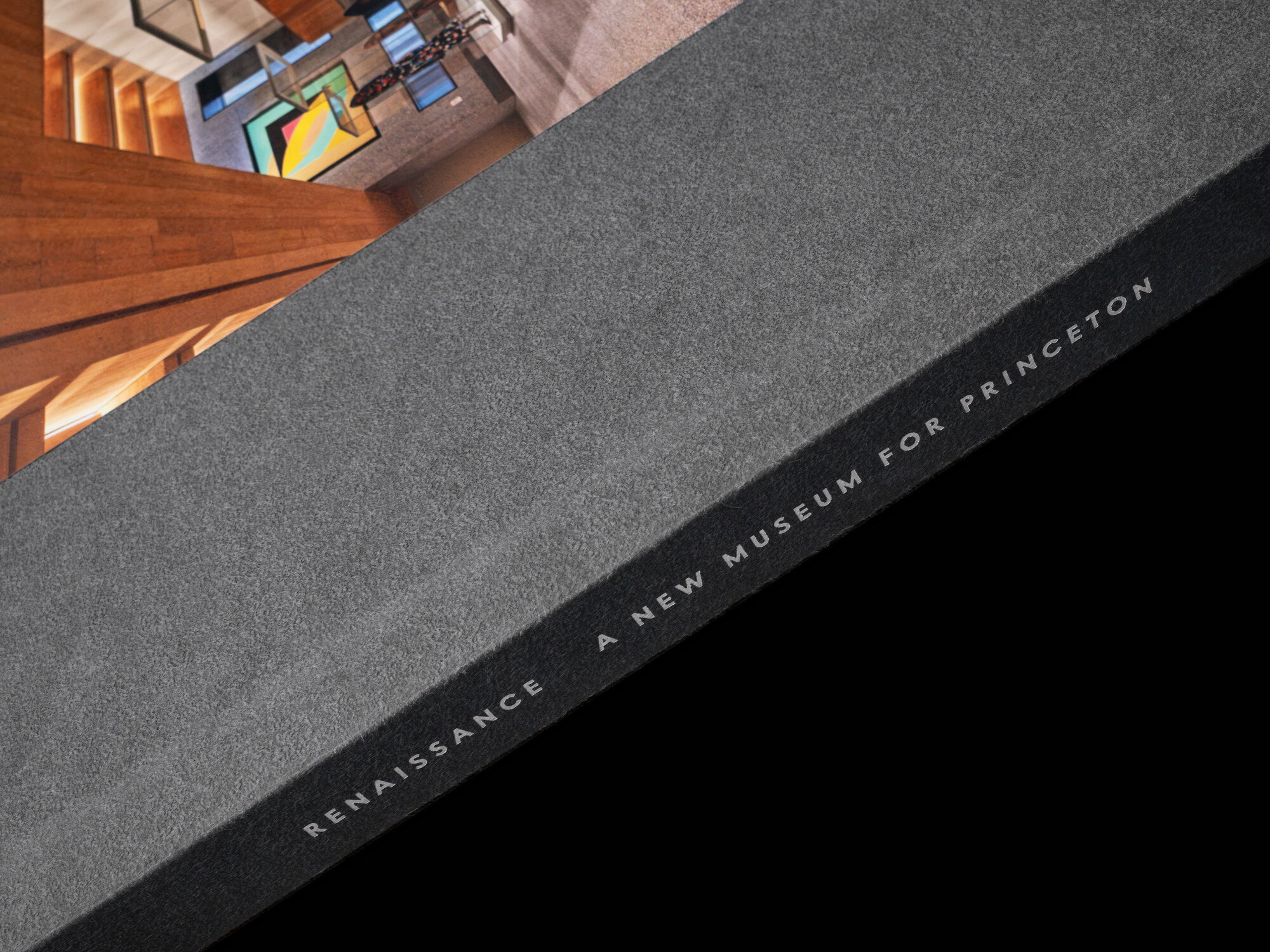
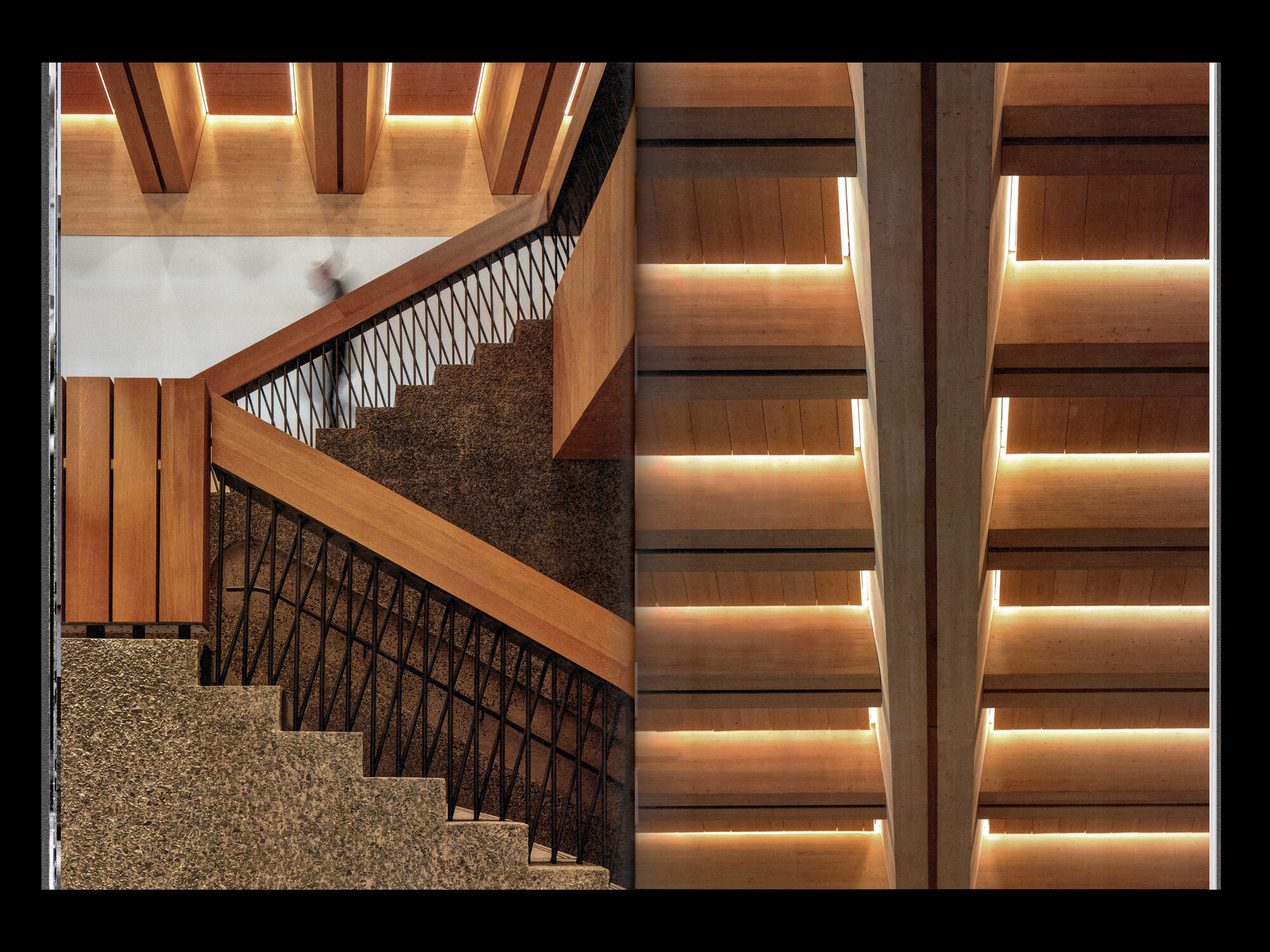
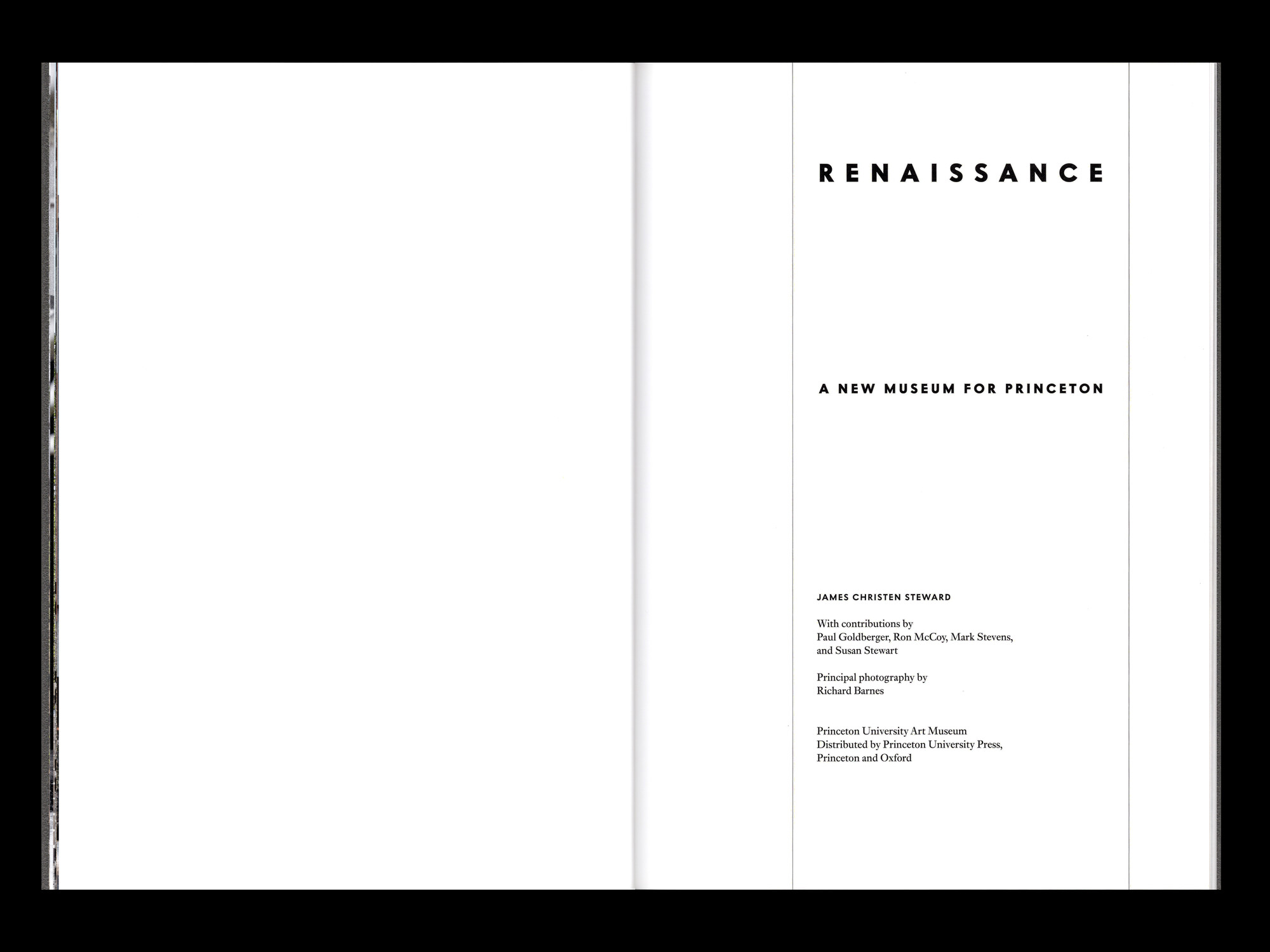
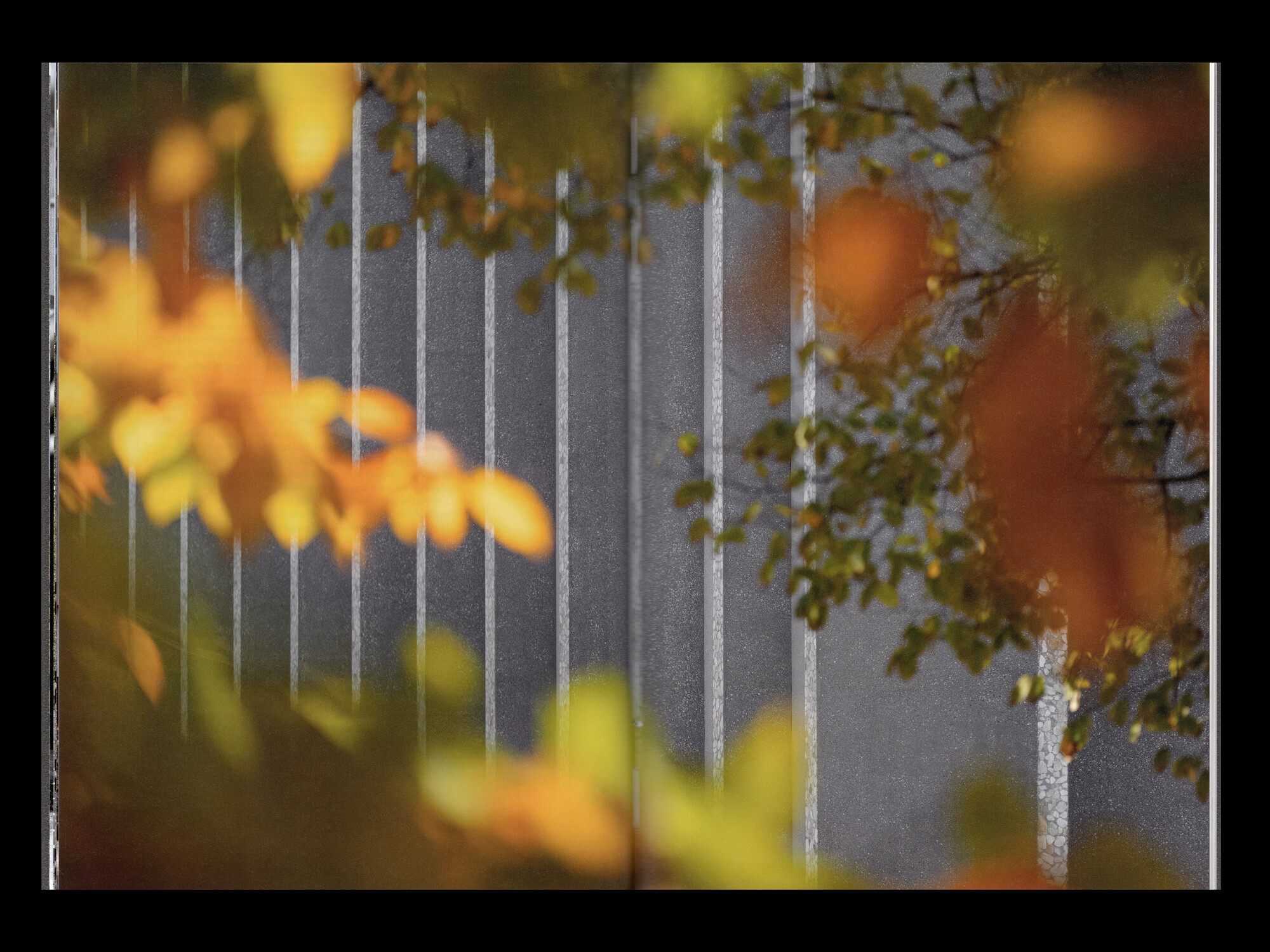
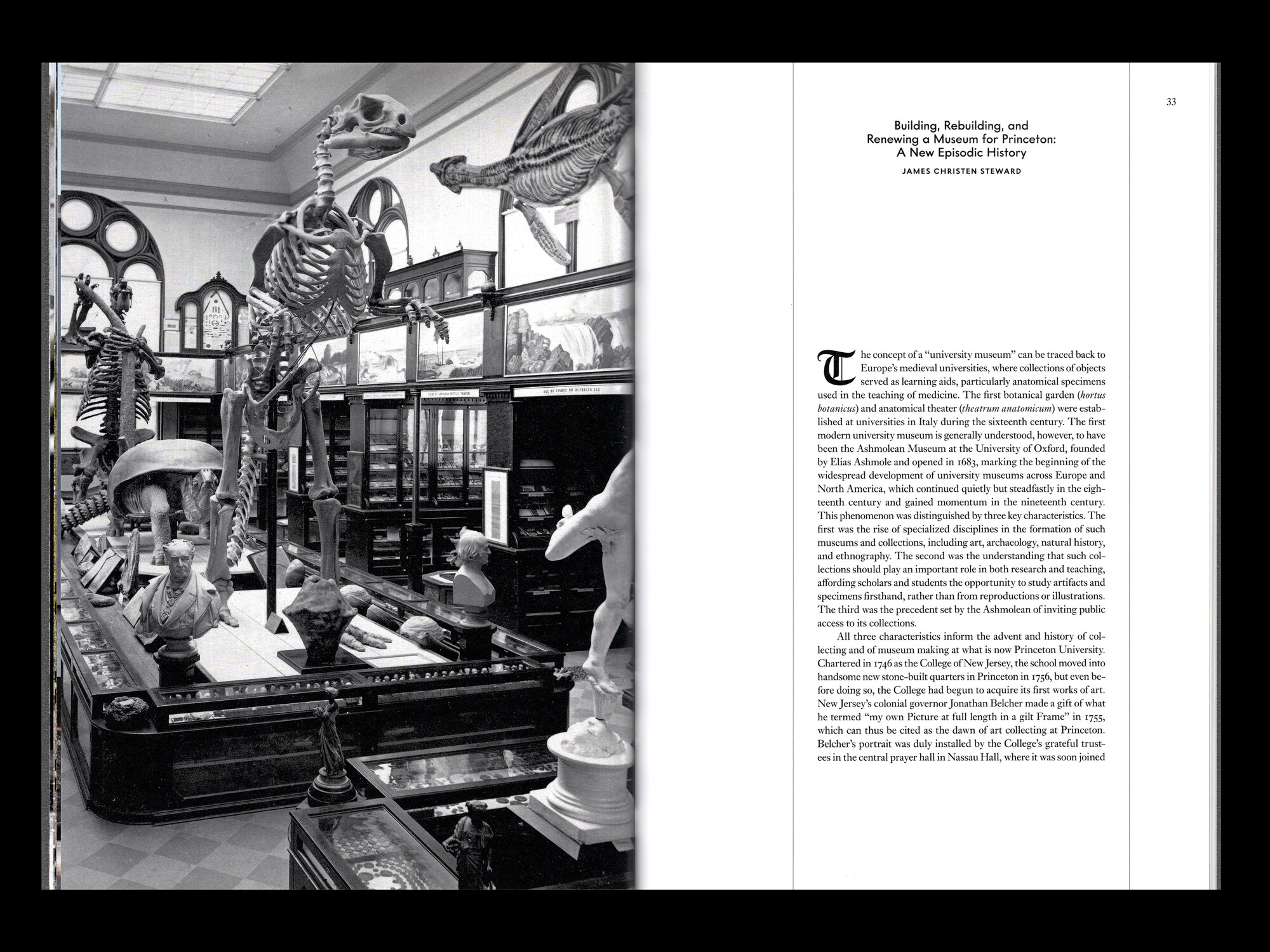
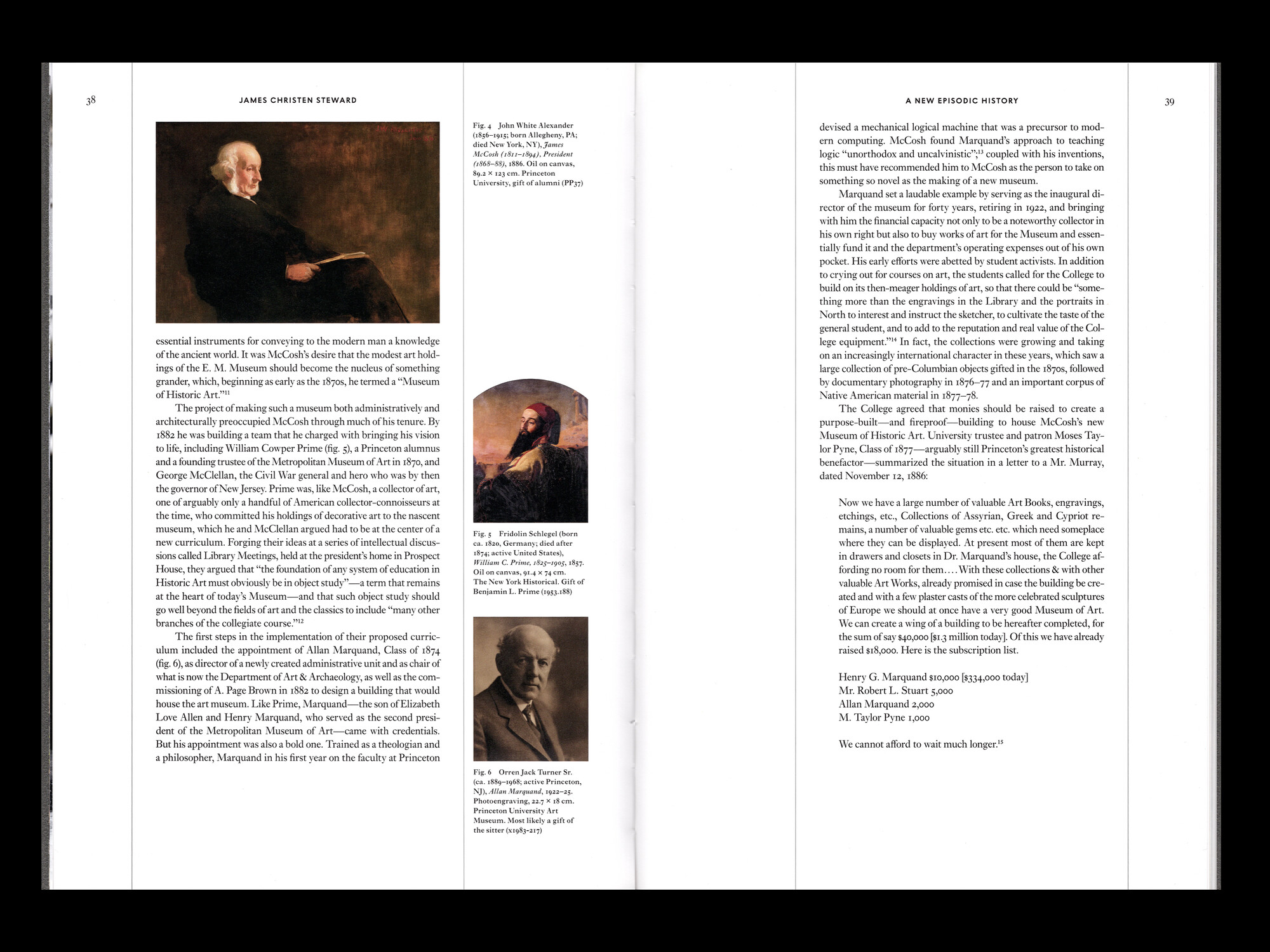
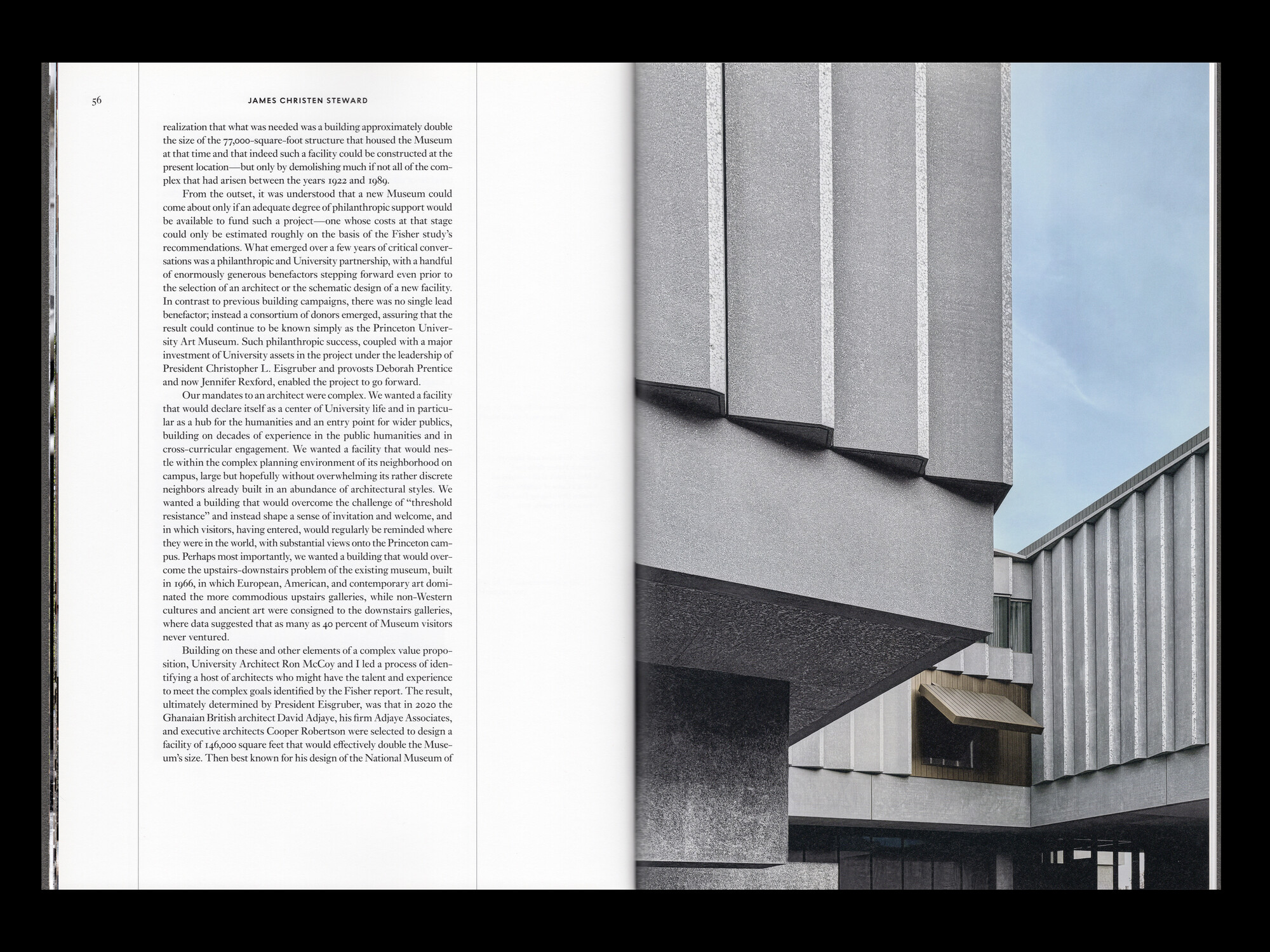
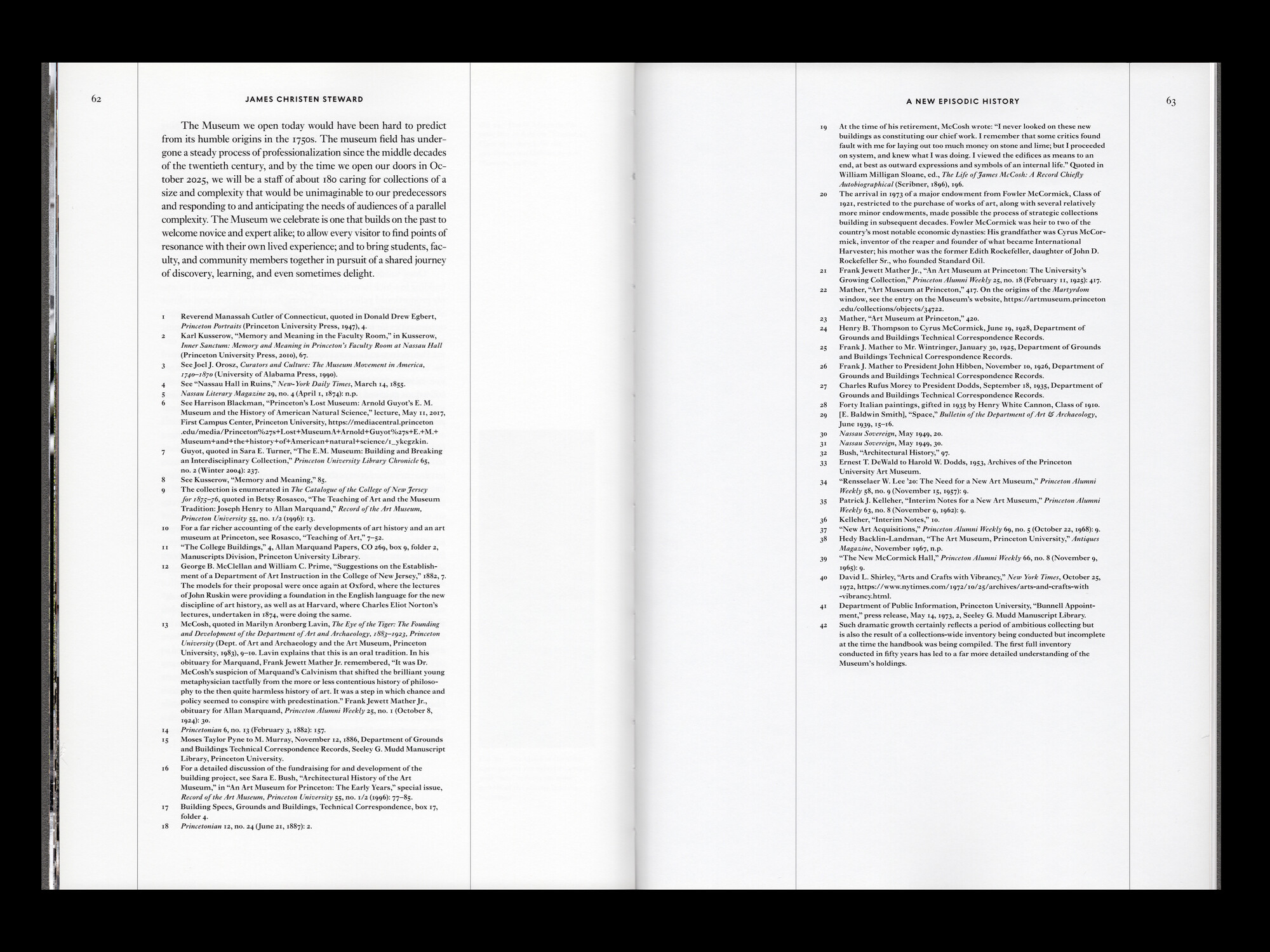
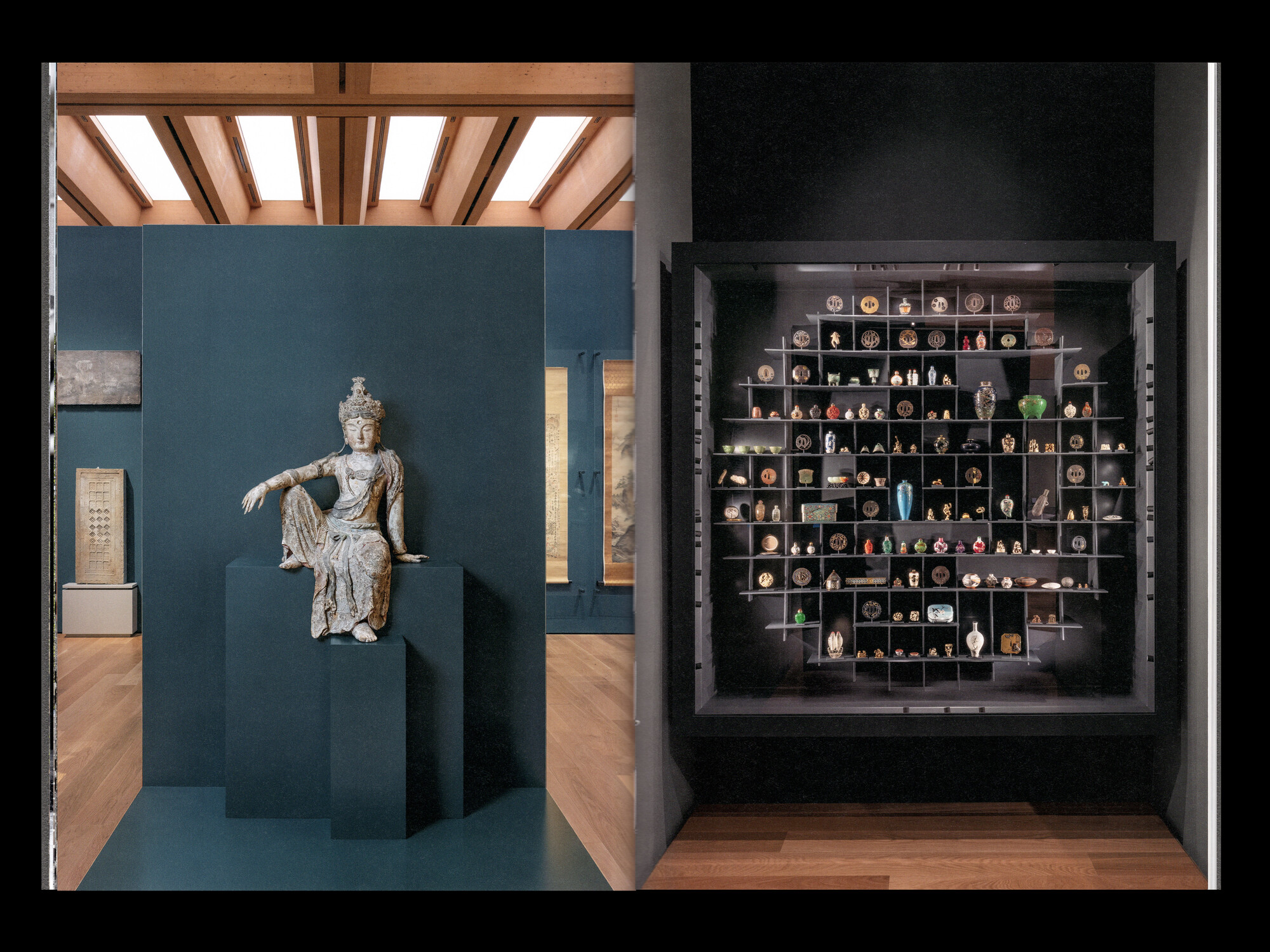
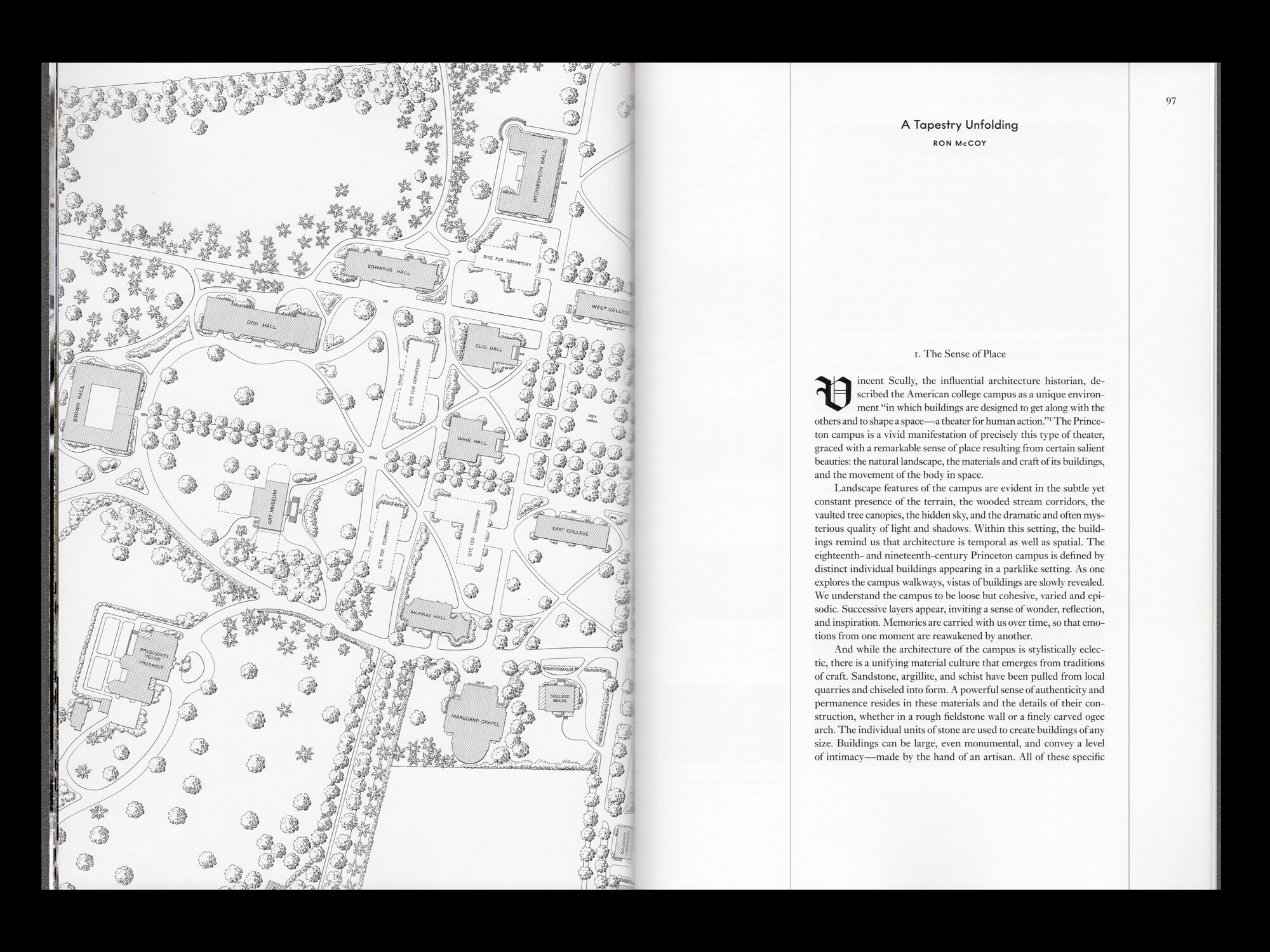
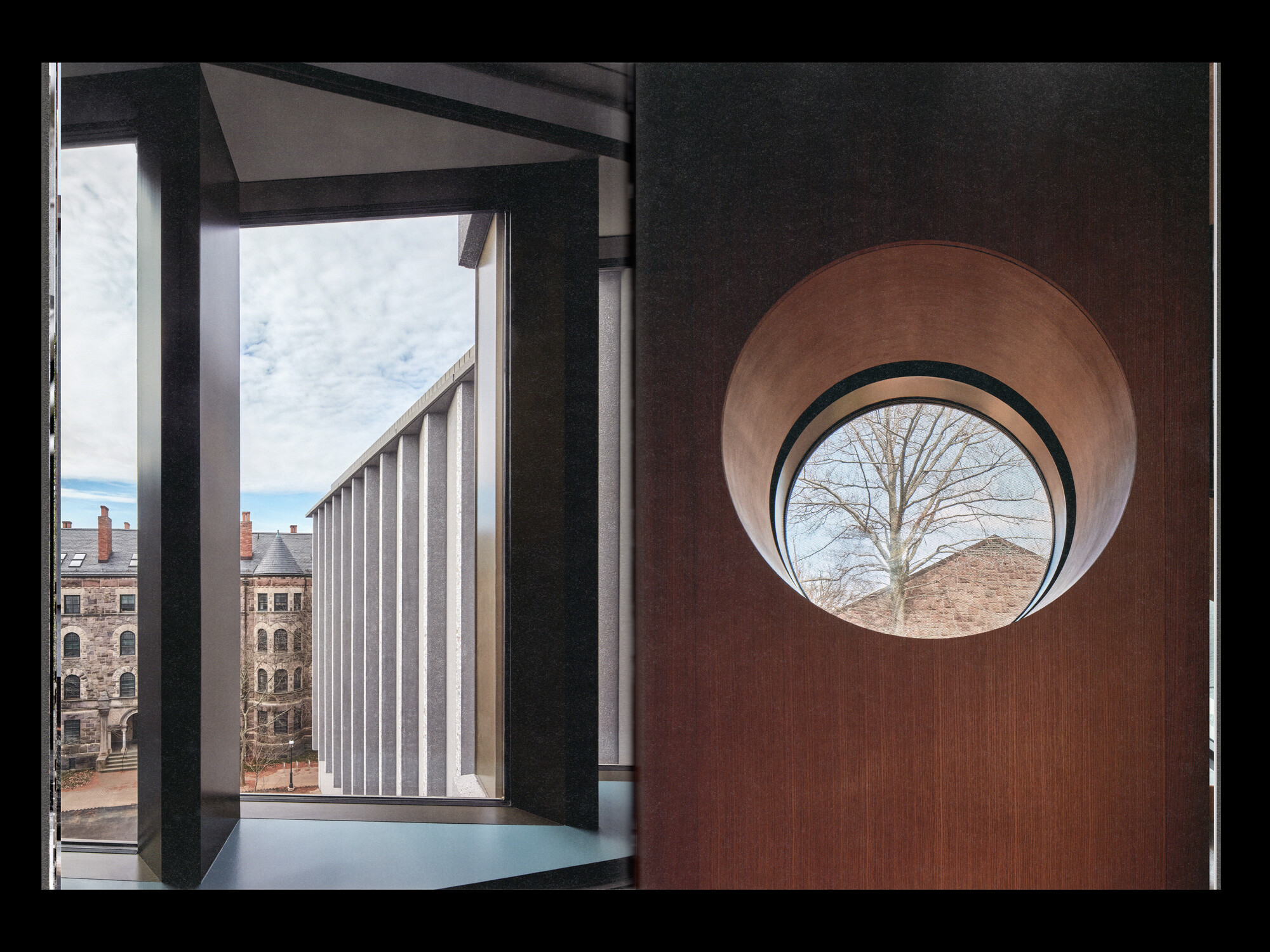
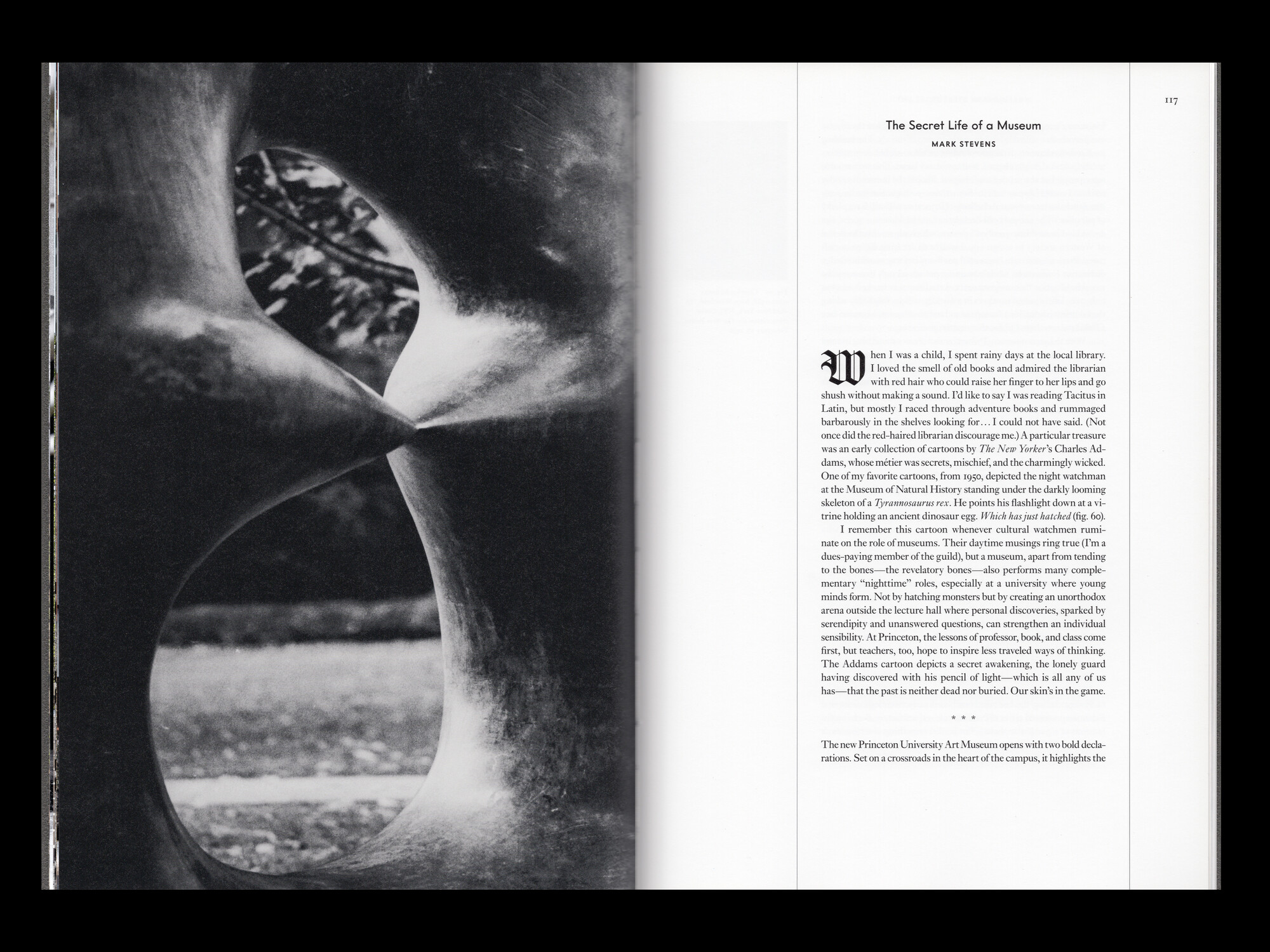
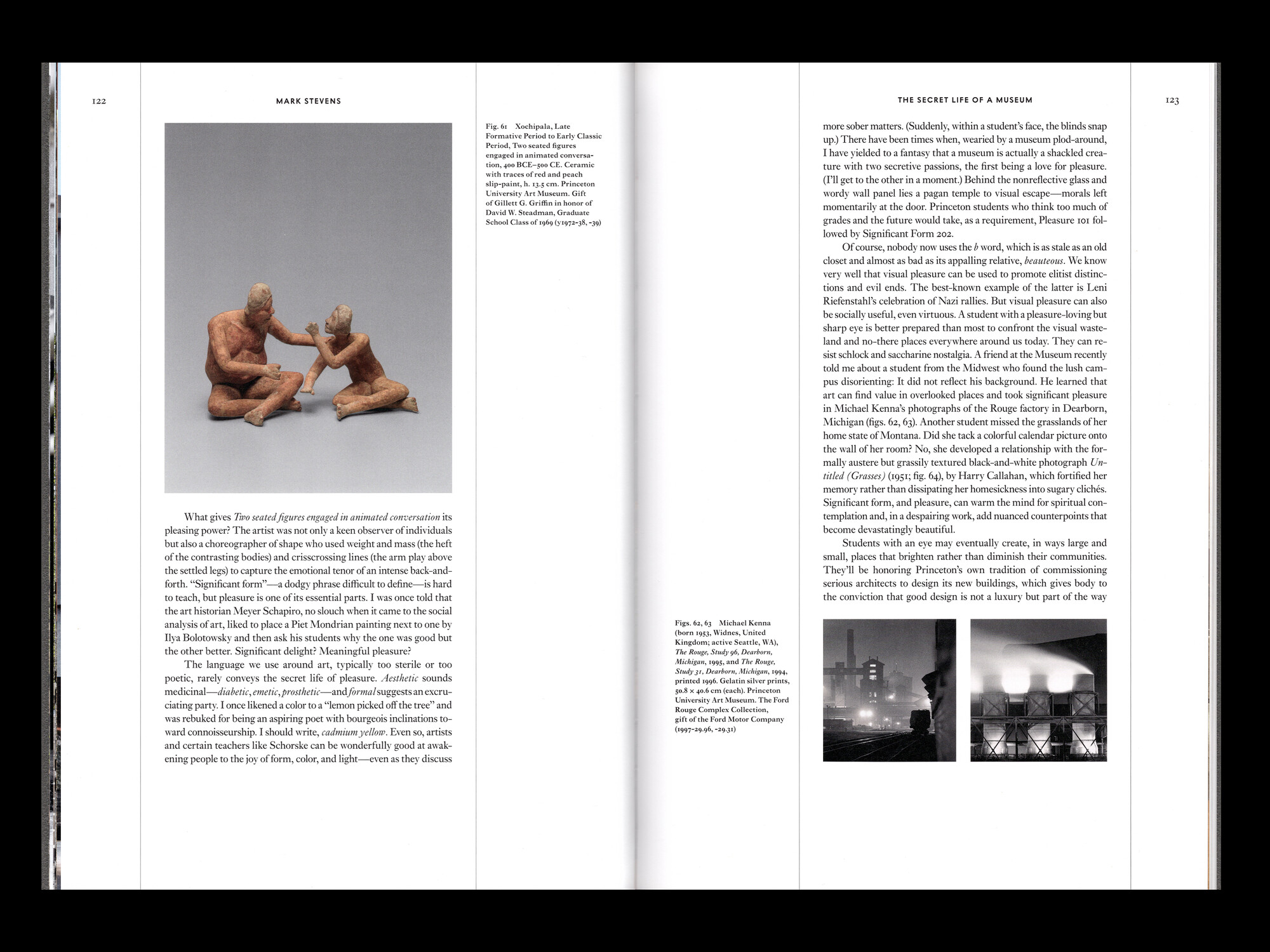
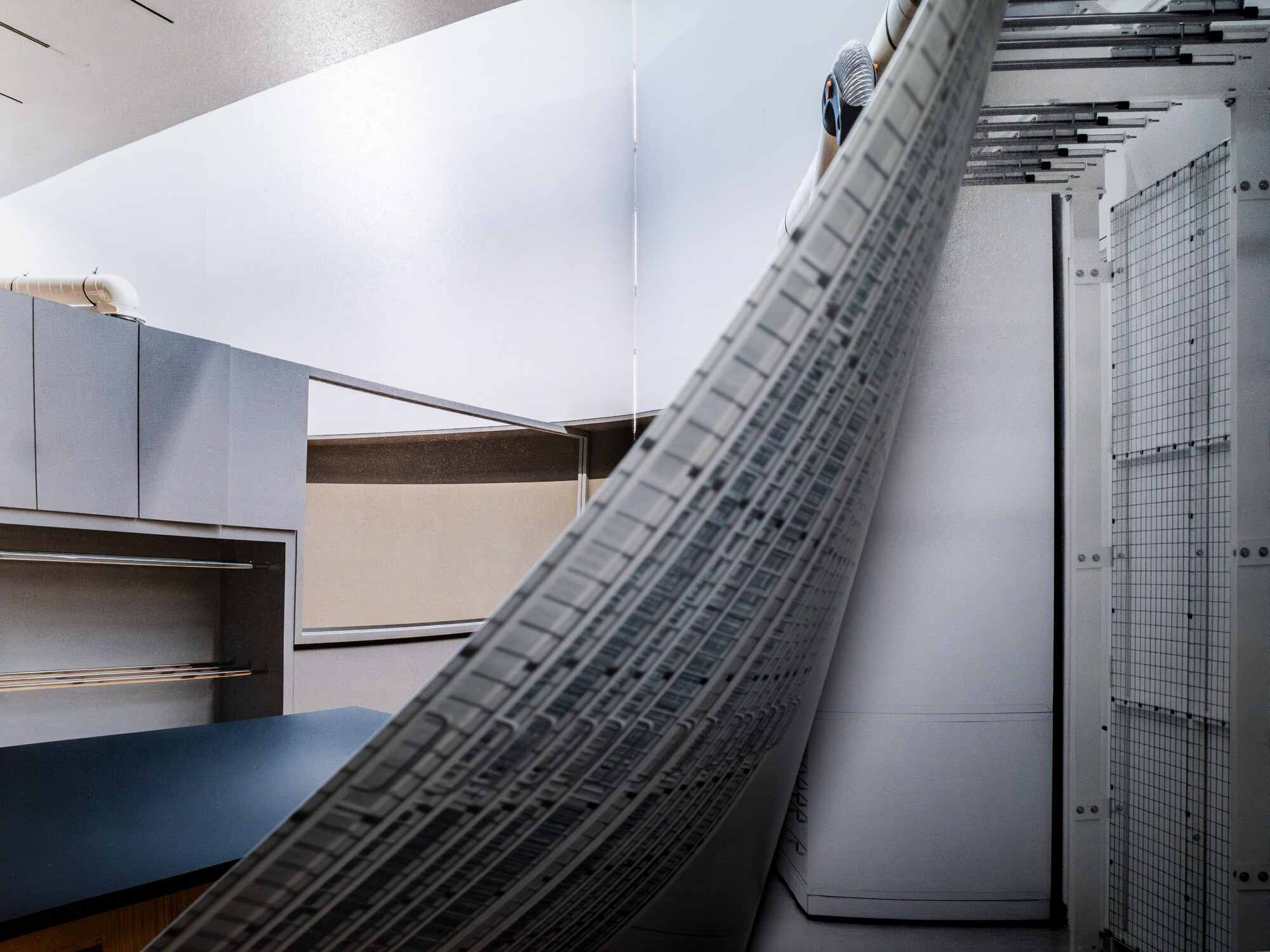
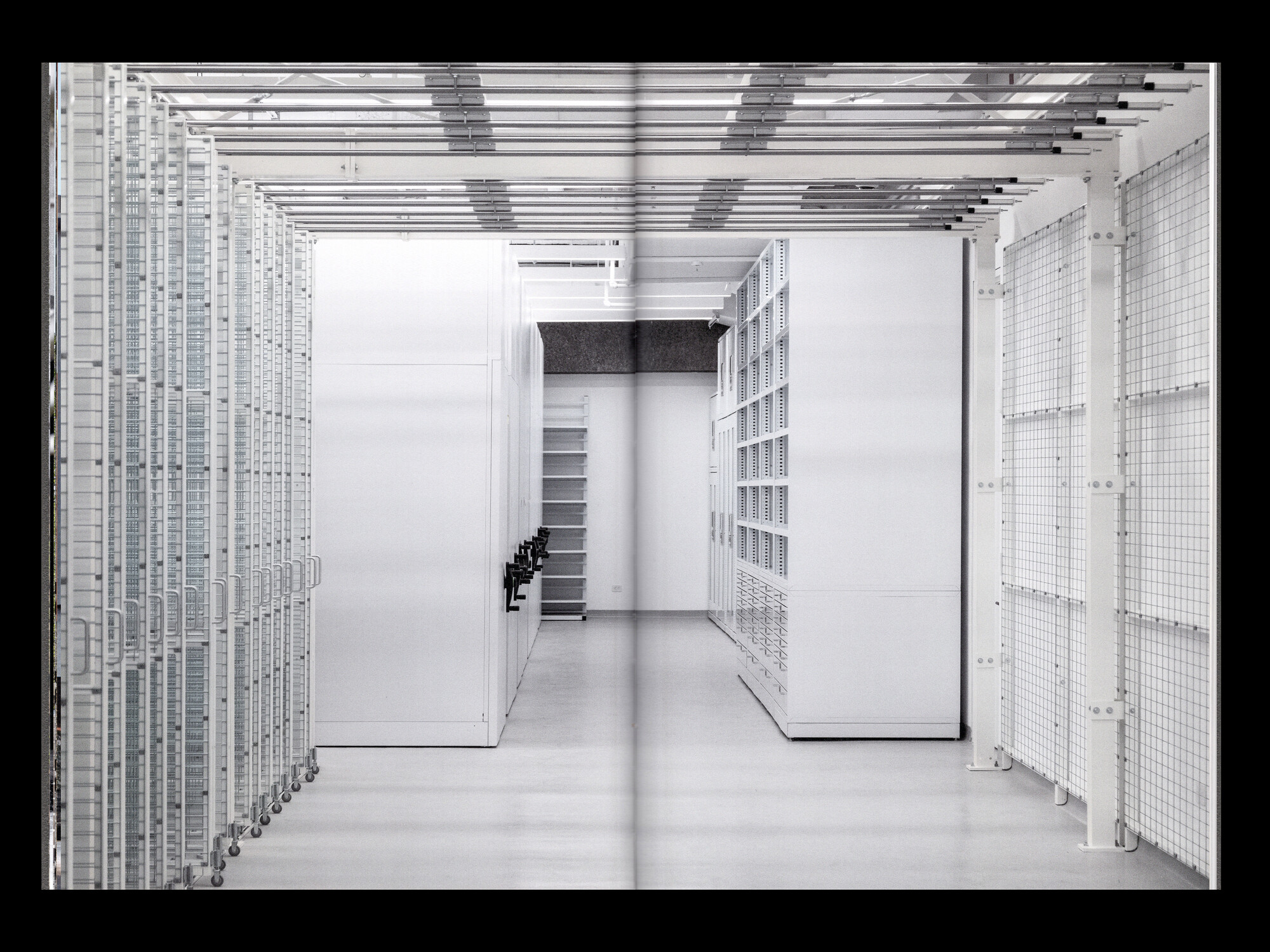
Renaissance: A New Museum for Princeton marks the completion and reopening of the new Princeton University Art Museum. Shot in its final year of construction, Richard Barnes’s photographs show the building across changing seasons and in relation to the surrounding campus. An essay by museum director James Christen Steward along with contributions by Paul Goldberger, Ron McCoy, Mark Stevens, and Susan Stewart contextualize the project within Princeton’s unique architectural history and the museum’s significance in campus life.
CCA’s 2026 holiday card features Andy Lu Lee’s American Remediation, uncovering how the state used the illusion of scientific neutrality to legitimize territorial expansion. The exhibition subverts Cold War-era propaganda by physically tracing a decaying archival film along the global pathways of its circulation and consequence.
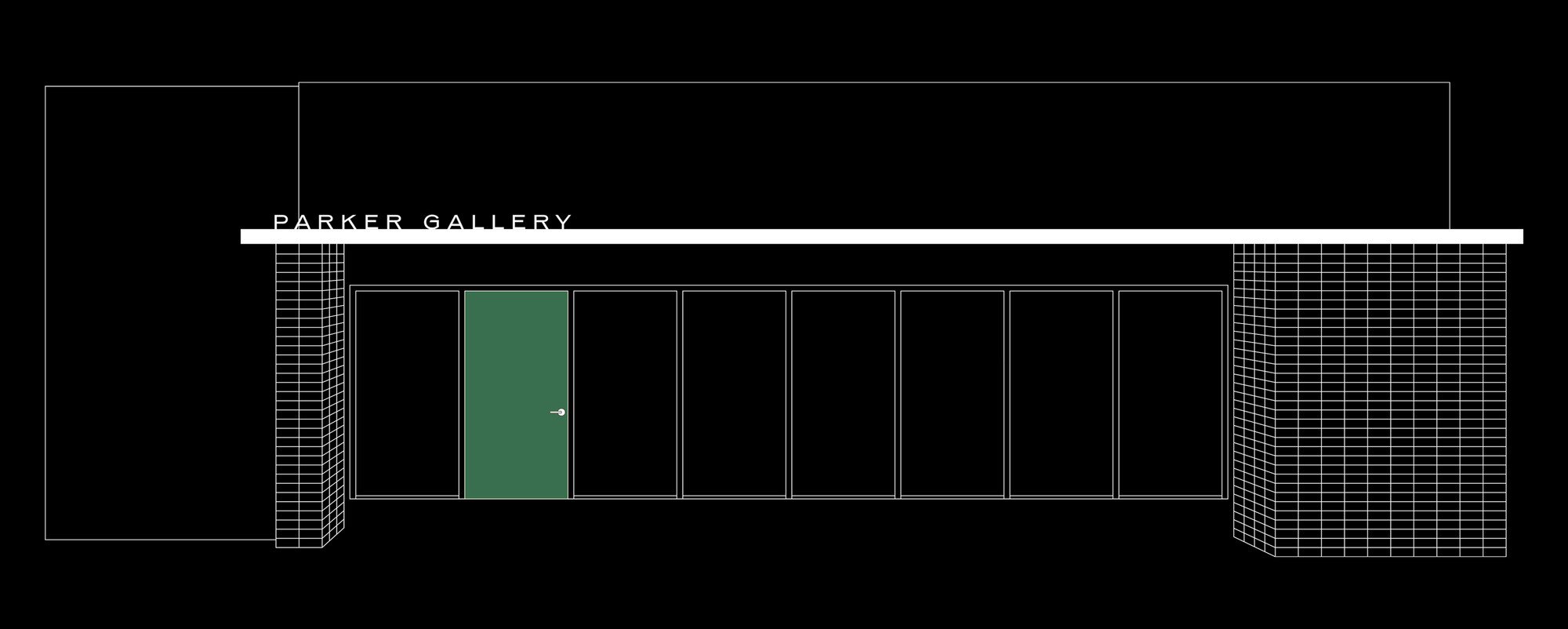
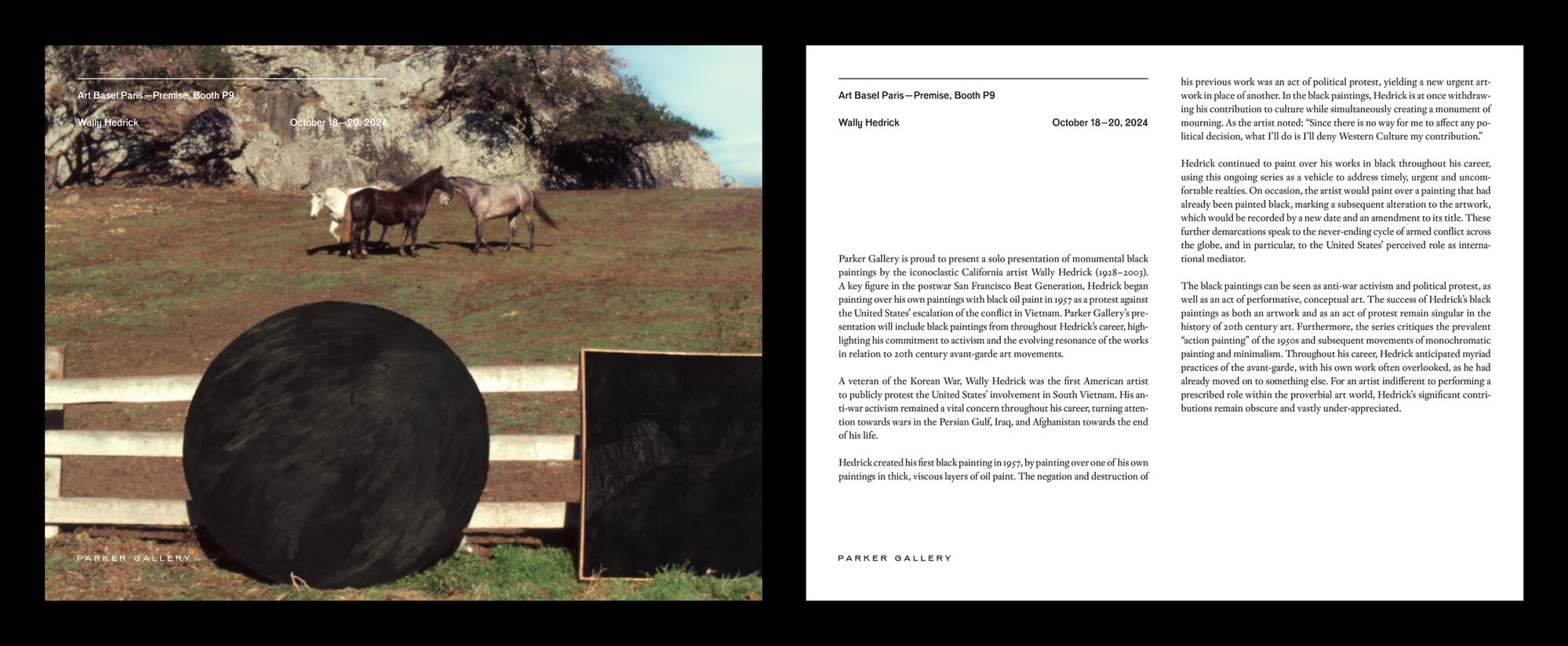
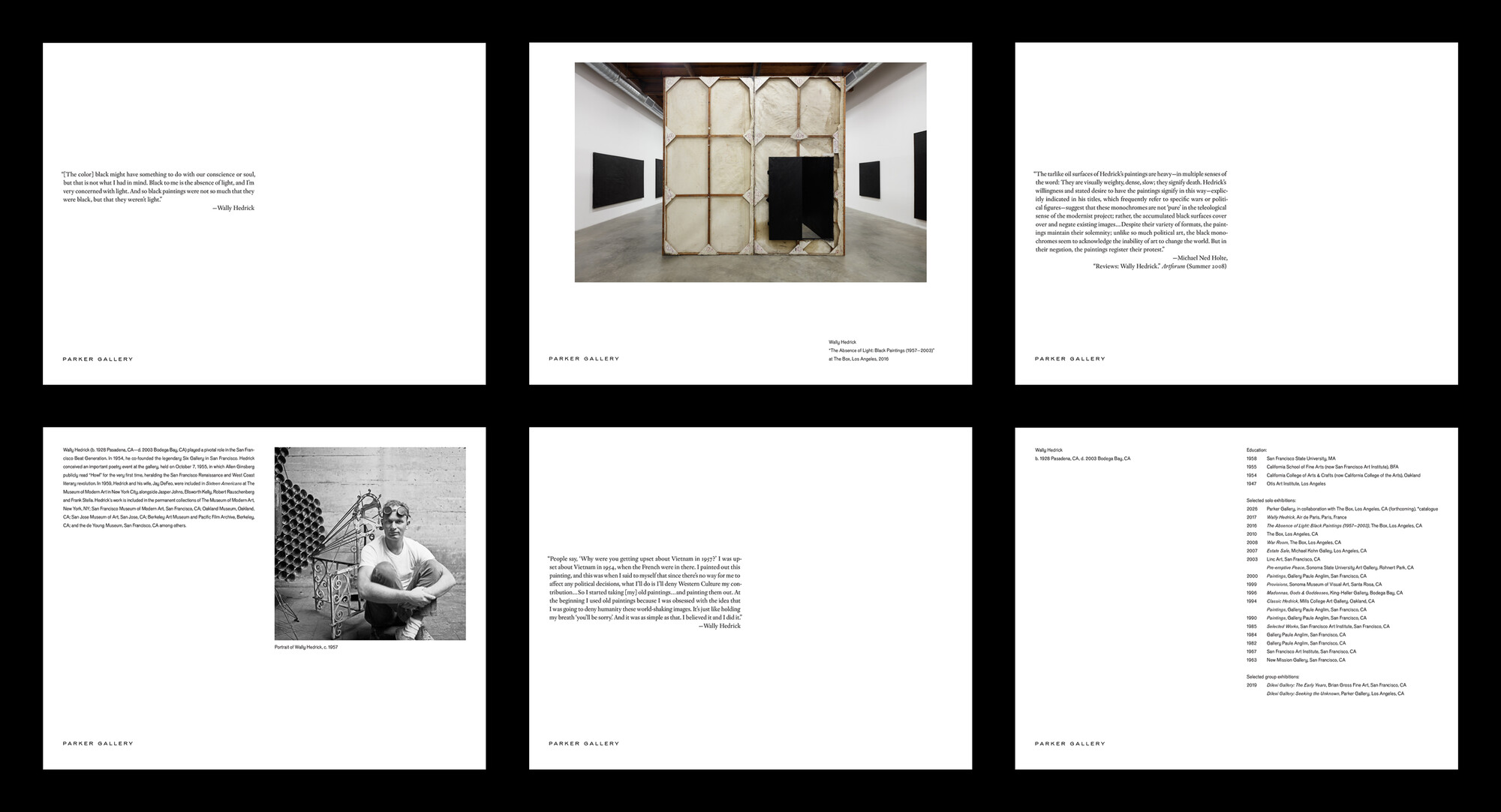
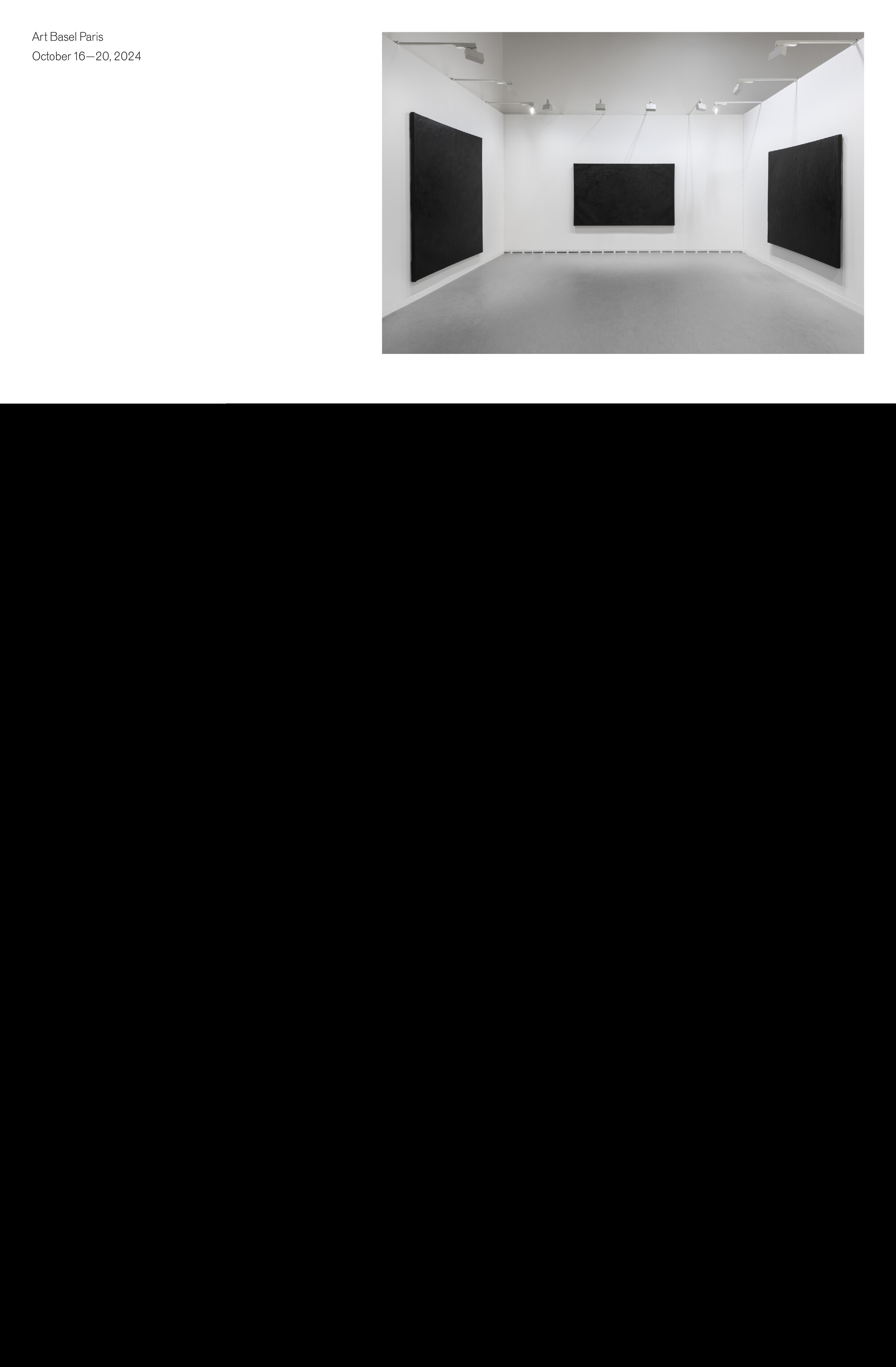
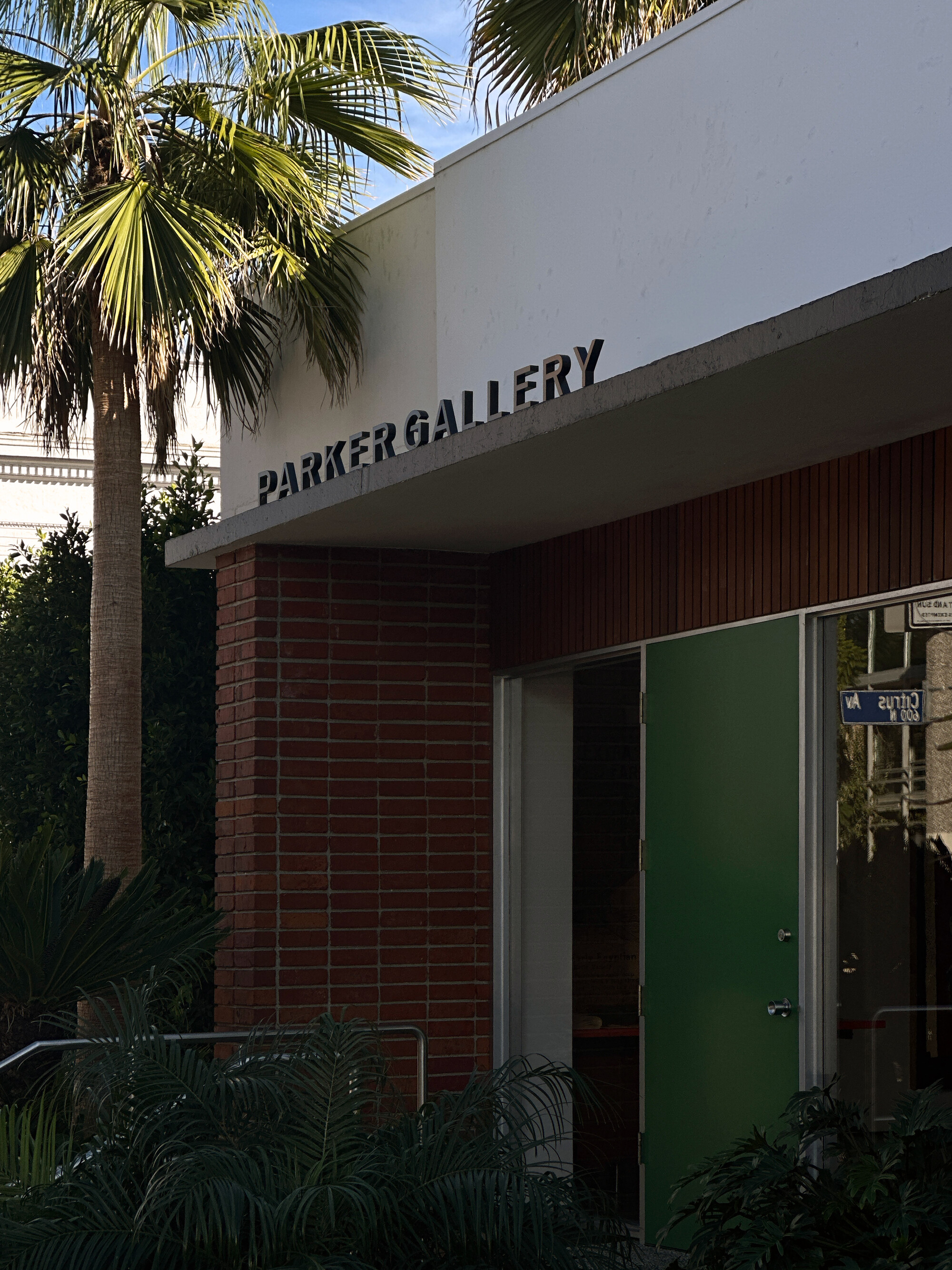
Originally run from a five-room historic Tudor home, Parker Gallery moved operations to a classic mid-century commercial structure on Melrose Blvd to provide artists with a more accessible, public-facing platform. The gallery is known for its focus on exhibitions which champion under-recognized artists with unique roots.
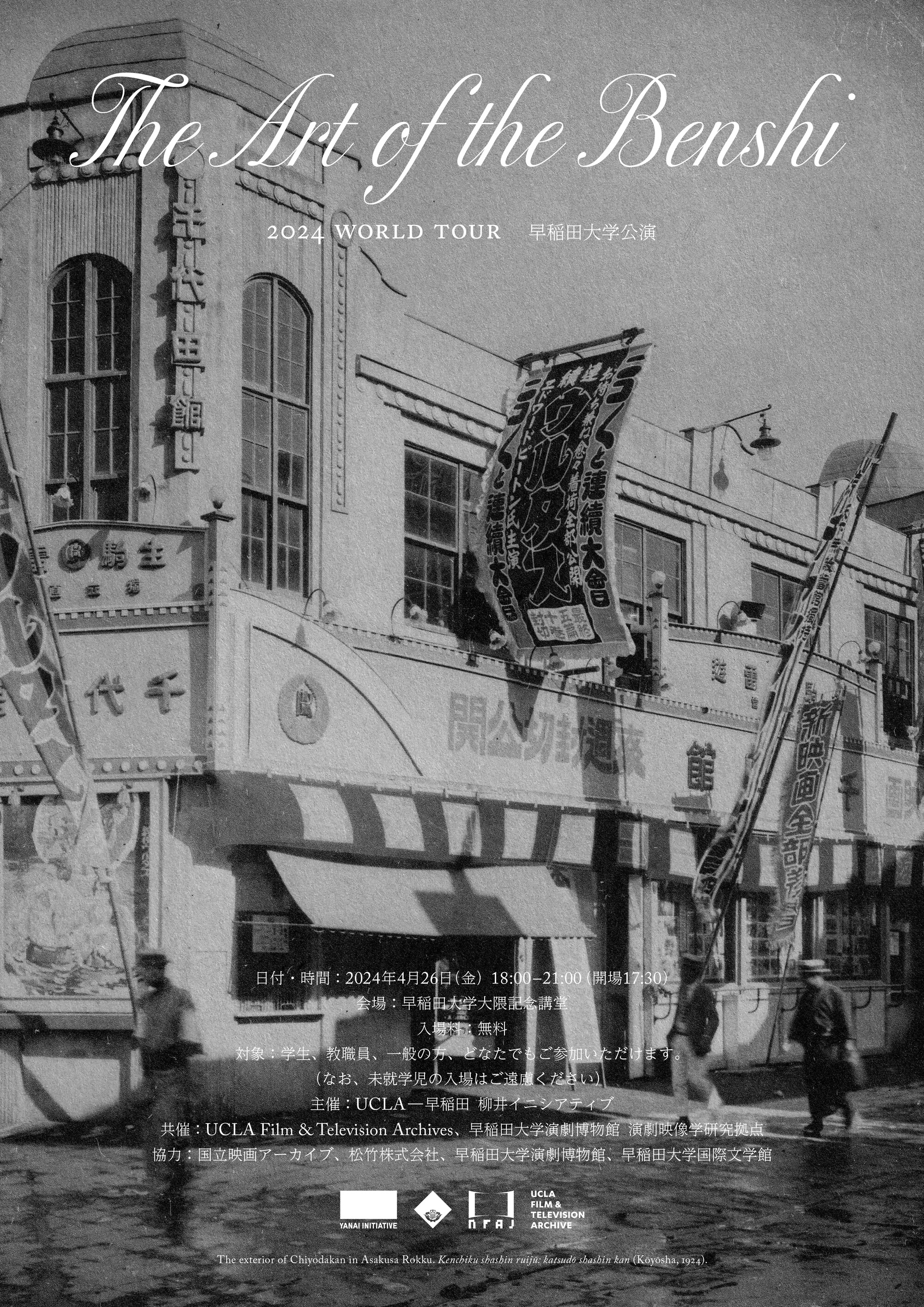
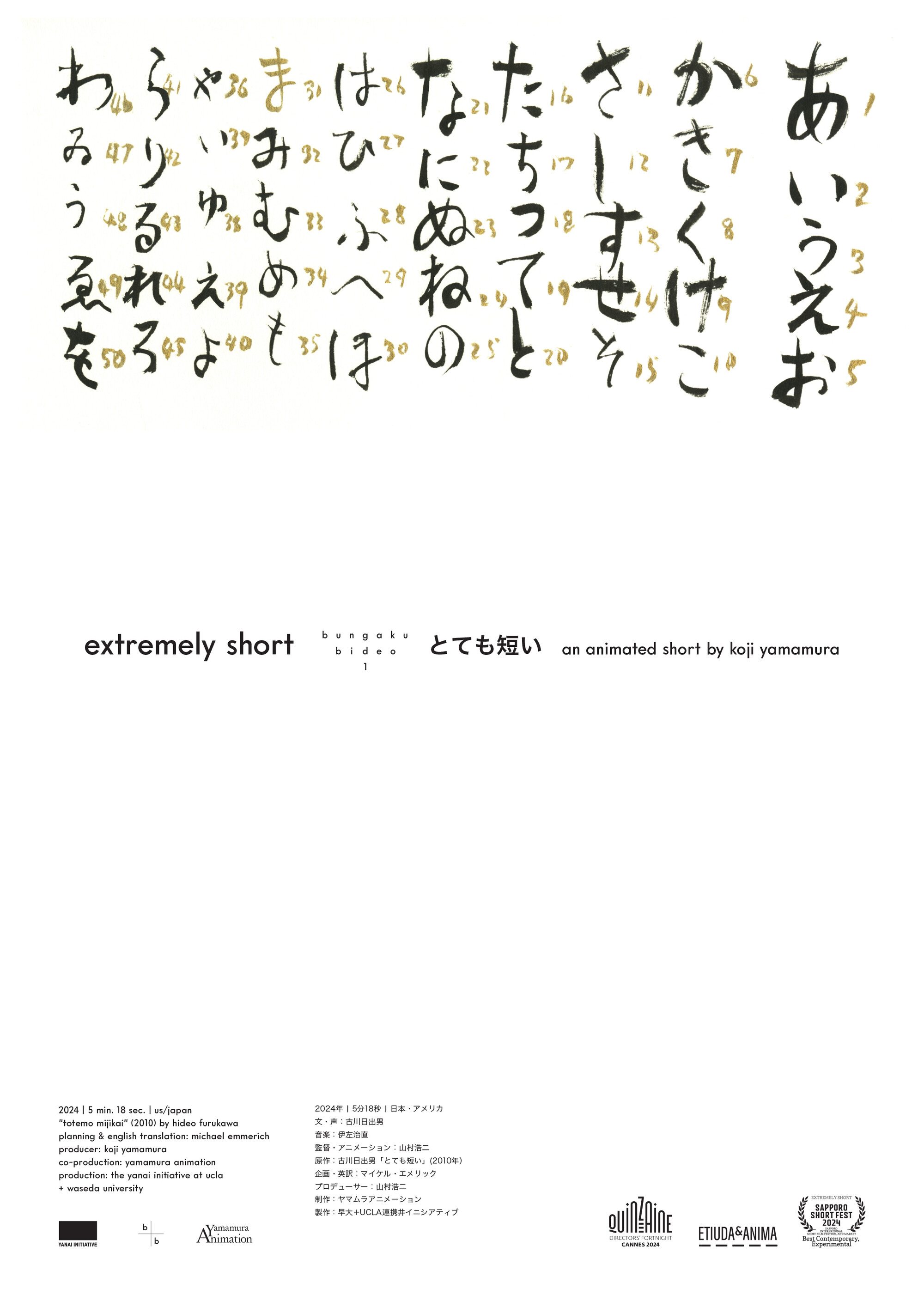
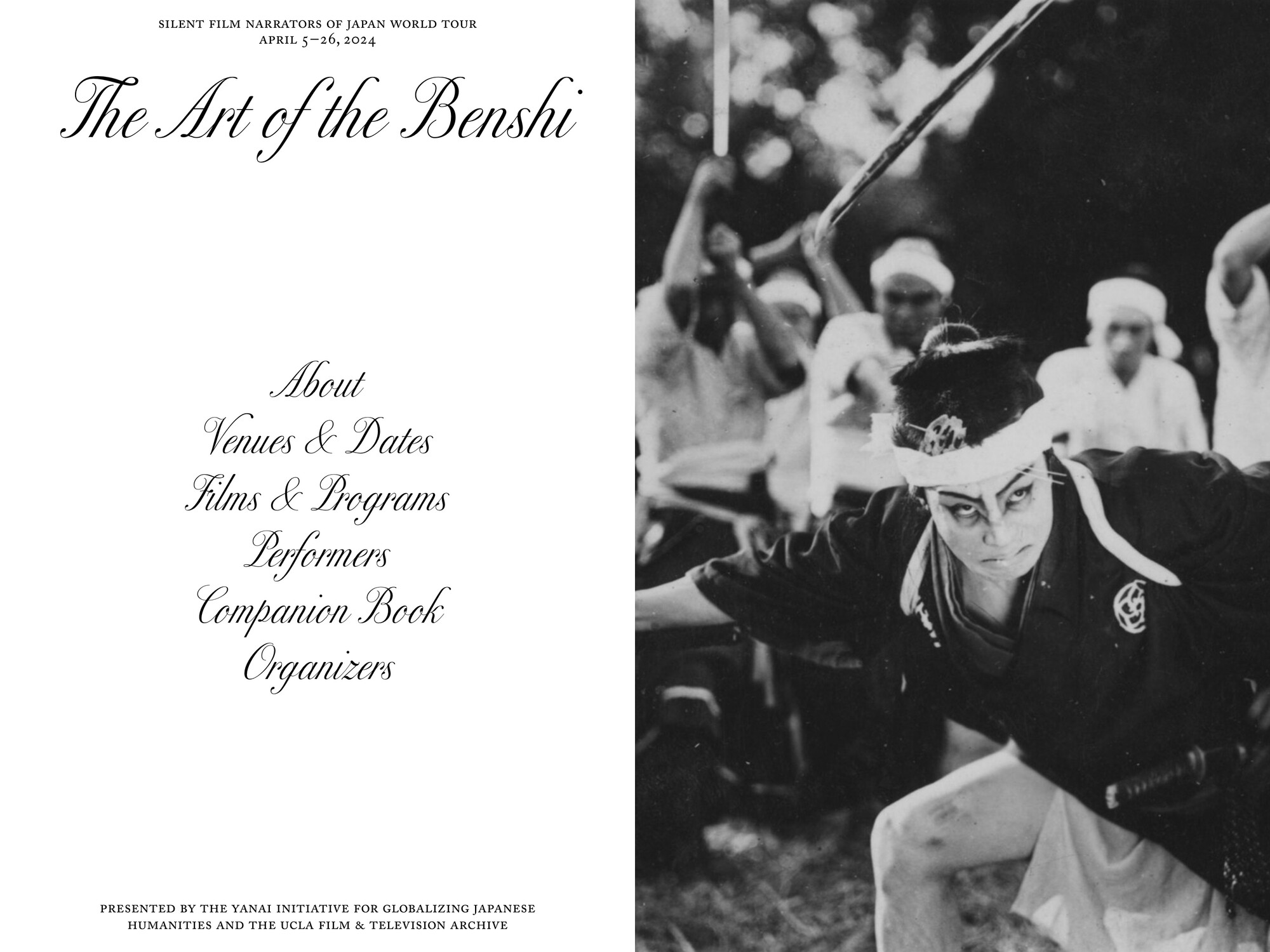
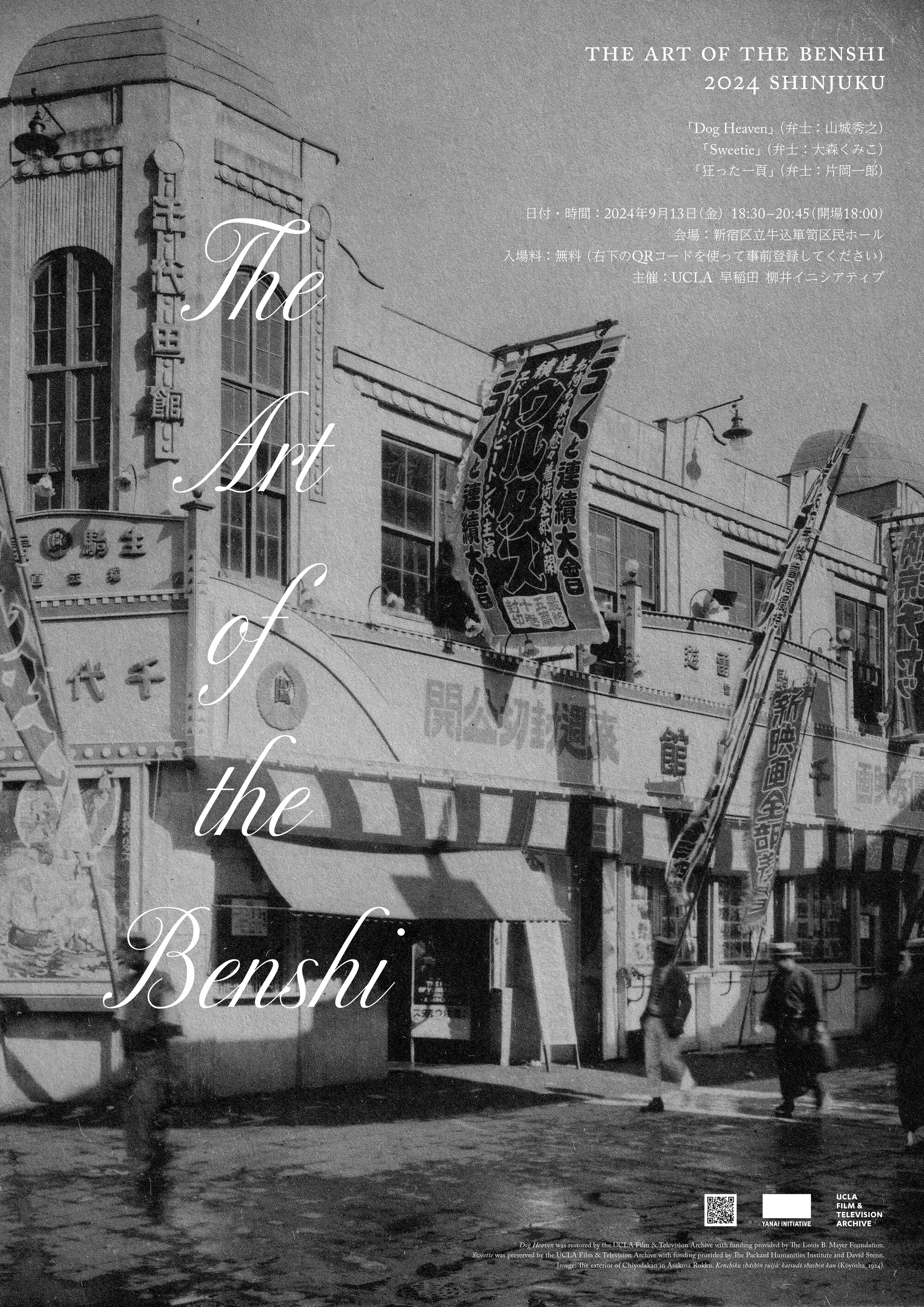
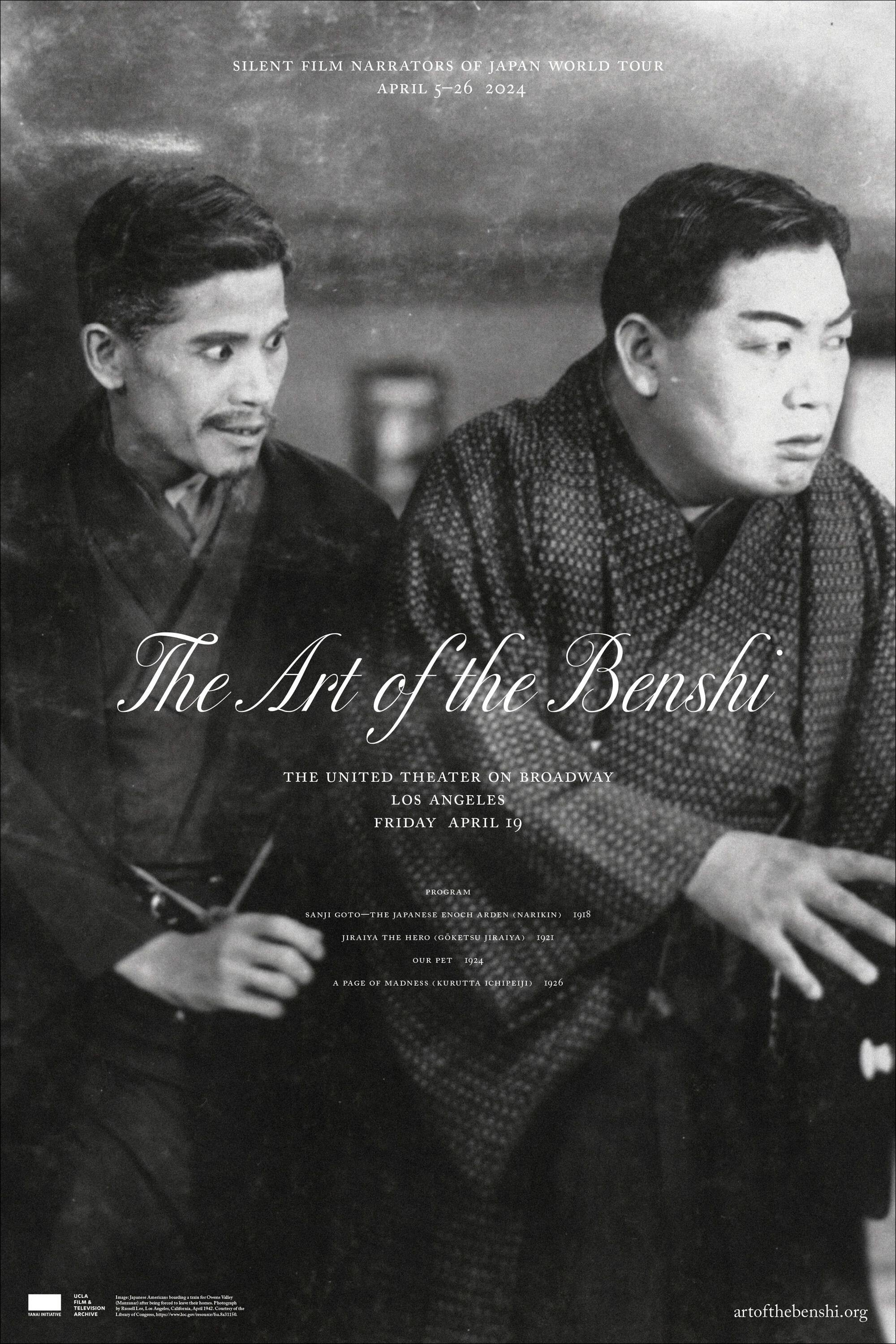
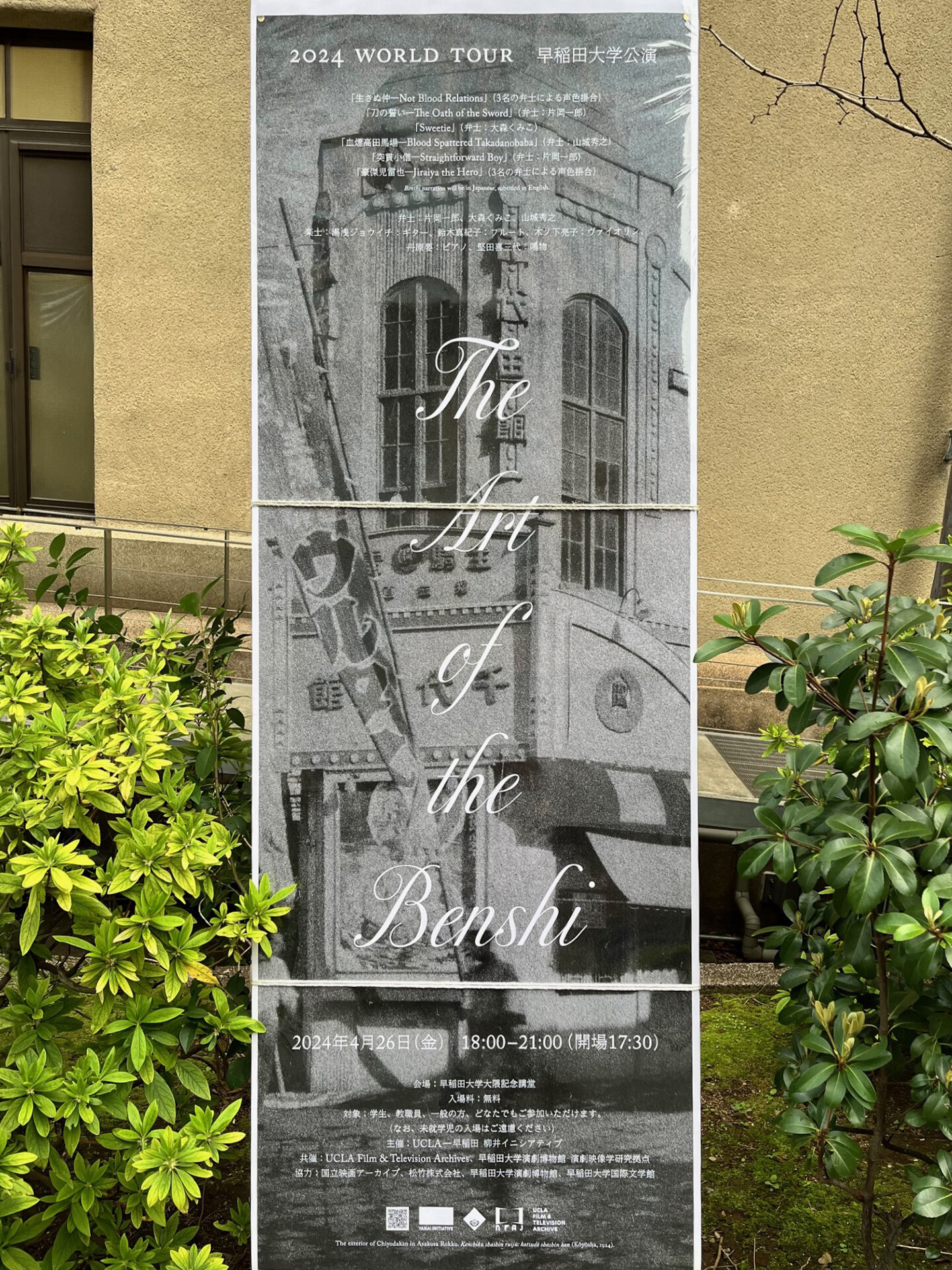
The Art of the Benshi World Tour, presented by the Yanai Initiative and the UCLA Film & Television Archive, brings the rare, century-old Japanese cinematic tradition back to live audiences. The tour travels to New York, Washington, D.C., Chicago, Los Angeles, Tokyo, Provo, and Santa Barbara.
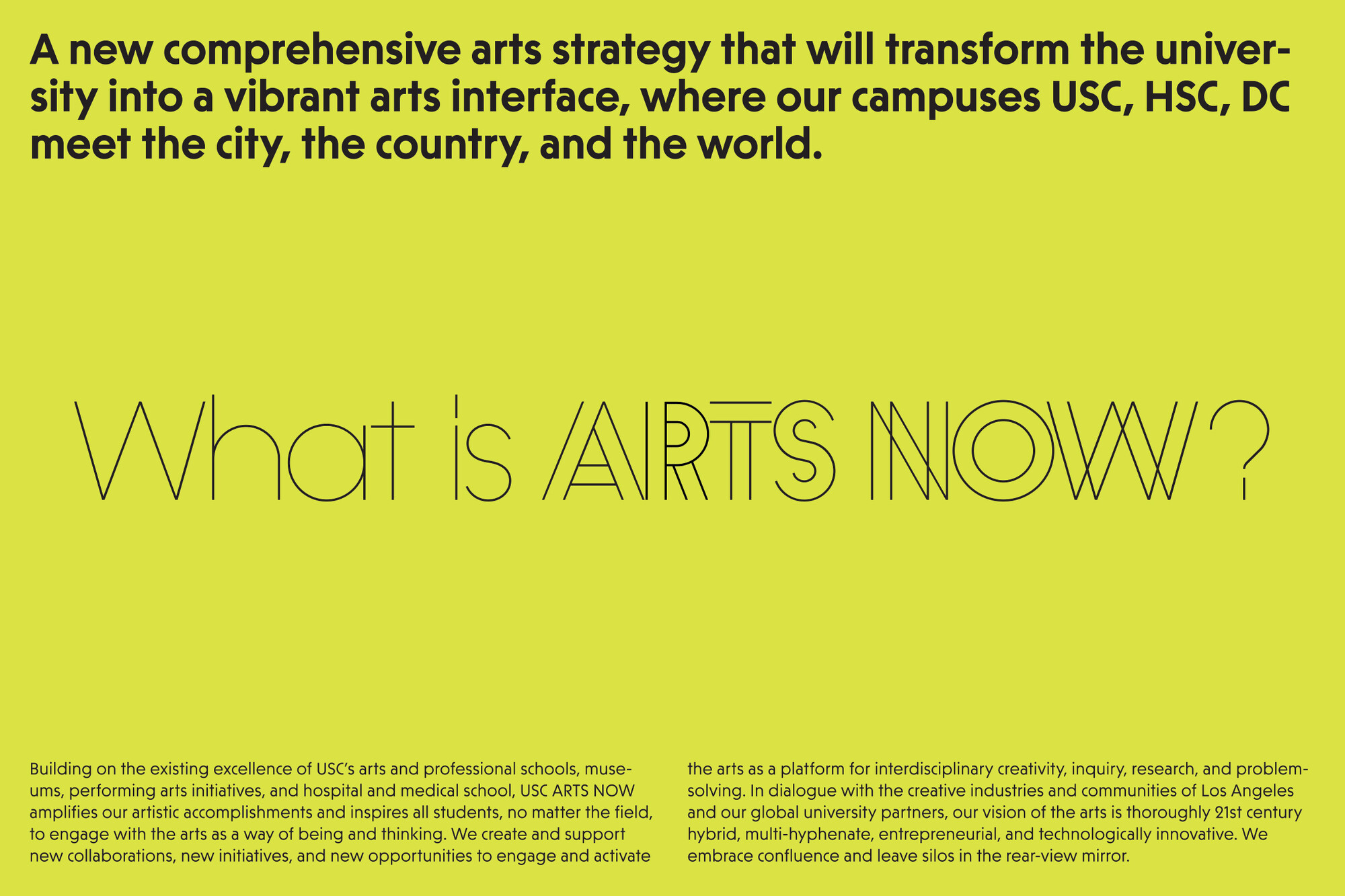
USC Arts Now breaks down traditional academic silos to ignite cross-disciplinary collaborations across the university's arts schools, museums, and global creative networks. Its programming brings artistic practice into dialogue with health sciences, computing, and climate research.
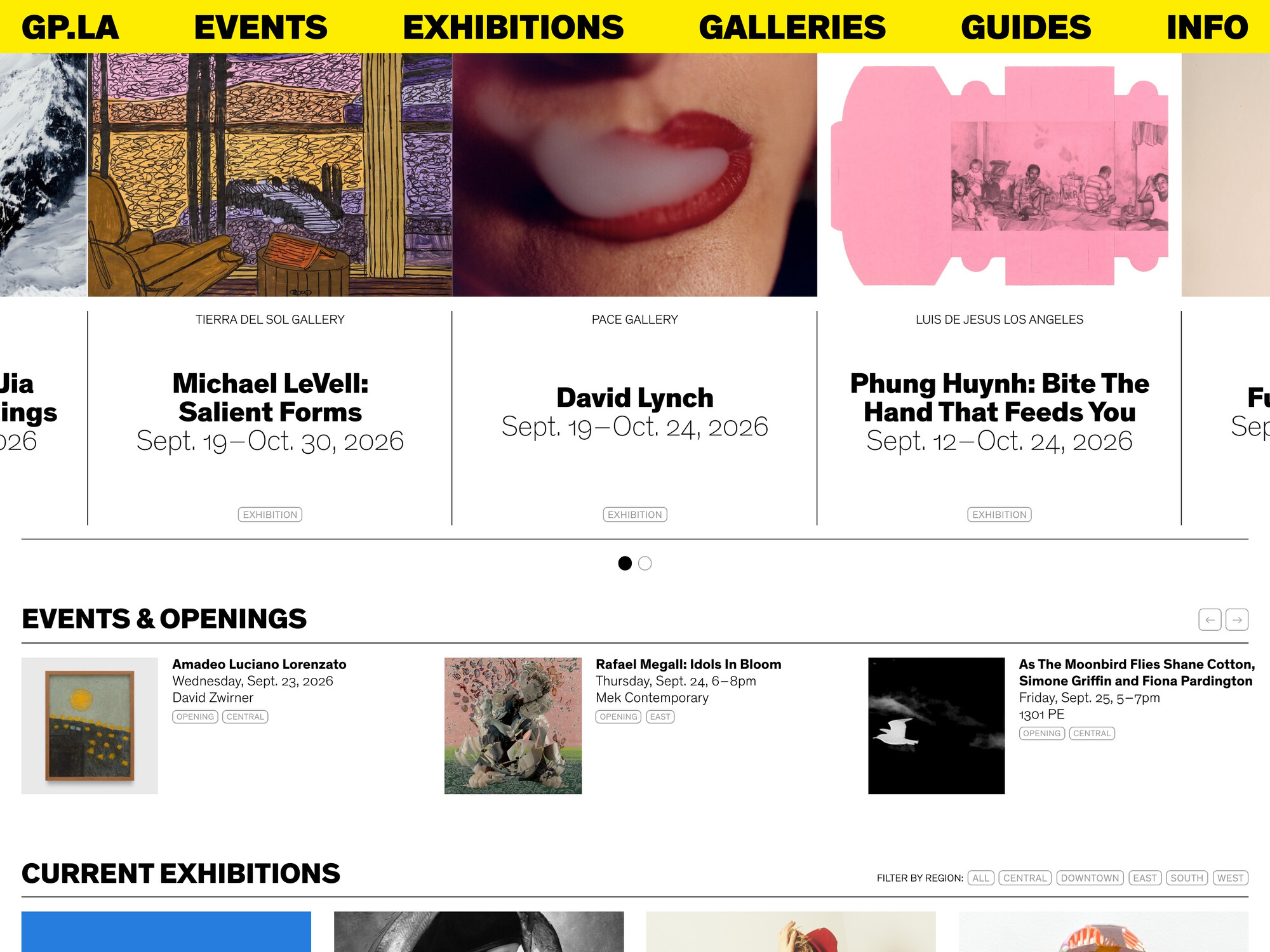
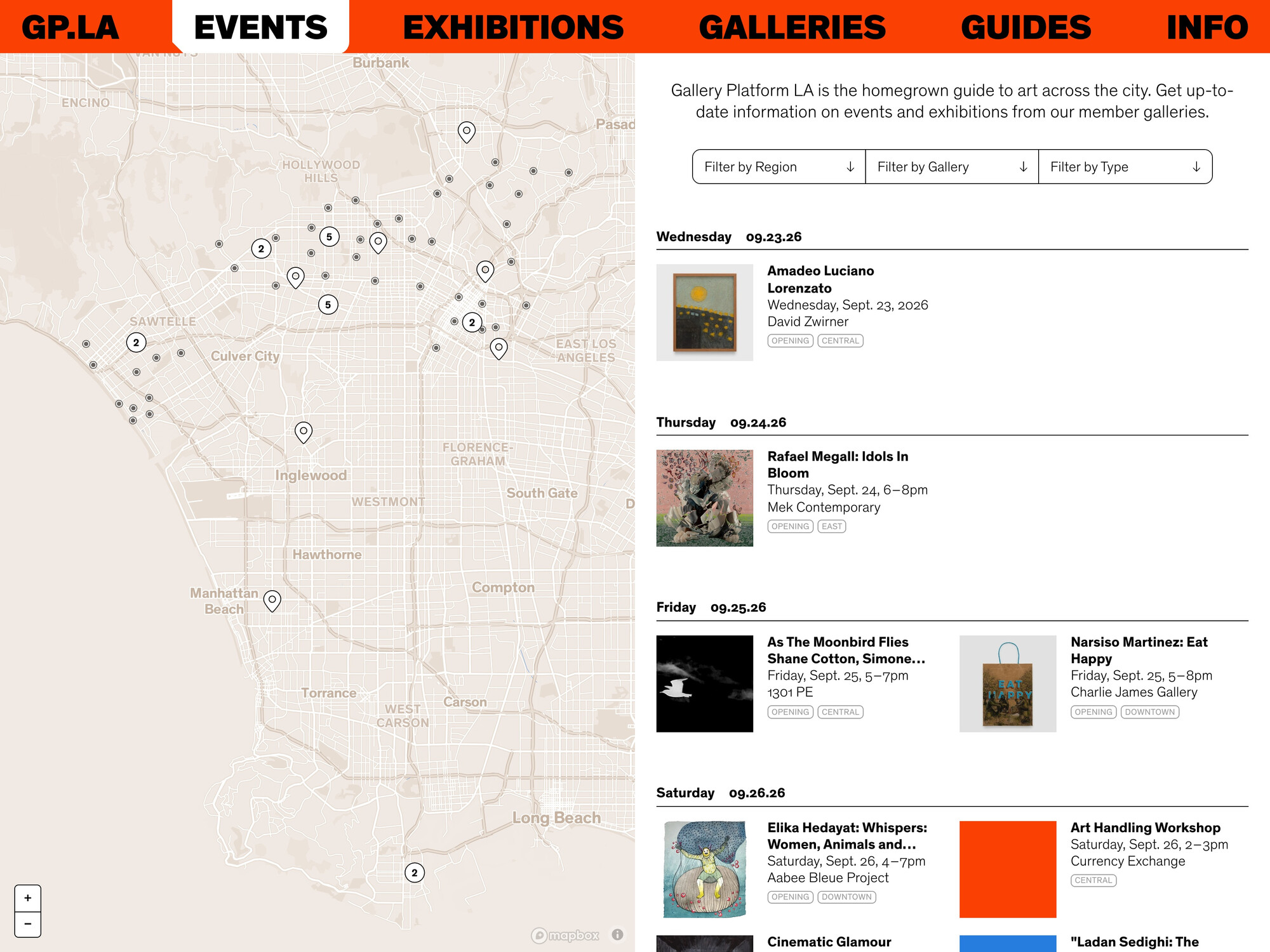
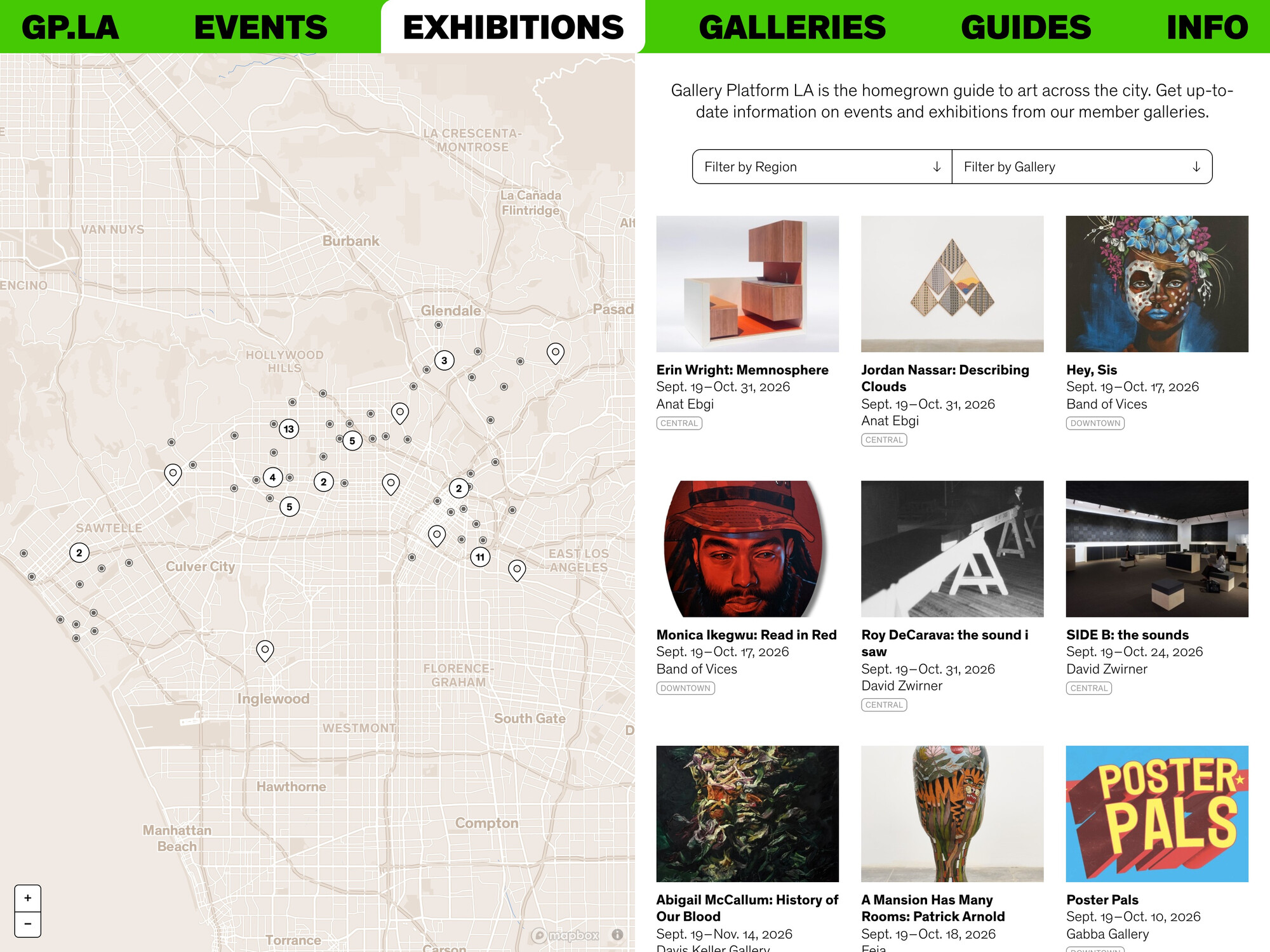
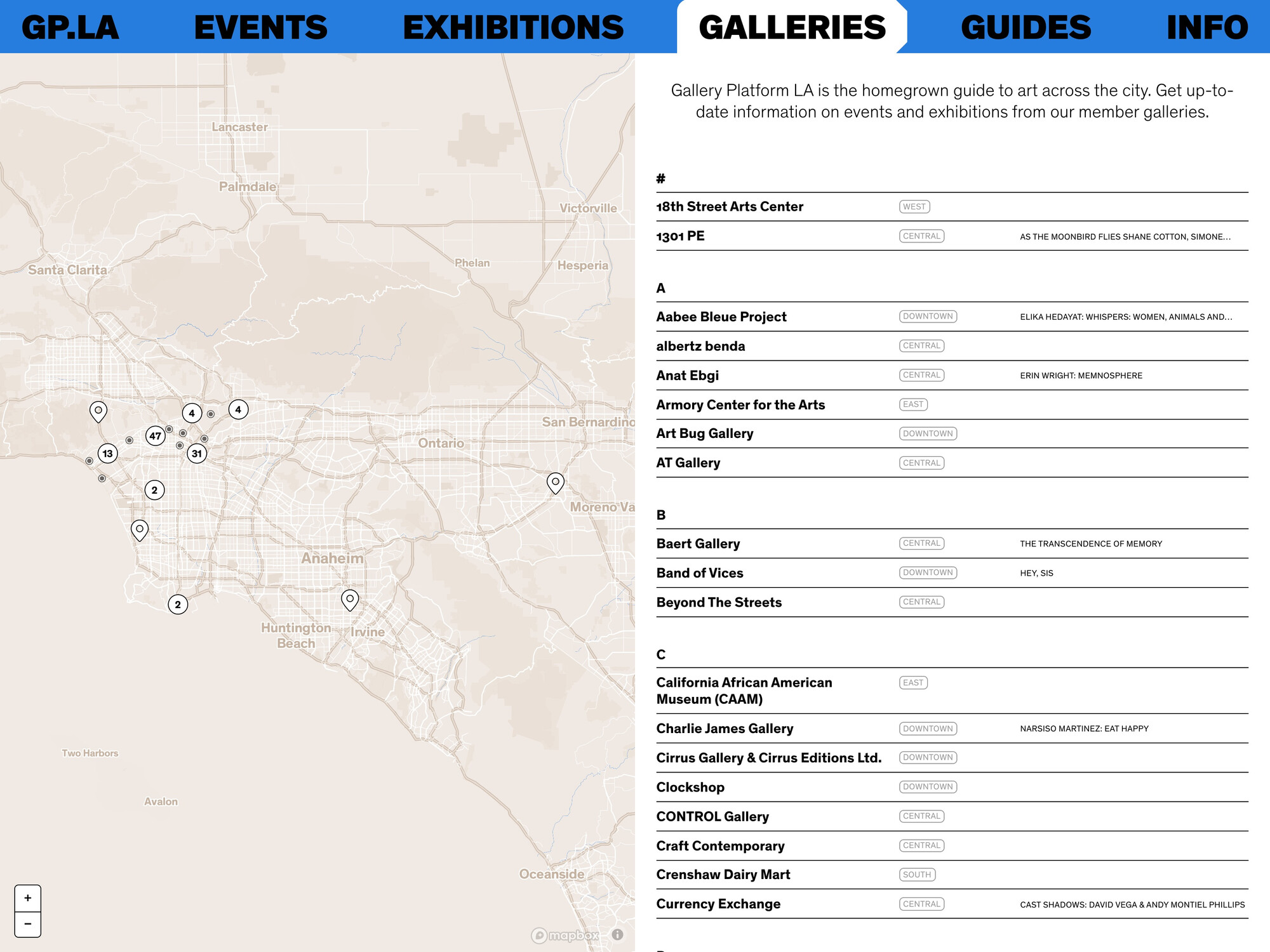
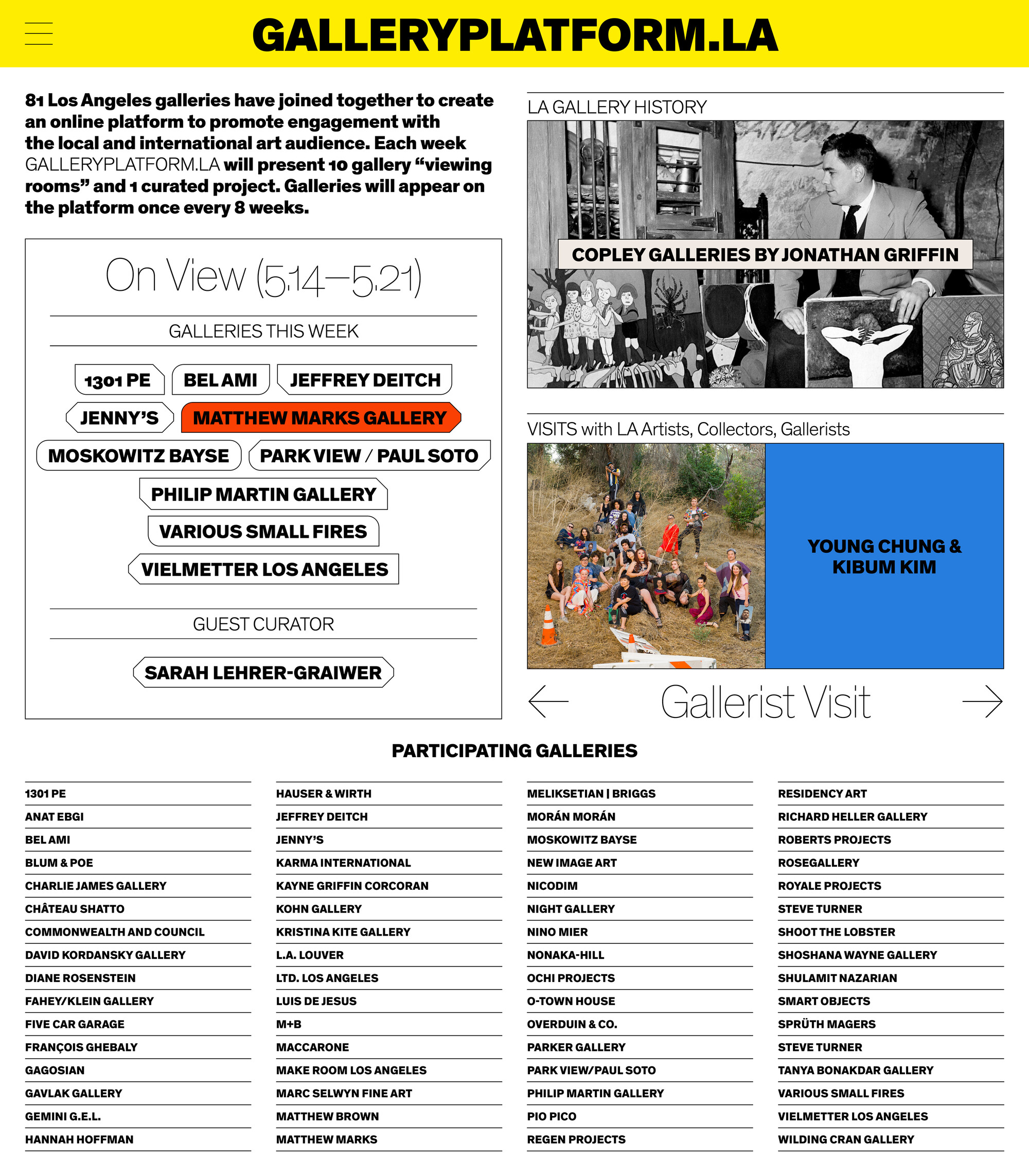
GALLERYPLATFORM.LA is a project of Gallery Association Los Angeles, GA(LA), created to serve the dynamic Los Angeles art community with exhibition and event information and original editorial content.
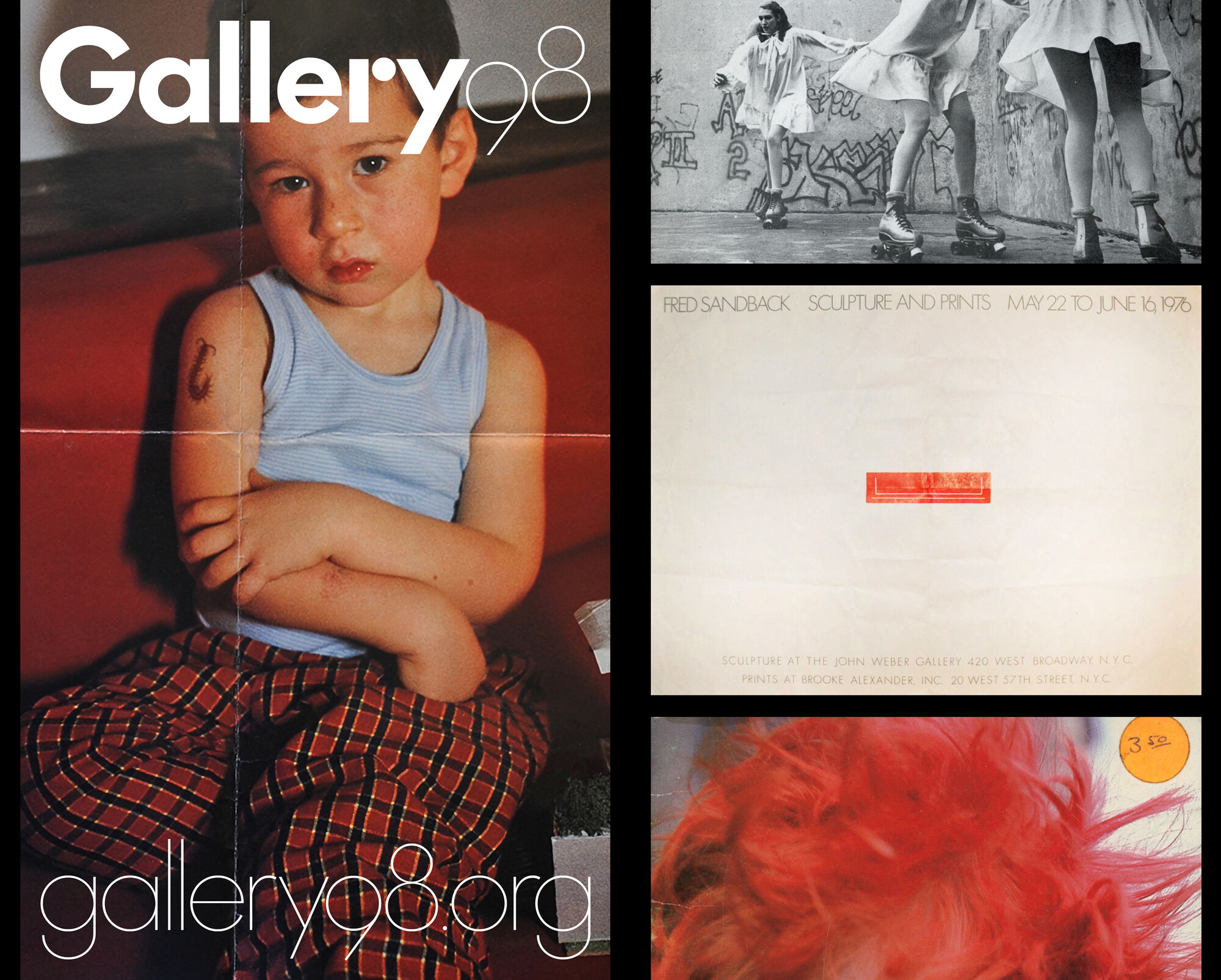
Gallery 98 is an active online archive for curator Marc H. Miller’s collection of arts ephemera from the 1960s–1990s, centered around his long involvement in the New York art world. The collection catalogs thousands of items across announcement cards, posters, and publications connected through artists, galleries, nightclubs, and themes, while retaining the hand-built nature of Miller’s practice.
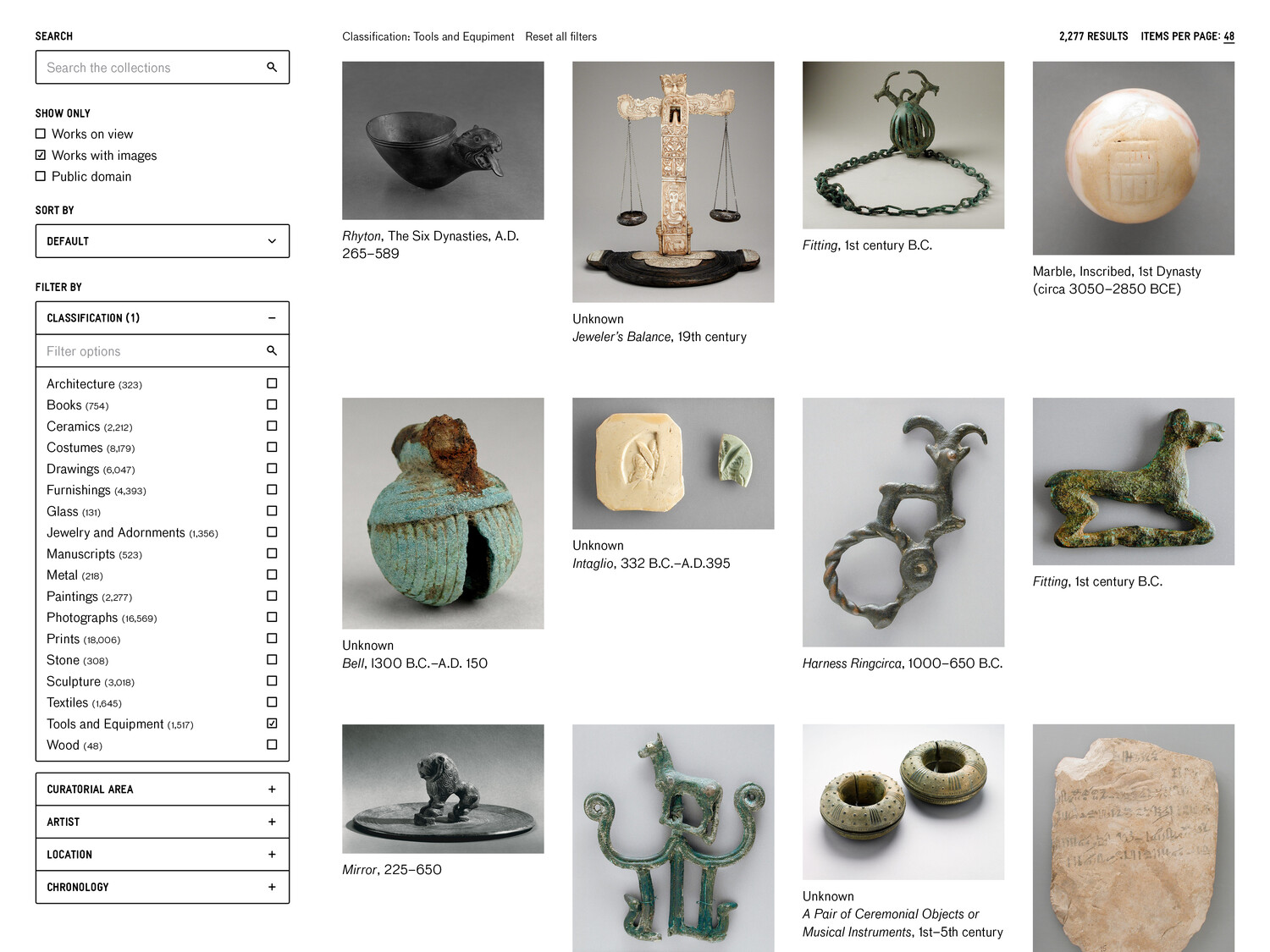
The Carnegie Museum of Art is the first museum in the United States dedicated to collecting art of its times. In other words, it’s the first museum dedicated to contemporary art. The website features an expressive typography forward approach which maintains its legibility through a robust and modular design system, and is reflected in its data model and backend user experience.
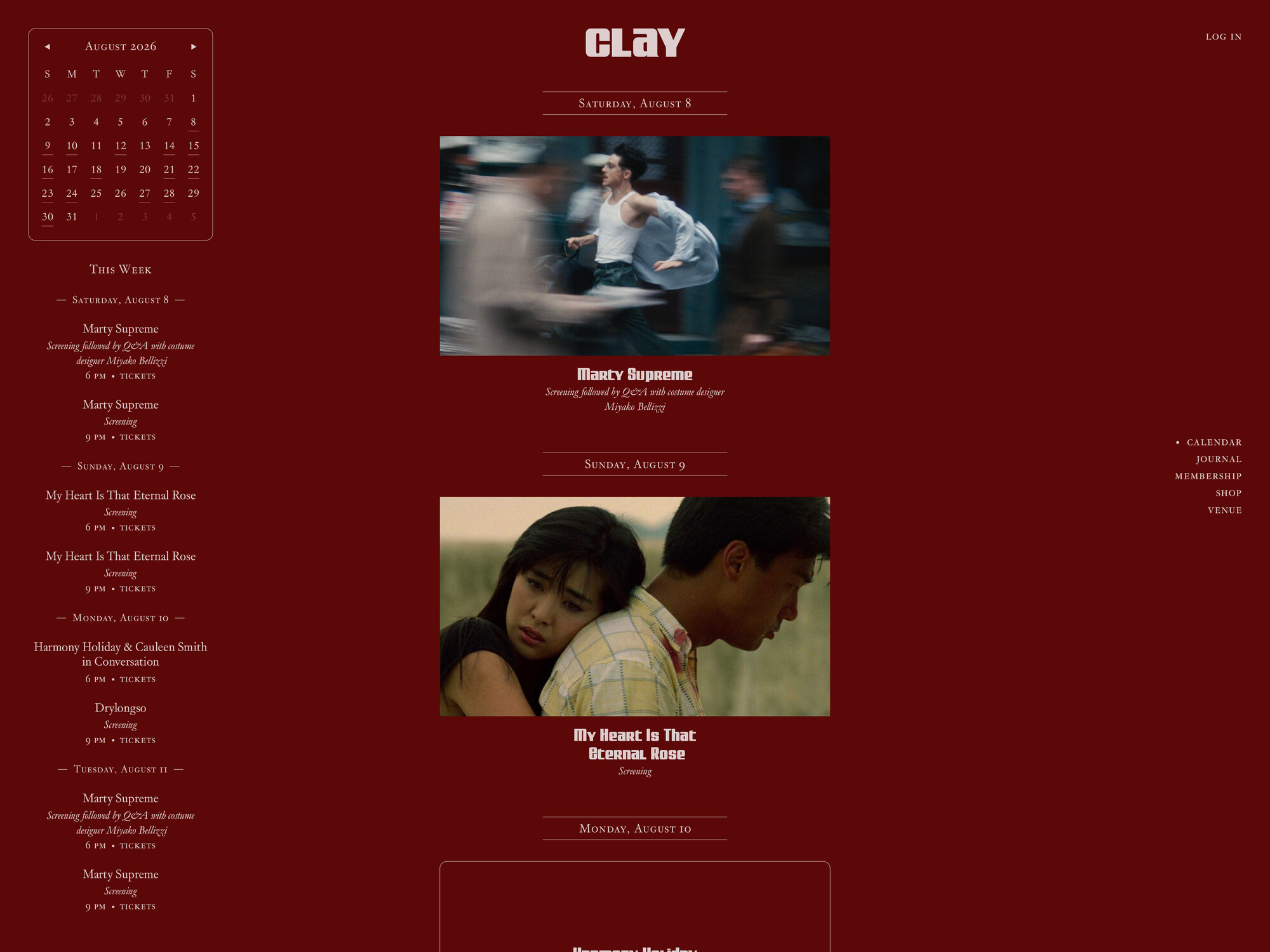
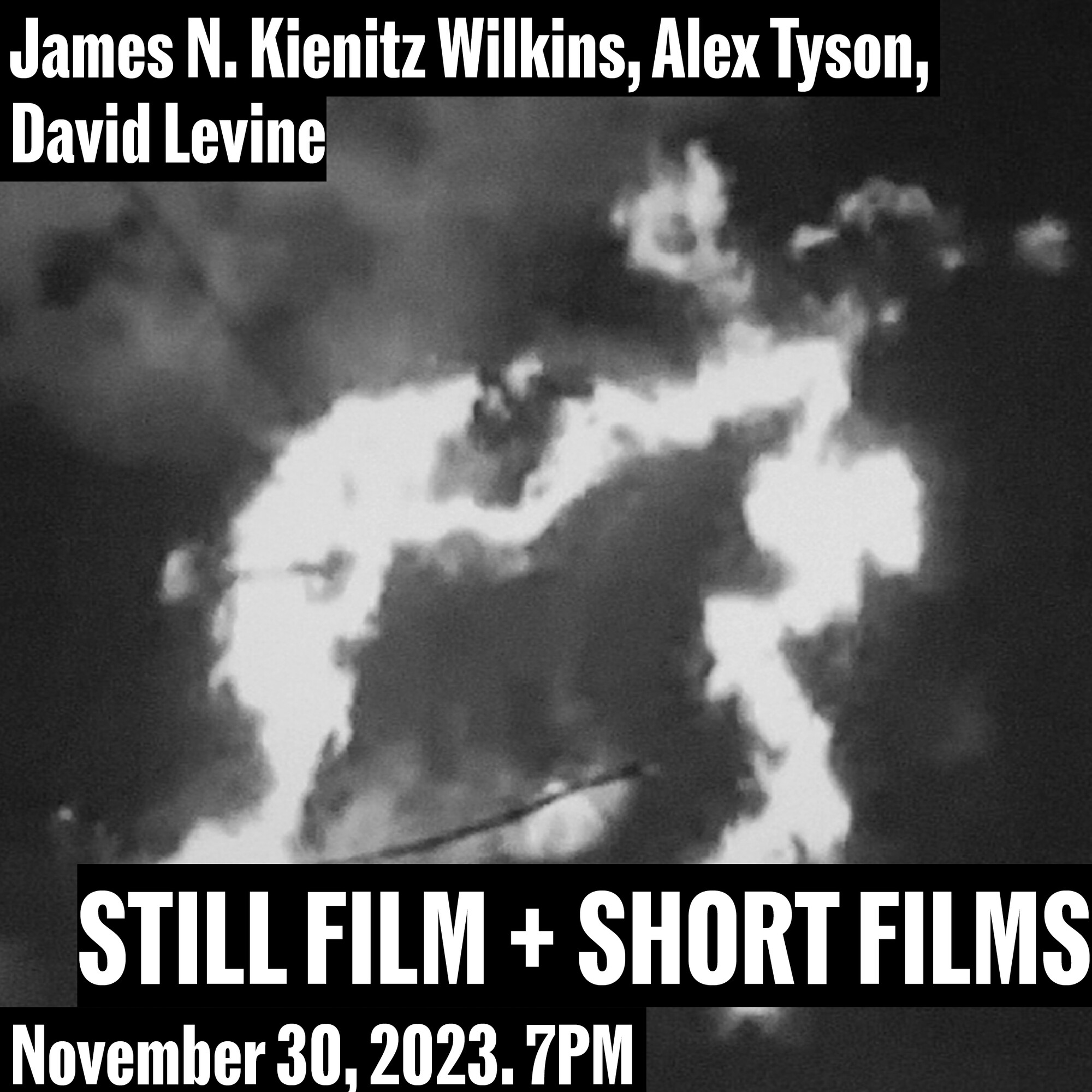
Now Instant is a hyper-curated microcinema, bookstore, and cultural space located in Los Angeles’ Chinatown. Growing out of 2017 backyard screenings in Highland Park and an earlier space on York Blvd, the fall 2026 reopening in Chinatown was a highly anticipated moment for the city’s underground film scene.
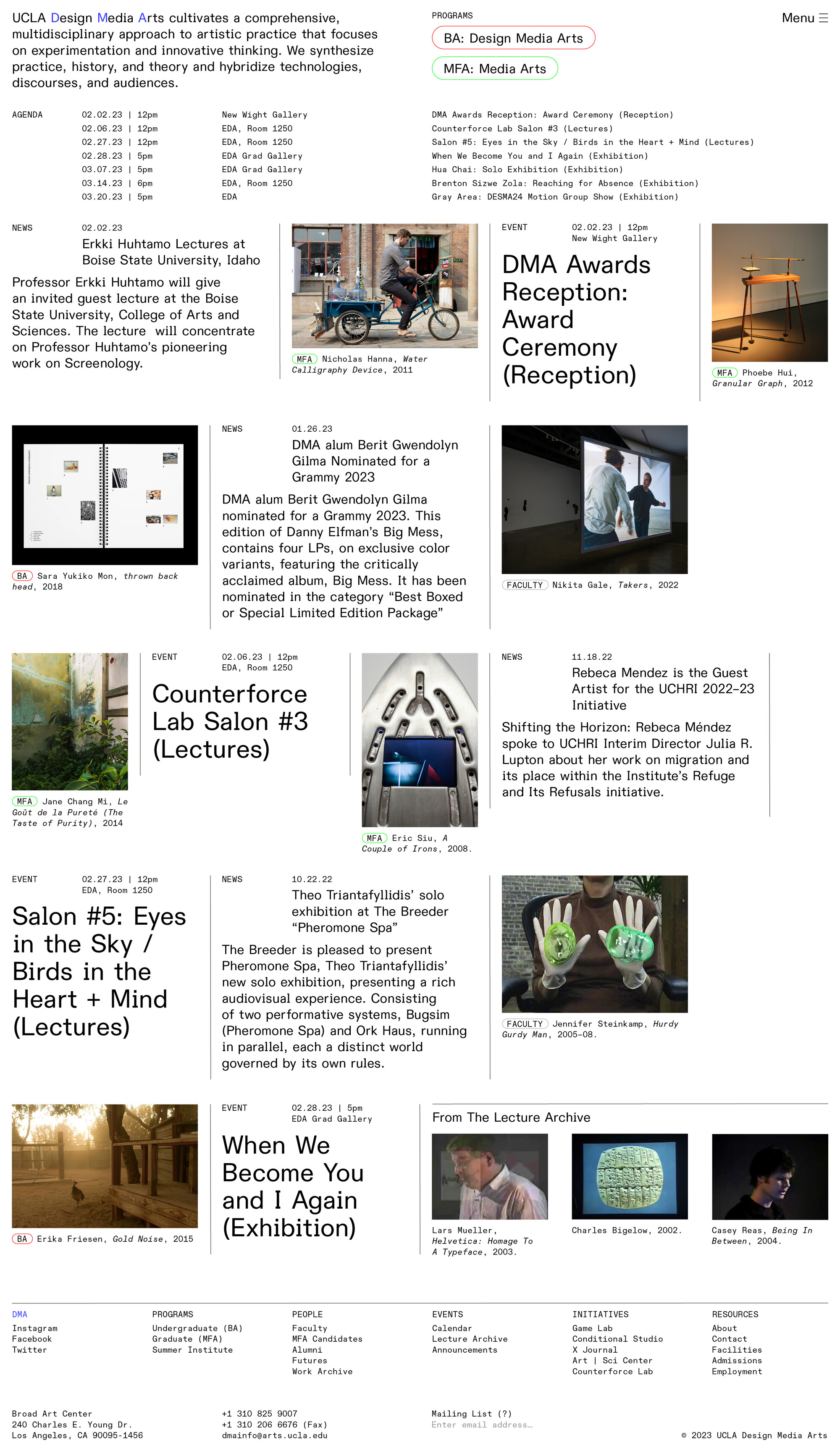
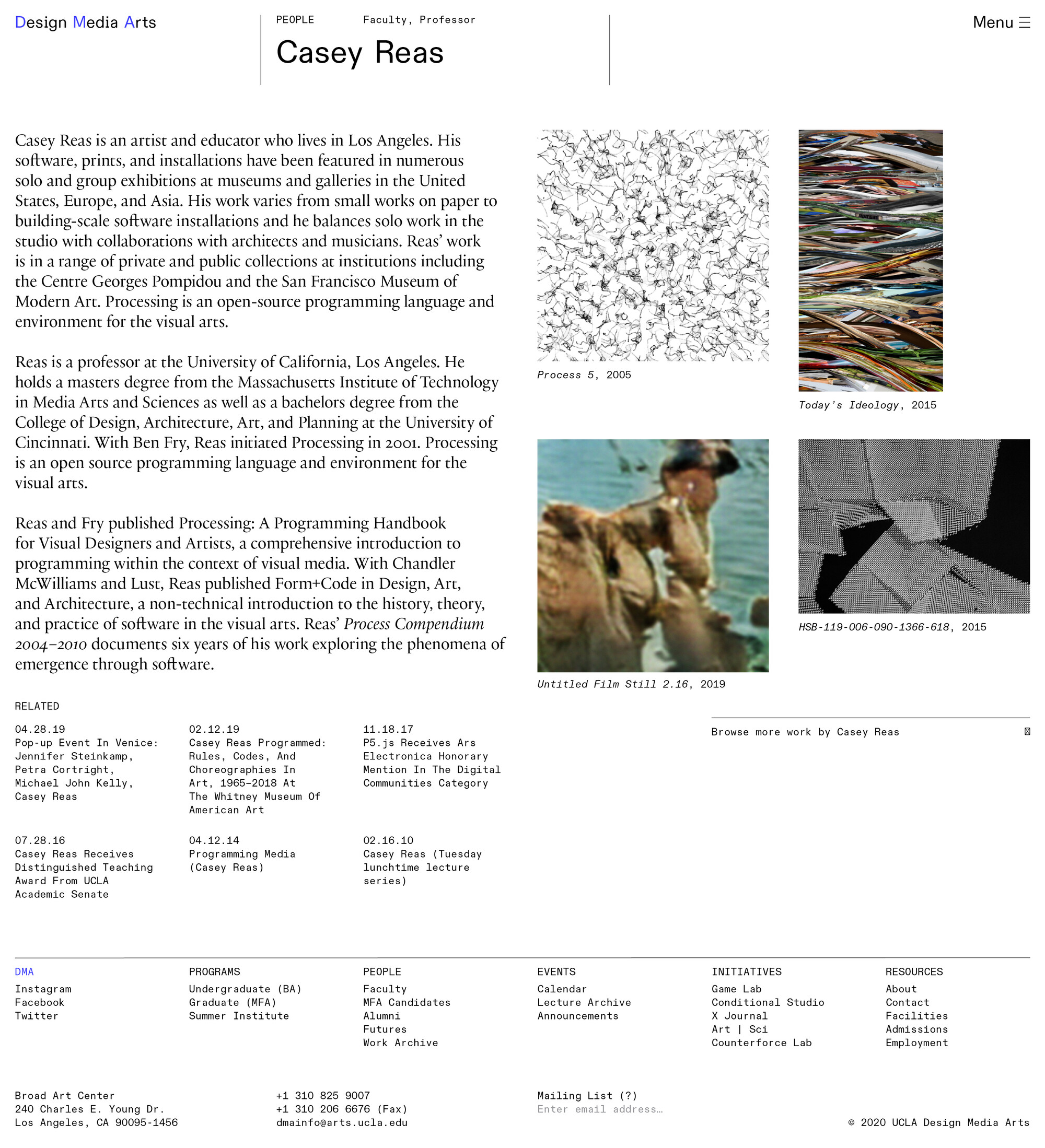
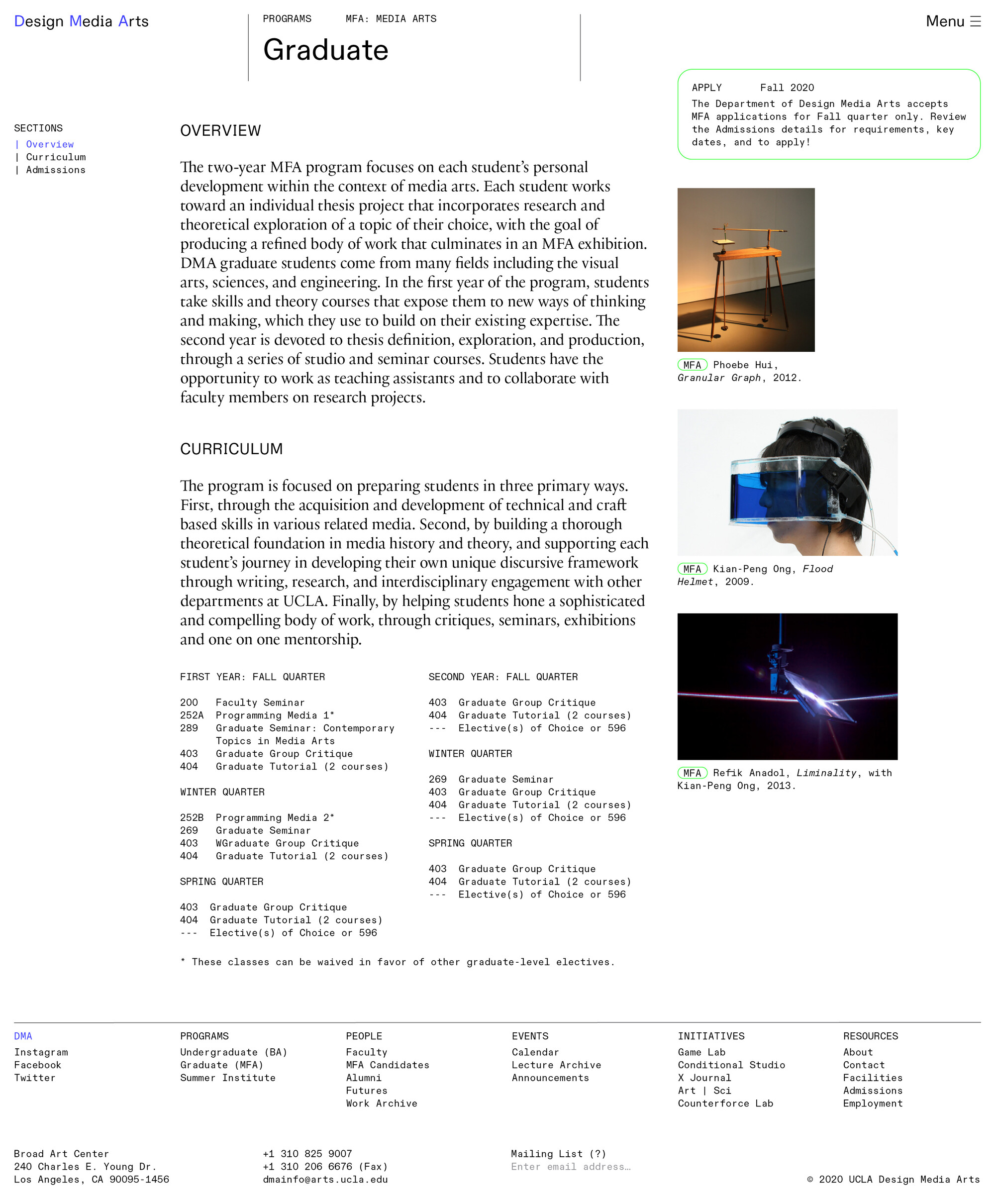
The Design Media Arts program at UCLA has led the field in computational art and design since the 1990s, shaping how artists use and think about emerging technologies. The website highlights student and alumni activity while supporting department operations and acting as a repository for its lectures and programming.
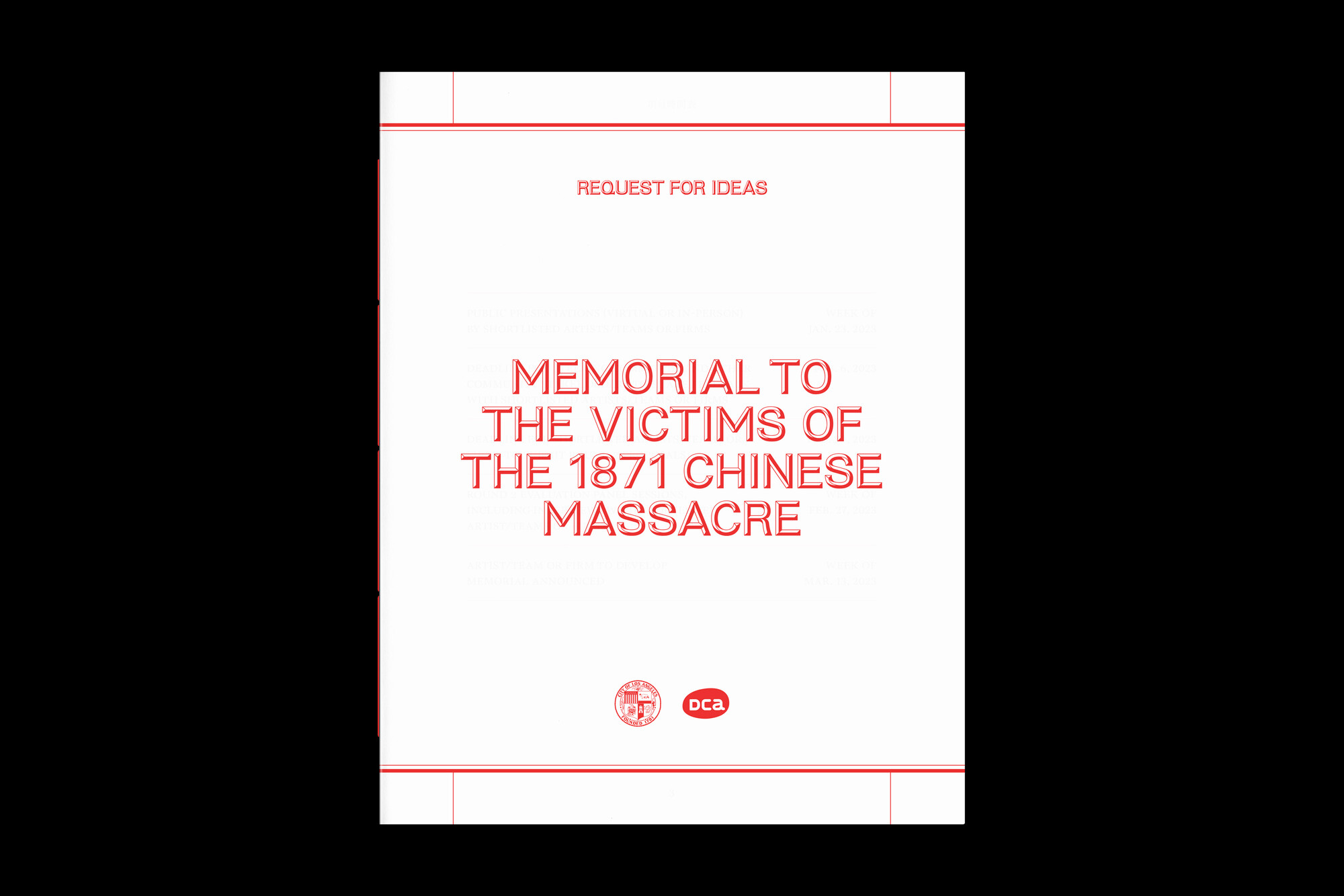
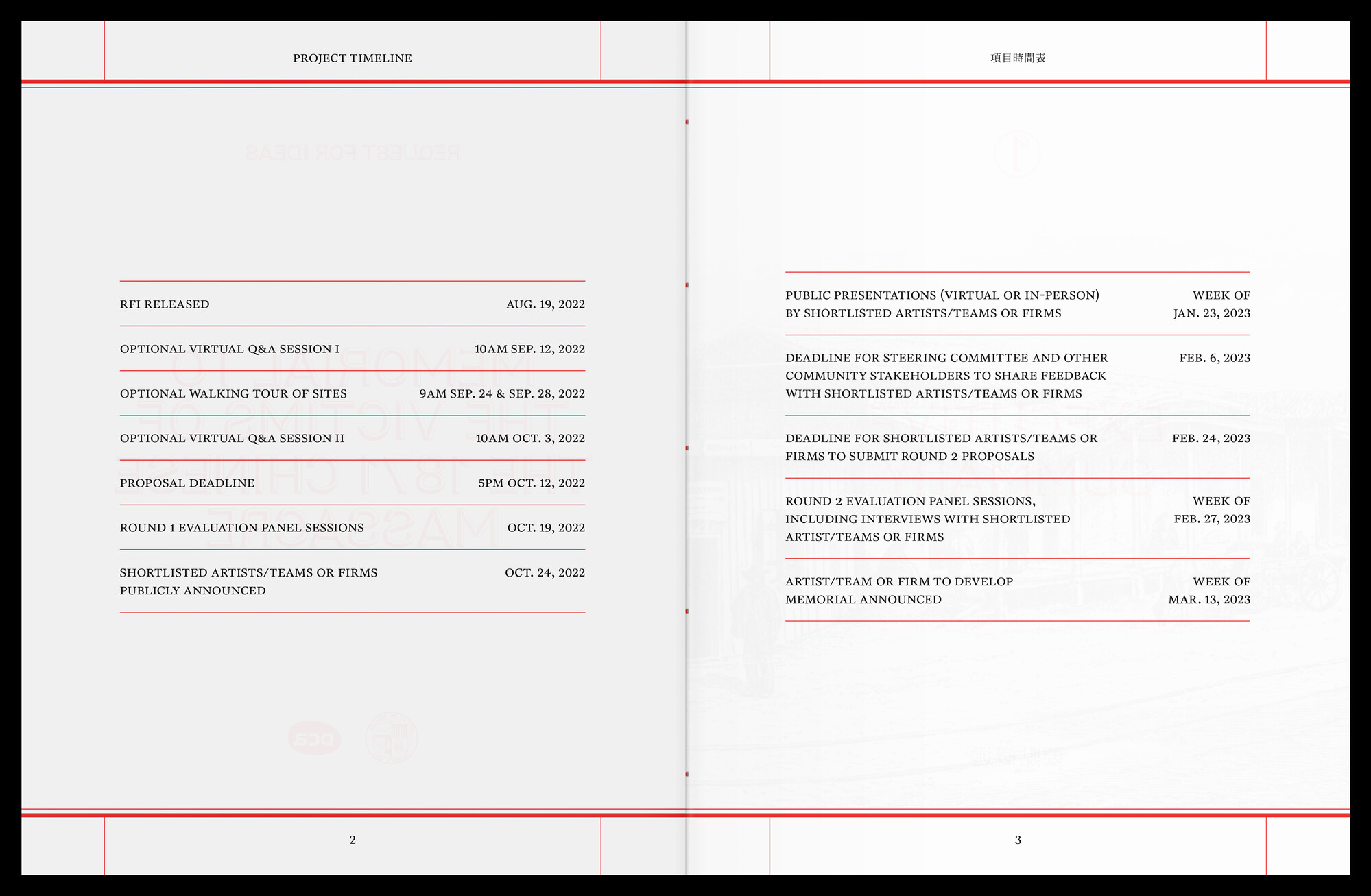
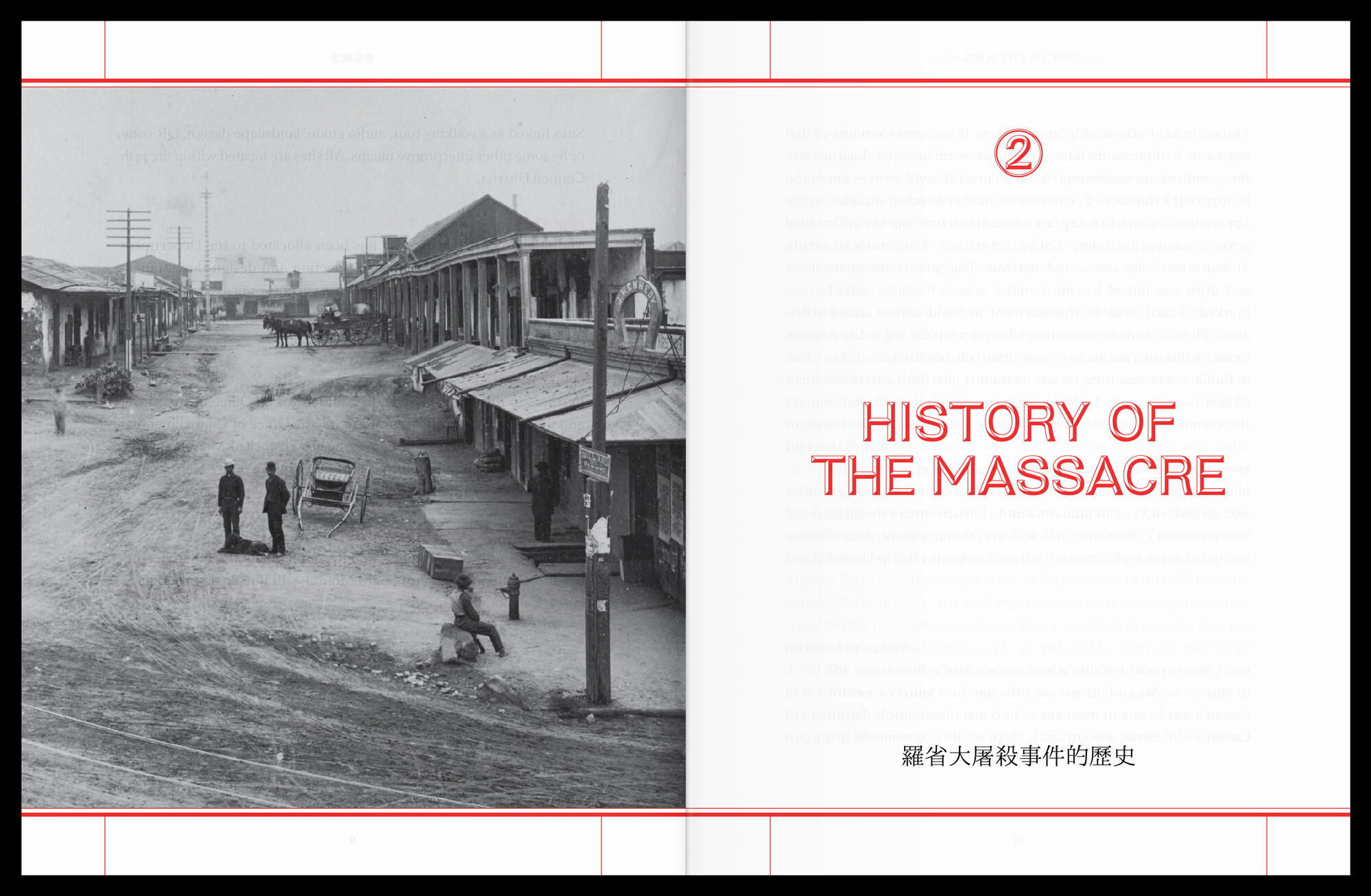
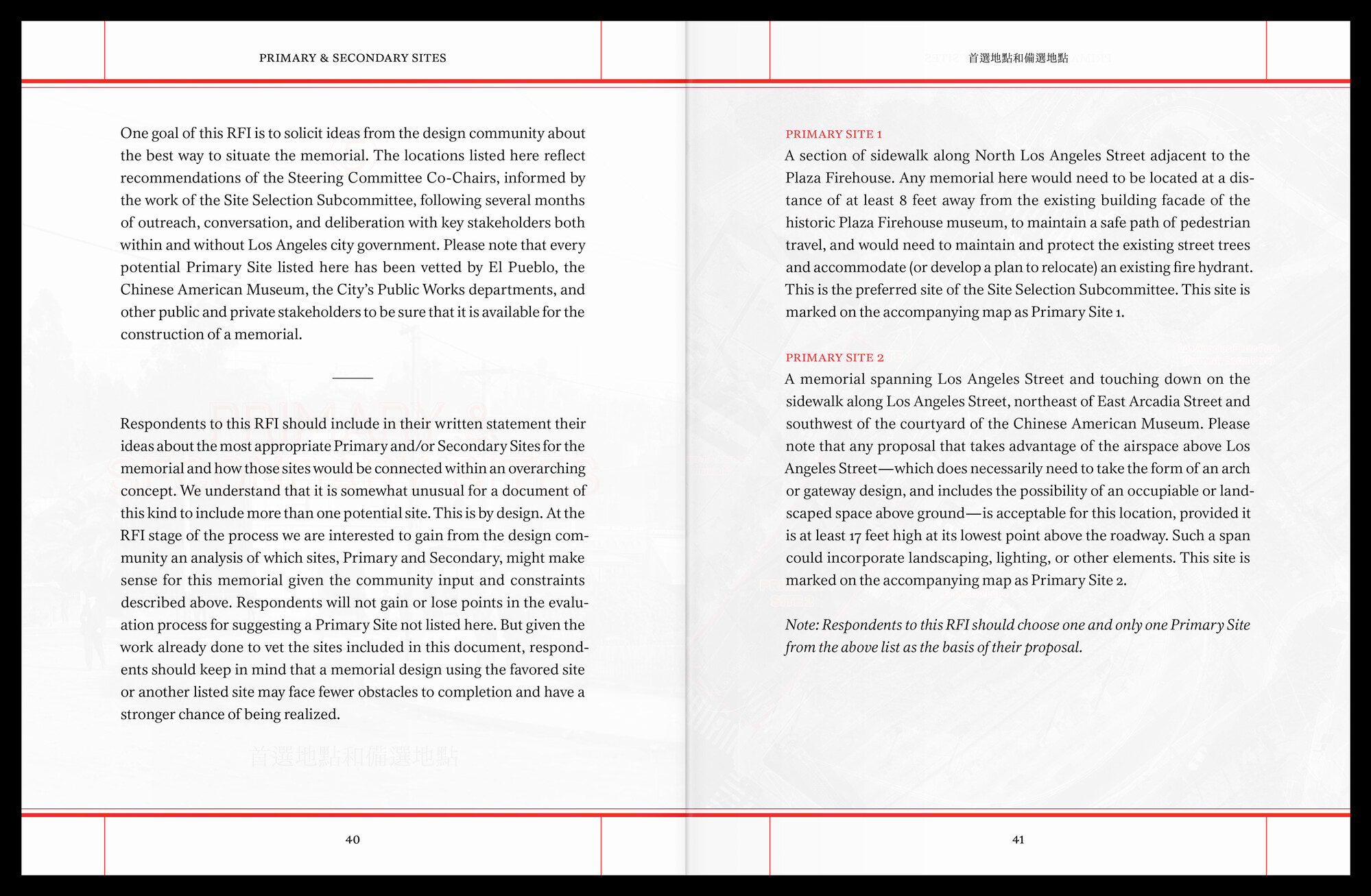
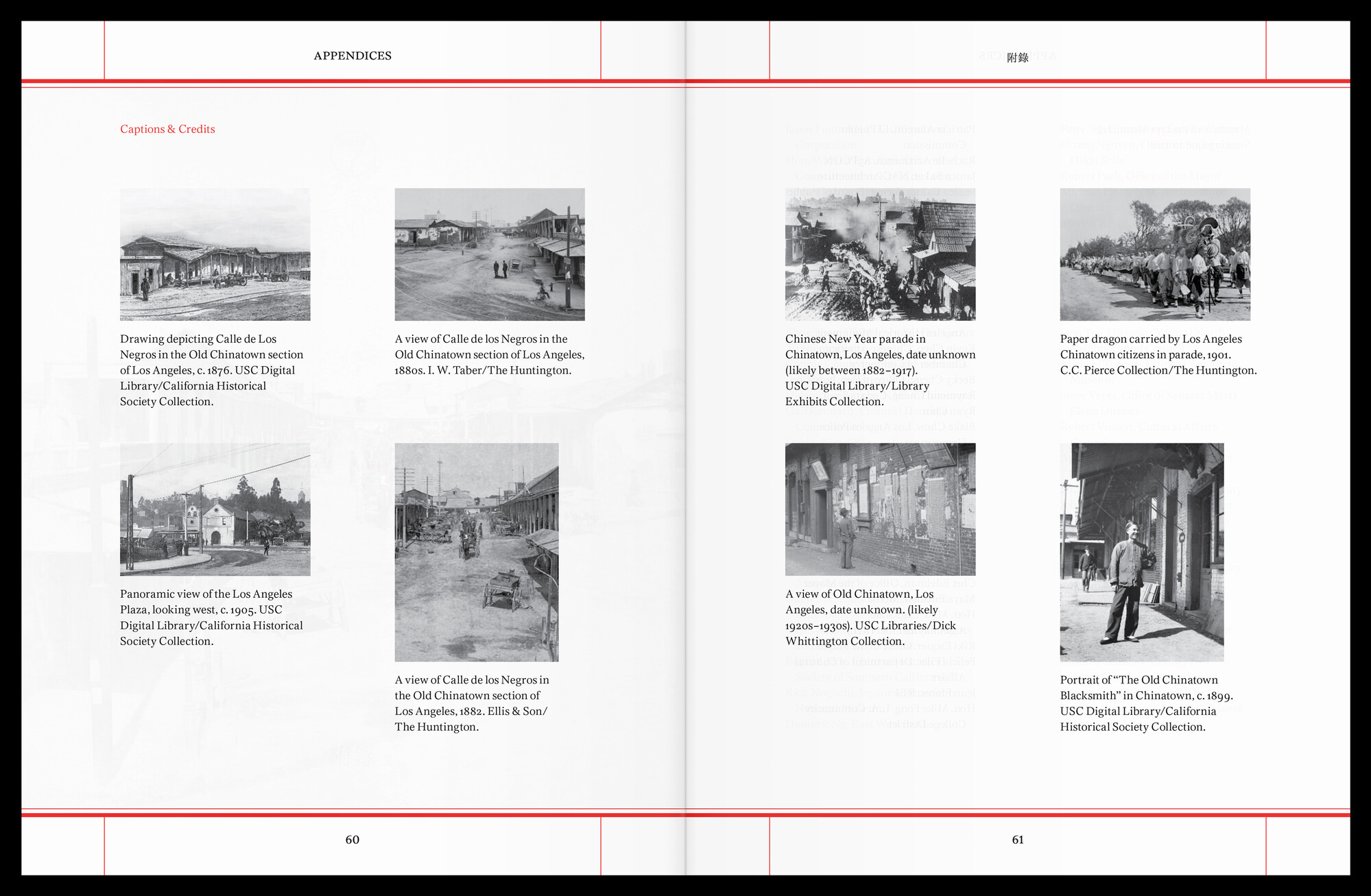
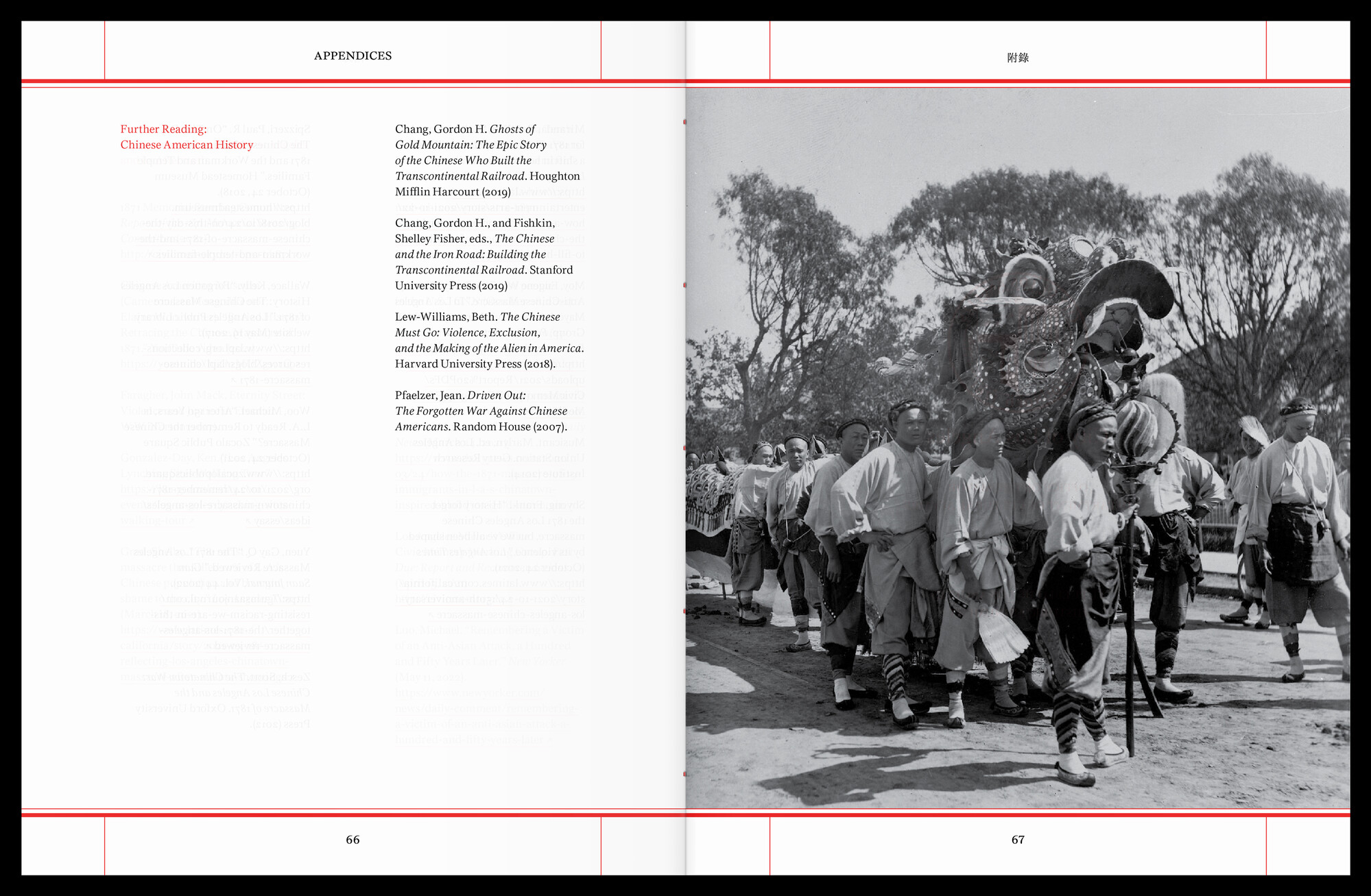
The City of Los Angeles Department of Cultural Affairs, in collaboration with the Civic Memory Group, issued an open, free-to-enter request for ideas for a physical monument addressing the largest mass killing of Chinese immigrants in Los Angeles history, an event that remained largely unacknowledged and fragmented for over 150 years.
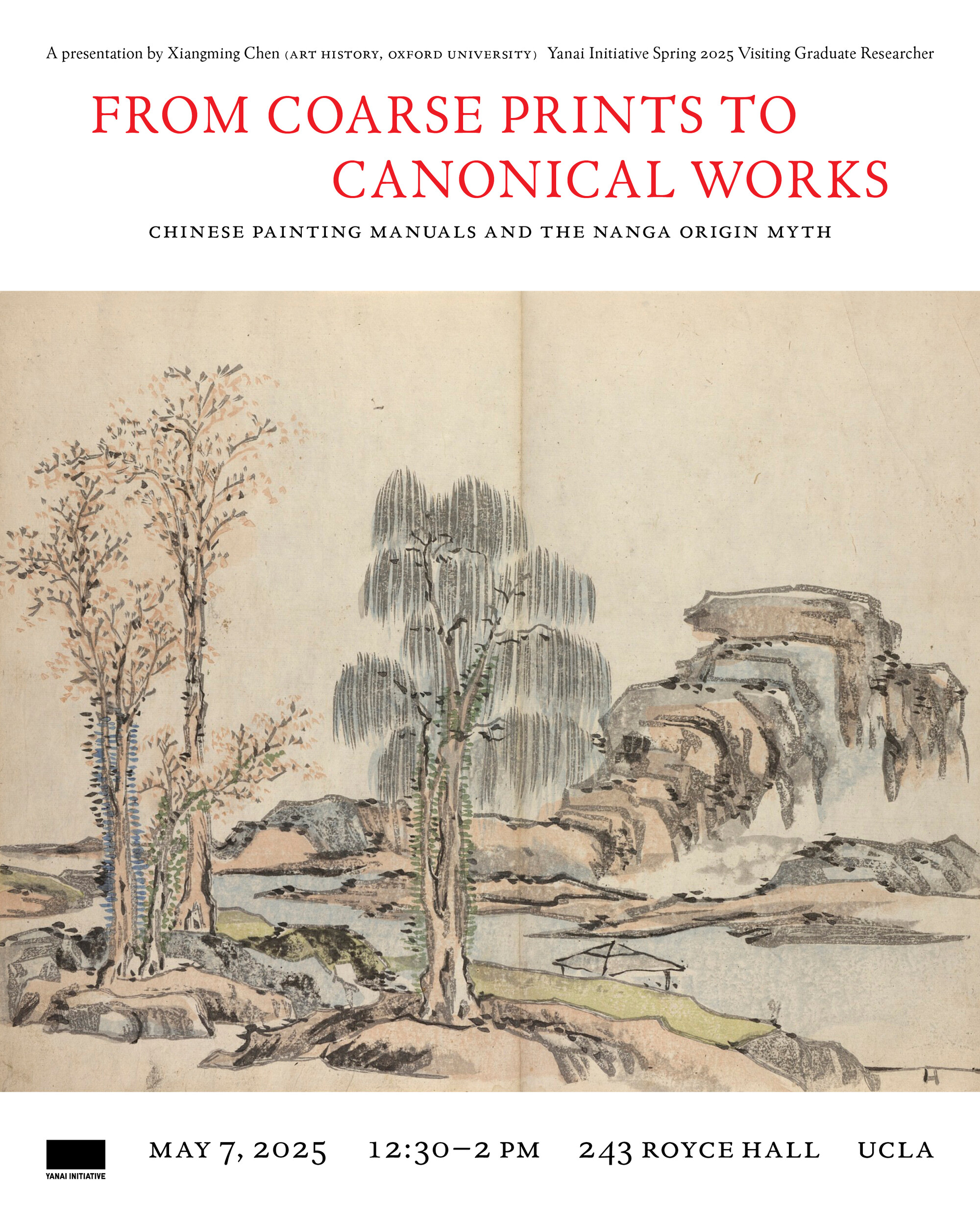
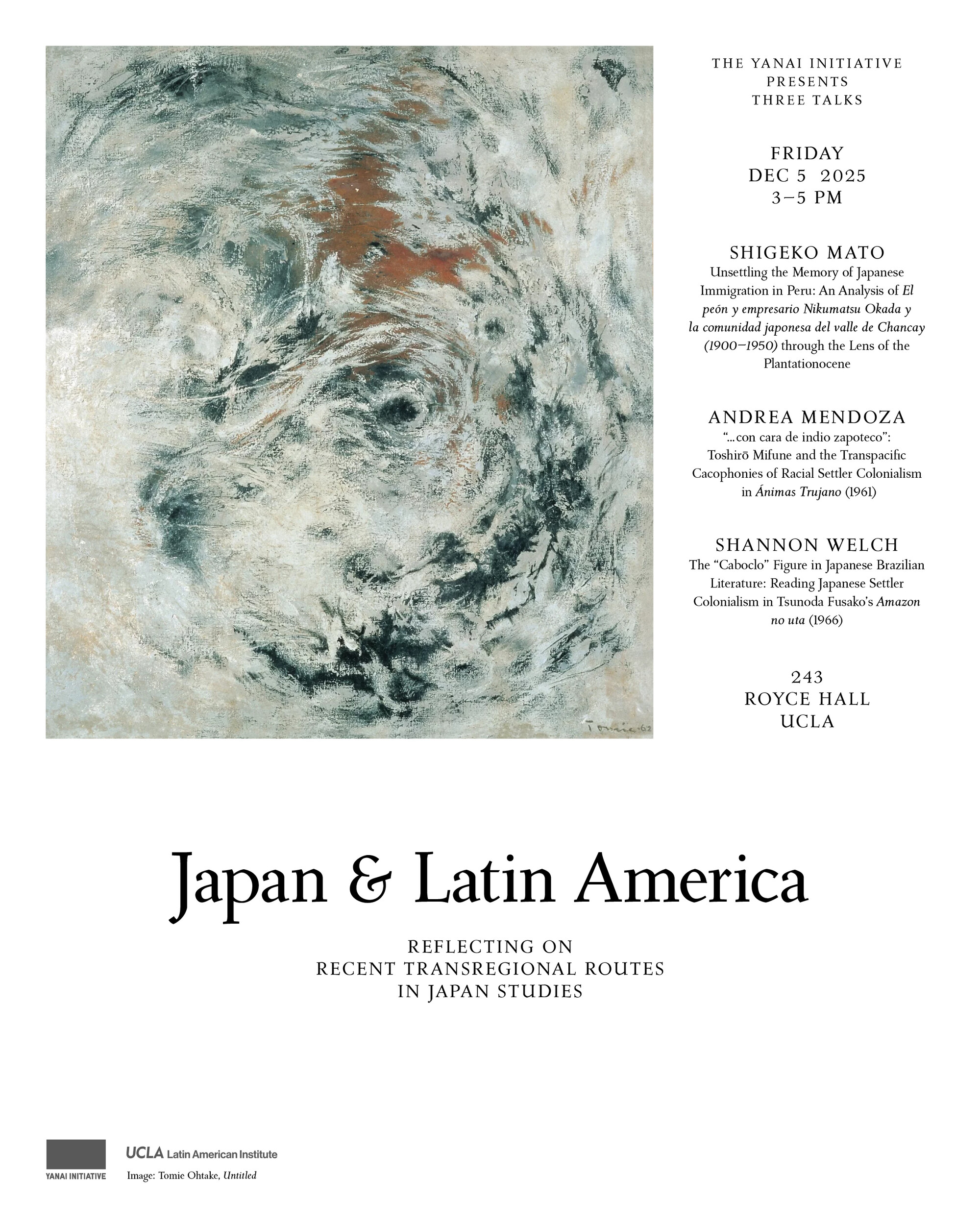
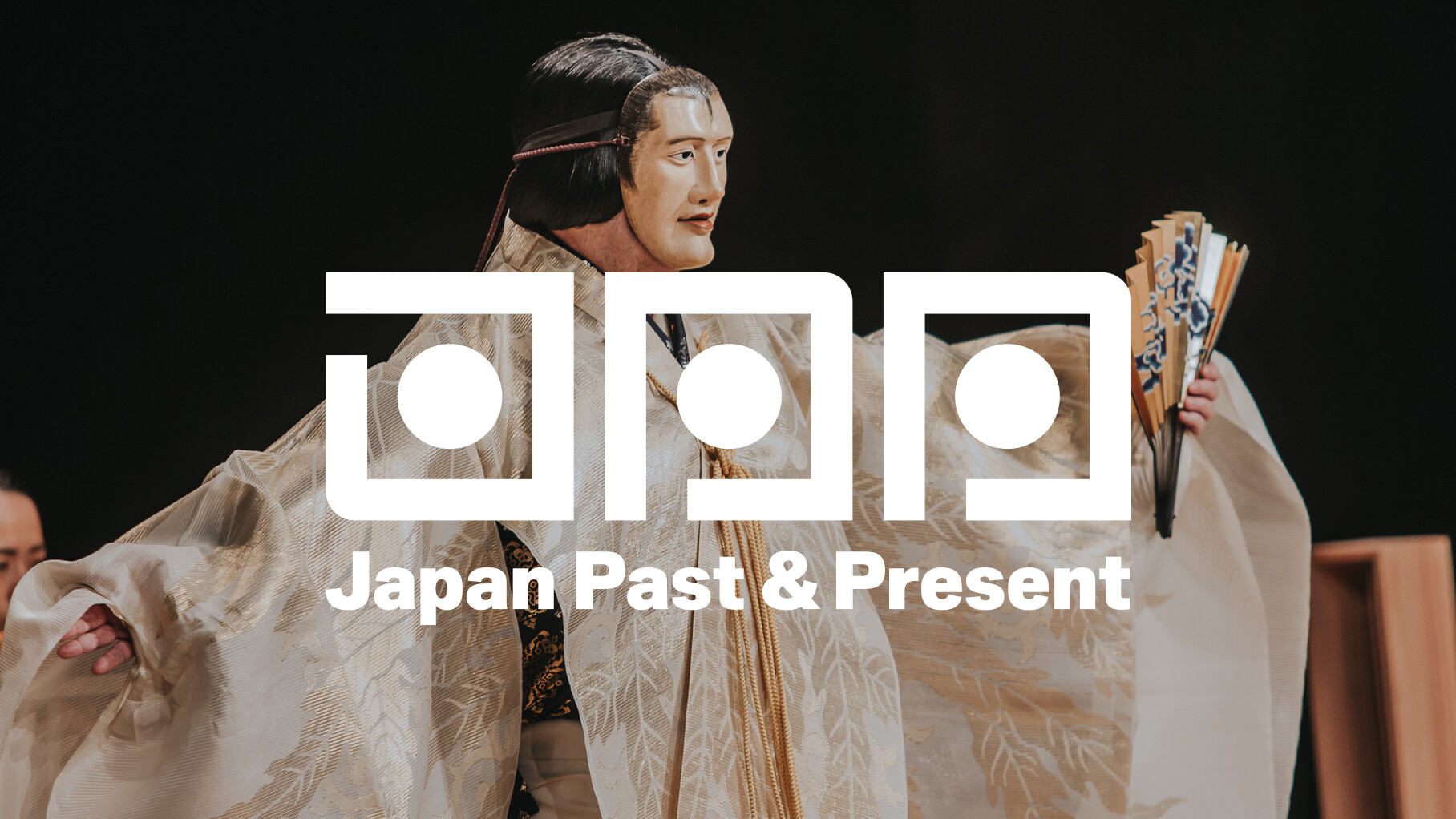
Japan Past & Present (JPP) is a global information hub and digital repository created to promote research, teaching, and collaboration in Japanese humanities. The initiative provides and presents grant opportunities, digital projects, global networks, educational resources, student workshops, institutional partnerships, researcher directories, and translation databases.
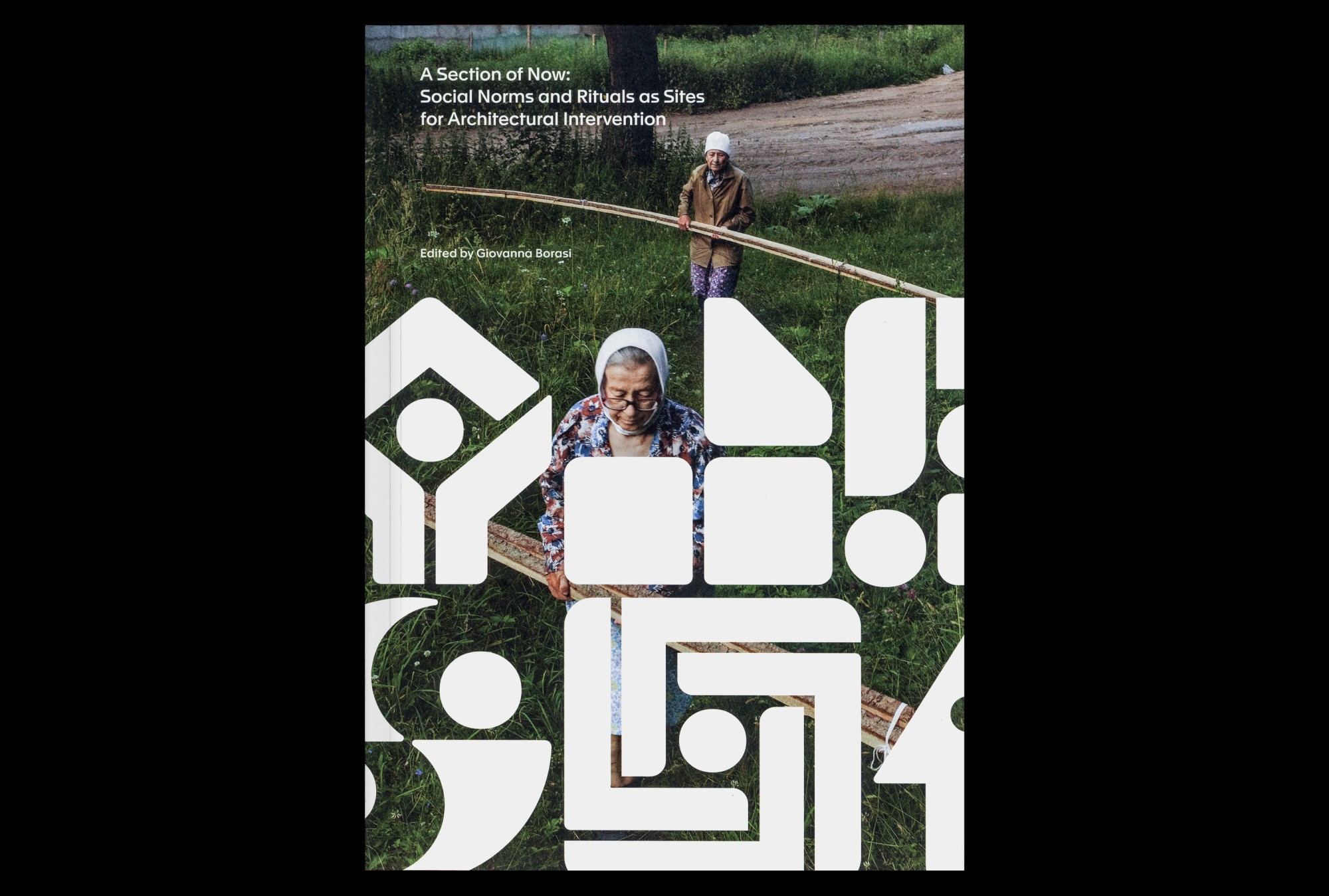
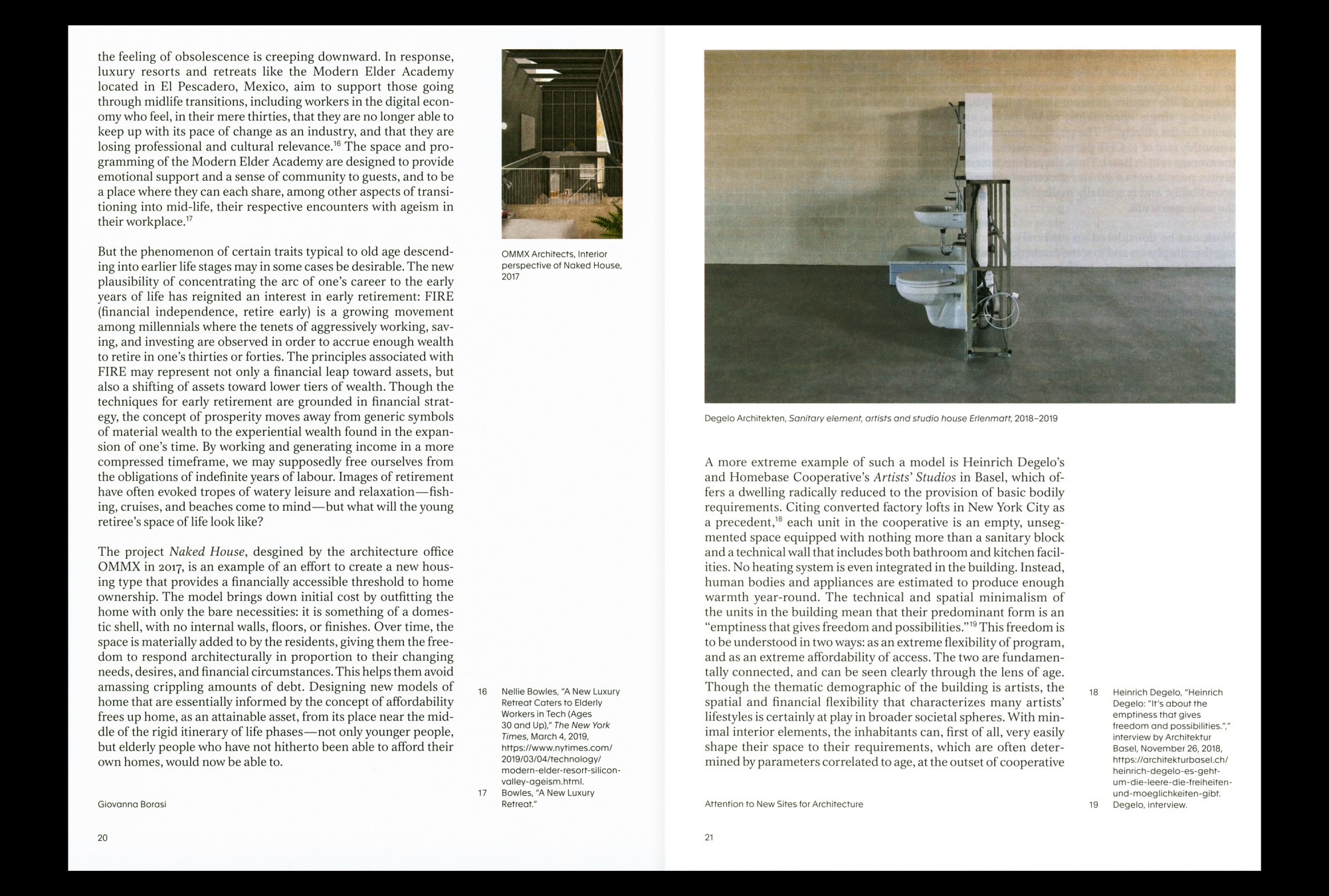
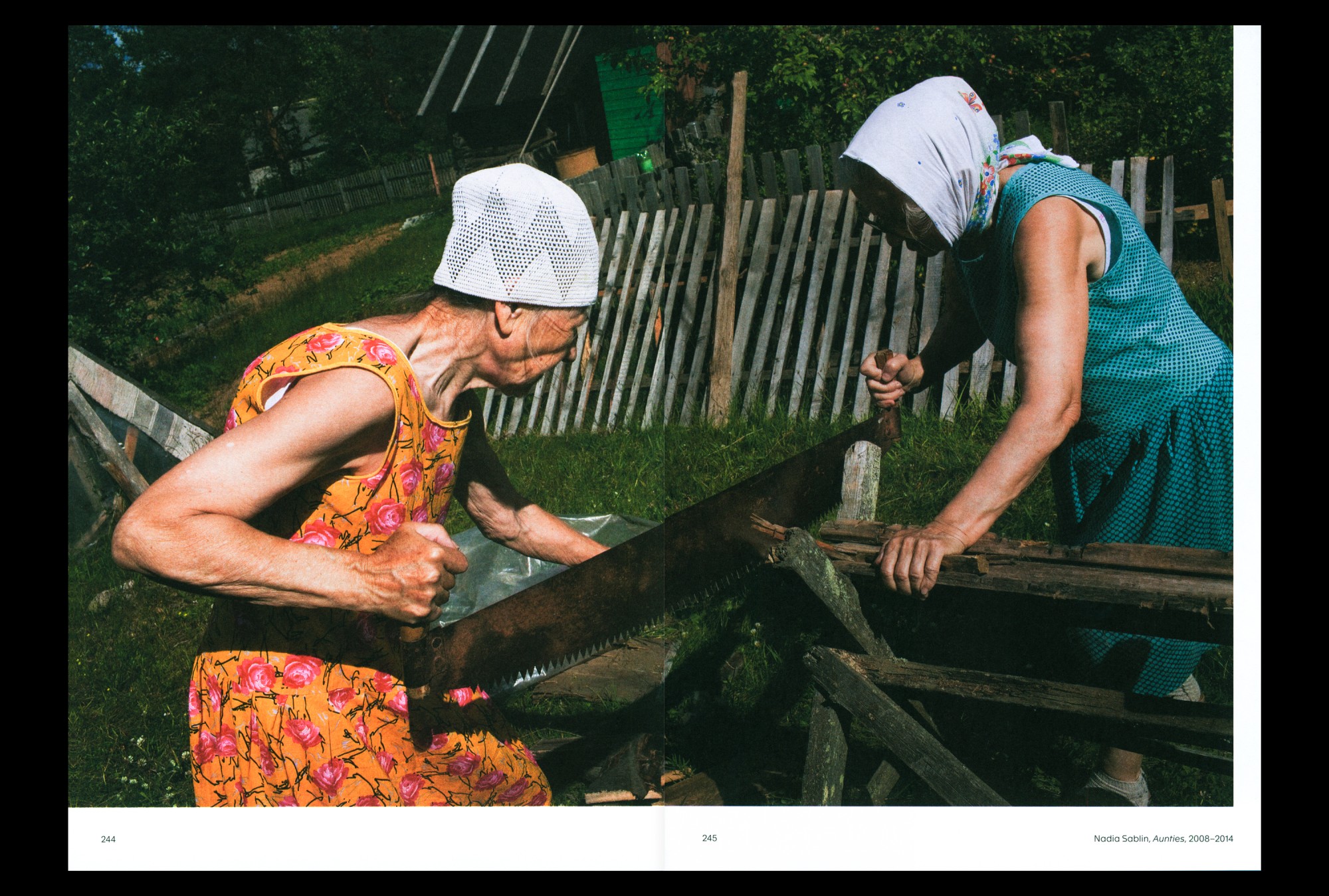
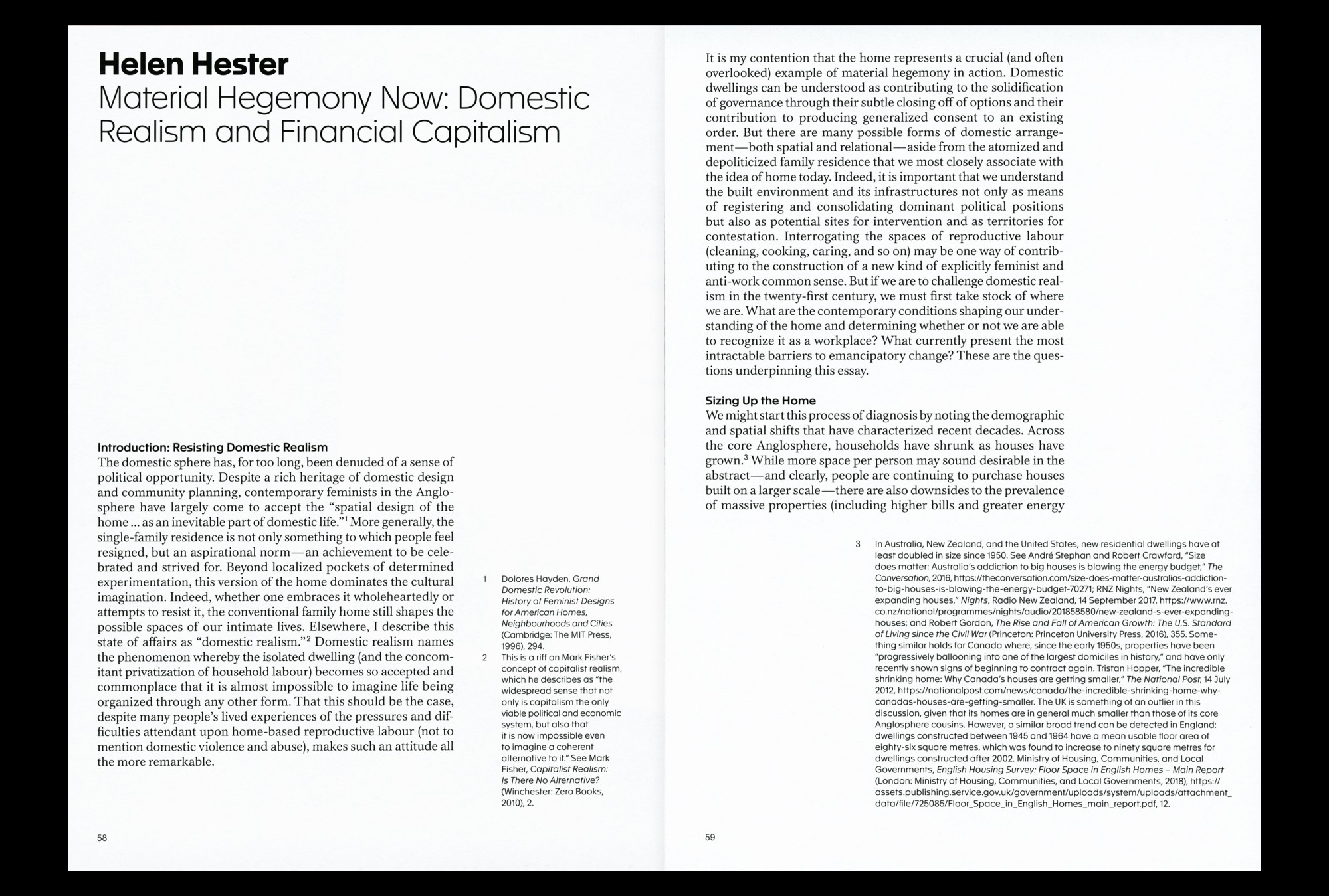
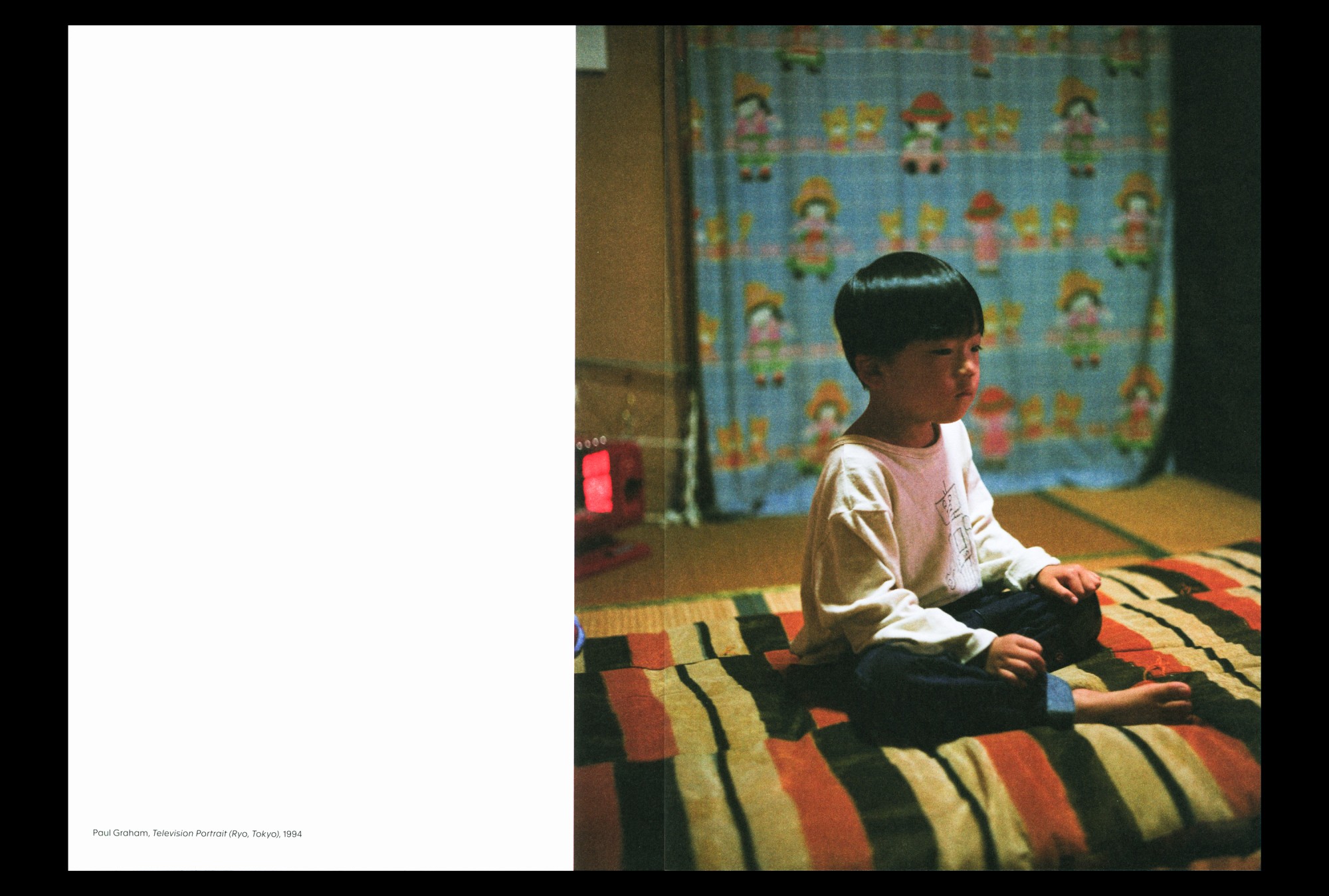
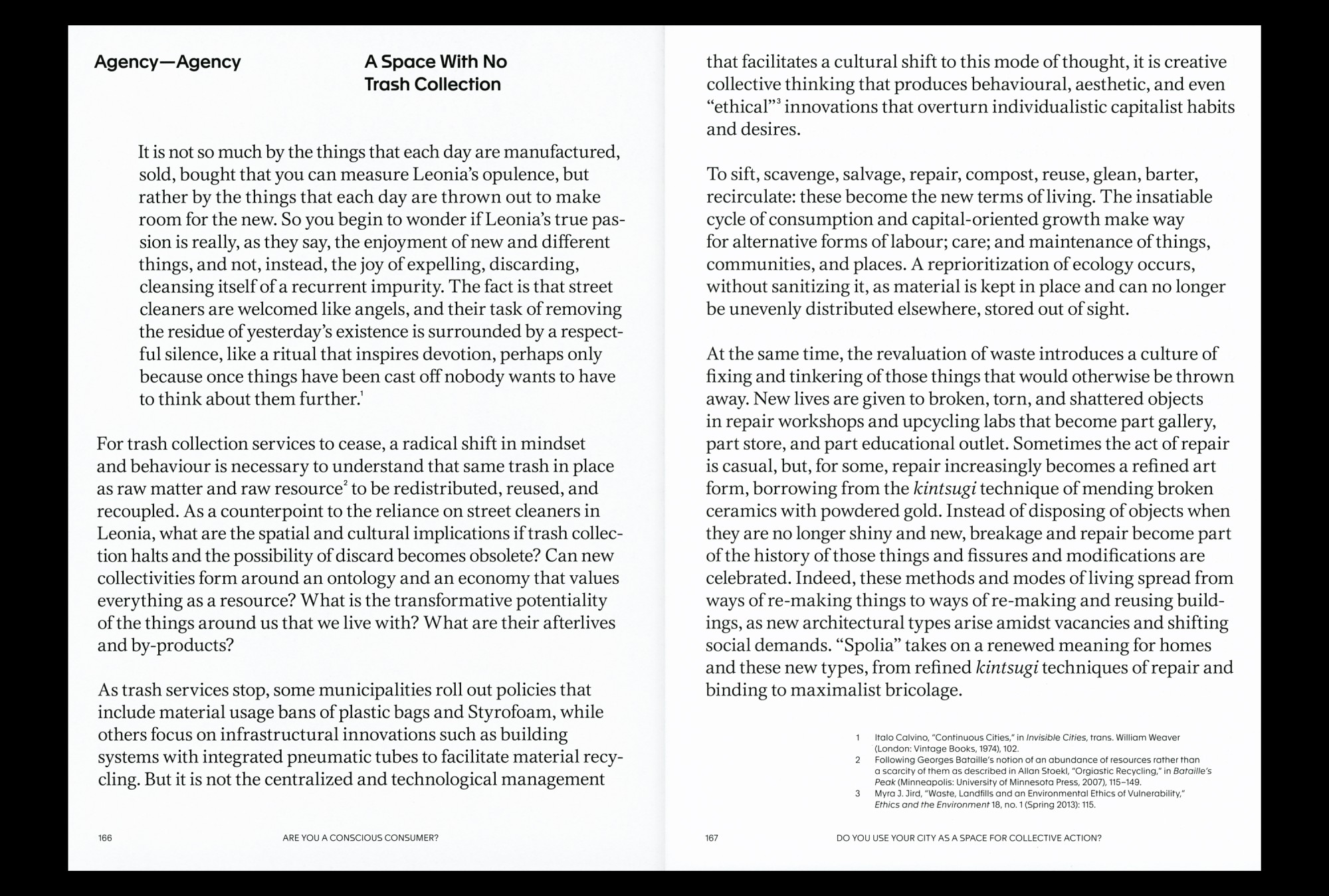
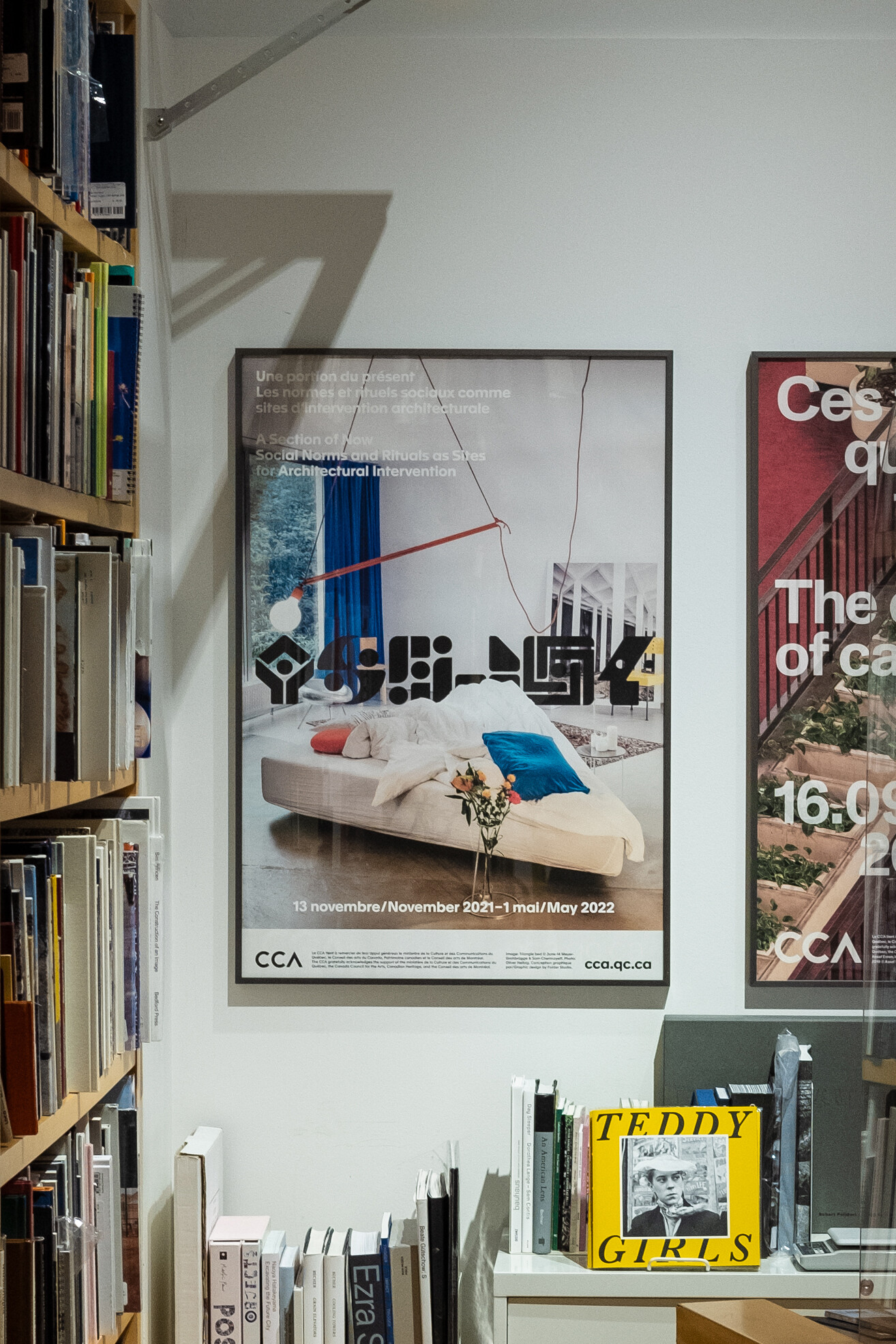
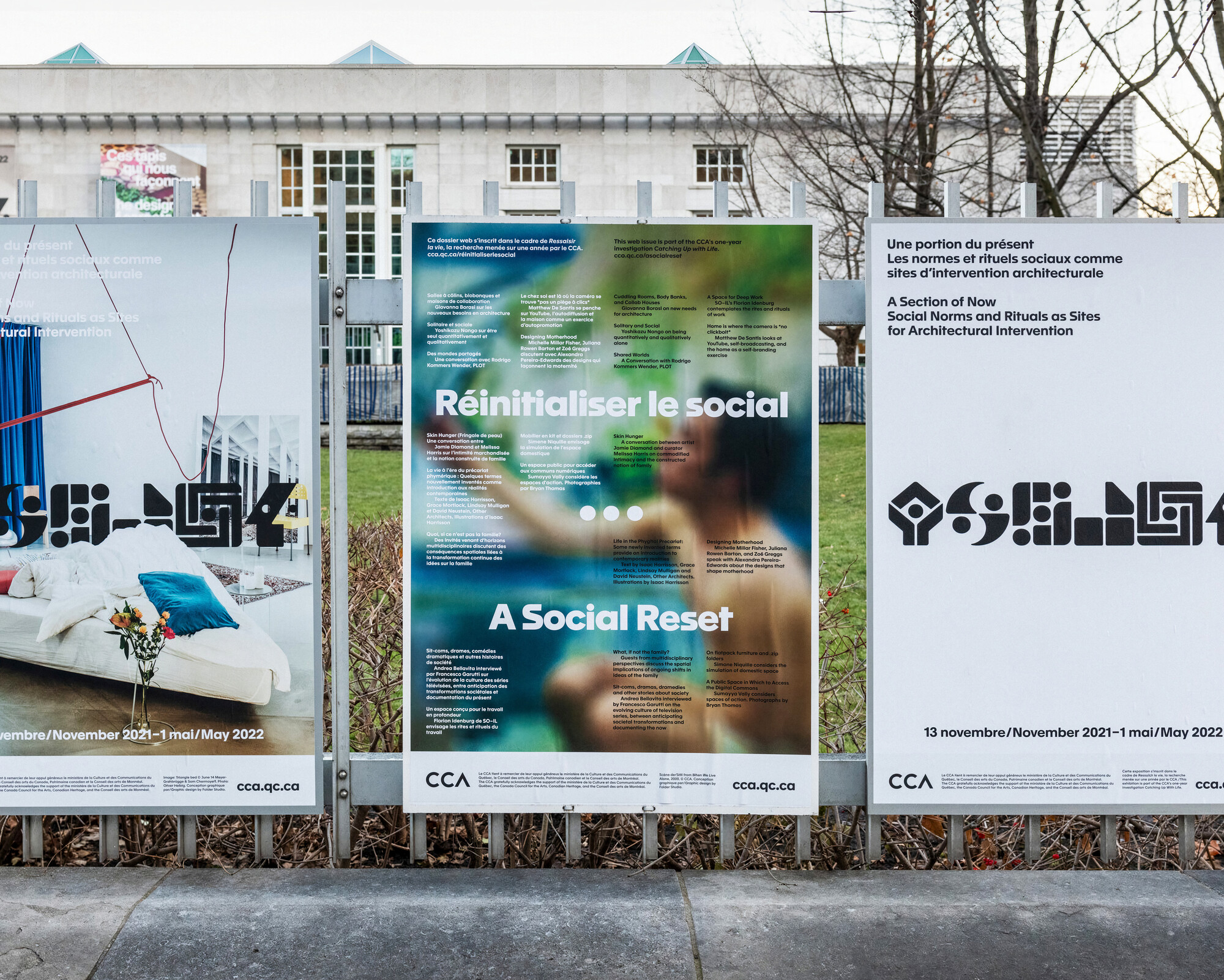
A Section of Now: Social Norms and Rituals as Sites for Architectural Intervention is the companion publication to the exhibition presented by the Canadian Centre for Architecture. The reader, published in both French and English, brings projects presented in the show into contact with critical essays by sociologists, technologists, and cultural critics diagnosing the meta-societal landscapes on which the architecture intervenes.
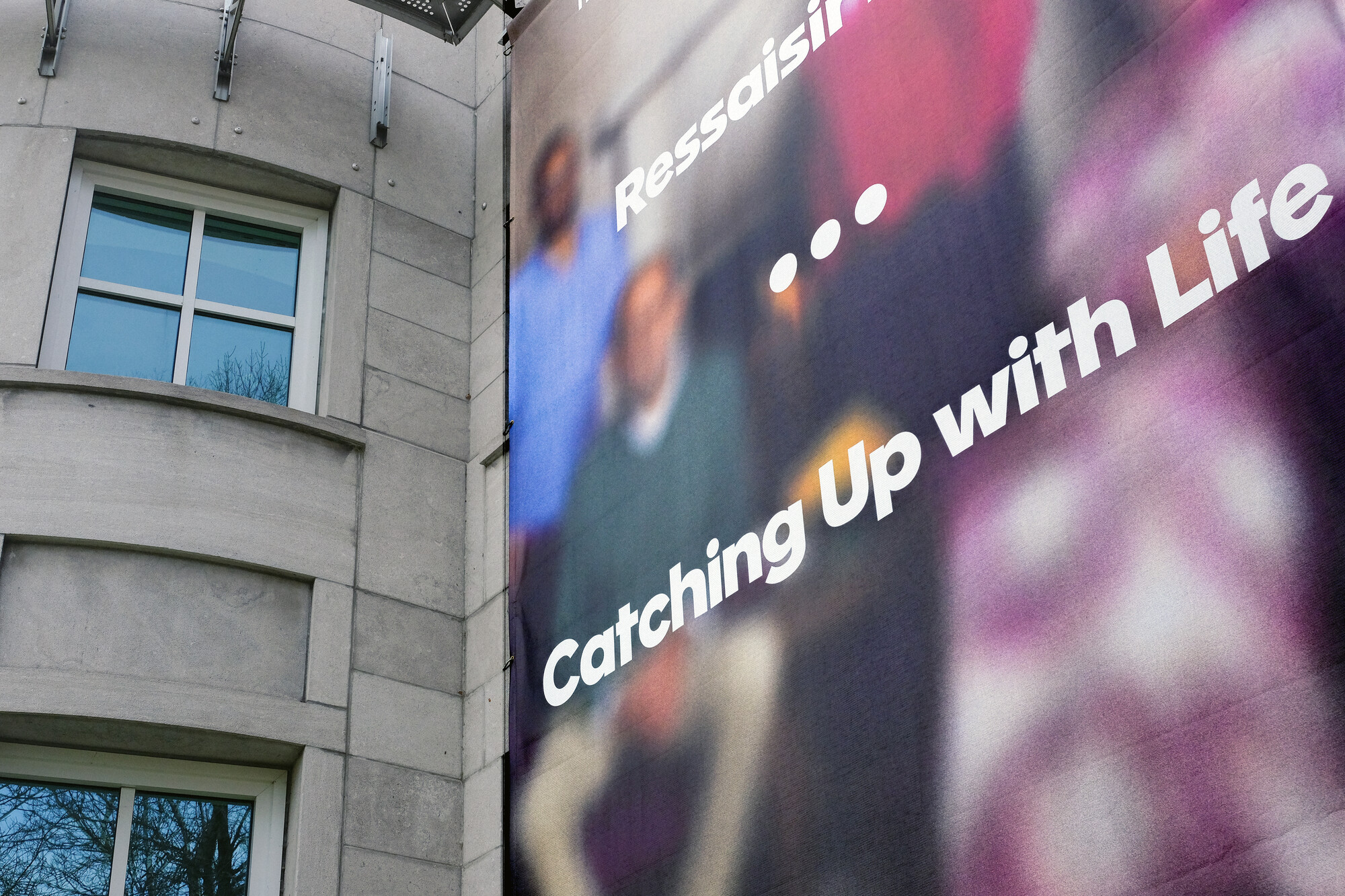
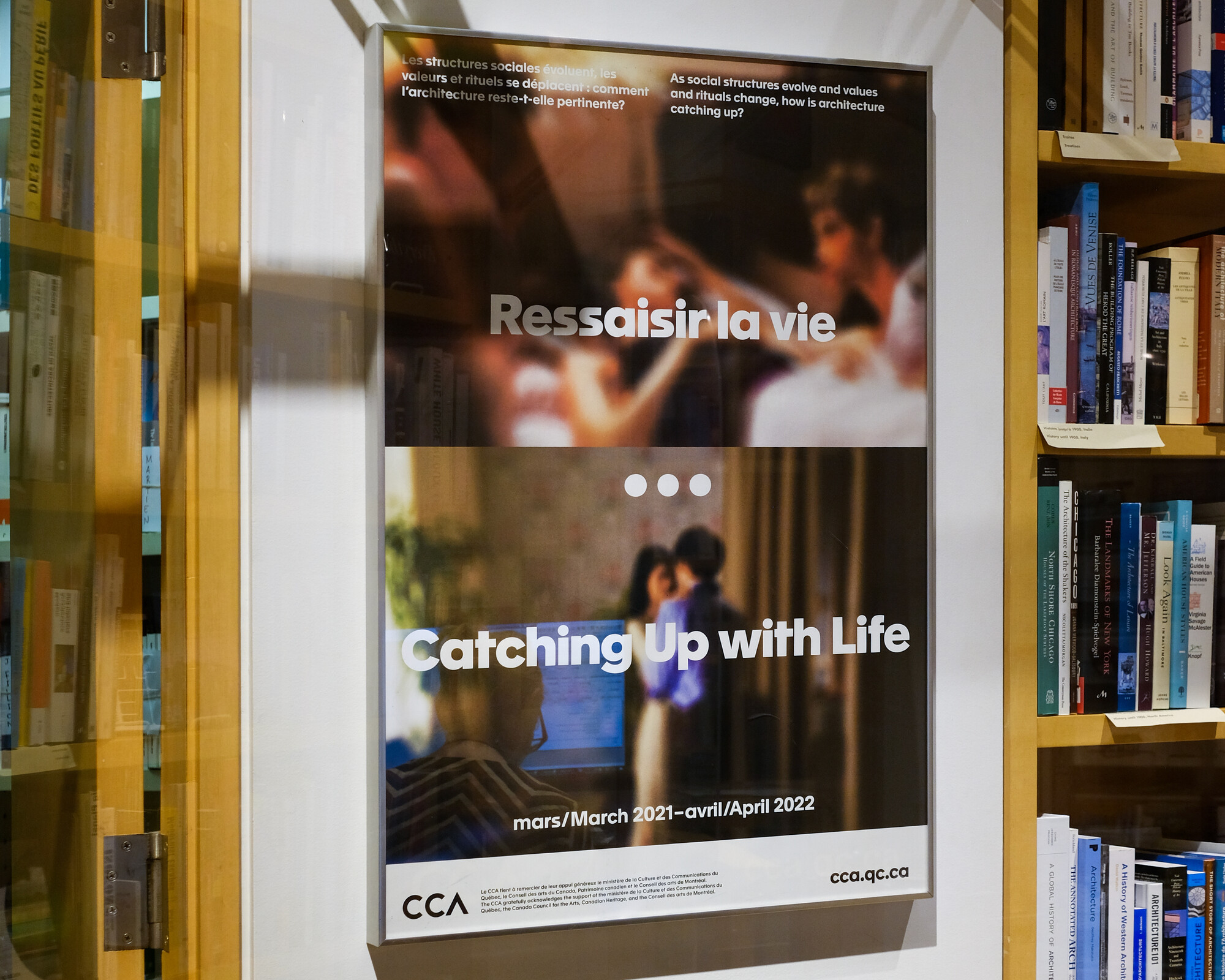
Catching Up With Life is a year-long, institution-wide research investigation launched in March 2021 by the CCA, culminating in the exhibition A Section of Now: Social Norms and Rituals as Sites for Architectural Intervention. The multi-platform investigation took place through distinct physical, digital, and broadcast channels including online editorials, live-streamed public programs, documentary filmmaking, audio podcasting, and social media pilots.
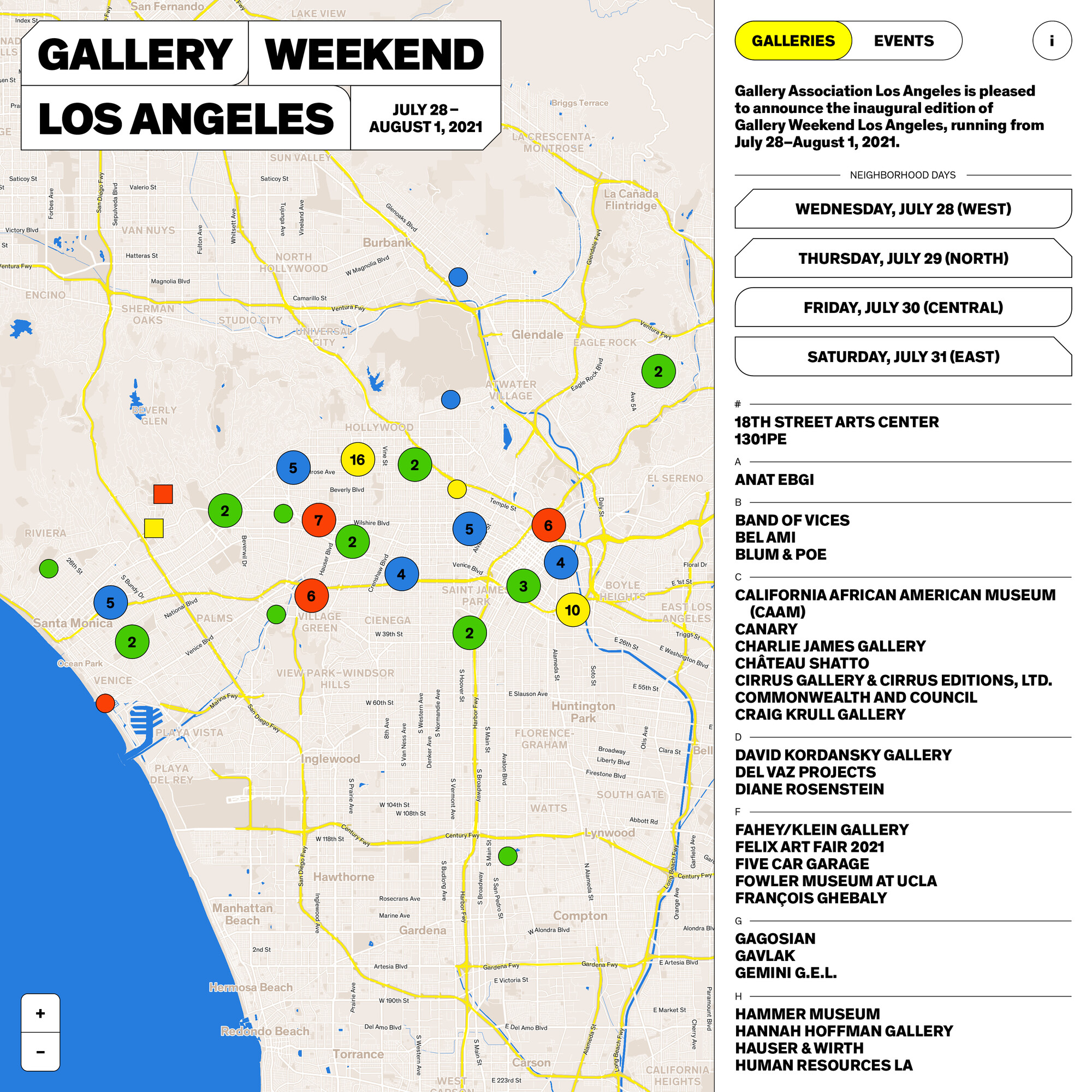
Gallery Weekend Los Angeles is an inclusive community program presented annually by Gallery Association Los Angeles. The weekend connects audiences directly with the artists, curators, and gallerists through extended evening hours, and self-guided neighborhood maps—promoting unity in the gallery landscape and giving emerging and underrepresented venues equal visibility.
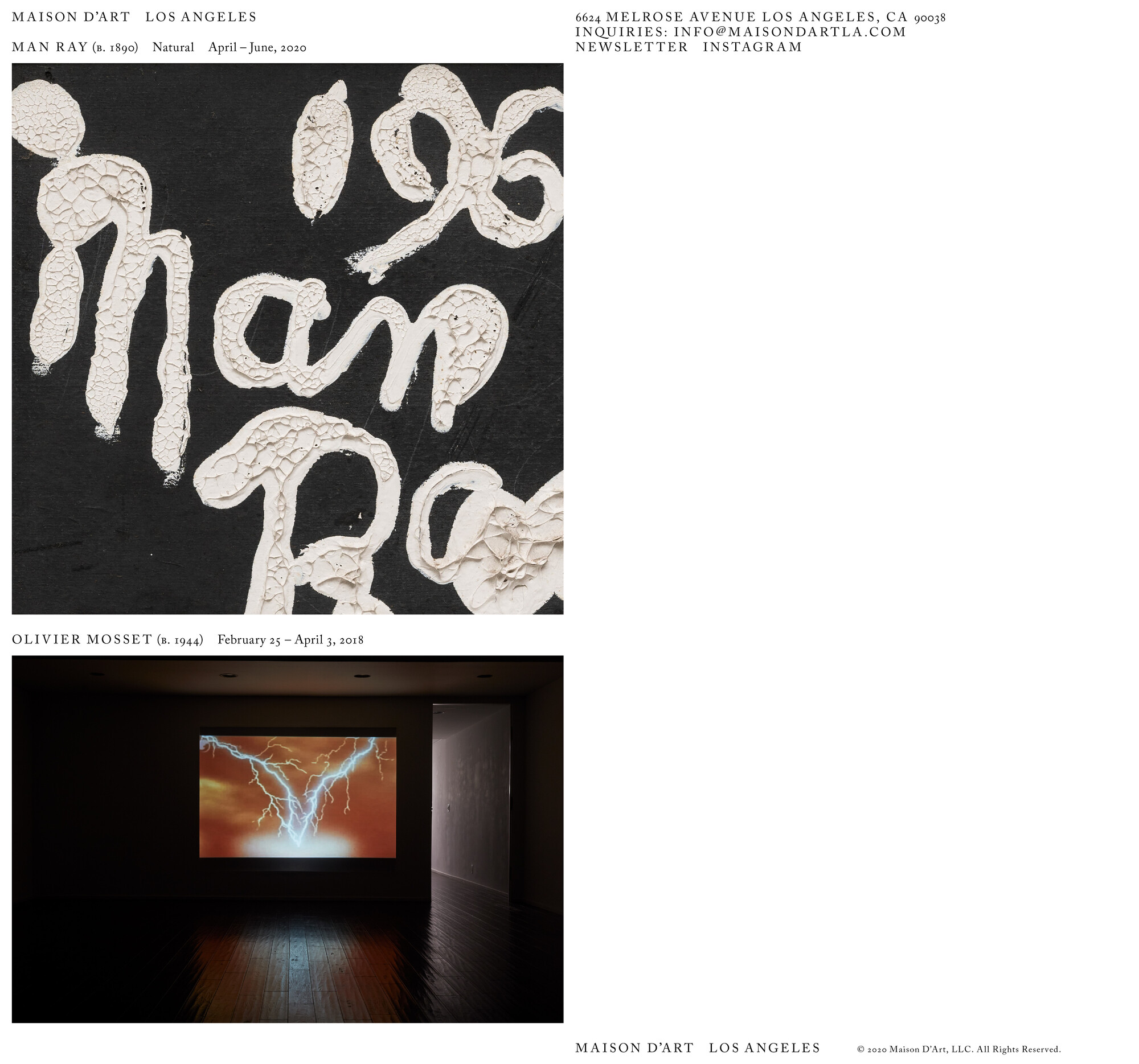
Maison D’art Los Angeles is a distinct contemporary art gallery housed inside a 1928 Greek Revival-style building on Melrose. The gallery specializes in a carefully curated historical and contemporary art program, hosting standout exhibitions spotlighting major artists such as William L. Hawkins, Cy Twombly, Andy Warhol, Claes Oldenburg, and Man Ray.
An online platform developed for the Gallery Association Los Angeles during the city’s gallery shutdowns in 2020. The website presents weekly viewing rooms and curated projects, sustaining a shared presence for Los Angeles galleries when in-person exhibitions were paused.
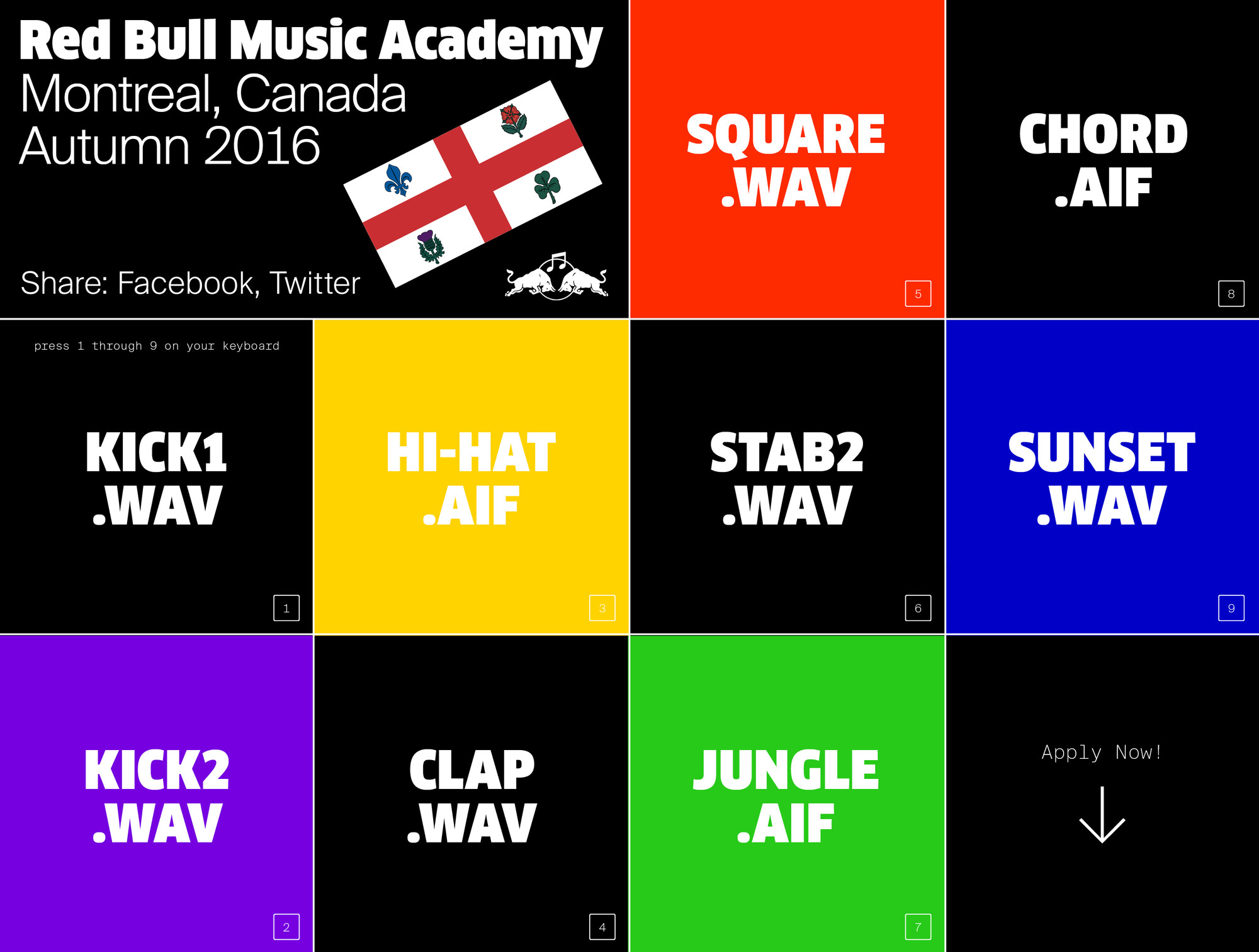
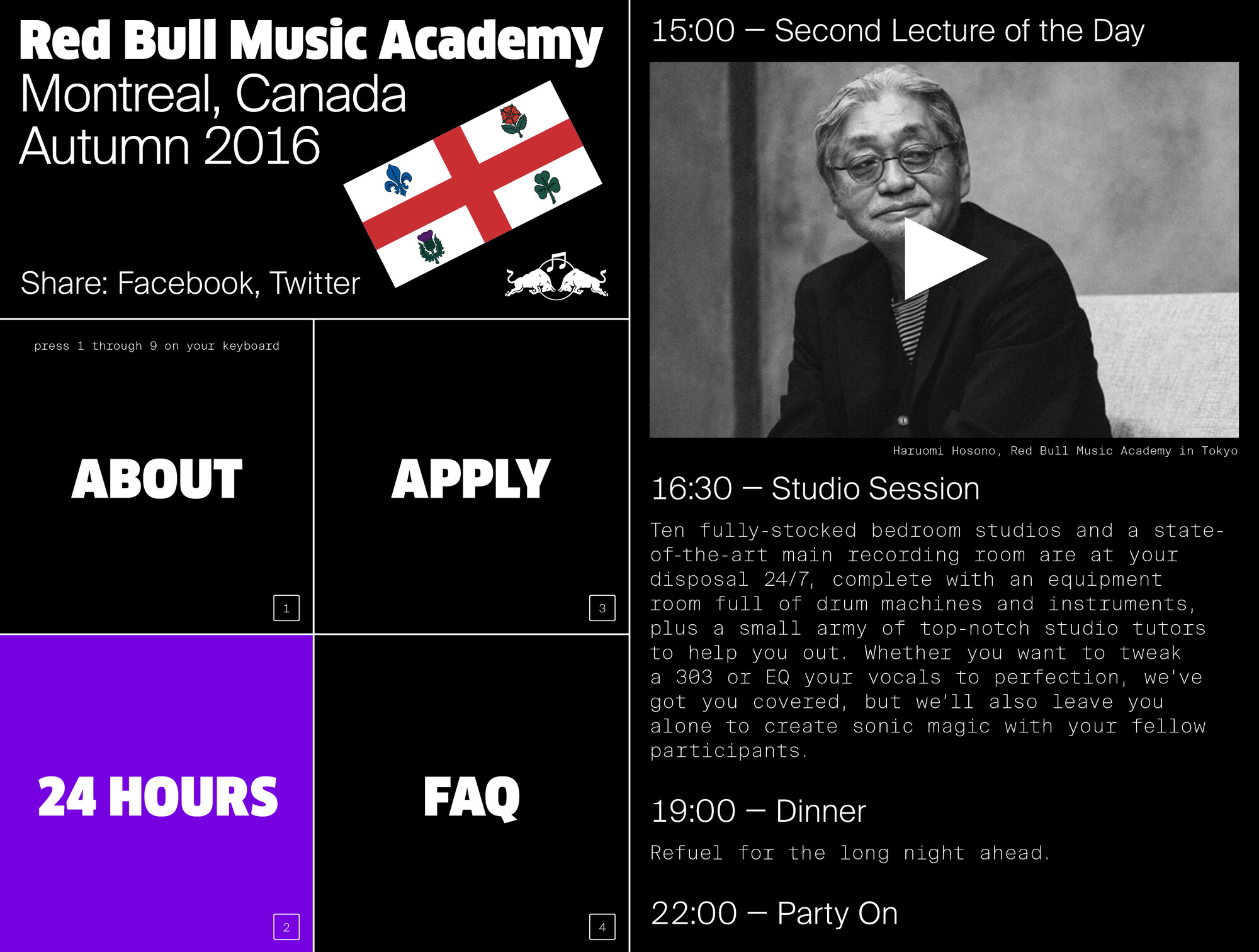
Application website for Red Bull Music Academy 2016 in Montreal. Introduced the program’s workshops and global network with a playful landing page designed as a soundboard interface. Archived site
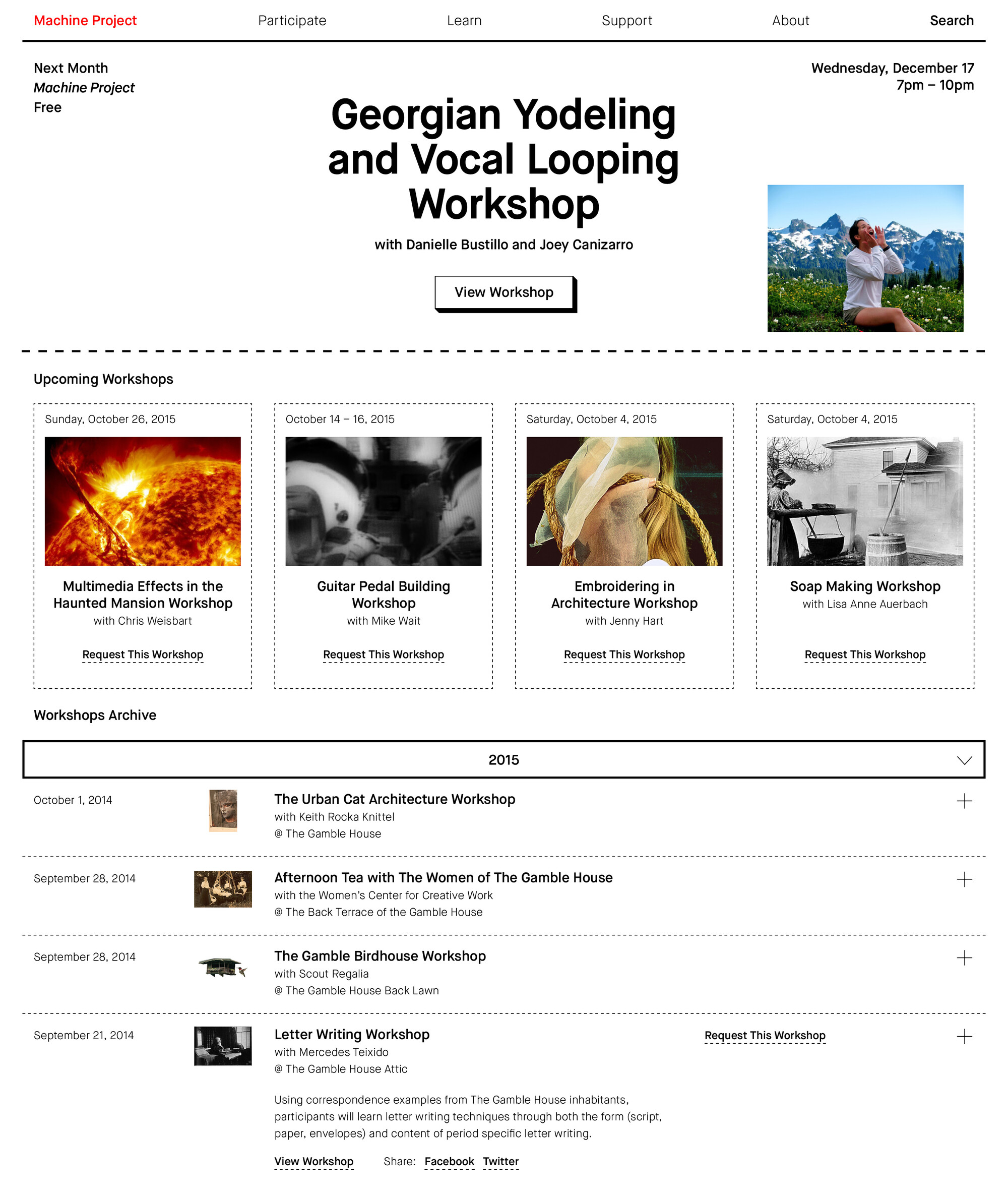
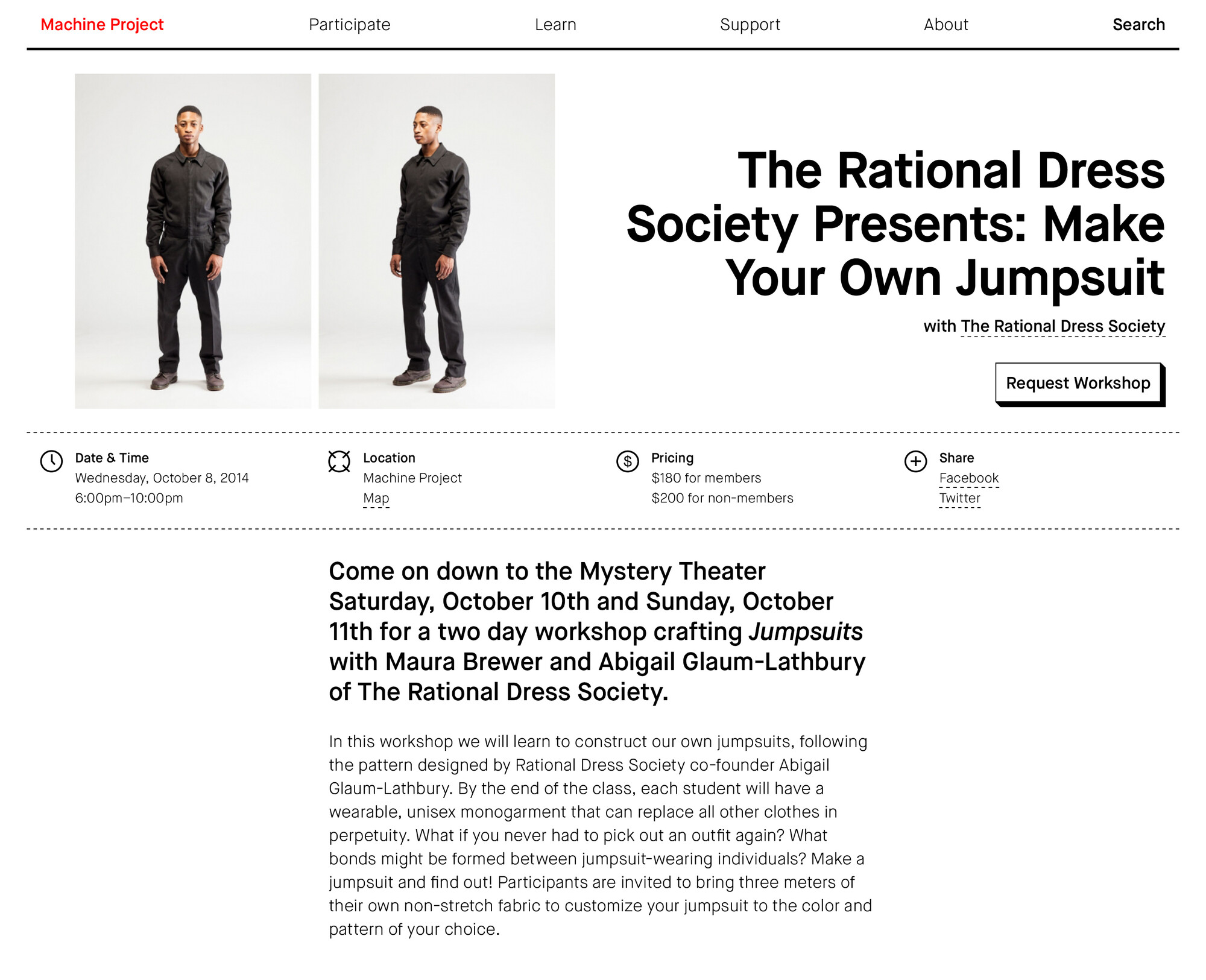
Website for Machine Project, a Los Angeles-based collective for experimental art and performance. Reflects the organization’s informal and eclectic spirit through a flexible, image-led structure documenting events and workshops. Visit site ⎘
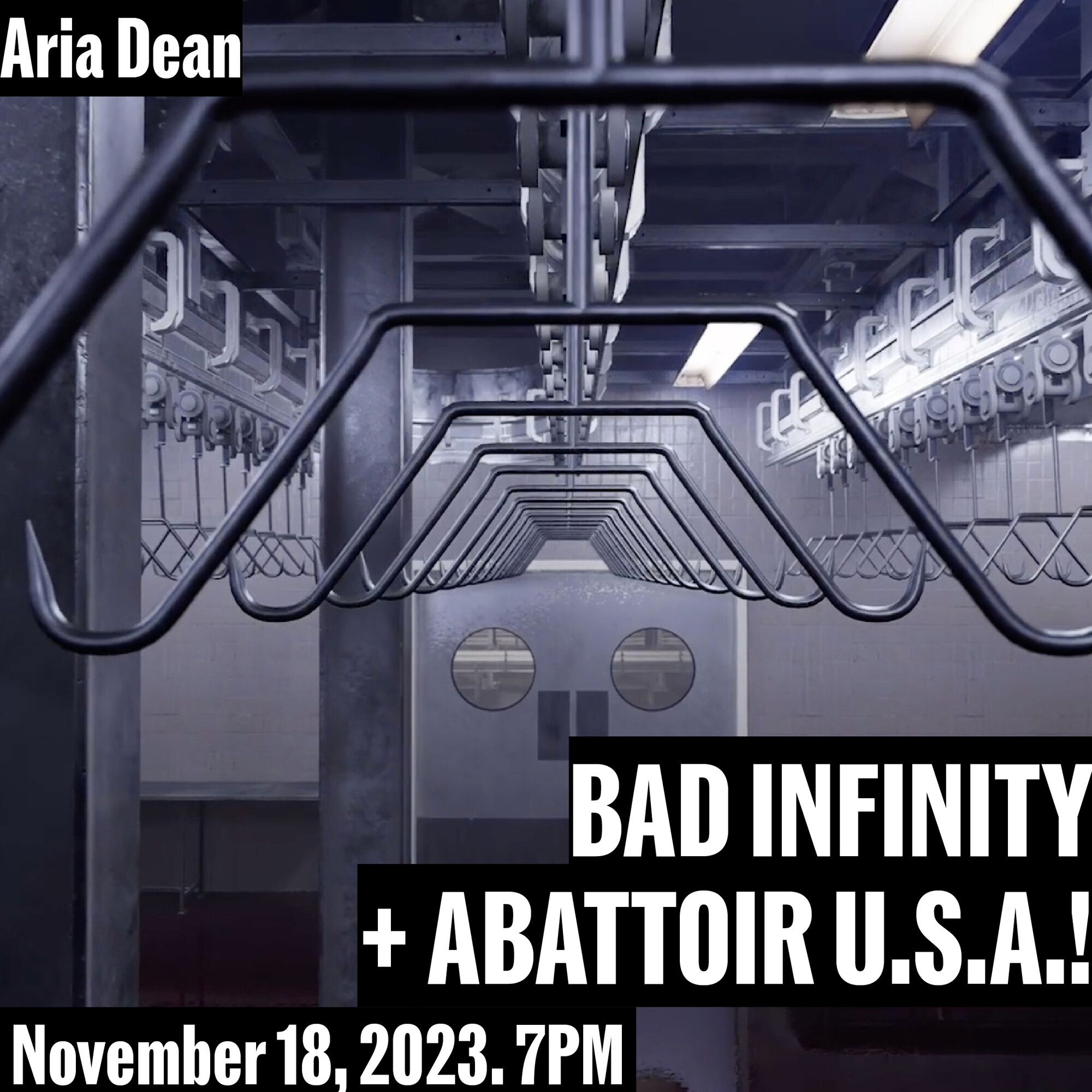
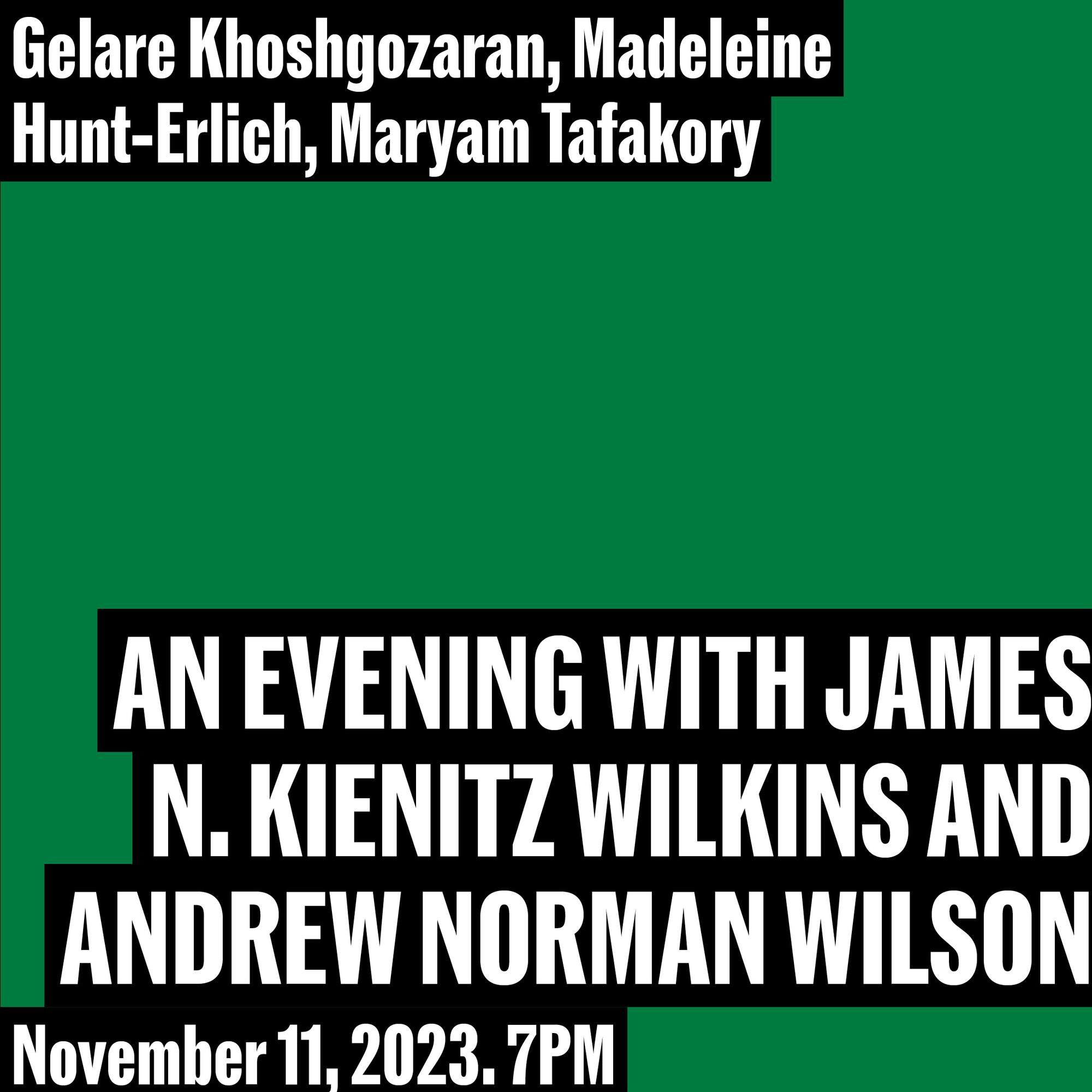
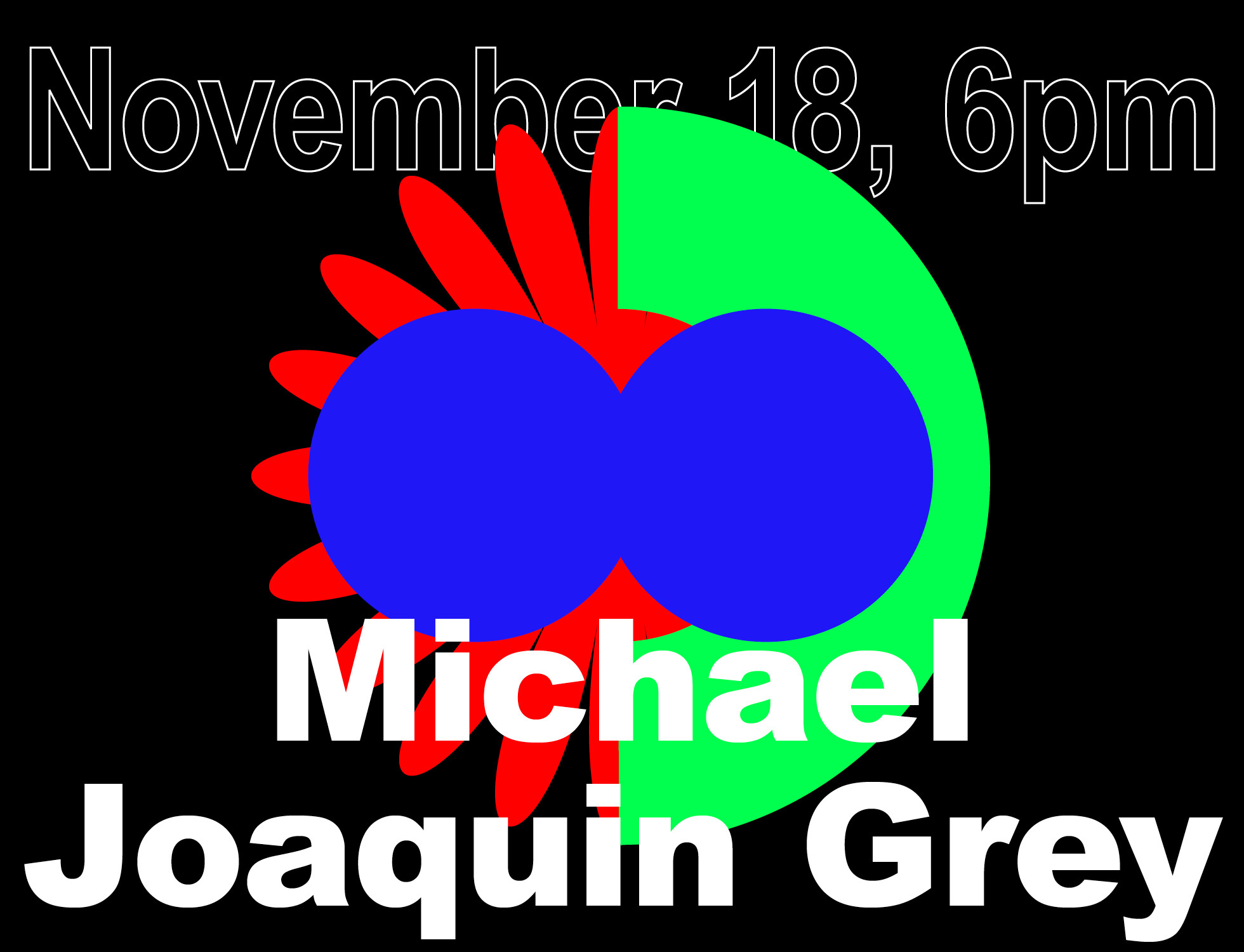
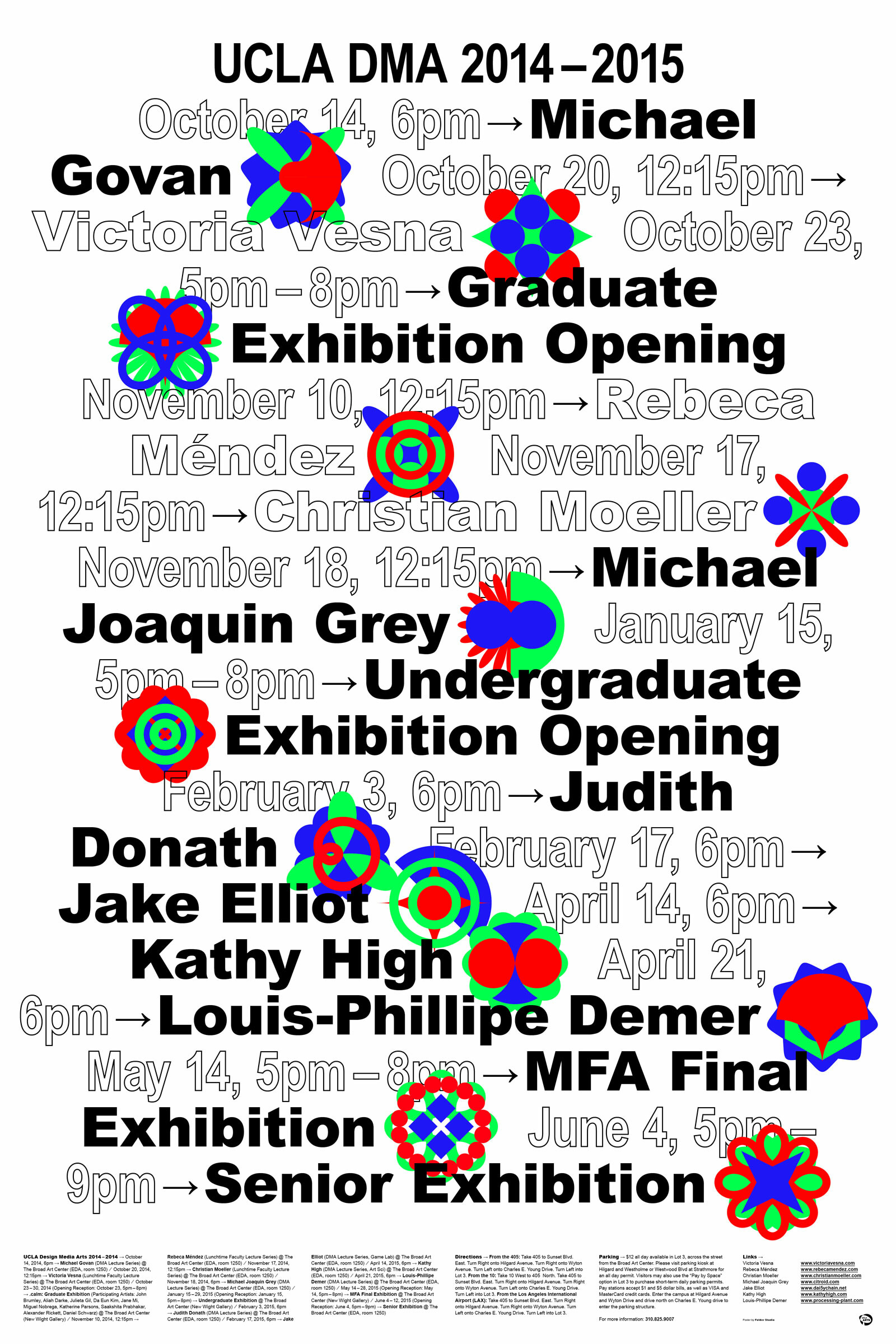
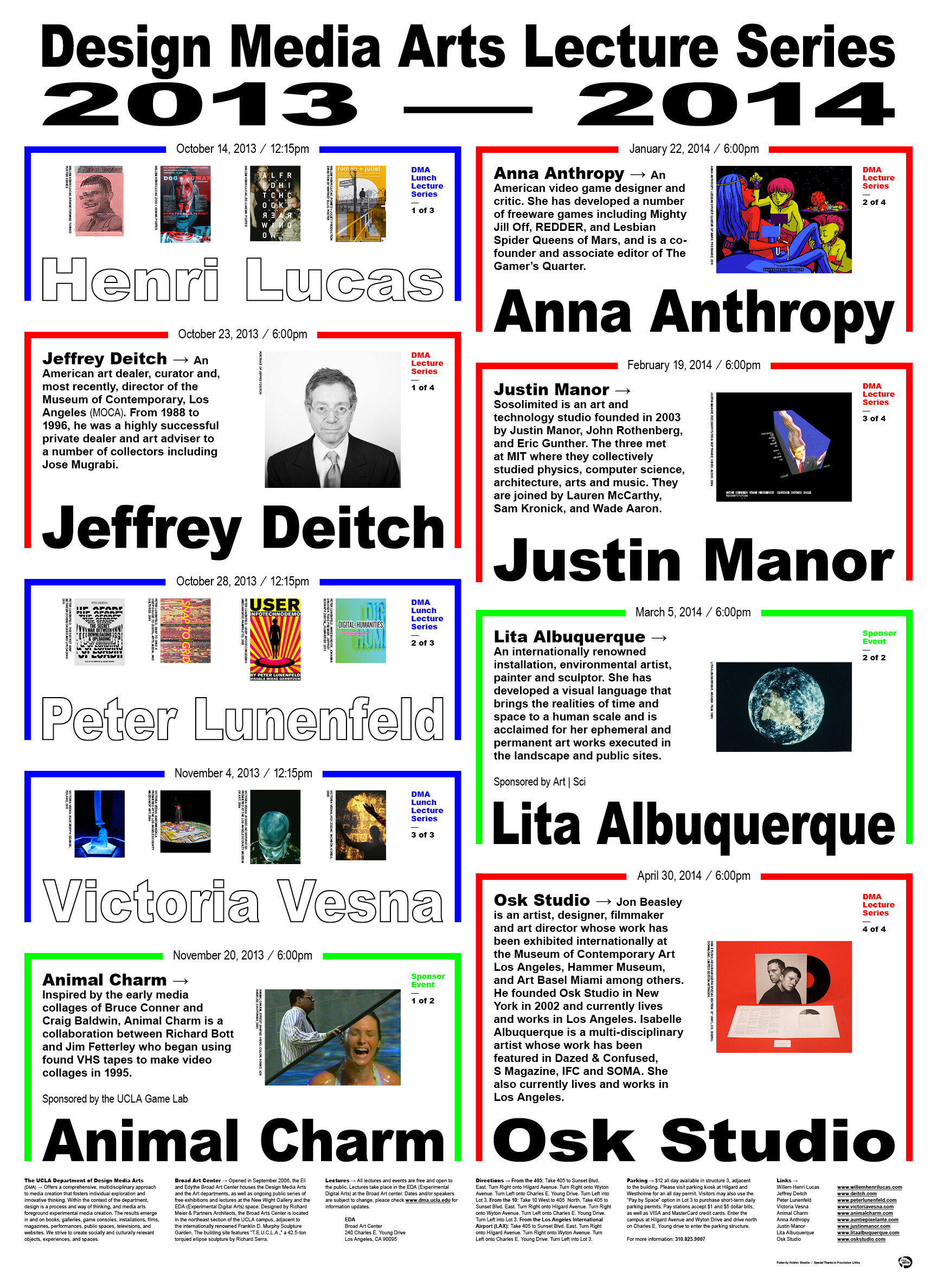
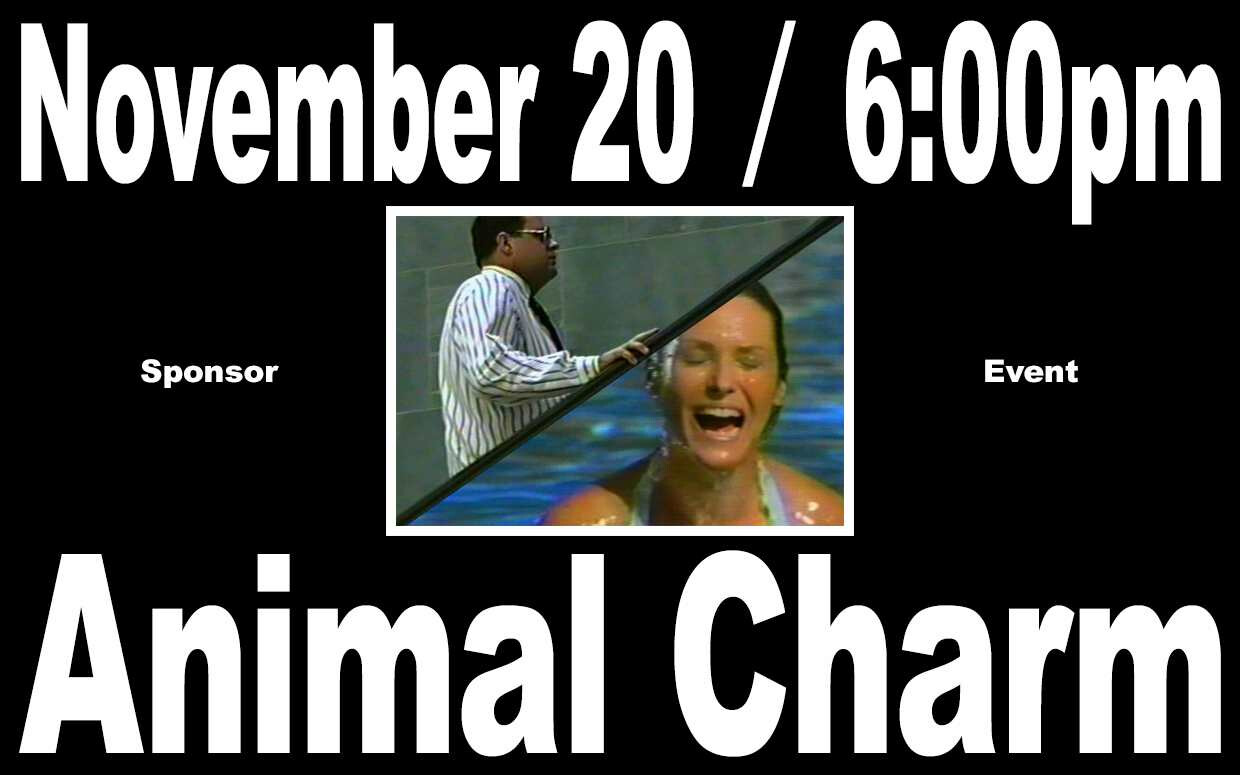
Posters, postcards, and digital materials for the UCLA Design Media Arts MFA Lecture Series. A modular system of shapes and typography allows each poster to shift in tone, from abstract to technical, while maintaining a unified structure across the series.
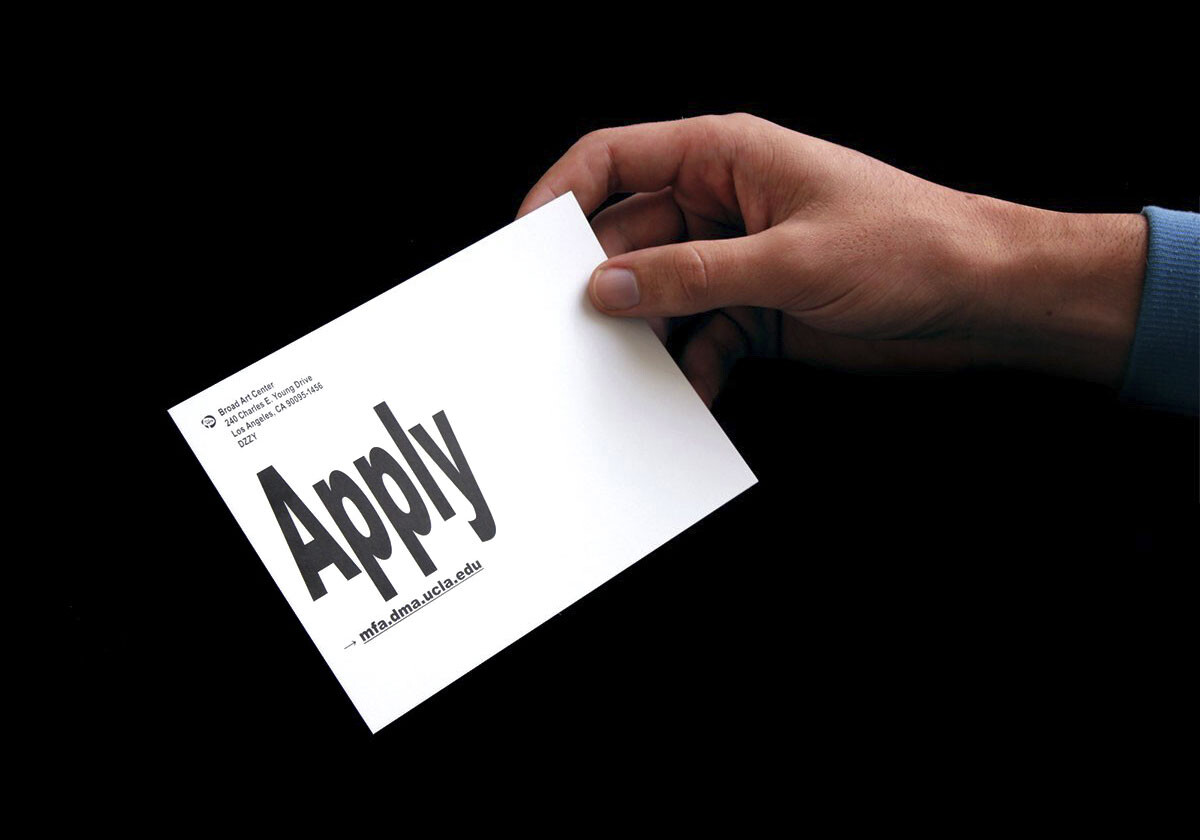
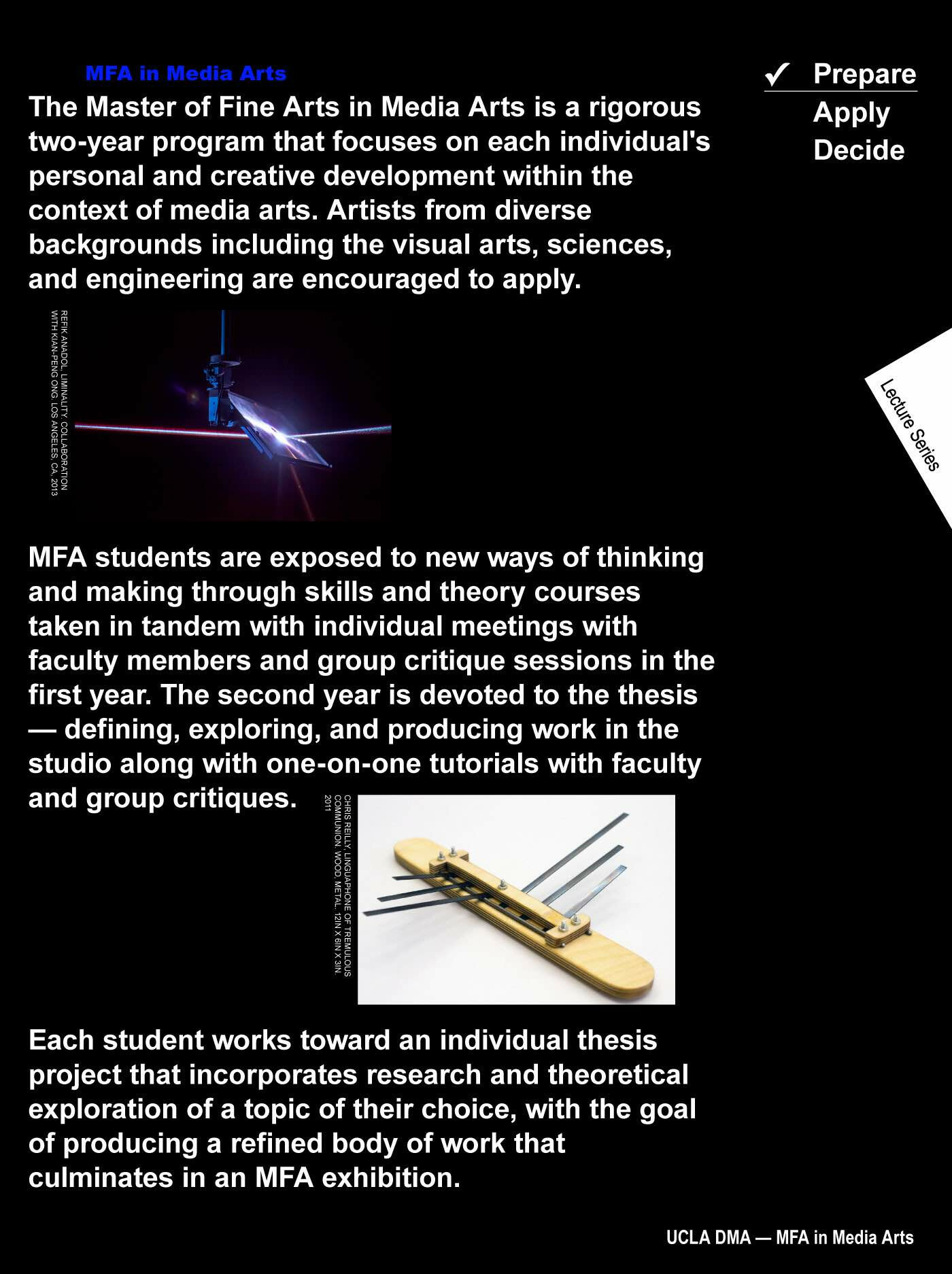
A rigorous two-year program, the Design Media Arts MFA at UCLA focuses on the individual development of each candidate’s personal art practice in the context of media arts. The entry guide is a stripped down, sequential breakdown of the program’s intent and history supplemented by examples and resources from faculty and alumni.